



Japanese Apartment Ideas: A Complete Guide to Calm, Compact, and Clever Living
Short on space but not willing to sacrifice style or serenity? Japanese apartment ideas deliver a precise answer: calm, considered design that makes every square metre work harder and look better. In Japanese Apartment Ideas: A Complete Guide to Calm, Compact, and Clever Living4, you will find practical solutions and inspirational visuals that transform cramped city flats into uncluttered, purposeful homes—without expensive renovations or gimmicks.
This introduction distils the promise of the guide. You will learn how to unlock more room with low-profile furniture, sliding partitions, and built-in storage; how to choose a neutral palette and natural materials that read as warm rather than stark; and how to layer soft, indirect lighting and plants to create rhythm and rest. Whether you rent a micro-studio or own a modest two-bedroom, the techniques here focus on spatial hierarchy, material honesty, and everyday comfort—so you gain both function and atmosphere.
Read on if you want immediate, repeatable ideas—layout templates, furniture swaps, and quick styling moves—that deliver a calmer, more clever apartment today. This guide is for anyone who wants Japanese apartment ideas that are beautiful, usable, and genuinely livable.
Understanding the Japanese Aesthetic
Understanding the Japanese aesthetic starts with a commitment to balance, natural materials, and quiet craftsmanship. The focus is on creating an environment that feels calm and intentional, using a restrained palette, honest textures, and layouts that support easy movement.
Rather than relying on heavy decoration, Japanese interiors prioritise purpose: what is essential, what is concealed, and what genuinely enhances daily living.
Thoughtful, Zen-Inspired Layouts
Thoughtful, Zen-inspired layouts form the foundation of any Japanese apartment. The goal is to create a floor plan that feels open, fluid, and emotionally calm, even when the footprint is small. Before adding furniture, it helps to study how light moves through the space, where natural pathways form, and which areas should function as core living zones.
Generous sightlines: Keep the main field of view unobstructed. Open sightlines make compact rooms feel wider and allow natural light to travel further. Low furniture, carefully placed mirrors, and sliding partitions all support this visual clarity.
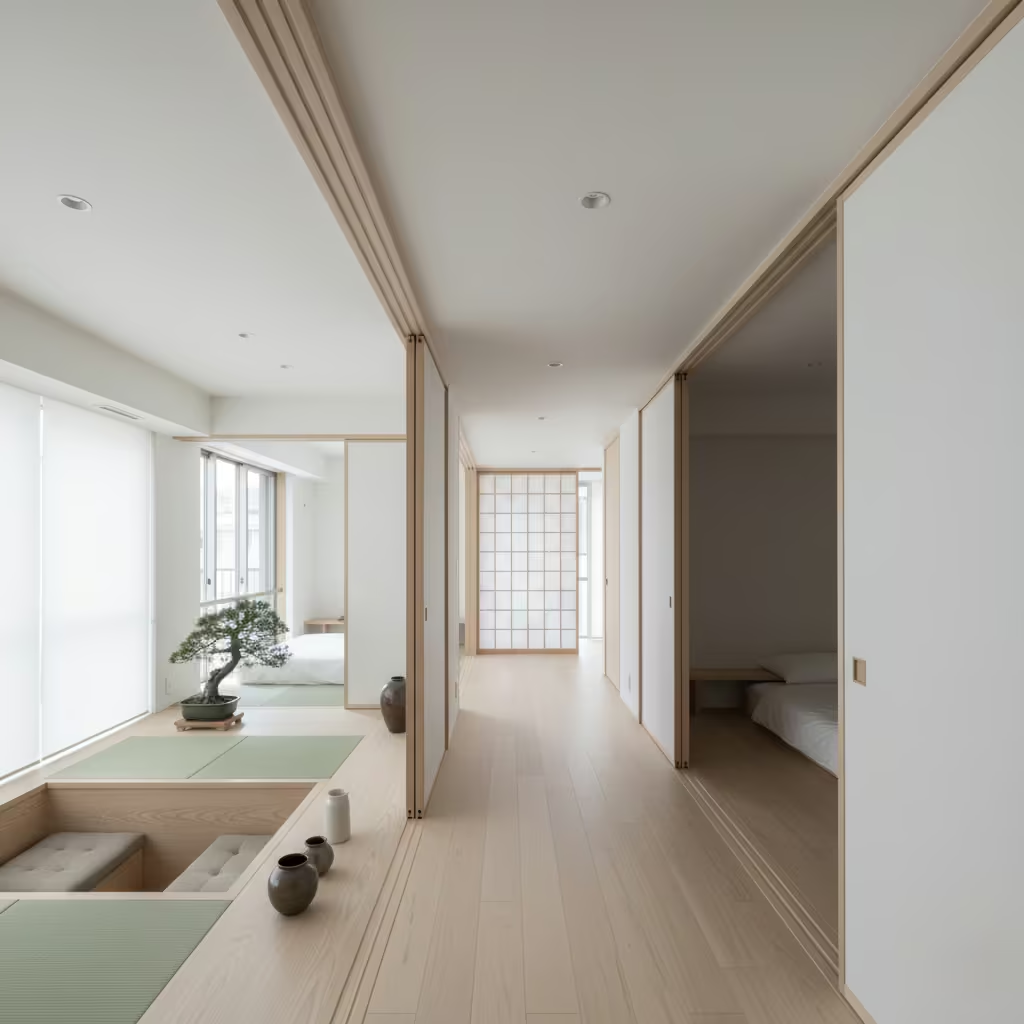
Peripheral furniture placement: Position larger pieces like sofas, dining tables, and storage units along the perimeter. This keeps the centre of the room open, improving flow and reducing the feeling of congestion.
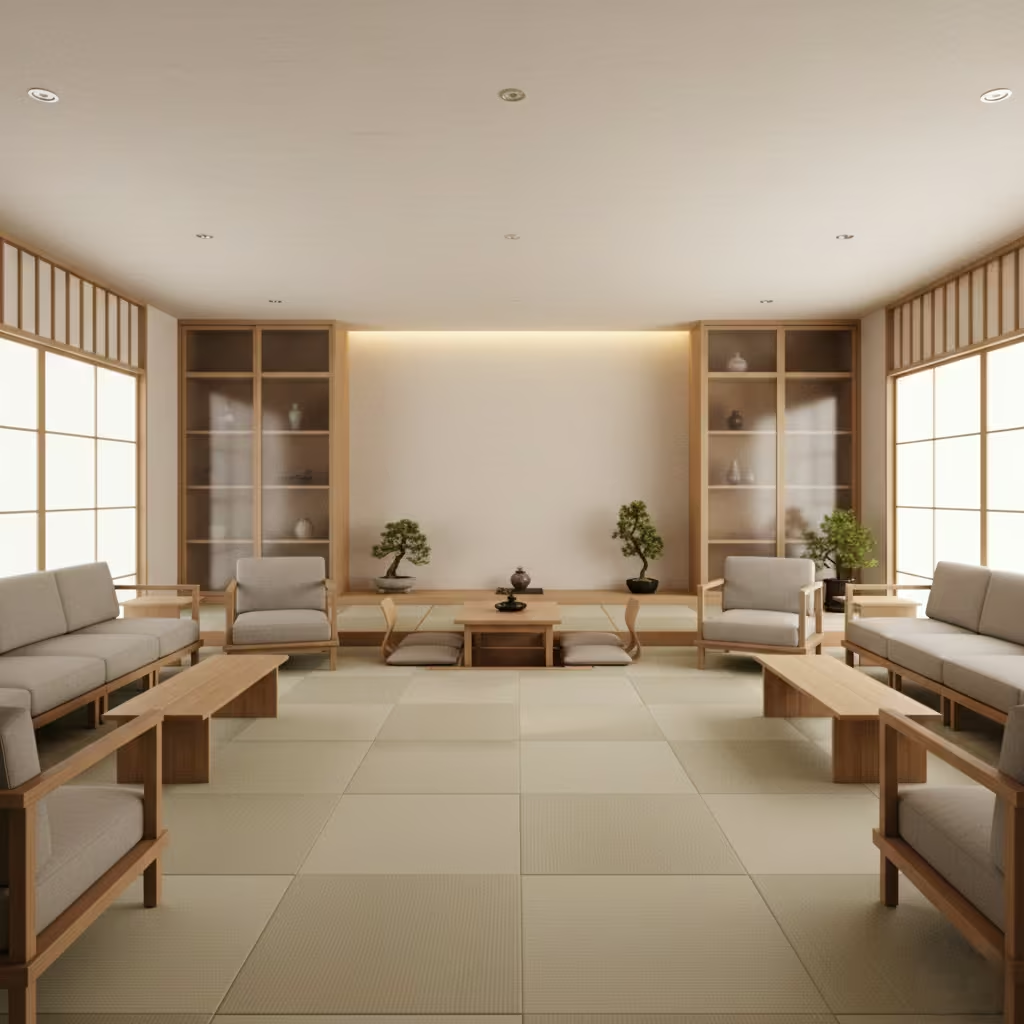
Flexible zoning: Create adaptable zones that shift from one use to another throughout the day. A dining nook might double as a workspace; a raised platform bed may hide storage beneath. Multipurpose layouts are essential in smaller flats and help you avoid cluttered, over-defined spaces.
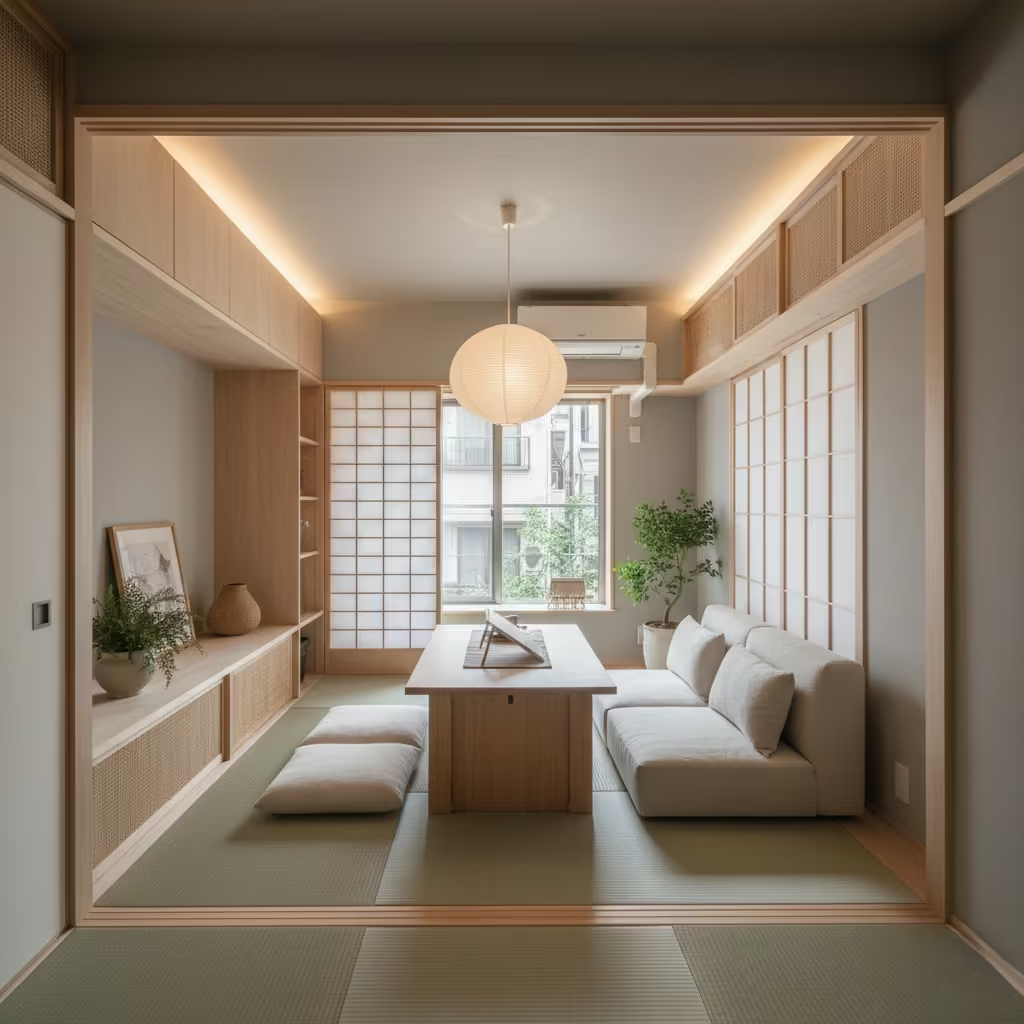
Emotional calm: Prevent “dead ends” where clutter naturally accumulates. Instead, establish clear pathways and use hidden storage to maintain a clean visual field. The aim is to design a layout that feels intuitive, so daily movement is effortless rather than frustrating.
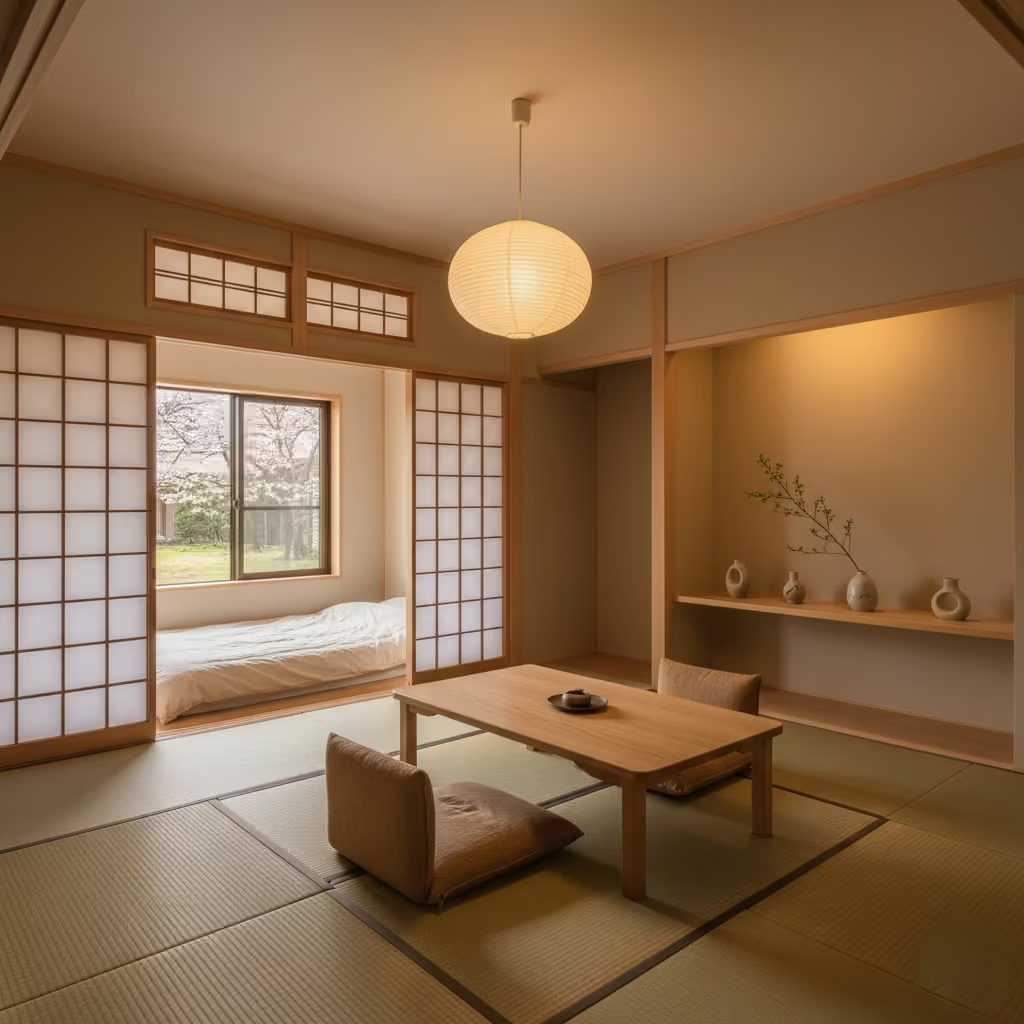
A well-considered layout can transform an apartment from disjointed to harmonious. With a few deliberate adjustments, even the most limited floor plan can feel balanced, airy, and grounded.
You May also Like: 25 Entryway Renovation Ideas That Transform Your Home from the Moment You Walk In
A Soft, Neutral Colour Palette
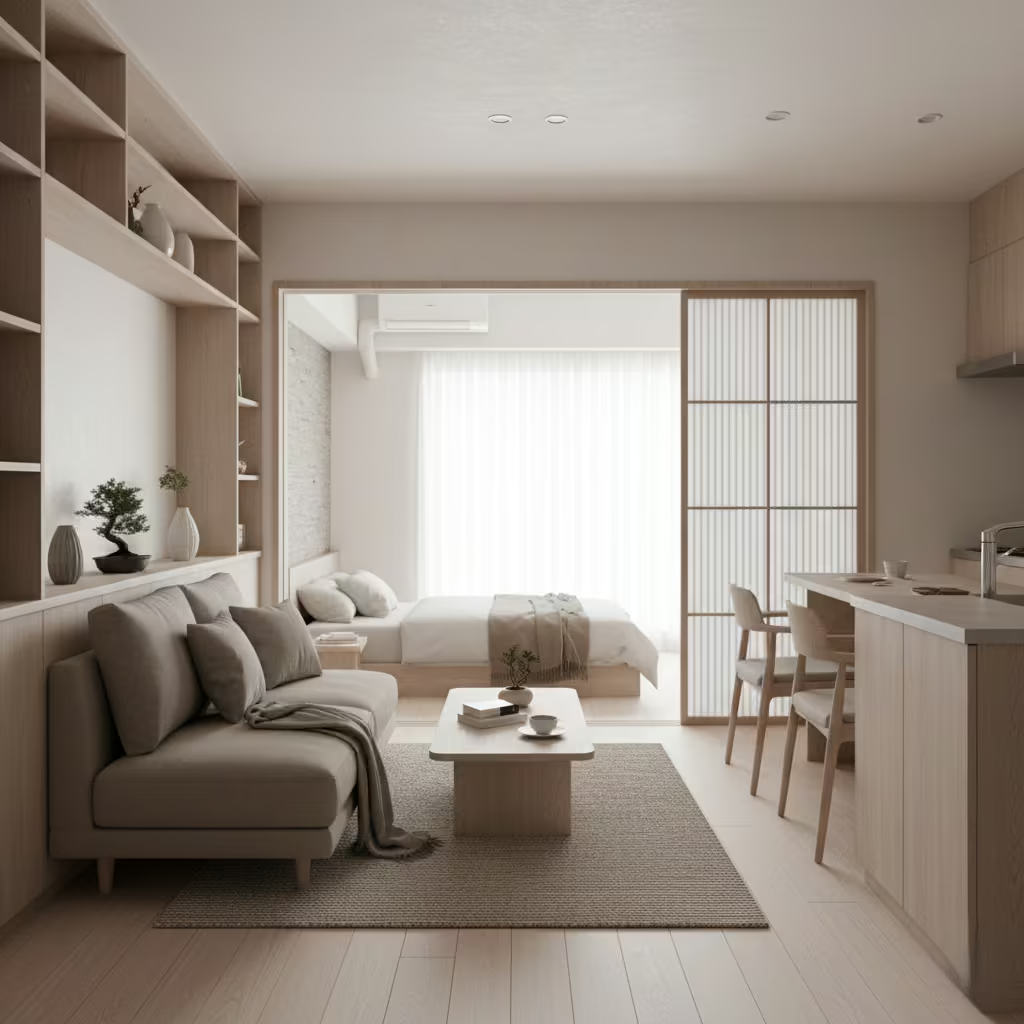
Japanese apartments rely on a nature-inspired palette to create a calm, timeless backdrop. Soft neutrals reduce visual noise and let materials, light, and form take centre stage.
Recommended colours
- Soft white (warm, slightly creamy)
- Stone grey (light to mid tones)
- Clay and earthy beige (terracotta-leaning accents)
- Warm sand tones (subtle yellow or ochre undertones)
- Muted black or charcoal (for anchors and fine detailing)
How to use the palette effectively
- Layer tones, don’t match them. Use variations of the same neutral family on walls, upholstery, and flooring to add depth without color clutter.
- Choose warm whites for walls. They reflect light and feel inviting, especially in north-facing rooms.
- Reserve muted black for punctuation. Use it sparingly on handles, light fittings, picture frames, or slim furniture legs to provide contrast and visual structure.
- Bring texture into the scheme. Natural wood, woven textiles, linen curtains, and raw ceramics add warmth even when the colour range is limited.
- Select appropriate finishes. Matte or eggshell paints suit walls to minimise glare. Slightly glossier finishes can be used on joinery where durability is needed.
- Use accent materials rather than bright paint. Introduce subtle colour through plant leaves, pottery, or a single timber feature rather than bold wall tones.
Applied consistently, this palette makes small rooms look brighter and larger while delivering a warm, restrained backdrop that complements both traditional and contemporary Japanese elements.
Natural Materials That Add Warmth
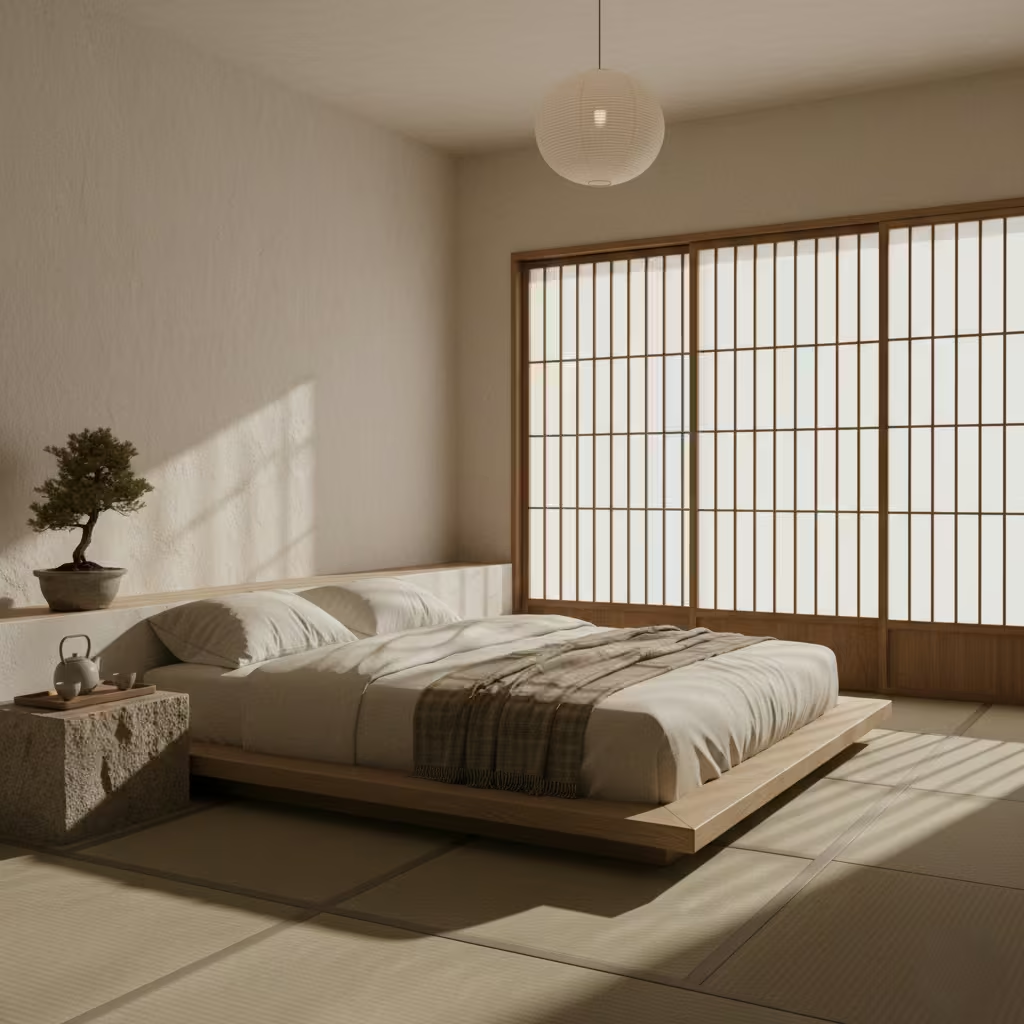
Natural materials are essential in Japanese interiors because they create a calm, grounded atmosphere that feels both authentic and tactile. They soften the architectural lines of compact apartments and introduce subtle texture without overwhelming the space. These materials work together to form a visual rhythm that feels warm, understated, and deliberately crafted.
Materials to prioritise
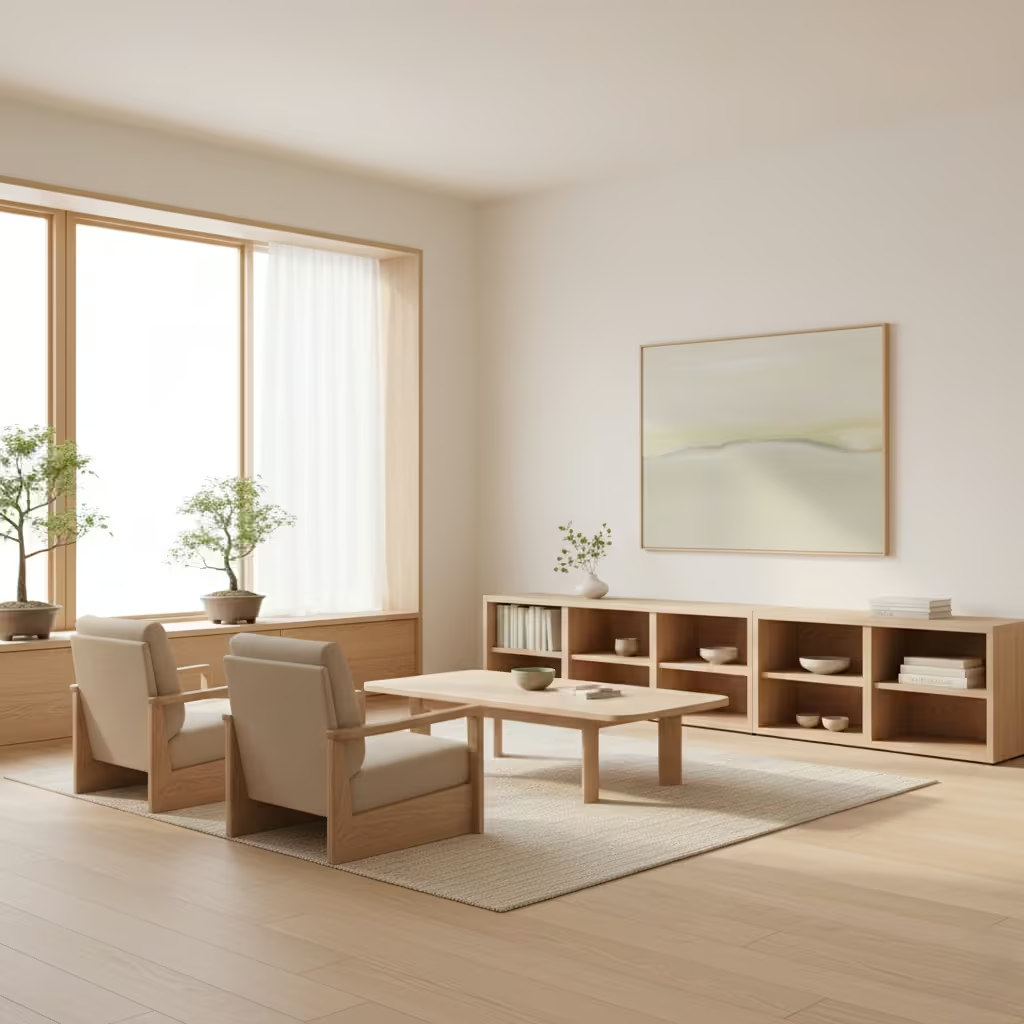
Light oak, ash, or birch: These pale woods bring a gentle brightness to small rooms and pair well with neutral palettes. They’re ideal for platform beds, low coffee tables, cabinetry, and shelving because they maintain a light, airy presence.
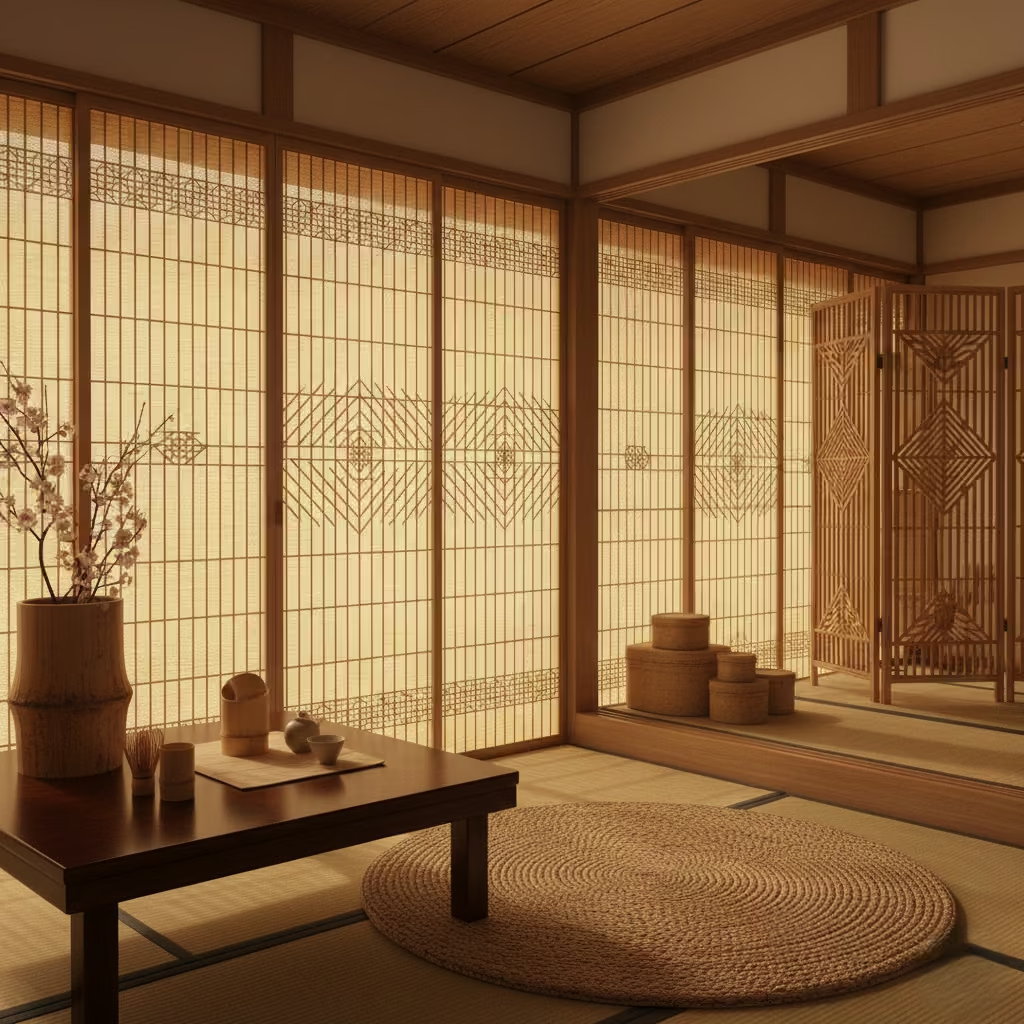
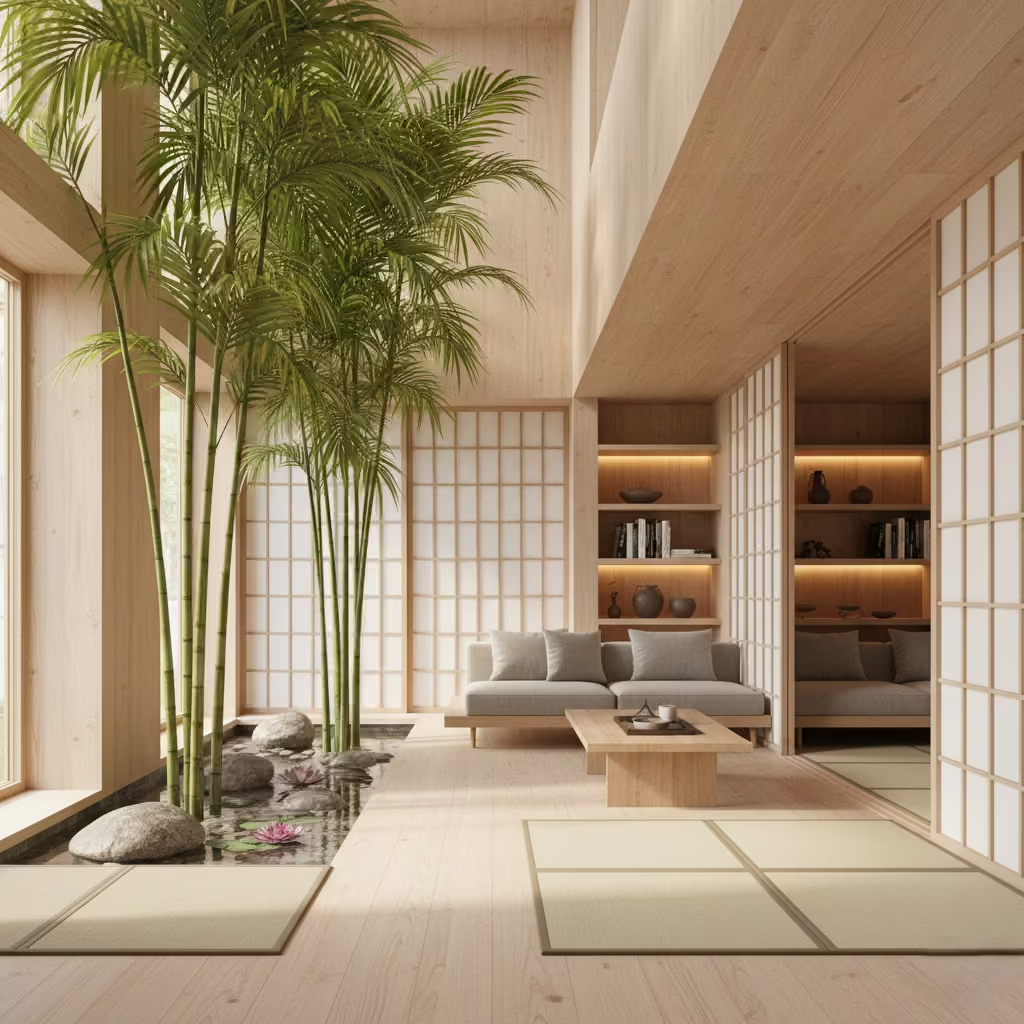
Bamboo for screens and accessories: Bamboo adds a distinctly Japanese character. It’s strong yet lightweight, making it perfect for sliding screens, privacy dividers, lamp shades, and small accent pieces. Its natural tone helps balance colder materials like concrete or stone.
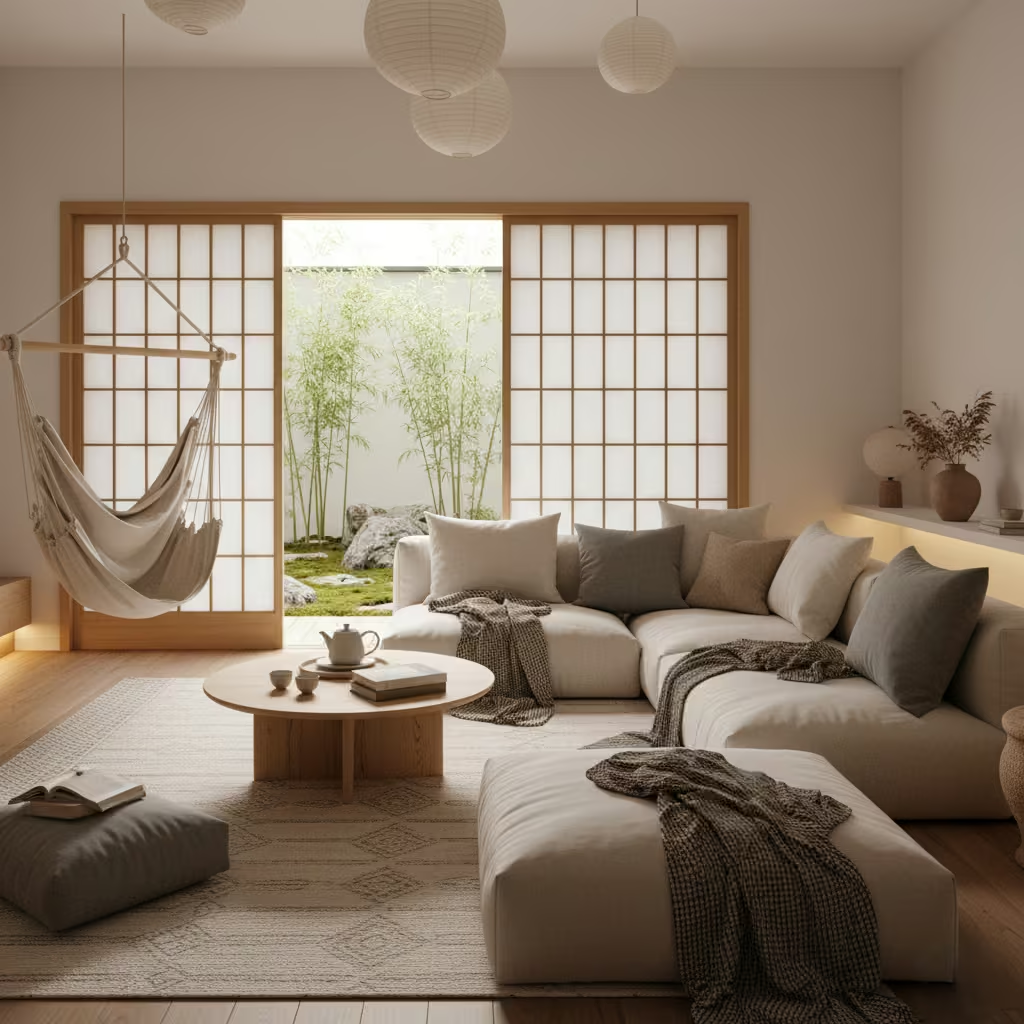
Linen or washed cotton textiles: These fabrics introduce softness and movement. Linen curtains filter light beautifully, while washed cotton bedding and cushions add comfort without looking bulky. Their slight wrinkles and organic feel support a relaxed, lived-in aesthetic.
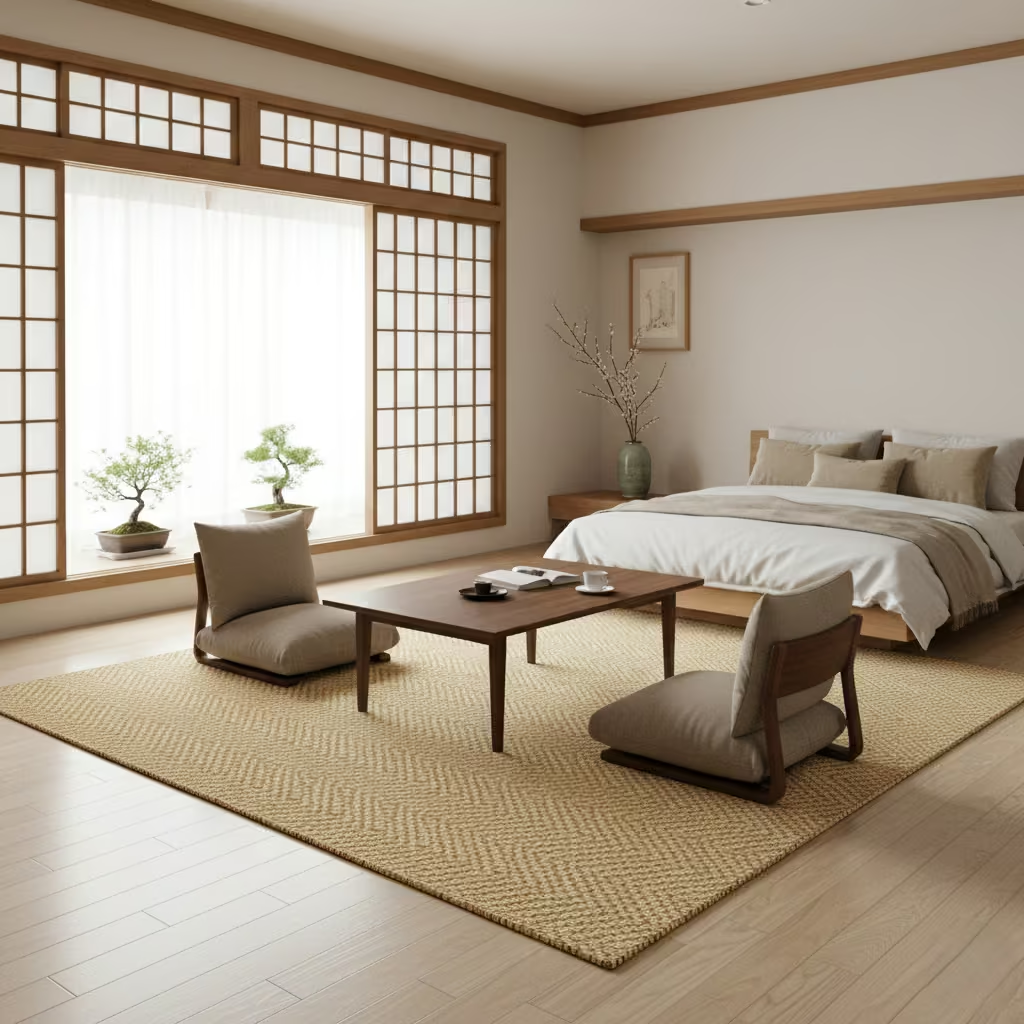
Tatami-style woven rugs: Tatami textures bring instant warmth and authenticity. Even if you’re not using full tatami mats, woven jute or seagrass rugs echo the same earthy simplicity and help define seating or sleeping zones.
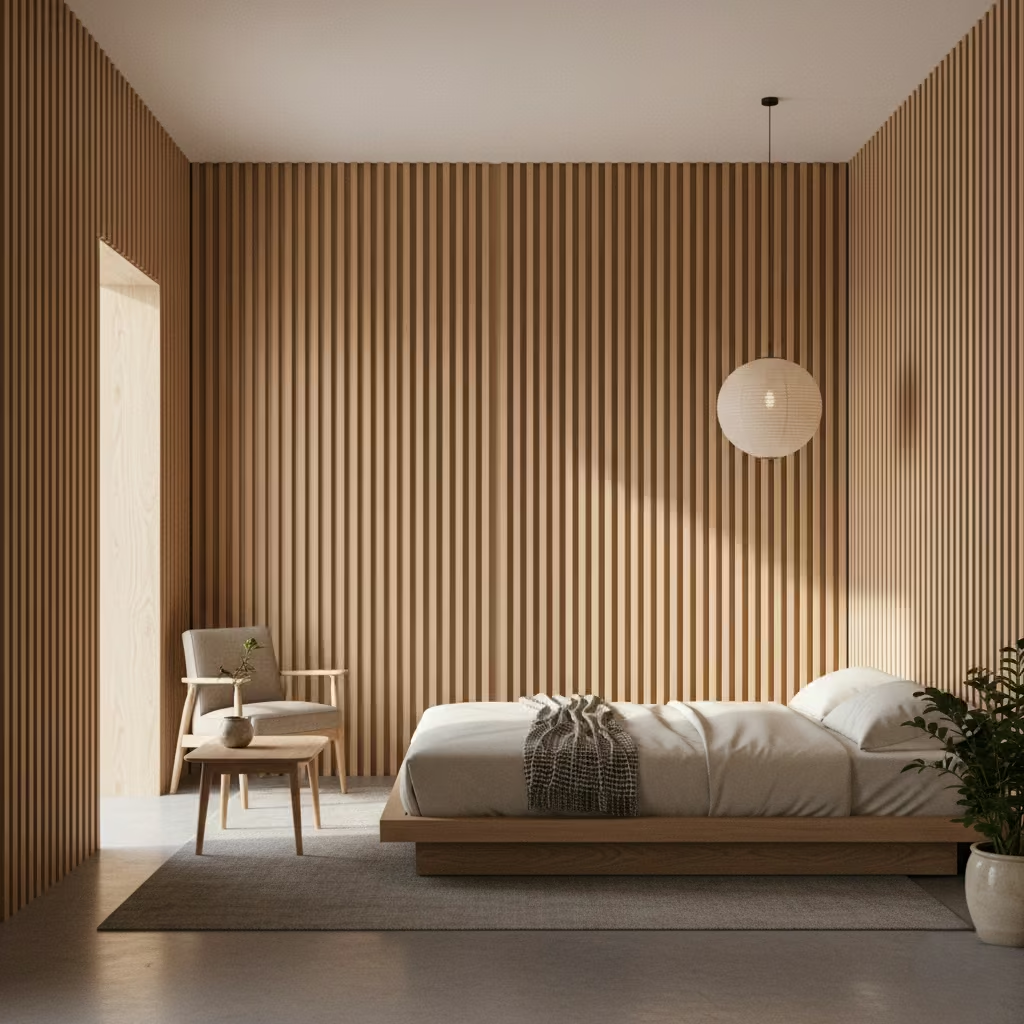
Slatted wooden wall panels: Timber slats add depth and a refined architectural detail. They can be used behind a bed, around a TV wall, or to frame an entryway. The linear pattern brings structure while keeping the look soft and natural.
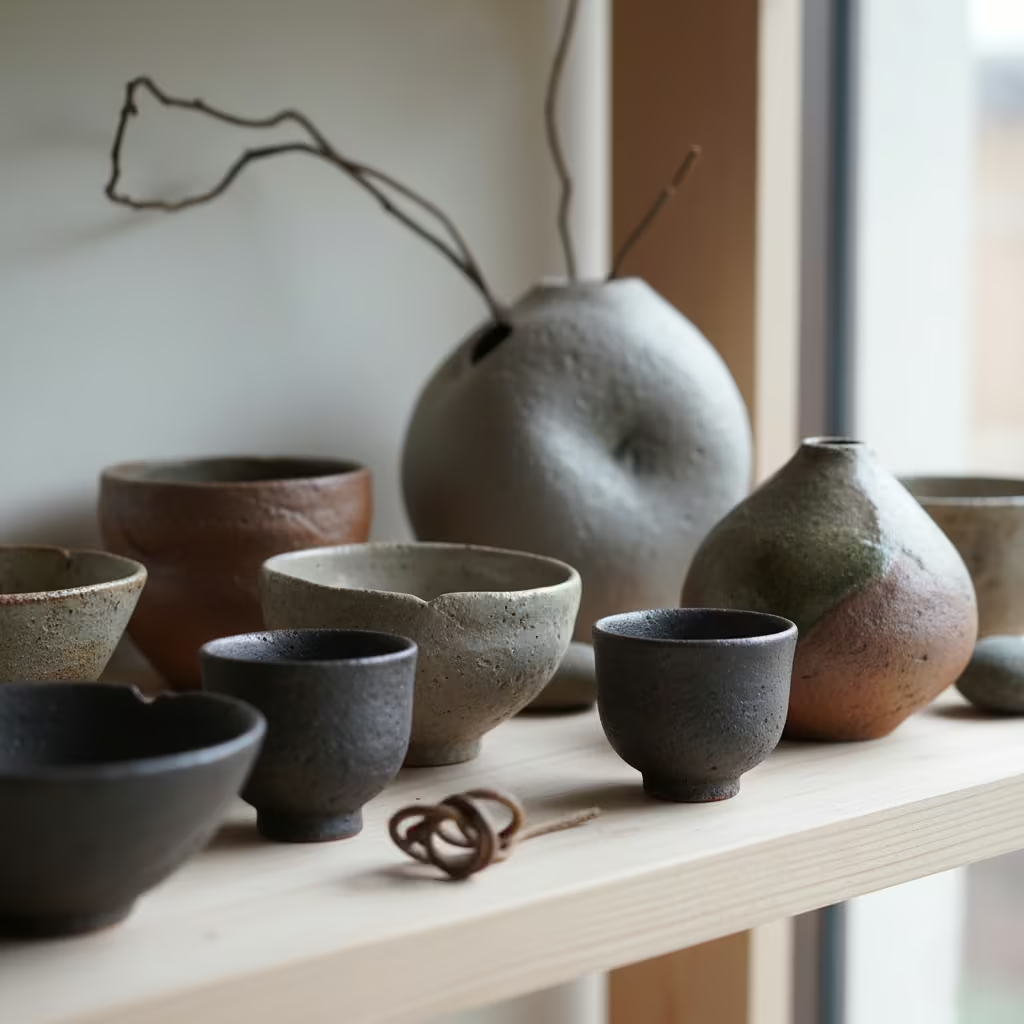
Raw ceramics and handmade pottery: Imperfect glazes, matte finishes, and organic shapes bring a wabi-sabi sensibility. These pieces work well as display items, tea sets, vases, or even functional kitchenware, adding soul and craftsmanship to the home.
Why these materials matter
Natural materials don’t just elevate the aesthetic; they influence how the space feels. They diffuse light gently, dampen sound, and provide a comforting contrast to the clean, minimal layout. Their textures bring human warmth into a design language rooted in simplicity, making even small apartments feel welcoming, grounded, and full of character.
Low-Profile, Streamlined Furniture
Low-profile furniture is a defining feature of Japanese interiors because it creates a visual horizon that feels calm, open, and unobtrusive. By keeping pieces closer to the floor, you reduce visual weight and naturally draw the eye upward, making even small apartments feel taller and more spacious. This approach also reinforces the connection to the ground, which is an important part of Japanese design philosophy.
Great low-height choices
Platform beds: Clean-lined wooden platforms offer support without bulk. Their open bases help maintain light flow, and many include built-in drawers for concealed storage.
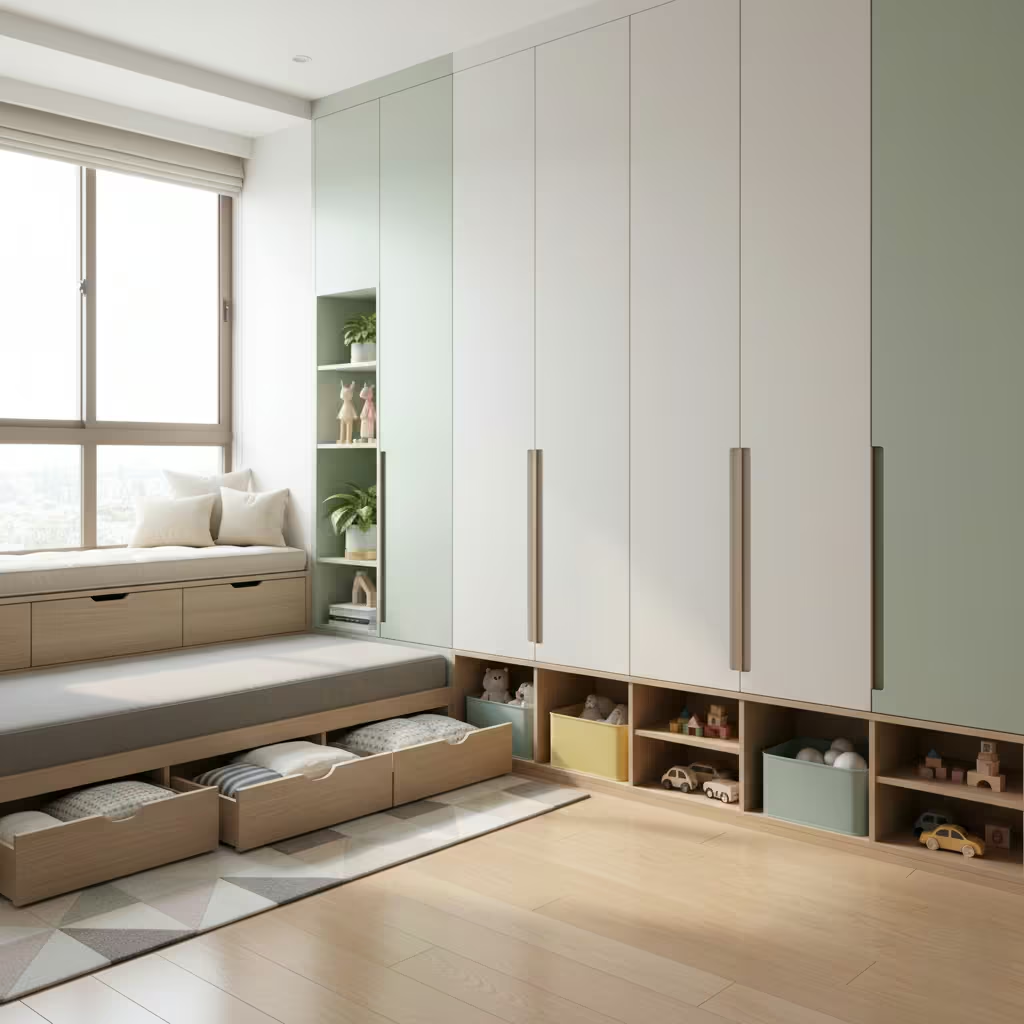
Upholstered futons: Ideal for small apartments, futons offer both seating and sleeping solutions. Their low stance keeps the room feeling open, and they pair easily with tatami-style rugs.
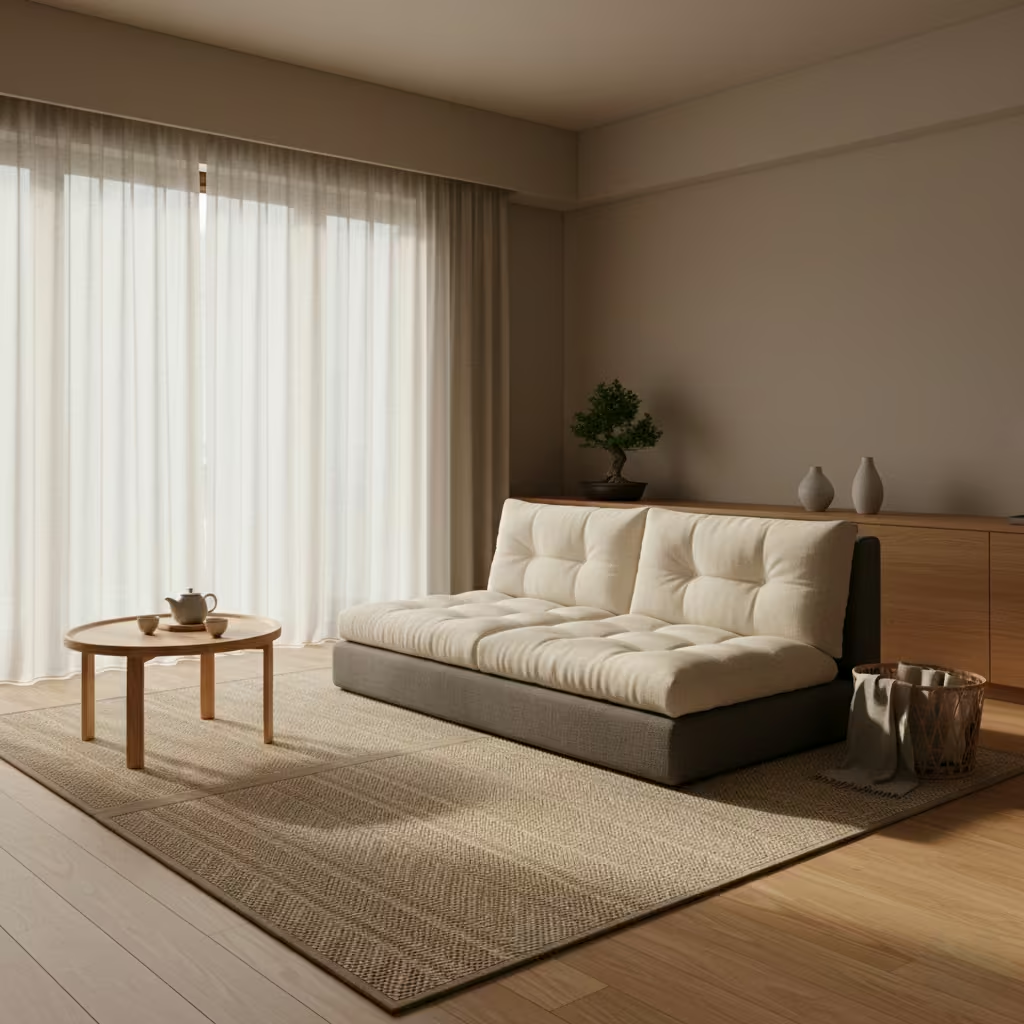
Short coffee tables: Simple wooden or lacquered designs sit low to the floor, complementing floor cushions and encouraging relaxed, informal seating arrangements.
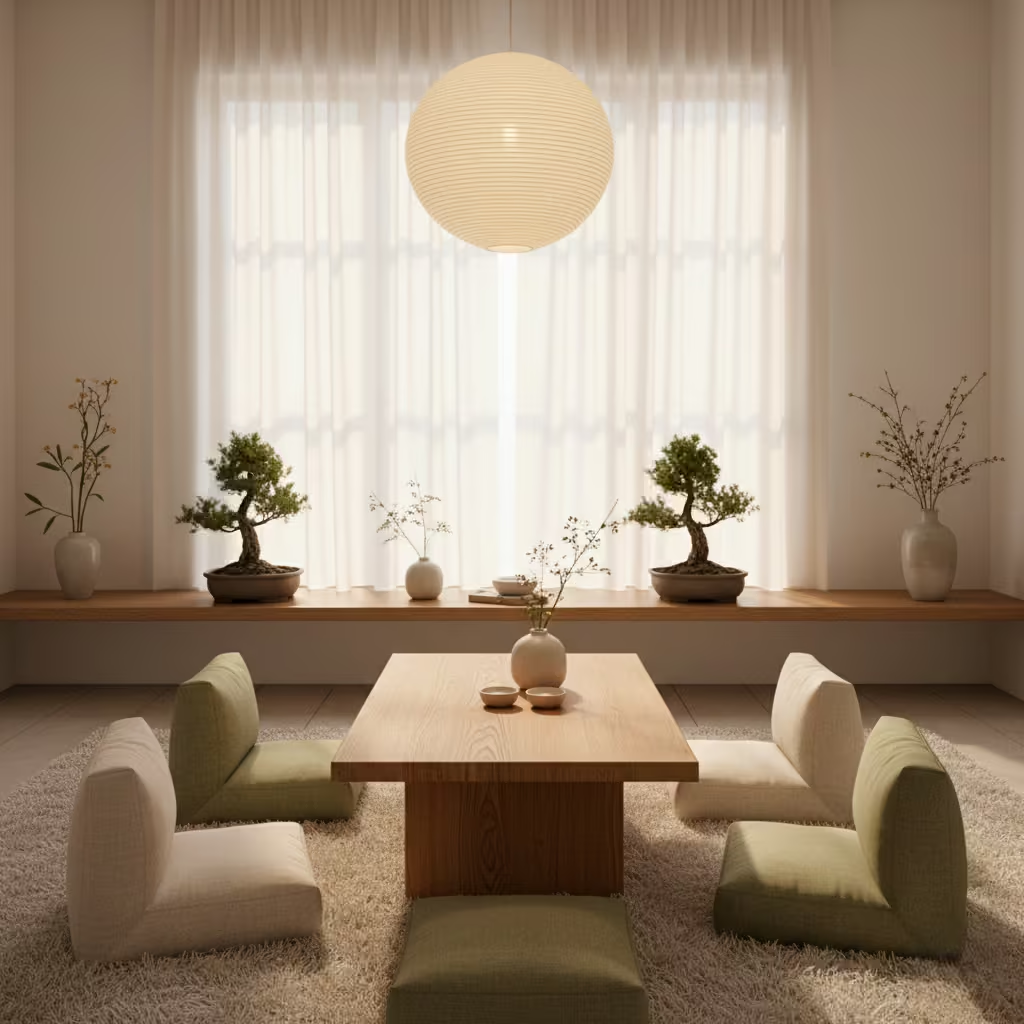
Low dining sets: Compact dining tables with short legs work beautifully in open-plan layouts. Paired with backless stools or floor cushions, they save space and maintain a minimalist profile.
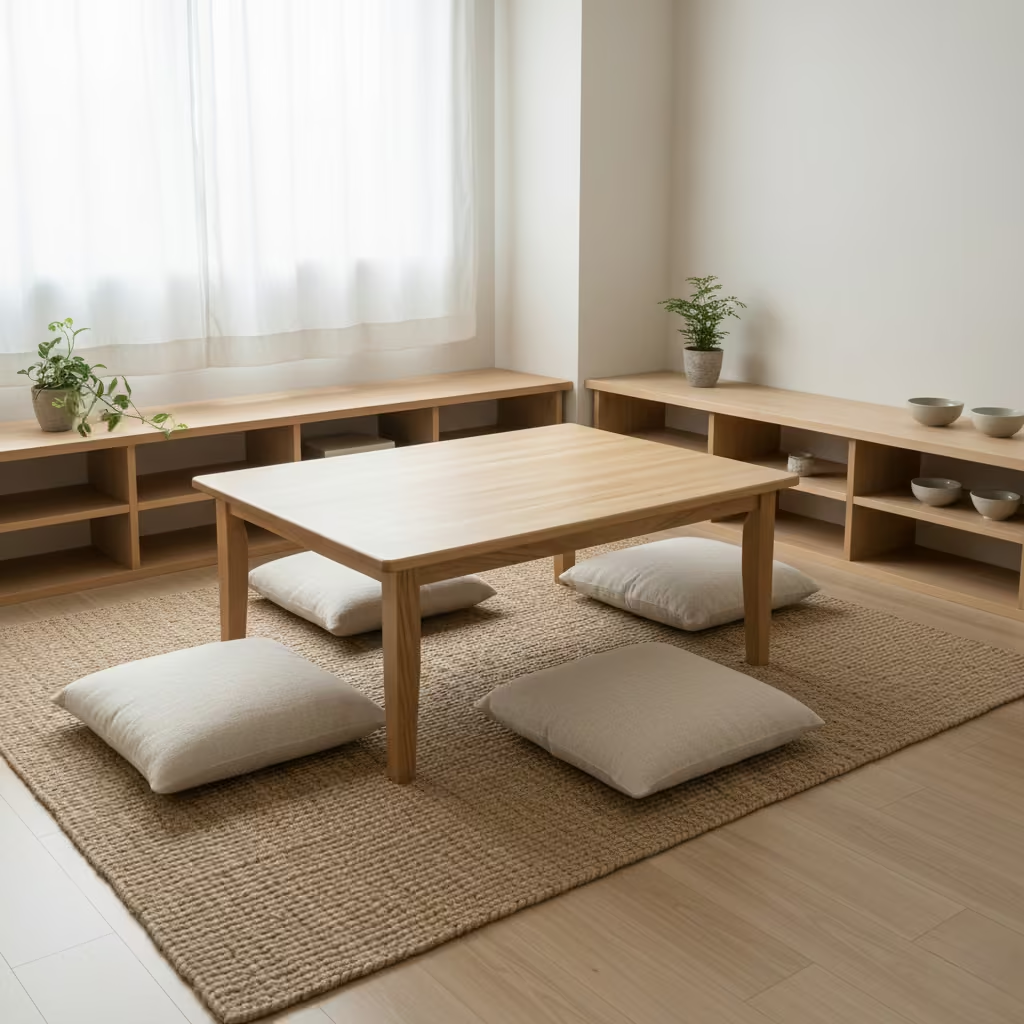
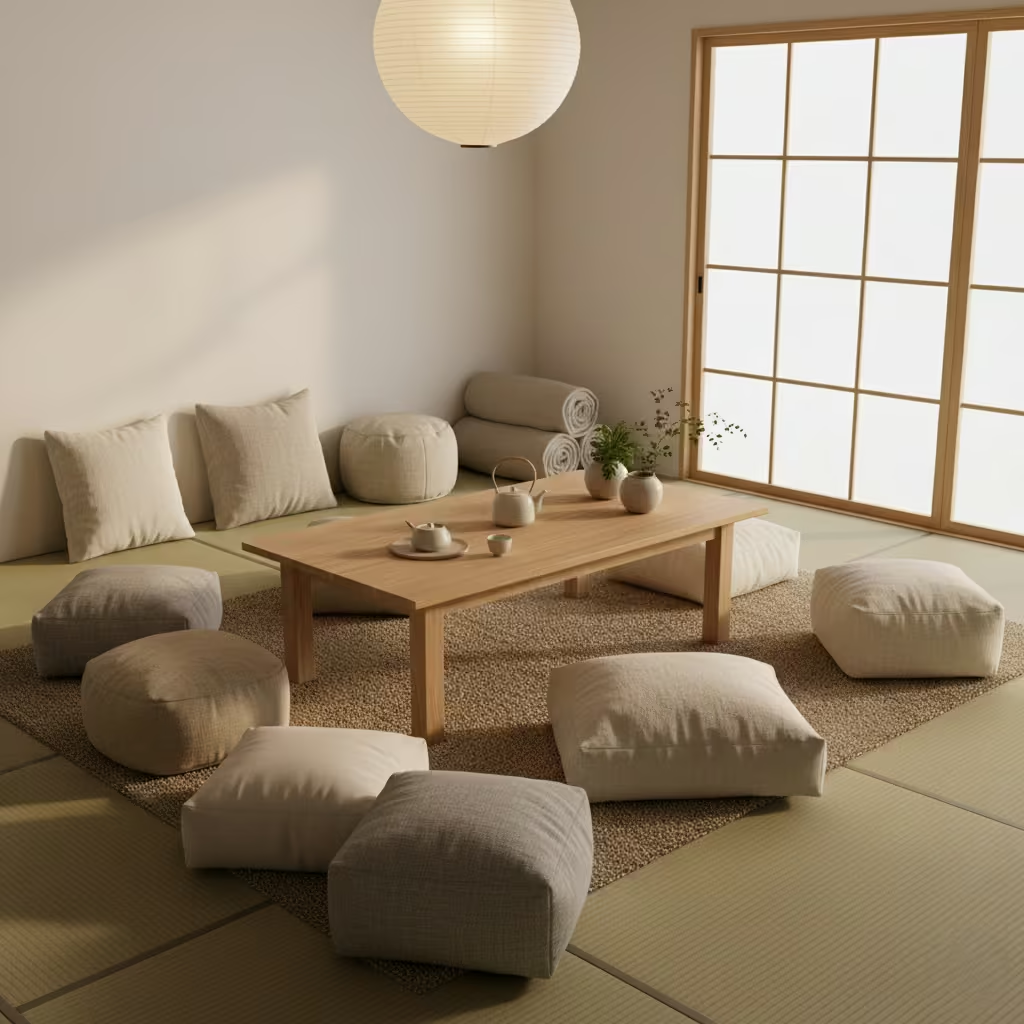
Floor cushions and pouffes: These bring comfort without clutter. Their flexibility makes them great for casual seating, meditation, or hosting guests in small living rooms.
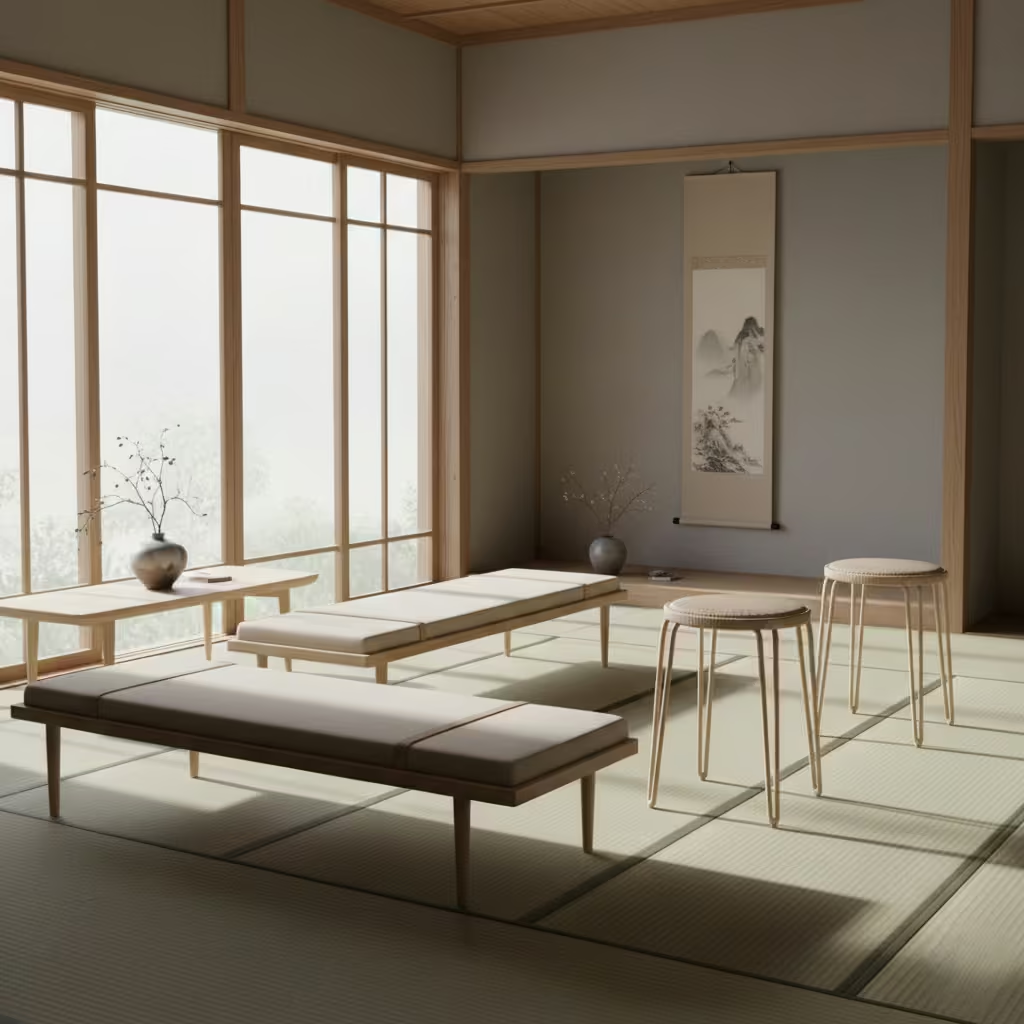
Benches and stools with slender frames: Lightweight pieces in wood or metal maintain functionality without adding heaviness. They move easily between zones and visually recede into the space.
Why this approach works
Keeping furniture low creates uninterrupted sightlines, improves spatial flow, and encourages a softer, more grounded way of living. You end up with a home that feels tranquil and uncluttered, even when the layout is compact. This subtle shift in furniture height can completely reshape the room’s emotional tone, making it easier to relax, unwind, and breathe.
Shoji Screens, Sliding Doors, and Clever Partitions
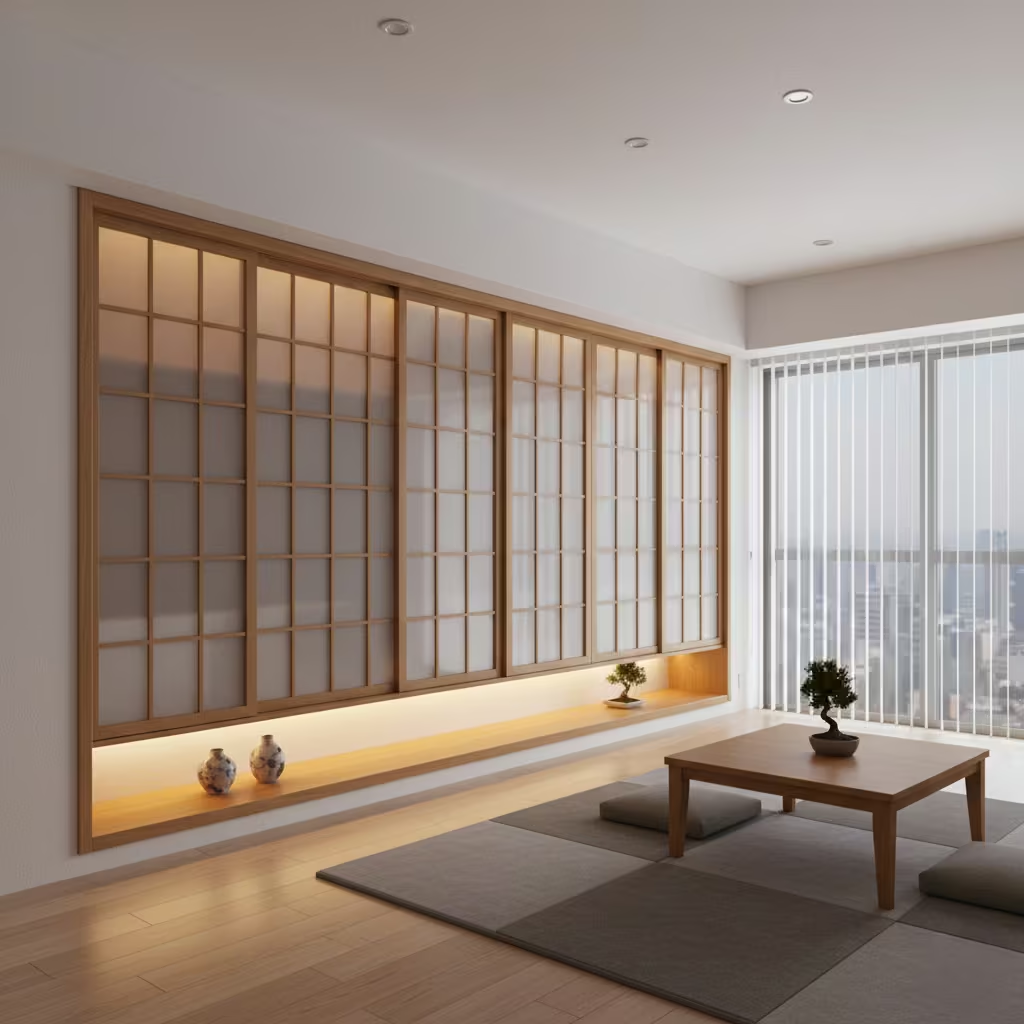
Sliding elements are essential in Japanese apartments because they save space, improve flow, and create flexible separation without adding bulk. They glide open without intruding on the floorplan, making them ideal for compact homes.
Ways to use sliding elements
Frosted partitions to subtly divide living and sleeping zones
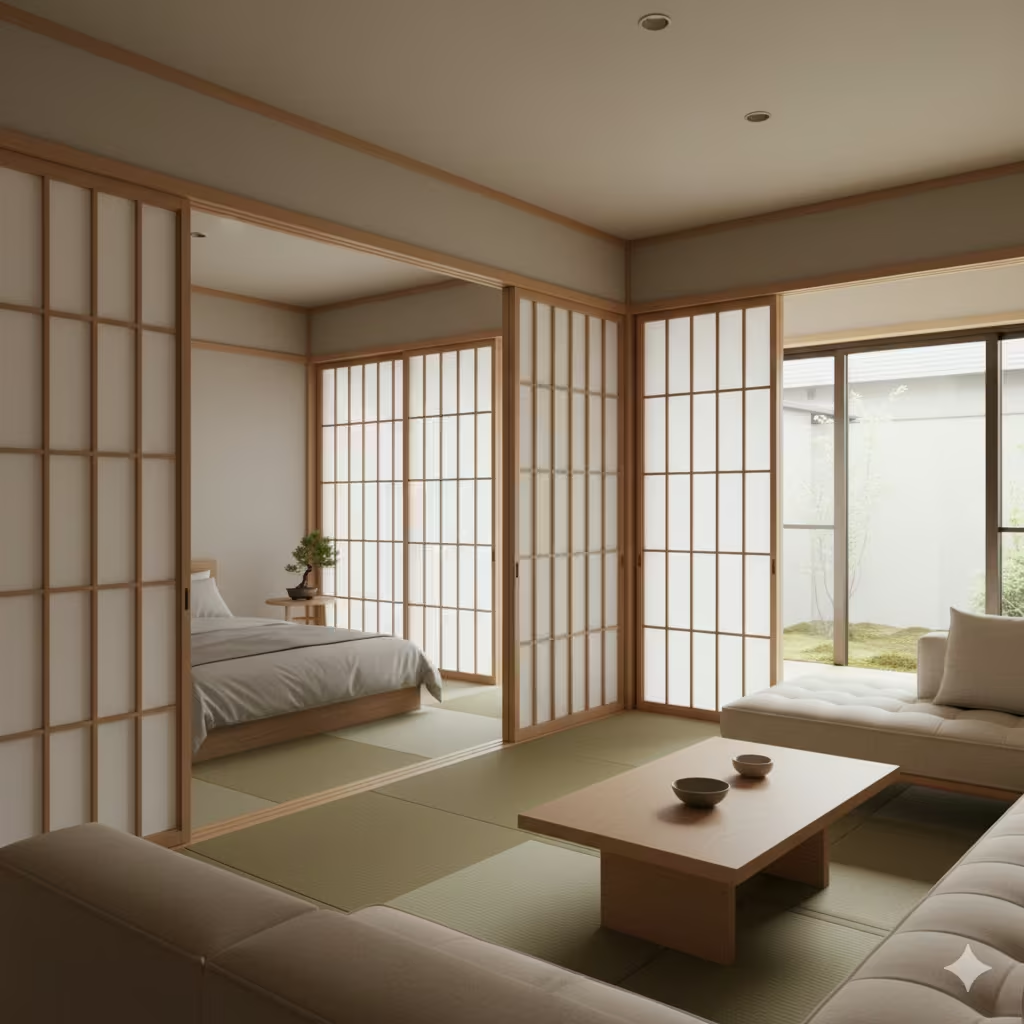
Shoji-inspired closet doors to keep storage visually light
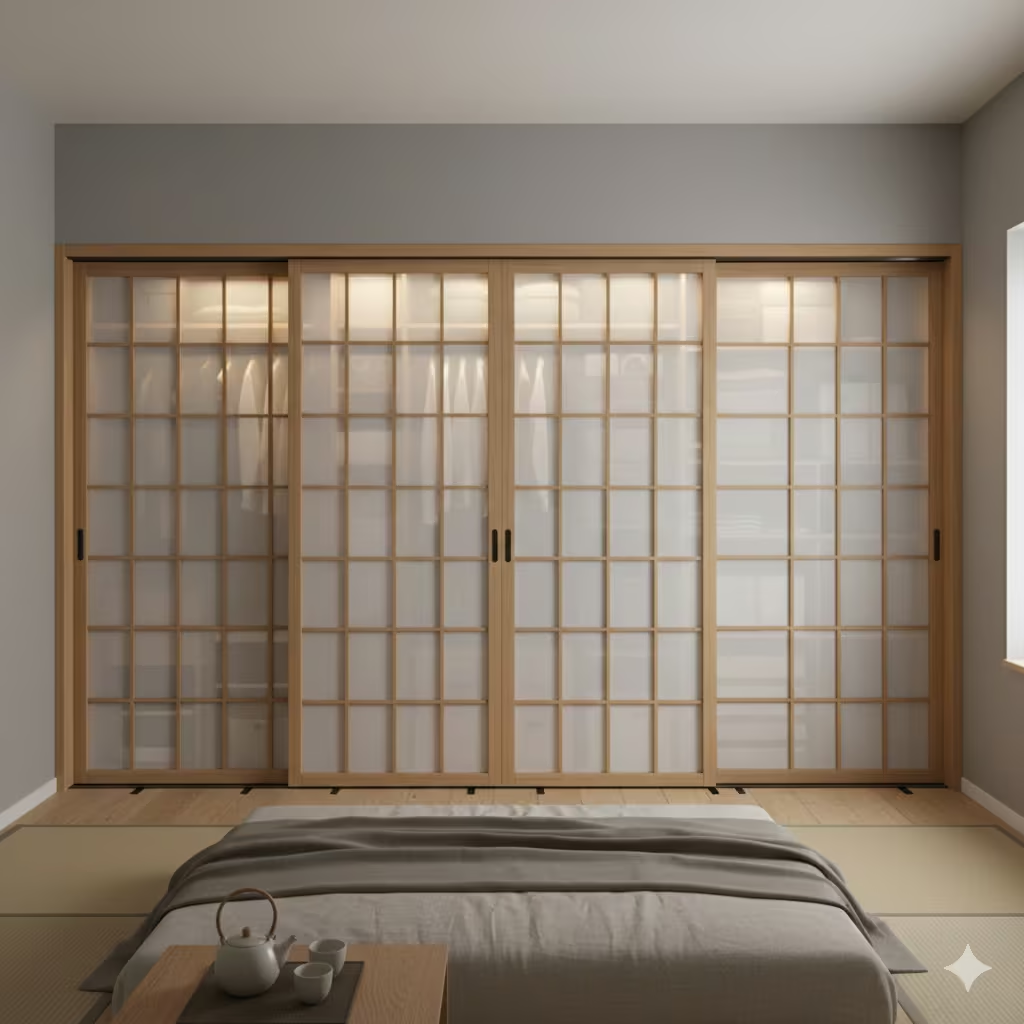
Sliding kitchen screens to hide clutter quickly
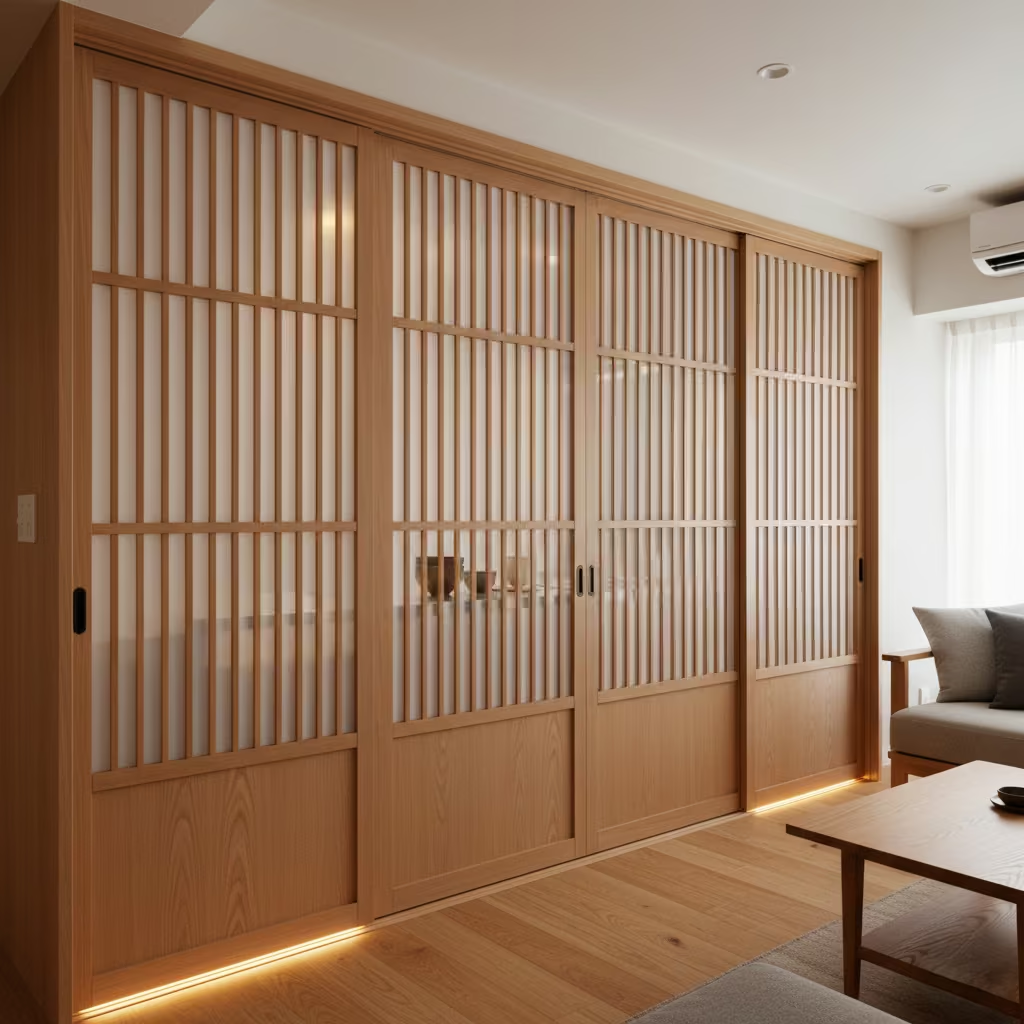
Balcony sliders that increase natural light and outdoor connection
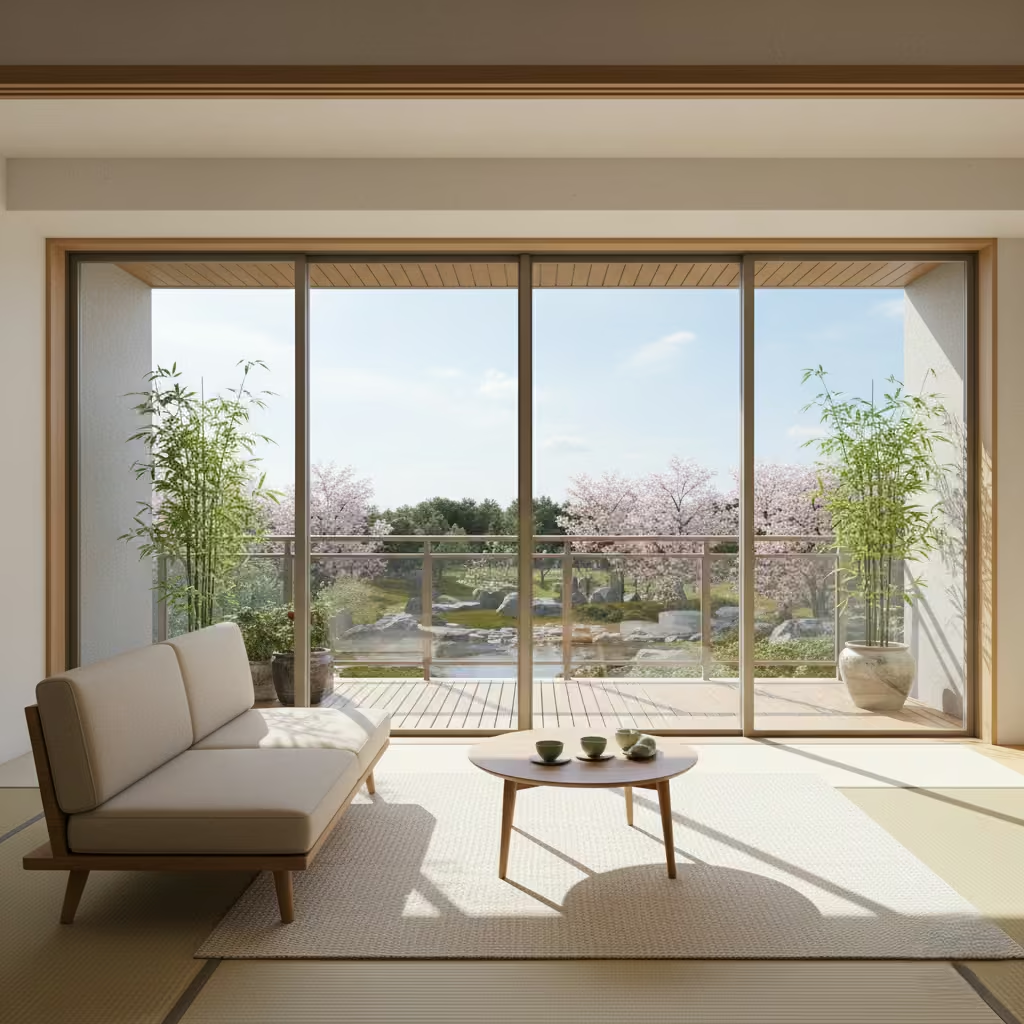
These features diffuse light gently, creating a soft, cohesive glow that ties the entire apartment together.
You May also Like: 25 Japanese Mid-Century Modern Design Ideas You’ve Probably Never Seen (and Will Obsess Over)
Minimalism That Still Feels Warm
Japanese minimalism focuses on clarity, intention, and comfort. Instead of creating stark or empty rooms, it uses thoughtful restraint to highlight craftsmanship, natural texture, and everyday function. The result is a space that feels calm but still inviting.
How to achieve warm minimalism
Curate meaningful objects: Display fewer pieces and let each one hold visual or emotional value.
Prioritise natural materials: Wood, linen, clay, and woven fibres add warmth and soften the minimal aesthetic.
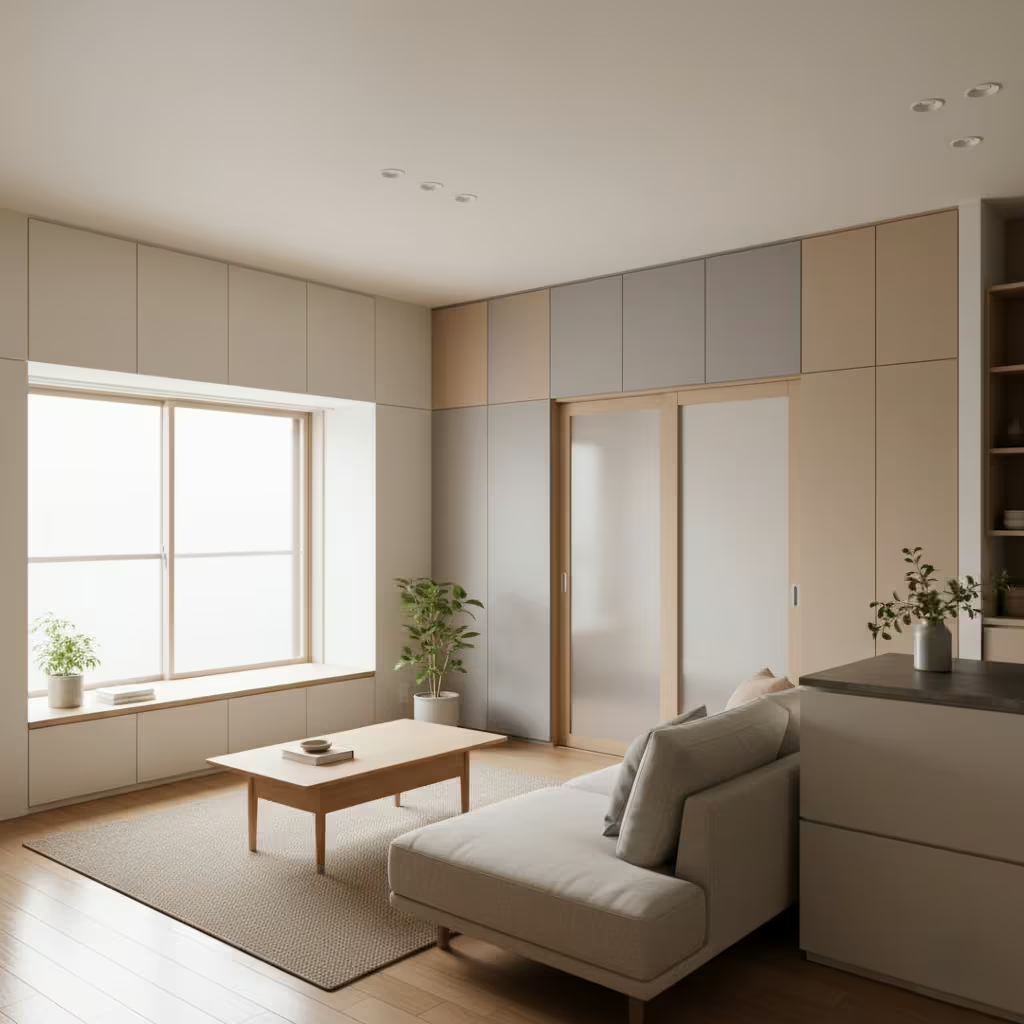
Use hidden storage: Conceal everyday items behind cabinetry or under-bed compartments to keep surfaces uncluttered.
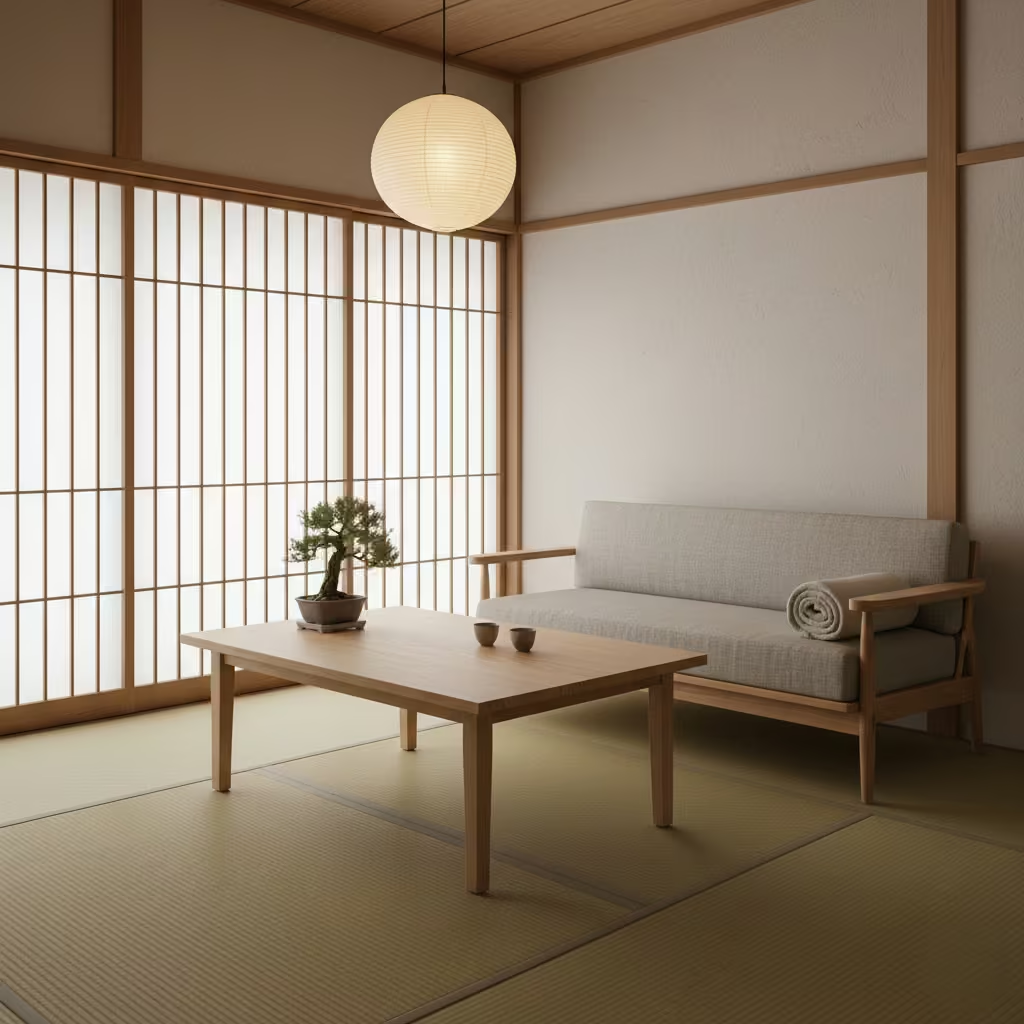
Choose clean silhouettes: opt for furniture with simple lines, solid construction, and a quiet presence.
This approach proves that minimalism isn’t about living with less for the sake of it; it’s about choosing better, more thoughtful elements that support a peaceful home.
Biophilic Touches and Indoor Greenery
Nature is central to Japanese design, and even a compact apartment can integrate living elements that introduce softness, movement, and tranquillity. Thoughtful greenery enhances spatial balance, improves air quality, and reinforces the calm, grounded ambience that defines Japanese interiors.
Best plant options
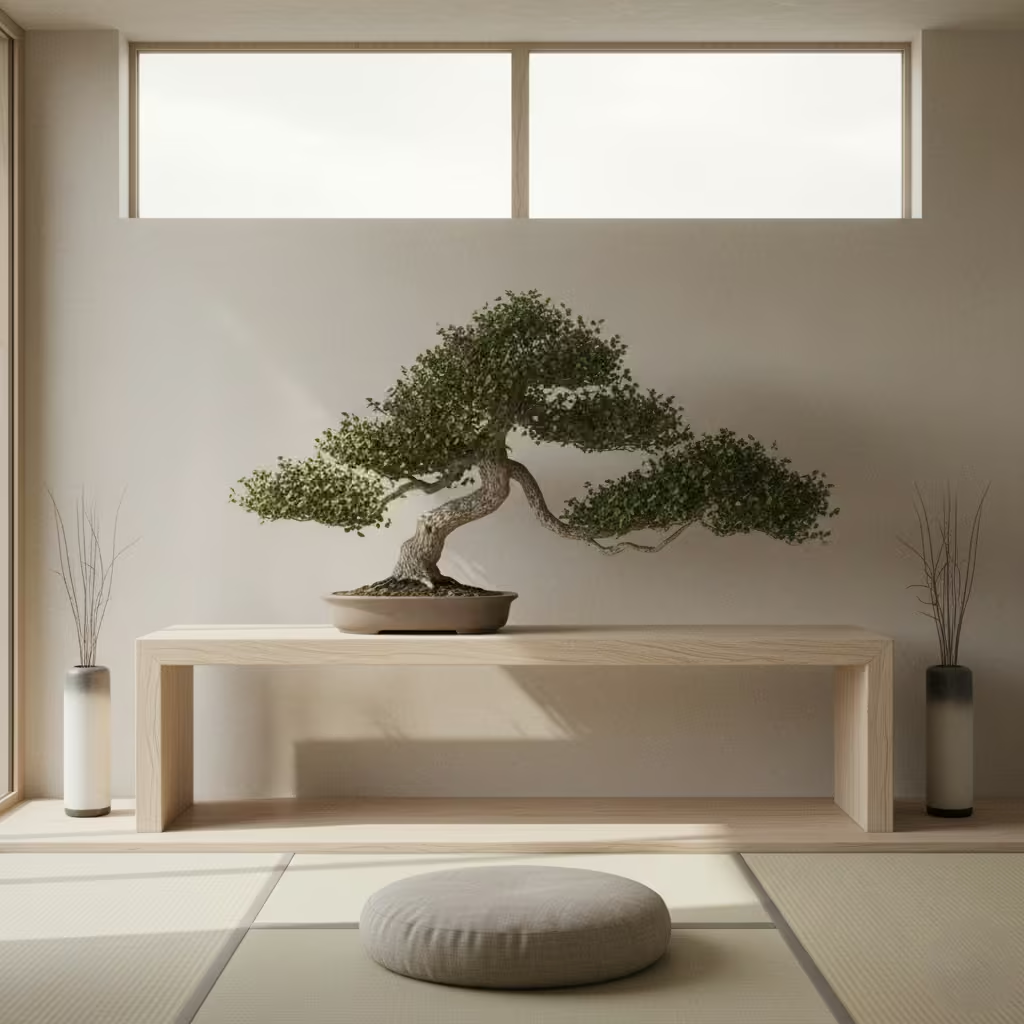
Bonsai trees: Bring sculptural elegance and a strong sense of tradition.
Bamboo palms: Add height without overwhelming small rooms.
Orchids: Provide a refined, minimalist touch with clean, architectural lines.
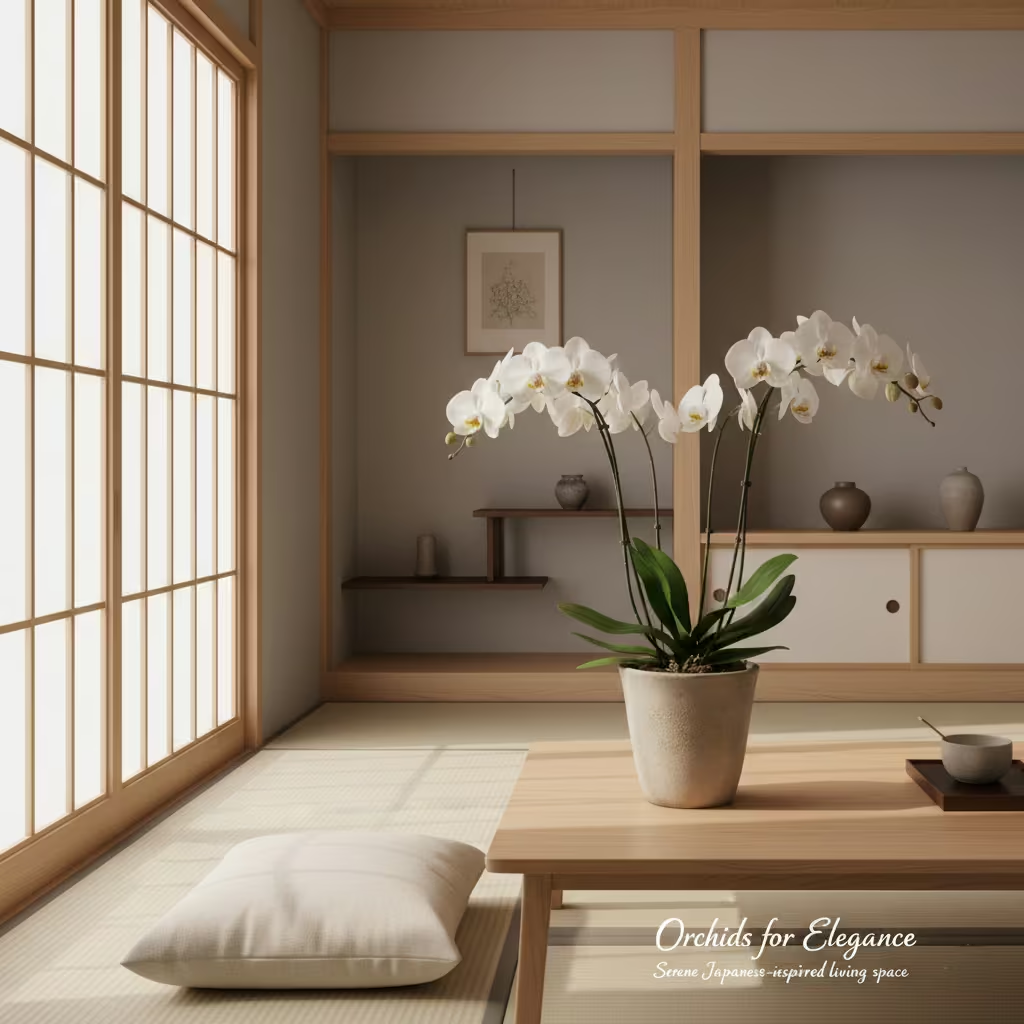
Jade plants: Offer rounded, soothing foliage that complements neutral palettes.
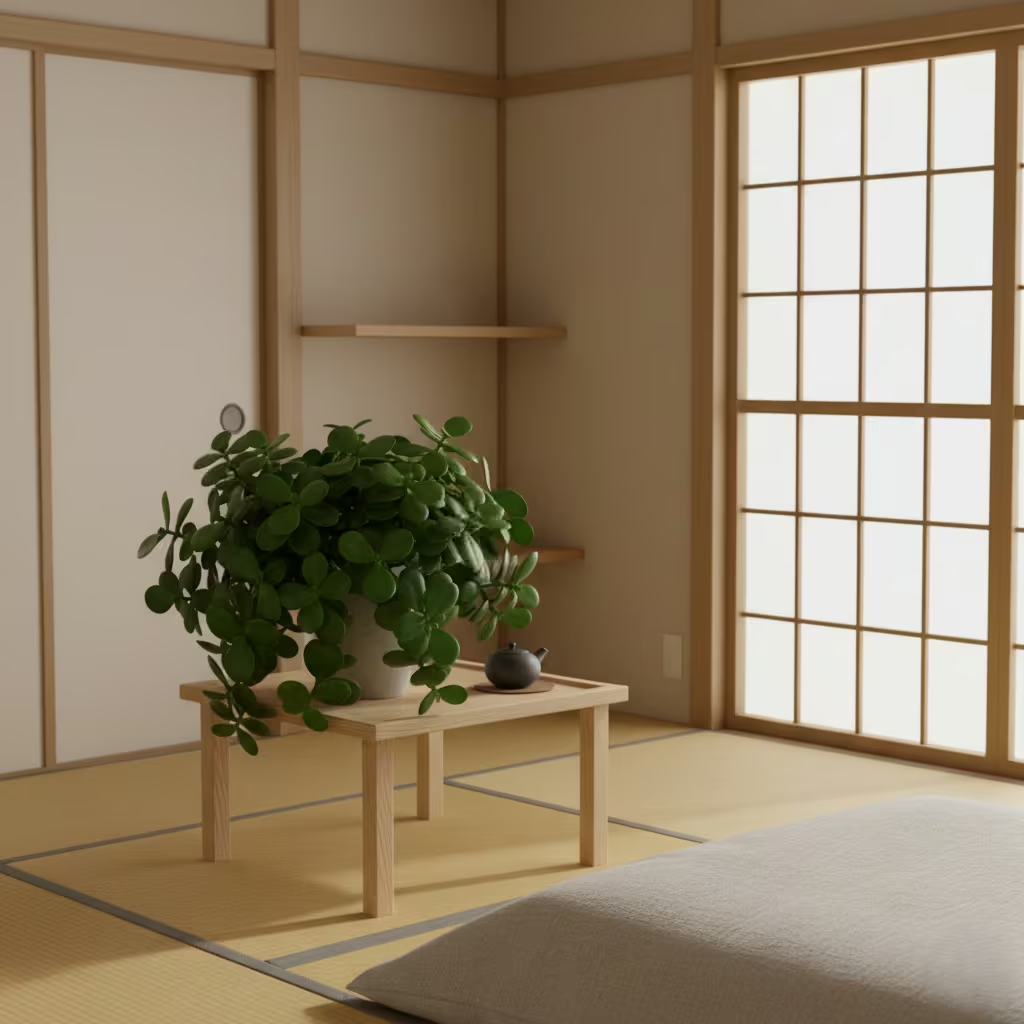
Moss bowls: Deliver a serene, low-maintenance focal point ideal for shelves or entryways.
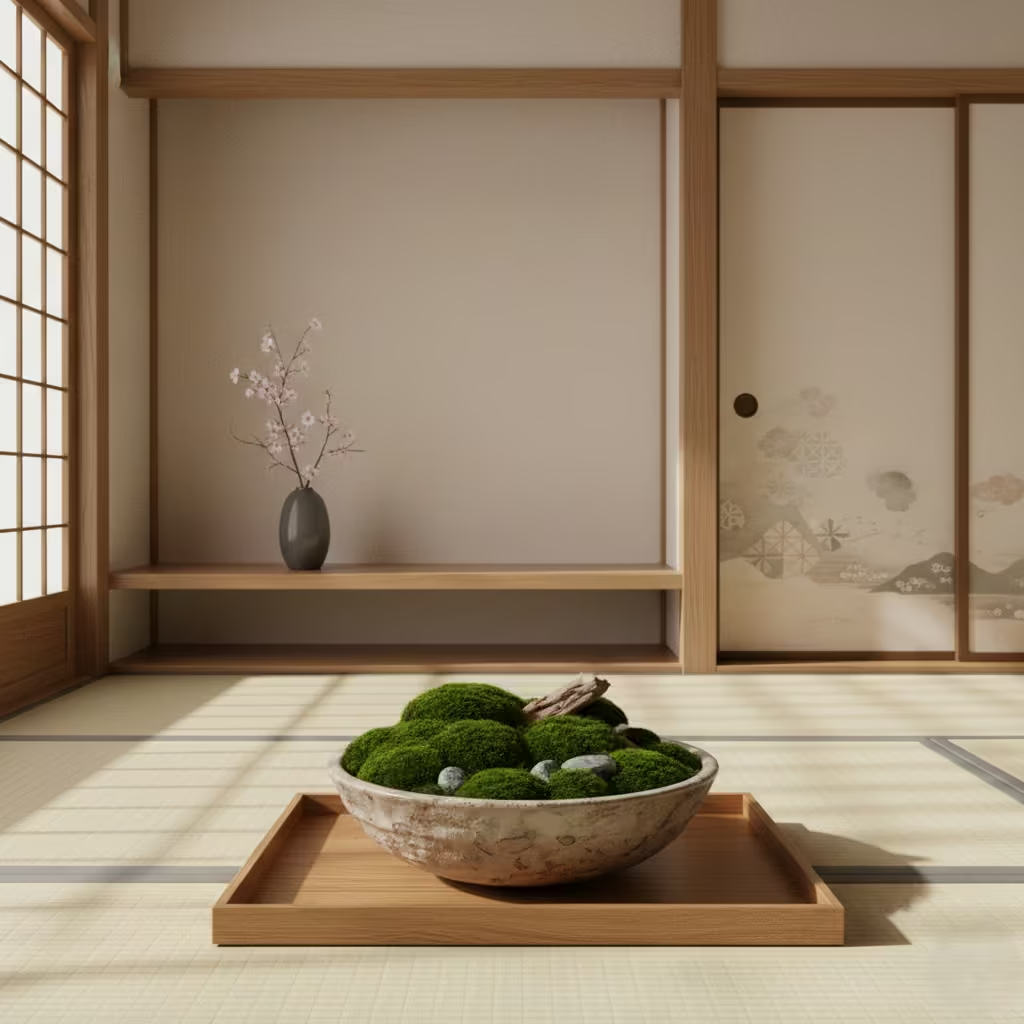
Snake plants: Thrive in low light and introduce vertical structure.
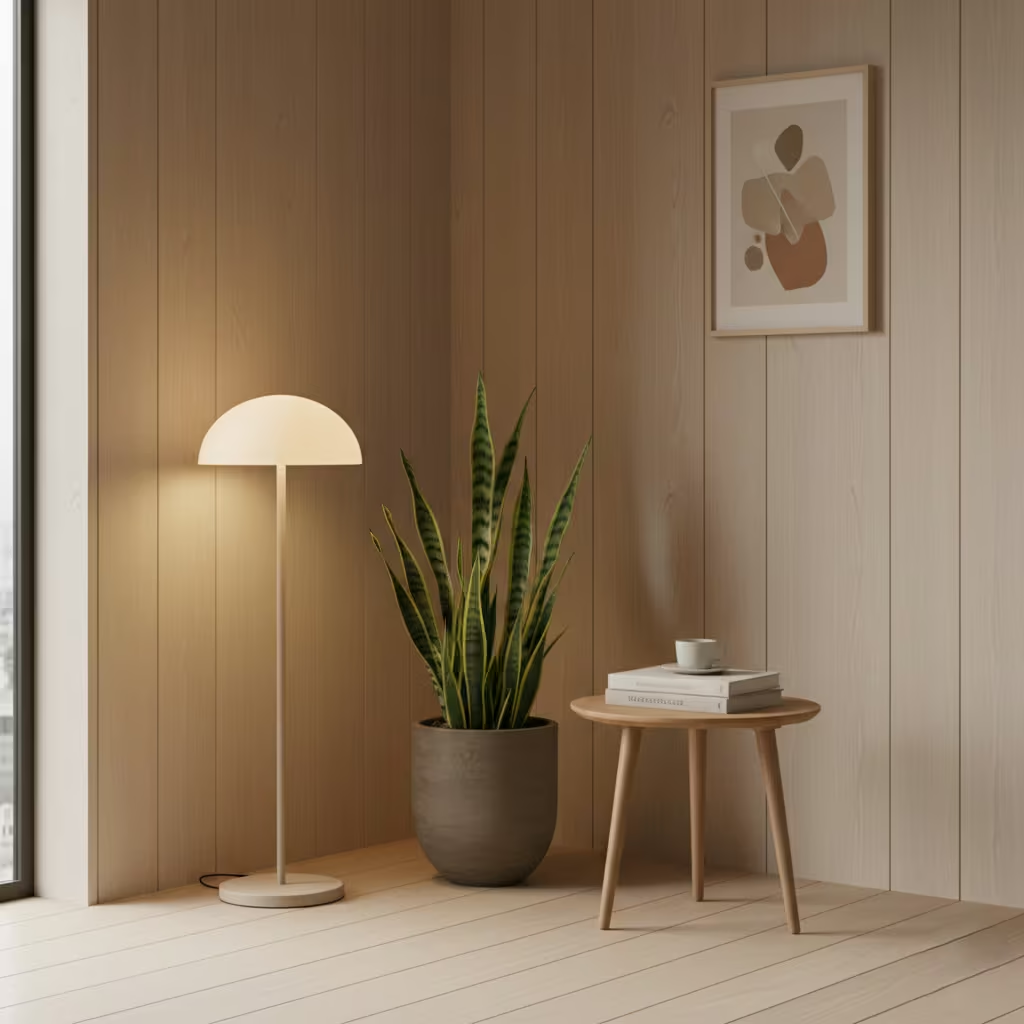
Even a single, intentionally placed plant can shift the entire mood of a room, creating a quiet connection to nature that supports a more peaceful daily rhythm.
You May also Like: Fall Apartment Decor Ideas: 15 Cozy Ways to Make Your Apartment Feel Like Autumn
Soft, Layered Lighting
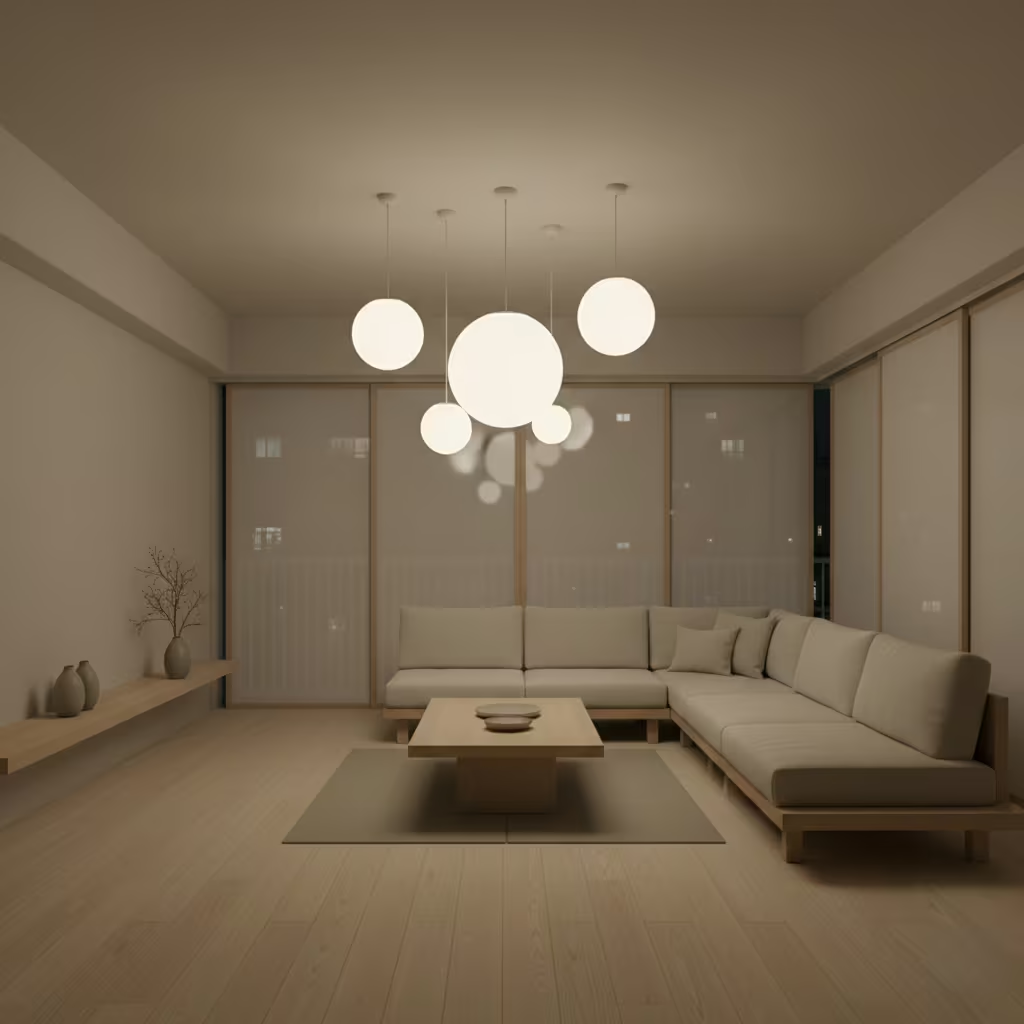
One of the reasons Japanese apartments feel so calm is the way they handle lighting. Instead of relying on a single overhead fixture that floods the room with harsh brightness, the lighting is layered, subtle, and intentionally placed to create a gentle, ambient glow.
Lighting ideas to incorporate
Globe pendant lights that cast soft pools of light without overwhelming the space
Frosted lantern-style table lamps that echo traditional shoji aesthetics
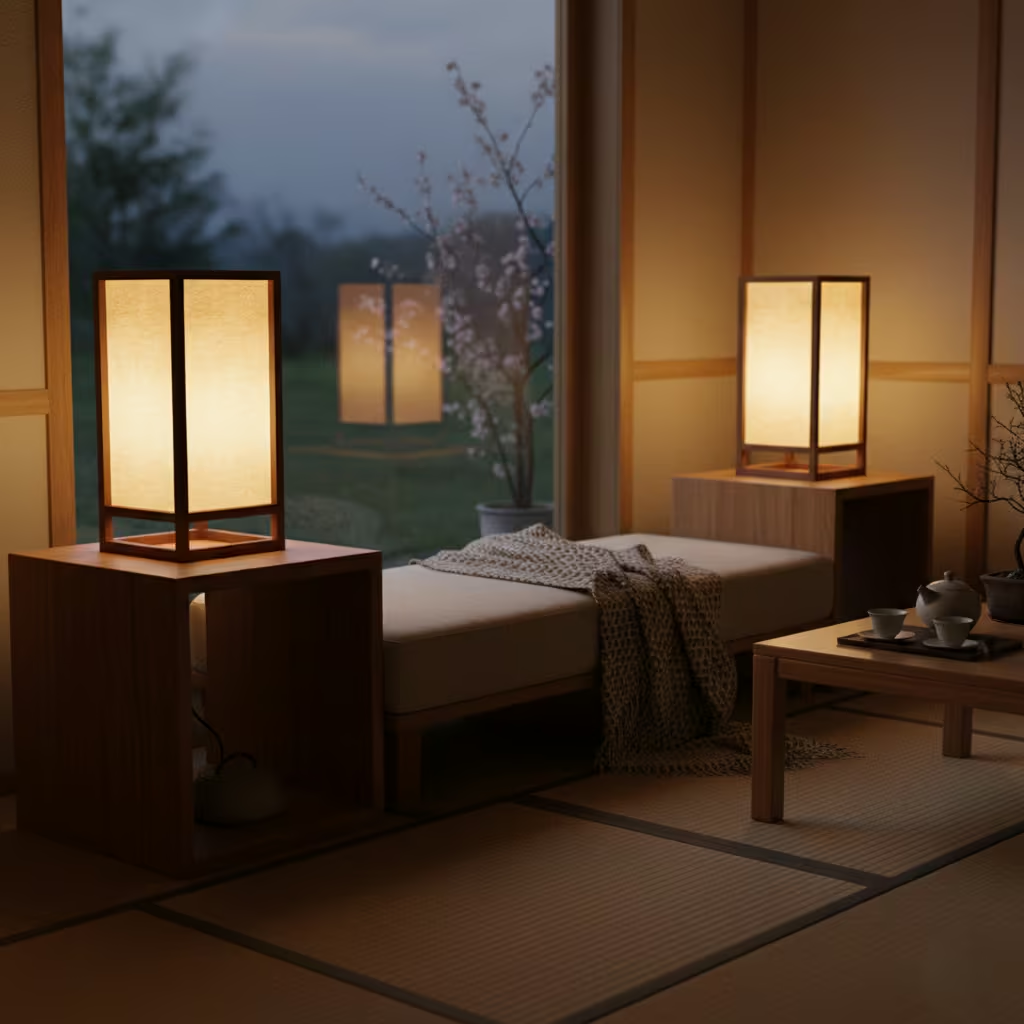
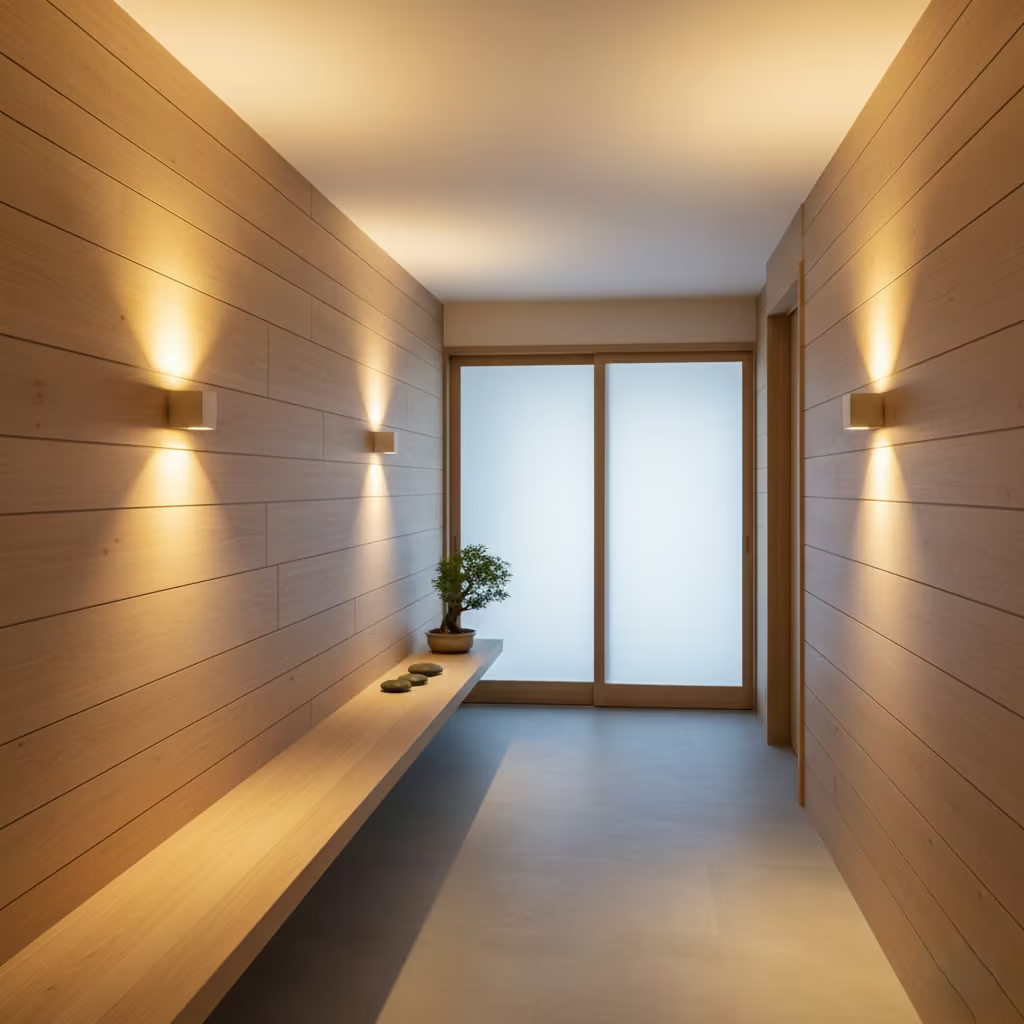
Wall sconces that spread a warm halo across the walls rather than pushing light downward
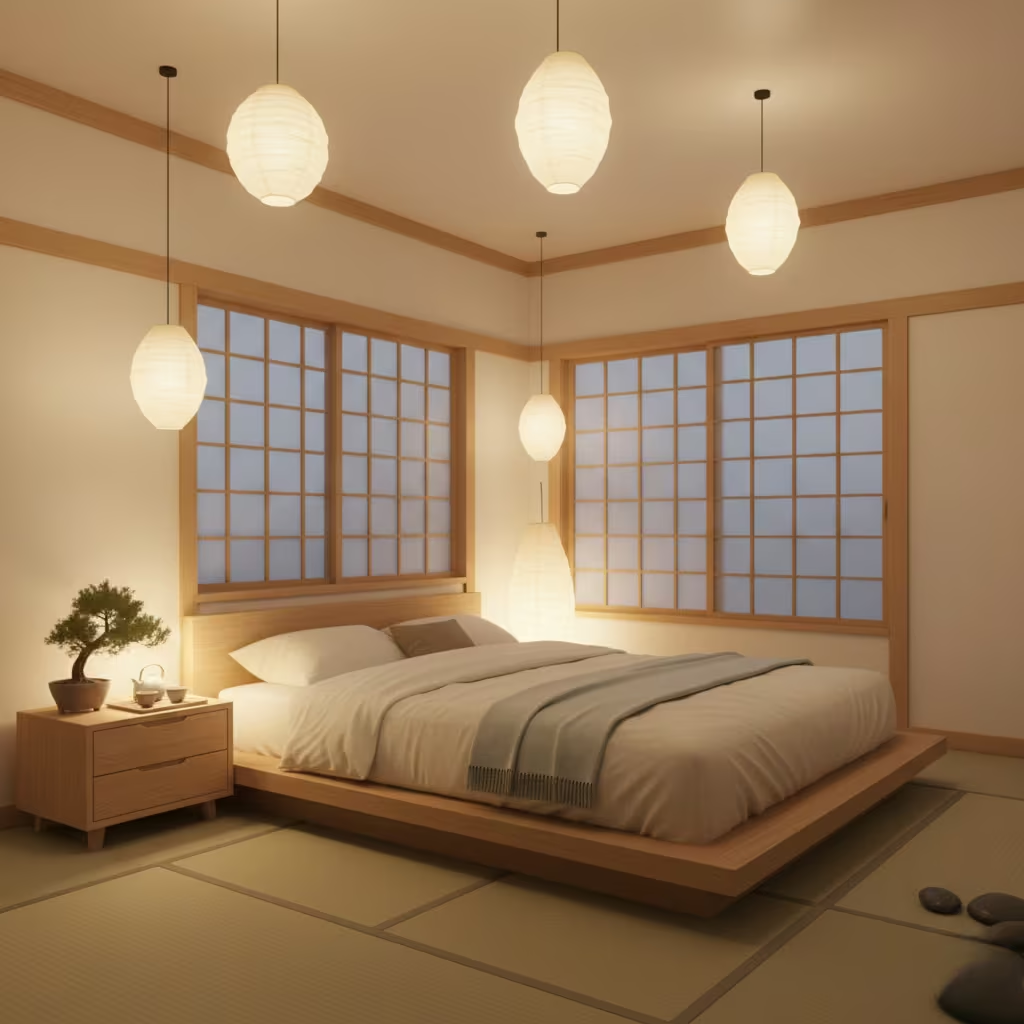
Rice paper lampshades that diffuse light beautifully, giving a cloud-like softness to the room
Recessed LED strips tucked underneath shelves or cabinetry to create a floating, indirect glow
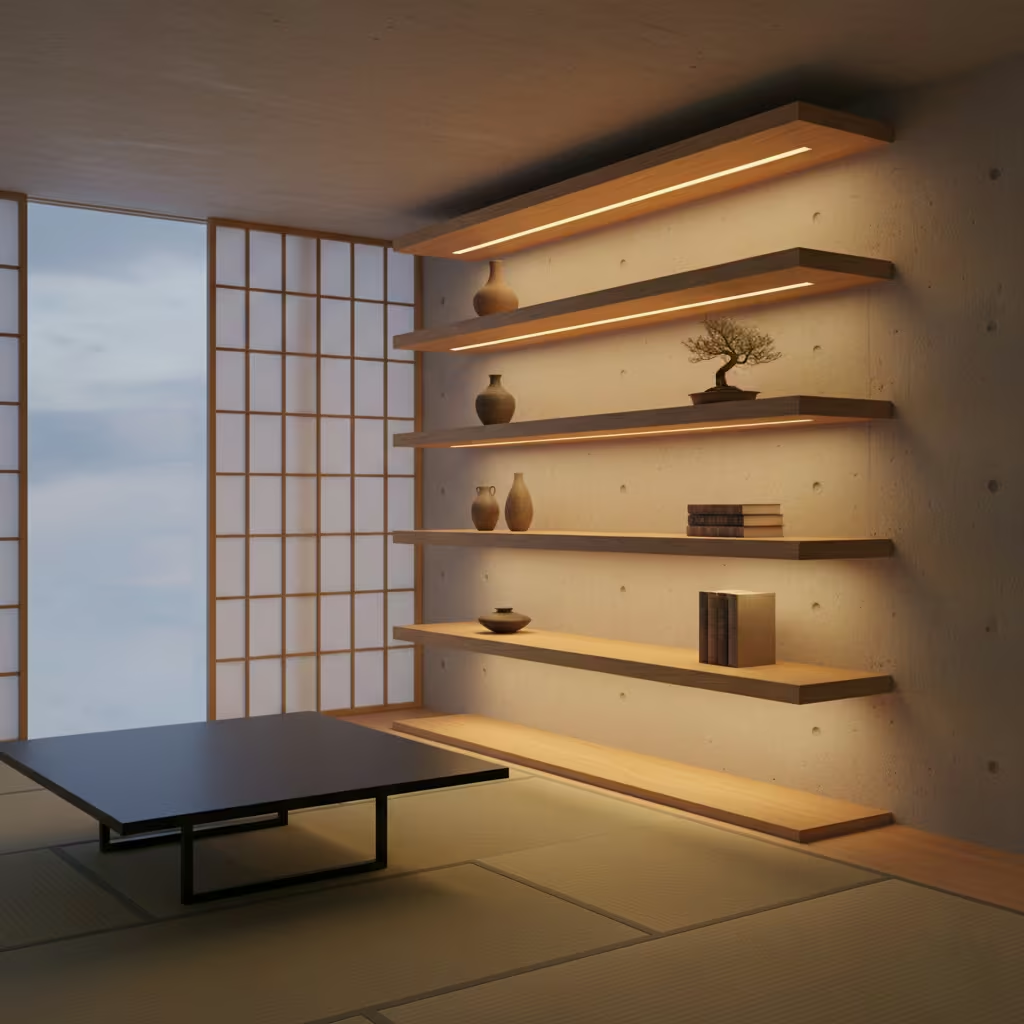
Warm white bulbs are non-negotiable. You’re aiming for a low, golden tone in the evenings, something that feels calm enough for tea, reading, or quiet conversation. The entire atmosphere should feel like it’s wrapped in a soft blanket of light rather than flooded with glare.
You May also Like: 25 Japanese Reading Nook Secrets for a Perfectly Calm Home
Intelligent Storage for Small Apartments
Storage is one of the quiet superpowers of Japanese interior planning. When square footage is limited, every centimetre needs to work harder, and clutter simply can’t be left to chance. The goal is simple: create a home where everything has a designated place and visual noise is kept to a minimum.
Smart storage options
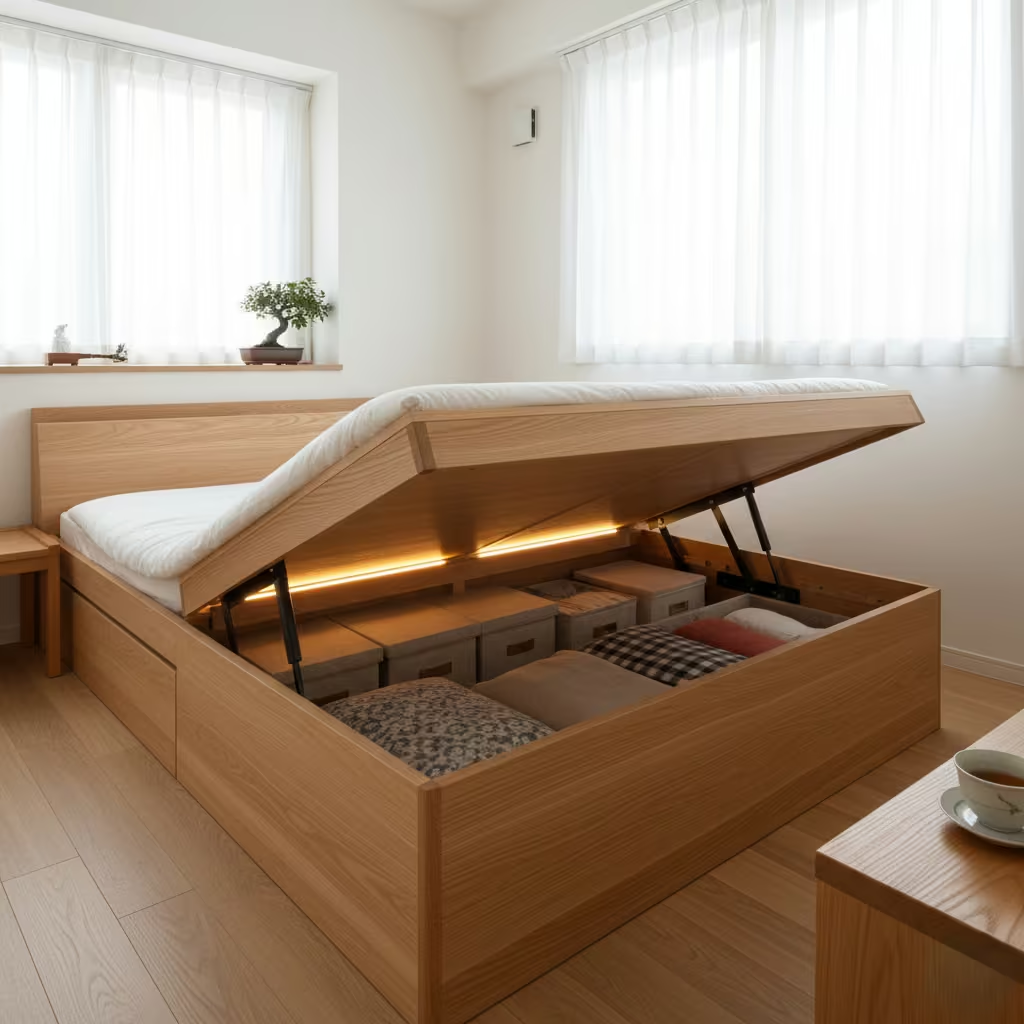
Under-bed compartments that turn sleeping space into valuable hidden storage
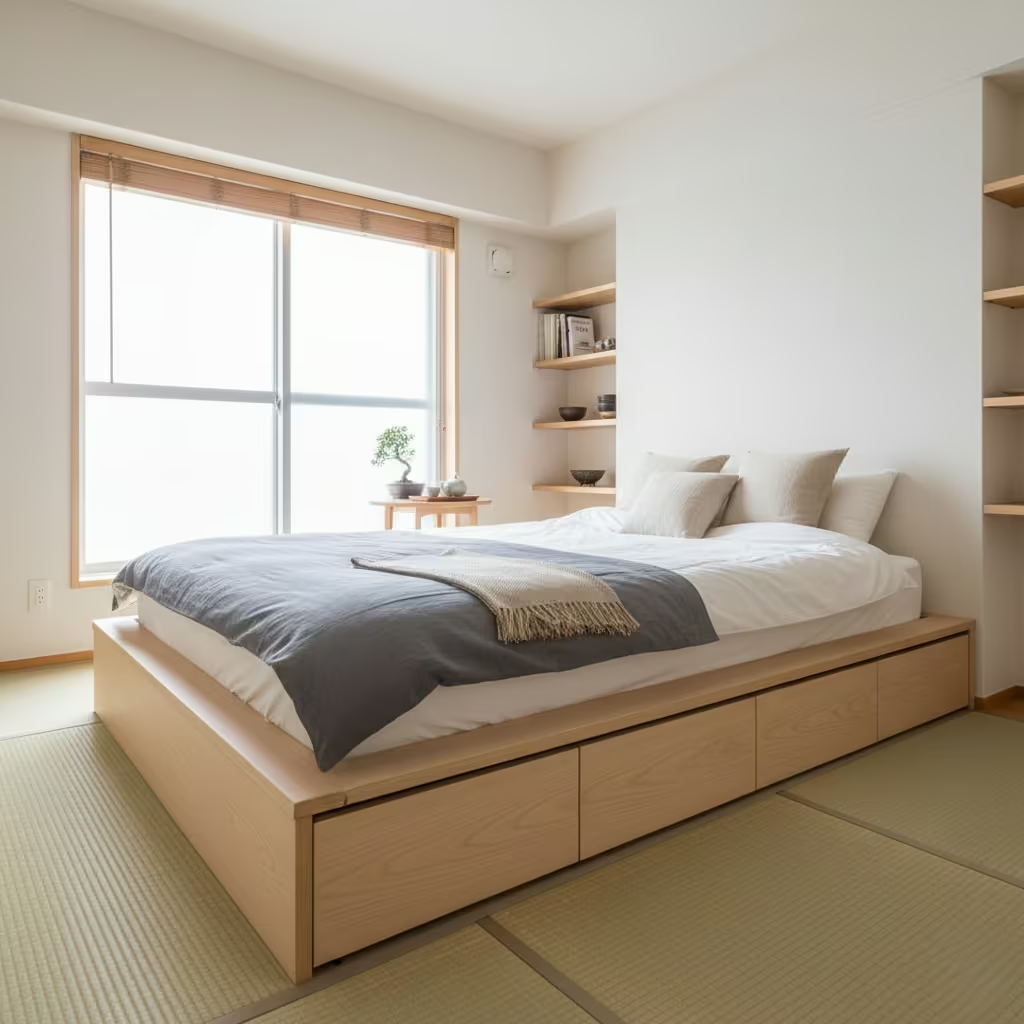
Lift-up platform bases ideal for bedding, luggage, or seasonal clothing
Built-in wardrobes with sliding doors that save floor space and create a clean, uninterrupted wall line
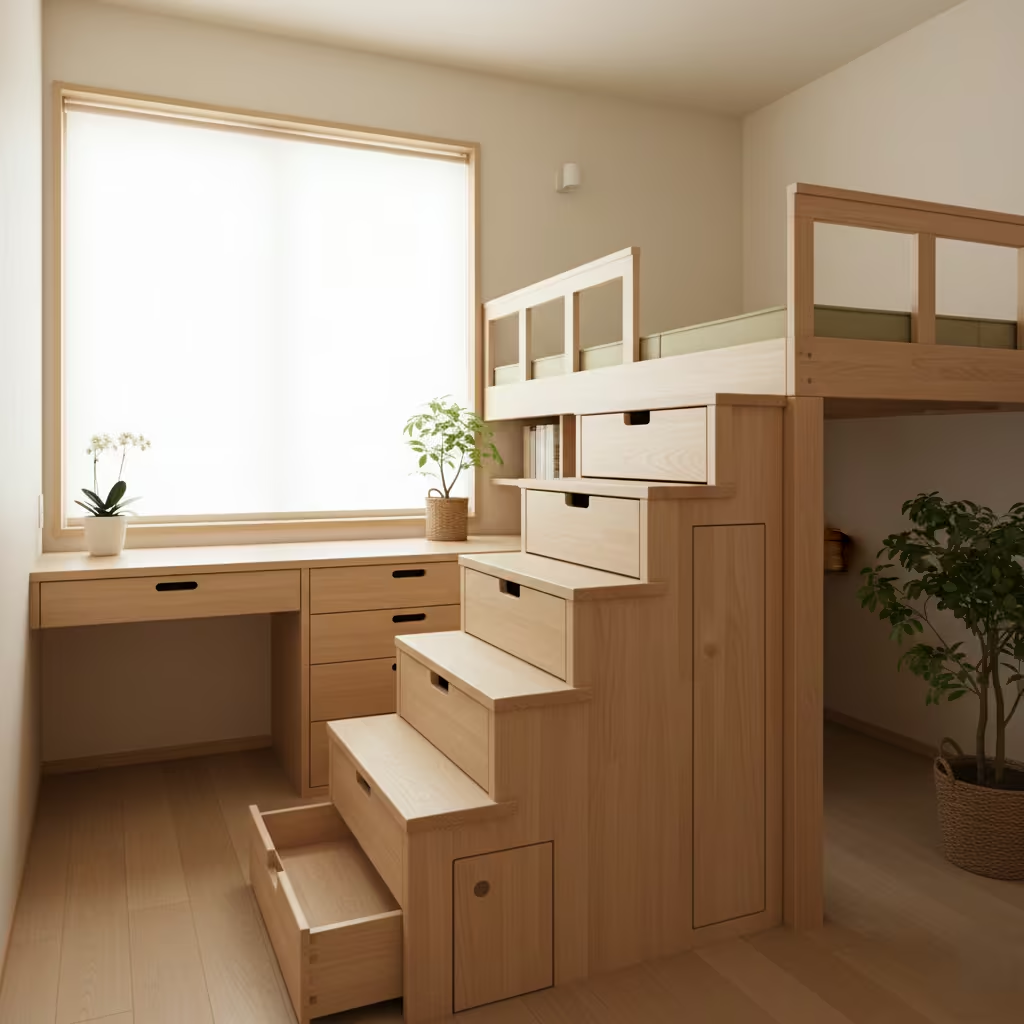
Step storage for lofted beds where each stair doubles as a drawer
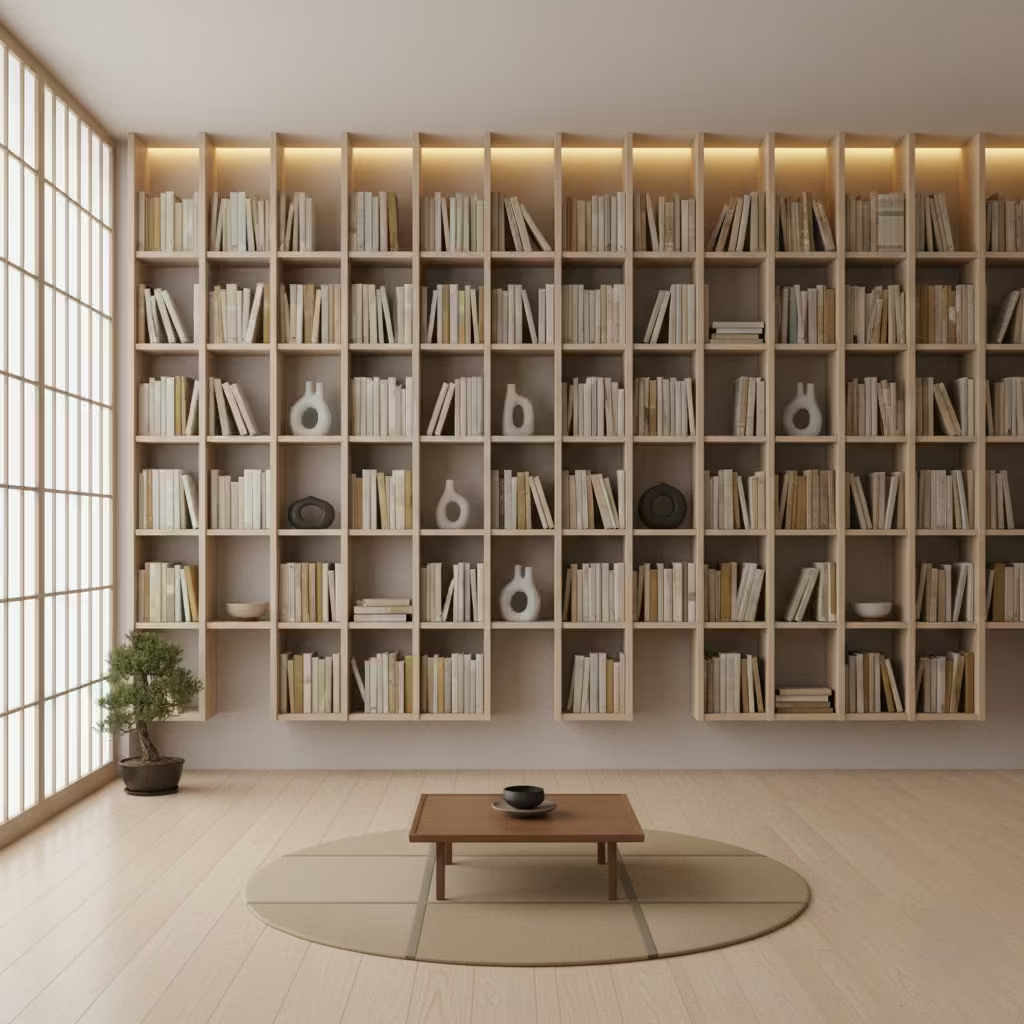
Slim wall-mounted bookshelves perfect for narrow hallways or tight living rooms
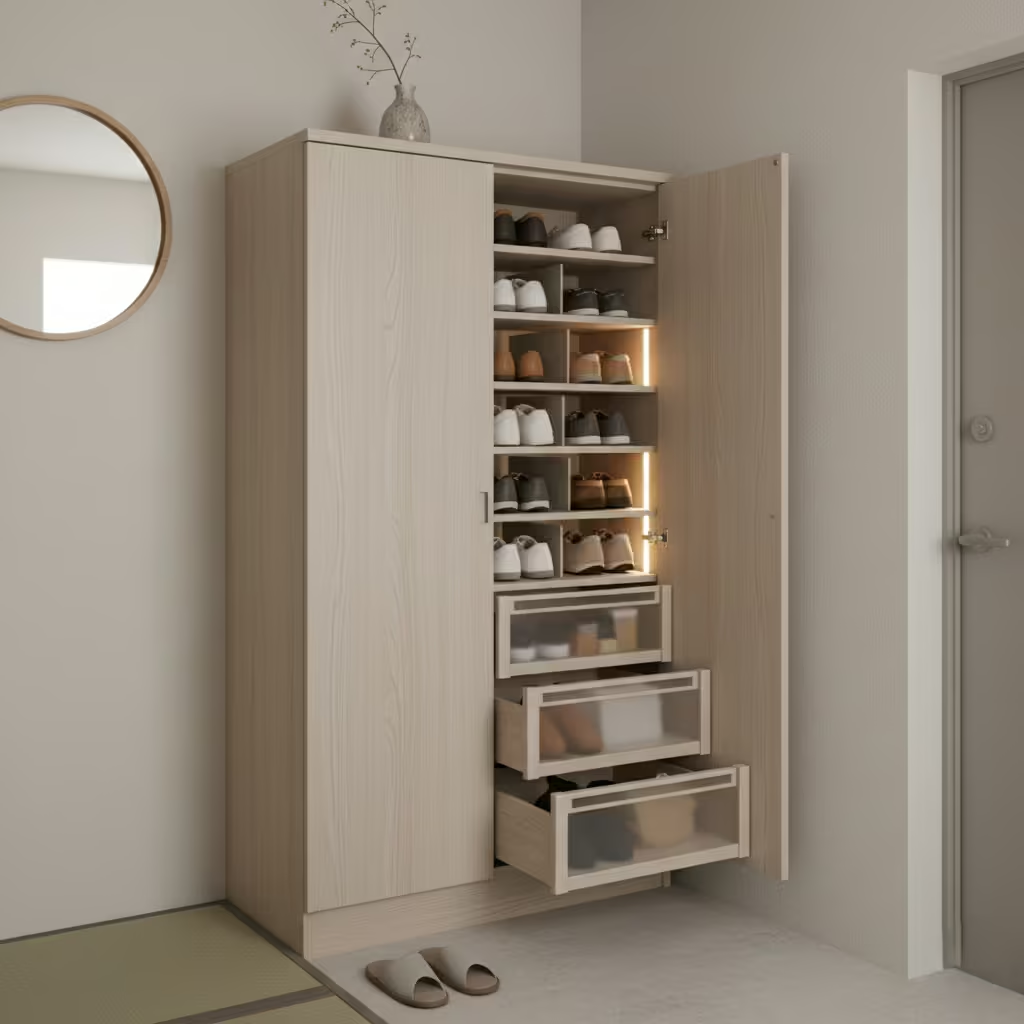
Entryway shoe cabinets with structured internal organisation to keep footwear neatly contained
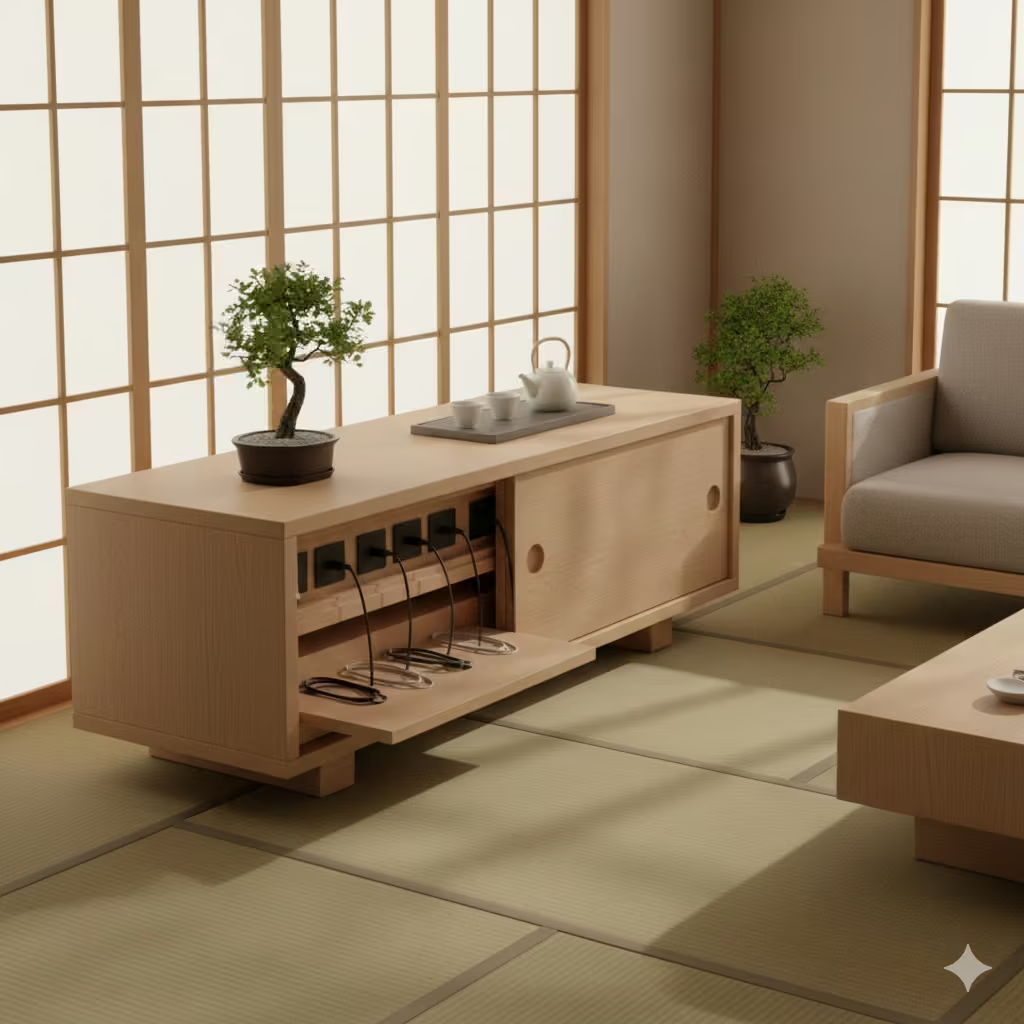
Hidden charging stations designed into drawers or cupboards to reduce cable clutter
The more seamlessly storage is integrated into the architecture, the calmer and more intentional the apartment feels. When belongings disappear into cleverly planned spaces, the entire home gains a sense of quiet order that’s synonymous with modern Japanese living.
Modern Japanese Details: Black Metal and Clean Lines
Modern Japanese apartments balance tradition with a refined, industrial edge. The look is clean, uncomplicated, and quietly dramatic, using dark metal accents to frame the space without stealing its warmth.
Modern touches that work beautifully
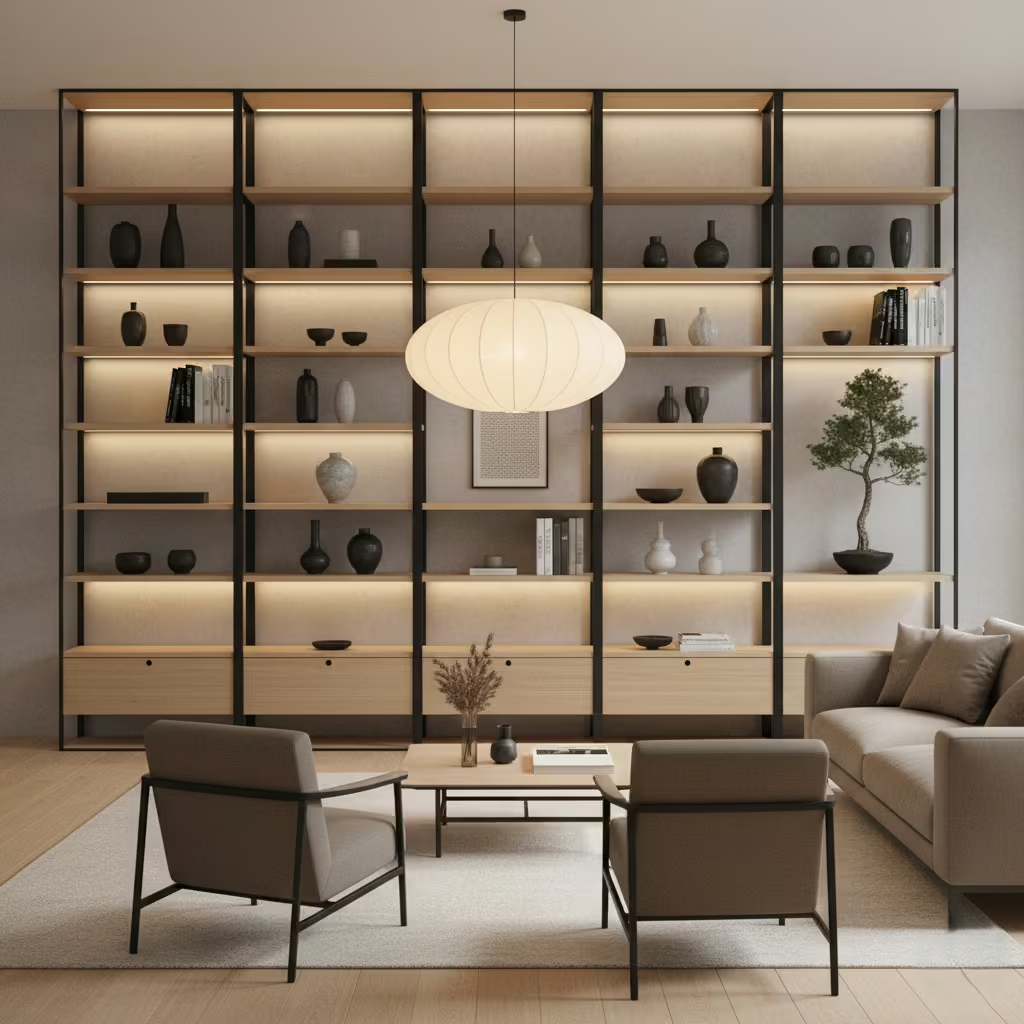
Black-framed shelving units that create crisp visual structure
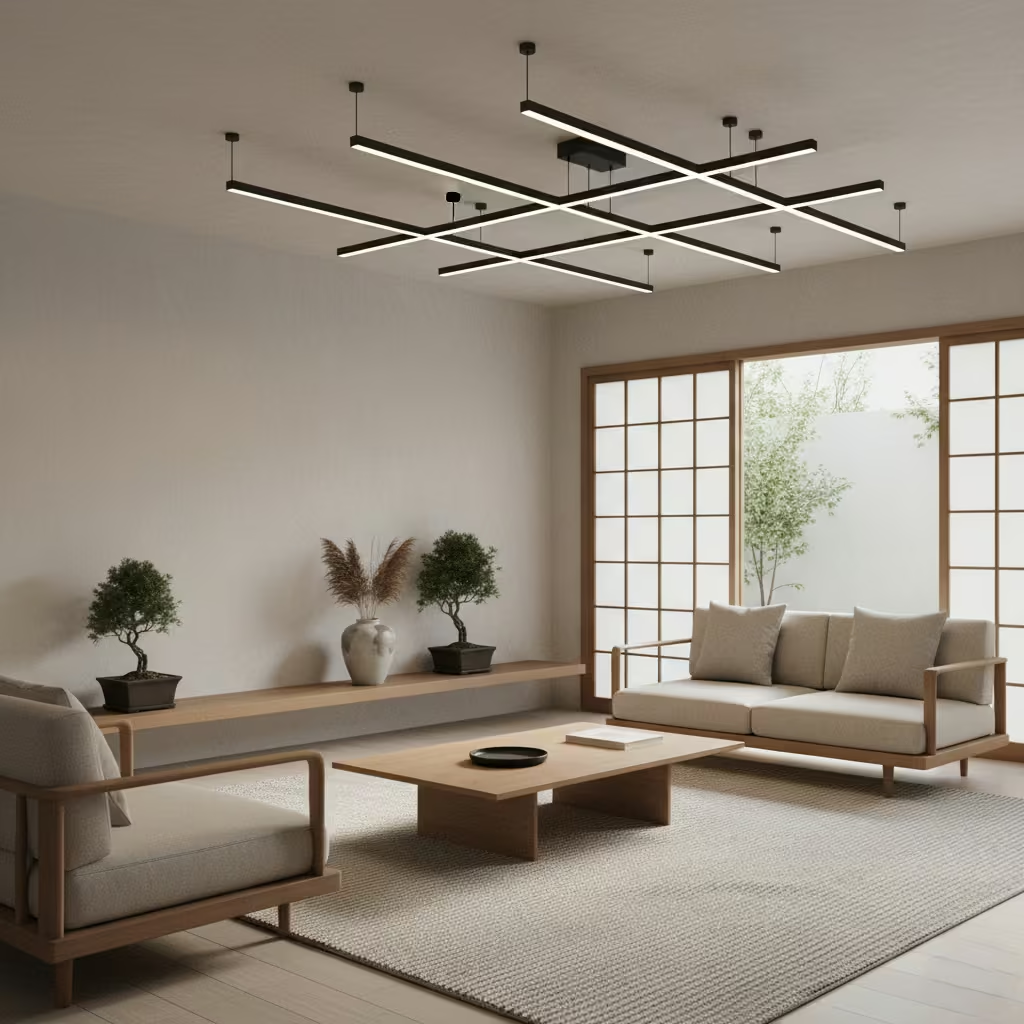
Slim steel lighting fixtures for a contemporary, understated accent
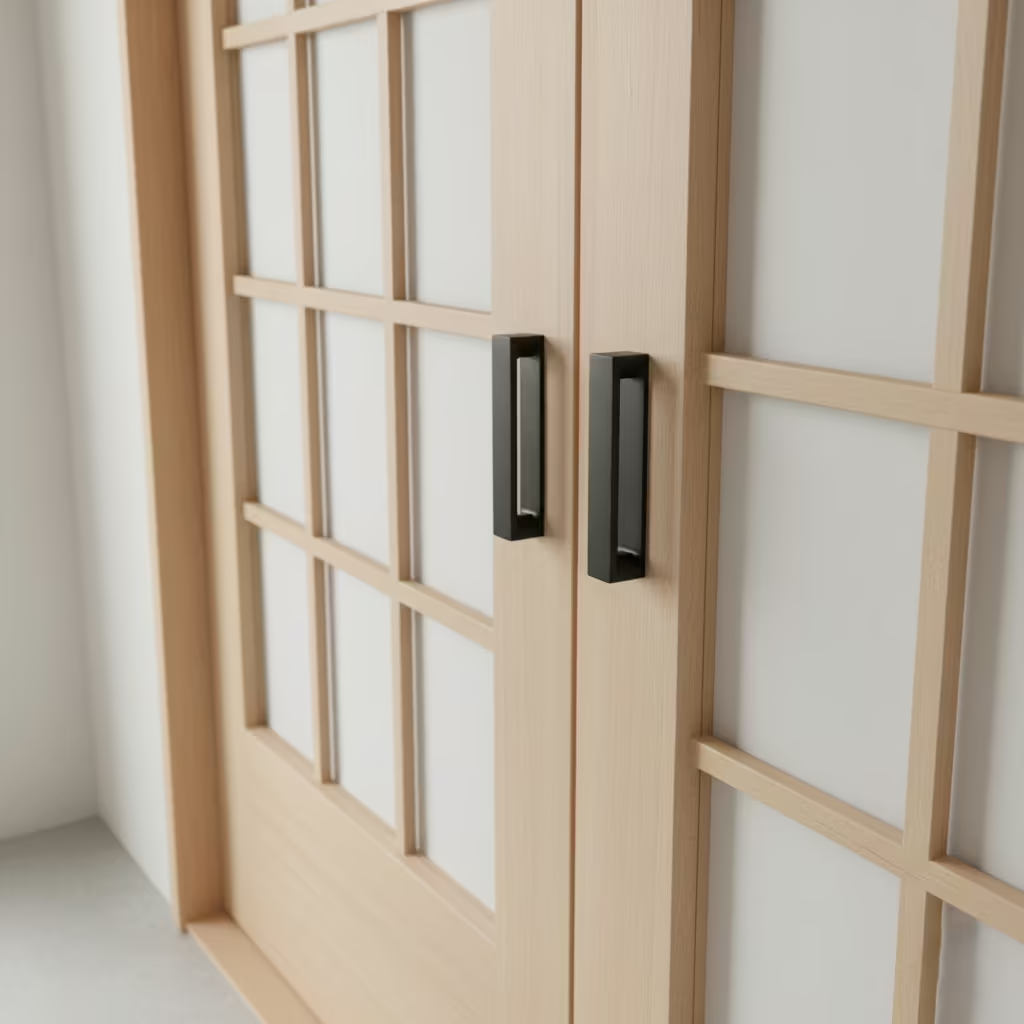
Matte-black door handles that add subtle sophistication
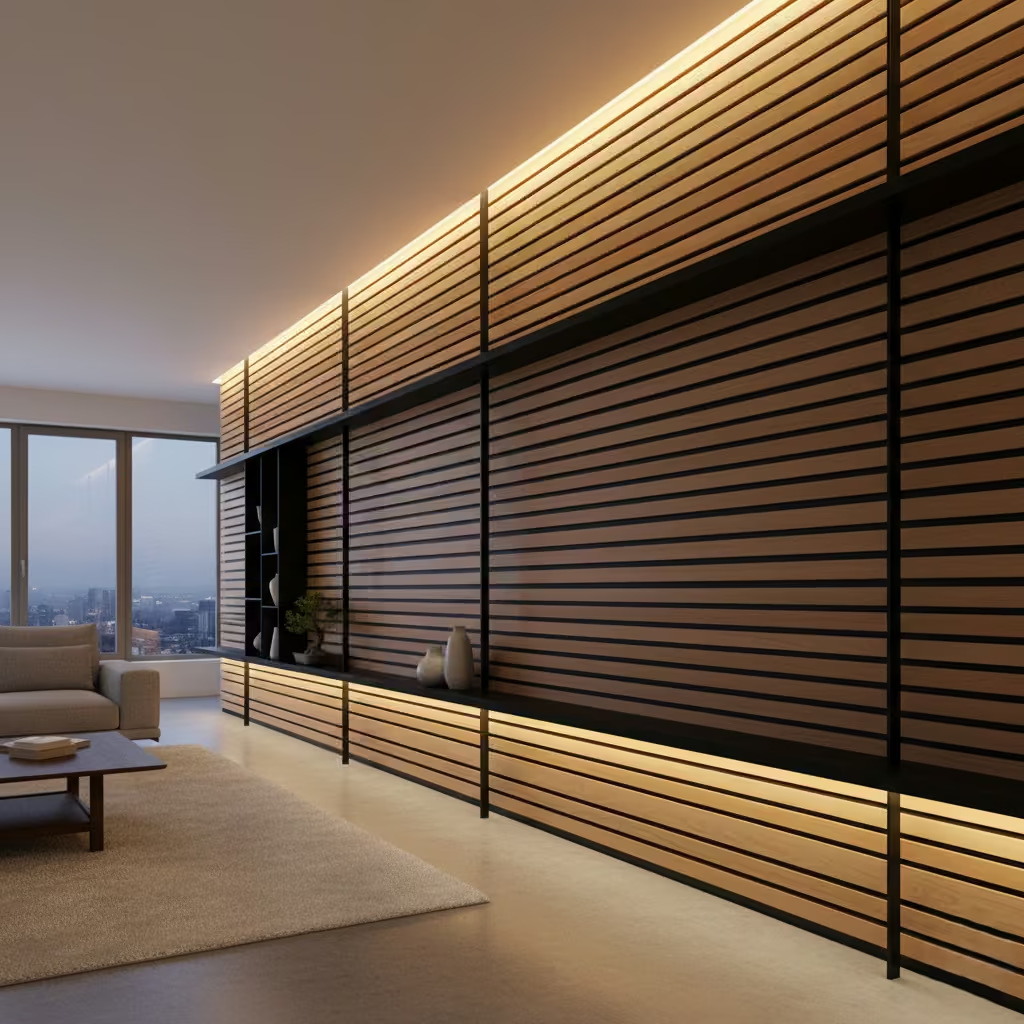
Slatted wood feature walls bringing texture and rhythm
Sculptural chairs with minimalist profiles for functional elegance
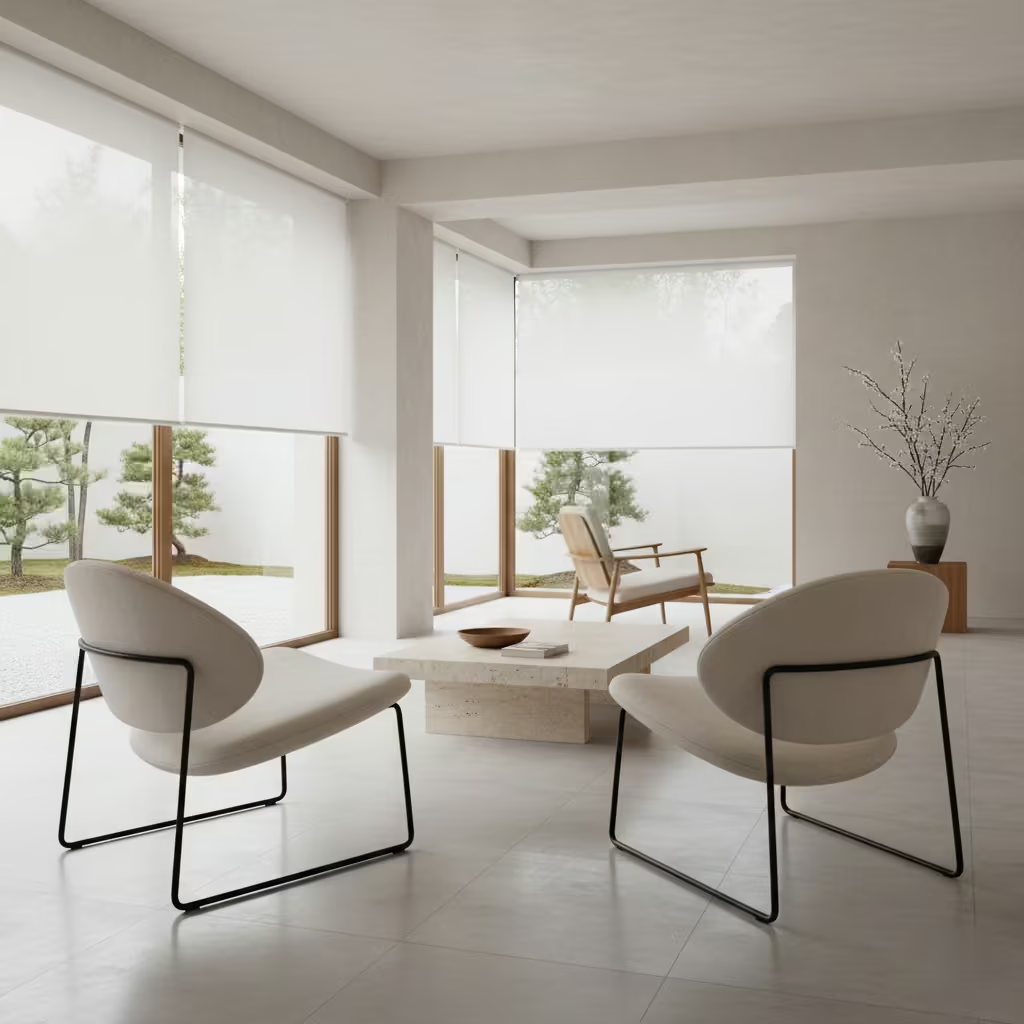
Low, linear coffee tables with metal bases that ground the room
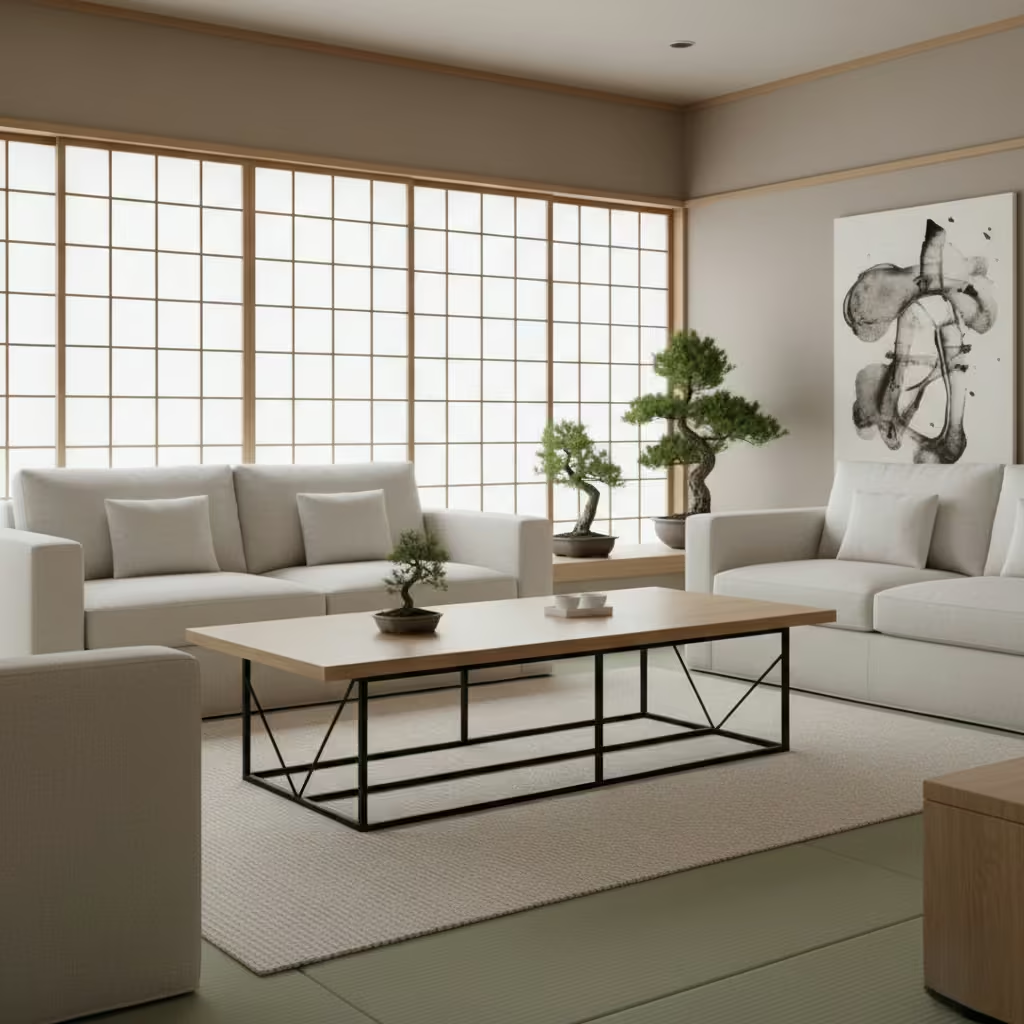
These details introduce definition and contrast while still letting the natural materials and softer elements take centre stage.
Craftsmanship and Cultural Elements
Japanese design honors objects made with intent; craftsmanship brings depth that mass-produced items cannot. Introducing a few carefully chosen cultural elements transforms a tidy apartment into a personal, resonant home—pieces that invite touch, ritual, and repeated appreciation.
Cultural details to weave in
Tokonoma-style alcove: A small recessed niche to display a single artwork, ikebana arrangement, or seasonal object. It creates a focal point and a disciplined place for contemplation.
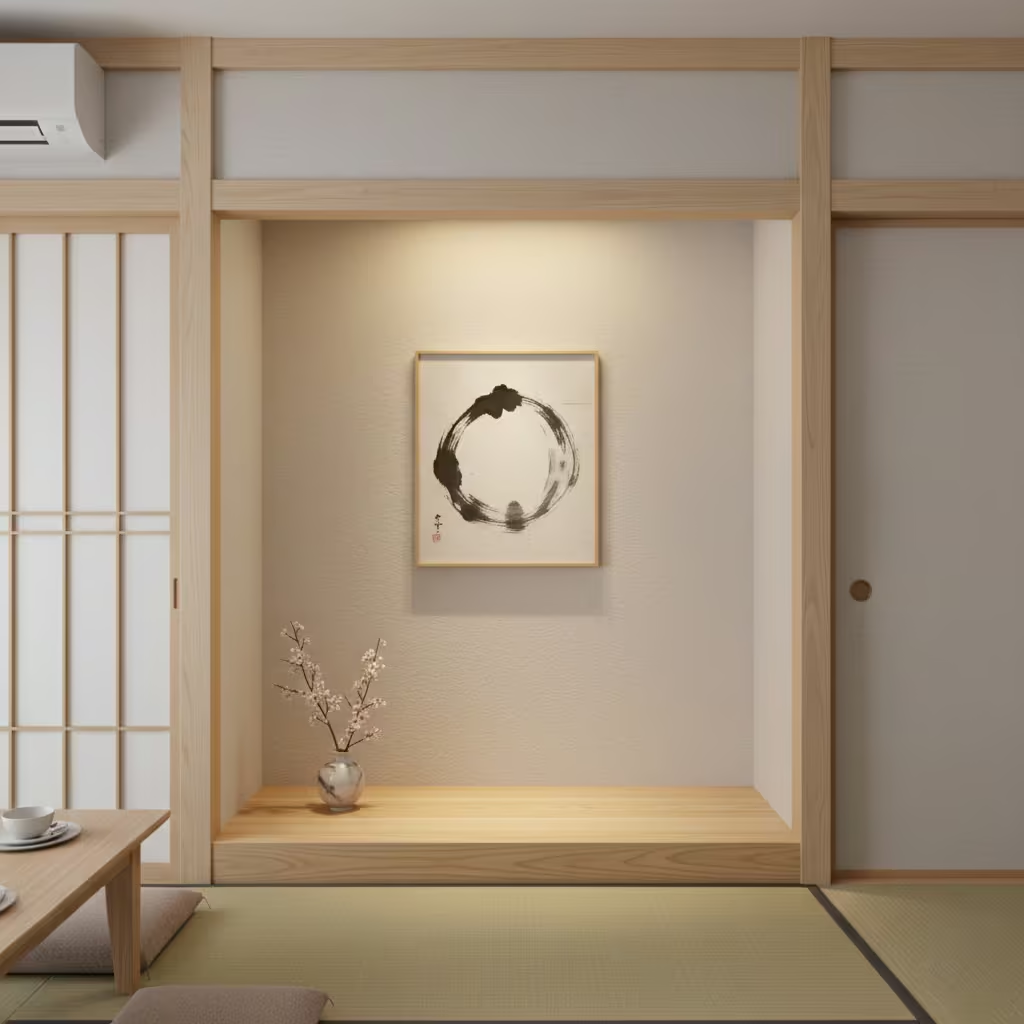
Wabi-sabi decor: Embrace imperfect pottery, hand-planed timber, and subtly weathered textiles. These tactile, irregular objects add warmth and a lived-in authenticity.
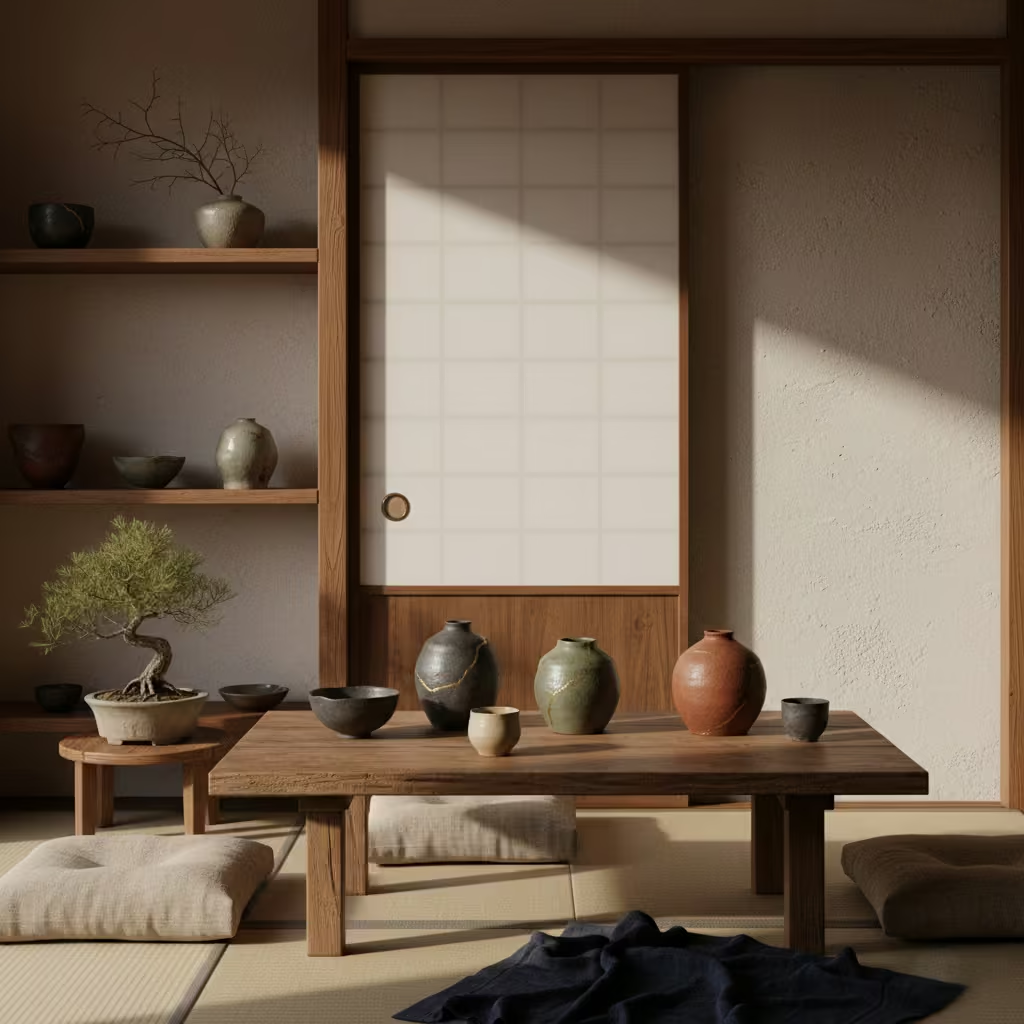
Wall calligraphy or ink-wash prints: Minimal, monochrome works introduce cultural narrative without visual clutter; one thoughtfully placed piece reads as both art and punctuation.
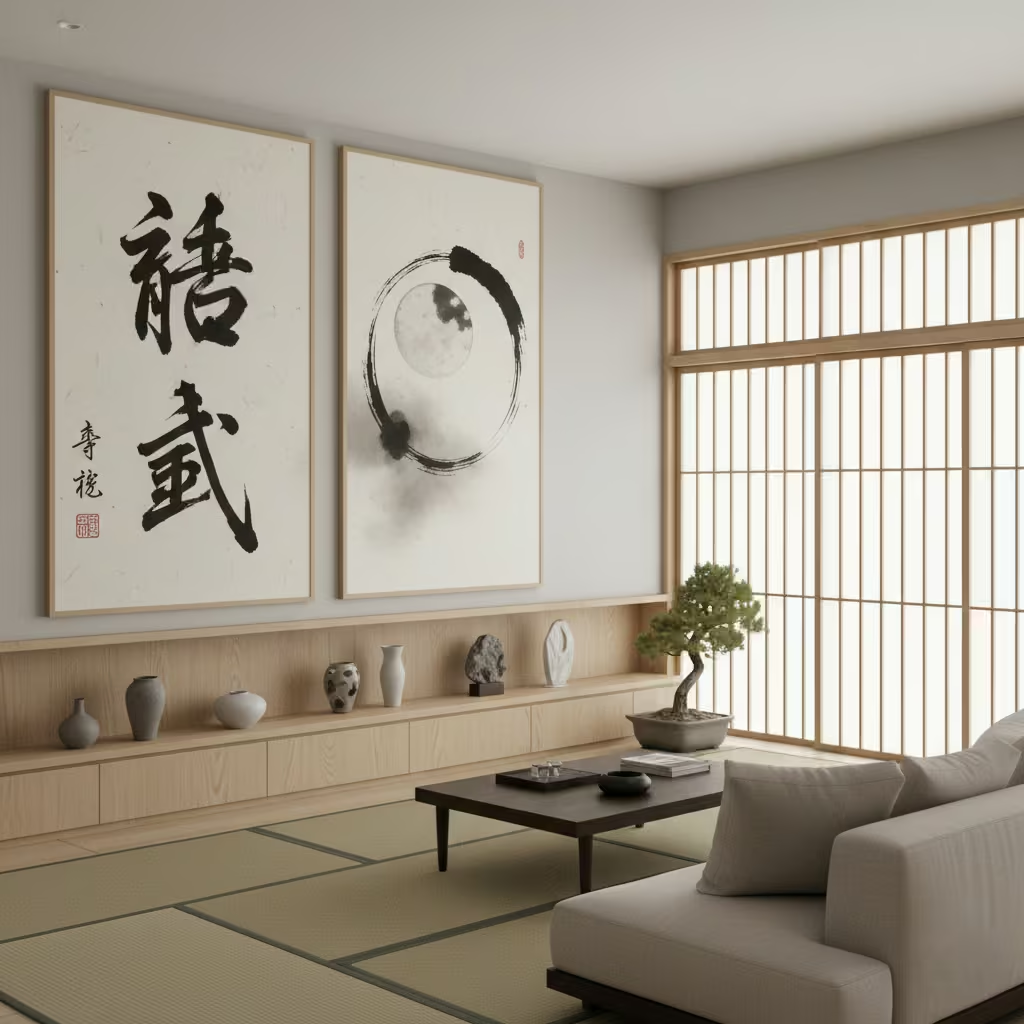
Tatami mat area: A small tatami or woven-mat zone provides a defined spot for reading, stretching, or tea—and anchors low seating arrangements.
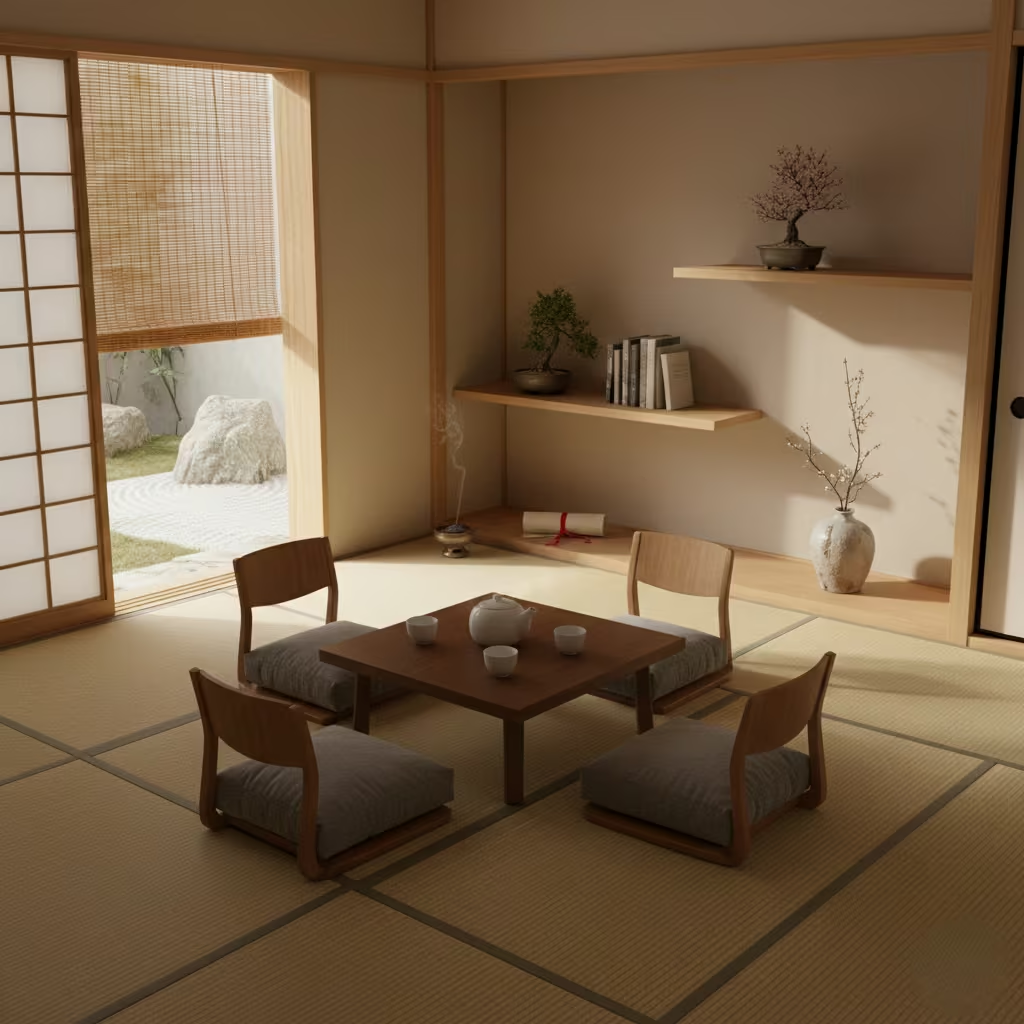
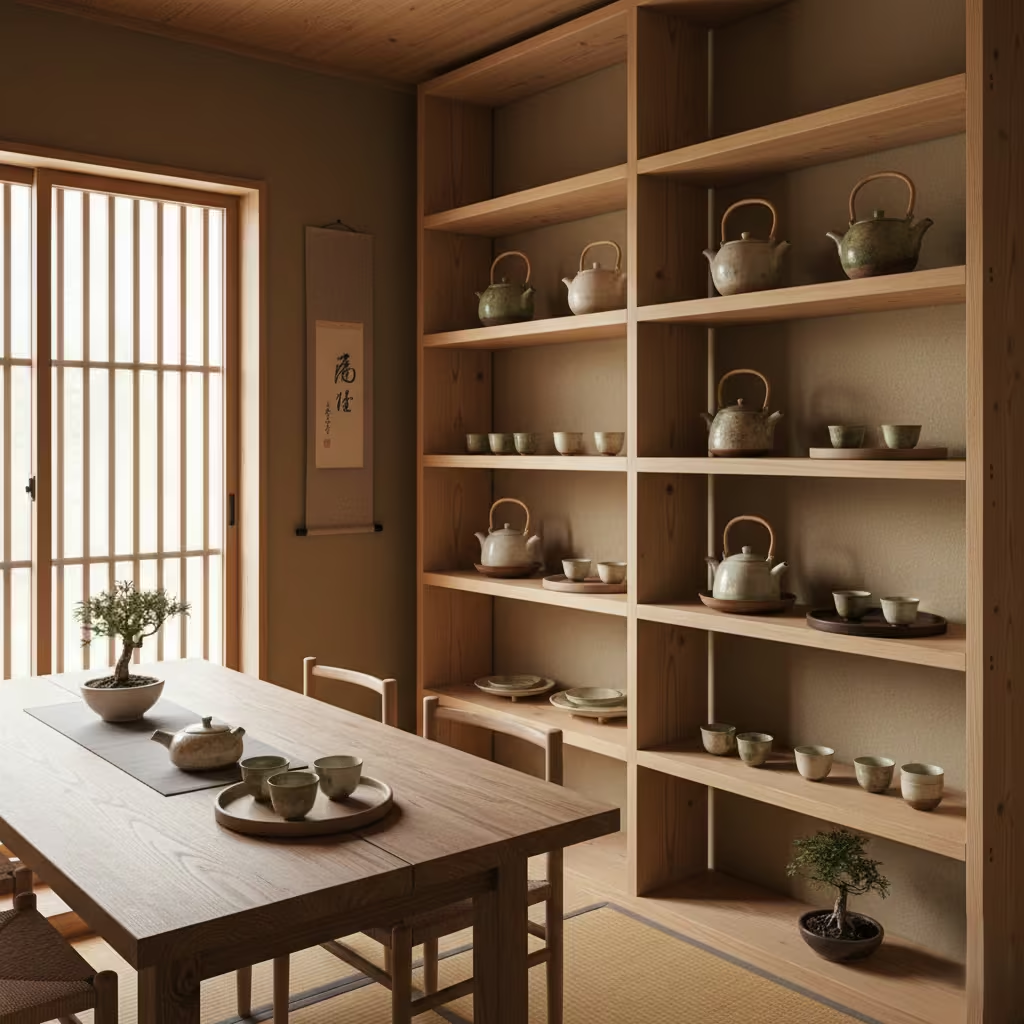
Ceramic tea sets on open shelving: Display a functional tea set as both storage and sculpture; the repeated ritual of use keeps objects meaningful.
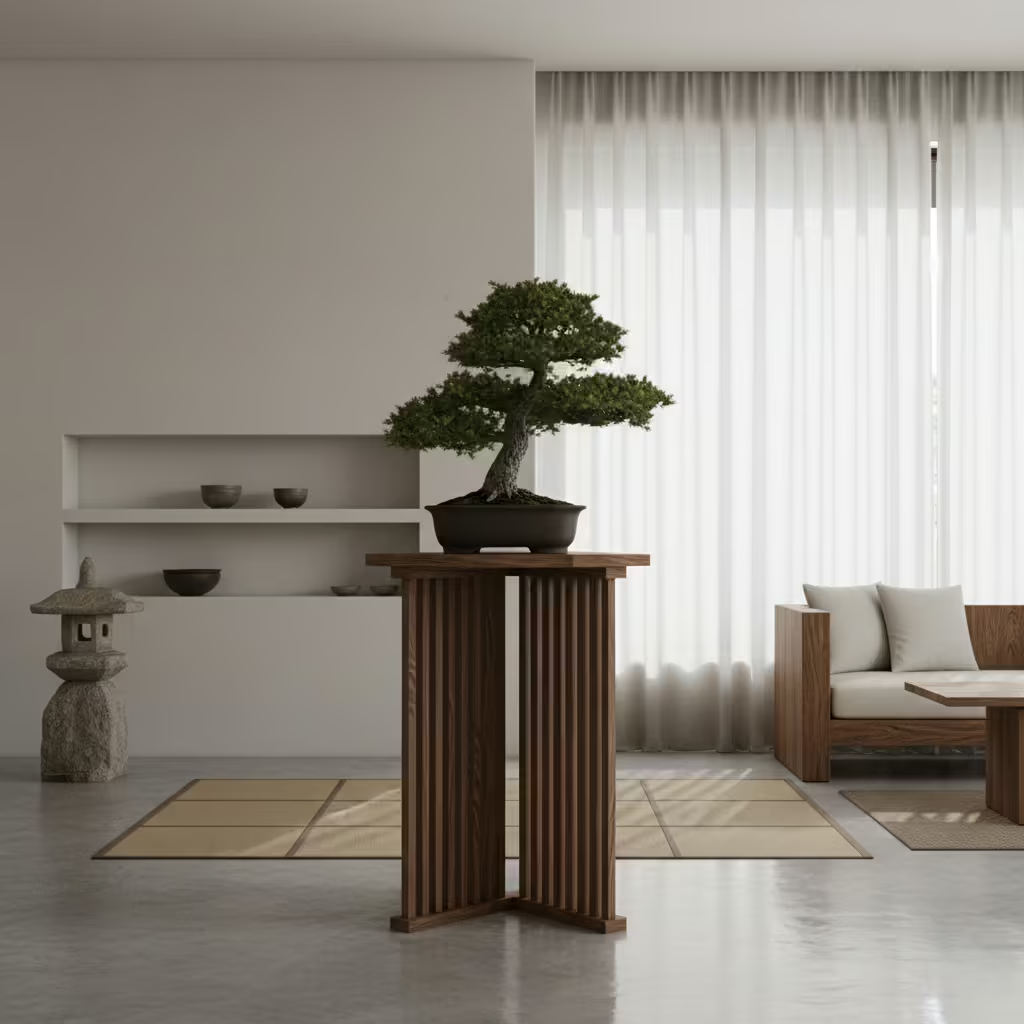
Bonsai stands: A single bonsai on a low stand offers sculptural scale and quiet ceremony, reinforcing patience and care in the home.
Hand-painted room dividers: Lightweight screens with subtle motifs can soften transitions between zones while adding handcrafted detail.
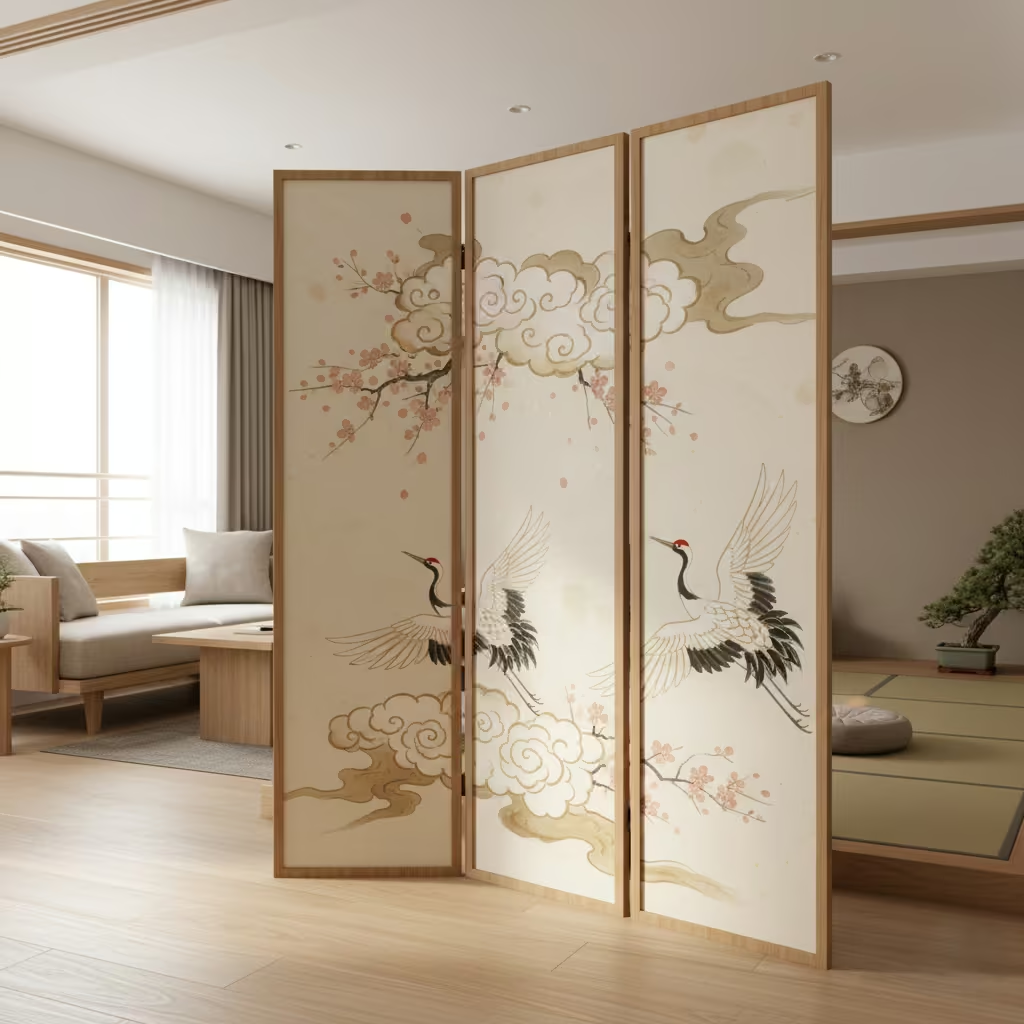
Applied sparingly and with intention, these elements move design from decorative to meaningful. If you’d like, I can suggest specific pieces, sourcing guidance, or layouts that integrate these features without overcrowding a small apartment.
Balcony or Mini Garden Styling
Outdoor space is a luxury in most Japanese apartments, so the goal is to create a calm, compact retreat that feels intentional rather than crowded. The styling leans on natural materials, soft light, and greenery that thrives in small containers.
Balcony ideas
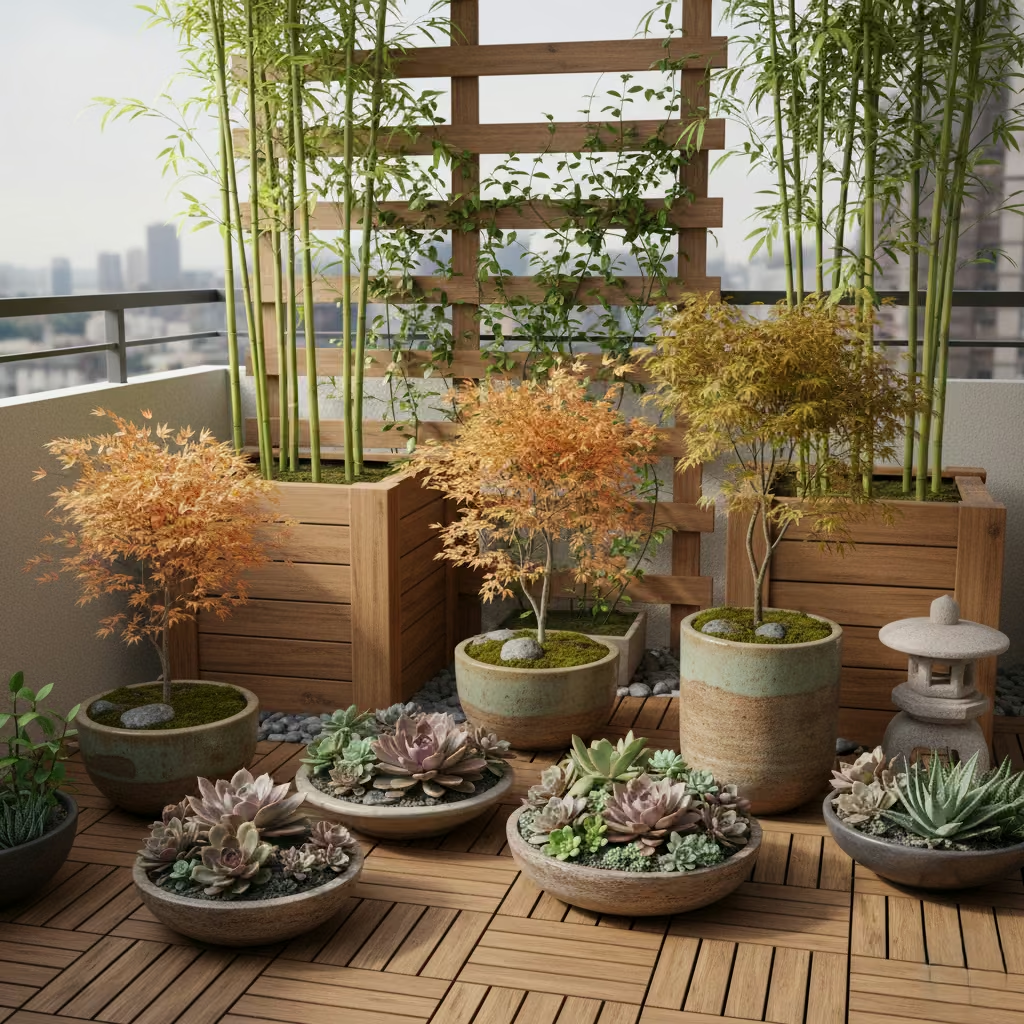
Bamboo privacy screen: Adds warmth, filters harsh light, and creates a more secluded atmosphere.
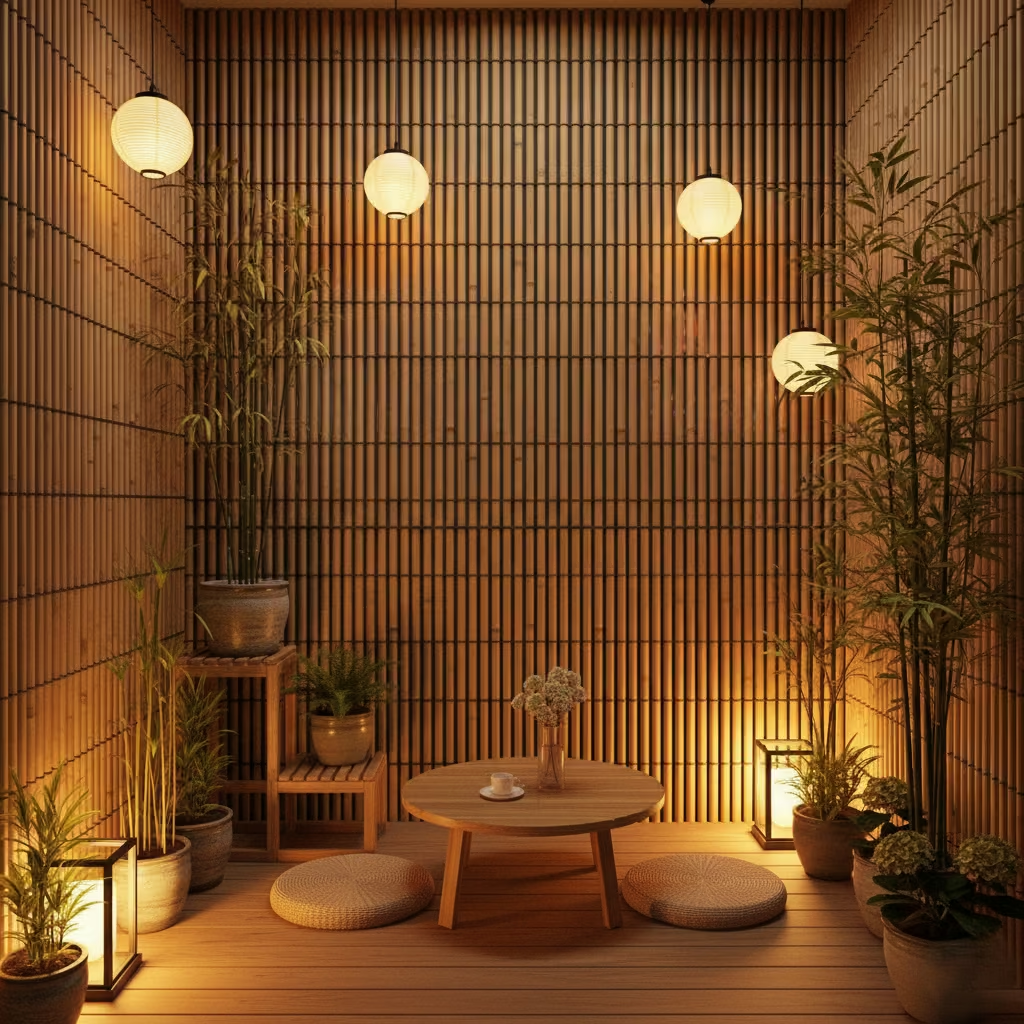
Interlocking wooden floor tiles: Instantly upgrades the concrete base and brings a natural, foot-friendly texture.
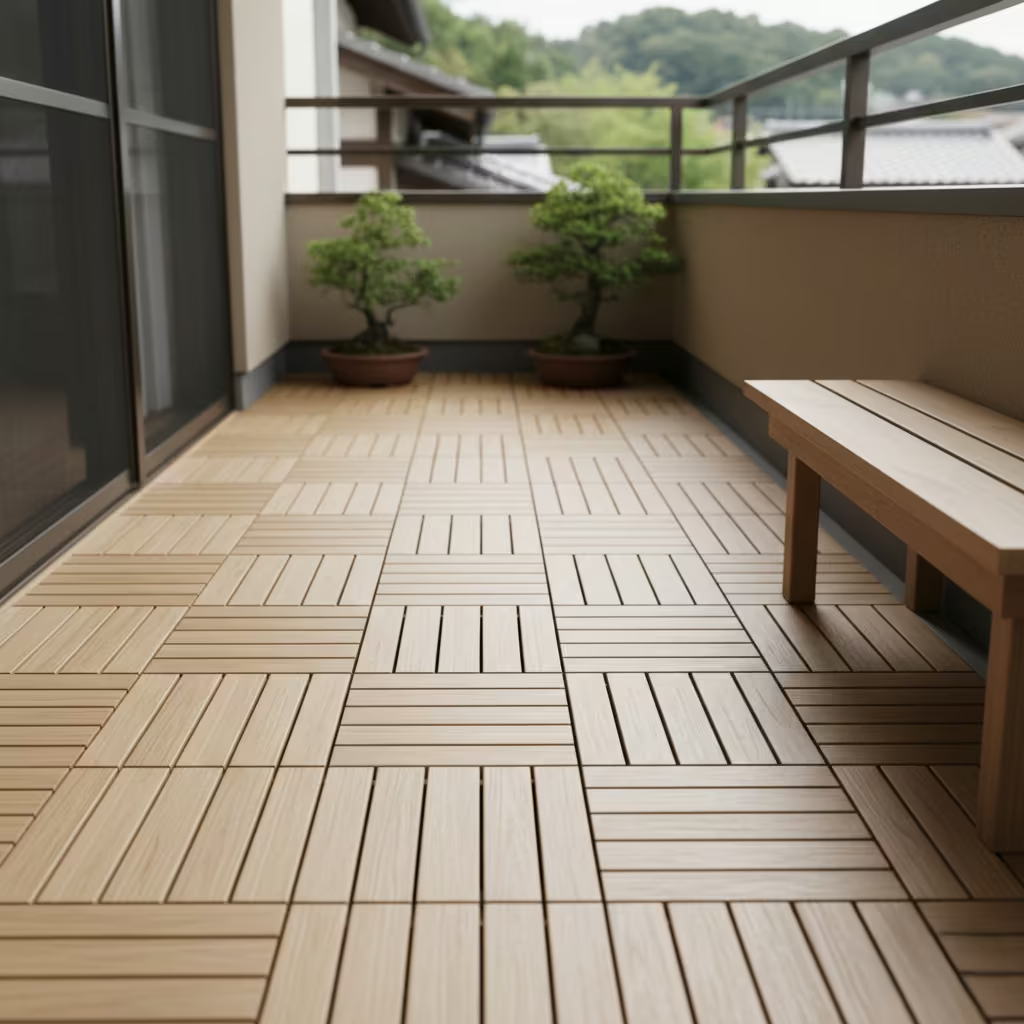
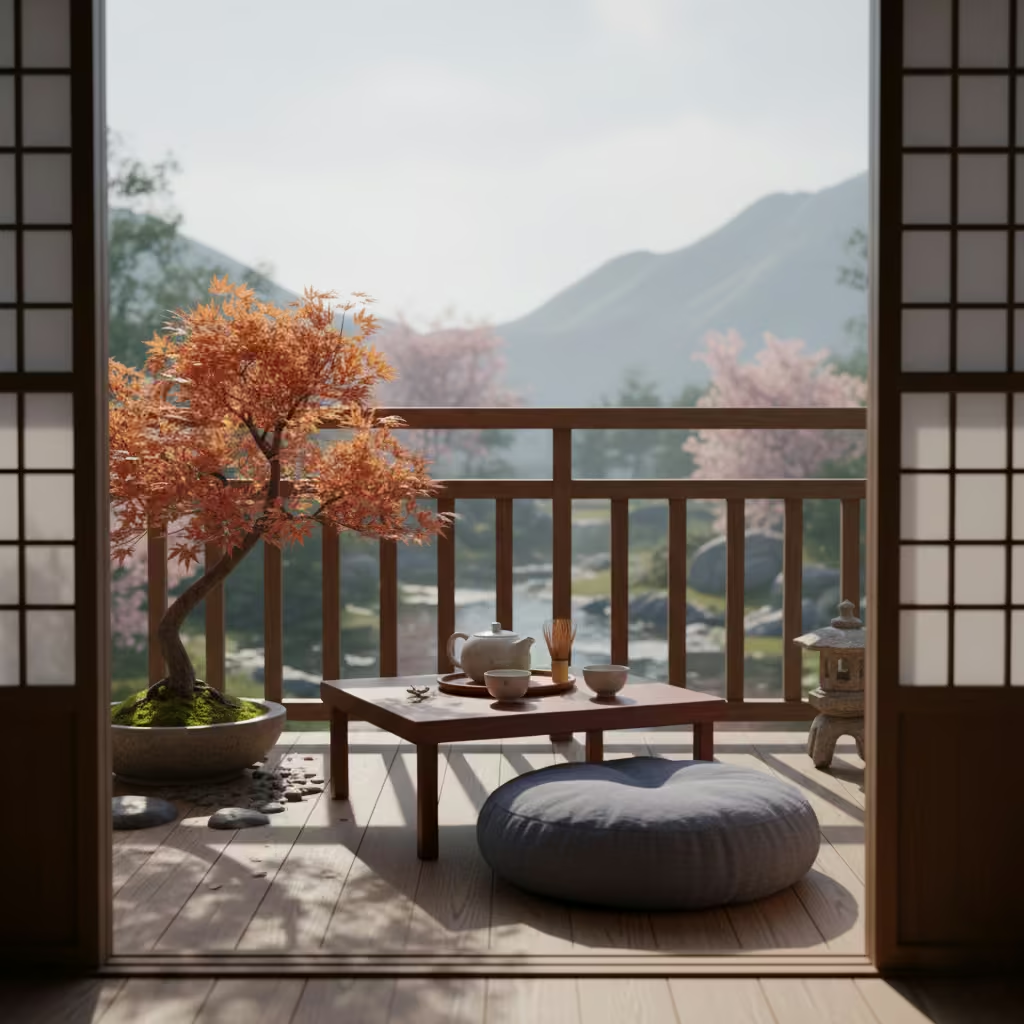
A single lounge chair or thin floor cushions: Keeps the area open while providing a comfortable spot for reading or relaxing.
Compact bistro sets: Perfect for small morning rituals where a table is essential but space is tight.
Lantern lighting: Soft, ambient glow that transforms the balcony into an evening escape.
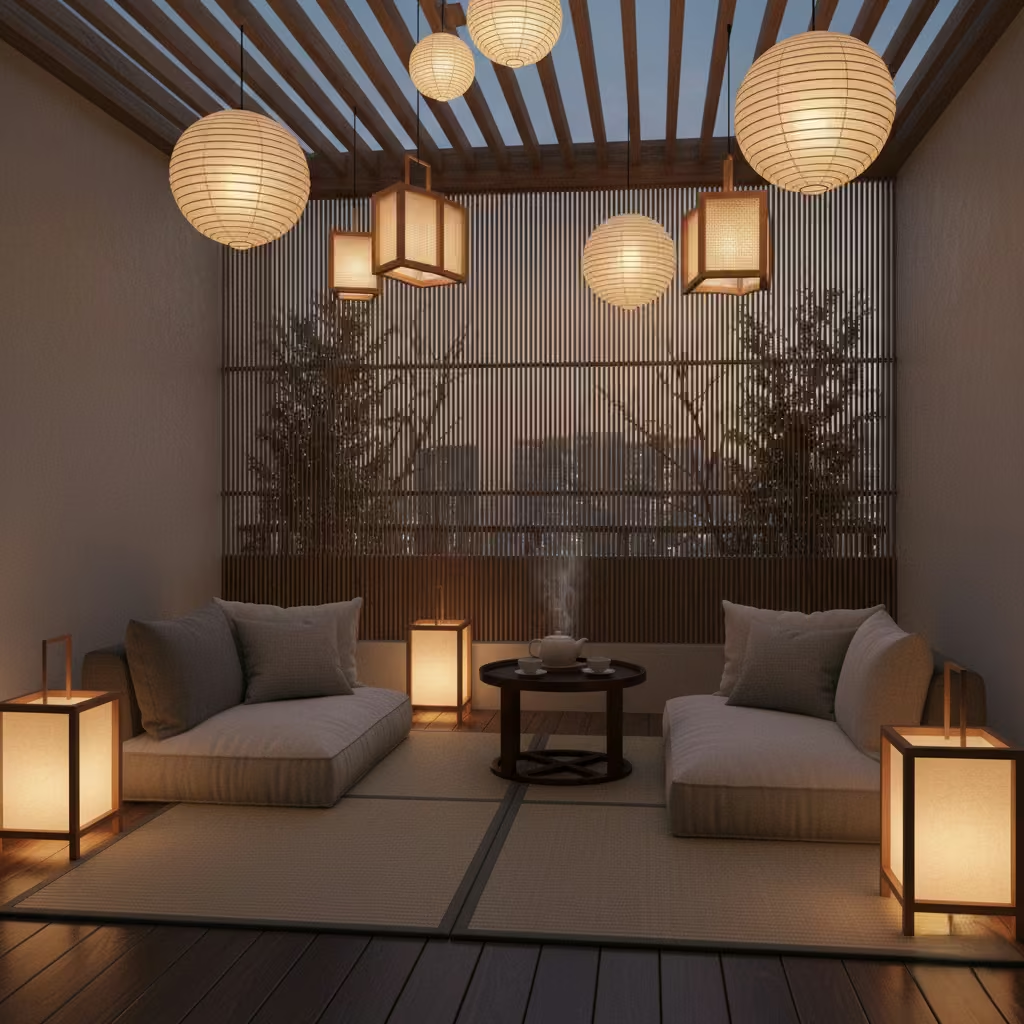
Succulents, maples, or bamboo pots: Low-maintenance greenery that echoes Japanese garden aesthetics.
A quiet corner for morning tea: A simple tray table and one cushion can turn even the smallest ledge into a personal sanctuary.
Even the narrowest balcony can become a pocket-sized oasis when styled with intention and kept visually light.
Kitchen Design: Small, Efficient, and Beautiful
Japanese apartment kitchens are designed with precision. Every centimetre serves a purpose, and visual calm is just as important as function. The result is a compact workspace that feels orderly, modern, and surprisingly pleasant to use.
Key features
Compact induction cooktops: Safer, easier to clean, and ideal for tight countertops. Many models offer dual zones so you still have enough cooking flexibility.
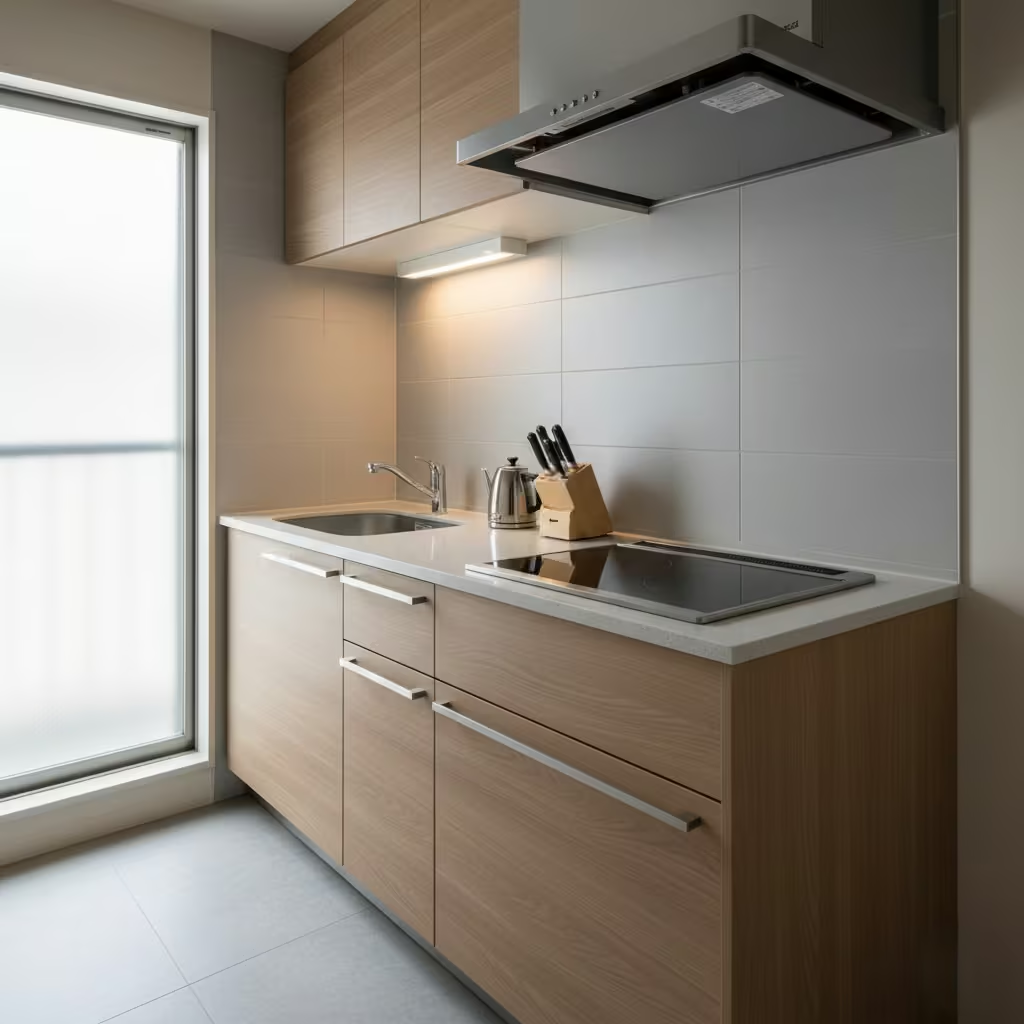
Tall, narrow refrigeration units: Slimline fridges maximise vertical space and free up precious room for prep surfaces.
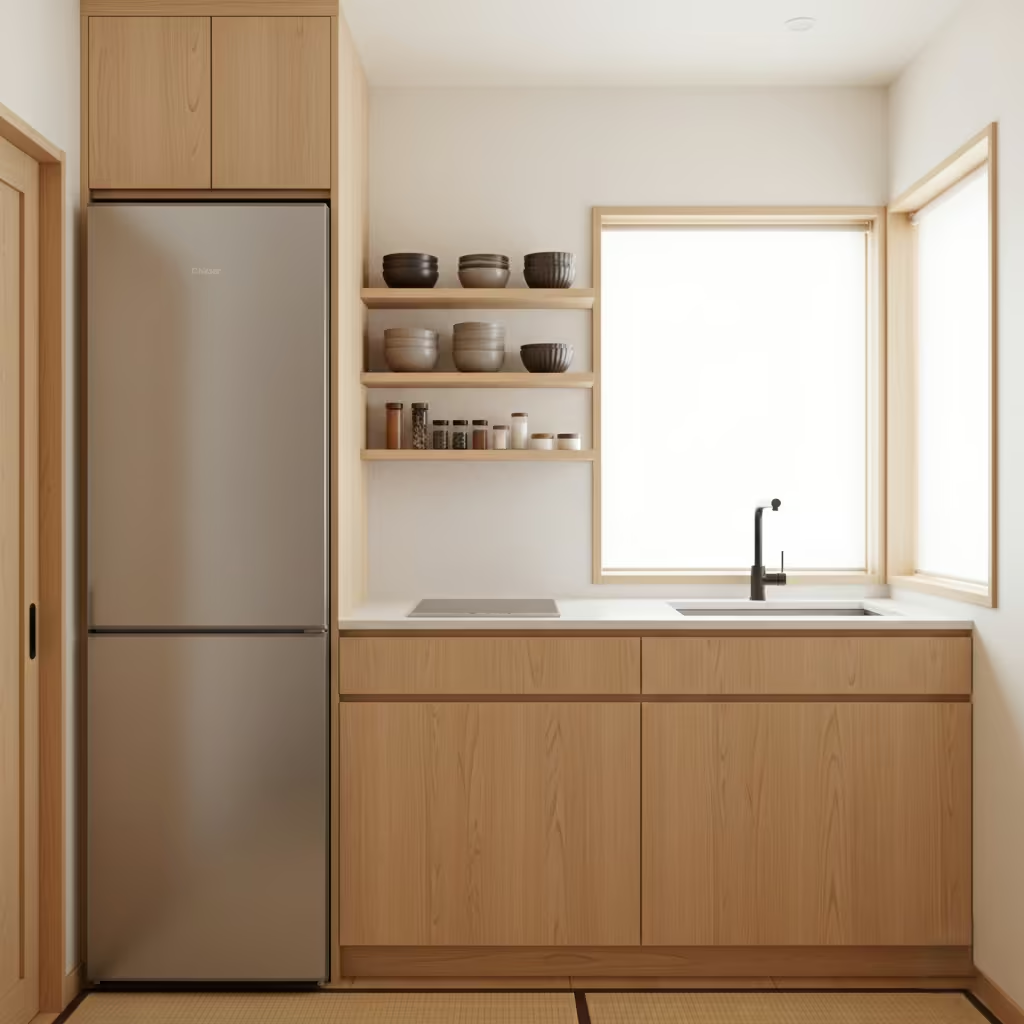
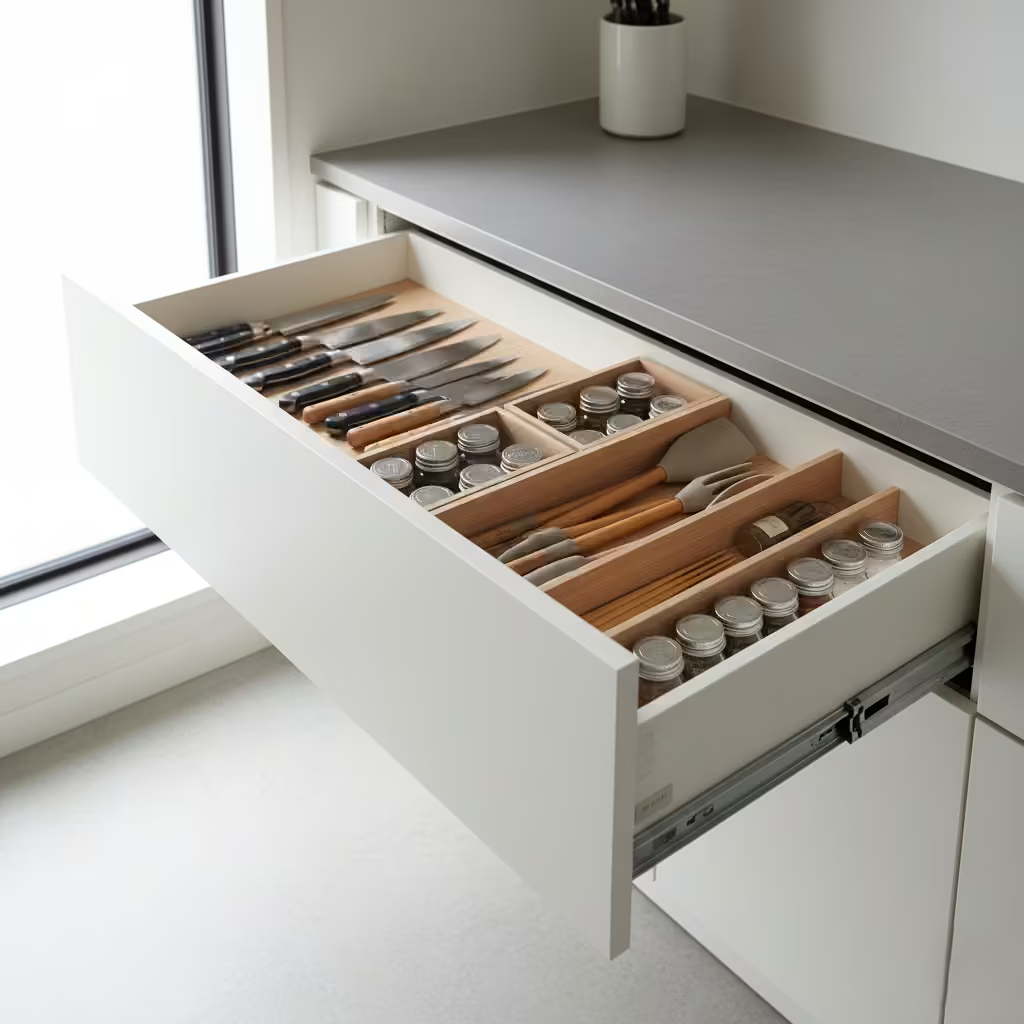
Deep drawers with internal dividers: These allow you to store pots, utensils, spices, and small appliances in clearly organised zones. Nothing gets lost at the back.
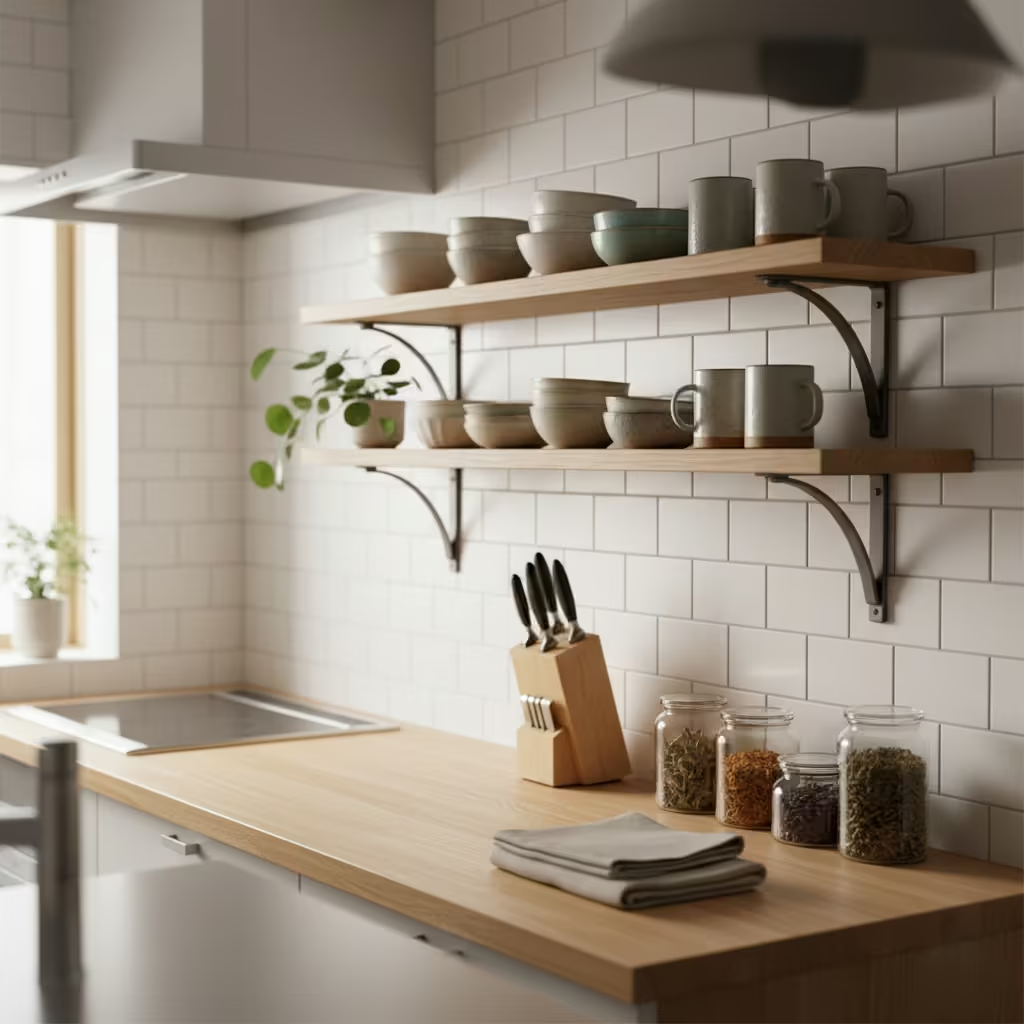
Wall-mounted shelving for everyday items: Keeps essentials within reach and reduces cabinet clutter, while adding a clean, utilitarian aesthetic.
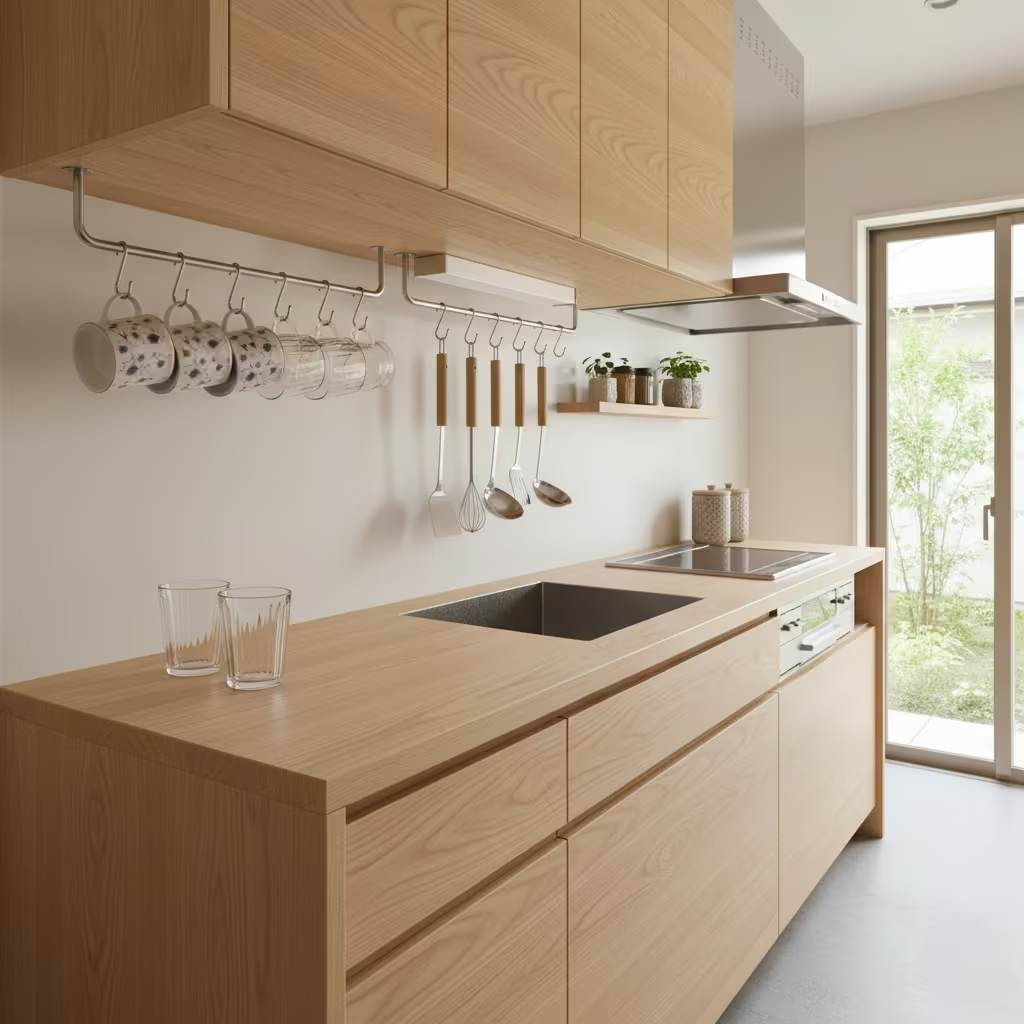
Under-cabinet hooks for cups and utensils: A smart way to create extra storage without adding bulk.
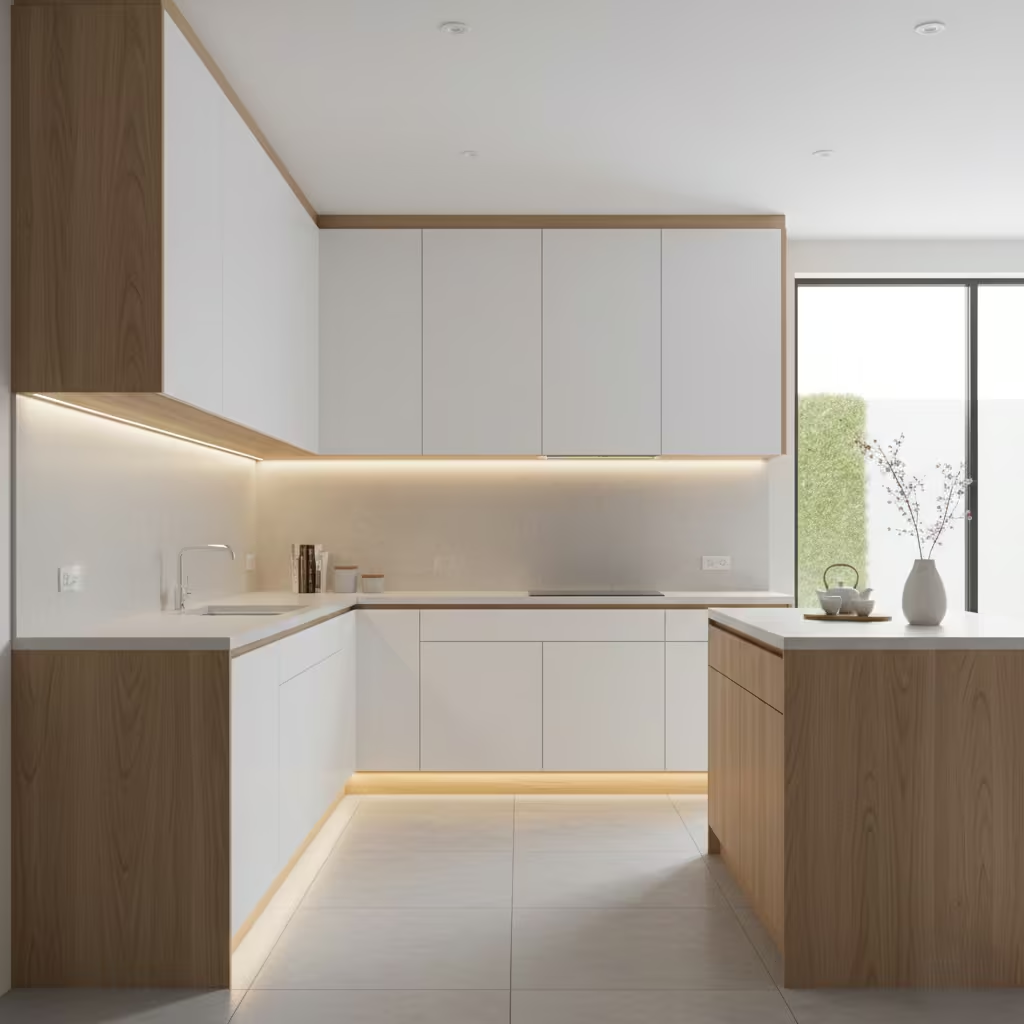
Matte cabinetry in white, grey, or light wood: Soft colours and gentle finishes help the kitchen blend seamlessly with the rest of the apartment.
Sliding partitions to hide the kitchen when not in use: A clever way to maintain a minimalist look in open-plan spaces or studio layouts.
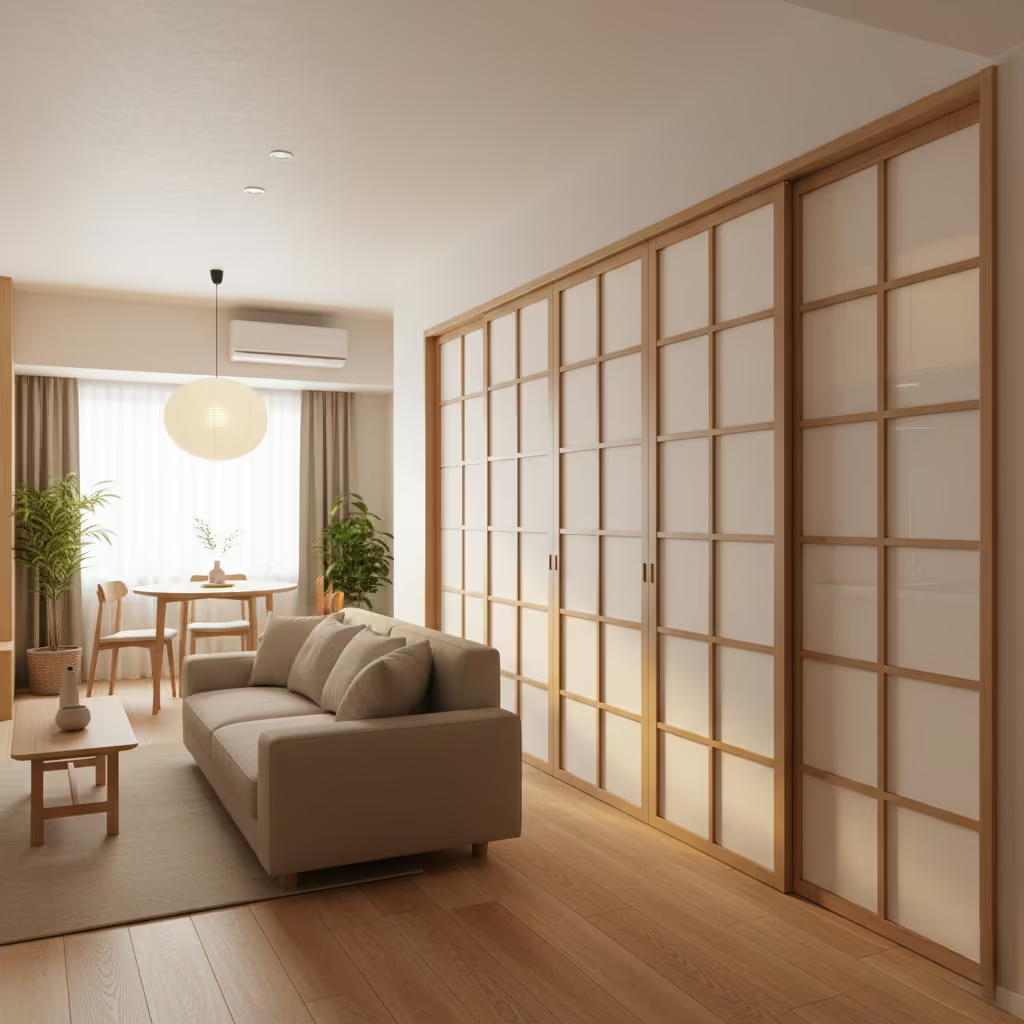
Even the smallest kitchen becomes elegant and highly functional when every inch is optimised and the design remains calm, clean-lined, and intentional.
Bathroom Design: Spa Energy in a Small Footprint
Japanese bathrooms take a small footprint and turn it into a restorative retreat. The design approach is rooted in ritual, calm, and a deep respect for water, which is why even compact apartments manage to feel spa-like.
Design highlights
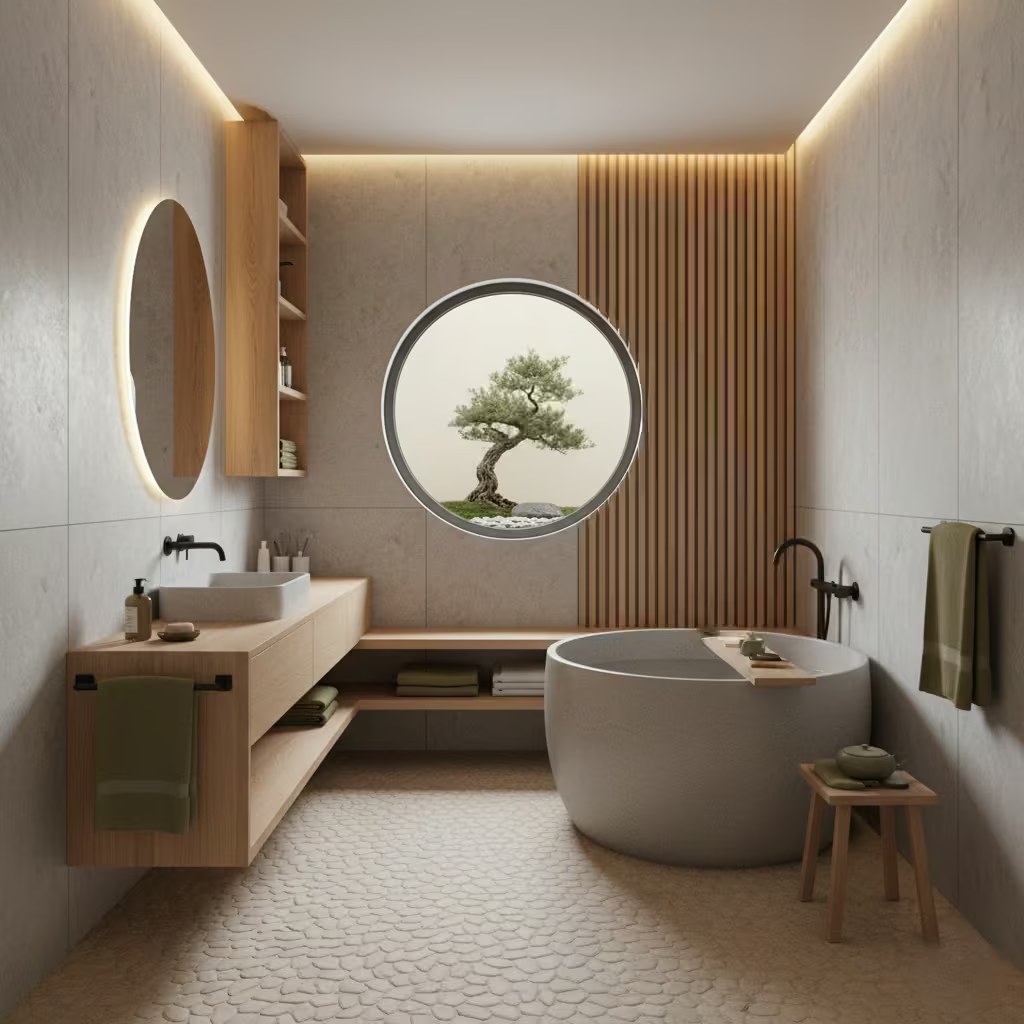
Warm wooden tones paired with stone or microcement: Light hinoki-style finishes, bamboo accents, or pale oak pair beautifully with stone basins, pebble tiles, or smooth microcement walls to create a natural, grounded atmosphere.
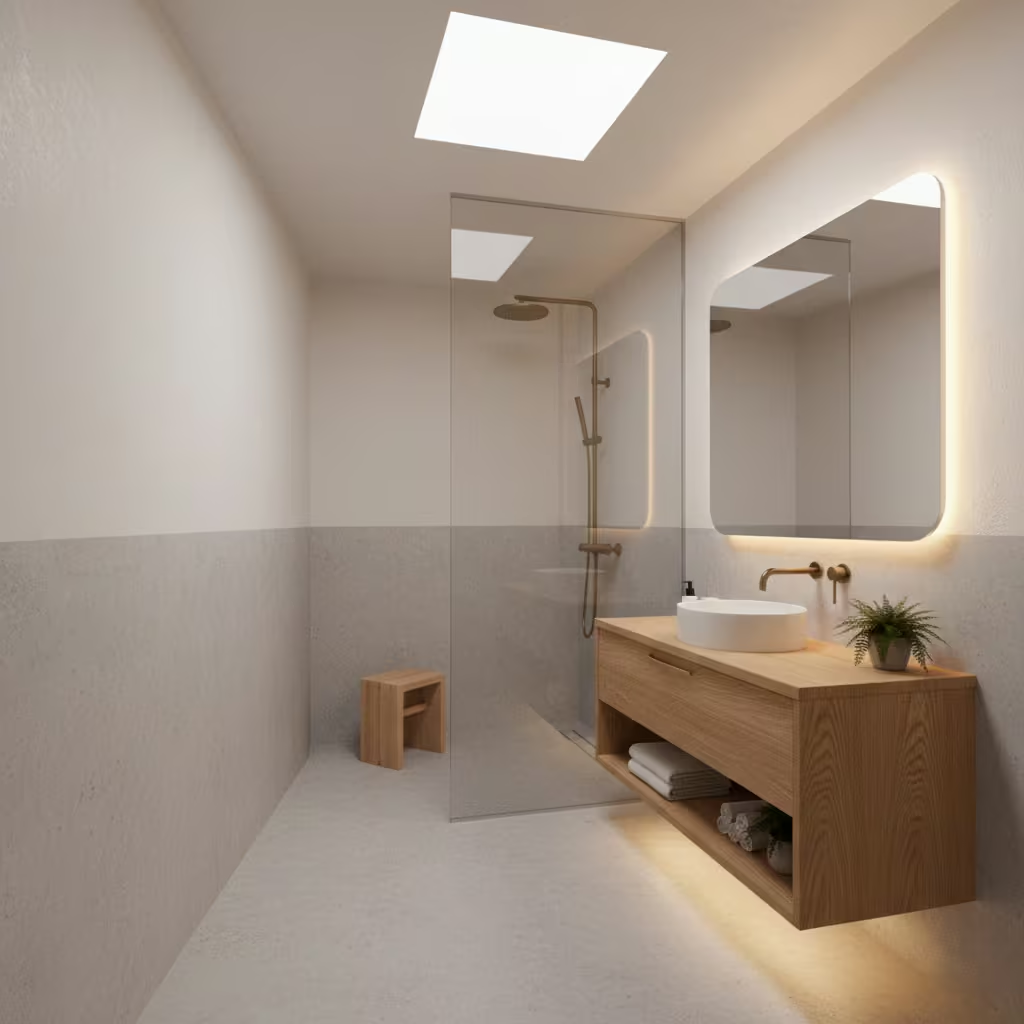
Wet-room layouts that separate the shower from the sink: A simple glass divider or a tiled threshold keeps moisture contained and makes the room more functional. Wet-room designs also visually open up small bathrooms.
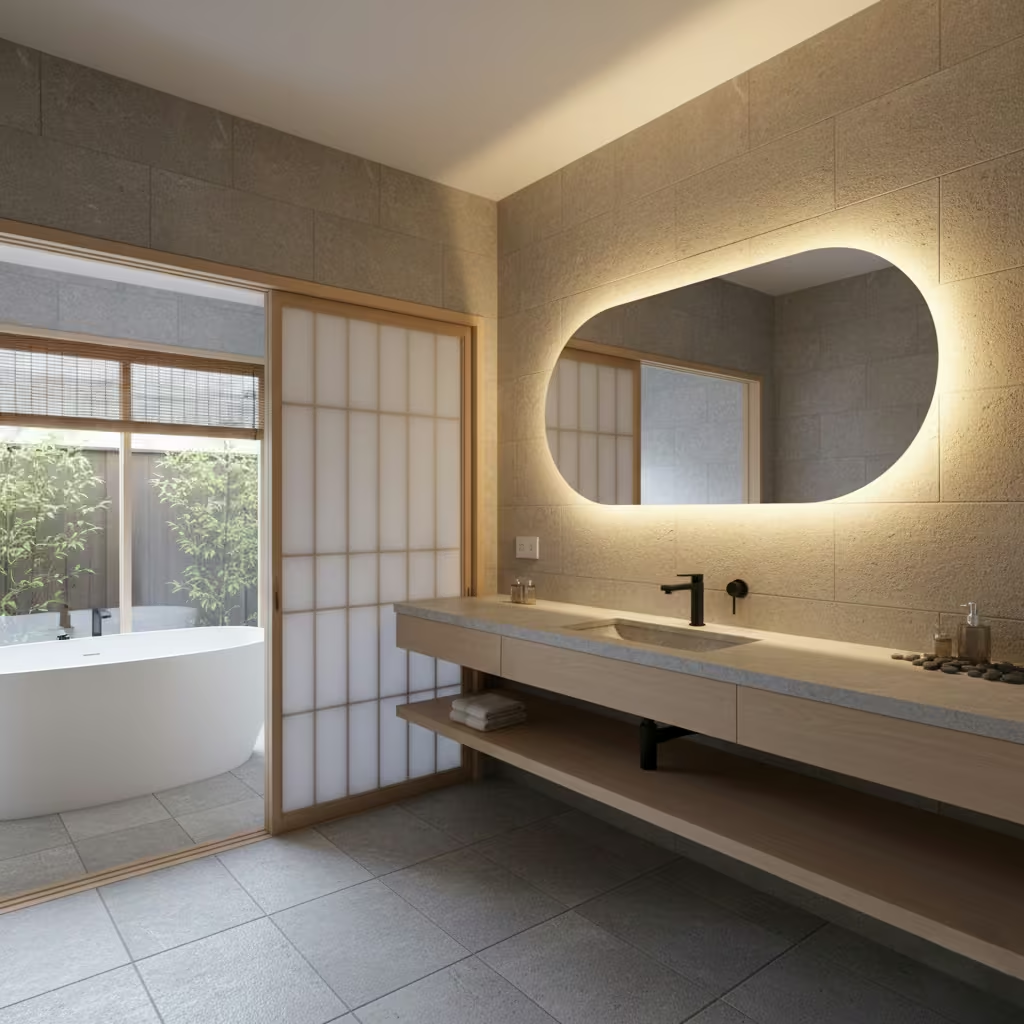
Soft LED lighting behind mirrors: Backlit mirrors eliminate harsh shadows and create a gentle glow that immediately relaxes the senses.
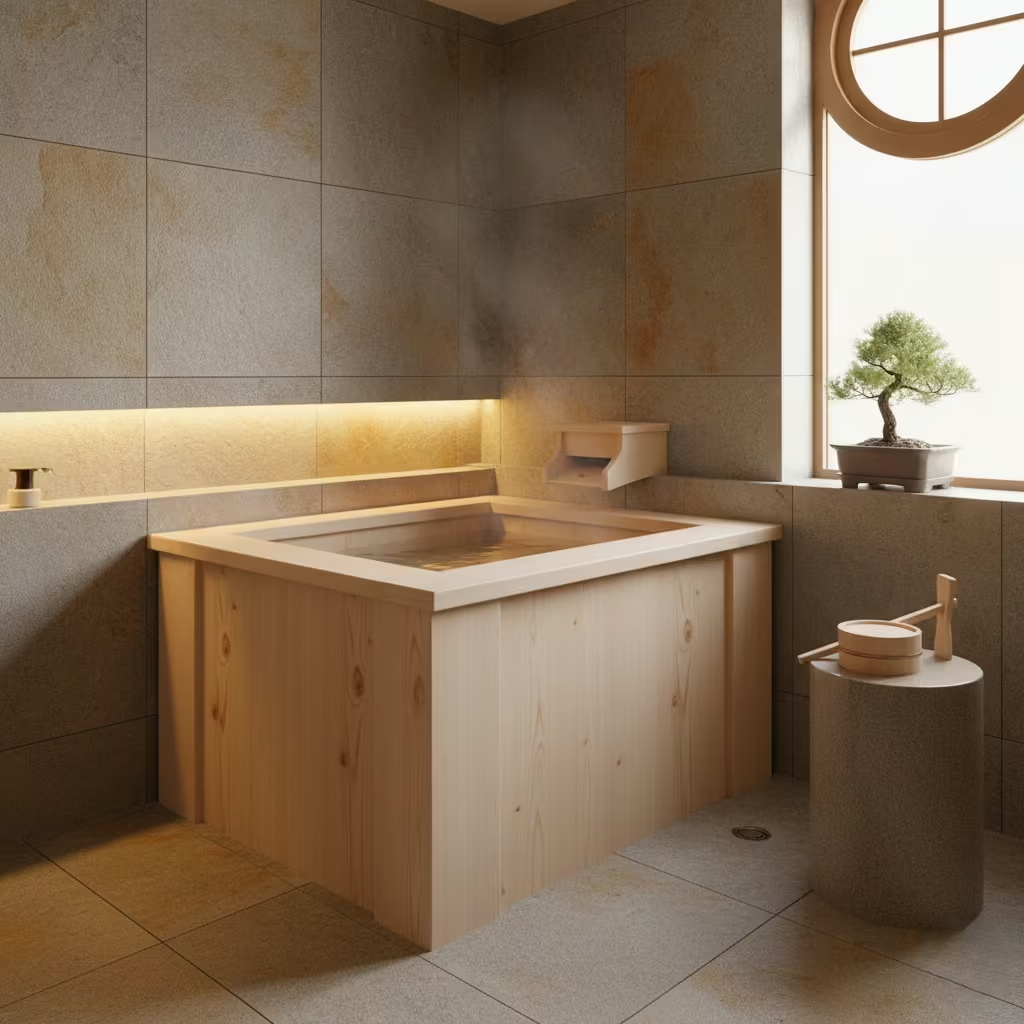
Deep soaking tubs (ofuro style) where space allows: Compact yet deep tubs offer an immersive soak that feels therapeutic. Even a short tub can deliver a surprisingly luxurious bathing experience.
Minimal accessories and wall-mounted storage: Recessed niches, slim floating shelves, and hidden cabinets maintain the clean aesthetic and keep countertops clear.
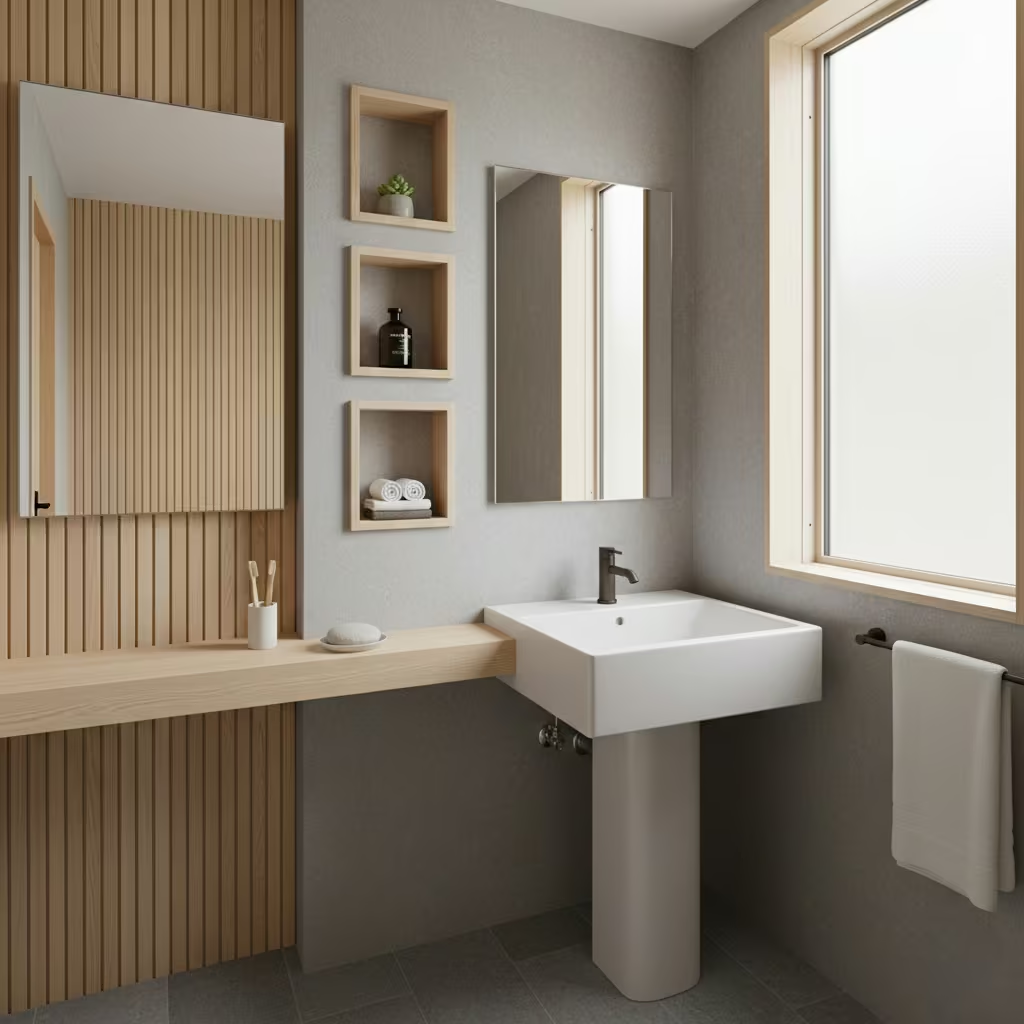
Natural scents like hinoki, cedar, or citrus: A diffuser or soap bar with these scents instantly evokes traditional Japanese bathhouses and introduces a subtle sense of luxury.
The aim is to create a calming pocket of space where steam, soft light, and natural materials come together to reset both body and mind. Even a tiny bathroom can feel like a personal retreat with the right balance of simplicity and sensory comfort.
Final Thoughts
A Japanese-inspired apartment blends tranquillity with purpose, creating a home that feels both efficient and emotionally grounding. The beauty of this style lies in its balance: clean layouts that support daily flow, natural materials that add warmth, and thoughtful craftsmanship that gives every corner meaning. Whether you’re styling a tiny studio or a larger flat, the approach invites you to slow down, clear visual noise, and live with pieces that genuinely matter.
If you’d like, I can turn this into a full landing page, build detailed room-by-room guides, or format the entire piece into a polished, downloadable PDF for your audience.
Frequently Asked Questions: Designing a Japanese Apartment
What defines a Japanese apartment interior?
A Japanese apartment interior is shaped by simplicity, functionality, and natural materials. Rather than relying on heavy decoration, the design focuses on clean layouts, neutral tones, and purposeful furniture. Each element is carefully selected, whether it’s a low platform bed or a sliding screen, to create a space that feels calm, balanced, and easy to live in.
How do I make a small apartment feel like a Japanese space?
Start by improving the layout. Keep the centre of the room open and move furniture toward the edges to enhance flow. Use low-profile furniture to reduce visual weight and stick to a neutral colour palette to reflect light. Introduce natural textures like wood and linen, and prioritise hidden storage to keep the space uncluttered and calm.
What colours work best in Japanese apartment design?
Japanese interiors favour soft, nature-inspired tones such as warm whites, beige, sand, and light greys. These are often paired with natural wood finishes. Dark accents like charcoal or muted black are used sparingly to add contrast. Bright or bold colours are typically avoided to maintain a calm atmosphere.
Is Japanese design suitable for modern apartments?
Yes, it works particularly well in modern homes. Japanese design naturally addresses small spaces, storage efficiency, and flexible living. It blends seamlessly with contemporary elements like glass, steel, and open-plan layouts, creating a look that feels both modern and timeless.
What kind of furniture should I choose?
Choose low, simple, and functional furniture with clean lines. Platform beds, short tables, and compact seating help maintain openness. Natural wood finishes work best, and multi-functional pieces like storage beds or foldable tables are ideal for smaller apartments.
How important is storage in Japanese apartments?
Storage is essential. A clutter-free environment is key to achieving the calm, organised feel of Japanese interiors. Built-in storage, under-bed compartments, and concealed cabinets help keep surfaces clear and maintain visual balance throughout the space.
Can I use Japanese design in a rental apartment?
Yes, Japanese design is very adaptable for rentals. You can introduce the style through furniture, lighting, and textiles without making permanent changes. Freestanding shelves, floor cushions, neutral bedding, and paper-style lamps are all effective ways to achieve the look.
What lighting works best in a Japanese apartment?
Lighting should be soft, warm, and layered. Instead of relying on a single overhead light, use table lamps, wall lights, and diffused pendants. Materials like rice paper or frosted glass help create a gentle glow. Warm white bulbs are essential for a relaxing atmosphere.
How do I incorporate nature into my apartment?
Use plants, natural materials, and organic textures. A single bonsai, bamboo plant, or moss arrangement can make a strong impact. Combine these with wood, linen, and ceramic elements to create a subtle but effective connection to nature.
What is the biggest mistake to avoid?
Avoid overdecorating or making the space feel too empty. Japanese design is about balance. Too many items create clutter, while too few can feel cold. Focus on selecting meaningful pieces that serve a purpose and contribute to a calm, cohesive environment.