



25 Organic Kitchen Design Ideas for a Natural Home
Organic kitchen design is all about bringing nature indoors, creating a space that feels warm, inviting, and in harmony with the environment. Unlike conventional kitchens that rely heavily on synthetic materials and glossy finishes, an organic kitchen celebrates natural textures, sustainable materials, and earthy tones. From reclaimed wood cabinets to stone countertops, every element is chosen to connect the space with the natural world while maintaining functionality and style.
One of the biggest benefits of an organic kitchen is its timeless appeal. Materials like wood, stone, clay, and bamboo not only age beautifully but also create a sense of comfort and authenticity.
Beyond aesthetics, using sustainable and natural materials supports eco-conscious living, reducing the environmental footprint of your home. Soft, tactile textures from linen curtains to woven baskets enhance the sensory experience, making the kitchen a place where both cooking and gathering feel grounded and enjoyable.
This design approach is gaining momentum as more homeowners seek spaces that reflect their values and lifestyle. People are increasingly drawn to kitchens that are not only beautiful but also environmentally responsible and health-conscious. Whether you’re renovating a small city apartment or designing a spacious country kitchen, incorporating organic elements can transform the heart of your home.
In this guide, I’ll share 25 practical organic kitchen design ideas that balance style, sustainability, and functionality, complete with material suggestions, measurements, and tips from my own design experience.
25 Organic Kitchen Design Ideas
Creating an organic kitchen is about more than just choosing natural materials it’s about crafting a space that feels alive, warm, and in tune with the environment. From earthy textures and sustainable surfaces to soft, neutral colors, every detail can bring a sense of calm and authenticity to the heart of your home.
The following 25 design ideas will help you blend functionality with natural beauty, offering practical tips, material suggestions, and measurements to make your organic kitchen both stylish and sustainable.
Reclaimed Wood Cabinetry
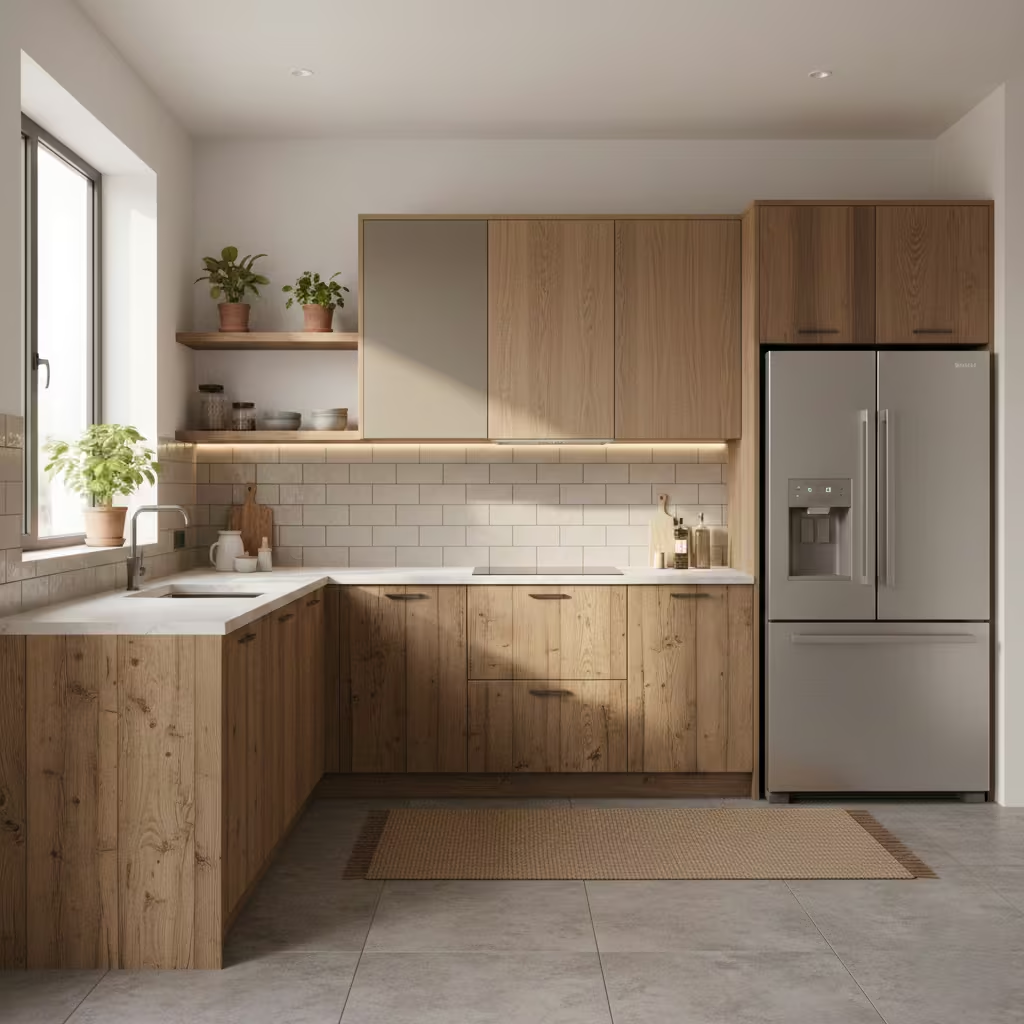
Reclaimed wood cabinetry is one of the most authentic ways to introduce an organic feel into your kitchen. Using salvaged timber from old buildings, barns, or furniture not only adds character but also supports sustainable practices by giving wood a second life.
Ideal cabinet sizes generally follow standard kitchen layouts: base cabinets are typically 60 cm (24 in) deep and 90 cm (35.5 in) high, while wall cabinets are 30–35 cm (12–14 in) deep and 70–90 cm (28–35 in) tall, but these can be customized for island units or pantry sections.
When selecting finishes, I usually recommend a natural oil or matte varnish that enhances the grain without hiding its imperfections. Distressed or slightly weathered textures work beautifully, giving the kitchen a rustic yet refined charm. Pairing reclaimed wood cabinets with light countertops or neutral tiles balances warmth with brightness, preventing the space from feeling too heavy.
Pros
- Sustainable and eco-friendly, reducing demand for new timber.
- Adds warmth, character, and a unique, timeless aesthetic.
- Durable if properly maintained, and often resistant to warping due to older, seasoned wood.
Cons
- Requires regular maintenance (oil or wax finishes may need reapplication).
- Color and grain variations may be uneven, which could be a challenge if a perfectly uniform look is desired.
- Slightly higher cost and sourcing challenges compared to standard new cabinetry.
Practical Tip: Always check reclaimed wood for signs of pests or rot and consider sealing it before installation. For kitchens with high humidity, oak or maple are good choices, as they are more stable and less prone to warping.
Natural Stone Countertops
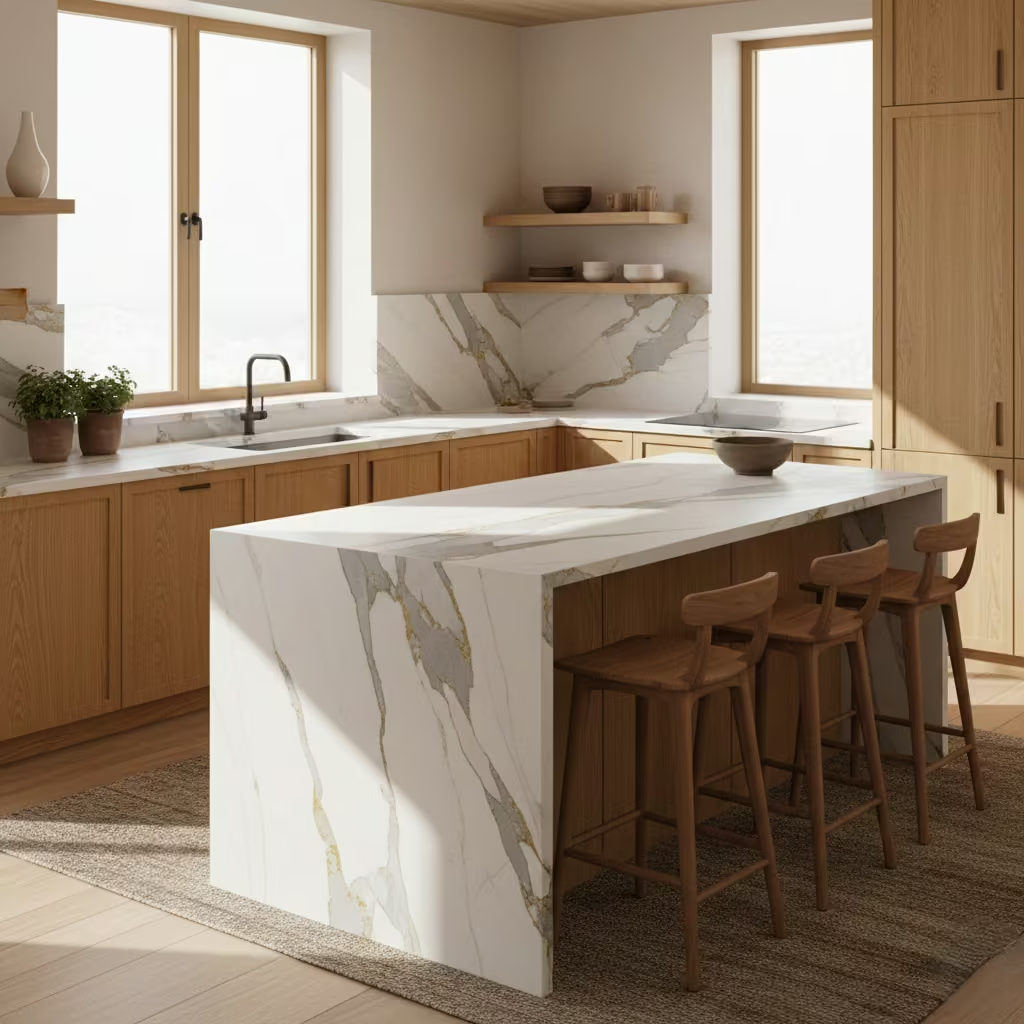
Natural stone countertops are a cornerstone of organic kitchen design, bringing elegance, durability, and a tactile connection to nature. Popular options include granite, marble, and quartzite, each offering unique colors, patterns, and finishes.
Granite is highly durable and heat-resistant, making it ideal for busy kitchens, while marble offers timeless beauty with distinctive veining but is slightly softer and more prone to staining. Quartzite combines the best of both: natural beauty with exceptional hardness and scratch resistance.
Standard countertop measurements typically follow a depth of 60 cm (24 in) for base cabinets, with a height of 90 cm (35.5 in) from the floor. Thickness varies between 2–3 cm (0.8–1.2 in) depending on the material and style preference. Overhangs for islands or breakfast bars are usually 30–40 cm (12–16 in) to allow comfortable seating.
Pros
- Durable and long-lasting, especially granite and quartzite.
- Adds natural beauty, luxury, and value to the home.
- Heat and scratch resistance make it functional for heavy cooking.
Cons
- Marble requires regular sealing and careful maintenance.
- Can be heavy, requiring strong cabinetry and professional installation.
- Higher upfront cost compared to laminate or engineered surfaces.
Practical Tip: Pair lighter stone surfaces with warm wood cabinetry to maintain a balanced, organic feel. For stain-prone stones like marble, consider honed finishes over polished, as they hide wear better and feel more natural.
You May also Like: 24 Dark Apartments Ideas to Brighten and Transform Your Space
Open Shelving with Bamboo or Wood
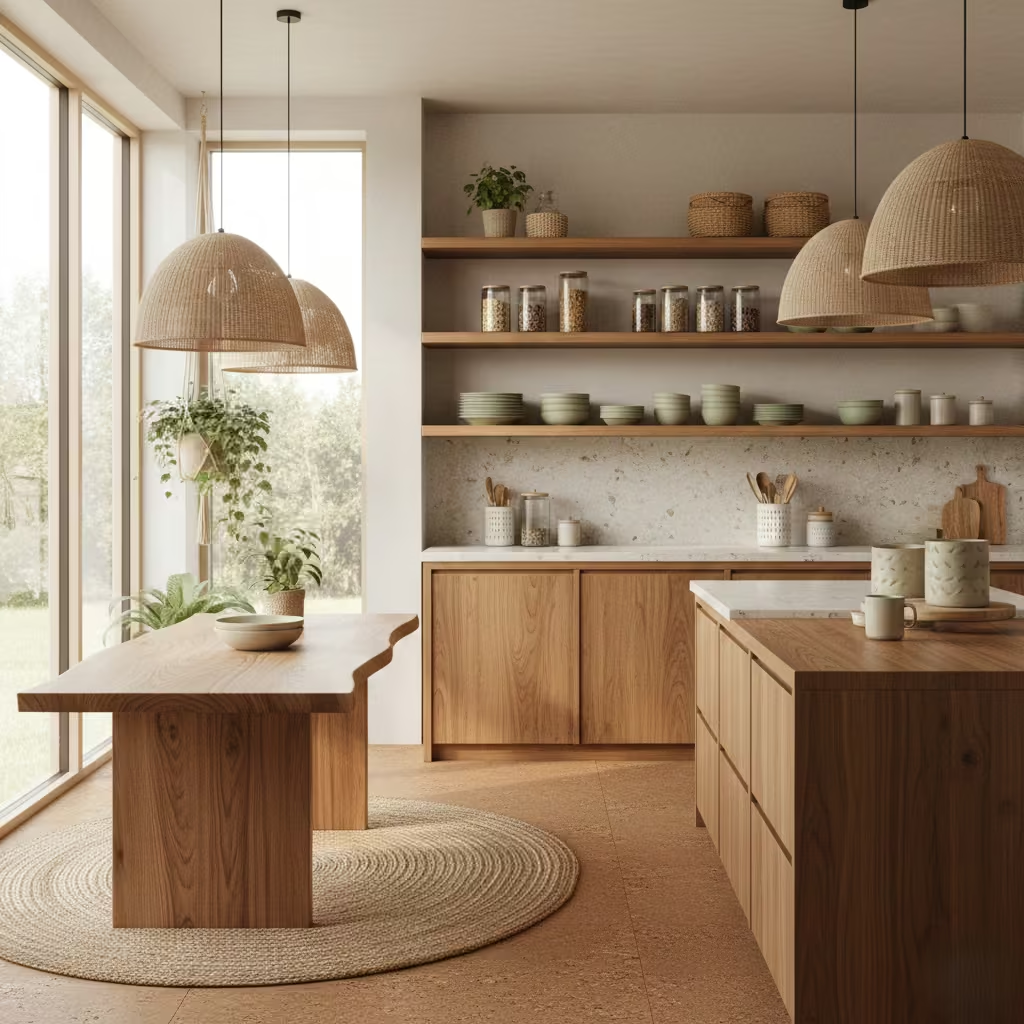
Open shelving is a simple yet highly effective way to infuse an organic touch into your kitchen. Using bamboo or natural wood shelves not only adds warmth and texture but also makes everyday kitchen items like dishes, jars, and utensils visually accessible. Bamboo is a sustainable option, lightweight yet strong, while hardwoods like oak or walnut provide a rich, enduring look.
Standard shelving depths for kitchens are 25–30 cm (10–12 in) for wall-mounted units, which comfortably hold plates and small appliances, and 35–40 cm (14–16 in) for larger pantry-style shelves. Mount shelves at a height of 120–150 cm (47–59 in) from the floor for easy reach, keeping heavier items on lower levels for safety.
Pros
- Adds visual openness, making kitchens feel larger and airier.
- Easy to customize and style with natural textures and decor.
- Bamboo is eco-friendly, renewable, and resistant to moisture.
Cons
- Open shelving can create clutter if not organized carefully.
- Wood requires maintenance (oiling or sealing) to prevent warping in humid kitchens.
- Not ideal for homes with small children if fragile items are displayed.
Practical Tip: Use baskets or ceramic jars to group items neatly and prevent a chaotic look. Mixing wood tones with neutral tiles or countertops enhances contrast while keeping the organic vibe cohesive.
Live-Edge Kitchen Island
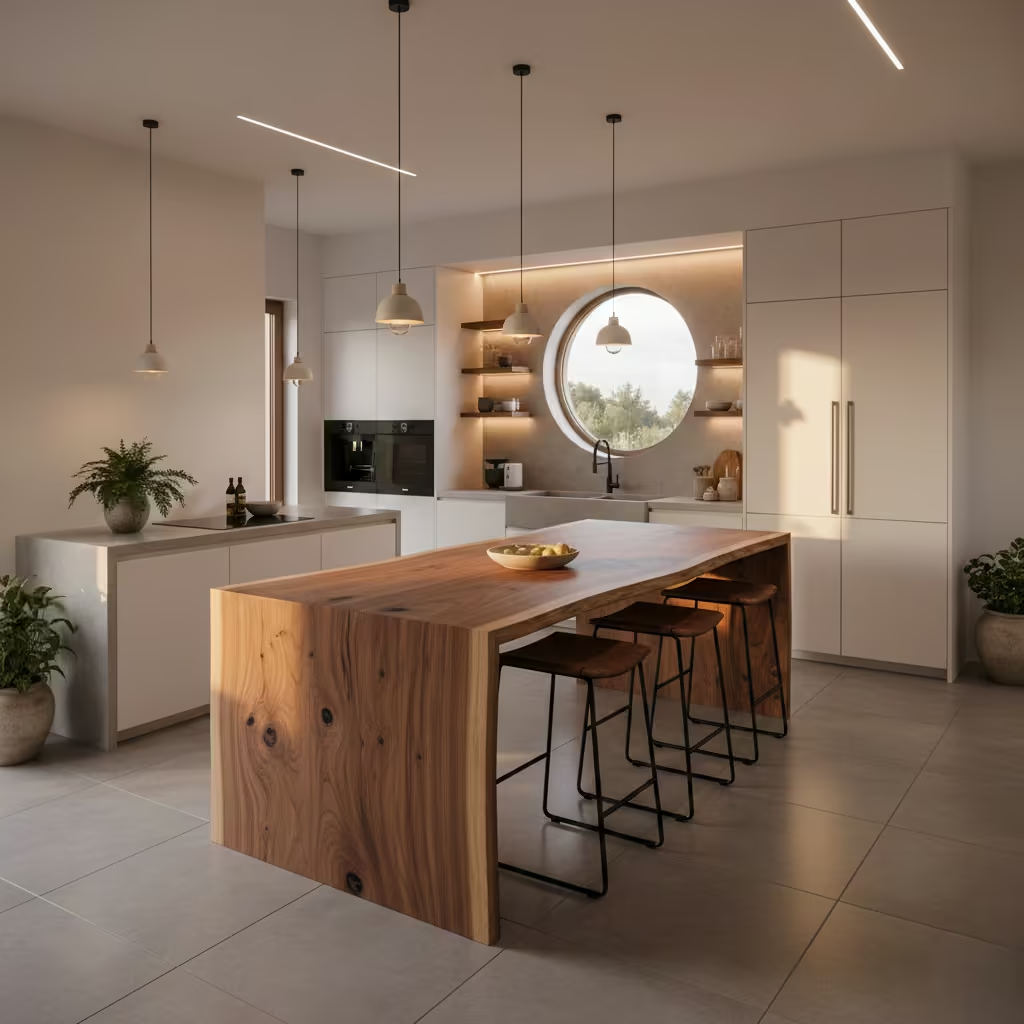
A live-edge kitchen island is a striking way to bring natural beauty and character into your kitchen. Unlike standard islands, live-edge designs preserve the organic contours of the wood slab, highlighting its natural grain, knots, and curves.
Common wood choices include walnut, oak, maple, or reclaimed timber, each providing a unique texture and warmth. This style pairs beautifully with minimalist cabinetry, stone countertops, or even metal accents for a balanced, contemporary organic look.
Standard island dimensions vary based on kitchen size, but a comfortable width is 90–120 cm (35–47 in) and a length of 180–240 cm (71–94 in), leaving at least 90 cm (35 in) of clearance around for easy movement. Countertop height is usually 90 cm (35.5 in), with overhangs of 25–40 cm (10–16 in) if adding seating.
Pros
- Adds a unique, one-of-a-kind focal point in the kitchen.
- Durable and long-lasting when properly sealed.
- Creates a warm, tactile connection to nature.
Cons
- Requires professional finishing and sealing to protect against moisture and stains.
- Can be expensive due to sourcing quality slabs.
- Irregular edges may limit placement of appliances or seating without careful planning.
Practical Tip: Pair live-edge islands with stone or concrete countertops on prep areas to combine aesthetics with durability. Regularly oil or seal the wood to maintain its natural luster and prevent cracking, especially in humid kitchens.
Earth-Toned Color Palette
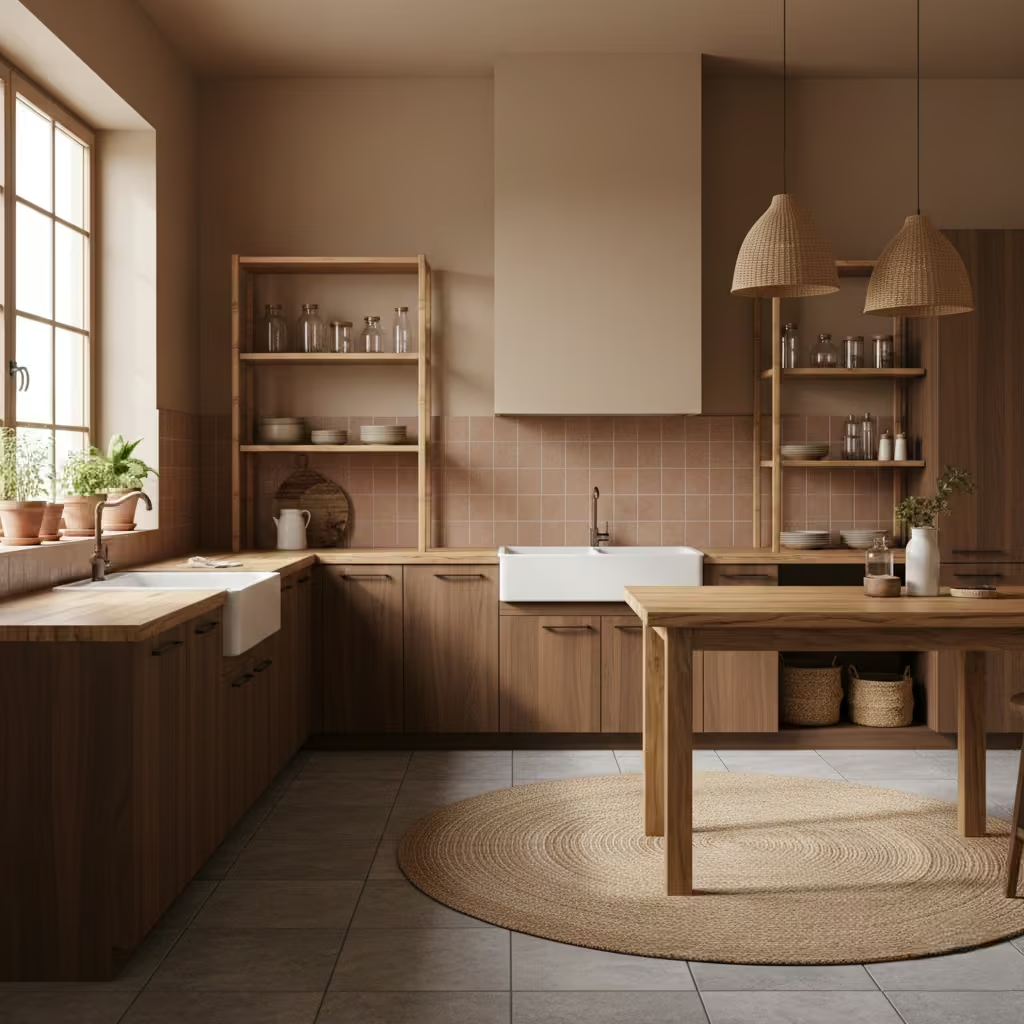
An earth-toned color palette is essential for achieving a warm, organic kitchen that feels grounded and inviting. Shades inspired by nature such as soft beiges, warm taupes, muted terracotta, clay reds, olive greens, and sandy browns create a serene backdrop that complements natural materials like wood, stone, and bamboo. Using these colors on walls, cabinetry, or even tiles helps to unify the space and enhance the organic vibe.
When planning, consider wall paint in matte or eggshell finishes to soften reflections and maintain a natural feel. Cabinetry can be finished in deeper earthy shades like walnut brown or moss green, while backsplash tiles in soft terracotta or stone grey add texture and subtle contrast. For small kitchens, lighter tones such as cream, sand, or soft beige help make the space feel more open.
Pros
- Creates a calm, natural atmosphere that complements organic materials.
- Versatile—works with wood, stone, metal, and natural textiles.
- Timeless and unlikely to feel dated, ensuring long-term style.
Cons
- Darker earth tones may make smaller kitchens feel enclosed.
- Overuse of similar shades can result in a monotonous or flat look.
- Requires careful pairing with accent colors or textures for visual interest.
Practical Tip: Combine two or three complementary earth tones rather than using one single color throughout. For example, pair warm taupe walls with olive green cabinetry and a terracotta backsplash to create depth and dimension while maintaining a natural, organic aesthetic.
Terracotta or Clay Tiles
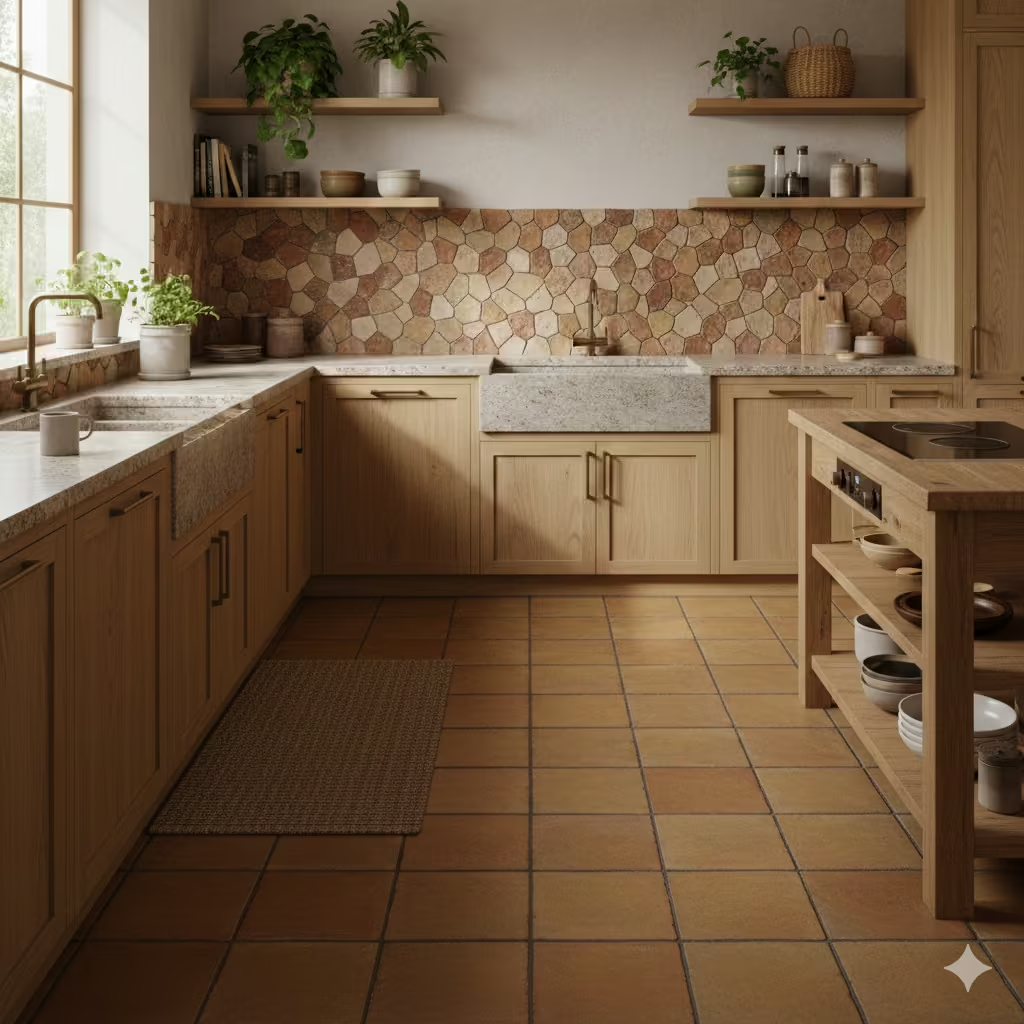
Terracotta and clay tiles are a classic choice for organic kitchens, adding warmth, texture, and an earthy, Mediterranean-inspired feel. These tiles are made from natural clay, fired to create a durable, long-lasting surface that ages beautifully over time. Terracotta is typically reddish-brown, while natural clay tiles can range from sandy beige to deep ochre, offering a rich palette that pairs well with wood, stone, and neutral cabinetry.
For kitchen floors, standard tile sizes are 30×30 cm (12×12 in) or 45×45 cm (18×18 in), though smaller mosaics or elongated tiles can create unique patterns. Wall backsplashes often use 10×10 cm (4×4 in) or 15×15 cm (6×6 in) tiles. Thickness usually ranges from 8–12 mm (0.3–0.5 in) for floors and 6–8 mm (0.25–0.3 in) for walls. Ensure proper sealing, as natural clay is porous and can absorb moisture or stains.
Pros
- Adds warmth, texture, and a rustic organic charm.
- Durable and long-lasting when sealed properly.
- Natural, eco-friendly material with minimal environmental impact.
Cons
- Requires sealing and periodic maintenance to prevent stains or water damage.
- Can be prone to chipping if heavy items are dropped.
- Some terracotta tiles may darken or change color slightly over time.
Practical Tip: Pair terracotta floors with light-coloured cabinetry and stone countertops to create balance and prevent the space from feeling too dark. Use matte finishes for a more natural, earthy look that enhances the organic aesthetic.
Indoor Herb Garden
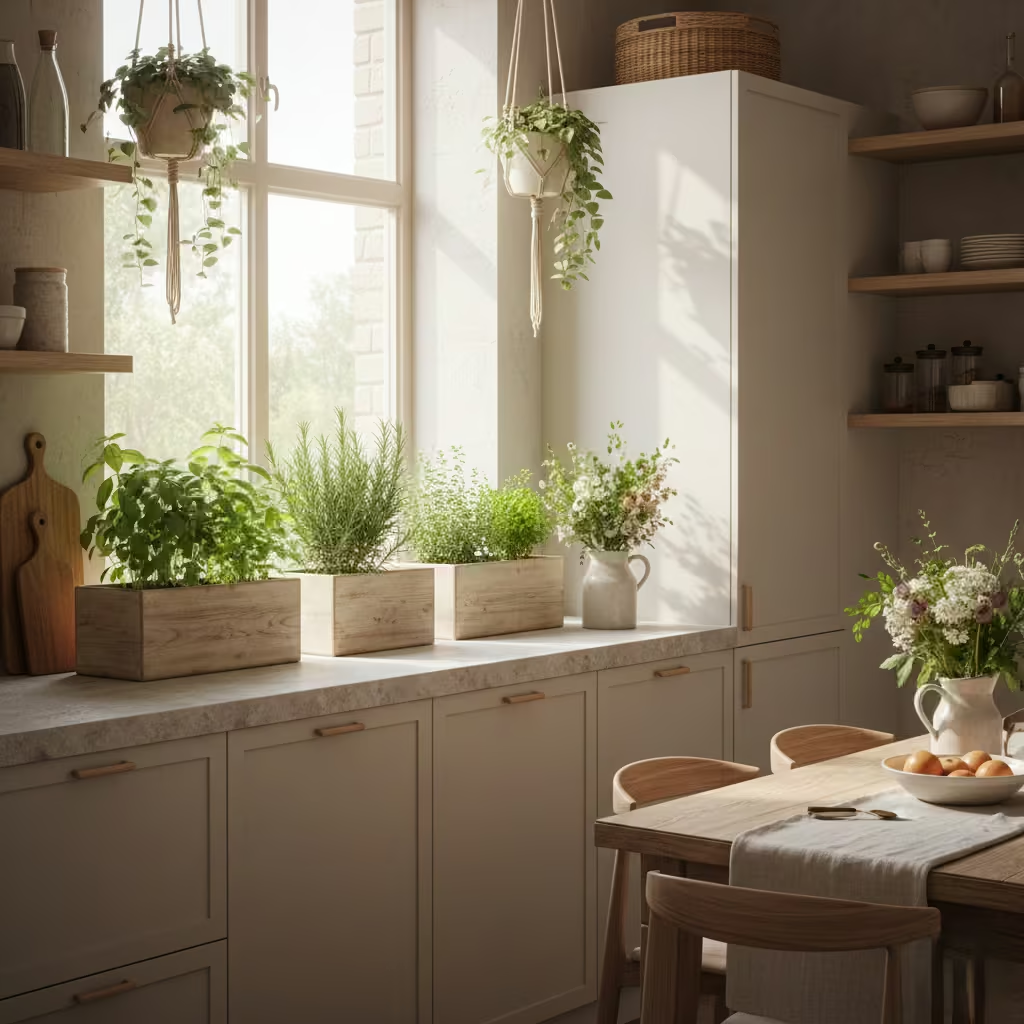
Incorporating an indoor herb garden is a practical and beautiful way to bring organic elements into your kitchen. Fresh herbs like basil, rosemary, thyme, and parsley not only enhance your cooking but also add greenery, texture, and natural fragrance to the space. A small, well-placed herb garden can make your kitchen feel alive and connected to nature, reinforcing the organic design theme.
For window herb planters, standard dimensions are typically 30–40 cm (12–16 in) in length, 10–15 cm (4–6 in) in width, and 12–15 cm (5–6 in) in depth, which comfortably accommodates multiple small herb pots. Position planters on south-facing windows for maximum sunlight, or supplement with LED grow lights if natural light is limited. Hanging planters or tiered shelves are excellent alternatives for kitchens with limited counter space.
Pros
- Adds fresh ingredients for cooking and promotes healthy living.
- Introduces greenery and natural texture to complement organic materials.
- Easy to maintain with proper light, water, and soil.
Cons
- Requires daily or weekly maintenance depending on plant type.
- Herbs may suffer in low-light conditions without supplemental lighting.
- Watering can drip onto counters if planters aren’t designed with drainage trays.
Practical Tip: Use self-watering or tray-style planters to prevent overwatering and protect surfaces. Group herbs with similar sunlight and watering needs together to simplify care, and consider rotating pots regularly to ensure even growth.
Handmade Ceramic Backsplash
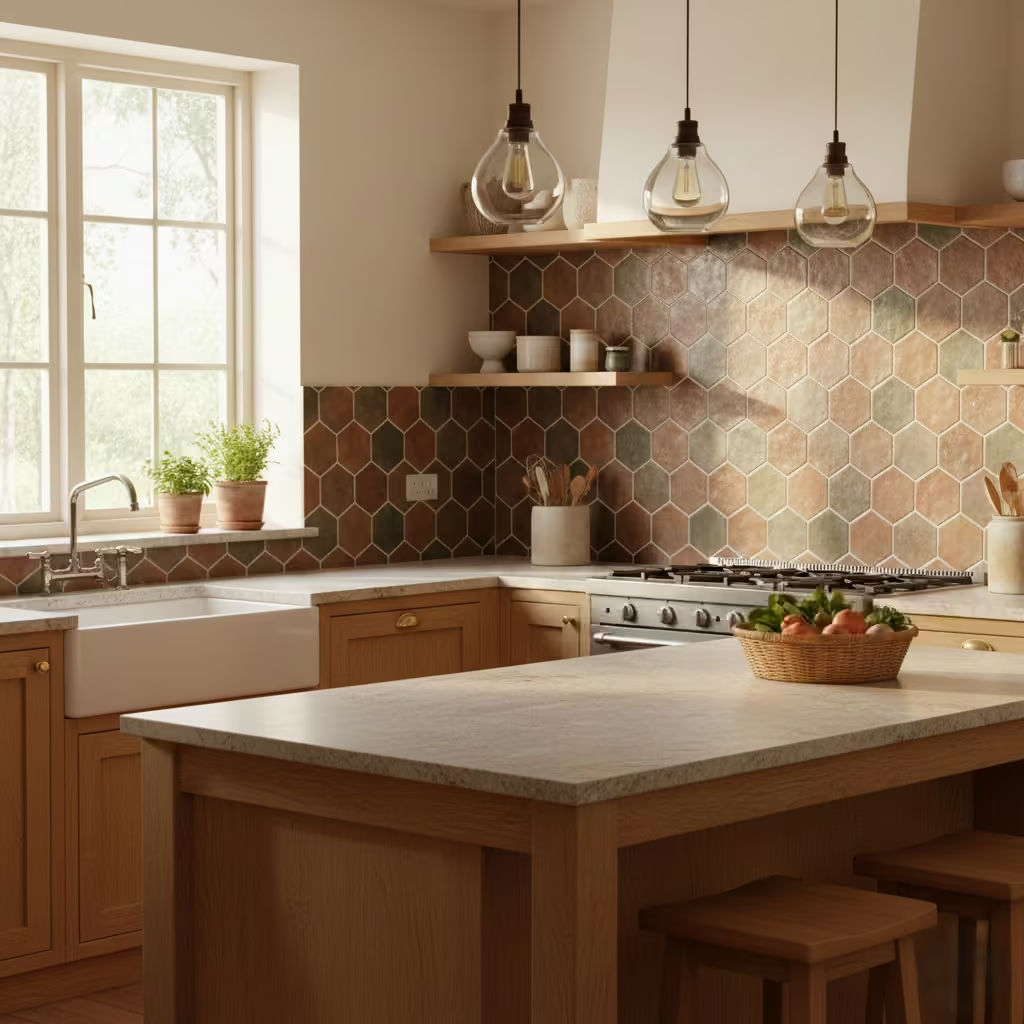
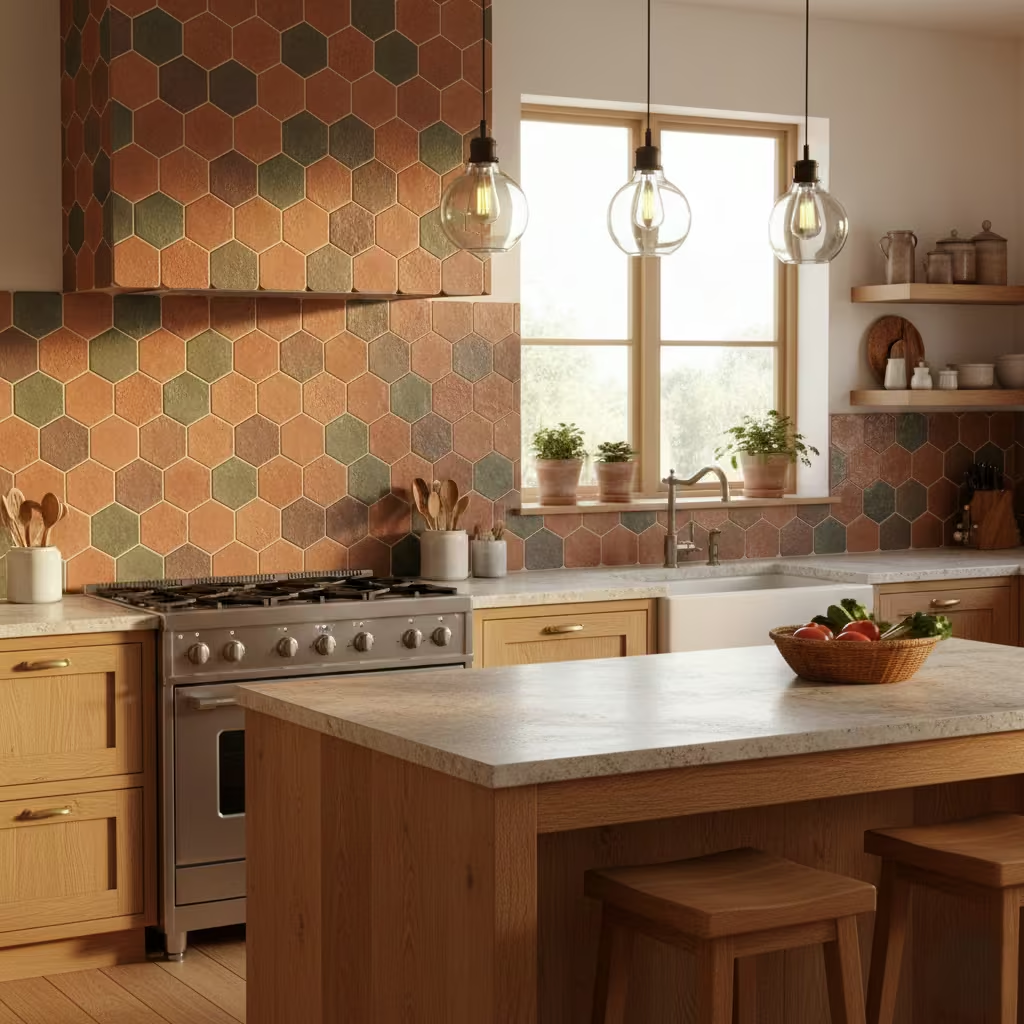
A handmade ceramic backsplash is a striking way to bring texture, color, and artisanal charm into an organic kitchen. Each tile’s subtle imperfections and natural variations create a unique, handcrafted look that contrasts beautifully with smooth countertops and cabinetry. Popular options include glazed or matte ceramic tiles, often in earthy tones such as terracotta, clay beige, soft olive, or muted greys.
For standard kitchen backsplashes, typical measurements are 30–60 cm (12–24 in) high above the countertop, spanning the entire wall or focused behind the stove and sink. Individual tiles usually range from 10×10 cm (4×4 in) to 15×15 cm (6×6 in), but mosaics and elongated subway tiles are excellent for adding interest.
The thickness of tiles is usually 6–8 mm (0.25–0.3 in). Proper sealing is essential, especially for glazed tiles, to prevent stains from cooking splatters.
Pros
- Adds a unique, artisanal touch that enhances organic kitchen design.
- Durable, heat-resistant, and easy to clean when sealed.
- Offers endless design possibilities with color, pattern, and texture.
Cons
- Handmade tiles may have slight size variations, requiring careful installation.
- Can be more expensive than standard mass-produced tiles.
- Some finishes require periodic sealing to maintain durability and stain resistance.
Practical Tip: Mix neutral and earthy tones to create a cohesive backsplash that complements wood cabinetry and stone countertops. For a modern twist, consider geometric patterns or hand-painted motifs that remain subtle yet visually interesting, keeping the organic theme intact.
You May also Like: 25 Dark Cottagecore Kitchen Ideas That Feel Warm, Rich, and Full of Character
Woven Baskets for Storage
Woven baskets are a versatile and stylish solution for adding both function and organic texture to your kitchen. Made from natural materials like rattan, seagrass, or wicker, these baskets are perfect for storing fruits, vegetables, pantry items, or kitchen linens, while also reinforcing a warm, earthy aesthetic. They work beautifully on open shelves, under counters, or even as hanging storage for lightweight items.
Standard basket sizes vary depending on use: small baskets for utensils or napkins are usually 20×20×15 cm (8×8×6 in), medium baskets for pantry storage 30×30×20 cm (12×12×8 in), and larger floor baskets for bulk items 40×40×25 cm (16×16×10 in). Stackable or nested baskets help maximize space in smaller kitchens.
Pros
- Adds texture and an organic, natural feel to the kitchen.
- Lightweight, easy to move, and versatile for different storage needs.
- Eco-friendly and often made from sustainable materials.
Cons
- Natural fibers may fray or degrade over time if exposed to moisture.
- Not suitable for heavy or wet items without protective liners.
- Requires regular dusting to maintain a clean look.
Practical Tip: Line baskets with linen or cotton fabric to protect delicate items and keep them clean. Mixing different sizes and shapes creates a visually appealing, organized display while keeping the organic vibe consistent throughout your kitchen.
Sustainable Bamboo Flooring
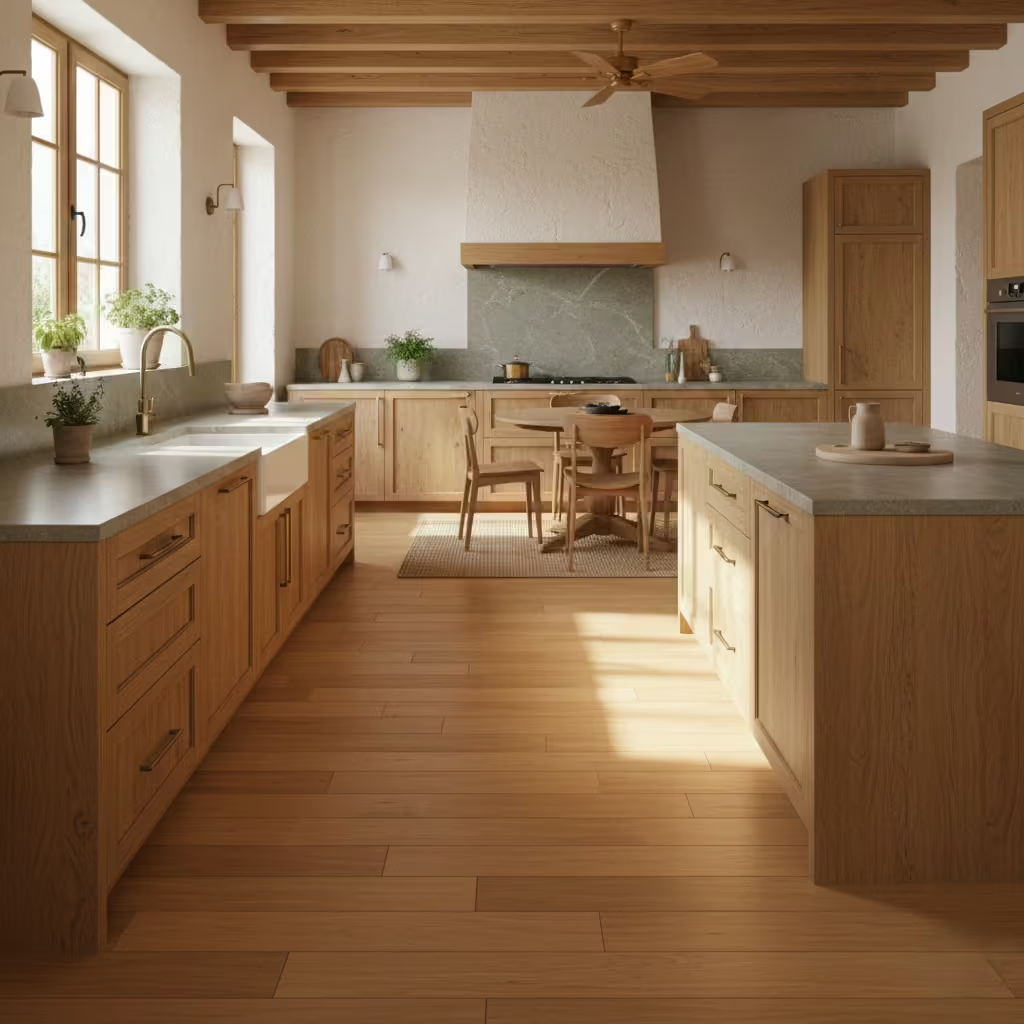
Bamboo flooring is a top choice for organic kitchens, offering durability, eco-friendliness, and a warm, natural aesthetic. Unlike traditional hardwoods, bamboo grows rapidly, making it a highly renewable material. Its natural variations ranging from light honey tones to deeper caramel or carbonized finishes add depth and character to any kitchen space.
Standard plank sizes are 120–150 cm (47–59 in) long and 10–15 cm (4–6 in) wide, with a thickness of 12–15 mm (0.5–0.6 in). Floating or glued installations are common, depending on the subfloor and moisture considerations. For kitchens, I recommend strand-woven bamboo, which is denser and more resistant to scratches, dents, and humidity compared to traditional bamboo planks.
Pros
- Eco-friendly and renewable, reducing environmental impact.
- Durable and highly resistant to wear and moisture when properly installed.
- Adds warmth and natural beauty, complementing wood cabinetry and stone countertops.
Cons
- Can be sensitive to humidity and water if not sealed or maintained properly.
- Carbonized bamboo is softer and more prone to dents than natural bamboo.
- Requires acclimation before installation to prevent expansion or contraction.
Practical Tip: Pair bamboo flooring with matte or natural-finish sealers to enhance longevity and maintain its organic appearance. Place felt pads under heavy furniture or appliances to prevent scratches, and consider using rugs in high-traffic areas to protect the surface while adding texture and warmth.
Soft Linen Window Treatments
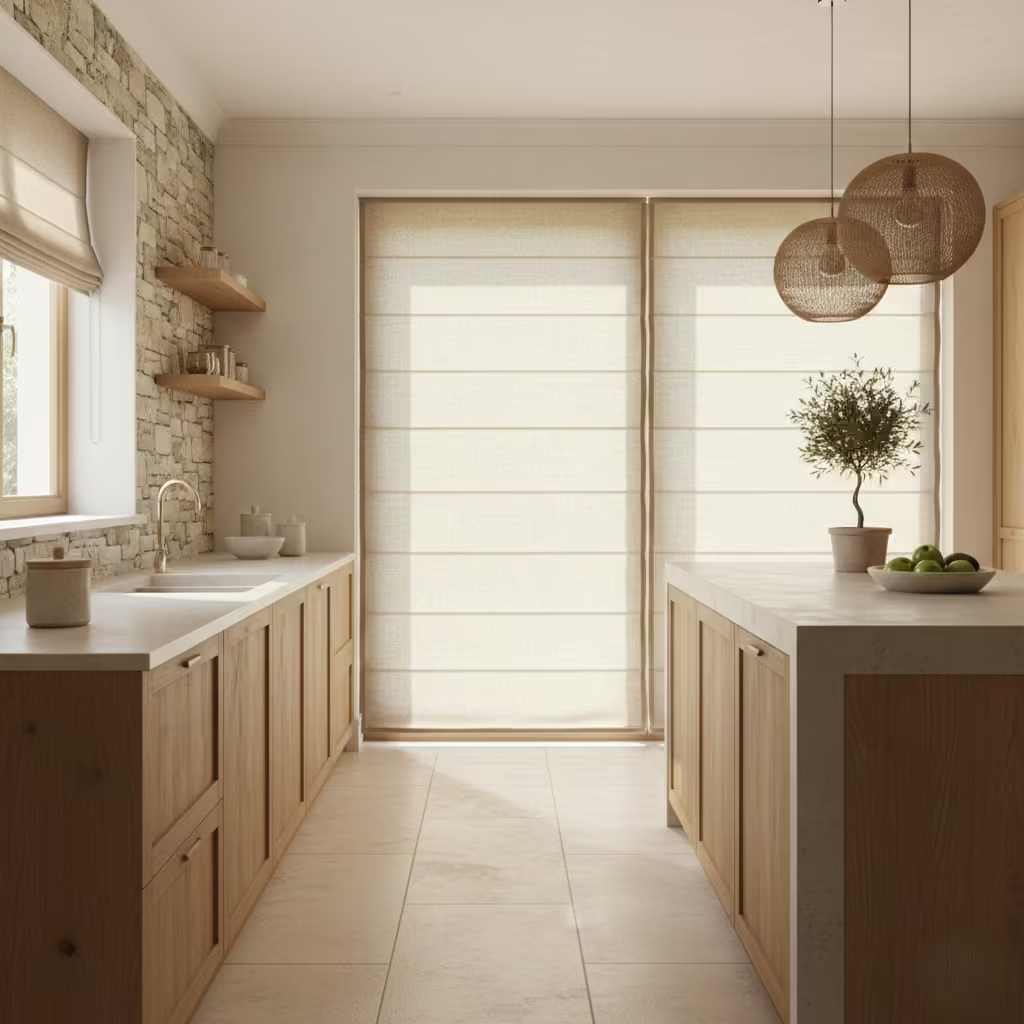
Soft linen curtains or blinds are an excellent way to add an organic, airy feel to your kitchen while controlling natural light. Linen is a natural, breathable fabric that complements wood, stone, and other earthy materials commonly used in organic kitchen design. Its subtle texture adds visual interest without overwhelming the space, and it drapes beautifully, creating a relaxed, effortless look.
For standard window sizes, curtain panels are typically 140–150 cm (55–59 in) wide per panel and 180–220 cm (71–87 in) long, depending on whether you prefer floor-length or sill-length coverage. For Roman or roller blinds, measure the window width precisely and allow for an extra 5–10 cm (2–4 in) on each side for proper coverage. Neutral colors like ivory, beige, soft grey, or muted olive work best for maintaining a natural palette.
Pros
- Adds softness and texture, enhancing the organic aesthetic.
- Lightweight and breathable, allowing natural light to filter through.
- Eco-friendly options are widely available, as linen is a renewable material.
Cons
- Linen can wrinkle easily, requiring occasional ironing or steaming.
- Natural fibers may fade over time if exposed to strong sunlight.
- Less effective at blocking light completely compared to heavier fabrics.
Practical Tip: Use double-layer linen curtains with a sheer inner layer for light control and a heavier outer layer for privacy. Opt for machine-washable linen blends for easier maintenance while keeping the natural look intact.
You May also Like: 21 Earthy Cottage Home Decor Ideas for a Cozy, Soul-Calming Retreat
Stone or Clay Sink Bowls
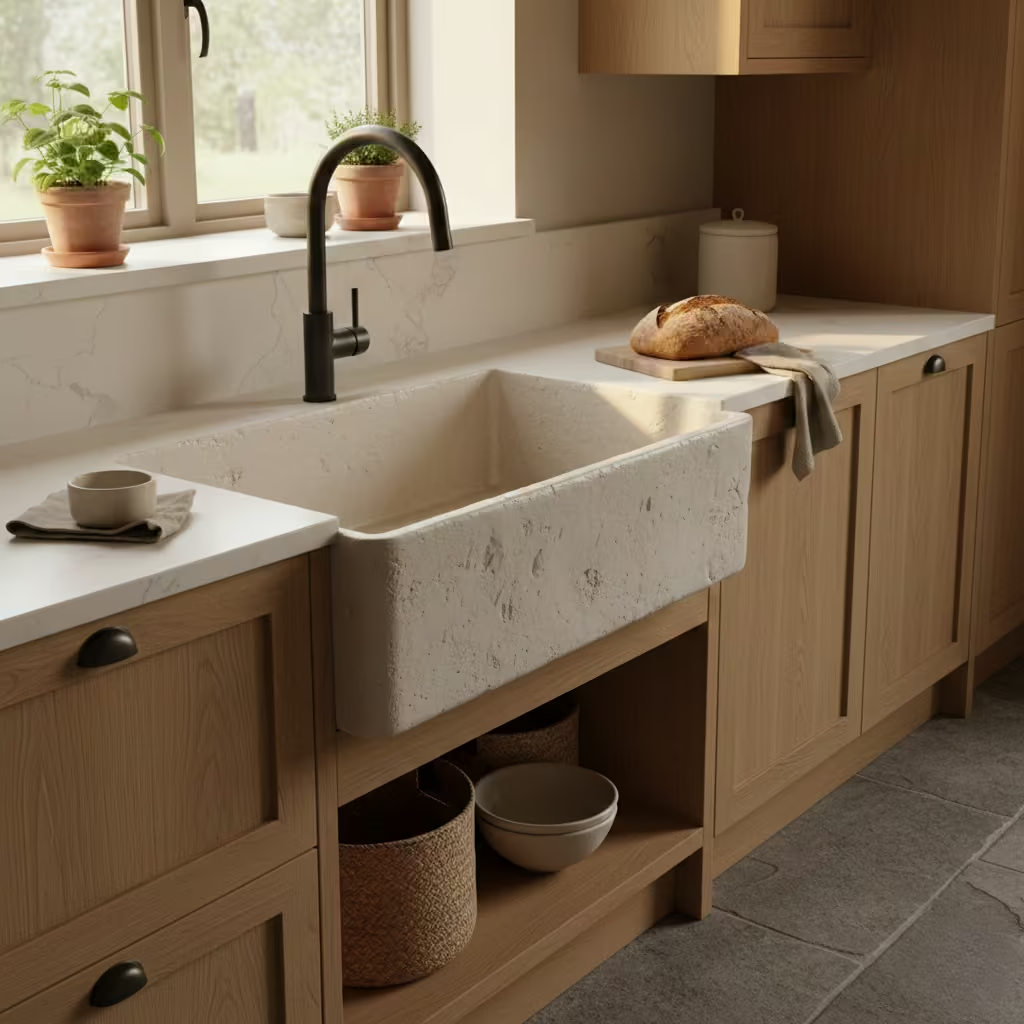
Stone or clay sink bowls are a stunning way to introduce natural textures and organic materials into your kitchen. Crafted from materials like riverstone, granite, soapstone, or terracotta clay, these sinks create a tactile focal point while enhancing the earthy, sustainable feel of the space. Their natural variations in color and texture make each sink unique, perfectly aligning with an organic design aesthetic.
Standard single-bowl sink dimensions are typically 50–60 cm (20–24 in) wide and 40–50 cm (16–20 in) front-to-back, with a depth of 15–20 cm (6–8 in). Double-bowl sinks are usually 80–90 cm (31–35 in) wide and 50 cm (20 in) deep. Wall-mounted or under-counter installations are possible depending on your countertop and cabinet setup. Sealing is essential to protect clay sinks from stains and water absorption.
Pros
- Adds natural beauty and a tactile element to the kitchen.
- Durable and long-lasting when properly sealed.
- Unique variations ensure each sink is one-of-a-kind.
Cons
- Requires regular sealing and careful maintenance to prevent staining.
- Heavier than standard sinks, requiring reinforced cabinetry.
- Fragile edges in some clay designs can chip if mishandled.
Practical Tip: Pair a stone or clay sink with a matching wooden or stone countertop to enhance the organic look. Use a gentle, non-abrasive cleaner to preserve the finish and maintain the natural texture over time.
Recycled Glass Accents
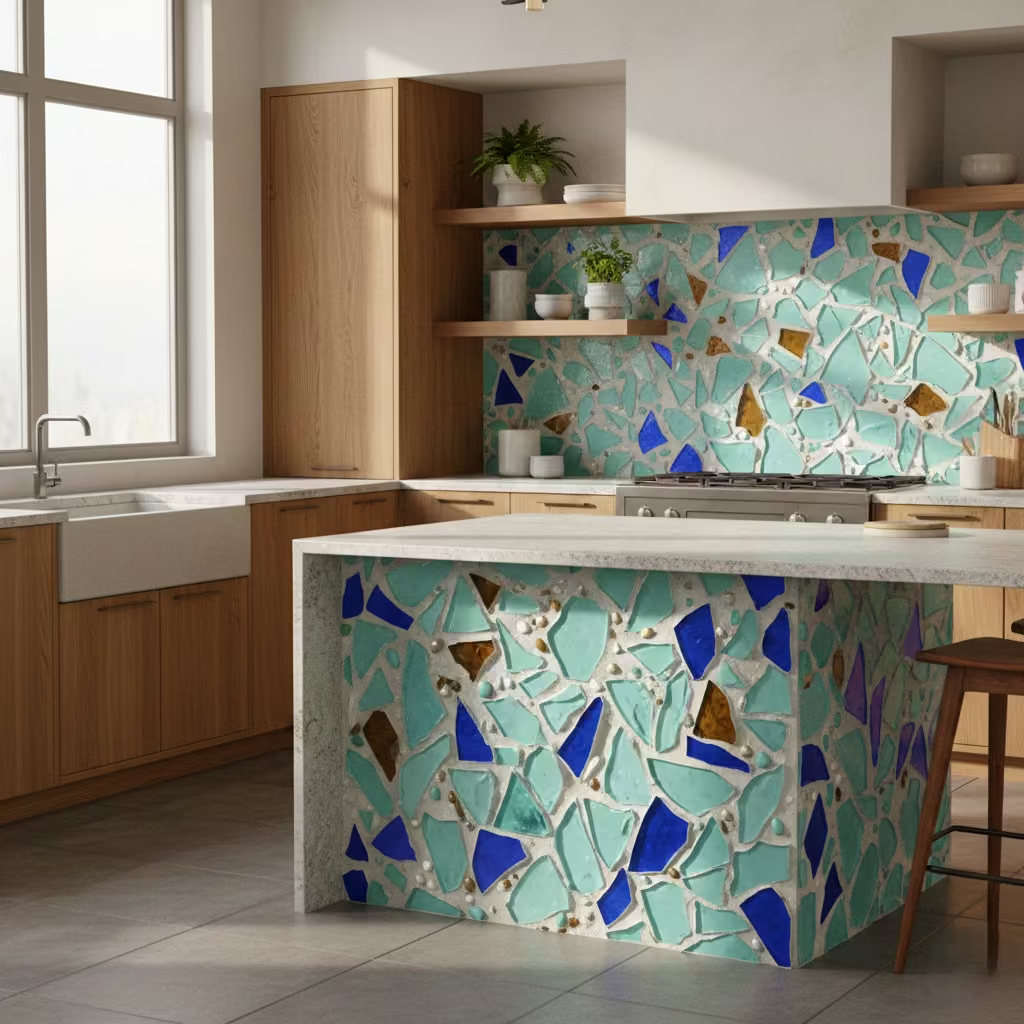
Recycled glass accents are an eco-friendly and visually striking way to add color, texture, and light reflection to an organic kitchen. These can include backsplashes, countertops, cabinet inlays, or decorative tiles made from post-consumer glass, crushed and fused into durable surfaces. The natural variations and flecks within the glass create a shimmering, unique effect, adding interest while supporting sustainable design practices.
For backsplashes or countertops, standard tile or panel sizes are 30×30 cm (12×12 in) for tiles or 2–3 cm (0.8–1.2 in) thick panels for countertops. Glass accents can also be custom-cut to fit islands or niche areas. Proper sealing and professional installation are recommended to protect the surface and maintain longevity.
Pros
- Environmentally friendly, using recycled materials.
- Adds color, light, and texture to complement natural wood and stone.
- Durable and resistant to stains and heat when properly sealed.
Cons
- Can be slippery if used as flooring.
- Higher upfront cost compared to standard tile or laminate.
- Requires professional installation to ensure durability and seamless finish.
Practical Tip: Combine subtle recycled glass accents with neutral earth tones to maintain an organic, cohesive look. For countertops, consider glass with a matte or textured finish to prevent excessive glare while retaining its natural sparkle.
Natural Fiber Rugs
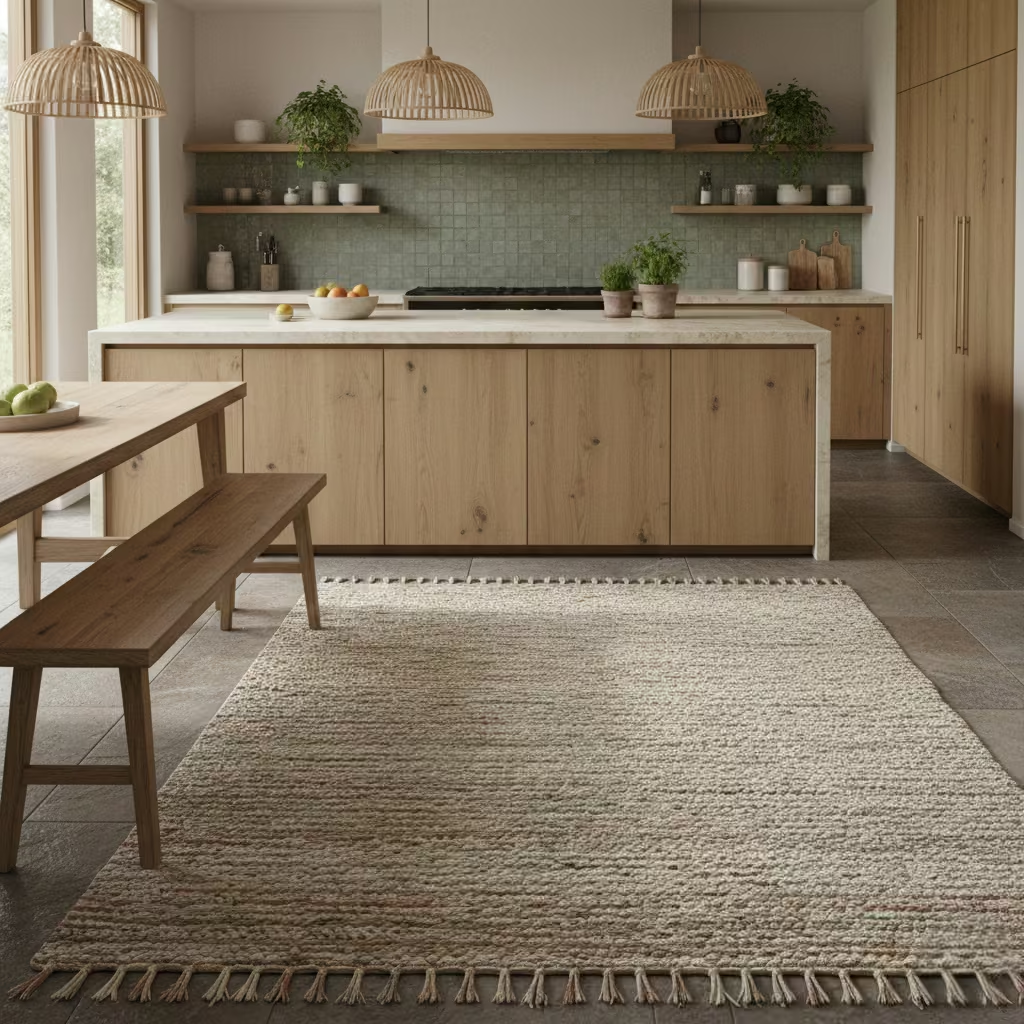
Natural fiber rugs are an easy way to introduce warmth, texture, and organic materials into your kitchen. Made from fibers such as jute, sisal, seagrass, or wool, these rugs complement wood, stone, and bamboo surfaces while softening hard floors. They are especially effective in high-traffic areas like in front of the sink, stove, or island, providing comfort underfoot and anchoring the space visually.
Standard rug sizes for kitchens are 60×90 cm (24×36 in) for small areas, 80×150 cm (31×59 in) for runners along countertops, and 120×180 cm (47×71 in) for larger zones in front of islands or dining spaces. Flat-weave rugs are ideal for kitchens, as they are easier to clean and less likely to trap debris.
Pros
- Adds warmth, texture, and a natural aesthetic.
- Comfortable underfoot, especially in standing areas.
- Eco-friendly and biodegradable, depending on fiber choice.
Cons
- Natural fibers can stain easily and may require spot cleaning.
- Not suitable for wet areas unless paired with a protective backing.
- Can shed fibers initially, requiring regular vacuuming.
Practical Tip: Place non-slip pads underneath natural fiber rugs to prevent sliding, and rotate rugs periodically to ensure even wear. Choosing muted earth tones or subtle patterns enhances the organic theme without overwhelming the space.
You May also Like: 25 Black Kitchen Cabinet Design Ideas That Transform Your Kitchen
Wooden Utensils and Cutting Boards Display
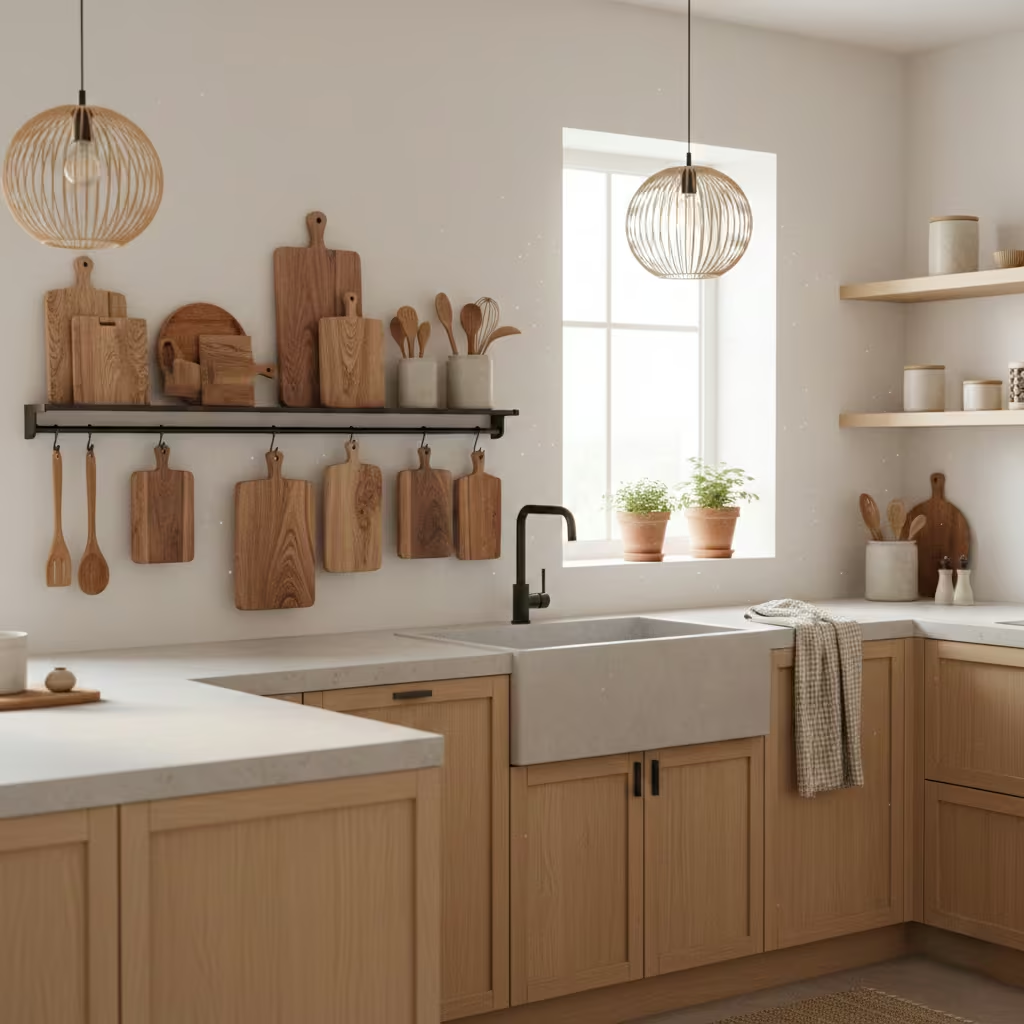
Displaying wooden utensils and cutting boards is a simple yet effective way to bring an organic, tactile element into your kitchen. Materials like maple, beech, or walnut not only look beautiful but are also durable and naturally antimicrobial. By arranging utensils in jars or hanging cutting boards on hooks, you create a functional display that enhances the rustic, earthy aesthetic of an organic kitchen.
Standard utensil jars or holders are typically 10–15 cm (4–6 in) in diameter and 15–20 cm (6–8 in) tall, accommodating multiple utensils. Cutting boards can vary widely, from 30×20 cm (12×8 in) for small prep boards to 50×35 cm (20×14 in) for larger serving or chopping boards. Wall-mounted racks or slotted holders allow for easy access while keeping surfaces clear.
Pros
- Adds warmth and natural texture to the kitchen.
- Functional and keeps frequently used items within easy reach.
- Eco-friendly and long-lasting if made from quality wood.
Cons
- Wood requires occasional oiling to prevent cracking or drying out.
- Displayed boards and utensils can collect dust or grease if not maintained.
- Overcrowding can make the kitchen look cluttered rather than organized.
Practical Tip: Rotate wooden cutting boards regularly and apply food-safe mineral oil every few months to maintain their finish. For a cohesive look, choose utensils and boards in similar wood tones or mix complementary shades for visual interest.
Clay or Terracotta Light Fixtures
Clay or terracotta light fixtures are an elegant way to introduce natural textures and earthy tones into an organic kitchen. Pendant lamps, wall sconces, or ceiling lights crafted from clay or terracotta offer a warm, diffused glow while reinforcing the handcrafted, sustainable feel of the space. Their natural imperfections and matte finishes add character that complements wood, stone, and other organic materials.
For pendant lights above islands or countertops, ideal dimensions are 25–35 cm (10–14 in) in diameter with a drop length of 70–100 cm (28–39 in) from the ceiling, adjustable depending on ceiling height. Wall sconces typically measure 20–25 cm (8–10 in) wide and 15–20 cm (6–8 in) deep. Clay fixtures are lightweight but sturdy; ensure proper ceiling anchors for safety.
Pros
- Adds warmth and natural texture to the kitchen lighting.
- Sustainable and eco-friendly, often handcrafted.
- Creates a soft, ambient glow that enhances organic materials.
Cons
- Can be fragile; handle carefully during installation.
- Limited color options compared to metal or glass fixtures.
- Requires occasional dusting to maintain appearance.
Practical Tip: Pair clay or terracotta fixtures with warm LED bulbs to enhance the earthy tones and create a cozy atmosphere. Mixing pendant lights of different sizes above a kitchen island can add visual interest while keeping the organic, handcrafted aesthetic cohesive.
Minimalist Organic Accessories
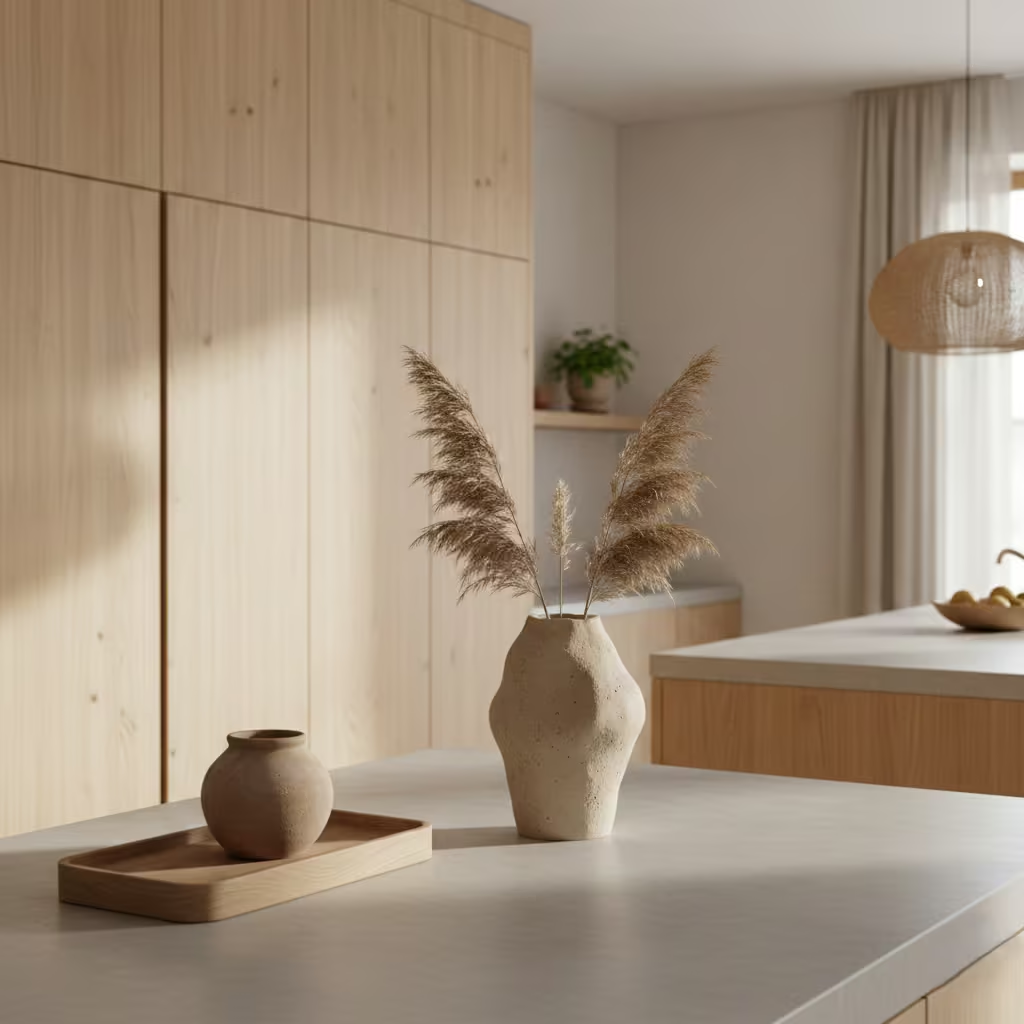
Minimalist organic accessories are the finishing touches that bring cohesion and subtle charm to an organic kitchen. Items like stone or ceramic vases, wooden trays, woven baskets, or clay jars introduce natural textures without overwhelming the space. The key is to select a few carefully curated pieces that highlight organic materials while maintaining a clean, uncluttered look.
When selecting accessories, consider small to medium sizes for countertops and shelves—typically 10–25 cm (4–10 in) in height for vases or jars, and trays around 30×20 cm (12×8 in). Stick to neutral or earthy tones such as beige, warm grey, terracotta, or soft greens to reinforce the organic palette.
Pros
- Adds warmth, texture, and personality to the kitchen.
- Helps tie together natural materials and color schemes.
- Flexible and easy to swap or update over time.
Cons
- Too many accessories can make the space feel cluttered.
- Natural materials may require dusting and occasional cleaning.
- Some fragile items can break if not handled carefully.
Practical Tip: Use grouping and layering to create visually appealing arrangements pair a small vase with a wooden bowl or a woven basket for balance. Keep surfaces mostly clear to maintain a minimalist, airy feel while letting natural materials shine.
Exposed Timber Beams
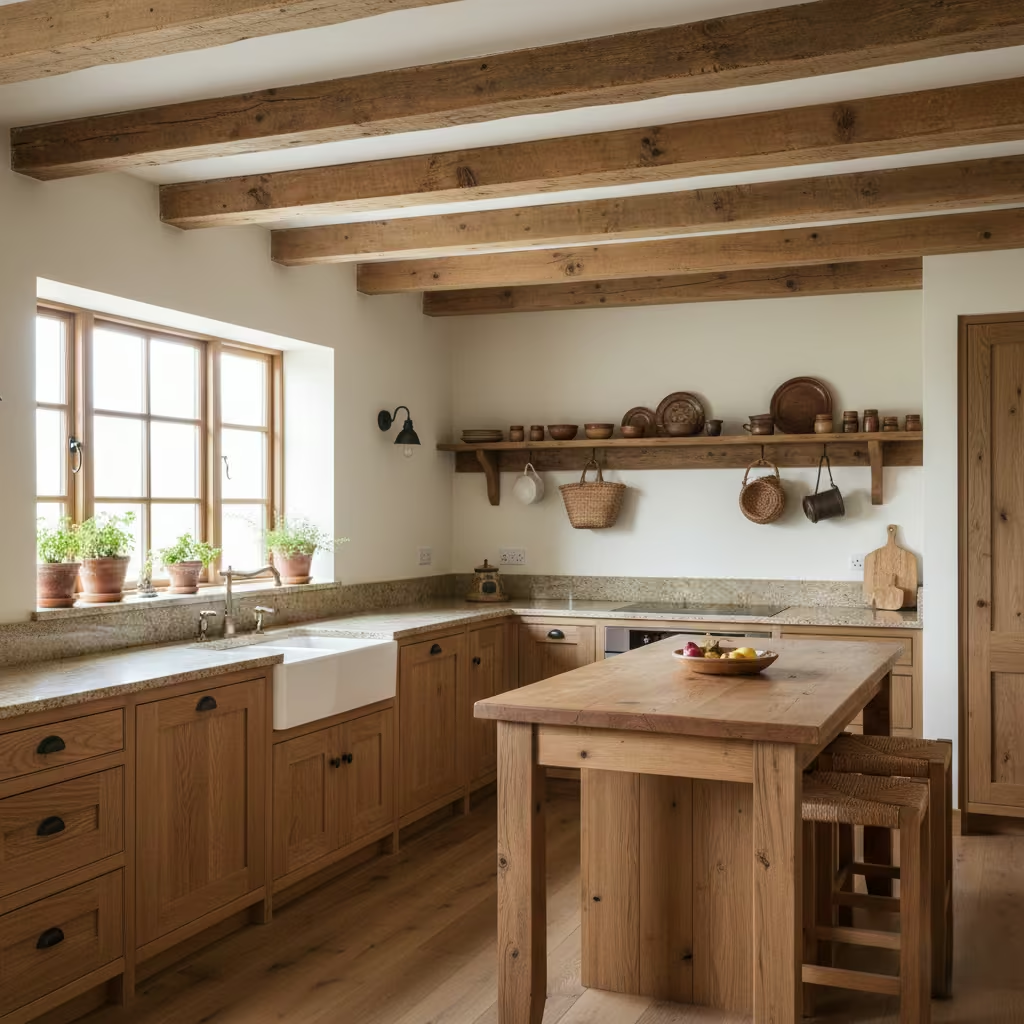
Exposed timber beams are a striking architectural feature that adds warmth, texture, and a sense of history to an organic kitchen. Using natural or reclaimed wood for ceiling beams emphasizes the organic theme while creating a rustic, cozy atmosphere. Beams can be structural or decorative, with finishes ranging from raw, weathered textures to lightly oiled or stained surfaces to enhance the grain.
For standard kitchen ceilings, beam dimensions typically range from 15–20 cm (6–8 in) wide and 15–25 cm (6–10 in) high, spaced 90–120 cm (35–47 in) apart, depending on room size and visual impact. Heavier beams require proper structural support, while faux or lightweight beams can be installed purely for aesthetic purposes.
Pros
- Adds architectural interest and a rustic, organic charm.
- Enhances warmth and character, complementing wood cabinetry and natural materials.
- Can be structural or decorative, offering design flexibility.
Cons
- Requires careful installation and structural assessment if load-bearing.
- Dust accumulation can occur, needing regular cleaning.
- Dark or heavy beams can make a low-ceiling kitchen feel smaller.
Practical Tip: Pair exposed beams with light-colored walls or ceilings to maintain brightness and prevent the space from feeling heavy. For a cohesive look, match the beam finish with kitchen cabinetry or flooring tones, and consider integrating pendant lighting suspended from the beams to enhance both function and style.
You May also Like: Transform Your Space 25 Maximalist Kitchen Ideas You’ll Love
Earth-Inspired Paint Finishes
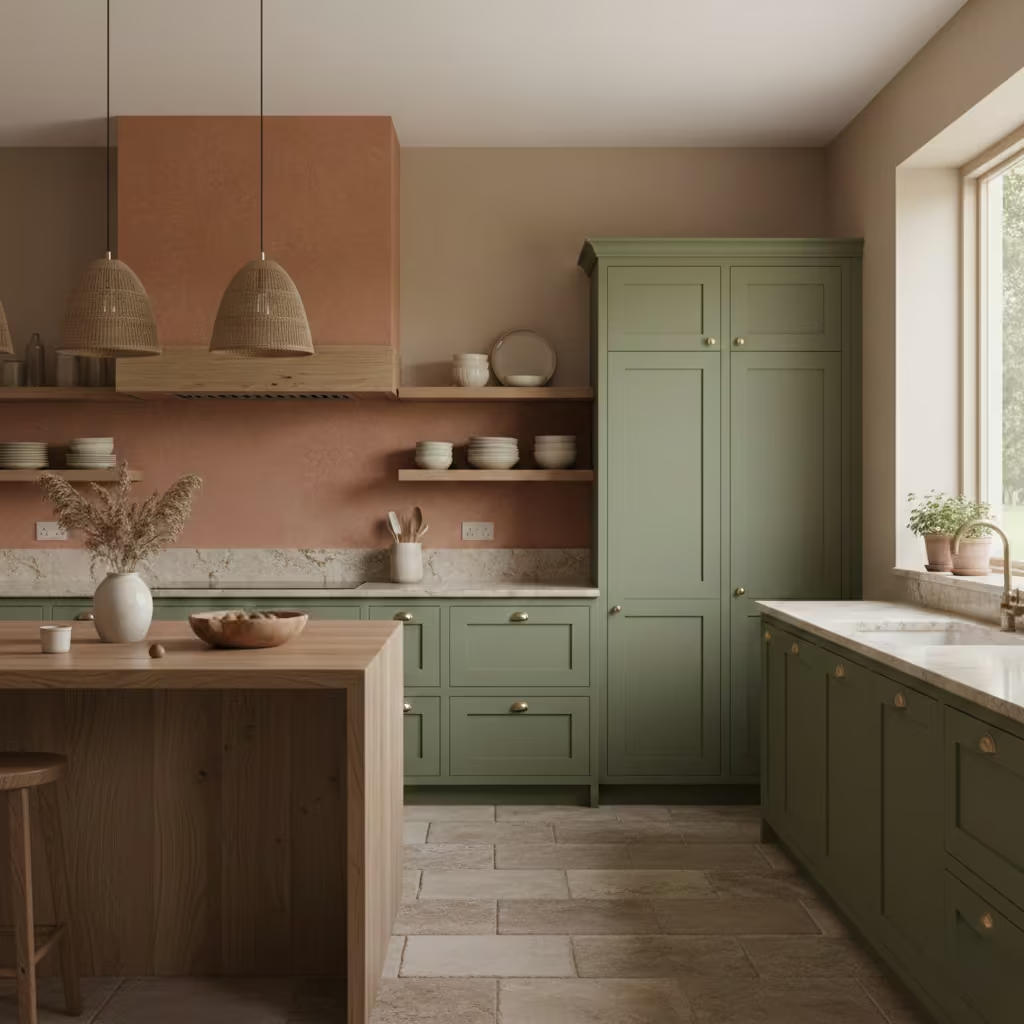
Earth-inspired paint finishes are a simple yet powerful way to reinforce the organic theme in your kitchen. Shades drawn from nature such as soft beige, warm taupe, clay red, olive green, or sandy browns create a calming, grounded atmosphere that complements natural wood, stone, and clay elements. Matte or eggshell finishes work best for maintaining a natural, non-reflective look that feels soft and tactile.
For walls, standard coverage requires 2–3 coats depending on color intensity and surface porosity. Accent walls or cabinetry can be painted in deeper earth tones for contrast, while lighter shades keep the space bright and open. Consider low-VOC or eco-friendly paints to maintain a sustainable, health-conscious kitchen environment.
Pros
- Creates a warm, natural backdrop that complements organic materials.
- Versatile and timeless, easily updated with accessories or textiles.
- Eco-friendly paint options reduce environmental impact and improve indoor air quality.
Cons
- Darker shades can make small kitchens feel enclosed.
- Improperly applied matte finishes may show marks or wear over time.
- Overuse of a single color can lead to a monotonous look without contrast.
Practical Tip: Combine two to three complementary earth tones for depth and visual interest. For example, pair a soft beige main wall with terracotta accents or olive cabinetry to create a balanced, organic palette that feels cohesive and inviting.
Natural Leather Bar Stools
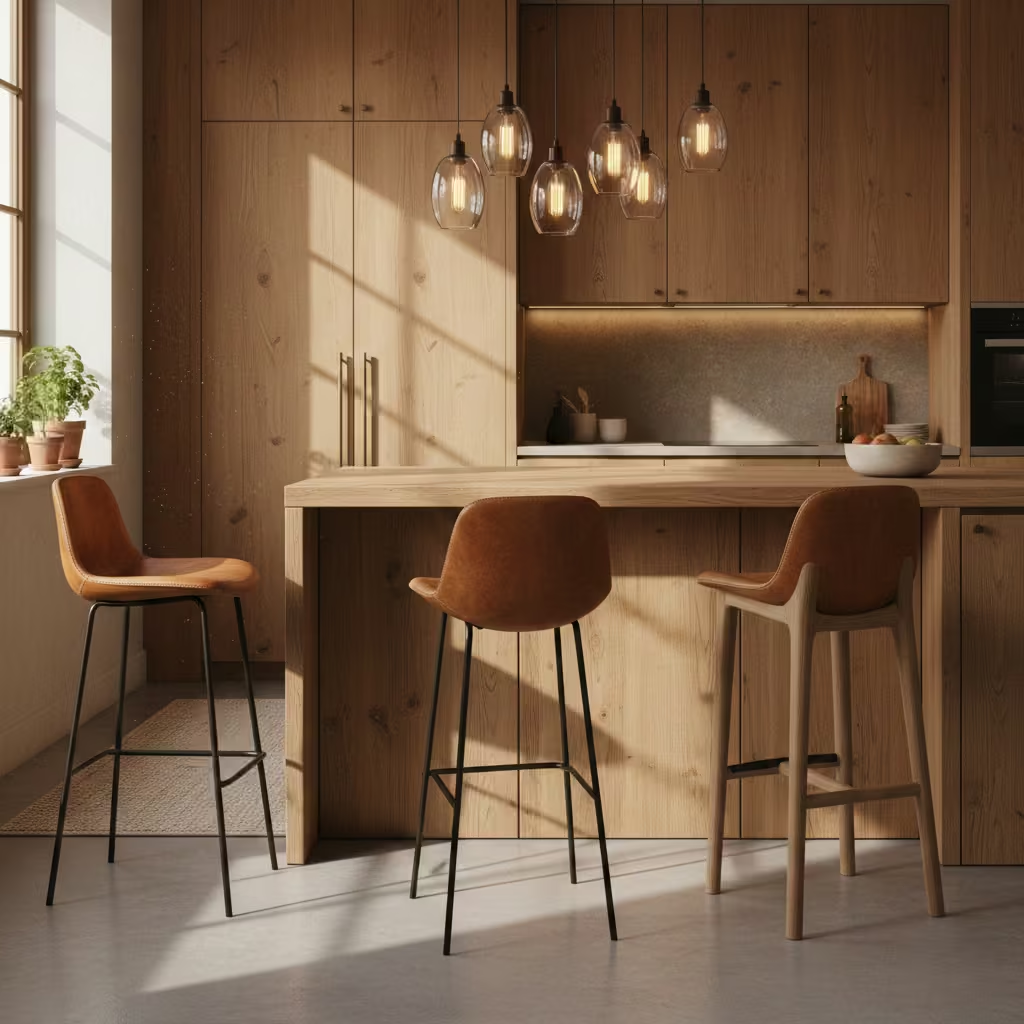
Natural leather bar stools are a stylish and durable addition to an organic kitchen, combining comfort with a rich, earthy aesthetic. Leather, especially in tones like caramel, tan, or deep brown, complements wood, stone, and metal accents, adding warmth and sophistication. Choose high-quality full-grain or top-grain leather for longevity and a natural patina that improves over time.
Standard bar stool dimensions include a seat height of 75–80 cm (29–31 in) for kitchen islands or counters, with a width of 40–50 cm (16–20 in) and a depth of 35–45 cm (14–18 in). Stools can have backrests or be backless, depending on your space and comfort preferences. For safety and stability, ensure sturdy wooden or metal frames.
Pros
- Adds warmth, texture, and luxury to the kitchen.
- Durable and ages beautifully with natural wear.
- Comfortable for seating at counters or islands.
Cons
- Leather requires occasional conditioning to prevent cracking or drying.
- Can be sensitive to spills; water or acidic liquids may stain if untreated.
- Higher upfront cost compared to synthetic options.
Practical Tip: Pair natural leather stools with wood or metal frames for a cohesive organic look. Rotate or periodically clean the leather with a natural leather conditioner to maintain suppleness and extend longevity. Choose neutral tones to harmonize with cabinetry, flooring, and other organic materials.
Eco-Friendly Appliances Integration
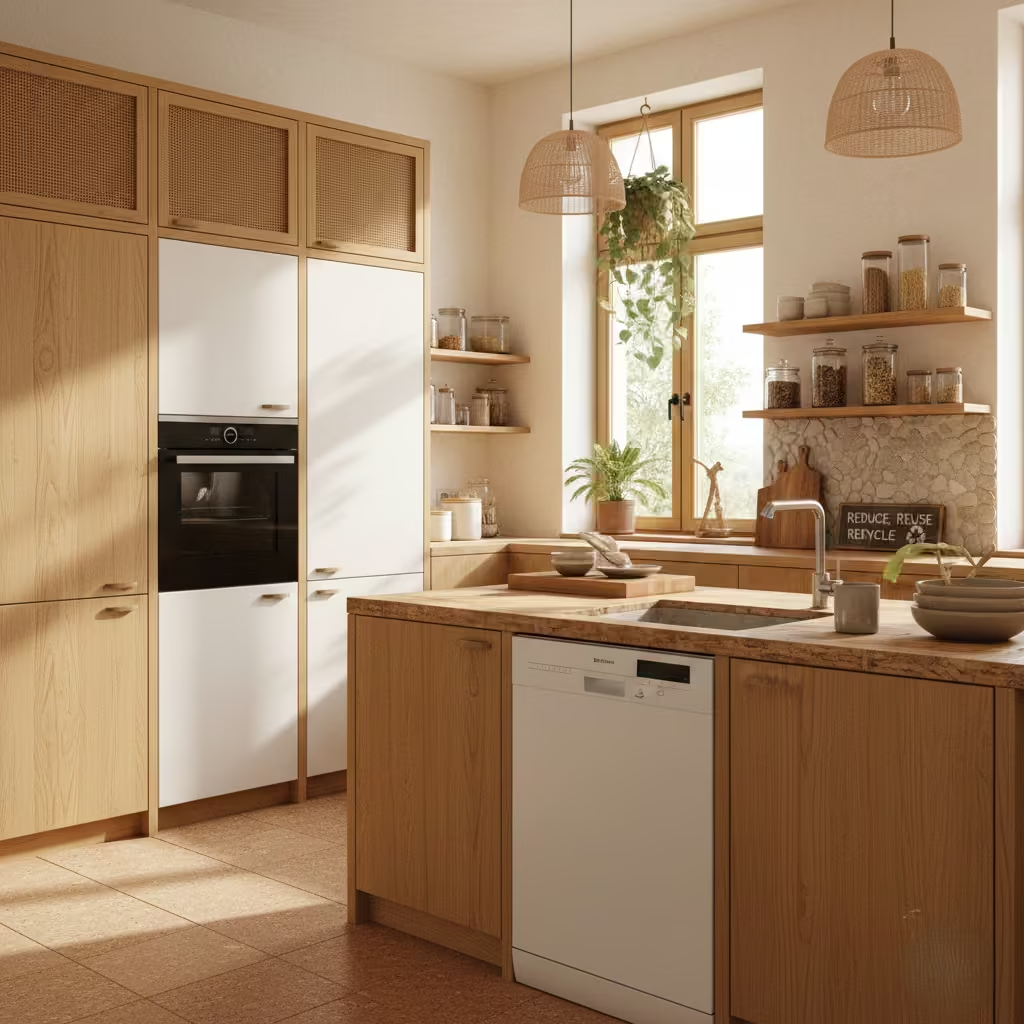
Integrating eco-friendly appliances into your organic kitchen combines sustainability with modern functionality. Look for Energy Star-rated refrigerators, dishwashers, ovens, and induction cooktops that consume less energy and reduce water usage. Appliances with sleek, minimal designs blend seamlessly into organic kitchens, allowing natural materials like wood, stone, and bamboo to remain the focal point.
When planning appliance placement, standard dimensions are:
- Refrigerators: 70–90 cm (28–35 in) wide, 60–70 cm (24–28 in) deep, 170–180 cm (67–71 in) tall
- Dishwashers: 60 cm (24 in) wide, 55 cm (22 in) deep, 82–85 cm (32–33 in) high
- Ovens: 60 cm (24 in) wide, 55–58 cm (22–23 in) deep, 60 cm (24 in) high
Pros
- Reduces energy and water consumption, lowering utility bills.
- Supports sustainable living and eco-conscious kitchen design.
- Often includes modern features like smart technology for efficiency.
Cons
- Higher upfront cost compared to standard appliances.
- Some eco-friendly models may have limited color or finish options.
- Integration requires careful planning to maintain a seamless, organic look.
Practical Tip: Choose built-in or panel-ready appliances to maintain a cohesive kitchen aesthetic. Pair stainless steel or matte finishes with wooden cabinetry or stone surfaces for a natural, balanced look. Prioritize energy efficiency ratings and quiet operation for both sustainability and comfort.
Indoor Fruit Display with Wooden Crates
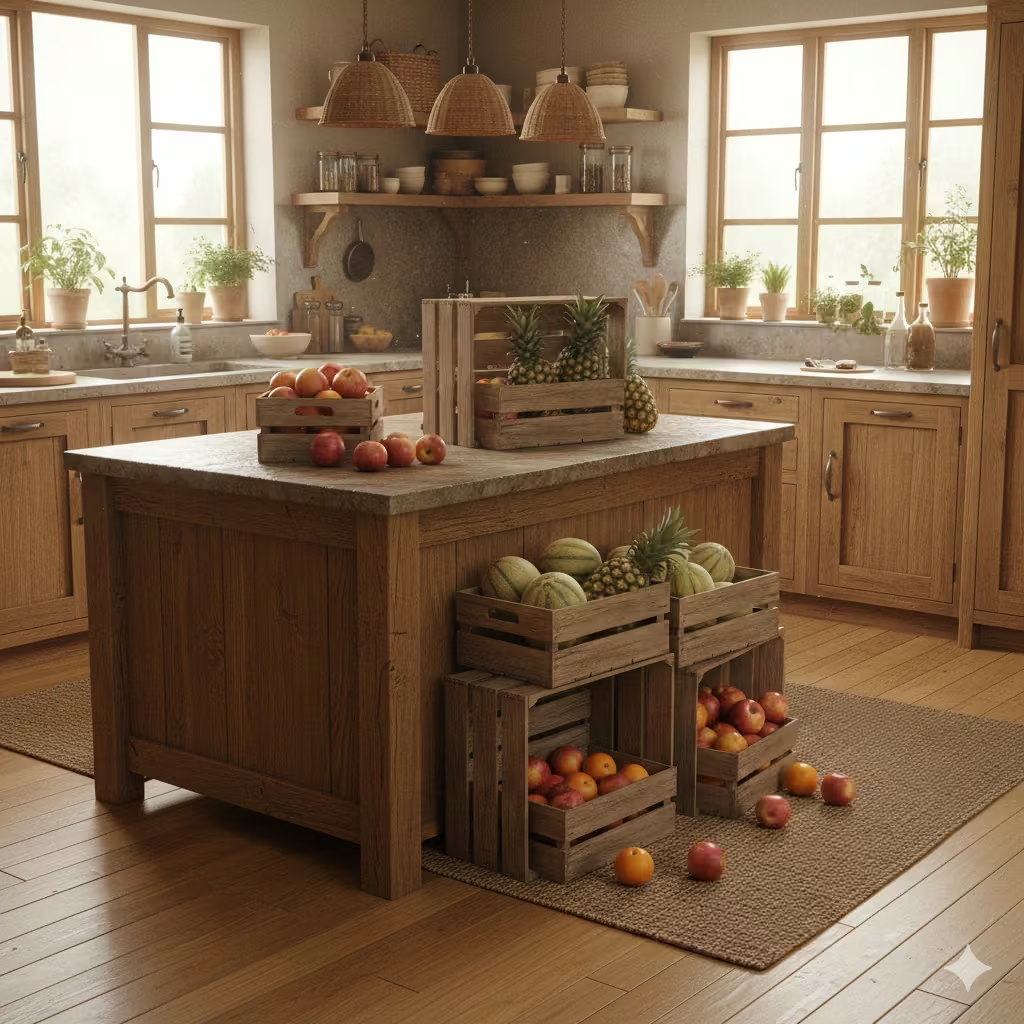
An indoor fruit display using wooden crates adds a rustic, organic charm to your kitchen while keeping fresh produce accessible. Wooden crates made from reclaimed wood, oak, or pine complement natural materials like stone countertops and bamboo flooring, enhancing the overall earthy aesthetic. These displays can be stacked, mounted on walls, or placed on countertops or islands depending on available space.
Standard crate sizes for kitchen use are 30×20×15 cm (12×8×6 in) for smaller fruits like apples and oranges, and 40×30×20 cm (16×12×8 in) for larger fruits like melons or pineapples. Ensure proper spacing and ventilation to prevent spoilage and allow easy access.
Pros
- Adds visual warmth and a rustic, organic feel.
- Keeps fruits and vegetables organized and accessible.
- Made from sustainable, natural materials.
Cons
- Wooden crates can be prone to stains or moisture damage if not sealed.
- Overstacking may reduce stability or accessibility.
- Requires occasional cleaning to prevent dust or fruit residue buildup.
Practical Tip: Use food-safe finishes or sealers on wooden crates to protect against moisture and staining. Group fruits by type or color to create an attractive, natural display that doubles as a decorative feature while staying functional.
You May also Like: 30 Kitchen Makeover Ideas That Make Old Kitchens Feel Brand New
Hand-Carved Wooden Cabinet Handles
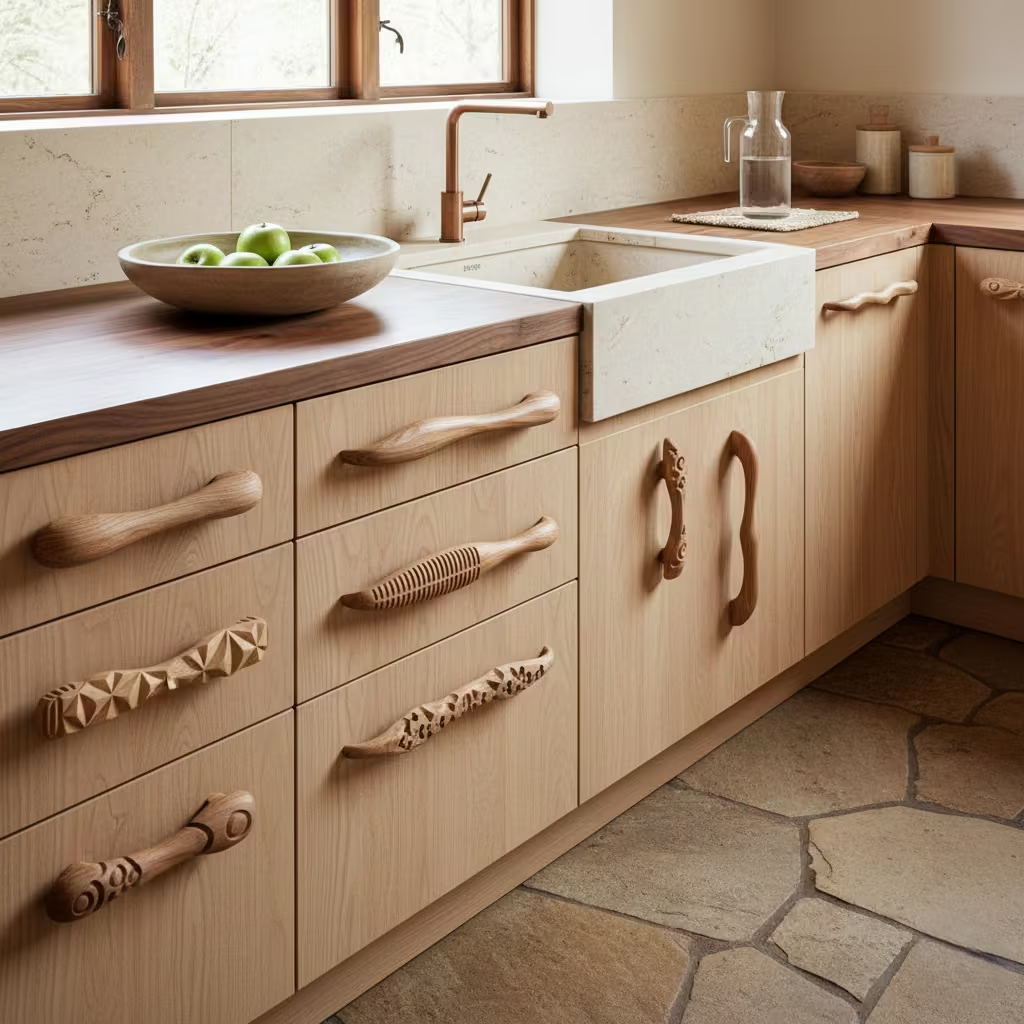
Hand-carved wooden cabinet handles are a subtle yet impactful way to enhance the organic feel of your kitchen. Crafted from oak, walnut, or maple, these handles showcase natural wood grain and artisanal craftsmanship, adding warmth and tactile texture to cabinetry. They can be simple, smooth pulls or intricately carved designs that become small focal points throughout the kitchen.
Standard handle dimensions typically range from 10–15 cm (4–6 in) in length and 2–3 cm (0.8–1.2 in) in width, with a comfortable grip depth of 2–3 cm (0.8–1.2 in). Spacing between handles should match cabinet layout for both aesthetics and ergonomics.
Pros
- Adds handcrafted, unique details to the kitchen.
- Complements natural materials like wood cabinets and stone countertops.
- Durable and long-lasting when made from quality hardwood.
Cons
- Requires careful cleaning to maintain carved details.
- Higher cost compared to standard mass-produced handles.
- Intricate designs may not suit very minimalist or modern kitchens.
Practical Tip: Mix hand-carved handles with simple cabinetry designs to let the craftsmanship stand out. Choose finishes that match or slightly contrast the cabinet tone to highlight natural wood textures and maintain an organic, cohesive look.
Natural Resin Counter Inserts
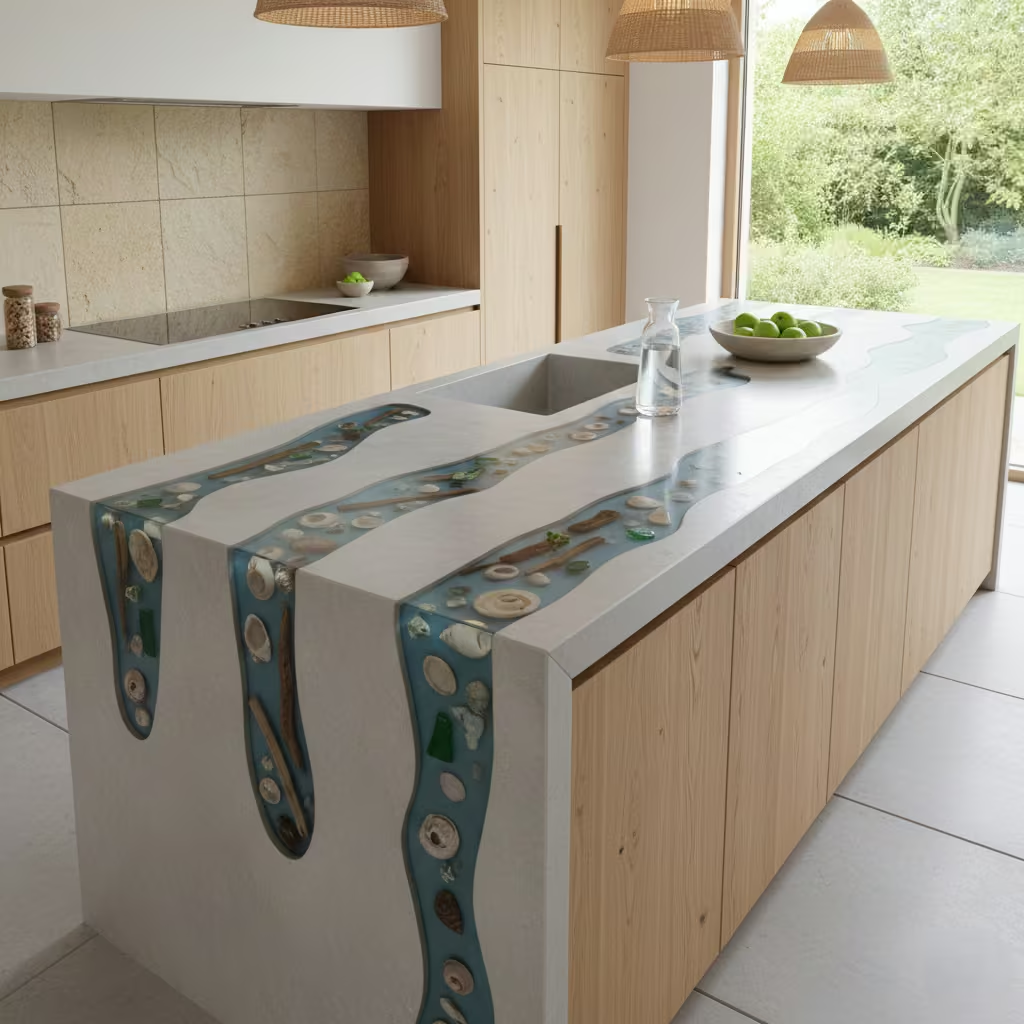
Natural resin counter inserts are a creative way to incorporate organic textures and visual interest into your kitchen surfaces. Made by embedding materials like wood, stone, shells, or recycled glass in a clear or lightly tinted resin, these inserts can be used on countertops, islands, or bar areas. They highlight natural elements while providing a smooth, durable, and easy-to-clean surface.
Standard insert dimensions vary based on countertop size, but commonly 5–10 cm (2–4 in) wide strips or custom panels up to 60×60 cm (24×24 in) are used. Resin thickness typically ranges from 1–2 cm (0.4–0.8 in) for inlays, ensuring durability while maintaining a flush surface with surrounding materials.
Pros
- Adds unique, one-of-a-kind visual appeal.
- Durable, waterproof, and easy to clean.
- Allows creativity by incorporating natural or recycled elements.
Cons
- Professional installation is recommended to avoid bubbles or uneven surfaces.
- Can be costly depending on materials and custom designs.
- Some resins may yellow slightly over time if exposed to direct sunlight.
Practical Tip: Pair resin inserts with neutral wood or stone countertops to maintain balance and ensure the inserts become subtle focal points. Consider using eco-friendly or UV-resistant resin for longevity and to preserve the natural look of embedded materials.
Biophilic Design Elements (Plants + Natural Light)
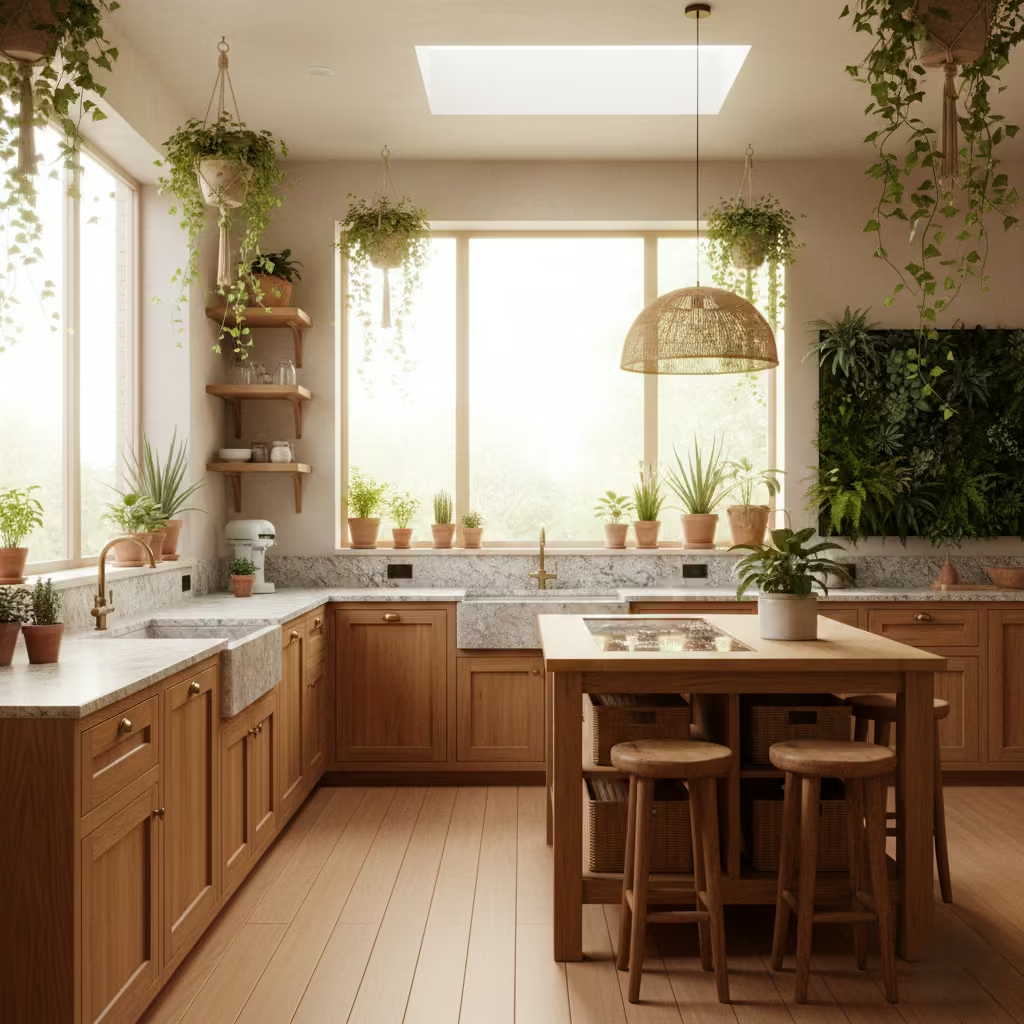
Incorporating biophilic design elements is a powerful way to make an organic kitchen feel alive and connected to nature. This approach emphasizes indoor plants, natural light, and visual connections to the outdoors, creating a calming, healthy, and inspiring space. Popular plant choices for kitchens include herbs, potted ferns, succulents, and trailing ivy, which thrive in well-lit areas and add greenery without cluttering surfaces.
For optimal natural light, position plants on south- or east-facing windowsills, or use hanging planters and tiered shelves to maximize vertical space. Standard windowsill planters measure 25–40 cm (10–16 in) wide and 12–15 cm (5–6 in) deep, while hanging pots can vary from 15–25 cm (6–10 in) diameter. Incorporating skylights or larger windows further enhances daylight exposure, reducing the need for artificial lighting during the day.
Pros
- Enhances mood, health, and productivity by connecting with nature.
- Improves indoor air quality when using certain plants.
- Complements natural materials and earthy tones for a cohesive organic look.
Cons
- Requires regular watering, pruning, and maintenance.
- Some plants may not thrive in low-light or high-humidity conditions.
- Overcrowding with plants can clutter the space if not carefully arranged.
Practical Tip: Combine small countertop plants with hanging greenery and ensure adequate sunlight for each plant type. Use self-watering pots or planter trays to minimize mess and maintain an organized, natural-feeling kitchen. Pair with wood, stone, and other organic textures for a fully immersive biophilic design.
You May also Like: The 25 Contemporary Kitchen Design Concepts to Inspire Modern Homes
Common Mistakes to Avoid while Achieving Organic Kitchen Design
While organic kitchen design is all about natural materials and earthy aesthetics, it’s easy to go wrong if certain pitfalls aren’t considered. One common mistake is overcrowding natural elements. Too many plants, wooden accessories, or stone pieces can make the space feel cluttered and chaotic rather than calm and organic. Less is often more, so focus on a few standout elements that balance function and beauty.
Another frequent error is mixing too many textures or finishes. Combining multiple woods, stones, metals, and fabrics without a cohesive palette can overwhelm the eye and disrupt the natural harmony. Stick to two or three complementary textures and tones to maintain a balanced, serene environment.
Finally, many homeowners ignore the maintenance needs of organic materials. Wood, stone, clay, and textiles all require regular care sealing, oiling, or cleaning to retain their beauty and longevity. Overlooking maintenance can lead to premature wear, stains, or damage, undermining both aesthetics and functionality.
By keeping these pitfalls in mind, you can create an organic kitchen that is not only beautiful but also practical and long-lasting.
Final Thoughts about Organic Kitchen
Organic kitchen design offers a unique blend of beauty, functionality, and sustainability, creating spaces that feel warm, inviting, and connected to nature. By incorporating natural materials like wood, stone, bamboo, clay, and recycled elements, you can transform your kitchen into a harmonious environment that supports both everyday living and eco-conscious choices.
From earthy color palettes and live-edge islands to indoor herb gardens and biophilic design elements, each detail contributes to a kitchen that is visually appealing, practical, and environmentally friendly.
One of the key benefits of an organic kitchen is its timeless aesthetic. Natural textures and neutral tones ensure your space remains stylish while reducing the need for frequent updates. Additionally, sustainable choices like reclaimed wood, bamboo flooring, or energy-efficient appliances help reduce environmental impact while enhancing your home’s overall value.
I encourage you to blend sustainability with aesthetics by using these 25 ideas as inspiration. Whether you’re planning a full renovation or a simple refresh, thoughtfully incorporating organic elements can elevate your kitchen into a serene, functional, and eco-friendly haven. Start planning your own organic kitchen today and bring nature into the heart of your home.
Frequently asked Question about Organic Kitchen Design or Renovation
What are the best low-maintenance natural materials for a kitchen?
I typically recommend quartzite, granite, strand-woven bamboo, and engineered stone for low maintenance. Quartzite and granite resist scratches and heat and usually need sealing only every 1–3 years. Strand-woven bamboo performs well in kitchens when sealed and is harder than many hardwoods. Engineered stone (quartz) gives a natural look with almost no sealing required. Avoid untreated soft marbles or unsealed terracotta in high-use zones unless you’re prepared for regular care.
How do I balance modern appliances with an organic look?
Choose panel-ready or integrated appliances to hide stainless steel where you want natural materials to dominate. Use warm finishes like matte black or brushed metal sparingly as accents. I often place the appliance bank on one wall and keep work surfaces in wood or stone to retain a tactile, organic heart to the kitchen. Planning note: allow standard appliance clearances (e.g., 60 cm/24 in dishwasher width; 90 cm/35 in circulation zone).
How much should I budget for an “organic” kitchen renovation?
Costs vary widely by scale and materials. As a rule of thumb: refresh (paint, textiles, a few fixtures): £1,000–£5,000 / $1,200–$6,000; mid-range renovation (new cabinets, countertops, flooring): £8,000–£25,000 / $10,000–$30,000; high-end (custom live-edge island, natural stone, bespoke joinery): £30,000+ / $35,000+. Reclaimed materials and handcrafted elements can raise labour and sourcing costs, so allocate 10–20% contingency and prioritise where natural materials will have the greatest impact.
What maintenance do organic materials need and how often?
Maintenance schedules depend on the material: stone countertops (granite/quartzite) seal every 1–3 years; marble seal and be prepared to spot treat; solid wood or live-edge surfaces food-safe oiling every 3–6 months in high-use areas; natural fiber rugs vacuum weekly and spot clean immediately. I advise clients to create a one-page care guide for installers and homeowners listing products and intervals to avoid accidental damage.
Which kitchen plants work best for low-light or high-humidity conditions?
For lower light choose pothos, snake plant, or pothos ‘jade’, and for humidity-tolerant plants near the sink try herbs like mint and parsley, ferns, or spider plants. Use planter depths of 12–15 cm (5–6 in) for most herbs and 25–40 cm (10–16 in) for larger pots. If natural light is limited, add a full-spectrum LED grow strip rated at 2–3W/ft for each small planter.
How can I make a small kitchen feel organic without cluttering it?
Prioritise light earth tones, open sightlines, and one statement natural piece (live-edge shelf, stone counter accent). Use narrow open shelving (depth 25–30 cm / 10–12 in) and slimline planters (length 30–40 cm / 12–16 in, depth 10–15 cm / 4–6 in) to add greenery without losing surface area. Limit textures to two or three complementary materials (for example: wood, stone, linen) and rely on concealed storage for everyday clutter.