


24 Dark Apartments Ideas to Brighten and Transform Your Space
Living in a dark apartment can feel limiting, from cramped corners to rooms that never seem to catch the light. Yet, a lack of natural brightness doesn’t mean you have to sacrifice style or comfort. With the right approach, even the darkest apartments can feel inviting, spacious, and full of personality.
In this guide, we’ll explore 24 Dark Apartments Ideas designed to transform shadowy spaces into stunning, livable homes. From clever lighting solutions and smart color palettes to furniture arrangements and decorative accents, each idea is practical, stylish, and easy to implement. Whether you’re dealing with small windows, deep layouts, or dim interiors, these tips will help you make the most of every inch of your apartment.
By the end of this article, you’ll have a toolbox of ideas to brighten your home, enhance its atmosphere, and create a space that feels both cozy and visually appealing. Get ready to see your dark apartment in a whole new light.
Understanding the Challenges of Dark Apartments
Many apartments feel dark due to factors beyond just the time of day. Orientation plays a major role north-facing units or those surrounded by taller buildings often receive limited sunlight. Small or oddly placed windows can further restrict natural light, while deep layouts or long corridors prevent daylight from reaching the interior. Even the choice of materials and wall colors can amplify the shadowy effect, making a space feel more enclosed than it actually is.
The impact of living in a dark apartment goes beyond aesthetics. Dimly lit spaces can affect mood, leading to feelings of gloom or low energy, and can make rooms feel smaller and more cramped. Poor lighting can also influence productivity, comfort, and even your overall sense of well-being.
Fortunately, there are plenty of practical ways to counter these challenges. By carefully considering light, color, layout, and décor, you can turn a dark apartment into a warm, inviting, and visually appealing home. The following 24 Dark Apartments Ideas will show you exactly how.
24 Dark Apartment Ideas
Transforming a dark apartment doesn’t have to be a daunting task. With the right combination of light, color, furniture, and décor, even the dimmest spaces can feel bright, cozy, and stylish.
These 24 Dark Apartment Ideas are designed to inspire practical changes and creative solutions, helping you make the most of every corner while enhancing both functionality and aesthetic appeal.
Choose Light-Colored Walls with Warm Undertones
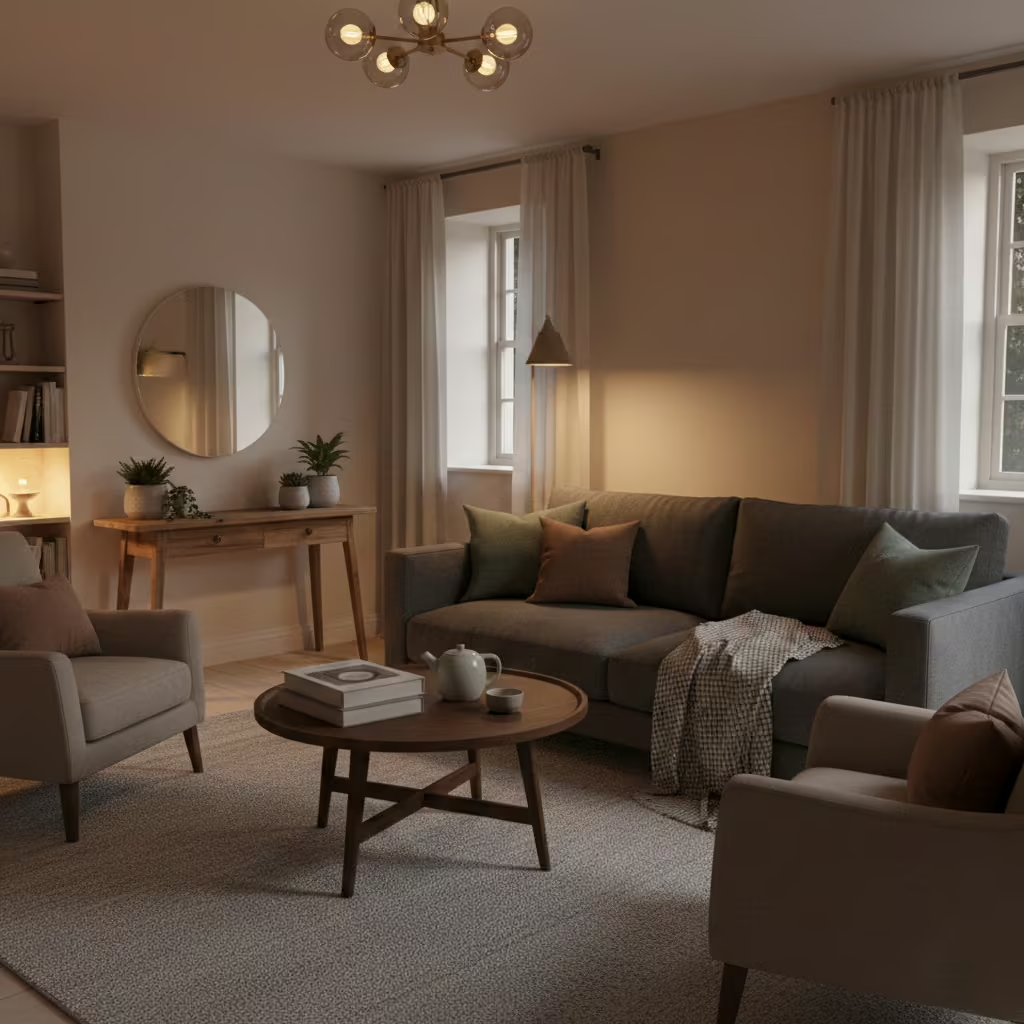
One of the simplest yet most effective ways to brighten a dark apartment is by carefully selecting wall colors. Light-colored walls, such as soft creams, pale beiges, or muted pastels, can immediately make a room feel more open and airier. While pure white can work, adding warm undertones creates a softer, more inviting atmosphere that prevents the space from feeling stark or clinical. Warm hues subtly reflect the light that does enter the room, amplifying its effect and giving the apartment a gentle glow even on overcast days.
For an even greater impact, consider pairing light walls with similarly light-colored ceilings and trim to create a continuous flow that visually expands the space. Accent walls in slightly deeper shades of the same palette can add depth without compromising brightness. In addition, these tones provide a versatile backdrop, making it easy to incorporate furniture, textiles, and decorative elements without overwhelming the room. This foundational choice sets the stage for all the other strategies that will transform your dark apartment.
Add Mirrors to Reflect Natural Light
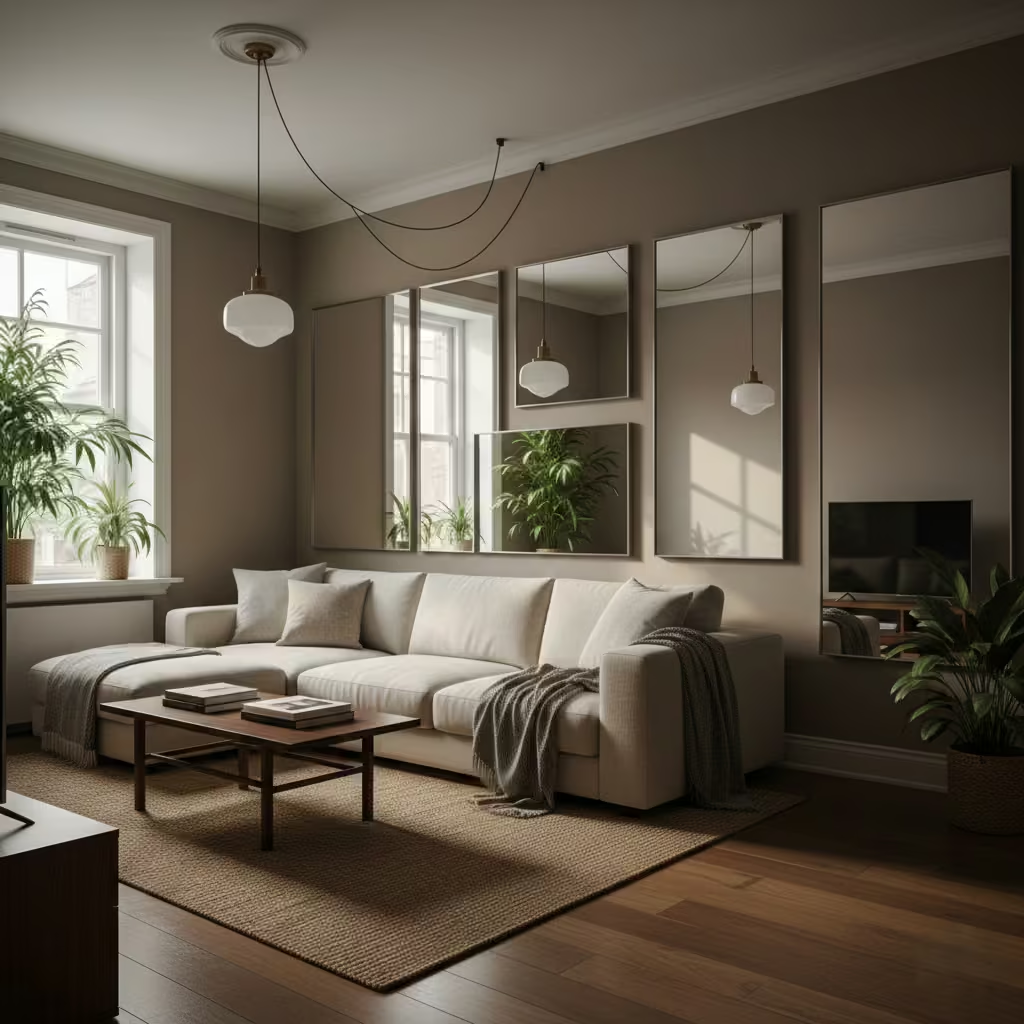
Mirrors are one of the most powerful tools for improving light in a dark apartment. When placed strategically, they reflect both natural and artificial light, instantly making a room feel brighter and more spacious. Positioning a mirror opposite or adjacent to a window allows it to bounce daylight deeper into the space, helping illuminate areas that would otherwise remain shadowed. Large wall mirrors work especially well in living rooms and bedrooms, while mirrored panels or decorative mirror clusters can enhance hallways and dining areas.
Beyond light reflection, mirrors also improve the perception of space. They create visual depth, which is particularly valuable in small or narrow apartments with limited light sources. For best results, choose frames that complement your interior style, whether minimalist, modern, or classic. Avoid cluttered placements, as a clean reflection enhances the airy effect. When used thoughtfully, mirrors not only brighten a dark apartment but also elevate its overall design.
Use Glossy Finishes on Surfaces
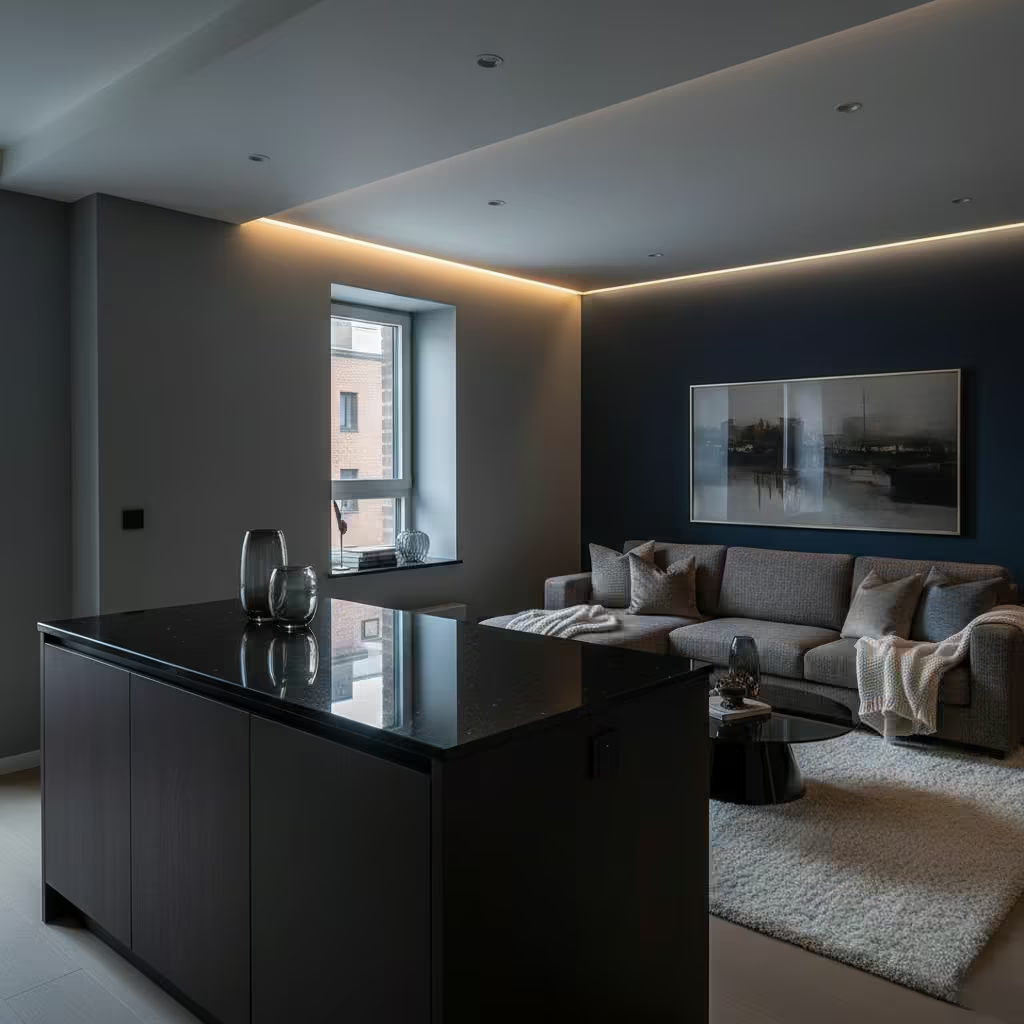
Glossy and reflective finishes are an effective way to amplify light in dark apartments without major renovations. Surfaces with a subtle sheen, such as satin or semi-gloss paint, lacquered cabinetry, polished stone, or glass tabletops, reflect light rather than absorbing it. This reflection helps distribute available light more evenly throughout the room, making the space feel brighter and more dynamic.
In kitchens and bathrooms, glossy backsplashes or cabinets can significantly improve light flow, especially when paired with under-cabinet lighting. In living areas, consider glossy furniture finishes, metallic accents, or high-shine décor pieces to introduce reflective elements without overwhelming the space. Balance is key. Too many shiny surfaces can feel cold or overly modern, so mix glossy finishes with soft textures like wood, textiles, or matte walls. When used selectively, glossy surfaces enhance brightness while maintaining warmth and visual interest in a dark apartment.
Use Soft, Layered Lighting (Ambient, Task, Accent)
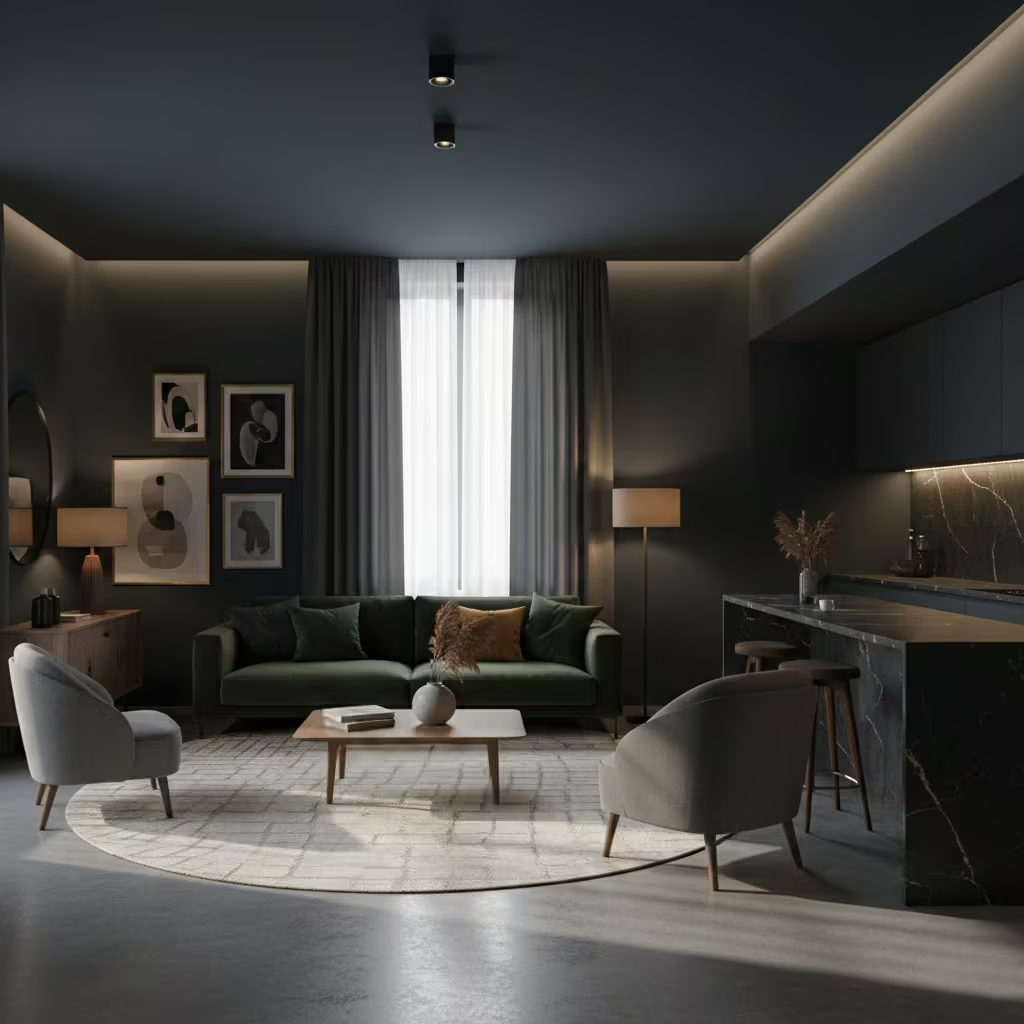
Relying on a single overhead light can make a dark apartment feel flat and uninviting. Instead, layering different types of lighting creates depth, warmth, and flexibility throughout the space. Ambient lighting provides overall illumination and can come from ceiling fixtures, recessed lights, or floor lamps. Task lighting focuses on functionality, such as desk lamps, bedside lights, or under-cabinet lighting in kitchens. Accent lighting highlights architectural features, artwork, or shelves, adding visual interest without overpowering the room.
Using warm-toned bulbs helps soften harsh shadows and creates a cozy atmosphere that feels welcoming rather than dim. Dimmers are also highly effective, allowing you to adjust light levels based on time of day and mood. When thoughtfully layered, lighting not only improves visibility but also enhances the perception of space, making dark apartments feel brighter, balanced, and intentionally designed.
Choose Light-Coloured Flooring Options
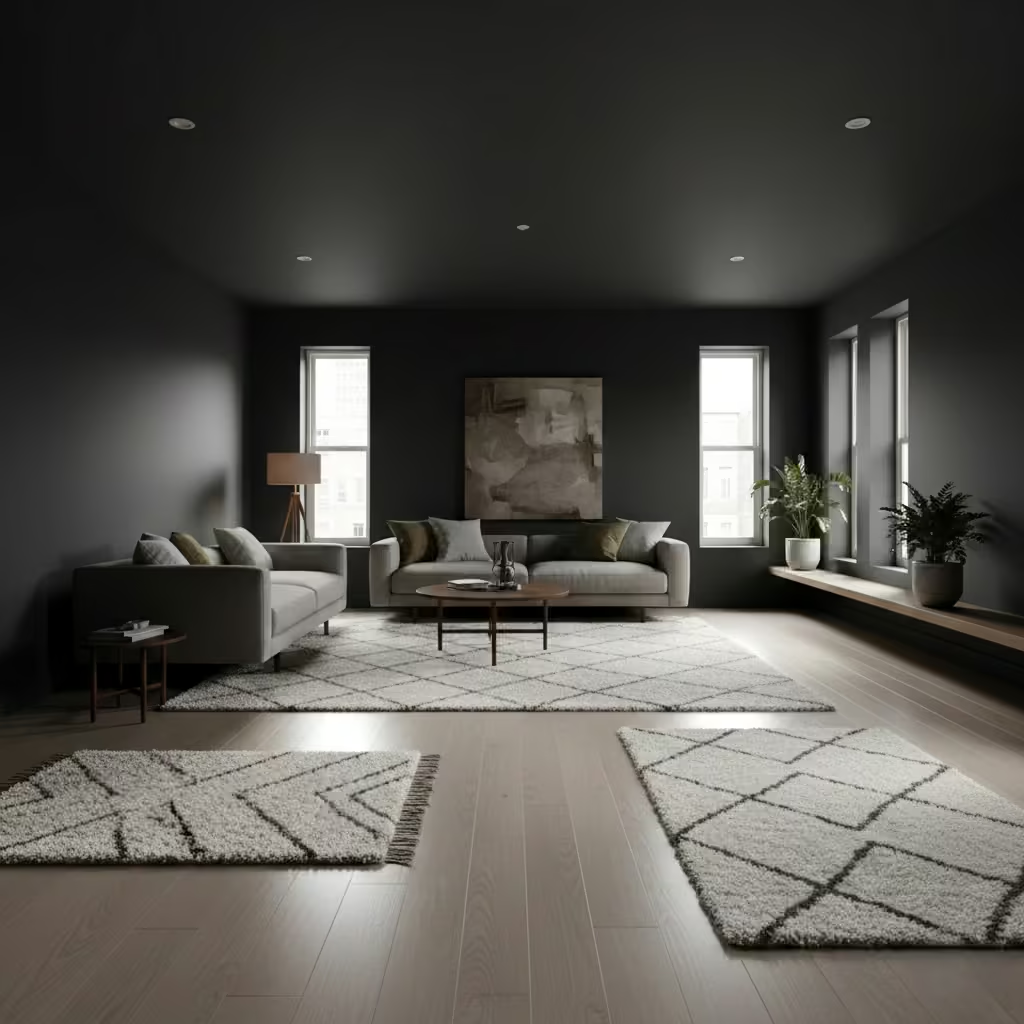
Flooring plays a major role in how light moves through a space, especially in dark apartments. Light-coloured flooring, such as pale wood, light laminate, neutral tiles, or soft-toned vinyl, reflects more light than darker alternatives. This reflection helps brighten the entire room and creates a sense of openness, even in apartments with limited natural light.
If replacing flooring is not an option, lighter area rugs can achieve a similar effect. Opt for rugs in neutral shades or subtle patterns that add texture without visually weighing down the space. Wide planks or large-format tiles can further enhance the feeling of spaciousness by reducing visual breaks. Light floors also act as a versatile base, making it easier to style furniture and décor while maintaining a cohesive, airy look. This simple change can dramatically improve the overall brightness and balance of a dark apartment.
Incorporate Semi-Transparent Window Treatments
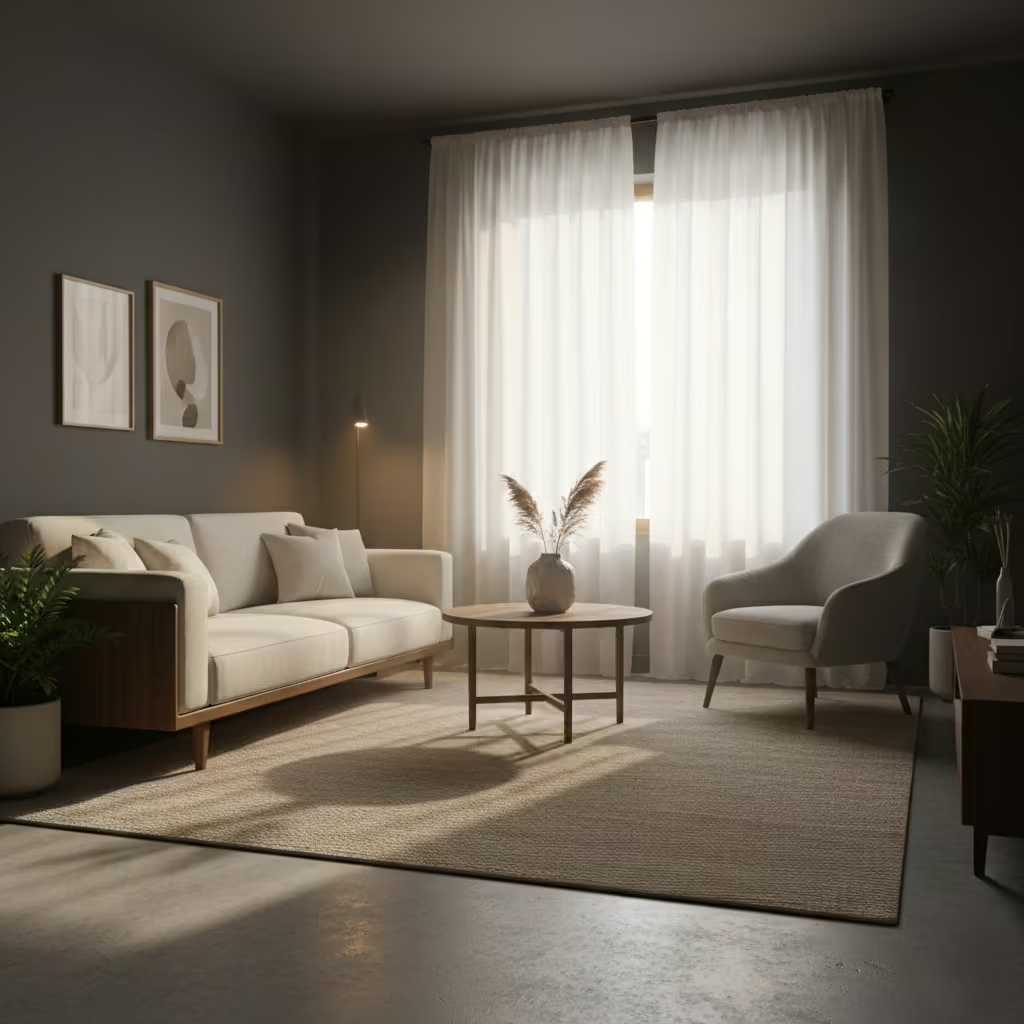
Heavy curtains can block valuable daylight, making a dark apartment feel even dimmer. Semi-transparent window treatments, such as sheer curtains, light-filtering blinds, or voile panels, allow natural light to enter while still providing privacy. These materials soften incoming light, creating a gentle glow rather than harsh brightness or complete darkness.
Choosing light-coloured fabrics enhances this effect, helping windows feel larger and more open. Layering sheer curtains with heavier drapes gives flexibility, allowing you to control light levels throughout the day without permanently blocking it. In living rooms and bedrooms, this approach maintains a bright, airy atmosphere while still offering comfort and functionality. By letting in as much daylight as possible, semi-transparent window treatments play a key role in transforming dark apartments into spaces that feel warm, open, and well-balanced.
Opt for Multi-Functional Furniture to Reduce Clutter
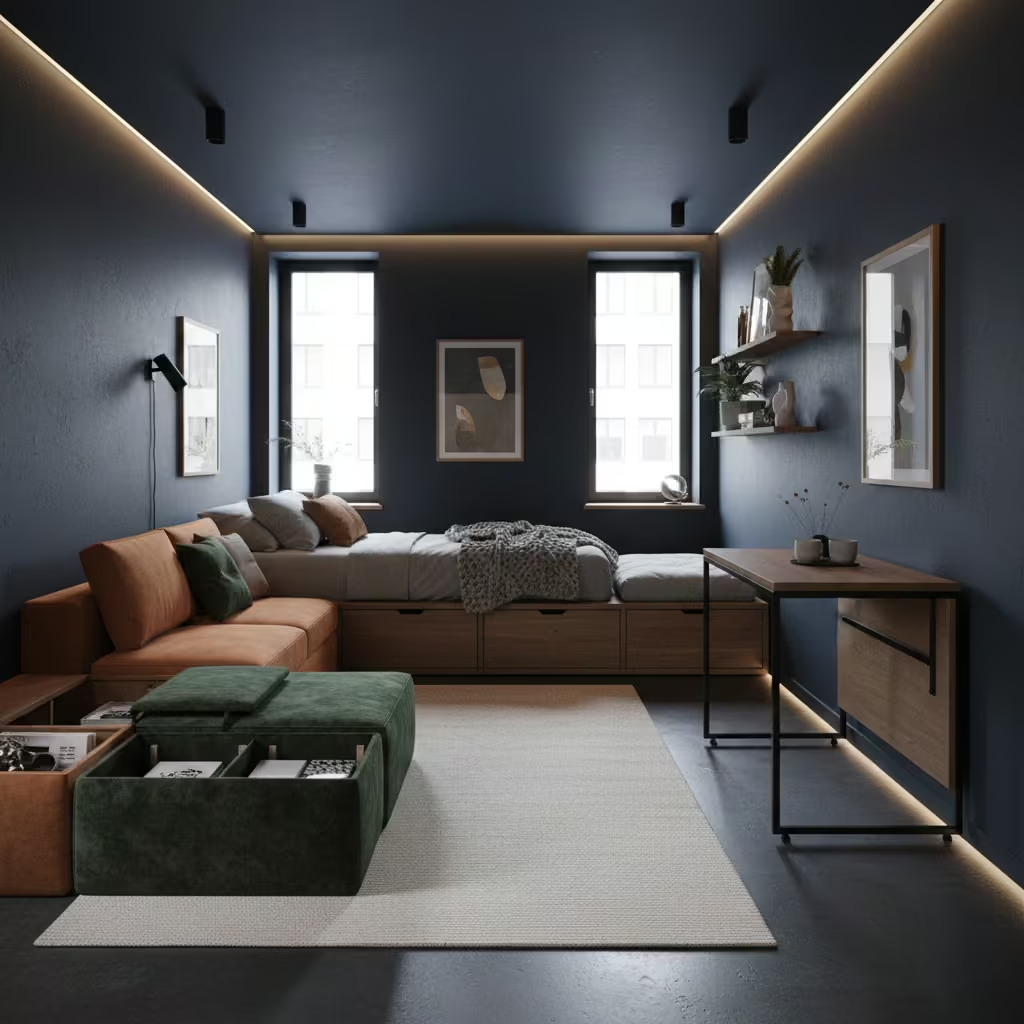
Clutter can make a dark apartment feel even smaller and heavier, which is why multi-functional furniture is essential. Pieces that serve more than one purpose, such as storage beds, ottomans with hidden compartments, sofa beds, or extendable dining tables, help maximise functionality without overcrowding the space. By reducing the need for extra furniture, you create clearer sightlines and allow light to move more freely throughout the apartment.
Multi-functional designs are especially valuable in small living rooms, bedrooms, and studio apartments where every square foot matters. Look for furniture with clean lines and light finishes to maintain an open, balanced feel. Wall-mounted desks or fold-away tables are also excellent options for keeping floors clear. When storage and function are built into fewer pieces, the apartment feels calmer, brighter, and more intentional, which is key to improving both comfort and visual appeal in darker spaces.
You May also Like: 25 Organic Kitchen Design Ideas for a Natural Home
Avoid Blocking Natural Light with Large Pieces
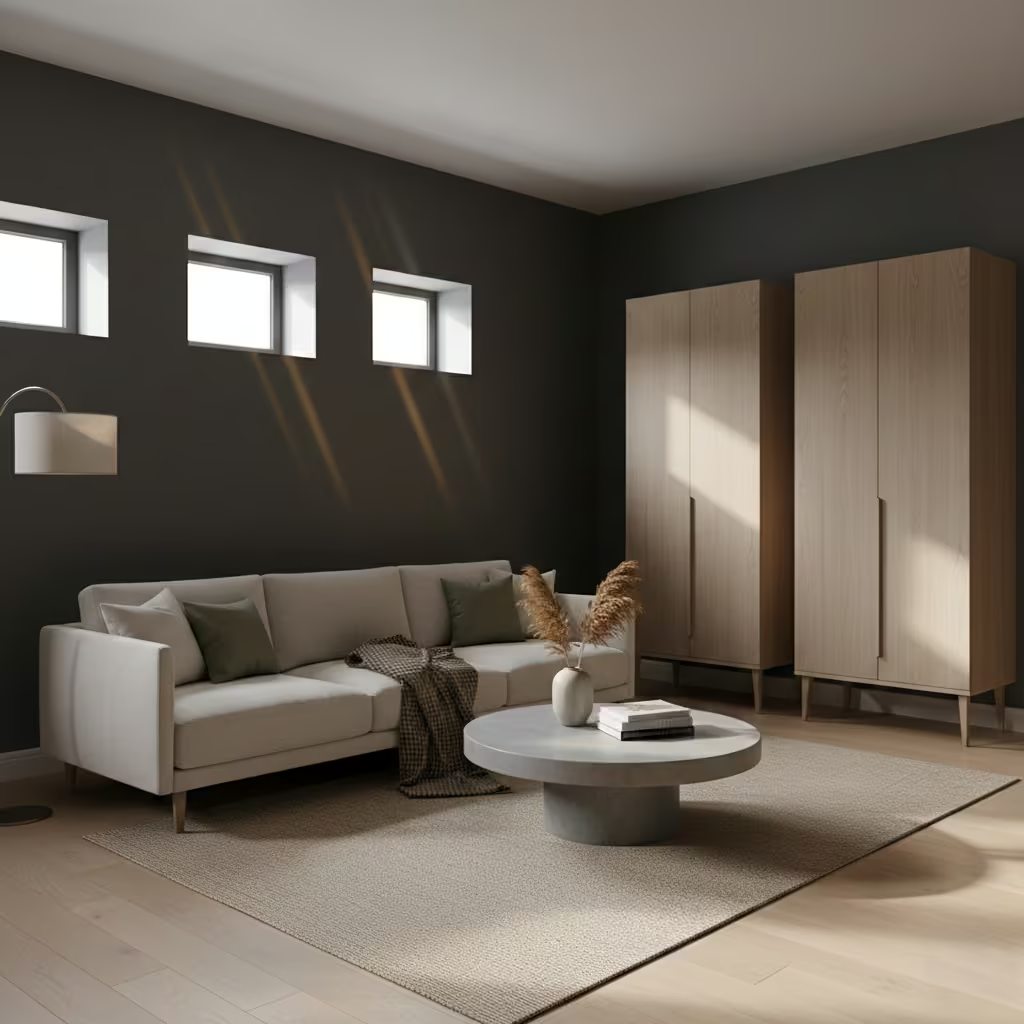
Furniture placement plays a crucial role in how light flows through a dark apartment. Oversized sofas, wardrobes, or bookcases positioned near windows can block natural light and cast unwanted shadows across the room. To prevent this, place taller or bulkier furniture against interior walls rather than near windows or glass doors.
Low-profile seating, open-back chairs, and furniture with raised legs allow light to pass underneath and around them, creating a more open atmosphere. In bedrooms, consider wardrobes with mirrored or light-toned finishes to reduce visual weight. Keeping window areas clear not only improves brightness but also makes the apartment feel more spacious and better balanced. Thoughtful furniture positioning ensures that available daylight is maximised, helping dark apartments feel lighter, more breathable, and easier to live in.
You May also Like: 25 Kitchen Colour Ideas That Transform Your Space Instantly
Use Open Shelving for an Airy Feel
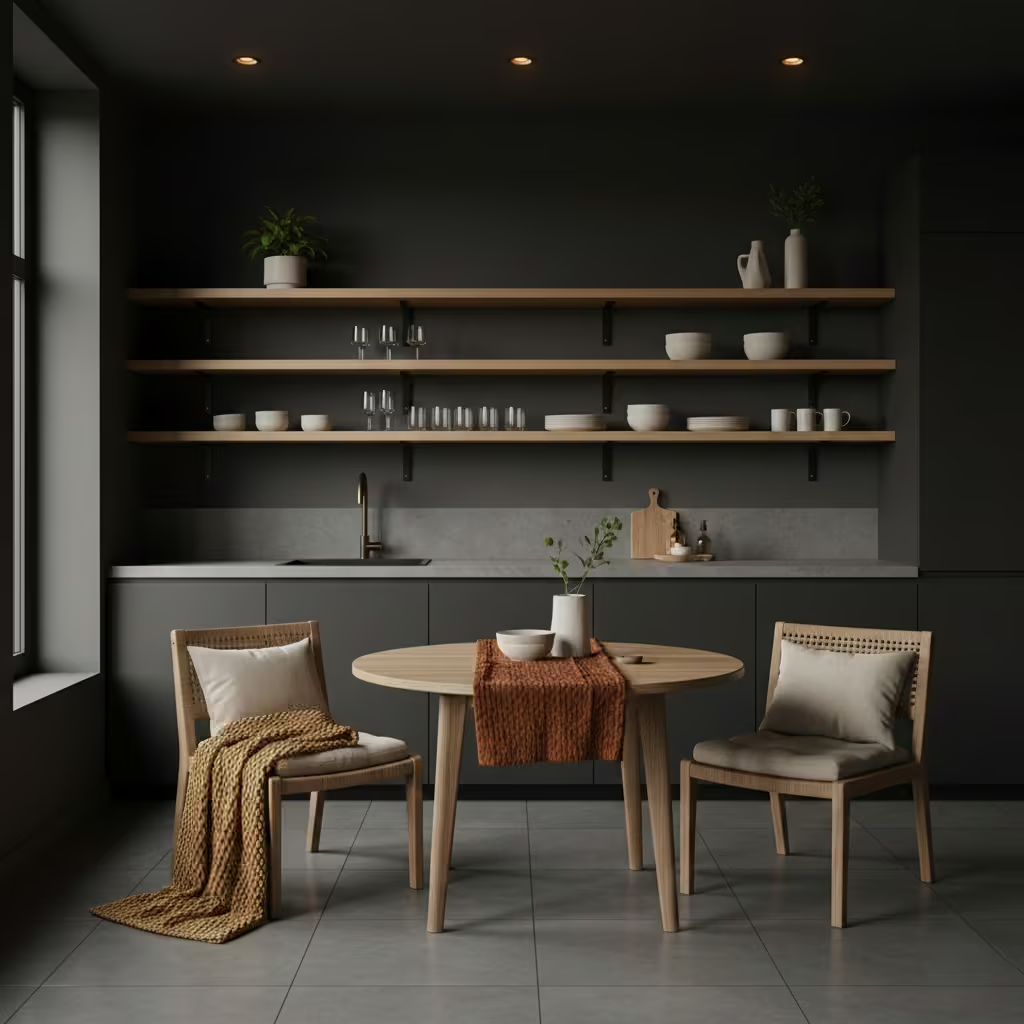
Open shelving is an effective way to add storage without closing in a dark apartment. Unlike bulky cabinets, open shelves allow light to pass through, helping maintain an open and airy look. They work particularly well in kitchens, living rooms, and home offices where both function and style matter.
To keep shelves from feeling cluttered, limit what you display and stick to a cohesive colour palette. Light-coloured dishes, glassware, books, and decorative objects help reflect light and enhance brightness. Mixing practical items with a few decorative accents creates visual interest without overwhelming the space. Floating shelves or slim metal brackets further reduce visual bulk. When styled intentionally, open shelving improves storage, enhances light flow, and contributes to a cleaner, more spacious feel in dark apartments.
You May also Like: 25 Ranch Garden Ideas Where Authentic Western Charm Comes to Life
Choose Low-Profile Furniture to Enhance Ceiling Height Perception
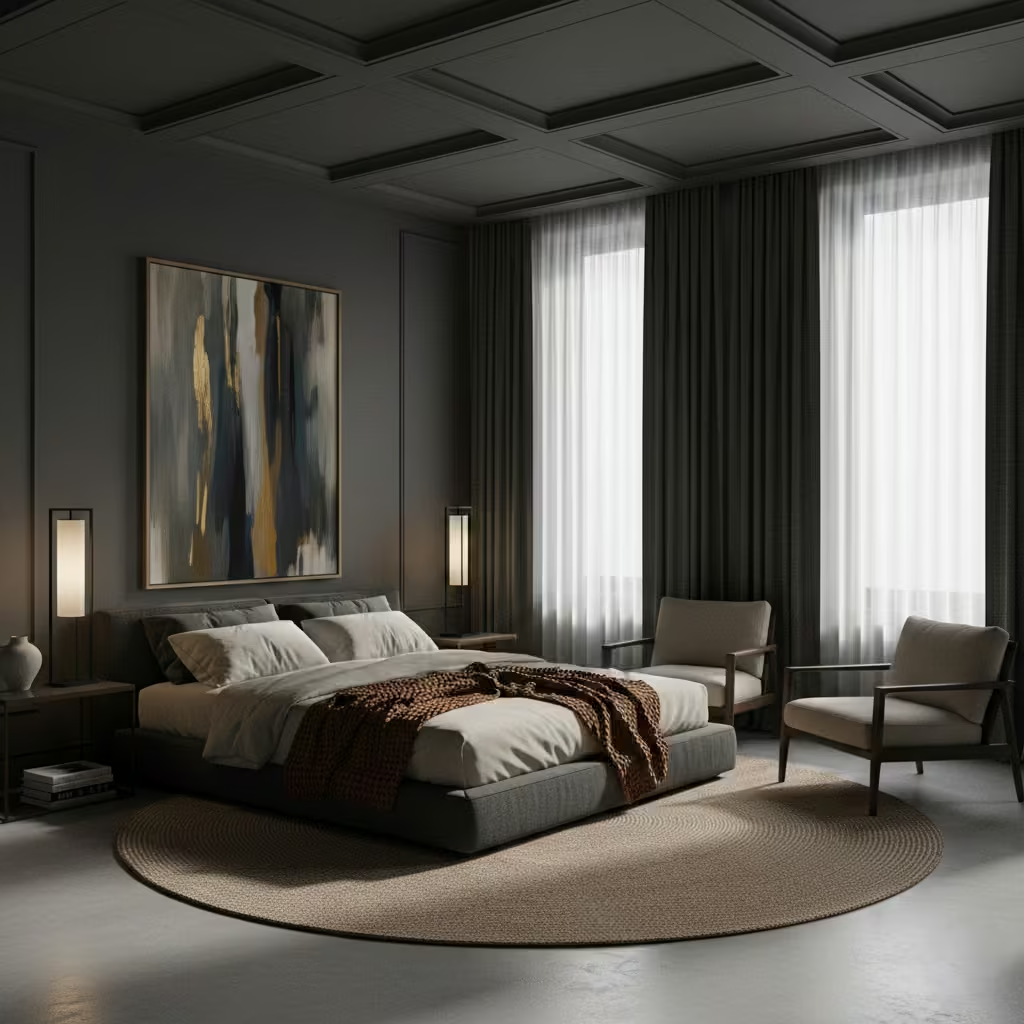
Low-profile furniture is an effective way to make a dark apartment feel taller and more spacious. Sofas, beds, and chairs with a lower height draw the eye horizontally rather than vertically, which helps ceilings appear higher than they actually are. This visual trick is especially valuable in apartments with limited natural light, where a compressed feeling can make rooms feel heavier and more enclosed.
Opt for streamlined designs with slim arms, simple silhouettes, and minimal detailing to maintain an uncluttered look. Low beds paired with taller headboards or vertical wall décor can subtly emphasise height without overpowering the space. In living areas, keeping furniture heights consistent prevents visual interruptions and supports a smoother flow of light. By reducing visual bulk and allowing more wall space to remain visible, low-profile furniture helps dark apartments feel airier, brighter, and better proportioned.
You May also Like: 25 Mountain Kitchen Design Ideas That Blend Rustic Charm with Modern Living
Use Floating Furniture or Wall-Mounted Units
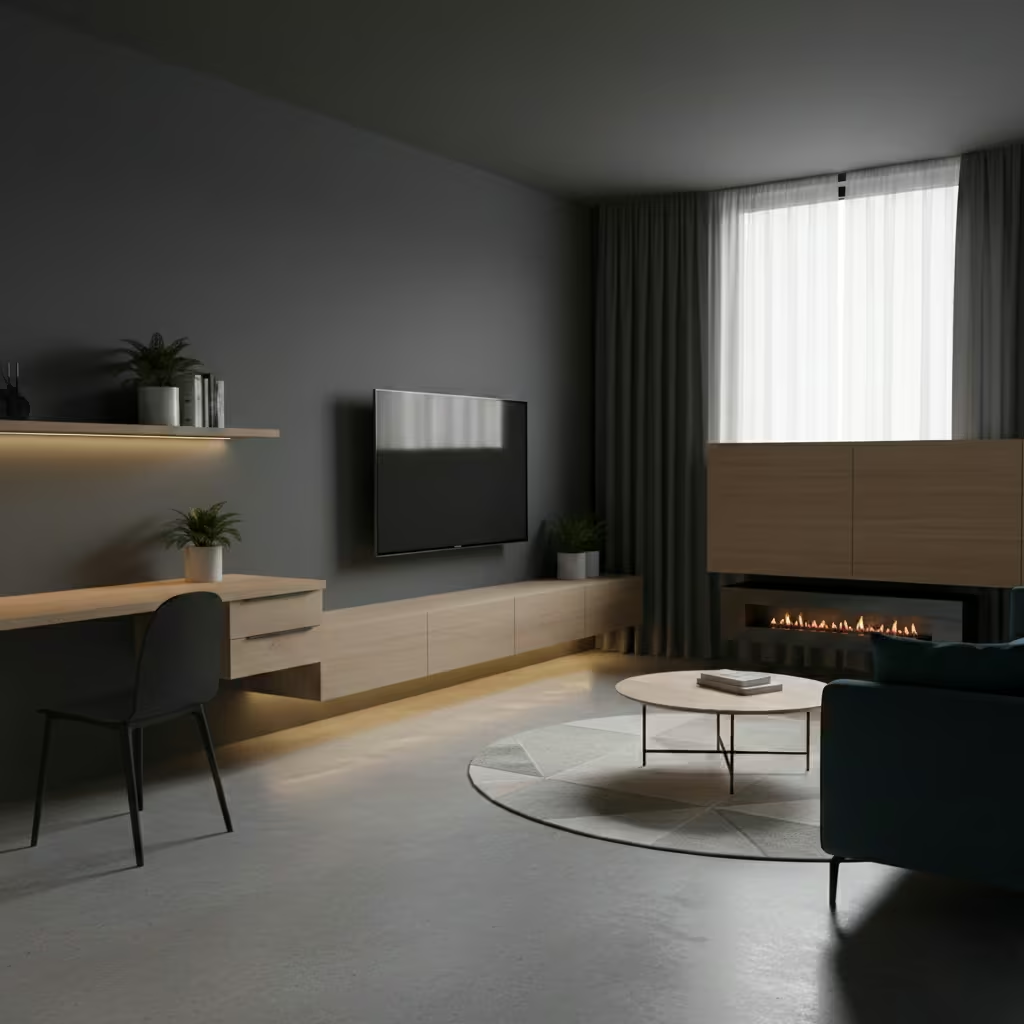
Floating furniture and wall-mounted units are excellent solutions for improving light flow and spatial perception in dark apartments. By lifting furniture off the floor, you create visible floor space underneath, which makes rooms feel more open and less congested. Wall-mounted TV units, floating consoles, desks, and bedside tables are especially effective in small or dimly lit rooms.
This approach also allows light to travel more freely across the floor, enhancing brightness and visual continuity. Floating furniture encourages a cleaner, more minimalist aesthetic, reducing visual noise and clutter.
Choose light-coloured finishes or wood tones to maintain warmth while supporting brightness. Incorporating hidden storage within wall-mounted units keeps essentials organised without adding bulk. Overall, floating furniture helps dark apartments feel modern, spacious, and intentionally designed while maximising both function and light.
Bright Artwork and Statement Décor
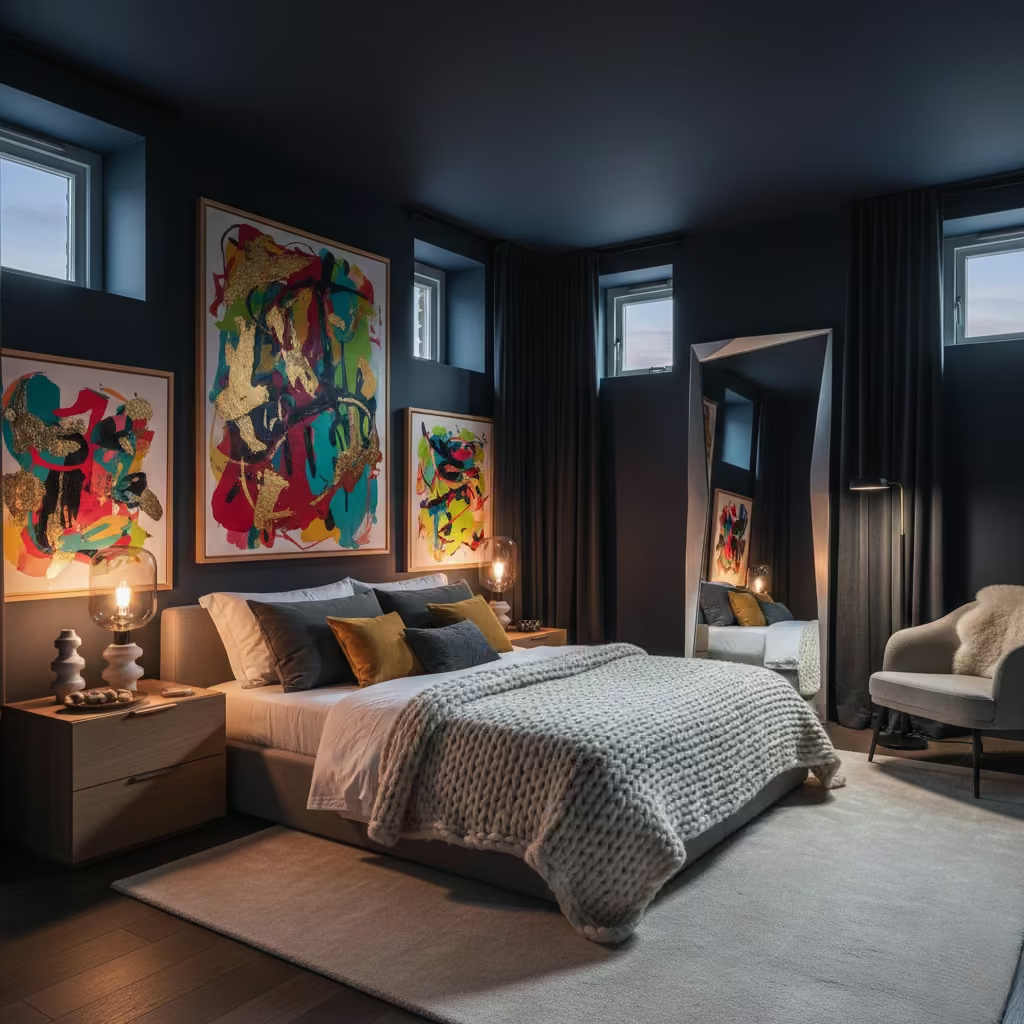
Bright artwork and statement décor pieces can instantly lift the mood of a dark apartment. Bold wall art, colorful prints, or oversized framed pieces draw the eye and create a focal point that distracts from limited natural light. Lighter backgrounds, warm tones, or pops of colour help energise the space without overwhelming it. Statement décor such as sculptural vases, decorative trays, or eye-catching lamps also add personality and visual interest.
To maintain balance, limit the number of statement pieces and allow each one space to breathe. Grouping artwork in well-lit areas or near light sources enhances its impact. Choosing frames in light wood, white, or metallic finishes further supports brightness. When used intentionally, bright artwork not only improves visual appeal but also makes dark apartments feel more dynamic, expressive, and thoughtfully styled.
Incorporate Metallics and Reflective Surfaces
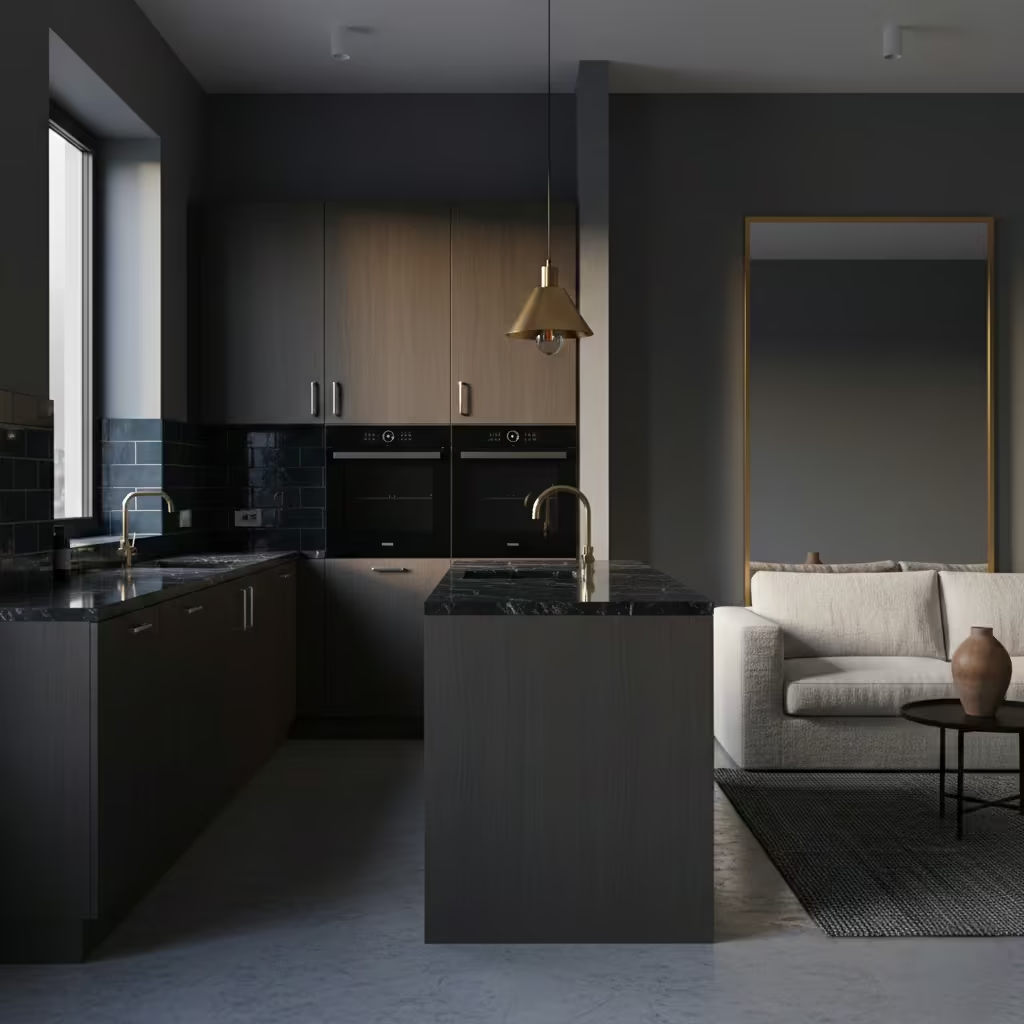
Metallics and reflective surfaces are highly effective in dark apartments because they bounce light around the room. Finishes such as brass, gold, chrome, and brushed silver reflect both natural and artificial light, adding subtle brightness and depth. These materials work well in lighting fixtures, mirrors, furniture accents, and decorative accessories.
In kitchens and bathrooms, metallic hardware and reflective tiles can dramatically improve light distribution. In living spaces, coffee tables with glass tops, metallic frames, or decorative trays add shine without feeling heavy. The key is moderation. Pair metallic accents with soft textures like wood, fabric, or matte finishes to maintain warmth and balance. When used sparingly, reflective surfaces elevate the overall design while helping dark apartments feel lighter, more layered, and visually engaging.
Use Rugs and Textiles with Light or Vibrant Tones
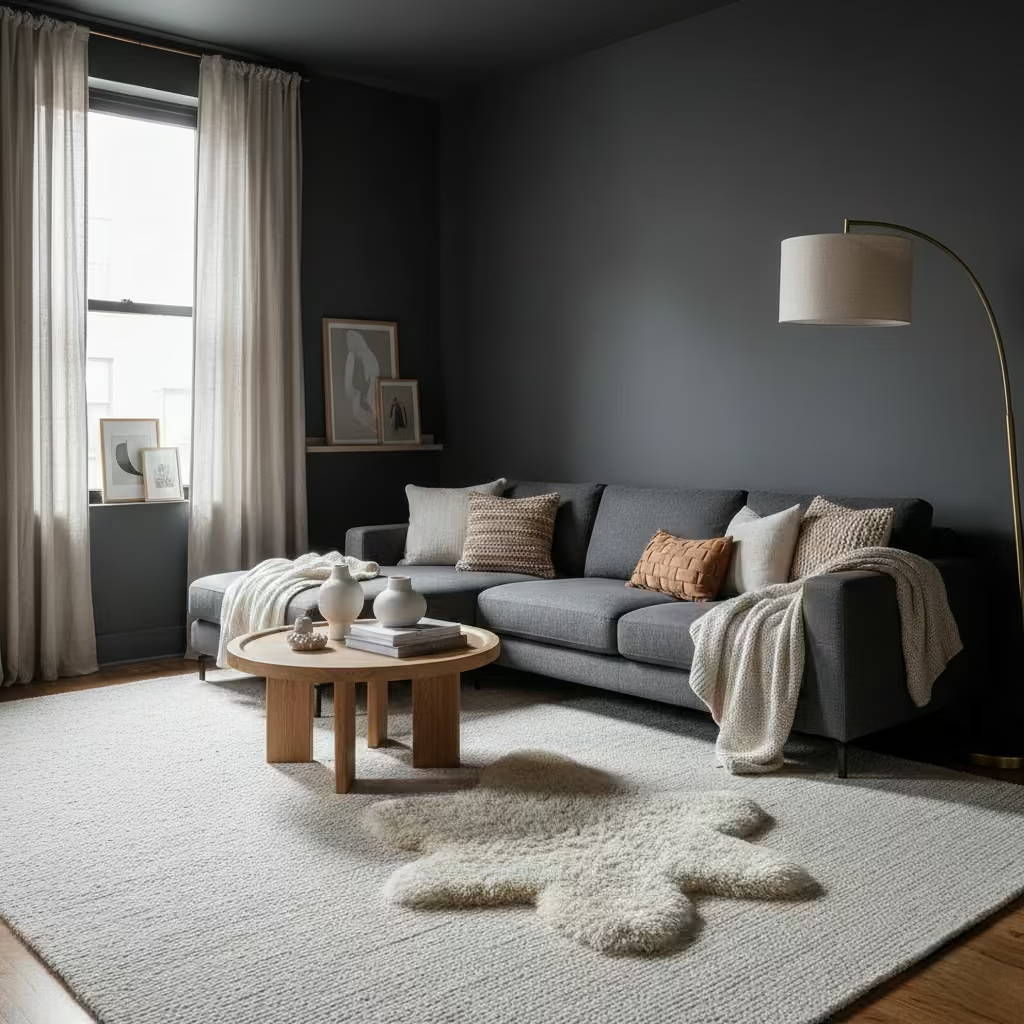
Rugs and textiles offer an easy way to brighten a dark apartment while adding comfort and texture. Light-coloured rugs help reflect light upward, making floors feel more open and spacious. Soft neutrals, gentle patterns, or subtle colour variations work well without overpowering the room. In darker spaces, textiles can also introduce vibrancy through cushions, throws, and upholstery in warm or cheerful tones.
Layering textiles creates depth and warmth, preventing the apartment from feeling flat or cold. Choose fabrics that feel light and breathable, such as linen, cotton, or wool blends. Avoid overly dark or heavy materials that absorb light. By thoughtfully selecting rugs and textiles, you can enhance brightness, improve comfort, and bring visual balance to a dark apartment without major changes.
You May also Like: Fall Apartment Decor Ideas: 15 Cozy Ways to Make Your Apartment Feel Like Autumn
Use Strategic Placement of Plants for Vibrancy
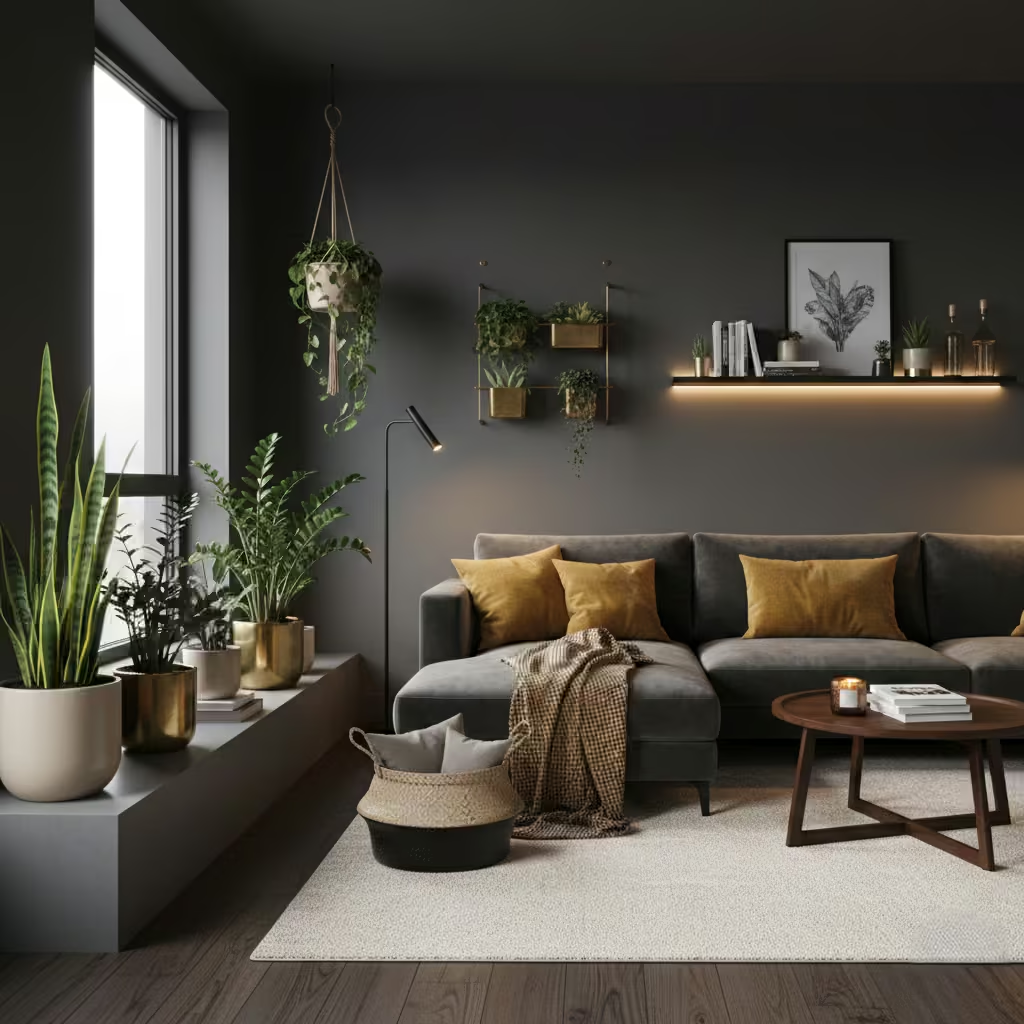
Plants bring life and freshness to dark apartments, improving both aesthetics and atmosphere. When placed strategically near windows or light sources, greenery adds vibrancy without blocking light. Choose low-maintenance plants that tolerate lower light levels, such as snake plants, pothos, or ZZ plants, to ensure long-term success.
Using light-coloured planters or reflective pots enhances brightness and prevents plants from visually weighing down the space. Hanging planters or wall-mounted greenery are excellent options for adding depth while keeping floors clear. Plants also soften hard surfaces and introduce natural texture, creating a more balanced and welcoming environment. Even in limited light conditions, greenery can transform a dark apartment into a healthier, more uplifting place to live.
You May also Like: 25 Fresh Light and Airy Bedroom Ideas for Summer Serenity
Use Light Wells or Skylights (If Possible)
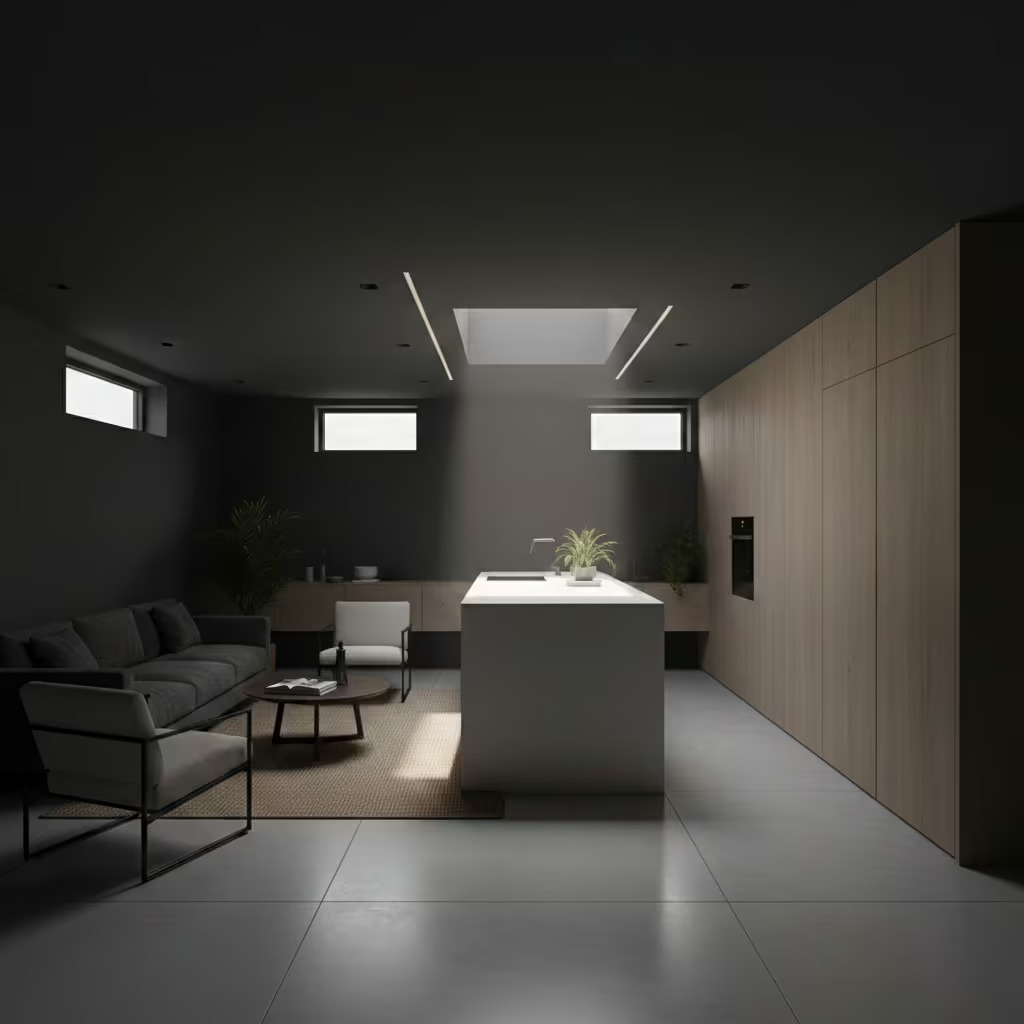
If your apartment allows structural modifications, light wells or skylights can dramatically transform a dark space. These features introduce natural light from above, allowing daylight to reach areas that traditional windows cannot. Skylights are especially effective in top-floor apartments, lofts, or converted spaces where vertical light access is available.
Even smaller light wells can brighten bathrooms, hallways, or kitchens that lack direct window exposure. To maximise their impact, keep surrounding surfaces light-coloured and reflective so daylight can spread further into the apartment. While this solution requires planning and investment, it offers long-term benefits by improving mood, energy efficiency, and overall comfort. When thoughtfully integrated, light wells and skylights can turn the darkest apartments into spaces that feel open, fresh, and naturally illuminated.
Use Glass Partitions Instead of Solid Walls
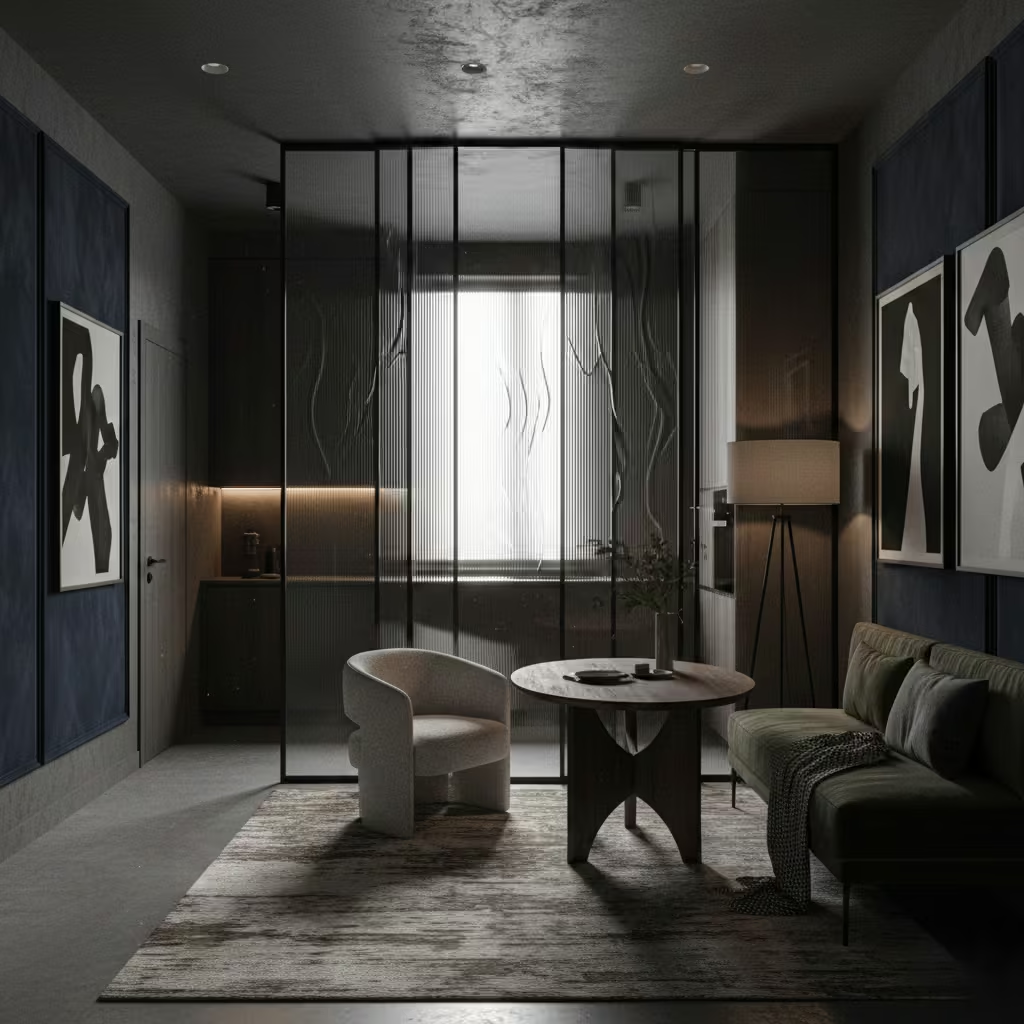
Replacing solid walls with glass partitions is a smart way to improve light flow in dark apartments. Glass allows natural light to travel between rooms, reducing shadowed areas while maintaining separation and privacy. Frosted, ribbed, or textured glass provides discretion without blocking brightness, making it ideal for bedrooms, home offices, or bathrooms.
Glass partitions also help preserve an open-plan feel, preventing spaces from feeling boxed in. Black or slim metal frames can add structure and style without overpowering the design. This solution works particularly well in deep layouts where light struggles to reach interior rooms. By allowing light to move freely while still defining zones, glass partitions enhance openness, functionality, and visual continuity in darker apartments.
You May also Like: 25 Dark Cottagecore Kitchen Ideas That Feel Warm, Rich, and Full of Character
Create Accent Walls in Subtle, Warm Hues
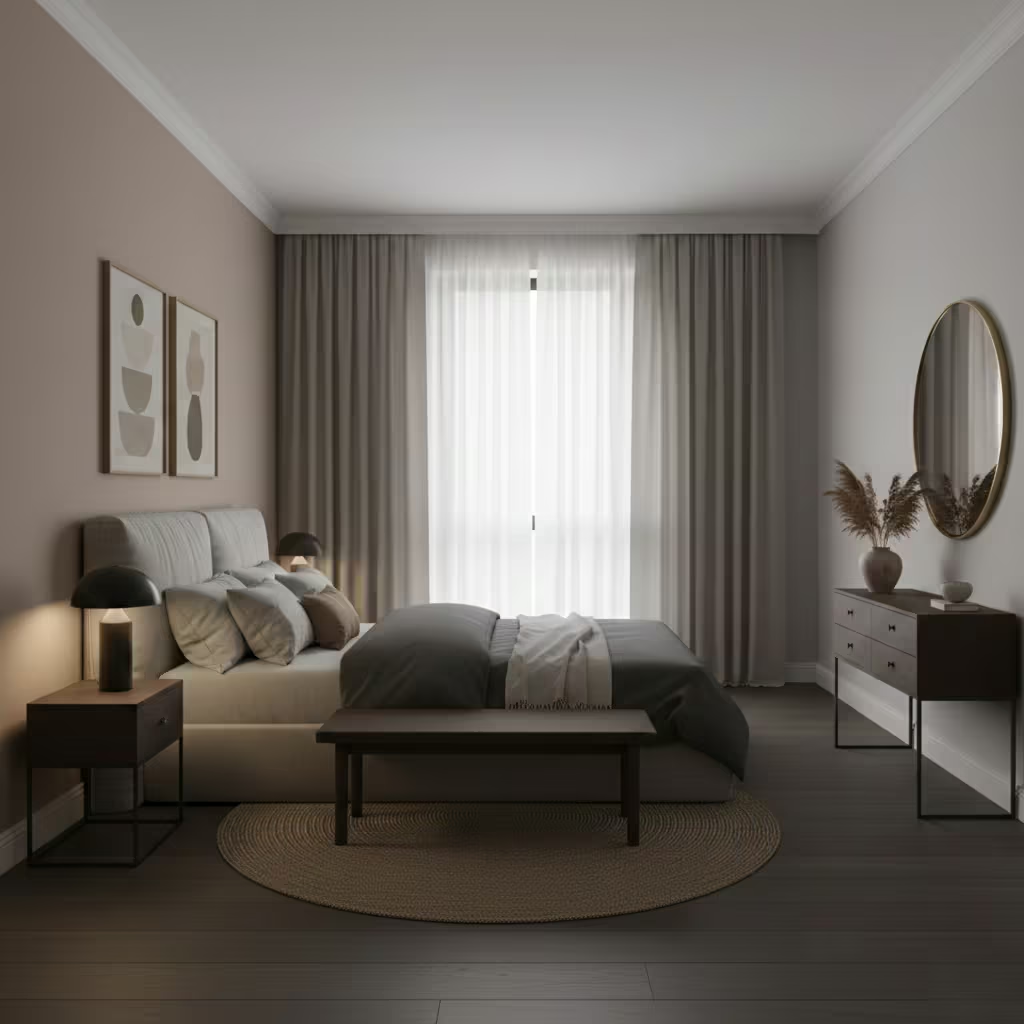
Accent walls can add character to a dark apartment when done with restraint. Instead of deep or bold colours, opt for subtle, warm hues like soft terracotta, muted taupe, warm greige, or pale clay tones. These shades add depth and interest without making the room feel smaller or darker. A well-chosen accent wall can also help define zones in open-plan apartments.
Placing the accent wall where it receives the most light ensures the colour enhances the space rather than absorbing brightness. Pair it with lighter surrounding walls to maintain contrast and balance. Warm-toned accent walls work particularly well in bedrooms and living rooms, where comfort is key. When applied thoughtfully, this technique adds warmth, personality, and dimension while keeping dark apartments visually light and inviting.
Keep Window Coverings Minimal
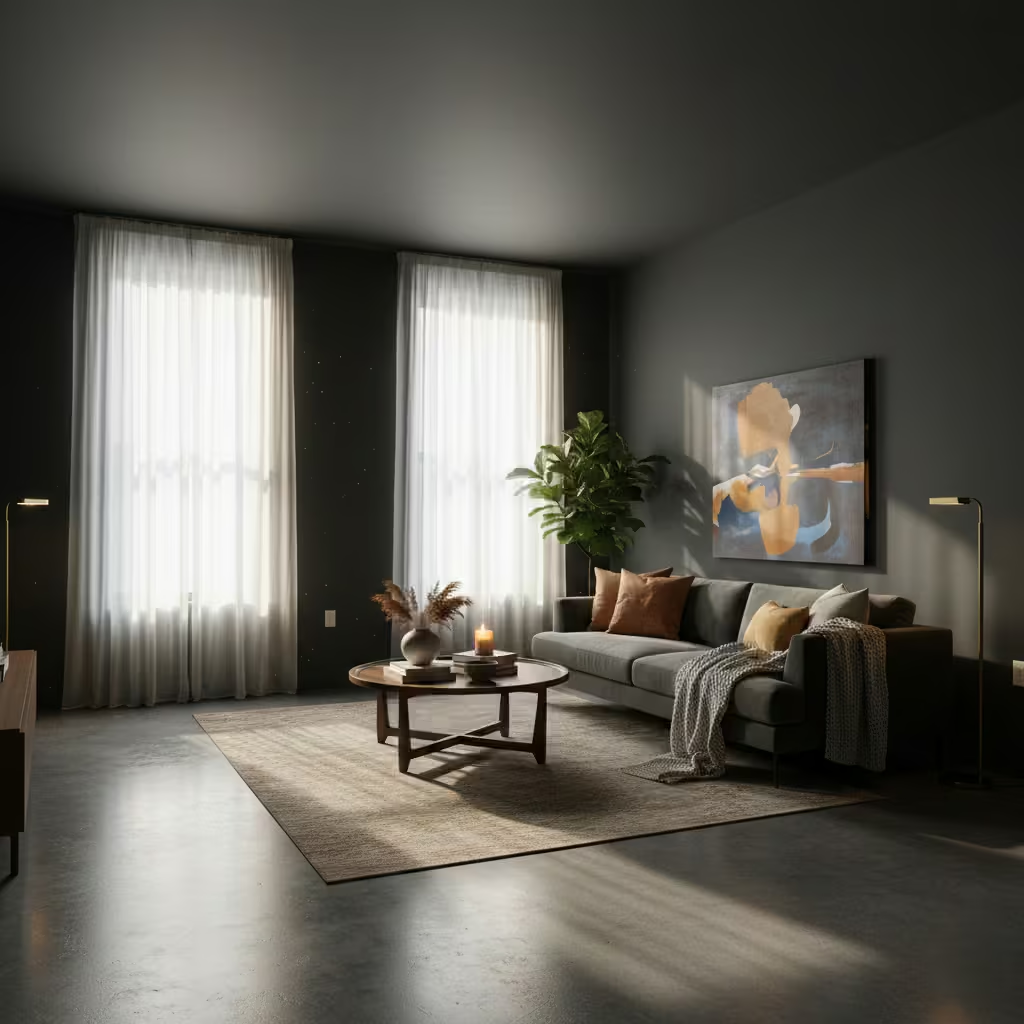
Heavy or layered window coverings can significantly reduce the amount of natural light entering a dark apartment. Choosing minimal window treatments allows daylight to flow freely into the space, instantly improving brightness and atmosphere. Roller blinds, sheer curtains, or simple Roman shades in light colours are excellent options for maintaining privacy without blocking light.
Mounting curtains higher and wider than the window frame can also create the illusion of larger windows and higher ceilings. Avoid dark fabrics or heavy textures that absorb light and weigh down the room. By simplifying window coverings, you maximise one of the most valuable light sources in your apartment. This small change can make a noticeable difference, helping dark spaces feel more open, fresh, and visually balanced.
Use Wall-Mounted Lighting to Free Up Floor Space
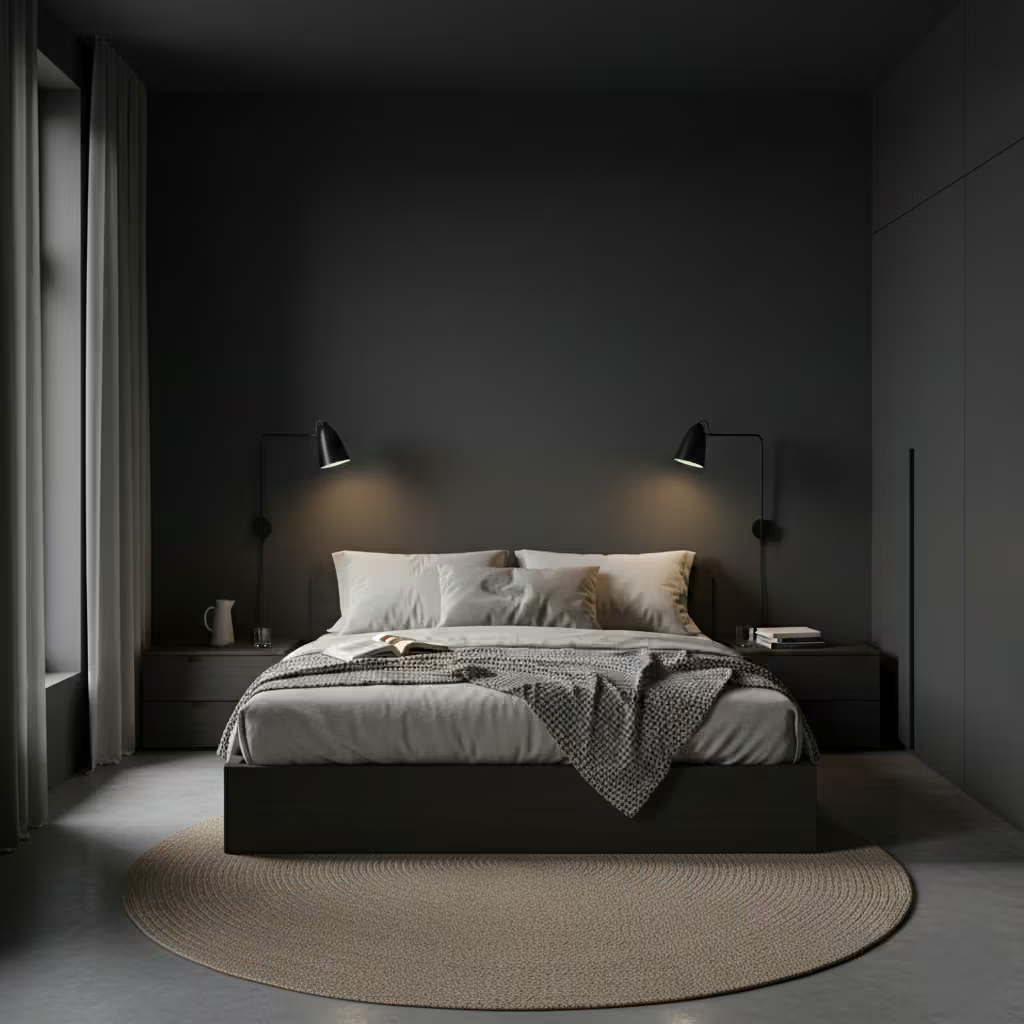
Wall-mounted lighting is a practical and stylish solution for dark apartments where floor space is limited. Sconces, swing-arm lamps, and wall-mounted reading lights provide targeted illumination without the need for floor or table lamps. This approach reduces clutter and keeps surfaces clear, allowing the apartment to feel more open and organised.
Wall-mounted fixtures are particularly effective in bedrooms, hallways, and living rooms, where they can highlight specific areas or features. Adjustable designs offer flexibility, ensuring light is directed exactly where needed. Choosing warm-toned bulbs enhances comfort while preventing harsh shadows. By freeing up floor space and improving light distribution, wall-mounted lighting contributes to a cleaner, brighter, and more functional apartment layout.
You May also Like: Master Bedroom Design: A Complete Guide to Creating a Space That Restores, Supports, and Endures
Use Hidden or Under-Cabinet Lighting
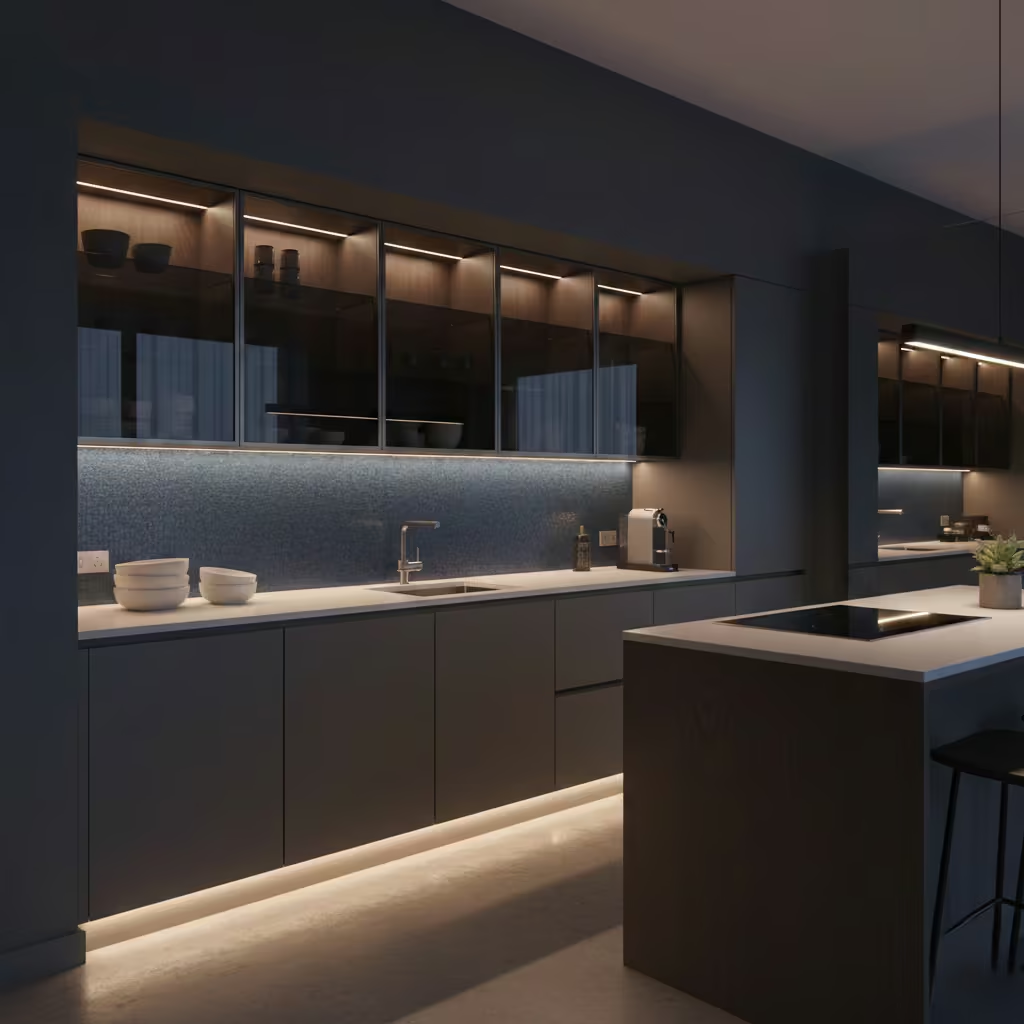
Hidden lighting solutions, such as under-cabinet or recessed lighting, add brightness without visual clutter. These discreet fixtures illuminate work surfaces and walkways while creating a soft, ambient glow. In kitchens, under-cabinet lighting improves visibility and enhances the appearance of countertops and backsplashes. In living areas and bedrooms, concealed LED strips can highlight shelving, headboards, or architectural details.
Hidden lighting also adds depth, preventing dark corners and creating layers of light throughout the apartment. Warm or neutral tones work best to maintain a cozy atmosphere. Because these lights remain mostly out of sight, they preserve a clean, minimalist look while significantly improving illumination. When thoughtfully installed, hidden lighting transforms dark apartments into spaces that feel modern, welcoming, and well-designed.
You May also Like: 15 Beautiful Ways to Create a Mexican-Inspired Bedroom You’ll Never Want to Leave
Declutter to Improve Flow and Light Distribution
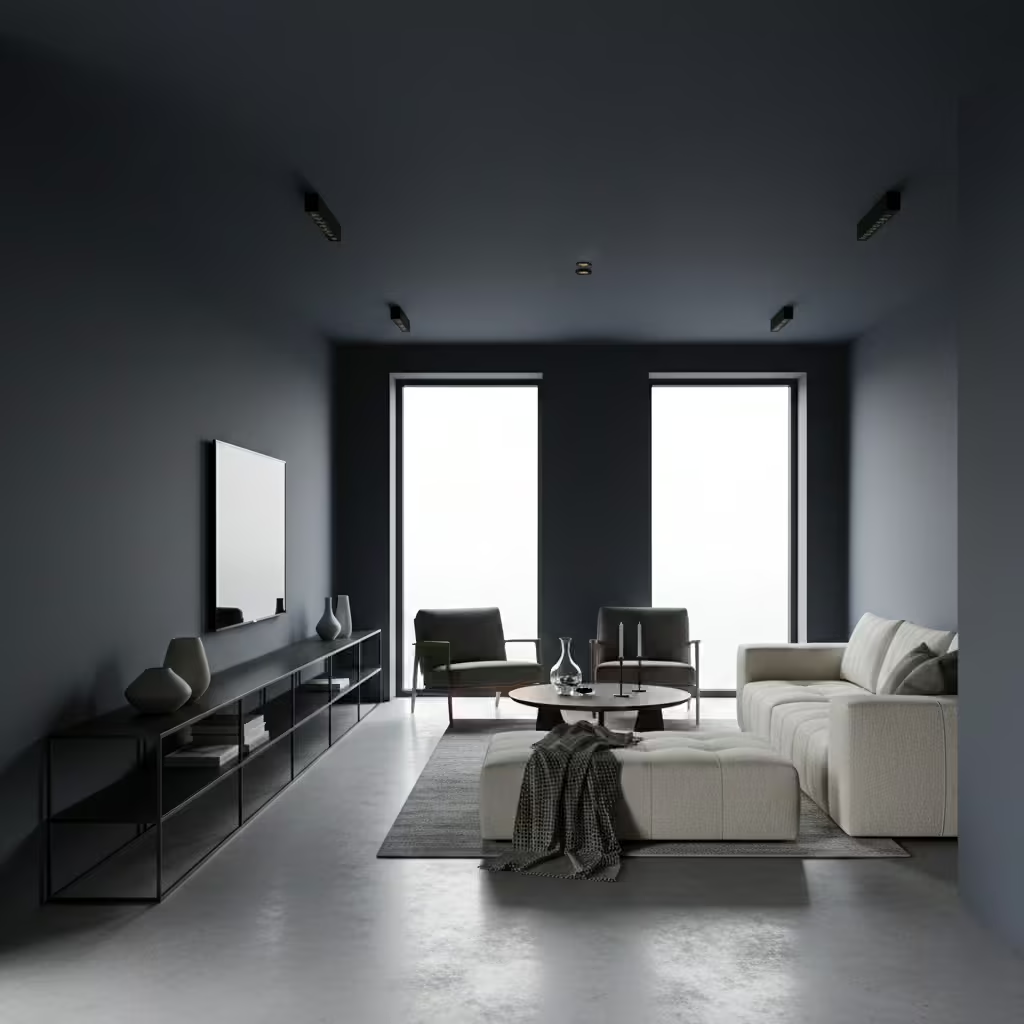
Clutter is one of the biggest obstacles to improving light in a dark apartment. Excess furniture, overcrowded surfaces, and unnecessary décor block light pathways and make spaces feel cramped and heavy. Decluttering helps restore visual flow, allowing both natural and artificial light to move freely throughout the apartment.
Start by removing items that no longer serve a functional or aesthetic purpose. Use smart storage solutions to keep essentials organised and out of sight. Clear floors, streamlined shelves, and tidy surfaces instantly create a calmer, more open environment. Decluttering also improves circulation, making rooms feel larger and easier to navigate. In dark apartments, less truly is more. By simplifying your space, you create an immediate sense of brightness, balance, and intentional design without any major investment.
Use Smart Lighting Systems for Day-Night Adjustments
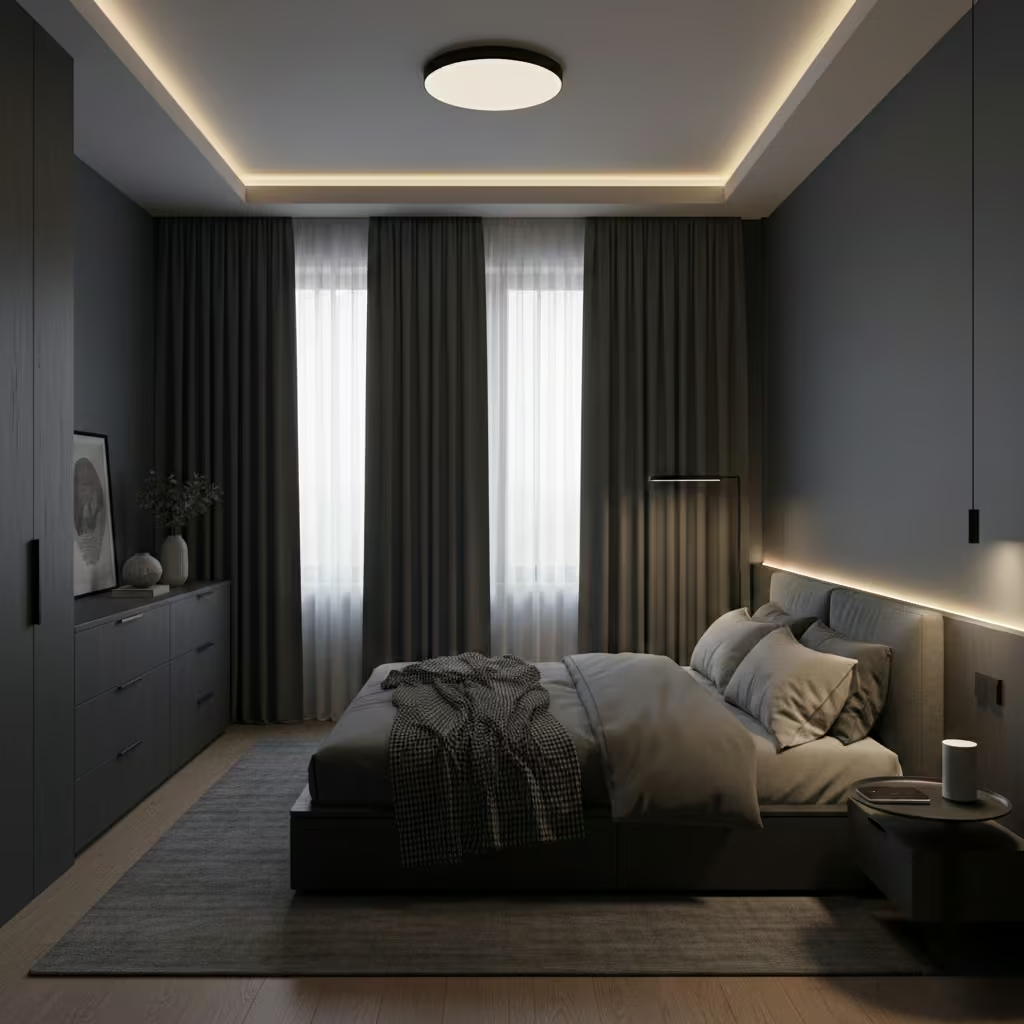
Smart lighting systems offer flexibility and control that traditional lighting cannot match, making them ideal for dark apartments. These systems allow you to adjust brightness, warmth, and intensity throughout the day, helping mimic natural light patterns. Brighter, cooler tones during the day can improve focus and energy, while warmer, softer lighting in the evening creates a relaxing atmosphere.
Smart lighting can be programmed to turn on gradually, reduce harsh shadows, or highlight specific areas when needed. App-controlled or voice-activated systems also improve convenience and energy efficiency. By tailoring lighting to your daily routine, smart systems enhance comfort and prevent spaces from feeling flat or dim. This adaptability makes dark apartments feel more dynamic, responsive, and pleasant to live in at any time of day.
Use Mirrors and Reflective Décor for a Sense of Depth
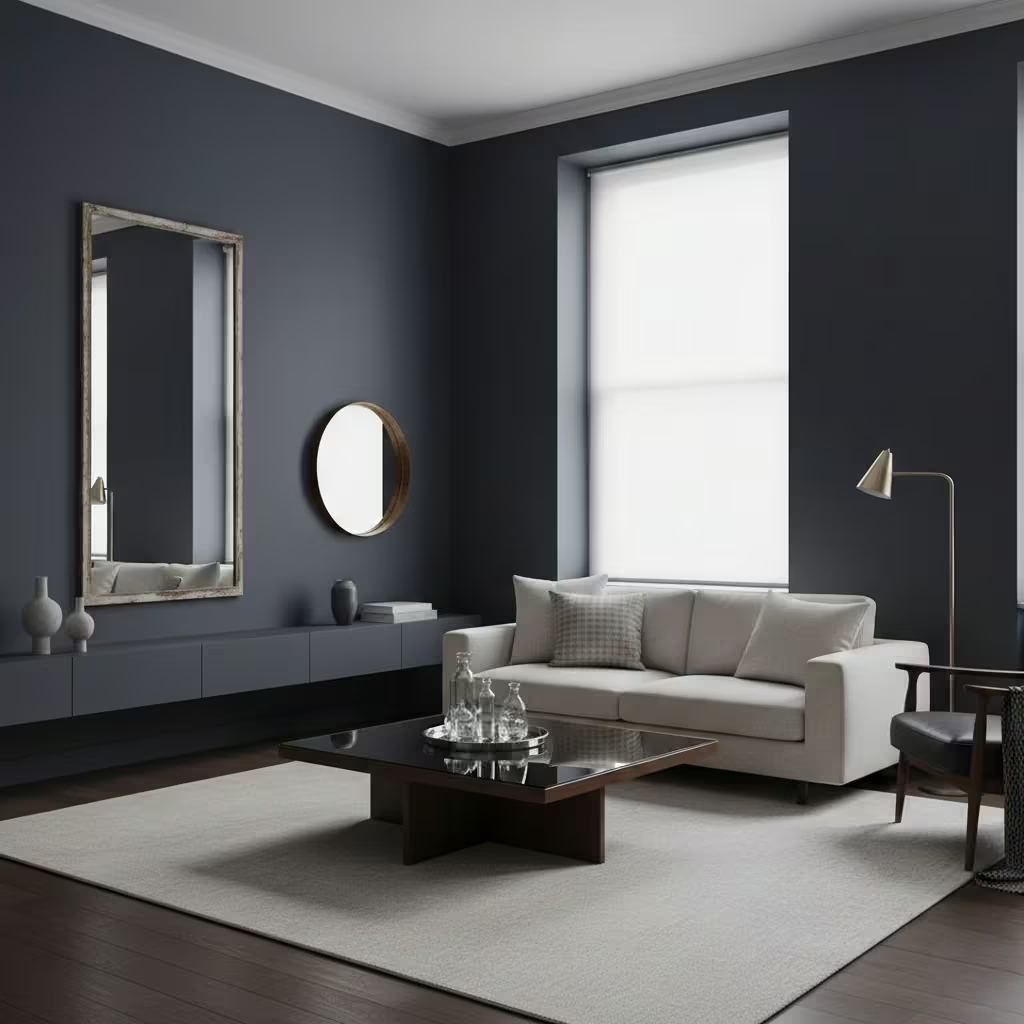
Mirrors and reflective décor are powerful tools for creating depth in dark apartments. By reflecting light and surrounding elements, these pieces visually expand the space and reduce the feeling of confinement. Large mirrors placed on walls or leaning against them can make rooms appear wider and brighter, especially when positioned near windows or light sources.
Reflective décor, such as glass accessories, metallic finishes, or glossy surfaces, adds subtle shine without overwhelming the room. The key is thoughtful placement and restraint. Too many reflective elements can feel busy, while carefully chosen pieces enhance openness and flow. When used strategically, mirrors and reflective décor create the illusion of depth, making dark apartments feel more spacious, balanced, and visually engaging.
Before-and-After Inspiration: A Dark Apartment Transformation
Before the renovation, this one-bedroom apartment felt dim and confined despite having decent square footage. North-facing windows provided minimal daylight, bulky furniture blocked the limited light, and dark wall colours absorbed what little brightness entered the space. Heavy curtains and cluttered surfaces further reduced flow, making the apartment feel smaller and less inviting.
The transformation focused on simple yet strategic changes. Walls were repainted in a light, warm neutral to reflect natural light, while sheer window treatments replaced heavy drapes. Mirrors were positioned opposite the windows to bounce daylight deeper into the living area. Low-profile, multi-functional furniture reduced visual bulk, and open shelving replaced closed cabinets to improve airiness. Layered lighting, including wall-mounted and under-cabinet fixtures, eliminated dark corners and added warmth throughout the day.
The result was a noticeably brighter, more spacious apartment that felt calm, functional, and welcoming. This case study proves that with thoughtful design choices and smart lighting strategies, even the darkest apartments can be completely reimagined without major structural changes.
Final Thoughts
Designing a dark apartment that feels bright and welcoming is entirely achievable with the right approach. From choosing light-coloured walls and reflective finishes to improving furniture layout, layered lighting, and thoughtful décor, each strategy works together to enhance light, flow, and comfort.
Practical solutions like mirrors, open shelving, smart lighting systems, and decluttering can dramatically change how a space looks and feels without requiring major renovations.
The key is to view light as a design element and use it intentionally throughout your apartment. Experiment with placement, textures, and finishes to find what works best for your layout and lifestyle. Even small changes can make a huge difference, turning dark, overlooked spaces into stylish, functional homes that feel brighter, calmer, and more enjoyable to live in.
Frequently Asked Questions
How can I make a dark apartment feel brighter without renovation?
You can brighten a dark apartment by using light-coloured walls, mirrors, layered lighting, and reflective surfaces. Simple changes like decluttering, adding light textiles, and repositioning furniture can significantly improve light flow without structural work.
What colours work best for dark apartments?
Warm light neutrals such as soft beige, cream, warm white, and muted pastels work best. These colours reflect available light and create a softer, more inviting atmosphere compared to stark white or dark tones.
Are mirrors effective in dark apartments?
Yes, mirrors are highly effective. When placed opposite or near windows, they reflect natural and artificial light, making spaces feel brighter and more spacious while adding visual depth.
What type of lighting is best for a dark apartment?
Layered lighting works best. Combine ambient lighting for overall brightness, task lighting for functionality, and accent lighting for depth. Warm-toned bulbs create a cozy and balanced atmosphere.
Can dark walls still work in a dark apartment?
Yes, dark walls can work if balanced correctly. Pair them with light flooring, reflective surfaces, and good lighting to maintain contrast and prevent the space from feeling too enclosed.
How do I maximise natural light in a small apartment?
Keep windows unobstructed, use sheer or minimal window coverings, and avoid placing large furniture near windows. Adding mirrors and light-reflective materials can also help distribute natural light more effectively.
What furniture is best for dark apartments?
Low-profile, multi-functional, and light-toned furniture works best. Pieces with raised legs and minimal bulk allow light to flow more freely and help the space feel open and less crowded.
Do plants help improve dark apartment interiors?
Yes, plants add vibrancy and life. Choose low-light plants like snake plants, pothos, or ZZ plants, and place them near windows or light sources without blocking light.
How can I make a dark apartment look bigger?
Use mirrors, keep layouts uncluttered, choose low-profile furniture, and maintain a cohesive light colour palette. Light flooring and open shelving also help create a sense of space.
Is smart lighting worth it for dark apartments?
Yes, smart lighting allows you to adjust brightness and colour temperature throughout the day, improving comfort and mimicking natural light patterns, which is especially beneficial in darker spaces.