25 Boho Office Ideas to Inspire a Creative Workspace
Boho style has a unique charm that makes it perfect for creating a creative and comfortable office space. Its appeal lies in the effortless mix of textures, vibrant colors, lush greenery, and eclectic décor that feels both personal and inspiring. Unlike rigid, overly structured office designs, a boho office is relaxed, inviting, and full of character, making it ideal for those who want their workspace to reflect their personality.
A boho office embraces natural materials like rattan, wood, and linen, combined with patterned rugs, cushions, and wall art that showcase individuality. Plants are a key feature, bringing life, freshness, and a touch of calm to the environment. The eclectic nature of boho design means no two spaces look alike your office can feature treasured finds alongside functional furniture, creating a space that is uniquely yours.
Beyond aesthetics, a boho office offers practical benefits. The cozy, visually stimulating environment encourages creativity and fresh ideas while reducing stress levels that often come with traditional office settings. By blending comfort, style, and personal expression, a boho-inspired workspace transforms everyday work into a more enjoyable, productive, and mindful experience.
Boho Colour Palettes and Walls
The foundation of any boho office lies in its colours and walls, which set the tone for the entire space. Boho design thrives on warm, earthy tones, jewel-inspired accents, and unexpected pops of colour that bring energy and personality.
Before selecting furniture or décor, establishing a harmonious palette ensures the room feels cohesive yet vibrant, creating a backdrop that inspires creativity and comfort.
Warm Earth Tones with Pops of Colour
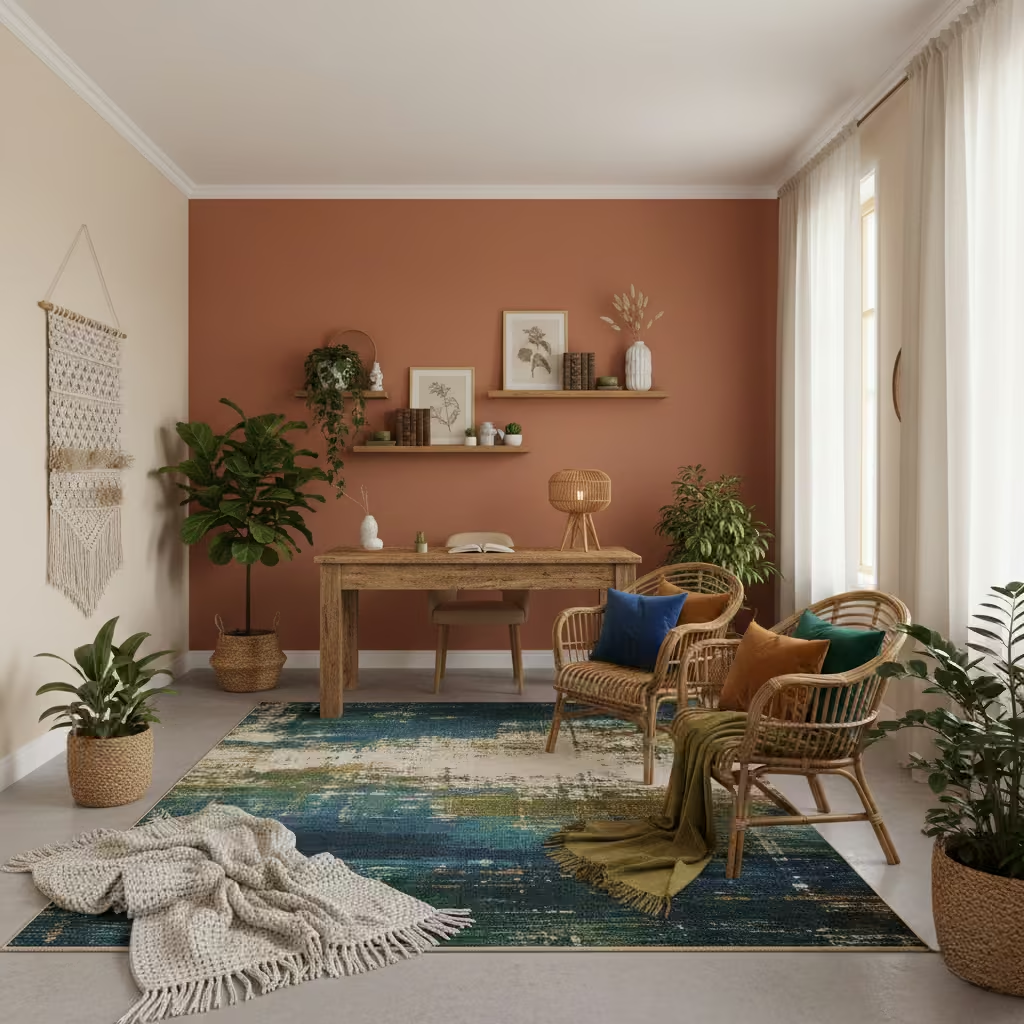
A classic approach to boho office design is building your base around warm earth tones—terracotta, mustard, and olive green then accenting with jewel tones like sapphire blue, emerald green, or deep burgundy. This combination creates a cozy, grounded atmosphere while still allowing areas of energy and visual interest.
How to Combine Colours:
- Walls: Choose a warm, muted earth tone as the primary wall colour. For example, a terracotta feature wall (approx. 2.5 m × 4 m / 8’2” × 13’1”) behind your desk creates a strong focal point without overwhelming the space. Remaining walls can be a softer beige, cream, or olive tone.
- Furniture: Neutral wood desks or rattan chairs pair well with the warm backdrop.
- Accents: Add jewel-toned cushions, rugs, or wall art. For example, a 1.5 m × 2 m (5’ × 6’7”) patterned rug with deep blues or greens anchors the seating area and adds visual depth.
- Layering: Introduce textures like linen curtains, wool throws, or macramé wall hangings in complementary tones to unify the palette.
Pros
- Creates a cozy, inviting environment
- Encourages creativity and energy without being overstimulating
- Easy to update with small accent pieces over time
Cons
- Bold jewel tones can dominate the room if overused; they may distract during work
- Muted earthy tones can feel too subdued if there aren’t enough contrasting textures or accent colours
- Requires careful balancing to prevent the space from feeling cluttered or chaotic
By layering warm bases with selective pops of colour, you achieve a balanced, dynamic boho office that feels personal and energising while remaining practical for daily work.
Textured Feature Walls (e.g., Woven Panels, Wallpaper)
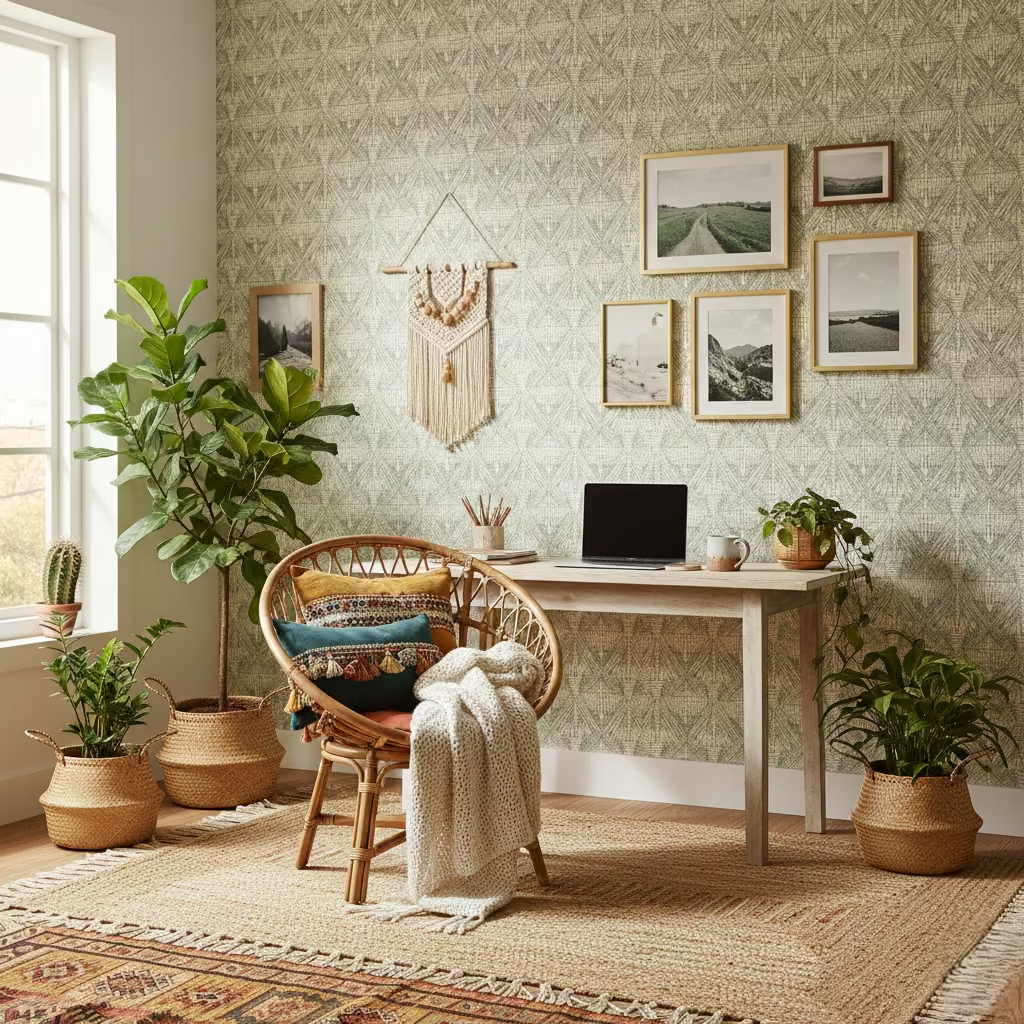
Adding a textured feature wall instantly elevates a boho office, creating visual interest while reinforcing the room’s cozy, eclectic vibe. Popular options include woven wall panels, grasscloth or patterned wallpaper, and textured plaster finishes. These surfaces not only add depth but also provide a tactile quality that makes the space feel inviting and thoughtfully designed.
How to Implement:
- Woven Panels: Ideal for a feature wall behind a desk or reading nook. Recommended dimensions: 2.4 m × 3.6 m (8’ × 12’). Materials like rattan or jute panels are cost-effective, easy to install, and lightweight. Installation typically involves adhesive strips or small nails. Panels can be arranged in grids or staggered for visual rhythm.
- Wallpaper: Grass cloth or patterned wallpaper adds warmth and texture. For a medium-sized office wall (~3 m × 2.5 m / 9’10” × 8’2”), expect costs around $35–$60 per roll, with installation requiring paste and careful alignment. For budget savings, you can wallpaper just the feature section instead of the full wall.
- Textured Plaster or Paint: Venetian plaster or stucco paint creates a subtle, earthy texture. Coverage for a 10 m² (108 sq ft) wall can cost $200–$400, depending on the finish and labour.
Pros
- Adds character and depth to a small office without clutter
- Can serve as a focal point for furniture placement
- Works with both muted and bold colour palettes
Cons
- Woven panels can be dusty and require occasional cleaning
- Wallpaper requires careful preparation and alignment to avoid peeling
- Textured plaster can be costly and may require professional application
Textured feature walls are a practical way to make a boho office feel layered and curated while maintaining functionality.
You May also Like: 25 Barndominium Office Ideas That Blend Rustic Charm with Modern Productivity
Gallery Wall with Personal Artwork and Prints
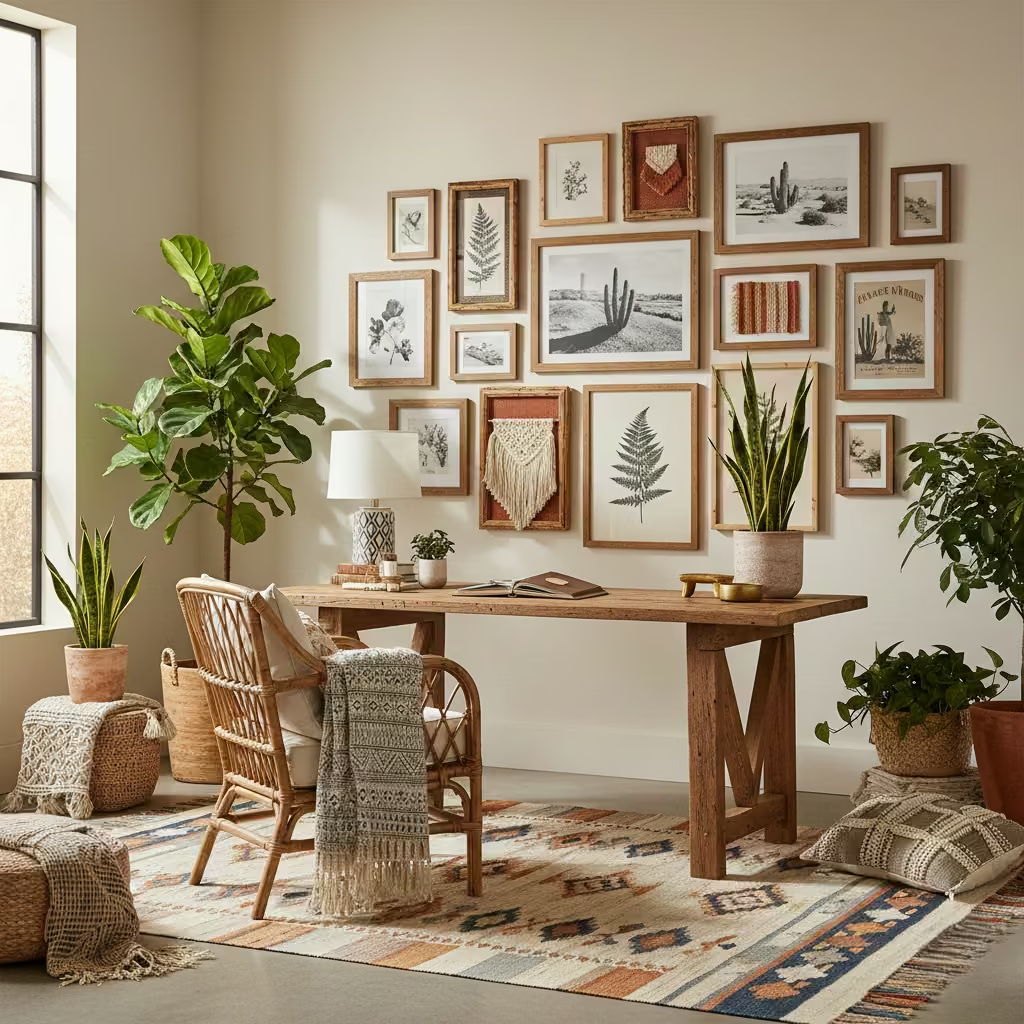
A gallery wall is a signature feature in a boho office, allowing you to showcase personality, creativity, and inspiration while complementing the room’s eclectic style. Mixing personal artwork, prints, photographs, and even small textiles adds depth and character without overwhelming the space.
Tips on Spacing and Sizing:
- Wall Area: Ideal gallery walls work well on walls 2–3 m wide (6’6”–10’) behind a desk or along a side wall.
- Frame Sizes: Mix frames of various sizes small (20 × 20 cm / 8” × 8”), medium (30 × 40 cm / 12” × 16”), and large (50 × 70 cm / 20” × 28”)—to create a dynamic, layered look.
- Spacing: Keep consistent spacing of 5–10 cm (2–4”) between frames. This ensures cohesion without feeling rigid.
- Layout Planning: Lay frames on the floor first or use paper templates on the wall to test arrangements. A common layout is a central large piece surrounded by smaller complementary pieces.
Frame Choices:
- Material: Natural wood, bamboo, or rattan frames fit boho aesthetics.
- Finish: Matte or distressed finishes blend well with textured walls and earthy tones.
- Mixing Styles: Combining thin and chunky frames adds eclectic flair, but stick to 2–3 colours or materials to avoid visual chaos.
Pros
- Creates a highly personal and inspiring workspace
- Flexible and easy to update with new artwork or prints
- Adds visual interest without bulky furniture
Cons
- Requires careful planning for balance and symmetry
- Can feel cluttered if too many pieces are added
- Frequent rearrangement may be needed as your collection grows
A well-curated gallery wall turns a simple boho office into a vibrant, personal sanctuary that reflects your style and sparks creativity.
Furniture for a Boho Office
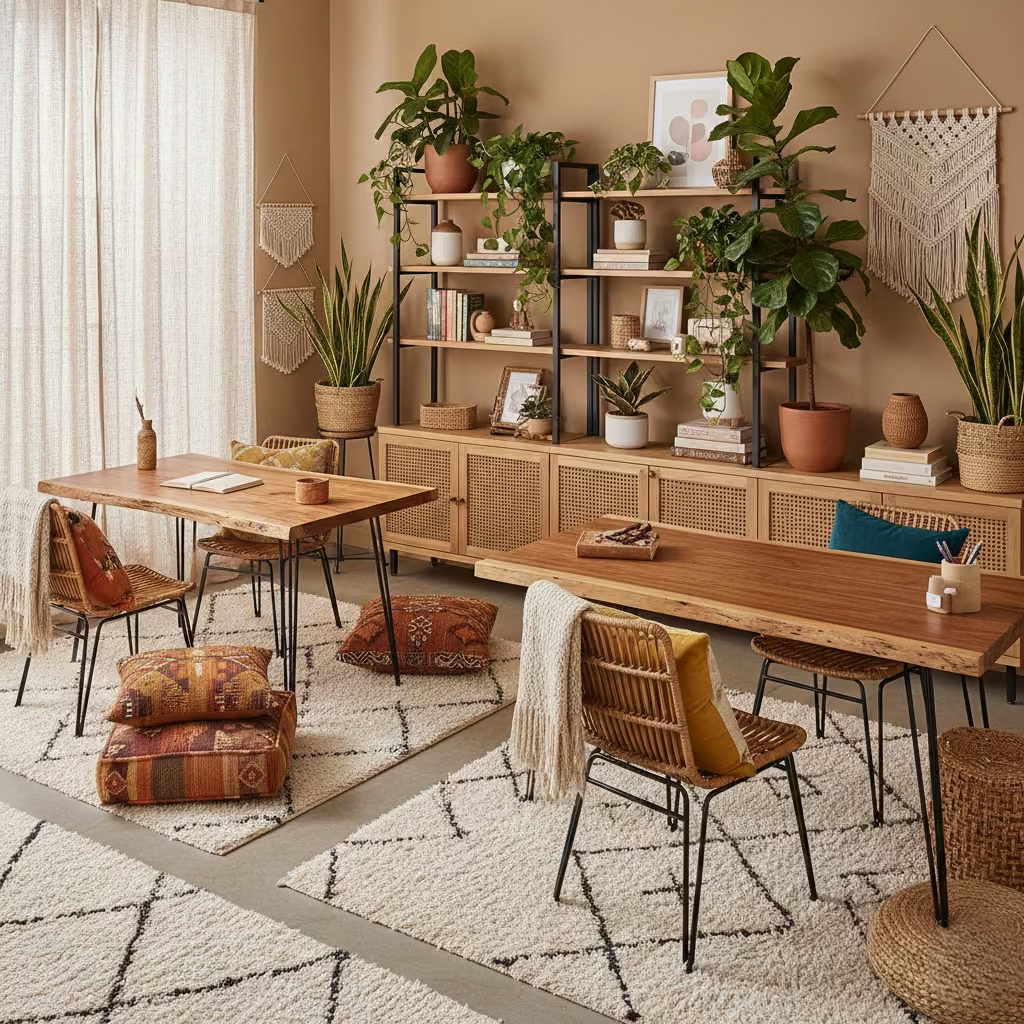
Choosing the right furniture is key to balancing style, comfort, and functionality in a boho office. Boho design thrives on a mix of natural materials, eclectic pieces, and practical layouts that support productivity while maintaining a relaxed, inviting atmosphere. Before selecting desks, chairs, and storage, it’s important to consider scale, material, and how each piece complements the room’s colour palette and textures.
Vintage Wooden Desk with Natural Grain
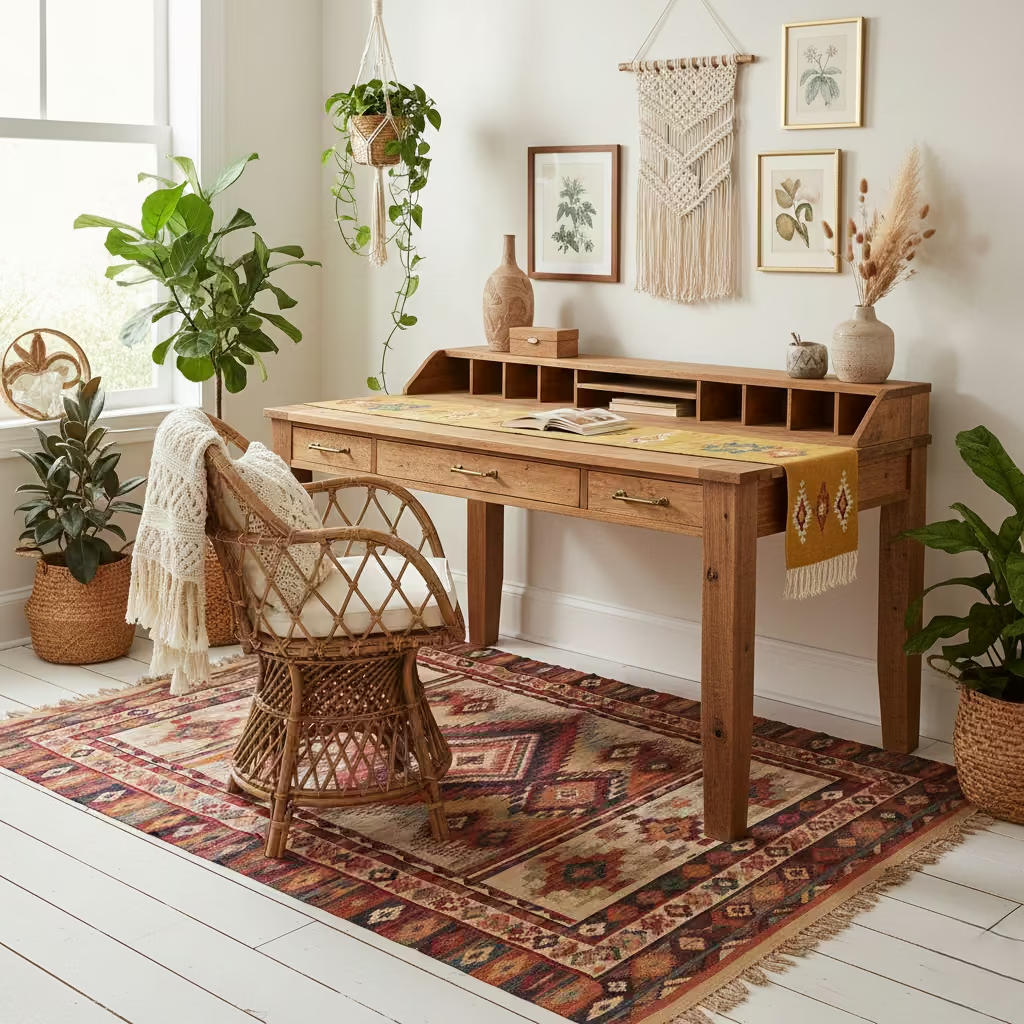
A vintage wooden desk is a staple for a boho office, combining functionality with timeless charm. The natural grain and warm tones of solid wood instantly add character and complement the earthy, eclectic palette typical of boho design. These desks often feature drawers or small compartments, providing practical storage while maintaining a visually lightweight appearance.
Typical Desk Sizes:
- Width: 1.2–1.5 m (4–5 ft)
- Depth: 0.6 m (2 ft)
- Height: Standard 0.75 m (30”)
Material and Finish:
- Solid wood options like oak, teak, or walnut are durable and age beautifully.
- Distressed or matte finishes enhance the boho aesthetic and mask everyday wear.
Placement Tips:
- Position near a window if possible to take advantage of natural light.
- Pair with a textured rug (1.5 m × 2 m / 5’ × 6’7”) underneath to anchor the workspace.
- Keep at least 90 cm (36”) clearance behind the chair for comfortable movement.
Pros
- Adds warmth and organic texture to the room
- Durable and long-lasting
- Works seamlessly with eclectic décor and layered textures
Cons
- Solid wood can be heavy and difficult to move
- Requires regular polishing or maintenance to prevent scratches
- Vintage pieces may have uneven surfaces or minor imperfections
A vintage wooden desk not only serves as a practical workspace but also reinforces the personal, cozy vibe that defines a boho office.
Ergonomic Chair with Woven or Leather Accents
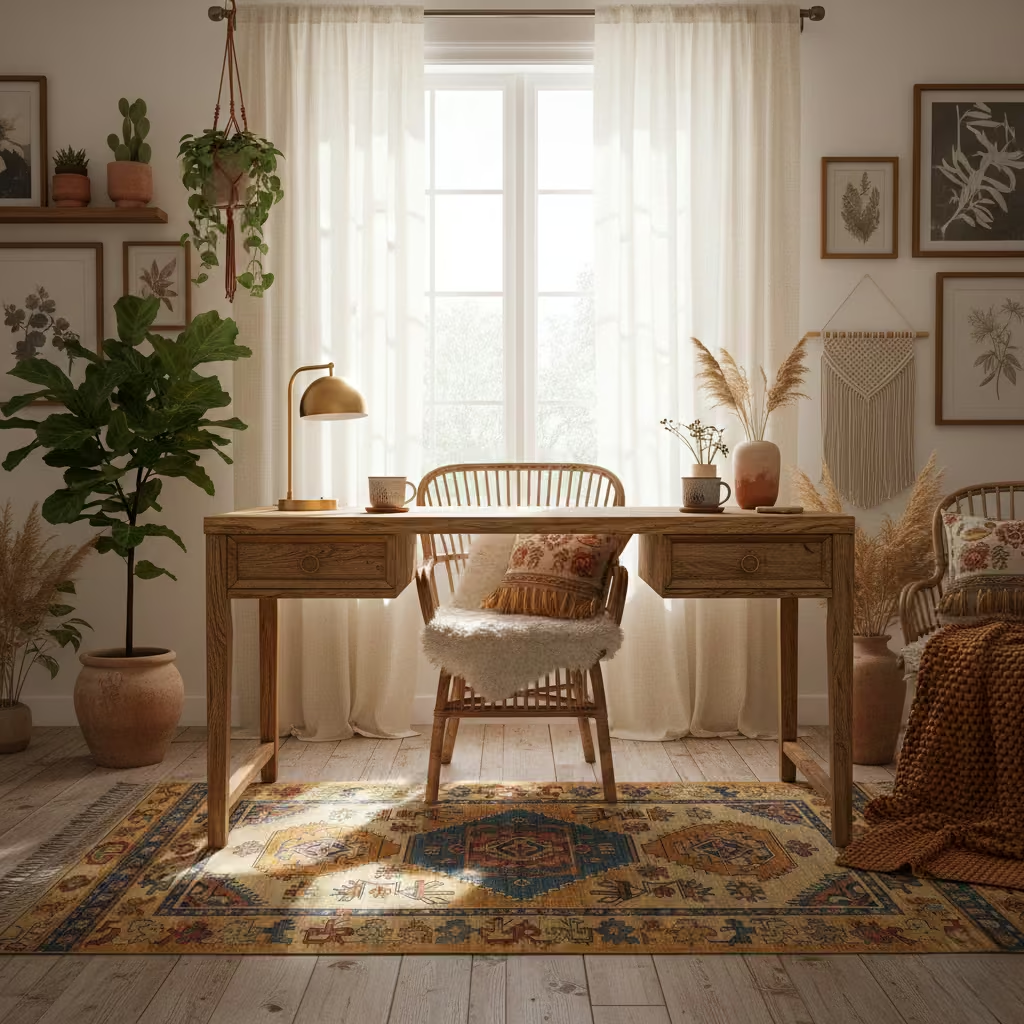
Comfort is essential in a productive boho office, and an ergonomic chair ensures you can work long hours without strain. Boho style allows you to combine function with aesthetics by choosing chairs that feature woven rattan backs, cane details, or leather upholstery. These materials add texture and warmth, aligning perfectly with the natural, layered feel of a boho space.
Typical Chair Dimensions:
- Seat height: 45–52 cm (18–20.5”) adjustable for desk compatibility
- Seat width: 45–50 cm (18–20”)
- Backrest height: 85–110 cm (33–43”) for full support
Material and Finish:
- Woven rattan or cane for breathable, lightweight design
- Leather (genuine or faux) for durability and a touch of sophistication
- Metal or wooden legs to match other furniture pieces
Placement Tips:
- Ensure 60–90 cm (24–36”) clearance behind the chair for smooth movement
- Combine with a small lumbar pillow or throw for added comfort and style
- Coordinate colour accents with cushions, rugs, or wall art to unify the boho theme
Pros
- Supports good posture and long working hours
- Adds texture and visual interest to the office
- Lightweight designs are easy to reposition
Cons
- Woven chairs may require occasional tightening or maintenance
- Leather options can feel warm in summer or cold in winter
- Ergonomic features sometimes compromise aesthetic flexibility
An ergonomic chair with woven or leather accents perfectly balances comfort and style, allowing you to create a workspace that is both healthy and visually appealing in a boho office.
You May also Like: 21 Cottage Office Design Ideas to Create a Cozy and Productive Workspace
Low Storage Cabinets with Rattan or Cane Panels
Low storage cabinets are a perfect fit for a boho office: they keep clutter hidden, add horizontal layering, and introduce natural texture through rattan or cane panels. I often specify a low credenza or cabinet that sits beneath artwork or a gallery wall, or alongside a desk as a landing surface for paperwork, plants, and decorative objects.
Typical dimensions (choose based on room scale):
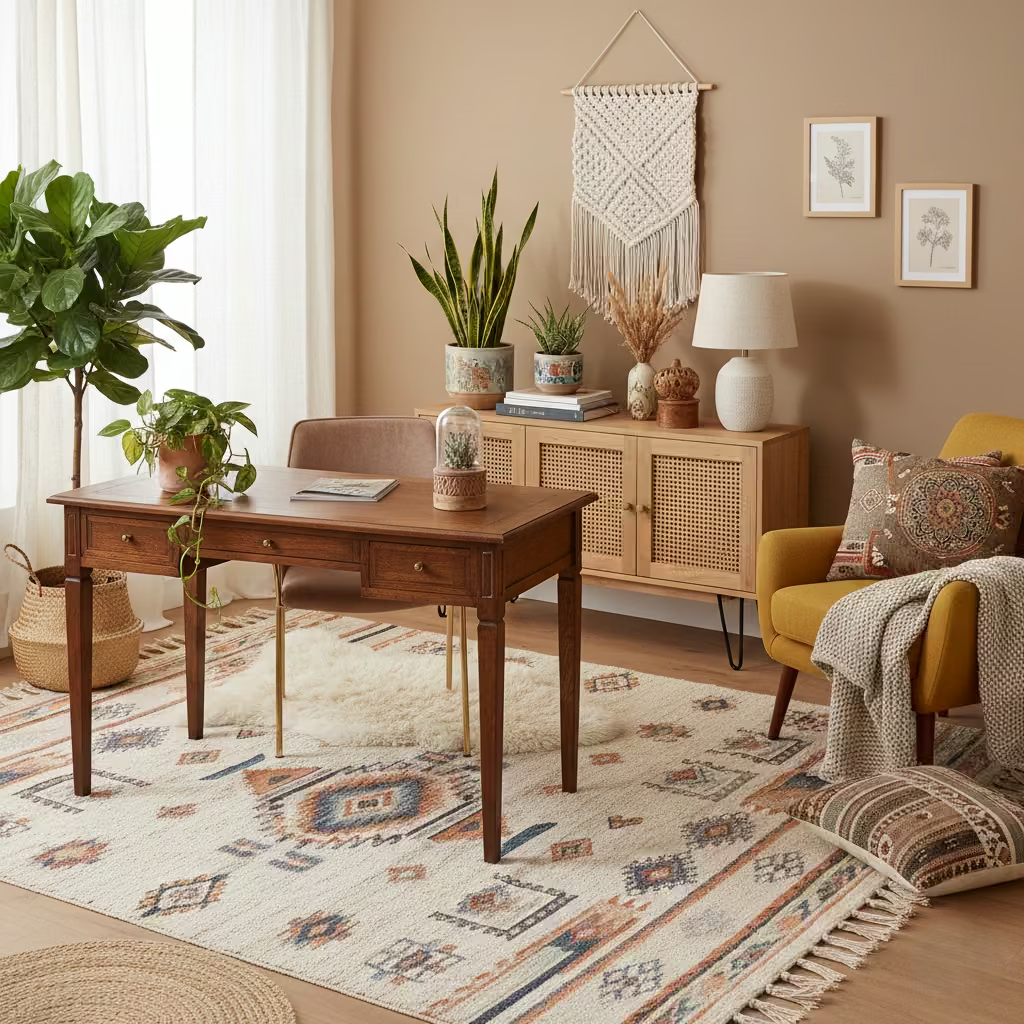
- Height: 45–60 cm (18–24 in). This keeps the cabinet low enough to sit under wall art and not block sightlines, and low enough to tuck under certain desk types.
- Depth: 35–45 cm (14–18 in). Shallow depth prevents the cabinet from encroaching on circulation while still storing files and office supplies.
- Length: 80–180 cm (2.6–6 ft). For a small office a 80–120 cm (32–48 in) unit is sufficient; for larger walls I use 150–180 cm (59–71 in) to create balance with seating or shelving.
Construction and materials:
- Frame: solid wood (oak, teak, walnut) or engineered plywood for stability.
- Panels: woven rattan or hand-woven cane veneer inset into doors/drawers. Cane webbing on a substrate is cost-effective and lighter than full rattan panels.
- Doors/hardware: soft-close hinges and recessed or leather-pull handles keep the look clean and tactile. Metal legs (black or brass finish) or tapered timber legs work well stylistically and lift the piece for visual airiness.
- Interior: adjustable shelves or 2–3 shallow drawers. Shelf spacing of 25–30 cm (10–12 in) accommodates boxes and binders.
Placement and function tips:
- Place parallel to the desk with at least 60–90 cm (24–36 in) clearance for movement.
- Use as a printer/media station: add a ventilated back panel or cable grommet if housing electronics.
- Anchor with a 1.2–1.5 m (4–5 ft) rug runner that sits slightly under the front legs to tie the piece into the seating zone.
- For a cohesive boho look, layer a table lamp, a stack of books, a low planter, and one sculptural object on top.
Cost-effective options and DIY refinishing:
- Reface an existing cabinet by replacing flat door panels with cane webbing (glue and staple onto thin plywood) for a budget upgrade.
- Pre-made cane-front cabinets are widely available; choose units with solid internal construction even if the exterior is decorative.
- If buying new, prioritize solid frames and replaceable panels rather than cheap particleboard that peels.
Maintenance:
- Dust rattan/cane gently with a soft brush or vacuum with a brush attachment.
- Avoid prolonged direct sunlight and high humidity to prevent fading or loosening of weave.
- Rehydrate natural cane occasionally with a light mist if it becomes brittle, but avoid soaking.
Practical capacity guidance:
- Plan for a top-surface live load of 20–30 kg (44–66 lb) for monitors, plants, and décor.
- Each shelf should safely hold 10–20 kg (22–44 lb) depending on material and shelf supports.
Pros
- Introduces warm, tactile texture that reinforces boho style.
- Low profile preserves sightlines and keeps walls open for gallery displays.
- Dual function as storage and display surface keeps the office tidy and stylish.
Cons
- Rattan and cane weave can attract dust and need gentle cleaning.
- Natural panels are sensitive to humidity and sunlight; they may warp or fade if not properly sited.
- Some cane-front pieces are decorative only and may lack the internal sturdiness required for heavy loads.
If you want, I can draft three specific product or build options at different budgets (DIY, mid-range, premium) with exact cut lists and material lists so you or a carpenter can build or source the perfect low storage cabinet for your boho office. Would you like that?
Multi-Level Shelving for Books, Plants, and Décor
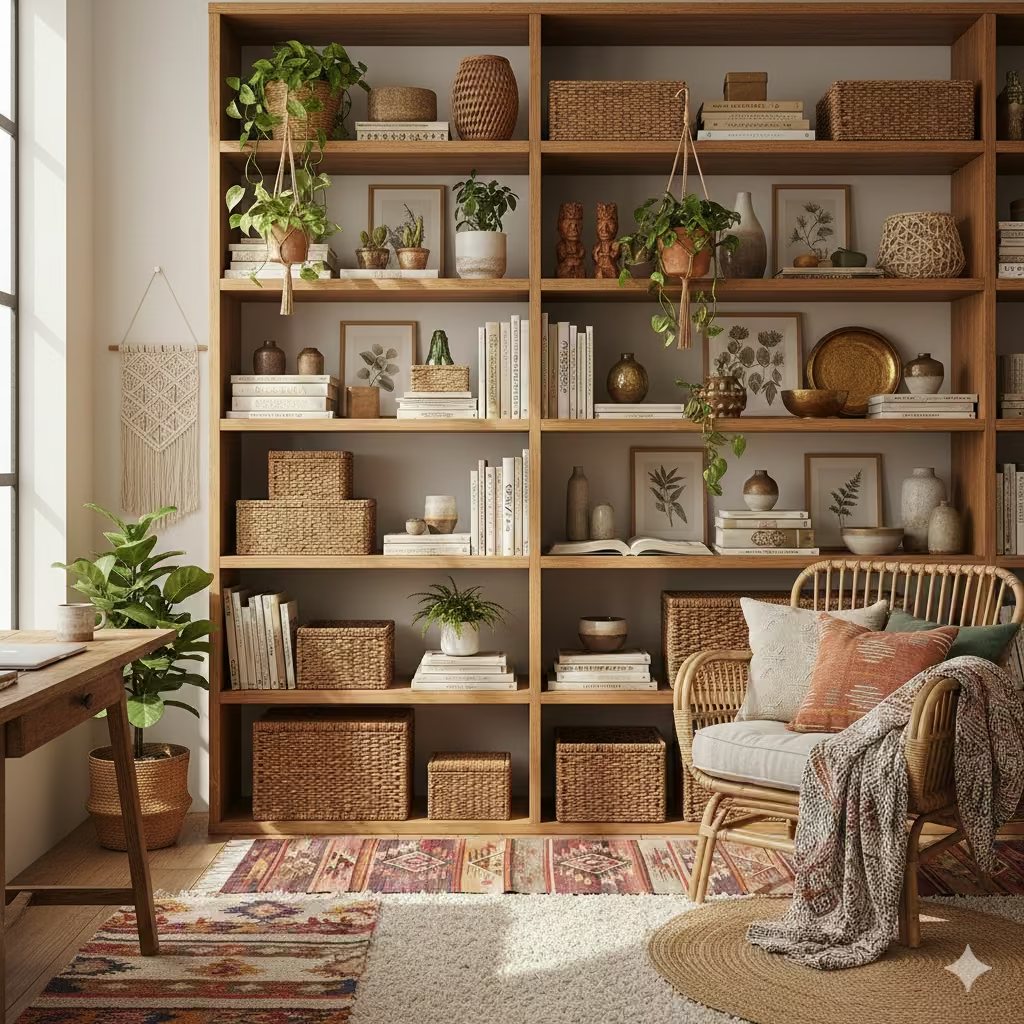
Multi-level shelving is essential in a boho office to combine functionality and visual layering. Open shelving allows you to display books, plants, and decorative objects, creating a dynamic, curated look.
Typical Dimensions:
- Height: 180–210 cm (6–7 ft) for a floor-to-ceiling unit, or 120–150 cm (4–5 ft) for a lower sideboard-style shelf.
- Shelf depth: 25–35 cm (10–14 in) for books and décor items.
- Spacing: 25–35 cm (10–14 in) between shelves; adjustable shelving is ideal for accommodating tall items or plants.
Material and Style:
- Natural wood or bamboo frames with rattan baskets or woven boxes for storage.
- Metal-framed shelves with timber or cane panels for a lightweight, airy feel.
- Mix open and closed shelving to reduce clutter while showcasing key pieces.
Placement Tips:
- Place near windows for plants to thrive.
- Use lower shelves for frequently used items and higher shelves for décor and display.
- Layer objects by height and texture: stack books horizontally, add small plants, and finish with decorative objects.
Pros
- Maximizes vertical storage without taking floor space
- Creates a curated, layered aesthetic
- Flexible arrangement for seasonal or changing décor
Cons
- Can look cluttered if overfilled
- Taller units may require wall anchoring for safety
- Dust accumulation on open shelves requires regular cleaning
Bean Bag or Floor Seating for Relaxed Areas
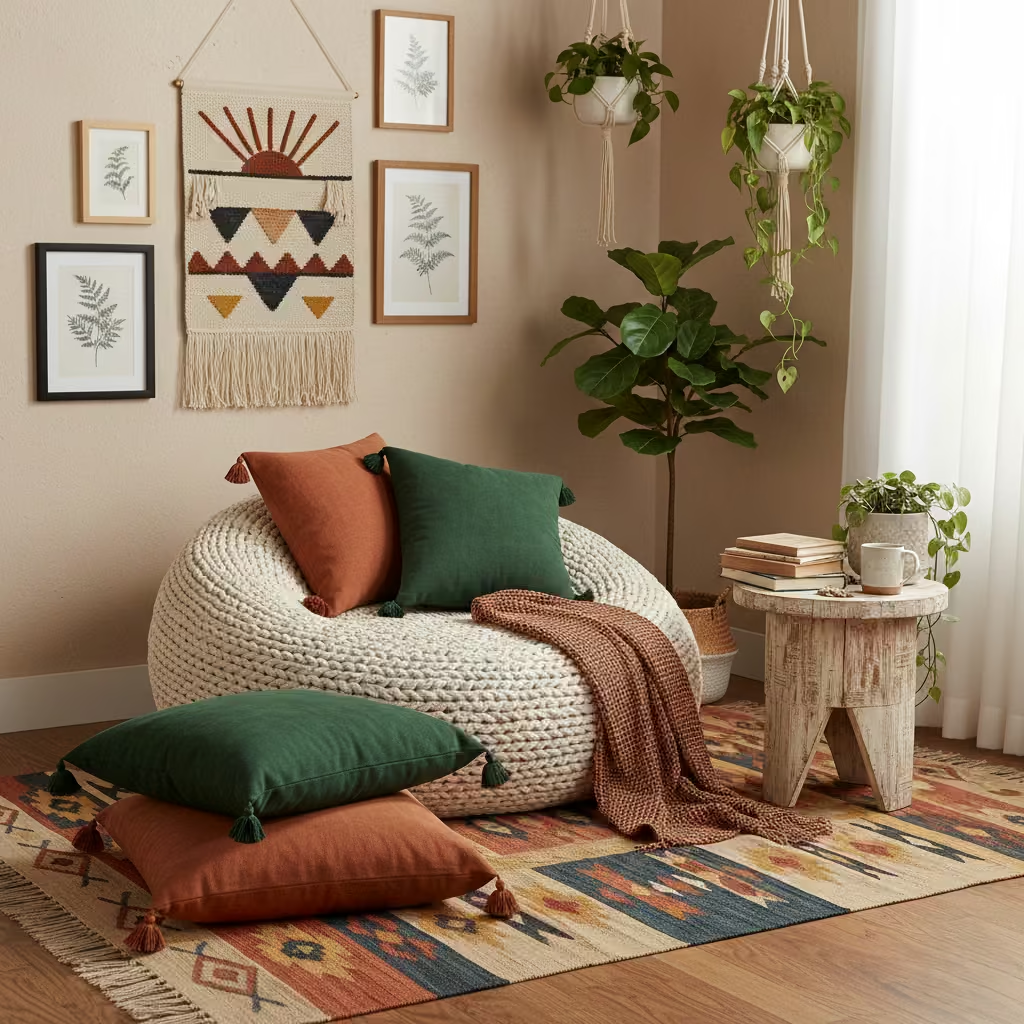
A boho office isn’t just about desks and chairs floor seating like bean bags or floor cushions introduces casual, relaxed zones perfect for reading, brainstorming, or short breaks.
Typical Sizes:
- Bean bag: 90–120 cm (35–47 in) diameter for one person
- Floor cushions: 60–80 cm (24–31 in) square or round
- Stackable or layered cushions can create a flexible lounge area
Material and Style:
- Natural fabrics: cotton, linen, or woven textiles with earthy or jewel-tone covers
- Durable, easy-to-clean covers with removable liners
- Mix patterns and textures to maintain boho eclecticism
Placement Tips:
- Create a corner nook with 1–2 bean bags and a small side table (~40 cm / 16 in high) for books or drinks
- Anchor the area with a textured rug (1.5 m × 2 m / 5’ × 6’7”) for warmth and defined space
- Add floor cushions near shelves or low tables for extra casual seating
Pros
- Encourages relaxation and informal collaboration
- Lightweight and easy to move
- Adds playful texture and colour to the space
Cons
- Not suitable for long working hours
- Floor cushions may require frequent fluffing or repositioning
- Bean bags can sag over time and need replacement
You May also Like: 25 Mountain Home Office Designs to Inspire Your Cozy Workspace
Textiles and Soft Furnishings
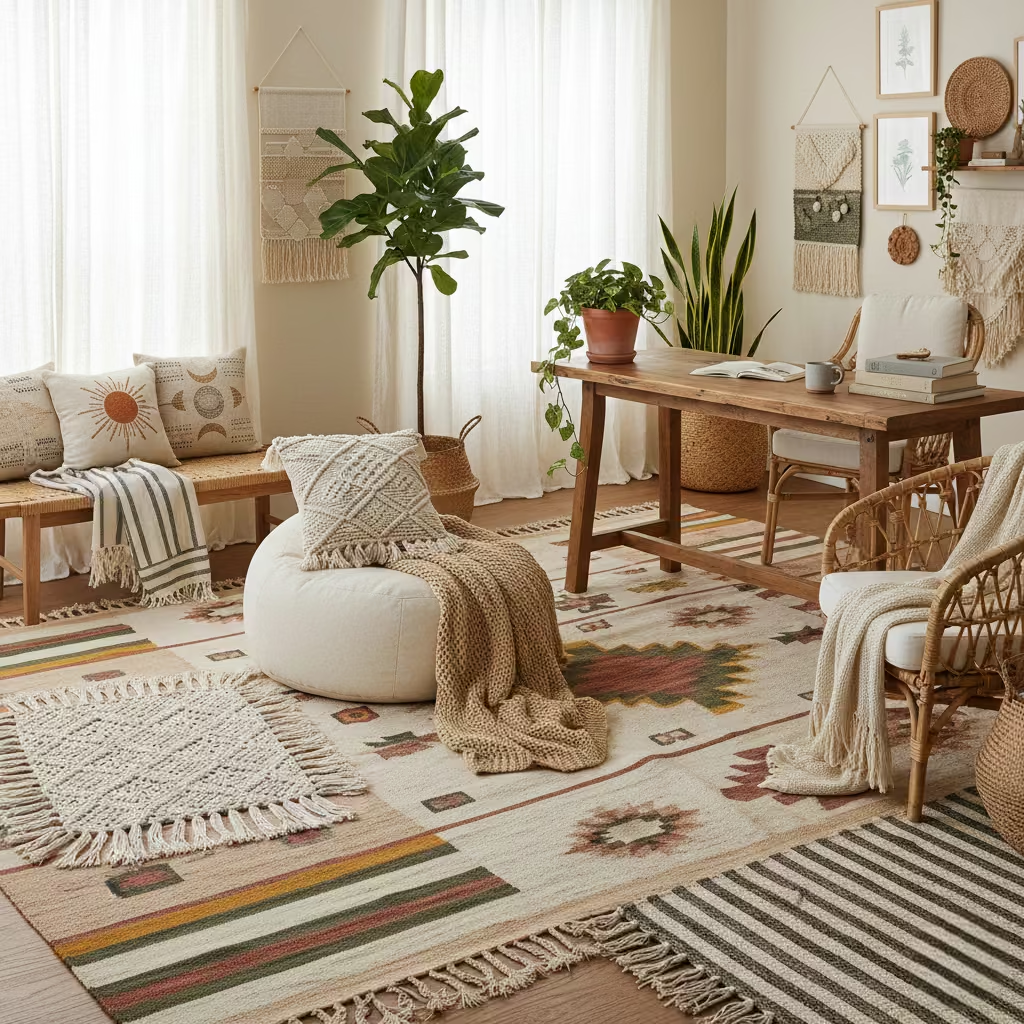
Textiles are a cornerstone of boho office design, bringing warmth, texture, and visual layering that make the space feel inviting and personal. Mixing patterns, fibres, and decorative elements adds depth without cluttering the room.
Layered Rugs with Mixed Patterns
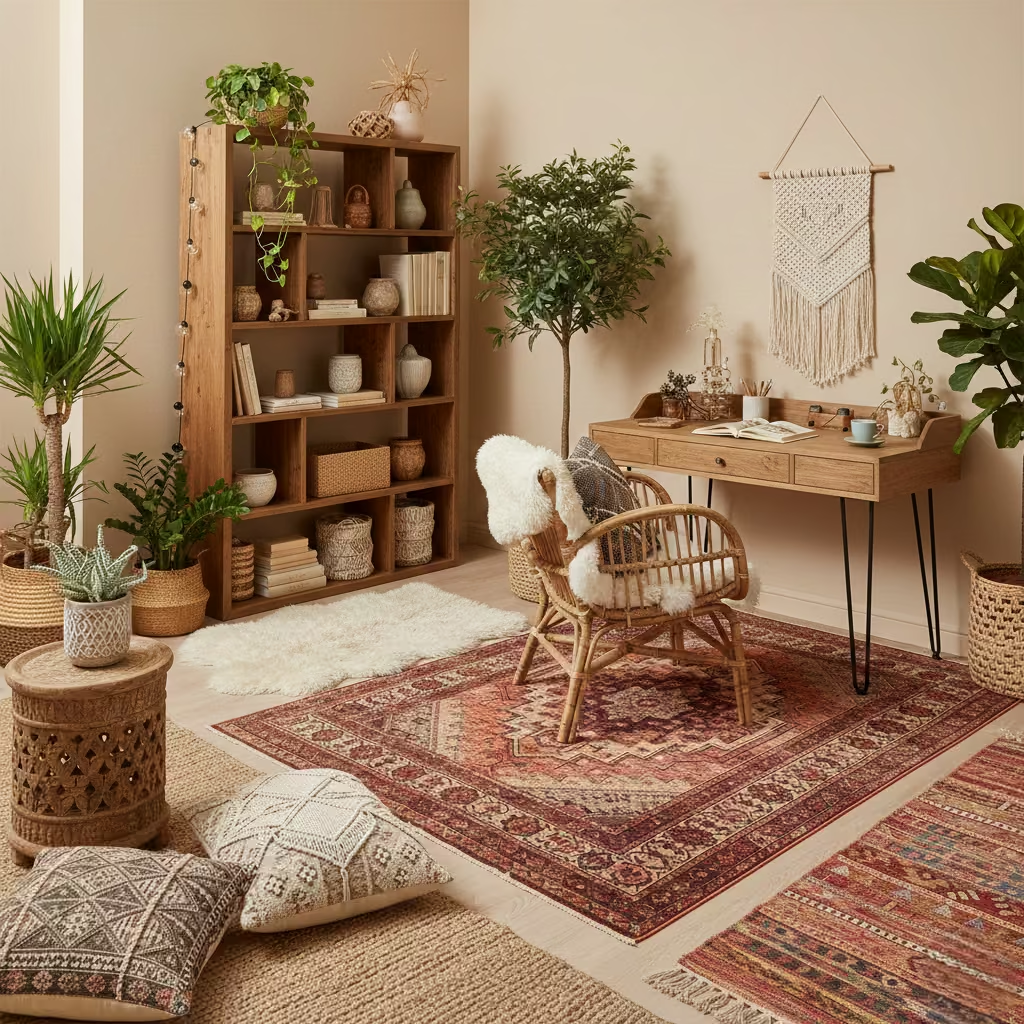
- Example setup: Main rug 2 × 3 m (6.5 × 10 ft) for the seating or desk area, complemented by smaller accent rugs 1 × 1.5 m (3 × 5 ft) near entryways or under side tables.
- Layering different textures and patterns (geometric, tribal, or abstract) creates a curated, collected-over-time feel.
- Rugs anchor furniture and define separate zones in open-plan spaces.
Cushions with Macramé, Tassels, or Embroidery
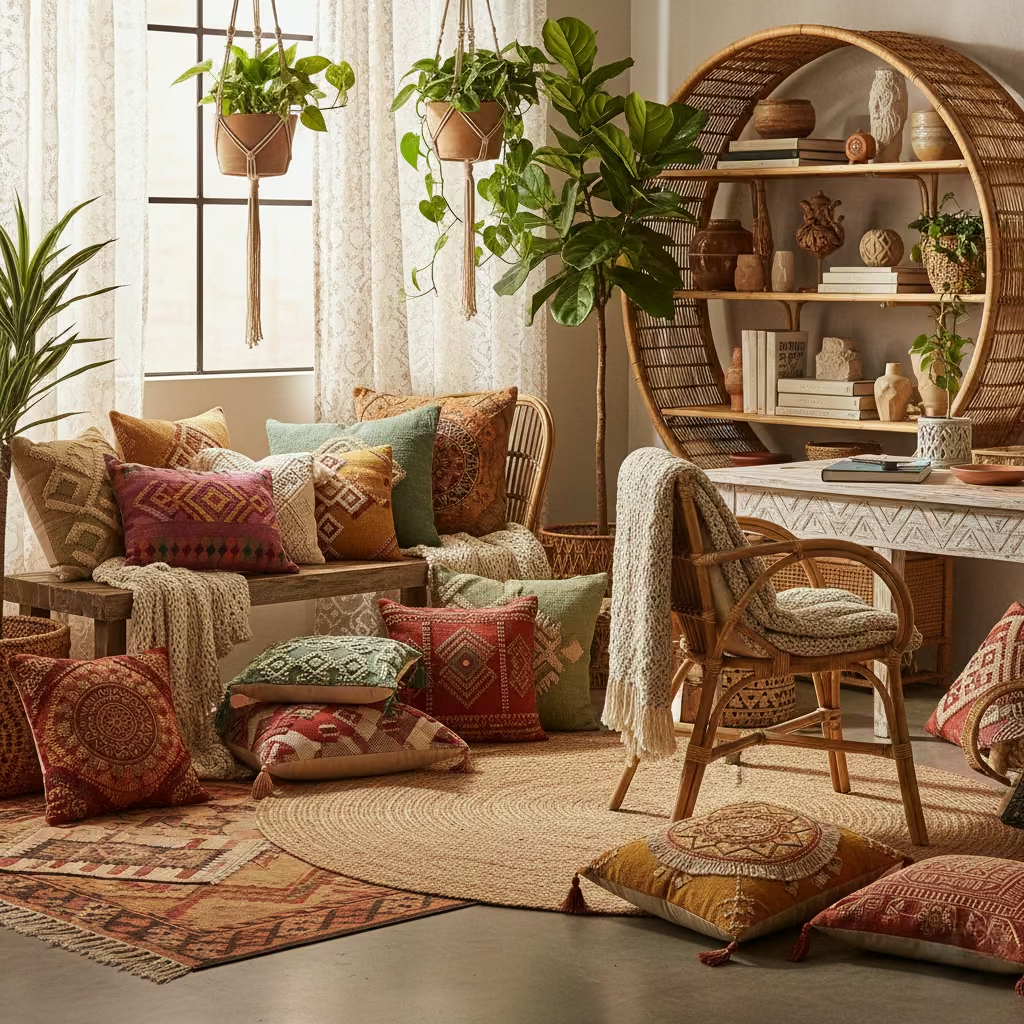
- Use cushions in a variety of textures and patterns to soften chairs, benches, or window seats.
- Typical cushion sizes: 40 × 40 cm (16 × 16 in) for standard seating, or 50 × 50 cm (20 × 20 in) for floor cushions.
- Mix neutral bases with pops of jewel tones or earthy hues to complement wall colours.
Throws in Natural Fibres (Cotton, Linen, Jute)
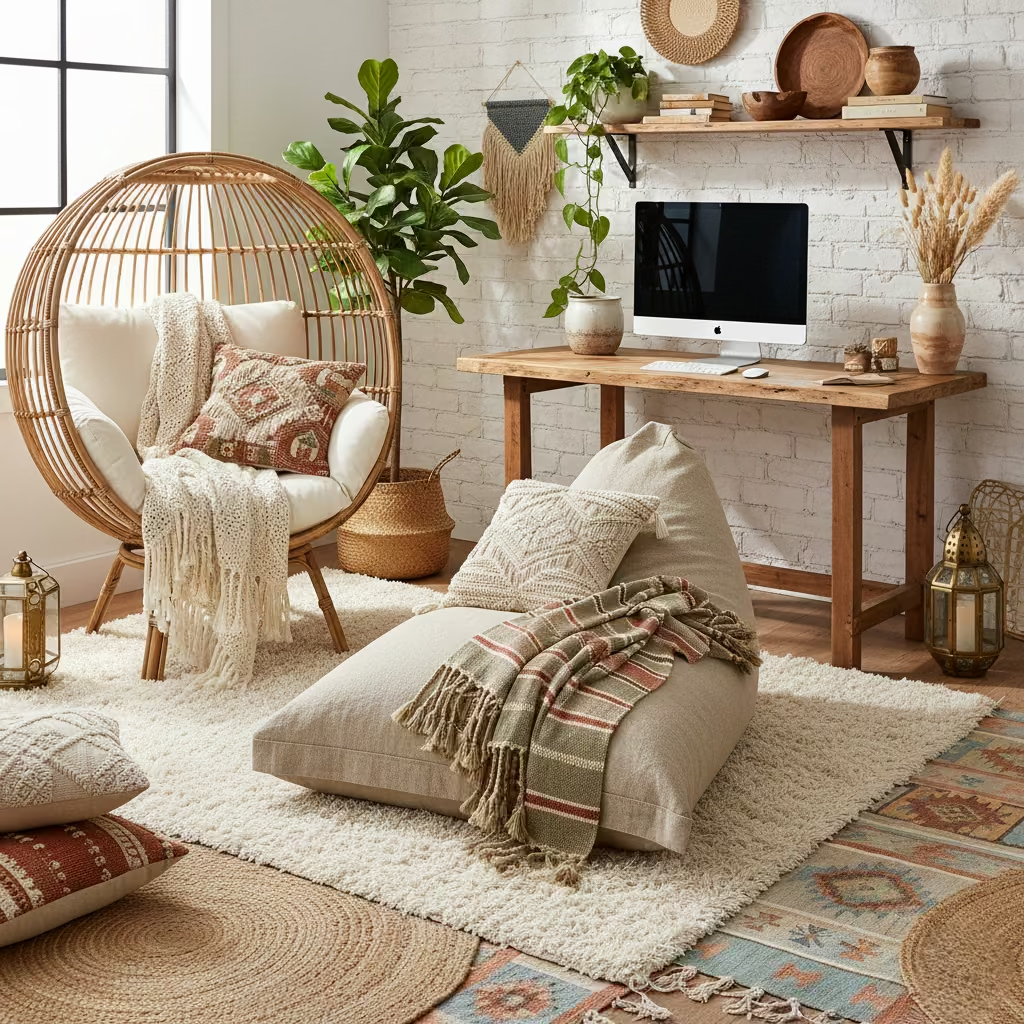
- Throws provide tactile warmth and can be draped over chairs or bean bags.
- Natural fibres ensure breathability and durability, while woven or fringed edges enhance boho charm.
- Recommended size: 1.2 × 1.5 m (4 × 5 ft) for a single seating area.
Curtains in Light, Flowing Fabrics
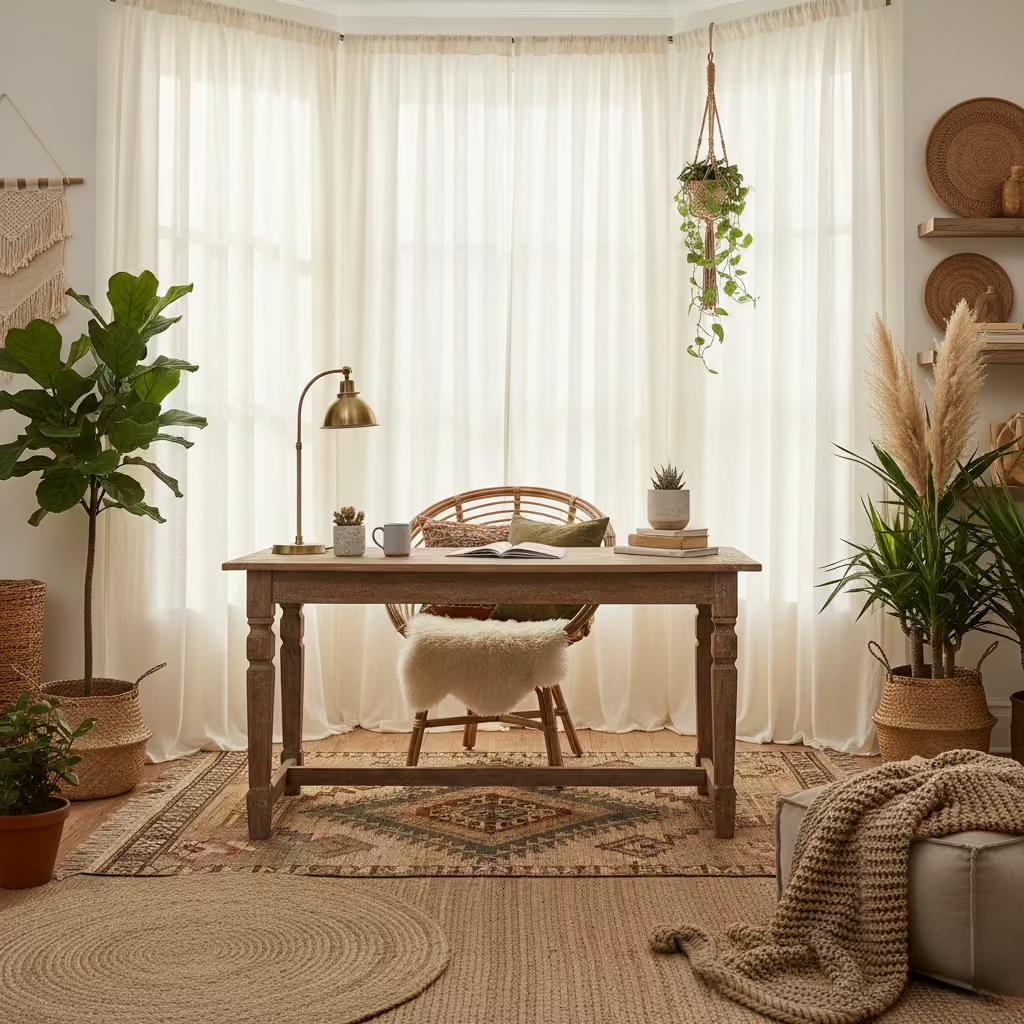
- Sheer or lightweight linen curtains allow natural light while maintaining softness in the space.
- Length: floor-to-ceiling, typically 2.4 m (8 ft) for standard ceiling heights; width should be 1.5–2× the window width for gentle folds.
- Consider layering with blinds for privacy without sacrificing airiness.
Pros
- Introduces warmth, comfort, and layered visual interest
- Easy to update or swap out for seasonal changes
- Enhances acoustics and softens harsh lines in furniture
Cons
- Requires occasional cleaning and maintenance
- Layering too many patterns can feel busy if not balanced
- Natural fibres can fade in direct sunlight
You May also Like: 20 Gorgeous White Stucco Townhouse Ideas for Timeless Curb Appeal
Lighting and Ambience
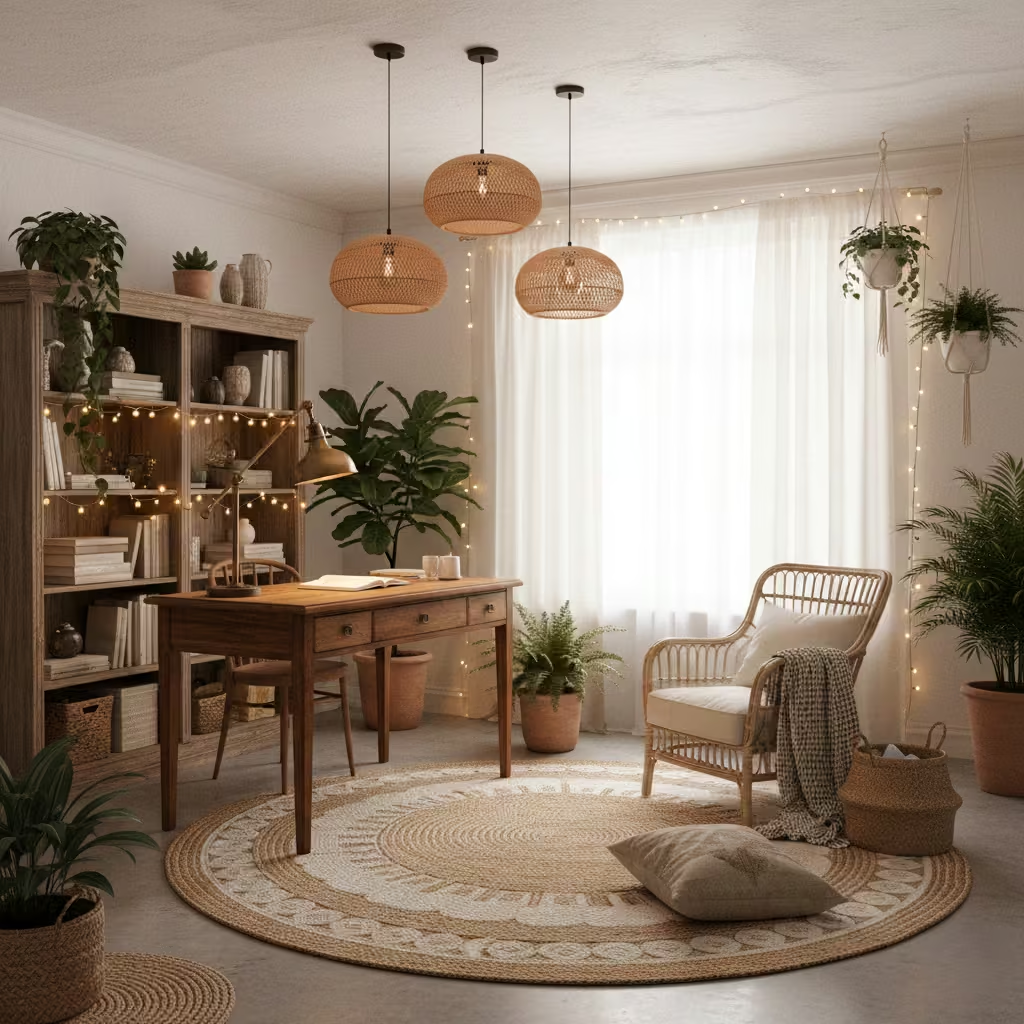
Lighting plays a crucial role in shaping the mood and functionality of a boho office. Layered lighting ensures the space is both visually appealing and practical for work while maintaining the cozy, eclectic vibe characteristic of boho design.
Pendant Lights with Rattan or Bamboo Shades
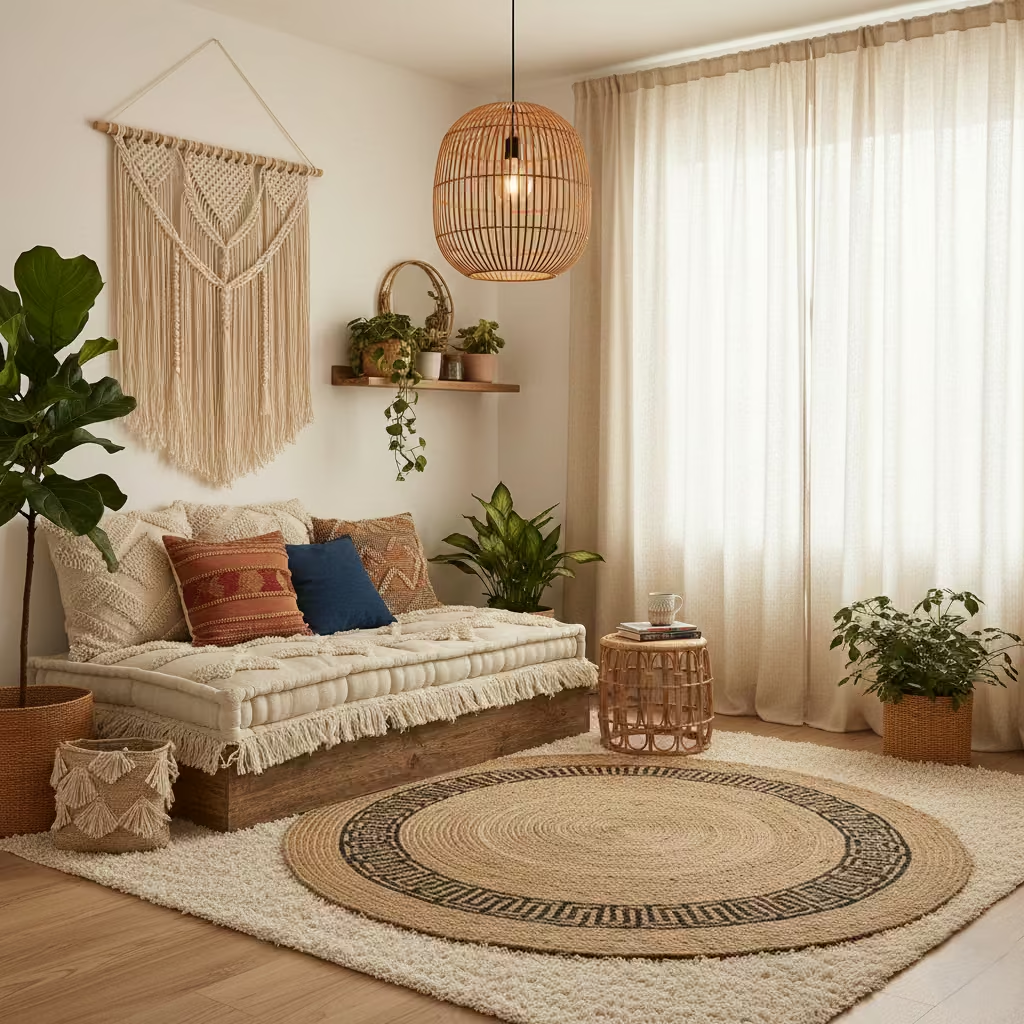
- Ideal for general or task lighting above desks or reading nooks.
- Typical drop length: 60–90 cm (24–36 in) from ceiling for standard 2.4–2.7 m (8–9 ft) ceilings.
- Natural woven materials diffuse light softly, creating warmth and texture.
Warm LED String Lights for a Cozy Feel
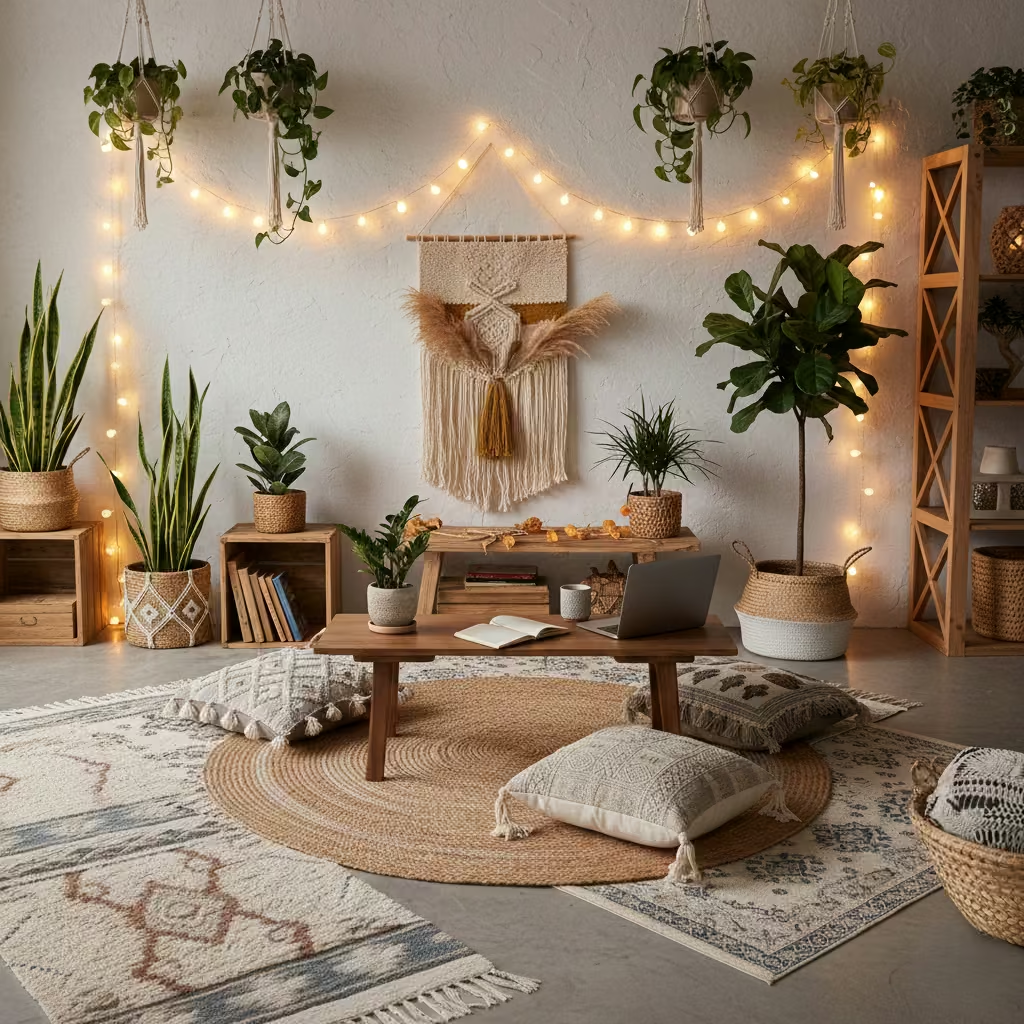
- Can be draped along shelves, walls, or windows.
- Choose warm white (2700–3000K) LEDs to create a soft, inviting glow.
- Length: 3–5 m (10–16 ft) for small to medium spaces; can be extended or layered for larger offices.
Desk Lamps in Brass or Wood
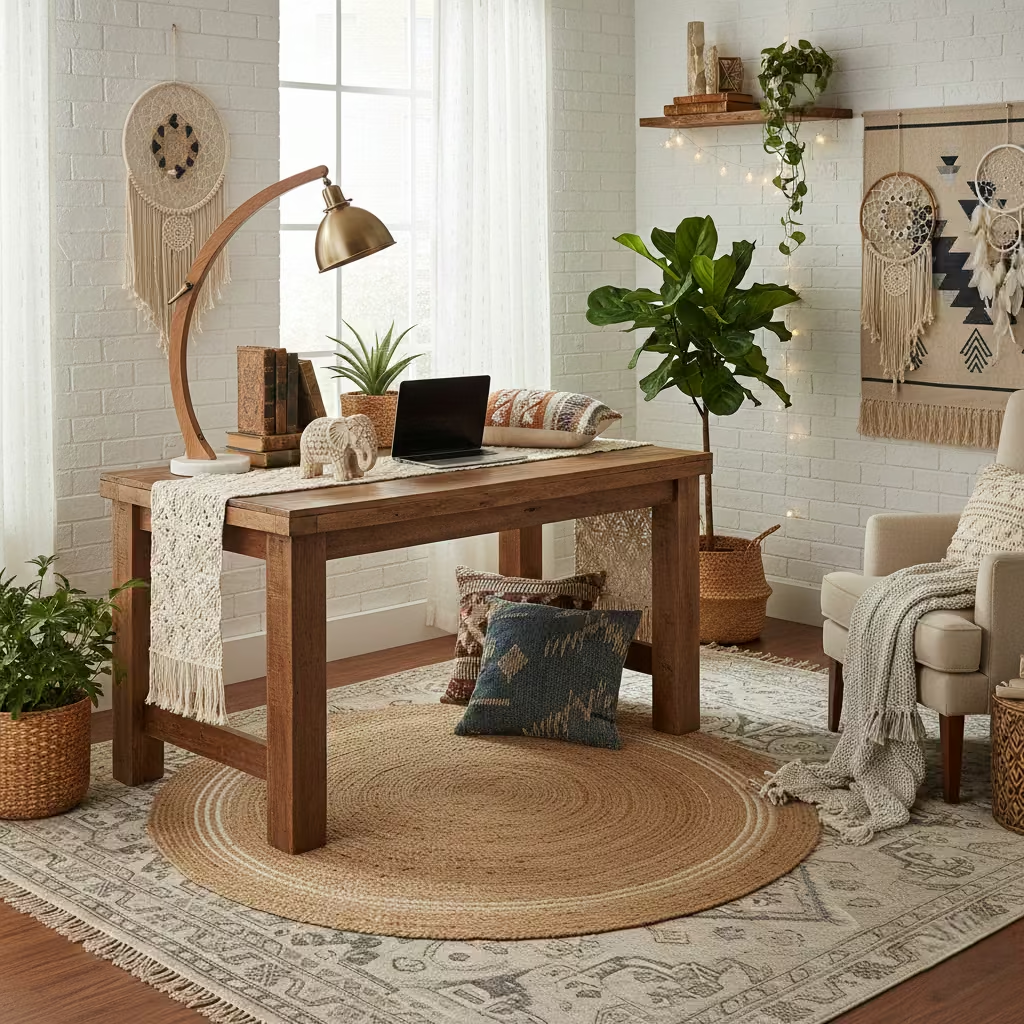
- Adjustable task lamps provide focused lighting for work without harsh overhead glare.
- Height: 40–60 cm (16–24 in) from desk surface; ensure adequate illumination (400–500 lux).
- Materials like brass, wood, or matte finishes complement the natural textures in boho décor.
Skylights or Maximising Natural Light
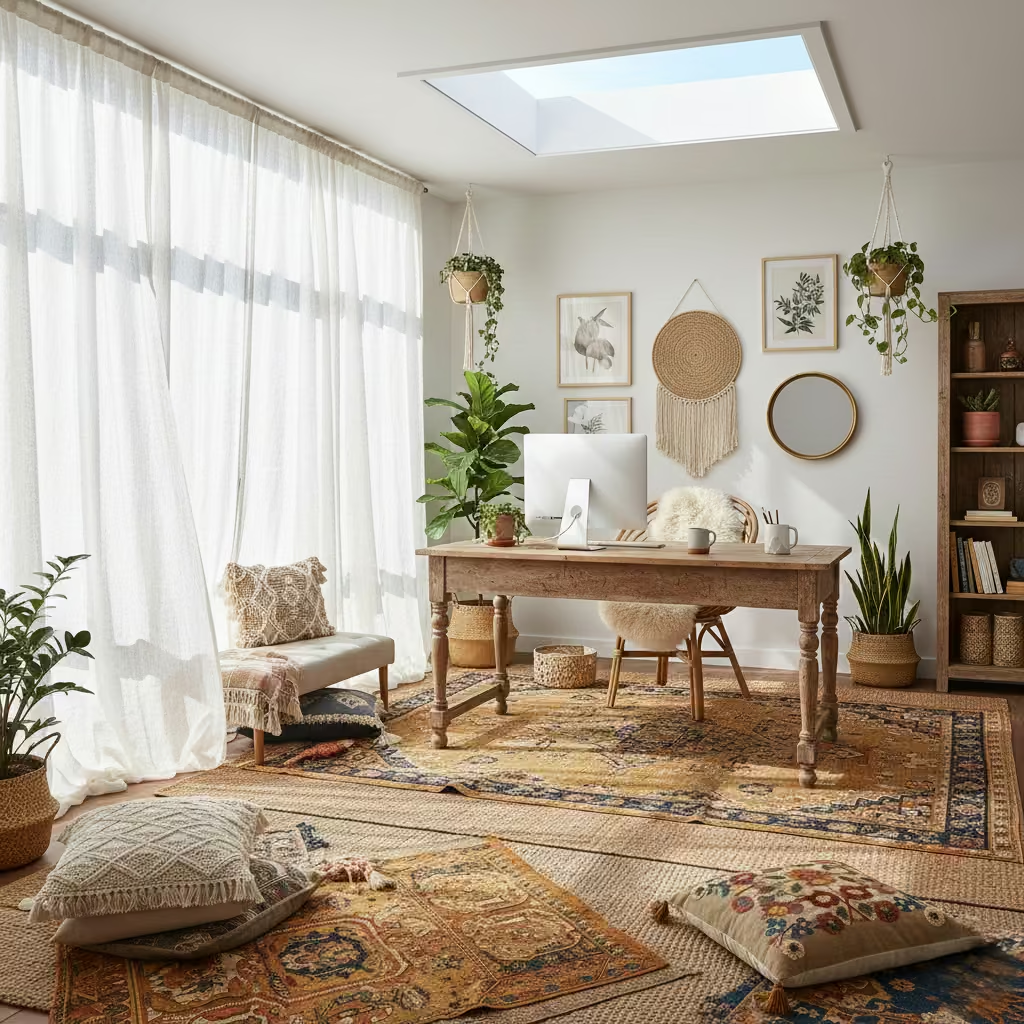
- Position desks near windows or under skylights to harness daylight, which boosts mood and productivity.
- Use light, flowing curtains to diffuse sunlight while maintaining brightness.
- Aim for 4–5 m² (43–54 sq ft) of window area for medium-sized offices (~12–15 m² / 130–160 sq ft) to ensure sufficient natural light.
Pros
- Creates a layered, inviting atmosphere that supports both work and relaxation
- Allows for flexibility between task lighting and ambient lighting
- Enhances the warm, natural aesthetic of a boho office
Cons
- String lights and pendant materials may collect dust and require occasional cleaning
- Skylight placement or large windows may need shading to prevent glare or fading of fabrics
- Multiple light sources require careful planning to avoid uneven lighting
You May also Like: 25 Relaxing Coastal Home Office Ideas Inspired by Capri Living
Plants and Natural Elements
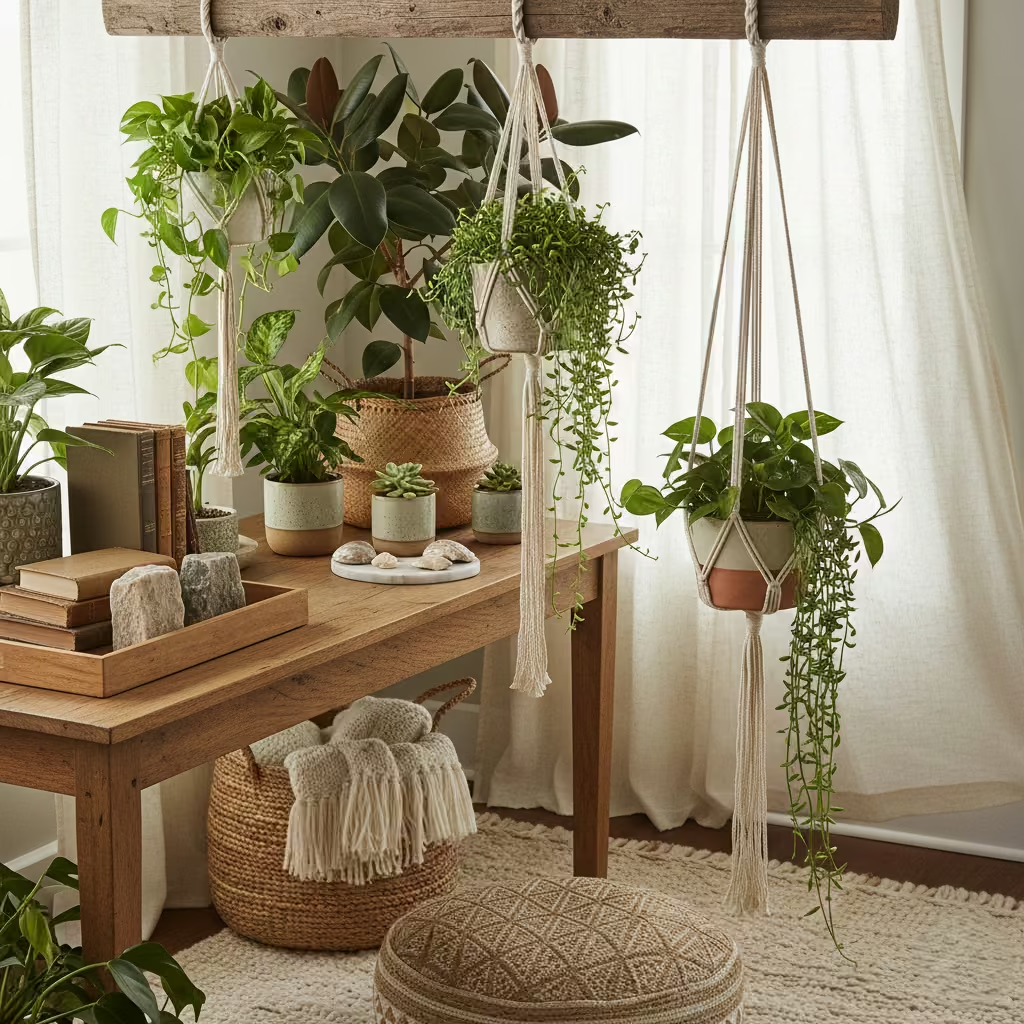
In a boho office, incorporating greenery and natural materials instantly brings life, texture, and a calming vibe to the space. Plants not only enhance aesthetics but also improve air quality and boost focus.
Hanging Planters with Trailing Plants
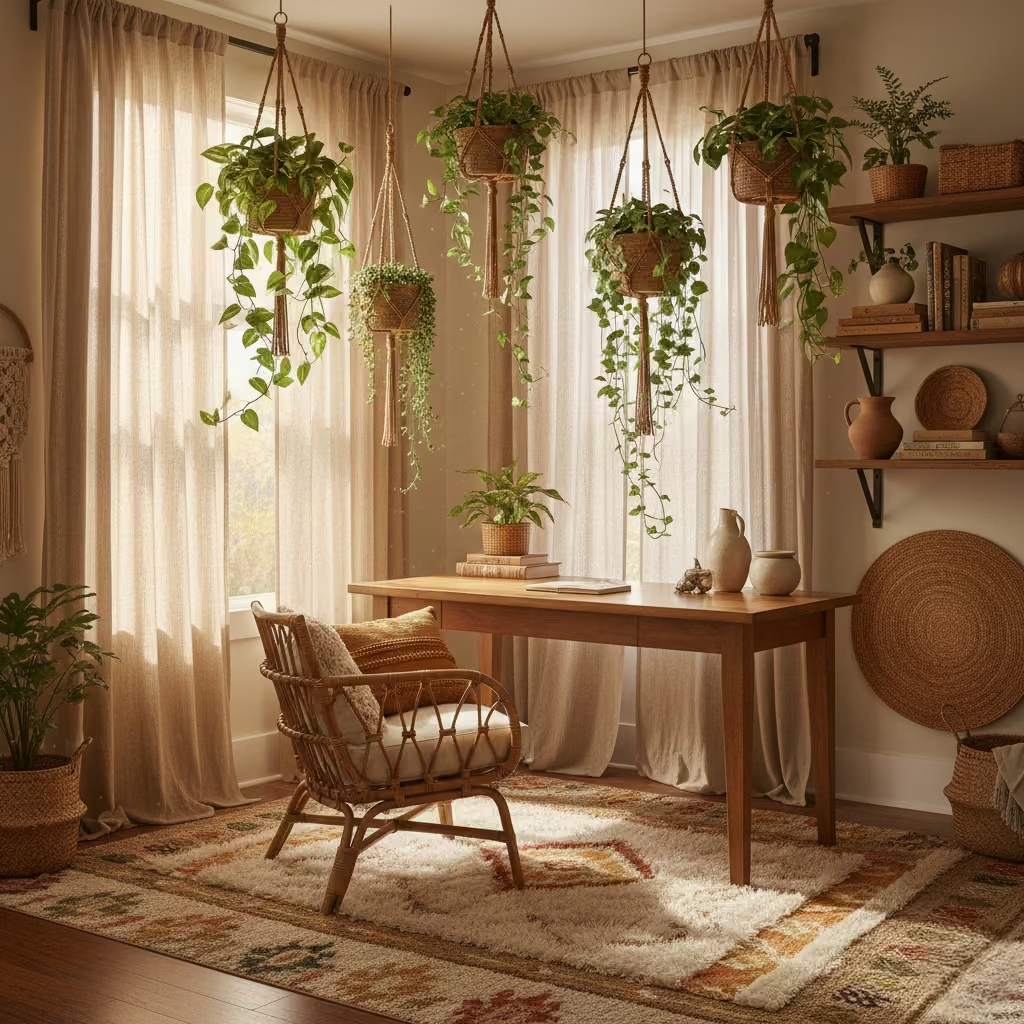
- Ideal for corners, shelves, or above desks.
- Common trailing plants: pothos, string-of-pearls, or ivy.
- Hanging height: 1.8–2.1 m (6–7 ft) from floor, ensuring clearance from movement.
- Use macramé or woven hangers to reinforce the boho aesthetic.
Large Potted Plants for Corners
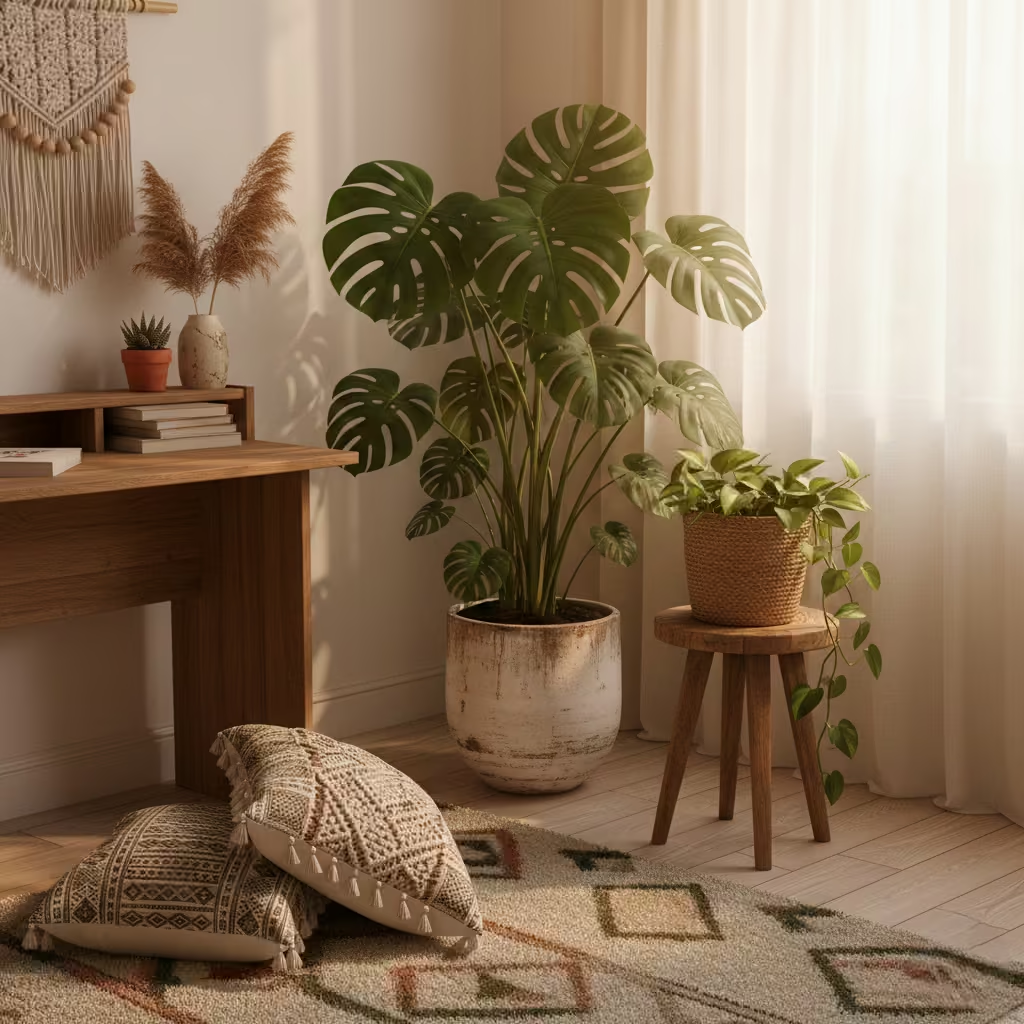
- Examples: fiddle leaf fig, monstera, or rubber plant.
- Pot sizes: 30–50 cm (12–20 in) diameter for medium plants.
- Helps define and anchor empty corners while adding vertical interest.
Small Desk Plants for Focus Areas
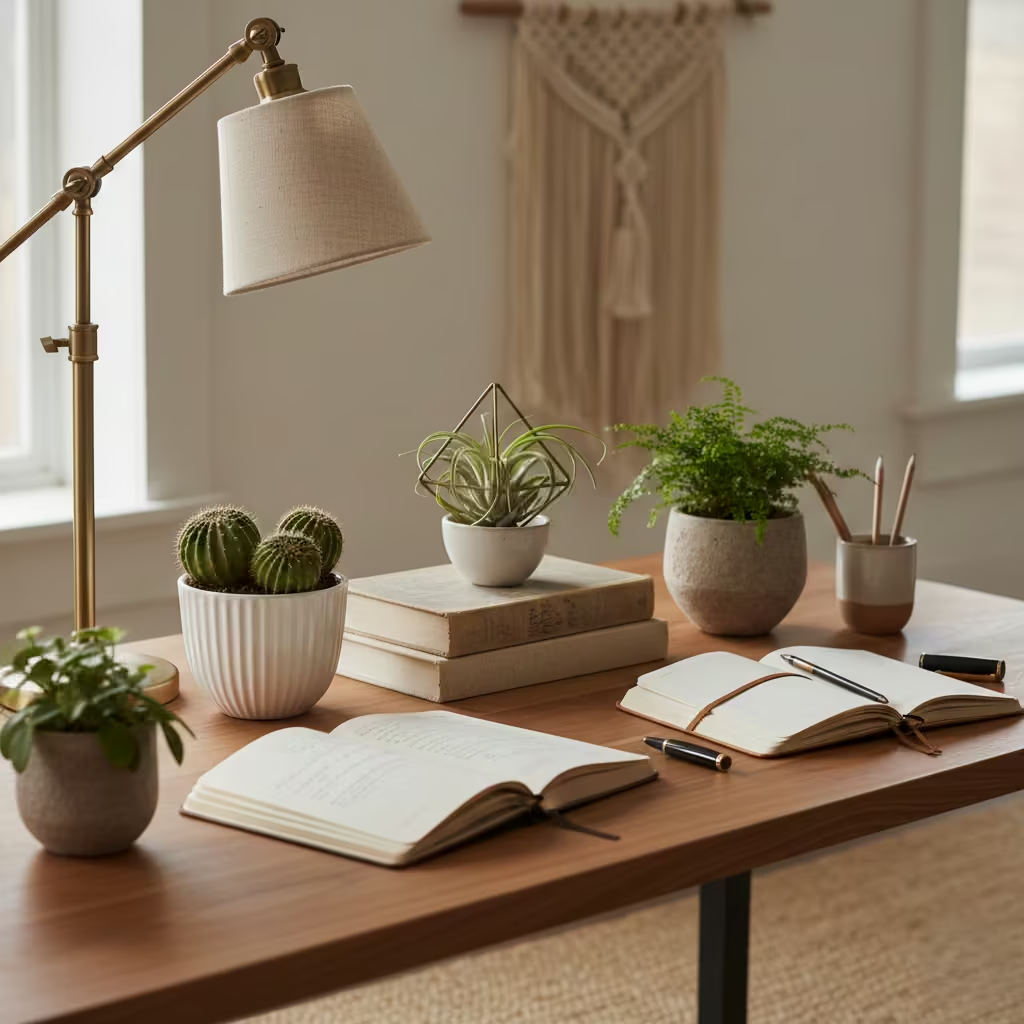
- Succulents, air plants, or small ferns.
- Planter sizes: 10–15 cm (4–6 in) diameter.
- Perfect for bringing greenery close to work areas without crowding desk space.
Incorporating Natural Materials
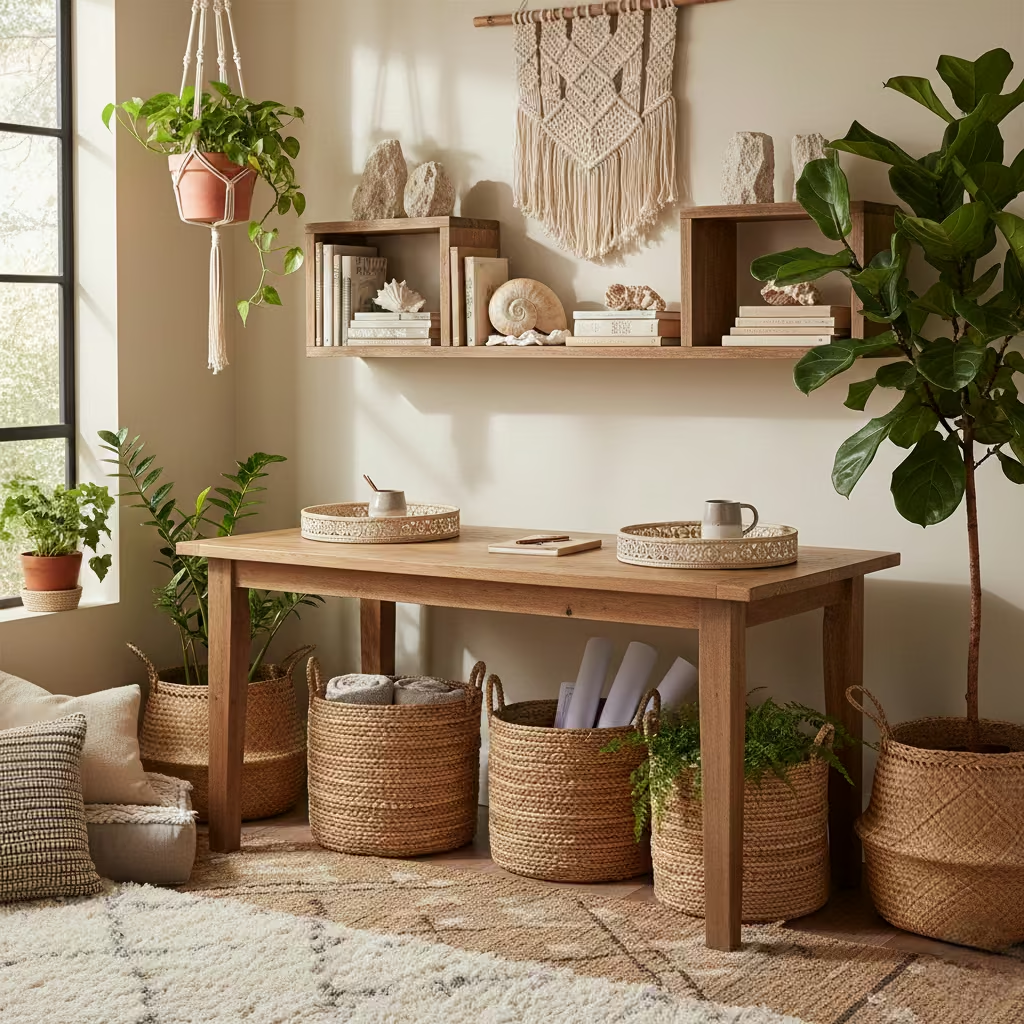
- Use wood, stone, shells, or woven baskets for décor and storage.
- Examples: wooden trays, stone bookends, shell ornaments, or rattan baskets for plant pots.
- These materials create tactile variety and reinforce the earthy, layered feel of a boho office
Pros
- Adds life, texture, and visual depth to the office
- Improves air quality and promotes relaxation
- Natural elements complement boho textiles and furniture
Cons
- Plants require care, watering, and sunlight monitoring
- Larger plants can be heavy and need stable pots
- Some natural materials may fade or discolor over time if exposed to sunlight
You May also Like: 25 Cozy Fall Home Office Ideas to Create a Warm, Productive Workspacea
Personal Touches and Accessories
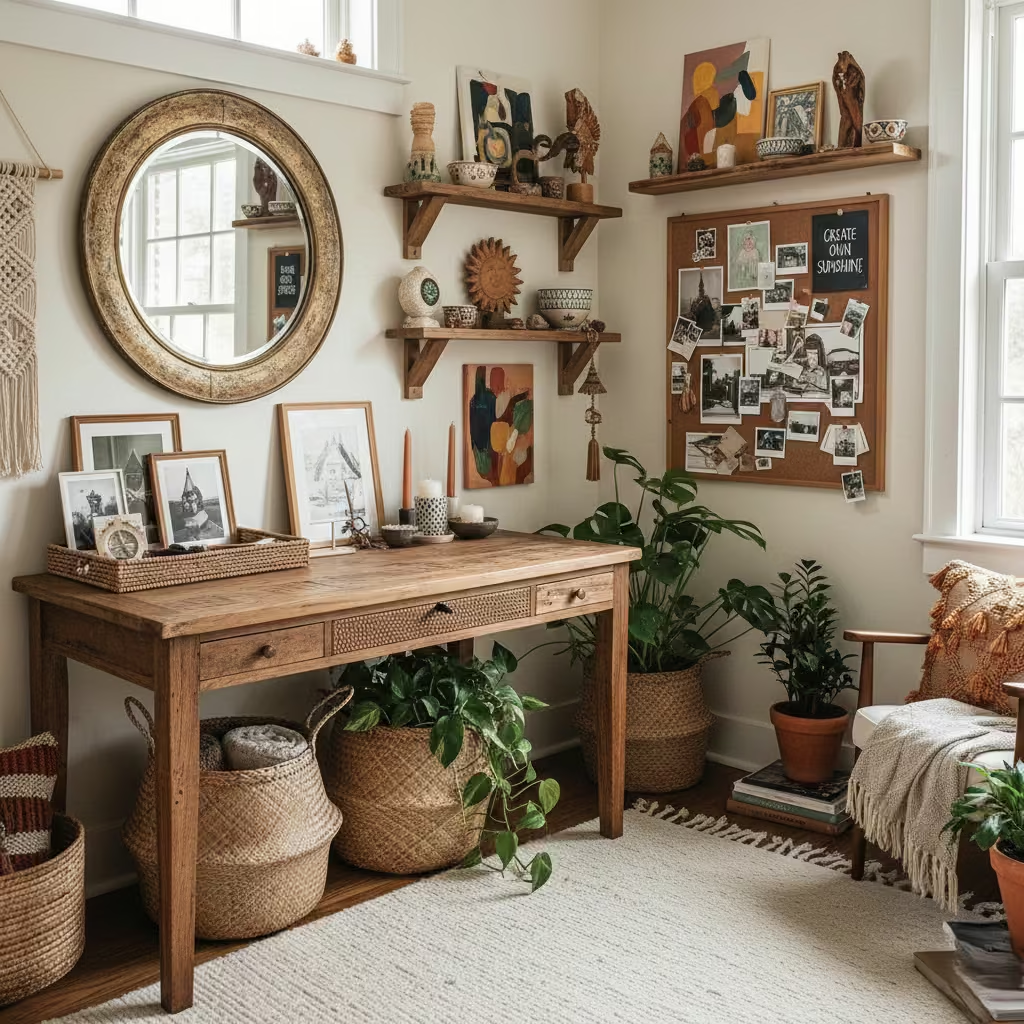
Adding personal touches and carefully curated accessories is what transforms a boho office from functional to inspiring. These elements allow the space to reflect your personality while maintaining the relaxed, eclectic vibe of boho design.
Vintage Finds (Mirrors, Trinkets, Baskets)
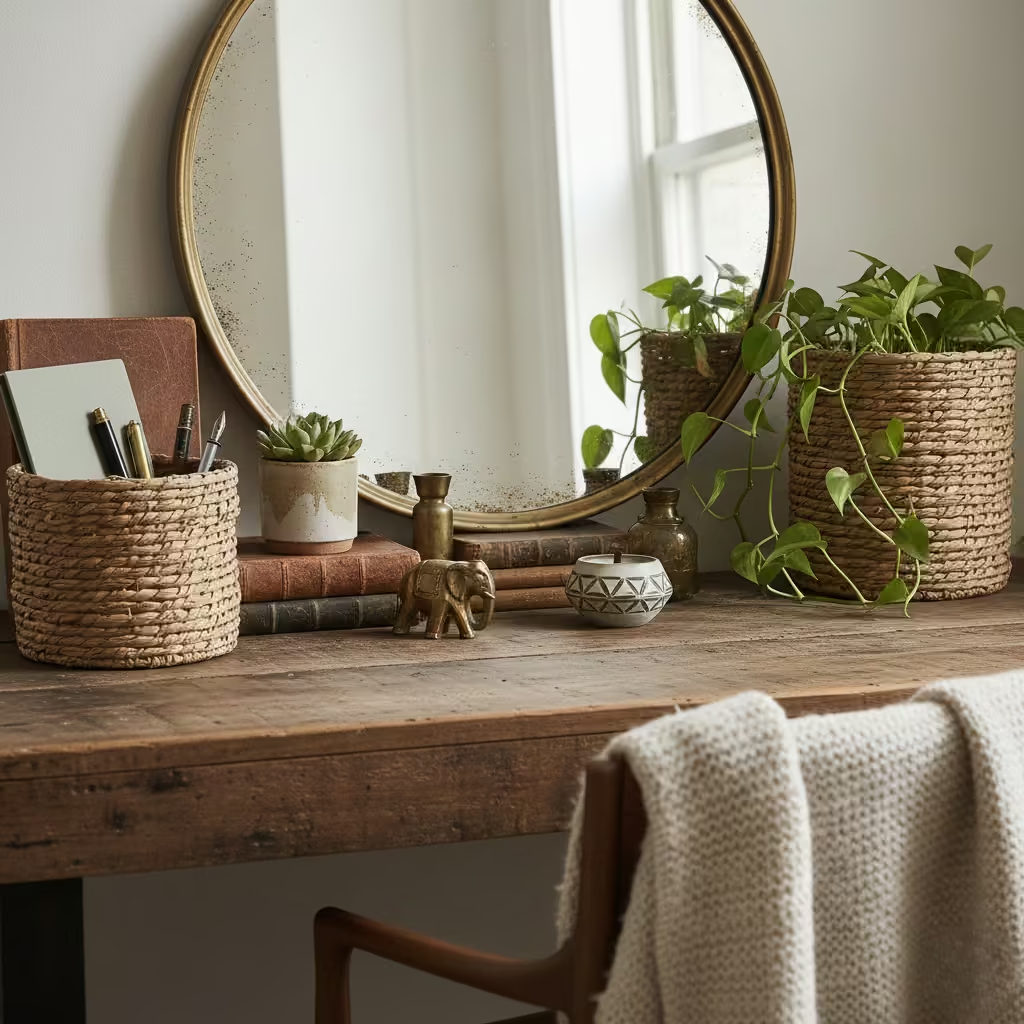
- Incorporate vintage mirrors, decorative trinkets, or woven baskets for storage and visual interest.
- Mirrors can be 50–70 cm (20–28 in) in diameter to create a focal point or reflect natural light.
- Woven baskets: 30–40 cm (12–16 in) diameter, perfect for organizing miscellaneous items or as plant holders.
Handmade Artwork and Sculptures
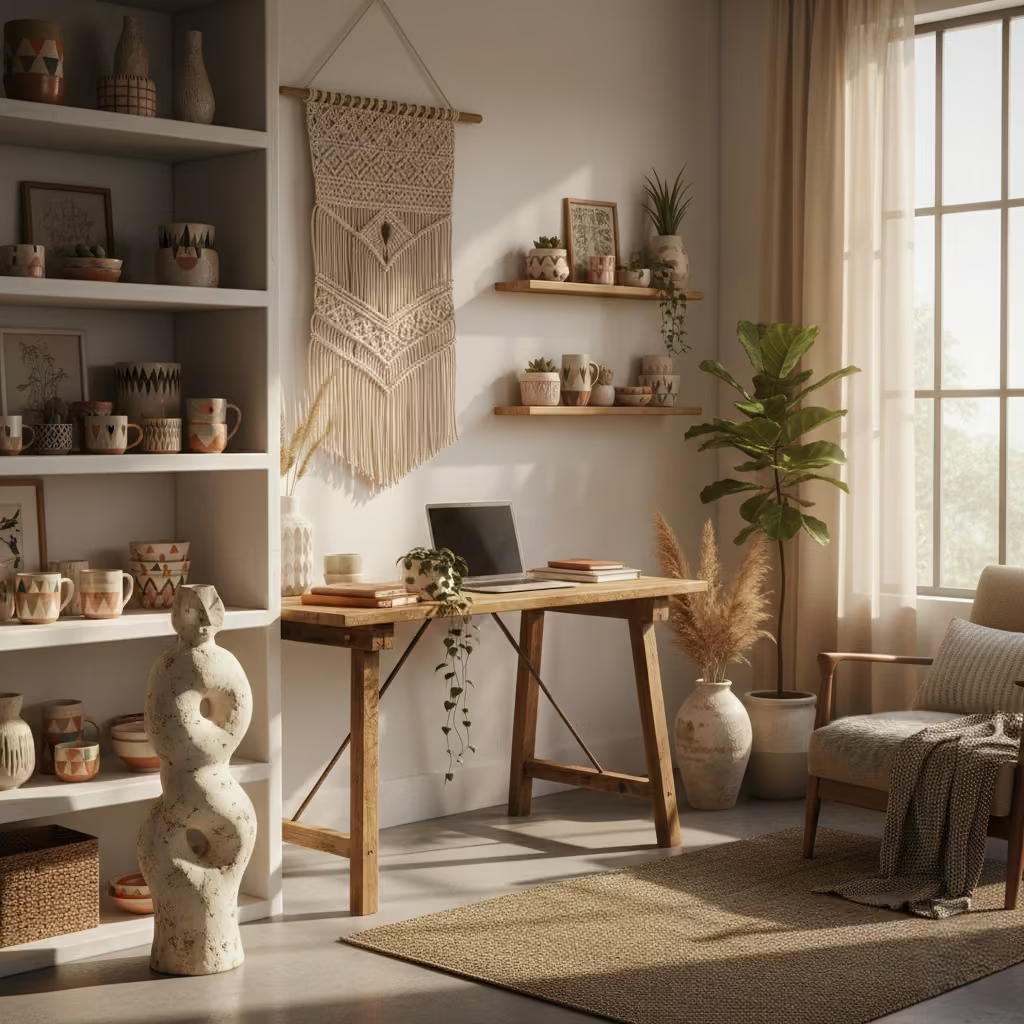
- Display small sculptures, ceramics, or handmade crafts on shelves or desks.
- Size: 15–30 cm (6–12 in) tall for desk pieces; larger floor-standing pieces 60–90 cm (2–3 ft) in height.
- Handmade items add texture, uniqueness, and a sense of storytelling.
Personal Mementos in Decorative Trays
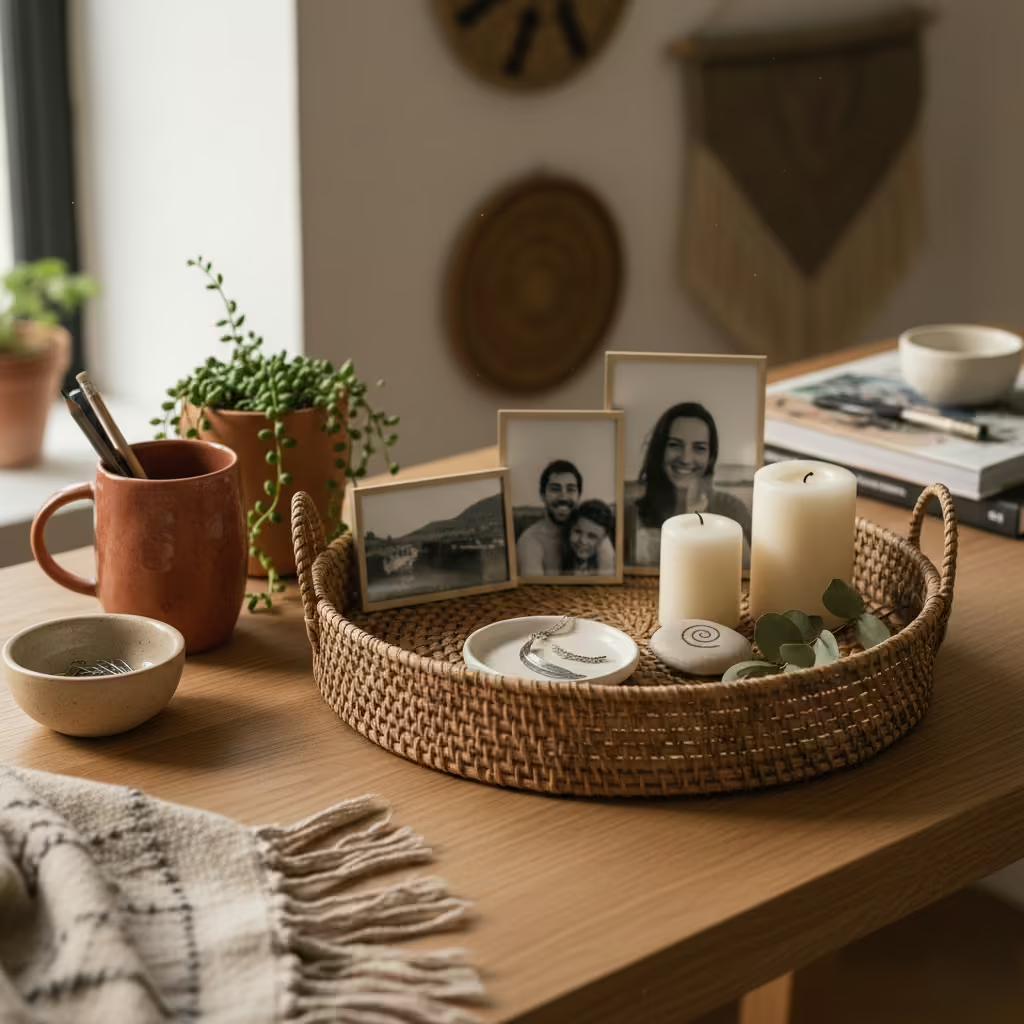
- Use trays 30–40 cm (12–16 in) wide for grouping photos, candles, or small objects.
- Helps keep desks tidy while showcasing sentimental items.
You May also Like: 25 Beautiful Modern Farmhouse Home Office Ideas for a Stylish Workspace
Vision Boards and Inspirational Quotes
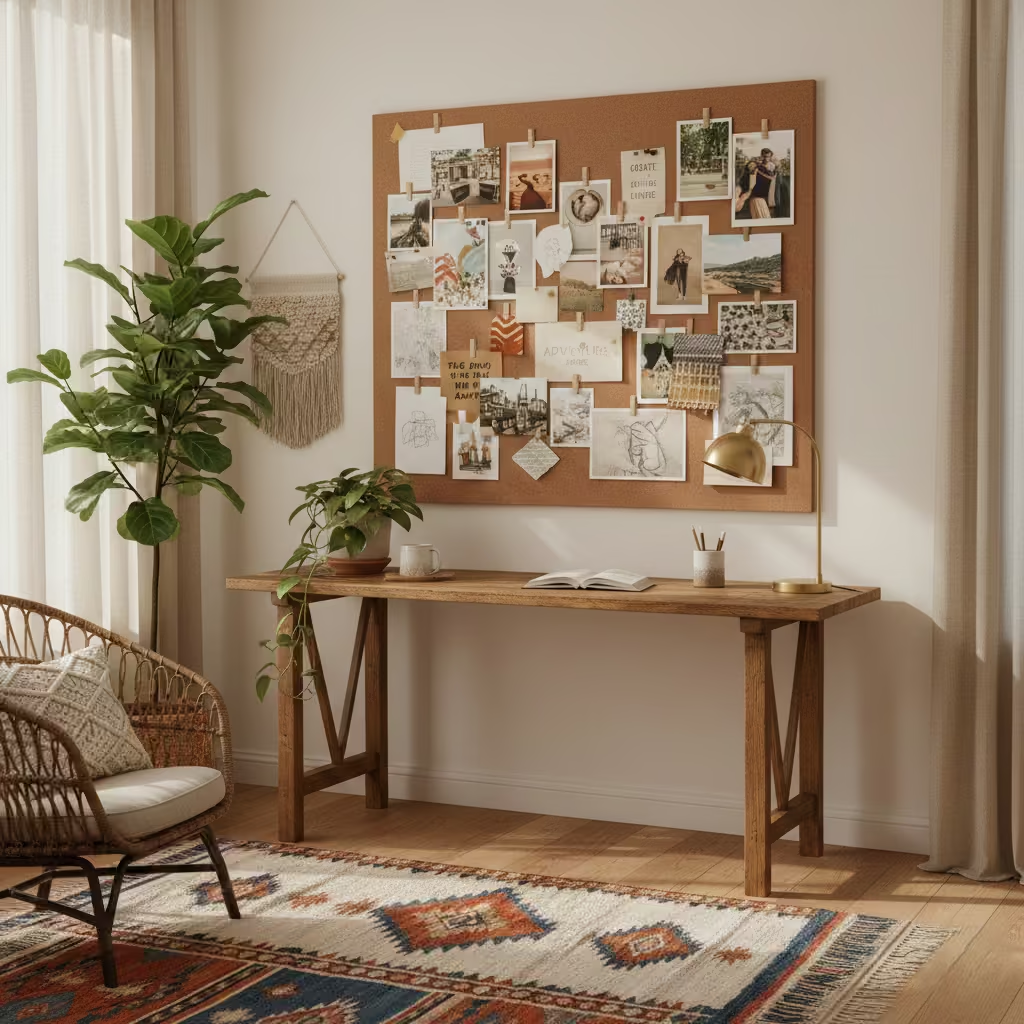
- Position on walls near your workspace.
- Typical board sizes: 60 × 90 cm (24 × 36 in).
- Encourages motivation, creativity, and a personal connection to your work.
Multi-Functional Décor (Storage + Display)
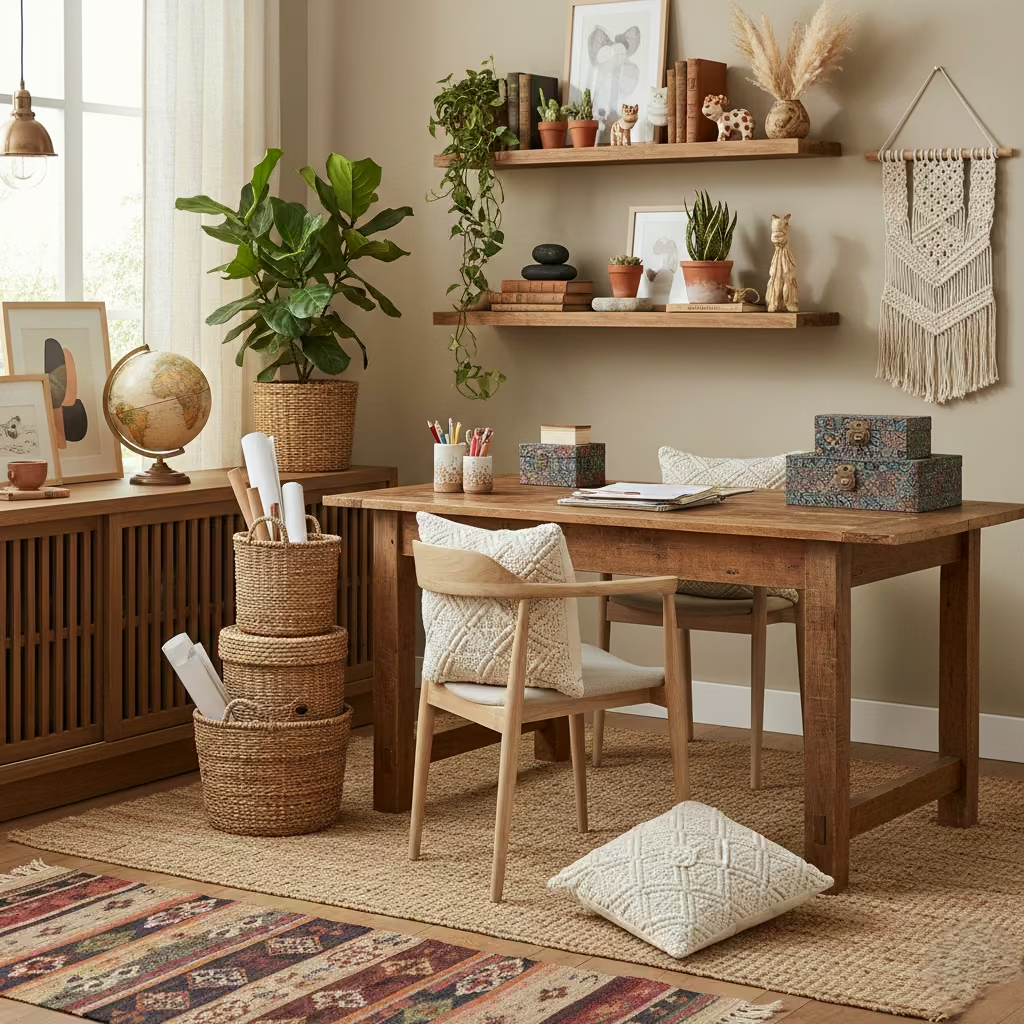
- Combine utility with style, such as rattan baskets that store supplies or decorative boxes that hold paperwork.
- Use shelving or cabinets to display small items without cluttering surfaces.
Pros
- Personalizes the office, making it motivating and inspiring
- Balances aesthetics with practicality
- Allows rotation or updates to reflect changing tastes
Cons
- Too many accessories can create visual clutter
- Delicate vintage or handmade pieces may require careful handling
- Overloading surfaces may reduce workspace efficiency
Final thoughts about Designing Boho Office
A boho office is more than just a workspace it’s a sanctuary that blends creativity, comfort, and personal expression. By layering textures, incorporating natural elements, and curating eclectic décor, you create a space that feels inspiring and uniquely yours. From vintage wooden desks and rattan accents to gallery walls and cozy floor seating, every element contributes to a relaxed, motivating environment.
The beauty of boho design is its flexibility. You can mix and match ideas based on your room size, budget, and lifestyle. Small offices can benefit from layered rugs, multi-functional furniture, and vertical shelving, while larger spaces allow for expansive seating areas, feature walls, and more intricate displays. Whether you’re adding a few personal touches or fully renovating, the goal is a workspace that supports both productivity and well-being.
Embrace your personal style, experiment with textures and colours, and don’t be afraid to let your imagination guide the layout. A thoughtfully designed boho office becomes a place where work feels effortless, inspiring, and uniquely yours.
Frequently asked Questions about Designing a Boho Office
What defines a boho office style?
A boho office combines eclectic décor, layered textures, natural materials, vibrant and earthy colours, and personal touches. It’s relaxed, creative, and highly personal, focusing on comfort and visual interest rather than strict symmetry or minimalism.
How do I choose the right colour palette for a boho office?
Start with warm earth tones like terracotta, mustard, or olive green for walls or large furniture. Add pops of jewel tones such as sapphire, emerald, or burgundy through textiles, cushions, rugs, and accessories. Balance bold and muted shades to avoid visual clutter.
What furniture works best in a boho office?
Opt for natural and tactile materials. Examples include vintage wooden desks, rattan or cane chairs, multi-level shelving, and low storage cabinets. Furniture should be functional, comfortable, and proportionate to the room size.
How can I incorporate plants and natural elements?
Use hanging planters, large potted corner plants, and small desk plants. Combine them with natural materials like wood, stone, shells, and woven baskets to create a grounded, calming environment.
Can a small office be styled in a boho way?
Absolutely. Focus on vertical storage with shelves, multi-functional furniture, layered textiles, and carefully curated accessories. Keep circulation space clear and avoid overcrowding the walls with too many prints or décor.
How do I balance aesthetics and productivity?
Layer textures, colour, and décor while maintaining functional zones: a dedicated desk area, storage solutions, and a relaxation corner with floor cushions or a bean bag. Lighting should be layered for both task and ambient needs.
What accessories are essential for a boho office?
Gallery walls with personal artwork, vintage mirrors, trinkets, decorative trays, throws, cushions, and rugs are key. Accessories should be curated to reflect your personality without creating clutter.
How do I maintain a boho office?
Dust textiles and natural materials regularly, trim plants, and occasionally rotate accessories. Keep heavier or delicate items safely placed and protect furniture from direct sunlight to prevent fading or warping.