




25 Black Bedroom Ideas That Feel Bold, Cozy, and Timeless
Black bedrooms have moved from being a bold design risk to a defining feature of modern and luxury homes. I have seen this shift firsthand across high-end renovations, city apartments, and carefully curated family homes. Homeowners are no longer using black as a small accent.
They are embracing it as a primary design language that delivers depth, sophistication, and a strong sense of calm when planned correctly. The rise of boutique hotels, minimalist interiors, and mood-driven design has played a major role in making black bedrooms both desirable and aspirational.
One of the biggest reasons black bedrooms are trending is their ability to feel instantly intentional. Black creates a cocooning effect that lighter palettes often struggle to achieve, especially in bedrooms where rest and privacy matter most. In luxury homes, black is frequently paired with layered lighting, natural textures, and high-quality finishes, transforming the bedroom into a retreat rather than just a sleeping space. When balanced with the right materials and proportions, black feels timeless rather than trendy.
Despite its popularity, many homeowners still hesitate when it comes to using black in the bedroom. The most common fears I hear are that black will make the room feel smaller, darker, or even oppressive. Others worry it will be difficult to style, hard to maintain, or too bold to live with long term.
Good design solves these concerns through thoughtful lighting plans, careful use of texture, and strategic contrast. Black does not have to dominate every surface. It can be layered, softened, and controlled in ways that enhance comfort instead of overwhelming it.
This guide is designed to remove uncertainty and replace it with clarity. You will find 25 black bedroom ideas that go beyond inspiration and into real-world application. Each idea is grounded in professional design experience and includes practical guidance, recommended measurements, material suggestions, and clear pros and cons.
By the end, you will understand how to use black with confidence, how to avoid common mistakes, and how to create a bedroom that feels both visually striking and genuinely livable.
25 Black Bedroom Ideas
Before diving into the individual ideas, it is important to understand that a successful black bedroom is not about painting everything dark and hoping for the best. I approach black bedrooms as carefully layered spaces where lighting, texture, scale, and contrast do most of the heavy lifting.
When these elements are planned correctly, black becomes a backdrop that enhances comfort, highlights materials, and elevates the entire room rather than overpowering it.
Matte Black Feature Wall Behind the Bed
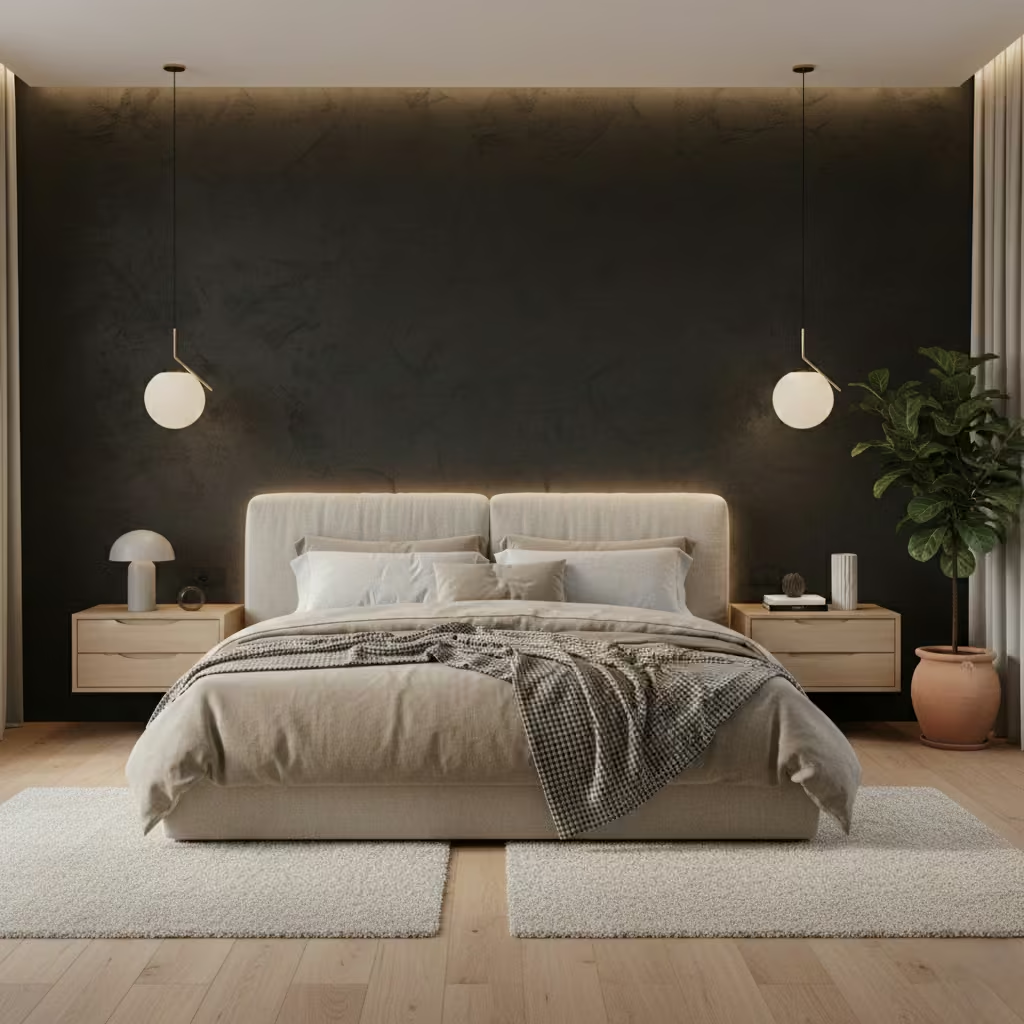
A matte black feature wall behind the bed is one of the safest and most effective ways to introduce black into a bedroom. I often use this approach to anchor the space visually while keeping the remaining walls lighter. The bed naturally becomes the focal point, and the matte finish absorbs light softly, preventing harsh reflections that can make dark walls feel heavy or flat.
This idea works best in bedrooms from 12–20 m² (130–215 sq ft). It is particularly effective when the bed sits on a solid wall with no windows directly behind it. In smaller rooms, limiting black to a single wall helps maintain openness while still delivering impact.
Recommended measurements (metric + imperial)
- Feature wall width: Match the bed width plus bedside tables, typically 260–320 cm (102–126 in)
- Wall height: Full floor-to-ceiling height, usually 240–270 cm (94–106 in)
- Bed clearance from wall for headboard: 5–8 cm (2–3 in)
Materials and finishes
- Paint finish: High-quality matte or ultra-matte black paint
- Optional texture: Limewash, microcement, or subtle plaster for added depth
- Headboard pairing: Upholstered fabric, leather, or warm wood to soften contrast
Lighting is critical here. I recommend wall-mounted reading lights or pendants positioned 55–65 cm (22–26 in) above the mattress. Add warm LED strip lighting behind the headboard or under floating shelves using 2700K to 3000K light temperature to prevent the wall from disappearing at night.
Professional insight from experience
In real projects, I have found that matte black works best when it is supported by contrast below and above. Light flooring, white or soft neutral bedding, and a ceiling kept light in tone stop the room from feeling compressed. This approach gives clients confidence to go dark without committing to a fully black room.
Pros
- Strong focal point with minimal risk
- Adds depth and sophistication instantly
- Easy to update or reverse compared to full-room black
- Works in both modern and classic bedrooms
Cons
- Poor lighting can make the wall feel flat
- Low-quality paint can show marks and wear
- Overly glossy finishes can create unwanted glare
You May also Like: Walk-In Wardrobes Designs: A Complete Design-Led Guide for Long-Term Use
Black and Warm Wood Bedroom Combination
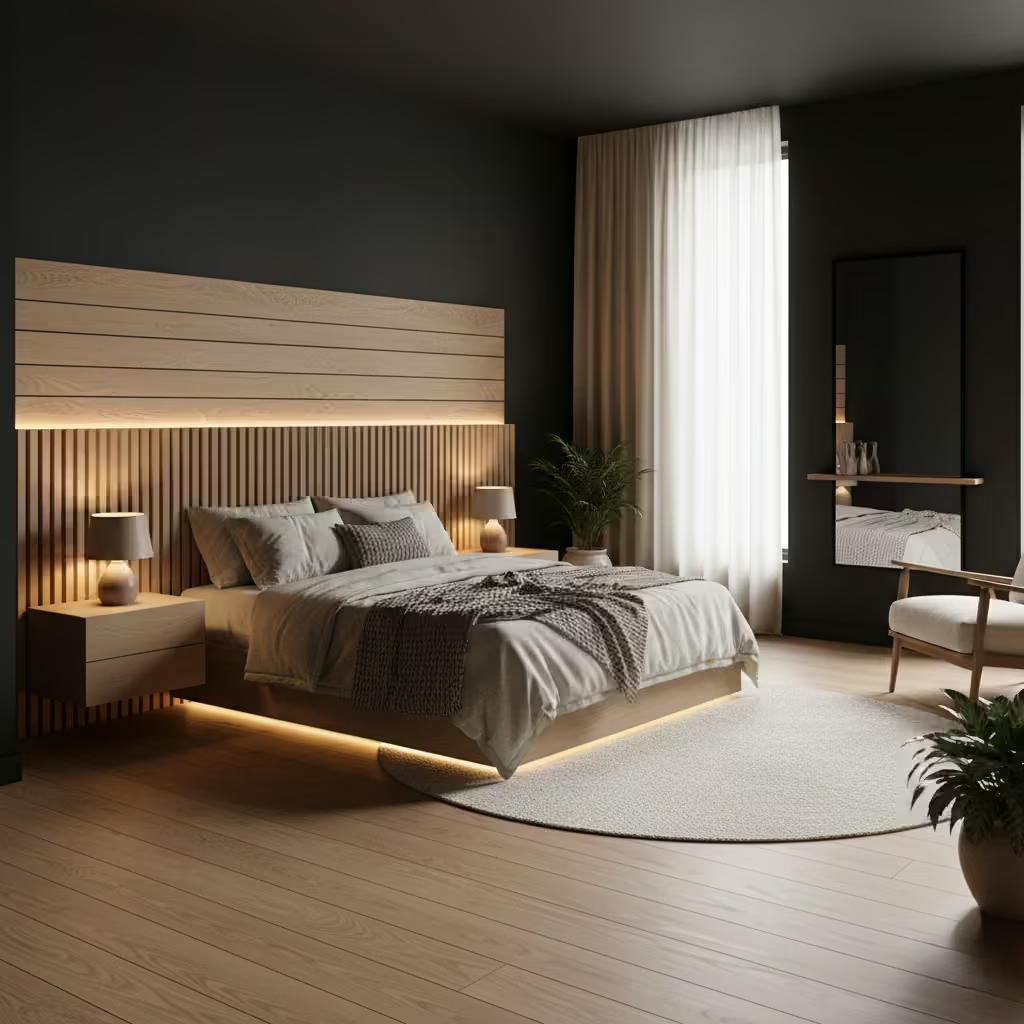
Pairing black with warm wood is one of the most reliable ways to make a dark bedroom feel inviting rather than severe. I regularly use this combination in both modern and transitional homes because wood introduces natural variation, warmth, and texture that softens black instantly. The contrast feels grounded and timeless, working equally well in minimalist spaces and more layered, lived-in bedrooms.
This approach works well in bedrooms 14–25 m² (150–270 sq ft) where wood elements can be clearly expressed without crowding the space. It is especially effective in rooms with good natural light or where the bed wall can be black while surrounding surfaces incorporate timber finishes.
Recommended measurements (metric + imperial)
- Wood headboard height: 100–120 cm (39–47 in) for strong visual balance
- Bedside table width in wood finish: 45–55 cm (18–22 in)
- Timber wall panel depth (if used): 15–20 mm (0.6–0.8 in)
- Spacing between wood panels or slats: 20–30 mm (0.8–1.2 in)
Materials and finishes
- Black elements: Matte black painted walls, black-stained timber, or black metal accents
- Wood tones: Oak, walnut, ash, or teak with a natural or lightly oiled finish
- Flooring pairing: Light to mid-tone wood floors or warm neutral carpet to maintain balance
Warm lighting is essential here. I specify light temperatures between 2700K and 3000K to enhance the natural tones of the wood. Wall washers or concealed LED strips installed 5–10 cm (2–4 in) from wood panels help highlight grain and texture, while bedside lamps with fabric shades soften the contrast against black surfaces.
In practice, I keep wood coverage to around 30–40 percent of the visible surfaces when working with black. This ratio prevents the room from tipping too dark while still allowing black to feel intentional and bold. Clients consistently respond well to this balance because it feels warm, premium, and easy to live with long term.
Pros
- Creates warmth and comfort without losing drama
- Timeless combination that suits many designs styles
- Easy to layer with textiles and soft furnishings
- Works well in both natural and artificial light
Cons
- Poor-quality wood finishes can cheapen the look
- Too many wood tones can feel messy
- Requires careful lighting to highlight textures
You May also Like: 25 Guest Bedroom Design Ideas to Create a Stylish, Comfortable, and Inviting Space
All-Black Modern Minimalist Bedroom
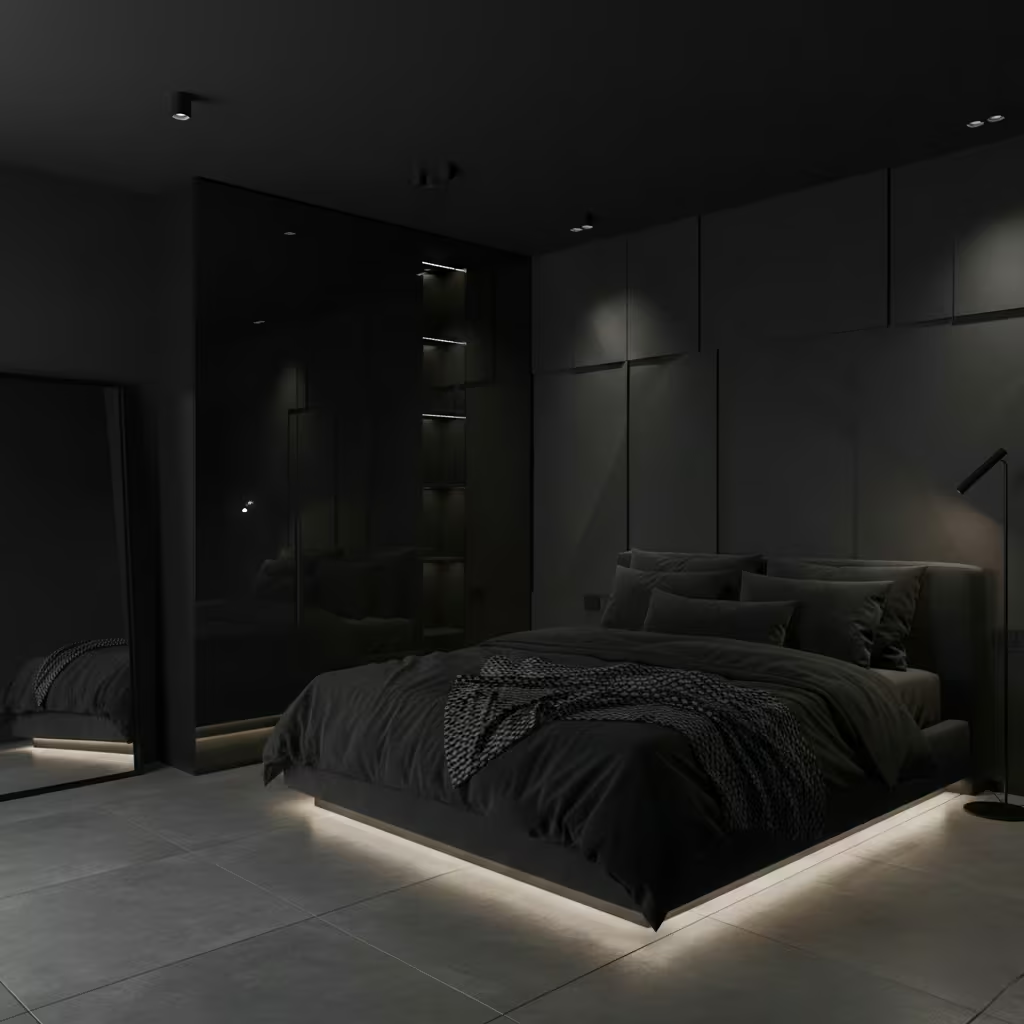
An all-black modern minimalist bedroom relies on restraint and material quality rather than contrast. I approach this style as a study in texture, sheen, and proportion. When every surface is black, the room’s success depends on how light interacts with different finishes. The goal is not to make the space feel dark, but to create a calm, architectural envelope that feels intentional and refined.
This concept works best in bedrooms 16–30 m² (170–325 sq ft) with generous ceiling height or large windows. Smaller rooms can still use this idea, but I limit full black coverage to walls and built-ins, keeping ceilings slightly lighter or using indirect lighting to maintain spatial clarity.
Recommended measurements (metric + imperial)
- Ceiling height (ideal): 250–300 cm (98–118 in)
- Bed width for balance: 160–180 cm (63–71 in)
- Clearance around bed: 70–90 cm (28–35 in) on each side
- Textured wall panel thickness: 10–20 mm (0.4–0.8 in)
Materials and finishes
- Walls: Matte black paint, limewash, or textured plaster
- Built-ins: Black-stained timber or matte lacquered MDF
- Soft furnishings: Linen, wool, or velvet in black for tonal variation
- Flooring: Dark wood, polished concrete, or deep charcoal carpet
Lighting must be layered and indirect. I avoid central ceiling lights and instead use wall washers, floor lamps, and concealed LED strips. Install LED strips 50–100 mm (2–4 in) from walls to graze textured surfaces. Keep light temperature warm at 2700K to prevent the space from feeling cold or clinical.
From experience, the mistake most homeowners make with all-black bedrooms is using a single finish everywhere. I always specify at least three different black textures in the room, such as matte walls, soft textiles, and a slightly satin finish on joinery. This creates visual depth without breaking the minimalist language.
Pros
- Extremely cohesive and visually calm
- Feels high-end and architectural
- Hides visual clutter effectively
- Ideal for minimalist lifestyles
Cons
- Requires excellent lighting planning
- Poor material choices look flat and cheap
- Not ideal for rooms with very low natural light
Black Bedroom with Soft Neutral Layering
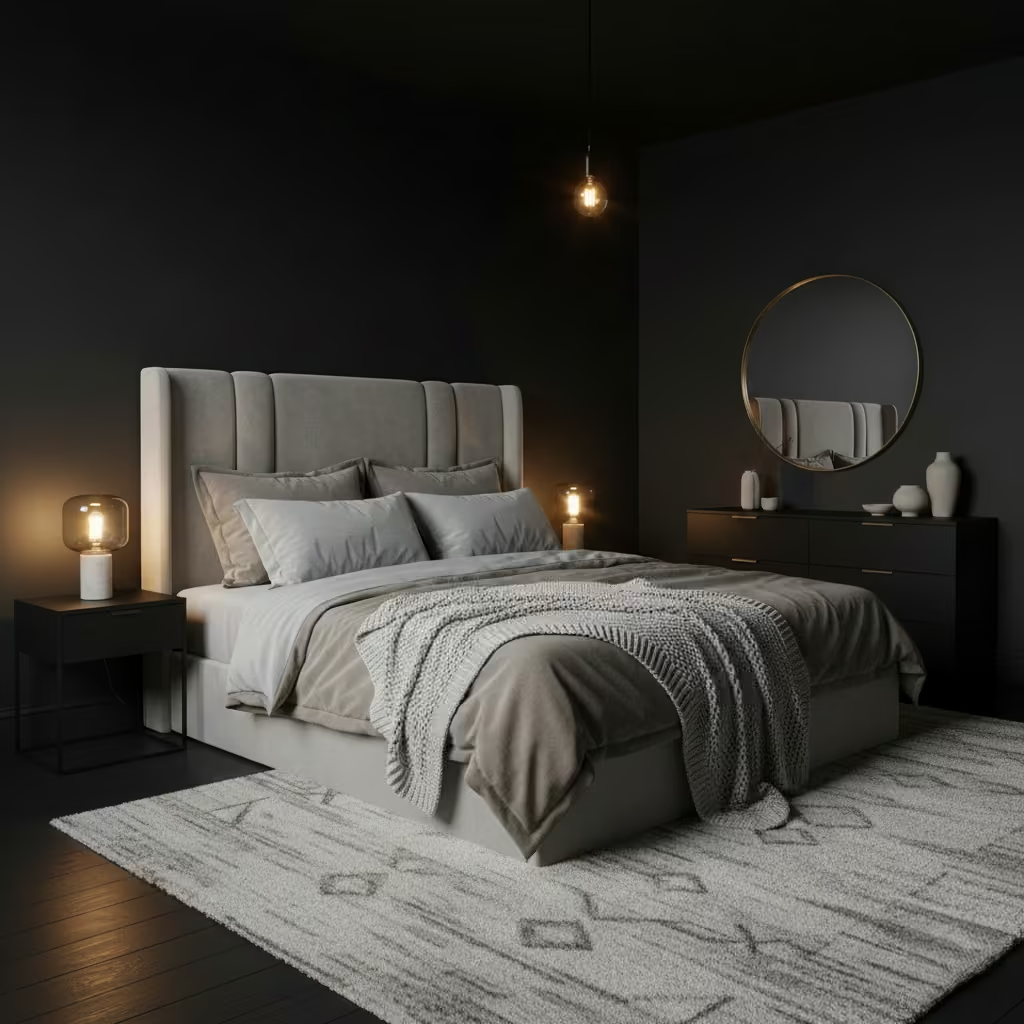
A black bedroom layered with soft neutrals is one of the most liveable ways to work with dark tones. I often recommend this approach to homeowners who love the idea of black but want reassurance that the room will still feel light, comfortable, and timeless. Creams, taupes, and warm greys soften the intensity of black and introduce visual breathing space without diluting the overall mood.
This style suits bedrooms from 12–22 m² (130–240 sq ft) and works particularly well in rooms with standard ceiling heights. It is ideal for layouts where black is used on one or two walls, with neutral tones layered through bedding, rugs, and upholstered furniture.
Recommended measurements (metric + imperial)
- Neutral rug size under bed: 200 x 300 cm (79 x 118 in) for king beds
- Bedding layering depth (duvet + throw): 15–25 cm (6–10 in)
- Upholstered headboard height: 110–130 cm (43–51 in)
- Bedside table clearance from bed: 5–8 cm (2–3 in)
Materials and finishes
- Black elements: Matte black walls, black metal frames, or dark joinery
- Neutral layers: Linen, boucle, wool, cotton, and soft suede finishes
- Flooring: Light oak, warm-toned laminate, or pale grey carpet to lift the space
- Accent materials: Stone, ceramic, or lightly veined marble for subtle contrast
I use warm, diffused lighting to enhance neutral tones and prevent harsh contrast. Table lamps with fabric shades and wall lights positioned 50–60 cm (20–24 in) above the mattress work well. Keep lighting temperature between 2700K and 3000K to maintain warmth against black surfaces.
In real projects, I treat neutral layers as a buffer between black and the user. I aim for roughly 60 percent neutral surfaces through textiles and soft furnishings, with black acting as the frame rather than the main event. This balance makes the room feel relaxed and adaptable over time as styles change.
Pros
- Easy to live with and style long term
- Softens black without losing sophistication
- Works in both small and medium bedrooms
- Simple to refresh by swapping textiles
Cons
- Too many neutral shades can feel muddy
- Requires careful tonal coordination
- Lacks drama compared to bolder black schemes
Black Accent Ceiling for Drama
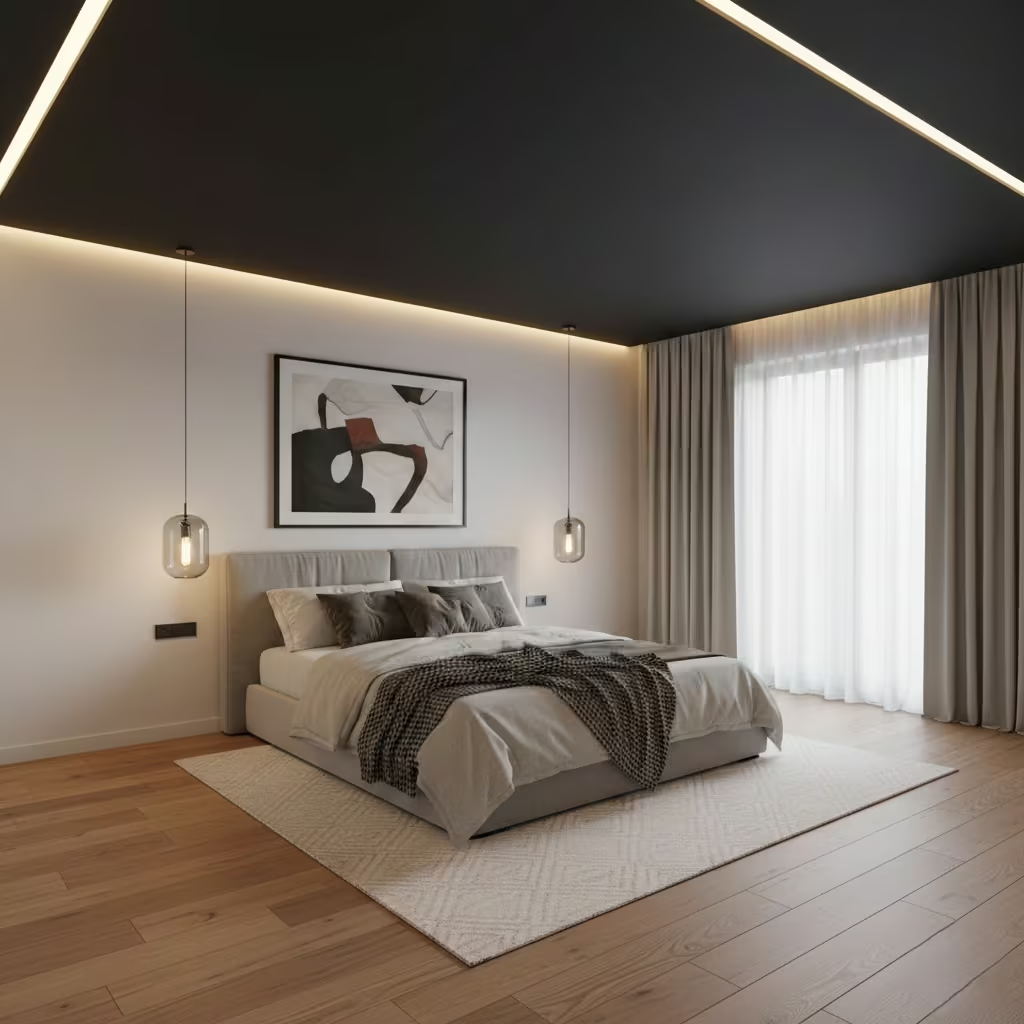
A black accent ceiling is a bold, high-impact design move that transforms a standard bedroom into a visually striking retreat. I use this technique to add depth and intimacy, particularly in rooms with high ceilings or abundant natural light. The dark ceiling draws the eye upward, creating a sense of architectural drama while anchoring the space below.
This works best in bedrooms 15–30 m² (160–325 sq ft) with ceiling heights of 260 cm (102 in) or more. Low ceilings can still incorporate black accents, but I limit the coverage to beams, recesses, or coffered areas to prevent the room from feeling closed in.
Recommended measurements (metric + imperial)
- Ceiling coverage: Entire ceiling or key sections such as recessed panels
- Black beams or molding width: 10–15 cm (4–6 in) for subtle definition
- Distance from walls to lighting recess: 10–15 cm (4–6 in) for LED coves
- Pendant light drop (if applicable): 60–80 cm (24–32 in) above bedside table or central area
Materials and finishes
- Matte or low-sheen black paint is ideal to avoid glare
- Optional finishes: Satin or eggshell for subtle reflective depth
- Complementary elements: Black light fixtures, dark joinery, or accent moldings
- Walls: Keep lighter to maintain balance, such as off-white, soft greys, or warm taupes
Layered lighting is essential. Use recessed LED strips along ceiling edges or coves to wash the black ceiling with light, 50–100 mm (2–4 in) from the perimeter. Combine with wall sconces or pendants that provide soft downward illumination. Light temperature should be 2700K–3000K to enhance warmth.
I’ve found that a black ceiling works best when paired with lighter walls and flooring to prevent the room from feeling top-heavy. In bedrooms with natural light, it creates a cocooning effect at night while remaining airy during the day. Strategic lighting ensures the ceiling feels intentional rather than oppressive.
Pros
- Adds architectural interest and a sense of intimacy
- Works well in high-ceilinged or well-lit rooms
- Complements modern, industrial, and luxury styles
- Can highlight other dark elements for cohesive design
Cons
- Can feel oppressive in low or poorly lit rooms
- Requires careful lighting planning
- Repainting ceilings later is more labor-intensive than walls
Luxury Black Bedroom with Brass or Gold Accents
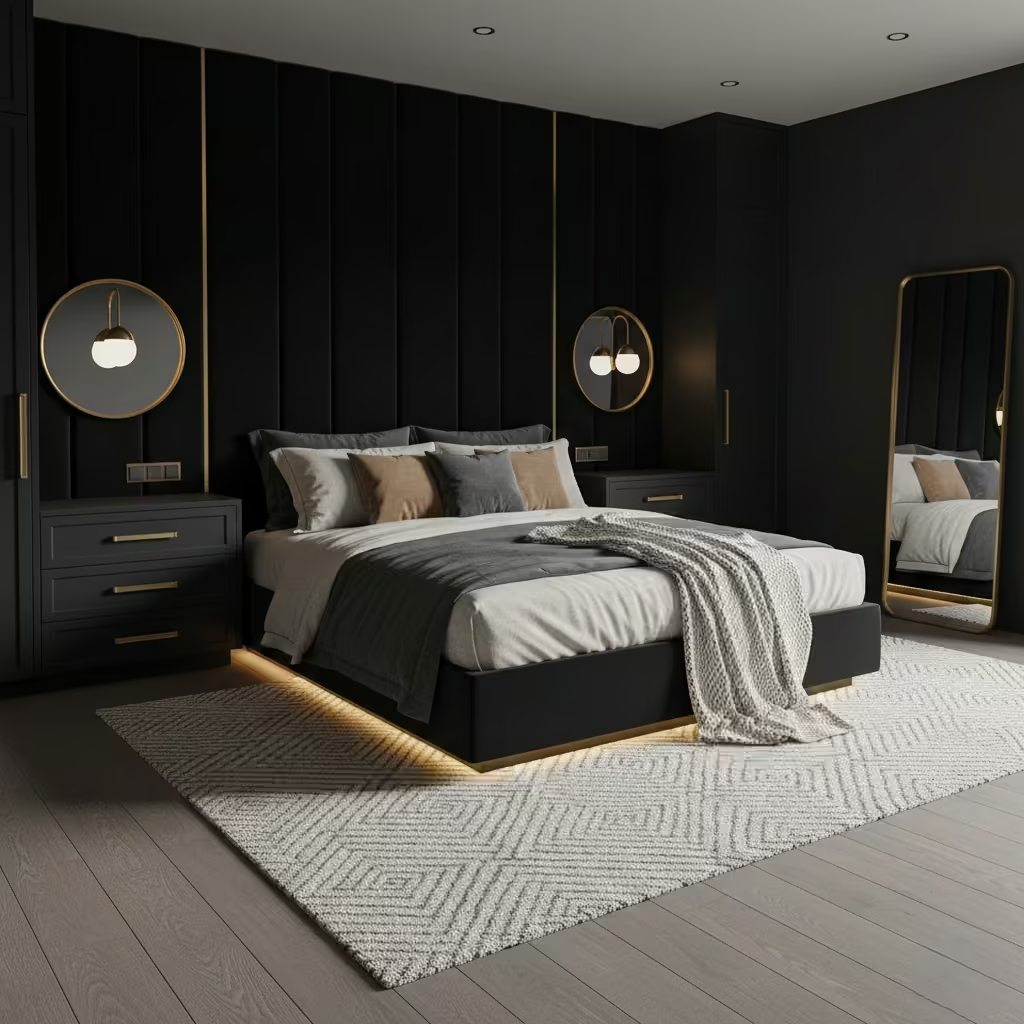
Introducing brass or gold accents into a black bedroom instantly elevates the space, creating a luxurious and curated feel. I often specify metallic finishes on light fixtures, drawer handles, mirrors, or even picture frames to break up dark surfaces and add visual warmth. The reflective quality of brass or gold contrasts beautifully with matte or satin black, giving the room sophistication without clutter.
This style works well in bedrooms 16–28 m² (170–300 sq ft) where accent pieces can be proportionally balanced. Larger rooms allow for bolder metallic statements, while smaller rooms benefit from subtle touches, such as bedside lamp bases or small decorative elements.
Recommended measurements (metric + imperial)
- Pendant or chandelier height above bed: 70–90 cm (28–35 in) from mattress top
- Wall sconce placement: 55–65 cm (22–26 in) above bedside level
- Mirror or metallic accent width: 60–100 cm (24–39 in) depending on wall size
- Drawer or cabinet handles: standard 10–15 cm (4–6 in) for ease of use
Materials and finishes
- Black elements: Matte black walls, cabinetry, or upholstered headboard
- Metallic accents: Brushed or polished brass, satin gold, or antique gold
- Textiles: Dark bedding with neutral layering to soften contrast
- Flooring: Medium wood tones, warm grey carpets, or black-stained timber
Metallic finishes reflect light, so I use warm, indirect lighting to enhance their glow. Pendant lights, sconces, and strategically placed table lamps in 2700K–3000K warm tones work best. Avoid overly bright or cool lighting, which can make gold look harsh or brassy.
In luxury projects, I always recommend balancing metallic accents carefully. Too many shiny surfaces can feel gaudy, while too few may get lost against black. I aim for 3–5 metallic touches strategically placed in the room to draw the eye without competing with each other. This approach consistently achieves a high-end, hotel-like feel.
Pros
- Instantly elevates black bedrooms to luxury status
- Adds warmth and reflective qualities to dark spaces
- Works well in modern, classic, and transitional interiors
- Flexible: can be subtle or bold depending on preference
Cons
- Limited sound privacy
- Requires careful lighting and acoustic planning
- Not ideal for confidential or high-noise work
Black Bedroom with Statement Headboard
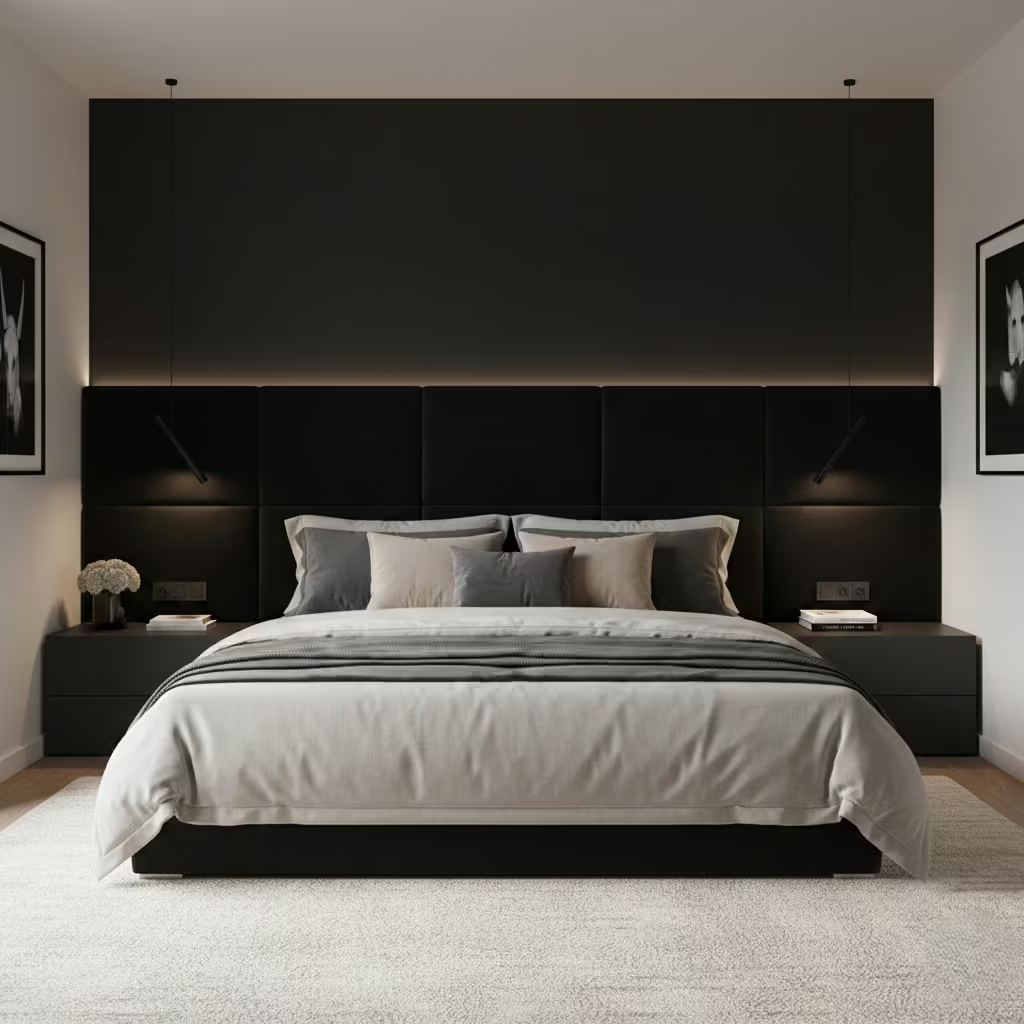
A bold, statement headboard is a powerful way to introduce black into the bedroom without overwhelming the entire space. I often use oversized upholstered panels, tufted leather, or black-stained timber to anchor the bed as the focal point. The headboard sets the tone for the room and allows black to feel intentional, stylish, and grounded, even in lighter or neutral surroundings.
This approach works best in bedrooms 14–25 m² (150–270 sq ft). For smaller rooms, I recommend a headboard that spans the width of the bed plus a small portion of the bedside tables. In larger rooms, floor-to-ceiling or wall-to-wall headboards create a dramatic and luxurious effect.
Recommended measurements (metric + imperial)
- Headboard height: 120–160 cm (47–63 in) above mattress for visual impact
- Width: Equal to bed width plus 10–20 cm (4–8 in) on each side, or full wall for extra drama
- Thickness (if upholstered): 10–15 cm (4–6 in)
- Clearance from ceiling: At least 30–50 cm (12–20 in) above top of headboard
Materials and finishes
- Upholstery: Velvet, leather, linen-blend, or bouclé in black or deep charcoal
- Timber or metal frames: Matte black or dark-stained wood for structure
- Wall finishes behind headboard: Black feature wall, textured panels, or neutral contrast
Wall-mounted reading lights or adjustable sconces 55–65 cm (22–26 in) above the mattress work well with a statement headboard. I also recommend adding subtle LED backlighting 5–10 cm (2–4 in) behind the headboard for depth and mood. Warm light at 2700K–3000K complements black surfaces and upholstery.
I’ve found that the key to success is proportion. Too small a headboard against a black wall can feel lost, while too large a headboard in a small room can overwhelm. I usually design the headboard to act as a visual anchor, pairing it with smaller, lighter furnishings to maintain balance. Clients often feel this approach gives the bedroom a high-end, hotel-like appeal without committing to black on every wall.
Pros
- Creates a clear focal point with minimal effort
- Adds texture and luxury through upholstery
- Works with black walls, neutral walls, or mixed materials
- Flexible scale allows adaptation to room size
Cons
- Oversized headboards can dominate smaller rooms
- Black upholstery may show dust or lint more easily
- Requires careful coordination with bedding and wall finishes
You May also Like: 25 Minimalist Bedroom Ideas for a Clean, Modern, and Peaceful Sleep Space
Industrial Black Bedroom with Concrete and Steel
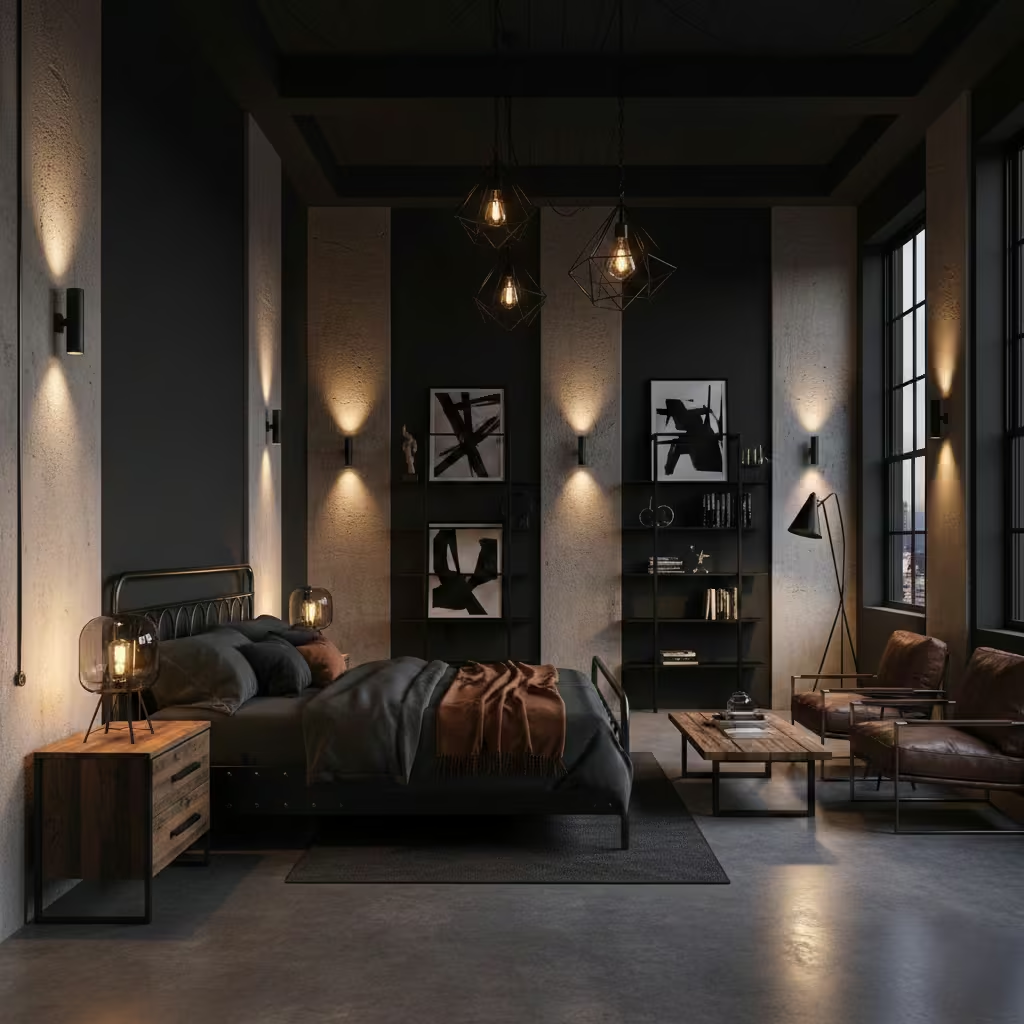
An industrial black bedroom combines raw materials like concrete, steel, and exposed brick with black finishes to create a bold, urban-inspired retreat. I often use this style in lofts, modern apartments, or renovated warehouses. The combination of black with industrial textures gives a masculine, edgy feel while remaining highly functional and visually striking.
This style works best in bedrooms 16–30 m² (170–325 sq ft) where structural elements or large-scale furnishings can be expressed clearly. It is particularly effective in open-plan layouts or rooms with high ceilings, as the raw materials can be showcased without making the space feel cramped.
Recommended measurements (metric + imperial)
- Bed frame clearance: 70–90 cm (28–35 in) on each side for walkway
- Concrete or steel wall panel thickness: 15–25 mm (0.6–1 in)
- Ceiling height: minimum 260 cm (102 in) to maintain spaciousness
- Industrial lighting drop from ceiling: 60–90 cm (24–35 in) above bedside or seating areas
Materials and finishes
- Walls: Matte black paint, black-stained timber panels, or exposed concrete
- Flooring: Polished concrete, dark wood, or industrial tiles
- Bed and furniture: Steel frames, black metal, reclaimed timber
- Accessories: Leather chairs, wire shelving, or minimalist metal accents
Layered lighting is crucial in industrial spaces. I use a combination of wall-mounted sconces, pendant lights, and floor lamps in black or metal finishes. Position light sources to highlight concrete textures and steel elements. Warm LED bulbs at 2700K–3000K prevent the room from feeling cold and harsh.
In industrial black bedrooms, I always recommend keeping one element raw (like a concrete wall or steel bed frame) while balancing it with softer touches such as textiles, rugs, and throws. This prevents the room from feeling sterile or overly masculine. Using black strategically on walls, furniture, or cabinetry ties the industrial look together without overwhelming the senses.
Pros
- Strong, edgy aesthetic with urban appeal
- Durable materials suitable for long-term use
- Works well with large, open spaces
- Highlights architectural features
Cons
- Can feel cold or harsh without soft furnishings
- Limited flexibility in color palette
- May require professional installation for concrete or steel elements
Black Bedroom with Integrated LED Lighting
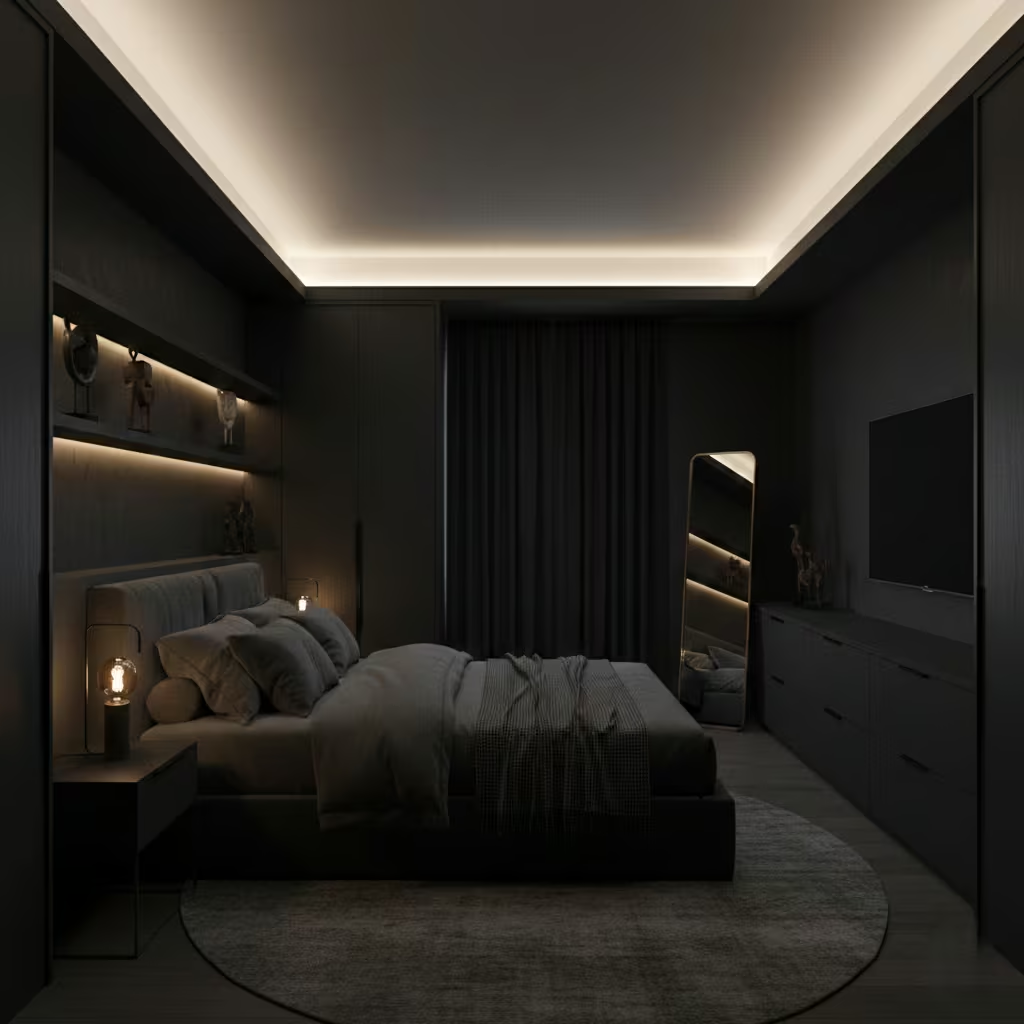
Integrated LED lighting is essential for black bedrooms to prevent the space from feeling too dark while maintaining a sleek, modern aesthetic. I often incorporate LED strips into ceilings, behind headboards, under floating shelves, or within cabinetry to create layered, indirect lighting. This approach enhances textures, highlights key design elements, and keeps the room functional without compromising the moody atmosphere.
This idea works for bedrooms 12–28 m² (130–300 sq ft). It is particularly effective in modern layouts with minimal clutter, wall-mounted furniture, or recessed architectural features where LED strips can be concealed for a seamless look.
Recommended measurements (metric + imperial)
- LED strip placement behind headboard: 5–10 cm (2–4 in) from wall
- Under-cabinet or shelf lighting: 5–8 cm (2–3 in) inset from edge
- Ceiling coves or recesses: 10–15 cm (4–6 in) from wall for even wash
- Recommended brightness: 300–400 lumens per linear metre for ambient light
Materials and finishes
- Black walls or cabinetry: Matte or satin finishes work best to reduce glare
- LED channels: Aluminium or plastic profiles for concealed installation
- Diffusers: Frosted covers to soften and diffuse light evenly
- Complementary furnishings: Dark textiles, reflective metals, or natural wood to balance the glow
I layer multiple light sources to avoid flatness:
- Ambient: LED strips in ceiling coves or under floating elements
- Task: Adjustable bedside or desk lighting
- Accent: Spotlights on artwork or architectural features
Light temperature should be 2700K–3000K for warmth. Dimmable drivers allow flexibility for mood and function.
From working on luxury projects, I’ve learned that the key is integration and subtlety. LEDs should feel natural and not appear as mere fixtures. Proper placement highlights black surfaces and textures while making the room livable at night. I always map out wiring and spacing before finishing walls or ceilings to avoid costly retrofits.
Pros
- Enhances textures and highlights design elements
- Maintains black bedroom drama while improving functionality
- Flexible and dimmable for mood or task needs
- Can be concealed for a clean, modern aesthetic
Cons
- Requires careful planning and installation
- Poor-quality LEDs can produce uneven lighting or flicker
- Retrofitting later can be disruptive and expensive
You May also Like: 60 Italian Bedroom Design Ideas: Stunning Styles, Colours & Decor Inspiration
Black Bedroom with Floor-to-Ceiling Curtains
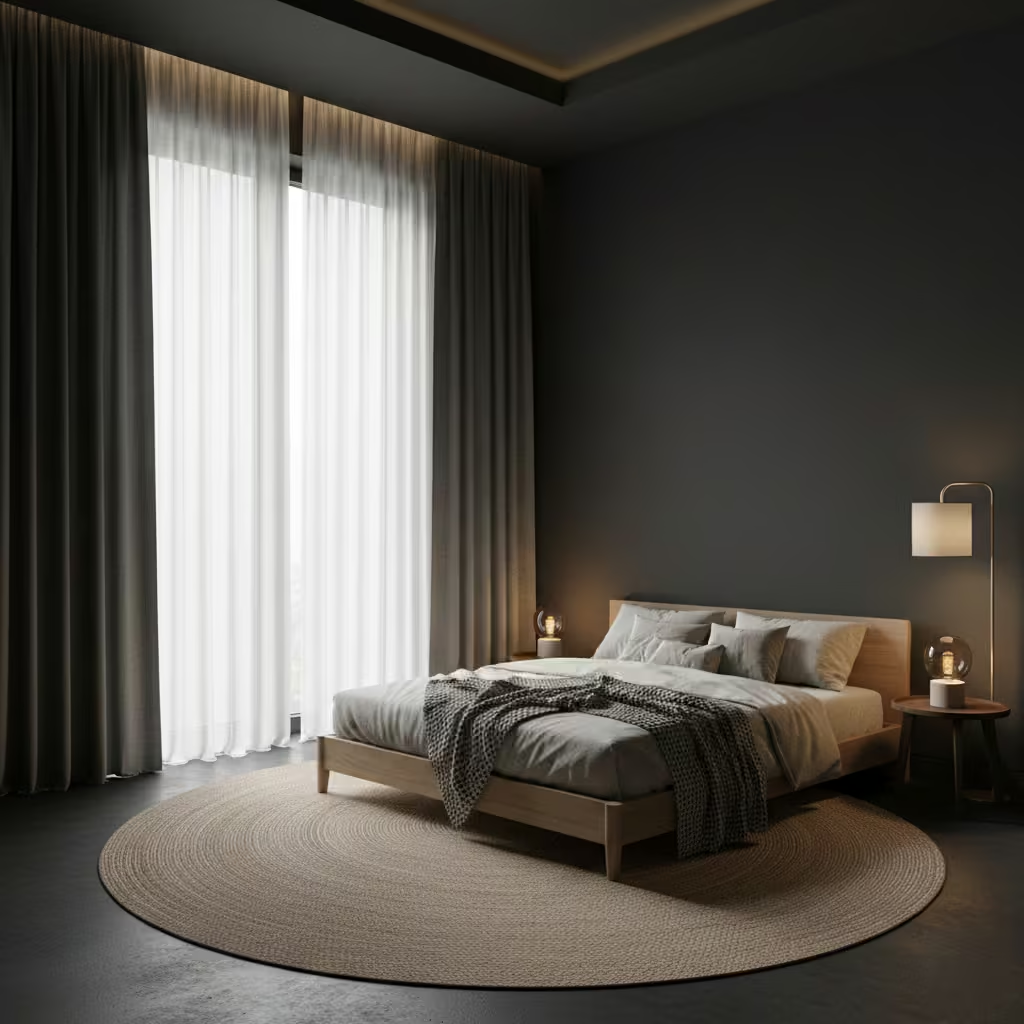
Floor-to-ceiling curtains in a black bedroom add both drama and softness. I often use them to frame windows, create a cocooning effect, or visually raise the ceiling. Black curtains paired with lighter sheers or neutral walls enhance the room’s depth while introducing texture and movement, preventing the dark palette from feeling rigid or oppressive.
This approach works well in bedrooms 12–25 m² (130–270 sq ft). It is particularly effective in rooms with high windows or sliding glass doors, but even standard-height windows benefit from the illusion of greater height. Full-height curtains work best when installed close to the ceiling rather than directly above the window frame.
Recommended measurements (metric + imperial)
- Curtain drop: 10 cm (4 in) above ceiling line to floor length, with 1–2 cm (0.4–0.8 in) clearance from floor for a soft drape
- Curtain width: 1.5–2 times the window width for fullness
- Rod or track projection: 12–15 cm (5–6 in) from wall to allow curtains to stack neatly when open
Materials and finishes
- Heavyweight fabrics: Velvet, thick linen, or cotton blends in black or charcoal
- Sheer layers: White, cream, or light grey to filter daylight
- Hardware: Black or matte metallic rods/tracks for seamless integration
- Optional: Thermal or blackout lining for privacy and light control
Curtains affect natural light, so I balance them with layered artificial lighting. Wall sconces or ceiling-mounted lights with warm 2700K–3000K tones complement the dark drapery. I also integrate LED uplights behind curtain pelmets to wash walls gently and enhance texture.
I’ve found that full-height curtains dramatically improve perceived ceiling height and introduce softness to black bedrooms. In small rooms, they make walls appear taller and more expansive. I usually recommend pairing them with minimalist curtain tracks and keeping the stacking area clear so the room maintains a sense of openness.
Pros
- Adds height and drama to the room
- Softens black surfaces with flowing texture
- Enhances privacy and light control
- Works well with layered lighting and soft furnishings
Cons
- Heavy curtains can be expensive and require maintenance
- Dark fabrics can absorb light, making rooms feel smaller if not balanced
- Needs precise measurement and installation for a polished finish
Black Bedroom with Patterned Wallpaper
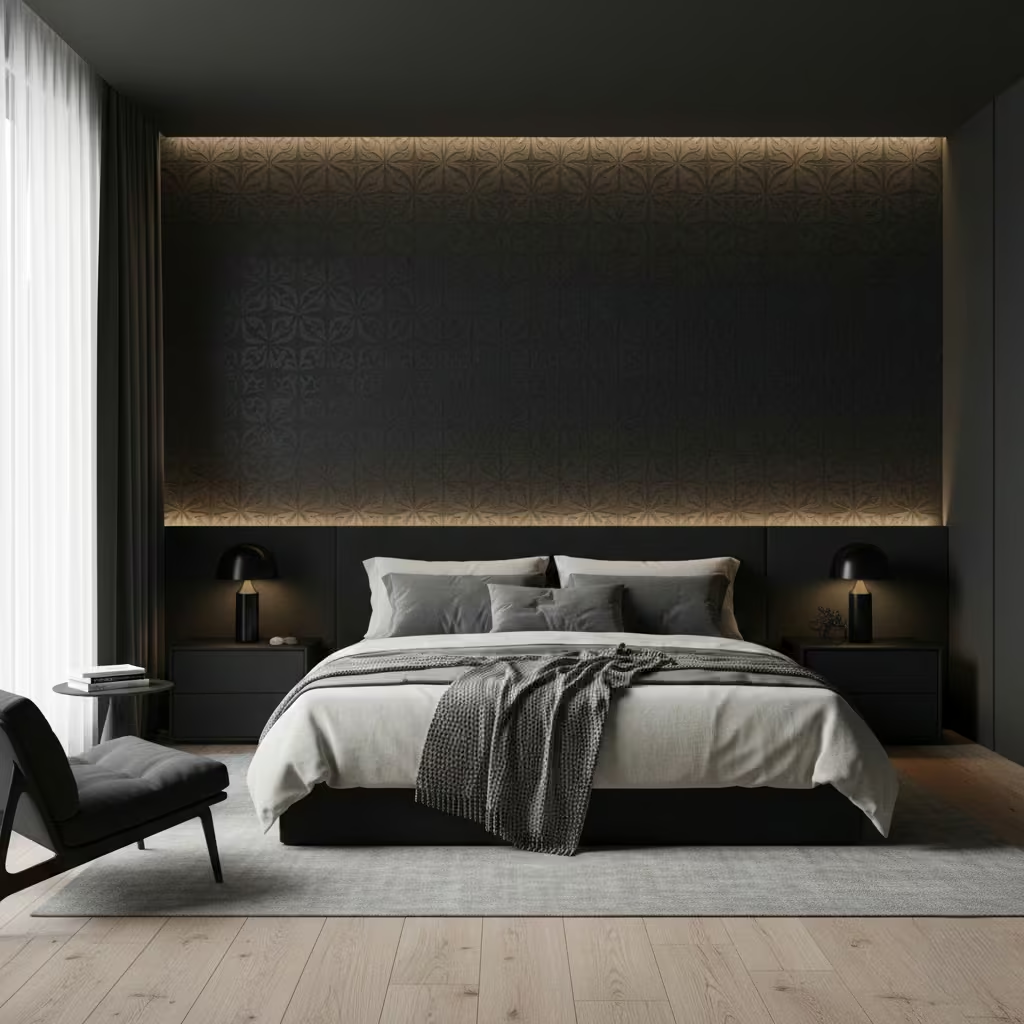
Patterned wallpaper in a black bedroom adds depth, character, and personality while preventing the space from feeling too flat. I often use subtle geometric, botanical, or textured patterns in black or charcoal tones to maintain a moody aesthetic without overwhelming the senses. The key is balance: one feature wall or small accent areas keep the look cohesive and sophisticated.
This style works best in bedrooms 12–22 m² (130–240 sq ft). Feature walls behind the bed or along a side wall are most effective. In larger rooms, wallpaper can extend across multiple walls, but I usually avoid full-room coverage in black patterns unless paired with lighter ceilings and abundant lighting.
Recommended measurements (metric + imperial)
- Feature wall width: Match bed width plus bedside tables, 260–320 cm (102–126 in)
- Wall height: Floor-to-ceiling, 240–270 cm (94–106 in)
- Pattern scale: Choose motifs roughly 30–50 cm (12–20 in) in repeat for large walls; smaller motifs risk visual clutter
Materials and finishes
- Wallpaper: Textured vinyl, embossed, or matte paper for subtle dimension
- Color: Black, charcoal, or deep grey patterns with matte or satin finish
- Complementary elements: Lighter bedding, soft rugs, or warm wood furniture to offset dark walls
Indirect lighting helps highlight wallpaper texture. I often use wall washers or ceiling-mounted LEDs 50–100 mm (2–4 in) from the wall to create soft shadowing. Warm 2700K–3000K light brings out subtle patterns without creating glare.
I’ve found that black patterned wallpaper works best when paired with minimal accessories. Too many decorations can compete with the pattern, making the room feel busy. Selecting wallpapers with texture or slight metallic accents adds depth and luxury while maintaining a calm, elegant environment.
Pros
- Adds depth and visual interest to black bedrooms
- Provides a sophisticated focal point without overpowering
- Works with modern, classic, and eclectic styles
- Texture or subtle metallics enhance luxury feel
Cons
- Poor-quality wallpaper can peel or fade
- Busy patterns can make small rooms feel cluttered
- Installation requires precision for a seamless look
You May also Like: 21 Minecraft Bedroom Ideas to Build the Ultimate Gamer Room
Small Black Bedroom Done Right
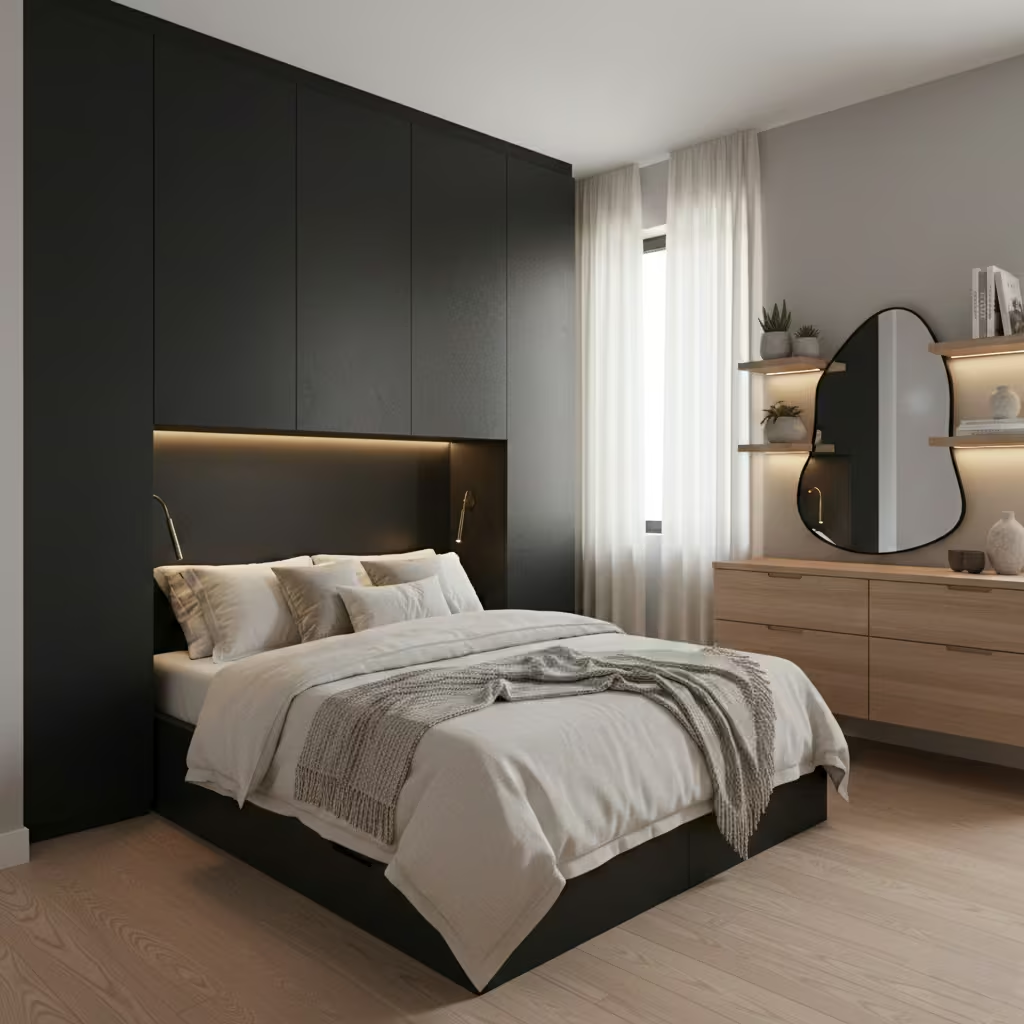
Small black bedrooms can feel cozy and stylish rather than cramped when designed carefully. I often recommend using black strategically on one feature wall, the ceiling, or built-in furniture, while keeping the remaining surfaces lighter. Mirrors, reflective surfaces, and clever lighting help open up the space, ensuring it feels inviting instead of claustrophobic.
This approach is ideal for bedrooms 8–12 m² (86–130 sq ft), such as city apartments or compact guest rooms. Avoid painting all walls black in small spaces unless ceiling height and natural light are generous. Using black on the wall behind the bed or as cabinetry is usually sufficient.
Recommended measurements (metric + imperial)
- Bed width: 120–150 cm (47–59 in) for small spaces
- Clearance around bed: 60–70 cm (24–28 in) to maintain circulation
- Mirror height above dresser: 90–120 cm (35–47 in)
- Floating shelves: 20–25 cm (8–10 in) depth to save floor space
Materials and finishes
- Black accents: Matte or satin paint on one wall or built-ins
- Light surfaces: White, cream, or soft grey walls to balance darkness
- Flooring: Light wood or neutral carpets to visually expand the room
- Accessories: Mirrors, glass, or reflective metal to bounce light
Layered lighting is critical. I use wall sconces or adjustable pendants at 55–65 cm (22–26 in) above the bed, plus concealed LED strips under shelves or around mirrors. Warm light 2700K–3000K ensures the space feels inviting, while dimmers allow flexible mood control.
In small black bedrooms, proportion and contrast are everything. I often design floating furniture and use minimal clutter to keep the room open. A single black element provides drama without making the space oppressive, and mirrors or glossy finishes help reflect both natural and artificial light.
Pros
- Makes small spaces feel stylish and intimate
- Uses black without overwhelming
- Can be highly functional with smart furniture layouts
- Easier to refresh with textiles or accents
Cons
- Overuse of black can shrink the perceived space
- Requires precise planning for furniture placement
- Poor lighting will make the room feel dark and cramped
Black Bedroom with Layered Textiles
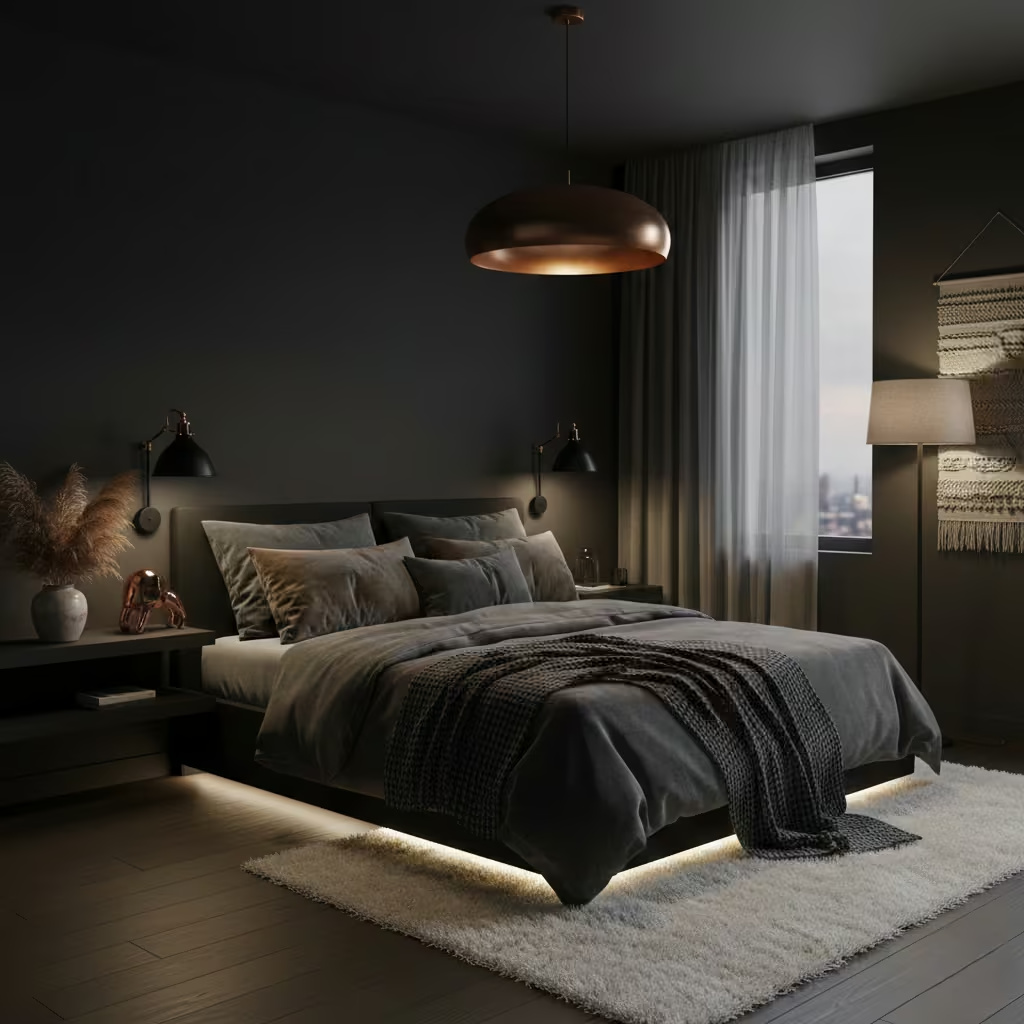
Layered textiles are one of the simplest yet most effective ways to soften a black bedroom and add tactile interest. I often combine multiple textures—such as velvet cushions, linen sheets, wool throws, and soft rugs to create depth and comfort. This approach allows black to remain the dominant colour while introducing warmth, pattern, and visual contrast without relying on additional colours.
This technique works well in bedrooms 12–28 m² (130–300 sq ft) of any layout. In smaller rooms, I focus layers around the bed and floor, while in larger spaces, textiles can be extended to seating areas, benches, or window nooks for cohesion.
Recommended measurements (metric + imperial)
- Rug size under bed: 200 x 300 cm (79 x 118 in) for king beds, 160 x 230 cm (63 x 91 in) for double beds
- Throw or blanket length: 180–220 cm (71–87 in) to cover bed width comfortably
- Cushion sizes: Mix 40 x 40 cm (16 x 16 in), 50 x 50 cm (20 x 20 in), and lumbar 30 x 50 cm (12 x 20 in)
- Bed layering depth: 20–30 cm (8–12 in) including duvet, coverlet, and throw
Materials and finishes
- Black elements: Sheets, pillowcases, or bedspreads in black or charcoal
- Layering materials: Linen, wool, velvet, silk, or faux fur for texture
- Rugs: Natural fibres like wool or jute to add warmth
- Optional accents: Neutral throws, patterned cushions, or metallic details
Soft, warm lighting enhances textile texture. I recommend bedside lamps with fabric shades, recessed LEDs, or wall sconces 55–65 cm (22–26 in) above the bed. Highlighting layered rugs with floor uplights or indirect LED strips can also create subtle depth.
Layering textiles is my go-to technique to make black bedrooms feel livable and inviting. I usually advise using at least three distinct textures within the space: one on the bed, one on the floor, and one as accent cushions or throws. This strategy prevents the room from feeling flat or cold while maintaining a cohesive, dark palette.
Pros
- Adds comfort, warmth, and depth to black bedrooms
- Simple to update with seasonal fabrics
- Works in any room size
- Enhances visual interest without changing wall colours
Cons
- Too many textures or patterns can feel cluttered
- Dark textiles may show dust or lint easily
- Requires careful colour coordination to maintain cohesion
Scandinavian-Inspired Black Bedroom
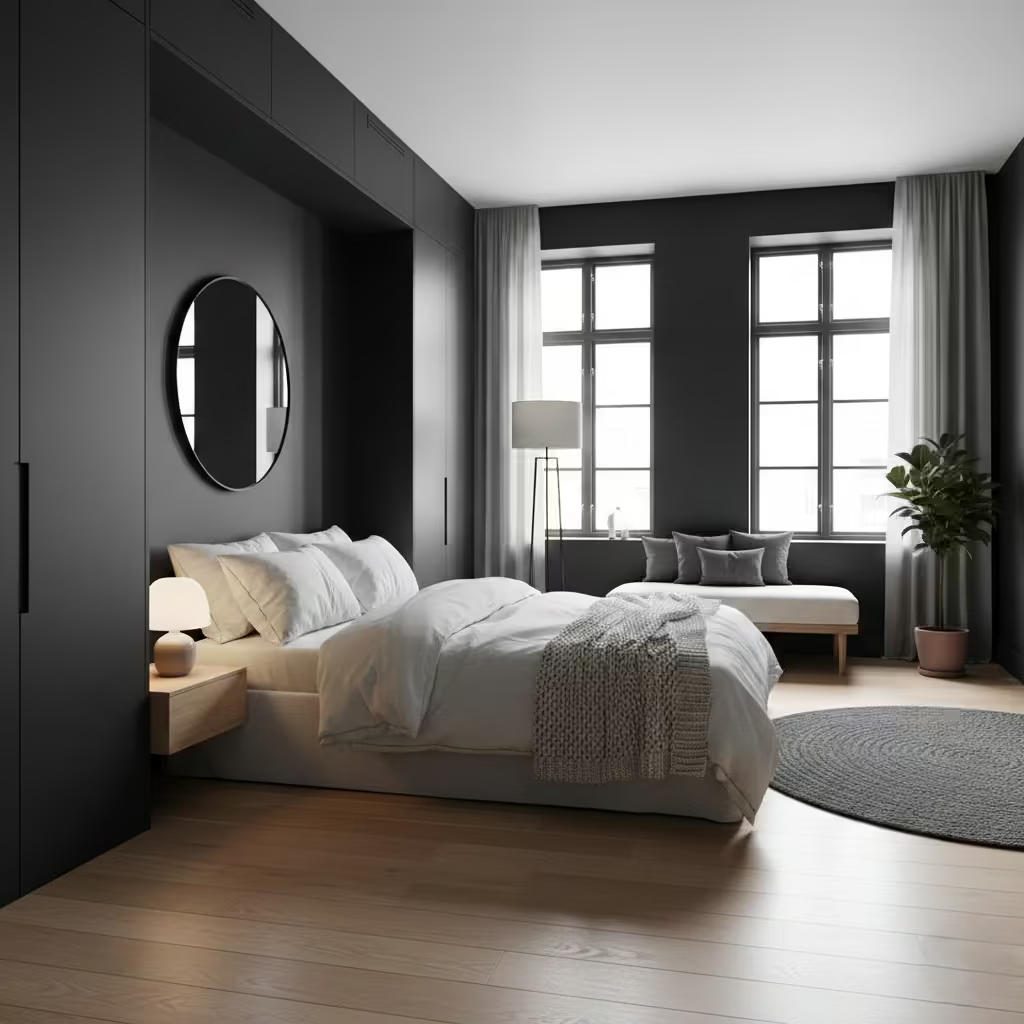
A Scandinavian-inspired black bedroom combines dark walls or furniture with light, airy elements to achieve a calm, minimalist environment. I often use black on feature walls, cabinetry, or furniture pieces while incorporating pale wood, white textiles, and natural light to maintain balance. This approach prevents the room from feeling heavy and gives it a serene, Scandinavian sense of order and simplicity.
This style works best in bedrooms 12–25 m² (130–270 sq ft). It is particularly effective in spaces with large windows or skylights, as natural light softens the dark elements. In smaller rooms, I recommend limiting black to one wall or selected furniture to avoid overwhelming the space.
Recommended measurements (metric + imperial)
- Bed width: 140–180 cm (55–71 in) depending on room size
- Bedside table width: 40–50 cm (16–20 in)
- Clearance around bed: 60–80 cm (24–31 in) for easy movement
- Window treatment drop: 10 cm (4 in) above frame to floor for a clean, Scandinavian feel
Materials and finishes
- Black elements: Matte black walls, furniture, or shelving
- Light elements: Natural wood floors, white or cream bedding, pale rugs
- Accessories: Minimalist décor, woven baskets, and soft textiles
- Optional: Grey or muted tones in cushions or throws for layering
Scandinavian design relies on maximizing light. I recommend layered lighting with ceiling fixtures, wall sconces, and bedside lamps. Use 2700K–3000K warm LEDs for a cozy feel, while positioning fixtures to enhance natural light during the day.
I’ve found that the Scandinavian approach works well with black because it emphasizes contrast, texture, and proportion. Keeping furnishings minimal and allowing natural elements to shine ensures the room feels spacious, calm, and inviting. Clients often appreciate how balanced this approach makes black feel, even in smaller bedrooms.
Pros
- Calm and balanced atmosphere
- Works well in small and medium rooms
- Minimalist and timeless design
- Highlights contrast between dark and light surfaces
Cons
- Requires careful selection of light materials and finishes
- Overuse of black can undermine Scandinavian minimalism
- Limited flexibility with bold décor or colour accents
You May also Like: Bedroom Accent Wall Ideas That Feel Considered, Calm, and Built to Last
Black Bedroom with Natural Stone or Marble
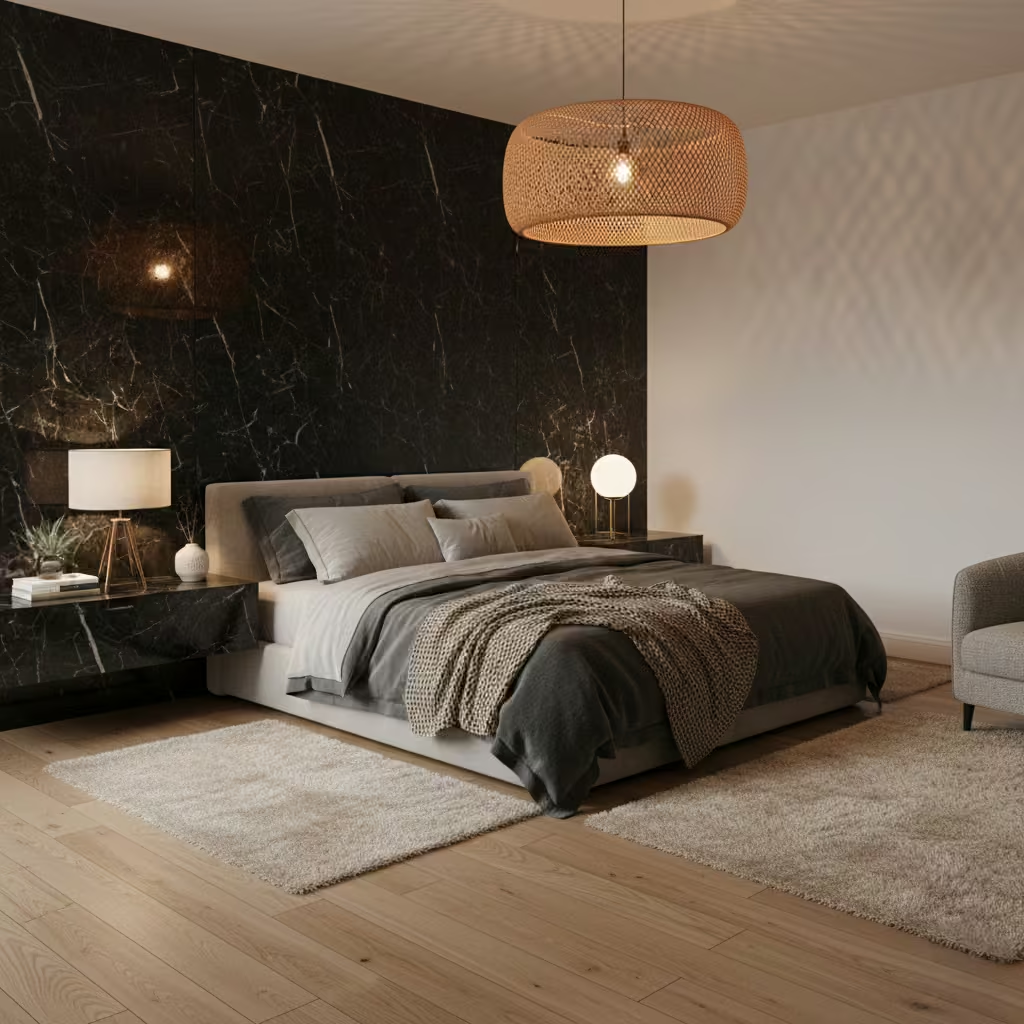
Incorporating natural stone or marble into a black bedroom adds a sense of luxury, texture, and permanence. I often use black marble or dark stone as a feature wall behind the bed, on flooring, or for accent surfaces like bedside tops. Stone brings subtle pattern and reflective qualities that prevent dark spaces from feeling flat. However, it must be used judiciously, as too much can make the room feel cold or overly formal.
This approach works best in bedrooms 16–30 m² (170–325 sq ft), where the visual weight of stone can be balanced by lighter surfaces. In smaller bedrooms, stone should be limited to accent areas, such as a panel behind the bed or a section of flooring, rather than covering entire walls or floors.
Recommended measurements (metric + imperial)
- Stone or marble feature wall: 260–320 cm (102–126 in) wide behind bed, 240–270 cm (94–106 in) high
- Bedside countertop: 40–50 cm (16–20 in) depth, 60 cm (24 in) height
- Stone flooring: Tile sizes 60 x 60 cm (24 x 24 in) or 30 x 60 cm (12 x 24 in) for balance in small rooms
- Clearance around bed: 70–90 cm (28–35 in)
Materials and finishes
- Stone types: Black marble with subtle veining, slate, or dark granite
- Complementary materials: Warm woods, soft textiles, or metal accents to prevent coldness
- Finishes: Polished stone for luxury, honed or matte for a more tactile, subdued feel
Stone surfaces reflect light differently depending on finish. I often use indirect LED strips or wall washers 50–100 mm (2–4 in) from the stone surface to highlight texture. Warm 2700K–3000K light enhances natural veining and prevents the room from feeling sterile.
From experience, stone works best as a feature element, not as the dominant material. Combining it with softer textures and warm materials prevents the room from feeling cold or uninviting. I advise clients to keep stone on vertical planes or accent surfaces and use wood, textiles, or rugs to add warmth.
Pros
- Adds luxury, texture, and timeless appeal
- Highlights black elements without flattening the room
- Durable and low-maintenance
- Works well in modern and classic interiors
Cons
- Can feel cold or formal if overused
- Heavier materials may require professional installation
- Cost is higher than painted or simple paneling options
Moody Black Bedroom with Low-Level Lighting
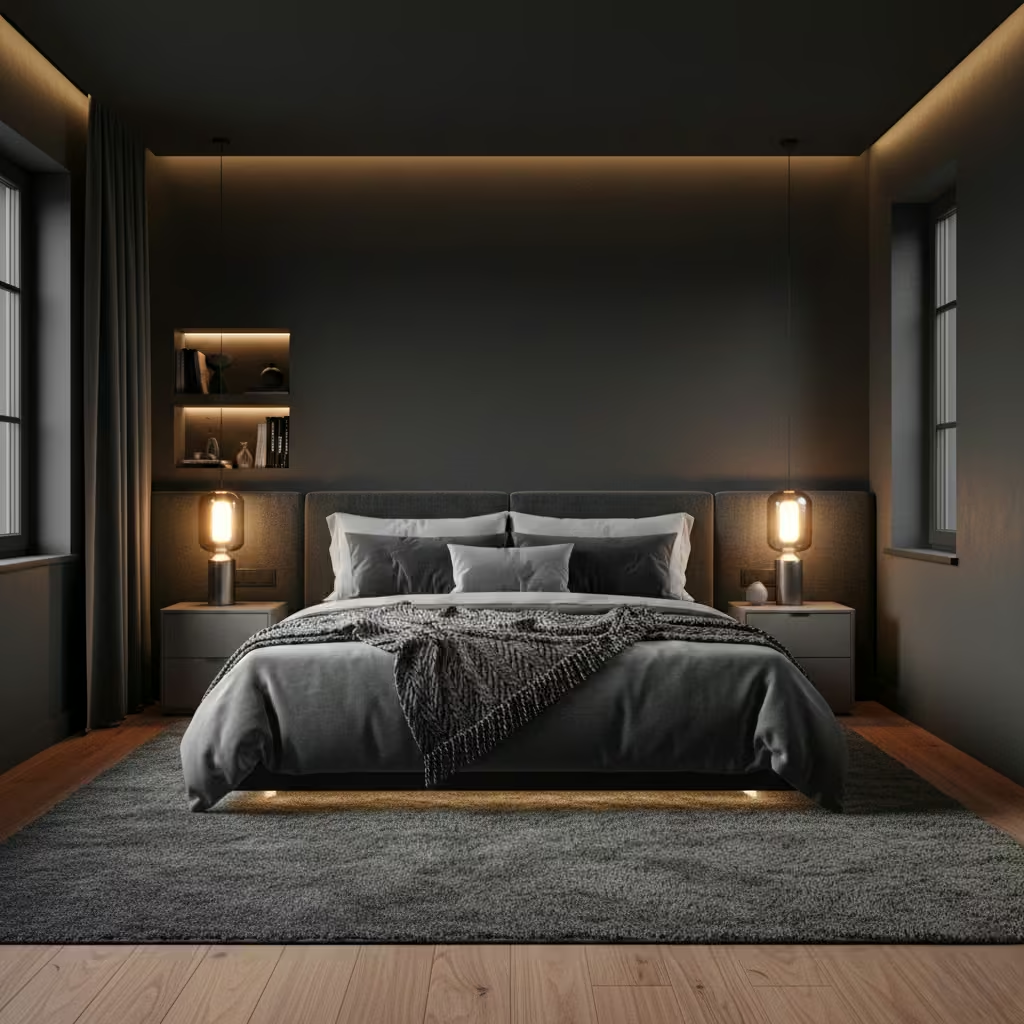
A moody black bedroom with low-level lighting creates a luxurious, hotel-inspired retreat. I often use subtle, indirect lighting sources such as bedside lamps, floor uplights, or concealed LED strips to create a soft glow that enhances the dark palette. This approach emphasizes relaxation and intimacy, making the bedroom feel like a cocooned sanctuary rather than a purely functional space.
This style works best in bedrooms 14–28 m² (150–300 sq ft) where lighting can be layered without overcrowding. It is particularly effective in rooms with minimal natural light or where black walls, ceilings, or cabinetry dominate, as low-level lighting prevents the space from feeling oppressive.
Recommended measurements (metric + imperial)
- Bedside lighting height: 55–65 cm (22–26 in) above mattress
- Floor uplight spacing: 1–1.5 m (3.3–5 ft) apart along walls or behind furniture
- LED strip behind headboard: 5–10 cm (2–4 in) from wall
- Dimmer placement: Within 1–1.2 m (39–47 in) from bed for easy access
Materials and finishes
- Walls and furniture: Matte or satin black finishes
- Textiles: Layered bedding in charcoal, grey, or muted neutrals
- Flooring: Warm wood or soft rugs to absorb light and add comfort
- Accessories: Metallic accents, mirrors, or dark glass to enhance reflective surfaces
Lighting strategy
Low-level lighting should be layered for function and mood:
- Ambient: LED strips, floor or wall uplights
- Task: Adjustable bedside reading lamps
- Accent: Small spotlights to highlight artwork or textures
Warm light at 2700K–3000K keeps the mood intimate and cozy. Dimmers allow flexible adjustment from functional to ambient lighting.
In luxury projects, low-level lighting in black bedrooms consistently receives positive feedback for creating a relaxing, hotel-like atmosphere. I always recommend combining indirect sources with subtle task lighting, ensuring the room is functional yet feels indulgent. Layering textures in textiles and furniture balances the darkness for comfort.
Pros
- Creates intimate, hotel-inspired ambiance
- Enhances textures and depth in black bedrooms
- Flexible mood lighting with dimmers
- Works in both small and large rooms
Cons
- Requires careful planning for wiring and placement
- Poor-quality LEDs may cause uneven light or glare
- May need additional lighting for functional tasks
You May also Like: 25 Desert Bedroom Designs That Feel Warm, Grounded, and Effortlessly Stylish
Black Bedroom with Black Furniture
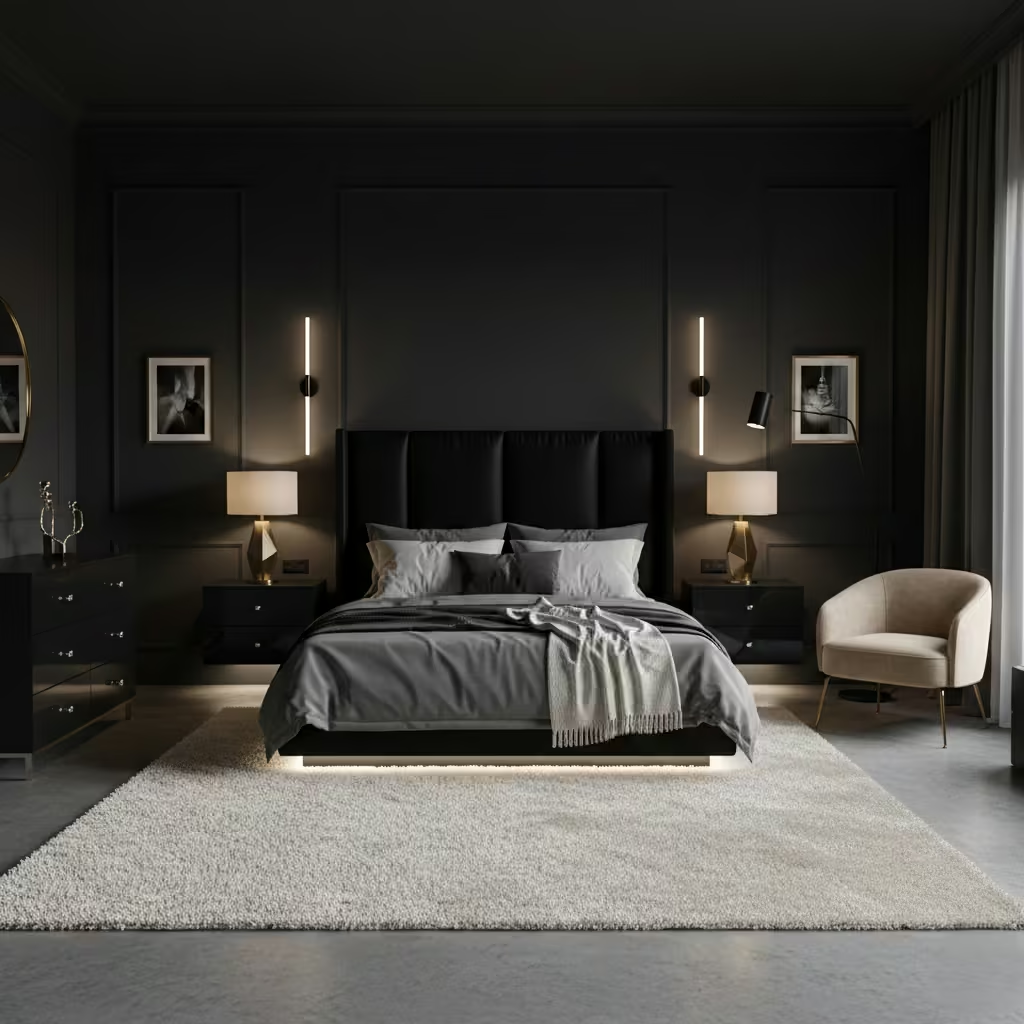
Using black furniture in a black bedroom creates a sleek, cohesive look, but without careful planning, it can feel flat or monotonous. I often combine matte and satin finishes, introduce subtle textures, and strategically space pieces to break up the darkness. Contrasting materials, such as warm wood, metallic accents, or soft textiles, ensure the room feels layered and dynamic.
This approach works best in bedrooms 14–28 m² (150–300 sq ft), where furniture can be proportionally spaced. Smaller rooms benefit from fewer large black pieces, while larger rooms can accommodate a full suite of black cabinetry, beds, and seating without overwhelming the space.
Recommended measurements (metric + imperial)
- Bed width: 160–180 cm (63–71 in) for balance with surrounding furniture
- Clearance around bed: 70–90 cm (28–35 in)
- Dresser height: 90–100 cm (35–39 in), depth 45–50 cm (18–20 in)
- Nightstand width: 45–55 cm (18–22 in)
Materials and finishes
- Furniture: Matte or satin black lacquer, stained wood, or metal
- Accents: Brass, chrome, or light wood handles to break monotony
- Textiles: Bedding, rugs, and throws in neutral or textured fabrics to add contrast
Layered lighting is essential to prevent black furniture from blending into black walls. Wall sconces, table lamps, and subtle LED strips highlight shapes and surfaces. Warm 2700K–3000K light softens the look and maintains a cozy atmosphere.
In my projects, black furniture works best when paired with a mix of textures and materials. I often recommend leaving some open space around key pieces and adding reflective accents to prevent the room from feeling heavy. This approach creates a sophisticated, high-end feel while maintaining visual interest.
Pros
- Sleek, cohesive, and modern look
- Works well in minimalist and luxury designs
- Easy to maintain visual harmony
- Durable finishes often require less upkeep
Cons
- Risk of monotony without contrasting textures or accents
- Dark furniture can reduce perceived room size in small spaces
- Requires careful lighting to define furniture shapes
Black Bedroom with Large Windows
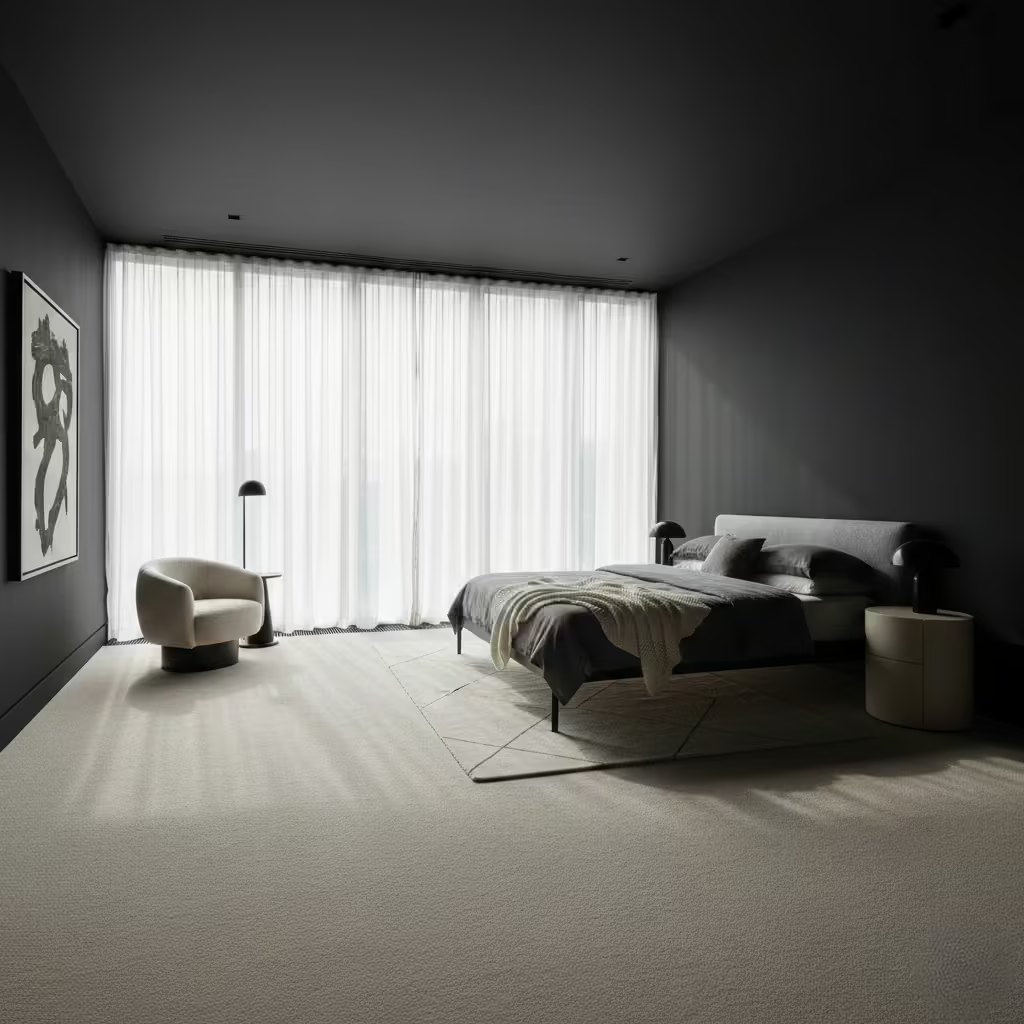
Large windows transform a black bedroom from potentially oppressive to airy and inviting. I often design black bedrooms around expansive glazing, allowing natural light to highlight textures, balance darkness, and create a dynamic interplay between shadow and illumination. This approach makes black walls, furniture, and ceilings feel intentional and sophisticated rather than heavy.
This design works best in bedrooms 15–30 m² (160–325 sq ft) with at least one wall of generous windows. Floor-to-ceiling or wide horizontal windows maximize daylight and make black features appear lighter. For smaller rooms, a single large window combined with light flooring and minimal furnishings achieves a similar effect.
Recommended measurements (metric + imperial)
- Window height: 180–240 cm (71–94 in) for standard floor-to-ceiling proportion
- Window width: Minimum 150–250 cm (59–98 in) depending on wall size
- Curtain drop: 10 cm (4 in) above ceiling line to floor
- Clearance from bed to window: 60–80 cm (24–31 in) for comfort and circulation
Materials and finishes
- Walls: Matte black paint or textured panels
- Window treatments: Floor-to-ceiling curtains in light neutrals or sheer layers
- Flooring: Light-toned wood or neutral carpets to reflect daylight
- Furniture: Minimalist black or neutral pieces to avoid visual clutter
Even with large windows, I layer artificial lighting for evenings or overcast days. Wall sconces, pendant lights, and LED strips with warm 2700K–3000K tones complement daylight. Position lights to enhance architectural features or textured walls without competing with natural illumination.
In my experience, large windows are the key to making black bedrooms feel spacious and luxurious. I often orient the bed or seating areas to take advantage of daylight, pairing dark walls with reflective surfaces such as mirrors, metallic accents, or glass furniture to amplify natural light and maintain balance.
Pros
- Maximizes daylight, preventing the room from feeling dark or oppressive
- Highlights textures and architectural details
- Makes black bedrooms feel spacious and sophisticated
- Works well in both small and large rooms
Cons
- Requires careful curtain or blind planning to control light and privacy
- Large windows can increase heat gain or loss
- Needs quality glazing to maintain energy efficiency
Black Bedroom with Earthy Accents
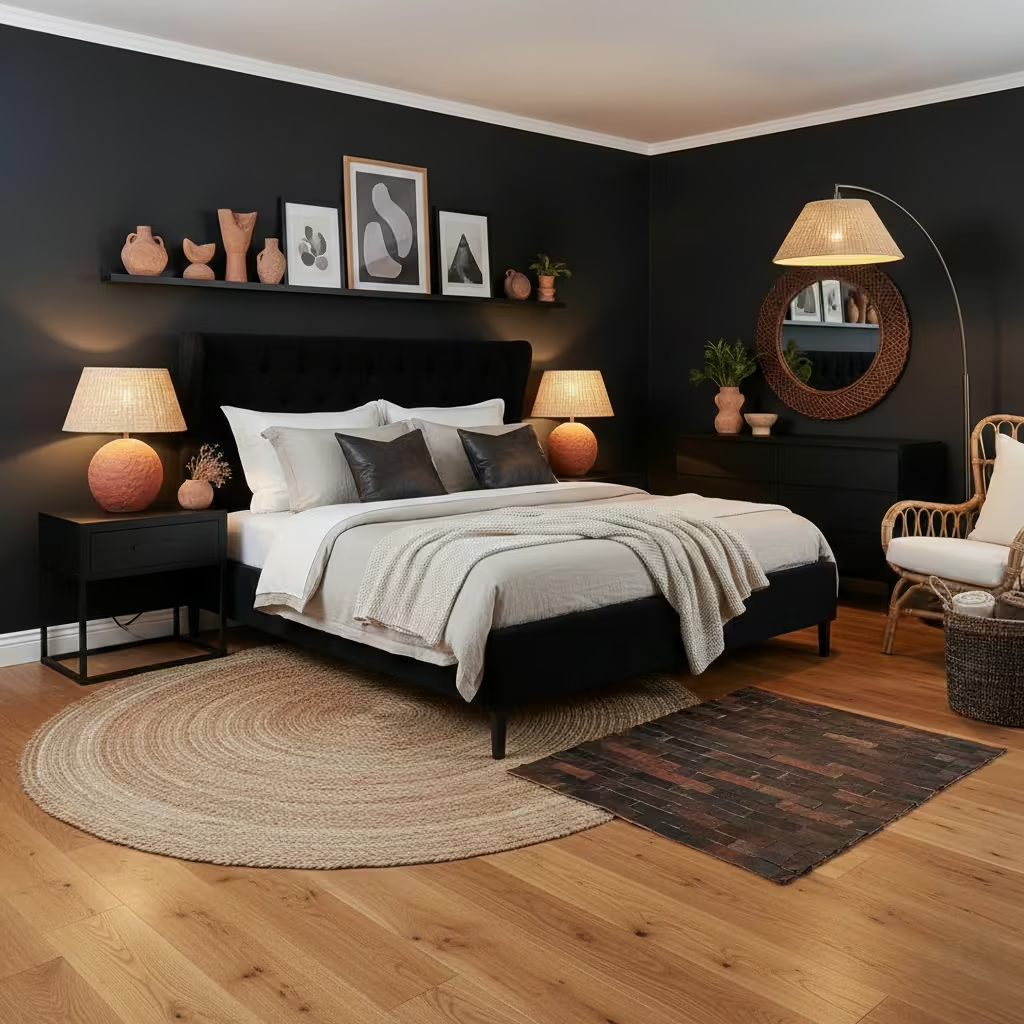
Adding earthy accents to a black bedroom brings warmth, texture, and a grounded, natural feel. I often use materials like clay vases, leather chairs, woven baskets, and jute or sisal rugs to soften the intensity of black walls or furniture. This approach adds tactile richness and visual interest while keeping the palette sophisticated and cohesive.
This style works well in bedrooms 12–28 m² (130–300 sq ft). In smaller rooms, I focus on subtle touches such as bedside accessories, a small rug, or a single leather chair. Larger spaces allow for more extensive layering of earthy textures across furniture, flooring, and decorative elements.
Recommended measurements (metric + imperial)
- Rug size under bed: 160 x 230 cm (63 x 91 in) for a double bed, 200 x 300 cm (79 x 118 in) for a king
- Accent chair dimensions: Seat height 45 cm (18 in), width 70–90 cm (28–35 in)
- Basket height: 30–50 cm (12–20 in) for bedside or corner storage
- Decorative vases: 20–40 cm (8–16 in) height for visual balance
Materials and finishes
- Black elements: Matte walls, furniture, or cabinetry
- Earthy accents: Terracotta, leather, jute, woven rattan, natural stone
- Textiles: Linen, wool, or cotton in neutral or muted earth tones
- Flooring: Warm wood or natural-fibre rugs to complement black surfaces
Layered lighting enhances earthy textures. I use warm 2700K–3000K wall sconces, pendant lights, and table lamps. Uplighting near textured items like woven wall hangings or terracotta accessories adds depth and highlights natural materials.
I often find that earthy accents are the perfect antidote to black’s intensity. Even small touches introduce warmth and tactility, making the bedroom feel lived-in and inviting. Combining these elements with layered lighting and soft textiles ensures the room maintains luxury without feeling stark.
Pros
- Adds warmth and texture to dark bedrooms
- Works with modern, rustic, and eclectic interiors
- Flexible and easy to update through accessories
- Balances black surfaces without overpowering the design
Cons
- Overuse of earthy tones can reduce the drama of black
- Some materials require maintenance (e.g., leather conditioning, woven dusting)
- Needs careful placement to avoid cluttered appearance
Black Bedroom with Art-Led Styling
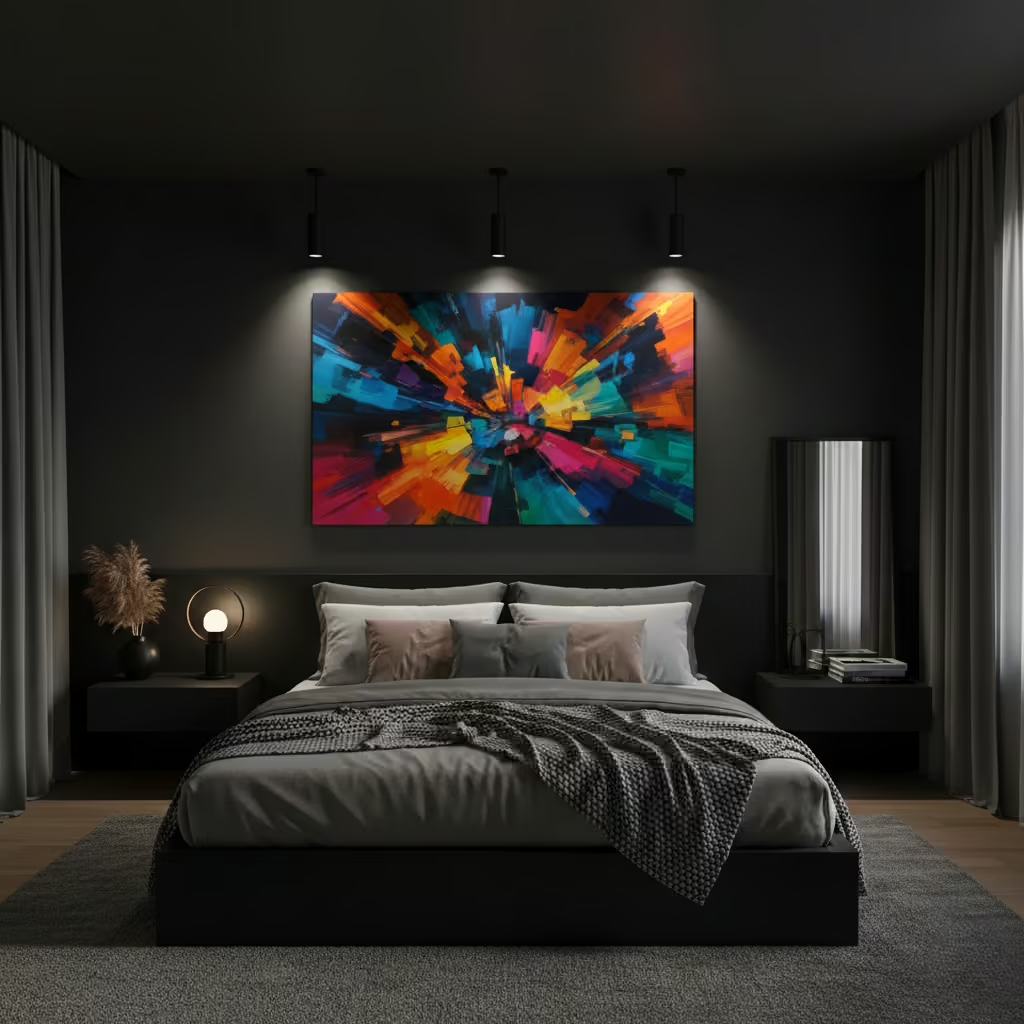
In a black bedroom, artwork becomes a central visual anchor. I often recommend bold, large-scale pieces or striking contrasts to prevent black walls from feeling flat. Black backgrounds make colours, textures, and metallics in art pop, allowing each piece to command attention while complementing the overall moody aesthetic.
This approach works best in bedrooms 14–28 m² (150–300 sq ft). Feature walls behind the bed or seating areas provide ideal canvases for large-scale artwork. In smaller rooms, a single statement piece or gallery-style cluster keeps the focus clear without overcrowding the space.
Recommended measurements (metric + imperial)
- Artwork height above furniture: 15–20 cm (6–8 in) above headboards or consoles
- Large-scale art dimensions: 100 x 150 cm (39 x 59 in) for main focal wall
- Gallery spacing: 5–10 cm (2–4 in) between frames for cohesion
- Clearance from floor: 120–140 cm (47–55 in) to centre eye-level pieces
Materials and finishes
- Frames: Matte black, metallic, or natural wood depending on contrast
- Artwork: Oil, acrylic, mixed media, or photography with bold colours or metallic highlights
- Complementary elements: Neutral or textured bedding, minimal furnishings to avoid visual competition
Accent lighting is key for art-led bedrooms. I recommend adjustable wall-mounted picture lights or directional recessed spotlights 50–70 cm (20–28 in) above artwork. Warm 2700K–3000K light enhances colours and textures without creating harsh glare.
From experience, the mistake many homeowners make is choosing artwork that blends into black walls. I always advise selecting pieces with strong contrast or texture to hold their own. Art-led styling not only personalizes the space but also introduces focal points that give the room character and depth.
Pros
- Creates striking focal points in a black bedroom
- Personalizes and adds sophistication to the space
- Enhances the visual drama of black walls
- Flexible style: modern, classic, or eclectic art works
Cons
- Requires careful selection to avoid clashing with the room’s palette
- Lighting must be planned to highlight artwork effectively
- Large pieces may overwhelm smaller rooms
You May also Like: 17 Warm & Cozy Boho Fall Bedroom Ideas for a Perfect Autumn Vibe
Black Bedroom with Japandi Influence
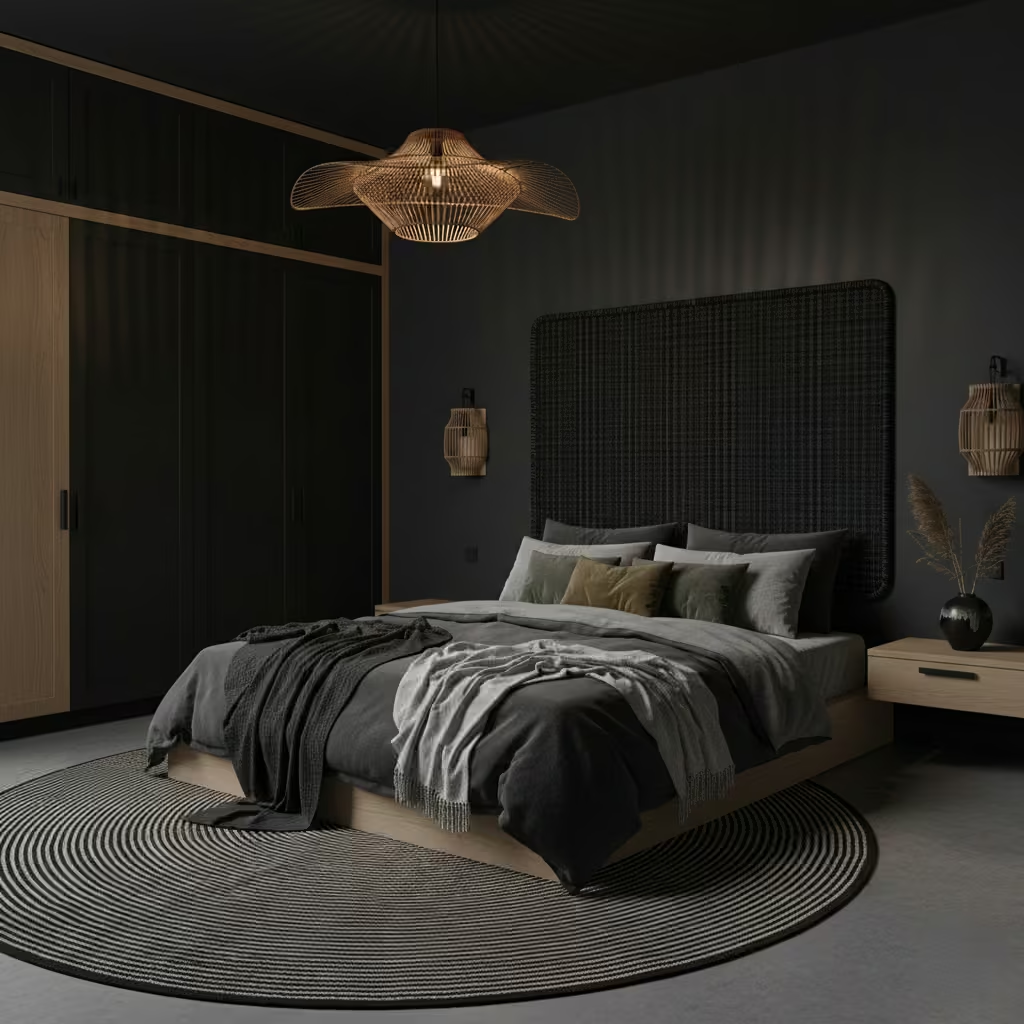
Japandi-style black bedrooms merge Scandinavian minimalism with Japanese warmth and restraint. I often combine matte black walls or furniture with natural wood tones, clean lines, and minimal décor. The result is a serene, intentional space where black acts as a grounding element, and simplicity ensures the room feels calm rather than heavy.
This approach works well in bedrooms 12–25 m² (130–270 sq ft). It is particularly effective in compact urban apartments or medium-sized rooms where simplicity prevents clutter. Large windows or skylights enhance the calming effect by introducing natural light that softens dark elements.
Recommended measurements (metric + imperial)
- Bed width: 140–180 cm (55–71 in) depending on room size
- Bedside table width: 40–50 cm (16–20 in)
- Clearance around bed: 60–80 cm (24–31 in) for circulation
- Window treatment drop: 10 cm (4 in) above ceiling line to floor for minimalism
Materials and finishes
- Black elements: Matte walls, furniture, or cabinetry
- Natural materials: Light oak, bamboo, rattan, or linen textiles
- Textures: Soft throws, woven cushions, and minimalist rugs
- Accessories: Minimal décor, bonsai, or simple ceramic pieces
Japandi design emphasizes soft, warm lighting. I recommend wall sconces, low-hanging pendants, or recessed LED strips at 2700K–3000K. Lighting should highlight textures and natural materials without creating harsh contrasts.
In Japandi-inspired black bedrooms, balance is key. I usually combine black with warm wood and soft textures, keeping décor minimal. This ensures black is sophisticated and grounding rather than overpowering, and it delivers a calm, intentional aesthetic that feels curated and timeless.
Pros
- Minimal, calm, and serene aesthetic
- Combines luxury of black with warmth of natural materials
- Works in small to medium rooms
- Timeless, easy to maintain and style
Cons
- Requires disciplined minimalism to avoid clutter
- Limited scope for bold or colourful décor
- Balance between black and natural tones must be precise
Black Bedroom with Canopy or Four-Poster Bed
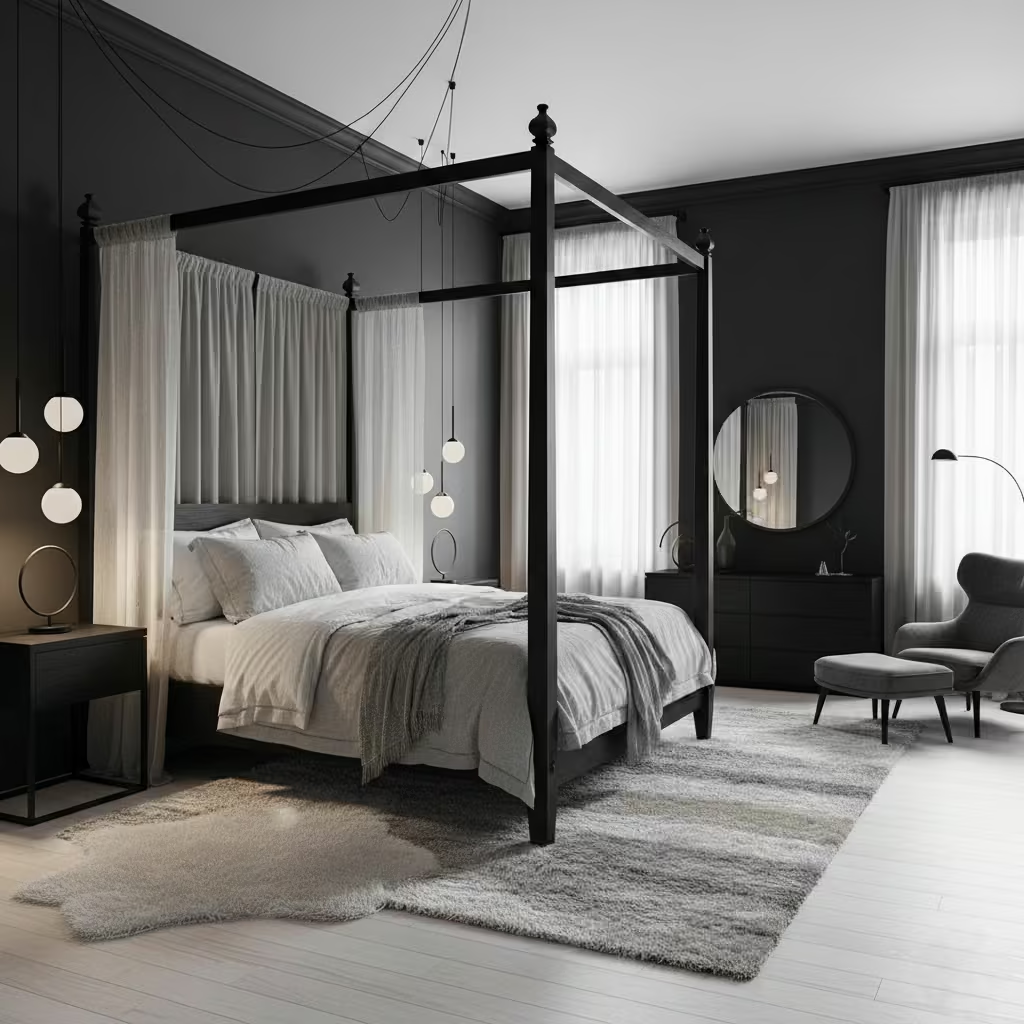
A black canopy or four-poster bed creates an instant focal point and adds architectural drama to a bedroom. I often recommend using matte or satin black finishes on the frame, combined with light bedding or sheer drapes to prevent the room from feeling heavy. The height and proportion of the bed are critical to ensure it complements the space without overwhelming it.
This design works best in bedrooms 16–30 m² (170–325 sq ft) with ceiling heights of at least 260 cm (102 in). Smaller rooms or lower ceilings may feel cramped with a tall four-poster, so I recommend scaled-down frames or partial canopies for compact spaces.
Recommended measurements (metric + imperial)
- Bed height (top of canopy): 210–240 cm (83–94 in) from floor
- Bed width: 160–180 cm (63–71 in) for king, 140 cm (55 in) for double
- Clearance around bed: 70–90 cm (28–35 in) for circulation
- Canopy drape drop: 20–30 cm (8–12 in) above mattress to maintain airy feel
Materials and finishes
- Frame: Matte black metal, dark-stained wood, or combination
- Drapes: Sheer or lightweight fabrics in neutral tones
- Bedding: Layered neutrals or textures to soften the black frame
- Flooring: Light to medium wood or neutral carpets to balance the dark bed
Lighting strategy
I recommend layered lighting:
- Pendant lights or wall sconces 55–65 cm (22–26 in) above bedside tables
- LED strip lighting integrated into canopy tops for soft ambient glow
- Floor or table lamps for reading
Warm 2700K–3000K light enhances the cozy, dramatic effect while keeping the room inviting.
Proportion is key. I always measure ceiling height and room footprint before specifying a black four-poster. Pairing the bed with light textiles and adequate circulation ensures the dramatic frame feels luxurious, not oppressive. I also suggest minimal surrounding furniture to maintain a sense of space and highlight the bed as the focal point.
Pros
- Creates a striking focal point and sense of luxury
- Adds vertical interest to the room
- Works well with both modern and traditional interiors
- Can integrate soft drapes for texture and warmth
Cons
- Requires high ceilings for full-scale effect
- Can overwhelm small rooms if not scaled properly
- Drapes and black finishes require careful maintenance
Black Bedroom with Statement Lighting Fixture
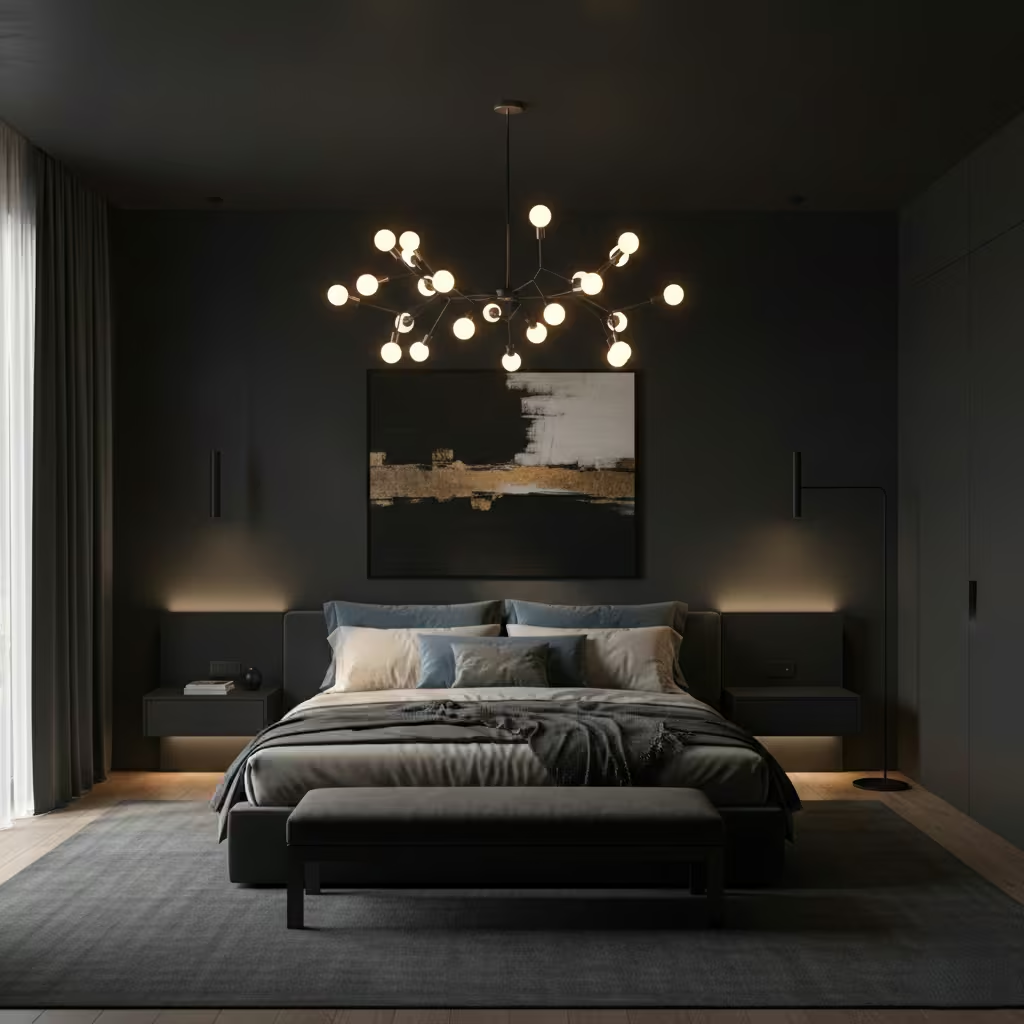
A bold, statement lighting fixture adds personality and drama to a black bedroom. I often select oversized chandeliers, sculptural pendants, or multi-arm ceiling lights to contrast dark walls and create a focal point. Proper scale and placement are essential to ensure the fixture complements the room without overwhelming it or producing glare.
This design works best in bedrooms 16–30 m² (170–325 sq ft) with ceilings at least 260 cm (102 in) high. In smaller rooms, a mid-sized pendant or flush-mount fixture maintains impact without dominating the space. High ceilings allow for dramatic multi-tiered chandeliers or sculptural designs.
Recommended measurements (metric + imperial)
- Ceiling height clearance: Minimum 210 cm (83 in) from floor to bottom of fixture
- Fixture width: 1/3–1/2 of room width for balance
- Bed alignment: Centre fixture above bed or main seating area
- Distance from walls: >50 cm (20 in) to prevent visual crowding
Materials and finishes
- Fixture: Matte black, brass, gold, or mixed metals for contrast
- Shades or diffusers: Glass, fabric, or acrylic to soften light
- Complementary elements: Minimal furniture and textured textiles to avoid clutter
- Wiring: Concealed or coordinated with ceiling design for a clean finish
Lighting strategy
Layer lighting to prevent shadows and glare:
- Ambient: Main statement fixture with dimmable controls
- Task: Bedside lamps or wall sconces
- Accent: LED strips highlighting architectural features or artwork
Use warm 2700K–3000K light to balance black surfaces, ensuring the room feels inviting while the fixture remains a standout piece.
I’ve found that statement lighting works best when paired with simpler surroundings. In black bedrooms, it’s essential to consider scale and glare. Oversized fixtures require careful measurement to prevent visual tension, and diffused light ensures the room remains comfortable and luxurious.
Pros
- Dramatic focal point for black bedrooms
- Enhances overall mood and style
- Flexible design options: modern, classic, or eclectic
- Layered lighting maintains functionality
Cons
- Oversized fixtures can overwhelm smaller rooms
- Poor glare control can create harsh shadows
- Requires careful installation and placement
Black Bedroom with High-Contrast Bedding
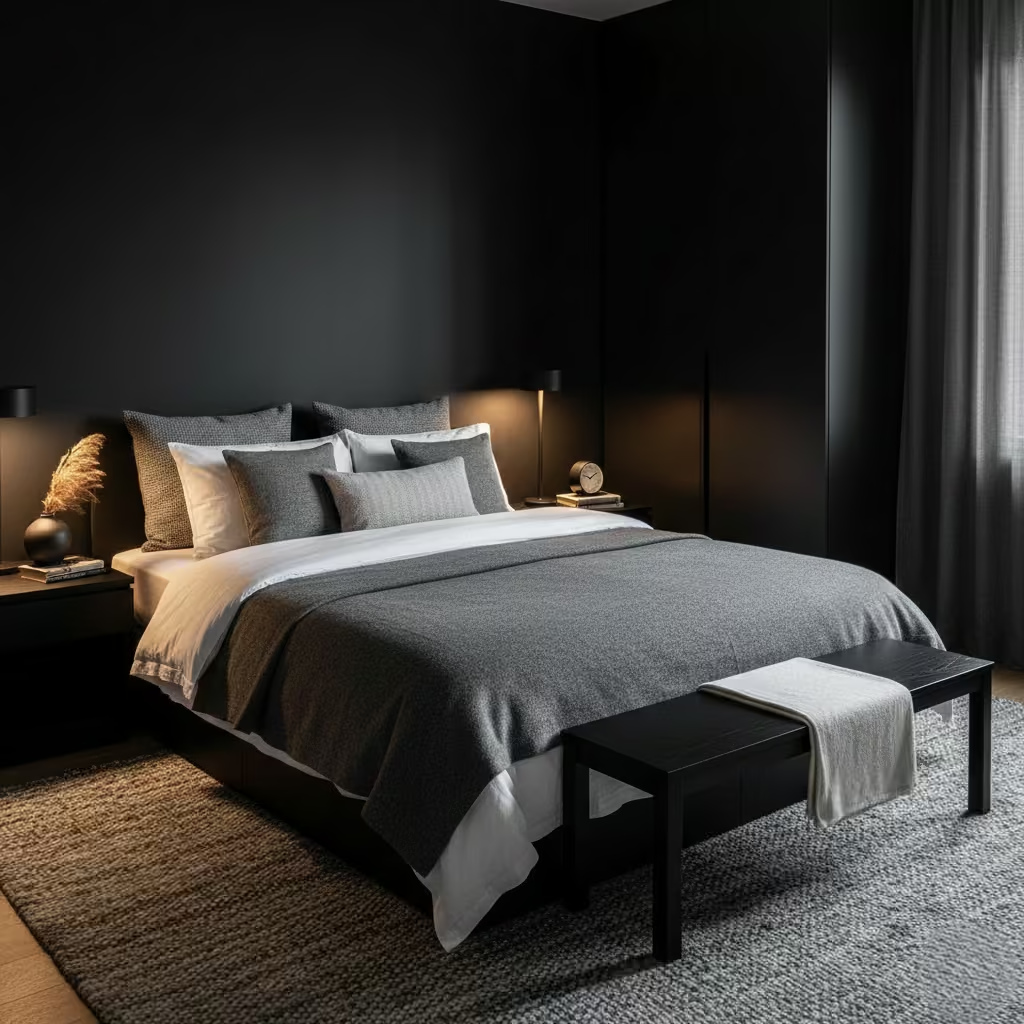
High-contrast bedding is a simple yet powerful way to lift a black bedroom. I often combine crisp white sheets, soft grey duvet covers, and patterned cushions to break up dark walls or furniture. This approach maintains the drama of black while introducing visual brightness and depth, creating a balanced, inviting space.
This approach works well in bedrooms 12–28 m² (130–300 sq ft). It is especially effective in small rooms, where contrast prevents the space from feeling heavy, and in larger rooms, it can define the bed as a central focal point.
Recommended measurements (metric + imperial)
- Bed width: 140–180 cm (55–71 in) for king or double beds
- Duvet length: 220–240 cm (87–94 in) for full coverage
- Pillow layering: 2–3 standard pillows 50 x 75 cm (20 x 30 in) plus decorative cushions 40–50 cm (16–20 in)
- Throw blanket: 180–200 cm (71–79 in) across bed foot
Materials and finishes
- Bedding: Cotton, linen, or bamboo for softness and breathability
- Cushions and throws: Textured fabrics in soft grey, cream, or muted tones
- Accessories: Light rugs or bedside décor to echo bedding contrast
Bright bedding reflects ambient and natural light, enhancing the room’s sense of openness. I recommend layered lighting: ceiling fixtures for ambient light, bedside lamps for reading, and accent LEDs to highlight texture. Warm 2700K–3000K light keeps the space cozy despite bright contrasts.
High-contrast bedding is my go-to method for injecting life into black bedrooms. I often layer three or more textures or colours to create depth without overwhelming the dark palette. This approach ensures black remains dramatic while the bed feels inviting and approachable.
Pros
- Instantly lifts a dark bedroom
- Flexible and easy to update seasonally
- Highlights the bed as a focal point
- Works in both small and large rooms
Cons
- Requires frequent maintenance to keep white’s crisp
- Too much contrast can feel stark if not layered with textures
- Bedding choice must coordinate with overall palette
Timeless Black Bedroom Design That Will Not Date
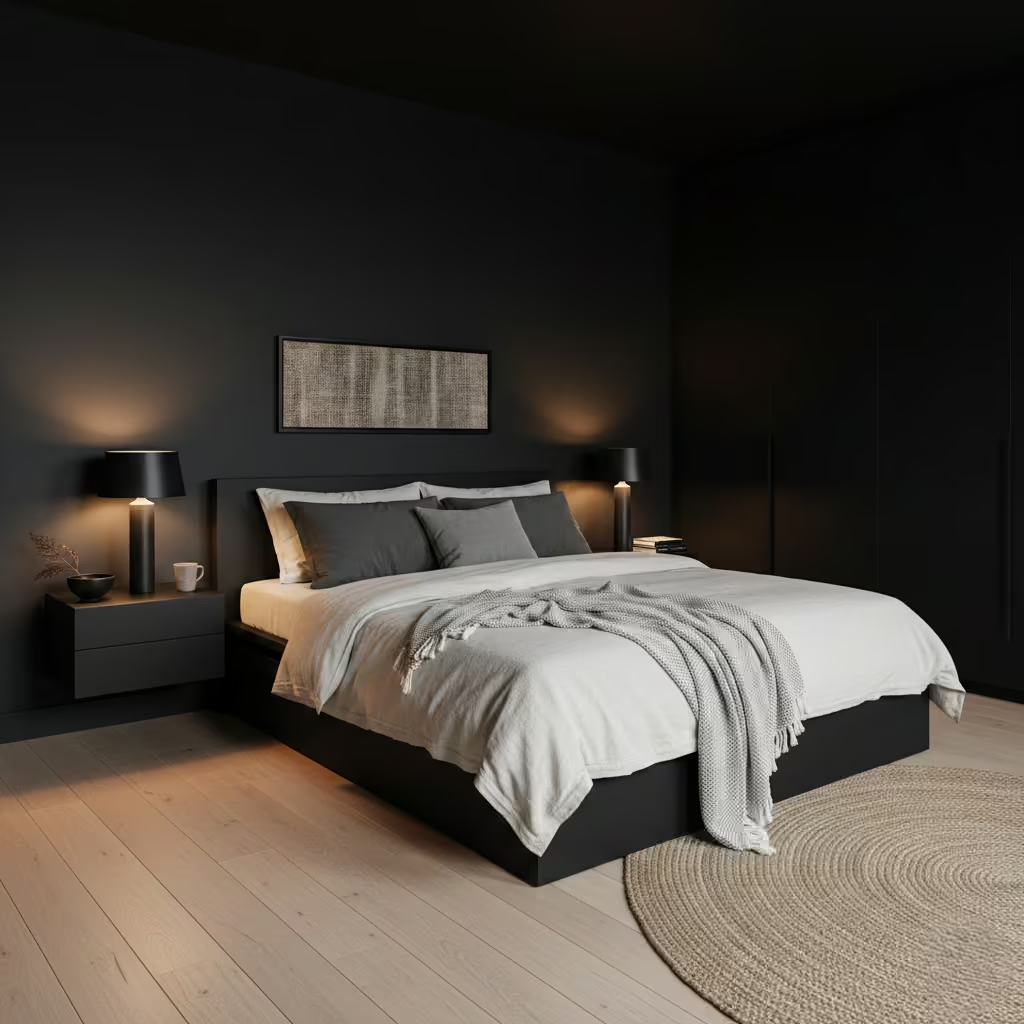
A timeless black bedroom relies on balance, high-quality materials, and restrained design choices. I often recommend classic shapes, matte or satin black finishes, neutral accents, and natural textures to create a room that feels sophisticated today and won’t feel outdated in years. Avoid overly trendy patterns or finishes to maintain longevity.
This approach works in bedrooms of 12–30 m² (130–325 sq ft). Timeless design is adaptable to both small and large spaces, with flexibility in layout, lighting, and furniture to accommodate changing needs or styles over time.
Recommended measurements (metric + imperial)
- Bed width: 140–180 cm (55–71 in) depending on room size
- Clearance around bed: 60–90 cm (24–35 in) for circulation
- Wardrobe depth: 60 cm (24 in) for standard hanging and storage
- Nightstand width: 40–50 cm (16–20 in) for balance and functionality
Materials and finishes
- Black elements: Matte or satin walls, furniture, or cabinetry
- Complementary materials: Light woods, natural textiles, and subtle metallics
- Flooring: Neutral wood or soft carpets to balance darkness
- Accessories: Minimal, curated pieces to avoid visual clutter
Layered lighting ensures timeless functionality: ceiling fixtures, bedside lamps, and adjustable accent lighting. Warm 2700K–3000K light enhances comfort and longevity, while dimmers allow adaptable mood settings.
To future-proof a black bedroom, I prioritize proportion, texture, and material quality over trendy finishes. I recommend investing in durable furniture, neutral textiles, and subtle accent pieces. This ensures the space feels luxurious, functional, and enduring without frequent redesigns.
Pros
- Sophisticated and enduring aesthetic
- Adaptable to changing trends or décor updates
- Works in small and large rooms
- Durable materials ensure long-term value
Cons
- Requires careful selection of materials and finishes
- Less opportunity for bold or trendy décor statements
- Minor updates may be needed over time to refresh the look
Common Mistakes to Avoid in Black Bedroom Design
Poor lighting planning
Black bedrooms require careful layering of light to prevent the space from feeling dark or oppressive. Relying on a single ceiling fixture or natural light alone can make the room feel cramped. I always recommend a combination of ambient, task, and accent lighting, using warm 2700K–3000K tones to enhance textures and maintain a cozy atmosphere.
Using flat black everywhere
Painting all walls, ceilings, and furniture in the same flat black can create a heavy, monotonous look. I usually suggest limiting black to feature walls, furniture, or accent pieces, while incorporating subtle variations in finishes matte, satin, or textured panels to add depth and dimension.
Ignoring texture and material contrast
A lack of contrasting textures makes black spaces feel lifeless. I layer textiles, rugs, natural wood, metals, or stone to create visual interest. For example, a matte black wall behind a velvet headboard or a polished marble bedside surface adds sophistication and tactile richness.
Overcrowding the space
Dark palettes can make rooms feel smaller, so overcrowding with furniture or décor amplifies the issue. I recommend prioritizing essential pieces, leaving circulation clear, and strategically spacing items. Minimalist layouts paired with layered lighting and textures ensure the room remains dramatic yet comfortable.
Professional insight from experience
Black bedrooms are striking when designed thoughtfully, but these common mistakes can undermine even the most luxurious concepts. Balancing light, texture, material, and layout ensures the room remains functional, inviting, and visually dynamic while embracing the boldness of black.
Final Thoughts
Black bedrooms work best when planned with intention, balance, and a clear understanding of the space. They are ideal for homeowners who love dramatic, moody, and sophisticated interiors, and who are willing to consider lighting, texture, and proportion carefully. This style suits those who appreciate bold design statements, enjoy layering materials, and want a retreat-like bedroom that feels both luxurious and intimate.
I always encourage planning thoughtfully rather than rushing into dark schemes. By combining feature walls, layered textiles, strategic lighting, and contrasting materials, a black bedroom can transform into a timeless, stylish sanctuary that balances elegance with comfort. With the right approach, dark palettes don’t close in a space they define it.
Frequently Asked Questions: Making a Black Bedroom a Cozy Space
Will blackly make my bedroom feel smaller?
Black can make a room feel smaller if used excessively, but strategic application on a feature wall, furniture, or ceiling creates depth and drama without shrinking the space. Pairing black with lighter textiles, reflective surfaces, and layered lighting prevents a boxed-in feeling.
How do I prevent a black bedroom from feeling cold or uninviting?
Introduce warmth through materials and textures wood flooring, soft rugs, velvet cushions, linen bedding, or leather accents. Warm lighting (2700K–3000K) and layered sources, such as wall sconces, bedside lamps, and LED strips, also make the space feel cozy.
Can small bedrooms work with black?
Yes. In smaller rooms, limit black to one feature wall or select furniture pieces. Use light walls, mirrors, and reflective accents to create the illusion of space, and ensure circulation is clear to avoid a cramped layout.
What colors pair best with black in a bedroom?
Neutral tones like cream, taupe, grey, and warm wood balance black beautifully. Metallics like brass, gold, or chrome add sophistication, while deep jewel tones (emerald, navy) can enhance luxury when used sparingly.
Can I use patterns in a black bedroom?
Absolutely. Subtle geometric, botanical, or textured wallpapers work well as feature walls, preventing the room from feeling flat. Layered textiles and rugs with pattern or texture also add visual interest.
How do I keep a black bedroom timeless?
Focus on high-quality materials, classic furniture shapes, neutral accents, and restrained décor. Avoid overly trendy finishes and overcomplicated patterns. Layering textures and using subtle metallics ensures the room feels sophisticated and enduring.
Is black suitable for all interior styles?
Black can work with modern, minimalist, industrial, Japandi, Scandinavian, and luxury designs. The key is pairing it with appropriate materials, textures, and accent colors to maintain balance and cohesion.