



25 Simple Bedroom Makeover Ideas: Stunning, Low-Effort Transformations
A bedroom should be more than just a place to sleep it’s your personal sanctuary, a space where comfort meets style. Yet, many of us overcomplicate bedroom design with bulky furniture, loud patterns, or unnecessary decor. The truth is, simplicity can feel luxurious. A clean, well-planned bedroom instantly creates a sense of calm, making your room feel more spacious, organized, and inviting.
Simplicity doesn’t mean boring or plain. With the right furniture layout, lighting, and accessories, a simple bedroom can be stunning. Minimalist design principles, neutral palettes, and thoughtful textures work together to create a serene environment that suits both small apartments and large master suites. Small adjustments like layering bedding, adding subtle accent walls, or choosing multifunctional furniture can transform your room without a major renovation or a hefty budget.
In this guide, I’ll share 25 simple yet stunning bedroom makeover ideas that you can implement today. Each idea comes with practical tips, recommended measurements, and clear pros and cons so you know exactly how it will work in your space. Whether you’re looking to refresh your bedroom with subtle changes or plan a full makeover, these ideas will help you create a cozy, stylish retreat that feels effortlessly elegant.
25 Simple Bedroom Ideas
Creating a beautiful bedroom doesn’t have to be complicated or expensive. With a few thoughtful choices, you can make your space feel cozy, stylish, and functional. These 25 simple bedroom ideas focus on easy-to-implement changes, clever layouts, and practical decor solutions that bring comfort and elegance to your personal retreat.
Furniture & Layout For Simple bedroom
The foundation of any bedroom lies in its furniture and layout. How you arrange your bed, storage, and seating not only affects the room’s functionality but also its overall feel. A well-planned layout maximizes space, improves flow, and creates a sense of calm, while the right furniture choices can make a small bedroom feel larger or a large bedroom more intimate. In this section, we’ll explore simple, practical ideas to arrange and select bedroom furniture that’s both stylish and functional.
Floating Bed with Under-Bed Storage
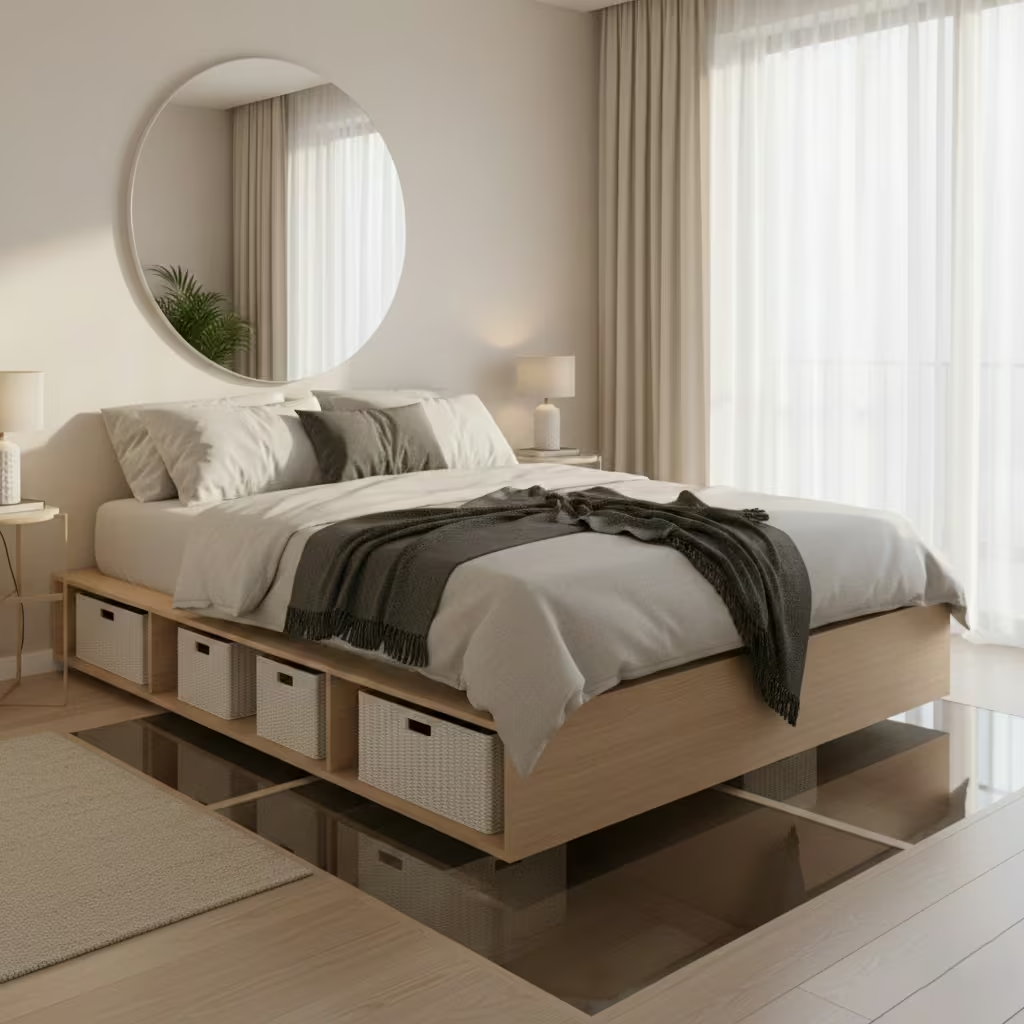
A floating bed instantly gives your bedroom a modern, airy feel by keeping the floor visible and creating the illusion of more space. Adding under-bed storage combines style with practicality, giving you a place to store linens, seasonal clothing, or extra bedding without cluttering the room.
Tip: Keep the floor around the bed clear to emphasize the floating effect and make the room feel larger. Choose sleek, minimal storage drawers or baskets that slide easily underneath.
Measurements: Standard floating bed height is approximately 30–35 cm (12–14 in) off the floor, which is ideal for most storage solutions and keeps the bed low enough to maintain a cozy vibe. Ensure the width and length of the storage match the bed frame dimensions for a neat fit.
Pros
- Creates a sense of openness in the room
- Combines storage and style without extra furniture
- Easy to clean underneath
Cons
- May require custom installation for certain bed sizes
- Can feel less grounded if ceiling height is low
- Heavier storage boxes may be difficult to slide in and out
Minimalist Nightstands
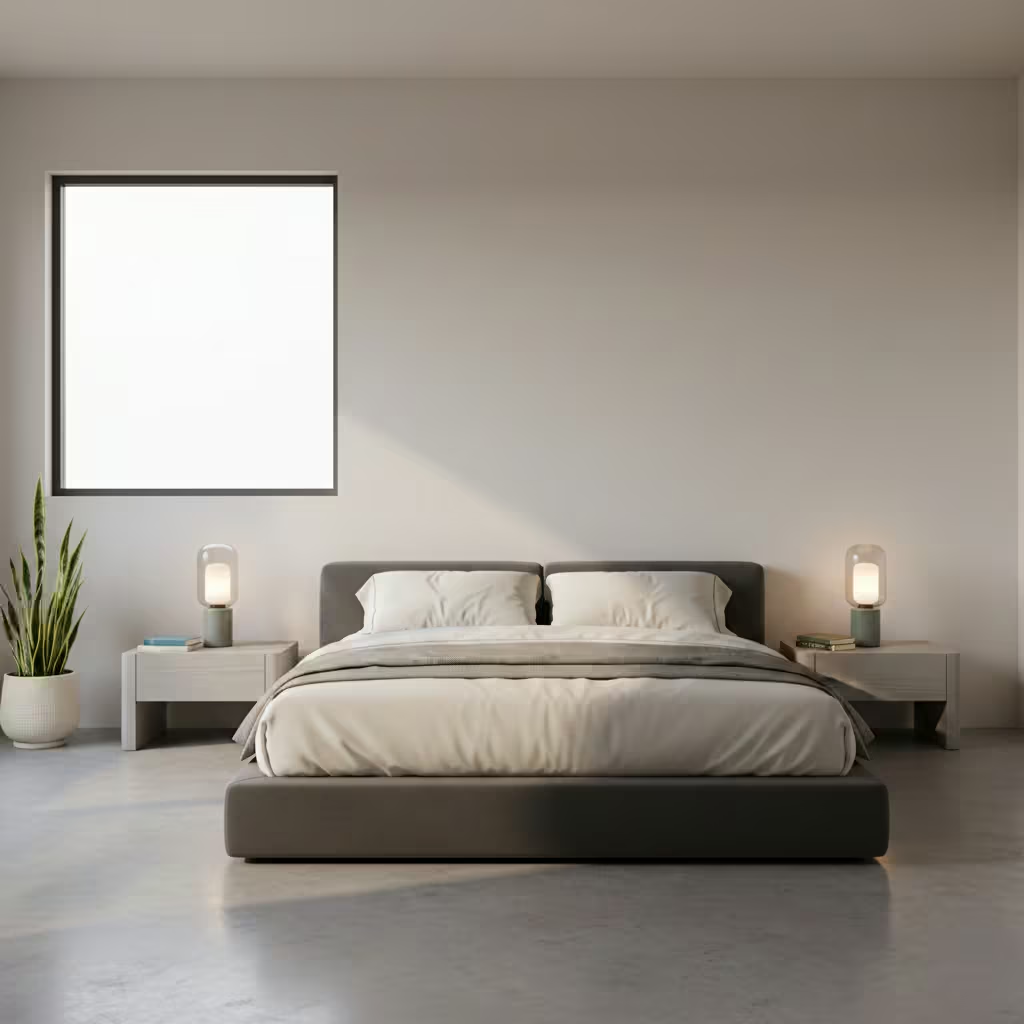
Minimalist nightstands keep your bedroom looking clean and uncluttered while providing essential storage for nighttime essentials like lamps, books, or a glass of water. Choosing simple shapes and muted colors helps maintain a calm and cohesive bedroom aesthetic.
Practical Guide: For comfort and accessibility, select nightstands with a height of 40–50 cm (16–20 in), roughly level with your mattress. Keep them narrow enough to avoid overcrowding the space, ideally 40–45 cm (16–18 in) wide for small rooms. Opt for a single drawer or open shelf to maintain simplicity.
Pros
- Enhances a minimalist and airy feel
- Provides convenient storage without overwhelming the space
- Easy to style with decor or lighting
Cons
- Smaller storage capacity than bulkier nightstands
- Limited surface area for larger items or multiple accessories
- Can look too sparse if not paired with complementary decor
Open Wardrobe System
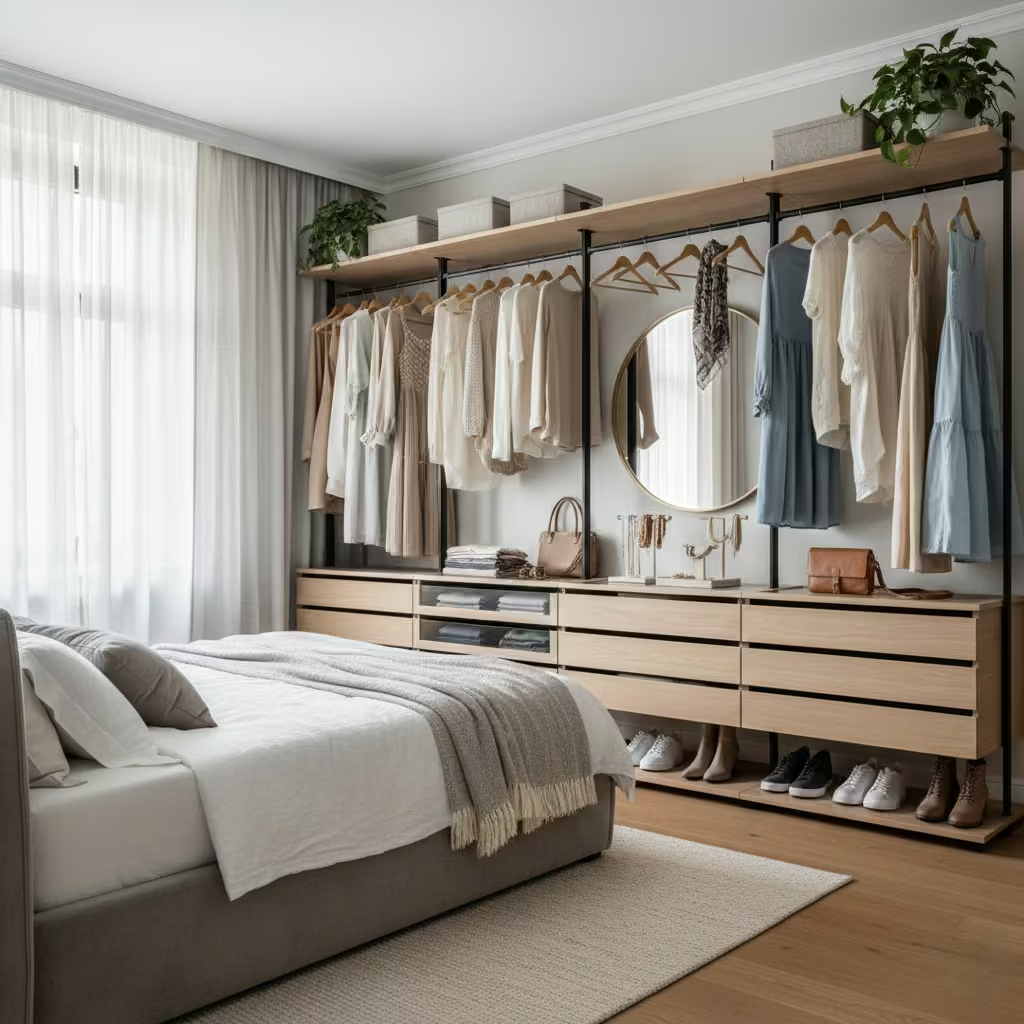
An open wardrobe system is a stylish and functional alternative to bulky closets. By keeping clothes, shoes, and accessories visible, it encourages organization and makes your bedroom feel more spacious. Open wardrobes can be customized with hanging rods, shelves, and drawers to suit your storage needs without taking up too much room.
Practical Guide: Ensure hanging rods are installed at a comfortable height approximately 160–180 cm (63–71 in) for long garments and 100–120 cm (39–47 in) for shorter items. Use modular shelving units to fit your bedroom dimensions and avoid overcrowding the space.
Pros
- Maximizes storage without large furniture
- Easy access and visibility of clothing and accessories
- Adds a modern, airy look to the bedroom
Cons
- Clothes and items must be kept tidy at all times
- Dust can accumulate more quickly than in closed wardrobes
- May feel less private if storing personal items
Compact Desk or Vanity
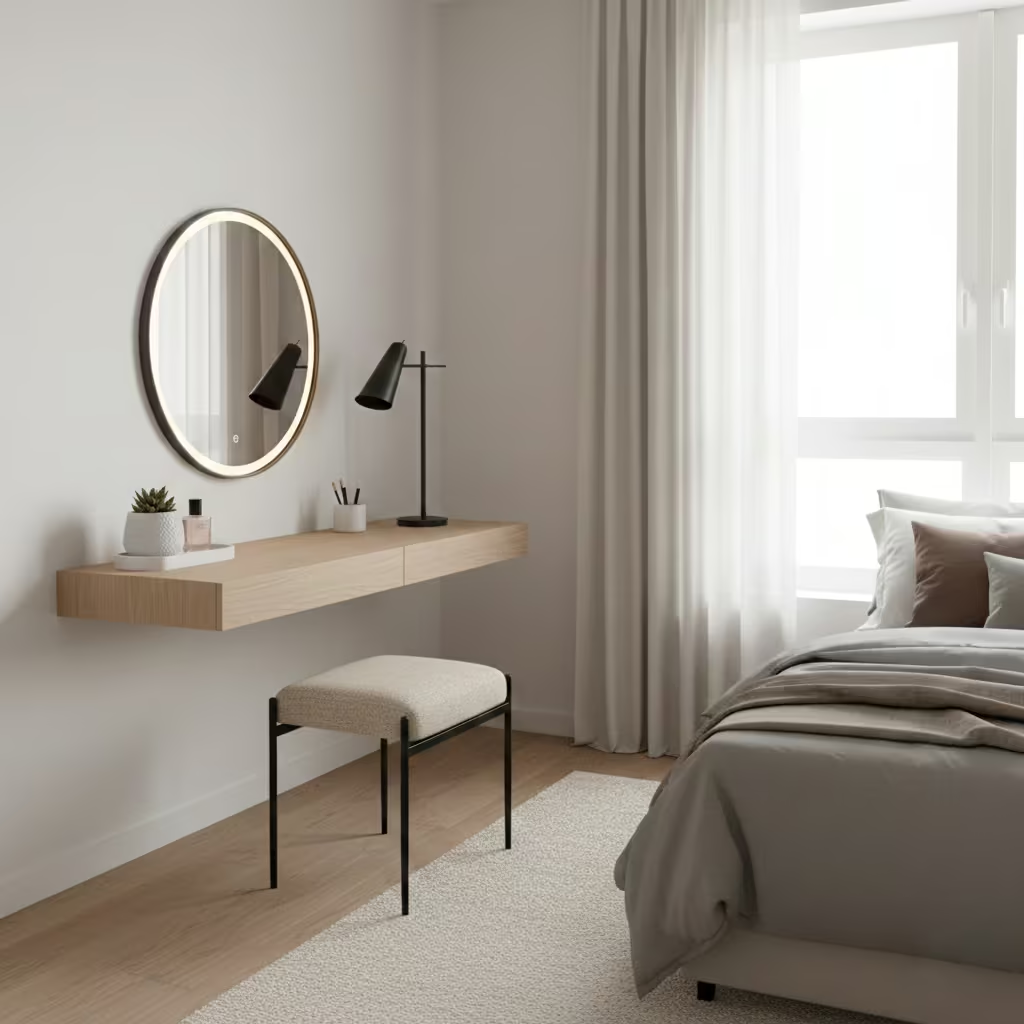
A compact desk or vanity adds functionality to your bedroom without taking up too much space. It can serve as a workspace, makeup station, or a simple surface for decor, blending seamlessly with a minimalist aesthetic. Choosing a sleek design ensures the room stays uncluttered while still offering practicality.
Practical Guide: For small bedrooms, aim for a desk or vanity width of 80–100 cm (31–39 in) and a depth of 40–50 cm (16–20 in) to avoid crowding the room. Pair it with a slim chair or stool that can slide under the desk when not in use to maximize floor space.
Pros
- Adds functionality without overwhelming the room
- Can double as a workspace or vanity
- Maintains a clean, minimalist look
Cons
- Limited surface area for multiple items
- May feel cramped if placed in very small rooms
- Requires careful styling to avoid looking cluttered
You May also Like: 25 Kids Room Renovation Ideas That Are Trending Like Crazy Right Now
Floating Shelves Instead of Cabinets
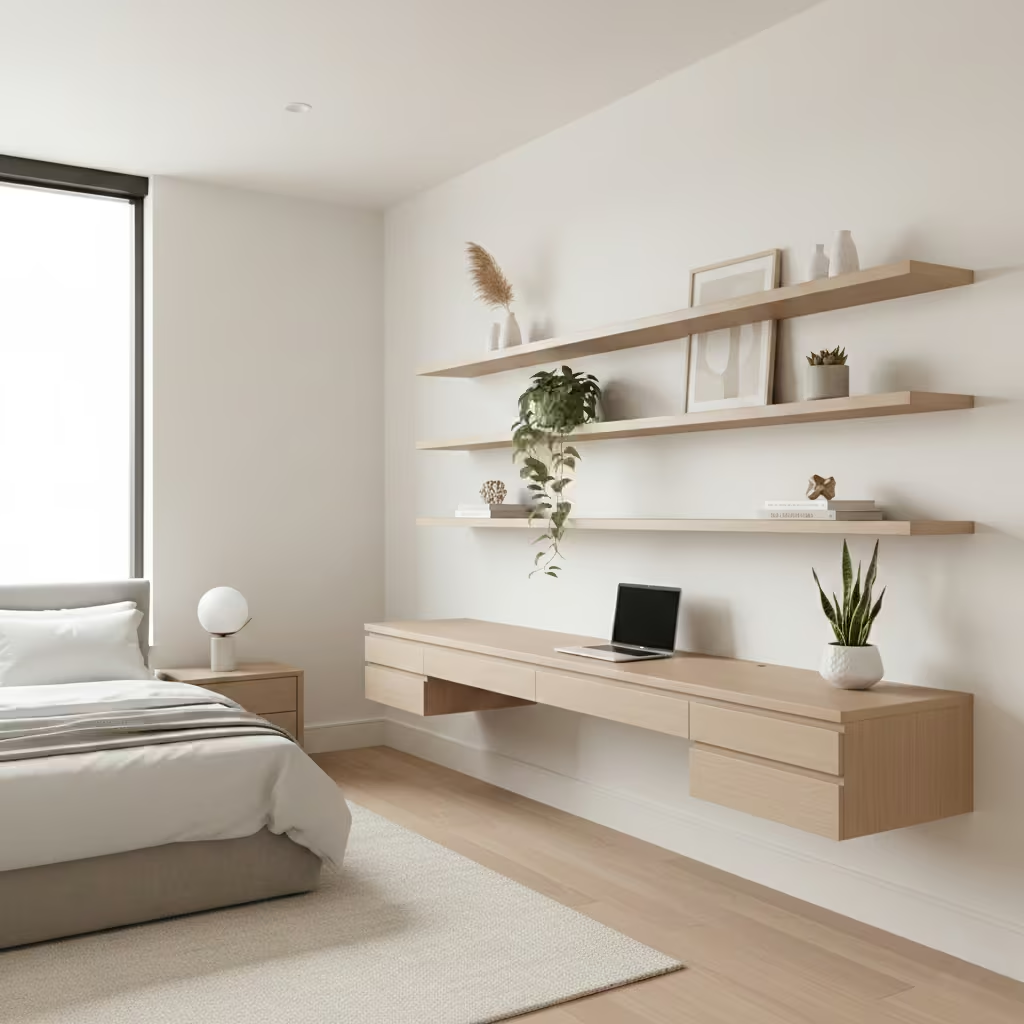
Floating shelves are a simple way to add storage and display space without the bulk of traditional cabinets. They help keep the bedroom feeling open and airy while providing a platform for books, decor, or small plants. Their minimal profile works especially well in smaller bedrooms or above furniture like desks and dressers.
Practical Guide: Install shelves at 120–150 cm (47–59 in) from the floor for general storage or display, keeping them easily reachable. For a balanced look, limit shelf depth to 20–25 cm (8–10 in) and avoid overloading with heavy items.
Pros
- Maintains a clean, open feel in the bedroom
- Easy to customize in height, length, and placement
- Ideal for showcasing decorative items without clutter
Cons
- Limited storage for heavy or bulky items
- Requires careful styling to avoid looking messy
- Installation must be secure to support weight
Multi-Functional Furniture (Bench, Ottoman, or Storage Stool)
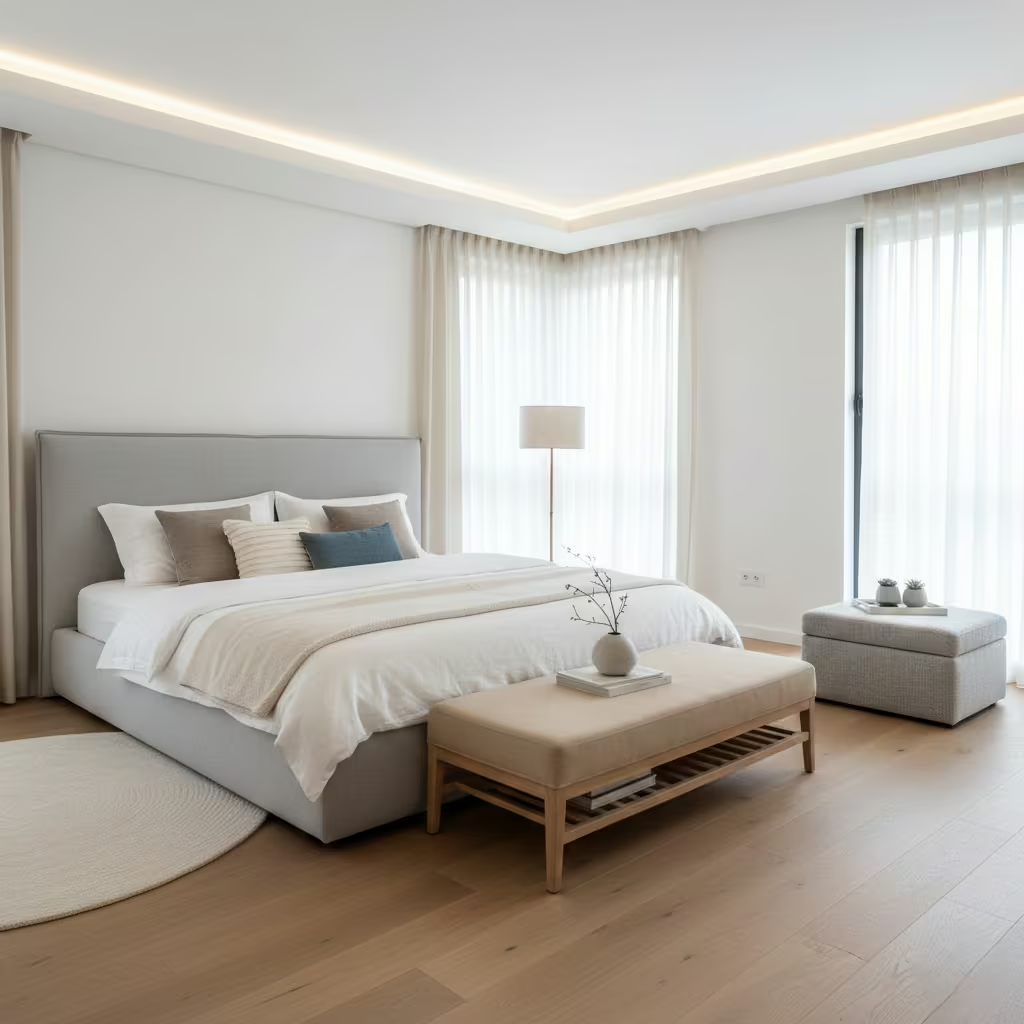
Multi-functional furniture pieces like benches, ottomans, or storage stools add both style and practicality to your bedroom. They provide seating, extra storage, or even a surface for decor, all without taking up extra floor space. These pieces are perfect for the foot of the bed, corners, or beside a window.
Measurements & Placement Tips:
- Bench at the foot of the bed: 120–150 cm (47–59 in) wide, 40–50 cm (16–20 in) high, leaving at least 50–60 cm (20–24 in) of walking space around the bed.
- Storage ottoman: 60–80 cm (24–31 in) wide, 40–45 cm (16–18 in) high, can double as a side table or extra seating.
- Choose pieces that complement bed height for comfort and visual balance.
Pros
- Adds versatile functionality in a compact form
- Provides extra seating, storage, or a decorative surface
- Enhances the room’s style without cluttering
Cons
- Can crowd the room if oversized
- Storage capacity may be limited compared to cabinets
- Needs careful selection to match bedroom aesthetics
Choose right décor for Walls & Color in simple Bedroom
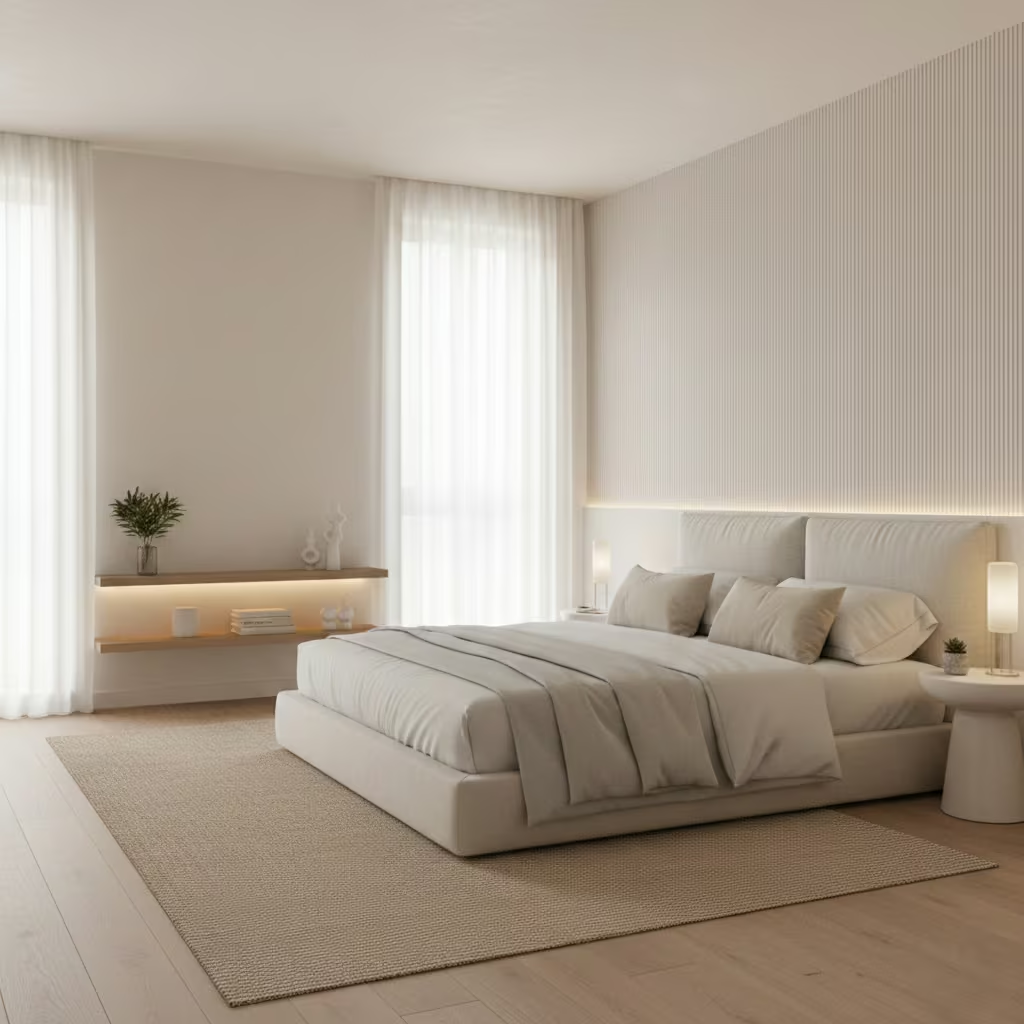
Walls and color set the tone for your entire bedroom. The right palette can make a space feel larger, cozier, or more serene, while simple wall treatments keep the room looking fresh and timeless. In this section, we’ll explore easy ways to use paint, accents, and textures to transform your bedroom without overwhelming it.
Neutral Wall Colors
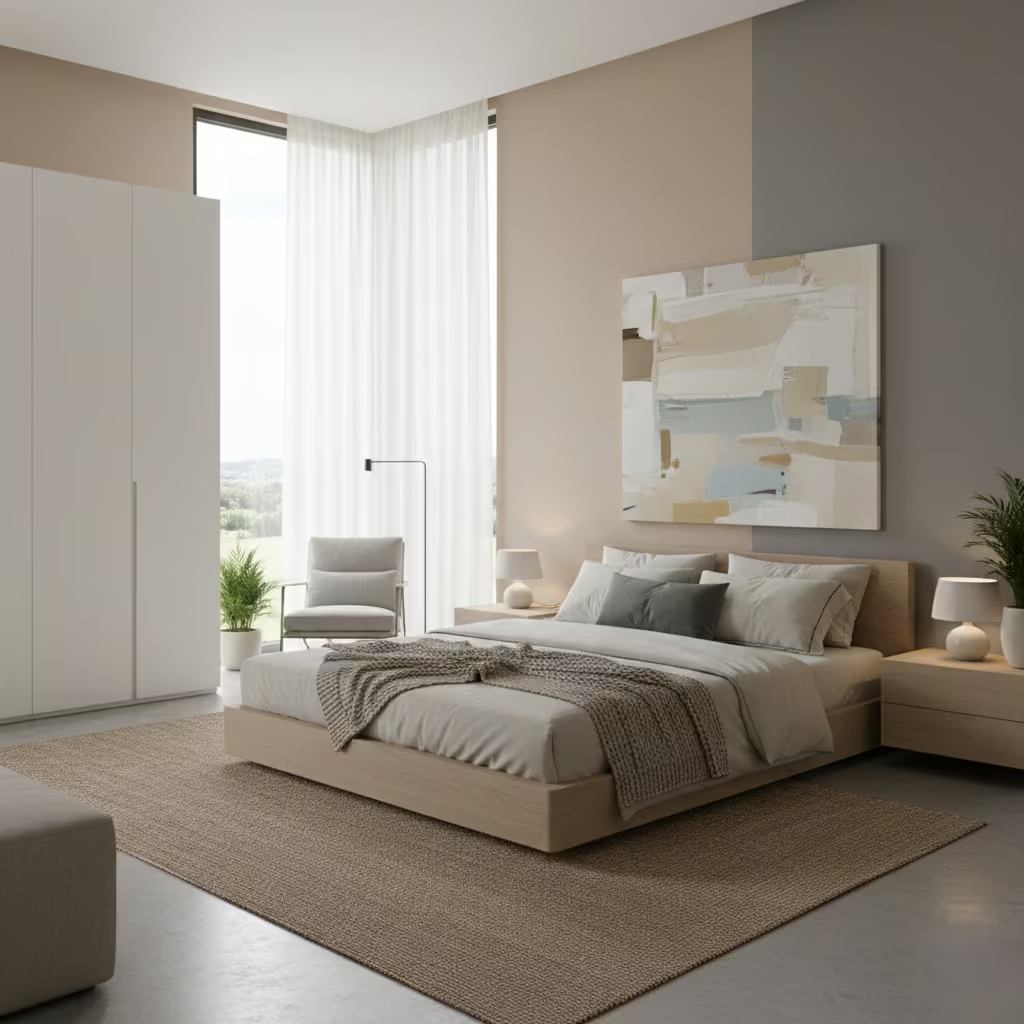
Using neutral wall colors is one of the simplest ways to create a calm and versatile bedroom. Shades like soft beige, warm greys, off-white, or pale taupe provide a timeless backdrop that works with any furniture, bedding, or decor style. Neutral tones also make small bedrooms feel more spacious and allow accent pieces to stand out.
Practical Guide: For most bedrooms, choose paint with a light reflectance value (LRV) of 60–80% to keep the room bright and airy. Apply two coats for even coverage. Pair with slightly darker or lighter trim to add subtle dimension.
Pros
- Timeless and versatile, works with any decor style
- Makes rooms appear larger and brighter
- Easy to update with accessories or accent pieces
Cons
- Can feel bland if not layered with textures or accents
- May require more frequent cleaning in high-traffic areas
- Overuse of very light neutrals can feel cold or clinical
You May also Like: Walk-In Wardrobes Designs: A Complete Design-Led Guide for Long-Term Use
Accent Wall with Simple Patterns
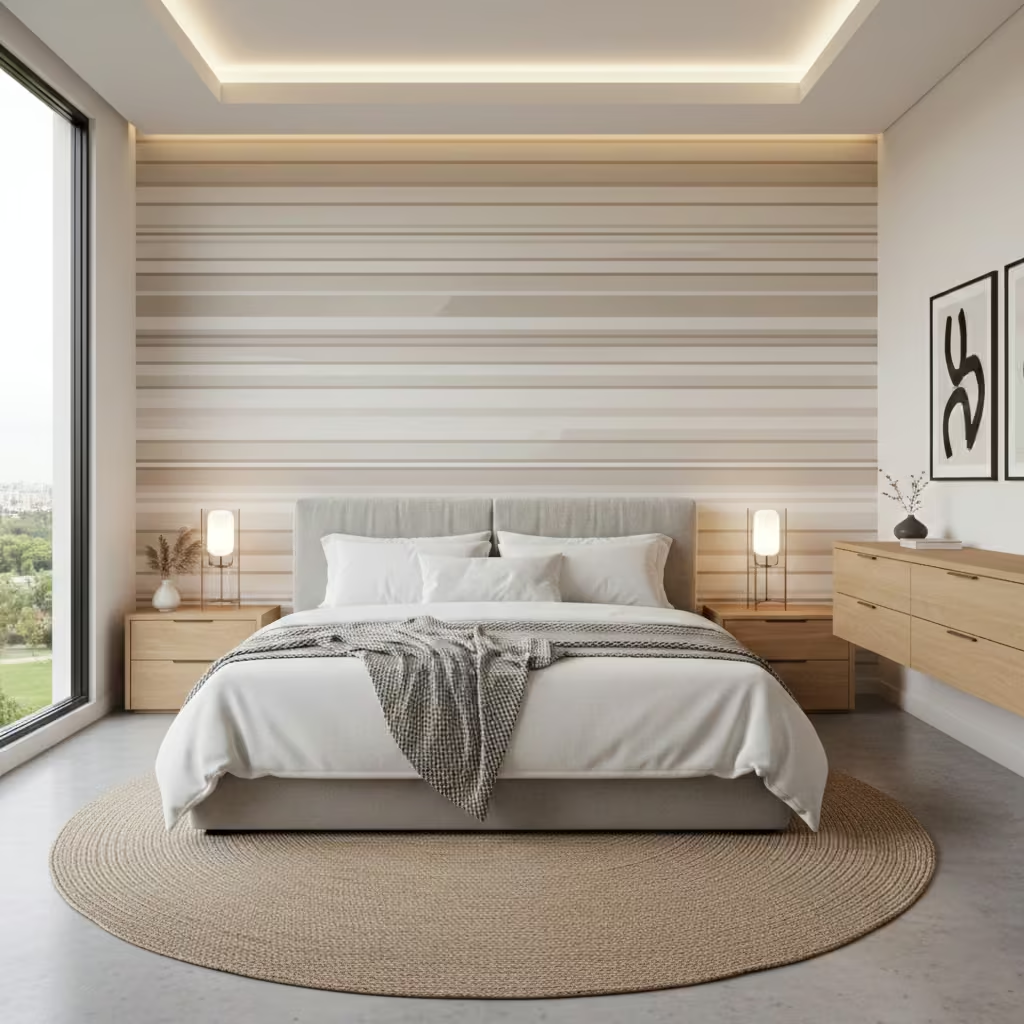
An accent wall is an easy way to add personality and depth to a bedroom without overwhelming the space. Simple patterns like stripes, geometric shapes, or subtle textures create visual interest while keeping the overall look clean and modern. This approach works well behind the bed or a focal wall to draw the eye naturally.
Practical Guide: For most bedrooms, limit the accent wall to one wall only, typically the wall behind the headboard. Height should be standard ceiling height, 2.4–2.7 m (8–9 ft), with width matching the bed or wall. Stick to one or two complementary colors for the pattern to maintain simplicity.
Pros
- Adds depth and character without clutter
- Easy to change over time as trends or tastes evolve
- Highlights key areas like the bed or seating
Cons
- Bold patterns can dominate a small room if not scaled properly
- Requires precision for painting or wallpaper alignment
- May limit future decor color choices if too contrasting
Wall-Mounted Lighting Instead of Lamps
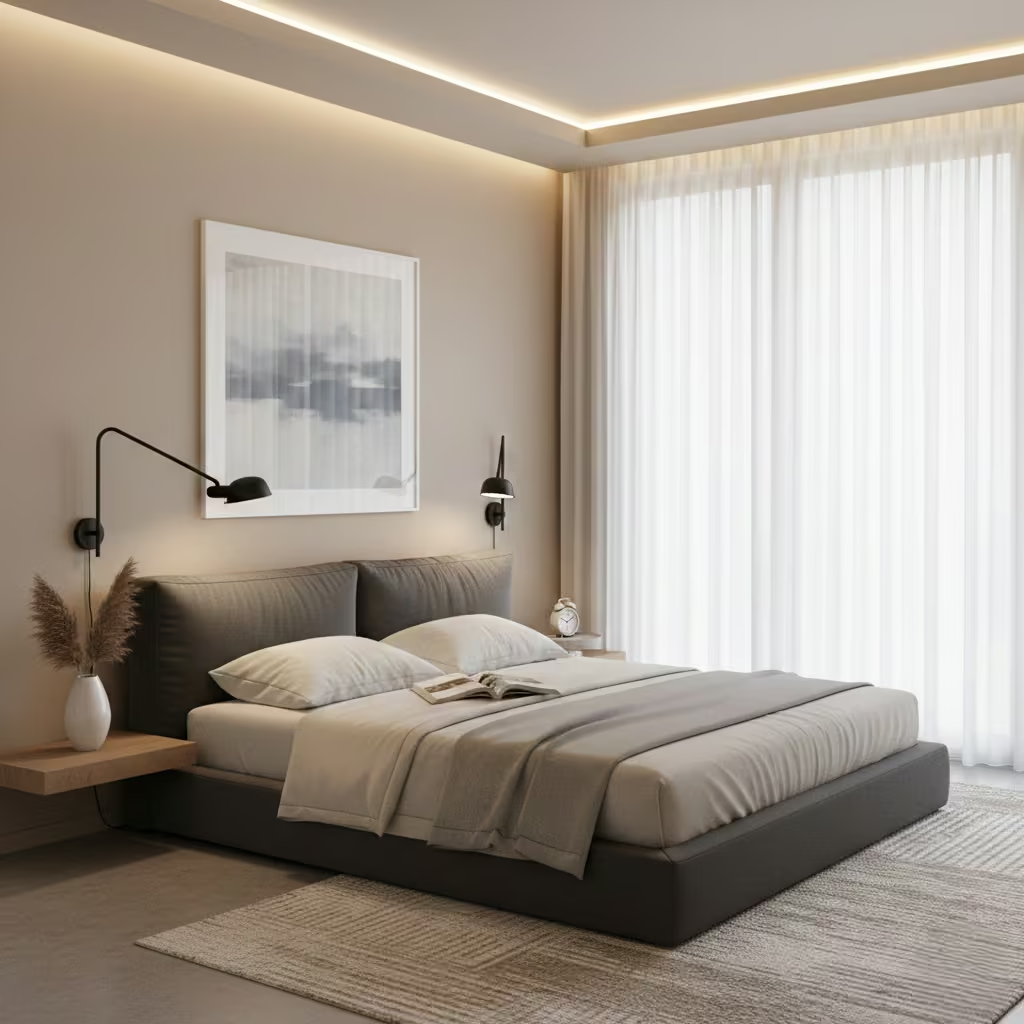
Wall-mounted lighting is a smart way to save bedside space while adding a modern, streamlined look to your bedroom. By removing bulky table lamps, you can free up nightstand surfaces for essentials and create a cleaner, more open feel. Adjustable wall sconces also allow focused reading light without overpowering the room.
Practical Guide: Install wall-mounted lights at 120–140 cm (47–55 in) from the floor, roughly level with your seated eye line when on the bed. Position them about 40–50 cm (16–20 in) from the headboard sides for optimal lighting coverage. Choose dimmable options to create flexible mood lighting.
Pros
- Saves surface space on nightstands
- Creates a modern and clean aesthetic
- Adjustable fixtures offer targeted lighting for reading
Cons
- Requires wall installation and possibly wiring work
- Less portable than table lamps
- Positioning must be carefully measured to avoid glare
Minimal Artwork or Framed Prints
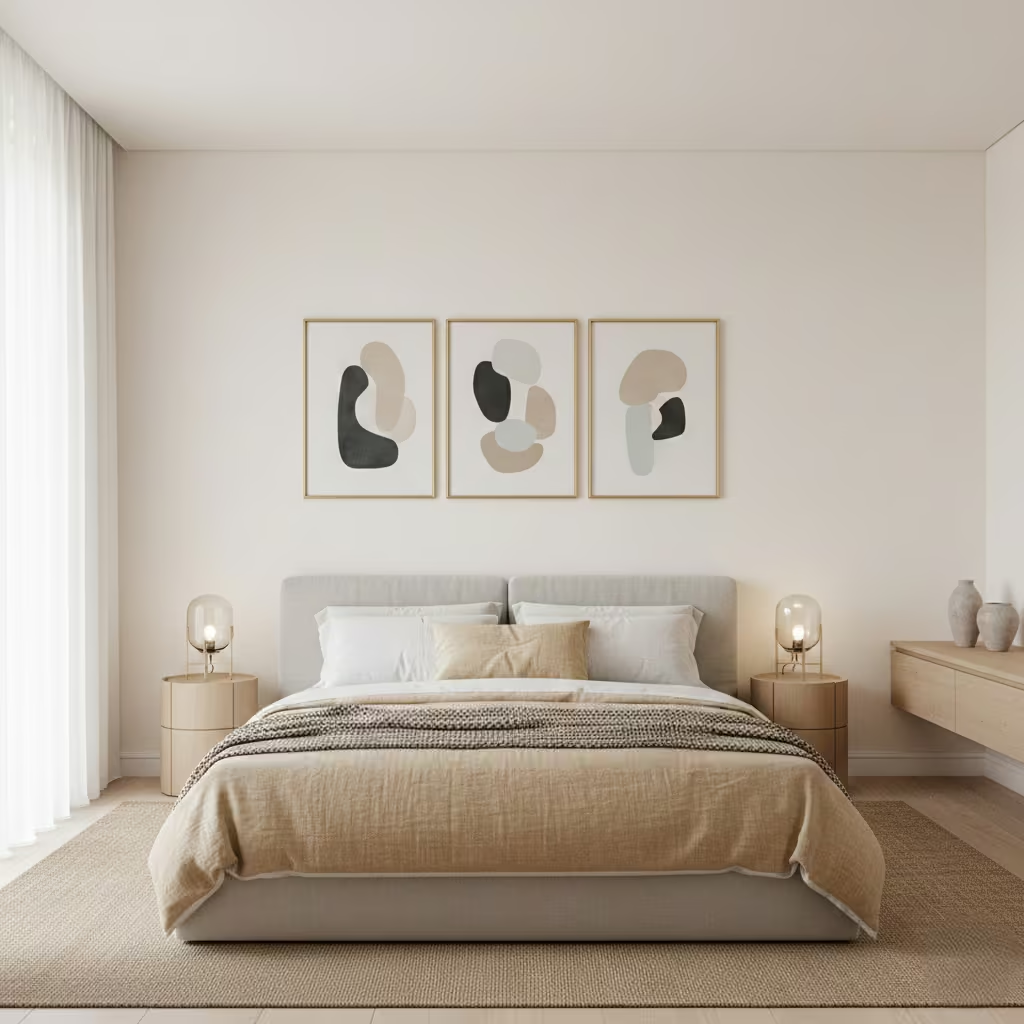
Minimal artwork and framed prints add personality to your bedroom without overwhelming the space. Choosing simple, understated pieces keeps the room feeling calm and sophisticated, while offering an easy way to reflect your personal style. This approach works well in combination with neutral walls and subtle accent features.
Practical Guide: Hang artwork at eye level, around 150–160 cm (59–63 in) from the floor to the center of the piece. For multiple frames, maintain 5–10 cm (2–4 in) spacing between them to create a balanced gallery feel. Stick to simple frames and muted colors to complement the room’s aesthetic.
Pros
- Adds character without cluttering the room
- Easy and affordable way to refresh bedroom decor
- Works with any color scheme or furniture style
Cons
- Poorly chosen or overcrowded pieces can disrupt the calm vibe
- Requires careful hanging for a balanced look
- May need regular dusting or maintenance
Textured Wall Panels for Depth
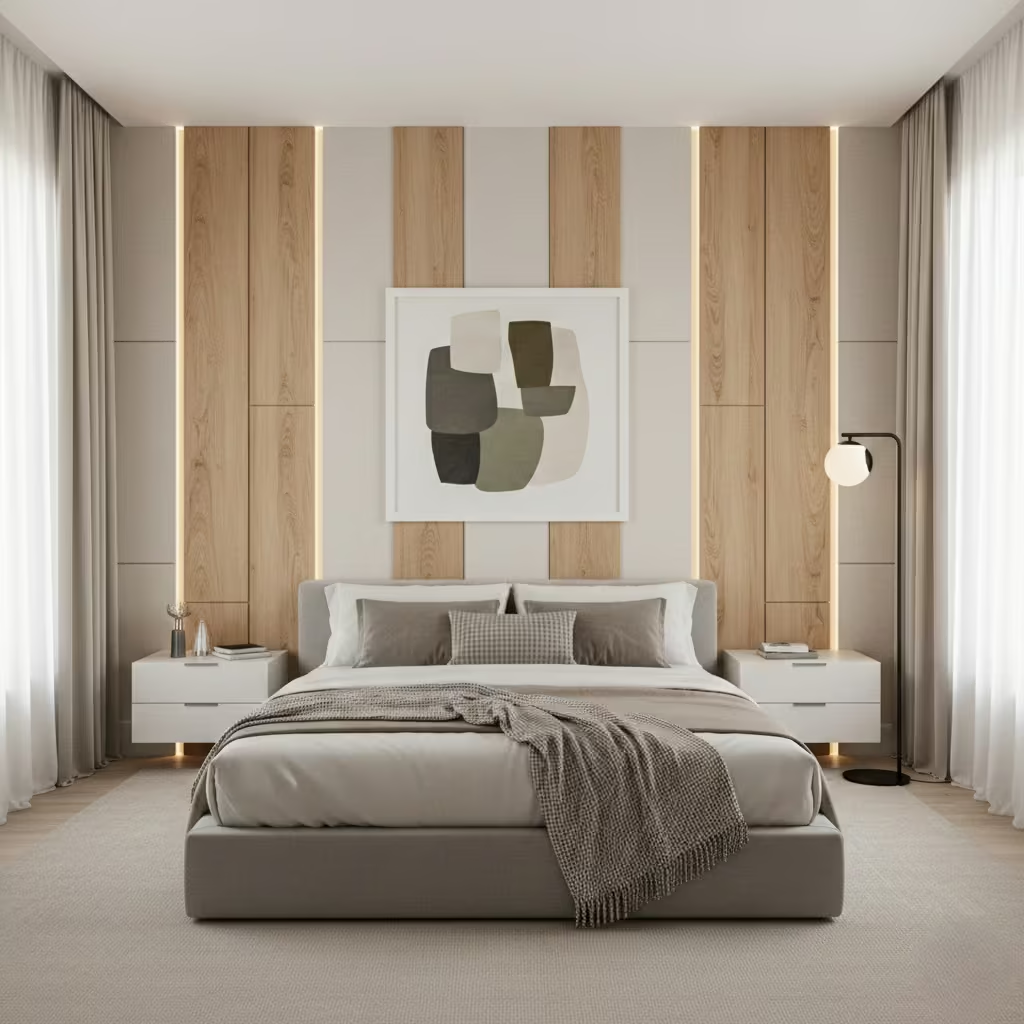
Textured wall panels add dimension and interest to a bedroom without using bold colors or patterns. Materials like wood, fabric, or 3D panels create a tactile focal point, enhancing the room’s cozy and sophisticated feel. They work particularly well behind the bed or on a single feature wall.
Practical Guide: For a balanced look, cover one wall only, typically the wall behind the bed. Standard ceiling height is 2.4–2.7 m (8–9 ft). Panels should be 30–60 cm (12–24 in) wide for a modular design, leaving spacing between panels for visual interest. Choose lightweight materials for easy installation in standard bedrooms.
Pros
- Adds visual depth and texture without overwhelming the space
- Works with neutral color schemes and minimalist design
- Can serve as a statement feature behind the bed
Cons
- Installation can be more time-consuming than paint
- May require professional help for heavier materials
- Can be costly depending on the material and design
You May also Like: Bedroom Office Combo Ideas: Smart, Stylish Ways to Work and Sleep in One Space
Bedding & Textiles Selection for Simple but cosy bedroom
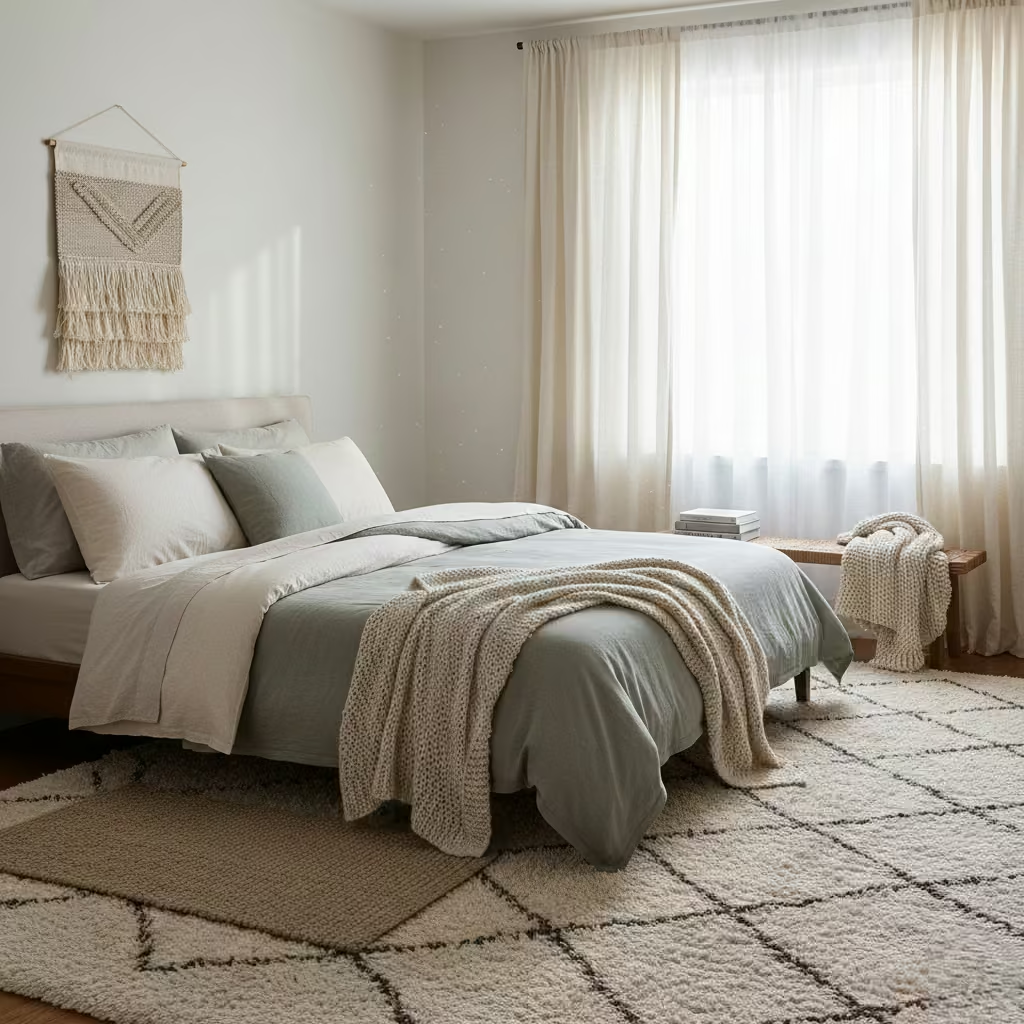
Bedding and textiles play a crucial role in making a bedroom feel cozy, inviting, and stylish. The right combination of sheets, blankets, rugs, and curtains can transform a simple space into a restful retreat. In this section, we’ll explore practical ideas to layer textures, choose fabrics, and define areas for both comfort and visual appeal.
Layered Bedding for Comfort
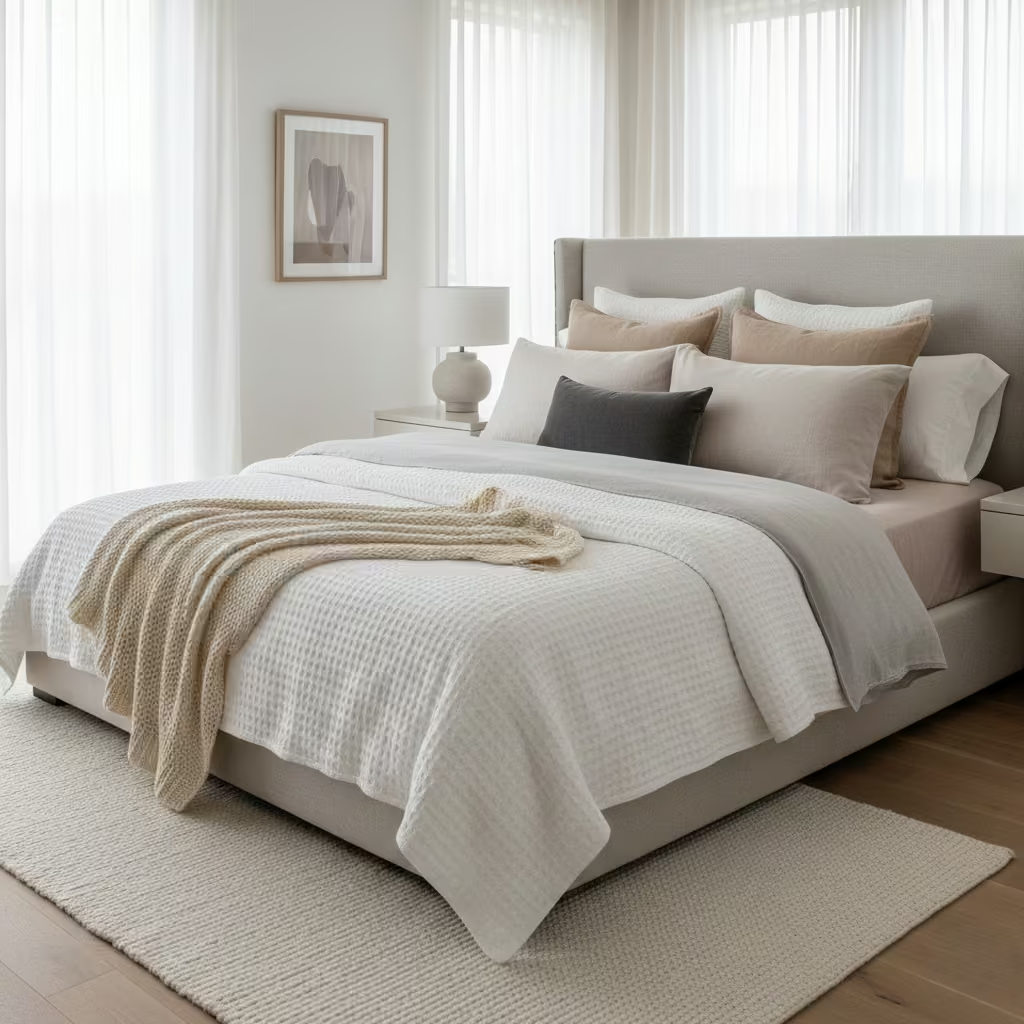
Layered bedding adds depth, warmth, and a touch of luxury to your bedroom without feeling overwhelming. Combining sheets, duvets, throws, and pillows creates a cozy environment while allowing flexibility for different temperatures and moods.
Practical Guide: Start with a fitted sheet and flat sheet, add a duvet or comforter, and finish with a lightweight throw at the foot of the bed. Layer 2–4 pillows, mixing sizes: standard (50×75 cm / 20×30 in), euro (65×65 cm / 26×26 in), and decorative cushions (30×30 cm / 12×12 in). Stick to a complementary color palette to maintain a cohesive look.
Pros
- Creates a cozy and inviting atmosphere
- Allows easy seasonal adjustments
- Enhances the visual appeal of the bed
Cons
- More pieces require frequent washing and maintenance
- Can feel cluttered if too many layers or colors are used
- May be time-consuming to make neatly each day
Mix of Fabrics: Linen, Cotton, Wool
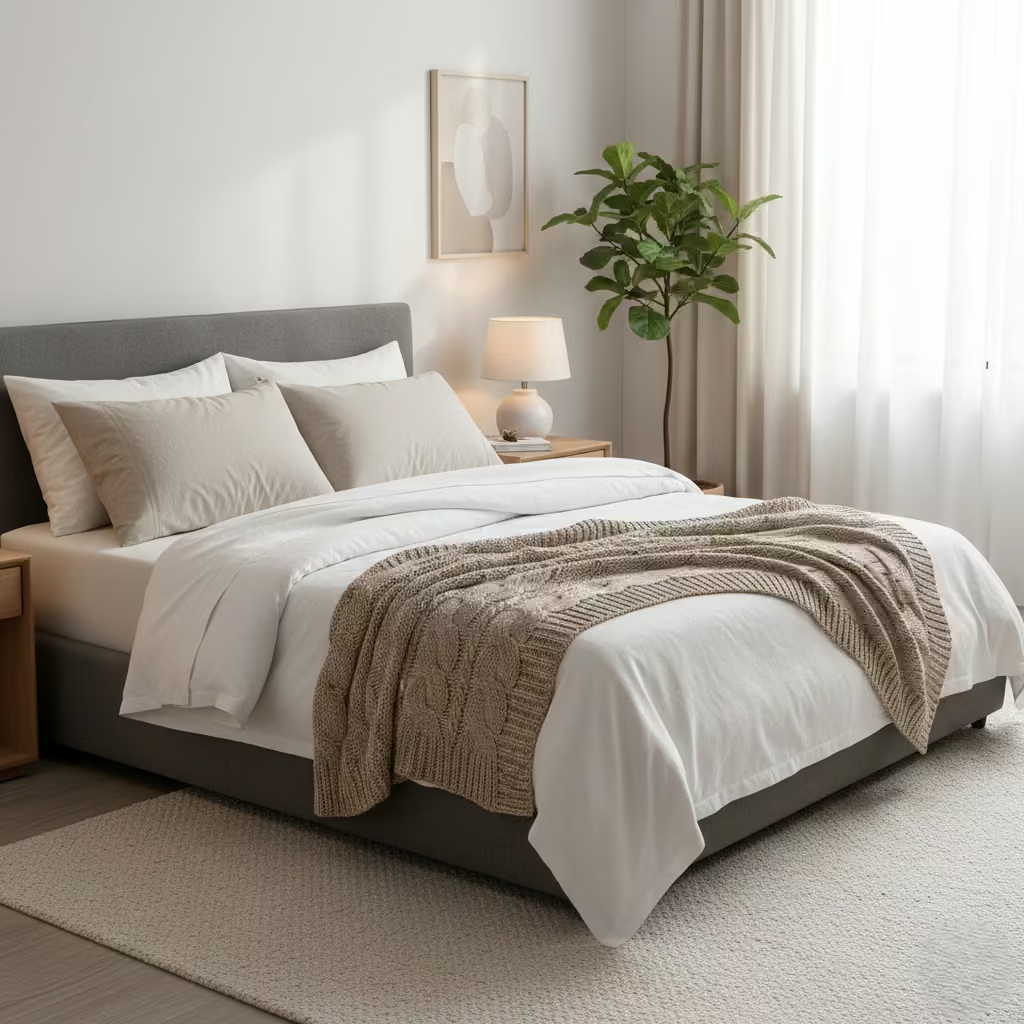
Mixing different fabrics in your bedding adds texture, comfort, and a layered visual effect. Linen brings a relaxed, natural feel, cotton offers softness and easy care, and wool adds warmth and tactile richness. Combining these fabrics creates a balanced and inviting bedroom.
Practical Guide:
- Use linen sheets or pillowcases for breathability and casual texture.
- Cotton duvet covers and sheets provide softness and durability.
- Wool or knitted throws add warmth and can be placed at the foot of the bed.
- Keep the color palette cohesive mix neutrals with one or two accent tones for depth.
Pros
- Adds visual and tactile variety without clutter
- Balances comfort, breathability, and warmth
- Easy to swap or update for seasonal changes
Cons
- Different fabrics have varying care requirements (washing, drying)
- Over-mixing patterns or textures can look messy
- Wool or heavier fabrics may be too warm in summer
Minimal Window Treatments (Roller Blinds or Sheer Curtains)
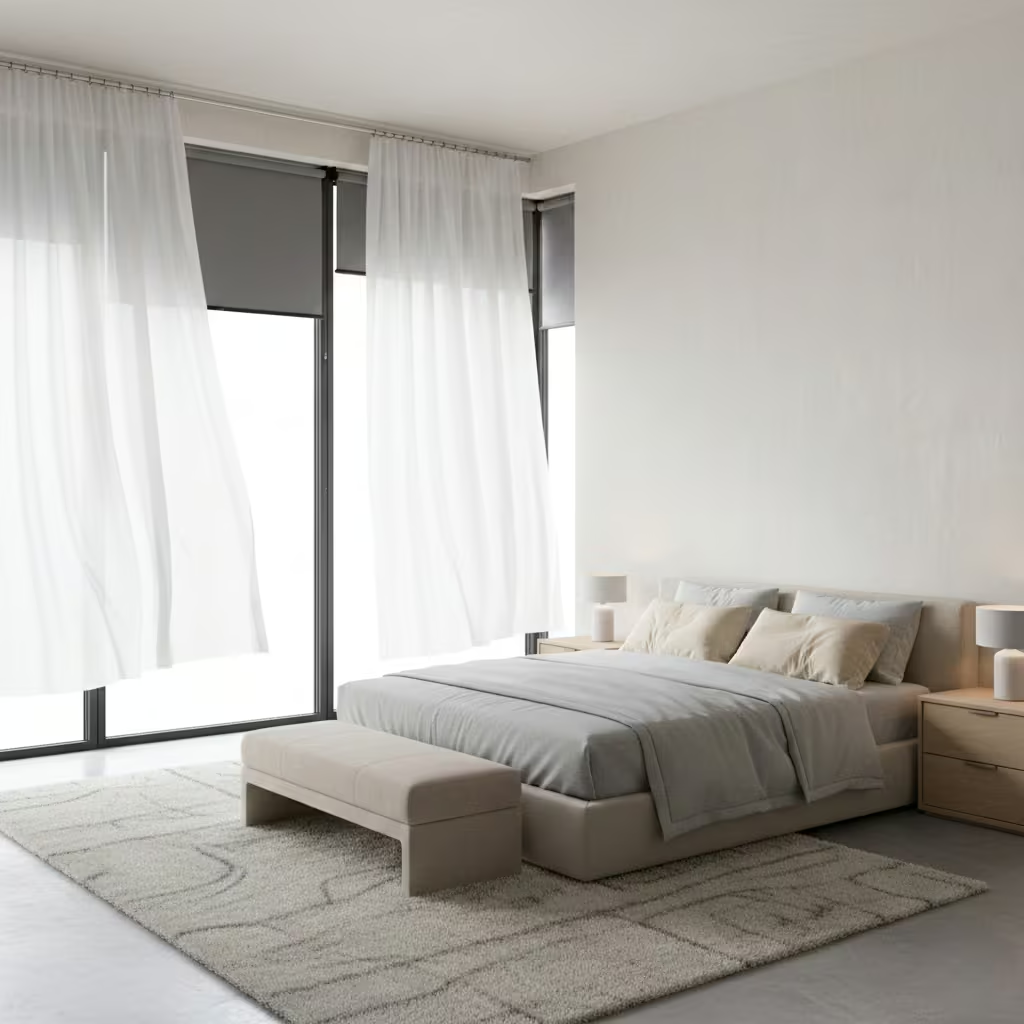
Minimal window treatments keep bedrooms feeling light, airy, and uncluttered while providing privacy and light control. Roller blinds offer a sleek, modern look, while sheer curtains soften the room and allow natural light to filter through. Choosing simple, neutral options ensures the bedroom remains calm and cohesive.
Practical Guide:
- For standard windows, fit roller blinds 5–10 cm (2–4 in) wider than the frame for complete coverage.
- Sheer curtains should extend 15–20 cm (6–8 in) beyond the window frame on each side and hang 10–15 cm (4–6 in) above the frame for a full, elegant drape.
- Consider layering blinds and sheers for flexibility with light and privacy.
Pros
- Keeps the room feeling open and uncluttered
- Provides easy control over light and privacy
- Works with any bedroom style or color palette
Cons
- Sheer fabrics may require frequent washing to prevent dust build-up
- Roller blinds can feel cold or industrial if not paired with soft elements
- Limited decorative impact compared to heavier drapes
Area Rugs to Define Zones
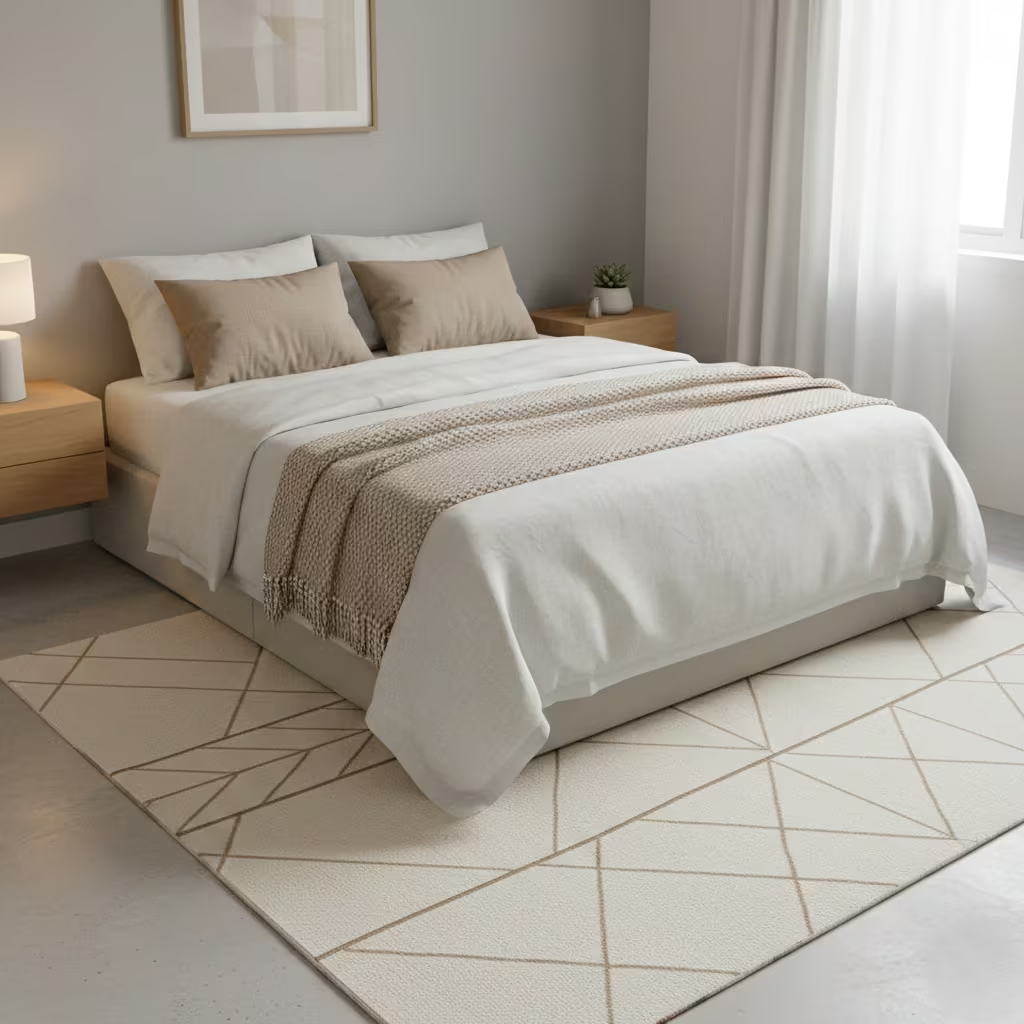
Area rugs add warmth, texture, and a sense of structure to a bedroom, helping to define seating areas, the bed, or reading nooks. They can also anchor furniture and create visual interest without overwhelming the space.
Practical Guide & Measurements:
- Small bedrooms (under 12 m² / 130 sq ft): Opt for a rug 120×180 cm (47×71 in) placed under the lower two-thirds of the bed, leaving space around the edges.
- Medium bedrooms (12–20 m² / 130–215 sq ft): Use a rug 160×230 cm (63×91 in) that extends beyond the bed on all sides for balance.
- Large bedrooms (20–30 m² / 215–320 sq ft): Consider a rug 200×300 cm (79×118 in) to define both the bed area and additional seating or lounge spaces.
- Keep colors and patterns simple to complement your bedding and walls.
Pros
- Adds warmth and softness underfoot
- Defines furniture placement and zones
- Enhances visual appeal and texture
Cons
- Larger rugs can be expensive and harder to clean
- Incorrect sizing can make a room feel cramped or disjointed
- Rugs may slip if not paired with anti-slip pads
Decorative Throw Pillows (Keep It Simple)
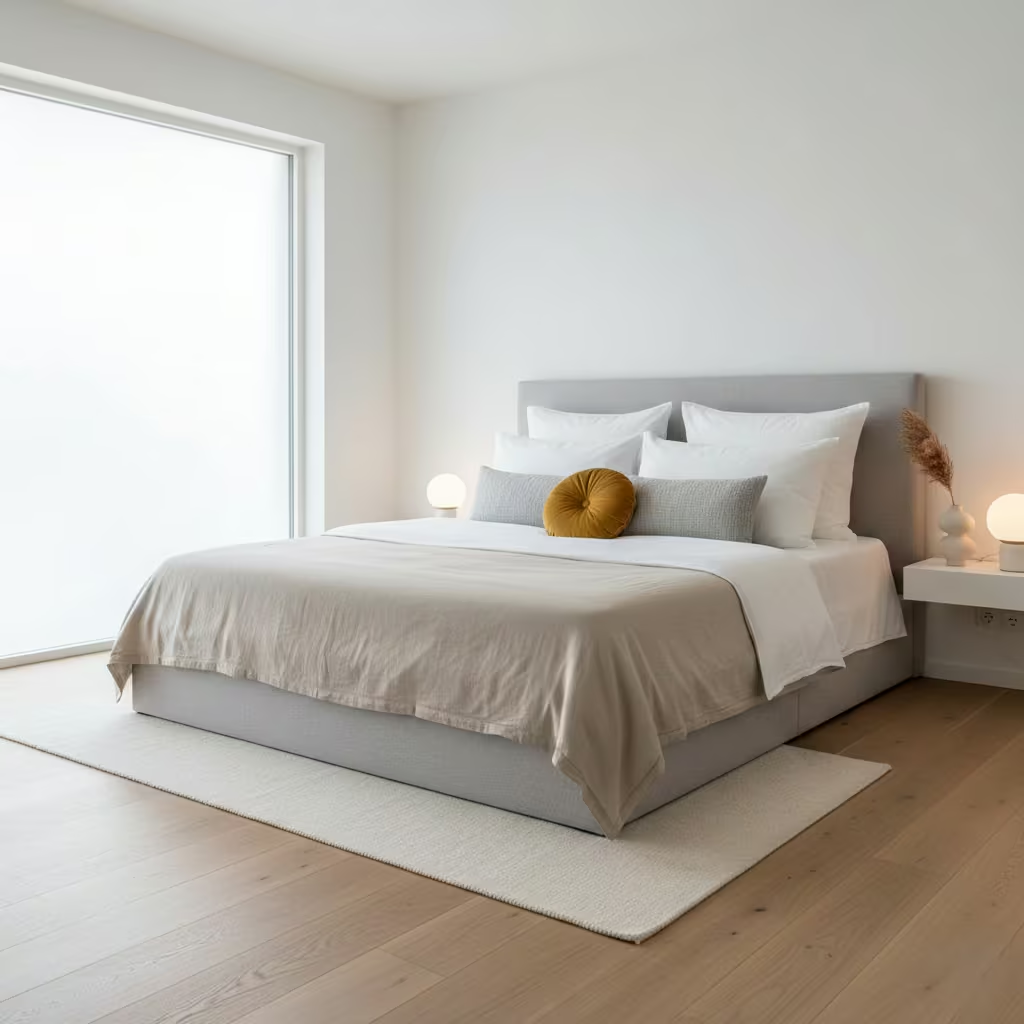
Decorative throw pillows are a simple way to add color, texture, and personality to your bed without overcrowding the space. By keeping the number and design of pillows minimal, you maintain a clean, stylish look while enhancing comfort.
Practical Guide:
- Use 2–4 pillows in varying sizes: standard (50×75 cm / 20×30 in), euro (65×65 cm / 26×26 in), and one or two small accent cushions (30×30 cm / 12×12 in).
- Stick to a cohesive color palette or subtle patterns that complement your bedding.
- Arrange pillows in layers, with larger pillows at the back and smaller decorative ones in front
Pros
- Adds color and texture without overwhelming the bed
- Easy and affordable way to refresh bedroom style
- Enhances comfort for lounging or reading in bed
Cons
- Too many pillows can make the bed look cluttered
- Decorative pillows may require frequent fluffing or washing
- Can be impractical for everyday sleeping if not arranged properly
Lighting & Ambiance for Simple Bedroom
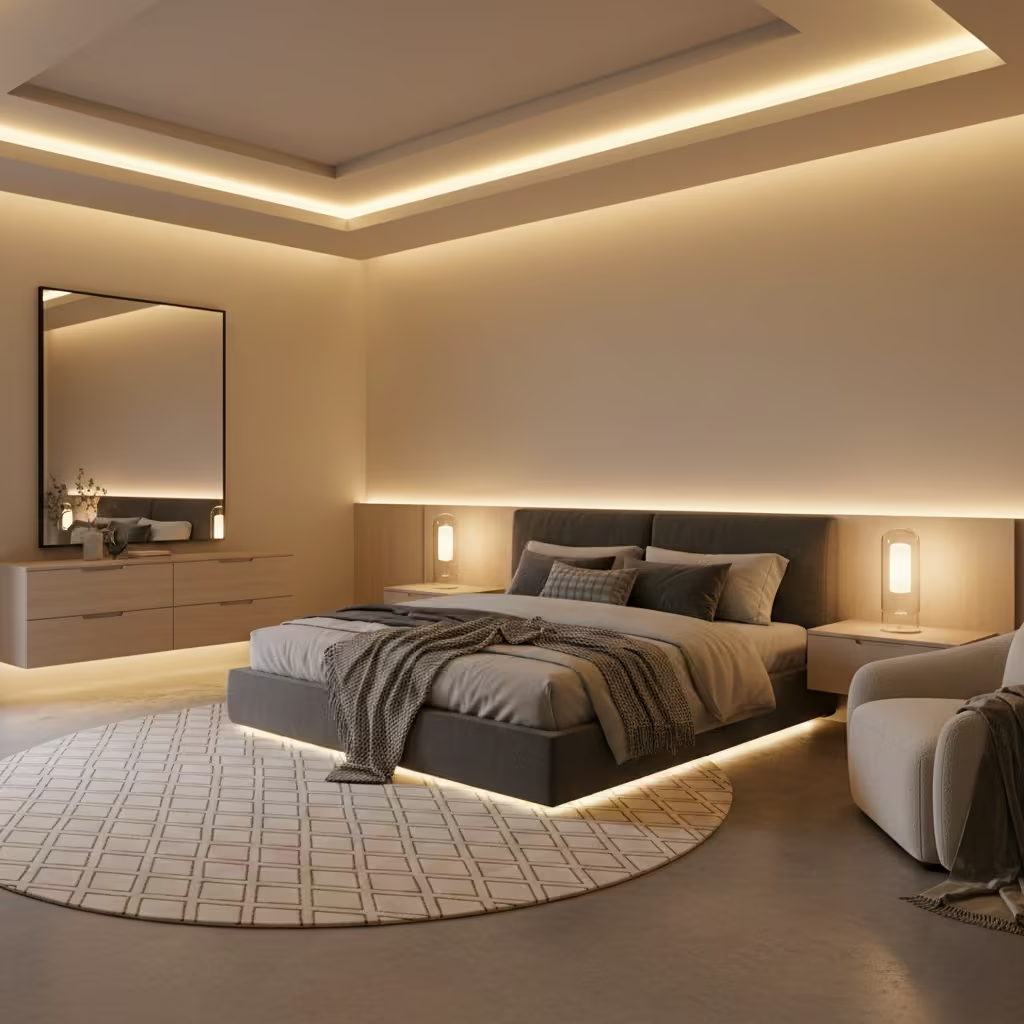
Lighting and ambiance have a powerful impact on how a bedroom feels and functions. The right lighting can make a space feel warm, relaxing, and inviting, while poor lighting can instantly ruin even the best design. In this section, we’ll focus on simple lighting ideas that enhance comfort, improve usability, and create a calm, well-balanced atmosphere throughout the bedroom.
Soft Ambient Ceiling Lights
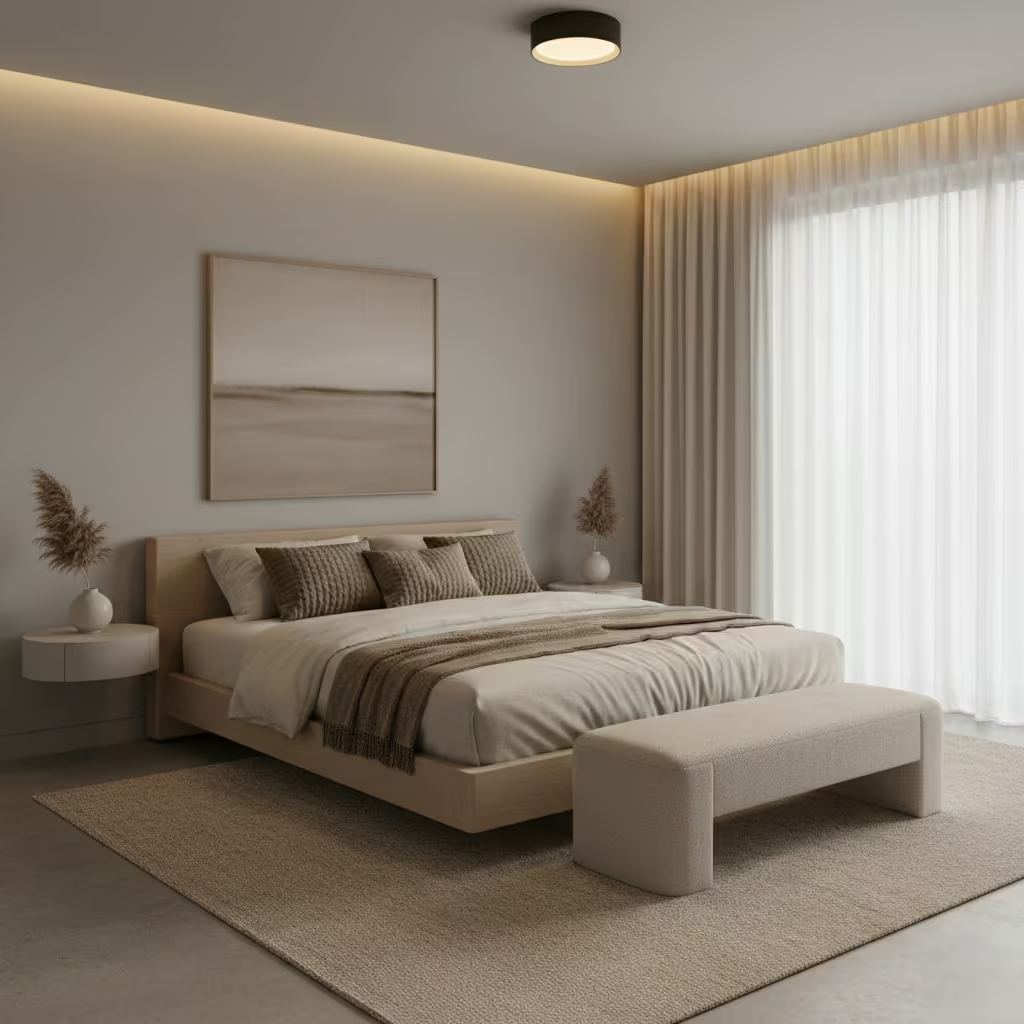
Soft ambient ceiling lighting creates a warm and relaxing atmosphere that sets the overall mood of the bedroom. Instead of harsh overhead lights, choosing diffused fixtures helps evenly illuminate the space while maintaining a calm and restful feel. This type of lighting works well as a base layer, complemented by task and accent lighting.
Practical Guide:
- Use warm white bulbs with a color temperature of 2700–3000K for a cozy effect.
- For general lighting, aim for 100–150 lumens per square meter (10–14 lumens per sq ft).
- Install ceiling fixtures centrally or use multiple recessed lights spaced 90–120 cm (35–47 in) apart for even coverage.
- Dimmers are highly recommended to adjust brightness for different times of day.
Pros
- Creates a calm and inviting bedroom atmosphere
- Provides even, glare-free lighting
- Works well with most bedroom styles and layouts
Cons
- Requires proper bulb selection to avoid harsh light
- May need additional task lighting for reading or working
- Installation can involve electrical work if not already wired
Task Lighting by the Bed or Desk
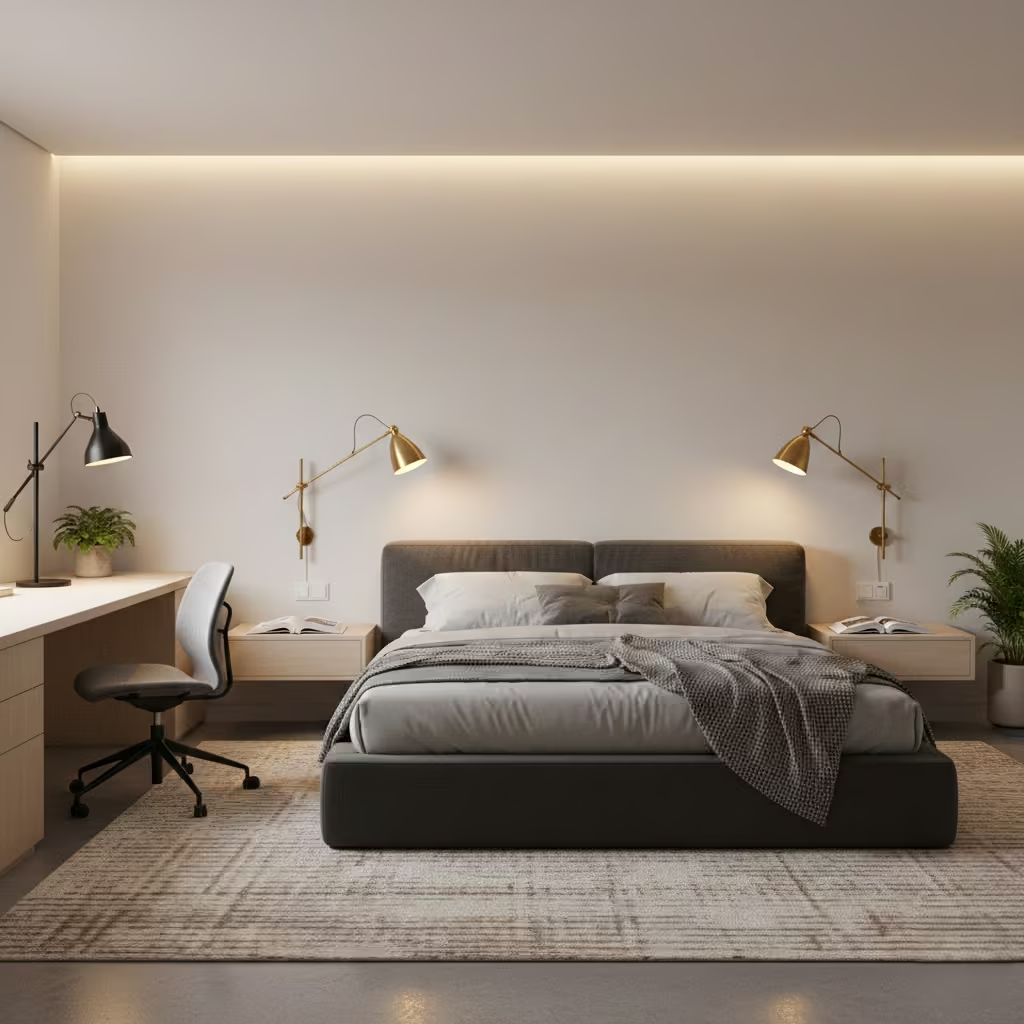
Task lighting provides focused illumination where you need it most, whether for reading in bed, working at a desk, or getting ready in the morning. Well-placed task lights improve functionality without overpowering the room’s overall ambiance, making them an essential part of a balanced bedroom lighting plan.
Practical Guide:
- Bedside task lights should be positioned 120–140 cm (47–55 in) from the floor, angled toward the reading area to reduce glare.
- Desk lamps work best when placed on the opposite side of your dominant hand, with the light source 40–50 cm (16–20 in) above the work surface.
- Choose adjustable or swing-arm fixtures with warm bulbs (2700–3000K) for comfort.
Pros
- Improves visibility for reading or working
- Reduces eye strain with focused lighting
- Keeps the rest of the room softly lit
Cons
- Poor placement can cause shadows or glare
- Adds another fixture to manage visually
- Requires careful coordination with ambient lighting
Use of Mirrors to Reflect Light
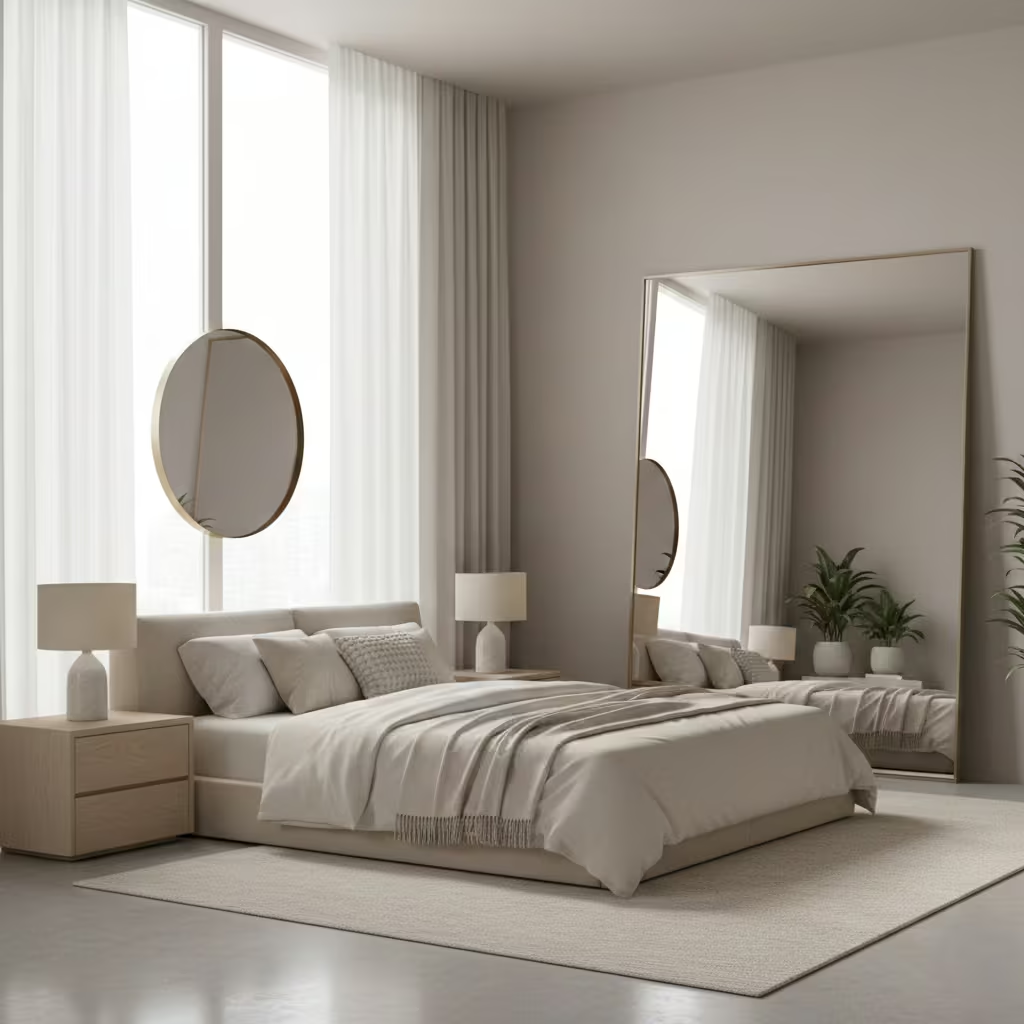
Mirrors are a simple yet powerful tool for enhancing natural and artificial light in a bedroom. When placed correctly, they reflect light across the room, making the space feel brighter, larger, and more open. Mirrors also add a decorative element without introducing visual clutter.
Practical Guide & Measurements:
- Wall-mounted mirrors: Choose a mirror 60–90 cm (24–35 in) wide for bedside or accent use, and hang it so the center sits at 150–160 cm (59–63 in) from the floor.
- Full-length mirrors: Ideal sizes range from 45–60 cm (18–24 in) wide and 150–170 cm (59–67 in) tall, perfect for reflecting light and adding depth.
- Place mirrors opposite or adjacent to windows or light sources to maximize reflection without causing glare.
Pros
- Enhances brightness and visual space
- Improves functionality for dressing and grooming
- Adds style without occupying floor space (wall-mounted)
Cons
- Poor placement can create glare or unwanted reflections
- Requires regular cleaning to maintain clarity
- Large mirrors may feel overwhelming in very small rooms
LED Strip Lights for Subtle Accents
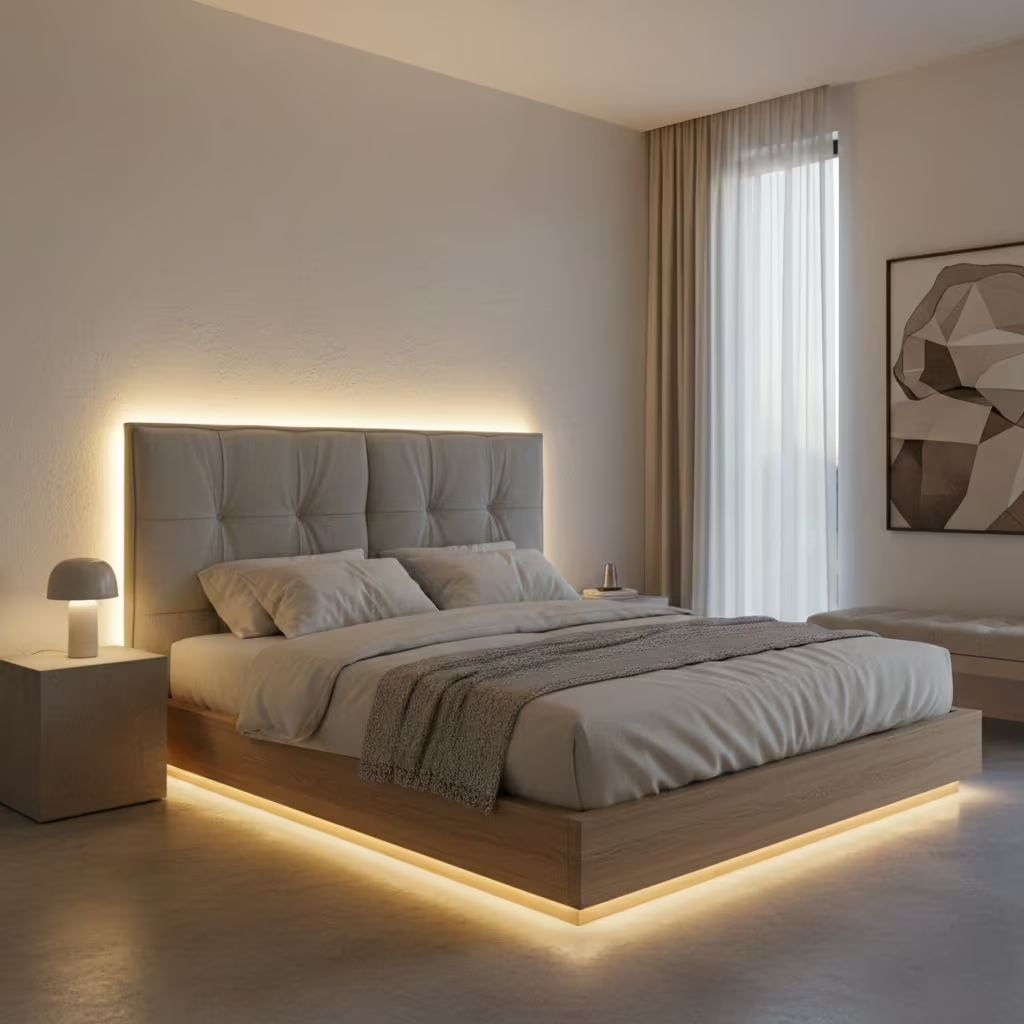
LED strip lights are an easy and affordable way to add soft accent lighting to a bedroom without overpowering the space. When used subtly, they enhance architectural features, highlight furniture, and create a warm, layered glow that feels modern and relaxing.
Practical Guide:
- Install LED strips behind headboards, under bed frames, or along shelving for a concealed effect.
- Use warm light strips rated 2700–3000K to maintain a cozy bedroom atmosphere.
- Standard LED strips are 8–12 mm (0.3–0.5 in) wide and should be hidden from direct view to avoid harsh lighting.
- Choose dimmable or motion-sensor options for added comfort and flexibility.
Pros
- Creates soft, atmospheric lighting without clutter
- Energy-efficient and low heat output
- Easy to install and customize
Cons
- Poor placement can look overly modern or harsh
- Adhesive backing may weaken over time
- Visible strips can reduce the intended subtle effect
You May also Like: 25 Fresh Light and Airy Bedroom Ideas for Summer Serenity
Simple bedroom Decor & Accessories
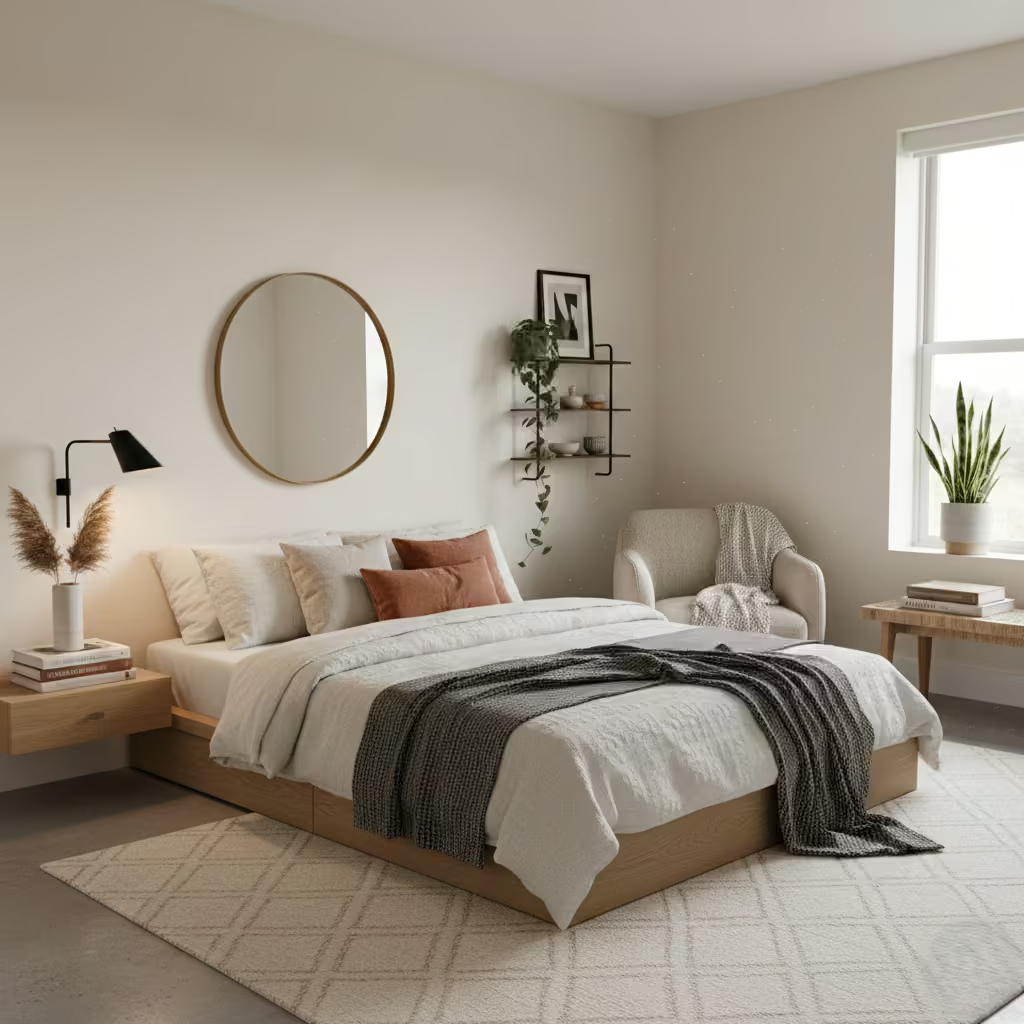
Decor and accessories are the finishing touches that bring a bedroom to life. When chosen thoughtfully, they add personality, warmth, and balance without creating clutter. In this section, we’ll focus on simple, intentional decor ideas that enhance your bedroom’s style while keeping the space calm, functional, and visually cohesive.
Indoor Plants for Freshness
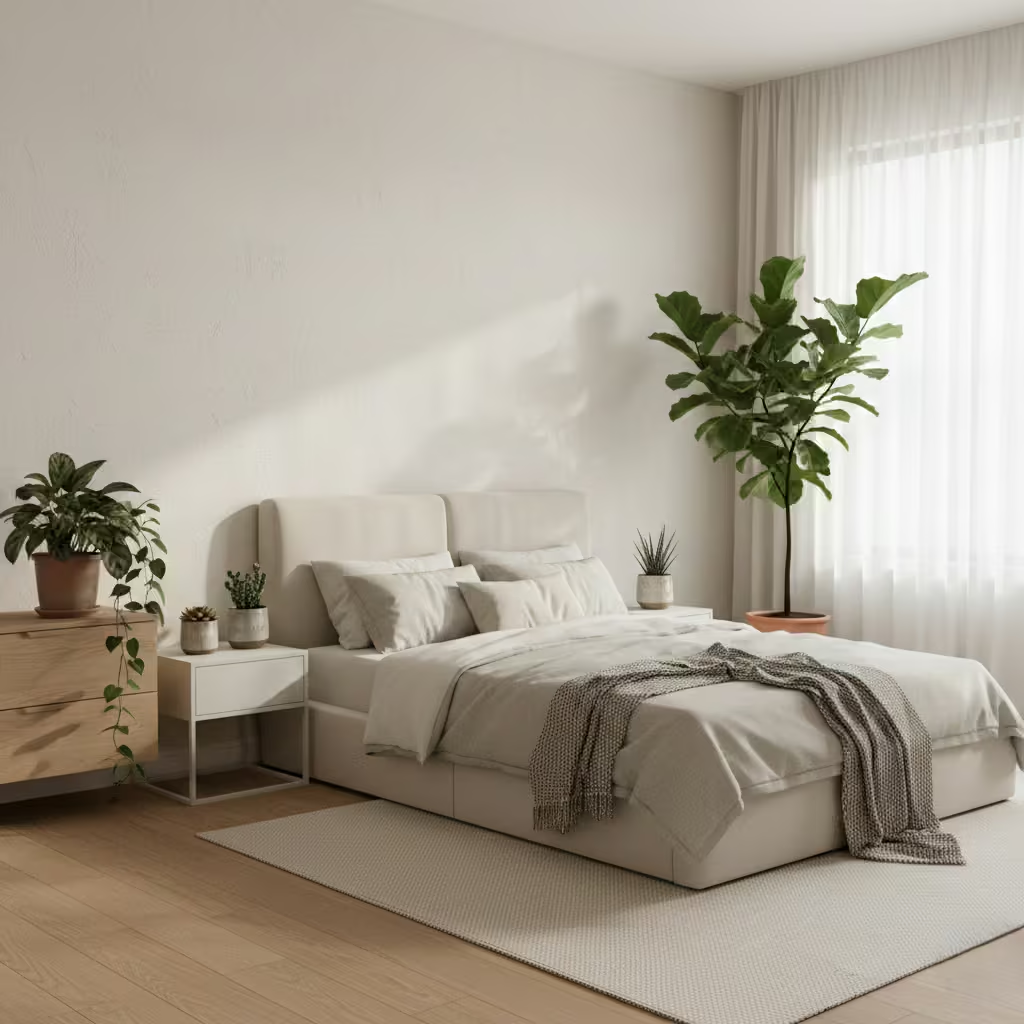
Indoor plants instantly make a bedroom feel fresher, calmer, and more inviting. They soften hard surfaces, add natural color, and help create a relaxing atmosphere without the need for extra decor. Even one well-placed plant can noticeably improve the look and feel of the space.
Size & Placement Guide:
- Small desk or nightstand plants: Choose plants 15–30 cm (6–12 in) tall, such as succulents or small pothos, perfect for shelves, desks, or nightstands.
- Medium plants: Plants 40–80 cm (16–31 in) tall work well beside dressers or in bedroom corners.
- Large floor plants: Opt for statement plants 120–180 cm (47–71 in) tall, like fiddle-leaf figs or palms, placed near windows or empty corners to add height and balance.
Pros
- Adds natural freshness and visual softness
- Improves mood and creates a calming environment
- Works with all bedroom styles
Cons
- Requires regular care and watering
- Not all plants thrive in low-light bedrooms
- May attract pests if not maintained properly
Minimalist Storage Baskets
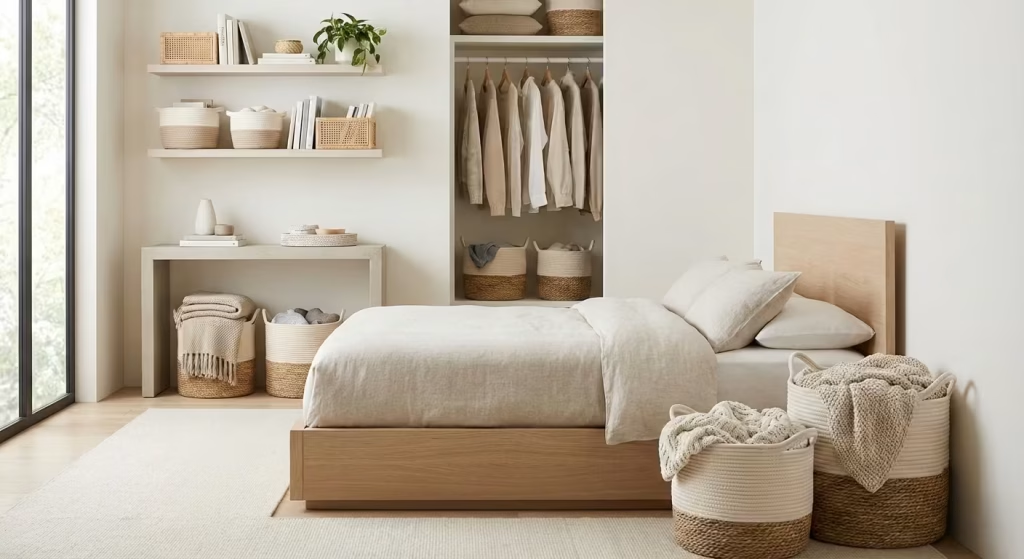
Minimalist storage baskets are a practical and stylish way to keep bedroom essentials organized while maintaining a clean, uncluttered look. They work well for storing blankets, pillows, magazines, or everyday items that would otherwise create visual noise. Neutral tones and natural materials help them blend seamlessly into simple bedroom designs.
Practical Guide:
- Small baskets: 25–30 cm (10–12 in) wide, ideal for shelves or nightstands.
- Medium baskets: 35–45 cm (14–18 in) wide, perfect for clothing, throws, or under-bed storage.
- Large floor baskets: 50–60 cm (20–24 in) wide, suitable for extra blankets or cushions beside the bed or dresser.
- Choose breathable materials like cotton rope, rattan, or seagrass for a soft, natural finish.
Pros
- Keeps clutter hidden while remaining accessible
- Adds texture and warmth to the bedroom
- Easy to move and reposition
Cons
- Limited protection from dust compared to closed storage
- Can lose shape if overfilled
- Not ideal for very small or heavy items
Simple Decorative Objects (Vases, Sculptures)
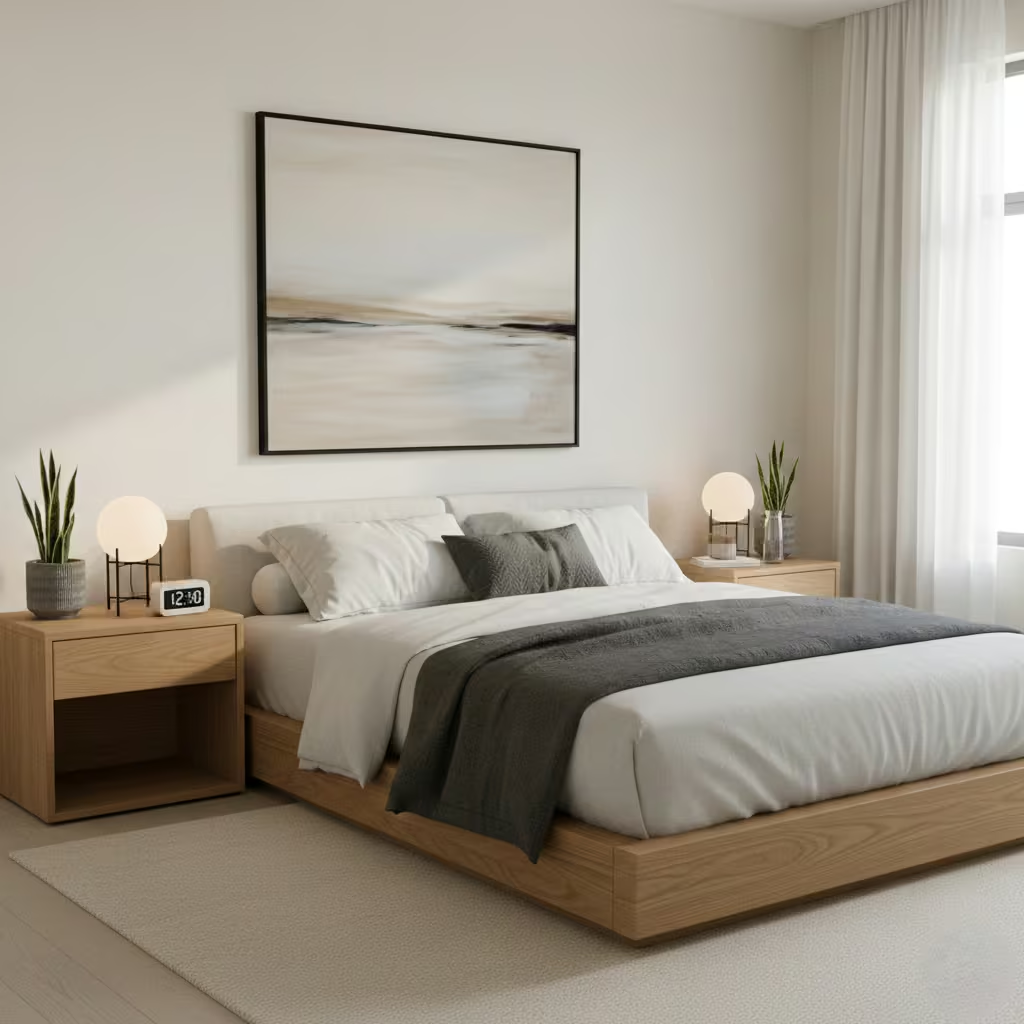
Simple decorative objects such as vases or small sculptures add character to a bedroom without overwhelming the space. When chosen carefully, these pieces act as subtle focal points that enhance the room’s style while maintaining a clean, balanced look. Less is more here, with emphasis on shape, material, and placement rather than quantity.
Practical Guide:
- Choose 1–3 decorative objects per surface to avoid visual clutter.
- Opt for medium-sized pieces 20–35 cm (8–14 in) tall for dressers or shelves.
- Use natural materials like ceramic, stone, glass, or wood to complement a simple bedroom palette.
- Group items in odd numbers and vary heights slightly for visual interest.
Pros
- Adds personality and style without crowding the room
- Easy to update or swap seasonally
- Works well with minimalist and modern interiors
Cons
- Overuse can quickly create clutter
- Fragile materials may require careful placement
- Poorly chosen pieces can feel out of place
Personal Touches Without Clutter (Photos, Books)
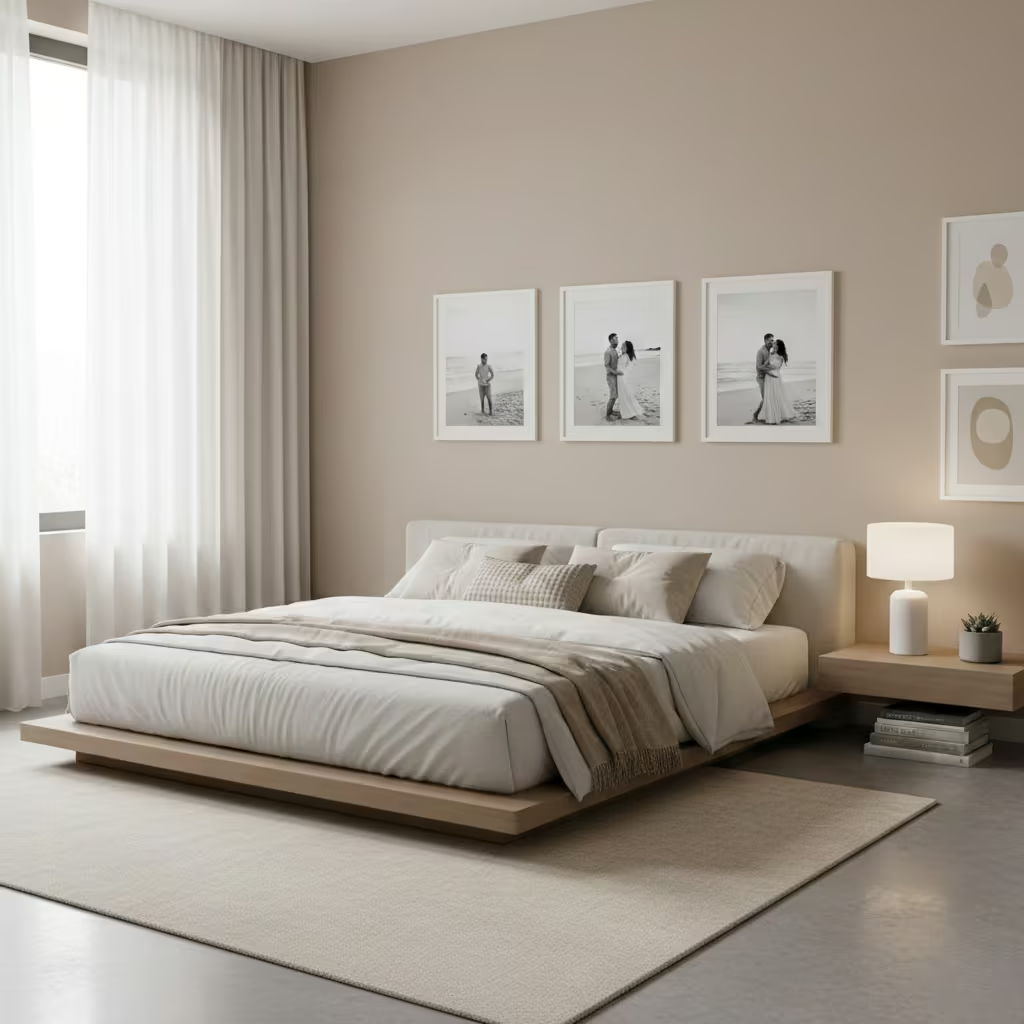
Personal touches make a bedroom feel warm and lived-in, but too many items can quickly create clutter. The key is to display meaningful photos and books in a curated, intentional way that enhances the room rather than overwhelming it. Thoughtful selection keeps the space personal yet visually calm.
Practical Guide:
- Limit framed photos to 2–4 pieces on a wall or surface, keeping frame sizes consistent for a cohesive look.
- Use photo frames 20×25 cm (8×10 in) or 30×40 cm (12×16 in) for bedside tables or shelves.
- Stack 3–5 books horizontally on nightstands or shelves to add height and structure.
- Rotate items seasonally to keep the display fresh without adding more decor.
Pros
- Adds warmth and emotional connection to the space
- Makes the bedroom feel unique and personal
- Easy to update without redesigning the room
Cons
- Can look cluttered if too many items are displayed
- Requires regular dusting and upkeep
- Inconsistent frames or colors may disrupt visual harmony
Decluttered Nightstand / Minimal Accessories
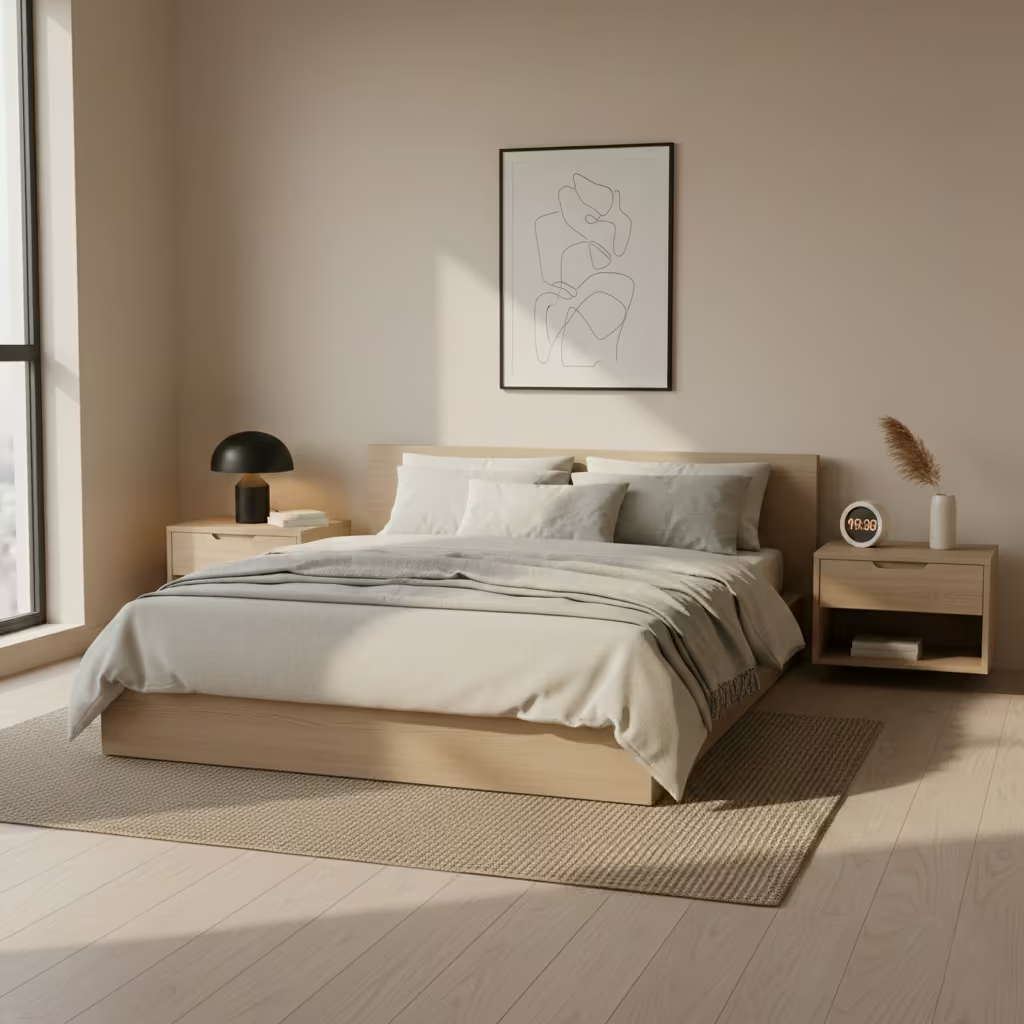
A decluttered nightstand keeps your bedroom feeling calm, organized, and restful. Minimal accessories focus on function and style, ensuring that essential items like lamps, clocks, or a small plant have their place without overcrowding surfaces. This approach reinforces a clean, serene bedroom atmosphere.
Practical Guide:
- Limit items to 2–3 essentials per nightstand for a tidy look.
- Recommended nightstand dimensions: 40–50 cm (16–20 in) high, 40–45 cm (16–18 in) wide, leaving enough surface for functional use.
- Choose accessories in complementary materials and neutral colors to maintain cohesion with the room’s decor.
- Use small trays or bowls to corral loose items like jewelry or keys.
Pros
- Creates a sense of calm and order in the bedroom
- Enhances the effectiveness of other design elements
- Easy to maintain daily
Cons
- Limited surface space for decorative or functional items
- Requires discipline to avoid accumulating clutter
- Overly minimal accessories may feel too sparse if not balanced with other elements
How to keep Such a space looking Clean, simpler and Airy
- Limit Furniture to Essentials
Stick to pieces that serve a purpose: bed, nightstands, storage, and a functional desk or seating. Avoid extra chairs, tables, or bulky storage units that take up floor space and create visual clutter. - Declutter Regularly
Make it a habit to remove items you don’t use daily. Nightstands, shelves, and dressers should only display essentials or carefully curated decor. Use minimalist storage baskets, drawers, and trays to hide clutter while keeping it accessible. - Maintain a Neutral Palette
Light, neutral wall colors, bedding, and furniture help the space feel open and airy. Use subtle accent tones rather than bold patterns, which can make a room feel busy or cramped. - Maximize Natural Light
Keep windows free from heavy drapes. Sheer curtains or roller blinds let sunlight in, making the room feel spacious and fresh. Mirrors can further reflect light and create the illusion of depth. - Mindful Use of Accessories
Limit decorative objects to 1–3 per surface. Choose simple vases, sculptures, or a couple of personal touches like photos or books. Too many accessories overwhelm the eye and reduce the airy feeling. - Layer Textures, Not Clutter
Add warmth and comfort through textiles like throws, rugs, and pillows, but avoid overstuffing. Stick to 2–4 pillows and one throw per bed; one or two rugs per room. - Keep Floors Clear
Floating beds, wall-mounted lights, and minimal furniture help maintain visual openness. Avoid storing items on the floor unless in designated baskets or under-bed storage. - Regular Cleaning Routine
Dust surfaces weekly, vacuum rugs, and tidy bedding daily. A consistent routine ensures the room stays inviting and serene. - Use Multi-Functional Pieces
Benches, ottomans, and storage stools reduce the need for extra furniture while providing practical storage. This keeps the room organized and visually uncluttered. - Adopt a “One-In, One-Out” Rule
When adding new decor, clothing, or accessories, remove an existing item. This prevents accumulation and keeps your bedroom feeling clean and intentional.
Who Should Choose a Simple Bedroom Design
A simple bedroom design is ideal for anyone who values calm, functionality, and low-maintenance spaces. It works particularly well for:
- Busy Professionals: Minimal furniture and clutter-free layouts make cleaning easier and create a stress-free environment after long workdays.
- Small-Space Living: Apartments or compact rooms benefit from airy layouts, multi-functional furniture, and thoughtful storage solutions.
- People Who Love Minimalism: If you prefer neutral tones, uncluttered surfaces, and a serene vibe, a simple bedroom helps reinforce that aesthetic.
- Frequent Travelers or Remote Workers: Simple bedrooms reduce distractions, promote better sleep, and provide a clear, organized space for work or relaxation.
- Anyone Seeking Timeless Style: Neutral colors, minimalist decor, and clean lines ensure your bedroom stays stylish without needing constant updates.
Key Benefits:
- Reduces visual clutter and stress
- Makes cleaning and maintenance easier
- Creates a versatile backdrop for changing decor
- Enhances natural light and makes small rooms feel bigger
A simple bedroom is not just about minimalism it’s about creating a peaceful, functional, and stylish retreat that suits your lifestyle. Even if your taste leans slightly eclectic, incorporating simple elements can dramatically improve comfort and flow.
Final thoughts about Creating a simple bedroom
Creating a simple bedroom is all about balance: combining functionality, comfort, and style without overcrowding the space. By choosing essential furniture, layering textures thoughtfully, using neutral palettes, and adding carefully curated decor, you can design a bedroom that feels airy, calm, and timeless.
The beauty of a simple bedroom lies in its versatility. Whether you live in a small apartment, a spacious home, or simply want a low-maintenance sanctuary, minimal design principles help you make the most of your space. Incorporating practical storage solutions, soft lighting, and personal touches ensures your bedroom remains both stylish and livable.
Ultimately, a simple bedroom is not about limiting yourself it’s about creating a peaceful retreat that supports rest, relaxation, and clarity. With intentional choices and mindful styling, you can transform even the simplest room into a cozy, inviting sanctuary that stands the test of time.
Frequently asked questions about Creating a simple bedroom
What is a simple bedroom design?
A simple bedroom design focuses on minimal furniture, clean lines, neutral colors, and intentional decor. The goal is to create a calming, uncluttered space that is functional, stylish, and easy to maintain.
How can I make a small bedroom feel bigger?
Use neutral wall colors, floating furniture, multi-functional pieces, and minimal decor. Mirrors and strategic lighting also help create the illusion of more space.
Which colors work best in a simple bedroom?
Neutral shades like whites, beiges, soft greys, and pastels are ideal. These tones make the room feel airy and versatile while allowing accent pieces and textures to stand out.
How do I keep a simple bedroom organized?
Declutter regularly, use storage baskets, drawers, and under-bed storage, and limit decorative items to essentials. Maintaining a routine cleaning schedule also keeps the space looking fresh.
Can a simple bedroom still feel cozy?
Absolutely. Layered bedding, rugs, throw pillows, soft lighting, and carefully chosen textures add warmth and comfort while maintaining a minimalist aesthetic.
Who should opt for a simple bedroom?
Busy professionals, small-space dwellers, minimalism lovers, and anyone seeking a peaceful, timeless retreat will benefit from a simple bedroom design.
Can I add personality to a simple bedroom?
Yes. Use curated artwork, a few decorative objects, indoor plants, and personal touches like books or photos. The key is to keep these elements intentional and uncluttered.