



Bedroom Office Combo Ideas: Smart, Stylish Ways to Work and Sleep in One Space
The bedroom–office combo has become one of the most requested design solutions in recent years, and it’s easy to see why. With more people working remotely or managing side gigs from home, the bedroom often becomes the only realistic place to carve out a functional workspace. The challenge is that you’re blending two completely different energies in one footprint: the calm, restorative atmosphere of a bedroom and the focus-driven environment of an office.
When I design a multi-use room like this, I always start by looking at how the client actually lives day to day. A great bedroom–office combo isn’t just about squeezing in a desk. It’s about creating a layout that supports productivity without disturbing the room’s sense of calm. The goal is to make the workspace feel intentional and integrated, not like a last-minute add-on that disrupts your sleep environment.
My design philosophy centres around zoning, material harmony, and visual quiet. If you can define where “work” happens and where “rest” happens, and then soften the transition between the two, the entire room suddenly feels more grounded. When done well, a bedroom–office combo becomes a genuinely comfortable, flexible space that helps you stay organised, stay focused, and still wind down at night without feeling like you’re sleeping in your inbox.
Start with the Layout: How to Zone the Space
Zoning is the backbone of any successful bedroom–office combo. Even in tight rooms, a clear visual divide helps the space feel balanced rather than overworked.
Reading the room’s shape and natural light
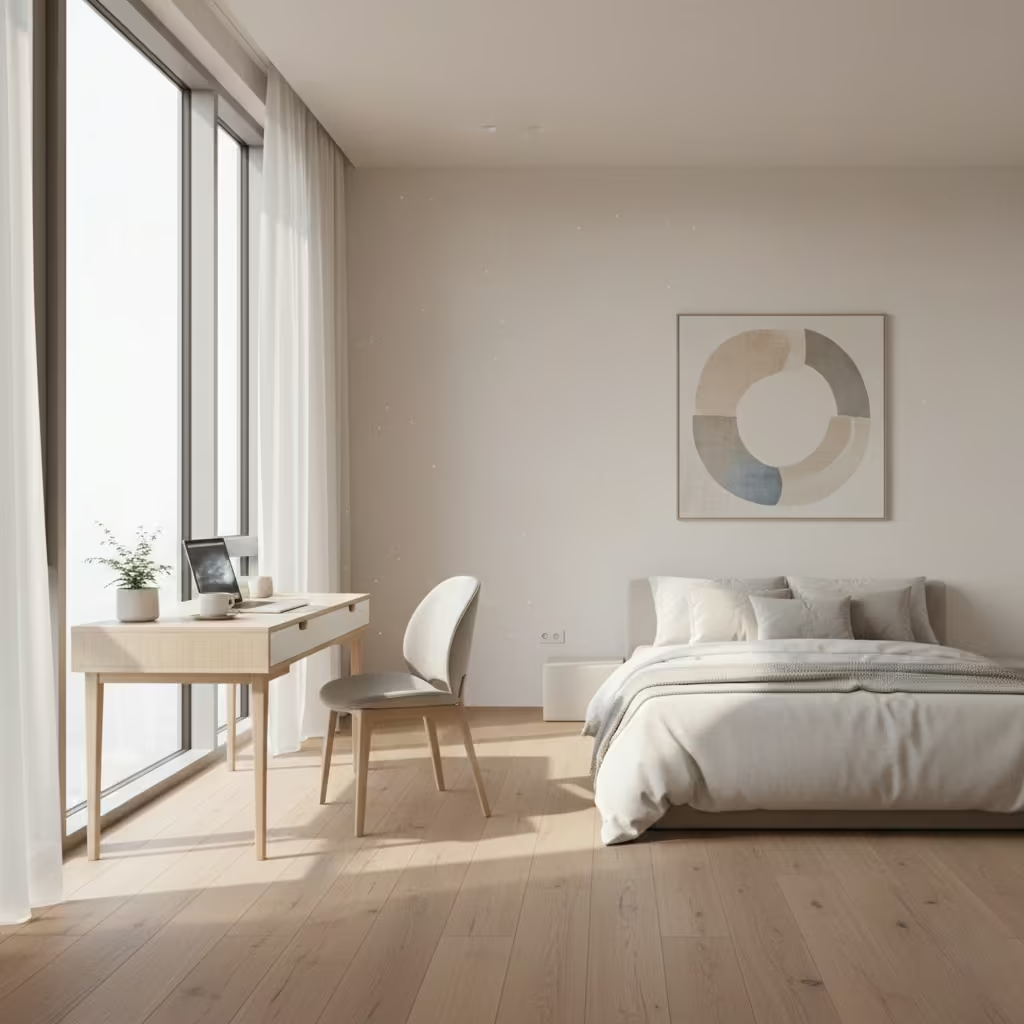
Begin by assessing where daylight falls. Position the desk where you get the most consistent natural light without glare on your screen. Keep the bed in the darker, quieter corner to preserve a restful atmosphere.
The “Work Zone” vs. “Rest Zone” principle
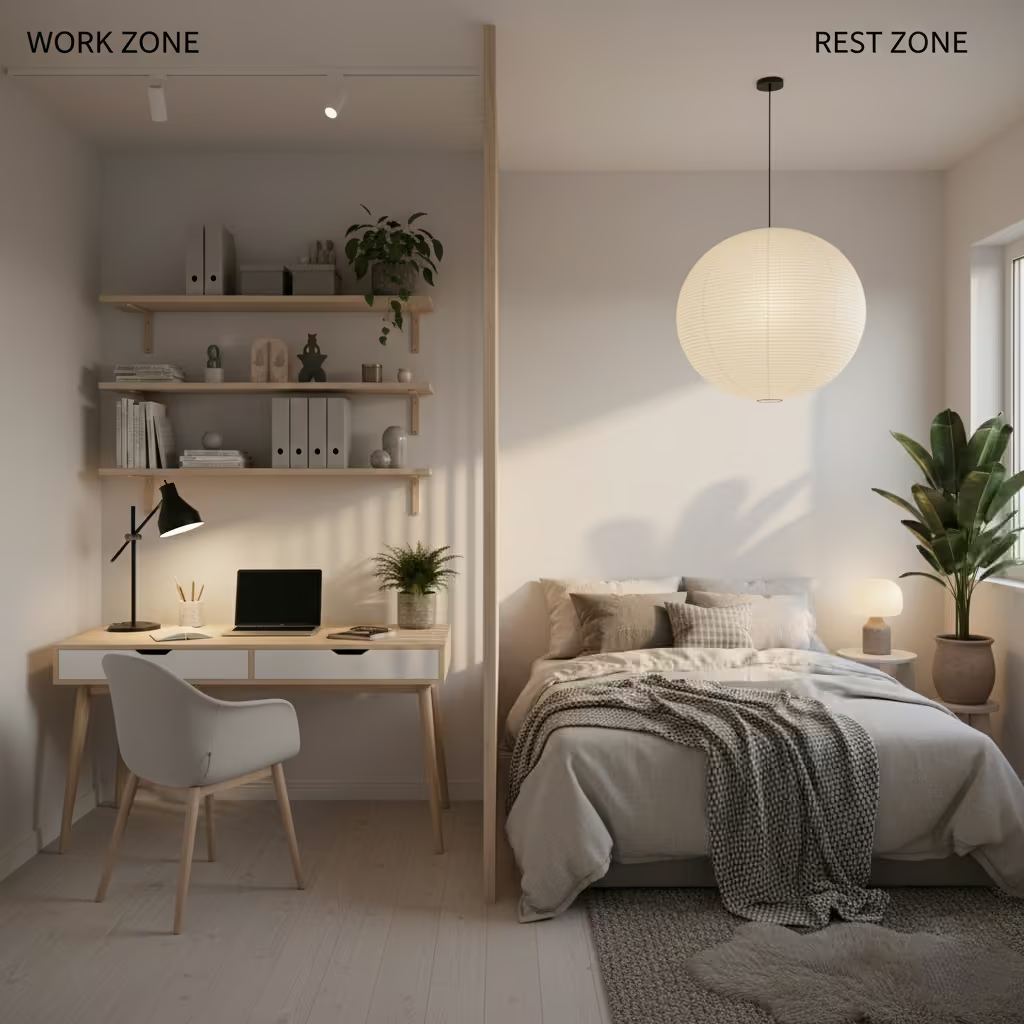
Create two distinct zones: one for focus, one for winding down. The work zone should feel structured and upright; the rest zone soft and low-profile. This simple separation immediately reduces visual noise.
Using area rugs, lighting, or shelving as subtle dividers
You don’t need walls to divide a room. A small rug under the desk, a focused task lamp, or a slim bookcase can define the workspace without overwhelming the bedroom.
Best layouts for small, long, and square rooms
- Small rooms: Use a wall-mounted or corner desk placed near the window, keeping the bed opposite.
- Long rooms: Put the desk at one end and the bed at the other, using a rug or open shelving to break up the length.
- Square rooms: Float the desk against the brightest wall and keep the bed diagonally opposite for maximum breathing room.
This simple zoning strategy creates clarity, calm, and a natural flow between work and rest.
Choose the Right Desk Setup
The desk is the anchor of your bedroom–office combo, so choose a setup that fits the room without overpowering it.
Wall-mounted desks for tight floorplans
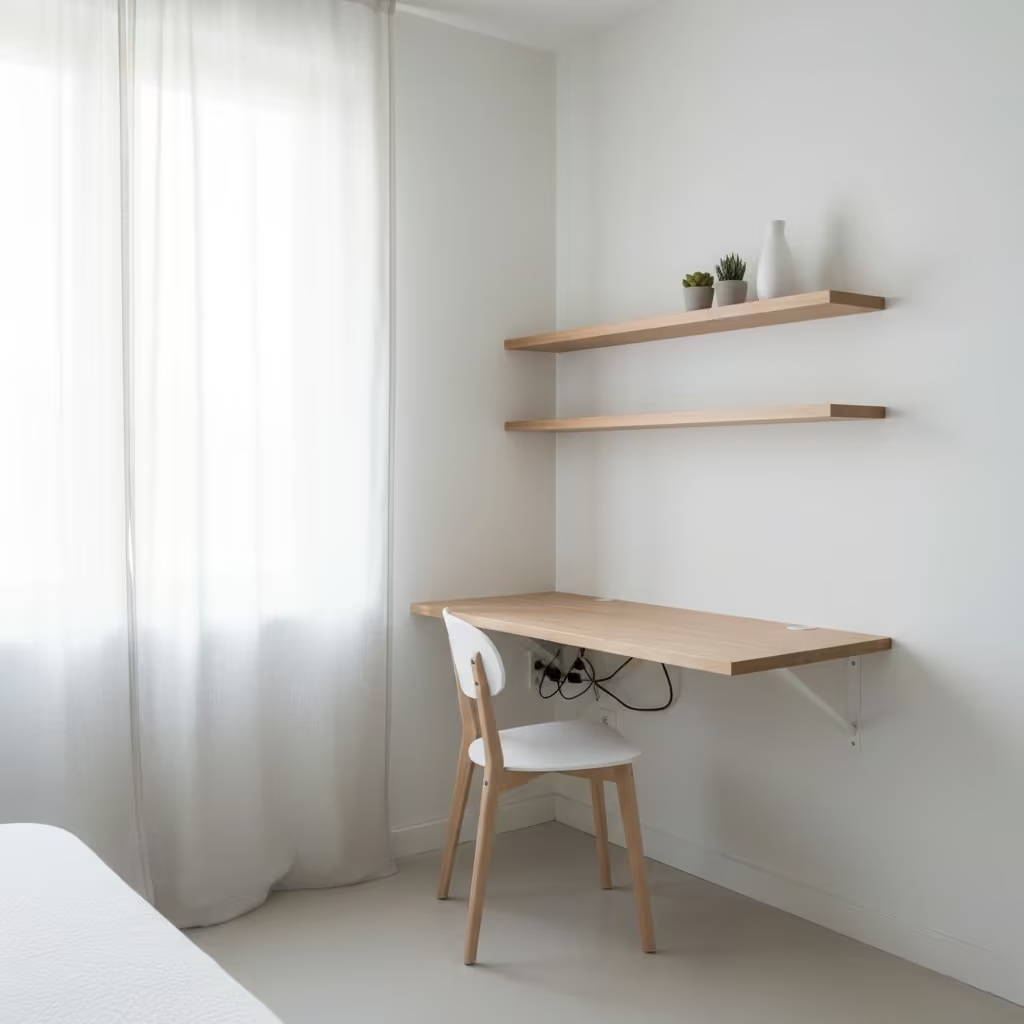
A wall-mounted desk keeps the footprint light and leaves valuable floor space free. It’s ideal for small rooms where every centimetre counts.
Corner desks for awkward layouts
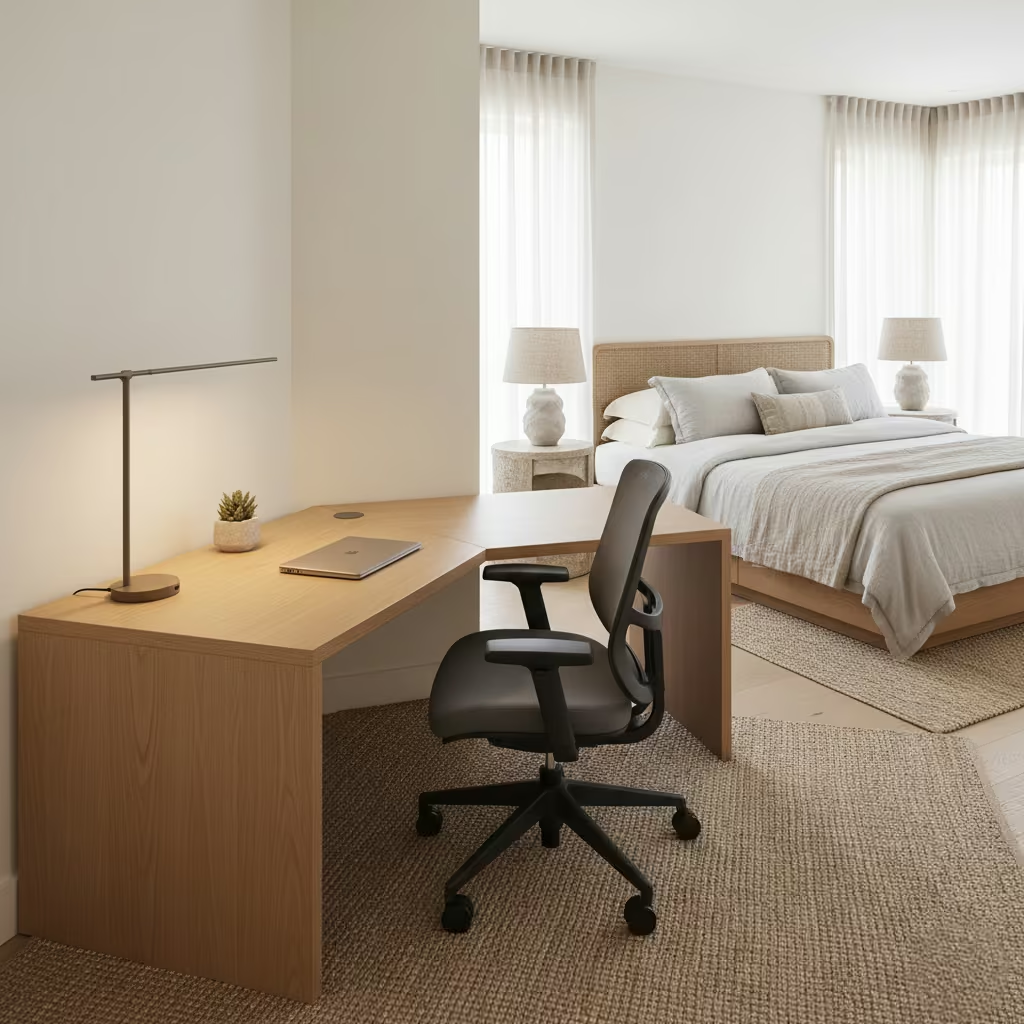
Corners often go unused. A corner desk turns dead space into a functional workstation and keeps the main walls open for the bed, storage, or décor.
Slimline desks that blend into bedroom aesthetics
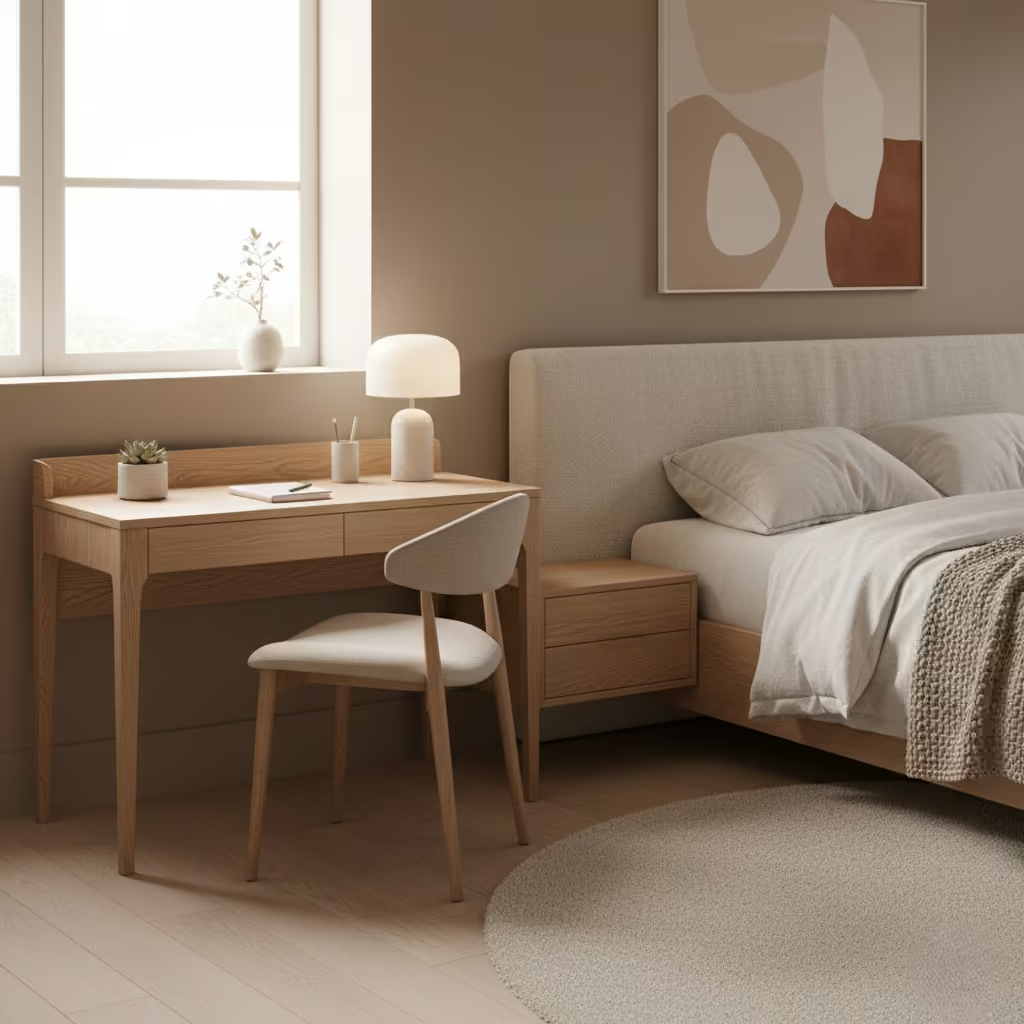
A slim, streamlined desk helps the workspace feel like part of the bedroom rather than a corporate intrusion. Choose muted finishes and soft edges to keep the look cohesive.
Secret desks that tuck away or fold down
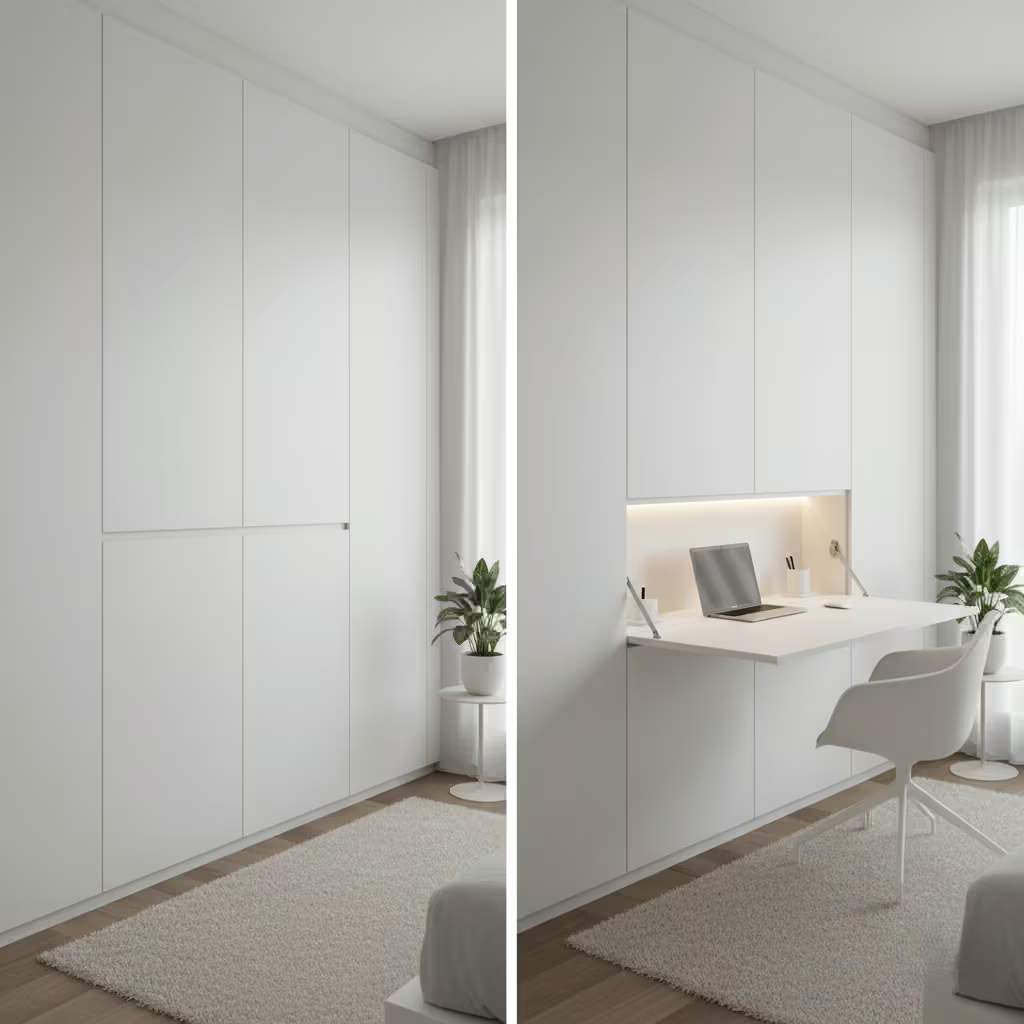
For those who prefer the bedroom to look like a bedroom at night, a fold-down or hidden desk is a smart solution. It lets you close the workspace after hours so the room shifts back into relaxation mode instantly.
You May also Like: 25 Barndominium Office Ideas That Blend Rustic Charm with Modern Productivity
Storage That Doesn’t Make the Room Feel Like an Office
Storage can make or break a bedroom–office combo. The key is keeping everything organised without letting the room slip into full workspace mode.
Built-in wardrobes with hidden workspace
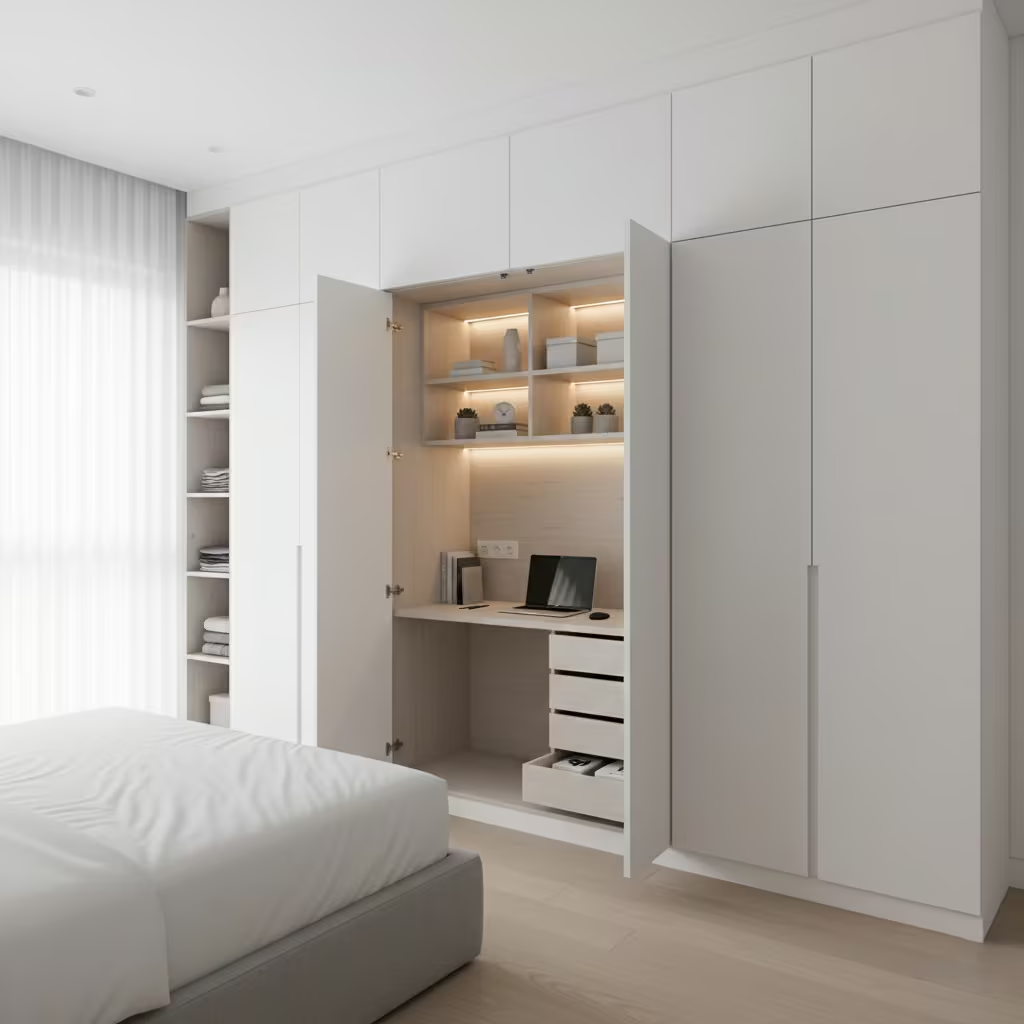
A wardrobe with integrated shelves or a compact desk nook keeps work essentials behind closed doors. It’s one of the cleanest ways to hide visual clutter.
Filing solutions disguised as bedside tables
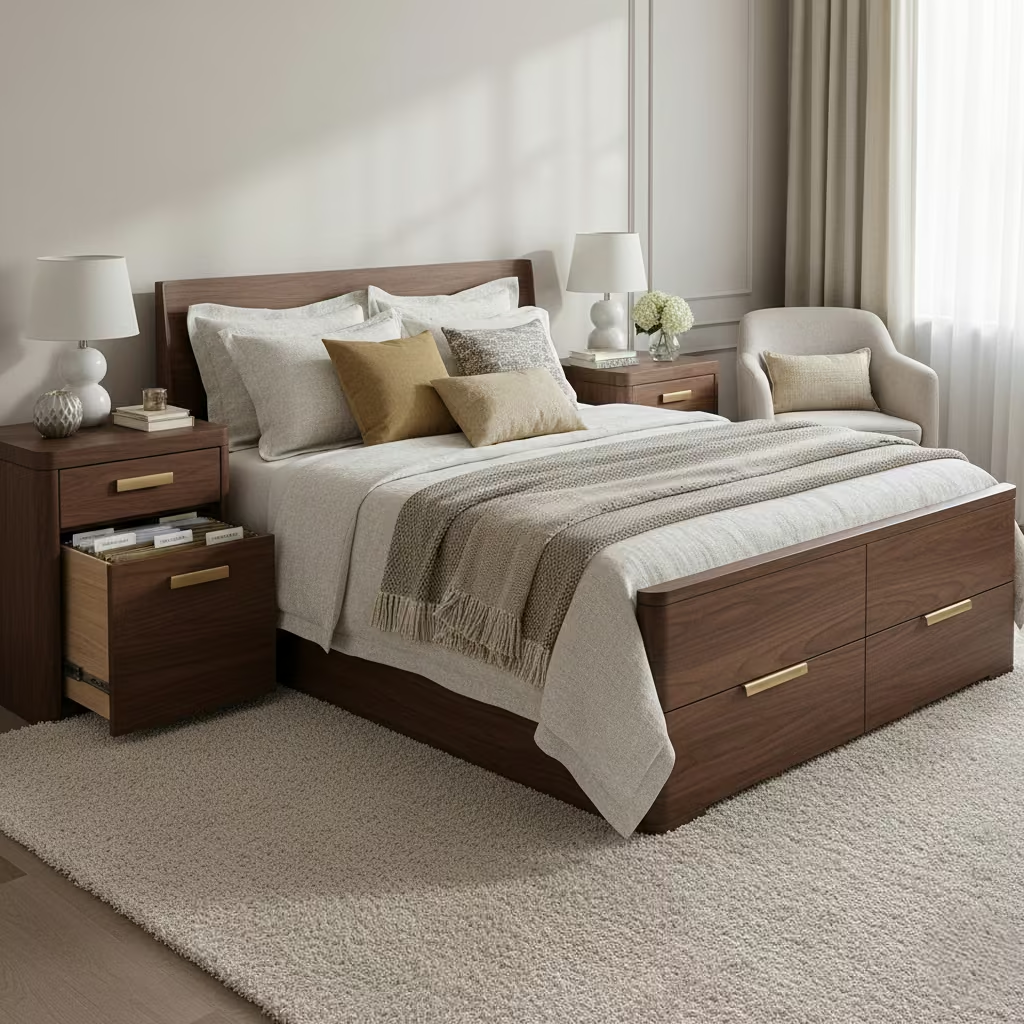
Dual-purpose nightstands with drawers are perfect for storing documents, stationery, and tech. They blend seamlessly into the bedroom while quietly doing the heavy lifting.
Vertical storage to keep surfaces clear
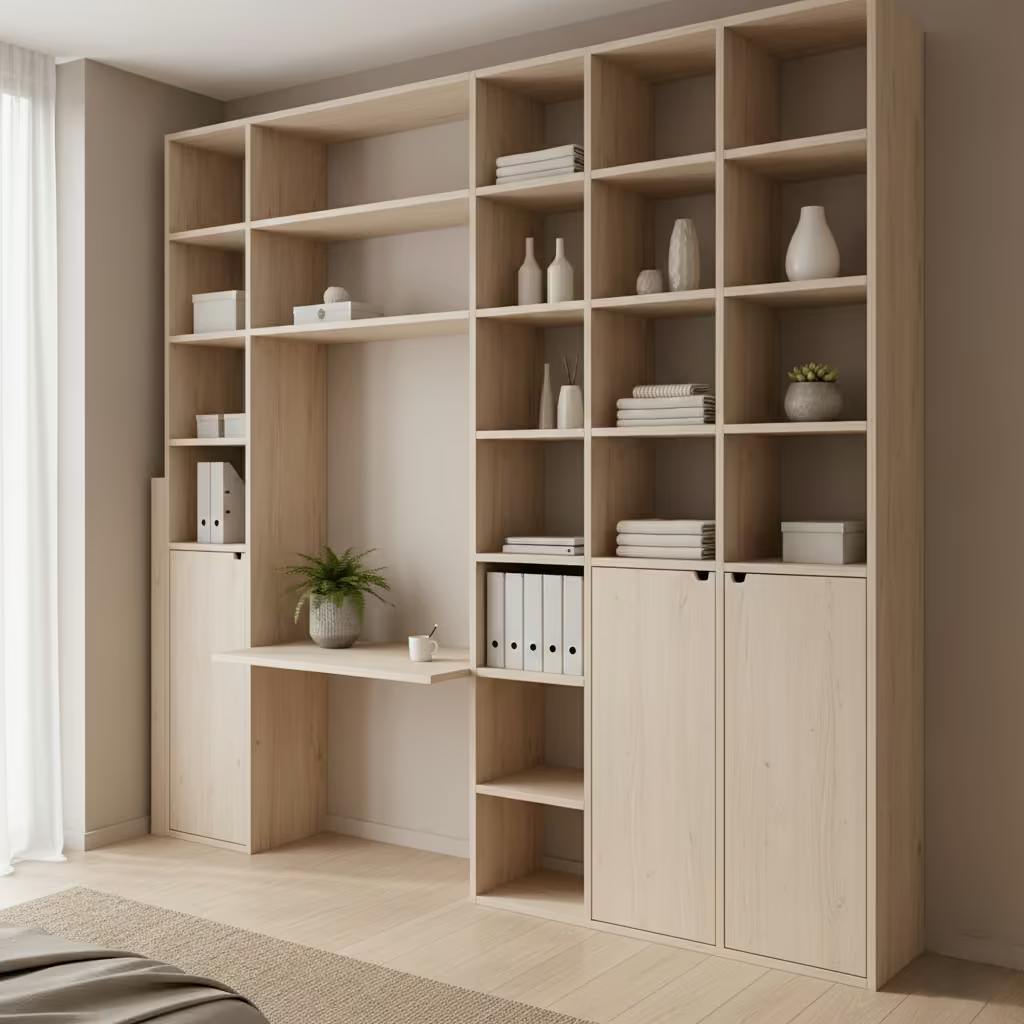
Slim shelving, peg rails, and wall-mounted organisers maximise height and free up the desktop. Clear surfaces make the entire room feel calmer.
You May also Like: 21 Minecraft Bedroom Ideas to Build the Ultimate Gamer Room
Cable management that keeps the bedroom calm
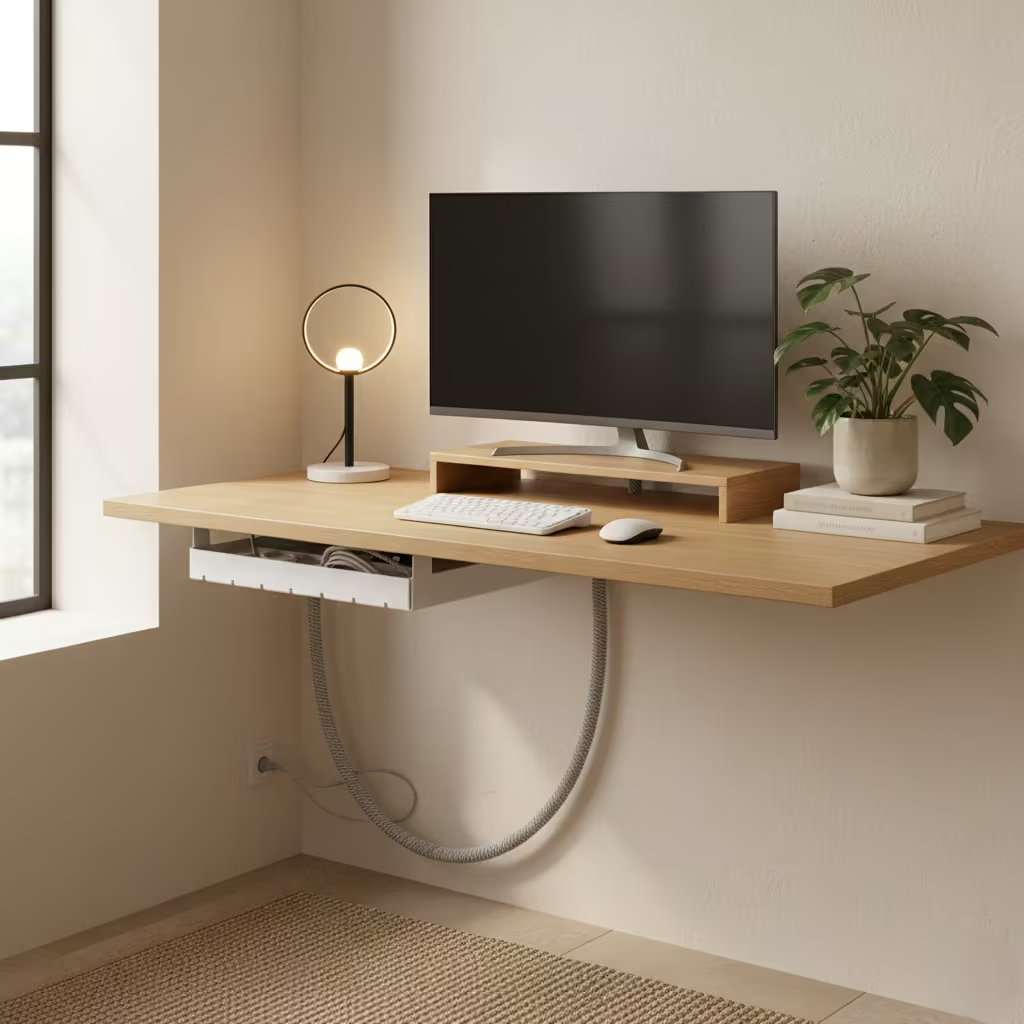
Use cord channels, under-desk trays, and fabric cable sleeves to hide wires. When cables disappear, the workspace stops dominating the room and the bedroom regains its peaceful mood.
You May also Like: 25 Minimalist Bedroom Ideas for a Clean, Modern, and Peaceful Sleep Space
Make the Workspace Visually Quiet
A visually quiet workspace lets you focus during the day and unwind at night without feeling like your desk is looming over you.
Soft colour palettes that support focus and relaxation
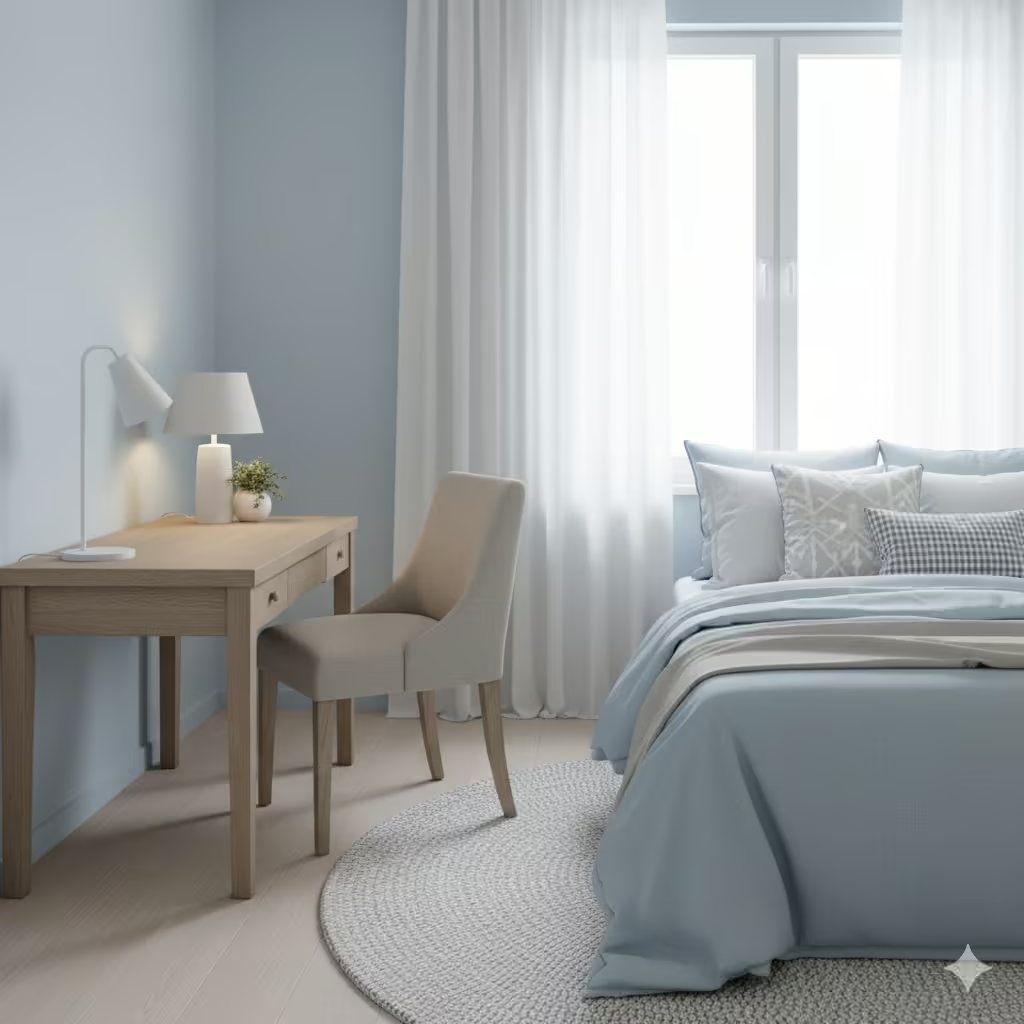
Stick to muted tones like warm greys, soft whites, sage, or taupe. These colours anchor the workspace without overwhelming the bedroom’s calm energy.
You May also Like: 25 Soft & Serene Sage Green Bedrooms for the Ultimate Relaxing Vibe
How to visually ‘switch off’ the office at night
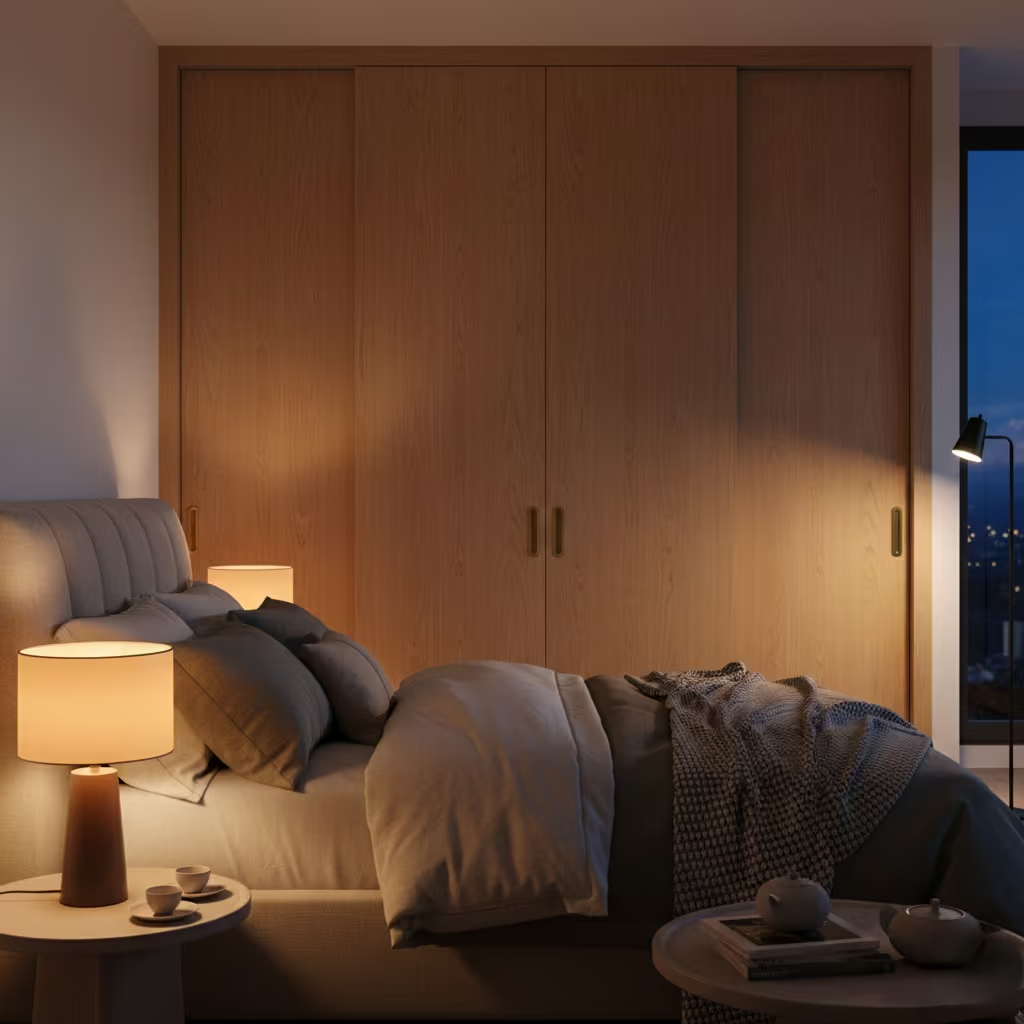
Use simple tricks like a desk curtain, a folding screen, or a closed laptop stand. Even a small change helps the room shift back into rest mode.
Materials that blend bedroom and office vibes
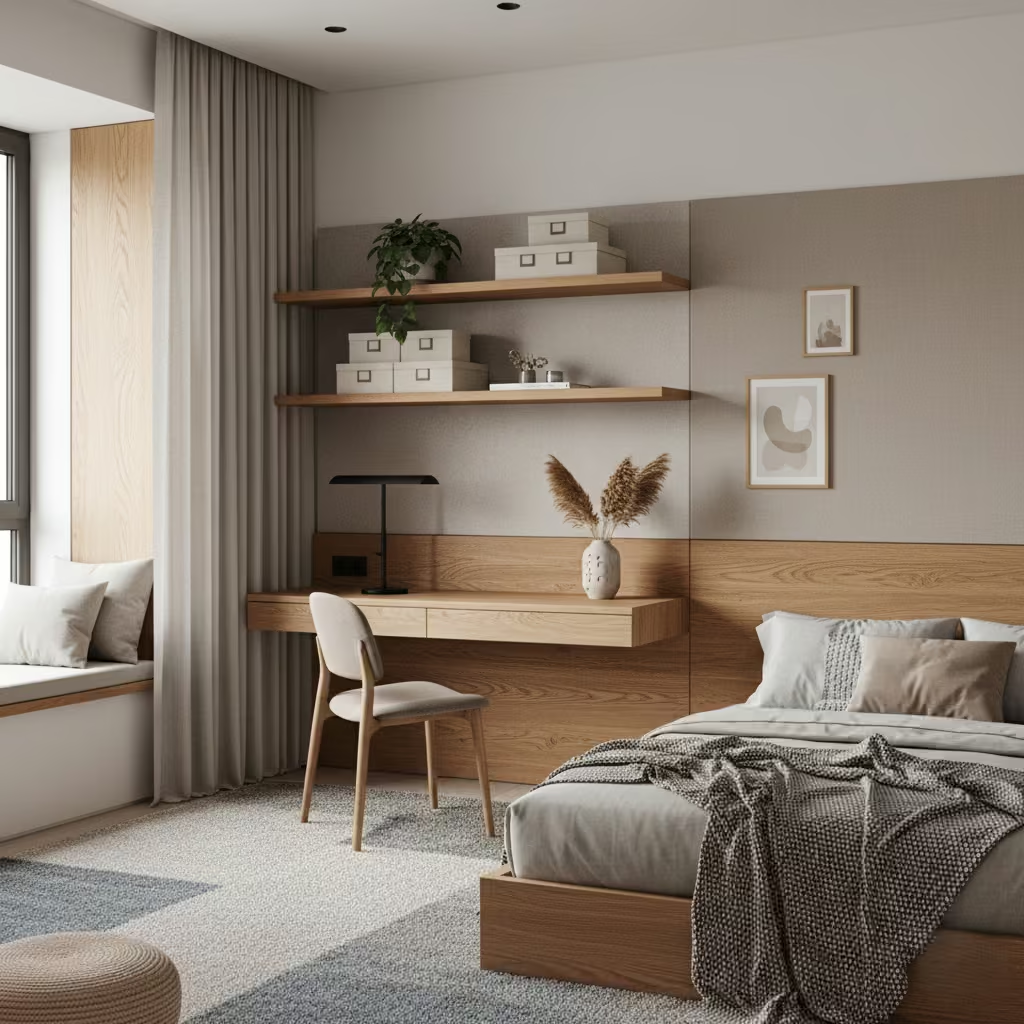
Choose wood, matte finishes, and fabric accents over glossy metals. These materials feel more residential and help the desk integrate with the bedroom’s style.
Textiles that soften the work area
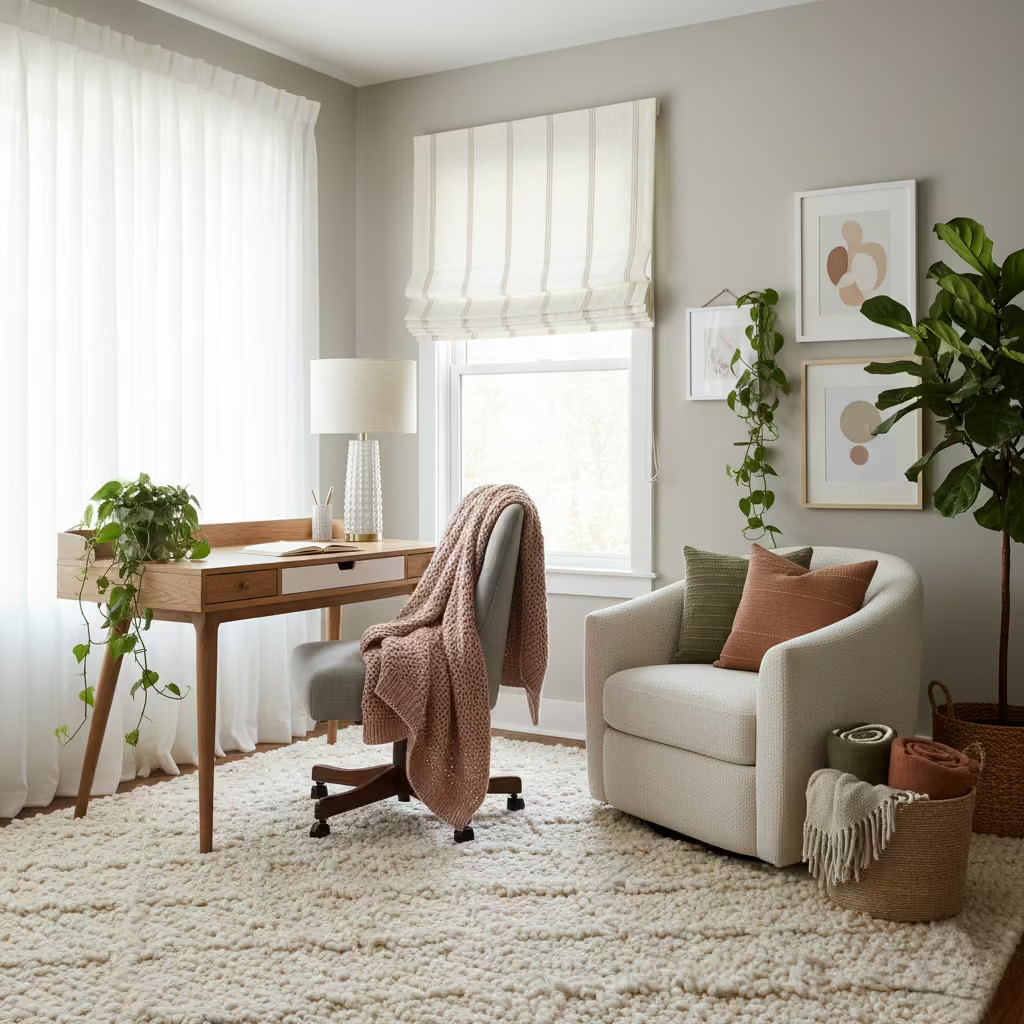
A small rug, upholstered chair, or fabric pinboard adds warmth and takes the edge off the functional workspace. The softer the textures, the easier the zone feels on the eye.
Lighting Strategies for Work and Sleep
Lighting drives the mood in a bedroom–office combo, so it needs to flex between focus and relaxation without overwhelming the space.
Task lighting that supports productivity
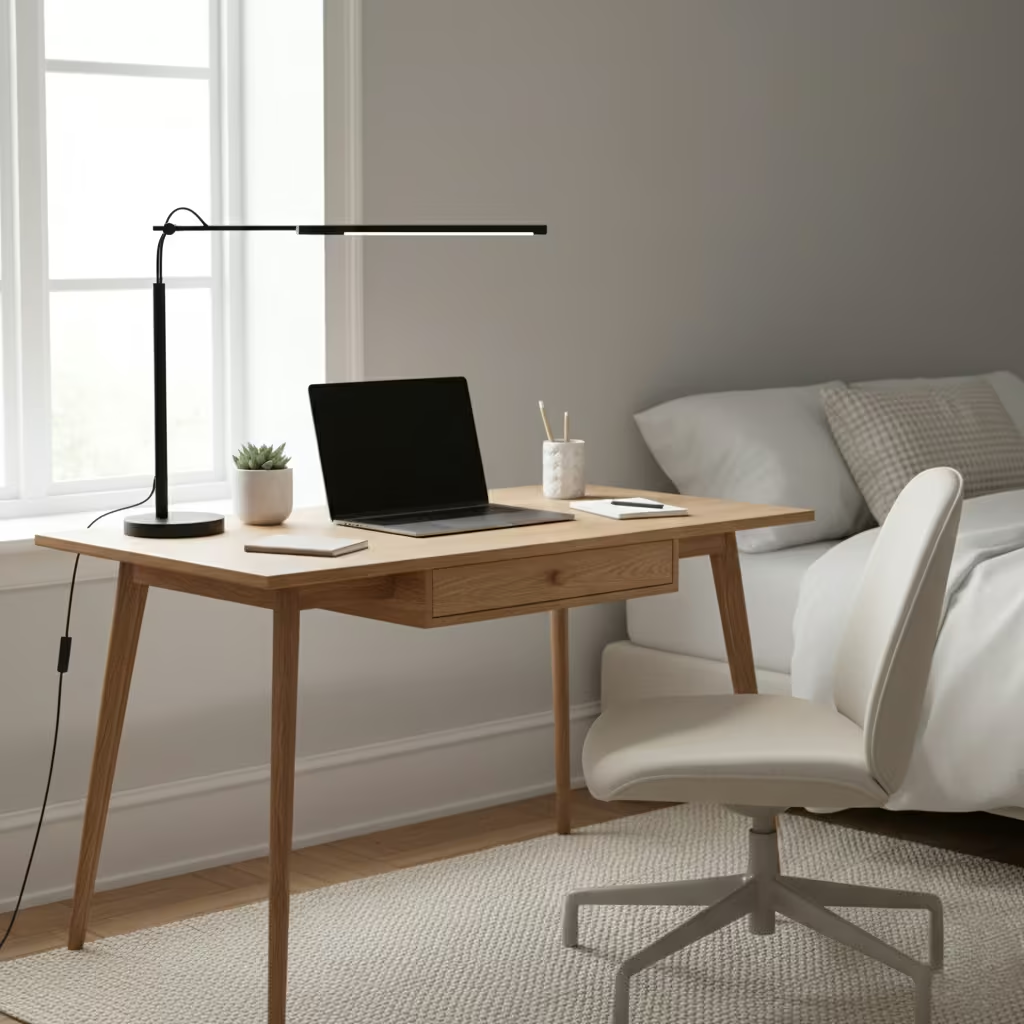
A focused task lamp or adjustable sconce gives you bright, directed light for work without flooding the whole room. It keeps the desk practical and easy on the eyes.
Warm ambient lighting for evenings
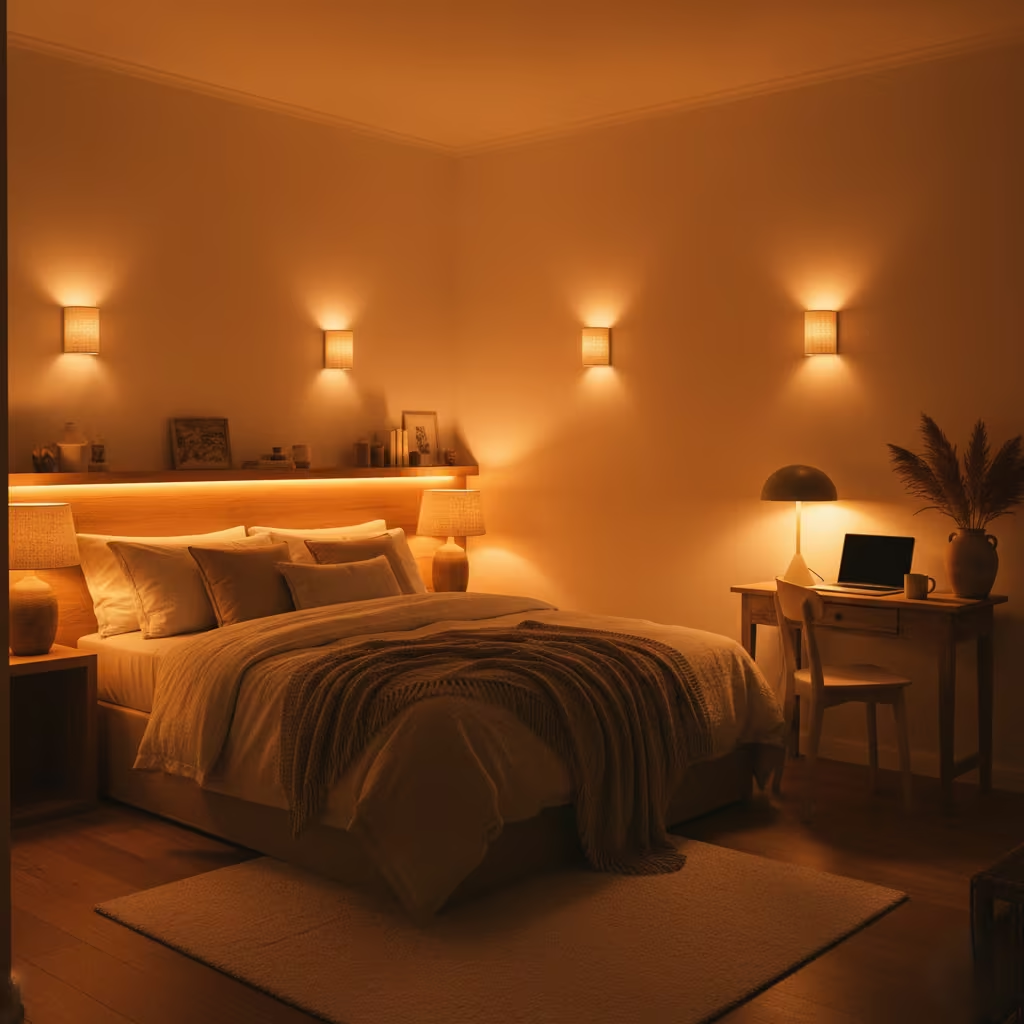
Use warm, low-level lighting for nighttime to soften the atmosphere. Think soft bedside lamps, LED strips behind the headboard, or dimmable ceiling lights.
Layering light so the desk doesn’t dominate the room
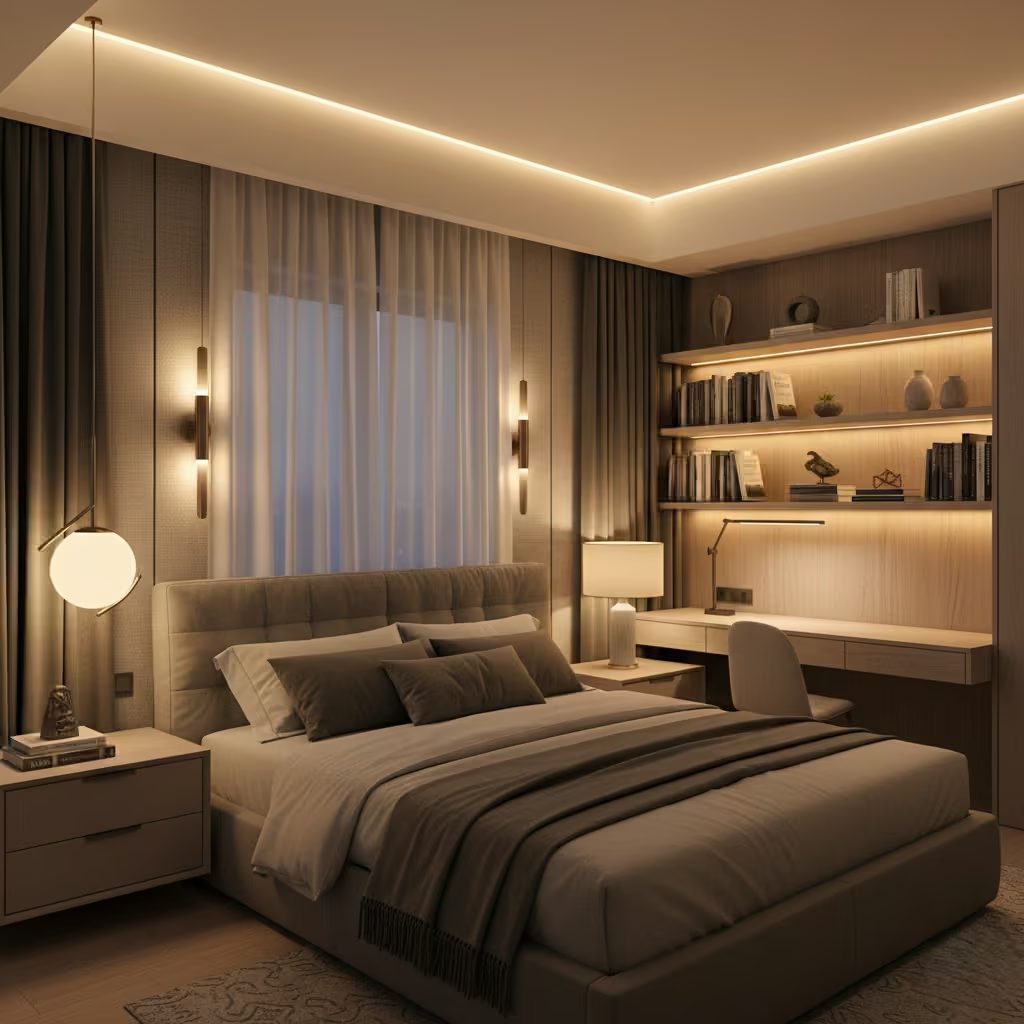
Balance the brightness across the space. When light is layered evenly, the desk stops feeling like the main feature and blends more naturally into the room.
Daylight positioning to avoid glare on screens
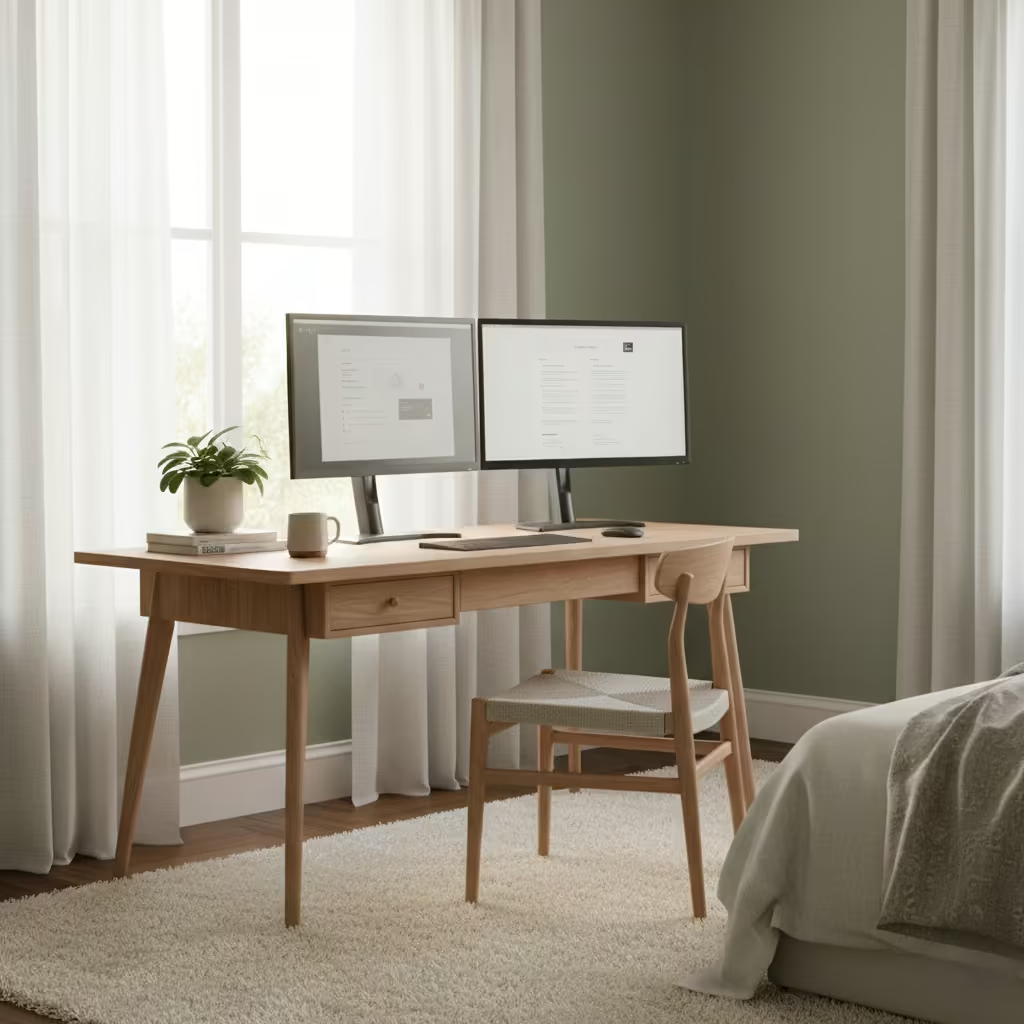
Place the desk at an angle to the window so you enjoy natural light without reflections on your monitor. This makes work more comfortable and keeps the room feeling open and airy.
You May also Like: 25 Eye-Catching Bathroom Floor Tile Ideas for a Luxurious Look
Use Furniture as Room Dividers
Furniture can act as subtle zoning tools, giving each area its own identity without adding walls or heavy construction.
Bookcases, screens, and low partitions
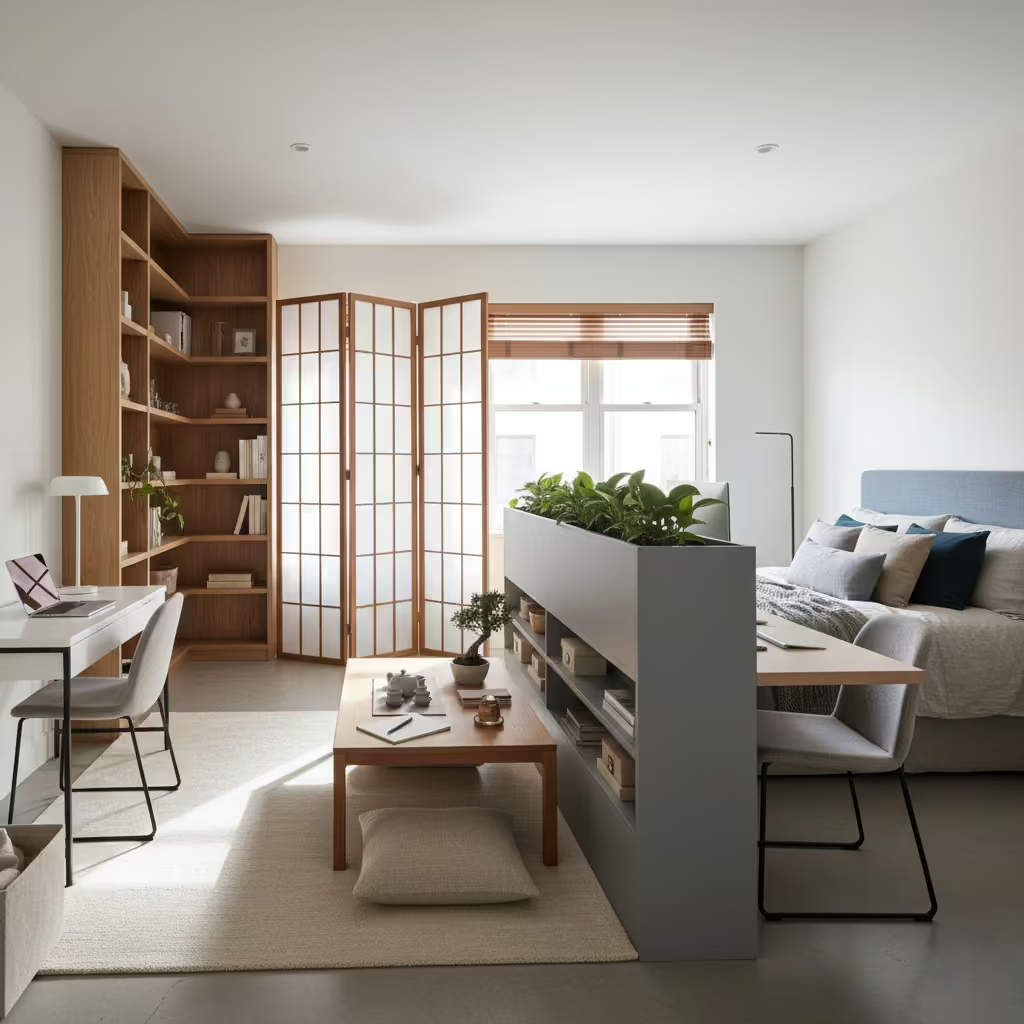
An open bookcase or slim partition creates a gentle divide between the bed and desk. It adds structure while still allowing light to flow through the room.
The role of canopy beds and headboards in zoning
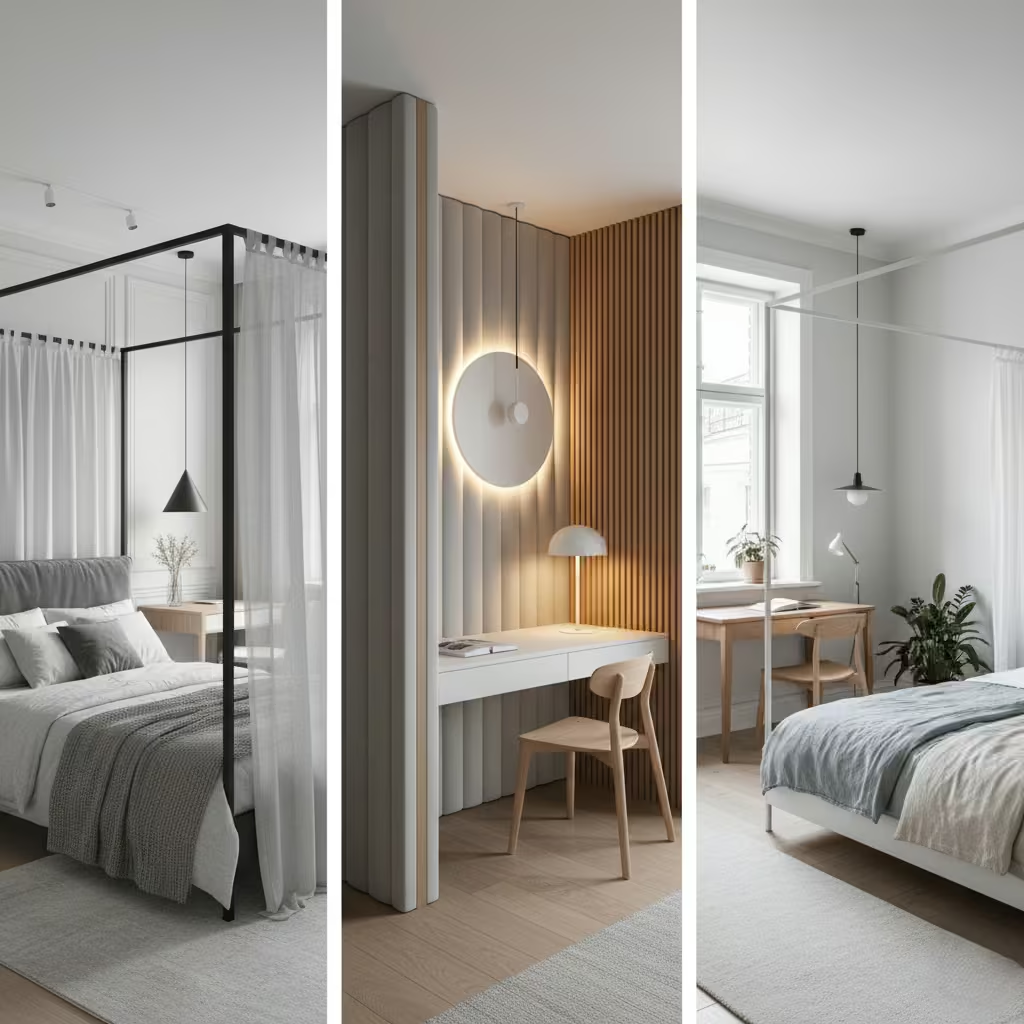
A canopy frame or a tall headboard naturally marks out the sleep zone. It creates a visual boundary that helps separate rest from work even in compact layouts.
Curtain dividers for renters or small rooms
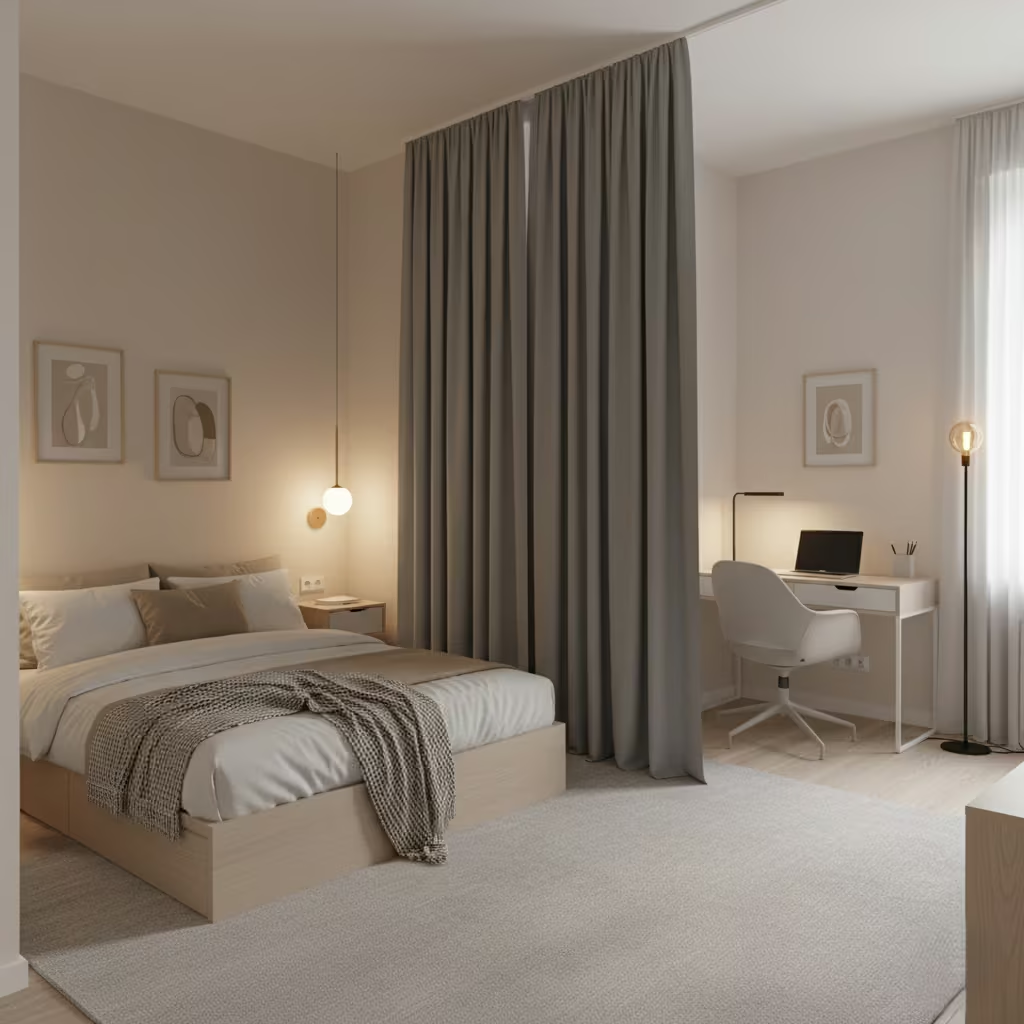
A ceiling-mounted curtain is an easy, renter-friendly option. Pull it across when you need privacy or focus, then slide it back to restore the room’s openness.
Dual-Purpose Furniture That Works Hard
Multi-functional furniture is essential in a bedroom–office combo, especially when space is limited. Choosing pieces that serve more than one role helps the room stay organised, flexible, and visually balanced.
Desks that double as vanity units
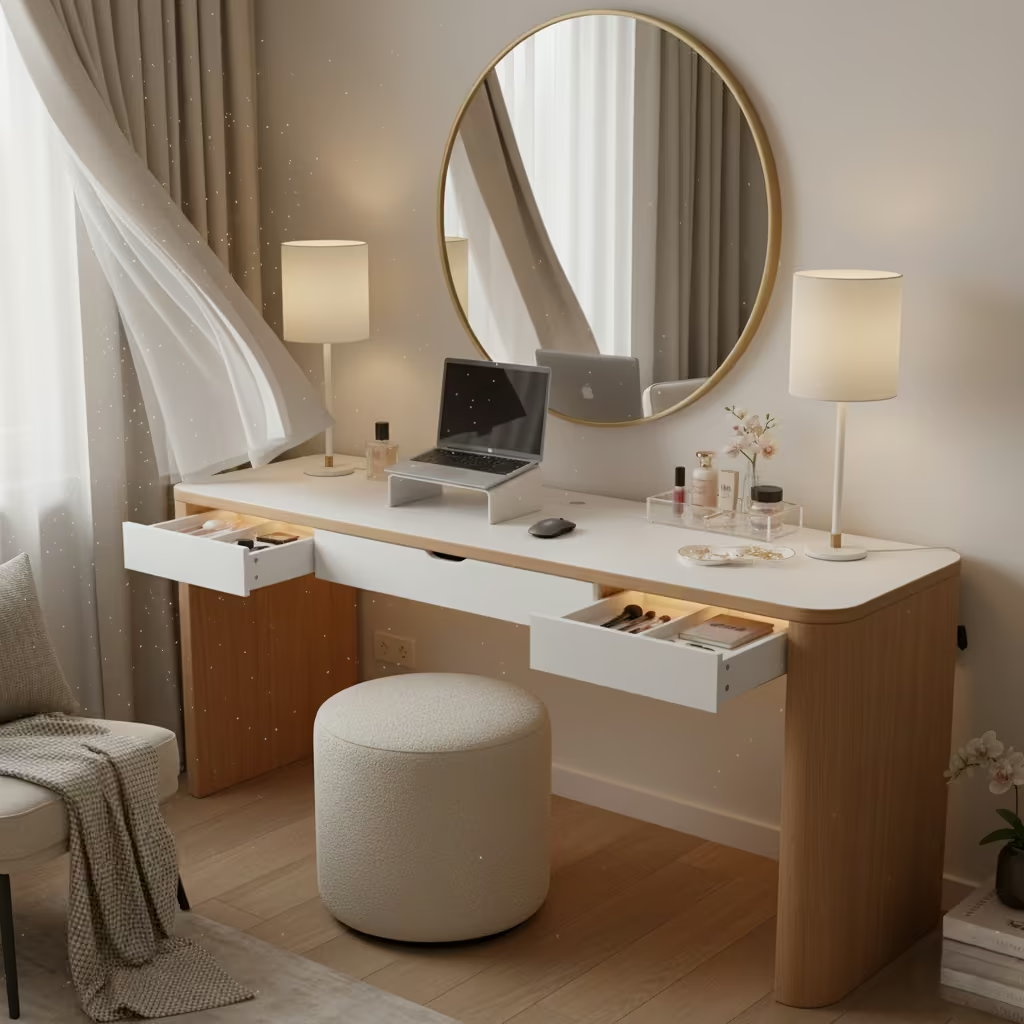
A well-designed desk can easily play both roles if you choose the right proportions and finishes. opt for a desk with a shallow depth, a smooth top surface, and a drawer that can hold both beauty essentials and work items.
Pair it with a mirror that either mounts to the wall or folds away so the space transitions seamlessly between work mode and personal care. This setup is particularly effective in small bedrooms where carving out two separate stations simply isn’t realistic.
You May also Like: 25 Desert Bedroom Designs That Feel Warm, Grounded, and Effortlessly Stylish
Beds with integrated storage for office essentials
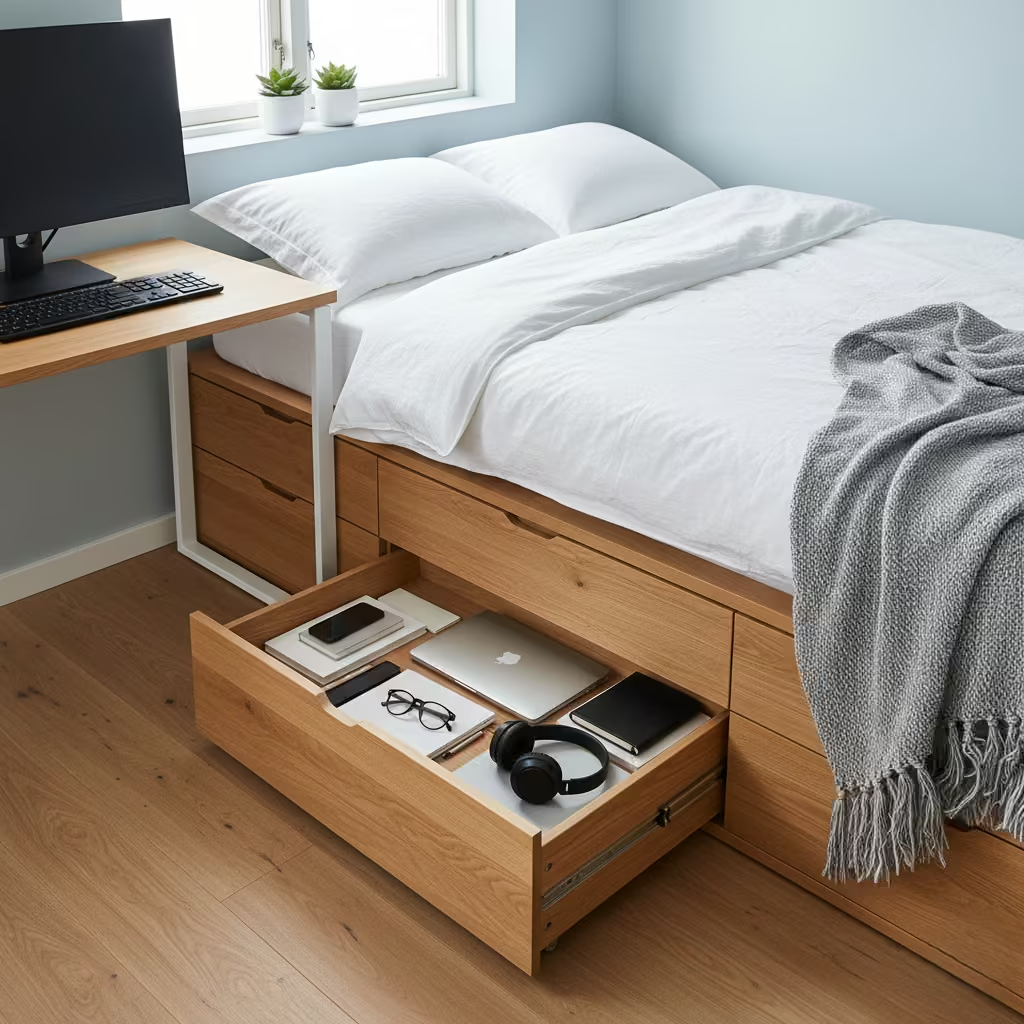
Under-bed drawers, lift-up storage frames, and headboards with hidden compartments are invaluable for keeping work clutter out of sight. These storage zones can hold laptops, notebooks, cables, or even small printers.
When everything tucks neatly away, the room feels more like a sanctuary rather than a workspace. It’s one of the easiest ways to maintain the bedroom’s calming atmosphere without sacrificing functionality.
Benches or ottomans that hold work supplies
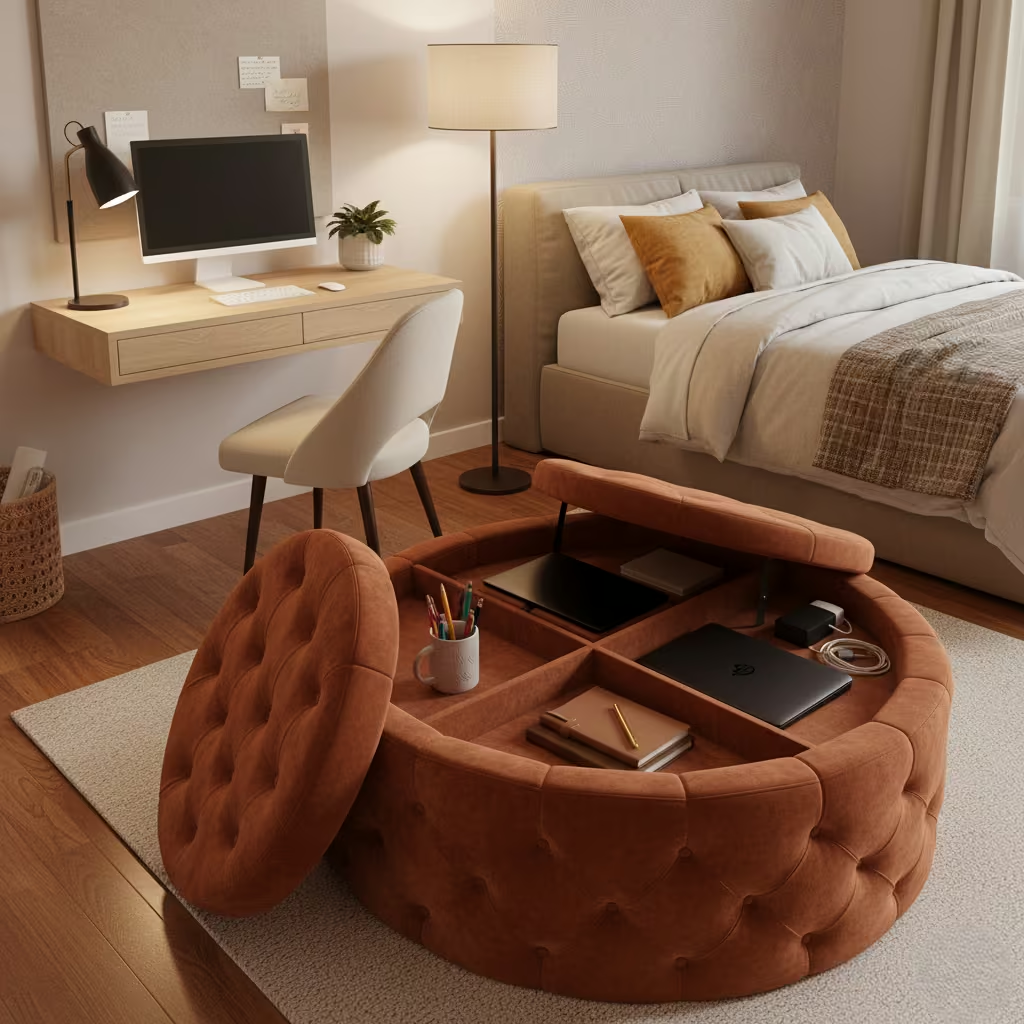
A storage bench at the foot of the bed or a deep ottoman placed near the desk offers versatile, easy-access storage. These pieces handle bulkier items like binders, tech accessories, or creative supplies while still looking like intentional bedroom décor.
Upholstered finishes add softness to the room, helping to counterbalance the more structured look of a workspace.
Thoughtfully chosen dual-purpose furniture keeps the room streamlined, reduces visual noise, and ensures both functions of the space can coexist without compromise.
You May also Like: 25 70s Apartment Design Ideas That Bring Retro Vibes to Modern Homes
Keep the Room Feeling Cozy and Personal
A bedroom–office combo works best when it still feels warm, inviting, and expressive. Bringing in personal touches helps the space maintain its identity as a place to unwind rather than a full-time workspace.
Art placement that softens the office presence
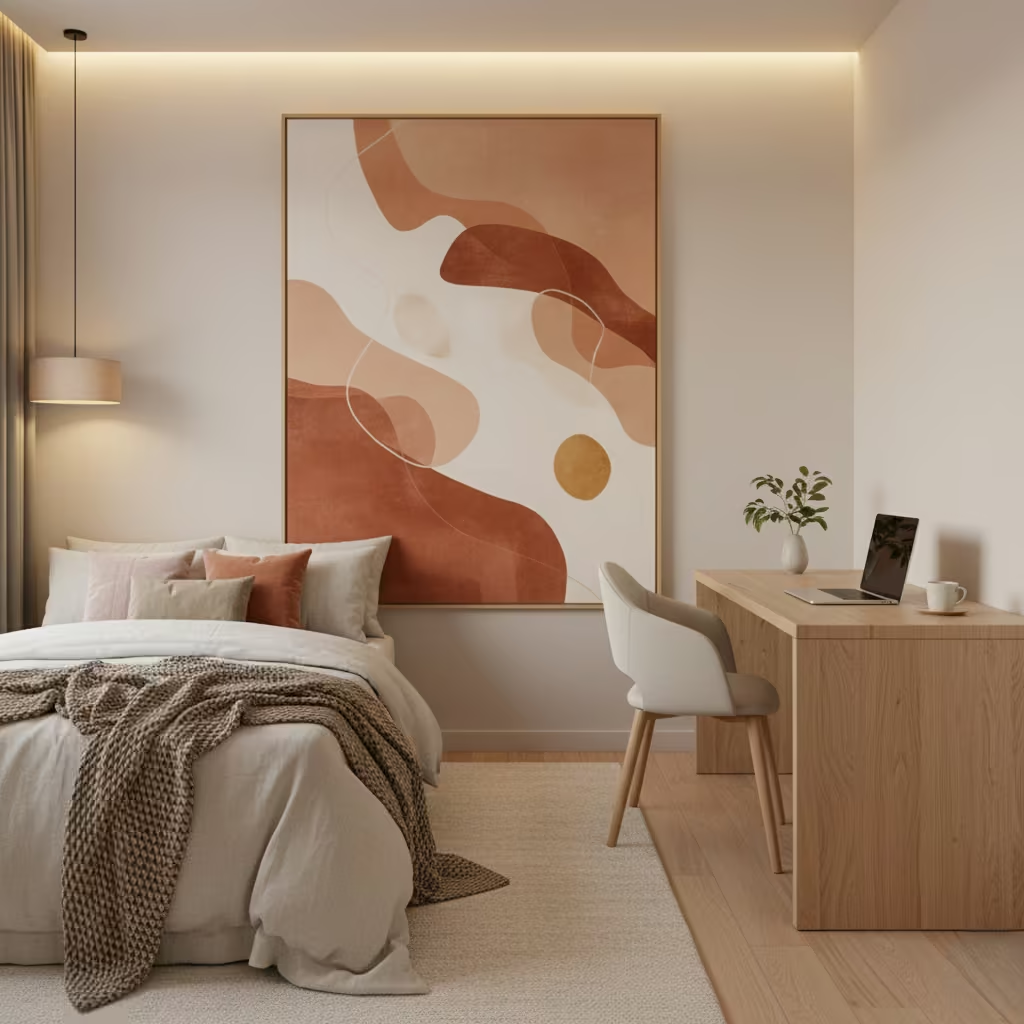
Use artwork to blur the line between the work zone and the rest zone. Hanging a calming print above the desk or placing a small framed piece on a shelf can soften the functional feel of the workspace. Choose art that reflects your personality and ties into the bedroom’s palette so the entire room feels cohesive rather than segmented.
Bedding and textiles that balance the look
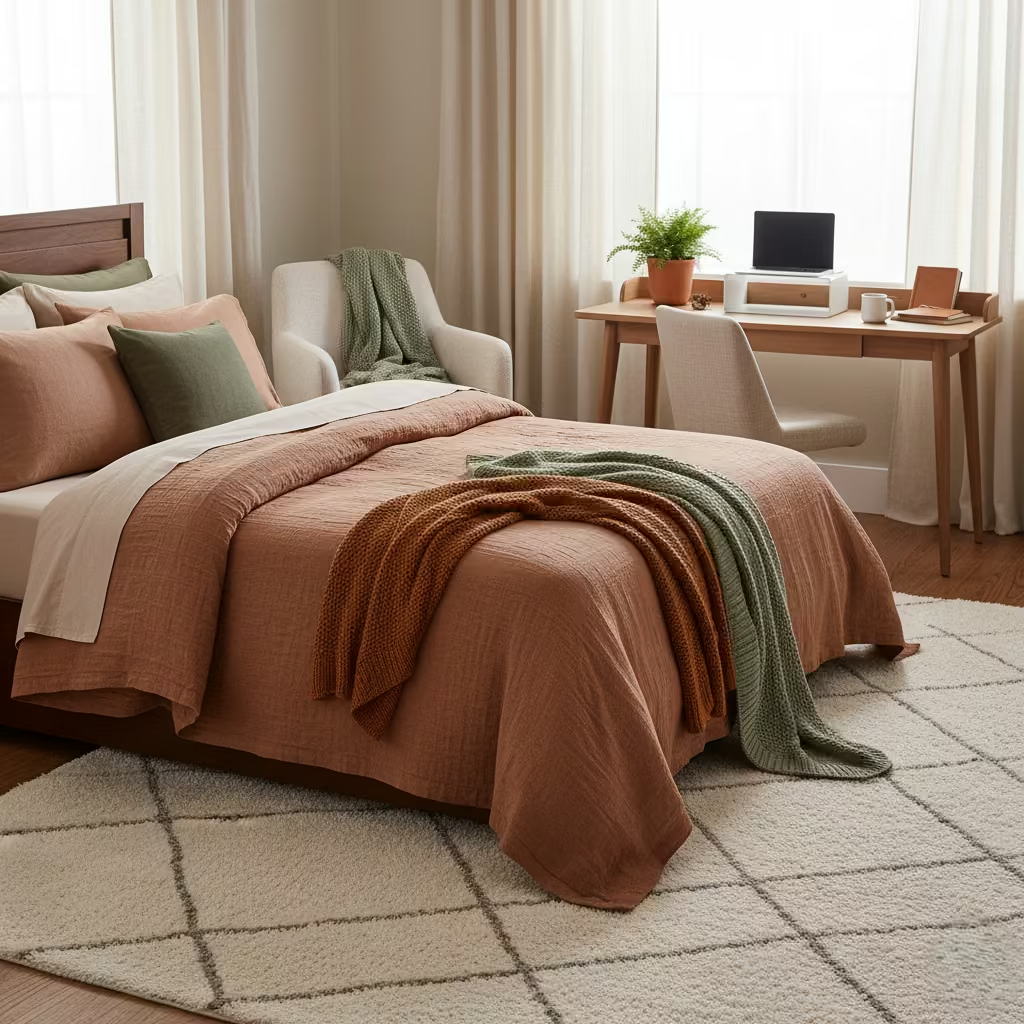
Because the bed is often the visual anchor, dressing it well stabilises the room’s mood. Layer textured throws, cushions, and soft bedding in tones that complement your workspace. These textiles add warmth and help counteract the more structured, upright nature of the desk area. A well-styled bed immediately brings the room back into “cozy retreat” territory, even if the desk is in clear view.
Houseplants to bridge both functions
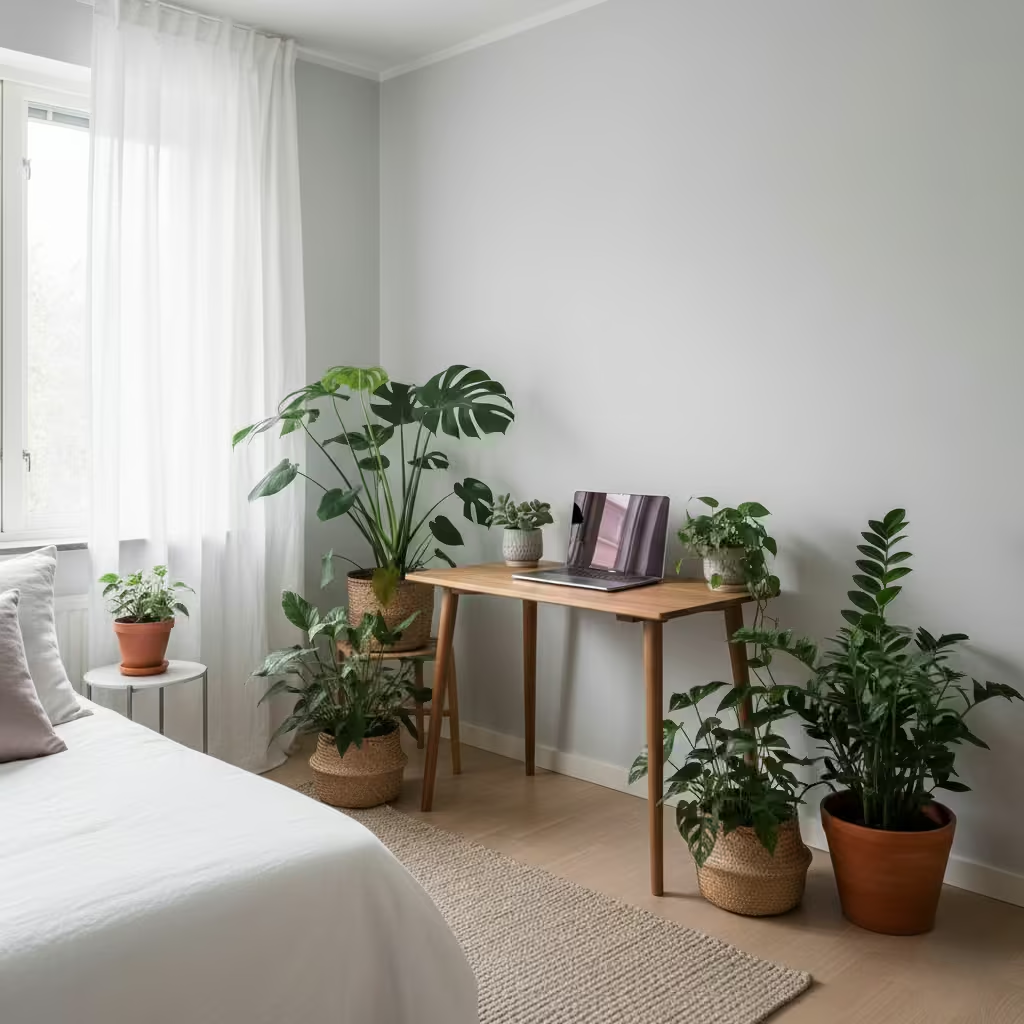
Plants are one of the easiest ways to connect the work and rest zones. A tall plant beside the desk softens hard lines, while smaller plants on shelves or window sills add life to the room. Choose varieties that thrive indoors like pothos, snake plants, or ZZ plants. Their greenery introduces a natural rhythm that makes the workspace feel less rigid and the bedroom more vibrant.
These simple touches ensure the room maintains a sense of comfort and character, even while doubling as a productive place to work.
Tech Management for a Peaceful Bedroom
Technology is essential for productivity, but it can easily disrupt the calming atmosphere a bedroom needs. Managing devices and cables thoughtfully ensures the space stays serene even when it doubles as an office.
How to hide monitors, wires, and chargers
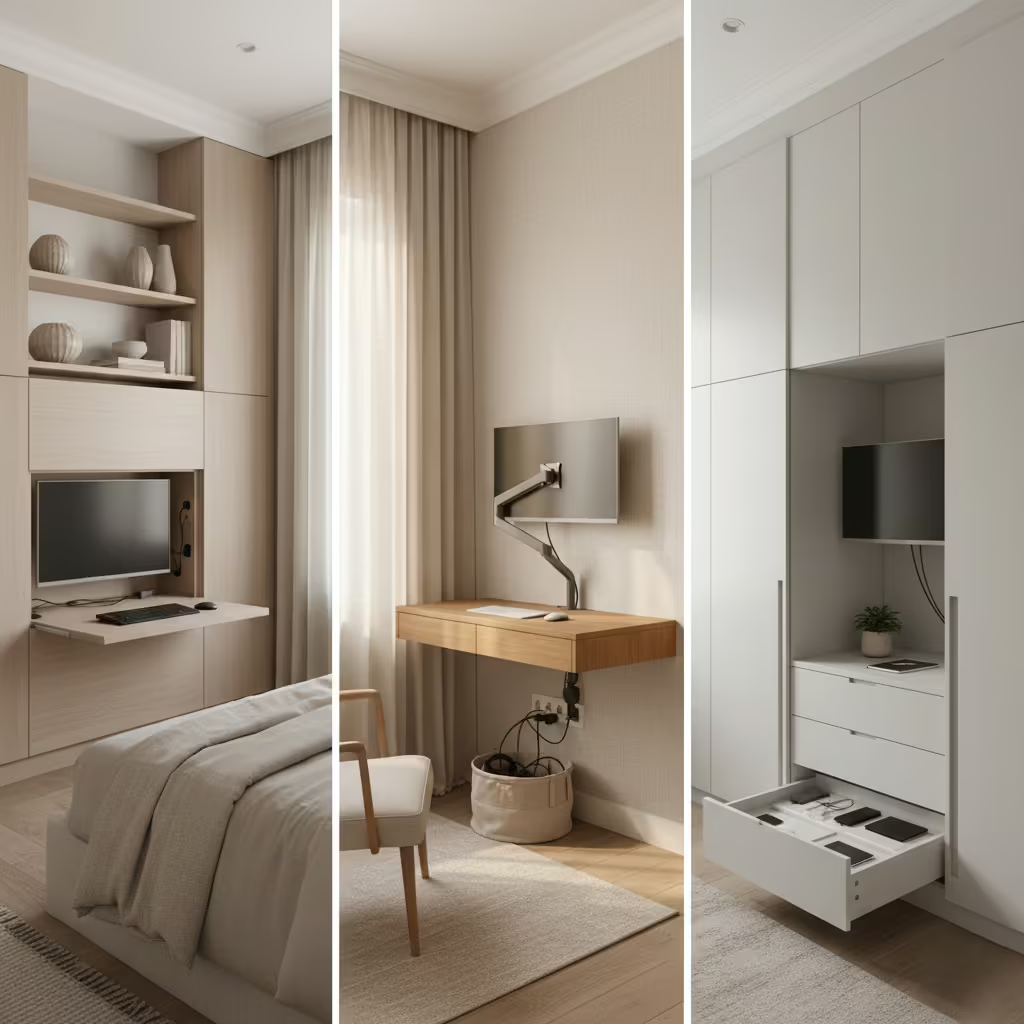
Use a monitor arm that can fold back against the wall or lower behind a partition so the screen isn’t always on display. Cable trays, adhesive cord channels, and under-desk organisers keep wires completely out of sight.
Consider a bedside table or storage box with built-in cable ports to hide chargers and power strips. The less tech you see, the easier it is to mentally switch off at night.
Smart home setups that support work hours
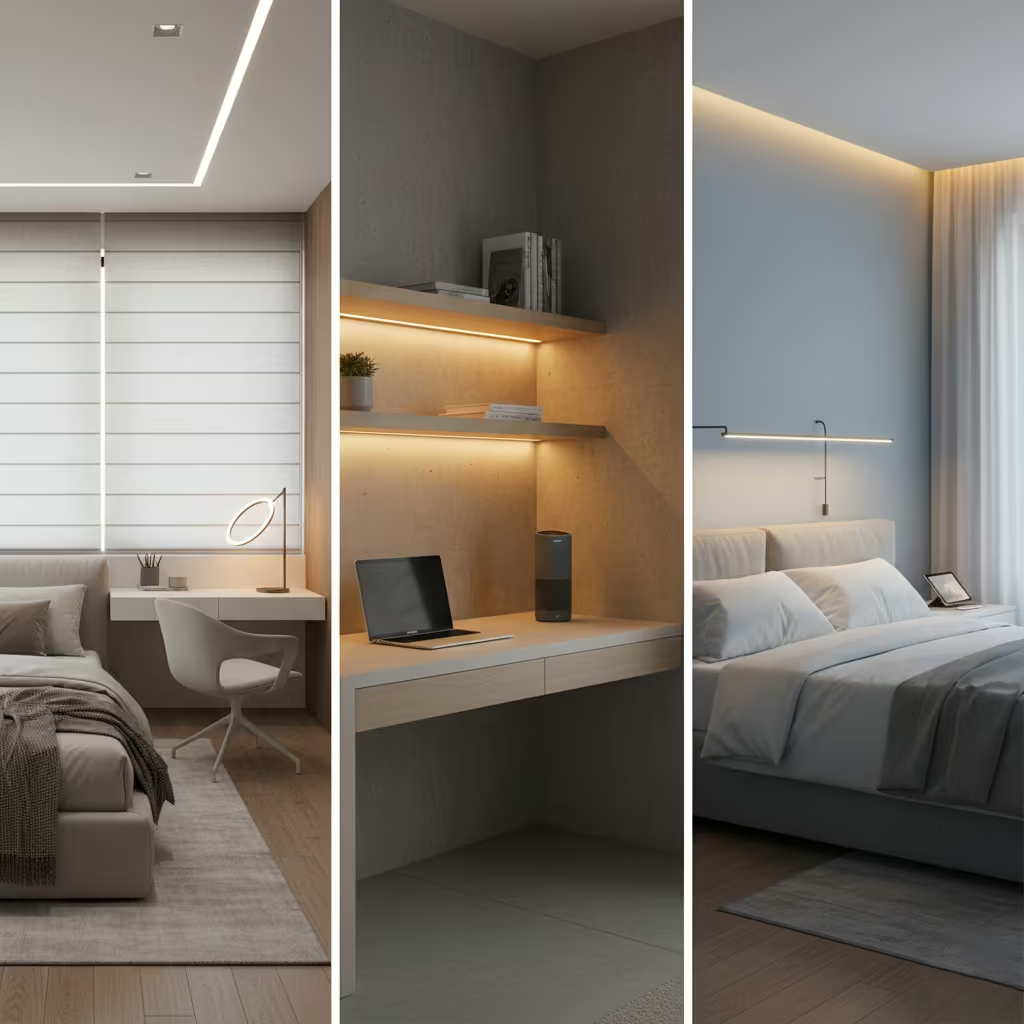
A well-planned smart system helps the room shift between modes effortlessly. Smart plugs let you power down your desk setup with a single command. Smart bulbs can brighten for work sessions and then dim to warm, relaxing light in the evening.
Voice assistants or smart displays are helpful if you want hands-free control without cluttering the desk with extra devices.
You May also Like: 25 Simple Bedroom Makeover Ideas: Stunning, Low-Effort Transformations
Soundproofing tips for Zoom calls
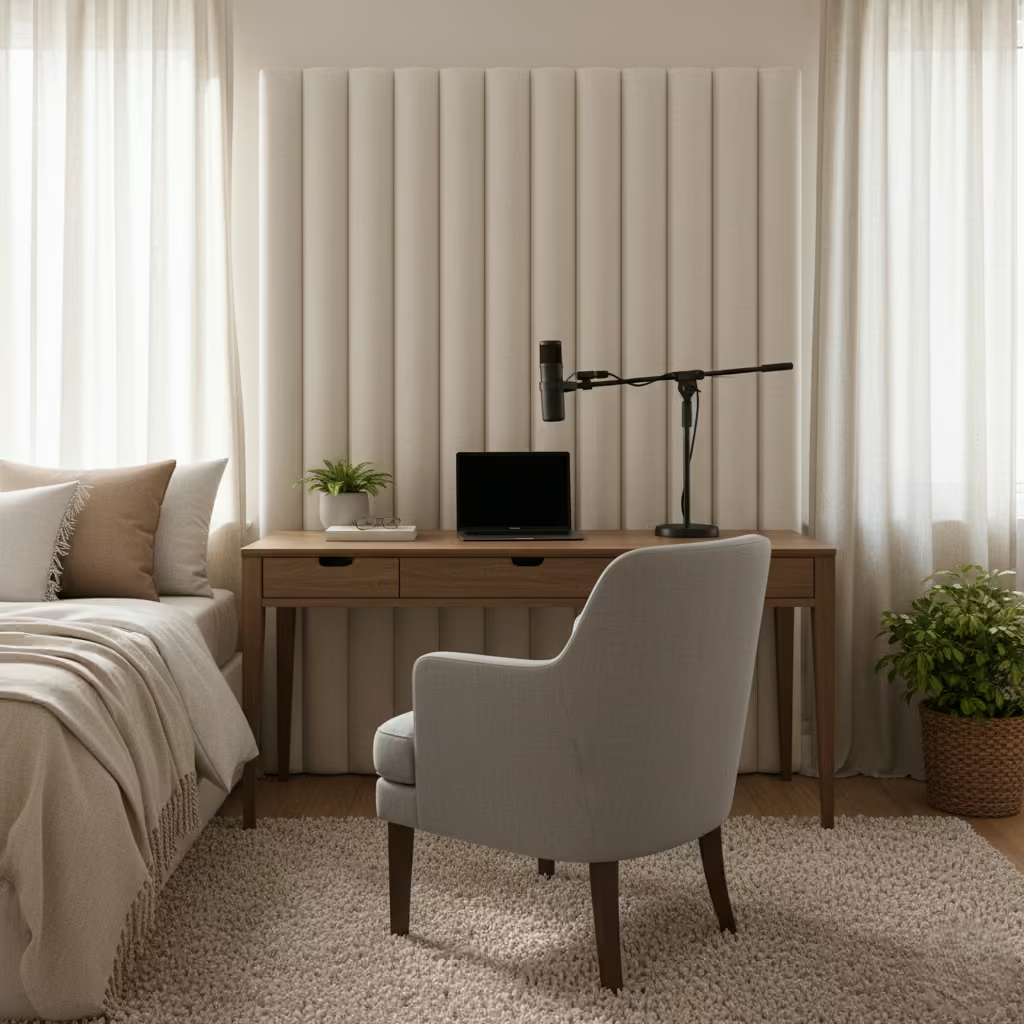
A few strategic layers can dramatically improve privacy and audio quality. Thick curtains, fabric wall panels, and plush rugs absorb sound and reduce echo. A soft headboard or upholstered bed frame also helps dampen noise in smaller rooms.
If you share a home with others, a portable sound-blocking panel or a simple door draft stopper can make calls feel more private and professional.
Managing tech in a subtle, intentional way keeps the bedroom calm while still supporting a productive, modern workspace.
Small Space Bedroom Office Ideas
Small rooms can absolutely handle a bedroom–office combo if every inch works hard. Clever, compact solutions help you build a workspace without overwhelming the room.
Micro-desks
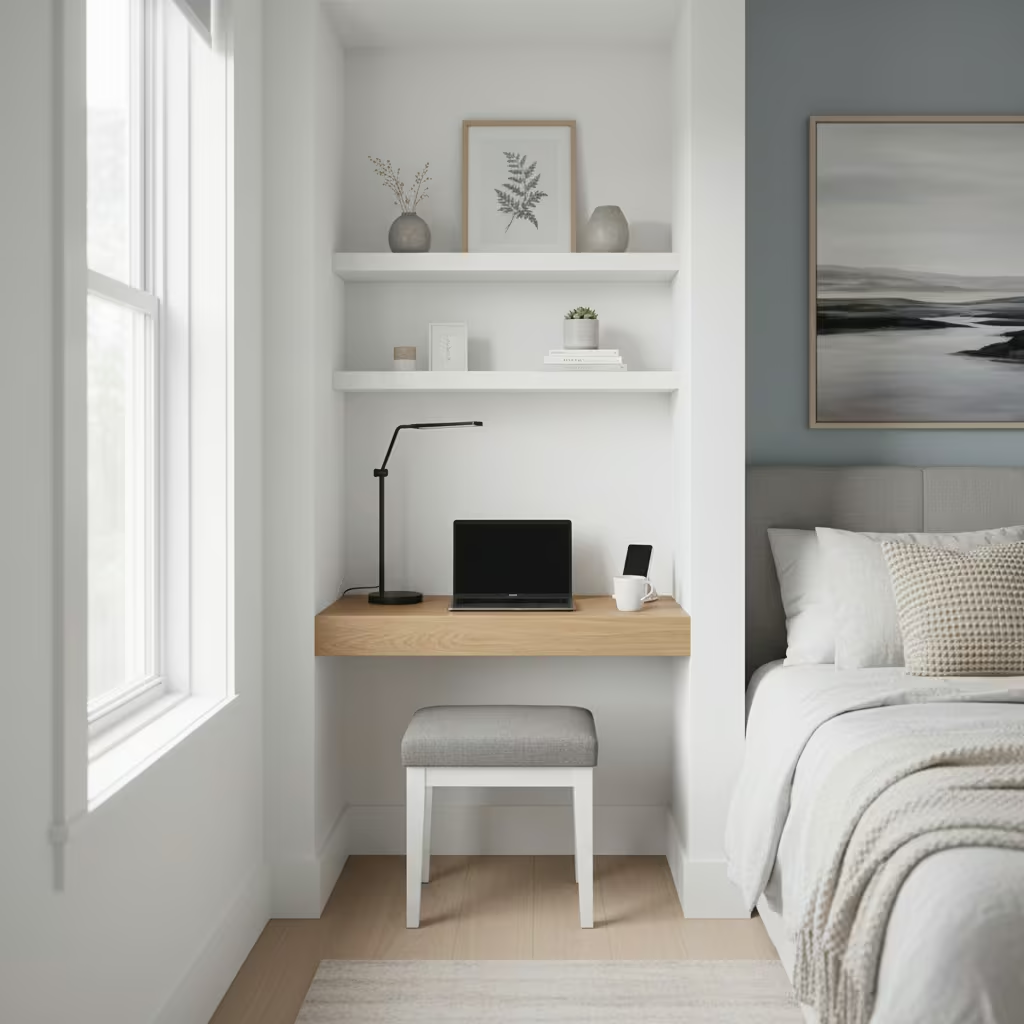
A micro-desk is perfect when floor space is tight. These narrow, lightweight designs fit along short walls, between wardrobes, or even beside the bed. Look for styles with a slim drawer or a raised shelf so you gain storage without adding bulk. Paired with a petite chair or a foldable stool, a micro-desk gives you just enough work surface to stay productive without dominating the room.
Loft bed with office underneath
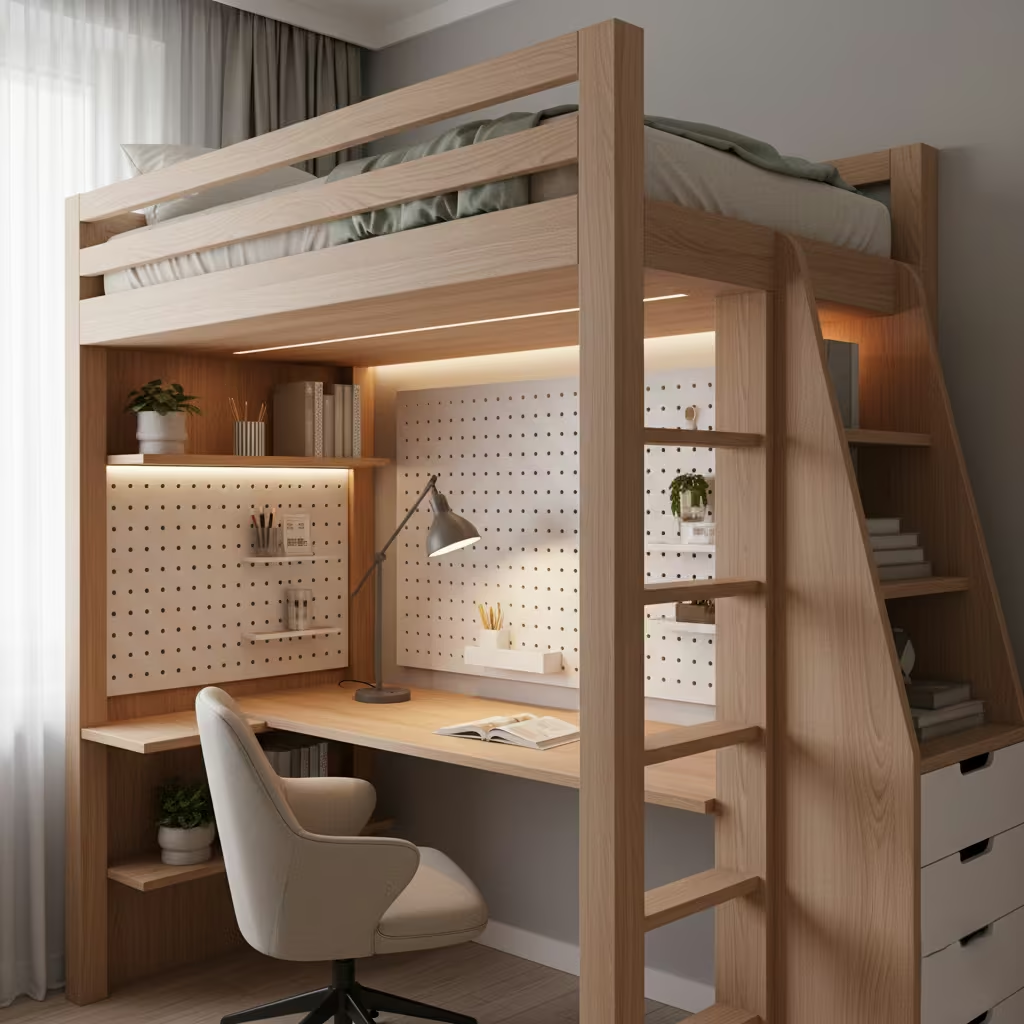
Lifting the bed off the floor instantly doubles your usable space. A loft bed creates a ready-made office nook beneath it where you can fit a desk, shelving, and even soft lighting. This setup works especially well in teen rooms, studio apartments, or any space with decent ceiling height. It gives you full separation between work and rest, even if the footprint is tiny.
Closet office conversions
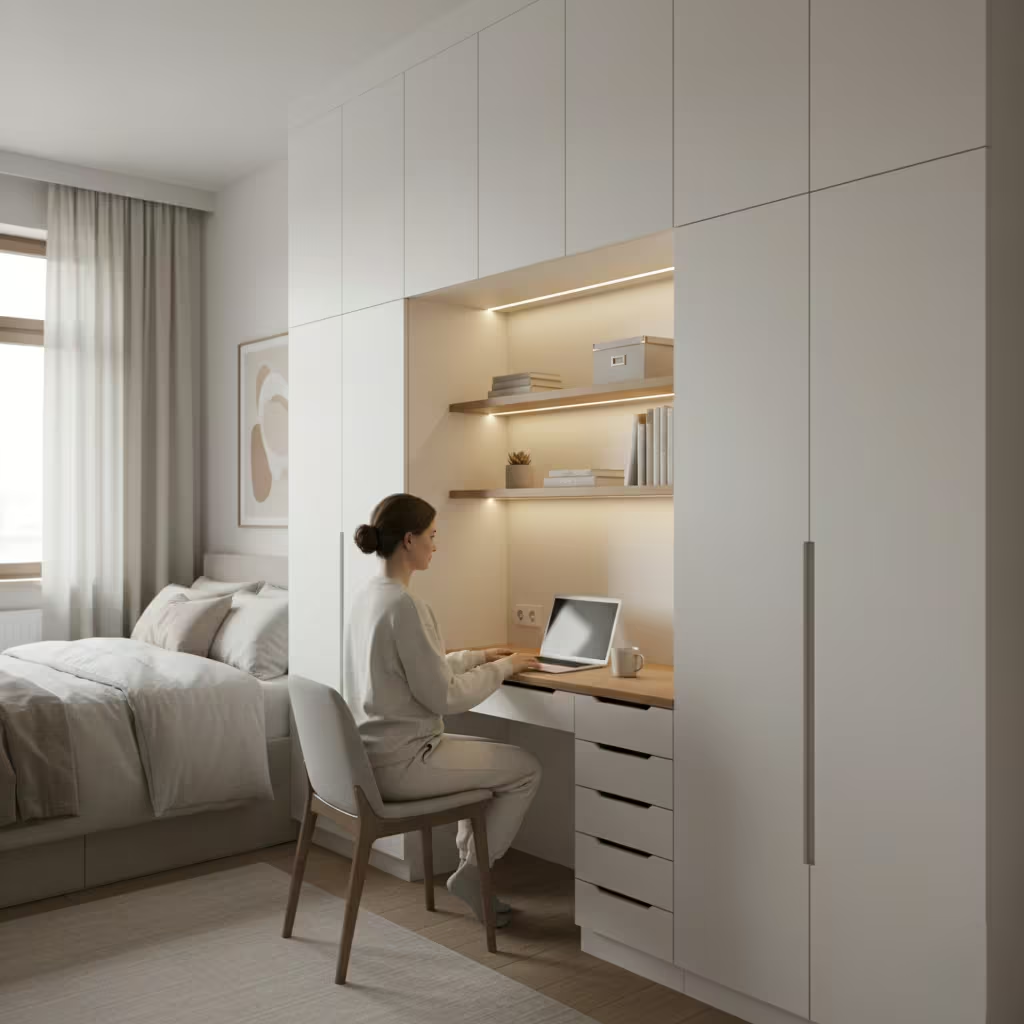
If you have a built-in wardrobe or a spare closet, converting it into a compact office is one of the most efficient space-saving tricks. Add a shallow desk top, a strip light, and a couple of floating shelves. When you’re done working, simply close the doors and the entire workspace disappears. It keeps the bedroom looking clean and restful, which is a huge advantage in tight layouts.
You May also Like: Master Bedroom Design: A Complete Guide to Creating a Space That Restores, Supports, and Endures
Floating shelves + laptop stands
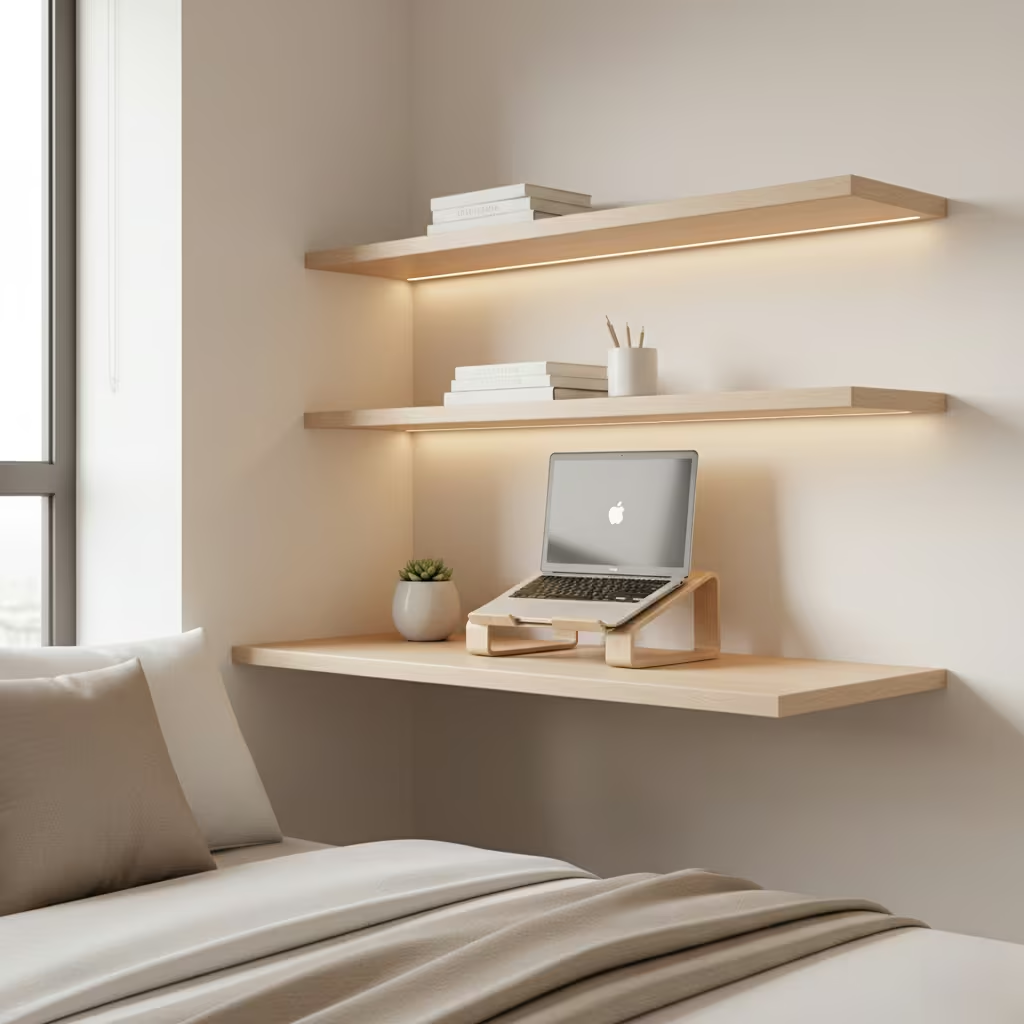
When you’re working primarily from a laptop, you don’t need a full desk. A set of floating shelves can create a lightweight workstation with space for your laptop, a small lamp, and essentials. Combine this with an adjustable laptop stand to achieve ergonomic height without heavy furniture.
This option keeps the floor clear, maintains visual openness, and suits very small or awkwardly shaped rooms.
These compact solutions create highly functional work zones without compromising comfort, making even the smallest bedrooms feel purposeful and well designed.
Real-World Design Examples
Real spaces tell the story best. These quick narratives show how thoughtful planning can transform even the most challenging rooms into functional, beautiful bedroom–office combos.
Narrow room makeover
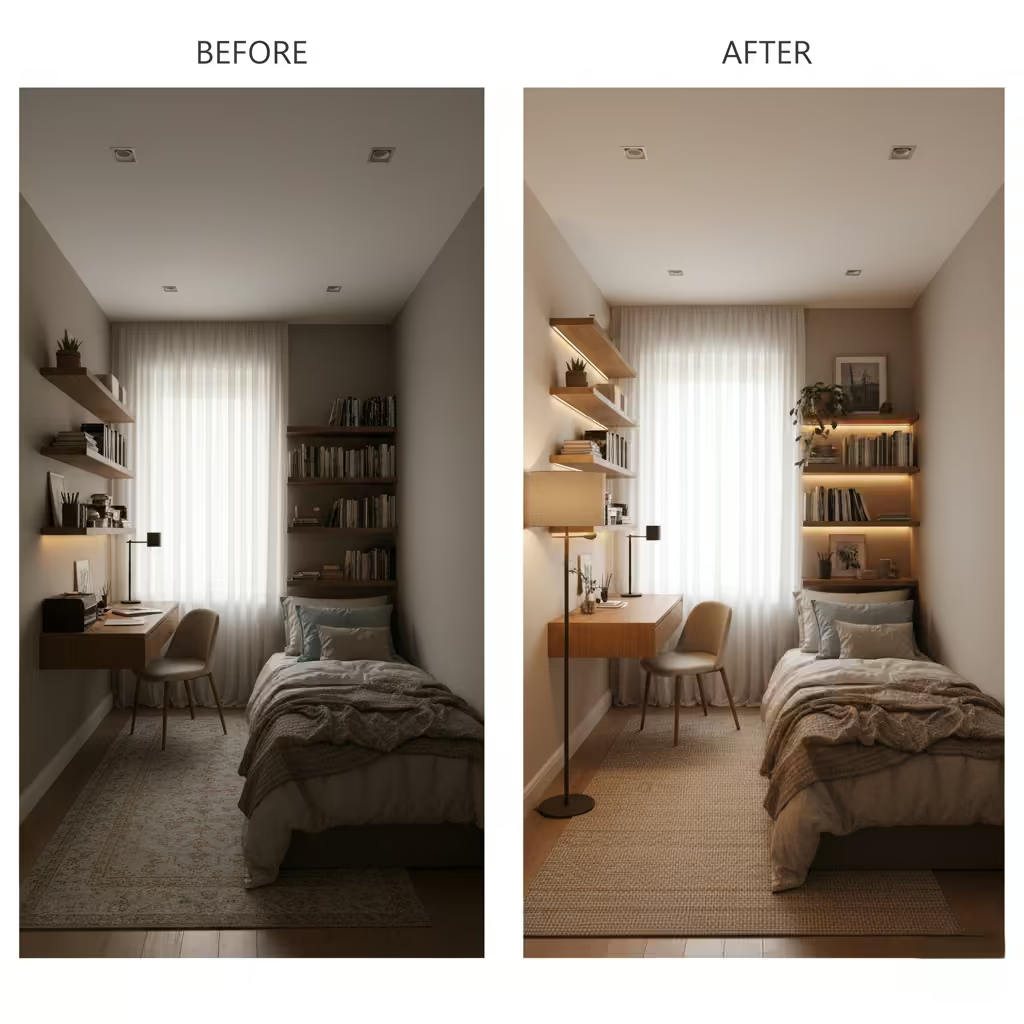
I once worked on a long, narrow bedroom where the client felt trapped between the bed and a bulky desk. We reoriented the layout by placing a slim desk at the brightest end of the room, right beside the window. A soft area rug anchored the bed in the opposite zone, while an open bookcase served as a subtle divider without blocking light. By keeping the desk streamlined, adding wall-mounted shelves, and using vertical lighting, the room suddenly felt wider and more breathable. The client described it as going from “train carriage” to “boutique hotel.”
Small urban flat workflow
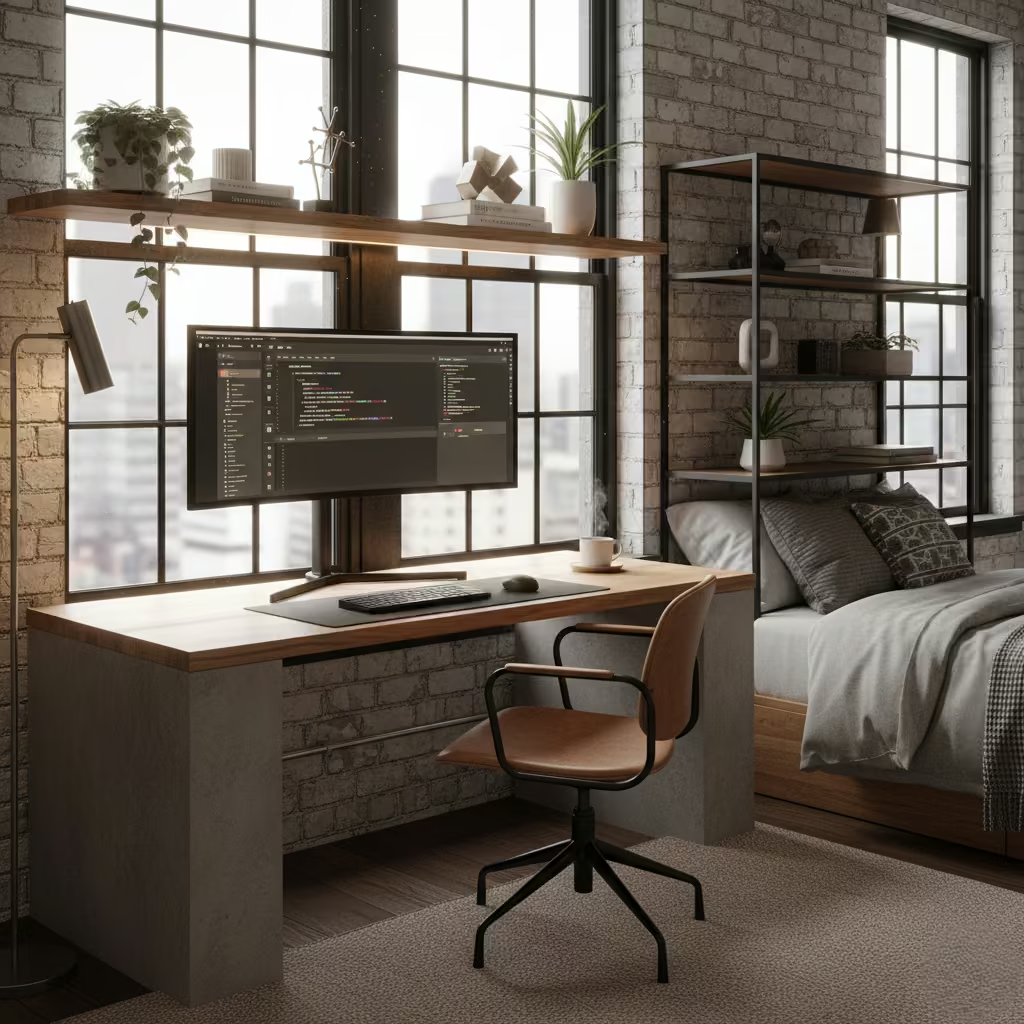
In a compact city flat, every square metre had to be justified. The client needed a proper workspace for remote work but didn’t want their bedroom to feel like an office. We converted a built-in cupboard into a hidden “cloffice” with a shallow desktop, an LED strip, and clean shelving. During work hours, the space functioned like a dedicated mini office. At night, the doors closed, and the bedroom returned to a calm, uncluttered retreat. It became the most impactful change in the entire flat.
Minimalist bedroom office revamp
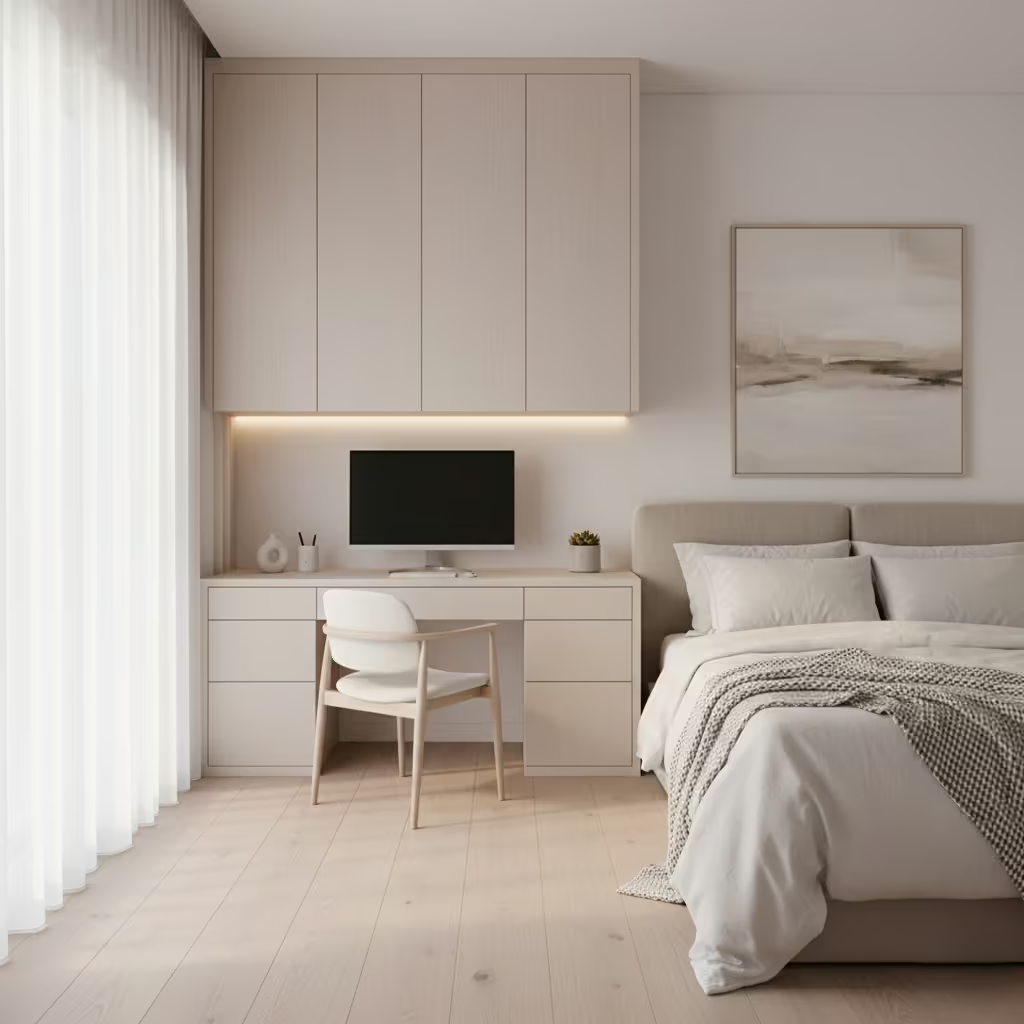
For a client who loved minimalism, the goal was to add a workspace without disrupting the serene, neutral palette of the room. We chose a floating desk with concealed brackets, finished in a soft wood tone that matched the bedside tables. A lightweight lounge-style desk chair doubled as accent seating.
The tech stayed hidden through cable channels, and a tall plant softened the corner. The result was a workspace that felt almost invisible yet entirely functional, aligning perfectly with their minimalist lifestyle.
These examples illustrate how flexible layouts, smart storage, and subtle zoning can dramatically elevate the way a room feels and functions, no matter the constraints.
Final Thoughts
A well-designed bedroom–office combo proves that function and calm can coexist comfortably in one space. When the layout is intentional, the furniture is multi-purpose, and the visual cues are soft and cohesive, the room supports your workday without sacrificing the restful atmosphere you need at night.
Thoughtful zoning is the real game-changer. By defining where focus happens and where you switch off, the room gains a natural rhythm that shapes daily living. You stay organised, you work more efficiently, and you unwind more easily because each area has purpose and clarity.
If you’d like to take this further, I can create layout drawings, mood boards, colour palettes, or décor suggestions tailored to your exact room dimensions and style preferences.