



21 Dining Room Renovation Ideas: From Modern Minimalism to Vintage Charm
The dining room is more than a place to eat. It is where family rhythms meet design, where weekday dinners and milestone gatherings share the same table. A successful renovation does more than swap furniture; it remaps how a room feels, functions, and frames memory.
Whether you want crisp modern lines, the warm patina of vintage pieces, or the quiet, imperfect beauty of Wabi Sabi, the right changes can transform everyday meals into lasting experiences.
In this post I’ll walk you through 21 distinct renovation ideas that cover a wide spectrum of styles and practical needs. Each idea is written to be actionable think layout moves, material choices, lighting strategies, and a few contractor-friendly notes so the concept can actually be built.
Use this as a sourcebook: pick one idea to fully invest in, or combine elements across sections to create a dining room that is uniquely yours.
Modern Minimalist Dining Space
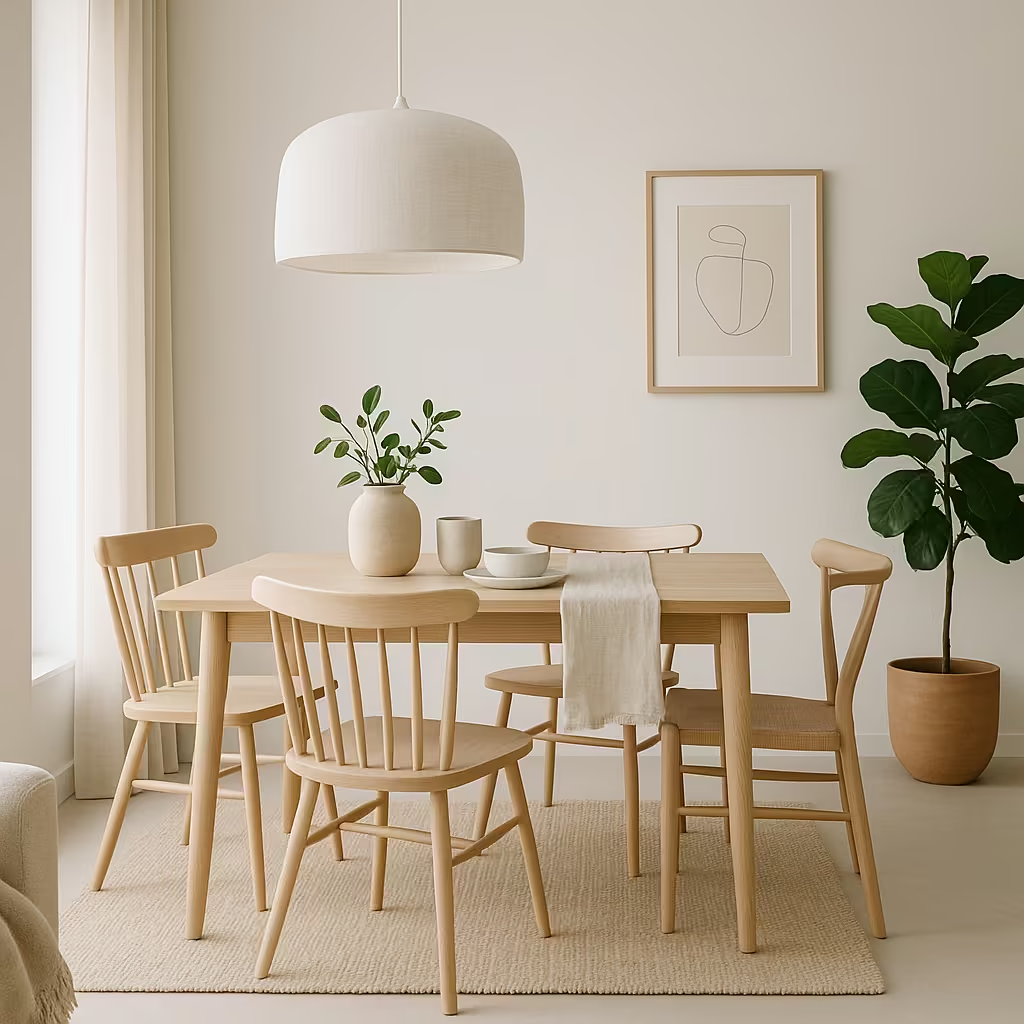
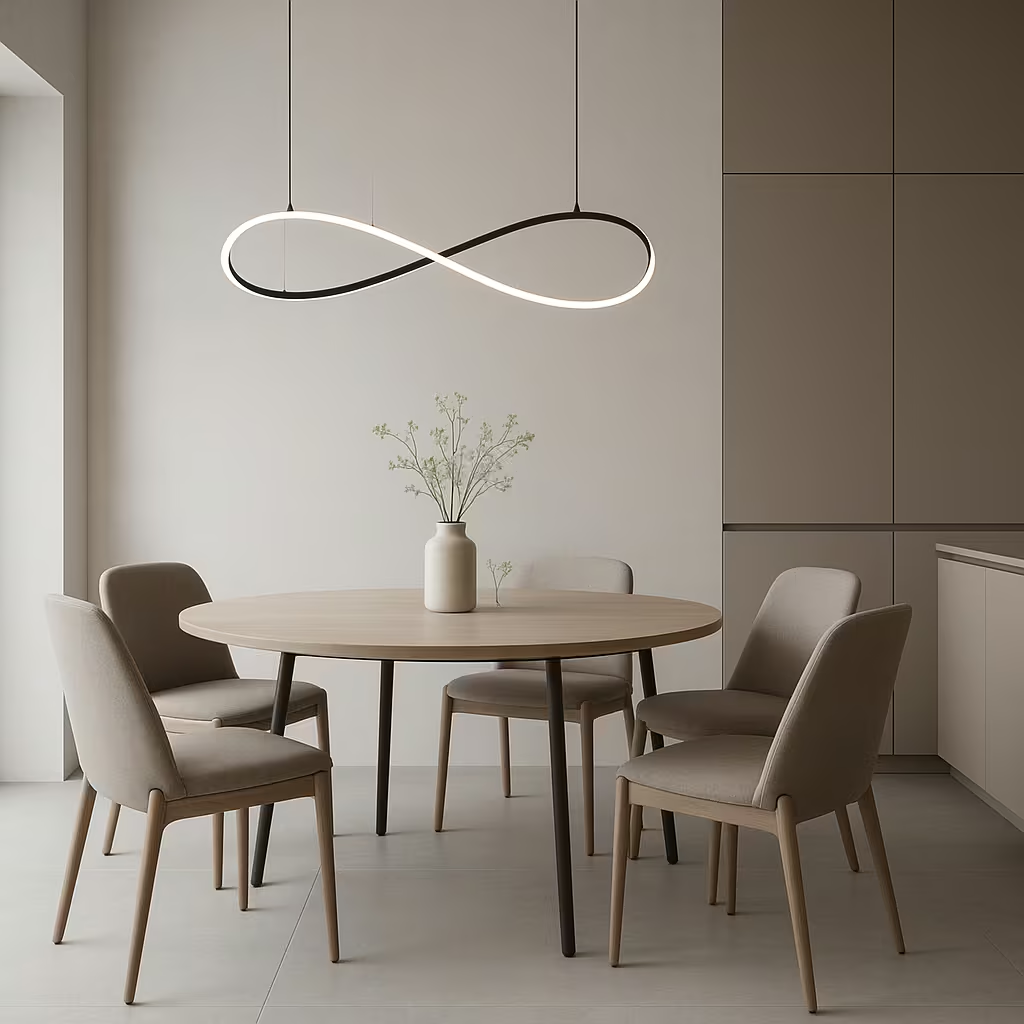
A modern minimalist dining room celebrates simplicity, light, and balance. It’s about removing visual noise and letting form, texture, and proportion do the talking. The result is a space that feels calm, intentional, and timeless perfect for both intimate dinners and effortless entertaining.
Design Concept:
This style thrives on restraint. Every element serves a purpose, from the clean geometry of a dining table to the subtle interplay between matte and gloss finishes. Open-concept layouts work best, allowing the dining area to flow naturally into the living or kitchen zone without clutter or obstruction.
Key Elements:
- Color Palette: Neutral tones think soft whites, warm greys, taupe, and touches of black for contrast.
- Furniture: A rectangular or round dining table in solid wood, marble, or glass with slim-profile metal legs.
- Lighting: A linear pendant or sculptural LED fixture that acts as a centerpiece while keeping lines crisp.
- Materials & Finishes: Matte surfaces, smooth textures, and natural materials like oak, ash, or concrete.
- Décor: Minimal tableware, a single vase with fresh stems, and concealed storage to maintain visual clarity.
Pro Tip from Experience:
When I design minimalist dining rooms, I always balance “empty space” with subtle texture. A wool rug underfoot or linen upholstery adds quiet warmth that prevents the space from feeling sterile. It’s not about having less—it’s about choosing better.
Scandinavian Simplicity
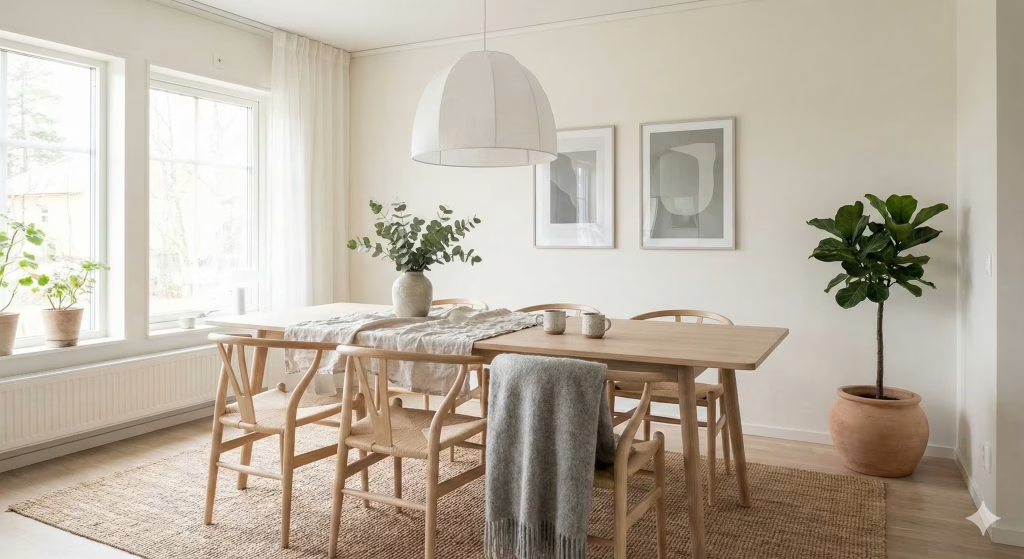
Scandinavian dining rooms are all about warmth, balance, and effortless comfort. This style blends function with feeling—spaces are clean yet inviting, modern yet organic. It’s a design approach that makes dining rooms feel fresh year-round, even in small or low-light homes.
Design Concept:
Rooted in the Nordic philosophy of “hygge,” Scandinavian dining design focuses on creating cozy, light-filled spaces that feel lived-in but uncluttered. Natural light is maximized, furniture is purposeful, and every material is chosen for both beauty and practicality.
Key Elements:
- Color Palette: Crisp whites, warm beiges, light grays, and soft earthy undertones.
- Furniture: Pale wood dining tables (oak, birch, or ash) paired with simple spindle-back or wishbone chairs.
- Lighting: Oversized pendant lamps in linen, glass, or matte metal to create warmth and diffuse light gently.
- Materials & Textures: Natural fabrics like cotton and linen, woven rugs, and wool throws for tactile softness.
- Décor: Green plants, ceramic tableware, and simple wall art that adds personality without cluttering the space.
Pro Tip from Experience:
I always emphasize texture layering in Scandinavian dining rooms. A neutral palette can risk feeling flat if everything’s smooth and uniform. Add depth with a chunky rug, rough ceramic vases, or a linen table runner—small details that make the room feel quietly curated rather than sterile.
Wabi-Sabi Inspired Serenity
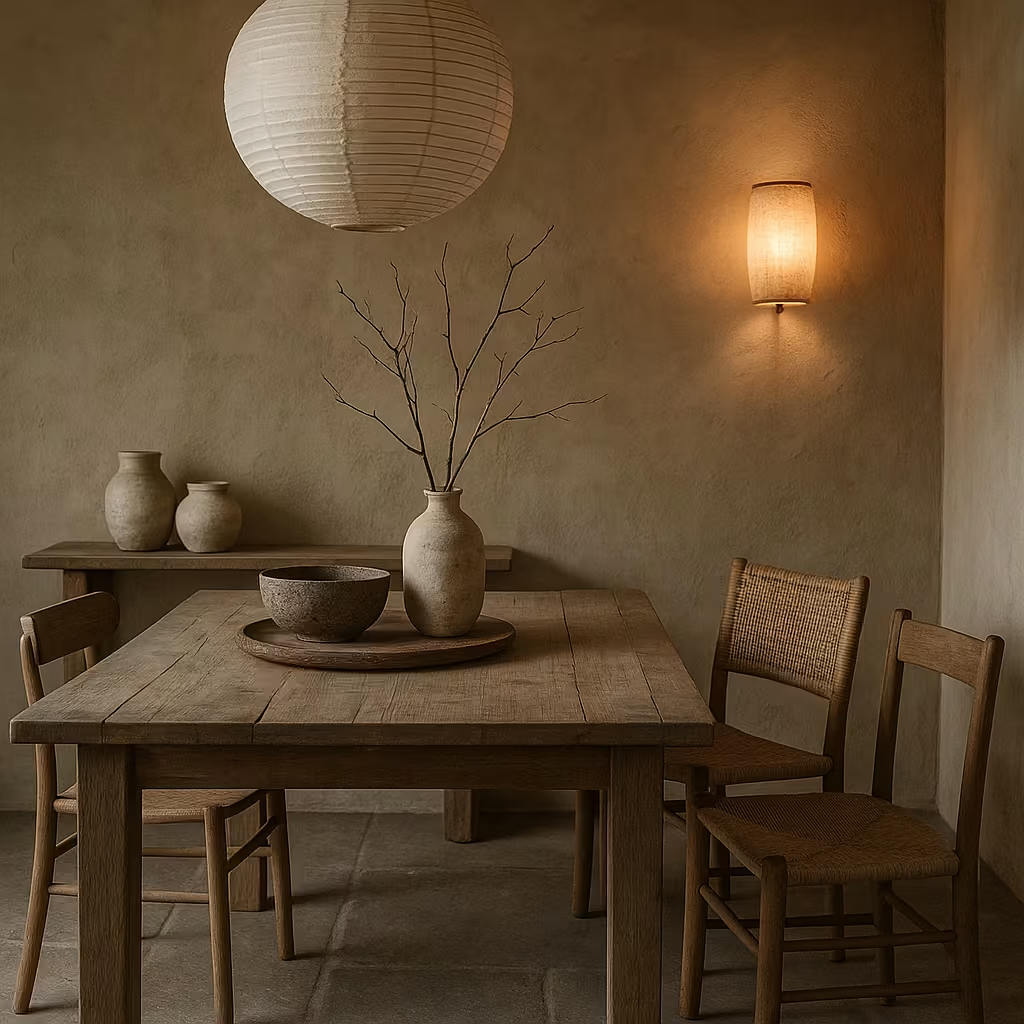
The Wabi-Sabi dining room is an antidote to perfection. It embraces the beauty of imperfection, age, and authenticity creating a space that feels grounding, soulful, and deeply personal. Rather than chasing a polished look, it celebrates what’s real: raw materials, uneven surfaces, and the quiet poetry of time-worn pieces.
Design Concept:
Wabi-Sabi design finds beauty in simplicity and impermanence. It’s about stripping away excess and focusing on materials that age gracefully. Rough plaster walls, reclaimed wood tables, handmade pottery, and linen textiles all come together to form a dining space that feels calm yet alive with subtle detail.
Key Elements:
- Color Palette: Muted neutrals inspired by nature—warm greys, clay tones, off-whites, and soft browns.
- Furniture: A solid wood dining table with a raw or matte finish, paired with simple wooden or rattan chairs.
- Lighting: Soft, diffused lighting—paper lanterns, fabric pendants, or dimmable wall sconces that mimic candlelight.
- Materials & Textures: Clay, stone, linen, and reclaimed timber. Surfaces should have tactile honesty rather than glossy perfection.
- Décor: Hand-thrown ceramics, weathered trays, dried branches, or rough-hewn serving boards that highlight craftsmanship and imperfection.
Pro Tip from Experience:
When I design Wabi-Sabi spaces, I avoid symmetry. Allow one pendant to hang slightly off-centre or use mismatched ceramics. That small imbalance makes the room feel human and intentional. Lighting is especially crucial—opt for warmth and softness over brightness.
Industrial Loft Dining Room
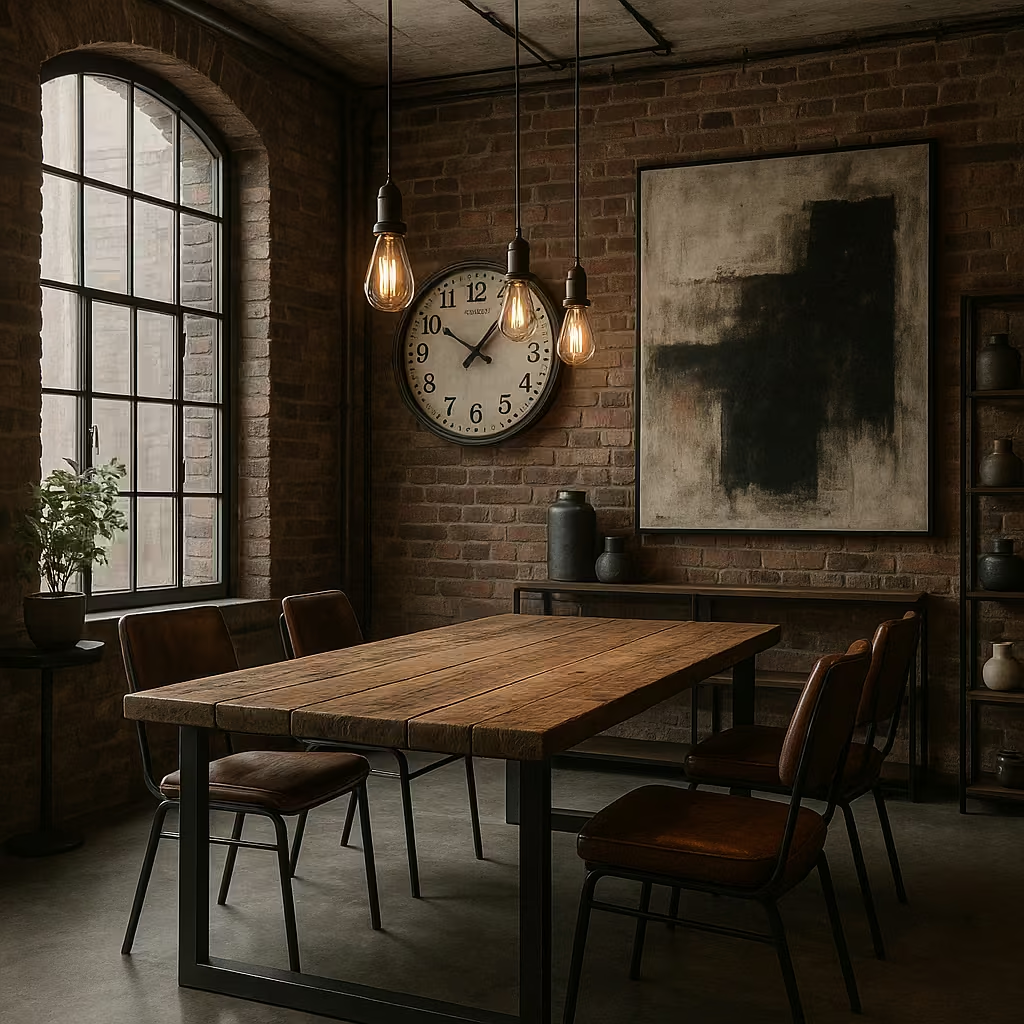
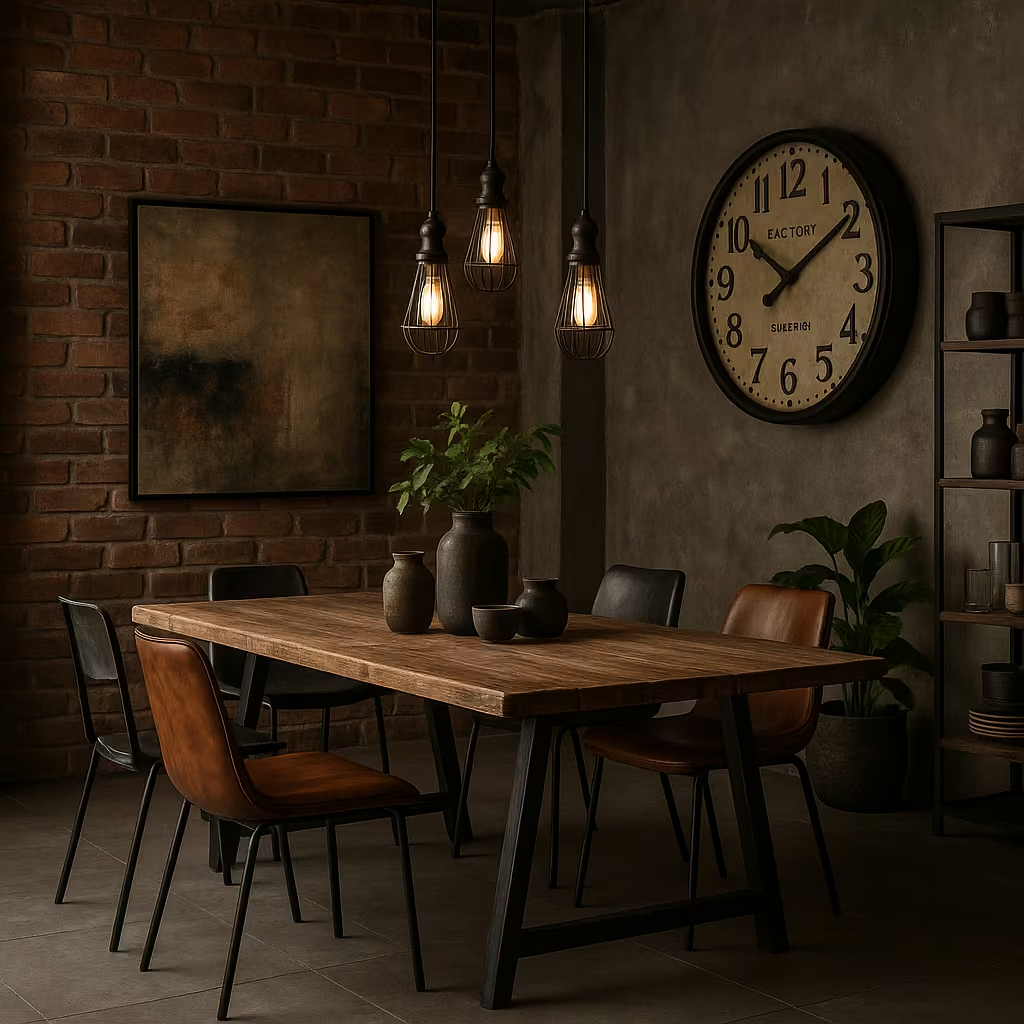
An industrial loft dining room celebrates raw structure and unrefined character. It feels authentic, bold, and grounded in texture. The style draws its strength from exposed architecture brick, metal, wood, and concrete transforming materials once considered “unfinished” into the star features of the space.
Design Concept:
This aesthetic was born from converted warehouses and urban lofts, where open plans and high ceilings define the atmosphere. The look thrives on contrast: rough surfaces paired with sleek finishes, and vintage-inspired pieces mixed with modern lighting. It’s perfect for those who want a space that feels both stylish and lived-in.
Key Elements:
- Color Palette: Earthy browns, charcoals, black, and muted neutrals with occasional accents of rust or copper.
- Furniture: A reclaimed wood dining table on steel legs, paired with metal-framed or leather-upholstered chairs.
- Lighting: Edison bulbs, wire-cage pendants, or industrial-style chandeliers suspended from exposed conduits.
- Materials & Finishes: Exposed brick, concrete, weathered metal, and aged timber. Keep finishes matte or distressed to enhance authenticity.
- Décor: Oversized wall art, factory clocks, open shelving with ceramics or glassware, and potted greenery for softness.
Pro Tip from Experience:
When I design industrial spaces, I always balance the rawness with a touch of warmth. A worn leather bench, linen curtains, or a soft rug under the dining table can prevent the room from feeling too cold or harsh. The goal is to keep the edge but make it livable.
Mid-Century Modern Revival
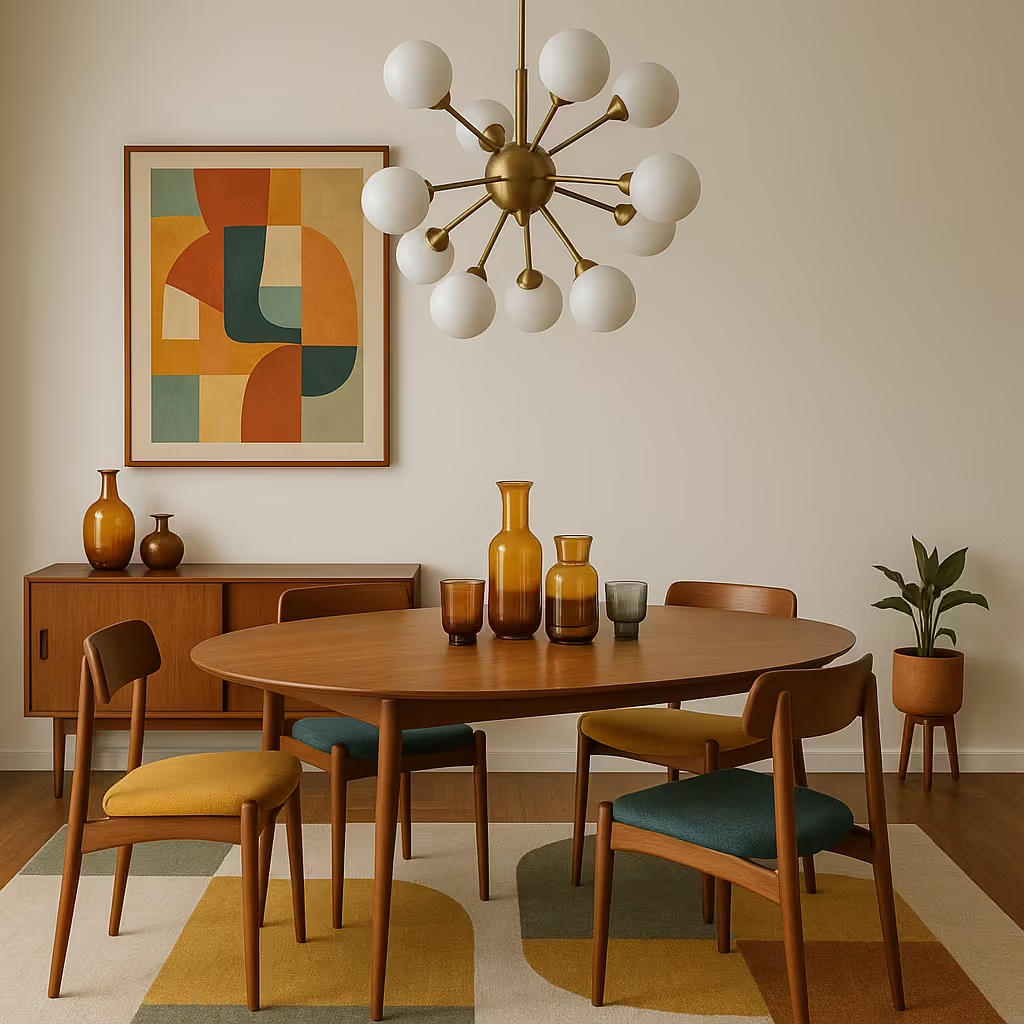
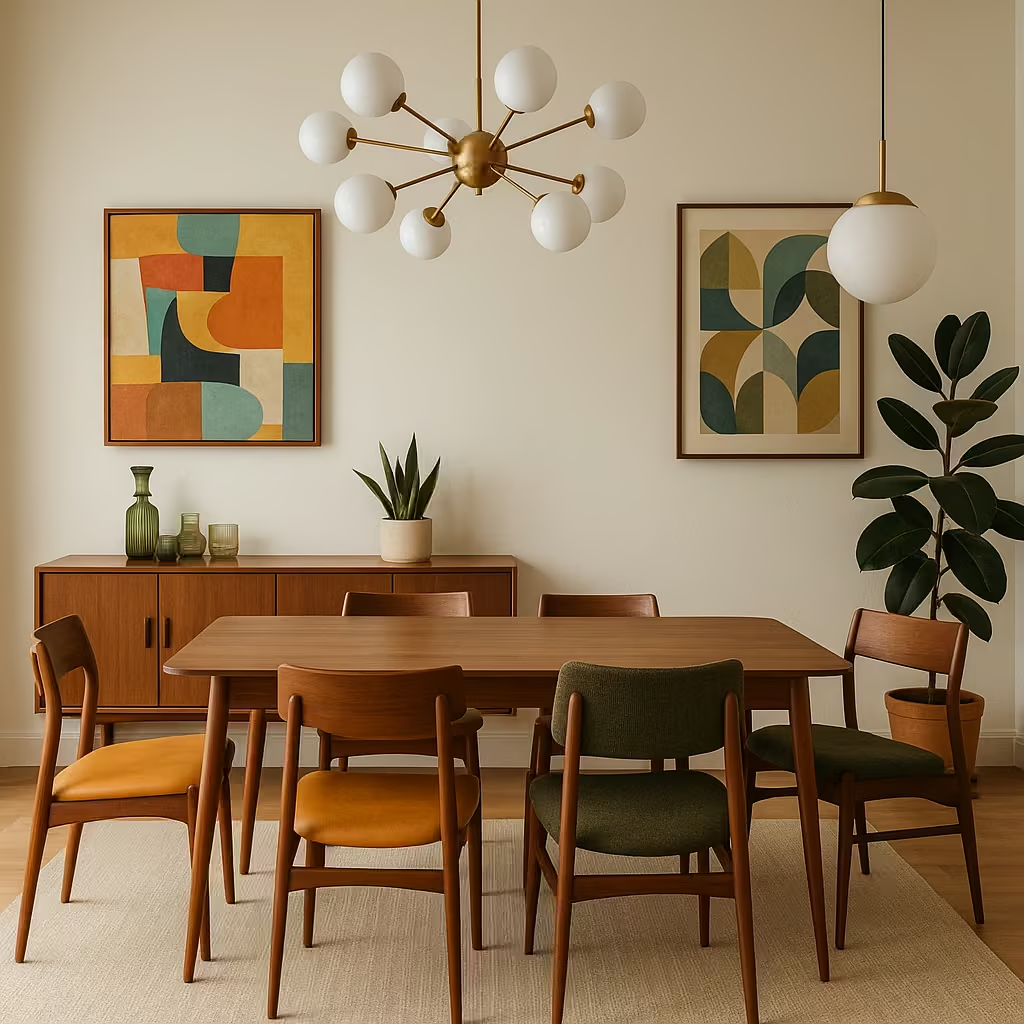
A Mid-Century Modern dining room brings timeless sophistication with a sense of optimism. It’s about organic curves, smart functionality, and warm materials that make the space feel both retro and refined. This style has never truly gone out of fashion because it balances simplicity with character a perfect middle ground between vintage charm and modern living.
Design Concept:
Inspired by the 1950s and 60s, this looks centers on clean lines, sculptural furniture, and a mix of wood tones and bold accents. The design celebrates craftsmanship and practicality, offering furniture that’s as comfortable as it is beautiful. It’s a great choice for anyone who wants a dining space that feels inviting, curated, and built to last.
Key Elements:
- Color Palette: Muted neutrals mixed with pops of mustard, teal, or olive green.
- Furniture: Teak or walnut dining tables with slender, tapered legs; low-profile sideboards or credenzas for storage.
- Lighting: Iconic pendant lamps think Sputnik chandeliers, globe lights, or sculptural brass fixtures.
- Materials & Finishes: Warm woods, matte metals, smooth leather, and wool-blend upholstery for texture.
- Décor: Abstract art, vintage glassware, geometric patterns, and simple planters for a nod to nature.
Pro Tip from Experience:
I’ve found that balance is key in Mid-Century spaces. Mix a statement light fixture or bold wall art with understated furniture to avoid feeling too thematic. A round dining table can also soften angular architecture, making the layout flow better in smaller homes.
Vintage European Elegance
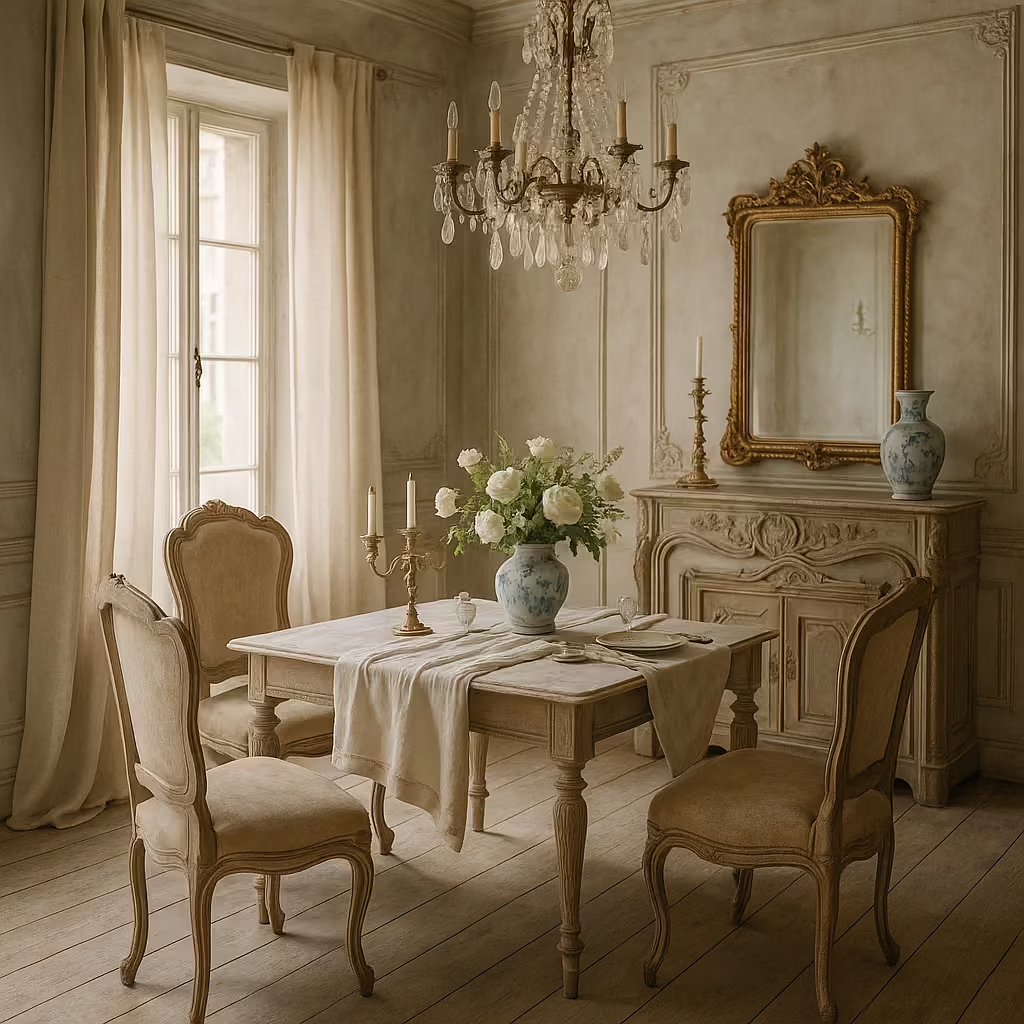
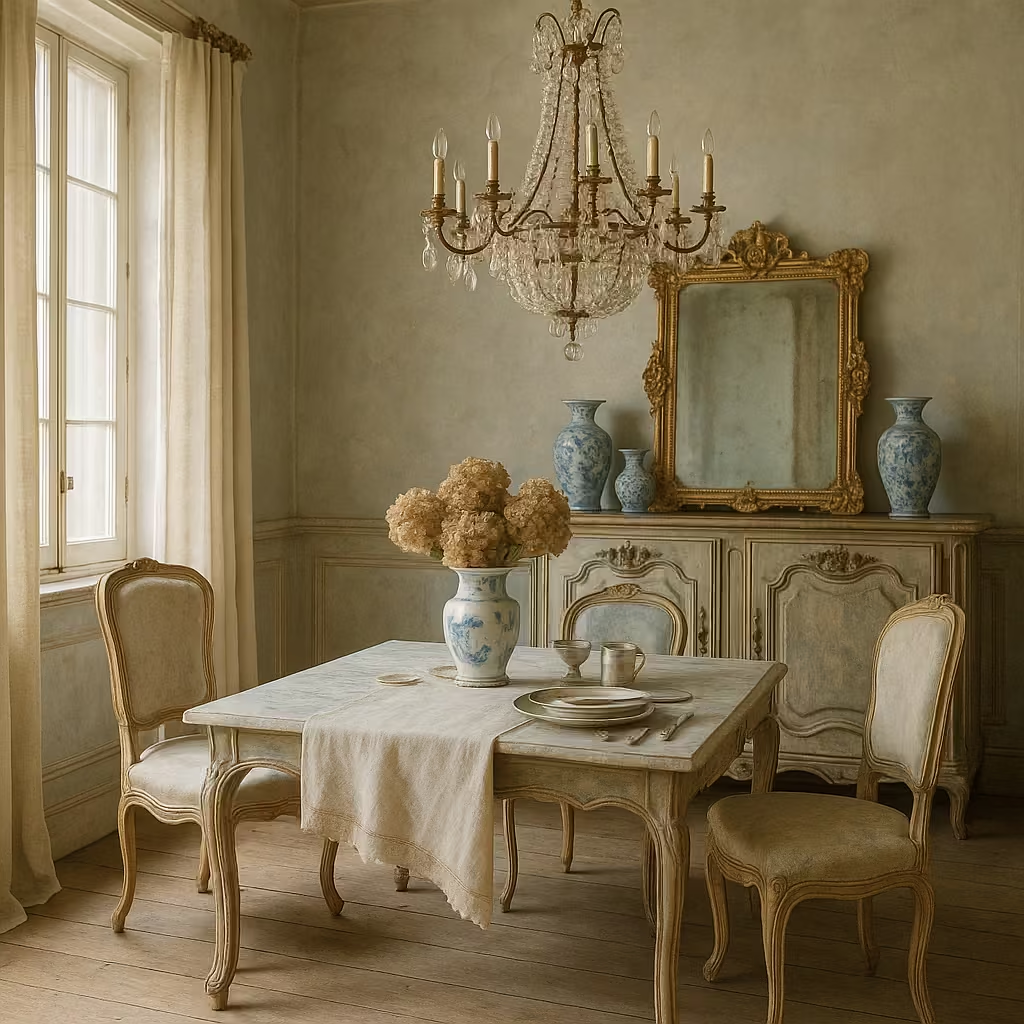
Vintage European dining rooms embody timeless romance and layered history. They feel graceful, lived-in, and effortlessly sophisticated. This design style draws from classical architecture and old-world craftsmanship, where every piece tells a story—from a hand-carved dining chair to a gently tarnished brass candelabra.
Design Concept:
This look thrives on patina and detail. It combines ornate fixtures with aged finishes and natural materials to create a space that feels both luxurious and comfortable. The palette leans soft and muted, letting textures and antique silhouettes define the atmosphere. The result is a dining room that feels as if it has evolved beautifully over decades, not designed in a day.
Key Elements:
- Color Palette: Creams, soft grays, faded blues, and muted golds that evoke quiet elegance.
- Furniture: Distressed wood tables, cabriole-leg chairs, and sideboards with antique detailing or hand-carved accents.
- Lighting: Crystal or wrought-iron chandeliers that add grandeur and cast a romantic glow.
- Materials & Textures: Linen drapery, aged mirrors, marble tabletops, and weathered wood finishes.
- Décor: Gilded frames, porcelain vases, vintage silverware, and layered table linens that echo European refinement.
Pro Tip from Experience:
When I work with this style, I always let imperfection show. A slightly chipped mirror or uneven paint wash gives authenticity that new replicas can’t match. Layer soft lighting wall sconces, candles, and chandeliers—to achieve that signature European warmth after dark.
Japandi Fusion Dining Room
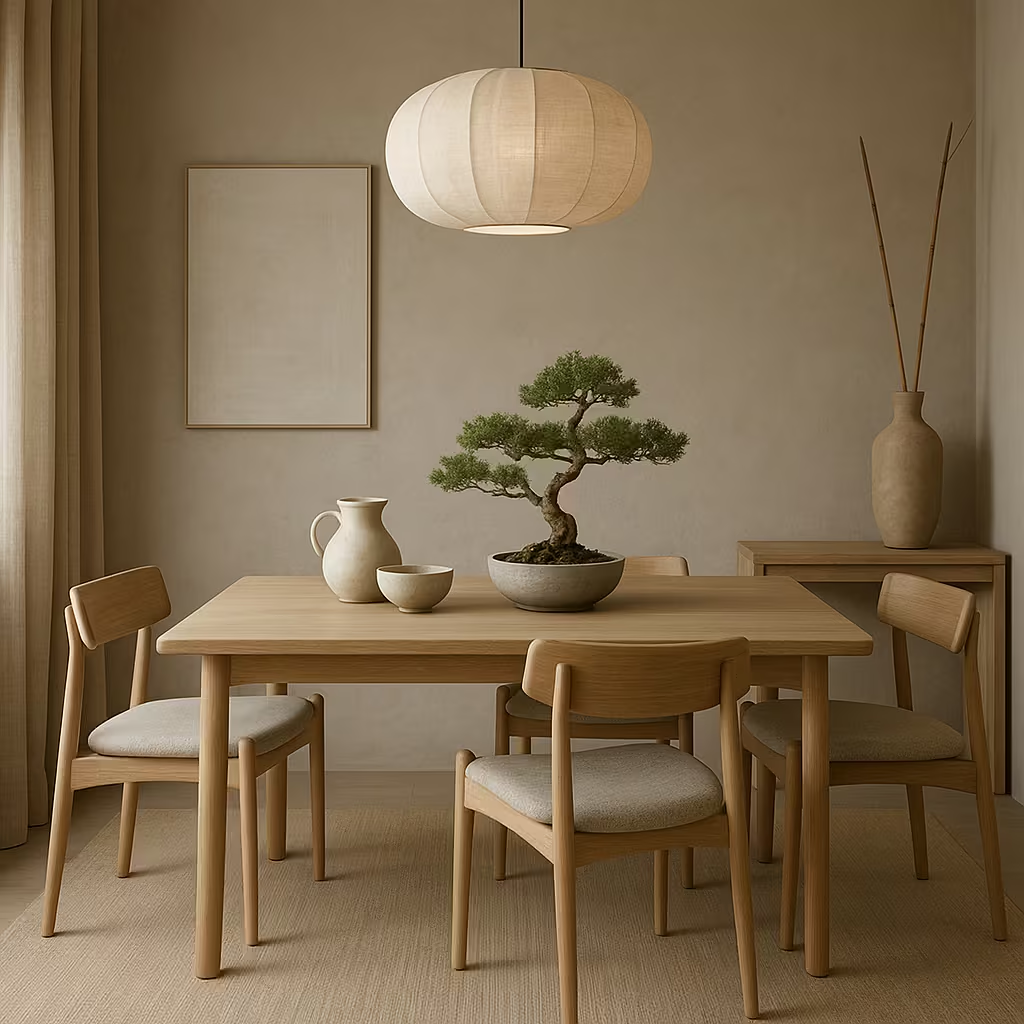
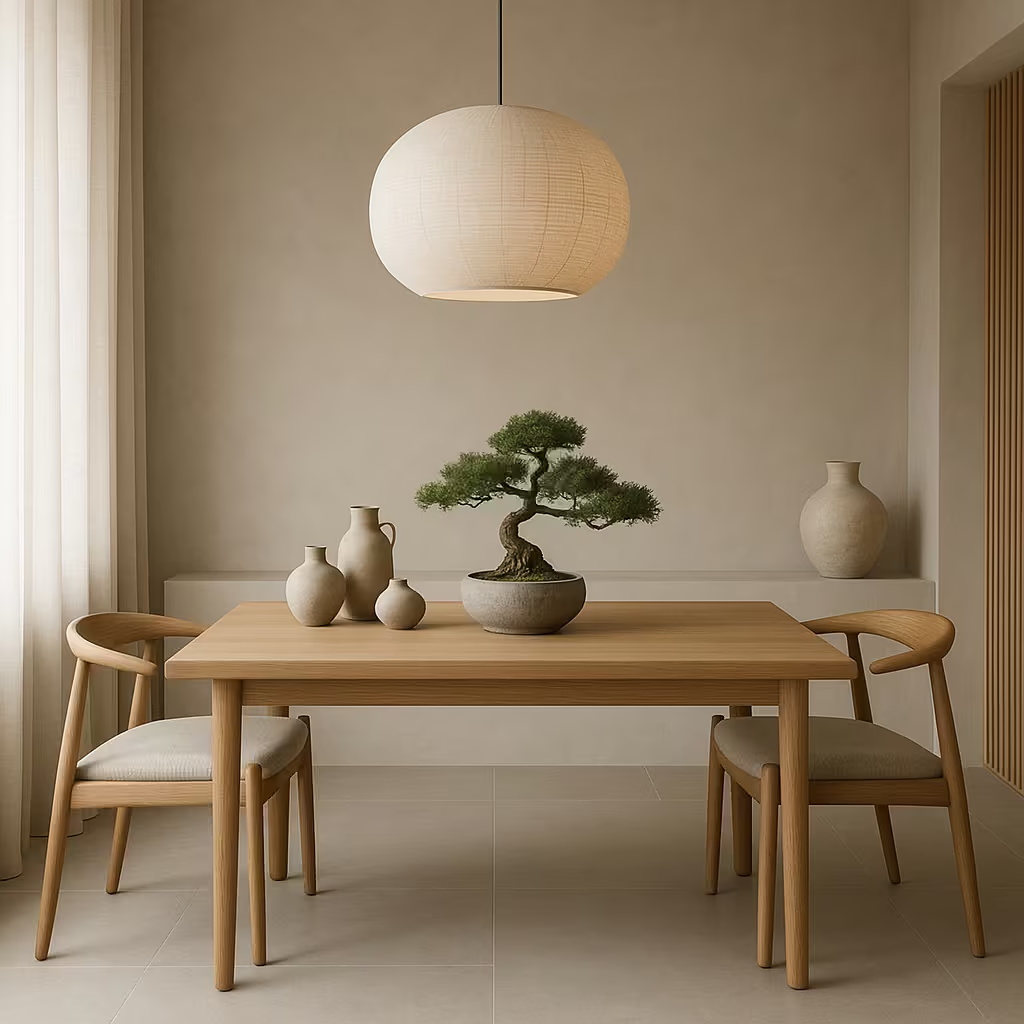
Japandi design is a graceful blend of Japanese minimalism and Scandinavian coziness. It combines the simplicity and balance of Japanese interiors with the warmth and texture of Nordic design. The result is a dining room that feels serene, grounded, and deeply harmonious.
Design Concept:
This style focuses on creating calm through balance. Every piece has purpose, and every material adds quiet beauty. Japandi spaces often pair clean-lined furniture with organic elements like raw wood, stone, and hand-thrown ceramics. The key is to maintain a natural flow, where light, color, and texture work together to evoke a sense of mindful comfort.
Key Elements:
- Color Palette: Muted neutrals, soft beige, stone gray, and pale wood tones with subtle black or charcoal accents.
- Furniture: Low-profile wooden dining tables in oak or ash, paired with minimalist chairs featuring gentle curves.
- Lighting: Soft, diffused pendant lighting with fabric or paper shades to create a warm, ambient glow.
- Materials & Textures: Natural fibers, linen, clay, bamboo, and smooth plaster. Avoid gloss; matte finishes feel more authentic.
- Décor: Handcrafted ceramics, a single sculptural vase, or a bonsai centerpiece. Keep surfaces uncluttered to emphasize calm.
Pro Tip from Experience:
When I design Japandi-inspired dining spaces, I always emphasize negative space. Leave breathing room around furniture and avoid over-accessorizing. The beauty of this style lies in restraint and the tactile connection between materials.
Rustic Farmhouse Dining
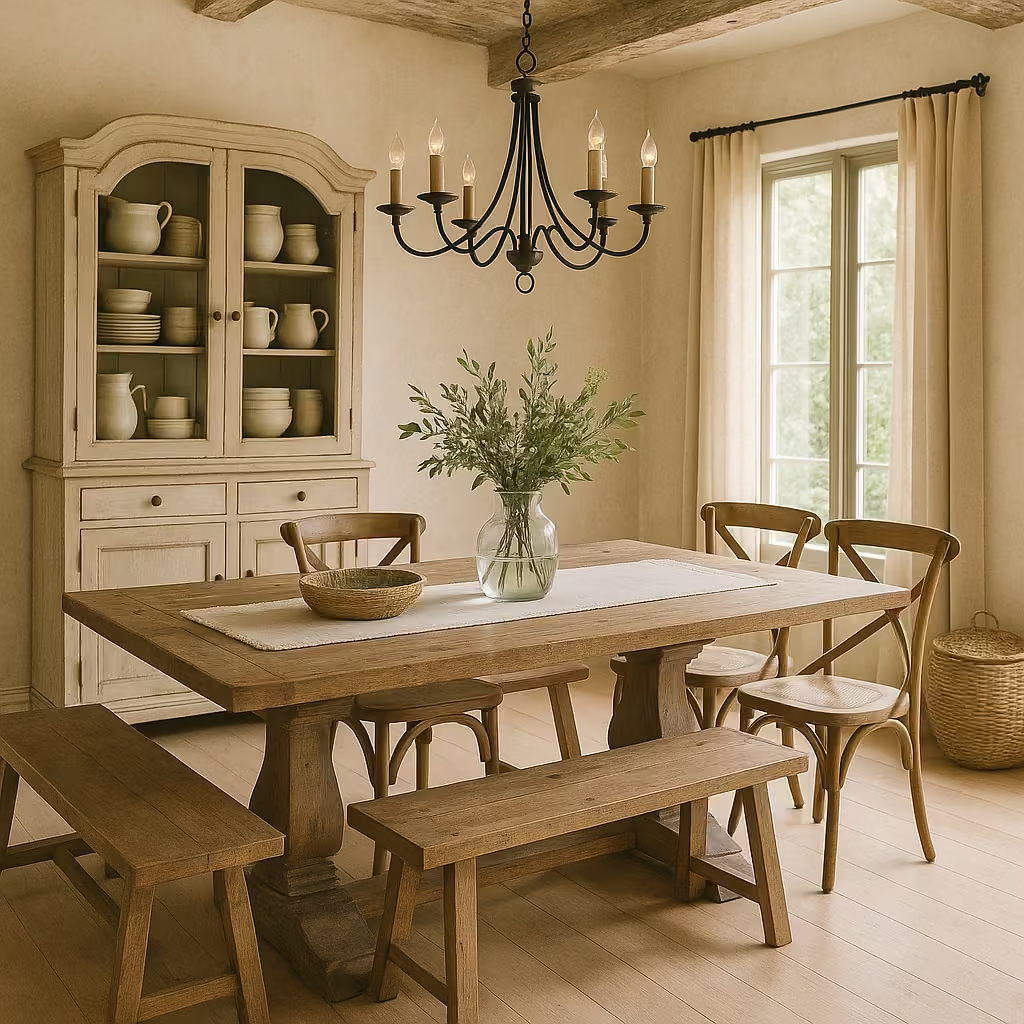
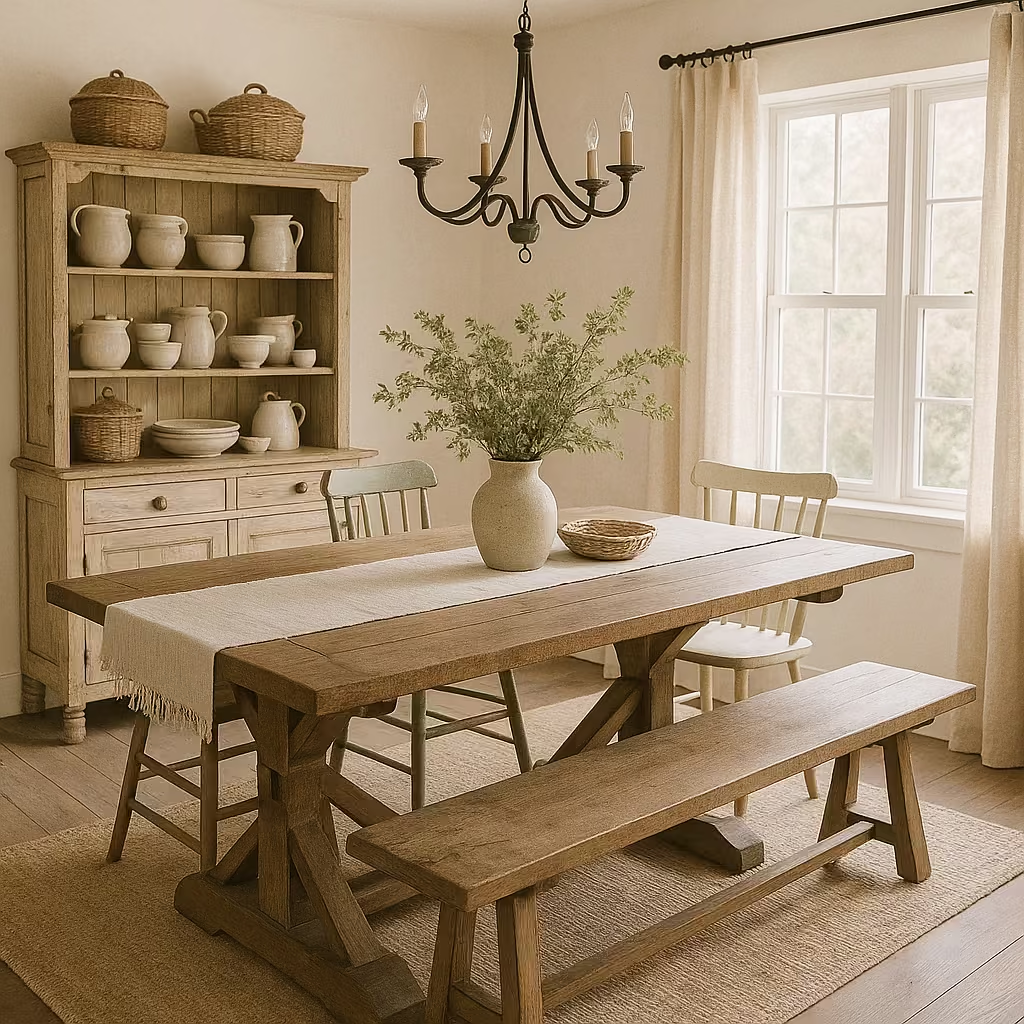
A rustic farmhouse dining room radiates warmth, comfort, and a sense of timeless simplicity. It feels like a place where family gathers, laughter echoes, and every meal feels a little more personal. This design draws from traditional country homes, celebrating natural textures, handcrafted details, and the beauty of imperfection.
Design Concept:
The rustic farmhouse aesthetic thrives on authenticity. It’s not about polished perfection but rather about materials that tell a story—aged wood, iron accents, and vintage finds that look like they’ve been part of the home for generations. The goal is to create a space that feels welcoming, familiar, and effortlessly charming.
Key Elements:
- Color Palette: Warm whites, creamy neutrals, soft browns, and muted greens inspired by the countryside.
- Furniture: A large wooden dining table with a sturdy trestle base, paired with mix-and-match chairs or a long bench.
- Lighting: Wrought iron chandeliers, lantern-style pendants, or candle-style bulbs to enhance the cozy mood.
- Materials & Textures: Reclaimed wood, distressed finishes, galvanized metal, and linen or burlap textiles.
- Décor: Vintage hutches filled with ceramics, woven baskets, farmhouse table runners, and fresh greenery in simple vases.
Pro Tip from Experience:
When designing farmhouse dining spaces, I always blend old and new. A reclaimed table paired with contemporary lighting or sleek chairs keeps the look balanced and avoids turning too nostalgic. Layer textures—wood, fabric, and metal—to make the space feel naturally lived in.
Eclectic Bohemian Dining Room
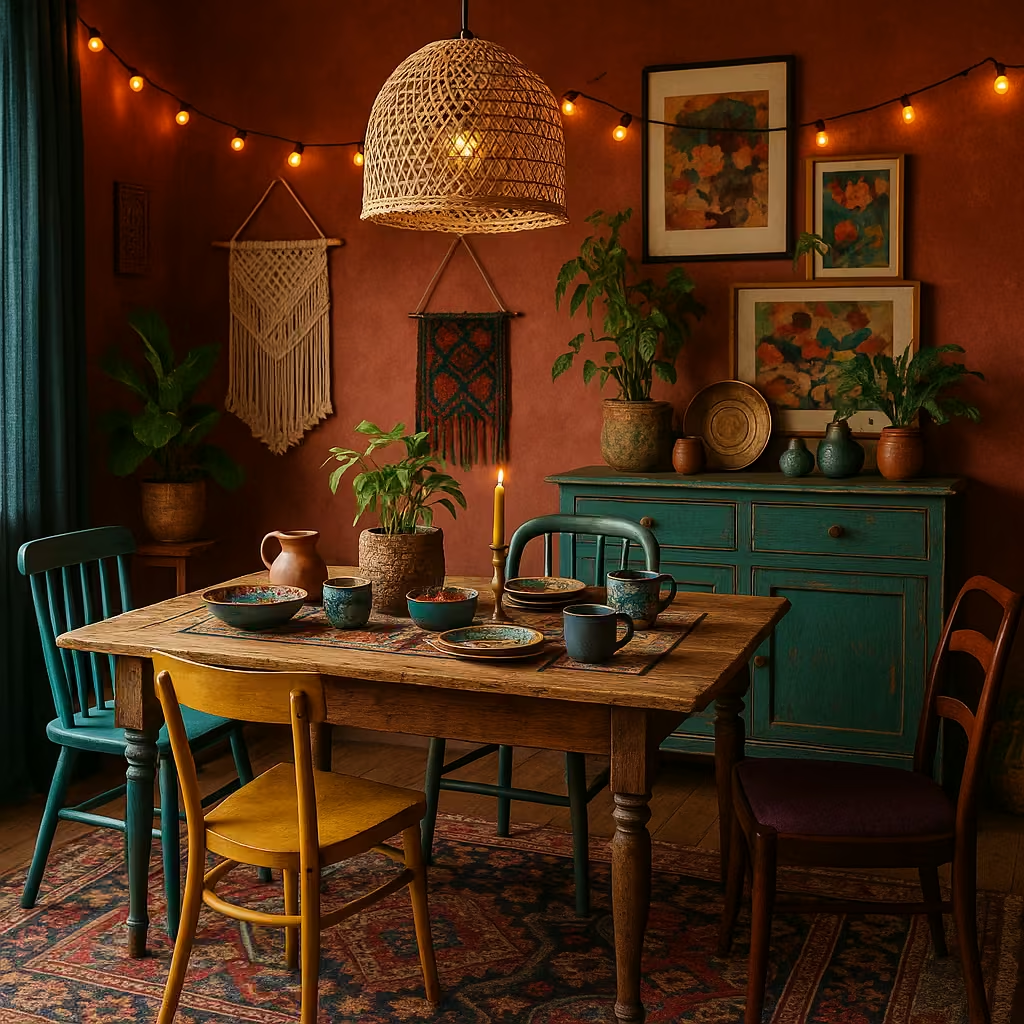
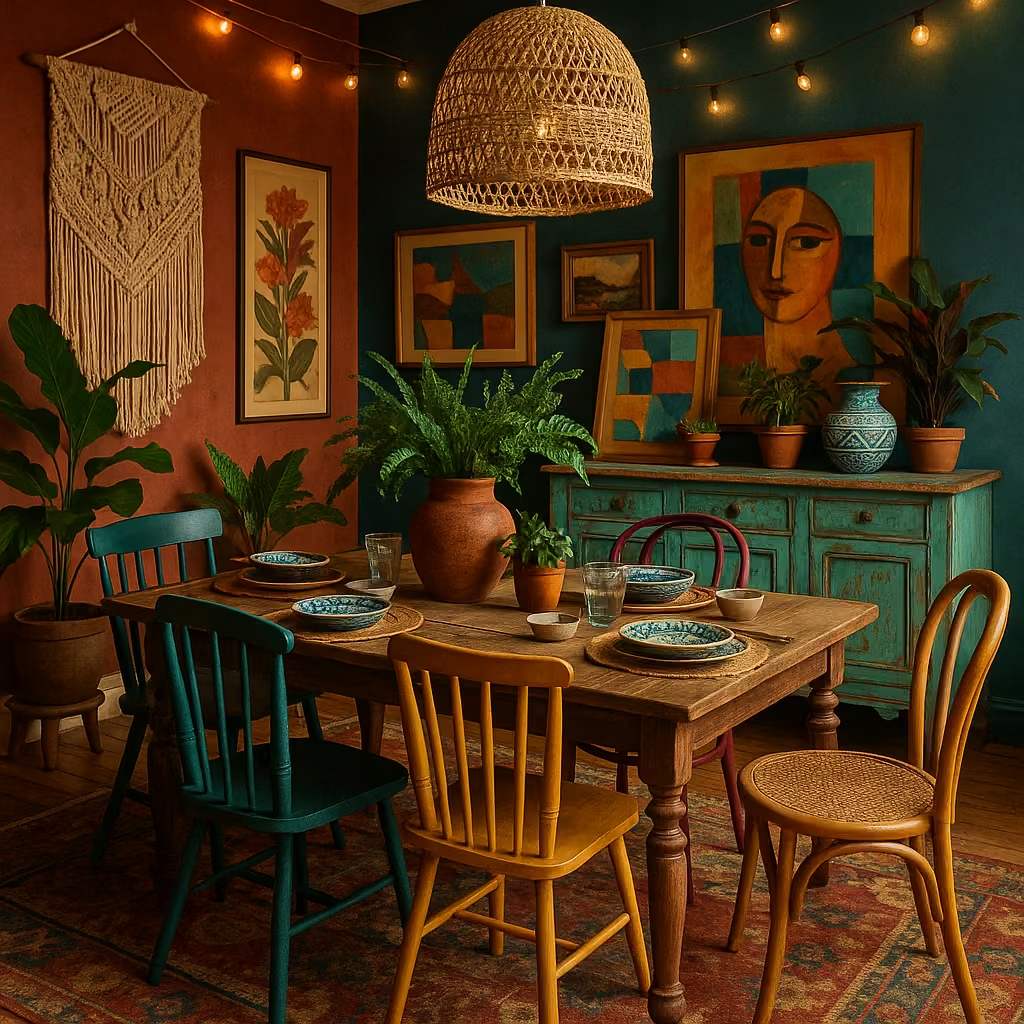
An eclectic bohemian dining room is a celebration of individuality and creative freedom. It’s layered, expressive, and full of life, blending patterns, textures, and colors in ways that feel effortless yet deeply personal. This style suits anyone who wants their dining space to tell a story through collected pieces, cultural influences, and artful contrasts.
Design Concept:
The bohemian dining room thrives on contrast and curiosity. Nothing is overly coordinated, yet everything works together through warmth and personality. Vintage finds sit comfortably beside global crafts and modern accents. It’s not about following rules—it’s about embracing intuition and imperfection.
Key Elements:
- Color Palette: Rich, saturated tones like terracotta, deep teal, mustard, and plum, balanced with earthy neutrals.
- Furniture: Mismatched dining chairs, an artisan-crafted wooden table, or a painted vintage sideboard.
- Lighting: Layered lighting from woven pendants, string lights, or eclectic chandeliers that add character and mood.
- Materials & Textures: Woven textiles, rattan, distressed wood, ceramics, and handmade fabrics.
- Décor: Patterned rugs, global-inspired tableware, macramé wall hangings, potted plants, and stacked artwork.
Pro Tip from Experience:
When I design bohemian spaces, I always start with one anchor piece—perhaps a rug, a table, or a pendant light and let everything else evolve around it. This prevents chaos and helps maintain a visual rhythm even within the mix of colors and patterns. Layering lighting at multiple heights also enhances that cozy, inviting feel.
Coastal Calm Dining Area
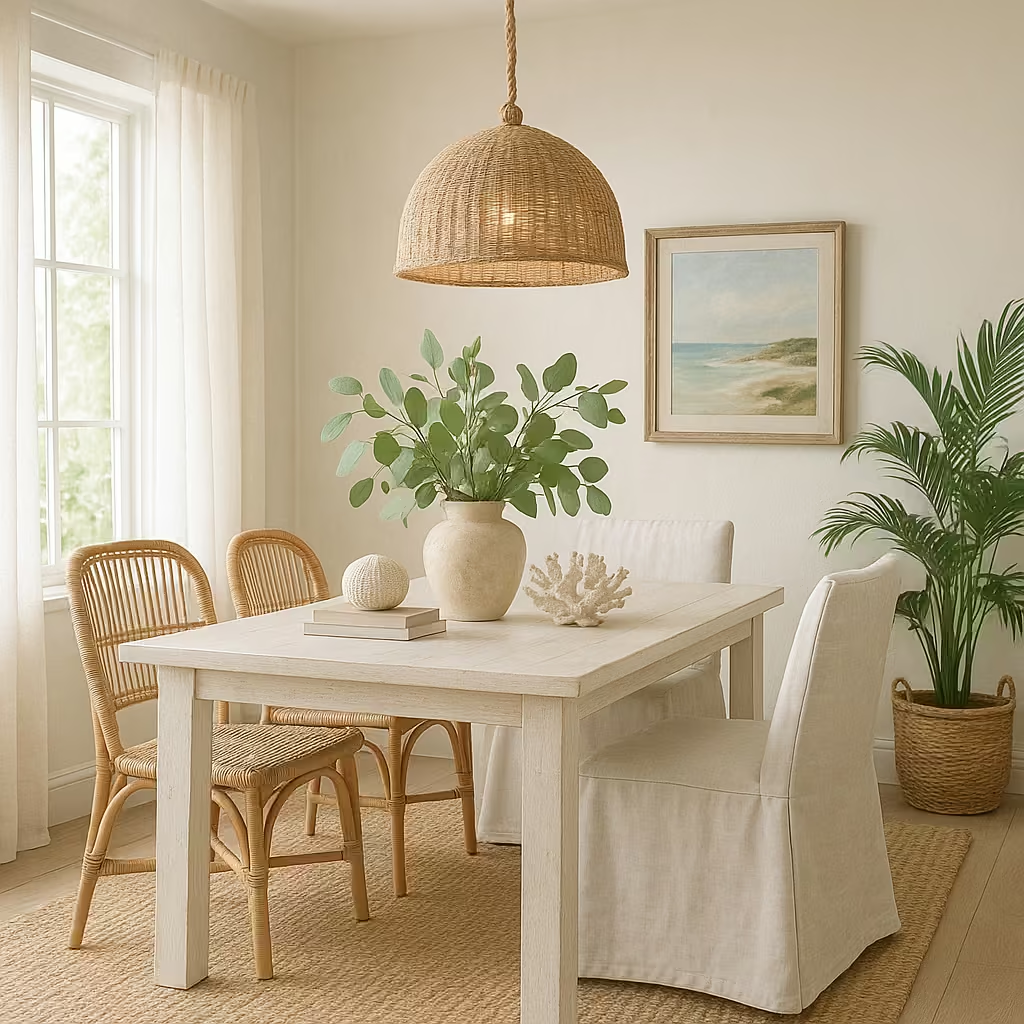
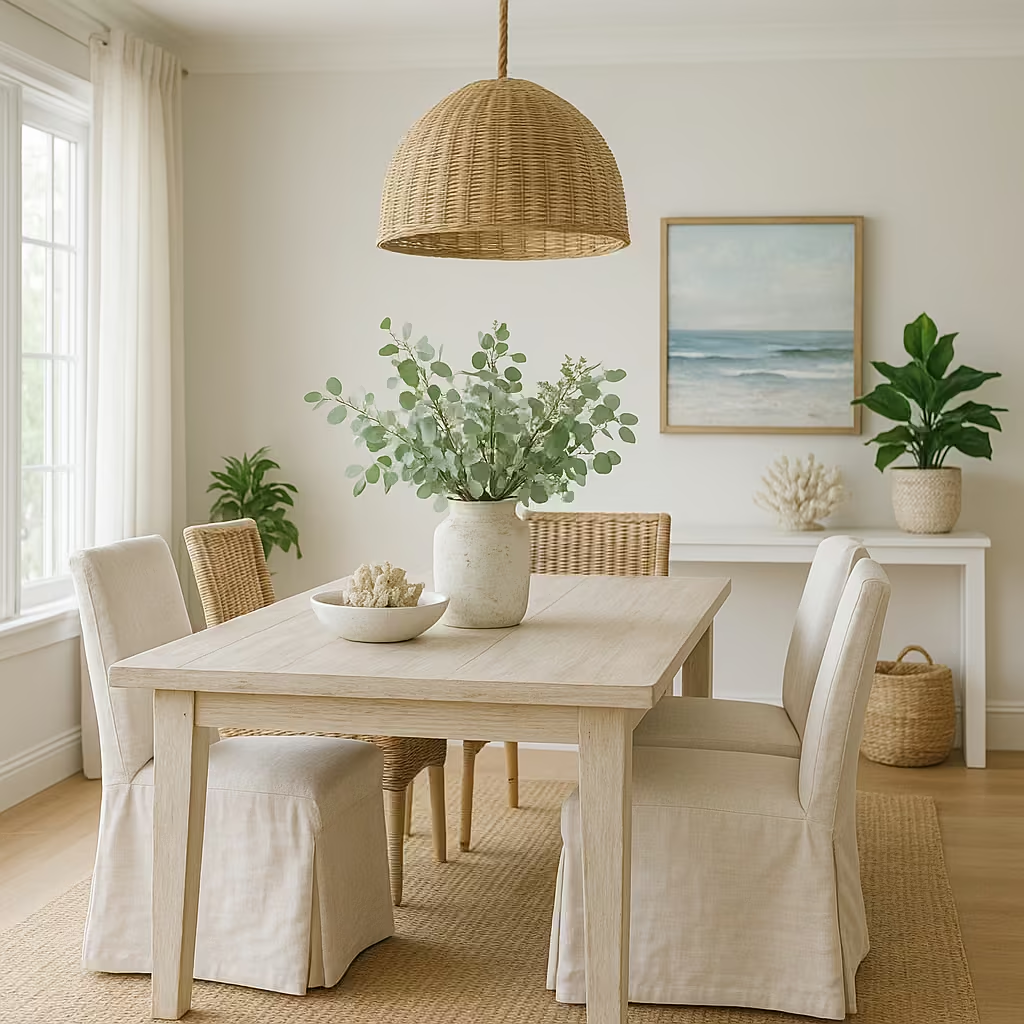
A coastal calm dining room captures the easygoing spirit of seaside living. It’s bright, breezy, and grounded in natural beauty. This style isn’t about nautical clichés but about creating a relaxed, sunlit atmosphere that feels open and refreshing—whether you live by the ocean or miles inland.
Design Concept:
The coastal look thrives on light and air. Whitewashed finishes, gentle blues, and natural fibers create a palette that mirrors sand, sea, and sky. The furniture is simple and comfortable, with an emphasis on organic textures and a soft, lived-in feel. The result is a dining room that feels both serene and uplifting.
Key Elements:
- Color Palette: Soft whites, sandy beiges, ocean blues, and weathered grays.
- Furniture: A light wood or whitewashed dining table, woven rattan chairs, or slipcovered seating for casual elegance.
- Lighting: Rope or wicker pendants, driftwood chandeliers, or glass fixtures that mimic the shimmer of water.
- Materials & Textures: Linen, cotton, seagrass, jute, and reclaimed wood that feel tactile and natural.
- Décor: Breezy curtains, shells or coral accents, coastal artwork, and plenty of greenery for freshness.
Pro Tip from Experience:
When I create coastal-inspired dining rooms, I avoid overly literal décor like anchors or ship wheels. Instead, I focus on texture and tone—light-filtering curtains, woven chairs, or a driftwood centerpiece. Keep the palette restrained and let natural light do the styling for you.
You May also Like: 20 Pink and White Dining Room Ideas That Make Your Table the Star of the Show
Urban Contemporary Dining Room
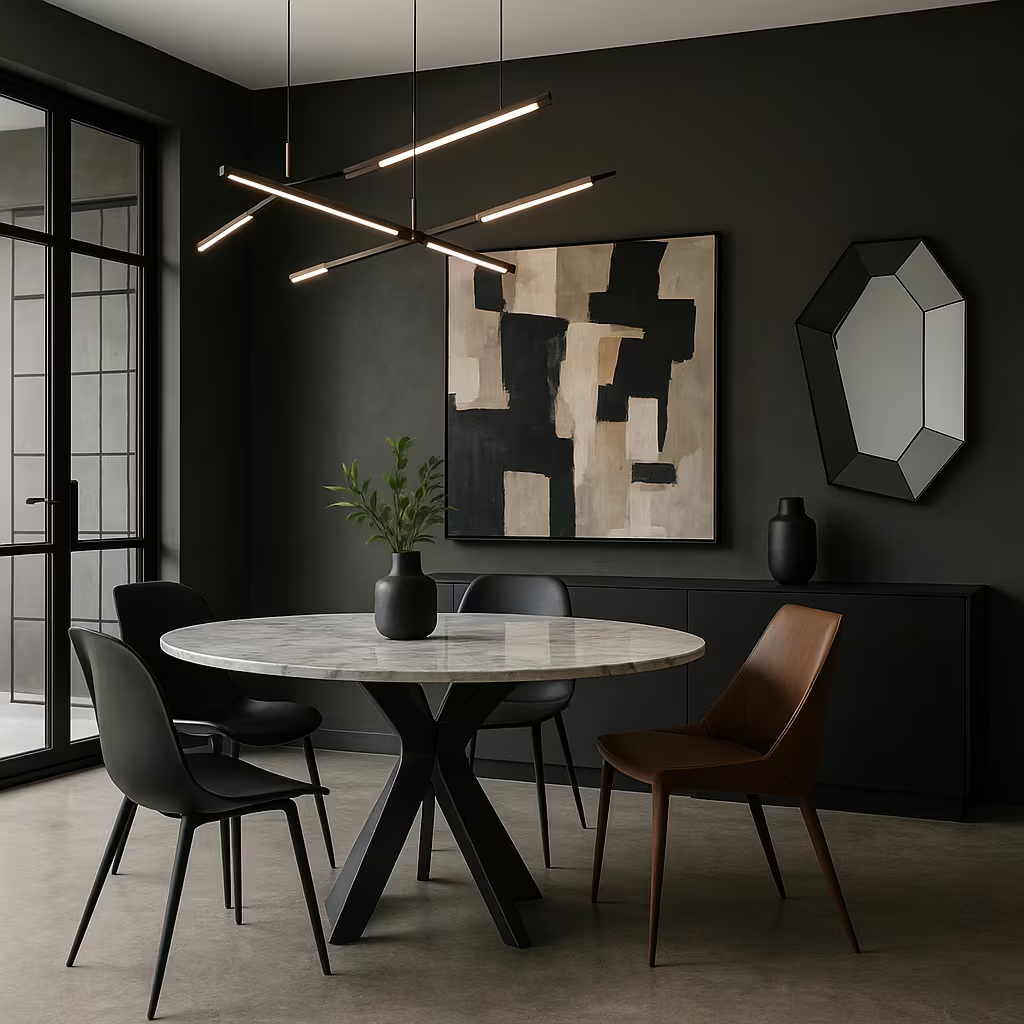
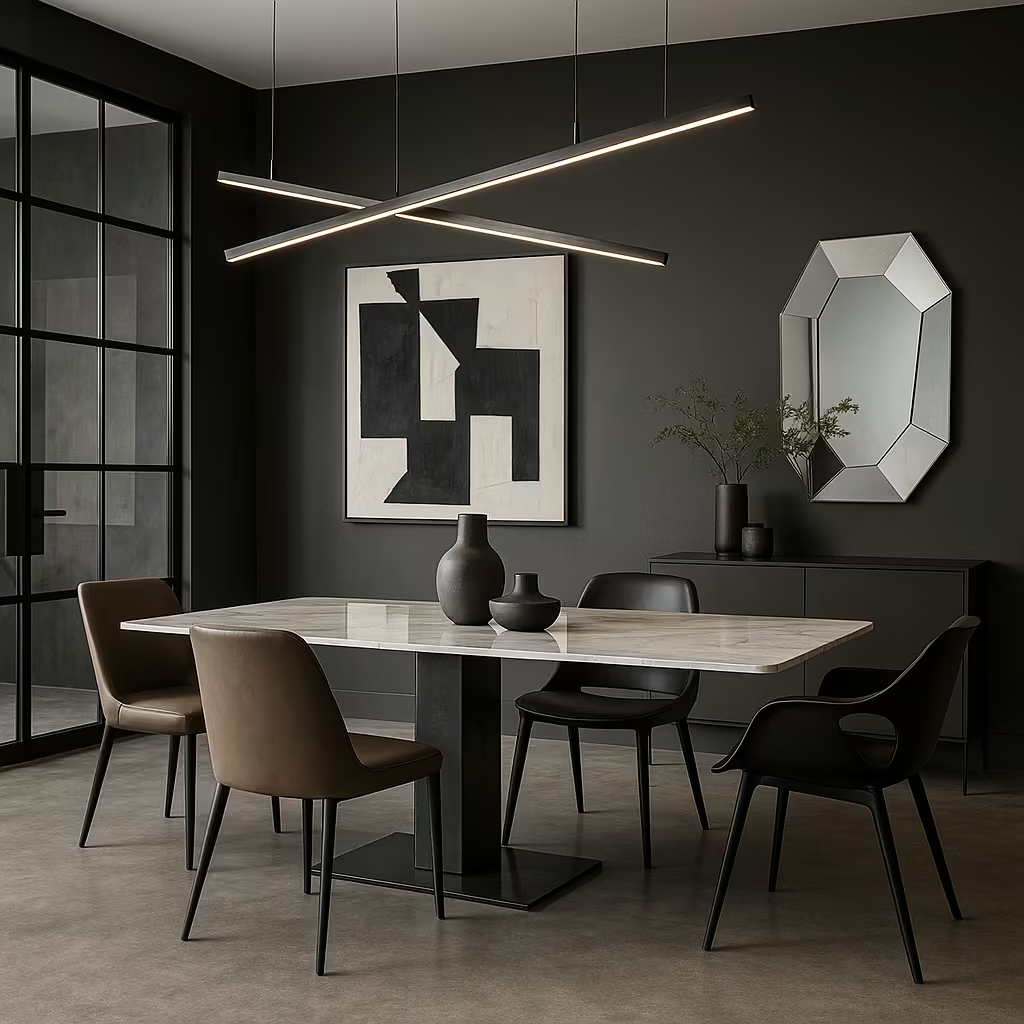
An urban contemporary dining room brings modern architecture and sleek sophistication into perfect balance. It’s bold but not overwhelming, refined but approachable. This style thrives in city apartments and modern homes where clean geometry, mixed materials, and statement furniture create a confident, high-end atmosphere.
Design Concept:
The urban contemporary look draws from industrial roots but adds polish and precision. The key lies in balance combining raw materials like concrete and metal with smooth finishes, sculptural lighting, and curated décor. The result is a dining room that feels creative, cosmopolitan, and undeniably stylish.
Key Elements:
- Color Palette: Charcoal gray, black, deep taupe, and crisp white with touches of bronze or brushed steel.
- Furniture: Minimalist dining tables with glass or marble tops, paired with bold sculptural chairs in leather or molded plastic.
- Lighting: Linear LED fixtures, statement pendants, or asymmetrical chandeliers that double as art.
- Materials & Finishes: Polished concrete floors, steel-framed glass partitions, lacquered surfaces, and matte black hardware.
- Décor: Abstract artwork, angular mirrors, modern vases, and simple greenery to soften the edges.
Pro Tip from Experience:
In urban contemporary spaces, lighting defines the mood. I often use layered illumination a sculptural pendant for visual drama and recessed lighting for subtle ambiance. A single bold furniture piece, like a stone or marble table, instantly elevates the setting without cluttering it.
Vintage Glamour Dining
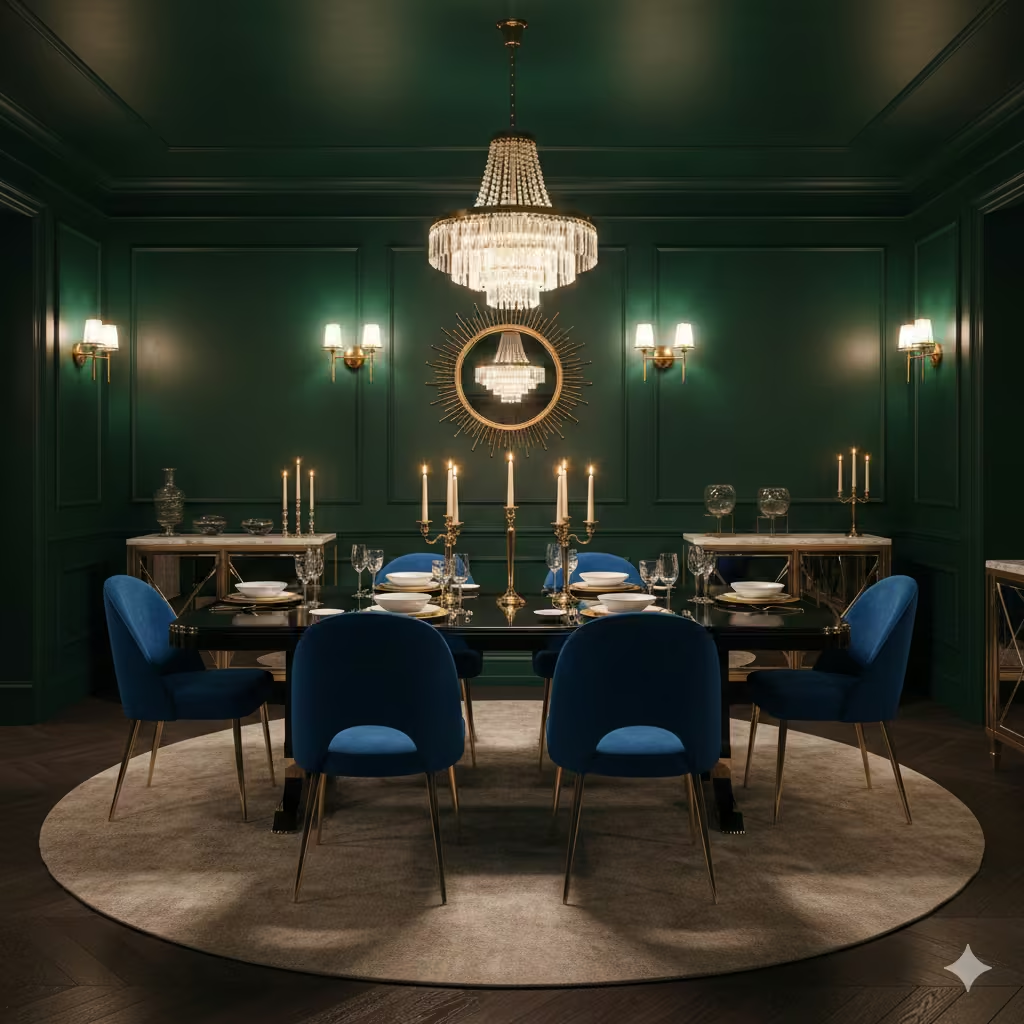
A vintage glamour dining room is all about elegance, drama, and a touch of old-world luxury. It draws inspiration from classic Hollywood interiors, where texture, lighting, and detail worked together to create a sense of refined indulgence. This is the style for those who love sophistication with a bit of sparkle.
Design Concept:
Vintage glamour merges opulent materials with classic silhouettes. The palette tends to be rich and moody, setting the stage for metallic accents and sumptuous fabrics. The goal is to create a dining experience that feels special every day, as if you’ve stepped into an intimate supper club from another era.
Key Elements:
- Color Palette: Deep jewel tones like emerald, sapphire, or burgundy paired with gold, brass, or black.
- Furniture: Upholstered velvet dining chairs, round or rectangular tables with marble or high-gloss finishes.
- Lighting: Crystal chandeliers, tiered pendants, or glass sconces that reflect light dramatically.
- Materials & Textures: Velvet, marble, mirrored surfaces, and metallic trims for depth and luxury.
- Décor: Art deco mirrors, ornate candle holders, metallic chargers, and bold wall paint or wallpaper.
Pro Tip from Experience:
When I design glamour-inspired dining rooms, I always recommend dimmable lighting. The right glow enhances textures and gives the room that cinematic quality. Mixing finishes—matte walls with glossy metal, soft fabric with glass—creates the visual richness that defines this look.
You May also Like: 20 Luxurious Italian Dining Room Ideas for an Elegant, Timeless Home
Art Deco Inspired Design
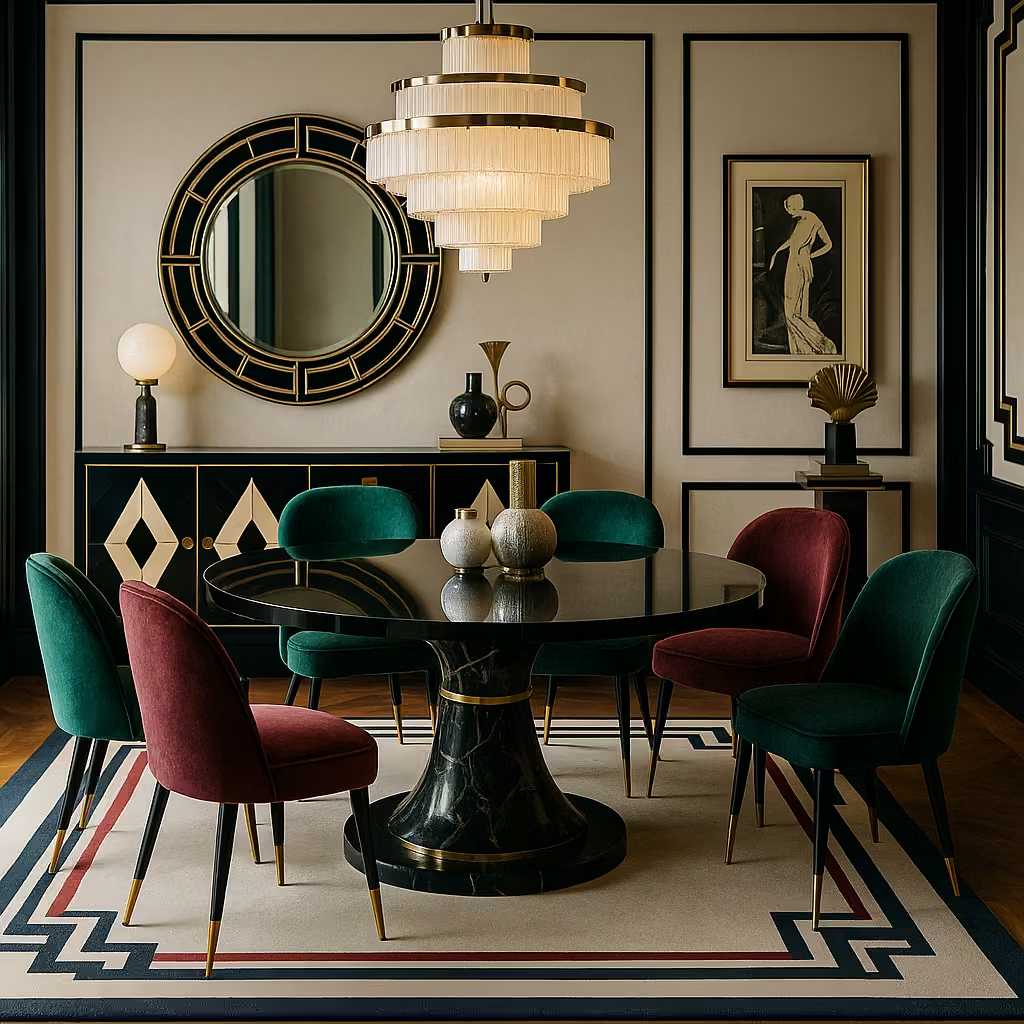
An Art Deco dining room channels the bold glamour and geometric precision of the 1920s. It’s a style defined by luxury, symmetry, and confidence—where every line and material feels intentional. The aesthetic combines rich color, elegant finishes, and statement geometry, resulting in a dining space that feels timeless yet theatrical.
Design Concept:
Art Deco design celebrates opulence and craftsmanship. Think lacquered surfaces, rich fabrics, and metallic accents arranged in perfect proportion. This style is all about structure and drama, but it’s balanced by a strong sense of order. The result is a dining room that feels both elevated and inviting.
Key Elements:
- Color Palette: Deep jewel tones such as emerald, navy, and ruby combined with black, ivory, and gold.
- Furniture: Bold silhouettes round or oval dining tables with pedestal bases, upholstered chairs with curved backs, and mirrored or inlaid sideboards.
- Lighting: Tiered chandeliers, glass globes, or brass fixtures featuring geometric patterns.
- Materials & Finishes: Lacquered wood, marble, brass, glass, and velvet for tactile richness.
- Décor: Statement mirrors, geometric rugs, framed vintage prints, and sculptural accessories that reflect symmetry.
Pro Tip from Experience:
When I bring Art Deco into modern homes, I use restraint. Choose one hero piece—like a brass chandelier or a high-gloss sideboard and let it define the room. Too many reflective surfaces can feel heavy; balance the shine with matte paint or textured fabrics for harmony.
Sustainable Dining Room Makeover
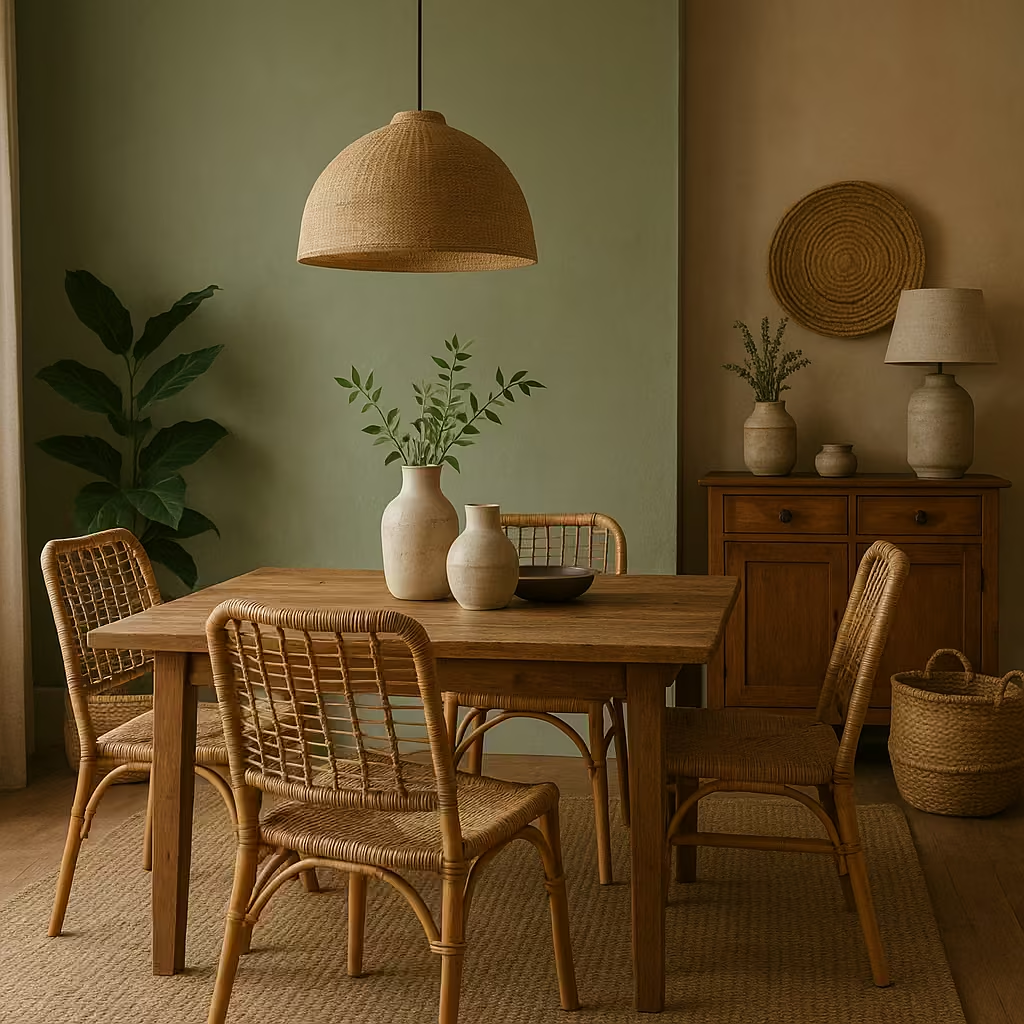
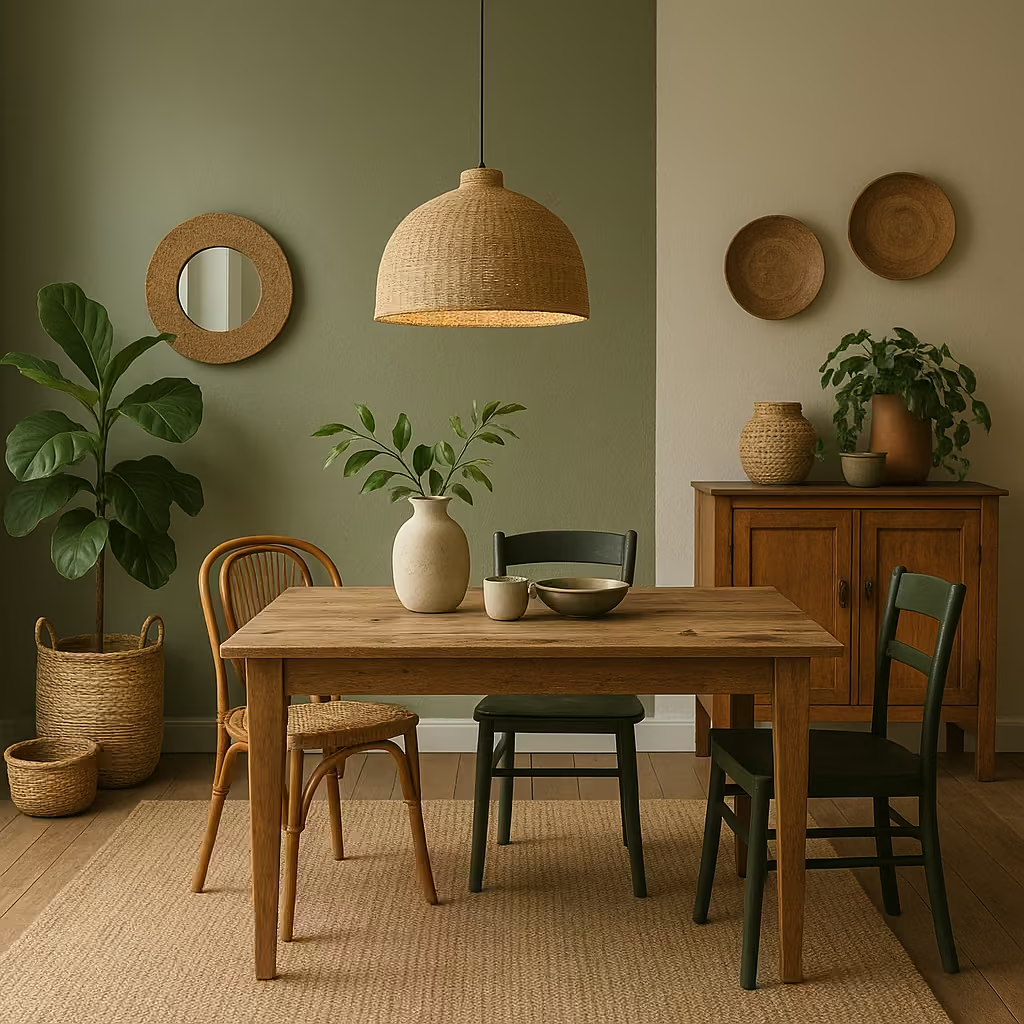
A sustainable dining room combines beauty with responsibility. It’s about designing a space that feels warm and inviting while reducing environmental impact. By choosing reclaimed materials, eco-friendly finishes, and durable craftsmanship, you create a dining room that stands the test of time both in style and sustainability.
Design Concept:
The essence of sustainable design is mindful selection. Every piece should serve a purpose and have a positive story behind it. This approach doesn’t compromise aesthetics; in fact, it enhances them. Reclaimed wood tables, non-toxic paints, and natural textiles bring authenticity and texture, resulting in a dining space that feels organic, ethical, and modern.
Key Elements:
- Color Palette: Earthy tones sage, clay, warm neutrals, and deep greens drawn from nature.
- Furniture: Reclaimed or FSC-certified wood dining tables, chairs made from rattan, bamboo, or recycled materials.
- Lighting: Energy-efficient LED fixtures or handmade pendants crafted from sustainable or upcycled materials.
- Materials & Textures: Organic cotton, jute, hemp, linen, cork, and low-VOC paints for healthier interiors.
- Décor: Vintage or upcycled pieces, handmade ceramics, woven baskets, and indoor plants for natural beauty.
Pro Tip from Experience:
When designing sustainably, I focus on longevity over trends. Invest in timeless furniture built to last rather than fast décor. Also, mixing vintage with new eco-conscious pieces creates a balanced aesthetic unique, practical, and deeply personal.
You May also Like: 15 Small Living Room Dining Room Combo Ideas for a Stylish, Space-Saving Home
Monochrome Dining Aesthetic
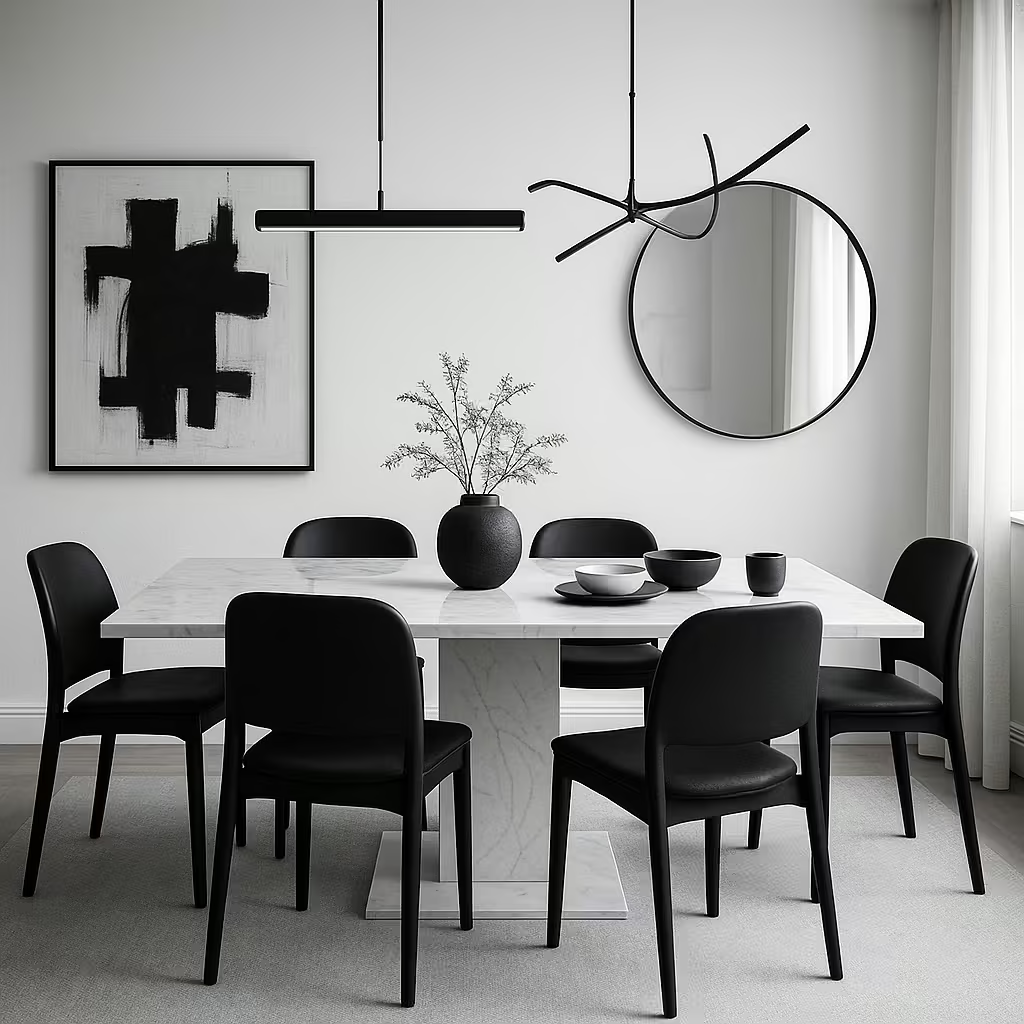
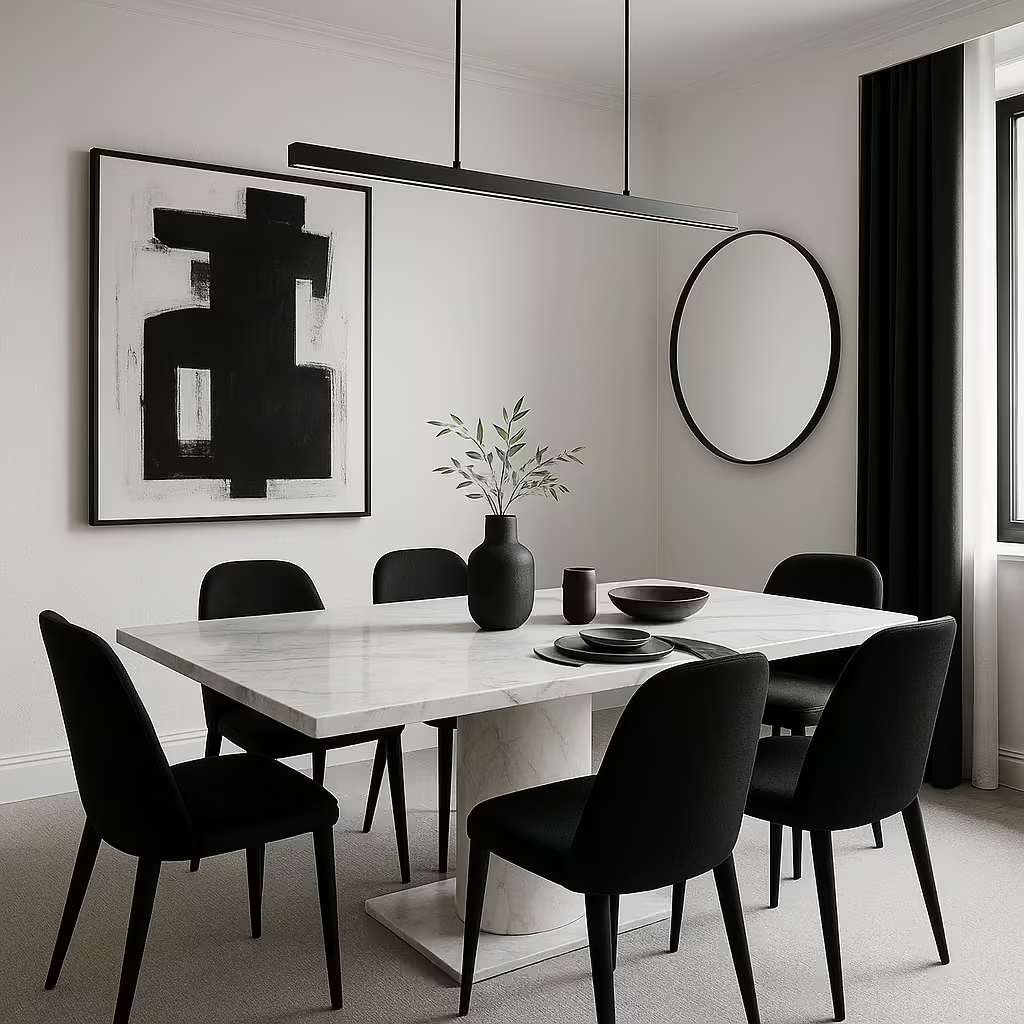
A monochrome dining room is timeless, bold, and effortlessly elegant. The black-and-white palette brings drama and sophistication while maintaining simplicity. This design is perfect for those who appreciate clarity, structure, and visual contrast without relying on color to make a statement.
Design Concept:
The monochrome aesthetic thrives on balance. It’s not just about using black and white—it’s about how they interact through texture, proportion, and light. By layering matte and glossy finishes, smooth and rough textures, and structured shapes, the space feels dynamic rather than stark. The result is a dining room that feels modern, confident, and refined.
Key Elements:
- Color Palette: Crisp white walls, black accents, and soft gray or charcoal tones to add depth.
- Furniture: Black dining chairs paired with a white marble or glass table, or the reverse for contrast.
- Lighting: Sleek linear pendants or sculptural chandeliers that enhance the geometry of the space.
- Materials & Finishes: Lacquer, matte paint, glass, chrome, and subtle natural textures like linen or wool.
- Décor: Abstract artwork, monochrome tableware, statement mirrors, and minimal greenery for balance.
Pro Tip from Experience:
When I design in monochrome, I always play with texture and shape to keep the room alive. A matte black wall with white wainscoting or a high-gloss table paired with a woven rug prevents the space from feeling flat. Lighting also matters warm-toned bulbs soften the contrast beautifully.
You May also Like: 16 Ibiza-Inspired Spanish Dining Room Ideas for a Stunning Mediterranean Home
Open-Concept Dining Integration
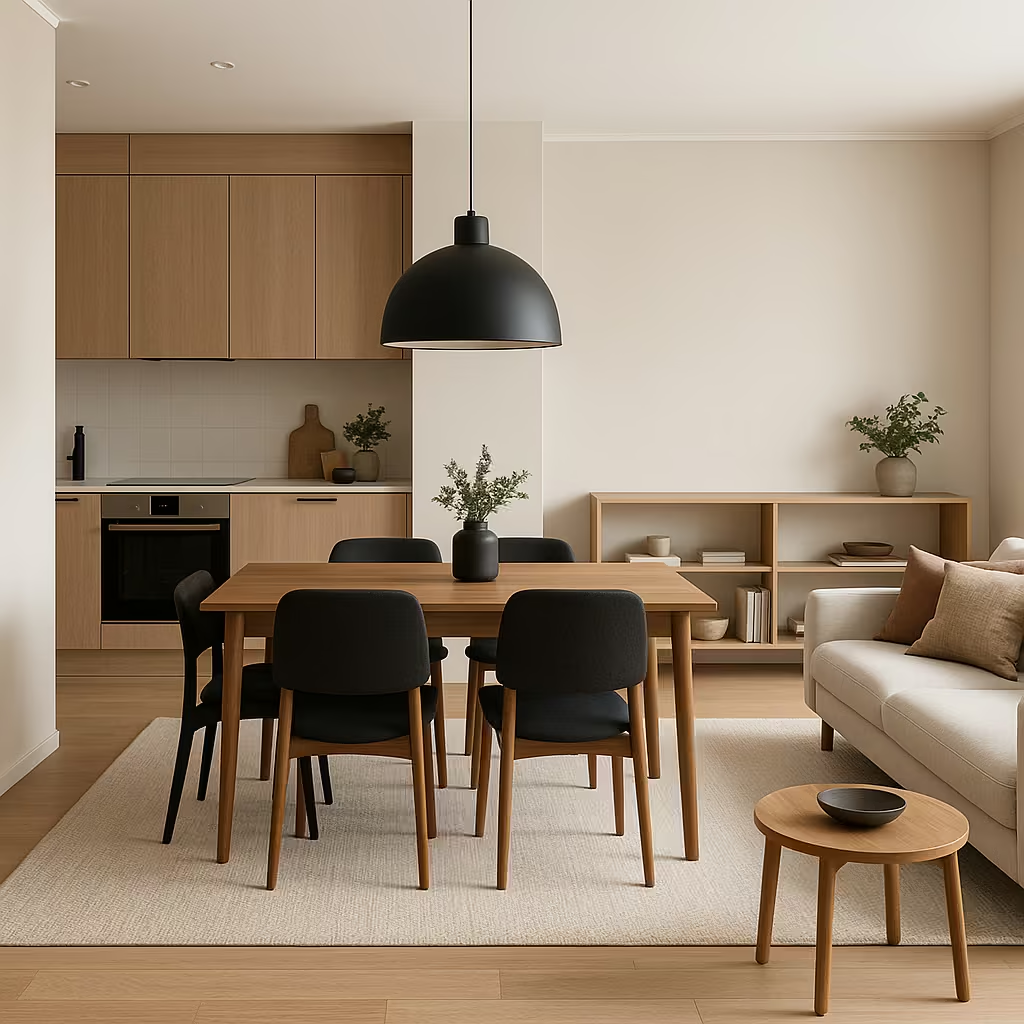
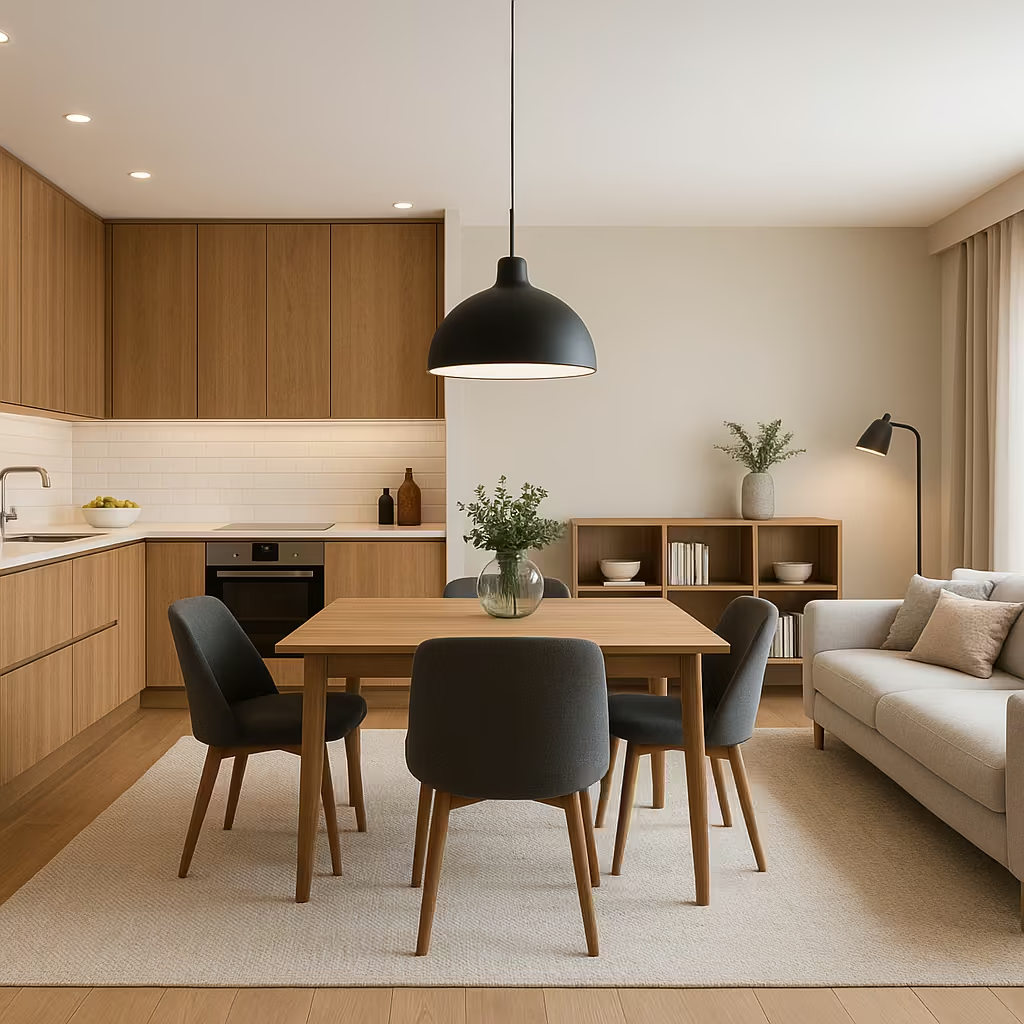
Open-concept dining rooms are all about creating seamless transitions between cooking, eating, and lounging areas. This design approach encourages connection, allowing conversations and activities to flow naturally throughout the home. By using spatial cues like rugs, lighting, and furniture placement, you can define zones without breaking the open layout.
Design Concept:
An open-concept dining space thrives on balance and cohesion. The key is to visually separate the dining area while maintaining a sense of unity with adjacent spaces. This can be achieved through complementary materials, consistent color schemes, and focal furniture pieces that anchor each zone. The dining table becomes the natural centerpiece, blending function with aesthetic appeal.
Key Elements:
- Layout: Position the dining table between the kitchen and living area for easy accessibility and visual balance.
- Zoning Tools: Use large area rugs, accent lighting, or low-profile shelving to subtly define the dining zone.
- Furniture Coordination: Choose chairs, tables, and cabinetry that echo finishes found elsewhere in the space.
- Lighting Strategy: A bold pendant above the table separates the dining area from the living zone while maintaining cohesion.
- Color Flow: Keep a unified palette but vary tones and textures to differentiate each area naturally.
Pro Tip from Experience:
In open-concept designs, acoustics often get overlooked. I like to add fabric element rugs, upholstered chairs, or curtains to absorb sound and keep the dining area from feeling too echoey. A mix of lighting, such as pendants and sconces, also helps control mood without closing off the space.
Statement Lighting Overhaul
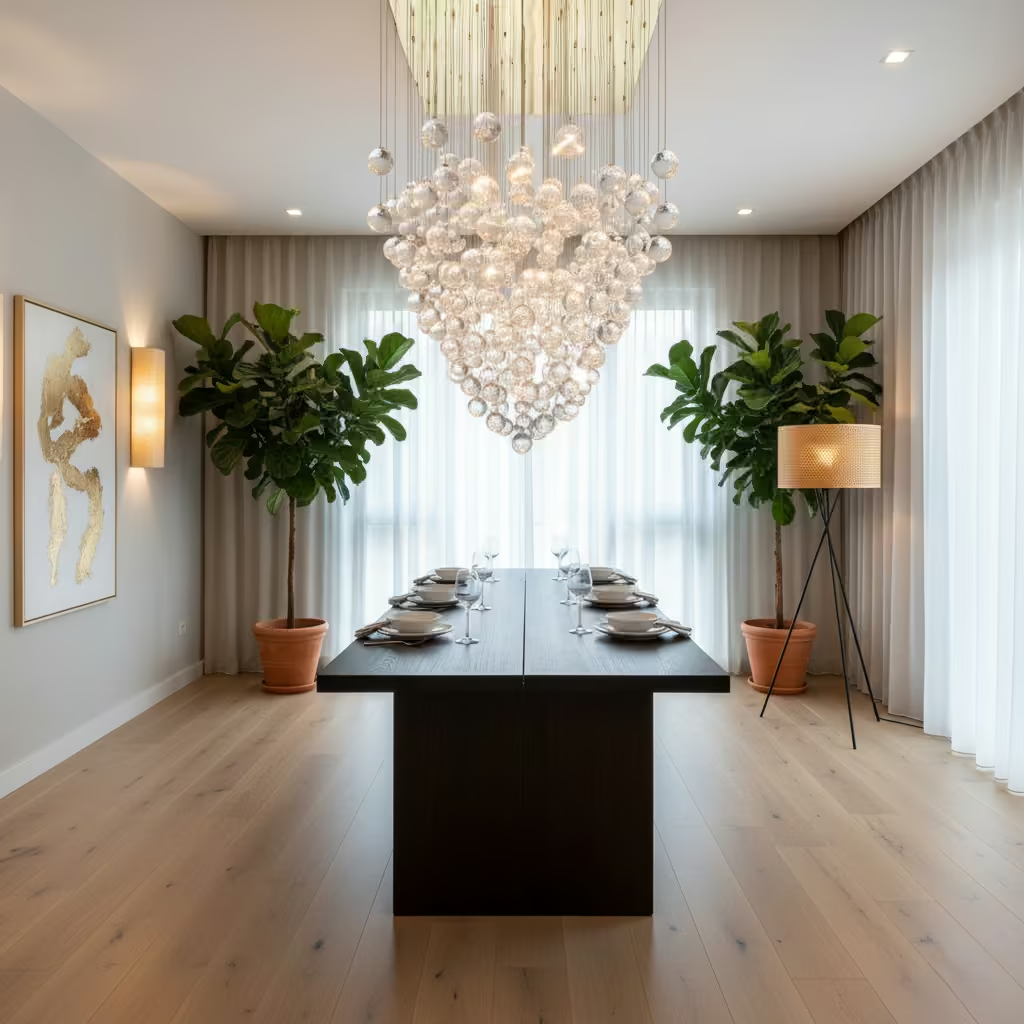
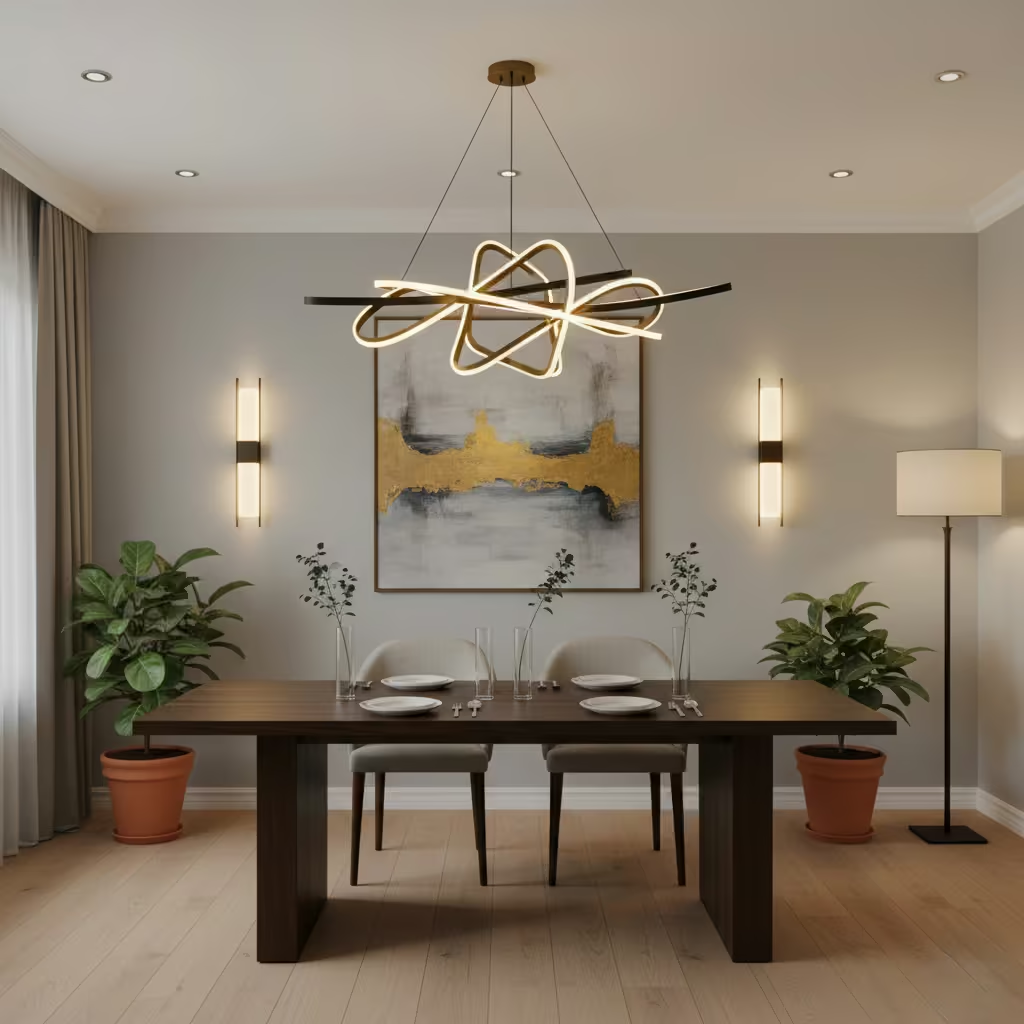
Lighting can completely transform how a dining room feels and functions. A statement lighting overhaul focuses on elevating atmosphere and design through bold, sculptural, or unexpected fixtures. Whether it’s a dramatic pendant, a cluster of hanging bulbs, or an artistic chandelier, the right light becomes more than illumination it becomes the centerpiece.
Design Concept:
This approach treats lighting as the anchor of the dining experience. Instead of using generic fixtures, the goal is to choose lighting that defines mood, scale, and personality. From minimalist glass pendants to ornate multi-tier chandeliers, the choice of light can instantly set tone and hierarchy within the room.
Key Elements:
- Lighting Types: Cluster pendants, cascading chandeliers, sculptural LED forms, or oversized dome lights.
- Placement: Center fixtures directly above the dining table for visual grounding, with adjustable height for intimacy.
- Complementary Lighting: Add dimmable wall sconces, recessed lights, or floor lamps to layer illumination.
- Materials & Finishes: Metal, glass, rattan, fabric, or crystal depending on your desired mood—industrial, warm, or elegant.
- Décor Coordination: Keep surrounding décor minimal so the fixture becomes the hero of the room.
Pro Tip from Experience:
I always test light color temperature before installation. Warm white (around 2700K) enhances food presentation and creates an inviting glow, while cooler tones can make spaces feel flat or sterile. A dimmer switch is essential it allows you to shift the atmosphere from lively dinner party to intimate evening with ease.
Nature-Inspired Dining Spaces
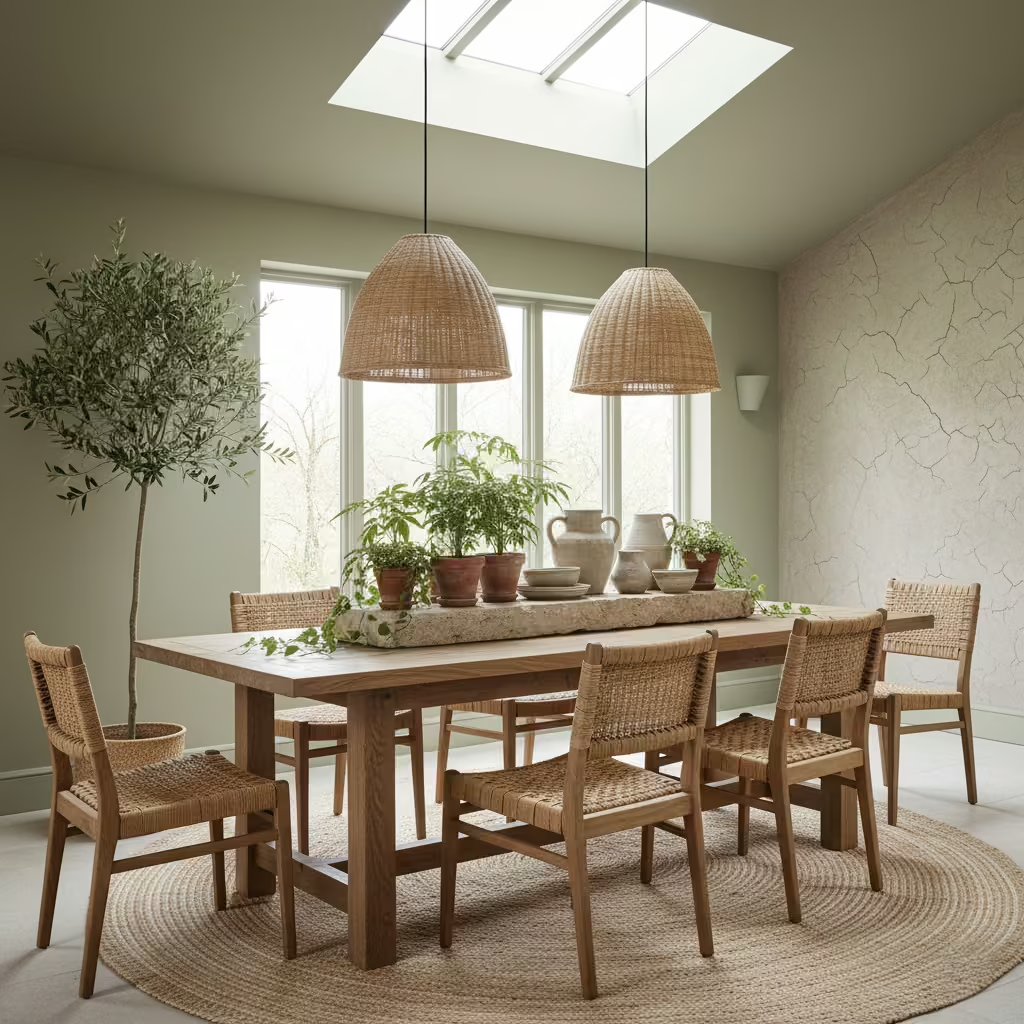
A nature-inspired dining room creates a calming retreat that blurs the boundary between indoors and outdoors. It’s a design approach rooted in natural textures, organic shapes, and earthy tones that ground the space while evoking a sense of balance and wellness. Whether you live in an urban apartment or a countryside home, bringing the outdoors in adds warmth and authenticity to every meal.
Design Concept:
The focus here is on biophilic design connecting people with nature through materials, light, and flow. Incorporating greenery, natural stone, and sustainable wood gives the space depth and serenity. The result is a dining environment that feels fresh, relaxed, and rejuvenating.
Key Elements:
- Color Palette: Shades of sage, olive, sand, and warm neutrals with touches of terracotta or forest green.
- Furniture: Bamboo, rattan, or oak dining sets paired with linen or cotton upholstery.
- Lighting: Maximize natural light through large windows or skylights; add woven pendant lamps for evening warmth.
- Materials & Accents: Use stone tabletops, clay pottery, jute rugs, and textured wall finishes that mimic organic surfaces.
- Décor: Potted plants, trailing vines, or even a small indoor tree can become the room’s focal point.
Pro Tip from Experience:
When I design nature-inspired spaces, I always focus on texture layering. A stone wall beside soft linen curtains or a rustic wood table under woven lighting creates a tactile balance that feels both grounded and luxurious. And always choose plants suited to the room’s light conditions healthy greenery is key to keeping the look authentic.
You May also Like: 25 Moody Dark Green Mudroom Ideas for a Stylish, Cozy Entryway
Textured Wall Treatments
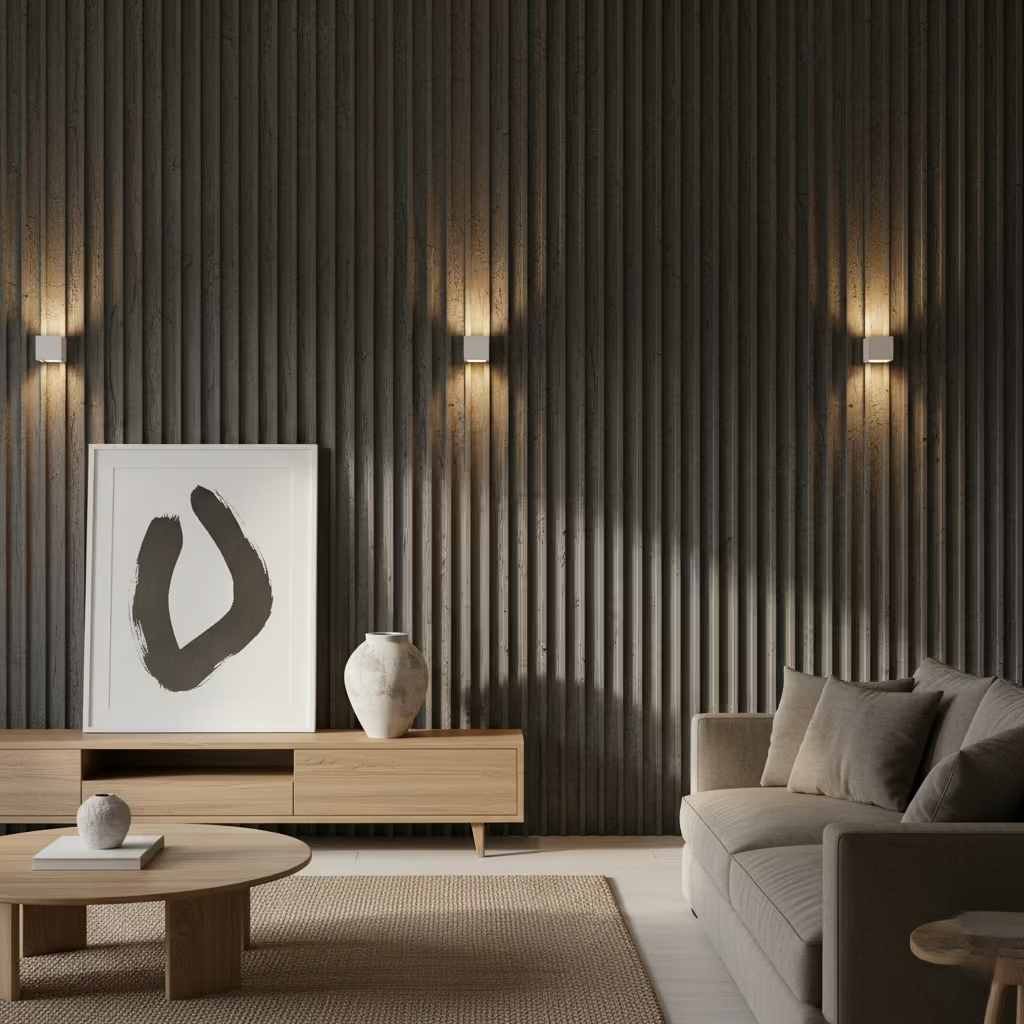
Walls set the tone for any dining space, and texture brings them to life. A simple flat wall can be transformed into a statement feature through limewash, wood cladding, or microcement finishes. These materials add visual depth, warmth, and a sense of craftsmanship that elevates even the most minimal dining room.
Design Concept:
The goal is to create dimension without overwhelming the space. Textured finishes draw the eye and subtly shift how light plays across surfaces. Limewash adds softness and an aged patina, microcement delivers a sleek, modern feel, and wood cladding brings natural warmth.
Key Elements:
- Materials: Limewash paint, reclaimed wood panels, fluted MDF, exposed brick, or plaster finishes.
- Color Palette: Muted earth tones, taupes, off-whites, or charcoal for a sophisticated yet grounded effect.
- Lighting: Wall sconces or spotlights that highlight texture and shadow play.
- Décor Pairing: Keep artwork minimal to let the wall itself serve as a focal point.
Pro Tip from Experience:
I often use textured finishes to solve for flat or uninspiring spaces. For example, a limewashed wall behind a simple oak dining table creates instant character. Always test small samples first, since lighting dramatically changes how texture reads throughout the day.
Bold Accent Walls and Artwork
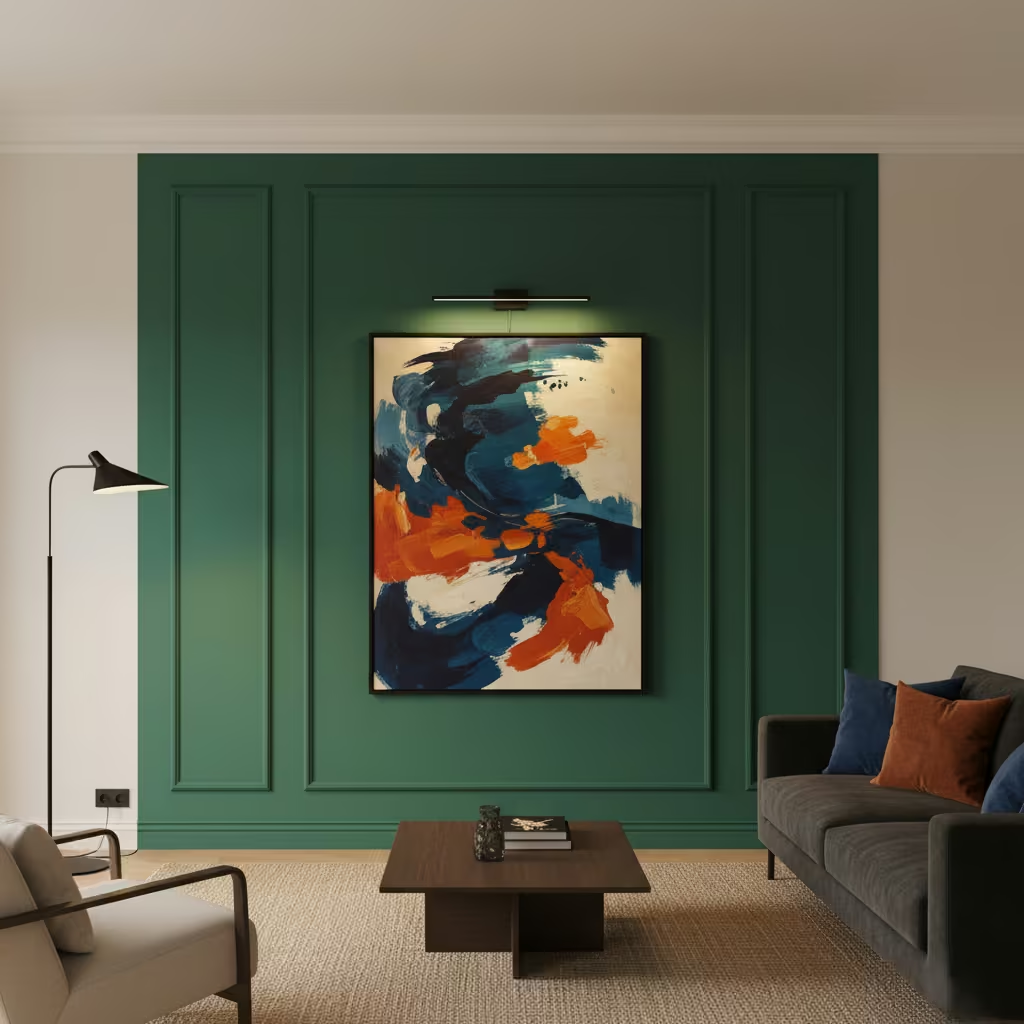
A bold accent wall or oversized artwork can redefine a dining room’s personality in a single stroke. This idea focuses on creating a strong visual anchor that expresses individuality whether through vibrant color, mural art, or statement-scale canvases.
Design Concept:
A single wall becomes a storytelling surface. It might feature a deep jewel tone, a textured wallpaper, or a modern abstract painting that commands attention. The key is harmony—complementing your furniture and finishes without overwhelming them.
Key Elements:
- Color Choices: Emerald green, navy blue, burnt orange, or rich burgundy for dramatic impact.
- Artwork: One large piece instead of many small ones for a more curated, gallery-like effect.
- Textures: Use patterned wallpaper, panel molding, or matte paint to create subtle depth.
- Lighting: Accent lighting or picture lamps to spotlight the artwork and create dimension.
Pro Tip from Experience:
When I incorporate bold walls, I always balance intensity with restraint. If the wall color is striking, I keep tableware and fabrics neutral. For clients nervous about color, I suggest a large piece of art first it’s easier to swap than repainting an entire wall.
Compact Dining Solutions for Small Homes
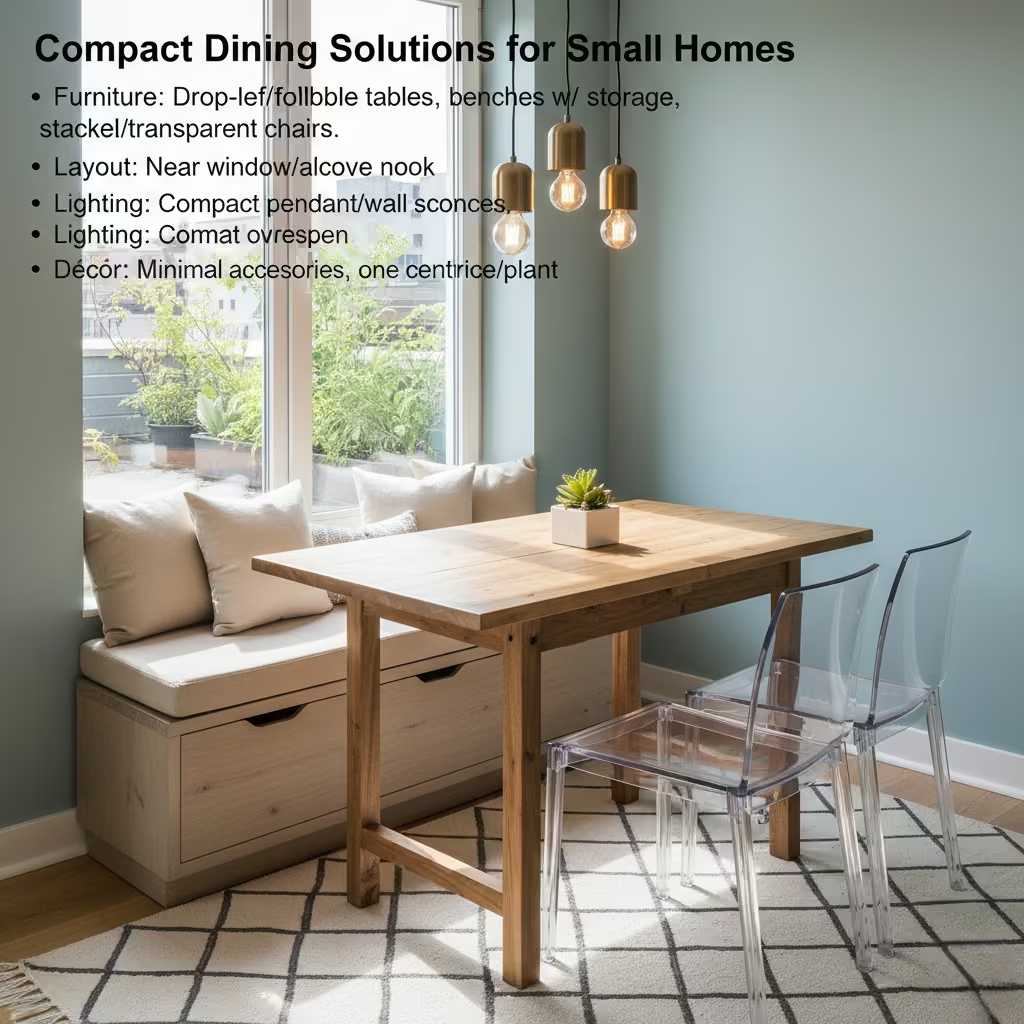
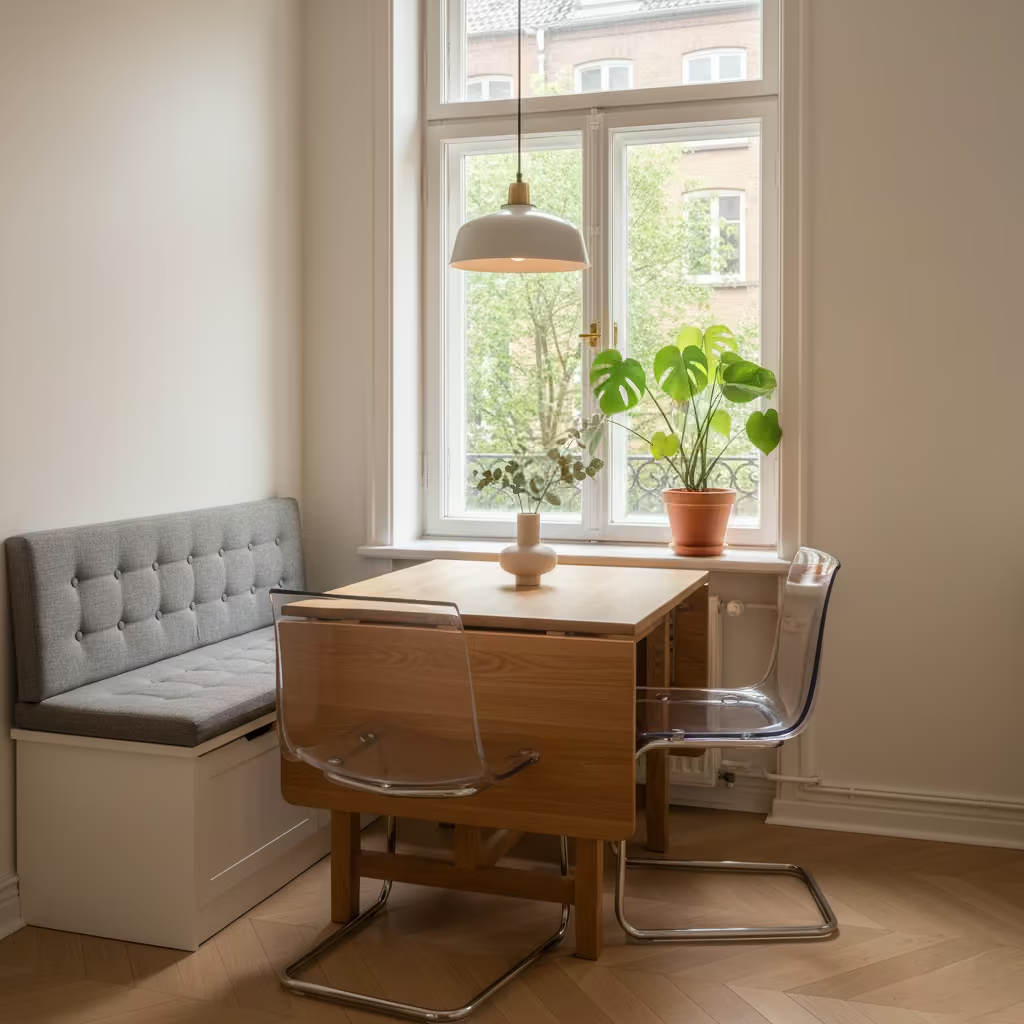
Small-space dining can still be stylish and functional. With the right layout and furniture, even the coziest corner can transform into a welcoming spot for meals and conversation. The goal is to maximize comfort and storage without clutter.
Design Concept:
This approach emphasizes flexibility and smart design. Built-in banquettes, round tables, or extendable surfaces help maintain flow in tighter spaces. Light colors, mirrors, and slim-profile furniture visually expand the room while keeping it practical.
Key Elements:
- Furniture: Drop-leaf or foldable tables, benches with built-in storage, and stackable or transparent chairs.
- Layout: Position dining near a window or use an alcove to create a defined nook.
- Lighting: Compact pendant lights or wall sconces to save ceiling space.
- Décor: Keep accessories minimal; one centerpiece or plant is enough to anchor the setting.
Pro Tip from Experience:
I’ve found that built-in seating is the ultimate space-saver. It allows storage underneath and frames the table beautifully. Rounded edges on tables or chairs also help movement in tight quarters feel fluid and comfortable.