
25 Stunning Dark Rustic Kitchen Concepts for Any Home
There’s something undeniably captivating about a dark rustic kitchen. It exudes warmth, character, and sophistication, creating a space that feels both timeless and inviting. Unlike bright, minimalist kitchens, a dark rustic design embraces rich textures, deep tones, and natural materials, giving the heart of your home a bold yet cozy personality.
Imagine a kitchen where dark wood cabinetry meets stone countertops, vintage metal accents catch the light, and reclaimed beams add architectural charm. Every corner tells a story, blending the rugged beauty of rustic style with the elegance of modern design.
At its core, the dark rustic style is all about balance. It combines dark woods and earthy tones with tactile surfaces like stone, metal, and worn leather. Industrial or vintage touches think aged copper fixtures, pendant lighting, or antique hardware enhance the rustic appeal while maintaining functionality. Textured walls, open shelving, and carefully layered lighting bring depth and dimension, preventing the space from feeling heavy or enclosed.
In this guide, I’ll share 25 practical dark rustic kitchen ideas that go beyond aesthetics. Each idea includes design tips, precise measurements, and the pros and cons to help you make informed choices for your renovation or redesign. Whether you’re planning a complete overhaul or adding subtle rustic touches, these ideas will inspire you to create a kitchen that’s not only visually stunning but also perfectly tailored to your lifestyle.
Key Considerations for Dark Rustic Kitchens
Creating a dark rustic kitchen requires careful planning to ensure the space feels inviting rather than heavy. Lighting is essential layering natural light with well-placed artificial sources keeps dark tones from overwhelming the room. Consider large windows, skylights, and reflective surfaces, complemented by pendant lights, under-cabinet LEDs, or warm recessed lighting to create depth and warmth.
Materials define the rustic aesthetic. Rich woods, natural stone, metals like iron or copper, and reclaimed elements add texture and authenticity. Combining these materials thoughtfully ensures your kitchen feels cohesive and luxurious, without becoming cluttered or dated.
Layout and functionality are equally important. Open shelving can display rustic décor while keeping items accessible, but it requires careful styling. Islands provide extra workspace and storage, but allow at least 100–120 cm (39–47 in) of aisle space for comfortable movement. Standard countertop height is 91 cm (36 in), and islands typically range from 90–120 cm (35–47 in) wide, balancing practicality with visual appeal.
By considering lighting, materials, and layout from the outset, you can create a dark rustic kitchen that is as functional as it is visually striking, setting the stage for the 25 ideas that follow.
25 Dark Rustic Kitchen Ideas
Now that we’ve covered the essentials of creating a dark rustic kitchen, it’s time to explore 25 inspiring ideas that bring this style to life. From rich wood cabinetry and textured stone countertops to vintage lighting and reclaimed accents, each idea includes practical tips, measurements, and the pros and cons to help you make choices that suit both your space and lifestyle.
Whether you’re planning a full renovation or subtle updates, these ideas will guide you in crafting a kitchen that is cozy, functional, and full of rustic charm.
Exposed Wooden Beams
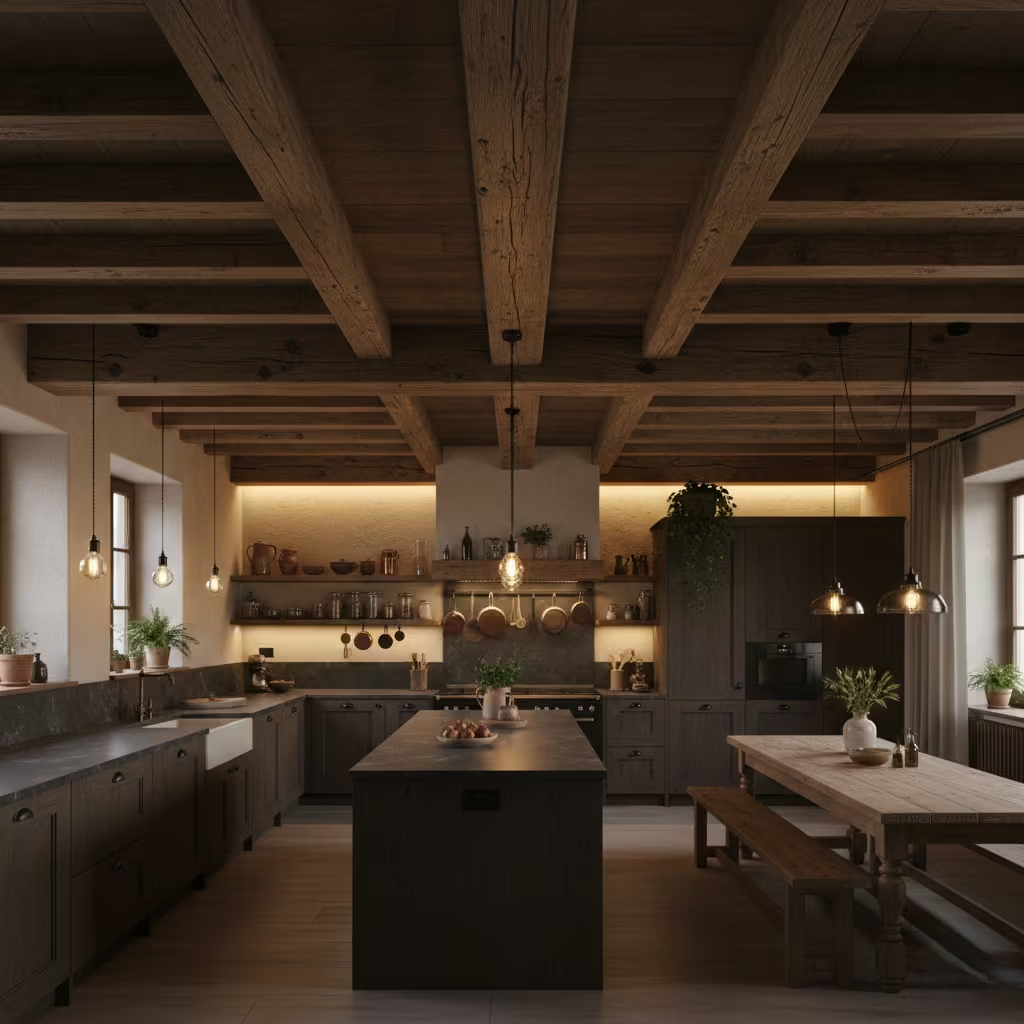
Exposed wooden beams are one of the most striking features in a dark rustic kitchen, instantly adding architectural interest and a sense of warmth. They work particularly well in kitchens with high ceilings, creating a natural focal point that draws the eye upward and enhances the cozy, rustic atmosphere. You can choose reclaimed wood for an authentic aged look or select new timber with a distressed finish for a polished yet rustic effect.
Practical Tips & Measurements:
- Beam depth: Typically, 15–25 cm (6–10 in) for standard kitchens; adjust proportionally for ceiling height.
- Spacing: Standard spacing ranges from 90–120 cm (35–47 in) center-to-center, depending on room width.
- Installation: Ensure beams are properly secured to ceiling joists or use faux beams for a lighter, decorative alternative.
- Finish: Seal with matte varnish or oil to protect from moisture and maintain texture.
Pros
- Adds instant character and visual warmth.
- Complements dark wood cabinetry and stone surfaces.
- Can define zones in open-plan kitchens.
Cons
- Requires regular dusting and maintenance, especially in kitchens with cooking fumes.
- May limit ceiling height perception in lower-ceiling spaces.
- Professional installation is recommended for structural beams, adding cost.
Dark Wood Cabinetry
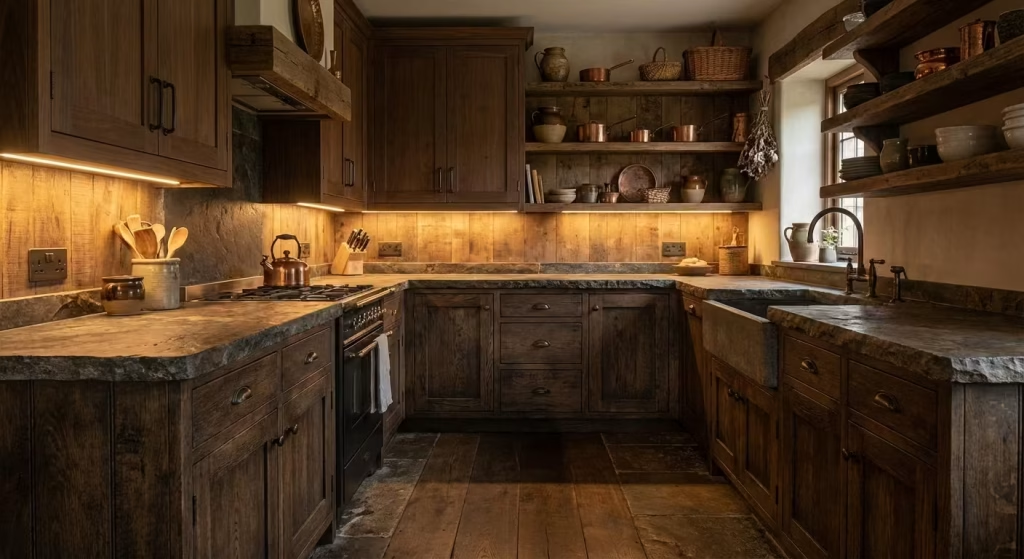
Dark wood cabinetry is a cornerstone of the dark rustic kitchen, providing depth, richness, and a timeless aesthetic. Choosing matte or distressed finishes enhances the rustic appeal while reducing glare, making the kitchen feel warm and inviting. Woods like walnut, oak, or reclaimed timber work beautifully, and pairing them with contrasting hardware—like aged bronze or matte black—adds subtle sophistication.
Practical Tips & Measurements:
- Cabinet depth: Standard base cabinets are 60 cm (24 in) deep, with wall cabinets typically 30–35 cm (12–14 in) deep.
- Height: Base cabinets usually sit at 91 cm (36 in) including countertop; wall cabinets range 70–90 cm (27–35 in) above the counter.
- Layout: Combine closed cabinetry for storage with occasional open shelving to avoid a heavy look.
- Maintenance: Matte or distressed finishes are more forgiving with fingerprints and scratches compared to glossy surfaces.
Pros
- Creates a luxurious, timeless feel.
- Adds depth and contrast to the kitchen design.
- Durable and long-lasting when properly treated.
Cons
- Can make small kitchens feel darker or more enclosed.
- Requires careful lighting planning to avoid a gloomy effect.
- Distressed finishes may require touch-ups over time.
Stone Countertops
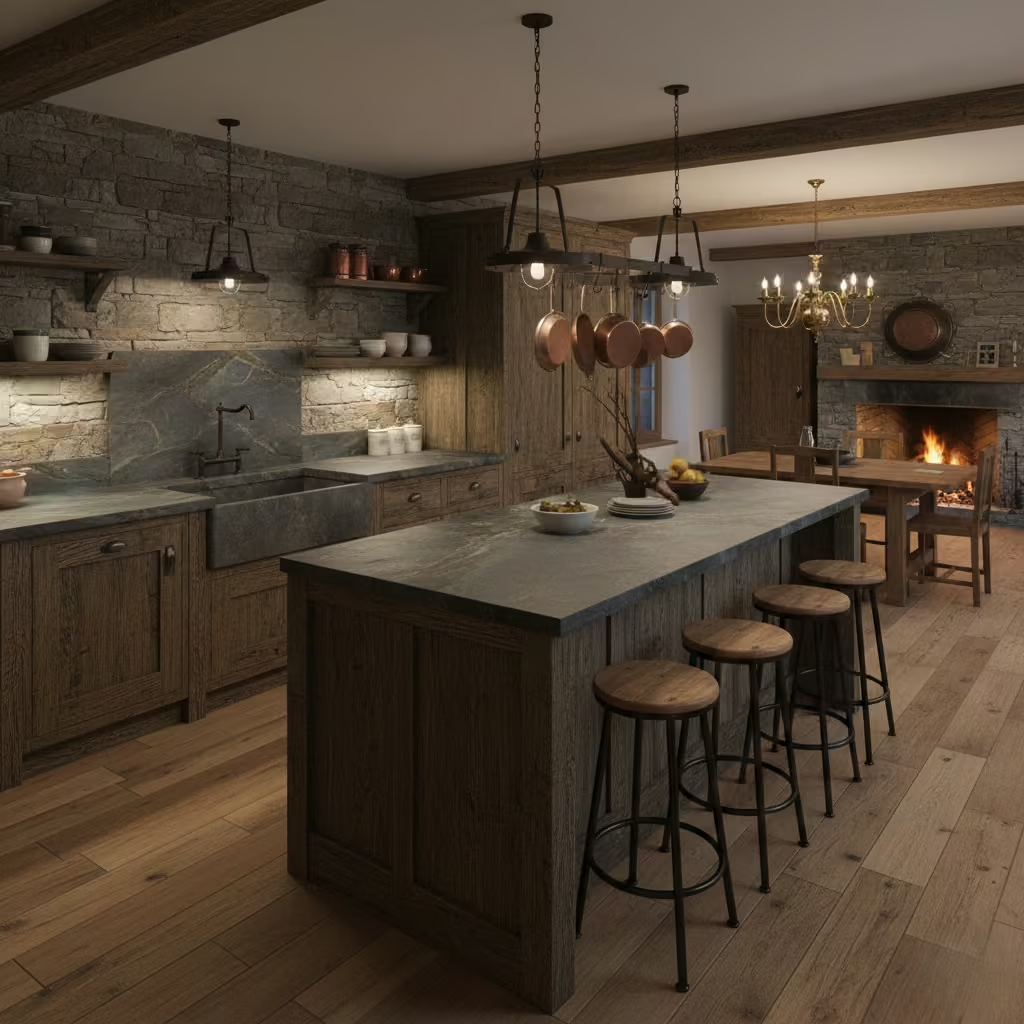
Stone countertops are a defining feature in dark rustic kitchens, adding both durability and natural beauty. Materials like slate, granite, or soapstone provide rich textures and earthy tones that complement dark wood cabinetry and rustic accents. The natural veining and subtle color variations in stone surfaces make each countertop unique, enhancing the organic, timeless appeal of the kitchen.
Practical Tips & Measurements:
- Thickness: Standard stone countertops are typically 3 cm (1.2 in) thick.
- Depth: Base countertops are usually 60 cm (24 in) deep; islands can range from 90–120 cm (35–47 in) wide for additional workspace.
- Installation: Professional installation is recommended due to the weight and precision cutting required.
- Maintenance: Seal porous stones like granite or slate to prevent staining; soapstone develops a patina over time, enhancing its rustic charm.
Pros
- Extremely durable and heat-resistant.
- Adds a rich, rustic texture and visual interest.
- Unique, one-of-a-kind surface patterns.
Cons
- Heavy, requiring strong cabinetry support.
- More expensive than laminate or engineered surfaces.
- Some stones require periodic sealing or maintenance.
Open Shelving with Reclaimed Wood
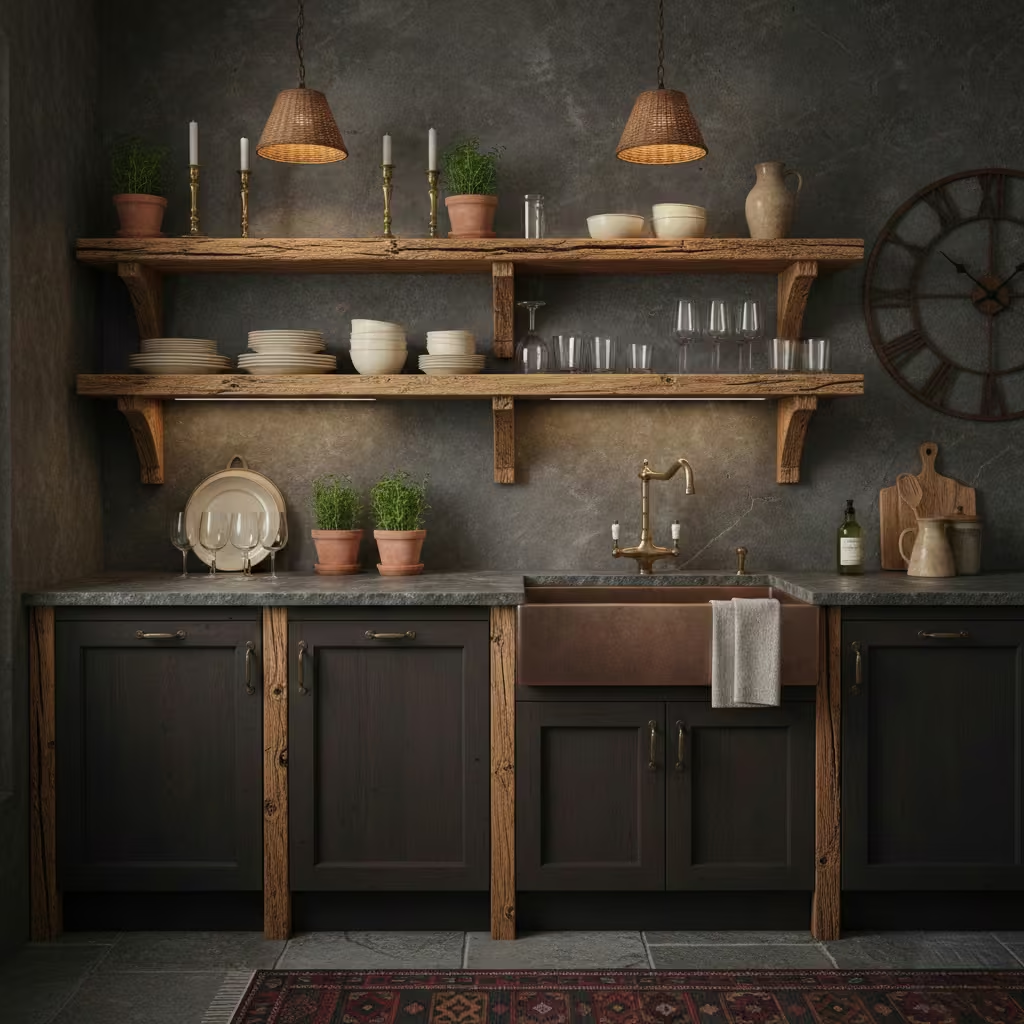
Open shelving crafted from reclaimed wood brings authentic rustic charm to a dark kitchen while offering functional storage and display space. These shelves showcase dishware, glassware, and decorative items, adding personality and texture to the kitchen. Using reclaimed wood not only supports sustainable design but also introduces natural variations, knots, and weathered textures that enhance the overall rustic aesthetic.
Practical Tips & Measurements:
- Shelf width: 30–40 cm (12–16 in) is ideal for stability and storage.
- Height spacing: 30 cm (12 in) between shelves works well for stacked plates or decorative items.
- Installation: Secure shelves with strong brackets or concealed wall mounts to support weight.
- Styling: Mix functional items with decorative accents to maintain balance without clutter.
Pros
- Adds warmth, texture, and visual interest.
- Provides flexible storage and display options.
- Eco-friendly when using reclaimed wood.
Cons
- Requires careful styling to avoid a messy appearance.
- Dusts easily, needing regular cleaning.
- Limited weight capacity compared to closed cabinetry.
Industrial Pendant Lighting
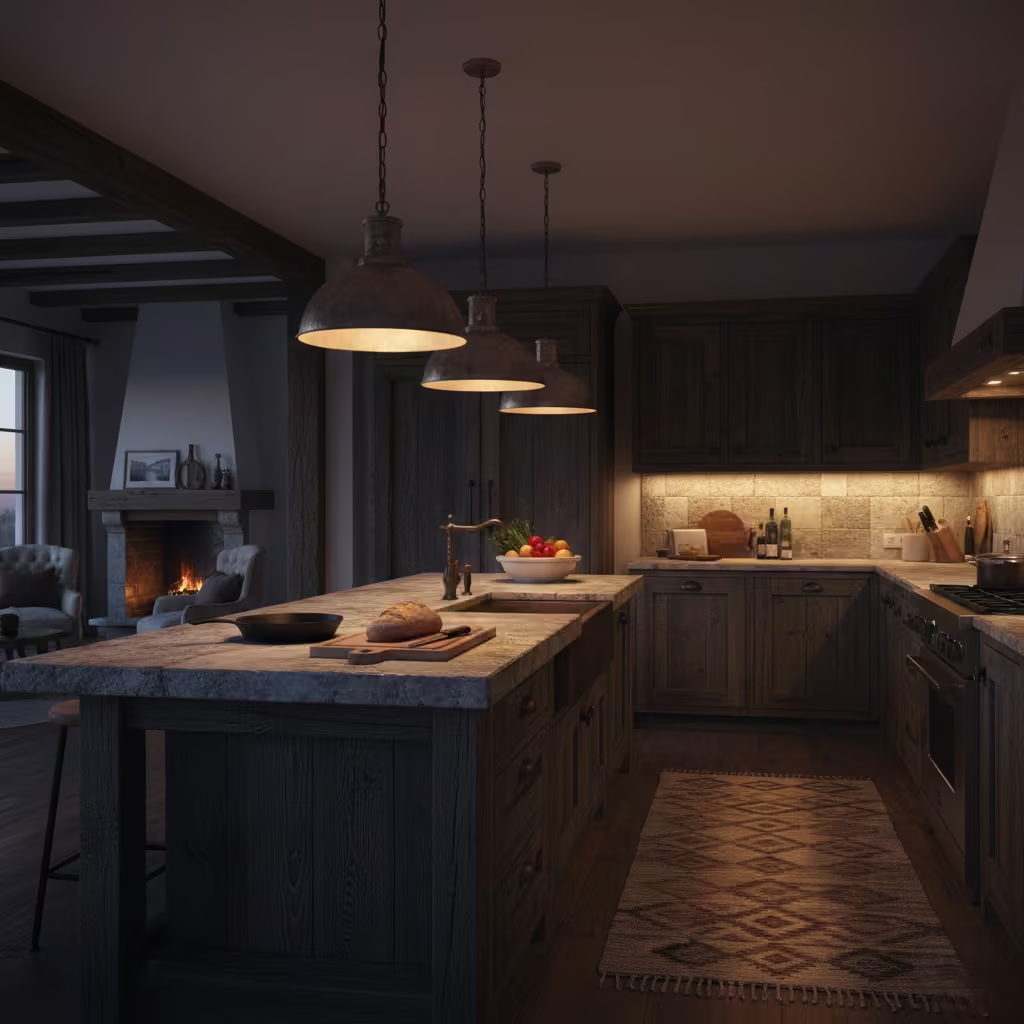
Industrial pendant lighting is a perfect way to introduce character and functionality into a dark rustic kitchen. These fixtures, often crafted from metal or aged finishes, create a striking visual focal point while providing essential task lighting over islands, counters, or dining areas. Their rugged, vintage-inspired design complements dark woods, stone surfaces, and rustic accents, enhancing the kitchen’s overall aesthetic.
Practical Tips & Measurements:
- Height above islands: 70–90 cm (27–35 in) from countertop to bottom of the fixture ensures proper illumination without obstructing sightlines.
- Size & scale: Choose pendants proportional to your island—typically 25–35 cm (10–14 in) in diameter per light, spacing multiple pendants 60–80 cm (24–31 in) apart.
- Style: Matte black, bronze, or aged copper finishes pair beautifully with dark rustic kitchens.
- Installation: Ensure secure mounting and professional wiring for safety.
Pros
- Acts as a statement piece, elevating the kitchen’s style.
- Provides focused task lighting for work areas.
- Complements rustic and industrial elements seamlessly.
Cons
- Can overpower smaller kitchens if fixtures are too large or heavy.
- Requires careful placement to avoid glare or shadows.
- Metal finishes may show fingerprints and require regular cleaning.
Butcher Block Island
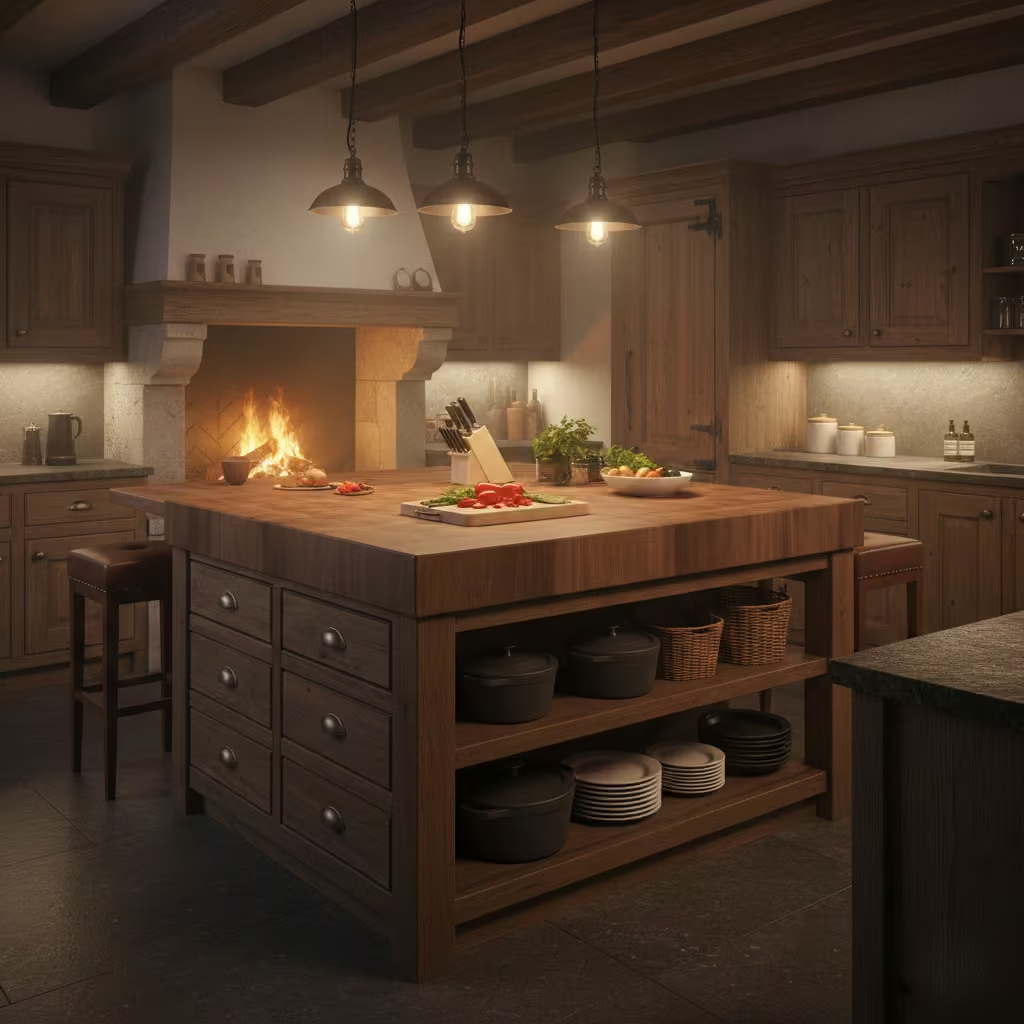
A butcher block island is a functional and visually appealing centerpiece for a dark rustic kitchen. Crafted from solid wood, it introduces warmth and texture, balancing darker cabinetry and stone surfaces. Beyond its aesthetic appeal, a butcher block provides a durable workspace for chopping, prepping, and even casual dining, making it both practical and stylish.
Practical Tips & Measurements:
- Standard size: 90 x 180 cm (35 x 71 in) works well for most kitchens, offering ample workspace without overwhelming the room.
- Height: Typically, 91 cm (36 in), matching standard countertop height for ergonomic use.
- Material: Opt for hardwoods like maple, oak, or walnut; seal with food-safe oil to protect against moisture and staining.
- Functionality: Include storage drawers or open shelving beneath for added utility.
Pros
- Adds warmth and rustic charm to the kitchen.
- Provides a large, functional workspace for cooking and prep.
- Can serve as a casual dining or social area.
Cons
- Requires regular maintenance and sealing to prevent water damage or scratches.
- Susceptible to staining from acidic foods or prolonged moisture.
- Heavy construction may require reinforced flooring support.
You May also Like: 25 Small Kitchen Ideas That Maximize Space and Make Cooking Way More Enjoyable
Matte Black Fixtures
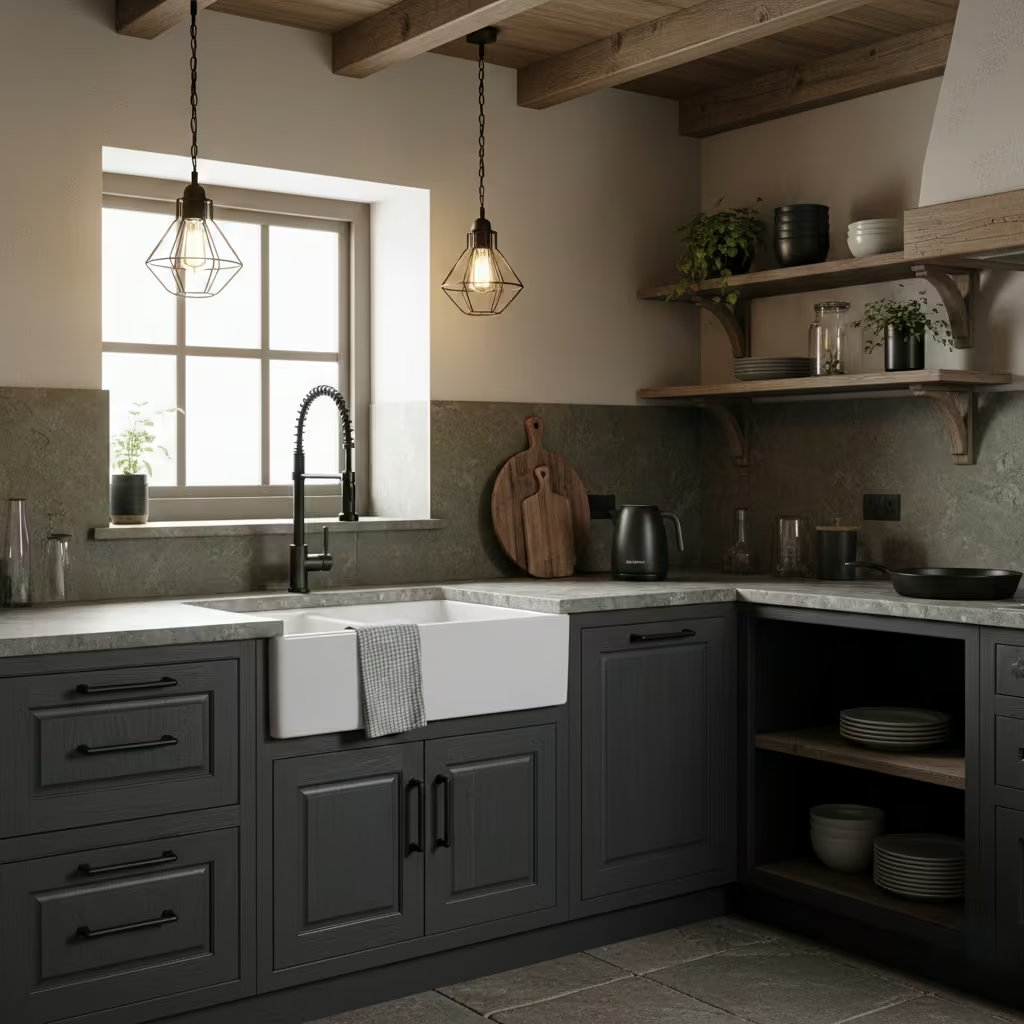
Matte black fixtures are a striking choice for dark rustic kitchens, providing a modern edge while complementing the warmth of wood and stone. From faucets and cabinet handles to drawer pulls and lighting accents, these fixtures unify the kitchen design, creating a cohesive, polished look without overpowering the rustic aesthetic.
Practical Tips & Measurements:
- Faucet height: Standard kitchen faucets range from 25–30 cm (10–12 in) above the sink rim for ergonomic use.
- Handle size: Cabinet and drawer handles typically measure 10–15 cm (4–6 in) for easy grip and visual balance.
- Coordination: Pair matte black fixtures with dark wood cabinetry or stone countertops to enhance contrast and depth.
- Maintenance: Wipe down regularly to remove fingerprints and water spots while preserving the matte finish.
Pros
- Creates a cohesive, stylish look throughout the kitchen.
- Works well with both rustic and industrial elements.
- Durable and less reflective than polished metal finishes.
Cons
- Fingerprints, water spots, and grease can be more visible than on other finishes.
- Scratches may be harder to repair or touch up.
- Overuse may make the space feel heavier if not balanced with lighter elements.
Exposed Brick Accent Wall
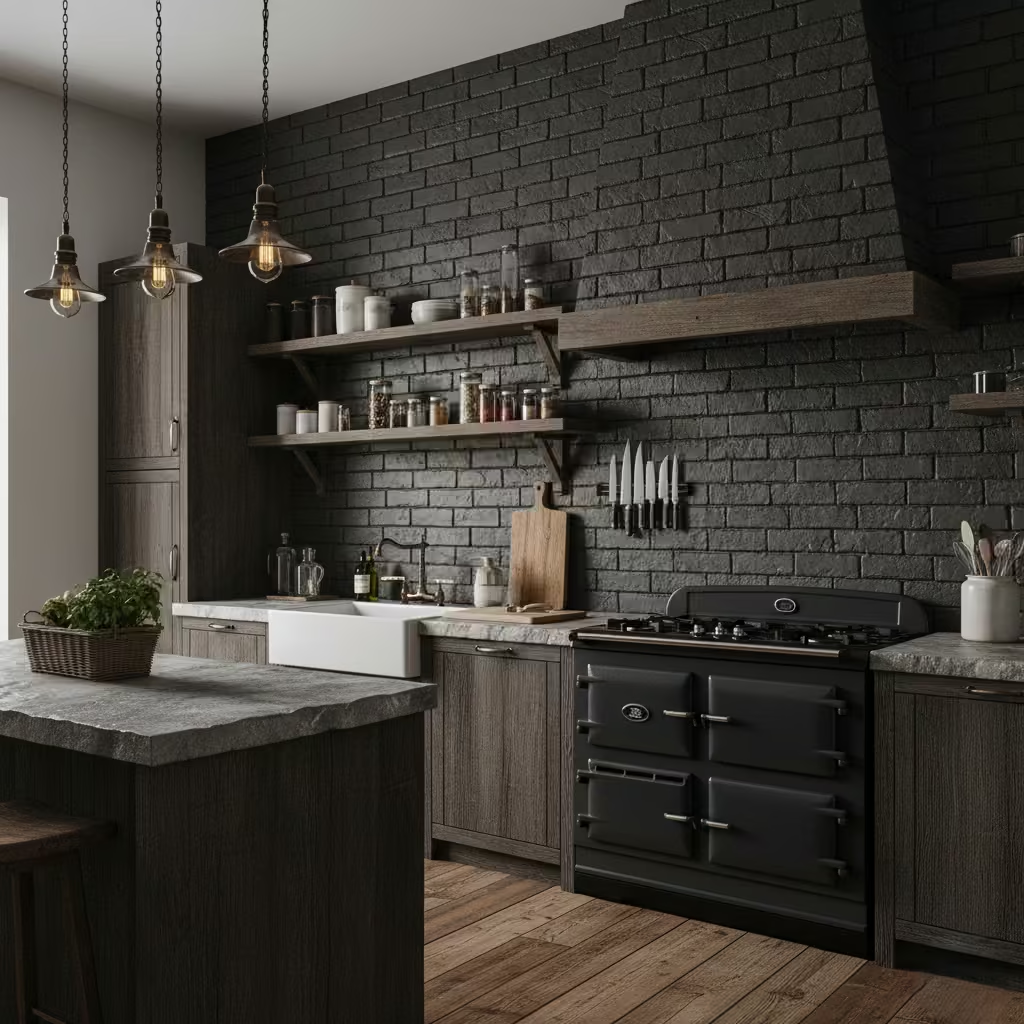
An exposed brick accent wall is a classic feature in dark rustic kitchens, instantly adding texture, depth, and character. Whether you choose traditional red brick for warmth or charcoal brick for a modern, moody twist, it creates a natural focal point that complements wood cabinetry, stone countertops, and metal accents. Brick walls can also enhance acoustics and add a sense of permanence to the space.
Practical Tips & Measurements:
- Wall coverage: Use a full feature wall for maximum impact, or a partial wall behind the stove or sink for a subtle accent.
- Brick depth: Standard brick veneer is 2.5–5 cm (1–2 in) thick; full bricks may be 10 cm (4 in) for structural walls.
- Installation: Professional installation ensures stability and proper sealing. Seal the surface to reduce dust and ease cleaning.
- Styling: Pair with warm lighting to highlight textures and avoid a heavy, dark look.
Pros
- Adds rustic charm and visual interest.
- Works well with both modern and traditional rustic designs.
- Durable and long-lasting surface.
Cons
- Accumulates dust and requires regular cleaning.
- Can darken a space if used excessively.
- Installation can be costly and labor-intensive.
Antique or Vintage Appliances
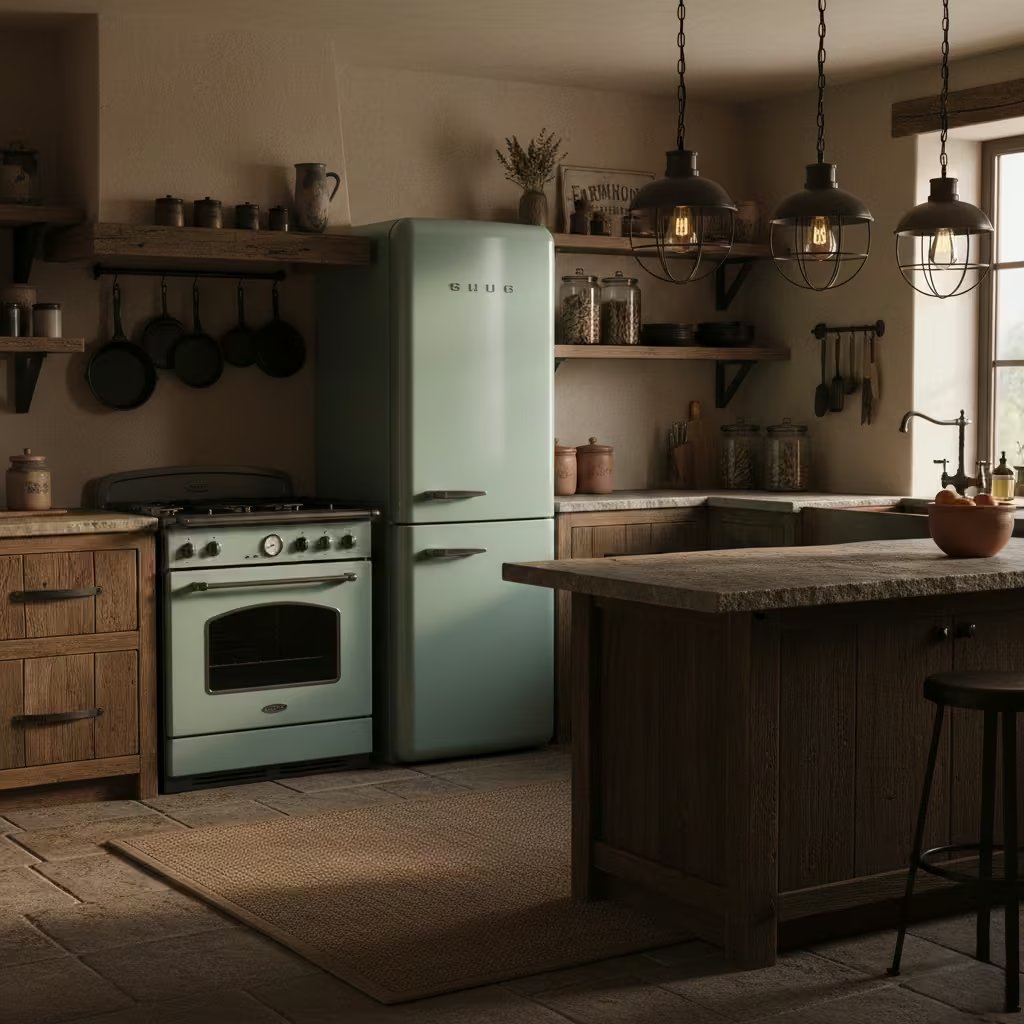
Incorporating antique or vintage appliances into a dark rustic kitchen adds character and a unique charm that modern appliances often lack. Retro ovens, fridges, and dishwashers not only serve a functional purpose but also become statement pieces, blending seamlessly with wood cabinetry, stone countertops, and rustic décor. These appliances can evoke a nostalgic feel while maintaining the kitchen’s practicality when chosen carefully.
Practical Tips & Measurements:
- Standard appliance dimensions: Most retro fridges are 70–90 cm (28–35 in) wide, 60–70 cm (24–28 in) deep, and 170–180 cm (67–71 in) tall. Check measurements before installation to ensure proper fit.
- Placement: Integrate appliances into cabinetry for a cohesive look, or highlight them as standalone pieces for visual impact.
- Maintenance: Consider refurbished models for reliability and longevity, and ensure proper servicing to maintain efficiency.
Pros
- Creates a unique, nostalgic aesthetic.
- Becomes a focal point and conversation piece.
- Complements rustic or industrial kitchen elements.
Cons
- Typically, higher cost than modern equivalents.
- May require more maintenance or repairs.
- Energy efficiency can be lower than modern appliances.
You May also Like: 25 White Kitchen Designs That Blend Style and Function
Dark Rustic Backsplash
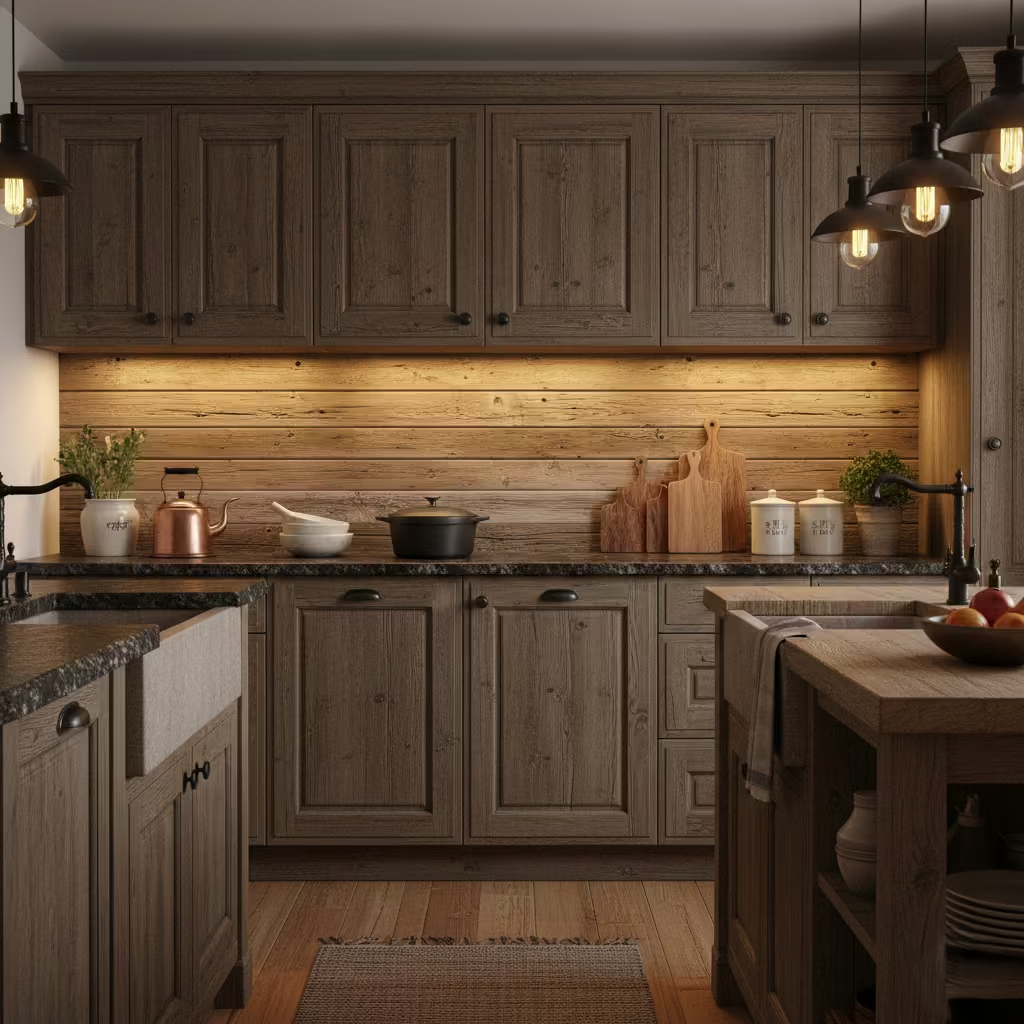
A dark rustic backsplash adds texture, depth, and functionality to a kitchen, protecting walls from cooking splashes while enhancing the overall aesthetic. Materials such as slate tiles or distressed wood perfectly complement dark cabinetry and stone countertops, reinforcing the rustic charm. A well-chosen backsplash can serve as a subtle backdrop or a bold statement, depending on the material and layout.
Practical Tips & Measurements:
- Tile size: Slate tiles typically range from 15–30 cm (6–12 in) square; wood panels can be 5–10 cm (2–4 in) wide.
- Height: Standard backsplash height is 45–60 cm (18–24 in) above the countertop; full-height backsplashes to the underside of wall cabinets can enhance drama.
- Installation: Ensure proper sealing of slate or wood to prevent staining and water damage.
- Styling: Pair with under-cabinet lighting to highlight textures and add warmth.
Pros
- Durable and long-lasting surface.
- Adds rustic style and visual interest.
- Coordinates seamlessly with cabinetry and countertops.
Cons
- Grout lines in tiles can be hard to clean and maintain.
- Wood backsplashes require sealing and periodic upkeep.
- Dark materials can make small kitchens feel heavier if overused.
Textured Flooring
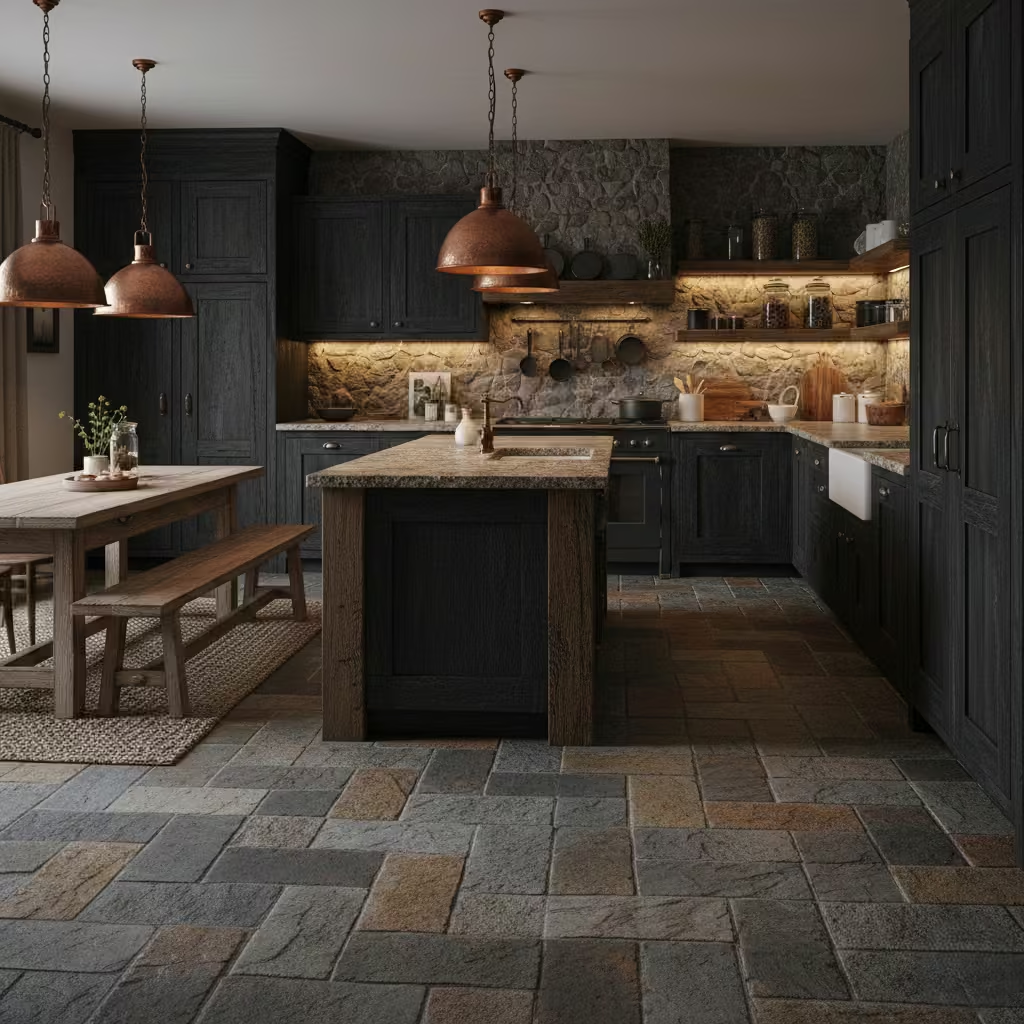
Textured flooring is an essential element in a dark rustic kitchen, grounding the space while adding visual depth and tactile interest. Options like wood-look tiles or natural stone create a rugged, authentic feel that complements dark cabinetry, stone countertops, and rustic accents. These materials are not only stylish but also durable and practical for high-traffic areas.
Practical Tips & Measurements:
- Plank width: Wood-look tiles or planks typically range from 15–20 cm (6–8 in) wide for a balanced, proportional look.
- Installation pattern: Consider staggered or herringbone layouts to enhance texture and movement.
- Material choice: Porcelain or ceramic wood-look tiles are low-maintenance and moisture-resistant; natural stone adds authenticity but may require sealing.
- Height considerations: Account for the flooring thickness when planning cabinetry and island heights.
Pros
- Adds depth, texture, and rustic character to the kitchen.
- Durable and suitable for heavy foot traffic.
- Complements both modern and traditional rustic designs.
Cons
- Dark flooring can make smaller kitchens feel even smaller or heavier.
- Stone may require regular sealing; wood-look tiles may feel cold underfoot.
- Installation costs can be higher than laminate or vinyl alternatives.
Iron or Metal Bar Stools
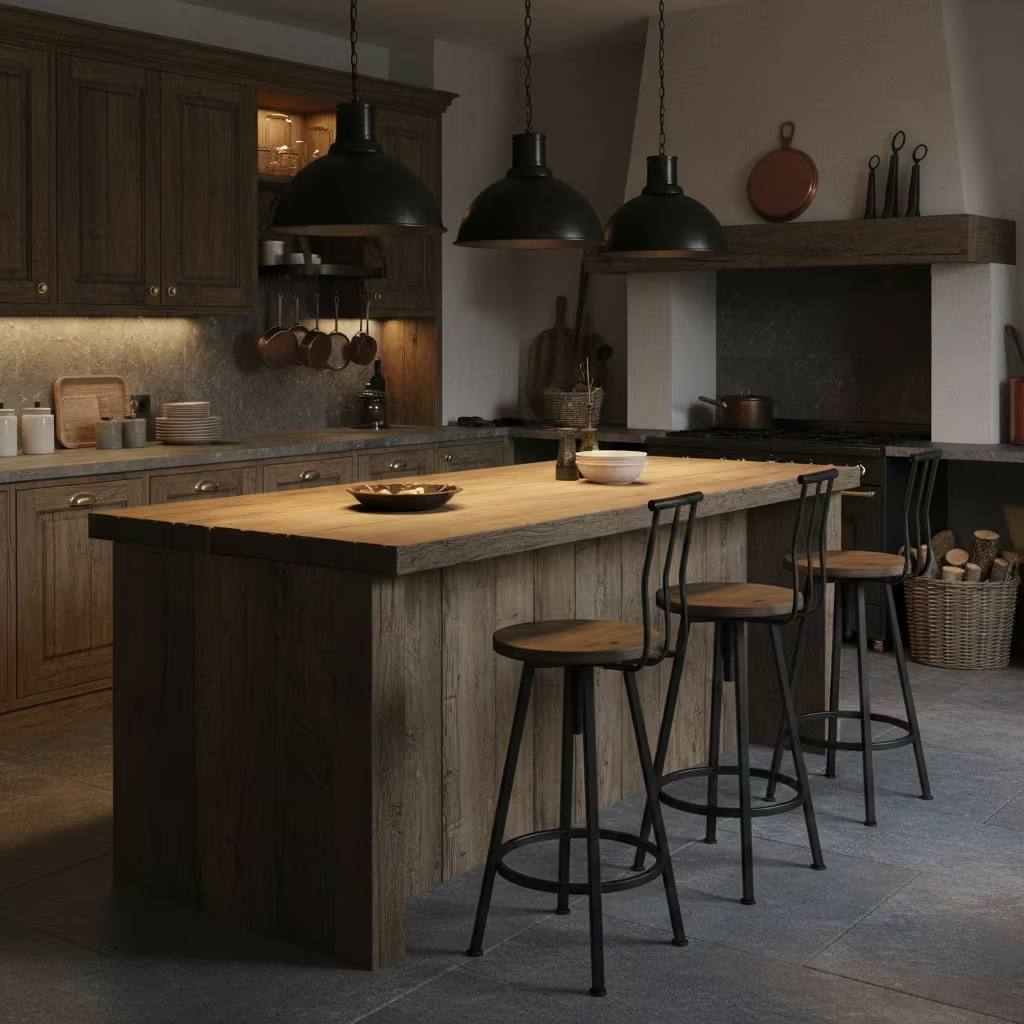
Iron or metal bar stools are a perfect addition to a dark rustic kitchen, adding industrial flair while complementing wooden cabinetry and stone surfaces. Their sturdy construction and clean lines contrast beautifully with rustic textures, creating a balanced and visually appealing seating area for islands or breakfast bars.
Practical Tips & Measurements:
- Height: Counter-height stools typically measure 75–85 cm (29–33 in) from floor to seat; adjust for island or bar height to ensure comfortable seating.
- Seat width: Standard seats range from 40–50 cm (16–20 in) wide for comfort.
- Material finishes: Matte black, aged bronze, or brushed metal finishes work best with rustic décor.
- Functionality: Consider swivel or backrest options for added comfort.
Pros
- Complements dark rustic kitchens with industrial and vintage vibes.
- Durable and long-lasting seating solution.
- Adds visual contrast and height variation to the kitchen.
Cons
- Hard surfaces can be less comfortable for extended seating.
- Metal can feel cold underfoot or in cooler climates.
- May scratch flooring if not equipped with protective pads.
Leather or Fabric Seating
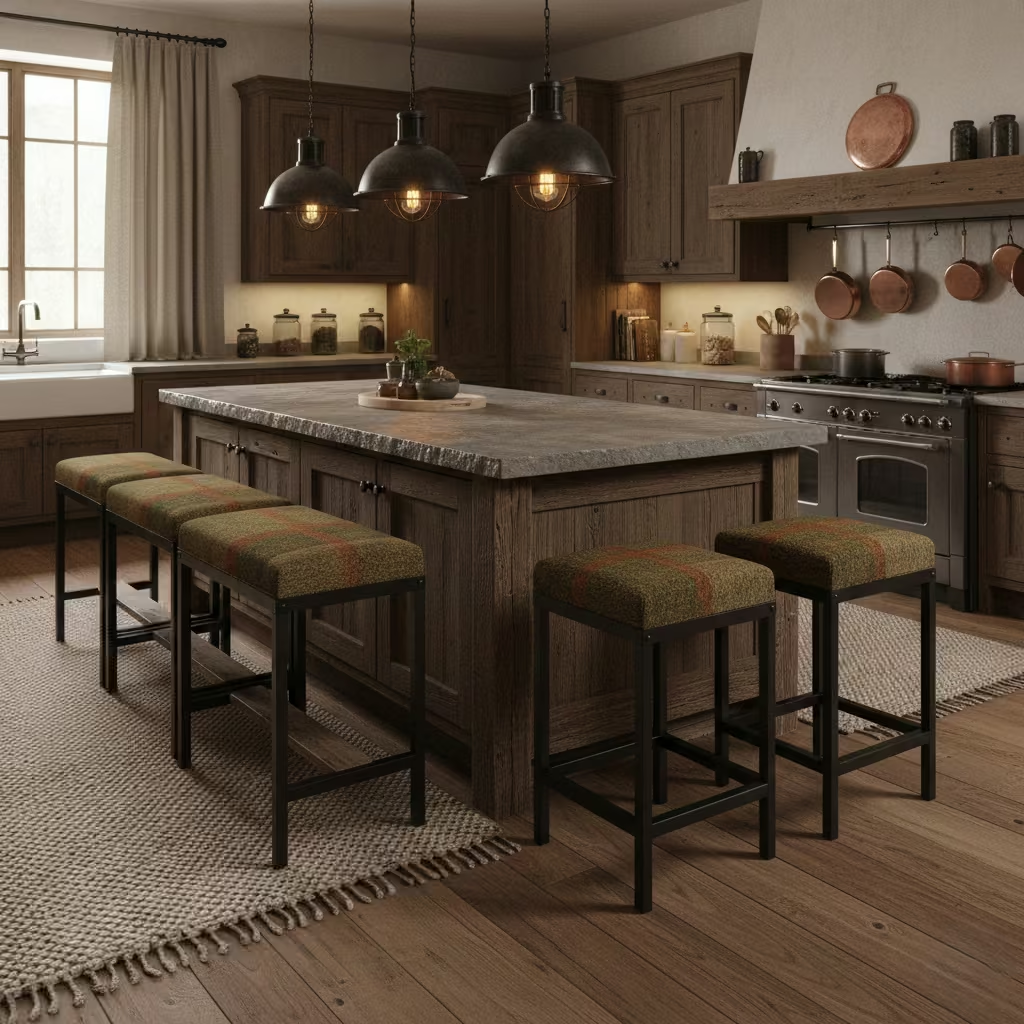
Leather or fabric seating brings warmth and comfort to a dark rustic kitchen, softening the harder textures of wood, stone, and metal. Incorporating cushioned chairs, benches, or stools around an island or dining area enhances usability while adding a layer of tactile richness that complements the rustic aesthetic.
Practical Tips & Measurements:
- Seat height: For counter seating, aim for 75–85 cm (29–33 in) from floor to seat; for table seating, 45–50 cm (18–20 in) is standard.
- Seat width: 40–50 cm (16–20 in) provides comfort without crowding the space.
- Material choice: Choose durable leather or stain-resistant fabric for easy maintenance; lighter tones can balance darker cabinetry.
- Style: Mix materials with wood or metal frames to harmonize with the kitchen’s rustic elements.
Pros
- Adds softness and comfort to seating areas.
- Enhances the cozy, inviting atmosphere of the kitchen.
- Offers style versatility with different colors, textures, and patterns.
Cons
- Requires regular cleaning and maintenance to prevent stains and wear.
- Fabric may fade over time, and leather can scratch or crack if not properly cared for.
- Cushioned seating may take up more space than hard stools.
Rustic Open Pantry
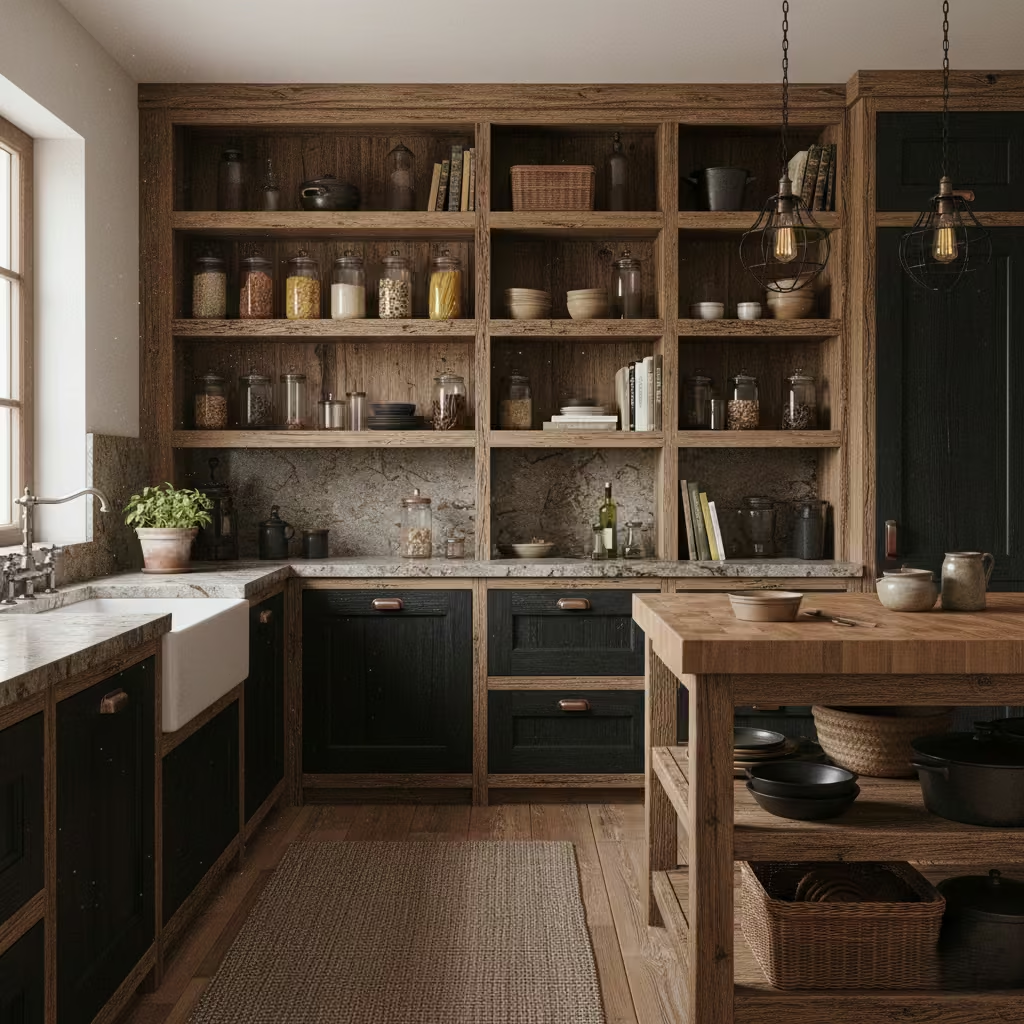
A rustic open pantry adds both functionality and charm to a dark rustic kitchen. Exposed shelving allows you to store frequently used items like jars, dishes, and dry goods while keeping them easily accessible. Using reclaimed wood or distressed finishes reinforces the rustic aesthetic and brings warmth and texture to the space.
Practical Tips & Measurements:
- Shelf width: 30–40 cm (12–16 in) is ideal for storing jars, plates, and small appliances.
- Shelf spacing: 30–35 cm (12–14 in) between shelves accommodates most kitchen essentials.
- Material choice: Reclaimed wood or treated timber ensures durability while maintaining rustic character.
- Styling: Mix functional items with decorative pieces for a visually appealing display without clutter.
Pros
- Provides accessible and functional storage.
- Enhances the rustic, lived-in charm of the kitchen.
- Eco-friendly option when using reclaimed wood.
Cons
- Exposed shelves collect dust and require regular cleaning.
- Overloading shelves can create a cluttered look.
- Limited weight capacity compared to closed cabinetry.
You May also Like: 21 Earthy Cottage Home Decor Ideas for a Cozy, Soul-Calming Retreat
Dark Matte Paint Walls
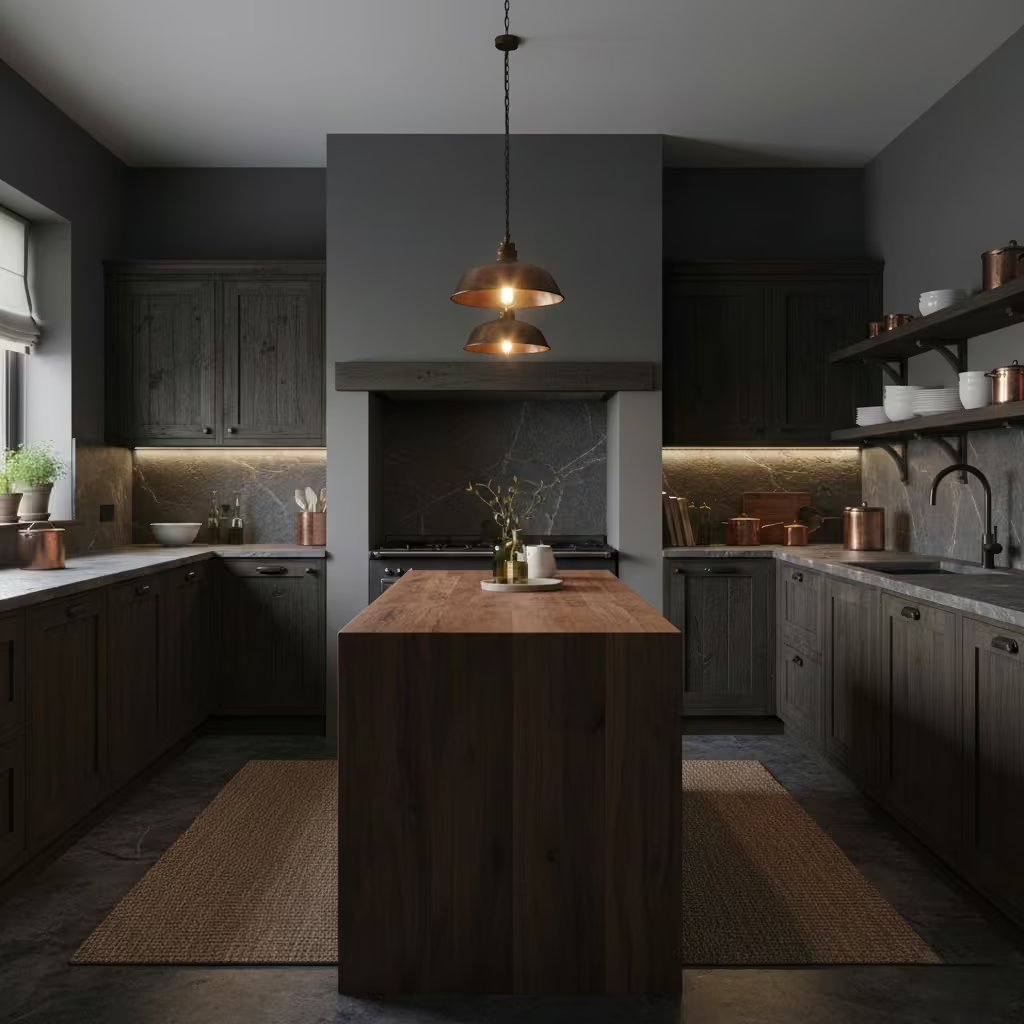
Dark matte paint walls are a bold choice for dark rustic kitchens, instantly creating a dramatic and sophisticated backdrop. Shades like charcoal, deep green, or navy enhance the richness of wood cabinetry, stone countertops, and metal accents, while adding depth and visual interest. Matte finishes reduce glare, helping maintain a cozy and inviting atmosphere.
Practical Tips & Measurements:
- Coverage: Use high-quality matte paint suitable for kitchens, ideally washable or scrubbable to handle cooking splashes.
- Height: Standard wall height is 240–270 cm (8–9 ft); consider using darker tones on accent walls to avoid overwhelming the space.
- Contrast: Pair dark walls with lighter countertops, backsplashes, or fixtures to balance the room visually.
- Finish: Ensure proper primer is applied for even color and durability.
Pros
- Creates a dramatic, sophisticated impact.
- Enhances the richness of rustic elements.
- Matte finish reduces glare and softens the overall look.
Cons
- Can make small kitchens feel smaller or more enclosed.
- Dark walls show dust, grease, and fingerprints more easily.
- Requires careful lighting planning to avoid a gloomy atmosphere.
Statement Range Hood
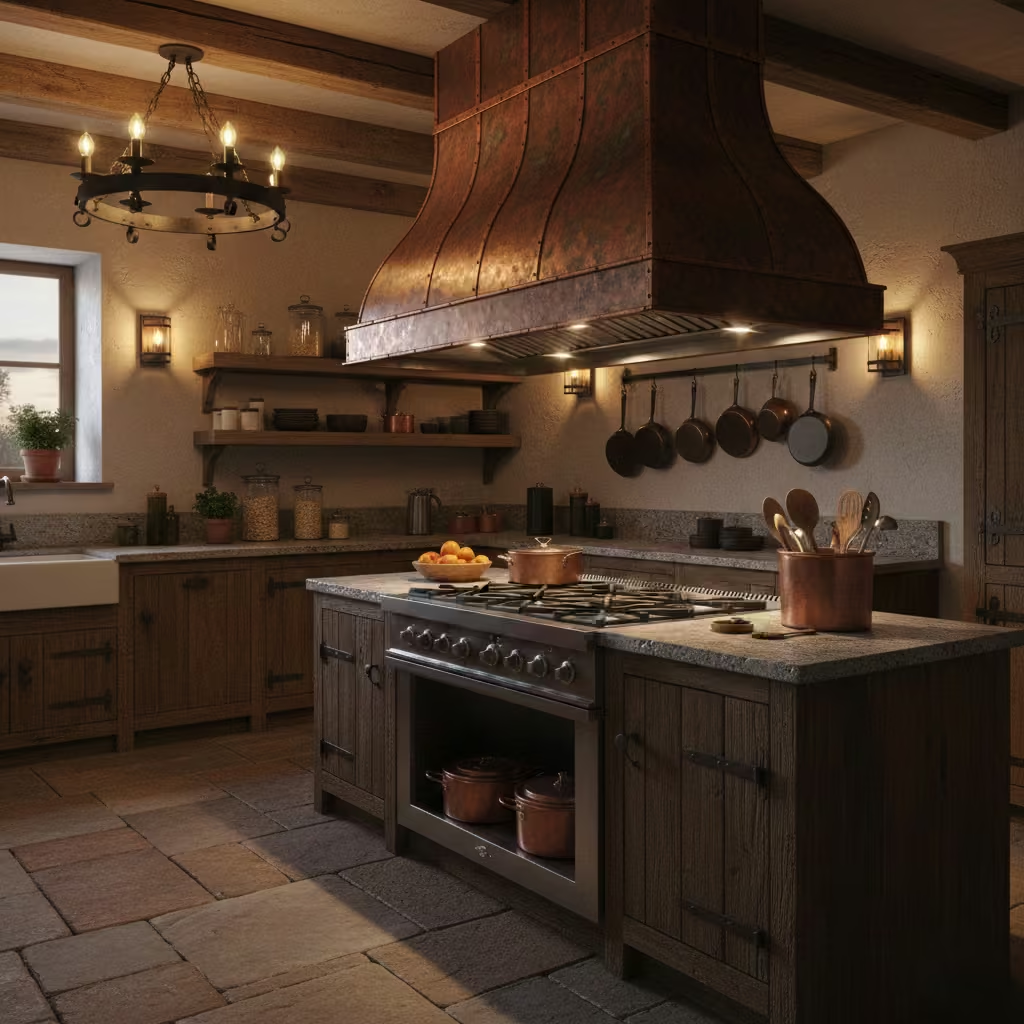
A statement range hood instantly becomes the focal point of a dark rustic kitchen, combining form and function while anchoring the cooking zone. I often specify a wood-clad or metal canopy that reads like furniture, but with a stainless steel internal liner and powerful extraction hidden inside for performance and fire safety.
Practical tips & measurements:
- Width: 90–120 cm (35–47 in) is a strong visual range for full-size ranges. Make the hood at least as wide as the cooktop and ideally 5–10 cm (2–4 in) wider on each side for proper capture.
- Mounting height: 65–75 cm (26–30 in) above the cooktop for wall-mounted hoods; island hoods are typically 75–90 cm (30–35 in) above the cooktop to maintain sightlines.
- Ducting: Use rigid ducting with the largest practical diameter, commonly 150 mm (6 in) or 200 mm (8 in) where possible. Keep runs straight and short; each bend reduces performance.
- Extraction capacity: Match the hood capacity to your cooking. For everyday home cooking 400–600 CFM (680–1020 m3/h) is usually adequate; for heavy searing or frequent high-heat cooking aim for 600+ CFM.
- Construction: For a rustic look choose an external cladding of reclaimed wood or aged metal, but ensure the internal core is stainless steel and uses baffle or mesh filters that are dishwasher safe. Include integrated lighting and easy-access controls.
Pros
- Powerful visual anchor and focal point.
- Improves ventilation and removes smoke, grease, and odors.
- Can be designed to complement wood and metal finishes in the kitchen.
Cons
- Large or ornate hoods can dominate a small room.
- Higher upfront cost for custom cladding and professional installation.
- Requires regular cleaning of filters and occasional duct servicing; poor duct design reduces performance.
You May also Like: The 25 Contemporary Kitchen Design Concepts to Inspire Modern Homes
Wooden Ceiling Panels
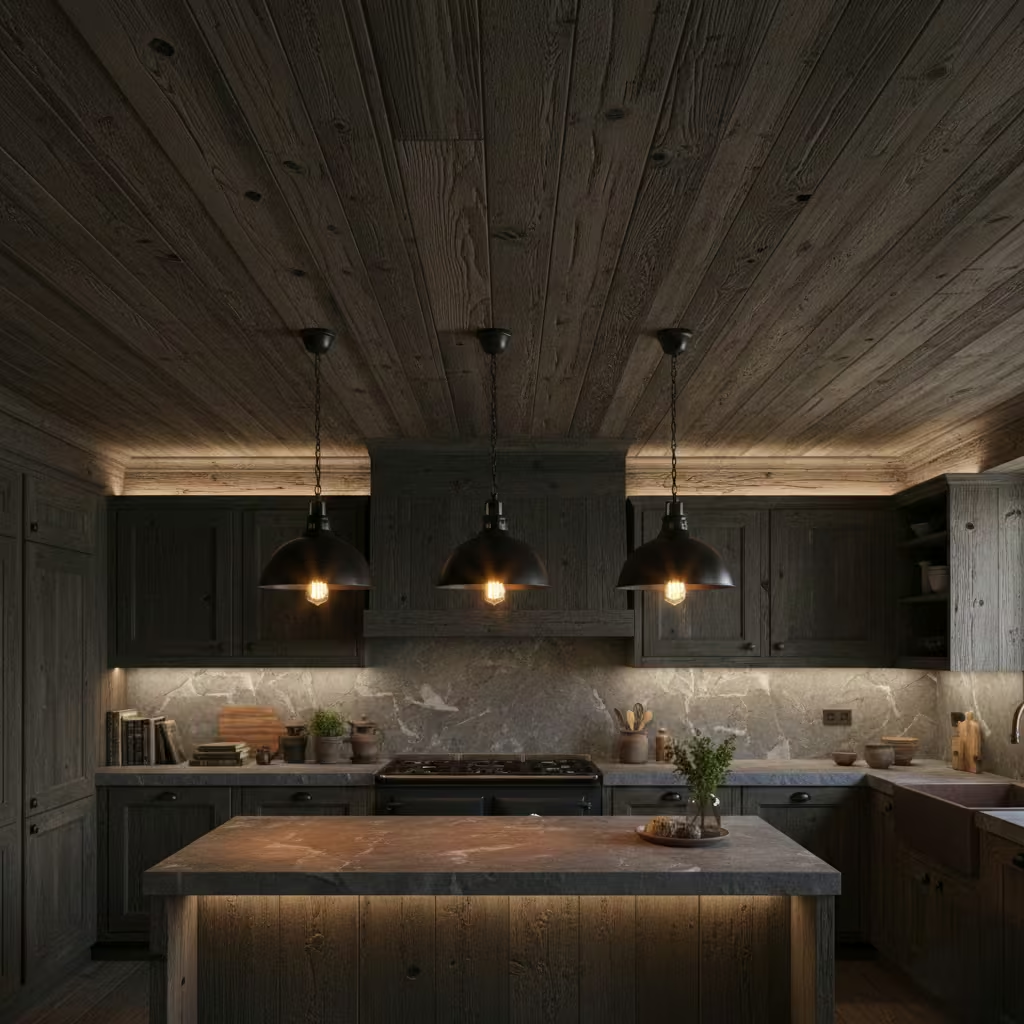
Wooden ceiling panels are an excellent way to enhance texture and continuity in a dark rustic kitchen. They create a warm, cohesive look that ties together cabinetry, flooring, and accent elements, while adding architectural interest and a sense of craftsmanship. Panels can range from reclaimed timber planks to engineered wood with distressed finishes, offering flexibility for both budget and style.
Practical Tips & Measurements:
- Plank width: 10–20 cm (4–8 in) is standard; staggered or mixed widths add visual interest.
- Plank thickness: 1.5–2.5 cm (0.6–1 in) for lightweight panels; thicker planks can add depth but require stronger support.
- Installation: Ensure proper ceiling joist support; use clips, furring strips, or adhesive for secure attachment.
- Finish: Matte sealers or oils protect against moisture and enhance the wood grain. Lightly distress for a more rustic, aged appearance.
Pros
- Adds texture, depth, and a sense of continuity to the kitchen design.
- Creates a cozy and inviting ambiance, enhancing rustic charm.
- Can complement other wood elements like cabinetry or shelving.
Cons
- Installation can be costly, especially with high-quality or reclaimed wood.
- Heavier planks require professional support and installation.
- Maintenance may be needed to prevent warping or moisture damage in humid kitchens.
Copper or Bronze Accents
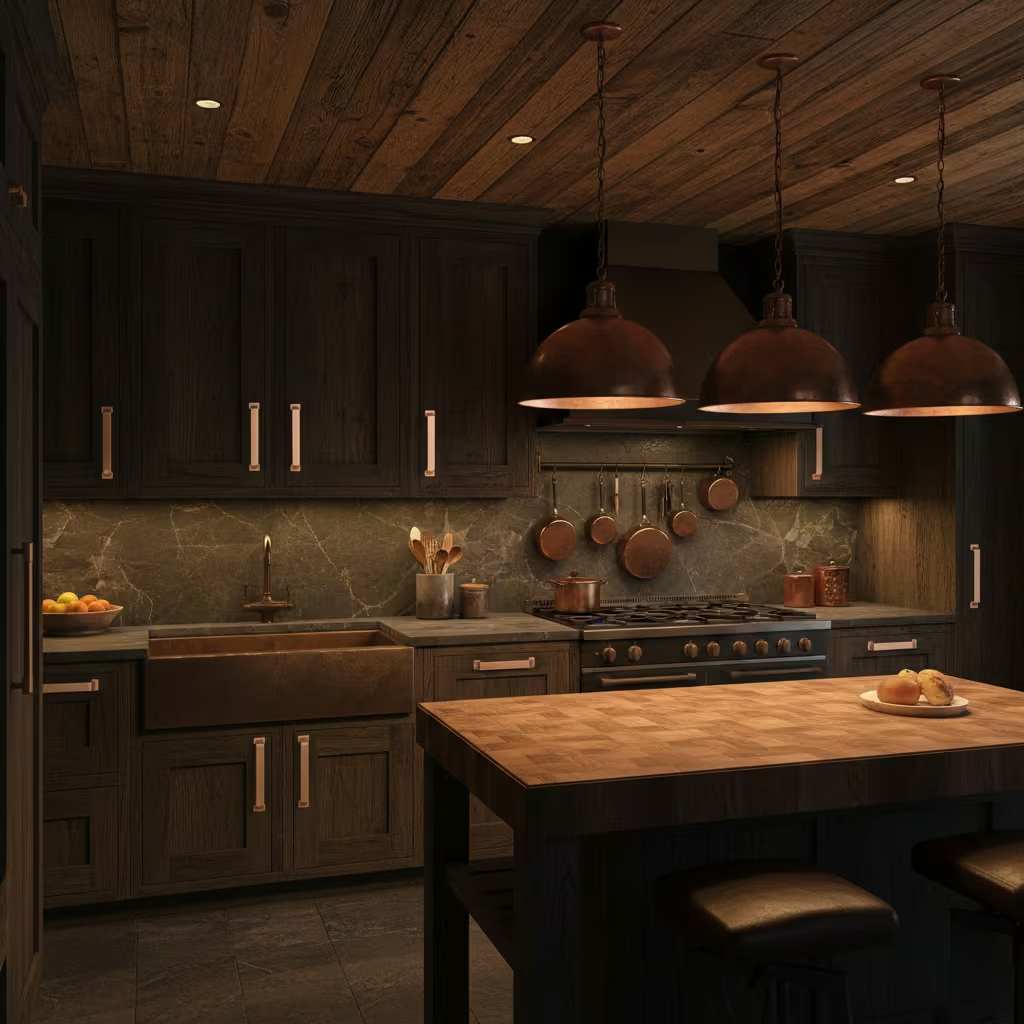
Copper and bronze accents are a subtle yet powerful way to enhance the warmth and character of a dark rustic kitchen. From cabinet handles and sinks to lighting fixtures and taps, these metals introduce rich, earthy tones that harmonize beautifully with dark wood, stone countertops, and textured surfaces. Over time, copper and bronze naturally develop a patina, adding authenticity and a sense of history.
Practical Tips & Measurements:
- Handles and pulls: 10–15 cm (4–6 in) length for cabinets and drawers, depending on furniture size.
- Sinks: Standard kitchen sink sizes range from 60–90 cm (24–35 in) wide; deep basins of 20–25 cm (8–10 in) work well in rustic kitchens.
- Lighting fixtures: Pendant or wall-mounted lights 25–35 cm (10–14 in) diameter; hang pendants 70–90 cm (27–35 in) above islands.
- Maintenance: Wipe regularly to maintain shine; allow natural patina if a weathered look is desired.
Pros
- Adds warmth and richness to dark rustic kitchens.
- Complements wood, stone, and other natural materials.
- Patina develops naturally, enhancing character over time.
Cons
- Patina may not suit everyone and can be inconsistent.
- Requires periodic cleaning and polishing if a shiny finish is desired.
- Copper can react with acidic foods if used in sinks without proper lining.
Rustic Open Shelves for Plants
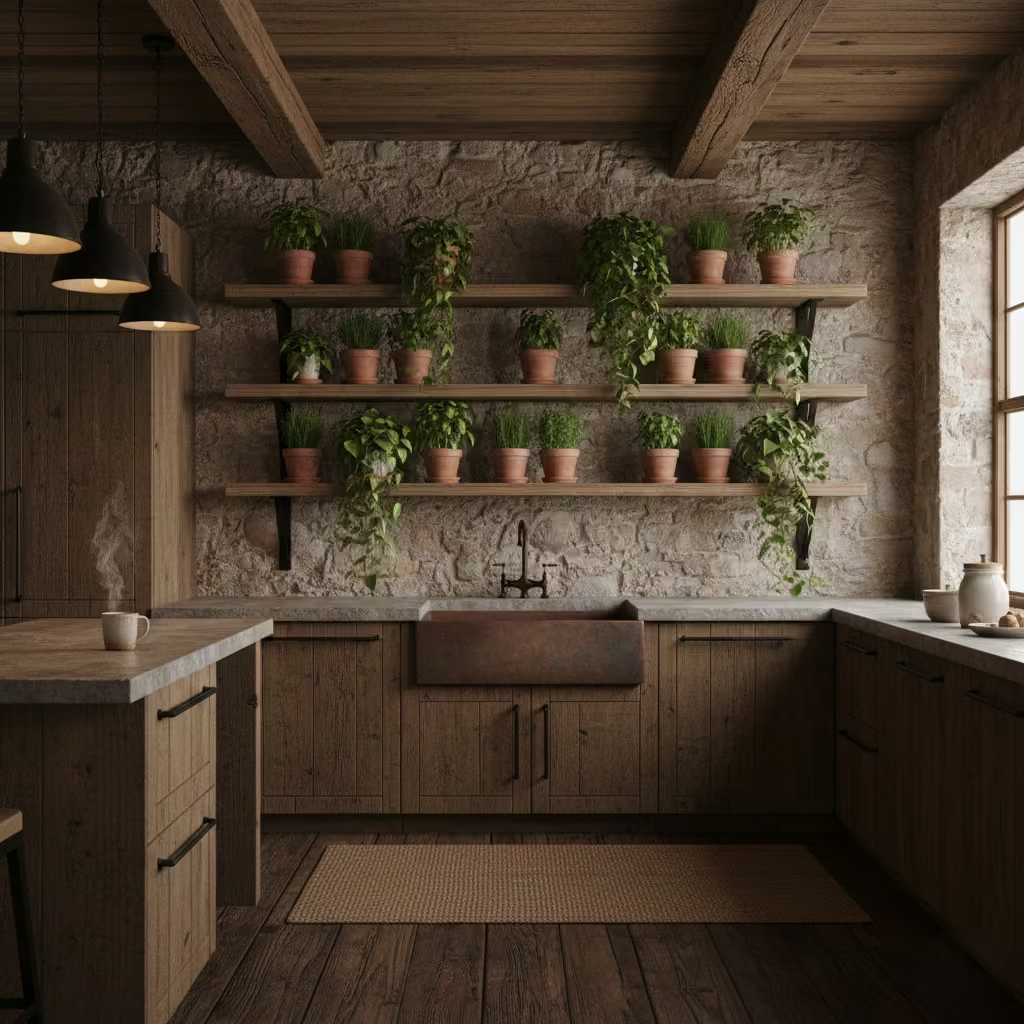
Incorporating rustic open shelves for plants adds life and freshness to a dark rustic kitchen. Herbs, trailing plants, or small potted greenery can soften heavy textures and bring natural color and vibrancy into the space. Wooden shelves, especially reclaimed or distressed timber, reinforce the rustic aesthetic while creating functional areas for plant display.
Practical Tips & Measurements:
- Shelf width: 30–40 cm (12–16 in) for stability and to accommodate multiple pots.
- Shelf spacing: 25–30 cm (10–12 in) between levels, allowing trailing plants room to hang.
- Material choice: Use sealed or treated wood to resist moisture from watering.
- Placement: Position near natural light sources like windows or skylights to help plants thrive.
Pros
- Adds a fresh, vibrant touch to the kitchen.
- Softens the darker tones and heavy textures of rustic design.
- Functional space for growing herbs, adding both beauty and utility.
Cons
- Risk of water damage or stains on wood if watering is not controlled.
- Requires regular maintenance of plants and shelf surfaces.
- Overcrowding can look cluttered and reduce plant health.
Sliding Barn Doors for Pantry or Storage
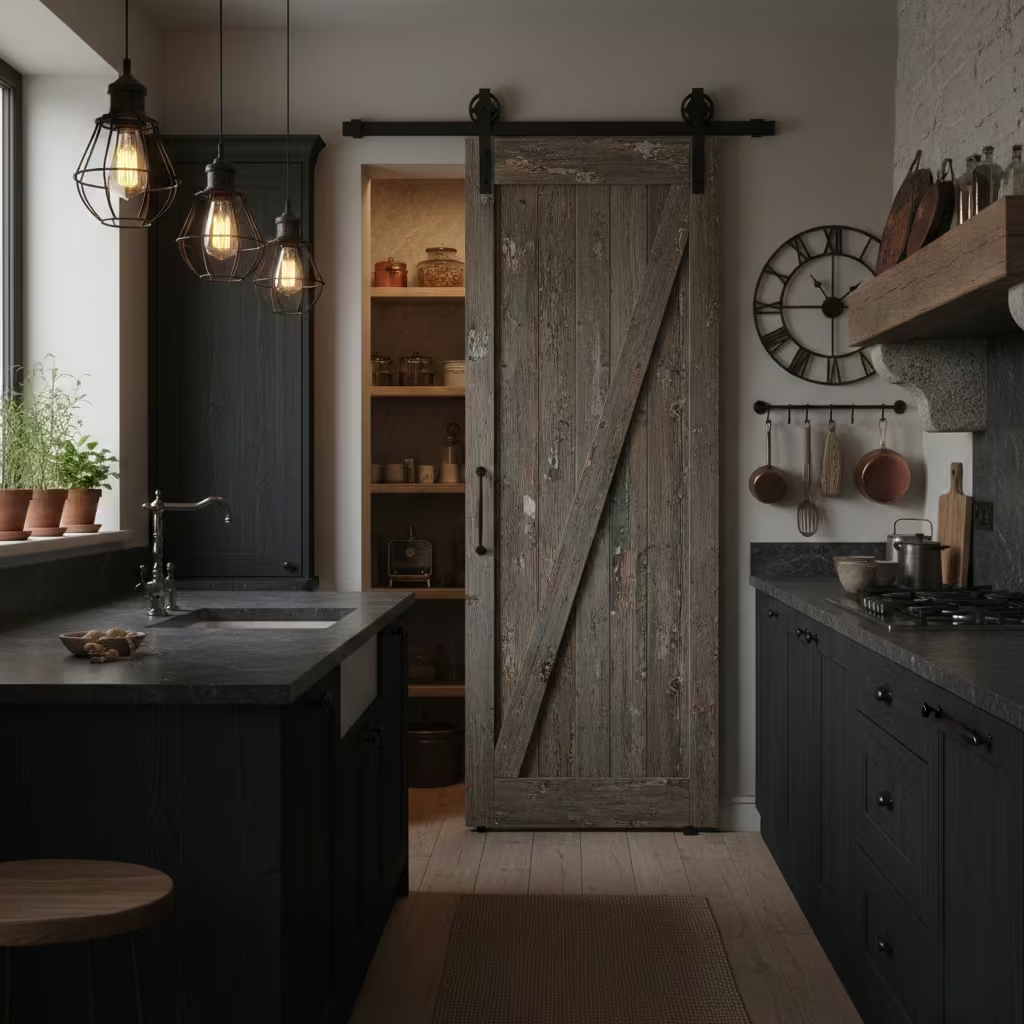
Sliding barn doors are a stylish and functional addition to a dark rustic kitchen, ideal for concealing pantries, storage areas, or utility spaces. Their rustic charm, often featuring reclaimed wood or distressed finishes, adds character while saving floor space compared to traditional hinged doors. Barn doors can also become a statement piece, enhancing the kitchen’s overall design aesthetic.
Practical Tips & Measurements:
- Width: 70–90 cm (27–35 in) works for standard pantries or small storage spaces; larger widths can accommodate double doors.
- Track system: Ensure a heavy-duty track and rollers suitable for the door weight; minimum clearance of 5 cm (2 in) above the opening is recommended.
- Material: Solid wood or engineered wood with rustic finishes complements cabinetry and flooring.
- Installation: Professional installation is advised for smooth sliding and long-term durability.
Pros
- Saves space and eliminates the need for swing clearance.
- Adds rustic charm and becomes a visual focal point.
- Can be customized with finishes, hardware, and sizes to suit the kitchen.
Cons
- Track and rollers require regular maintenance for smooth operation.
- Heavy doors may be challenging to open for some users.
- Misalignment over time can affect function and appearance.
You May also Like: 21 Maximalist Kitchen Ideas to Make Your Space Bold and Vibrant
Mixed Material Kitchen Island
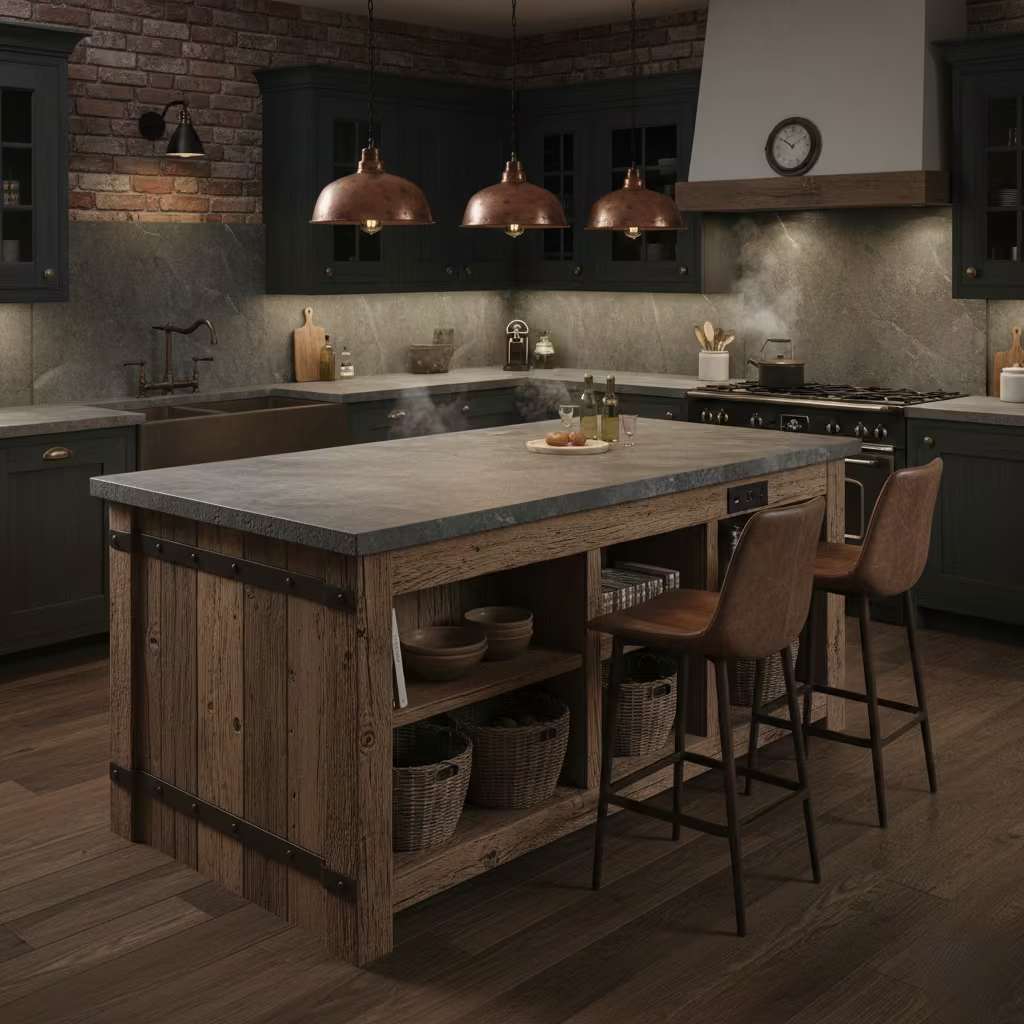
A mixed material kitchen island combines wood with stone or metal surfaces, creating a layered and visually dynamic centerpiece in a dark rustic kitchen. This design approach adds texture, contrast, and versatility, allowing the island to serve multiple functions workstation, storage, and dining area while harmonizing with the surrounding cabinetry and flooring.
Practical Tips & Measurements:
- Standard size: 90–120 cm (35–47 in) wide and 180 cm (71 in) long provides ample workspace without overwhelming the kitchen.
- Countertop height: 91 cm (36 in) for standard work areas; consider 105 cm (41 in) for bar seating.
- Material pairing: Wood base with a stone countertop offers durability and rustic elegance; metal accents such as steel frames or edging introduce industrial flair.
- Installation: Requires careful planning to ensure weight support and proper integration of materials.
Pros
- Adds rich texture and visual depth to the kitchen.
- Offers functional versatility for cooking, prep, and dining.
- Complements both rustic and industrial design elements.
Cons
- Complex design and construction increase cost and installation time.
- Mixing materials requires careful coordination to prevent clashes.
- Heavier tops need reinforced support for stability.
Exposed Ceiling Ductwork
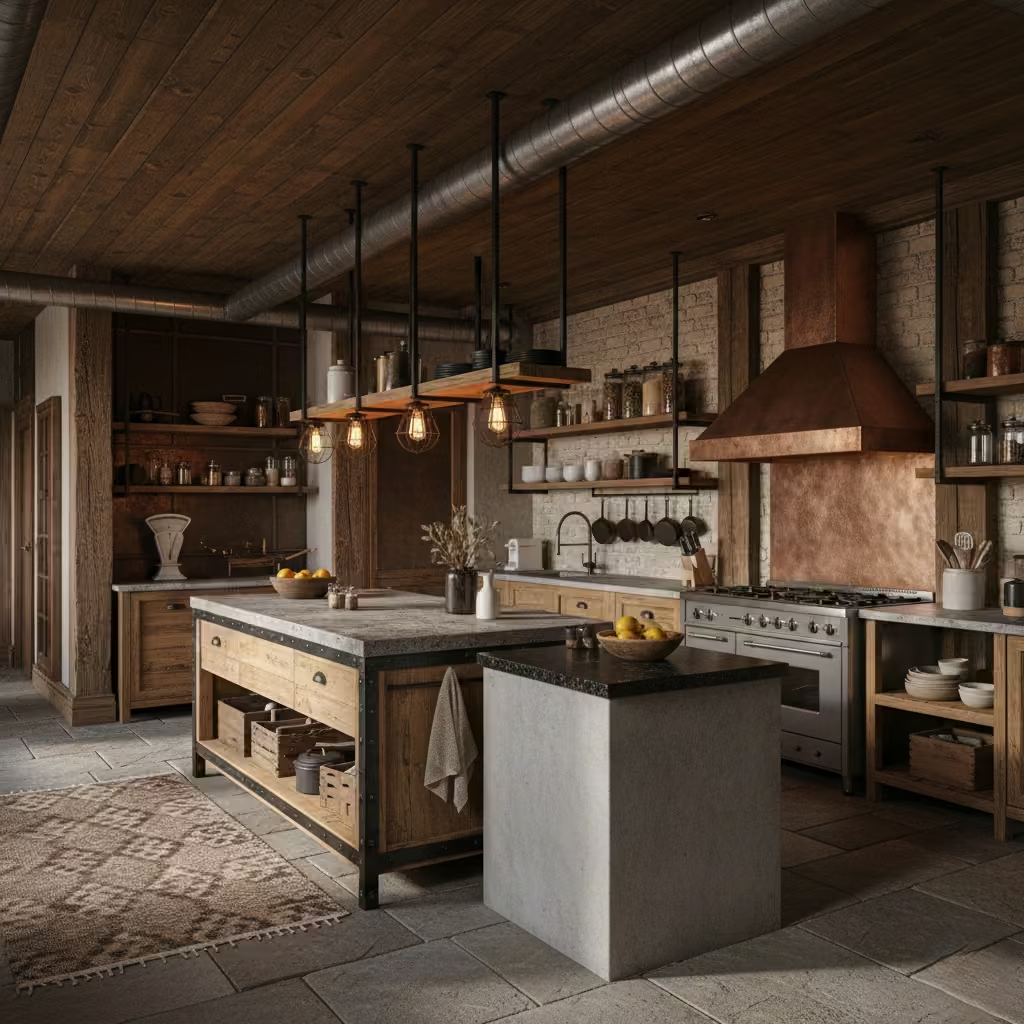
Exposed ceiling ductwork introduces an industrial edge to a dark rustic kitchen, blending raw metallic textures with natural wood and stone elements. This feature enhances visual interest, creates a loft-like feel, and emphasizes the kitchen’s structural and functional components, making it ideal for open-plan or high-ceiling spaces.
Practical Tips & Measurements:
- Duct diameter: Standard residential ducts range from 150–200 mm (6–8 in).
- Placement: Install along the ceiling, parallel to cabinets or structural beams, ensuring it does not interfere with lighting or clearance.
- Material: Use galvanized steel or painted metal finishes; black or aged metal blends well with rustic tones.
- Maintenance: Include access panels for cleaning and periodic inspection to maintain airflow efficiency.
Pros
- Adds character and an industrial touch to rustic kitchens.
- Creates architectural interest and highlights ceiling height.
- Functional component of the ventilation system, improving airflow.
Cons
- Accumulates dust and grease, requiring regular cleaning.
- Can dominate visual space if not proportioned correctly.
- Installation and alignment need careful planning to avoid obstruction.
Large Farmhouse Sink
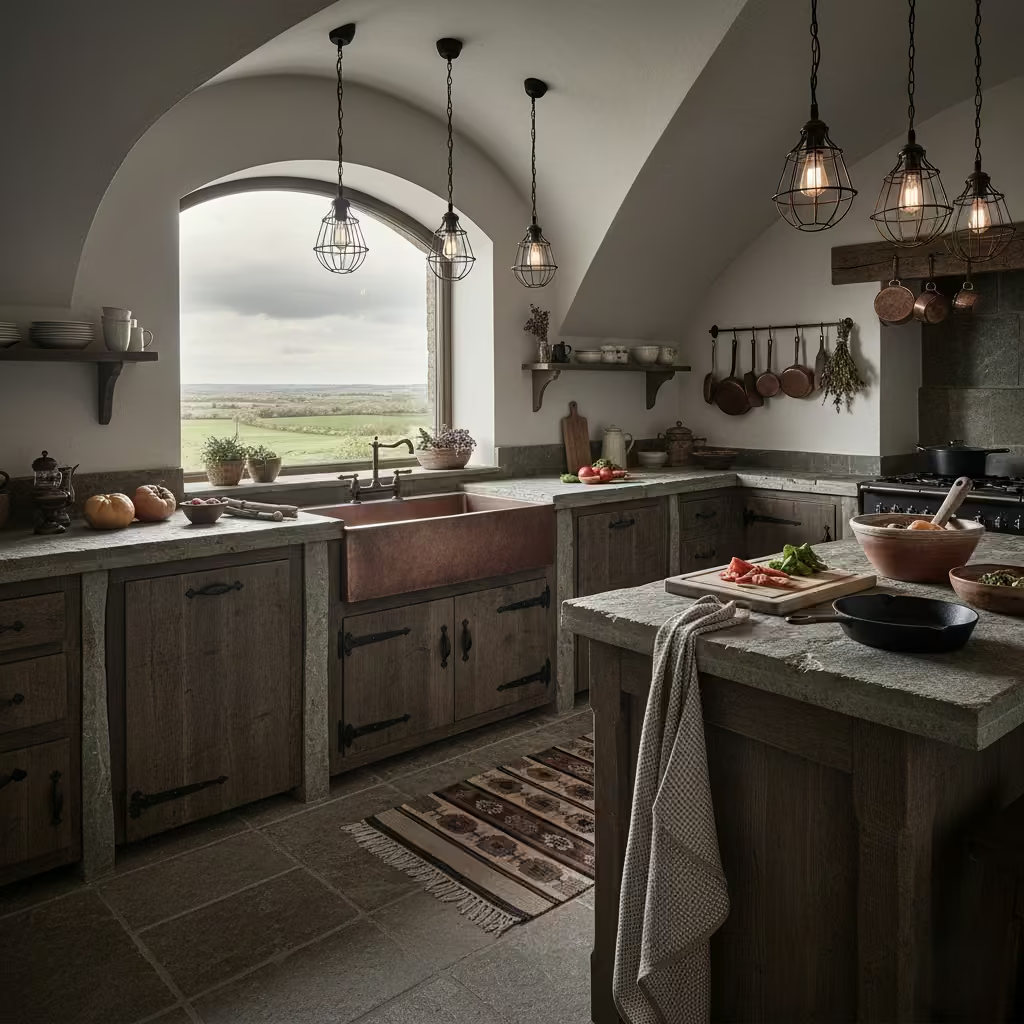
A large farmhouse sink is a quintessential feature of dark rustic kitchens, combining practicality with timeless style. Its deep basin accommodates oversized pots, pans, and baking sheets, making meal prep and cleanup more convenient. The apron-front design adds a distinctive rustic charm that complements wood cabinetry, stone countertops, and metal fixtures.
Practical Tips & Measurements:
- Depth: 25–30 cm (10–12 in) for comfortable washing of large items.
- Width: Standard farmhouse sinks range 76–91 cm (30–36 in); double-basin options are available for added versatility.
- Material: Fireclay, stainless steel, or copper sinks suit rustic aesthetics while providing durability.
- Installation: Ensure adequate support under the sink, particularly for heavy materials like fireclay or copper.
Pros
- Highly practical for large-scale cooking and cleaning.
- Adds a strong rustic focal point to the kitchen design.
- Compatible with various countertop materials and cabinetry styles.
Cons
- Takes up significant space under cabinets, limiting storage.
- Heavy materials require reinforced cabinetry and professional installation.
- Large basins may splash if paired with low-profile faucets.
Rustic Wall Art & Decor
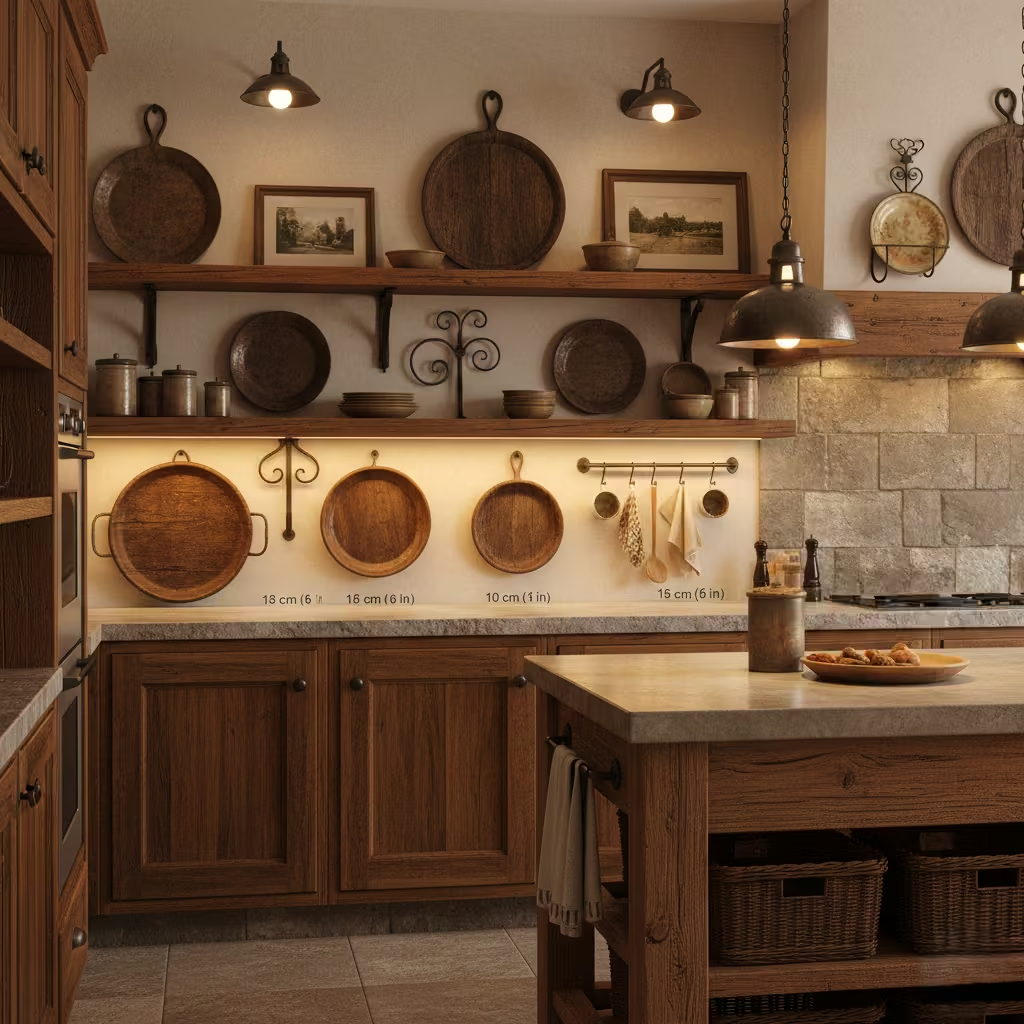
Rustic wall art and décor bring personality and charm to a dark rustic kitchen. Wooden signs, vintage kitchenware, framed botanical prints, or wrought-iron accents can transform bare walls into visually appealing displays, reflecting your style while reinforcing the kitchen’s rustic theme. Carefully curated pieces add warmth and make the space feel lived-in and inviting.
Practical Tips & Measurements:
- Wall spacing: Maintain at least 20–30 cm (8–12 in) between items to avoid visual clutter.
- Artwork size: Medium pieces of 30–50 cm (12–20 in) work well above counters; larger statement pieces can anchor empty walls.
- Material choice: Wood, metal, or ceramic elements complement dark cabinetry and stone surfaces.
- Placement: Focus on focal walls, backsplashes, or above open shelves; avoid overloading small areas.
Pros
- Personalizes the kitchen and reflects individual style.
- Enhances rustic character and warmth.
- Flexible and easy to update seasonally or as tastes change.
Cons
- Overcrowding can make the space feel cluttered and chaotic.
- Some materials may require careful cleaning to prevent dust accumulation.
- Heavy items need secure mounting to ensure safety.
Layered Lighting Strategy
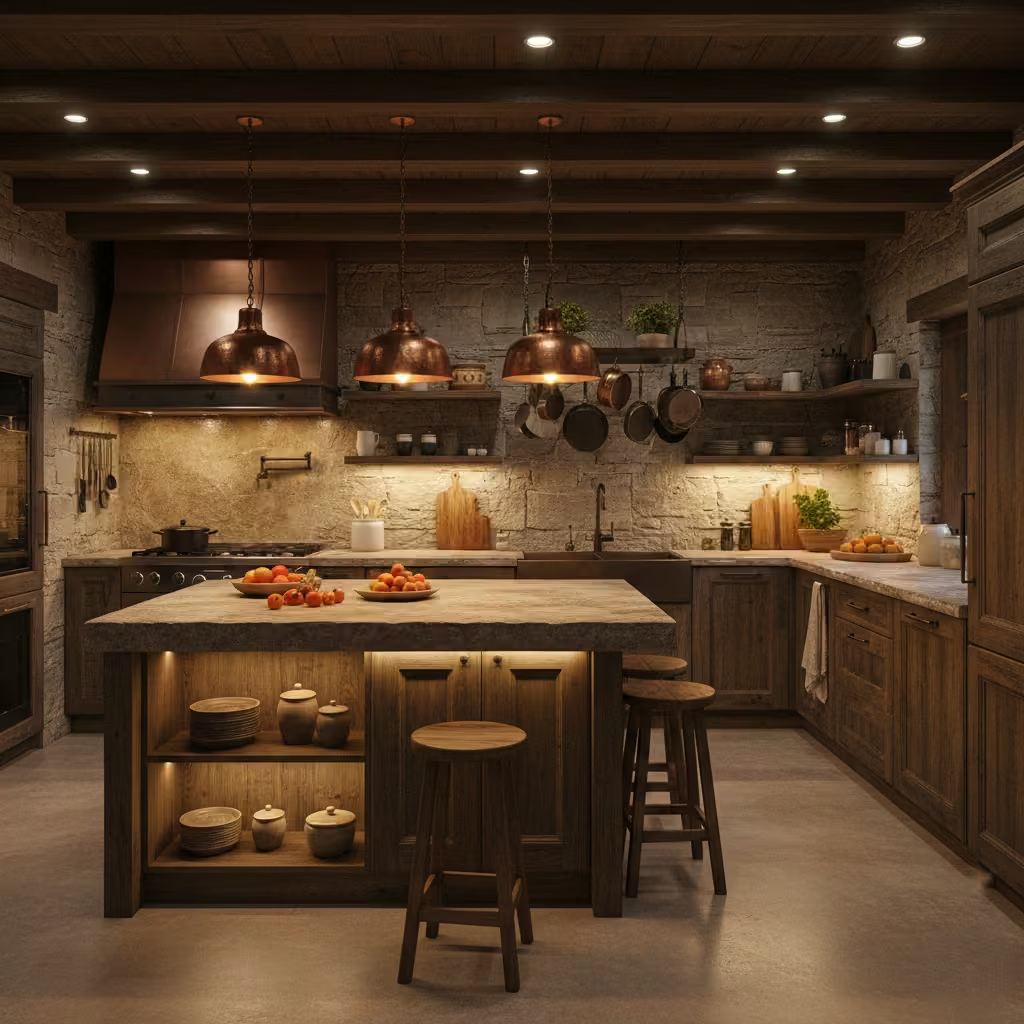
A layered lighting strategy is essential in a dark rustic kitchen to balance deep tones and highlight textures. Combining under-cabinet lights, pendant fixtures, and recessed ceiling lights ensures functionality while enhancing the warmth and depth of the space. Properly planned lighting brings out the natural beauty of wood, stone, and metal surfaces, creating a cozy yet practical environment.
Practical Tips & Measurements:
- Under-cabinet lights: Install 5–10 cm (2–4 in) from the cabinet front edge for even countertop illumination.
- Pendant lights: Hang 70–90 cm (27–35 in) above islands or work surfaces to avoid glare.
- Recessed ceiling lights: Space approximately 90–120 cm (35–47 in) apart for balanced ambient lighting.
- Layering: Combine ambient, task, and accent lighting to highlight key design features while maintaining overall brightness.
Pros
- Balances dark tones and prevents the kitchen from feeling too heavy or enclosed.
- Highlights textures and rustic features like wood beams, stone counters, and backsplash.
- Provides functional lighting for cooking, prepping, and dining.
Cons
- Higher installation cost, especially with multiple circuits or dimmable systems.
- Requires careful planning to avoid shadows or uneven lighting.
- Maintenance of multiple fixtures may be time-consuming.
Tips for Balancing Dark Rustic Kitchens
While dark rustic kitchens exude warmth and character, it’s important to balance the rich tones and heavy textures to avoid a space that feels too dark or enclosed. One effective approach is to incorporate lighter accents. Natural linens, muted ceramics, and subtle textiles introduce softness and visual relief, while reflective surfaces such as glass, polished metals, or a lightly veined stone backsplash help bounce light around the room.
Maximising natural light is another key strategy. Large windows, skylights, or strategically placed mirrors can brighten the space and highlight architectural details, like exposed beams or textured cabinetry. Even small touches, like a light-painted ceiling or pale shelving, can make a noticeable difference.
Finally, maintain workflow and ergonomics despite the dense, layered textures of a rustic kitchen. Keep work triangles clear, ensure countertop heights (91 cm / 36 in) and island spacing (100–120 cm / 39–47 in) are practical, and use open shelving or storage solutions that keep everyday items accessible. By combining these approaches, you can create a dark rustic kitchen that feels cozy, sophisticated, and highly functional.
Common Mistakes to Avoid in Dark Rustic Kitchen
Even the most carefully planned dark rustic kitchens can fall short if certain pitfalls aren’t avoided. One common mistake is over-darkening small kitchens. While deep tones are key to the style, using them excessively in compact spaces can make the kitchen feel cramped and oppressive.
Another is overcrowding with décor. Rustic kitchens thrive on texture and character, but too many accessories, wall art, or open shelving items can create visual chaos instead of charm.
Neglecting lighting layers is also critical. Without proper ambient, task, and accent lighting, dark cabinetry and surfaces can make the space feel dim and uninviting.
Finally, choosing materials that are hard to maintain such as untreated woods or high-maintenance metals can lead to long-term issues and frustration. Keeping these considerations in mind ensures your dark rustic kitchen is functional, cozy, and visually balanced.
Final Thoughts about Dark Rustic Kitchen Concepts
Dark rustic kitchens offer a timeless combination of coziness, sophistication, and versatility. By blending deep wood tones, natural textures, and carefully chosen accents, you can create a space that feels warm, inviting, and full of character.
When planning your kitchen, it’s important to mix and match ideas based on your room size, workflow, and personal style preferences. Whether it’s incorporating exposed beams, a butcher block island, layered lighting, or copper accents, each element adds its own charm and functionality.
Start small by trying one or two ideas first perhaps a statement backsplash or a rustic open shelf and see how it transforms your space. Share your kitchen makeover to inspire others and celebrate your creative choices. With thoughtful planning, a dark rustic kitchen can become the heart of your home, both practical and beautifully styled.
Frequently asked question while working on a Dark Rustic Kitchen Concepts
Are dark rustic kitchens suitable for small spaces?
Yes, but careful planning is essential. Use lighter accents, reflective surfaces, and strategic lighting to prevent the space from feeling too heavy. Open shelving and minimal décor can also help maintain a sense of openness.
What materials work best in a dark rustic kitchen?
Wood, stone, metal, and reclaimed materials are ideal. Wood adds warmth, stone provides durability and texture, and metal accents introduce contrast. Reclaimed elements enhance the rustic charm while being eco-friendly.
How do I maintain a dark rustic kitchen?
Regular dusting, sealing wood and stone surfaces, and cleaning metal fixtures are important. Matte finishes can help hide fingerprints, but layered textures need routine upkeep to stay fresh.
How can I maximize natural light in a dark kitchen?
Large windows, skylights, and mirrors help brighten the space. Pair natural light with layered artificial lighting pendants, under-cabinet lights, and recessed lights—for balanced illumination.
Can I mix modern appliances with a rustic style?
Absolutely. Vintage or retro appliances work naturally, but modern appliances with matte finishes or integrated designs can blend seamlessly without disrupting the rustic aesthetic.
How do I avoid overloading a dark rustic kitchen?
Keep décor intentional and functional. Use open shelving sparingly, maintain clear work triangles, and avoid excessive wall art or heavy textures in small spaces.