
25 Apartment Living Room Designs Ideas for a Chic, Cosy, and Functional Home
Apartment living rooms can be some of the trickiest spaces to get right. Between tight layouts, awkward room shapes, and the classic rental restrictions that stop you from making big changes, it’s easy to feel boxed in.
Many apartments also struggle with limited natural light, which can make even a well-styled room feel a bit flat if the design isn’t thoughtfully planned. Add in the need for multifunctional zones like a workspace, dining nook, or entertainment area, and the whole space starts working overtime.
That’s exactly why I put this guide together. Instead of giving you picture-perfect ideas that only work in massive homes, I want to share practical, achievable designs that genuinely make a difference in smaller living rooms.
These are the tricks I rely on when I’m designing for clients who want style without sacrificing comfort or functionality. Over the years, I’ve learned what really moves the needle in compact spaces, from smart layout choices to clever storage solutions.
By the time you reach the end of this list, you’ll have 25 apartment living room designs you can use right away to make your home feel brighter, bigger, and beautifully put together.
How to Approach Apartment Living Room Design
Designing an apartment living room starts with understanding how the space actually works, not just how you want it to look. Scale is the first thing I assess because even the most beautiful furniture will feel wrong if it overwhelms the room. A sofa that’s too deep, a coffee table that’s too wide, or a media unit that eats into the walkway can make a small space feel cramped before you even start styling. Flow matters just as much. You want clear pathways around furniture so the room feels open and easy to navigate, even if it’s compact.
Light is another key element. Apartment living rooms often rely on a single window or have limited daylight, so layering warm, soft lighting becomes essential. The right mix of overhead, task, and accent lighting can completely transform the mood of the room. Storage ties everything together by keeping clutter at bay and helping the room feel organised and intentional.
I always follow a simple framework when I’m working with clients. Measure first so every piece fits comfortably. Define zones based on how you actually use the room. Invest in multifunctional furniture that gives you flexibility. Layer lighting to add depth and atmosphere. Choose textures strategically to add warmth without visual heaviness.
With these principles in mind, you’re ready to dive into the fun part. Below are 25 apartment living room design ideas that turn even the smallest spaces into stylish, comfortable, and easy to live in rooms.
You May also Like: 21 Minimalist Living Room Ideas That Make Your Home Feel Calm and Chic
Use a Light Colour Palette to Open Up the Space
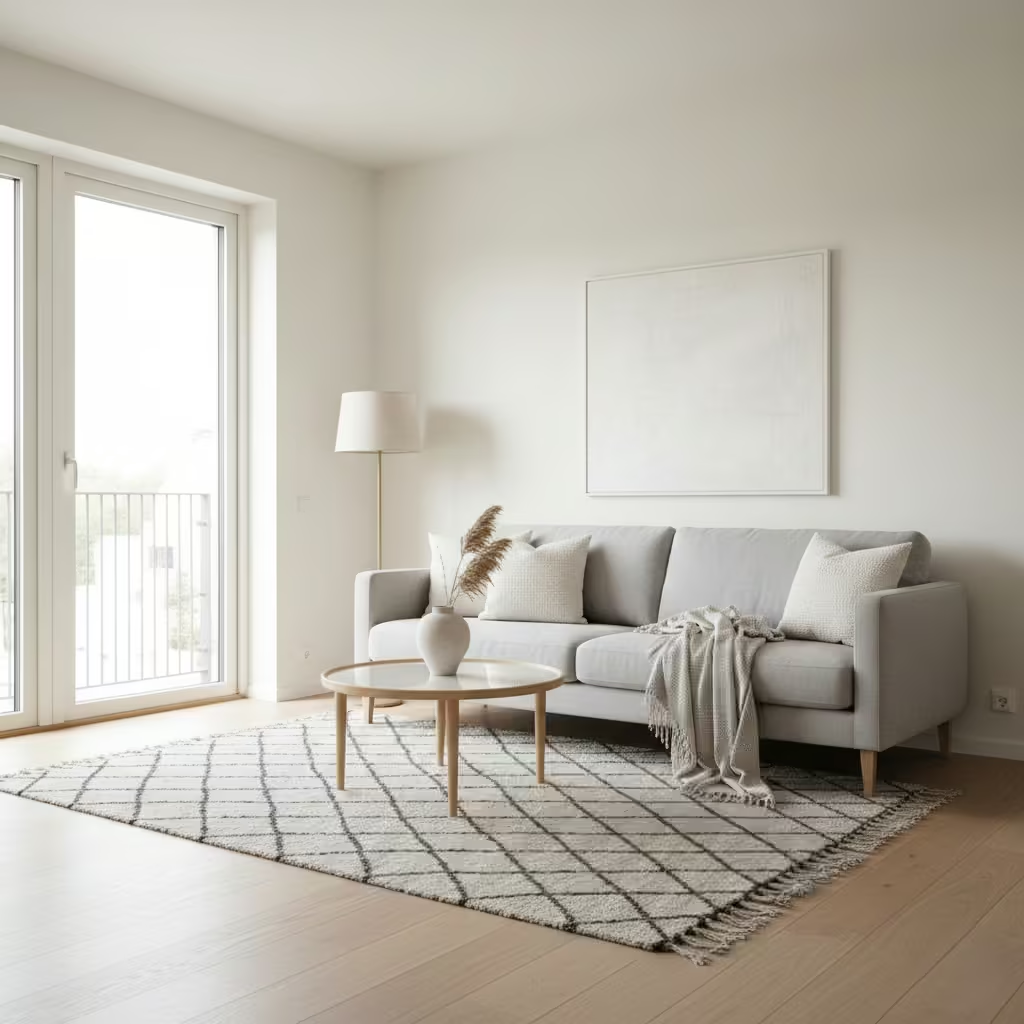
Light colours are one of the easiest ways to make a small apartment living room feel larger and more open. Soft whites, greys, and warm neutrals reflect natural and artificial light, creating an airy feel even in low-light spaces. I often use off-white paint with a subtle warm undertone so the room feels cosy rather than clinical.
Pair light walls with a pale sofa or light wood furniture to keep the palette consistent. If you want more interest, layer neutrals through texture instead of colour, using boucle cushions, linen throws, or a slightly darker rug for gentle contrast without visual clutter.
You May also Like: 16 Dreamy White Oak Living Room Ideas to Make Every Corner Feel Like Home
Add Slim, Vertical Storage to Maximise Walls
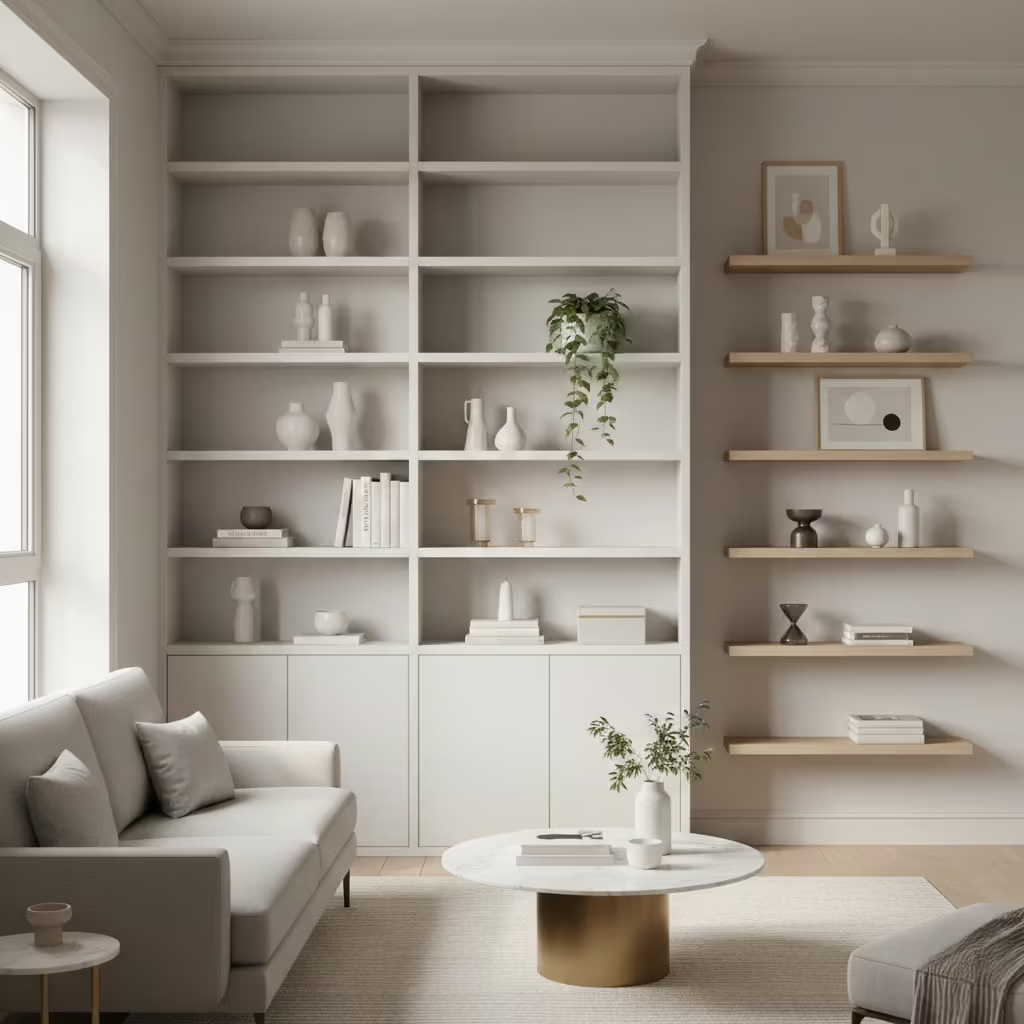
Apartments rarely offer generous storage, so using vertical space is essential. Slim bookcases, tall shelving units, and narrow floor-to-ceiling cabinets add loads of functionality without stealing from the floor. I often recommend closed storage at the bottom for things you don’t want on display and open shelving at the top for books, plants, or decorative objects.
This combination keeps the room tidy while still adding personality. Floating shelves are another great option because they feel lighter and can be arranged creatively. Using the full height of the wall draws the eye upward and makes the room feel taller.
Choose a Compact Sofa That Doesn’t Crowd the Room
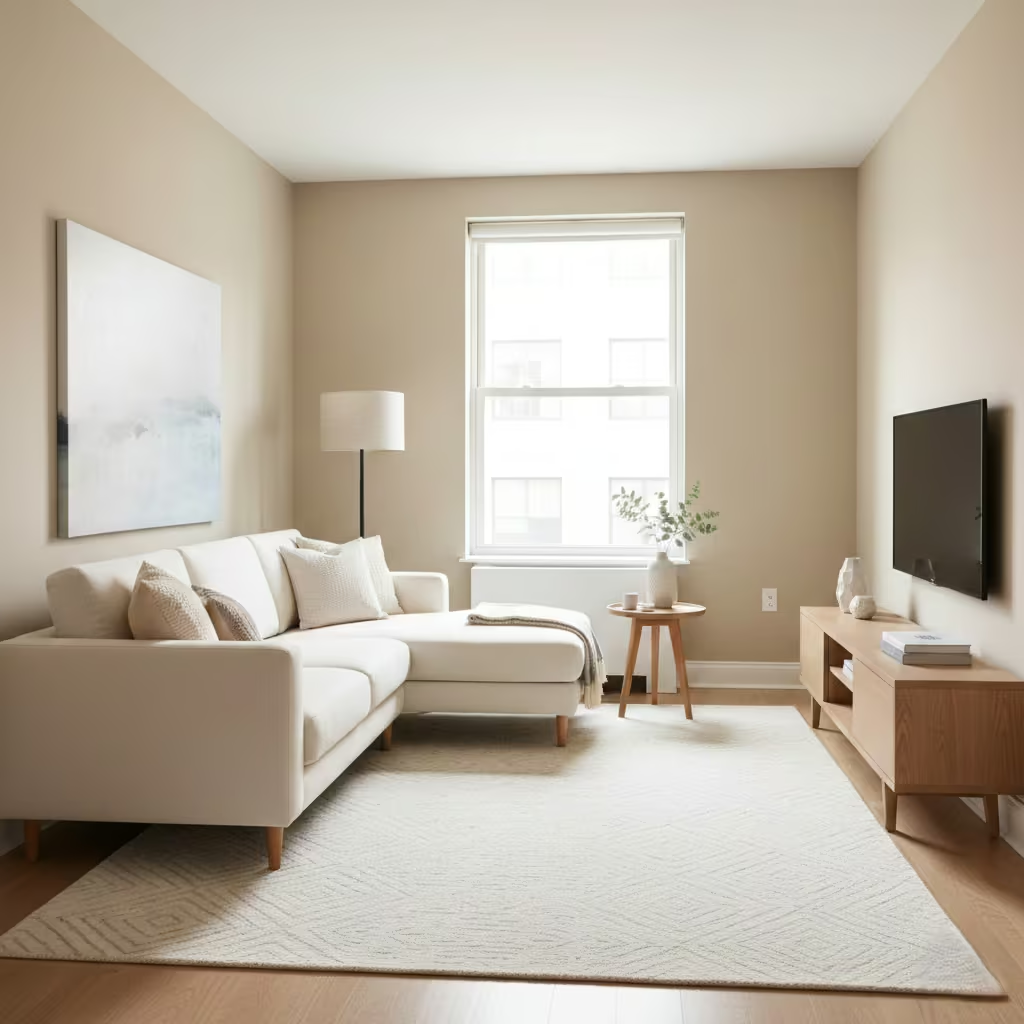
The sofa sets the tone for the entire living room. In apartments, bulky sofas with oversized arms or deep seats quickly eat up valuable space. Look for a streamlined design with slim arms, raised legs, or a slightly shallower depth.
These details create visual openness and allow the room to breathe. A two-seater or a compact L-shaped sectional can still feel generous if proportioned correctly. In many apartment designs, I angle the sofa or place it slightly off-centre to improve flow. Choosing a neutral fabric helps the piece blend into the room rather than dominating it.
Try a Floating Media Console for a Clean Look
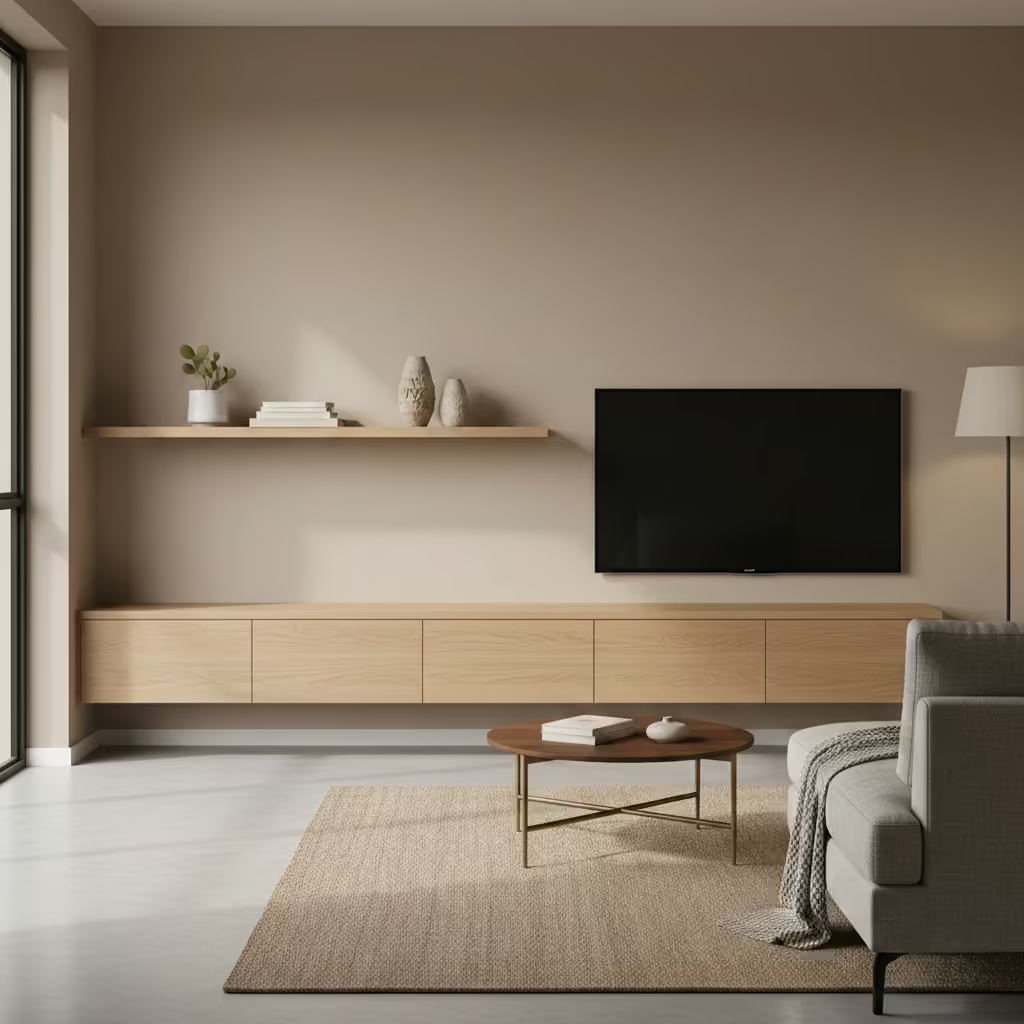
Floating media consoles are brilliant for opening up floor space and giving the living room a cleaner, more modern feel. Because the unit doesn’t touch the floor, the room instantly looks less cluttered. It also offers practical storage for speakers, consoles, routers, and remotes while keeping messy wires out of sight.
I sometimes install a floating shelf above the console for extra display space. If your apartment living room is narrow, a floating console keeps the floor visible, which naturally makes the room appear wider. It’s a small upgrade that completely changes the overall aesthetic.
Use Mirrors to Reflect Natural Light and Widen the Room
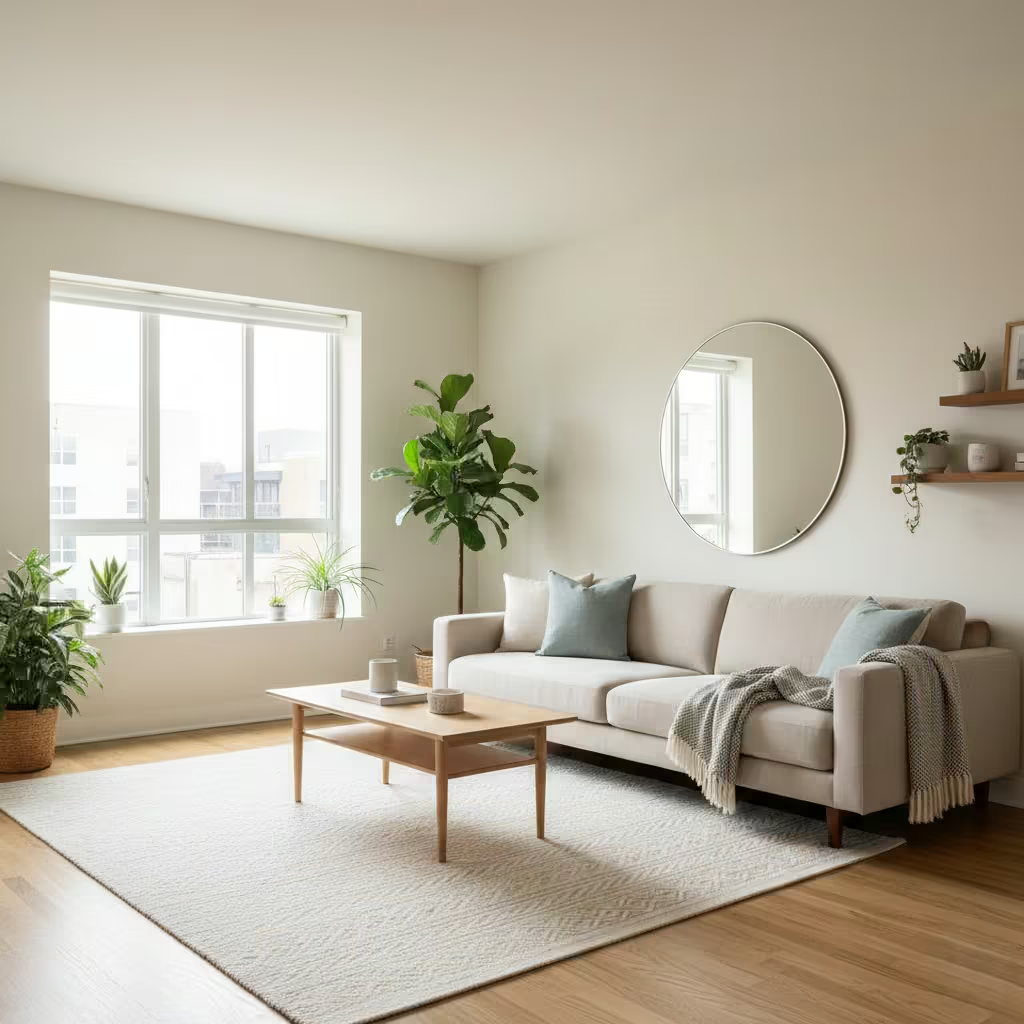
Mirrors are one of the most transformative tools in small-space design. A large mirror opposite a window reflects daylight across the room and creates the illusion of more space. In darker apartments, I place mirrors near light sources to amplify brightness. Oversized floor mirrors work especially well in rental homes because you can simply lean them against the wall.
If you prefer something more decorative, a gallery-style mirror arrangement can double as wall art. Mirrors with thin frames or rounded edges help soften the space while keeping the look contemporary and open.
You May also Like: 25 Christmas Room Decor Ideas That Bring Comfort, Charm, and Holiday Cheer
Create Zones with a Neutral Rug
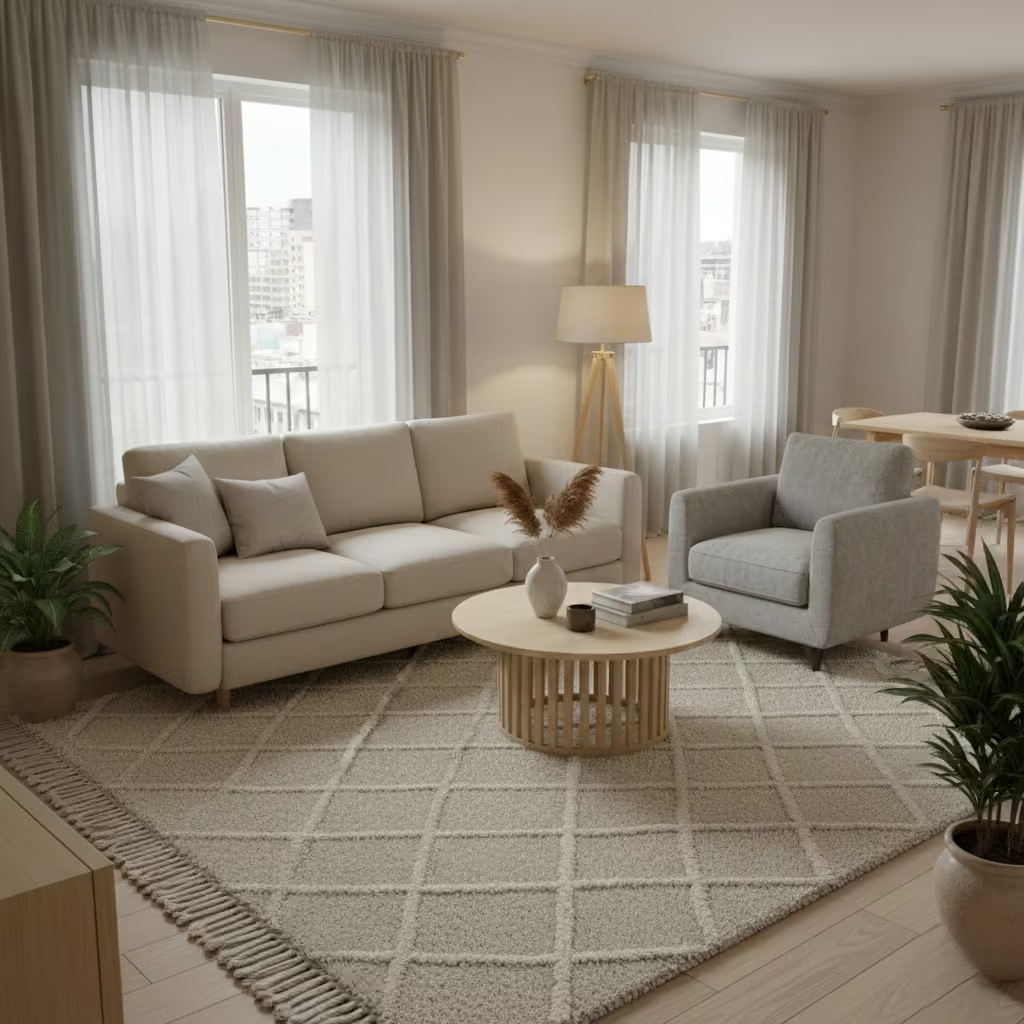
A neutral rug brings definition to your living area, especially in open-plan apartments where one room has several functions. A well-sized rug grounds your seating arrangement, making the space feel cohesive. I usually choose a rug that sits under at least the front legs of the sofa and chairs, which visually ties everything together.
Neutral tones prevent the rug from overpowering the room and keep the palette calm. Texture is key here. A flat-weave rug gives a minimal, airy look, while a soft wool or braided rug adds warmth and comfort without feeling too heavy.
Add a Gallery Wall for Personality Without Clutter
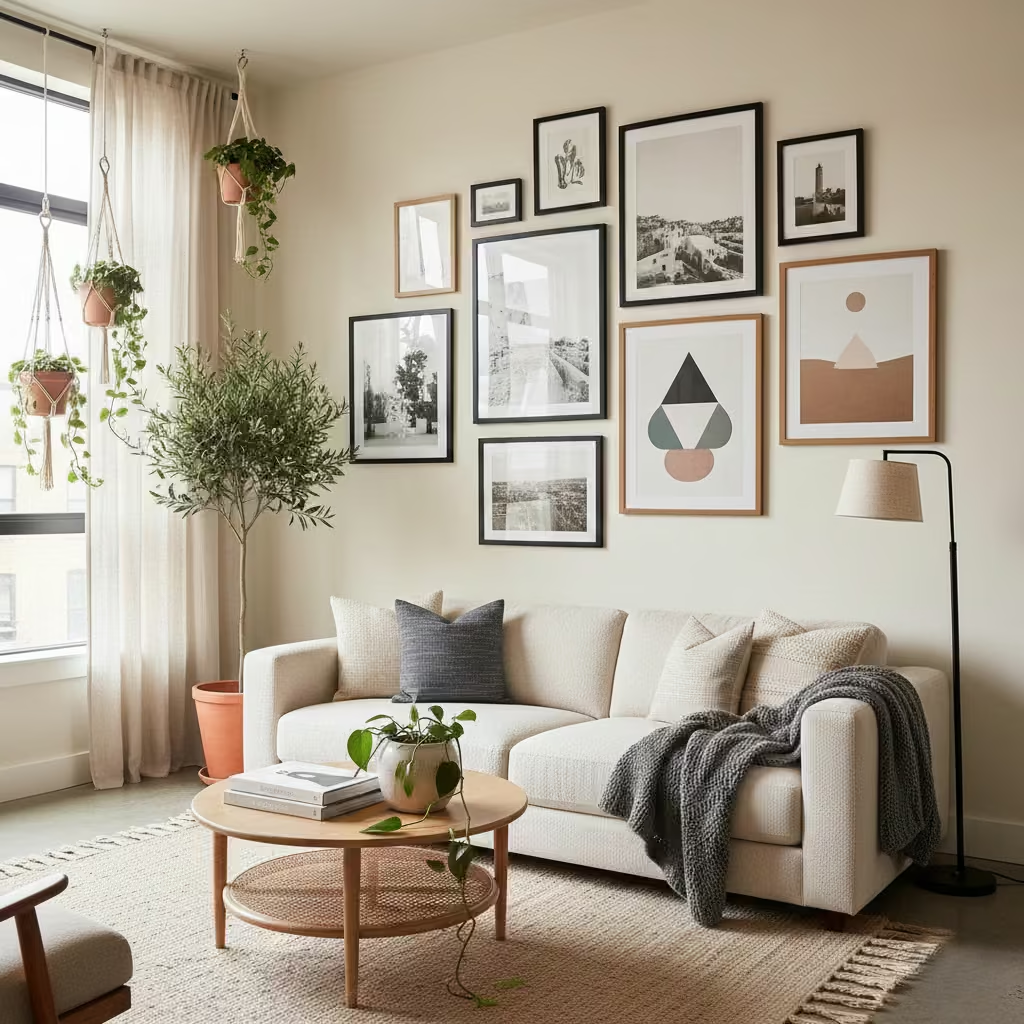
A gallery wall adds visual interest without taking up any floor space, making it perfect for small apartments. Choose artwork that shares a colour theme or framing style to keep the look polished and intentional. I often lay out gallery walls on the floor first to experiment with arrangements.
You don’t need expensive art either; vintage prints, travel photos, line drawings, or framed textiles work beautifully. This approach lets you express your personality while keeping surfaces free. If your living room lacks height, hang the gallery wall slightly higher than eye level to draw the eye upward.
Bring in Greenery for Softness and Height
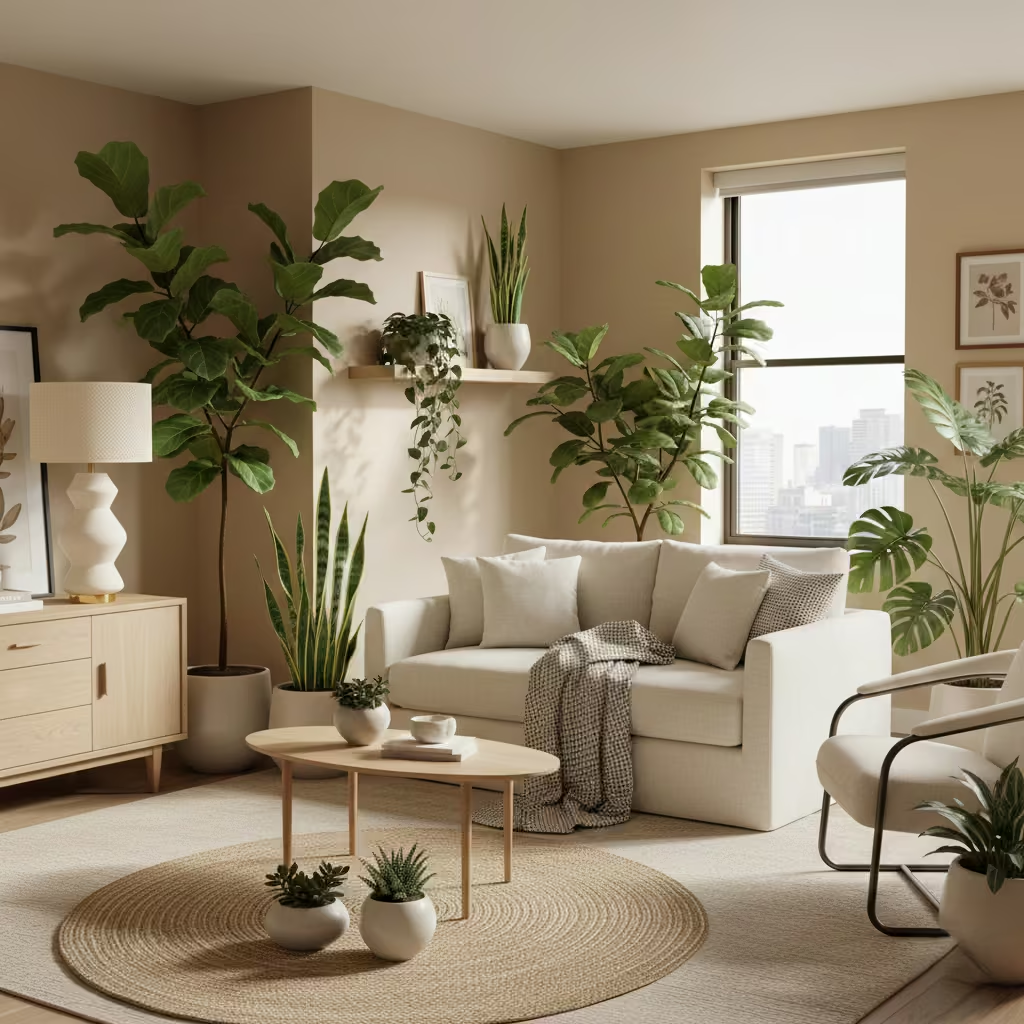
Plants add life, softness, and colour to compact living rooms. Tall plants like a dragon tree, rubber plant, or olive tree help stretch the room vertically and fill empty corners that often look awkward.
If you’re short on floor space, place a trailing plant on a shelf or hang one near a window. In lower-light apartments, choose reliable options like pothos, snake plants, or ZZ plants.
Plants break up hard lines from furniture and add organic forms that make the room feel more welcoming. A few well-chosen plants can completely transform the mood and energy of the space.
You May also Like: 25 Modern Spanish Colonial Living Room Ideas That Feel Timeless and Lived-In
Use Window Treatments That Let Light Through
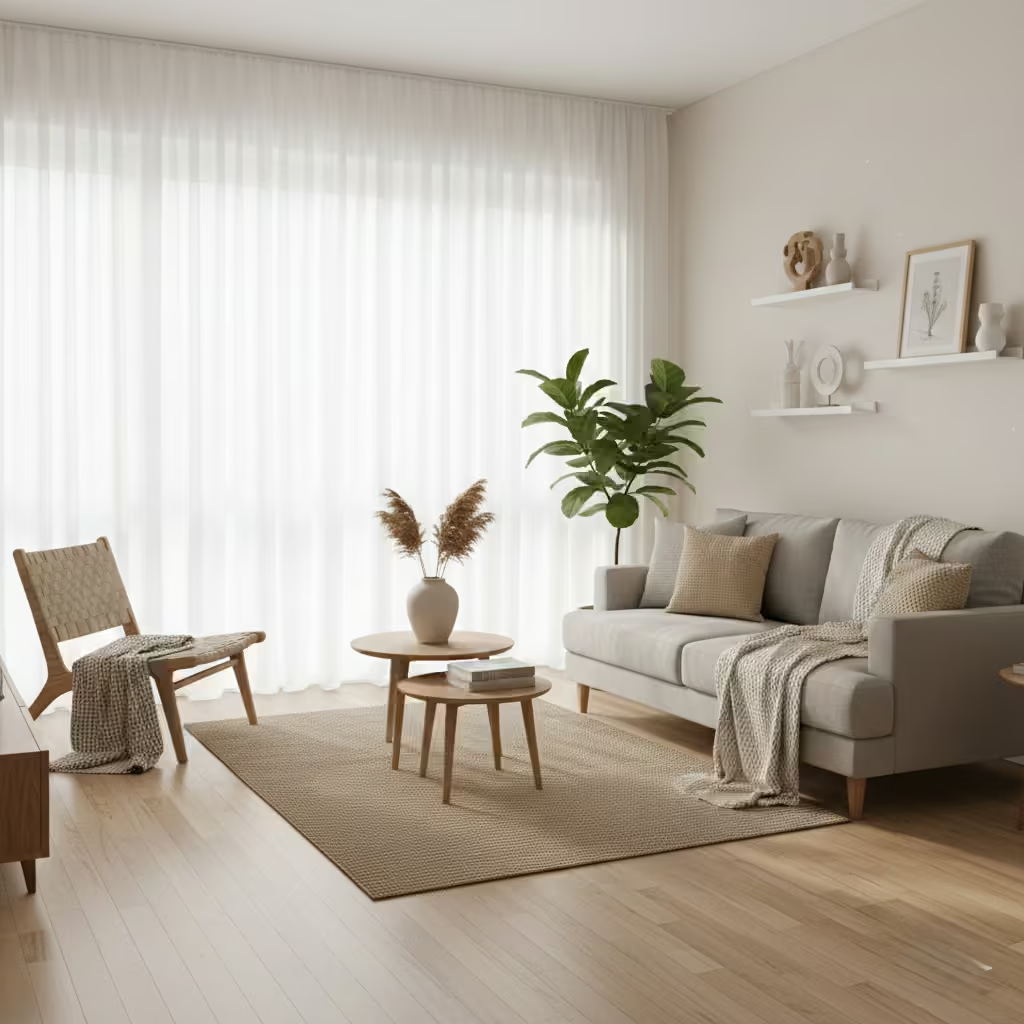
Light is precious in most apartments, so your window treatments should enhance it, not block it. Sheer curtains, linen drapes, or light-filtering roller blinds allow sunlight to pass through while still providing privacy.
Mounting the curtain rod higher and wider than the window frame gives the illusion of taller ceilings and larger windows. This trick works wonders in rental-level flats where architectural features are limited.
In rooms with low daylight, avoid heavy velvet or blackout fabrics because they visually shrink the space. Light, airy curtains help create a soft, elegant atmosphere without overpowering the room.
Play with Texture Instead of Heavy Colours
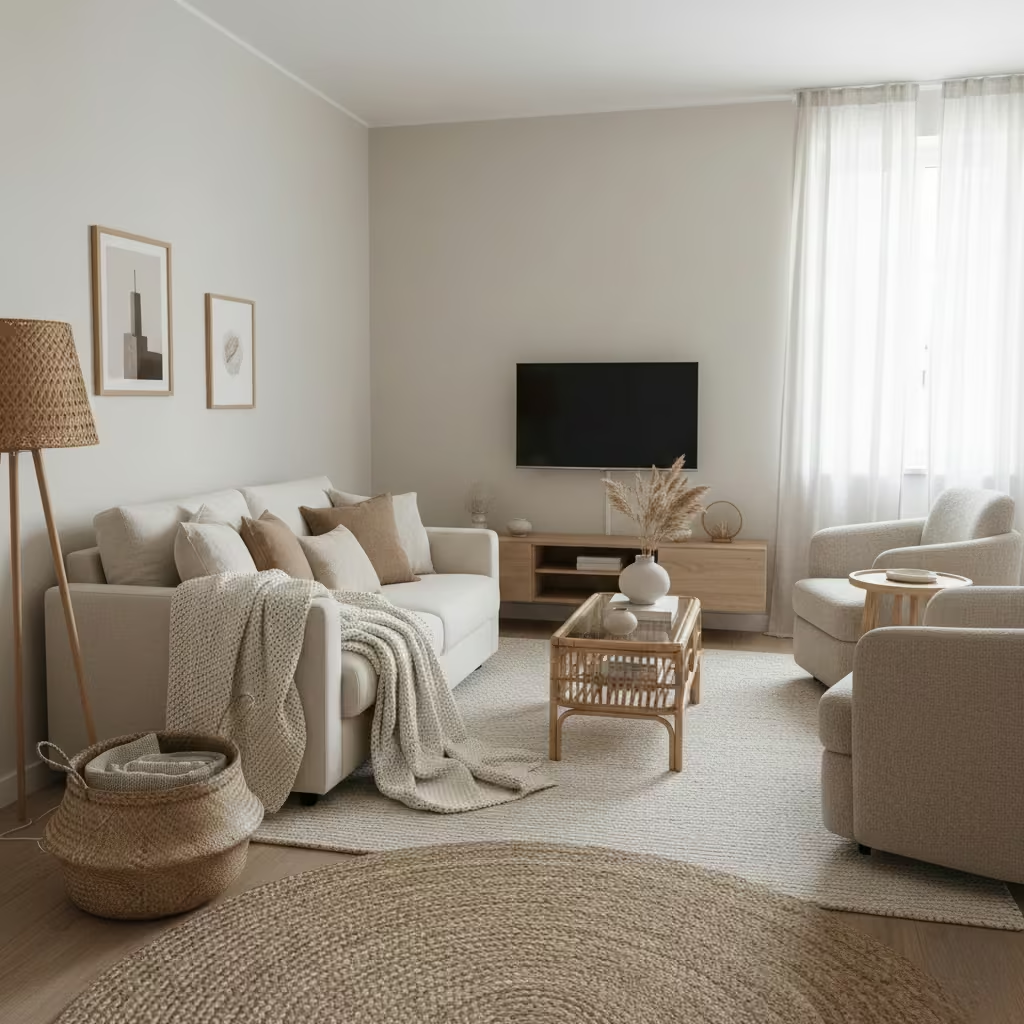
When bold colours feel overwhelming in a small living room, texture becomes your best design tool. Layering textures adds personality and richness while keeping the palette calm. I often combine linen cushions, boucle throws, woven baskets, rattan accents, and wool rugs to create depth. Mixing matte, glossy, and natural textures adds variety without adding chaos.
This approach is especially helpful in neutral or minimalist apartments where colour is limited. Texture brings warmth and tactility, making the room feel cosy and inviting without closing in the space visually.
You May also Like: 21 Christmas Mountain Lodge Living Room Design Ideas
Try an Accent Chair to Break Up Boxy Layouts
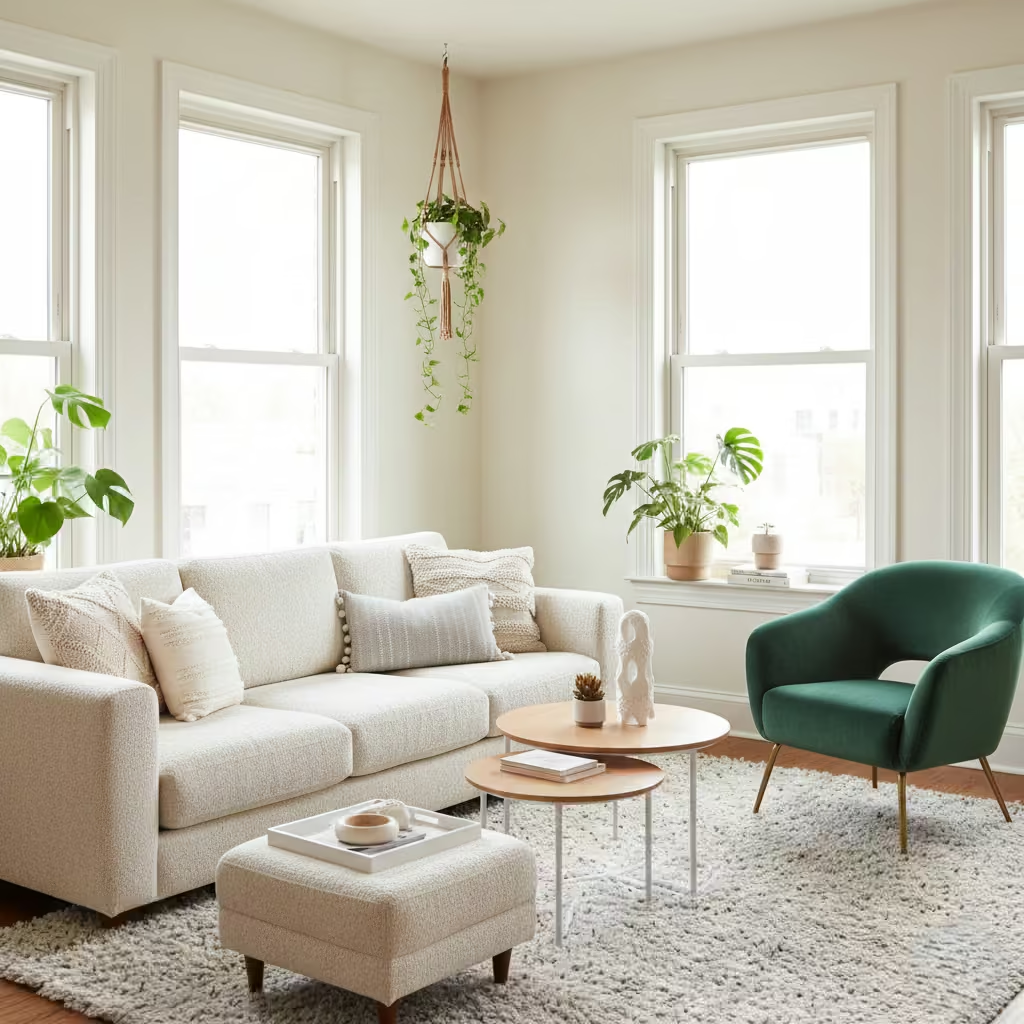
A single accent chair can work wonders in breaking up the rigid lines that often define small living rooms. Choose a chair with a sculptural shape, slim profile, or light frame so it doesn’t overwhelm the space. Accent chairs also offer layout flexibility; you can position them near a window, angle them beside the sofa, or use them to balance an off-centre seating plan.
In small apartments, movable seating is extremely valuable because you can easily reconfigure the space depending on guests or daily routines. A contrasting fabric or material adds instant character.
You May also Like: 25 Christmas Room Decor Ideas That Bring Comfort, Charm, and Holiday Cheer
Layer Soft Lighting for Warmth
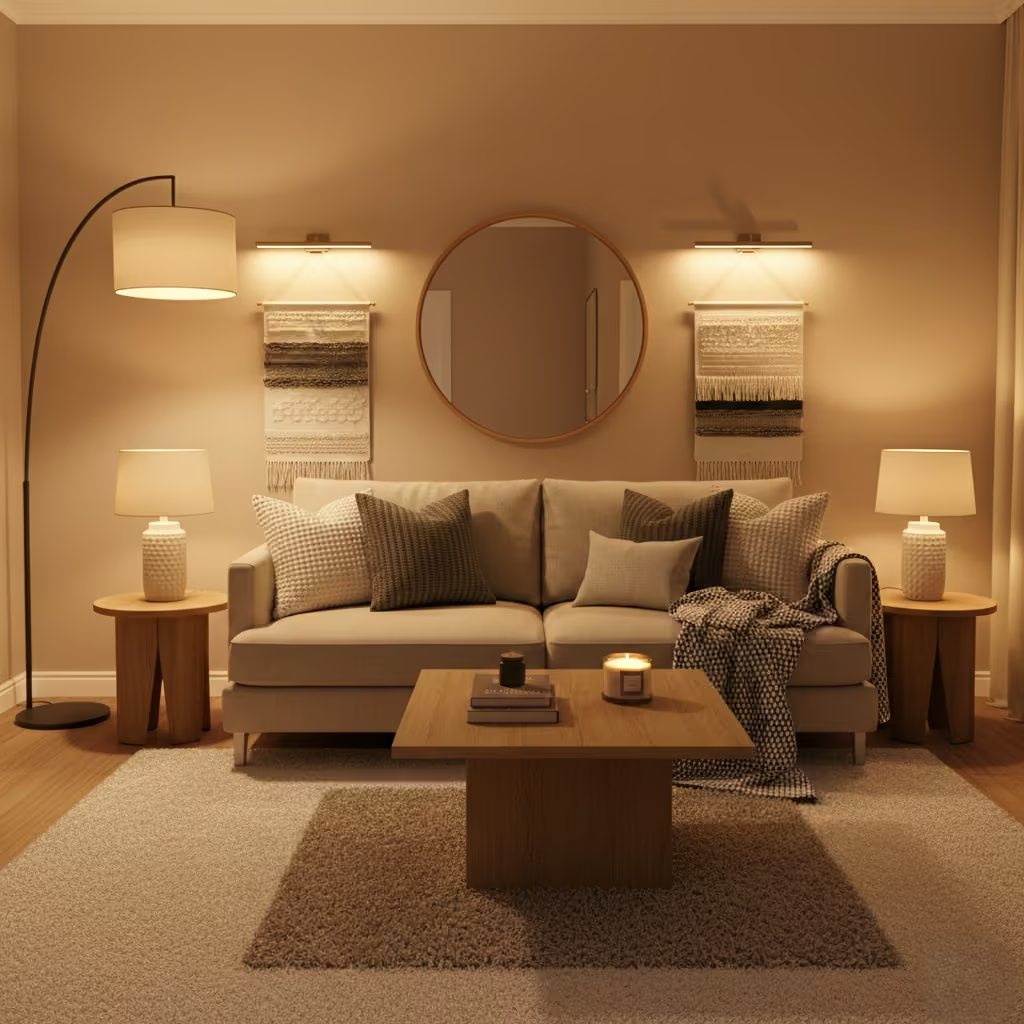
Relying on one overhead light creates harsh shadows and a flat atmosphere, especially in apartments with limited natural light. Layered lighting adds depth and warmth. I usually combine a floor lamp, table lamps, wall lights, and soft accent lighting around bookshelves or artwork. Aim for warm white bulbs, which create a welcoming glow that mimics natural light.
Dimmers are a smart investment because they let you shift the mood throughout the day. A layered lighting plan not only improves the ambience but also distracts from the compact footprint of the room.
Use Nesting Coffee Tables to Save Space
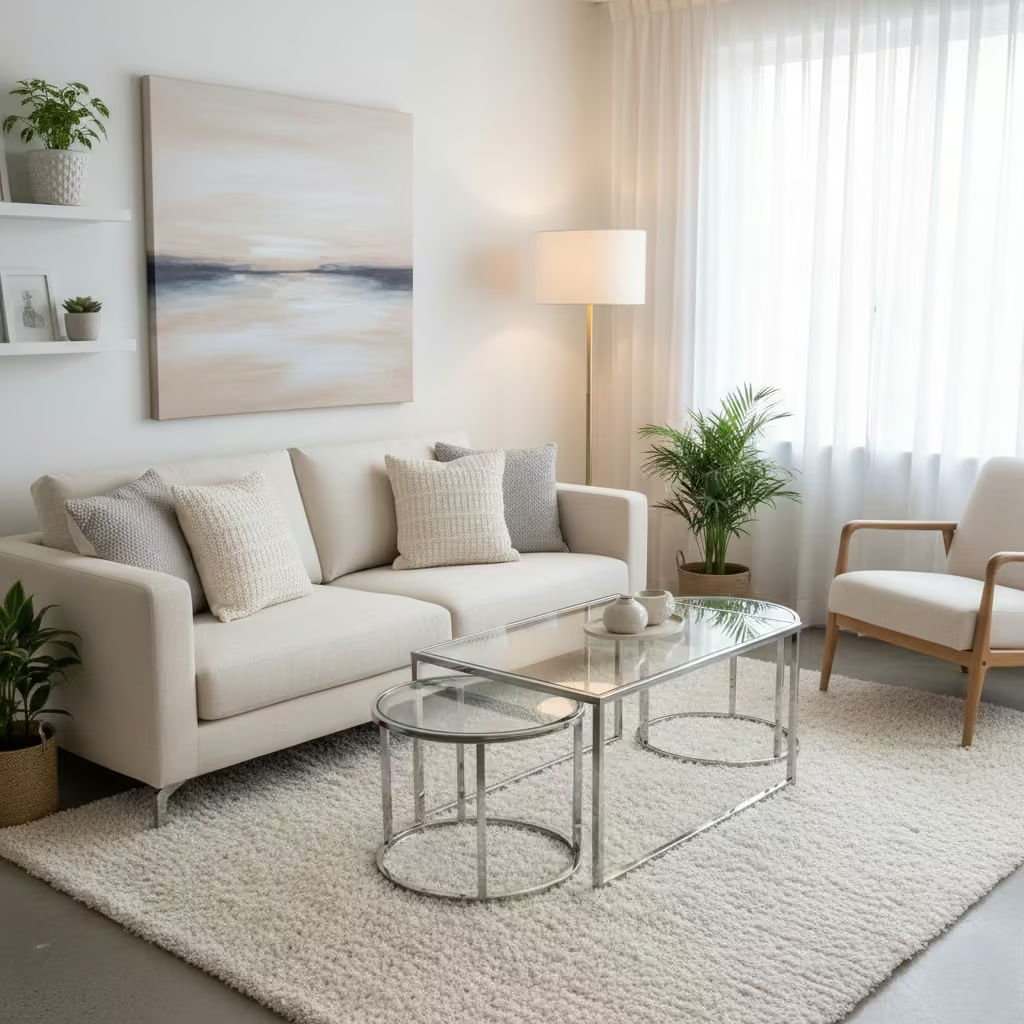
Nesting tables offer flexibility without sacrificing functionality. You can spread them out when entertaining or tuck them away to free up floor space. They work especially well in narrow living rooms where a large, solid coffee table would feel bulky.
Look for sets made from glass, metal, or slim wood profiles to keep the look lightweight. I often choose nesting tables with mixed materials because they add interest without the heaviness of a single chunky piece.
They’re practical, stylish, and ideal for apartment living where space has to work hard.
Add Hidden Storage with Ottomans or Benches
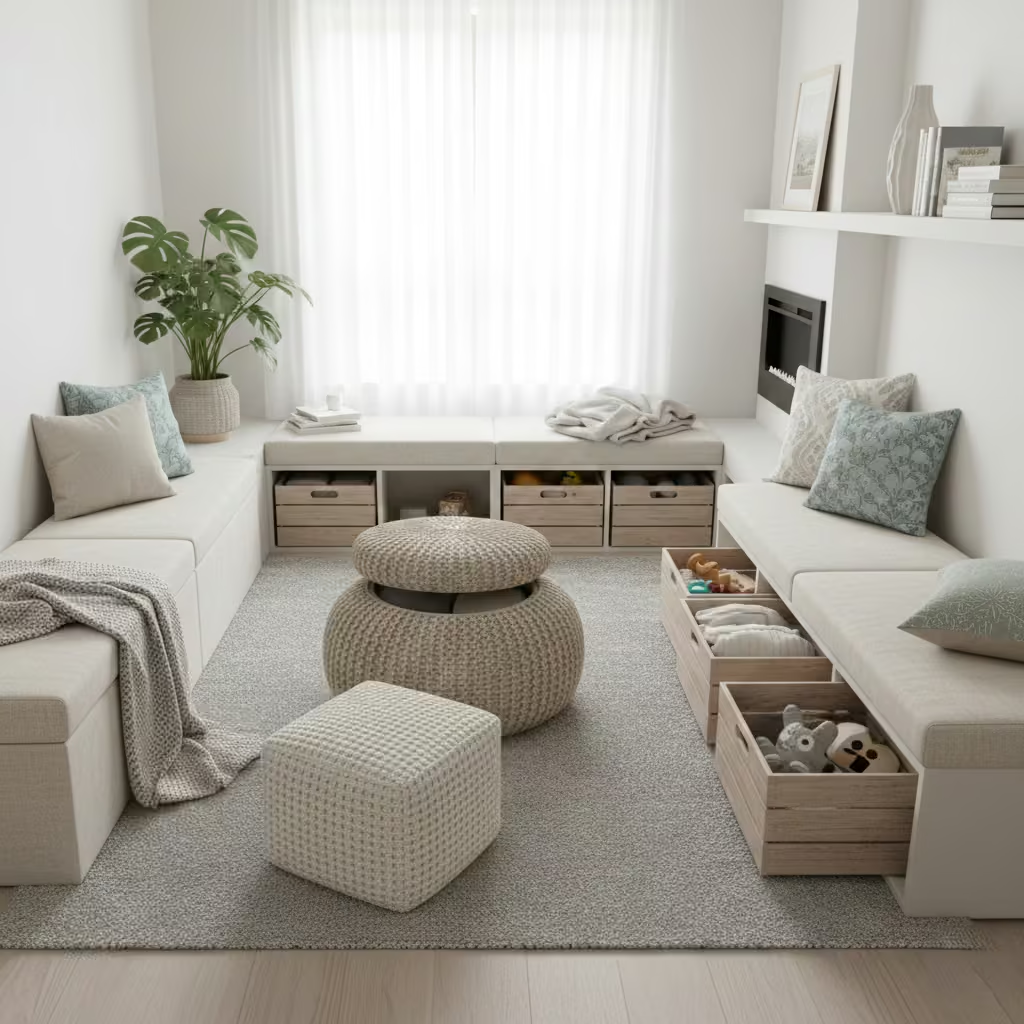
Hidden storage is essential for maintaining a clean, organised living room. Storage ottomans, benches, or pouffes provide a discreet place to stash blankets, remotes, seasonal décor, or kids’ toys.
They also double as extra seating when guests come round. I often place a storage bench under a window or behind the sofa for a stylish yet functional addition. Upholstered options add softness, while leather or woven designs introduce texture.
This kind of multifunctional furniture ensures that clutter stays out of sight without sacrificing style or comfort.
You May also Like: Fall Apartment Decor Ideas: 15 Cozy Ways to Make Your Apartment Feel Like Autumn
Mix Materials for a More Elevated Look
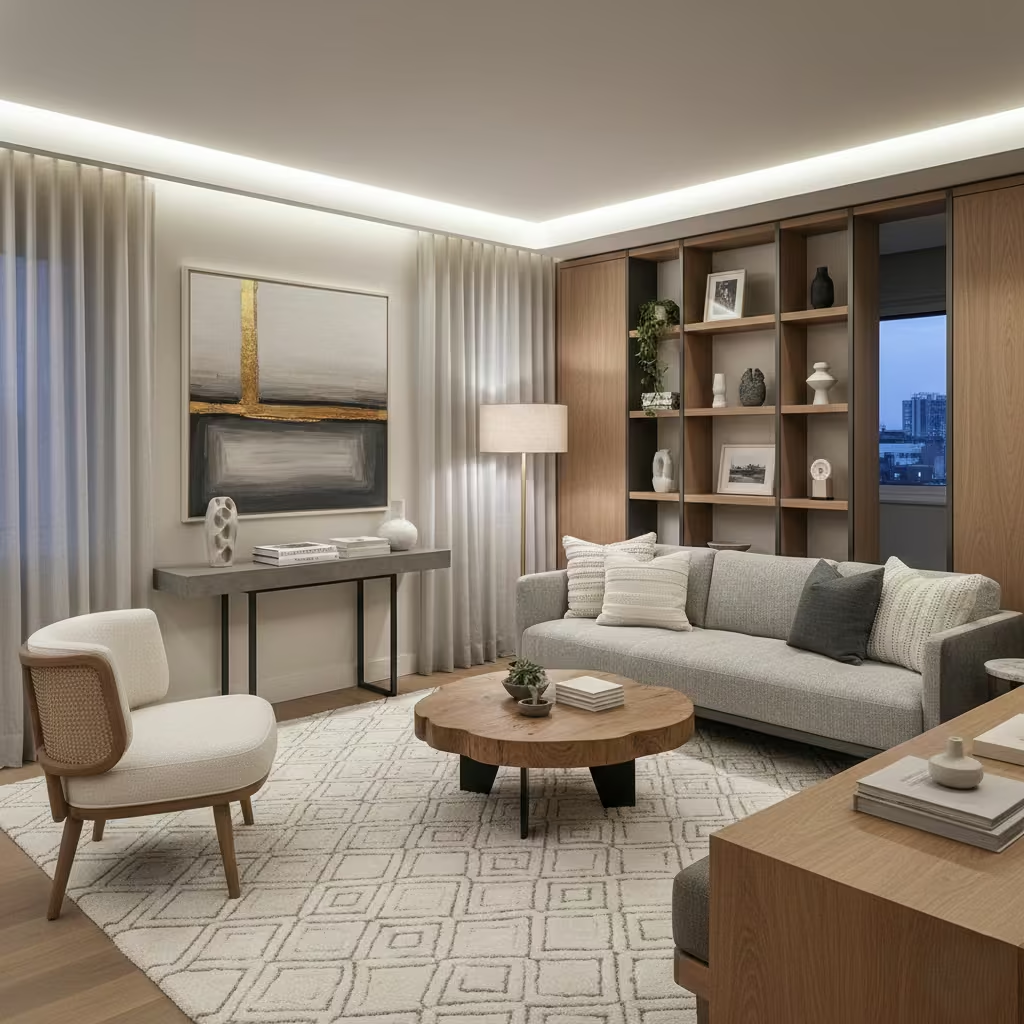
Modern apartment living rooms often feel flat because everything is the same colour or material. Mixing materials adds depth, character, and sophistication. Combine warm woods with metal finishes, or contrast soft fabrics with glass or stone accents. A wooden coffee table paired with metal side tables and a textured fabric sofa creates a layered look without overwhelming the space.
Material contrast also helps break up the monotony of small rooms where the palette is intentionally neutral. This approach makes the room feel more designed and considered.
You May also Like: 25 Farmhouse Living Room Ideas That Feel Warm, Timeless, and Lived-In
Choose Leggy Furniture to Keep the Room Feeling Airy
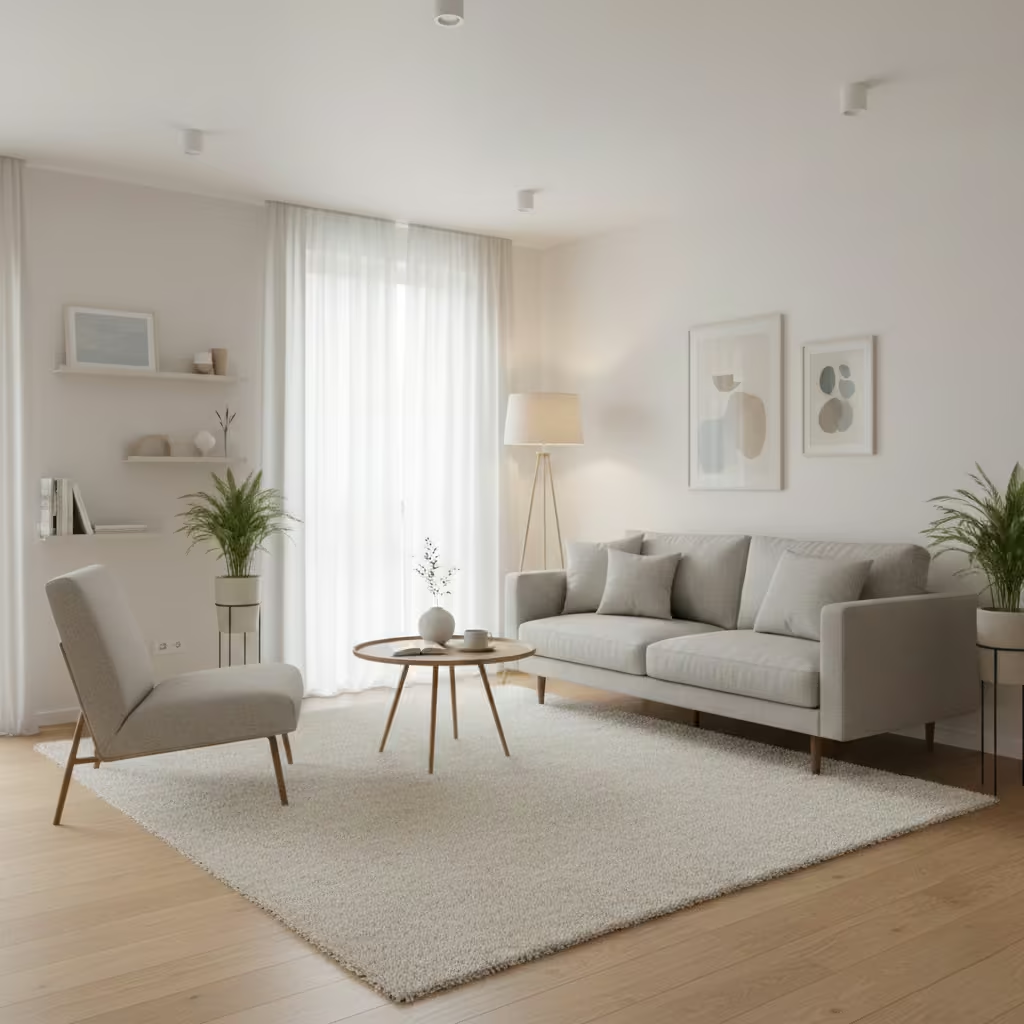
Furniture with visible legs creates a light, open feel because the floor stays visible and the room looks less boxed in. Leggy sofas, armchairs, and coffee tables work especially well in compact living rooms with limited floor space. Mid-century modern pieces often excel here due to their raised profiles and clean lines.
This type of furniture helps maintain visual flow and prevents the room from feeling heavy or cluttered. If you love chunkier furniture, balance it with lighter pieces so the room still feels open.
Use a Feature Wall to Anchor the Layout
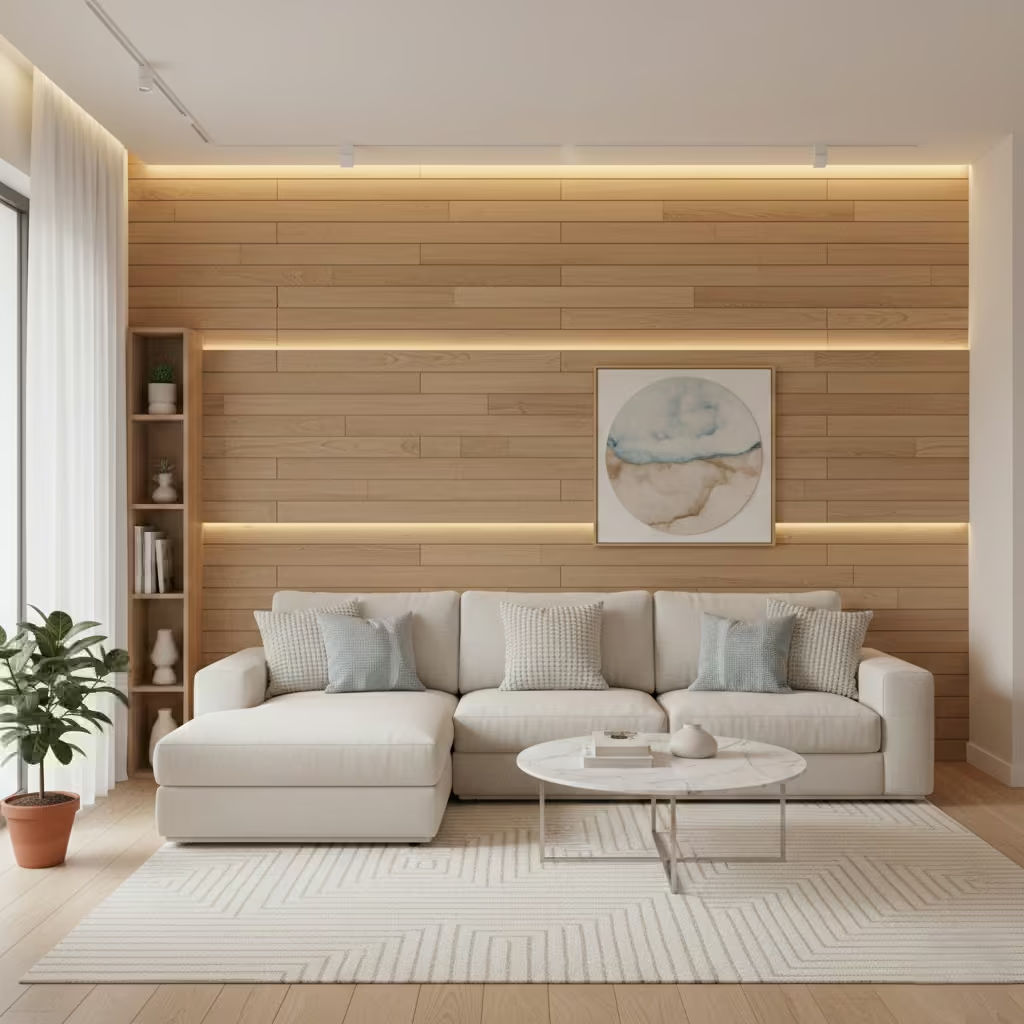
A feature wall gives your living room a clear focal point and can help unify the layout. You might choose a subtle paint colour, textured wallpaper, or a wood-panelled design depending on the overall style. In apartments where architectural details are minimal, this feature adds instant character.
It also helps guide furniture placement because the main seating naturally aligns with the focal wall. In small rooms, choose gentle patterns or muted tones to add interest without overpowering the space.
Add Statement Art to Draw the Eye Upward
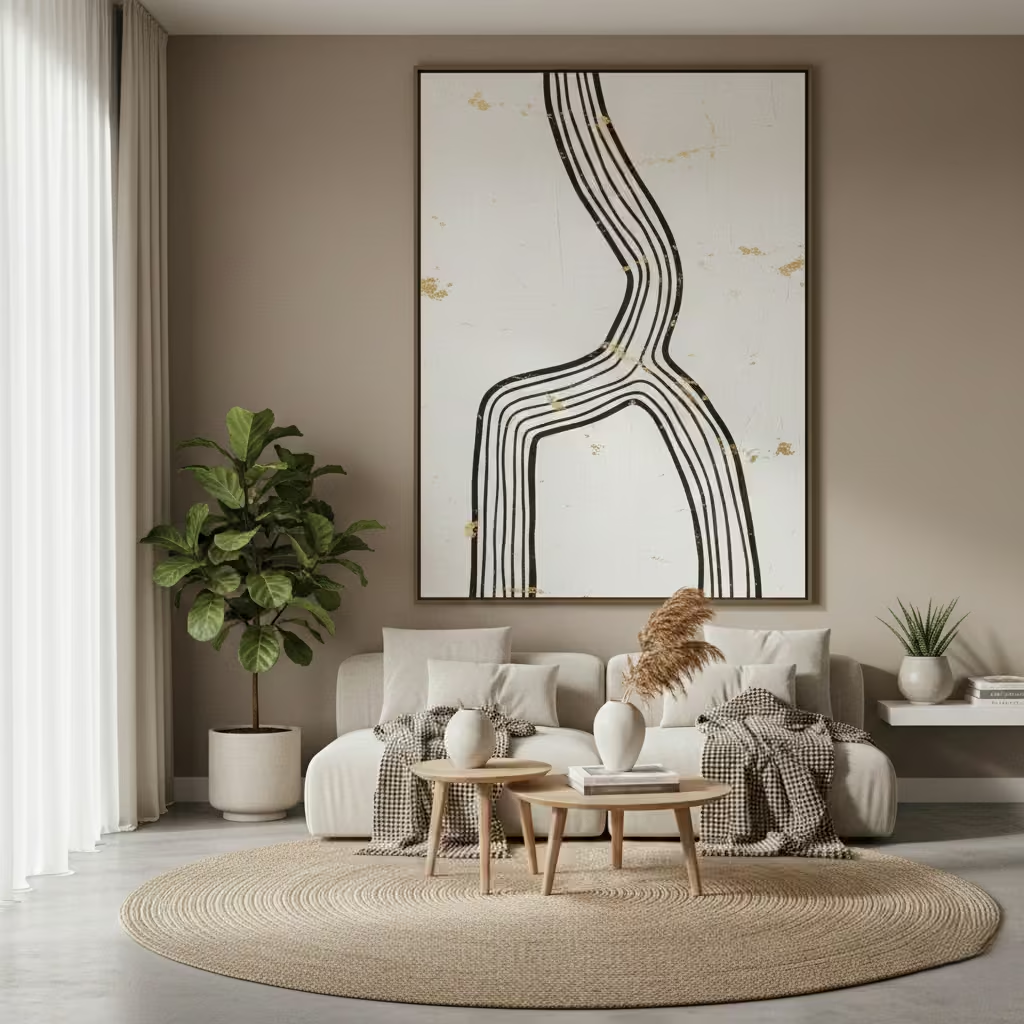
Large-scale artwork adds impact and makes walls feel taller. A single oversized piece can anchor the room and eliminate the need for multiple smaller items that may look cluttered. Whether it’s an abstract canvas, a framed textile, or a bold print, statement art adds personality with minimal effort.
I often hang big artwork slightly higher than expected in apartments to exaggerate vertical height. This trick gives the illusion of taller ceilings and makes the entire room feel more open and intentional.
You May also Like: 46 Fall Living Room Decor Ideas to Create a Warm and Inviting Space.
Create Flow with the Right Layout for Your Room Shape
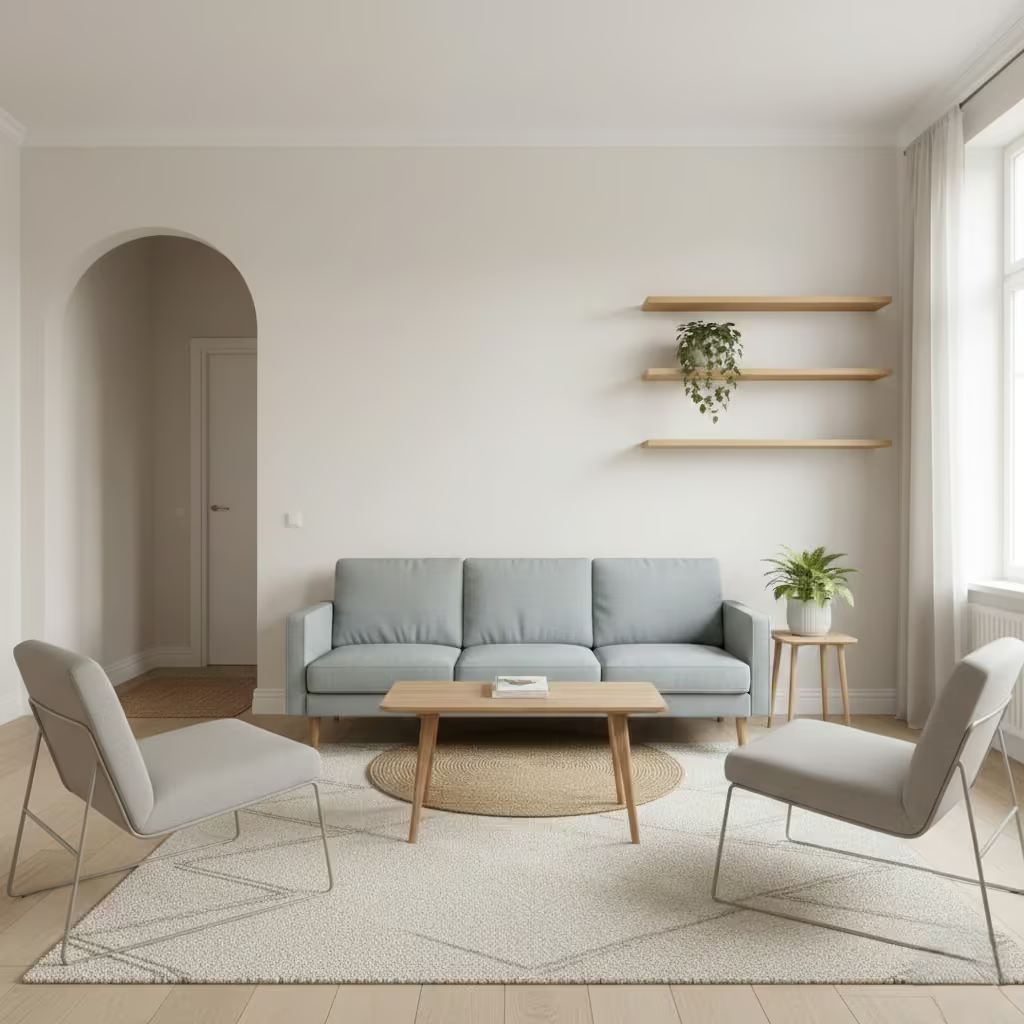
Good flow is essential in small living rooms. Start by identifying natural entry points, light sources, and the room’s focal point. Place larger furniture in a way that supports easy movement rather than blocking walkways. In narrow rooms, float the sofa slightly away from the wall to improve balance.
In square rooms, anchor the seating around a central rug to define the space. Small tweaks like angling a chair or shifting the coffee table can dramatically improve how the room feels and functions.
Use Soft Neutrals with Bold Accents for Balance
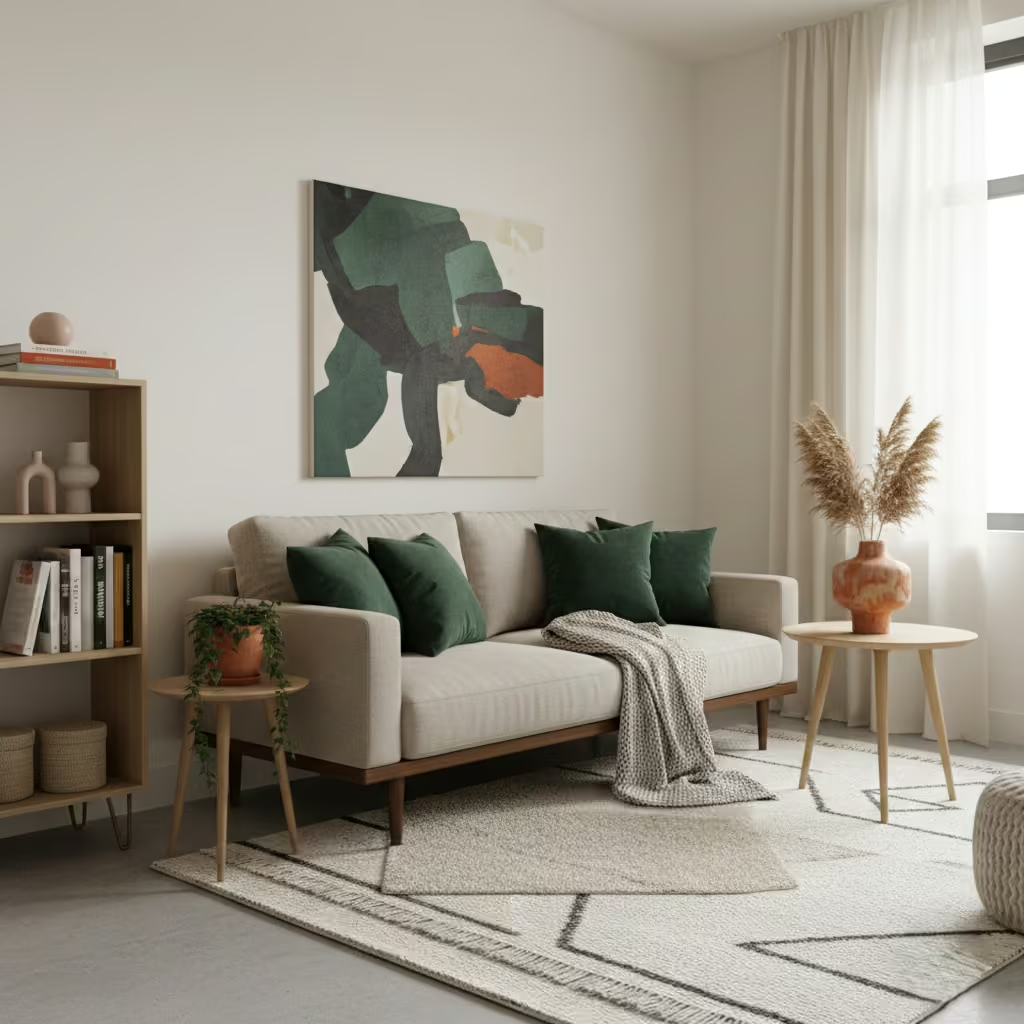
A neutral foundation keeps the room calm and airy, while bold accents introduce personality and contrast. Think cushions in deep green or burnt orange, a colourful vase, or an accent lamp in a striking material.
These elements add vibrancy without overwhelming the limited space. The key is moderation. Keep 80 percent of the room neutral and let the final 20 percent be where you play with bolder shades. This balance creates harmony and makes the room feel curated rather than chaotic.
Try Modular Furniture for Flexible Living
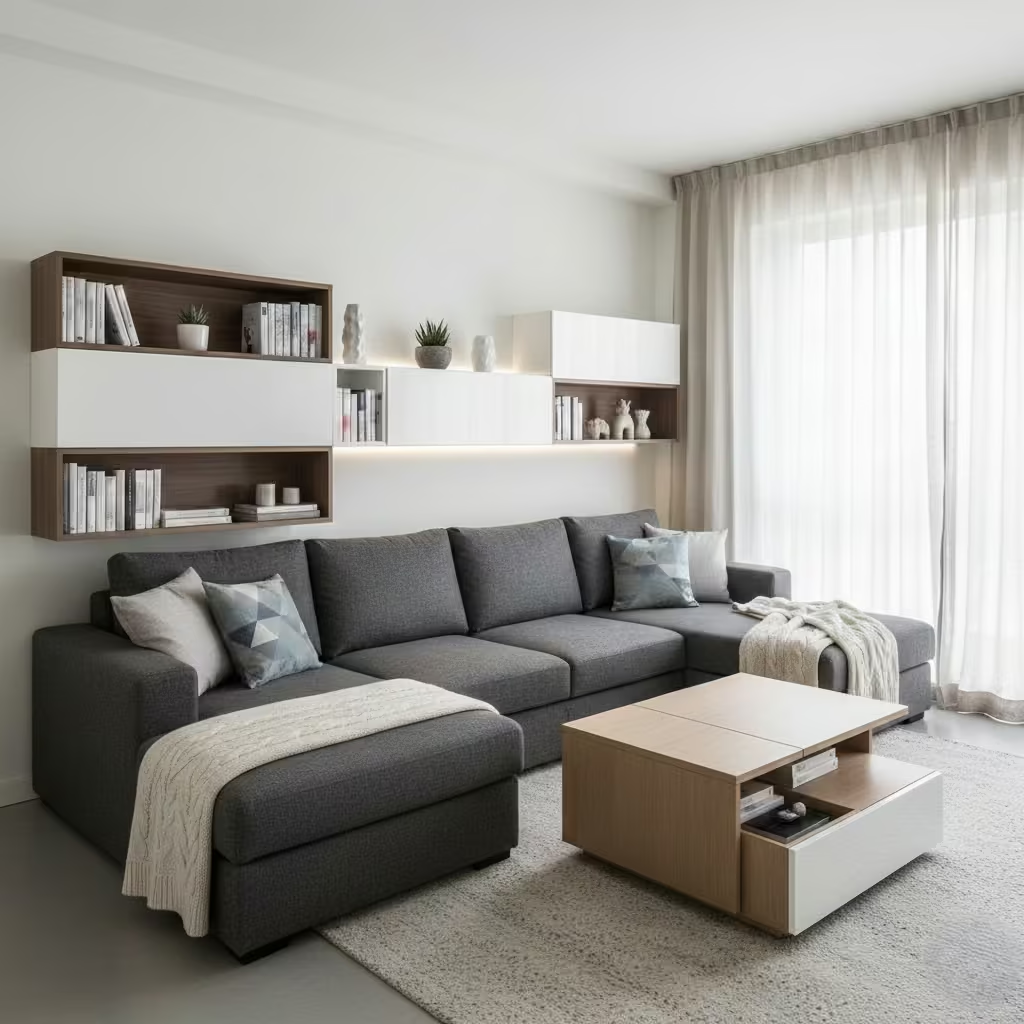
Modular furniture adapts to the way you use your home, making it ideal for renters and small-space dwellers. Modular sofas can be reconfigured into different shapes depending on your layout, while modular shelving systems grow with your needs. This flexibility is priceless in apartments where rooms often serve multiple purposes.
I frequently use modular pieces in long, narrow living rooms because they can be repositioned easily to maintain balance and flow. They’re practical, stylish, and future-proof.
Bring in Curved Lines to Soften Sharp Corners
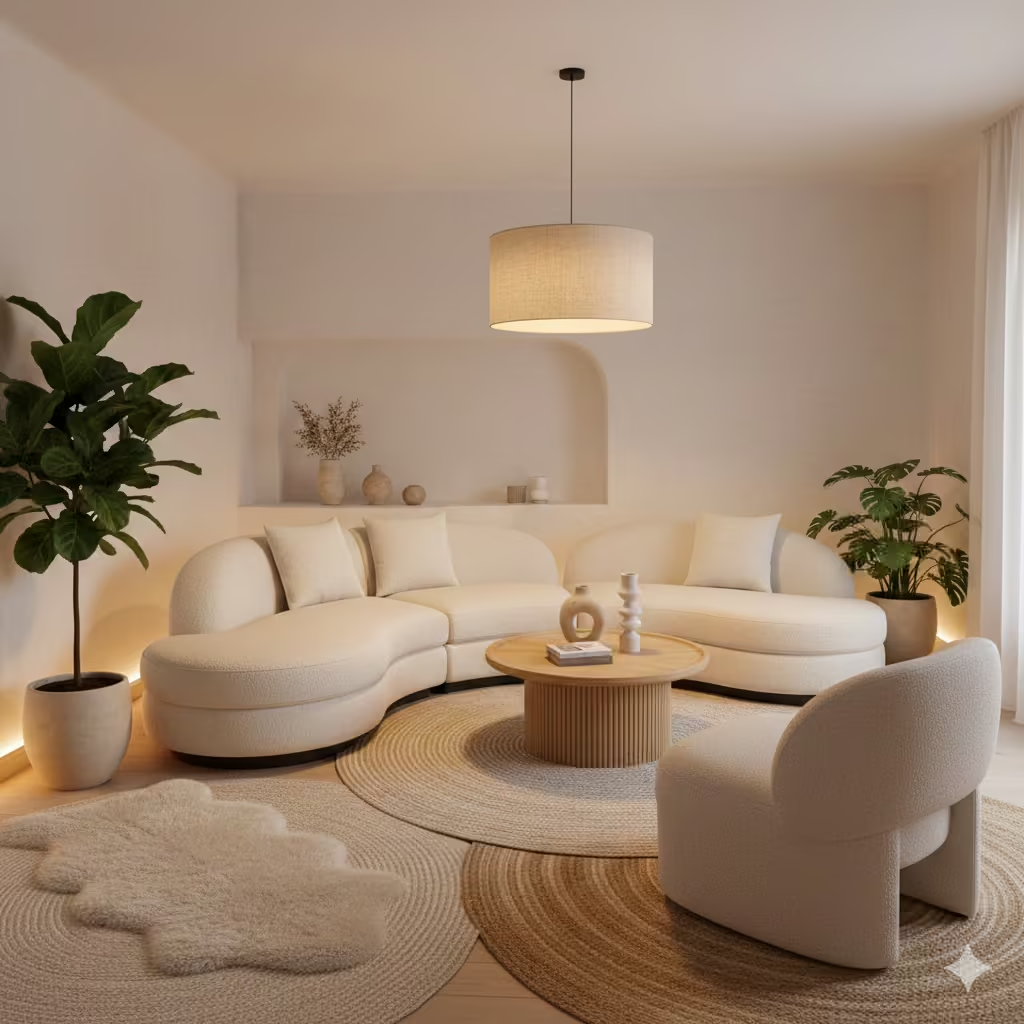
Curved furniture introduces softer lines and a more organic feel to the room. Rounded coffee tables, crescent-shaped sofas, and curved accent chairs help break up the angular architecture of small apartments.
These shapes improve flow by allowing easier navigation around the room and prevent the layout from feeling too rigid. Curves also add a sense of comfort and warmth, especially in minimalist or modern interiors where sharp lines often dominate.
You May also Like: 25 Rugs for Living Room Comfort, Style, and Layout
Choose a Slim Dining Table if Your Living Room Shares the Space
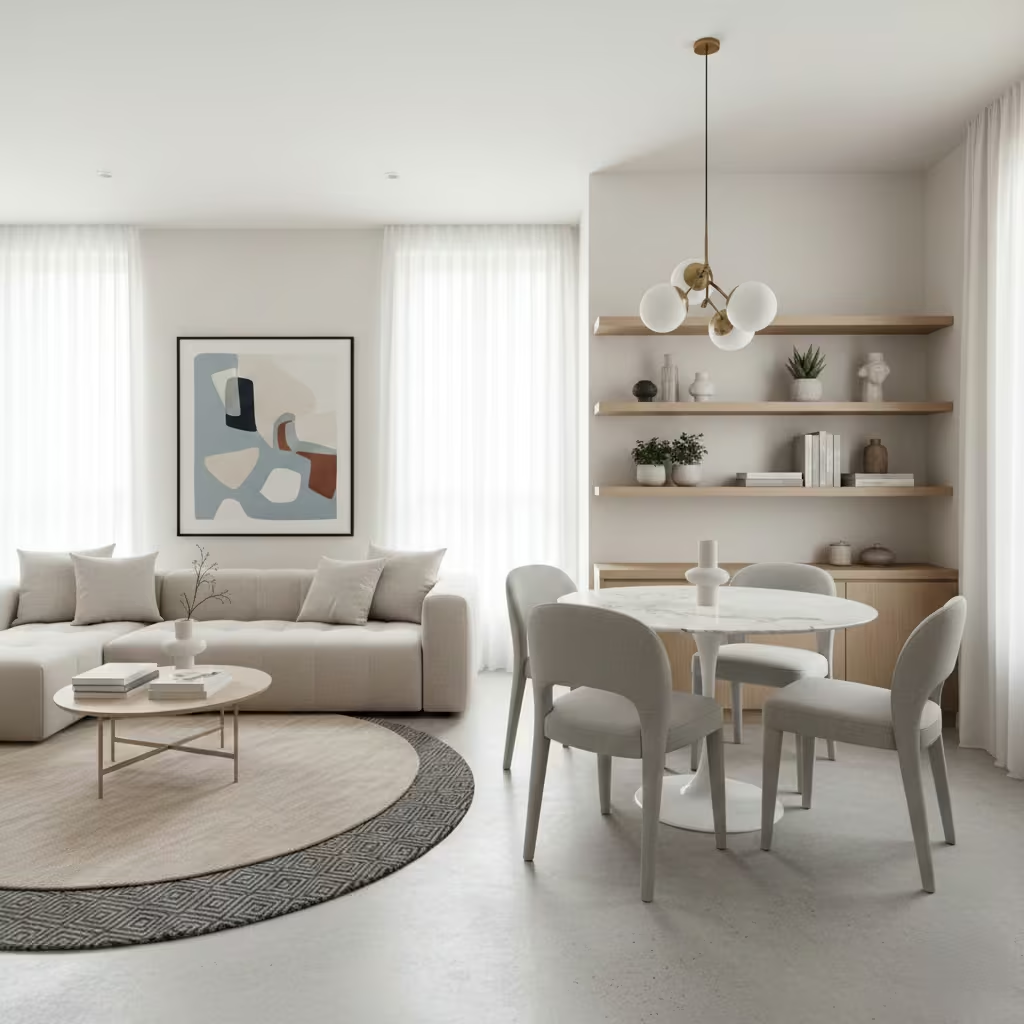
In open-plan apartments, the dining area often blends into the living room. A slim dining table keeps the room from feeling cramped. Narrow rectangular tables or round pedestal tables fit neatly into smaller footprints and still provide functional dining space. Pair them with lightweight chairs that are easy to move around.
To visually separate the zones, use a small rug under the dining table or hang a pendant light above it. This keeps the room feeling balanced and intentional.
Use Tech Smartly with Cable Concealment Solutions
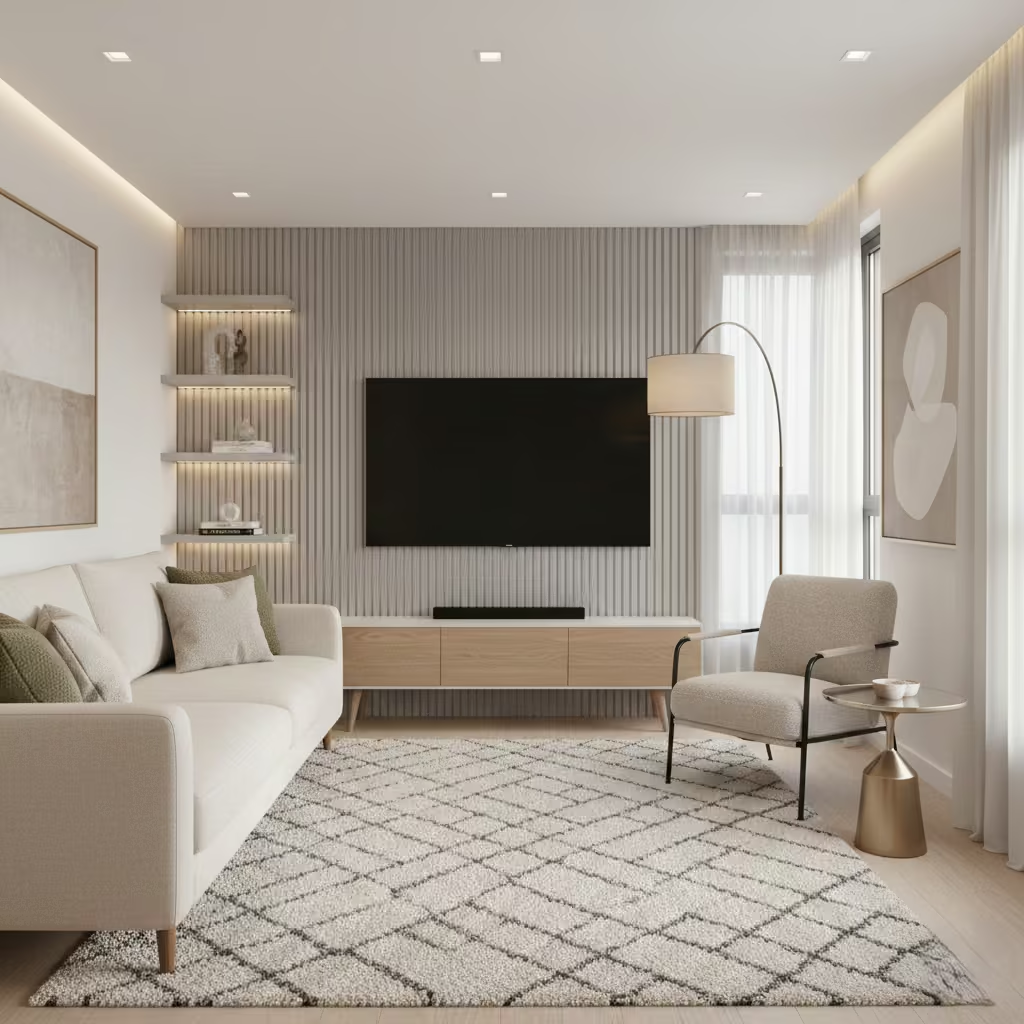
Exposed wires can instantly make a living room feel messy. Use cable channels, cord clips, or wall-mounted conduits to keep everything tidy. If your TV is wall-mounted, run cables through a discreet cover painted the same colour as the wall.
This keeps the look clean and modern. I also use woven baskets or cable boxes to hide power strips. When tech is integrated thoughtfully, the entire room feels calmer and more polished.
Add Personal Touches for a Lived-In, Cozy Feel
A stylish apartment living room still needs warmth and personality. Add personal touches through books, meaningful décor, framed photos, travel finds, or vintage accessories. These items make your space feel lived in and uniquely yours. Just be selective so the room stays clutter-free.
I like to incorporate one or two sentimental pieces into each design because they bring emotional connection and charm. Even the smallest details can transform a neutral room into a cosy, inviting space you genuinely love spending time in.
Shopping and Styling Tips for Apartment Living Rooms
Shopping for an apartment living room is all about striking the right balance between scale, comfort, and practicality. The first step is choosing furniture that fits the proportions of your space. I always recommend measuring twice and visualising how each piece sits within the layout. Look for sofas with slimmer arms, compact depths, and raised legs, as these keep the room feeling open without sacrificing comfort. Multifunctional pieces work especially well in apartments; nesting tables, ottomans with hidden storage, or modular seating give you flexibility without overwhelming the floor plan.
Lighting plays a major role in making an apartment living room feel warm and intentional. Since overhead lighting in rentals is often too harsh or basic, build a layered approach using floor lamps, table lamps, and wall-mounted plug-in sconces. This creates pockets of ambient, task, and accent lighting that instantly add dimension. If the room doesn’t get much natural light, choose warm LED bulbs and reflective materials to amplify brightness.
Décor is where you can inject personality without adding clutter. Select a few impactful pieces like a large framed print, a sculptural vase, or a textured throw to elevate the room. Soft layering works wonders in small spaces; cushions in mixed textures, lightweight curtains, and greenery bring warmth without taking up valuable square footage. Focus on timeless materials like wood, linen, and ceramic, then sprinkle in trend-led accessories for easy seasonal updates.
Apartment Living Room Mistakes to Avoid (200 words)
One of the most common mistakes in apartment living rooms is choosing furniture that is simply too big for the space. Oversized sofas or bulky coffee tables instantly crowd the room and make it feel smaller than it is. Scaled-down, leggy, or modular pieces keep the layout open and easy to use.
Another issue is using too many colours at once. In a compact room, a busy palette quickly becomes overwhelming. Stick to a simple base of two or three tones, then layer in small accents for interest. This creates visual harmony and makes the room feel pulled together.
Cluttered décor is another trap that sneaks up on people. Small spaces need breathing room, so focus on a handful of meaningful pieces rather than lots of little objects. Curate, edit, and group items intentionally to avoid a messy look.
Lighting mistakes also make a big difference. Relying on a single overhead light leaves the room flat and cold. A layered plan with table lamps, floor lamps, and soft ambient lighting builds depth and warmth, especially in rentals with limited natural light.
Finally, always maintain clear walkways. If people have to squeeze past furniture, the room feels cramped. Thoughtful spacing instantly improves flow and comfort, even in the smallest flats.
Final Thoughts
A well-designed apartment living room doesn’t rely on square footage; it comes down to smart choices, thoughtful layout, and layers that work hard without overwhelming the space.
With the right palette, good lighting, scaled furniture, and a few clever styling techniques, even the smallest apartment can feel more spacious, intentional, and beautifully cohesive. These ideas aren’t about chasing perfection but about creating a room that supports your daily life while still feeling warm, personal, and polished.
If you want to keep building on this momentum, there’s plenty of inspiration across other spaces in the home. Exploring room by room helps you understand how flow, function, and style connect throughout an entire apartment, making each area feel considered and consistent.
You May also Like: 25 Blue Living Room Decor Ideas That Balance Calm, Character, and Longevity
Frequently Asked Questions About Apartment Living Room Design
How can I make a small apartment living room look bigger without renovating?
Focus on light colours, leggy furniture, mirrors, and clear floor visibility. Keeping the palette restrained, reducing visual clutter, and improving lighting layers can dramatically change how spacious the room feels without structural work.
What furniture size works best for apartment living rooms?
Scale is critical. Choose compact sofas, slim coffee tables, and narrow storage units that suit the room’s proportions. Furniture should support circulation, not dominate the floor plan.
Is it better to push furniture against the walls in a small living room?
Not always. Floating furniture slightly away from walls can improve flow and balance, especially in narrow or awkward layouts. The key is maintaining clear walkways.
How do I design a rental-friendly living room without permanent changes?
Use removable solutions like area rugs, mirrors, modular furniture, floating shelves with adhesive fixings, and oversized art leaned against walls. These add impact without violating rental rules.
What lighting works best in apartments with limited natural light?
Layered lighting is essential. Combine floor lamps, table lamps, wall lights, and warm bulbs to create depth and softness. Avoid relying on a single overhead fixture.
How do I add personality without cluttering a small space?
Be selective. Use statement art, a gallery wall, textured cushions, or a few meaningful décor pieces. Limit surface styling and let walls do more of the visual work.
Are open-plan apartment living rooms harder to design?
They require clearer zoning. Rugs, lighting, and furniture placement help define living, dining, and working areas while keeping the space cohesive.
What storage solutions work best for apartments?
Vertical storage, hidden storage furniture, floating consoles, and slim shelving maximise capacity without reducing floor space. Closed storage at lower levels keeps rooms feeling tidy.
Should I use bold colours in a small apartment living room?
Bold colours work best as accents. Keep the base neutral and introduce colour through cushions, art, or accessories to avoid overwhelming the space.
How do I future-proof my apartment living room layout?
Invest in modular, flexible furniture and timeless finishes. Pieces that can be rearranged or reused in different homes adapt better to changing needs.