

21 Minimalist Living Room Ideas That Make Your Home Feel Calm and Chic
A minimalist living room is all about stripping back the noise so the space can breathe. It focuses on clean lines, thoughtful furniture choices, and a calm, cohesive palette that helps the room feel open and effortless.
Instead of crowding a space with décor, minimalism leans into quality over quantity, giving every piece a clear purpose. This approach keeps the room grounded and stops it from feeling visually heavy.
In 2025, minimalism is more popular than ever. With busy routines and homes that often double as workspaces, people are craving rooms that look lighter, feel calmer, and function better day to day.
I’ve found that when you simplify a living room, you instantly improve comfort and flow. Your eye settles faster, your mind relaxes, and the whole space becomes more intentional.
Whether you’re working with a compact flat or an open-plan home, the right minimalist choices can completely reshape how your living room feels and functions. Here are 21 minimalist living room ideas that genuinely work.
What Makes a Living Room Truly Minimalist?
A truly minimalist living room starts with one guiding principle: simplicity. Every element in the space should feel intentional. Clean lines, uncluttered surfaces, and furniture that serves a clear function are the backbone of this design style. Rather than filling a room with decorative extras, minimalism encourages you to choose fewer pieces that work harder, whether that’s a streamlined sofa, a slimline coffee table, or built-in storage that keeps visual noise to a minimum.
A calm colour palette is another defining feature. Soft whites, warm greys, muted taupes, and earthy neutrals help create a soothing backdrop that instantly makes a room feel lighter. These tones also allow textures and shapes to stand out without overwhelming the space.
Instead of layering lots of small accessories, minimalism prioritises high-quality materials. Think solid wood, natural stone, wool, linen, or brushed metal. These add depth and richness to the room without creating clutter.
The biggest misconception about minimalism is that it always ends up looking empty or cold. The key to avoiding that is balance. A room still needs warmth, texture, and personal touches, just used sparingly. When you combine simplicity with thoughtful material choices, you create a minimalist living room that feels calm yet inviting.
21 Minimalist Living Room Ideas
A minimalist living room thrives on clarity, balance, and purposeful design. Whether you’re working with a wide-open space or a compact layout, the goal is to create a room that feels light, functional, and visually calm without losing warmth or personality. Minimalism isn’t about owning less for the sake of it; it’s about choosing pieces that genuinely serve your lifestyle and support the flow of the room. Below are 21 minimalist living room ideas that will help you simplify your space while still making it stylish, comfortable, and beautifully considered.
Keep Your Colour Palette Neutral and Soft
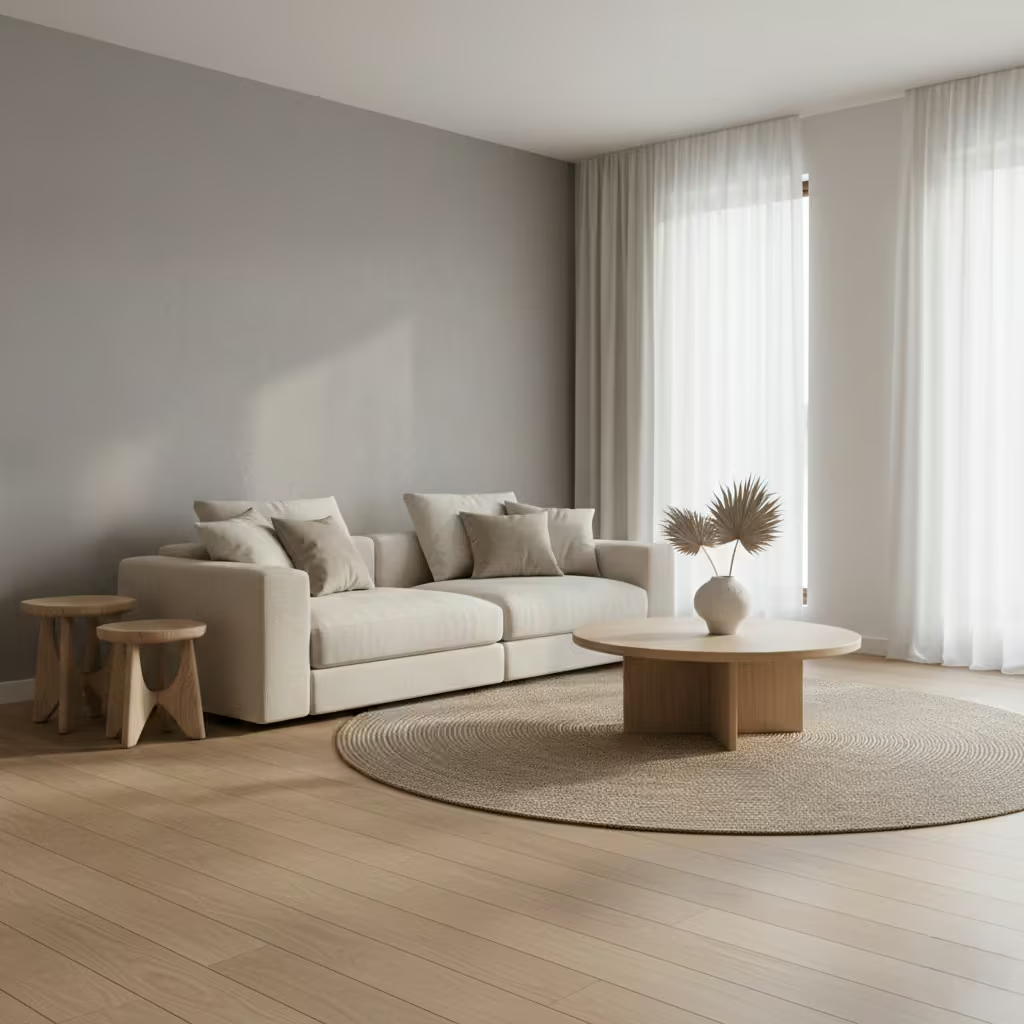
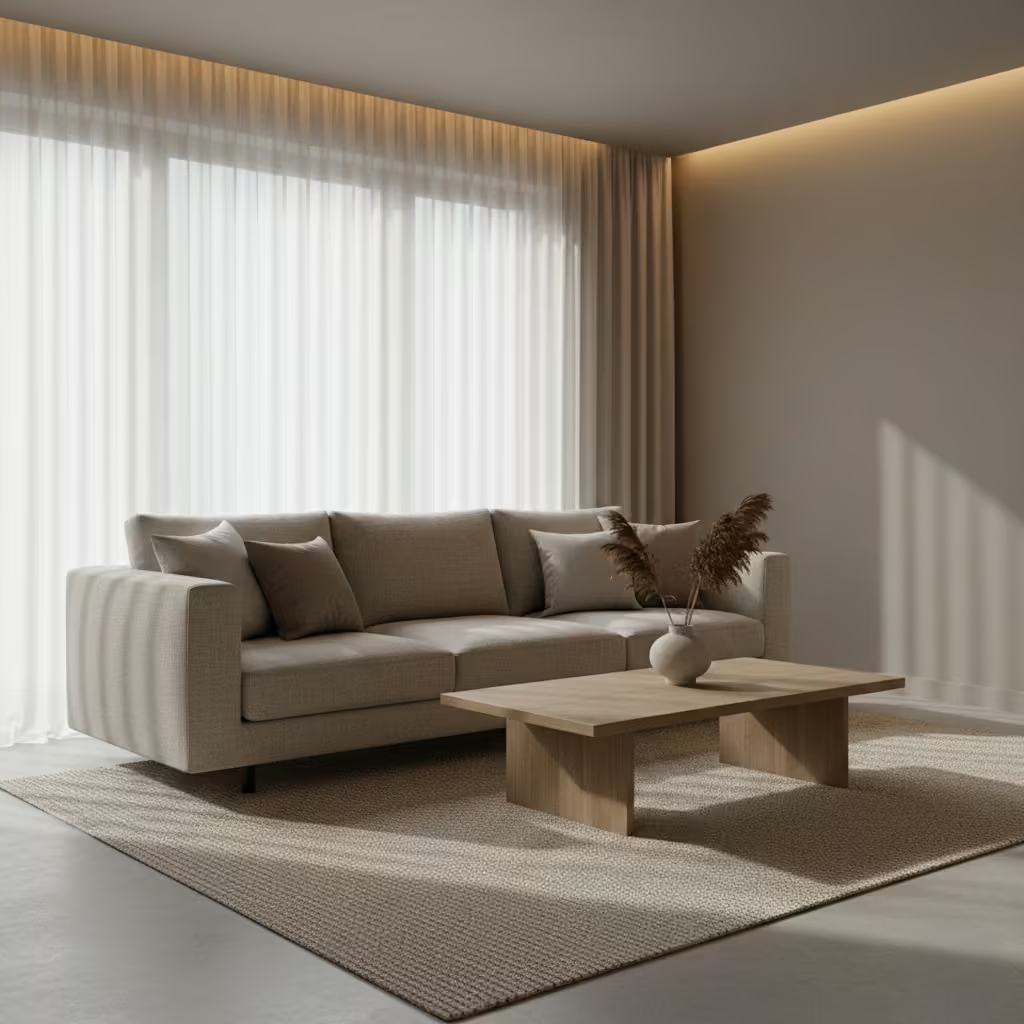
A neutral palette is the foundation of any minimalist living room because it instantly calms the space and creates visual harmony. Soft whites, warm greys, taupes, and muted earth tones help the eye move smoothly around the room without distraction. I often use one dominant shade, then layer in two supporting tones to create depth without clutter.
This approach works beautifully in both small and large spaces, giving you a clean base that feels grounded and flexible. Once the palette is set, you can introduce texture through rugs, throws, or wooden details without disrupting the minimalist mood.
You May also Like: 46 Fall Living Room Decor Ideas to Create a Warm and Inviting Space.
Choose Sleek, Low-Profile Furniture
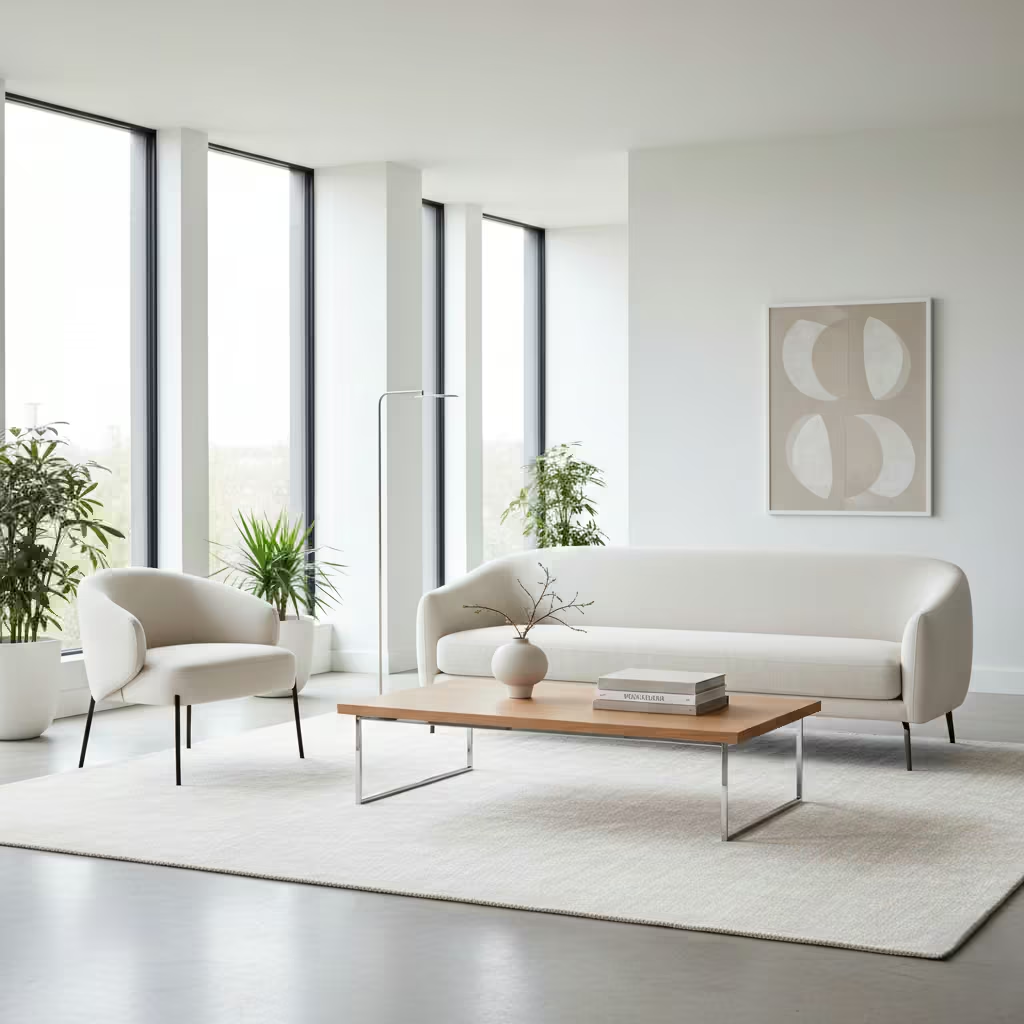
Minimalist spaces rely on furniture that feels light and unfussy. Low-profile sofas, slimline armchairs, and simple wooden tables help open up the room visually. Look for pieces with tapered legs, thin frames, or soft curves that keep the layout looking refined rather than bulky. In smaller living rooms, this style of furniture also creates the illusion of more space. I recommend avoiding oversized sectionals or deep tufting because they add unnecessary visual weight. Sleek furniture keeps the room feeling modern, airy, and comfortable without taking attention away from the architecture.
Introduce One Statement Piece
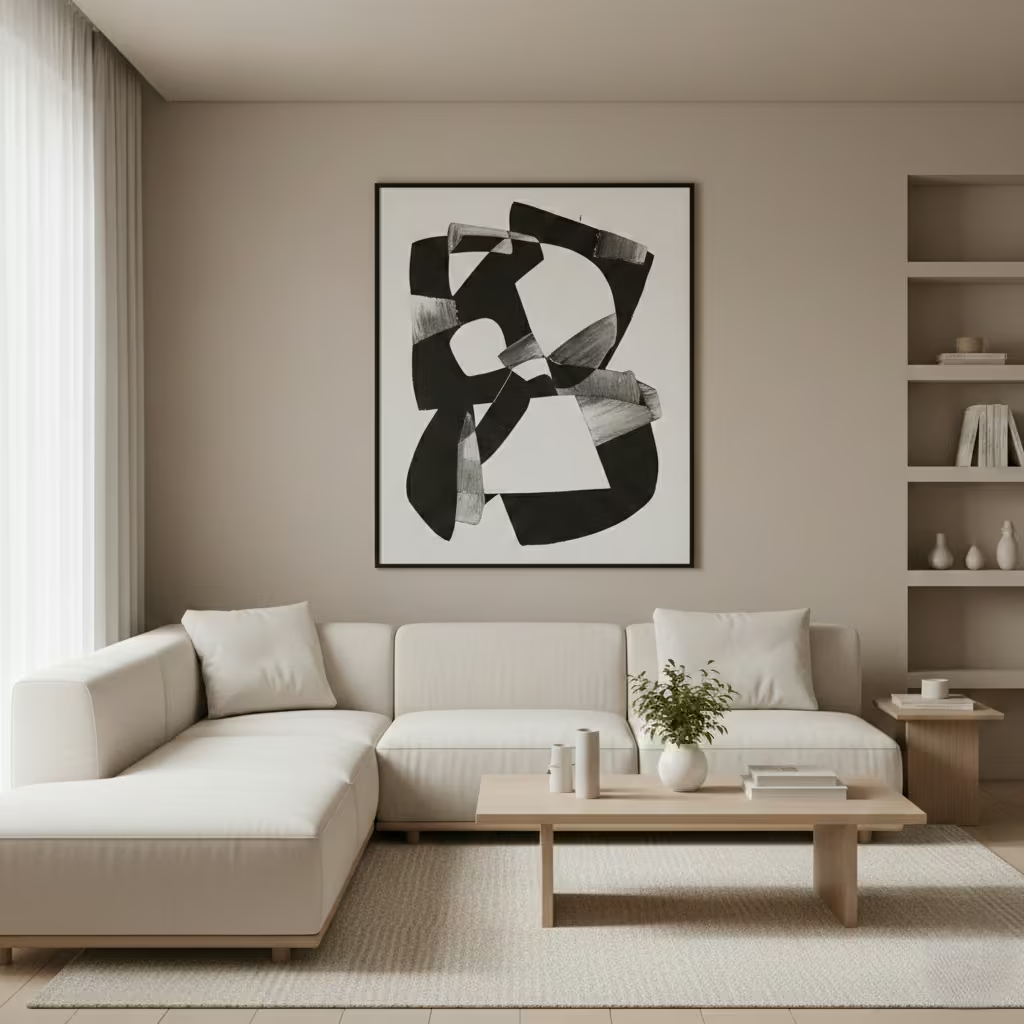
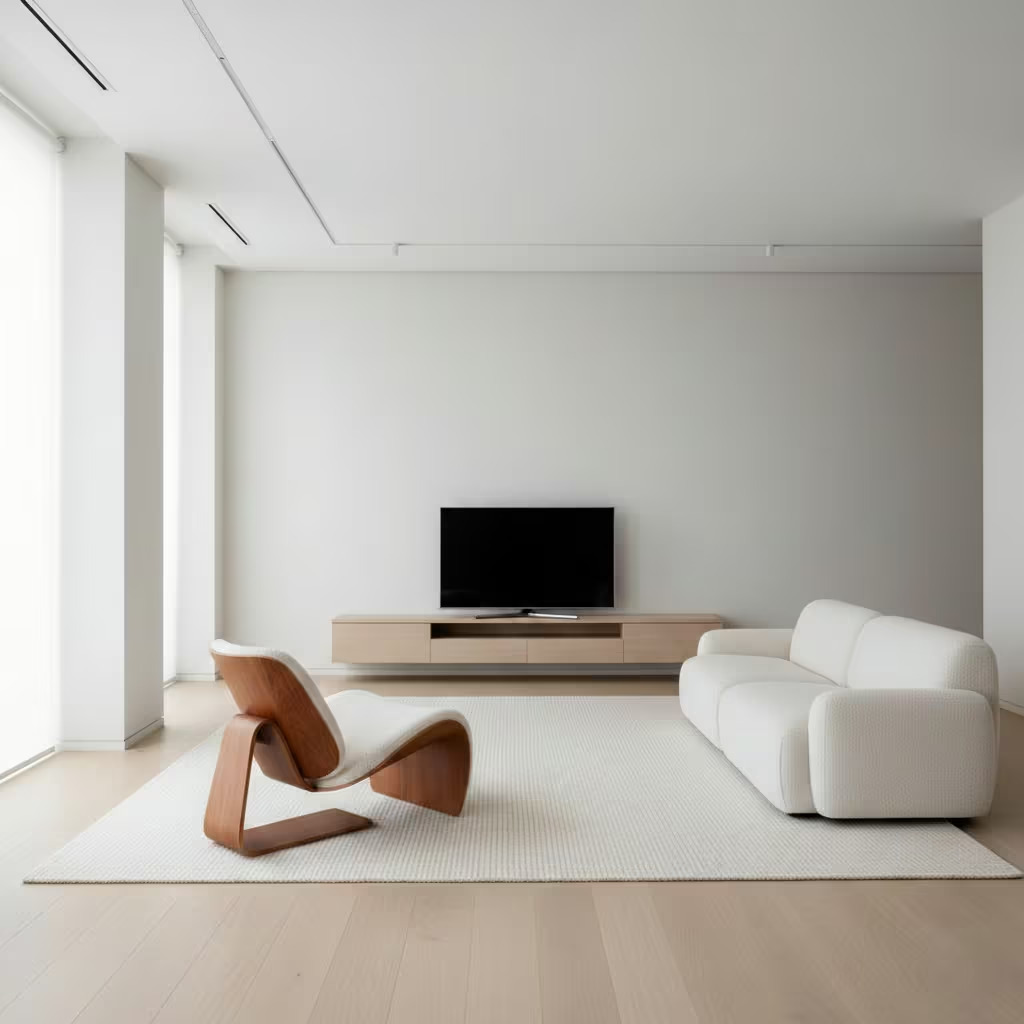
Minimalist doesn’t mean boring. One strong statement piece can elevate the entire living room without overwhelming it. This could be an oversized artwork, a sculptural chair, a textured rug, or even a unique coffee table. The key is choosing just one hero item and allowing it to shine while keeping everything else simple. I’ve found that when clients limit themselves to a single focal point, the room feels more intentional and curated. This technique also helps prevent impulse buying because every additional piece must earn its place. It’s a simple strategy that gives the room personality with control.
Use Hidden Storage to Cut Visual Clutter
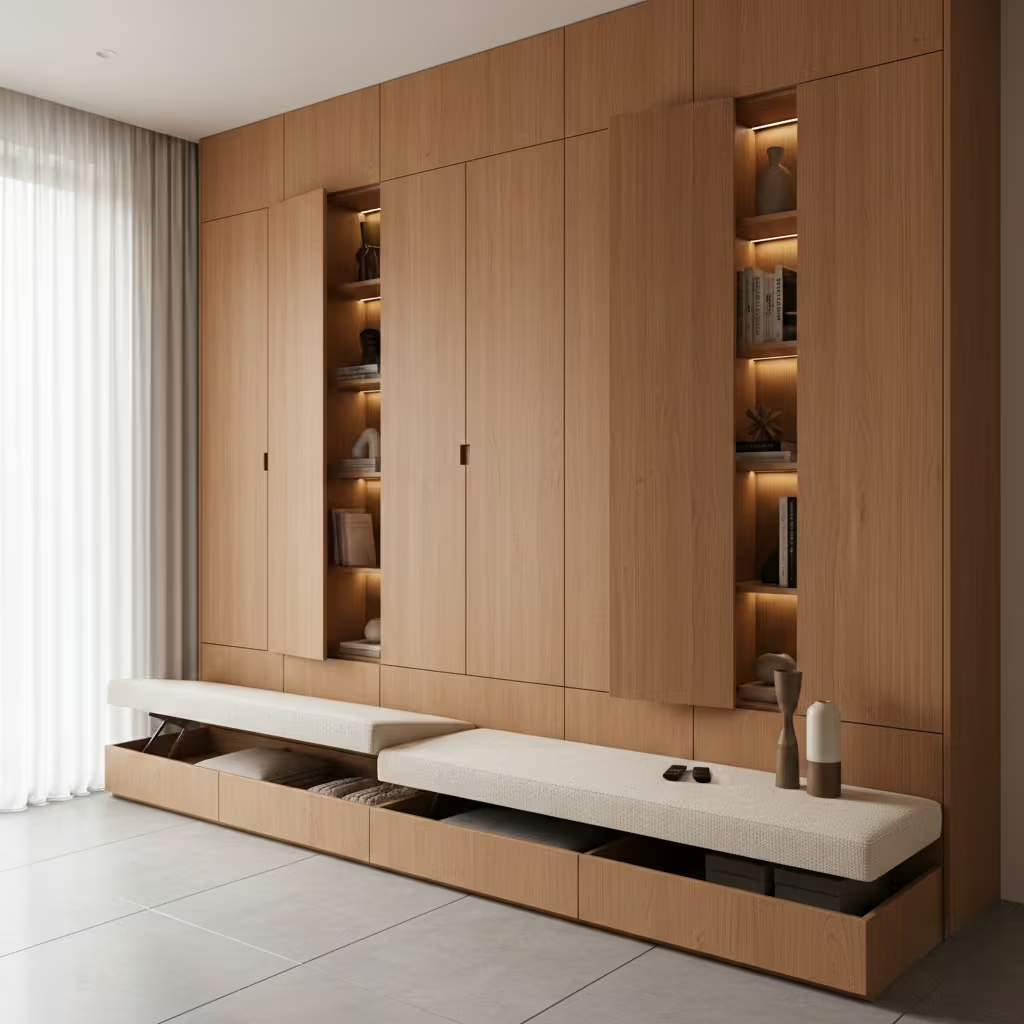
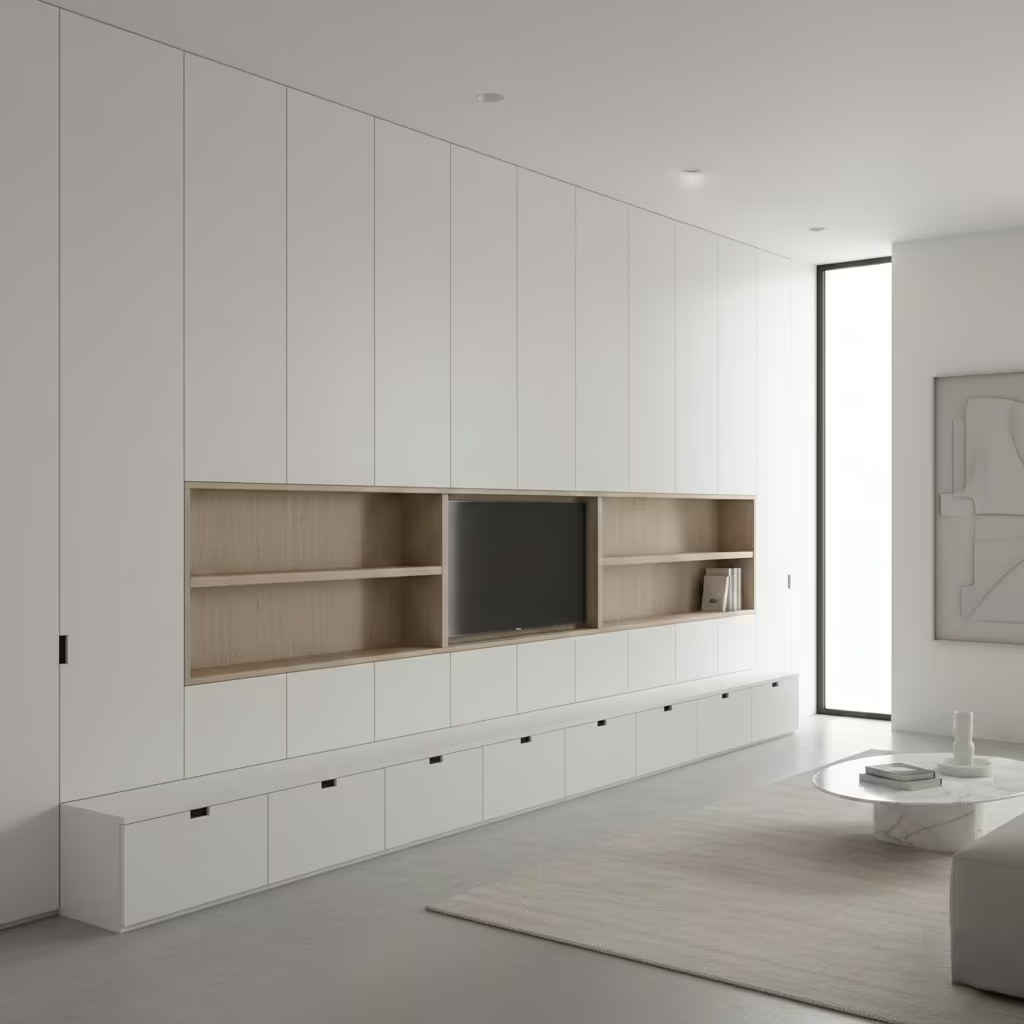
Storage is the secret weapon of minimalist design. Cabinets with clean fronts, built-in media units, and bench seating with internal compartments help keep the living room visually clear. Even in small flats, hidden storage stops everyday items like remotes, wires, books, and toys from becoming an eyesore. I often design living rooms with one large storage wall, finished in matte white or wood veneer, so it blends seamlessly into the space. The goal is to make storage disappear into the architecture. When you hide the clutter, the room automatically feels bigger, calmer, and more sophisticated.
You May also Like: 25 Open Kitchen Living Rooms ideas That Feel Stylish, Spacious, and Effortlessly Connected
Maximise Natural Light with Sheer or Bare Windows
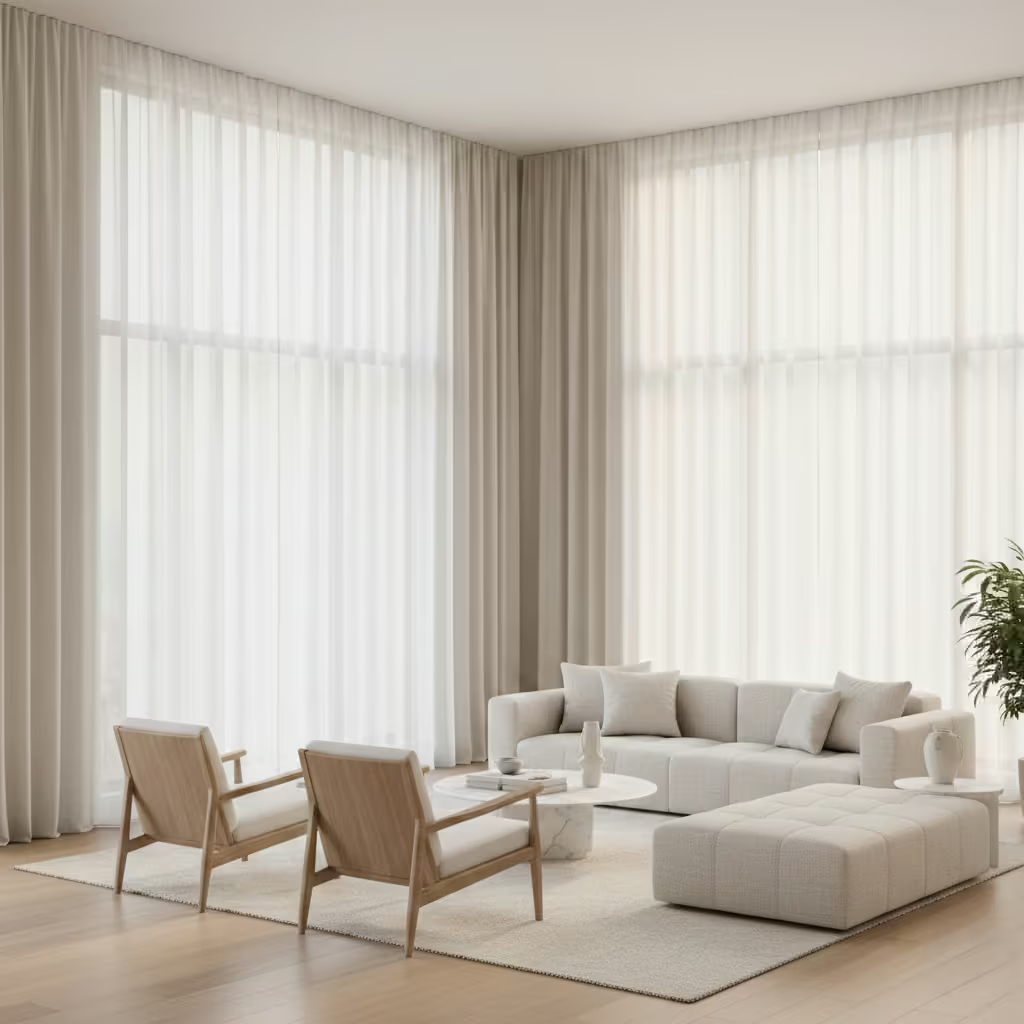
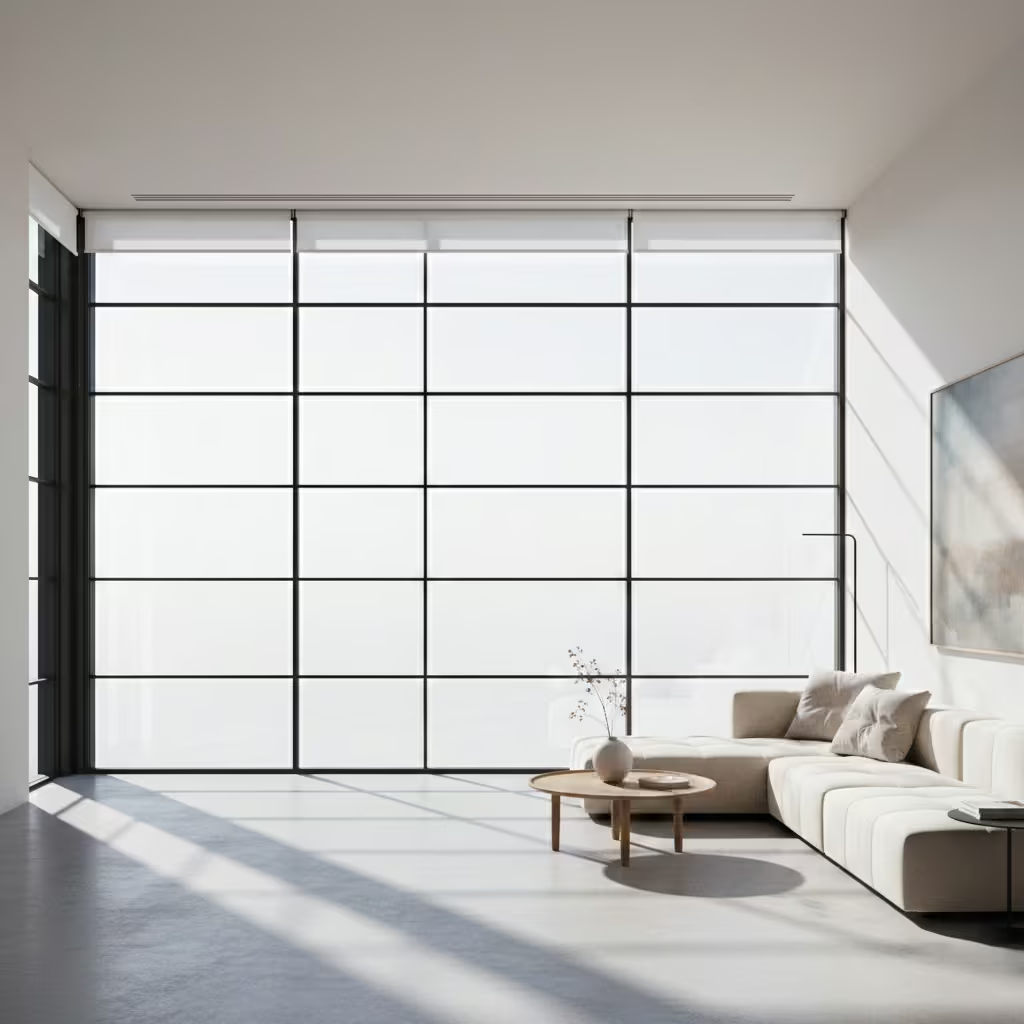
Minimalist living thrives on natural light. Switching heavy curtains for sheer fabrics instantly brightens the room and makes the space feel more open. In rooms with privacy, going completely bare allows the windows to feel like architectural features rather than hidden elements. I often choose textured linen sheers because they soften the sunlight without blocking it. If you need blackout options, combine sheer curtains with slim roller blinds that stay tucked away during the day. When the windows become part of the design, the entire room feels lighter and more visually balanced.
Opt for Minimal Wall Décor
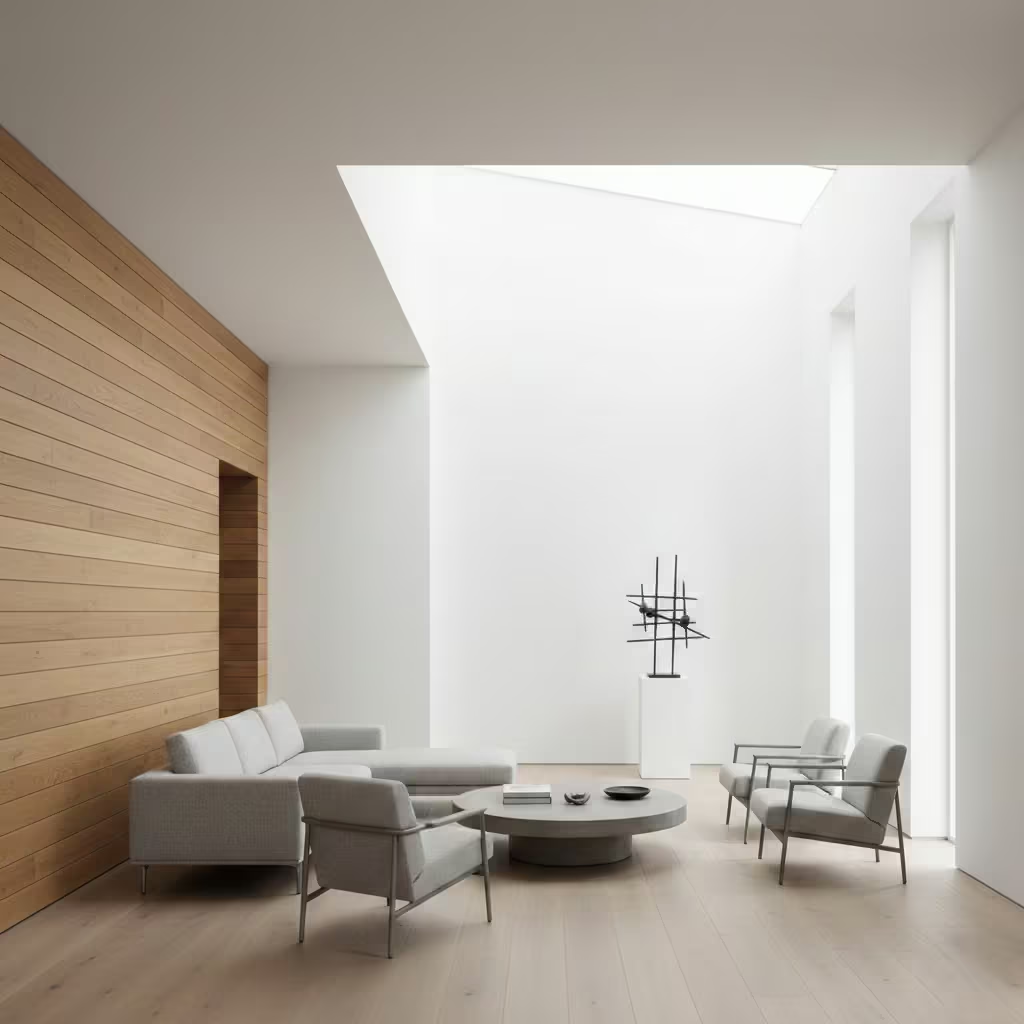
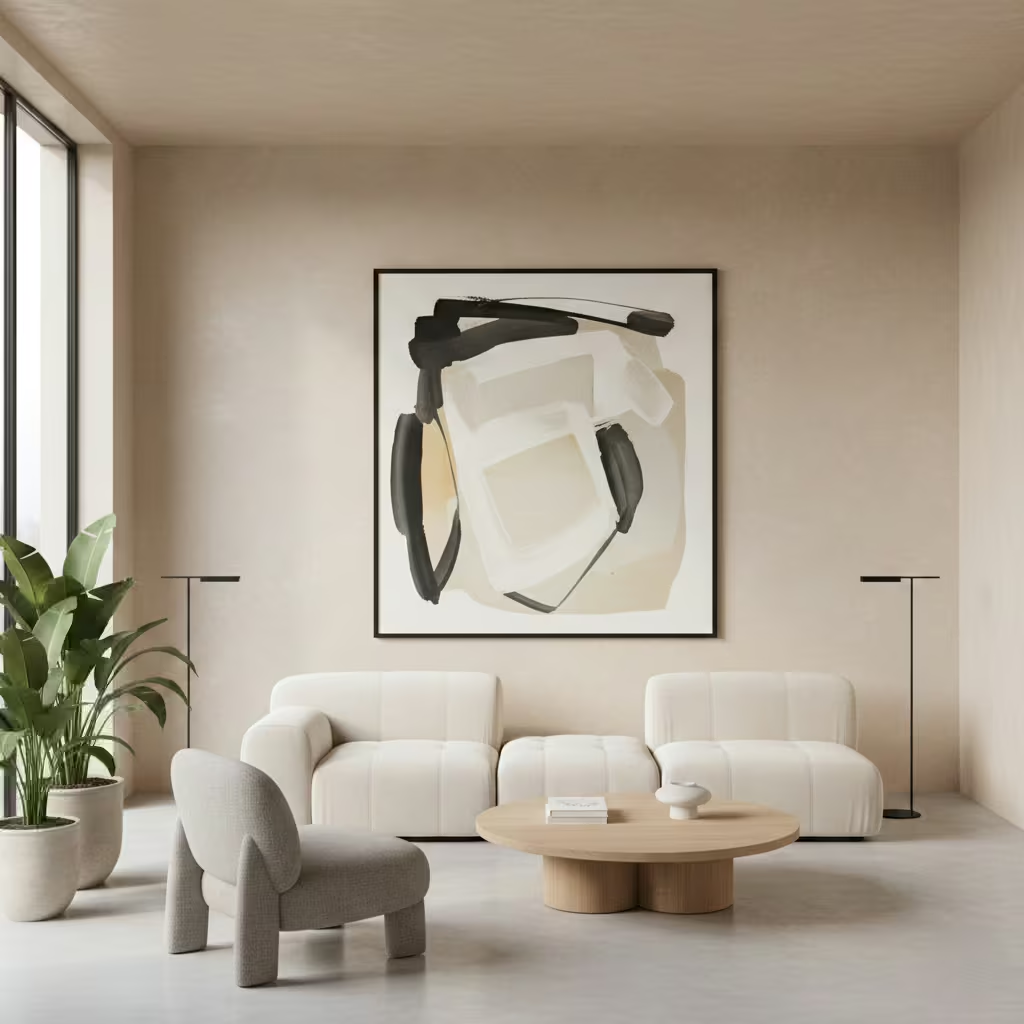
Minimalist living rooms work best when the walls stay clean and uncluttered. Instead of gallery walls or multiple decorative pieces, choose one large artwork or leave the walls bare and let the architecture speak. This approach creates breathing room and gives the space a serene, gallery-like feel. In homes where the walls feel too plain, I often introduce subtle texture through limewash paint, microcement, or wooden slat panelling. These treatments add depth without adding clutter. The trick is to treat the wall as a calm backdrop, allowing furniture and materials to do the heavy lifting.
You May also Like: 25 Sage Green Living Room Ideas: Timeless Designs for a Calm and Stylish Space
Add Texture Instead of Extra Décor
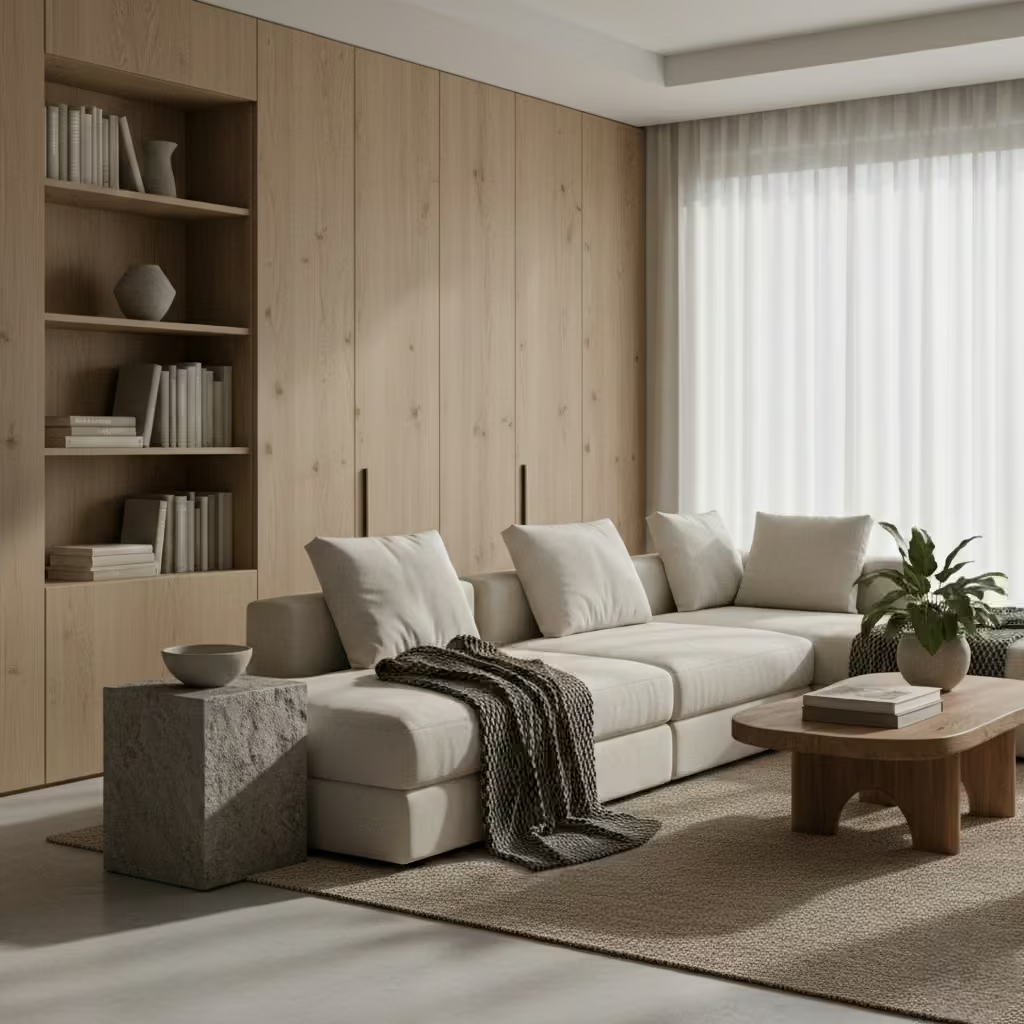
When you keep decorations to a minimum, texture becomes essential. Soft wool throws, boucle chairs, linen cushions, wooden accents, and natural stone all introduce richness without creating visual noise. Texture also stops the room from feeling cold or overly stark. I like to mix no more than three textures in one space to maintain consistency. For example, a wool rug paired with a linen sofa and oak coffee table adds enough variation without becoming chaotic. This is one of the easiest ways to achieve a minimalist look that still feels warm, welcoming, and lived-in.
Go for Slimline Lighting Fixtures
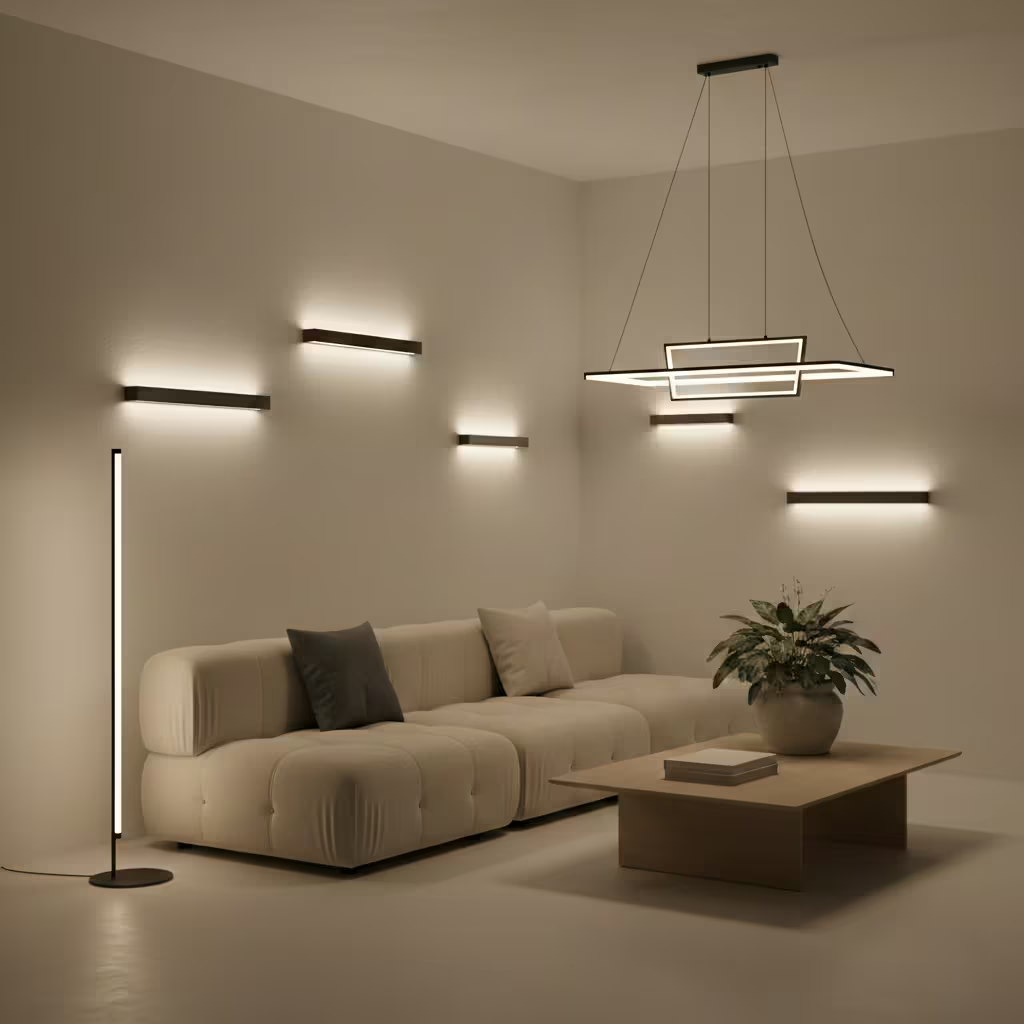
Lighting has huge impact on the overall mood. Slimline floor lamps, simple pendant lights, and minimalist LED sconces keep the space feeling refined. I avoid overly decorative lighting because it fights against the clean lines that minimalism requires. Instead, opt for fixtures with thin stems, geometric shapes, or integrated bulbs. Warm lighting temperature also matters because bright white lighting can make the room feel clinical. Layering one overhead light with two softer lamps keeps the living room cosy without cluttering the surfaces. This lighting strategy creates mood, depth, and a streamlined finish.
Choose a Rug with Very Subtle Patterns
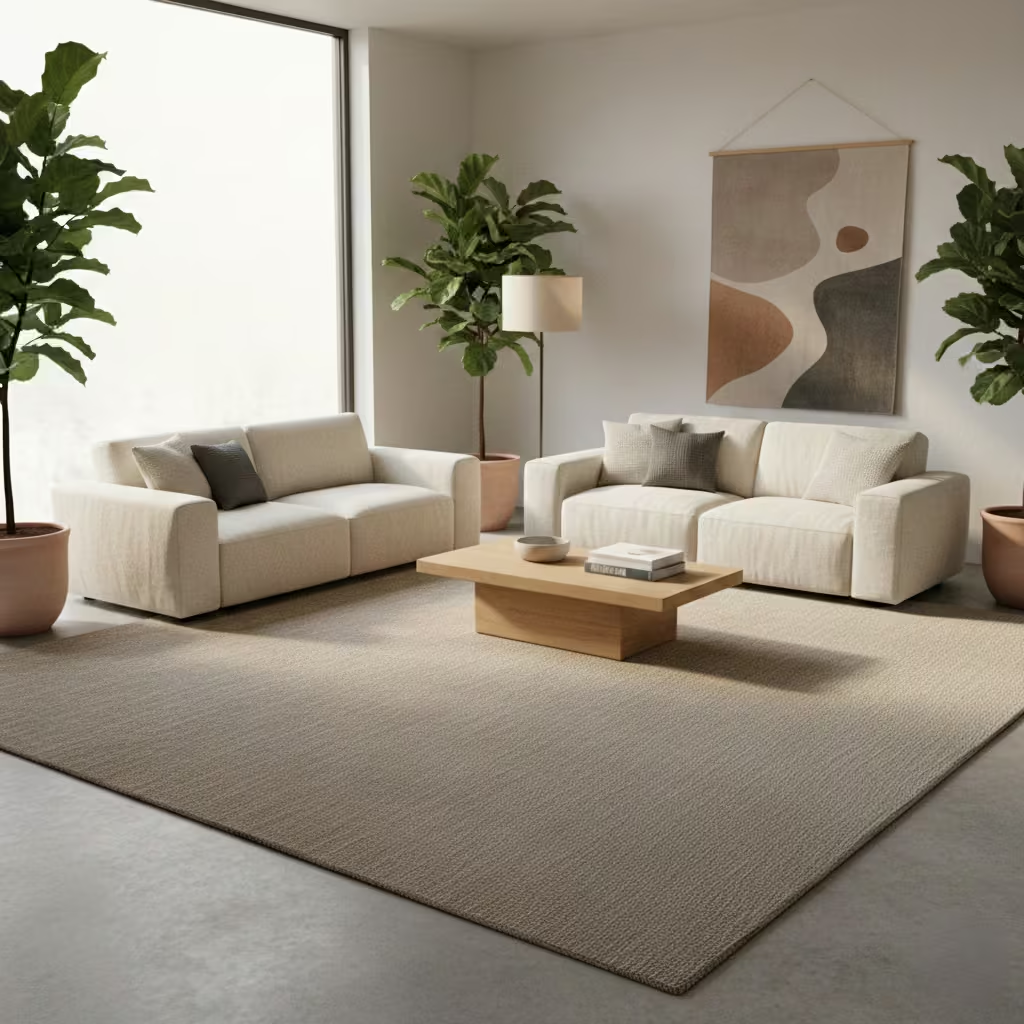
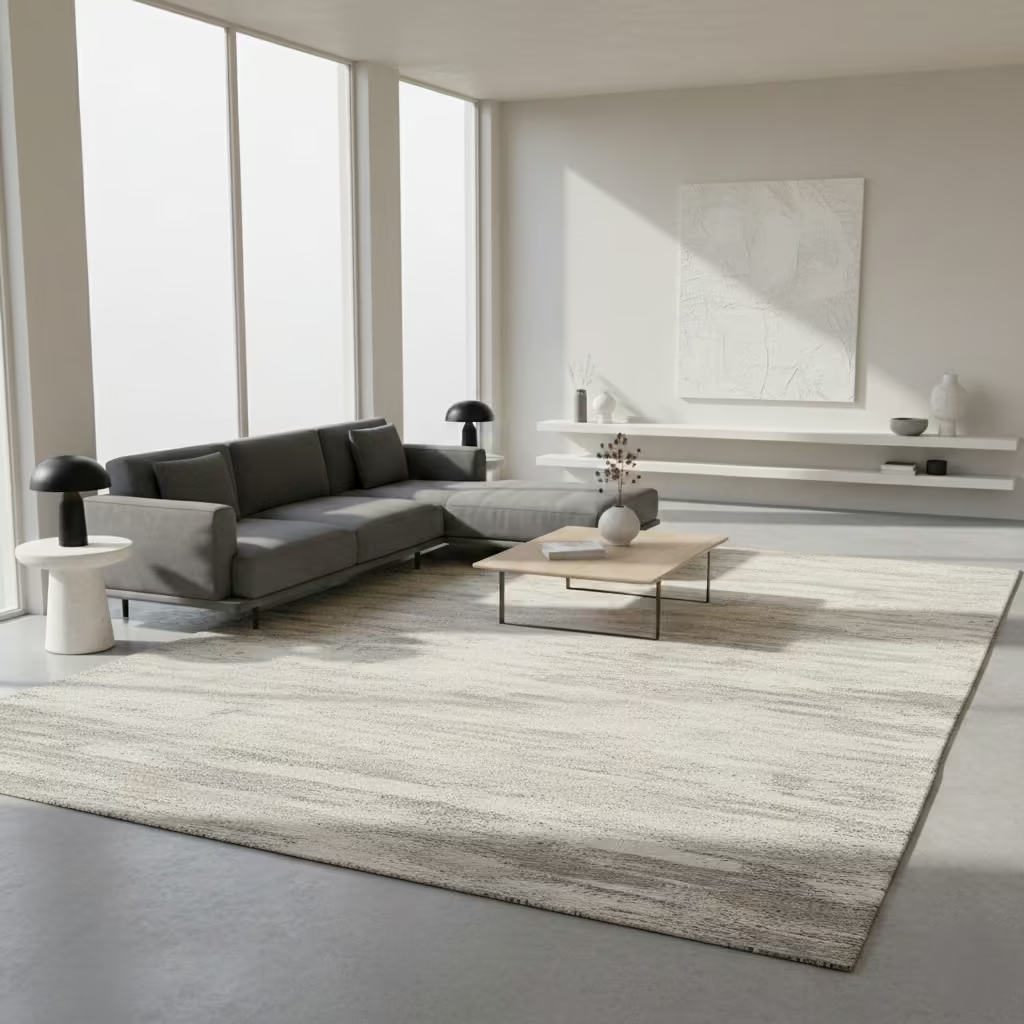
A minimalist living room benefits from grounding elements, and a rug is one of the best ways to define the space. Choose a rug in a soft, neutral tone with either no pattern or a very subtle woven texture. Too much pattern creates visual noise and breaks the calm atmosphere. I often recommend larger rugs because they anchor the room and make the furniture layout feel intentional. Natural fibres like wool, jute, or cotton work especially well in minimalist spaces because they introduce warmth and durability. A simple rug style helps reinforce the clean, modern aesthetic.
You May also Like: 25 Rugs for Living Room Comfort, Style, and Layout
Use Natural Materials for Warmth
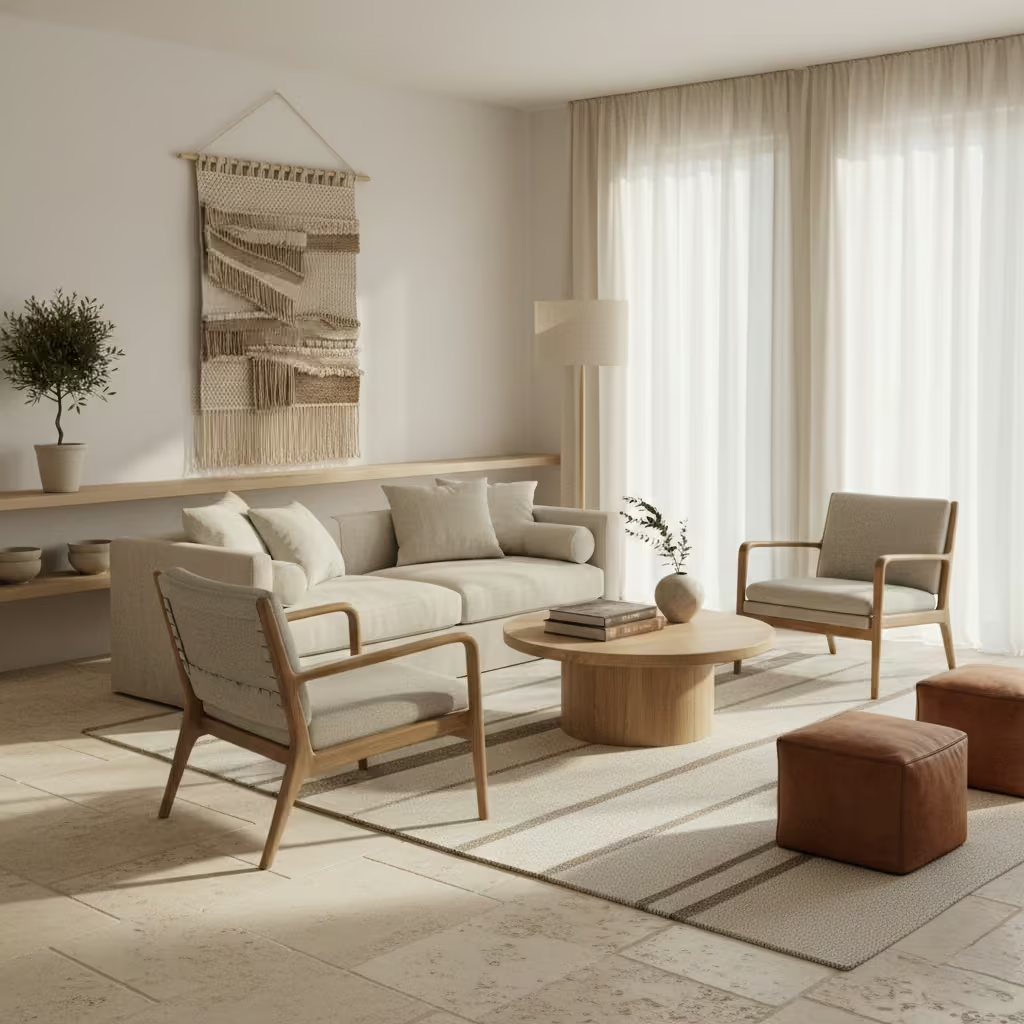
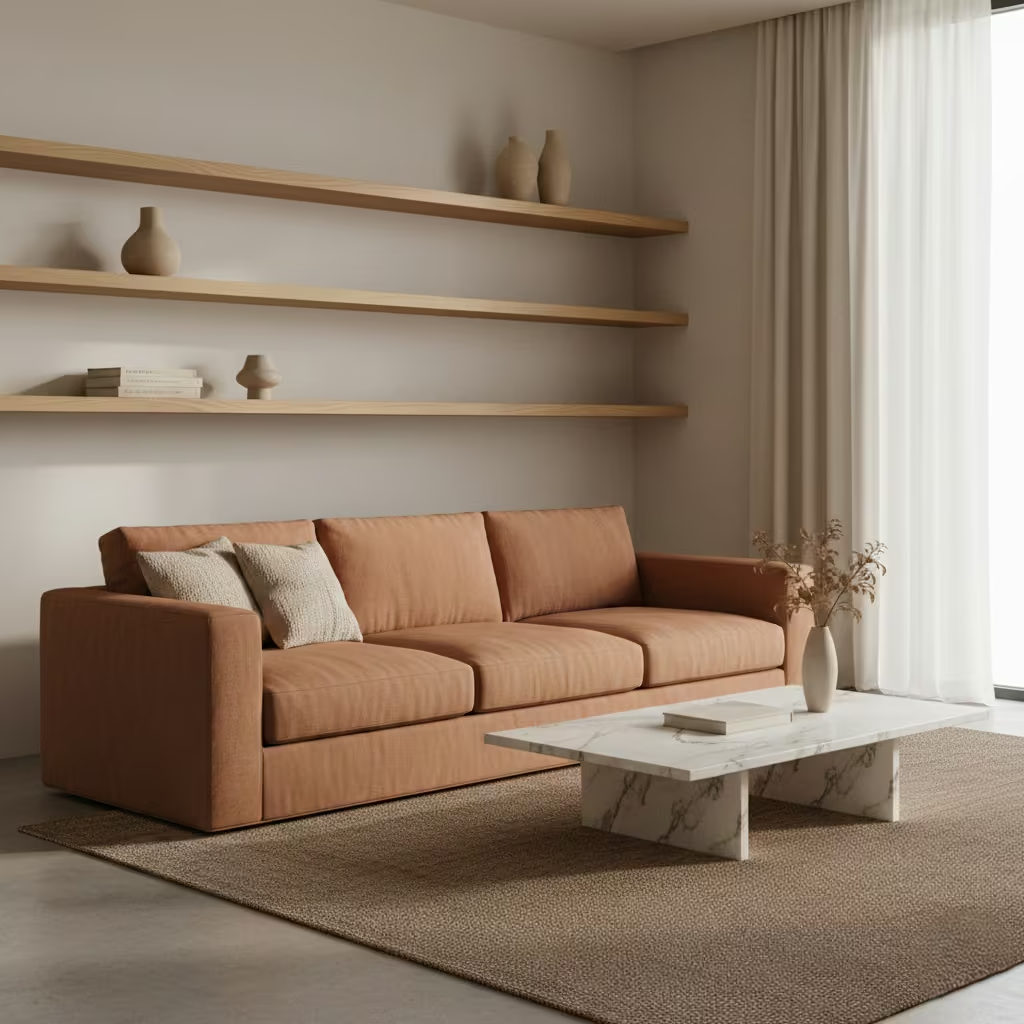
Minimalism doesn’t need to feel stark. Natural materials add warmth without compromising the clean aesthetic. Wood, stone, leather, and cotton all bring subtle character and help soften the simplicity of the room. I often use oak shelves, marble-top tables, or linen upholstery to bring organic texture into minimalist homes. When you choose materials with beautiful natural grain or surface patterns, you don’t need as many decorative objects. The materials themselves become the design elements, creating a space that feels grounded, timeless, and comfortable.
You May also Like: 25 70s Apartment Design Ideas That Bring Retro Vibes to Modern Homes
Keep the Coffee Table Clear
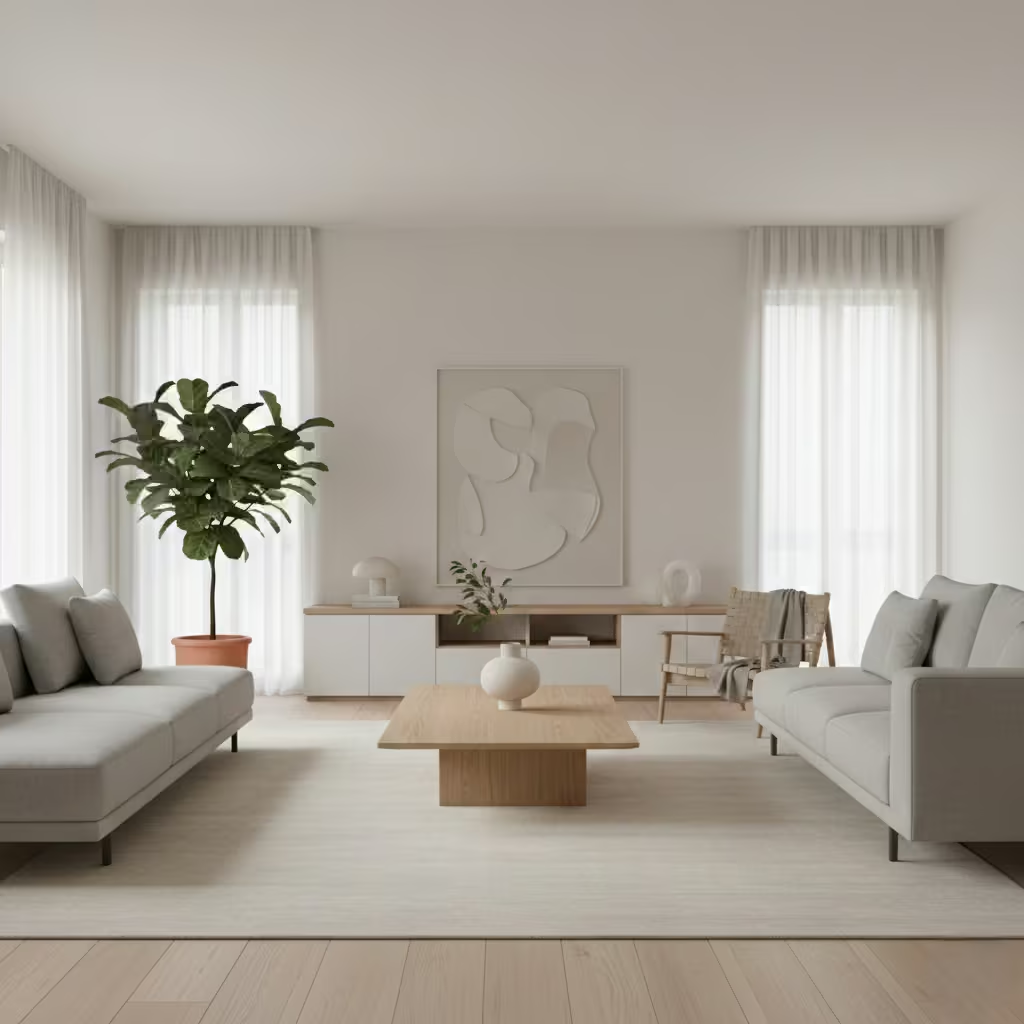
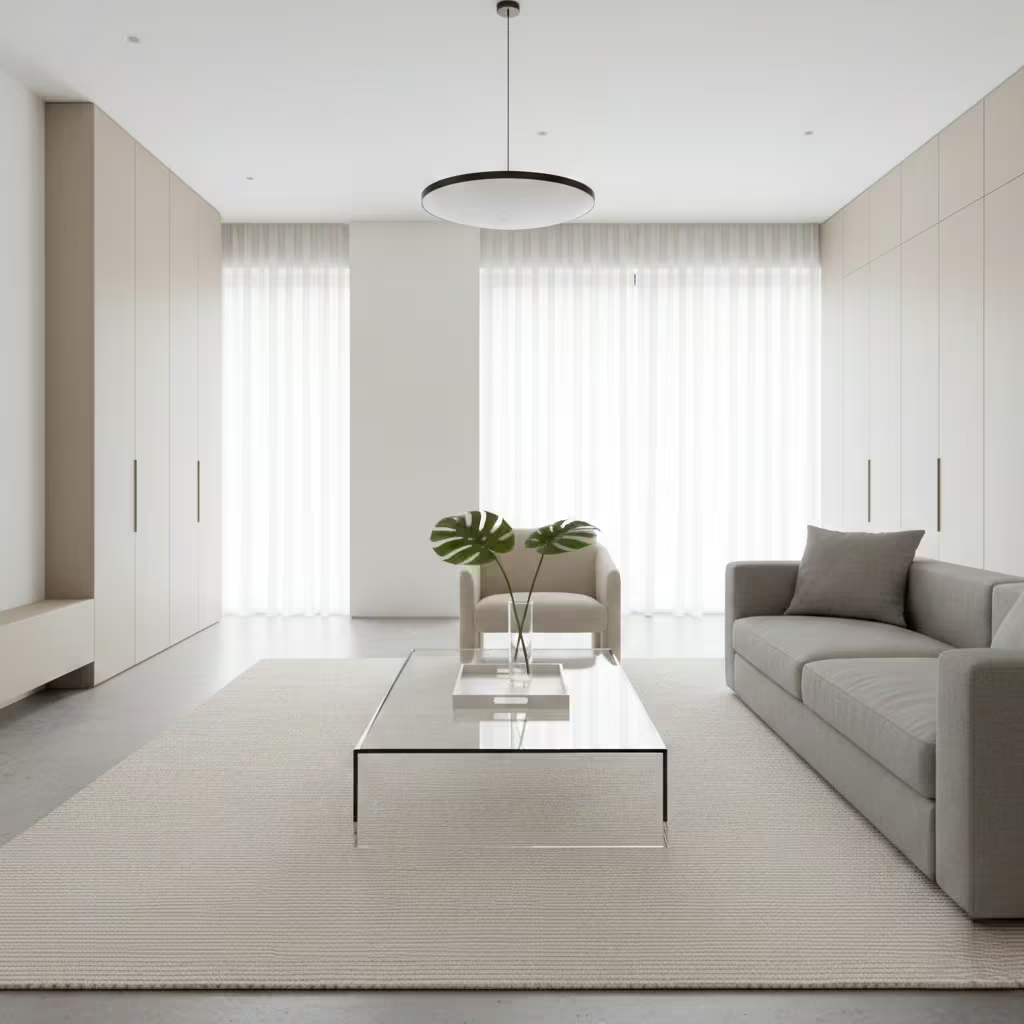
A cluttered coffee table ruins the minimalist vibe instantly. Aim to display only one or two purposeful items, such as a beautiful tray, a single candle, or a small vase with greenery. Items should be curated rather than collected. I encourage clients to store remotes, coasters, and small accessories inside drawers or baskets so the surface stays clean. A clear coffee table not only feels calming but also improves the usability of the space. You’ll find the room feels larger and more open when the central surface stays tidy.
Built-In Shelving with Clean Lines
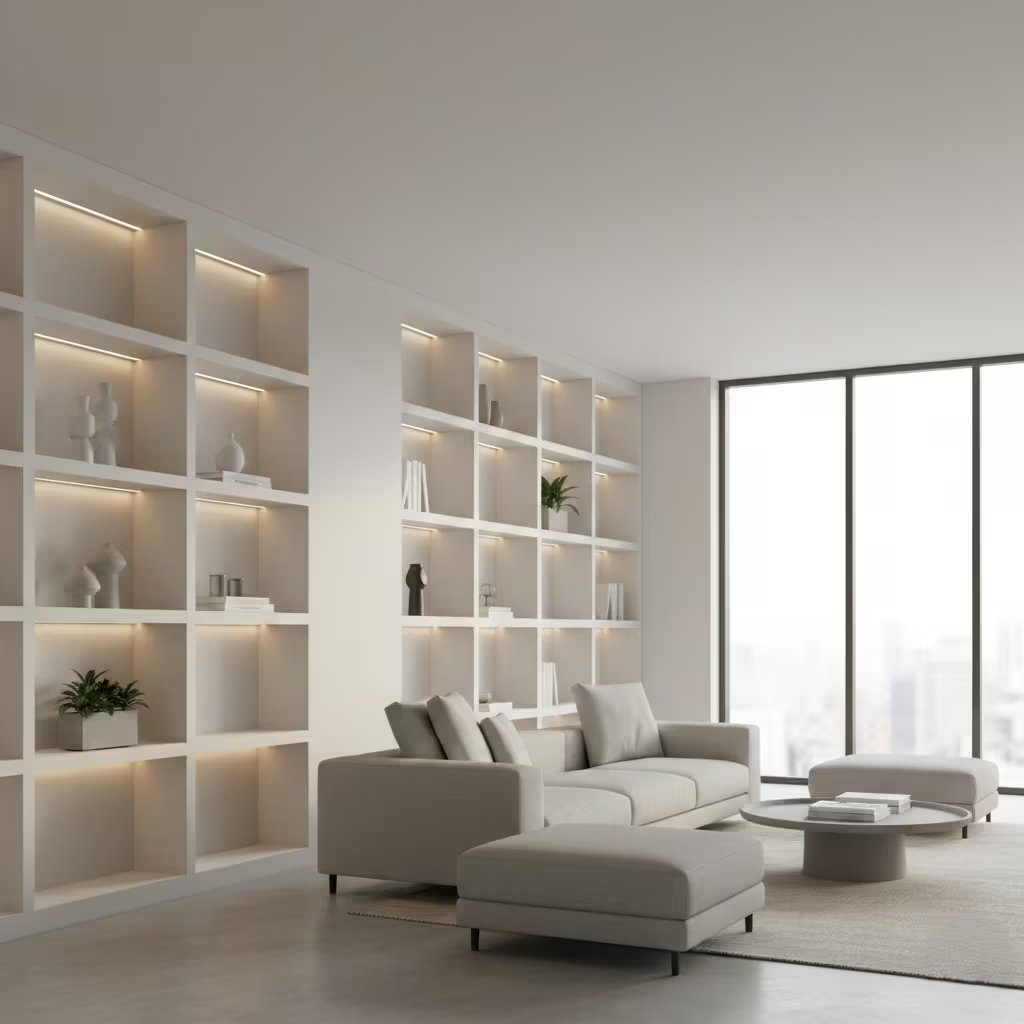
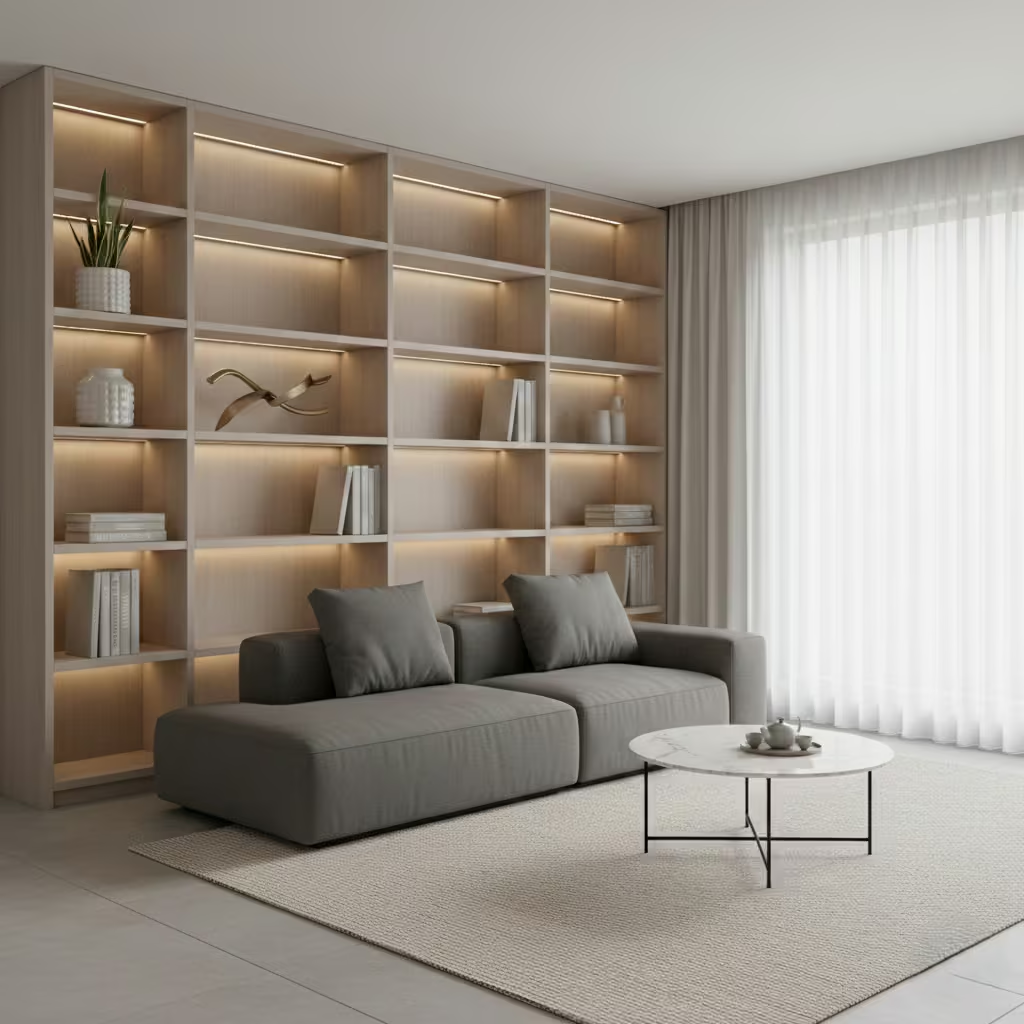
Built-in shelving is a smart way to introduce storage and style without visual chaos. Choose simple shelves that run wall-to-wall or floor-to-ceiling, keeping the structure clean and streamlined. The key is to avoid overfilling the shelves. Keep only a few books, a plant, or a sculptural object. The shelving should feel architectural rather than decorative. I like to incorporate LED strip lighting for a soft, minimalist glow. Built-ins save floor space, reduce clutter, and help the room feel intentional and sophisticated.
You May also Like: 25 Farmhouse Living Room Ideas That Feel Warm, Timeless, and Lived-In
Create Negative Space Intentionally
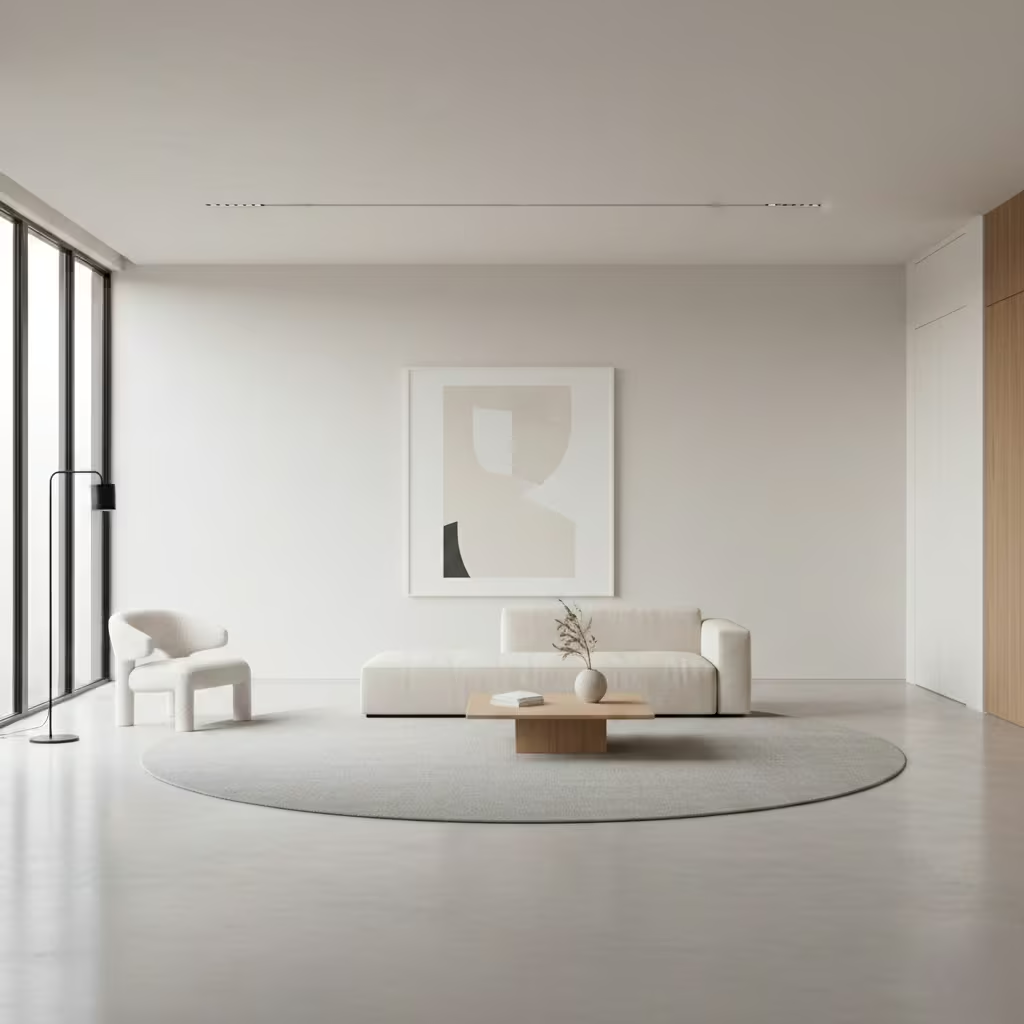
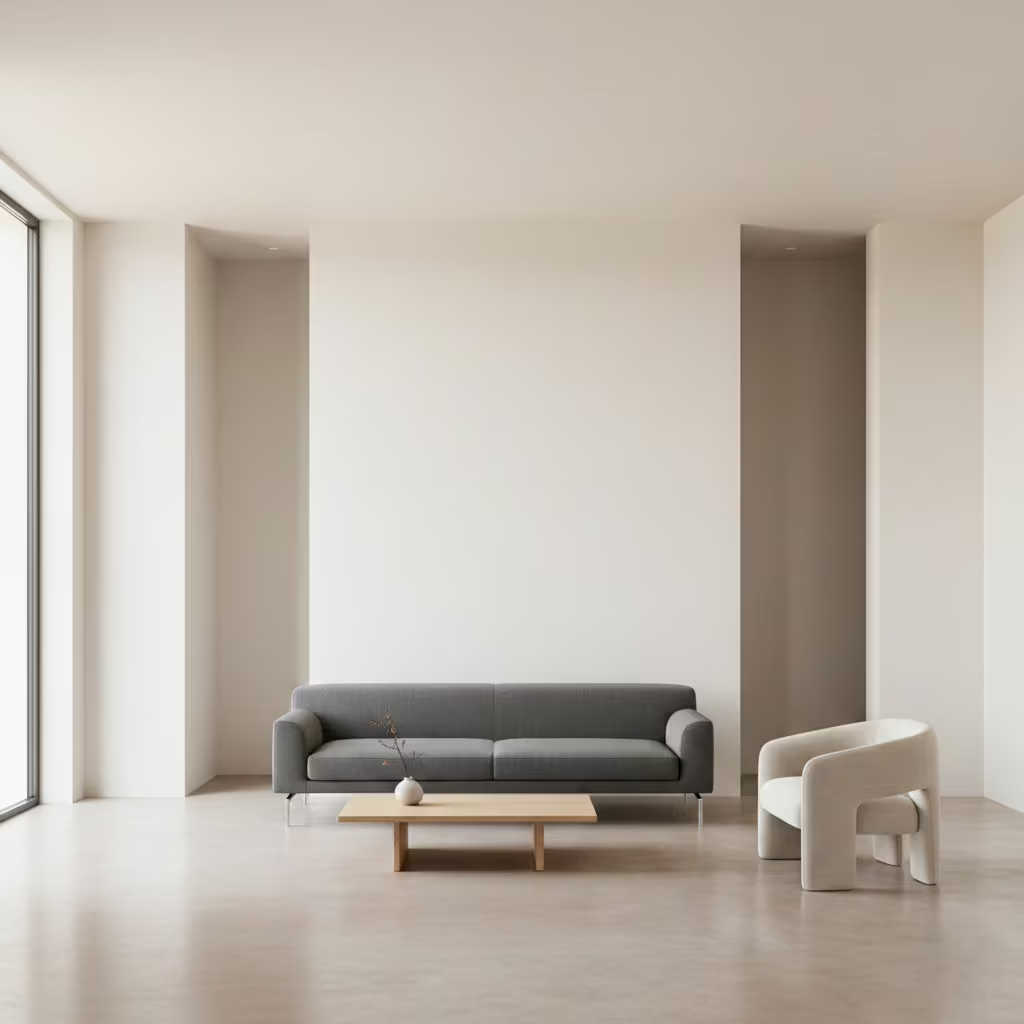
Negative space is the breathing room around furniture and décor. In minimalism, empty space isn’t wasted space; it’s part of the design. Resist the urge to fill every corner or wall. Give your furniture space to stand out, and allow the eye to rest between pieces. When planned correctly, negative space makes a room feel bigger, calmer, and more elevated. I often remove one or two items during the final styling phase because the room almost always improves. It’s a simple discipline that transforms the atmosphere instantly.
Switch to a Floating TV Unit
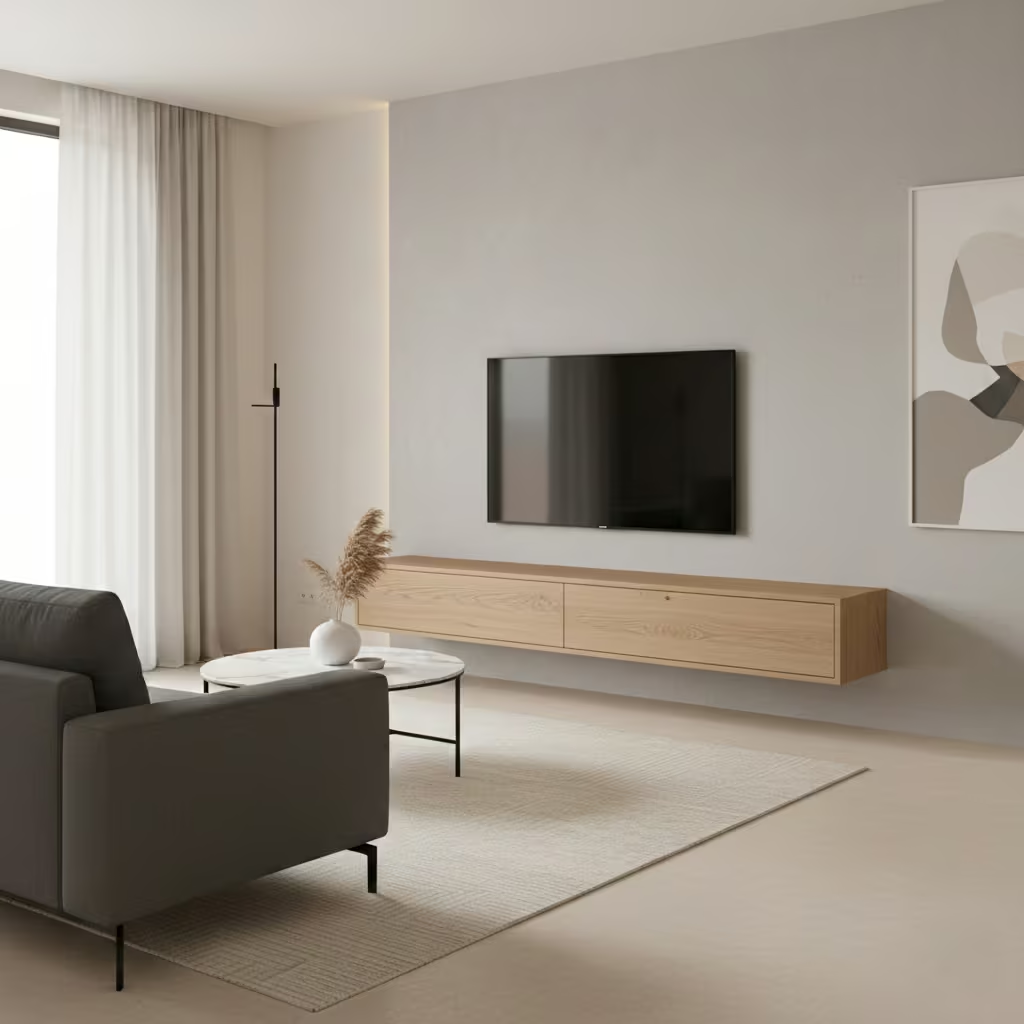
Floating TV units keep the living room feeling clean and contemporary. By lifting the storage off the floor, you create visual lightness and improve the sense of space. These units hide cables, store small electronics, and streamline the area around the television. I often install units with push-to-open doors so there are no visible handles breaking the clean lines. Whether you choose a matte white unit or a natural wood finish, the floating effect enhances the minimalist look and reduces clutter. It’s a practical update that gives the room a sleek modern finish.
You May also Like: Living Room Furniture Essentials: Designing for Comfort, Character, and Everyday Living
Minimise Cable Clutter
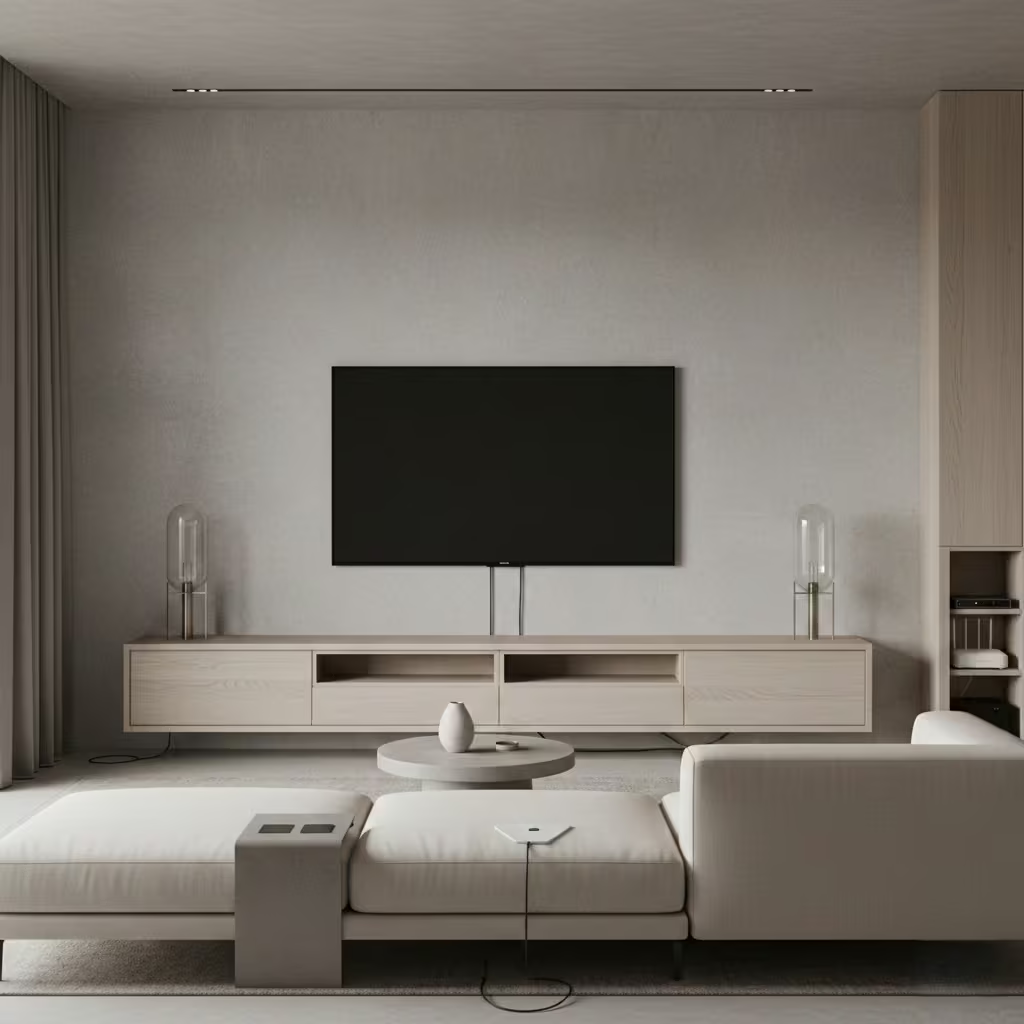
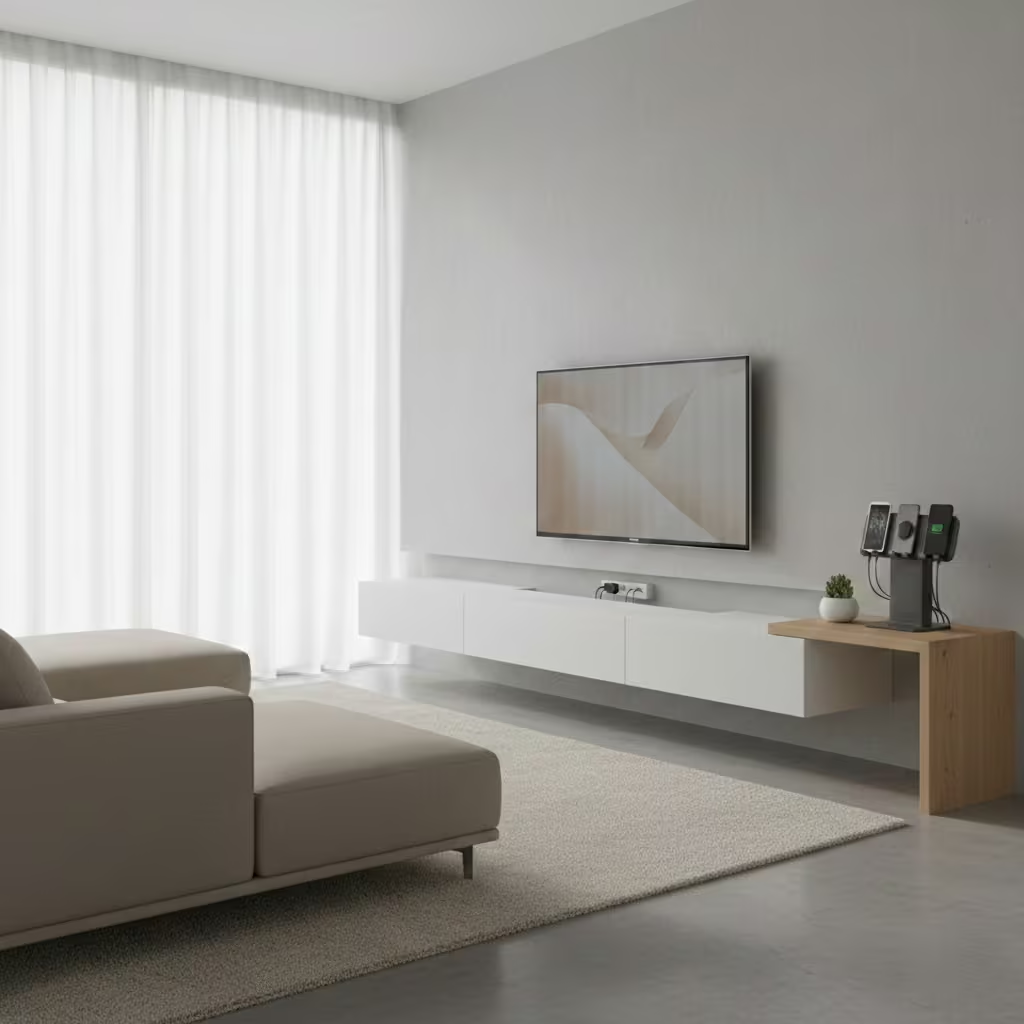
Whether it’s TV cords, lamp cables, or charging wires, nothing disrupts a minimalist living room more quickly than tangled electronics. Use cable channels, wall-mounted trunking, or wire covers to hide them completely. If possible, run TV cables behind the wall for a perfectly clean appearance. I also recommend using multi-purpose charging docks that replace multiple loose cables. When the technology disappears into the background, the room’s simplicity shines. Small details like this often make the biggest difference in creating a polished, minimalist space that feels calm and controlled.
Choose Art With Simple Forms
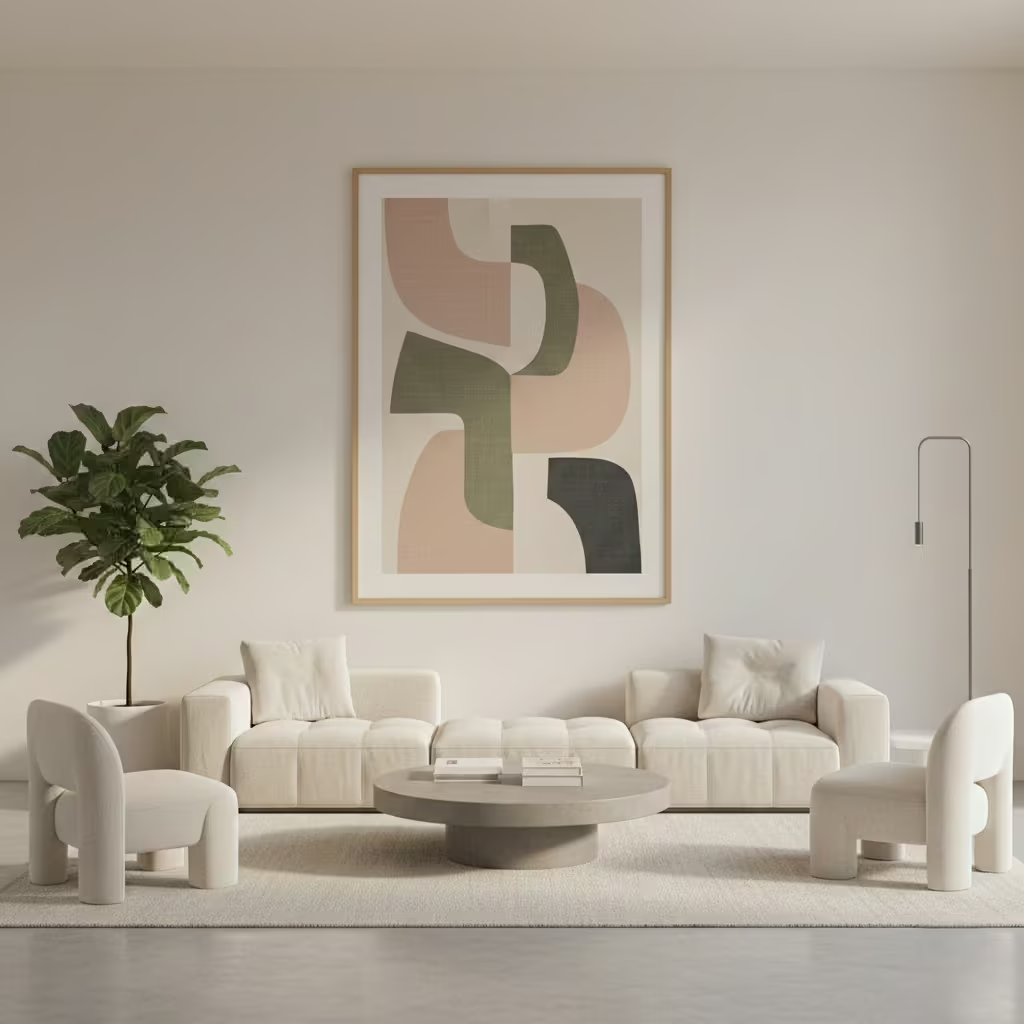
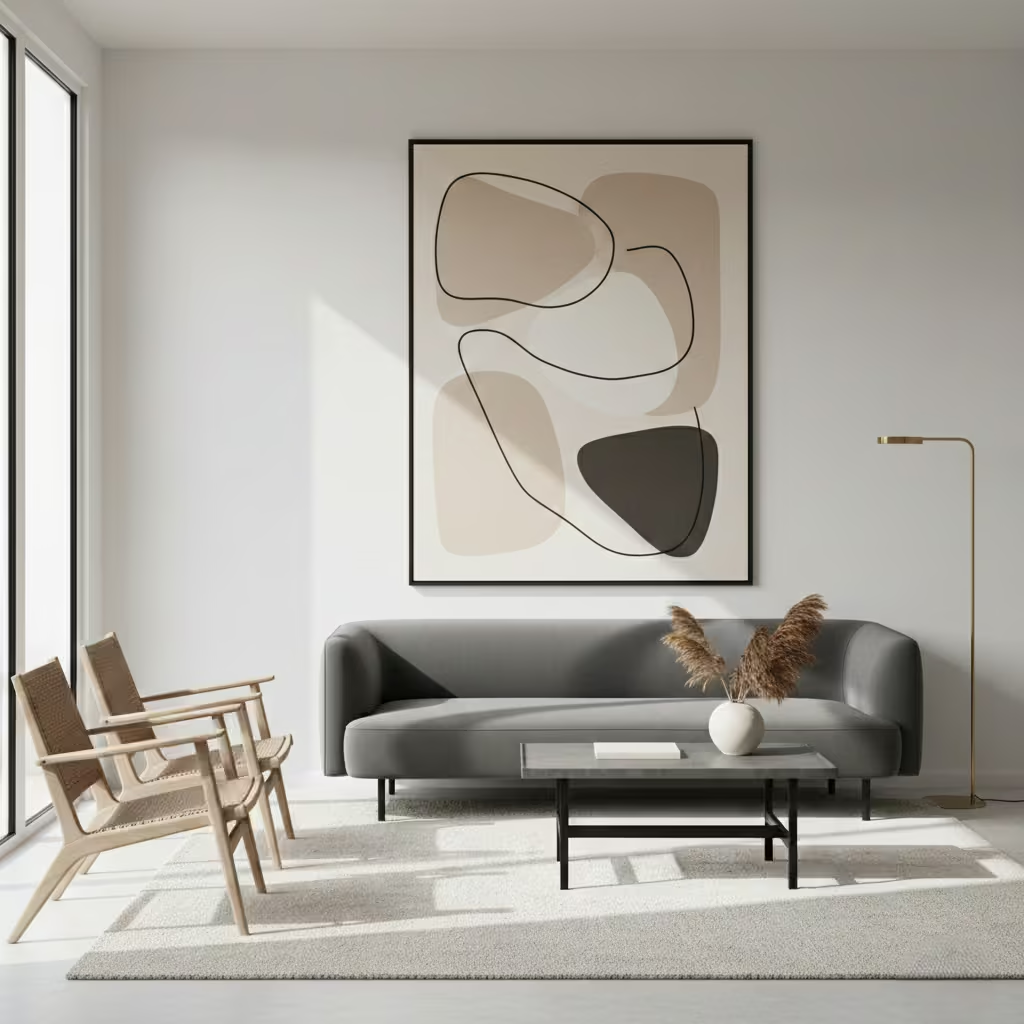
Minimalist art doesn’t have to be plain, but it should align with the room’s calm aesthetic. Opt for pieces with simple lines, abstract shapes, or monochromatic palettes. Large-scale artwork works particularly well because it adds impact without clutter. I often select pieces that complement the colour palette rather than compete with it. One framed print, one canvas, or one statement sculpture is usually enough. This keeps the room visually balanced and helps the artwork feel intentional rather than decorative filler.
Use Matching Storage Baskets or Boxes
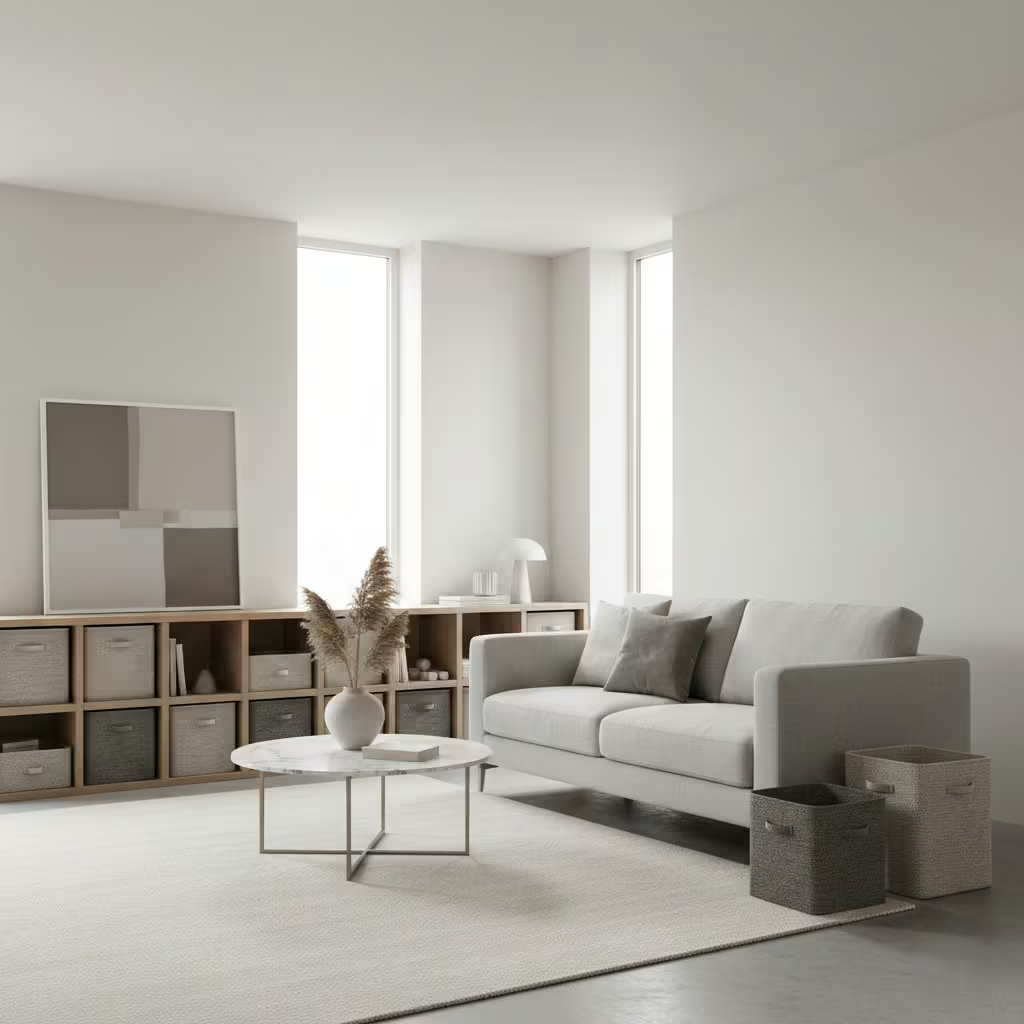
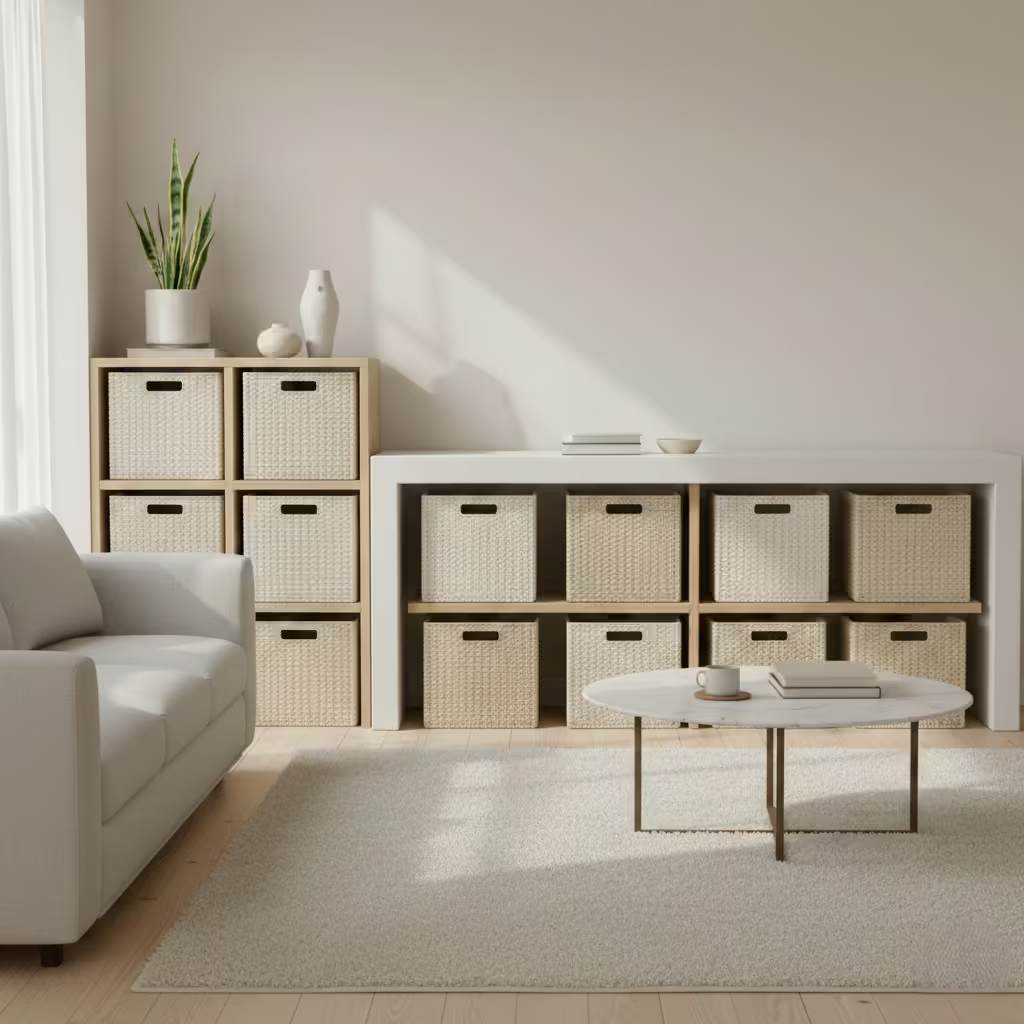
When small items need to stay in the living room, matching baskets or boxes offer a clean solution. Choose woven, wooden, or fabric containers in similar colours so they blend seamlessly with the room. Mismatched storage creates visual noise, while uniform pieces create cohesion. I often place baskets under console tables or inside shelving units to keep essentials hidden but accessible. It’s a simple tactic that dramatically reduces clutter and keeps the space looking organised and calm day after day.
You May also Like: 25 Modern Spanish Colonial Living Room Ideas That Feel Timeless and Lived-In
Incorporate Plants Sparingly but Intentionally
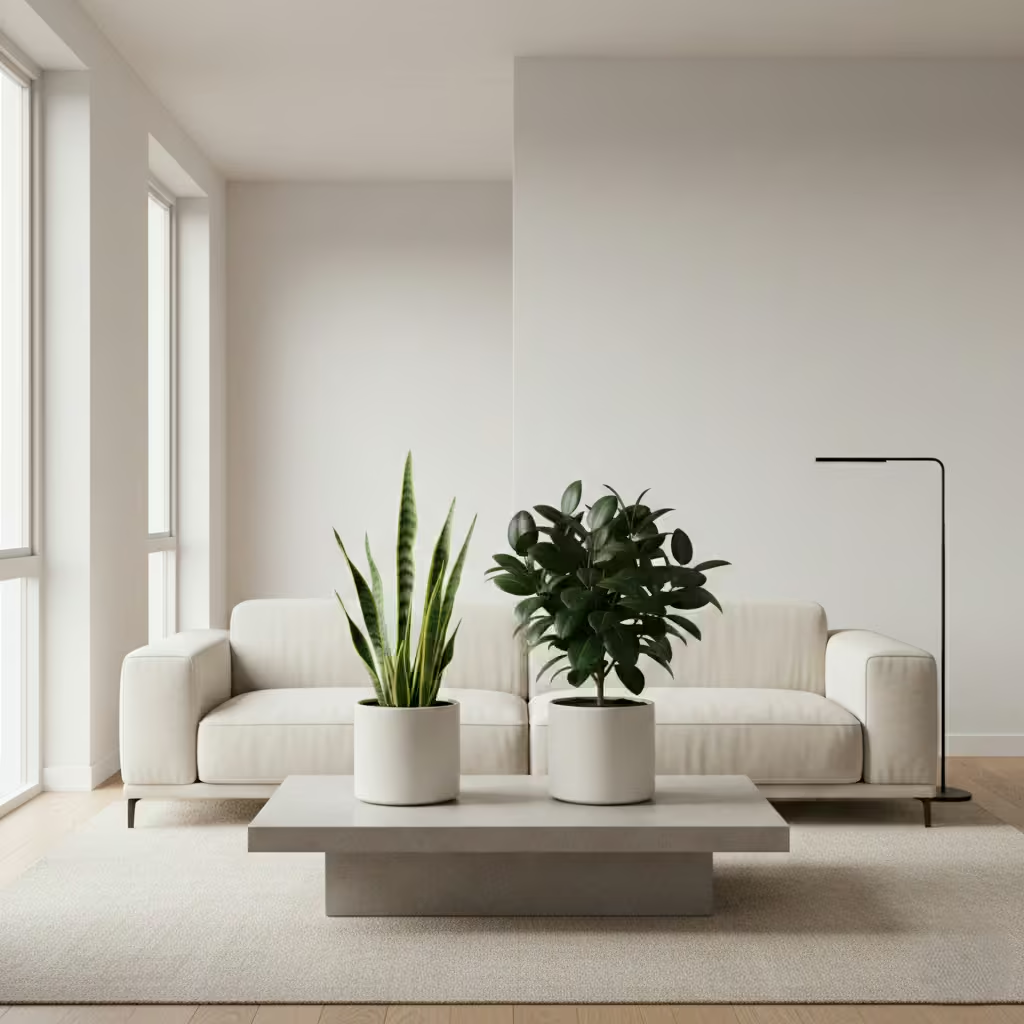
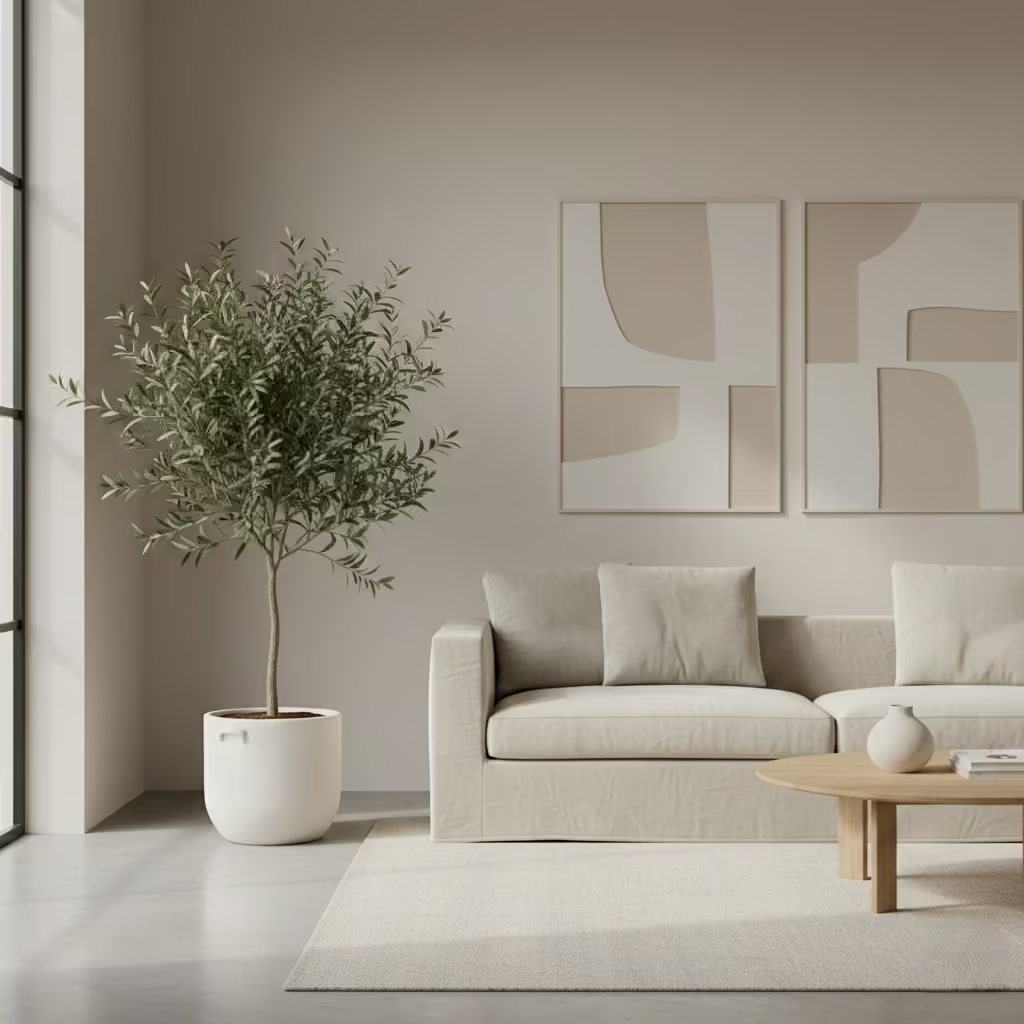
Plants add life and warmth to minimalist spaces, but the key is using them sparingly. One medium-sized plant in a ceramic pot or a small cluster of two plants is usually enough. Avoid filling every corner or windowsill because that disrupts the clean aesthetic. I often choose architectural plants like a bird of paradise, olive tree, or snake plant because their shapes complement minimalist lines. Greenery softens the room, adds natural texture, and injects a relaxed, organic energy without feeling busy.
Add Soft, Warm Lighting Layers
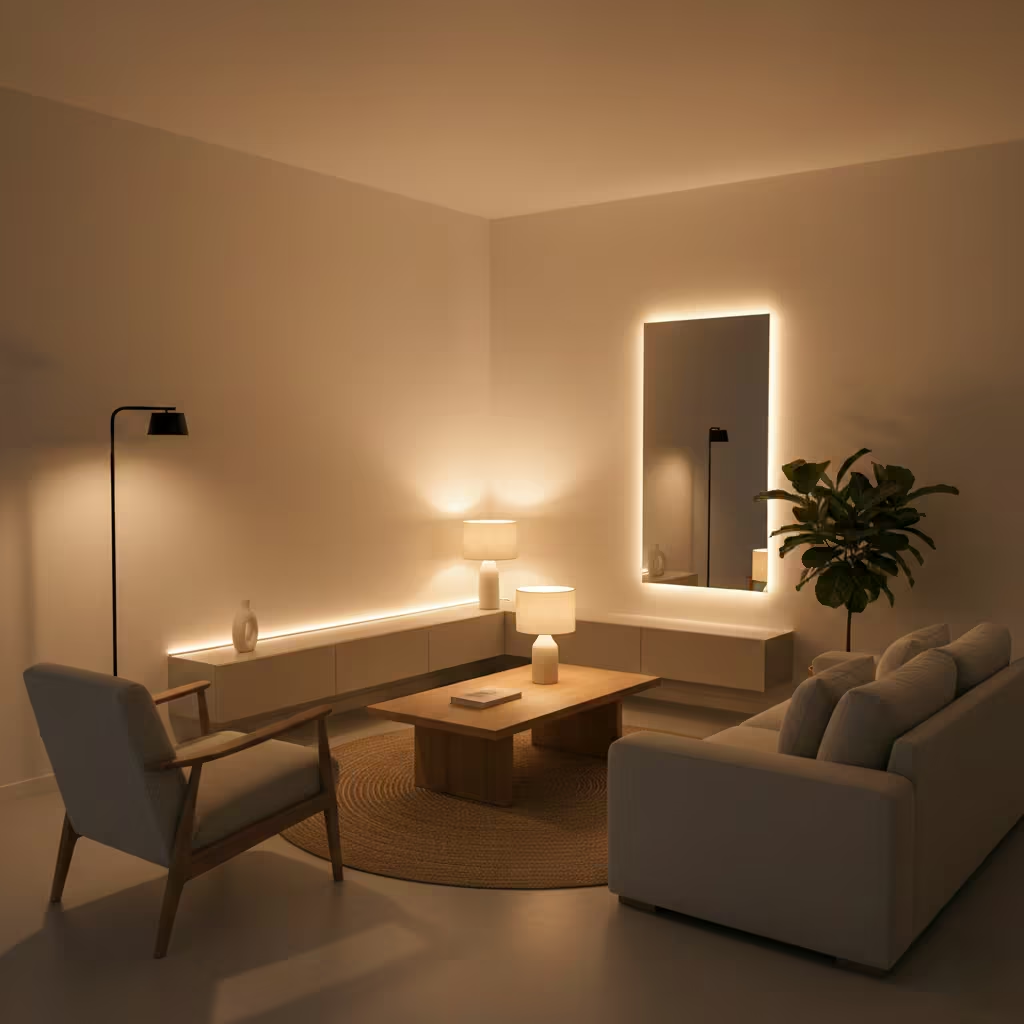
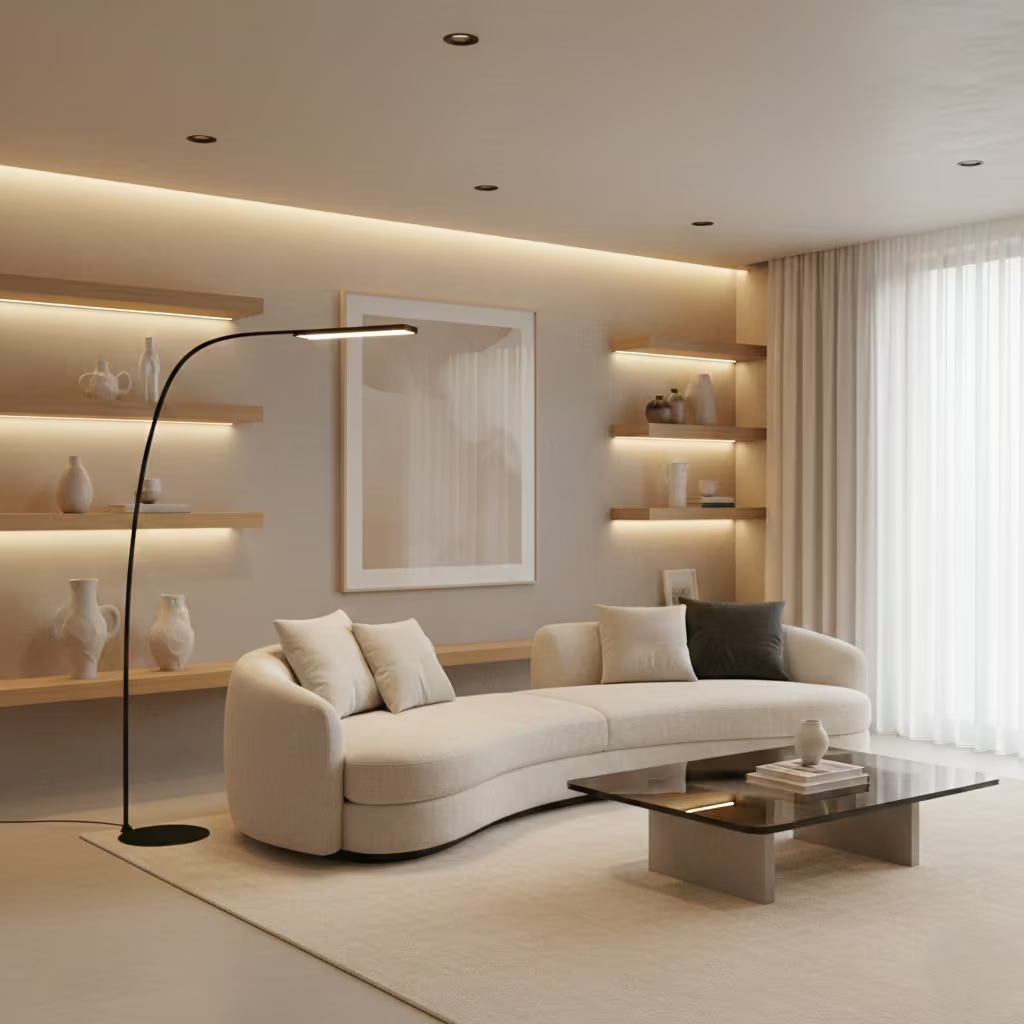
Minimalist living rooms benefit from cosy lighting that softens the clean lines. Use a combination of floor lamps, table lamps, and subtle accent lighting to create warmth. Avoid harsh ceiling lights or overly bright bulbs. I prefer using warm white lighting because it creates an inviting tone that counters the simplicity of the design. Layered lighting adds depth and improves the room’s usability in the evening. With the right lighting, even the simplest minimalist space feels welcoming rather than stark.
You May also Like: 25 Blue Living Room Decor Ideas That Balance Calm, Character, and Longevity
Keep the Floor Visible
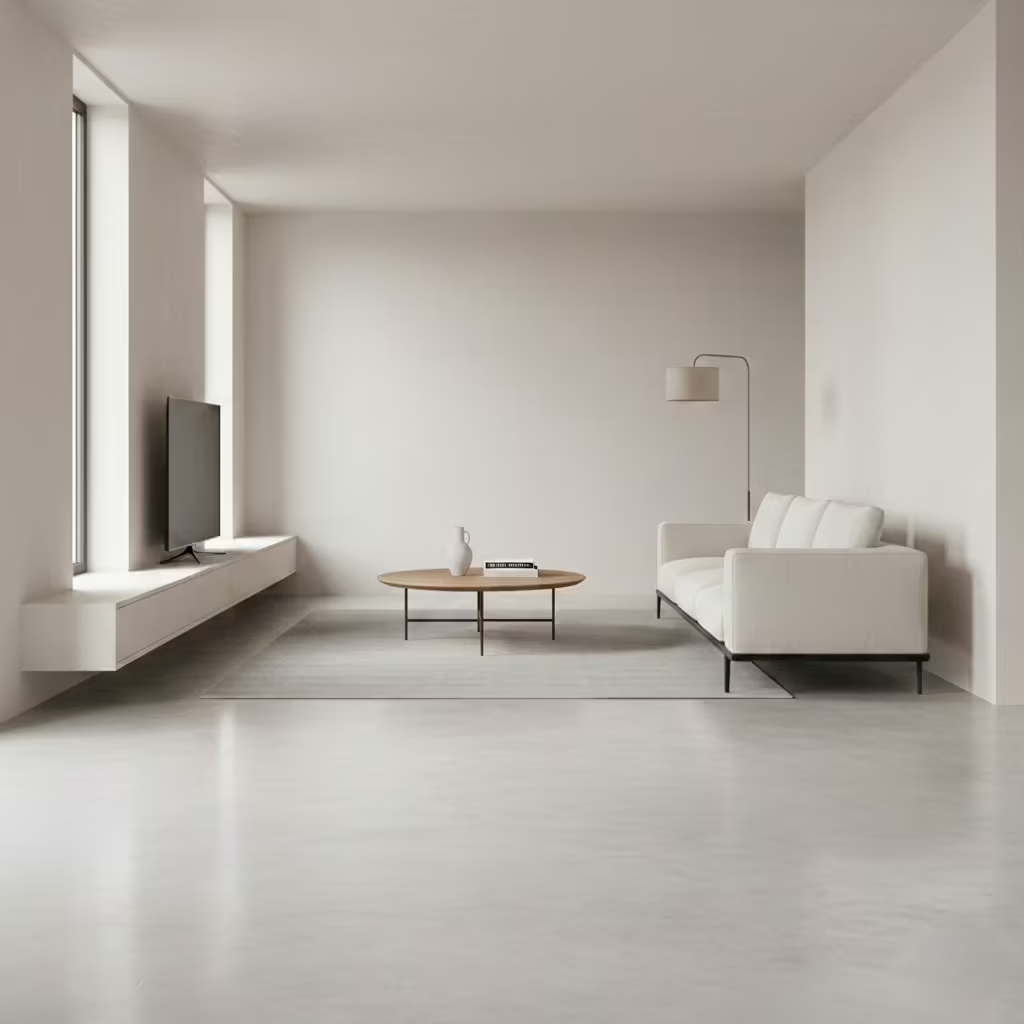
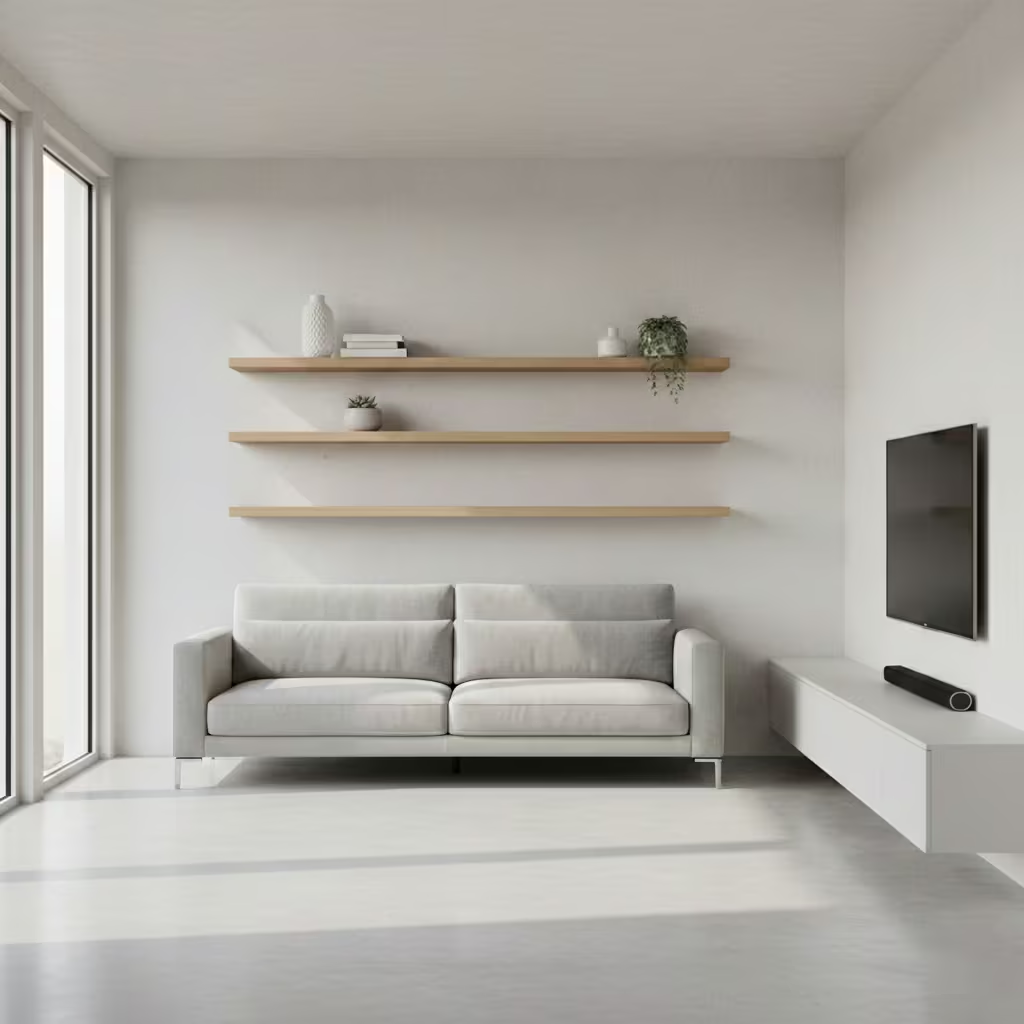
A clear floor makes the room feel instantly bigger. Avoid excess furniture, side tables, baskets, or décor items scattered around the base of the room. In minimalist design, more floor space equals more breathing room. I often recommend wall-mounted shelving, floating furniture, and slimline pieces to keep the ground clear. This approach works especially well in small living rooms because it stretches the visual space. When the floor remains open, the entire room feels lighter and more streamlined.
Choose Multi-Functional Furniture
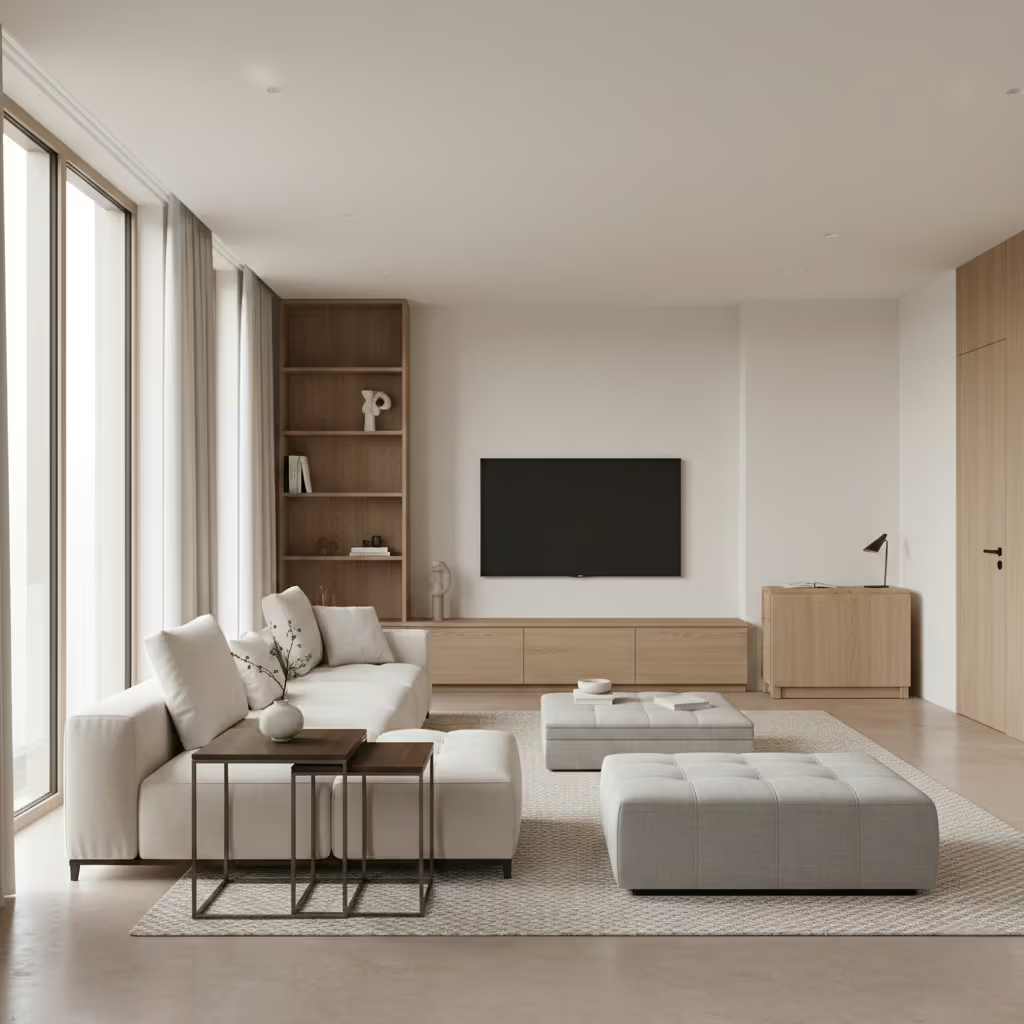
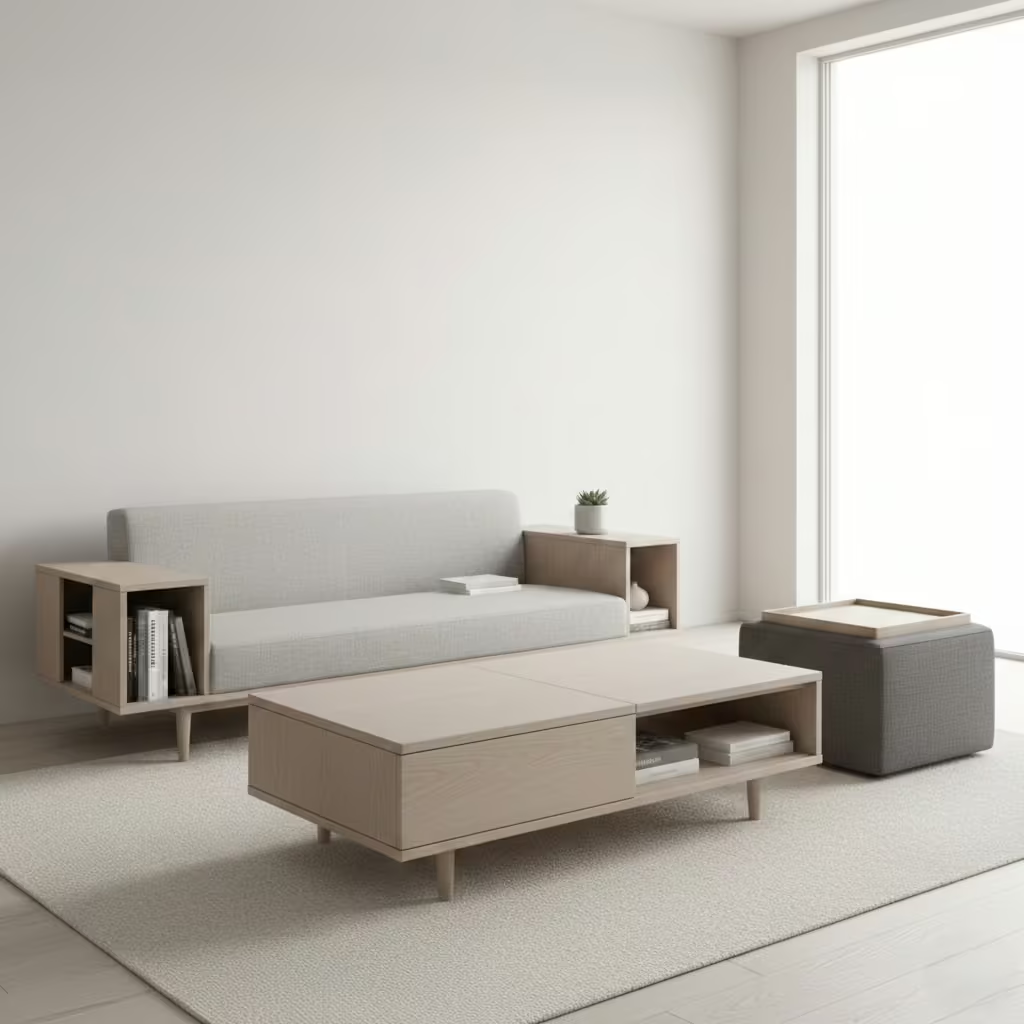
Multi-functional furniture is essential for minimalist living, especially in smaller homes. Look for coffee tables with hidden storage, ottomans that double as seating, or sofas with built-in shelves. These pieces help reduce clutter without sacrificing comfort. The key is to choose designs that look elegant and minimal rather than bulky. I often use nesting tables because they offer flexibility without taking up extra room. When every piece serves more than one purpose, the living room stays clean, efficient, and beautifully simple.
Layout Tips for Minimalist Living Rooms
Layout plays a big role in making a minimalist living room feel calm and functional. The first step is spacing your furniture so the room has room to breathe. Leave clear walkways around the sofa, coffee table, and side chairs to avoid a cramped, boxed-in feeling. Good traffic flow means you should be able to move across the room without weaving around obstacles. I always recommend pulling furniture slightly away from the walls. It creates a more intentional layout and stops the room from feeling like a waiting area.
A strong focal point also helps anchor the space. In minimalist homes, this is often a fireplace, a large artwork, or a sleek media unit. Once the focal point is set, angle or group your furniture around it to keep the layout clean and cohesive.
Real homes benefit from simple layout logic. In small flats, a slim sofa paired with a single accent chair can open up the whole space. In open-plan homes, use a rug to zone the living area without adding bulk. In compact townhouses, floating shelves or wall-mounted storage free up floor space and keep the room visually light. Small, smart adjustments like these make minimalism feel effortless.
You May also Like: Transform Your Space with These 25 Desert Living Room Inspirations
Common Mistakes to Avoid
Making a room feel intentionally simple is different from making it feel empty. I often see clients strip away too much and lose warmth and personality. Keep a few meaningful items and layers of texture so the space still reads as lived-in.
Avoid oversized furniture that dominates the room. Bulky sofas, deep sectionals, or low-slung pieces can overwhelm scale and destroy the light, airy feeling minimalism aims for. Choose proportionate items that allow visual space around them.
Storage cannot be an afterthought. Ignoring storage leads to visible clutter, which defeats the whole point. Invest in hidden storage, neat baskets, or built-ins so daily items have a home without being on display.
Be careful with décor choices that break visual calm. Too many patterns, mixed-era accessories, or high-contrast pieces draw the eye in multiple directions. Curate with intention and limit accents to those that support the palette and mood.
Finally, resist using too many colours or materials. A scattered material palette creates chaos. Stick to a restrained palette and one or two complementary materials to keep the room cohesive and serene.
Final Thoughts
Minimalism is not about emptiness; it’s about making deliberate choices so your living room supports the way you live. When you pare back to what matters, every piece earns its place and the room becomes calmer, more usable, and easier to maintain. I encourage you to start small—clear one surface, swap a busy rug for a neutral one, or introduce hidden storage—then assess how the change affects the feel and function of the space.
If you want to go further, I can turn any of these 21 ideas into a room-by-room plan, mood board, or a shopping list tailored to your budget and layout. Explore more living room design ideas or combined renovation guides with me and we’ll make minimalism practical, personal, and genuinely livable.