25 70s Apartment Design Ideas That Bring Retro Vibes to Modern Homes
Step into the world of 70s apartment design, where bold colours, funky furniture, and playful patterns ruled the scene. Think mustard yellows, burnt oranges, avocado greens, and geometric prints that demand attention. From low-profile sofas to shaggy rugs and iconic pendant lights, the 70s aesthetic was all about making a statement while embracing comfort and individuality.
Today, this vibrant style is making a stylish comeback in modern apartments. Designers and homeowners alike are drawn to its nostalgic charm, warm earthy tones, and the way it effortlessly adds personality to contemporary spaces. The appeal lies in balancing retro elements with today’s functionality, creating homes that feel both playful and polished.
In this guide, I’ll share 25 practical, stylish, and adaptable 70s apartment design ideas that you can incorporate into any space, whether you live in a cosy studio or a spacious loft. From statement furniture and lighting to accessories, colour schemes, and finishing touches, these ideas will help you capture the essence of the 70s while keeping your apartment fresh, functional, and utterly Instagram-worthy.
Choosing The Colour & Pattern
Before we explore the key elements of 70s apartment design, it’s important to understand the power of colour and pattern. This era was defined by bold, earthy tones and striking geometric prints that could instantly transform a space. By mastering these foundational design choices, you can set the tone for a retro-inspired apartment that feels both nostalgic and contemporary.
Bold Earth Tones Mustard, Burnt Orange, Avocado Green
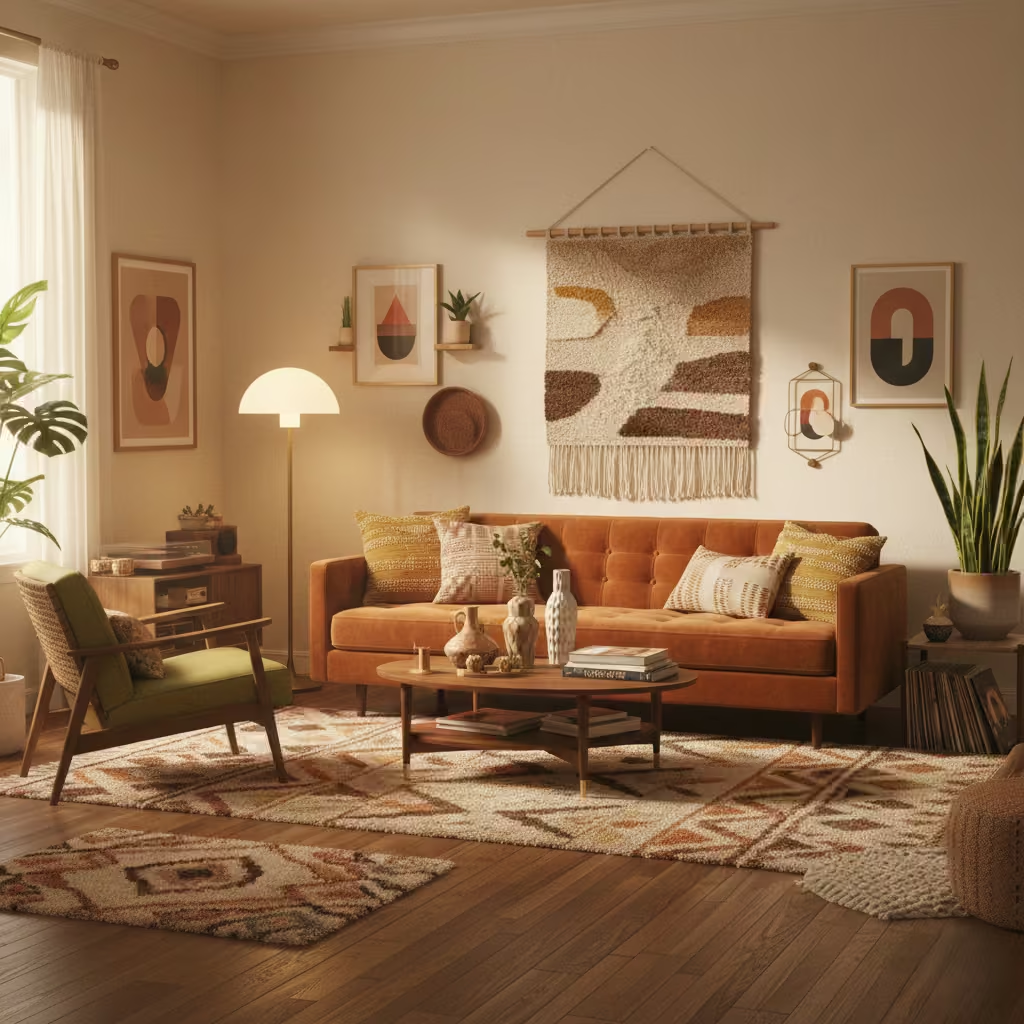
One of the most defining features of 70s apartment designs is the use of bold earth tones. Colours like mustard yellow, burnt orange, and avocado green create a warm, inviting atmosphere while instantly adding personality to a room. These shades work beautifully on walls, furniture, or even accent pieces like cushions and throws.
When using these tones, it’s important to balance them with neutral elements to avoid overwhelming the space. For example, pairing a burnt orange sofa with cream walls or wooden flooring can create a harmonious retro-modern look.
I often recommend starting with one dominant colour and then layering complementary shades through smaller accessories. This approach ensures that your apartment feels vibrant and authentic to the 70s aesthetic without feeling dated or chaotic.
You May also Like: 24 Christmas Pathway Lighting Ideas That’ll Make Your Home Glow Easy, Dazzling & Cozy
Graphic Patterns and Geometric Wallpaper
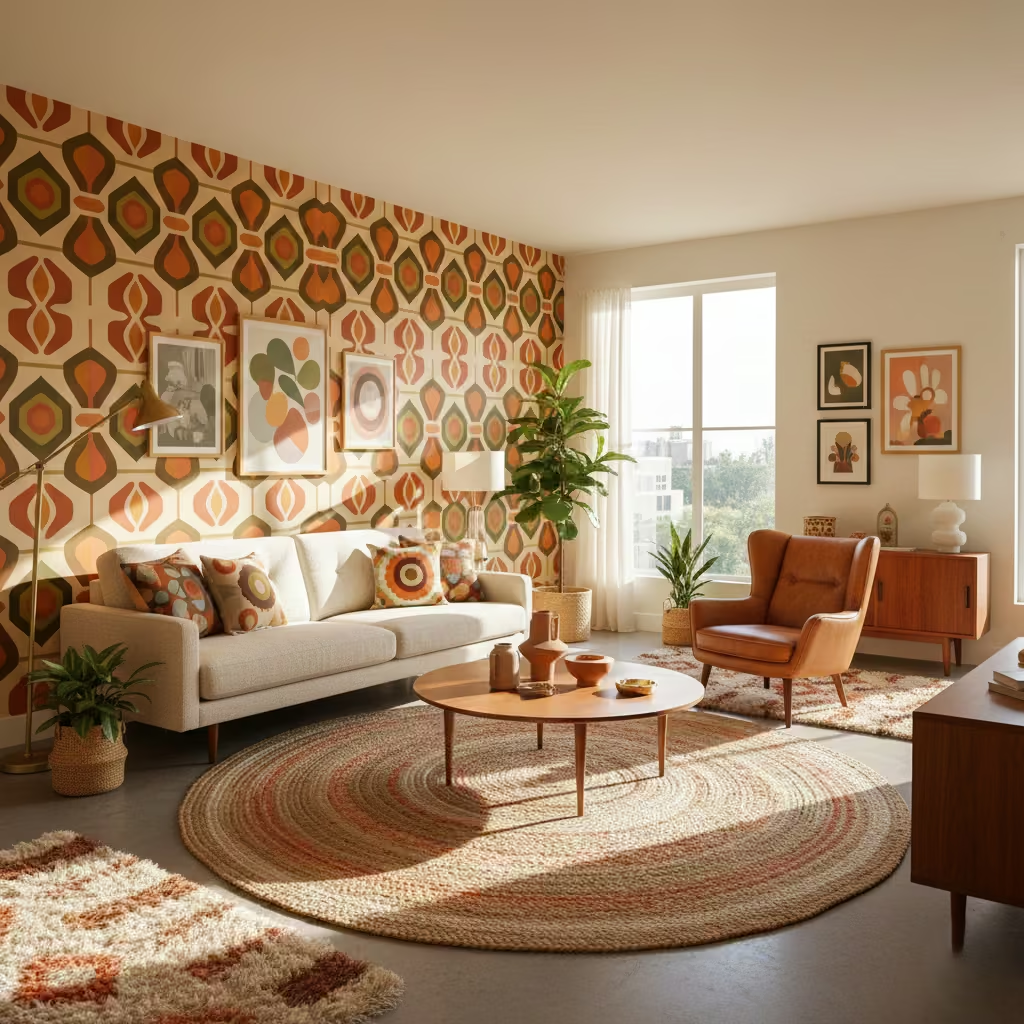
Graphic patterns and geometric wallpaper were a hallmark of 70s interiors, instantly creating visual interest and a sense of movement. Think bold stripes, chevrons, hexagons, or abstract designs in contrasting colours.
Applying wallpaper to a feature wall, rather than the entire room, helps maintain balance and prevents the space from feeling busy. For smaller apartments, even patterned textiles such as curtains, cushions, or rugs can deliver the same retro impact.
I often suggest mixing large-scale and small-scale patterns to add depth and dimension while keeping the overall look cohesive. Geometric designs not only evoke nostalgia but also bring a playful, artistic flair that modern apartments can benefit from.
Mixing Textures and Finishes for a Retro Feel
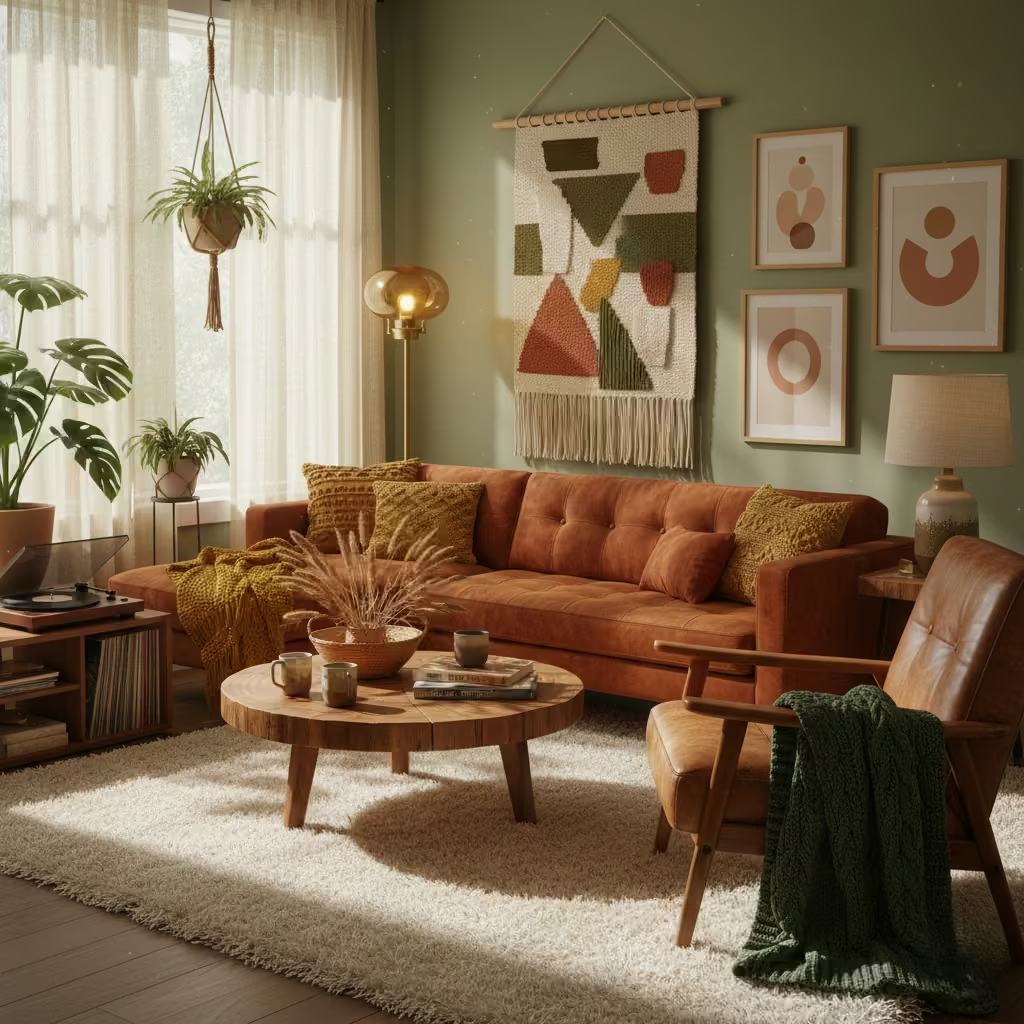
Texture plays a crucial role in capturing the essence of 70s style. Think velvet sofas, leather armchairs, shaggy rugs, and wooden furniture with natural finishes.
Combining different textures adds richness and tactile interest, making your apartment feel layered and inviting. I like to contrast soft fabrics with harder surfaces like lacquered tables or metal accents to maintain balance.
Even small touches, such as a woven wall hanging or a knitted throw, can enhance the retro vibe. Mixing textures also allows you to incorporate 70s style subtly, so your apartment feels warm and nostalgic without becoming overwhelming.
You May also Like: Bedroom Office Combo Ideas: Smart, Stylish Ways to Work and Sleep in One Space
Incorporating Colourful Accents Without Overwhelming the Space
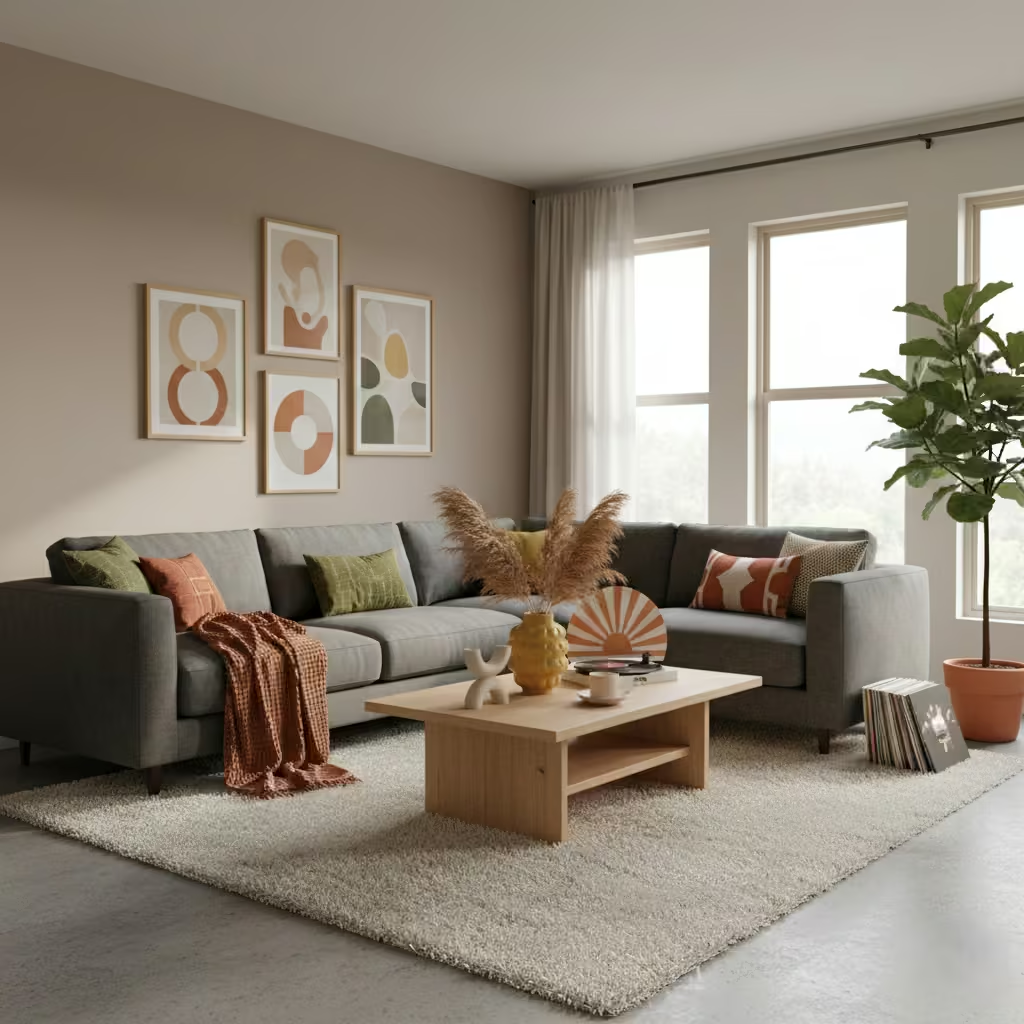
While bold colours and patterns define the 70s aesthetic, the key is knowing how to integrate them without creating chaos. Colourful accents such as cushions, lamps, vases, or artwork can inject personality while keeping the room functional and modern. I often suggest choosing a consistent colour palette with two or three dominant tones and sprinkling smaller accents throughout.
This approach allows each piece to shine and ensures that the space remains cohesive. Even small details like a mustard vase on a neutral coffee table or a burnt-orange throw on a grey sofa can evoke a retro feel effortlessly. By being intentional with accents, you can capture the fun, vibrant energy of 70s design while maintaining a stylish, contemporary apartment.
What Furniture & Layout Fits for 70s apartment design
Furniture and layout are at the heart of 70s apartment design. This era embraced pieces that were both functional and visually striking, with low-profile sofas, modular seating, and statement chairs that defined the space. How you arrange these elements can make a huge difference, creating zones for living, dining, and relaxing while maintaining an open, airy feel.
Before diving into specific furniture choices and layout tips, it’s important to understand how the right combination of style, scale, and placement can transform a modern apartment into a retro-inspired haven.
You May also Like: 21 Minimalist Living Room Ideas That Make Your Home Feel Calm and Chic
Low-Profile Sofas and Modular Seating
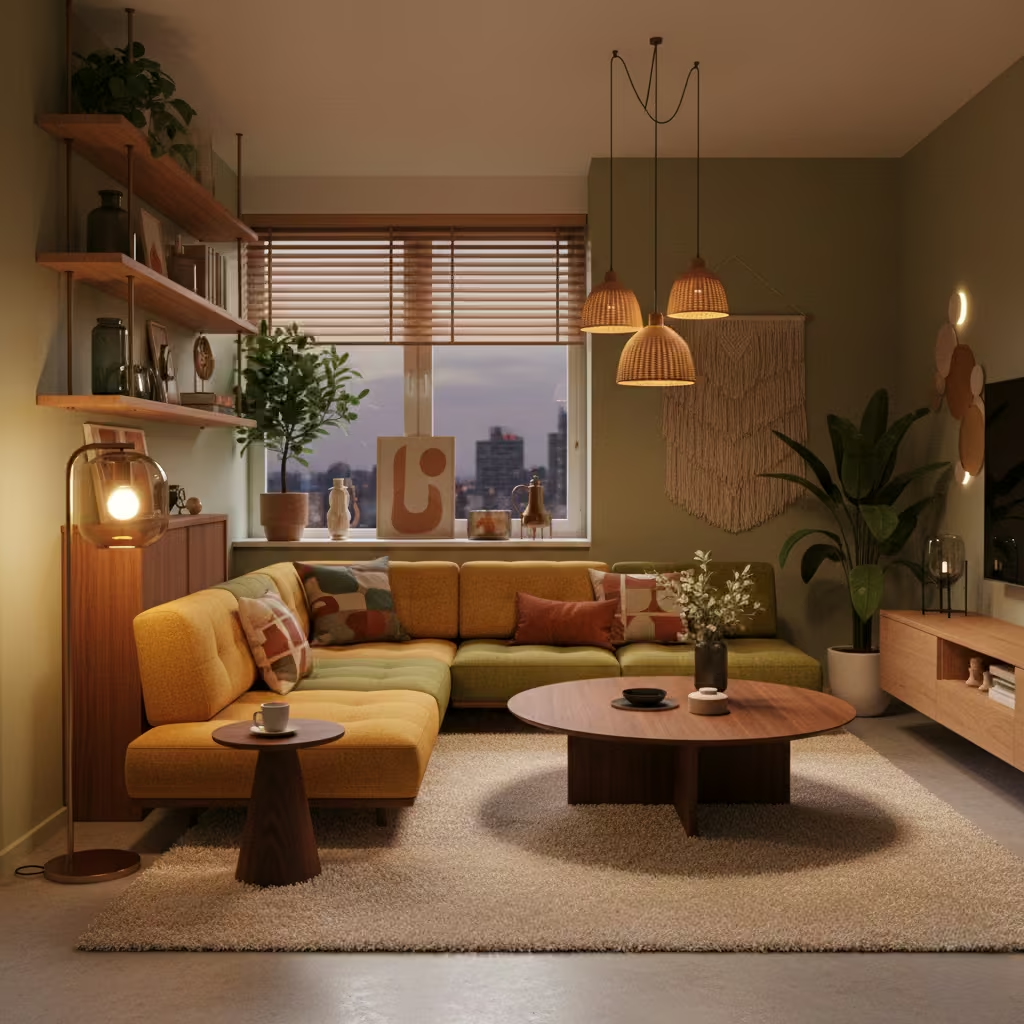
Low-profile sofas were a staple of 70s interiors, emphasizing clean lines and a grounded, casual vibe. These sofas often sit close to the floor with wide, cushioned seating, inviting relaxation and conversation.
Modular seating takes this concept further by allowing flexibility sections can be rearranged to suit the room’s shape, entertain guests, or create cozy corners. In a modern apartment, I recommend choosing a neutral or muted base colour for your sofa, then layering retro cushions or throws to nod to the 70s aesthetic.
Modular pieces are particularly practical for small apartments, as they can adapt to changing needs without compromising style. By combining low-profile comfort with modular functionality, you capture the essence of 70s lounging while keeping your living space versatile and contemporary.
Retro Coffee Tables and Sideboards
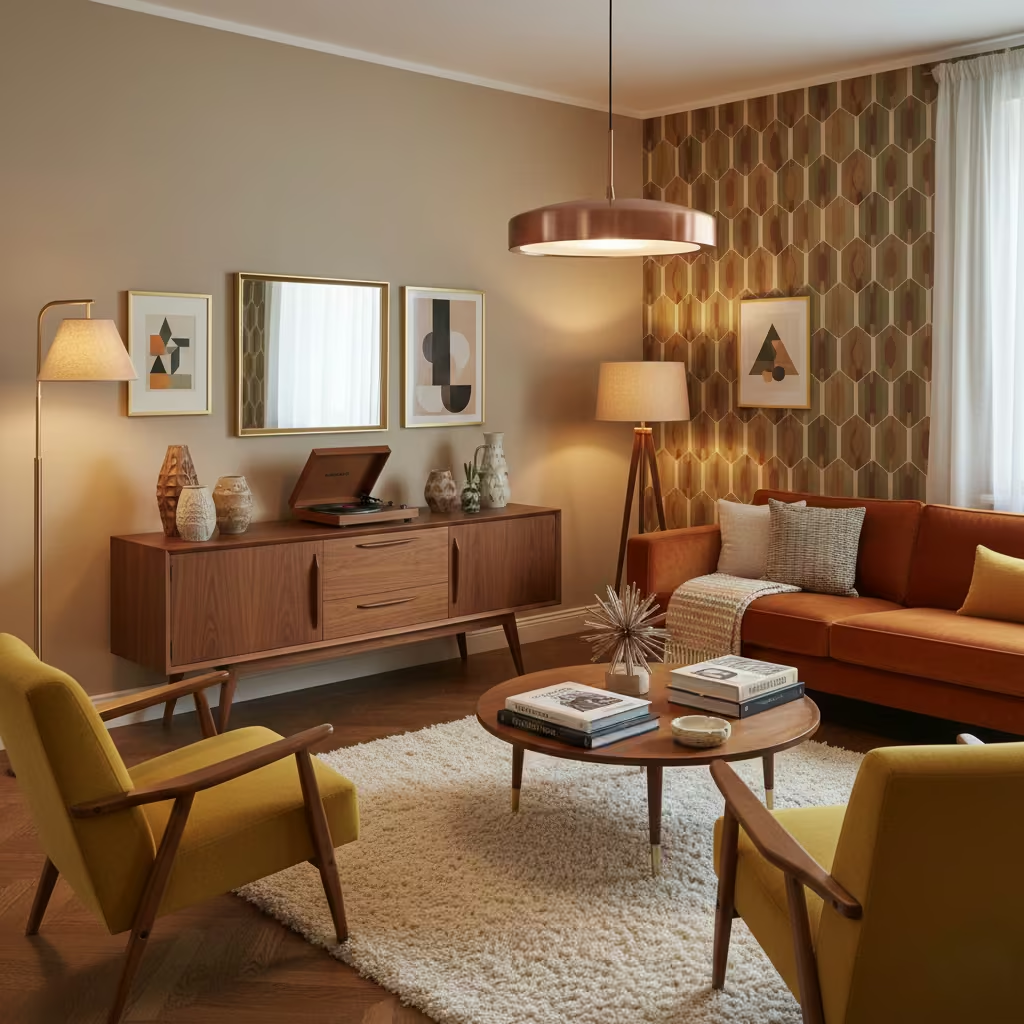
Coffee tables and sideboards from the 70s were often made from natural wood or laminates, featuring clean lines, tapered legs, and simple hardware.
These pieces act as both functional storage and style statements, anchoring the room while reflecting retro charm. For a modern apartment, I often suggest choosing one standout piece—a walnut sideboard or a round, low coffee table that draws the eye without overwhelming the space.
Mixing wood finishes with metal or glass accents adds depth and keeps the look fresh. By carefully selecting retro furniture that balances authenticity with practicality, you can introduce nostalgic flair while maintaining everyday usability.
Statement Chairs with Iconic 70s Designs
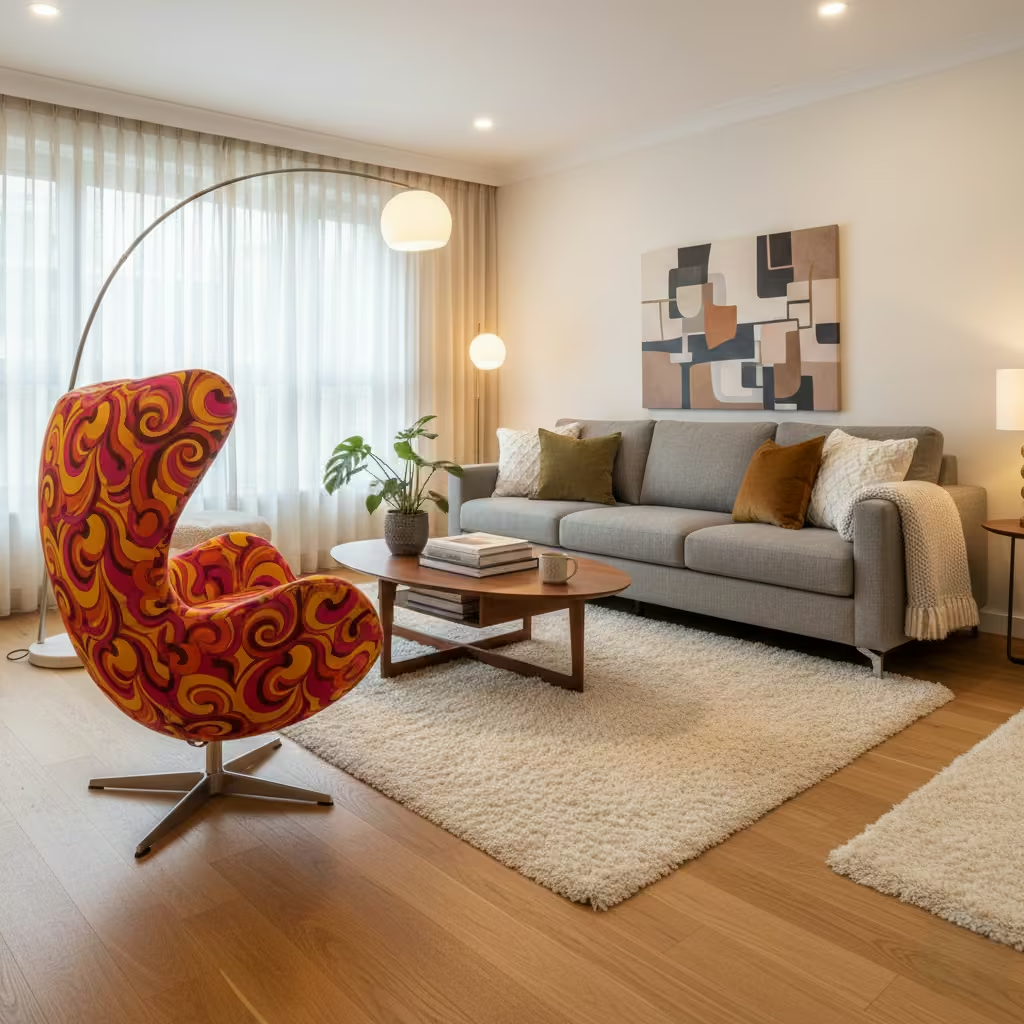
Iconic 70s chairs, like egg chairs, sling chairs, or boldly upholstered armchairs, can instantly elevate a living space. These chairs serve as conversation pieces while offering comfort and functionality.
When incorporating statement chairs into a modern apartment, I recommend positioning them strategically perhaps in a reading nook or beside a coffee table to allow their design to shine.
Pairing them with simpler surrounding furniture ensures they don’t compete with other elements in the room. Using vibrant upholstery, interesting shapes, or unusual materials helps capture the retro spirit while keeping the space contemporary and visually balanced.
Open Floor Plans with Functional Zones
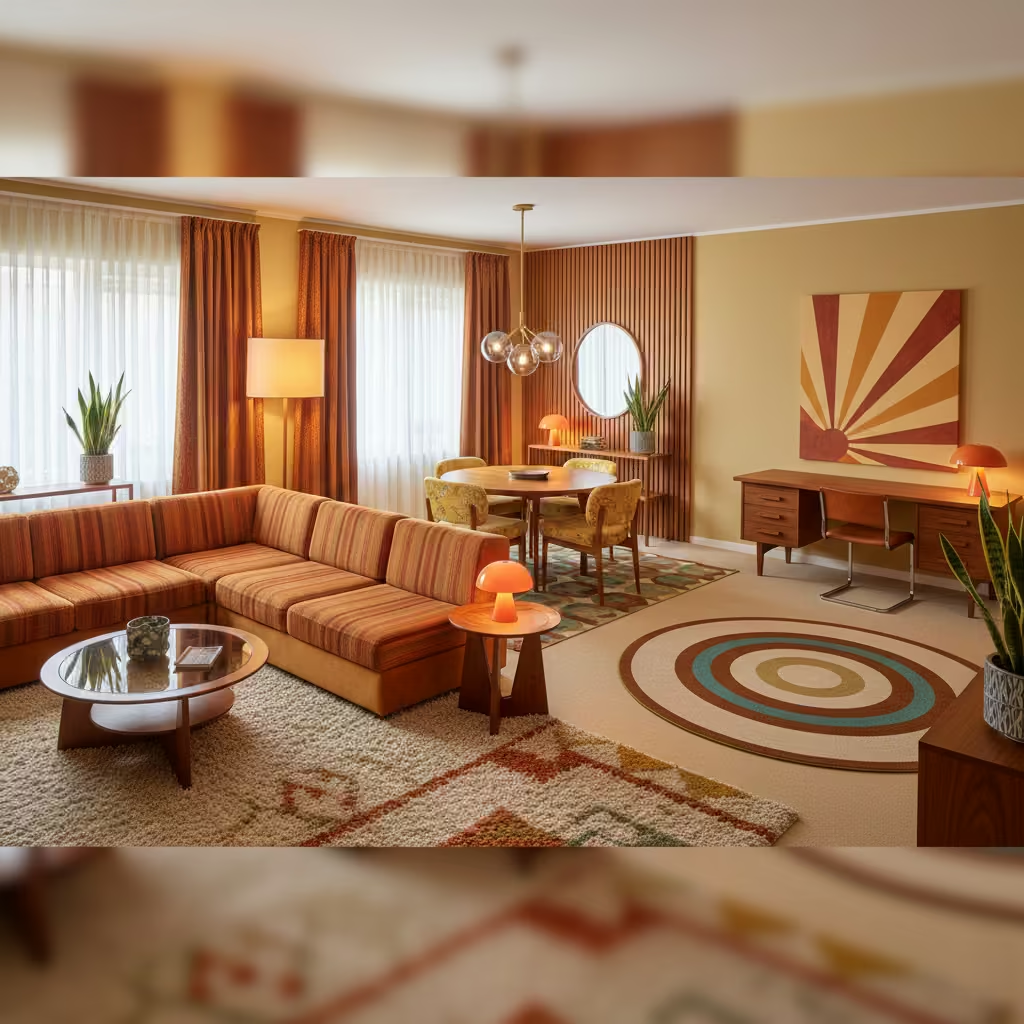
The 70s embraced open layouts that encouraged social interaction and fluid movement between spaces. In a modern apartment, creating functional zones within an open floor plan is key.
Rugs, furniture placement, and lighting can define areas for lounging, dining, or working without erecting walls. For example, a modular sofa can delineate the living area, while a sideboard or shelving unit marks the dining space.
Maintaining clear pathways and visual flow ensures the apartment feels spacious and welcoming. Thoughtful zoning allows you to honour the 70s ethos of openness while accommodating the practical needs of contemporary living.
Curved Furniture to Soften Edges
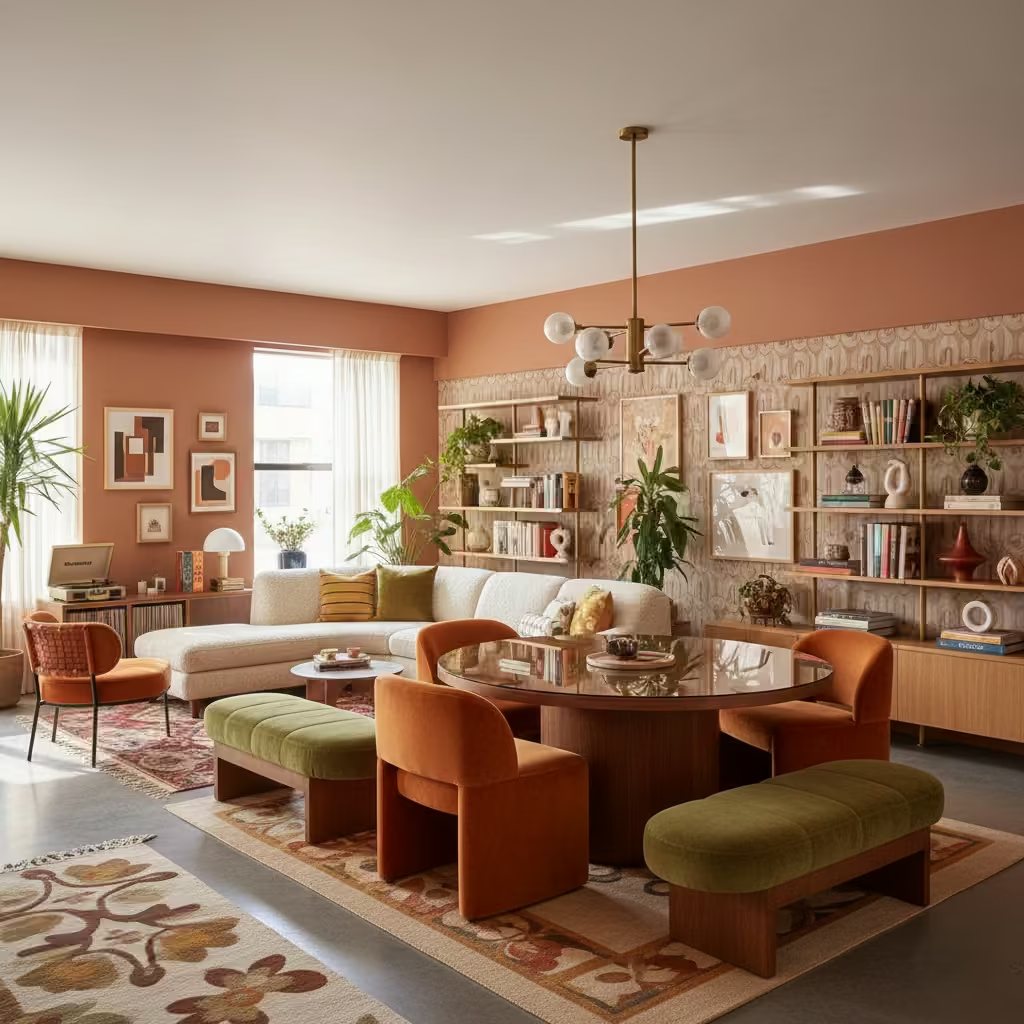
Curved furniture was a defining trend in 70s design, from rounded sofas and armchairs to circular coffee tables and benches. These shapes soften the rigid lines of modern apartments and create a more relaxed, inviting atmosphere.
I often recommend integrating one or two curved pieces in each room like a round dining table or a curved sofa section to add a subtle retro touch without overwhelming the space.
Pairing curves with straight-lined furniture or geometric patterns helps maintain balance while keeping the design playful and approachable. Curved forms not only evoke nostalgia but also encourage a sense of flow and comfort in everyday living.
You May also Like: Mountain Beach House Ideas That Feel Impossible but Work Beautifully
Lighting That Brings Interior Design to Life
Lighting was a defining feature of 70s apartment design, combining function with bold, artistic flair. Iconic pendant lights, warm floor lamps, and statement chandeliers added both ambiance and personality, often becoming focal points in a room.
Before exploring specific lighting ideas, it’s important to understand how the right fixtures can enhance a retro-inspired space, highlight key design elements, and create a cozy, inviting atmosphere that feels both nostalgic and modern.
Iconic 70s Pendant Lights and Chandeliers
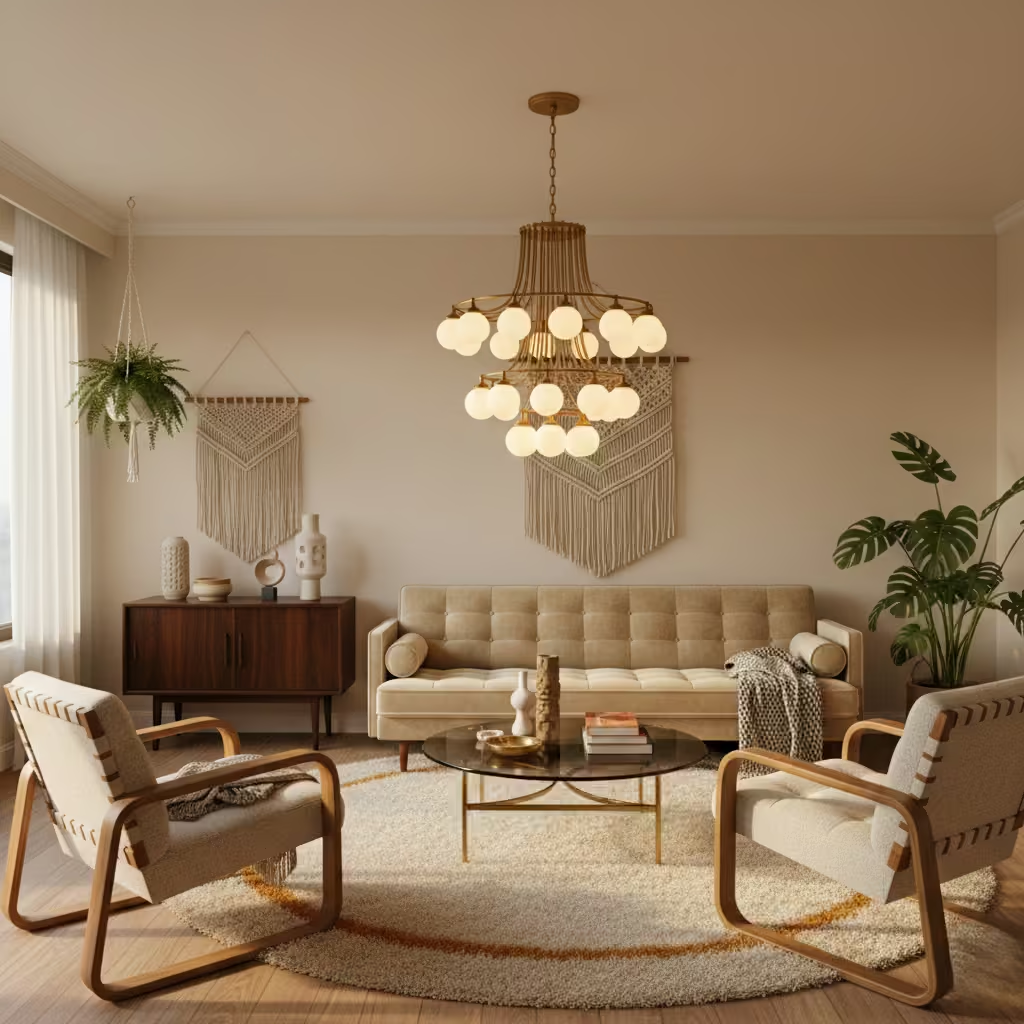
Pendant lights and chandeliers were statement pieces in 70s apartments, often designed to catch the eye while providing practical illumination. Popular designs included spherical globes, tiered chandeliers, and metallic finishes in gold or brass tones. These fixtures could instantly transform a room, adding personality and a retro vibe without overwhelming the space.
In modern apartments, I recommend using a single iconic pendant above a dining table or central seating area to evoke that 70s flair. Pairing these bold lighting pieces with neutral walls and simple furniture ensures the fixture remains the focal point.
By thoughtfully selecting pendant lights or chandeliers, you can merge vintage charm with contemporary sensibility, creating a stylish centerpiece that reflects the playful yet sophisticated energy of the era.
Warm, Ambient Lighting with Floor Lamps
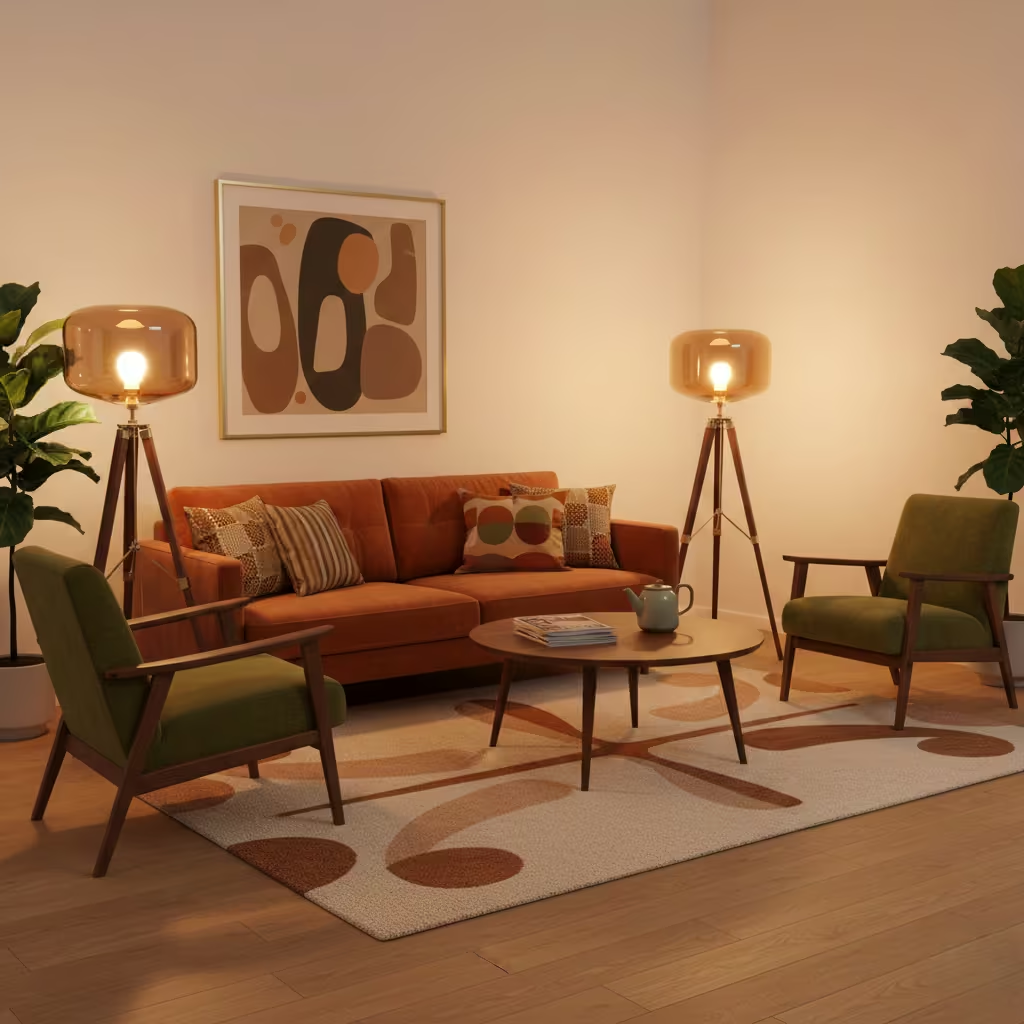
Floor lamps were a 70s staple, valued for both style and functionality. Tall arc lamps, tripod bases, and soft-glow shades created warm, inviting environments, ideal for reading, relaxing, or entertaining. The key to retro-inspired ambient lighting is layering: combining overhead fixtures with floor and table lamps to achieve a cozy, well-lit space.
I often suggest positioning floor lamps near seating areas or corners that need extra illumination, allowing the soft light to highlight textures, patterns, and furniture details. Choosing lamps in earthy tones or with metallic accents can enhance the nostalgic feel while keeping the apartment comfortable and welcoming.
Using Lampshades and Fixtures as Design Statements
In 70s design, lampshades and fixtures weren’t just functional they were art. Bold colours, sculptural shapes, and textured materials like rattan, glass, or fabric made lighting a key design element. Even a simple lamp could serve as a statement piece, adding character and retro flair to the room.
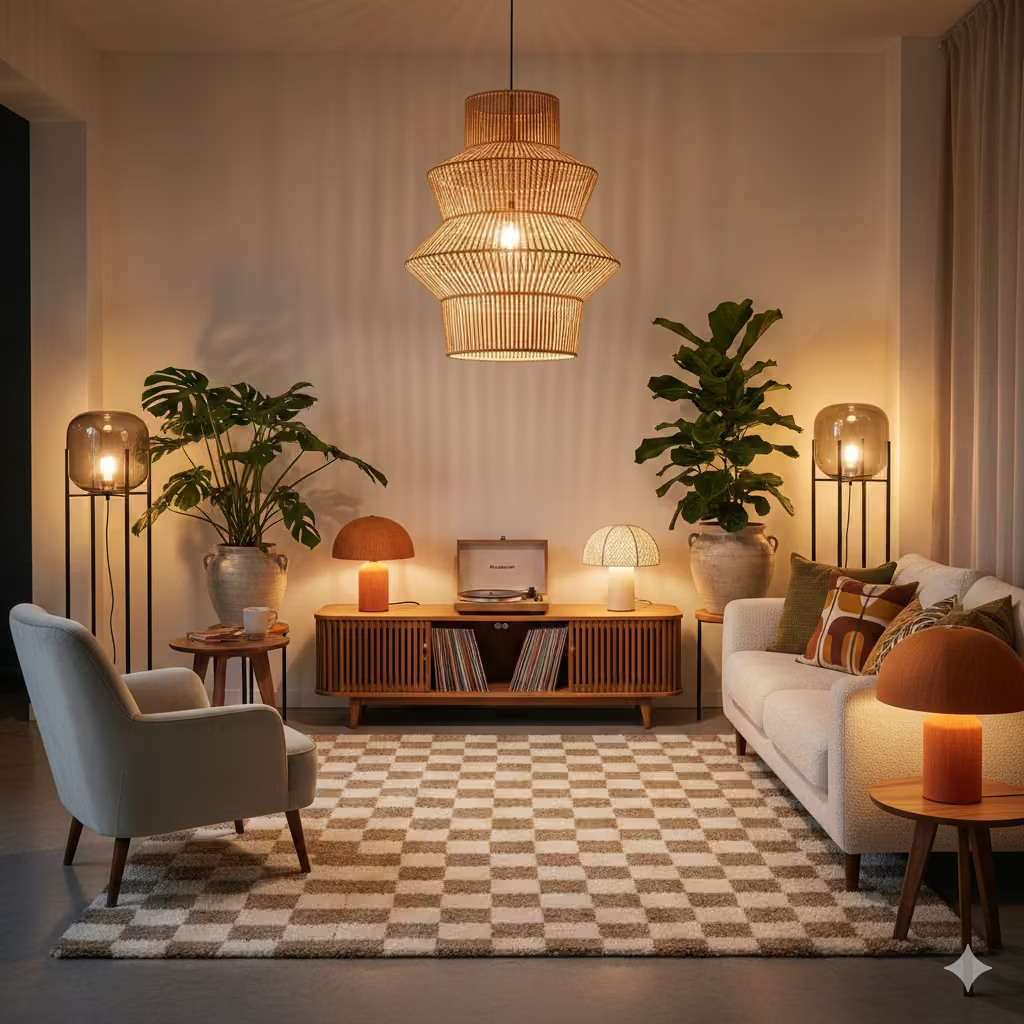
I recommend selecting one or two standout fixtures per room and pairing them with more understated lighting to maintain balance. Unique lampshades can echo other elements in the apartment, such as cushions or rugs, creating cohesion. This approach allows you to infuse personality and 70s charm while keeping the overall design modern and sophisticated.
What Flooring & Rugs Fits 70s apartment style
Flooring and rugs were essential elements in 70s apartment design, helping to define spaces and add warmth, texture, and style. From shaggy carpets to patterned tiles, the right floor choices could instantly set the mood of a room.
Before exploring specific ideas, it’s important to consider how materials, colours, and patterns work together to complement the furniture, décor, and overall retro aesthetic.
Shag Carpets for Texture and Comfort
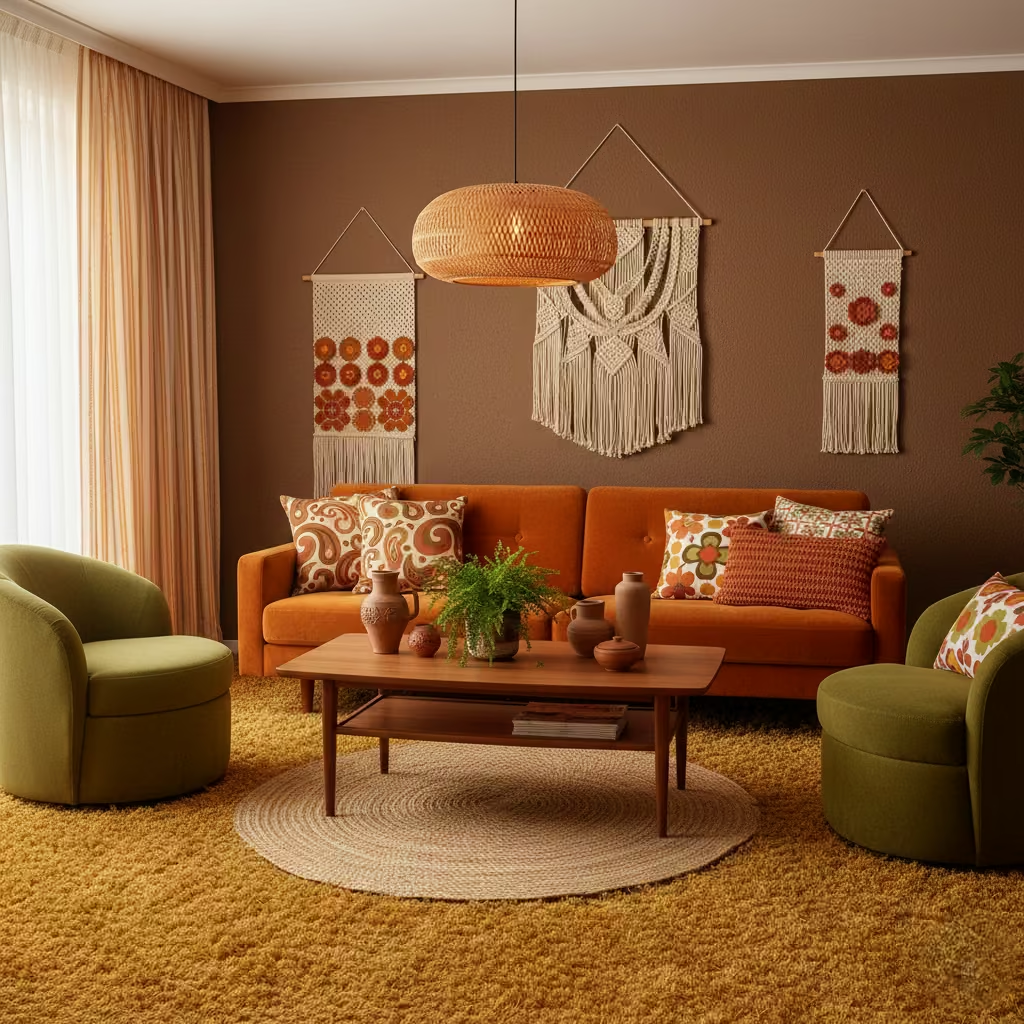
Shag carpets are arguably the most iconic flooring trend of the 70s. Their long, plush fibers add softness underfoot while creating a cozy, inviting atmosphere. Shag rugs in earthy tones like mustard, burnt orange, or olive green can instantly evoke retro charm, while neutral shades provide a subtler nod to the era.
I often recommend placing a shag rug under a seating area to define the space and add visual interest. Combining the tactile appeal of shag with smooth surfaces, like wooden floors or laminate, creates a balanced, layered look that feels both nostalgic and contemporary.
You May also Like: Fall Apartment Decor Ideas: 15 Cozy Ways to Make Your Apartment Feel Like Autumn
Patterned Tiles in Kitchens and Bathrooms
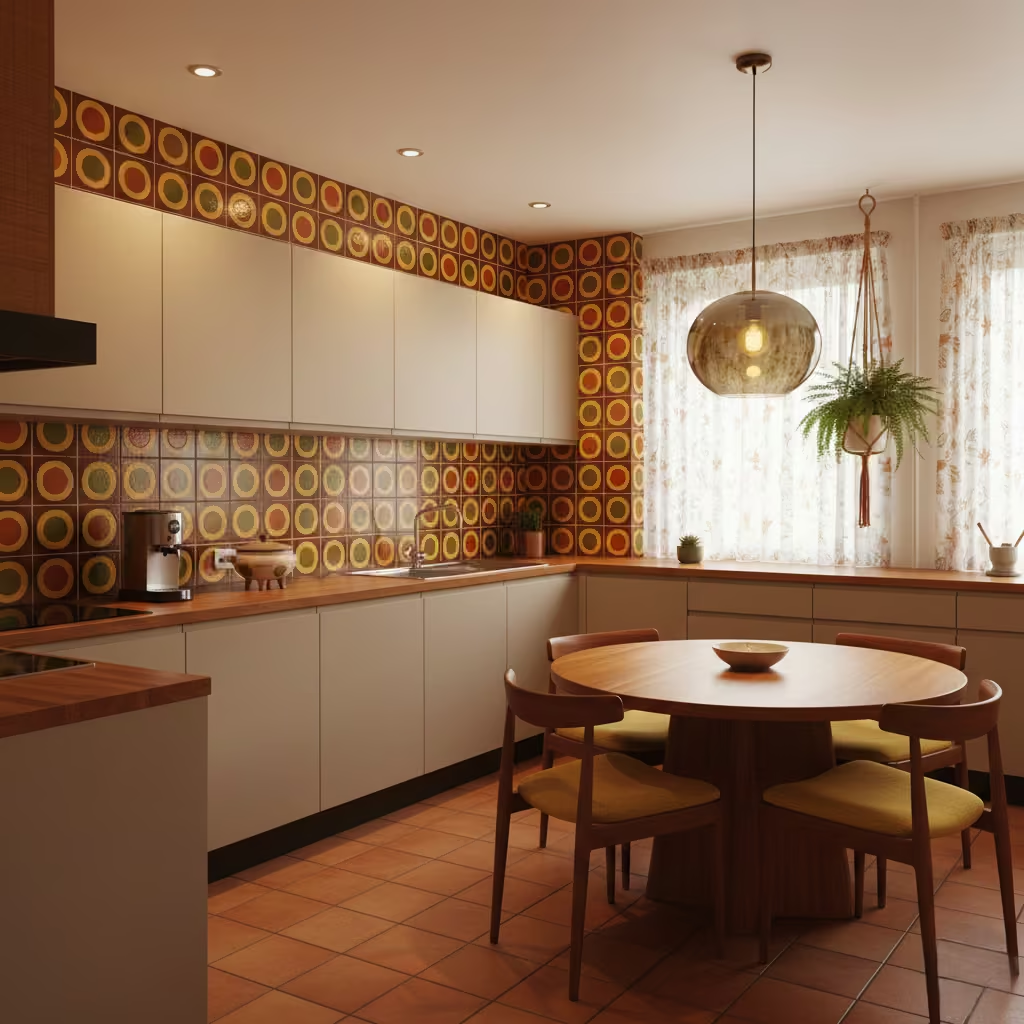
Graphic, patterned tiles were another hallmark of 70s design, particularly in kitchens and bathrooms. Bold geometric or floral designs could create striking feature walls or floors, adding personality without overwhelming the room.
I suggest using patterned tiles sparingly, such as a backsplash, accent wall, or bathroom floor, to keep the look stylish and modern.
Pairing them with neutral cabinetry, countertops, and fixtures ensures the pattern remains a focal point. This approach allows you to capture the playful energy of the 70s while maintaining a clean, functional space.
You May also Like: Transform Your Space with These 25 Desert Living Room Inspirations
Hardwood Floors with Warm Stains
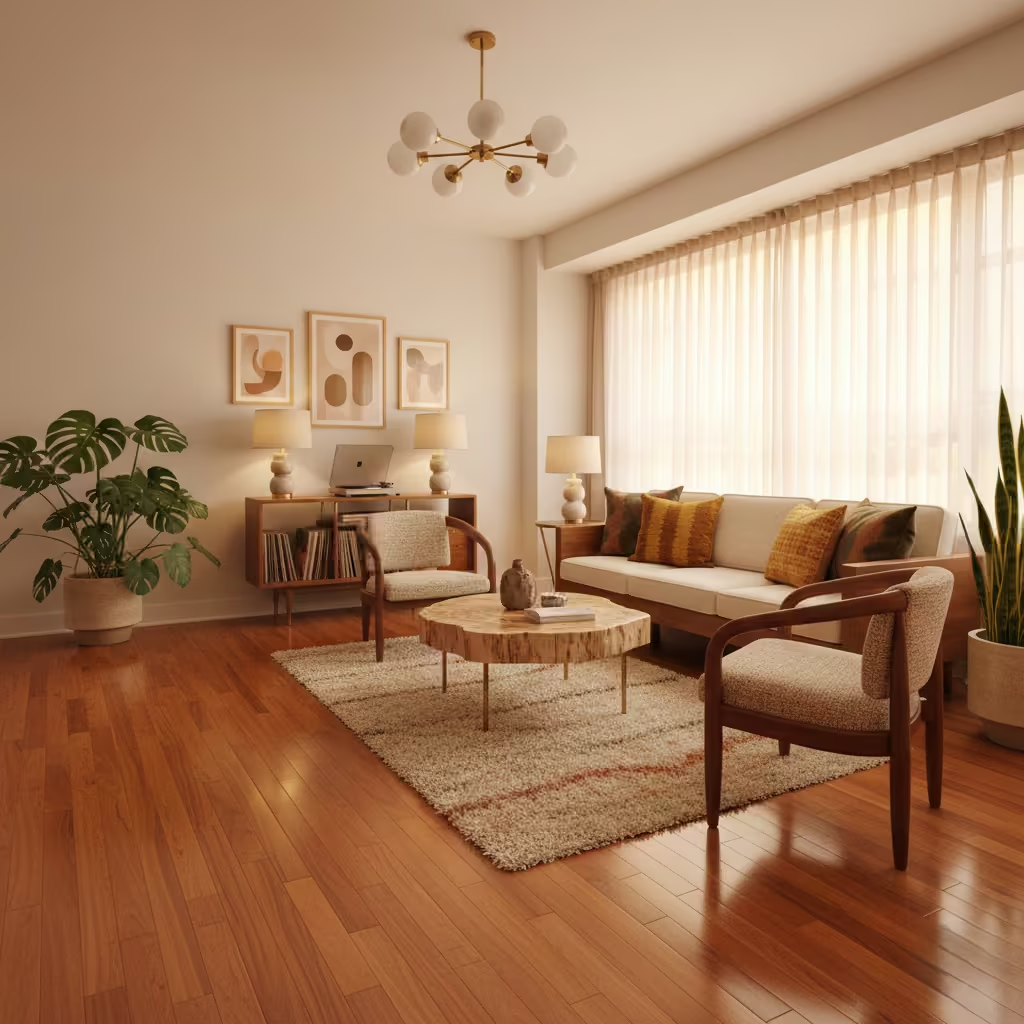
Natural wood floors with rich, warm stains were a staple in 70s apartments, providing a timeless foundation for retro décor. Medium to dark tones think walnut or teak work beautifully with bold furnishings, earthy colour palettes, and textured rugs.
Hardwood floors not only add elegance and durability but also serve as a neutral backdrop that allows retro furniture and accessories to shine.
I often recommend finishing the floor with a matte or lightly glossed finish to enhance the warmth and authenticity of the space. This subtle choice ties together furniture, rugs, and décor, creating a cohesive 70s-inspired apartment that feels inviting and stylish.
70s-Style Accessories and Décor That Complement Your Interior
Accessories and décor were the finishing touches that defined 70s apartment style. From wall art to textiles, lighting accents, and greenery, these elements added personality, texture, and visual interest.
Before diving into specific ideas, it’s important to understand how carefully curated accessories can evoke the retro vibe while keeping a modern apartment functional and stylish.
Vintage Wall Art and Posters
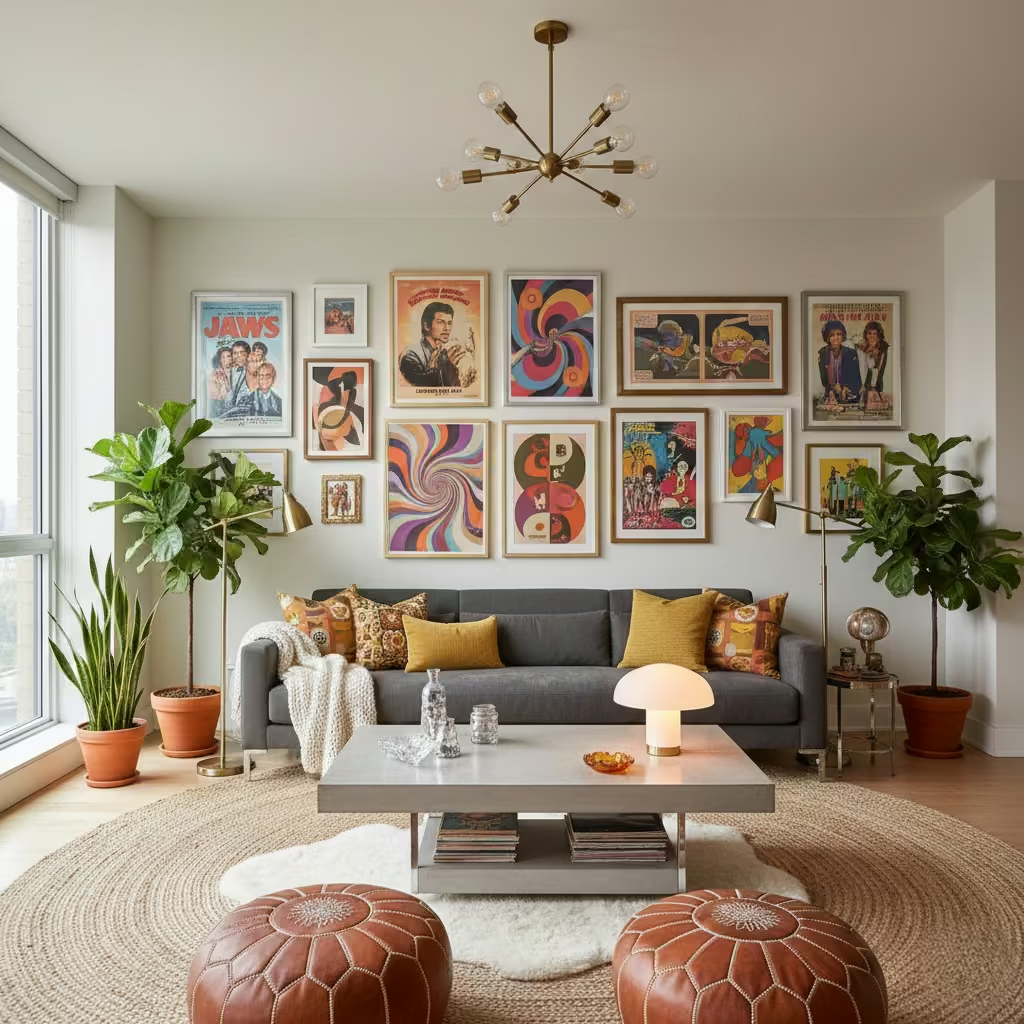
Wall art was a major statement in 70s interiors, often featuring bold graphics, psychedelic prints, or abstract designs. Posters of iconic bands, movies, or pop culture references were commonly framed and displayed prominently.
In a modern apartment, incorporating vintage-style prints or retro-inspired artwork can instantly add character and nostalgia. I suggest creating a gallery wall with a mix of framed posters, paintings, and photographs, balancing bold pieces with subtler ones.
This approach allows you to showcase personality without overwhelming the room. Vintage wall art not only serves as décor but also becomes a conversation starter, tying together colours, patterns, and the overall retro aesthetic.
You May also Like: 20 Pink and White Dining Room Ideas That Make Your Table the Star of the Show
Macramé and Woven Textures
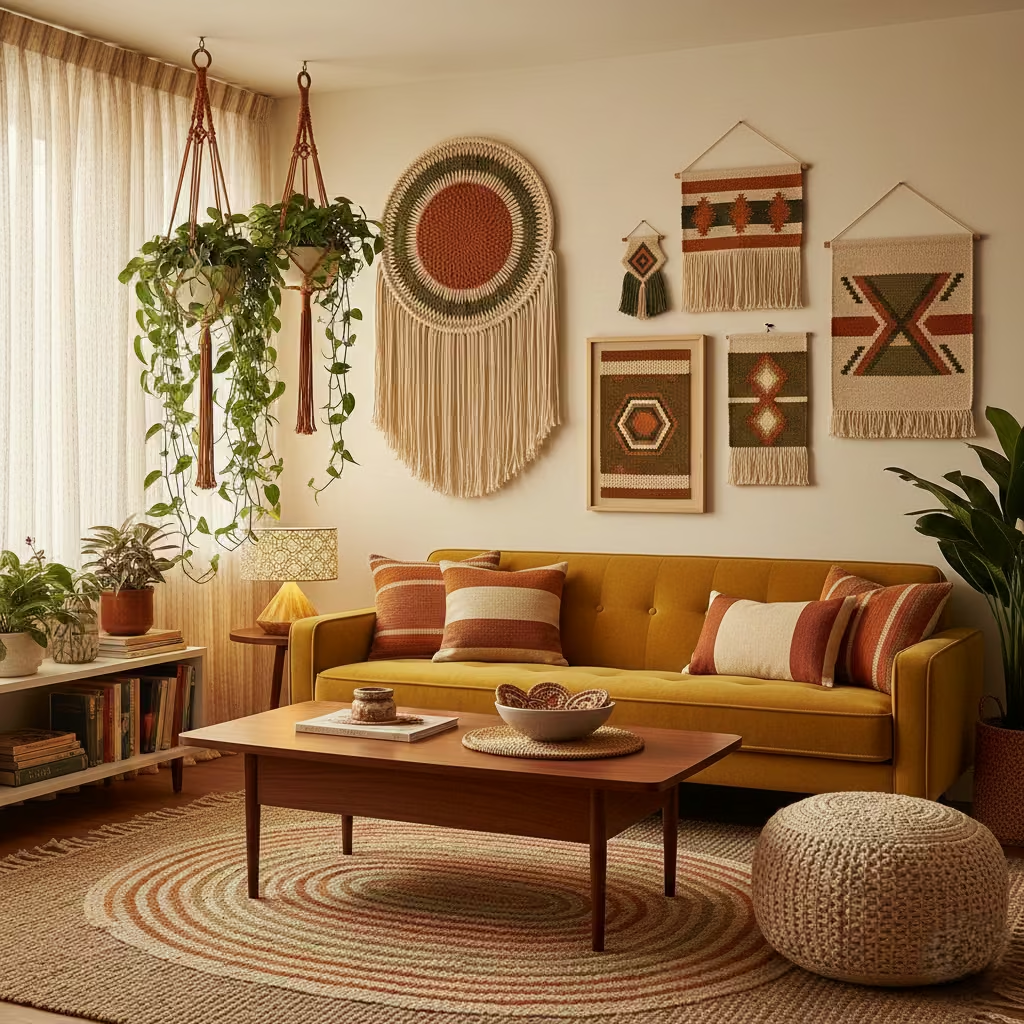
Macramé hangings, woven wall art, and textured accessories were signature elements of 70s interiors. These pieces added tactile warmth and visual depth to a space, creating a handcrafted, cozy feel.
I often recommend using macramé plant hangers, wall décor, or even woven baskets to introduce texture without cluttering the room. Pairing woven elements with smooth furniture surfaces and geometric patterns enhances contrast and keeps the space visually engaging.
Incorporating these textures offers an easy way to nod to 70s style while maintaining a modern, balanced apartment design.
Bold Curtains and Window Treatments
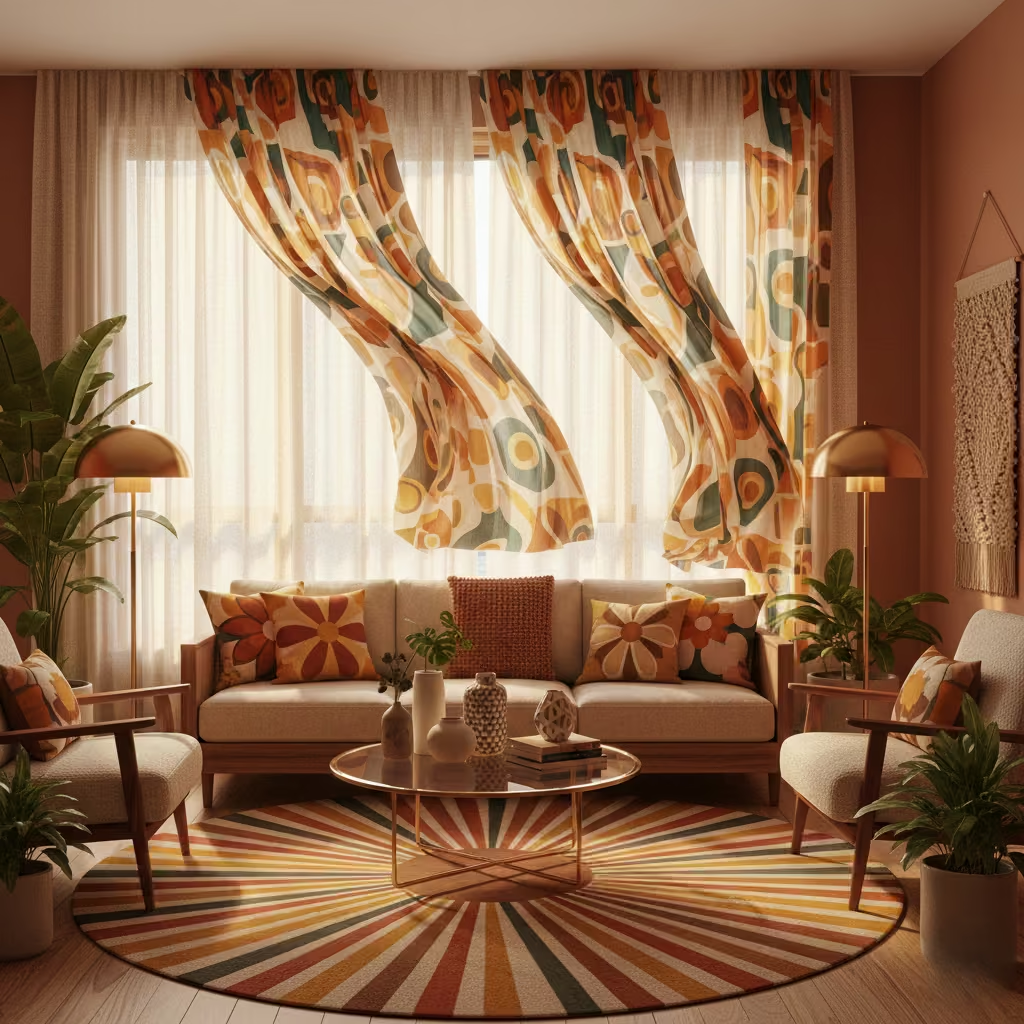
Window treatments in the 70s were often bold and eye-catching, featuring heavy drapes, colourful prints, or layered fabrics. They added drama, colour, and texture to the space while also controlling light and privacy. I suggest choosing curtains that complement your colour palette, whether it’s warm earth tones, geometric patterns, or solid retro shades.
Floor-to-ceiling drapes can elongate rooms and create a cozy, theatrical atmosphere, while lighter fabrics with bold prints offer a playful touch. Thoughtful window treatments can tie together furniture, rugs, and accessories, enhancing the 70s vibe without overwhelming the apartment.
Decorative Mirrors with Funky Frames
Mirrors with unique shapes or ornate frames were popular in 70s design, doubling as both décor and functional elements. Circular, sunburst, or geometric mirrors can add visual interest and reflect light to make small spaces feel larger.
I often recommend placing a statement mirror above a console, sofa, or in entryways to catch attention while complementing other retro décor elements.
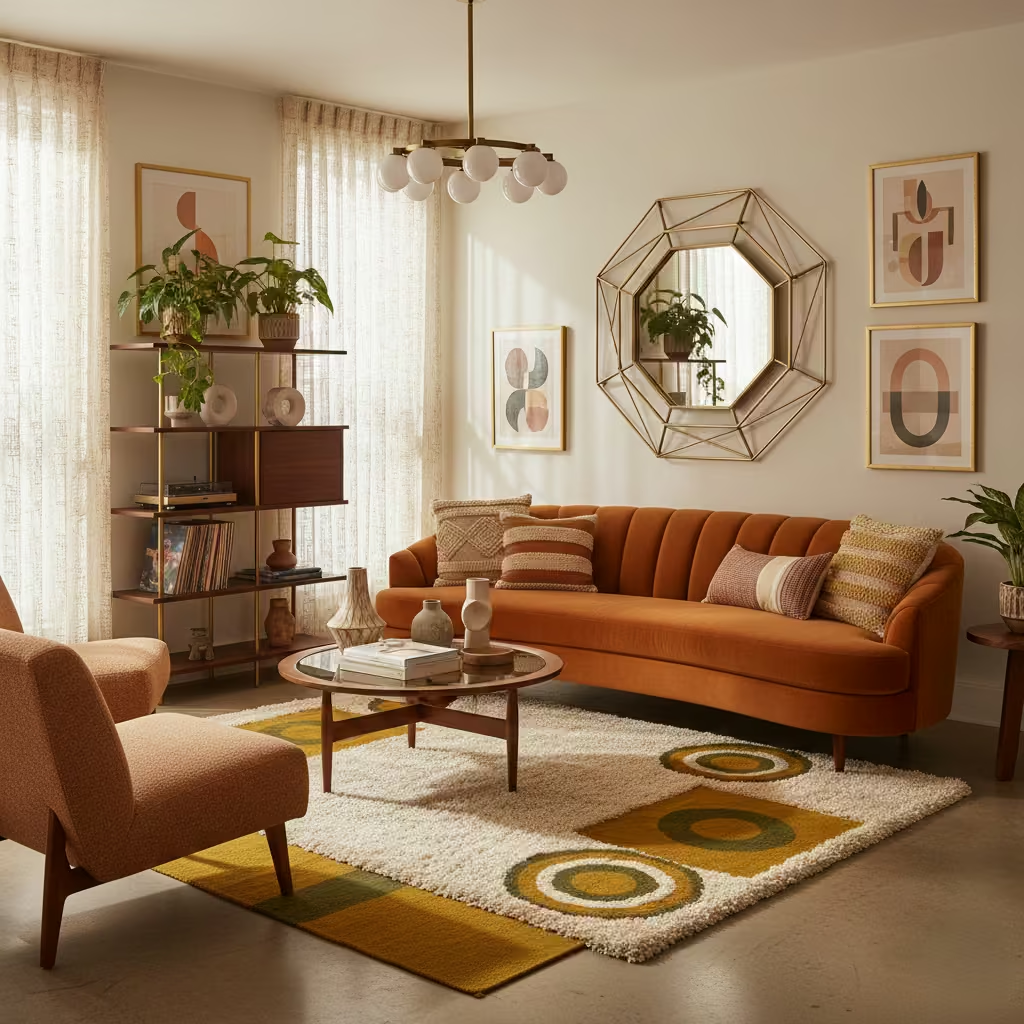
A funky mirror not only enhances the design aesthetic but also reinforces the playful, artistic energy that defines 70s interiors.
Houseplants for a Natural Touch
Houseplants were a defining feature of 70s apartments, bringing life, colour, and texture indoors. From tall palms and fiddle-leaf figs to hanging ivy and succulents, greenery softened spaces and complemented earthy tones. I suggest placing plants in retro-inspired planters think ceramic pots, woven baskets, or macramé hangers—to reinforce the era’s aesthetic.
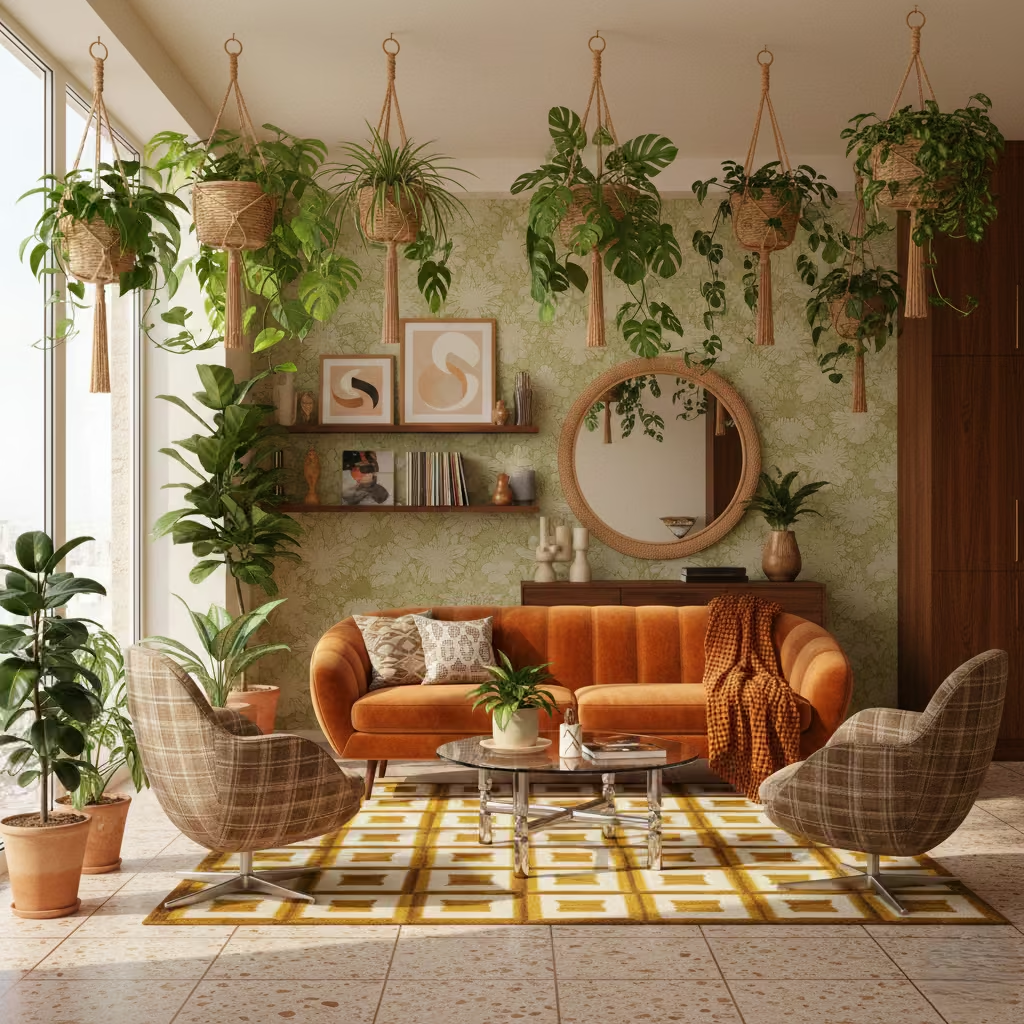
Strategic placement near windows, seating areas, or corners can balance furniture and décor while enhancing the natural, laid-back vibe. Incorporating houseplants not only adds beauty but also improves air quality and creates a sense of calm, making the apartment feel truly lived-in and vibrant.
Kitchen & Dining Ideas for a 70s Apartment setting
Kitchens and dining areas were often the heart of 70s apartments, blending bold style with practicality. From colourful cabinetry to statement appliances, these spaces combined retro charm with functionality. Before exploring specific ideas, it’s important to understand how thoughtful choices in furniture, finishes, and décor can create a 70s-inspired kitchen and dining area that feels lively, nostalgic, and modern at the same time.
You May also Like: 15 Boho Mid-Century Modern Kitchen Ideas That Blend Warmth, Style, and Personality
Retro Cabinetry and Hardware
Cabinetry in the 70s often featured warm wood tones, laminate finishes, or bold colours like avocado green or mustard yellow. Hardware was typically simple yet distinctive, with metallic handles in brass or chrome. For a modern apartment, updating cabinetry with retro-inspired colours or replacing knobs and pulls with vintage-style hardware can instantly evoke the 70s aesthetic.
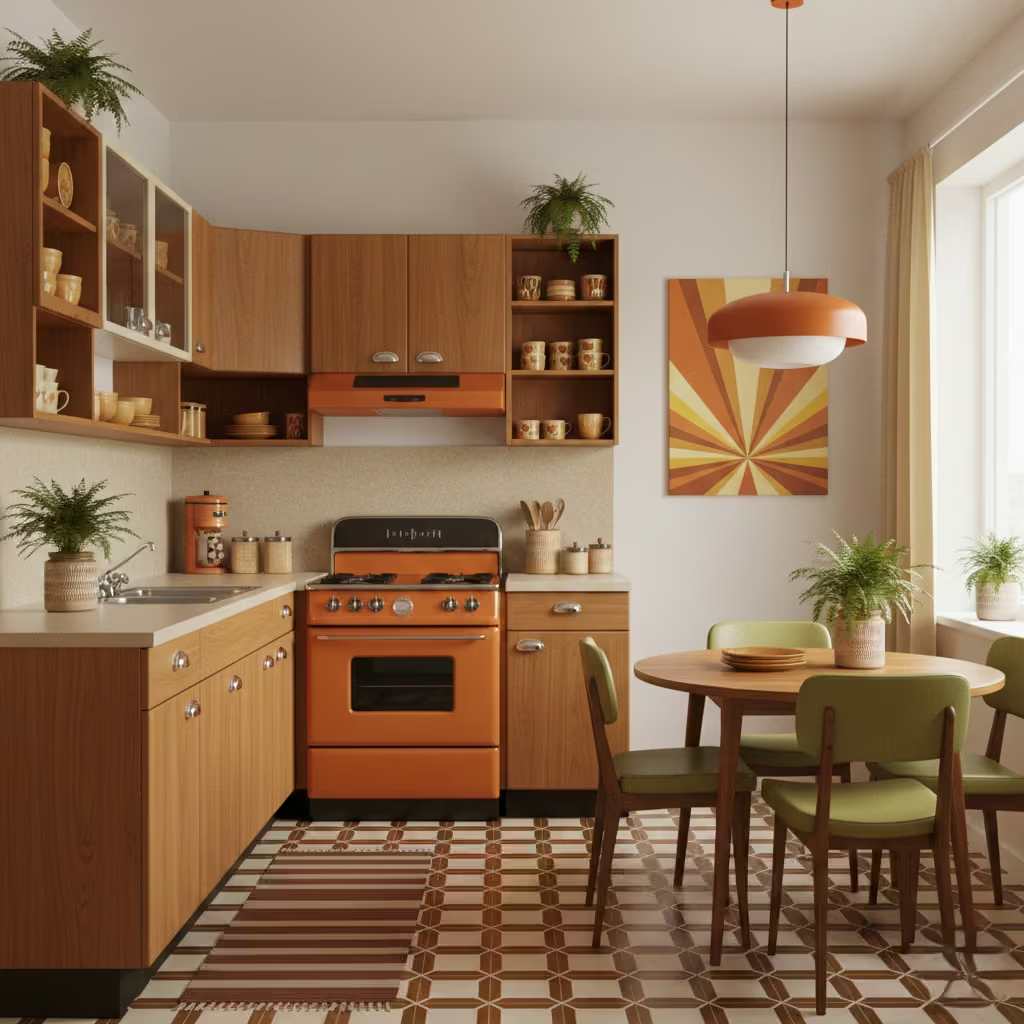
Open shelving or glass-front cabinets allow you to display colourful dishes, glassware, or ceramics, reinforcing the retro vibe. The key is balancing bold cabinetry with neutral walls and countertops so the space feels vibrant without overwhelming the senses.
Colourful Appliances as Statement Pieces
Small and large appliances in the 70s weren’t just functional—they were design statements. Fridges, toasters, mixers, or kettles in bold hues added personality and fun to kitchens. In a modern apartment, choosing one or two standout colourful appliances can evoke the retro feel while keeping the space practical.
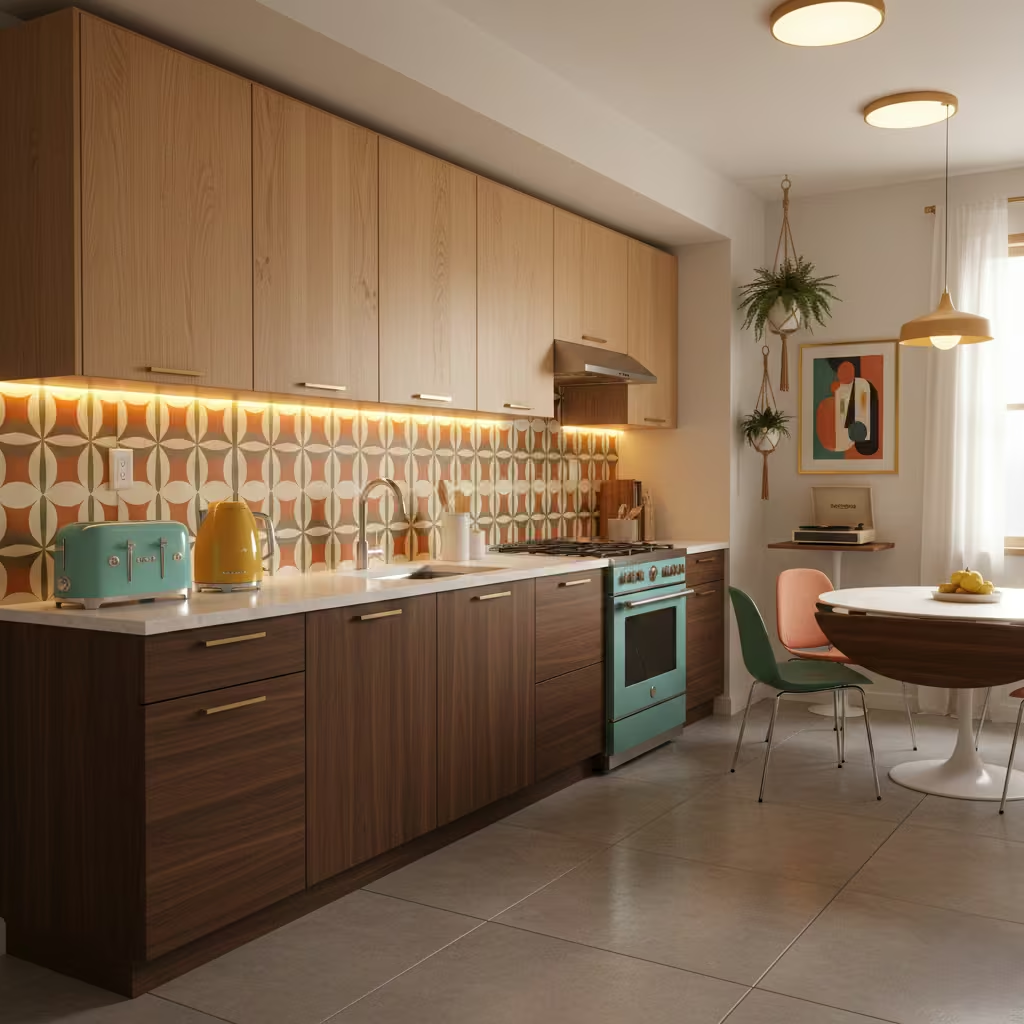
For example, a bright orange coffee maker on a neutral countertop or a pastel-coloured fridge becomes a focal point, adding a nostalgic pop of colour. Combining these statement pieces with complementary décor and lighting ensures the kitchen feels cohesive and playful.
Open Shelving with Vintage Kitchenware
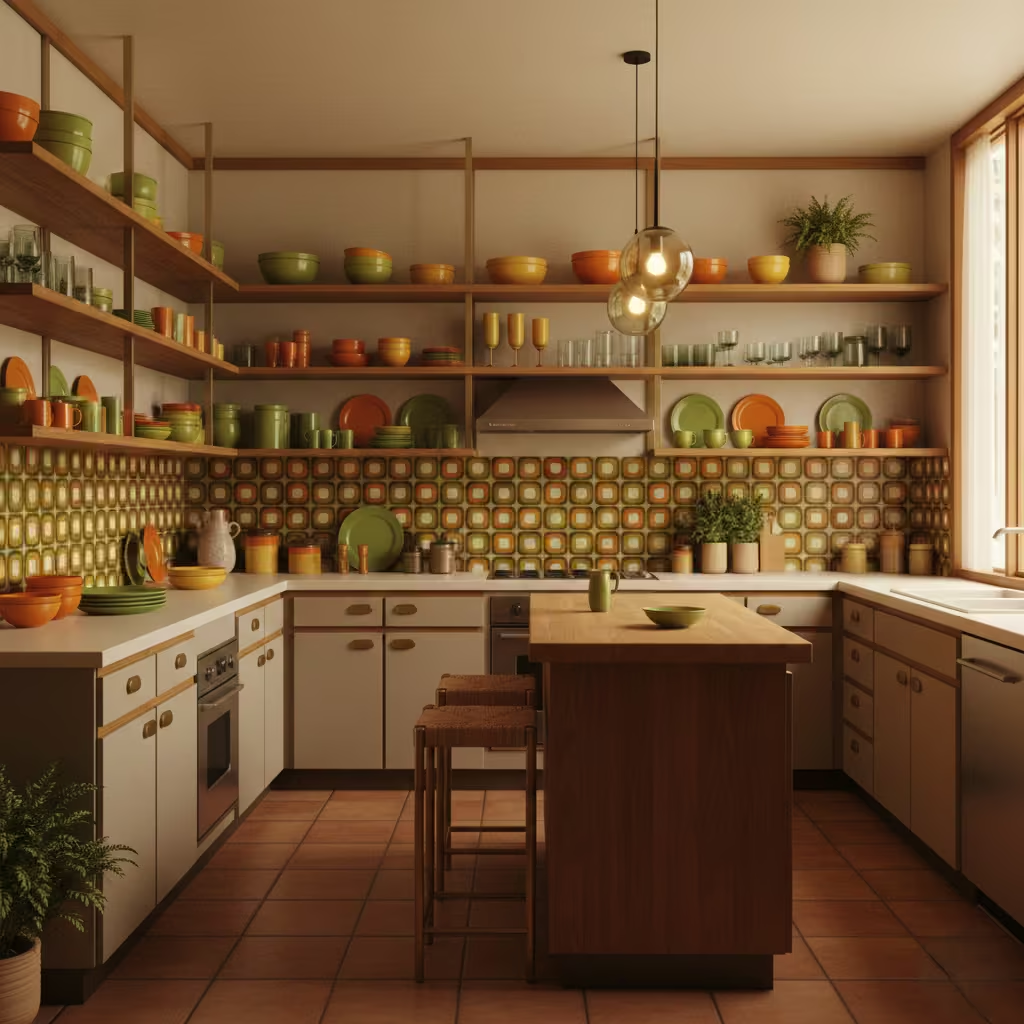
Open shelving was a common feature in 70s kitchens, displaying colourful dishes, glassware, and cookware. It not only enhanced functionality but also created visual interest. I often suggest incorporating open shelving to showcase retro kitchenware or handmade ceramics, tying the space together with colour and texture.
Balancing open shelves with closed storage keeps the kitchen organized while maintaining the authentic retro look. This approach allows you to integrate 70s charm into a modern kitchen without compromising practicality or style.
Round Dining Tables with 70s-Style Chairs
Dining areas in the 70s often featured round tables paired with statement chairs, encouraging social interaction and a sense of intimacy. Choosing a round table with wooden or laminate finishes, combined with chairs in bold upholstery or unusual shapes, can instantly bring retro flair.
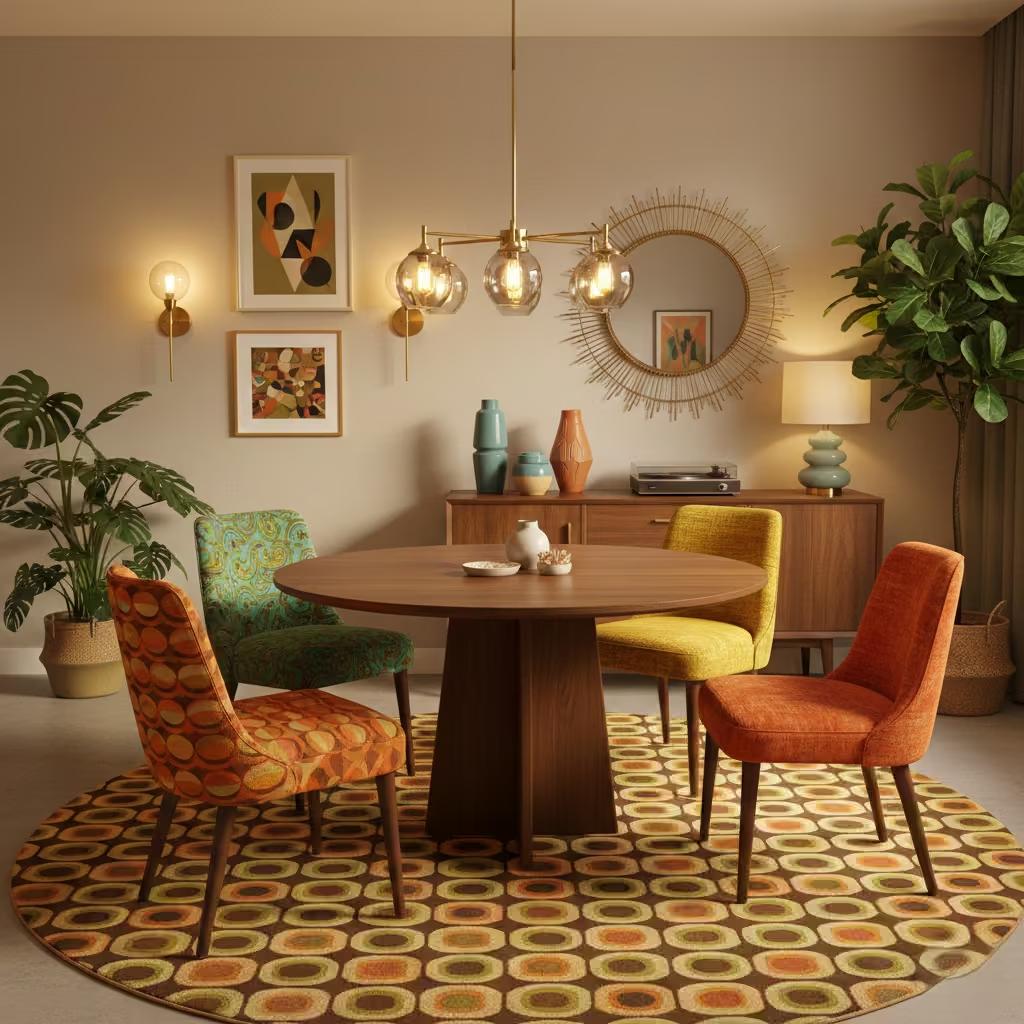
I recommend mixing and matching chair styles or materials for added visual interest, while keeping the overall colour palette cohesive. Accessorizing with a patterned rug, pendant lighting, or table décor reinforces the 70s vibe while ensuring the dining area remains functional and inviting.
Layering Retro with Modern Pieces for Balance
The key to a successful 70s-inspired apartment is blending retro charm with modern functionality. While bold colours, graphic patterns, and iconic furniture capture the era’s essence, integrating contemporary pieces ensures your space remains practical, stylish, and livable.
I often recommend starting with one or two standout retro elements such as a low-profile sofa, a shag rug, or a statement pendant light and layering modern furniture, neutral walls, and minimalist accessories around them. This approach prevents the apartment from feeling dated or overwhelming, while still allowing the nostalgia of the 70s to shine.
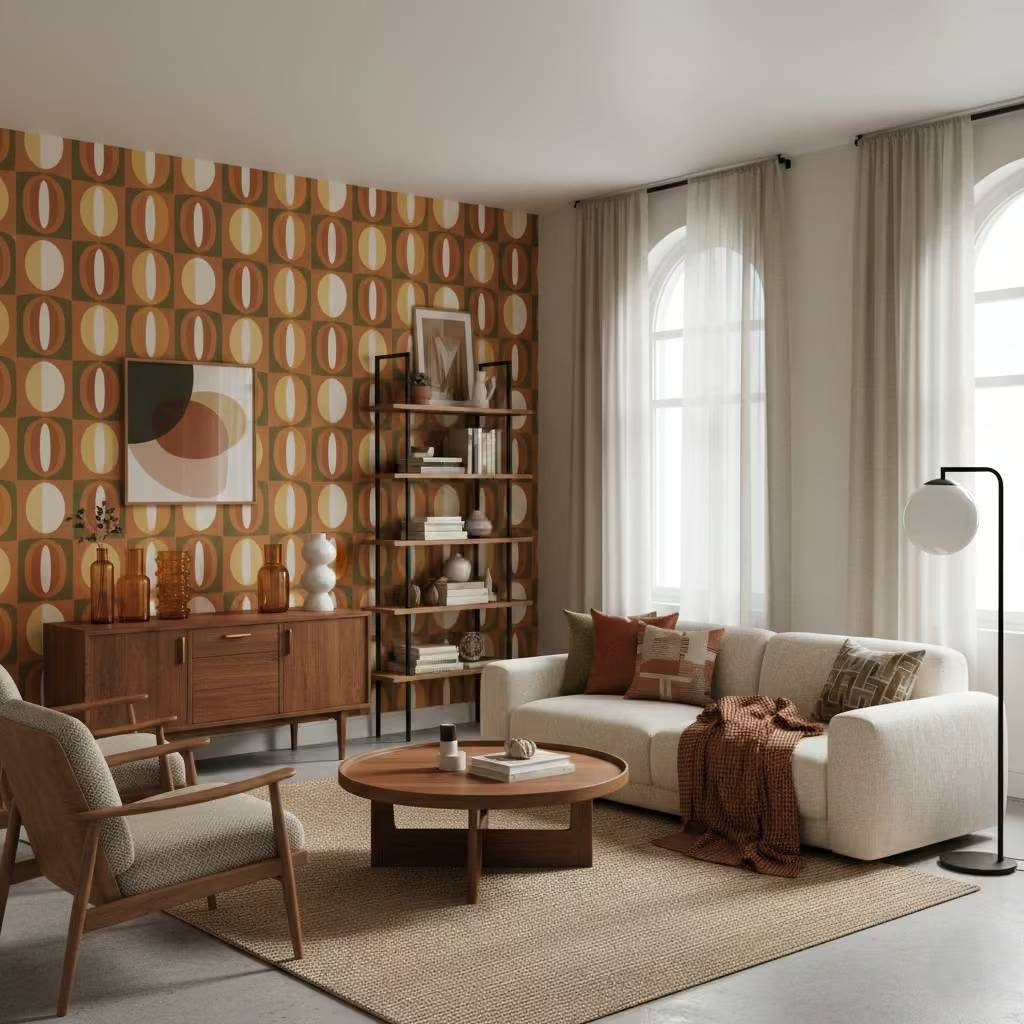
For those feeling hesitant, picking just a few key retro touches is a simple way to experiment without committing fully. For example, a vintage sideboard in the living room or a bold geometric wallpaper on a feature wall can provide a strong nod to the era without dominating the space.
By balancing old and new, you can create a cohesive, visually engaging apartment that feels personal, functional, and effortlessly retro-modern.
Final thoughts
70s apartment design offers a unique blend of bold colours, playful patterns, and iconic furniture that can transform any modern space into a nostalgic yet stylish haven. Its versatility allows you to experiment with everything from statement sofas and geometric wallpaper to shag rugs and retro lighting, all while balancing functionality and contemporary comfort. The true fun lies in personalization mixing vintage elements with modern pieces, layering textures, and selecting accents that reflect your own style.
I encourage you to embrace the spirit of the 70s and experiment with ideas that excite you, whether it’s a bold colour palette, a standout piece of furniture, or a quirky accessory. Share your own 70s-inspired apartment creations, photos, or tips in the comments below and inspire others to bring retro charm into their homes.
Frequently asked question asked about 70s Apartment Design Ideas
What are the key features of 70s apartment design?
70s apartment design is known for bold earth tones like mustard, burnt orange, and avocado green, geometric patterns, shag rugs, low-profile furniture, retro lighting, and textured décor such as macramé and woven elements. The style emphasizes playful yet functional living spaces.
How can I incorporate 70s style into a modern apartment?
Start small by adding key retro elements like a statement chair, geometric wallpaper, a shag rug, or pendant lighting. Mix these with neutral or contemporary furniture to maintain balance and functionality.
What colours are most associated with 70s apartment décor?
Earthy tones dominate the era: mustard yellow, burnt orange, avocado green, and warm browns. Accent colours like teal, burnt red, or gold can also be used for a retro vibe.
What furniture works best for a 70s-inspired apartment?
Low-profile sofas, modular seating, rounded chairs, wooden sideboards, and statement coffee tables with tapered legs are hallmarks of the 70s. Curved and sculptural pieces add a playful retro touch.
How can I add 70s style without overwhelming my space?
Focus on one or two retro elements per room like a bold piece of furniture, patterned rug, or statement lighting. Layer textures and subtle colours around them for a cohesive yet stylish look.
Are 70s design elements suitable for small apartments?
Yes. Using modular furniture, open shelving, and strategic accents like retro lighting or small patterned rugs can give a 70s feel without crowding the space. Neutral walls and careful colour placement help keep it airy.
Which accessories make the biggest impact in 70s apartment design?
Vintage wall art, macramé, patterned cushions, bold curtains, decorative mirrors, and houseplants all enhance the retro aesthetic and create a cozy, lived-in atmosphere.