25 Edwardian Living Room Ideas That Celebrate Period Elegance and Modern Comfort
Edwardian interiors represent a refined shift away from the heavy, formal look of the Victorian era, embracing lighter spaces, improved proportions, and a stronger connection to comfort and craftsmanship. When I work with Edwardian homes, the living room is often the space where original character shines brightest. High ceilings, generous windows, decorative plasterwork, and elegant fireplaces create a sense of openness that still feels warm and welcoming more than a century later.
At the heart of Edwardian living room design is balance. These rooms were designed to feel gracious rather than grand, with layouts that encourage conversation and relaxation. Typical features include tall sash or bay windows, picture rails, detailed cornicing, timber floors, and fireplaces that anchor the room. Colour palettes lean towards soft neutrals, muted pastels, and heritage tones, often layered with wallpaper, textiles, and carefully chosen furniture to add depth without overwhelming the space.
Adapting Edwardian style for modern living is about preservation with purpose. I always advise retaining original features where possible and upgrading what sits behind the scenes. Modern insulation, discreet heating solutions, and subtle lighting upgrades can dramatically improve comfort without compromising period integrity. Furniture can be more relaxed and ergonomic, while layouts can be opened slightly to suit contemporary lifestyles, as long as symmetry and proportion are respected.
In this guide, you will find 25 Edwardian living room ideas that go beyond surface styling. Each idea is designed to help you understand how to work with your home’s architecture, choose appropriate materials and colours, and make informed decisions that blend period elegance with everyday practicality. Whether you are restoring original features or recreating the Edwardian look in a newer home, these ideas will give you clear direction, confidence, and inspiration to get it right.
What Defines an Edwardian Living Room?
An Edwardian living room is defined by light, proportion, and refined detailing rather than excess ornamentation. These spaces were designed to feel open and comfortable, with strong architectural features, quality materials, and thoughtful layouts working together. Unlike earlier period styles, Edwardian interiors prioritise natural light, symmetry, and craftsmanship, creating rooms that feel elegant yet liveable.
Understanding these core elements helps you make design decisions that respect the period while allowing flexibility for modern living.
Architectural Details
Edwardian living rooms are defined by elegant architectural features that create a sense of height, light, and refinement. In my experience, the most prominent details include high ceilings, often between 2.7 and 3 metres, decorative cornicing, ceiling roses, picture rails, and deep skirting boards. Fireplaces are a central focal point, typically featuring cast iron inserts, tiled surrounds, and substantial timber or stone mantels. Large sash or bay windows are another key feature, designed to maximise natural light and enhance the sense of openness that Edwardian homes are known for. These elements should be preserved or reinstated wherever possible, as they form the backbone of the period’s character.
Materials and Craftsmanship
Materials in Edwardian interiors reflect a strong emphasis on quality and durability. Solid timber was widely used for flooring, doors, skirting, and window frames, usually in oak, pine, or mahogany. Fireplaces often feature glazed tiles with subtle patterns, marble hearths, or stone surrounds. Plasterwork was crafted by hand, resulting in softer, more refined detailing than later mass-produced mouldings. When restoring or replicating these elements, I always recommend prioritising natural materials and traditional construction methods, as they age far better and maintain the integrity of the space.
Colour Palettes
Edwardian colour palettes are lighter and more optimistic than Victorian schemes. Soft creams, warm whites, pale greys, sage greens, dusty blues, and muted pinks are commonly used, often combined with deeper accent colours for contrast. Walls were frequently divided horizontally using picture rails, with lighter tones above and slightly richer shades or patterned wallpaper below. This approach helps maintain visual height while adding depth and interest without overpowering the room.
Layout and Proportions
Edwardian living rooms were designed with proportion and symmetry in mind. Furniture layouts typically centre around the fireplace, with seating arranged to encourage conversation rather than television viewing. Clear walkways of at least 750 to 900 mm help maintain flow, while furniture pieces are scaled to suit the generous room proportions. When adapting layouts for modern living, I aim to retain this sense of balance, introducing contemporary comforts without disrupting the room’s natural rhythm and architectural logic.
25 Edwardian Living Room Ideas
Edwardian living rooms have a timeless quality that comes from their generous proportions, elegant detailing, and thoughtful craftsmanship. Before exploring each idea in detail, it helps to understand that Edwardian design is not about excess or formality, but about balance, light, and comfort.
The following 25 Edwardian living room ideas focus on working with original features, respecting period proportions, and making practical updates that suit modern life, whether you are restoring a character property or introducing Edwardian elegance into a newer home.
High Ceilings with Decorative Cornicing
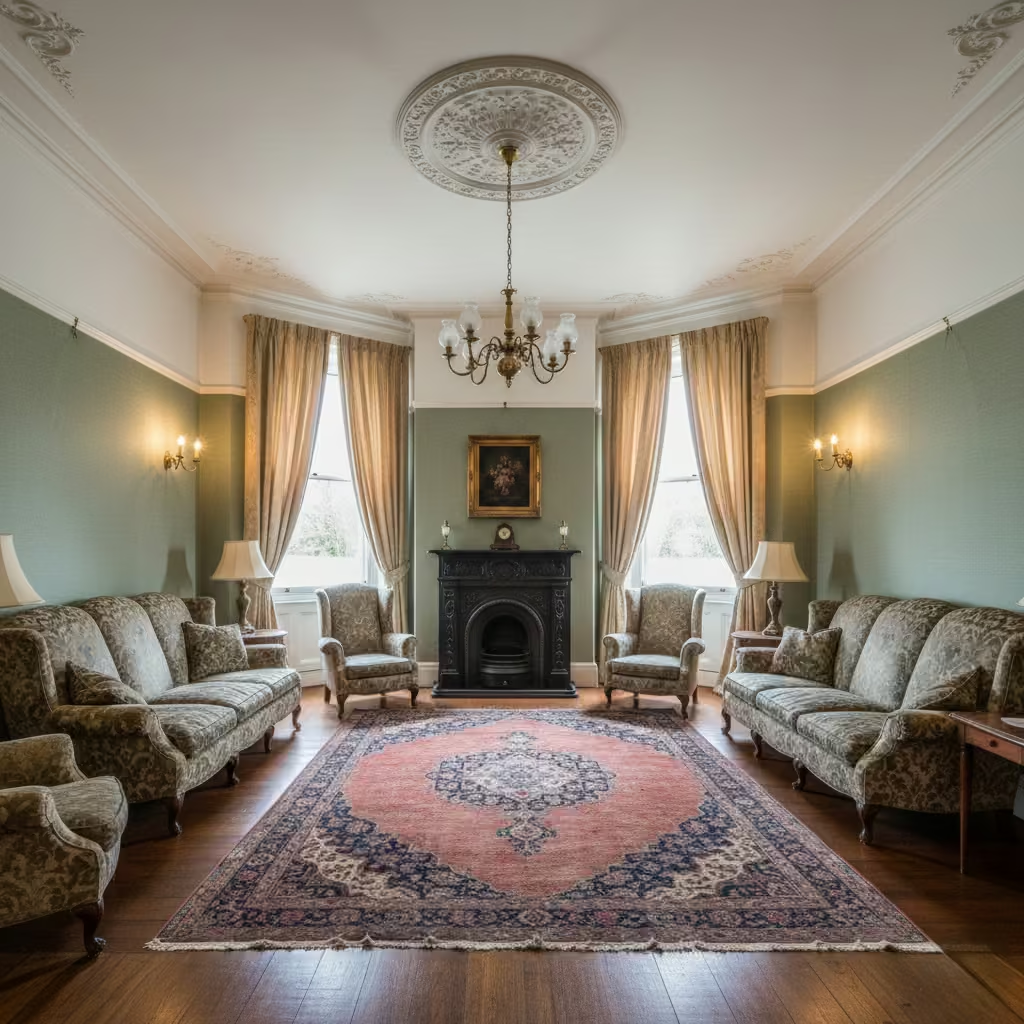
High ceilings are one of the most defining features of an Edwardian living room, typically ranging from 2.7 to 3 metres in height. In my projects, I treat the ceiling as a key design surface rather than an afterthought. Decorative cornicing and ceiling roses add visual interest and help frame the room, but proportion is critical. Cornices should feel substantial without overpowering the space. As a general guide, cornicing depths of 90 to 120 mm work well for standard Edwardian ceiling heights, increasing slightly in larger rooms.
From a materials and craftsmanship perspective, traditional plaster mouldings offer the most authentic finish. Hand-cast plaster has softer edges and finer detailing than lightweight alternatives, which helps maintain period accuracy. Where budgets are tighter, high-quality polyurethane mouldings can be used, but they should closely replicate original profiles.
Colour choice plays a major role in maintaining balance. I usually recommend keeping ceilings and cornicing in soft whites or warm off-whites to emphasise height and reflect light. This allows walls to carry more colour or pattern without visually lowering the ceiling. Subtle contrast between wall and ceiling tones helps define architectural lines while keeping the room airy.
In terms of layout and proportions, high ceilings allow for taller furniture, full-height curtains, and statement lighting. Curtain poles should be fixed 100 to 150 mm below the cornice to maintain vertical flow, and pendant lights should drop no more than one third of the ceiling height. When handled correctly, decorative ceilings elevate the entire room and reinforce the elegant, spacious feel that defines Edwardian living rooms.
You May also Like: 21 Earthy Cottage Home Decor Ideas for a Cozy, Soul-Calming Retreat
Feature Fireplaces as the Room Anchor
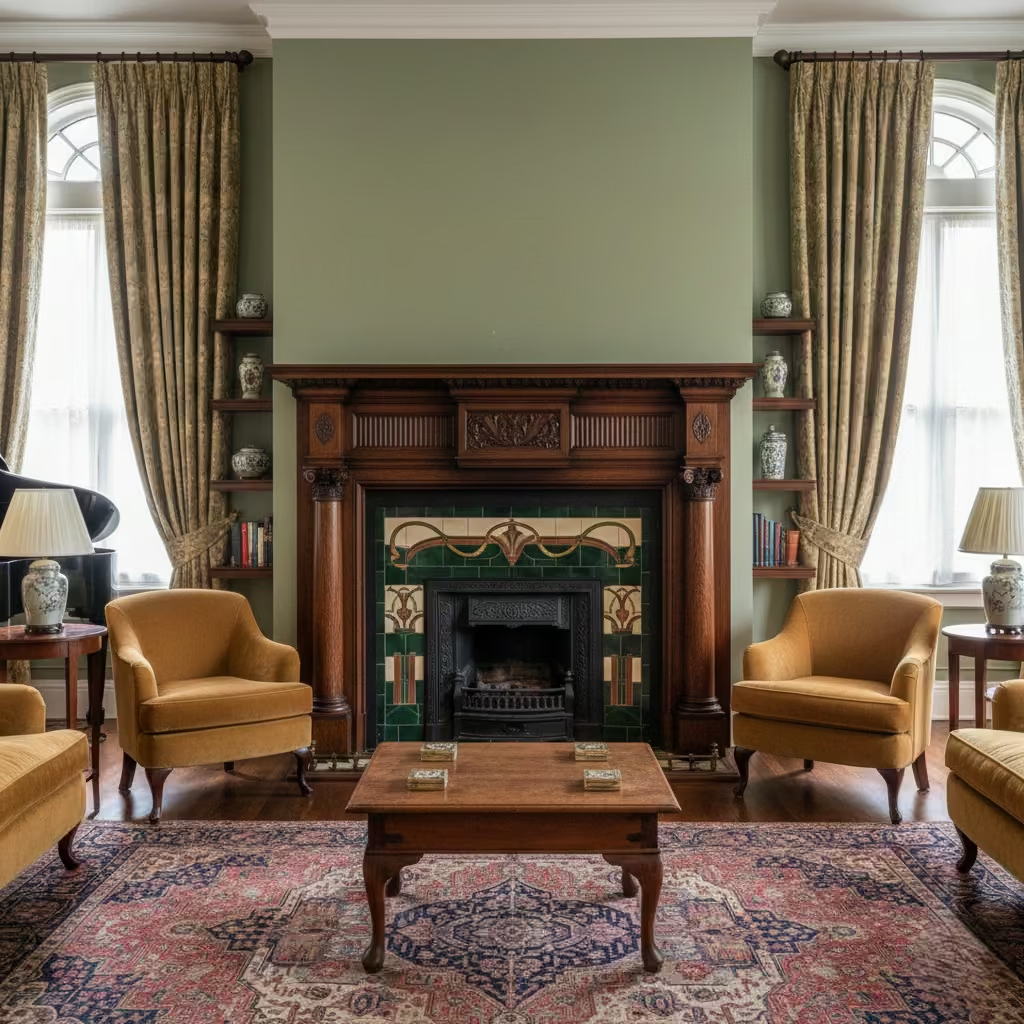
In an Edwardian living room, the fireplace is the natural focal point and often the element around which the entire space is organised. Original Edwardian fireplaces typically feature cast iron inserts paired with decorative tiled panels and a substantial mantel in timber, stone, or marble. When restoring or sourcing a replacement, I recommend choosing a mantel that is proportionate to the room.
For standard Edwardian living rooms, mantel widths usually range from 1.2 to 1.5 metres, with a depth of 200 to 300 mm to create presence without overwhelming the wall.
From a materials and craftsmanship standpoint, cast iron remains the most authentic choice for inserts, offering durability and fine detailing. Glazed tiles with subtle patterns or floral motifs are true to the period and should be heat-rated. Natural materials such as marble, limestone, or solid wood mantels age gracefully and maintain period integrity far better than composite alternatives.
Colour palettes should allow the fireplace to stand out while remaining cohesive. I often keep the surround in a neutral or slightly darker tone than the walls, using deep greens, charcoal greys, or soft blacks for the insert, balanced with lighter wall colours. This contrast helps anchor the room visually without making it feel heavy.
In terms of layout and proportions, furniture should be arranged to acknowledge the fireplace as the centre of gravity. Sofas and armchairs work best positioned symmetrically, with clearances of at least 900 mm in front of the hearth for comfort and safety. Even in rooms where the fireplace is no longer functional, treating it as a visual anchor reinforces the structured, balanced feel that defines Edwardian living room design.
Soft Edwardian Colour Palettes
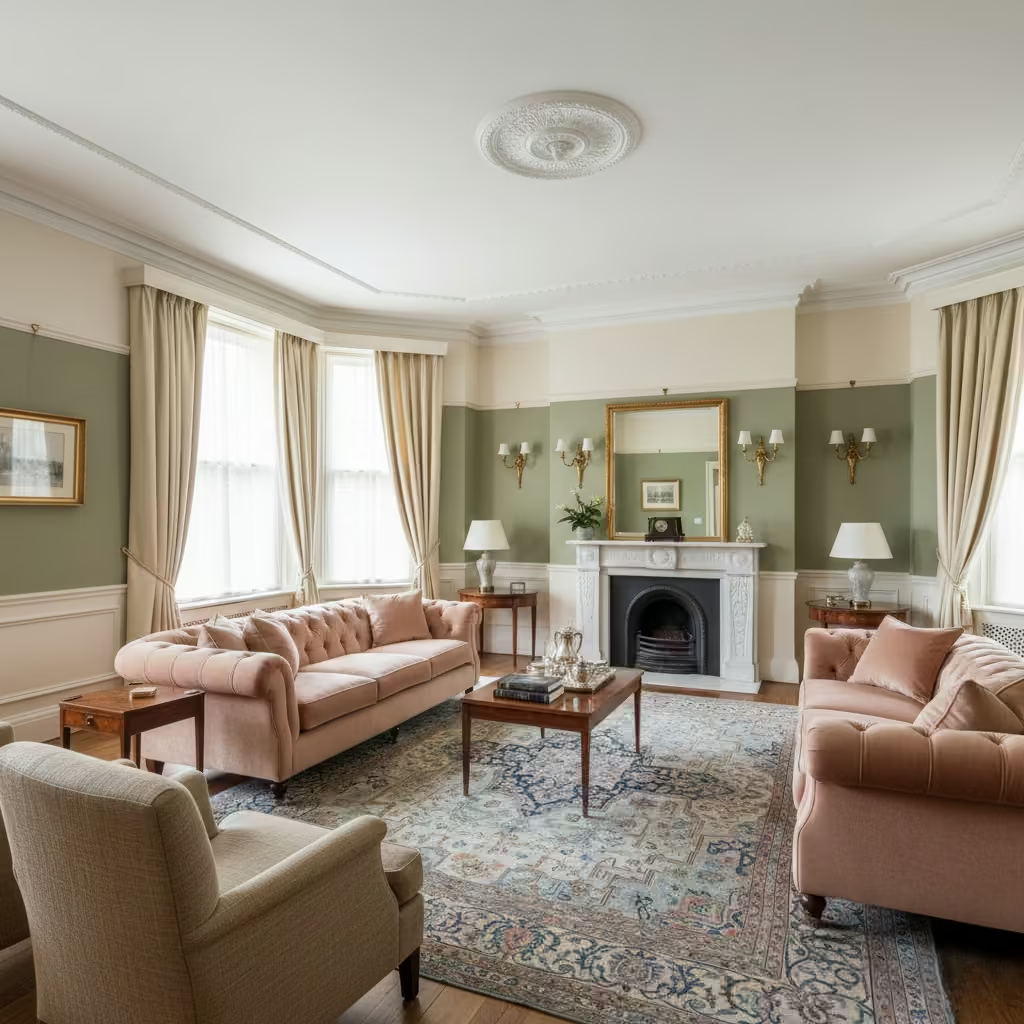
Soft, refined colour palettes are central to the Edwardian living room aesthetic, enhancing architectural details rather than competing with them. I usually work with muted pastels, warm neutrals, and heritage-inspired paints that reflect light and emphasise the room’s generous proportions. Colours such as cream, stone, pale grey, sage green, dusty blue, and soft blush were common in Edwardian interiors and remain highly effective today.
From an architectural standpoint, these lighter tones help highlight features like cornicing, ceiling roses, picture rails, and fireplaces. Walls are often visually divided using picture rails, with lighter shades above and slightly deeper or warmer tones below. A practical ratio is two-thirds lighter colour above the rail and one-third deeper tone below, which maintains ceiling height while adding depth.
Materials and craftsmanship play a role in how colour is perceived. Natural plaster, timber skirting, and original fireplaces respond best to breathable, mineral-based or heritage paints with a soft, matte finish. These finishes avoid harsh reflections and allow surfaces to age gracefully, staying true to period character.
In terms of layout and proportions, soft colour palettes support balanced furniture arrangements by keeping the background calm and cohesive. Larger rooms benefit from gentle tonal layering rather than strong contrast, while smaller Edwardian living rooms feel more open when warm neutrals dominate.
Used correctly, Edwardian colour palettes create a light, elegant backdrop that allows furniture, artwork, and architectural features to take centre stage without overwhelming the space.
Tall Sash or Bay Windows with Layered Dressings
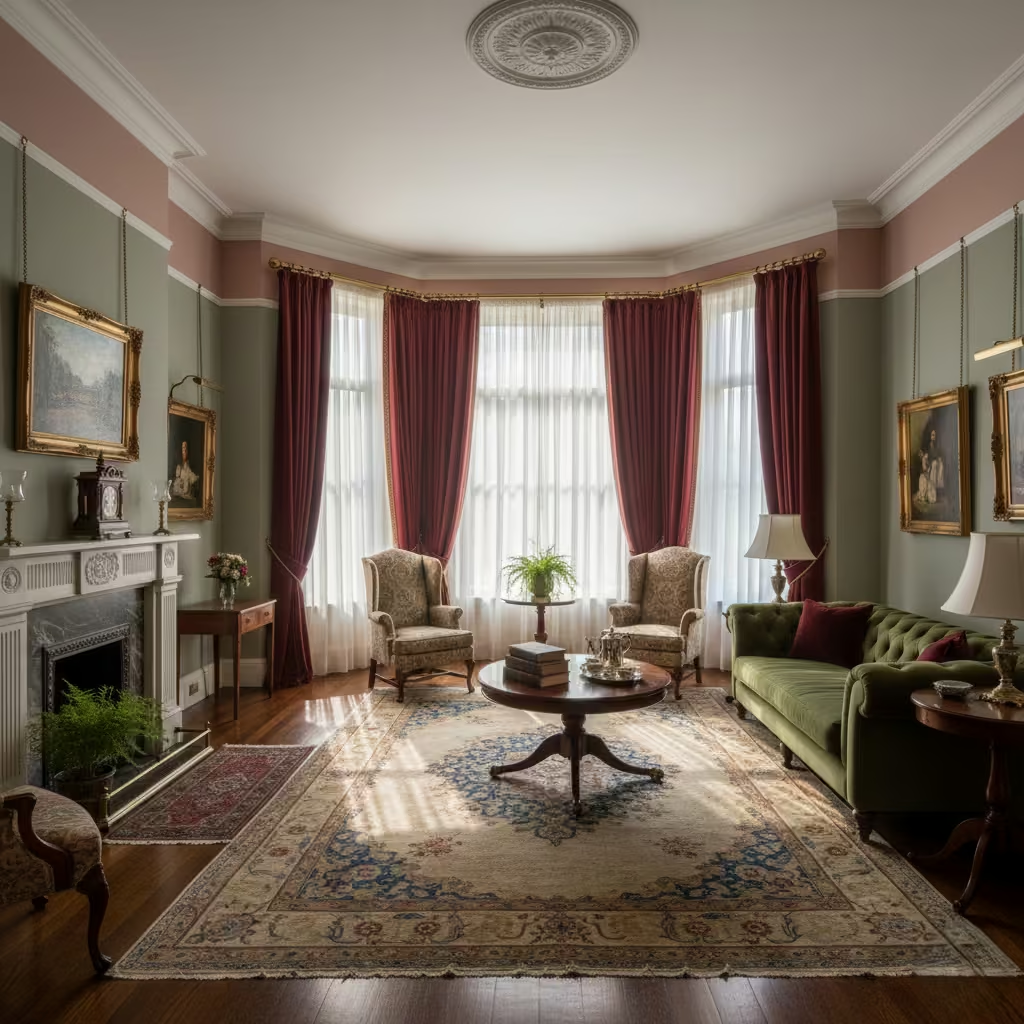
Tall sash and bay windows are a defining feature of Edwardian living rooms, designed to flood the space with natural light and enhance the sense of height and openness. Architecturally, these windows should remain visually dominant, with dressings that frame rather than obscure them. I always advise treating window treatments as an extension of the architecture, not just a soft furnishing choice.
From a materials and craftsmanship perspective, layered window dressings work best. This typically means sheer curtains or voiles for daytime privacy paired with heavier drapes for insulation and evening use. Natural fabrics such as linen, cotton, and wool blends feel authentic and drape well over tall window spans. Curtain poles should be solid timber or metal with a classic profile to suit the period style.
Proportion is critical when it comes to measurements. Curtains should be full length, finishing just above the floor or lightly kissing it, with a total drop that emphasises ceiling height. Poles should be fixed 100 to 150 mm below the cornice or ceiling line and extend 200 to 300 mm beyond each side of the window to allow curtains to stack back fully without blocking light. In bay windows, individual poles or a curved track ensure a tailored fit.
Colour palettes should remain soft and complementary to the walls. I often recommend curtains that are one to two shades deeper than the wall colour to add depth without overpowering the room.
In terms of layout and proportions, well-dressed windows help visually balance furniture placement, particularly in bays where seating arrangements or reading corners are often introduced. When layered correctly, window dressings enhance light control, privacy, and thermal comfort while reinforcing the elegant vertical rhythm of an Edwardian living room.
You May also Like: 16 Dreamy White Oak Living Room Ideas to Make Every Corner Feel Like Home
Patterned Wallpaper Above Picture Rails
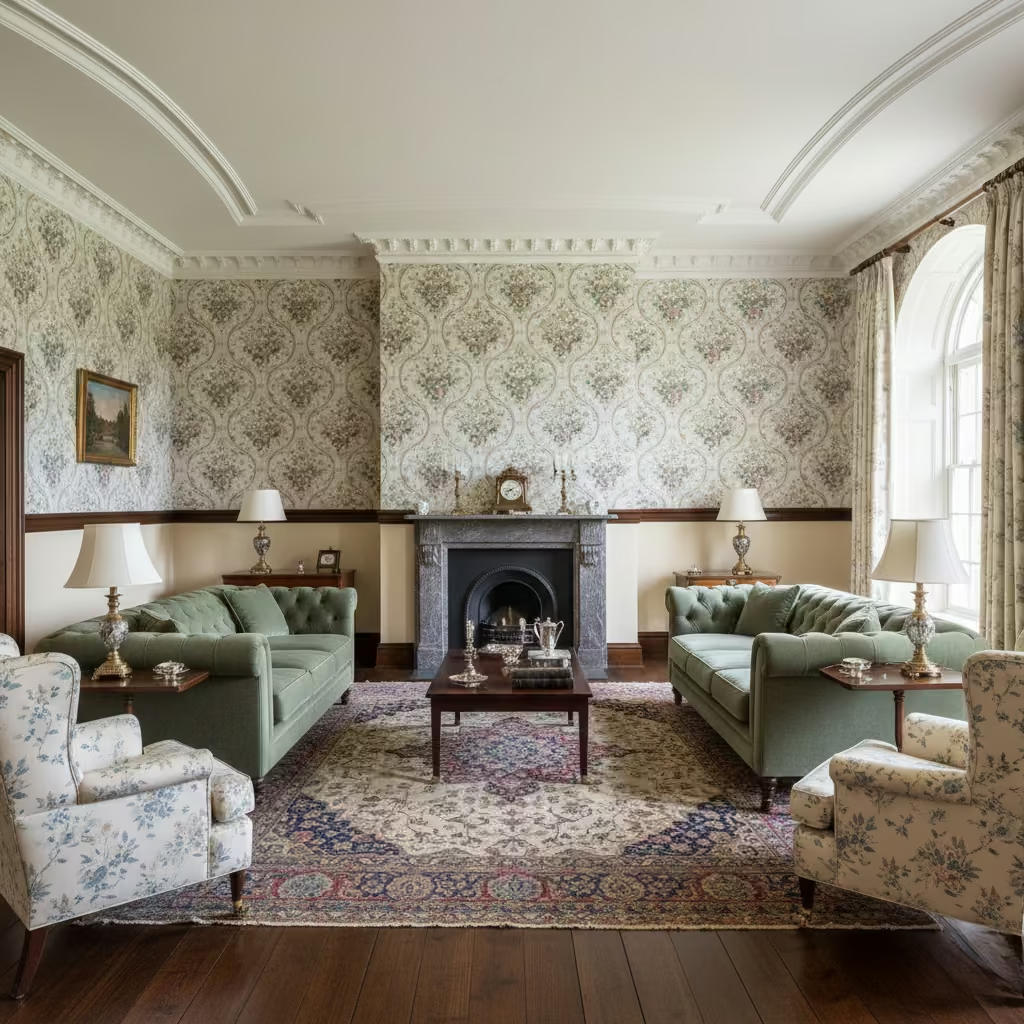
Patterned wallpaper was a hallmark of Edwardian living rooms, often used above picture rails to add visual interest while preserving the integrity of architectural details. Traditional motifs florals, damasks, or subtle geometric patterns work best when scaled appropriately for the room. I usually suggest patterns that are delicate rather than oversized, to maintain the refined, airy feel typical of the period.
From an architectural standpoint, the picture rail serves as both a decorative and practical divider. Historically, wallpaper was applied above the rail, with paint or a simpler pattern below. For proportion, the upper wallpapered section should take roughly two-thirds of the wall height, leaving one-third for a complementary lower colour. This helps the room feel taller while drawing attention to the pattern without overwhelming it.
Materials and craftsmanship matter when choosing wallpaper. Traditional textured or embossed papers, or modern high-quality vinyl alternatives, can replicate the period look while improving durability. Patterns should align precisely at joins and corners, and I often recommend hiring a skilled installer to maintain crisp lines and symmetry, particularly around windows, fireplaces, and alcoves.
Colour palettes for wallpaper typically complement the soft Edwardian wall tones. Muted pastels, soft greens, warm creams, or subtle blues are ideal, while metallic accents or deeper shades can be used sparingly to highlight details.
In terms of layout and proportions, wallpapered walls help define zones within the living room, guiding furniture placement and focal points. Used thoughtfully, patterned wallpaper adds charm, elegance, and texture, reinforcing the timeless appeal of an Edwardian interior.
Solid Wood Flooring with Rugs
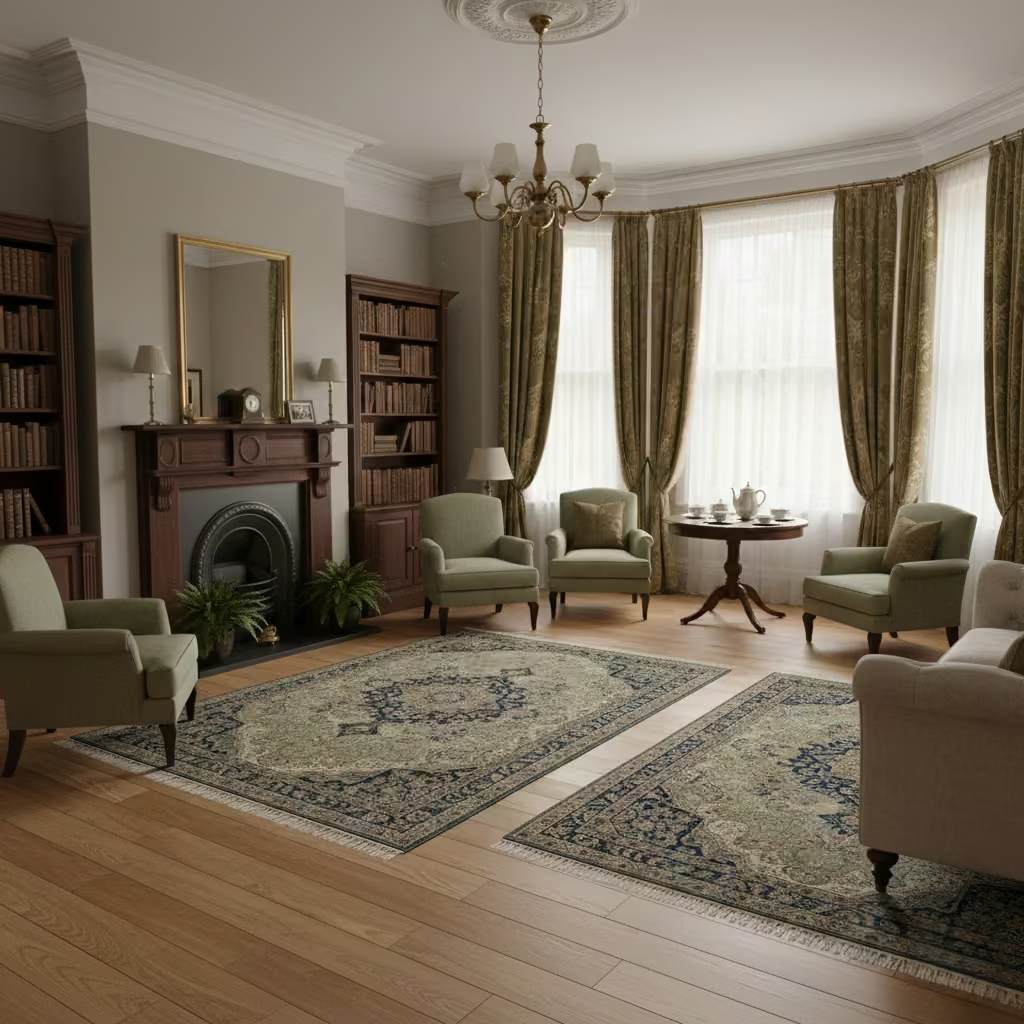
Solid wood flooring is a cornerstone of Edwardian living rooms, offering warmth, durability, and timeless appeal. Original floors were typically wide-plank hardwoods, often oak or pine, ranging from 120 to 180 mm in width. In my experience, wider planks suit larger living rooms, while narrower boards feel more proportionate in smaller spaces. A matte or lightly oiled finish preserves the natural character of the timber and complements the period aesthetic.
From a materials and craftsmanship standpoint, solid timber can be restored or newly installed. Traditional tongue-and-groove boards are ideal, and attention should be given to subtle expansion gaps at walls to accommodate seasonal movement. For added durability, reclaimed timber often works beautifully in Edwardian interiors, providing authenticity and patina that blends seamlessly with original features.
Rugs play an essential role in layering texture, defining seating areas, and adding comfort. When placing rugs, I generally recommend that at least the front legs of sofas and chairs rest on the rug to create cohesion. For rectangular living rooms, rugs should ideally leave a border of 30 to 50 cm of exposed floor around the edges, highlighting the timber and preserving architectural sightlines.
Colour palettes for rugs should complement the room’s soft Edwardian tones. Muted patterns, heritage-inspired motifs, or subtle oriental designs work well. Neutral or warm shades harmonise with timber, while carefully chosen accent colours can tie in furniture and textiles.
In terms of layout and proportions, solid wood flooring combined with rugs helps anchor furniture, define functional zones, and enhance the inviting, balanced feel that characterises Edwardian living rooms.
Symmetrical Furniture Layouts
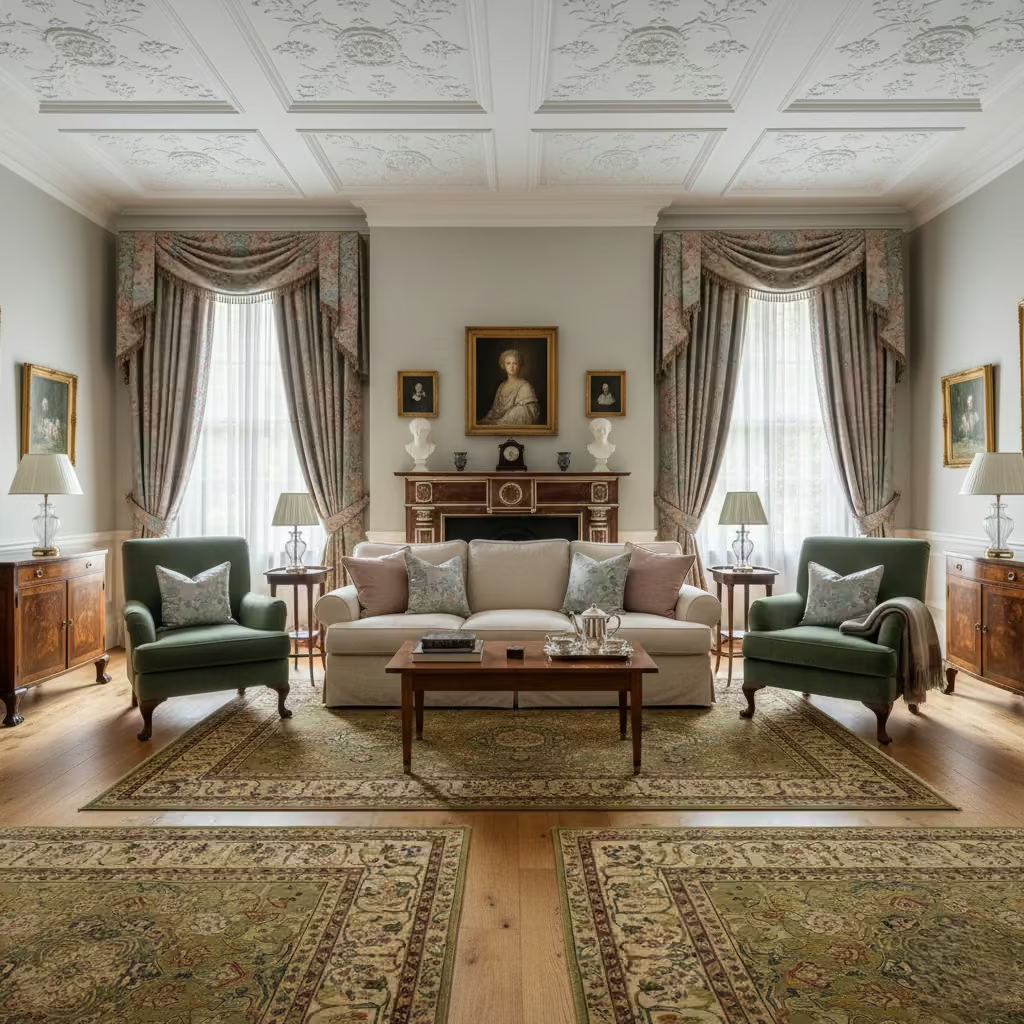
Symmetry is a defining principle in Edwardian living room design, creating balance and harmony while highlighting architectural features such as fireplaces, windows, and cornicing. In my projects, I always start by positioning key pieces typically the sofa and armchairs around the room’s focal point, often the fireplace. Arranging furniture in pairs or mirroring elements on either side reinforces the sense of order and proportion.
From a materials and craftsmanship perspective, furniture should complement the room’s period detailing. Solid timber pieces, upholstered chairs with subtle curves, and classic fabrics like linen or velvet work well to enhance the Edwardian aesthetic. Matching side tables, cabinets, or display units can strengthen the symmetry and tie the layout together.
Colour palettes for furniture and upholstery should harmonise with the soft Edwardian wall tones and flooring. I recommend using neutral or muted shades for larger pieces, with richer accent colours in cushions, throws, or small decorative elements to avoid visual monotony.
In terms of layout and proportions, it’s crucial to maintain clear walkways of at least 750 to 900 mm between seating areas and around tables. This ensures both comfort and functionality, allowing movement without disturbing the balance of the space. Symmetrical layouts not only highlight the elegance of Edwardian architectural details but also create a welcoming, organised atmosphere that feels intentional and timeless.
Upholstered Armchairs with Curved Arms
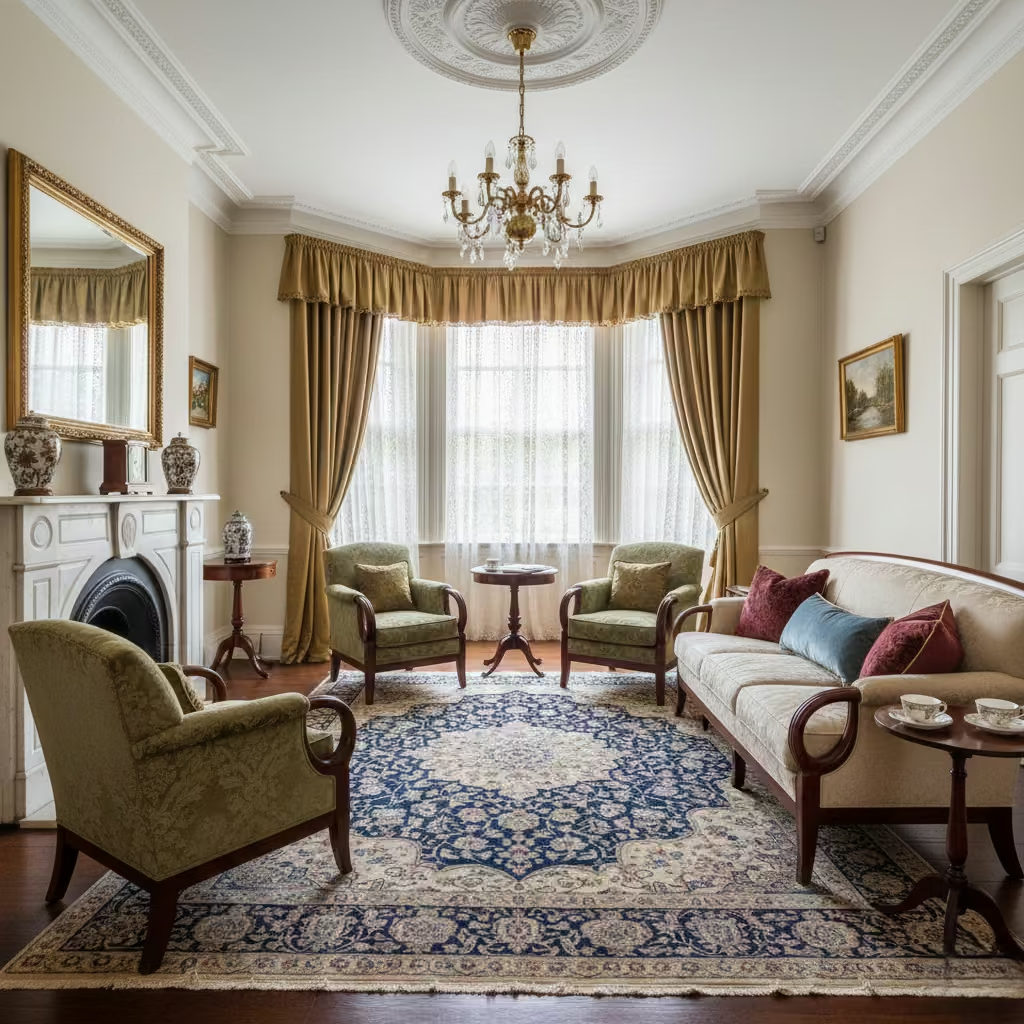
Upholstered armchairs with gently curved arms are quintessential to Edwardian living rooms, combining comfort with period-appropriate elegance. I often recommend selecting chairs with a scale proportional to the room larger, more generous forms for high-ceilinged spaces, and slightly narrower profiles for smaller rooms. Curved arms and subtle detailing complement architectural features such as cornicing and skirting without competing with them.
From a materials and craftsmanship perspective, solid hardwood frames with sprung seats or webbing provide long-lasting support. Traditional upholstery fabrics such as linen, cotton, or wool blends are ideal, offering durability while retaining a soft, refined look. Velvet or patterned textiles can be used selectively to introduce depth and colour without overwhelming the room.
Colour palettes should harmonise with the overall Edwardian scheme. Neutral tones like cream, taupe, or soft grey work well for larger pieces, while muted greens, blues, or floral patterns can be incorporated in smaller accent chairs to add character.
In terms of layout and proportions, armchairs are often positioned to flank the fireplace or sofa, maintaining clear circulation paths of 750–900 mm. I also consider sightlines, ensuring chairs do not block windows or architectural details.
Well-chosen armchairs with curved arms enhance comfort, reinforce period aesthetics, and contribute to the balanced, symmetrical feel that defines Edwardian living rooms.
You May also Like: 25 Designer Secrets for Styling a Neutral Living Room That Feels Warm and Inviting
Ornate Ceiling Roses and Period Lighting
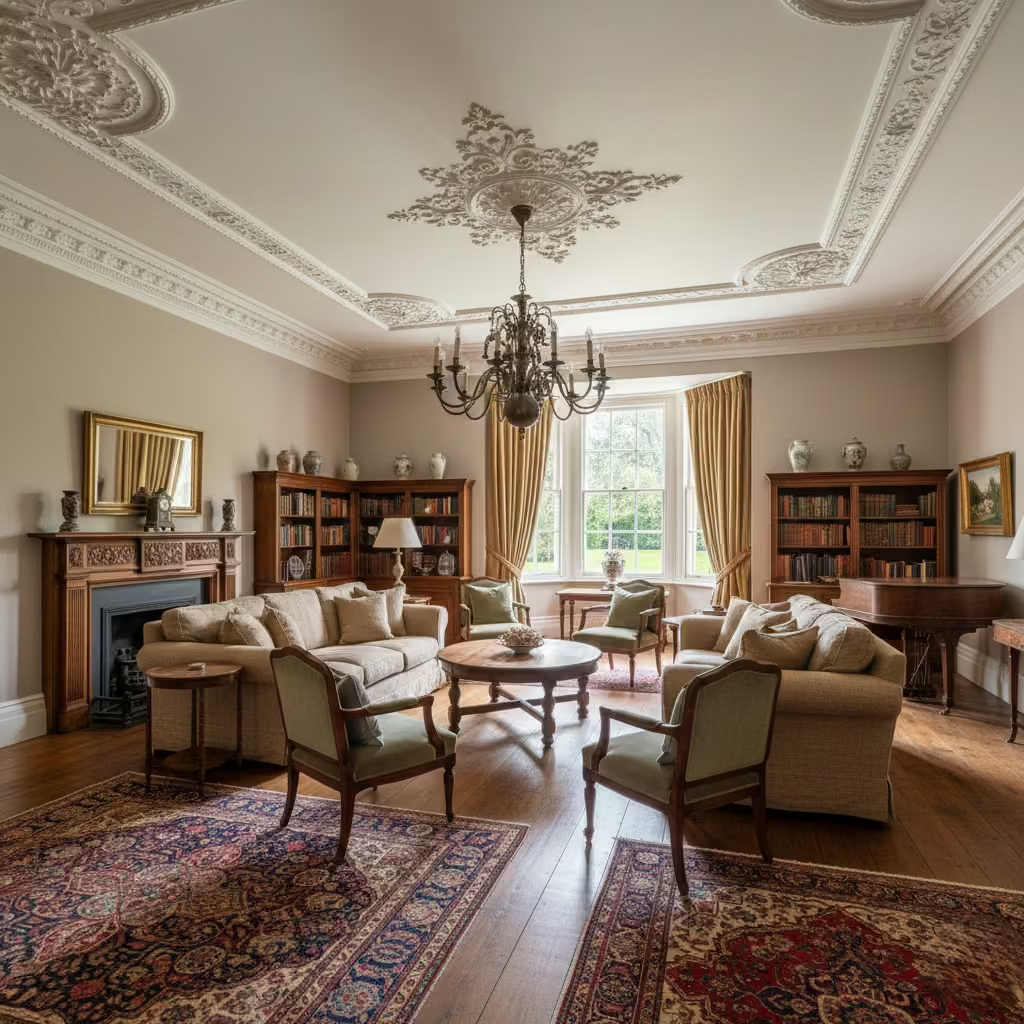
Ornate ceiling roses are a signature Edwardian feature that can transform a living room ceiling into a focal point, particularly when paired with period-appropriate lighting. In my projects, I recommend selecting ceiling roses proportionate to the room’s size typically 450 to 600 mm in diameter for standard Edwardian living rooms, larger for high-ceilinged spaces. These details work best when centered above the main seating area or chandelier, enhancing symmetry and architectural elegance.
From a materials and craftsmanship perspective, traditional plaster ceiling roses provide the most authentic look, with intricate detailing that reflects hand-crafted quality. Modern polyurethane alternatives can be used for easier installation but should closely replicate period patterns. Chandeliers or pendant lights should complement the rose in scale and style, ideally with metal finishes in brass, bronze, or antique gold.
Colour palettes for the ceiling rose and lighting generally remain neutral soft whites or off-whites so they highlight the detailing without overwhelming the room. The lighting fixture itself can introduce subtle contrast or metallic warmth to enrich the palette.
Regarding layout and proportions, chandelier drop height is crucial. As a rule, in rooms with 2.7–3 m ceilings, pendants should hang approximately 60–75 cm below the ceiling, allowing clearance while maintaining visual impact. Larger rooms may require multiple pendants or larger fixtures to maintain balance.
Incorporating ornate ceiling roses with carefully selected period lighting elevates the space, reinforces Edwardian charm, and ensures the room feels both elegant and functional.
Built-In Alcove Shelving
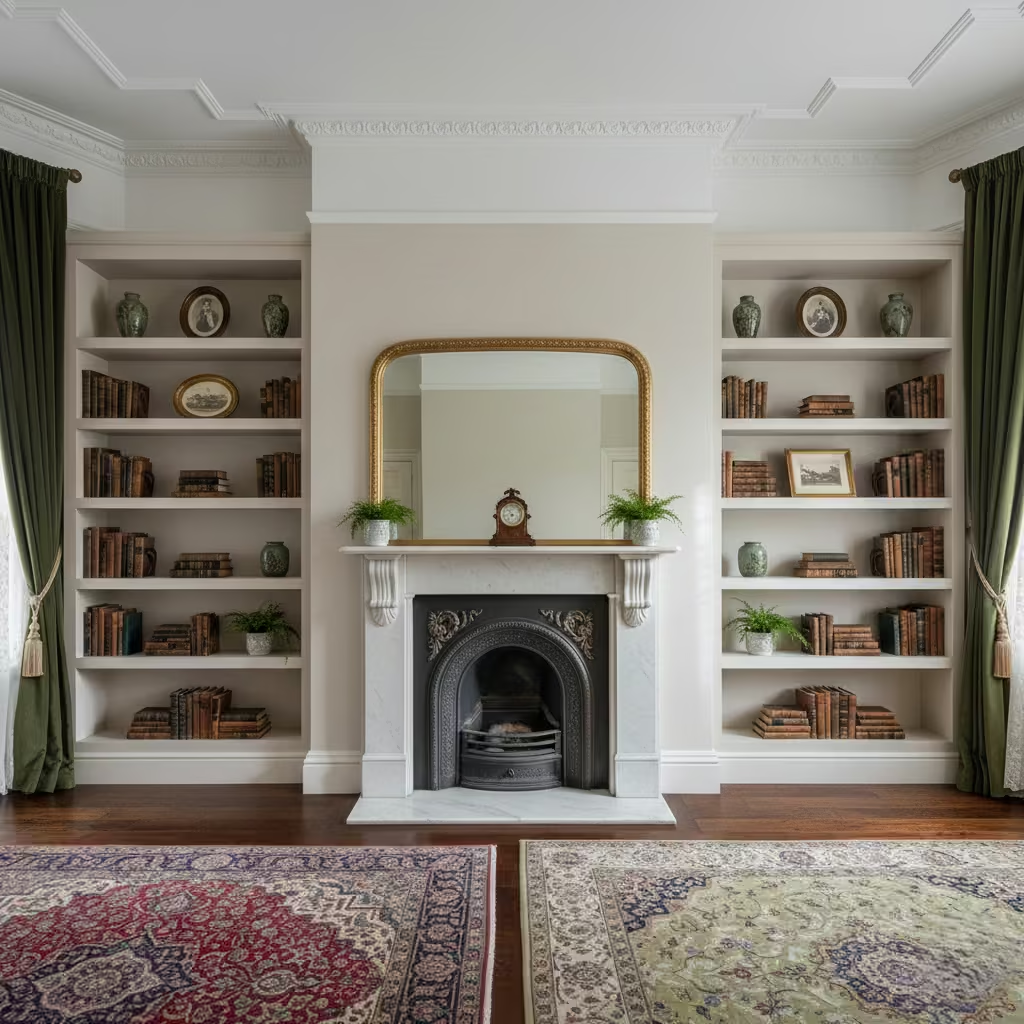
Built-in alcove shelving is a practical and stylish feature in Edwardian living rooms, often framing fireplaces or filling recessed wall spaces. These shelves provide storage and display opportunities without interrupting the room’s architectural rhythm. I typically recommend a shelf depth of 250–300 mm for books and decorative objects, with spacing of 300–350 mm between shelves to accommodate items of varying heights while maintaining proportion.
From a materials and craftsmanship perspective, timber is the preferred choice, ideally matching or complementing existing skirting and architrave. Painted finishes are common in Edwardian interiors, with soft off-whites, creams, or subtle greys providing a cohesive look that highlights the architecture. Smooth, well-sanded surfaces and crisp mitred edges are essential for a high-quality finish.
Colour palettes for shelving should harmonise with walls and trim to keep the space feeling open. Using the same colour as the wall creates a seamless effect, while a slightly contrasting shade can subtly emphasise the built-in feature without overwhelming the room.
In terms of layout and proportions, symmetry is key. I recommend arranging items in balanced clusters rather than overcrowding the shelves, leaving space for negative breathing room. Built-in alcove shelving not only enhances storage and display but also reinforces the period elegance and structural balance of an Edwardian living room, creating a functional yet visually appealing feature.
Decorative Picture Rails with Art Displays
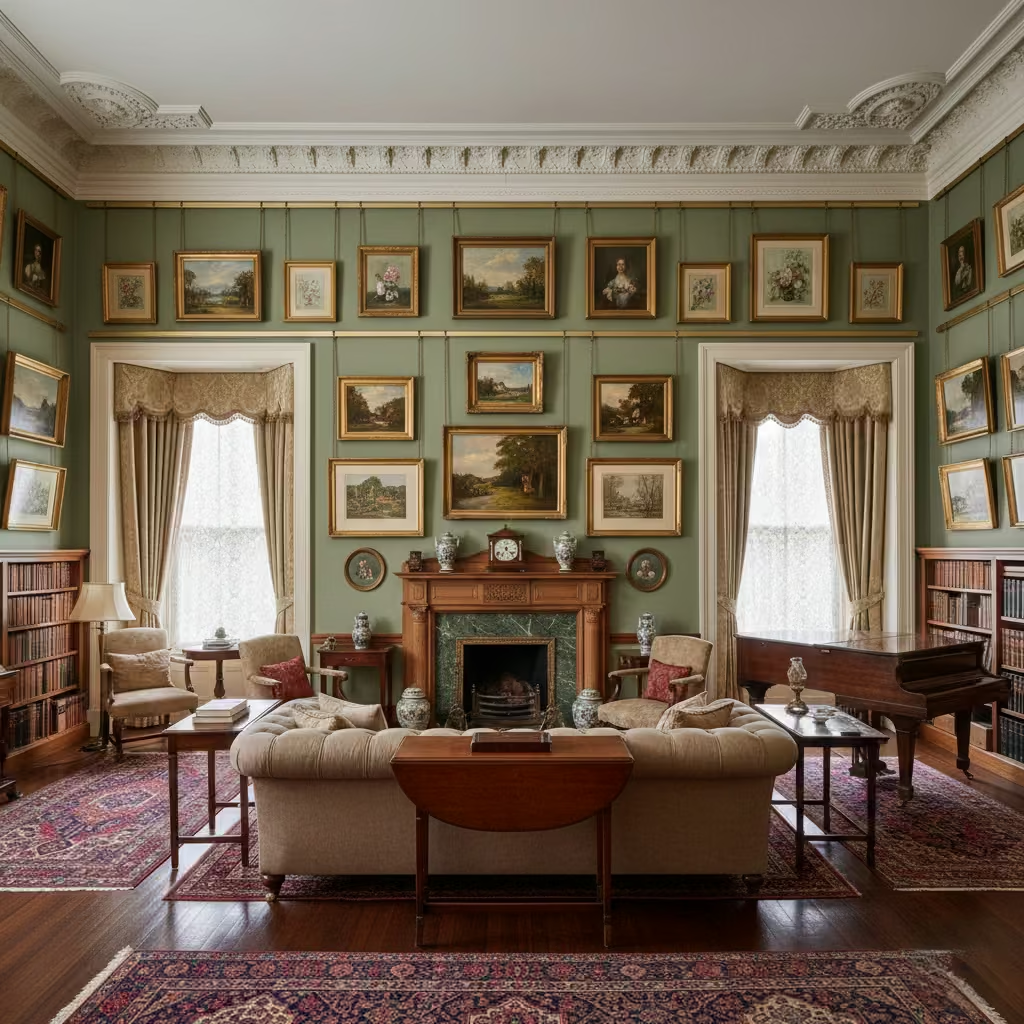
Decorative picture rails are a classic Edwardian feature that combine functionality with elegance, providing a structured way to display artwork without damaging walls. Traditionally positioned 180 to 200 cm from the floor, picture rails create a visual line around the room and complement other architectural details like cornicing and skirting. I often recommend using them to frame galleries of paintings or prints, maintaining balance and cohesion in the layout.
From a materials and craftsmanship perspective, picture rails were historically made from timber, often with subtle mouldings that echoed cornice profiles. Modern alternatives in solid wood or high-quality MDF can be painted to match or contrast with the wall. Hanging systems, such as hooks or wires, allow for flexible arrangements while keeping artworks safely suspended, ideal for frequent rotations or heavy frames.
Colour palettes should harmonise with walls and trim. Rails painted slightly lighter or darker than the wall create a subtle definition, while maintaining period authenticity. Metallic hooks or fittings can add a small decorative accent without drawing attention away from the art.
Regarding layout and proportions, spacing between artworks is critical. I usually suggest 150–250 mm of vertical clearance from the picture rail to the top of frames, and 50–100 mm between individual pieces for a balanced display.
Symmetry across the room enhances the Edwardian sense of order. When used thoughtfully, decorative picture rails elevate both art and architecture, reinforcing the period charm and structured elegance characteristic of Edwardian living rooms.
You May also Like: Transform Your Space with These 25 Desert Living Room Inspirations
Traditional Skirting Boards and Architraves
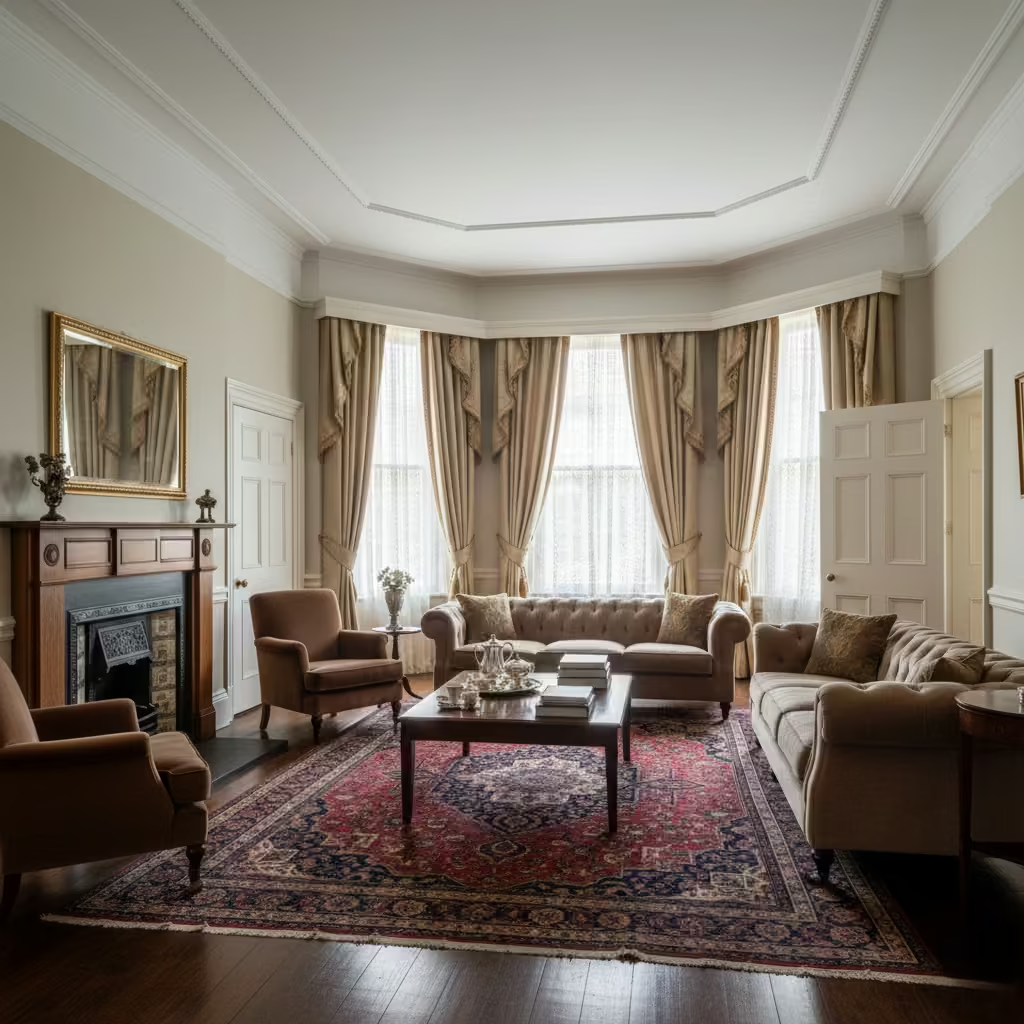
Skirting boards and architraves are essential architectural features in Edwardian living rooms, framing walls and doors while adding a sense of proportion and refinement. Traditionally, skirting boards in Edwardian homes range from 150 to 250 mm in height, with deeper boards suited to rooms with higher ceilings. Architraves around doors and windows typically measure 70 to 100 mm in width, often featuring subtle moulding profiles that echo the cornicing.
From a materials and craftsmanship perspective, timber is the preferred choice, often painted or stained to complement the room’s palette. Solid timber provides durability and a smooth finish, while modern MDF alternatives can replicate the profiles at lower cost. Precise mitring at corners and careful sanding are crucial to achieve a high-quality finish that aligns with period standards.
Colour palettes for skirting and architraves traditionally lean towards crisp whites or soft off-whites to highlight the detailing while maintaining a light, airy feel. In some schemes, slightly contrasting tones can be used to add depth and subtly define architectural lines.
In terms of layout and proportions, skirting and architraves work best when all features in the room are coordinated, creating a sense of harmony. Skirting boards visually anchor furniture and protect walls, while architraves provide a finished frame around doors and windows, reinforcing symmetry and balance. Incorporating these traditional features ensures that the Edwardian character of a living room is preserved while providing practical protection and a polished, cohesive look.
Tiled Fireplace Surrounds with Edwardian Patterns
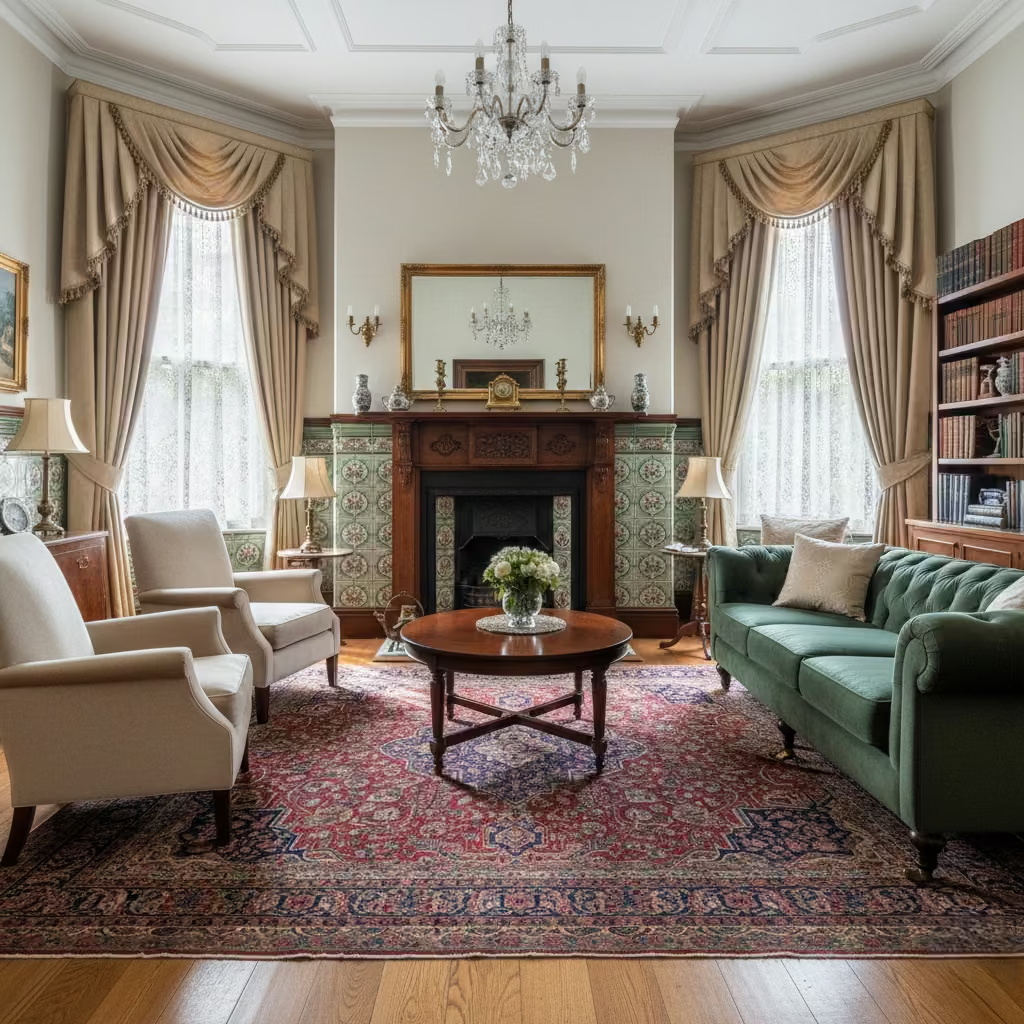
Tiled fireplace surrounds are a distinctive element of Edwardian living rooms, adding colour, pattern, and period charm while framing the hearth. Classic Edwardian designs often feature glazed ceramic tiles with floral motifs, geometric patterns, or muted art nouveau influences. When selecting tiles, I recommend considering both aesthetic appeal and practical heat tolerance; fire-rated ceramic or porcelain tiles are ideal for functional fireplaces.
From an architectural standpoint, the fireplace surround should complement the mantel and overall room proportions. Typically, a surround extends 600–800 mm beyond the fireplace opening on either side, with a height of 900–1,100 mm, creating a balanced, visually anchored feature. I always emphasise symmetry and alignment with other architectural details such as picture rails and cornicing.
Materials and craftsmanship are key. Hand-glazed tiles offer authentic character and subtle variation, while machine-made alternatives provide uniformity and durability. Mortar joints should be clean and consistent, and where restoration is involved, salvaging original tiles can maintain historical integrity.
Colour palettes for tiled surrounds generally complement the room’s soft Edwardian tones. Muted greens, blues, creams, or soft terracotta shades work well, often paired with a neutral hearth and mantel.
For layout and proportions, ensure that furniture placement respects the fireplace as the focal point, leaving at least 900 mm clearance in front for safety and circulation. Properly designed Edwardian tiled surrounds create a striking visual anchor that combines artistry, functionality, and period authenticity.
Bay Window Seating Areas
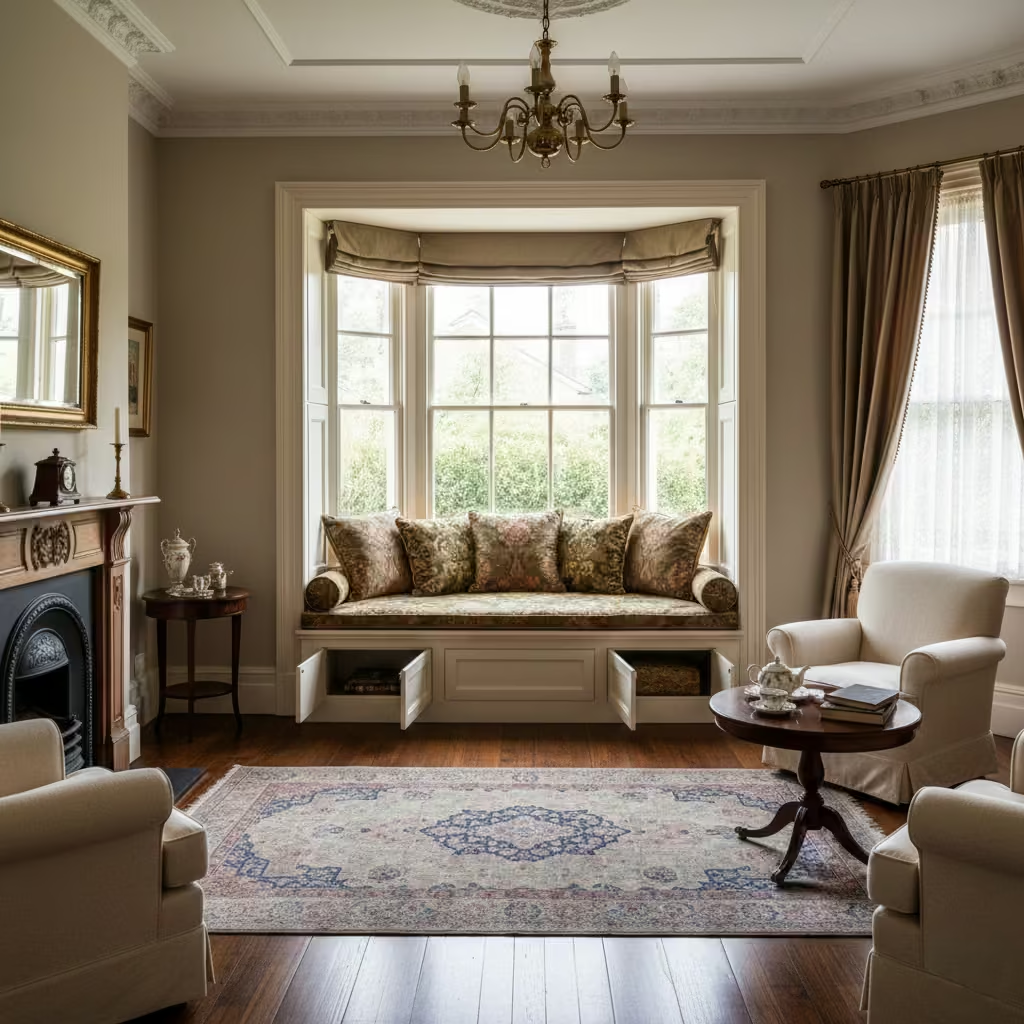
Bay windows are a signature feature of Edwardian living rooms, and transforming them into seating areas adds both charm and functionality. In my experience, a well-designed bay window seat balances comfort, proportion, and architectural integrity. Standard seat heights of 430–460 mm work well for most adults, aligning with typical sofa dimensions, while a seat depth of 400–500 mm ensures a comfortable perch without encroaching on the room’s flow.
Materials and craftsmanship are important for both aesthetics and durability. Timber or MDF bases painted to match the window trim create a seamless look, while built-in storage beneath the seat can be incorporated with hinged lids or pull-out drawers. Cushions should be firm enough to retain shape but soft enough for lounging, with depth around 150–200 mm for optimal comfort.
Colour palettes should harmonise with the overall Edwardian scheme. Neutral tones for the seat base, paired with patterned or textured cushions in muted heritage shades, enhance the period feel while adding warmth and interest.
In terms of layout and proportions, bay window seating works best when furniture around it maintains clear walkways of at least 750–900 mm. This ensures easy access and preserves symmetry within the room. When executed thoughtfully, bay window seating areas provide a cozy reading nook, highlight natural light, and reinforce the elegant, inviting character that defines Edwardian living rooms.
Layered Textiles for Warmth and Texture
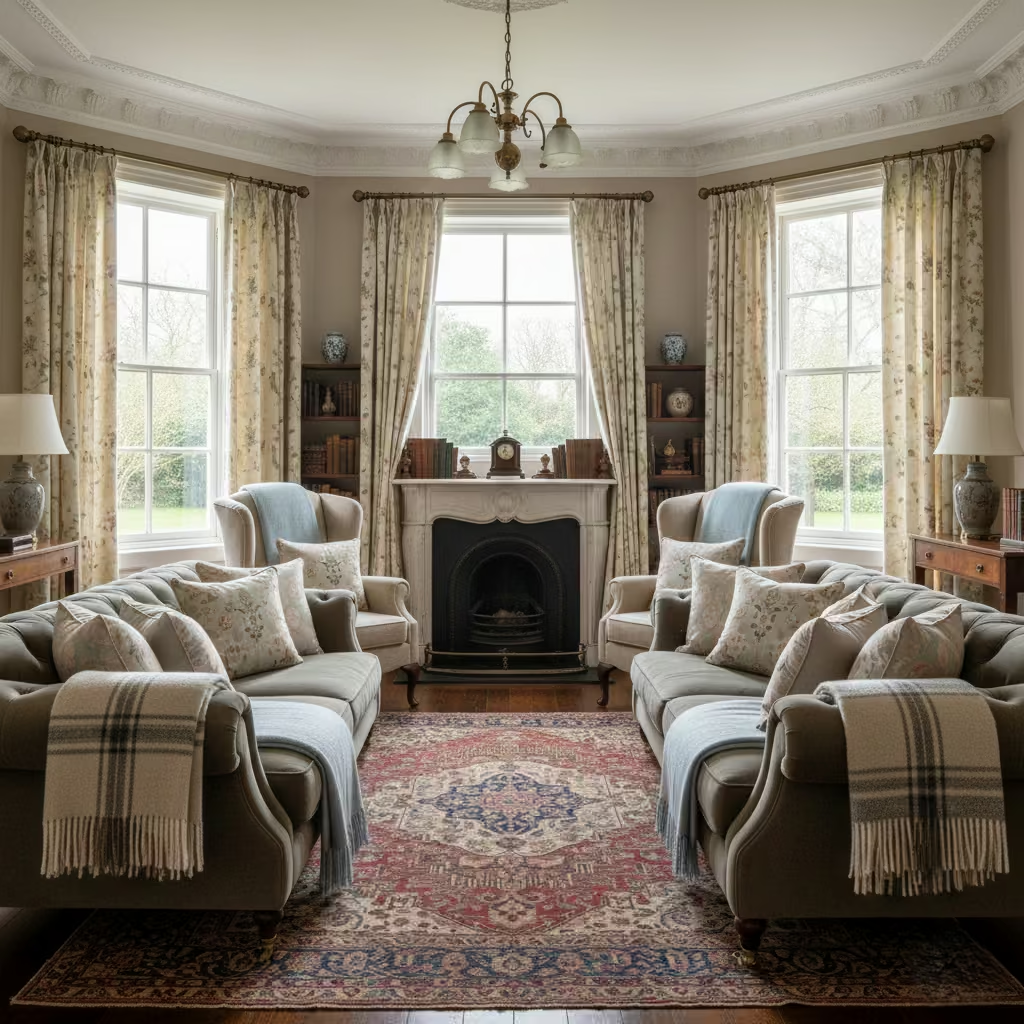
Layered textiles are essential in Edwardian living rooms, adding warmth, comfort, and visual interest while complementing architectural details. I often recommend combining curtains, cushions, and throws to create depth and softness without cluttering the space. Floor-length curtains in natural fabrics like linen or cotton frame tall windows and enhance ceiling height, while cushions and throws provide tactile comfort on sofas and armchairs.
From a materials and craftsmanship perspective, high-quality fabrics make a noticeable difference. Cotton, linen, wool, and velvet are durable, drape well, and age gracefully. Patterned or textured textiles, such as subtle stripes, florals, or heritage motifs, can reinforce the period character while adding modern practicality.
Colour palettes should harmonise with walls, flooring, and furniture. Neutrals create cohesion, while muted pastels or soft accent shades can inject personality. I often layer complementary tones, for example pairing a soft grey sofa with sage or blush cushions and a textured throw, to achieve a balanced Edwardian look.
In terms of layout and proportions, textiles should enhance rather than dominate the room. Curtain lengths should reach the floor without puddling excessively, cushions should cover roughly one-third of the sofa depth, and throws should be casually draped for comfort. Thoughtful layering of textiles reinforces the warmth, elegance, and inviting character of an Edwardian living room, creating a space that is both stylish and livable.
You May also Like: 41 Coastal Living Room Design Ideas That Feel Calm, Fresh, and Timelesss
Period-Inspired Colour Blocking
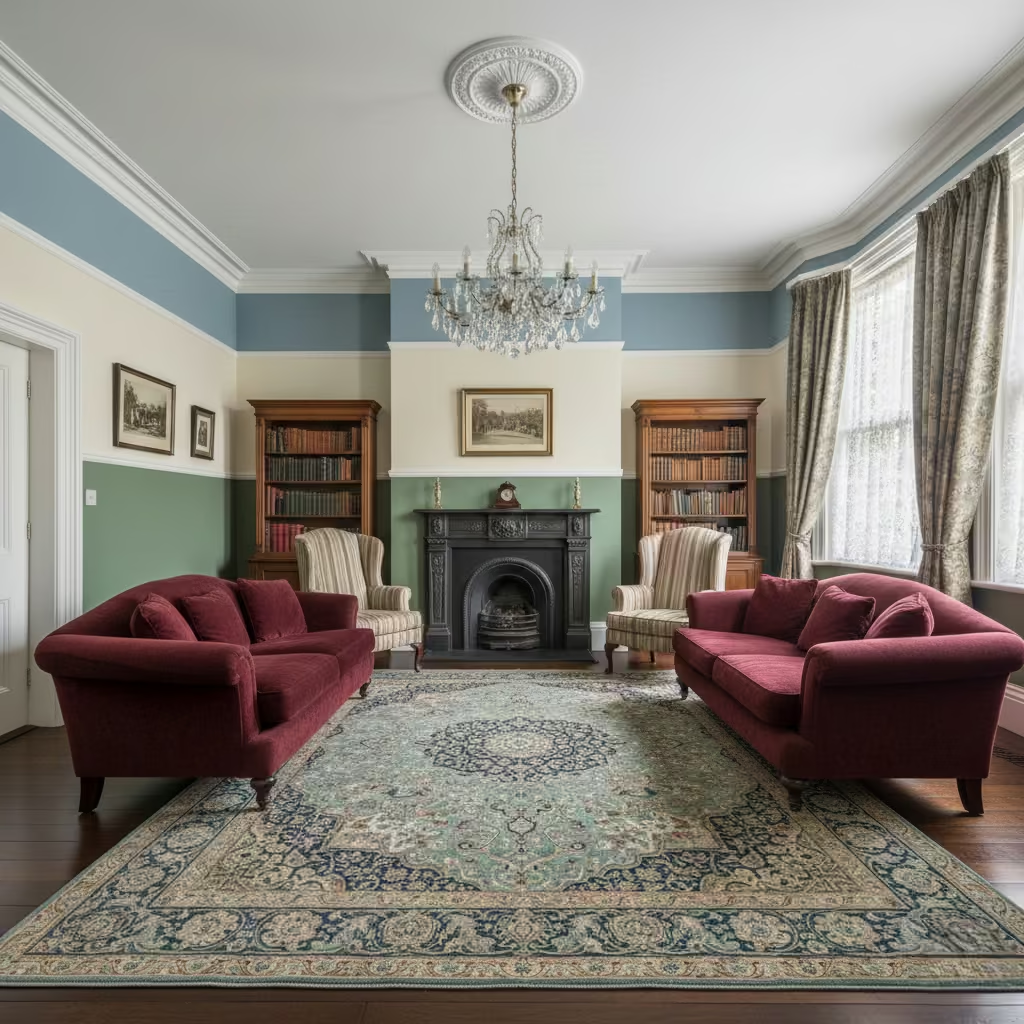
Period-inspired colour blocking is a hallmark of Edwardian living rooms, providing visual structure while highlighting architectural details. Traditionally, walls are divided horizontally using picture rails, with the upper portion painted in a lighter, airy shade and the lower portion in a slightly richer or deeper tone. I typically recommend allocating around two-thirds of the wall height to the upper colour and one-third to the lower, which maintains the room’s sense of height while adding depth and interest.
From an architectural perspective, colour blocking emphasizes cornices, skirting boards, and picture rails, allowing each element to stand out without competing. Maintaining crisp lines at the division points is essential for a polished, period-accurate finish.
Materials and craftsmanship matter for durability and appearance. Using high-quality, matt or eggshell heritage paints ensures smooth coverage and subtle texture. Preparing surfaces properly sanding, priming, and caulking joints helps create sharp, lasting lines.
Colour palettes should harmonise with the room’s overall Edwardian scheme. Light creams, soft greys, or pale blues above paired with muted greens, deeper neutrals, or pastel tones below achieve classic elegance. In terms of layout and proportions, colour blocking can guide furniture placement, with darker lower walls anchoring sofas and seating, while lighter upper walls keep the room feeling open and airy. Done thoughtfully, period-inspired colour blocking reinforces symmetry, architectural detail, and the sophisticated charm characteristic of Edwardian living rooms.
Antique or Reproduction Furniture Pieces
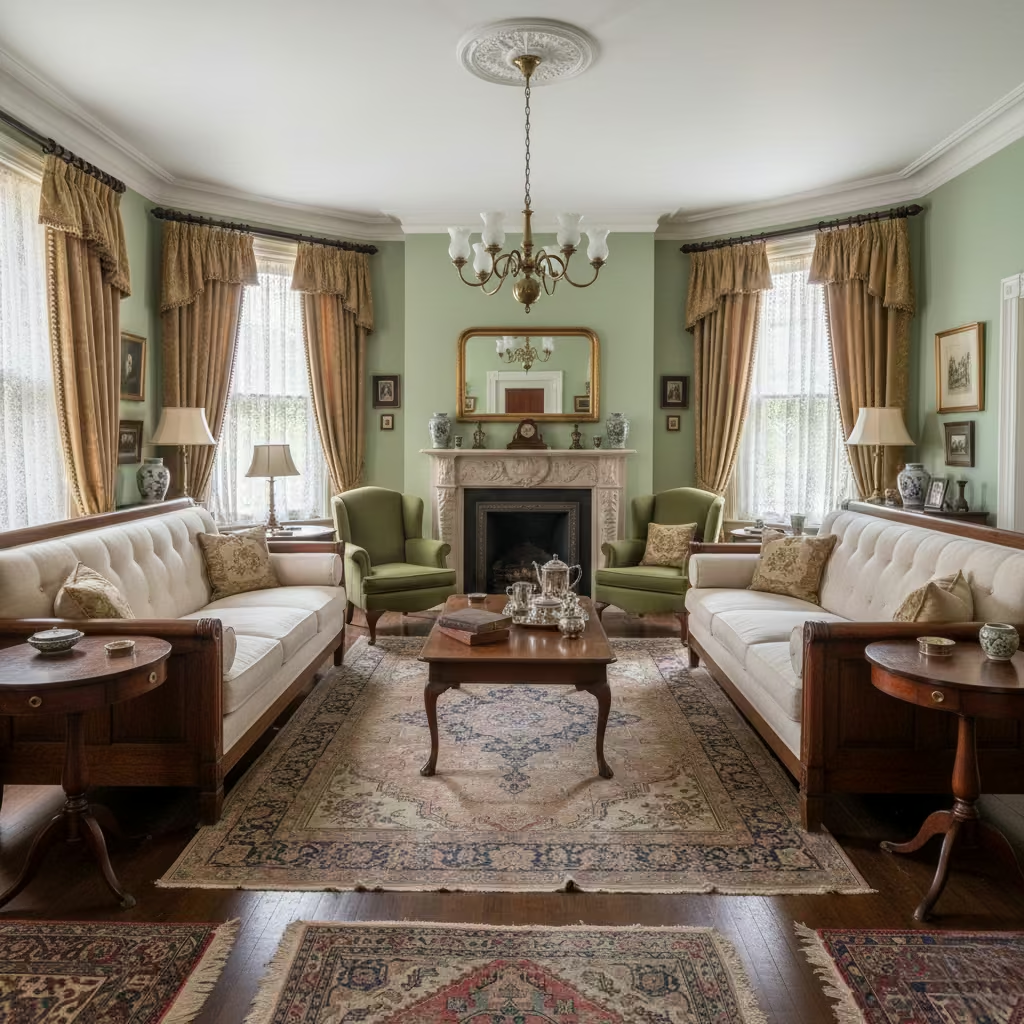
Antique and reproduction furniture pieces are essential for achieving an authentic Edwardian living room aesthetic. I usually recommend selecting items that respect the scale and proportions of the room larger, more substantial pieces for high-ceilinged spaces and more modestly sized pieces for smaller rooms. Patina and finish are equally important, as subtle signs of age add character and authenticity, while overly shiny or new-looking items can feel out of place.
From a materials and craftsmanship standpoint, solid timber construction is ideal, particularly oak, mahogany, or walnut. Upholstered pieces should feature natural fabrics such as linen, cotton, or velvet, with careful detailing on arms and legs to reflect Edwardian design motifs. Reproduction furniture can be an excellent option when antiques are unavailable, provided the craftsmanship and detailing remain faithful to period style.
Colour palettes should complement the soft, muted tones typical of Edwardian interiors. Rich wood finishes can act as visual anchors, balanced with neutral or pastel upholstery. Accessories like cushions, throws, or small decorative objects can be used to tie furniture into the room’s overall scheme.
In terms of layout and proportions, furniture should reinforce symmetry and clear circulation paths. Pairing chairs, positioning sofas opposite fireplaces, and ensuring adequate clearance of 750–900 mm around major pieces maintains the structured, balanced feel characteristic of Edwardian living rooms. Thoughtfully chosen furniture preserves period authenticity while enhancing comfort and functionality.
Statement Edwardian Rugs
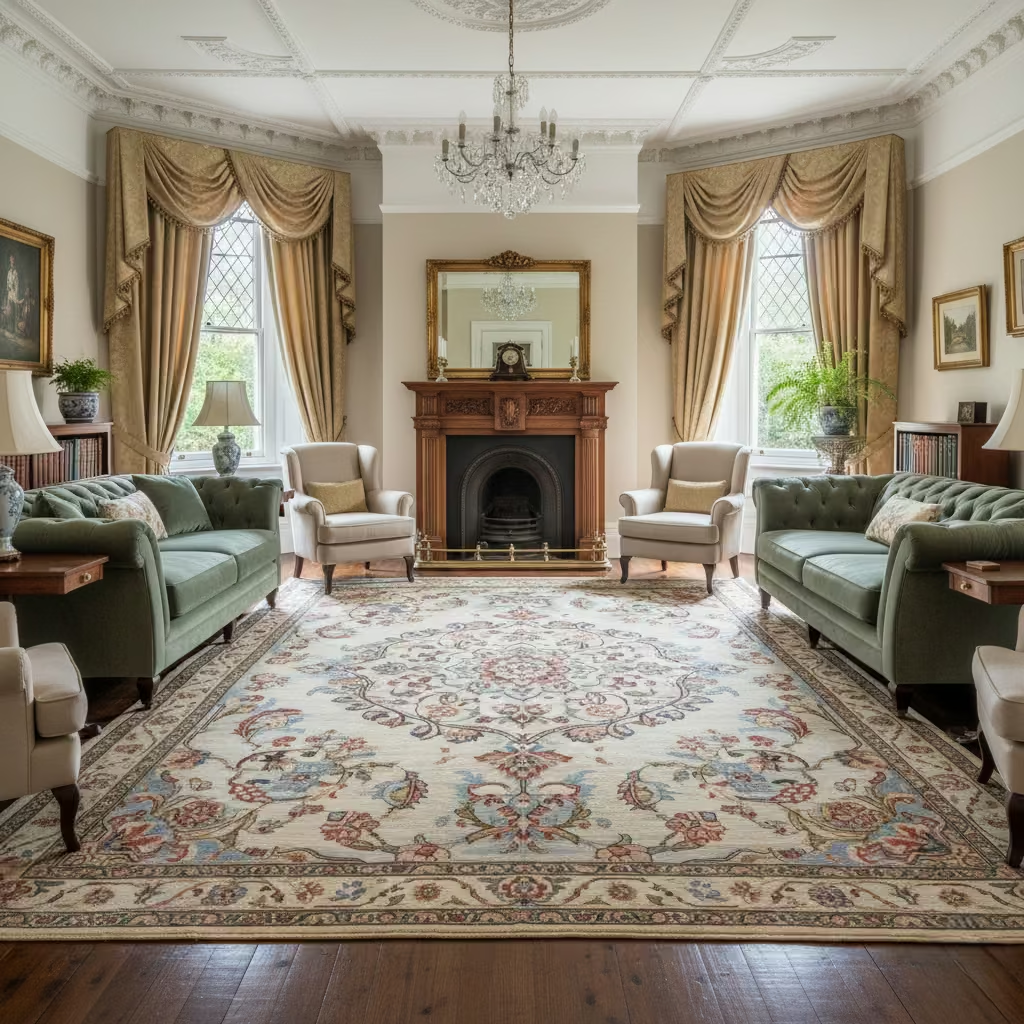
Statement rugs are a key element in Edwardian living rooms, grounding furniture arrangements and adding colour, pattern, and texture to the space. I usually recommend rugs that complement the room’s architectural features without overpowering them.
Traditional motifs florals, medallions, or subtle oriental patterns work best, particularly when scaled proportionally to the seating area. As a guideline, rugs should extend beyond the front legs of sofas and chairs, leaving 30–50 cm of exposed floor around the edges to highlight timber flooring and maintain balance.
From a materials and craftsmanship perspective, natural fibres such as wool or a wool-cotton blend offer durability, softness, and an authentic texture. Hand-knotted or high-quality machine-made rugs can both work, though I prioritise quality to ensure longevity and resistance to wear in high-traffic areas.
Colour palettes should harmonise with the Edwardian scheme, using muted or heritage tones such as soft greens, blues, creams, or warm reds. I often suggest layering accent colours from cushions, curtains, or upholstery to create cohesion across the room.
In terms of layout and proportions, rugs define functional zones while enhancing symmetry. Positioning a rug to align with the fireplace or main seating arrangement reinforces the room’s architectural balance. Statement Edwardian rugs not only provide warmth and comfort underfoot but also act as a focal point that ties together furniture, colour, and period detailing.
You May also Like: 25 Garden Pond Ideas That Add Beauty, Wildlife, and Tranquillity
Decorative Wall Panelling
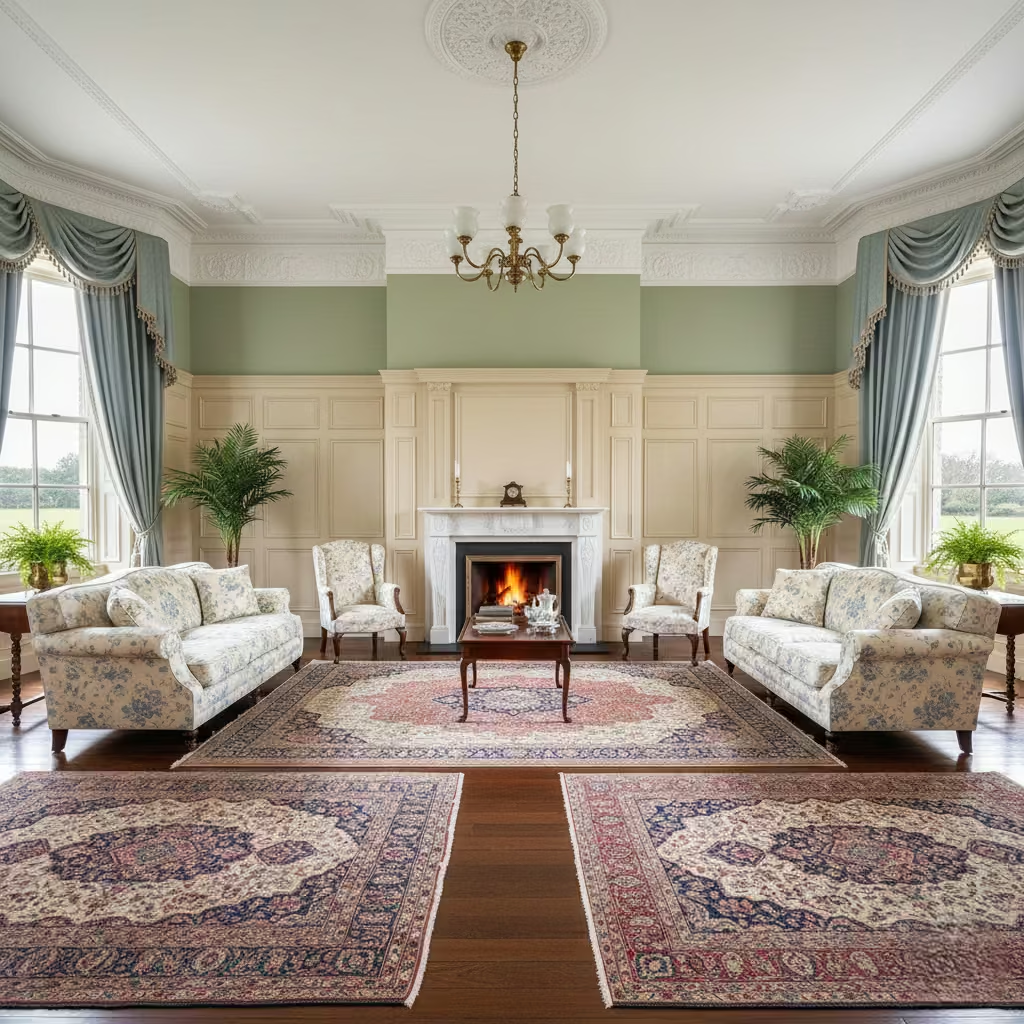
Decorative wall panelling is a hallmark of Edwardian living rooms, adding texture, depth, and subtle elegance to walls. Traditionally, panelling was installed on the lower third of the wall, often beneath picture rails, with a height of 900–1,100 mm. Spacing between panels depends on the wall width, but I usually recommend 600–900 mm for larger rooms and 400–600 mm for smaller spaces, ensuring proportional balance and avoiding overcrowding.
From an architectural perspective, panelling highlights skirting boards and picture rails while reinforcing the room’s symmetry and structure. Materials and craftsmanship are crucial: timber or MDF panelling can be used, with raised or recessed profiles that mimic traditional designs. Precise mitred corners, smooth surfaces, and clean joins create a polished finish that aligns with period standards.
Colour palettes typically match or slightly contrast with the walls. Soft whites, creams, or pale pastels maintain the light, airy feel of Edwardian interiors, while deeper tones can be used for subtle emphasis without overwhelming the space.
In terms of layout and proportions, panelling should complement furniture placement and circulation, framing key architectural features such as fireplaces or windows. Properly installed decorative wall panelling enhances the period character of a living room, adding elegance, visual interest, and a timeless Edwardian charm.
Traditional Artwork and Gilded Frames
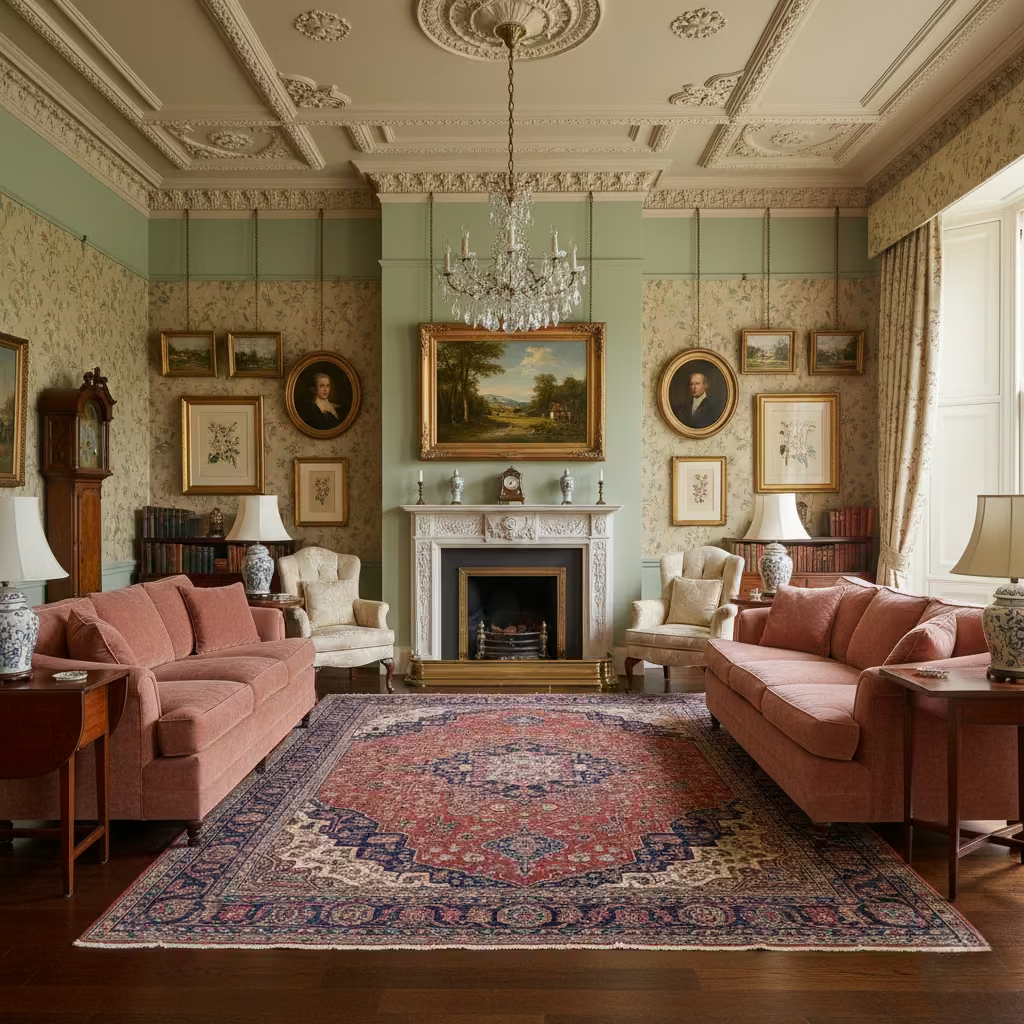
Artwork in Edwardian living rooms serves as both decoration and a way to reinforce the room’s period elegance. I typically recommend using traditional subjects—landscapes, portraits, or still-life pieces framed in gilded or wooden frames with subtle detailing. Scale is important: larger rooms can accommodate bigger pieces, while smaller rooms benefit from modestly sized works arranged in thoughtful groupings.
From a craftsmanship perspective, frames should complement other architectural details such as cornices, picture rails, and skirting boards. Hand-finished gilded frames or high-quality reproductions maintain authenticity, while well-secured mounting systems ensure artwork sits flat and safely on walls.
Colour palettes for artwork should harmonise with the room’s scheme. Muted tones and heritage colours blend seamlessly with walls, textiles, and furniture, while gilded frames add warmth and a subtle metallic accent without overpowering the space.
Placement height is key: I generally recommend positioning artwork so the centre sits around 150–160 cm from the floor, or slightly higher when displayed above furniture. For grouped arrangements, maintain consistent spacing of 50–100 mm between pieces. Thoughtful selection, scaling, and placement of traditional artwork with gilded frames reinforce the structured symmetry and timeless sophistication that define Edwardian living rooms.
Subtle Metallic Accents
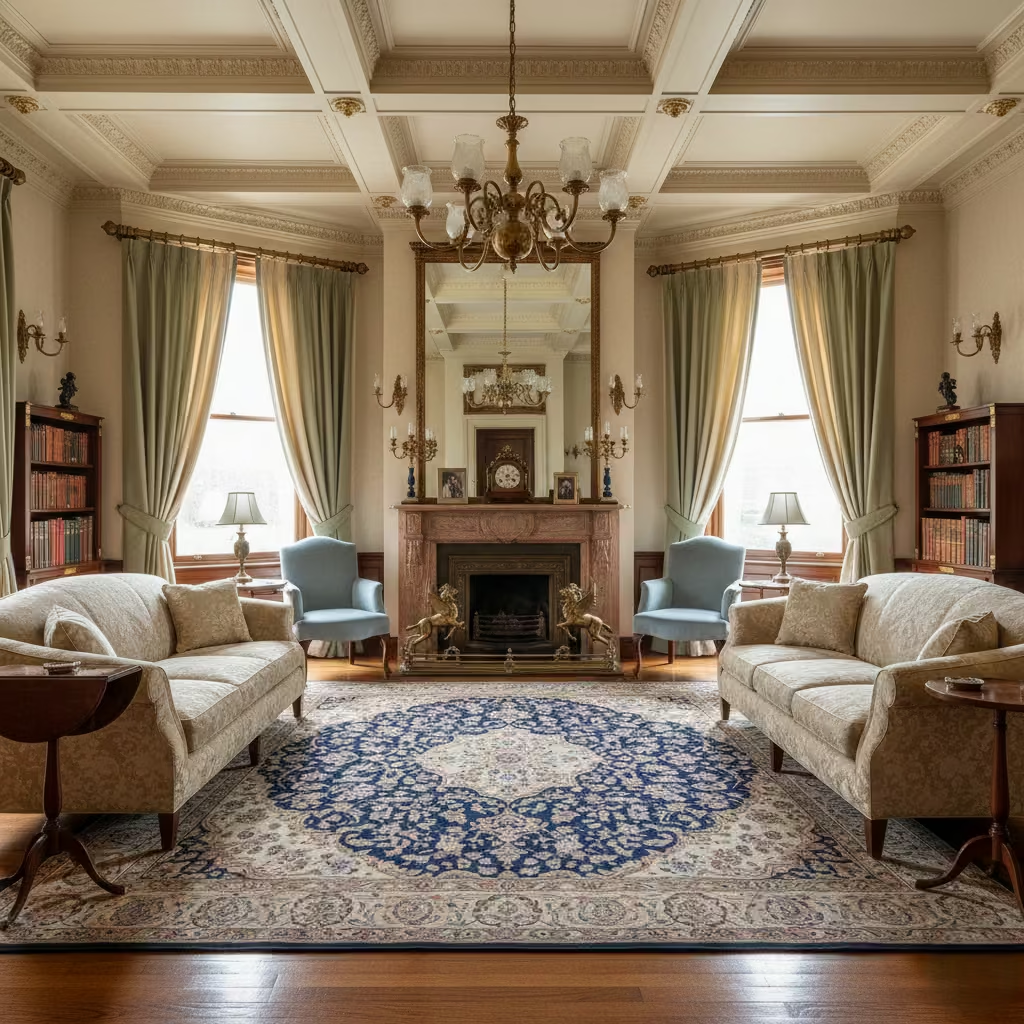
Subtle metallic accents add sophistication and visual interest to Edwardian living rooms without detracting from period architecture. I often incorporate materials such as brass, bronze, or aged gold in lighting fixtures, curtain poles, door handles, and small decorative objects. These touches catch the light, complement warm wood tones, and enhance the overall elegance of the space.
From a materials and craftsmanship perspective, quality is essential. Solid metal finishes age gracefully and maintain authenticity, whereas cheaper plated alternatives can look flat or tarnish quickly. Polished or brushed finishes should be chosen based on the room’s palette and light levels for example, brushed brass works beautifully against muted walls, adding warmth without glare.
Colour palettes should remain balanced, with metallics used as accents rather than dominant colours. Pairing them with soft neutrals, heritage pastels, or timber tones ensures harmony and maintains the room’s refined Edwardian character.
In terms of layout and proportions, metallic elements should be strategically placed to draw the eye to key architectural features such as fireplaces, cornices, or bay windows. Subtle metallic accents enhance texture and detail, reinforcing period authenticity while adding a touch of understated glamour to an Edwardian living room.
Fire Guard and Hearth Accessories
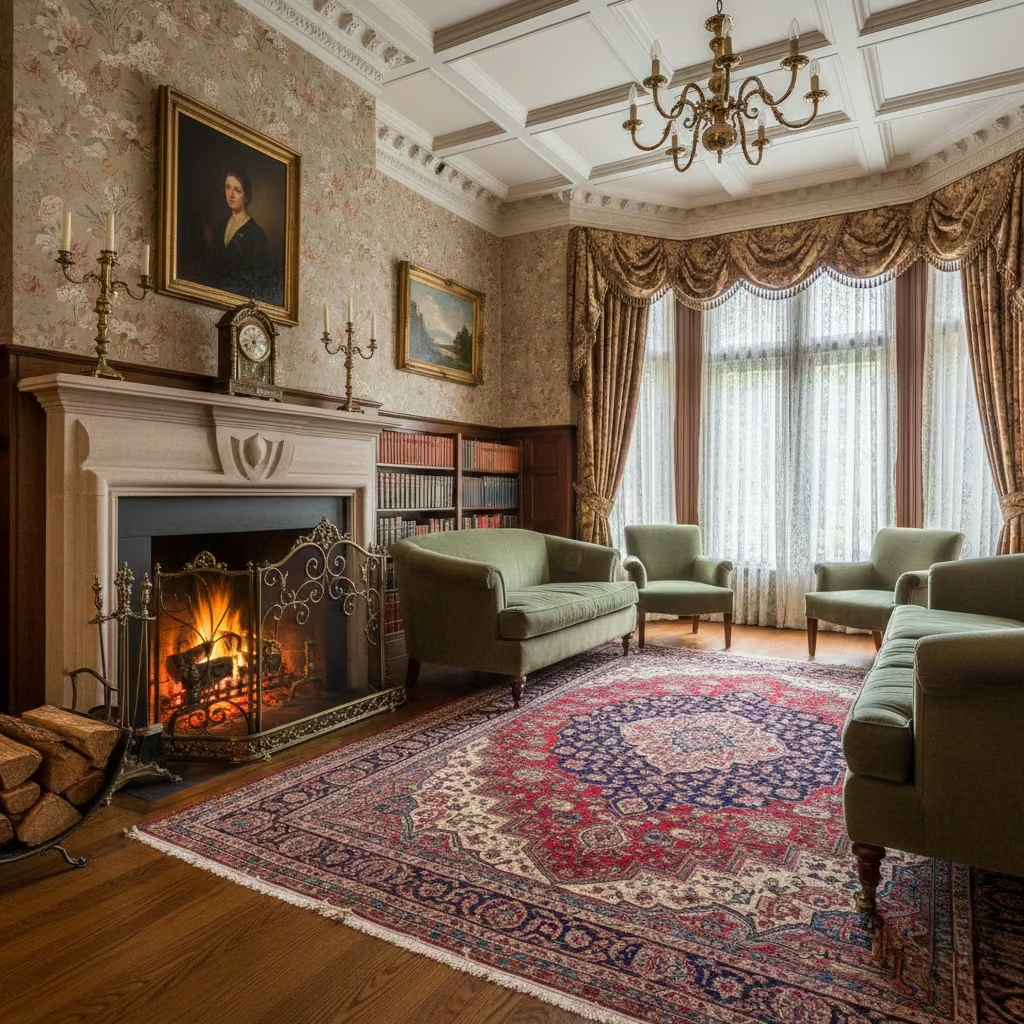
Fire guards and hearth accessories are both practical and decorative elements in Edwardian living rooms, ensuring safety while complementing the room’s period style. I always recommend installing a fire guard that is proportionate to the fireplace opening typically 700–900 mm wide for standard Edwardian hearths to protect floors and furnishings from sparks and heat. Decorative screens in wrought iron or brass often work best, blending seamlessly with traditional tiles and mantel details.
From a materials and craftsmanship perspective, solid metal guards or custom-fitted screens offer durability and authenticity. Accessories such as toolsets, log holders, or andirons should reflect Edwardian motifs, with finishes in brass, bronze, or aged iron to maintain cohesion.
Colour palettes for hearth accessories should harmonise with the fireplace and surrounding décor. I usually choose muted metallics that echo other accents in the room, creating a consistent and balanced visual scheme.
In terms of layout and proportions, fire guards should sit close to the hearth without obstructing the fireplace, while tools and log holders are positioned nearby for convenience. Properly selected and placed hearth accessories not only enhance safety but also reinforce the architectural focus and elegance of an Edwardian living room, combining functionality with period-appropriate style.
Modern Comfort Hidden Within Period Design
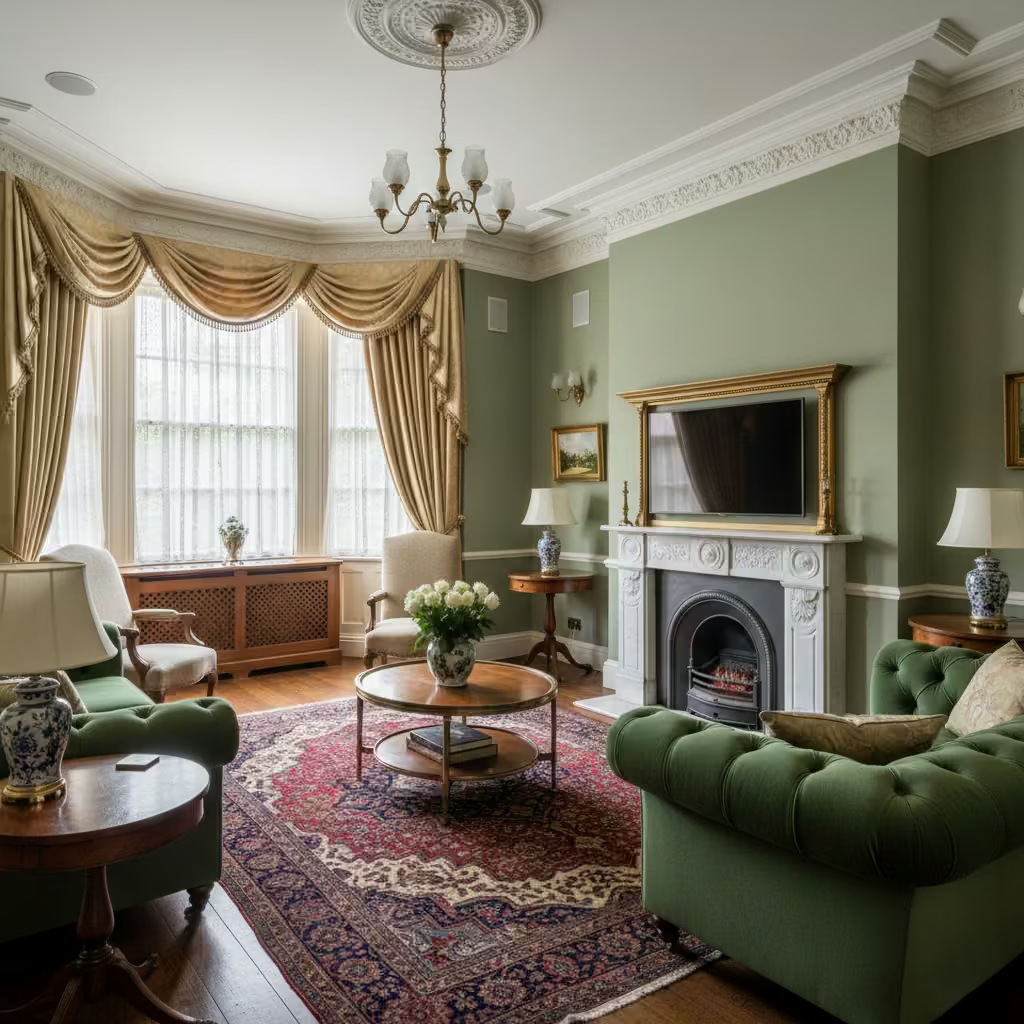
While Edwardian living rooms exude period charm, modern comforts are essential for everyday living. I often integrate heating, insulation, and technology in ways that remain discreet and sympathetic to the room’s architectural character. Underfloor heating or slimline radiators can be concealed behind decorative grilles or panelling, while modern insulation behind walls and ceilings improves energy efficiency without altering visible detailing.
From a materials and craftsmanship perspective, careful planning is key. For example, wiring for lighting, sound systems, or smart home features can be routed through existing coving, skirting, or built-in cabinetry to maintain visual integrity. Radiators, thermostats, and outlets should be selected in finishes and styles that complement Edwardian aesthetics.
Colour palettes should ensure modern additions blend seamlessly. Neutral tones or metallic finishes that echo existing accents prevent new elements from standing out unnecessarily.
In terms of layout and proportions, technology placement should not interfere with the symmetry and circulation of the room. Furniture arrangements and focal points, such as fireplaces or bay windows, remain undisturbed, preserving the room’s period balance. Thoughtful integration of modern comforts allows Edwardian living rooms to function for contemporary life while maintaining their timeless elegance and architectural authenticity.
Edwardian-Inspired Lighting Layers
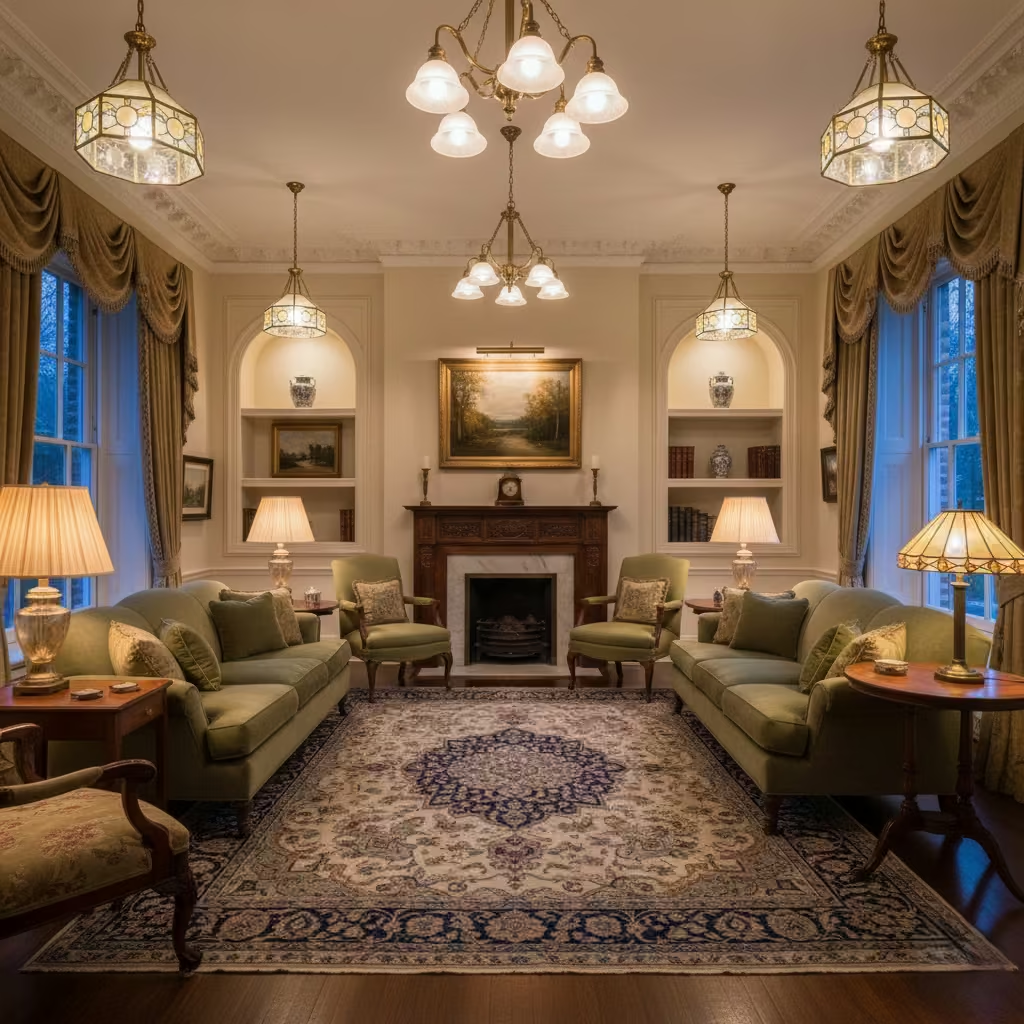
Lighting in Edwardian living rooms should be layered to enhance both function and period character. I typically combine ambient, task, and accent lighting to create a balanced, versatile scheme. Ambient lighting comes from ceiling fixtures such as chandeliers or pendant lights, often paired with ornate ceiling roses. Task lighting includes table lamps or reading lights near seating areas, while accent lighting highlights architectural features, artwork, or decorative alcoves.
From a materials and craftsmanship perspective, fixtures in brass, bronze, or antique finishes complement Edwardian interiors. Shades and glass fittings should diffuse light softly, avoiding harsh glare that can disrupt the room’s gentle atmosphere.
Colour palettes for lighting involve warm tones to maintain a cozy, inviting feel. Bulb colour temperature around 2700–3000K works well, providing soft, natural light that enhances the room’s soft neutrals and heritage hues.
In terms of layout and proportions, I ensure each lighting layer aligns with furniture placement and architectural features. This layered approach enhances functionality while maintaining the elegance and symmetry characteristic of Edwardian living rooms.
Preserving Original Features Where Possible
Preserving original features is key to maintaining the authenticity and charm of an Edwardian living room. I always assess elements such as fireplaces, cornicing, skirting boards, windows, and timber floors to determine whether they can be restored rather than replaced. Restoration often involves cleaning, repairing cracks, repainting, or re-glazing, keeping the original character intact.
From a materials and craftsmanship perspective, using traditional techniques and compatible materials is essential. For example, lime plaster repairs for cornices or hand-finished timber for flooring preserves the look and durability of the period design. Replacement should be a last resort and carefully matched in scale, profile, and finish.
Colour palettes for restored features should harmonise with the existing scheme, while subtle refinements can improve cohesion without detracting from authenticity.
In terms of layout and proportions, retaining original features informs furniture placement and circulation, reinforcing the room’s balance and symmetry. Thoughtful preservation ensures the Edwardian living room remains historically accurate, visually appealing, and practically functional for modern use.
What mistakes People Made while achieving this Vintage vibe
When homeowners or designers attempt to achieve an Edwardian or vintage vibe, there are several common mistakes that can unintentionally undermine the period character. Drawing from my experience with interior and home renovations, here’s a breakdown of pitfalls to watch out for:
Overcrowding the Space
Many try to fill the room with “vintage” pieces sofas, armchairs, cabinets, rugs, and accessories without considering scale or circulation. Edwardian living rooms were designed with proportion and symmetry in mind, so too much furniture can feel cramped and chaotic. Always prioritise clear walkways (750–900 mm) and allow focal points like fireplaces and bay windows to shine.
Ignoring Original Architectural Details
Some homeowners paint over cornices, remove picture rails, or cover up skirting boards in pursuit of modern minimalism. This erases the very features that define the Edwardian aesthetic. Preserving, restoring, or carefully highlighting these elements is key to achieving an authentic vibe.
Using Inauthentic Materials or Finishes
Cheap imitations plastic mouldings, laminate floors, or glossy synthetic fabrics can make the room feel fake rather than period-accurate. Solid timber, plaster cornicing, hand-finished tiles, and natural fabrics like wool, linen, or cotton maintain authenticity and age gracefully.
Excessive Pattern or Colour
Edwardian interiors were refined and balanced. Overly bold wallpapers, clashing fabrics, or heavy colour blocking can overwhelm the space. I recommend soft, muted palettes and carefully scaled patterns, layering textures subtly rather than bombarding the eye.
Neglecting Modern Comfort
Some designers focus entirely on “period accuracy” and ignore practical modern needs like heating, insulation, lighting, and functional furniture layouts. Integrating modern comforts discreetly ensures the room is both beautiful and livable.
Incorrect Furniture Proportions
Oversized sofas, tiny chairs, or mismatched pieces disrupt the balance and symmetry essential to Edwardian style. Furniture should respect ceiling height, room width, and architectural focal points to create harmony.
Improper Lighting Choices
Using modern, harsh LED lights or oversized contemporary fixtures can clash with the elegance of period features. Layered lighting in warm tones ambient, task, and accent is essential to highlight architecture and create the right atmosphere.
Avoiding these mistakes ensures your Edwardian living room feels timeless and authentic rather than contrived, preserving both beauty and function for modern living.
You May also Like: 25 Blue Living Room Decor Ideas That Balance Calm, Character, and Longevity
Final thoughts about creating vintage vibe with Edwardian Style
Edwardian living rooms offer a timeless combination of elegance, proportion, and comfort that remains relevant even in contemporary homes. Their defining features—high ceilings, decorative cornicing, bay windows, fireplaces, and subtle detailing—create spaces that feel both gracious and inviting.
In my experience, the key to achieving a successful Edwardian interior lies in respecting these architectural elements while carefully layering textures, colours, and furnishings to enhance the room’s character.
Thoughtful restoration should always take precedence over imitation. Preserving original features such as timber floors, picture rails, skirting boards, and plasterwork maintains authenticity and ensures the room ages gracefully.
Where restoration isn’t possible, choosing materials and designs that closely replicate period craftsmanship allows the space to retain its historical charm without looking contrived. Small details from patterned tiles to subtle metallic accents can reinforce the vintage vibe while remaining functional for modern living.
Most importantly, Edwardian design is adaptable. Whether you’re working with a fully intact period property or drawing inspiration for a newer home, these ideas can be tailored to suit your lifestyle, scale, and personal tastes.
By considering proportion, colour, texture, and furniture placement, you can create a living room that balances heritage elegance with contemporary comfort. Embracing the principles of Edwardian design allows you to craft a space that is visually striking, inviting, and enduring a true reflection of timeless style that works beautifully for today’s homes.
Frequently asked Questions about designing Edwardian Living Room
What defines an Edwardian living room?
Edwardian living rooms are characterised by high ceilings, large sash or bay windows, decorative cornicing, picture rails, fireplaces with tiled surrounds, timber floors, and a light, airy colour palette. They balance elegance with comfort, emphasising proportion and symmetry rather than heavy ornamentation.
Can I mix modern furniture with Edwardian style?
Yes, modern furniture can work if it respects the room’s scale and symmetry. Opt for pieces that complement period proportions and colour schemes, and integrate modern comforts discreetly to maintain the room’s architectural integrity.
What colour schemes work best in Edwardian interiors?
Soft neutrals, muted pastels, and heritage tones are ideal. Light shades on walls and ceilings help emphasise height, while slightly deeper colours or patterned wallpaper below picture rails add depth and visual interest. Metallic accents in brass, bronze, or antique gold can enhance warmth.
How should furniture be arranged in an Edwardian living room?
Symmetry is key. Furniture should be arranged around focal points, usually the fireplace or bay window, with clear walkways of 750–900 mm. Paired chairs, centrally positioned sofas, and balanced accessories maintain harmony and proportion.
Do I need to restore original features?
Preserving original elements like cornices, skirting boards, picture rails, and timber floors is highly recommended. Restoration maintains authenticity, enhances value, and ensures the room retains its period charm. Replacement should only be considered when restoration is not feasible.
How can I make an Edwardian living room practical for modern living?
Discreetly integrate modern comforts such as underfloor heating, insulation, layered lighting, and smart technology. Use built-in storage, bay window seating, and thoughtful furniture layouts to combine functionality with period aesthetics.
What accessories suit Edwardian style?
Layered textiles, statement rugs, traditional artwork with gilded frames, subtle metallic accents, and decorative hearth accessories all work well. Accessories should complement the architecture, not compete with it, reinforcing balance and elegance.
How do I choose rugs and textiles for Edwardian interiors?
Choose rugs proportional to the seating area, leaving a 30–50 cm border of exposed flooring. Use cushions, throws, and curtains in soft, complementary tones or heritage patterns to add warmth and texture without overwhelming the room.