



25 Garden Pond Ideas That Add Beauty, Wildlife, and Tranquillity
A garden changes the moment water becomes part of its composition. Hard surfaces, planting beds, and pathways define structure, but water introduces something more atmospheric. It brings movement, reflection, and quiet sound into the landscape, allowing the garden to feel alive rather than simply arranged. From a design perspective, a pond often becomes the element that visually anchors the entire outdoor space, drawing the eye and slowing the pace of how people move through the garden.
In many residential projects I have worked on, homeowners initially focus on planting schemes or patio layouts. Yet once a pond is introduced, the emotional experience of the garden shifts dramatically. Water reflects the sky, surrounding trees, and nearby architecture, creating a constantly changing surface that evolves throughout the day. Morning light glides across it, midday brightness sharpens reflections, and evening shadows deepen its sense of calm.
Even in compact gardens, a carefully positioned pond can transform the spatial character of the landscape. I have redesigned small backyards where a pond measuring only 1.5–2 m (5–6.5 ft) across became the central visual feature, subtly expanding how the garden feels. The presence of water encourages pause. People naturally gather around it, sit closer to it, and notice the surrounding planting in a new way.
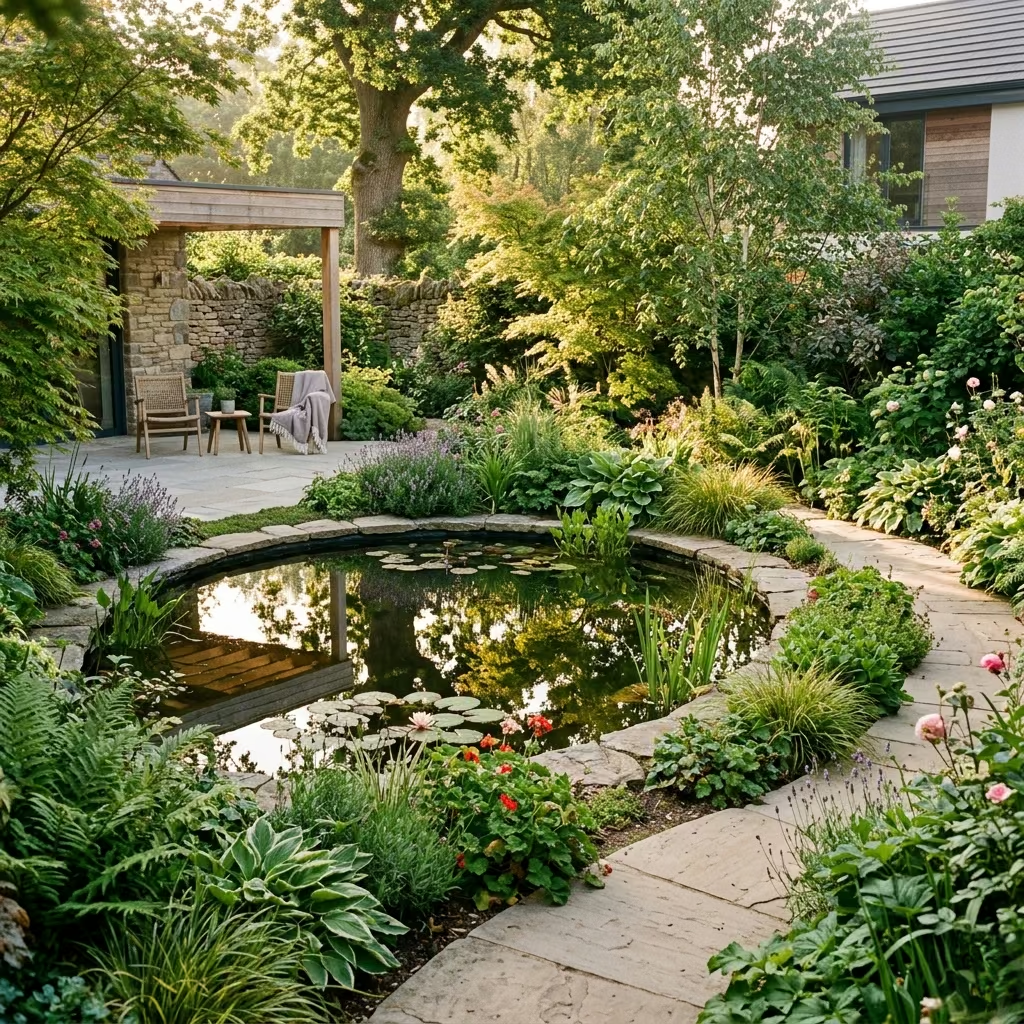
The ideas that follow explore different ways ponds can shape a garden’s character, from natural wildlife habitats to contemporary reflective water features that bring quiet elegance to outdoor spaces.
25 Pond Ideas in Garden
A thoughtfully designed pond can change how a garden is experienced, not just how it looks. In many of the landscape projects I have worked on, the decision to introduce water was rarely about decoration alone. A pond shapes movement, encourages moments of pause, and often becomes the visual heart of the garden.
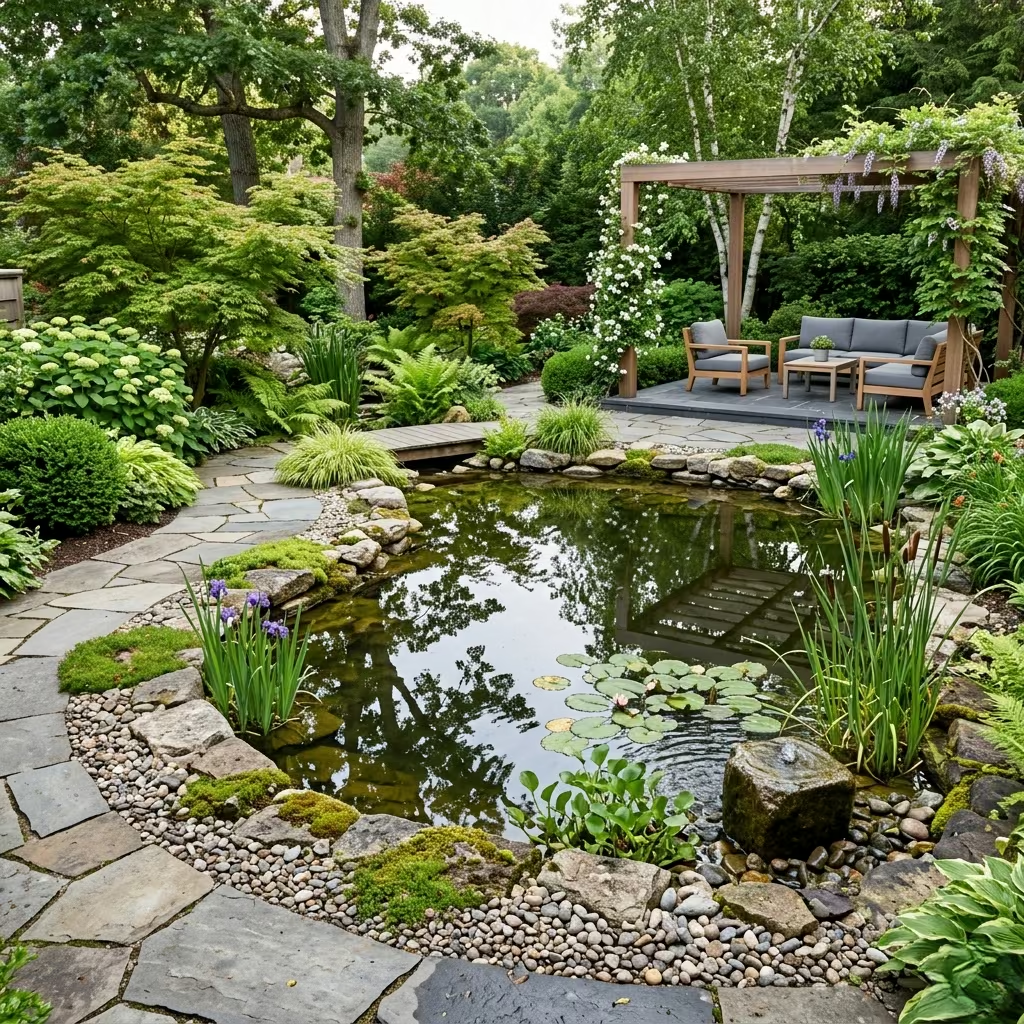
The following ideas explore different approaches, from natural wildlife habitats to structured contemporary water features. Each concept reflects practical design thinking drawn from real residential landscapes, showing how ponds of different sizes, styles, and placements can quietly transform an outdoor space while remaining integrated with the wider garden design.
Natural and Wildlife-Friendly Pond Designs
Natural ponds bring a different character to the garden compared with formal water features. Rather than focusing on symmetry or architectural precision, these designs aim to replicate the layered complexity of natural landscapes. In many garden projects I have observed, wildlife-friendly ponds quickly become the most active part of the outdoor space.
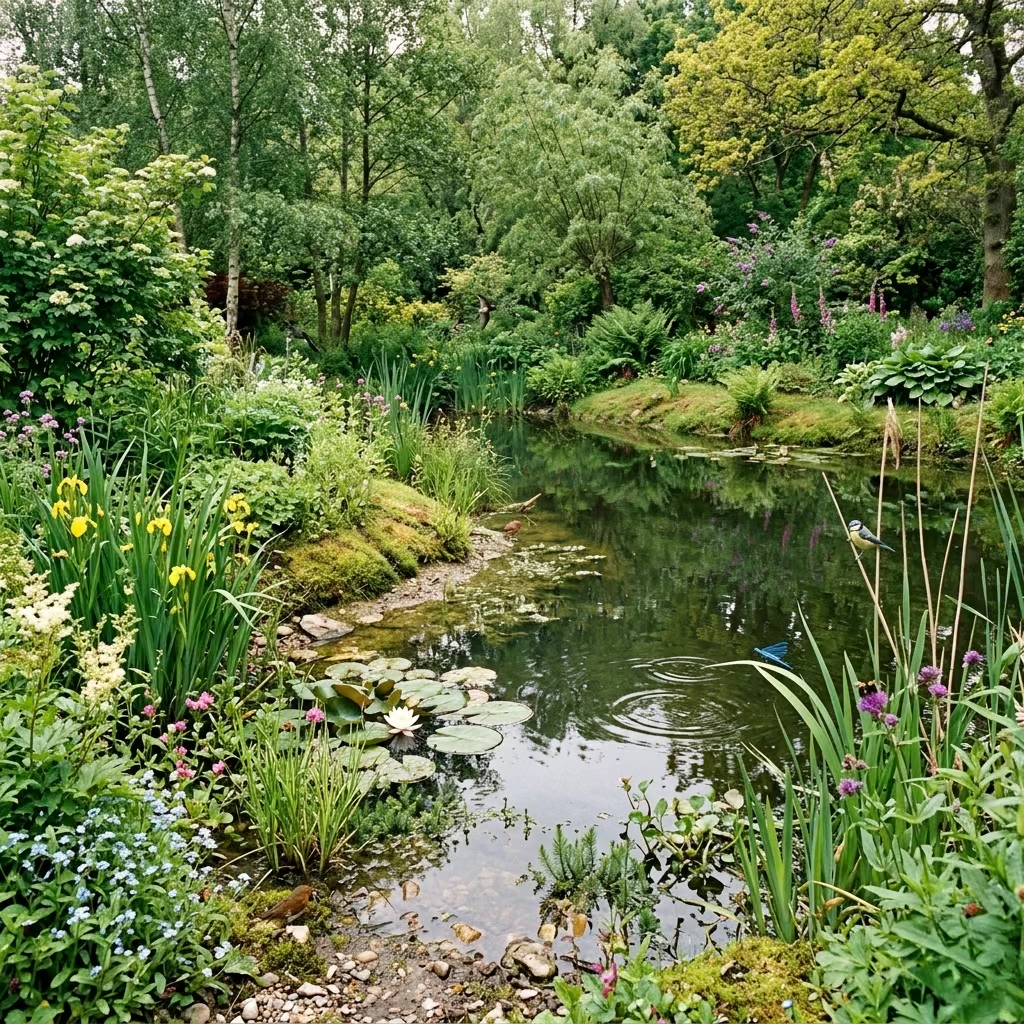
Birds gather at the water’s edge, insects hover above aquatic plants, and seasonal changes become more visible through shifting vegetation and reflections. When thoughtfully planned with varied depths, planted margins, and soft edges, these ponds create a small ecosystem that feels organic and quietly integrated with the surrounding landscape rather than appearing as a decorative addition.
Naturalistic Wildlife Pond
A naturalistic wildlife pond is less a constructed object and more a small, managed ecosystem. I design these ponds to read as if they were always part of the place: irregular, gently contoured margins, shallow planted shelves, and a deeper central pool that gives the water body depth and seasonal stability. The aim is not formal beauty but ecological richness and sensory experience.
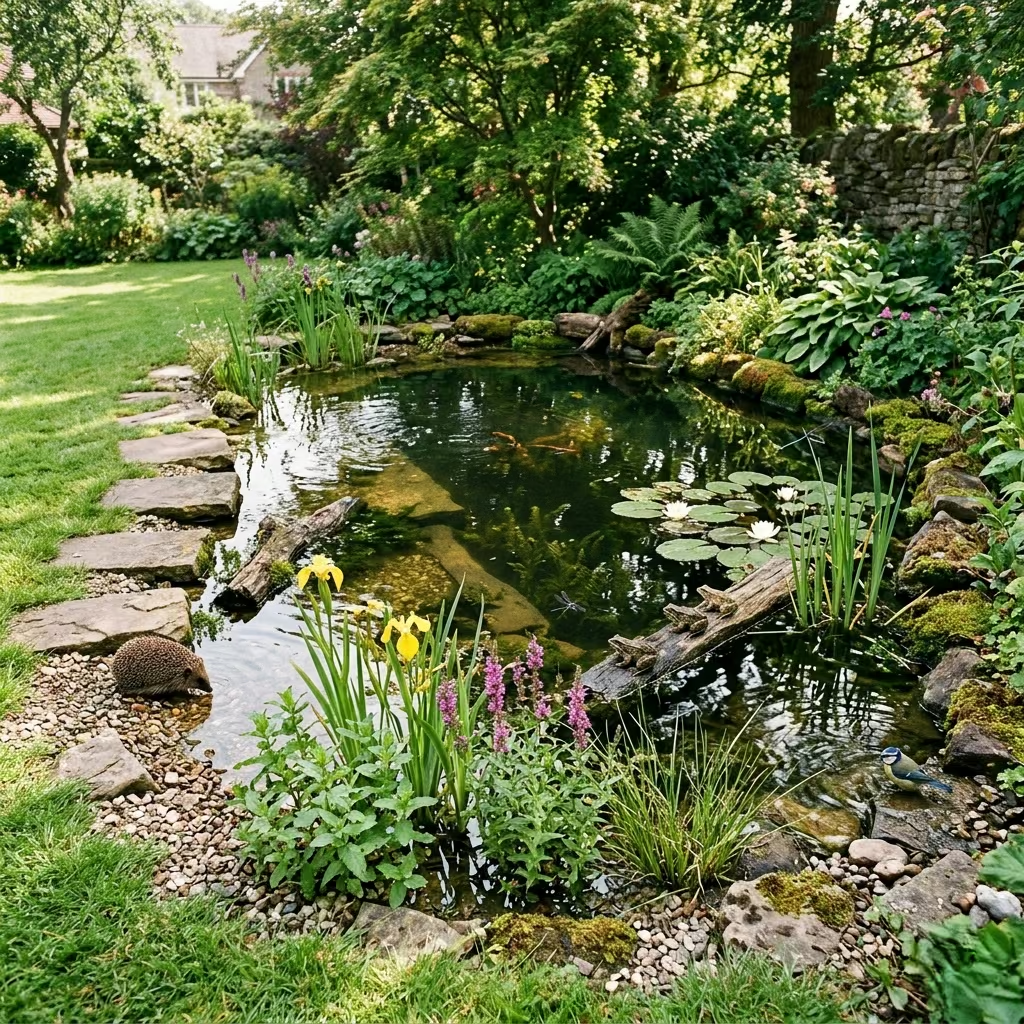
In my projects, these ponds quickly become pockets of life where birds, amphibians, and pollinators gather, and where the garden’s seasonal rhythms are magnified by the behaviour of water and plants.
A pond shaped and planted to mimic a natural pool, with soft, irregular edges, varied depth zones and native aquatic planting that supports wildlife rather than emphasising a manicured appearance.
Design insight
Successful naturalistic ponds depend on proportion and subtle gradation. I work with three clear depth bands: a very shallow margin of 5–15 cm (2–6 in) for wet ground plants and visiting insects, a planted shelf of 15–30 cm (6–12 in) for marginal species such as iris and water mint, and a deeper central refuge of 60–120 cm (24–48 in) which gives amphibians and invertebrates security through winter and drought.
Shelving should be irregular and make up roughly 25 to 40 percent of the pond footprint so planting can do the ecological work of balancing nutrients and suppressing algae.
Use a mix of gravel and coarse sand on the shelves to encourage diverse planting and microhabitats. Stone outcrops, submerged logs and a few flat stepping stones at the edge will give birds and mammals access without creating formal edges.
Practical application note
Locate the pond where it will receive a mix of sun and dappled shade; too much deep shade increases leaf fall and silt, too much sun can overheat the water. Sit the pond at least 3–4 m (10–13 ft) from large deciduous trees when possible to reduce leaf input. For small gardens the irregular outline can be compressed: a pond 2 m across with a 0.3–0.6 m (12–24 in) planted shelf will still support surprisingly rich wildlife.
I always avoid stocking these ponds with ornamental fish because fish can consume insect larvae and disturb the ecological balance that attracts frogs and dragonflies. Instead I encourage native marginal and submerged plants and, where necessary, a discreet, low-flow skimmer and biological filter hidden in planting to keep water clear while maintaining a natural appearance.
Typical size range
2–5 m (6.5–16 ft) across for small to medium domestic gardens. Depth: shallow margins 5–30 cm (2–12 in); central pool 60–120 cm (24–48 in) depending on whether overwintering habitat is required.
Real-life insight from projects
On a suburban back garden I designed, the client preferred low maintenance. We chose a 3 m pond with generous planted shelves and no fish. Within six weeks the pond hosted frogs, newts and a regular visiting kingfisher. The planting matured quickly and the dense marginal vegetation reduced visible algae without chemicals. The house felt quieter and more considered because people naturally paused by that corner of the garden.
Construction and contractor brief notes
Specify excavation to create stepped shelves rather than a single vertical wall. Use a robust flexible liner such as EPDM with an underlay, or consider a shaped concrete shell if you require permanence and have the budget. For a true natural look use a soft edge of compacted gravel and locally sourced stone rather than timber or precast edging. Planting should use aquatic planting soil placed on shelves, not garden topsoil, to avoid nutrient overload.
Include a small pump and biological filter only if experience shows stagnation; many well-proportioned wildlife ponds will balance biologically without mechanical filtration. Provide the contractor with these requirements: stepped excavation profile, liner layout with overlaps, stone edge formation, planting zones marked, and a shallow access point for seasonal maintenance.
Maintenance and ecological notes
Expect seasonal clearance of fallen leaves, occasional thinning of dominant marginals, and checking the liner and stone edging for movement. Netting is rarely required for wildlife ponds and can actually prevent wildlife access, but consider a removable mesh in autumn if the site is heavily leafed. Avoid chemical algaecides and fertilisers near the pond. If algae become persistent, re-evaluate planting density and introduce more oxygenating submerged plants rather than treating the water chemically.
Pros
- High biodiversity and year round wildlife interest.
- Low long-term maintenance once planting establishes.
- Strong, natural aesthetic that integrates with planting and soils.
Cons
- Less formal and less suited to very tidy, architectural garden styles.
- Can require careful siting to minimise leaf fall and siltation.
- Initial construction needs ecological knowledge and correct planting to avoid nutrient problems.
Safety and regulatory note
If children will use the garden, design graded access, shallow viewing edges and clear sight lines from seating. Local building regulations rarely require permits for domestic garden ponds but check for restrictions if you will alter drainage, connect to mains water or affect groundwater.
Budget band (indicative)
A simple liner-based wildlife pond of 2–3 m with planting typically sits in a modest budget band relative to highly engineered water features. If you opt for concrete shells, complex rockwork or deep koi-stocked basins costs rise accordingly.
Discuss expectations with a landscape contractor and request a build specification that lists excavation, liner, stonework, planting and any filtration as separate line items.
You May also Like: Mountain Beach House Ideas That Feel Impossible but Work Beautifully
Rock-Edge Garden Pond
A rock-edge garden pond introduces water in a way that feels grounded and natural within the landscape. Instead of relying on visible liners or rigid borders, the pond perimeter is formed with natural stone, allowing the water feature to merge visually with planting beds, lawn areas, or gravel paths. In many residential gardens I have worked on, this approach creates the impression that the pond belongs to the site rather than appearing like a separate installation. The varied textures and tones of stone also reflect beautifully in water, giving the pond a layered, organic character throughout the day.
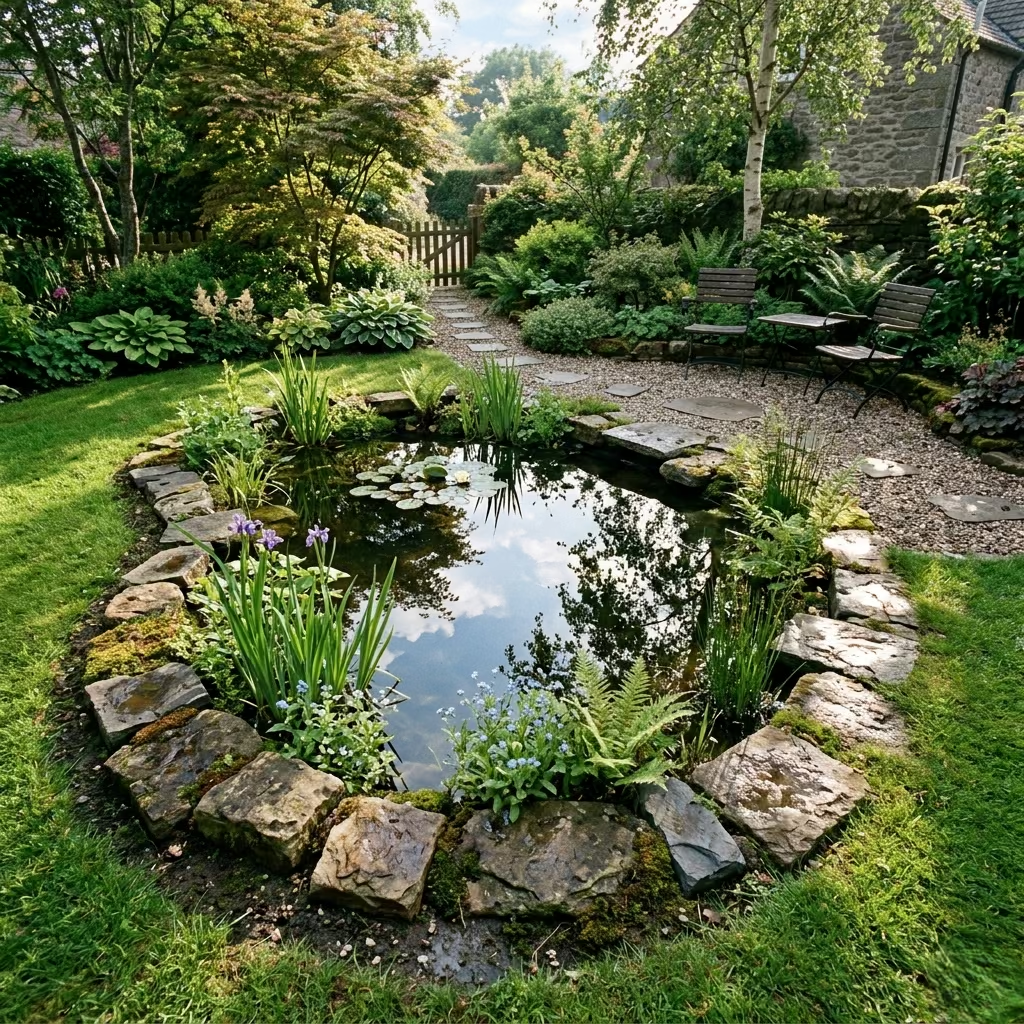
Short explanation
A garden pond bordered with natural stones such as limestone, slate, sandstone, or fieldstone, designed to soften the boundary between land and water while creating a naturalistic landscape feature.
Design insight
Stone edges work best when they vary in scale and placement. Rather than lining the pond with identical stones, I typically use a mix of larger anchor stones around 40–60 cm (16–24 in) wide and smaller filler stones to create a relaxed, natural rhythm. The stones should slightly overhang the water edge by 3–5 cm (1–2 in) to conceal the liner and create the illusion that the pond was carved into the ground. I also like to combine stone edges with pockets of marginal plants such as dwarf iris or marsh marigold. This combination softens the transition visually and prevents the stonework from looking too rigid.
Practical application note
Rock-edge ponds work particularly well in medium to large gardens where the surrounding landscape includes natural materials like gravel paths, timber decking, or informal planting schemes. I often position these ponds close to seating areas, about 1.5–2 m (5–6.5 ft) away from patios or terraces, so the sound of water and reflected light becomes part of the everyday outdoor experience. For stability, stones should be partially embedded into the soil or set on a concealed mortar base beneath the surface layer. This prevents shifting over time, especially in climates with seasonal ground movement.
Typical size and depth range
Most residential rock-edge ponds range from 2–4 m (6.5–13 ft) across with a typical water depth of 45–75 cm (18–30 in). This depth is enough to maintain stable water temperature while still allowing aquatic plants to thrive along the margins.
Real-life design insight
In one backyard redesign I completed, the clients wanted a pond that felt relaxed and natural rather than decorative. We created a 3 m (10 ft) rock-edge pond framed with locally sourced sandstone. Over time, creeping groundcovers and marginal plants softened the stone edges, and the pond became the focal point of the garden. Visitors often assume the feature has been there for years because the stone blends seamlessly with the surrounding landscape.
Pros
- Natural, organic appearance that integrates well with planting
- Stones hide pond liners and construction details effectively
- Durable edging material that ages beautifully over time
Cons
- Requires careful placement and leveling to prevent stone movement
- Heavier materials increase installation complexity
- Larger stones may increase project cost depending on sourcing
When thoughtfully executed, a rock-edge pond can feel less like a constructed feature and more like a natural extension of the garden, allowing water, stone, and planting to work together in a calm and balanced composition.
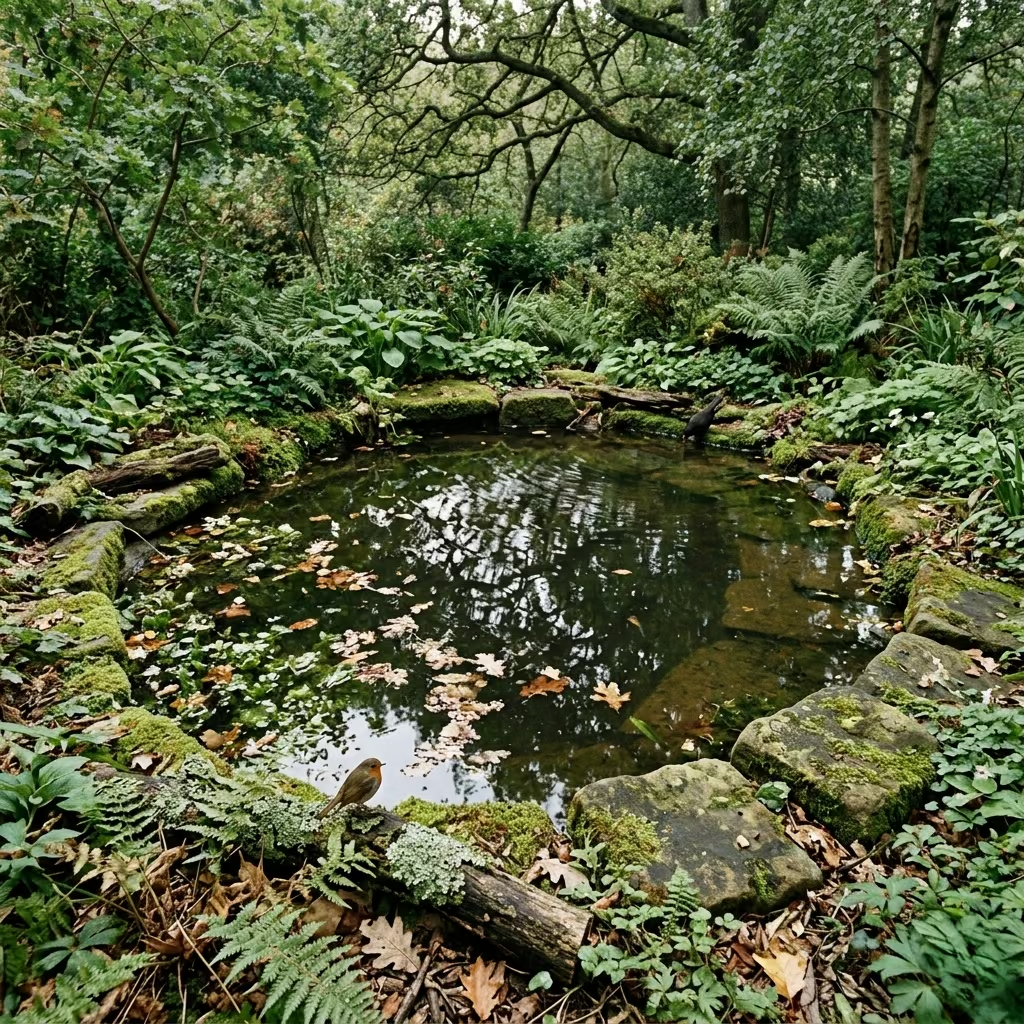
Forest-Style Pond
A forest-style pond brings a sense of quiet retreat to the garden by placing water within a shaded, tree-dominated landscape. Rather than feeling open and reflective like a formal pond, this design embraces the softer, layered atmosphere of woodland spaces. When positioned beneath mature trees or along the edge of a wooded garden, the pond becomes part of a calm, shaded ecosystem where filtered light, mossy textures, and subtle reflections create a deeply tranquil environment.
A woodland-inspired pond designed under or near tree canopies, using shade-tolerant plants, natural materials, and subdued edges to create a peaceful, forest-like atmosphere.
Design insight
The success of a forest-style pond relies heavily on how it interacts with light and surrounding vegetation. Instead of broad open water surfaces, I usually design these ponds slightly enclosed by planting so they feel tucked into the landscape. Irregular edges combined with natural materials such as weathered stone, gravel, or partially buried logs help the pond blend into the woodland character. Because sunlight is limited, planting choices are critical. I often rely on shade-loving species such as ferns, hostas, carex grasses, and marsh marigold along the margins. Their textures reinforce the woodland mood while stabilizing the pond edges.
Practical application note
Positioning is essential in shaded environments. While the pond sits beneath trees, I try to ensure it still receives 2–4 hours of filtered daylight so aquatic plants can survive. Too much dense shade can lead to stagnant water and excessive leaf buildup. To manage falling leaves, I often recommend installing the pond slightly away from the densest canopy, typically 3–5 m (10–16 ft) from the trunk of large trees. A gentle depth gradient also helps maintain water quality, with shallow planted edges and a deeper central area that supports ecological balance.
Typical size and depth range
Forest-style ponds typically range from 1.8–3 m (6–10 ft) across in smaller woodland gardens, though larger natural landscapes can accommodate ponds up to 4–5 m (13–16 ft) wide. Depth generally ranges from 45–75 cm (18–30 in) with a slightly deeper central pocket to maintain water stability.
Real-life design insight
In one shaded garden project surrounded by mature oak and maple trees, the clients struggled to create a focal point that felt appropriate for the woodland setting. Instead of forcing sun-loving planting or formal structures, we introduced a 2.4 m (8 ft) forest-style pond edged with natural stone and mossy groundcover. Over time, the pond began reflecting the overhead branches and shifting seasonal light, turning what was once a dark corner of the garden into one of its most atmospheric spaces.
Pros
- Creates a peaceful, retreat-like atmosphere
- Works beautifully in shaded or woodland gardens
- Encourages subtle wildlife activity such as birds and amphibians
Cons
- Requires regular removal of fallen leaves
- Limited sunlight restricts some aquatic plant varieties
- Can accumulate organic debris if not carefully maintained
A forest-style pond works best when the design respects the existing landscape. Rather than trying to brighten the area artificially, the goal is to embrace shade, texture, and quiet reflections, allowing the pond to feel like a natural clearing within the woodland garden.
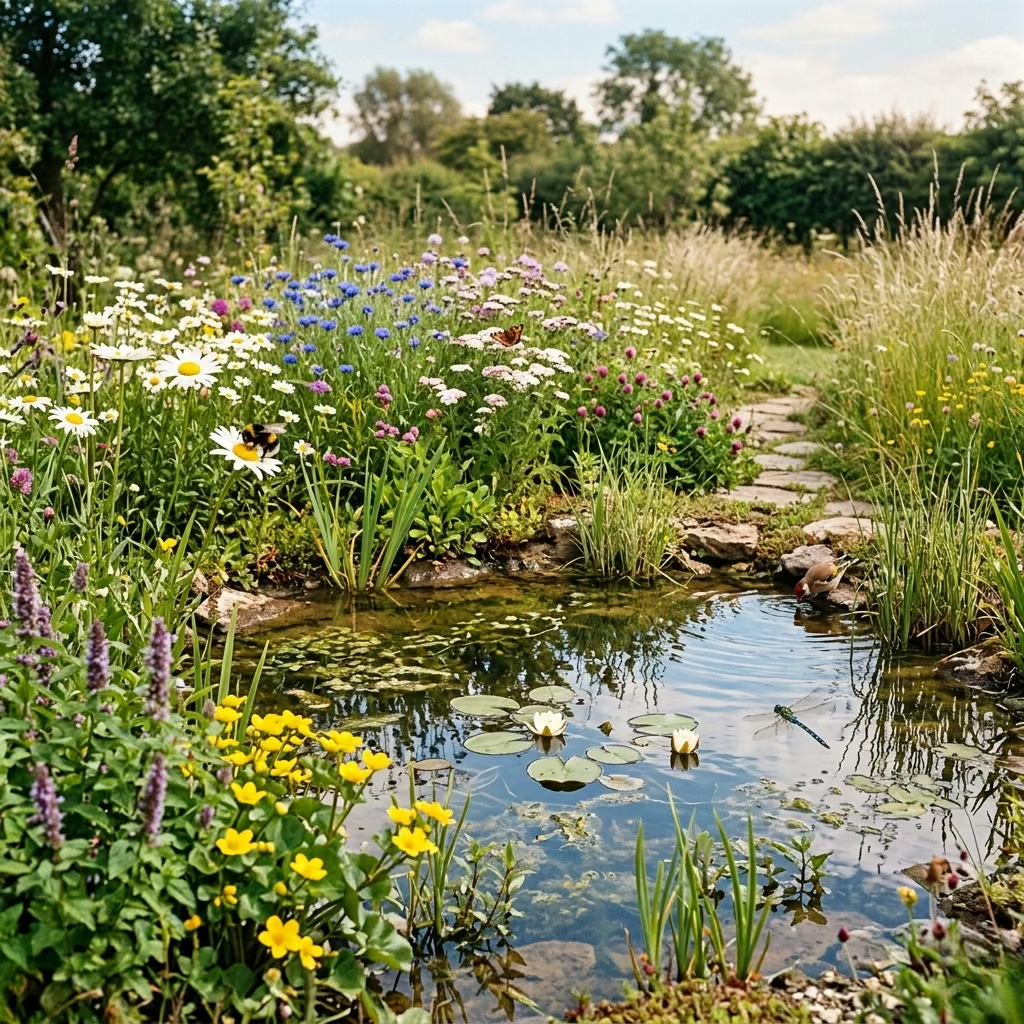
Wildflower Pond Border
A wildflower pond border brings together two powerful landscape elements: water and natural meadow planting. Instead of keeping the pond edge formally trimmed or surrounded by lawn, the perimeter is softened with layers of wildflowers and native grasses that create a vibrant ecological zone. In many garden landscapes I have worked on, this approach transforms a simple pond into a living habitat where colour, movement, and wildlife activity constantly change through the seasons.
A pond surrounded by native wildflowers and meadow grasses, designed to encourage biodiversity while creating a soft, natural transition between water and the wider garden landscape.
Design insight
The visual success of a wildflower pond border lies in gradual layering. Rather than placing tall plants directly at the water’s edge, I usually design three planting zones that transition outward from the pond. The first zone includes moisture-tolerant marginal plants such as marsh marigold, purple loosestrife, or water mint placed within 15–30 cm (6–12 in) of the waterline. Beyond this, a middle band of wildflowers like oxeye daisy, cornflower, and yarrow adds seasonal colour and attracts pollinators. The outermost zone includes taller meadow grasses and perennials that create gentle movement in the wind. This layered approach allows the pond to feel embedded within a natural meadow rather than surrounded by ornamental borders.
Practical application note
Wildflower pond borders work best in gardens where at least 1–2 m (3–6.5 ft) of planting space can be dedicated around the pond edge. This buffer zone gives plants enough room to establish naturally while supporting insects, butterflies, and birds that depend on diverse habitat. When designing these areas, I usually avoid highly fertilised soil because nutrient-rich conditions encourage aggressive weeds rather than balanced meadow growth. Instead, lightly prepared soil with moderate drainage helps native wildflowers thrive with minimal intervention.
Typical size and depth range
Wildflower-bordered ponds often range from 2–4 m (6.5–13 ft) across in residential gardens, though the surrounding planting can extend much further into the landscape. Water depth typically ranges from 45–75 cm (18–30 in) with shallow shelves near the edges to support aquatic plants.
Real-life design insight
In a garden renovation where the owners wanted to attract more wildlife, we created a 3.5 m (11.5 ft) pond surrounded by a loose wildflower planting scheme. Within the first summer, the area became one of the most active parts of the garden. Bees, butterflies, and dragonflies frequently gathered around the flowers, while birds used the pond for drinking and bathing. What began as a design feature gradually evolved into a small ecological hub that enriched the entire garden environment.
Pros
- Encourages biodiversity and pollinator activity
- Creates a natural, relaxed garden aesthetic
- Seasonal colour changes throughout the year
Cons
- Requires space for surrounding planting to establish properly
- Seasonal dieback can look untidy in winter
- Needs occasional thinning or reseeding to maintain balance
When thoughtfully planned, a wildflower pond border allows the garden to feel less controlled and more alive. The combination of water, flowers, and wildlife creates a landscape that changes constantly, offering visual interest and ecological value far beyond the pond itself.
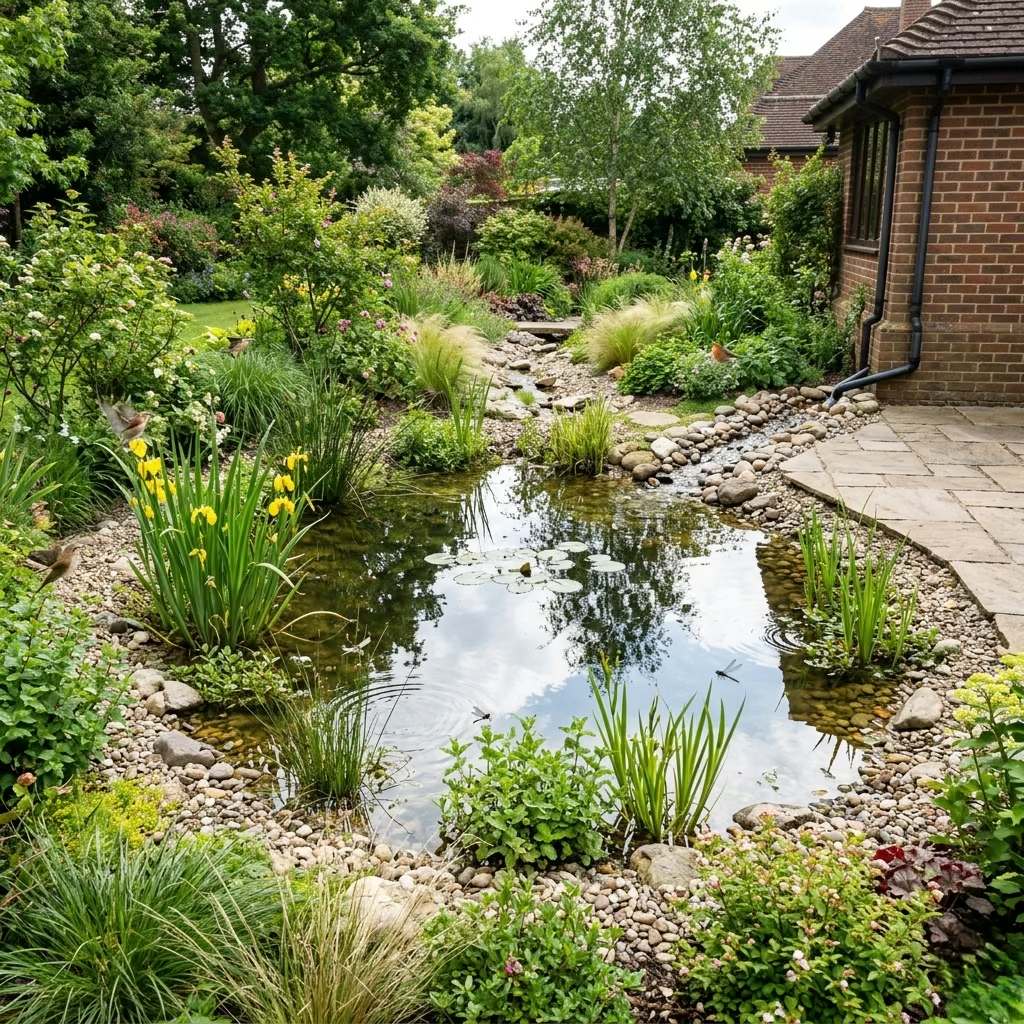
Rain-Fed Natural Pond
A rain-fed natural pond is designed to collect and retain rainwater from surrounding surfaces such as roofs, patios, or gently sloped garden areas. Rather than relying heavily on municipal water supplies, the pond becomes part of the garden’s natural water cycle. In landscape projects where sustainability is a priority, this type of pond often provides both aesthetic value and environmental efficiency, quietly managing excess rainfall while creating a calm focal point in the garden.
A pond designed to capture rainwater runoff from the surrounding landscape, helping manage stormwater while supporting aquatic plants and wildlife.
Design insight
The effectiveness of a rain-fed pond depends largely on its relationship to the surrounding terrain. I usually position these ponds at the lowest natural point of the garden so runoff flows toward the water feature rather than away from it. Gentle swales or shallow drainage channels can guide rainwater naturally into the pond.
To protect water quality, I also design a small planted filtration zone at the entry point, typically a gravel bed about 30–45 cm (12–18 in) wide filled with moisture-loving plants. This planted buffer slows the water, filters sediment, and prevents debris from entering the pond directly.
Practical application note
In residential gardens, rain-fed ponds often benefit from nearby roof downpipes or permeable patio surfaces that help direct rainfall toward the basin. For example, a modest roof area of 20–30 m² (215–320 sq ft) can generate a surprising amount of runoff during heavy rainfall, which can easily maintain a pond in the 2–3 m (6.5–10 ft) range without constant topping up.
When planning with contractors, I typically recommend incorporating overflow drainage so that during intense storms excess water can safely exit toward a garden soakaway or drainage channel.
Typical size and depth range
Most rain-fed natural ponds range from 2–4 m (6.5–13 ft) across with a depth of 50–80 cm (20–32 in). Slightly deeper central areas help retain water during dry periods while shallow shelves support aquatic planting.
Real-life design insight
In one garden renovation project, the clients struggled with water pooling at the far end of their lawn after heavy rain. Instead of installing hidden drainage pipes, we designed a 3 m (10 ft) rain-fed pond positioned at the natural low point of the garden. The pond now captures excess rainfall, prevents flooding, and has become a beautiful landscape feature that attracts birds and dragonflies throughout the warmer months.
Pros
- Reduces reliance on mains water for pond maintenance
- Helps manage stormwater and garden drainage
- Encourages wildlife and ecological balance
Cons
- Water levels may fluctuate during long dry periods
- Requires careful planning to avoid contaminated runoff
- Overflow systems must be included to handle heavy rainfall
When carefully integrated into the garden’s natural drainage pattern, a rain-fed pond becomes more than a decorative feature. It works as a quiet environmental system, supporting both landscape beauty and sustainable water management.
You May also Like: 25 Rooftop Terrace Design Ideas That Transform Urban Living
Contemporary Garden Pond Designs
Contemporary garden ponds approach water as a deliberate architectural element rather than a purely natural feature. In many modern landscapes I have worked on, these ponds are designed with clean geometry, restrained material palettes, and carefully controlled proportions so the water becomes part of the garden’s overall spatial composition. Smooth edges, reflective surfaces, and minimal planting allow the pond to mirror surrounding architecture, sky, and light.
The result is often quieter yet more striking than traditional ponds. When positioned thoughtfully near patios, terraces, or garden pathways, contemporary ponds introduce calm visual rhythm and subtle movement while reinforcing the modern character of the landscape.
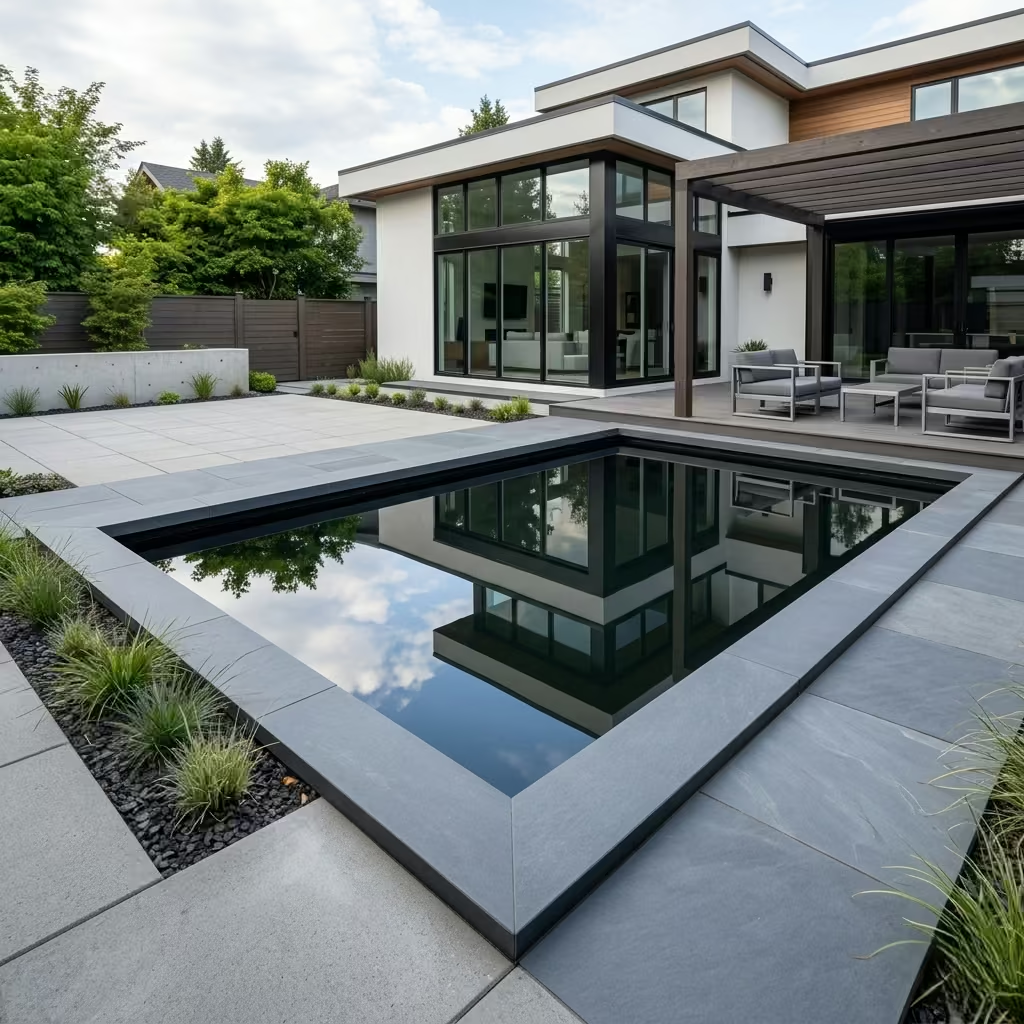
Minimalist Rectangular Pond
A minimalist rectangular pond embodies precision and restraint, using clean lines and defined edges to complement contemporary architecture. Unlike naturalistic ponds, the focus here is on geometric clarity and visual simplicity, which allows the water to act as a reflective plane rather than an ecological zone.
In many modern residential projects I have worked on, this type of pond serves as a subtle extension of the house, enhancing sightlines from windows or terraces and reinforcing the sense of order in the garden design.
A pond with sharp rectangular geometry, minimal planting, and carefully controlled proportions that emphasizes architectural alignment and reflection rather than ecological complexity.
Design insight
The aesthetic success of a minimalist rectangular pond relies on material choices and the precision of construction. I typically use concrete, slate, or porcelain paving around the edges to maintain crisp lines, while carefully coordinating coping height with surrounding terraces or lawn levels.
Depth is usually uniform, around 50–60 cm (20–24 in), to maintain a calm reflective surface. Any planting is confined to discreet margins or recessed planters to avoid breaking the geometric clarity. Subtle underwater LED lighting can also enhance evening reflections without introducing clutter.
Practical application note
These ponds work best in gardens with contemporary architecture, where straight lines, terraces, and minimalistic planting dominate the space. I often position the pond along a visual axis from the main living room or sliding doors, typically around 3 m × 1.5 m (10 ft × 5 ft) in a medium-sized garden.
Contractor specifications should emphasize exact measurements, level edges, and seamless integration with hardscape materials to maintain the intended minimalist effect.
Typical size and depth range
- Width/length: 2–4 m × 1–2 m (6.5–13 ft × 3–6.5 ft)
- Depth: 50–60 cm (20–24 in) for calm water reflection
Real-life design insight
In a contemporary courtyard renovation, we introduced a 3 m × 1.5 m (10 ft × 5 ft) rectangular pond framed with dark slate coping. The water perfectly mirrored the clean lines of the adjacent terrace and modern glazing.
By keeping planting minimal and restricted to a narrow marginal bed, the pond became an architectural element in its own right, drawing the eye along the axis of the garden and enhancing the sense of space.
Pros
- Strong visual alignment with modern architecture
- Creates a calm, reflective surface ideal for sightlines and photography
- Low maintenance if planting is minimal
Cons
- Limited biodiversity and ecological function
- Requires precise construction and high-quality materials to achieve the intended effect
- Can feel sterile if not balanced with surrounding texture or greenery
When executed with careful proportion, materials, and placement, a minimalist rectangular pond becomes a powerful compositional tool, anchoring the garden while reinforcing the modernity and elegance of the home.
Reflecting Pond
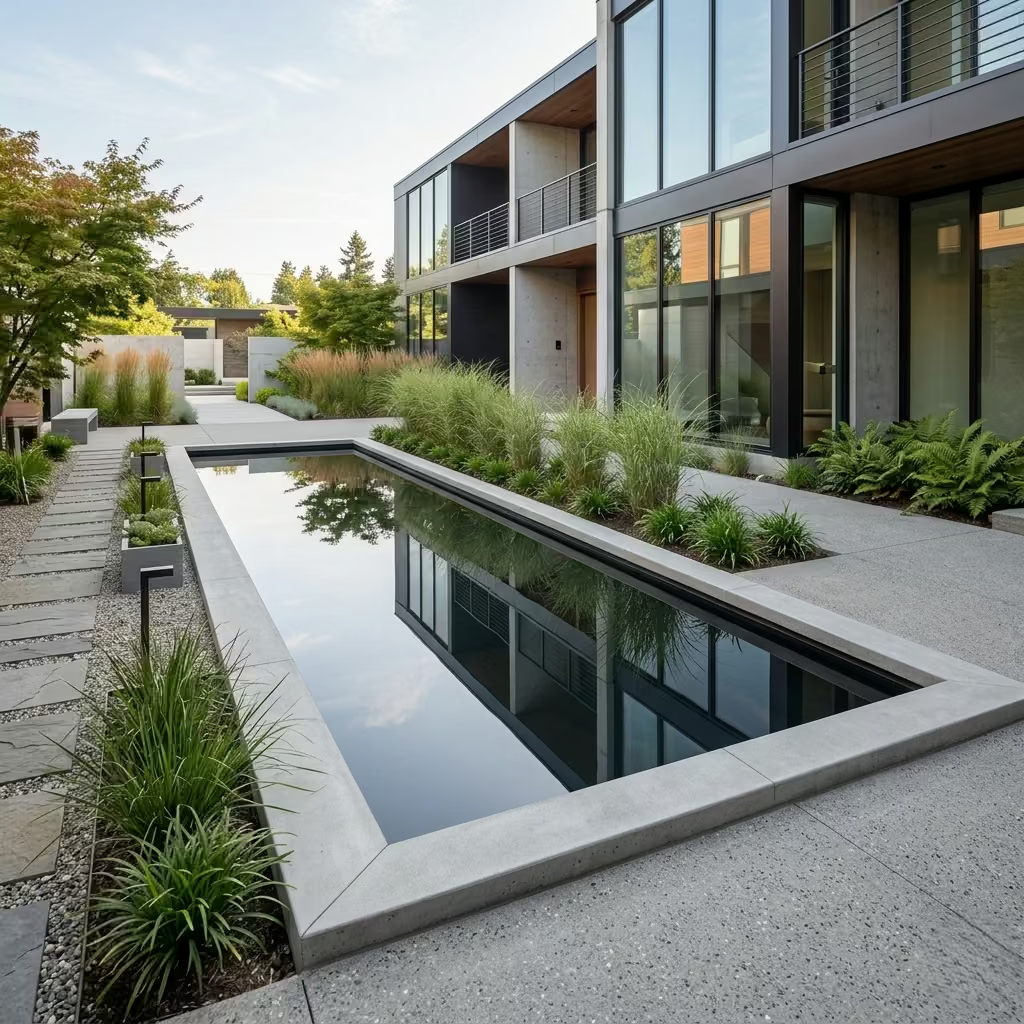
A reflecting pond is designed primarily to capture and amplify the surrounding environment, turning water into a near-perfect mirror. Unlike deeper, wildlife-focused ponds, its primary role is visual: to reflect architecture, sky, and adjacent planting, creating a sense of space, light, and tranquility. In my experience, even a modest reflecting pond can dramatically alter the perception of a courtyard or garden, making a small space feel expansive and visually layered.
A shallow pond intended to act as a mirror, highlighting architecture, sky, and planting while adding calm and contemplative visual interest.
Design insight
The depth and surface quality of the water are critical. I generally aim for 30–45 cm (12–18 in) of water, which is sufficient to produce smooth reflections without the disturbance caused by waves or wildlife. Edges should be clean and level, often using stone, concrete, or timber copings to frame the water precisely.
Minimal planting at the margins ensures that reflections remain uninterrupted, though small, subtle greenery can soften edges without breaking the mirrored effect. Placement near architectural lines or significant garden features enhances the impact of reflections, doubling visual interest and creating a sense of depth.
Practical application note
Reflecting ponds are particularly effective in small courtyards, terraces, or modern gardens with linear sightlines. Positioning is key: ideally, the pond should align with architectural focal points or framing plantings so the reflection emphasizes design intent.
For example, I often position a 2–3 m (6.5–10 ft) pond along the front of a large window or beneath an overhanging pergola, so the water surface acts as a subtle lens on the space. The pond may require a discreet pump or low-flow skimmer to maintain clarity, especially in shaded locations where leaves can settle.
Typical size and depth range
- Width/length: 2–4 m × 1–2 m (6.5–13 ft × 3–6.5 ft)
- Depth: 30–45 cm (12–18 in), optimized for reflection rather than aquatic habitat
Real-life design insight
In one small urban courtyard, I installed a 2.5 m × 1.2 m (8 ft × 4 ft) reflecting pond beneath a framed view of a modern façade and adjacent planting. The mirror-like surface visually doubled the garden’s width and created a sense of calm stillness.
Visitors often pause to admire the reflections, and the pond became a focal point without dominating the space, proving that shallow, carefully placed water can have a disproportionate emotional impact
Pros
- Dramatically enhances visual perception and sense of space
- Low maintenance if designed shallow and clear
- Adds a calm, contemplative atmosphere to small or formal gardens
Cons
- Limited ecological or wildlife value
- Leaves, debris, or ripples disrupt reflections
- Requires careful placement to maximize the mirrored effect
A reflecting pond excels when simplicity and precision guide its design. By minimizing depth, planting, and movement, it allows water to act as a serene canvas that reinforces the garden’s architecture and surrounding planting, creating a timeless and elegant visual feature.
Floating Step Pond
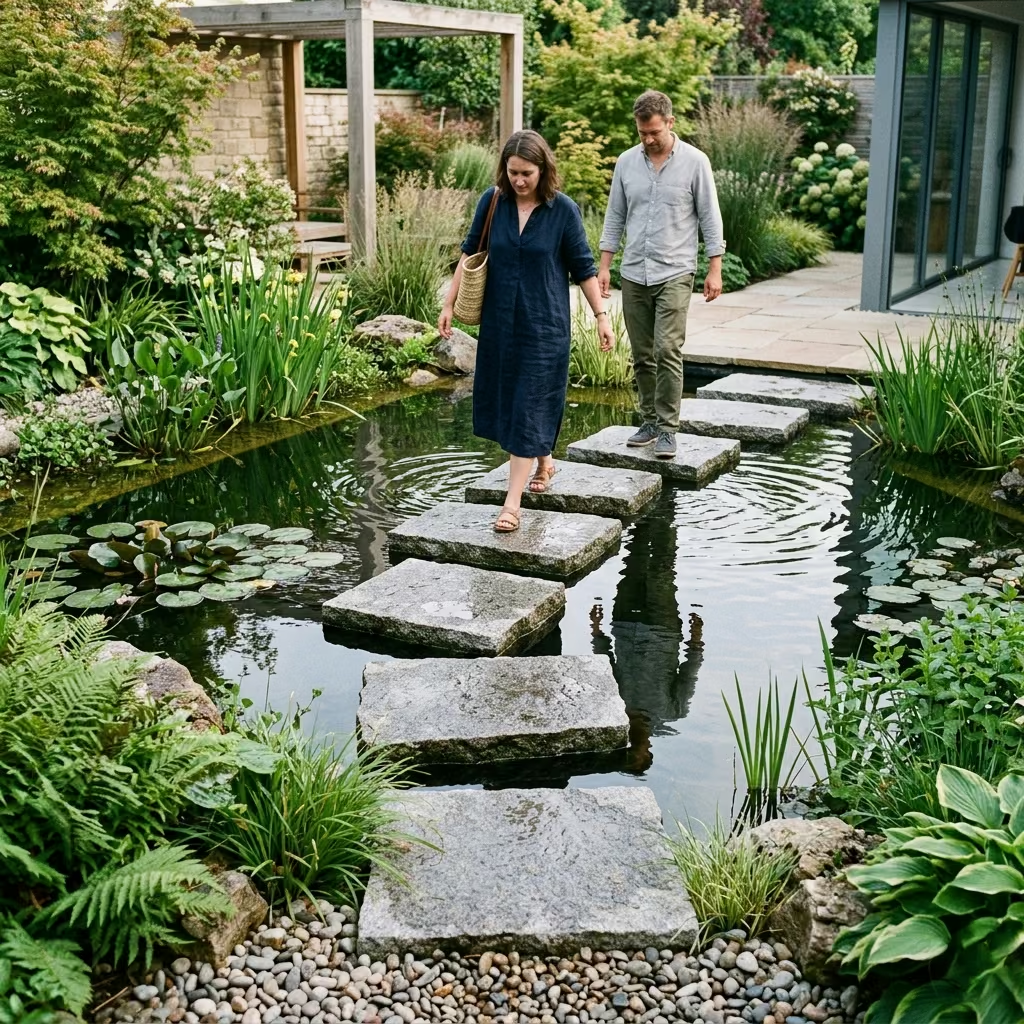
A floating step pond transforms a water feature into an interactive element of the garden, combining utility, movement, and visual drama. Unlike traditional ponds that are observed from a distance, this design allows people to cross the water via carefully placed stepping stones, creating a playful yet elegant experience. In many of my projects, floating step ponds become a subtle bridge between functional circulation and immersive landscape, encouraging engagement while maintaining the pond as a reflective or tranquil feature.
A pond with large stepping stones “floating” across the surface, allowing movement over water while maintaining aesthetic continuity with the surrounding garden.
Design insight
Success depends on proportion, spacing, and water depth. Stones should be 60–90 cm (24–36 in) apart to accommodate natural stride while ensuring safety. Water depth is typically 30–50 cm (12–20 in) beneath the stepping stones deep enough to allow visual interest but shallow enough to safely accommodate occasional splashes.
I often combine natural stone with surrounding planting or gravel margins to integrate the pond seamlessly into the wider garden composition. The stepping stones themselves can be large slabs of slate, granite, or sandstone, carefully levelled to prevent wobbling.
Practical application note
Floating step ponds work particularly well in medium to large gardens where movement over water can be both functional and decorative. In one project, a 3 m × 2 m (10 ft × 6.5 ft) pond was placed along a path leading from the patio to a secluded seating area.
The stepping stones encouraged visitors to pause mid-crossing, allowing them to experience reflections and wildlife from within the pond itself. Contractors should ensure that stones are anchored or partially embedded to maintain stability and that pond edges have gentle access points for maintenance.
Typical size and depth range
- Width/length: 2–4 m × 1.5–2.5 m (6.5–13 ft × 5–8 ft)
- Depth: 30–50 cm (12–20 in) under stepping stones; deeper pockets may be added for marginal plants or fish
Real-life design insight
In one urban courtyard, a small floating step pond became the defining feature. The 2.5 m × 1.8 m (8 ft × 6 ft) water surface, crossed by broad granite slabs, allowed visitors to move from the terrace to a small seating corner.
The gentle ripples caused by footsteps added movement to the water, reflecting sunlight differently throughout the day, and the design became a conversation starter for clients and guests alike.
Pros
- Creates interactive, dynamic engagement with the pond
- Combines circulation and visual interest in one feature
- Works well as a focal point in modern or contemporary gardens
Cons
- Requires careful stone placement to ensure safety and stability
- Shallow water can dry quickly in hot climates, requiring topping up
- Maintenance access can be more challenging around stepping zones
A floating step pond balances design, movement, and sensory experience, turning a simple water feature into a functional and visually compelling centerpiece in the garden.
Dark Base Contemporary Pond
A dark base contemporary pond creates a striking visual effect by using a black liner, basalt, or dark-stained concrete at the bottom of the pond. The deep colour intensifies reflections of the sky, surrounding architecture, and garden planting, producing a dramatic, mirror-like surface that feels both modern and sculptural. In many of my projects, introducing a dark base transform an ordinary water feature into a subtle yet powerful design statement, particularly in minimal or linear landscapes where the water acts as a visual anchor.
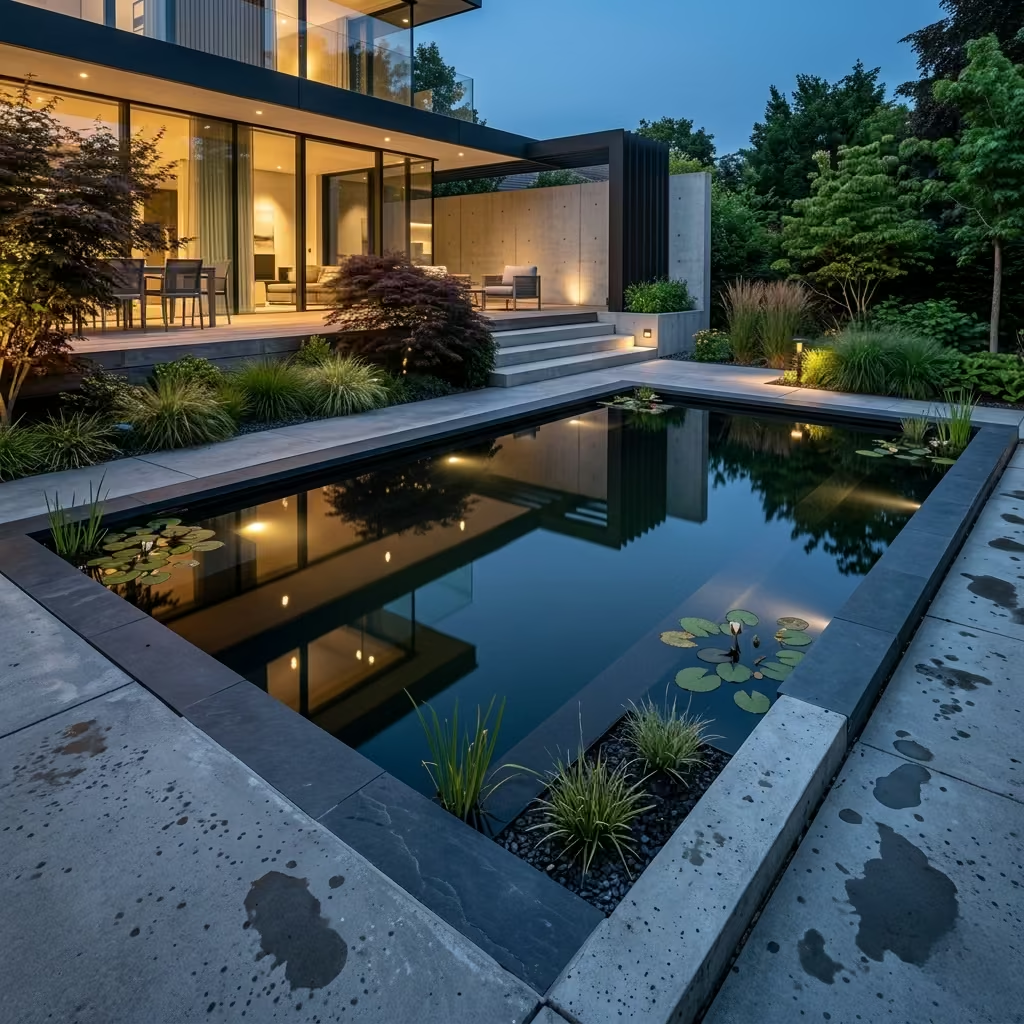
A pond with a dark base material such as black liner, basalt, or dark concrete—to enhance reflections, contrast with surrounding planting, and give a contemporary, sophisticated aesthetic.
Design insight
The impact of a dark pond relies on clarity, depth, and edge treatment. I typically maintain water depth at 40–70 cm (16–28 in) to optimize reflective quality, and edges are kept clean and minimal often with concrete, slate, or linear stone coping.
Minimal marginal planting is used to prevent disrupting reflections, though low-profile plants such as carex, dwarf grasses, or water lilies can add texture without breaking the visual effect. Indirect lighting or underwater LEDs can further enhance reflections at night, producing a sculptural presence in the garden.
Practical application note
Dark base ponds work particularly well in contemporary gardens with strong lines, hardscape elements, or architectural focal points. Positioning is critical: I often place them in courtyards or terraces where the water surface reflects walls, glazing, or carefully chosen planting.
A pond measuring 3–4 m (10–13 ft) across often provides enough surface to create dramatic mirror effects without overwhelming the surrounding space. Contractors should ensure that liners are installed smoothly with no wrinkles, and stone or coping edges are flush to maintain the sleek, minimalist aesthetic.
Typical size and depth range
- Width/length: 2–5 m × 1–3 m (6.5–16 ft × 3–10 ft)
- Depth: 40–70 cm (16–28 in) to maximize reflective quality
Real-life design insight
In a modern terrace garden I designed, a 3.5 m × 1.8 m (11.5 ft × 6 ft) dark-lined pond mirrored the surrounding grey stone paving and vertical timber screens. The deep base made the water appear almost black in direct sunlight, creating a sense of depth and quiet drama.
Visitors often commented that the pond felt like a sculptural installation rather than a garden feature, demonstrating how material choice alone can elevate a water element’s presence.
Pros
- Creates strong visual impact and reflective depth
- Suits contemporary, minimalist, or architectural gardens
- Low-maintenance if minimal planting is used
Cons
- Limited ecological function; less suitable for fish or dense planting
- Dark water may highlight debris or algae if water clarity is not maintained
- Requires precise construction to maintain smooth, seamless lines
A dark base pond succeeds when clarity, proportion, and material precision are prioritized. Its visual weight anchors the garden, providing contrast and elegance while allowing surrounding architecture and planting to be amplified through reflection.
Linear Wall-Side Pond
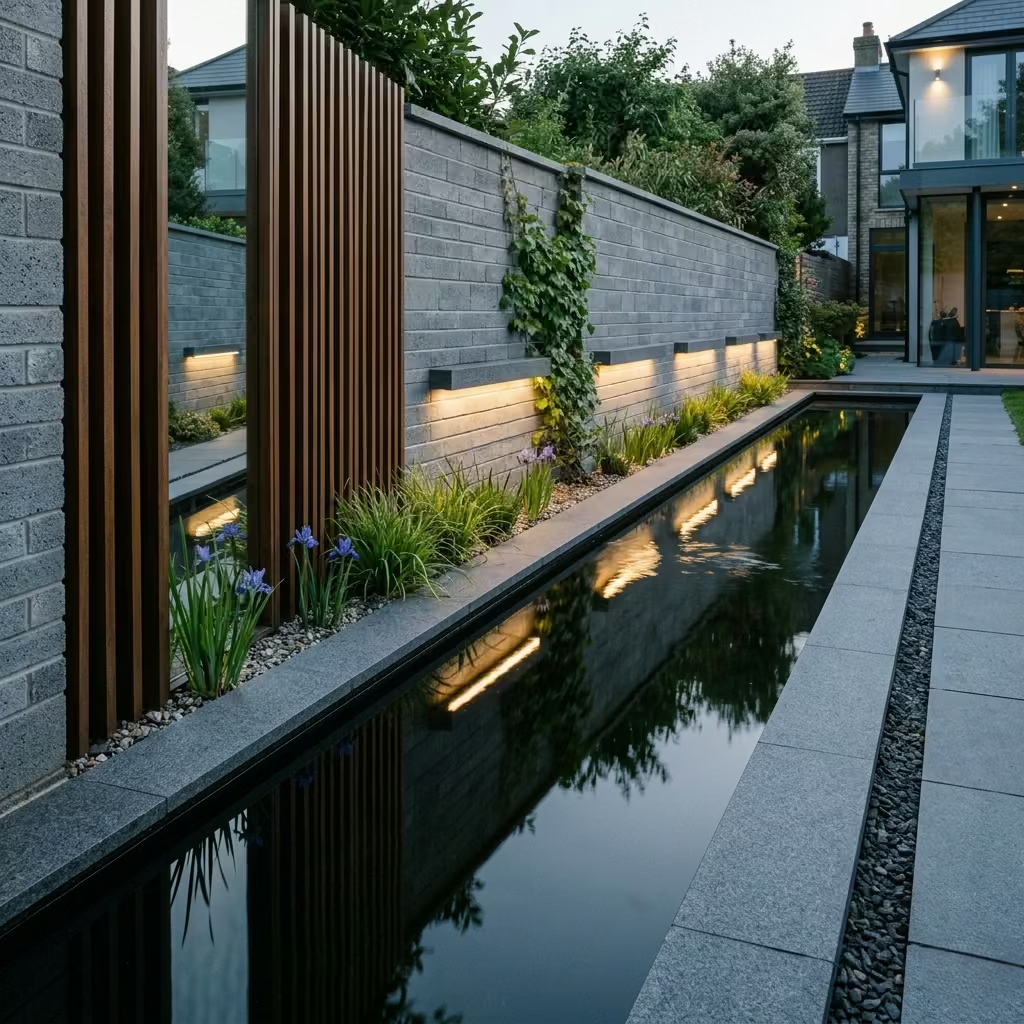
A linear wall-side pond is a long, narrow water feature positioned directly alongside a boundary wall, fence, or building façade. This design transforms otherwise unused or transitional spaces into elegant, reflective corridors, creating a sense of calm movement and visual extension along the garden’s edge.
In my experience, placing water against a wall not only adds interest to what might otherwise be a plain boundary but also amplifies reflections of architecture, plants, and light, subtly elongating the perceived dimensions of the garden.
A narrow, linear pond running along a wall or fence, designed to add reflective surfaces, architectural interest, and a sleek, contemporary water feature to linear garden spaces.
Design insight
The pond’s success depends on proportion, depth, and edge alignment. I typically design these ponds to be 0.8–1.5 m (2.5–5 ft) wide with a depth of 40–60 cm (16–24 in), creating a contained reflective surface without dominating the space. Edges are kept crisp using stone, concrete, or metal coping to emphasize linearity.
Minimal planting, such as a single line of marginal plants or groundcover, softens the edges without disrupting the clean lines. Wall-side lighting, either recessed or hidden behind coping, can enhance reflections at night, giving the corridor a sense of subtle drama.
Practical application note
Linear wall-side ponds work best in narrow gardens, courtyards, or alongside terraces where space for wider water features is limited. I often position these ponds along walls that benefit from visual interest or where reflections can double architectural details, for example, along a modern timber screen or masonry boundary.
Contractors should ensure level excavation and proper liner installation, with a slight fall toward one end for controlled overflow or drainage. For gardens of medium size, a pond length of 3–6 m (10–20 ft) is usually proportionate, though longer runs can create the effect of a continuous water corridor in larger landscapes.
Typical size and depth range
- Width: 0.8–1.5 m (2.5–5 ft)
- Length: 3–6 m (10–20 ft), or longer for larger boundaries
- Depth: 40–60 cm (16–24 in)
Real-life design insight
In one contemporary urban garden, a 4 m × 1 m (13 ft × 3 ft) wall-side pond was installed along a grey masonry boundary. The reflective surface doubled the vertical lines of adjacent timber screening, creating an illusion of extended space.
By keeping planting minimal just a line of carex grasses and dwarf iris the pond maintained a sleek, modern aesthetic and became a striking focal feature along a previously plain wall.
Pros
- Maximizes visual interest along narrow or underused spaces
- Enhances reflections of walls, planting, and architecture
- Sleek, modern appearance that complements contemporary gardens
Cons
- Limited biodiversity and ecological function
- Construction must be precise to avoid water pooling or liner wrinkles
- Minimal planting can make the feature feel stark if surrounding landscaping is sparse
When executed carefully, a linear wall-side pond turns a simple boundary into a refined design element, creating a sense of calm, movement, and depth while seamlessly integrating with modern garden architecture.
Feature Ponds That Create a Focal Point
Feature ponds are designed to command attention and define the character of a garden. Unlike background or peripheral water elements, these ponds act as the visual and experiential anchor of the landscape, drawing the eye and encouraging interaction. In my projects, I’ve found that a well-considered feature pond not only enhances the aesthetics of a garden but also shapes how people move, pause, and inhabit the space.
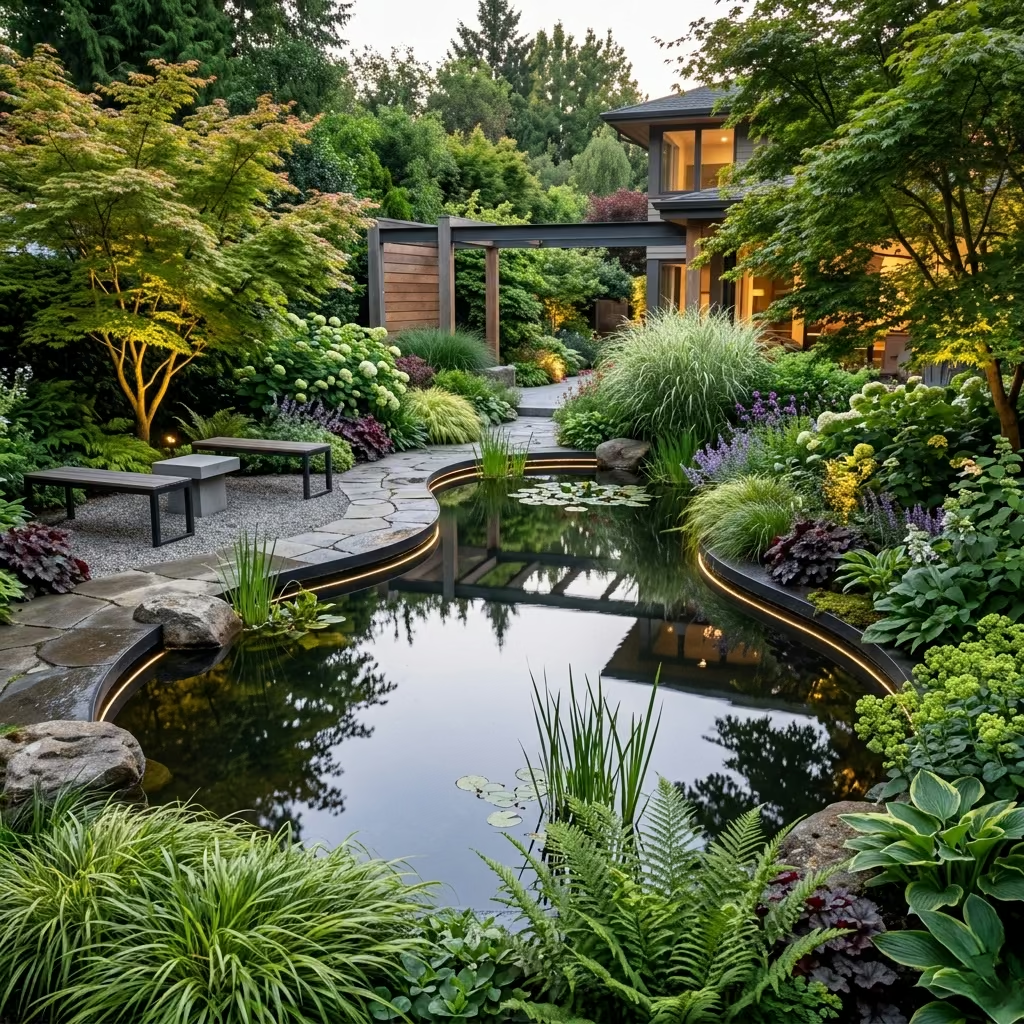
Through careful placement, proportion, and complementary planting or hardscape, a feature pond becomes a central story element one that can feel immersive, sculptural, or even theatrical depending on the design intent.
Fountain Pond
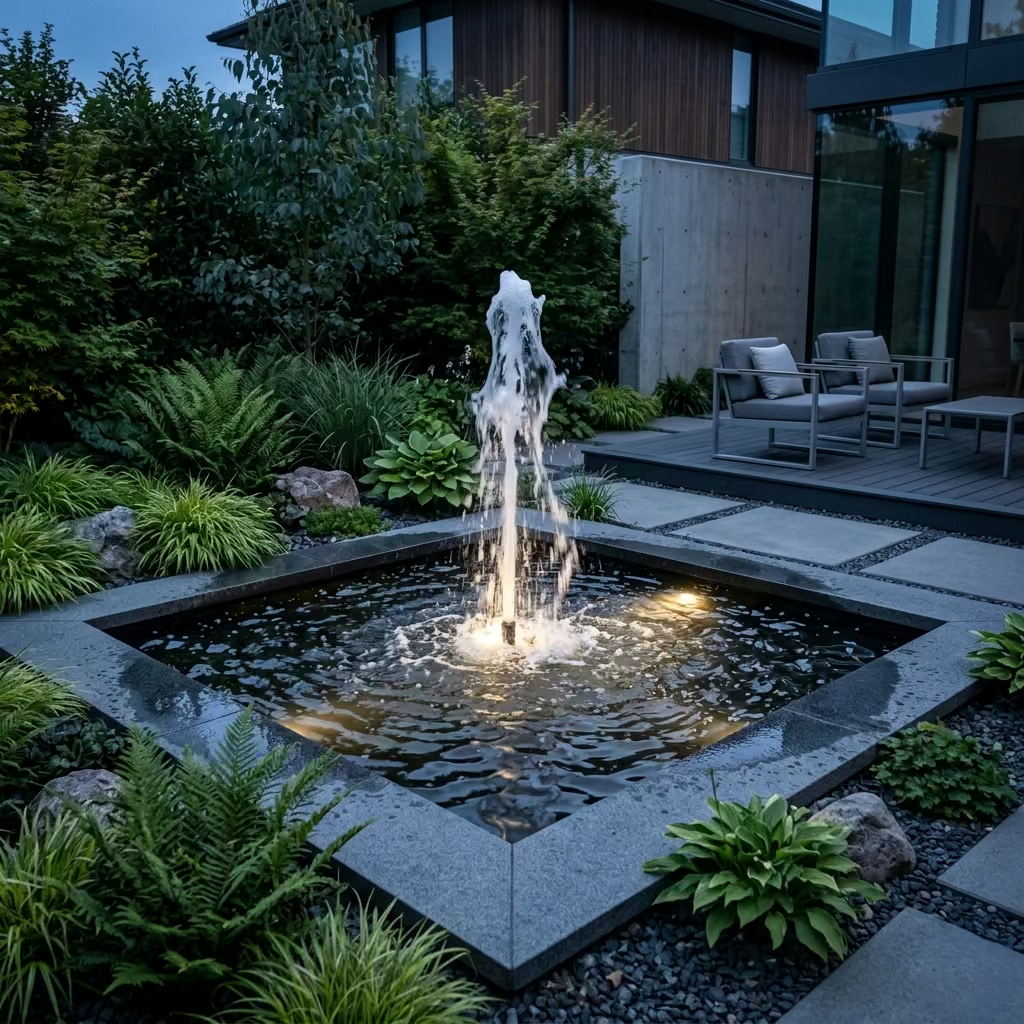
A fountain pond introduces dynamic movement and soothing sound into the garden, transforming a static water surface into an active sensory feature. The vertical motion of water breaking the surface draws attention, energises the space, and provides a gentle auditory backdrop that masks ambient noise. In my experience, fountain ponds work especially well as central features in both formal and contemporary gardens, where they can serve as a focal point without overwhelming surrounding planting or architectural elements.
A pond integrated with a fountain, creating movement, sound, and visual interest while serving as a garden focal point.
Design insight
The success of a fountain pond depends on proportion, nozzle selection, and integration with the water body. I typically maintain a pond depth of 60–80 cm (24–32 in) to support stable water volume and circulation. Fountain jets should complement the pond’s scale too small, and the feature feels timid; too large, and it dominates the space.
Materials for the pond edge, such as stone, concrete, or metal, should harmonise with both the fountain design and surrounding landscape. Subtle lighting can highlight water movement at night, enhancing the feature’s visual drama.
Practical application note
Fountain ponds work well in medium to large gardens where the sound and motion can be appreciated from terraces, patios, or seating areas. In one project, a 3.5 m × 3.5 m (11.5 ft × 11.5 ft) square pond with a central low-profile jet became the heart of the courtyard, with reflections of nearby planting dancing across the rippling water.
Pumps and filtration systems should be specified to maintain flow and water quality, particularly if the pond also supports marginal planting or small fish.
Typical size and depth range
- Width/length: 3–5 m × 3–5 m (10–16 ft × 10–16 ft)
- Depth: 60–80 cm (24–32 in) to maintain stable water circulation
Real-life design insight
In a contemporary terrace garden, a 4 m × 4 m (13 ft × 13 ft) pond with a minimalist vertical jet transformed a previously static courtyard into a lively, multi-sensory experience. The gentle splashing masked nearby street noise and drew visitors to pause along the terrace edge, creating both a visual and auditory focal point.
Pros
- Introduces sound and movement for a dynamic sensory experience
- Creates a strong focal point and visual anchor in the garden
- Can be integrated into both formal and contemporary designs
Cons
- Requires regular pump and maintenance checks
- Energy consumption and water evaporation need consideration
- Careful design needed to avoid overwhelming smaller spaces
A fountain pond succeeds when scale, proportion, and placement are thoughtfully considered, transforming a simple pond into a feature that engages sight, sound, and movement, elevating the garden experience.
Waterfall Pond
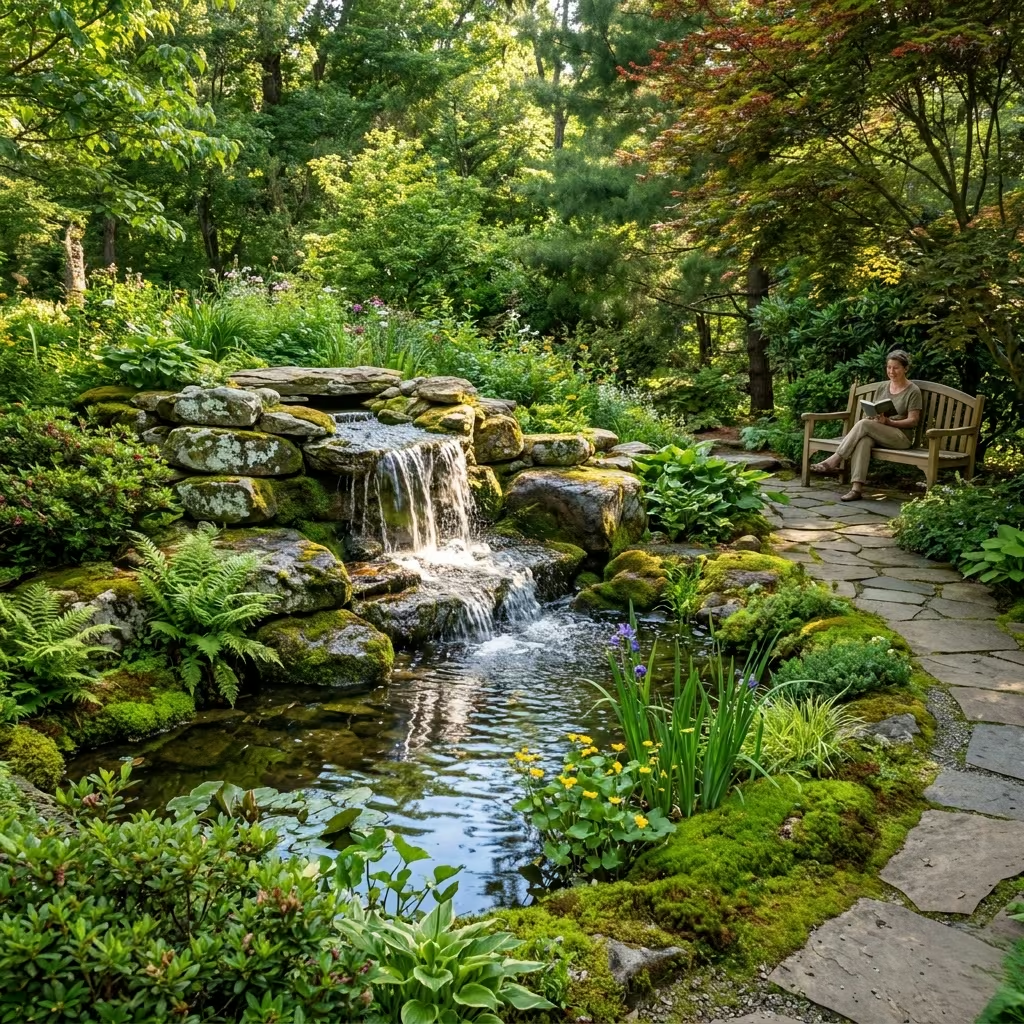
A waterfall pond introduces motion, sound, and drama to the garden by allowing water to cascade over rocks into a lower basin. The gentle roar of falling water creates a natural auditory backdrop, while the visual energy of the moving water draws the eye and enlivens the surrounding landscape.
In many residential projects I’ve worked on, even a modest waterfall immediately transforms a pond from a static feature into a lively focal point, encouraging people to linger and enjoy the sensory experience.
A pond with a waterfall feature, where water flows over rocks or ledges into the pond, adding sound, movement, and a visually engaging focal point.
Design insight
The key to a successful waterfall pond is proportion and integration with the overall pond. I typically design a 30–60 cm (12–24 in) drop, which is sufficient to produce movement and sound without excessive splashing that could disturb plantings or soil margins.
Natural stone or stacked rock formations are used to frame the cascade, and shallow planted shelves around the lower basin help soften the edges and reduce splash erosion. Positioning the waterfall so it is visible from key garden viewpoints or seating areas maximises its impact.
Practical application note
Waterfall ponds work best where the pond is slightly lower than a terrace, slope, or elevated platform to allow natural water flow. In one suburban garden, a 3 m × 2.5 m (10 ft × 8 ft) pond incorporated a corner waterfall constructed from locally sourced stone.
The waterfall became a gathering spot, its sound masking nearby traffic and adding a sense of immersion in the garden. Contractors must ensure that the pump system is capable of maintaining consistent flow over the waterfall and that water recirculation is efficient to avoid dry spots or overflow.
Typical size and depth range
- Pond width/length: 2–4 m × 2–3 m (6.5–13 ft × 6–10 ft)
- Waterfall drop: 30–60 cm (12–24 in)
- Pond depth: 50–80 cm (20–32 in) to support circulation and stability
Real-life design insight
In a woodland-style courtyard I designed, a corner pond with a 45 cm (18 in) waterfall became the visual and auditory anchor. The cascading water drew attention from multiple angles, while nearby planting softened the stone edges and integrated the feature into the garden. Visitors often paused to watch the water play over the rocks, creating a moment of calm interaction with the landscape.
Pros
- Adds movement, sound, and dynamic visual interest
- Can transform a small pond into a focal point
- Enhances the sensory experience of the garden
Cons
- Requires pump and electrical maintenance
- Splashing can affect nearby planting or surfaces
- Construction costs are higher due to rockwork and circulation system
When executed with careful attention to proportion, material, and placement, a waterfall pond elevates the garden experience, turning a simple water feature into an engaging, multi-sensory centerpiece.
Sculpture Pond
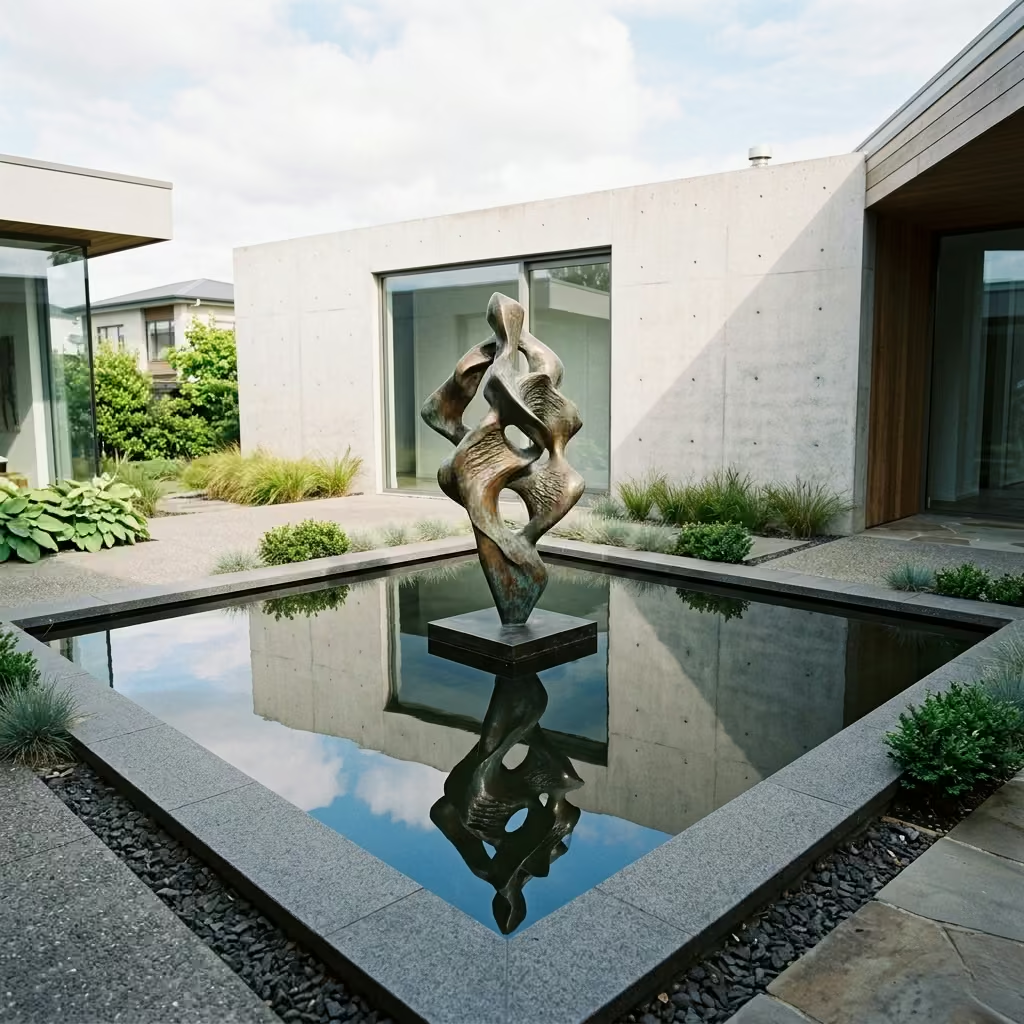
A sculpture pond is designed to place a piece of art or sculptural element at the heart of a water feature, using the pond to frame and amplify its presence. The reflective surface of the water doubles the visual impact, while the surrounding margins and planting guide the eye toward the focal piece. In many of the gardens I’ve worked on, integrating sculpture with water transforms a pond from a decorative element into a curated, gallery-like experience within the landscape.
A pond intentionally designed around a sculpture or artistic feature, using water as a reflective frame and compositional element to highlight the artwork.
Design insight
The pond’s size, shape, and edge treatment should complement both the sculpture and the surrounding garden. I typically maintain a water depth of 40–70 cm (16–28 in), ensuring the sculpture is clearly visible while reflections enhance its form. Pedestals or raised platforms within the pond can elevate the artwork above the water, preventing splashing or corrosion while creating a floating effect. Minimal planting around the edges ensures the sculpture remains the visual anchor, while subtle lighting can accentuate its form during evening hours.
Practical application note
Sculpture ponds are particularly effective in formal gardens, contemporary terraces, or courtyards where the pond acts as a gallery space. I often recommend positioning the pond along a primary axis or at a key viewpoint so the sculpture can be appreciated from multiple perspectives. A pond of 2.5–4 m (8–13 ft) in width is generally sufficient for medium-sized sculptures, though larger pieces may require expanded water surfaces. Contractors must carefully level the base and ensure the sculpture is safely anchored to withstand water movement or seasonal fluctuations.
Typical size and depth range
- Width/length: 2.5–4 m × 2–4 m (8–13 ft × 8–13 ft)
- Depth: 40–70 cm (16–28 in)
Real-life design insight
In a contemporary courtyard project, we installed a 3 m × 3 m (10 ft × 10 ft) pond with a bronze abstract sculpture at its centre. The water doubled the visual impact, reflecting both the sculpture and surrounding planting. Visitors often remarked on the interplay between light, shadow, and water movement, and the feature became the definitive focal point of the garden, elevating the courtyard into a contemplative outdoor gallery.
Pros
- Highlights artwork or architectural elements effectively
- Reflective water enhances visual impact and presence
- Creates a formal or contemporary focal point
Cons
- Limited ecological or wildlife value
- Requires careful construction and water maintenance to protect the sculpture
- Surrounding planting must be minimal to maintain focus on the art
When thoughtfully executed, a sculpture pond elevates both the garden and the artwork, creating a refined, contemplative space where water, light, and art interact harmoniously
Island Pond
An island pond introduces a small, planted island at its center, creating a sculptural and layered focal point that encourages visual exploration. The island acts as a miniature habitat, often supporting marginal or ornamental plants, while the surrounding water provides contrast and reflection.
In larger gardens I have designed, island ponds transform the space by giving the eye a central destination, adding depth and movement to the landscape while enhancing the overall sense of composition.
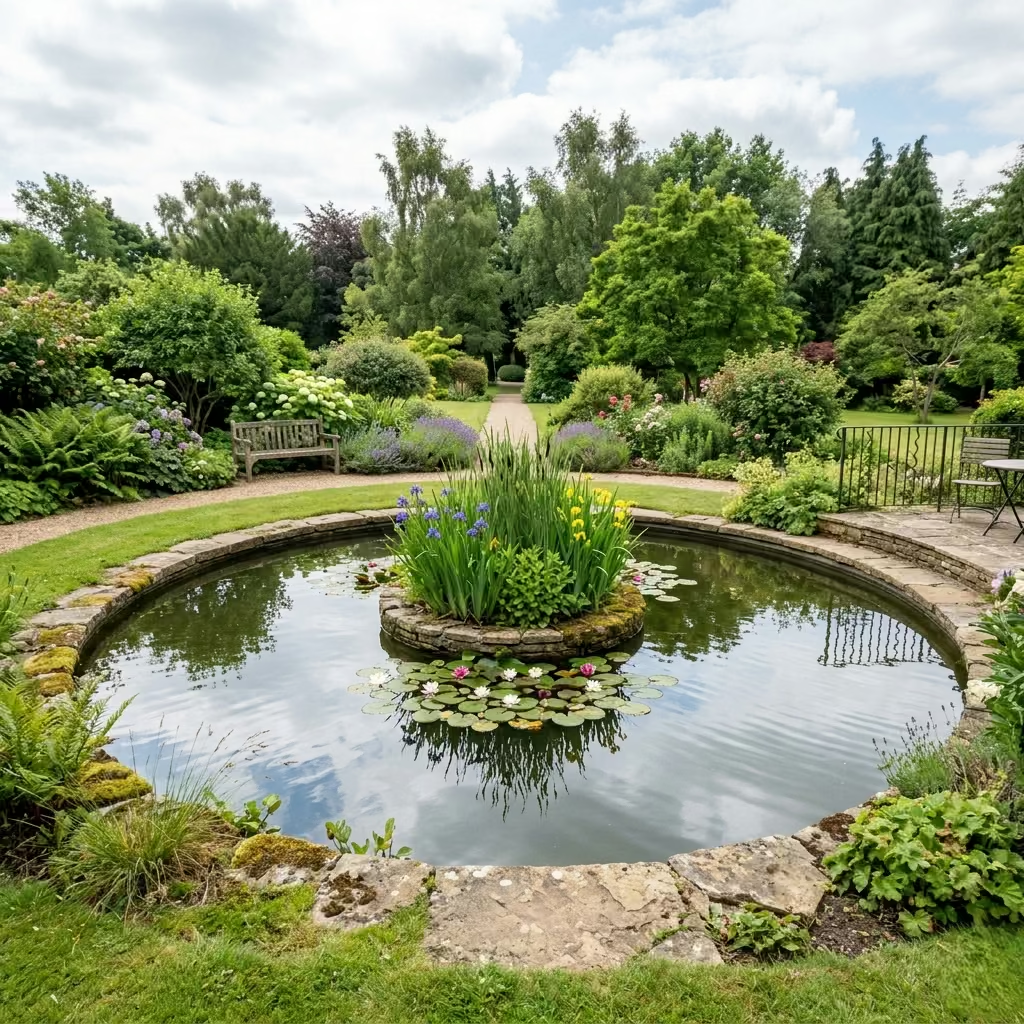
A pond featuring a central planted island, designed to provide a focal point, support additional planting, and create a sense of layered depth in larger garden spaces.
Design insight
The success of an island pond relies on scale, proportion, and careful planting. I usually design the island to occupy 20–30% of the pond surface, ensuring it is prominent but leaves enough water to maintain reflections and visual breathing space.
Marginal and ornamental species such as iris, water lilies, or dwarf reeds work well, providing seasonal interest and shelter for wildlife. Edges of the pond are kept gently contoured or lined with stone to integrate the water and island into the surrounding landscape naturally.
Practical application note
Island ponds are best suited for medium to large gardens where there is enough space for the feature to be appreciated from multiple viewpoints. I often position them centrally in formal layouts or within wider naturalistic landscapes, allowing the island to act as a compositional anchor.
A pond of 4–6 m (13–20 ft) across is generally ideal, with a water depth of 50–80 cm (20–32 in) to support both island planting and marginal aquatic species. For installation, the island is usually built on a raised base or gravel mound within the pond liner to ensure stability and long-term planting success.
Typical size and depth range
- Pond width: 4–6 m (13–20 ft)
- Island diameter: 1–2 m (3–6.5 ft)
- Depth: 50–80 cm (20–32 in)
Real-life design insight
In one expansive suburban garden, a 5 m (16 ft) circular pond with a 1.5 m (5 ft) central island was installed as a central feature. The island was planted with a combination of dwarf reeds and seasonal water lilies, creating movement and seasonal colour.
From the surrounding terrace, the pond appeared sculptural and composed, while the island introduced a layer of ecological function, attracting birds and insects, enriching the garden’s biodiversity and visual rhythm.
Pros
- Creates a strong focal point and layered visual interest
- Supports additional planting and wildlife
- Enhances reflections and depth in larger gardens
Cons
- Requires sufficient space to achieve visual balance
- Construction is more complex due to the central island base
- Maintenance of island planting may require occasional access or specialized tools
An island pond succeeds when proportion, planting, and water surface are balanced. The feature becomes both sculptural and ecological, offering a dynamic focal point that transforms the surrounding garden into a more immersive and layered landscape.
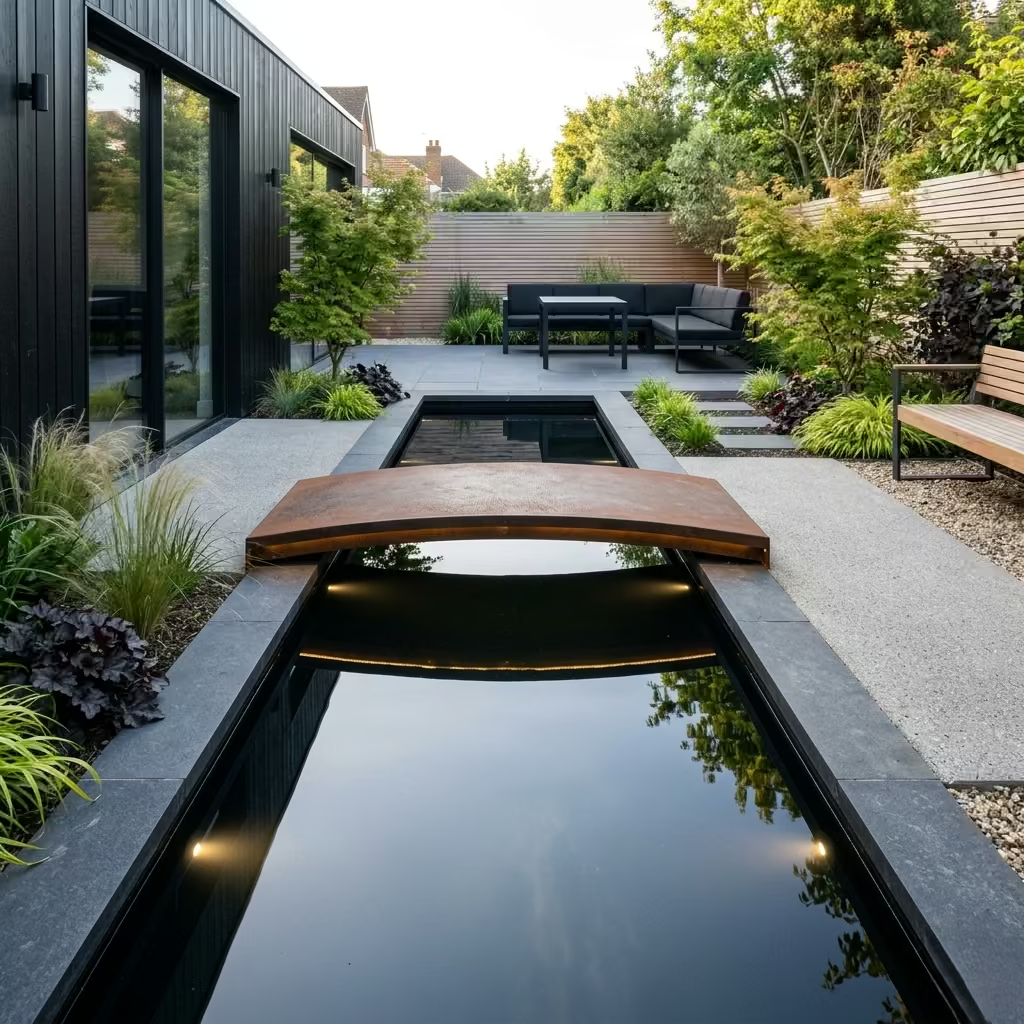
Bridge Pond
A bridge pond combines water with a functional crossing element, creating a sense of movement and connection while adding visual intrigue. Whether using a small wooden or stone bridge, the feature encourages interaction with the garden, inviting visitors to pause mid-crossing and experience reflections, movement, and surrounding planting from a new perspective. In many residential projects I’ve worked on, a bridge pond transforms a static water feature into a dynamic, experiential focal point.
A pond crossed by a small bridge wooden, stone, or metal designed to integrate circulation with visual interest, creating both a functional and aesthetic element in the garden.
Design insight
The bridge should be proportionate to the pond size and style of the garden. I usually design spans between 1–3 m (3–10 ft) for small to medium ponds, keeping widths around 0.8–1.2 m (2.5–4 ft) to accommodate safe foot traffic.
Materials are chosen to harmonize with the surrounding landscape: natural timber for a rustic feel, stone or corten steel for contemporary settings. Edges of the pond beneath the bridge should remain clear or softly planted to enhance reflections and allow unobstructed views of aquatic life.
Practical application note
Bridge ponds are ideal for medium to larger gardens where they can connect terraces, paths, or zones while becoming an engaging feature. In one project, a 2.5 m × 3 m (8 ft × 10 ft) pond was spanned with a timber bridge that led from a patio to a seating area.
The bridge encouraged guests to engage with the water, pausing to observe reflections and wildlife. Contractors must ensure the bridge is properly anchored, weather-resistant, and allows for maintenance access to the pond beneath.
Typical size and depth range
- Pond width/length: 2–5 m × 1.5–3 m (6.5–16 ft × 5–10 ft)
- Depth: 40–70 cm (16–28 in)
- Bridge span: 1–3 m (3–10 ft)
Real-life design insight
In a woodland courtyard, a small stone bridge crossed a 3 m × 2 m (10 ft × 6.5 ft) pond. The bridge acted as both a focal point and a vantage spot, encouraging movement across the pond while highlighting reflections of nearby trees and marginal plants.
Guests often lingered mid-bridge, noticing subtle ripples and bird activity, which added an interactive, contemplative dimension to the garden experience.
Pros
- Adds functional circulation across the pond
- Creates a visually engaging and interactive focal point
- Enhances reflections and observation of water features
Cons
- Requires careful engineering and anchoring for safety
- Maintenance access beneath the bridge can be limited
- Materials must be durable and weather-resistant to avoid degradation
A bridge pond succeeds when the crossing feels integrated rather than imposed. By balancing scale, materials, and pond design, it becomes both a functional path and a sculptural, experiential feature that encourages engagement with the water and surrounding garden.
Small Garden Pond Ideas
Small garden ponds prove that even limited spaces can host impactful water features. When I work with compact gardens, the challenge is to create a pond that feels immersive without overwhelming the space. In such projects, I focus on scale, proportion, and multifunctionality designing ponds that reflect light, add movement, or become a miniature habitat while leaving room for circulation, planting, and terraces.
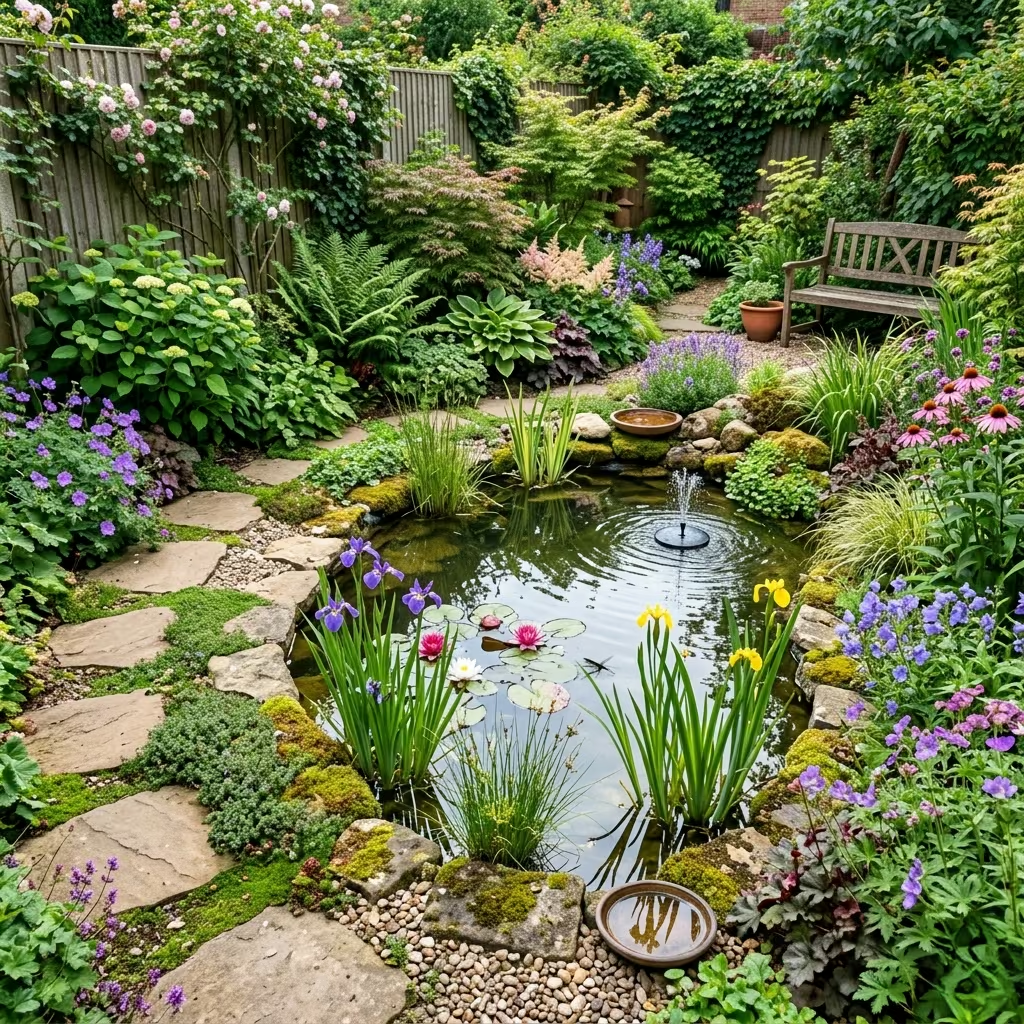
Even a pond of just 1.5–2.5 m (5–8 ft) across can redefine a garden, turning it from ordinary to contemplative and visually layered. Thoughtful materials, shallow shelves, and carefully chosen planting ensure that small ponds feel intentional, not cramped, while supporting seasonal interest and wildlife activity.
These ponds can take many forms reflecting pools for visual expansion, corner wildlife ponds to encourage biodiversity, or minimalist geometric ponds for a modern aesthetic. In every case, small ponds thrive when they are designed as integrated parts of the garden rather than as afterthoughts, balancing beauty, function, and sensory experience.
The following ideas explore some of the most effective approaches for compact spaces, with practical insights and real-life applications I’ve employed in residential gardens.
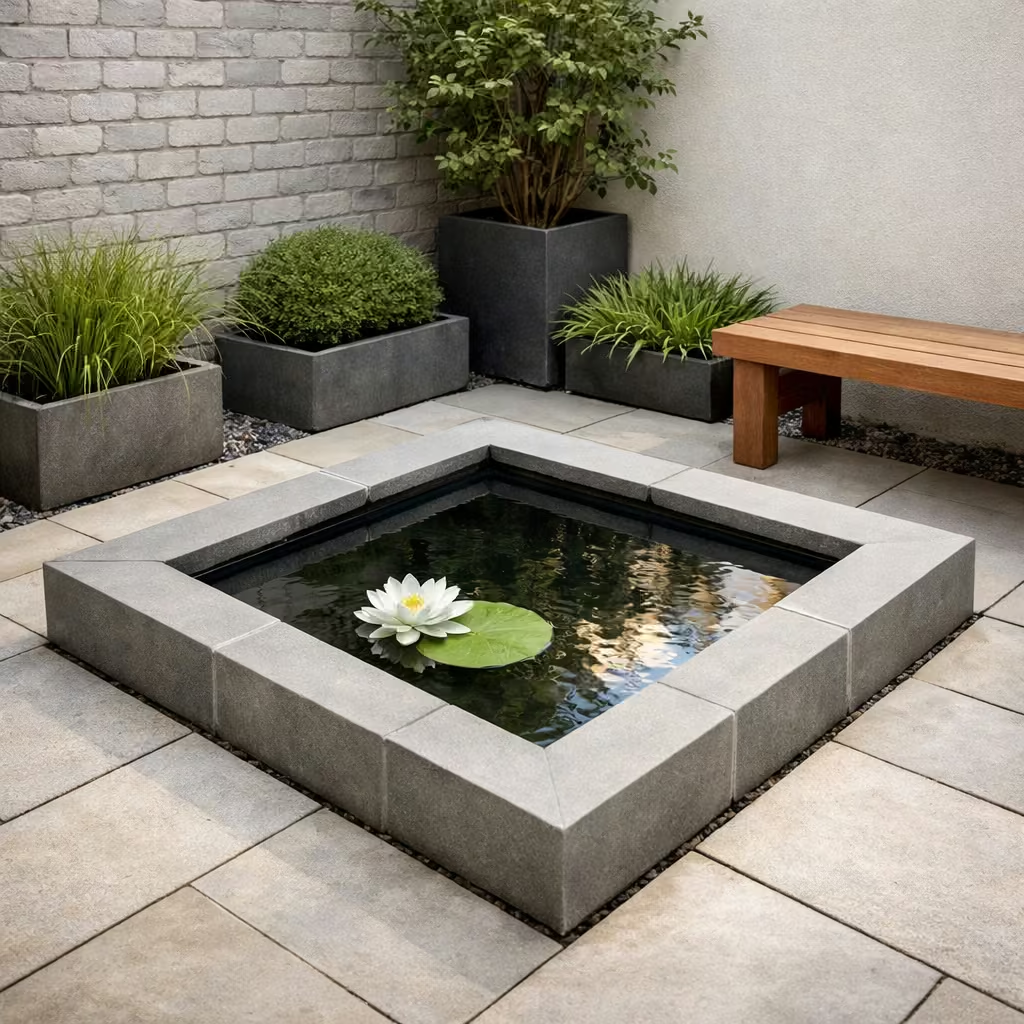
Courtyard Pond
A courtyard pond is a compact, self-contained water feature designed for enclosed or tight garden spaces. Its small footprint allows it to fit perfectly within courtyards, terraces, or even balcony gardens, turning a limited area into a serene focal point. In my experience, even a pond as modest as 1–1.5 m (3–5 ft) can dramatically alter the atmosphere, providing reflective surfaces, subtle sound, and seasonal planting without overwhelming the space.
A small, contained pond tailored for courtyards or compact gardens, offering reflection, movement, and a calming focal point.
Design insight
Scale and proportion are essential. I typically design the pond shallow, around 30–50 cm (12–20 in) deep, to maintain a reflective surface and allow marginal plants to thrive without creating visual heaviness. Edges are often clean and minimal using stone, concrete, or timber coping to maximize usable space and maintain a contemporary or formal aesthetic. Planting is limited to a few marginal species or a floating centerpiece to avoid overcrowding. Courtyard ponds often work best near seating areas or windows, where reflections and gentle water movement can be appreciated from multiple viewpoints.
Practical application note
Courtyard ponds are ideal for medium to small urban gardens or enclosed spaces where a larger pond would dominate. I’ve installed 1–1.5 m (3–5 ft) square or circular ponds in compact terraces, using shallow liners and subtle LED lighting to enhance the reflective quality in the evening. Contractors should ensure precise leveling and proper waterproofing to prevent overflow or seepage onto surrounding paving. Even small pumps or recirculation systems can be integrated to maintain water clarity and gentle movement.
Typical size and depth range
- Width/length: 1–1.5 m (3–5 ft)
- Depth: 30–50 cm (12–20 in)
Real-life design insight
In a small urban courtyard, we installed a 1.2 m × 1.2 m (4 ft × 4 ft) circular pond with a floating water lily and a subtle recessed LED spotlight. Despite its size, the pond instantly became the garden’s focal point, reflecting surrounding walls and greenery. It created a sense of calm and depth, proving that even compact ponds can offer immersive and contemplative experiences when carefully designed.
Pros
- Fits into tight spaces without overwhelming the garden
- Creates visual and auditory interest in small courtyards
- Low-maintenance with minimal planting and shallow depth
Cons
- Limited ecological or wildlife function due to size
- Small surface area may require regular cleaning
- Needs careful placement to maximize impact
When designed with proportion, reflection, and subtle planting in mind, a courtyard pond can transform even the smallest garden into a tranquil, visually rich space.
You May also Like: 52 Beautiful Fall Exterior Decor Ideas to Make Your Home Cozy & Welcoming
Container Pond
A container pond transforms a large ceramic, stone, or metal vessel into a self-contained water feature, offering the beauty of a pond in the most compact and flexible form. This approach is ideal for patios, balconies, or tiny gardens where a traditional pond is impractical. In my experience, container ponds can provide all the benefits of water reflection, sound, and seasonal planting while remaining highly adaptable and portable, allowing homeowners to reposition the feature or refresh the planting as needed.
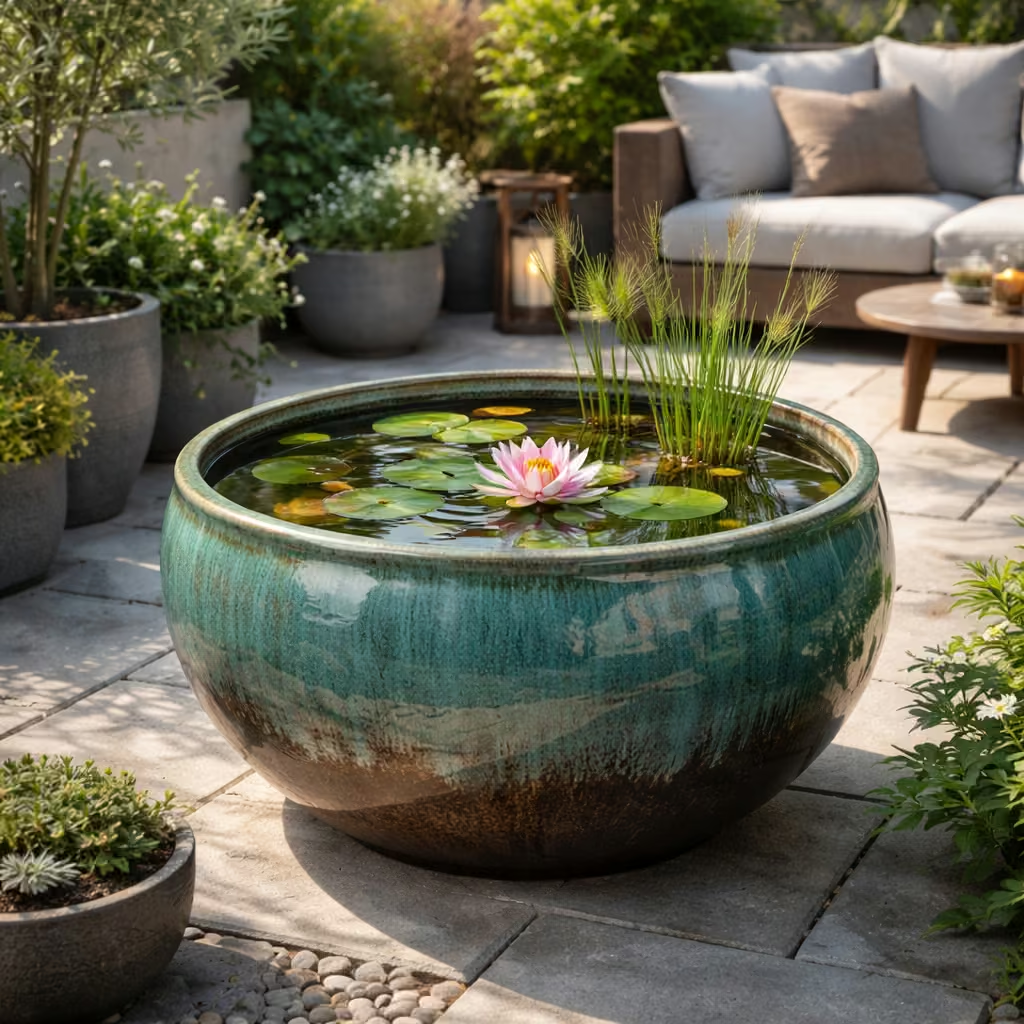
A miniature pond created within a large vessel, providing water features, marginal planting, and reflective surfaces in compact spaces.
Design insight
Container ponds rely on careful choice of vessel, depth, and planting. I typically select containers that are at least 50–80 cm (20–32 in) wide and 30–50 cm (12–20 in) deep to allow for water plants and potential small fish. Dark-glazed ceramic or stone vessels enhance reflection and depth, while lightweight or unglazed containers suit casual, naturalistic styles.
Marginal plants like dwarf reeds, water lilies, or floating greenery add seasonal interest and soft textures. A small pump or aerator can help maintain water clarity, particularly in sunnier locations prone to algae growth.
Practical application note
Container ponds are perfect for patios, terraces, or even indoor conservatories. I’ve installed 60–80 cm (2–2.5 ft) diameter stone vessels on paved terraces, pairing them with minimal planting and subtle floating features. The pond can be integrated with seating areas or positioned to catch reflections from windows or architectural lines.
Contractors or gardeners should ensure the container sits on a level, stable base and that overflow solutions or drainage provisions are included to prevent spills during heavy rain.
Typical size and depth range
- Diameter/width: 50–80 cm (20–32 in)
- Depth: 30–50 cm (12–20 in)
Real-life design insight
In one small urban terrace, we used a 70 cm (28 in) glazed stone vessel as a container pond. It held a small cluster of water lilies and a few dwarf reeds, creating a mini oasis that reflected the surrounding seating area and sky.
Despite its size, it became a conversation piece, providing a sense of movement and seasonal change, and proving that even a container can bring the immersive qualities of a pond to the smallest spaces.
Pros
- Perfect for very small gardens, patios, or balconies
- Highly flexible and portable
- Low-maintenance with limited planting and shallow depth
Cons
- Limited space for wildlife or larger aquatic plants
- Water temperature and quality can fluctuate quickly in small containers
- Requires regular topping up and cleaning
Container ponds are ideal for introducing water to compact spaces. With thoughtful vessel selection, marginal planting, and subtle detailing, even a small container can create a sense of calm, visual interest, and seasonal change, making it a miniature focal point in any garden.
Raised Pond
A raised pond elevates the water feature above ground level using stone, brick, or concrete walls, transforming it into a sculptural element within the garden. This approach not only enhances visibility and accessibility but also introduces architectural definition, making the pond a focal point in both formal and contemporary landscapes.
In my experience, raised ponds are particularly effective for ornamental planting or fish, as they allow close-up viewing while simplifying maintenance and water care.
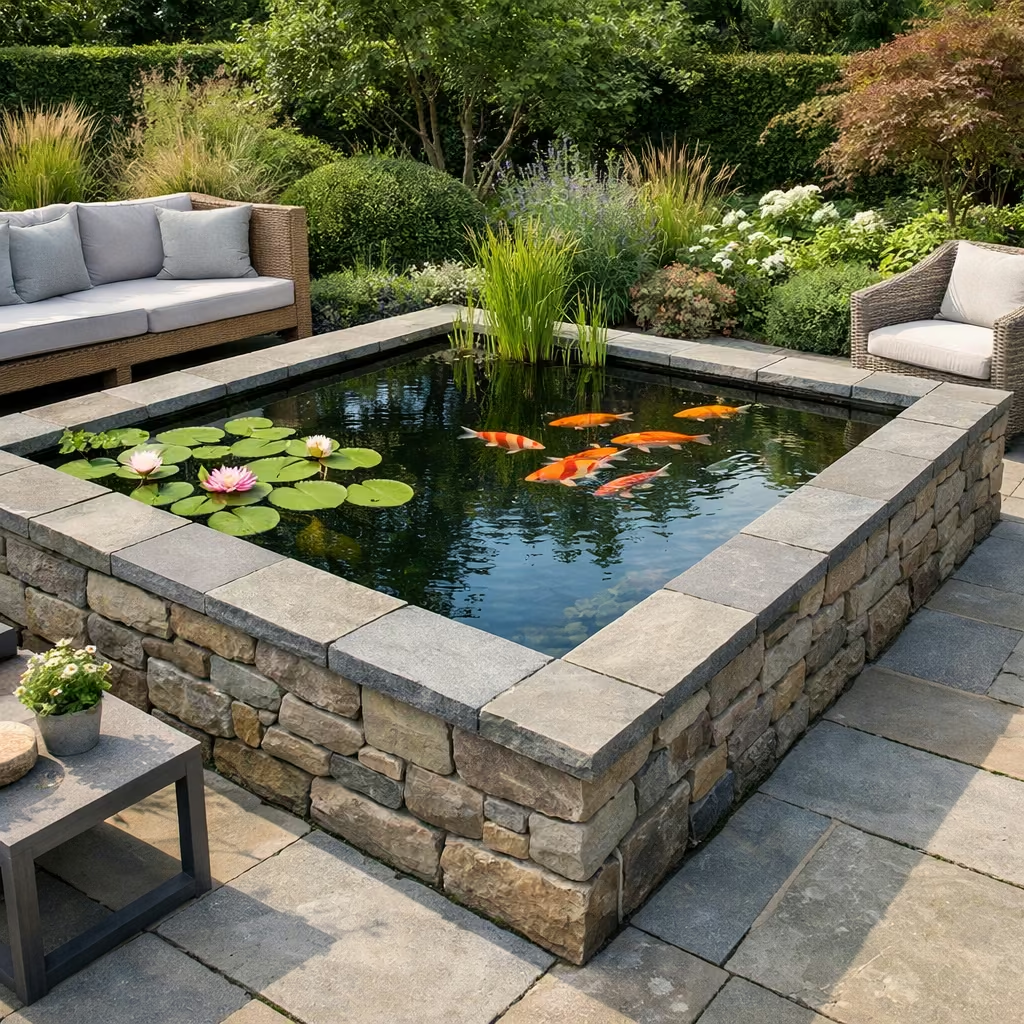
A pond built above ground level with stone, brick, or concrete walls, offering enhanced visibility, accessibility, and sculptural presence.
Design insight
The height, material, and integration with surrounding landscape are critical. I usually design raised ponds with walls 50–80 cm (20–32 in) high, ensuring the water level is comfortable for viewing from terraces, pathways, or seating areas. Materials such as natural stone, brick, or rendered concrete can complement the garden style, while coping stones provide safe, flat edges.
Planting can include marginal species along the edges or floating water lilies, and fish such as koi or goldfish thrive due to improved visibility and ease of feeding. Pumps and filtration are integrated discreetly to maintain water quality.
Practical application note
Raised ponds are ideal for medium to large gardens, courtyards, or terraces where accessibility and aesthetics are equally important. In one suburban garden, we installed a 3 m × 2 m (10 ft × 6.5 ft) raised pond with brick walls, allowing family members to admire koi fish and marginal plants without bending over.
Contractors must ensure the structure is fully waterproofed and reinforced to withstand water weight, and a hidden overflow or drainage system is recommended to prevent wall damage or erosion.
Typical size and depth range
- Width/length: 2–4 m × 1.5–3 m (6.5–13 ft × 5–10 ft)
- Wall height: 50–80 cm (20–32 in)
- Water depth: 40–70 cm (16–28 in)
Real-life design insight
In a contemporary courtyard renovation, a 3 m × 2.5 m (10 ft × 8 ft) raised pond framed with natural stone provided both a sculptural focal point and practical functionality. The elevated position made fish observation effortless and allowed easy access for maintenance.
Floating lilies and marginal grasses softened the edges, while the dark stone walls enhanced reflections, creating a visually striking yet approachable feature.
Pros
- Easier maintenance and water quality management
- Enhanced visibility for plants and fish
- Acts as a sculptural or architectural garden feature
Cons
- Construction requires careful structural support and waterproofing
- Limited natural integration compared to ground-level ponds
- Can feel formal or rigid if materials or edges are overused
Raised ponds succeed when proportion, material selection, and accessibility are carefully considered. They combine practicality with sculptural impact, providing both functional and aesthetic value while elevating the overall garden experience.
Patio Edge Pond
A patio edge pond is designed to run alongside or integrate directly with a terrace, deck, or paved seating area, creating a seamless connection between outdoor living space and water.
This type of pond enhances the sensory experience of the garden, offering reflections, subtle sounds, and a cooling presence while remaining visually connected to the home. In my projects, patio edge ponds often act as a natural extension of living areas, turning a simple seating zone into a contemplative, water-adjacent retreat.
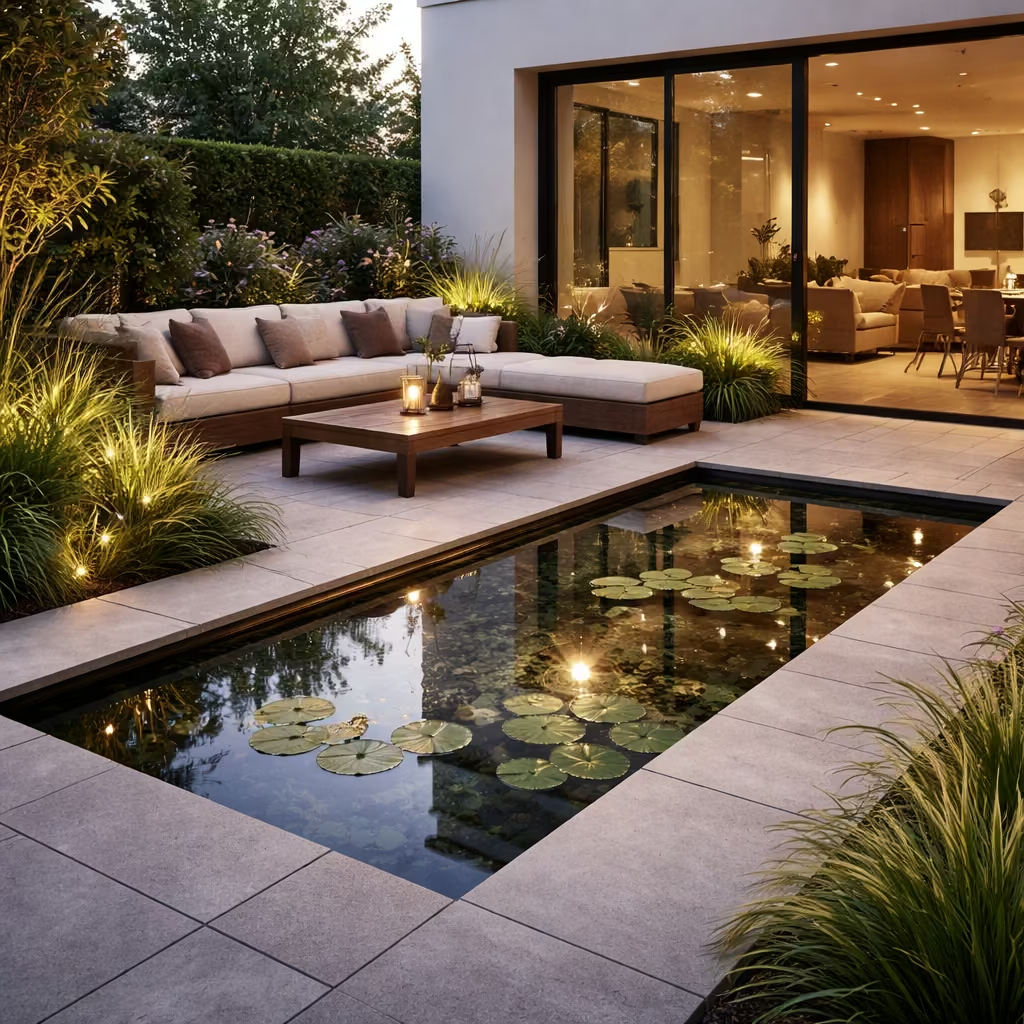
Short explanation
A shallow pond incorporated along the edge of a patio or deck, blending outdoor living space with water to create a reflective, calming focal point.
Design insight
Proportion, depth, and edge detailing are critical. I usually design these ponds with a width of 0.8–1.5 m (2.5–5 ft) and a depth of 30–50 cm (12–20 in), ensuring the water remains shallow enough to feel safe and inviting while producing reflections.
Materials for coping and edges stone, timber, or concrete are chosen to harmonize with the patio surface. Minimal marginal planting or floating greenery maintains clean lines while adding seasonal texture and subtle biodiversity.
Practical application note
Patio edge ponds are particularly effective in small to medium gardens where they can complement terraces or decks without taking up excessive space. In one residential project, a 3 m × 1.2 m (10 ft × 4 ft) narrow pond was integrated along a patio edge, reflecting adjacent planting and the evening sky.
The pond included a discreet recirculation pump to maintain clarity and prevent stagnation. Contractors must ensure proper waterproofing between patio and pond, with slight falls or drainage channels to manage overflow.
Typical size and depth range
- Width: 0.8–1.5 m (2.5–5 ft)
- Length: 2–4 m (6.5–13 ft)
- Depth: 30–50 cm (12–20 in)
Real-life design insight
In an urban courtyard, a patio edge pond 1.5 m × 3 m (5 ft × 10 ft) became a subtle yet transformative feature. Its reflective surface mirrored adjacent timber screens and planting, visually expanding the patio area. Guests often paused near the edge, appreciating the calm presence of water integrated directly into their outdoor living experience.
Pros
- Seamlessly connects outdoor living spaces with water
- Enhances reflections and visual depth in compact gardens
- Minimalistic and adaptable to modern or contemporary designs
Cons
- Shallow depth limits aquatic biodiversity
- Requires careful waterproofing and edge detailing
- Debris from patio areas can accumulate in the pond
When designed thoughtfully, a patio edge pond transforms a simple terrace or deck into a visually enriched, multi-sensory space, bringing the calming presence of water directly into daily outdoor life.
Corner Garden Pond
A corner garden pond makes efficient use of underutilized garden corners, turning what might otherwise be dead space into a tranquil water feature. By positioning the pond diagonally or snugly against fences, walls, or hedges, it creates depth and interest in compact gardens while maintaining clear circulation elsewhere.
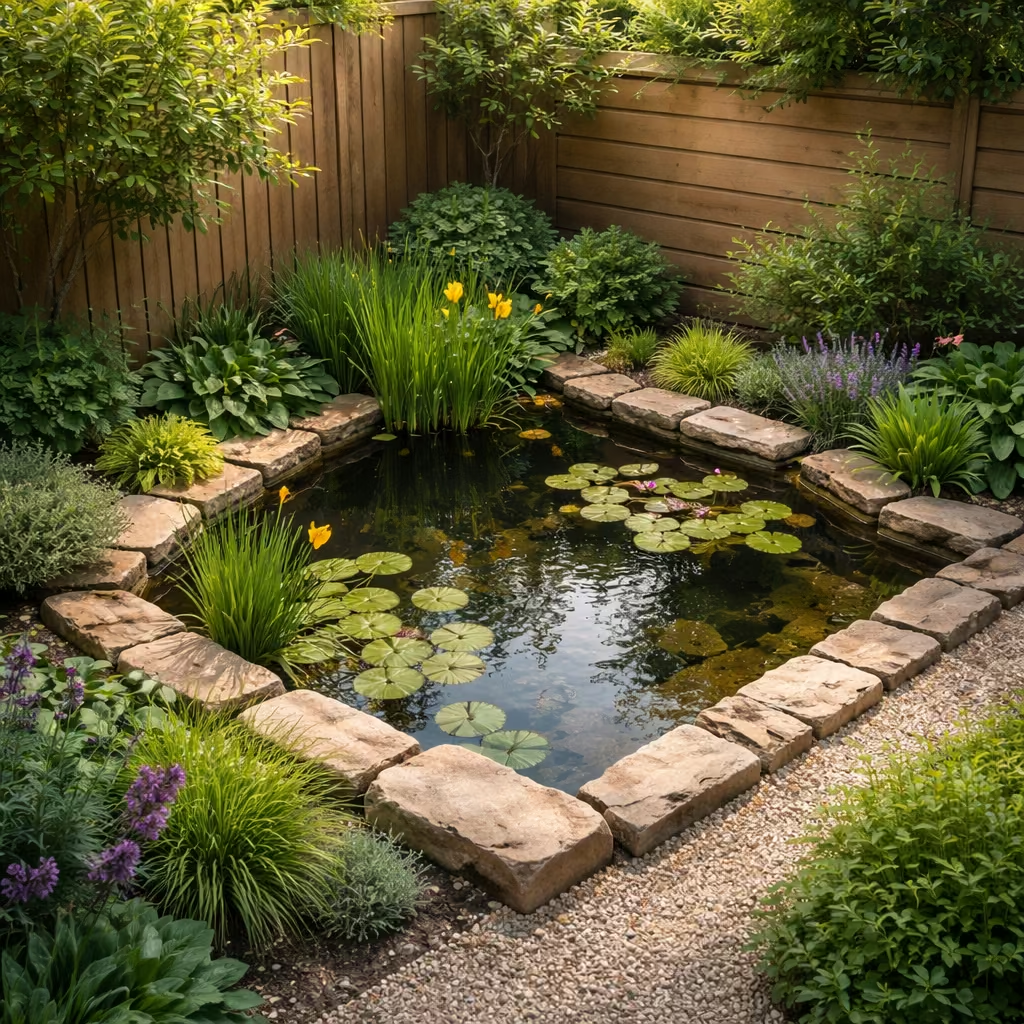
In my experience, corner ponds are deceptively impactfulsmall in footprint but capable of anchoring planting schemes and drawing the eye toward otherwise overlooked areas.
A pond designed to fit neatly into a garden corner, maximizing space while providing a reflective, calming focal point for small gardens.
Design insight
Proportion and visibility are crucial for corner ponds. I typically design them to be 1.5–2.5 m (5–8 ft) across, with a depth of 30–50 cm (12–20 in), ensuring water is shallow enough for safety and reflections while allowing marginal plants to thrive.
Planting along the pond’s perimeter such as dwarf grasses, irises, or small water lilies softens edges and integrates the feature into its surroundings. The corner placement also provides natural shelter for wildlife and creates a sense of intimacy and enclosure.
Practical application note
Corner ponds work well in small urban gardens, courtyards, or terraces where space is at a premium. In one project, a 2 m × 1.5 m (6.5 ft × 5 ft) pond was installed diagonally in a rear garden corner, framed by low shrubs and a timber fence.
The placement allowed the rest of the garden to remain open for seating and planting, while the pond became a subtle yet engaging focal point. Contractors should ensure the pond is level, waterproofed, and has easy access for maintenance along the edges without compromising the compact layout.
Typical size and depth range
- Width/length: 1.5–2.5 m × 1–2 m (5–8 ft × 3–6.5 ft)
- Depth: 30–50 cm (12–20 in)
Real-life design insight
In a narrow urban garden, a 1.8 m × 1.5 m (6 ft × 5 ft) corner pond added both visual and auditory interest without encroaching on the central lawn. Marginal planting and a few floating lilies enhanced reflections and biodiversity, while the corner placement made the pond feel intimate and composed.
Visitors often remarked that it made the garden feel larger, as the reflective water created the illusion of extended space.
Pros
- Efficient use of small or awkward garden corners
- Adds a calming, reflective feature without reducing usable space
- Encourages wildlife and seasonal planting in a compact footprint
Cons
- Limited space for larger plants or fish
- Requires careful leveling and waterproofing in confined areas
- May be less visually prominent if not complemented with planting or lighting
A corner garden pond demonstrates how thoughtful placement can make a compact garden feel layered, immersive, and dynamic, turning a marginal space into a quietly captivating feature.
Luxury and Statement Pond Designs
Luxury and statement ponds are designed to impress, elevate, and define a garden’s character. Unlike subtle or background water features, these ponds act as bold focal points, combining scale, material, and architectural precision to create a memorable outdoor experience. In my projects, I approach luxury ponds as more than decoration—they are sculptural elements that integrate reflections, movement, and planting to amplify the garden’s identity.
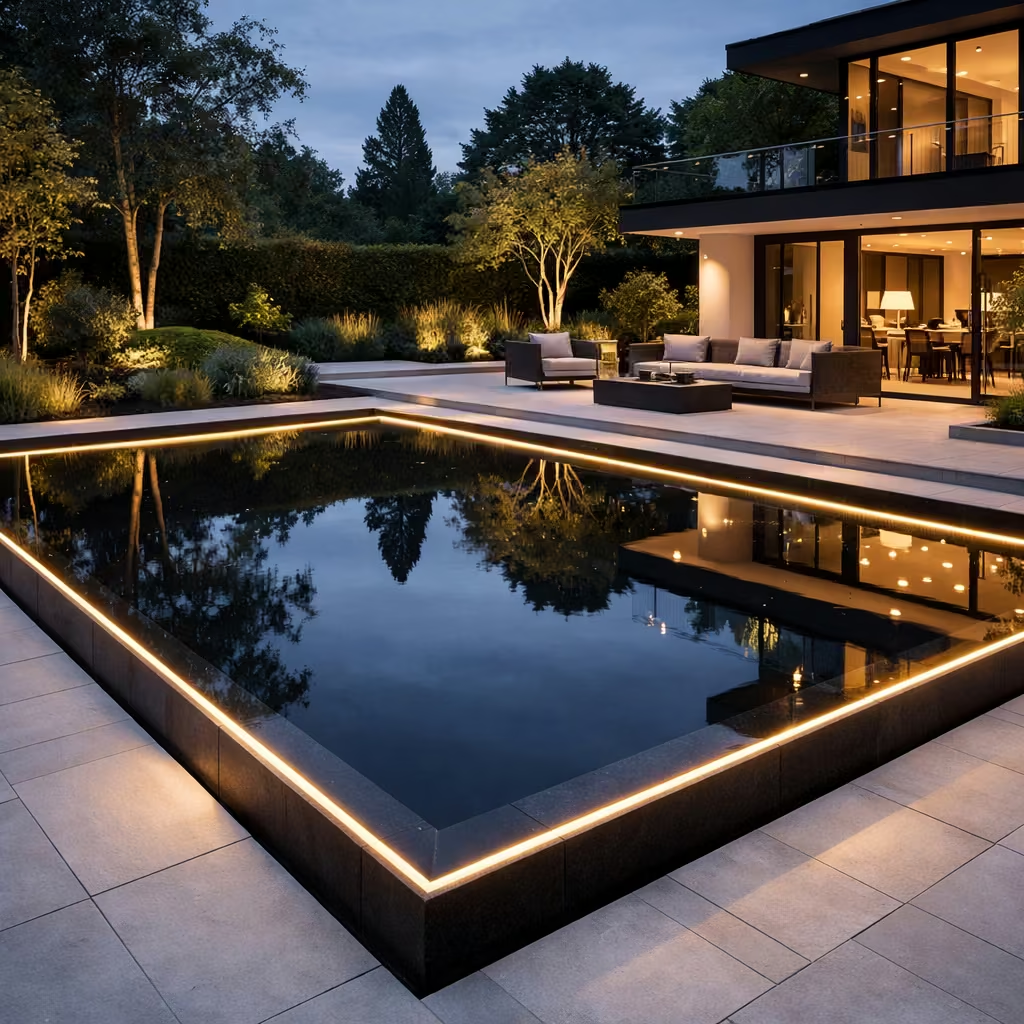
These ponds often incorporate high-end materials such as black basalt, polished stone, or glass-lined walls, and may include features like infinity edges, integrated lighting, or dramatic waterfalls. Beyond aesthetics, they are engineered for durability, clarity, and ease of maintenance, ensuring that visual impact does not come at the cost of practicality. A luxury pond can anchor formal gardens, terraces, or contemporary landscapes, providing a sense of permanence and sophistication.
In this section, I will explore some of the most striking luxury pond designs, offering insight into scale, proportion, material choice, and integration with architecture, as well as practical considerations drawn from real-life projects. Each design balances visual drama with functional longevity, demonstrating how water can define a space while remaining usable, sustainable, and visually extraordinary.
Infinity Edge Pond
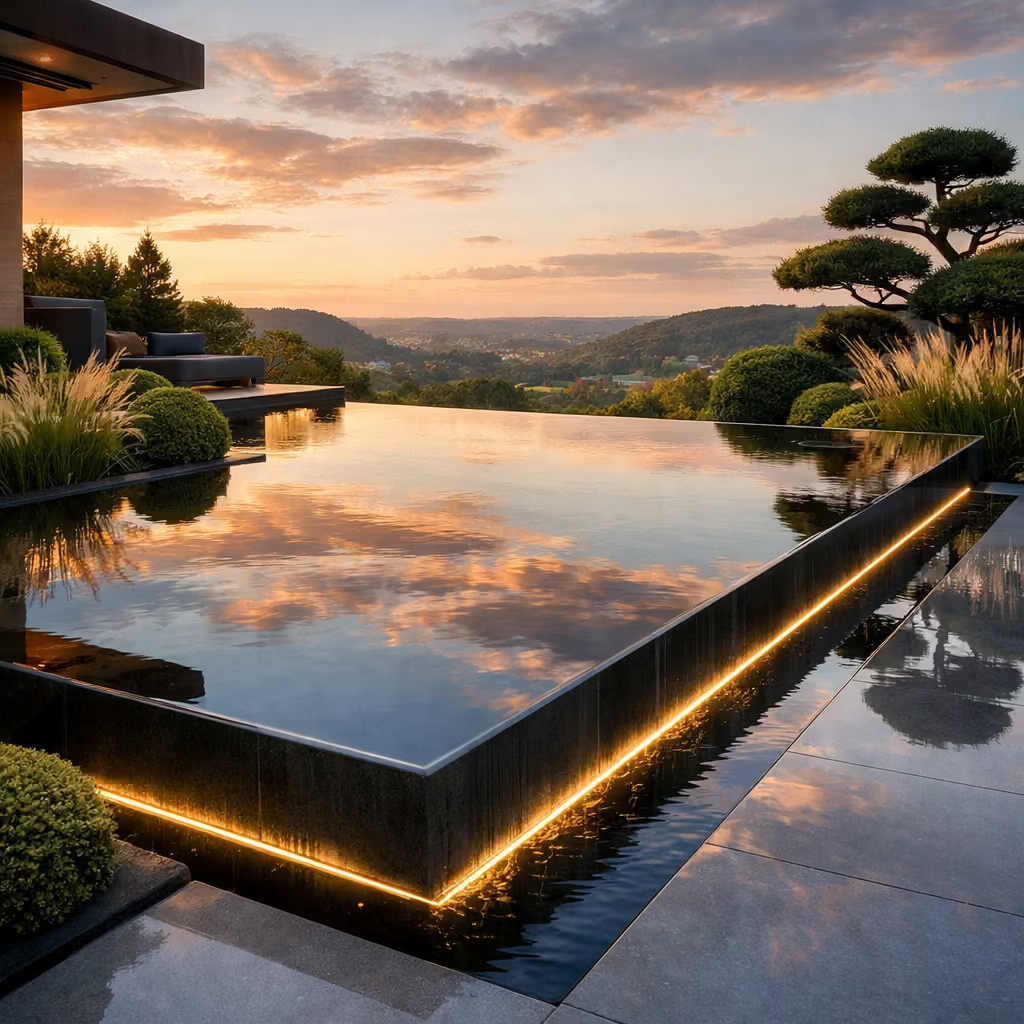
An infinity edge pond creates the illusion that water flows seamlessly over one edge, disappearing into the horizon or blending with surrounding landscaping. This design introduces a striking visual drama, often used in contemporary luxury gardens to emphasize architecture, terraces, or expansive views. In my experience, an infinity edge transforms a static water feature into a dynamic experience, drawing the eye outward and creating a sense of continuity between garden, sky, and landscape.
A luxury pond with one or more edges designed to spill water over, creating a seamless, “vanishing” effect that enhances visual drama and spatial perception.
Design insight
The illusion depends on precise grading, clean edge detailing, and careful alignment with the garden’s lines of sight. I usually design infinity ponds with a width of 3–6 m (10–20 ft) and depth of 50–80 cm (20–32 in), sufficient to maintain water volume and clarity while supporting gentle circulation. Coping materials polished stone, metal, or concrete emphasize clean lines and highlight the disappearing edge. Subtle lighting along the edge can enhance reflections at night, amplifying the pond’s sculptural effect.
Practical application note
Infinity edge ponds work best in gardens with a natural slope, raised terraces, or vistas that allow the edge to visually merge with distant elements. In one contemporary project, a 5 m × 3 m (16 ft × 10 ft) pond was positioned on a terrace overlooking a landscaped valley, creating a dramatic visual connection between water and landscape. Pumps, filtration, and overflow systems must be carefully engineered to maintain a consistent water level and prevent splashing or erosion below the edge.
Typical size and depth range
- Width: 3–6 m (10–20 ft)
- Length: 5–8 m (16–26 ft) depending on site
- Depth: 50–80 cm (20–32 in)
Real-life design insight
In a modern hillside garden, an infinity edge pond was integrated with a polished basalt terrace. The vanishing edge reflected surrounding planting and sky, visually extending the terrace. Visitors often commented on the sense of openness and continuity the pond created, making the garden feel larger, more immersive, and inherently luxurious.
Pros
- Creates a striking, sculptural focal point
- Visually extends garden or terrace spaces
- Works seamlessly with contemporary architecture and landscape vistas
Cons
- Complex engineering and precise leveling required
- Higher installation and maintenance costs
- Requires careful water management to prevent overflow or erosion
When executed with precision, an infinity edge pond combines architectural rigor, sensory impact, and luxury appeal, turning water into a bold statement that anchors both garden design and spatial experience.
Koi Pond
A koi pond is a specialized water feature designed to showcase koi fish, combining aesthetic appeal with ecological balance. Unlike standard garden ponds, koi ponds require greater depth, careful filtration, and water circulation to maintain healthy fish and water quality. In my experience, a well-designed koi pond transforms a garden into a living tableau, where movement, color, and seasonal growth interact in a dynamic, calming display.
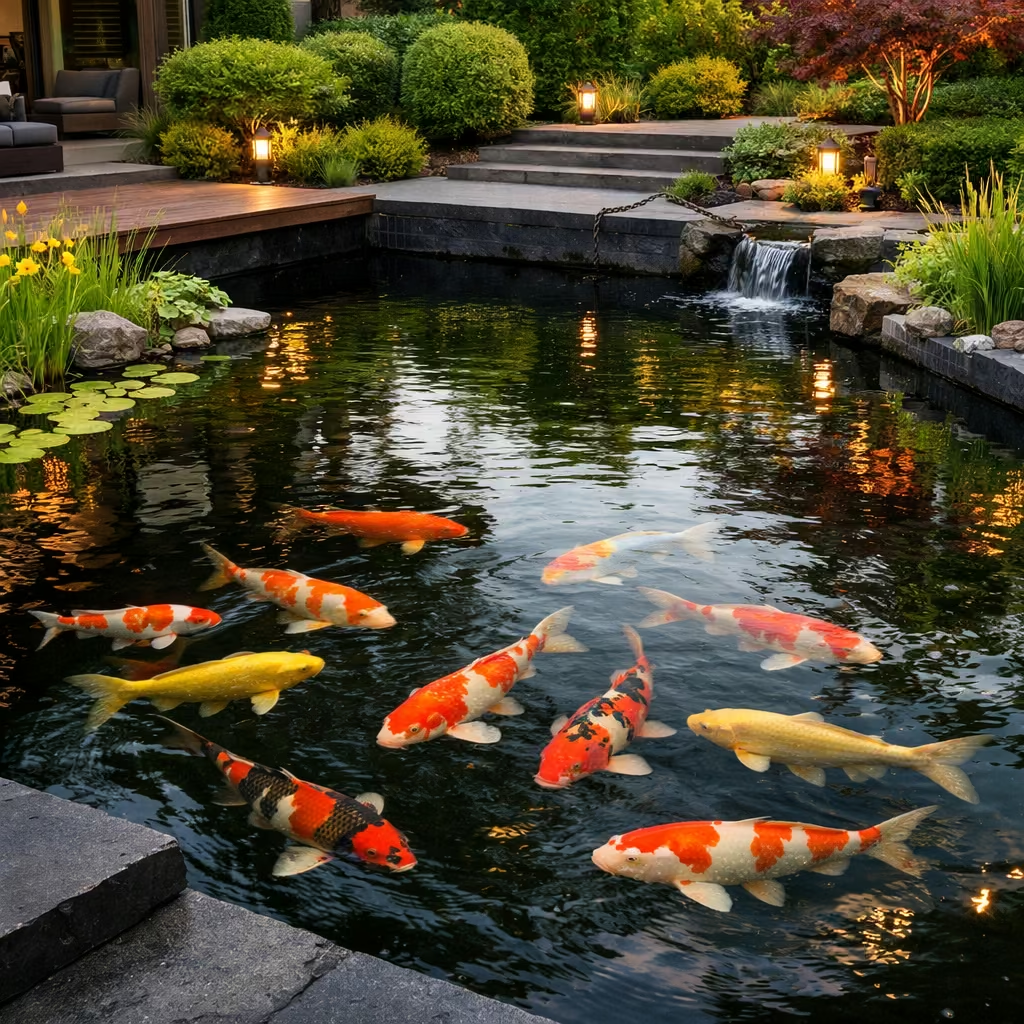
A pond designed specifically for keeping koi, with deeper water, clear circulation, and careful ecological balance to support fish health and visual impact.
Design insight
Depth and size are critical for koi welfare. I recommend a minimum depth of 90–120 cm (36–48 in) to provide thermal stability, protect fish from predators, and allow free swimming. Edges can be naturalistic or formal, but should include shallow shelves or planted zones for marginal species that enhance aesthetics without interfering with fish movement. Filtration systems must be sized appropriately for pond volume, and pumps positioned to create gentle currents without stressing the fish.
Practical application note
Koi ponds are ideal for medium to large gardens where the pond can be viewed from terraces, patios, or garden paths. In one suburban project, a 4 m × 3 m (13 ft × 10 ft) koi pond became the central feature of a courtyard, with black basalt walls enhancing water clarity and reflections. Regular maintenance of filters, feeding routines, and water quality monitoring is essential to sustain healthy koi. I often combine floating or marginal plants to provide shade, micro-habitats, and visual layering without overcrowding.
Typical size and depth range
- Width/length: 3–6 m × 2–4 m (10–20 ft × 6.5–13 ft)
- Depth: 90–120 cm (36–48 in)
Real-life design insight
In a contemporary garden renovation, a 5 m × 3 m (16 ft × 10 ft) koi pond was installed with a deep basalt liner and gentle marginal planting. The vibrant koi became a living artwork, attracting attention from seating areas while contributing to the pond’s seasonal biodiversity. The combination of depth, reflective surfaces, and movement gave the garden a sense of life and continuity that a simple static pond could not achieve.
Pros
- Stunning visual display with colorful, dynamic fish
- Adds life and movement to the garden
- Can become a central social and contemplative feature
Cons
- Requires significant filtration and water quality management
- Deeper and larger than typical ponds, occupying more garden space
- Maintenance and feeding routines are ongoing
When thoughtfully executed, a koi pond combines aquatic beauty, ecological interest, and garden spectacle, creating a dynamic, living centerpiece that engages both the senses and the imagination.
Multi-Level Pond System
A multi-level pond system consists of several interconnected basins at varying heights, allowing water to flow from one level to the next. This design introduces movement, sound, and visual layering, creating a dynamic and sculptural water feature. In my experience, multi-level ponds are highly effective in larger gardens or sloped sites, where they can turn elevation changes into a design asset while providing sensory interest through cascading water.
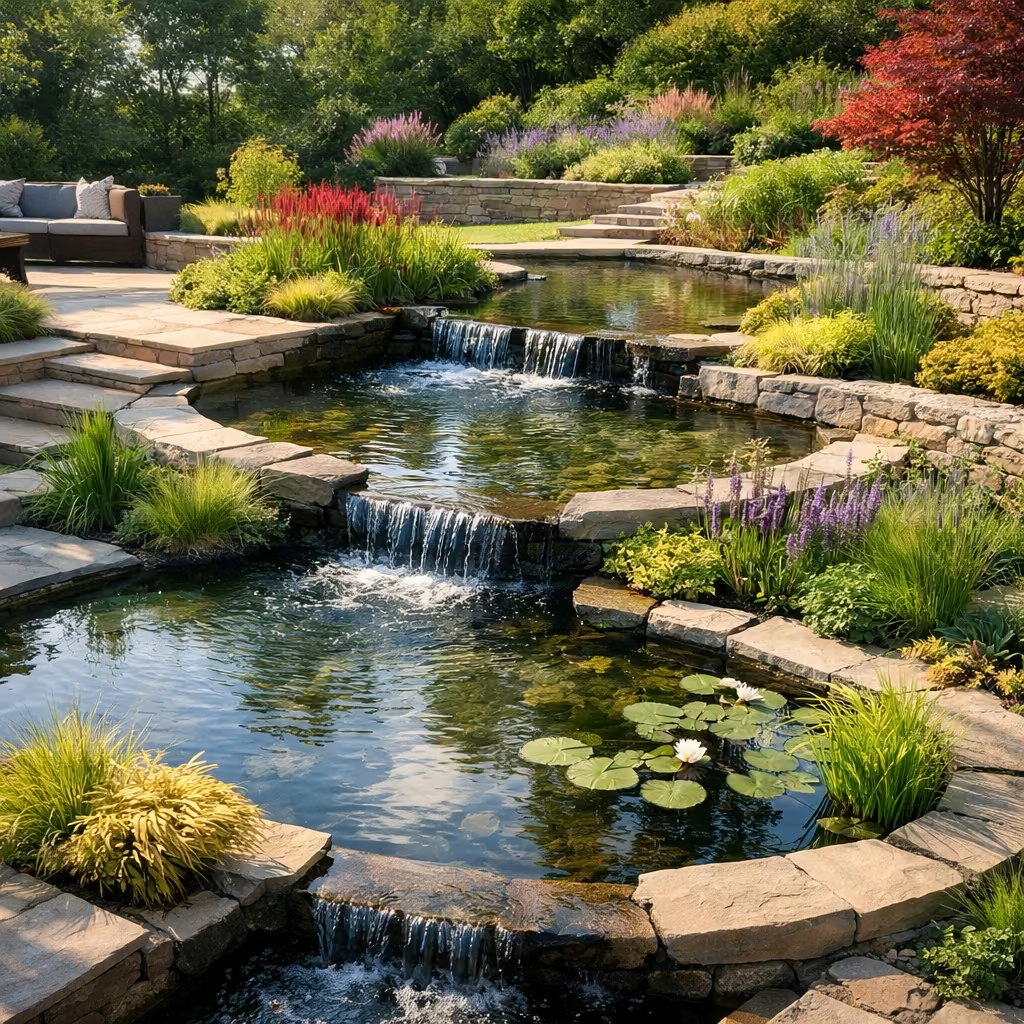
A series of ponds arranged at different levels, with water flowing from one basin to another, adding movement, sound, and layered visual interest.
Design insight
Successful multi-level ponds require careful grading, proportion, and flow management. I usually design each basin to be 1–3 m (3–10 ft) wide and 30–60 cm (12–24 in) deep, depending on the garden scale and water volume. Cascades or small waterfalls between basins should be gentle to avoid splashing while maintaining audible water movement.
Materials such as natural stone, concrete, or corten steel can define the edges and highlight the tiered effect. Strategic planting around each level softens the transitions and integrates the system into the garden.
Practical application note
Multi-level pond systems are ideal for sloped or terraced gardens, creating a sense of flow and guiding the eye across different areas. In one project, a series of three ponds (2.5 m × 2 m, 2 m × 1.5 m, 1.5 m × 1 m; 8 × 6.5 ft, 6.5 × 5 ft, 5 × 3 ft) was installed on a gentle slope, with each basin connected by low waterfalls.
The cascading water added sound and movement, while the tiered planting reinforced the layered visual effect. Pumps and filtration were carefully sized to maintain consistent flow across all levels.
Typical size and depth range
- Individual basin width: 1–3 m (3–10 ft)
- Depth: 30–60 cm (12–24 in)
- Height difference between levels: 20–50 cm (8–20 in)
Real-life design insight
In a contemporary hillside garden, a three-level pond system became the dominant feature, linking terraces visually and audibly. Marginal planting on each tier added texture and seasonal interest, while the cascading flow created a continuous sensory experience from the upper garden path down to the main terrace.
Visitors were drawn along the garden, naturally following the water’s movement, which made the multi-level design feel both immersive and interactive.
Pros
- Adds movement, sound, and visual complexity
- Makes use of sloped or terraced sites effectively
- Can integrate multiple planting zones for biodiversity
Cons
- Requires precise grading and flow engineering
- Pumps and filtration must handle multiple basins
- Installation and maintenance are more complex than single-level ponds
A multi-level pond system excels when each basin, cascade, and planting zone is thoughtfully proportioned. It creates a garden narrative of movement, reflection, and layered experience, turning water into both a visual and auditory journey across the landscape.
Pond With Lighting
A pond with integrated lighting transforms a water feature into a stunning focal point after dark, highlighting reflections, movement, and surrounding planting. Submerged LEDs or discreet spotlights can create dramatic effects, from soft ambient glows to shimmering highlights on water surfaces.
In my experience, lighting elevates even modest ponds into immersive night-time landscapes, enhancing both safety and visual appeal while extending the garden’s usability into evening hours.
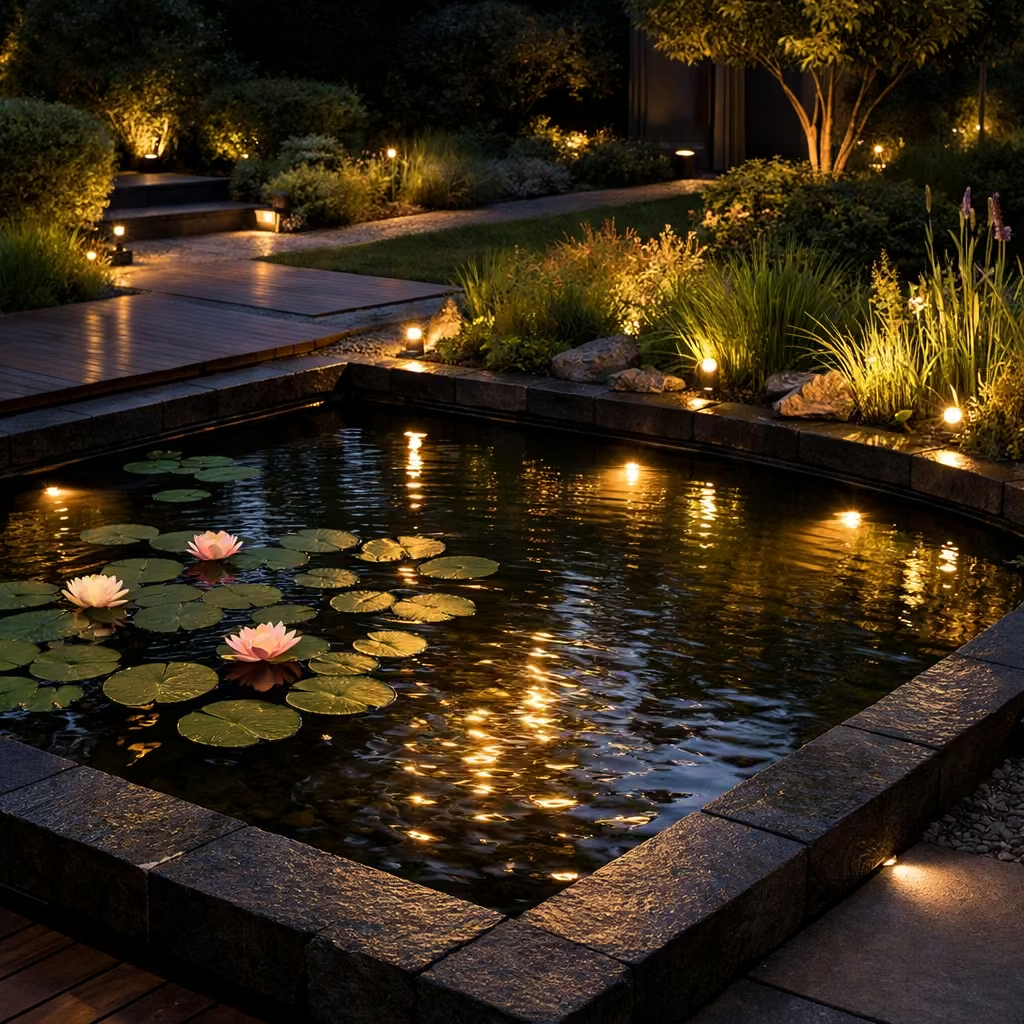
A pond equipped with underwater or surrounding lighting, using LEDs or subtle spotlights to enhance reflections, water movement, and garden ambiance at night.
Design insight
Lighting should complement the pond’s form and surroundings without overwhelming it. I typically position submersible LED fixtures around the edges or beneath floating features, using warm white or colour-changing lights for mood.
Shallow shelves or marginal planting can be subtly highlighted to create depth and layering, while hidden wiring ensures the installation remains visually clean. Light intensity and angle are critical to avoid glare while producing a soft, enchanting effect on rippling water.
Practical application note
Pond lighting works for all pond types wildlife ponds, contemporary designs, or luxury statement features but is particularly effective in reflective, still-water designs. In one residential project, a 3 m × 2 m (10 ft × 6.5 ft) contemporary pond was fitted with submersible LEDs that illuminated floating lilies and the pond’s black basalt liner, creating a mirror-like effect at night.
Contractors must ensure all electrical connections are waterproof and comply with safety standards, while maintenance access should allow bulb replacement without disturbing the pond ecosystem.
Typical size and depth range
- Width/length: 2–5 m × 1.5–3 m (6.5–16 ft × 5–10 ft)
- Depth: 30–70 cm (12–28 in)
- Lighting: Submerged LEDs or low-voltage spotlights
Real-life design insight
In a modern courtyard, a 2.5 m × 2 m (8 ft × 6.5 ft) pond was enhanced with warm white LEDs beneath floating water lilies. The lighting added visual drama and extended the garden’s usability into the evening, creating a sense of calm and intimacy. Visitors were often drawn to the pond after dusk, appreciating reflections, shadows, and the gentle movement of illuminated water.
Pros
- Extends the visual impact of the pond into evening hours
- Enhances reflections, movement, and mood in the garden
- Improves safety and orientation near water features at night
Cons
- Electrical installation must be waterproof and safely maintained
- Bulb replacement or fixture maintenance can be more complex
- Overly bright or misdirected lighting can detract from natural effect
When integrated thoughtfully, pond lighting transforms a daytime water feature into a dramatic night-time landscape element. It enhances reflections, highlights movement, and adds a sense of magic and sophistication to the garden after dark.
Pond With Seating Area
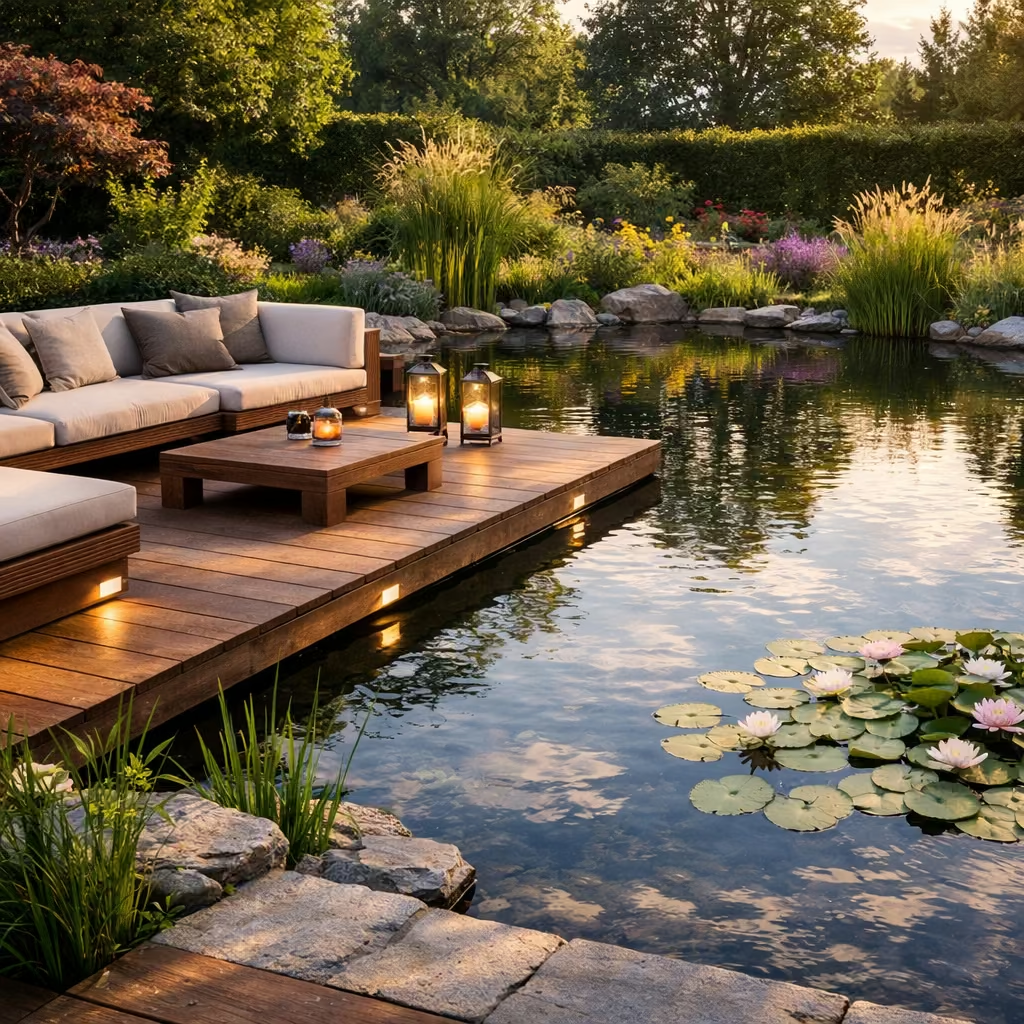
A pond with an integrated seating area combines water with outdoor living, encouraging interaction, contemplation, and social connection. By placing a terrace, bench, or paved seating zone near the pond edge, the water becomes part of everyday garden experience, providing reflections, movement, and subtle sound that enrich the surrounding space. In my experience, a thoughtfully positioned seating area transforms a pond from a purely visual feature into a functional, immersive extension of the home.
A pond designed alongside a seating terrace or platform, allowing close interaction, reflection, and appreciation of water without compromising safety or circulation.
Design insight
The relationship between pond edge and seating is crucial. I typically maintain a distance of 1–1.5 m (3–5 ft) from the water’s edge for safety, accessibility, and comfortable viewing.
Materials for seating platforms timber decking, stone paving, or composite boards should complement the pond design and withstand occasional water splashes. Marginal planting can soften edges, provide shade, and encourage biodiversity, while lighting and subtle water movement enhance comfort during evenings.
Practical application note
Pond-adjacent seating is ideal for medium to large gardens or terraces where the pond can be experienced intimately. In one backyard project, we positioned a seating terrace 1.2 m (4 ft) from the pond edge, allowing families to enjoy the water’s presence safely while children could play nearby without risk.
Contractors ensured level paving, subtle edge detailing, and integration with pond coping to prevent tripping hazards and maintain a seamless transition between water and seating.
Typical size and depth range
- Pond width/length: 2–5 m × 1.5–3 m (6.5–16 ft × 5–10 ft)
- Depth: 30–70 cm (12–28 in)
- Seating distance from edge: 1–1.5 m (3–5 ft)
Real-life design insight
In a suburban garden, a 3 m × 2 m (10 ft × 6.5 ft) pond was paired with a timber seating terrace positioned 1.2 m (4 ft) from the water. The setup created a space where family and guests could watch fish, floating plants, and reflections while enjoying morning coffee or evening gatherings.
The proximity provided sensory engagement with the water while maintaining safety, proving that functional integration enhances both the aesthetic and experiential value of a pond.
Pros
- Encourages interaction and appreciation of the pond
- Enhances the garden as a social or contemplative space
- Provides opportunities for reflection, relaxation, and sensory experience
Cons
- Requires careful planning for safety and circulation
- Maintenance may be more complex near seating (splashes, leaves)
- Limited space may restrict planting or water feature expansion
A pond with an integrated seating area turns water into an interactive element of garden life. By balancing safety, scale, and visual connection, it becomes both a functional amenity and a contemplative focal point that enriches outdoor living.
Design Considerations Before Adding a Garden Pond
Introducing a pond to a garden requires careful planning and a clear understanding of how the feature will interact with the space, planting, and lifestyle. From my experience working on residential renovations, a pond is far more than a decorative addition it is a spatial, ecological, and sensory component that shapes circulation, planting schemes, and the overall character of the garden.
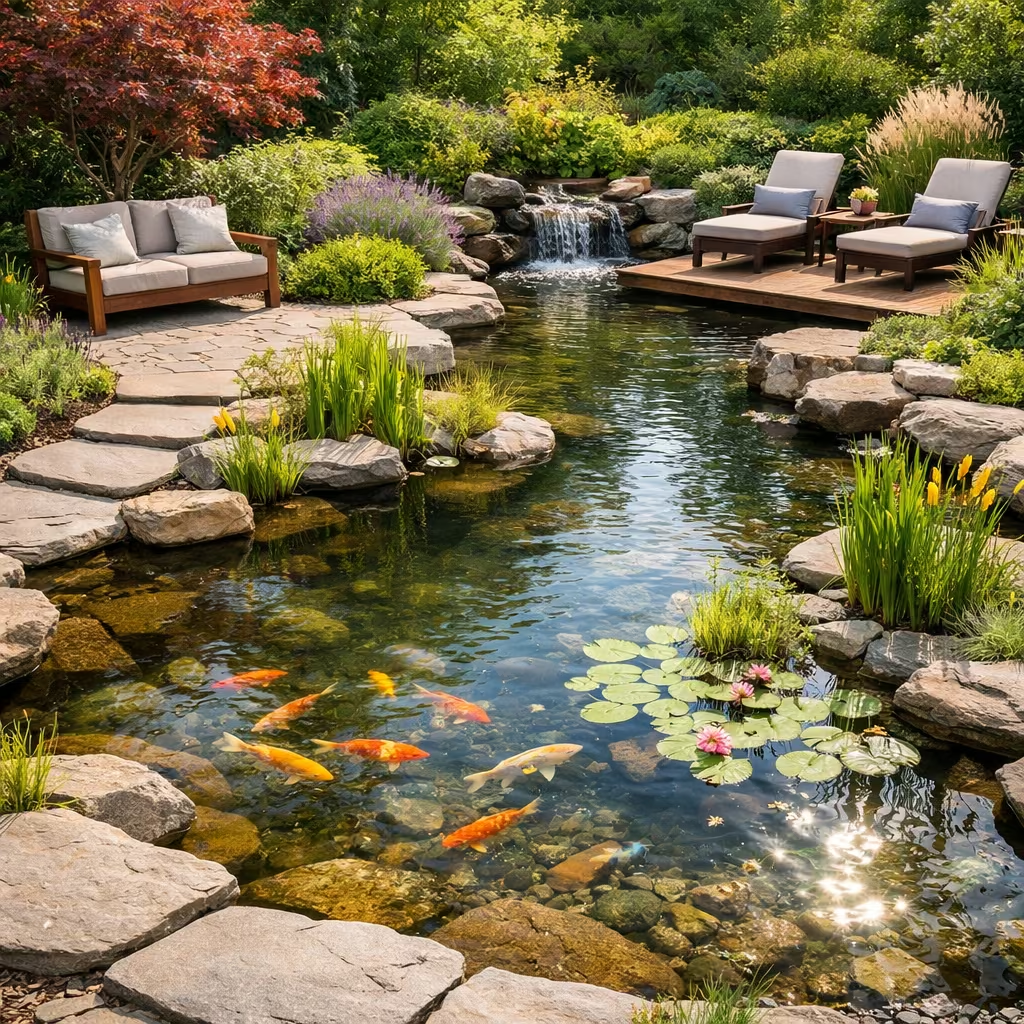
Garden size and scale
The size of your garden largely dictates the scale of the pond. In a small urban garden, even a modest water feature of 1.5–2.5 m (5–8 ft) across can provide reflection, movement, and biodiversity without dominating the space. Conversely, large gardens can accommodate more expansive or multi-level ponds that become sculptural or luxury statements.
Proportion is critical: an oversized pond in a small garden can overwhelm planting and pathways, while a tiny pond in a large garden may appear incidental. I always ensure the pond’s footprint balances with surrounding hardscape, planting, and circulation, acting as a visual anchor rather than an afterthought.
Sunlight exposure
Sunlight affects both pond aesthetics and ecology. Fish ponds, in particular, require partial sun to sustain aquatic plants and maintain healthy water temperature. Full sun may encourage algae growth, while full shade can limit plant diversity and reduce the visual impact of reflections.
When I’ve designed ponds, I carefully assess morning and afternoon sun patterns, locating deeper zones for fish in shaded areas while allowing sunlit edges for marginal plants. The goal is to create a pond that thrives ecologically while remaining visually vibrant throughout the day.
Depth and safety
Pond depth must balance visual appeal, ecological function, and safety. Typical safe ranges for family-friendly designs are 45–90 cm (18–36 in). Shallow areas allow children to engage safely while providing shelves for marginal planting and habitat for frogs or insects.
Deeper zones, often required for koi or larger fish, need to be clearly defined and accessible for maintenance. I frequently incorporate gradual shelves and edge treatments to mitigate risk while preserving ecological and aesthetic integrity.
Filtration systems
Proper filtration ensures water clarity and longevity. Even small ponds benefit from a combination of mechanical and biological filtration. Pumps circulate water, skimmers remove debris, and biological filters support beneficial bacteria to maintain water balance. In my projects, I select systems appropriate for the pond volume and type, whether for a wildlife pond requiring gentle flow or a luxury reflecting pond demanding crystal-clear surfaces. Filtration design is integrated discreetly, so equipment does not detract from the visual experience.
Maintenance expectations
A pond is a living system, and regular care is essential. Seasonal maintenance includes removing debris, trimming marginal plants, checking water levels, and servicing pumps or filters. I always discuss realistic maintenance expectations with clients: a wildlife pond may be low-maintenance but still requires monitoring, whereas a koi pond or luxury feature demands more frequent attention. Placement, depth, and system design can all reduce long-term effort while ensuring the pond continues to deliver aesthetic and ecological value.
By considering garden size, pond scale, sunlight, depth, filtration, and maintenance, you can design a water feature that is visually harmonious, ecologically sound, and long-lasting. The most successful ponds feel integrated into the garden rather than imposed upon it, offering beauty, movement, and sensory richness across seasons. Planning thoughtfully ensures that the pond enhances both the garden and the experience of those who inhabit it.
Conclusion: Designing a Pond That Feels Like Part of the Landscape
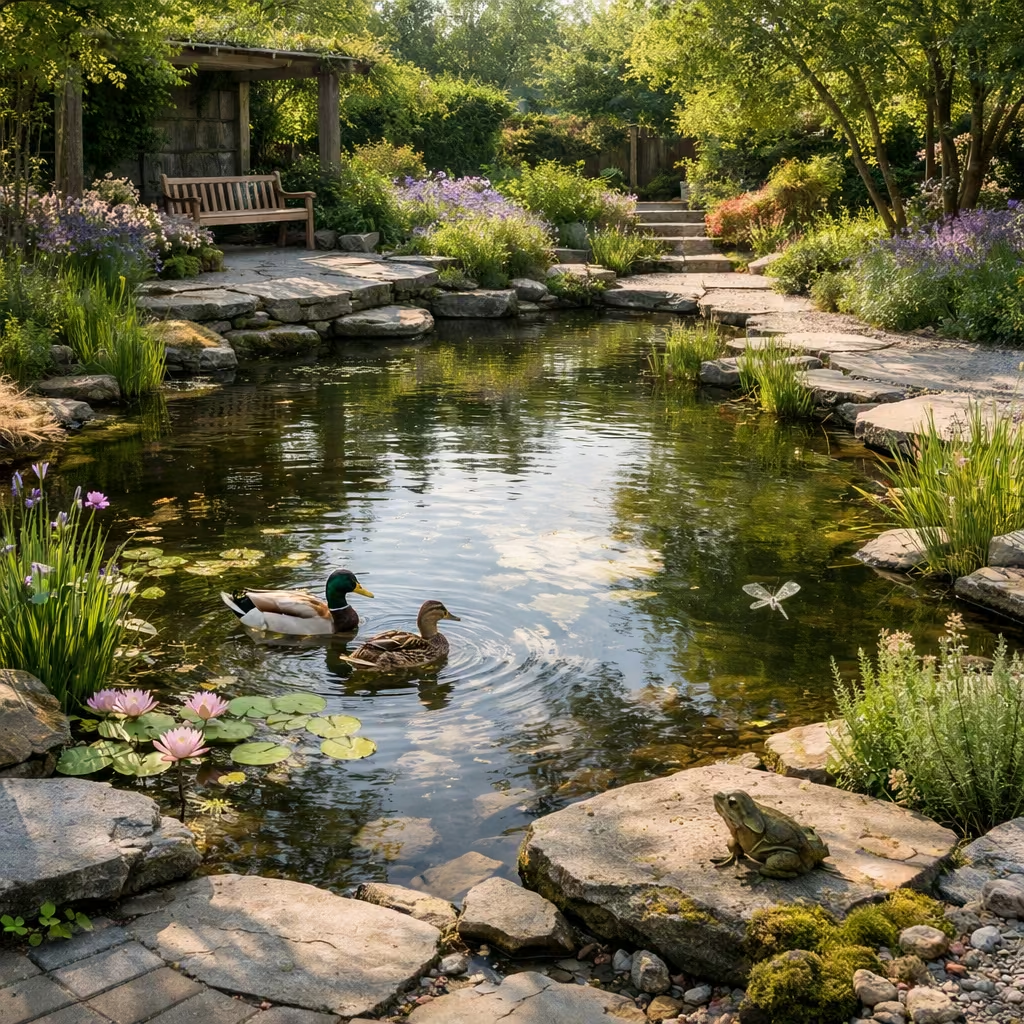
A well-designed garden pond transcends mere decoration it becomes a natural extension of the landscape, integrated seamlessly with planting, architectural lines, and human movement. From my experience, the most successful ponds do not draw attention by being ostentatious; they feel inevitable, as if they have always belonged in the space. Whether a modest courtyard container pond or a sweeping infinity-edge installation, the pond should respond to sunlight, garden topography, circulation, and seasonal planting, creating a layered, immersive experience that engages sight, sound, and reflection.
Thoughtful planning is essential to achieving this sense of belonging. Consider scale, depth, and proportion carefully, matching the pond to the garden’s footprint and style. Assess sunlight exposure, flow, and filtration needs, and anticipate maintenance demands to ensure the feature remains vibrant and functional across seasons. Marginal planting, subtle edge treatments, and reflective surfaces all contribute to a pond that feels like a living part of the landscape rather than an afterthought.
For larger or complex ponds such as koi ponds, multi-level systems, or infinity-edge designs professional consultation is invaluable. Experienced contractors and landscape designers can balance aesthetics with engineering, water management, and long-term sustainability, ensuring the pond is both beautiful and resilient.
Ultimately, a pond that feels embedded within its surroundings offers more than visual appeal. It enhances the sensory and spatial experience of the garden, inviting quiet reflection, connection with nature, and a sense of continuity. By approaching pond design with care, proportion, and purpose, you create a feature that not only enriches the garden today but continues to evolve gracefully over years of use.
Frequently asked question Designing a Pond That Feels Like Part of the Landscape
How do I determine the right size for my garden pond?
The pond should feel proportionate to the garden’s overall footprint. In small gardens, even a 1.5–2.5 m (5–8 ft) pond can create impact without overwhelming circulation or planting. Larger gardens can accommodate ponds that act as sculptural focal points or multi-level systems. I always assess sightlines, planting, and pathways to ensure the pond feels integrated rather than imposed.
Can I have fish in a small or container pond?
Yes, but depth and filtration are critical. For koi or goldfish, ponds should be at least 90–120 cm (36–48 in) deep, with adequate pumps, skimmers, and biological filters. For container ponds or small wildlife ponds, shallow depths of 30–50 cm (12–20 in) work well for marginal plants and seasonal biodiversity, though fish may need more space and care.
Where is the best place to locate a pond?
Ponds perform best in areas with partial sun enough light to sustain plants and reflections without promoting excessive algae. Avoid placing ponds directly beneath large trees to reduce leaf litter, and consider sightlines so the pond can be appreciated from terraces, seating areas, or garden paths.Top of Form
How much maintenance does a pond require?
Maintenance varies with pond type. Wildlife or naturalistic ponds are lower maintenance but still require occasional debris removal and water monitoring. Luxury, koi, or multi-level ponds demand more frequent care, including filter cleaning, water circulation checks, plant trimming, and seasonal water quality monitoring. I always plan for easy access and integrate systems that minimize effort.
Should I hire a professional for pond installation?
For complex, deep, or large-scale ponds, professional guidance is highly recommended. Contractors and landscape designers ensure correct waterproofing, grading, flow, and filtration, while also advising on planting, edge detailing, and safety. Even smaller ponds benefit from professional input if the goal is seamless integration with the garden.
How can I make my pond feel like part of the landscape rather than an accessory?
Focus on proportion, placement, and visual connection. Integrate the pond with surrounding planting, circulation, and garden features. Include marginal planting, naturalistic edges, or reflective surfaces that echo architecture or landscape lines. Avoid forcing symmetry or isolation; the pond should feel like a natural, inevitable element of the space.
Can lighting enhance the pond’s integration into the garden?
Absolutely. Subtle underwater LEDs or perimeter lighting can enhance reflections, highlight marginal planting, and extend usability into the evening. I recommend warm, indirect lighting to maintain a natural, immersive atmosphere without overwhelming the pond or surrounding landscape.
What safety considerations should I keep in mind?
Maintain safe water depth for children and pets typically 45–90 cm (18–36 in) for family-friendly ponds. Incorporate gradual shelves, clear edges, and non-slip surfaces where seating or pathways meet the water. Proper maintenance of pumps and filtration also ensures water remains clean and safe.