
52 Beautiful Fall Exterior Decor Ideas to Make Your Home Cozy & Welcoming
Quick answer: A genuinely welcoming fall exterior comes down to four things done well rather than fifty things done half-heartedly: a wreath or door treatment that sets the tone, layered pumpkins and mums at varying heights, warm lighting for the earlier sunsets, and one or two textile touches (a throw, a doormat, a cushion) that make the space feel lived in rather than staged. Everything below builds outward from that core, whether you have a wraparound porch, a narrow stoop, or nothing but a Juliet balcony and a lease that says no drilling.
There’s a particular kind of relief that settles over a house in early October. The last of the porch fans get packed away, the hose gets coiled up for the season, and something in you wants the outside of the house to finally match the sweater weather sitting in your closet. That instinct is worth listening to.
A well-dressed exterior does more than look nice for a passing photo; it changes how it feels to come home after dark, how neighbors experience your street on their evening walk, and honestly, how you feel every single time you turn up your own driveway or climb your own front steps after a long day.
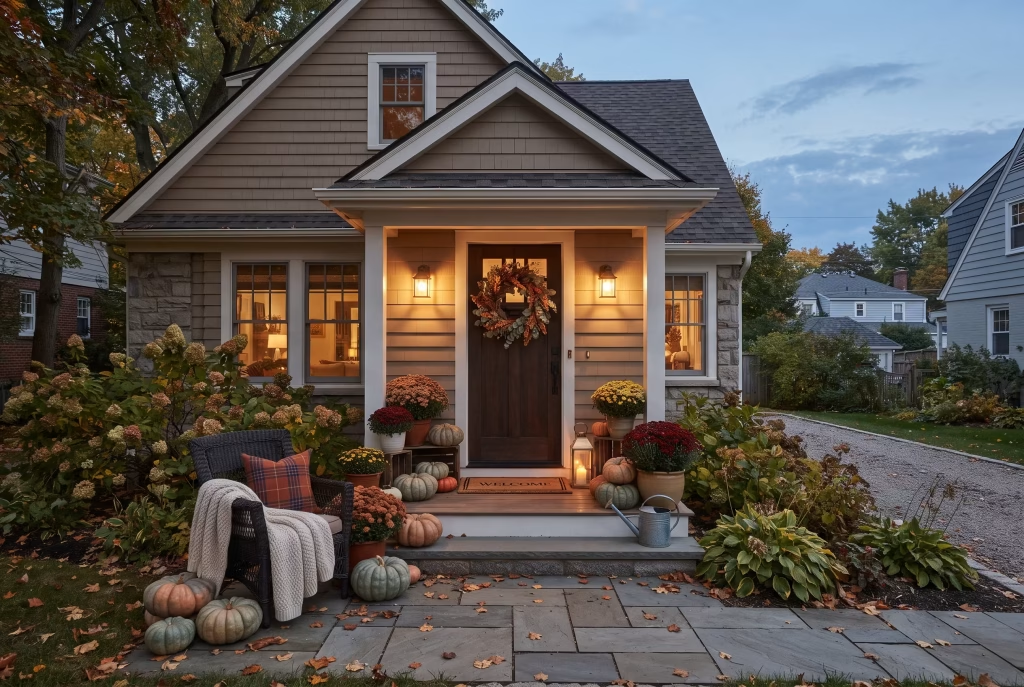
This guide gathers 52 genuinely distinct ideas, organized so you can find what fits your space instead of scrolling through fifty photos of other people’s wraparound porches you’ll never have. Each idea comes with real cost and effort guidance, a sensory or emotional note on how it actually feels to live with, and, where it matters, the honest pitfalls nobody warns you about before you’ve already bought the pumpkins. “Just add a wreath” means something very different to someone with a glue gun and a free Saturday than it does to someone juggling a toddler, a work deadline, and forty-five minutes before the in-laws arrive.
The 52 Ideas at a Glance
| Zone | Ideas | Best for |
| Front Door & Wreaths | 1–7 | Every home, five minutes to a full afternoon |
| Porch Steps & Pumpkin Displays | 8–15 | Homes with steps, stoops, or a landing |
| Furniture, Textiles & Cozy Seating | 16–21 | Covered porches, patios, screened rooms |
| Planters, Urns & Window Boxes | 22–27 | Any home with a container or a windowsill |
| Garlands, Lanterns & Lighting | 28–33 | Anywhere you want evening ambiance |
| Yard, Walkway & Curb Accents | 34–39 | Homes with a front yard or a path to the door |
| Small-Space, No-Porch & Rental | 40–44 | Apartments, balconies, condos, renters |
| Budget-Friendly & Foraged | 45–49 | Anyone decorating on a tight budget |
| Bold, Maximalist & Halloween Crossover | 50–52 | Homes that like to go all in |
Why the Exterior Matters More Than You’d Think
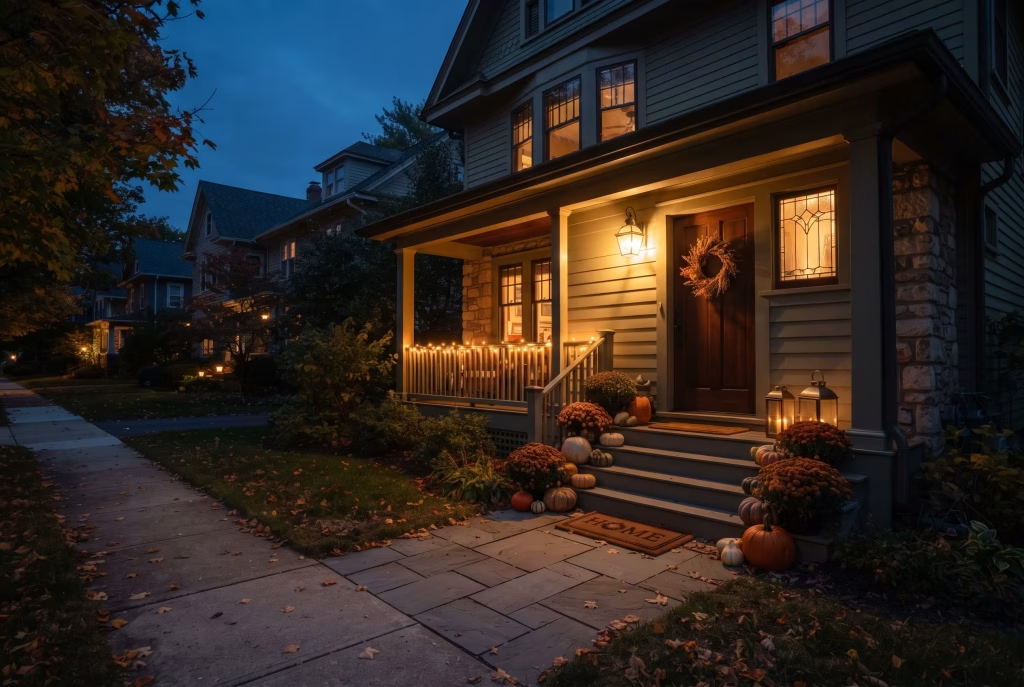
There’s a real psychological reason fall porches hit differently than, say, a decorated mantel indoors. Your front exterior is a threshold space, the bit of architecture that sits between the wide-open world and the private one, and thresholds carry outsized emotional weight in how our brains process “home.” Environmental psychologists call the walk from sidewalk to door the arrival sequence: it primes your nervous system for what’s inside before you’ve even touched the handle. Warm colors, soft lighting, and a bit of seasonal abundance (pumpkins, gourds, dried grasses) all read as provision on a deep, almost primal level, the same instinct that made harvest festivals a big deal for thousands of years before anyone had a front-porch aesthetic to curate.
Consider, too, what’s actually changing outside your window this time of year:
- Most of the US loses roughly ninety minutes of daylight between mid-September and Halloween, meaning the sun sets well before most people finish their evening commute.
- Average outdoor temperatures drop enough that people spend measurably less unstructured time outside, so the exterior becomes something glimpsed in passing rather than lingered in, which raises the stakes on first impressions.
- Neighbors and delivery drivers see your porch dozens of times a week even when you barely notice it yourself, quietly shaping how “cared for” your whole home reads from the street.
That daylight shift is precisely why lanterns, string lights, and warm-toned bulbs do so much emotional heavy lifting later in this guide. You’re not just decorating for daytime curb appeal anymore. You’re decorating for the version of your house that greets you in the dark, tired, arms full of grocery bags, grateful for a bit of warmth before you’ve even gotten the key in the lock.
Choosing Your Fall Palette (Beyond the Obvious Orange)
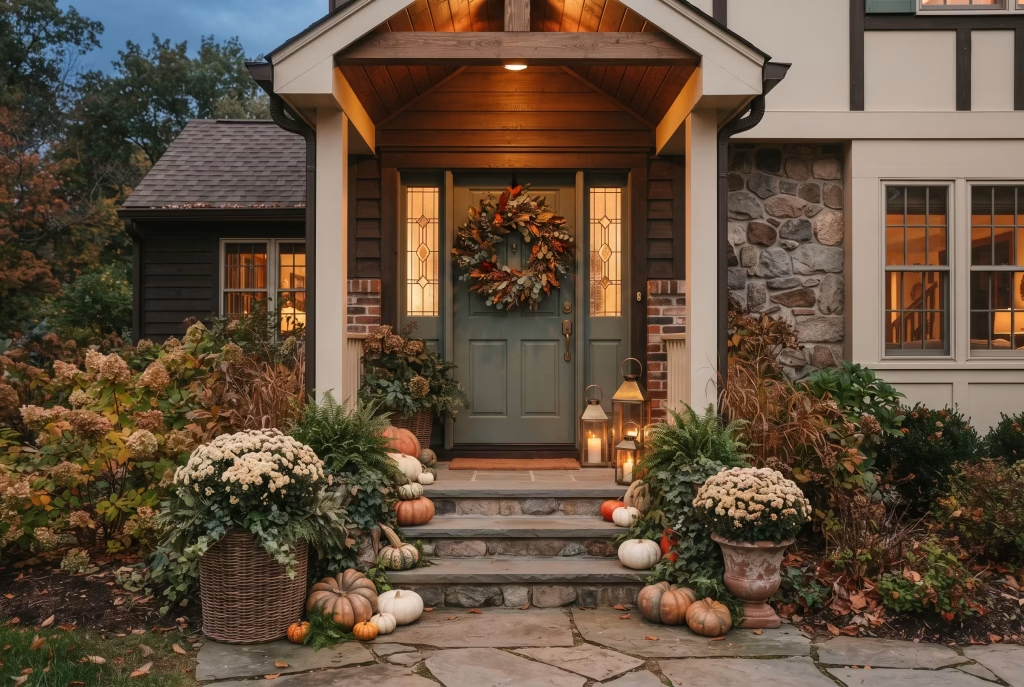
Orange gets all the credit, but it’s really just one instrument in a much richer section. Here’s a quick pairing reference before you buy anything at all:
| Palette | Pairs well with | Mood it creates |
| Classic orange, rust, gold | Deep green, natural wood, cream | Traditional, warm, universally welcoming |
| White and cream pumpkins | Sage green, dusty blue, black accents | Elevated, modern, works with any door color |
| Deep burgundy and plum | Mustard, brass, dark green | Moody, sophisticated, photographs beautifully at dusk |
| Purple and lavender mums | White pumpkins, silver-toned lanterns | Unexpected, softer than traditional fall |
| All-neutral (tan, taupe, driftwood) | Dried wheat, pampas grass, cream ribbon | Coastal or minimalist homes, very low-maintenance |
A rule worth keeping in your back pocket, the kind design pros repeat until it sticks: pick no more than three colors for the whole display. Homes that mix orange, purple, teal, and metallic gold all in one go tend to read as cluttered rather than festive, no matter how lovely each individual piece is on its own. Restraint, oddly enough, is what makes abundance look intentional instead of accidental.
Zone 1: Front Door & Wreaths (Ideas 1–7)
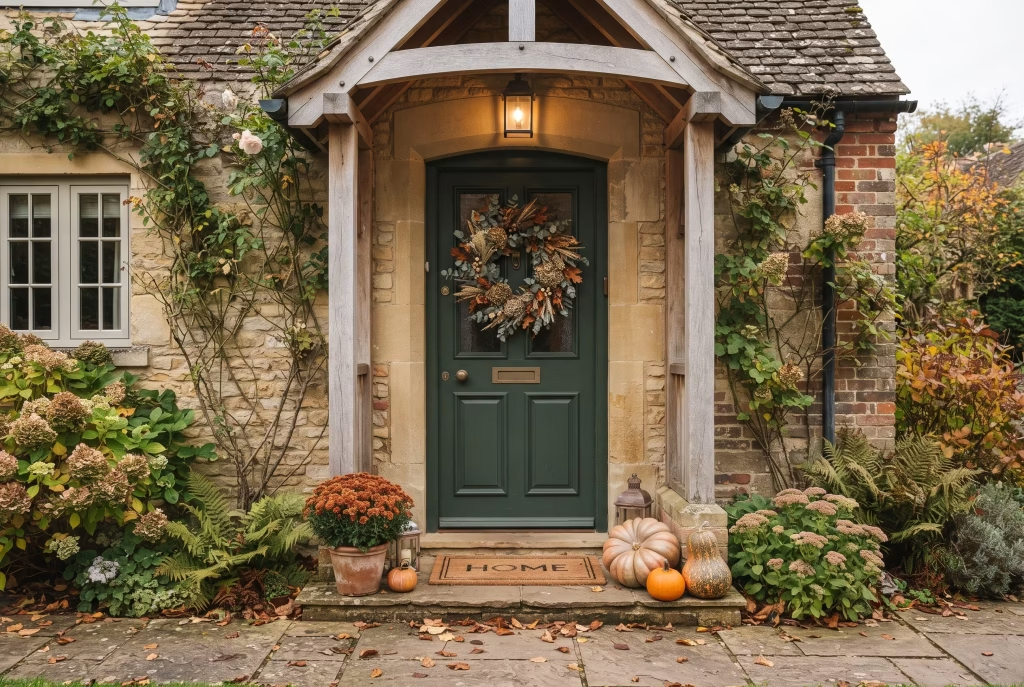
Your front door is doing more psychological work than any other single element on this list. It’s the first thing a guest’s eye lands on, the surface your own hand touches every single day, and the backdrop every other decoration has to sit against. Get this zone right and the rest of the porch practically decorates itself.
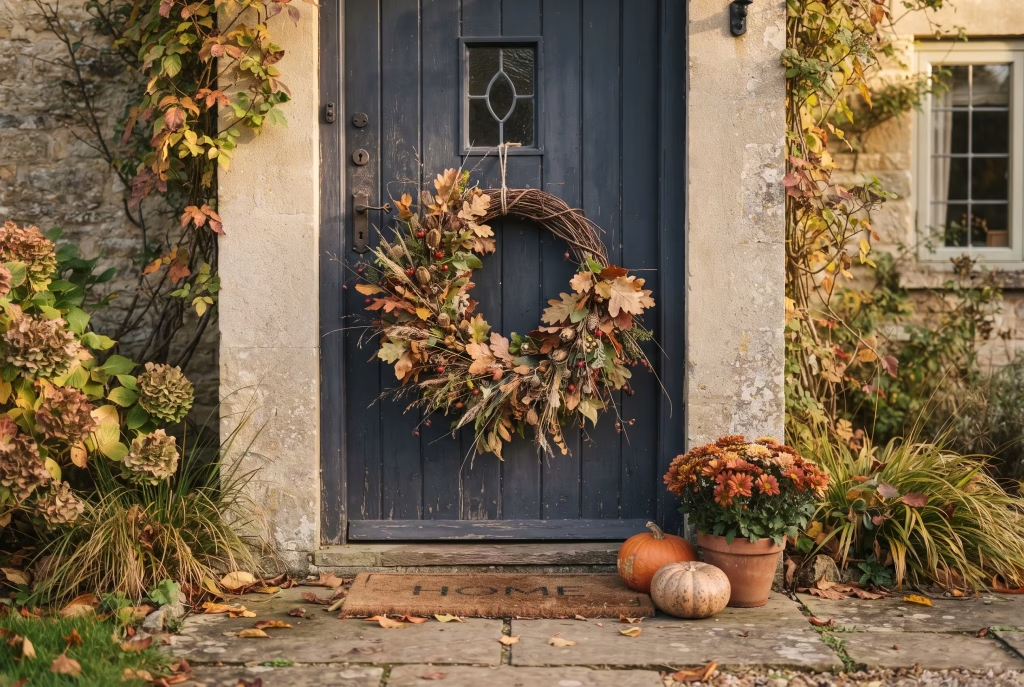
1. Hang a foraged, not store-bought, wreath There’s something quietly satisfying about a wreath built from what your own yard gave you rather than a craft store shelf, a small act of making do that somehow feels more like fall than anything bought new ever could.
- Gather dried leaves, seed pods, and a few sturdy, flexible twigs from your own yard or a nearby park.
- Attach everything to a simple wire or grapevine base using floral wire or a hot glue gun.
- Vary the size and color of your leaves rather than sorting them into a uniform pile; the slight chaos is what reads as natural.
- Cost: under $10 if you already own a wreath form. Effort: a relaxed afternoon, best done with a cup of tea and no rush. The imperfection is the whole point. A slightly lopsided, genuinely foraged wreath tends to look more intentional, more you, than a perfectly symmetrical faux one ever will, and there’s a particular pride in telling a guest “I made that from our own backyard” that no receipt can buy.
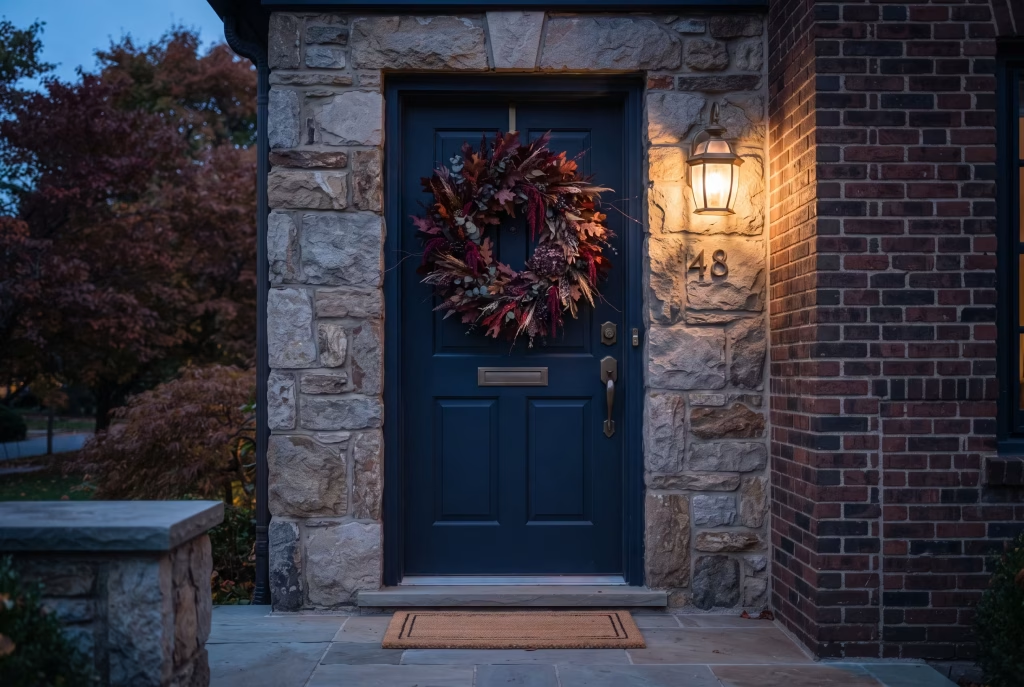
2. Go monochrome with a single statement color Instead of the usual orange-and-brown mix, build a wreath entirely from one saturated color.
- Deep burgundy or mustard work particularly well against most door colors.
- A single-color wreath reads as far more sophisticated and considerably more expensive than it likely was.
- It photographs beautifully against a black or navy door, where a busier, multicolor wreath can start to look visually noisy. Cost: $20–40. Effort: low if bought pre-made, moderate if built from scratch.
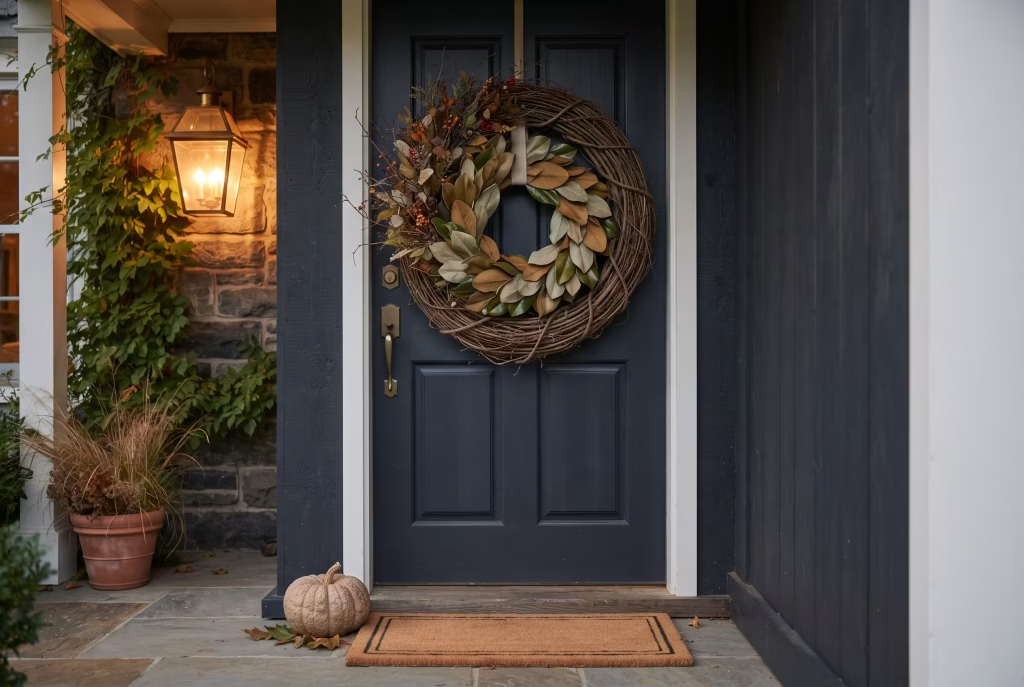
3. Layer two wreaths of different sizes A smaller inner wreath nested against a larger outer one adds real depth without adding real clutter.
- Choose two different textures, smooth magnolia leaves against a rougher grapevine base tend to work especially well together.
- Offset the inner wreath slightly rather than centering it perfectly for a more organic, less machine-made look.
- Keep the color palette tight between the two, so the depth reads as intentional rather than mismatched. Cost: $30–60 for both. Effort: moderate.
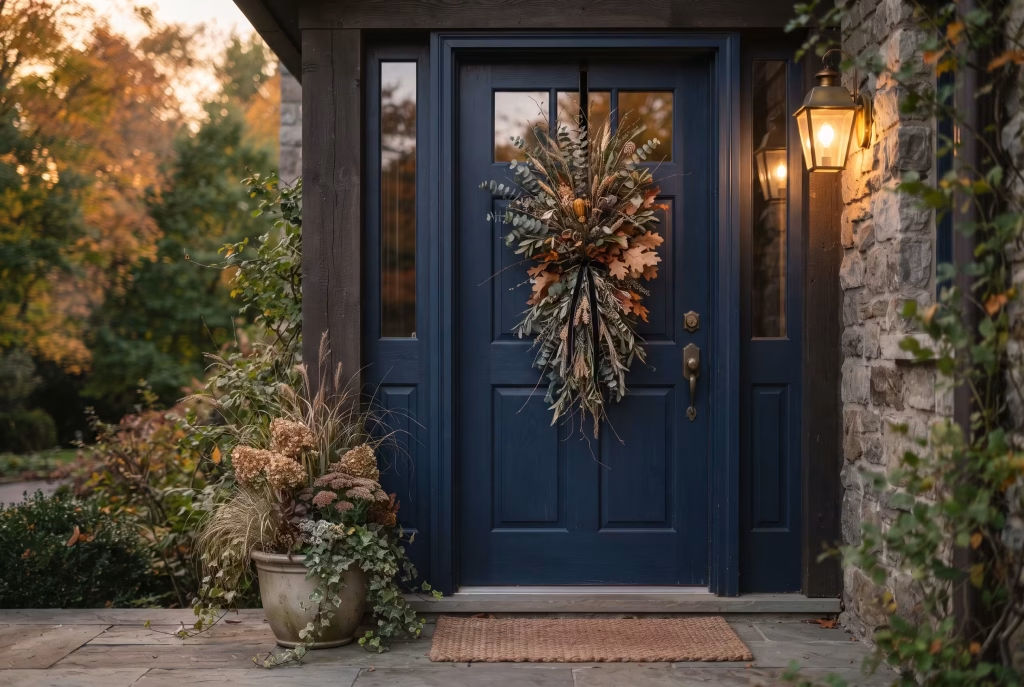
4. Swap the wreath for a door swag instead A swag runs vertically down one side of the door rather than circling it, a genuinely different silhouette that solves a problem a lot of homeowners don’t realize they have until they see it fixed.
- Works especially well on narrower doors where a full wreath can feel cramped or oversized.
- Lets you use longer, trailing elements like eucalyptus or dried wheat that a circular wreath would have to cut short.
- Draws the eye downward toward the doorknob, which subtly guides a guest’s hand right to where it needs to go. Cost: $25–45. Effort: low.
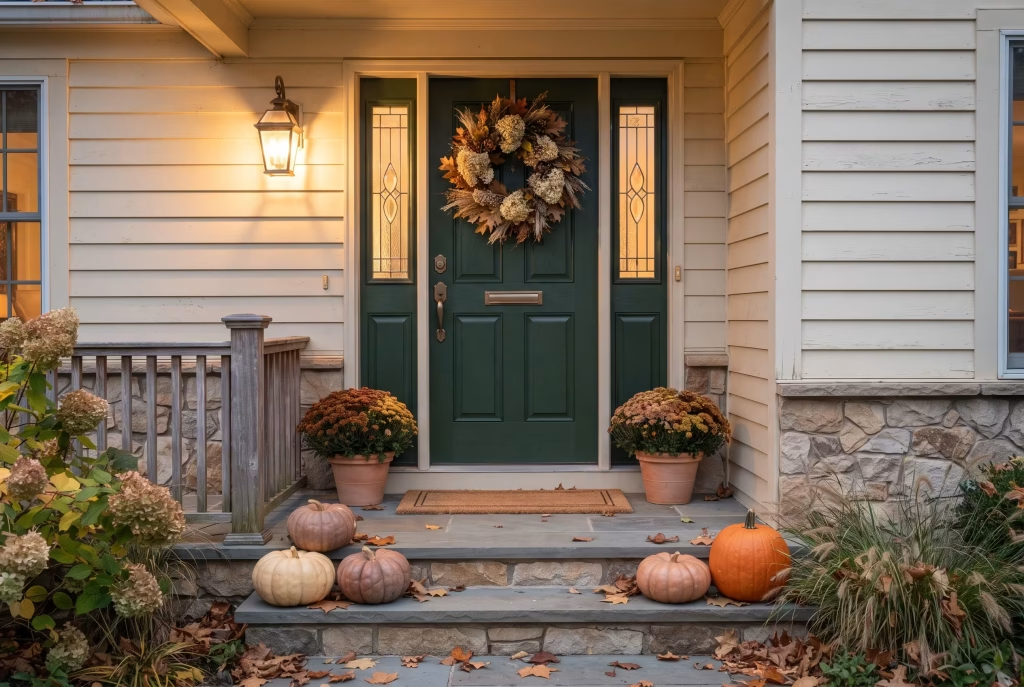
5. Paint the front door a warmer, deeper shade This is the single highest-return move on this entire list, and almost nobody does it because it sounds like a bigger project than it actually is.
- A can of exterior door paint in a warm terracotta, deep green, or near-black transforms every other piece of decor you add, because it becomes the backdrop everything else has to sit against.
- Choose a satin or semi-gloss finish for exterior doors, since flat paint shows weather damage far faster.
- One coat rarely covers evenly; budget for two, with drying time between. Cost: $30–50 for paint and supplies. Effort: one weekend, dries fast between coats. Homeowners consistently underestimate just how much of their porch’s whole atmosphere is riding on the door color rather than the pumpkins sitting in front of it. Change the door, and suddenly last year’s decorations look brand new.
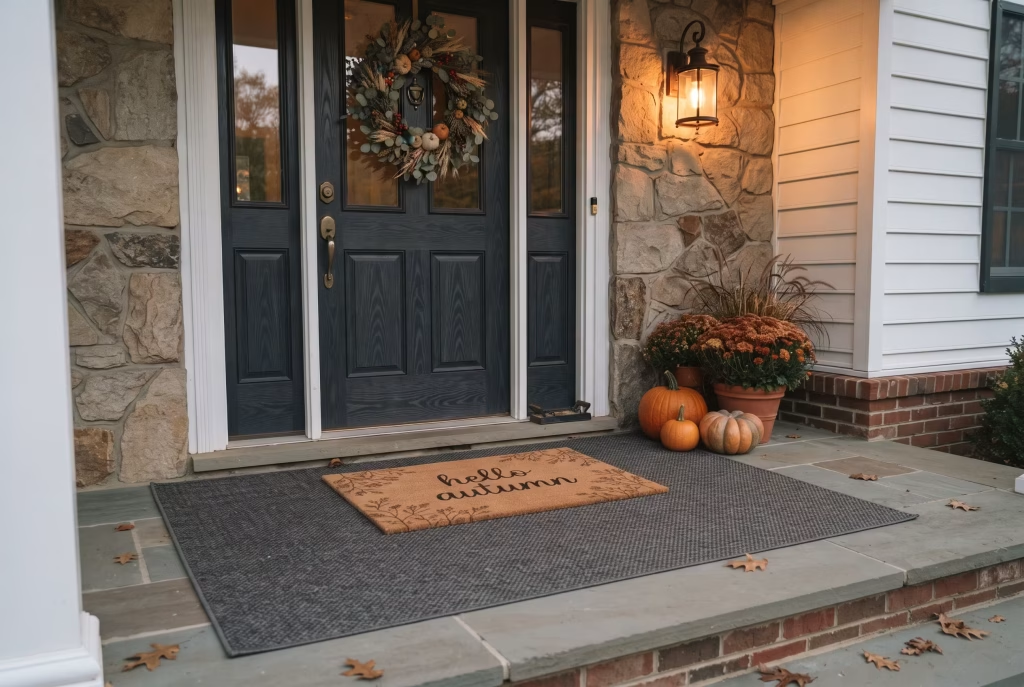
6. Add a fall-specific doormat, layered over a year-round one Buying one large, neutral, all-season outdoor rug and layering a smaller seasonal mat on top is a genuinely smart budget move most people never think to make.
- Only the small seasonal piece needs replacing each year, since the large base rug stays through every season.
- A layered doormat never looks thin or lost the way a single small mat can on a wide porch.
- Choose a base rug in a color that won’t clash no matter which seasonal top layer you rotate through. Cost: $15–25 for the seasonal layer, one-time. Effort: five minutes.
You May also Like: 15 Stunning Modern Barndominium Exterior Ideas to Inspire Your Dream Home
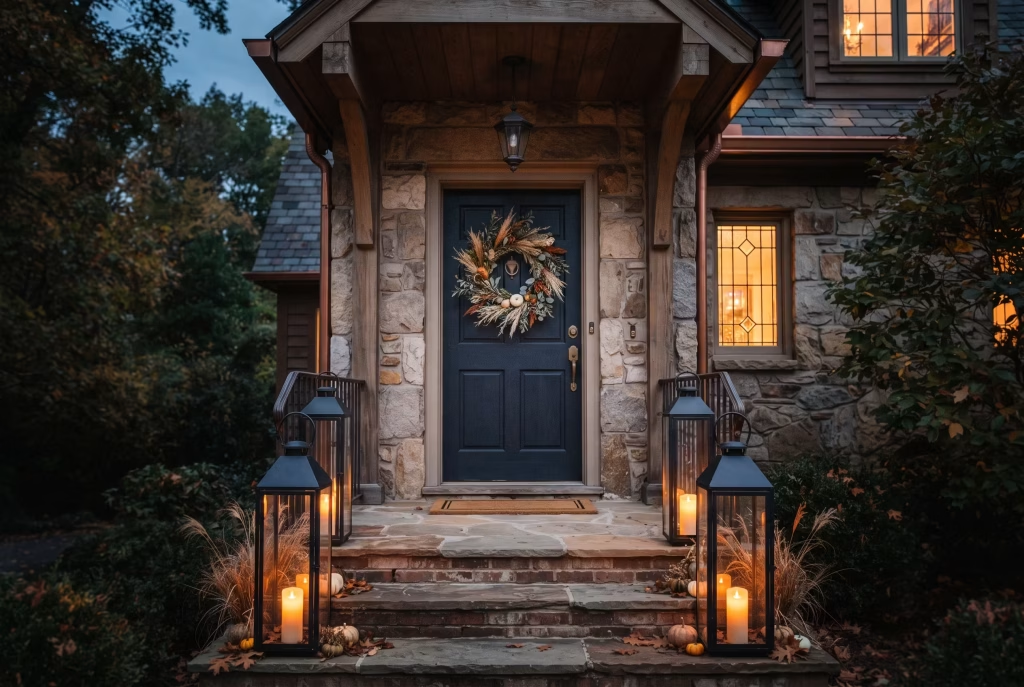
7. Frame the door with matching lanterns instead of planters If you’ve done matching planters every single year, try flanking the door with a pair of black metal or wood-and-glass lanterns instead.
- At night they throw a genuinely different kind of light than a bulb ever will, flickering, alive-feeling, the sort of glow that makes a porch look like a scene from a favorite memory rather than a well-lit hallway.
- During the day, their silhouette alone reads as autumnal even before a candle goes in.
- Pair them with a small pumpkin or a bit of dried greenery at the base for extra texture without extra footprint. Cost: $40–90 for a pair. Effort: low.
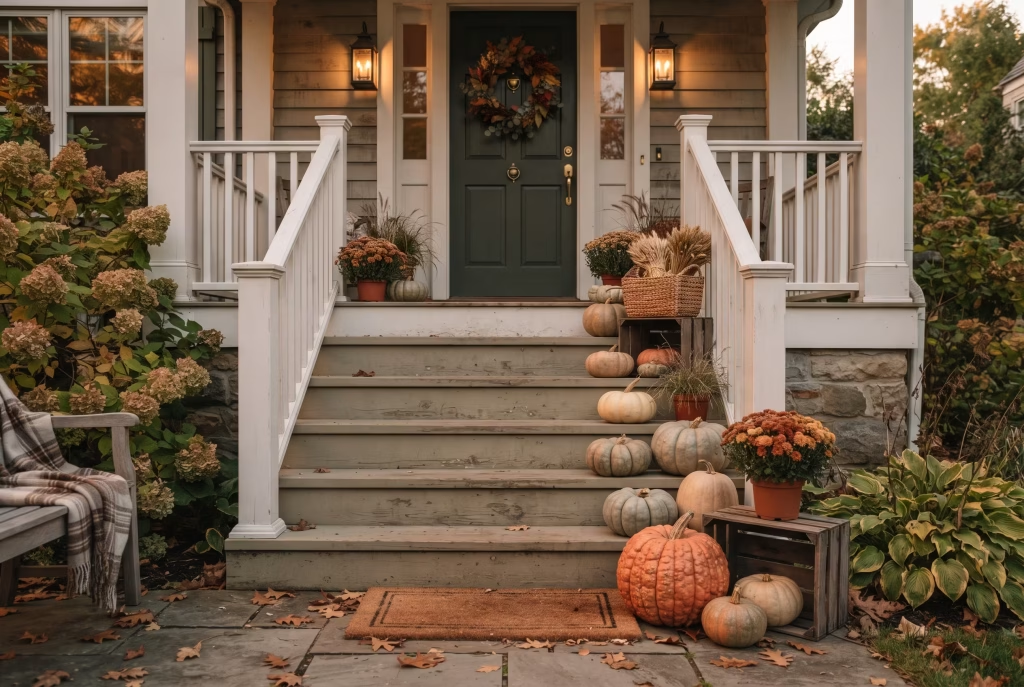
Zone 2: Porch Steps & Pumpkin Displays (Ideas 8–15)
Steps are where most fall porches either come together or fall apart, and the difference almost always comes down to height variation and restraint rather than sheer quantity of pumpkins purchased.
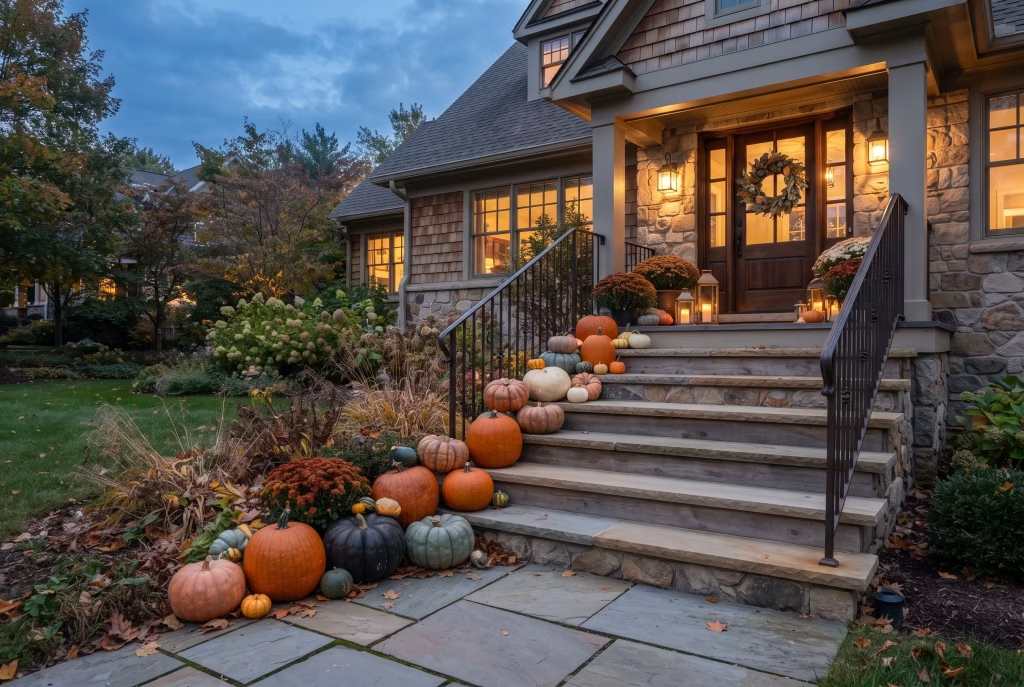
8. Build a pumpkin “path” up the steps Line each step with pumpkins in a slightly varied size progression.
- Place larger pumpkins at the bottom and smaller ones as the steps rise, drawing the eye naturally upward toward the door.
- Leave a clear walking path down the center or to one side; nothing undoes the coziness of a porch faster than a genuine tripping hazard.
- Mix in one or two unexpected colors (white, sage, deep charcoal) among the traditional orange for visual rhythm. Cost: $30–80 depending on real vs faux. Effort: moderate. This is deceptively simple and consistently one of the most-photographed porch styles, because it works with almost any home’s architecture, wide stoop or narrow city steps alike.
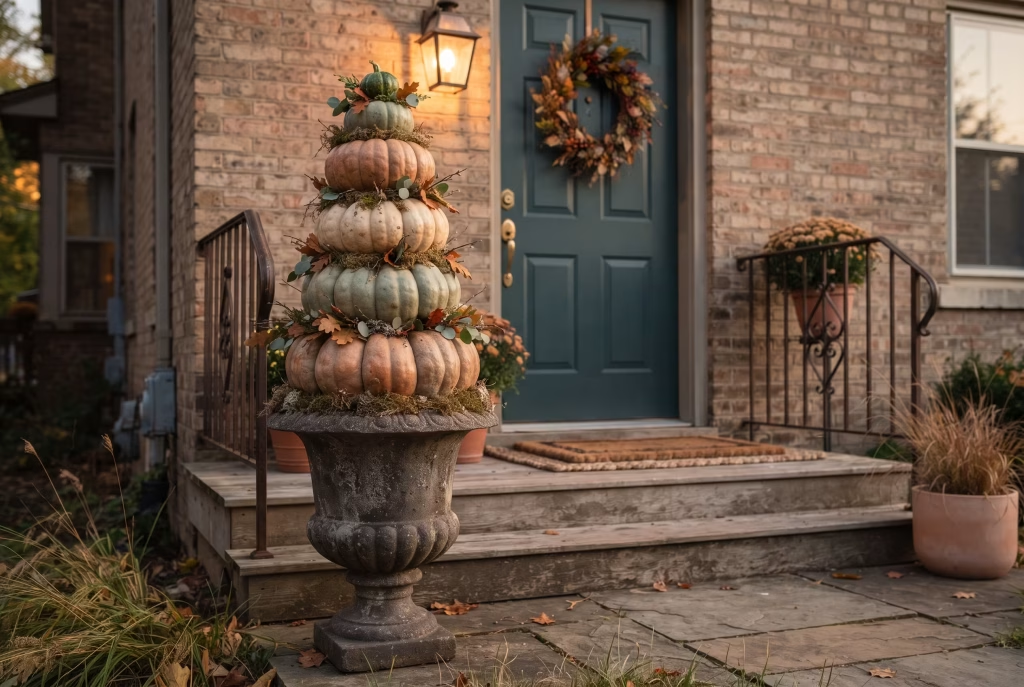
9. Stack a pumpkin topiary in an urn Three or four pumpkins descending in size, largest at the base, creates real vertical interest where a flat cluster of pumpkins simply can’t compete.
- Choose flat-topped, flat-bottomed pumpkin varieties for the most stable stack.
- Tuck moss or a bit of greenery between each layer to hide the seams and add texture.
- A dab of floral adhesive or a thin dowel through the center keeps the stack secure against wind or curious pets. Cost: $25–50. Effort: moderate, needs a stable pumpkin variety.
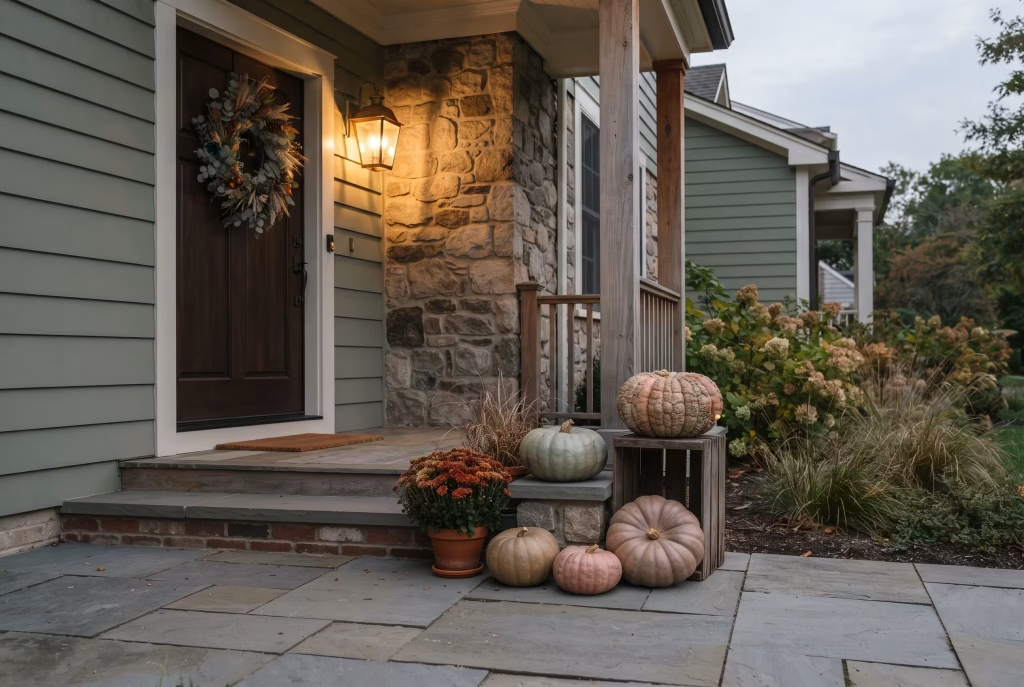
10. Mix odd numbers and varied heights, never a matched pair Design instinct tends to reach for symmetry, but it’s worth resisting here.
- Odd-numbered, asymmetrical groupings (three, five, seven pieces) read as far more natural than a perfectly matched pair flanking the door.
- Use risers, a stack of bricks, an overturned crate, anything at all, to break the flat plane and give the eye somewhere new to travel.
- Step back and view the arrangement from the sidewalk periodically while you build it; what looks balanced up close often looks lopsided from the street, and vice versa.
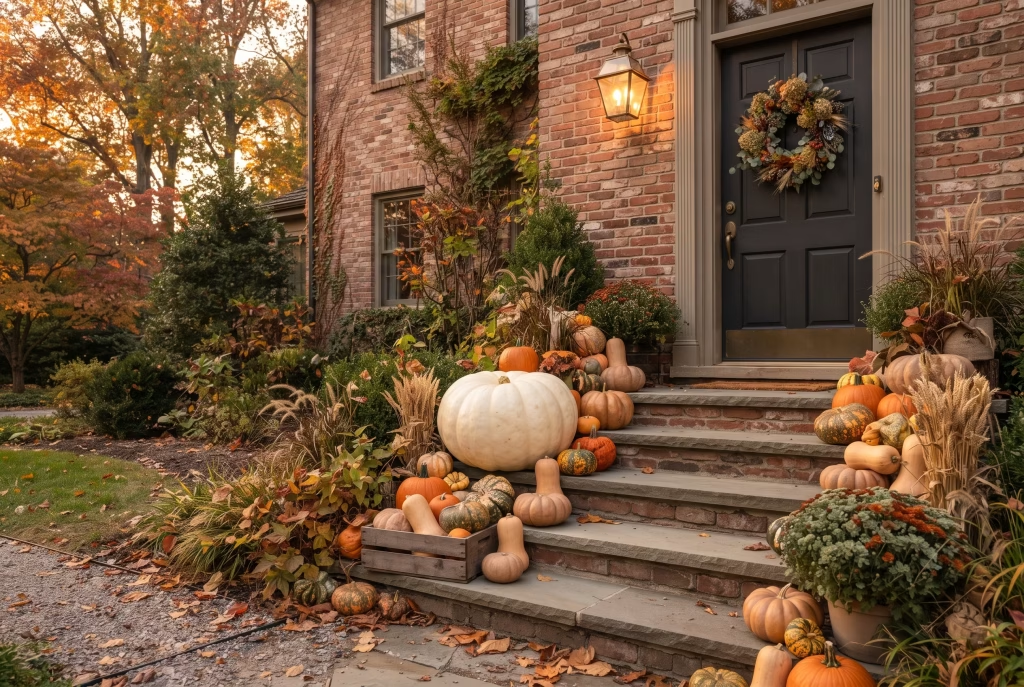
11. Choose a single unexpected pumpkin color as your anchor Instead of the standard all-orange lineup, build the whole steps display around one white, sage-green, or nearly-black pumpkin as your visual anchor.
- Surround the anchor piece with smaller, traditional orange pumpkins for contrast.
- The eye needs somewhere to land first; an anchor piece gives it exactly that, the same principle interior designers use when arranging a gallery wall.
- This works especially well against a brick or red-toned home where an all-orange display can start to visually compete with the house itself.
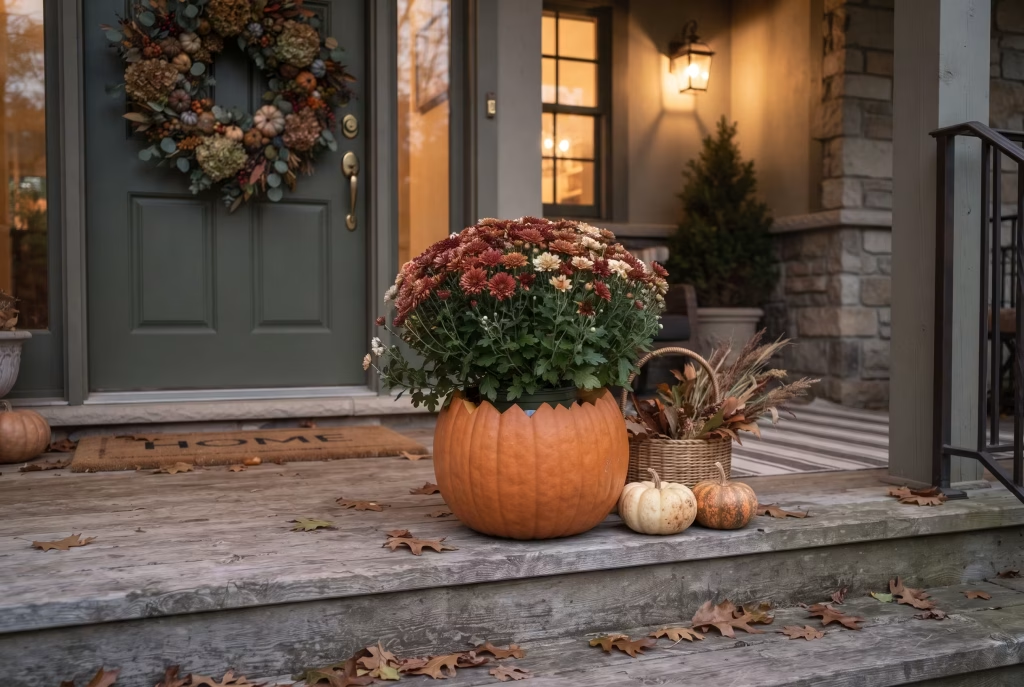
12. Turn a hollowed pumpkin into a planter, not a candle holder Scoop out a pumpkin as if prepping to carve it, then nest a potted mum or a few pansies inside, container and all, rather than planting directly into the flesh.
- Lasts noticeably longer than a jack-o-lantern, since the pumpkin flesh isn’t exposed to air the same way.
- Looks considerably more polished and considered than a carved face, especially for anyone hosting guests who skew more elegant than spooky.
- Swap the plant out easily once it fades, without disturbing the pumpkin shell itself. Cost: $8–15 per pumpkin planter. Effort: 15 minutes each.

13. Add a scarecrow with actual personality Skip the generic straw-and-flannel look and give your scarecrow a real backstory.
- Dress it in something with character, a chunky cardigan, a floral sunhat, a well-worn pair of boots.
- Add small props, a mug, a book, a garden trowel tucked into a pocket, to suggest a person mid-task rather than a prop mid-display.
- A scarecrow with genuine charm tends to become a small neighborhood landmark, the kind kids point out on their walk to the bus stop every single morning.
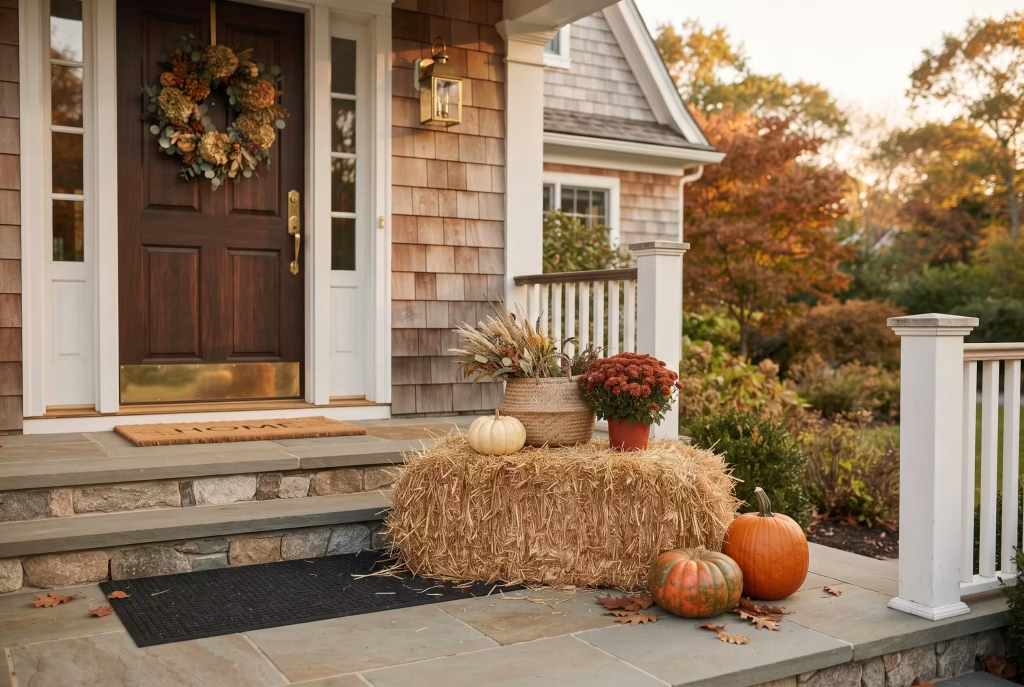
14. Use hay bales as risers, not just decoration A single hay bale at the side of the steps does real double duty.
- It works as both a decorative element and a functional riser for shorter items that would otherwise get visually lost on the ground.
- Keep it dry and off bare concrete where possible; damp hay can start to smell and mold within a couple of weeks.
- Cover the bale with a washable outdoor rug or wooden board underneath if you’re worried about staining your steps.
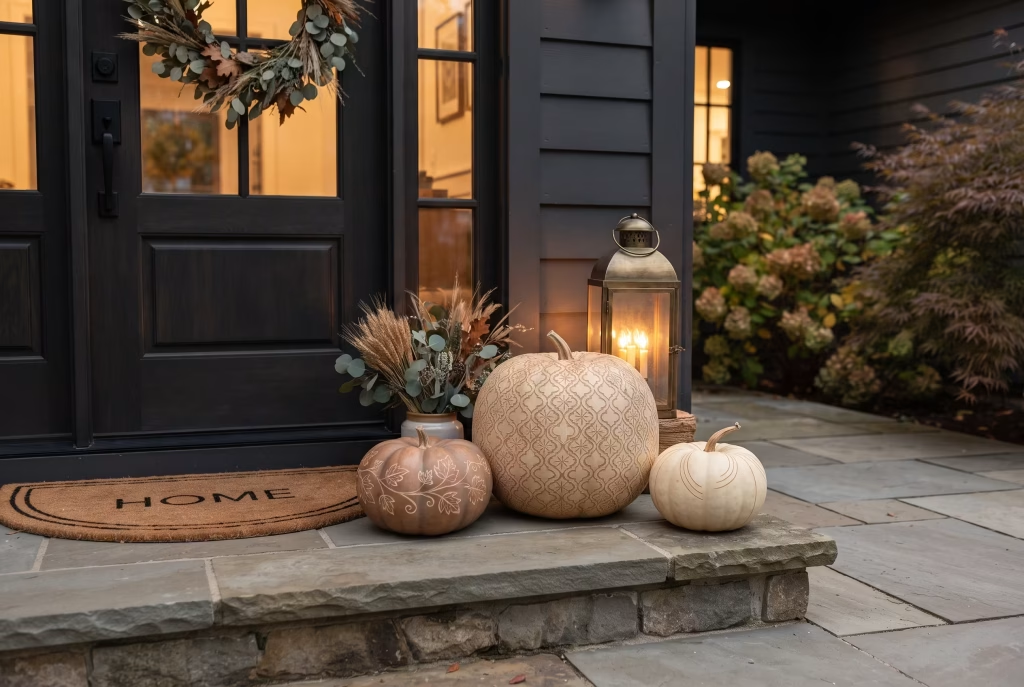
15. Carve or etch instead of the classic triangle-eyes jack-o-lantern Clay-carving tools let you etch just the surface of the pumpkin’s skin without cutting all the way through.
- The result looks considerably more sophisticated than a traditional jack-o-lantern face.
- Genuinely useful bit of practical knowledge here: surface etching extends the pumpkin’s display life significantly, since it isn’t exposed to air and bacteria the way a fully hollowed pumpkin is.
- Works beautifully with a floral, foliage, or geometric pattern rather than a face, which also means it fits a more grown-up, elegant porch aesthetic.
Zone 3: Furniture, Textiles & Cozy Seating (Ideas 16–21)
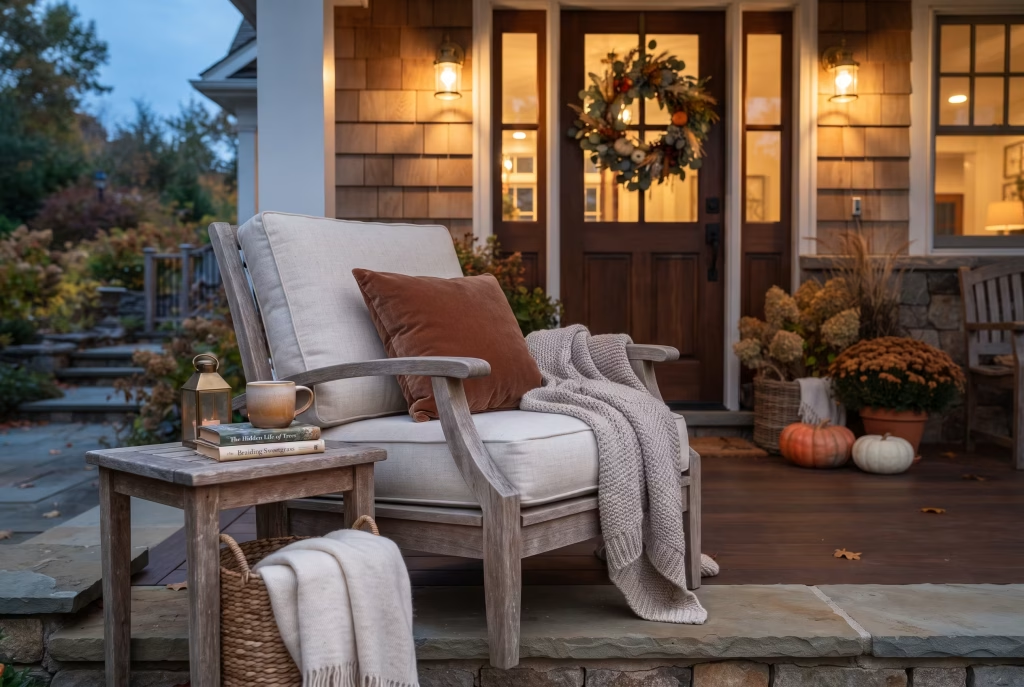
This is the zone that turns a porch from something you look at into something you actually use, and there’s real emotional value in that shift. A porch that invites you to sit down with a mug of cider does more for how “home” feels than any amount of pumpkins ever will.
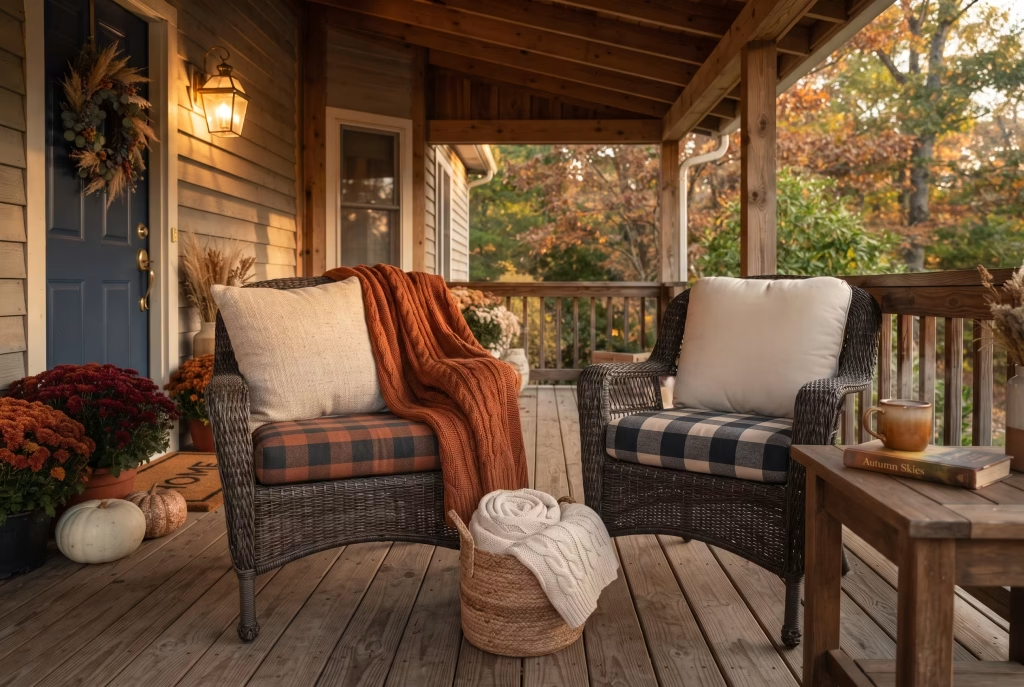
16. Swap summer cushion covers for a heavier, warmer fabric Buffalo check, corduroy, and chunky knit covers over your existing outdoor cushions instantly shift the whole season without buying new furniture.
- Choose covers, not entirely new cushions, to save significantly on cost.
- Look for weather-treated or easily washable fabrics if the seating isn’t fully covered.
- Mix two complementary patterns (a solid with a check, for instance) rather than one pattern repeated everywhere. Cost: $40–70 for a full set. Effort: low.
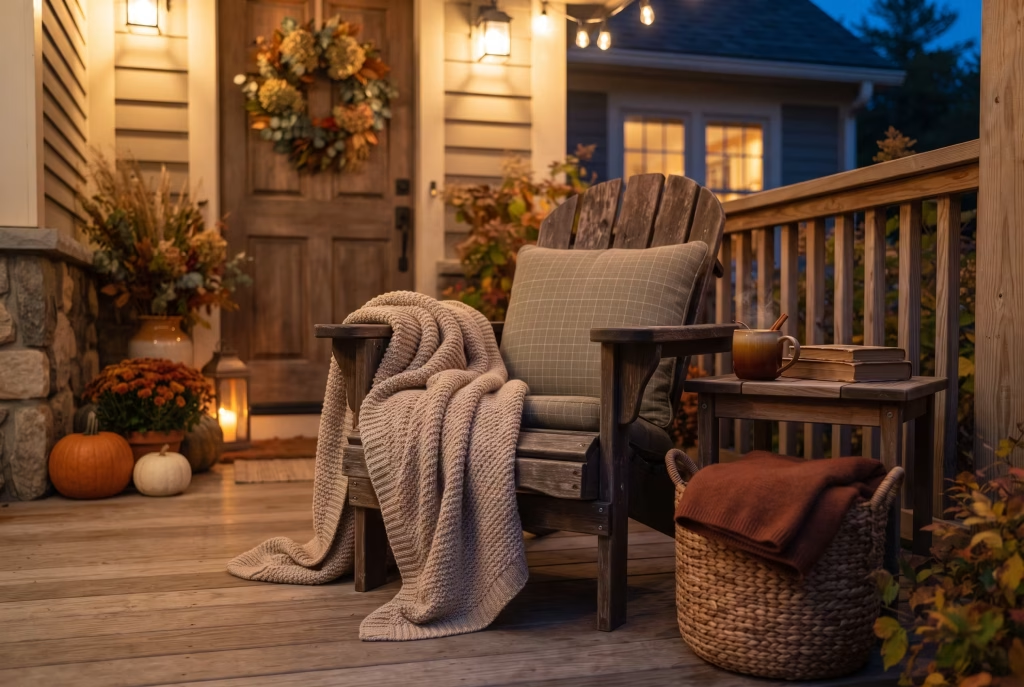
17. Drape a genuinely usable throw blanket, not a decorative one There’s a real difference between a blanket styled purely for the camera and one you’d actually reach for on a chilly evening.
- Choose a weather-resistant, machine-washable throw over a delicate indoor one so it can survive actually being used, not just admired.
- Drape it loosely over an arm rest or the back of a chair rather than folding it perfectly; the slight rumple signals “this gets used” rather than “don’t touch.”
- Keep a second one indoors nearby so you never have to choose between styling the porch and actually staying warm on it. Cost: $25–45.
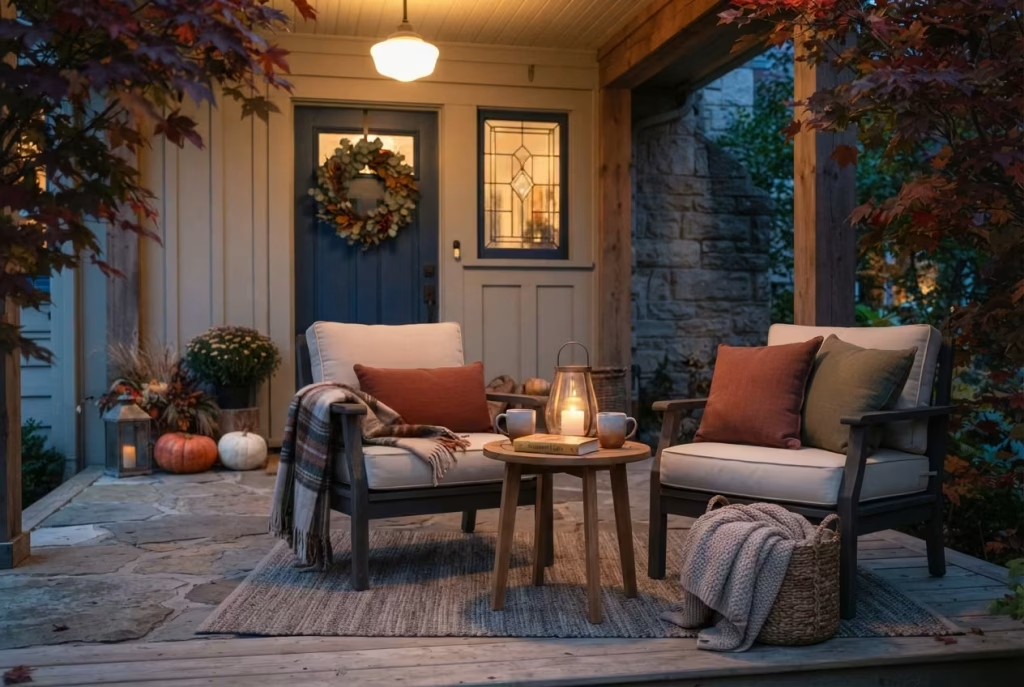
18. Arrange seating for conversation, not just for photos Pairs and small clusters of chairs invite people to sit and stay; single chairs scattered randomly rarely get used at all.
- Angle two chairs toward each other rather than both facing the street.
- Add a small side table between them for a mug, a book, or a candle.
- If you’re rearranging for fall anyway, this costs nothing and changes how the whole porch functions, not just how it looks.
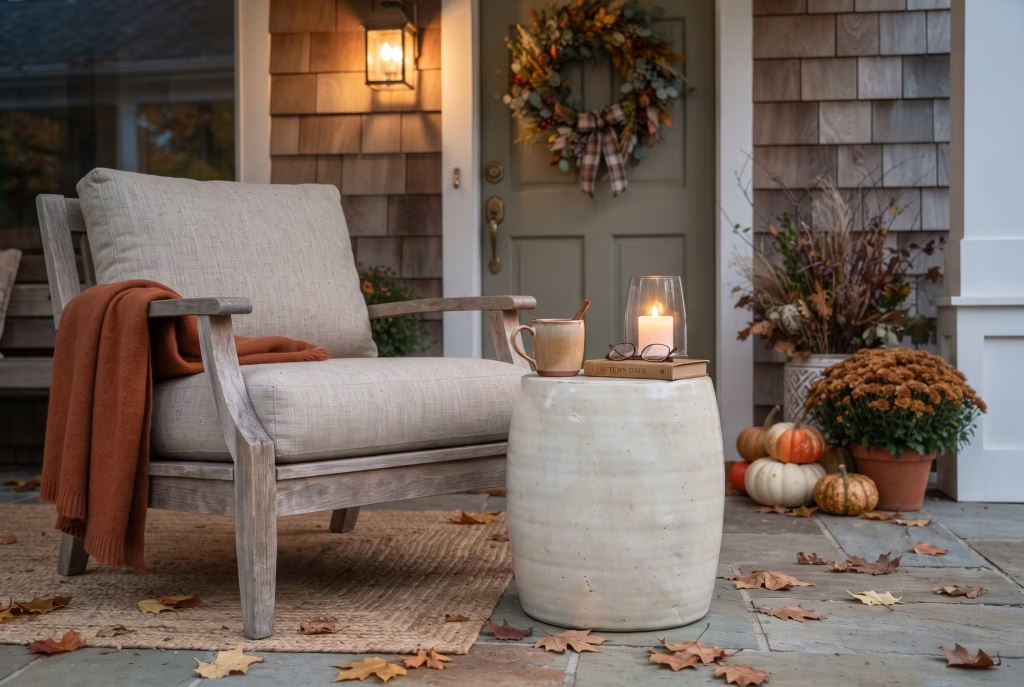
19. Add a garden stool as an impromptu side table An affordable ceramic or concrete garden stool works beautifully as a small side table for a mug of cider or a stack of books.
- Reads as intentional design rather than an afterthought folding table dragged out from the garage.
- Doubles as extra seating in a pinch when more guests show up than chairs allow.
- Comes in enough colors and finishes to match nearly any existing porch palette.
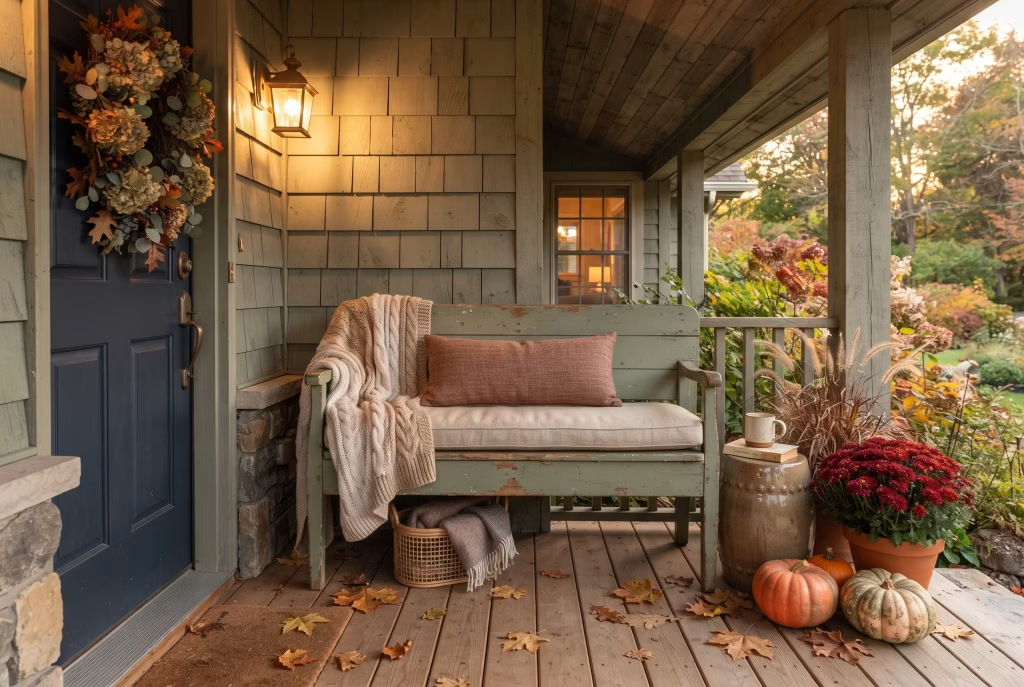
20. Bring in a vintage-feeling bench Even a simple painted wooden bench softens a porch considerably.
- Gives you somewhere to actually sit and watch the leaves fall, rather than just another surface to decorate around.
- A slightly worn, secondhand bench often carries more warmth and character than a brand-new one, scuffs and all.
- Works beautifully layered with a cushion and a throw for genuine daily use, not just seasonal styling.
You May also Like: 15 Overlooked ’70s Home Exterior Ideas Worth Rediscovering
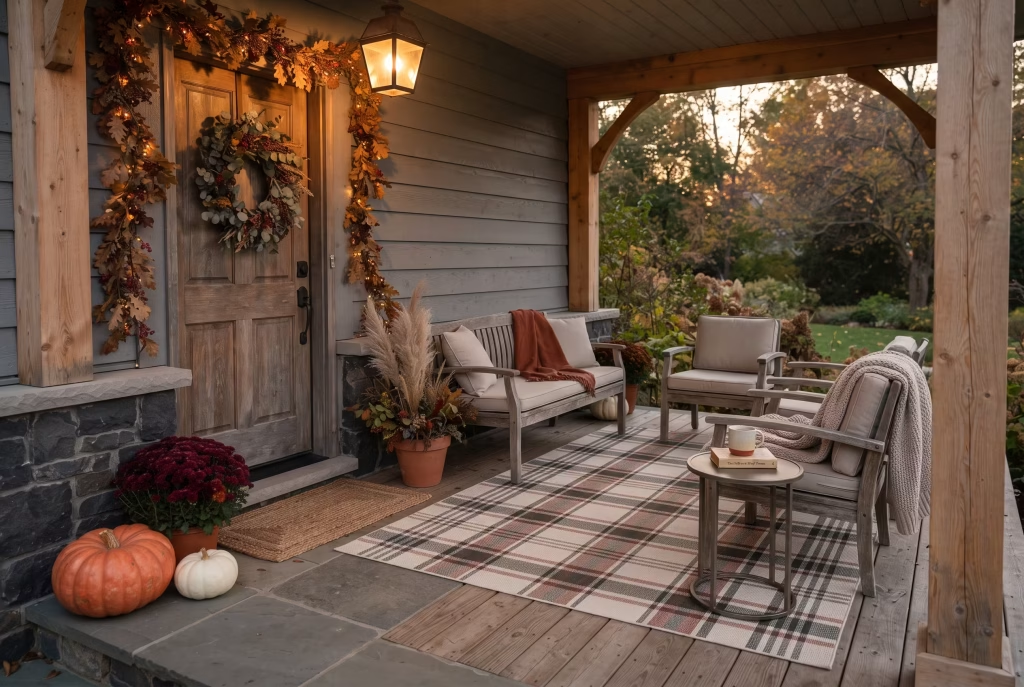
21. Layer a plaid or striped outdoor rug under existing furniture Rugs define a seating zone the way nothing else can on an open porch.
- A plaid pattern specifically signals “fall” almost as strongly as a pumpkin does, at a fraction of the visual clutter.
- Choose polypropylene or another weather-resistant material if the area isn’t fully covered from rain.
- A rug instantly makes an open porch feel like an actual room rather than a pass-through space, which changes how often people linger there.
Zone 4: Planters, Urns & Window Boxes (Ideas 22–27)
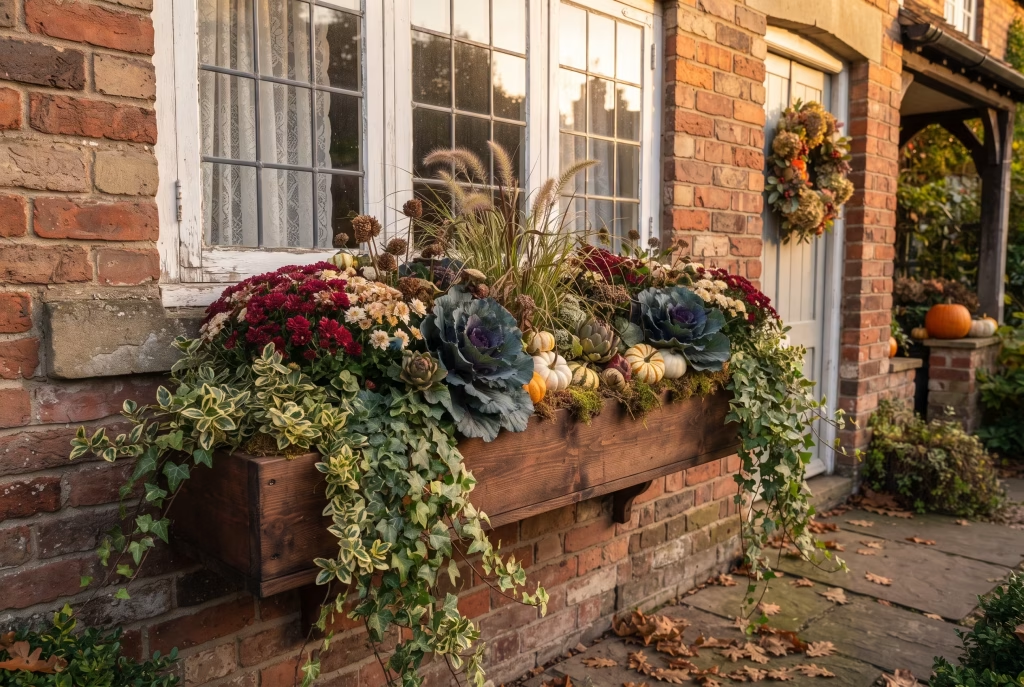
22. Fill window boxes with a genuine mix, not just mums Ornamental cabbage, trailing ivy, and artichokes alongside mums and pumpkins give a window box far more textural richness than flowers alone.
- Vary height within the box: something trailing over the edge, something upright in the center, something low and full at the front.
- Choose plants suited to your region’s actual fall temperatures, since window box soil dries out considerably faster than ground beds due to limited volume.
- Water window boxes more frequently than you’d expect; the shallow soil holds far less moisture than a standard pot.
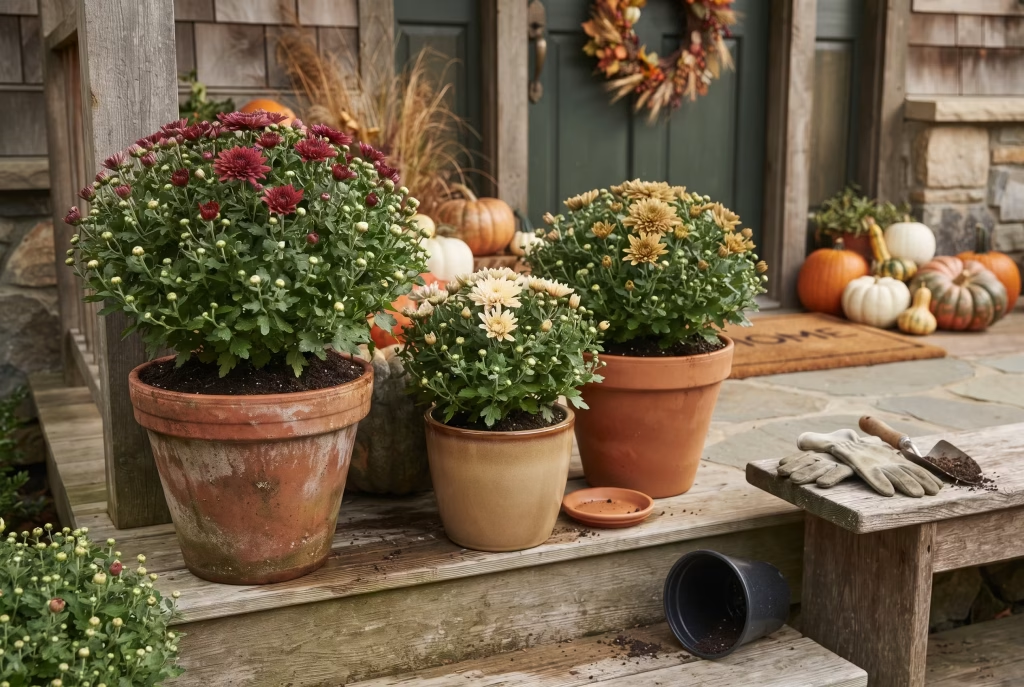
23. Repot store-bought mums immediately This single step is genuinely the difference between mums that survive to Thanksgiving and mums that look sad within the second week.
- Most nursery mums arrive rootbound in undersized pots, stressed before you’ve even gotten them home from the garden center.
- Move them into a larger container with fresh soil the same day you buy them.
- Water from the base (a saucer underneath, or a short soak in a bucket) rather than pouring over the top of the blooms, which can encourage fungal spotting.
- Choose plants with tight, unopened buds rather than ones already in full flower for the longest possible display life. It’s a five-minute task that so many people skip, and skipping it is quietly the number one reason fall mums earn their reputation for dying fast.
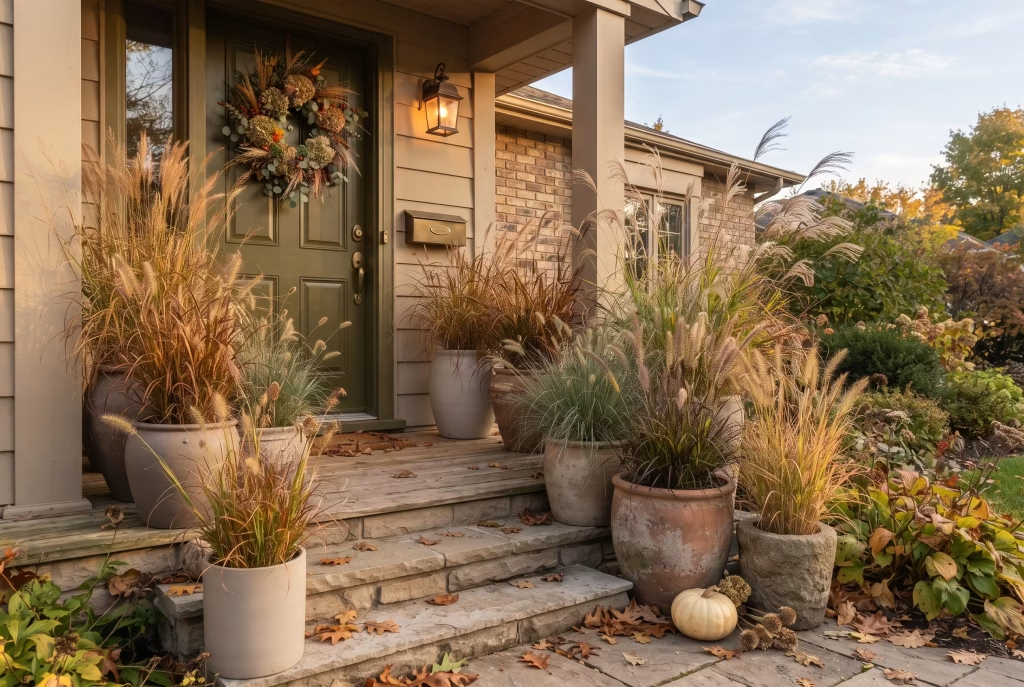
24. Try coleus or ornamental grasses instead of mums If you’ve struggled with mums dying within days no matter what you do, you’re genuinely not alone, and there’s no shame in switching strategies.
- Coleus tolerates far more neglect than mums and often costs half as much.
- Ornamental grasses make a surprisingly elegant substitute that lasts the entire season without daily watering.
- Both options age gracefully rather than suddenly collapsing, which spares you the slightly heartbreaking ritual of pulling out a dead plant mid-October.
25. Go non-traditional with your mum color story Purple and white together, or pink alongside yellow, gives a fresher, less expected feel than the standard orange-red-gold trio.
- Photographs beautifully against a white or black door specifically.
- Signals a bit of personal style rather than a default, off-the-shelf fall look.
- Pairs surprisingly well with white pumpkins for a cohesive, considered palette across the whole porch.
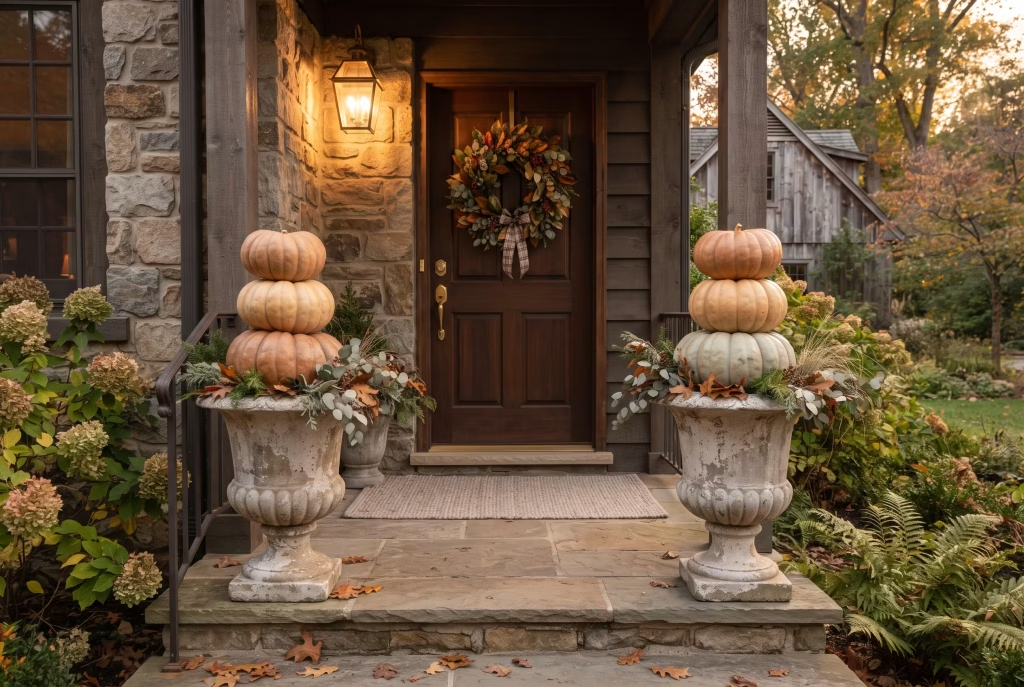
26. Stack pumpkins directly inside your existing urns Rather than buying new planters, use the summer urns you already own as a base for a stacked pumpkin display.
- Tuck a bit of greenery around the edges to soften the transition between pumpkin and container.
- Choose pumpkins slightly narrower than the urn’s opening so they nestle rather than perch precariously.
- A genuinely zero-cost upgrade if you already own the urns; the pumpkins are the only new purchase.
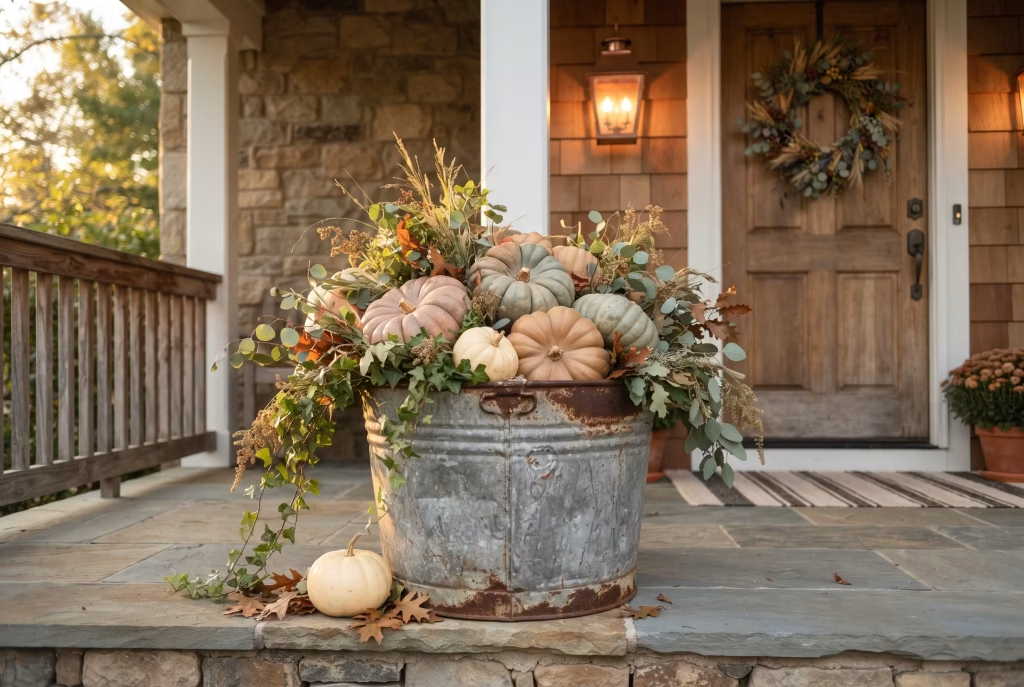
27. Use a rusted or aged metal container as a statement piece A weathered galvanized bucket or an old wheelbarrow filled with pumpkins and trailing foliage carries genuine character a brand-new plastic planter simply can’t fake.
- Tends to be the specific piece guests comment on, the one detail people remember about the whole porch afterward.
- Works especially well leaning into a farmhouse or rustic-modern aesthetic.
- Ages further with each season outdoors, so it only gets better rather than needing replacement.
Zone 5: Garlands, Lanterns & Lighting (Ideas 28–33)
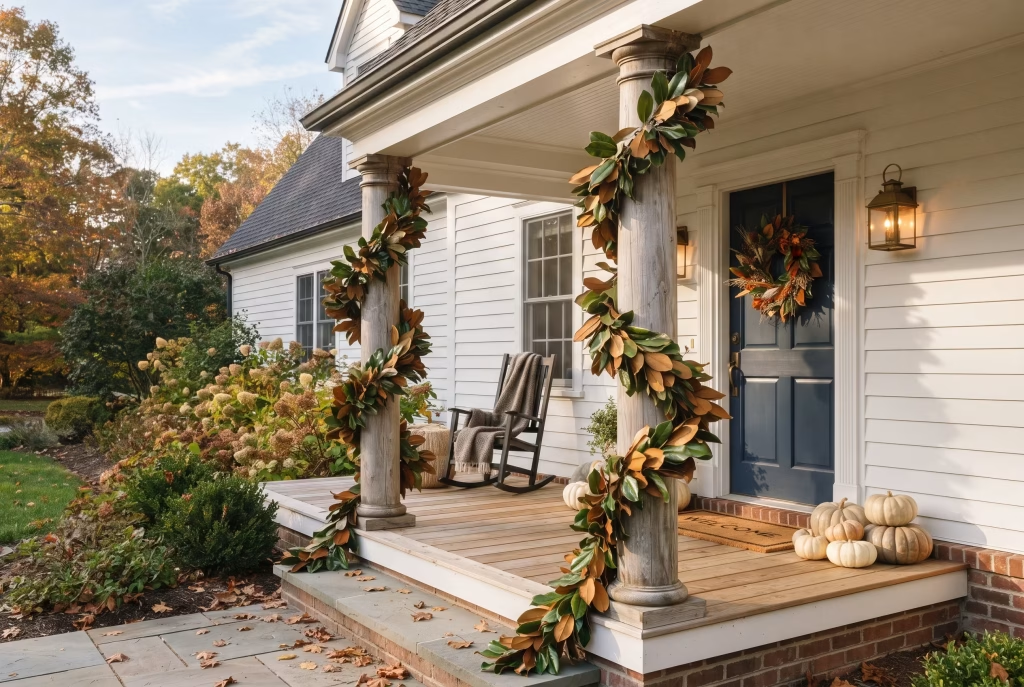
28. Wrap porch columns in a natural garland Magnolia leaf garlands hold their color and shape for roughly a month when kept out of direct sun.
- Dried versions can be stored carefully and reused for years, making them a genuinely smart long-term investment.
- Wrap loosely rather than tightly around columns for the most natural, unforced look.
- Secure with garden wire in a few spots rather than a single tight wrap, which keeps it from sagging or shifting in wind.
29. Hang string lights along the roofline or railing Warm white, not cool white, not multicolor, string lights create genuine evening ambiance.
- Directly addresses the earlier sunsets that come with fall, turning a dim porch into a genuinely welcoming glow.
- One of the lowest-effort, highest-impact additions on this entire list.
- Confirm the lights are rated for outdoor use before installing anywhere exposed to rain. Cost: $15–30. Effort: 20 minutes.
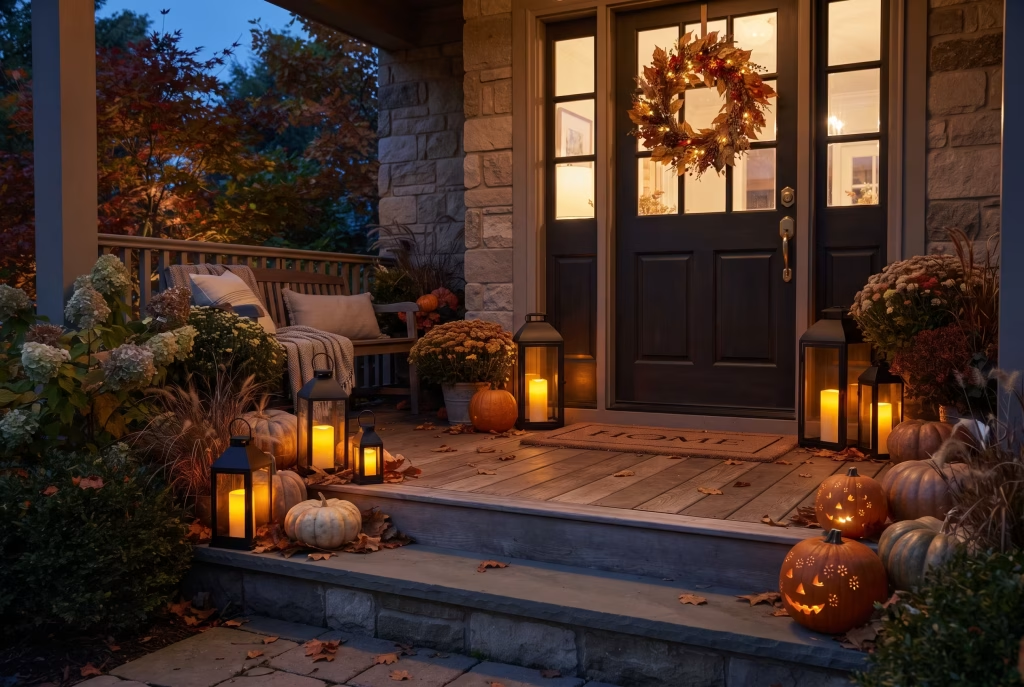
30. Use flameless candles in every lantern and pumpkin This deserves its own callout, not just as a style note but as a genuine safety one.
- A live flame inside a carved pumpkin or a paper luminary heats the interior and dramatically speeds up rotting.
- It’s a real fire risk if a piece is left unattended near dry leaves, hay, or a wood porch surface.
- Battery-operated flameless candles have improved enough in recent years that most guests genuinely cannot tell the difference from a few feet away. Solving both the rot problem and the safety problem with a single, inexpensive swap is about as good a trade as fall decorating offers.
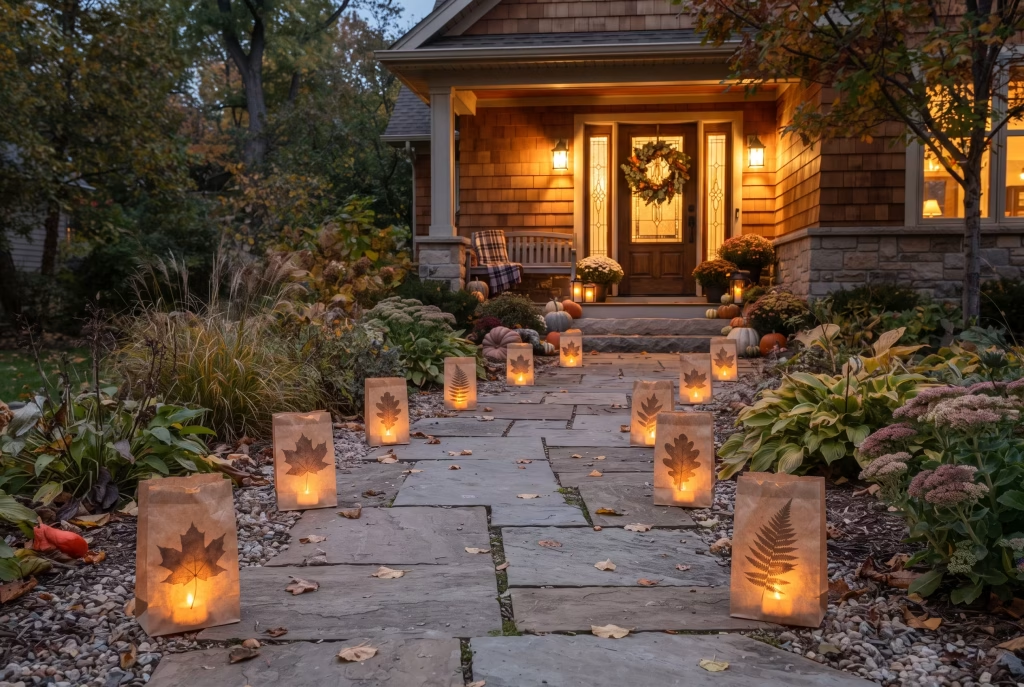
31. Make paper-bag leaf luminaries Spray a paper bag lightly with a diluted acrylic paint mixture, press dried leaves against it while wet, then let dry and remove the leaves.
- Leaves a soft, mottled silhouette effect once a light is placed inside.
- Line a walkway or stairway with several in a row for a genuinely magical evening glow, the kind that makes an ordinary Tuesday feel a little bit like a celebration.
- Use flameless tea lights inside rather than open flame, since paper is obviously combustible.
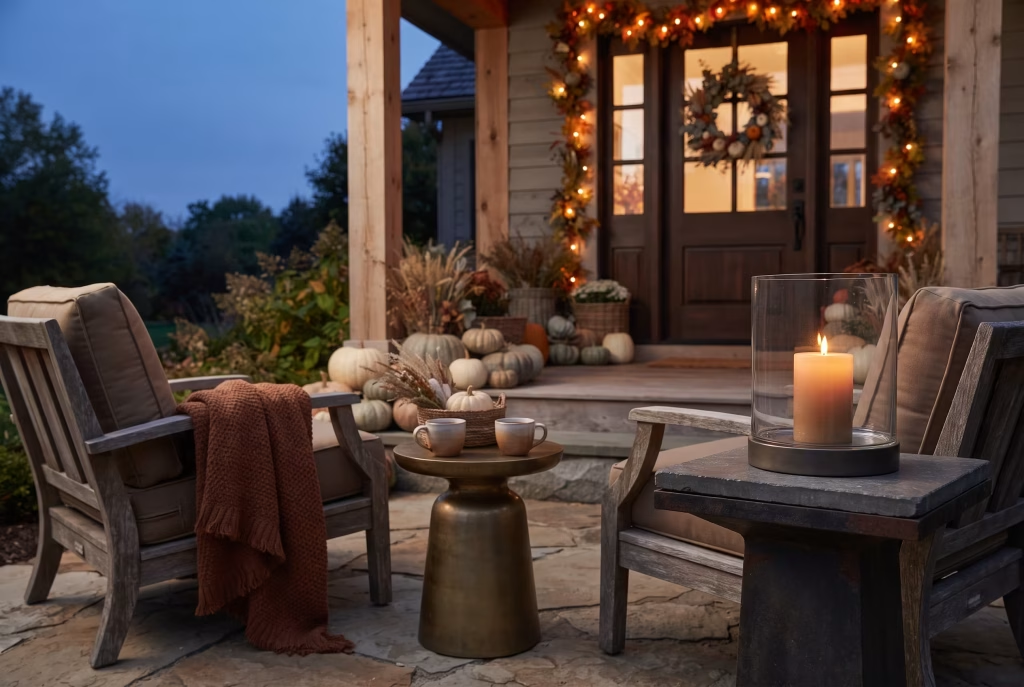
32. Add a fall-scented outdoor candle, safely enclosed A hurricane-glass enclosed candle placed near (not directly on) a seating area adds real scent-driven coziness.
- Scent is a surprisingly powerful psychological trigger tied directly to memory, since the brain’s olfactory bulb sits right next to its memory center.
- A specific fall smell, wood smoke, cinnamon, cider, can transport a person straight back to a childhood October in a way sight alone rarely manages.
- Choose scents that complement rather than compete if you’re also using scented mulch or real pumpkins nearby.
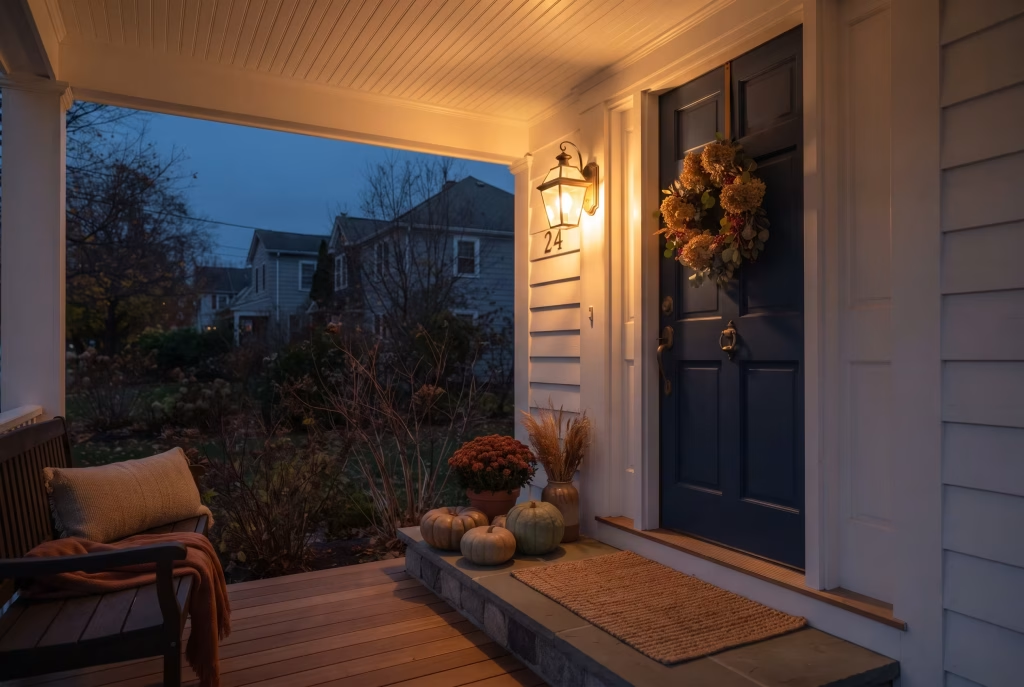
33. Swap a single bright white porch bulb for a warm-toned one An easy five-minute swap with an outsized emotional payoff.
- A warm 2700K bulb instead of a bright white 5000K one changes the entire emotional temperature of your entryway after dark.
- Essentially zero added cost if you already own the fixture.
- Warm light makes skin tones, wood surfaces, and pumpkin colors all read more flattering, a small detail that quietly elevates every photo taken on the porch that season.
Zone 6: Yard, Walkway & Curb Accents (Ideas 34–39)
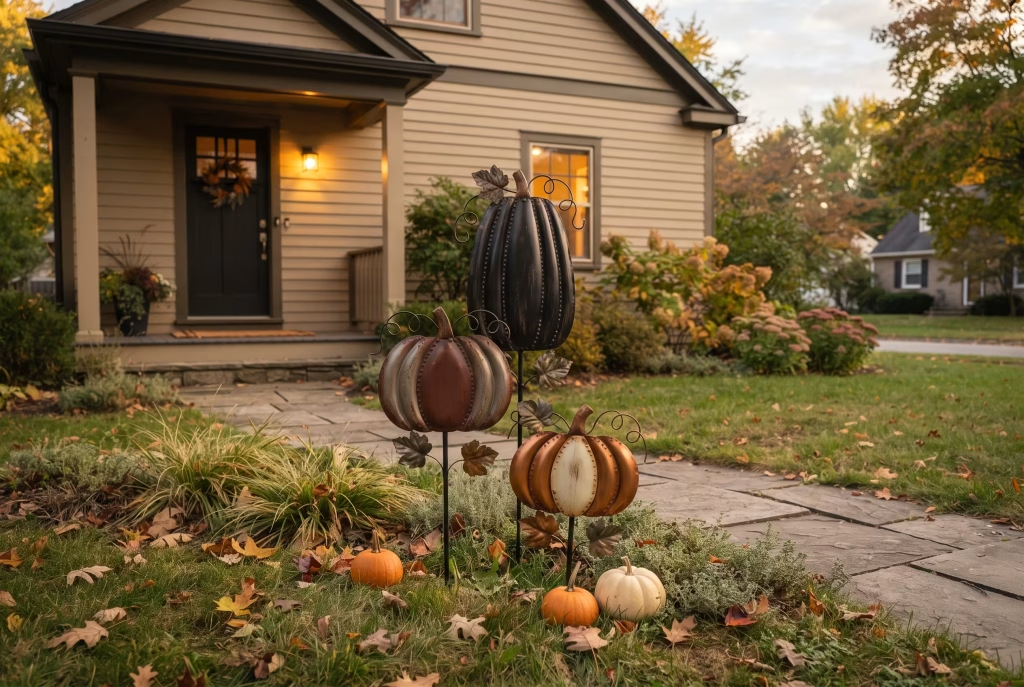
34. Add garden stakes or small yard signs A cluster of simple metal pumpkin stakes or a “welcome fall” yard sign gives even a plain front lawn genuine seasonal presence.
- Requires no porch space at all, ideal for homes with a small stoop but a larger yard.
- Groups of three stakes at varied heights read better than a single isolated one.
- Inexpensive enough to buy several and rotate placement year to year for a fresh look each season.
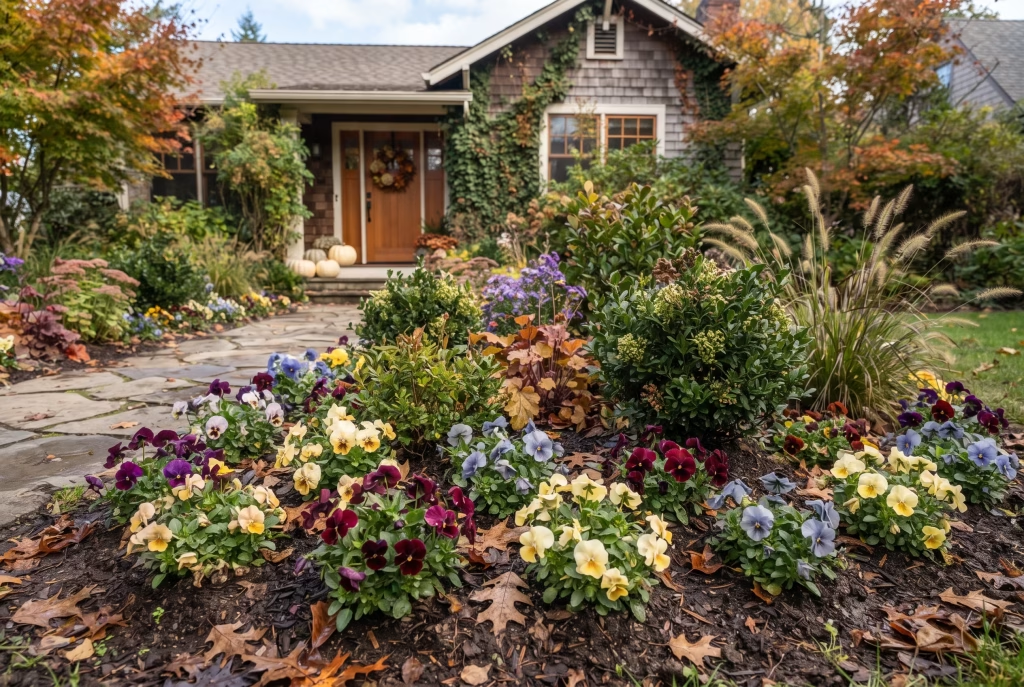
35. Underplant your existing garden beds with pansies or violas Fall is actually an excellent planting season, a fact many homeowners never realize.
- Cooler temperatures mean less transplant stress on new plants than a summer planting would.
- Pansies specifically will often bloom right through a light frost, giving color that genuinely outlasts most porch pumpkins.
- A real long-game move: plant now, and you’ll have color well into the start of winter with essentially no extra effort.
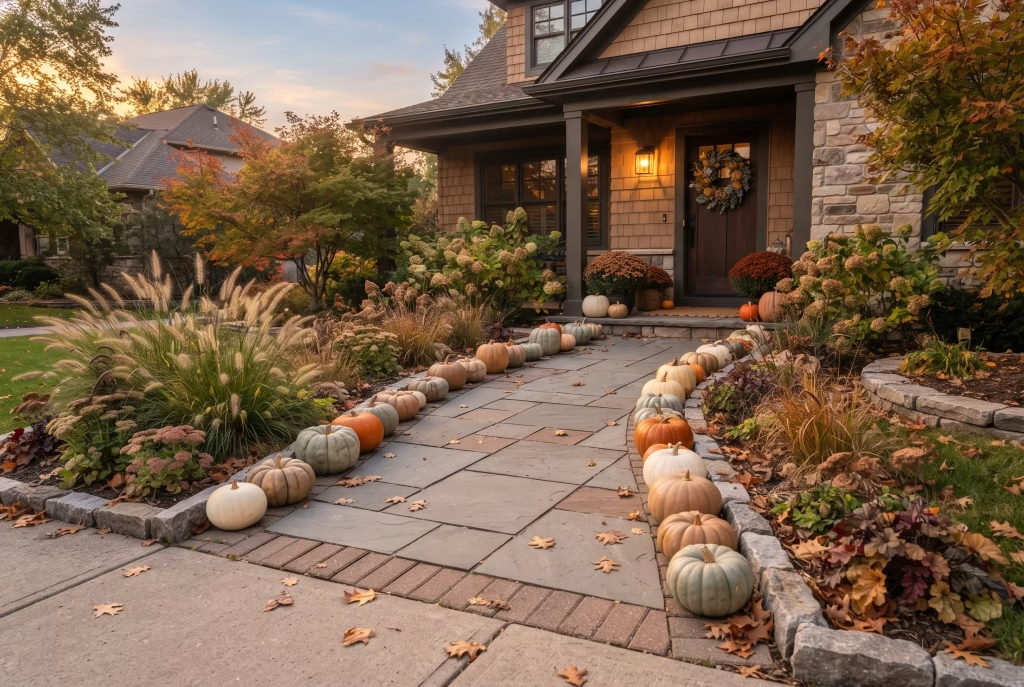
36. Line the walkway with small pumpkins or lanterns A single small pumpkin or lantern every few feet along a front path draws the eye toward the door.
- Makes the approach itself feel like part of the experience, not just something to walk past on the way to the destination.
- Especially effective at dusk, when lit lanterns create a genuine sense of occasion for anyone walking up.
- Space evenly and keep the path itself completely clear; charm should never come at the cost of a stumble.
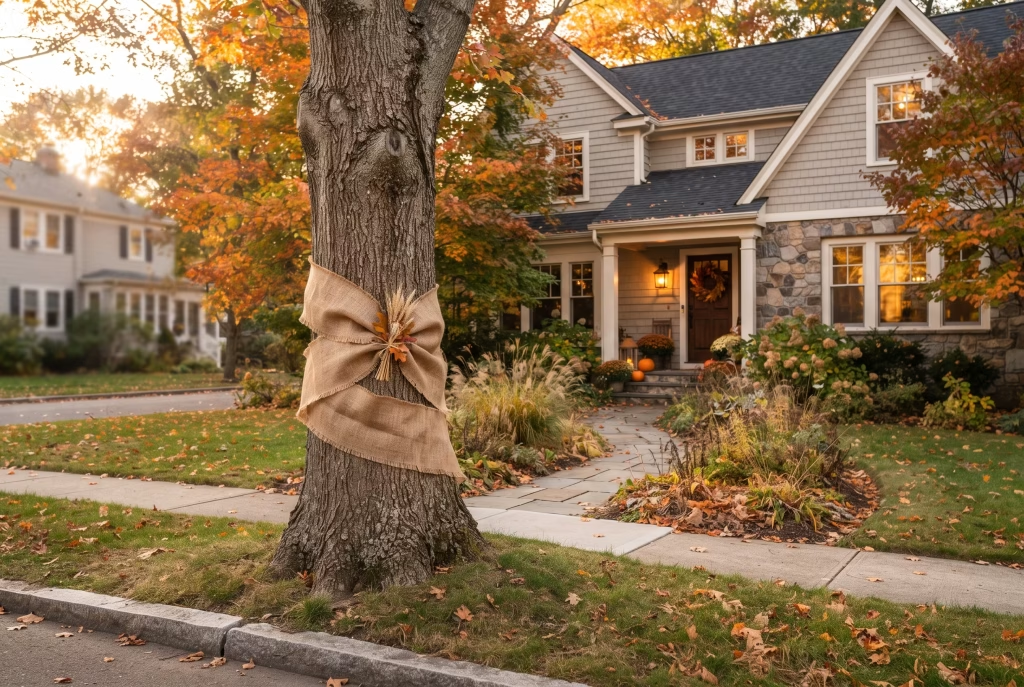
37. Wrap tree trunks or lamp posts near the curb A simple wrap of burlap ribbon or a small garland around a tree trunk or lamp post extends the seasonal feeling beyond the immediate porch area.
- Signals the season from the street itself, before a visitor even reaches your walkway.
- Low-cost, low-effort, and easily removed at season’s end without any lasting mark.
- Particularly effective on corner lots or homes set back from the street, where the porch alone might not read clearly from a passing car.
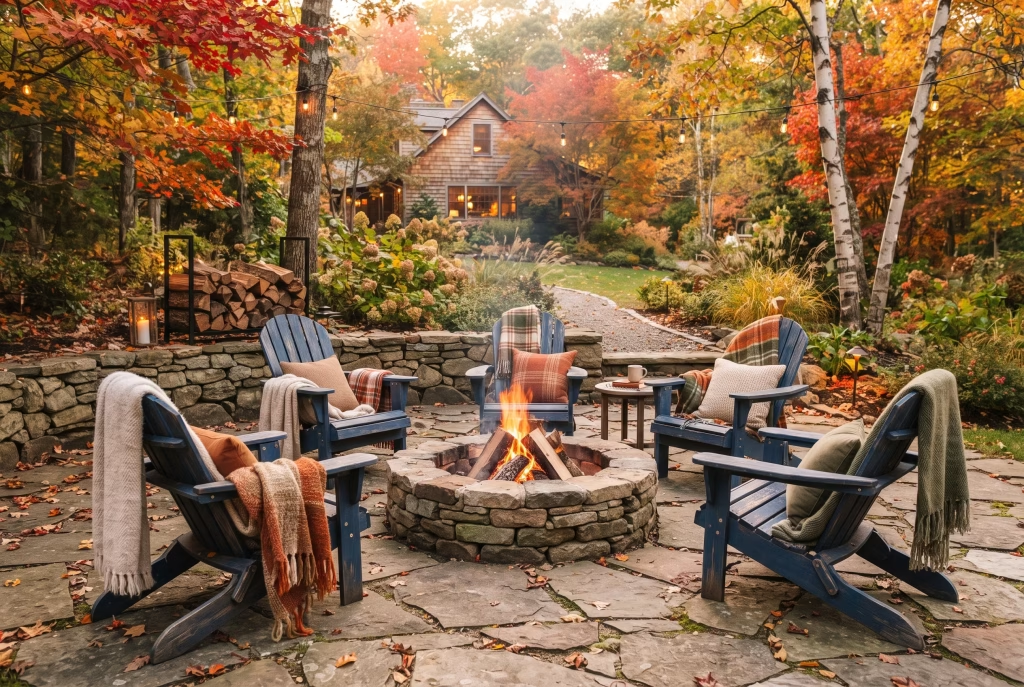
38. Set up an outdoor fire pit seating zone If you have the space, a fire pit surrounded by a few Adirondack chairs and cozy throws turns your yard into an actual destination.
- Extends your outdoor season well past what most porch-only setups manage, often into November.
- Creates a genuine gathering point for the specific kind of evening that fall does better than any other season: cider, conversation, and a fire that makes the cold feel like a feature rather than a problem.
- Always check local fire codes and never leave an open flame unattended, especially near dry leaves.
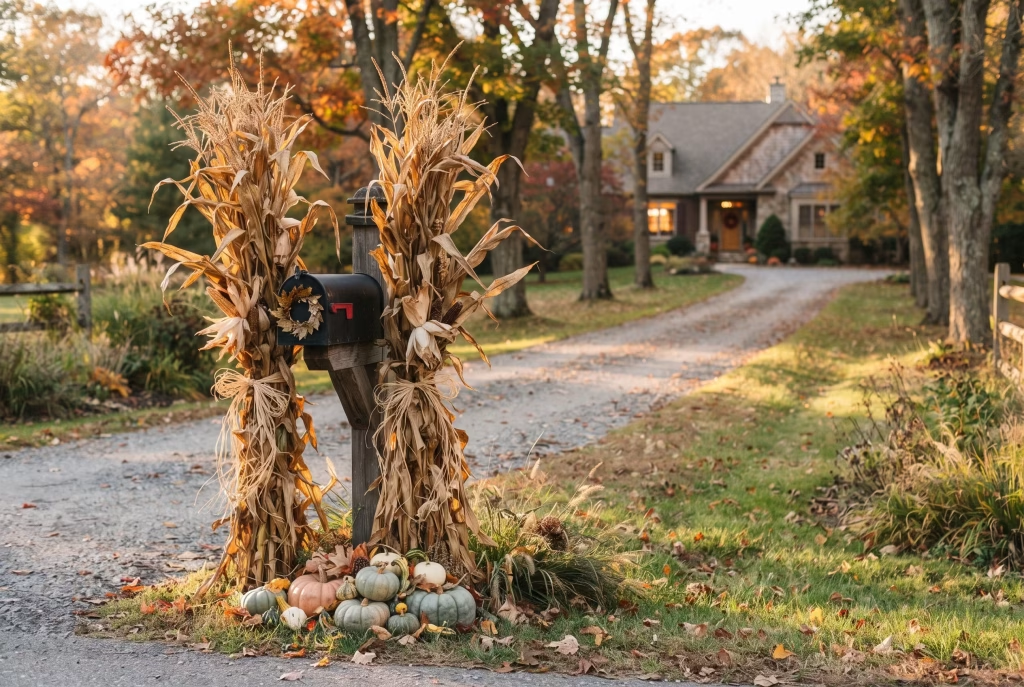
39. Add a cornstalk bundle flanking the mailbox or driveway entrance Two bundled cornstalks tied with raffia or ribbon at the base of a mailbox post is a classic, low-cost touch.
- Extends fall decor beyond the porch itself and signals the season from the street.
- Particularly effective for longer driveways where the porch itself is set well back from the road.
- Can often be sourced free or nearly free from a local farm stand at the height of the season.
Zone 7: Small-Space, No-Porch & Rental-Friendly Ideas (Ideas 40–44)
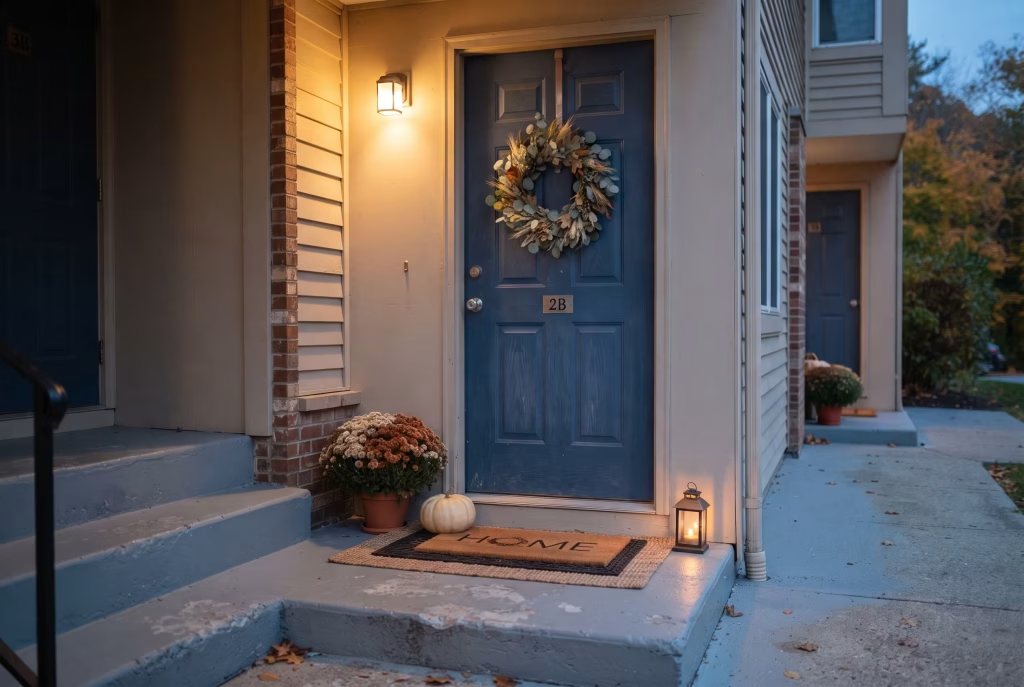
If you’ve ever searched specifically for apartment or balcony fall decor because every porch guide assumed you had steps to decorate, this section exists for you. A genuinely large number of readers are working with a narrow stoop, a Juliet balcony, or a shared building entrance, and the good news is that fall decor scales down beautifully without losing any of its warmth.
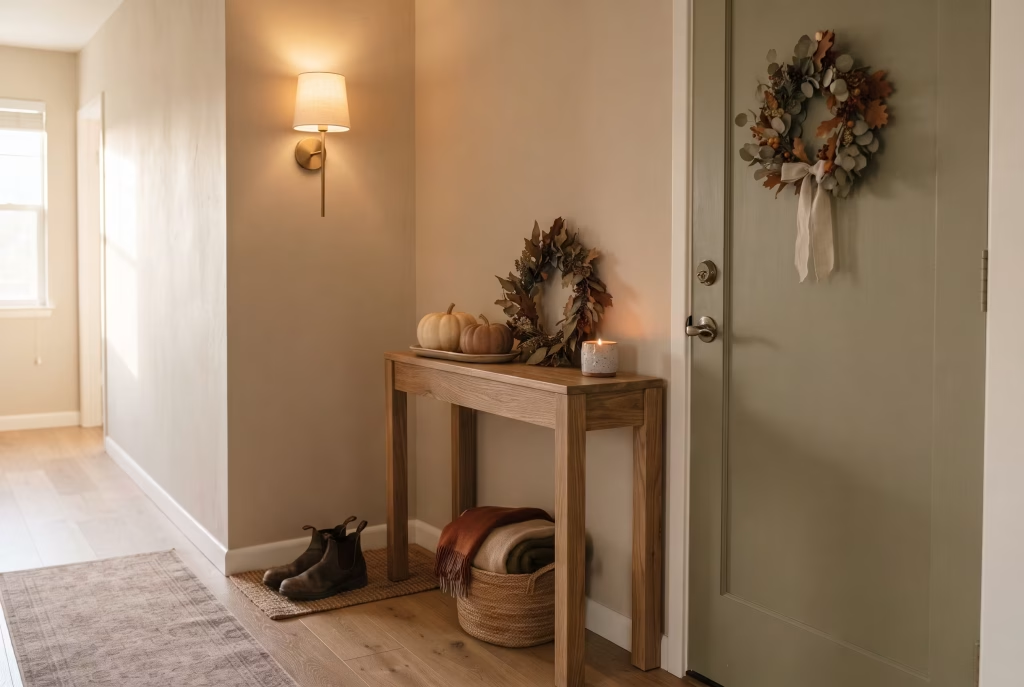
40. Concentrate everything on one narrow shelf or console Rather than trying to fill floor space you don’t have, pick a single vertical surface.
- A narrow console table, a windowsill, or even one wall shelf can hold your entire display.
- Two mini pumpkins, a small dried-leaf wreath, and a compact basket for scarves is genuinely enough; it doesn’t need to compete with a full porch to feel complete.
- Rotating a fresh candle or seasonal object onto that same shelf each month keeps the space feeling intentional year-round, not just in fall.
41. Use command hooks and tension rods instead of anything permanent For renters specifically, this is the single most useful trick in the entire guide.
- Command hooks hold a wreath or small garland without leaving marks on paint or trim.
- A tension rod can support hanging lanterns or a light garland across a balcony rail without any drilling at all.
- Always check your lease first; some buildings restrict what can be attached to shared exterior walls or railings, even temporarily.
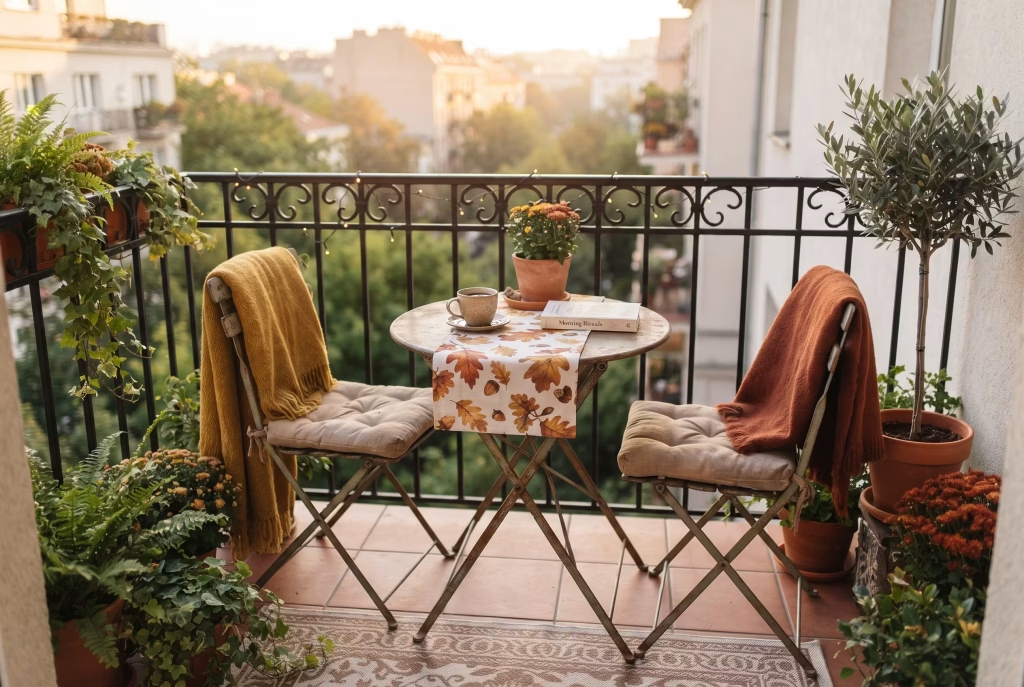
42. Choose a bistro set sized for the space you actually have A single small bistro table and two chairs, rather than a full patio set that won’t fit, makes even a modest balcony genuinely usable.
- Ideal for morning coffee or a quiet evening glass of cider once the weather turns.
- Dressing that small table with a seasonal runner does more visual work than a whole floor’s worth of pumpkins ever would.
- Look for foldable versions if the balcony doubles as a walkway or storage spot the rest of the year.
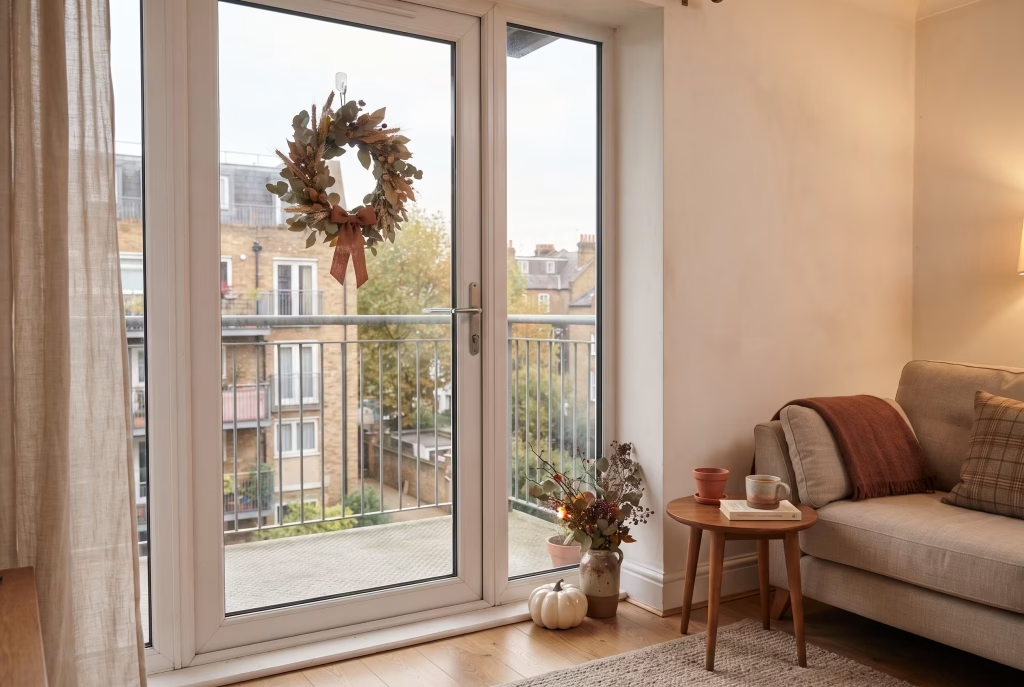
43. Hang a compact wreath on the interior side of a balcony door If your balcony faces a shared hallway rather than the street, a wreath on the door still reads as festive to you every time you step outside.
- Even if no passerby ever sees it, the daily moment of noticing it is worth something real.
- Sidesteps most building restrictions on exterior alterations entirely, since it’s technically an interior-facing surface.
- A small, low-cost way to make a shared or anonymous-feeling entrance genuinely feel like yours.
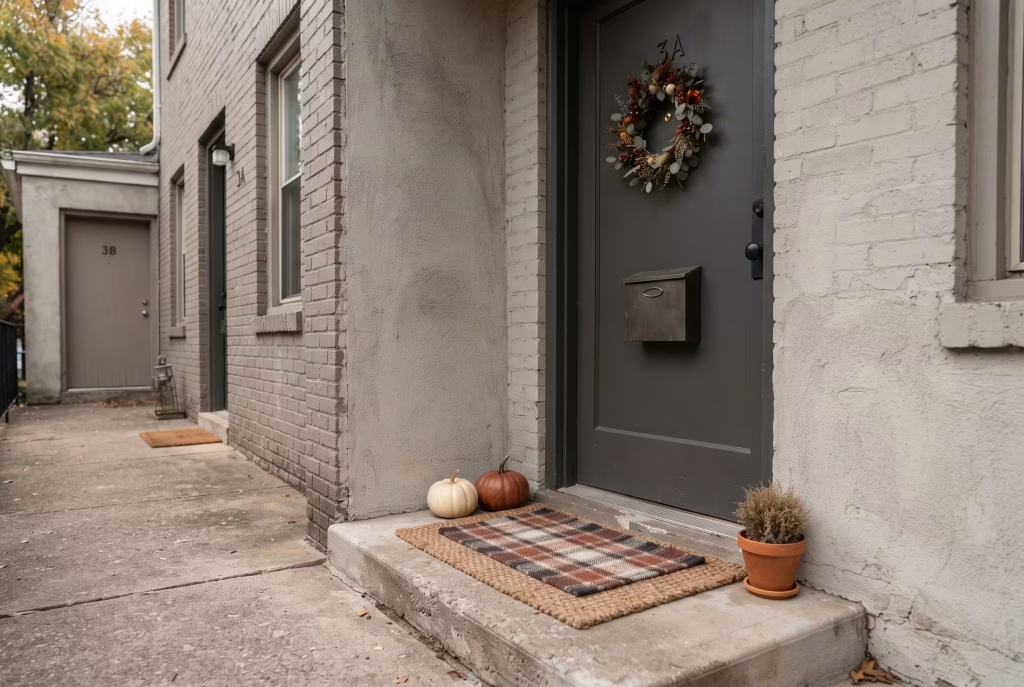
44. Layer a small weatherproof rug and two mini pumpkins near the entry This is the single most repeated small-space tip across dozens of real apartment decor guides, and for good reason.
- A small woven or plaid rug plus two mini pumpkins by the door reads as a complete, considered display.
- Far more effective than an unfinished attempt at a bigger porch-style setup that never quite fills the space.
- Costs under $20 total and takes less than ten minutes to put together, ideal for anyone short on both budget and time.
Zone 8: Budget-Friendly & Foraged Ideas (Ideas 45–49)
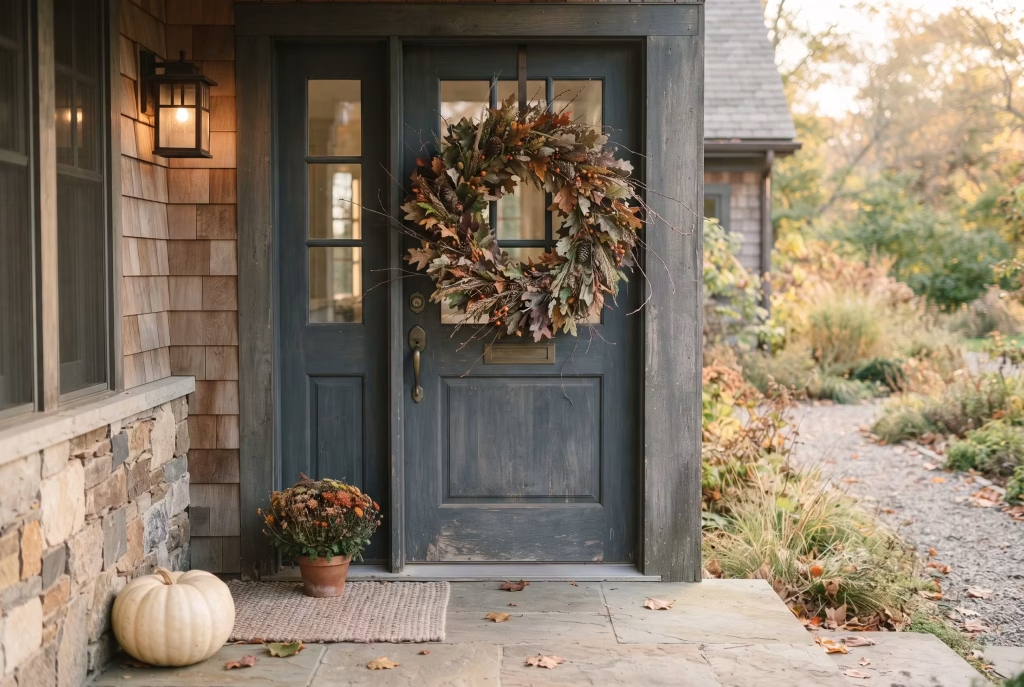
45. Forage rather than buy for garlands and wreaths Fallen branches, pinecones, and colorful leaves from your own yard cost nothing at all.
- Once dried or preserved, foraged materials can be reused for craft projects for years to come.
- A quick spray of clear sealant helps leaves hold their color slightly longer once dried.
- There’s a genuine satisfaction in decorating with what the season itself provided rather than what a store sold you, a small act of noticing the world outside your own door.
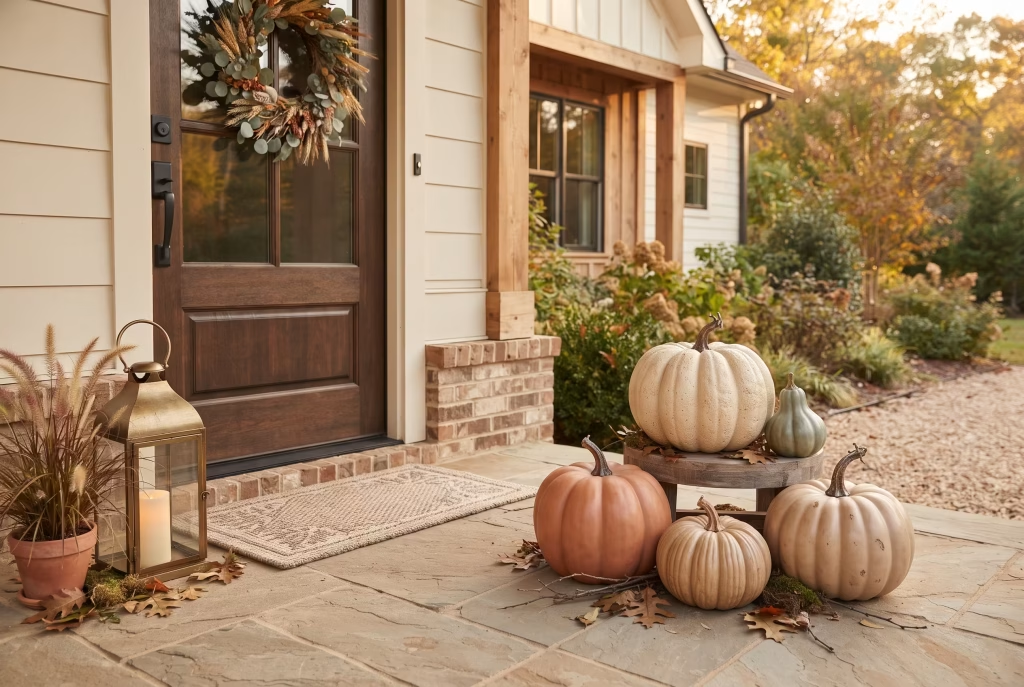
46. Buy faux pumpkins once, use them for a decade The upfront cost of quality foam pumpkins is higher than one season of real ones.
- Spread across the roughly ten years most people report getting out of a good faux set, it works out significantly cheaper overall.
- None of the rot, squirrel damage, or annual replacement-shopping that real pumpkins require.
- A genuinely smart long-term investment for anyone tired of the same yearly scramble each September.
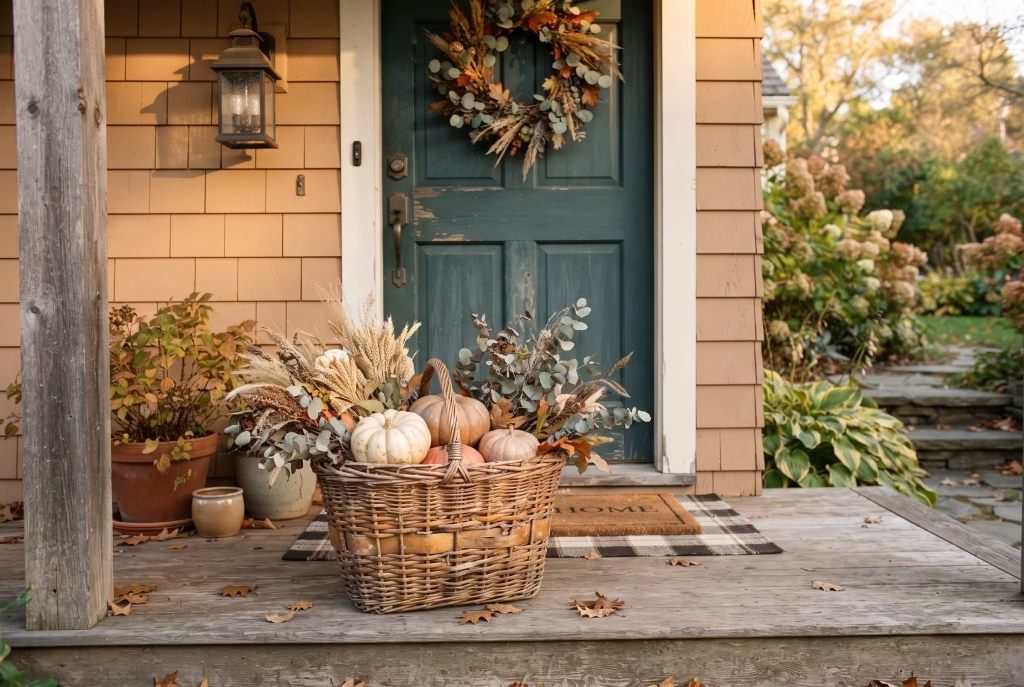
47. Thrift your baskets and vintage containers Secondhand shops are consistently full of exactly the kind of weathered wicker baskets and galvanized buckets sold new at a markup specifically for their “vintage” look.
- A few dollars at a thrift store beats a specialty retailer every time for this particular aesthetic.
- Each piece carries a bit of history no brand-new item can replicate, scuffs and all.
- Worth checking thrift stores in late summer before fall stock gets picked over by other decorators with the same idea.
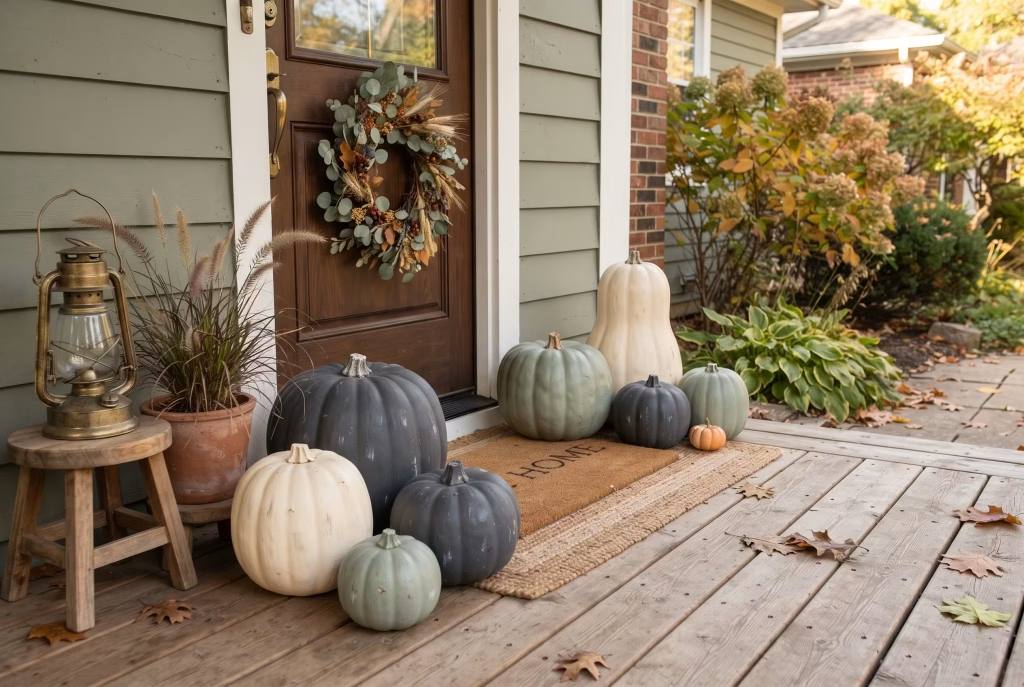
48. Paint dollar-store pumpkins instead of buying premium ones A cheap plain orange plastic pumpkin, given a coat of chalk paint in white, sage, or charcoal, looks remarkably close to a $25 premium version.
- Holds up from a normal porch-viewing distance just as well as anything pricier.
- A satisfying small project for an afternoon, especially with kids who enjoy the hands-on part.
- Lets you customize colors to match your exact palette rather than settling for whatever a store happens to stock.
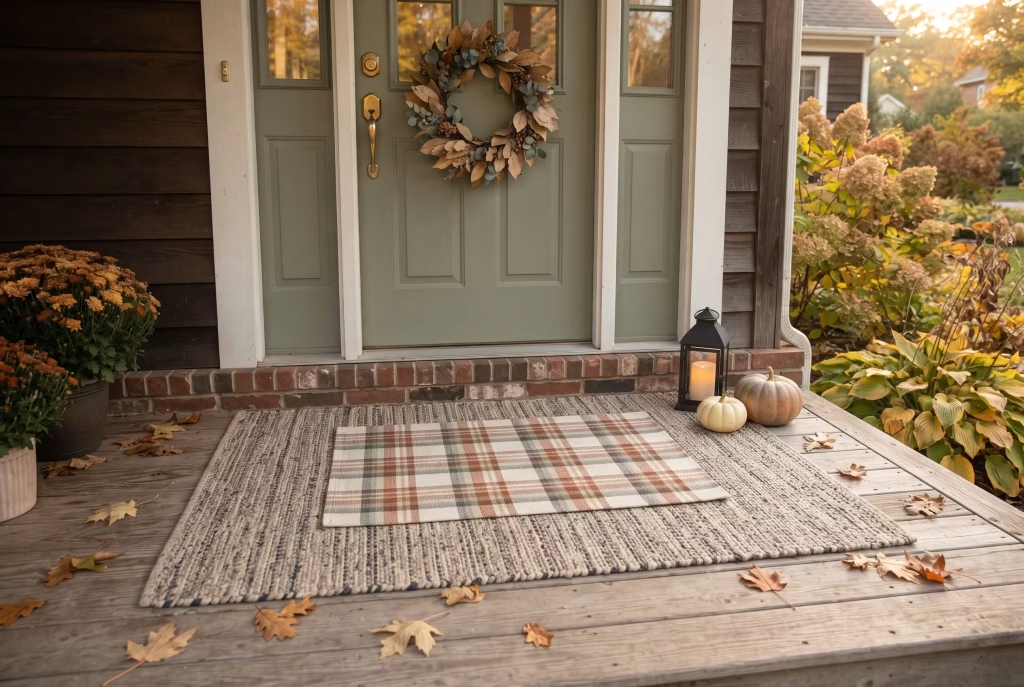
49. Layer a large all-season rug with a small seasonal one on top Already mentioned for the front door specifically, but worth restating here as a genuine budget principle.
- Buy once for the expensive, durable base layer.
- Only ever replace the cheap seasonal top layer each year going forward.
- A small upfront investment that pays for itself within two or three seasons of not replacing a full rug annually.
Zone 9: Bold, Maximalist & Halloween-Crossover Ideas (Ideas 50–52)
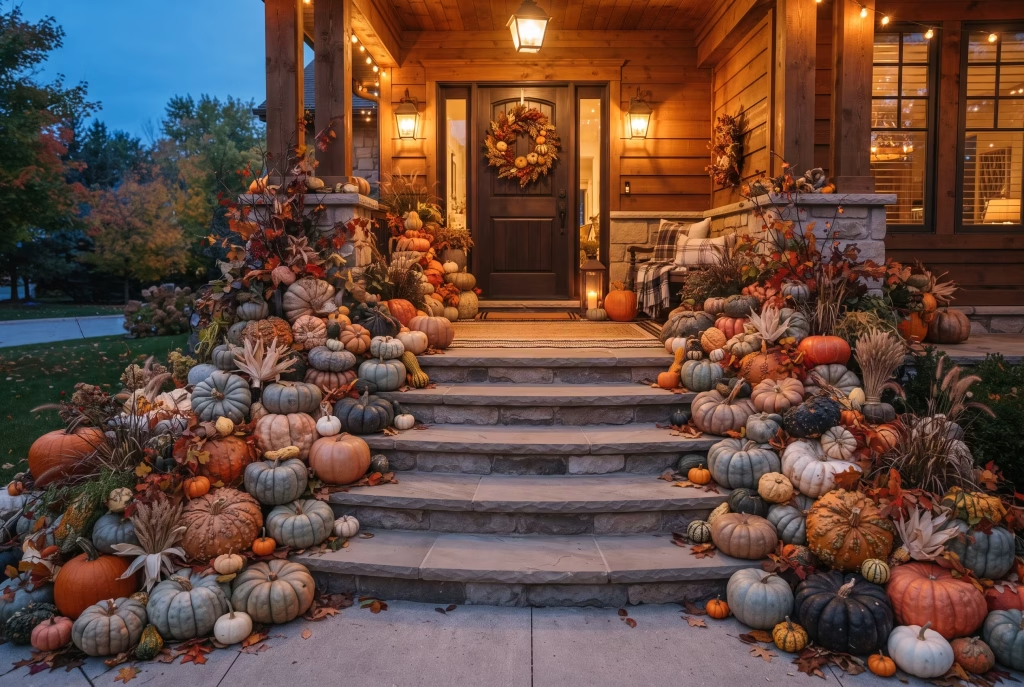
50. Go all in with a more is more pumpkin explosion If restraint isn’t your style, an intentionally abundant pile of pumpkins spilling down the steps reads as generous and celebratory.
- Use every size and color available for maximum visual richness.
- Reads as festive rather than cluttered specifically because it’s intentional abundance, not accidental mess.
- Keep the walkway itself entirely clear and safe to walk regardless of how much you pile onto the steps themselves
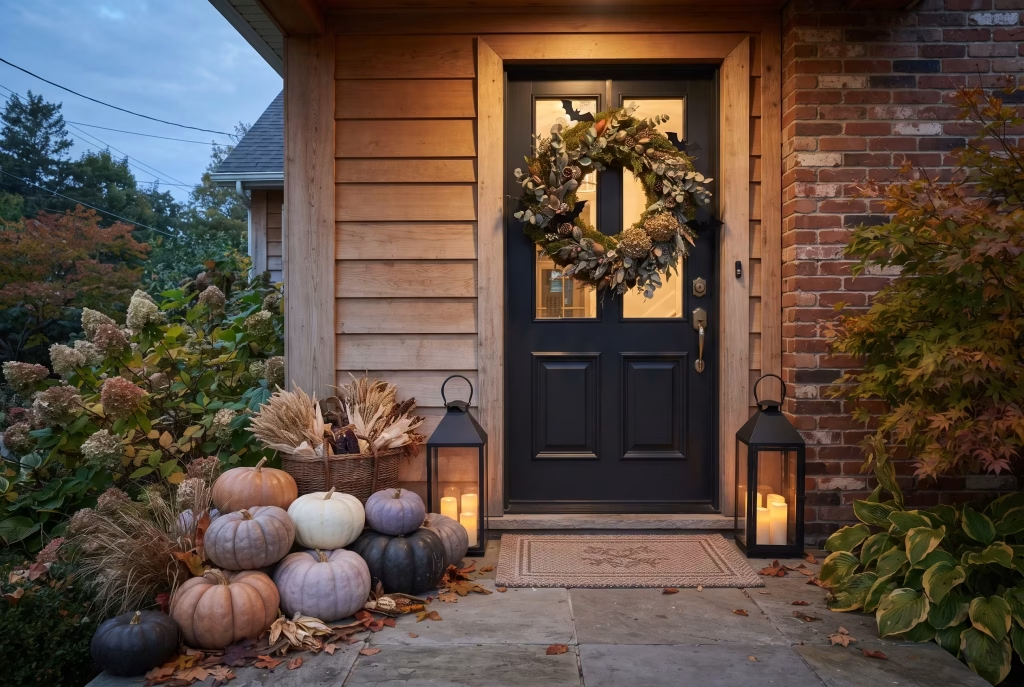
51. Blend fall and Halloween without losing the “fall” feeling Purple and white pumpkins alongside traditional orange ones let you lean into spookier season without tipping fully into a haunted-house look.
- A moss wreath with a few tasteful bats tucked in keeps things whimsical rather than gory.
- Black lanterns flanking the door add drama without requiring a full theme change.
- This blended approach means your decor doesn’t suddenly look out of place or forced the day after Halloween, since the underlying fall elements carry through to Thanksgiving.
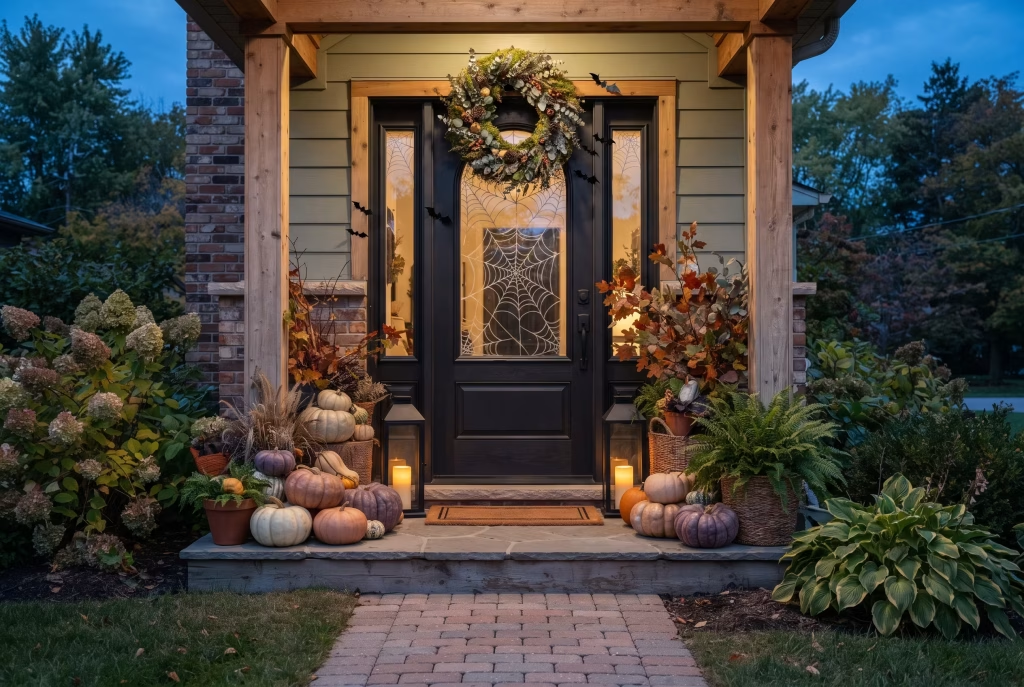
52. Use real fake cobwebs responsibly, or skip them entirely If bats-and-webs is part of your look, know this before you buy: synthetic spiderweb material can trap and harm small birds and animals if left up outdoors for weeks at a time.
- Keep it well away from bushes and trees where birds actually perch and nest.
- Take it down promptly after Halloween rather than leaving it up through the rest of fall.
- Consider a painted-web effect on the door glass instead, which gives the same visual with none of the wildlife risk. It’s a small thing, but it’s exactly the sort of detail that separates decor made with genuine care from decor that just looks the part.
Real vs. Faux: What Each Actually Costs You
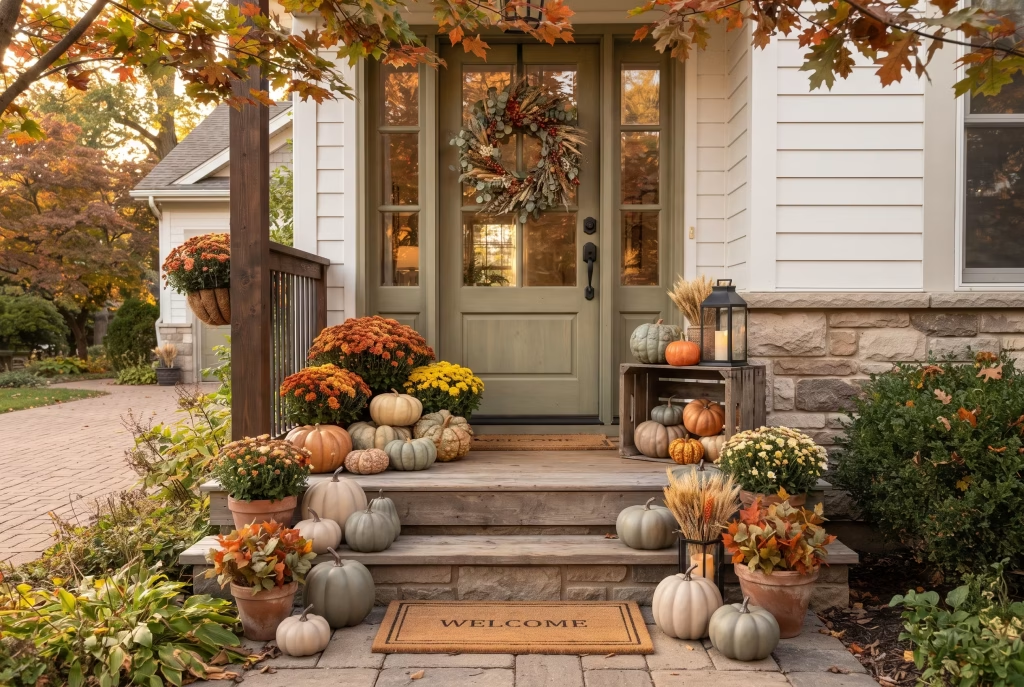
| Real pumpkins | Faux pumpkins | Real mums | Faux mums | |
| Upfront cost | Low ($3–15 each) | Higher ($15–35 each) | Low ($8–15 per pot) | Moderate ($10–20 each) |
| Lifespan | Weeks, not months | 8–10+ years | 6–8 weeks if lucky | Indefinite |
| Upkeep | Rot risk, squirrel risk | None | Daily watering | None |
| Best for | Authentic feel, one season | Long-term investment | Traditional look, gardeners | Renters, low-maintenance homes, windy sites |
Neither option is objectively right, and there’s no need to feel loyal to one over the other. A lot of the most beautiful porches on this list actually mix both: real pumpkins for the pieces closest to the door where texture and slight imperfection read best, faux for anything stacked high or placed somewhere hard to replace mid-season.
Keeping It All Alive Pumpkins, Mums, and the Critters Who Want Them
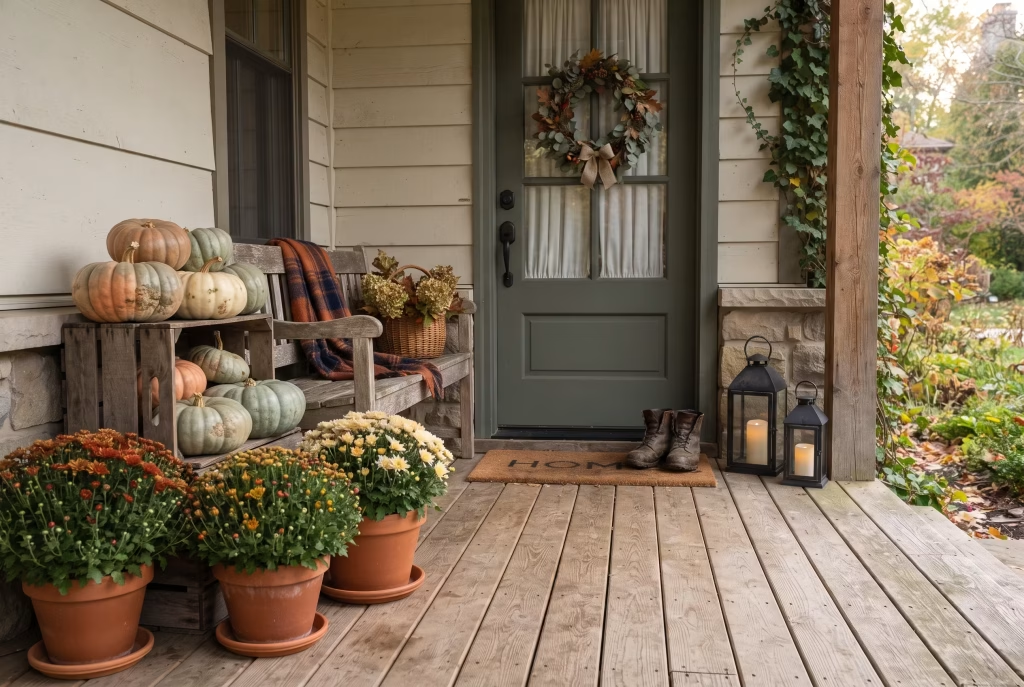
This is the section nobody else seems to write, and it’s arguably the most useful one here, the difference between a porch that looks good on day one and a porch that still looks good on Halloween night.
How long will your pumpkins actually last?
- A whole, uncarved pumpkin kept out of direct sun and off damp concrete typically holds up for about a month at normal outdoor temperatures.
- That window stretches to two or even three months in a cooler, shadier spot.
- The moment you carve into one, that clock speeds up dramatically: three to five days is realistic in warm weather, closer to one or two weeks if your fall nights are genuinely cold.
- A light bleach rinse (about a teaspoon of bleach per quart of water) or a twenty-minute vinegar soak (one part vinegar to ten parts water) on the cut surfaces measurably slows the rot.
- Skip the real candle inside; the heat cooks the flesh from the inside out and cuts the display life roughly in half.
Squirrels are, genuinely, going to try. This surprises first-time decorators every single year: squirrels find pumpkin flesh and seeds nutritionally valuable heading into winter, and a porch full of them reads as an open buffet with a welcome mat.
- Petroleum jelly smeared over the surface does double duty, deterring squirrels with its sticky texture while also slowing moisture loss.
- A homemade spray of cayenne pepper or hot sauce diluted in water works nearly as well and needs reapplying after rain.
- Removing every seed and string from a carved pumpkin removes most of what actually attracts them in the first place.
- If you’re at your wit’s end, the single most reliable fix reported by pest control experts is disappointingly simple: bring vulnerable pumpkins inside overnight or whenever the house is empty.
Mums die fast for a completely fixable reason. Nearly every store-bought mum arrives already rootbound and stressed from being forced to bloom early in a greenhouse, through no fault of the person who bought it.
- Repot into a larger container with fresh soil the day you bring it home.
- Water from the base, a saucer underneath or a fifteen-minute soak, rather than pouring over the top, which can encourage fungal spotting on the blooms.
- Choose a plant with mostly closed buds rather than one already in full flower for the longest possible display window.
- These three small steps, none of which cost anything but a few minutes, are quietly the entire difference between mums that make it to Thanksgiving and mums that don’t survive the first frost.
Fall Exterior Decor Safety, at a Glance
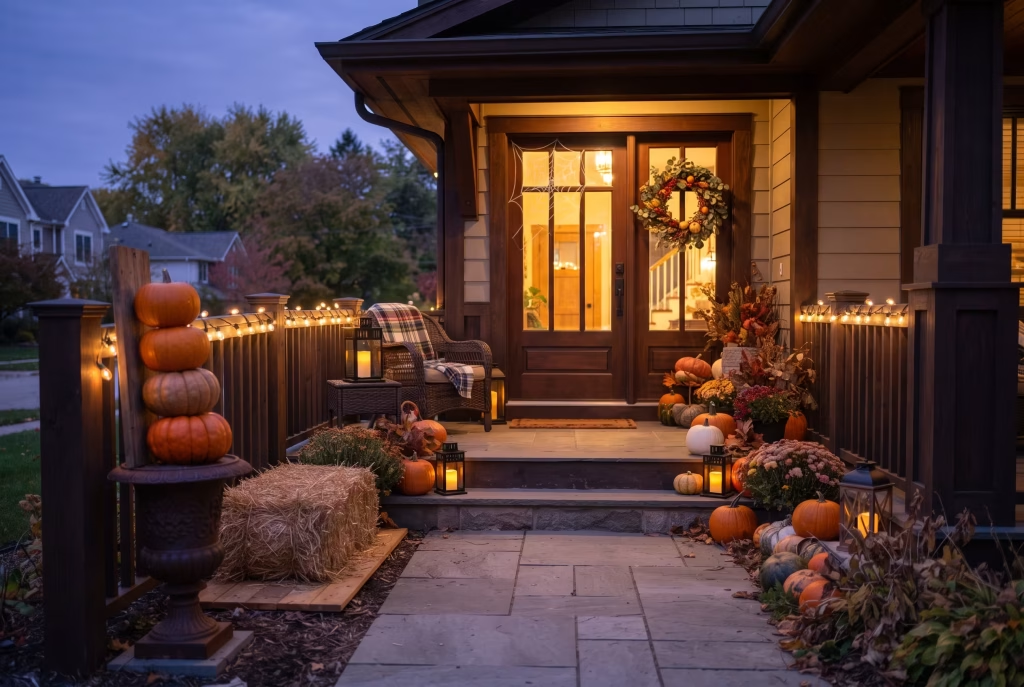
| Item | Safe practice |
| Candles in pumpkins or luminaries | Use flameless/battery versions; never leave a live flame unattended near dried leaves or wood |
| Fake spiderwebs | Keep away from trees/shrubs where birds land; remove promptly after the season |
| Hay bales | Keep dry, off bare concrete, and away from any open flame source |
| String lights | Confirm outdoor-rated before use in rain-exposed areas |
| Stacked pumpkin displays | Keep walkways clear; secure top-heavy stacks against wind |
Frequently Asked Questions
How long do pumpkins actually last outside before they rot?
A whole, uncarved pumpkin typically lasts about one month at normal room or outdoor temperature and can stretch to two or three months in a cooler, shaded spot. Once carved, expect three to five days in warm weather, or up to one to two weeks if your climate is genuinely cold by fall. A vinegar or diluted bleach rinse on the cut surfaces will noticeably extend that window, so it’s worth the extra five minutes if you want your carved pumpkin to still look presentable on Halloween night rather than by the third week of October.
How do I stop squirrels and other critters from eating my pumpkins?
Coat the surface in petroleum jelly, spray it with a diluted cayenne pepper or hot sauce solution (reapplying after rain), or place a decoy owl nearby. Removing every seed and string from a carved pumpkin also removes most of what actually attracts them. If nothing else works, bring vulnerable pumpkins indoors overnight, which pest control experts consistently cite as the single most reliable fix.
Why do my mums die so fast, and how do I make them last the whole season?
Most nursery mums are sold rootbound and already stressed before you even bring them home. Repot into a larger container with fresh soil immediately, water from the base rather than the top, and buy plants with mostly unopened buds rather than ones already in full bloom. None of this costs anything beyond a few minutes of effort, but skipping it is quietly the number one reason mums earn their short-lived reputation.
Real or faux, which is actually worth it for pumpkins and mums?
Real pumpkins and mums have a lower upfront cost and a more authentic texture, but they last weeks rather than years and require ongoing care. Faux versions cost more initially but can be reused for a decade or more with zero maintenance, which often makes them cheaper over time, especially in windy or squirrel-heavy locations. Many of the most beautiful porches genuinely mix both rather than picking one side entirely.
How do I decorate a small porch, apartment balcony, or rental without breaking the lease?
Concentrate everything on one console, shelf, or windowsill rather than trying to fill floor space you don’t have. Use command hooks and tension rods instead of anything that requires drilling, and always double-check your lease or HOA rules before attaching anything to a shared exterior wall or railing.
Is it safe to use candles in pumpkins or paper-bag luminaries outdoors?
Battery-operated flameless candles are the safer choice in both cases. A live flame heats a carved pumpkin from the inside and speeds up rotting considerably, and any open flame near dry leaves, hay, or a wood porch carries real fire risk if left unattended.
Are fake spiderwebs safe to use outside?
Not always. Synthetic spiderweb material can trap and harm small birds and animals if it’s left up outdoors for weeks near trees or shrubs. If you use it, keep it away from anywhere birds actually perch and take it down promptly once the season ends.
How do I stop lightweight fall decor from blowing away or tipping over?
Choose “windproof” or weighted faux options for anything on an exposed balcony or open porch, secure stacked pumpkin displays with a bit of floral wire or adhesive between layers, and anchor garlands at multiple points rather than just the ends.
What colors actually go well together for a fall exterior scheme, beyond orange?
White or cream pumpkins pair beautifully with sage green and black accents for a more modern look. Deep burgundy and plum work well with mustard and brass for something moodier. Purple and lavender mums alongside white pumpkins give a softer, less expected feel than the traditional orange-red-gold combination.
When should I start decorating, and when should pumpkins go out versus get carved?
Most non-perishable decor (wreaths, garlands, lanterns) can go up as early as late September without issue. Whole pumpkins can go out several weeks ahead since they hold up well uncarved, but hold off on actually carving until roughly a week before Halloween in a cool climate, or just two to four days ahead if your fall weather still runs warm.
What does a good fall exterior refresh actually cost?
A simple refresh using items you already own plus a wreath and a few pumpkins can run under $50. A fuller display across a porch, steps, and planters typically lands somewhere between $150 and $300 depending on how much is real versus faux, with the faux route costing more upfront but far less over several years of reuse.
How do I keep it from looking cluttered or like a seasonal store display?
Limit your palette to two or three colors, stick to odd-numbered groupings rather than perfectly matched pairs, and vary the height of your pieces using risers, stacks, or furniture rather than lining everything up flat along the ground.
Is fall exterior decor a trend, or does it hold up year to year?
The core elements, pumpkins, mums, warm lighting, natural texture, have held steady for well over a decade and show no real sign of fading, unlike faster-moving indoor design trends. What shifts from year to year is mostly the color palette and styling details, not the fundamental appeal of a decorated fall entrance. There’s a reason the sight of a well-dressed porch still stops people mid-walk: it taps into something older and steadier than any single season’s trend report.