




46 Fall Living Room Decor Ideas to Create a Warm and Inviting Space.
There’s a particular moment every autumn when the light shifts, the evenings draw in, and a living room that felt perfectly fine in July suddenly feels a bit bare. You reach for a blanket that isn’t there. You notice the room’s gone quiet in a way that has nothing to do with sound, more a kind of visual silence, as though the space itself hasn’t caught up with the season yet. That’s the cue to decorate for fall, and it’s a far more reliable one than any date on a calendar.
The trouble is that most fall decorating advice online amounts to “add pumpkins and a throw” and calls it a day. It’s thin on the ground when it comes to the questions people actually ask once they get going: how do I stop this looking like a seasonal aisle exploded in my lounge? Is it actually safe to leave real pumpkins indoors, or will I open a cupboard in three weeks to a nasty surprise? What do I do with a room that has no fireplace, or barely enough floor space to swing a cat, let alone decorate one properly?
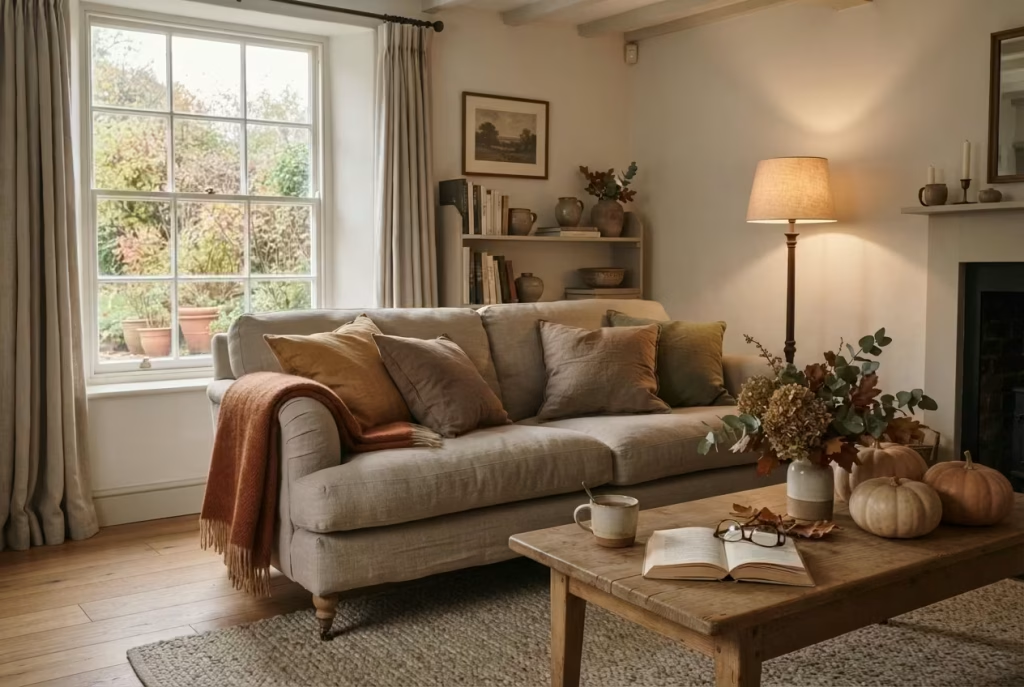
This guide answers all of that, and then some. It’s organised zone by zone, so you can work through the room with a plan rather than buying at random and hoping it all comes together, and every idea comes with the reasoning behind it, not just the instruction.
There’s a psychology section on why cosiness actually works the way it does on your nervous system, cost tiers for every budget from a fiver to a full furniture swap, a safety table worth reading before you light a single candle, and a FAQ built from the questions people genuinely type into a search bar once the pillows are sorted and the harder questions start. Put the kettle on. This one’s worth reading properly.
Quick Answer
To create a warm, inviting fall living room, layer texture before colour (chunky knits, velvet, wool, aged brass), keep to two or three muted autumnal tones rather than head-to-toe orange, group seasonal accents in odd numbers on a tray rather than scattering them across every surface, and build light at several heights (lamp, candle, overhead) instead of relying on one source. Real pumpkins are best limited to one to two weeks indoors to avoid mould and soft spots, and one well-edited vignette will always look more considered, and frankly more expensive, than five half-finished ones competing for attention.
Why Fall Decorating Actually Works on You
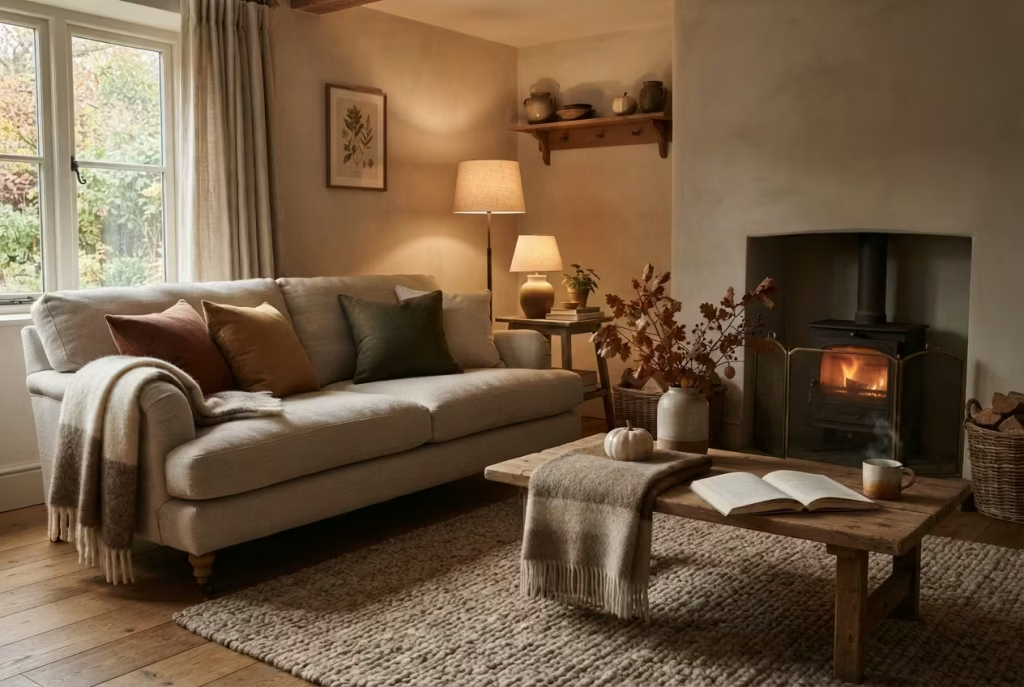
There’s a reason a softly lit, textured room feels like an exhale after a long day, and it isn’t just nostalgia for jumper weather or the smell of a candle you associate with childhood. Warmth, dim lighting and soft textures are understood to activate the parasympathetic nervous system, the part of the body responsible for rest rather than alert, which is the physiological basis behind the Danish idea of hygge.
Put plainly, your brain reads a warm, textured, gently lit room as a signal of safety, in much the same way it once read a cave with a fire at the mouth as safety, and it responds by winding your whole system down whether you consciously notice it or not. This is why a genuinely well-layered room can feel like relief even before you’ve sat down in it.
This isn’t just a nice theory dressed up to sell candles, either. A consumer survey by Talker Research, commissioned by mattress brand Naturepedic, found that people report their peak sense of cosiness on weekends around 3pm, and that it takes roughly 48 minutes to feel fully settled once they do, a small but telling detail that suggests cosiness isn’t instant, it’s something a room has to earn from you gradually.
The same survey found that a majority of respondents, 76%, reported better sleep quality after feeling cosy beforehand, with 75% staying asleep longer and 72% waking more refreshed the following morning. None of that is about the pumpkins themselves, obviously. It’s about what a properly layered room does to your nervous system once you’re sitting inside it of an evening, which is precisely why it’s worth doing well rather than half-heartedly with a single string of lights and calling it done.
Colour plays its own quiet part in all this too. Warm hues such as rust, ochre and burnt orange are consistently linked to feelings of alertness and comfort in a way cooler blues and greens simply aren’t built to deliver, and introducing them in small, considered doses (a cushion here, a throw there, a single vase in the right shade) rather than drenching the whole room in one colour tends to read as intentional rather than overwhelming.
Bear that in mind as you work through the ideas below, because restraint is doing far more of the psychological heavy lifting here than most people assume, and it’s the difference between a room that feels curated and one that feels like a costume.
Round the Mantel and Fireplace

The fireplace is the room’s natural full stop, the place your eye lands first whether the fire’s lit or not, and there’s something almost primal about that pull towards it, a holdover from centuries of gathering round the one warm spot in the house. It’s worth treating with a bit more care than a shelf you’re filling for the sake of it, because a badly styled mantel undercuts the whole room in a way a badly styled bookshelf never quite does.
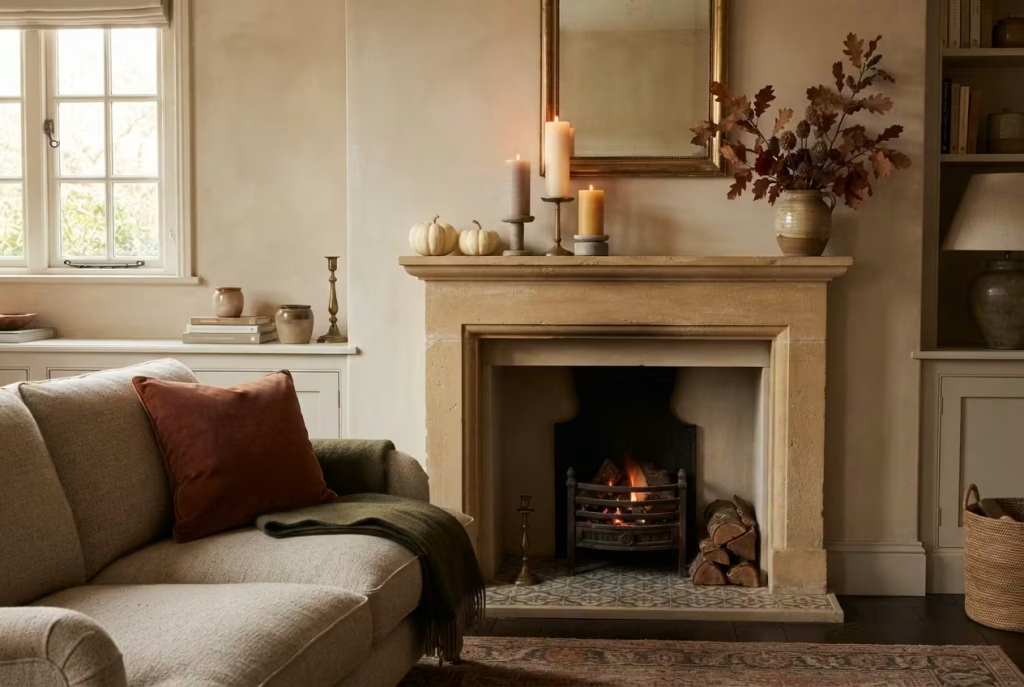
1. Build height in odd numbers, not a straight line. Three pillar candles or a trio of pumpkins at staggered heights, tallest slightly off-centre rather than dead in the middle, reads as a considered arrangement rather than a row of soldiers waiting for inspection. Interior designers repeatedly point to odd-number grouping and varied height as the single easiest way to make a mantel look styled rather than simply stocked, and it costs nothing extra to arrange three candles you already own with a bit more thought than usual.
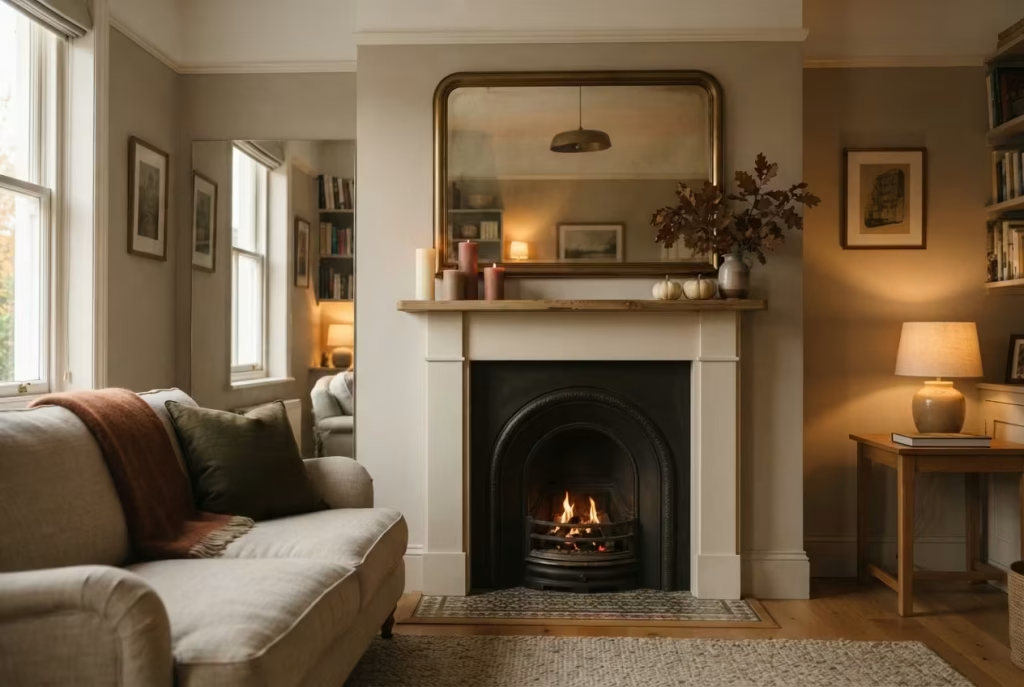
2. Swap the summer mirror frame for something in aged brass or dark wood. A mantel mirror does a lot of quiet work reflecting light back into the room, doubling whatever glow you’ve built beneath it, and a warmer-toned frame changes the whole mood of that reflected light without you having to touch the walls or spend a fortune on a whole new piece. Even a temporary frame swap, propped rather than rehung, does the job.
You May also Like: 21 Earthy Cottage Home Decor Ideas for a Cozy, Soul-Calming Retreat
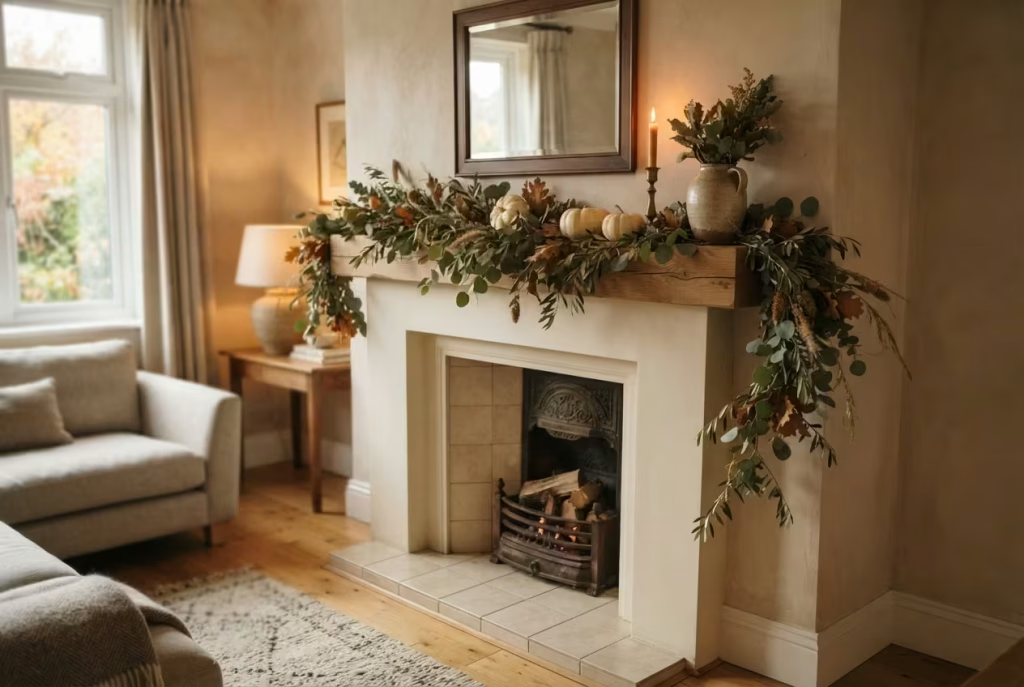
3. Layer a foliage garland along the mantel edge rather than draping it flat. Letting it trail slightly off the edge on one side, rather than sitting it in a perfectly straight line like a shop display, gives it the loose, gathered-from-the-garden look that reads as far more natural than a shop-bought strip laid dead straight and centred. This one small adjustment, the deliberate looseness, is often what separates a mantel that looks lived-in from one that looks like it arrived flat-packed.
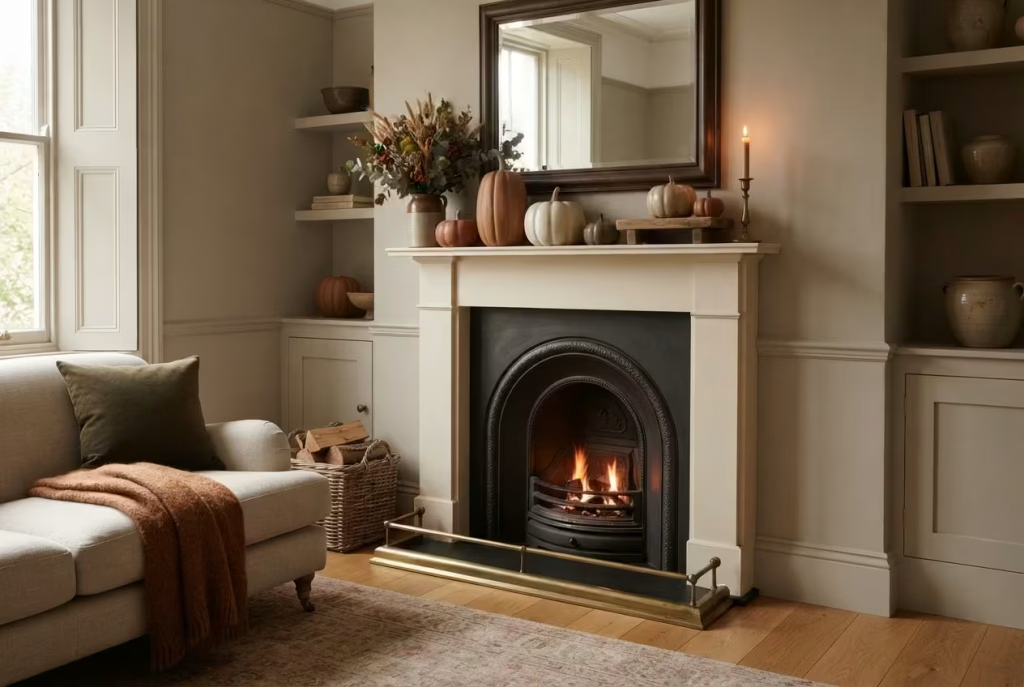
4. Go easy on real pumpkins here specifically. A mantel sits close to a fireplace that may well be lit in the evenings, and heat plus an organic pumpkin is a fast route to a soft, sagging one within a fortnight rather than the month or two you might get elsewhere in the house. Faux ceramic or wooden pumpkins earn their keep on a mantel far more than anywhere else in the room, and nobody standing three feet away is going to know the difference, or particularly care if they did.
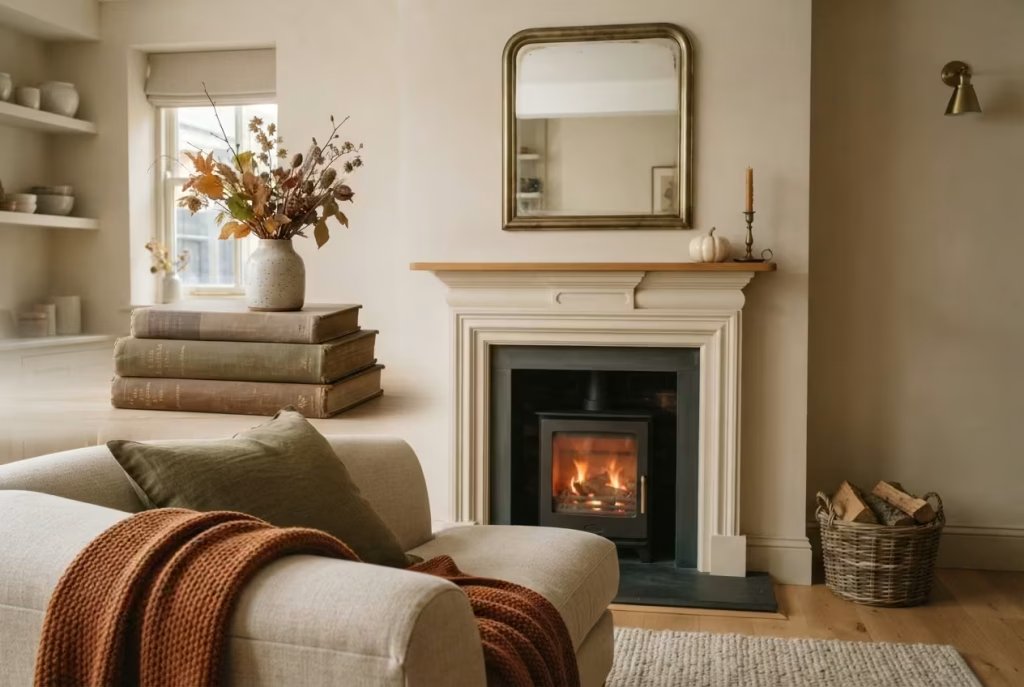
5. Introduce a stack of well-worn hardback books as a plinth. Raising one candle or a small vase on two or three stacked books gives you an instant extra layer of height and texture, and it costs nothing if you already own the books, which most of us do somewhere in a cupboard. Choose spines in muted tones, or turn them inward, so the colour doesn’t compete with whatever you’ve placed on top.

6. Keep the fireplace surround itself simple if the mantel above is doing plenty of work. A single lantern or a low arrangement of dried grasses either side of the hearth is enough, and it lets the eye rest for a moment before travelling back up to the mantel proper. Crowding the hearth as well as the mantel above it tips the whole area over into cluttered territory fast, and it’s one of the most common mistakes in an otherwise well-styled room.
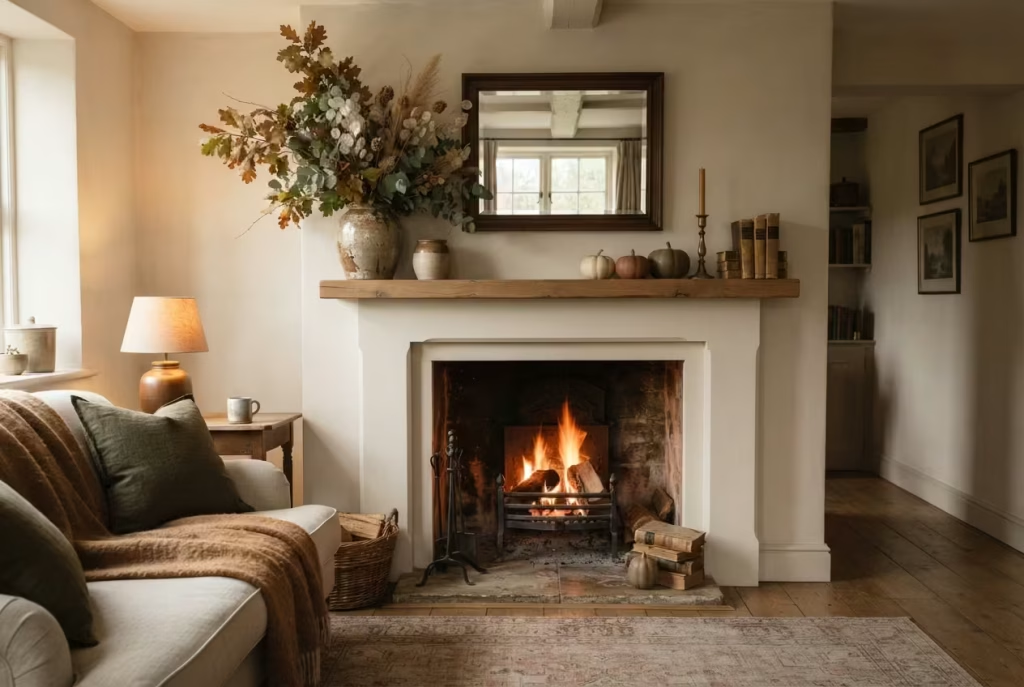
7. Consider asymmetry over a perfectly mirrored display. A slightly uneven arrangement, taller on one side than the other, with a candle here and a small stack of foliage there rather than matching pairs, looks as though it evolved naturally over the years rather than being bought as a matching set from one trip to the shop. That sense of accumulation, of things gathered rather than purchased in a single bundle, is exactly the sort of detail that separates a considered room from a showroom one.
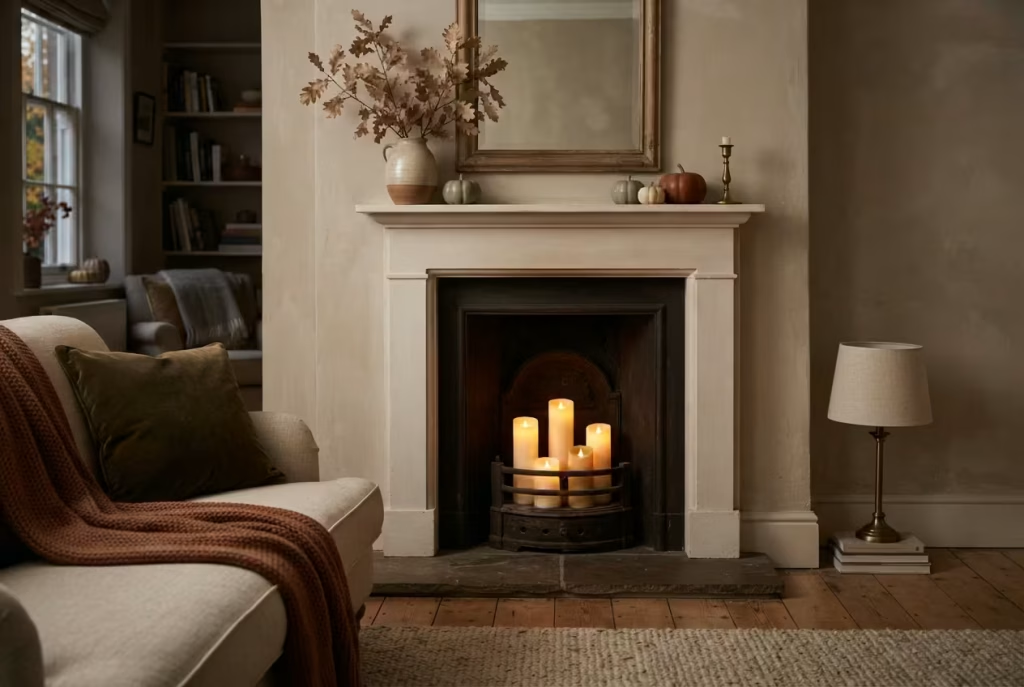
8. If there’s no working fire, lean into candlelight instead. A cluster of varying-height pillar candles inside the empty grate, well away from anything flammable and never left unattended, turns a redundant hearth into the room’s warmest-looking feature without a flame ever needing to be real fire at all. It’s a genuinely underused trick for anyone with a decorative or blocked-up fireplace, and the flicker does more emotional work than people expect from something so simple.
On the Coffee Table
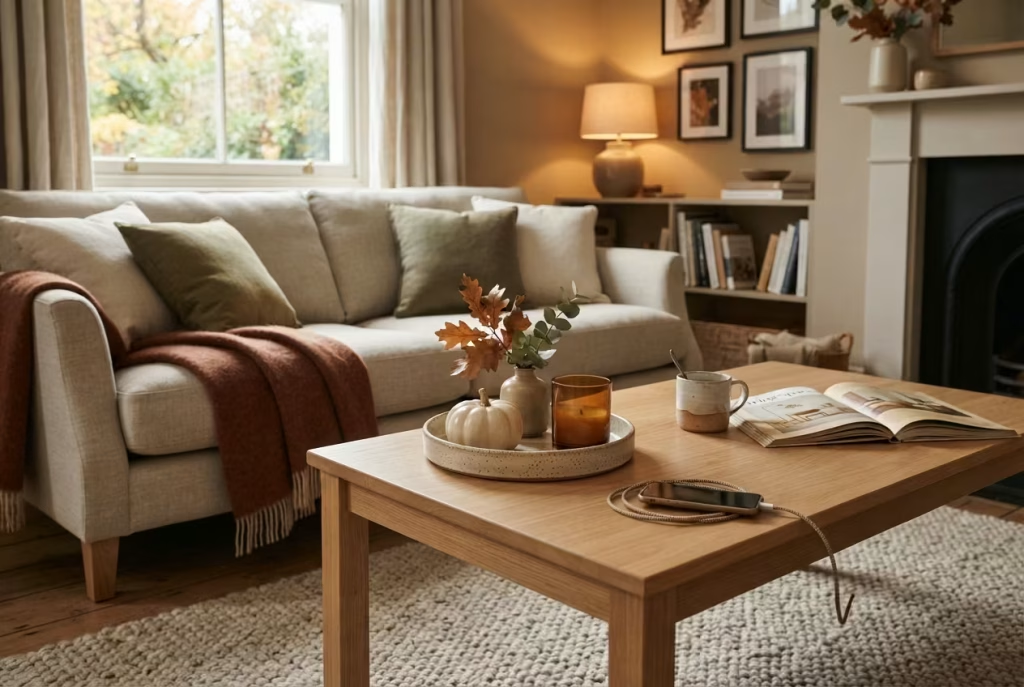
The coffee table is the room’s workhorse, the surface that holds a cup of tea, a stray phone charger and the remote control on any given Tuesday, so anything you put there has to earn its place alongside actual daily use, not just look nice for a photograph nobody but you will ever take.
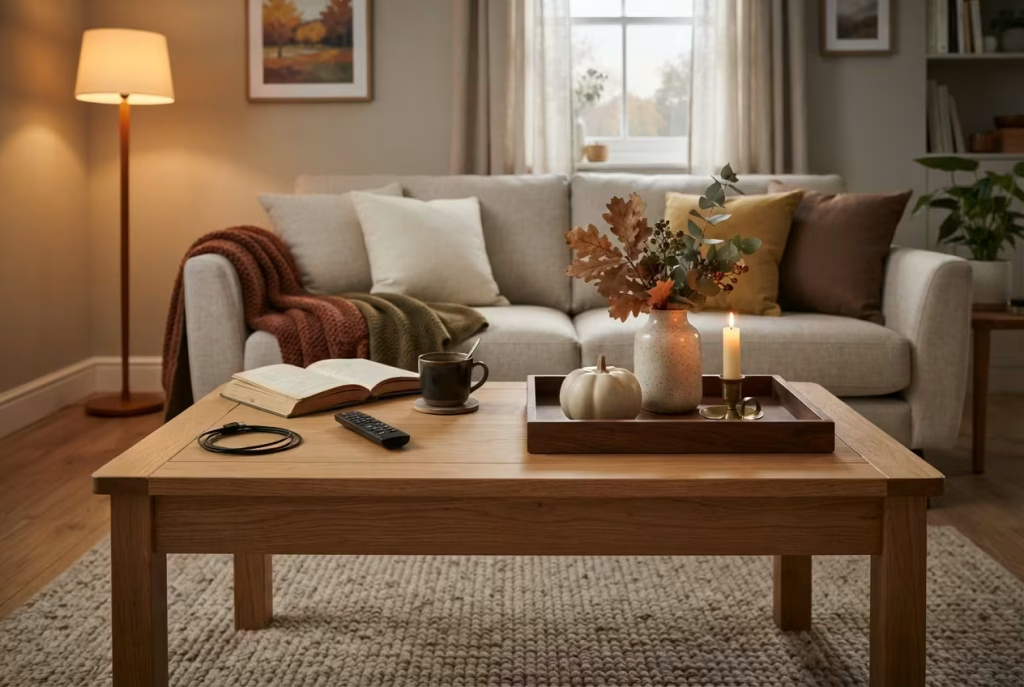
9. Use a tray to draw a boundary around your styling. A tray should cover no more than around a third of the tabletop. Anything wider starts eating into the space you’ll want for mugs, remotes and everyday life, and a defined boundary is what stops seasonal styling sliding into general clutter, because it gives your eye a clear line between “decor” and “everything else” without you having to think about it consciously.
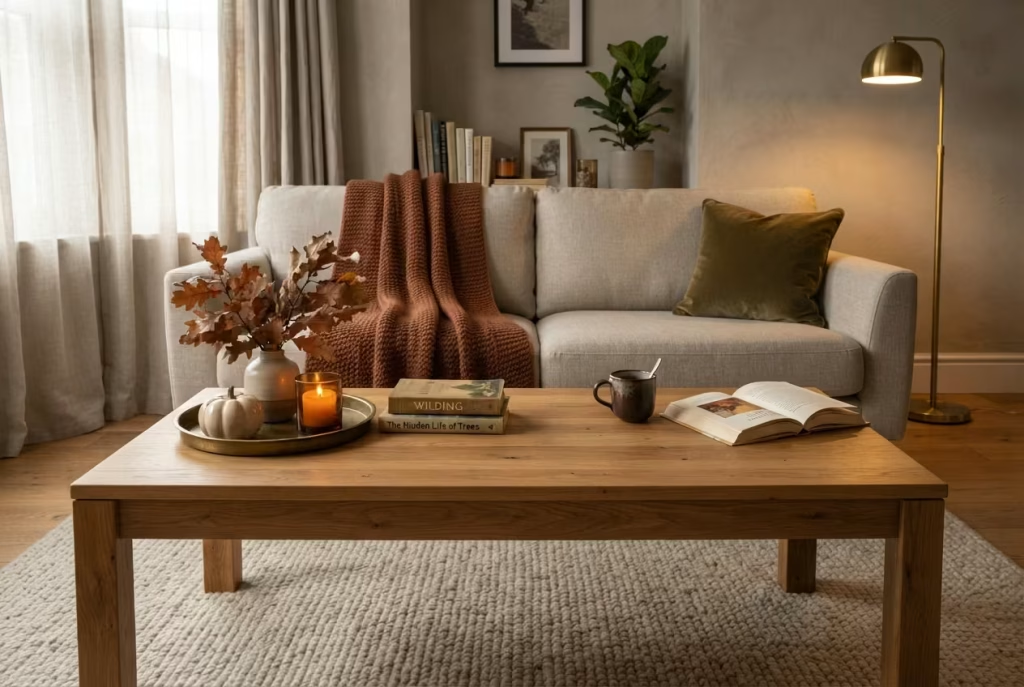
10. Leave 30 to 50% of the surface genuinely clear. This is the single most repeated piece of advice from people who style coffee tables for a living, and it works because a table that’s entirely covered stops looking decorated and starts looking avoided, as though nobody’s actually allowed to put a cup down without a small negotiation first.
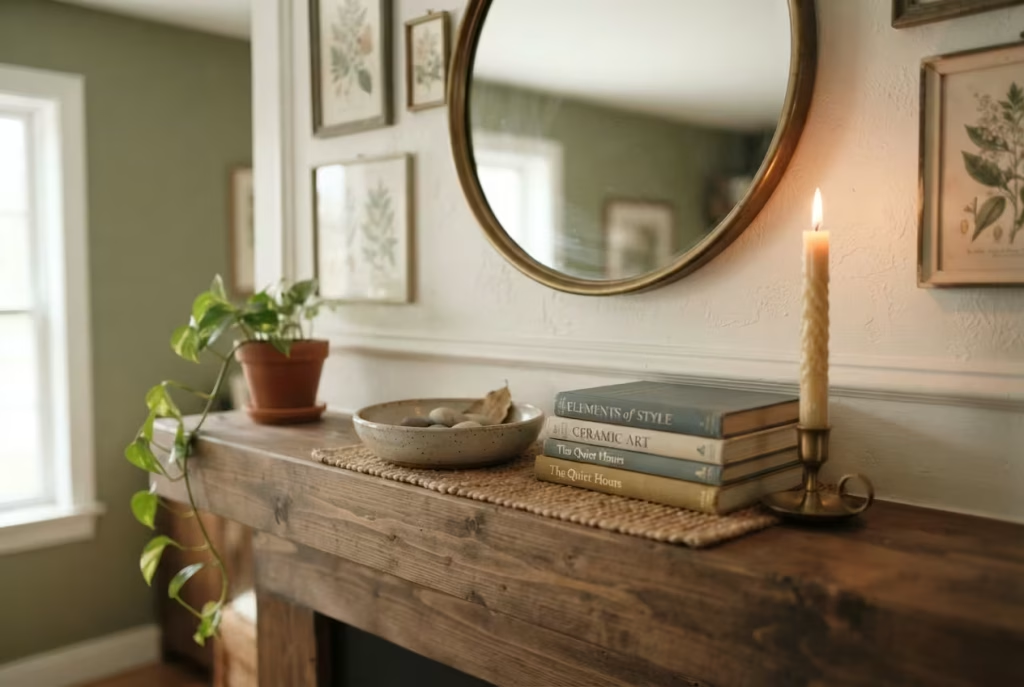
11. Mix heights within the tray rather than laying everything flat. A low ceramic bowl, a taller candle, and a stack of two or three books gives you visual depth in a space no bigger than a placemat, and it’s the same principle at work on the mantel above, just scaled right down to fit a much smaller stage.
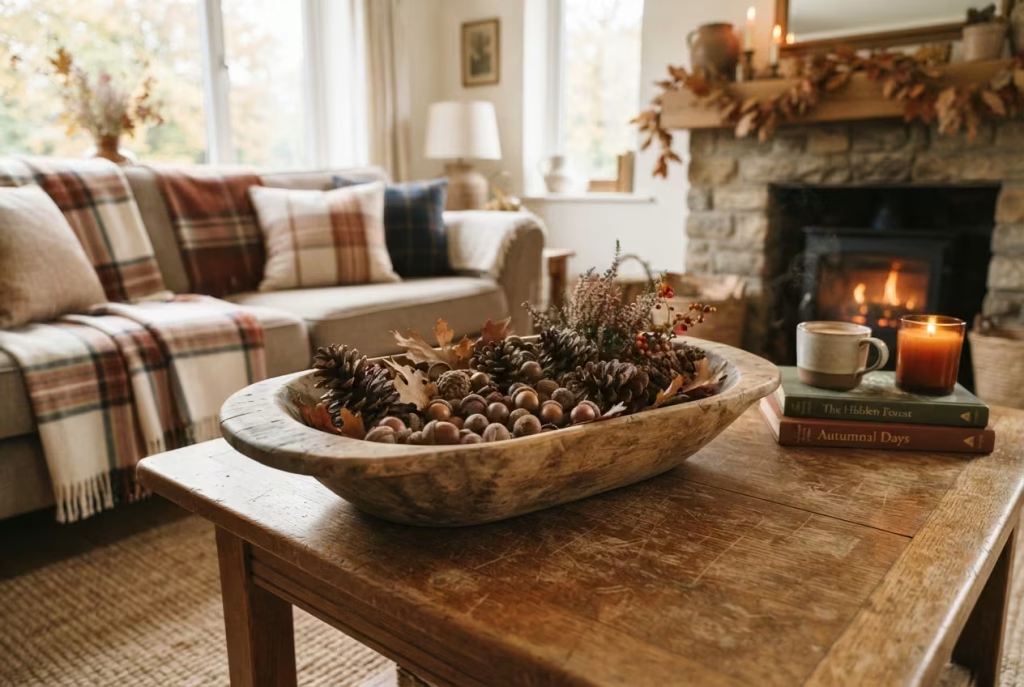
12. Bring in a wooden dough bowl or shallow ceramic dish. Filled with a few pinecones, a scattering of acorns, or even just left with the wood’s natural grain on show, it’s one of the most repeated finds across genuinely lived-in autumn living rooms, likely because it does the job of corralling smaller objects without looking like storage, unlike a plastic bowl or a basket that reads more utilitarian than styled.
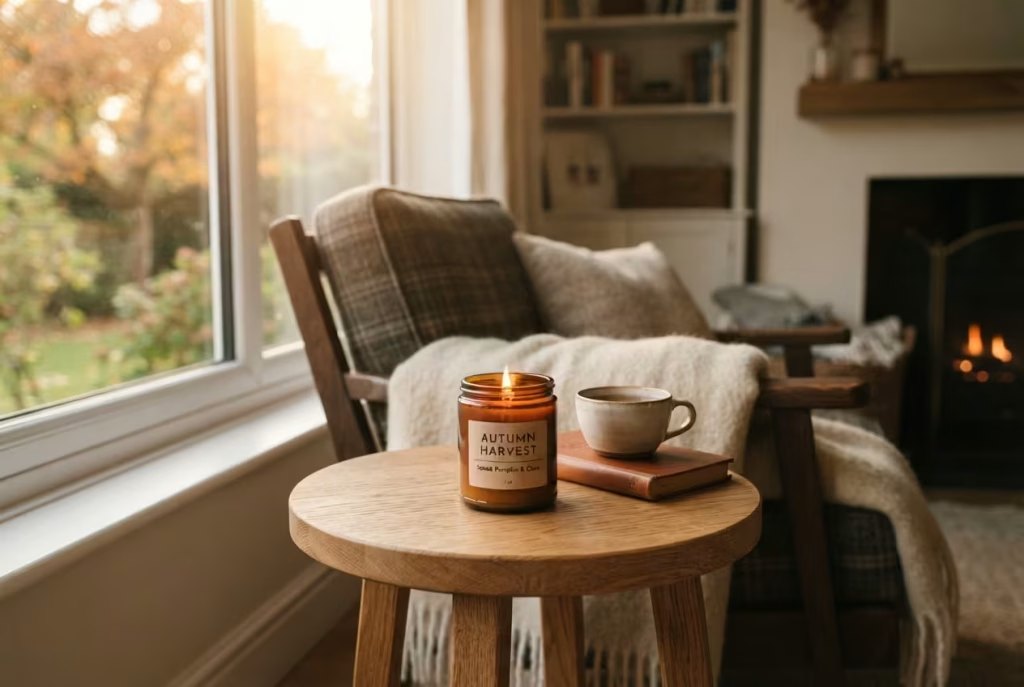
13. Choose one seasonal candle scent and stick with it. Layering three or four different fragrances on one small table (pumpkin spice, apple cinnamon, woodsmoke, all within a metre of each other) tends to muddy rather than enhance the atmosphere, turning what should feel like a warm hug into something closer to a department store perfume counter. One well-chosen scent does more than four competing ones, and your nose will thank you for it after the first hour.
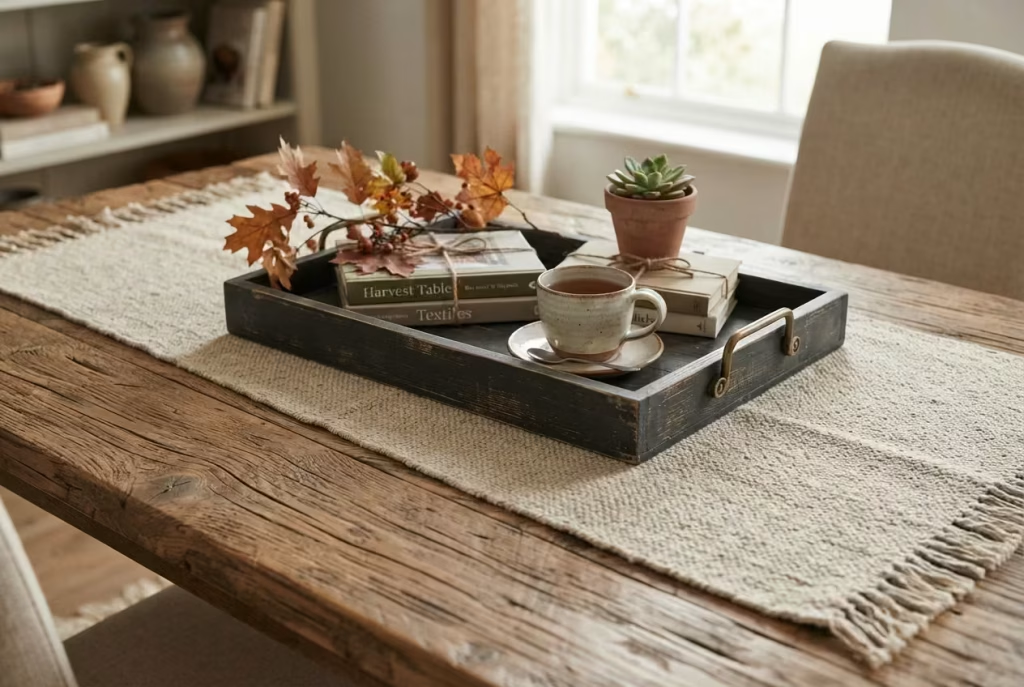
14. Swap in a runner or table scarf in a heavier weave. A linen or wool table runner underneath your tray adds a layer of texture before you’ve placed a single object on top of it, and it’s an easy seasonal swap that takes thirty seconds but changes the whole feel of the table from bare wood or glass to something considerably softer underfoot, or rather, under-hand.
Up on the Shelves and Walls
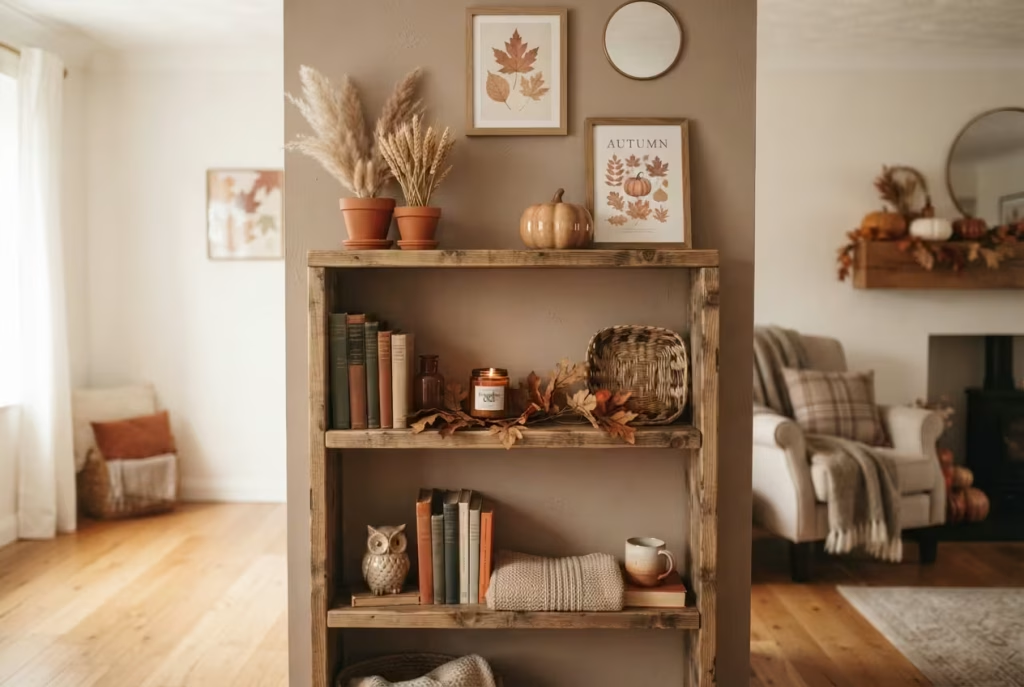
Shelving and wall space are where fall decorating gets to show a bit of personality, provided you resist the urge to decorate every single shelf equally, which is a trap almost everyone falls into on their first attempt.
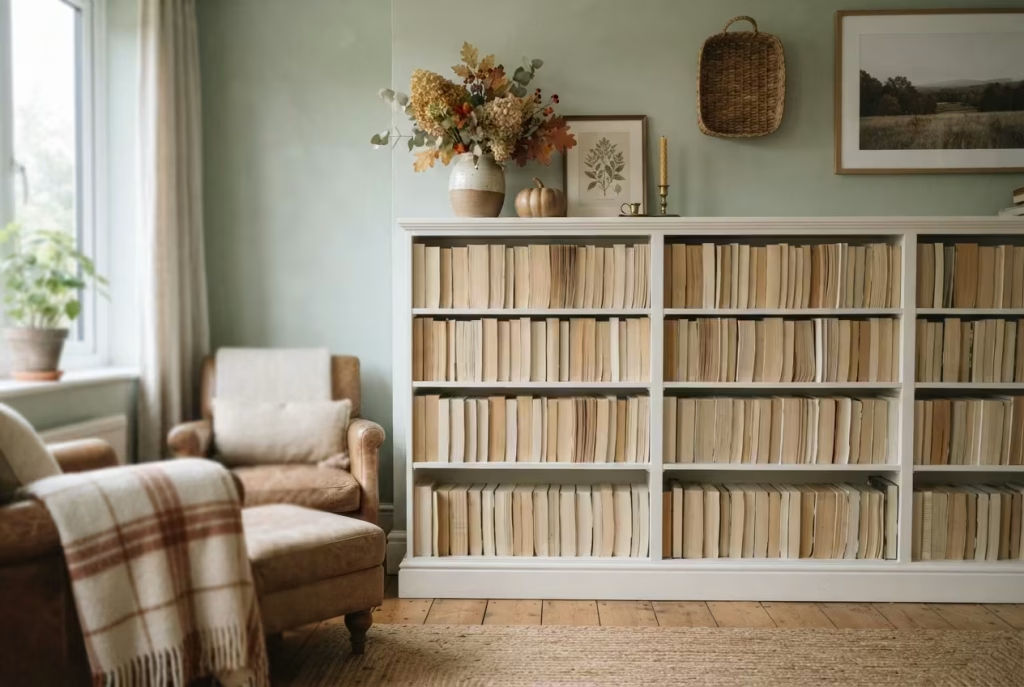
15. Turn book spines inward to face the wall. Showing the neutral pages rather than the coloured spines instantly softens a busy bookcase, and it’s a trick borrowed from stylists who know that a calmer backdrop makes the seasonal accents you do add stand out far more, precisely because they’re no longer competing with forty different coloured spines for the same attention.

16. Use a single autumn-toned piece of art rather than a full gallery wall refresh. Swapping one key frame for a warmer-toned print or a fall landscape does the seasonal work without the cost and faff of rehanging an entire wall, and it’s a change most guests will register emotionally, as a general sense that something’s warmer, long before they consciously clock what’s actually different.

17. Place a small pumpkin directly on top of a stack of books. It’s a tiny gesture, but positioning it on a shelf rather than on the floor or a table introduces subtle autumn character without making the shelf feel overly done, and it takes seconds to arrange once the books are already in place.
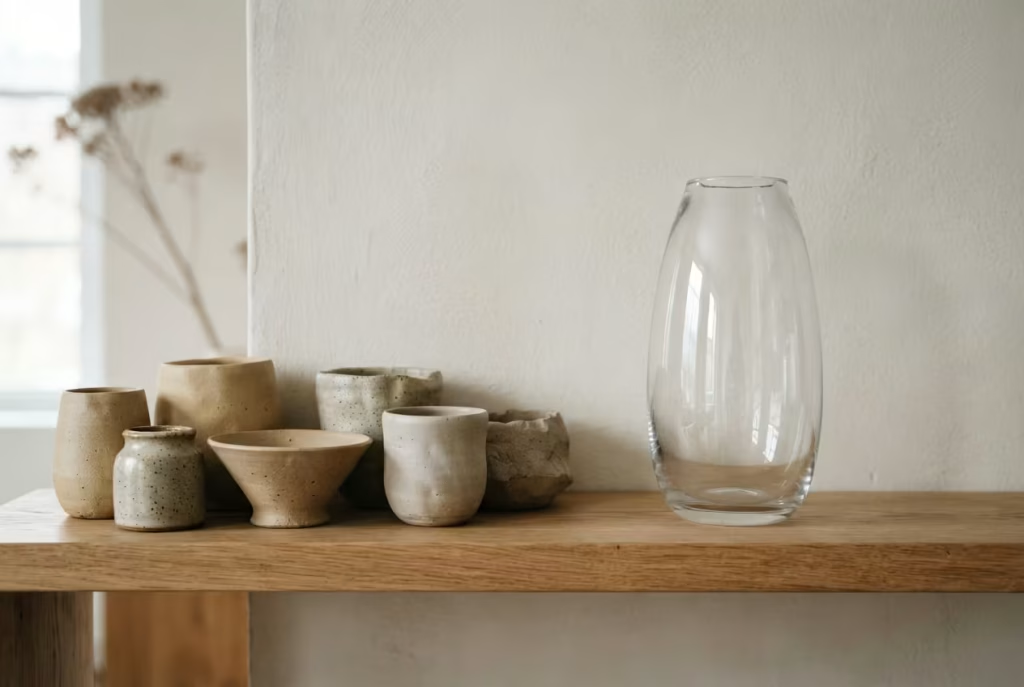
18. Group ceramics and glass vessels by material rather than colour. A cluster of matte ceramic pieces beside a single glossy glass vase creates textural contrast that catches the eye far more than a uniform set ever will, because the light catches each surface differently, giving even a still, static shelf a bit of visual movement.
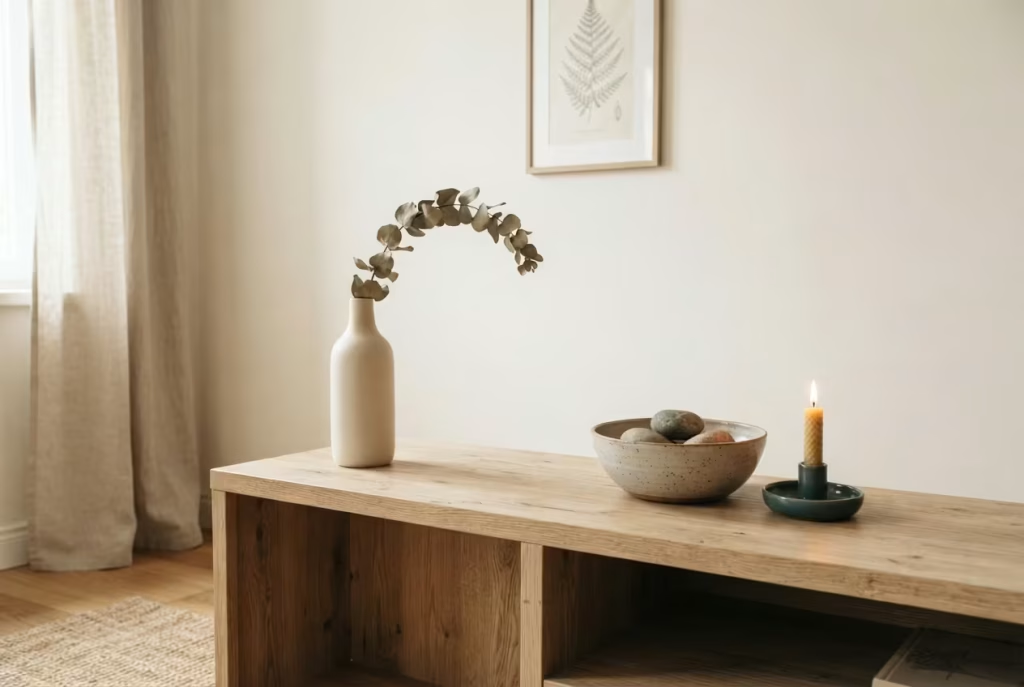
19. Leave breathing room between objects. It’s tempting to fill every gap once you start, particularly if you’ve bought a few new pieces specifically for the season, but leaving genuine negative space between groupings is what allows any individual piece to actually be noticed, rather than disappearing into a wall of stuff nobody’s eye knows where to land on first.
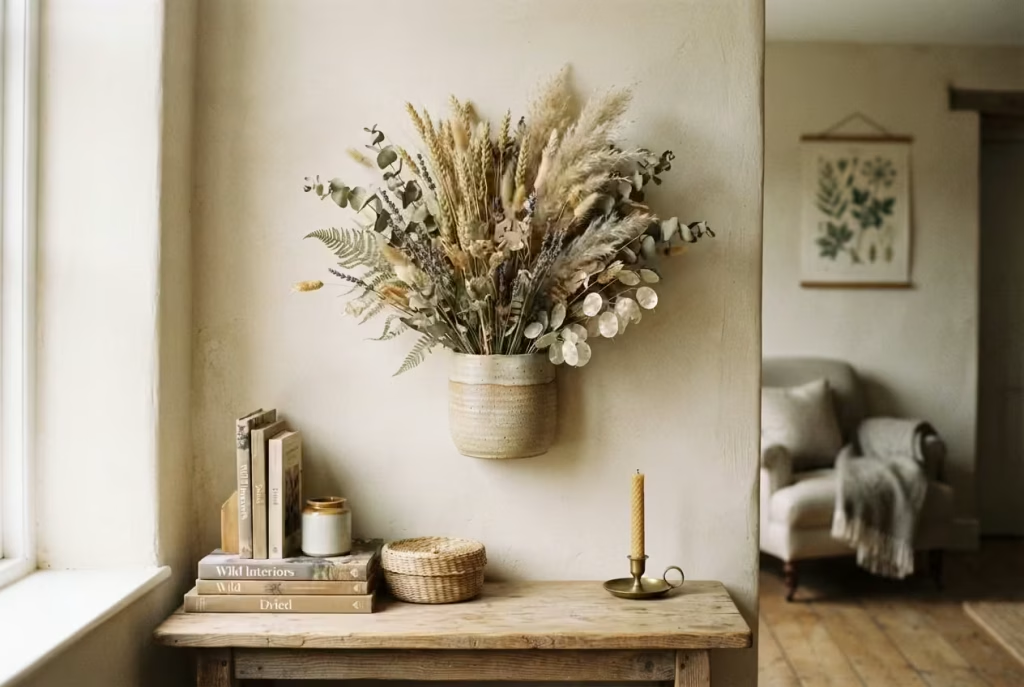
20. Introduce a wall-mounted or shelf-standing dried flower arrangement. Dried stems (wheat, pampas, eucalyptus) last the entire season without wilting, watering, or the mess of dropped petals, which makes them one of the lowest-maintenance seasonal swaps on this entire list, and genuinely one of the few that looks better, not worse, the longer it sits there gathering a faint layer of dust and character.
Framing the Windows

Windows do double duty in autumn, letting in increasingly precious daylight during the day and needing to feel properly snug once it’s gone, so it’s worth treating the whole window as one project rather than an afterthought tacked on once everything else is finished.
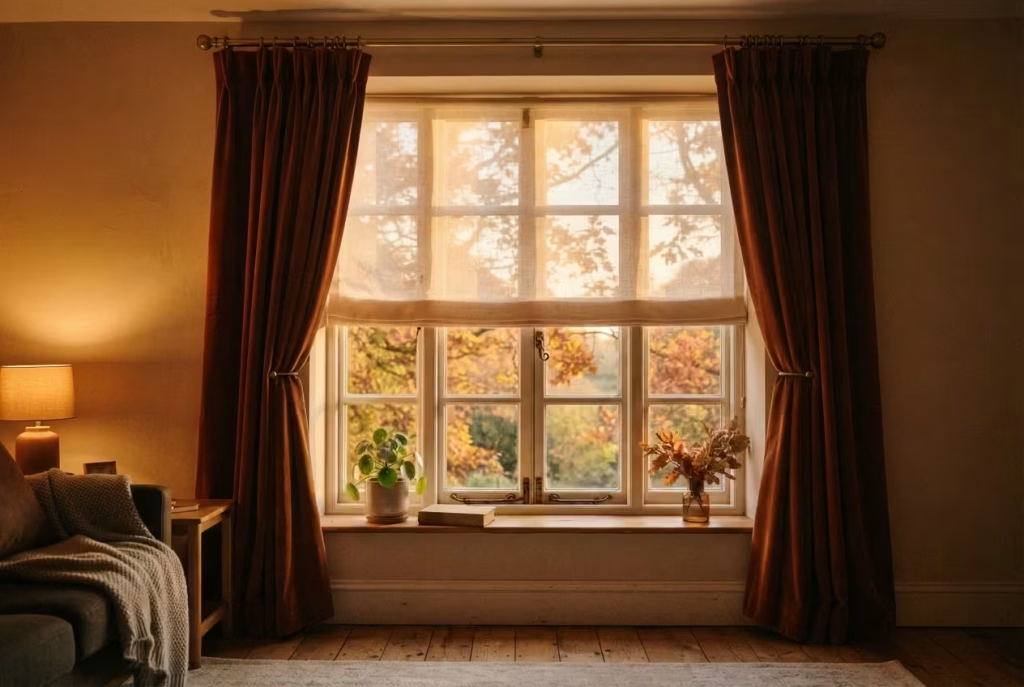
21. Layer a sheer blind beneath heavier curtains rather than choosing one or the other. This gives you control over the changing quality of autumn light: sheers filter the low, golden afternoon sun that autumn does so well, while the heavier layer comes into its own once you draw everything closed at dusk, shutting out both the cold glass and the growing dark beyond it.
You May also Like: 25 Open Kitchen Living Rooms ideas That Feel Stylish, Spacious, and Effortlessly Connected
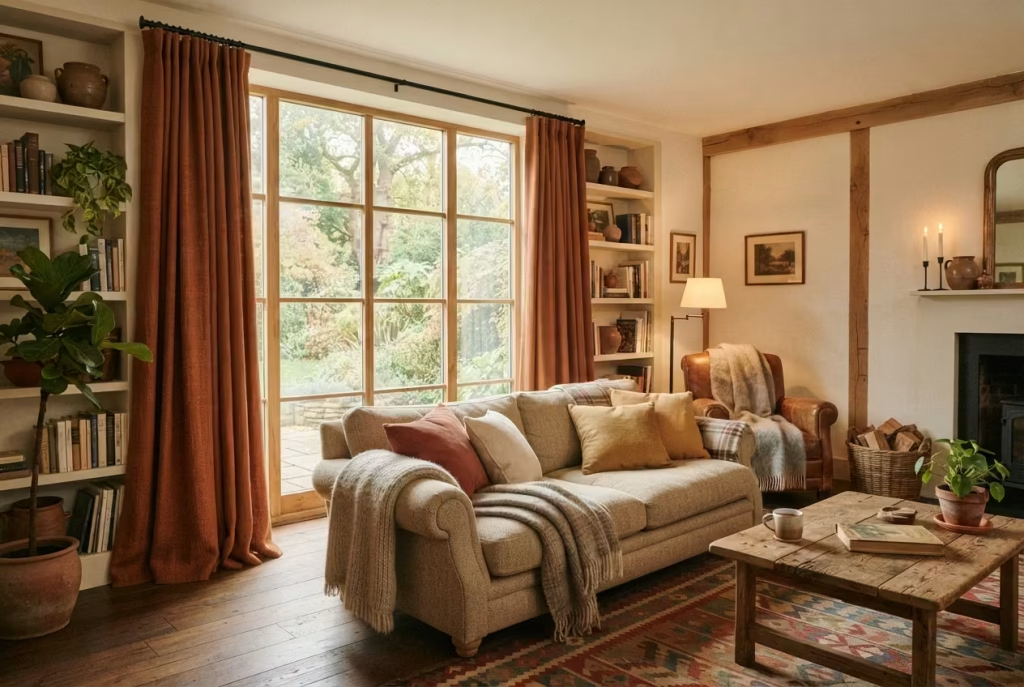
22. Swap thin summer curtain fabric for a heavier weave in the same colour. You don’t need to change your whole scheme, just the weight of the fabric, and the room will instantly feel more insulated against the colder evenings even before the temperature actually drops, partly through genuine draught reduction and partly through the simple visual suggestion of warmth that a heavier fabric provides.

23. Hang curtains closer to the ceiling than the window frame itself. It’s a small trick that makes the whole window, and by extension the room, feel taller and more generous than its actual dimensions, and it works regardless of the season, but it reads especially well once heavier autumn fabrics are in play and the eye has more fabric to travel up towards.

24. Dress the windowsill with a low, narrow arrangement. A trio of small gourds or a single dried-flower jar on the sill brings the season right up to the glass without blocking any of the daylight you’re trying to hold onto as the days shorten week by week, which matters more than people think once the clocks go back.
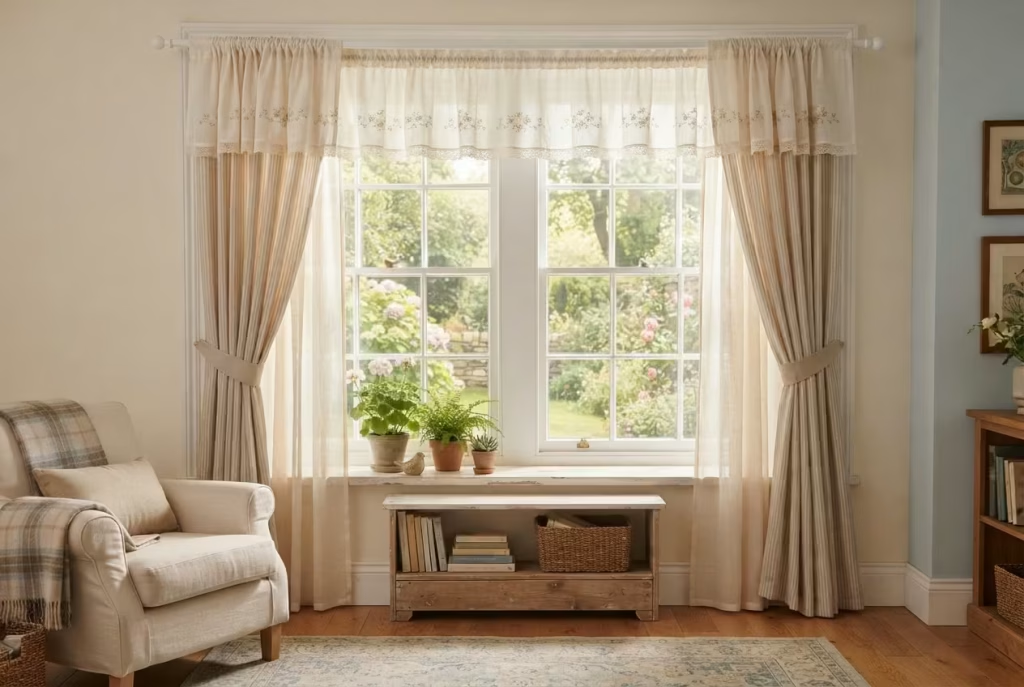
25. Add a window valance in a contrasting texture. A sheer cotton valance over the top of your main curtains filters light without covering the window entirely, and it’s a cheap, easy layer to add for the season and remove again once winter properly sets in and heavier, fully blocking curtains take over the job instead.
Layering the Seating and Textiles

This is where most people start with fall decorating, and for good reason, since textiles do the most obvious cosy-making work of anything on this list, provided you think about contrast rather than simply piling on more of the same fabric in the same weight.
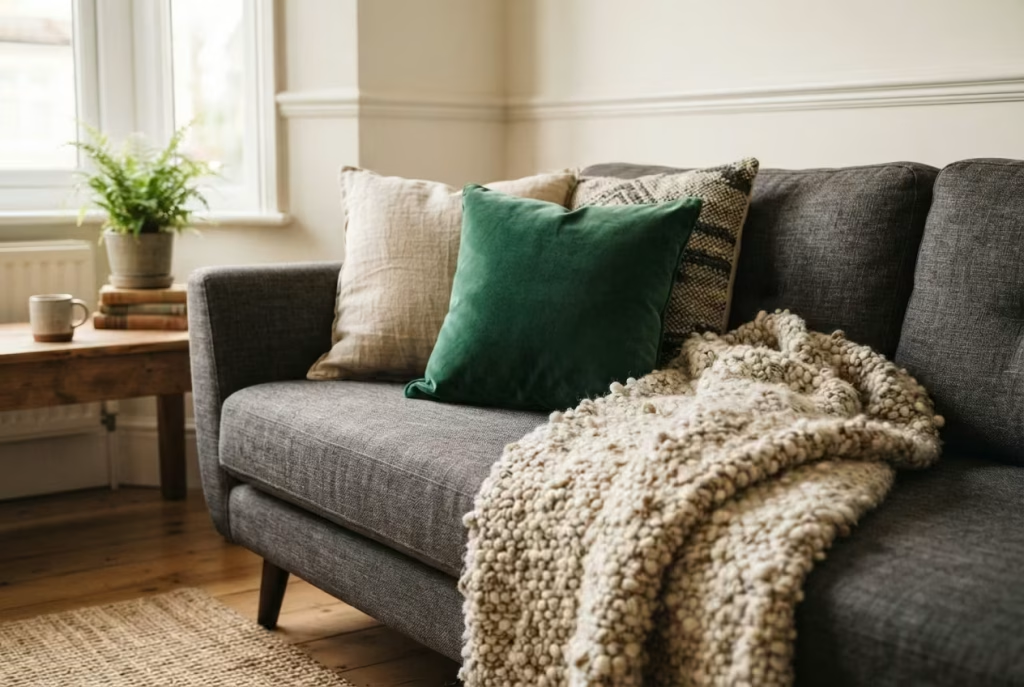
26. Contrast textures rather than matching them. A nubby wool throw against a smooth linen or velvet cushion creates far more visual and tactile interest than four identical soft furnishings in the same fabric ever could, and it means your hand notices something different every time it lands on the sofa, which is a genuinely underrated part of what makes a room feel rich rather than flat.
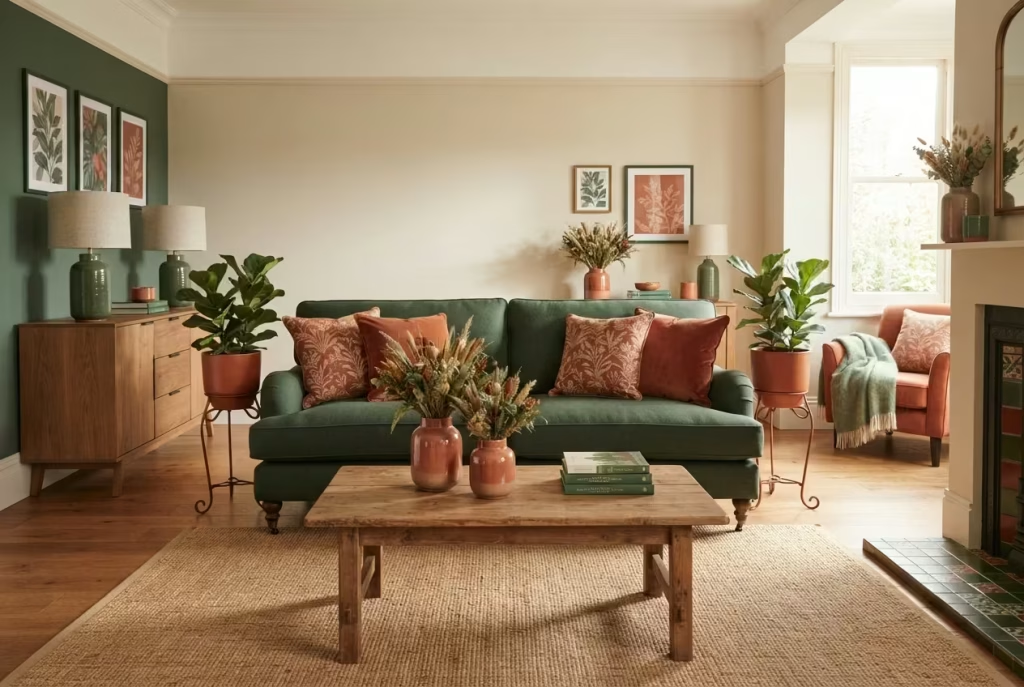
27. Choose two or three colours and repeat them, rather than one of everything. Interior designers consistently point to colour repetition, buying multiples of a shade rather than a single item in every autumnal tone going, as the trick that separates a professionally styled room from a scattered one that reads as though it was assembled from several different seasonal aisles on several different shopping trips.
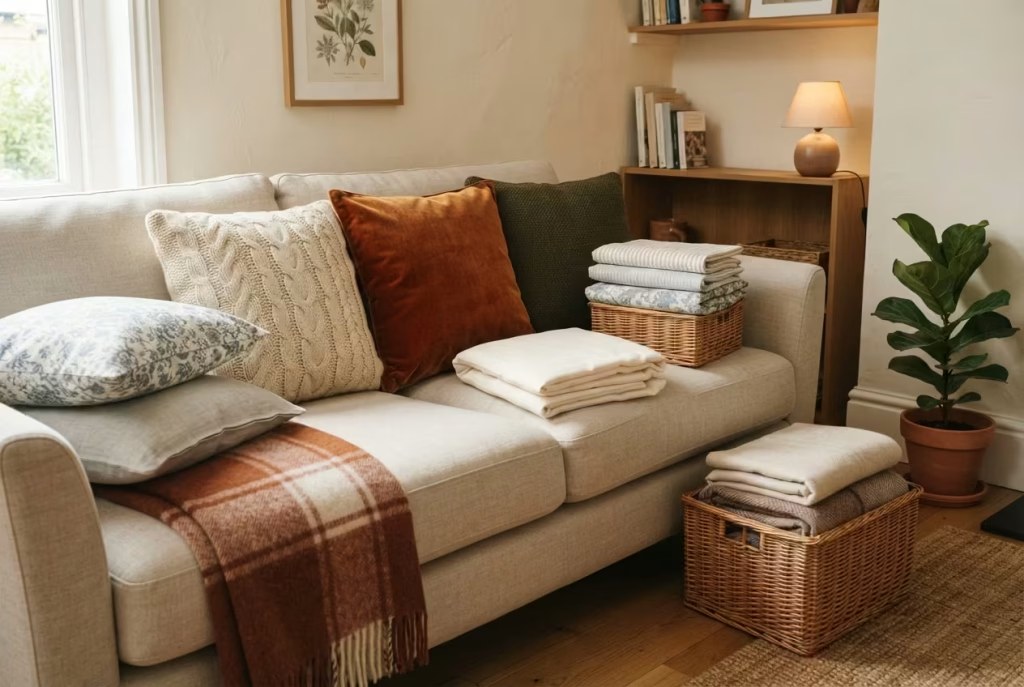
28. Swap lightweight summer cushion covers for heavier knit or velvet ones. Reusing the same cushion inserts and simply changing the covers is one of the cheapest seasonal swaps available, and it means you’re not storing two full sets of cushions all year round, just the covers, which take up a fraction of the cupboard space and the budget.

29. Bring in one statement plaid piece rather than several. A single plaid throw or accent chair does the job of signalling the season instantly; plaid on every soft surface in the room tips quickly from cosy into overwhelming, closer to a hunting lodge than a home you actually relax in.
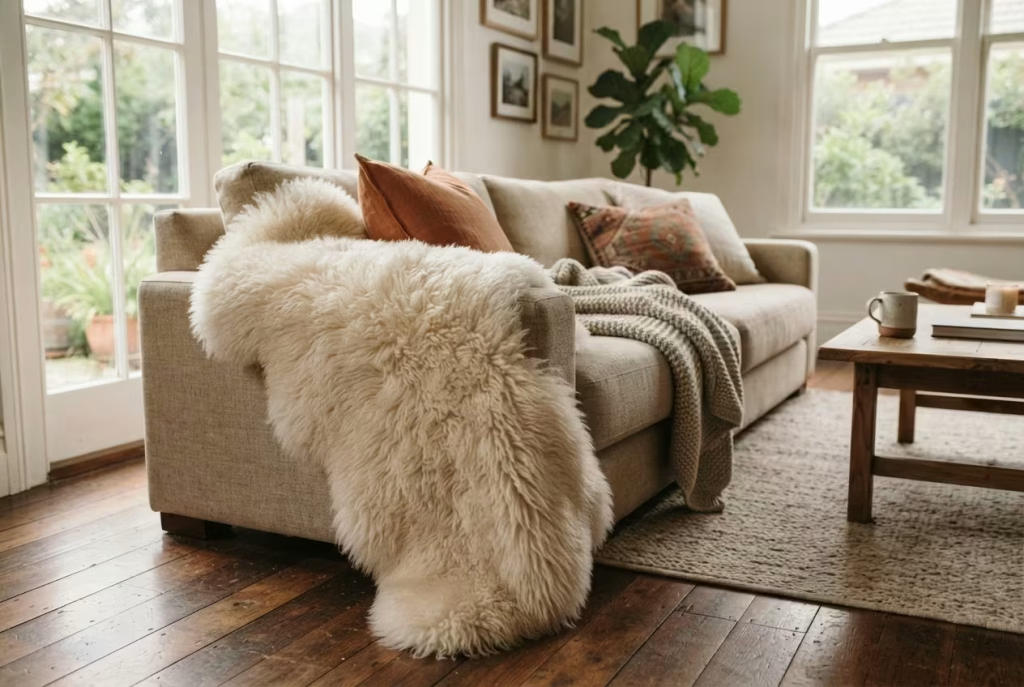
30. Introduce a faux fur or sheepskin throw over one arm of the sofa. Draped rather than folded, so it falls with some natural movement rather than sitting in a stiff rectangle, it catches the eye and invites touch in a way a neatly folded blanket simply doesn’t, and there’s something about the invitation to touch that does more for a room’s warmth than the object’s actual insulating properties ever could.
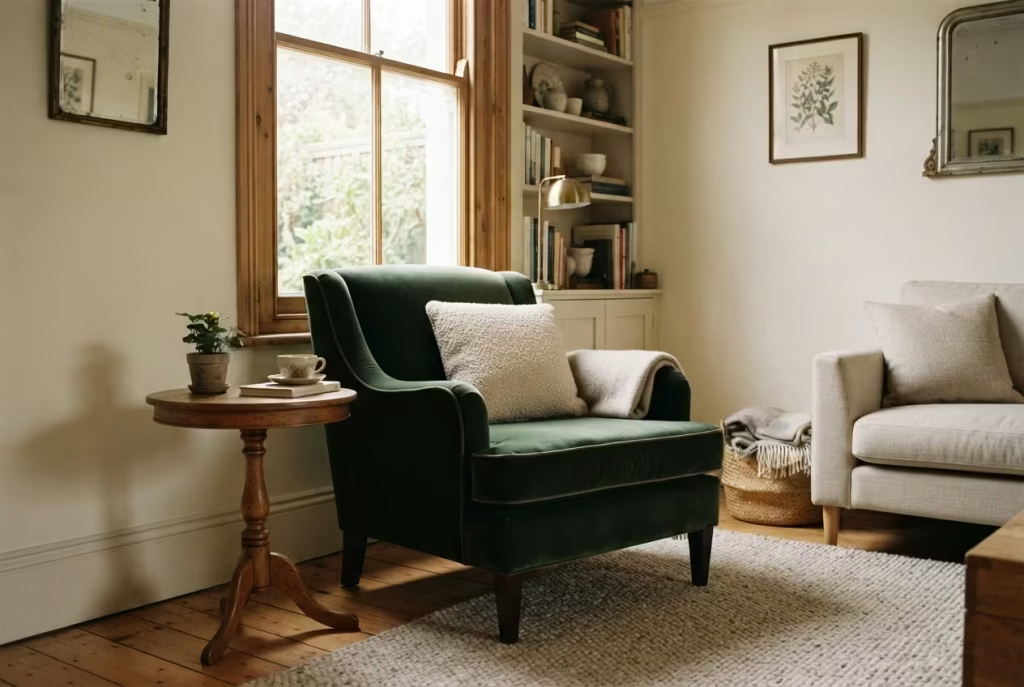
31. Consider velvet for one or two key pieces only. Velvet reads as instantly richer and warmer than most other fabrics, catching light in a way flatter weaves never manage, but a whole room in velvet can tip into heavy rather than cosy, so use it as an accent, a cushion or a single chair, rather than a rule applied to every surface.
Lighting the Room as Evenings Draw In

As natural daylight becomes scarcer, the instinct is to simply make the room brighter, flicking on every light you own the moment it gets dim, but the coziest rooms actually do the opposite: they create several smaller pockets of light rather than one flood of it, and the difference in how a room feels is genuinely dramatic once you notice it.
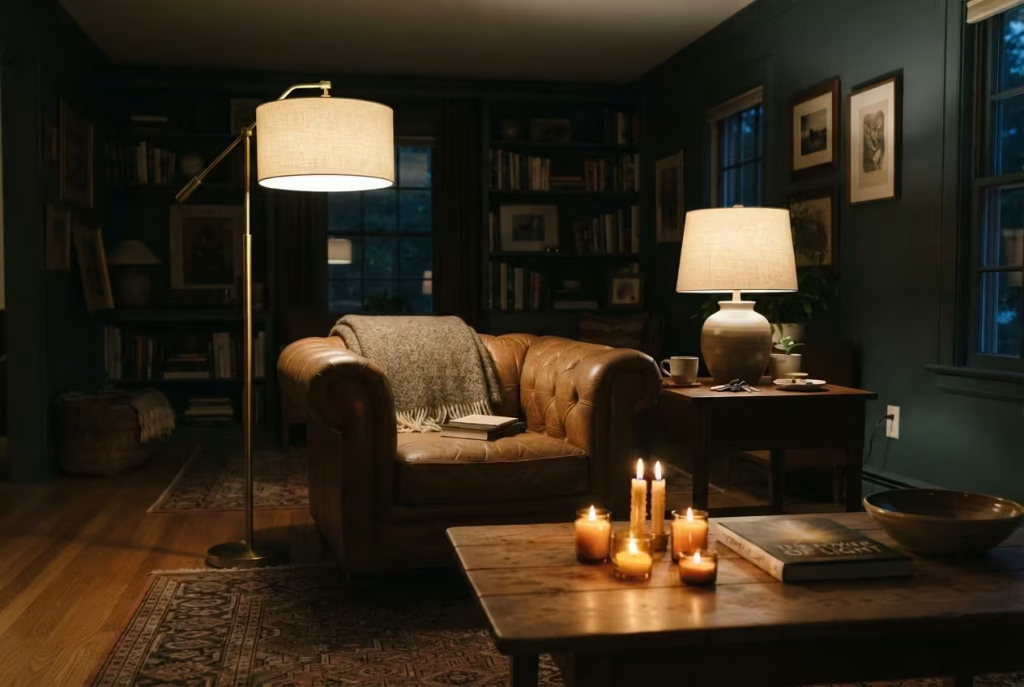
32. Layer light at different heights rather than relying on the main ceiling fixture. A floor lamp beside an armchair, a table lamp on a side table, and candlelight at coffee-table height together create a sense of depth that a single overhead bulb simply cannot replicate, no matter how warm that bulb’s colour temperature happens to be, because depth comes from multiple sources at multiple heights, not from one source turned up brighter.
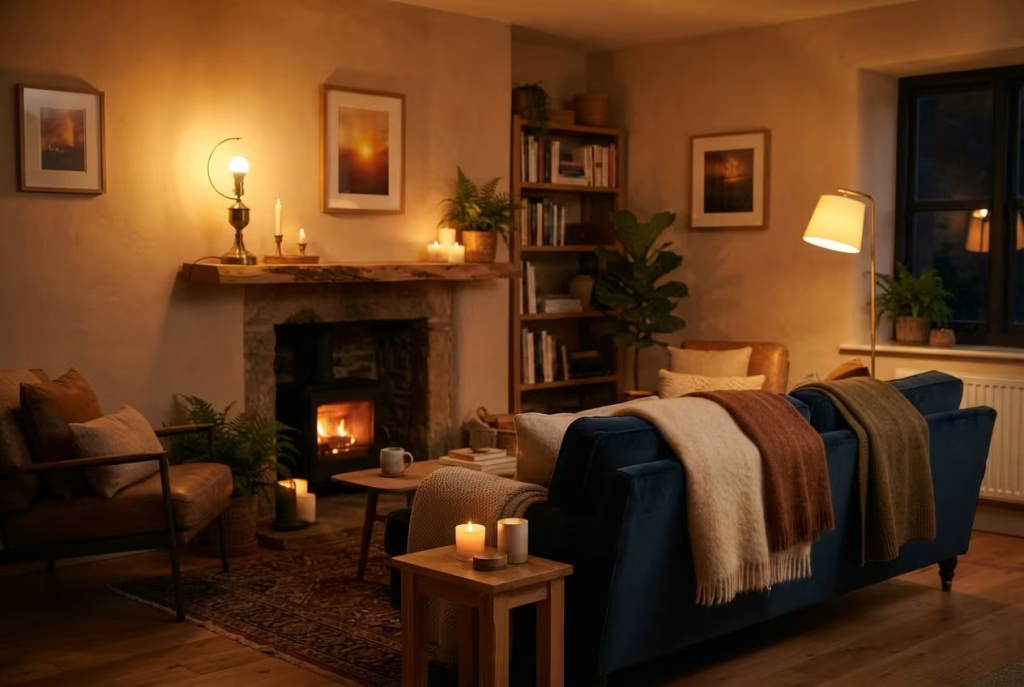
33. Choose warm-white bulbs over cool daylight ones. Bulbs around 2700K read as cosy and golden, close to candlelight in tone, while anything above about 3500K starts to feel closer to office or hospital lighting, which works against everything else you’re trying to achieve in the room no matter how many throws and candles you’ve added around it.
You May also Like: 25 Apartment Living Room Designs Ideas for a Chic, Cosy, and Functional Home
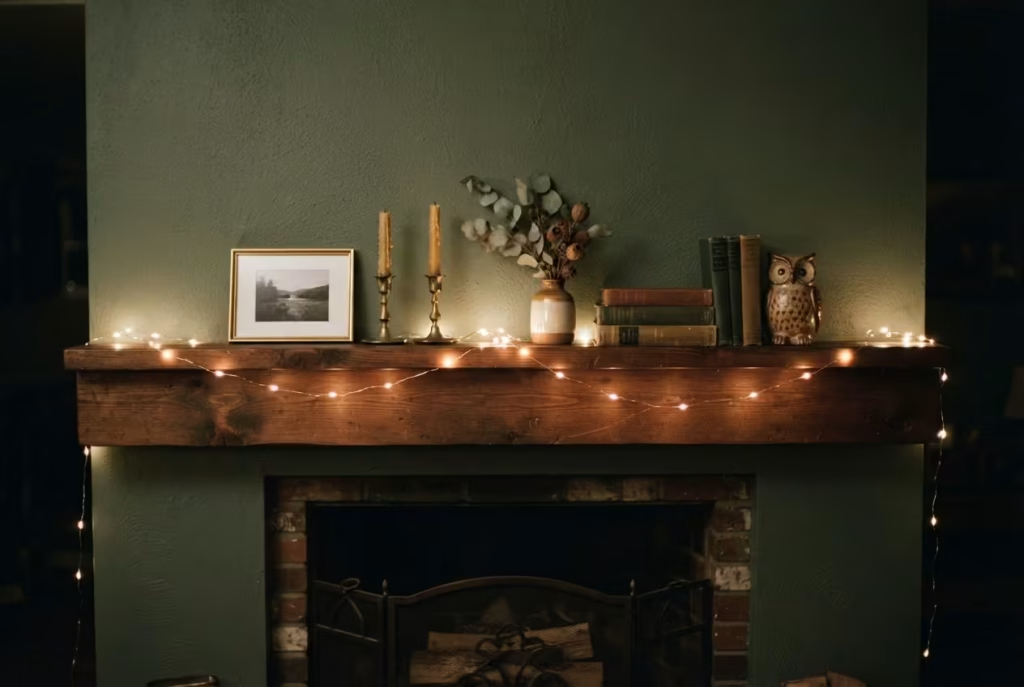
34. Add a string of warm fairy lights along a shelf or mantel edge. Kept well clear of flammable dried foliage or paper decorations, and never left running unattended overnight, they add a soft, low-level glow that candles alone can’t sustain through a whole evening without near-constant relighting, and the effect of that steady, gentle twinkle is worth far more than the few pounds it costs to run them.
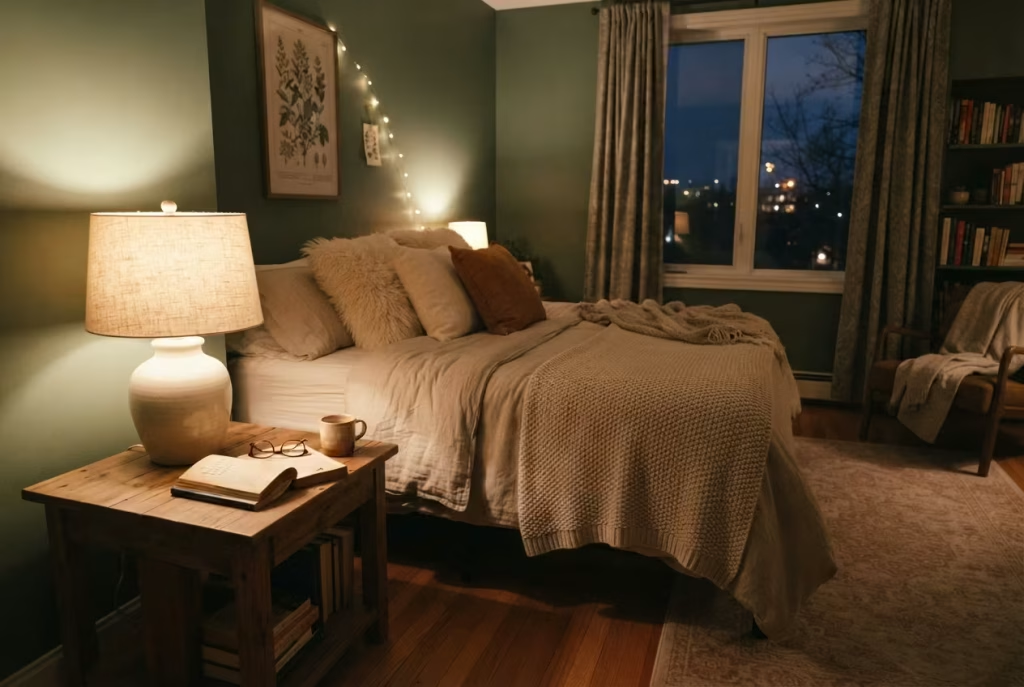
35. Use a dimmer switch or a lamp with adjustable brightness if you have one. Being able to lower the light as the evening goes on mirrors the natural drop in daylight outside, and that gradual dimming is part of what signals to your body that it’s time to properly relax, working with your own biology rather than against it with a single harsh switch from bright to dark.
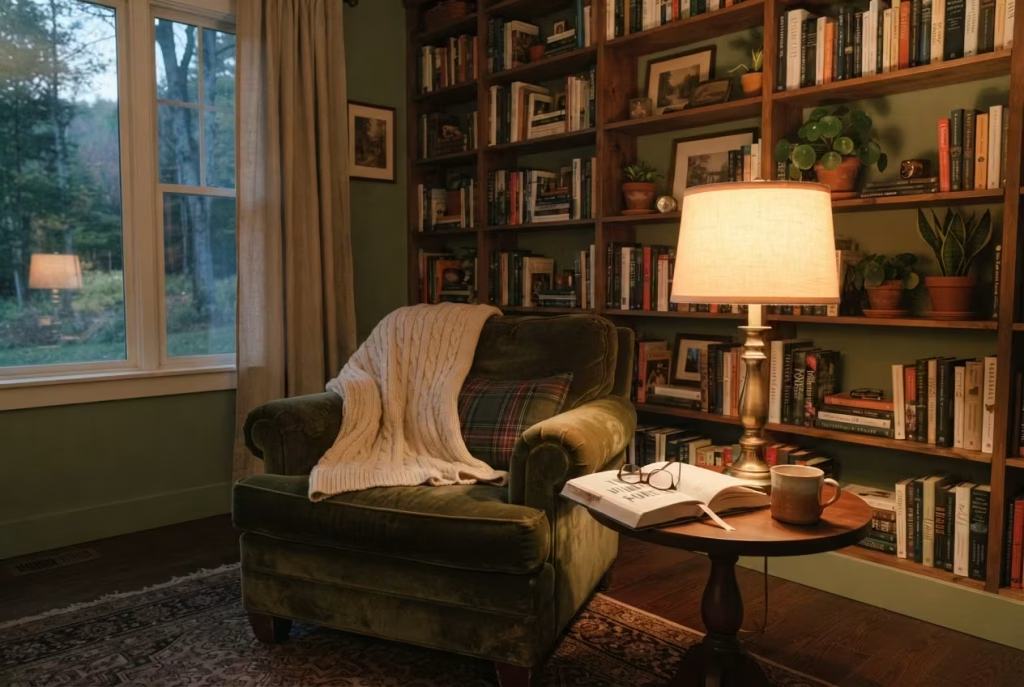
36. Position at least one light source at eye level when seated, not just overhead. A table lamp beside an armchair does more for a cosy reading atmosphere than a bright ceiling light ever will, since seated eye-level lighting avoids the harsh shadows and glare that overhead-only lighting tends to cast across a book, a face, or a cup of tea held at chest height.
The Entry-to-Living-Room Handover
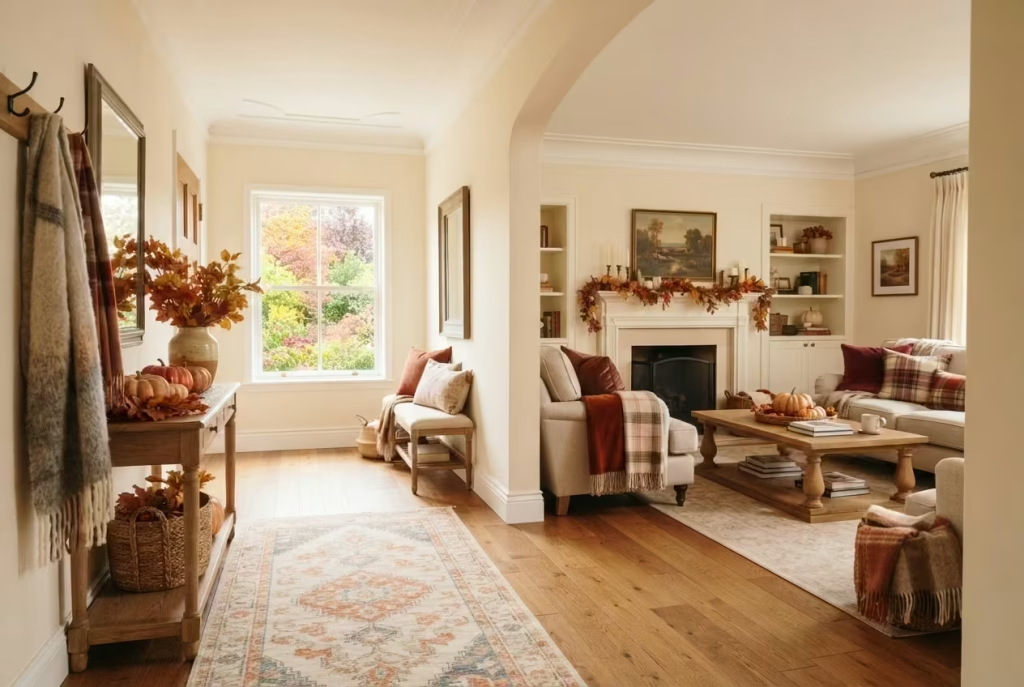
The space where your hallway or entryway meets the living room sets the tone for the whole room before anyone’s even properly stepped inside it, and it’s a spot most fall decorating guides skip entirely, treating the living room as though it exists in isolation from everything leading into it.
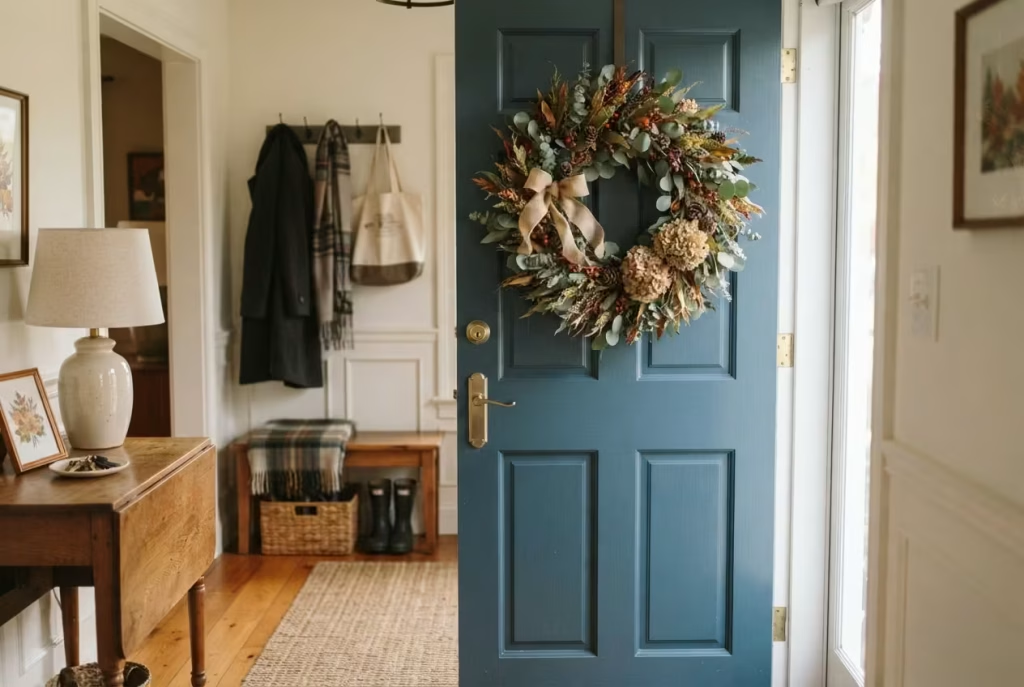
37. Hang a seasonal wreath on the inside of the door, not just the outside. It’s a small, often-overlooked spot that gives visitors, and you, their first hint of the season the moment they turn to hang up a coat, a detail that costs nothing extra since you’re already buying the wreath for outside.
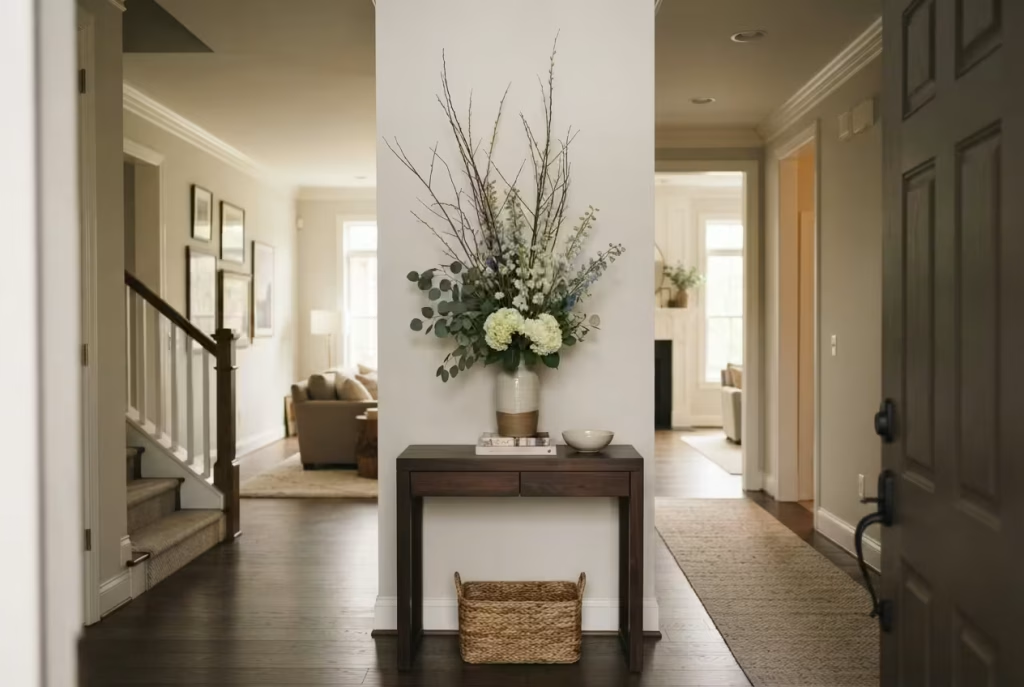
38. Place a console table just inside the room with a single tall arrangement. Height here draws the eye upward and forward into the room, working almost like a welcoming gesture rather than a barrier, guiding a visitor’s attention exactly where you want it to travel next rather than letting it snag on the first thing near the door.
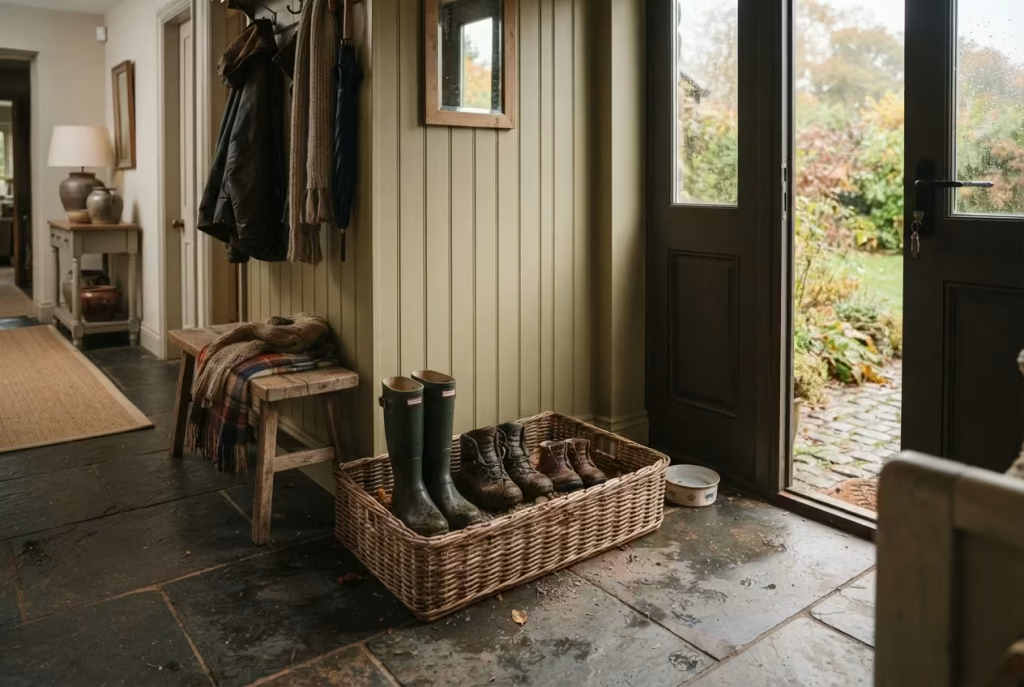
39. Introduce a boot tray or basket for damp autumn shoes near the entry. It’s practical rather than purely decorative, solving the genuine problem of wet leaves and mud tracked in on a rainy October afternoon, but a well-chosen woven or wooden one does double duty by adding texture exactly where the room needs a soft landing from the hallway.
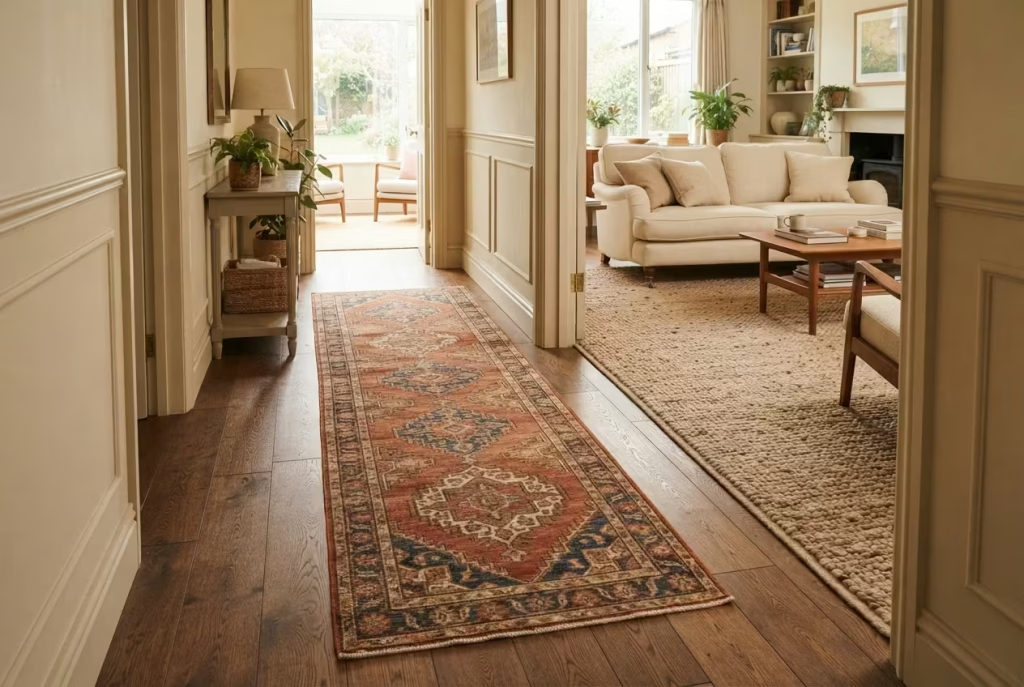
40. Use a runner rug to bridge hard flooring into the living room’s softer furnishings. A patterned or textured runner in warm tones eases the transition from a tiled or wooden hallway into a carpeted or rugged living space, both visually and underfoot, so the change from one surface to another doesn’t feel like an abrupt line drawn across the floor.
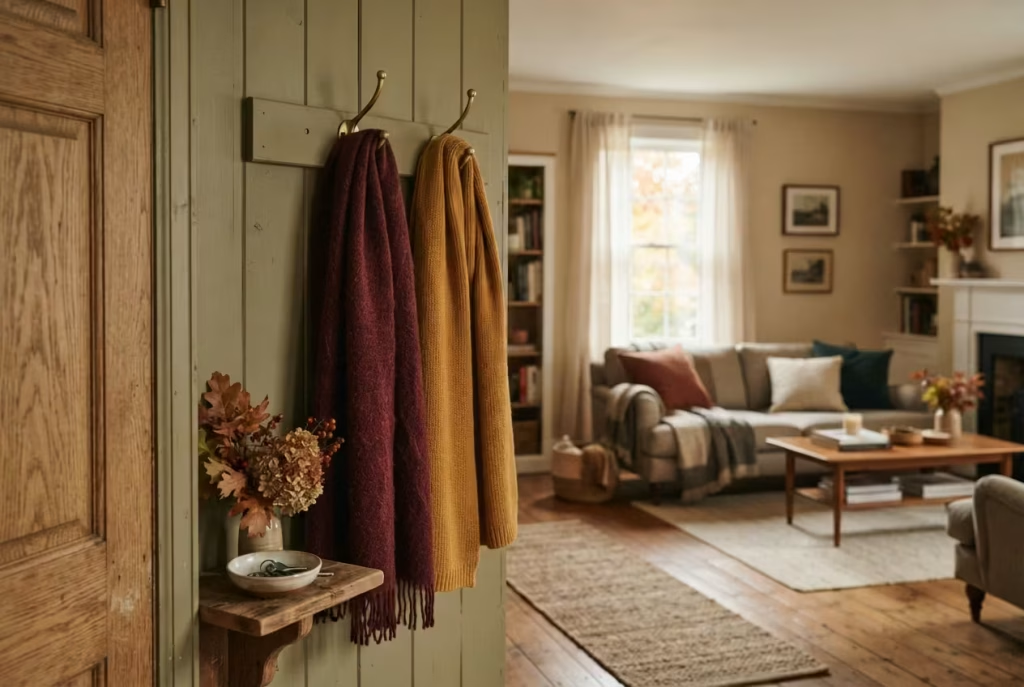
41. Add a coat hook or two dressed with a scarf in a seasonal colour. It sounds minor, almost too small to bother with, but a burgundy or mustard scarf hanging within view of the living room threads the colour palette through before you’ve even sat down, and it’s the kind of detail that quietly reassures a guest they’ve walked into a considered space.
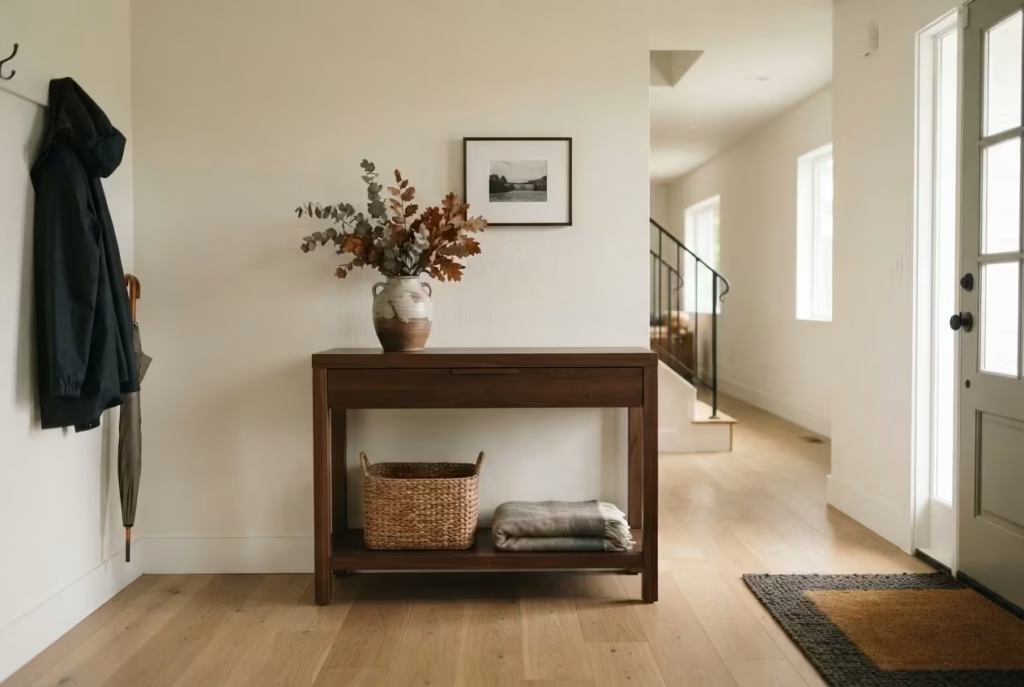
42. Keep this transition zone genuinely uncluttered. It’s the pinch point everyone passes through, often carrying bags, coats or a dripping umbrella, so it’s the last place you want to overload with seasonal accents that get knocked over or tripped on. One good piece here works considerably harder than five competing ones ever could.
You May also Like: 21 Minimalist Living Room Ideas That Make Your Home Feel Calm and Chic
Small Rooms and Rented Spaces
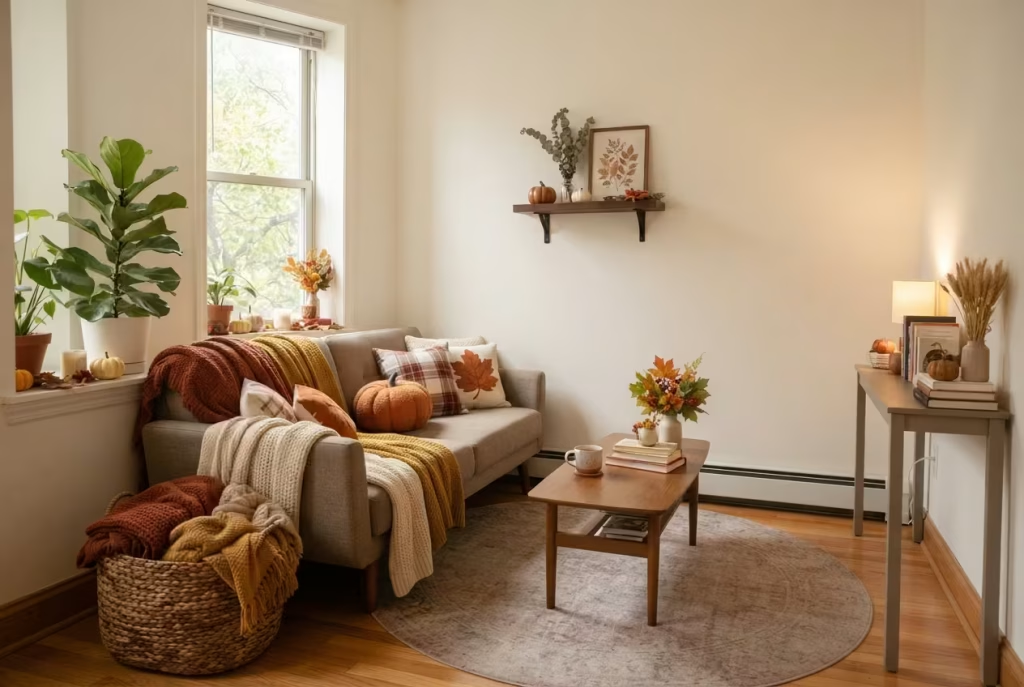
Fall decorating in a small living room, or one you don’t own and can’t drill into without risking your deposit, needs a slightly different rulebook, and it’s the part almost every competing guide skips over entirely, as though everyone reading has an unlimited amount of both wall space and landlord goodwill.
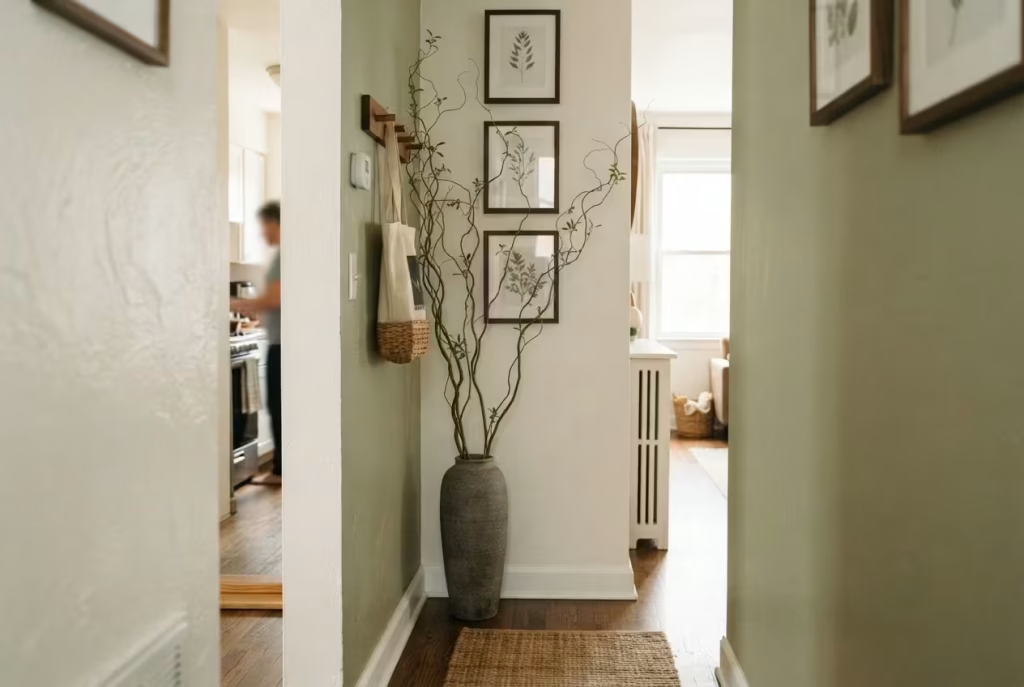
43. Decorate vertically when floor space is scarce. A tall, narrow vase with two or three branching stems fills an empty corner and draws the eye upward, adding presence without eating into the square footage you need to actually live in, walk through, or fit a second person past on their way to the kitchen.
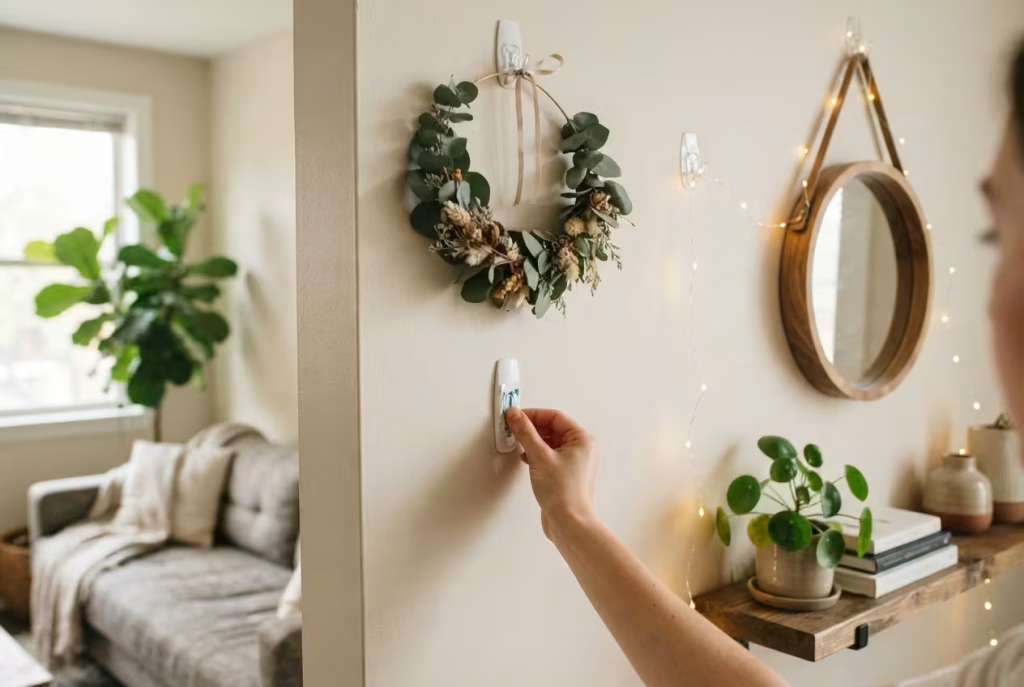
44. Use damage-free adhesive hooks for anything that would otherwise need a nail. Renter deposits are commonly lost over nail holes, adhesive residue or scuffed paint, three of the most cited deposit disputes going, so a removable strip designed for the weight of what you’re hanging avoids that risk entirely while still letting you hang a wreath, a light garland, or even a small mirror.
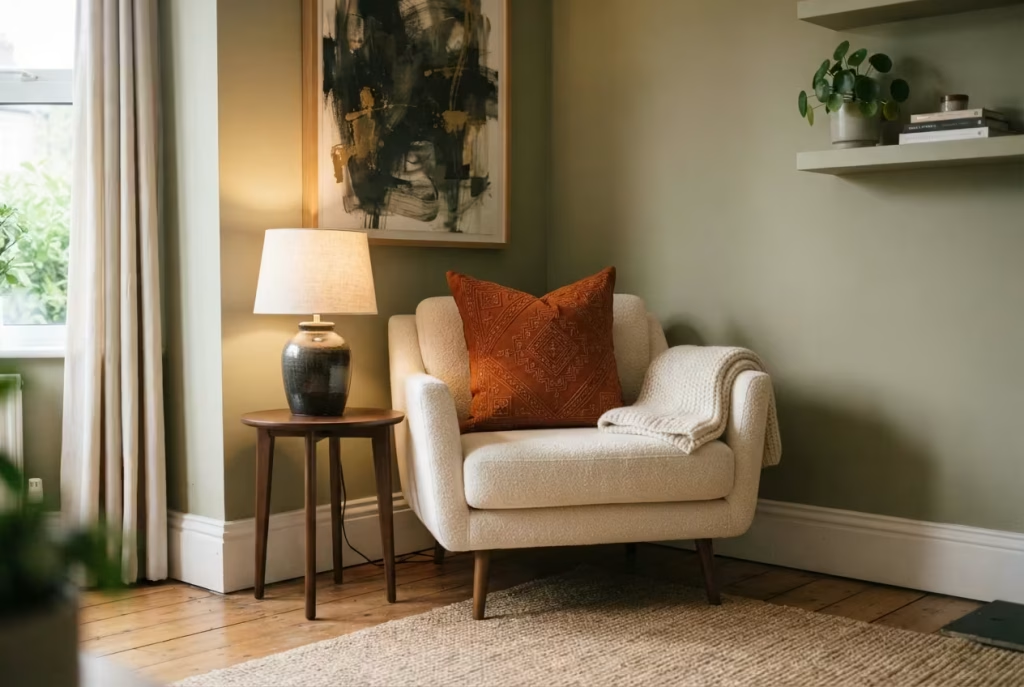
45. Choose one killer piece over a scattering of small ones. In a genuinely small room, even a few extra decorative objects can tip the balance from cosy to cramped within a single afternoon of enthusiastic shopping. One well-chosen centrepiece, whether that’s a striking cushion, a single lamp, or one good throw, does more for the room than ten small trinkets spread across every surface, fighting each other for a glance.
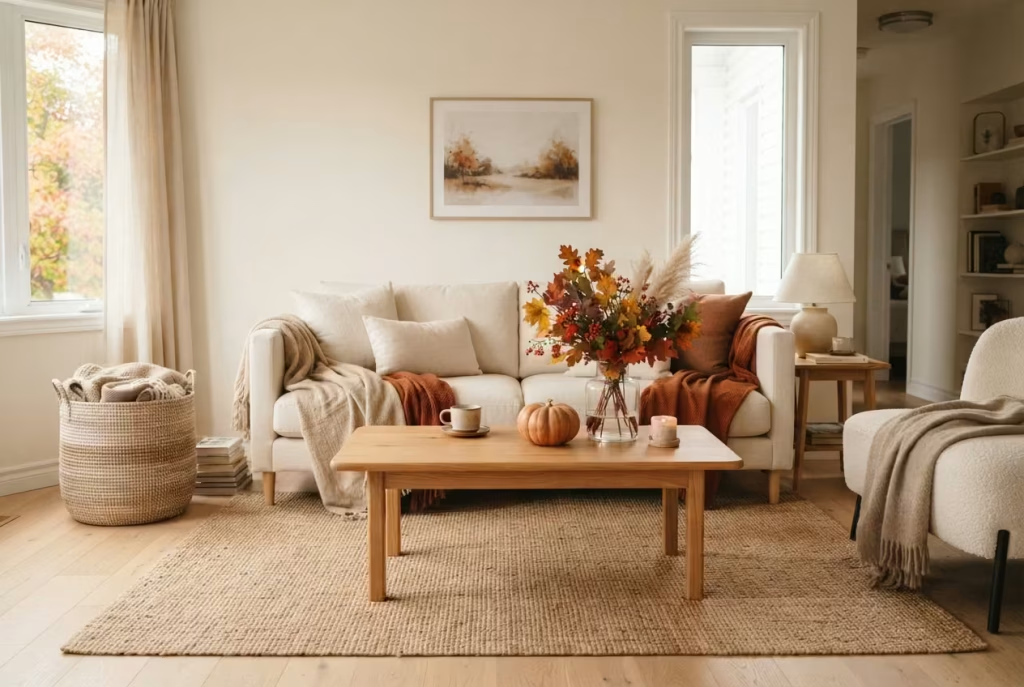
46. Store what you’re not using, rather than displaying everything you own. If you’ve collected several seasons’ worth of autumn decor, resist the urge to bring it all out at once purely because you own it. Editing your collection down to your genuine favourites each year, and keeping the rest in a basket rather than on show, is what keeps a small space feeling deliberate rather than accumulated, like a room someone chose rather than one that simply filled up over time.
A Word on Real Pumpkins Indoors

It’s worth pausing on this one properly, because it’s a genuine gap in most fall decorating advice, and it’s the kind of thing that catches people out three weeks into the season with an unpleasant smell they can’t immediately place.
An uncarved pumpkin can last two to three months in cool, dry conditions such as a porch, a shed, or an unheated hallway, but bring it into a warm, centrally heated living room and that timeline shortens considerably, because warmth and moisture are exactly what accelerate the rot a pumpkin’s tough outer skin is otherwise built to resist.
Real pumpkins and gourds kept indoors are best limited to one to two weeks before the risk of soft spots and mould rises sharply, particularly in a warmer, more humid room than the porch or garage they’d otherwise sit in, and particularly once a fire or radiator is regularly on nearby.
If you do bring real ones inside, sit them on a tray or a protective liner so any leakage doesn’t reach wood flooring or fabric underneath, and check them every few days for soft, discoloured patches, especially on the side resting against the surface below, which is usually where trouble starts first and is easiest to miss.
Faux pumpkins in ceramic, wood or good-quality resin genuinely earn their keep here, especially anywhere near a heat source such as a mantel or a radiator, and nobody visiting is realistically going to lean in and check.
Cost Tiers What to Spend Where
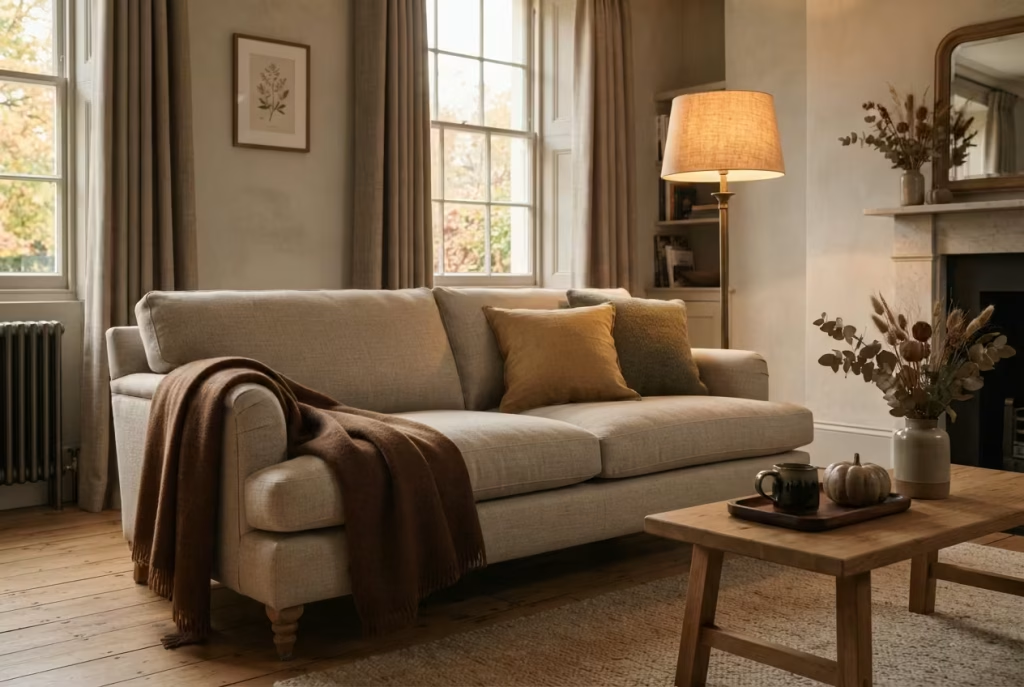
| Budget | What it buys | Best for |
| Under £30 | Cushion covers, a single candle, a small faux pumpkin, dried stems from a florist | A light seasonal refresh without touching furniture |
| £30 to £100 | A new throw, a wooden tray, a table lamp, a fabric door wreath | A noticeable mantel or coffee table transformation |
| £100 to £300 | A floor lamp, heavier curtains, an accent cushion set, a runner rug | Bridging hallway to living room, or a full lighting layer |
| £300 and up | A new armchair, made-to-measure curtains, a full mantel restyle | A genuine seasonal overhaul rather than a refresh |
A useful rule of thumb, borrowed from people who do this professionally rather than once a year: spend on the pieces that touch your skin or catch your eye at seated height (throws, cushions, lamps), and economise on the pieces that simply fill a gap on a high shelf, since nobody’s hand ever lands on those to judge the quality.
Safety Table What to Check Before You Style

| Item | Risk | What to do instead |
| Candles near dried foliage or paper garlands | Fire risk; living and family rooms account for a notable share of home candle fires | Keep at least 30cm clearance from anything flammable, never leave unattended |
| Real pumpkins on a mantel near a working fireplace | Faster rot from ambient heat | Use faux versions on or near a lit fireplace |
| Fairy lights left on overnight unattended | Heat build-up against dry foliage, even with LEDs | Use a timer plug and switch off before bed |
| Chenille, velvet or corduroy cushions in a pet household | Traps pet hair, harder to keep clean | Choose tightly woven fabrics like twill or leather for pet-facing pieces |
| Linen, silk, boucle or tweed within a cat’s reach | Easily snagged and damaged by claws | Reserve delicate weaves for higher shelves, away from scratching height |
| Dried florals, pinecones and small pumpkins with pets or toddlers in the home | Choking or ingestion hazard | Keep low-lying seasonal accents out of reach, or choose larger, non-swallowable pieces |
The Room You Come Home To
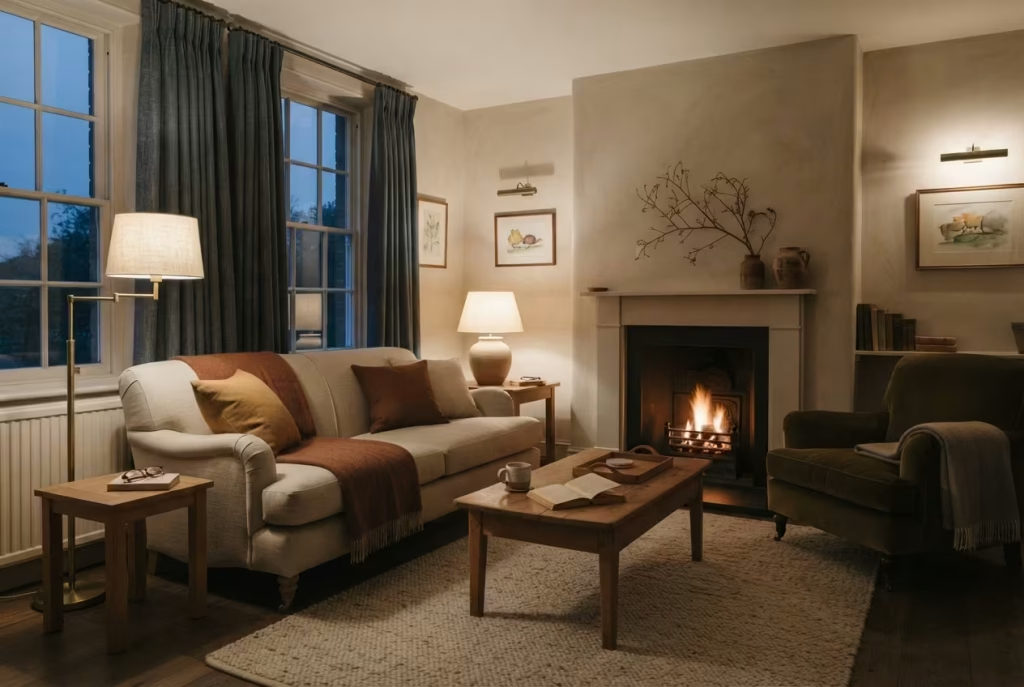
None of this needs to happen in one weekend, and it certainly doesn’t need every idea on this list applied at once, however tempting that feels once you get going. Pick the zone that’s bothering you most, the bare mantel, the coffee table that never quite looks finished, the window that lets in a draught along with the light, and start there, letting the rest follow at its own pace over the coming weeks.
The point of decorating a living room for fall isn’t to recreate a magazine spread, and nobody’s judging whether every idea on this list made it into your particular room. It’s to build a space you actually want to walk into once the clocks go back and the evenings properly close in, one that does a little of the emotional heavy lifting for you before you’ve even sat down, taken your coat off, or put the kettle on. Get the layering right, and the rest of the season, the long evenings, the early dark, the cold outside the glass, tends to take care of itself.
Frequently Asked Questions
When should I start decorating my living room for fall?
There’s no single correct date, and even interior designers disagree on it openly. Late September to mid-October tends to be the sweet spot for most households, timed less to the calendar and more to when the evenings genuinely start drawing in and a jumper starts feeling necessary indoors as well as out, which for some people arrives in early September and for others not until the first proper cold snap in October.
How do I stop my fall decor looking cluttered or like a shop display?
Stick to a muted palette of two or three colours, choose natural materials over mass-produced items, and give each grouping room to breathe rather than filling every surface simply because it’s available. One well-edited vignette will always look more considered, and more expensive, than several competing ones fighting for the same small patch of shelf.
Are real pumpkins safe to keep in the living room?
Yes, for a limited time. Real pumpkins indoors are best kept to one to two weeks before the risk of soft spots and mould rises, especially in a warm, centrally heated room. Use a tray underneath and check them regularly, particularly on the underside where moisture collects first and out of sight.
Is it better to use real or faux foliage and pumpkins?
Both have their place, and the strongest-looking rooms tend to mix them rather than choosing one exclusively. Faux versions last the whole season without any maintenance and are the safer choice near a fireplace or radiator, while real foliage and pumpkins bring a genuine seasonal scent and texture that faux versions can’t fully replicate, particularly up close.
How do I decorate a small living room for fall without it feeling cramped?
Decorate vertically rather than horizontally, choose one standout piece rather than several small ones, and keep at least a third of every surface genuinely clear. Storing decor you’re not actively using, rather than displaying everything you own purely because it’s yours, makes the biggest difference in a compact room.
What fall decor is safe for a home with pets?
Avoid chenille, velvet and corduroy cushions if shedding is a concern, since they trap fur in a way smoother weaves don’t, and keep linen or silk pieces out of a cat’s scratching reach. Dried florals, pinecones and small decorative pumpkins should sit well above the height a curious pet can reach, since they present a genuine ingestion risk rather than just a mess to clean up.
Can I decorate for fall in a rented flat without losing my deposit?
Yes. Damage-free adhesive hooks rated for the weight of what you’re hanging avoid nail holes and paint damage entirely, two of the most commonly cited reasons deposits get docked, and they hold wreaths, light garlands and even small mirrors without leaving a mark when removed at the end of the season.
How much does a fall living room refresh actually cost?
A light refresh using cushion covers, a candle and a small faux pumpkin can be done for under £30. A noticeable transformation involving a new throw, lighting and a mantel restyle tends to sit between £100 and £300, while a full overhaul with new furniture or made-to-measure curtains runs higher still, well into four figures for some rooms.
What colours work best for a fall living room?
Muted, earthy tones such as rust, ochre, olive, burgundy and warm neutrals like oatmeal and taupe tend to read as sophisticated rather than seasonal cliché, unlike the brighter orange and black combinations that lean closer to Halloween than autumn proper. Choosing two or three and repeating them across cushions, throws and accessories works better than trying to include every autumnal shade at once.
How do I decorate a living room mantel if I don’t have a working fireplace?
Lean into candlelight instead. A cluster of varying-height pillar candles inside the empty grate, kept well away from anything flammable, turns a redundant hearth into a genuine focal point without a flame ever needing to heat the room, and the visual warmth it provides does most of the same emotional work a real fire would.
How long should fall decor stay up in the living room?
Most people keep their base autumn layer, foliage, warm textiles and muted colours, in place from late September right through to Thanksgiving or the first properly wintry cold snap, layering in more specific Halloween or harvest touches temporarily on top of that base rather than swapping the whole room over more than once in a single season.
Do I need to match my fall decor to my existing furniture and colour scheme?
Not exactly match, but it should coordinate rather than fight. Choosing one or two accent tones that already exist somewhere in your room, a rug, an existing cushion, a piece of art, and echoing those in your seasonal additions is what makes a fall refresh look intentional and built on top of what’s already there, rather than bolted on as an afterthought.