


Terracotta Interior Design: 51 Warm & Stylish Ideas for Every Room
Quick answer: Terracotta is a warm, clay-based colour that sits between brick red, burnt orange and dusty brown. It works in almost every room, including small and north-facing ones, because its warm undertone reads as cosy rather than cramped. Genuine terracotta tile needs sealing and resealing every one to three years; paint, fabric and pottery need none of that upkeep. Below are 51 genuinely distinct ideas organised by room, with real cost ranges, maintenance notes and the psychology behind why this colour affects mood the way it does.
There’s a particular kind of light that Terracotta Interior Design seems built for. Late afternoon, low sun, the walls suddenly glowing like they’ve stored up the day’s warmth and are giving it back to you. That’s the whole appeal of this colour in a sentence, and it’s why, after decades of white walls and grey sofas, so many of us are reaching for it again.
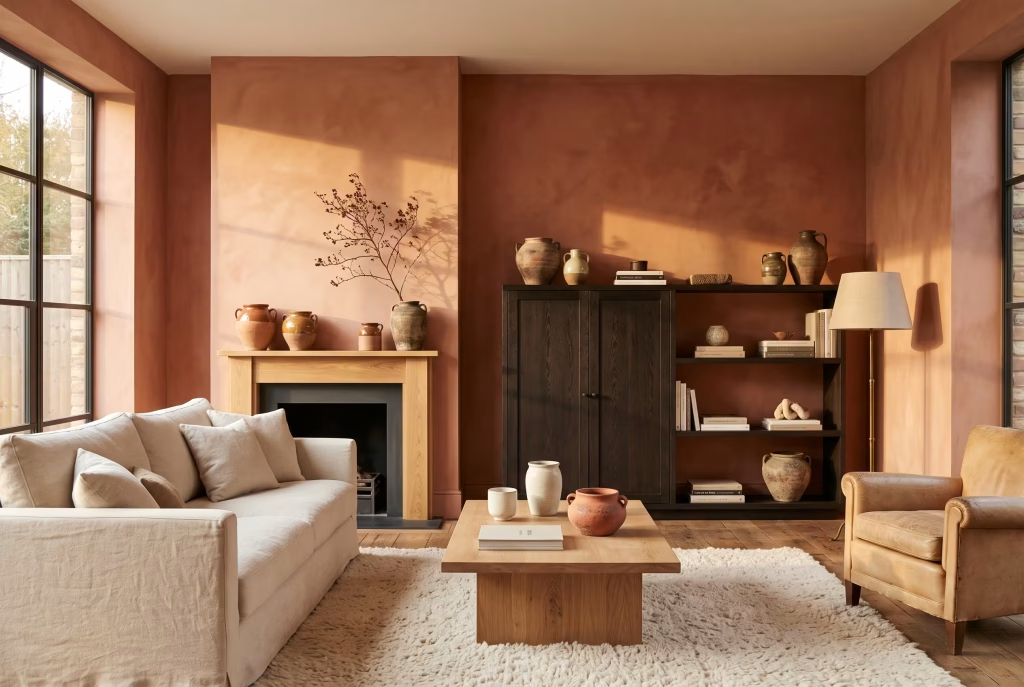
Terracotta means “baked earth” in Italian, and that’s more than etymology. It’s the colour clay turns when it’s fired, which is why it never quite reads as one flat shade. Depending on the mineral content and the firing temperature, terracotta can lean toward brick red, toward burnt orange, toward a dusty pinkish brown. That variation is the whole point. A colour with this much internal movement is far more forgiving to live with than a single, unchanging paint chip, because it shifts with the light throughout the day rather than sitting there looking the same at 8am as it does at 8pm.
People often ask whether terracotta is the same thing as orange, rust or brown. It isn’t, quite.
- Orange is a primary hue with no earth in it, so it reads as bright and synthetic by comparison.
- Rust leans more metallic and oxidised, closer to a weathered iron colour than a clay one.
- Brown sits flatter and cooler, without the pink or orange warmth terracotta carries.
- Terracotta is the meeting point of all three, softened by the clay it’s named for.
Is it a fleeting trend or something worth committing to? Honestly, it’s a bit of both, and pretending otherwise would be doing you a disservice. Design forecasters have called it the defining warm neutral of the past couple of years, and some designers are already saying they’ve had their fill of terracotta-and-rust pairings specifically. But the colour itself, used thoughtfully rather than as a matched set with rust, has been part of human homes for millennia and isn’t going anywhere. The trend risk lives in over-styling it as a package (terracotta walls, rust curtains, ochre everything) rather than in the colour itself. Use it as one considered element among calmer neutrals and it reads as timeless, not tired.
51 Ideas at a Glance
| Room | Ideas Covered | Idea Numbers |
| Living Room | Walls, sofas, cushions, curtains, rugs, coffee tables, colour pairings, plaster finishes, pottery | 1 to 10 |
| Bedroom | Headboard walls, ceilings, bedlinen, seating, curtains, colour pairings, lighting, low-light rooms | 11 to 18 |
| Kitchen | Cabinetry, splashbacks, shelving, lighting, seating, flooring, hardware, appliances | 19 to 26 |
| Bathroom | Floor tiles, wall tiles, paint, textiles, sanitaryware, stone pairings, lighting | 27 to 33 |
| Hallway & Entryway | Walls, entrance tiling, wallpaper, console tables, runners, stairs | 34 to 39 |
| Dining Room | Walls, tables, dinnerware, pendant lighting, colour pairings, linens | 40 to 45 |
| Outdoors | Paving, pots, walls, cushions, dining sets, pathways | 46 to 51 |
The Psychology of Terracotta Why This Colour Feels Like Home
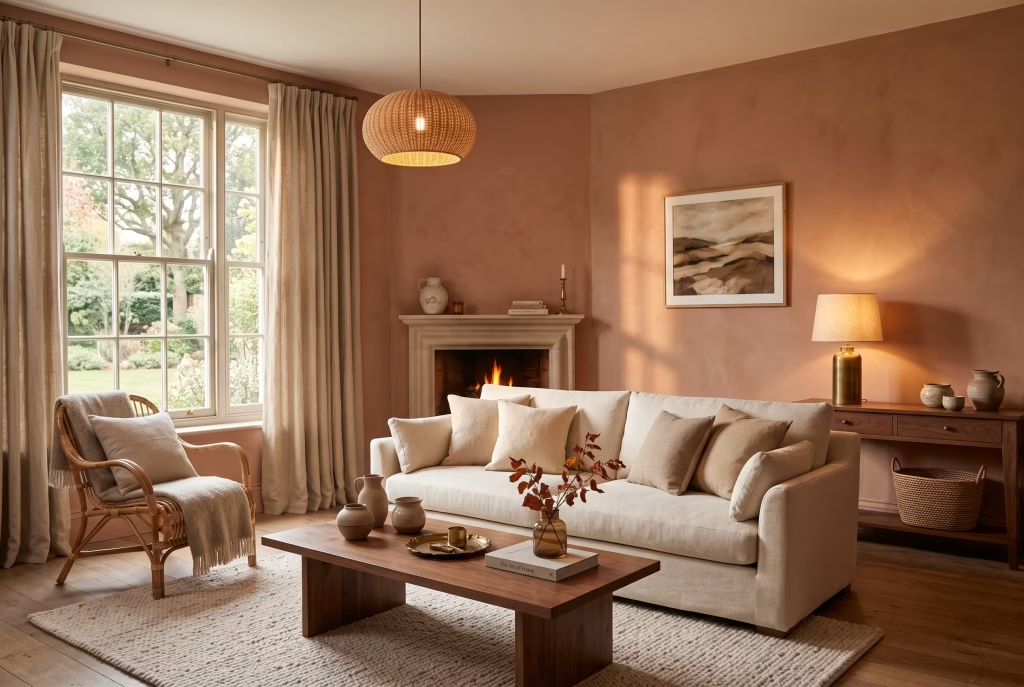
Before the room-by-room ideas, it’s worth understanding why this particular colour affects mood the way it does, because that’s the real reason it keeps returning to fashion rather than fading like most trend colours do.
- It mimics firelight and sun-warmed earth. Warm, orange-leaning hues sit at the same end of the spectrum as candlelight, hearth fires and sunset, all things humans have associated with safety and gathering for as long as we’ve had shelter. That association doesn’t switch off just because we’re looking at a painted wall instead of an actual flame.
- It’s grounding rather than stimulating. Bright orange or red can feel energising to the point of restlessness, but terracotta’s muted, earthy undertone takes the edge off that stimulation. Colour consultants often describe it as “confident but calm”, which is why it works in bedrooms as readily as it does in sociable living spaces.
- It carries a sense of permanence. Because terracotta comes from fired clay, an ancient, unpretentious building material, rooms decorated in this tone often read as established and considered rather than trend-chasing, even when the paint went on last weekend.
- It flatters warm skin tones and natural materials. Wood, rattan, brass and linen all share terracotta’s underlying warmth, which is part of why a terracotta room so rarely feels cold or clinical, regardless of how minimal the rest of the styling is.
- It’s forgiving of imperfection. Because the colour itself has so much natural variation, small scuffs, uneven plaster or slightly mismatched furniture read as texture rather than flaws, which takes real pressure off achieving a “perfect” finish.
| Terracotta Shade | Typical Undertone | Emotional Effect | Best Suited To |
| Pale clay / peach terracotta | Pink, soft | Gentle, calming, nostalgic | Small rooms, bedrooms, nurseries |
| Classic mid-tone terracotta | Balanced orange-brown | Warm, welcoming, sociable | Living rooms, kitchens, hallways |
| Burnt sienna / deep terracotta | Red-brown, saturated | Rich, dramatic, cocooning | Dining rooms, snugs, evening-use spaces |
| Dusty, greyed terracotta | Muted, low-saturation | Sophisticated, quiet, restful | North-facing rooms, modern minimalist schemes |
| Rust-leaning terracotta | Orange-red, metallic | Bold, energetic, confident | Accent walls, front doors, statement pieces |
What Exactly Is Terracotta?
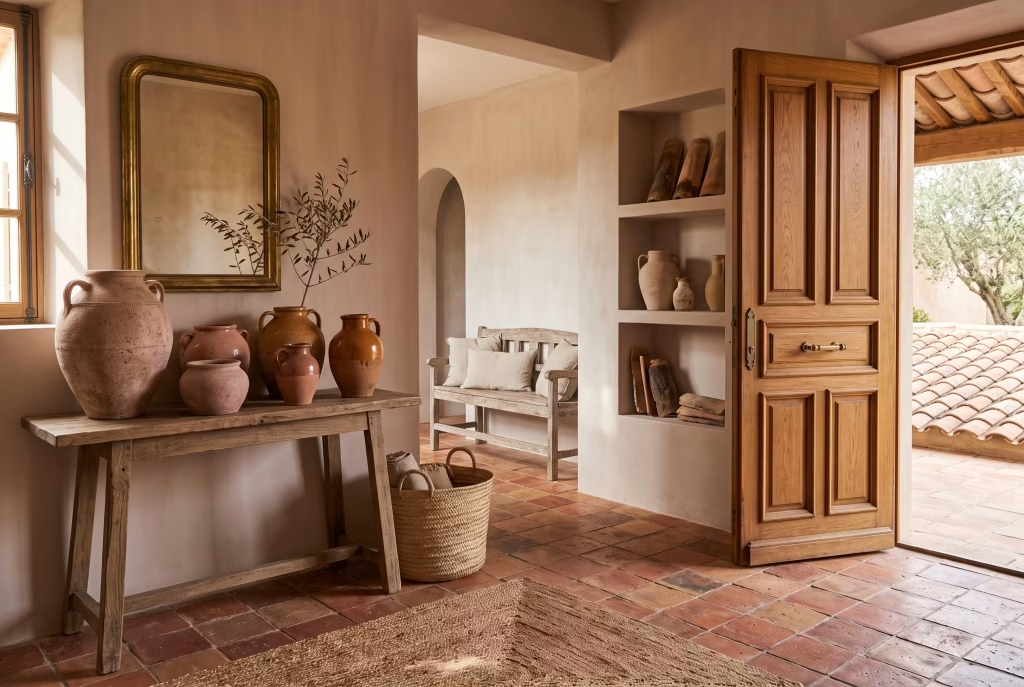
Terracotta is a warm, earthy colour named after fired clay, the same material used for centuries in roof tiles, pottery and flooring across the Mediterranean, Latin America and South Asia. In colour terms, it typically sits between:
- Brick red
- Burnt orange
- Dusty, pinkish brown
Because the shade varies so much depending on the specific clay and firing process it references, no two “terracottas” are ever quite identical, which is exactly why it pairs so easily with almost everything else in a warm-toned scheme.
Terracotta in the Living Room
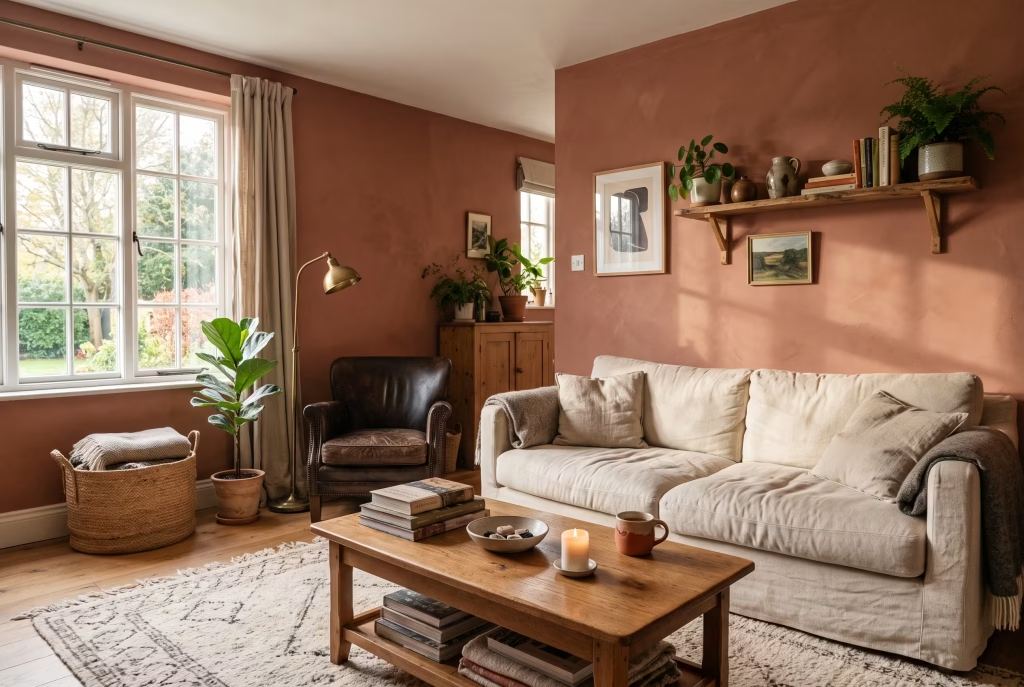
Living rooms are where most of us spend our waking hours at home, so the psychological weight of the colour choice here matters more than almost anywhere else. Terracotta earns its place because it makes a room feel occupied and lived-in within minutes of walking in, rather than staged.
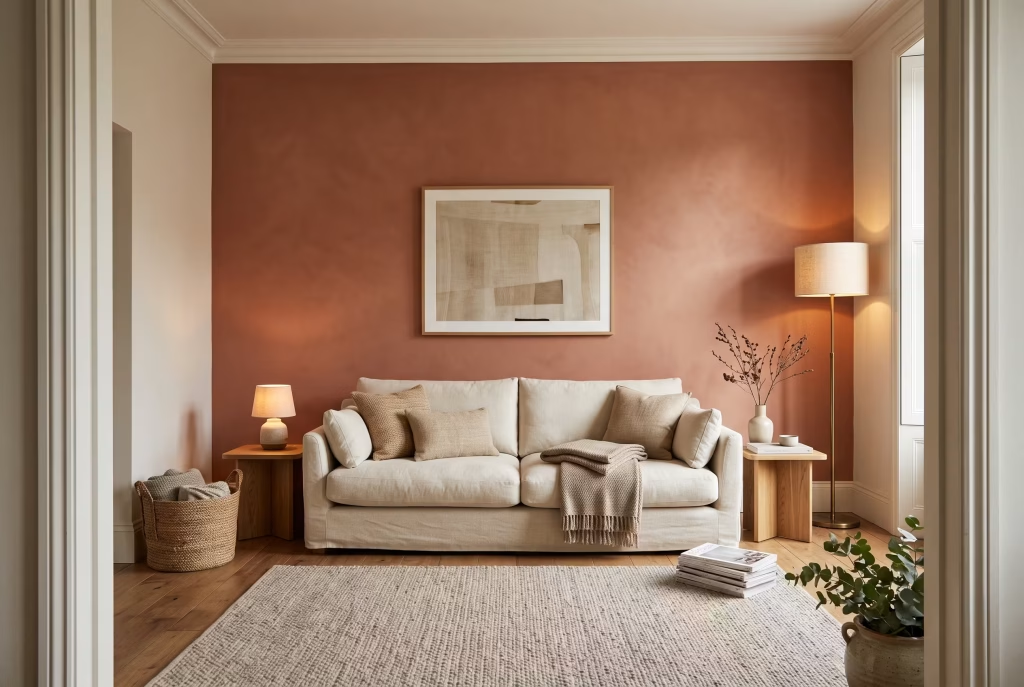
1. Paint one wall in a matte, chalky terracotta. Choose a wall that doesn’t face the door directly, ideally the one behind the sofa, so the colour becomes a backdrop rather than the first thing you see on entry.
- Cost: roughly £45 to £75 per 2.5L tin, covering 25 to 30m² in two coats
- Upkeep: very low, wipeable and easily repainted
- Feeling: intentional, cocooning, a natural focal point
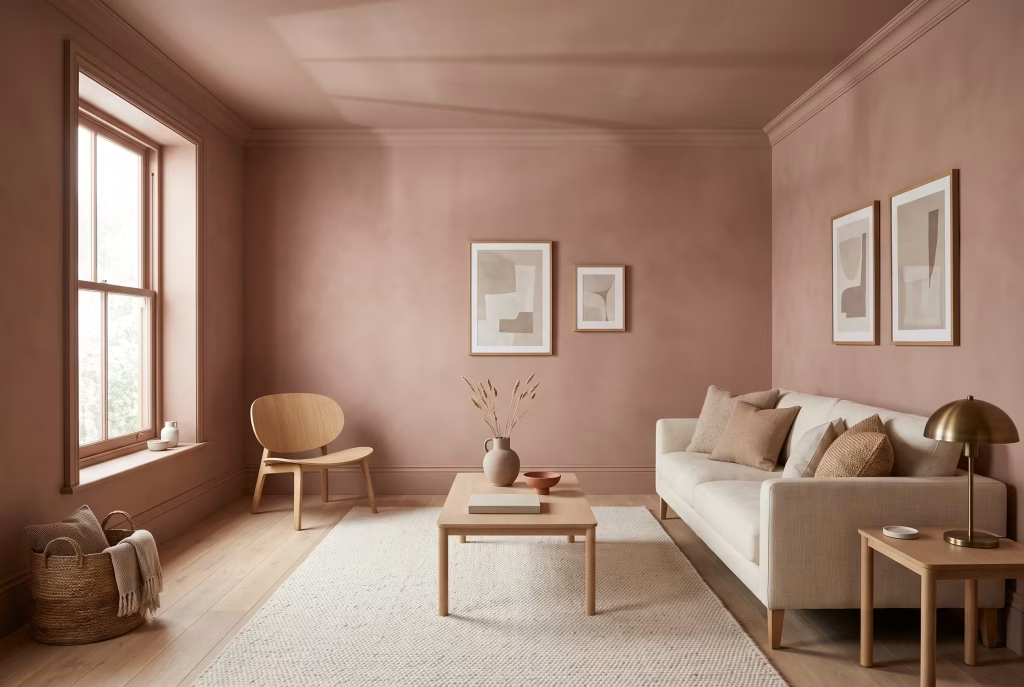
2. Go the whole room in a soft, greyed-down terracotta. This is the “colour drench” approach, walls, trim, even the ceiling in the same shade. It sounds like a big leap, but in a room with reasonable natural light it removes all the hard lines where wall meets ceiling meets skirting, and the space actually feels larger and more cohesive rather than boxed in.
- Cost: roughly £150 to £250 for an average 4m x 5m room, all surfaces included
- Upkeep: low
- Feeling: enveloping, seamless, more spacious than expected
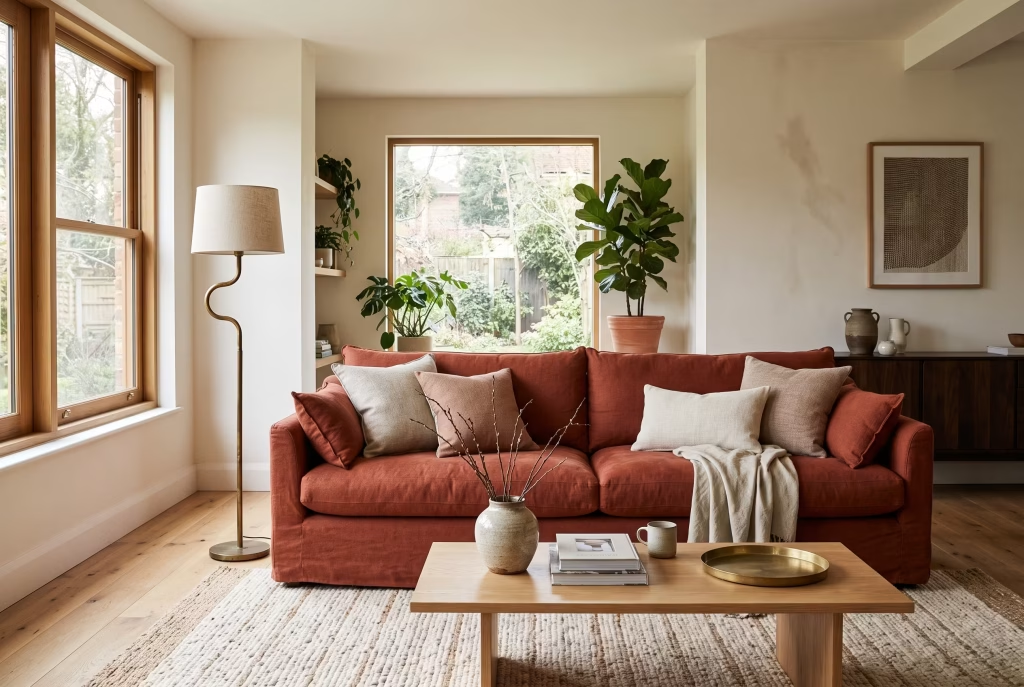
3. Introduce it through a linen sofa. A terracotta sofa is a serious commitment, financially and visually, but it earns its keep because upholstery this colour genuinely hides everyday wear (crumbs, pet hair, the odd wine spill) far better than pale linen or white boucle.
- Cost: £900 to £3,000-plus
- Upkeep: moderate, standard upholstery care
- Feeling: bold, anchoring, a genuine investment piece
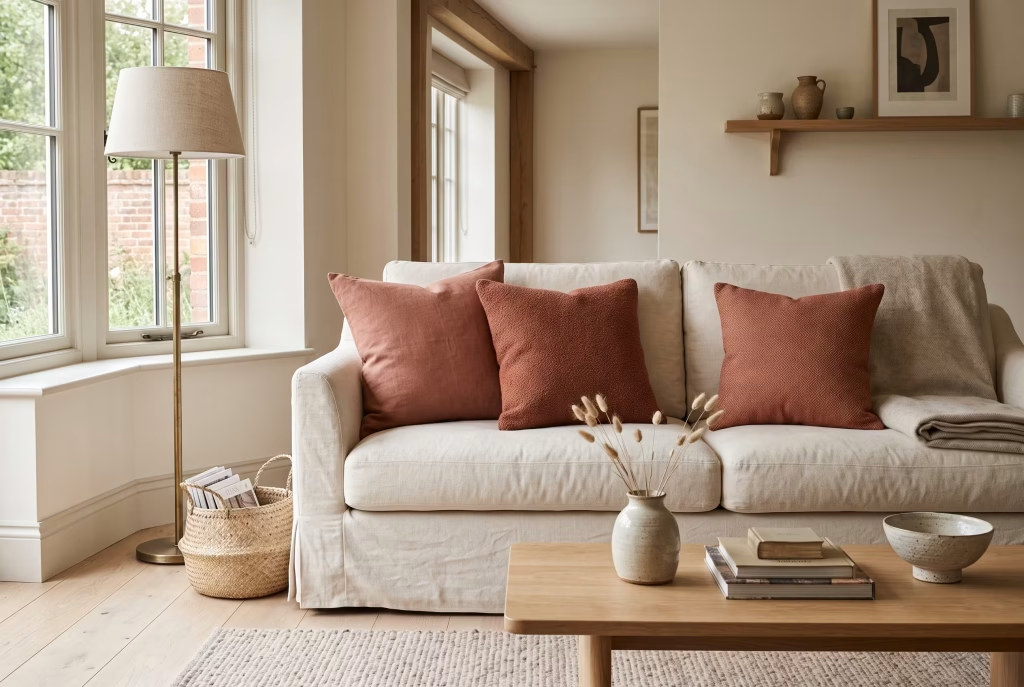
4. Layer terracotta cushions on a neutral base. This is the lowest-risk entry point in the entire guide. Two or three cushions in varying terracotta tones, some plain, one textured boucle, one with a subtle woven pattern, on a cream or oatmeal sofa.
- Cost: under £100 all in
- Upkeep: none, washable covers
- Feeling: playful, low-commitment, easy to change your mind about
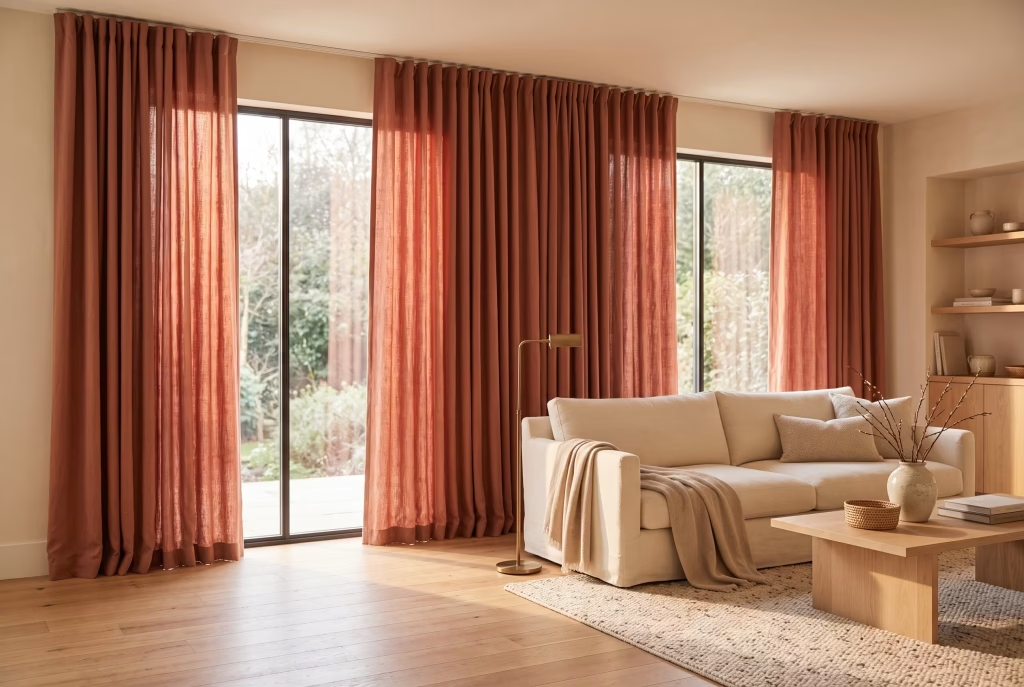
5. Hang heavy terracotta curtains. Curtains in a linen-blend terracotta soften a room’s hard edges and, practically speaking, filter incoming light with a warm cast rather than a cold one, which matters enormously in rooms that get harsh afternoon sun.
- Cost: £15 to £25 per metre extra for proper lining
- Upkeep: low, occasional dry clean
- Feeling: softening, warm-lit, calming at dusk
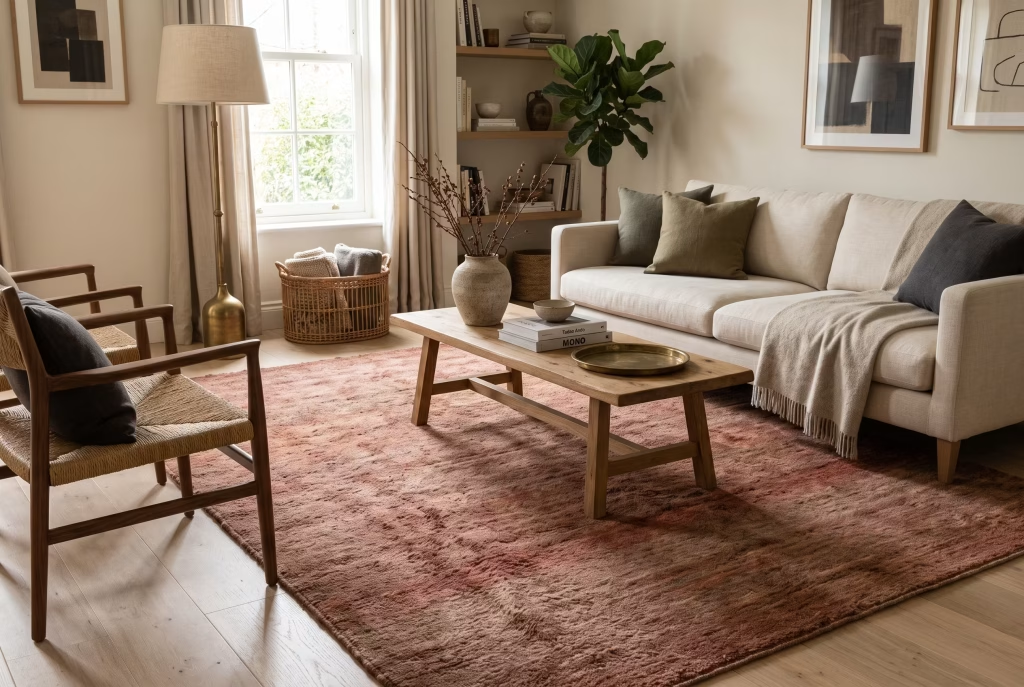
6. Add a terracotta rug as the anchor. Rugs ground a seating arrangement, and a terracotta or clay-toned option does it while adding warmth underfoot both literally and visually.
- Cost: £250 to £600 for a 200cm x 300cm wool-blend rug
- Upkeep: low, regular vacuuming
- Feeling: grounding, tactile, fully portable if you move
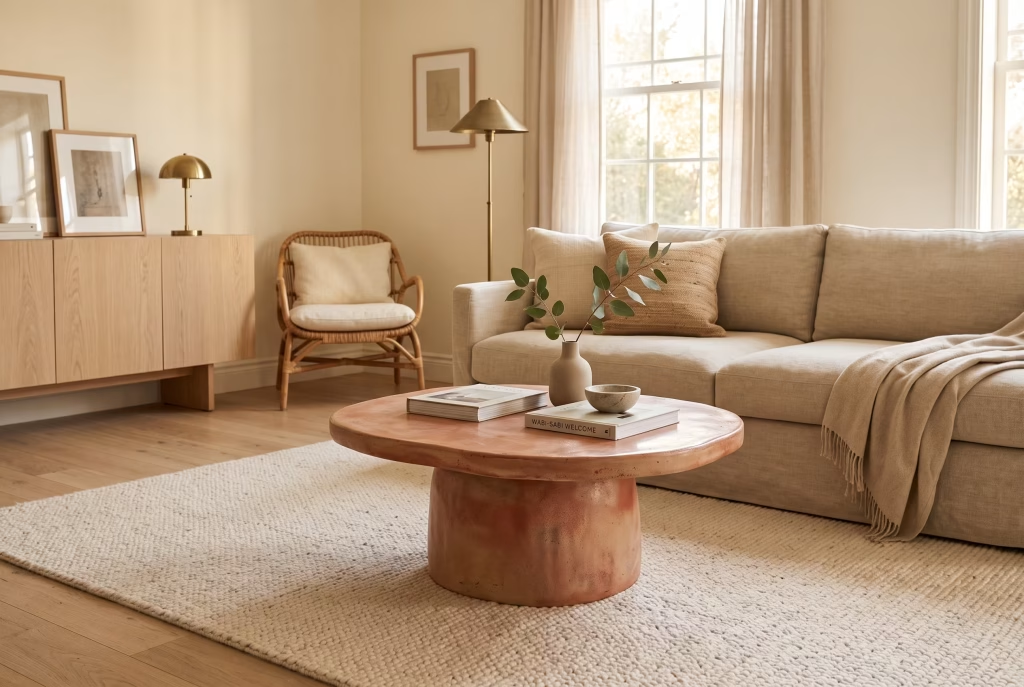
7. Choose a terracotta-toned coffee table. Terracotta ceramic or ceramic-topped coffee tables have become genuinely easy to find in the past couple of years. They bring texture and colour at a low visual commitment.
- Cost: £150 to £500
- Upkeep: very low
- Feeling: sculptural, a quiet talking point
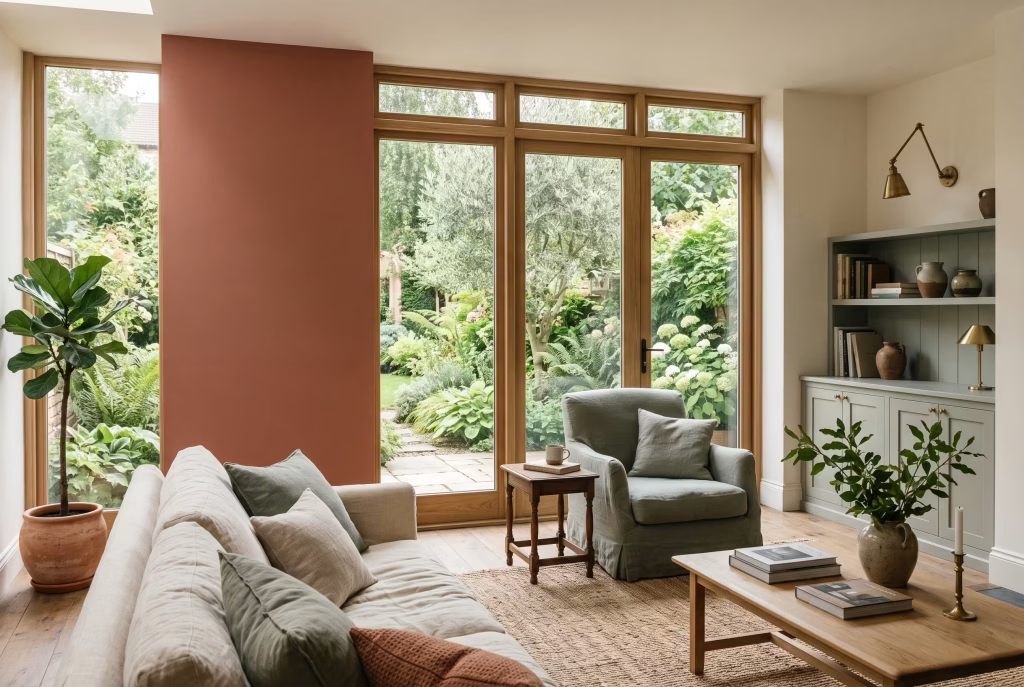
8. Mix terracotta with sage or olive green. This pairing works because the two sit almost opposite each other on the colour wheel, so the contrast reads as fresh rather than muddy. It’s particularly good in living rooms that open onto a garden, since it echoes the greenery outside.
- Cost: variable depending on application
- Upkeep: as per chosen material
- Feeling: fresh, natural, biophilic
You May also Like: 16 Beautiful Lake House Bathroom Ideas to Create a Cozy Retreat
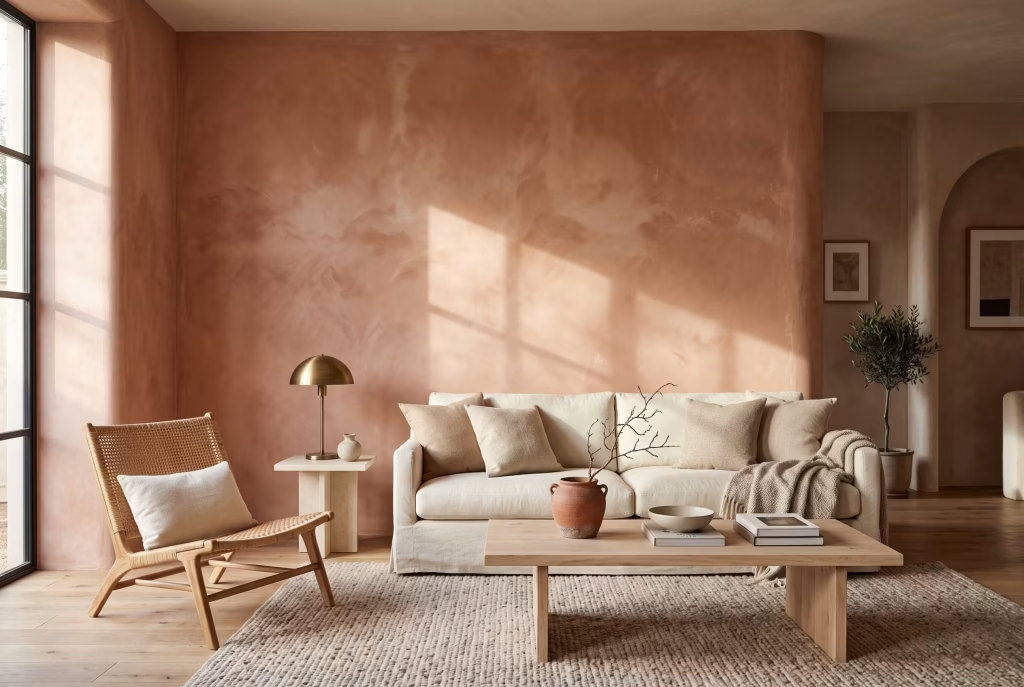
9. Try a textured plaster or limewash finish instead of flat paint. Limewash and Venetian-style plaster finishes in terracotta tones catch light unevenly across the surface, the way an actual sun-baked wall would, which flat paint simply cannot replicate.
- Cost: £40 to £80 per m² professionally applied
- Upkeep: low, breathable finish, occasional touch-up
- Feeling: authentic, artisanal, alive under changing light
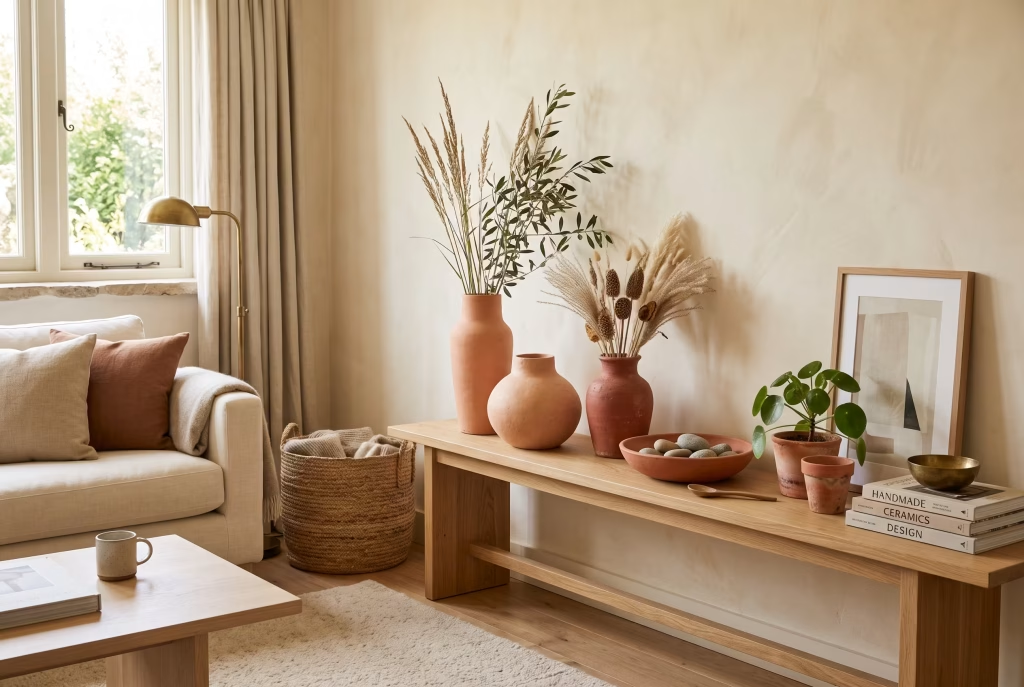
10. Bring in terracotta through ceramics and pottery. A cluster of terracotta vases, bowls or plant pots on a shelf or console costs very little and gives you the colour without touching a single wall.
- Cost: often under £15 a piece from independent makers
- Upkeep: none
- Feeling: curated, personal, easy to rotate seasonally
Terracotta in the Bedroom
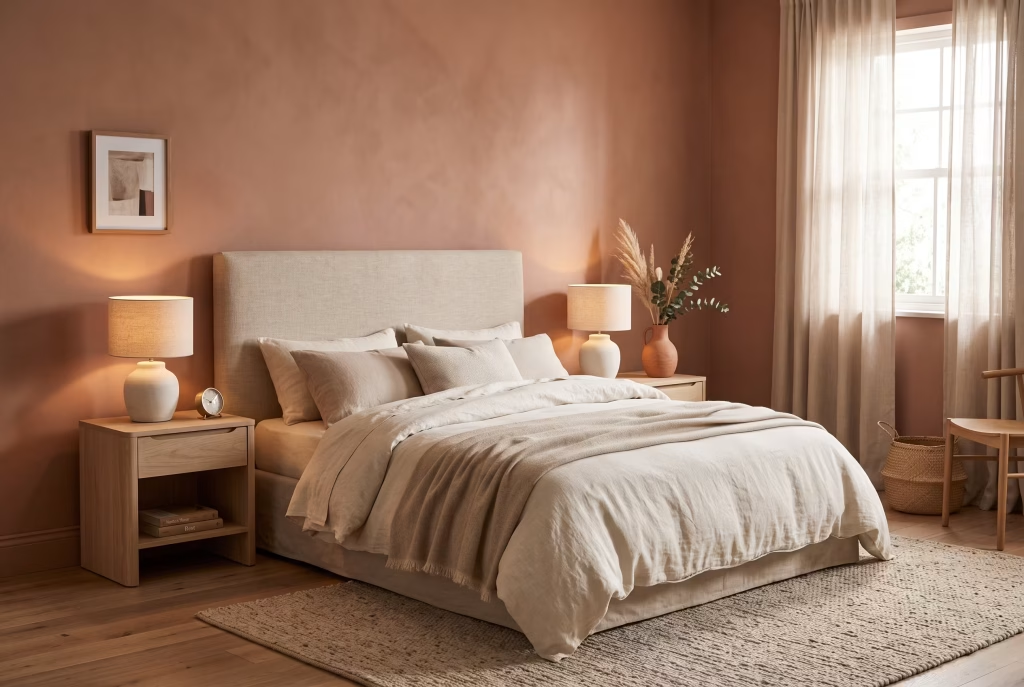
A bedroom’s job, psychologically, is to help you switch off, and colour plays a bigger role in that than most people credit. Terracotta’s low-stimulation warmth is part of why it consistently tests as one of the more restful choices for a room built around rest.
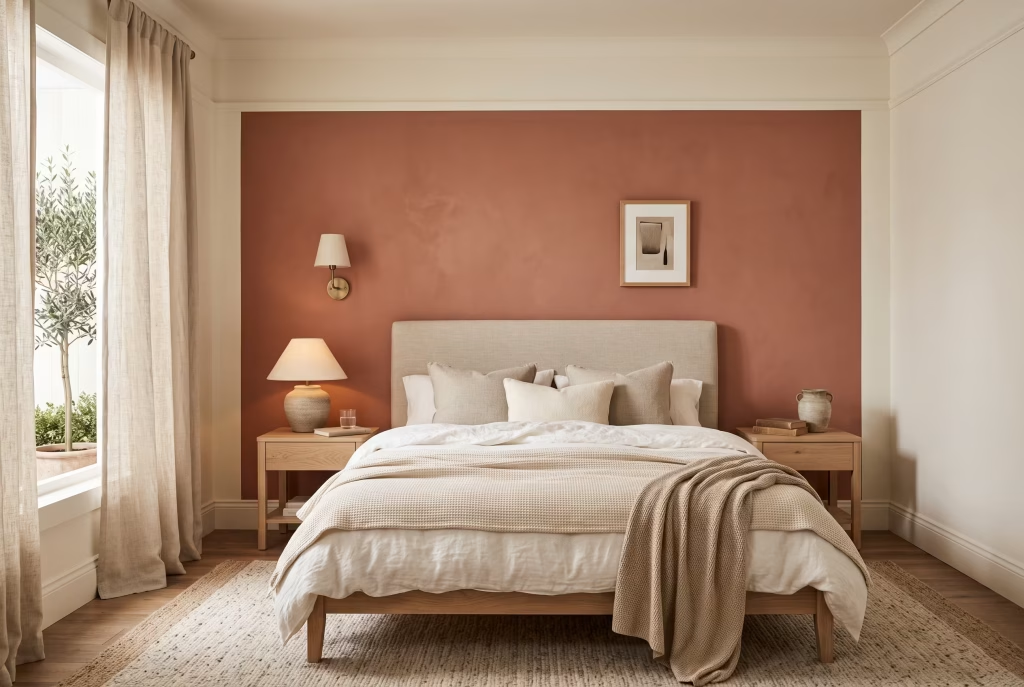
11. Paint the headboard wall only. This is the most common way people introduce terracotta into a bedroom, and for good reason. It creates a focal point behind the bed without wrapping the whole room, so the effect stays intentional rather than overwhelming.
- Cost: roughly £35 to £60 for a standard double bedroom wall
- Upkeep: very low
- Feeling: cocooning without commitment
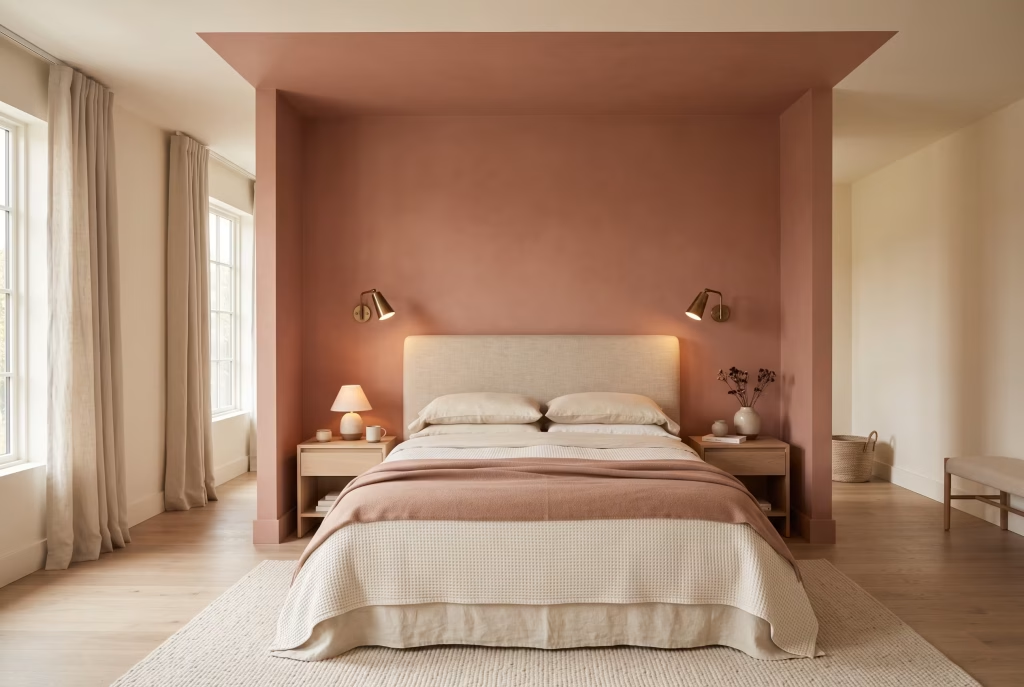
12. Extend the terracotta from the wall onto part of the ceiling. Painting the wall behind the bed and carrying that same colour up and across a metre or so of ceiling creates a cocooning, almost tent-like effect that’s genuinely more restful to fall asleep under than a stark white ceiling.
- Cost: minimal extra paint over idea 11
- Upkeep: very low
- Feeling: enveloping, lowers the visual “ceiling height”, genuinely sleep-friendly
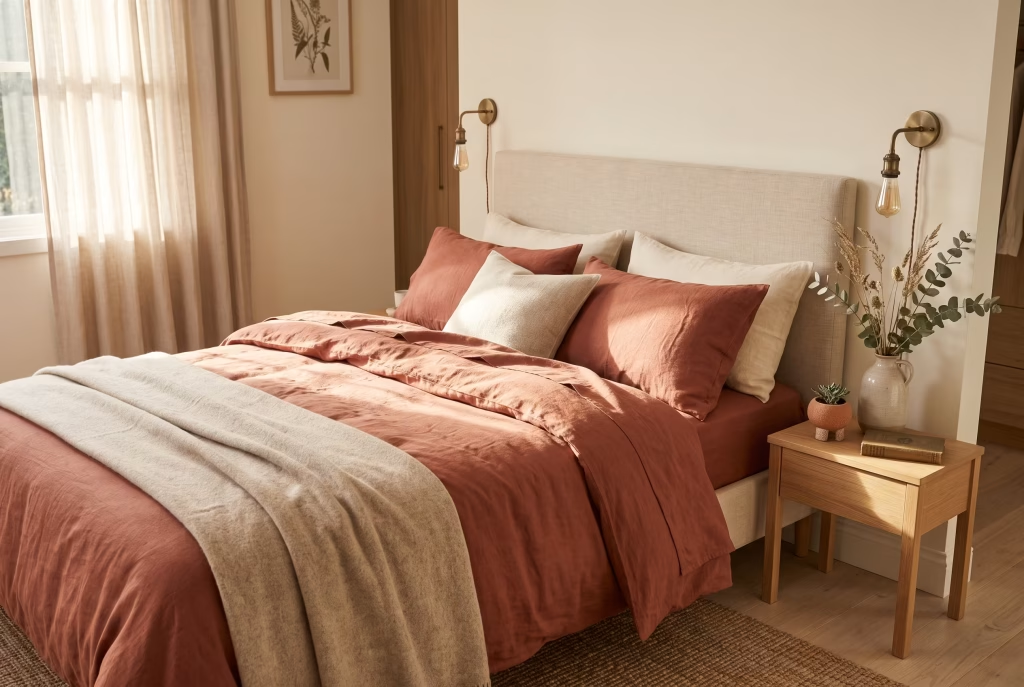
13. Choose terracotta bedlinen in a natural fibre. Linen or cotton-linen bedding in terracotta is one of the easiest, most reversible changes in this entire guide, and it photographs beautifully in morning light.
- Cost: £80 to £180
- Upkeep: standard washing
- Feeling: soft, seasonal, easy to swap out
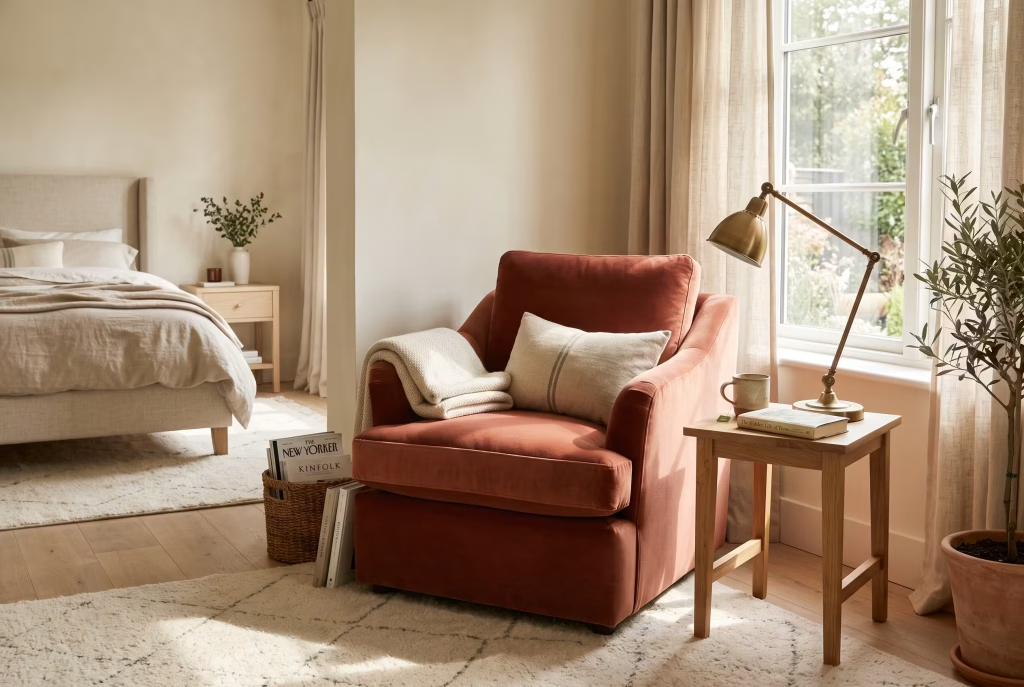
14. Add a reading chair or bench in terracotta velvet. A single upholstered piece in the corner of the room, ideally somewhere that catches afternoon light, becomes a genuine “spot” in the room rather than just a colour choice.
- Cost: £200 to £700
- Upkeep: low, occasional professional clean
- Feeling: inviting, a small daily ritual anchor
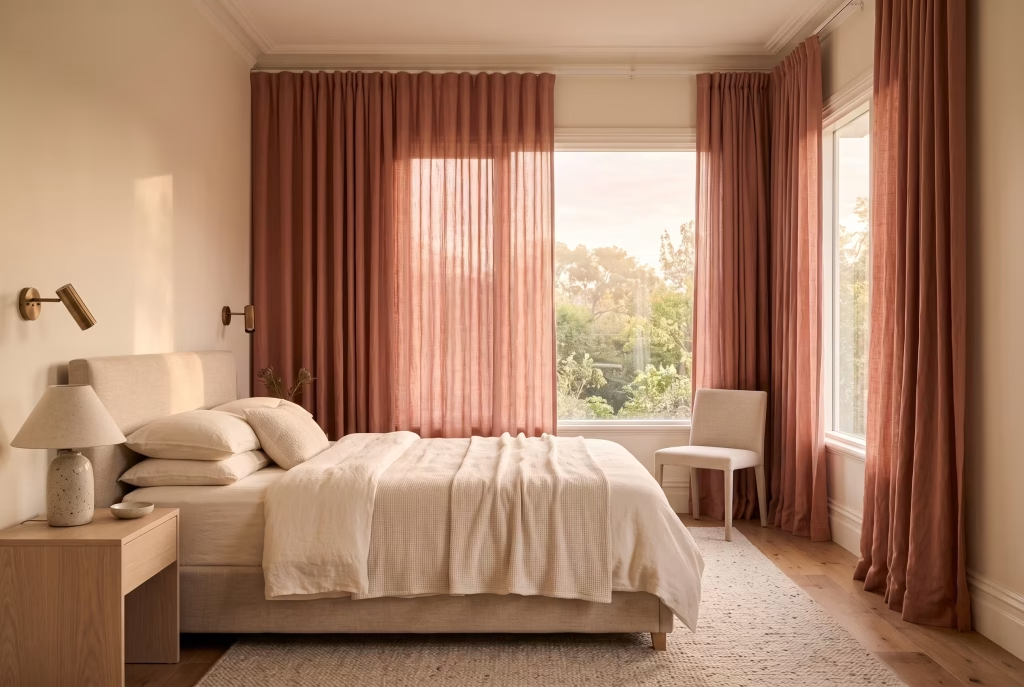
15. Use terracotta in the curtains for a warm, filtered wake-up light. Light passing through terracotta linen curtains takes on a rosy, sunrise-like tone, which is a genuinely different experience of waking up than the blue-grey light most curtains let through.
- Cost: as idea 5
- Upkeep: low
- Feeling: gentle, gradual, a softer start to the day
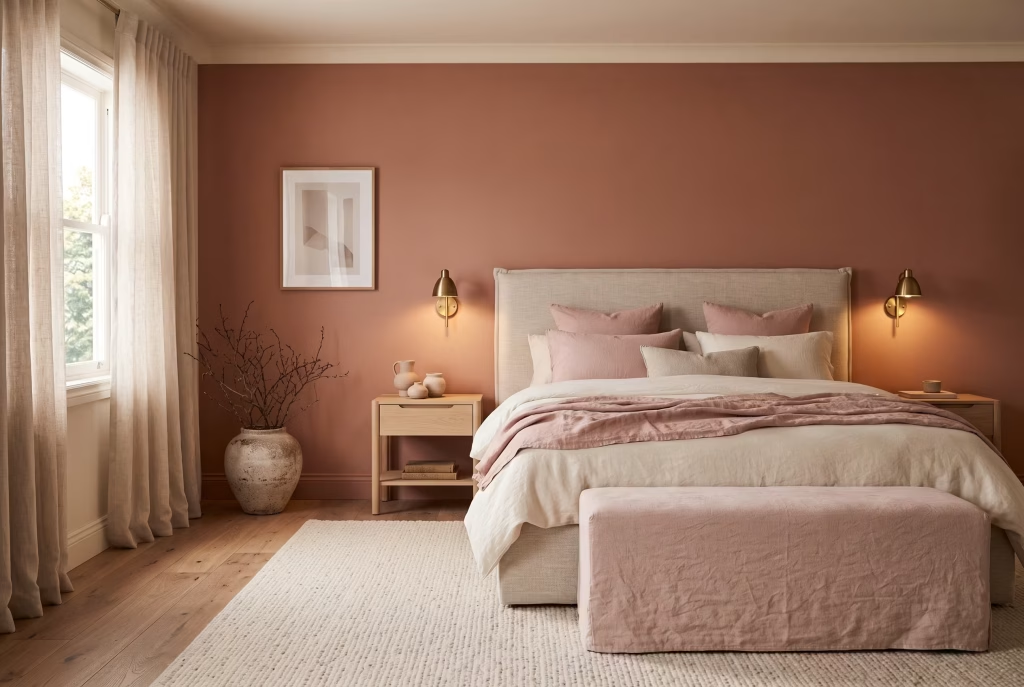
16. Pair terracotta with dusty pink or blush for a softer bedroom mood. Because terracotta and pink sit close together on the colour wheel, this combination feels gentle rather than clashing, more like variations on a single warm theme than two competing colours.
- Cost: variable
- Upkeep: as per material
- Feeling: romantic, tender, quietly luxurious
You May also Like: 15 Pink English Country Bedroom Ideas That Make Any Room Glow
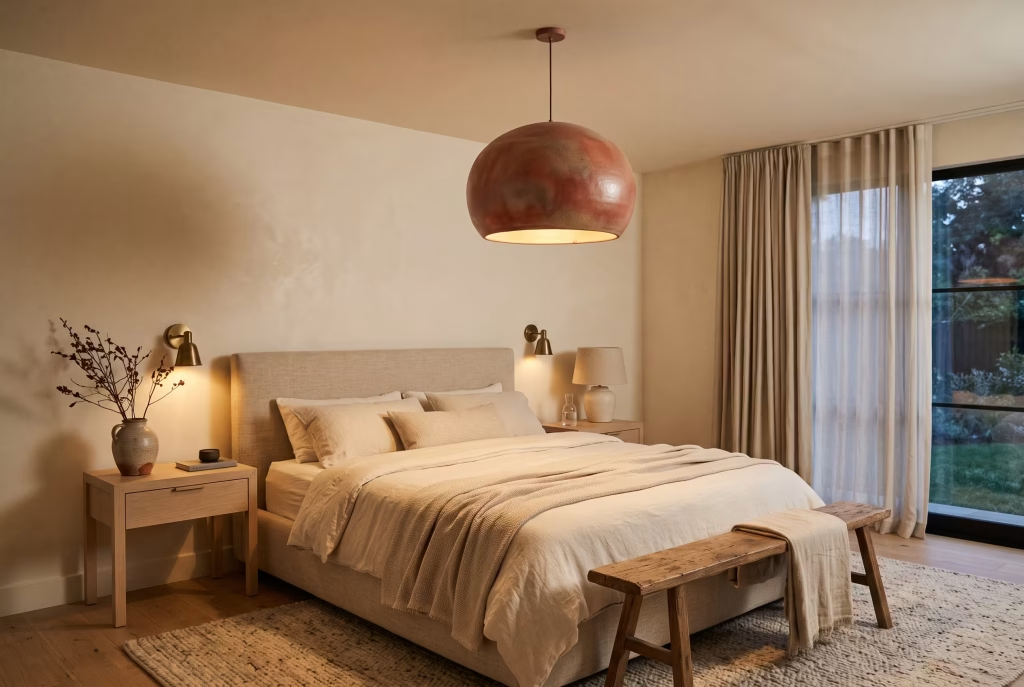
17. Introduce terracotta through a woven or ceramic pendant light. A terracotta-glazed ceramic pendant or a woven rattan shade with warm undertones adds colour at ceiling height, which is a spot most bedrooms leave completely neutral.
- Cost: £40 to £120
- Upkeep: none
- Feeling: warm-lit, easy to change at your next redecorate
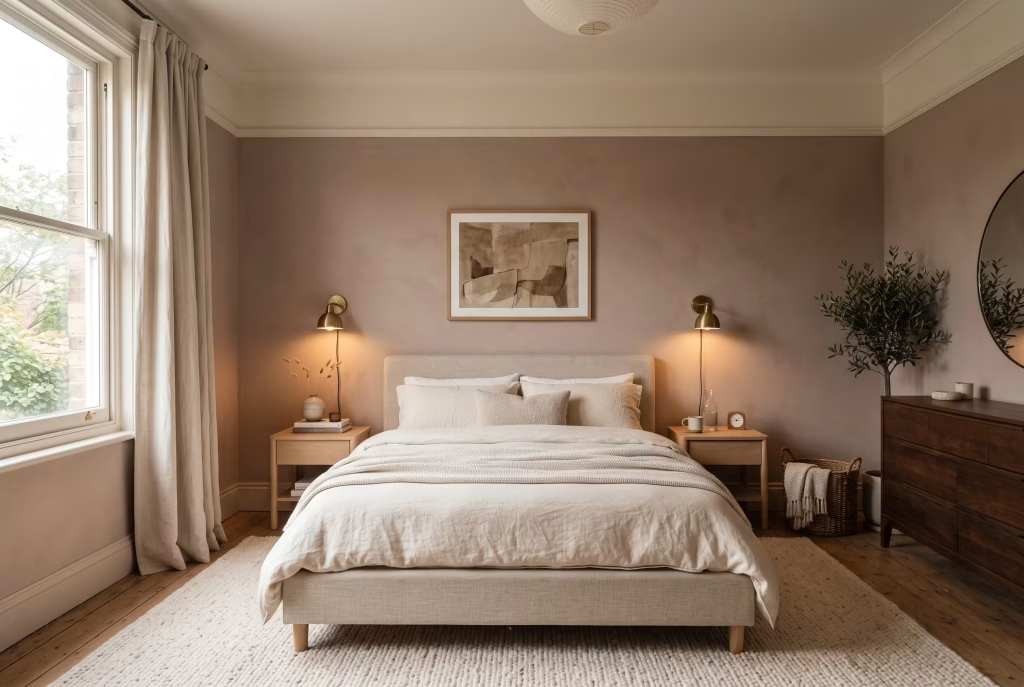
18. Choose a muted, dusty terracotta for a room with limited natural light. If your bedroom faces north or gets little direct sun, go for a terracotta with more grey or beige in its undertone rather than a saturated, bright version.
- Cost: as idea 11
- Upkeep: very low
- Feeling: quietly warm without tipping into muddy
Terracotta in the Kitchen
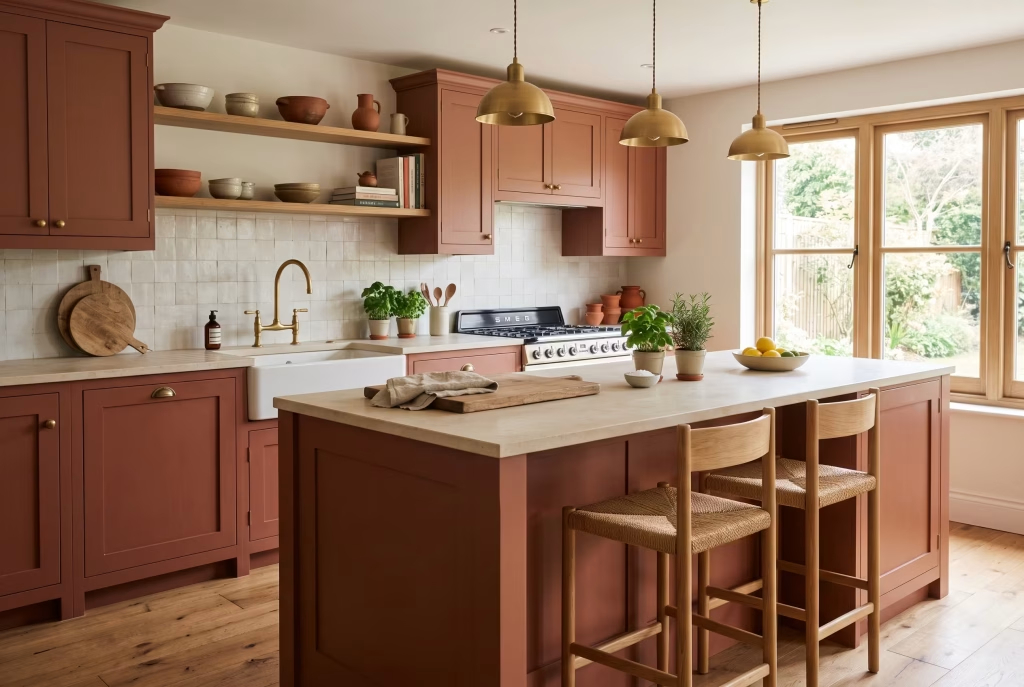
Kitchens are gathering spaces by nature, and colour psychology consistently points to warm, earthy tones as appetite-friendly and sociable, which is a large part of why terracotta has overtaken the once-inescapable navy and sage in kitchen colour trend reports.
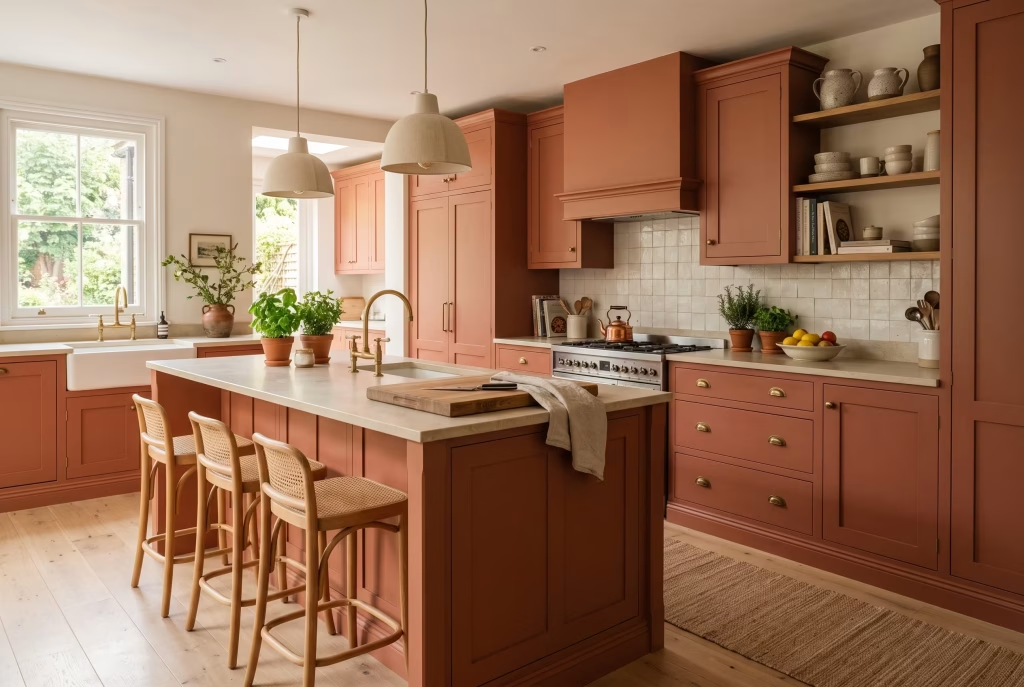
19. Paint kitchen cabinetry in terracotta instead of the usual navy or sage. This has become one of the standout kitchen colour choices for 2026, and it works because it’s warm enough to feel inviting in a room people actually gather in, but muted enough not to compete with the food, the crockery, or the natural materials typically found in a kitchen.
- Cost: £2,500 to £6,000-plus for professional spraying
- Upkeep: low, standard cabinet cleaning
- Feeling: sociable, appetite-friendly, a genuine statement
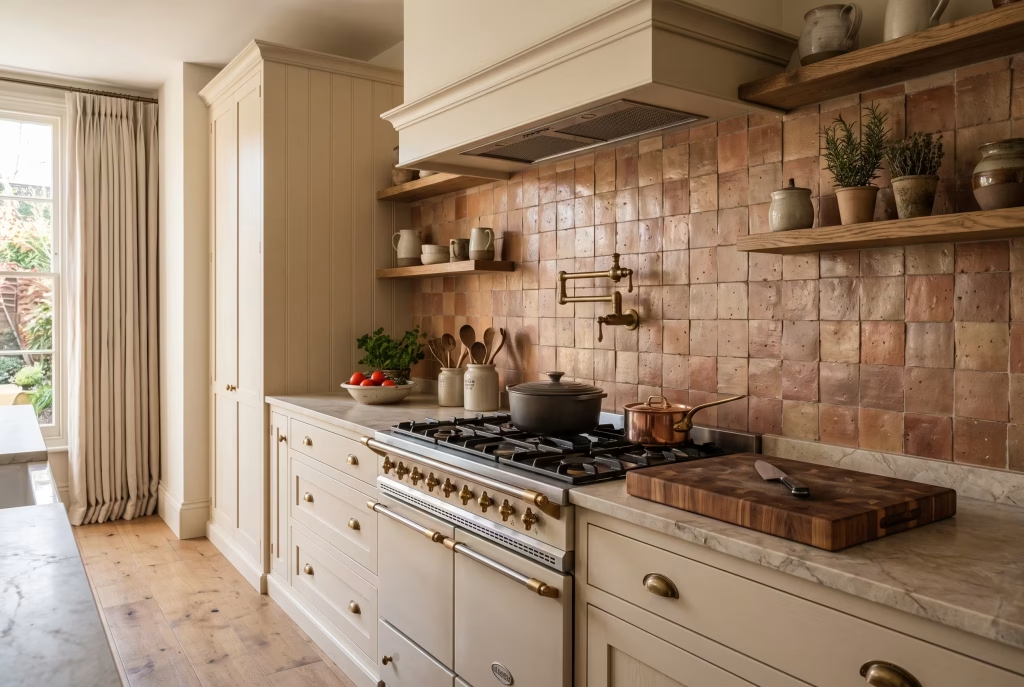
20. Use terracotta tiles for a splashback. A splashback in genuine terracotta zellige or handmade clay tile brings texture and colour exactly where cooking happens, and the slight irregularity in handmade tiles means no two installations look identical.
- Cost: £60 to £120 per m² before fitting
- Upkeep: moderate, needs sealing (see materials table below)
- Feeling: tactile, artisanal, a real focal point
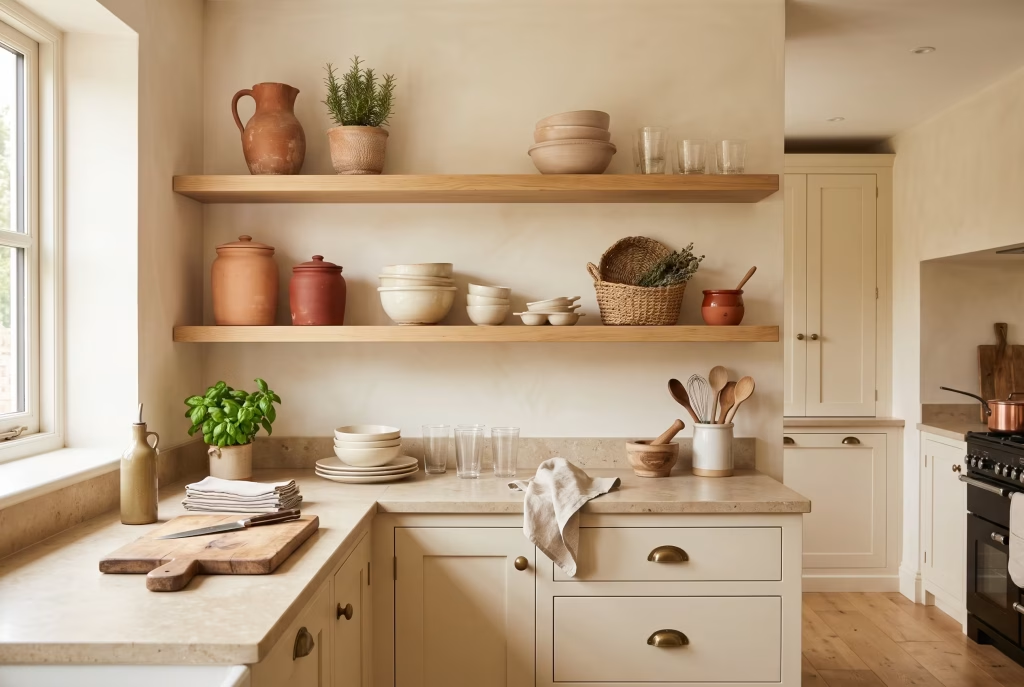
21. Choose open shelving with terracotta pottery on display. Swapping a wall cabinet for open oak or ash shelving and styling it with terracotta bowls, jugs and storage jars turns everyday crockery into decor.
- Cost: low if built gradually
- Upkeep: dusting only
- Feeling: personal, collected, ever-changing
You May also Like: 24 Tiny Pantry Ideas: Smart Storage Solutions for Small Kitchens
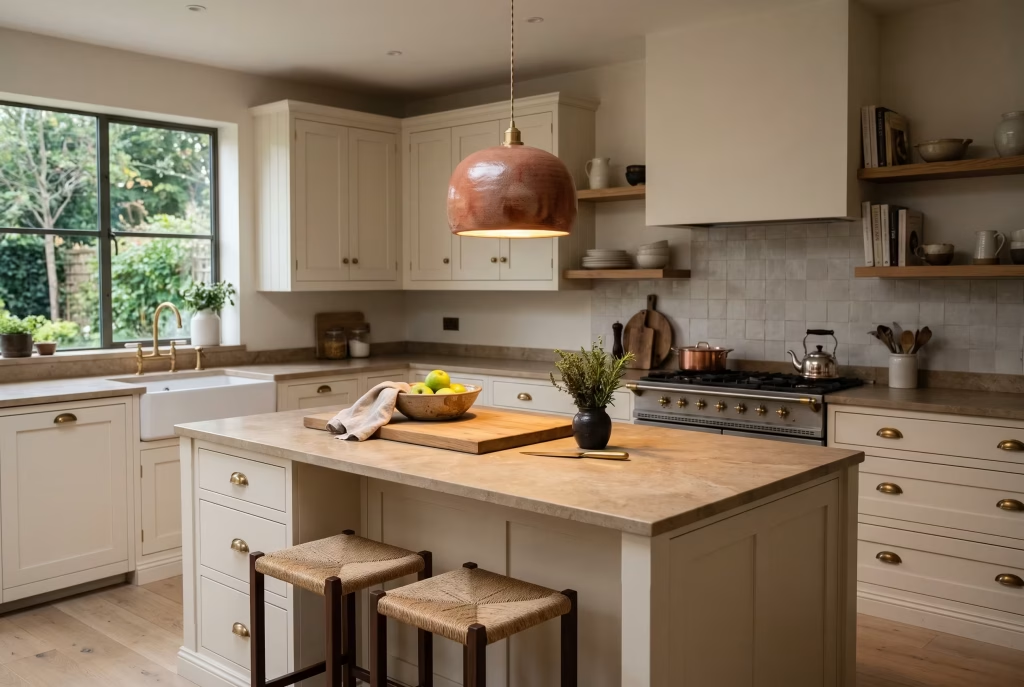
22. Add a terracotta pendant light over the island or table. A single glazed terracotta pendant above a kitchen island becomes a genuine focal point at a modest cost.
- Cost: £60 to £150
- Upkeep: none
- Feeling: warm-lit, easy even in a rented kitchen
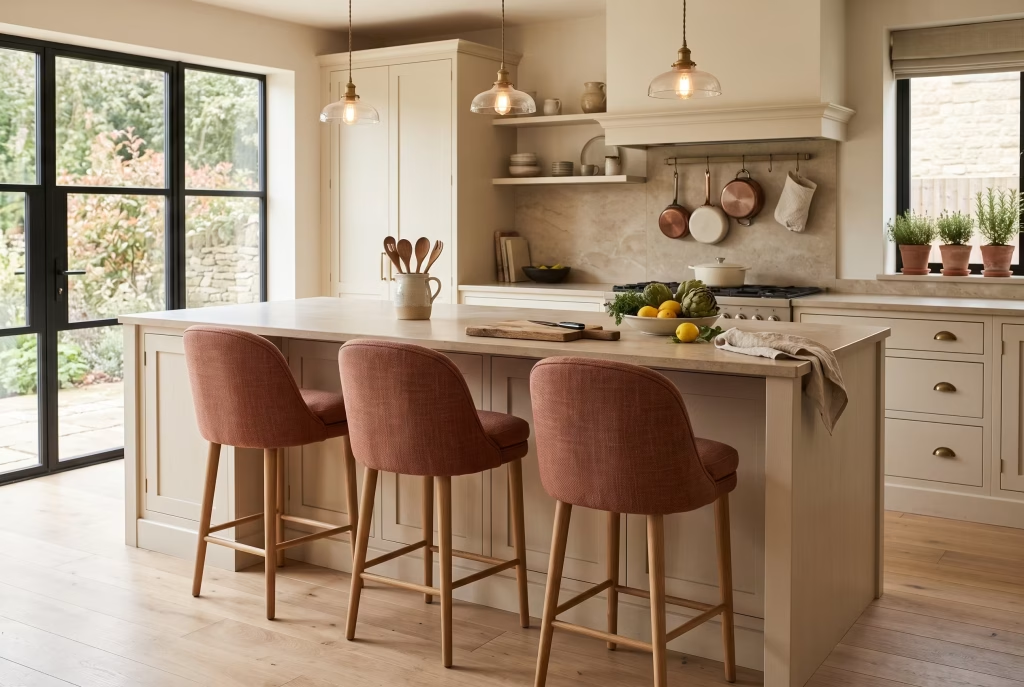
23. Introduce terracotta through bar stools. Upholstered or moulded terracotta stools at a kitchen island bring colour at seating height without touching a single fixed surface.
- Cost: £80 to £250 per stool
- Upkeep: low
- Feeling: low-risk way to test the colour before bigger commitments
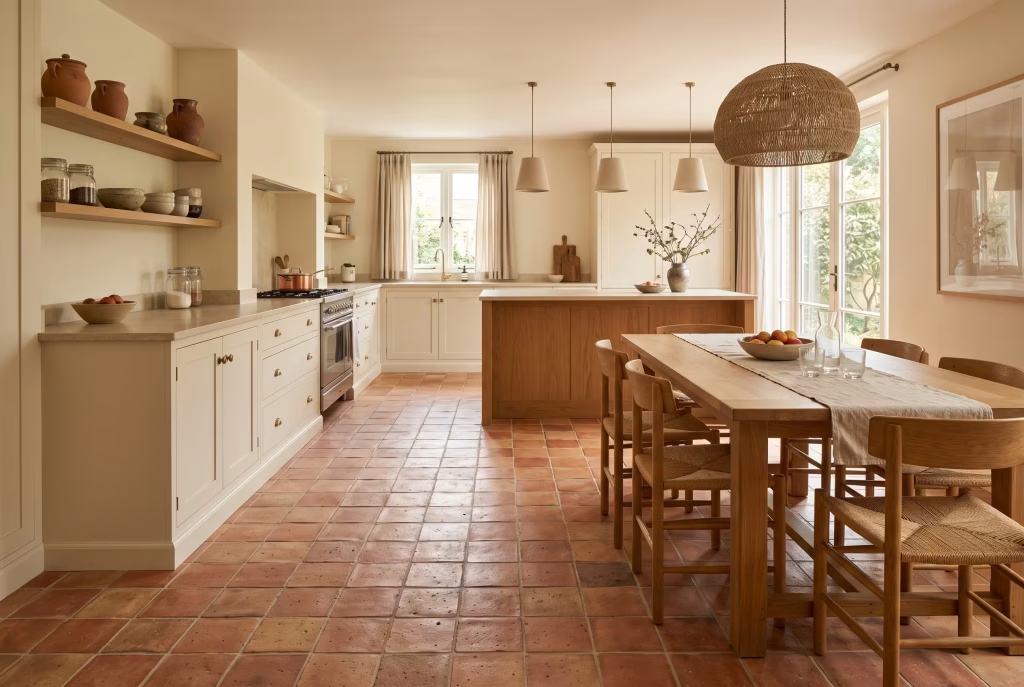
24. Use terracotta floor tiles, real or lookalike, through the kitchen and into a connected dining space. Carrying the same floor tone from kitchen through to an adjoining dining area creates visual flow and makes the whole downstairs feel larger and more considered.
- Cost: £25 to £120 per m² depending on real vs lookalike
- Upkeep: high for genuine tile, low for lookalike
- Feeling: cohesive, expansive
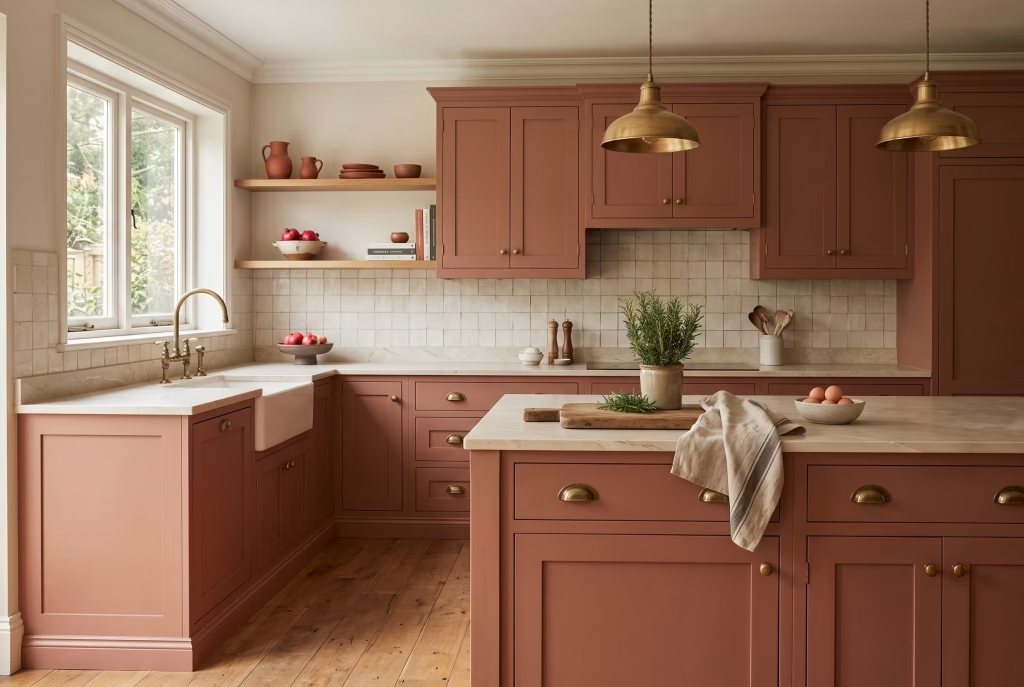
25. Pair terracotta cabinetry with brass or unlacquered brass hardware. Brass has a warmth that matches terracotta’s undertones far better than chrome or matte black, and unlacquered brass specifically develops a soft patina over time.
- Cost: £8 to £25 per handle
- Upkeep: none, patina is part of the appeal
- Feeling: heritage, considered, ages gracefully
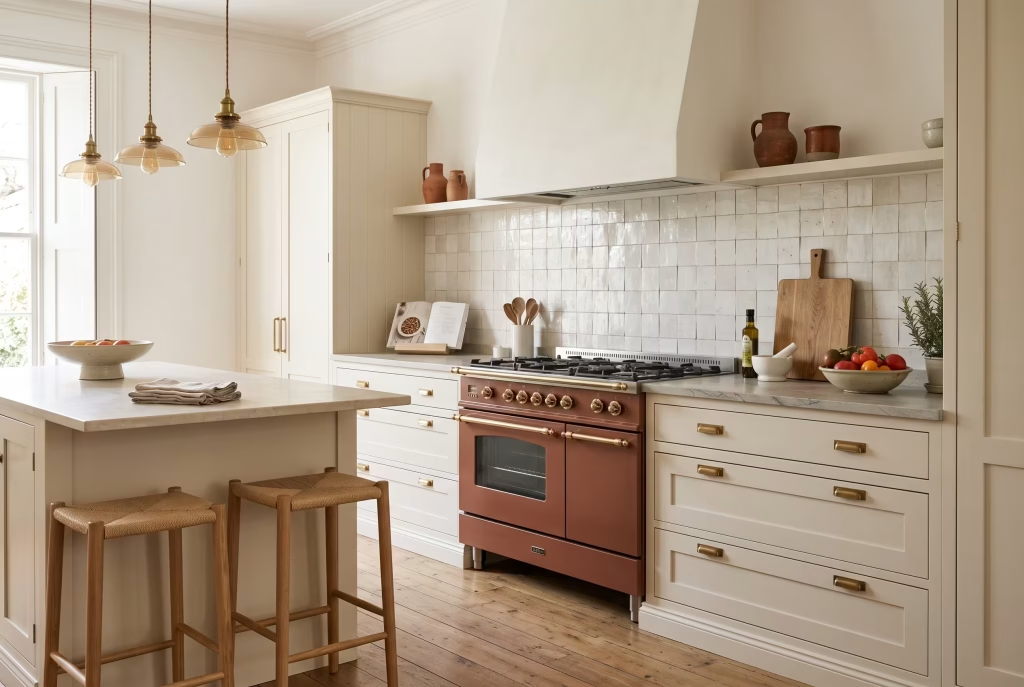
26. Bring terracotta in through a range cooker or appliance. Several appliance brands now offer ranges and kettles in genuine terracotta or clay finishes, which is a way to commit to the colour on a single, replaceable item rather than on fixed cabinetry.
- Cost: higher upfront, but effectively furniture that moves with you
- Upkeep: standard appliance care
- Feeling: bold without permanence
Terracotta in the Bathroom
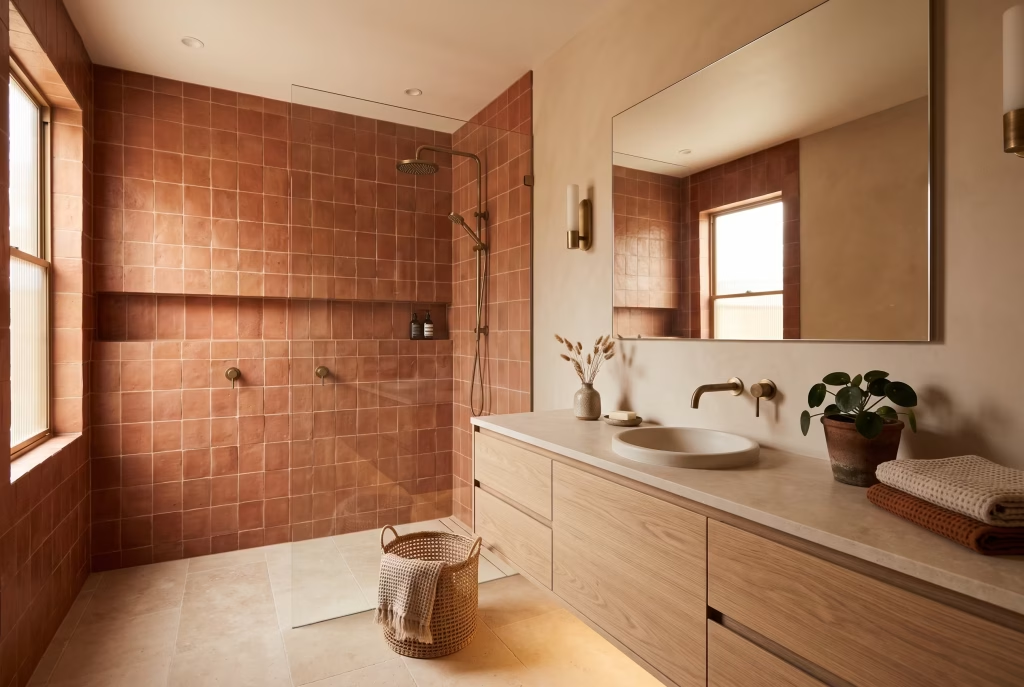
Bathrooms are usually the most clinical, least emotionally warm room in a house, all hard surfaces and cool light, which is exactly why introducing terracotta here has such an outsized psychological effect relative to the size of the room.
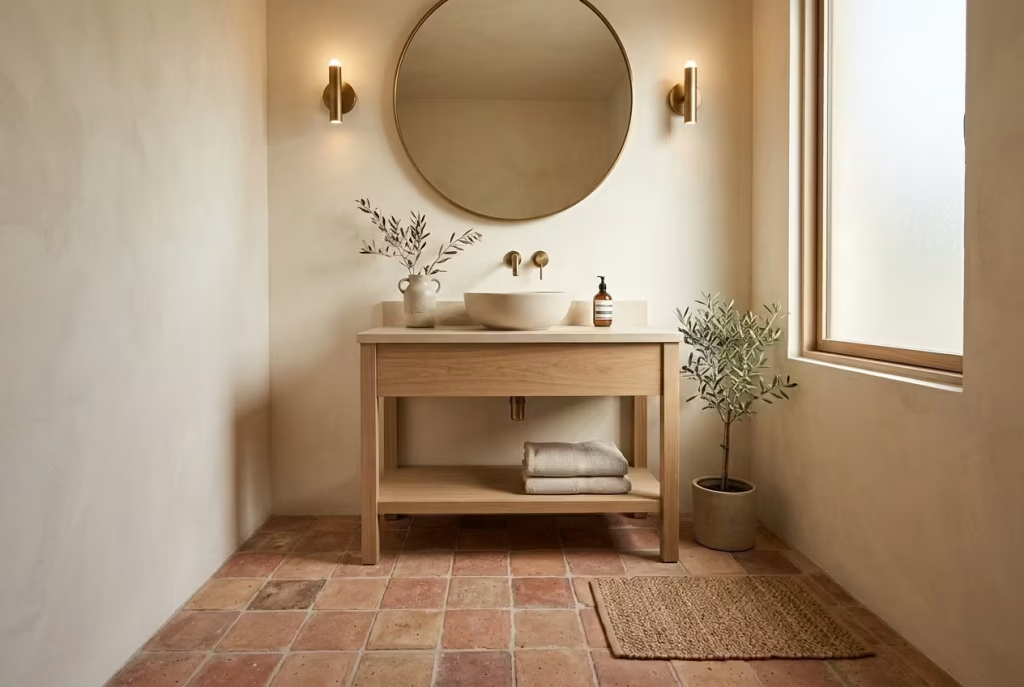
27. Use genuine terracotta floor tiles in a natural, low-traffic bathroom. A cloakroom or guest bathroom is the lowest-pressure place to try real terracotta tile underfoot, since it sees far less water and footfall than a main family bathroom.
- Cost: £40 to £90 per m² plus sealing
- Upkeep: reseal every one to three years
- Feeling: warm underfoot, genuinely spa-like
You May also Like: 16 Beautiful Lake House Bathroom Ideas to Create a Cozy Retreat
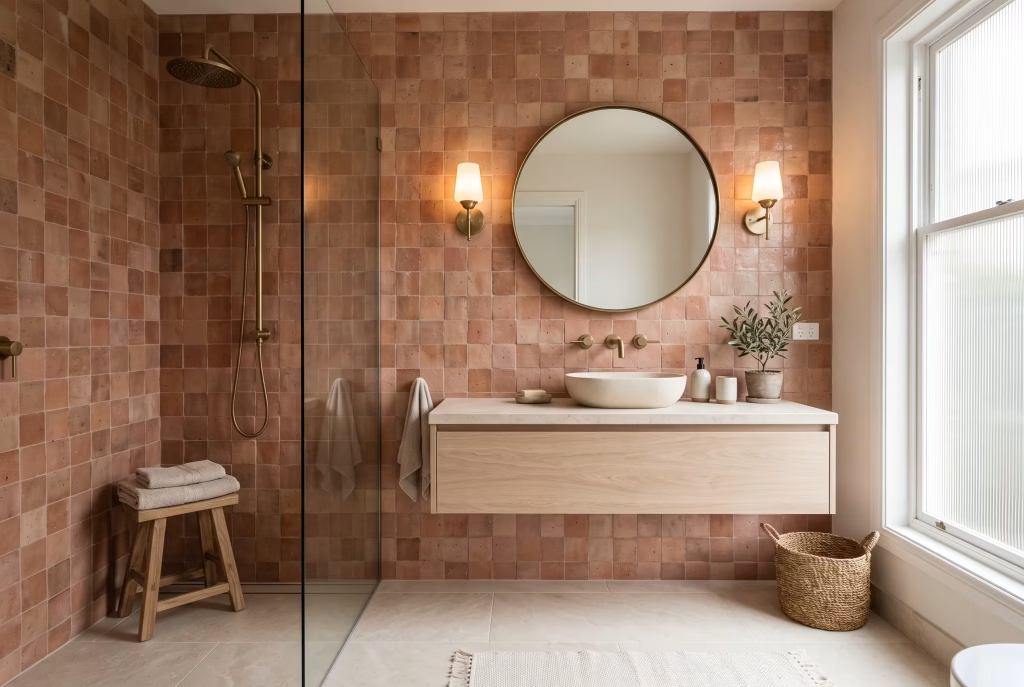
28. Choose terracotta wall tiles rather than floor tiles. Tiling the walls in terracotta while keeping the floor in a practical porcelain sidesteps most of the sealing and maintenance concerns that come with a terracotta floor.
- Cost: similar to idea 20
- Upkeep: lower than floor tile
- Feeling: warm, practical compromise
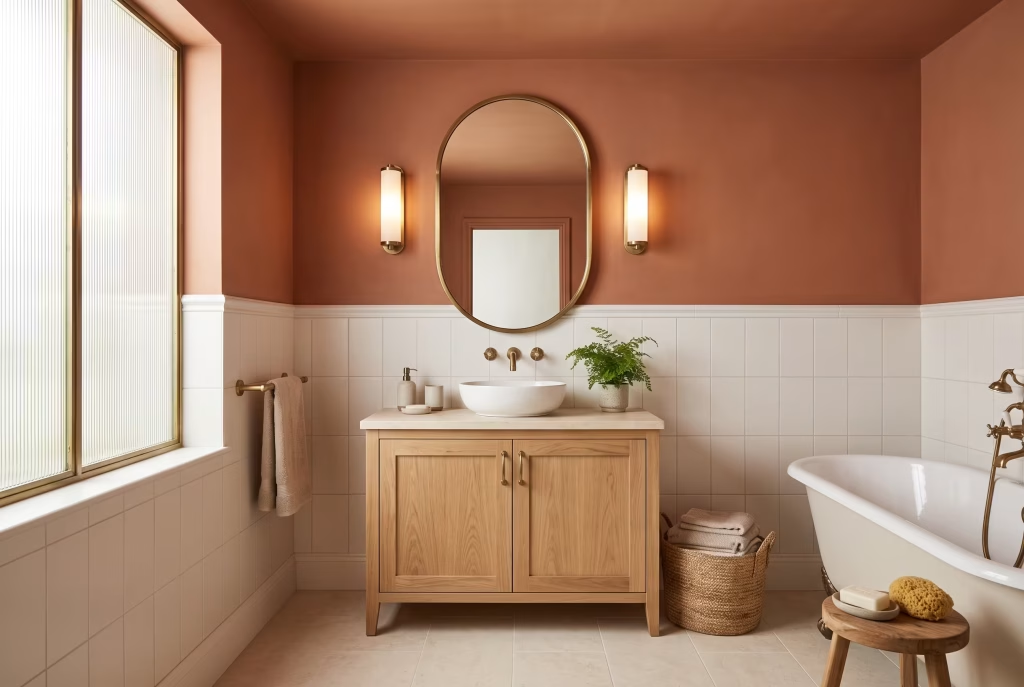
29. Paint above the tile line in a warm terracotta. If you already have half-height tiling, painting the upper wall and ceiling in terracotta above it brings warmth into what’s usually the coldest, most clinical room in the house.
- Cost: slightly more than standard matte paint for a moisture-resistant formula
- Upkeep: low, resists mould better than ordinary paint
- Feeling: instantly less clinical
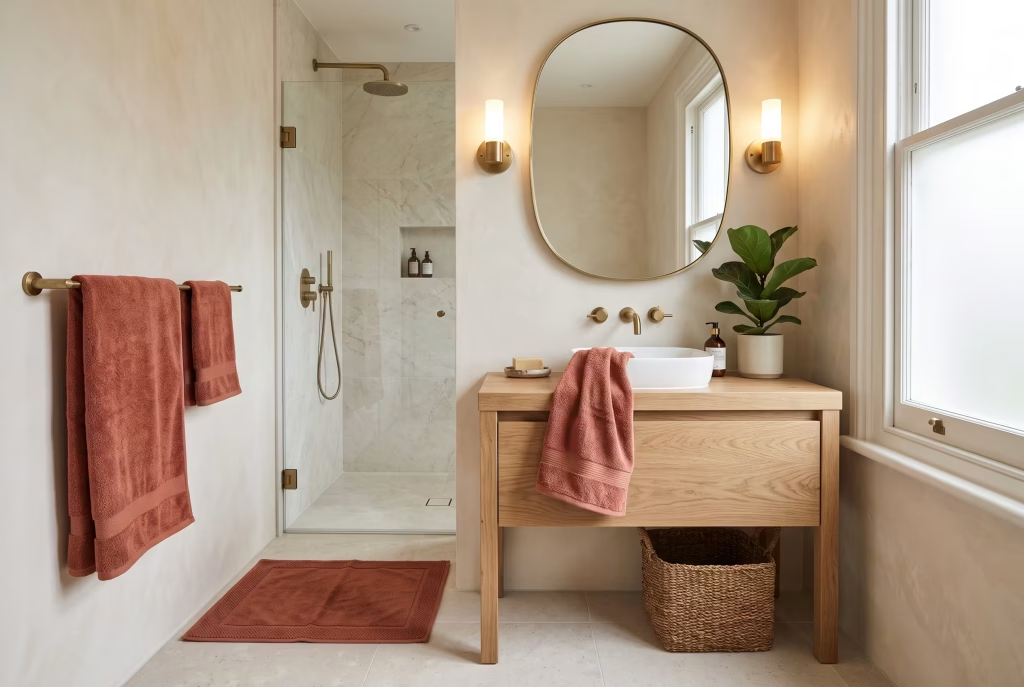
30. Add terracotta through towels and bath mats rather than fixed surfaces. This is the cloakroom equivalent of cushions in a living room, the cheapest, most reversible way in.
- Cost: £30 to £60 for a good cotton set
- Upkeep: standard washing
- Feeling: hotel-spa warmth, zero commitment
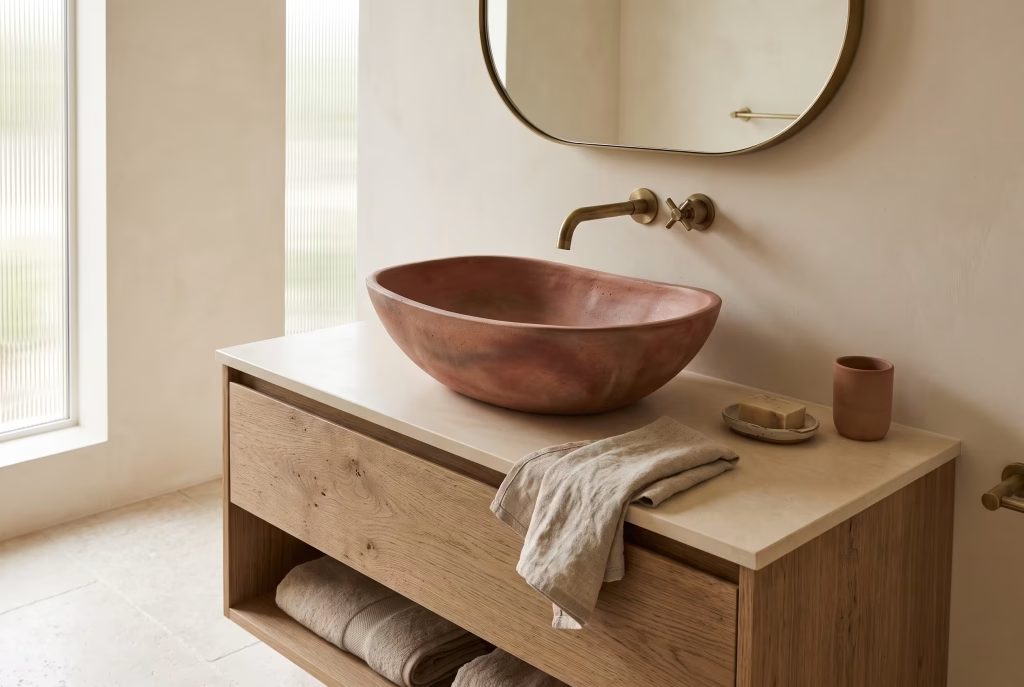
31. Choose a terracotta-toned basin or bath. Coloured sanitaryware has properly returned, and a terracotta basin or freestanding bath becomes the room’s single statement piece.
- Cost: from £400 upward for a basin alone
- Upkeep: standard cleaning
- Feeling: bold, considered, a genuine investment
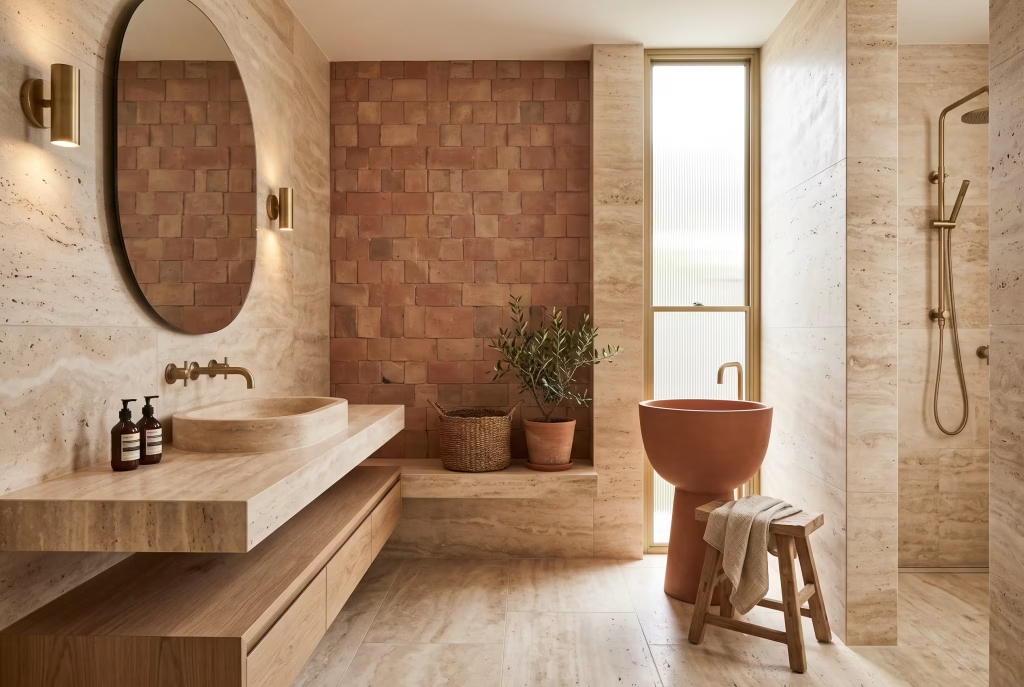
32. Pair terracotta with natural stone or travertine. Travertine’s pale, warm-toned surface sits beautifully next to terracotta because both materials come from the earth and share similar undertones.
- Cost: variable
- Upkeep: stone needs its own sealing regime
- Feeling: elevated, coordinated, spa-like
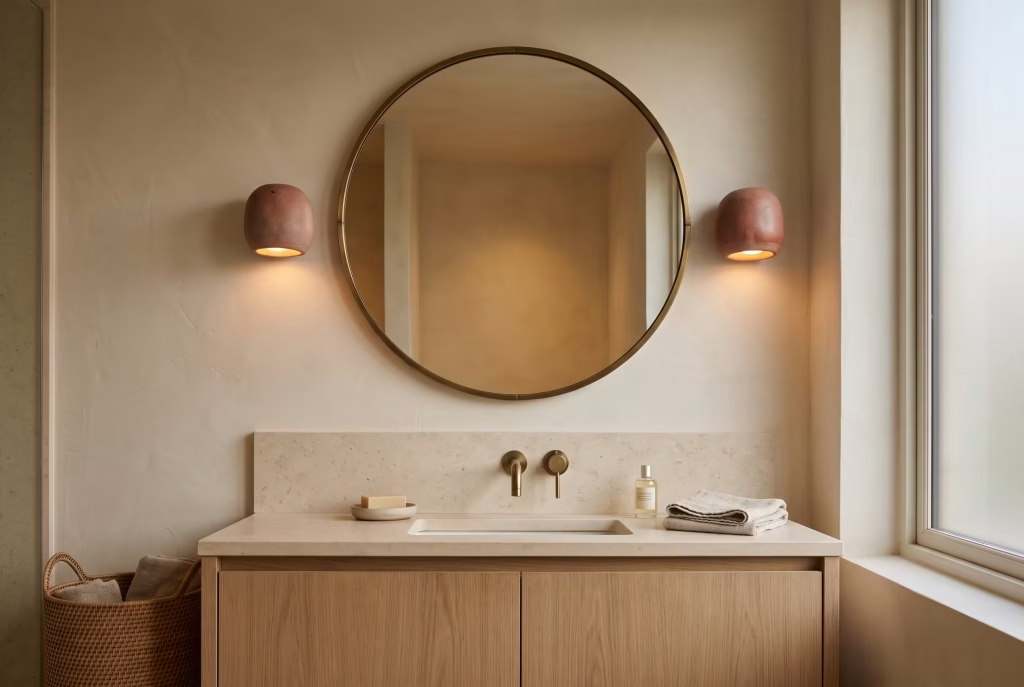
33. Introduce terracotta through a woven or ceramic light fitting above the mirror. A small terracotta or clay-glazed wall light either side of the mirror brings warmth to the one spot in a bathroom you look at daily.
- Cost: £30 to £90 per fitting
- Upkeep: none
- Feeling: flattering light, a small daily lift
Terracotta in the Hallway and Entryway
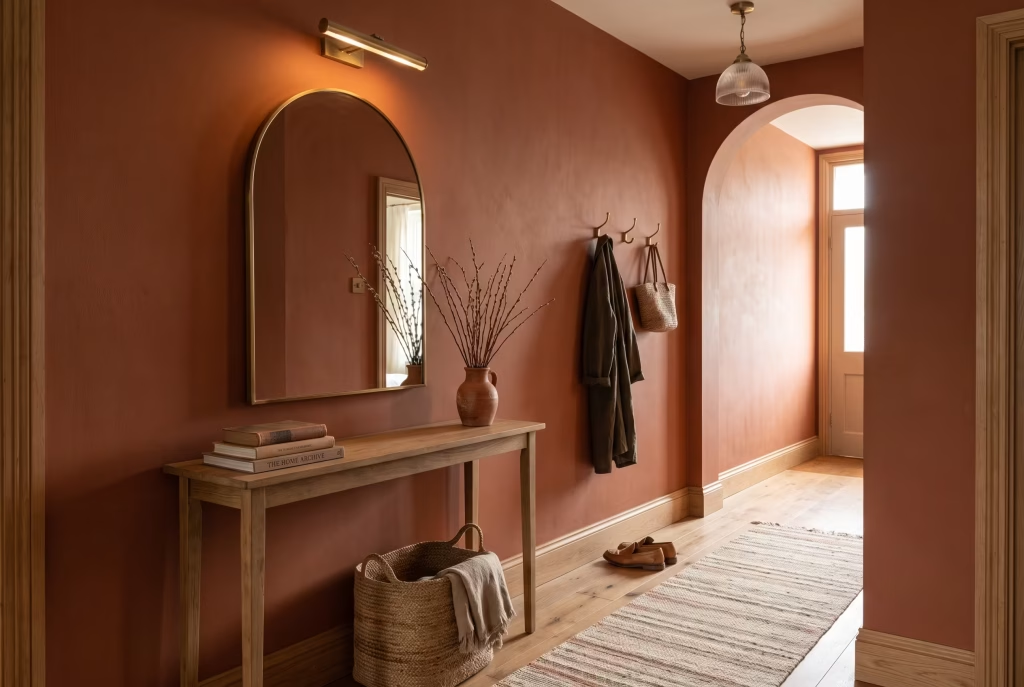
The entrance to a home sets the emotional tone for everything that follows it, and hallways are usually the darkest, most transitional space in a house, which is exactly why a warm, saturated colour works so well here.
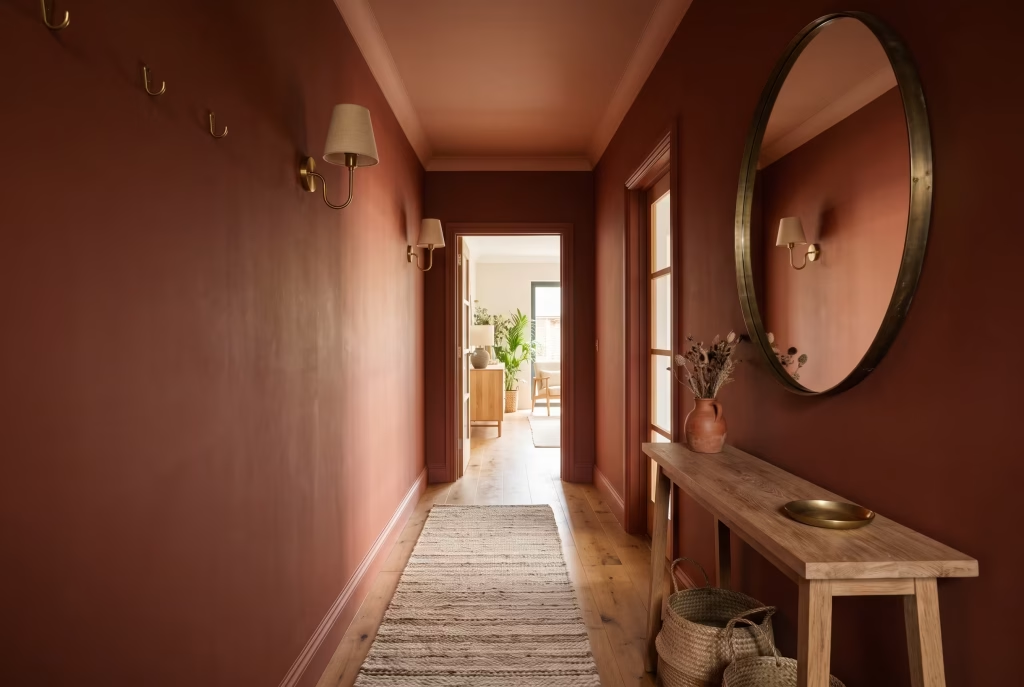
34. Paint the hallway a rich, deep terracotta. There’s no need to worry about the room feeling smaller, since nobody lingers in a hallway the way they do in a living room, so the “cosy versus cramped” trade-off barely applies.
- Cost: as idea 1, scaled to hallway square footage
- Upkeep: very low
- Feeling: an immediate, welcoming first impression
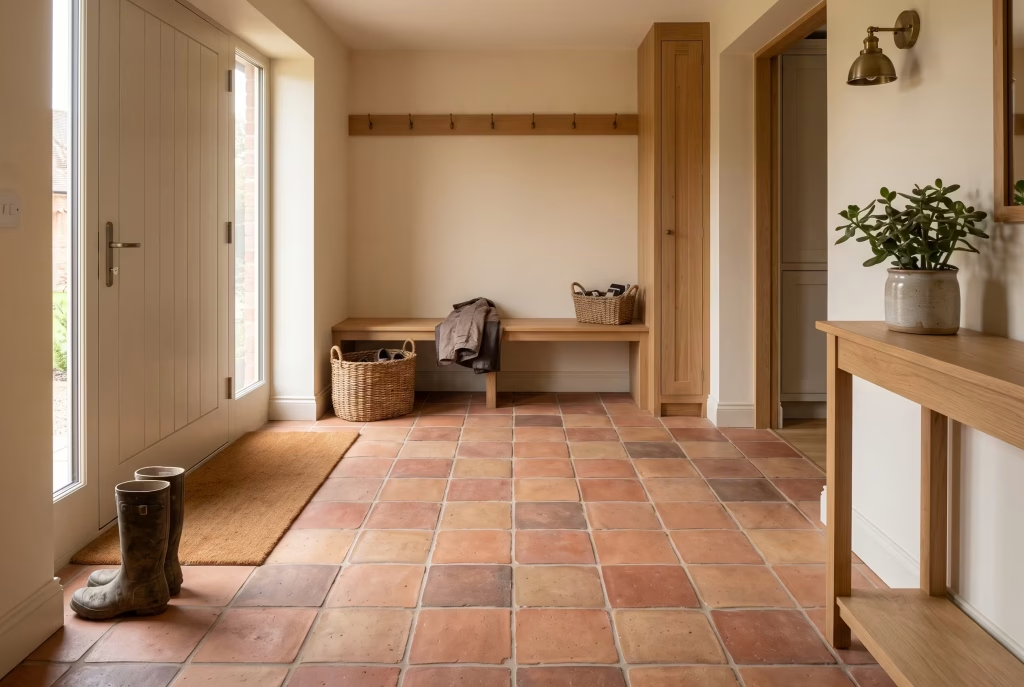
35. Use terracotta floor tiles at the entrance as a durable, characterful welcome. An entrance is the highest-traffic, muddiest-boots part of any home, and terracotta’s natural variation genuinely disguises daily wear better than a uniform pale tile does.
- Cost: as idea 20, plus a boot-scraper mat
- Upkeep: reseal every one to three years
- Feeling: durable, characterful, forgiving of daily life
You May also Like: 25 outdoor entryways to transform your outdoor arrival into a composed, lasting first impression
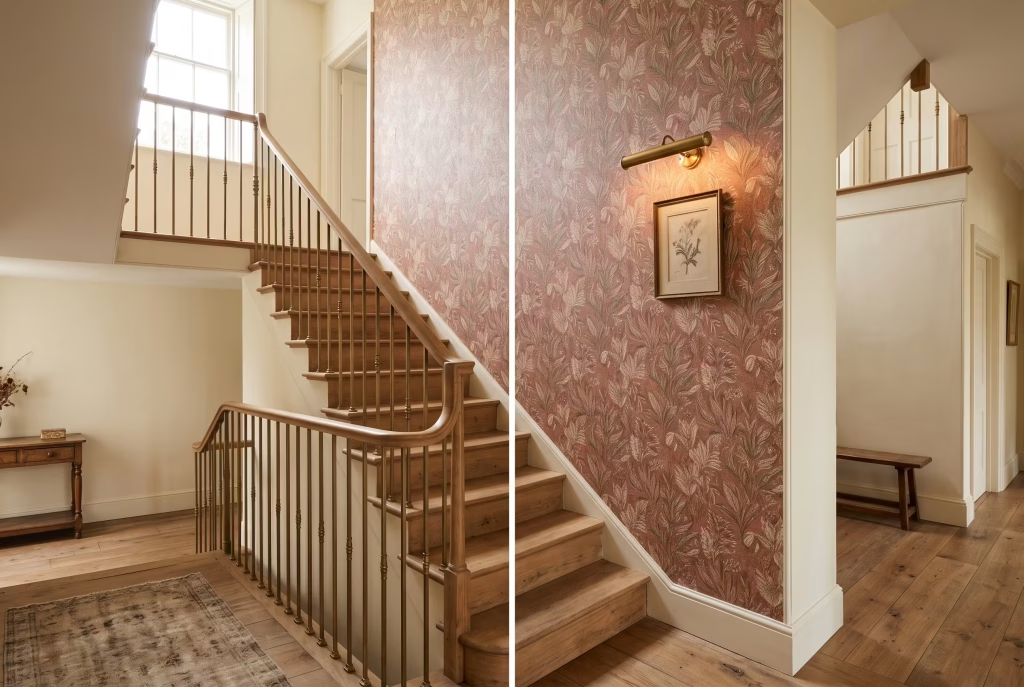
36. Hang a patterned terracotta wallpaper on the stairwell wall. A geometric or botanical print in warm clay tones adds real personality to a space most people leave completely blank.
- Cost: £40 to £90 per roll
- Upkeep: none
- Feeling: characterful, a genuine talking point
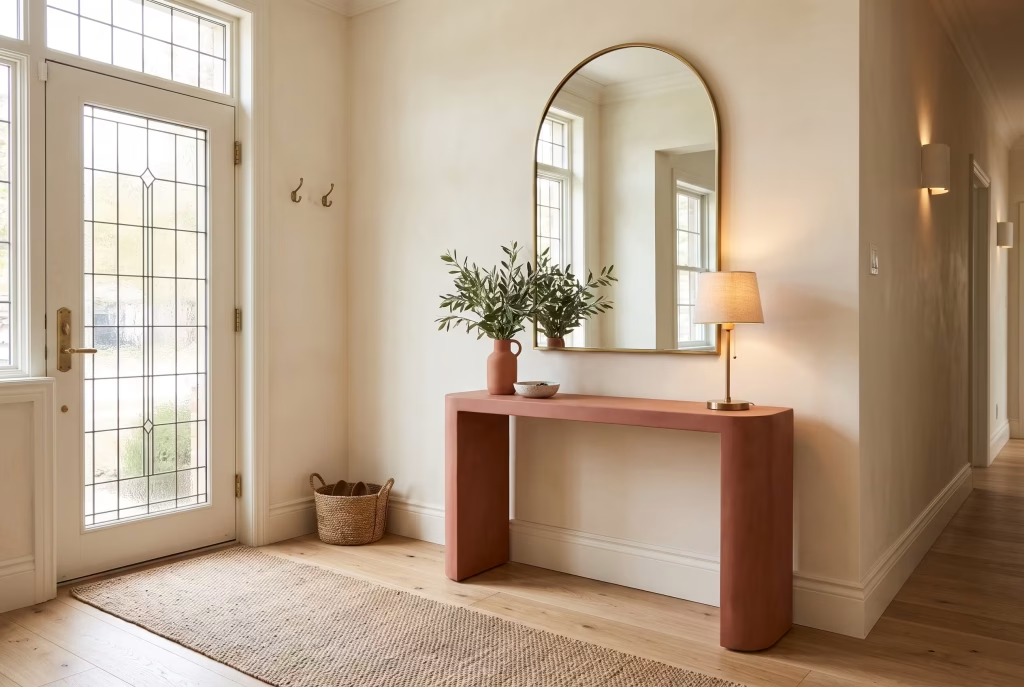
37. Add a terracotta console table. A terracotta-toned or terracotta-topped console just inside the front door gives you somewhere to drop keys and sets the tone for the whole home.
- Cost: £150 to £450
- Upkeep: none
- Feeling: welcoming, functional, outsized impact for its cost
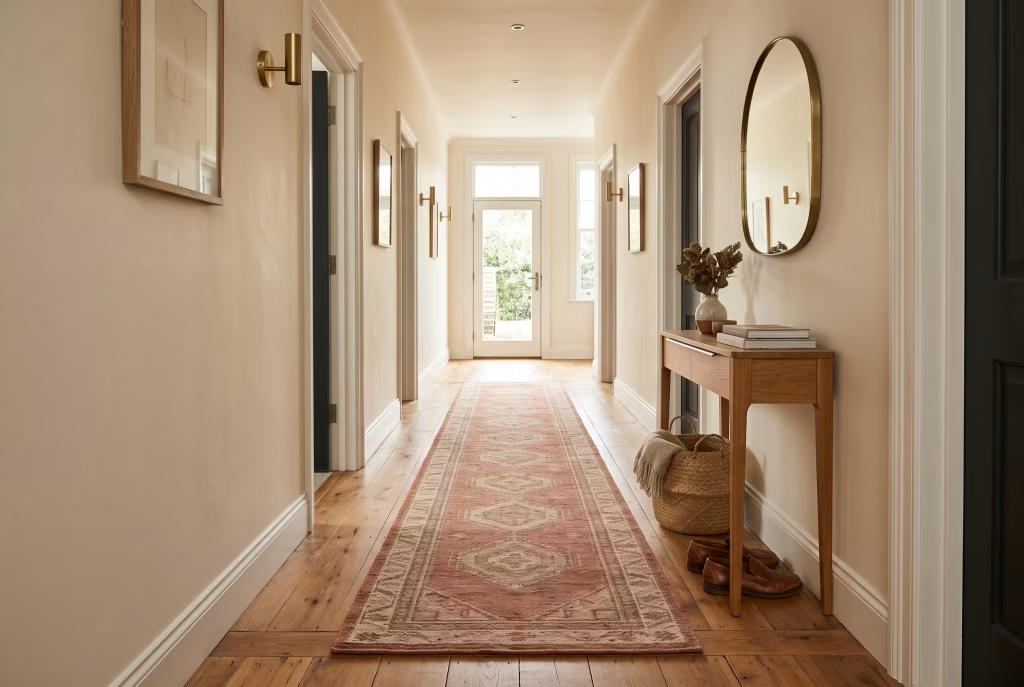
38. Use a runner rug in terracotta down a hallway or landing. A terracotta runner does double duty, protecting the floor underneath from daily foot traffic while adding warmth to the longest, narrowest, most forgotten stretch of a home.
- Cost: £15 to £30 per linear metre
- Upkeep: regular vacuuming
- Feeling: soft underfoot, quietly luxurious
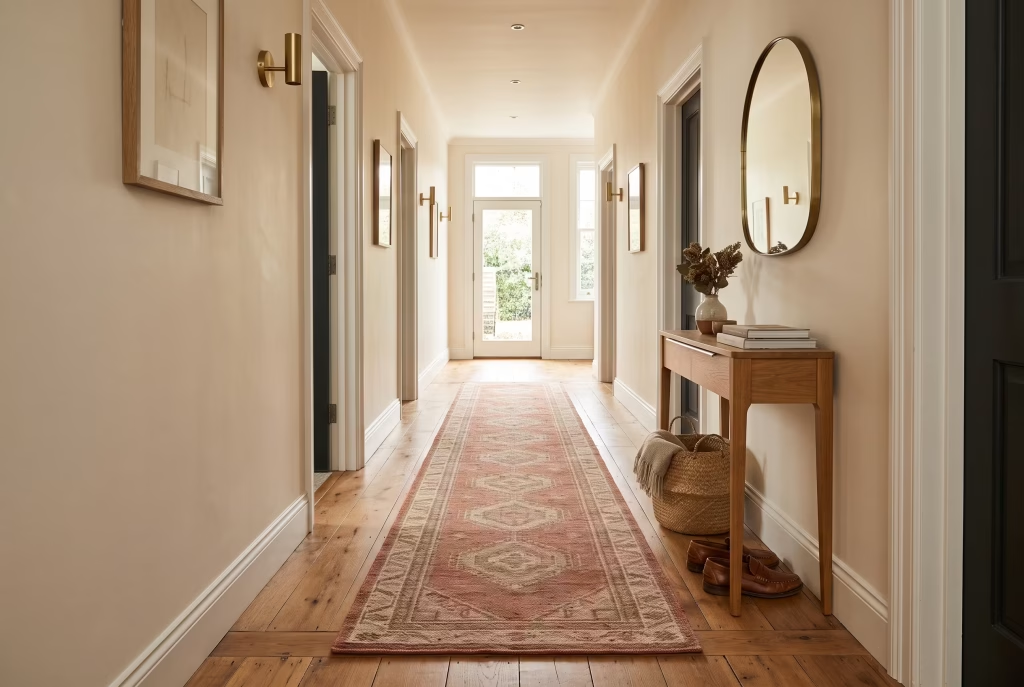
39. Paint the underside of the stairs in terracotta if it’s open or exposed. If your staircase has an open underside or a visible stringer, picking that structural element out in terracotta turns a purely functional detail into something considered.
- Cost: often covered by a single tester pot
- Upkeep: very low
- Feeling: unexpected, delightfully specific
Terracotta in the Dining Room
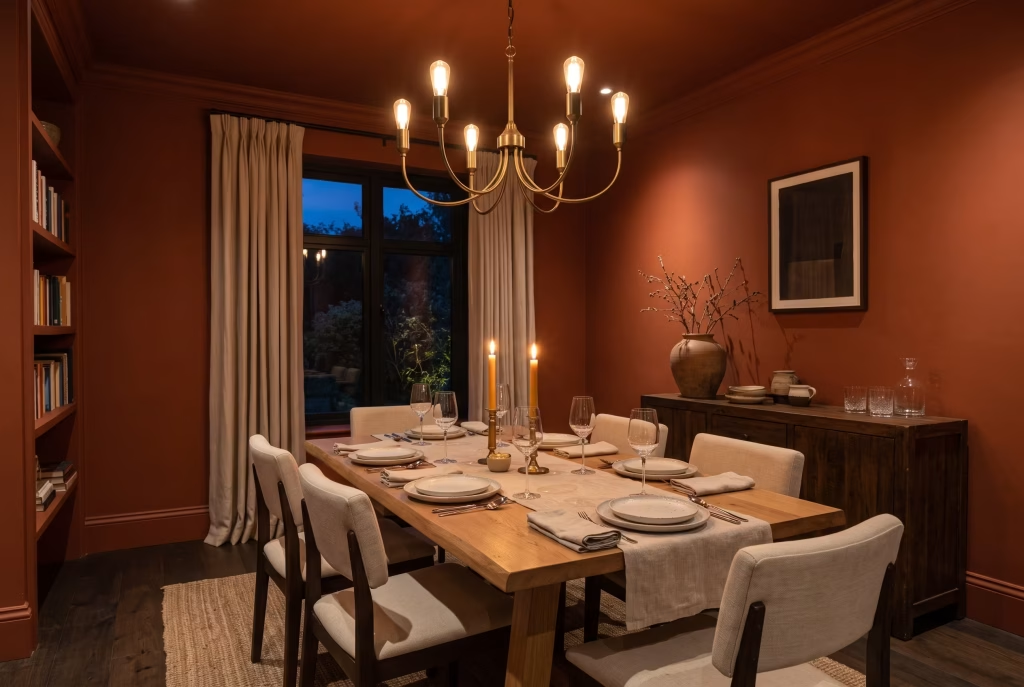
Dining rooms are almost always used in the evening, under artificial or candlelight, which changes how colour behaves entirely and makes this one of the few rooms in the house where a genuinely bold terracotta feels appropriate rather than overwhelming.
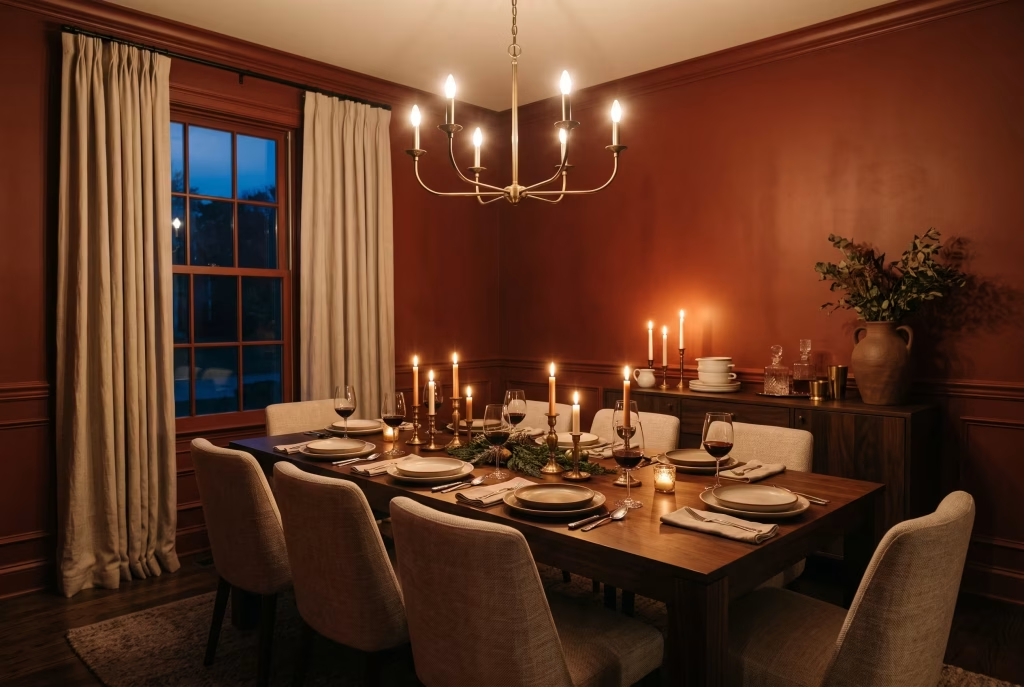
40. Paint the dining room in a deep, saturated terracotta for evening drama. Candlelight and warm bulb lighting make a deep terracotta wall genuinely glow rather than look flat.
- Cost: as idea 1
- Upkeep: very low
- Feeling: intimate, theatrical, made for entertaining
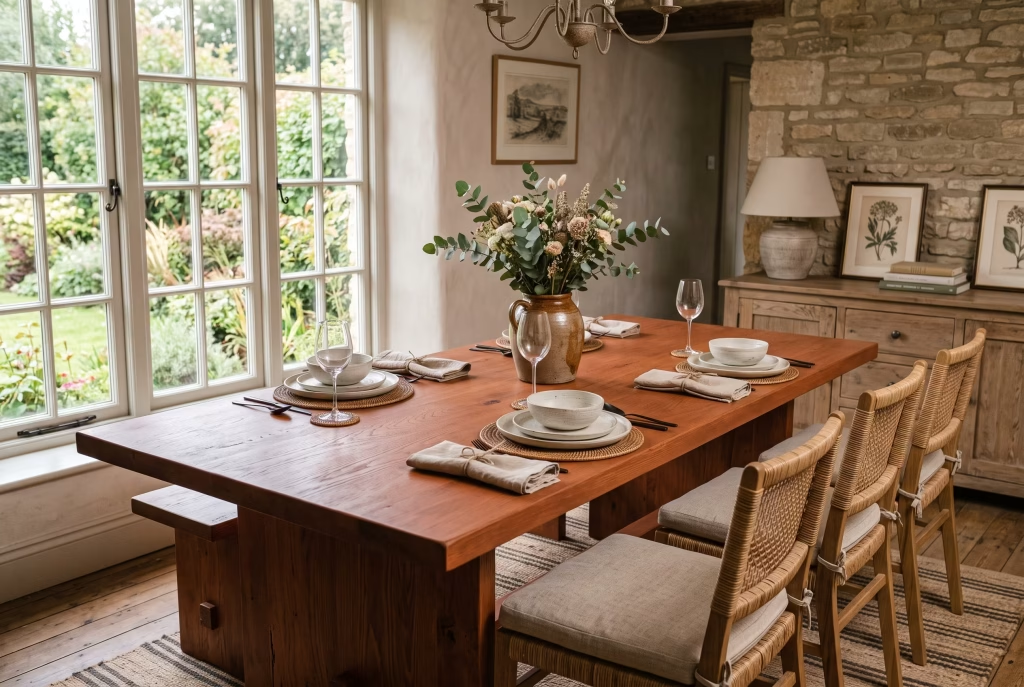
41. Choose a terracotta or clay-toned dining table. A terracotta-hued wood stain or a ceramic-topped dining table becomes the room’s anchor, meaning your chairs and linens can stay neutral.
- Cost: £400 to £1,500-plus
- Upkeep: standard furniture care
- Feeling: grounding, a genuine gathering point
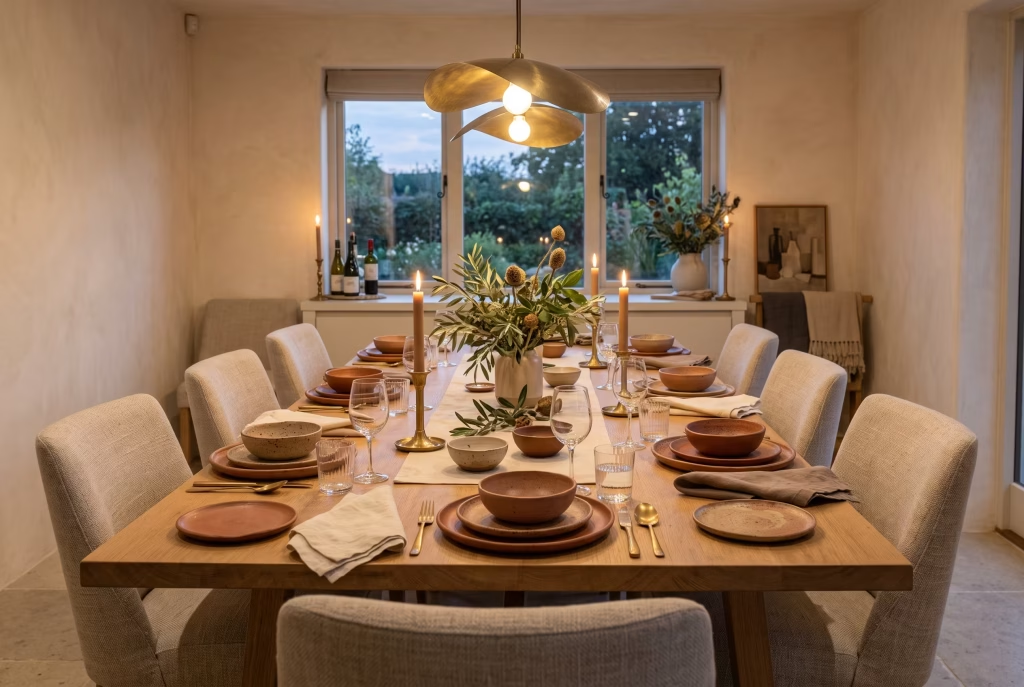
42. Introduce terracotta through dinnerware. Terracotta stoneware plates and bowls bring the colour to the table itself, quite literally, and it’s one of the most affordable entry points in this whole guide.
- Cost: build gradually from £8 to £20 per piece
- Upkeep: dishwasher-safe options widely available
- Feeling: personal, collected, tactile at every meal
You May also Like: 20 Pink and White Dining Room Ideas That Make Your Table the Star of the Show
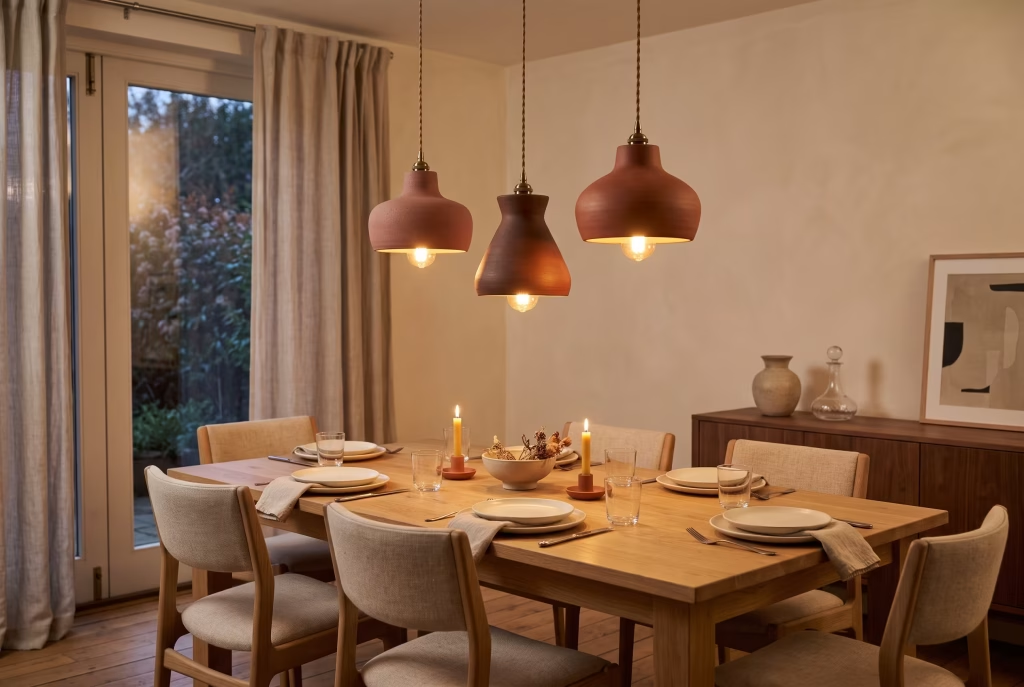
43. Hang terracotta pendant lighting above the table. A cluster of terracotta glass or ceramic pendants at table height creates a warm, low pool of light exactly where you want it during dinner.
- Cost: £150 to £400 for a cluster
- Upkeep: none
- Feeling: intimate, flattering, restaurant-quality ambience
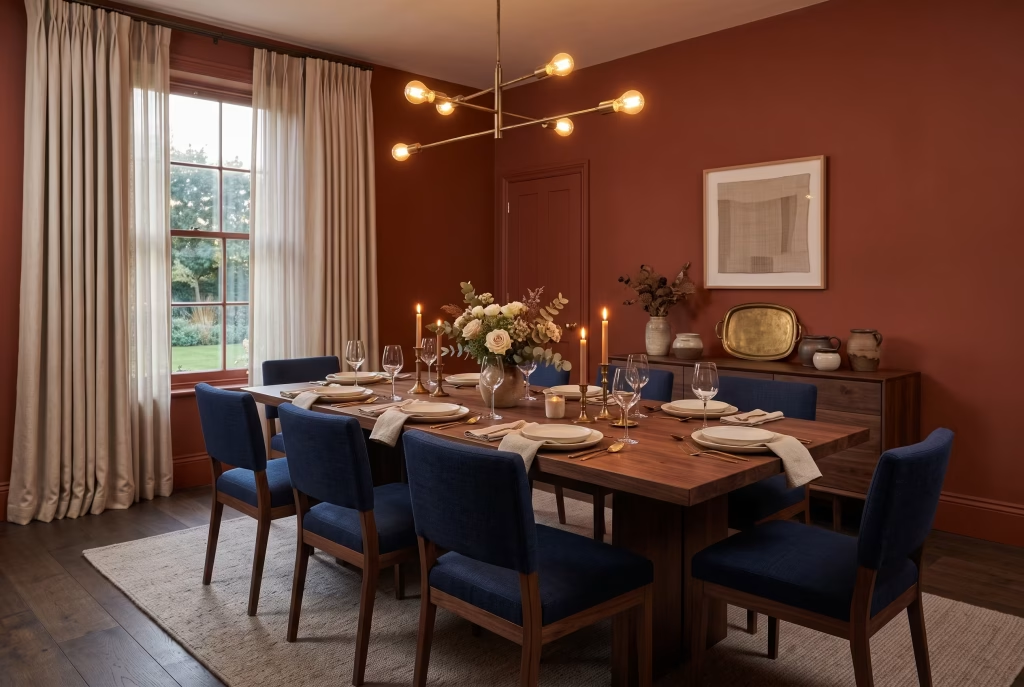
44. Use terracotta and navy together for a dramatic, formal dining scheme. This high-contrast pairing, a terracotta wall against navy chairs or curtains, reads as sophisticated and slightly theatrical.
- Cost: variable
- Upkeep: as per material
- Feeling: formal, confident, memorable for guests
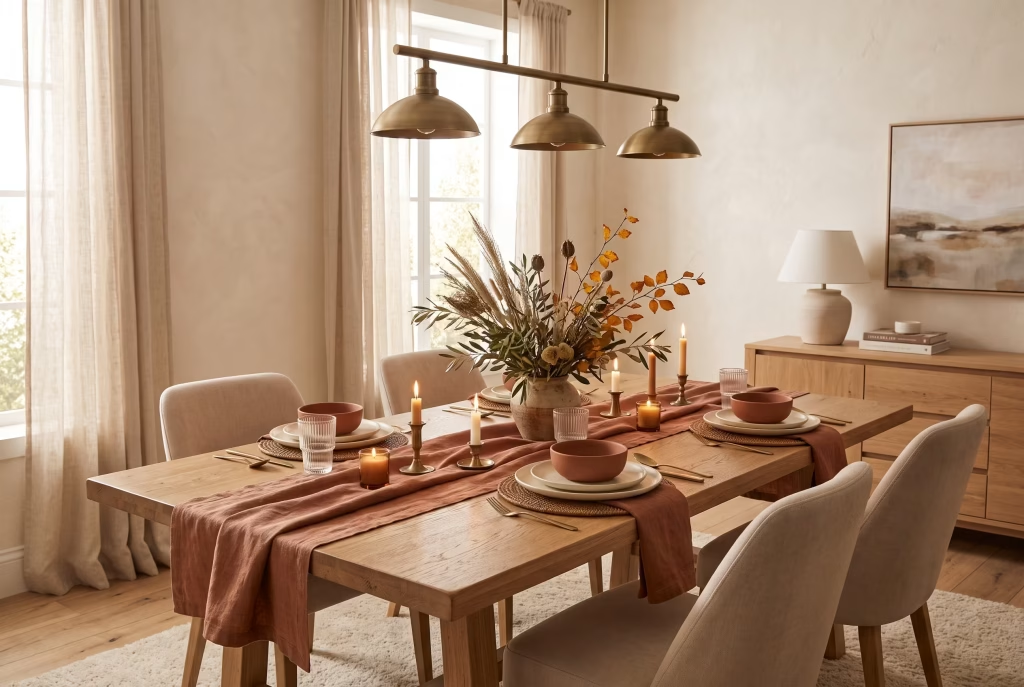
45. Layer terracotta table linens for a seasonal, low-commitment change. A terracotta tablecloth, runner or set of napkins lets you bring the colour out for autumn and winter entertaining specifically, then pack it away come spring.
- Cost: £25 to £70 for a full set
- Upkeep: standard washing
- Feeling: seasonal, flexible, genuinely practical
Terracotta Outdoors Patios, Courtyards and Balconies
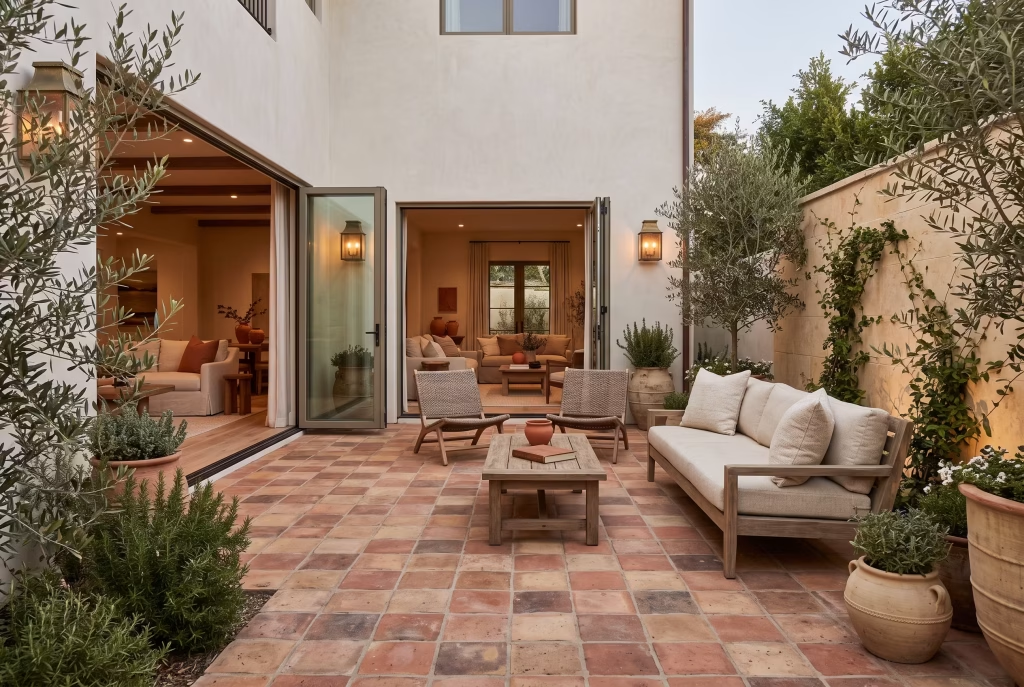
Outdoors is where terracotta feels most at home historically, and there’s a real psychological comfort in bringing the same warm tone from inside the house out into the garden, since it dissolves the usual hard line between the two.
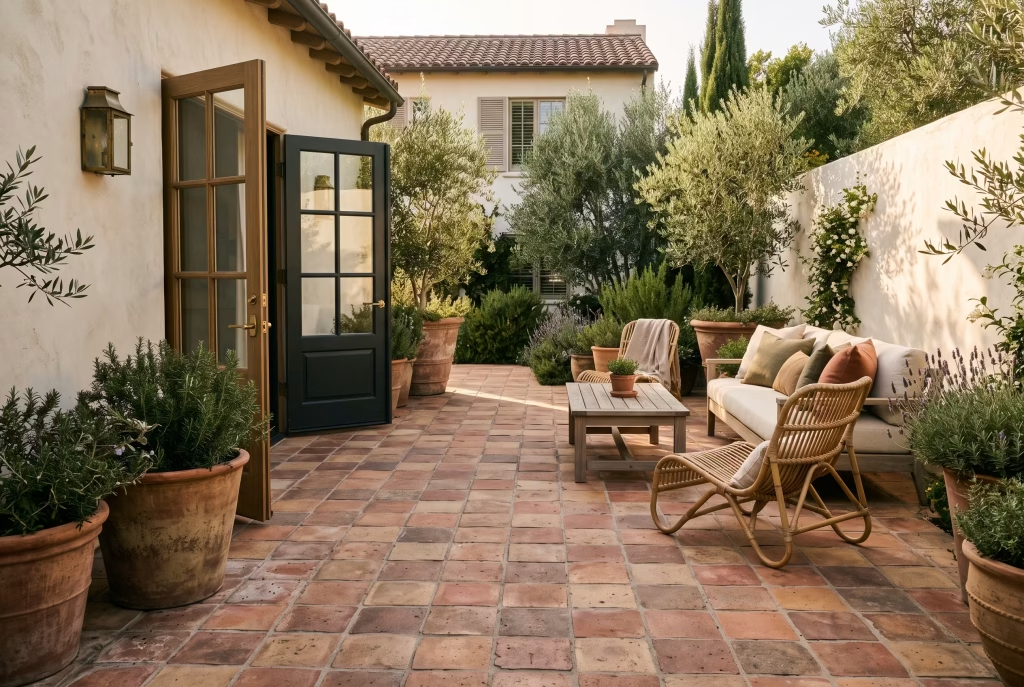
46. Lay terracotta paving on a patio or courtyard. Genuine clay paving develops a beautiful patina over years of weather exposure that most other paving materials simply can’t replicate.
- Cost: £45 to £110 per m², frost-resistant grade
- Upkeep: occasional resealing
- Feeling: timeless, sun-warmed underfoot
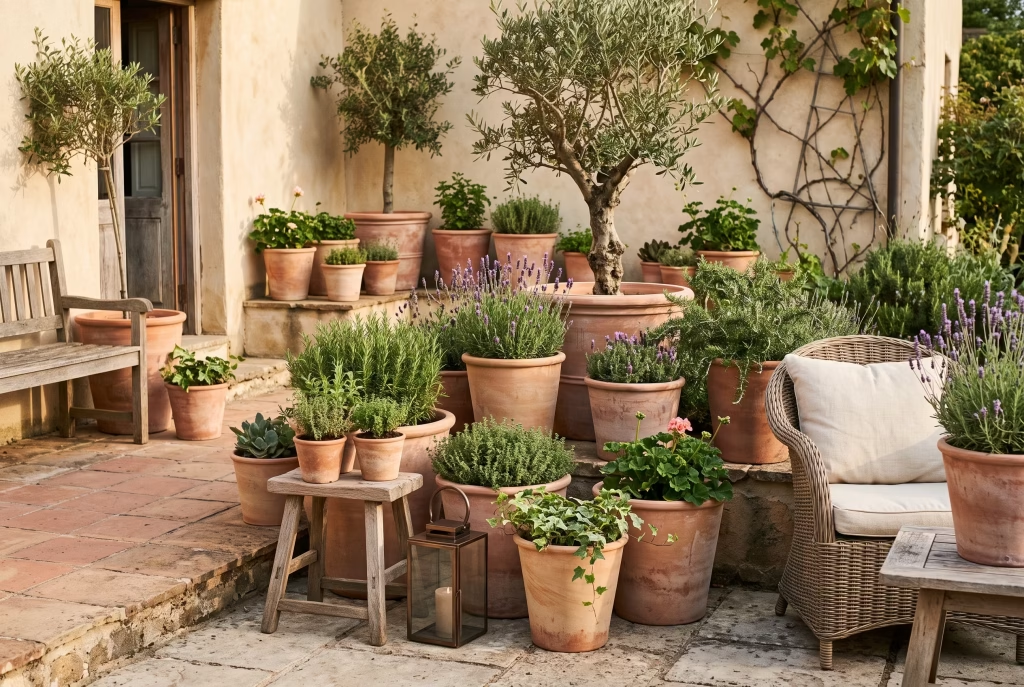
47. Use terracotta plant pots, the original and still the best application. Classic unglazed terracotta pots are porous, which lets excess moisture evaporate through the pot wall itself rather than pooling around the roots.
- Cost: £2 to £15
- Upkeep: none beyond normal plant care
- Feeling: nostalgic, effortlessly Mediterranean
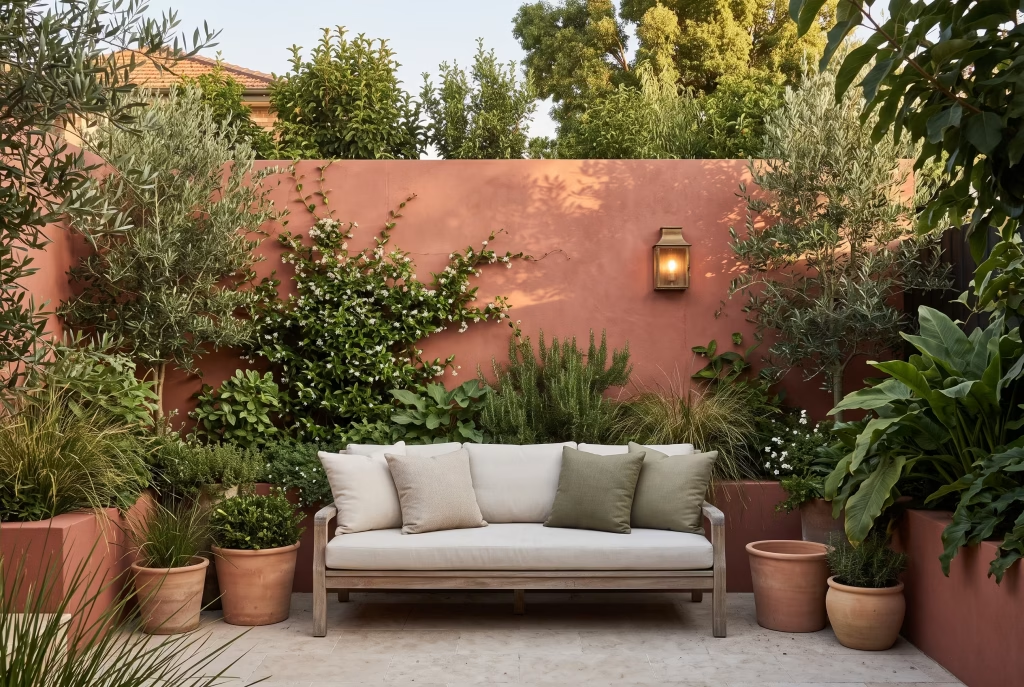
48. Paint an exterior wall or fence panel in terracotta. A rendered garden wall or a run of fence panels painted in exterior-grade terracotta masonry paint turns a purely practical boundary into a backdrop.
- Cost: £30 to £60 per 5L tin, exterior masonry grade
- Upkeep: low, occasional repaint every 5 to 8 years
- Feeling: backdrop-worthy, especially against greenery
You May also Like: 25 Cozy Fall Bathroom Decor Ideas to Warm Up a Small Space
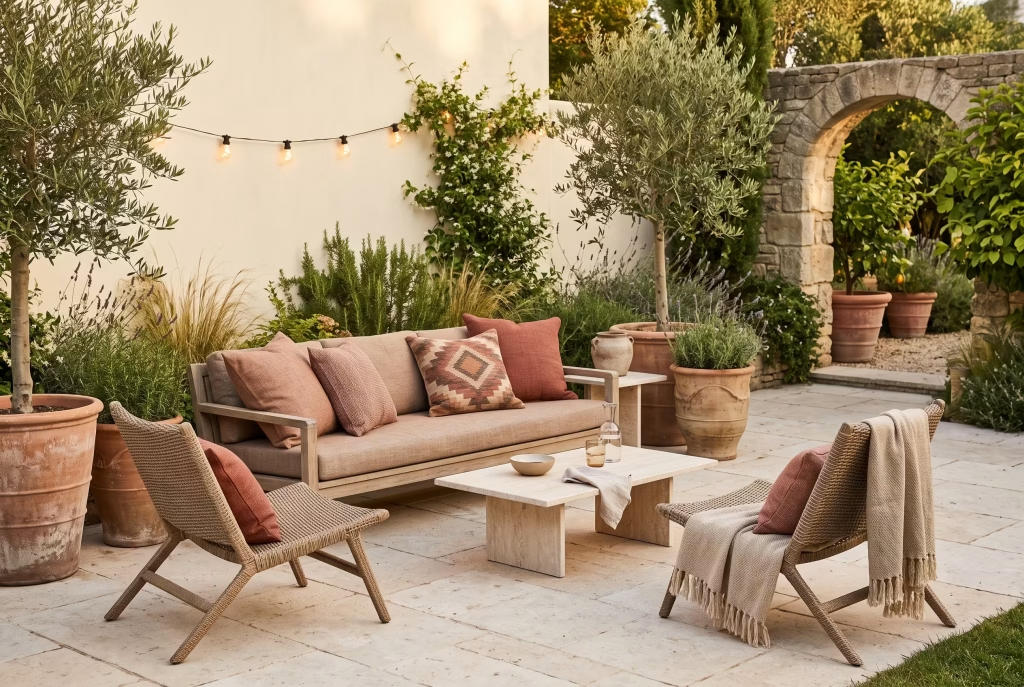
49. Choose terracotta outdoor cushions and cushion covers. Outdoor fabric technology has moved on considerably, and a good UV-resistant, water-resistant terracotta cushion will hold its colour through a full summer outdoors.
- Cost: £15 to £40 per cushion
- Upkeep: wipeable, weatherproof
- Feeling: instant warmth, low-commitment
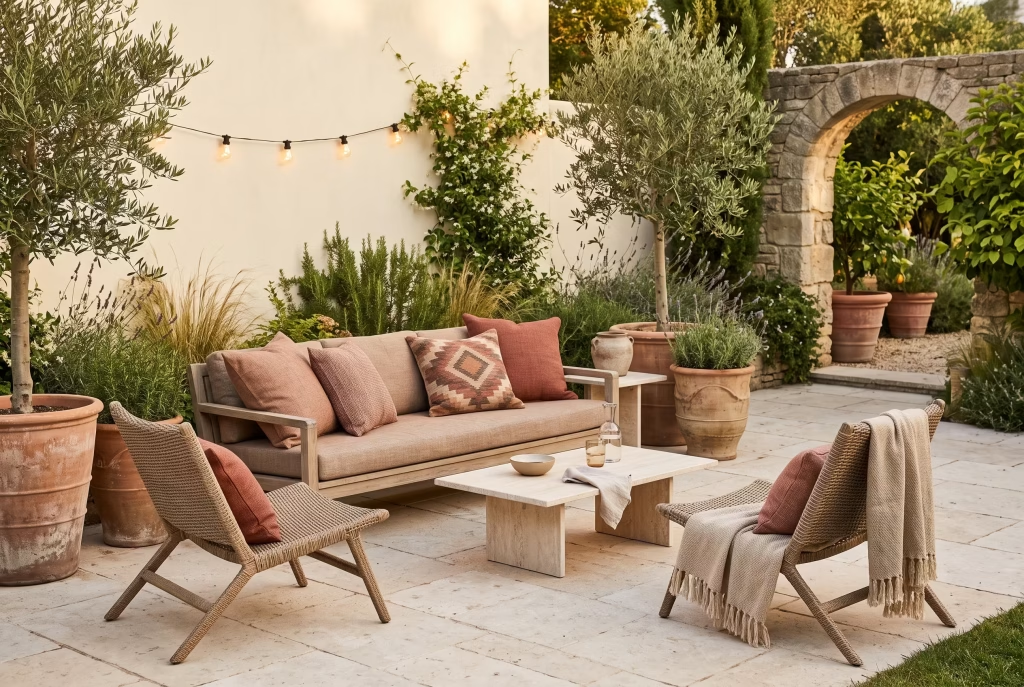
50. Add a terracotta-glazed outdoor dining set or bistro table. Glazed finishes are considerably easier to wipe clean after rain than raw, unsealed terracotta would be.
- Cost: £150 to £600
- Upkeep: low, wipe clean
- Feeling: alfresco, holiday-adjacent
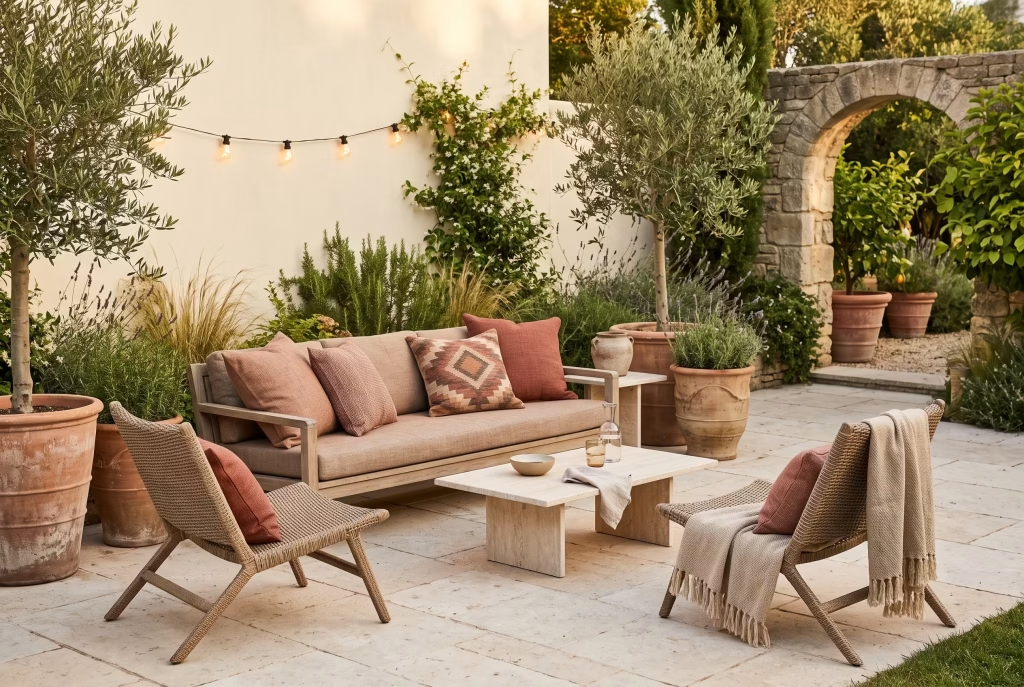
51. Build a terracotta-toned gravel or crushed brick pathway. For a lower-cost alternative to full paving, a pathway of crushed terracotta brick or warm clay-toned gravel achieves a similar visual warmth at a fraction of the cost.
- Cost: £15 to £35 per m²
- Upkeep: occasional topping up
- Feeling: rustic, easy DIY weekend win
What Colours Go With Terracotta
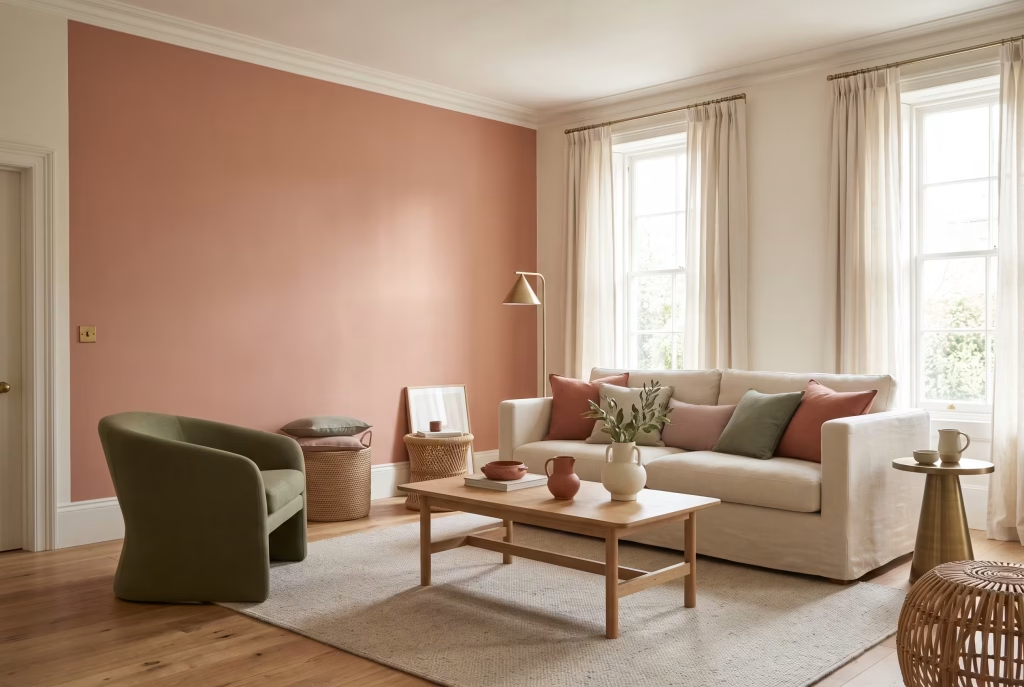
Terracotta is, by most designers’ accounts, one of the more sociable colours you can build a scheme around. The combination you choose changes the entire emotional register of a room, so it’s worth thinking about the feeling you’re after before you pick a partner colour.
| Pairing | Emotional Effect | Works Especially Well In |
| Terracotta + white or cream | Clean, fresh, Mediterranean | Kitchens, living rooms, small spaces needing brightness |
| Terracotta + sage or olive green | Grounded, natural, fresh | Bedrooms, living rooms near a garden view |
| Terracotta + navy or indigo | Bold, formal, dramatic | Dining rooms, feature walls, evening-use spaces |
| Terracotta + charcoal or black | Modern, mature, architectural | Living rooms, home offices |
| Terracotta + blush or dusty pink | Soft, romantic, tonal | Bedrooms, dressing rooms |
| Terracotta + mustard or ochre | Warm, joyful, energetic | Kitchens, hallways, north-facing rooms |
| Terracotta + natural wood and rattan | Organic, textural, calm | Every room, especially where you want warmth without adding more colour |
A quick note on the small-room worry that comes up constantly: terracotta doesn’t automatically shrink a space the way flat, cold dark colours can. Because its undertone is warm rather than blue-grey, it tends to recede less aggressively than navy or charcoal would in the same size room. That said, if you’re working with a genuinely small, low-light space:
- Lean toward a paler, dustier terracotta rather than a deep, saturated one
- Use it as an accent wall or in fabric first rather than wrapping every surface
- Pair it with plenty of white trim and light-reflecting metal accents to balance the depth
- Live with a sample for at least a week before committing to a full room
Terracotta Materials What Actually Works, and What It Costs
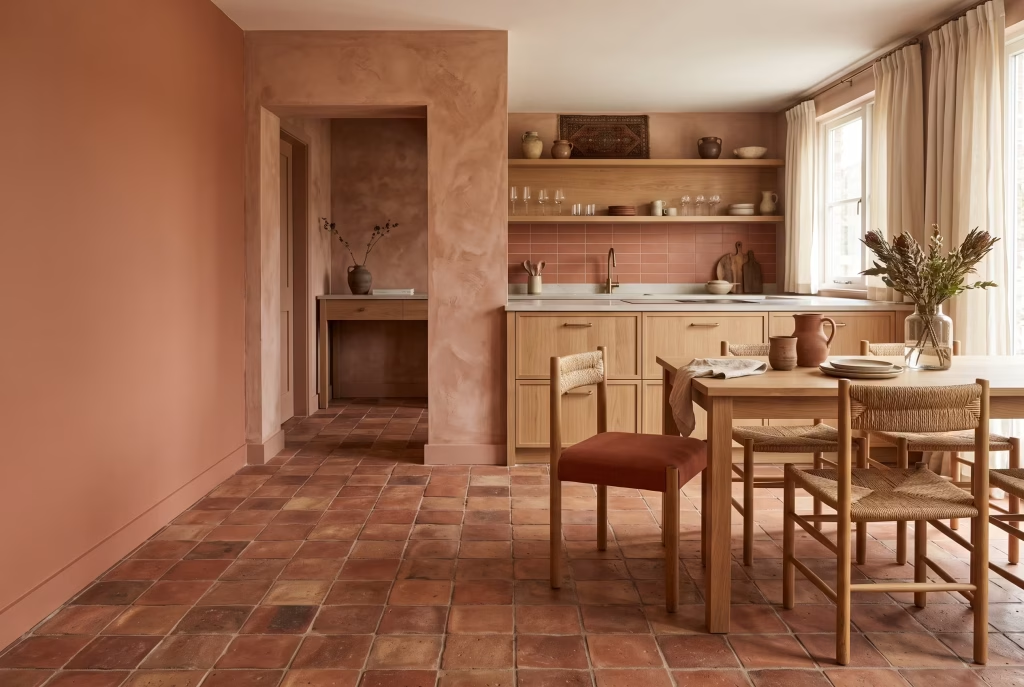
This is the section most guides skip, and it’s the one that actually determines whether you’ll be happy with your terracotta project in five years. Here’s an honest comparison.
| Material | Look and Feel | Maintenance | Approximate Cost | Best For |
| Matte emulsion paint | Flat, even colour | Very low; wipeable, repaintable in a weekend | £45 to £75 per 2.5L tin | Walls in any room, the easiest and most reversible option |
| Limewash or textured plaster | Uneven, light-catching depth | Low; breathable finish, occasional touch-up | £40 to £80 per m² professionally applied | Feature walls where you want genuine tonal variation |
| Genuine terracotta tile | Warm, porous, naturally variable | High; needs sealing on install and resealing every 1 to 3 years | £40 to £120 per m² plus fitting | Floors, splashbacks, patios where authenticity matters most |
| Porcelain or LVT lookalike | Very close visual match | Very low; no sealing required, wipe clean | £25 to £70 per m² | Kitchens, bathrooms, anywhere real terracotta feels like too much upkeep |
| Microcement | Smooth, seamless, slightly industrial | Low to moderate; occasional resealing | £70 to £150 per m² | Contemporary bathrooms and kitchens wanting a monolithic look |
| Fabric (curtains, upholstery, cushions) | Soft, textural, adds warmth to light | Low; standard cleaning | £15 to £180 depending on item | Any room, the lowest-commitment way to test the colour |
The honest truth about genuine terracotta tile is that it’s porous by nature, since it has no factory glaze, and that porosity is both its charm and its maintenance burden. Unsealed, it will absorb spills, oil and everyday grime and stain permanently within weeks. Sealed properly with a good water-based penetrating sealer (rather than an older-style wax, which tends to trap dirt unevenly and discolour with foot traffic) it becomes genuinely practical, but budget time and money for that sealing step, and for resealing every one to three years in high-traffic areas like kitchens and entrances. A newly laid terracotta floor also needs roughly 72 hours to cure before you walk on it, which is worth factoring into any renovation timeline.
If all of that sounds like more commitment than you want, a good porcelain or LVT lookalike genuinely closes the visual gap these days, and it sidesteps the sealing question entirely. There’s no shame in choosing the practical option. A floor you actually enjoy living with beats an authentic one you resent maintaining.
Bringing It Together
The rooms that use terracotta best rarely wrap every surface in it. They pick one, sometimes two, considered moments, a wall here, a sofa there, a run of tiles in the entrance, and let the rest of the space breathe in calmer neutrals around it. That restraint is what separates a terracotta room that feels grounded and intentional from one that feels like a themed set.
Start with the lowest-commitment option that appeals to you most, cushions, a few pieces of pottery, a linen throw, and live with it for a few weeks before you reach for a paint tin or a tile sample. Terracotta has a habit of growing on people slowly, the way the actual colour changes through a day of light, and the best schemes tend to be built the same way. It isn’t just a colour you choose for a room. It’s closer to inviting a little more warmth, permanence and comfort into the way that room makes you feel every single day you live in it.
Frequently Asked Questions
Is terracotta the same colour as orange, rust or brown?
No, though it borrows a little from each. Orange is a bright primary hue, rust leans more oxidised and metallic, and brown sits flatter and cooler. Terracotta lives in the middle, softened by the clay it’s named after, which is what gives it that distinctive warmth without the intensity of a true orange.
Why does terracotta feel so cosy and comforting?
It’s largely down to colour psychology. Warm, orange-leaning hues sit at the same end of the spectrum as firelight and sunset, both associated with safety and gathering. Terracotta gets that warmth without the intensity of a true orange, which is why it reads as comforting rather than stimulating.
Will terracotta make a small room feel smaller or darker?
Not necessarily. Dark, cool-toned colours like navy or charcoal genuinely can shrink the feel of a small space, but terracotta’s warm undertone behaves differently to the eye. In a genuinely small or dark room, choose a paler, dustier terracotta rather than a deep, saturated one, and consider using it on a single wall or through fabric first rather than wrapping the whole room straight away.
Does terracotta work in a room with little natural light, like a north-facing room?
Yes, and it’s actually one of the better colours for exactly this problem, since its warmth compensates for the cool, blue-grey cast that north light tends to bring in. The one caveat is to avoid a very deep, saturated terracotta in a genuinely dark room, since without enough light to catch its variations, it can start to look muddy rather than rich.
What mood does terracotta create in a room?
Most consistently, warmth, groundedness and a sense of permanence. It’s calming rather than stimulating, more like a slow exhale than a jolt of energy, which is why it works equally well in sociable living rooms and quiet bedrooms.
Is terracotta a passing trend, or is it here to stay?
Both things are a little bit true. Design experts have flagged terracotta paired specifically with rust as feeling overexposed after a few years of heavy use, but the colour itself, used thoughtfully rather than as a matched set, has featured in homes for thousands of years and consistently returns to favour. Treat it as a considered, long-term choice rather than a head-to-toe trend package and it should age well.
Do terracotta tiles need sealing, and how do you maintain them?
Yes, genuine terracotta tile is porous and needs sealing, ideally with a water-based penetrating sealer, both when first laid and again roughly every one to three years depending on foot traffic. Clean with a pH-neutral cleaner rather than anything acidic, which can break down the sealant over time.
What colours go best with terracotta?
Sage or olive green, navy, charcoal, blush pink, mustard and warm neutrals like cream and natural wood all pair well, each creating a different mood from fresh and modern to bold and formal. See the pairing table above for which combination suits which room.
Can I get the terracotta look without painting or tiling, for example in a rented home?
Yes, and it’s one of the more flexible colours for exactly this situation. Terracotta cushions, throws, curtains, bedlinen, rugs, pottery and even peel-and-stick tiles for kitchens or bathrooms all bring the colour in without a single permanent change, and every one of them travels with you when you move.
Is terracotta hard to match with existing wood tones and furniture? Generally, no. Terracotta shares the same earthy origin as most wood tones, so oak, walnut and rattan all sit comfortably alongside it without the clashing that can happen when you introduce a cooler colour into a warm-wood room.