

25 Entryway Renovation Ideas That Transform Your Home from the Moment You Walk In
Entryways do far more than simply connect the outdoors to the rest of your home. They set the tone for every arrival, shape first impressions, and influence how smoothly your day flows. When I renovate entry spaces for clients, I always focus on three core elements: storage, style, and functionality. A well-designed entryway keeps clutter under control, guides movement naturally, and creates a visual moment that feels warm, polished, and intentional.
In this guide, I’ll walk you through 25 Entryway Renovation Ideas that make a noticeable difference the moment you step through the door. Whether you’re working with a compact hallway in a city flat or a generous foyer in a family home, you’ll find options that improve both form and function. From clever built-ins and modern lighting upgrades to statement walls and durable flooring, these ideas are designed to help you create an entryway that works hard and looks good doing it.
If you’ve been wanting a space that feels more welcoming, more organised, and more reflective of your personal style, these renovation ideas will give you a strong starting point.
25 Entryway Renovation Ideas
When I approach an entryway renovation, I look for upgrades that blend practicality with impact, and the 25 Entryway Renovation Ideas in this guide do exactly that. These concepts focus on transforming the space into a hardworking yet stylish zone that supports everyday living.
You’ll find ideas that boost storage with built-ins and smart cabinetry, suggestions for refreshing the look with panelling, wallpaper, or new lighting, and tips for improving flow through better layout choices and durable flooring.
Whether your entryway is narrow, spacious, modern, or traditional, these renovation ideas offer a mix of quick wins and more substantial updates that elevate the space from forgotten passage to a polished, welcoming focal point of your home.
Add Built-In Storage Benches
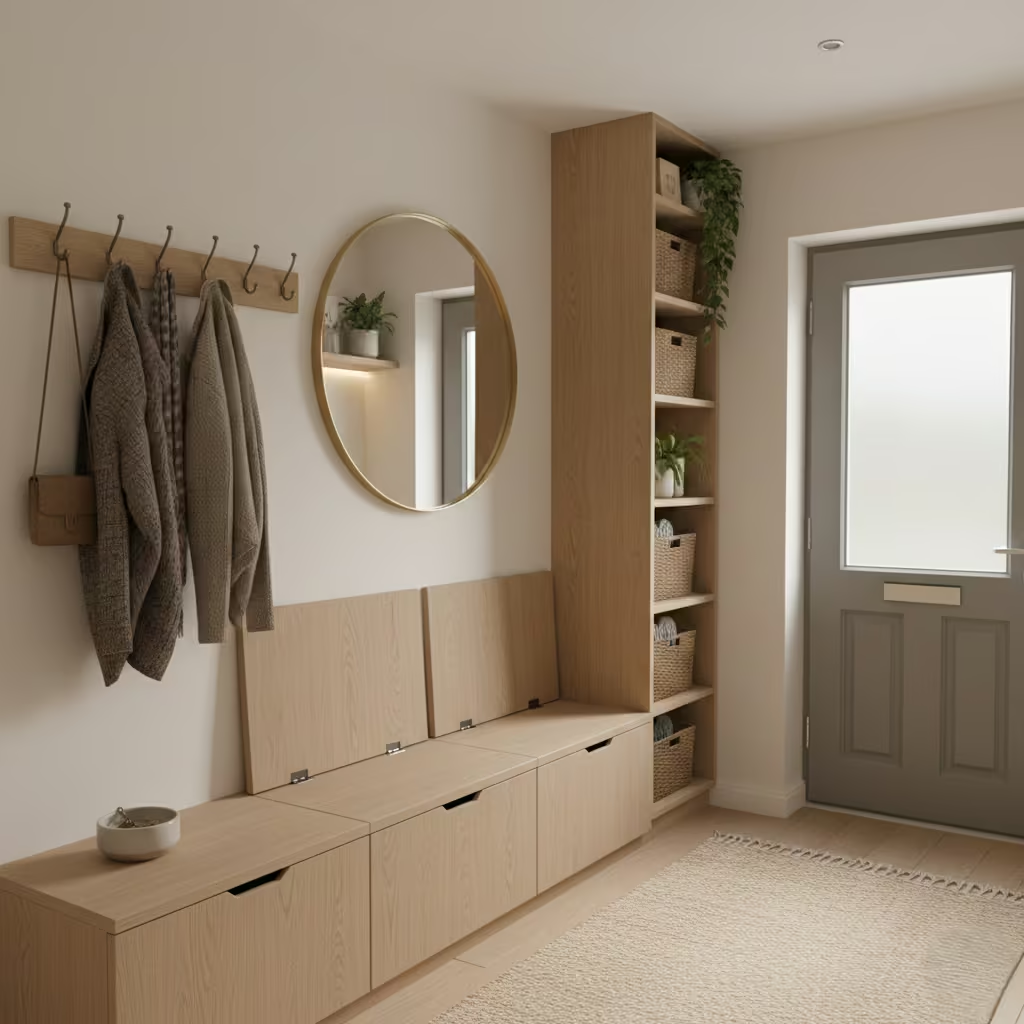
A built-in storage bench is one of the smartest upgrades you can make to an entryway, especially if you’re dealing with a high-traffic household. I often recommend this feature to families because it creates a natural landing spot the moment you walk in. A well-designed bench offers comfortable seating for putting on and removing shoes while also concealing everyday clutter behind closed doors or lift-up lids. You can customise the interior with dividers for shoes, baskets, and seasonal accessories, keeping the space tidy without constant effort.
This renovation works beautifully in both small and large entryways because it maximises vertical and horizontal space. Add hooks or overhead shelves above the bench for a fully integrated drop zone that looks intentional rather than chaotic. With the right materials and finishes, a built-in bench becomes a functional focal point that anchors the entire entryway and instantly elevates the look of your home.
You May also Like: 24 Christmas Pathway Lighting Ideas That’ll Make Your Home Glow Easy, Dazzling & Cozy
Create a Statement Wall With Panelling or Wallpaper
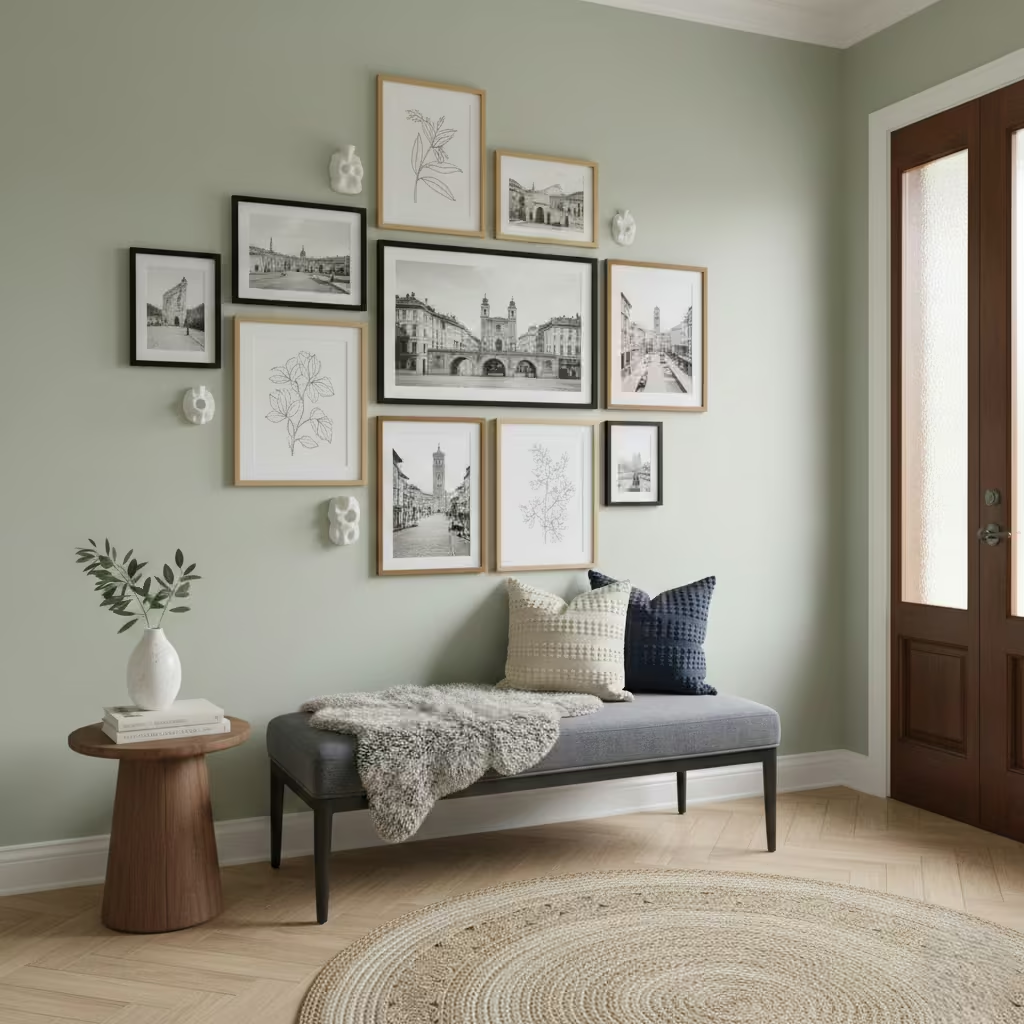
If your entryway feels flat or forgettable, a statement wall can completely transform the mood of the space. Panelling, wainscoting, beadboard, or slatted wood instantly adds depth, texture, and architectural interest. I often use panelling in narrow hallways because it draws the eye upward and creates a sense of structure without making the space feel cramped. Depending on the design, it can read modern, classic, or cottage-inspired.
Wallpaper is another powerful tool for bringing character into the entry. From subtle prints to bold, oversized patterns, the right design can set a memorable tone from the moment someone steps inside. It is also a great way to introduce colour when you want personality without committing to a full repaint. When paired with the right lighting, mirrors, or console table styling, a statement wall becomes a true design moment that elevates the entire home.
Whether your entryway is wide or narrow, modern or traditional, a feature wall helps define the space and creates a polished, intentional look that feels welcoming and stylish.
Modernize With Sleek Wall Hooks or Peg Rails
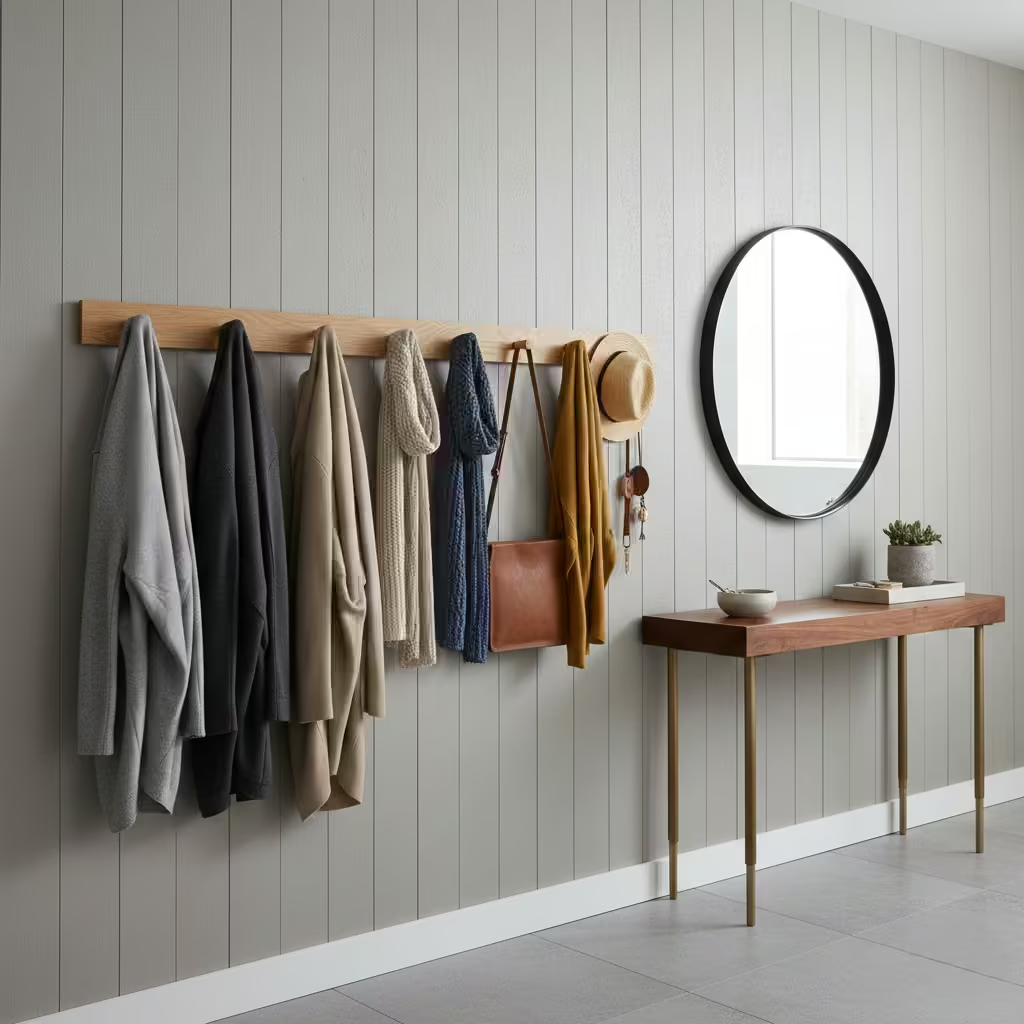
Updating your entryway with modern wall hooks or a peg rail is a simple renovation that delivers instant style and everyday practicality. I often use streamlined metal hooks, wooden pegs, or shaker-style rails when a space needs functional coat storage without overwhelming the walls. These features work beautifully in both small and large entryways because they keep jackets, bags, hats, and dog leads accessible and organised while maintaining a clean, modern look.
Choosing the right design is key. Minimalist black or brushed brass hooks lend a contemporary edge, while natural wood pegs create a warm, Scandinavian-inspired feel. For busy households, I recommend installing a long rail that spans most of the wall, ensuring there’s room for everyone’s belongings. If you want to elevate the look even further, pair your hooks with panelling or a painted backdrop that frames the entire storage zone. It’s a quick, affordable upgrade that brings structure and style to your entryway.
Refresh Flooring with Durable Tile or LVP
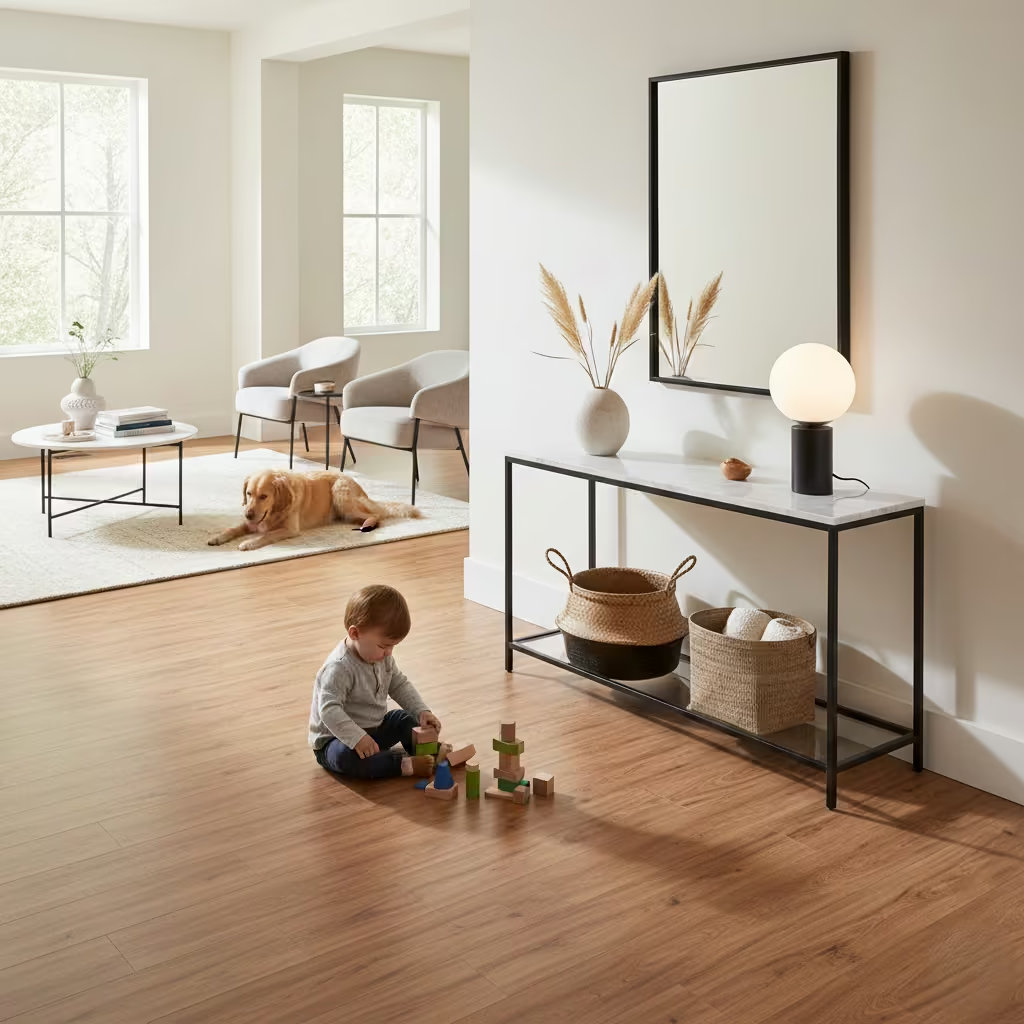
Your entryway flooring works harder than nearly any other surface in the home, so durability should lead your renovation decisions. Tile and luxury vinyl plank (LVP) are two of the best materials for high-traffic zones because they handle dirt, moisture, and constant footfall without losing their visual appeal. I often encourage clients to choose porcelain tiles for maximum longevity. They resist scratches, water, and stains, making them ideal for homeowners with kids, pets, or wet weather.
LVP is another reliable option, especially if you’re looking for the warmth of wood without the maintenance issues. Modern vinyl planks offer realistic grain patterns, a comfortable underfoot feel, and strong resistance to water damage. They’re perfect for homes where the entryway flows into the living room or kitchen because they create visual continuity while still withstanding heavy use.
Whichever material you choose, your flooring sets the tone for the entire space. Opt for textured finishes, patterned tiles, or wide planks to add design interest, and consider installing a durable entry mat to extend the life of your renovation.
Install a Slim Console Table
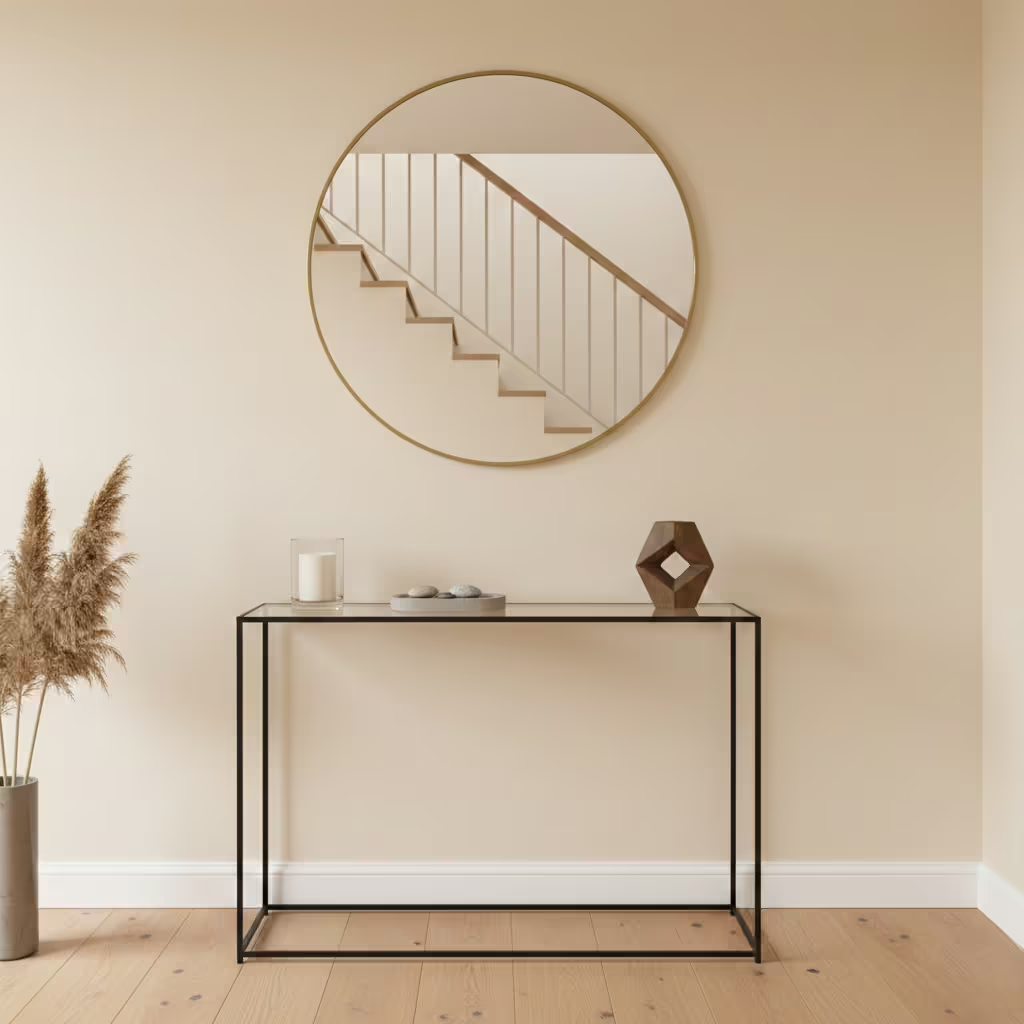
When you want storage that doesn’t crowd your entryway, a slim console table is one of your best options. I often specify narrow console tables in small hallways because they add function without obstructing movement. They offer just enough surface space for a lamp, a catch-all bowl for keys, or a decorative moment that makes the entry feel curated rather than chaotic.
The key is choosing a console that matches your home’s architecture and proportion. Metal and glass designs keep things light and airy, while warm wood tables add natural texture and a more traditional feel. Many models also include a lower shelf, giving you extra space for baskets, small storage crates, or a few stacked books to round out the look.
Styling potential is where console tables really shine. You can create a quick vignette with a mirror, a small plant, and a candle, turning an overlooked corner into a welcoming focal point. It’s a versatile renovation that upgrades both functionality and aesthetic appeal without adding visual bulk.
Improve Lighting with Overhead Fixtures or Sconces
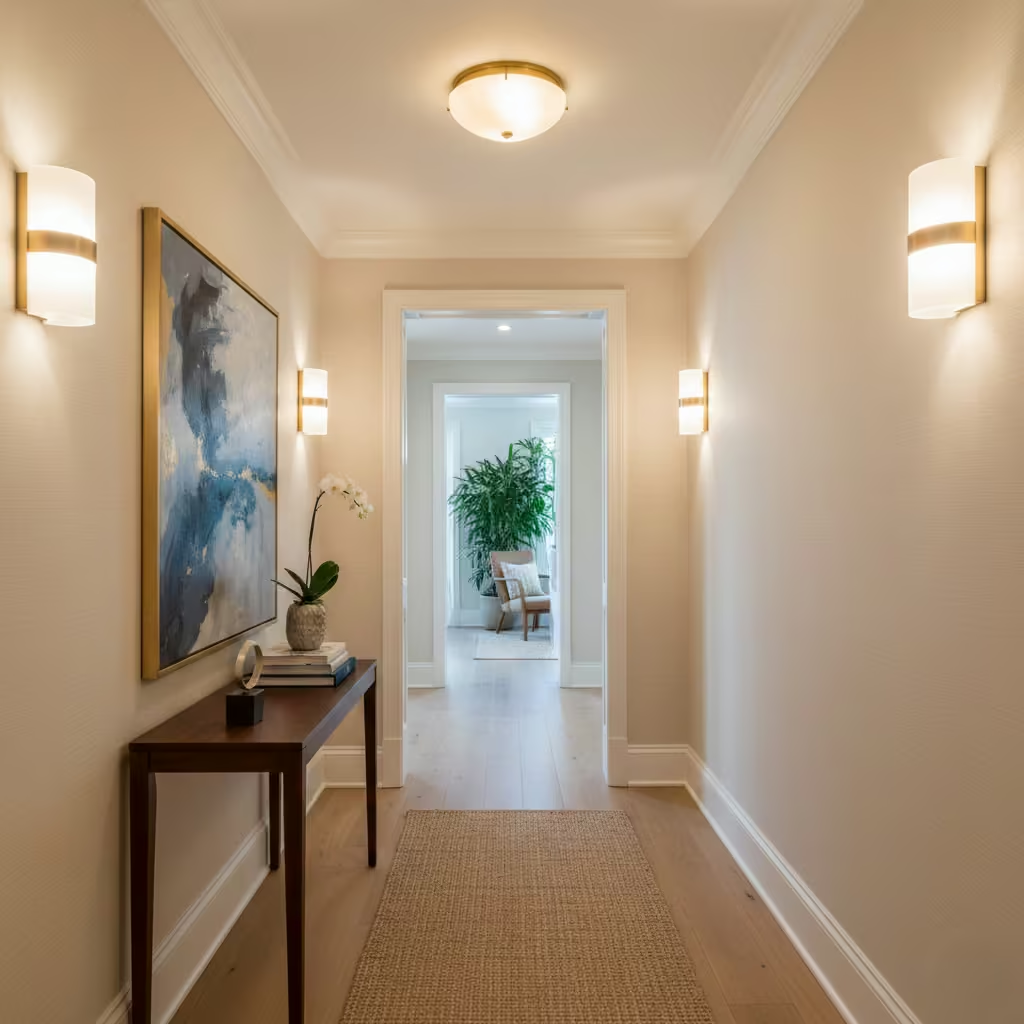
Lighting has a remarkable impact on how welcoming and functional an entryway feels, yet it’s often one of the most overlooked renovation opportunities. When I update an entry space, I focus on layered lighting that blends practicality with ambience. A striking overhead pendant or flush mount sets the tone immediately, acting as both a functional light source and a design statement. Choose a fixture that reflects your home’s overall aesthetic, whether that’s modern, traditional, or something boldly eclectic.
To elevate the atmosphere further, consider adding wall sconces. They create warm, directional lighting that softens shadows and highlights key details like artwork, panelling, or your console table. Sconces also help balance the room visually, especially in long hallways or tight spaces where lighting can easily feel flat. The combination of overhead and accent lighting produces a warm, inviting glow that makes your entryway feel intentionally designed rather than simply illuminated.
You May also Like: Japanese Apartment Ideas: A Complete Guide to Calm, Compact, and Clever Living
Add a Large Statement Mirror
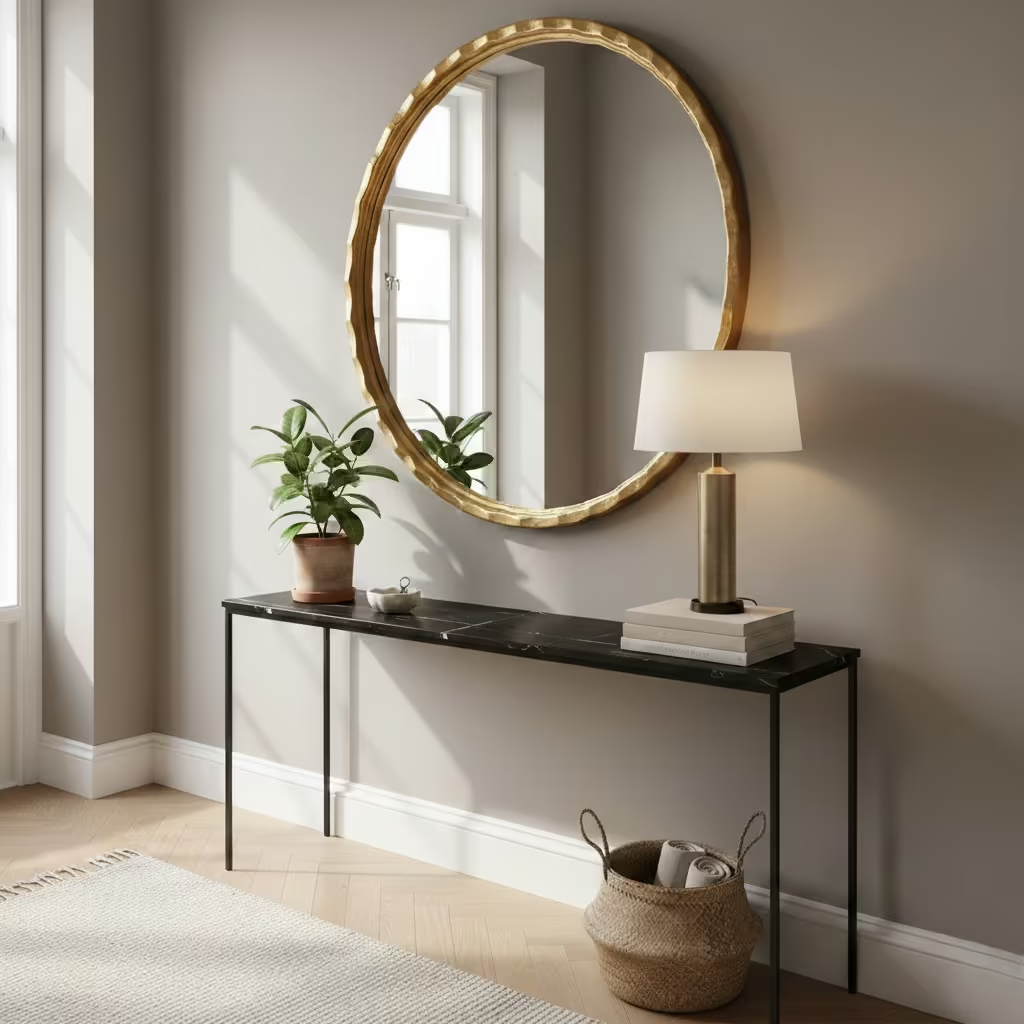
A large mirror is one of the most effective ways to visually expand an entryway, especially if you’re working with a narrow or light-limited space. I often use oversized mirrors to bounce natural light around the room, making the entry feel brighter, wider, and more open. Whether you choose a sleek frameless design for a contemporary look or a bold, ornate frame for added character, a statement mirror instantly elevates the aesthetic.
Mirrors also bring strong practical value. They give you a quick spot to check your appearance on the way out the door, and when hung above a console table or storage bench, they act as a cohesive focal point. Consider placing your mirror opposite a window or light source to maximise brightness and create depth. This is a simple renovation that delivers high visual impact with minimal effort.
Upgrade the Front Door Hardware
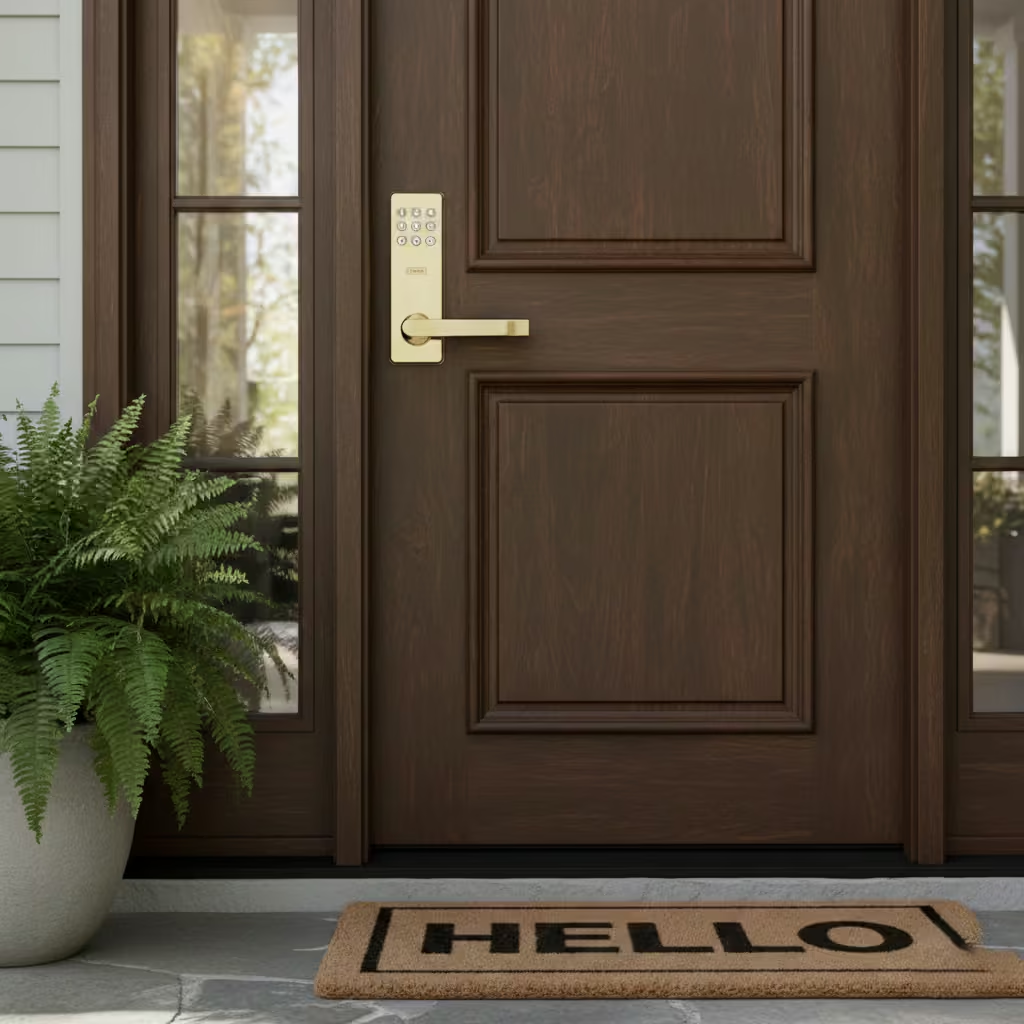
Refreshing your front door hardware is a quick, cost-effective way to modernise your entryway without committing to a major renovation. I often recommend this update to clients who want a fast improvement that still feels noticeable and polished. Swapping old knobs or levers for sleek modern hardware instantly sharpens the look of your entry while improving functionality. You can choose finishes like matte black, brushed nickel, brass, or bronze to match other fixtures in the space.
For an even more contemporary feel, consider adding a smart lock or keypad entry system. Not only do these upgrades enhance convenience, they also contribute to a clean, streamlined aesthetic that works beautifully in modern homes. Pairing updated hardware with a freshly painted or refinished door takes the transformation one step further, creating a cohesive, welcoming look right at the threshold.
Create a Mudroom Zone With Cubbies
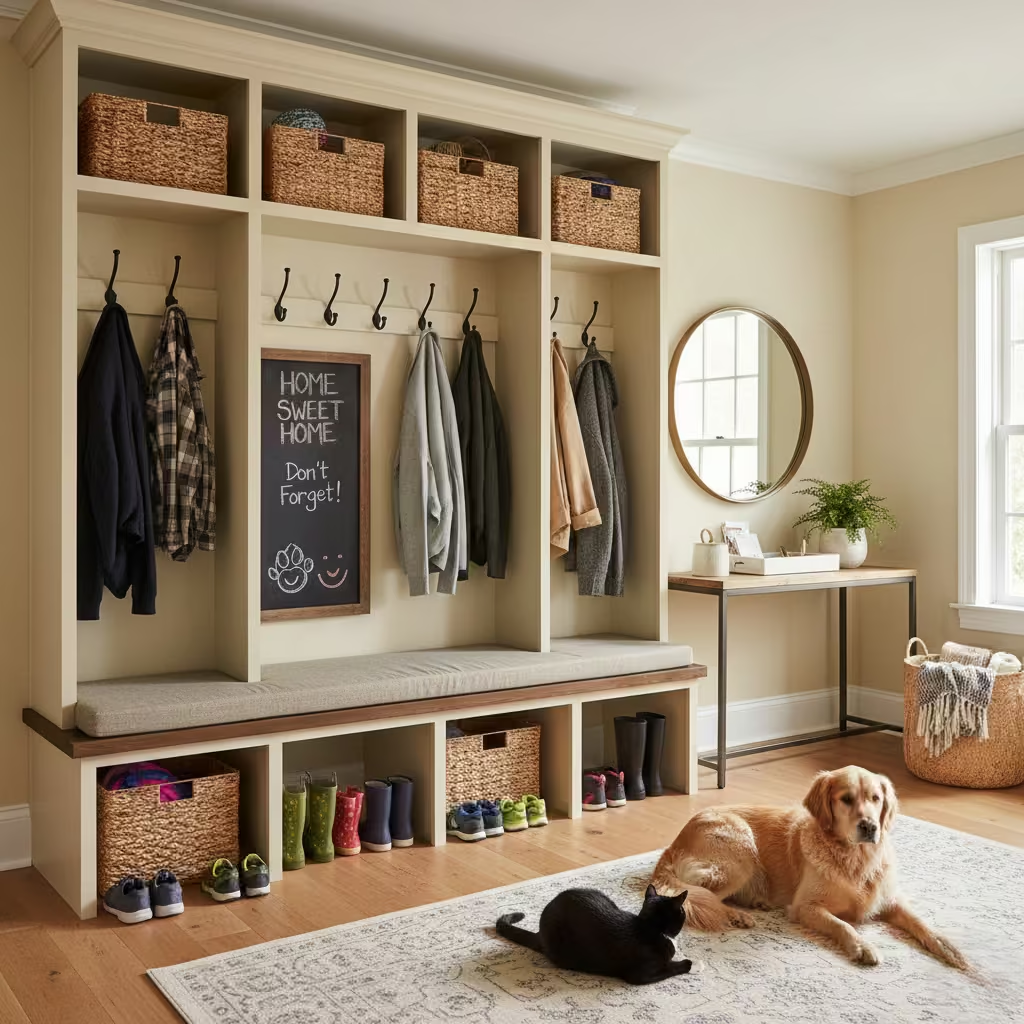
If your entryway constantly collects shoes, coats, backpacks, or sports gear, creating a mudroom-style zone with cubbies can be a game changer. I often build these zones for busy families because they offer clear, defined storage that encourages everyone to keep the area tidy without effort. Cubbies can be open for quick access or fitted with baskets to hide clutter, and you can customise them vertically to make the most of available wall space.
A well-designed mudroom zone typically includes individual compartments for each family member, overhead shelves for seasonal items, and lower cubbies for shoes or boots. Pairing the cubbies with hooks, a bench, or even a durable rug turns the area into a practical drop point where everything has its place.
This renovation is especially effective in homes where the entryway doubles as a high-traffic transition zone. It keeps the mess contained, reduces morning chaos, and gives your space a cohesive, organised look that works year-round.
Incorporate Smart Storage Cabinets
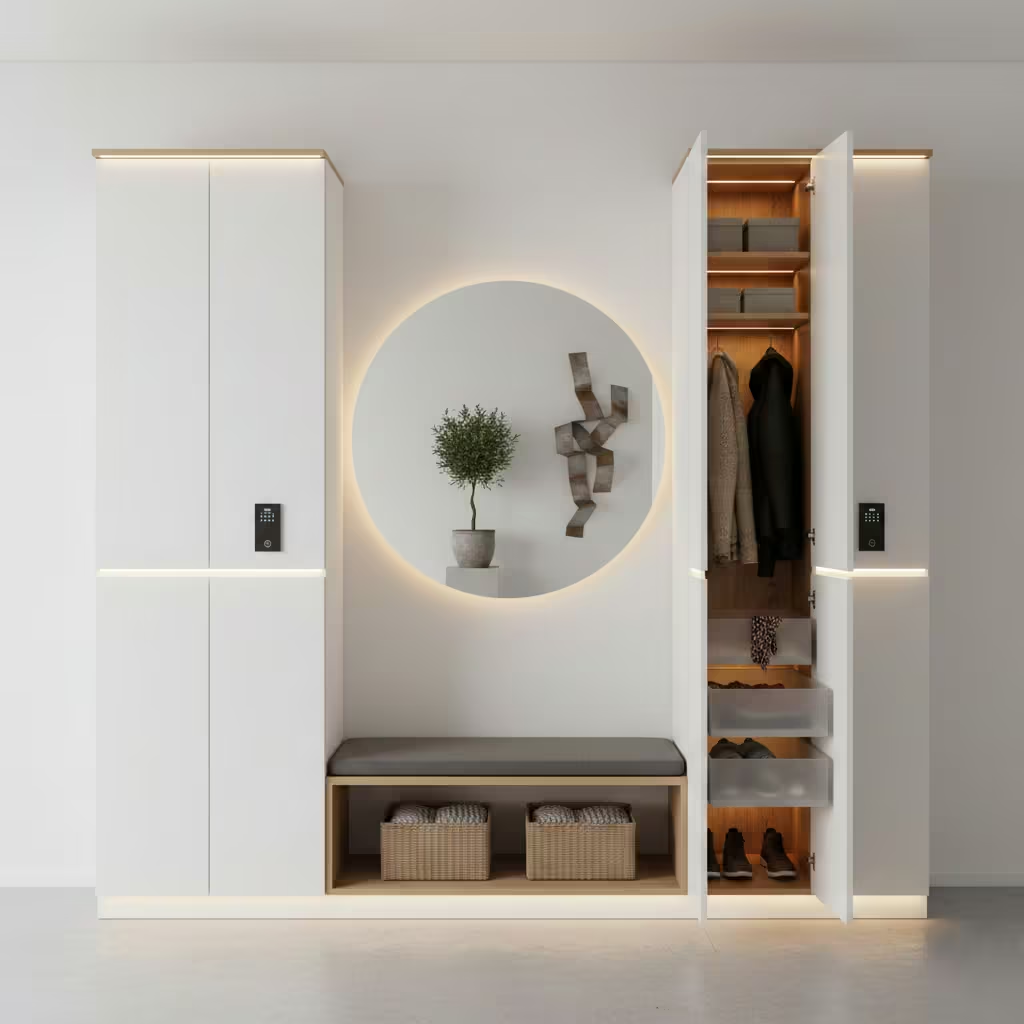
When an entryway needs more storage than hooks or shelves can provide, built-in or freestanding smart cabinets are one of the most effective solutions. I often incorporate tall, slimline cabinets to conceal the everyday items that tend to pile up: coats, umbrellas, bags, reusable shopping totes, and even cleaning supplies. These cabinets keep the visual noise to a minimum, allowing your entry to feel calm, intentional, and clutter-free.
What sets smart storage apart is the interior configuration. Adjustable shelves, pull-out trays, shoe racks, and hidden charging stations turn basic cabinetry into a highly functional system. You can even integrate motion-activated lighting or vented doors for items that need airflow. This type of renovation works well in both compact and spacious entryways because it uses vertical height effectively while maintaining a sleek, streamlined appearance.
Smart cabinets help your entryway operate like a well-organised command centre, giving you everything you need to leave the house efficiently without sacrificing style.
You May also Like: 25 Revitalizing Scandinavian Mudroom Ideas for a Cozy, Minimalist Entryway
Use Runner Rugs to Add Warmth and Texture
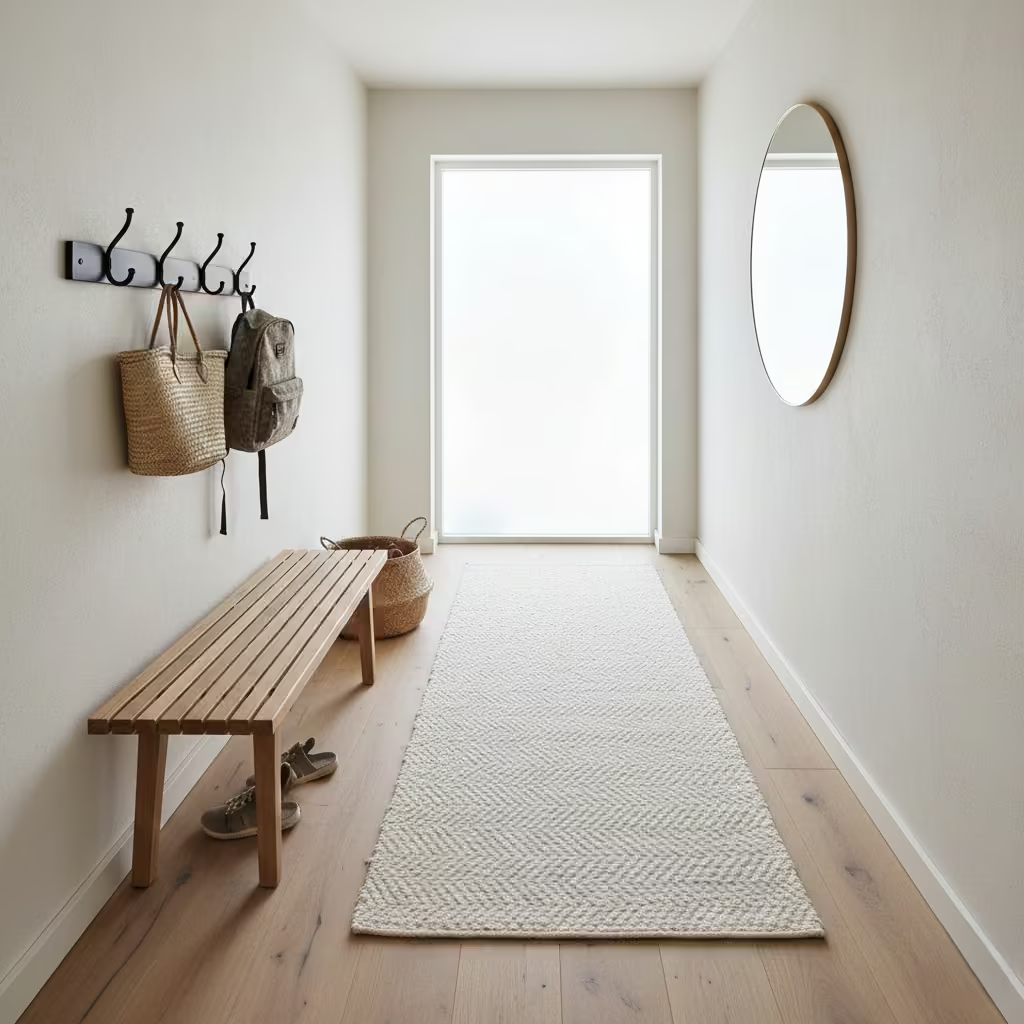
A well-chosen runner rug can completely change the feel of an entryway, adding warmth, colour, and texture while protecting your flooring from everyday wear. I often use runners to soften long or narrow hallways because they visually elongate the space and create a welcoming path from the front door inward. The key is selecting materials that balance comfort with durability. Flatweave rugs, wool blends, and indoor-outdoor fibres are ideal for high-traffic zones because they resist dirt, moisture, and constant footfall.
Sizing is equally important. A runner should leave a few inches of flooring exposed on all sides so the space feels intentional rather than overcrowded. For longer entryways, consider using two matching runners for a cohesive look or choose a generously sized rug to anchor a wider foyer.
Patterned designs work well for disguising dirt and scuffs, while neutral tones can help the entry feel calm and understated. With the right runner, your entry gains both style and everyday practicality.
Repaint the Entryway With Moody or Light Neutrals
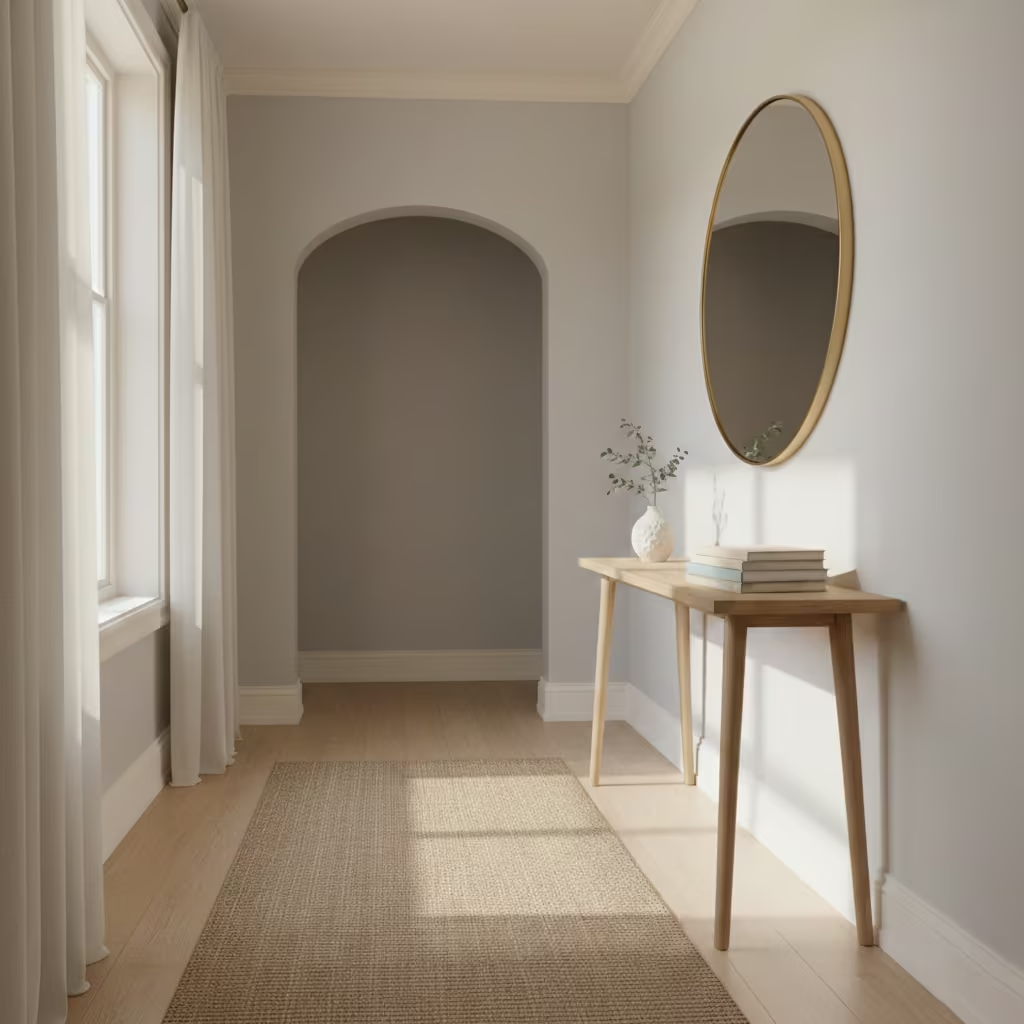
Repainting the entryway is one of the most transformative yet affordable renovation upgrades you can make. The colour you choose has a strong impact on first impressions, and I often guide clients toward two reliable palettes: moody tones or light neutrals. Light neutrals such as soft greys, warm whites, or pale greiges create an open, airy feel that works beautifully in small or dark entryways. These shades amplify natural light and make the space feel crisp and clean.
Moody colours offer a bold alternative. Deep blues, charcoal, forest green, or even rich burgundies can create a dramatic, cocooned effect that feels inviting and sophisticated. These tones add depth and character, especially in larger or well-lit entryways. Colour psychology comes into play here.
Light shades convey calm and cleanliness, while darker tones add grounding and presence. Either approach can elevate your entryway as long as the shade complements your flooring, trim, and overall home aesthetic.
Install Floating Shelves for Décor Displays
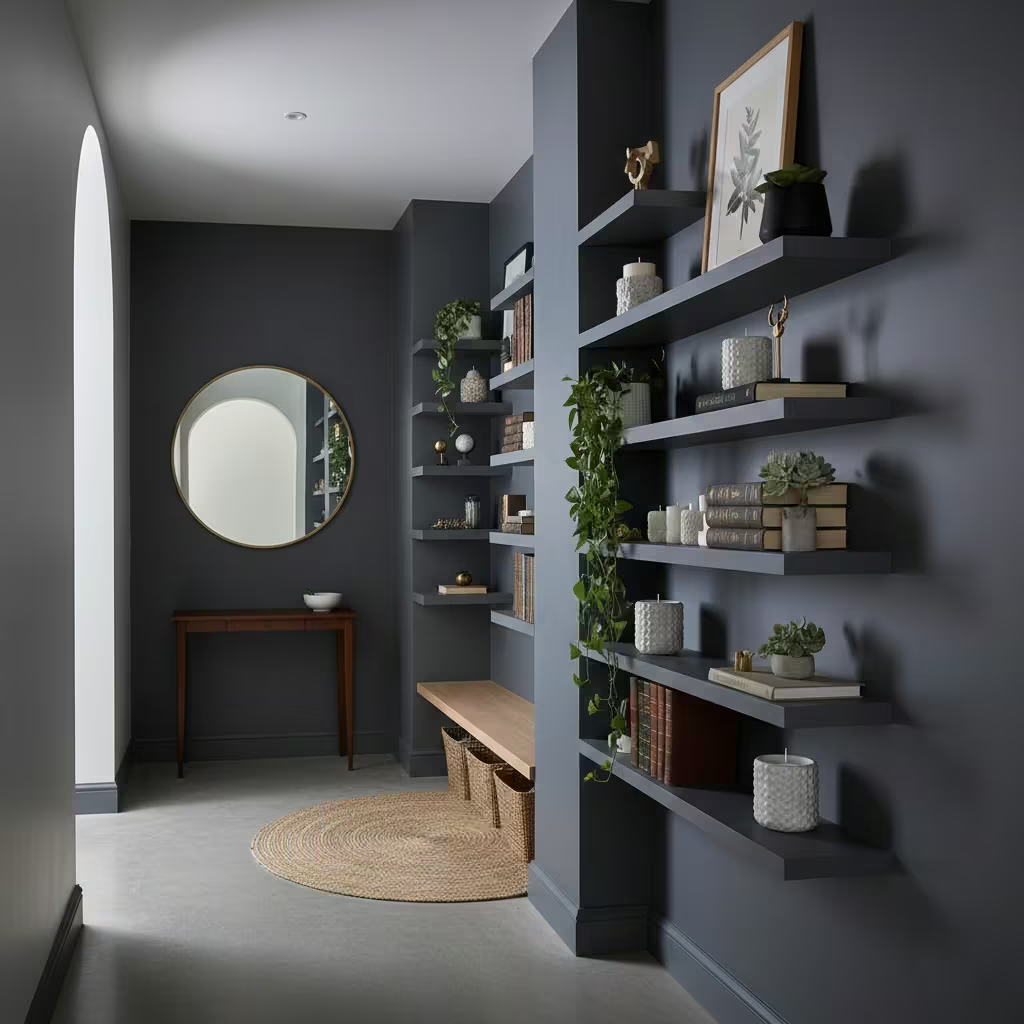
Floating shelves are a brilliant way to add both function and personality to your entryway without sacrificing floor space. I frequently use them in narrow hallways or compact foyers because they allow for vertical styling while keeping surfaces clear and walkways open. Whether you choose natural wood, metal brackets, or sleek painted shelves, the right design can anchor your décor and bring structure to the space.
Styling is where floating shelves truly shine. Plants add life and freshness, framed artwork brings character, and woven baskets introduce texture while offering storage for smaller items. You can build a single minimal shelf for a modern look or stack multiple shelves for a curated gallery-style display.
The key is to balance decorative items with open space so the shelves feel intentional rather than cluttered. When styled well, they create an eye-catching focal point that enhances your entryway’s charm.
Add an Accent Ceiling (Paint or Wood)
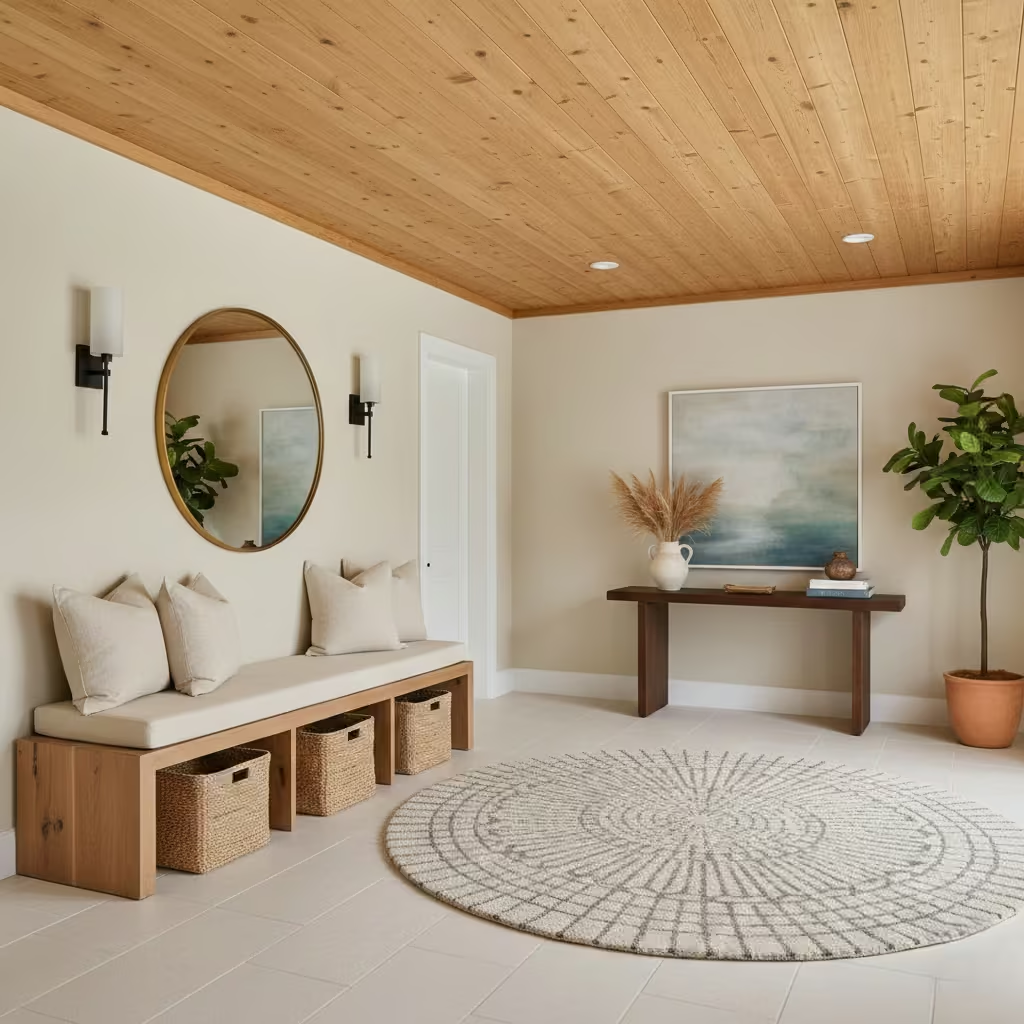
Most homeowners focus on floors and walls when renovating an entryway, but the ceiling offers one of the most overlooked opportunities for high-impact design. I often treat the ceiling as a fifth wall because a simple change here can elevate the entire space. Painting the ceiling in a contrasting colour is a quick, cost-effective way to add drama. Deep navy, charcoal, soft sage, or even a warm terracotta can frame the entryway beautifully, especially when paired with crisp white trim.
For something even more striking, consider adding wood planks or tongue-and-groove panelling. This brings texture, warmth, and architectural interest to an area that often feels purely functional. Wood also pairs well with modern, rustic, coastal, or farmhouse interiors, making it a versatile choice. The key is ensuring the ceiling treatment complements the rest of your finishes. When done well, an accent ceiling becomes an unexpected design twist that makes your entryway feel curated and memorable from the moment someone steps inside.
You May also Like: 20 Gorgeous White Stucco Townhouse Ideas for Timeless Curb Appeal
Replace the Front Door with a Modern or Glass Design
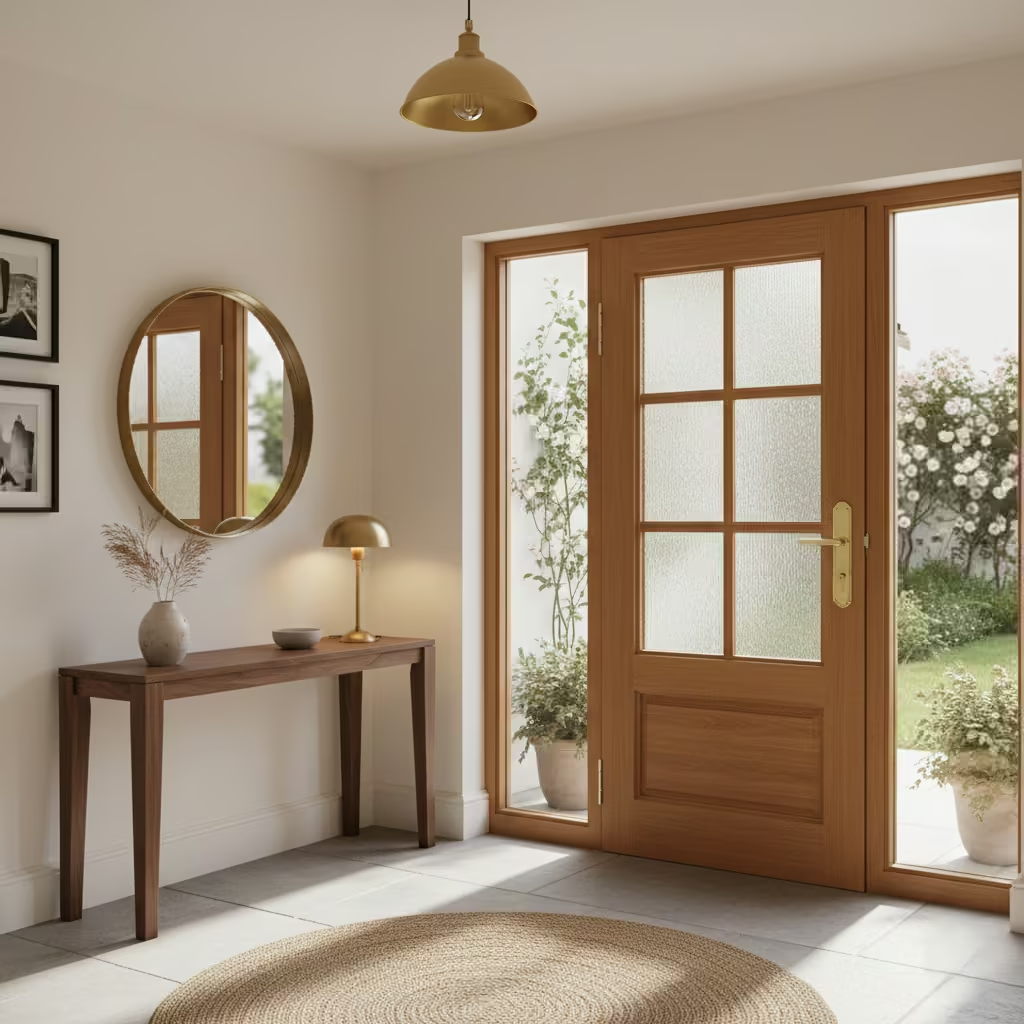
Your front door is the gateway to your home’s entire aesthetic, so replacing it can dramatically improve both curb appeal and the interior feel of your entryway. I often recommend modern designs with clean lines or full-glass and half-glass panels because they allow natural light to pour into the space. This brightens the entryway instantly, making it feel larger, warmer, and more welcoming.
Choosing the right style depends on your home’s architecture. Sleek steel or composite doors suit contemporary homes, while timber designs with divided-light glass panes offer a timeless, classic look. Beyond aesthetics, a new door also enhances energy efficiency and security, offering practical benefits alongside visual upgrades.
Pair the new door with updated hardware, fresh paint, or sidelights to create a cohesive look that works inside and out. This renovation packs a powerful punch, transforming your home’s first impression before you even step through the threshold.
Build a Feature Archway or Add Trim Details
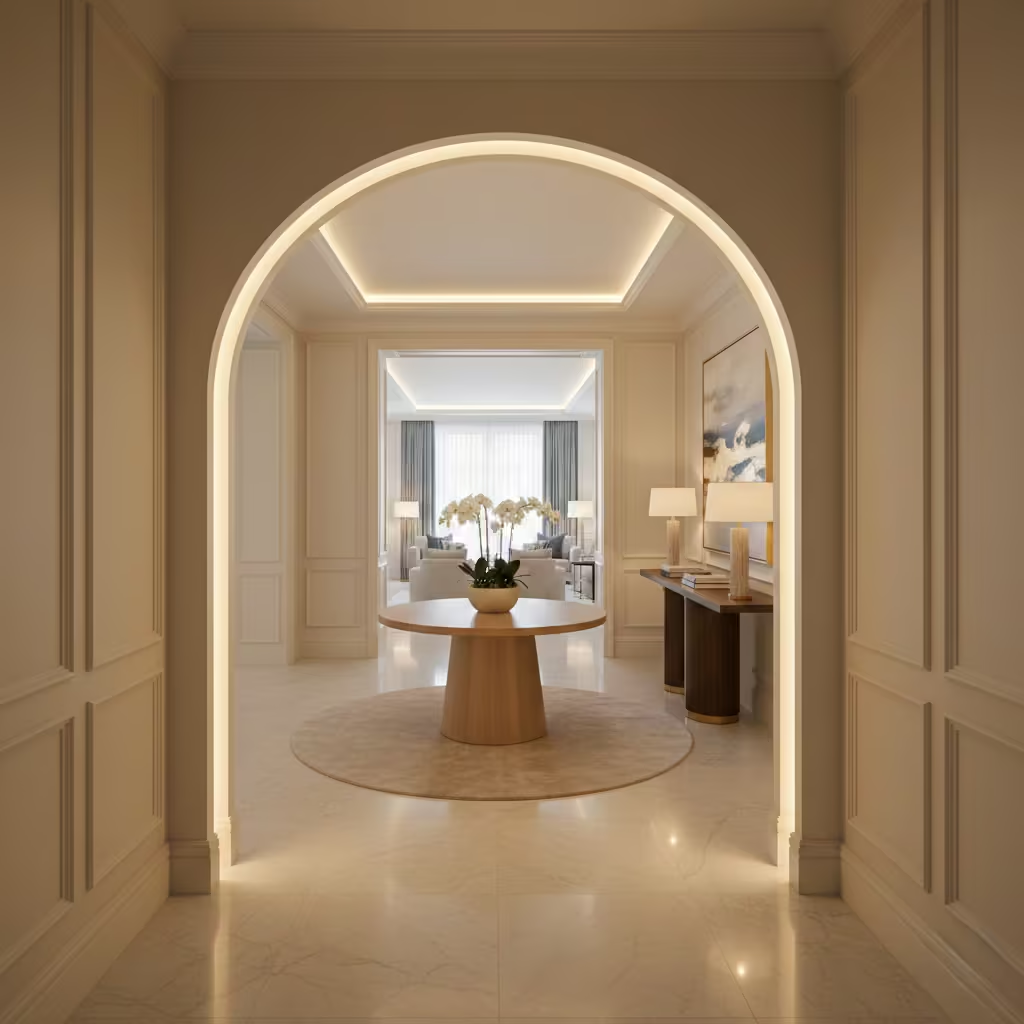
Architectural detailing is one of the most effective ways to bring personality and craftsmanship into an entryway. I often suggest adding a feature archway to soften transitions between rooms and introduce a subtle sense of elegance. An arch immediately elevates the space, giving the entryway a bespoke, custom-built feel that suits both modern and traditional homes. If a full structural arch isn’t practical, decorative trim can achieve a similar effect with far less construction.
Trim details such as picture-frame moulding, fluted panels, or chunky baseboards add depth and character without overwhelming the space. These elements create visual rhythm and give your entryway a refined, finished look. When painted in the same colour as the walls, trim details blend seamlessly for a sophisticated feel. Painted in a contrasting shade, they become a standout feature. Either route introduces architectural interest that transforms a simple entry into a more intentional, well-designed space.
Introduce Tech Upgrades (Smart Locks, Sensors)
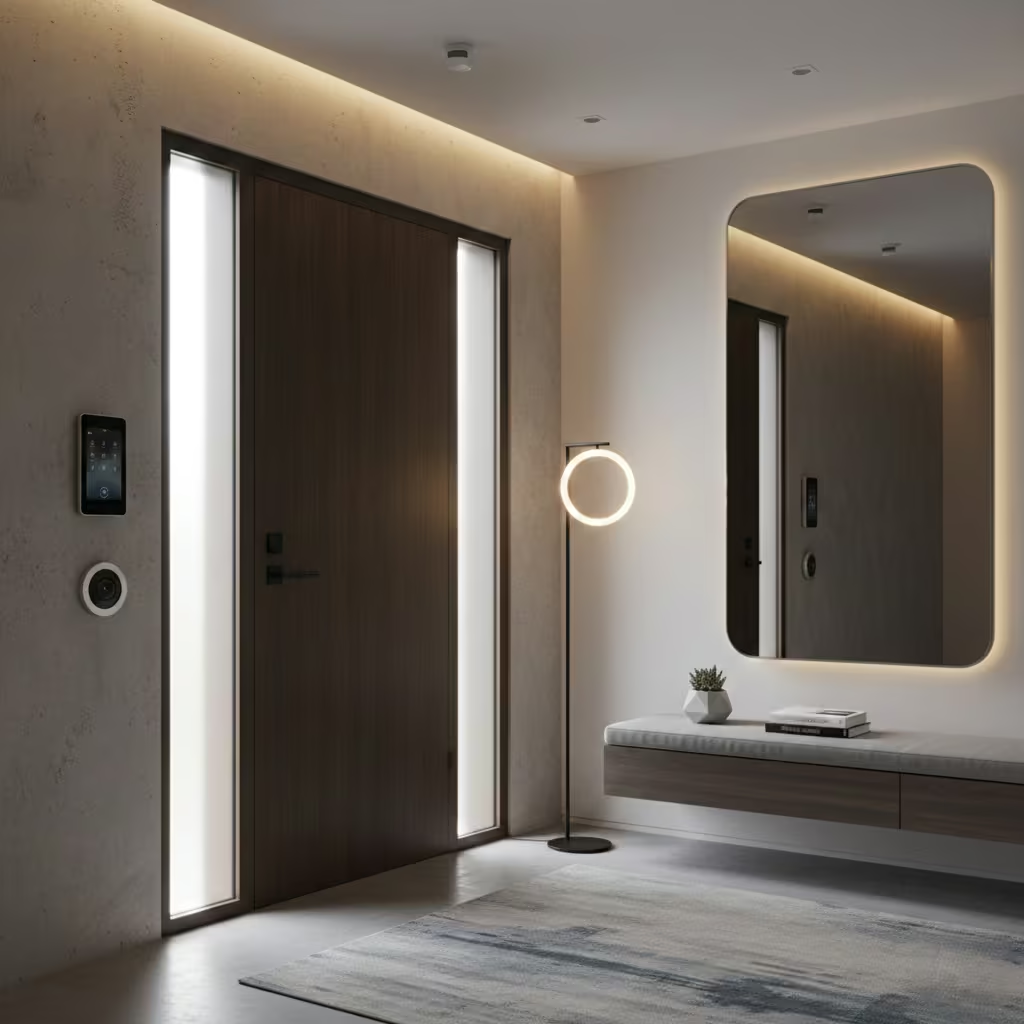
Tech upgrades can make your entryway operate with far more convenience and efficiency. I often recommend smart locks as a starting point because they allow keyless entry, remote access, and improved security, all while offering a sleek, modern appearance. This alone streamlines daily routines, especially for families or anyone who regularly enters with hands full of bags or groceries.
Motion sensors and automated lighting are other valuable additions. These systems ensure the lights switch on the moment you walk through the door, reducing fumbling for switches and enhancing safety at night. You can also integrate smart thermostats, doorbell cameras, or package-detection alerts to build a connected entryway that supports a modern lifestyle. These updates blend practicality with a clean, contemporary aesthetic, turning your entry into a functional hub that works quietly in the background.
Add a Statement Art Piece
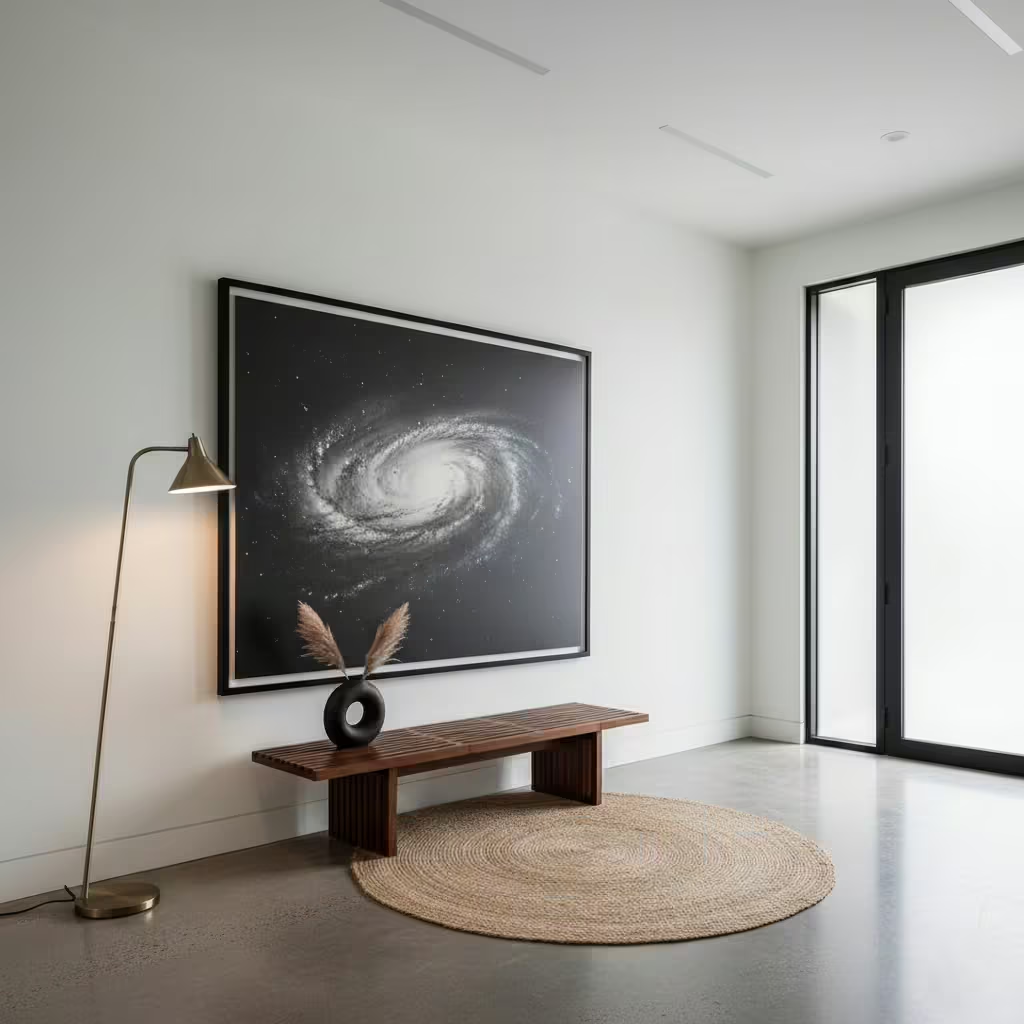
A statement art piece brings immediate personality to your entryway and sets the tone for the rest of your home. I regularly use large-scale artwork to anchor foyer designs because it creates a strong visual moment the second someone steps inside. Whether you prefer abstract pieces, bold photography, or muted landscapes, the right art can tie together your lighting, colour palette, and décor styling.
Scale is crucial here. A piece that’s too small will feel lost, while an oversized canvas or framed print becomes a confident focal point. Consider placing the art above a console table, along a long hallway wall, or opposite the entry door where it can be seen instantly. Good framing elevates the look further, lending structure and polish. With the right artwork, your entryway feels curated, elevated, and unmistakably yours.
Use Basket Systems for Shoes and Accessories
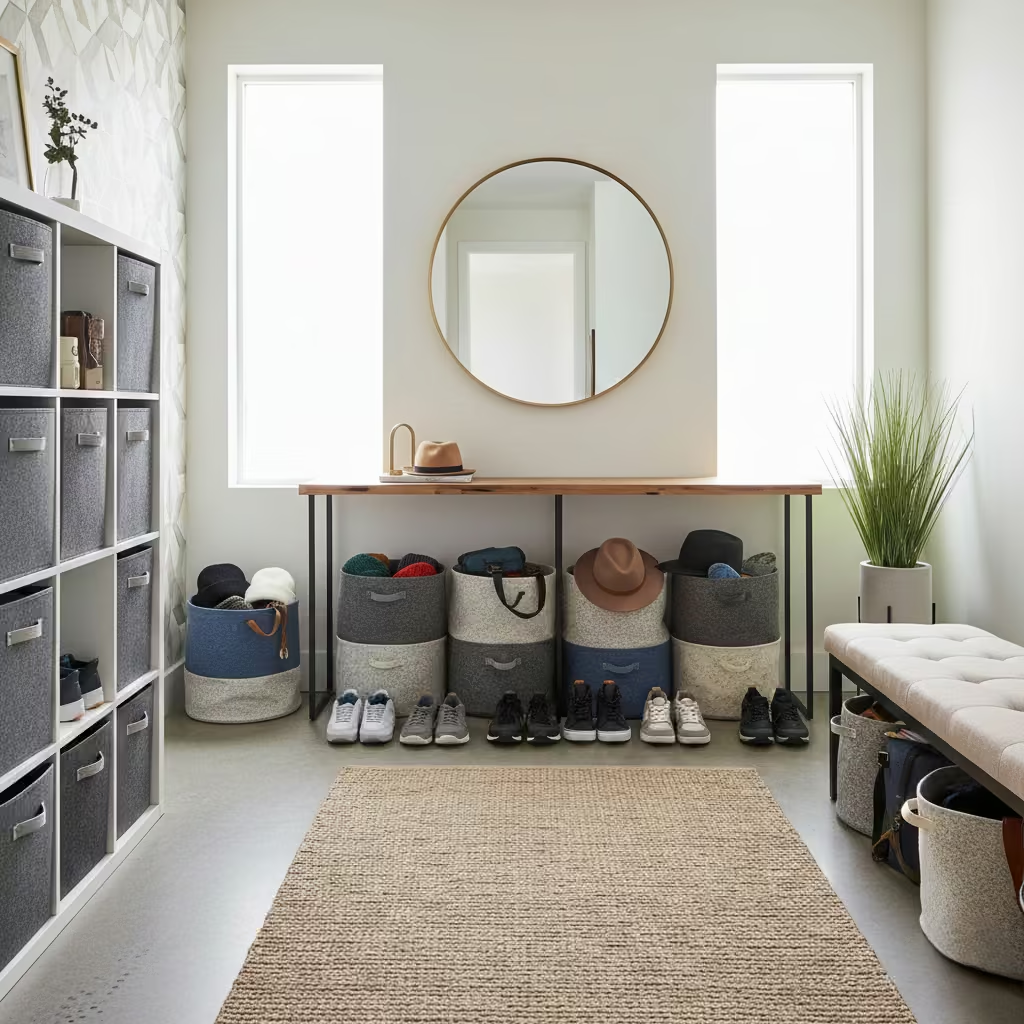
Basket systems are one of the most budget-friendly yet highly effective ways to organise an entryway. I often incorporate woven baskets, felt bins, or stackable crates because they offer flexible storage without requiring built-in cabinetry. Baskets are ideal for shoes, scarves, hats, gloves, dog leads, and those everyday grab-and-go items that tend to pile up by the door.
The key is choosing baskets that fit neatly on shelves, in cubbies, or under benches so the space looks intentional rather than improvised. Natural materials like rattan or seagrass add warmth and texture, while fabric bins create a softer, more contemporary look. For families, labelling each basket helps keep things in order and cuts down on morning stress. This is a simple, affordable system that keeps clutter contained and makes your entryway feel tidy and well-planned day after day.
You May also Like: 15 Stunning Minimalist Mudroom Ideas to Turn Your Entryway from Chaos to Chic
Create a Plant Moment With Hardy Indoor Varieties
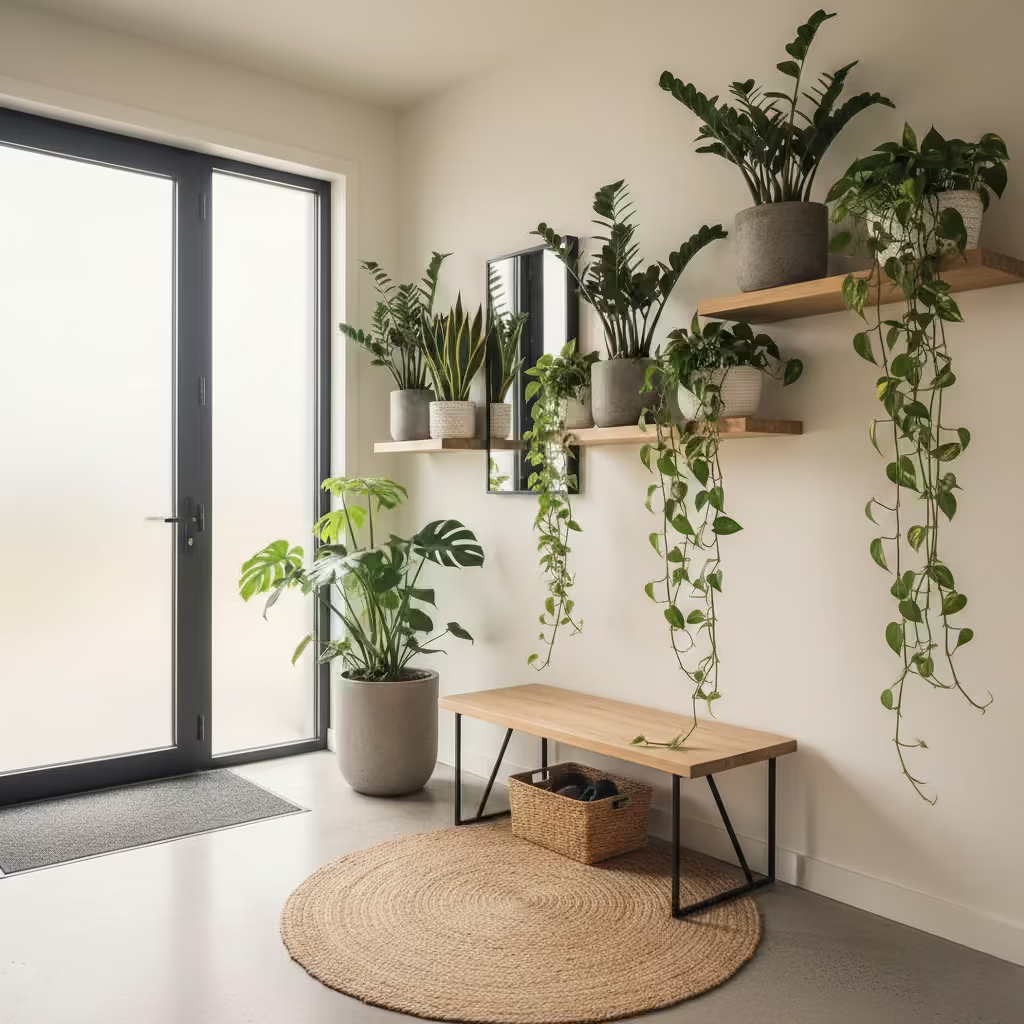
Adding plants to an entryway is one of the easiest ways to bring life, colour, and freshness into the space. I often choose hardy indoor varieties that can handle fluctuating temperatures and lower light levels, which are common near front doors. Snake plants, ZZ plants, pothos, and umbrella trees are reliable options that maintain their shape and vibrancy with minimal care.
A single tall plant can create a striking focal point, while a cluster of smaller pots on a console table or floating shelf adds layered interest. Plants also soften hard architectural lines and help the entry feel more inviting and homely. For added style, pair your greenery with textured planters in ceramic, concrete, or woven materials. When placed thoughtfully, plants introduce a natural, calming energy that enhances both the aesthetic and atmosphere of your entryway.
You May also Like: 15 Victorian Mudroom Design Secrets for a Timeless, Elegant Entryway
Add a Storage Wall Behind Sliding Doors
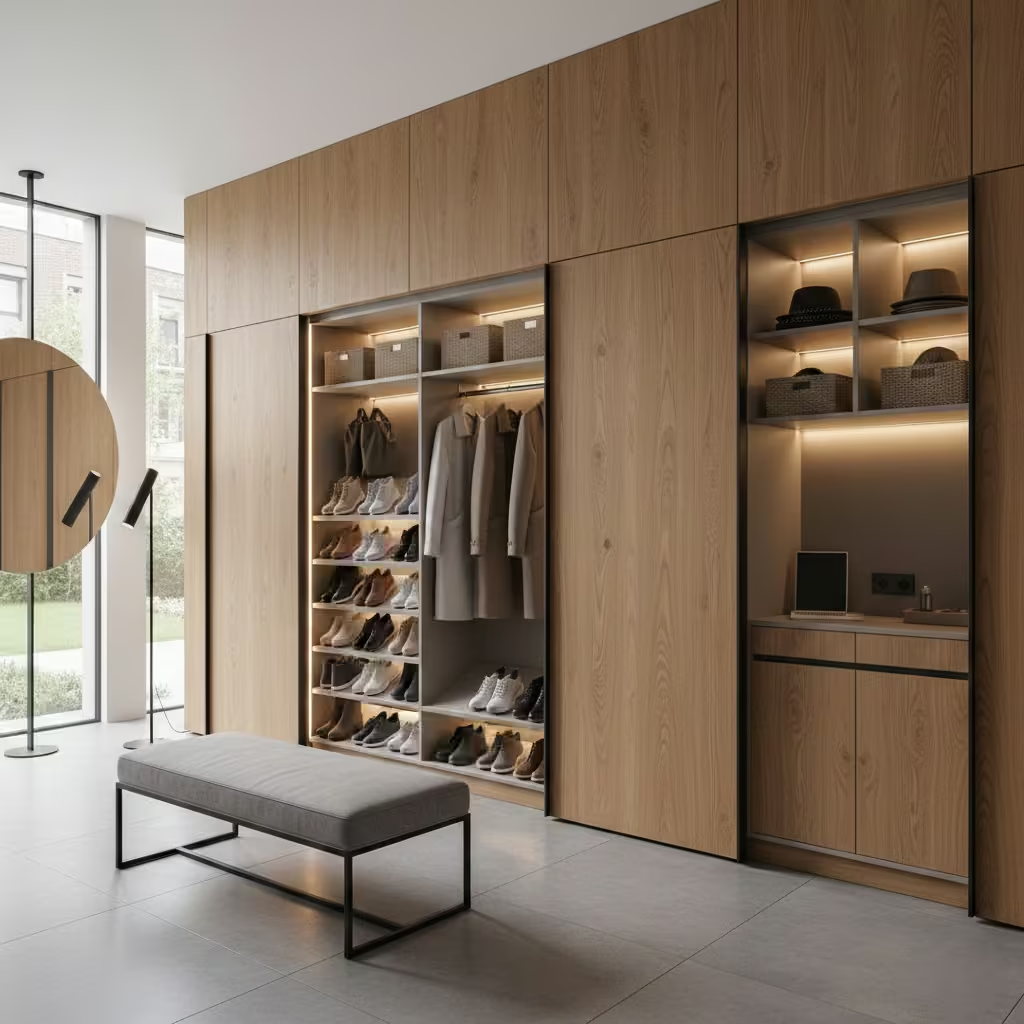
A full-height storage wall is one of the most efficient ways to maximise space in a narrow entryway. By installing sliding doors—whether mirrored, panelled, glass, or minimalist wood—you create a sleek façade that conceals substantial storage without requiring extra clearance. This makes it ideal for compact or high-traffic hallways where swing doors would be obstructive.
Inside the storage wall, you can customise shelves, hanging rails, baskets, or even cleaning supply niches to suit your lifestyle. Sliding doors also help maintain a clean, minimalist aesthetic, ensuring the entry feels open rather than cluttered. For added design value, choose door finishes that complement your interior style: fluted panels for modern homes, shaker profiles for classic interiors, or mirrored surfaces to visually expand the space.
Layer Décor With Seasonal Styling
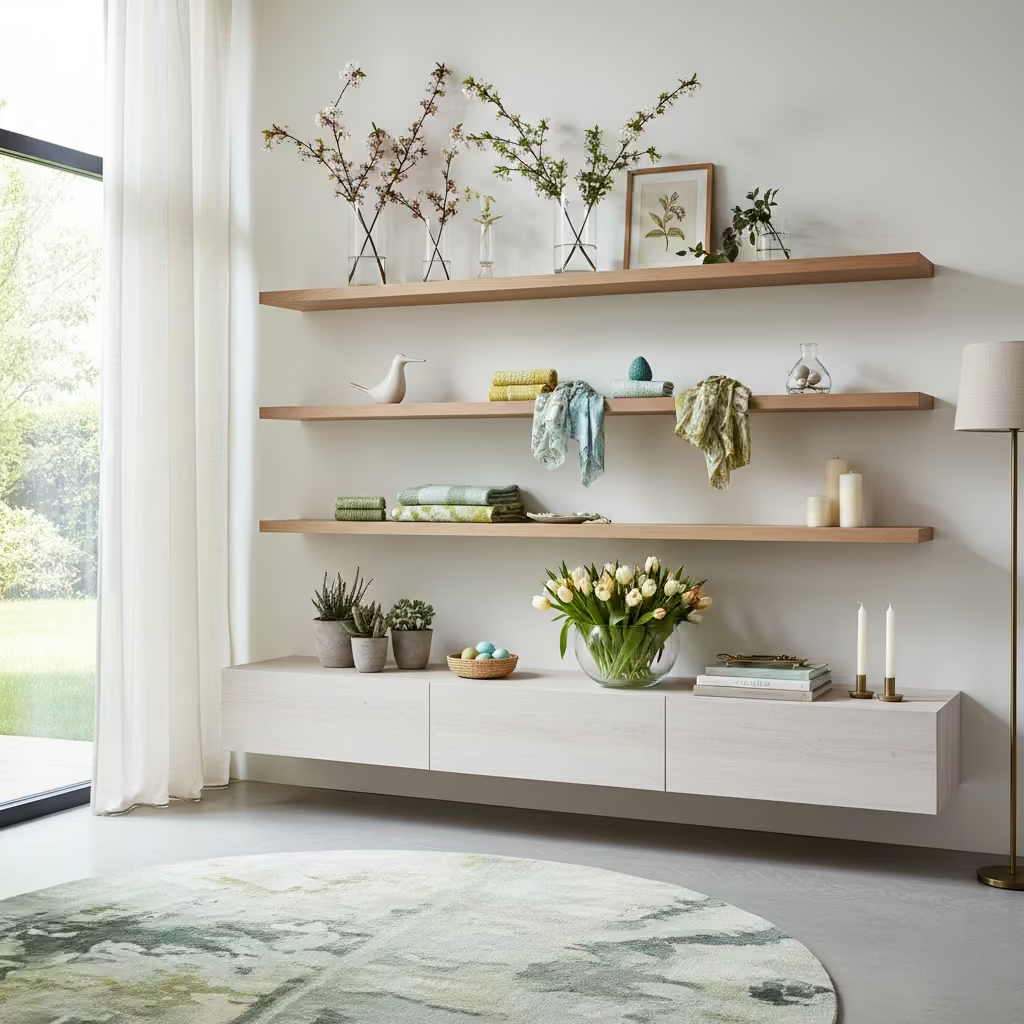
Seasonal styling is an effortless way to keep your entryway fresh without committing to major renovations. By rotating décor pieces throughout the year, you can shift the mood and visual energy of the space at minimal cost. I often recommend anchoring the entryway with a few timeless elements—such as a console, mirror, or bench—and then layering in seasonal touches.
In autumn, bring in textured throws, warm-toned florals, or rustic basket arrangements. Winter calls for greenery, soft lighting, and muted palettes. Spring and summer benefit from light fabrics, fresh-cut branches, and brighter accessories. This approach not only adds personality but also keeps the entry feeling curated and intentional throughout the year.
Frame the Entry with Wall Mouldings or Picture Rails
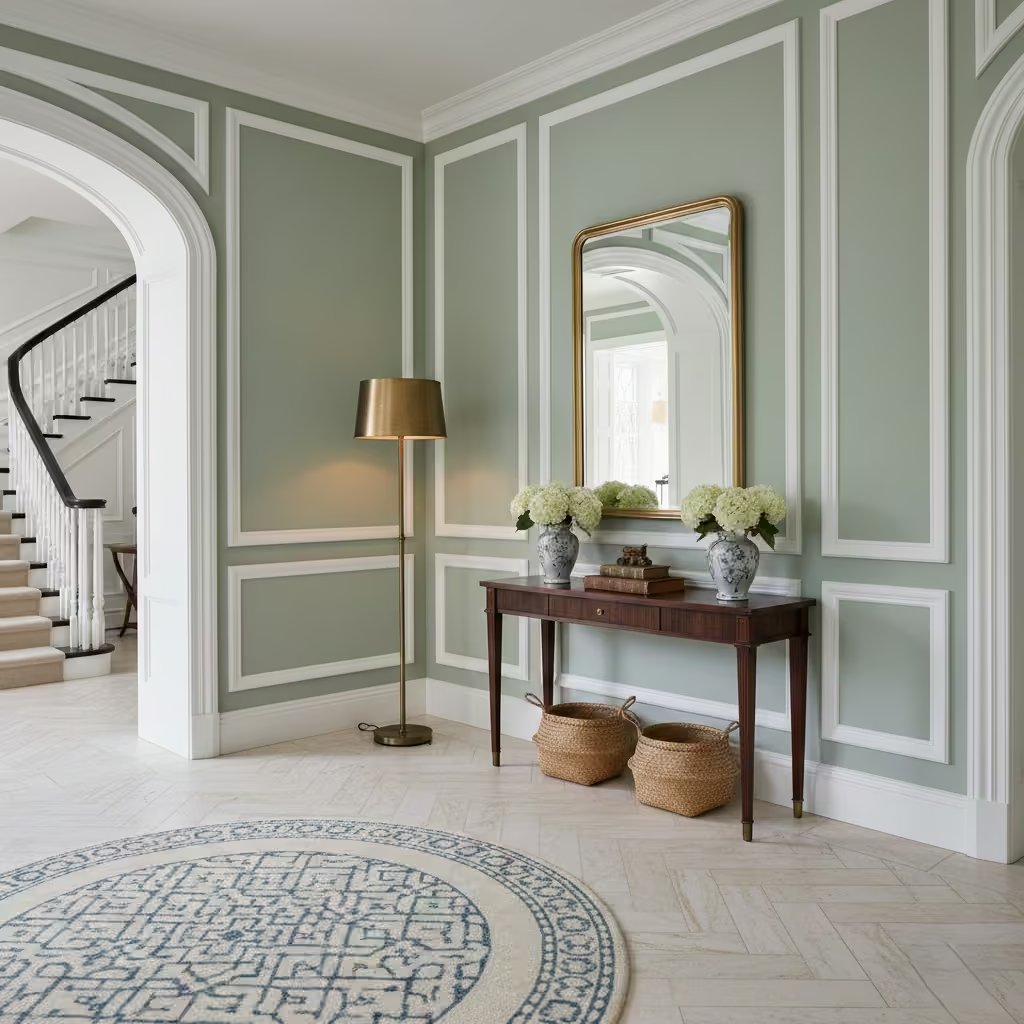
Wall mouldings are a powerful way to introduce architectural richness to an otherwise simple entryway. From classic picture rails to wainscoting, chair rails, and raised panel mouldings, these details add dimension, structure, and a sense of craftsmanship. They work exceptionally well in traditional or transitional homes but can be adapted for modern settings through cleaner lines and simpler profiles.
A picture rail offers flexibility, allowing you to hang artwork without repeatedly drilling into the walls. Wainscoting or panelled frames can help break up tall entryway walls and make the space feel more grounded. When painted in a cohesive palette—either tone-on-tone or with subtle contrast mouldings create a polished, sophisticated backdrop that instantly elevates the first impression of your home.
You May also Like: 39 Stunning Victorian Hallway Design Ideas for a Timeless, Elegant Home
Upgrade Switch Plates and Small Fixtures
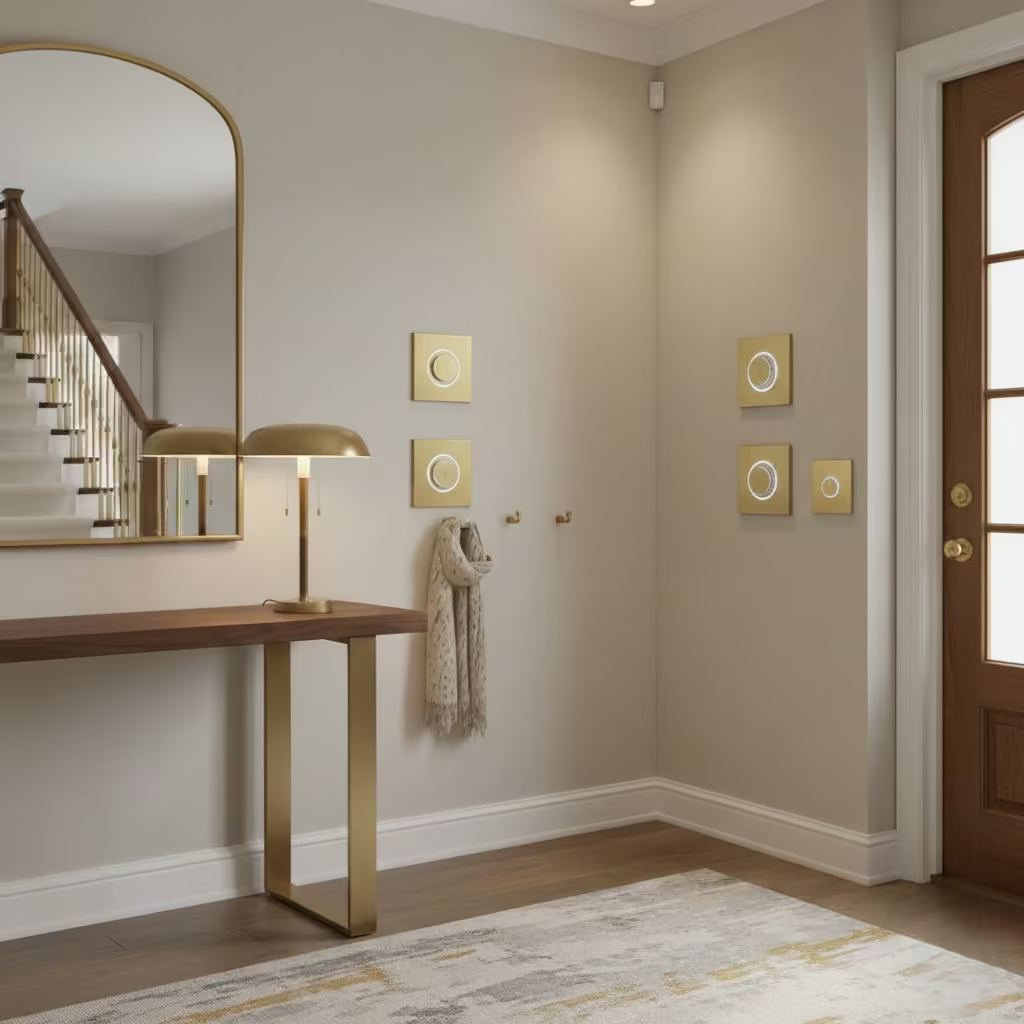
The smallest details often have the biggest visual impact, and switch plates are one of the most overlooked elements in any entryway. Replacing basic plastic plates with metal, matte black, brass, or wood-trim options instantly modernises the space. Coordinate them with door handles, cabinet pulls, or lighting finishes for a polished, cohesive look. Consider using smart switches if you want added functionality like dimming, remote control, or motion activation. While these updates are minor and inexpensive, they contribute significantly to the overall finish and design continuity of the entryway.
How to Prioritize Your Entryway Renovation
When planning an entryway renovation, it helps to prioritise the upgrades that deliver the biggest visual and functional impact. Start with the foundation elements: flooring, lighting, and storage. Durable flooring should come first because it sets the tone for the space and withstands the highest foot traffic. Next, assess your lighting. A well-lit entry instantly feels more welcoming, so consider overhead fixtures, sconces, or layered lighting solutions that brighten dark corners and highlight architectural details. Once these core elements are in place, move on to storage. Whether it is a built-in bench, wall hooks, or a full mudroom-style setup, organised storage keeps daily clutter under control and improves flow.
Budget plays a major role in deciding what to tackle first. Allocate more of your budget to structural improvements like flooring and cabinetry, then use affordable décor layers to complete the look. If you are working within a tight budget, focus on changes with high impact such as repainting, upgrading hardware, or installing floating shelves.
Finally, decide which projects you can confidently take on yourself and which require a professional touch. Painting, swapping fixtures, or assembling modular storage are typically DIY friendly, while electrical work, custom carpentry, or major flooring changes are best handled by skilled trades.
Final Thoughts
A well-designed entryway does far more than welcome guests. It sets the tone for your entire home, improves everyday flow, and creates a functional drop zone that keeps clutter in check. Even small changes can have a surprisingly big impact, whether you update the lighting, refresh the walls, or add smarter storage that makes coming and going feel effortless.
If you are unsure where to begin, start with one high-impact upgrade that aligns with your lifestyle. A new console table, fresh flooring, or a bold statement wall can instantly elevate the space and build momentum for future improvements.
When you are ready to take things further, explore more renovation ideas that help you shape an entryway that is both beautiful and practical. With the right updates, this often-overlooked area becomes one of the most hardworking and stylish parts of your home.