




21 Japandi Guest Room Ideas That Feel Calm, Thoughtful, and Effortlessly Stylish
Designing a guest room that feels calm, welcoming, and effortlessly stylish can be a challenge, especially when space is limited and the room needs to serve more than one purpose. That is where Japandi design truly shines. In this guide to 21 Japandi Guest Room Ideas, I share practical inspiration that blends thoughtful design with everyday comfort, creating a space your guests will genuinely enjoy staying in.
Japandi style is a refined fusion of Japanese minimalism and Scandinavian warmth. From the Japanese side, it embraces simplicity, intentional living, and clutter-free spaces. Scandinavian design adds softness through natural materials, cosy textures, and an emphasis on comfort. Together, they create guest rooms that feel peaceful, balanced, and quietly luxurious without feeling cold or unfinished.
Guest bedrooms often struggle with common issues such as limited square footage, lack of storage, or the need to double as a home office or flex space. Japandi design addresses these challenges beautifully by prioritising function, flow, and quality over excess.
Throughout this article, you will find actionable ideas that go beyond surface-level styling, helping you design a guest room that looks beautiful, feels restful, and works hard for your home.
What Makes a Japandi Guest Room Work?
A Japandi guest room works because every design decision is intentional, practical, and calming. At its core, Japandi style is about stripping a space back to what truly matters while ensuring it still feels warm and inviting. In a guest room, this approach is especially effective, as it prioritises comfort, clarity, and ease of use for visitors who may be unfamiliar with the space.
Simplicity is the foundation. Furniture is kept minimal but purposeful, with clean lines and low profiles that allow the room to feel open and uncluttered. Instead of filling the space with decorative extras, Japandi design focuses on a few well-chosen pieces that serve a clear function. This makes the room feel organised and intuitive for guests from the moment they arrive.
Natural materials play a key role in creating warmth without visual noise. Light or medium-toned woods, linen bedding, cotton upholstery, and subtle stone or ceramic accents add texture while maintaining a calm, neutral palette. These materials soften the minimalism and prevent the space from feeling stark or impersonal.
Comfort without clutter is what truly sets a Japandi guest room apart. High-quality bedding, soft lighting, and thoughtful details like a bedside surface or seating ensure guests feel cared for, without overwhelming them with unnecessary items. The result is a hotel-like atmosphere that feels restful, balanced, and quietly luxurious, encouraging relaxation, better sleep, and a sense of calm throughout their stay.
21 Japandi Guest Room Ideas
These 21 Japandi guest room ideas are designed to help you create a space that feels calm, welcoming, and effortlessly refined without overcomplicating the design. Each idea focuses on balancing Japanese minimalism with Scandinavian warmth, combining clean lines, natural materials, and practical comfort. Rather than relying on decorative excess, these ideas prioritise thoughtful layouts, subtle textures, and purposeful styling choices that enhance both form and function.
Whether you are working with a compact spare room or a multi-use guest space, the following ideas offer actionable inspiration to create a serene, hotel-like environment your guests will genuinely enjoy.
Neutral, Earth-Led Colour Palette
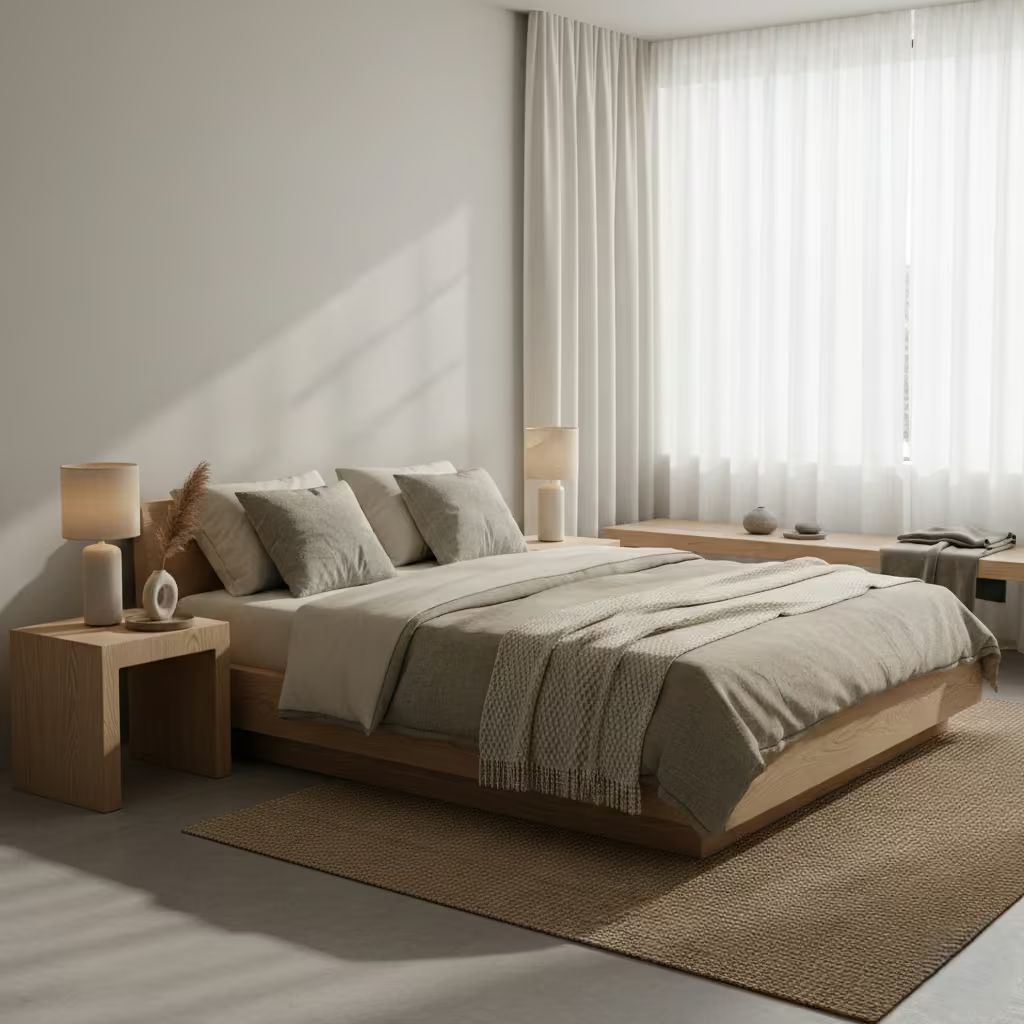
A neutral, earth-led colour palette is one of the most defining elements of a Japandi guest room. Soft shades such as beige, greige, taupe, warm white, and muted stone create a calming foundation that instantly makes the space feel settled and inviting.
These tones are inspired by nature and work beautifully with natural light, helping even smaller guest rooms feel more open and balanced. Unlike cooler greys or stark whites, earth-based neutrals add warmth without overpowering the room, making them ideal for spaces designed for rest.
Restrained colour choices promote calm by reducing visual noise and allowing the mind to relax. When the palette is limited and cohesive, the room feels intentional rather than busy, which is especially important for guests who may be adjusting to a new environment.
Neutral walls also provide the perfect backdrop for Japandi materials such as wood, linen, and ceramics, allowing texture to take centre stage instead of colour. The result is a guest room that feels peaceful, grounded, and effortlessly elegant, encouraging deeper rest and a more hotel-like experience without feeling impersonal or cold.
Low-Profile Bed for Visual Balance
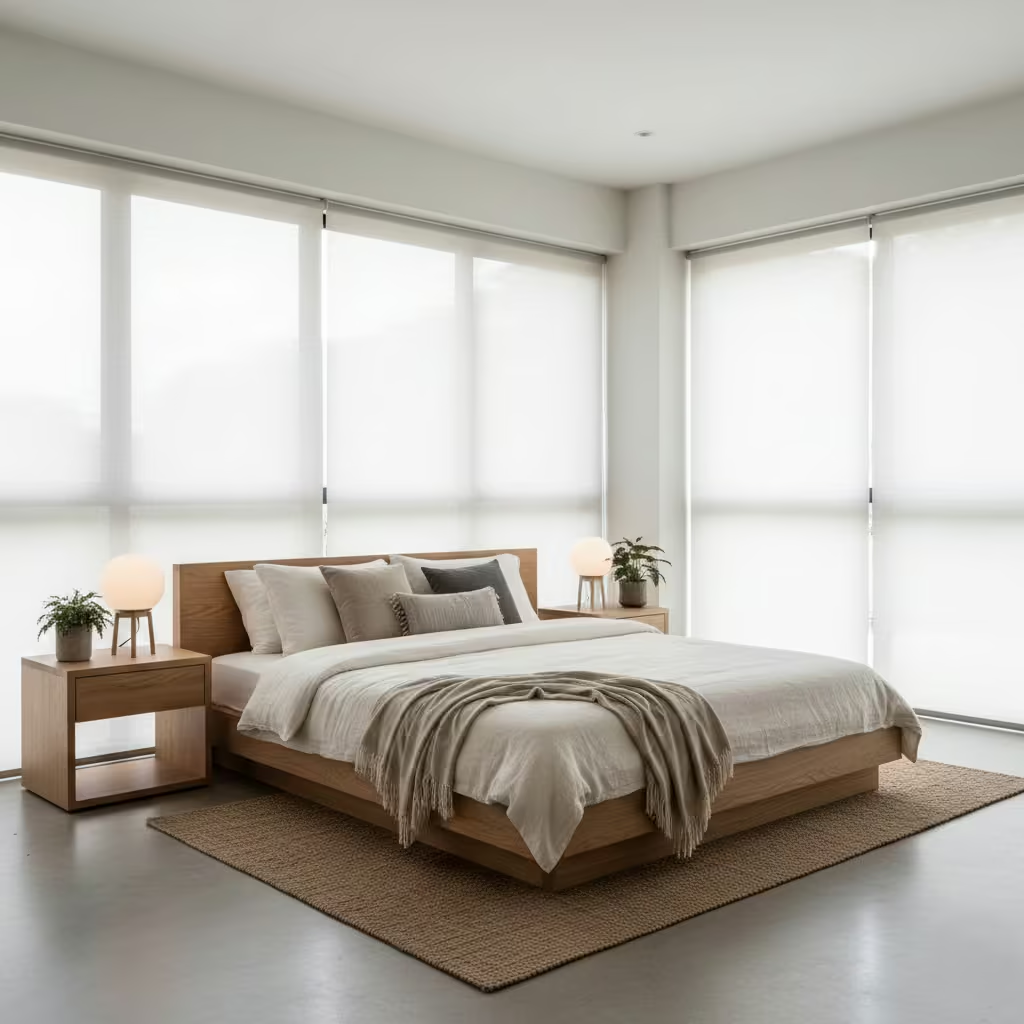
A low-profile bed is a signature element of Japandi design and one that works exceptionally well in a guest room. Inspired by traditional Japanese interiors, platform or low-slung beds sit closer to the floor, creating a grounded and visually balanced look. This subtle design choice immediately makes the room feel calmer and more intentional, as the bed blends seamlessly into the space rather than dominating it.
From a practical perspective, low-profile beds significantly improve flow and openness, particularly in smaller guest rooms. By lowering the visual height of the largest furniture piece, the eye is drawn across the room rather than upward, which helps the space feel wider and less crowded. This sense of openness is ideal for guests, as it creates an uncluttered, easy-to-navigate environment that feels relaxed rather than confined. When paired with simple bedding, natural materials, and minimal bedside furniture, a low-profile bed contributes to the hotel-like calm that defines Japandi interiors, offering comfort without excess and a layout that feels both modern and timeless.
Natural Wood Furniture Only
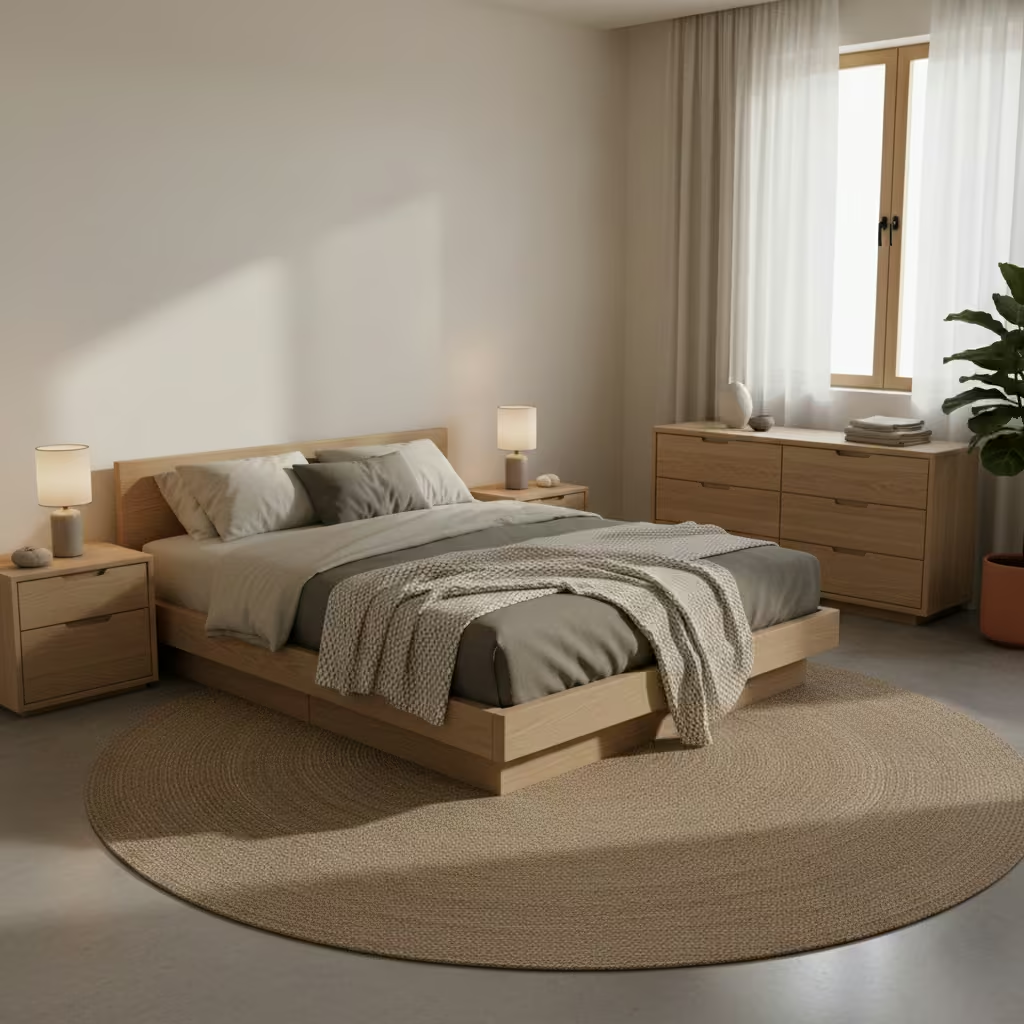
Natural wood furniture is essential in creating an authentic Japandi guest room, as it brings warmth, texture, and a strong connection to nature. Light oak and ash are popular choices for a softer, Scandinavian feel, while walnut introduces a slightly richer tone that still works beautifully within a restrained palette. These finishes add visual depth without overpowering the space, making the room feel calm, balanced, and welcoming from the moment guests enter.
In Japandi design, the focus is always on simplicity and craftsmanship rather than decoration. Avoiding overly ornate details, heavy carvings, or high-gloss finishes helps maintain a clean and timeless look. Glossy or lacquered furniture can reflect too much light and feel visually busy, which disrupts the sense of calm that Japandi spaces are known for. Instead, opt for matte or softly finished wood that highlights the natural grain.
This approach allows each piece of furniture to feel intentional and grounded, supporting a peaceful guest room that feels refined, functional, and quietly luxurious rather than overly styled or showy.
You May also Like: 25 Japanese Reading Nook Secrets for a Perfectly Calm Home
Layered Textiles in Subtle Tones
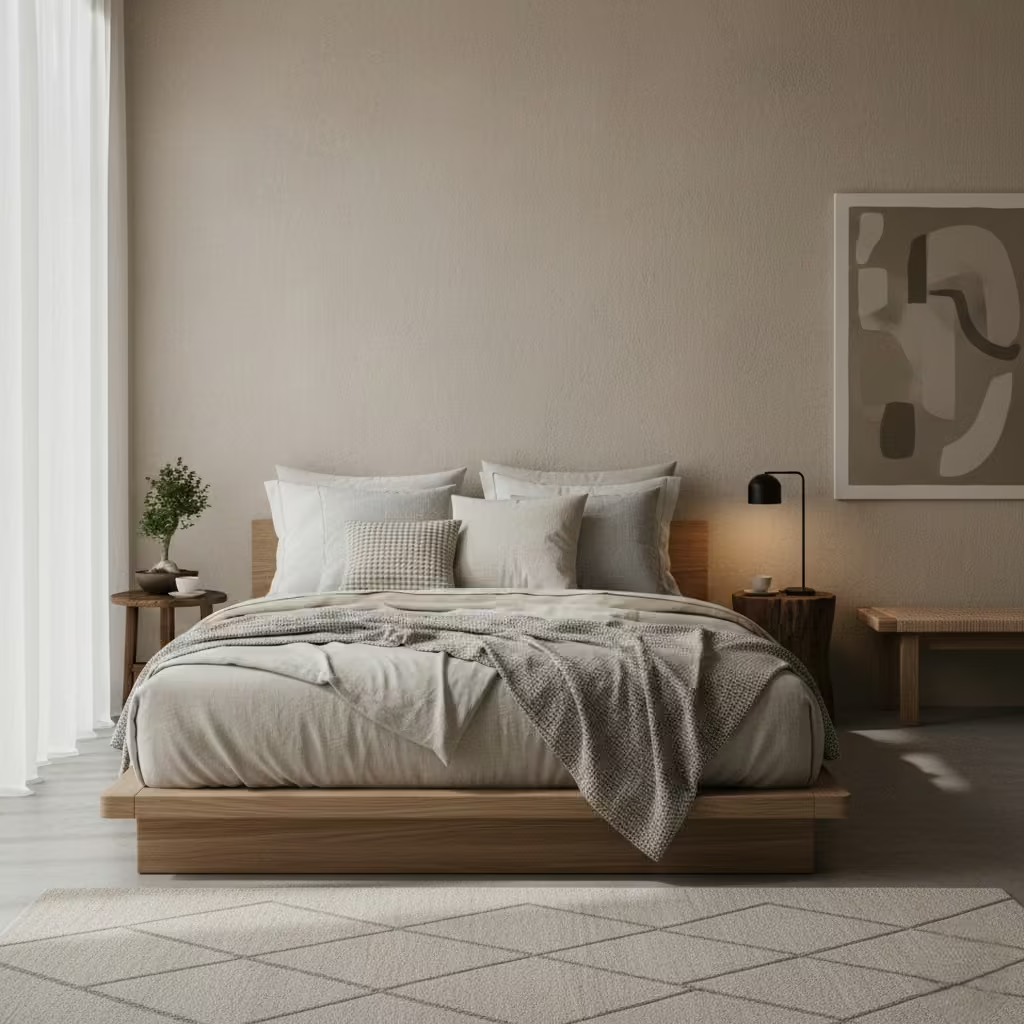
Layered textiles play a crucial role in making a Japandi guest room feel warm, comfortable, and inviting without compromising its minimalist foundation. Linen bedding, wool throws, and cotton cushions introduce softness and tactility while staying true to the calm, neutral aesthetic. Choosing subtle tones such as off-white, sand, stone, and soft grey ensures the layers blend seamlessly rather than compete for attention.
In Japandi design, texture always takes priority over pattern. Instead of bold prints or busy motifs, the focus is on how materials feel and interact with light. The natural crumple of linen, the gentle weight of a wool throw, and the smoothness of cotton cushions add visual interest in a quiet, understated way.
This approach keeps the guest room feeling restful and refined, allowing guests to relax without sensory overload. Thoughtfully layered textiles also enhance comfort, offering warmth and softness that elevate the room beyond simple styling. The result is a guest space that feels considered, cosy, and hotel-like while remaining clean, balanced, and effortlessly elegant.
Minimal Bedside Styling
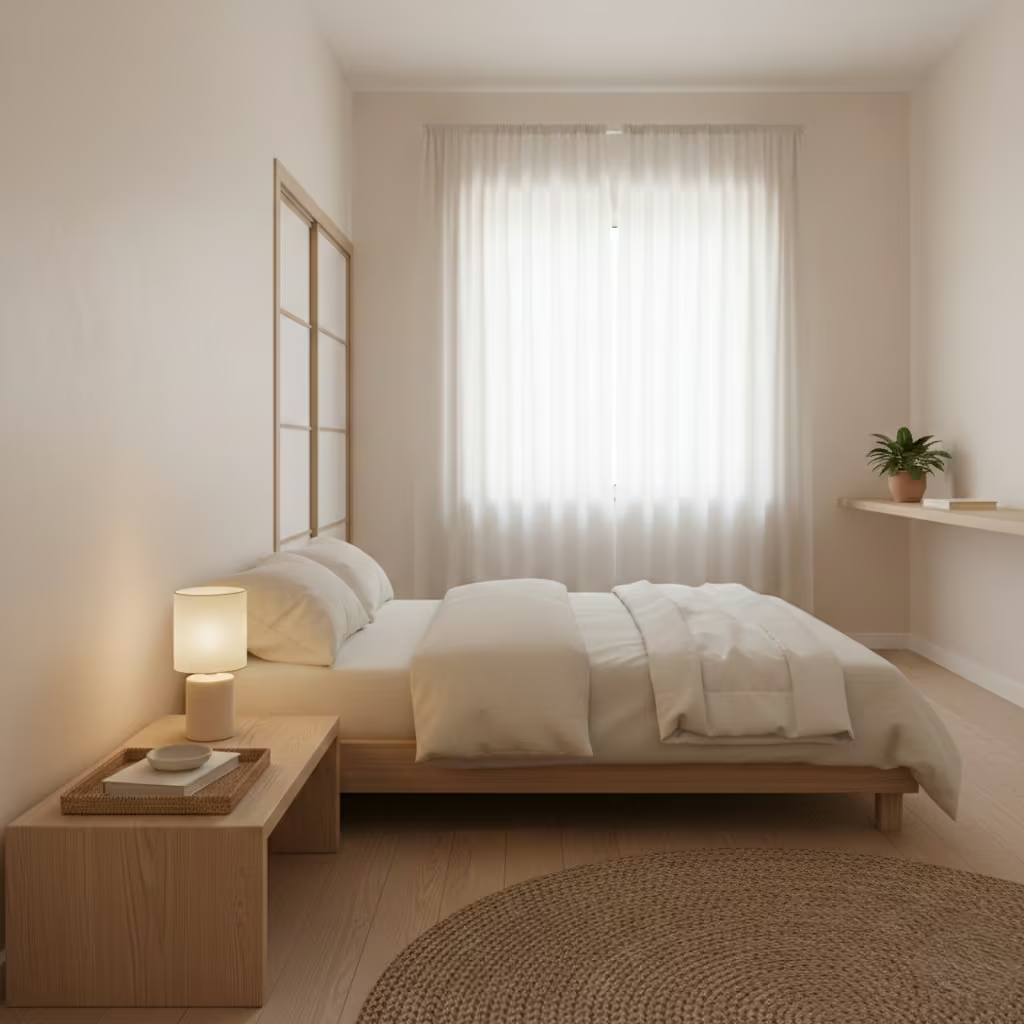
Minimal bedside styling is a defining feature of a well-designed Japandi guest room. The goal is to provide everything a guest needs without cluttering the surface or overwhelming the space. A simple formula works best: one thoughtfully chosen lamp, one small tray, and one meaningful object. This approach keeps the bedside area functional while maintaining a calm, intentional aesthetic that feels effortless rather than staged.
Restraint feels more luxurious because it creates clarity and ease. When a bedside table is free from excess items, guests can immediately understand how to use the space, whether it is placing a phone, a book, or a glass of water. A warm, softly lit lamp adds comfort and ambience, while a tray helps organise essentials in a tidy, considered way.
The final object, perhaps a ceramic piece or a small book, adds character without visual noise. This level of simplicity mirrors high-end hotel design, where every item has a purpose, making the guest room feel refined, welcoming, and quietly indulgent.
Soft, Diffused Lighting
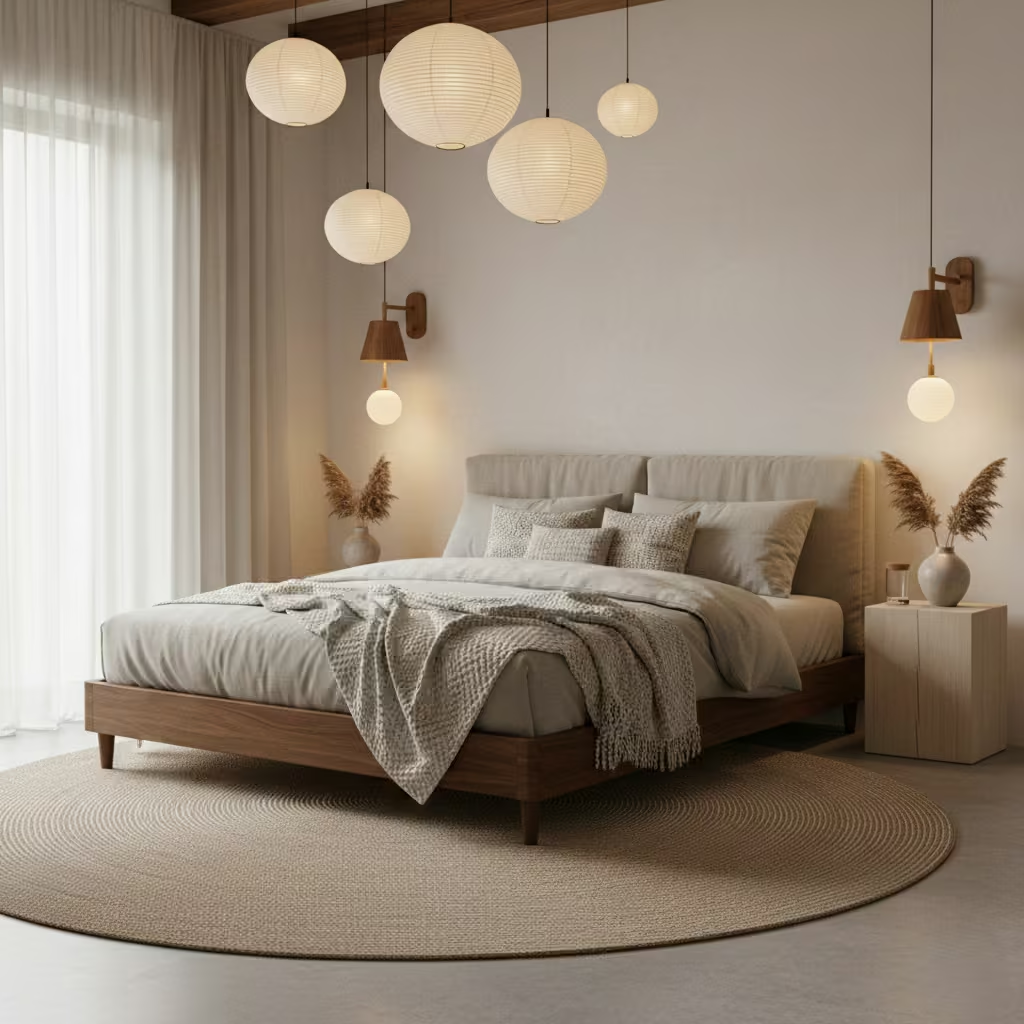
Soft, diffused lighting is essential in creating the calm, restful atmosphere that defines a Japandi guest room. Rather than relying on a single overhead light, Japandi interiors use layered lighting to gently illuminate the space. Paper lamps, warm-toned bulbs, and wall sconces help diffuse light evenly, reducing harsh shadows and creating a soothing glow that feels welcoming at any time of day.
Paper lamps, inspired by Japanese design, soften light naturally and add a sculptural element without visual heaviness. Warm bulbs enhance this effect by creating a cosy, relaxed ambience that encourages guests to unwind in the evening. Wall sconces are particularly effective in guest rooms, as they free up bedside surfaces while providing practical reading light. Together, these lighting choices help signal rest and relaxation, subtly preparing the body for sleep. B
y avoiding overly bright or cool lighting, a Japandi guest room feels calm and considered, offering a hotel-like experience that prioritises comfort, tranquillity, and thoughtful design.
Built-In or Hidden Storage
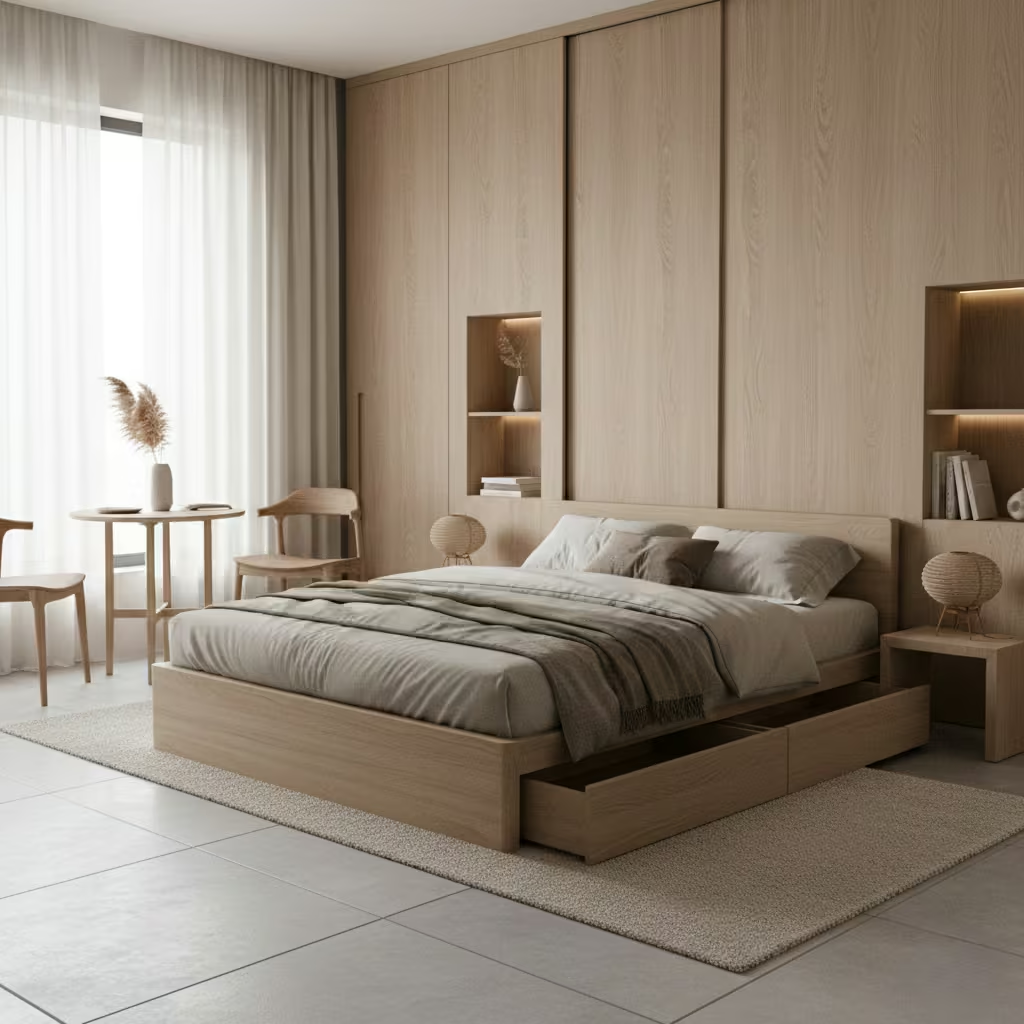
Built-in or hidden storage is a smart way to maintain the minimalist aesthetic of a Japandi guest room without sacrificing practicality. Guests often arrive with suitcases, clothing, or personal items, and providing discreet storage options ensures the room remains tidy and uncluttered. Think under-bed drawers, sliding cabinets, or recessed shelving that blend seamlessly with the room’s design, keeping surfaces clear and the space feeling open.
Japandi design emphasizes simplicity and intentionality, so storage solutions should feel natural rather than imposed. By concealing belongings, you preserve the room’s clean lines and calm atmosphere, preventing clutter from detracting from the restful environment.
Hidden storage also allows the guest room to double as a multipurpose space, accommodating occasional use as a home office or yoga area without compromising its serene appearance. Well-designed storage not only improves functionality but reinforces the sense of thoughtful hospitality, making guests feel cared for while ensuring the room remains visually balanced and effortlessly elegant.
You May also Like: Japandi Balcony Design: Calm Minimalism and Cozy Natural Textures
Statement Wall in Wood or Plaster
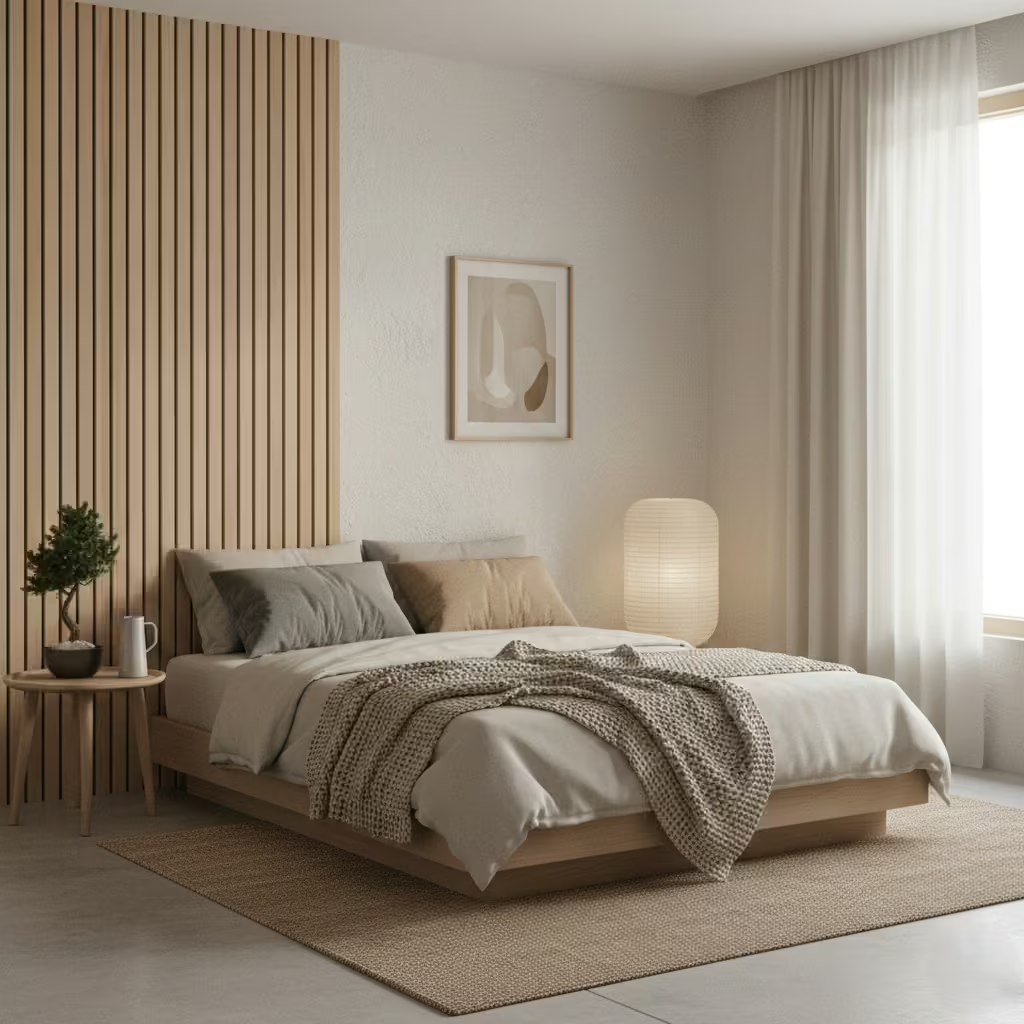
A statement wall in wood or plaster can add depth and character to a Japandi guest room without overwhelming its minimalist foundation. Slatted wooden panels, textured limewash, or subtle plaster finishes introduce visual interest while keeping the palette neutral and calming. These natural materials complement the room’s furniture and textiles, reinforcing the connection to nature that is central to Japandi design.
Unlike bold wallpaper or bright accent colours, these walls enhance the space quietly, providing a focal point that feels organic rather than forced. The texture catches light in soft, interesting ways, adding warmth and a sense of dimension. A statement wall also helps anchor the bed or seating area, creating a hotel-like sophistication without clutter. By choosing understated, tactile finishes, you maintain the serene, uncluttered vibe essential to a Japandi guest room, proving that style and simplicity can coexist beautifully.
Simple Artwork with Organic Forms
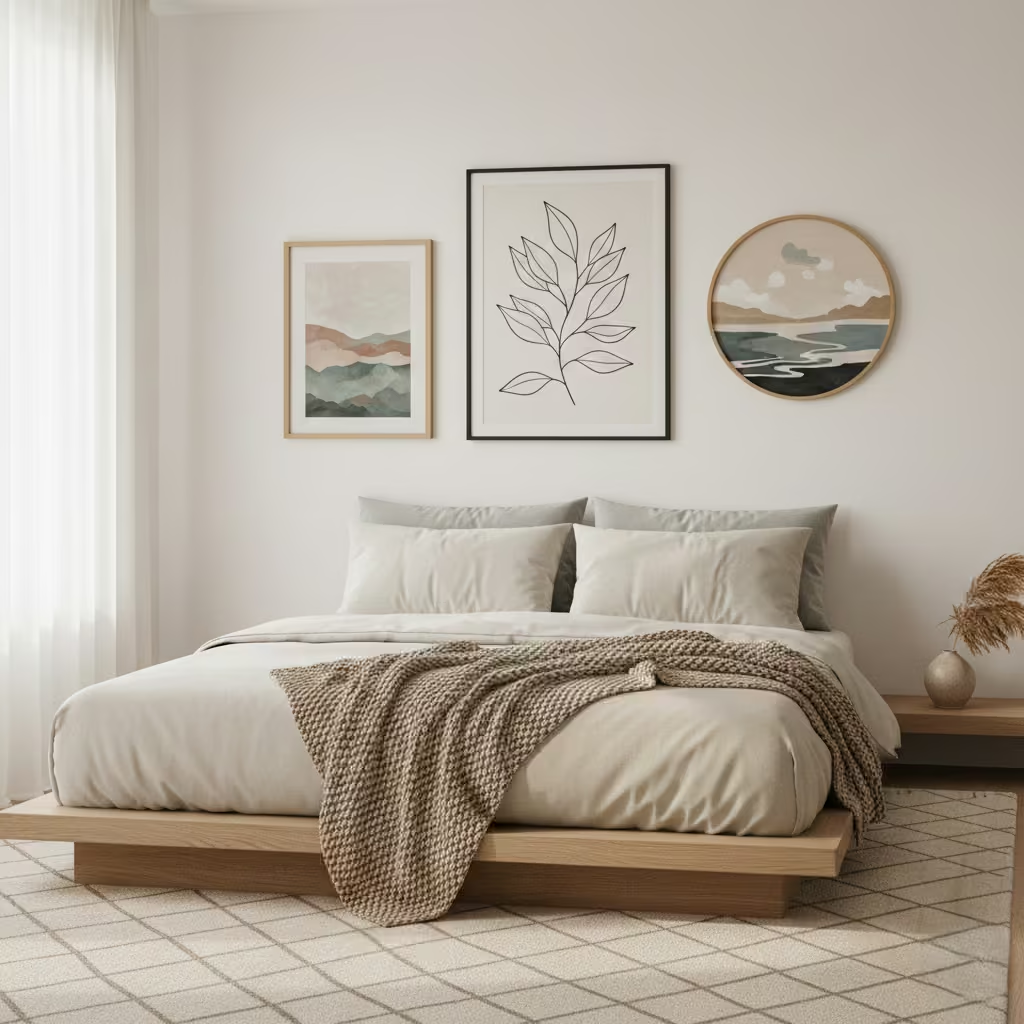
Artwork in a Japandi guest room should be understated and harmonious, supporting the room’s tranquil atmosphere. Line art, soft landscapes, or abstract nature-inspired pieces work particularly well, introducing personality without visual chaos. The key is to select pieces that complement the neutral palette and natural materials rather than compete with them.
Framing choices are equally important. Simple wooden frames, thin black metal, or neutral-toned mounts enhance the artwork without drawing attention away from the room’s overall calm. Placement should be intentional but uncluttered—one or two pieces above the bed or on a side wall are often enough. By focusing on organic forms and subtle designs, you create visual interest that feels effortless, balancing simplicity with sophistication and enhancing the restful, hotel-like quality of the guest room.
Uncluttered Floor Space
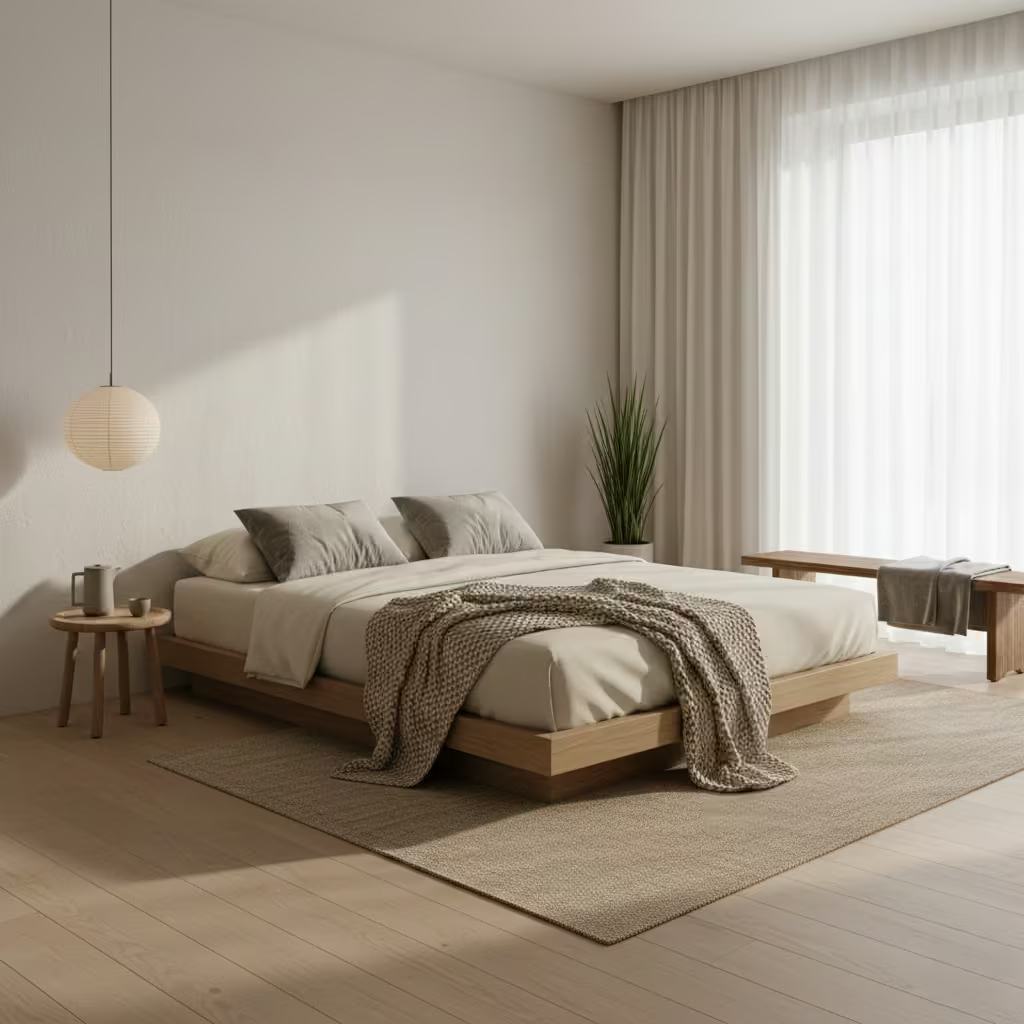
In Japandi design, uncluttered floor space is just as important as the furniture and décor itself. Negative space allows the room to breathe, giving guests a sense of openness and calm the moment they enter. By keeping pathways clear and avoiding excessive furniture, the room feels larger and more inviting, even in smaller guest bedrooms.
This simplicity also enhances comfort. Guests can move freely, unpack with ease, and feel less restricted, which contributes to a more relaxed stay. Open floors provide visual relief, highlighting the beauty of natural materials and thoughtfully chosen furniture.
Minimalism in the lower half of the room draws the eye upward, making ceilings feel higher and creating a hotel-like sense of luxury without needing extra square footage. Uncluttered floors are a subtle but powerful way to combine function and serenity in a Japandi guest room, reinforcing both style and practical usability.
You May also Like: 25 Japanese Mid-Century Modern Design Ideas You’ve Probably Never Seen (and Will Obsess Over)
Natural Fibre Rugs
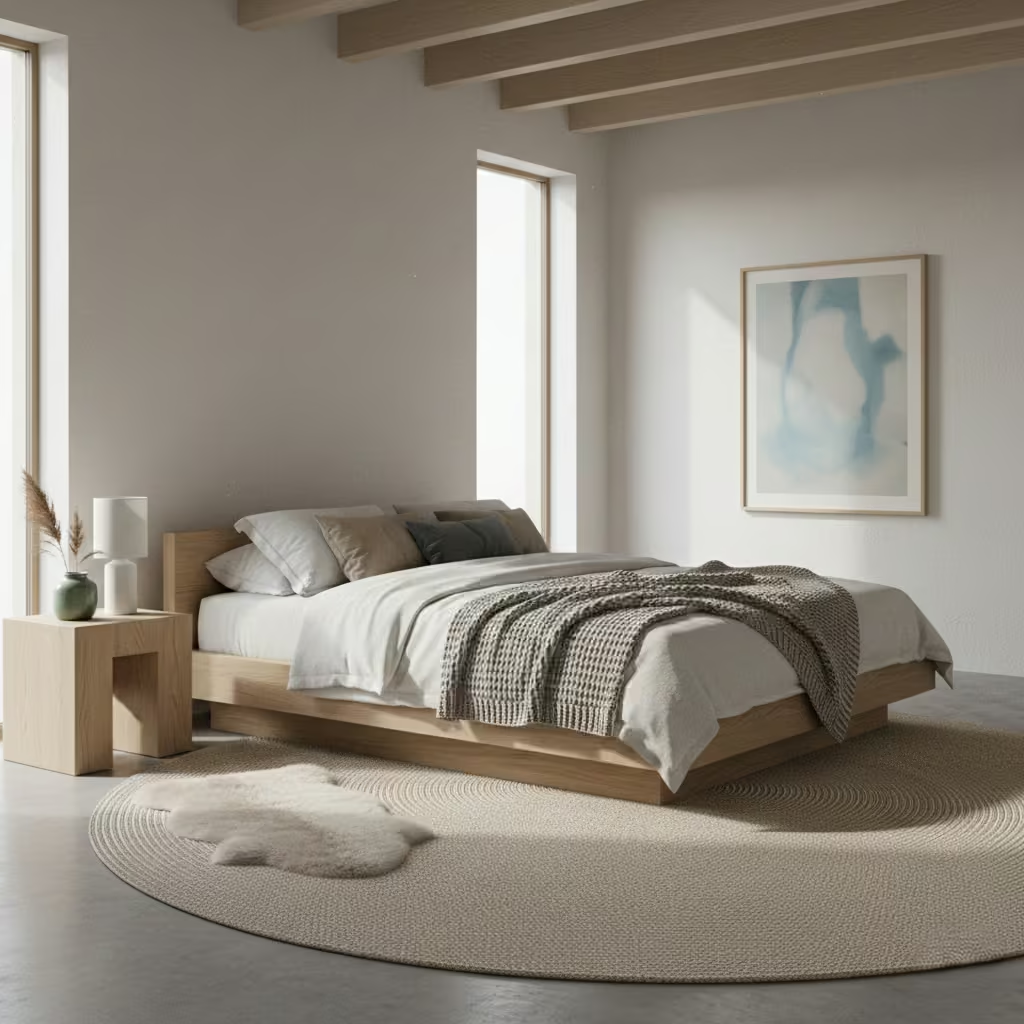
Natural fibre rugs are a simple yet effective way to add warmth and texture to a Japandi guest room. Materials like jute, wool, or flat-weave cotton bring tactile softness underfoot while maintaining the room’s neutral, calm palette. These rugs ground the furniture and provide a cozy layer without introducing busy patterns or bright colours that could disrupt the minimal aesthetic.
Choosing natural fibres also aligns with Japandi’s focus on organic materials and sustainability. Their textures add depth and interest, creating subtle contrasts with smooth wooden floors or linen bedding.
Unlike plush or heavily patterned rugs, flat-weave and lightly textured options keep the room feeling open and airy. A well-placed natural fibre rug softens the space, guides circulation, and reinforces the serene, hotel-like ambience, making guests feel comfortable, cared for, and enveloped in understated luxury.
Functional Seating with Clean Lines
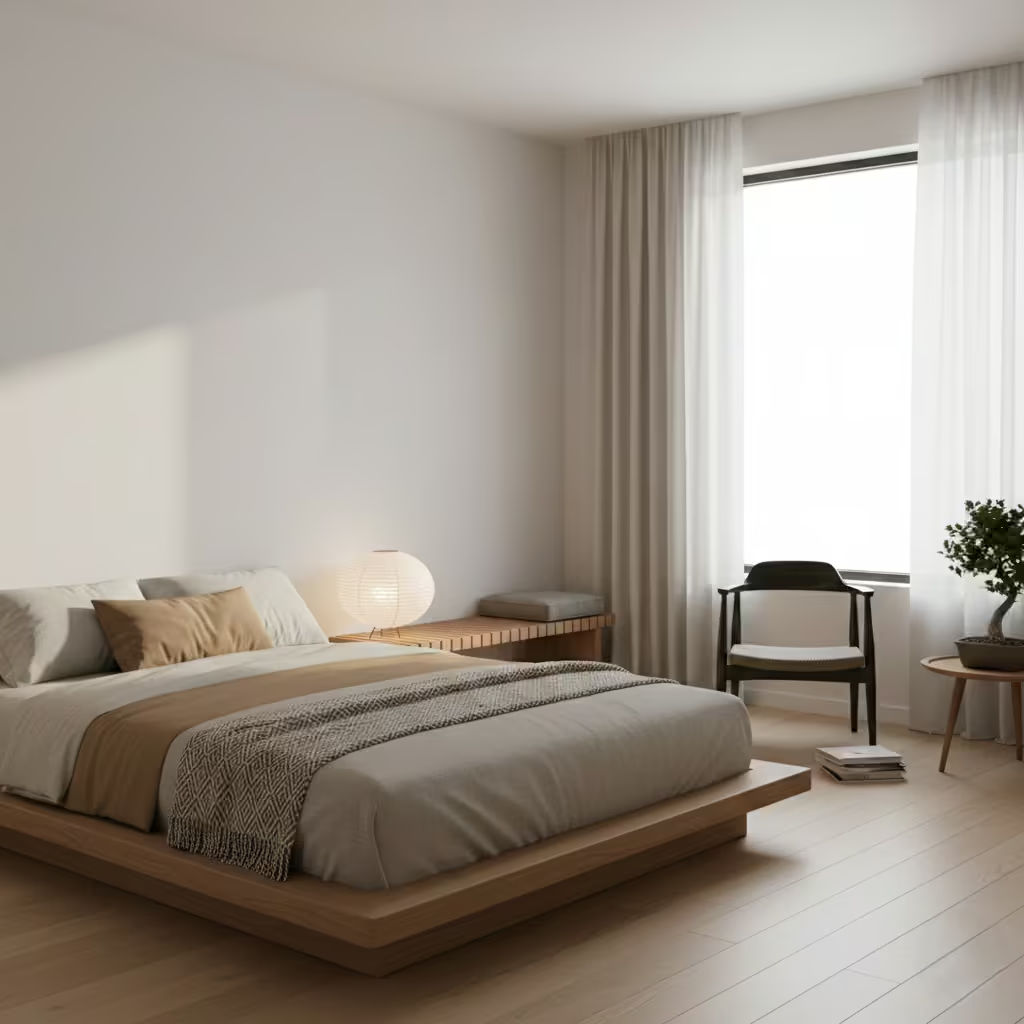
Functional seating is an understated yet essential element of a Japandi guest room. A simple bench at the foot of the bed or a single, streamlined chair can provide comfort without cluttering the space. The key is to select pieces with clean lines and natural materials that harmonize with the room’s neutral palette.
Multi-purpose furniture works particularly well for guest rooms, offering flexibility for different needs. A bench can double as a luggage stand, a place to sit while putting on shoes, or even a surface for folded linens. Similarly, a chair can provide a quiet reading corner or a spot for guests to relax.
By choosing seating that is both practical and aesthetically minimal, you maintain the calm, uncluttered atmosphere central to Japandi design, ensuring the room feels thoughtfully curated while remaining functional for visitors.
You May also Like: 25 Ranch Style Bedroom Ideas That Feel Warm, Timeless, and Effortlessly Livable
Thoughtful Bedside Lighting Placement
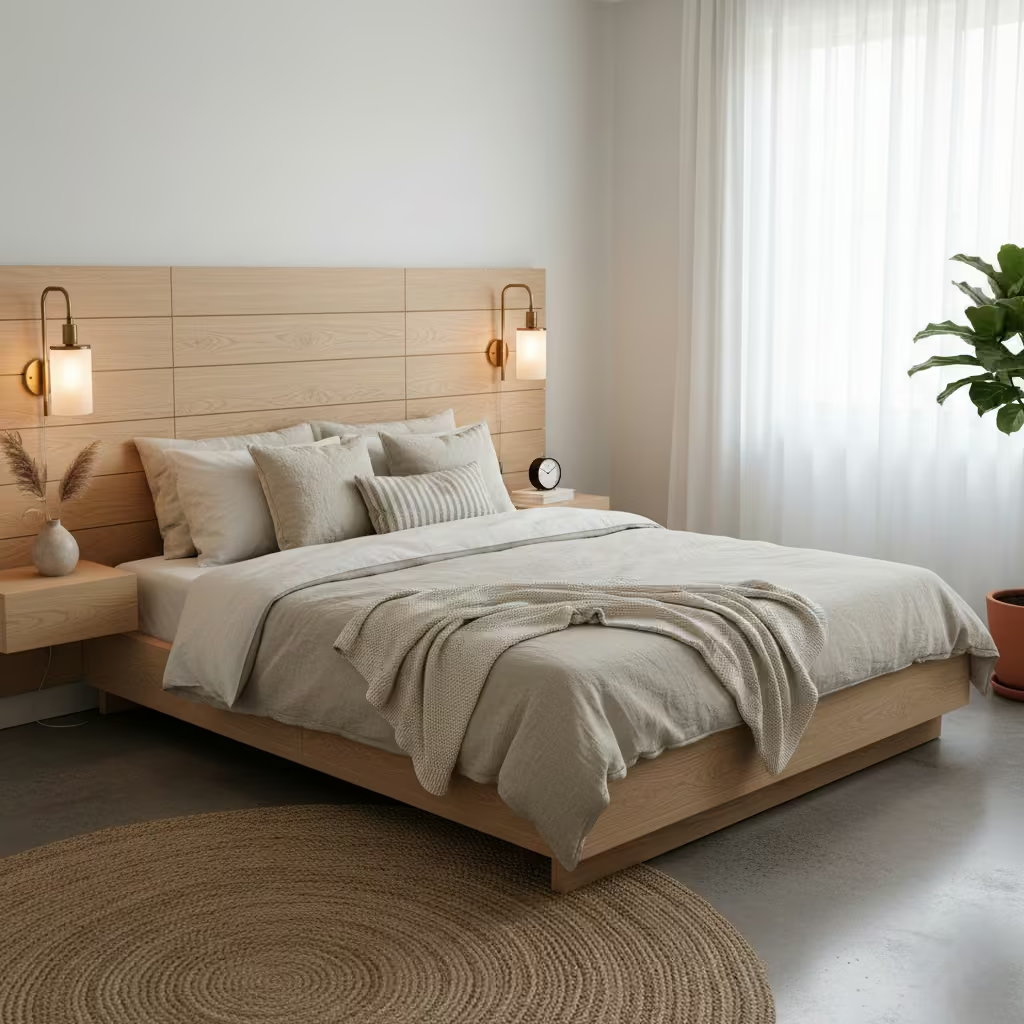
Careful placement of bedside lighting is crucial in creating a Japandi guest room that is both functional and visually harmonious. Wall-mounted lights are a perfect solution, as they free up bedside surfaces for essentials while maintaining a clean, uncluttered look. These lights provide practical illumination for reading, relaxing, or late-night tasks without overpowering the room.
The style of the lighting should complement the neutral, natural palette of the space. Soft, warm-toned bulbs enhance the feeling of comfort, while sleek, minimal fixtures ensure the design remains understated.
Thoughtful placement not only improves usability but also reinforces the room’s serene, hotel-like ambience. Guests benefit from easily accessible lighting, and the overall aesthetic remains balanced and refined, proving that small details can have a significant impact on comfort and style.
Sheer or Linen Window Treatments
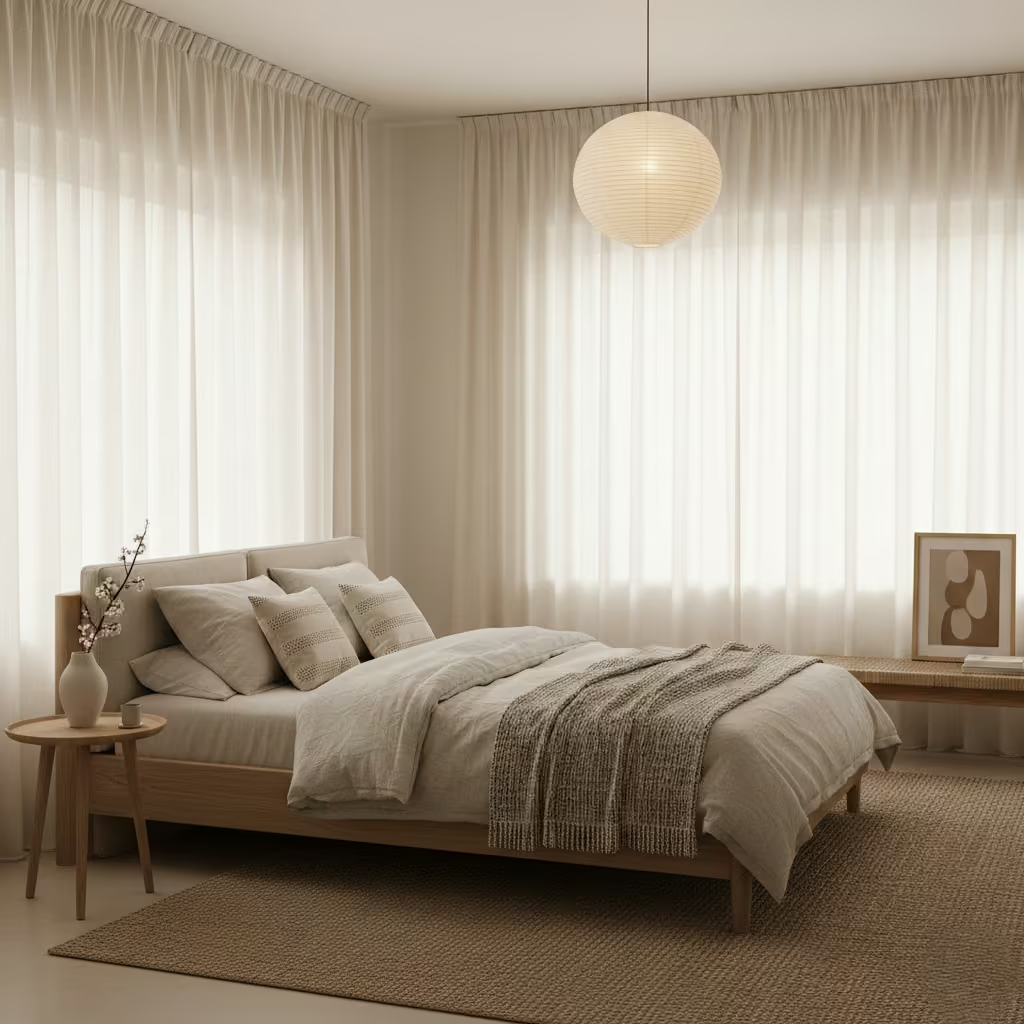
Sheer or linen window treatments are ideal for Japandi guest rooms, striking the perfect balance between natural light and privacy. Lightweight fabrics allow sunlight to filter softly into the room, creating a warm, inviting glow that enhances the neutral colour palette and natural textures. Unlike heavy drapery, which can feel imposing and darken the space, linen or sheer panels maintain an airy, open atmosphere while still offering guests a sense of seclusion.
These treatments also contribute to the minimalist, uncluttered aesthetic central to Japandi design. The soft, flowing fabrics add subtle texture without drawing attention away from the room’s carefully curated furniture and décor. By choosing simple, natural materials, you preserve the serene and calming environment that makes a guest room feel restful and hotel-like. Guests can enjoy daylight, retain privacy, and experience a sense of understated luxury, all while the space remains clean, elegant, and uncluttered.
Calm, Clutter-Free Surfaces
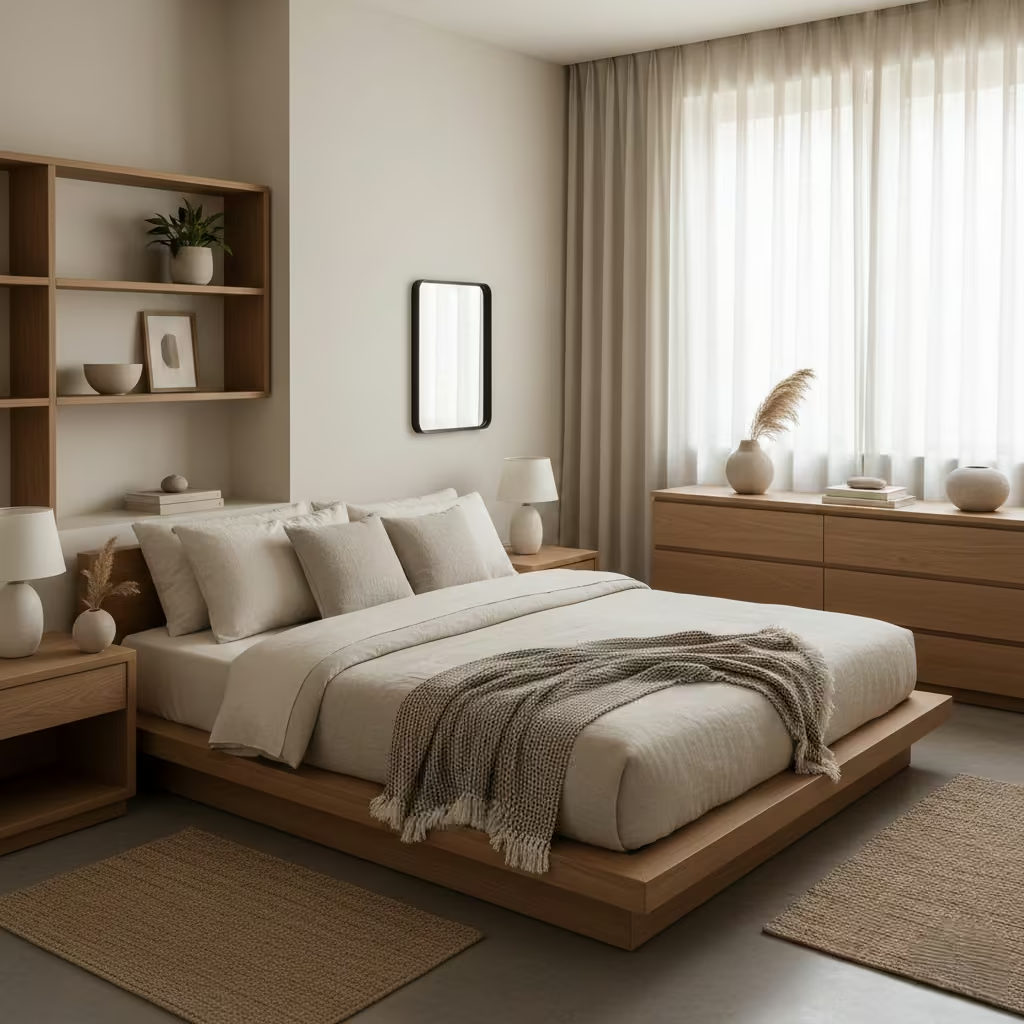
Maintaining calm, clutter-free surfaces is essential for a Japandi guest room to feel welcoming and restorative. Clear dressers, nightstands, and shelves allow the room to breathe, giving guests a sense of order and tranquillity. When surfaces are kept minimal, each item in the room whether a lamp, a tray, or a small decorative object feels intentional and purposeful.
A clutter-free environment helps guests feel relaxed and unburdened, creating a space that encourages rest and peaceful downtime. It also highlights the beauty of natural materials, neutral textiles, and subtle textures without distraction. In a Japandi-inspired guest room, less truly is more: simplicity enhances comfort, functionality, and style, resulting in a hotel-like experience where guests feel cared for and at ease from the moment they enter.
A Small Hospitality Touch
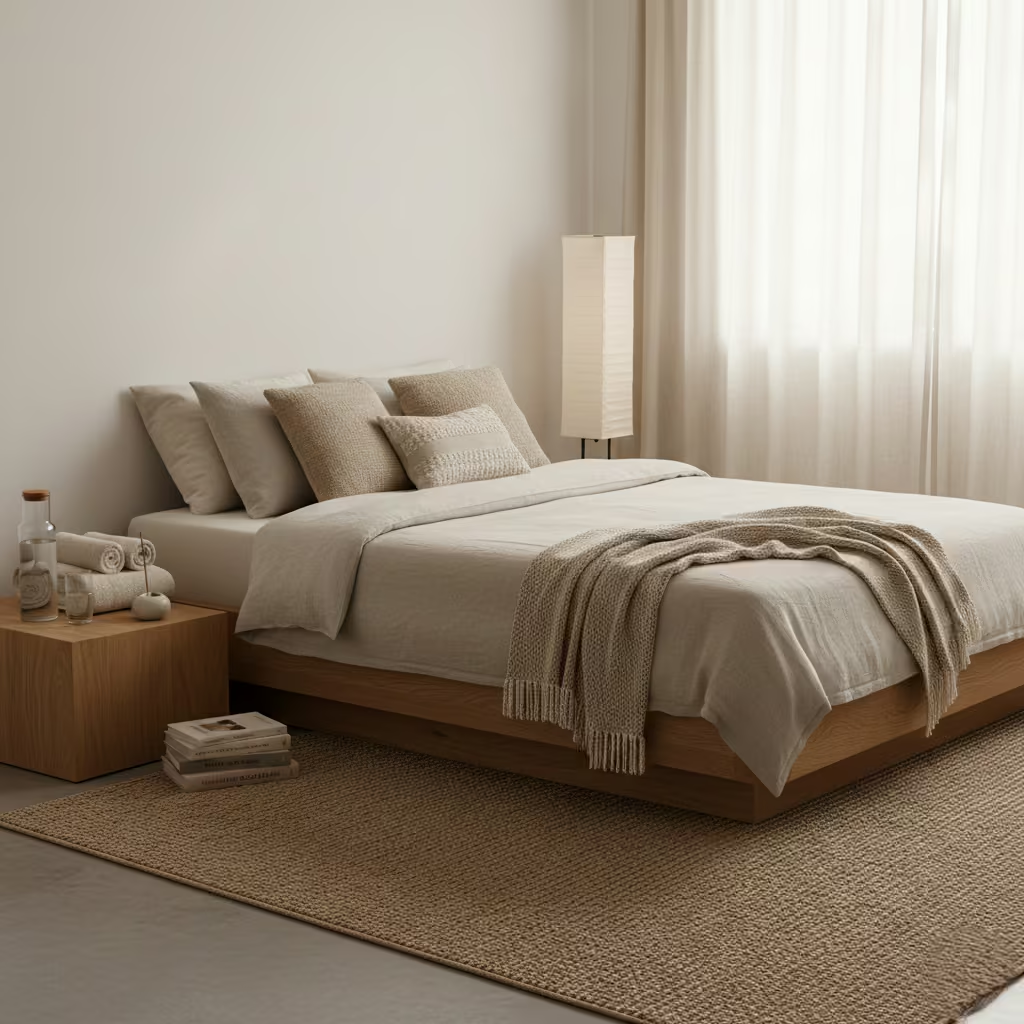
Adding a small hospitality touch can make a Japandi guest room feel thoughtful and welcoming without cluttering the space. Simple gestures, such as a glass carafe with water, a few carefully selected books, or neatly folded towels, show guests that their comfort has been considered. These details are not about filling the room with decorative extras but about providing practical, meaningful items that enhance the stay.
Japandi design celebrates intention over excess, so each touch should serve a purpose while maintaining the minimalist aesthetic. Even a single ceramic tray to hold small essentials can feel luxurious and deliberate.
By focusing on thoughtful hospitality rather than over-decoration, you create a guest room that feels calm, curated, and considerate making visitors feel cared for while preserving the serene, uncluttered environment central to Japandi style.
Matte Black or Brushed Metal Accents
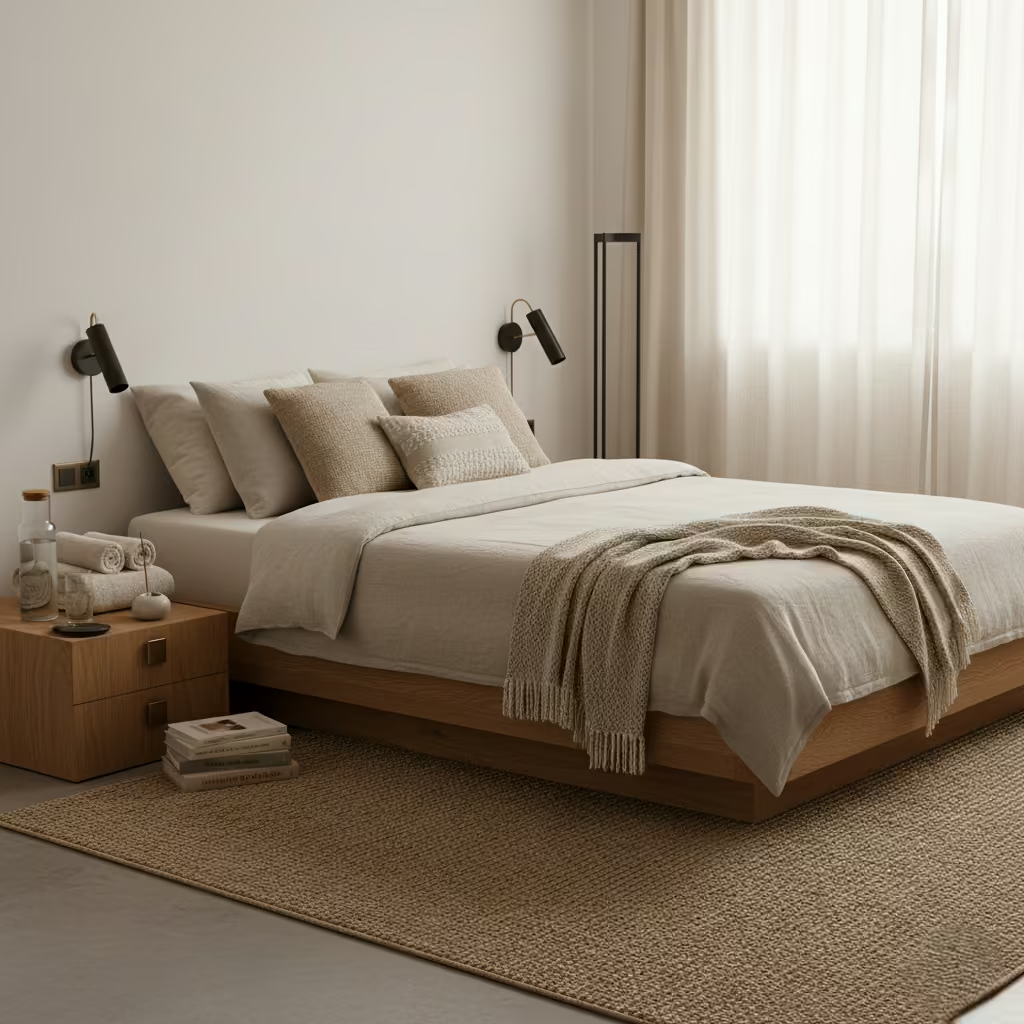
Matte black or brushed metal accents are a subtle way to introduce contrast and sophistication in a Japandi guest room. Used in lighting fixtures, cabinet handles, or small décor pieces, these finishes add visual interest without disrupting the soft, neutral palette that defines the style.
The restrained use of metal accents grounds the room, providing definition and structure while remaining understated. Unlike shiny or overly ornate hardware, matte and brushed finishes feel deliberate and modern, complementing natural woods, linen textiles, and muted tones.
This approach reinforces the balance of simplicity and elegance at the heart of Japandi design, ensuring the guest room remains calm, cohesive, and visually engaging, with small touches that elevate the overall aesthetic.
Indoor Greenery in Simple Planters
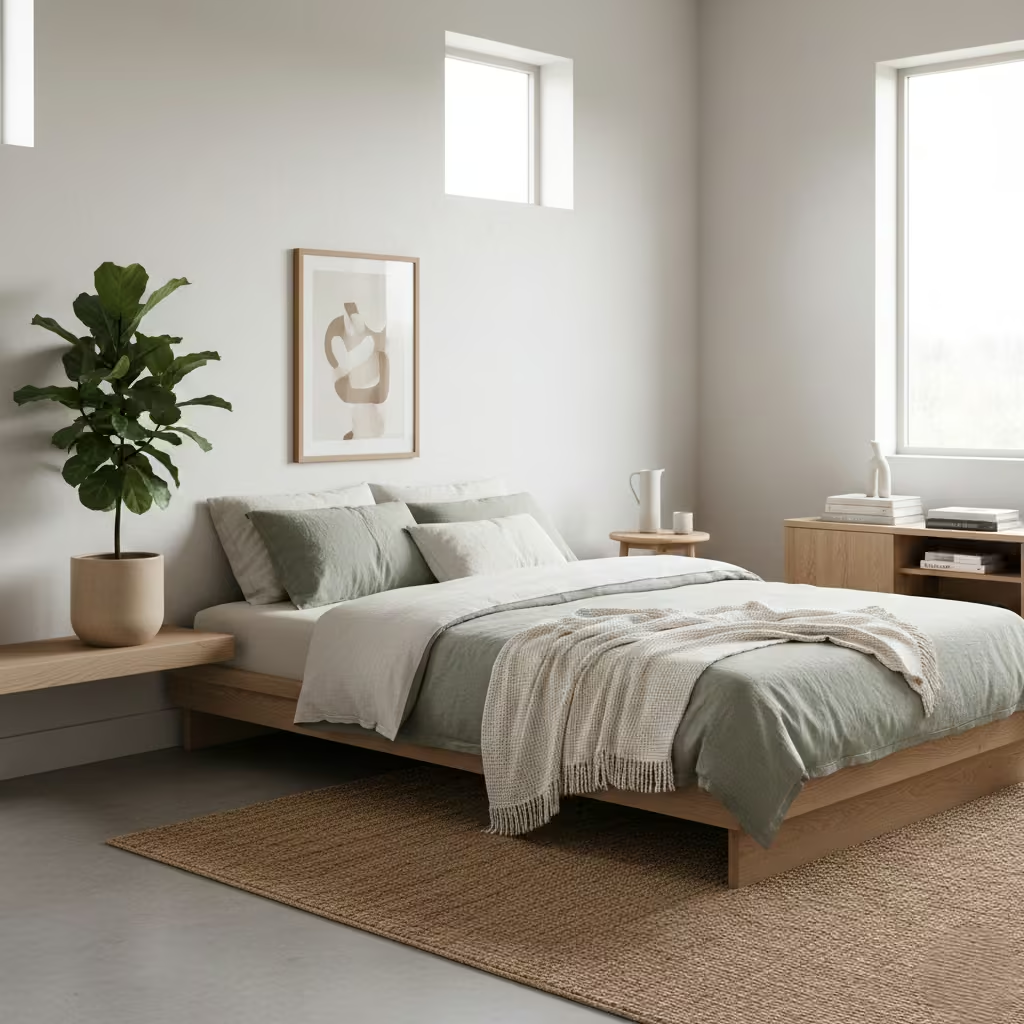
Incorporating indoor greenery is an effective way to bring life and freshness to a Japandi guest room without disrupting its minimalist aesthetic. One well-chosen plant in a simple, neutral-toned planter can make a significant impact, providing a natural focal point and enhancing the room’s connection to nature. Avoid overcrowding with multiple plants, as too many can create visual clutter and detract from the calm, balanced atmosphere central to Japandi design.
Natural greenery also introduces subtle texture and color variation, softening the room while complementing neutral walls, wooden furniture, and layered textiles. It can purify the air and add a gentle sense of vibrancy that makes the space feel alive yet serene. By keeping plant choices simple and intentional, you maintain the uncluttered, hotel-like feel that makes guests feel relaxed, cared for, and completely at ease during their stay.
Balanced Symmetry Around the Bed
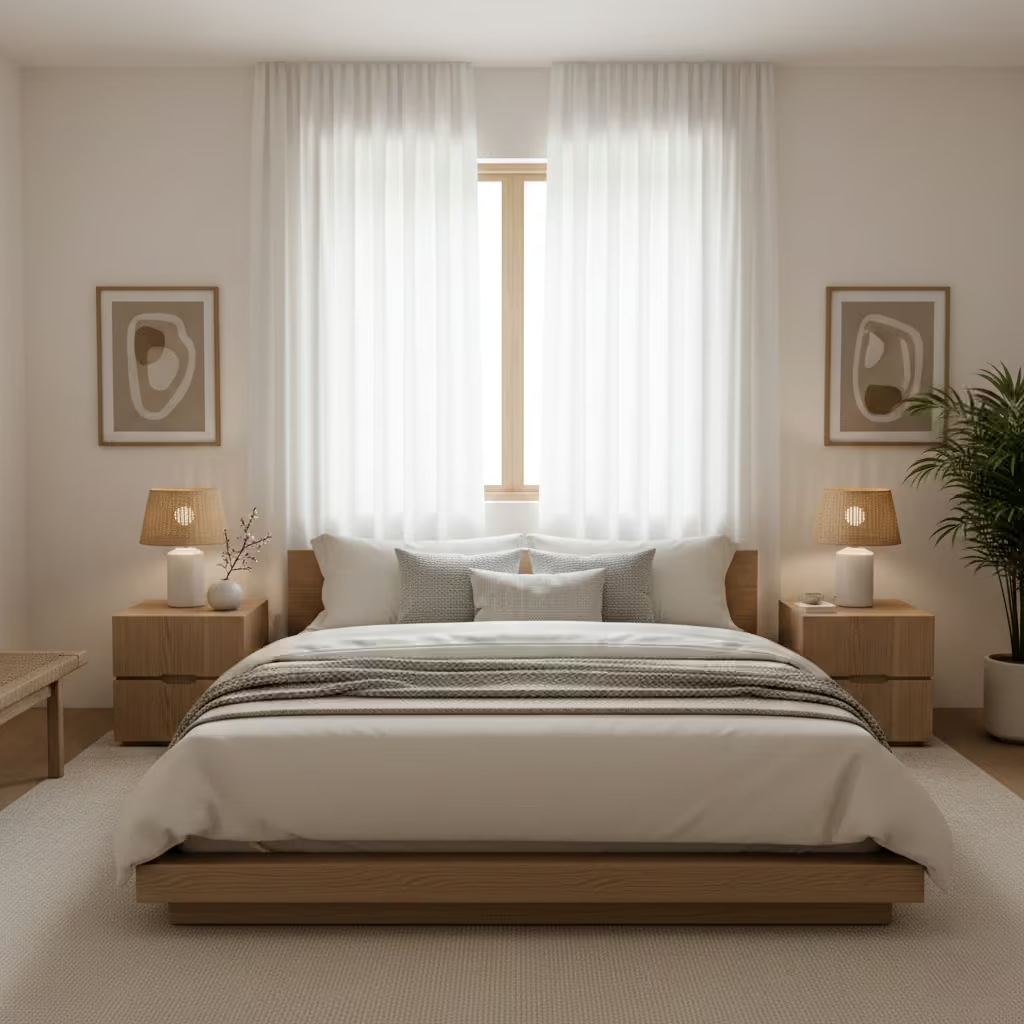
Balanced symmetry around the bed is a key technique for creating visual harmony in a Japandi guest room. Arranging bedside tables, lamps, and décor in a mirrored or evenly spaced layout ensures the room feels orderly and thoughtfully designed without appearing rigid or formal. Symmetry provides a subtle sense of stability and calm, which is particularly important in spaces intended for rest and relaxation.
When done with intention, symmetry draws the eye naturally across the room, creating a cohesive and soothing aesthetic. It also helps guests navigate the space easily, with everything they need positioned logically and conveniently.
By combining symmetry with natural materials, soft textiles, and restrained décor, you achieve a serene, hotel-like atmosphere that balances elegance, comfort, and simplicity hallmarks of Japandi design.
Quiet Luxury Bedding Choices
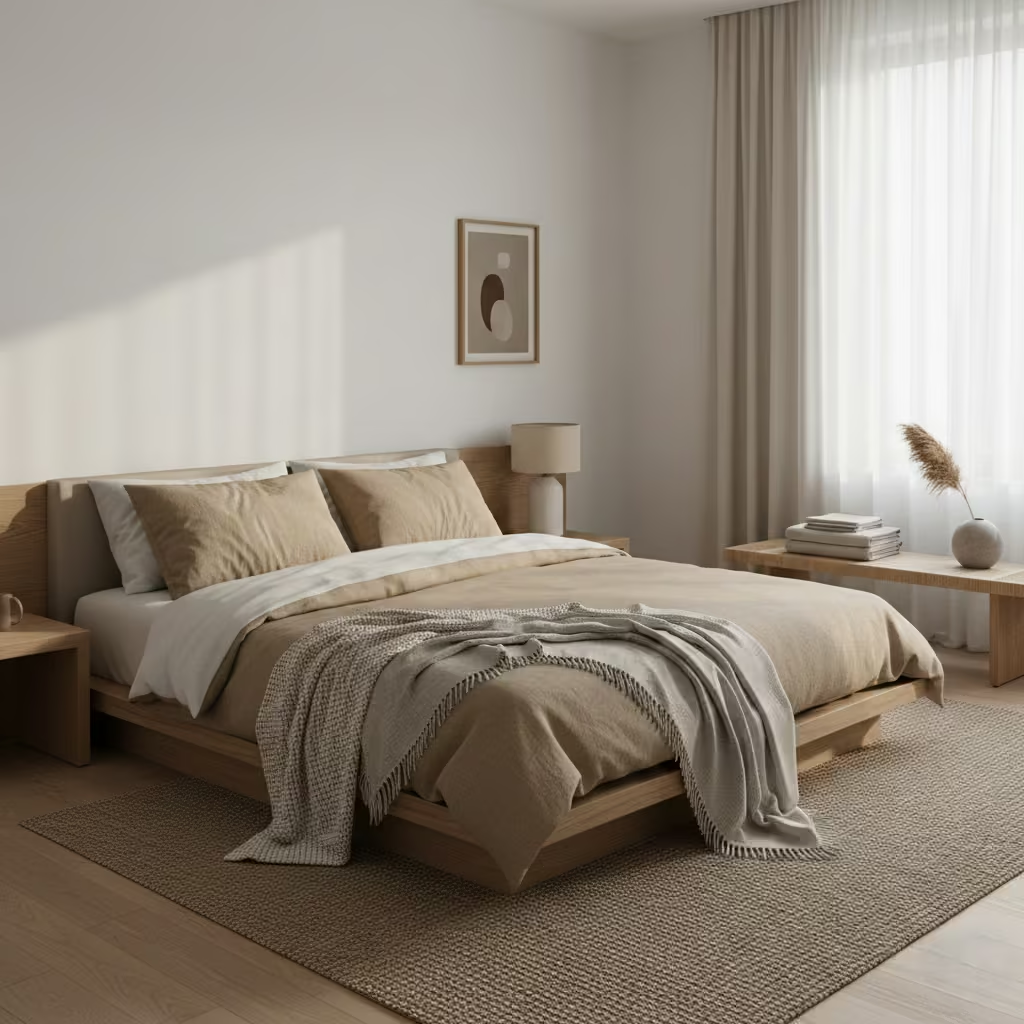
In a Japandi guest room, bedding is the ultimate measure of comfort and style. Opting for high-quality basics crisp linen sheets, soft cotton duvets, and simple blankets ensures that comfort takes centre stage without relying on decorative extras or elaborate patterns. The focus is on materials that feel natural, breathable, and inviting, creating a restful environment that encourages deep sleep.
Quiet luxury is achieved through restraint. Instead of layering the bed with excessive cushions or throws, choose one or two well-chosen pieces that enhance comfort and texture. Neutral tones, soft textures, and tactile fabrics align with the calm, minimalist aesthetic, making the bed the focal point of the room.
Guests will immediately notice the quality and thoughtfulness of their sleeping experience, which elevates the space into a serene, hotel-like retreat that feels both effortless and refined.
Multi-Purpose Japandi Guest Room Layout
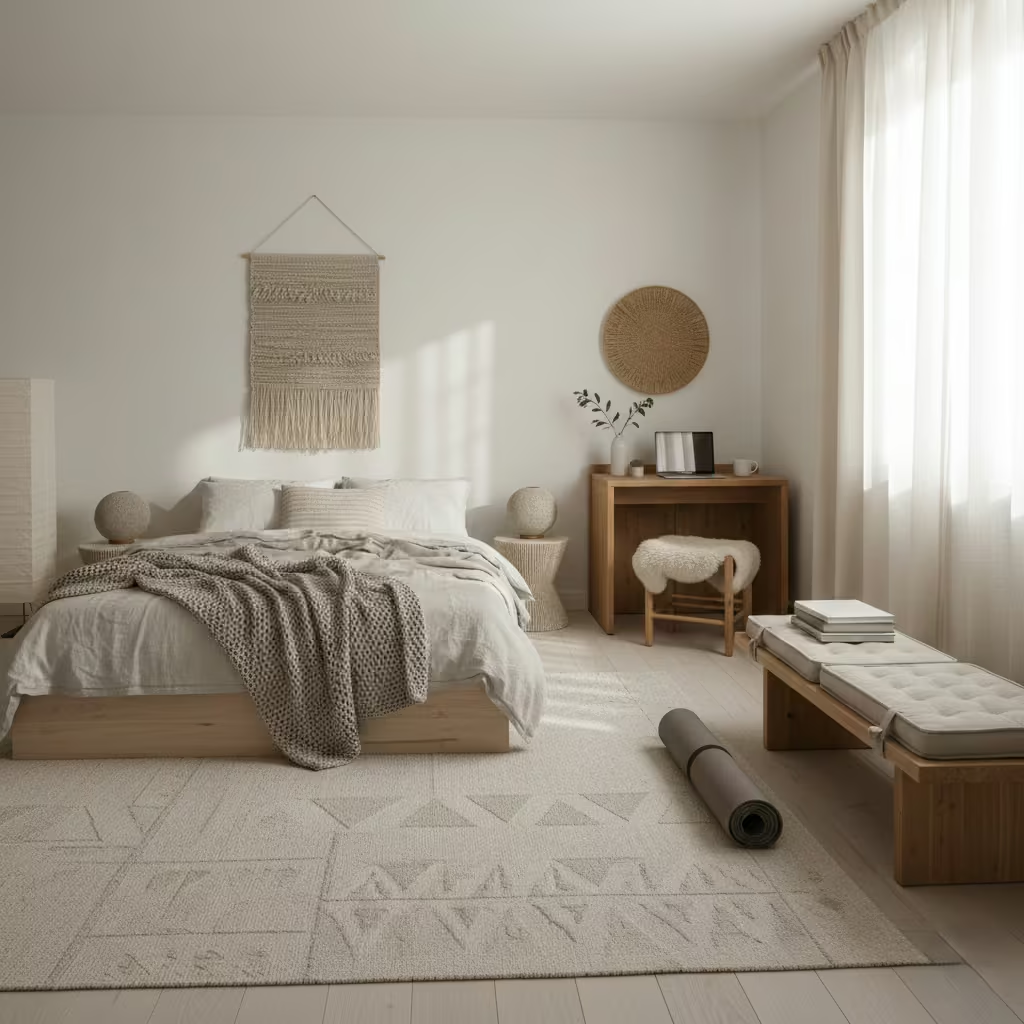
A Japandi guest room can function beautifully as a multi-purpose space without compromising its calm, minimalist style. Whether the room doubles as a home office, yoga area, or quiet reading nook, the layout should remain uncluttered, flexible, and harmonious. Furniture choices should serve multiple functions: a foldable desk, a bench that doubles as seating and storage, or open floor space for stretching or meditation.
Maintaining Japandi calm in shared-use rooms relies on careful planning and intentional placement. Keep circulation clear, surfaces tidy, and décor minimal to avoid visual noise. Neutral palettes, natural materials, and clean lines help the room feel cohesive even when serving more than one purpose.
By thoughtfully integrating multiple functions, you create a space that remains restful for guests while offering practical flexibility for everyday living, embodying both style and utility without compromising the serene essence of Japandi design.
Common Mistakes to Avoid in a Japandi Guest Room
Even with the best intentions, it’s easy to stray from true Japandi design when creating a guest room. One common mistake is over-decorating in the name of “cosy.” While it may be tempting to fill surfaces with cushions, ornaments, or layered accessories, too many items create visual clutter and overwhelm the calm, minimalist vibe that Japandi is known for.
Another pitfall is mixing too many wood tones. Combining light oak, walnut, and darker stains in the same space can feel disjointed and disrupt the sense of harmony. Consistency in wood finishes helps maintain a cohesive, grounded atmosphere that feels restful and intentional.
Some homeowners adopt cold minimalism, focusing solely on stark simplicity. Without warmth from textiles, natural materials, or subtle accents, the room can feel impersonal or unwelcoming. Equally important is prioritising aesthetics over comfort. A guest room should feel inviting and practical, with soft bedding, adequate lighting, and accessible surfaces for belongings.
By avoiding these mistakes, you ensure your Japandi guest room remains balanced, serene, and functional a space that is both visually calming and genuinely comfortable for anyone staying there.
You May also Like: 25 Productive Japanese Home Office Designs for a Soulful Workspace
How to Adapt Japandi Style for Small or Budget Guest Rooms
Japandi design is highly adaptable, making it perfect for small or budget-friendly guest rooms. One of the easiest ways to achieve the look without overspending is to focus on affordable material alternatives. Instead of solid hardwood, consider high-quality veneer or bamboo for furniture. Linen-look cotton bedding, wool-blend throws, and flat-weave rugs can provide the same tactile warmth as premium materials at a fraction of the cost.
Styling often matters more than structural changes. A well-placed neutral rug, a single statement wall in textured paint or peel-and-stick panels, and carefully layered textiles can transform a room without major renovations. Rearranging furniture for better flow or decluttering surfaces is another cost-free way to emulate Japandi’s sense of calm and openness.
Knowing where to invest is key. Spend on pieces that your guests will interact with daily, like a high-quality mattress, comfortable bedding, or supportive seating. Save on decorative items, small storage solutions, or secondary textiles, which can be functional yet economical. By prioritising comfort, intentional styling, and simple materials, even a small or budget guest room can achieve a serene, hotel-like Japandi atmosphere.
Final thoughts
Japandi style is ideal for guest bedrooms because it combines simplicity, warmth, and thoughtful functionality, creating a space that feels both serene and welcoming. By focusing on intentional design, natural materials, and uncluttered layouts, you can craft a room that prioritises comfort without sacrificing style.
Every element, from neutral palettes and low-profile beds to layered textiles and subtle accents, works together to promote calm and a hotel-like sense of relaxation for your guests.
The beauty of Japandi lies in its adaptability small touches and incremental updates can make a significant impact. Start with one or two changes, such as adding a natural fibre rug or a simple statement wall, and refine the space over time.
With patience and thoughtful choices, any guest room, regardless of size or budget, can achieve a balanced, sophisticated, and inviting atmosphere that feels effortlessly elegant and deeply restful.
Frequently Asked Questions About Japandi Guest Room Designing
What is Japandi style in a guest room?
Japandi style is a blend of Japanese minimalism and Scandinavian warmth. In a guest room, it creates a space that feels calm, uncluttered, and welcoming. The look is built around natural materials, soft neutral colours, simple furniture, and a strong focus on comfort. It works especially well in guest rooms because it feels peaceful without being empty or cold.
What colours work best for a Japandi guest room?
The most effective colours are soft, earthy, and muted. Think beige, greige, taupe, warm white, stone, sand, and soft grey. These tones help the room feel restful and open, particularly in smaller spaces. They also provide a balanced backdrop for wood, linen, ceramic, and subtle metal details without creating visual noise.
What kind of bed should I choose for a Japandi guest room?
A low-profile or platform bed works best. It visually grounds the room and enhances the sense of openness. Choose a simple frame in natural wood such as oak, ash, or walnut. Avoid bulky headboards, ornate detailing, or glossy finishes, as these disrupt the calm, minimal aesthetic.
How do I make a Japandi guest room feel cosy, not cold?
Focus on layering warmth through texture rather than adding more items. Linen bedding, wool throws, cotton cushions, and a natural fibre rug introduce softness and comfort. Pair this with warm lighting and a few intentional accessories. The goal is to create warmth through materials, not clutter.
What type of furniture suits a Japandi guest room?
Furniture should be simple, functional, and visually light. Clean-lined wooden pieces in natural finishes work best. A bedside table, a bench, or a single chair can be included, but each piece should serve a purpose. The aim is to maintain practicality while keeping the space calm and uncluttered.
How can I decorate a Japandi guest room without overdoing it?
Keep decoration minimal and intentional. One piece of artwork, a simple lamp, a ceramic object, or a single plant is usually enough. Each item should contribute to the overall mood rather than compete for attention. Avoid crowded shelves, bold patterns, and excessive decorative layering.
Can Japandi work in a small guest room?
Yes, it is particularly effective in small spaces. Japandi design reduces visual clutter, uses low furniture, and relies on light, neutral tones to make rooms feel more open. Clear floor space and smart storage solutions help maximise both comfort and functionality.
What lighting works best in a Japandi guest room?
Soft, warm, and diffused lighting is ideal. Wall sconces, paper lamps, and warm-toned bulbs create a relaxed, evening-friendly atmosphere. Avoid harsh overhead lighting. The lighting should feel gentle and supportive, enhancing both comfort and usability.
How do I make a Japandi guest room feel welcoming for guests?
Prioritise comfort and thoughtful details. Fresh bedding, accessible lighting, a glass of water, folded towels, and clear storage space all contribute to a welcoming experience. Japandi hospitality is subtle and practical, focusing on ease and comfort rather than decoration.
Is Japandi style expensive to create?
Not necessarily. The style relies more on restraint and thoughtful choices than high cost. Start with neutral paint, natural fabrics, and invest in key items like bedding and lighting. Many elements can be achieved through careful styling rather than major renovation.
What should I avoid in a Japandi guest room?
Avoid overcrowding, overly decorative furniture, bright colours, glossy finishes, and mixing too many wood tones. At the same time, avoid making the space too empty. Japandi works best when it balances simplicity with warmth and texture.
How do I finish a Japandi guest room so it feels complete?
A Japandi guest room feels complete when everything has purpose and the space feels calm and cohesive. Focus on a clear layout, a restrained palette, and layered textures. A rug, soft lighting, one plant, simple artwork, and quality bedding are often all you need to create a balanced, restful environment.