


25 Japandi Balcony Design: Calm Minimalism and Cozy Natural Textures
Japandi style is a thoughtful blend of Japanese minimalism and Scandinavian warmth, combining the calm, intentional living of Japanese design with the comfort, lightness, and practicality found in Nordic interiors. At its core, Japandi is about balance. Clean lines meet natural textures, simplicity is softened with warmth, and every object earns its place. Instead of decorative excess, the focus is on craftsmanship, natural materials, muted colour palettes, and spaces that feel restorative rather than busy.
Balconies are one of the best places to apply Japandi principles, especially in modern homes and apartments. Their small-scale forces restraint, which aligns perfectly with the Japandi mindset. You are not trying to fill space. You are shaping it. A balcony allows you to focus on texture over quantity, light over ornament, and ritual over decoration. Timber underfoot, soft textiles, filtered light, and a small seating or tea area can completely change how the space feels and how often it is used. Even the smallest balcony can become a place for morning coffee, quiet reading, or simply stepping outside to reset.
In my own design work, I always treat balconies as an extension of the interior, not an afterthought. I start with the foundation first, usually flooring or decking, because it visually anchors the space and instantly sets the tone. Once the base is right, I look at layout and circulation, making sure there is enough clear space to move comfortably without squeezing past furniture. From there, I introduce one strong functional focal point. This might be a slim bench with storage, a low seating zone, or a compact bistro table. Everything else is layered around that single purpose, not competing with it.
What I avoid is clutter. Japandi balconies work best when there is breathing room. A few well-chosen materials, a limited plant palette, and soft lighting will always outperform a balcony packed with furniture and accessories. I also design with real-life use in mind, including weather exposure, maintenance, storage, and budget. A beautiful balcony that is impractical quickly becomes unused space.
In this guide, I share 25 Japandi style balcony ideas that are both inspiring and achievable. Each idea includes clear measurements in metric and imperial units, recommended materials, typical cost considerations, and honest pros and cons based on real renovation experience. Whether you have a compact apartment balcony or a more generous outdoor terrace, these ideas are designed to help you create a calm, functional space that feels intentional, timeless, and genuinely livable.
Creating Balance Through Japandi Balcony Planning
Before choosing furniture or finishes, proper planning is what makes a Japandi balcony feel calm rather than cramped. I always begin with accurate measurements, because even small miscalculations can lead to poor furniture scale or blocked circulation.
Start by measuring the full width and depth of your balcony in millimetres or inches. Measure from wall to railing for depth, and wall to wall for width. Then identify the usable area, which is the space you can realistically furnish once doors, drainage channels, and opening windows are accounted for.
For most balconies, the usable depth is often 100–200 mm (4–8 in) less than the overall measurement. Next, measure railing height, typically 100–110 cm (39–43 in). This is critical when planning seating, planters, or privacy screens so views and safety lines are not obstructed.
To create a quick plan, draw your balcony to scale on paper. I usually work at 1:20 scale, where 1 cm represents 20 cm (or 1 inch represents 20 inches). Mark fixed elements first, including doors, railings, downpipes, and power points.
Then sketch furniture footprints using simple rectangles or circles. As a guide, allow at least 600 mm (24 in) clear walking space in front of doors and seating where possible. This simple exercise instantly highlights what will and will not fit, and it prevents costly mistakes.
Load and safety considerations are equally important. Balconies are structurally rated for a maximum load per square metre, commonly between 300–500 kg per m² (61–102 lb per sq ft) depending on building type and age. Heavy items such as concrete planters, stone tables, and water-filled containers add up quickly.
I always advise spreading weight evenly rather than clustering it in one corner, and using lightweight alternatives like fibre cement or composite materials where possible. Building regulations and limits vary, so checking your building management or local codes is essential before installing anything permanent.
Material selection should align with Japandi principles: natural, tactile, and low-maintenance. Timber, ceramic, linen-look textiles, and stone-inspired finishes work well, but they must be suitable for outdoor exposure.
In seaside apartments, choose materials that resist moisture and salt air, such as treated timber, powder-coated aluminium, porcelain tiles, and outdoor-rated fabrics. Avoid untreated steel or delicate natural fibres that degrade quickly in damp or windy environments.
Finally, make a few key decisions early. Decide whether your setup will be permanent or temporary, especially if you rent. Choose between fixed seating like benches or folding furniture that can be stored away.
Consider whether planters built into furniture suit your lifestyle better than movable pots. These early choices simplify every decision that follows and are at the heart of effective Japandi balcony planning, particularly when working with small balcony layout measurements and long-term balcony materials for seaside apartments.
Before You Start: Japandi Balcony Checklist
Before you commit to furniture, plants, or finishes, run through this short checklist. I use this exact process in practice to avoid costly mistakes and to ensure the balcony remains functional, safe, and easy to maintain.
- Measured plan with furniture footprints
Confirm your balcony’s width, depth, and usable area, then sketch furniture footprints to scale. Check door swing clearance and allow at least 600 mm (24 in) for comfortable movement. This step prevents overcrowding and helps you choose furniture with the correct proportions. - Weather rating for textiles and lights
All cushions, rugs, and lighting should be rated for outdoor use. Look for UV-resistant fabrics, quick-dry foam, and lighting with a minimum IP44 rating, or IP65 for exposed balconies. This is especially important for windy or seaside locations. - Drainage and planter drainage holes
Ensure every planter has proper drainage holes and raised feet where possible. Standing water leads to root rot, mould, and stained flooring. If using built-in planters or gravel trays, confirm water can escape freely without pooling on the balcony surface. - Permission or building rules check
Review building regulations or management rules before installing screens, decking, or fixed furniture. Pay attention to height restrictions, weight limits, and drilling permissions. This step is critical for apartments and rental properties. - Budget brackets set
Define your budget early and split it into brackets: flooring, seating, plants, lighting, and accessories. I always recommend spending more on the foundation and primary seating, then scaling accessories to fit what remains.
Completing this checklist first creates a strong foundation for a calm, well-balanced Japandi balcony. It keeps decisions focused, prevents overdesigning, and ensures the space remains practical long after the styling is complete.
25 Japandi Balcony Ideas
Creating a Japandi balcony is all about combining calm, functional design with natural textures and thoughtful proportions. In the following 25 ideas, I break down practical solutions that work for small and medium balconies alike, from flooring and seating to lighting, planters, and decorative touches. Each idea includes clear measurements in both metric and imperial units, recommended materials, step-by-step implementation tips, typical cost ranges, maintenance notes, and honest pros and cons based on real design experience. Whether you’re looking to refresh a tiny urban balcony or a more generous outdoor terrace, these ideas provide actionable guidance to help you achieve a serene, stylish Japandi space.
Neutral Wood Decking Foundation
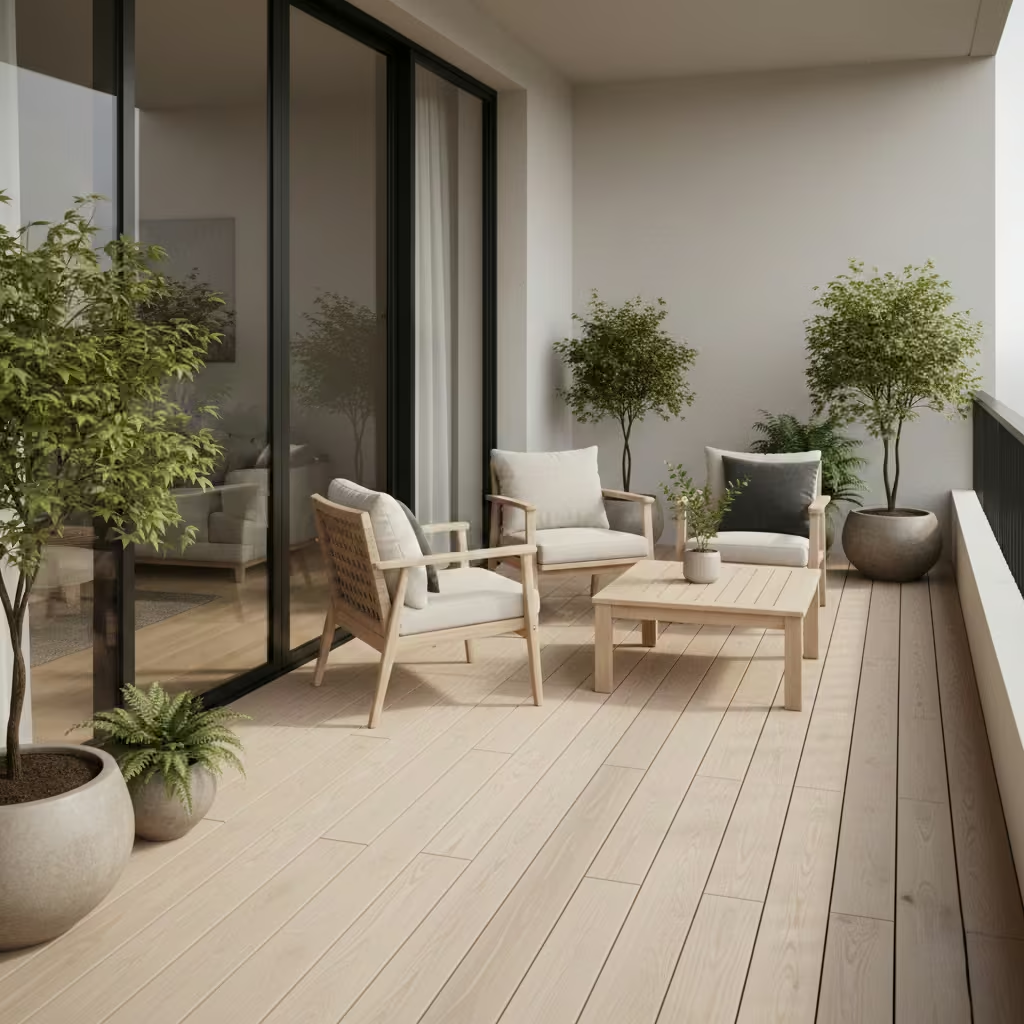
A light-toned wood or composite decking foundation is one of the most effective ways to anchor a Japandi balcony. It immediately introduces warmth and calm while creating a visual connection between indoor and outdoor spaces. I typically recommend this approach for balconies measuring 2–8 m² (22–86 sq ft), where flooring plays a major role in defining the space without overcrowding it.
For comfortable proportions, use decking boards 90–140 mm (3.5–5.5 in) wide with a 5–8 mm (0.2–0.3 in) expansion gap between boards. On a standard 2 m (6.6 ft) wide balcony, plan the decking run to match the full width so the boards visually elongate the space. Thermally modified ash offers a natural, pale finish that suits Japandi palettes, while high-quality composite boards are ideal if low maintenance is a priority. Always specify stainless steel fixings to prevent rust stains.
Installation should start with a substrate and drainage check to ensure water can flow freely. If the surface is uneven, install joists on adjustable pedestals before laying boards with consistent spacing. Timber decking should be sealed or oiled after installation to protect against moisture and UV exposure.
Budget-wise, expect a medium to high investment, typically £80–£200 per m² ($90–$240) depending on material choice. Timber decking requires inspection and re-oiling every 1–2 years, while composite boards need only occasional washing.
The main advantages are instant warmth, improved comfort underfoot, and seamless visual flow from interior flooring. The downsides are ongoing maintenance for natural timber and a slight increase in floor height, which should be considered near balcony doors.
Low-Profile Floor Seating Zone
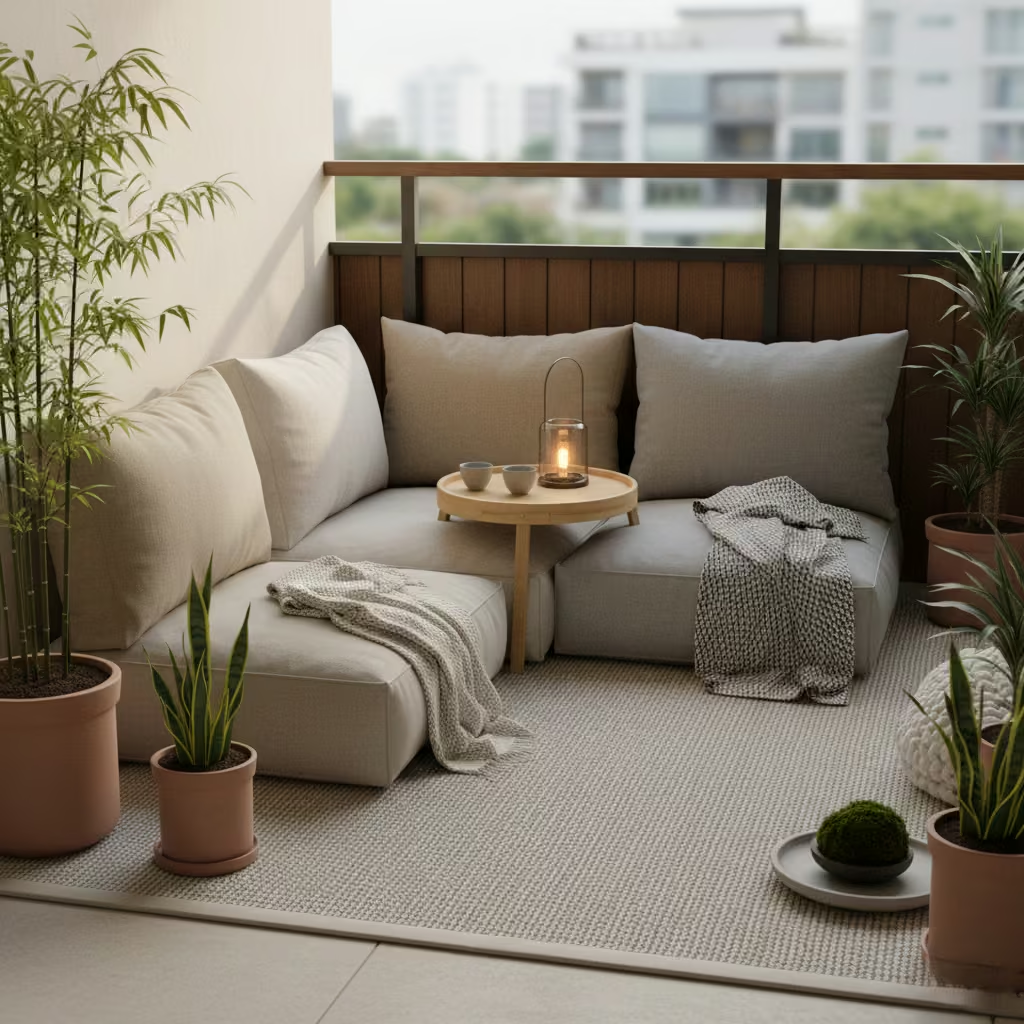
A low-profile floor seating zone is a perfect way to bring Japandi calm and intimacy to small balconies. It combines Japanese-style floor seating with Scandinavian textile warmth, creating a cozy nook for meditation, tea, or quiet reading. This setup works best on balconies 1.5–4 m² (16–43 sq ft), where maximizing usable space is key without overcrowding.
For proportions, choose seating mats or cushions 80–100 cm (31.5–39.4 in) square, leaving 45–60 cm (17.7–23.6 in) for circulation. Add a small tray table in teak or bamboo for functionality, paired with a low outdoor rug to define the area. Water-resistant linen cushion covers and closed-cell foam cores ensure comfort and some weather resistance.
Installation is simple: start by laying the rug to define the zone, then arrange cushions evenly, and finish with a tray table and optional lantern for evening ambiance. The entire setup is lightweight and flexible, making it easy to rearrange or store away.
Budget falls in the low to medium range, around £80–£300 ($100–$350) depending on cushion quality and materials. Maintenance is straightforward: cushions should be stored indoors during rain or harsh weather, and removable covers can be machine washed.
The main advantage is space efficiency and intimate comfort, allowing even compact balconies to feel purposeful and serene. The downside is that without proper storage or cover, cushions are vulnerable to rain, cold, and fading over time, limiting use in harsh climates.
Minimalist Balcony Bench with Storage
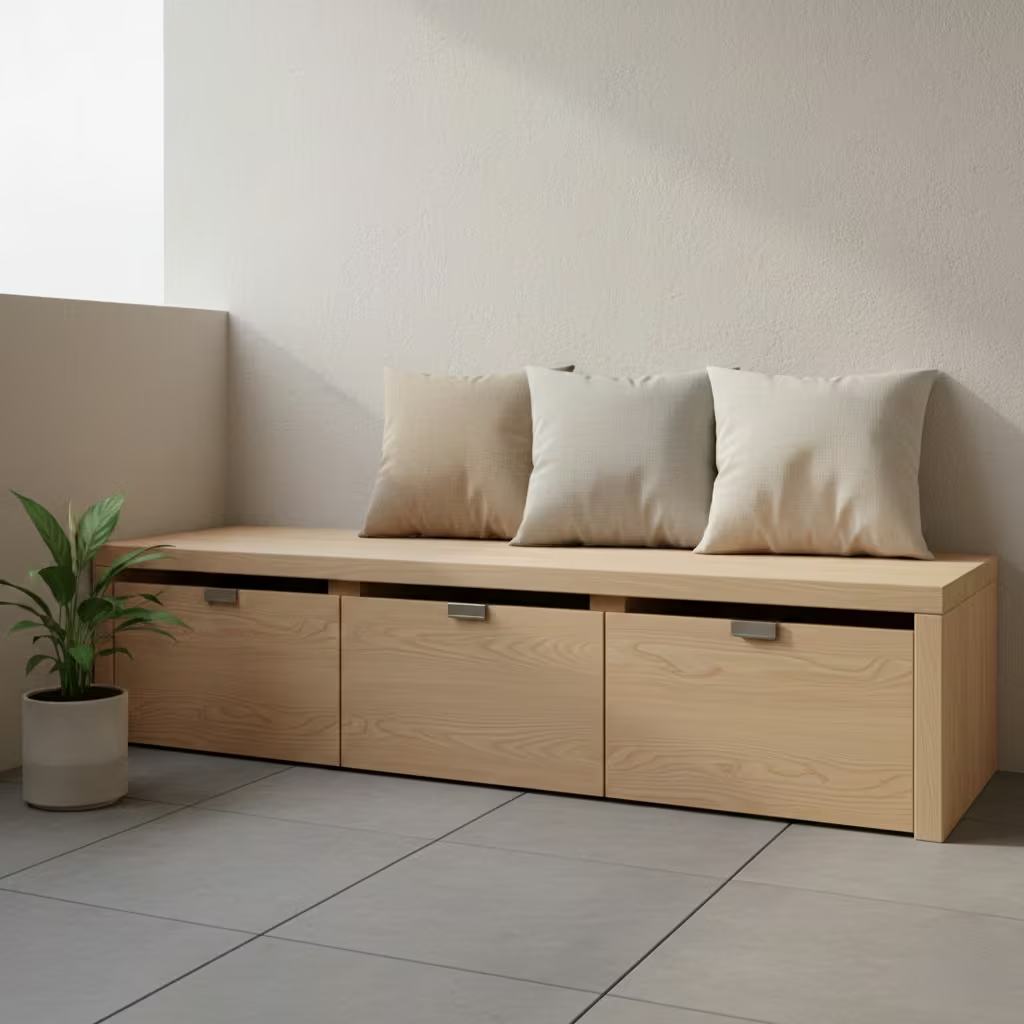
A minimalist balcony bench with integrated storage combines functionality with clean Japandi aesthetics, making it ideal for small to medium balconies 2–6 m² (22–65 sq ft). This design provides a streamlined seating area while keeping cushions, tools, or gardening accessories neatly tucked away, reducing visual clutter.
For dimensions, aim for a bench depth of 40–45 cm (15.7–17.7 in) and a seat height of 42–45 cm (16.5–17.7 in), adjusting length to suit your balcony layout. Materials like solid oak or ash for the exterior, combined with marine-grade plywood for the interior storage, ensure durability and weather resistance. Stainless steel fittings prevent rust, and the seating surface should be treated or oiled for additional protection.
Installation involves measuring the space carefully, then either building a custom or modular bench. Ensure proper ventilation inside the storage compartment to prevent damp or mildew. Finish the seat with a weatherproof coating or oil, and optionally add cushions for comfort.
Cost typically falls in the medium range, around £200–£700 ($250–$850) depending on material choice and whether it’s custom-built. Annual maintenance involves oiling the wood and checking hinges or fastenings.
The main advantages are dual functionality and a tidy, minimal look, making the balcony feel larger and more organized. The main drawbacks are reduced flexibility, as a built-in piece cannot be easily moved, and higher upfront costs if custom-made.
Soft Linen Outdoor Curtains
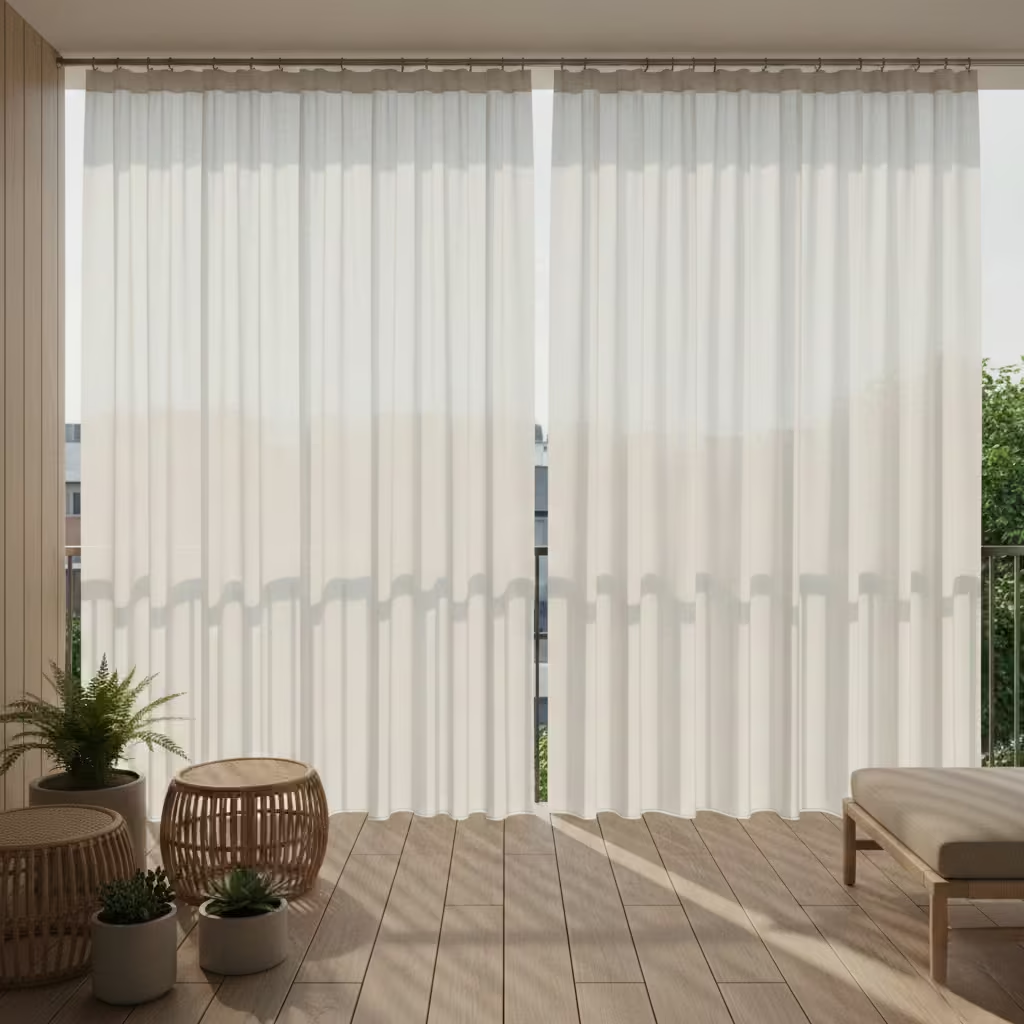
Soft linen-look outdoor curtains are a simple yet effective way to bring Japandi warmth and privacy to a balcony. They soften hard architectural lines, filter light gently, and create a sense of enclosure without feeling heavy or cluttered. This solution works on any balcony, though it is most visually effective on spaces 2 m (6.5 ft) or wider.
For sizing, let curtains drop to the deck or just above the floor, and hang the track 10–15 cm (3.9–5.9 in) outside the frame to maximize coverage. Materials should be sunproof polyester-linen blends, which combine durability with a soft texture, and tracks or rods should be stainless steel or powder-coated aluminium to resist outdoor conditions.
Installation is straightforward: first, mount an exterior-rated track securely to withstand wind. Hang panels so they slightly overlap for complete privacy, and use tiebacks or weights to keep fabric stable in breezy conditions.
Cost is generally £60–£250 ($70–$300) depending on curtain length, fabric quality, and track type. Maintenance is simple: panels can be washed periodically, and fixings should be checked annually for stability.
The key advantages are the added softness, subtle privacy, and aesthetic warmth, while the main challenges are managing wind movement and potential UV fading over time. With careful material selection and installation, linen outdoor curtains are a low-effort way to elevate a Japandi balcony’s atmosphere.
Stone or Concrete Side Table
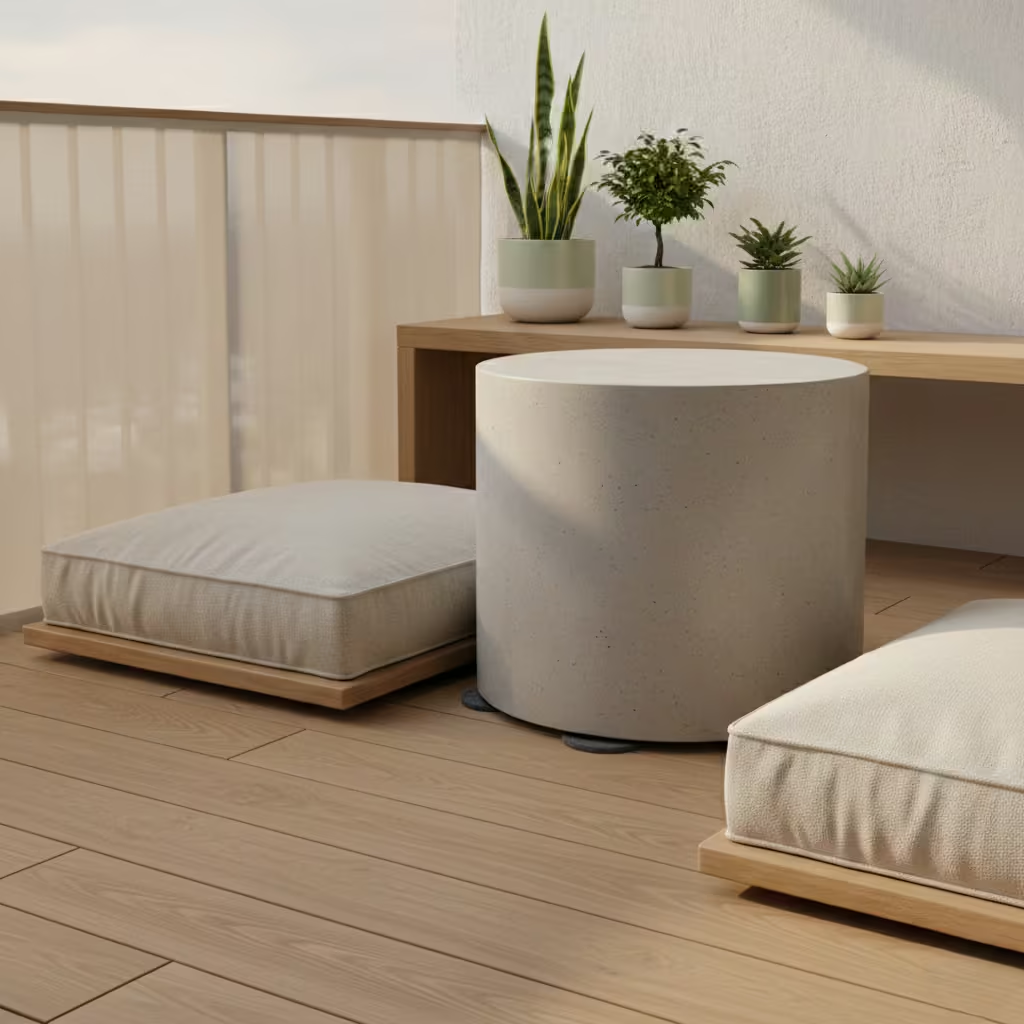
A stone or concrete side table adds tactile weight and visual contrast to a Japandi balcony, creating a sculptural focal point while remaining highly functional. It works well on balconies 1.5–6 m² (16–65 sq ft), complementing seating zones without overwhelming the space.
For size, select a table with a diameter or maximum dimension of 30–45 cm (11.8–17.7 in) and a height of 35–45 cm (13.8–17.7 in) to maintain proportion with floor seating or benches. Materials can range from cast concrete or honed stone to lightweight fibre concrete, which is especially recommended for upper-floor balconies where weight is a concern.
Installation is simple: position the table near seating for easy access, and place felt or rubber pads under the base to protect decking from scratches. If using natural stone, sealing the surface helps prevent staining from water or plant pots.
Cost typically falls in the £50–£300 ($60–$350) range depending on material and size. Maintenance involves occasional sealing and avoiding dragging heavy units across the floor.
The main advantage is adding sculptural presence and tactile interest, while the key drawback is that heavy tables can stress balcony structures, particularly on higher floors. Choosing lightweight composites maintains the look without compromising safety. Image suggestion: round fibre concrete table beside linen cushions.
Layered Neutral Textiles
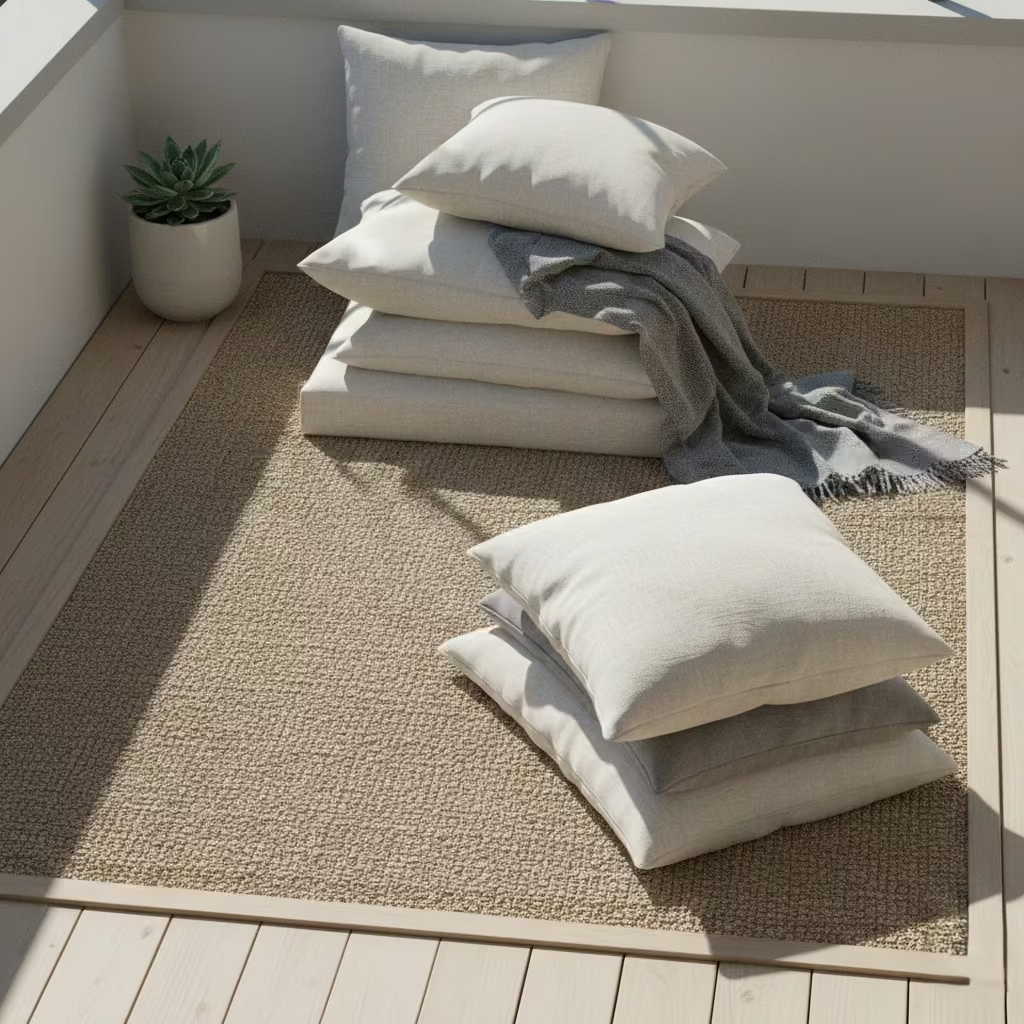
Layered neutral textiles bring warmth, softness, and tactile depth to a Japandi balcony without adding visual clutter. This approach works best on balconies 2–6 m² (22–65 sq ft), where carefully curated layers can make the space feel inviting and balanced.
For layout, choose a rug that leaves 10–20 cm (3.9–7.9 in) of exposed flooring along edges, and cushions in 45×45 cm (17.7×17.7 in) and 60×40 cm (23.6×15.7 in) sizes to create variety. Materials should include indoor-outdoor linen blends for cushions and jute or coir rugs with backing for durability. Removable cushion covers make cleaning easy and extend the life of the textiles.
Styling involves selecting two dominant textures (for example, linen cushions and a jute rug) and one accent texture (like a soft wool throw). Layer the rug first, then larger cushions, followed by smaller accent cushions. Stick to a restrained colour palette of 2–3 neutral tones to maintain Japandi minimalism.
Cost ranges £70–£350 ($80–$400) depending on fabric quality and rug size. Maintenance includes rotating cushions to prevent wear, and shaking or airing rugs regularly. Natural fibres should be stored during wet weather to avoid mildew.
The main advantages are added comfort, warmth, and flexible styling, while the main drawback is that natural fibres can deteriorate in harsh weather without careful care. Image suggestion: layered neutral cushions and rug on a pale timber deck.
You May also Like: 21 Earthy Cottage Home Decor Ideas for a Cozy, Soul-Calming Retreat
Japanese-Inspired Planter Arrangement
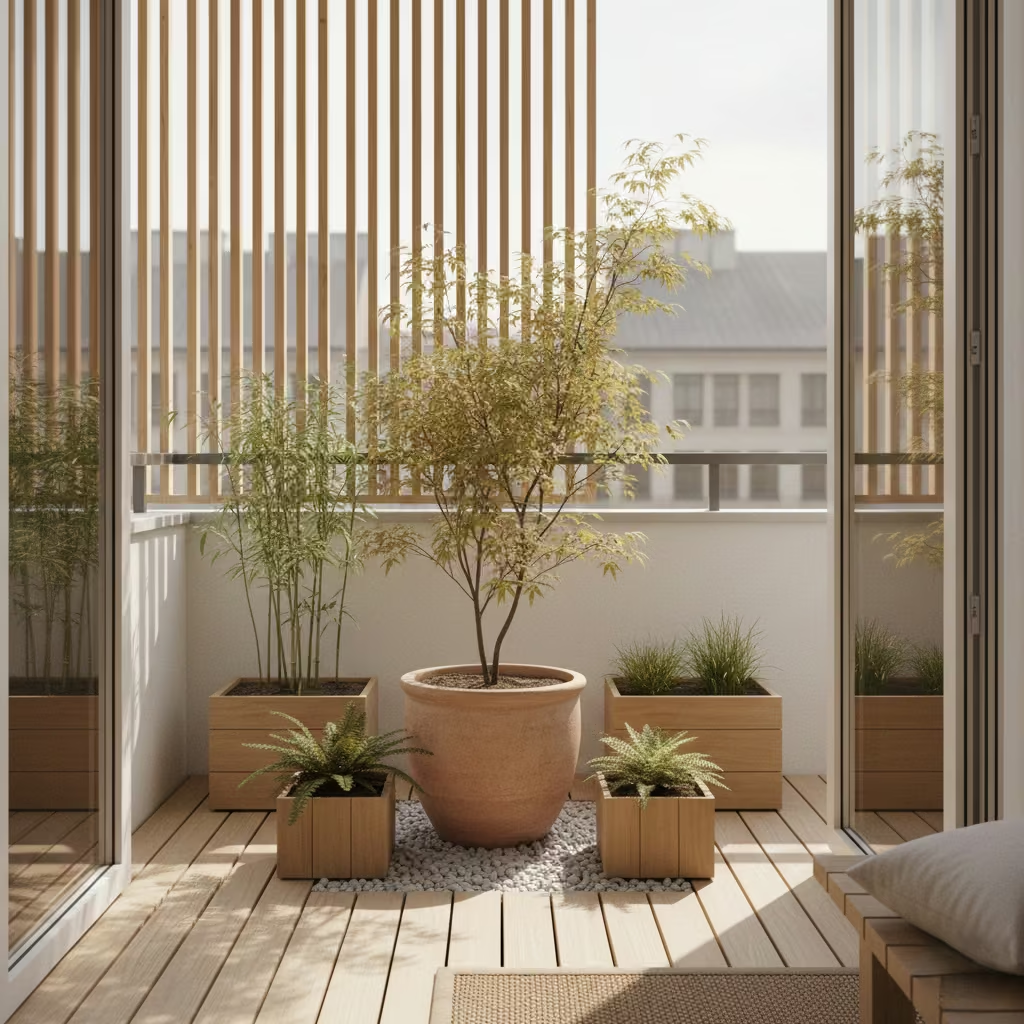
A Japanese-inspired planter arrangement introduces calm, sculptural greenery to a Japandi balcony. By focusing on a single focal plant complemented by a few supporting pots, this setup creates visual interest without clutter. Ideal for balconies 1.5–6 m² (16–65 sq ft), it emphasizes intentionality and harmony.
For dimensions, select a focal planter 40–60 cm (15.7–23.6 in) high and space supporting pots 20–40 cm (7.9–15.7 in) apart for balance. Materials should be natural and tactile, such as unglazed ceramic, raw clay, or timber planters with proper drainage.
Installation starts with choosing one standout plant, such as a dwarf Japanese maple or bamboo, then arranging 2–3 supporting plants of varying heights around it. A layer of gravel on top of the soil helps retain moisture and provides a polished finish.
Budget is £40–£300 ($50–$350) depending on planter quality and plant selection. Maintenance involves routine pruning, seasonal repotting, and checking drainage to prevent waterlogging.
The key advantages are a highly calming, natural focal point that enhances the balcony’s Japandi vibe. The main drawback is that the limited plant palette requires careful care to maintain balance and visual appeal. Image suggestion: single dwarf Japanese maple with low clay pots around it on a timber deck.
Slim Vertical Timber Slat Privacy Screen
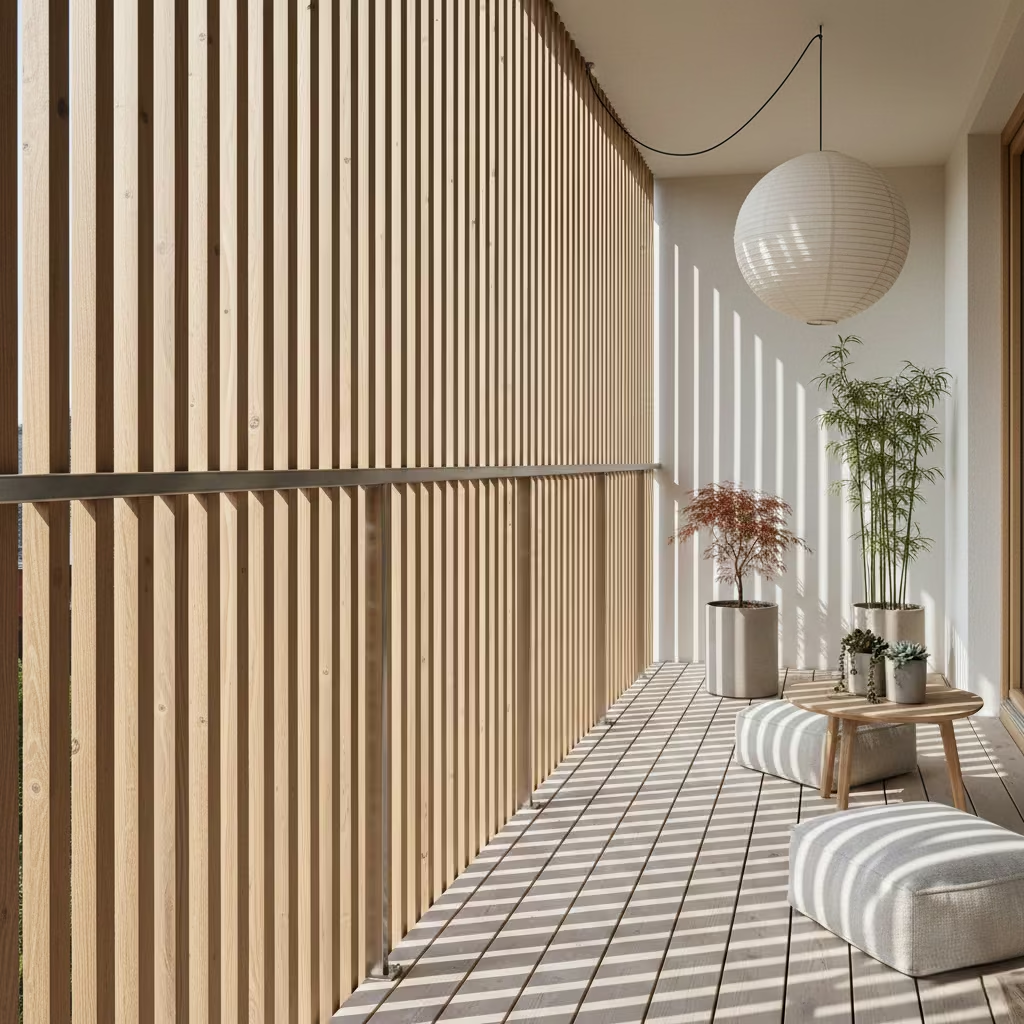
A slim vertical timber slat screen provides elegant privacy while allowing light and air to filter through, perfectly complementing a Japandi balcony’s clean, minimalist aesthetic. It works along any linear wall or railing, making it versatile for balconies of all sizes.
For dimensions, choose slats 30–50 mm (1.2–2 in) wide with 10–30 mm (0.4–1.2 in) gaps, and a height of 120–180 cm (47.2–70.9 in) depending on the desired level of privacy. Materials like Accoya or larch offer durability in outdoor conditions, while stainless steel fixings and gap clips ensure stability and prevent rust.
Installation involves checking local building regulations for allowable height, constructing a simple frame, and securing the slats to battens. Finally, treat the timber with a weatherproof stain or oil to maintain colour and protect against moisture.
Cost ranges from £180–£700 ($220–$850) depending on material and size. Annual maintenance typically involves re-staining or oiling the timber to keep it looking fresh.
The main advantages are added privacy, subtle screening, and warmth, while the drawbacks include a more permanent installation and the need for careful fitting. Image suggestion: narrow vertical timber slats partially screening a balcony with sunlight streaming through.
Soft Ambient Lantern Lighting
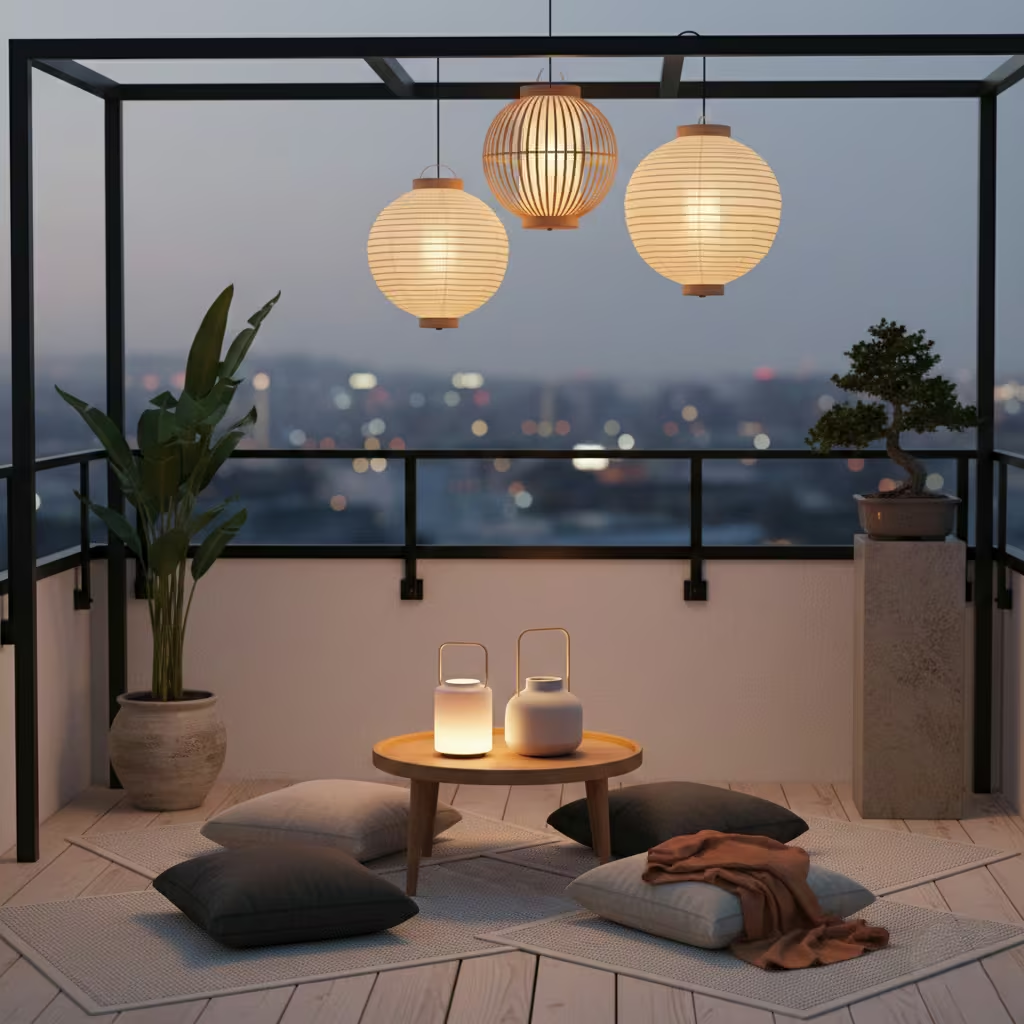
Soft ambient lantern lighting creates a warm, inviting atmosphere on a Japandi balcony, perfect for evening relaxation, tea, or quiet reading. Lanterns diffuse light gently, reinforcing the minimalist yet cozy vibe of the space. This concept works for any balcony size, with the number and scale of lanterns adjusted to fit the area.
For sizing, use tabletop lanterns 20–35 cm (7.9–13.8 in) high and hanging lanterns 25–50 cm (9.8–19.7 in), ensuring proportion with seating and overall layout. Materials should be outdoor-rated LED lanterns with weatherproof sockets, either battery-operated or low-voltage wired options for safety and ease.
Installation is straightforward: choose your power type, position lanterns to avoid glare or shadows on seating, and consider timers or dimmers for convenience. Battery-operated models require minimal setup, while wired options provide a permanent solution with less ongoing maintenance.
Costs are generally £30–£200 ($35–$250) depending on size, material, and power type. Maintenance includes seasonal battery replacement and wiping surfaces to remove dust or debris. Avoid paper or delicate materials in exposed locations to prevent weather damage.
The advantages are cozy, inviting evenings and low-effort ambiance, while drawbacks include the need for battery replacement and careful placement to avoid moisture damage. Image suggestion: soft glowing lanterns on a timber bench or hanging over a floor cushion setup.
You May also Like: 25 Japanese Mid-Century Modern Design Ideas You’ve Probably Never Seen (and Will Obsess Over)
Zen Gravel Tray or Mini Rock Garden
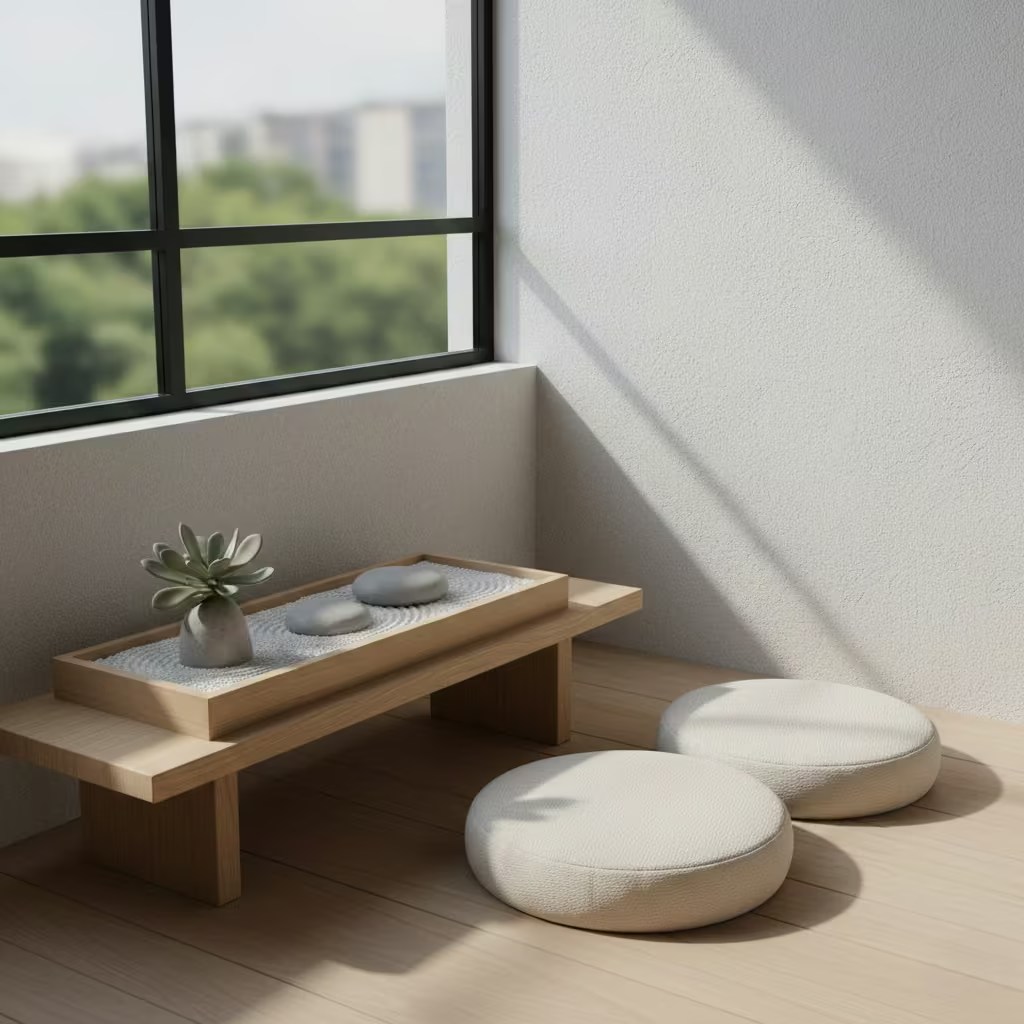
A Zen gravel tray or mini rock garden brings a meditative, sculptural element to a Japandi balcony, providing a small area for contemplation and focus. It’s ideal for compact spaces 1–3 m² (11–32 sq ft) where floor space is limited but a visual anchor is desired.
For sizing, choose a tray 60–100 cm (23.6–39.4 in) long and 6–12 cm (2.4–4.7 in) deep. Materials include river gravel, flat stones, and a shallow wooden or ceramic tray, complemented by a small drought-tolerant moss or shrub for a touch of greenery.
Installation is simple: line the tray with a weed membrane to prevent moss or soil escape, layer the gravel, and arrange stones and the focal plant intentionally. Place the tray on a low table or bench for easy viewing and interaction.
Cost is low, typically £25–£120 ($30–$140) depending on tray size and plant selection. Maintenance involves occasional raking, repositioning stones, and dusting debris.
The advantages are low upkeep, strong visual calm, and sculptural appeal, while the downsides include potential debris accumulation and unsuitability for balconies exposed to heavy rain. Image suggestion: shallow wooden tray with white gravel, moss, and a small bonsai-like shrub.
You May also Like: Ibiza House Exteriors Ideas for Timeless Mediterranean Architecture
Natural Fibre Outdoor Rug
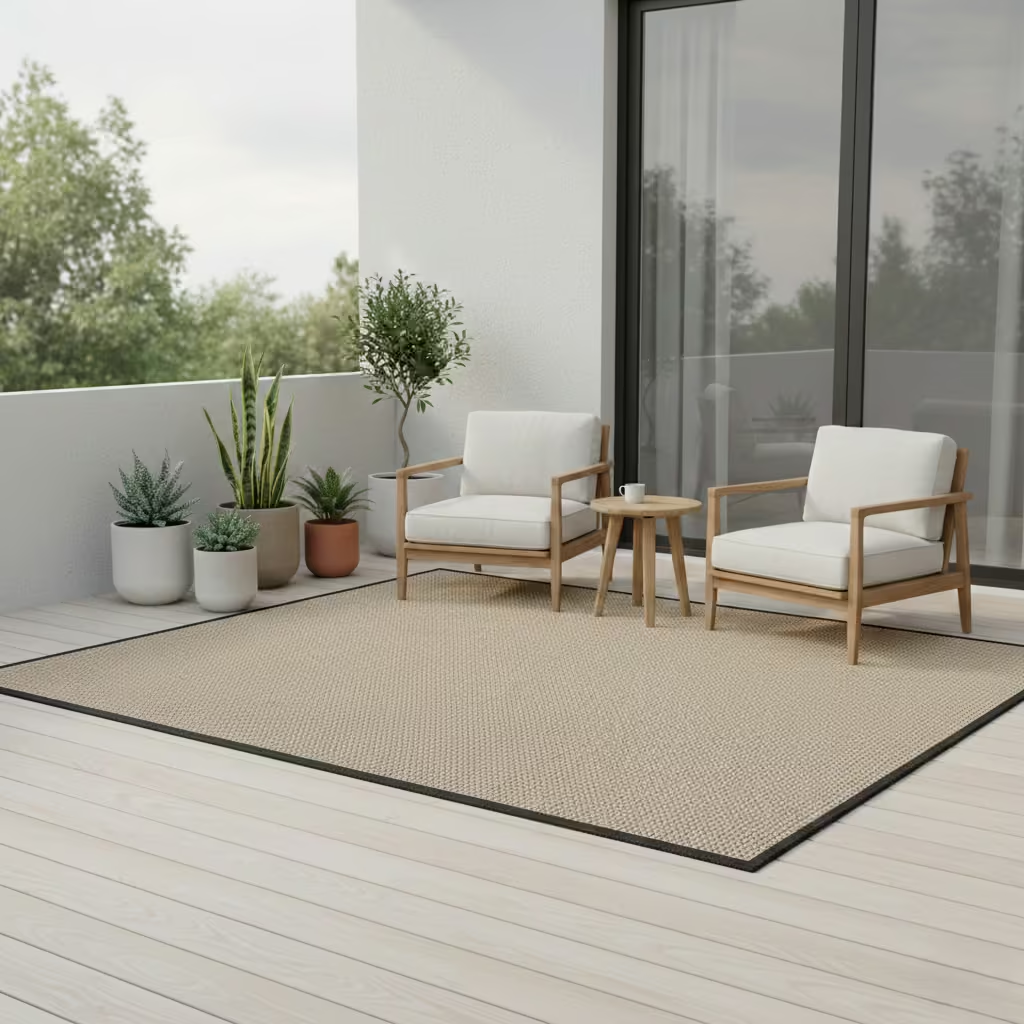
A natural fibre outdoor rug adds texture, warmth, and definition to a Japandi balcony seating area, enhancing the minimalist aesthetic while keeping the space grounded. This works on any balcony, but is most effective on balconies with a depth of 1.5 m (4.9 ft) or larger.
For sizing, leave 10–20 cm (3.9–7.9 in) of clearance from balcony edges and railings to prevent curling or fraying. Common dimensions include 120×80 cm (47.2×31.5 in) and 160×120 cm (63×47.2 in). Materials should be PU-backed jute or polypropylene weaves that replicate natural fibres for durability and weather resistance.
Installation is simple: measure carefully, choose a backed or coated rug to prevent moisture damage, and secure with non-slip pads to avoid movement on decking.
Cost ranges £30–£200 ($35–$230) depending on size, fibre quality, and backing type. Maintenance involves regular shaking or brushing to remove dust, and spot cleaning stains.
The advantages are space definition, natural texture, and aesthetic cohesion, while the main drawback is that natural fibres can deteriorate if left in wet conditions or direct sun for extended periods. Image suggestion: rectangular jute-look rug under a low bench and floor cushions.
Muted Clay and Ceramic Accessories
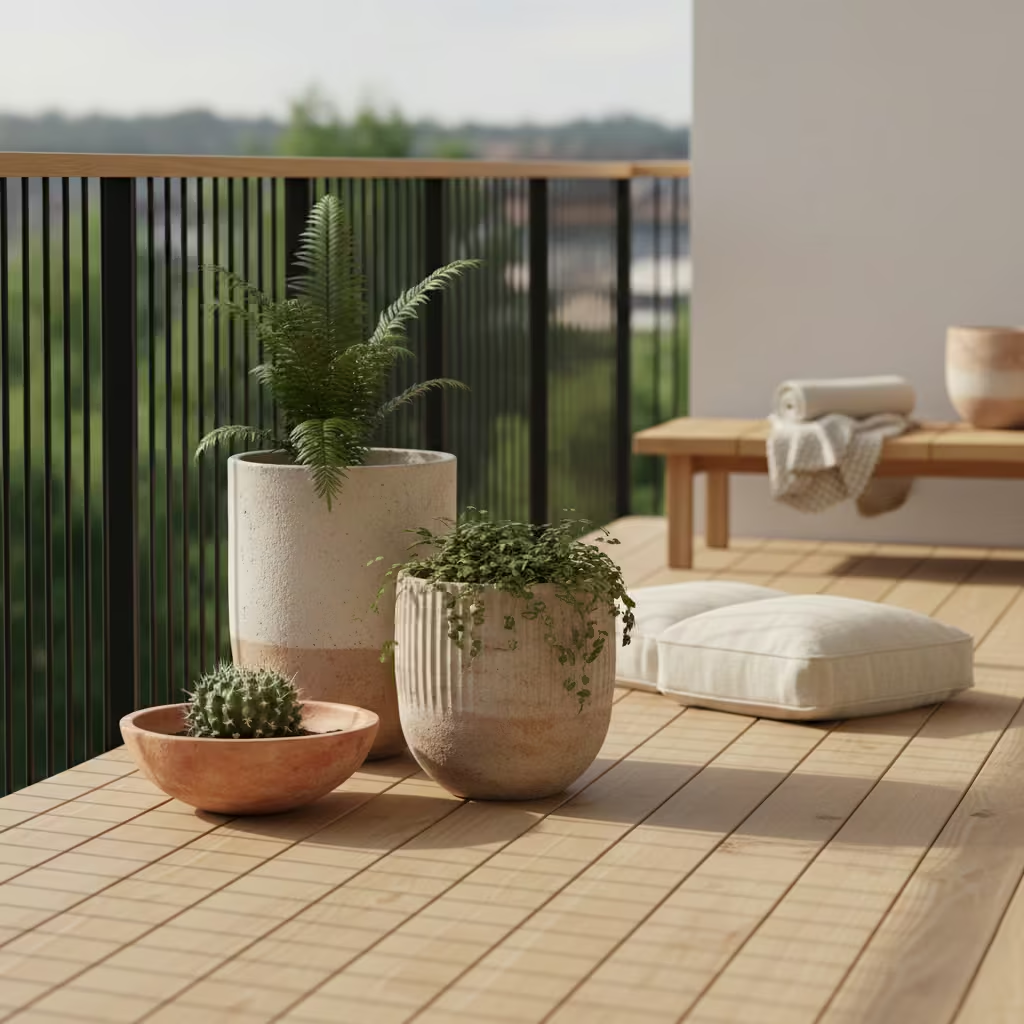
Muted clay and ceramic accessories bring understated elegance to a Japandi balcony, adding texture and warmth without overwhelming the space. Hand-thrown planters and vessels in matte, neutral glazes create a natural, tactile focus. This approach suits any balcony, though small clusters are best to maintain the minimalist aesthetic.
Pot sizes typically range from 12–30 cm (4.7–11.8 in) in diameter, depending on plant choice. Materials should include unglazed stoneware or terracotta, with frostproof ratings for exposed or colder locations.
Styling involves selecting 2–3 complementary glaze tones, mixing heights and textures, and pairing with matching drainage trays to protect decking. Placement should balance visual interest with circulation space.
Cost generally falls in the £20–£200 ($25–$240) range depending on size, craftsmanship, and material. Maintenance includes cleaning algae or salt deposits and protecting terracotta pots from frost, which can cause cracking.
The main advantages are handmade character, tactile appeal, and timeless aesthetics, while drawbacks include weight and vulnerability to freezing temperatures. Image suggestion: a small cluster of matte beige and grey terracotta pots on a light timber deck.
Folding Japandi Bistro Table
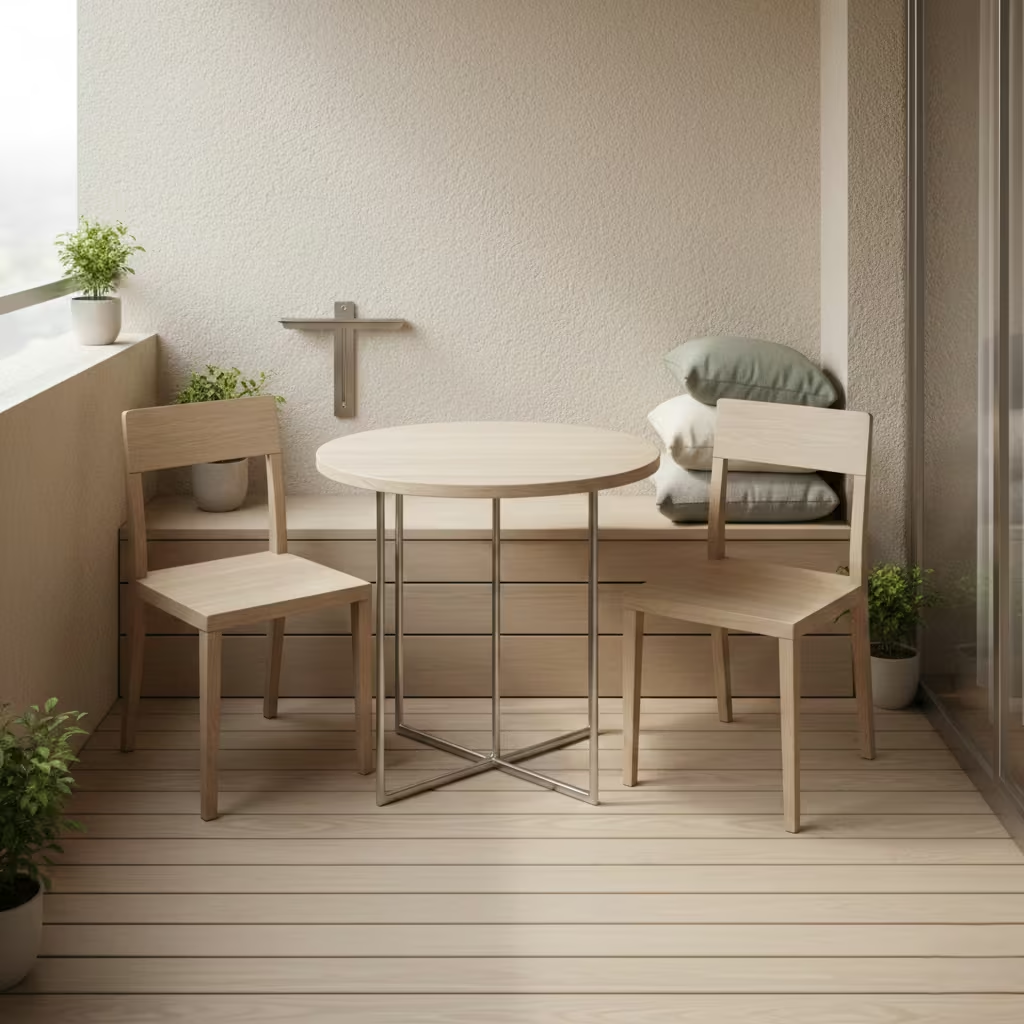
A folding Japandi bistro table brings functionality and flexibility to a small balcony, offering a spot for meals, coffee, or laptop work without consuming permanent floor space. Ideal for balconies 1.5–4 m² (16–43 sq ft), it allows the area to remain open when not in use.
For sizing, choose a round table 60–70 cm (23.6–27.6 in) diameter or a drop-leaf design with 20–25 cm (7.9–9.8 in) depth. Materials like teak or oak veneer combined with a lightweight aluminium frame ensure durability and weather resistance.
Installation involves optionally fixing a wall bracket for folding models, pairing with 2 lightweight chairs, and folding the table away when extra space is needed. This setup is ideal for small urban balconies where versatility is key.
Cost ranges £70–£300 ($80–$350) depending on wood quality, size, and mechanism. Maintenance is simple: wipe regularly and lightly oil solid wood components to preserve appearance.
The advantages include space-saving design and dining functionality, while the main limitation is restricted workspace when folded. Image suggestion: compact round wood table with two minimalist chairs on a timber deck.
Scandinavian-Style Balcony Chair with Japanese Lines
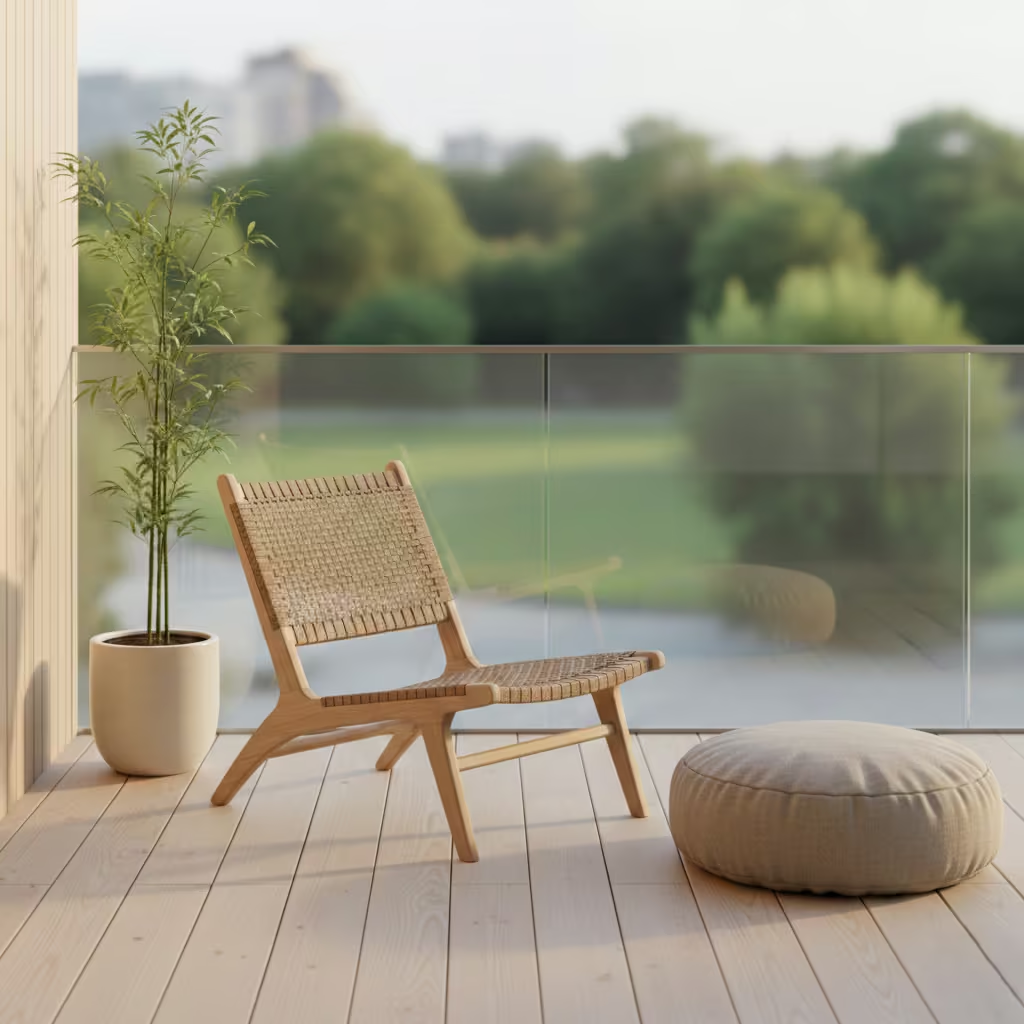
A Scandinavian-style balcony chair with Japanese-inspired lines combines minimalist elegance with functional comfort, perfect for a small Japandi seating nook. Its slim frame and woven seat create an airy, uncluttered look, enhancing the sense of calm and space.
Dimensions should include a seat height of 42–45 cm (16.5–17.7 in) and overall width of 50–60 cm (19.7–23.6 in), making it comfortable without dominating the balcony footprint. Materials like teak or ash for the frame and paper cord or water-resistant woven seats maintain durability while staying lightweight.
Installation is simple: select stackable or foldable models for flexibility, position to preserve balcony sightlines, and optionally add a small cushion for extra comfort.
Costs typically range £120–£500 ($150–$600) depending on wood type, weaving quality, and brand. Maintenance involves gently cleaning the woven seat and treating the wood as recommended by the manufacturer.
The main advantages are lightweight aesthetic, comfort for longer sits, and visual openness, while drawbacks include the possibility of woven seats sagging under heavy or frequent use. Image suggestion: light wooden chair with woven seat next to a small floor cushion and planter.
You May also Like: 25 Productive Japanese Home Office Designs for a Soulful Workspace
Matte Black or Soft Charcoal Accents
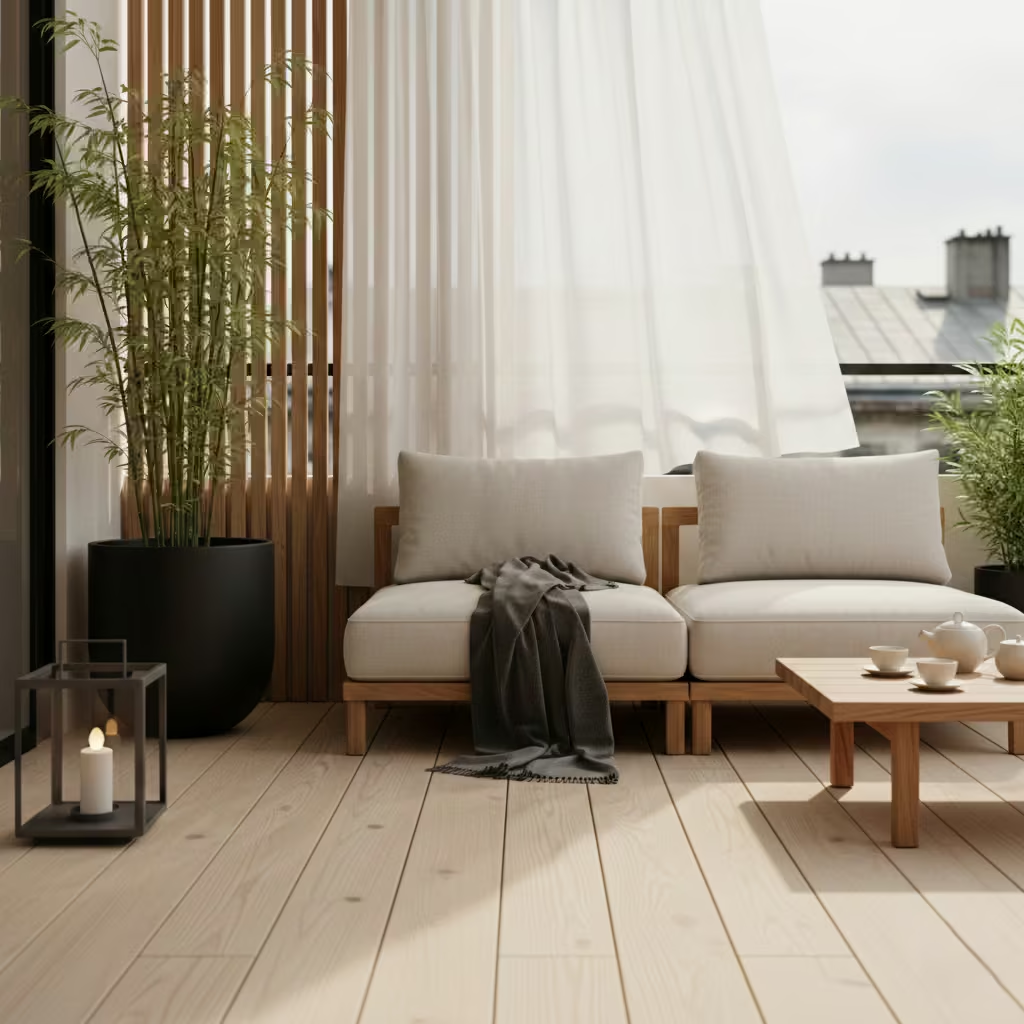
Incorporating matte black or soft charcoal accents adds depth and a modern edge to a Japandi balcony while maintaining the serene, minimalist aesthetic. These accents work on any balcony, with scale adjusted according to the space to avoid overwhelming lighter tones.
For proportion, keep accent elements to 10–15 percent of the visible surface, whether in railings, planters, or lighting. Materials like powder-coated metal and matte ceramics are durable and weather-resistant.
Styling involves selecting one or two key pieces, positioning them to frame views or focal points, and pairing them with warm timber elements to maintain balance. This restrained approach ensures the accents enhance rather than dominate the palette.
Cost typically ranges £20–£200 ($25–$240) depending on size and material. Maintenance is simple: wipe painted or ceramic surfaces regularly and touch up any chips to maintain a polished look.
The advantages include modern contrast and visual grounding of the overall palette, while the main drawback is that too much dark color can make small spaces feel heavy. Image suggestion: matte black planter and lantern on a pale timber deck beside neutral cushions.
You May also Like: 25 Minimalist Bedroom Ideas for a Clean, Modern, and Peaceful Sleep Space
Built-In Balcony Planter Bench
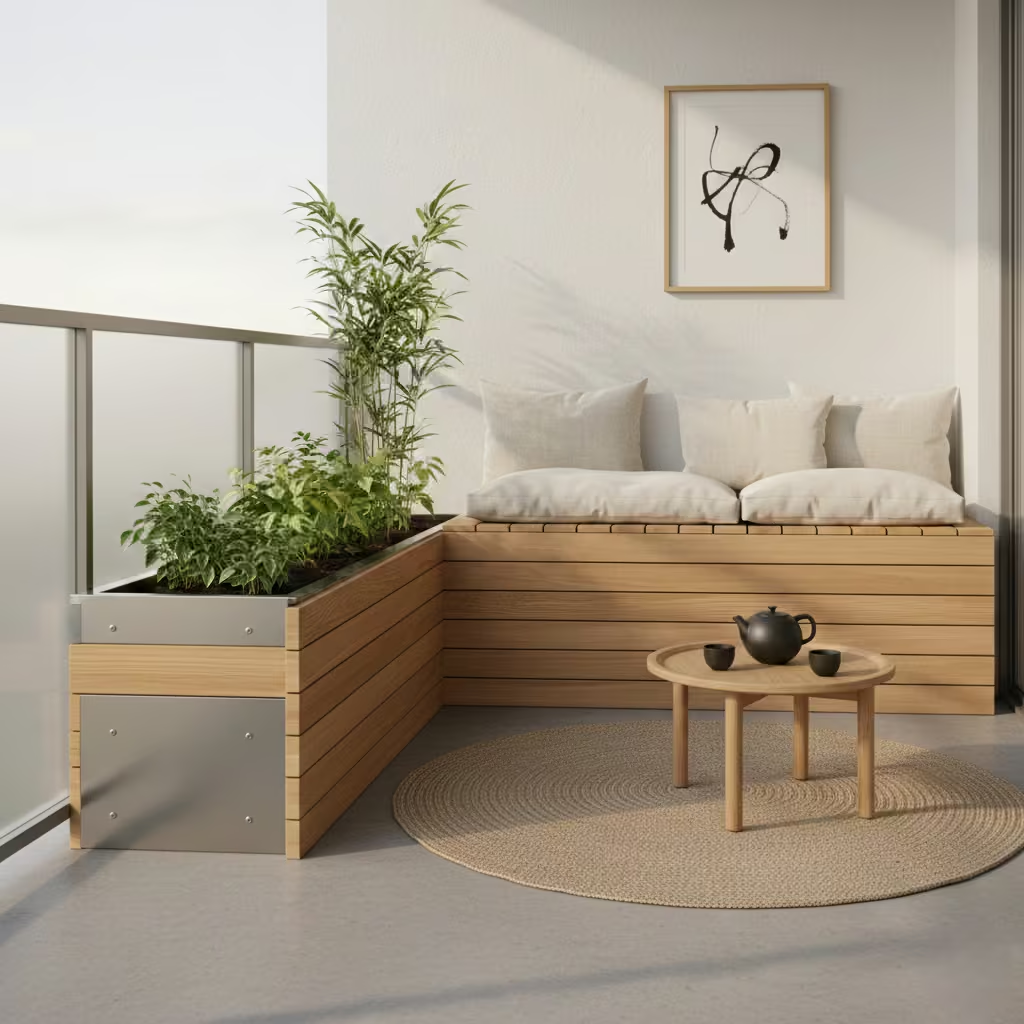
A built-in balcony planter bench combines seating and greenery in a single elegant solution, perfectly suited to Japandi-style balconies. It works best on 3–8 m² (32–86 sq ft) balconies, providing both comfort and visual interest while maintaining circulation.
For dimensions, plan a planter depth of 20–30 cm (7.9–11.8 in), bench seat height of 42–45 cm (16.5–17.7 in), and bench depth of 35–45 cm (13.8–17.7 in) to ensure proportionate seating and planting space. Materials include timber cladding for aesthetics, a stainless-steel planter liner for durability, and an integrated drainage outlet to prevent waterlogging.
Installation starts with confirming the balcony’s load-bearing capacity, fitting the planter liner with proper drainage, and finishing with a timber bench top. This design allows for seasonal planting while providing a cohesive built-in appearance.
Cost typically falls in the medium to high range, £300–£1,200 ($350–$1,400) depending on timber quality and planter size. Maintenance includes seasonal planting, clearing drainage outlets, and periodic oiling of timber surfaces.
The advantages are efficient use of space, integrated look, and added greenery, while the drawbacks are that it is more permanent and requires careful detailing to prevent water damage. Image suggestion: built-in bench with planter along railing, neutral cushions, and small leafy plants.
Warm LED Strip Lighting Under Seating
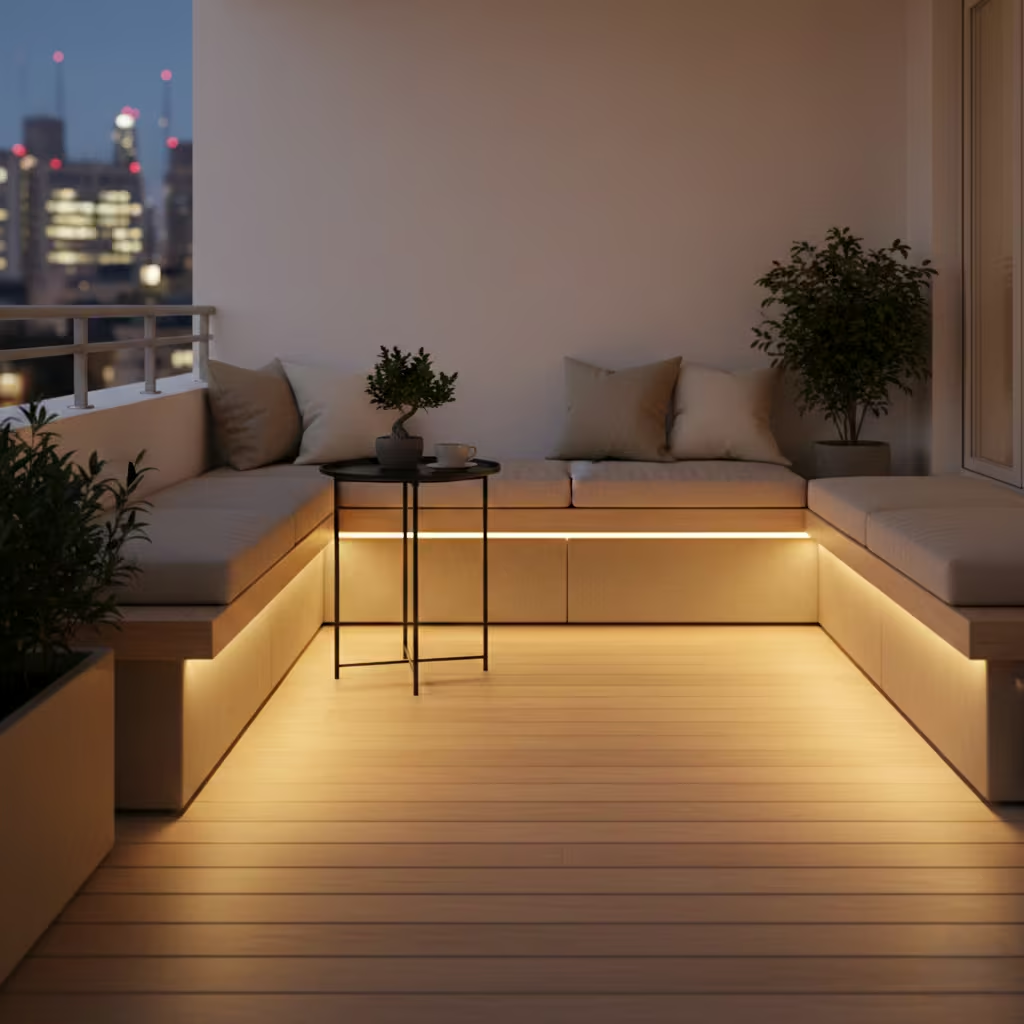
Warm LED strip lighting under benches or planters adds subtle, indirect illumination to a Japandi balcony, creating a soft, inviting glow ideal for evening use. This solution suits any balcony, particularly those designed for nighttime relaxation or entertaining.
For sizing, use LED strips 8–12 mm wide installed 10–15 cm (3.9–5.9 in) above the floor, running along the underside of seating or planter edges. Materials should include IP65-rated LED strips, an aluminium mounting channel, and a suitable transformer for safe operation.
Installation involves selecting warm white LEDs (2,700–3,000 K) for a cozy tone, mounting the channels securely, and wiring to weatherproof electrical outlets. Strips can be connected to timers or dimmers for convenience.
Cost typically ranges £40–£200 ($50–$250) depending on length and quality of materials. Maintenance involves checking seals, connections, and strip adhesion annually to ensure durability.
The advantages are subtle ambiance, soft illumination, and no direct glare, enhancing the Japandi mood, while the main drawback is the requirement for power access and careful, safe wiring. Image suggestion: warm LED glow under a timber bench with cushions in the evening.
Sliding Bamboo or Timber Screens
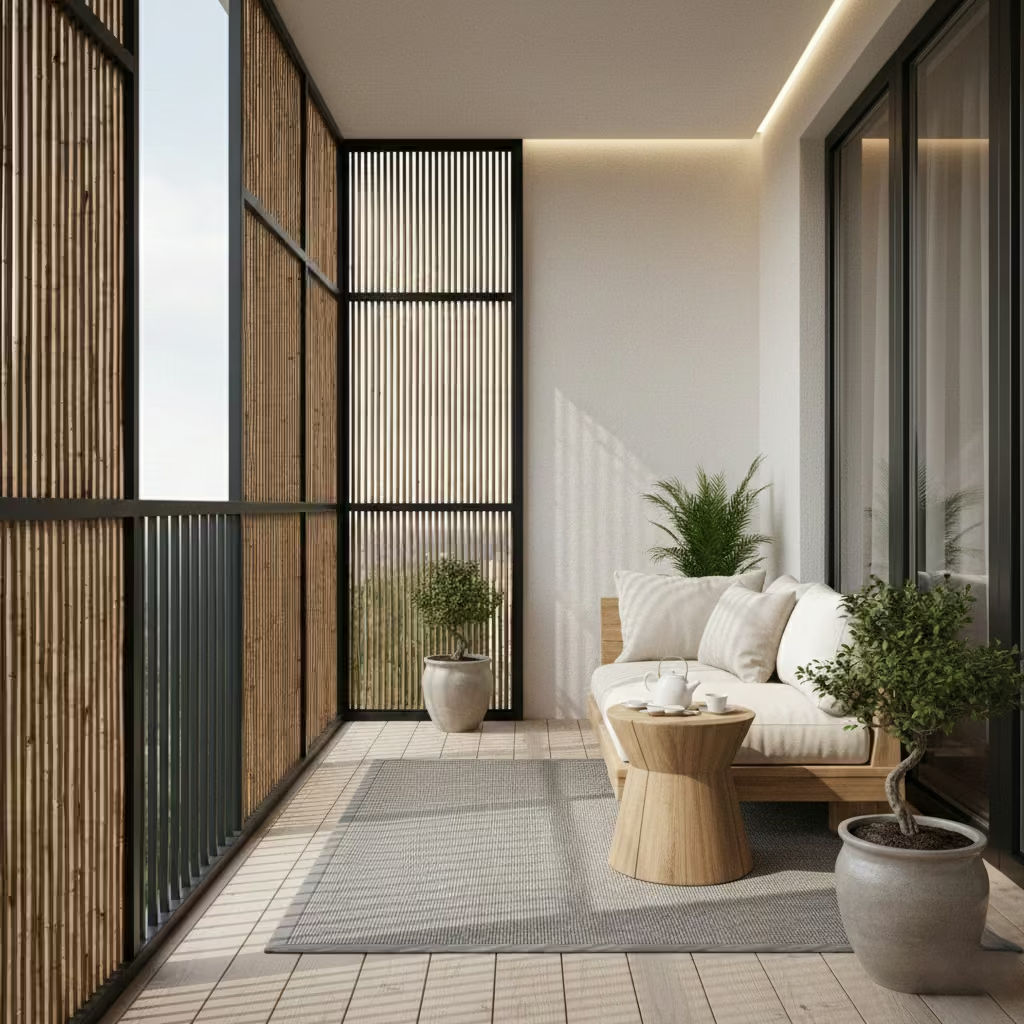
Sliding bamboo or timber screens offer flexible privacy and sun control on a Japandi balcony, drawing inspiration from traditional shoji while using durable outdoor materials. They are ideal for balconies 3–8 m² (32–86 sq ft) where versatility and layered privacy are desired.
For sizing, panels should be 40–80 cm (15.7–31.5 in) wide with a track depth of 6–10 cm (2.4–3.9 in) to allow smooth sliding. Materials include bamboo slats on aluminium frames or louvered timber panels for a natural texture and long-lasting performance.
Installation involves mounting a ceiling track, hanging panels to slide freely, and adding stops or latches to prevent movement in windy conditions. Panels can be arranged to adjust sunlight, airflow, or privacy as needed throughout the day.
Cost typically ranges £250–£900 ($300–$1,100) depending on material choice, panel size, and track quality. Maintenance includes clearing debris from the track and refinishing timber periodically to protect against weathering.
The advantages are flexibility, layered privacy, and authentic tactile appeal, while drawbacks include the need for track installation and careful wind management to keep panels stable. Image suggestion: sliding bamboo panels partially covering a balcony railing with sunlight filtering through.
Simple Tea or Coffee Ritual Corner
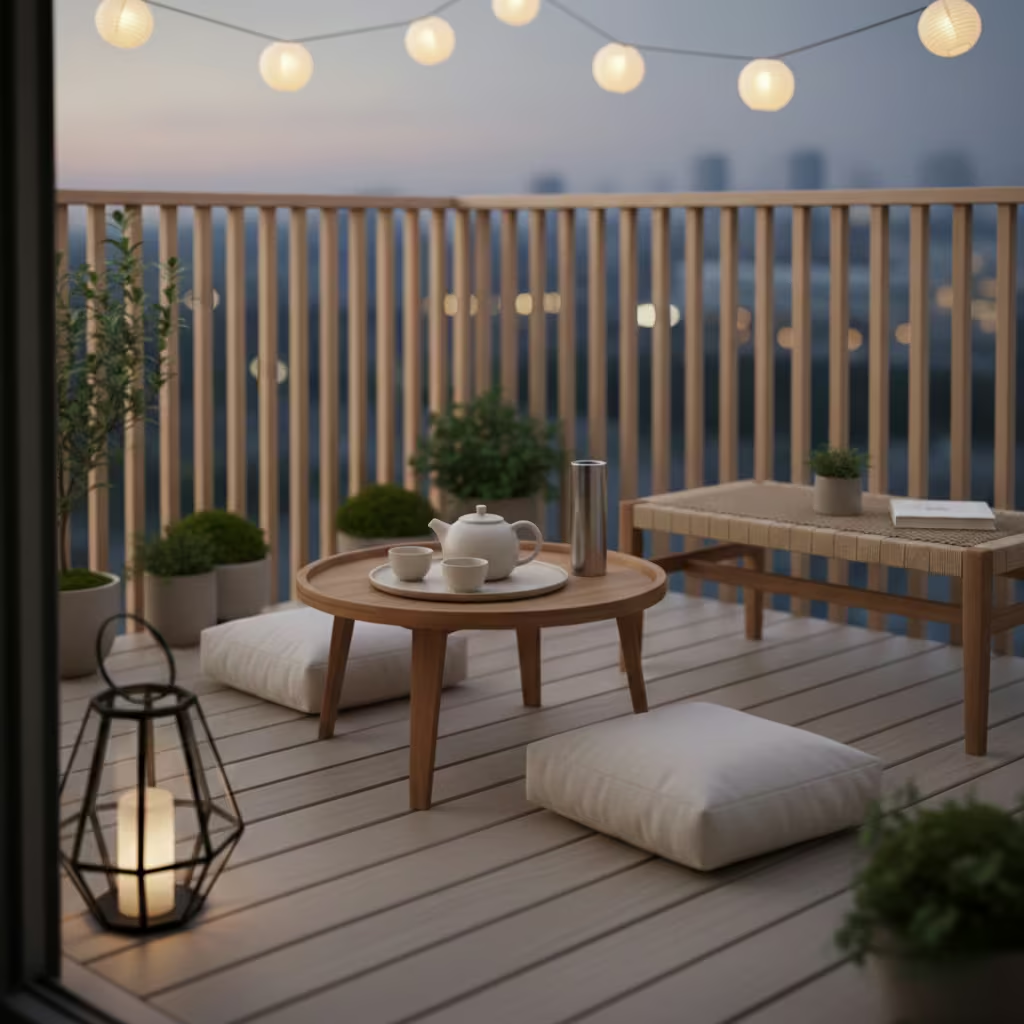
A simple tea or coffee ritual corner transforms a small Japandi balcony into a mindful retreat, encouraging daily pauses and calm moments. It’s perfect for balconies 1.5–4 m² (16–43 sq ft) where space is limited but a dedicated spot for ritual is desired.
For dimensions, use a tray table 40–50 cm (15.7–19.7 in) diameter and allow 60 cm (23.6 in) clearance for chairs to maintain comfortable movement. Materials include a teak tray, ceramic teapot, and insulated flask, paired with small, comfortable seating that complements the balcony’s minimal aesthetic.
Setup involves creating a micro-surface for ritual tools, arranging seating for ease of use, and adding a small lantern or candle for evening ambiance. This micro-zone can be rotated or tucked away when not in use.
Cost is low, generally £40–£200 ($50–$240) depending on tray and teaware selection. Maintenance is simple: wipe and dry trays after use, and store ceramics indoors during frost or heavy rain.
The advantages are promoting daily mindfulness and simplicity, while the main limitation is that it is suitable for only one or two people at a time. Image suggestion: small tray with teapot and cups on a timber deck, two cushions or low chairs nearby.
You May also Like: 25 Small Balcony Decor Ideas for Summer 2026 Stylish Outdoor Inspiration
Textured Wall Finish or Exterior Plaster Look
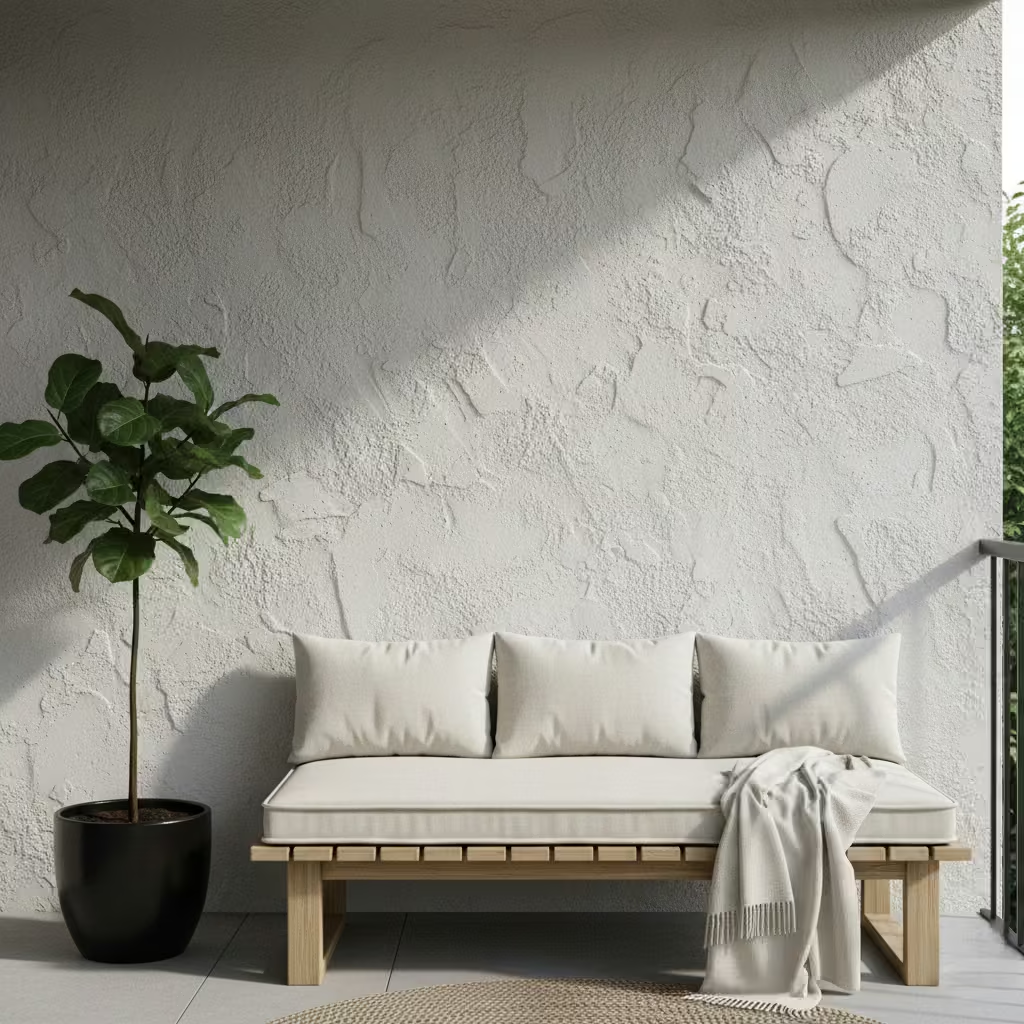
A textured wall finish or exterior plaster adds subtle tactile interest to a Japandi balcony without relying on decorative art. It works on any balcony, providing a calm, understated backdrop for furniture, planters, and lighting, making the space feel cohesive and elevated.
Materials include lime-based render or exterior clay paints, which are breathable and suitable for outdoor conditions. Installation involves cleaning the wall, applying a substrate primer, layering two coats of clay paint or thin render, and finishing with light sanding to create a soft texture.
Cost typically ranges £150–£700 ($180–$850) depending on materials, wall size, and whether professional contractor installation is required. Maintenance is minimal: touch up chips as needed and consider a full recoat every 5–8 years to maintain a fresh look.
The main advantages are a permanent, tactile feature that enhances Japandi aesthetics, while the drawbacks include higher upfront cost and the need for contractor work. Image suggestion: pale, textured plaster wall behind a low bench with neutral cushions and minimal accessories.
You May also Like: Essential Approaches to Contemporary Facade Design: Architectural Principles, Material Choices, and Real-World Application
Calm Monochrome Plant Palette
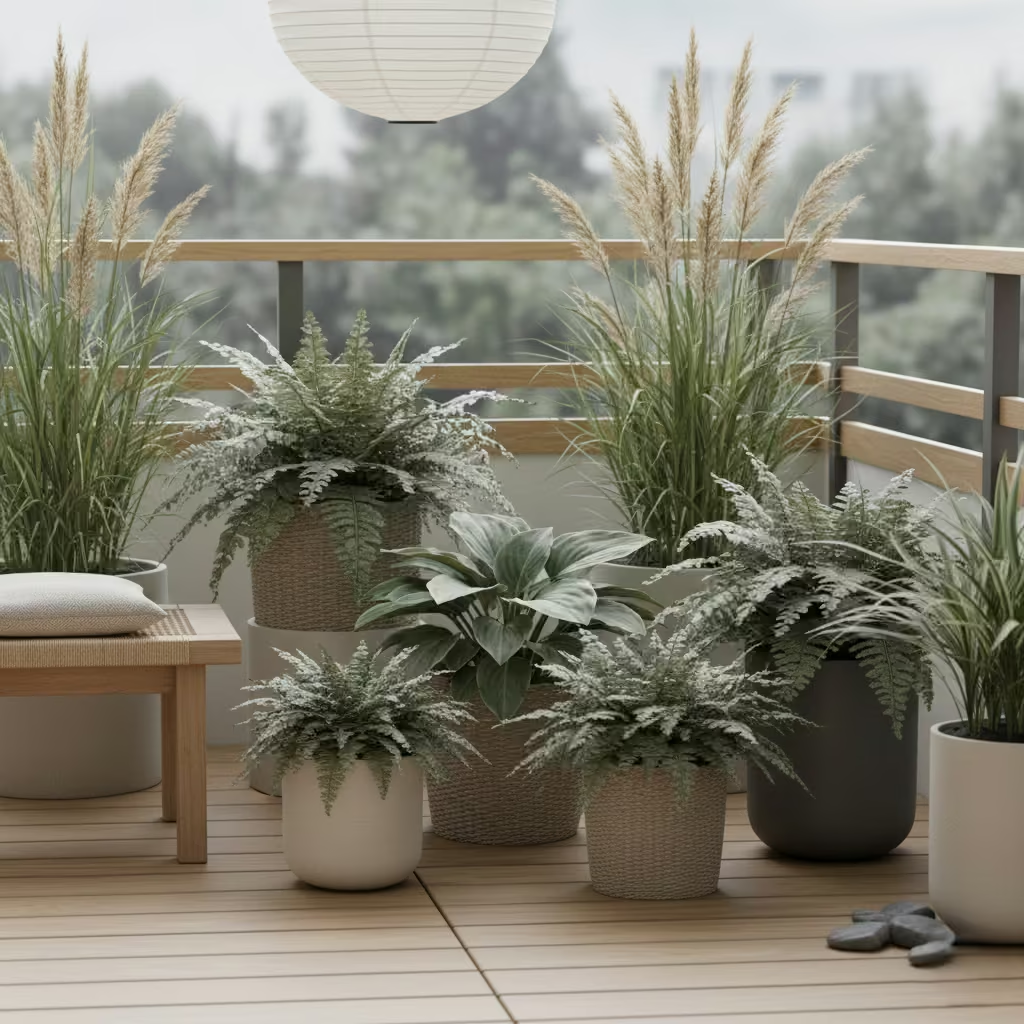
A calm monochrome plant palette emphasizes shades of green with varied leaf shapes, creating a serene, cohesive look on a Japandi balcony. This approach works for any balcony, but is particularly effective on small spaces where colourful flowers might feel busy or overwhelming.
For layout, space pots 20–40 cm (7.9–15.7 in) apart to allow air circulation and visual balance. Materials include evergreen plants, hostas, ferns, and small ornamental grasses, selected for texture and muted tones rather than vibrant blooms.
Styling involves choosing three to five complementary plant species, staggering heights, and grouping them in 2–3 pot sizes to create layered interest while maintaining simplicity.
Cost generally falls £30–£250 ($35–$300) depending on plant variety and pot choice. Maintenance includes seasonal feeding, regular watering, and occasional repotting to keep the plants healthy and proportional.
The advantages are a long-lasting, calming visual palette that enhances Japandi minimalism, while the drawback is limited seasonal interest if colourful flowers are desired. Image suggestion: small group of ferns, hostas, and grasses in neutral-tone planters on a timber deck.
Minimal Wall-Mounted Shelf
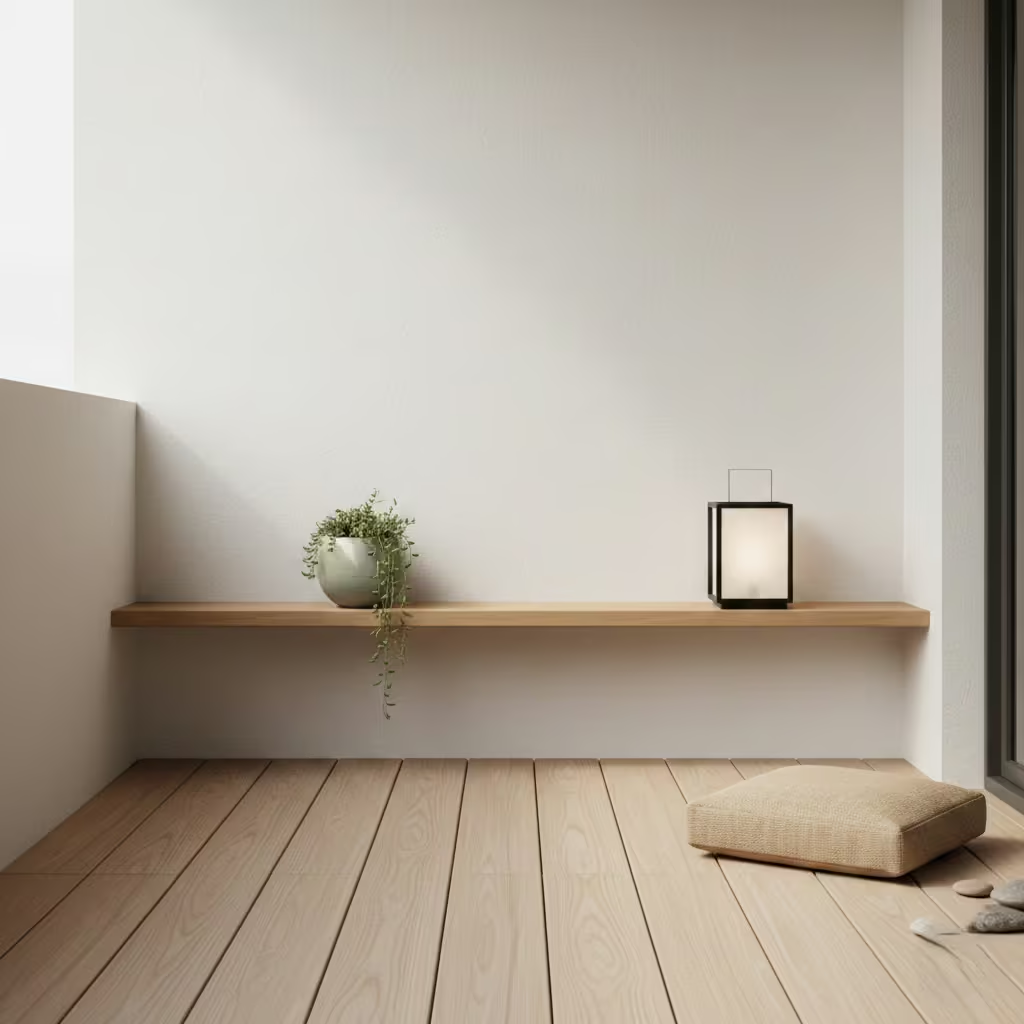
A minimal wall-mounted shelf maximizes balcony utility by providing a narrow, elevated surface for plants, lanterns, or ritual items, ideal for Japandi balconies where floor space is limited. It suits any balcony, especially narrow or compact layouts.
For sizing, use a shelf depth of 15–20 cm (5.9–7.9 in) and a length of 60–120 cm (23.6–47.2 in), keeping proportions light and unobtrusive. Materials such as powder-coated metal brackets with an oak or solid timber shelf combine durability with a clean, natural look.
Installation involves fixing brackets securely to studs or using suitable anchors for masonry walls. Keep contents minimal, displaying one or two small planters, a lantern, or a small tray for ritual items to maintain Japandi simplicity.
Cost typically ranges £30–£200 ($35–$250) depending on shelf length, timber type, and bracket quality. Maintenance includes checking fixings periodically and re-oiling timber surfaces to preserve the finish.
The main advantages are floor space savings and a neat, elevated display, while the main limitation is restricted weight capacity, so avoid heavy objects. Image suggestion: slim oak shelf with a single planter and small lantern mounted above a timber deck.
You May also Like: 25 Japanese Reading Nook Secrets for a Perfectly Calm Home
Indoor-Outdoor Flow with Matching Materials
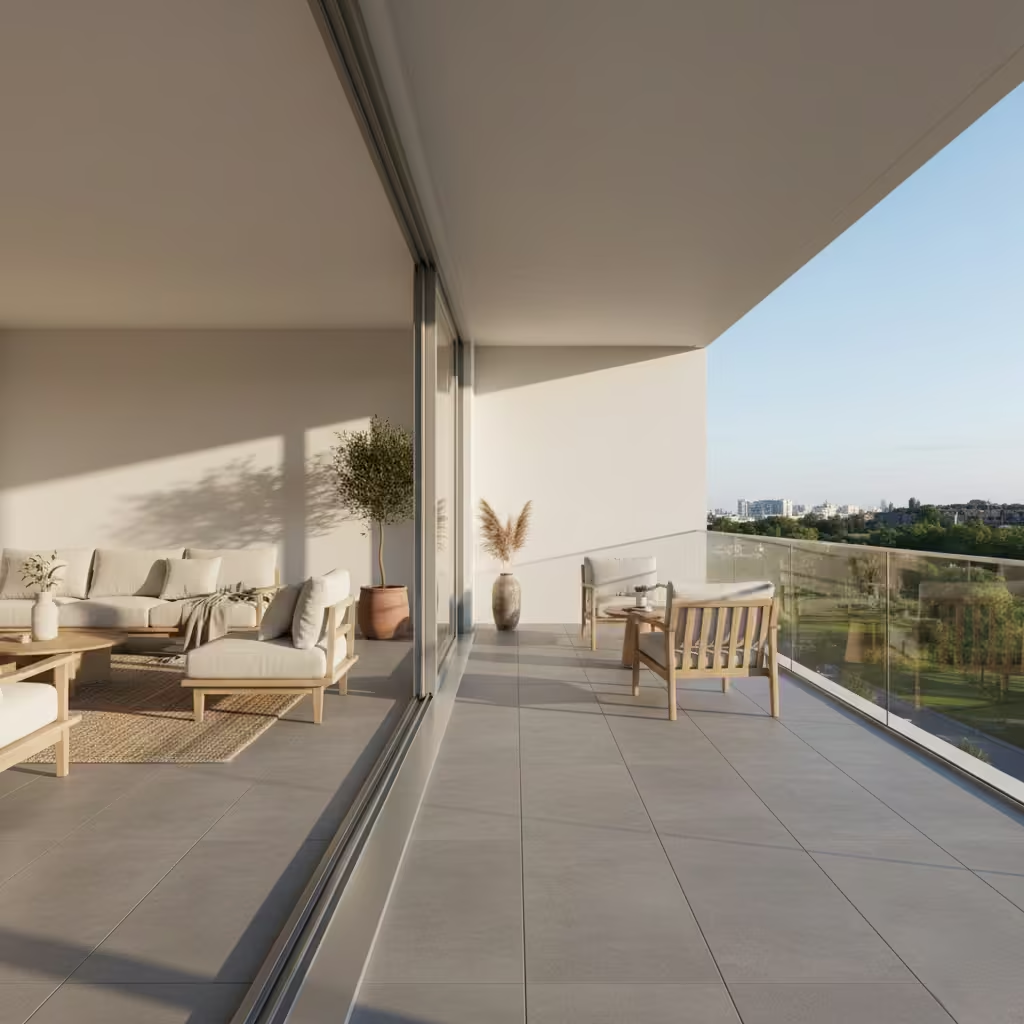
Creating an indoor-outdoor flow extends a Japandi living space visually by carrying the same flooring or colour palette from the interior to the balcony. This works on any balcony where the threshold is visible, enhancing the sense of continuity and spaciousness.
For installation, use matching flooring planks with consistent thickness, and keep any threshold ramp to 10–20 mm (0.4–0.8 in) for a smooth transition. Materials can include exterior-grade deckboards or tiles, paired with a continuous colour palette for a seamless effect.
Steps involve selecting a material suitable for outdoor conditions, matching grout or finish to the interior, and ensuring proper drainage and thermal separation to prevent damage.
Cost typically ranges £200–£1,500 ($250–$1,700) depending on material, balcony size, and installation complexity. Maintenance follows the requirements of the chosen flooring, including periodic sealing if necessary.
The advantages are a visually enlarged space and strong design statement, while the drawbacks include higher cost and the need for careful technical detailing. Image suggestion: timber or tile flooring flowing from living room directly onto balcony, with minimal railing and neutral furnishings.
Seasonal Japandi Styling Switch
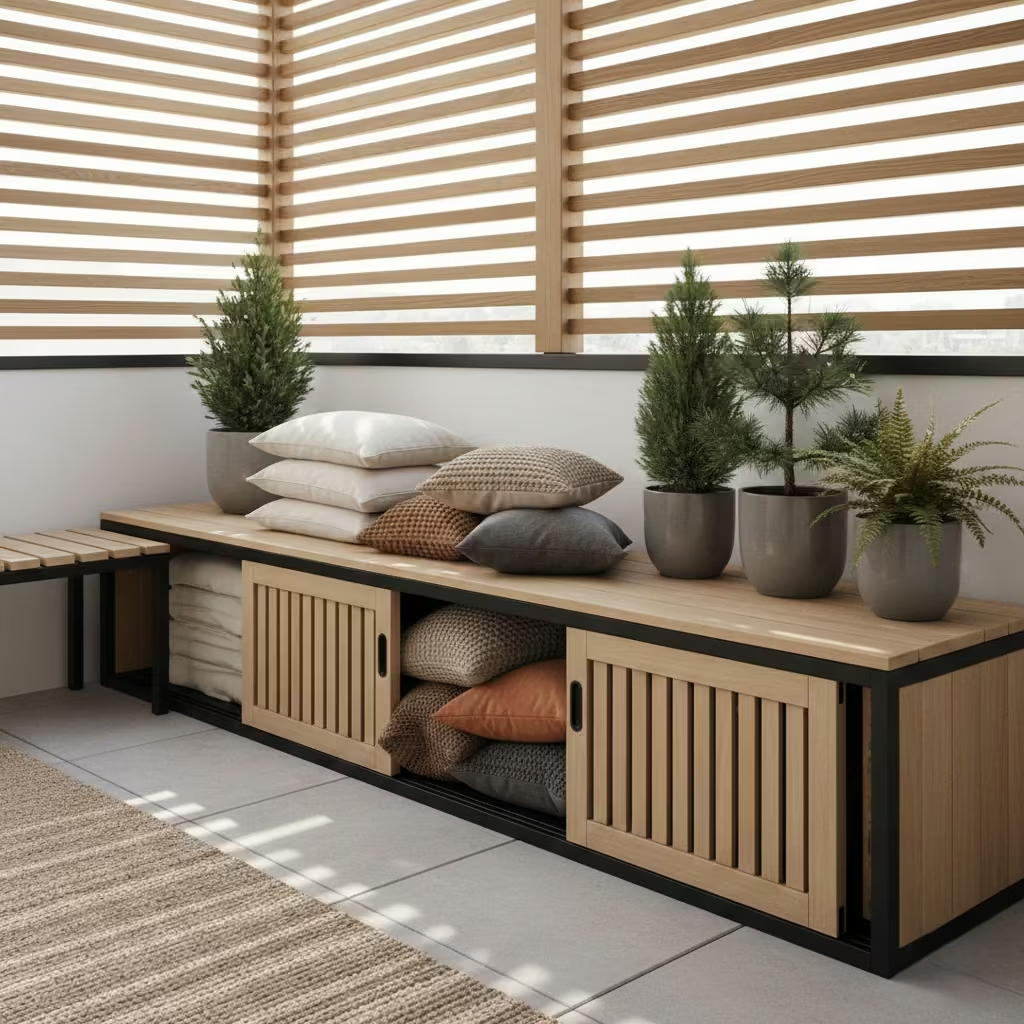
A seasonal Japandi styling switch keeps your balcony feeling fresh and aligned with the changing year. By rotating textiles and plants light linen cushions in summer, wool blends in autumn, and evergreen pots in winter you maintain comfort and visual harmony while reflecting the seasons. This strategy works for any balcony, though planning for off-season storage is essential.
For storage, a box or bench of 100×40×40 cm (39.4×15.7×15.7 in) is typical for cushions and small accessories. Materials include a weatherproof storage bench and vacuum-sealed textiles for winter to protect against moisture and pests.
Implementation involves cataloguing items for each season, storing off-season items safely, and refreshing potted plants to reflect seasonal growth. This approach allows a subtle transformation of your balcony without major renovations.
Cost generally ranges £40–£350 ($50–$400) depending on storage solutions and the number of textiles or plants rotated. Maintenance includes seasonal laundering of fabrics and routine plant care.
The advantages are year-round freshness and seasonal adaptability, while the main drawback is the need for storage space and disciplined rotation. Image suggestion: neatly stacked linen cushions in a weatherproof storage box, with winter-evergreen pots visible on the balcony.
You May also Like: 21 Minecraft Bedroom Ideas to Build the Ultimate Gamer Room
Fully Decluttered, Intentionally Empty Balcony
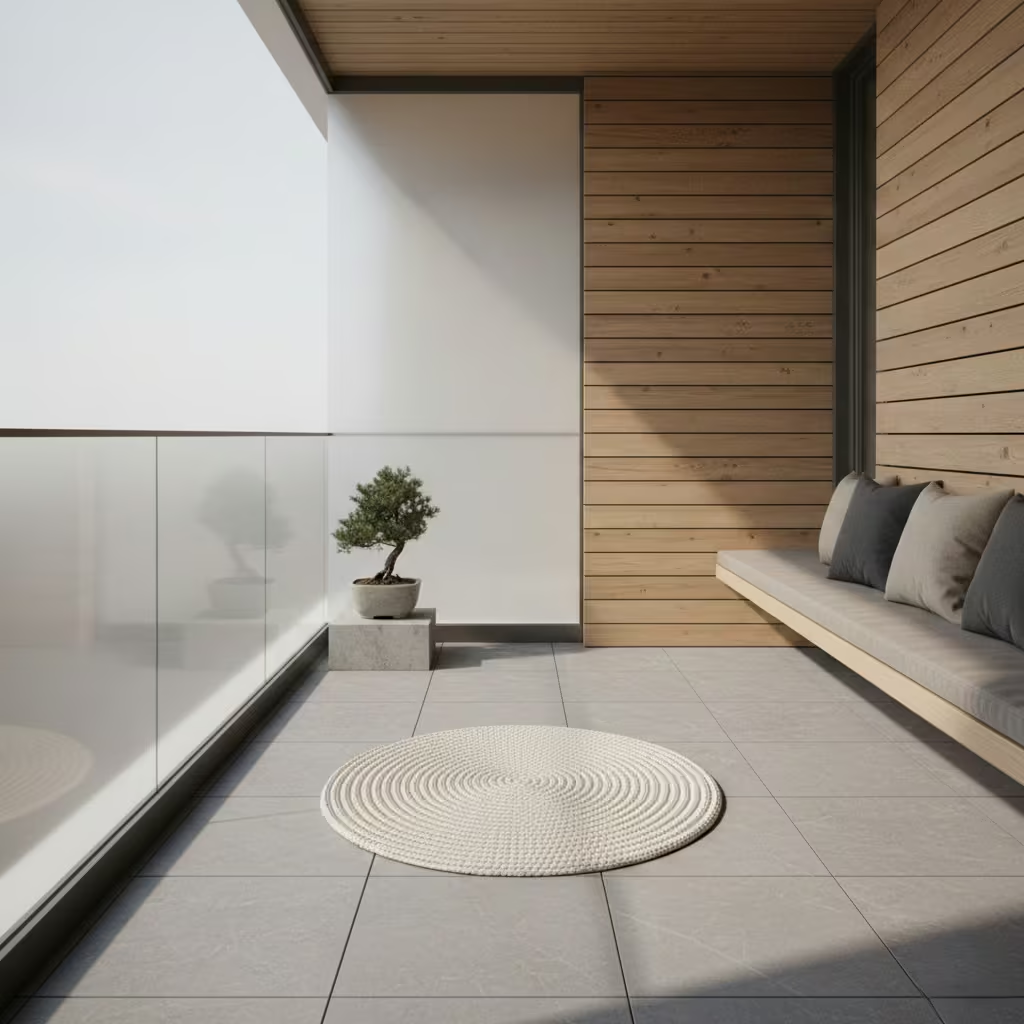
A fully decluttered balcony embraces negative space, turning the area into a serene retreat for contemplation or mindful pauses. This concept works on any balcony, but is particularly powerful on small urban balconies, where simplicity amplifies the sense of calm.
If using a mat, select a kneeling or floor mat around 80×60 cm (31.5×23.6 in). Materials should remain natural and minimal, such as timber decking or stone tiles, with a single neutral mat if desired.
Implementation involves removing all non-essential items, optionally adding one focal element like a plant or lantern, and maintaining clean lines to emphasize emptiness.
Cost is low, as minimal furnishings are required. Maintenance consists of regular sweeping and keeping the area free from clutter.
The advantages are a strong sense of calm, openness, and uncluttered aesthetics, while the drawback is that some users may feel the space is underused or wasted. Image suggestion: bare timber balcony with one neutral mat and soft natural light.
Common Mistakes to avoid while styling Japandi Balcony
Styling a Japandi balcony seems simple because of its minimalist ethos, but there are a few pitfalls that can disrupt the calm, harmonious vibe. Here are the main mistakes to avoid:
Overcrowding the Space
Japandi design relies on negative space and intentional placement. Filling your balcony with too many planters, furniture pieces, or decorative objects can make it feel cluttered and reduce functionality. Always prioritize essential pieces and allow visual breathing room.
Ignoring Proportions
Using oversized furniture or large planters on a small balcony disrupts balance. Conversely, too-small pieces on a large balcony can feel sparse. Measure your balcony carefully and choose items that respect circulation and sightlines.
Clashing Materials or Colours
Japandi is about natural textures and a restrained colour palette. Mixing too many finishes glossy plastics, bright metals, or vivid fabrics breaks the calm, cohesive look. Stick to wood, stone, muted textiles, and soft neutrals.
Poor Weatherproofing
Outdoor exposure can quickly damage textiles, wood, and metals. Avoid bringing in indoor-only cushions or planters without drainage. Opt for water-resistant fabrics, treated timber, and frostproof ceramics.
Neglecting Maintenance
Minimalist design doesn’t mean “set and forget.” Dust, debris, and plant overgrowth can accumulate quickly, undermining the serene effect. Schedule regular cleaning, plant care, and seasonal textile rotation.
Forgetting Privacy and Sun Control
Open balconies without consideration for neighbours or sun can make the space uncomfortable. Incorporate screens, curtains, or slats that allow light but maintain privacy.
Overlooking Flow Between Indoor and Outdoor
For balconies visible from inside, mismatched flooring, colours, or textures can feel disjointed. Extend interior materials or a complementary palette outdoors for a cohesive indoor-outdoor experience.
By avoiding these mistakes, you ensure your Japandi balcony feels intentional, calm, and functional, fully embracing the minimalist and warm aesthetic.
Final thoughts
A Japandi balcony is more than just an outdoor extension of your home—it’s a mindful retreat, a space where simplicity, warmth, and functionality converge. By carefully selecting natural materials, muted colours, and flexible furnishings, you create a balcony that feels calm, purposeful, and inviting, no matter the size.
The key is balance: prioritize essential elements, layer textures subtly, and allow for negative space to breathe. Seasonal styling, soft lighting, and greenery help maintain a dynamic yet serene environment, while practical considerations like weatherproofing, circulation, and storage ensure your balcony remains both beautiful and usable year-round.
Remember, Japandi is as much about experience as aesthetics. A well-designed balcony encourages daily rituals—tea breaks, meditation, reading, or simply pausing to enjoy fresh air. Even the smallest interventions, like a neutral rug, a single planter, or a warm LED glow, can dramatically enhance your sense of calm.
Ultimately, the success of a Japandi balcony comes from intentionality, restraint, and consistency. By applying these principles, you transform an ordinary balcony into a tranquil outdoor haven, seamlessly blending Japanese minimalism with Scandinavian warmth.
Frequently asked questions while styling Japandi Balcony
What is Japandi style exactly?
Japandi blends Japanese minimalism with Scandinavian warmth, focusing on clean lines, natural materials, neutral colour palettes, and a balance of function and calm aesthetics.
How do I measure my balcony for Japandi styling?
Measure length, width, railing height, and usable floor space. Consider circulation zones (45–60 cm / 17.7–23.6 in clearance around furniture) and sketch a simple plan with furniture footprints.
Can a small balcony work for Japandi design?
Absolutely. Japandi thrives on minimalism and negative space, so even 1.5–4 m² (16–43 sq ft) can feel tranquil if you choose compact, multifunctional furniture and layered textures carefully.
Which materials work best outdoors for Japandi balconies?
Natural timber, stone, ceramics, and weather-resistant fabrics are ideal. Avoid overly glossy or synthetic surfaces that break the warm, tactile feel.
How do I maintain a Japandi balcony?
Routine sweeping, plant care, cushion rotation, and occasional sealing or oiling of wood is enough. Minimalism doesn’t mean “set and forget,” but maintenance is straightforward.
How much furniture and accessories should I use?
Stick to the essentials: one seating area, one functional table, subtle lighting, and a few plants. Leave negative space to let the balcony breathe.
How do I handle privacy and sun exposure?
Use screens, bamboo slats, sliding panels, or outdoor curtains. They provide shade and privacy while maintaining light and airflow.
Can I use my indoor flooring on the balcony?
Yes, if the material is suitable for outdoor use. Extend the same timber, tiles, or colour palette to create visual continuity and indoor-outdoor flow.
How do I add seasonal variety without cluttering?
Rotate textiles and plants seasonally, using storage benches or boxes for off-season items. This keeps the space fresh without overcrowding.
What are common mistakes to avoid?
Overcrowding, clashing materials, ignoring weatherproofing, and neglecting maintenance are the most frequent errors. Prioritize balance, proportion, and material consistency.