
21 Cottage Office Design Ideas to Create a Cozy and Productive Workspace
Cottage office design has become increasingly appealing as more people seek workspaces that feel calm, personal, and welcoming rather than purely functional. Unlike stark, modern offices, a cottage-style home office prioritises warmth, texture, and character, creating an environment where productivity feels more natural and less forced. I often find that this style resonates most with homeowners who want their workspace to blend seamlessly with the rest of their home, especially in country properties, period houses, or anyone drawn to relaxed, timeless interiors.
With home working now firmly part of everyday life, the need for a well-designed office has shifted. It is no longer just about fitting in a desk and chair, but about creating a space that supports focus while still offering comfort and inspiration. A cottage office does exactly that by combining soft colour palettes, natural materials, and thoughtful details that make long working hours feel more enjoyable and less draining.
In this guide, I have curated 21 cottage office design ideas that balance practicality with charm. Each idea is designed to help you create a workspace that feels both efficient and beautifully lived-in, whether you are styling a spare room, a garden office, or a quiet corner of your home. From colour choices and furniture to lighting and layout, these ideas will help you design a cottage office that truly works for the way you live and work.
Soft Neutral Colour Palettes
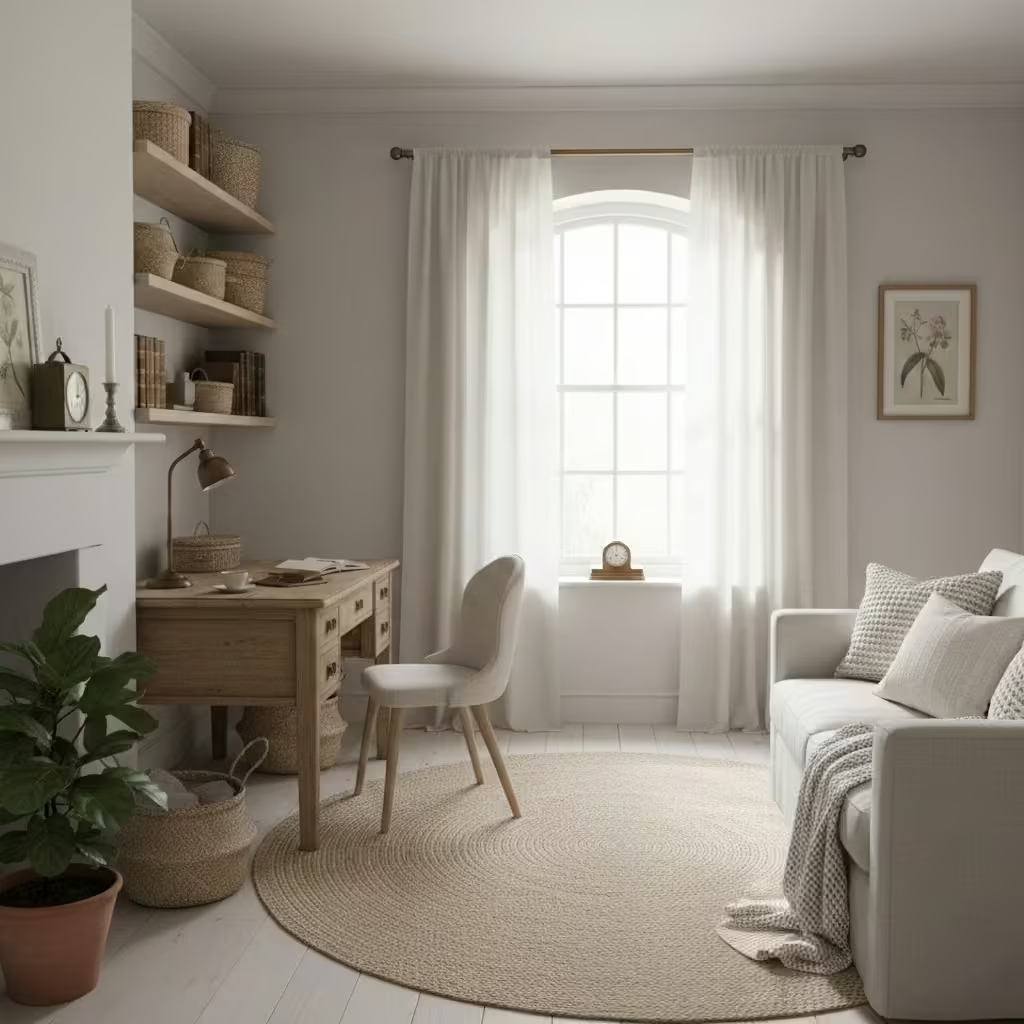
Soft neutral colour palettes are the foundation of a successful cottage office. Creams, warm whites, and muted greys create a light, breathable backdrop that immediately makes the space feel calm and inviting.
I often recommend these shades because they reflect natural light beautifully, which is especially important in smaller home offices or rooms with limited windows. A well-chosen neutral prevents the space from feeling heavy or enclosed, allowing the room to breathe even when furnished with storage, shelving, and textiles.
From a design perspective, neutrals also offer longevity. They do not date quickly and provide flexibility if your needs change over time. In cottage offices, these tones pair effortlessly with natural wood furniture, woven textures, and vintage accents without competing for attention. Soft neutrals reduce visual noise, helping to create a focused environment where concentration comes more easily.
When layered correctly using subtle variations in tone and texture, neutral palettes feel anything but plain. Instead, they deliver a timeless, comforting workspace that supports productivity while maintaining the relaxed charm cottage interiors are known for.
Sage Green and Earthy Tones
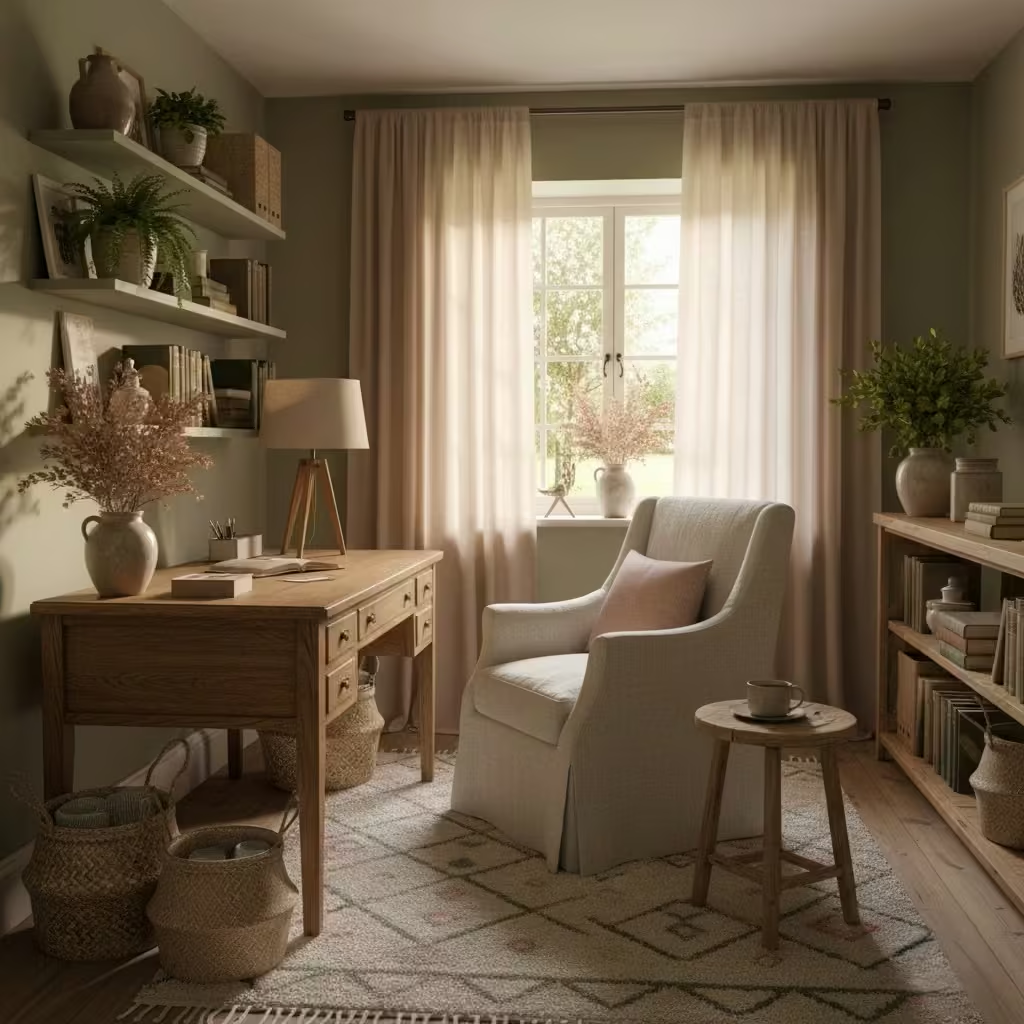
Sage green and earthy tones are among my most-used colour choices when designing cottage-style home offices. These nature-inspired hues introduce a sense of calm that feels grounding without becoming dull or overpowering. Sage green, in particular, works exceptionally well in workspaces because it promotes focus while still feeling soft and restorative. It brings the outdoors in, which is invaluable for anyone spending long hours at a desk.
For walls, I recommend muted sage, olive, or soft clay tones rather than bold greens. These shades complement cottage architecture and pair beautifully with natural materials such as oak desks, linen curtains, and wicker storage. Accent colours like warm beige, off-white, soft taupe, or gentle blush help balance the palette and prevent the room from feeling flat. Brass hardware, ceramic accessories, and botanical artwork further enhance the organic feel.
Earthy tones also transition well across seasons, maintaining warmth in winter and freshness in summer. Used thoughtfully, they create a cottage office that feels calm, cohesive, and deeply connected to nature.
You May also Like: 25 Beautiful Modern Farmhouse Home Office Ideas for a Stylish Workspace
Vintage Wooden Desks
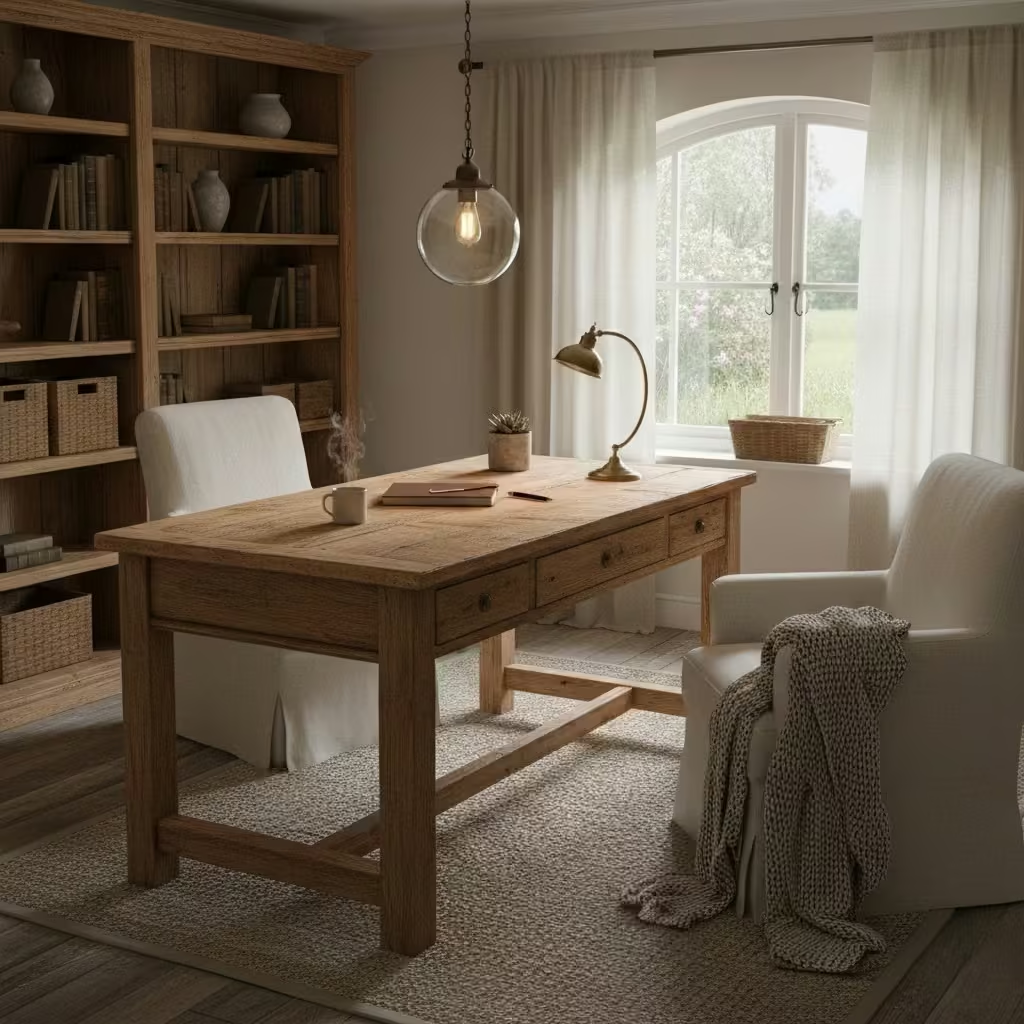
A vintage wooden desk instantly anchors a cottage office, acting as both a functional workspace and a character-rich focal point. I often encourage clients to invest in a desk with history, whether it is an antique writing table, a farmhouse-style piece, or a reclaimed timber desk with visible grain and imperfections. These details add warmth and authenticity, which are essential to achieving a true cottage feel.
Reclaimed and antique desks also bring a sense of craftsmanship that modern flat-pack furniture often lacks. Scratches, knots, and aged finishes tell a story and help the office feel lived-in rather than styled for show. From a practical standpoint, solid wood desks tend to be more durable and comfortable for long-term use.
When paired with a simple chair and soft lighting, a vintage desk creates a workspace that feels inviting rather than corporate. Styling can remain minimal, allowing the desk’s natural beauty to shine while still providing ample surface space for everyday work.
Built-In Shelving with Charm
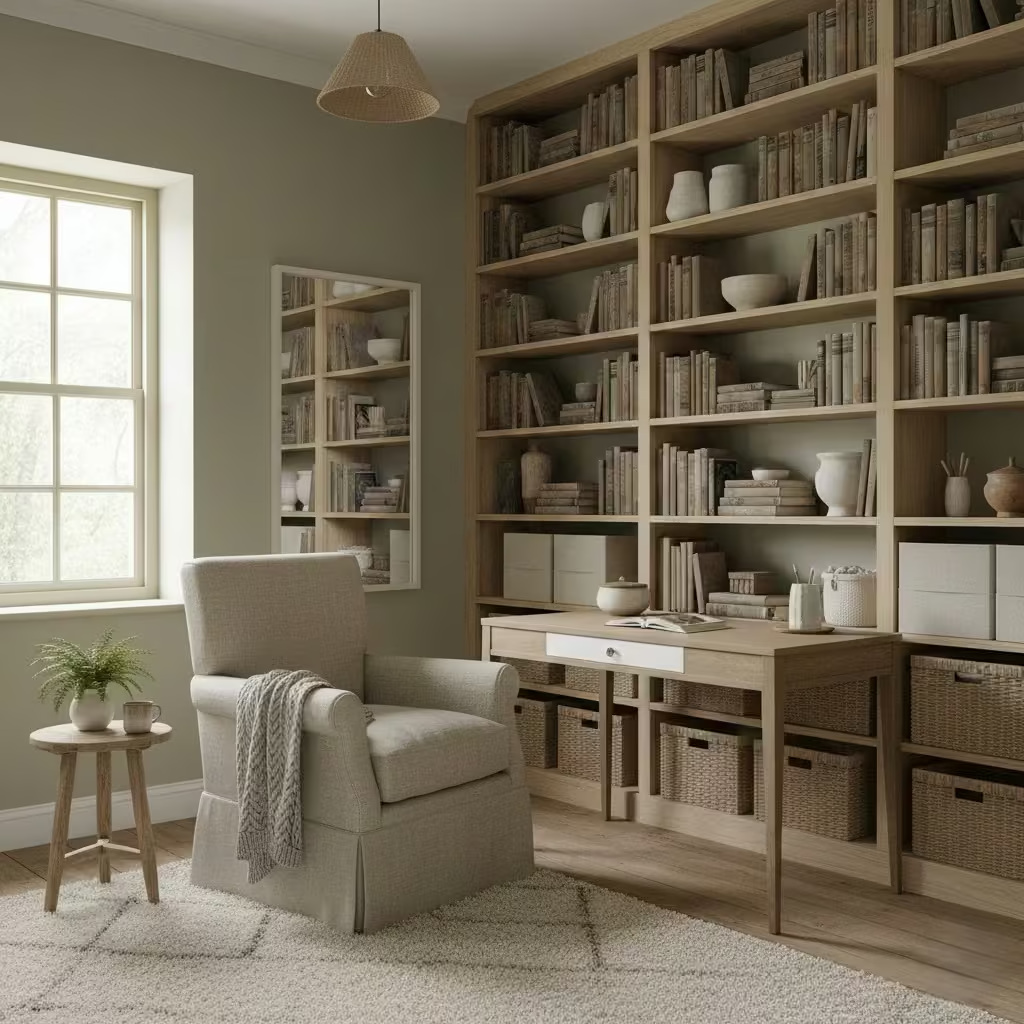
Built-in shelving adds both function and character to a cottage office, making it easier to keep the space organised without sacrificing style. Open shelves are ideal for displaying books, ceramics, framed prints, and practical storage baskets, all of which contribute to a layered, homely look. I find that built-ins work especially well in smaller offices, as they maximise vertical space and reduce the need for bulky furniture.
When it comes to finishes, painted shelving creates a soft, cohesive appearance that blends seamlessly with cottage interiors. Shades like warm white, pale grey, or sage green feel timeless and light. Natural wood shelving, on the other hand, introduces warmth and texture, particularly when paired with neutral walls.
Both options work beautifully, and the choice often comes down to whether you want the shelves to subtly recede or stand out as a feature. Thoughtfully styled built-in shelves enhance practicality while reinforcing the charm of a cottage-style workspace.
Floral or Toile Wallpaper Accents
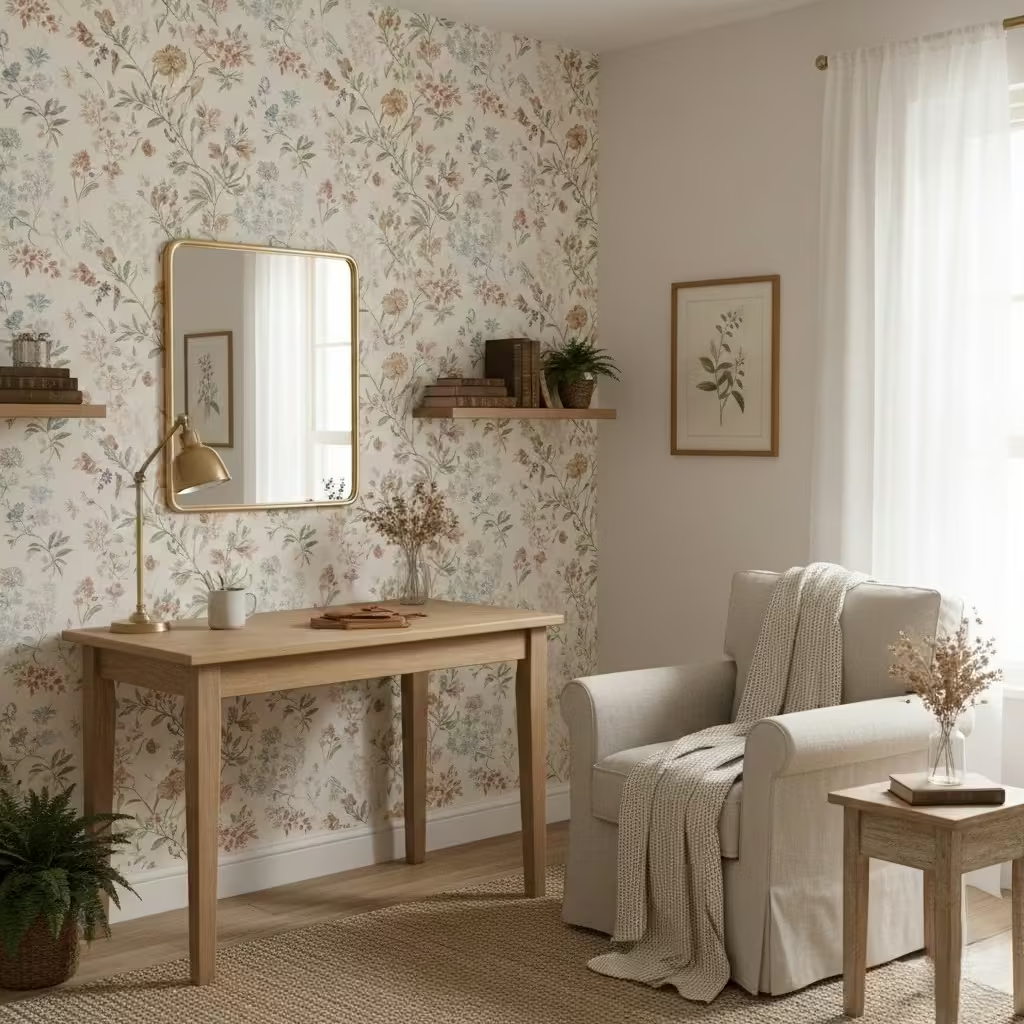
Floral or toile wallpaper accents are a classic way to introduce pattern and personality into a cottage office without overpowering the space. I usually recommend using wallpaper on a single feature wall, such as behind the desk or on a chimney breast, to create visual interest while keeping the room balanced.
Traditional floral prints, pastoral scenes, or soft toile designs add heritage charm and reinforce the relaxed elegance associated with cottage interiors.
To maintain a modern balance, scale and colour are key. Smaller, delicate patterns in muted tones feel timeless and refined, while overly bold prints can quickly dominate a workspace.
Pairing wallpaper with plain painted walls, simple furniture, and understated accessories prevents the design from feeling busy. When styled thoughtfully, floral or toile wallpaper becomes a subtle backdrop that enhances character and warmth, making the office feel personal and inspiring without distracting from daily tasks.
You May also Like: 25 Mountain Home Office Designs to Inspire Your Cozy Workspace
Natural Light Maximisation
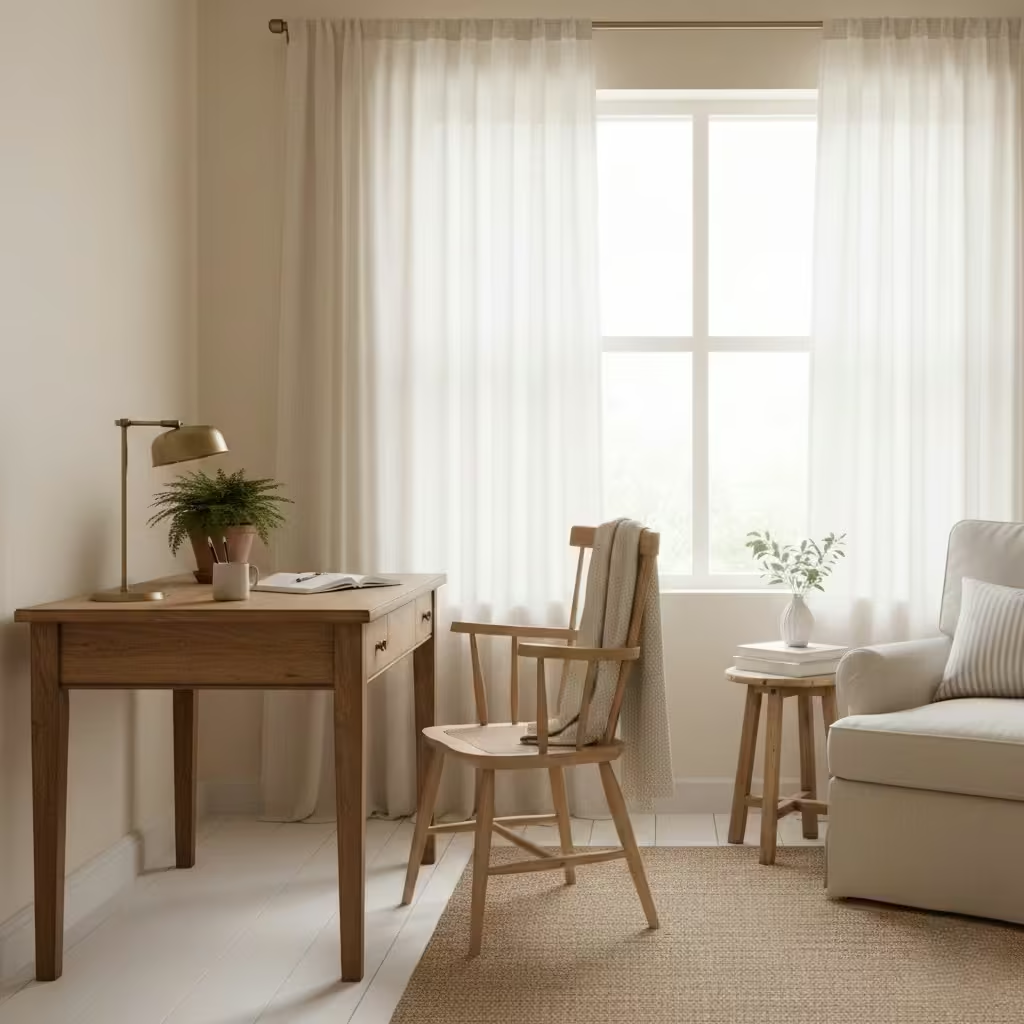
Maximising natural light is essential in a cottage office, as it directly affects both mood and productivity. I always start by assessing how light moves through the room throughout the day and positioning the desk to benefit from it without causing glare. Placing a desk perpendicular to a window often works best, allowing light to flood the workspace while keeping screens comfortable to use.
Window treatments should maintain softness and brightness rather than block light. Sheer curtains, lightweight linen drapes, or simple Roman blinds are ideal choices for cottage-style offices.
These options filter sunlight gently while preserving privacy and warmth. Avoid heavy fabrics or dark colours that absorb light and make the room feel smaller. By combining thoughtful desk placement with airy window treatments, you create a workspace that feels uplifting, comfortable, and naturally connected to its surroundings.
Soft Linen and Cotton Textiles
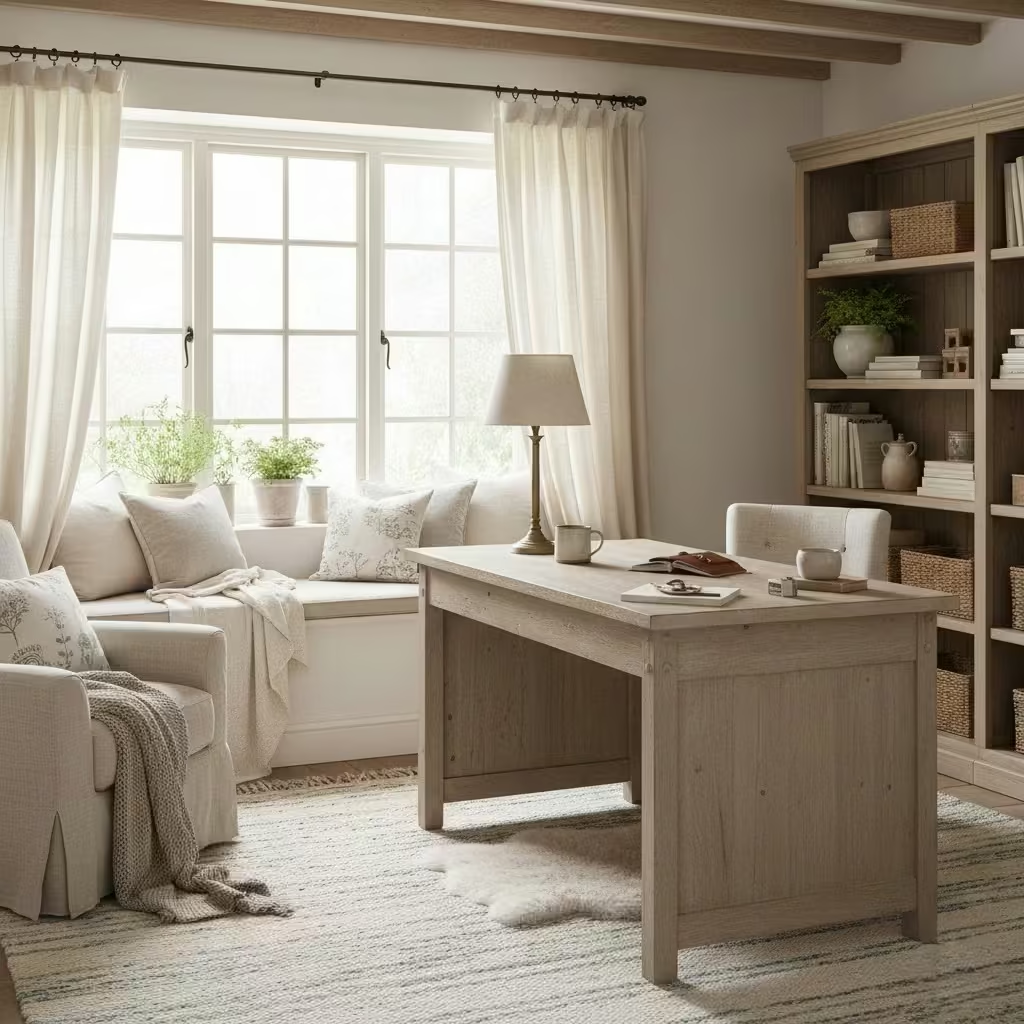
Soft linen and cotton textiles play a crucial role in bringing comfort and warmth to a cottage office. I often use these natural fabrics for curtains, cushions, and chair covers because they introduce an effortless softness that instantly makes the space feel more relaxed. Linen curtains gently filter natural light while adding subtle movement, and cotton cushions layered on a window seat or chair create a welcoming, lived-in atmosphere.
Texture is what truly elevates cottage style. Slightly rumpled linens, woven cottons, and tactile finishes prevent the office from feeling flat or overly polished. These materials work beautifully alongside painted furniture and natural wood, adding depth without visual clutter. In practical terms, linen and cotton are breathable and durable, making them suitable for everyday use.
By layering textiles in neutral or muted tones, you can soften the overall look of the office while enhancing comfort, helping the workspace feel both productive and quietly restorative.
Cottage-Style Desk Chairs
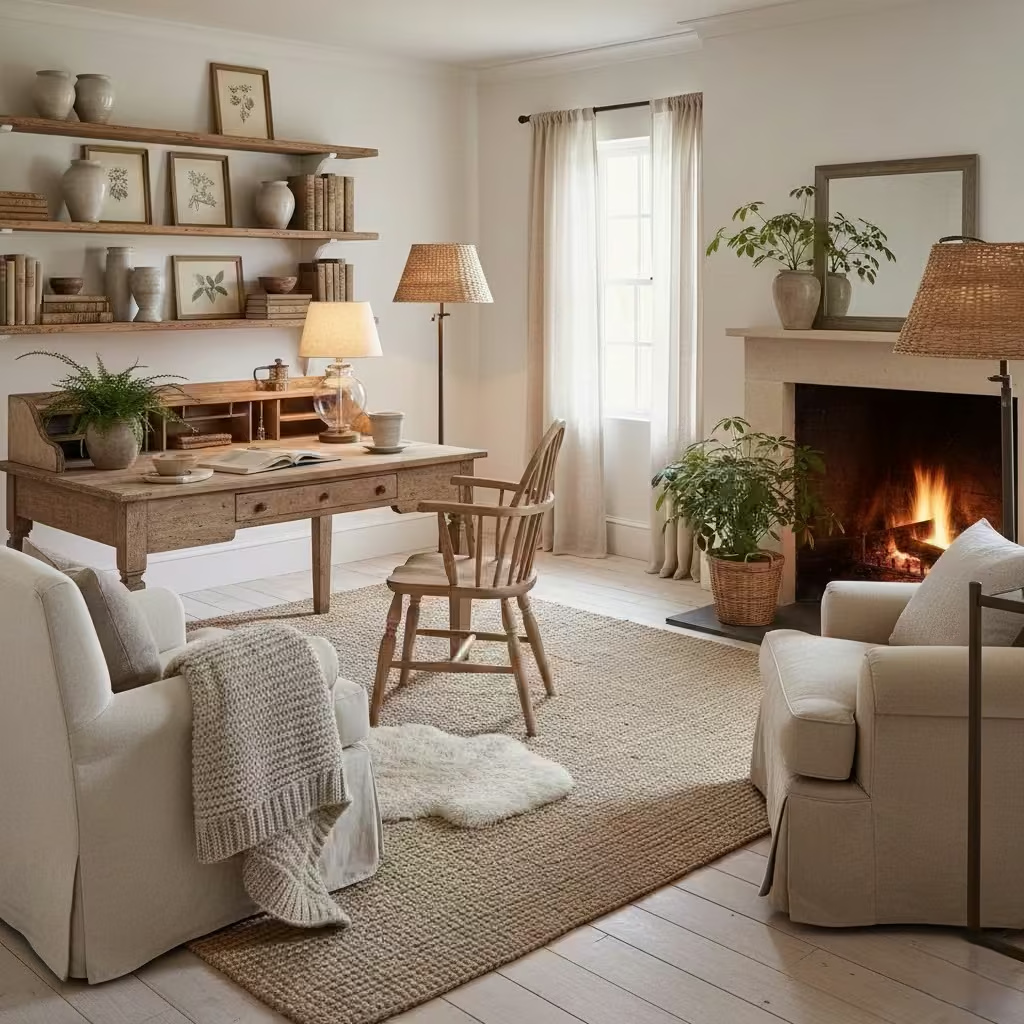
A cottage-style desk chair should strike the right balance between comfort and charm. I always advise choosing a chair that supports long working hours while still complementing the softness of cottage interiors.
Upholstered chairs are a popular choice, offering both comfort and visual warmth. Fabrics like linen or cotton blends in neutral or subtle patterned finishes work particularly well.
Spindle-back wooden chairs bring traditional character and are ideal for lighter use or smaller offices where visual space matters. Slipcovered chairs, on the other hand, add a relaxed, casual feel and are easy to update or wash, making them practical for everyday living. When selecting a desk chair, proportions matter as much as style.
A well-sized chair ensures the office feels balanced rather than crowded. With the right choice, your desk chair becomes both a functional necessity and a charming design feature.
You May also Like: 25 Cozy Fall Home Office Ideas to Create a Warm, Productive Workspacea
Painted Furniture for a Handmade Look
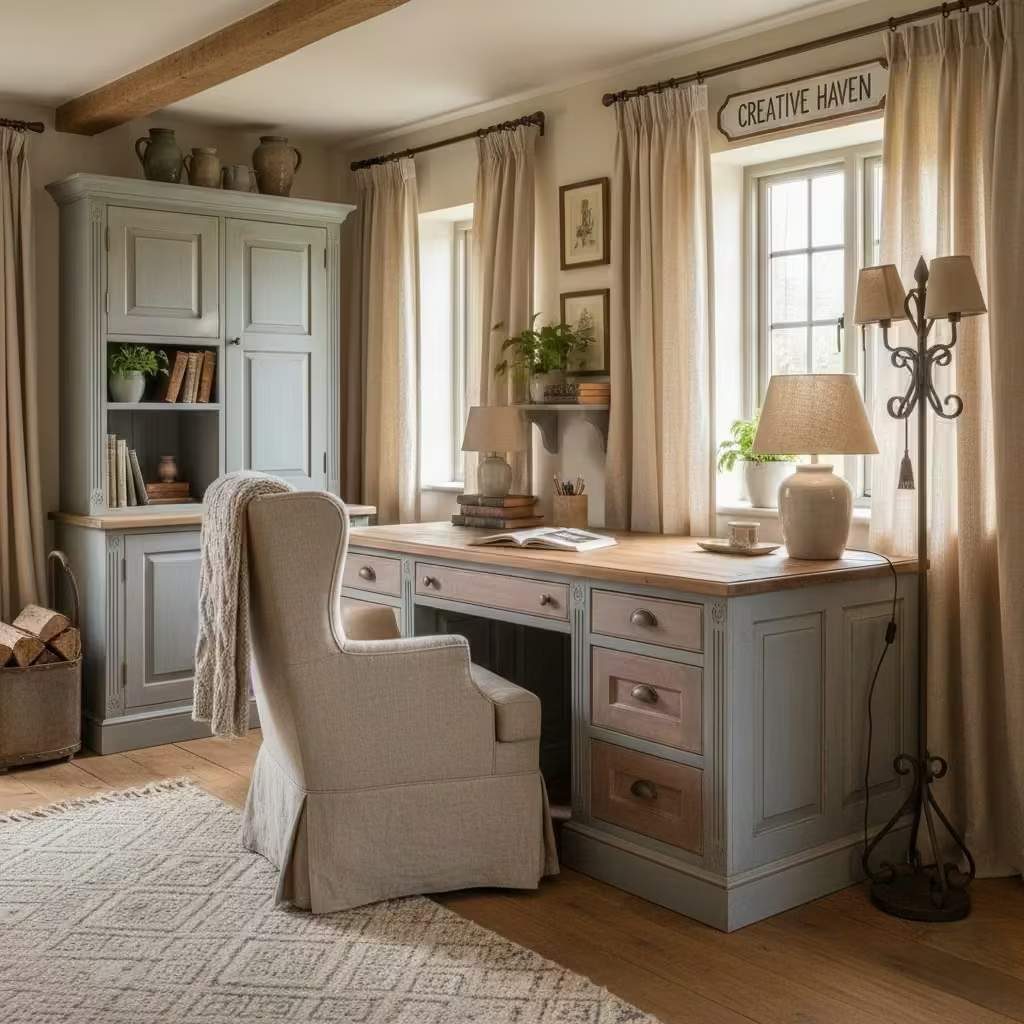
Painted furniture is a hallmark of cottage office design, adding a handmade, personal quality that instantly softens the space. I often recommend chalk paint for desks, cabinets, or side tables because it creates a beautifully matte finish and is forgiving for DIY projects. Muted pastels such as soft blue, pale sage, or gentle grey work particularly well, offering colour without overwhelming the room.
Distressed finishes can enhance the cottage aesthetic by introducing subtle signs of wear that feel authentic rather than contrived. Light sanding along edges or corners gives furniture a timeworn charm while keeping the overall look refined. One of the greatest advantages of painted furniture is flexibility.
Pieces can be refreshed, repainted, or updated as your style evolves. This DIY-friendly approach allows you to create a truly bespoke office that feels collected over time, rather than purchased all at once.
Open Storage with Wicker and Baskets
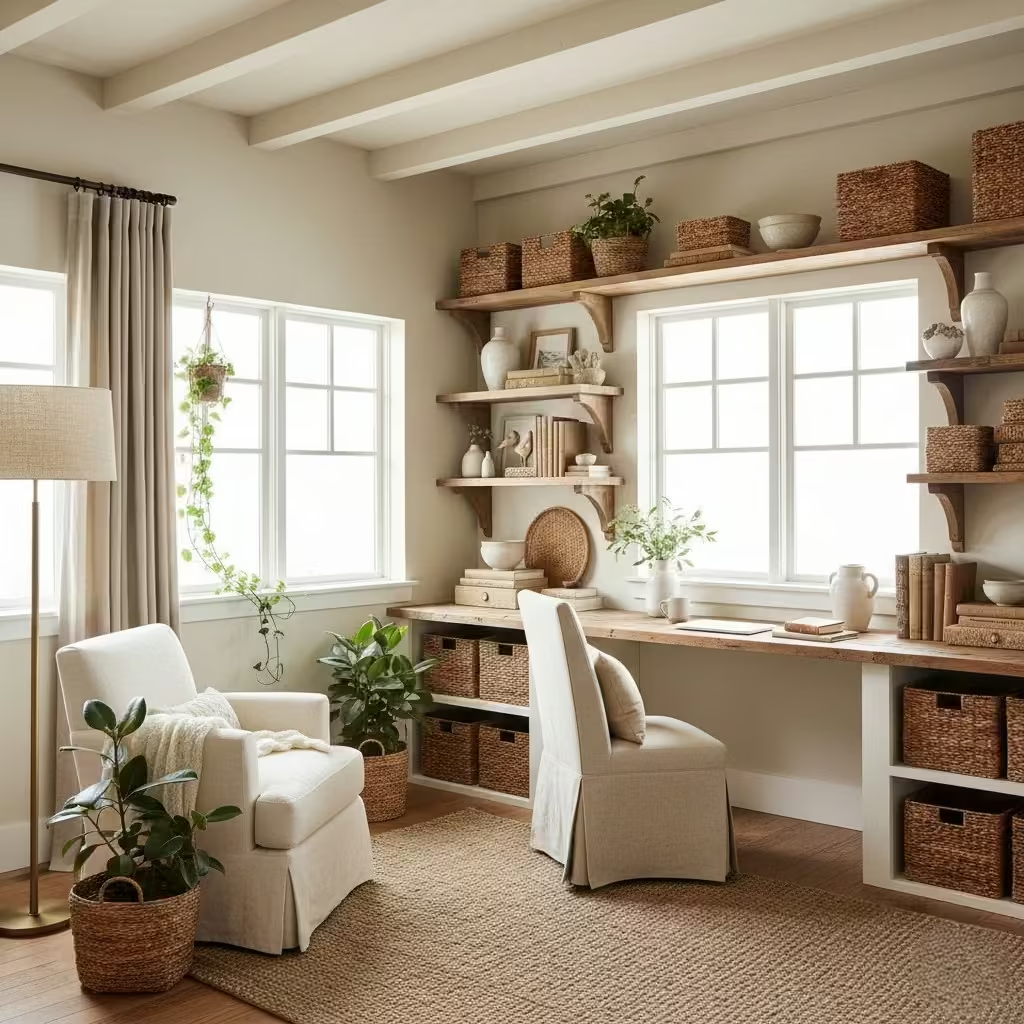
Open storage is both practical and visually appealing in a cottage office when styled thoughtfully. Wicker baskets, woven boxes, and natural fibre containers introduce warmth and texture while keeping everyday items organised and accessible. I often use these elements on open shelving or beneath desks to store paperwork, stationery, or technology without disrupting the relaxed aesthetic.
The key to avoiding visual clutter is consistency. Choosing baskets in similar tones and materials creates a cohesive look that feels intentional rather than chaotic. Mixing a few decorative items, such as ceramics or books, with functional storage helps maintain balance.
Open storage also encourages regular tidying, which keeps the workspace feeling calm and inviting. When done well, wicker and baskets support organisation while reinforcing the comforting, lived-in charm that defines cottage office design.
You May also Like: 25 Boho Office Ideas to Inspire a Creative Workspace
Rustic Wooden Beams and Details
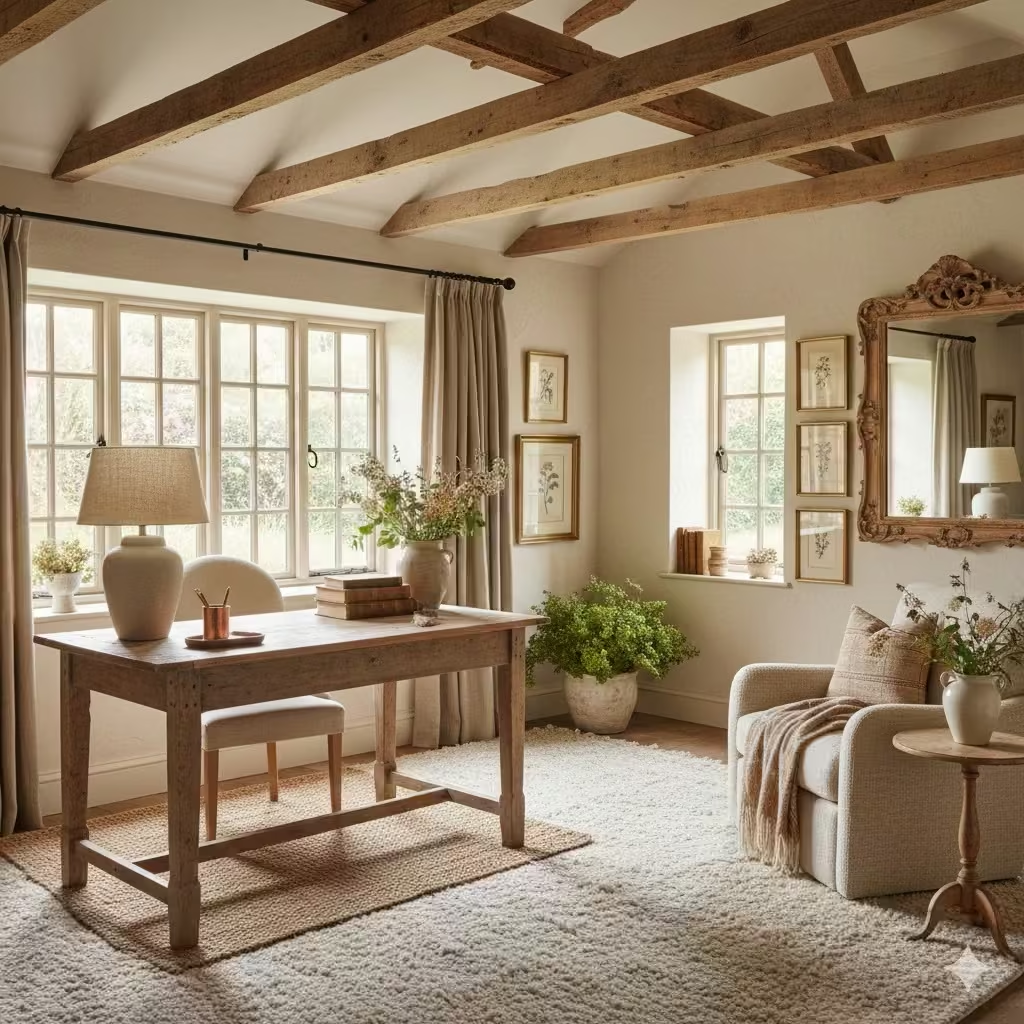
Rustic wooden beams and natural wood details add instant architectural character to a cottage office. When original beams are present, I always recommend highlighting them rather than hiding them, as they bring depth, texture, and a sense of history to the space. Exposed beams work beautifully alongside neutral walls and soft furnishings, creating contrast without overpowering the room.
For modern homes without original features, faux beams are a practical alternative. High-quality lightweight beams can be installed to mimic the look of reclaimed timber, adding warmth and visual interest without structural changes.
Smaller wooden details, such as ceiling trims, window frames, or exposed shelving brackets, can achieve a similar effect. These elements help ground the space and reinforce the cottage aesthetic, making the office feel rooted and characterful rather than overly contemporary.
Garden-Inspired Accessories
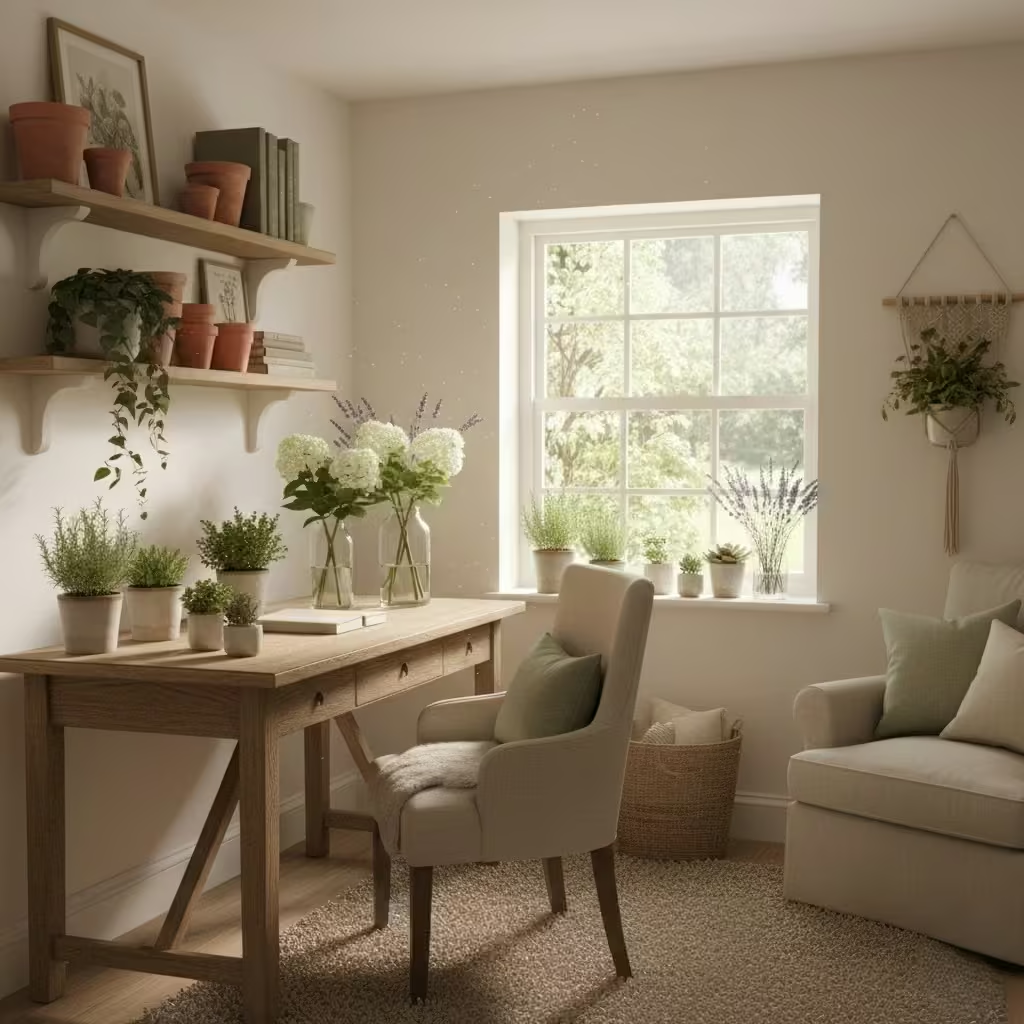
Garden-inspired accessories are an effortless way to bring life and freshness into a cottage office. Botanicals, fresh flowers, and potted plants soften the workspace and create a stronger connection to the outdoors.
I often suggest using a mix of greenery, from small desk plants to larger floor pots, to add depth and visual balance.
Fresh flowers in simple vases can instantly lift the mood of the room, while dried arrangements or herbs offer a longer-lasting alternative. Botanical prints, terracotta pots, and natural materials further enhance the garden feel without cluttering the space.
These elements not only improve aesthetics but also contribute to wellbeing, making the office feel calmer and more inviting. By thoughtfully incorporating garden-inspired accessories, you create a workspace that feels relaxed, nurturing, and closely tied to nature.
Cottage Lighting with Warm Glow
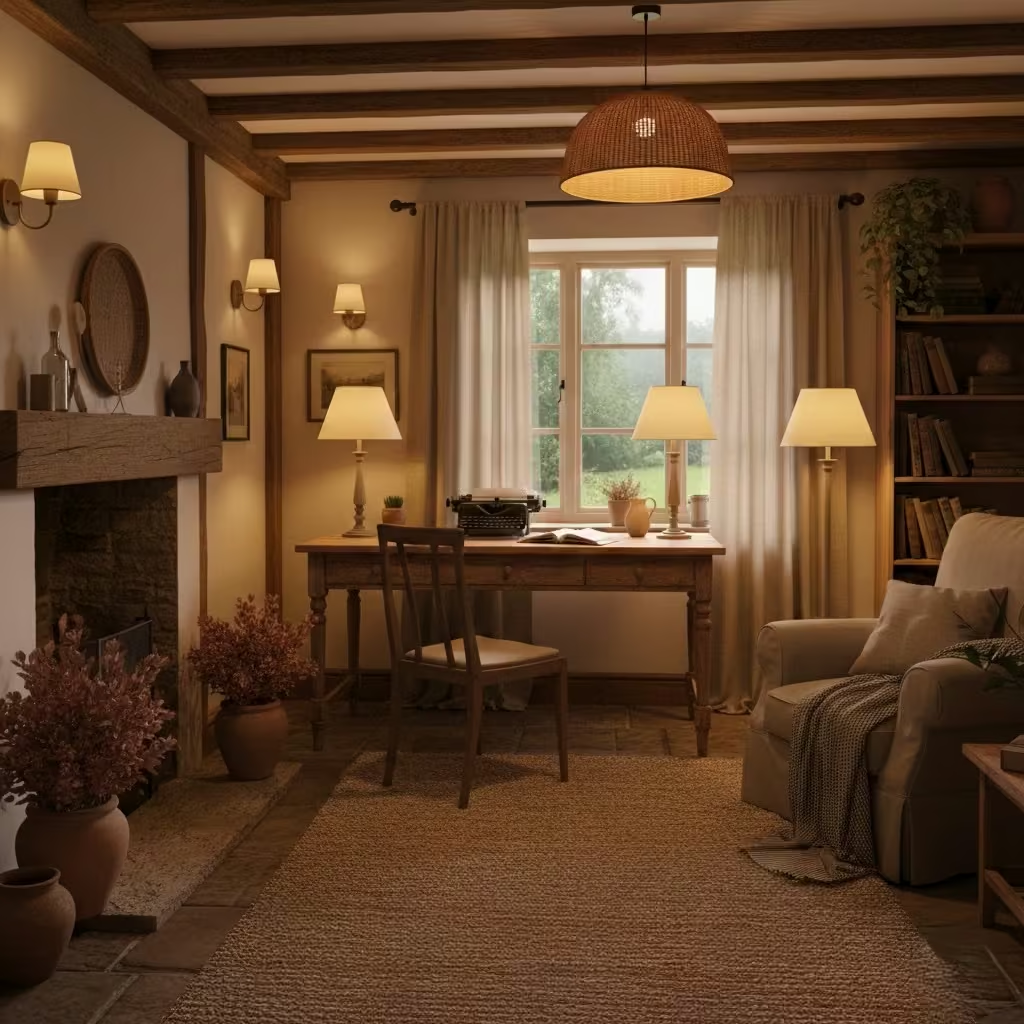
Lighting plays a vital role in setting the tone of a cottage office, and I always prioritise a warm, layered approach. Table lamps with fabric shades are a staple, as they diffuse light softly and prevent the space from feeling harsh or clinical.
Placed on a desk, side table, or shelving, they create gentle pools of light that are ideal for focused work. Wall sconces are another excellent option, especially in smaller offices where surface space is limited. They add charm while providing practical illumination.
Layered lighting is key to balancing function and ambiance. I recommend combining task lighting for work, ambient lighting for overall warmth, and accent lighting to highlight artwork or architectural details.
Warm bulbs enhance the cottage aesthetic and make long working hours more comfortable on the eyes. Thoughtful lighting choices transform a cottage office into a space that feels inviting throughout the day, supporting productivity while maintaining a relaxed, homely atmosphere.
You May also Like: 25 Relaxing Coastal Home Office Ideas Inspired by Capri Living
Shiplap or Panelling Walls
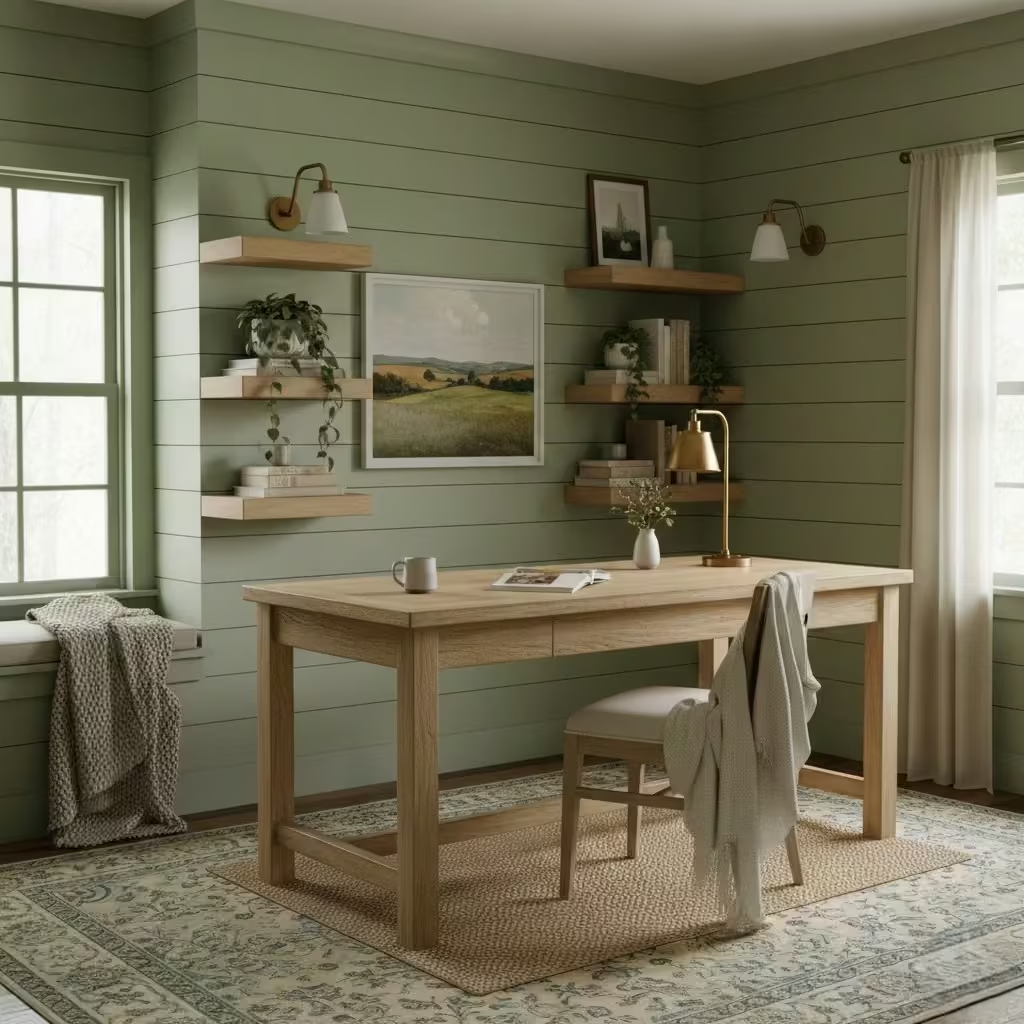
Shiplap or panelling walls instantly introduce texture and timeless charm to a cottage office. These wall treatments add depth without relying on bold colour or pattern, making them ideal for calm workspaces.
Vertical panelling can make ceilings feel higher and rooms appear more spacious, which works particularly well in compact offices. Horizontal shiplap, on the other hand, creates a cosy, grounded feel that suits traditional cottage interiors.
Painted panelling is my preferred approach for offices, as it keeps the space light and refined. Shades like warm white, soft grey, or muted sage enhance the architectural detail without overwhelming the room. Panelling also provides a beautiful backdrop for shelving, artwork, or desks, adding structure to the layout.
Beyond aesthetics, it offers durability and hides minor wall imperfections. Used thoughtfully, shiplap or panelling brings classic character and subtle elegance to a cottage-style workspace.
Personal Artwork and Framed Prints
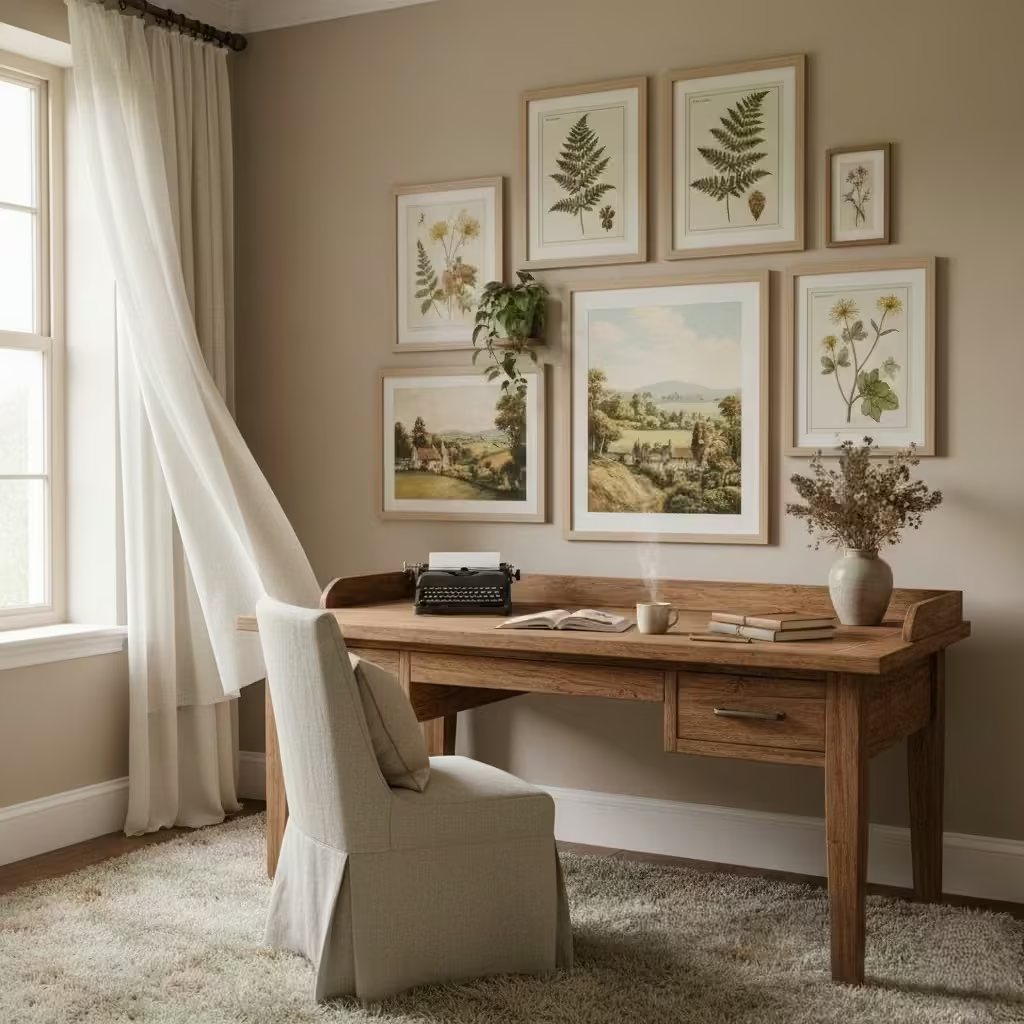
Personal artwork and framed prints are essential for creating a cottage office that feels lived-in rather than staged. I often encourage incorporating pieces that reflect personal taste, as they add authenticity and warmth to the space. Landscapes, botanical illustrations, and heritage-inspired art work particularly well, reinforcing the connection to nature and traditional design.
Grouping smaller frames into a gallery wall can add interest without overwhelming the room, while a single larger piece above the desk creates a strong focal point. Choosing simple wooden or painted frames helps artwork blend seamlessly with cottage interiors.
These personal touches make the office feel welcoming and inspiring, especially during long workdays. Artwork also softens the workspace, balancing practical furniture with emotional comfort. When chosen thoughtfully, framed prints and art bring personality, depth, and a sense of home to a cottage office.
You May also Like: 25 Moody Dark Green Mudroom Ideas for a Stylish, Cozy Entryway
Small Cottage Office Layout Ideas
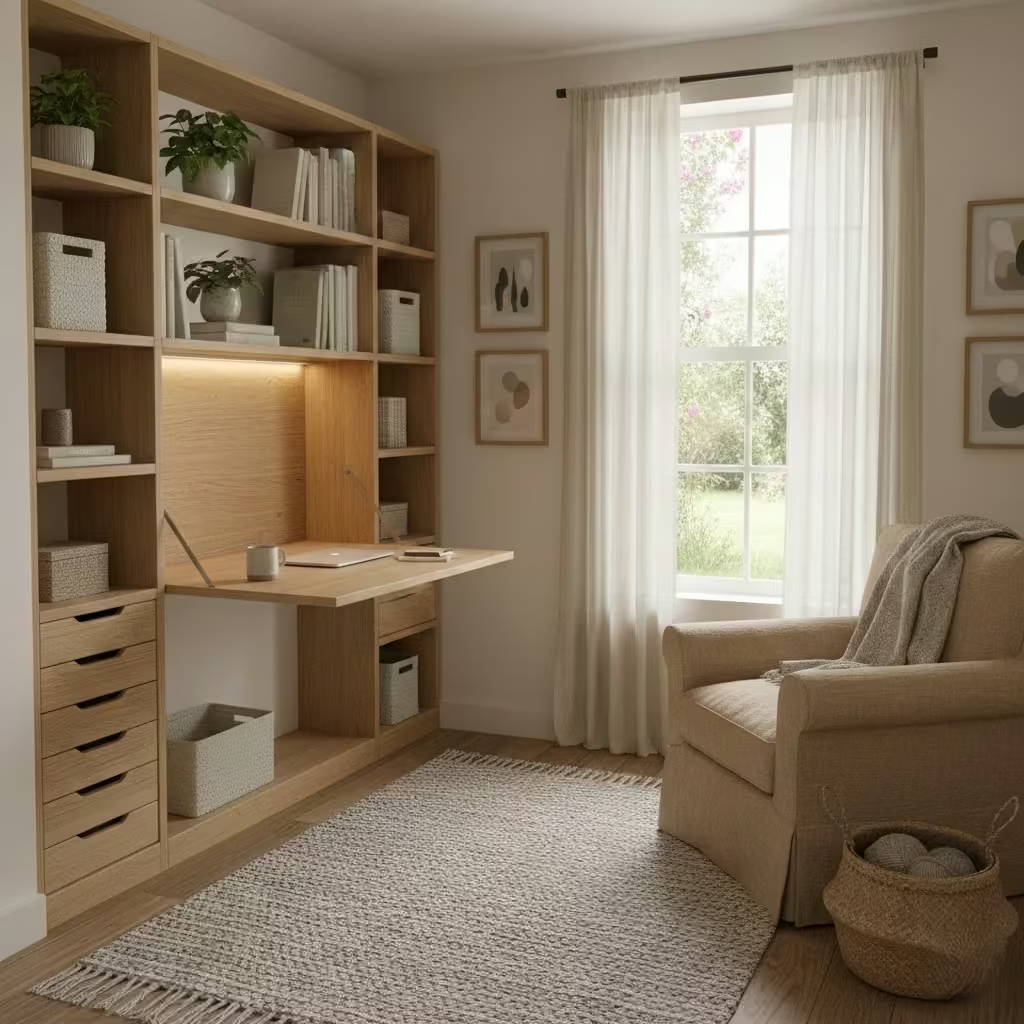
Designing a small cottage office requires thoughtful planning to make the most of compact rooms, alcoves, or unused nooks. I always start by assessing how the space will be used daily and prioritising clear circulation around the desk.
Wall-mounted desks, slim writing tables, or corner layouts help maximise floor space while maintaining a comfortable working position. In particularly tight areas, built-in desks or fold-down options can provide functionality without permanently dominating the room.
Space-saving furniture solutions are essential in smaller offices. Vertical shelving, narrow drawer units, and multi-functional furniture keep essentials within reach while reducing clutter.
Keeping the colour palette light also helps visually expand the space. When layout and furniture are carefully considered, even the smallest cottage office can feel purposeful, comfortable, and surprisingly spacious.
Garden Office Cottage Style
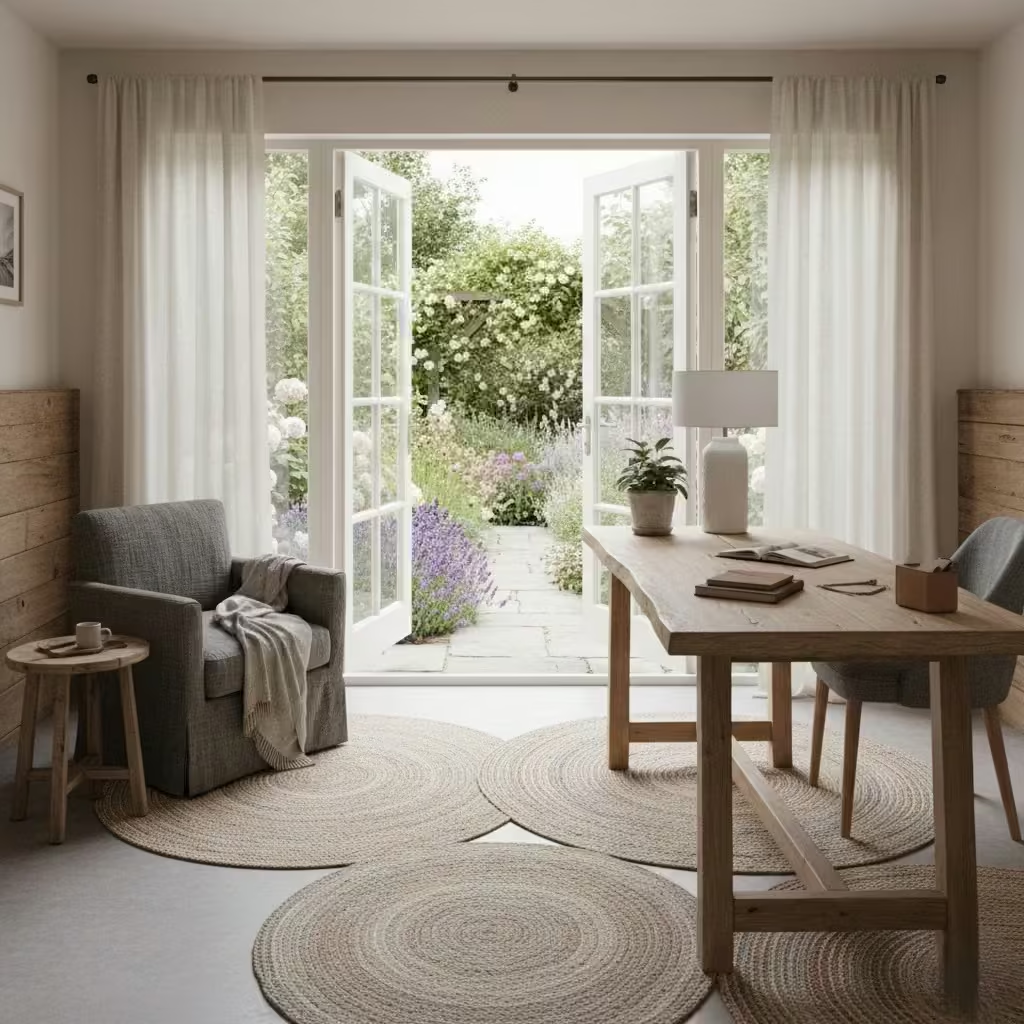
A garden office offers a wonderful opportunity to extend cottage style beyond the main home. To create a cohesive look, I recommend echoing interior finishes and colour palettes found inside the house. Soft neutrals, natural wood, and traditional details help the garden office feel like a natural extension rather than a separate structure.
Insulation is key for year-round comfort, so layering walls and floors with natural materials improves warmth and acoustics. Maximising natural light through windows or glazed doors prevents the space from feeling enclosed, while linen blinds or light curtains maintain softness.
Texture plays an important role too, with wooden cladding, woven rugs, and upholstered furniture adding warmth. When styled thoughtfully, a cottage-inspired garden office becomes a calm, practical retreat that supports focus without sacrificing charm.
Cozy Rugs and Soft Flooring
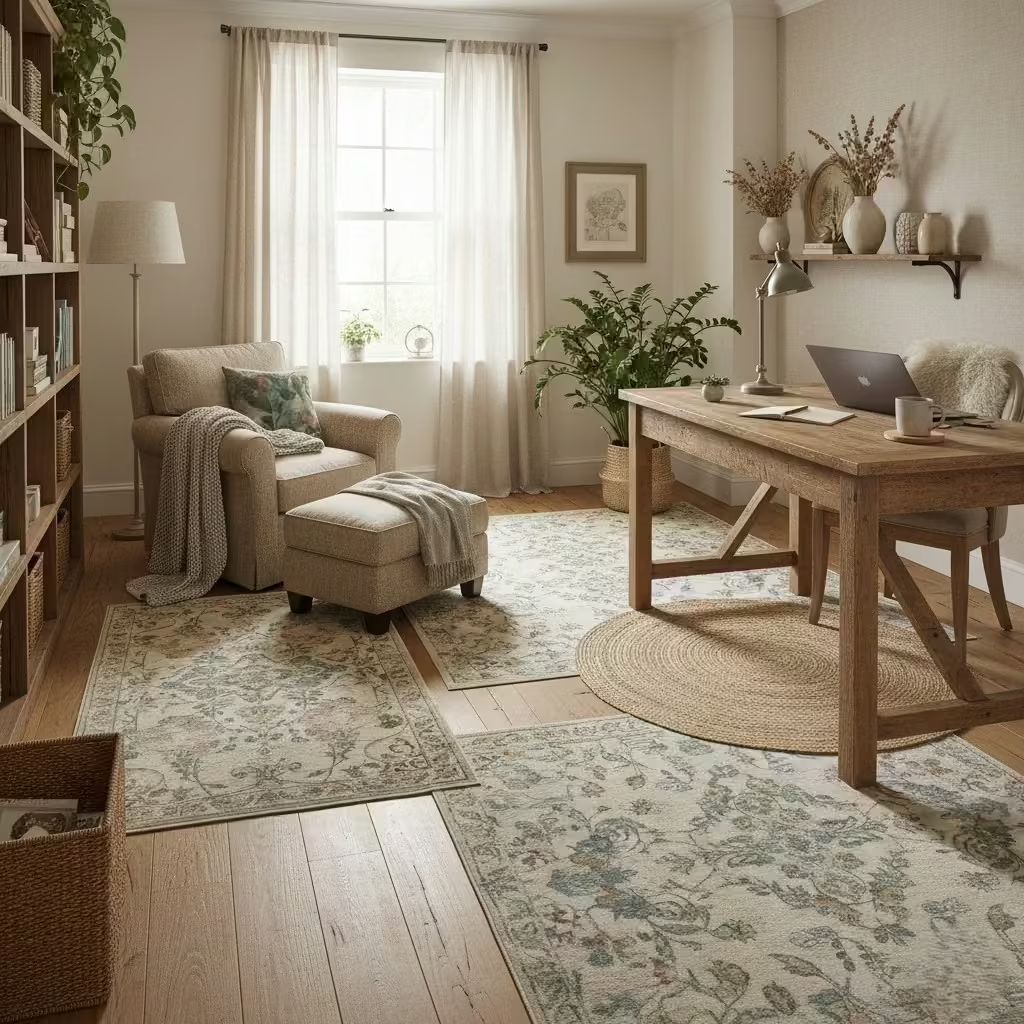
Rugs and soft flooring are essential for creating a comfortable, grounded cottage office. Wool rugs offer warmth and durability, making them ideal for workspaces that see daily use. Jute rugs introduce natural texture and work particularly well in relaxed, country-inspired interiors. Patterned rugs, such as subtle florals or traditional motifs, add visual interest without overwhelming the room.
Beyond comfort, rugs help define the workspace visually, especially in open-plan or multi-use rooms. Placing a rug beneath the desk anchors the office area and creates a clear boundary between work and living zones.
Choosing colours that complement the overall palette ensures cohesion. With the right rug, a cottage office feels softer, quieter, and more inviting, enhancing both comfort and productivity.
Blending Modern Tech with Cottage Style
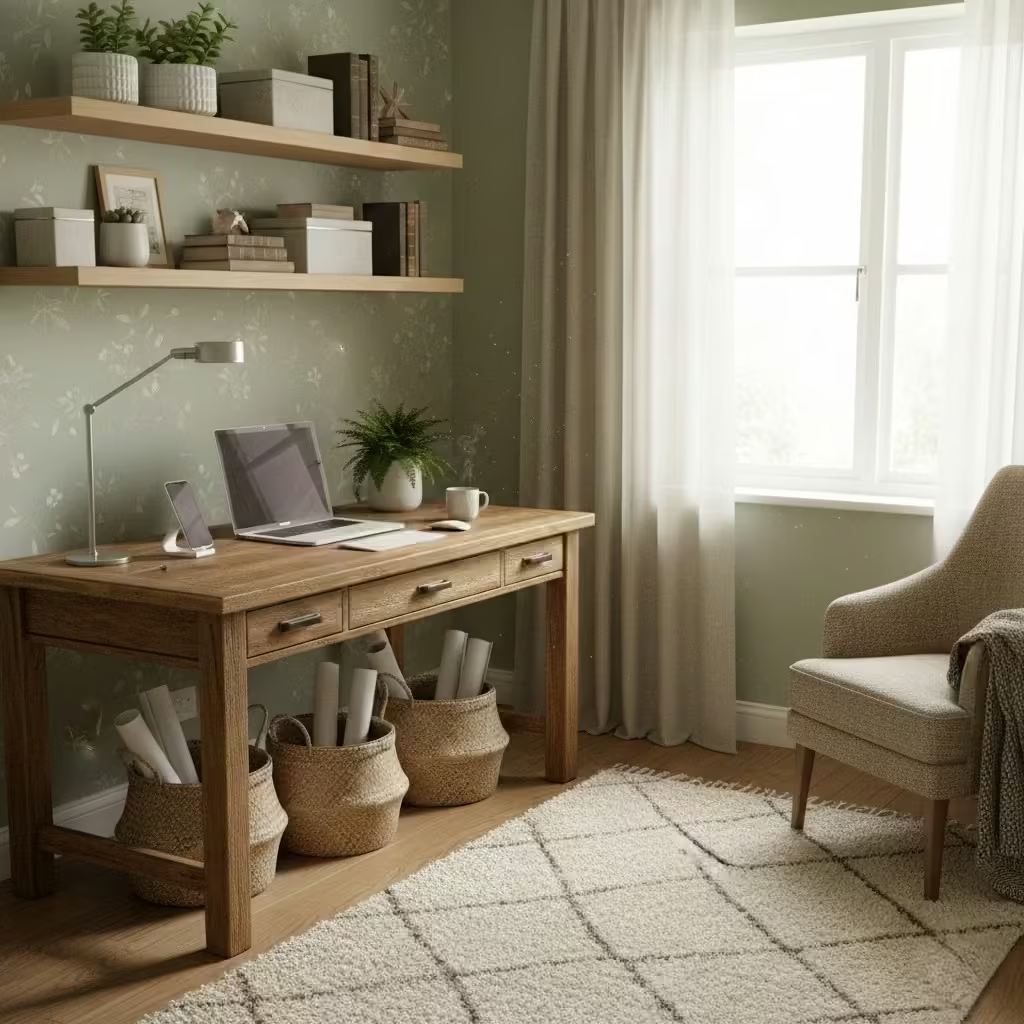
Integrating modern technology into a cottage office can be tricky, but with careful planning, it’s entirely possible to maintain the charm of the space. I always focus on hiding cables and screens discreetly.
Cable management solutions, like trunking or under-desk organisers, prevent clutter while keeping electronics accessible. Wireless devices and slim monitors also reduce visual disruption, allowing the office to feel clean and cohesive.
Maintaining aesthetic harmony is key when mixing technology with traditional interiors. Wooden or painted storage boxes, subtle shelving, and decorative accessories can conceal printers, routers, and other tech equipment.
Even small details, like choosing a keyboard and mouse in muted tones, can contribute to a seamless look. By blending technology thoughtfully, the office remains fully functional while retaining the relaxed, character-rich feel of a cottage-inspired workspace.
Seasonal Cottage Office Styling
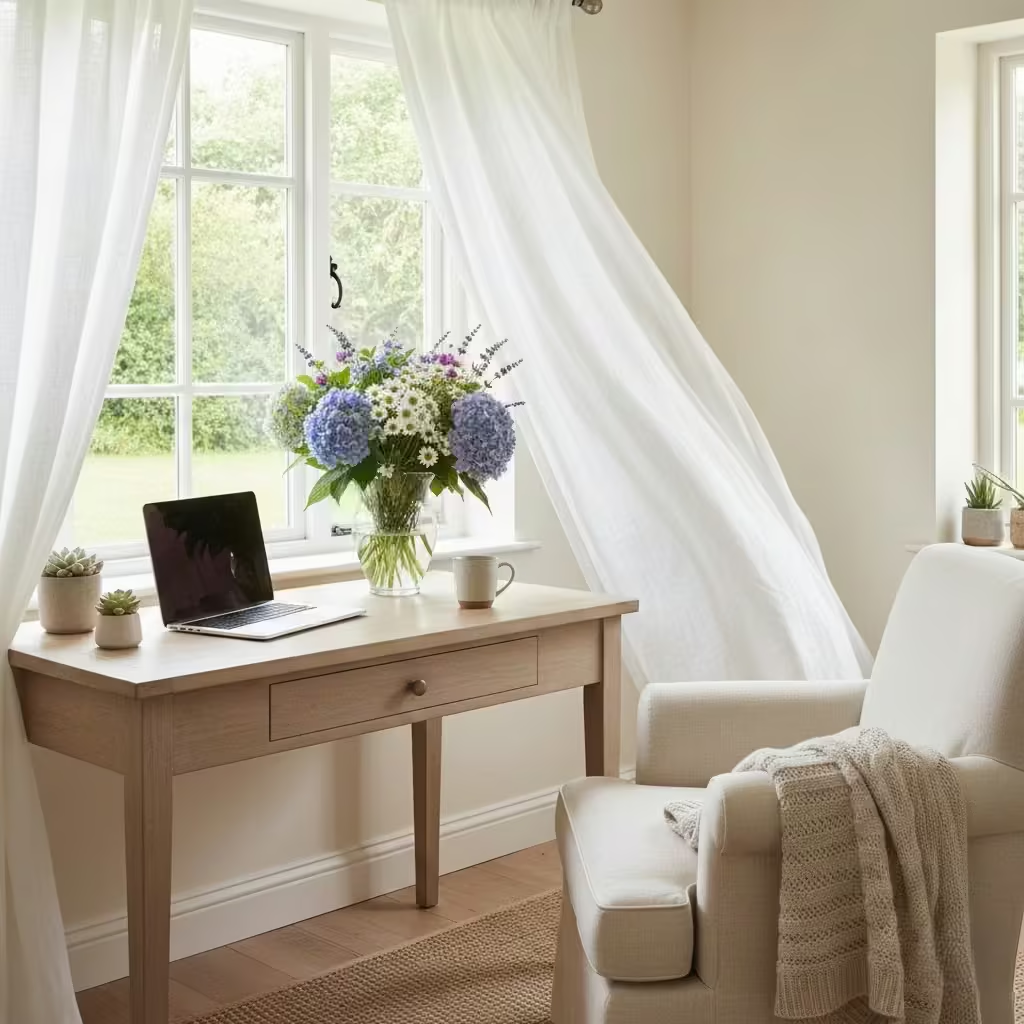
Seasonal styling adds personality and comfort to a cottage office throughout the year. Light touches in summer, such as fresh flowers, airy curtains, and minimal desk accessories, keep the space feeling bright and open.
In winter, layering soft throws, textured cushions, and warm-toned accents creates a cozy, inviting environment that encourages focus without sacrificing charm.
Simple swaps, like changing rugs, artwork, or small decorative elements, allow the office to feel refreshed without a major redesign. Seasonal styling also connects the workspace to the rhythm of the year, making it feel dynamic and alive.
With subtle, intentional changes, a cottage office remains inspiring and comfortable in every season.
Creating a Calm and Productive Atmosphere
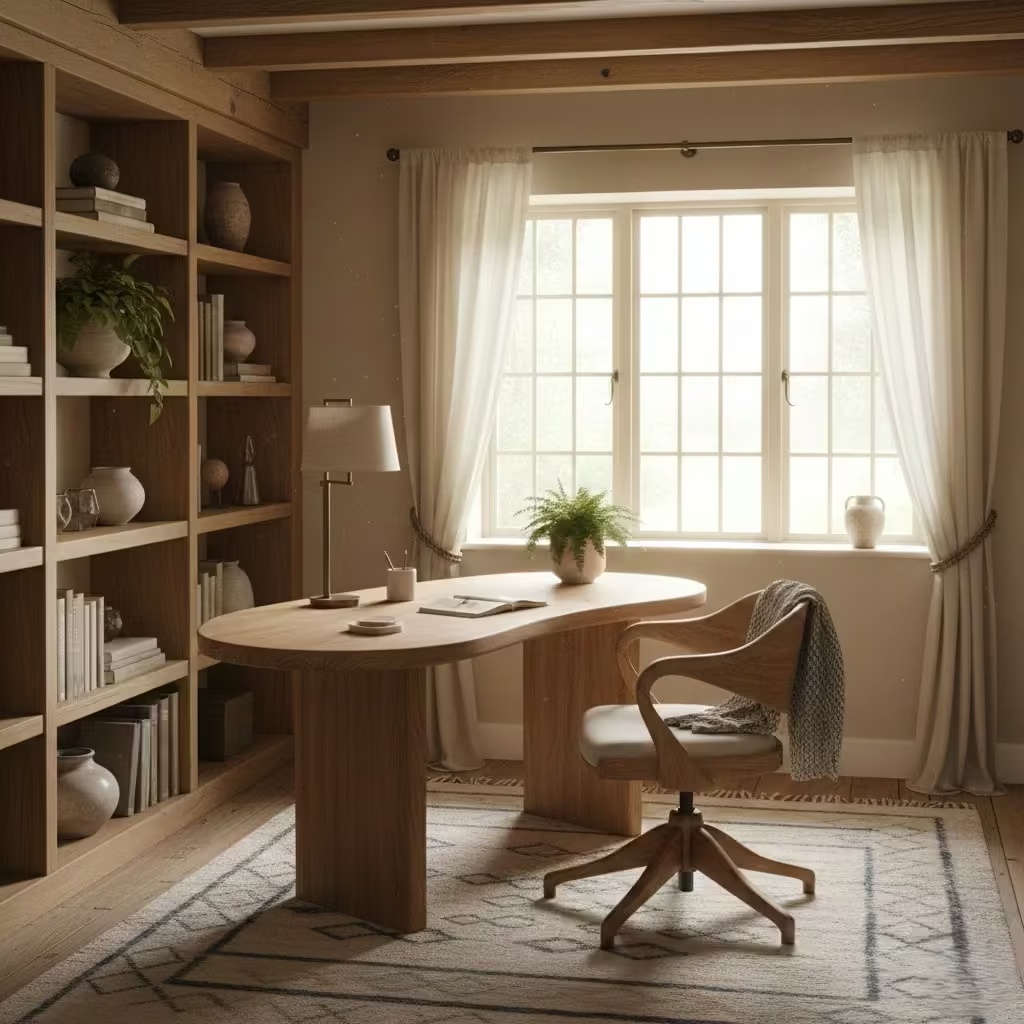
The ultimate goal of a cottage office is to balance comfort and productivity. I focus on designing spaces where functionality does not compromise character. Adequate lighting, ergonomic furniture, and clear layouts support focus, while soft textures, natural materials, and personal touches maintain a soothing, inviting environment.
Long-term usability relies on careful selection of durable furniture, flexible storage, and adaptable décor. By prioritising calm colours, natural light, and uncluttered surfaces, the office supports both concentration and creativity.
When these principles are combined thoughtfully, the cottage office becomes a space where work feels natural, enjoyable, and sustainable, blending productivity with the warm, relaxed charm that defines cottage style.
Final thoughts Top of Form
Creating a cottage office is about more than just choosing furniture or colours it’s about designing a space that balances warmth, functionality, and character.
Throughout this guide, we’ve explored key themes that define cottage-style workspaces: soft neutral and earthy palettes, character-rich wooden furniture, layered textures, thoughtful lighting, and personal touches like artwork and botanicals.
Each element works together to create an environment that is both productive and inviting, reflecting the charm and comfort that cottage interiors are known for.
While these 21 ideas provide inspiration, the most successful cottage offices are those that reflect your personal taste and lifestyle. Don’t feel pressured to copy every suggestion; instead, select elements that resonate with you and adapt them to your space, whether it’s a compact nook, a converted room, or a garden office.
By prioritising comfort, visual appeal, and practical layout, you can design a cottage office that feels timeless and uniquely yours. Explore our other home office and interior design guides to start planning a workspace that truly inspires and supports your daily work.
Frequently Asked Questions about Cottage Office Design Ideas
What colours work best for a cottage office?
Soft neutrals like creams, warm whites, and muted greys form the perfect base. Nature-inspired tones, such as sage green, terracotta, or soft clay, add warmth and promote focus. Combining these with natural wood and textiles creates a calming, inviting workspace.
How can I maximise space in a small cottage office?
Use compact, multi-functional furniture like wall-mounted desks, narrow shelving, and foldable chairs. Built-in storage and vertical shelving help keep clutter off the floor, while a light colour palette visually expands the room.
Can modern technology fit into a cottage-style office?
Absolutely. The key is discreet integration. Hide cables with under-desk organisers, choose slim monitors, and use neutral-toned accessories to maintain a cohesive aesthetic without compromising function.
What types of furniture are ideal for a cottage office?
Vintage or reclaimed wooden desks, upholstered chairs, and painted furniture with a distressed finish work well. These pieces add character while remaining practical and durable for daily use.
How do I make my cottage office feel cosy yet productive?
Layer textures through rugs, cushions, curtains, and natural materials. Ensure adequate lighting, ergonomic seating, and organised storage to support focus. Personal touches like artwork, plants, and seasonal accents enhance comfort without sacrificing function.
Are garden offices suitable for a cottage-style workspace?
Yes. Match exterior finishes, soft interior palettes, and textures to your main home. Ensure good insulation, ample natural light, and thoughtful furniture selection to create a comfortable, inspiring space year-round.