

Wardrobe

A well-designed wardrobe is about far more than storage. It shapes how smoothly your day begins and ends, influencing everything from organisation to the overall calm of the bedroom. When I design wardrobes, I focus on creating systems that feel intuitive to use while sitting comfortably within the architecture of the space.

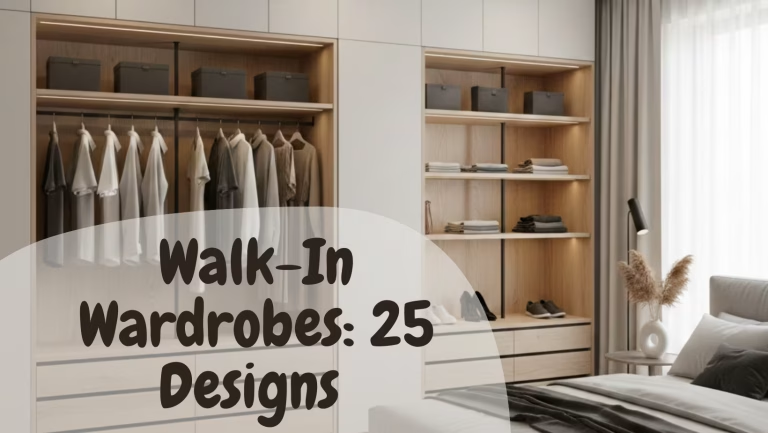
Layout is always the starting point. Hanging space, shelving, drawers, and shoe storage need to be proportioned to real wardrobes, not idealised ones. I design interiors that adapt to seasonal changes, allowing flexibility for longer garments, folded items, and accessories. In smaller rooms, built-in wardrobes with full-height doors help reduce visual clutter and make the space feel more considered.

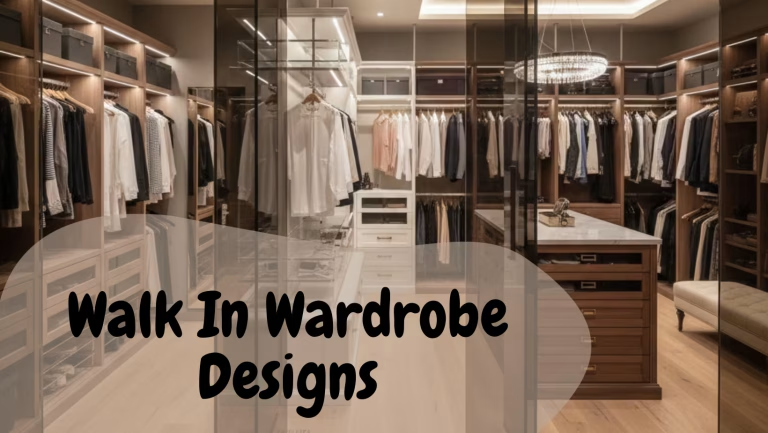
Materials and finishes play a critical role in how a wardrobe feels. I often favour matte finishes, soft wood tones, or textured panels that blend quietly into the room rather than dominating it. Interior lighting is equally important. Integrated LED strips, motion sensors, and softly lit drawers improve visibility while adding a sense of refinement.

Doors define the wardrobe’s presence. Sliding doors work well in compact rooms where floor space is limited, while hinged doors allow easier access and can become a design feature through panelling or subtle detailing. Mirrors, when used thoughtfully, enhance light and improve the sense of space without feeling excessive.

Whether it is a compact bedroom wardrobe or a walk-in dressing area, the goal remains the same. Create a storage solution that supports daily routines, reduces friction, and contributes to a calm, organised environment. With careful planning and restrained design, a wardrobe becomes an integral part of a well-balanced home rather than just a place to store clothes.

End of content

End of content