




24 Tiny Pantry Ideas: Smart Storage Solutions for Small Kitchens
Tiny pantries have become essential features in today’s modern small homes and compact kitchens. As floor plans get tighter and homeowners prioritise efficiency, the need for well-planned food storage has never been greater. Even the smallest corner, cupboard, or unused vertical gap can become valuable real estate when you approach it with the right strategy.
The shift toward micro-living and intentional downsizing in 2025 has pushed storage innovation to new heights. From modular shelving systems to slim pull-outs and multipurpose cabinetry, homeowners in both the UK and the US are looking for ways to streamline their kitchens without sacrificing style or functionality. People want clean countertops, organised ingredients, and smarter layouts that make cooking feel effortless.
Thoughtful organization and design upgrades can quite literally double your usable kitchen space. When you use vertical height, maximize depth, and choose storage that fits your habits, even the tiniest pantry can feel surprisingly spacious. With the right ideas, a cramped kitchen turns into a well-oiled, highly functional space that looks good and works hard every single day.
Use Slim Pull-Out Pantry Cabinets
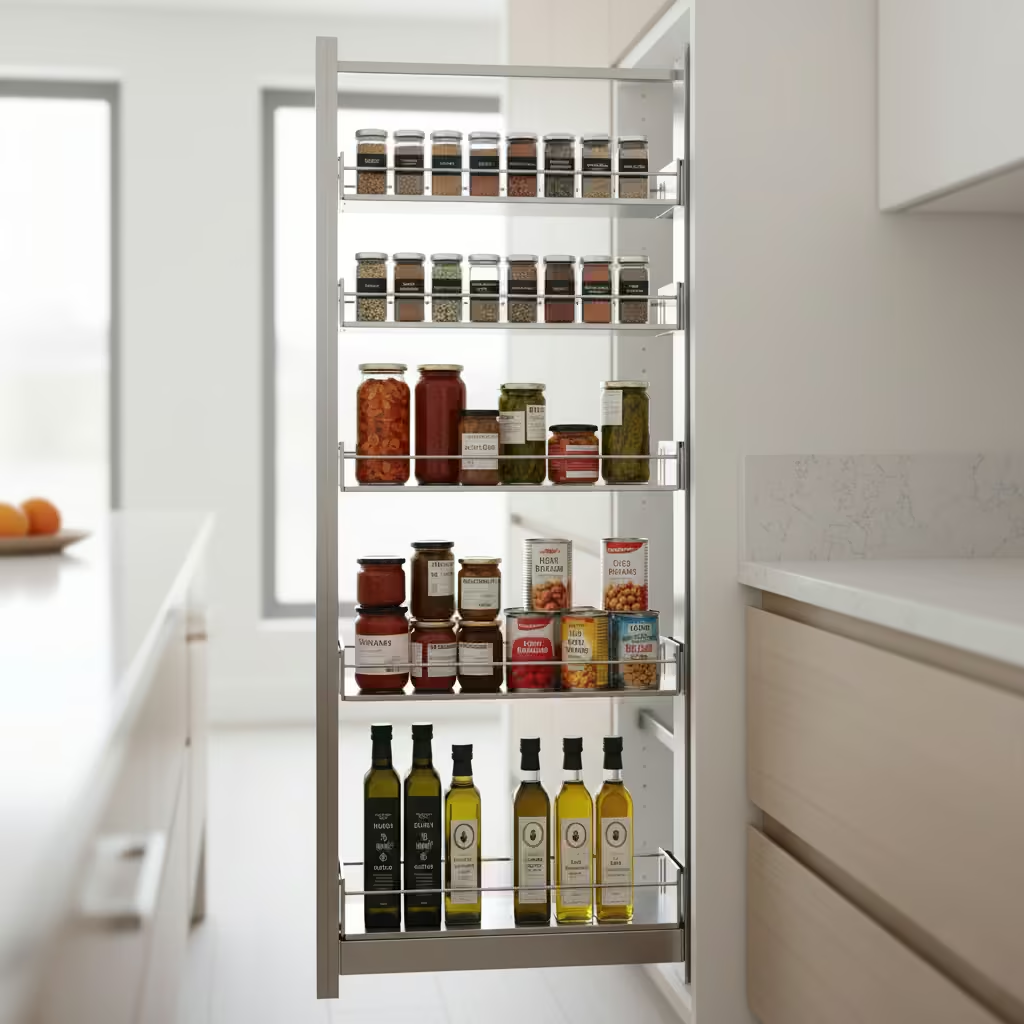
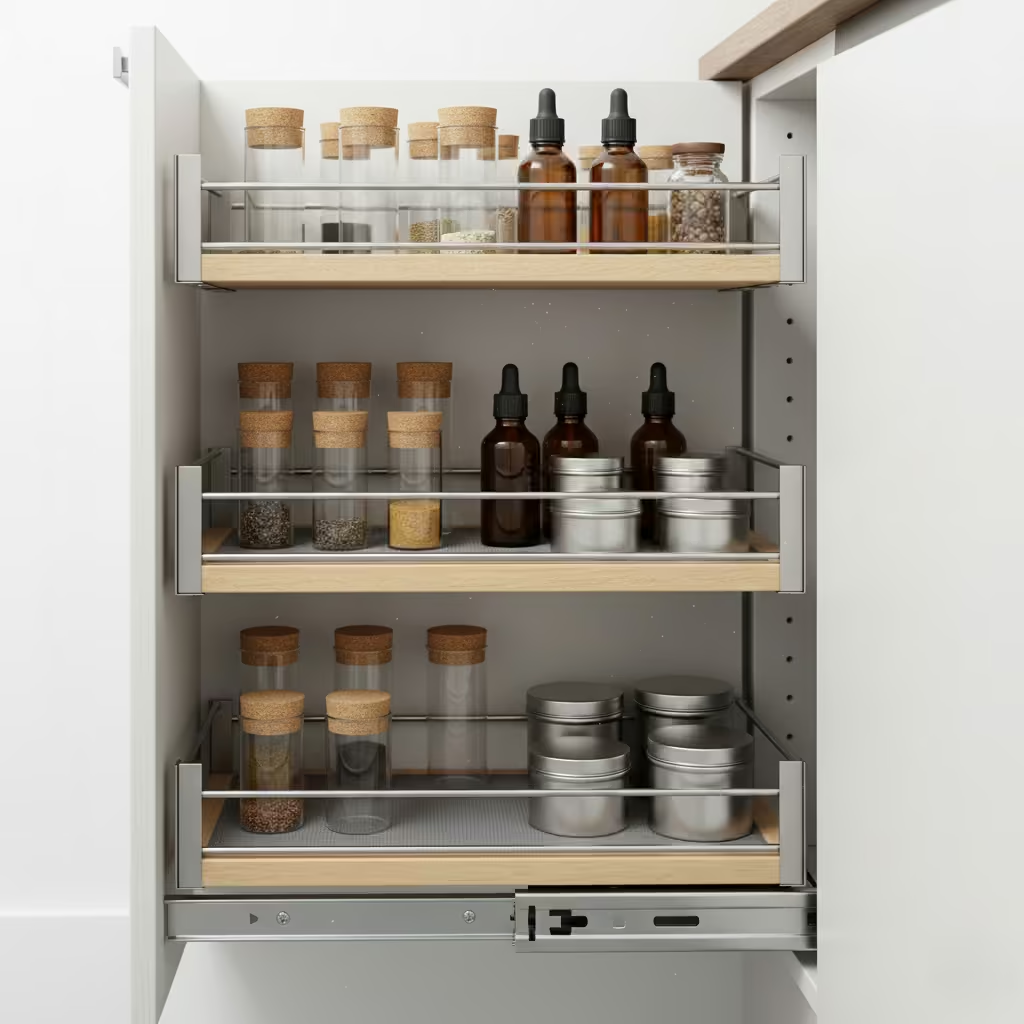
Slim pull-out pantry cabinets are one of the most effective ways to reclaim dead space in a small kitchen. These vertical slide-out units fit neatly into narrow gaps beside the fridge, between base cabinets, or even next to a cooker, giving you valuable storage without needing a full pantry cupboard. Most designs range from 15 to 25 centimetres wide, which makes them ideal for storing spices, oils, tins, jars, and other everyday essentials.
To maximise performance, choose high-quality soft-close runners or full-extension hardware so you can easily see everything inside. Adjustable shelves are worth the investment because they let you customise the cabinet to suit your products, reducing wasted height. I also recommend using non-slip liners to keep bottles stable when the cabinet moves. With the right configuration, a slim pull-out becomes a hardworking storage zone that quietly handles far more than its size suggests.
You May also Like: 25 White Kitchen Designs That Blend Style and Function
Install Wall-Mounted Floating Shelves
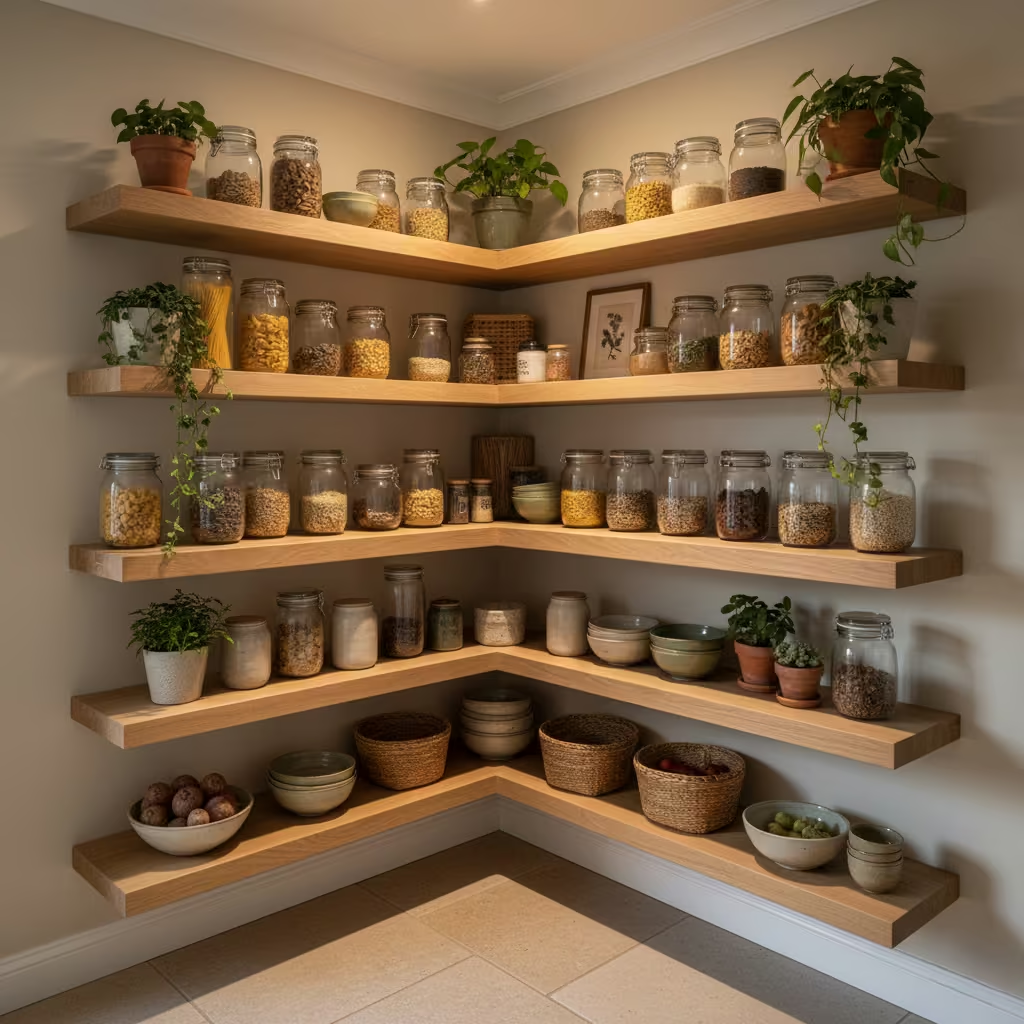
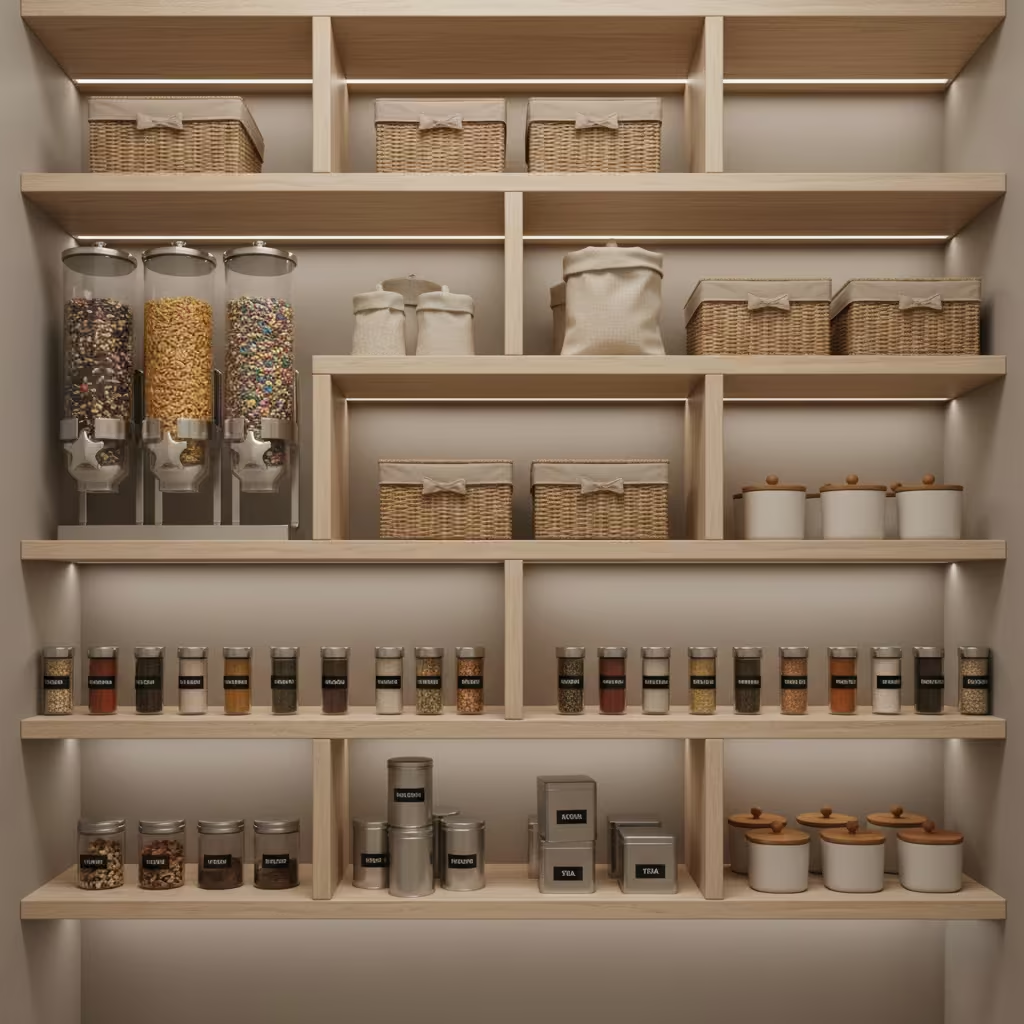
Wall-mounted floating shelves are perfect for tiny pantries because they open up storage without adding bulk. Open shelving gives you quick access to everyday items while keeping the space visually light, which is especially important in compact kitchens where traditional cabinetry can feel overwhelming. When used well, these shelves create a balance of practicality and style, turning even a blank wall into valuable storage.
To maximise efficiency, space your shelves according to what you plan to store. Larger items like cereal containers or baskets need more vertical clearance, while spices and tins work well on tighter spacing.
Always check the weight load before installation and use heavy-duty brackets or concealed supports for safety. Styling matters too. Keep the shelves partially filled, group items by category, and mix functional storage with a few attractive pieces like jars, greenery, or small bowls.
This keeps things organised without losing that clean, modern look floating shelves are known for.
Add Adjustable Shelf Inserts
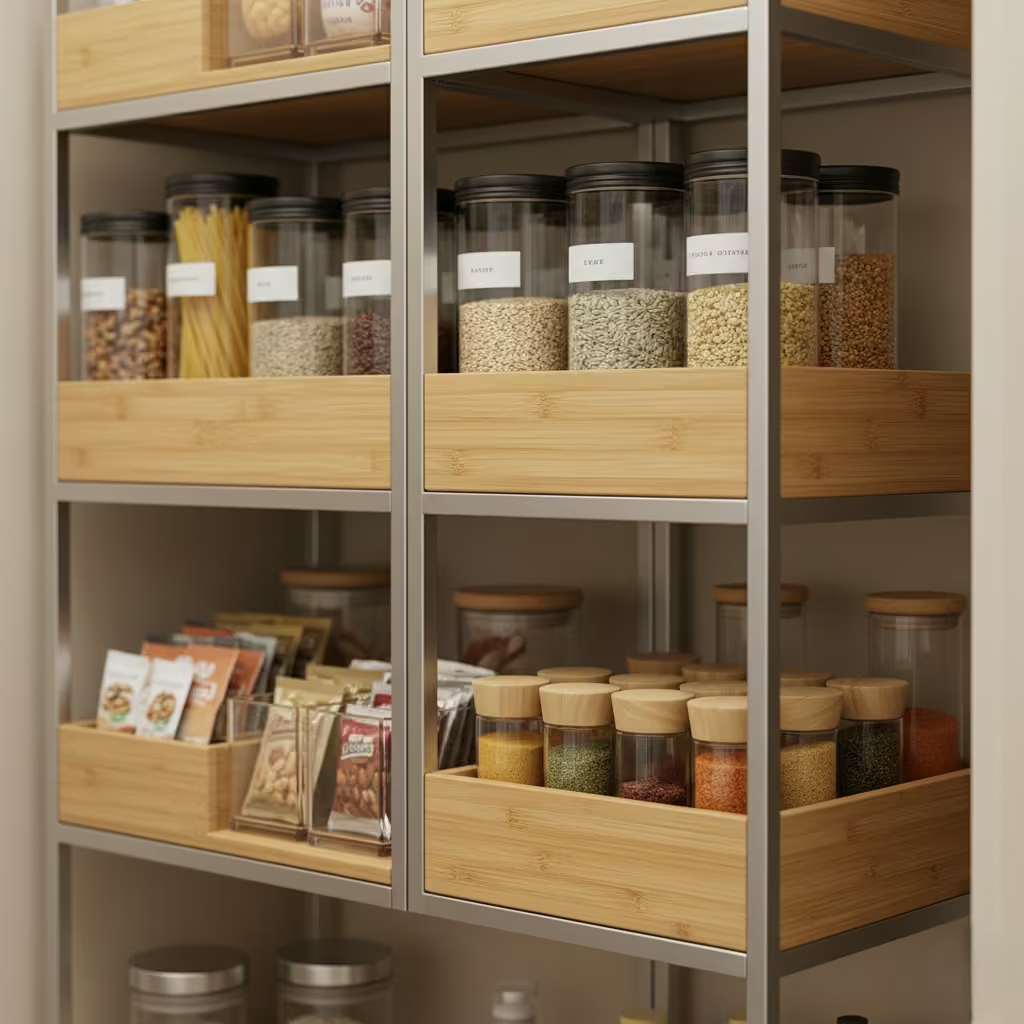
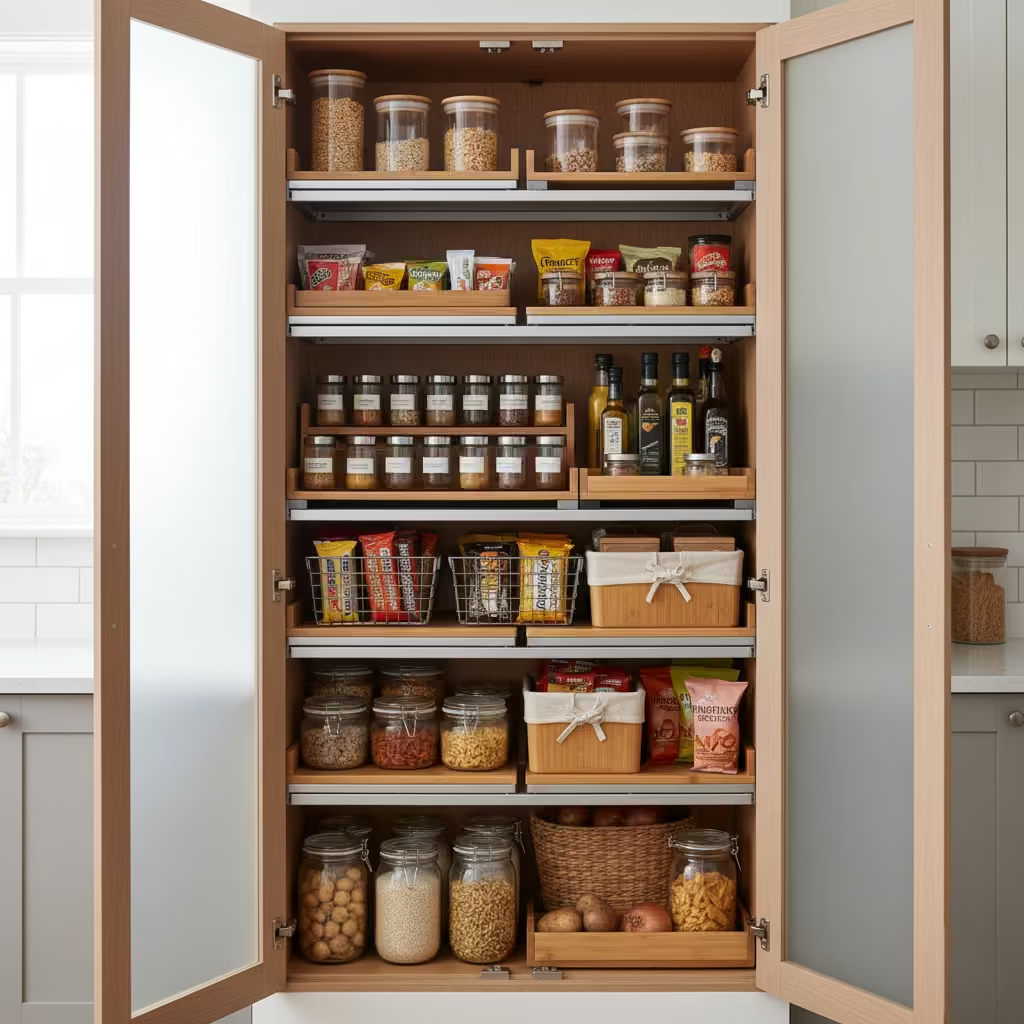
Adjustable shelf inserts are one of the easiest ways to customise a tiny pantry so it evolves with your needs. These modular add-ons create additional layers within existing shelves, allowing you to double or even triple your storage without replacing cabinetry. They’re especially useful in small kitchens where every centimetre counts and standard pantry shelving often leaves too much wasted vertical space.
When choosing inserts, look for materials that balance durability and aesthetics. Metal and bamboo are excellent options because they hold weight well and blend comfortably into most kitchen styles.
Acrylic works beautifully in modern spaces where visibility matters. For optimal configuration, combine tall inserts for cereals or jars with lower platforms for spices, snacks, and tins.
Staggering heights keeps everything accessible while maintaining a clean, organised look. With the right mix, adjustable shelf inserts create a flexible system that adapts to changing pantry items and helps you stay clutter free all year round.
Convert a Narrow Cupboard into a Mini Pantry
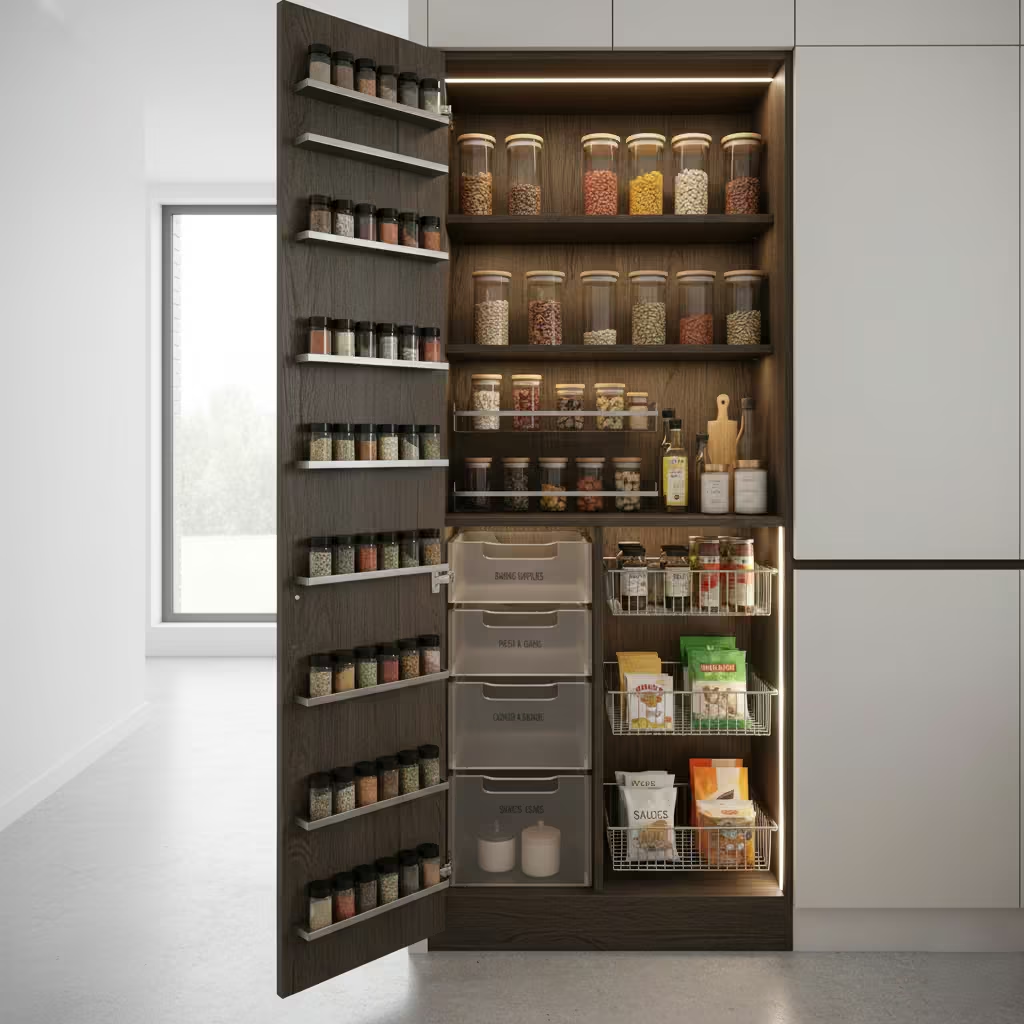
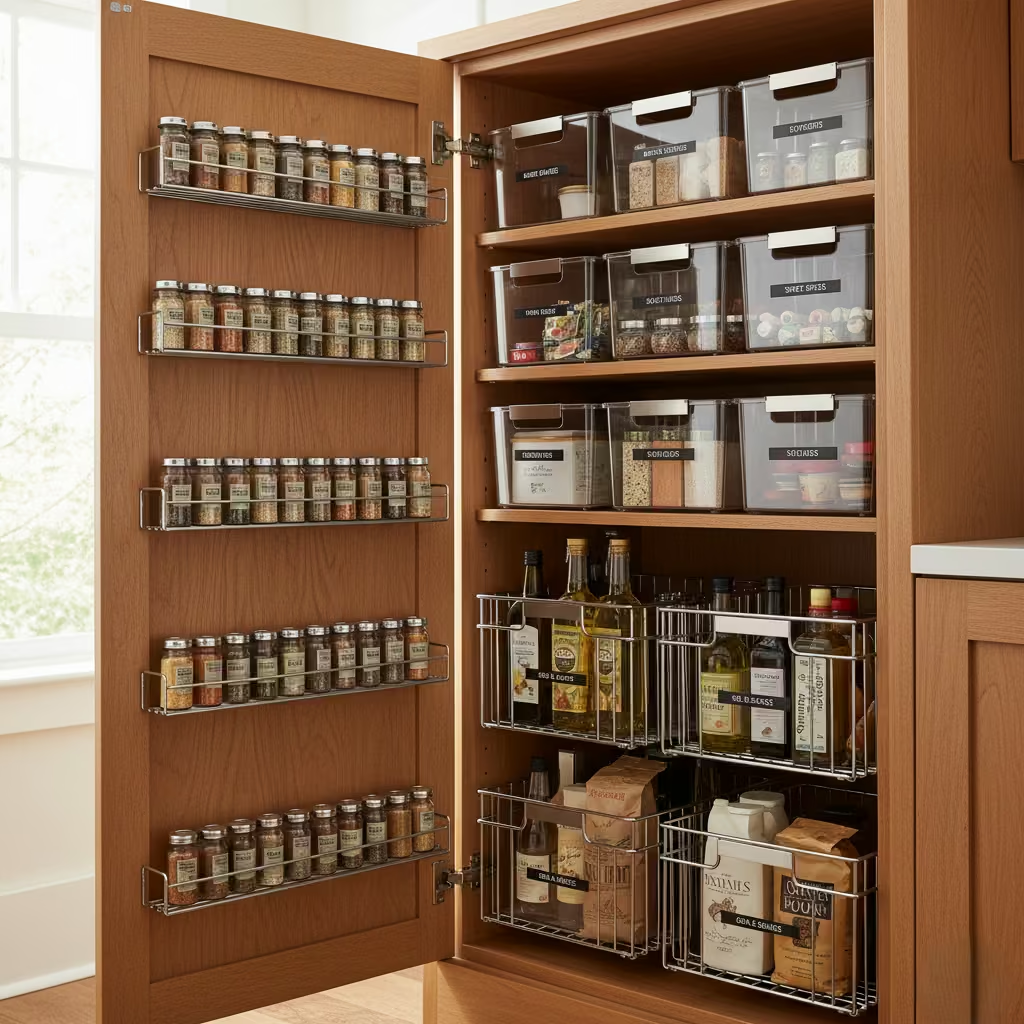
A narrow cupboard can easily be transformed into a highly functional mini pantry with just a few strategic upgrades. Retrofitting existing cabinets is a smart move in small kitchens because it makes use of what you already have while unlocking hidden storage potential. Even a slim cupboard that seems too small at first glance can become a streamlined zone for snacks, spices, condiments, or dry goods when planned correctly.
Start by installing slim door racks to hold spices, bottles, and small jars. These immediately expand your capacity without reducing shelf space. Add mini bins or narrow baskets inside the cupboard to group items by category and prevent clutter. Clear or wire bins work well because they keep everything visible.
Good lighting is essential in tight spaces, so consider battery-operated LED strips or motion-sensor puck lights to brighten up the interior. With the right layout, your once overlooked cupboard becomes a compact, efficient pantry that punches well above its weight.
Use Clear, Stackable Containers
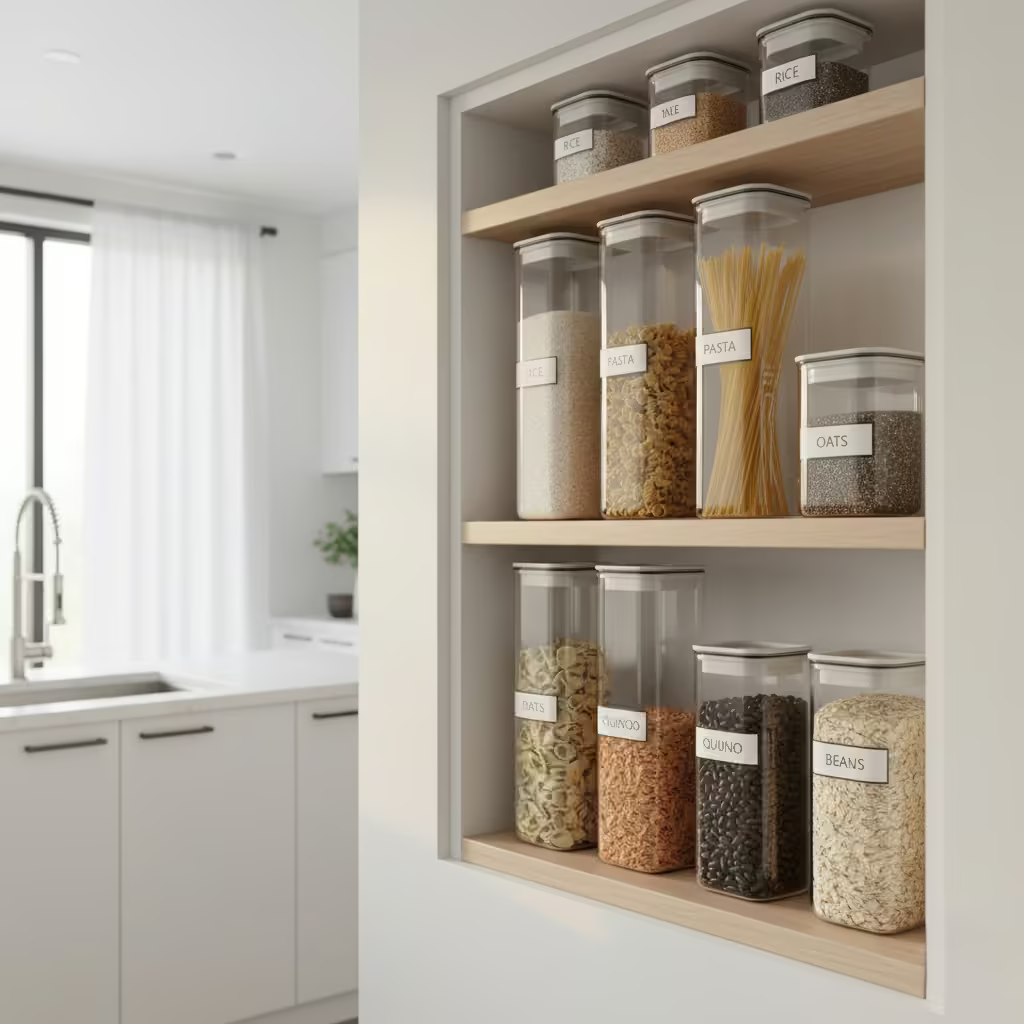
Clear, stackable containers are a game changer in tiny pantries because they boost visibility, eliminate bulky packaging, and create a clean, cohesive look. Airtight designs keep food fresher for longer, making them ideal for dry goods like pasta, rice, cereals, flour, and snacks. When everything is visible at a glance, you spend less time searching and more time cooking efficiently, which matters even more in compact kitchens.
Uniform containers are the real secret to maximising vertical clearance. Their standardised shapes allow you to stack them safely without wobbling or wasting space. Tall, narrow containers are perfect for slim shelves, while lower, wider versions work well in deep cabinets.
Label each one clearly so you can maintain order as your pantry evolves. By replacing mismatched packaging with a coordinated system, your tiny pantry gain’s structure, capacity, and a streamlined look that feels instantly more organised.
Utilise the Back of the Pantry Door
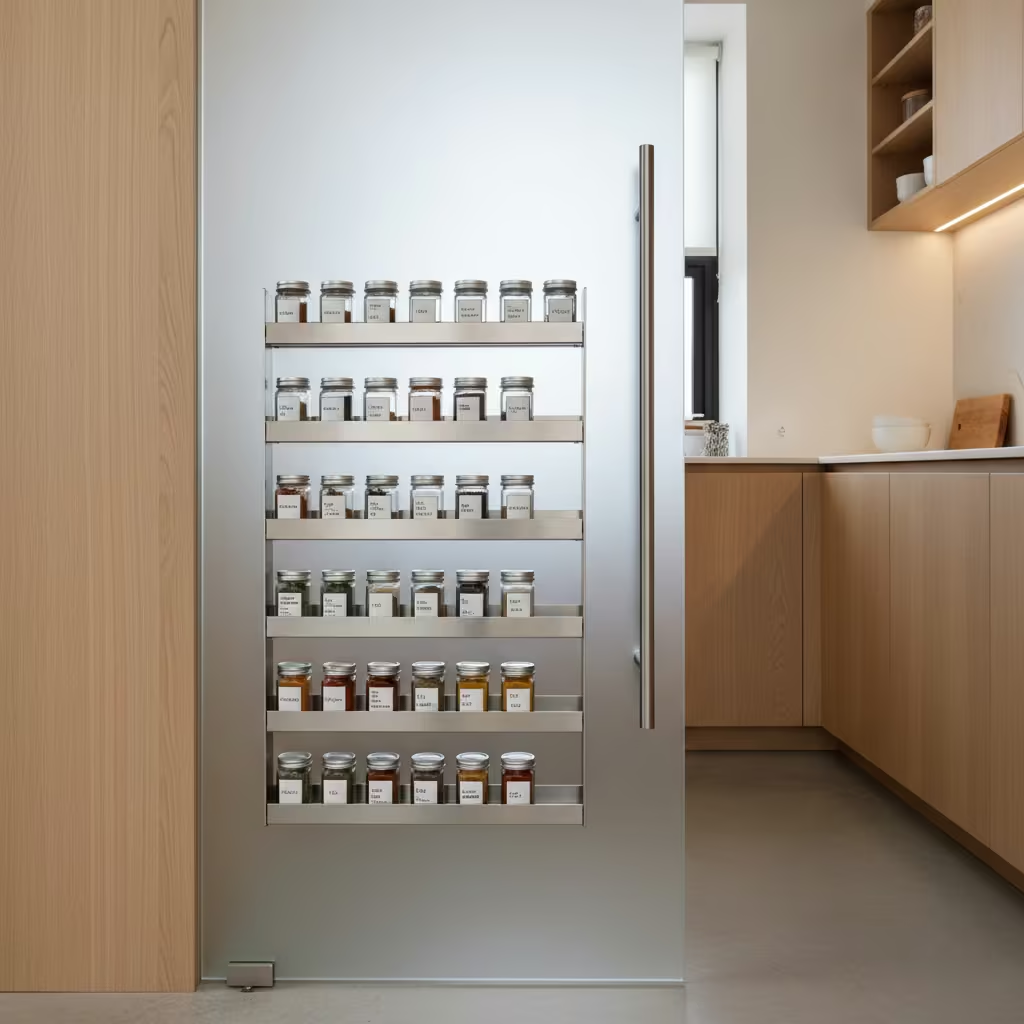
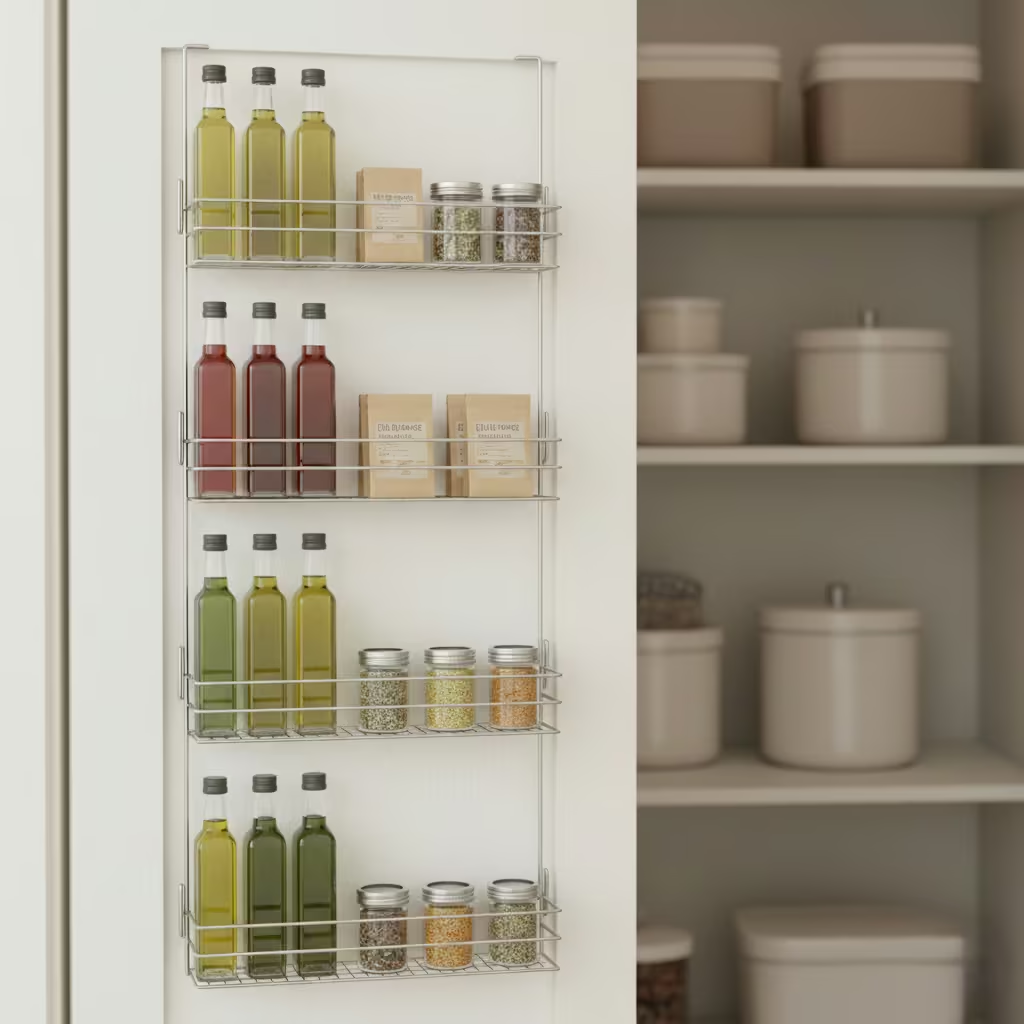
The back of a pantry door is one of the most underused storage areas in a small kitchen, yet it can dramatically increase your capacity when planned well. Over-the-door racks and slim spice organisers are perfect for this spot because they keep small, frequently used items easy to reach without cluttering your main shelves. This works especially well in tiny pantries where every inch of depth matters.
When choosing a door rack, prioritise slim profiles so the door closes smoothly without hitting the shelves inside. Look for adjustable tiers that allow you to store everything from spice jars to foil rolls, oils, packets, and small condiments.
If your pantry door is particularly shallow, opt for low-profile wire racks or narrow acrylic pockets that sit close to the surface. Group items by height and frequency of use to keep things efficient. With smart space planning, the back of the door becomes a fully functioning extension of your pantry rather than wasted real estate.
Try Lazy Susans for Deep Corners
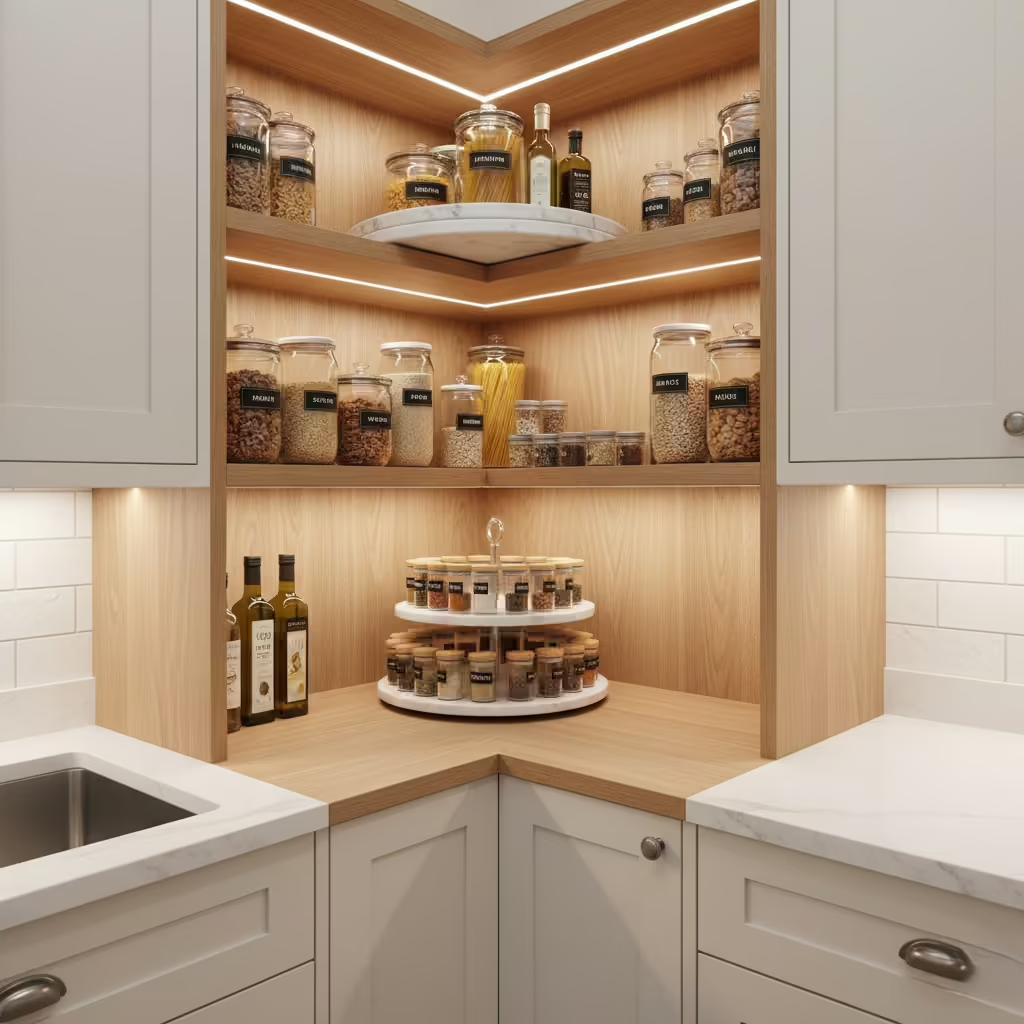
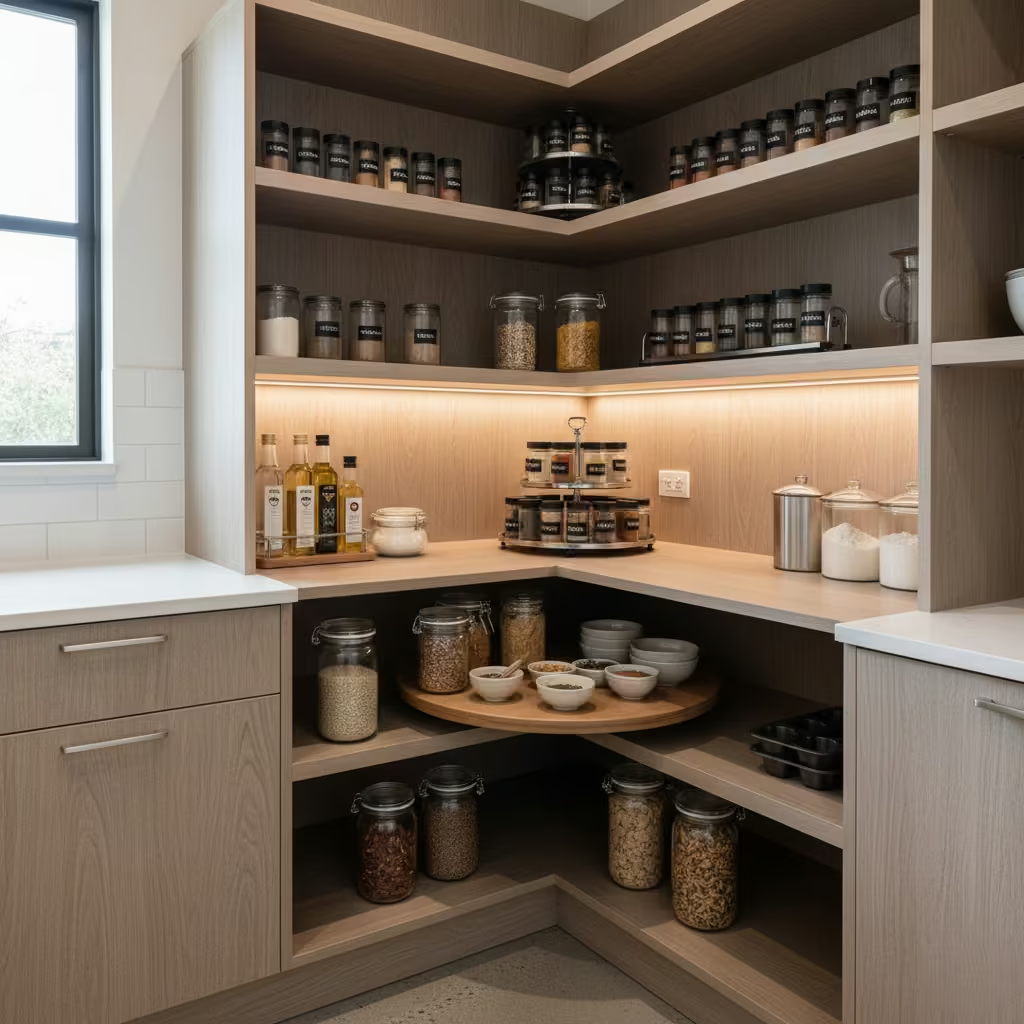
Lazy Susans are incredibly effective for maximising deep corners that would otherwise turn into dark, unreachable storage pits. Their rotating design brings items forward with a quick spin, making them ideal for awkward pantry shelves where things tend to get lost. Round, tiered, and divided styles give you flexibility, whether you’re storing spices, jars, oils, or baking ingredients. Tiered versions are great for small items, while divided trays help keep taller bottles upright and organised.
I tend to recommend Lazy Susans in tiny pantries when the shelves are deep enough that items disappear to the back. They create access without requiring a full redesign. However, they can become clutter traps if you overload them or use the wrong size.
Oversized Lazy Susans can bump into the sides of a cabinet, and too many small loose items can slide around and create visual chaos. Keep them curated, choose the right diameter, and use them intentionally. When done right, they turn forgotten corners into highly functional storage zones.
Add Tension Rod Dividers
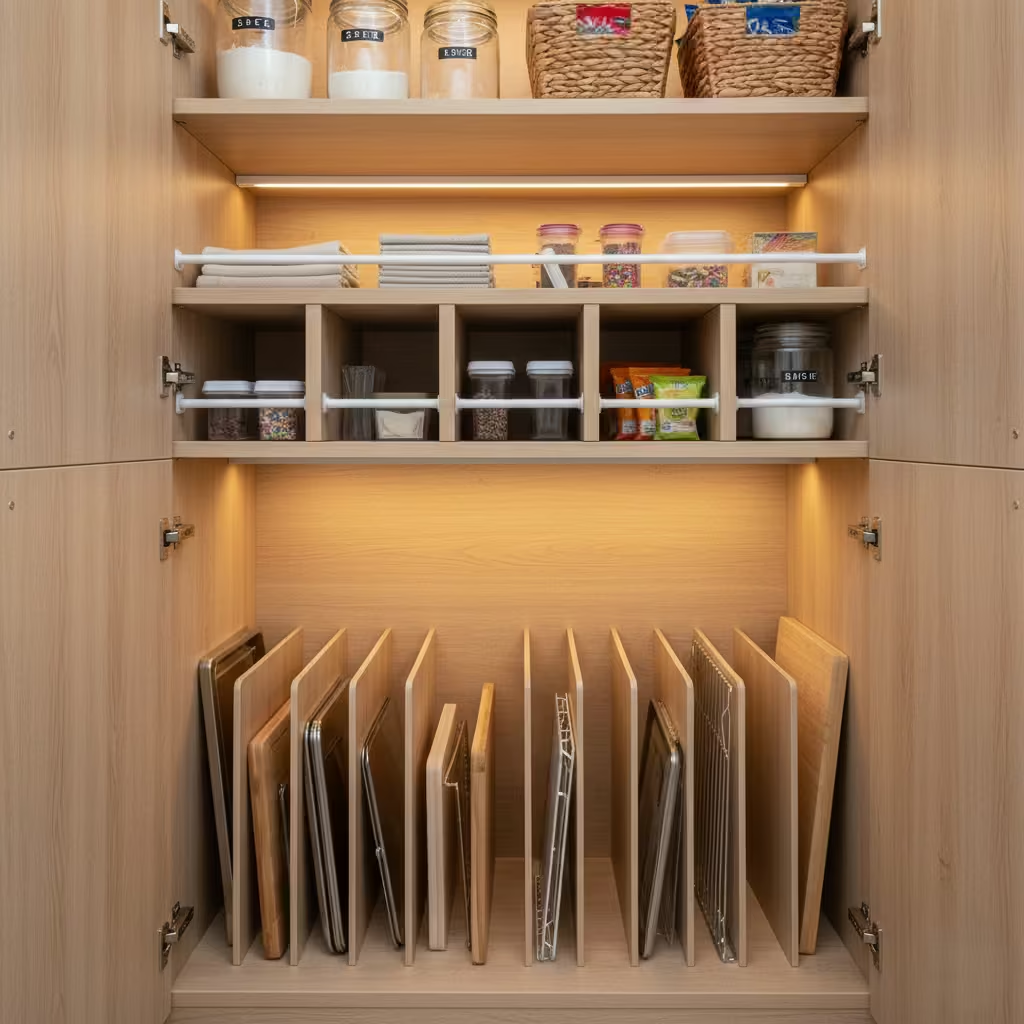
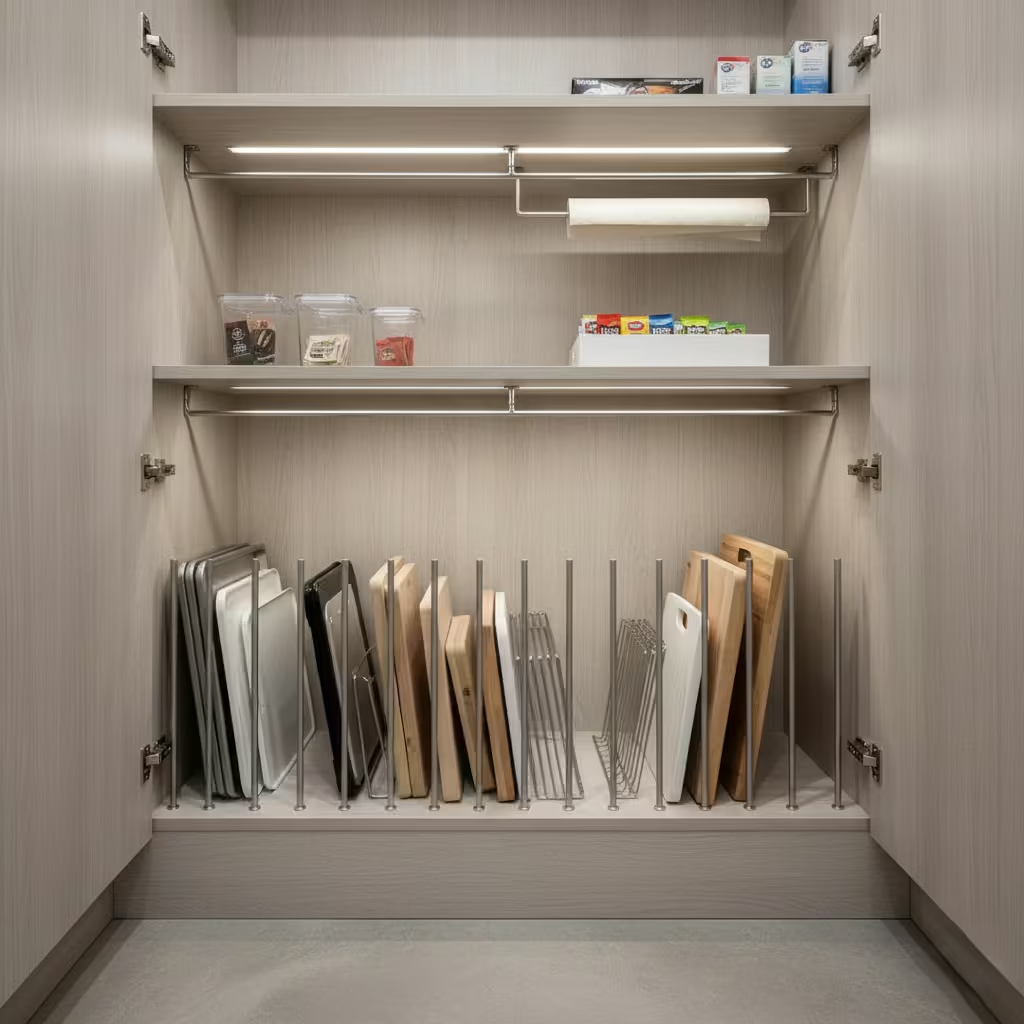
Tension rod dividers are a brilliant DIY solution for creating order inside a tiny pantry, especially when you need vertical or horizontal separation without installing permanent hardware. These simple rods fit snugly between shelves or cabinet walls, giving you instant compartments that stop items from sliding around. They’re perfect for renters or anyone who wants a flexible system that can be changed as storage needs evolve.
I find tension rods particularly effective for organising trays, cutting boards, chopping mats, baking sheets, cooling racks, and even slim serving platters. Install them vertically to create upright slots that keep everything easy to pull out, or place them horizontally to form mini levels for lighter items.
Choose rods with strong springs to ensure they stay in place, and pair them with non-slip liners if you’re storing metal pieces. With minimal effort, tension rods transform chaotic stacks into neat, accessible sections that make your tiny pantry work much harder.
You May also Like: 30 Kitchen Makeover Ideas That Make Old Kitchens Feel Brand New
Opt for a Compact Mobile Pantry Cart
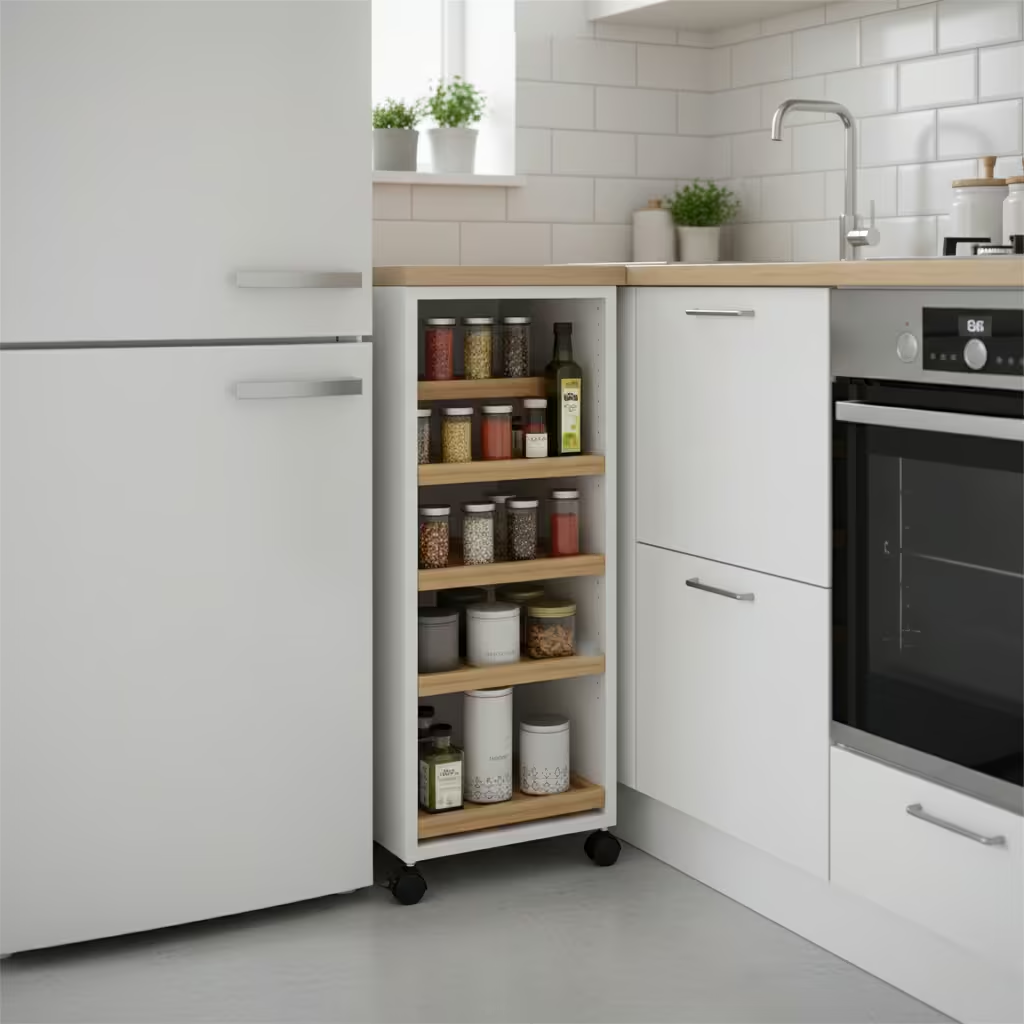
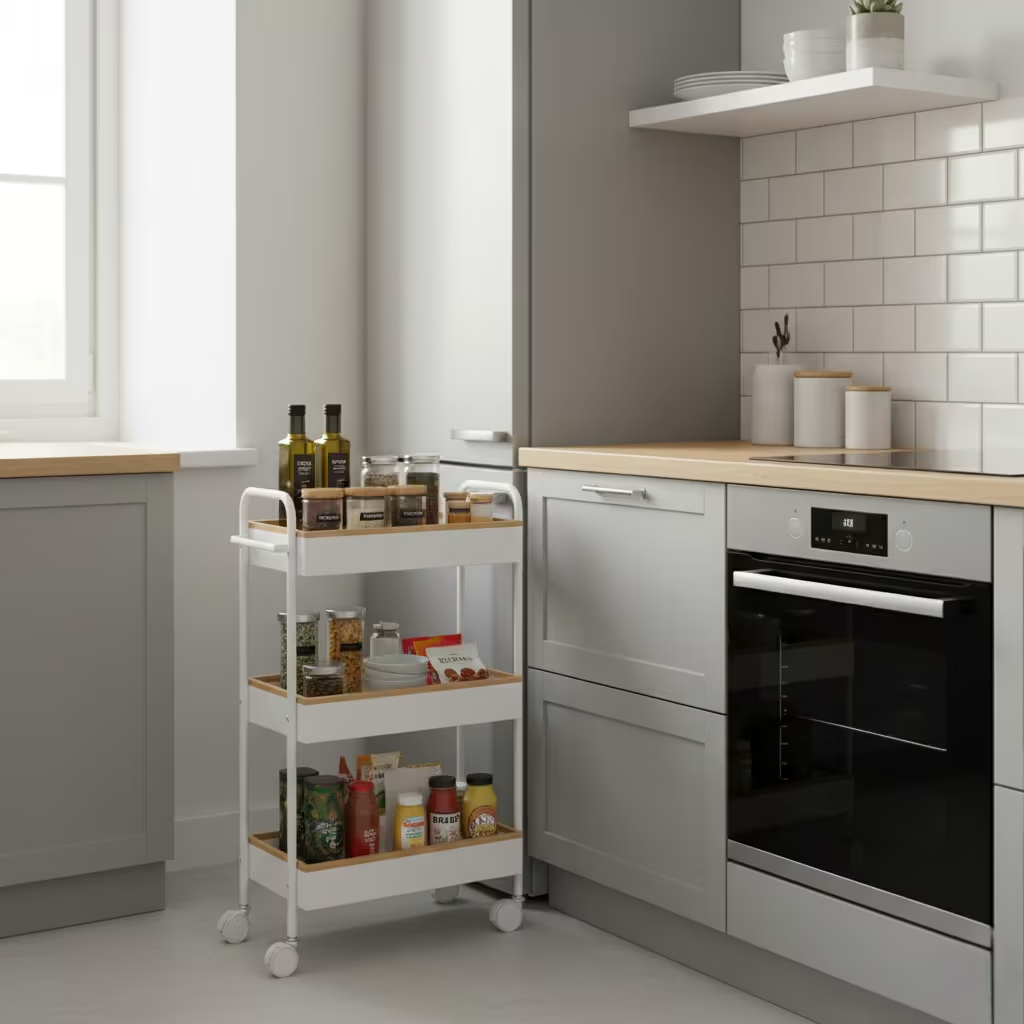
A compact mobile pantry cart is a smart, space-saving option for renters and anyone living in a tiny flat where built-in storage is limited. These slim rolling carts slide neatly into narrow gaps beside the fridge, under counters, or between appliances, giving you a flexible pantry alternative that moves wherever you need it. The mobility factor is especially useful in tight kitchens where every square inch has to work hard.
For storage, use the cart for lighter, everyday items such as spices, snacks, condiments, oils, tea, and baking essentials. Tiered designs work best because they maximise vertical space without feeling bulky.
To keep things stylish, look for carts in metal, bamboo, or matte finishes that blend naturally with your kitchen palette. If you prefer to hide the cart when guests arrive, tuck it into an alcove or behind a curtain panel for a clean, streamlined look.
With the right setup, a mobile pantry cart becomes a compact, hardworking extension of your kitchen that’s both discreet and incredibly practical.
Build a Narrow Shelving Tower
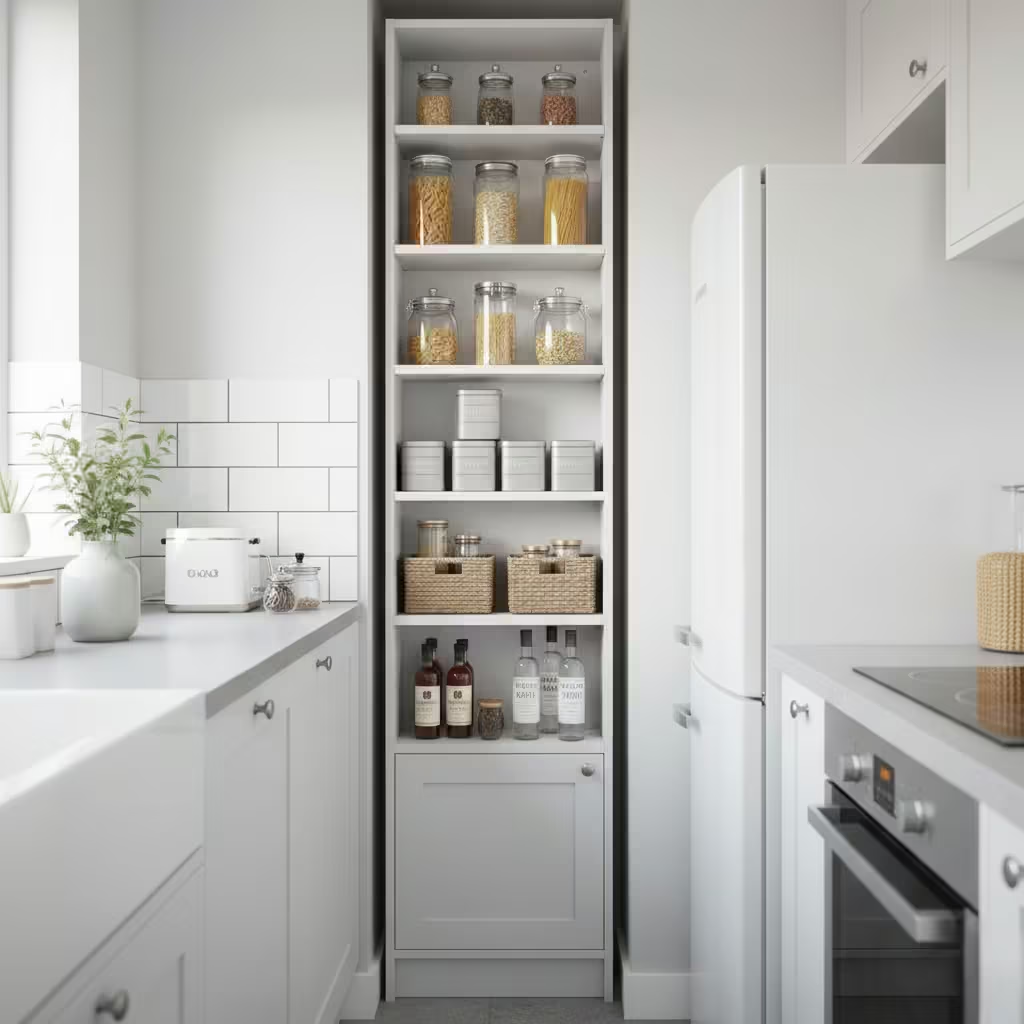
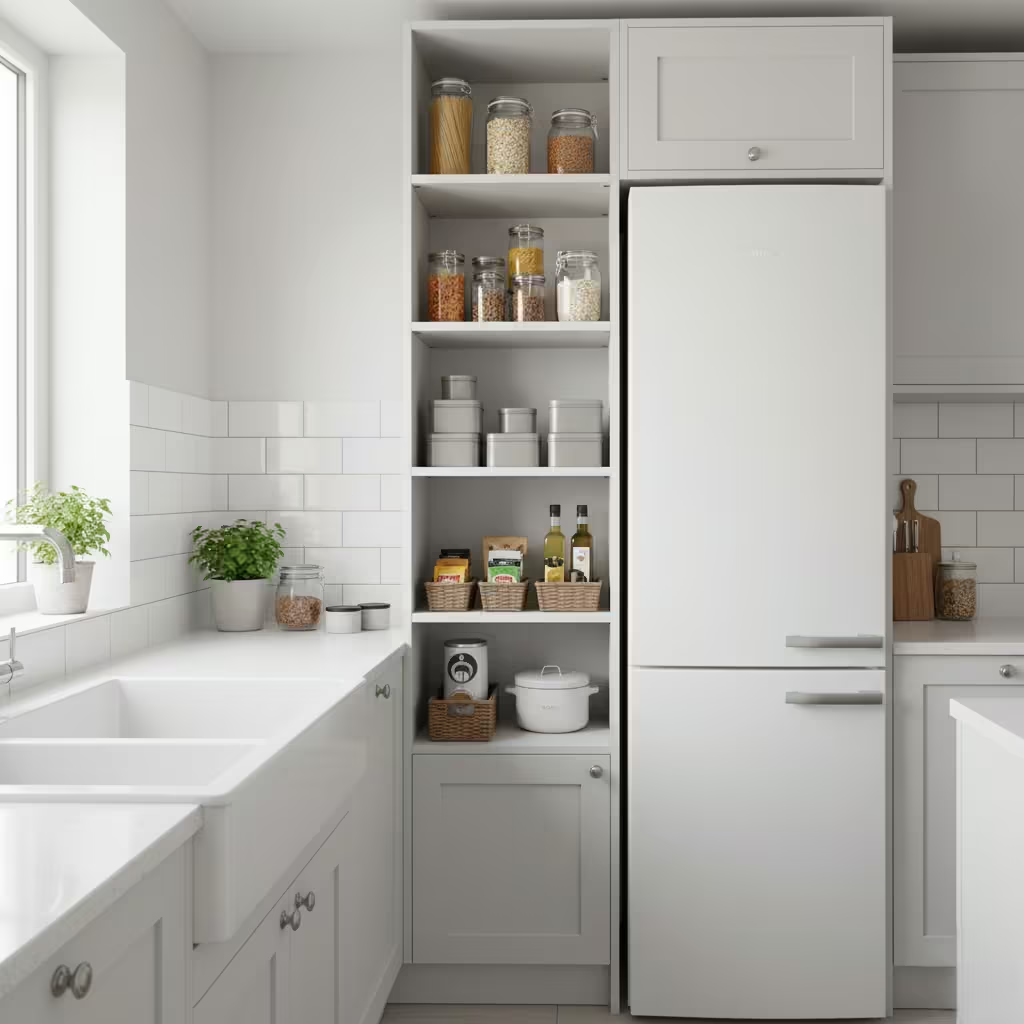
A narrow shelving tower is one of the most effective ways to create floor-to-ceiling storage in a tiny pantry or compact kitchen. When vertical height is used properly, even the smallest footprint can deliver impressive capacity. These tall, slim towers slot easily into tight passages, awkward corners, or beside appliances, giving you structured storage without overwhelming the room. The key is to keep the design minimal so it feels built in rather than bulky.
For depth, aim for shelves between 15 and 25 centimetres. This range keeps the tower functional while preventing items from being pushed too far back and forgotten. Shallow depths also ensure the unit doesn’t intrude into walkways. Use adjustable shelves to accommodate a mix of jars, baskets, tins, and dry goods, and consider adding a closed cabinet at the bottom for heavier items. With smart design and careful proportions, a narrow shelving tower can transform unused vertical space into a sleek, high-capacity storage solution tailored for tight kitchens.
Make Use of Under-Shelf Baskets
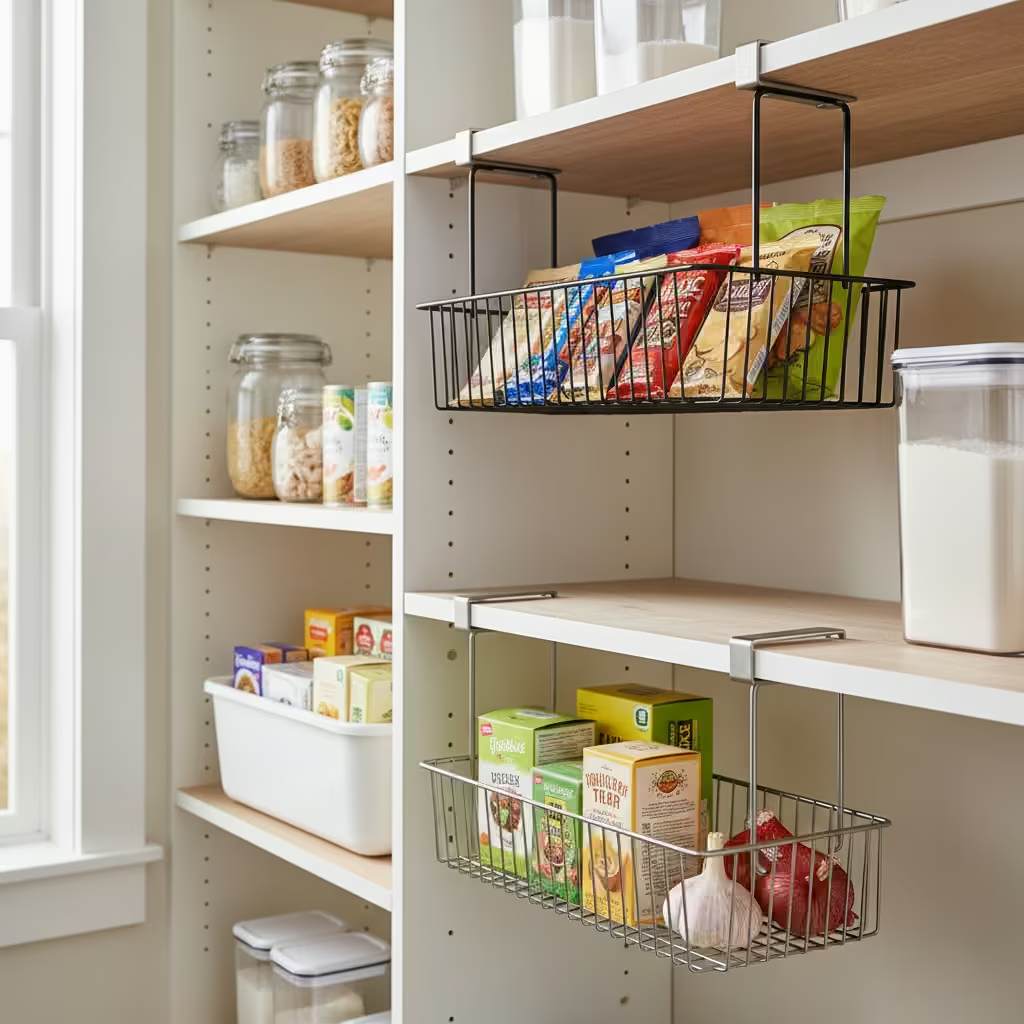
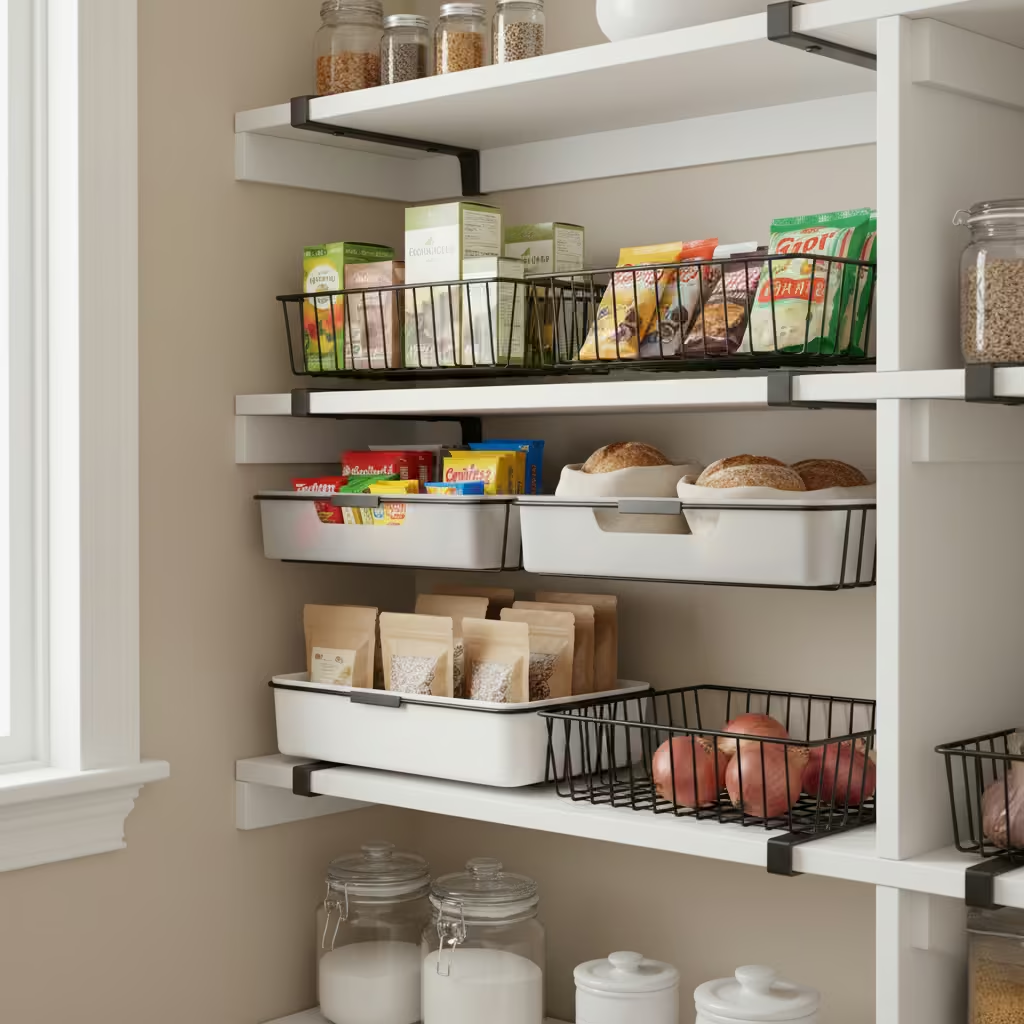
Under-shelf baskets are a clever way to reclaim wasted vertical space in tiny pantries. These clip-on baskets slide neatly onto existing shelves, creating an extra layer of storage without having to install any new hardware.
They’re ideal for compact kitchens where every centimetre matters and traditional shelving often leaves unused headroom. The simplicity of these baskets makes them a quick, renter-friendly upgrade that immediately boosts capacity.
Under-shelf baskets shine when used for lightweight, frequently accessed items. Think snacks, bread, wraps, tea boxes, seasoning packets, or small baking supplies. They also work well for produce like onions or garlic when paired with a ventilated wire design.
However, avoid storing heavy jars, glass bottles, or anything bulky that might strain the clips or make the basket sag. Keep weight balanced and use baskets sparingly so your shelves don’t feel cluttered. When used thoughtfully, under-shelf baskets provide an easy, low-profile way to maximise space in even the tiniest pantry.
Add a Small Bookcase or Ladder Shelf
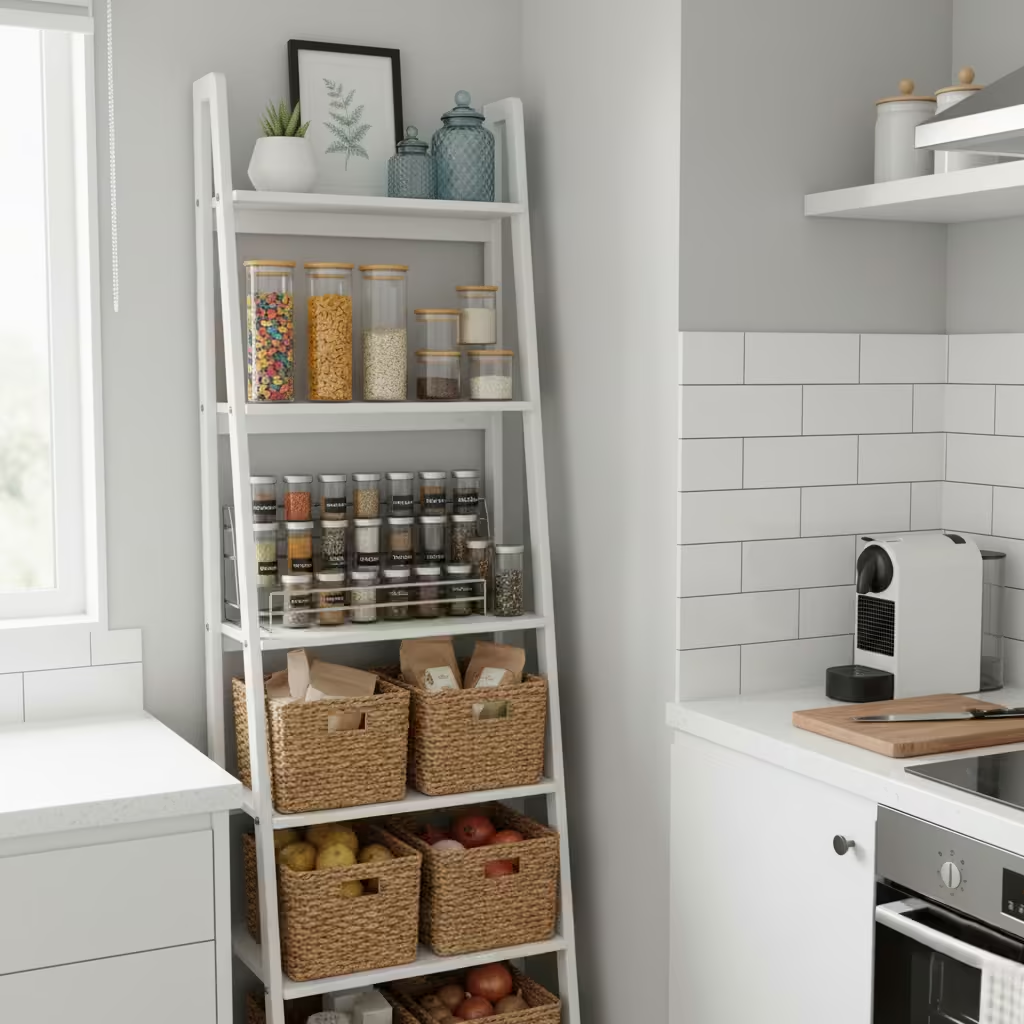
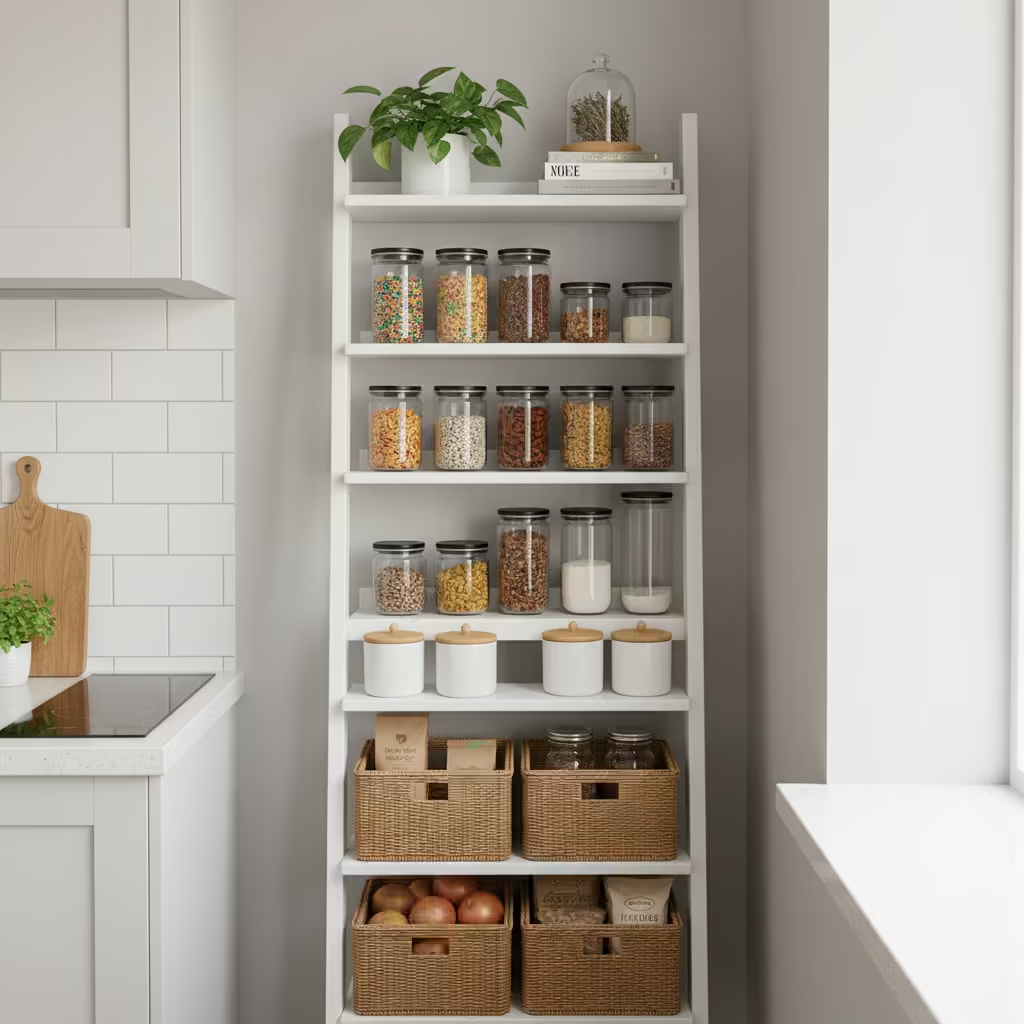
A small bookcase or ladder shelf can be an excellent substitute for a traditional pantry, especially when kitchen storage is limited. Repurposing furniture allows you to create a freestanding, flexible pantry zone without any major installation work.
Slim bookcases fit neatly into corners or along unused walls, while ladder shelves add vertical storage with a lighter, more open profile that suits compact kitchens. Both options help you build a structured system for jars, tins, dry goods, and small baskets.
To keep things functional, style the shelves with a balance of practicality and visual order. Use matching containers or woven baskets on the lower shelves for heavier items, and place everyday essentials like cereals, snacks, and spices at eye level.
Reserve the top shelf for lighter, decorative elements such as greenery or attractive jars so the unit doesn’t feel cluttered. With careful styling, a simple piece of furniture becomes a tidy, accessible pantry that blends seamlessly into your kitchen.
Convert Dead Wall Space into a Pantry Nook
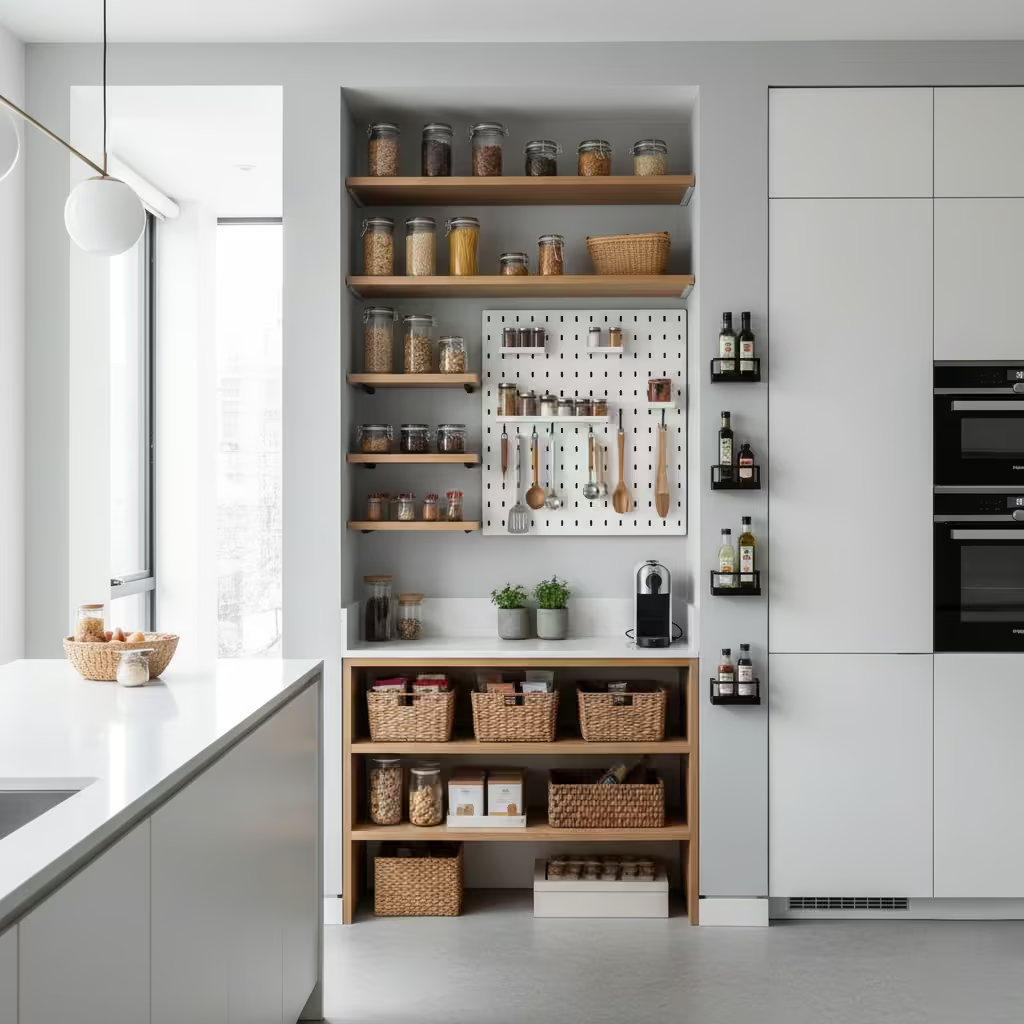
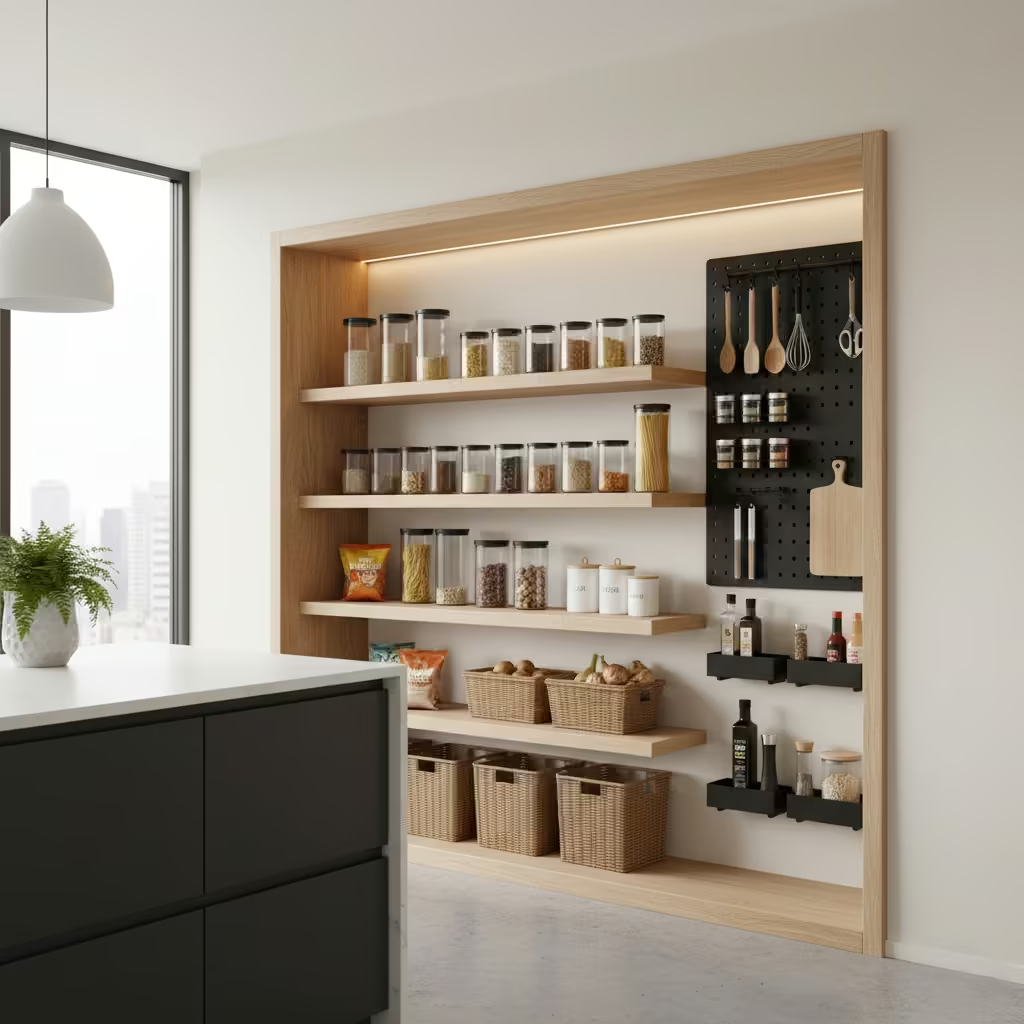
Dead wall space is one of the most overlooked opportunities in a small kitchen, yet it can easily be transformed into a compact, efficient pantry nook. By using clever storage systems like slatted shelving, pegboards, or micro-shelving, you can turn an empty stretch of wall into a fully functional storage zone.
This approach works particularly well in open-plan layouts where traditional pantry cabinets may feel too bulky or where you want storage that blends into the room’s architecture.
Slatted shelves offer strong support for jars and baskets while keeping the look light and modern. Pegboards provide flexible, customisable storage for spices, utensils, and small kitchen tools, letting you reconfigure the space anytime.
Micro-shelves are perfect for narrow walls and awkward gaps, giving you room for spices, condiments, and small staples without intruding into walkways. With smart planning, a simple wall can become a beautifully organised pantry nook that feels intentional rather than improvised.
Use Magnetic Strips for Small Items
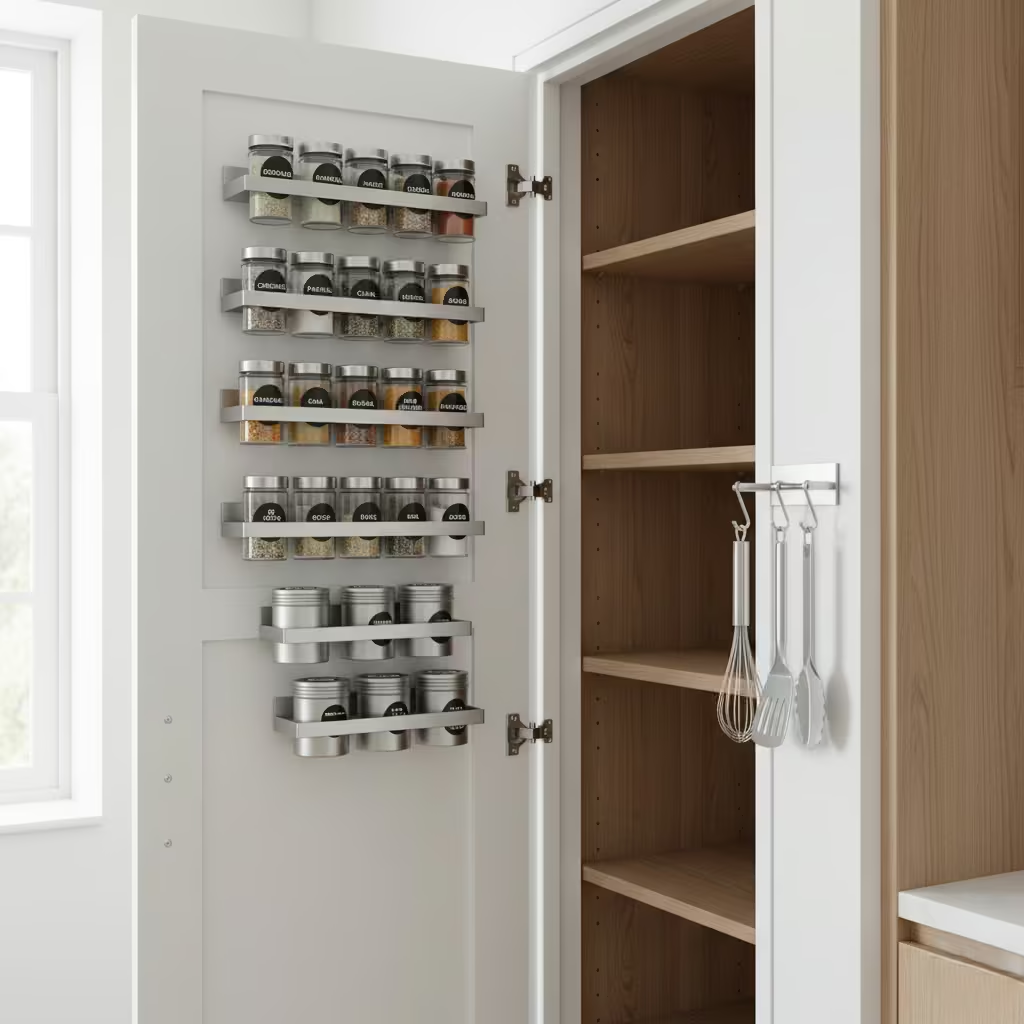
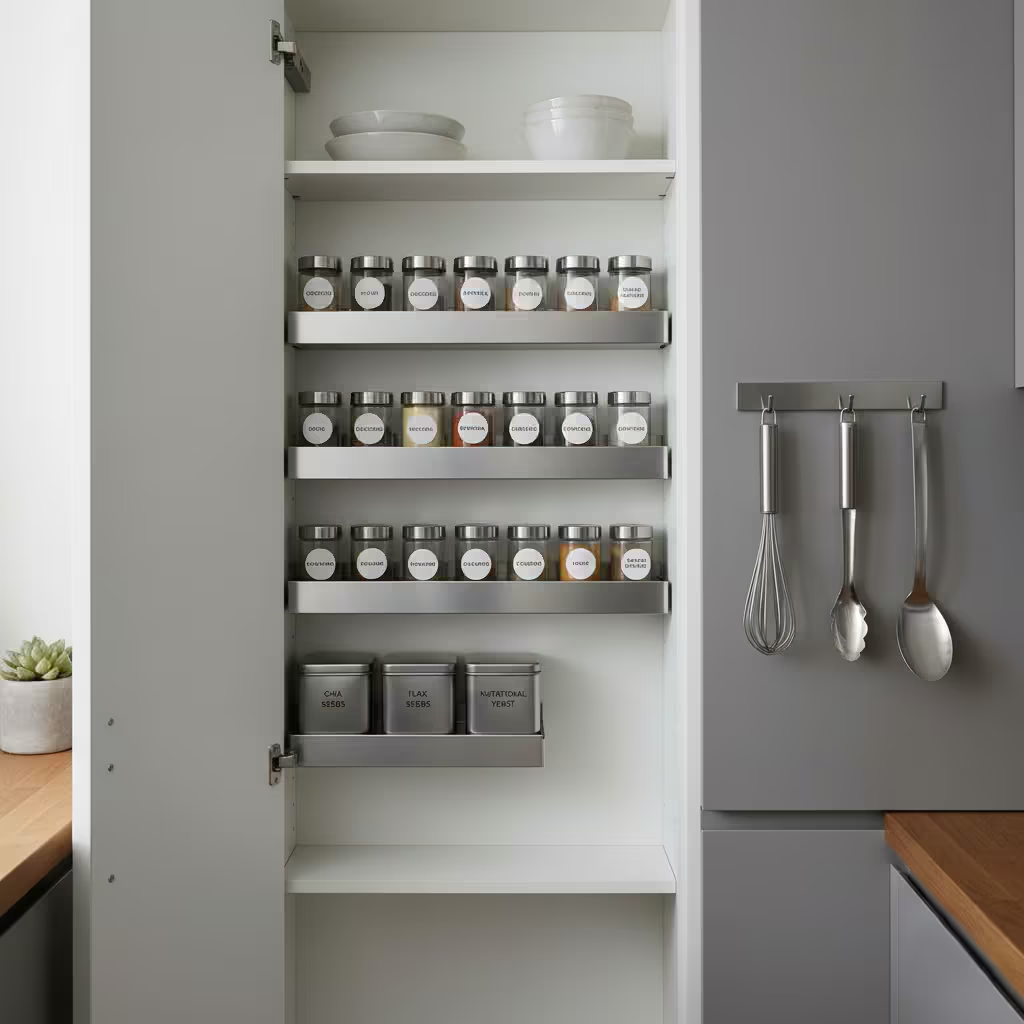
Magnetic strips are an efficient, space-saving solution for tiny pantries because they allow you to store small items vertically without using shelves or drawers. Mountable strips can hold spice jars with metal lids, small tins, and lightweight utensils, giving you quick access to everyday essentials while keeping your shelves clutter free. They’re especially helpful in compact kitchens where traditional organisers take up too much depth.
For best accessibility, place magnetic strips at eye level or just above your main work zone so items are easy to reach while cooking. The inside of a pantry door, the side of a cabinet, or a clear section of wall near your prep area are all ideal spots. Keep heavier items low and lighter items higher to maintain balance.
If you’re using magnetic jars, label the bottoms so you can identify contents quickly. With thoughtful placement, magnetic strips turn unused surfaces into practical storage that feels modern, minimal, and highly efficient.
You May also Like: Terracotta Interior Design: 51 Warm & Stylish Ideas for Every Room
Choose Doorless Pantry Designs
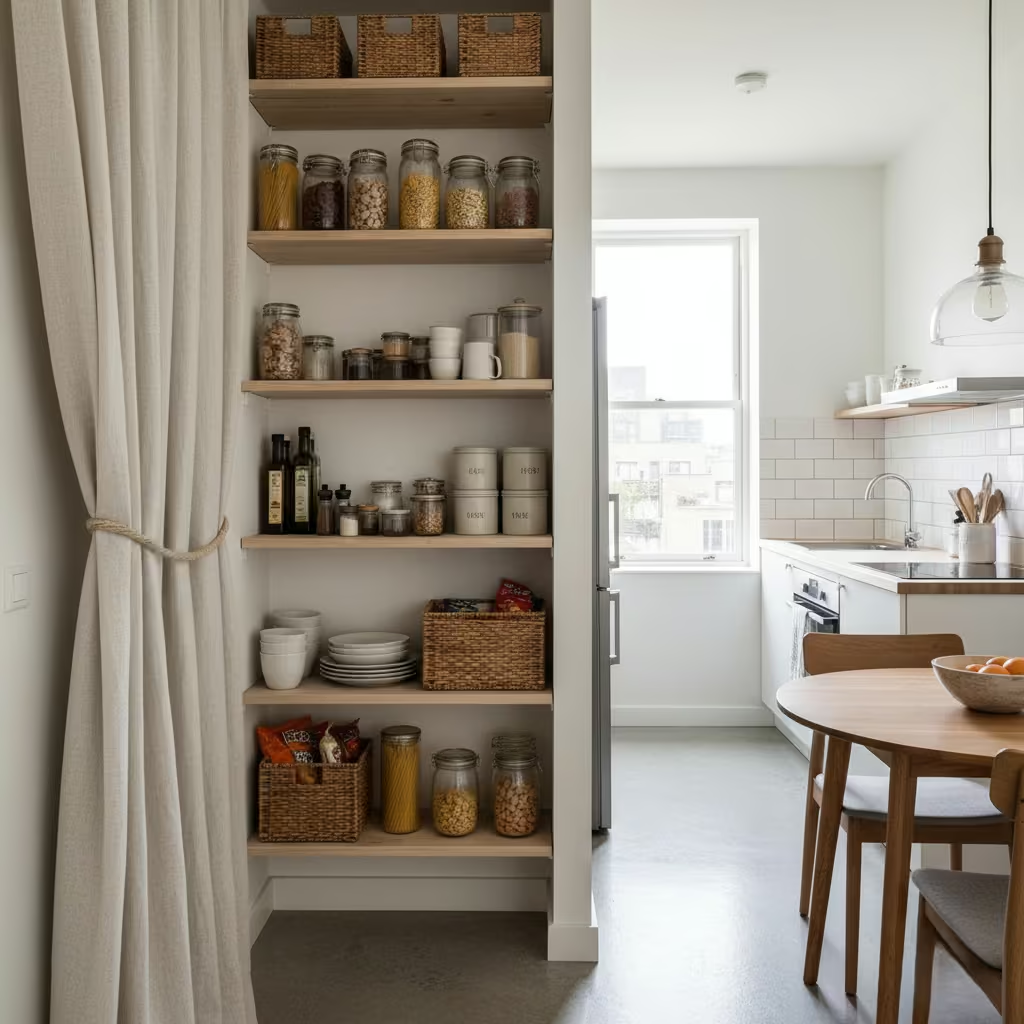
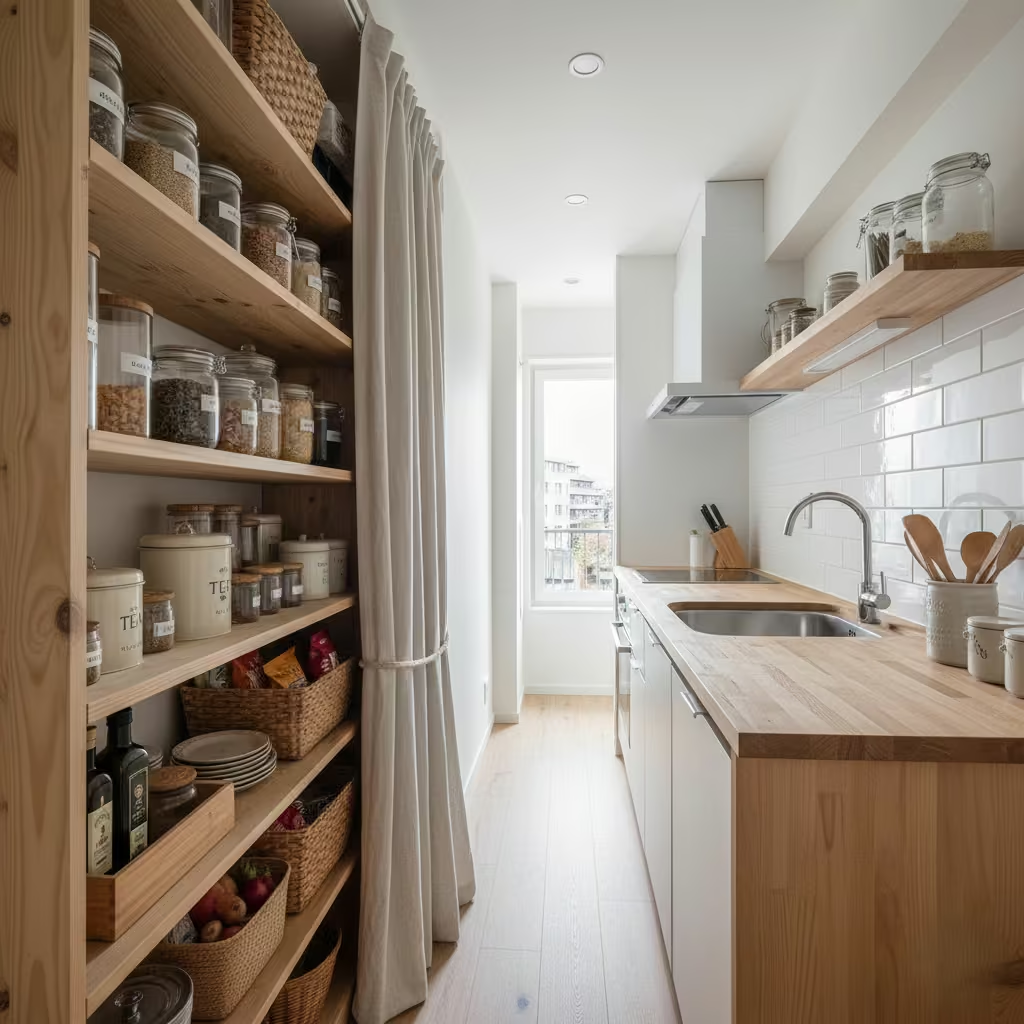
Doorless pantry designs are a smart way to save space in a small kitchen because they eliminate the need for door swing, which often becomes an obstacle in tight layouts. By removing the door entirely, you create immediate access to your shelves, improve visibility, and make the pantry feel more open. This approach works particularly well in narrow galley kitchens or compact flats where every bit of circulation space matters.
If you prefer a softer, more flexible alternative, lightweight curtains are a great solution. They hide visual clutter while remaining easy to move aside, and they add a cosy, relaxed feel to the kitchen. For a more contemporary look, sliding panels or pocket-style screens offer clean lines without intruding into the room.
Whichever option you choose, keeping your shelves styled and organised is key because everything remains on display. With the right finishing touches, a doorless pantry becomes both a functional and aesthetically pleasing feature in your small kitchen.
Use Stackable Drawers and Bins
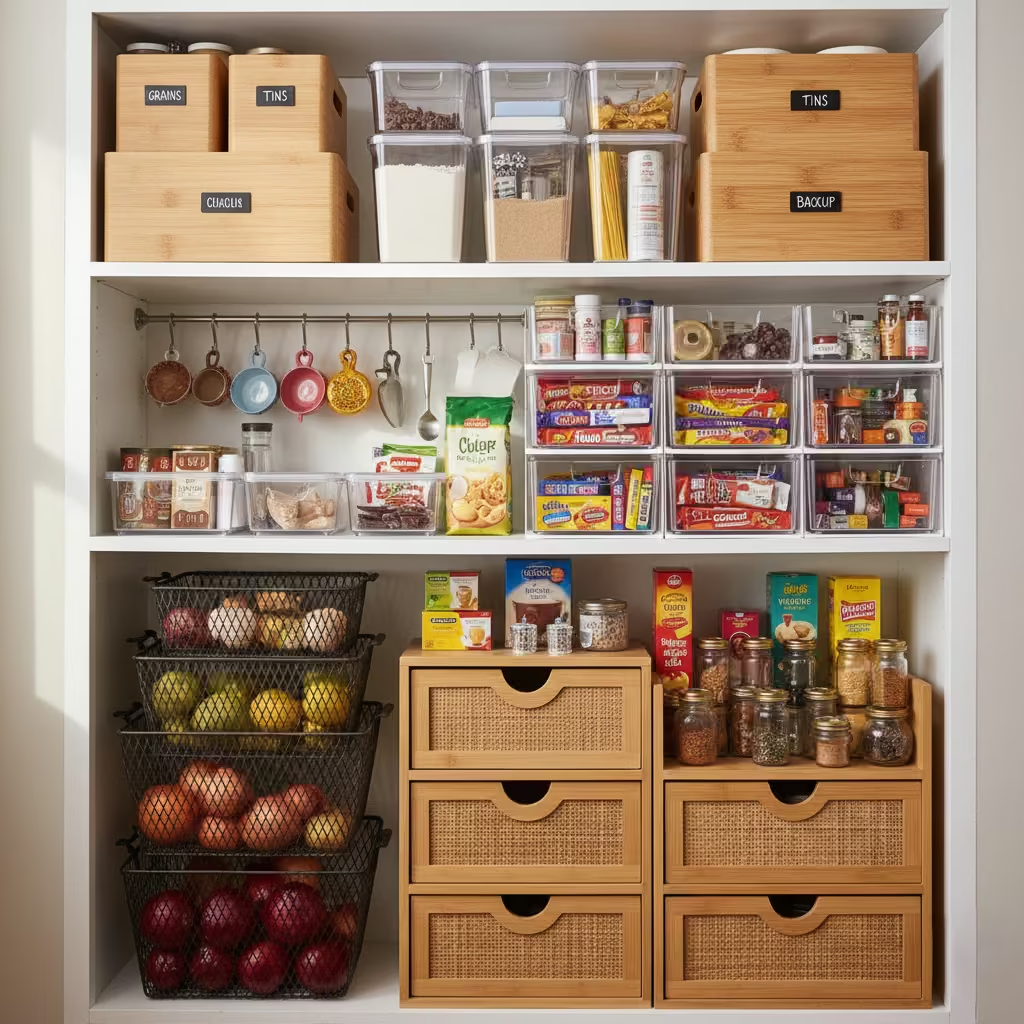
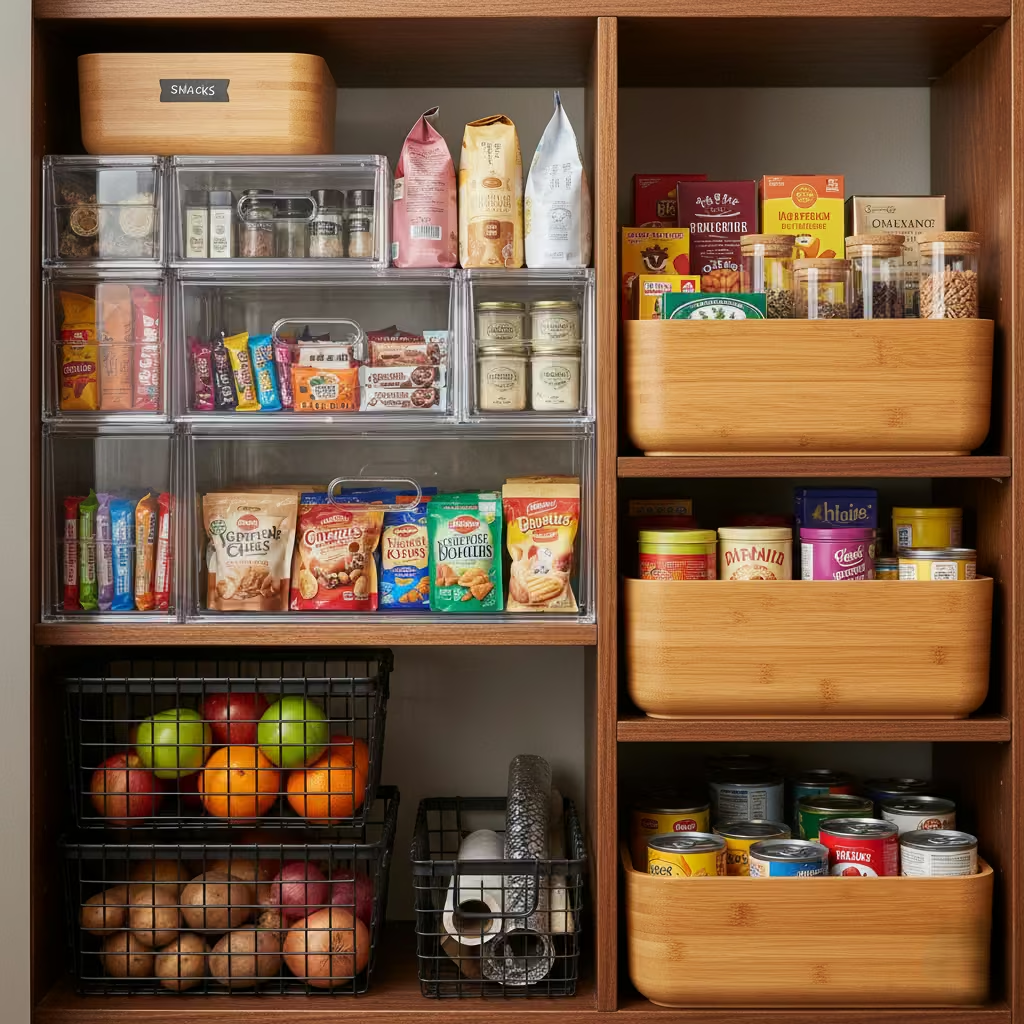
Stackable drawers and bins are a practical way to build structure inside a tiny pantry, especially when shelves are deep or lack built-in organisation. Acrylic drawers offer full visibility, wire baskets provide ventilation for produce, and bamboo bins bring a warmer, more natural look to the space. Because these containers are designed to stack neatly, they allow you to build vertical layers without creating unstable piles, which is essential in compact kitchens.
To maximise efficiency, group items by category and assign each drawer or bin a clear purpose. Keep snacks together, baking ingredients in one section, teas and coffees in another, and tins or packets in lower, sturdier drawers.
This reduces rummaging and helps you maintain order even during busy weeks. Place the most frequently used items at eye level and reserve the higher stacks for backup supplies. With the right mix of materials and thoughtful grouping, stackable bins turn a cluttered pantry into a tidy, easy-to-navigate system.
Install Under-Cabinet Hooks
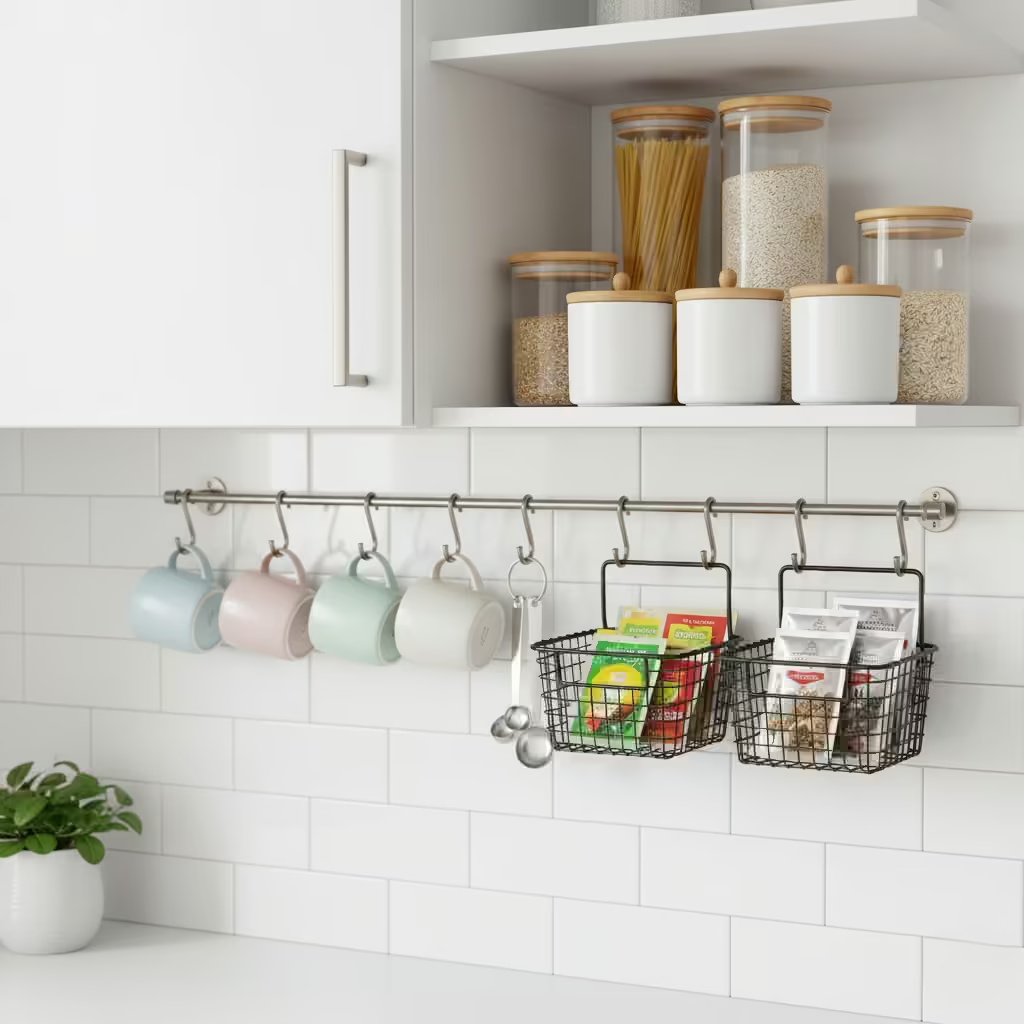
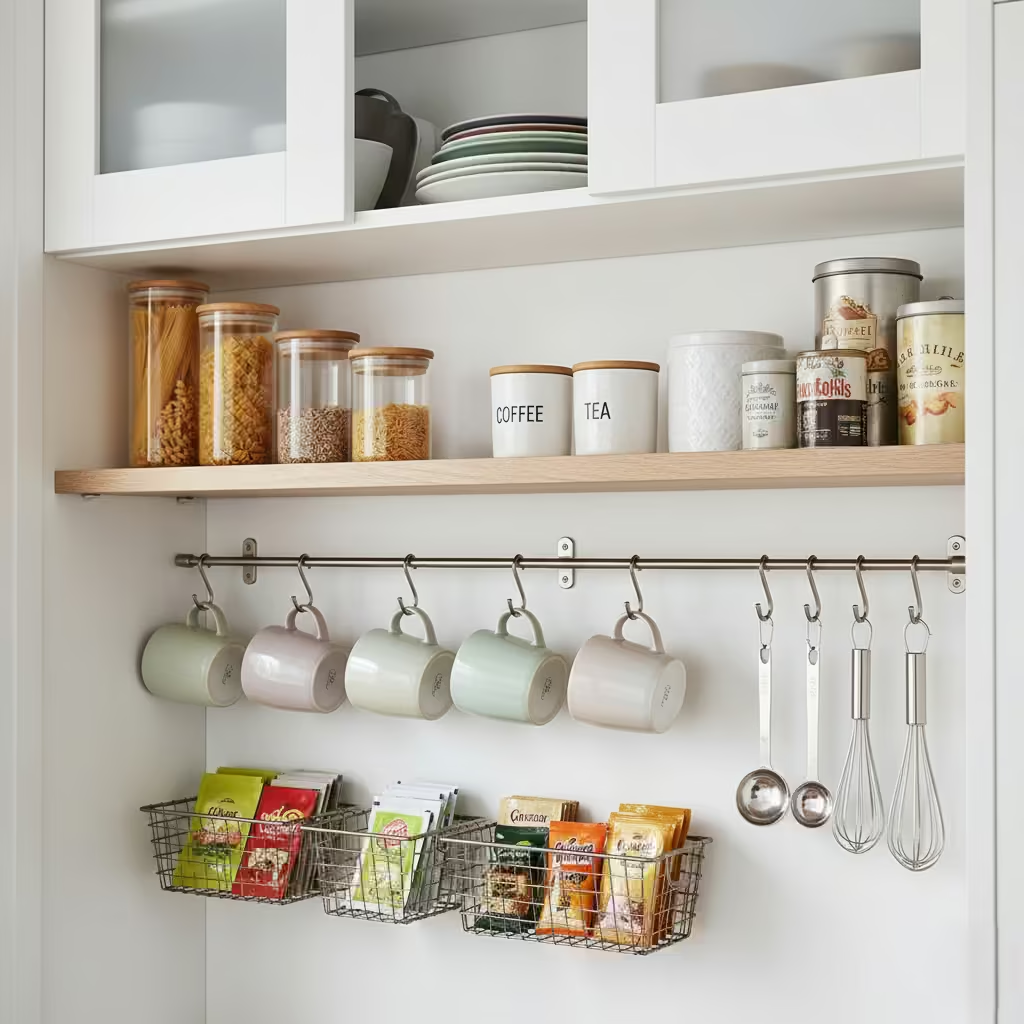
Under-cabinet hooks are an easy yet powerful way to free up shelf space in a tiny pantry or compact kitchen. These hanging systems make use of the otherwise wasted area beneath your shelves or cabinets, allowing you to store mugs, small baskets, utensils, or lightweight tools without crowding your main storage zones. When installed correctly, they create a clean, vertical system that keeps everyday items within reach while reducing clutter on your shelves.
To maximise efficiency, choose hooks with a slim profile and strong grip so they stay secure even with daily use. Hang mugs or cups by their handles, use small baskets for tea bags or seasoning packets, and keep frequently used tools like measuring spoons close to prep areas.
By pulling items downward instead of outward, under-cabinet hooks instantly open up more shelf real estate for jars, tins, or larger containers. It’s a simple upgrade that adds surprising capacity and brings better flow to even the smallest kitchens.
Try Pull-Down Ceiling Storage
Pull-down ceiling storage is an innovative solution for tiny pantries and ultra-compact kitchens where floor and wall space are already stretched thin. These overhead systems use lift-down mechanisms that allow you to access stored items effortlessly, then push them back up to keep the area clear. They’re especially useful in low-footprint kitchens where every centimetre of workable space matters, and traditional cabinetry simply won’t fit.
This type of storage works best for lightweight, infrequently used items such as backup dry goods, extra paper products, seasonal baking supplies, or spare jars. Install the unit above a counter or prep zone for easier handling, and ensure the mechanism glides smoothly for safe, reliable use. Keep heavier items off these systems to maintain balance and longevity.
When planned thoughtfully, pull-down ceiling storage becomes a discreet yet highly functional way to expand your pantry capacity without sacrificing the open feel of a small kitchen.
Add LED Lighting Inside Small Pantries
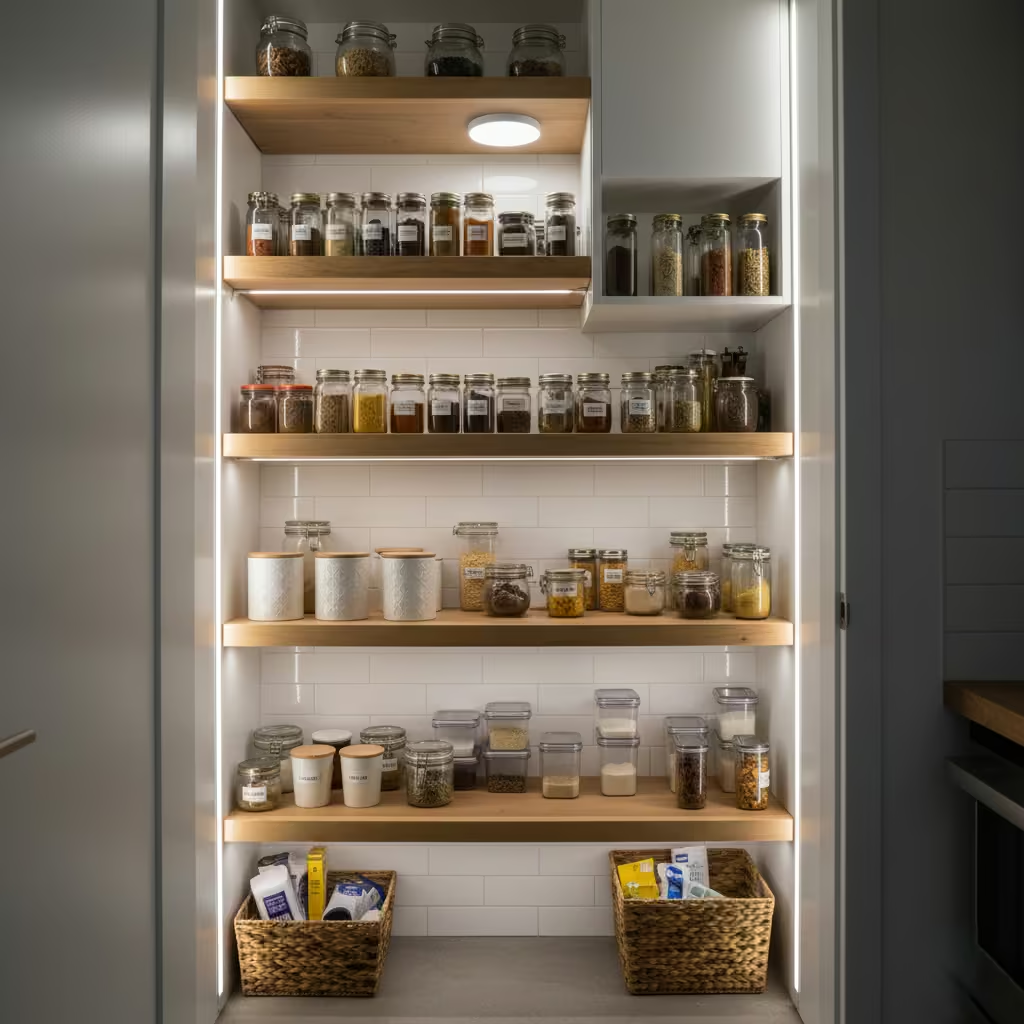
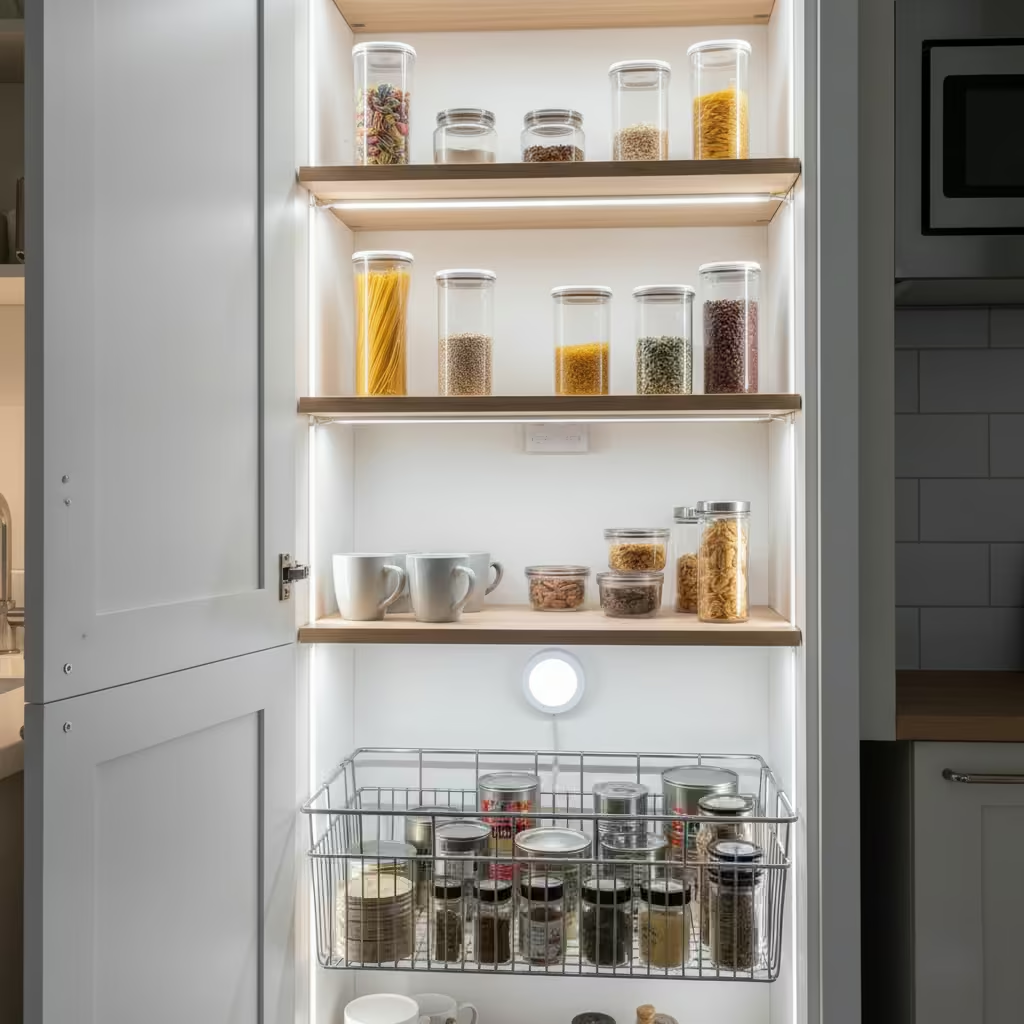
Good lighting is essential in a tiny pantry because dark, shadowy shelves make it difficult to see what you actually have. Adding LED lighting instantly improves visibility, organisation, and overall usability.
Strip lights, battery-operated puck lights, and motion-sensor LEDs all work well in small, enclosed spaces where wired lighting may not be practical. These low-heat, energy-efficient options fit neatly under shelves, along cabinet sides, or on the pantry ceiling.
Sensor-based LEDs are especially helpful because they illuminate the moment you open the door, making access effortless. Strip lights run along the length of shelves, preventing deep corners from disappearing into darkness, while puck lights are perfect for targeted illumination on upper or lower sections.
Better lighting reduces food waste, speeds up meal prep, and makes even the smallest pantry feel more intentional. With the right setup, your pantry becomes brighter, easier to navigate, and significantly more functional day to day.
Create a Micro Walk-In Pantry Under the Stairs
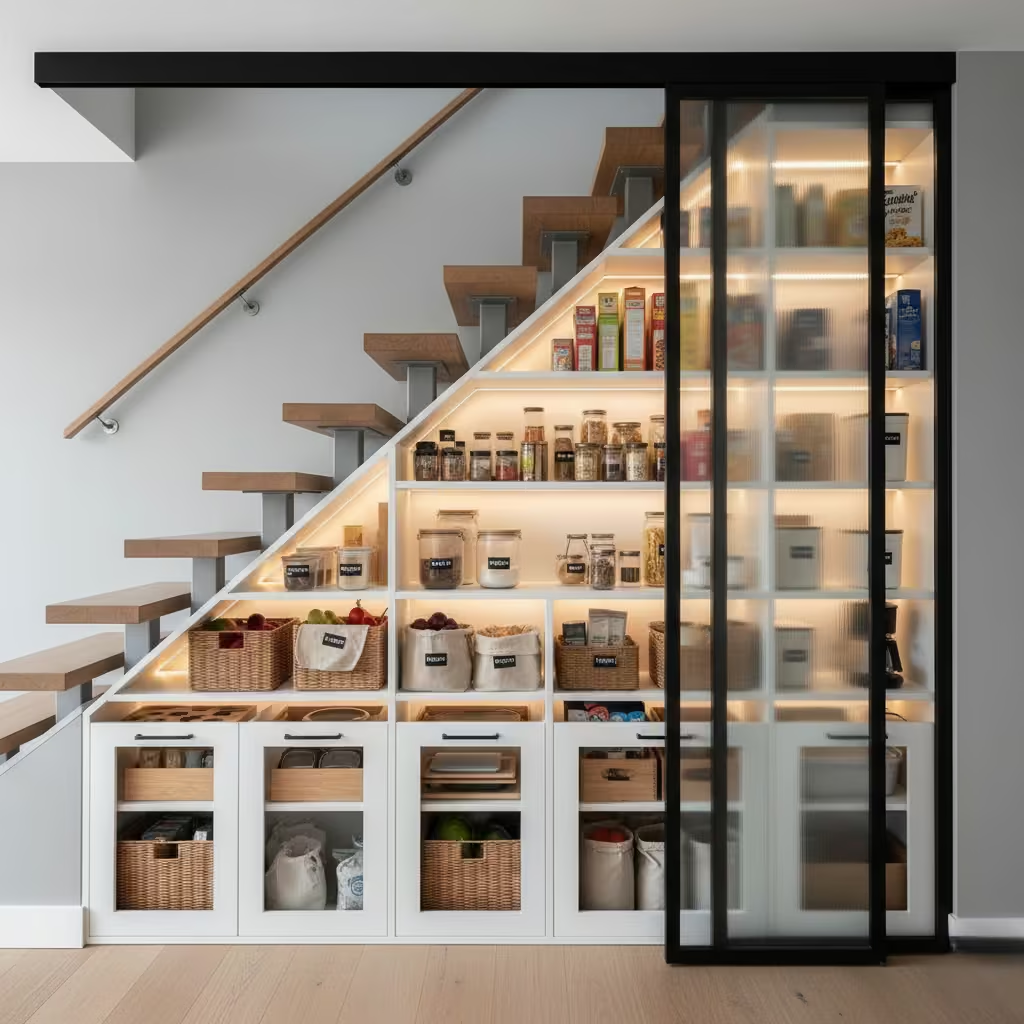
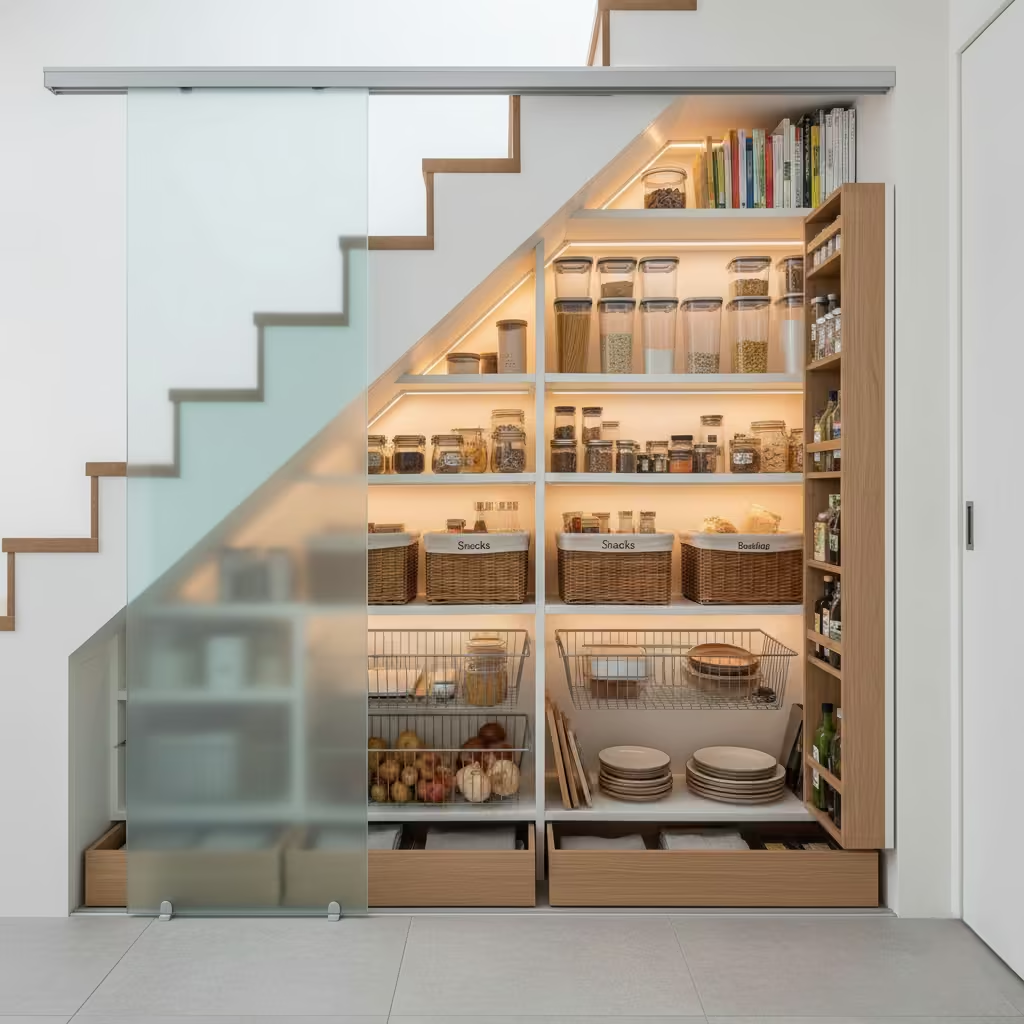
Converting the space under a staircase into a micro walk-in pantry is a smart way to maximise unused square footage in a tiny home or compact kitchen. This area often goes untouched, yet it offers surprising depth and height variations that lend themselves well to creative storage. With the right planning, you can turn an awkward under-stair cavity into a fully functional pantry that feels far larger than it looks from the outside.
Begin by zoning the layout according to the height gradient. Use the tallest section for full-height shelving, pull-out drawers, or a narrow fridge-style pantry cabinet. Mid-height areas work well for open shelves, baskets, and bulk storage, while the lowest, sloped sections are perfect for bins, tray dividers, or seldom-used appliances.
Adding LED strip lighting ensures visibility in deeper recesses, and a sliding or pocket door keeps the space streamlined. When carefully designed, an under-stairs conversion becomes a compact walk-in pantry that brings order, efficiency, and a touch of ingenuity to your small home.
Use Fold-Out Pantry Door Systems
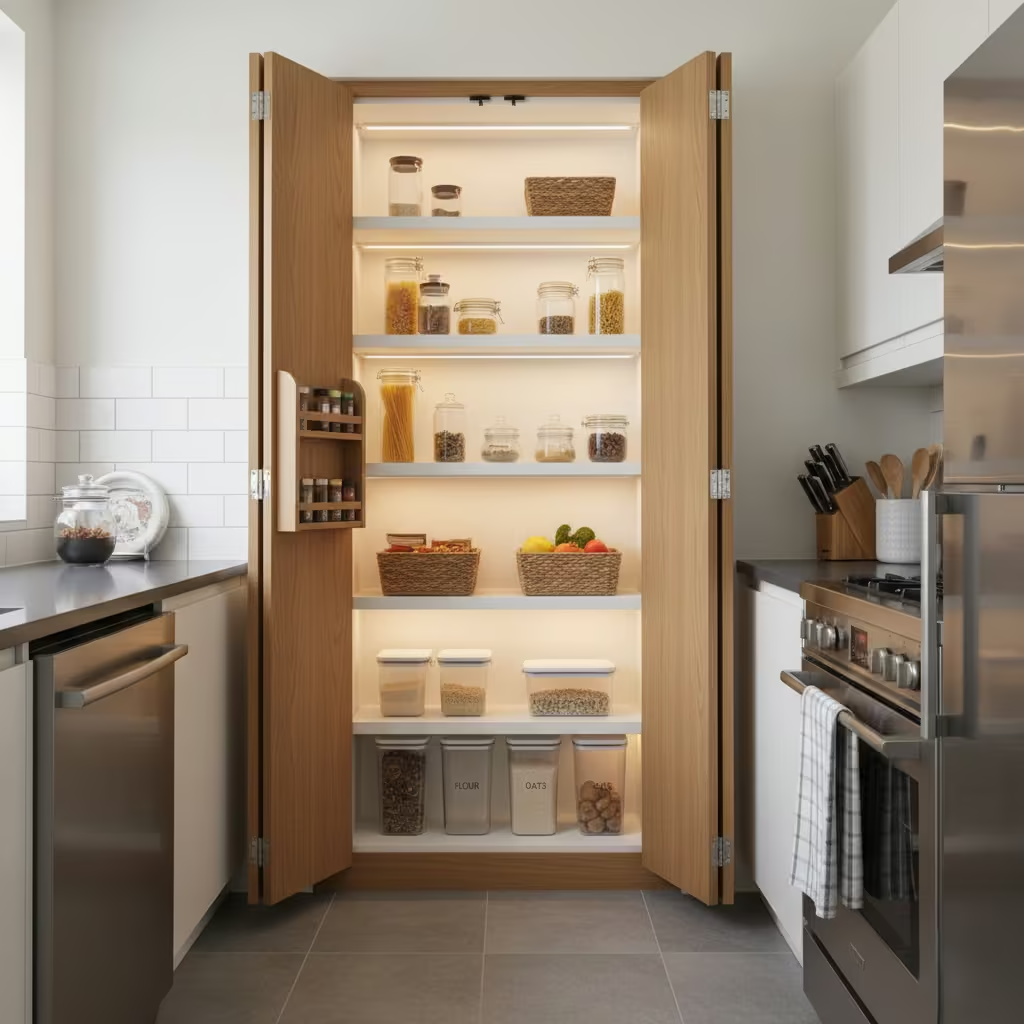
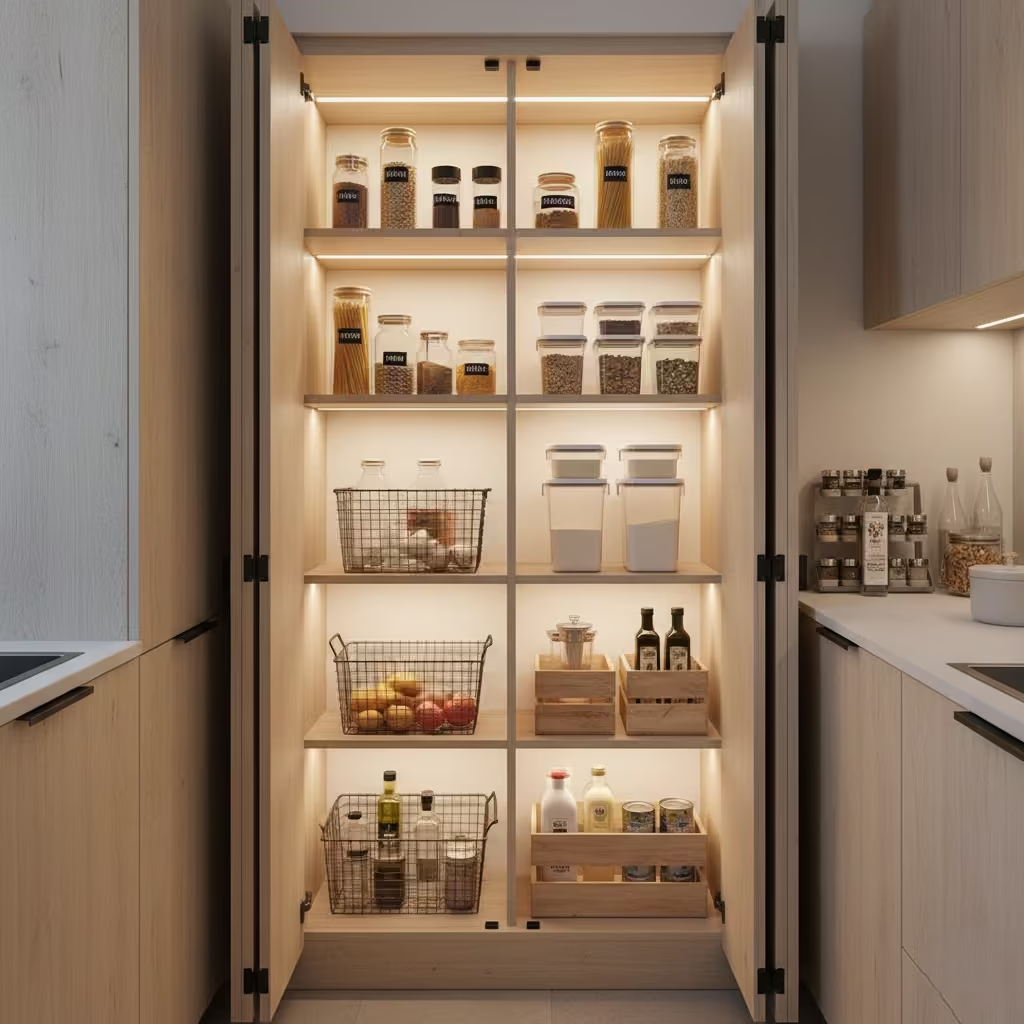
Fold-out pantry door systems are ideal for narrow kitchens where traditional hinged doors take up too much floor space. Accordion-style or bifold doors open outward in compact segments, allowing you to access your pantry without blocking walkways or bumping into adjacent cabinets. This makes them particularly effective in galley kitchens, small flats, or any layout where circulation space is limited.
These systems also improve accessibility by giving you a full view of the pantry interior at once, rather than the restricted angle you get with standard doors. It becomes easier to reach items stored on higher or lower shelves, and organising the space feels more intuitive.
Choose lightweight, smooth-glide mechanisms to ensure the doors move effortlessly, and consider adding interior lighting for even better visibility. With the right configuration, fold-out door systems turn a small pantry into a streamlined, easy-to-access storage zone that works beautifully in tight kitchens.
Hide Pantry Storage in a Kitchen Island
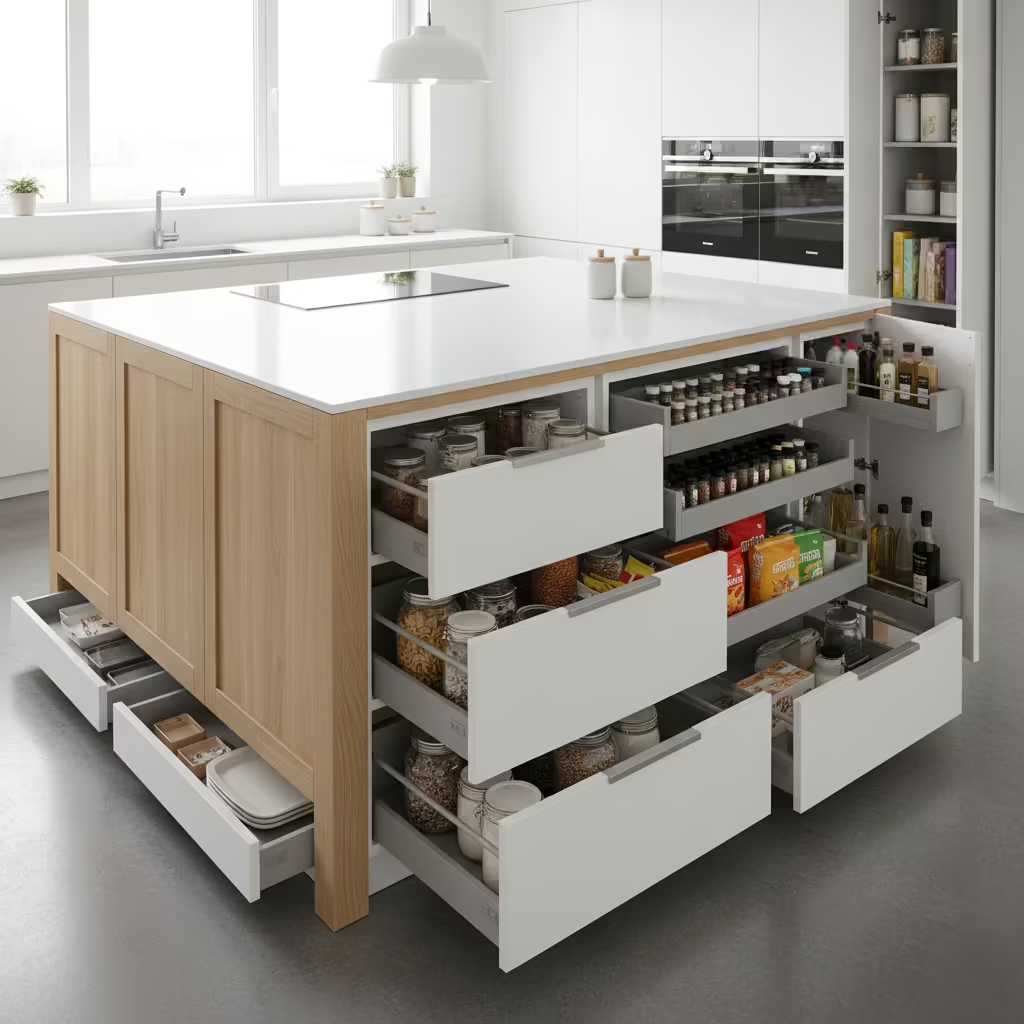
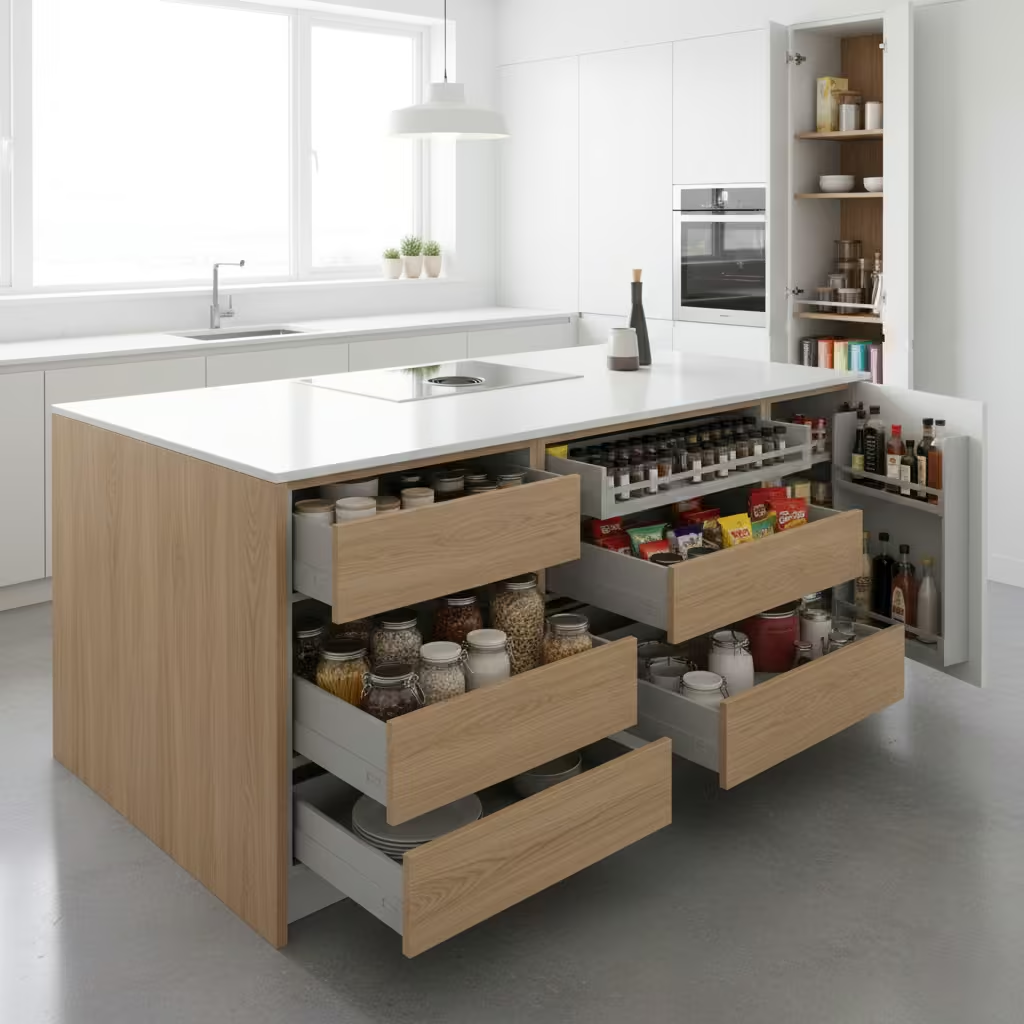
Integrating pantry storage into a kitchen island is a high-impact strategy for open-concept layouts because it keeps essentials close to the prep zone while preserving a clean sightline.
I recommend configuring a mix of deep, full-extension drawers for bulk dry goods and shallow, multi-tiered drawers for spices and snacks. Include a slim pull-out tower for oils and baking supplies on one end and a concealed cabinet with adjustable shelving on the other for taller items.
Choose soft-close runners and robust hardware to handle weight, and use uniform drawer fronts so the storage reads as furniture rather than clutter. Consider toe-kick drawers for seldom-used items and a lockable drawer for cleaning products if needed.
Locating island pantry elements near the hob or sink reduces steps during cooking and makes the island a truly multi-functional hub without interrupting the flow of an open-plan space.
Build a Pantry Behind Sliding Barn Doors
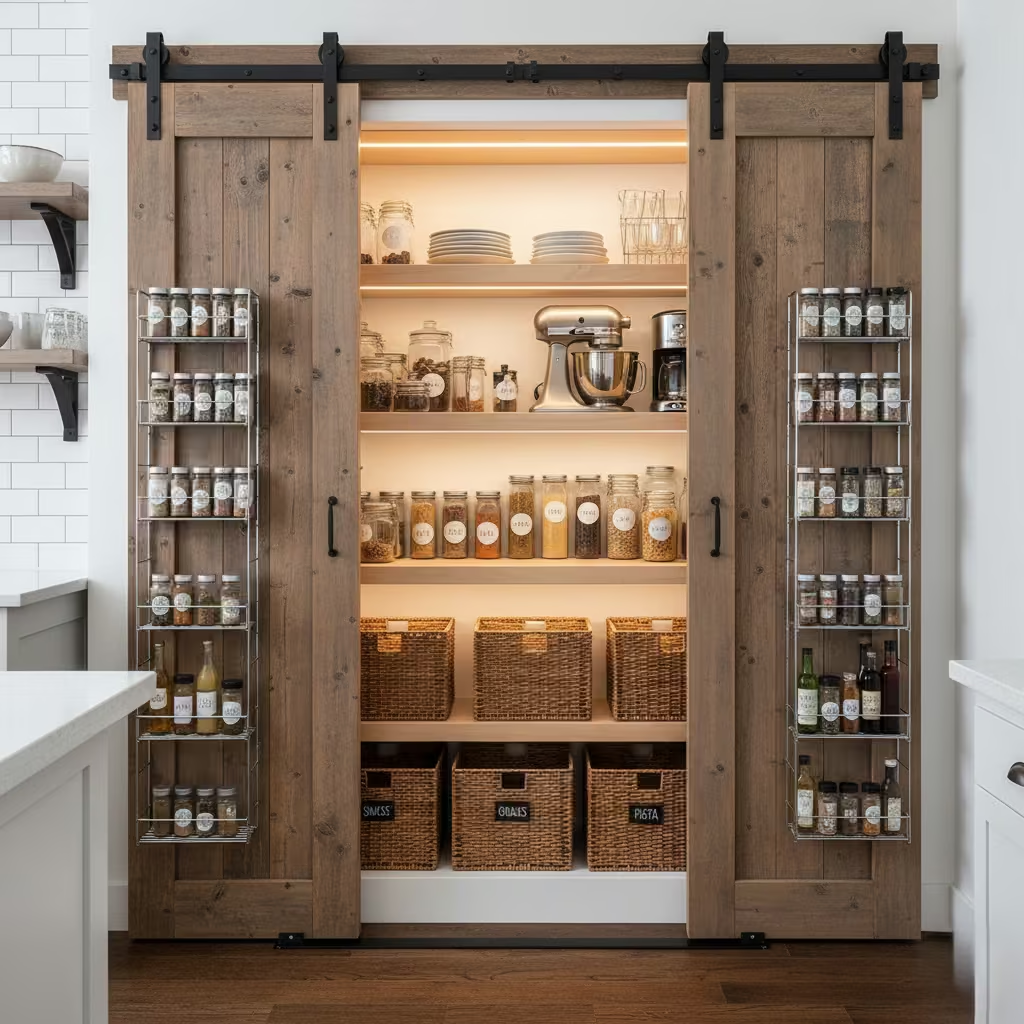
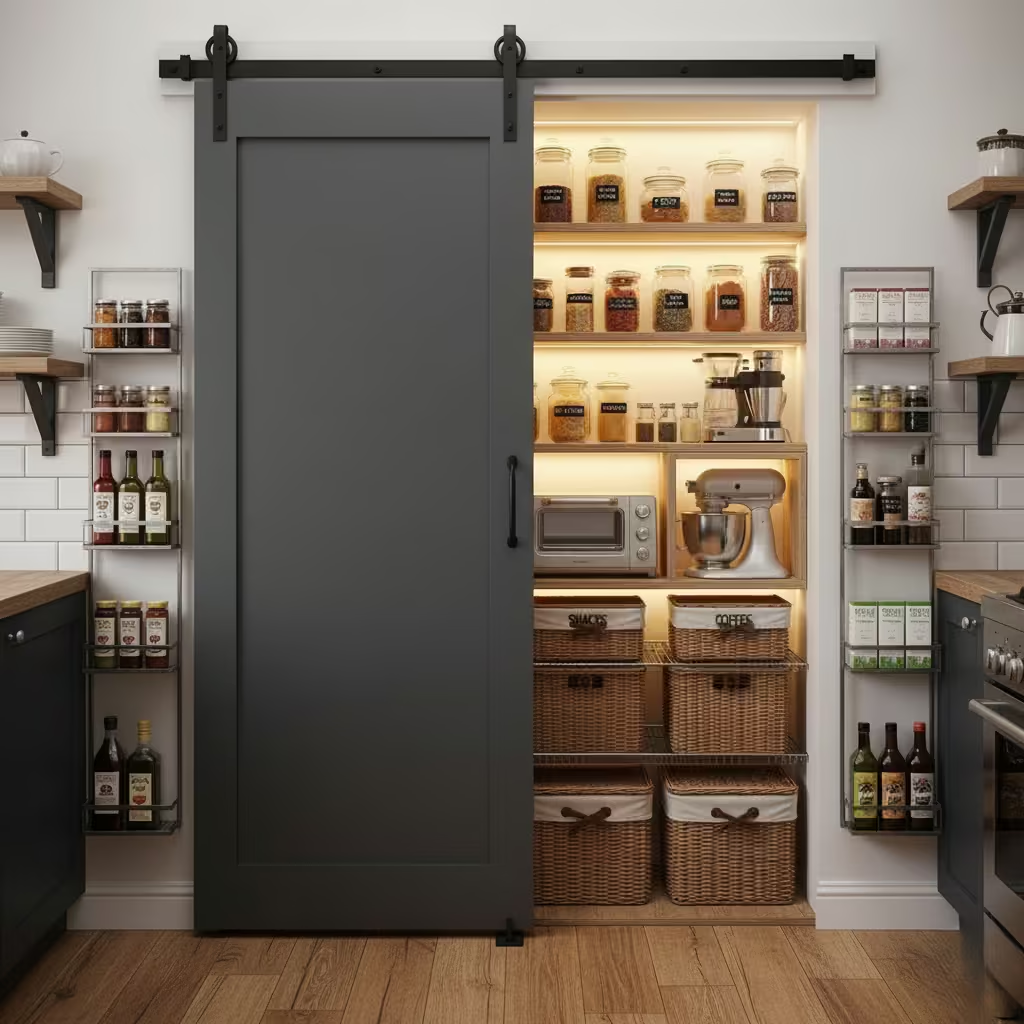
Sliding barn doors are a smart way to hide a shallow pantry and add character without stealing circulation space. For the internal build, aim for shallow cabinets 20 to 30 centimetres deep for shelves and 30 to 40 centimetres for areas that will store boxes or small appliances. Use adjustable shelving and slim pull-out racks to make every millimetre count.
On the hardware side, fit a heavy-duty rail rated for the door weight, secure the header rail into wall studs or a reinforced timber batten, and install a floor guide or recessed channel to prevent sway. Consider soft-close dampers or an inline soft-close kit to avoid slamming. Allow a small clearance around the door so it slides freely but stays dust resistant.
Styling can define the room. For rustic looks choose reclaimed timber and exposed iron straps. For a modern scheme pick flat, handleless panels with concealed rollers. For industrial schemes use dark steel hardware and raw textured interiors. Finish with internal LED strips and labelled baskets so the concealed pantry is as functional as it is stylish.
Use a Freestanding Tall Cabinet as a Tiny Pantry
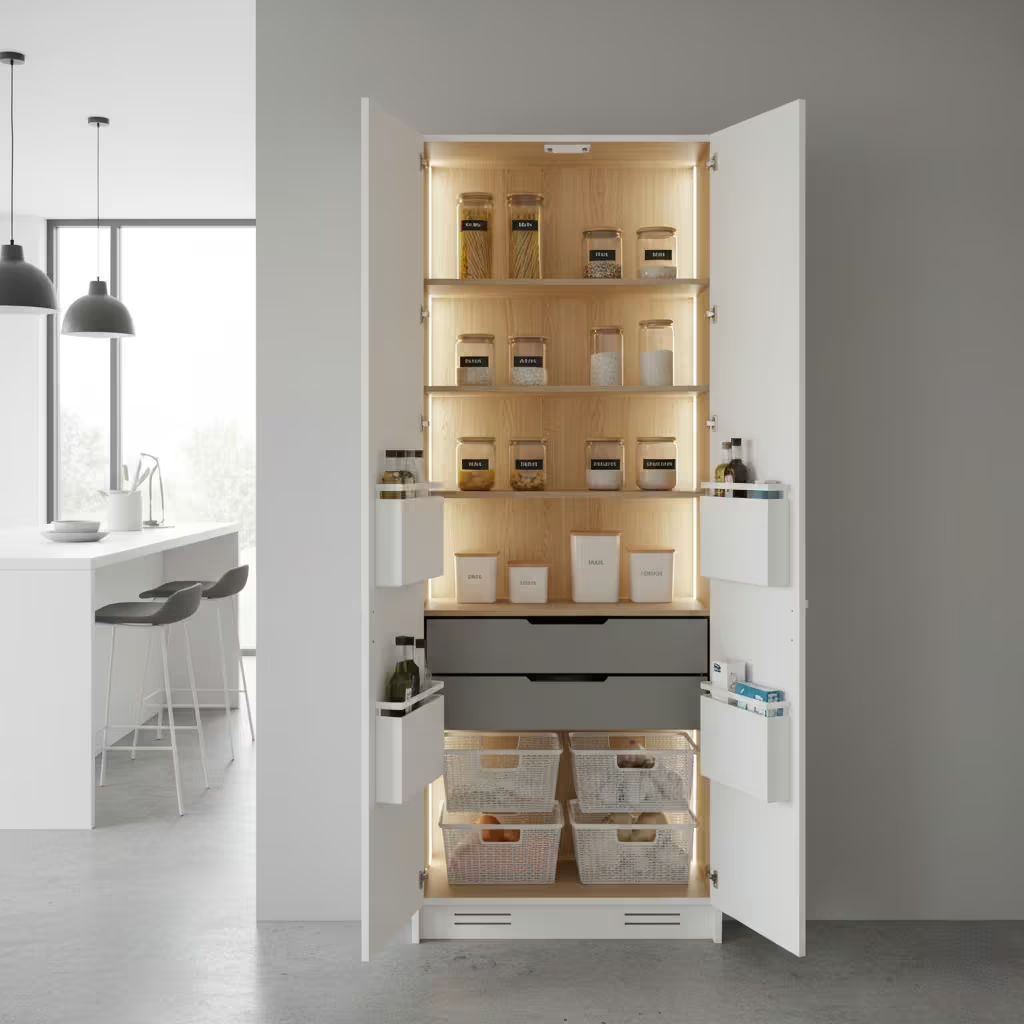
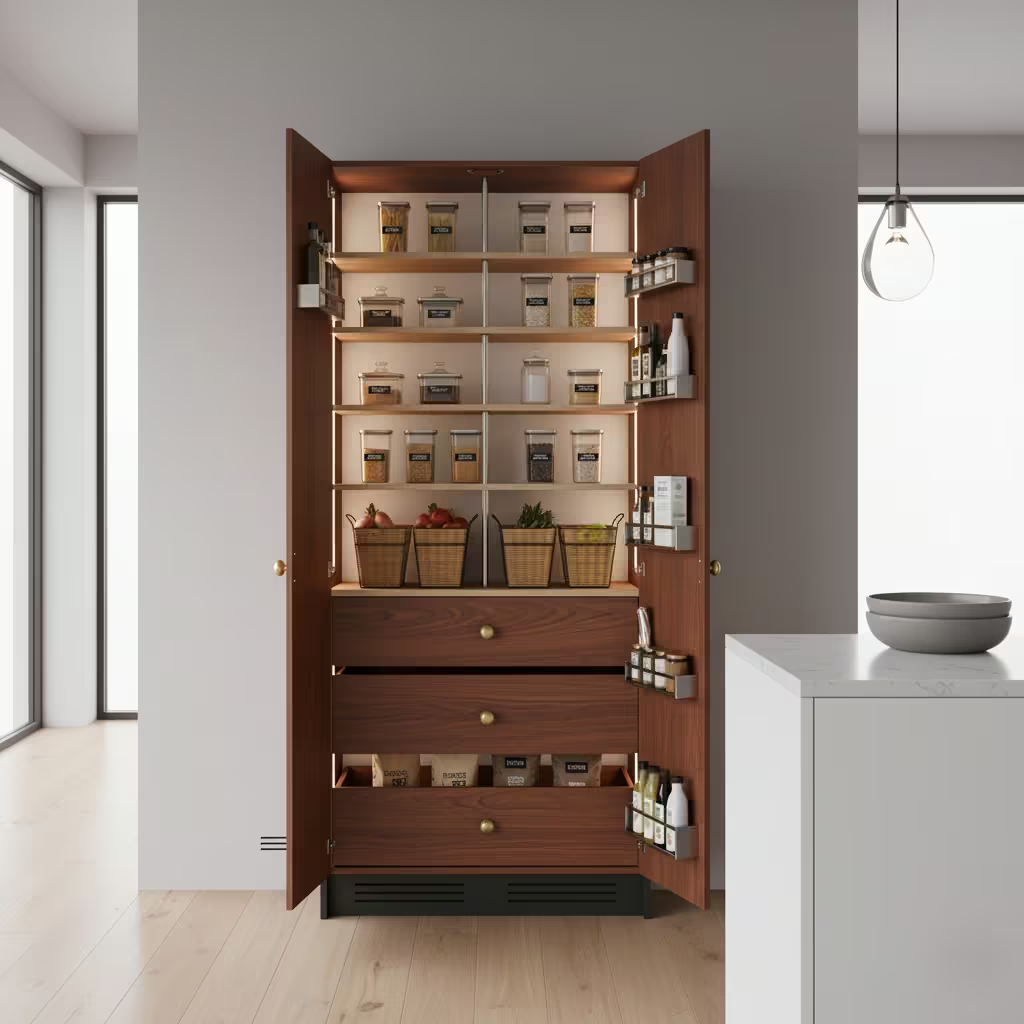
A freestanding tall cabinet is a versatile, low-commitment way to add serious pantry capacity. For depth, aim for 30–40 cm (12–16 in) for dry goods and jars; choose 45–60 cm (18–24 in) only if you need to store small appliances. Height works best between 180–220 cm (71–87 in) so you gain vertical storage without overpowering a room. Fit the interior with adjustable shelves, a couple of full-extension drawers for bulk items, wire or bamboo baskets for ventilation, and at least one slim pull-out spice rack. Add door-mounted pockets for oils and foil, soft-close hinges, and integrated LED strips for visibility.
Anchor the cabinet to a wall for safety and leave small ventilation gaps if you store root veg. For modern interiors pick handleless doors, matte laminates, and concealed lighting; for traditional schemes use panelled doors, warm stains, and brass knobs. Uniform containers and clear labelling will keep the unit tidy and truly pantry-ready.
Final thoughts
Tiny pantry ideas might seem small in scale, but they can completely reshape how a compact kitchen functions day to day. When you use vertical space intelligently, rethink forgotten corners, and lean into clever systems like pull-outs, hooks, lighting, and slim cabinetry, even the tightest footprint becomes efficient and surprisingly generous. I have seen small kitchens feel twice as capable simply by reorganising what already exists and adding a few smart storage upgrades.
What matters most is choosing solutions that reflect how you actually cook, shop, and live. A home baker needs different compartments than someone who bulk buys, just as a busy family benefit from quick-access zones that keep snacks and staples visible. Customising your pantry layout around your habits keeps the space easy to maintain and genuinely helpful.
Blend practicality with personality and your tiny pantry will not just store ingredients. It will support your routine, showcase your style, and turn a small kitchen into a streamlined, inviting place where everything earns its keep.