



Mid-Century Modern Living Room: The Complete Guide to Getting the Look Right
If you’ve spent any time scrolling design inspiration lately, you’ve noticed it: the low-slung sofa, the walnut credenza, the sculptural pendant light hanging like a piece of art rather than a fixture. Mid-century modern has had more comebacks than almost any other design movement, and there’s a simple reason for that. It solves real problems.
It works in a cramped city apartment as easily as it does in a sprawling ranch house, and it never quite goes out of style because it was never really “in style” to begin with. It was just good design.
But here’s what nobody tells you before you start pinning inspiration photos: mid-century modern is deceptively easy to get wrong. Buy the wrong pieces, place them badly, or lean too hard into the retro references, and your living room stops looking timeless and starts looking like a themed diner. This guide walks you through exactly how to avoid that, decision by decision, with real numbers and real trade-offs rather than vague inspiration.
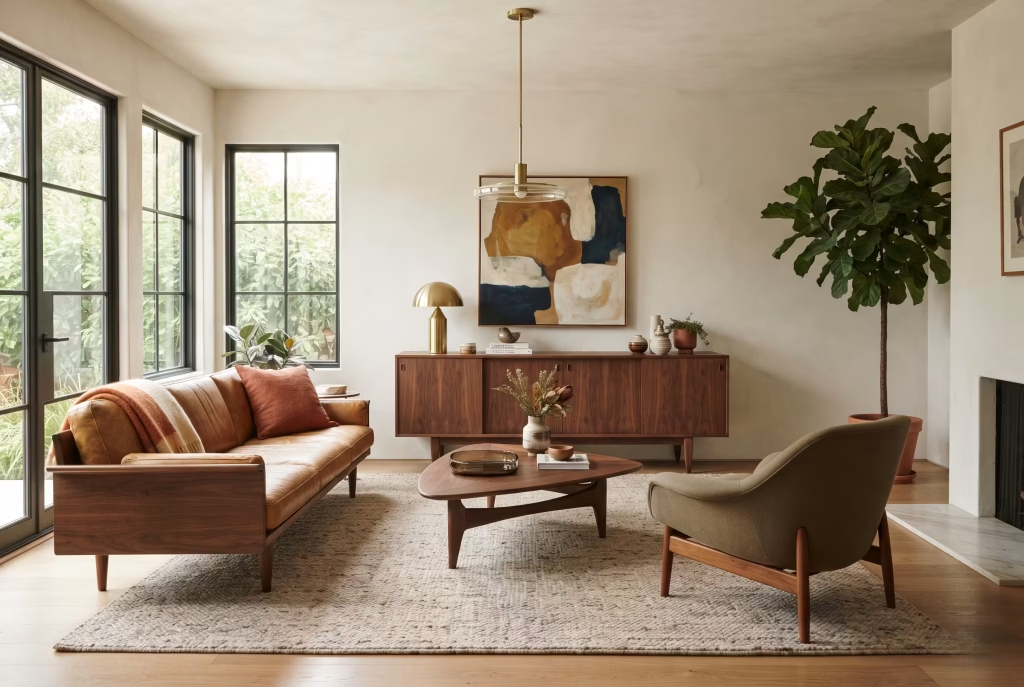
Quick answer: A mid-century modern living room combines low-profile furniture with visible tapered legs, warm woods like walnut or teak, honest materials such as leather and glass, and a muted, earthy colour palette accented with one or two bolder tones like burnt orange or teal. The style dates to the period between roughly 1945 and 1969, and it stays looking current today by mixing eras rather than recreating the decade wholesale, keeping negative space around every piece, and avoiding stark white walls or worn vintage lighting.
What Mid-Century Modern Actually Means
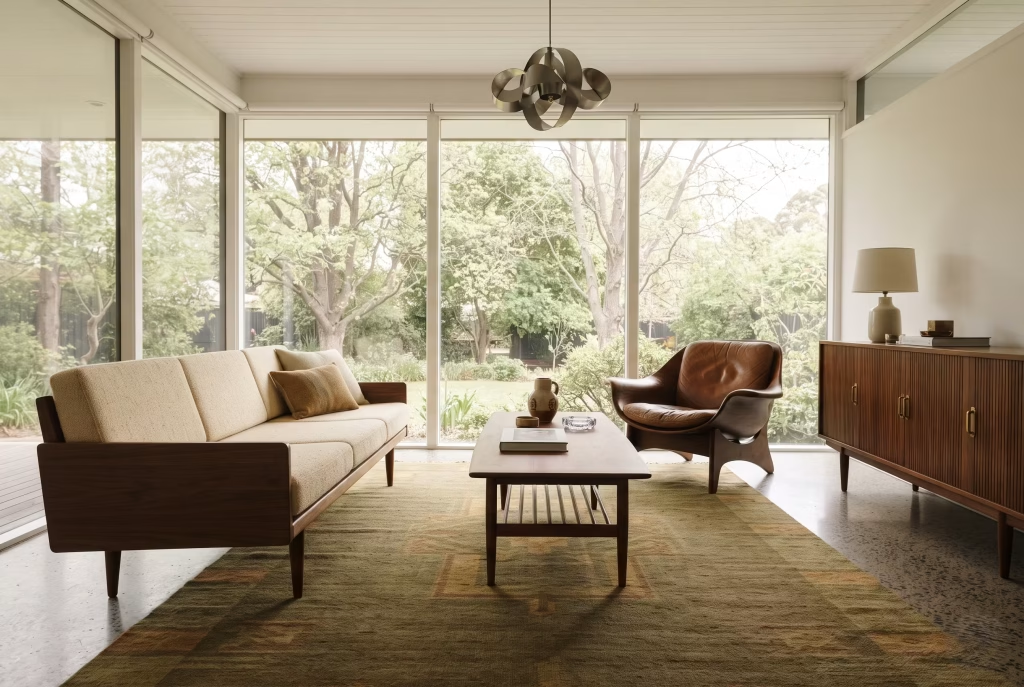
Mid-century modern isn’t a decorating theme you can buy off a shelf. It’s a design movement that took shape roughly between 1945 and 1969, born out of post-war optimism and a genuine break from the heavy, ornamental furniture that came before it.
Designers like Charles and Ray Eames, Eero Saarinen, and George Nelson weren’t chasing a “look.” They were solving problems: how do you mass-produce comfortable furniture, how do you make small post-war homes feel open and light, how do you bring the outdoors in when most families were finally moving into their own houses for the first time.
That history matters because it explains why the style holds up. Every design choice, from the tapered legs to the open floor plans, had a functional reason behind it. When you understand the “why,” you stop copying the surface details and start making decisions that actually work in your own space.
The core principles are simple enough to hold in your head: clean lines over ornamentation, organic curves paired with geometric structure, an honest use of materials like walnut, teak, leather, and glass, and a strong visual connection to the outdoors wherever possible. Everything else, the colour palettes, the lighting choices, the accessories, flows from those four ideas.
The Signature Elements of a Mid-Century Modern Living Room
Furniture Silhouette
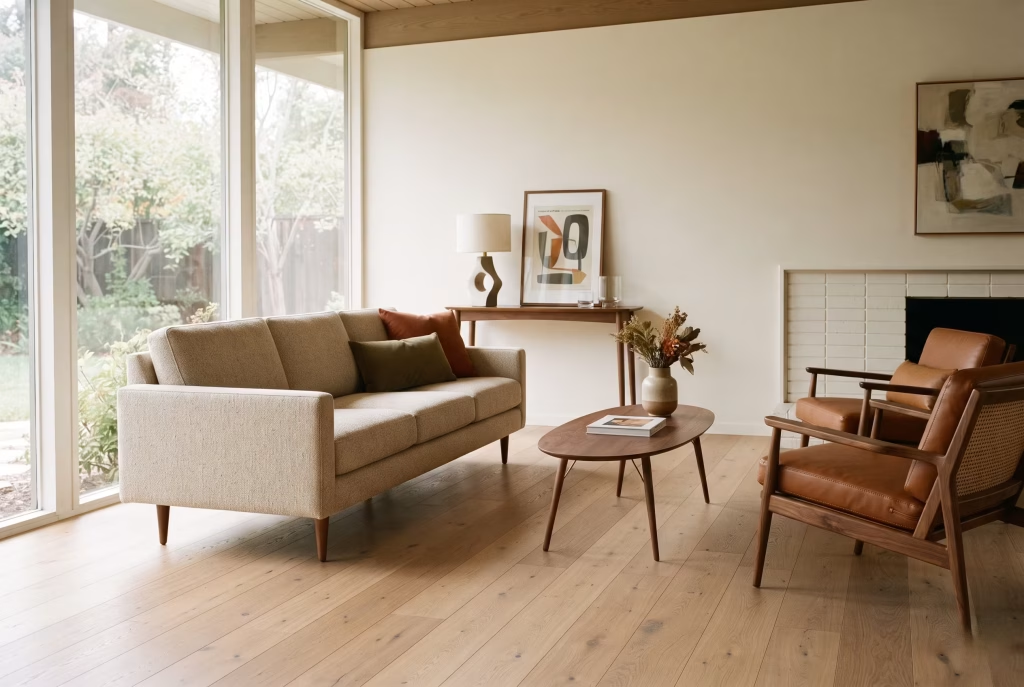
Mid-century furniture sits low and lean. Sofas and chairs have a noticeably lower profile than what you’d find in a typical furniture showroom today, and legs are almost always visible, tapered, and slightly angled outward. This isn’t an aesthetic quirk. It’s what gives a room its sense of openness, because you can see floor space underneath every piece rather than a wall of upholstery blocking the sightline.
If you take away one rule from this entire guide, make it this one: when you’re shopping for a sofa, chair, or console, check whether you can see daylight under it. If the base goes straight to the floor, it isn’t mid-century modern, no matter what the tag says.
Materials That Define the Style
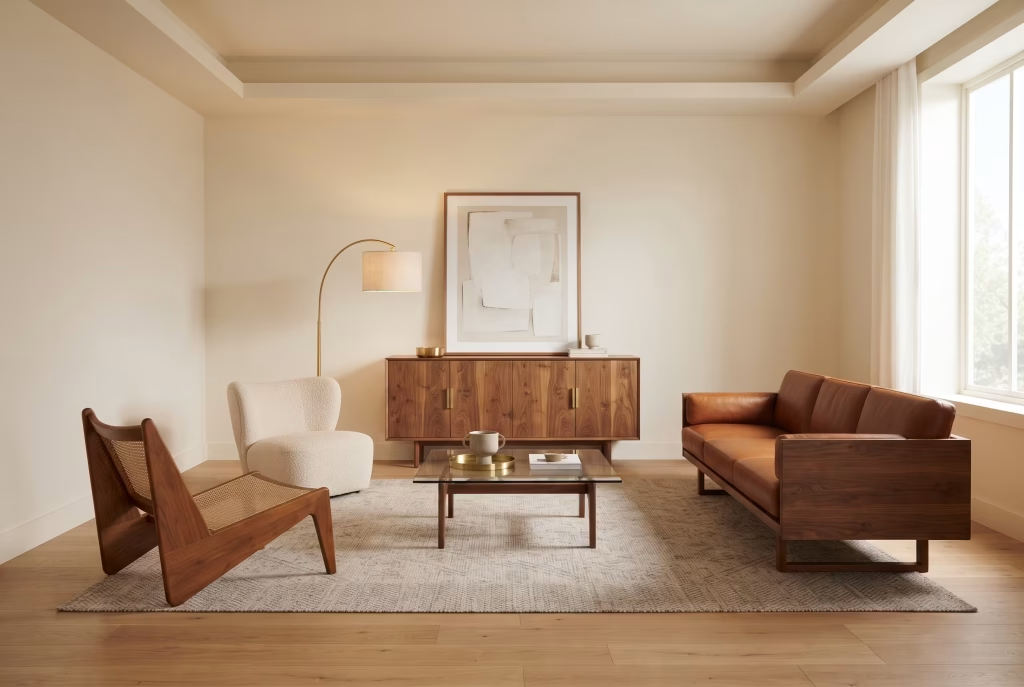
Honest materials are non-negotiable here. Walnut and teak do the heaviest lifting, prized for their warm tone and visible grain. Metal appears in brass, chrome, or black steel accents, usually in legs, lamp bases, or hardware rather than as a dominant surface. Leather and boucle handle the upholstery, and glass shows up in coffee tables and cabinet fronts to keep heavier wood pieces from feeling too dense.
The trap most people fall into is treating “wood” as a single category. Mixing five different wood tones in one room, even if each piece is individually beautiful, reads as chaotic rather than curated. Pick one or two dominant wood tones and stick with them across your major furniture pieces.
Mid-Century Modern Colour Palette
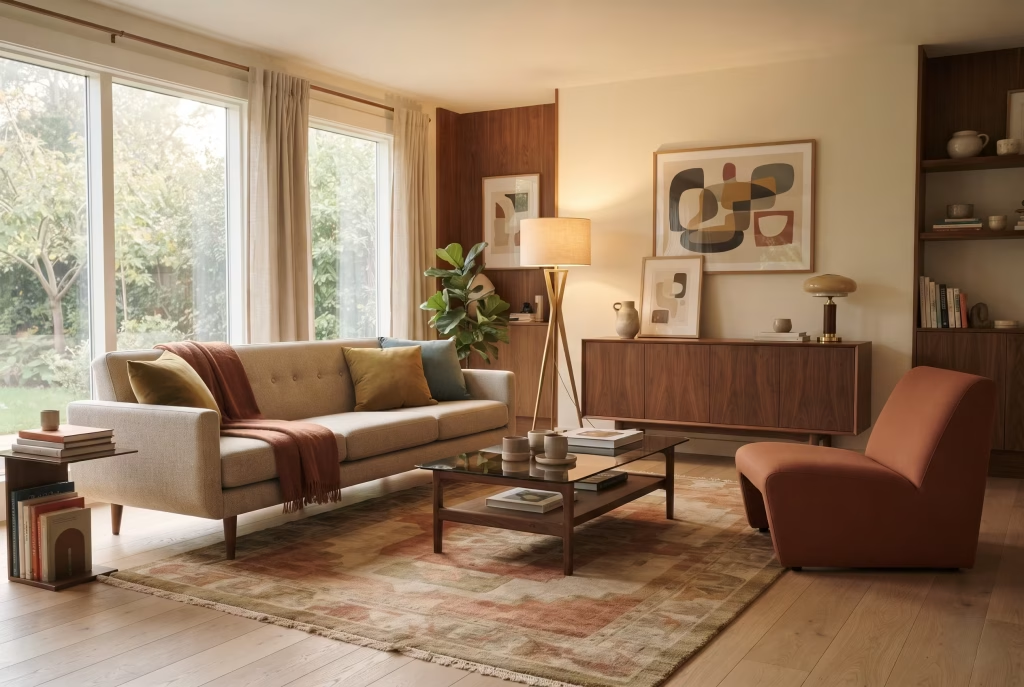
This is where a lot of guides get vague, so let’s be specific. Mid-century modern colour palettes work in layers. The base layer is warm and neutral: think warm white, soft grey, or a pale wood tone on the walls, never stark, cold white. Stark white was almost never used in original mid-century interiors, and it’s one of the fastest ways to make an otherwise correct room feel sterile rather than warm.
The accent layer is where the personality lives. Burnt orange, avocado green, mustard yellow, and teal all read as authentically mid-century, but the trick is desaturation. Original mid-century colours were rarely neon-bright.
They had a slightly muted, sun-faded quality, closer to a pastel with depth than a pure saturated hue. If you’re choosing paint or fabric, look for versions of these colours described as “muted,” “smoky,” or “vintage-inspired” rather than the brightest swatch on the chart.
You May also Like: 25 Mid-Century Modern House Exteriors That Prove This Timeless Style Is Here to Stay
How to Avoid the Dated, “Retro Kitsch” Look
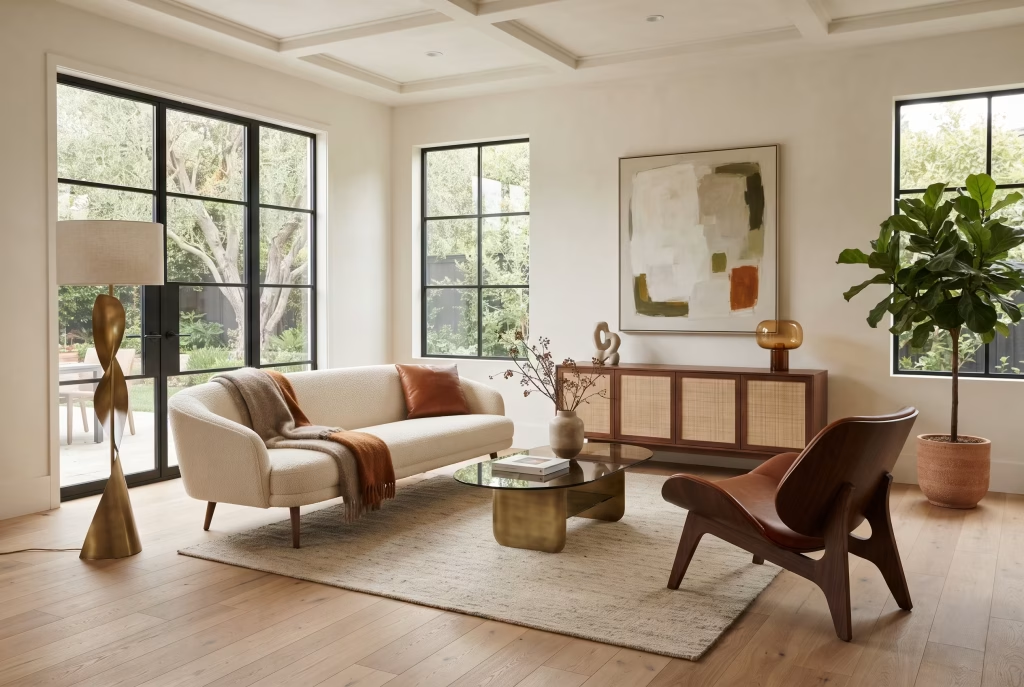
This is the question that comes up more than any other, and it’s the one most guides sidestep entirely. People are drawn to mid-century modern but genuinely worried their living room will end up looking like a time capsule rather than a considered, modern space. Here’s how professionals actually navigate that line.
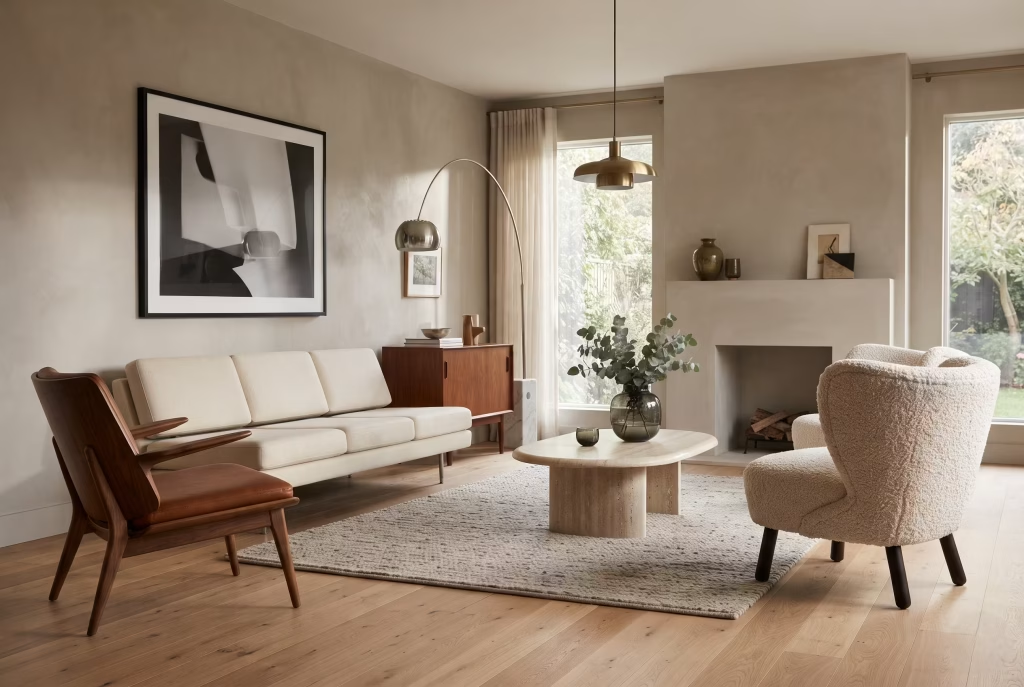
Mix eras deliberately. The single biggest thing that separates a dated mid-century room from a livable one is the presence of pieces from outside the era. A contemporary abstract photograph next to a vintage Eames chair. A modern floor lamp beside a 1960s sideboard. If every single object in the room was manufactured, or designed to look like it was manufactured, between 1945 and 1969, the room reads as a museum exhibit, not a home.
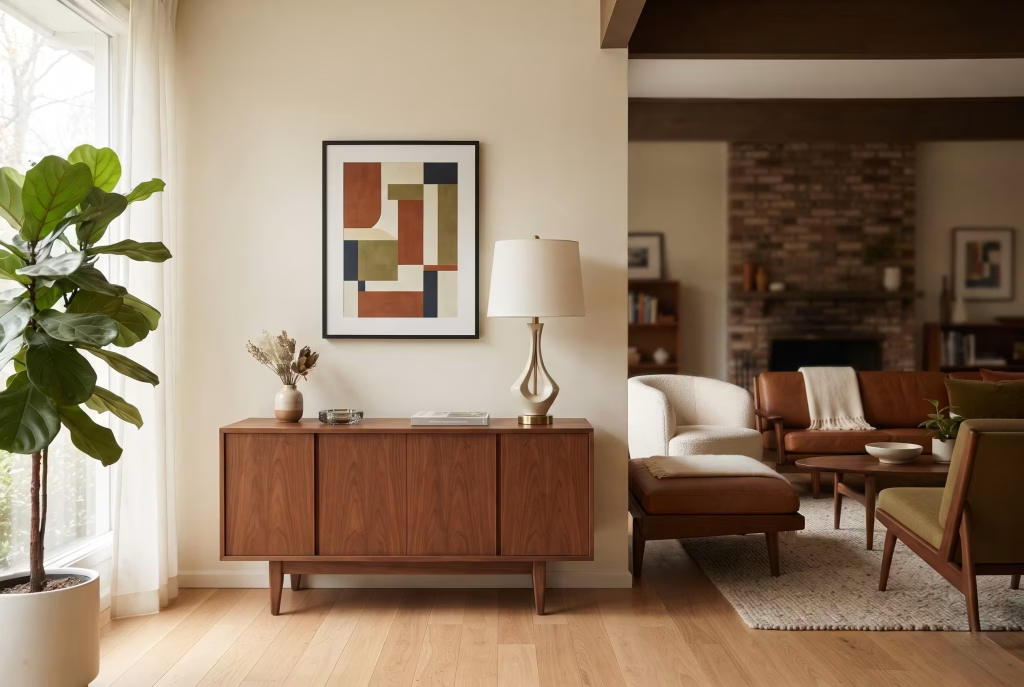
Update the frames and shades, not just the furniture. Original mid-century art often came in linen mats with chunky gold-leaf frames, and yellowed lampshades were common. Both details age a room faster than the furniture itself does. If you inherit or thrift a genuinely vintage piece, consider reframing the art in something sleeker, or swapping out an original shade for a cleaner, modern equivalent while keeping the vintage base.
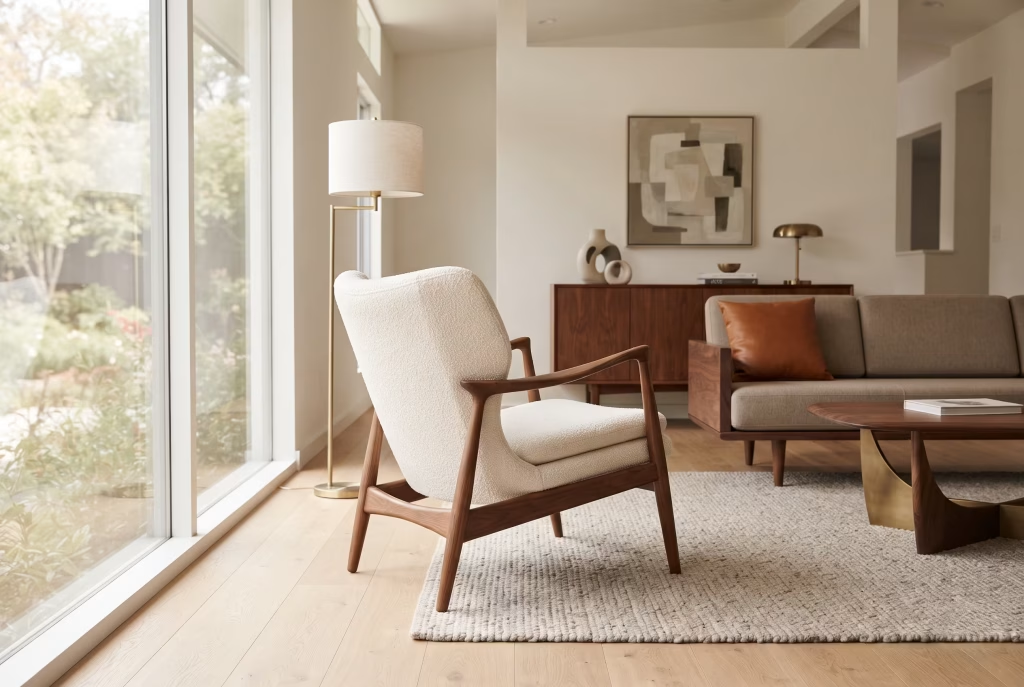
Refresh the fabric, keep the frame. A vintage chair with its original upholstery intact is a beautiful thing in a museum. In a living room, that original fabric is often the first thing that reads as dated, particularly anything with a busy, kitsch-leaning print. Reupholstering in a bold contemporary geometric, a solid boucle, or a global-inspired pattern keeps the silhouette, which is timeless, while updating the surface, which ages.
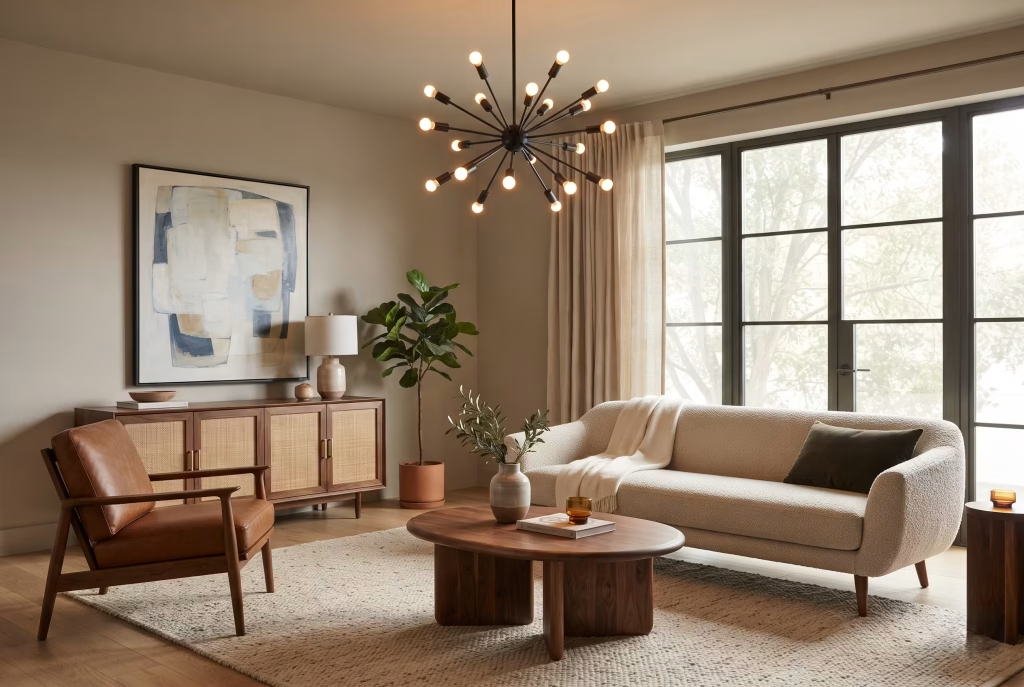
Watch your lighting fixtures specifically. Vintage lighting with yellowed acrylic shades or tarnished, spotted metal is one of the fastest tells of an unintentionally dated room. If a fixture looks worn rather than “patinaed,” it’s worth replacing with a newly manufactured piece that references the era’s forms, a Sputnik chandelier, an arc floor lamp, without carrying its wear.
Room Layout and Furniture Placement
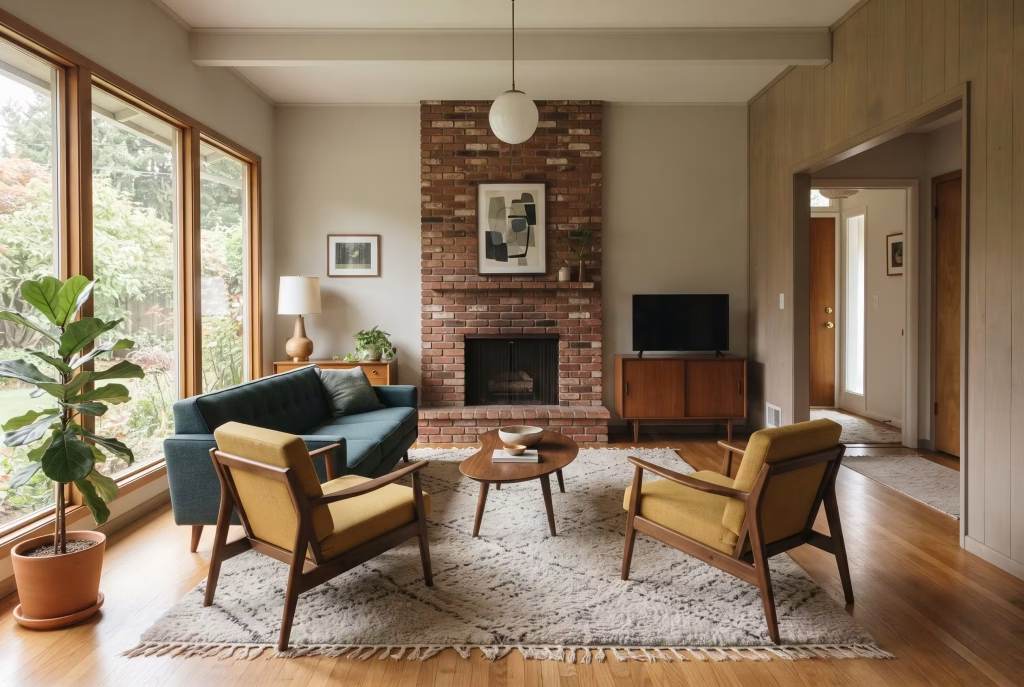
Start with a floor plan, even a rough one on paper. Note your windows, doors, and any fixed architectural features like a fireplace, because mid-century layouts are built around a clear focal point and unobstructed traffic flow.
Arrange seating to face inward, toward each other and toward that focal point, rather than lining every piece up against the walls facing a television. This is a genuinely different instinct than most contemporary furniture arranging, and it’s one of the most reliable ways to make a room instantly feel more considered.
A sofa and two accent chairs angled toward a coffee table, with the TV positioned as a secondary element rather than the room’s whole reason for existing, does more for the mid-century feel than any single piece of furniture will.
Leave breathing room. Mid-century interiors depend on negative space in a way that a lot of modern furniture arranging doesn’t. As a rough guide, aim for at least 30 to 36 inches of clear walking path between major pieces, and resist the urge to fill every empty corner with a plant, a lamp, or a side table. An empty corner isn’t an unfinished corner. It’s doing its job.
You May also Like: 25 Japanese Mid-Century Modern Design Ideas You’ve Probably Never Seen (and Will Obsess Over)
Mid-Century Modern Colour Palettes That Work
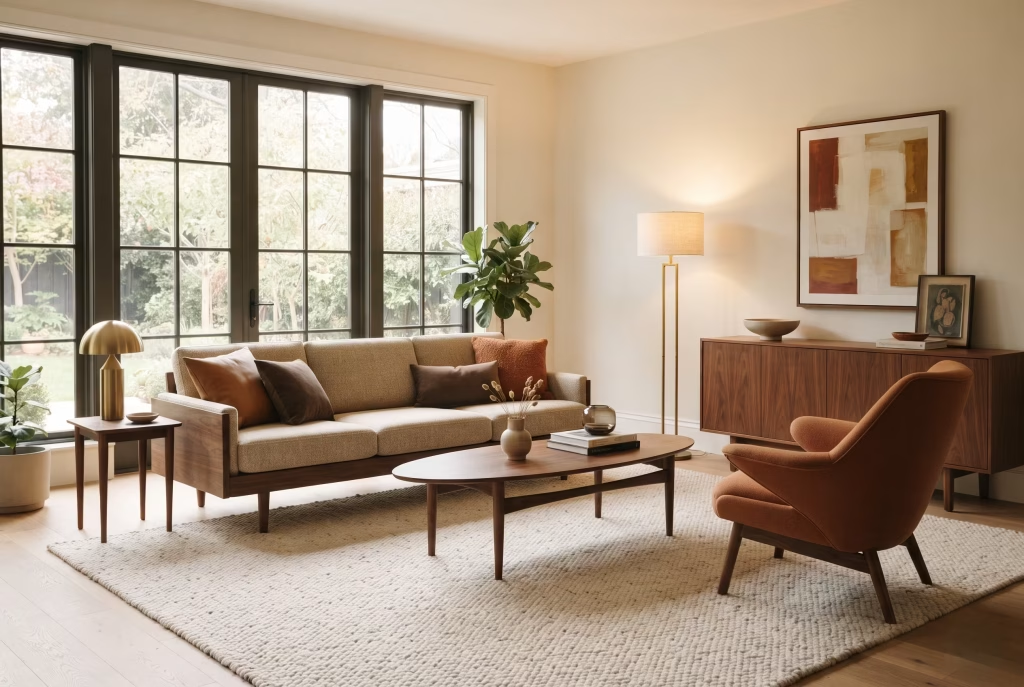
Three combinations come up again and again in successful mid-century living rooms, and each suits a different starting point.
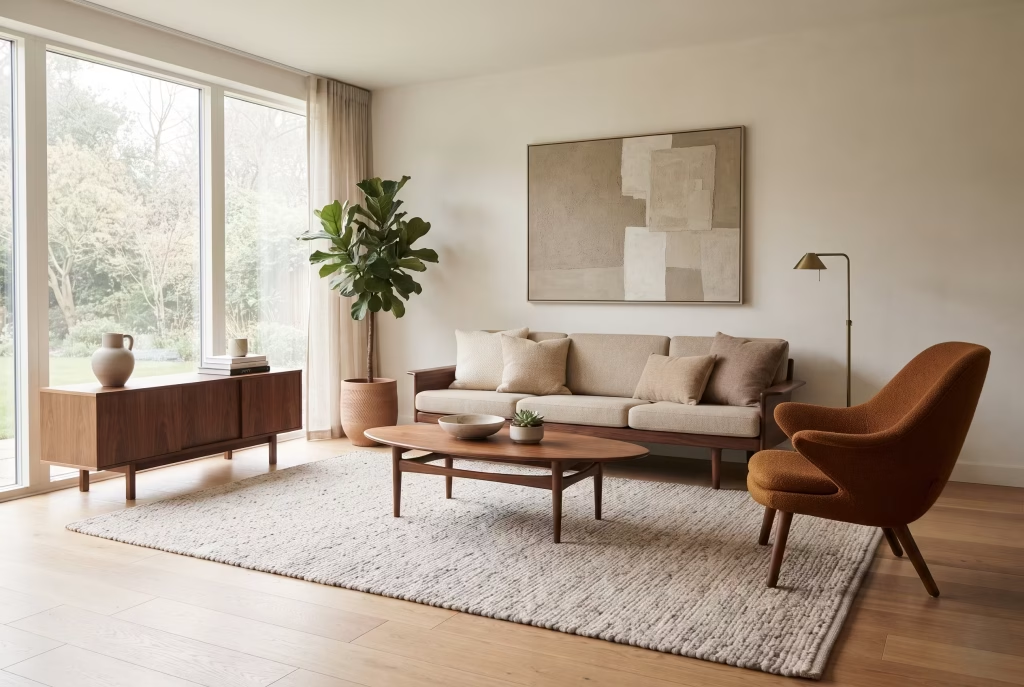
Warm neutral base with a single bold accent. Walnut furniture, warm white or greige walls, and one saturated colour, often in the rug or a single upholstered chair. This is the most forgiving palette for a first attempt because it’s nearly impossible to overdo.
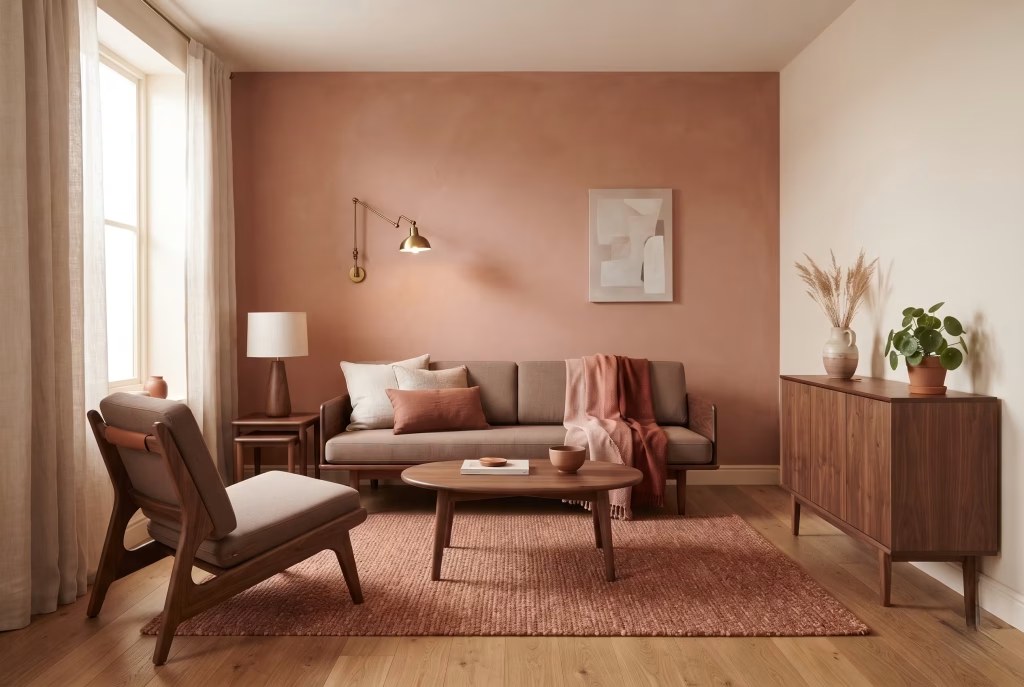
Earthy monochrome with texture doing the work. Various shades of one warm tone, terracotta, rust, or olive, layered through rug, cushions, and a single accent wall, with wood tones providing the contrast rather than a second colour. This suits smaller rooms particularly well because it avoids visual competition.
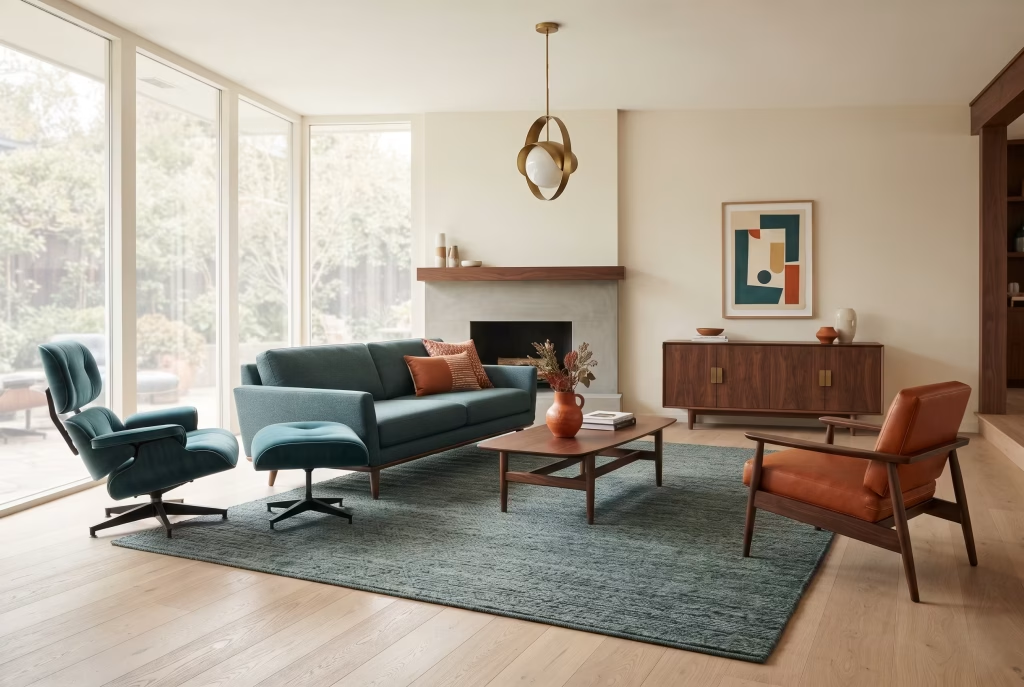
High-contrast retro pairing. Teal and orange, or mustard and navy, used in roughly a 70/30 ratio so one colour clearly leads. This is the boldest option and works best in larger rooms with plenty of neutral wall space to let the pairing breathe.
Whichever direction you choose, keep undertones consistent. A warm-toned walnut piece will fight visibly with a cool-toned grey rug, even if both colours are individually attractive. When in doubt, hold your fabric and paint swatches next to your actual wood furniture in natural daylight before committing.
Lighting for a Mid-Century Modern Living Room
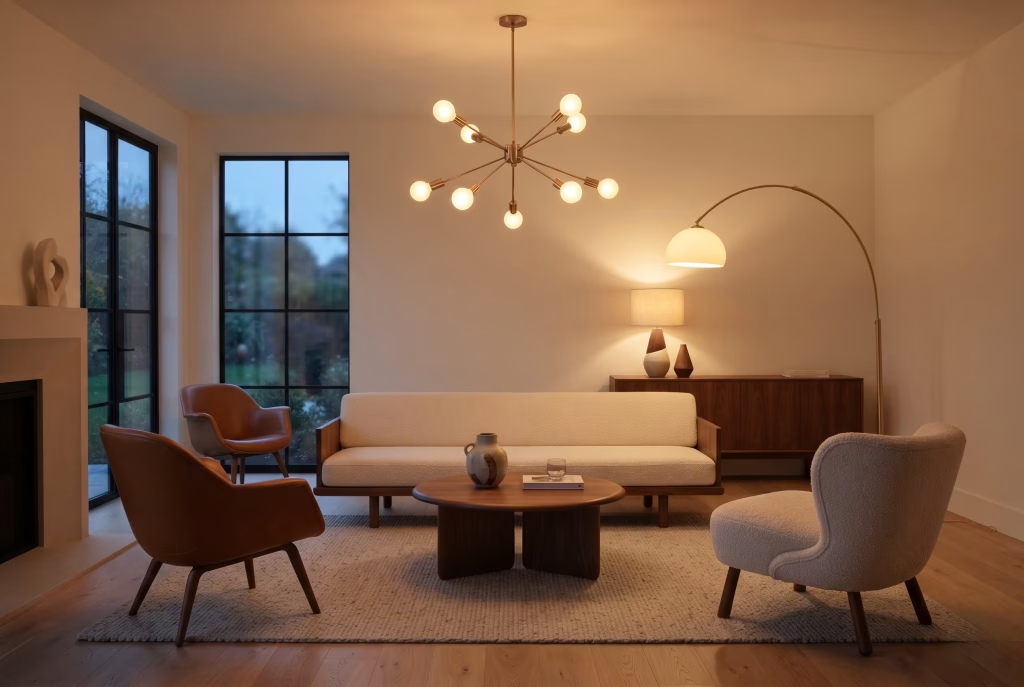
Lighting in mid-century interiors does double duty as sculpture, and it’s worth budgeting for properly rather than treating it as an afterthought.
Layer three types: an overhead statement piece, a Sputnik chandelier or a simple globe pendant, a floor lamp with genuine height and presence (the arc lamp is the classic choice, casting light over a seating area without needing a side table), and at least one table lamp with a sculptural base in wood, ceramic, or brass.
Warm bulbs matter more here than almost any other design choice on this list. A 2700K to 3000K warm white bulb will make an otherwise correct mid-century room feel inviting, while a cool daylight bulb in the same fixtures will make it feel clinical and off. This is a five-minute fix that a surprising number of people skip.
Small Living Room and Apartment Adaptations
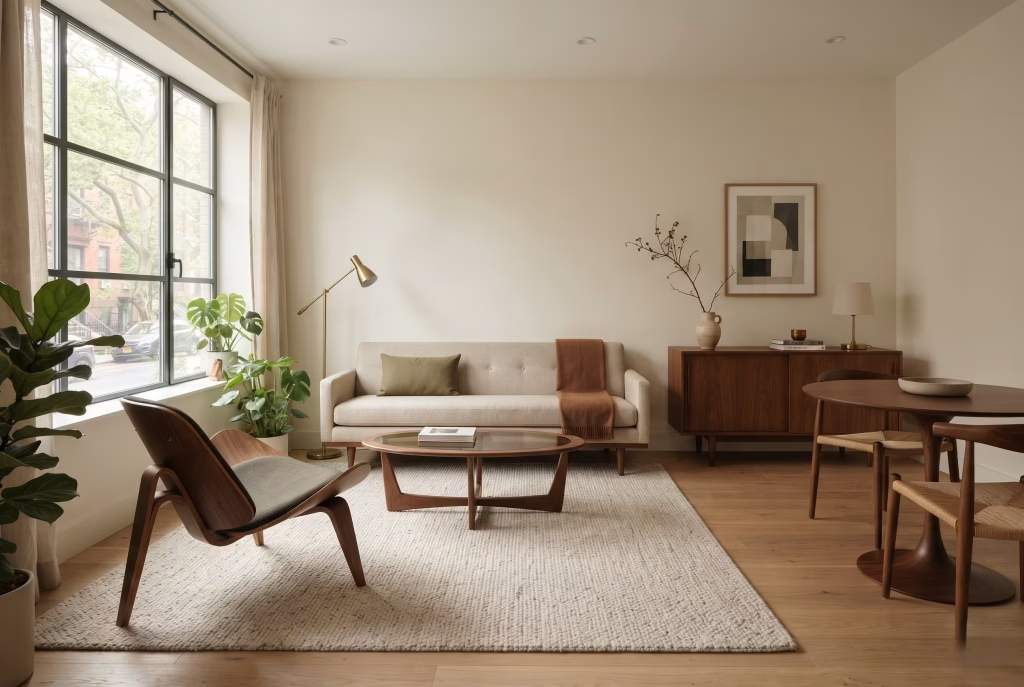
Mid-century modern is, if anything, better suited to small spaces than large ones, because the whole style is built around visible floor space and low-profile furniture. A few adjustments make it work even in a genuinely tight room.
Choose furniture with skinny arms rather than chunky, upholstered ones, and prioritise chairs with visible legs over anything with a solid, boxy base. A slim coffee table, ideally one with some open structure rather than a solid slab top, keeps the centre of the room from feeling heavy.
Limit yourself to one true statement piece per zone. A walnut credenza, a Sputnik pendant, an Eames-style lounge chair. In a small room, one of these reads as intentional. Two or three competing for attention in the same sightline reads as cluttered, no matter how beautiful each individual piece is.
If your living room doubles as a dining area, entryway, or home office, common in smaller apartments, use a rug to visually anchor the seating zone rather than a wall or partition. This keeps the open-plan feeling that mid-century design was built around while still giving each function its own defined space.
You May also Like: 15 Mid-Century Modern Garden Ideas to Transform Your Outdoor Space
Budget Tiers: Thrift, Reproduction, and Investment
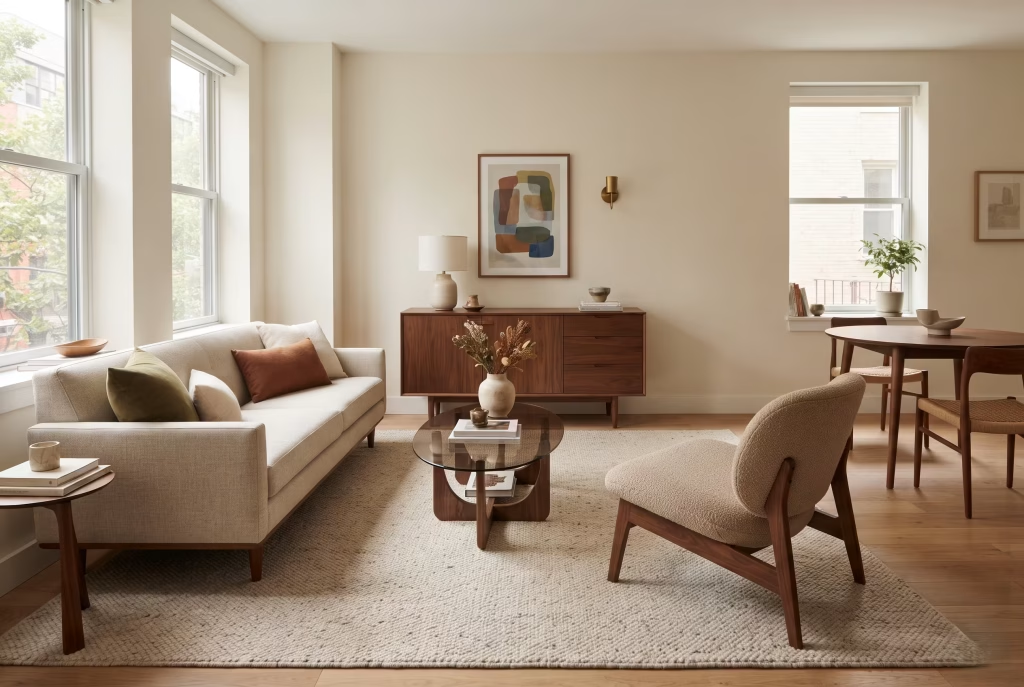
This is where most guides go vague, so here’s a straight answer on where your money should actually go.
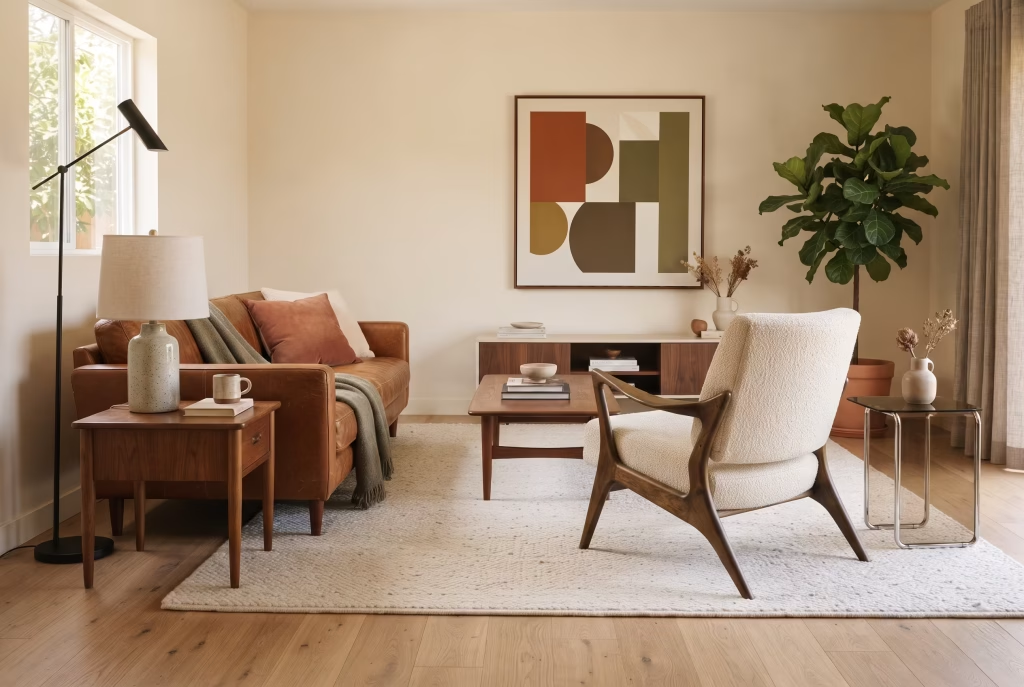
Thrift and vintage, lowest cost, highest effort. Estate sales, antique shops, and local marketplace listings are genuinely the best source for authentic mid-century pieces, and prices are often lower than reproduction furniture because sellers don’t always recognise what they have. The trade-off is time. You’re hunting rather than shopping, and pieces may need reupholstering or refinishing, which adds cost back in. This route works best for smaller pieces, side tables, lamps, accent chairs, where a slightly imperfect find still looks intentional.
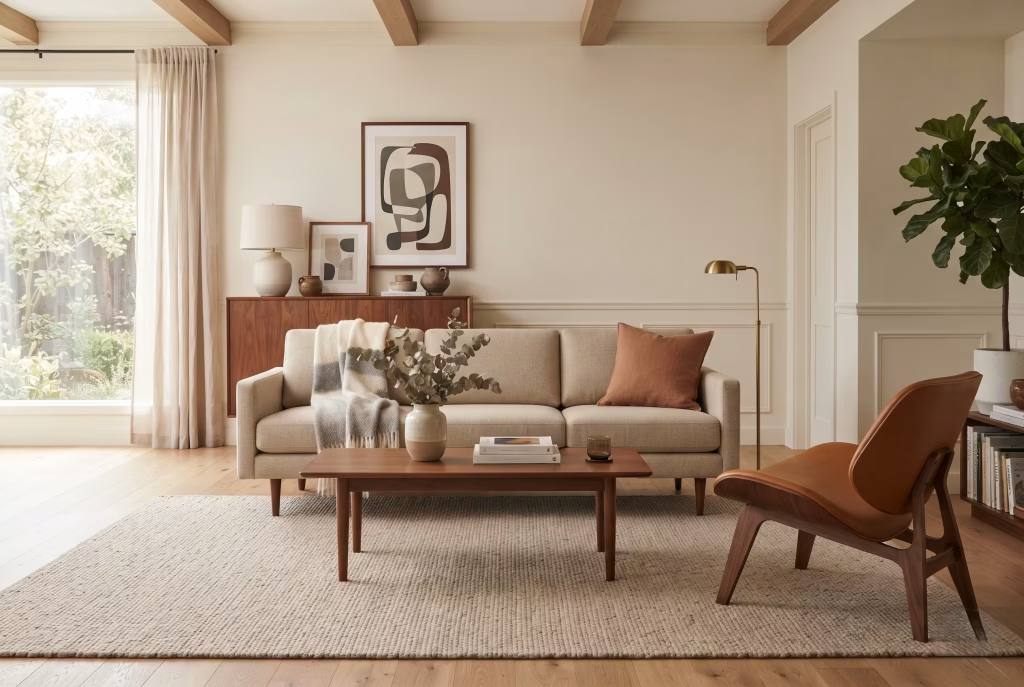
Reproduction and inspired pieces, mid-range, most reliable. Retailers producing well-made reproductions or “inspired by” pieces give you the silhouette and proportions of the original design without the vintage price tag or the hunting. This is the most practical route for larger investment pieces like sofas and sectionals, where comfort, durability, and correct scale matter more than owning an “authentic” object.
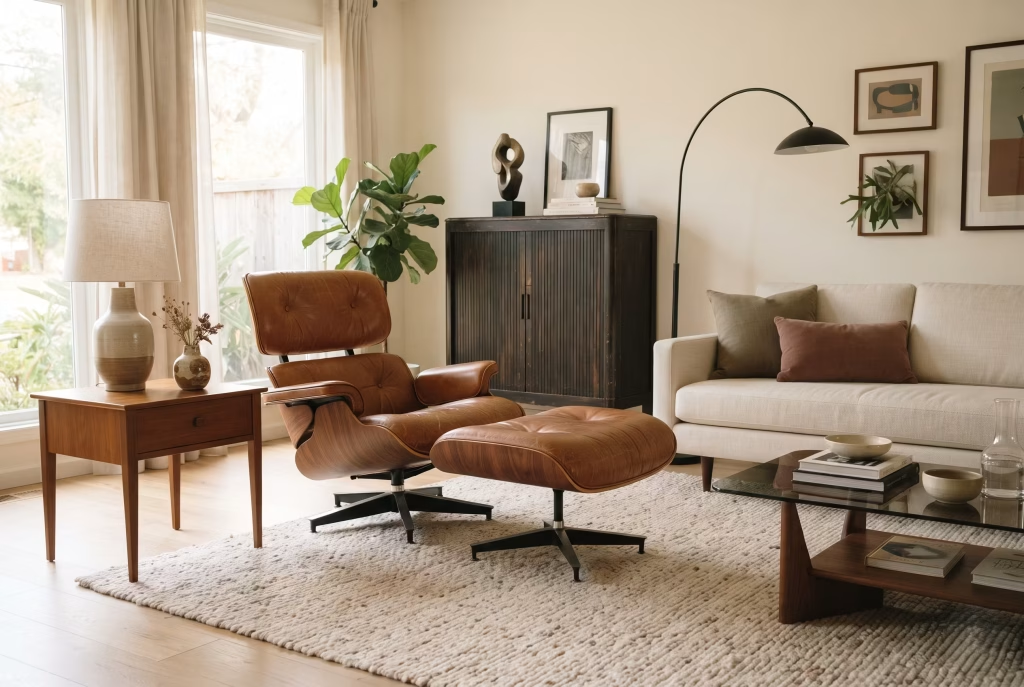
Investment originals, highest cost, longest lifespan. Licensed originals from brands like Herman Miller or Knoll command genuinely high prices, but they hold their value in a way most furniture never does, and the manufacturing quality is difficult to match at any other price point. If you’re only going to splurge on one piece, an iconic lounge chair is usually the strongest choice, because it becomes the visual anchor of the whole room.
A sensible approach for most living rooms: spend on one investment or well-made reproduction anchor piece, the sofa or the lounge chair, thrift the secondary pieces, side tables, a credenza, accent chairs, and keep lighting and accessories flexible so the room can evolve without a full redo.
7 Mistakes to Avoid in a Mid-Century Modern Living Room
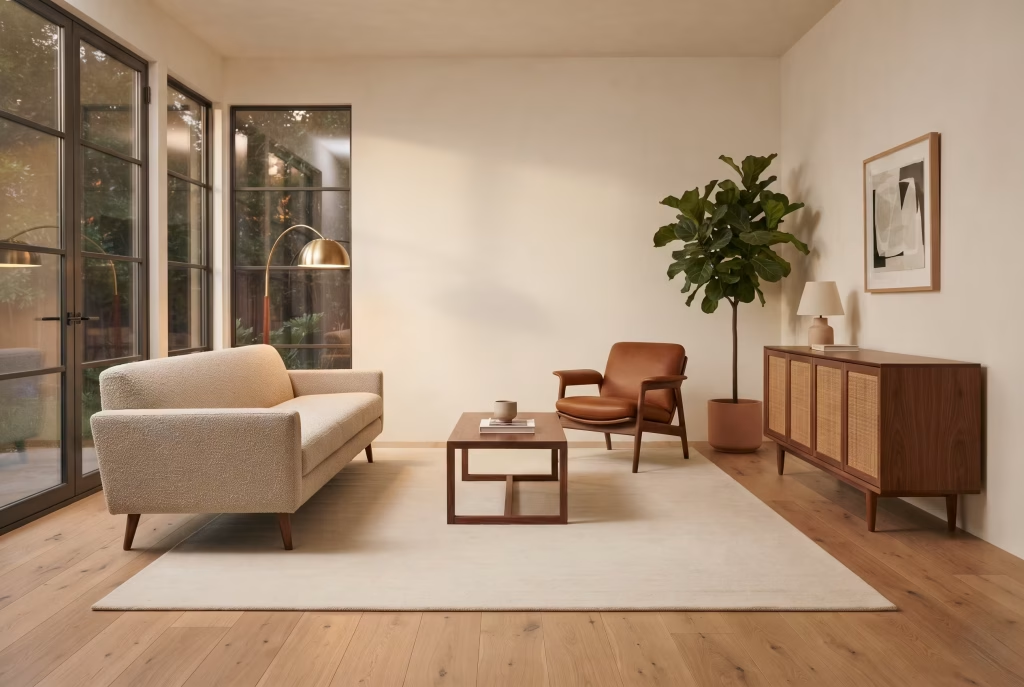
Overcrowding the room. This is the single most frequently repeated mistake across professional and homeowner accounts alike. Mid-century design relies on negative space as an active design element, not empty space waiting to be filled. If you’re unsure whether a room has too much in it, remove one piece and live with the room for a week before deciding whether to put it back.
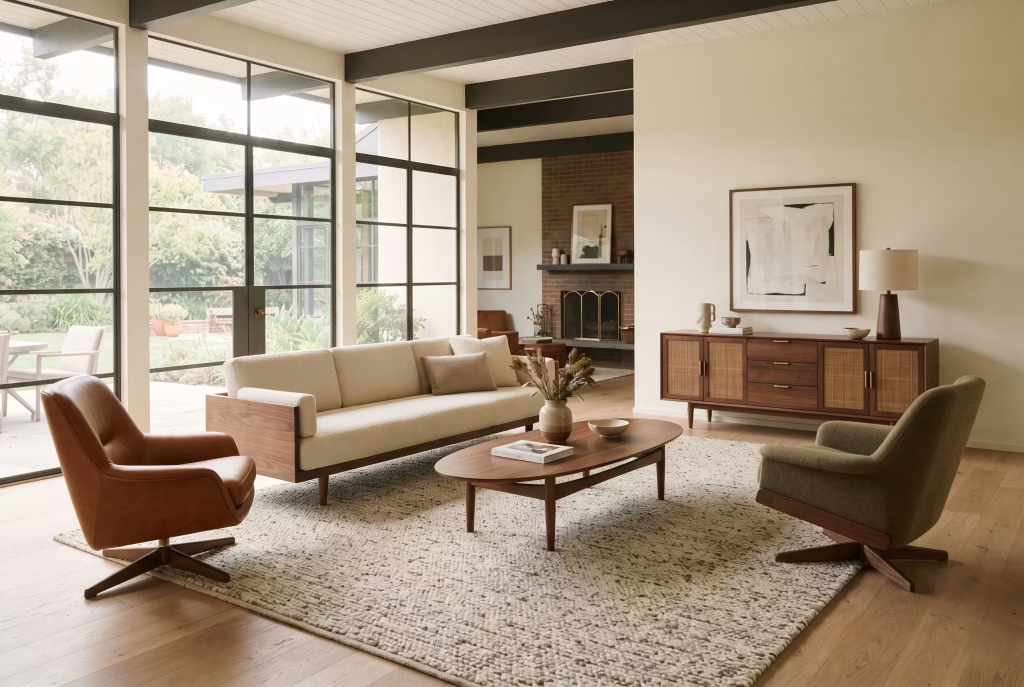
Buying at the wrong scale. A petite mid-century chair looks lost and slightly apologetic in a large room. An oversized sectional in a small mid-century-styled space fights against everything the style is trying to do. Measure your room and your existing furniture before adding anything new, and when in doubt, size down rather than up.
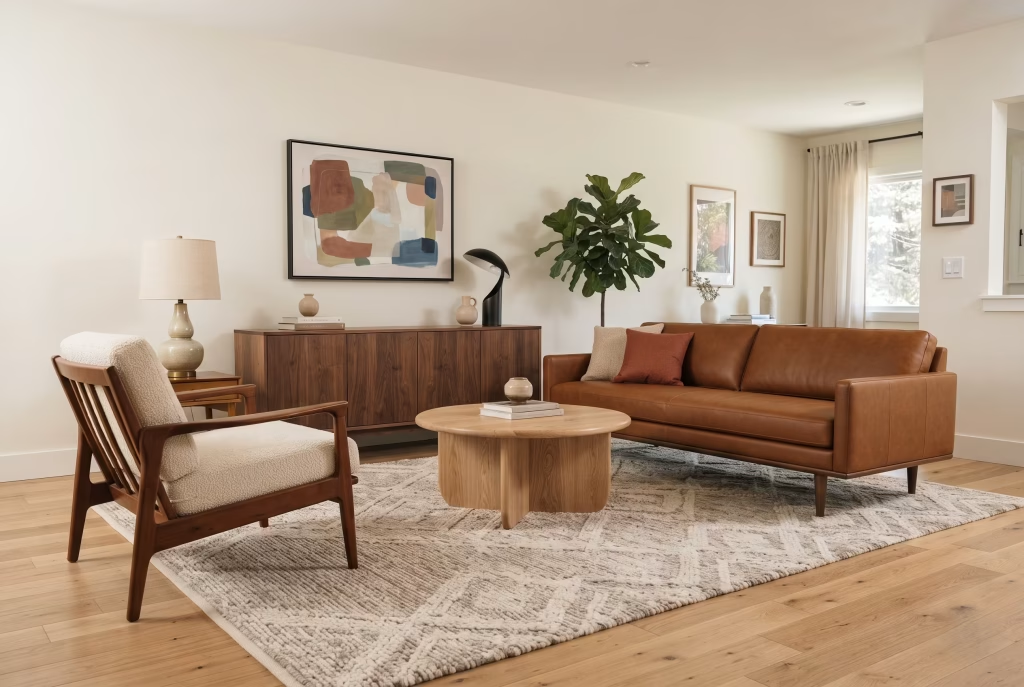
Going too matchy. A full “mid-century modern living room set” bought from a single retailer in a single wood tone almost always reads as staged rather than lived-in. The most convincing mid-century rooms mix eras, sources, and a small range of wood tones rather than presenting one uniform look.
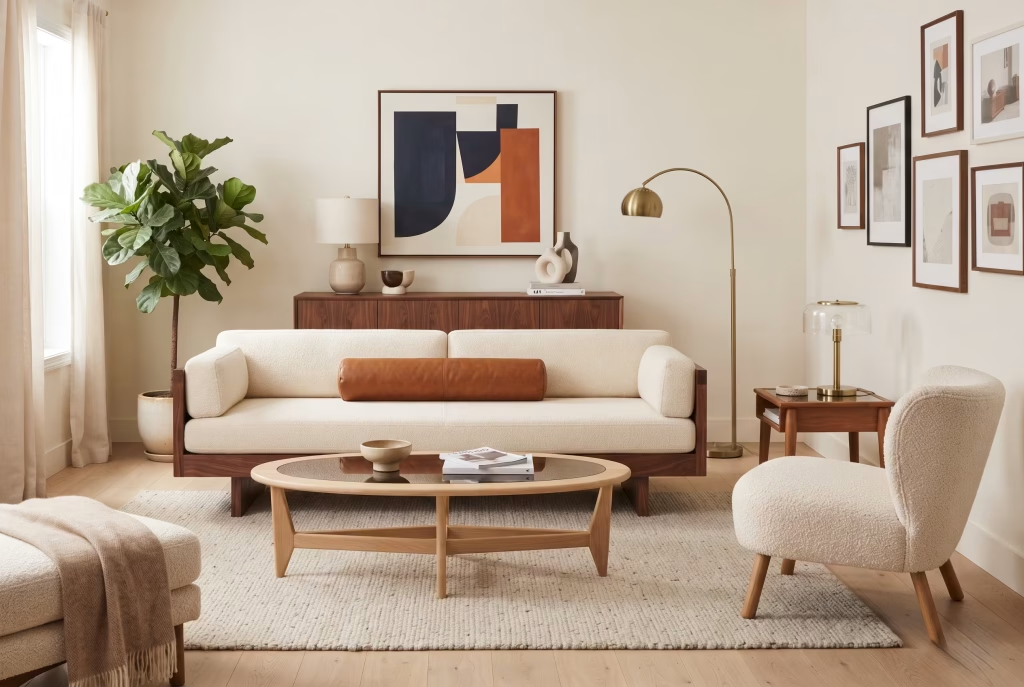
Overusing a single wood tone. Walnut is beautiful. A room built entirely from walnut, floor to ceiling, feels heavy and can start to look dated in a different way than the retro-kitsch problem discussed earlier. Break it up with lighter wood, metal, glass, or a painted piece.
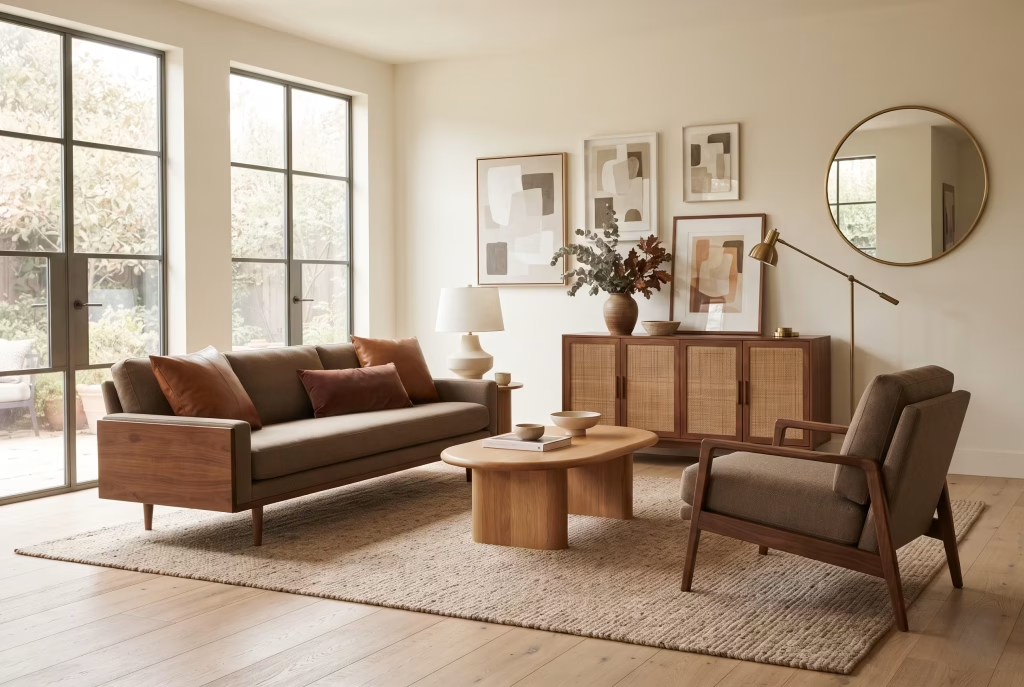
Ignoring undertones. Warm-toned walnut furniture paired with cool-toned grey textiles creates a subtle but persistent visual clash. This is a common, easy-to-miss mistake, and it’s worth double-checking before you commit to a rug or a major upholstery choice.
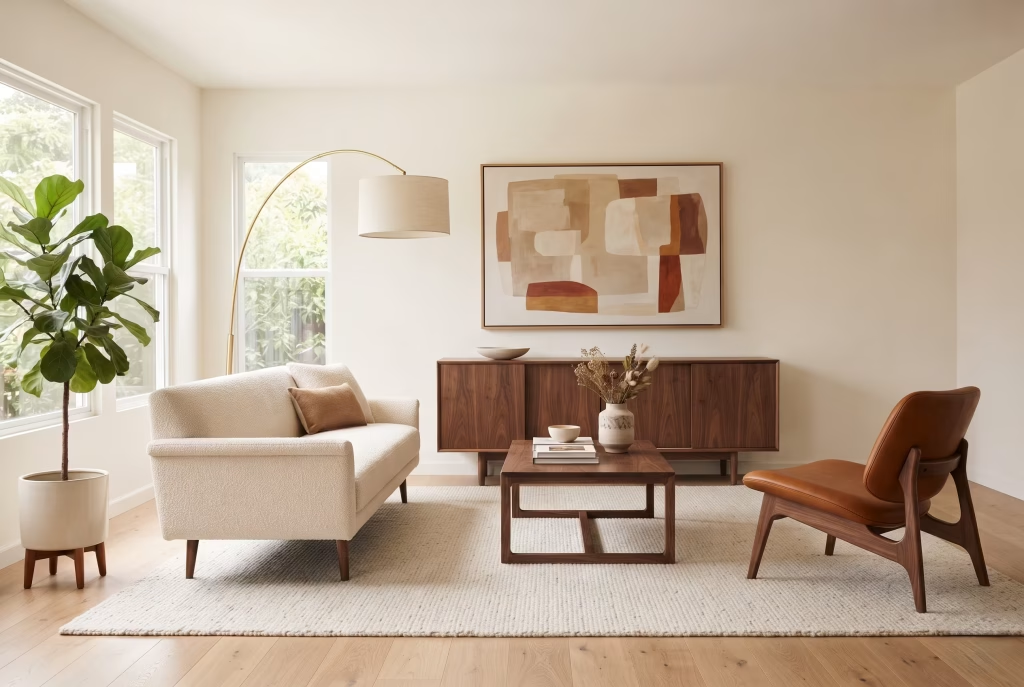
Using stark white walls. As covered above, pure white reads as cold and clinical against warm wood tones. Warm white or a soft neutral almost always performs better.
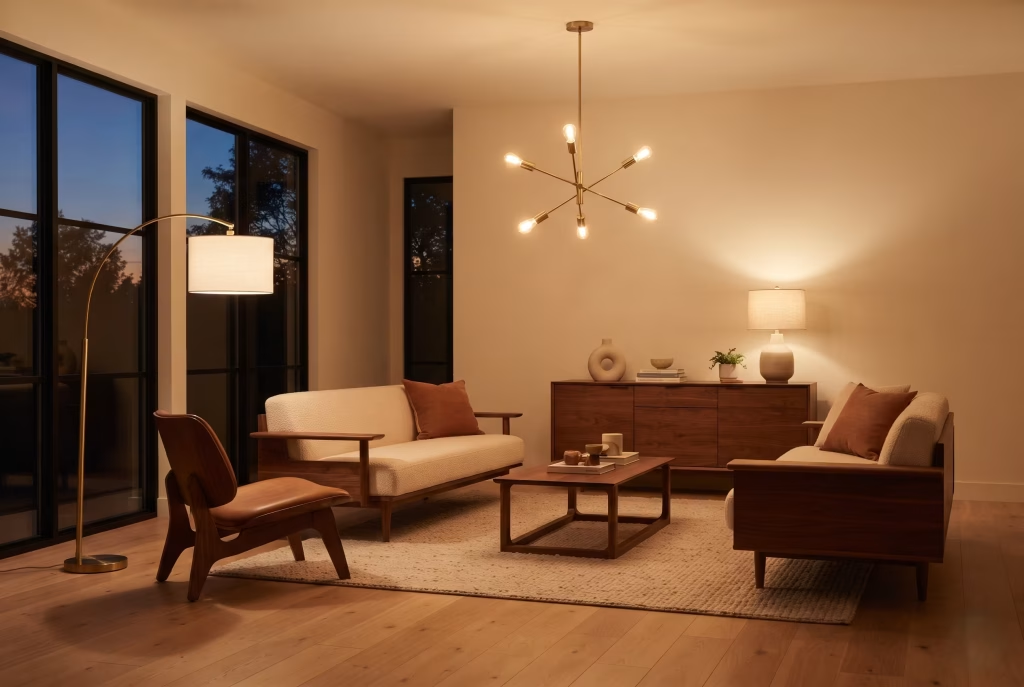
Skipping the lighting temperature check. A beautifully sourced fixture undone by a cool-toned bulb is one of the most common, and most fixable, mistakes on this list.
You May also Like: 15 Boho Mid-Century Modern Kitchen Ideas That Blend Warmth, Style, and Personality
How Much Is Too Much A Simple Ratio to Follow
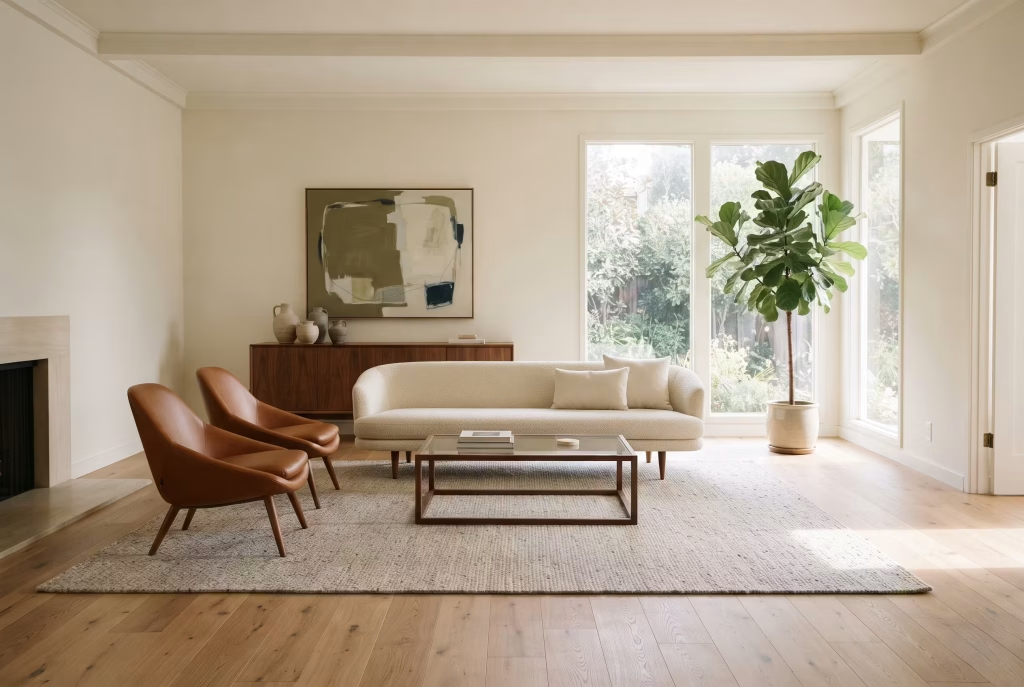
If you want a genuinely practical rule rather than vague advice to “keep it minimal,” try this: for every piece of furniture in the room, allow roughly the same footprint again in visible empty floor space around it. If your sofa and two chairs are taking up 60% of your visible floor area, the room will read as crowded regardless of how good the individual pieces are.
If they’re taking up closer to 40 to 45%, with the rest left as clear floor and breathing room, the room will read as intentional and calm, which is the actual goal of mid-century design in the first place.
This applies to decor as much as furniture. A gallery wall, a shelf of ceramics, a cluster of plants: each of these should have a single clear “home” in the room rather than being scattered across every available surface. Pick two or three focal display areas maximum, and let everything else stay clean.
Frequently Asked Questions
Is mid-century modern still in style in 2026?
Yes, and it has been consistently relevant since its 1980s revival, largely because its core principles, functionality, natural materials, open flow, solve problems that never go out of fashion. What changes over time is the specific accent colours and how it gets mixed with other current styles, not the underlying design logic itself.
How do I make mid-century modern feel warm rather than sterile?
Avoid stark white walls in favour of warm white or soft neutral tones, use warm-temperature bulbs (2700K to 3000K) in every fixture, and layer in texture through boucle, leather, and natural fibre rugs. Cold lighting and cold colour undertones are the two most common reasons an otherwise correct mid-century room feels clinical.
Can I mix mid-century modern with other styles?
Yes, and doing so is often what separates a livable room from a themed one. Mid-century pairs particularly well with Scandinavian, boho, and even traditional pieces, provided you keep a consistent colour palette and don’t let more than two or three distinct style languages compete in the same sightline.
What’s the difference between mid-century modern and just “modern” or “contemporary”?
Mid-century modern refers specifically to the design period between roughly 1945 and 1969, characterised by organic curves, tapered wood legs, and warm natural materials. Contemporary design reflects whatever is current right now and tends toward cooler, more minimal palettes with straighter lines and less visible wood grain.
Do I need to buy authentic vintage pieces for the look to work?
No. A well-made reproduction with correct proportions and materials will read just as authentically as an original in most living rooms. Authenticity in vintage furniture matters most to collectors and for resale value, not for how a room actually looks or lives day to day.
How many mid-century pieces do I need to establish the style without going overboard?
Three to five is usually enough for a living room: one anchor seating piece, one lighting fixture, one wood storage piece like a credenza or sideboard, and one or two accent pieces such as a chair or side table. Building the rest of the room around a smaller number of well-chosen pieces reads as more considered than filling every surface.
What paint colours work best with mid-century modern furniture?
Warm neutrals like soft white, warm greige, or a pale sand tone work as a reliable base for almost any mid-century room, because they let walnut and teak furniture read warm rather than competing with it. If you want a bolder wall colour, muted or desaturated versions of avocado green, burnt orange, or teal tend to look more period-appropriate than their fully saturated equivalents.