



25 Sage Green Basement Ideas for a Calm, Stylish, and Modern Lower-Level Space
Sage green works exceptionally well in basement spaces because it strikes the perfect balance between colour and neutrality. In my experience designing lower-level rooms, basements often struggle with limited natural light and can easily feel cold or closed in.
Sage green solves this by offering a soft, earthy tone that reflects light gently rather than absorbing it, making the space feel brighter without looking stark or washed out.
What I love most about sage green is the warmth and calm it brings to a basement environment. It has a grounding quality that instantly makes lower-level rooms feel more inviting and lived-in, whether the space is used as a family room, home office, guest bedroom, or entertainment area.
Paired with the right lighting, finishes, and textures, sage green can transform a basement from an afterthought into one of the most relaxing areas of the home.
In this guide, I share 25 sage green basement ideas that combine style and practicality. You will find inspiration for layouts, colour pairings, lighting strategies, and décor choices that help you create a basement that feels modern, comfortable, and beautifully cohesive.
Why Sage Green Is Perfect for Basement Design
Sage green is one of the most effective colours you can use in a basement, both visually and psychologically. As a muted, nature-inspired tone, it promotes calm, balance, and relaxation, which is especially important in lower-level spaces that can otherwise feel enclosed or disconnected from the rest of the home.
In my experience, sage green helps basements feel less utilitarian and more like a natural extension of your living areas, making them comfortable places to spend time rather than rooms you simply pass through.
From a lighting perspective, sage green performs exceptionally well in basement environments. Unlike darker or highly saturated colours, it reflects both artificial and limited natural light softly, preventing harsh contrasts or gloomy corners.
When paired with warm LED lighting or subtle daylight from window wells, sage green diffuses light across the room, creating an even, welcoming glow without appearing flat or cold.
Compared to darker basement colour choices such as charcoal, navy, or deep brown, sage green offers depth without heaviness. Dark colours tend to absorb light and visually shrink basement spaces, while sage green maintains character while keeping the room feeling open, breathable, and thoughtfully designed.
How to Use Sage Green in a Basement Successfully
Using sage green successfully in a basement comes down to understanding light, undertones, and how the colour interacts with surrounding finishes. Because basements typically receive limited daylight, lighting should be planned intentionally from the start. If your basement has natural light through windows or light wells, sage green will appear softer and more organic.
In these spaces, I recommend enhancing daylight with sheer window treatments and reflective surfaces. For basements with little or no natural light, layered artificial lighting is essential. Combine recessed ceiling lights, wall sconces, and floor or table lamps to prevent shadows and help sage green read warm and inviting rather than dull.
Undertone selection is equally important. In north-facing basements, which tend to feel cooler, choose a sage green with warmer, slightly yellow or beige undertones to avoid a flat or greyed-outlook. South-facing basements can handle cooler sage greens with subtle grey undertones, as the warmer light will balance the colour naturally.
When pairing sage green with flooring and ceiling finishes, contrast is key. Light wood, warm oak, or soft greige flooring keeps the space grounded and bright, while white or off-white ceilings help lift the room and enhance the colour’s calming effect.
Design-Led and Functional Sage Green Basement Ideas
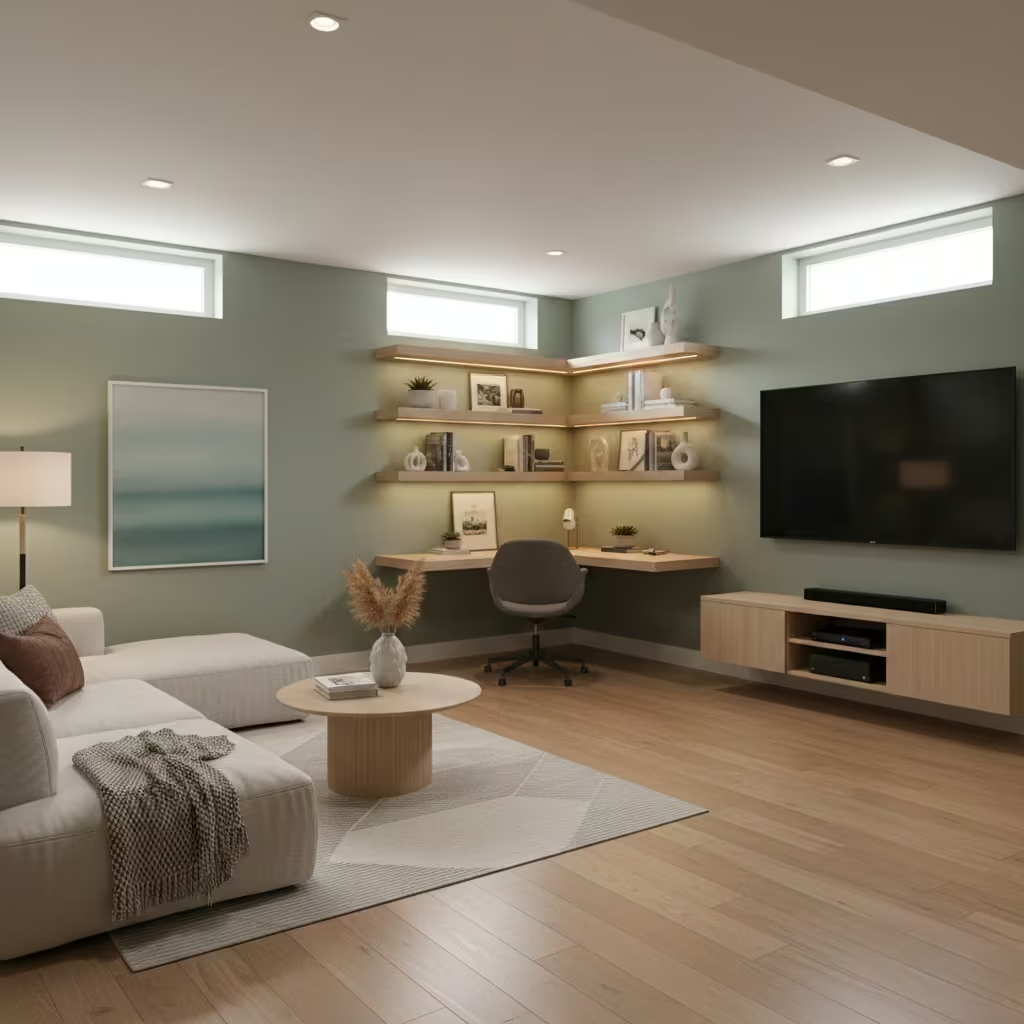
When designing a basement, aesthetics alone is not enough. The space must work hard functionally while still feeling intentional and well designed. Sage green is particularly effective here because it adapts effortlessly to both goals. It is soft enough to create a calm, welcoming atmosphere, yet structured enough to support practical layouts, built-ins, and multi-use zones.
Before diving into specific ideas, it helps to think about how the basement will be used day to day. Whether it serves as a family room, guest suite, home office, or entertainment area, sage green provides a versatile backdrop that enhances flow, improves visual comfort, and ties different functions together.
The following design-led and functional ideas focus on using sage green strategically to define spaces, improve usability, and elevate the overall look of your basement without making it feel dark or disconnected from the rest of the home.
Sage Green Basement Walls with Warm White Trim
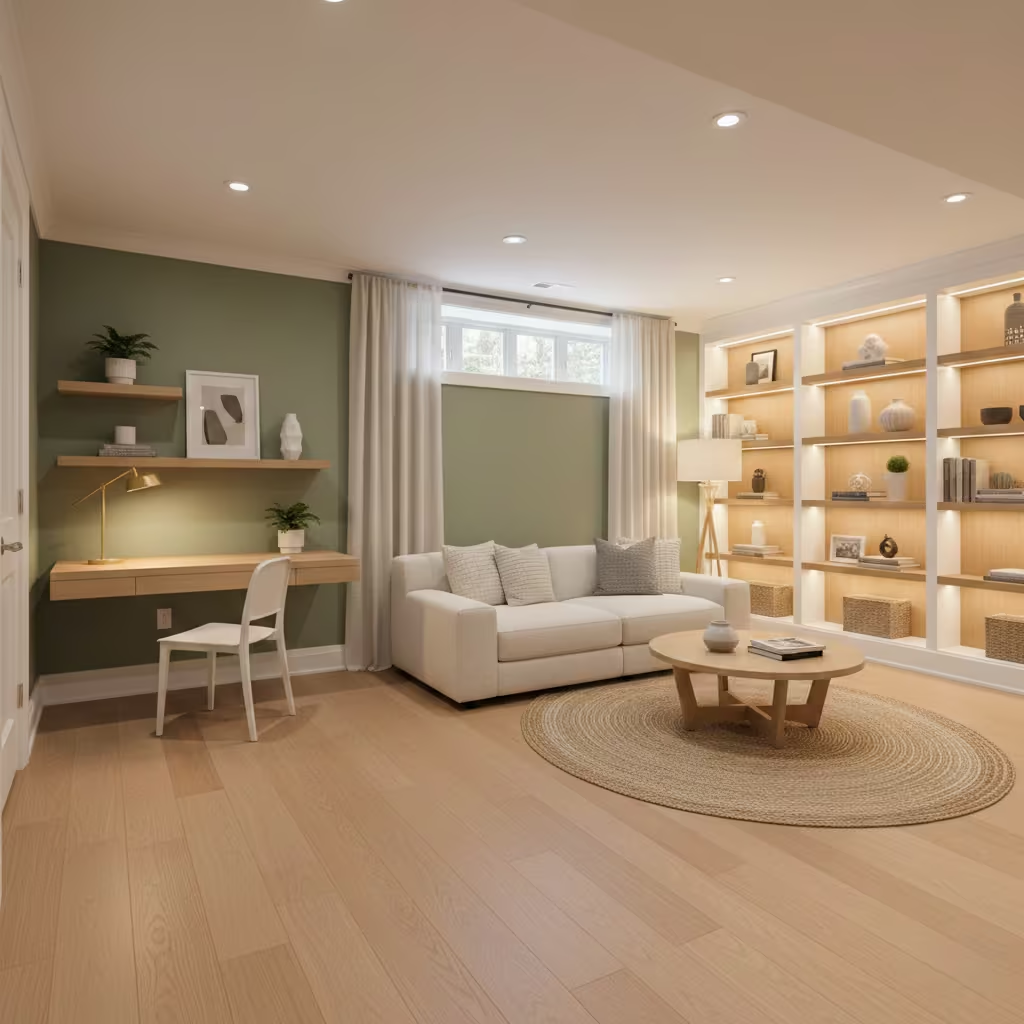
Sage green basement walls paired with warm white trim create a clean, balanced look that instantly makes a lower-level space feel brighter and more refined. I often recommend this combination because it frames the room beautifully without overpowering it. Sage green brings softness and depth, while warm white trim adds definition around doors, windows, baseboards, and built-ins, helping architectural details stand out even in limited light.
In basement settings, the warmth of the white is key. Cooler whites can feel stark and clinical underground, but warm whites introduce subtle cream or beige undertones that complement sage green and prevent the space from feeling flat. This pairing works particularly well in family rooms, guest bedrooms, and home offices where comfort is just as important as style.
To elevate the look further, I suggest keeping trim lines slightly wider than standard if ceiling height allows. This visually lifts the walls and creates a more polished finish. Combined with layered lighting and light-toned flooring, sage green walls with warm white trim deliver a basement that feels calm, cohesive, and thoughtfully designed.
Modern Sage Green Basement with Black Accents
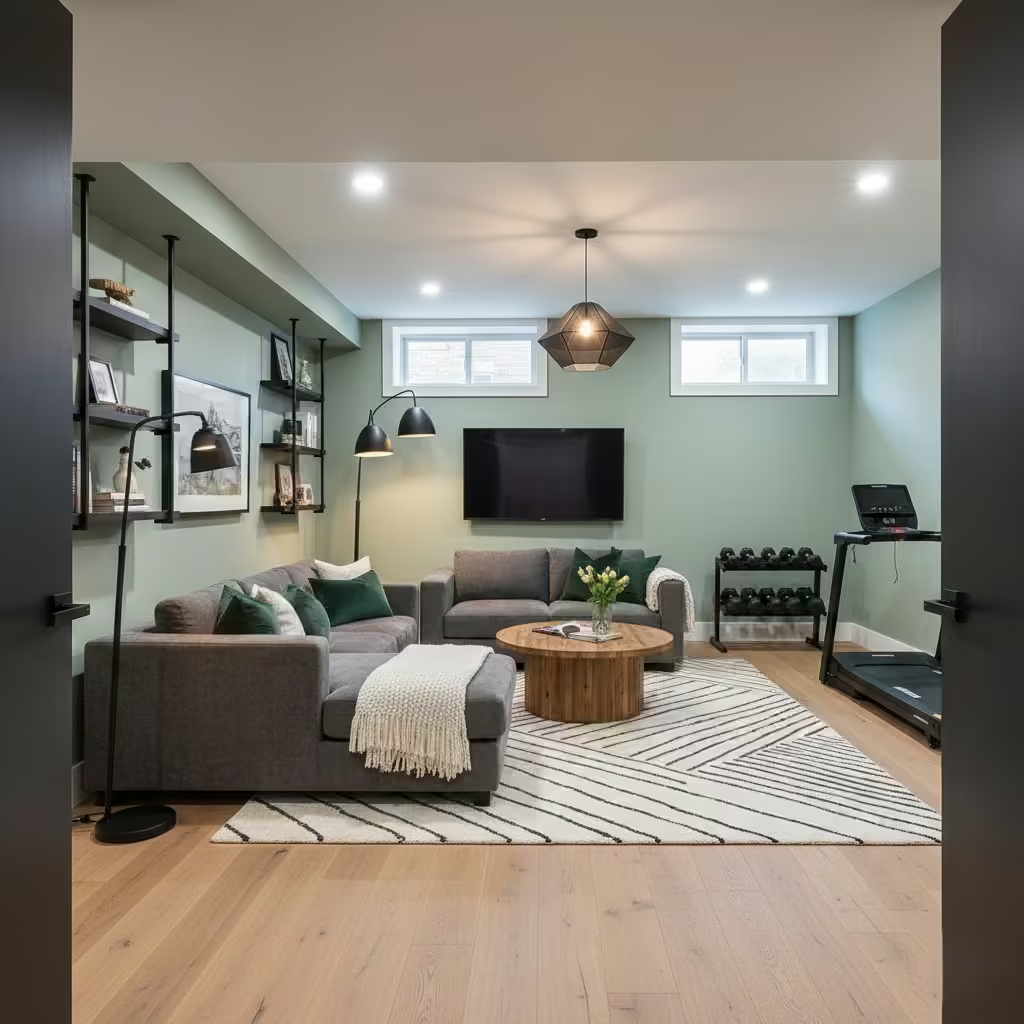
A modern sage green basement with black accents offers a more contemporary, design-forward take on basement colour schemes. I like this approach when homeowners want a space that feels bold yet still grounded and livable. Sage green acts as a soft, natural base, while black accents introduce contrast, structure, and a sense of intention that works especially well in modern or industrial-inspired interiors.
Black elements can be incorporated through light fixtures, metal stair railings, shelving frames, door hardware, or window trims. In basement spaces, these darker details help anchor the room visually without making it feel heavy, as long as they are used selectively. The key is balance. Sage green keeps the overall palette light and calming, while black provides definition and sharpens the design.
This combination works beautifully in media rooms, basement lounges, or home gyms where a sleek, modern feel is desired. When paired with warm wood tones and soft textiles, a sage green basement with black accents feels stylish, confident, and far from typical basement design.
You May also Like: 20 Gorgeous White Stucco Townhouse Ideas for Timeless Curb Appeal
Sage Green and Natural Wood Basement Design
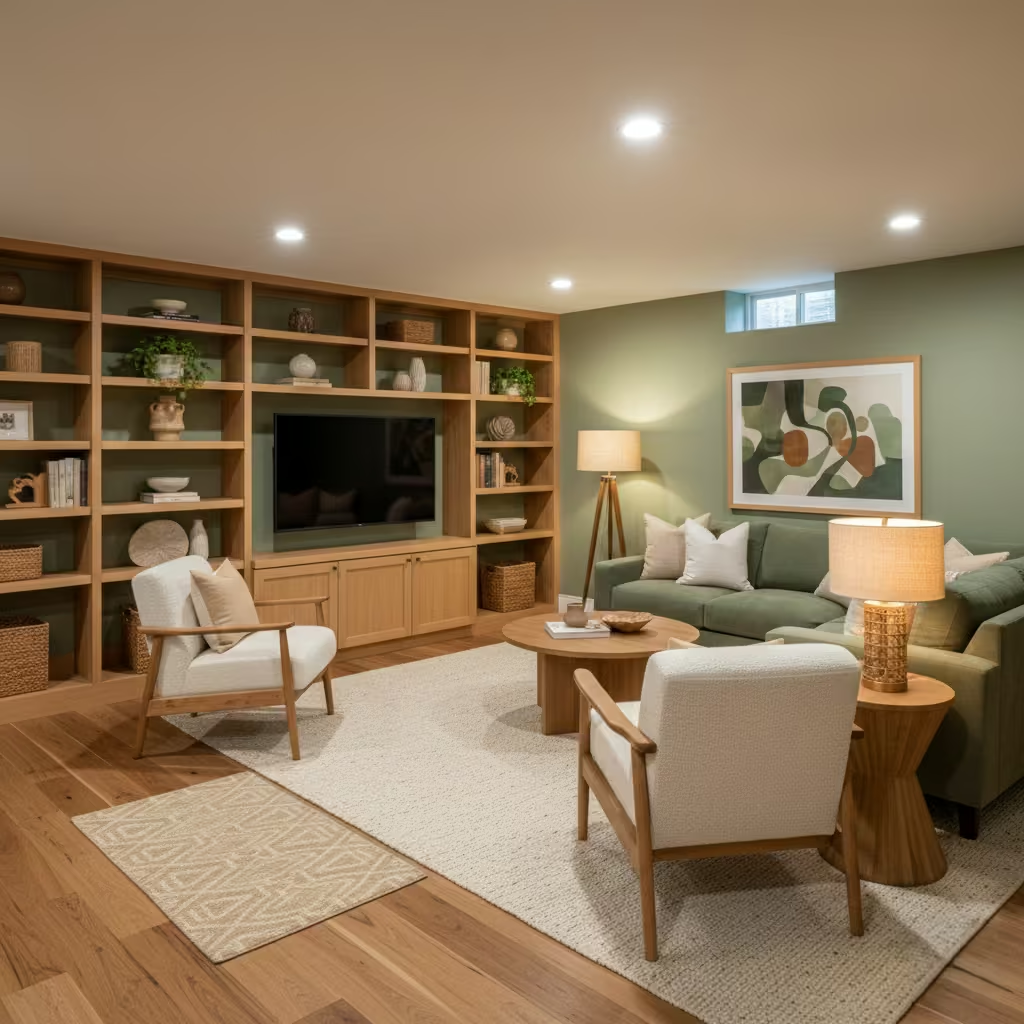
A sage green and natural wood basement design creates a warm, organic atmosphere that feels both timeless and inviting. I often turn to this pairing when clients want their basement to feel less like a lower level and more like a true living space. Sage green brings a calming, nature-inspired backdrop, while natural wood adds texture, warmth, and visual interest that instantly softens the room.
This combination works particularly well with light to medium wood tones such as oak, ash, or maple. Wood flooring, ceiling beams, shelving, or furniture pieces prevent sage green walls from feeling flat and help reflect light naturally throughout the space. In basements, where natural light is often limited, these warmer materials make a noticeable difference in overall comfort and ambience.
To keep the design cohesive, I recommend repeating wood elements across the room rather than concentrating them in one area. When paired with soft lighting and neutral textiles, a sage green and natural wood basement feels grounded, balanced, and effortlessly livable, making it ideal for lounges, guest spaces, or multi-purpose family areas.
Cozy Sage Green Basement Family Room
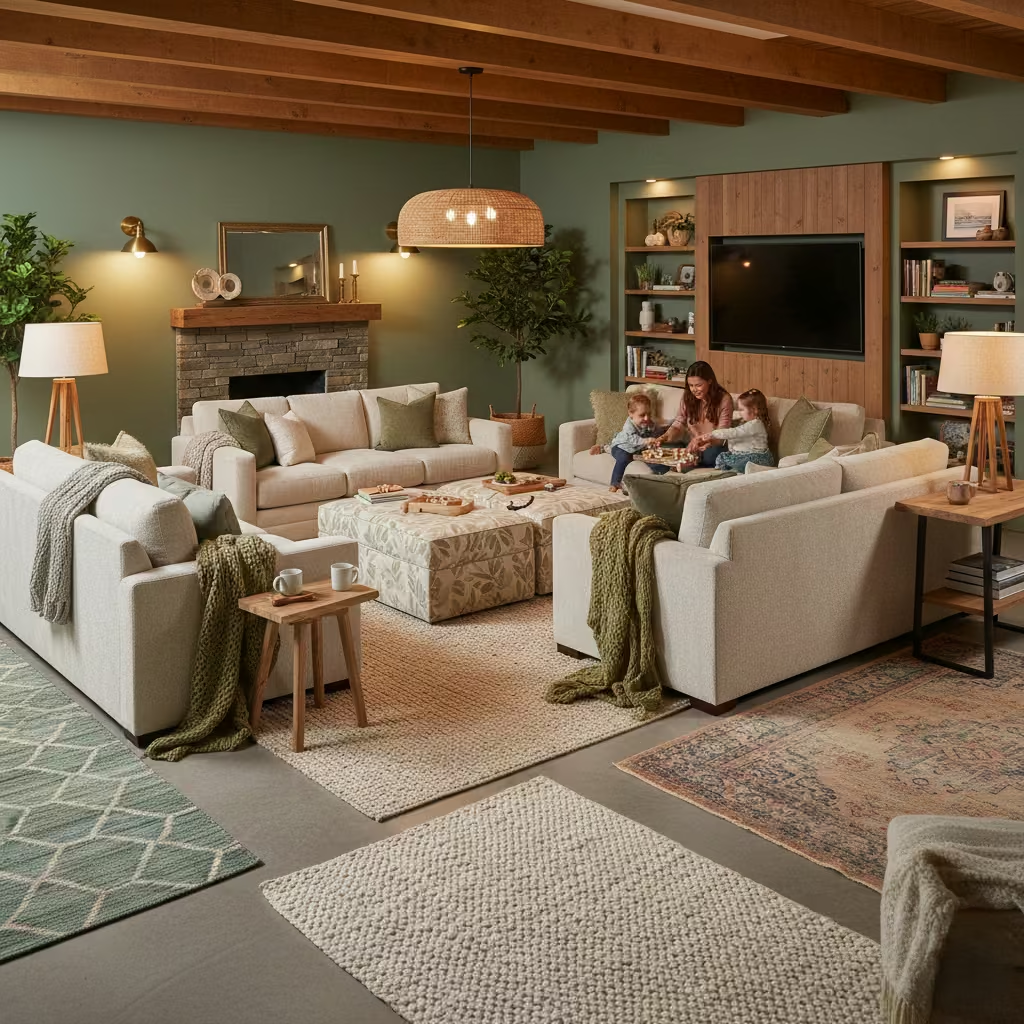
A cozy sage green basement family room is all about creating comfort while maintaining a sense of openness. In my experience, sage green is one of the best colours for family-focused spaces because it feels soothing without being dull and works well with a wide range of furnishings. It sets a relaxed tone that encourages people to gather, unwind, and spend time together.
To enhance the cozy factor, I suggest layering soft textures against sage green walls. Plush sofas, knit throws, area rugs, and upholstered ottomans add warmth and help absorb sound, which is especially important in basement environments. Warm lighting, such as table lamps and wall sconces, prevents the space from feeling harsh and makes the colour appear richer and more inviting.
This type of design is ideal for movie nights, casual entertaining, or everyday family use. When combined with natural materials and thoughtful lighting, a sage green basement family room feels welcoming, comfortable, and far removed from the cold, unfinished basements many homeowners want to avoid.
Sage Green Basement with Built-In Shelving
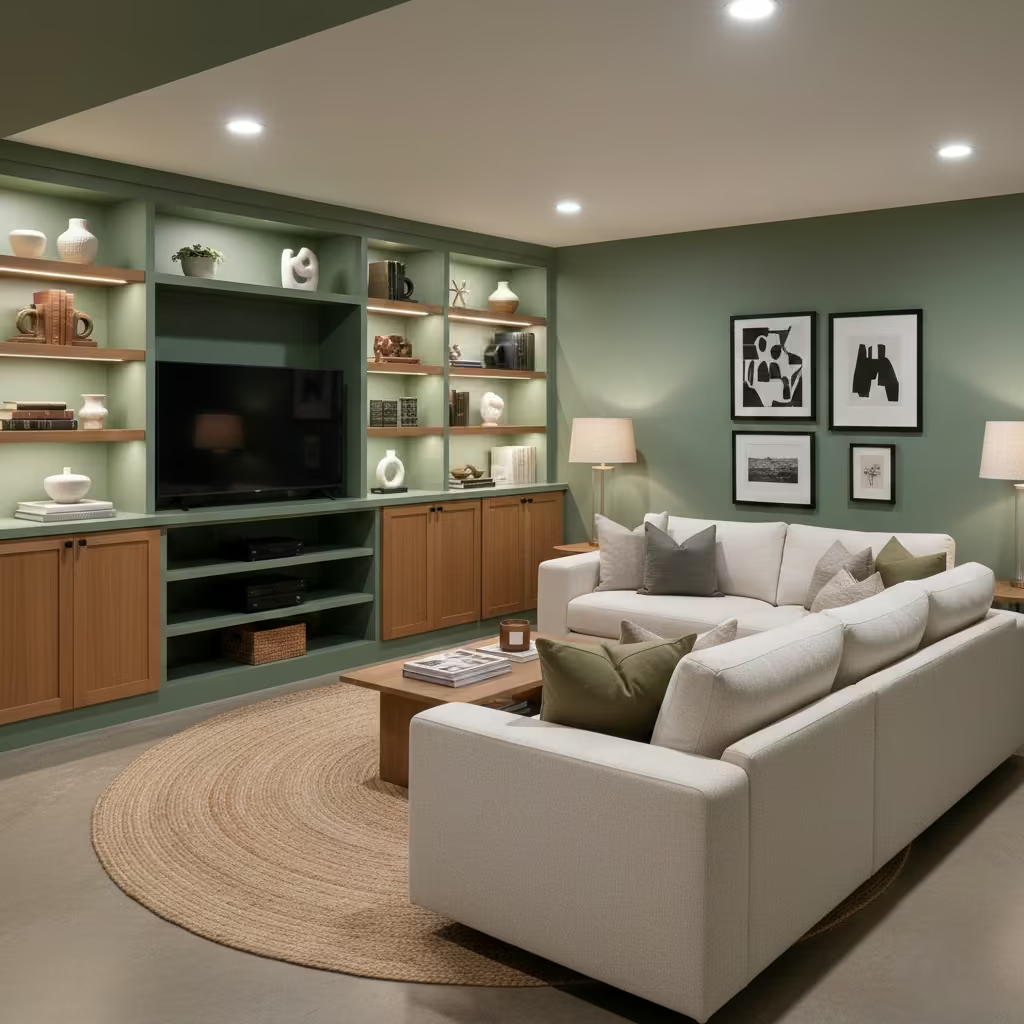
A sage green basement with built-in shelving is a smart way to combine storage, structure, and style in one cohesive design. I often recommend built-ins for basements because they maximise wall space without crowding the room, which is especially important in lower-level areas with limited square footage. When finished in sage green or set against sage green walls, shelving blends seamlessly into the design rather than standing out as purely functional storage.
Built-in shelving works well for housing books, décor, media equipment, or even a small bar setup. In basement spaces, it also helps reduce visual clutter by keeping everything organised and intentional. I suggest mixing open shelving with closed cabinetry to balance display and concealment, preventing the room from feeling busy or overstyled.
To keep the look light, consider using warm wood shelves, soft white backing, or subtle lighting within the units. These details add depth and warmth while enhancing visibility. A sage green basement with built-in shelving feels refined, practical, and thoughtfully planned, making it ideal for family rooms, lounges, or multi-use basements.
Minimalist Sage Green Basement Lounge
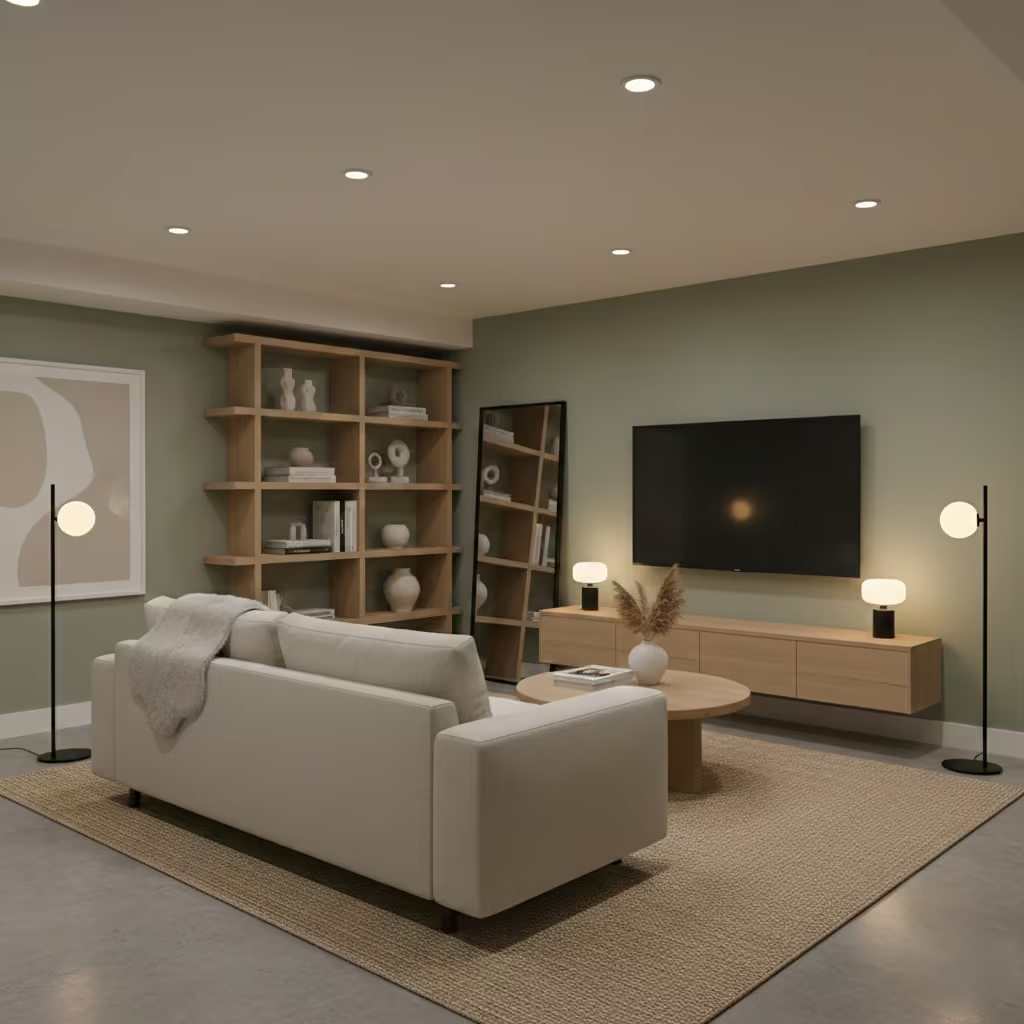
A minimalist sage green basement lounge focuses on simplicity, calm, and visual clarity. In my experience, basements benefit greatly from minimalist design because it reduces heaviness and allows the space to breathe. Sage green provides just enough colour to keep the room from feeling sterile, while still supporting a clean, understated aesthetic.
In a minimalist basement lounge, furnishings should be intentional and well-proportioned. Low-profile seating, streamlined tables, and simple silhouettes prevent the room from feeling crowded. Sage green walls act as a soft backdrop, allowing natural textures like wood, linen, and stone to take centre stage without visual competition.
Lighting plays a crucial role in maintaining the minimalist feel. Recessed lighting combined with subtle accent lamps keeps the space evenly lit without drawing attention to the fixtures themselves. When done correctly, a minimalist sage green basement lounge feels serene, modern, and effortlessly comfortable, offering a quiet retreat that feels far removed from the typical dark, cluttered basement.
Sage Green Basement with Textured Wall Finishes
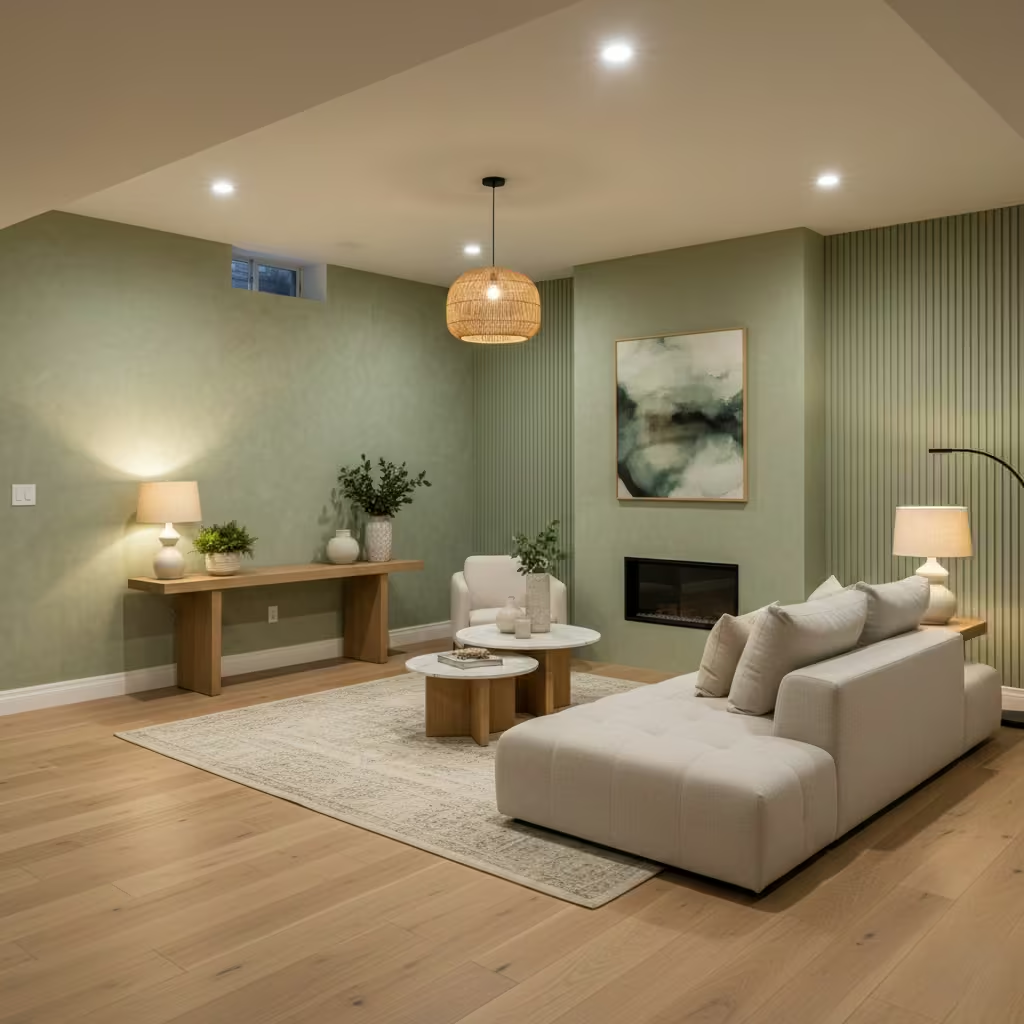
A sage green basement with textured wall finishes adds depth and visual interest without overwhelming the space. I often use texture in basements to prevent large wall areas from feeling flat or monotonous, especially when natural light is limited. Sage green works beautifully with subtle textures because its soft, muted tone highlights surface variation in a refined, understated way.
Textured finishes can include limewash, plaster, panelled walls, subtle wallpaper, or even vertical wood slats painted in sage green. These treatments introduce dimension while maintaining a cohesive colour palette. In basement settings, texture also helps diffuse light, reducing harsh reflections and creating a warmer, more comfortable atmosphere.
To keep the design balanced, I recommend limiting textured finishes to one or two key walls rather than the entire room. This approach allows sage green to remain calming while still delivering visual impact. When paired with warm lighting and simple furnishings, a sage green basement with textured walls feels elevated, intentional, and far removed from traditional flat-painted basement designs.
Sage Green Basement Media Room
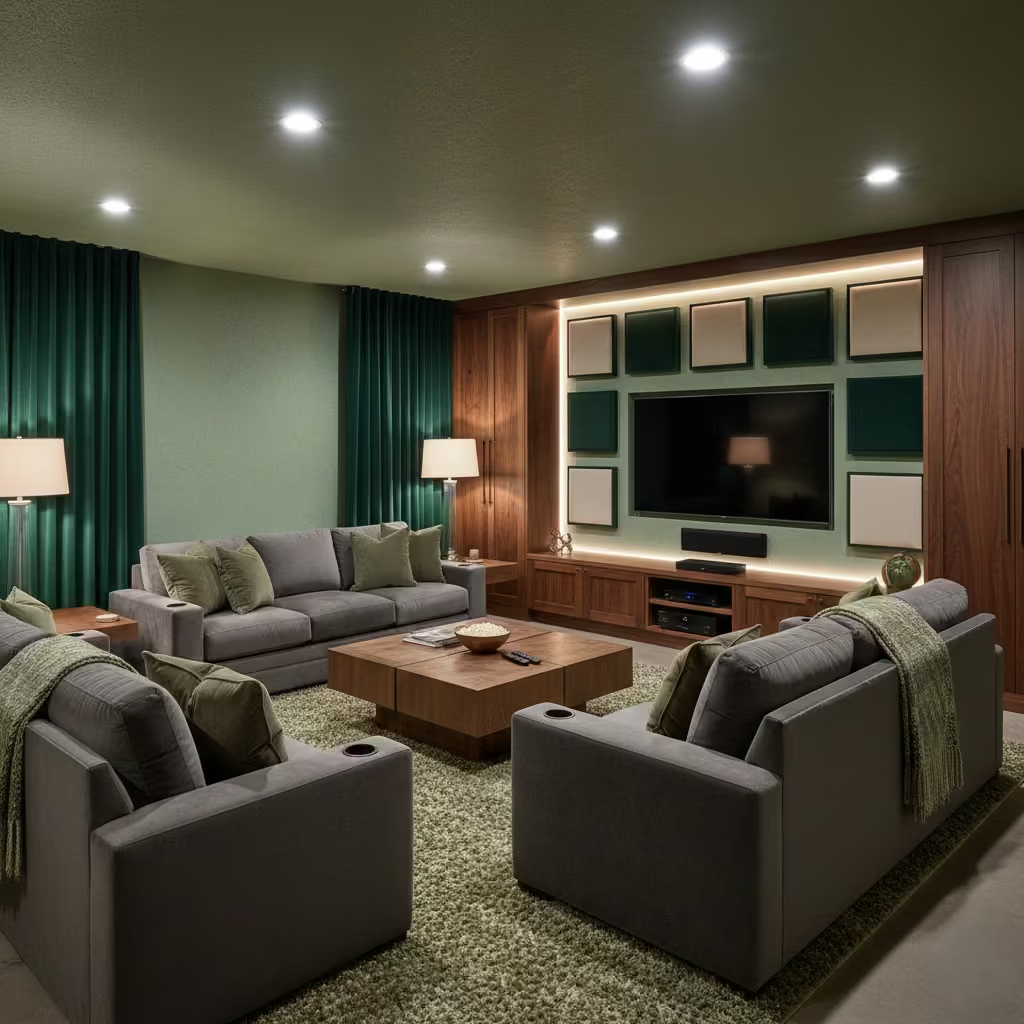
A sage green basement media room is an excellent choice for creating a relaxed yet immersive entertainment space. In my experience, sage green strikes the right balance between darkness and softness, making it ideal for media rooms where glare control and comfort are equally important. Unlike very dark colours, it absorbs light gently without making the room feel closed in.
Sage green walls help reduce screen reflections while maintaining a warm, inviting atmosphere. This makes long movie nights more comfortable and visually appealing. I often pair sage green with plush seating, dark wood finishes, and layered lighting to enhance the cinematic feel without sacrificing style.
Acoustic elements such as fabric panels, thick curtains, or upholstered furniture work especially well against sage green, improving sound quality while reinforcing the room’s cozy ambience. With thoughtful lighting placement and minimal distractions, a sage green basement media room feels sophisticated, calming, and purpose-built, offering a polished alternative to the typical dark, heavy home cinema aesthetic.
Sage Green Basement Home Office
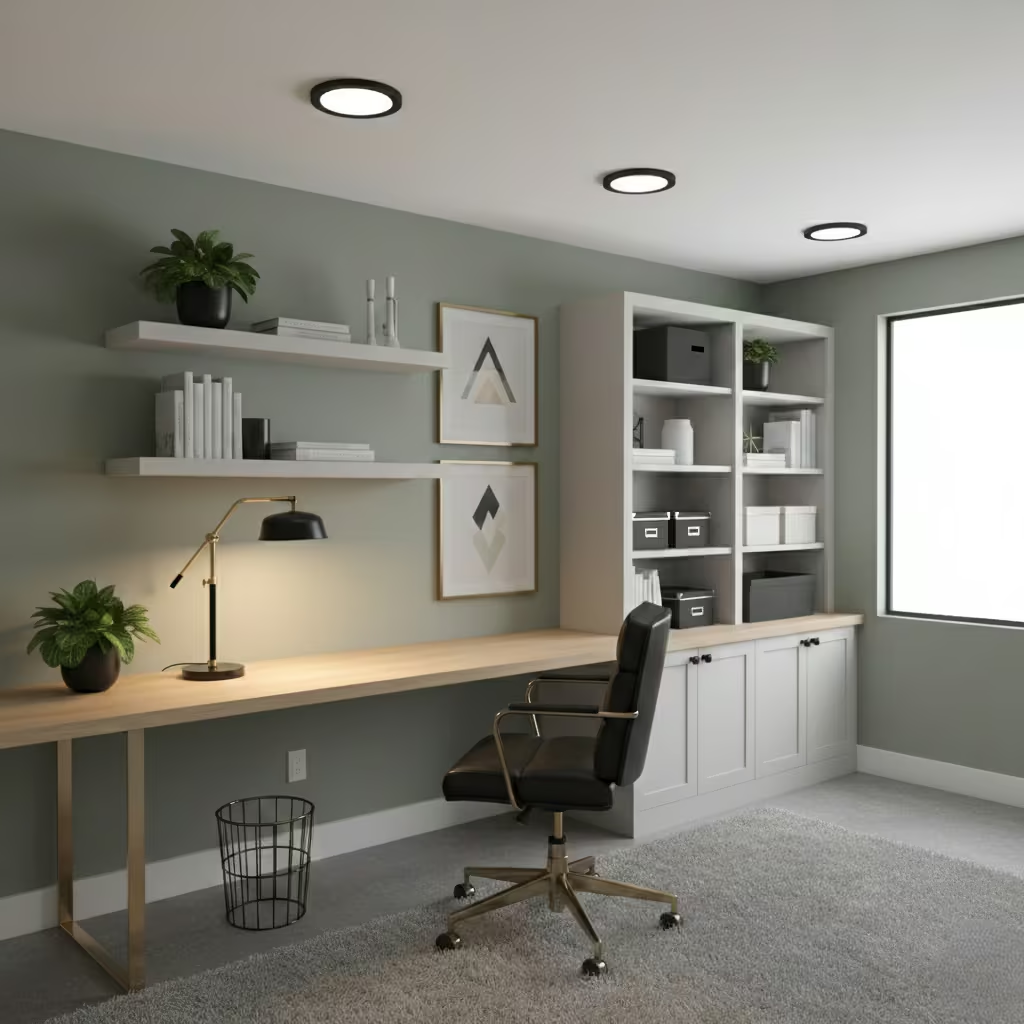
A sage green basement home office creates a calm, focused environment that supports productivity without feeling sterile. I often recommend sage green for workspaces because it reduces visual stress and promotes concentration, which is especially valuable in basement offices that lack natural daylight. The colour provides enough warmth to make the space inviting while remaining neutral enough to avoid distraction during long work hours.
In basement settings, lighting is critical. Sage green responds well to warm, diffused task lighting and overhead fixtures, preventing the room from feeling cold or shadowy. Pairing the walls with light wood desks, soft white shelving, and minimal black or brass accents keeps the space professional yet comfortable.
To enhance functionality, I suggest incorporating built-in storage or wall-mounted shelving to keep the floor area clear. This helps maintain a sense of openness and organisation. With thoughtful layout and layered lighting, a sage green basement home office feels balanced, efficient, and far removed from the typical dark, uninspiring basement workspace.
Sage Green Basement with Soft Grey Flooring
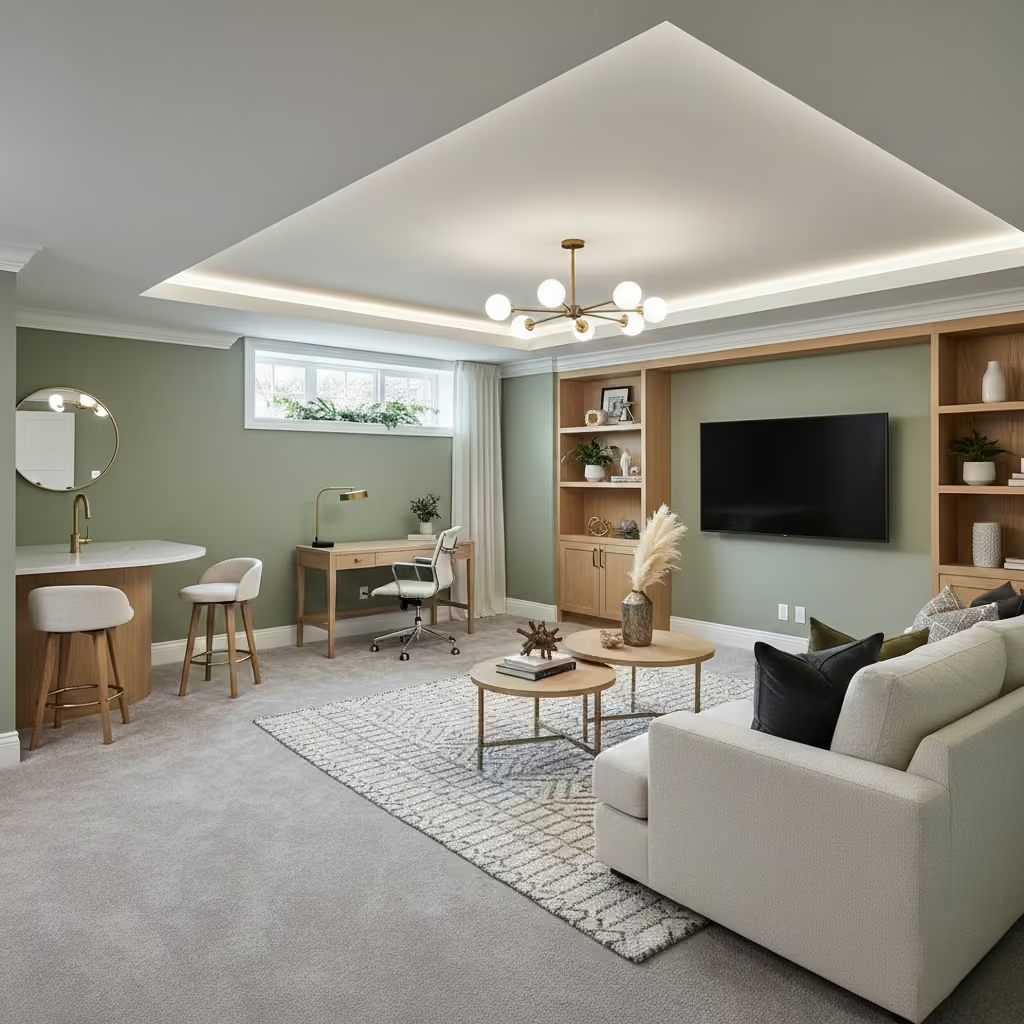
A sage green basement with soft grey flooring offers a refined, versatile foundation that works across a wide range of design styles. I often use this combination when clients want a modern, neutral look that still feels warm and welcoming. Soft grey flooring complements sage green without competing with it, allowing the wall colour to remain the focal point of the space.
In basement environments, grey flooring performs well because it hides wear, resists visual clutter, and reflects light better than darker finishes. When paired with sage green walls, the result is a balanced palette that feels calm and cohesive rather than cold. This pairing works particularly well with light wood furniture, white trim, and subtle metallic accents.
To prevent the space from feeling flat, I recommend adding texture through rugs, upholstery, and layered lighting. With the right accessories, a sage green basement with soft grey flooring feels contemporary, adaptable, and well suited to everything from lounges and offices to guest bedrooms and family rooms.
Style and Atmosphere Ideas
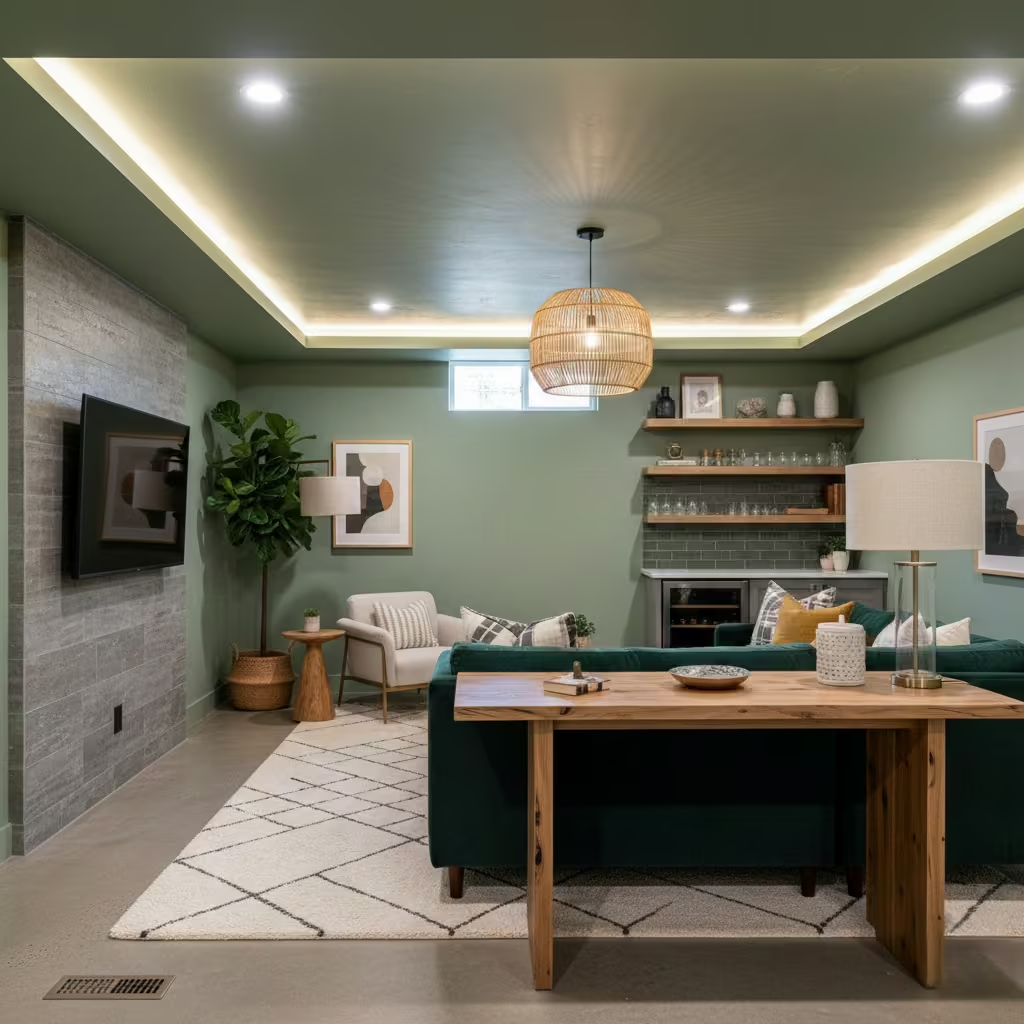
When it comes to designing a basement, creating the right style and atmosphere is just as important as functionality. Sage green provides a versatile foundation that can adapt to a variety of moods, from serene and calming to bold and sophisticated. By thoughtfully layering textures, lighting, and accent colours, you can transform a basement into a space that feels intentional, comfortable, and full of character. The following ideas focus on using sage green to define style, enhance ambience, and elevate the overall atmosphere of your lower-level rooms.
Earthy Sage Green Basement with Stone or Brick Details
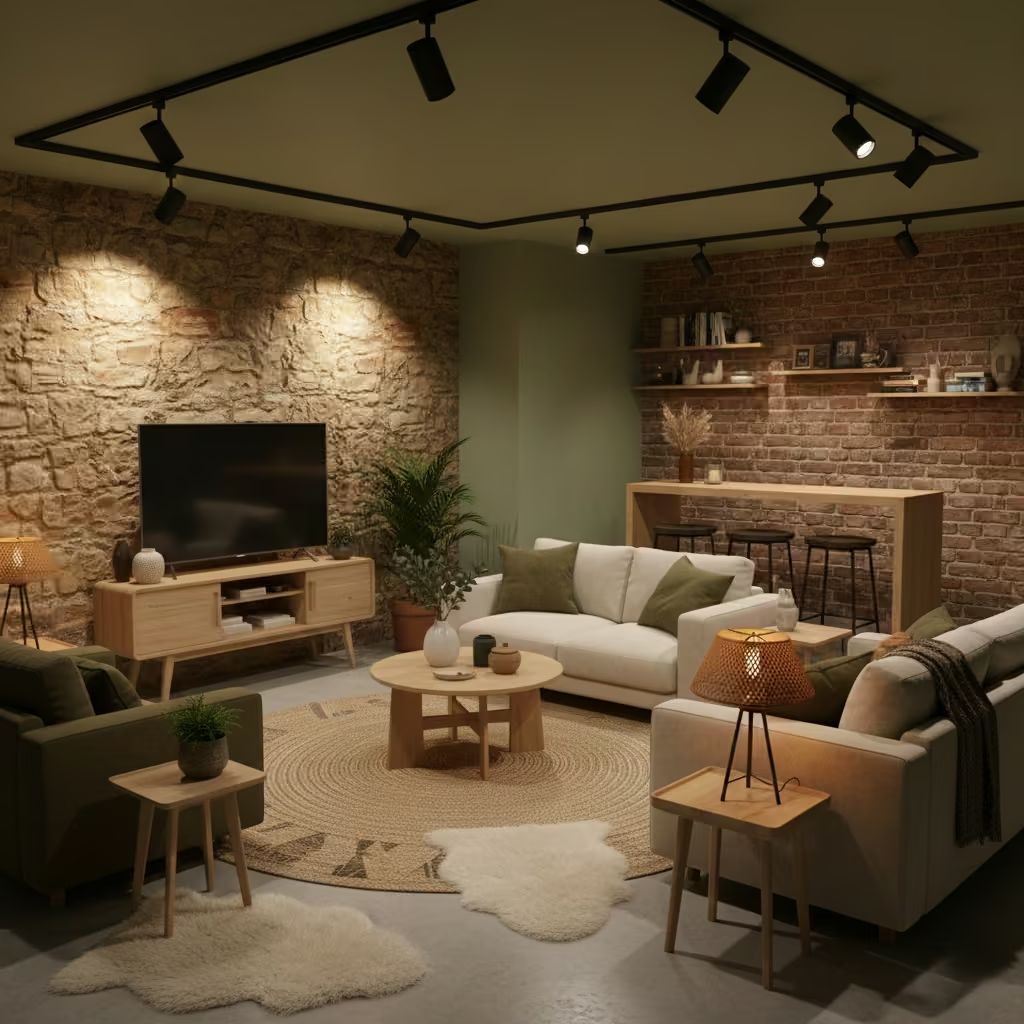
An earthy sage green basement paired with stone or brick details brings a natural, grounded feel to lower-level spaces. In my experience, combining sage green with raw materials like exposed brick, natural stone, or stacked stone veneers creates a basement that feels authentic, warm, and texturally rich. The soft, muted tones of sage green complement the rugged, earthy textures, resulting in a space that is visually interesting without overwhelming the senses.
This approach works particularly well in basements designed as lounges, reading nooks, or entertainment areas. Stone or brick can be used on feature walls, fireplace surrounds, or accent areas to provide depth and architectural interest. To keep the design cohesive, I recommend balancing the textures with softer elements such as upholstered furniture, rugs, and light wood finishes.
Lighting plays a key role in highlighting these textures. Warm, directional lighting emphasizes the natural qualities of stone or brick while maintaining a cozy ambiance. An earthy sage green basement with stone or brick details feels timeless, inviting, and harmoniously connected to nature, making it a retreat rather than a mere lower-level room.
You May also Like: Transform Your Space: 15 Sage Green Kitchen Ideas That Feel Soft, Fresh, and Elegant
Sage Green Basement with Brass or Gold Accents
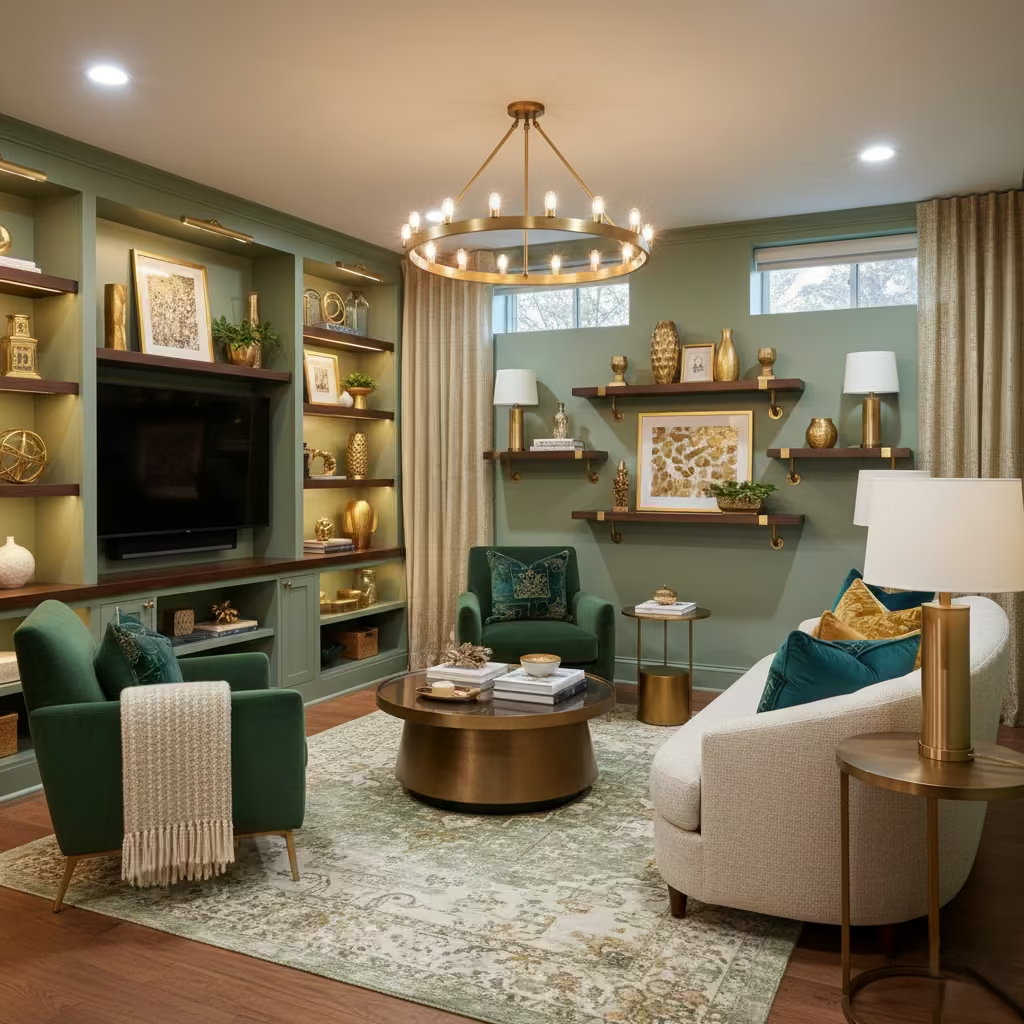
A sage green basement with brass or gold accents adds elegance and a touch of luxury to a space that can often feel utilitarian. I often suggest metallic accents in basements because they catch the eye and bring warmth, depth, and visual interest without overwhelming the room. Sage green provides a calming, understated backdrop that allows brass or gold details to shine subtly, creating a balanced and sophisticated aesthetic.
Brass or gold elements can be incorporated through light fixtures, cabinet handles, mirror frames, shelving brackets, or decorative accessories. In basement environments, these metallic touches help reflect light, making the room feel brighter and more polished. I recommend keeping the overall palette restrained, using metals sparingly to accentuate focal points rather than dominate the design.
This combination works beautifully in lounges, media rooms, or home offices, where you want the space to feel elevated yet inviting. When paired with natural textures, soft fabrics, and layered lighting, a sage green basement with brass or gold accents strikes the perfect balance between elegance and comfort, transforming the basement into a stylish, welcoming retreat.
Scandinavian-Inspired Sage Green Basement
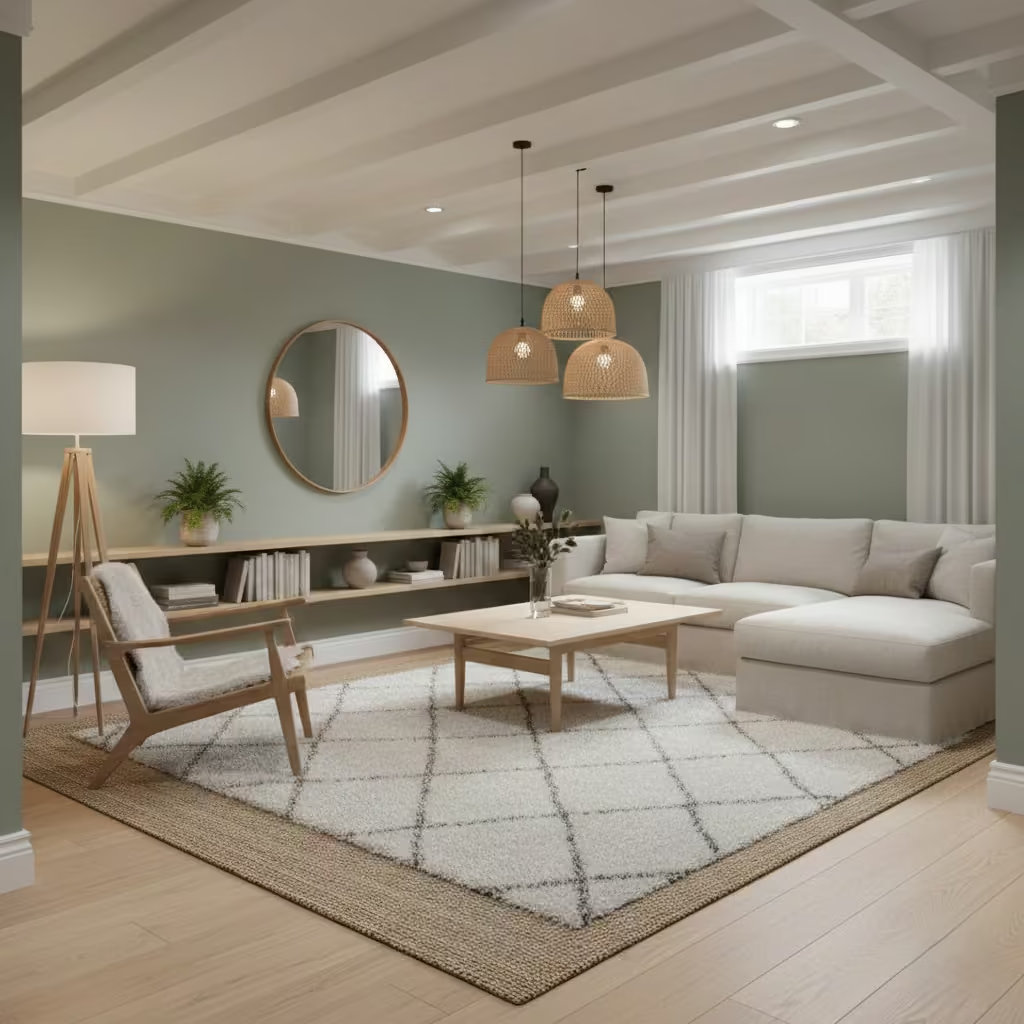
A Scandinavian-inspired sage green basement embraces simplicity, functionality, and a connection to nature. I often recommend this approach when clients want a space that feels airy, calm, and uncluttered despite the inherent challenges of basement lighting and layout. Sage green walls provide a soft, natural base that pairs beautifully with light wood tones, clean-lined furniture, and neutral textiles typical of Scandinavian design.
In these basements, minimalism is key. Open shelving, modular seating, and carefully chosen décor items maintain a sense of space and order, while layered lighting ensures the room feels bright and welcoming. I often incorporate warm LED lighting, table lamps, and floor lamps to create pockets of light, which complement the soft sage green backdrop and enhance the sense of comfort.
Scandinavian-inspired finishes such as oak flooring, white trims, and simple woven rugs tie the design together. The result is a sage green basement that feels relaxed, organised, and effortlessly stylish a perfect retreat for reading, relaxing, or casual family gatherings, while maintaining the clean, understated charm that defines Scandinavian interiors.
You May also Like: 15 Stunning Italian Basement Design Ideas for a Luxury Home You’ll Never Want to Leave
Japandi-Style Sage Green Basement Retreat
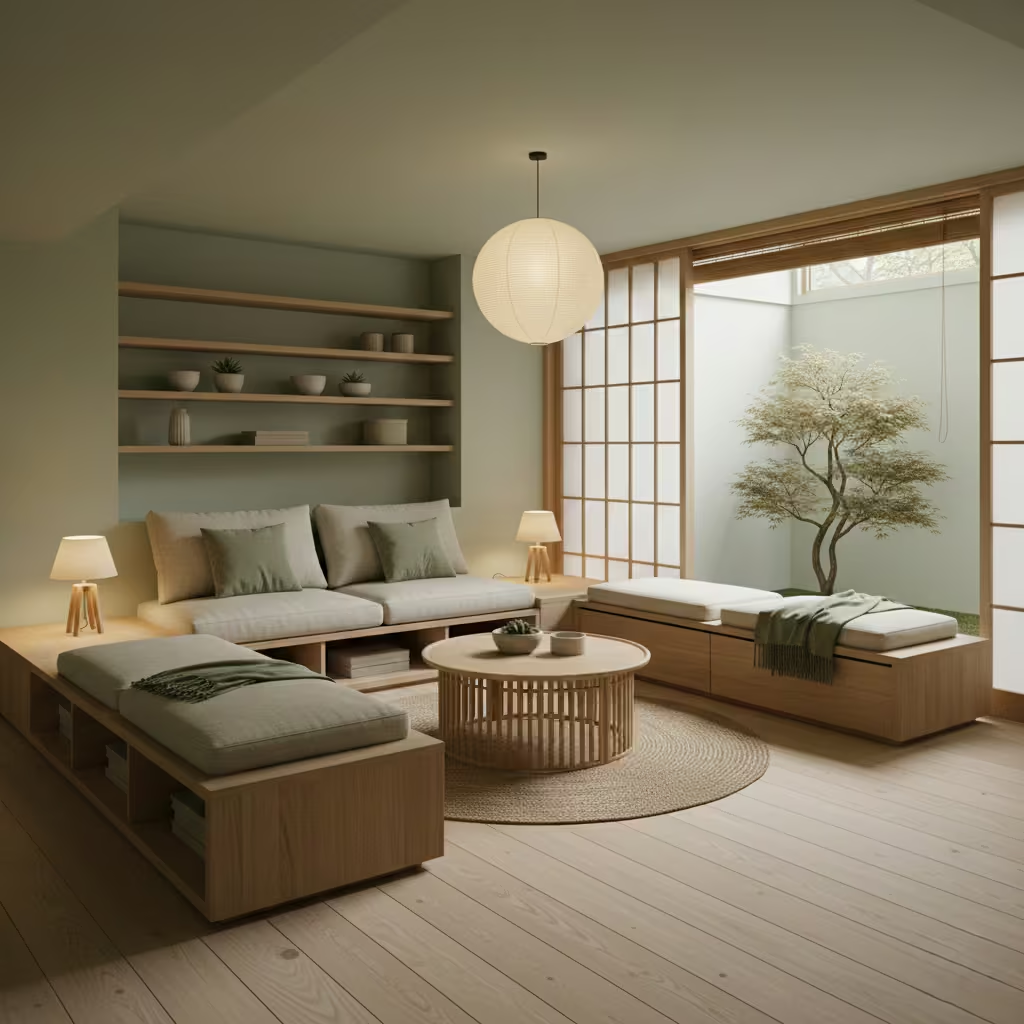
A Japandi-style sage green basement retreat combines the calm minimalism of Japanese design with the warmth and functionality of Scandinavian interiors. I find that this hybrid approach is ideal for basements, as it emphasizes simplicity, natural materials, and a soothing palette helping lower-level rooms feel open, serene, and balanced. Sage green serves as the perfect backdrop, adding a soft, earthy tone that harmonizes with wood, stone, and neutral textiles.
In a Japandi basement, furniture should be low-profile and multifunctional, such as built-in benches, modular seating, or minimalist storage units. Natural textures like bamboo, rattan, linen, and light wood enhance the tactile and visual appeal, while subtle accent colours in muted neutrals maintain harmony.
Lighting is crucial for achieving a serene atmosphere. Soft, diffused lighting, paired with warm task lights, creates a sense of depth and comfort without harsh contrasts. A Japandi-style sage green basement retreat feels intentional, calming, and beautifully cohesive a space designed for quiet reflection, casual entertaining, or simply relaxing after a long day.
Sage Green Basement with Layered Lighting
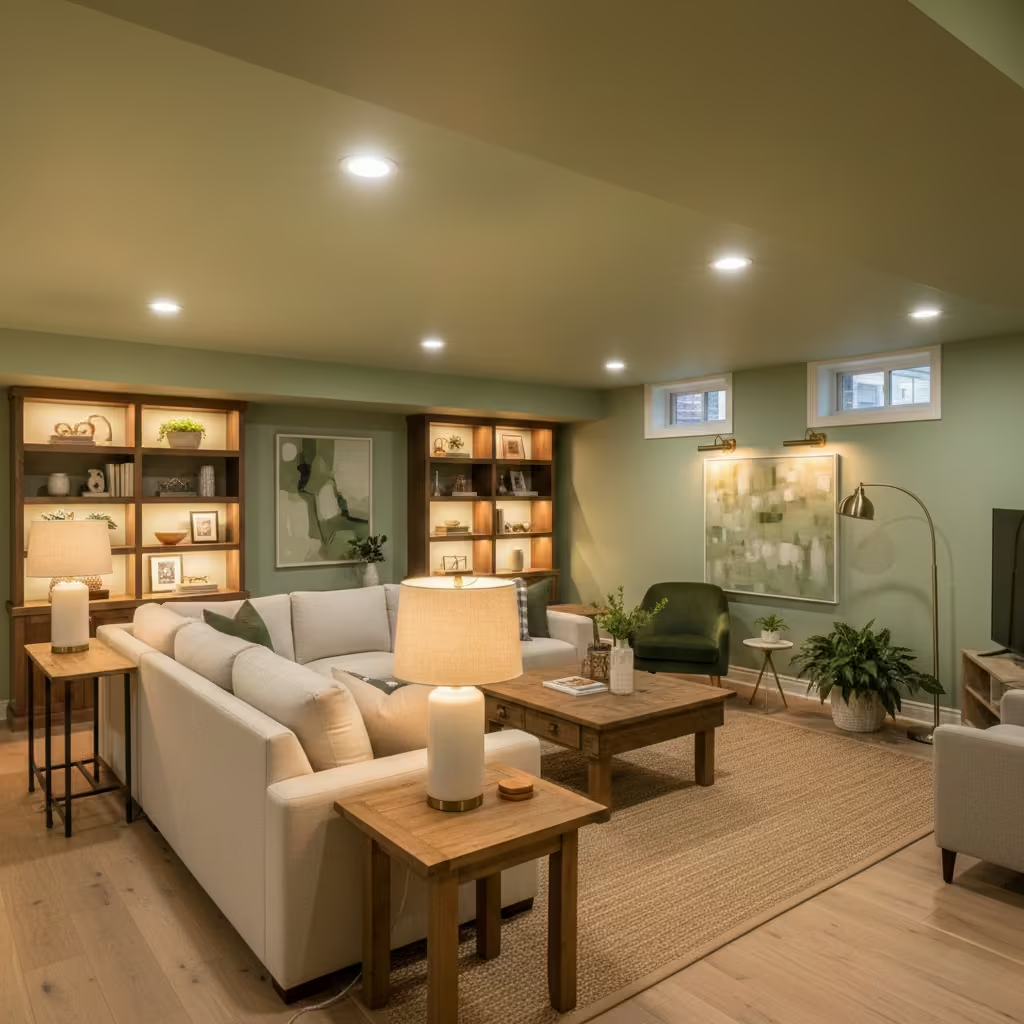
A sage green basement with layered lighting transforms an often-dark lower-level space into a warm, inviting, and versatile area. In my experience, basements benefit immensely from multiple light sources because relying on a single overhead fixture often leaves corners shadowed and the room feeling flat. Sage green walls respond beautifully to layered lighting, reflecting and softening light in a way that enhances the room’s calm, natural feel.
Layered lighting combines ambient, task, and accent lights to create depth and flexibility. Ambient lighting, such as recessed ceiling lights or flush mounts, provides overall illumination. Task lighting, including desk lamps, under-cabinet lights, or floor lamps, ensures specific areas like reading nooks or workstations are functional. Accent lighting highlights architectural features, artwork, or shelving, adding visual interest and dimension.
Pairing sage green walls with warm, dimmable lighting helps maintain a cozy atmosphere while still allowing the space to feel open and airy. A basement designed with layered lighting not only feels stylish and modern but also maximises usability for multiple functions, from family time to entertaining or relaxing.
Practical and Multi-Use Spaces
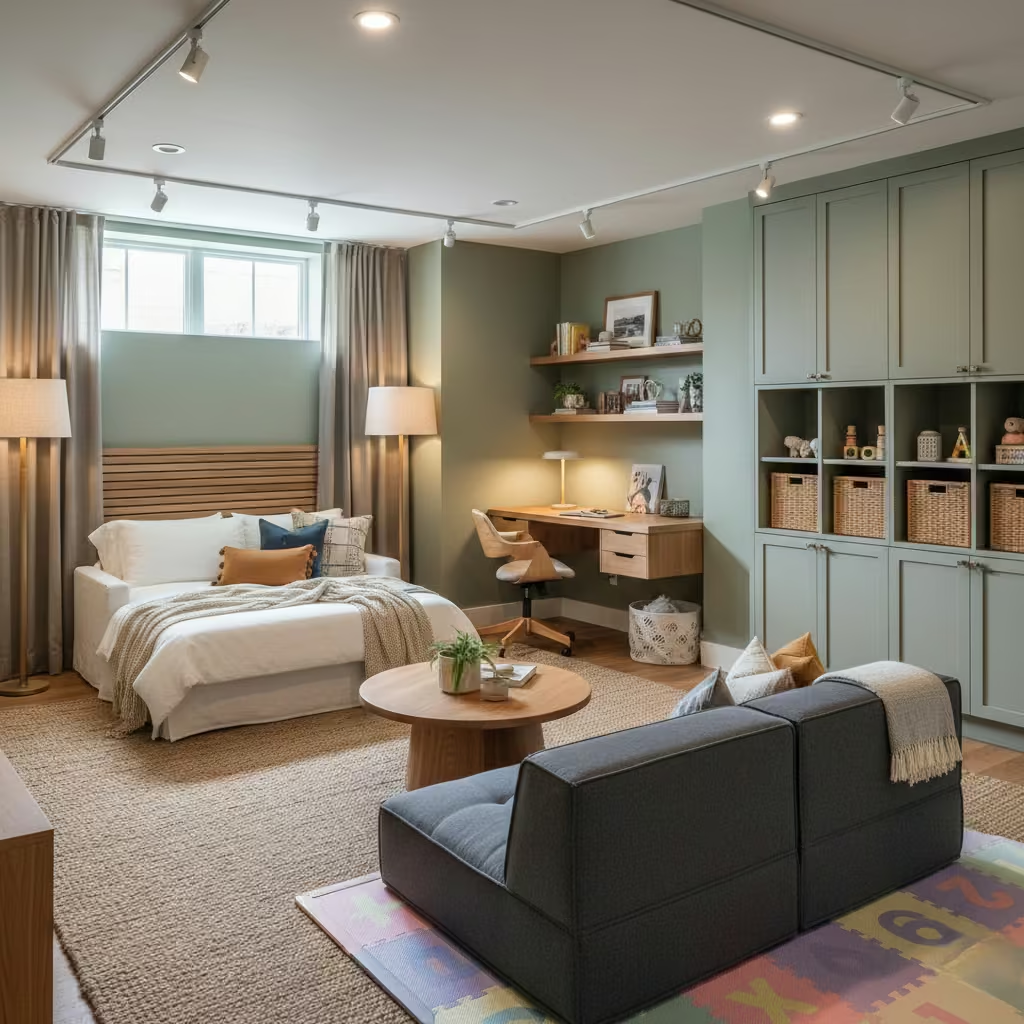
Basements are often the most versatile areas of a home, and designing them with practicality in mind is key to making the space truly functional. Sage green provides a calming, neutral backdrop that adapts effortlessly to multiple uses, whether it’s a guest bedroom, playroom, home gym, or workspace.
By focusing on flexible layouts, smart storage solutions, and multi-purpose furniture, you can create a basement that serves several functions without feeling cluttered or disconnected. The following ideas show how sage green can tie together style and practicality, making your basement both beautiful and highly usable.
Sage Green Basement Guest Bedroom
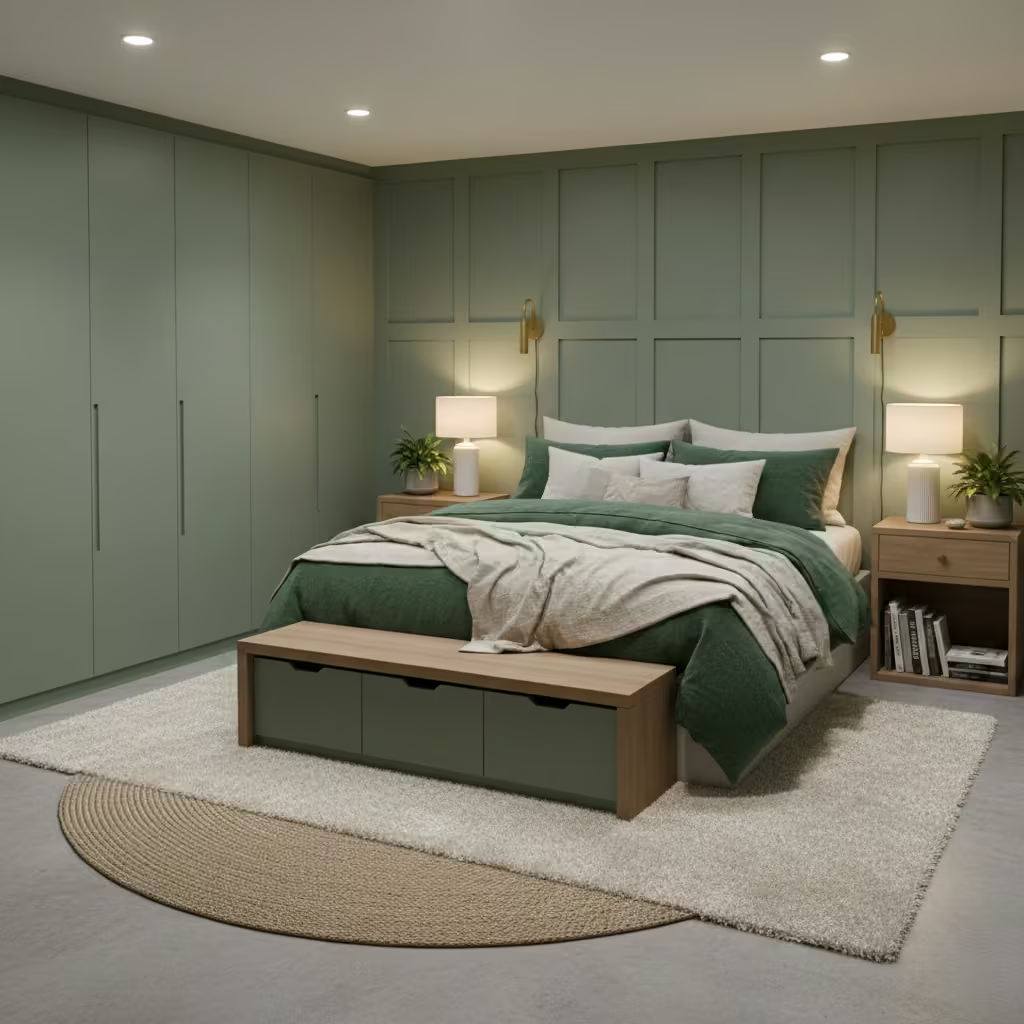
A sage green basement guest bedroom creates a welcoming and serene retreat for visitors while making excellent use of a lower-level space. I often recommend sage green for guest rooms because it strikes the perfect balance between restful and stylish. The soft, muted tone is calming, which helps guests relax, yet it’s versatile enough to work with a variety of furniture styles, from modern to traditional.
In basements, lighting and texture are essential. Layered lighting such as bedside lamps, wall sconces, and subtle overhead fixtures ensures the space feels bright without being harsh. Adding natural textures like wood furniture, linen bedding, and soft rugs complements the sage green walls and warms the room, preventing it from feeling cold or confined.
Smart storage solutions, such as under-bed drawers or built-in wardrobes, make the room functional without crowding it. A sage green basement guest bedroom feels inviting, comfortable, and thoughtfully designed, offering a peaceful stay that encourages guests to feel at home even in a lower-level space.
You May also Like: Industrial Chic loft bedroom Design: A Perfect Blend of Raw Character and Modern Comfort
Sage Green Basement Playroom
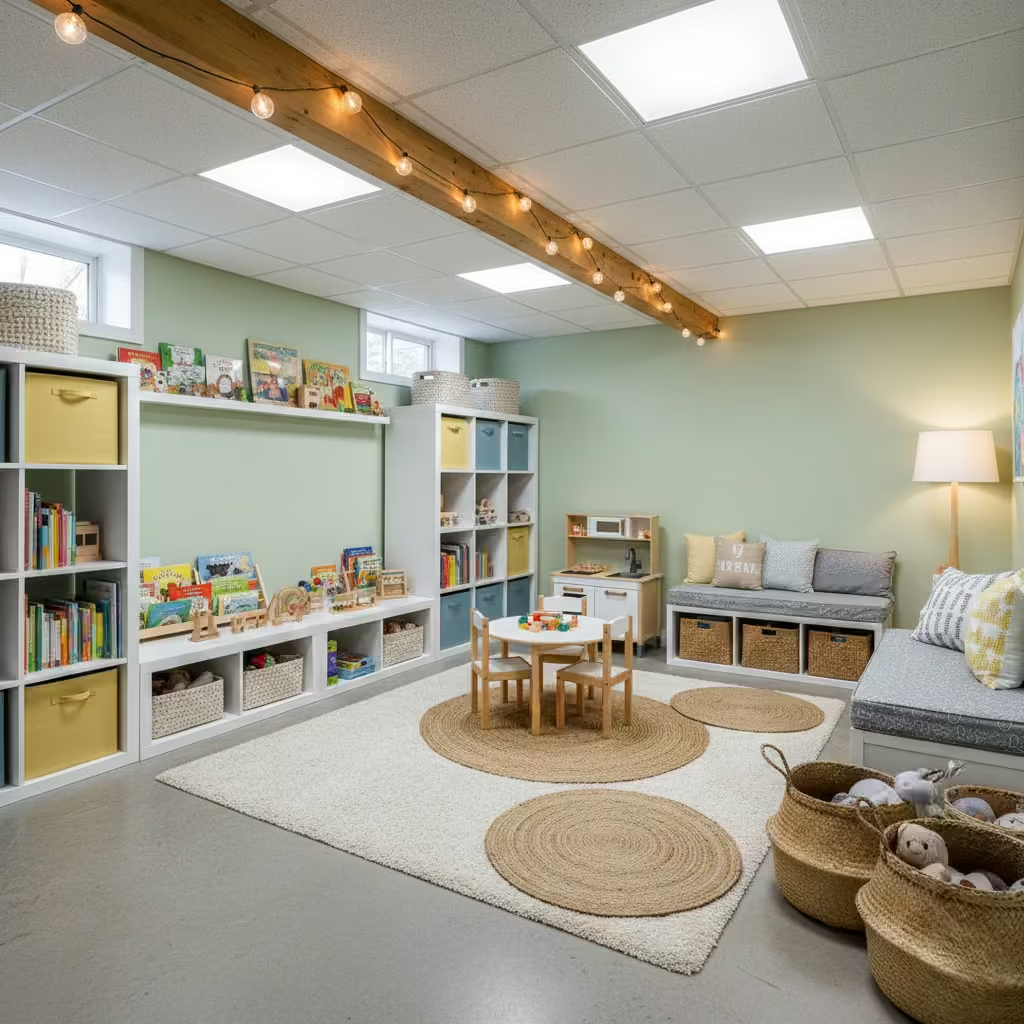
A sage green basement playroom offers a soothing, adaptable space for children while maintaining a stylish aesthetic for the rest of the household. I often recommend sage green for play areas because it’s calm and neutral, reducing visual chaos while still allowing colourful toys and décor to stand out. Unlike brighter, more saturated colours, sage green creates a balanced backdrop that works for both toddlers and older children.
When designing a basement playroom, flexibility is key. Modular storage, soft rugs, low shelving, and multi-purpose furniture help keep the space organised and safe while allowing it to evolve as children grow. Layered lighting is also essential, combining bright overhead fixtures for playtime with softer ambient lighting for quieter activities like reading or crafts.
Incorporating natural materials, such as wooden play furniture or woven baskets, adds warmth and texture, preventing the room from feeling overly sterile. A sage green basement playroom feels calm, practical, and inviting a space where kids can play freely while the overall design remains cohesive and stylish.
Sage Green Basement Gym or Wellness Space
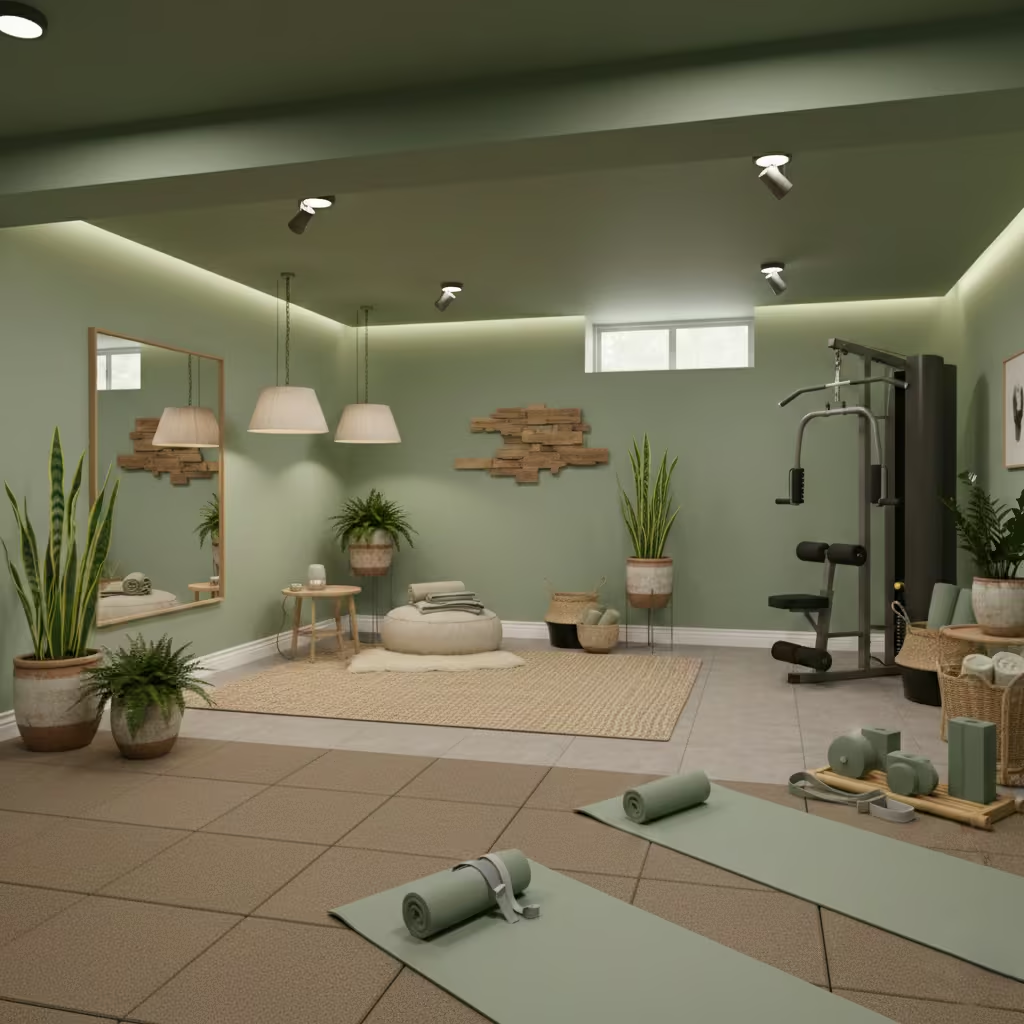
A sage green basement gym or wellness space creates a calming and motivating environment for exercise, meditation, or relaxation. I often suggest sage green for these areas because it encourages focus and serenity while still feeling energising enough to support activity. Unlike bold or highly saturated colours, sage green balances tranquillity and vitality, making it ideal for spaces where both movement and mindfulness are priorities.
In basement gyms, lighting and flooring play a critical role. Layered lighting, including recessed ceiling lights, wall sconces, and task lights near equipment or yoga mats, ensures visibility and enhances mood. For wellness areas, consider adding soft ambient lighting with dimmable features for meditation or stretching. Flooring should be practical yet visually cohesive rubber mats or soft wood tones complement sage green walls while providing safety and comfort.
Incorporating natural textures such as plants, wooden accents, or woven storage baskets softens the space and maintains a spa-like feel. A sage green basement gym or wellness area feels balanced, functional, and inviting, transforming an underused basement into a space that supports both health and relaxation.
Sage Green Basement Bar Area
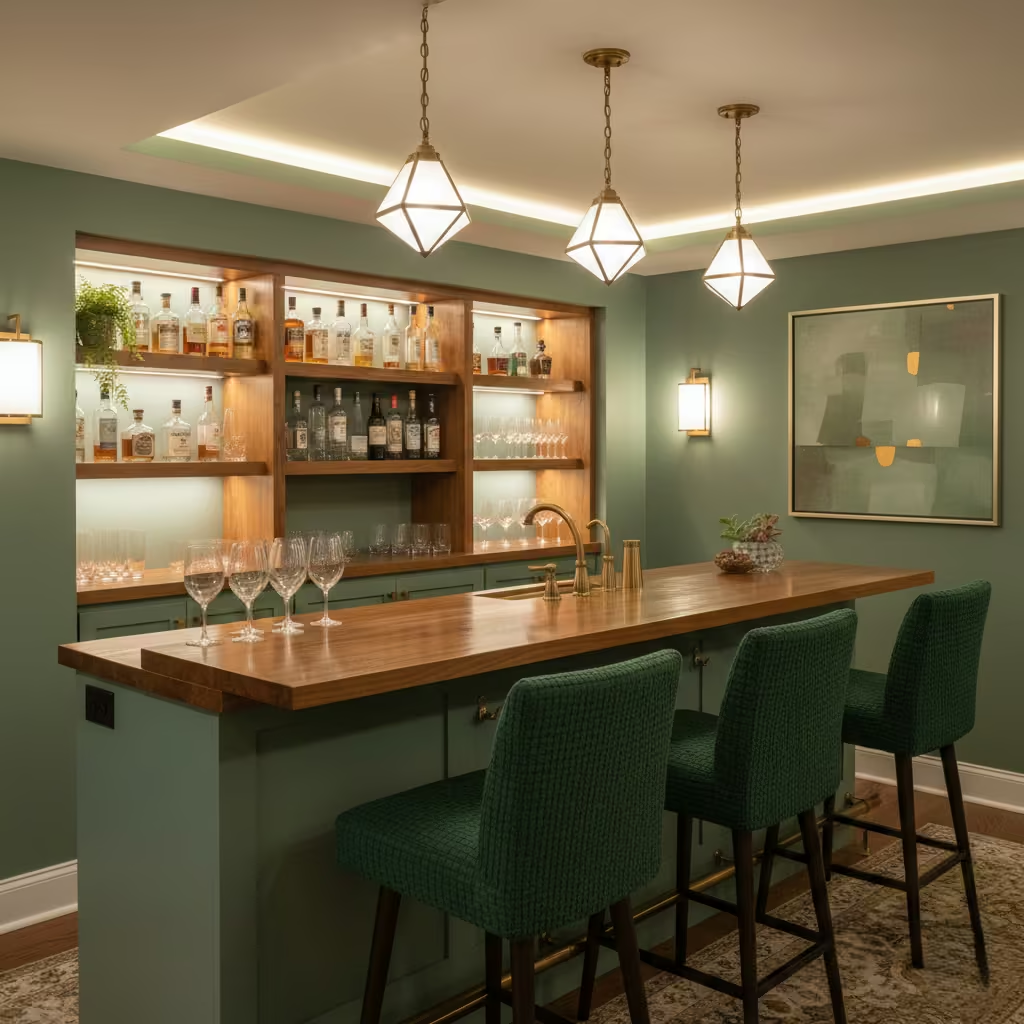
A sage green basement bar area combines style, sophistication, and functionality, turning a lower-level space into an inviting entertainment hub. In my experience, sage green works beautifully in bar areas because it is warm and adaptable, allowing accent materials like wood, metal, or stone to stand out while maintaining a cohesive, relaxing atmosphere.
Lighting is key in a basement bar. Layered lighting, including pendant lights over the bar, LED strips under shelves, and subtle wall sconces, enhances both functionality and ambience. Sage green walls reflect light softly, preventing the room from feeling dark or confined, while adding a modern, sophisticated backdrop for the bar setup.
Material choices elevate the design. Wooden bar counters, brass or gold fixtures, and textured stools create warmth and visual interest. For flexibility, include built-in shelving for drinks and glassware, paired with comfortable seating for guests. A sage green basement bar area feels stylish, welcoming, and perfectly balanced a space for casual gatherings, celebrations, or quiet evenings at home without the heaviness often associated with traditional basement bars.
Sage Green Basement Reading Nook
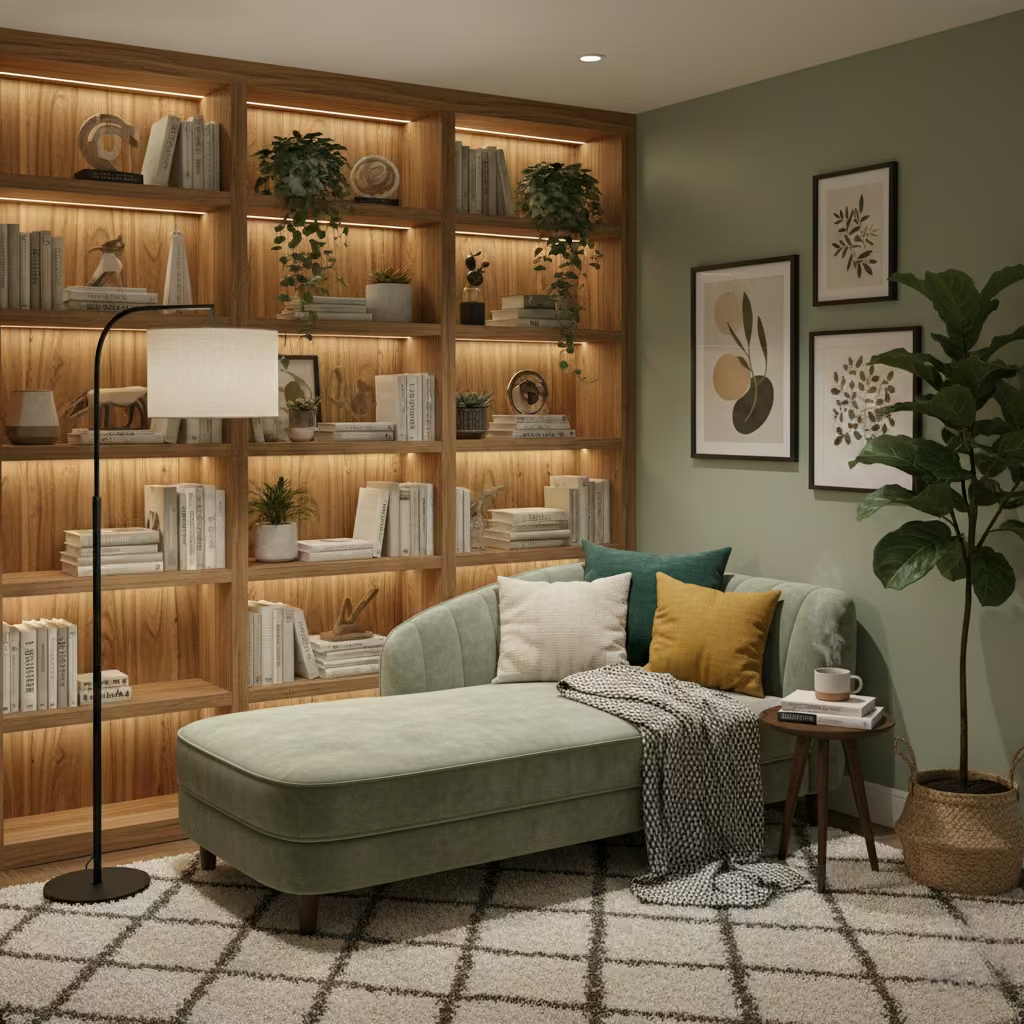
A sage green basement reading nook transforms a small corner or alcove into a serene retreat perfect for unwinding with a book. I often recommend sage green in these spaces because its soft, muted tone promotes relaxation and focus, creating a peaceful atmosphere even in lower-level rooms that can otherwise feel dark or cramped.
To make the nook inviting, I suggest layering comfortable seating such as a plush armchair, chaise lounge, or cushioned window bench. Soft textiles like throw blankets, pillows, and area rugs add warmth and tactile comfort while complementing the sage green walls. Lighting is critical in a basement reading nook combining adjustable task lighting, such as a floor or table lamp, with ambient lighting ensures sufficient brightness for reading without harsh glare.
Incorporating small personal touches, like built-in or freestanding shelves, plants, or framed artwork, enhances the space’s character and encourages relaxation. A sage green basement reading nook feels cozy, intimate, and thoughtfully curated, offering a quiet escape that balances comfort, style, and functionality while making the most of an often-overlooked lower-level area.
High-Impact Finishing Ideas
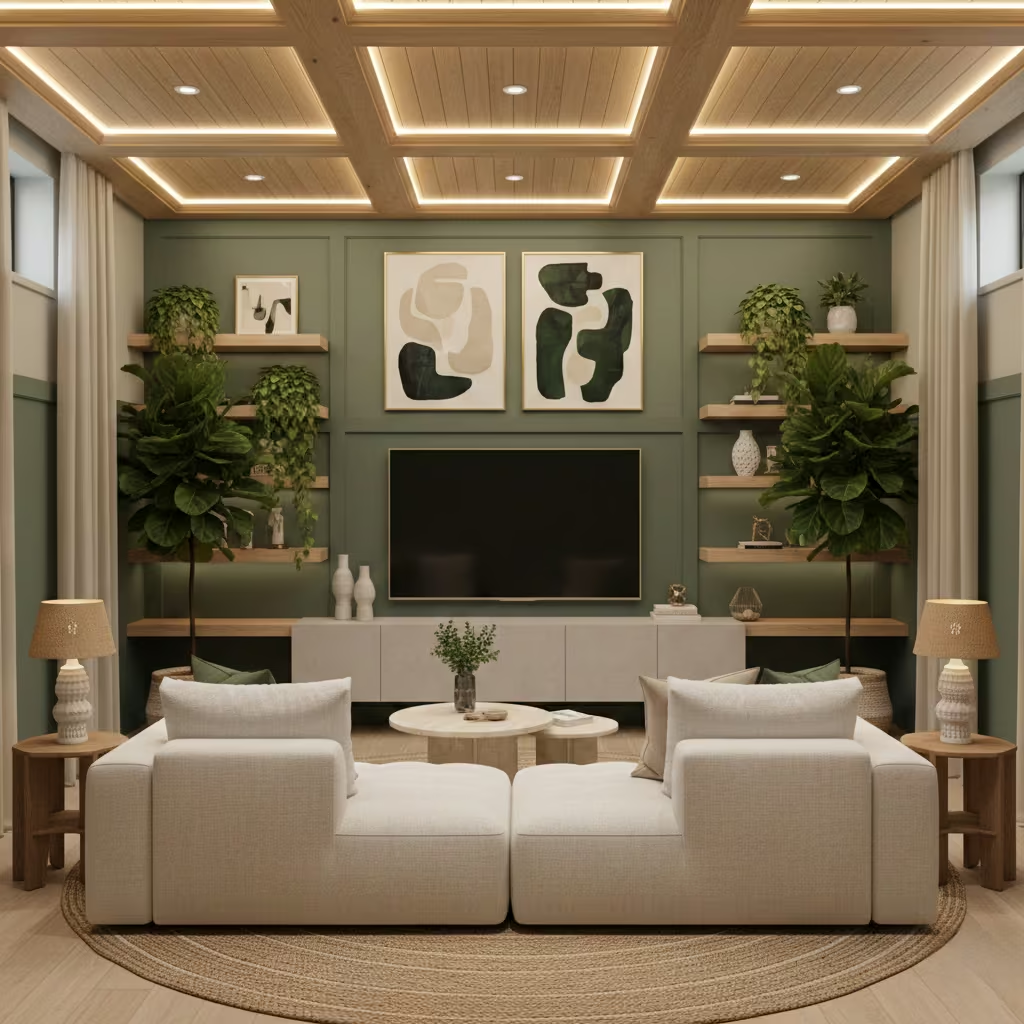
Finishing touches can completely transform a sage green basement from ordinary to extraordinary. These elements focus on visual drama, texture, and detail, allowing the space to feel polished, intentional, and memorable. From accent walls and ceiling treatments to statement artwork and biophilic décor, high-impact finishes elevate the basement’s style without overwhelming its calming sage green base.
The following ideas show how small but thoughtful design decisions can create a lasting impression while enhancing the room’s overall character and functionality.
Sage Green Accent Wall in a Neutral Basement
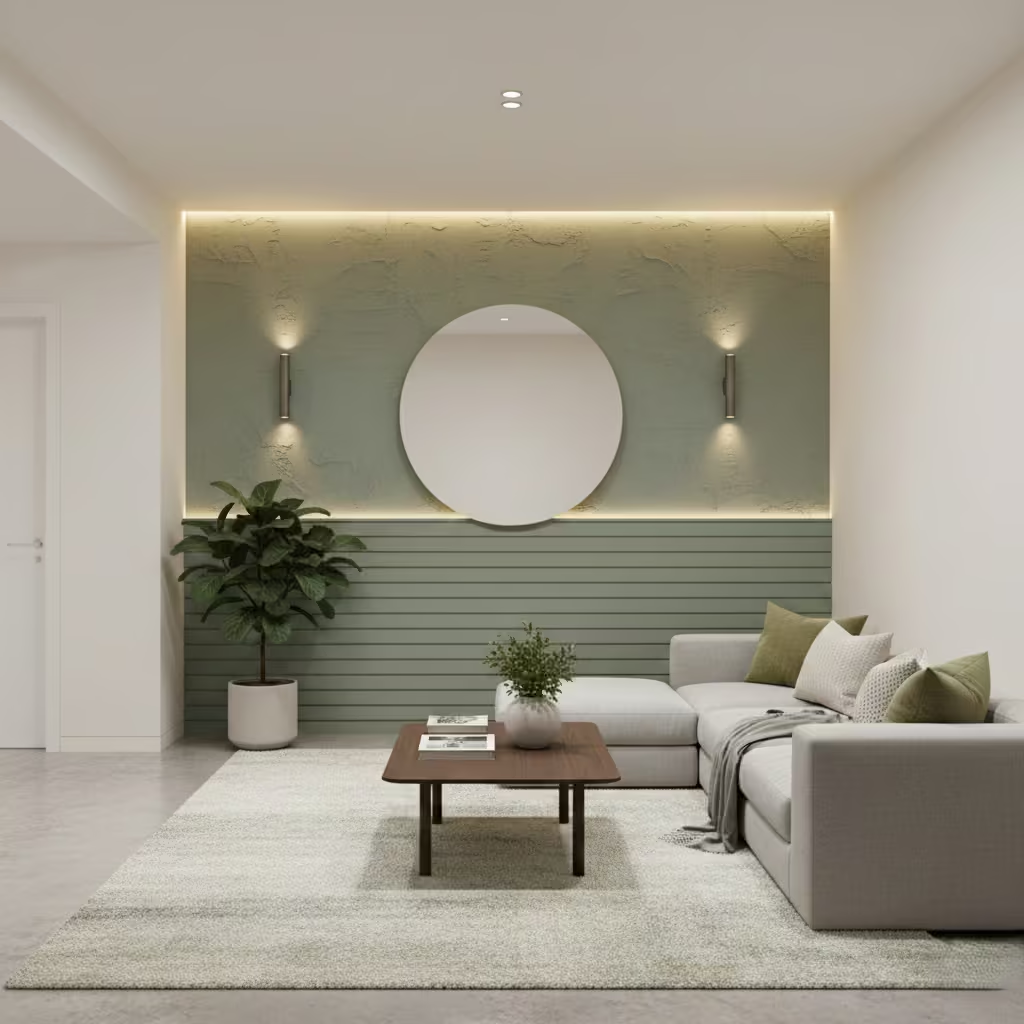
A sage green accent wall in a neutral basement instantly adds depth and visual interest without overpowering the space. I often recommend this approach for homeowners who want to introduce colour subtly while maintaining a calm, versatile backdrop. In basements, where light can be limited, a sage green accent wall draws attention to a specific area—such as a seating zone, fireplace, or media wall—creating a focal point that energises the room.
Pairing the accent wall with neutral shades like soft whites, greys, or beige on surrounding walls ensures the space remains bright and airy. To elevate the design further, consider adding texture through wood paneling, shiplap, or subtle plaster finishes on the accent wall, which enhances depth and sophistication.
Lighting plays a key role in highlighting the wall. Layered lighting, including spotlights or wall-mounted fixtures, can enhance the accent wall’s presence without casting harsh shadows. A sage green accent wall in a neutral basement creates a stylish, balanced, and inviting environment that feels thoughtfully designed and modern.
Two-Tone Sage Green Basement Walls
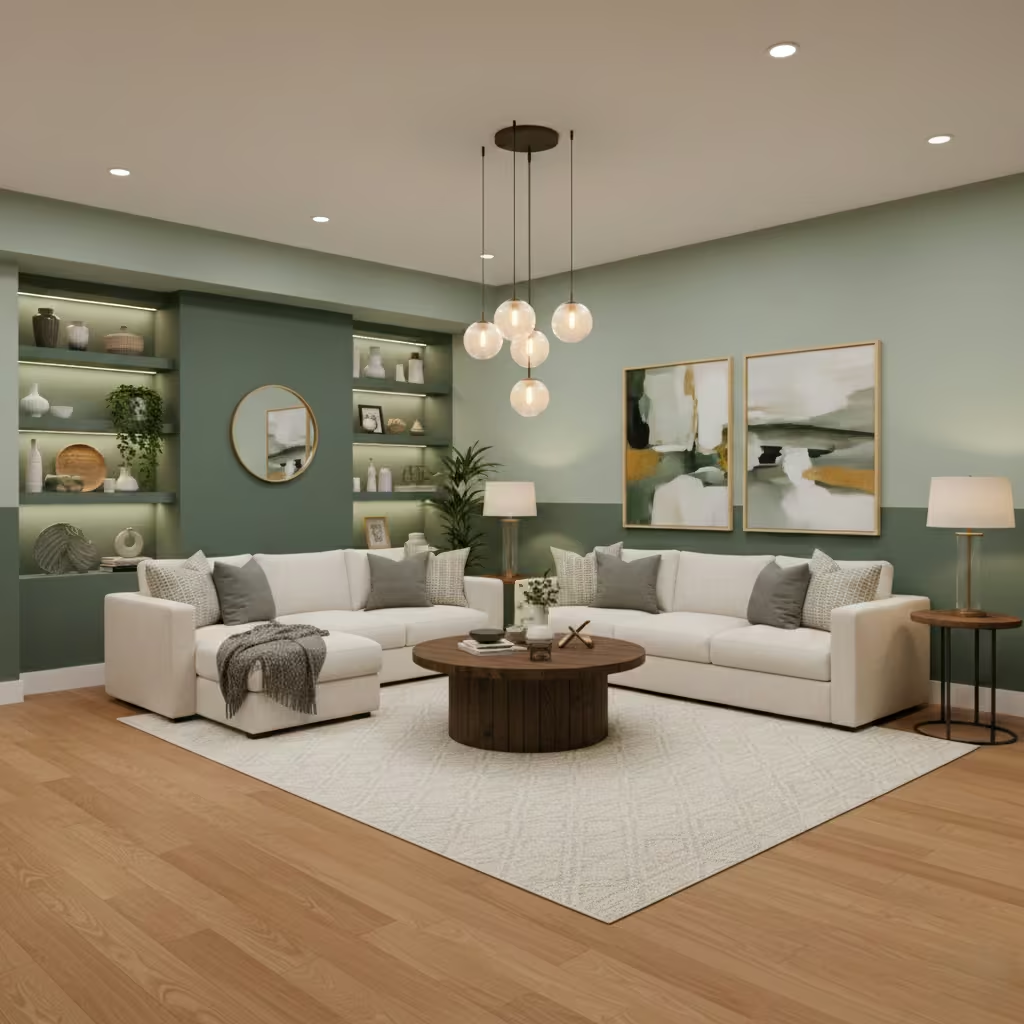
Two-tone sage green basement walls offer a creative way to add dimension and interest while maintaining a cohesive palette. I often suggest this approach when homeowners want to make a statement without introducing multiple competing colours. Using two complementary shades of sage green—one lighter and one slightly deeper—can define spaces, emphasize architectural features, or create visual separation in open-plan basements.
For example, a darker sage green on lower walls paired with a lighter shade above can visually lift the ceiling and make the basement feel more expansive. Alternatively, an accent wall in a deeper tone contrasted with lighter surrounding walls draws the eye to focal areas like a lounge or entertainment corner.
Pairing the two tones with warm wood flooring, soft textiles, and thoughtful lighting balances depth with comfort. Layered lighting ensures that both shades are highlighted properly, creating a serene, inviting atmosphere. Two-tone sage green walls transform a basement into a dynamic yet harmonious space that feels modern, cohesive, and carefully curated.
Sage Green Basement with Statement Artwork
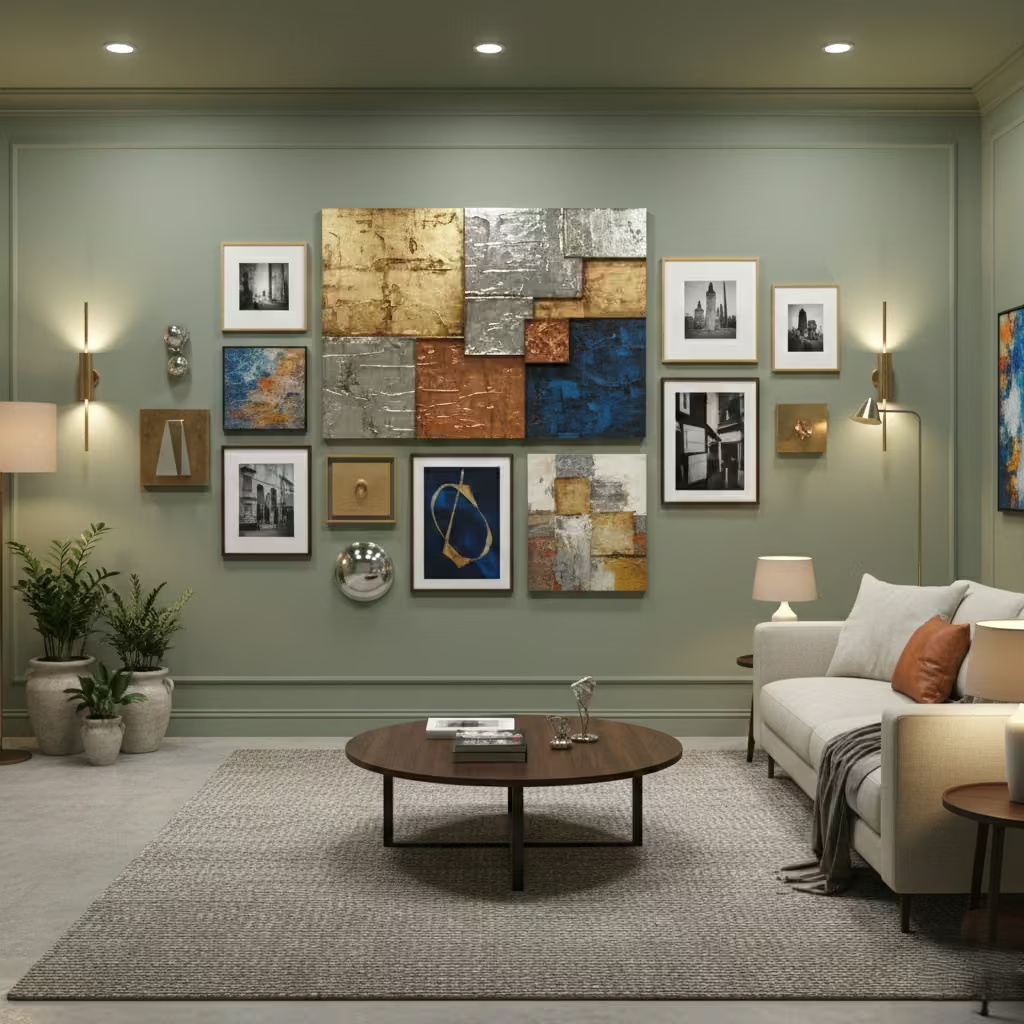
A sage green basement provides the perfect canvas for statement artwork, allowing bold pieces to stand out while maintaining a serene backdrop. I often recommend using sage green walls in basements because their soft, muted tone highlights colours and textures in artwork without overwhelming the space. This approach works beautifully in media rooms, lounges, or hallways, where a single large piece or a curated gallery wall can instantly elevate the room’s style.
To make artwork the focal point, pair it with minimalist furnishings and subtle lighting. Picture lights, track lighting, or strategically placed wall sconces draw attention to the pieces while enhancing the overall ambience. Sage green’s versatility means both vibrant, colorful works and monochromatic or metallic pieces work equally well.
Incorporating statement artwork also allows homeowners to express personal style and add character to lower-level spaces that are often overlooked. A sage green basement with carefully selected artwork feels intentional, curated, and visually compelling, creating a sophisticated and inviting environment.
Sage Green Basement Ceiling for a Cocooning Effect
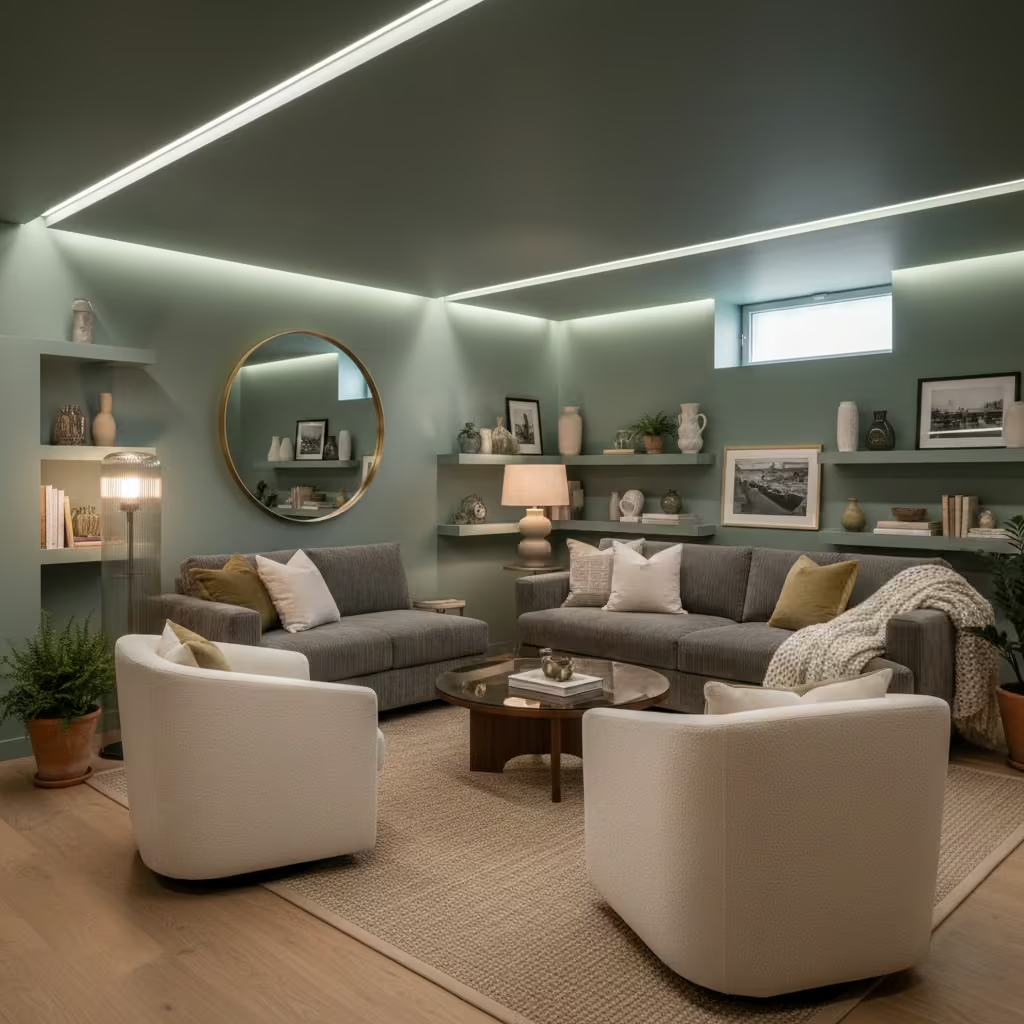
Using sage green on basement ceilings is an unconventional but highly effective design choice that creates a cocooning, intimate atmosphere. In my experience, painting the ceiling the same or a slightly deeper shade of sage green as the walls adds depth and a sense of enclosure, which makes the space feel cozy and protective rather than confined. This technique works particularly well in lounges, media rooms, or guest areas where comfort and warmth are priorities.
To prevent the room from feeling too dark, pair a sage green ceiling with lighter walls, reflective finishes, and layered lighting. Recessed lighting, pendant lamps, or floor lamps can brighten the room while accentuating the ceiling’s depth. Soft furnishings such as rugs, cushions, and upholstered seating further enhance the cocooning effect.
A sage green basement ceiling creates a subtle, enveloping atmosphere that encourages relaxation and intimacy. It’s a creative finishing touch that transforms a lower-level space into a serene retreat while keeping the design visually cohesive and stylish.
Sage Green Basement with Plants and Biophilic Design
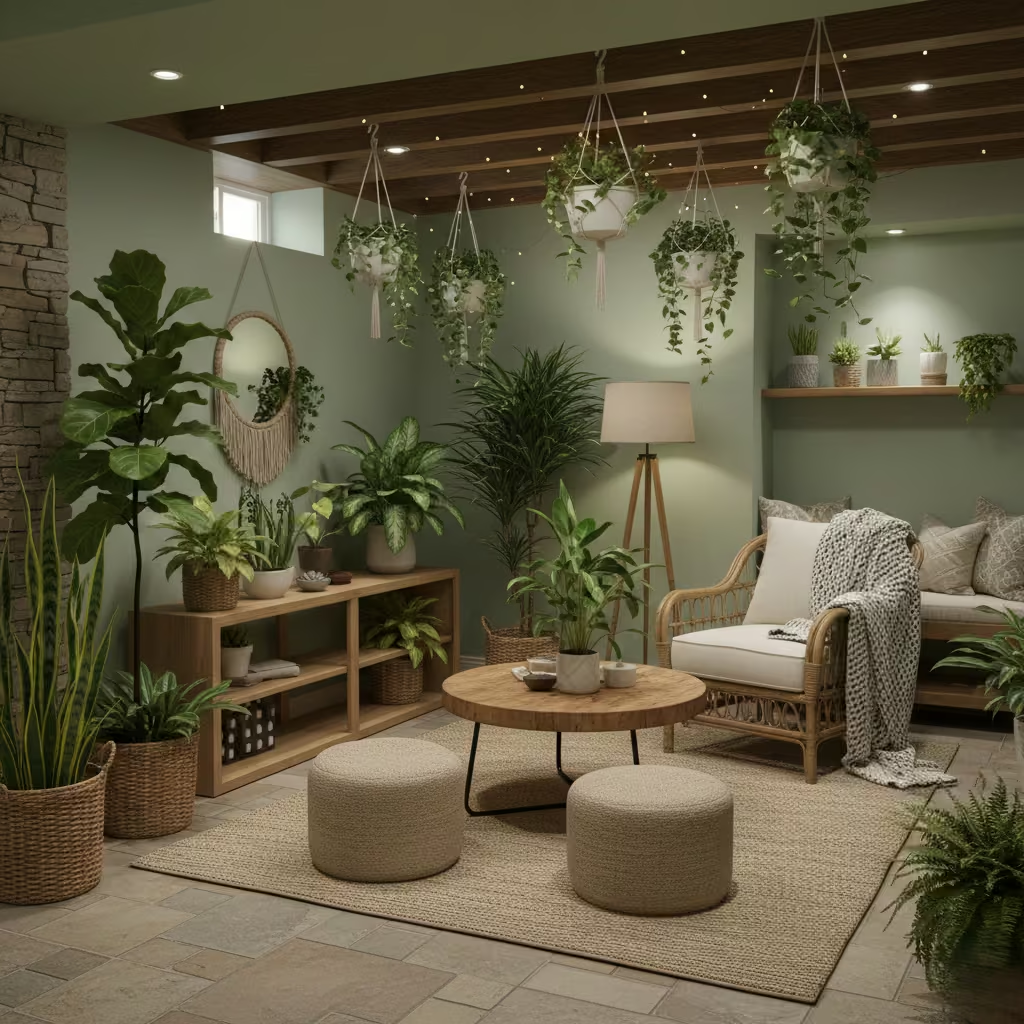
Incorporating plants and biophilic elements into a sage green basement enhances both aesthetics and wellbeing. I often recommend pairing sage green walls with greenery because the soft, earthy tones complement natural textures and foliage, creating a fresh, balanced, and calming environment. This approach works well in basements, which can otherwise feel disconnected from nature due to their underground location.
Plants of varying heights, shapes, and textures bring life to the space, while natural materials like wood, stone, or rattan furnishings reinforce the connection to the outdoors. Vertical gardens, potted plants, and hanging planters can be strategically placed to fill corners and add visual interest without crowding the room.
Lighting is crucial for plant health and ambience. Supplemental grow lights or carefully positioned natural-light sources ensure greenery thrives while enhancing the sage green backdrop. A sage green basement with biophilic design feels vibrant, restful, and visually dynamic—a modern, nature-inspired retreat that turns a lower-level room into a welcoming, harmonious space.
Best Colour Pairings for a Sage Green Basement
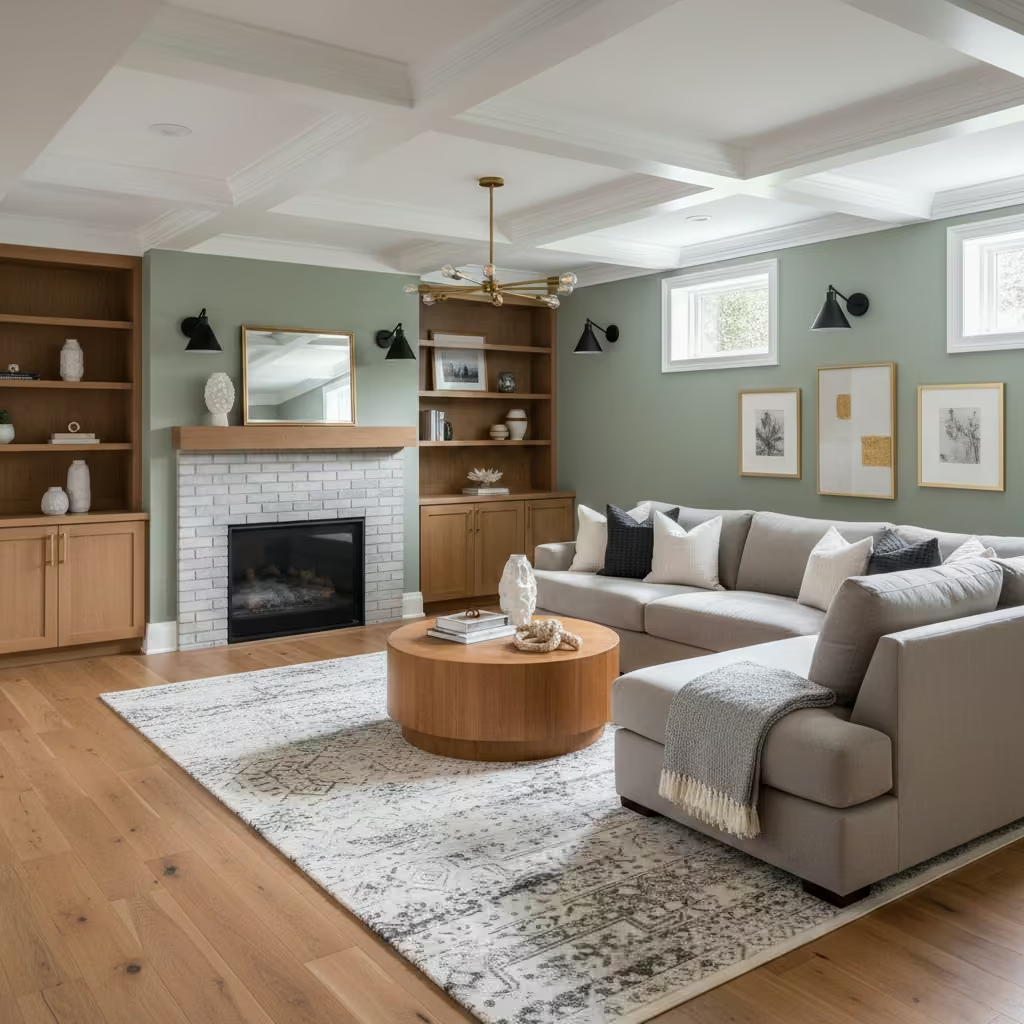
Sage green is a versatile base that pairs beautifully with a variety of colours and materials, allowing you to create a basement that feels both inviting and stylish. I often guide clients to consider combinations that balance warmth, contrast, and texture to enhance the overall aesthetic of a lower-level space.
- Whites, creams, and off-whites are perfect for trim, ceilings, and accents, providing crisp contrast without feeling harsh. These tones help brighten the room and make sage green walls feel more expansive, especially in basements with limited natural light.
- Warm woods and oak tones bring organic warmth and texture, whether through flooring, beams, furniture, or shelving. They complement sage green’s earthy quality and prevent the space from feeling flat or cold.
- Greige, soft grey, and charcoal provide subtle contrast for furnishings, rugs, or feature walls. These neutrals add depth without overwhelming the calm, soothing effect of sage green.
- Finally, metals such as brass, gold, or matte black elevate the design by adding reflective highlights and sophisticated accents. Light fixtures, hardware, or decorative accessories in these metals create a polished, layered look.
Together, these pairings make a sage green basement feel balanced, cohesive, and thoughtfully designed.
Common Sage Green Basement Mistakes to Avoid
While sage green is a versatile and calming colour for basements, there are a few common pitfalls that can compromise the overall effect. Being aware of these mistakes helps ensure your lower-level space feels bright, balanced, and inviting rather than flat or cramped.
- Choosing the wrong undertone is a frequent issue. Sage green can lean warm, cool, or grey, and selecting the wrong shade for your basement’s lighting can make walls appear dull, muddy, or overly cold. Test samples in the space under both natural and artificial light before committing.
- Poor lighting placement can make a basement feel dark and unwelcoming. Overhead lighting alone often creates shadows, while under-lighted corners reduce the calming effect of sage green. Layered lighting with ambient, task, and accent sources is essential.
- Overusing dark accessories can weigh down a sage green basement. While contrast is helpful, too many dark furnishings or décor items can overshadow the walls and shrink the space visually.
- Finally, ignoring ceiling and flooring contrast can make a room feel flat. Ensure ceilings are lighter to lift the space, and choose flooring that complements rather than competes with sage green. Avoiding these mistakes keeps the basement feeling cohesive, airy, and beautifully styled.
Final Thoughts: Making Sage Green Work in Your Basement
Sage green is a remarkably adaptable colour for basements, capable of supporting a wide range of uses from media rooms and home offices to gyms, lounges, or guest bedrooms. The key to success lies in tailoring the shade and accents to the function of the space. For active or multi-use areas, slightly warmer or muted sage tones create a calming yet practical backdrop, while bolder, deeper shades work well in intimate or statement-focused zones like media rooms or feature walls.
Knowing when to go bold versus subtle is equally important. Subtle sage green shades enhance natural light and make small basements feel airy, while richer tones add depth and sophistication in larger or enclosed areas. I always advise testing samples in different lighting conditions both natural and artificial before committing, as basement light can dramatically alter how sage green reads on walls.
By thoughtfully considering undertones, lighting, and complementary finishes, you can make sage green a unifying element that enhances style, comfort, and functionality. When applied thoughtfully, sage green transforms a basement into a serene, inviting, and beautifully cohesive space.
Frequently asked question about Sage Green Basement Designs
Is sage green suitable for small basements?
Absolutely. Lighter shades of sage green can make a small basement feel brighter and more spacious. Pairing the walls with light trims, reflective surfaces, and layered lighting helps prevent the space from feeling closed in.
What undertone of sage green works best in a basement?
It depends on the lighting. North-facing basements often benefit from warmer sage greens with beige or yellow undertones to avoid a cool, greyed-outlook. South-facing basements can handle cooler, slightly grey undertones since natural light balances the warmth.
How can I prevent a basement from feeling dark with sage green walls?
Layered lighting is essential. Combine ambient ceiling lights, task lighting, and accent lights to illuminate corners and highlight key features. Using lighter flooring, warm trim, or reflective finishes also brightens the space.
What colour palettes pair well with sage green in a basement?
Whites, creams, and off-whites for contrast; warm woods like oak for warmth; soft greys or greige for depth; and metals such as brass, gold, or black to elevate the design.
Can sage green work with multi-use basement spaces?
Yes. Sage green is versatile and adaptable, making it ideal for multi-functional areas like family rooms, home offices, playrooms, or wellness spaces. It provides a calm, cohesive backdrop that works across different functions.
Should I use sage green on ceilings or just walls?
Using sage green on ceilings can create a cocooning, intimate feel. For balance, pair it with lighter walls or layered lighting to prevent the room from feeling too enclosed.