




25 Fresh Light and Airy Bedroom Ideas for Summer Serenity
A summer bedroom should do more than appear bright. It needs to feel cooler, calmer, and easier to live in. That shift comes from understanding that seasonal design is not purely decorative. It is rooted in thermal comfort, visual clarity, and airflow. When a space holds heat, traps air, or feels visually congested, no amount of styling can compensate for the discomfort that follows.
In practice, the most successful summer interiors are those that reduce both physical density and visual weight. This means reconsidering how materials behave in heat, how light moves across surfaces, and how furniture either supports or interrupts circulation. Heavy textiles, dark finishes, and overcrowded layouts tend to absorb light and restrict airflow, creating a room that feels stagnant rather than restorative.
I often find that the most effective summer transformations come from subtraction rather than addition. Removing a bulky rug, simplifying bedding layers, or repositioning furniture to open a pathway for air can change the entire atmosphere of a room. These decisions may seem minor on paper, yet they have a measurable impact on how the space performs day to day.
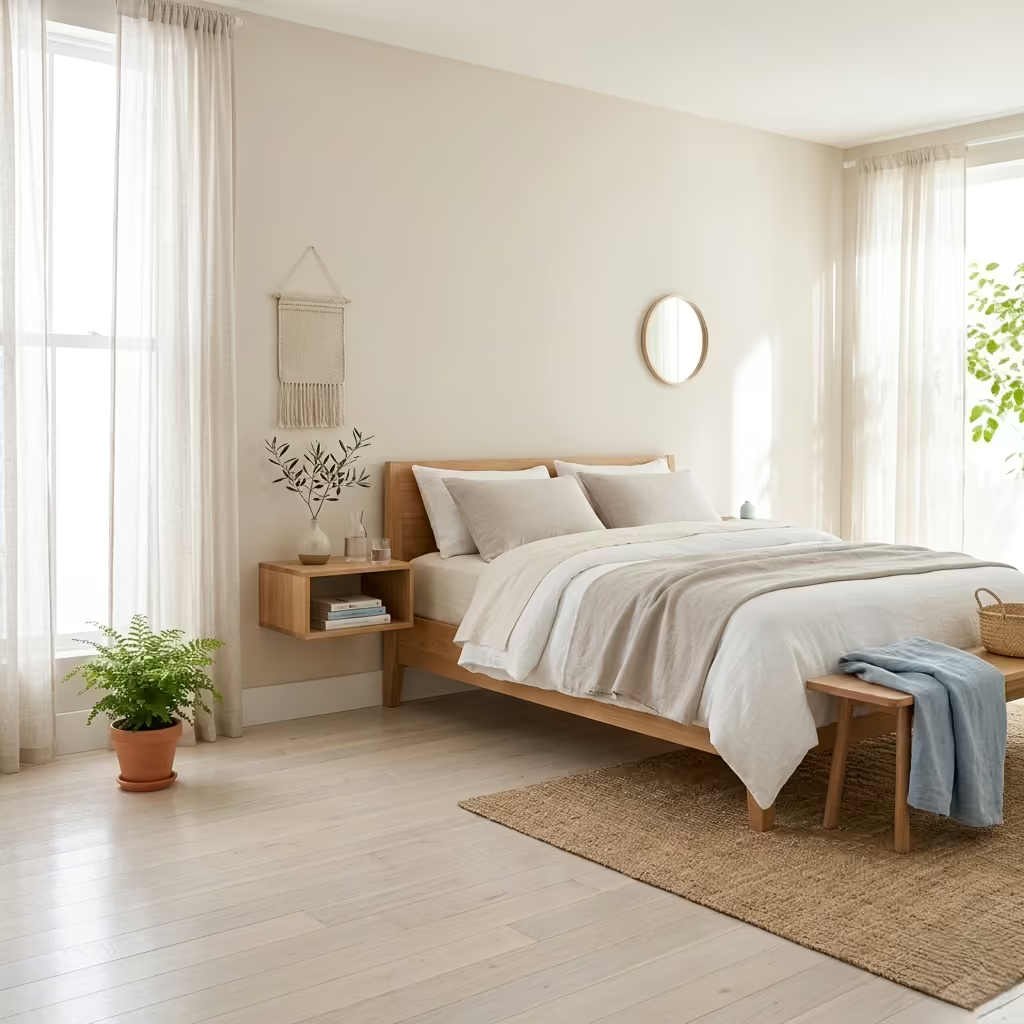
What follows is a considered set of 25 ideas that focus on aesthetic clarity with practical comfort. Each one is grounded in real application, balancing how a bedroom looks with how it behaves through warmer months. The goal is not to decorate for summer, but to design a space that genuinely supports it.
Rethinking the Foundation of a Summer Bedroom
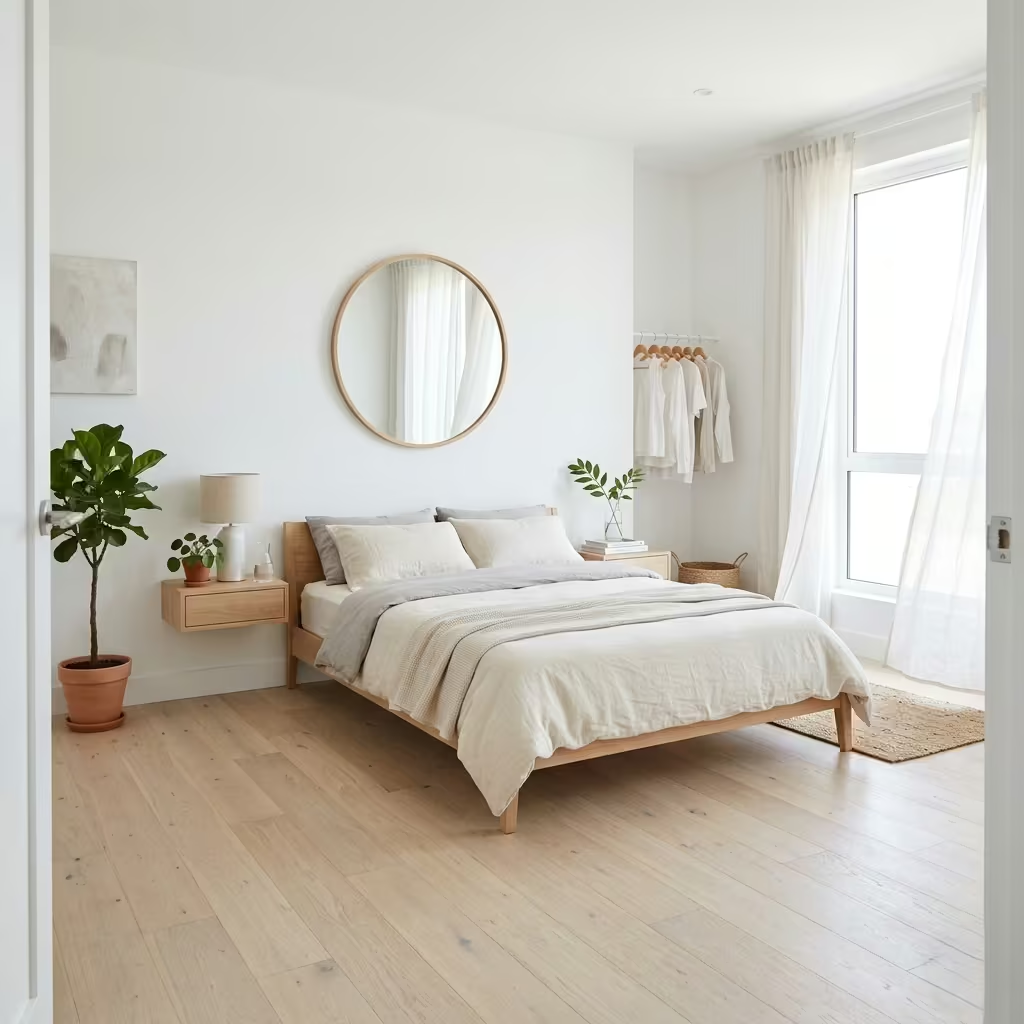
A well-performing summer bedroom begins at a foundational level, where layout, material selection, and light behaviour are considered together rather than in isolation. I approach this by first assessing how the room manages heat gain, daylight distribution, and air movement, then refining the space to reduce resistance across all three.
This often involves simplifying the layout to maintain clear circulation paths of at least 60–75 cm (24–30 inches), selecting breathable, low-thermal-mass materials such as linen and light timber, and ensuring that natural light can travel unobstructed across key surfaces. When these fundamentals are resolved, the room naturally feels lighter, cooler, and more composed without relying on decorative intervention.
Prioritising Natural Light and Reflectivity
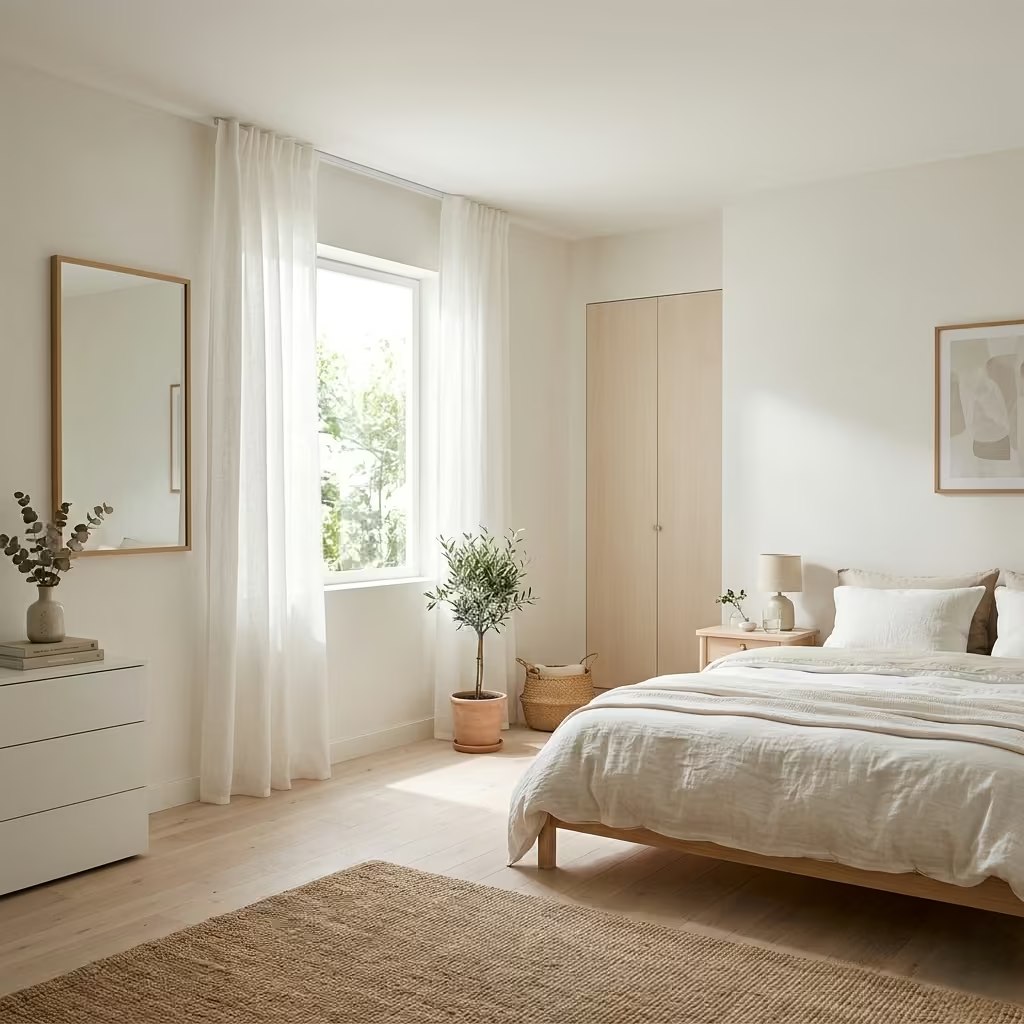
Natural light is the single most transformative element in a summer bedroom, yet it is often unintentionally restricted by heavy window treatments, poorly chosen wall colours, or furniture placed without considering how daylight moves through the room. I consistently lean towards sheer curtains or lightweight linen panels, ceiling-mounted and extended at least 20–30 cm (8–12 inches) beyond the window frame, allowing light to diffuse softly rather than being blocked.
Wall colours play an equally critical role. Warm whites and soft neutrals reflect daylight more evenly, avoiding the harsh glare that cooler tones can create during peak sun hours. Introducing subtle reflective surfaces, such as a well-placed mirror adjacent to a window rather than directly opposite, helps distribute light deeper into the room without creating visual discomfort.
I remember working on a compact south-facing bedroom where the client felt the space was “bright but somehow still heavy.” The issue was not the lack of light, but how it was being interrupted. A tall wardrobe had been placed directly beside the window, cutting off the natural spread of daylight across the floor and bed. By simply relocating that piece to an adjacent wall and lowering the visual height near the window zone, the room changed almost instantly.
Light began to travel across surfaces more evenly, the corners softened, and the entire space felt calmer and more breathable. It is often these small, considered adjustments that shift a bedroom from merely well-lit to genuinely uplifting, where light becomes something you experience, not just something you see.
Creating Visual Breathing Space
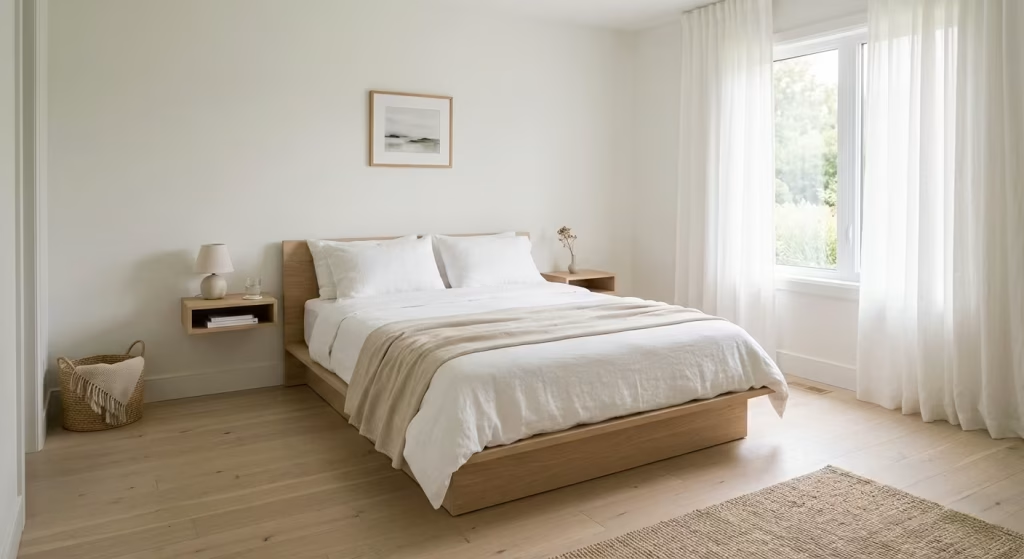
A light and airy bedroom is defined as much by what is absent as by what is present. Decluttering, in this context, goes beyond storage solutions. It is about intentionally creating negative space so the eye can rest and the room can function without friction. I always assess circulation first, ensuring clear pathways of at least 60–75 cm (24–30 inches) around the bed and key access points. When movement feels unrestricted, the room immediately becomes more comfortable to live in, especially during warmer months when even slight congestion can make a space feel oppressive.
In one project, a client had invested in beautiful furniture, yet the bedroom still felt tight and restless. The issue was not quantity alone, but placement. Bedside tables were oversized, a bench at the foot of the bed reduced clearance to under 40 cm (16 inches), and decorative pieces filled every available surface. We removed the bench, replaced the nightstands with slimmer profiles, and edited the styling down to a few purposeful elements. The transformation was subtle but powerful. The room began to feel quieter, more composed, and noticeably cooler.
What I have learned over time is that visual breathing space directly affects emotional comfort. When a room is not competing for attention, it allows you to unwind more easily at the end of the day. It creates a sense of calm that is difficult to achieve through decoration alone. Designing for space, rather than filling it, is often the most effective way to make a bedroom feel lighter, both physically and mentally.
Designing for Airflow and Thermal Comfort
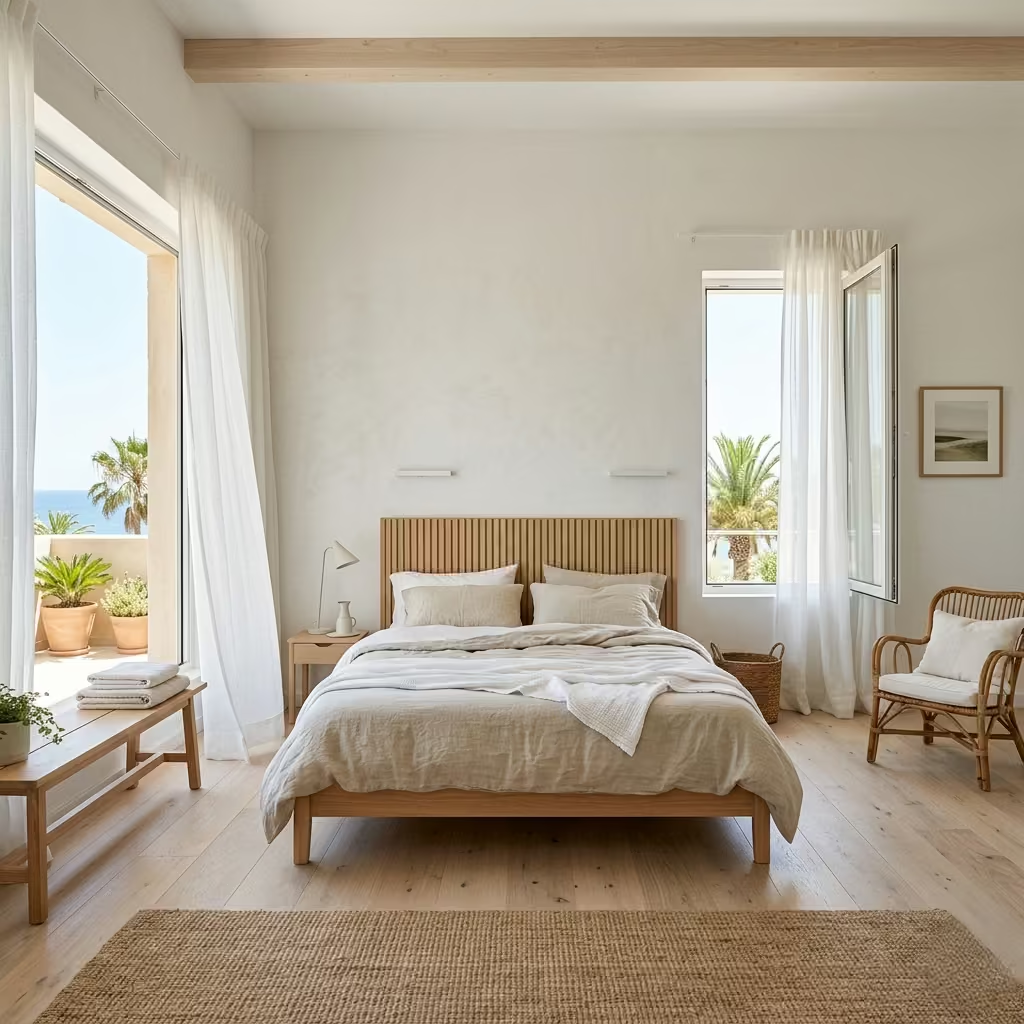
Airflow is often the quiet determinant of whether a bedroom feels restorative or restless in summer. I begin by assessing cross ventilation, ideally aligning openings on opposing or adjacent walls so air can move through the space rather than stagnate within it. Even in rooms with a single window, positioning furniture to keep that airflow path unobstructed makes a measurable difference. I avoid placing tall or dense pieces within 60–90 cm (24–36 inches) of the window zone, allowing air to circulate freely across the bed, which is where thermal comfort matters most at night.
Perception of height also plays a role in how a room “breathes.” Where ceiling height is limited, I use vertical cues to draw the eye upward. Full-height curtains, wall-mounted lighting, or elongated headboards subtly shift the proportions, making the space feel less compressed. In one project with a ceiling just under 2.4 m (8 feet), replacing a bulky pendant with slim wall lights and extending curtains to ceiling level created a noticeable sense of lift. The room did not physically change, yet it felt more open and less heat-retentive.
Material selection is equally critical. Surfaces that hold heat, such as dense synthetics or dark, lacquered finishes, can make a bedroom feel warmer long after sunset. I tend to favour low thermal mass materials like linen, cotton, and light-toned timber, which release heat more quickly and remain comfortable to the touch. Swapping a heavy upholstered bed for a timber frame or replacing thick rugs with breathable natural fibres can significantly improve how the room performs overnight.
What becomes clear in practice is that thermal comfort is not achieved through a single intervention. It is the result of small, deliberate decisions that collectively allow the room to cool down, move air efficiently, and feel visually open. When these elements align, the bedroom supports rest in a way that is both subtle and deeply effective.
25 Light and Airy Bedroom Ideas for Summer
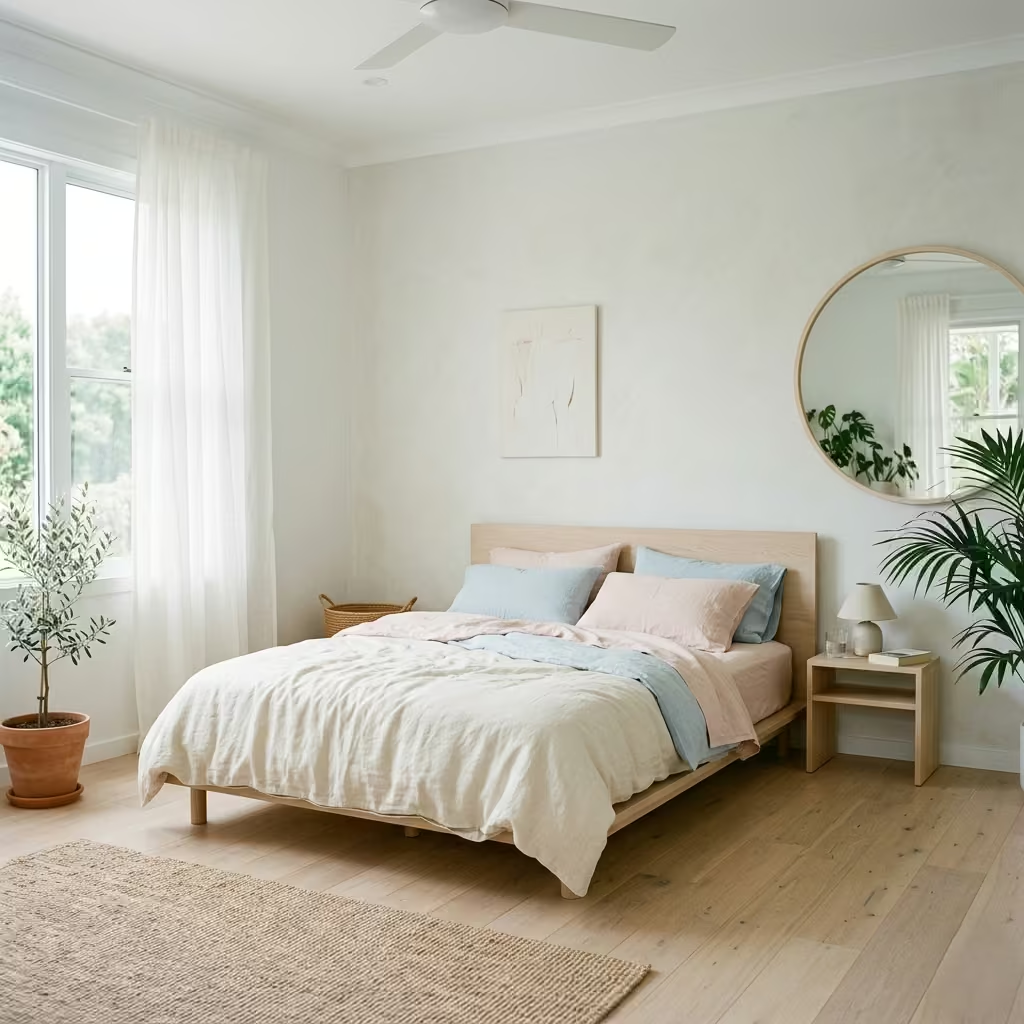
When I approach a summer bedroom, I am not looking for dramatic change but for precise, intentional adjustments that improve how the space feels and functions every day. Each idea that follows is shaped by real projects where clients wanted their rooms to feel cooler, calmer, and less visually demanding without undergoing a full renovation.
I focus on simple but impactful shifts. Adjusting furniture to maintain at least 60–75 cm (24–30 inches) of clear circulation, replacing heat-retaining fabrics with breathable linen, or repositioning a mirror to carry light further into the room.
These are decisions that may seem subtle, yet they directly affect sleep quality, comfort, and overall ease of living. What matters is not how much you add, but how thoughtfully you refine the space so it supports you through warmer days and lighter evenings.
Sheer Layered Curtains Instead of Heavy Drapery
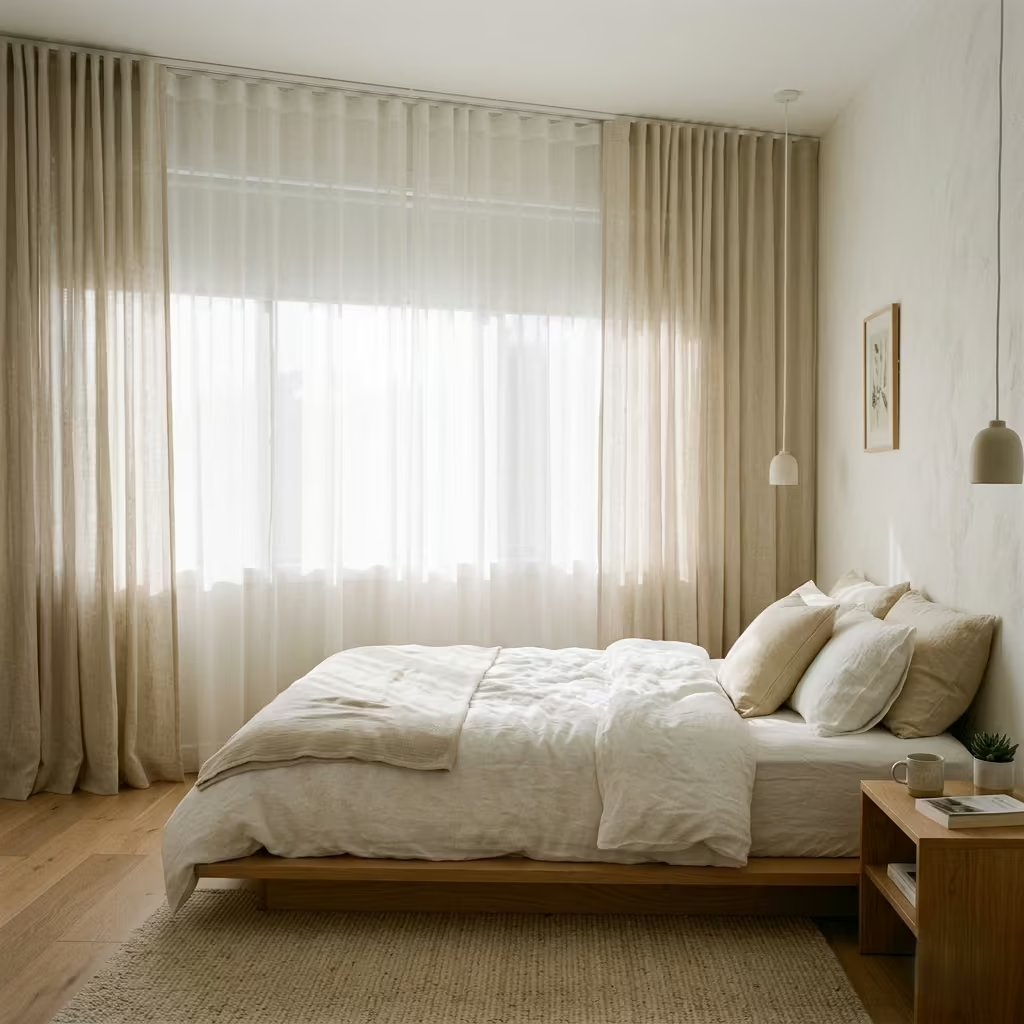
One of the simplest ways to make a summer bedroom feel instantly lighter is to replace heavy drapery with voile or linen sheers layered over a discreet blind. In my own projects, this change often does far more than people expect. Heavy curtains can visually compress a room, absorb daylight, and hold warmth against the glass, which makes the space feel slower and more enclosed. By contrast, sheers filter sunlight softly, preserve privacy during the day, and allow the room to keep its sense of openness.
I particularly like them in bedrooms where the client wants a calm, breathable atmosphere without losing softness. A ceiling-mounted track is usually the better choice because it draws the eye upward and makes even a modest room feel taller and more refined.
I normally specify curtains that extend 20–30 cm (8–12 inches) beyond the window frame on each side, not because it looks decorative, but because it helps the fabric clear the glazing properly and lets the full width of daylight enter the room. That small adjustment can make the entire space feel less boxed in.
What I have noticed repeatedly is that curtain choice affects more than the look of a bedroom. It changes how the room lives through the day. In one compact bedroom I worked on, the original floor-length blackout curtains created a heavy, almost closed-in feeling even when they were open. Once we swapped them for layered sheers with a slim-lined blind underneath, the room immediately felt cooler and more generous, and the client said it finally felt pleasant to wake up in rather than dark and sluggish.
That is the real value of this idea. The pros are strong: more natural light, softer diffusion, better visual height, and a more relaxed summer atmosphere. The main con is privacy at night, especially if the room faces the street or neighbouring windows, so layering with a blind is important. In practical terms, this is not just a styling decision. It is a way of making the bedroom work better for sleep, light, and mood all at once, which is exactly why it remains one of the most effective changes I recommend for summer interiors.
Low-Profile Bed Frames to Expand Vertical Space
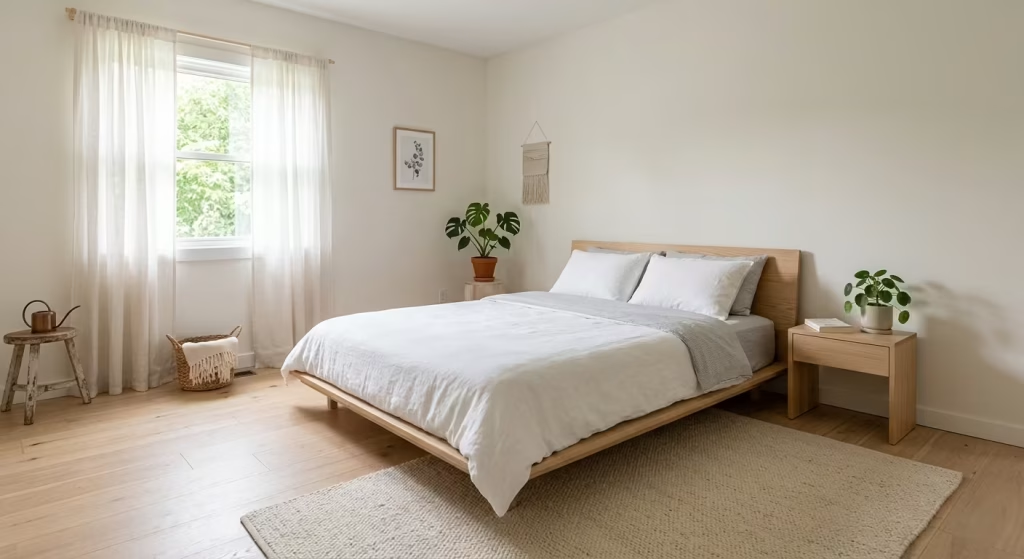
A low-profile bed frame is one of those choices that quietly changes everything. I have found that when a bed sits lower, the room immediately feels less crowded, because the eye is not stopped by a heavy block of furniture dominating the centre of the space. It keeps the sightlines open, which is especially important in a summer bedroom where the goal is to create ease, clarity, and visual lift.
I usually look for a finished bed height of around 30–45 cm (12–18 inches), depending on the proportions of the room and the mattress thickness. In smaller bedrooms, that lower profile can make the ceiling feel higher and the floor plane feel more continuous, which gives the whole room a calmer, more breathable quality. It is not only about appearance. A lower bed can also make the room feel less top-heavy, which helps the space settle visually and emotionally at the end of the day.
In one project, I remember replacing a tall, padded bed base with a much simpler timber frame in a modest bedroom that always felt slightly overworked, even when it was tidy. The difference was immediate. The room did not just look bigger, it felt less tense. The client said it was the first time the space had felt like a place to rest rather than a room full of furniture. That reaction is exactly why I value this approach. The main advantage is that it opens up the room, improves proportion, and supports a lighter summer aesthetic.
The drawback is that some people lose the sense of grandeur or storage that a taller frame can offer, so it is worth considering how the bed works with the rest of the layout before making the change. In practical terms, a low-profile frame works best when paired with restrained bedding, slim bedside tables, and clear space around the bed, allowing the whole composition to feel intentional rather than sparse.
Light-Toned Natural Flooring or Rugs
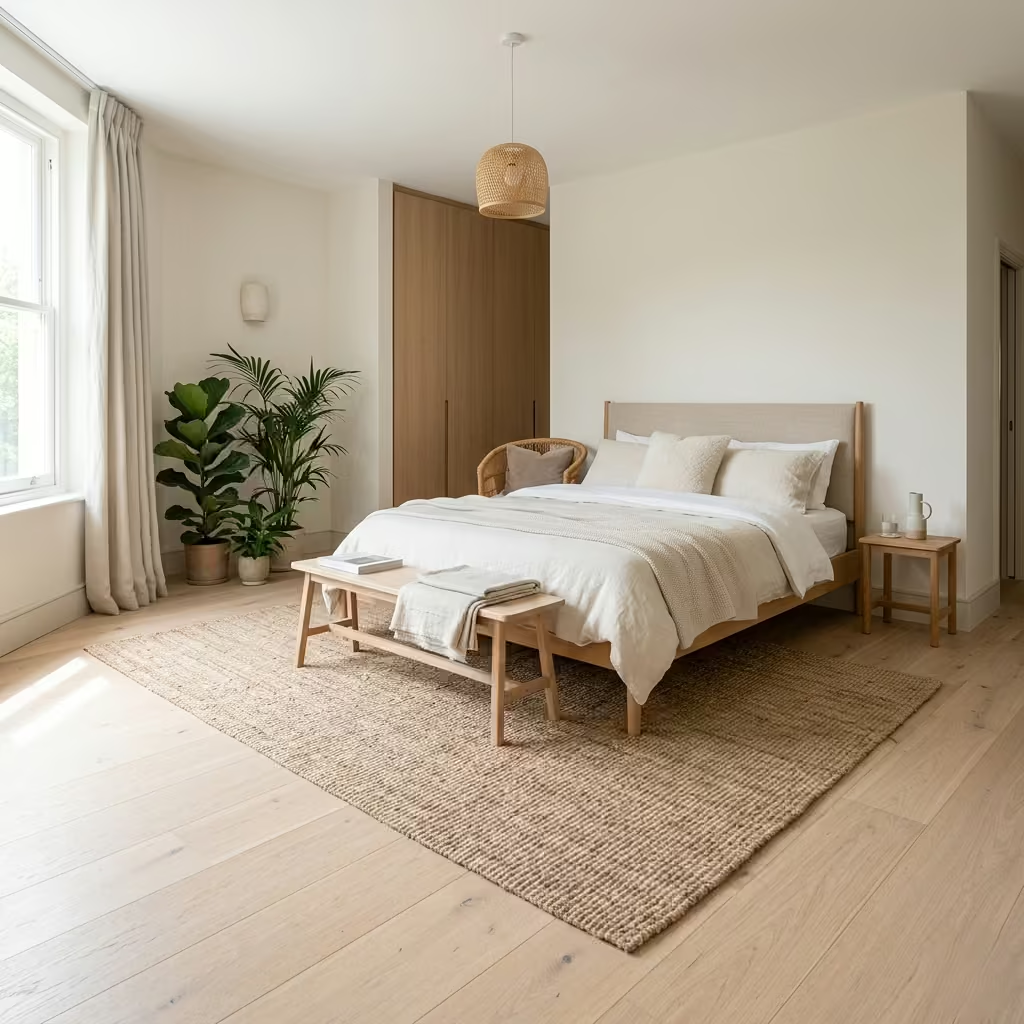
Flooring is often overlooked in summer bedroom design, yet it sets the foundation for both visual lightness and physical comfort. I always recommend light-toned natural materials like jute, sisal, pale oak, or bleached maple. These materials not only reflect light more effectively than dark floors, making the space feel larger, but they also have a subtle textural quality that softens the room without overwhelming it.
In practice, a carefully chosen rug can anchor the bed, define circulation paths, and enhance spatial efficiency in a bedroom that may otherwise feel fragmented. I typically extend rugs at least 60 cm (24 inches) around the bed, which ensures every step onto the floor is soft and visually continuous, giving the sense of a grounded yet airy space.
From experience, material choice here matters more than just colour. In one summer bedroom I redesigned, we replaced a dark synthetic carpet with a woven jute rug layered over pale oak flooring. The combination created a breathable underfoot surface that stayed cool in summer, reflected daylight effectively, and added natural warmth without the heaviness of darker textures. The client immediately felt the space was “lighter underfoot and lighter in the mind,” a response I’ve heard consistently when natural fibres are used in proportion.
I often pair these floors with low-profile seating solutions, like a slender bench at the foot of the bed or a small reading chair near the window. The key is to maintain clear circulation paths and avoid visual clutter, so the rug also serves as a unifying element that supports layout efficiency. Lighting is equally critical: soft natural daylight paired with subtle wall-mounted or floor lamps accentuates the texture of natural fibres, creating a tactile and inviting atmosphere, while indoor plants strategically placed in corners add freshness and visual contrast.
Even architectural detail, such as skirting height or door thresholds, interacts with flooring to either expand or compress the room. Low skirting painted in the same tone as the floor, for example, can make the floor appear continuous, reinforcing the sense of openness. This combination of natural material choice, layered lighting, careful seating, and subtle architectural awareness transforms a simple floor into a core component of summer comfort, where the bedroom not only looks light but feels light in use. The main pros are visual expansion, tactile comfort, and a breathable surface; the cons are that natural fibres require careful maintenance and can be prone to staining, so placement and routine care must be planned realistically.
White Walls with Subtle Warm Undertones
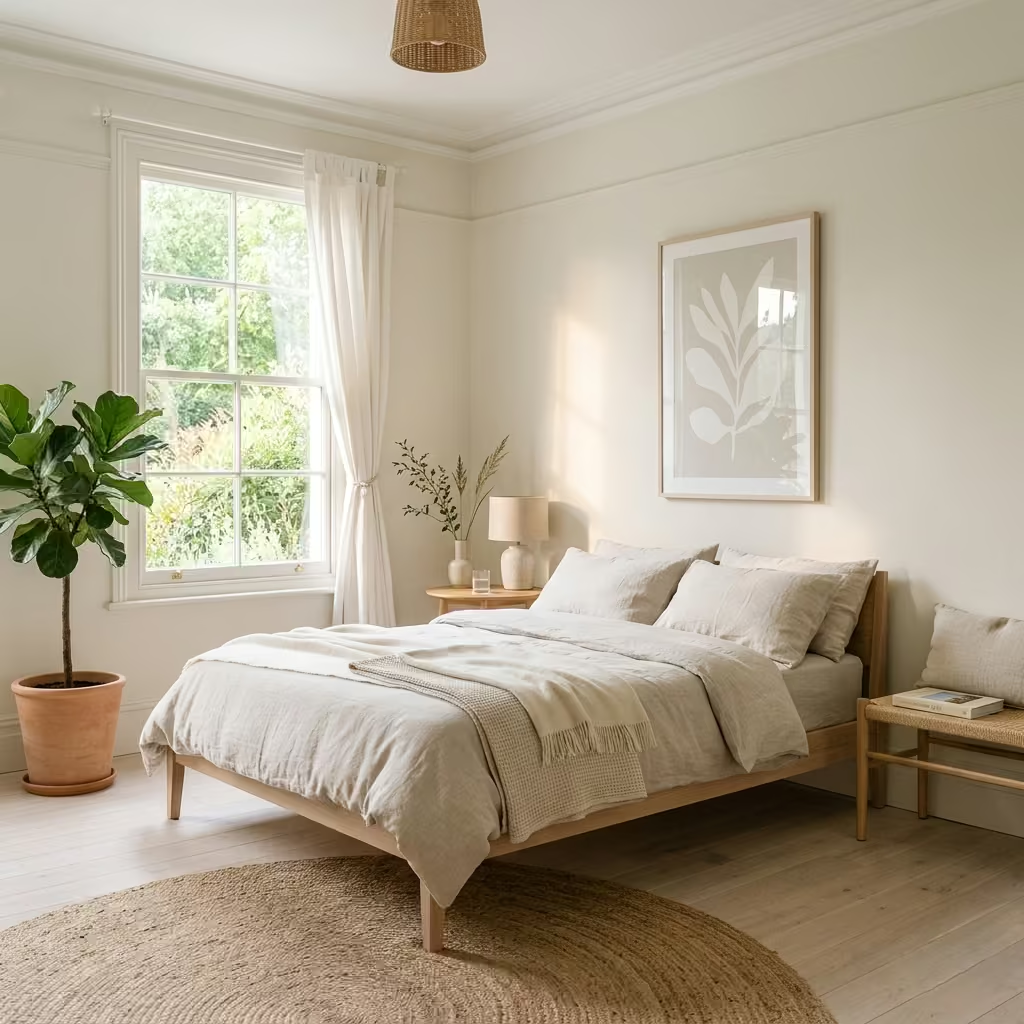
Walls are the canvas of a bedroom, and in summer, their colour has a profound effect on light, perception of space, and emotional comfort. I always favour white walls with subtle warm undertones rather than stark, cool whites. In one project, a south-facing bedroom initially painted in a bright, icy white reflected sunlight harshly, creating glare that made the space feel tense and uncomfortable during peak daylight hours. By switching to a soft warm white with gentle beige or cream undertones, the room retained its brightness but gained a softer, more inviting glow that immediately felt calmer under direct sunlight.
The impact of wall colour extends beyond aesthetics. Warm whites work in tandem with spatial efficiency, making corners recede gently and surfaces feel continuous, which enhances the perception of a larger, more open room. In combination with low-profile seating solutions, such as a slim bench at the foot of the bed or a narrow reading chair tucked into a corner, the colour palette ensures these elements don’t compete visually, allowing the space to feel cohesive and uncluttered.
Material choices interact closely with wall tone. For instance, pairing warm-white walls with natural oak flooring, linen bedding, or rattan accents creates a layered, tactile environment that feels breathable in summer. Lighting and planting further enhance this effect: natural light bouncing off warm walls spreads evenly, while strategically placed greenery adds freshness and contrast without creating visual weight. Subtle architectural details, like skirting, architraves, or ceiling moulding painted in the same tone as the walls, reinforce continuity, making the room appear taller and more serene.
From experience, I’ve noticed that clients often underestimate how colour affects both perceived temperature and mood. A warm white can make the room feel cooler psychologically because it reduces glare, softens shadows, and encourages a sense of ease. The pros include enhanced daylight reflection, improved spatial perception, and a more restful ambience. The cons are that warm whites can show yellowing more easily over time, especially in rooms with strong direct sunlight, so the paint finish should be carefully selected for durability and cleanability. When executed thoughtfully, wall colour becomes a silent but powerful contributor to a bedroom that genuinely feels light, airy, and restorative in summer.
Minimal Bedding Layers with Breathable Fabrics
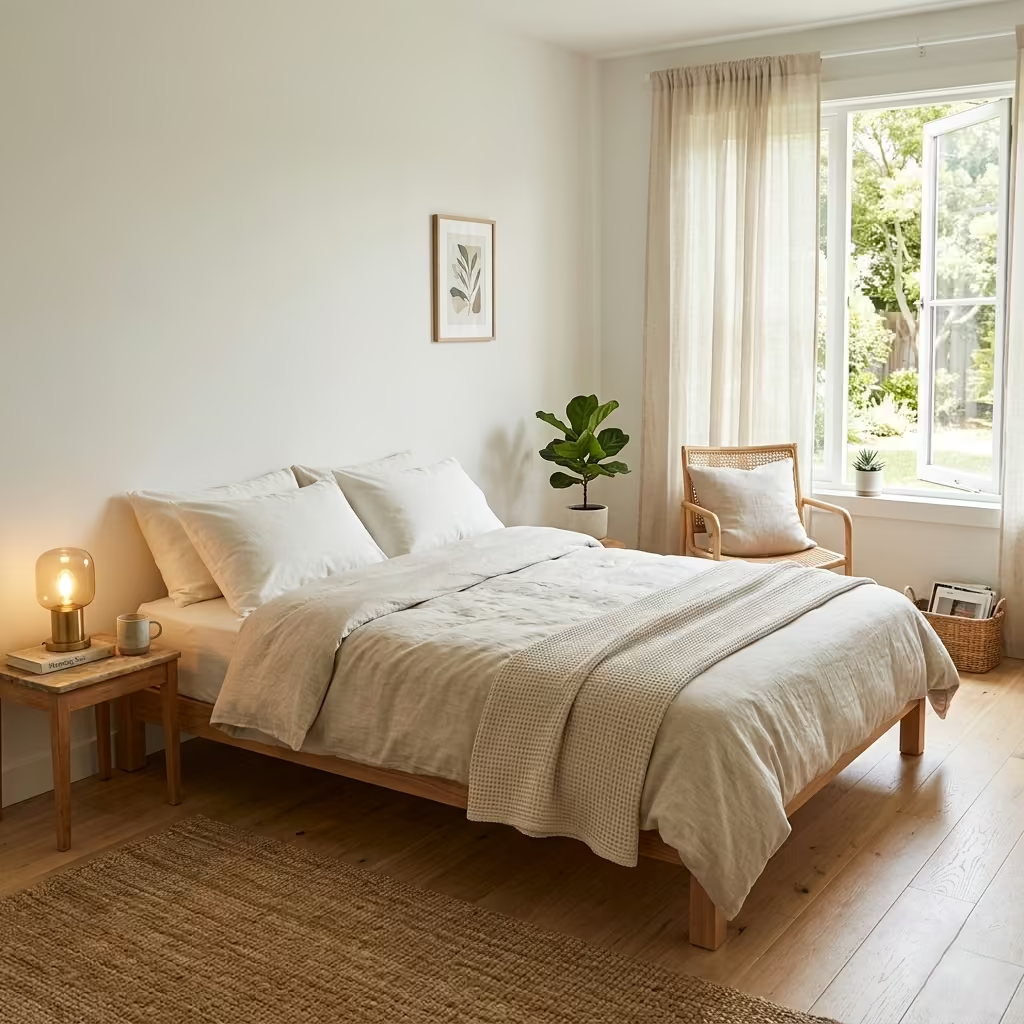
In summer, bedding should feel like a release, not an extra layer of effort. I always strip the bed back to the essentials and build comfort through breathable fabrics rather than volume, with linen or cotton percale usually giving the best balance of softness, airflow, and everyday practicality.
A 4.5 tog duvet or lower is often enough for warmer months, especially in rooms that retain heat overnight. In real projects, I have seen how quickly a bedroom changes once the bedding stops trapping warmth. The room feels lighter visually, but more importantly, sleep becomes less restless because the body is not fighting against overheating.
That is where the value lies. It is not simply about looking seasonal. It is about making the bed more responsive to how people actually sleep in summer.
I often think of the bed as the largest soft surface in the room, so its materiality has to work hard. Linen has that slightly relaxed, lived-in quality that suits an airy bedroom beautifully, while cotton percale offers a crisp, cool finish that feels especially fresh after a warm day. I prefer to keep the layering simple, with one duvet, one or two pillows, and perhaps a lightweight throw folded neatly rather than piled up.
That sense of restraint supports spatial efficiency, because the bed occupies less visual weight and leaves the room feeling calmer. In a compact bedroom, that can make a surprising difference. The floor feels more open, circulation reads more clearly, and even small additions like a narrow bench or upholstered seat do not feel crowded against the bed.
This approach also works well alongside thoughtful seating solutions. If there is a reading chair or window seat nearby, it should complement the bedding rather than compete with it. I usually keep adjacent fabrics equally light and tactile so the room retains a coherent softness. Lighting and planting help reinforce that mood too.
Soft bedside lighting, ideally warm and low-glare, makes the bed feel inviting at night, while a simple plant nearby can bring a sense of freshness without visually overwhelming the scene. From an architectural point of view, a cleaner bed profile also allows better sightlines to skirting, window proportions, and wall detail, which helps the entire room read as more composed.
The real advantage of minimal bedding is that it reduces both thermal load and visual clutter, making the room feel genuinely cooler and more breathable. The trade-off is that lighter fabrics may need more frequent laundering and some sleepers may miss the weight of heavier layers, so the choice has to be honest about personal comfort. Still, when it is done well, this is one of the easiest ways to make a summer bedroom feel restful, refined, and far more liveable.
You May also Like: 25 Simple Bedroom Makeover Ideas: Stunning, Low-Effort Transformations
Floating Bedside Tables for Visual Lightness
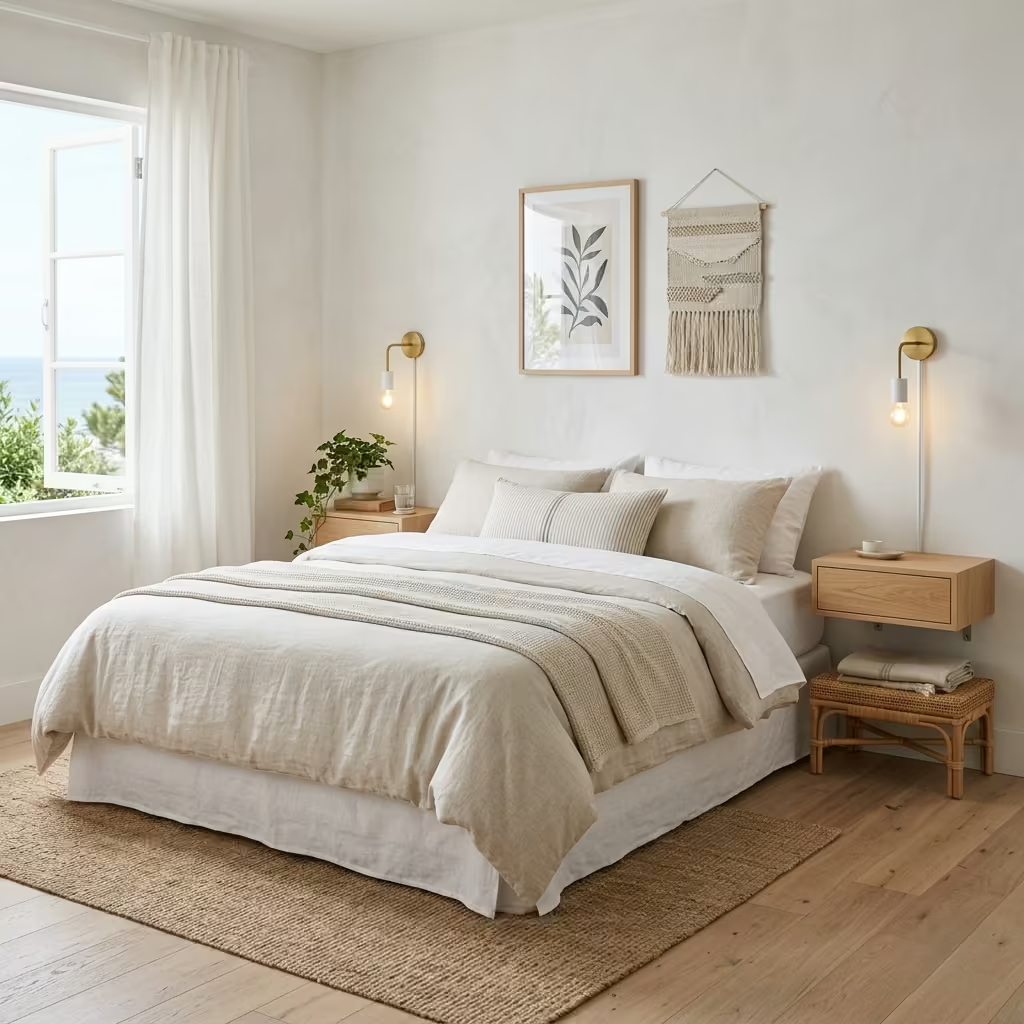
One of the most overlooked ways to make a summer bedroom feel airy is through bedside table design. I favour floating, wall-mounted tables over traditional floor-standing models because they immediately open up the floor plane and maintain visual lightness. Installing them at 50–60 cm (20–24 inches) height ensures they are ergonomically aligned with most standard bed heights while keeping the area underneath free. In real projects, I’ve seen the effect: rooms instantly feel less cluttered, circulation paths are clearer, and even small bedrooms seem larger without physically moving walls. This contributes directly to spatial efficiency, particularly in tighter rooms where every centimetre of floor space counts.
Material choice is essential for maintaining both the summer aesthetic and durability. I often specify light-toned timber, lacquered MDF, or matte metal finishes to avoid visual heaviness while supporting easy cleaning. In one south-facing master bedroom, swapping heavy bedside chests for floating oak tables not only opened the floor visually but also allowed a slim, cushioned bench to sit beneath one side of the bed without crowding the space. This created a small, functional seating area that had previously been impossible.
Lighting and planting interplay beautifully with floating tables. Wall-mounted lamps above each table free up surface space for essentials, books, or a small vase, while a trailing plant or small fern adds softness and a connection to nature without introducing visual clutter. Architecturally, these tables highlight skirting, flooring, and wall proportion, letting the room’s detailing breathe rather than be hidden behind furniture.
From experience, floating bedside tables transform a bedroom not just aesthetically but functionally. The pros include more floor space, easier cleaning, flexible styling, and a lighter, airier perception overall. The cons are that installation is slightly more permanent than free-standing tables, requiring wall fixing and consideration of stud placement or reinforcement. When executed well, however, they are a deceptively simple intervention that elevates comfort, circulation, and visual serenity in a summer bedroom.
Strategic Mirror Placement to Amplify Light
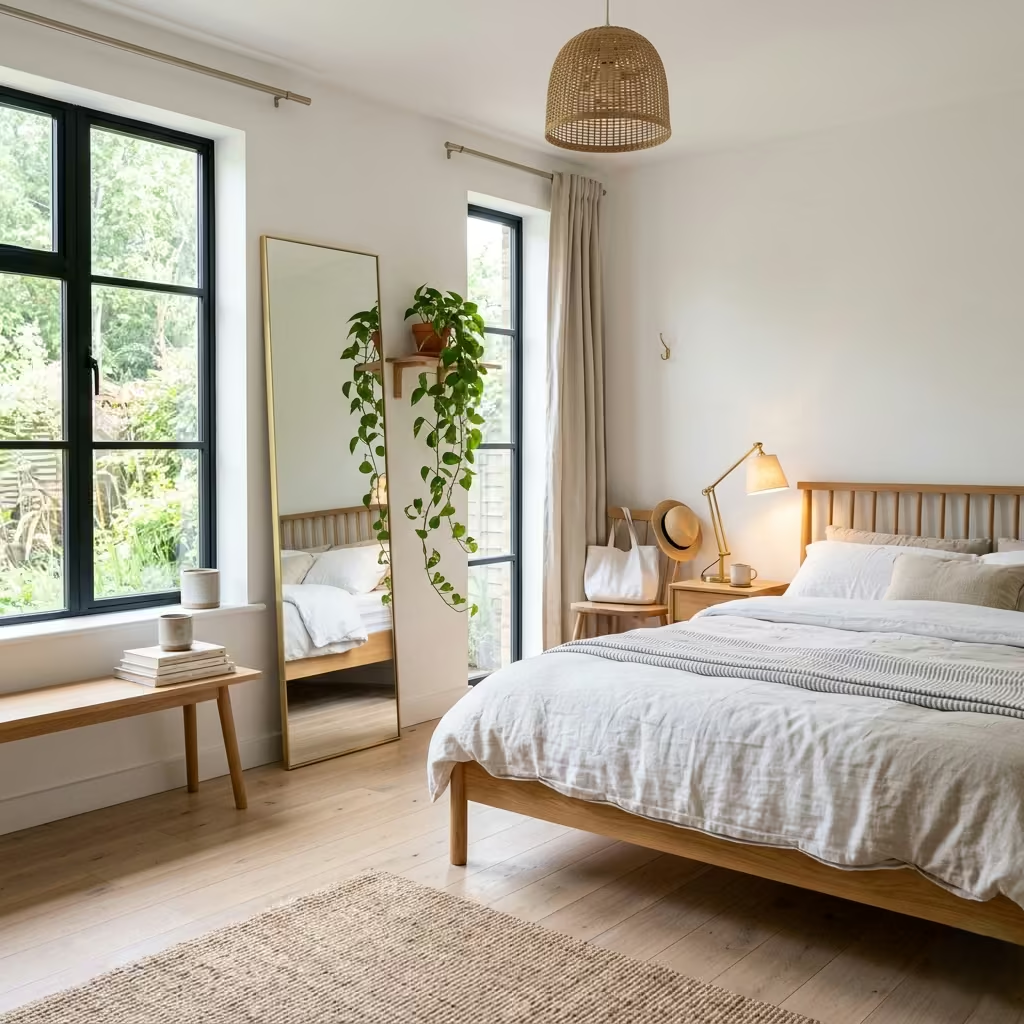
Mirrors are more than decorative; they are powerful tools to enhance natural light and create the illusion of space, especially in summer bedrooms. I always place mirrors opposite or adjacent to windows, carefully avoiding angles that reflect harsh sunlight directly into the eyes. In one project, a north-facing bedroom felt perpetually dim despite having large windows. By positioning a slim, full-height mirror on the wall adjacent to the window, the daylight was carried deeper into the room, illuminating corners that had previously remained shadowed. The room immediately felt larger, brighter, and far more inviting.
Spatial efficiency is another advantage. A well-placed mirror can make compact rooms feel open without adding physical volume. In a small urban bedroom, I paired a wall-mounted mirror with a low-profile console and a narrow bench under the window. This created a functional dressing area that did not encroach on circulation paths, maintaining at least 60–75 cm (24–30 inches) of clearance around the bed while adding both practicality and visual depth.
Material choice is important for both reflection quality and light diffusion. I typically recommend frameless or slim-framed mirrors with anti-glare finishes for bedrooms, ensuring they remain unobtrusive and maintain the airy aesthetic. Mirrors with warmer edges or subtle metallic detailing can also complement natural wood or linen tones, adding a tactile dimension without feeling heavy.
Lighting and planting can enhance mirror effectiveness. A trailing plant positioned near a mirror, or soft bedside lighting reflected in the glass, creates depth and a sense of nature-infused freshness. Architecturally, mirrors emphasize ceiling height, wall proportion, and skirting lines, subtly reinforcing the room’s structural elegance without adding clutter.
From real-life experience, mirrors are transformative. The pros are amplified light, perceived spatial expansion, and enhanced design cohesion. The cons include the potential for glare if placed incorrectly and the need for regular cleaning to maintain clarity. When executed thoughtfully, mirrors are a deceptively simple intervention that can make a summer bedroom feel lighter, cooler, and emotionally more uplifting, turning a functional adjustment into a sensory improvement that improves everyday living.
Pale Wood Accents for Organic Warmth
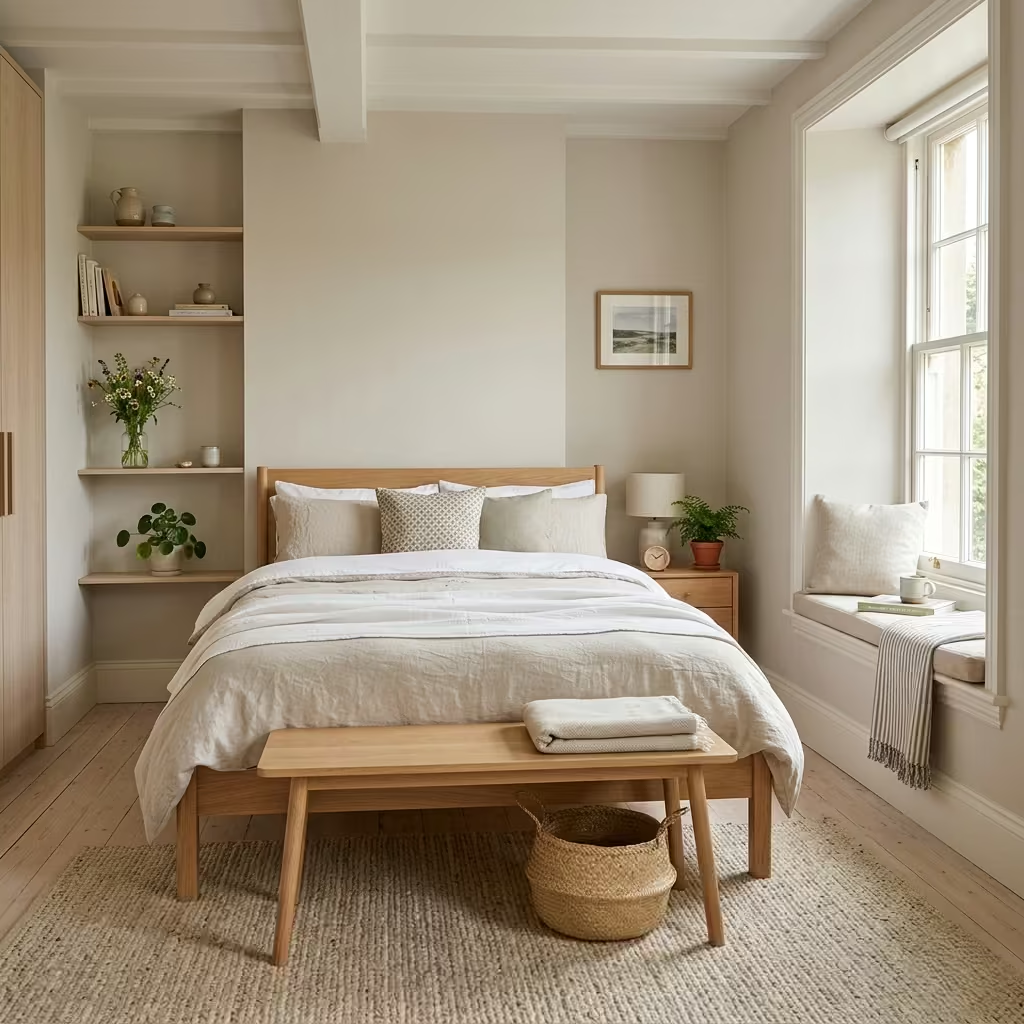
In a summer bedroom, pale wood accents provide an immediate sense of natural warmth without weighing the space visually. I often use oak, ash, or maple tones for furniture, flooring details, or accessory elements like bedside tables and shelving. These tones reflect light gently, complement neutral wall colours, and create a tactile connection to nature, which is essential for a room that is meant to feel breathable and restorative. In one project, introducing a pale oak bed frame, matching window seat, and slim ash shelving transformed a previously stark white bedroom into a space that felt serene, grounded, and effortlessly light, without sacrificing character or style.
From a spatial perspective, pale wood maintains visual openness. Unlike darker timber, which can dominate a room or visually compress corners, lighter tones allow furnishings to anchor the space without creating heaviness. This makes the room feel larger and more relaxed, which is particularly valuable in compact or low-ceilinged bedrooms. I usually balance these accents with low-profile seating solutions, such as a subtle wooden bench at the foot of the bed, ensuring circulation paths of at least 60–75 cm (24–30 inches) remain clear.
Material choices also affect temperature perception. Pale, natural wood feels cooler underfoot compared with dark-stained alternatives and contributes to the psychological perception of lightness in the space. I pair these accents with linen bedding, soft cotton rugs, and greenery, which collectively enhance the sensory experience. Lighting, both natural and artificial, interacts beautifully with pale wood, casting soft highlights that accentuate texture and bring warmth without heaviness. Architectural details like skirting, door frames, and window trims painted in complementary soft tones help integrate the wood accents seamlessly, reinforcing cohesion and visual flow.
The pros of pale wood accents are a grounded natural warmth, visual openness, and tactile richness. The cons are that lighter woods can show marks or sun exposure over time, so finishes and placement should be carefully considered. When applied thoughtfully, these accents create a bedroom that is organically calming, visually light, and emotionally inviting, enhancing both comfort and summer livability.
Soft Neutral Colour Palette with Tonal Variation
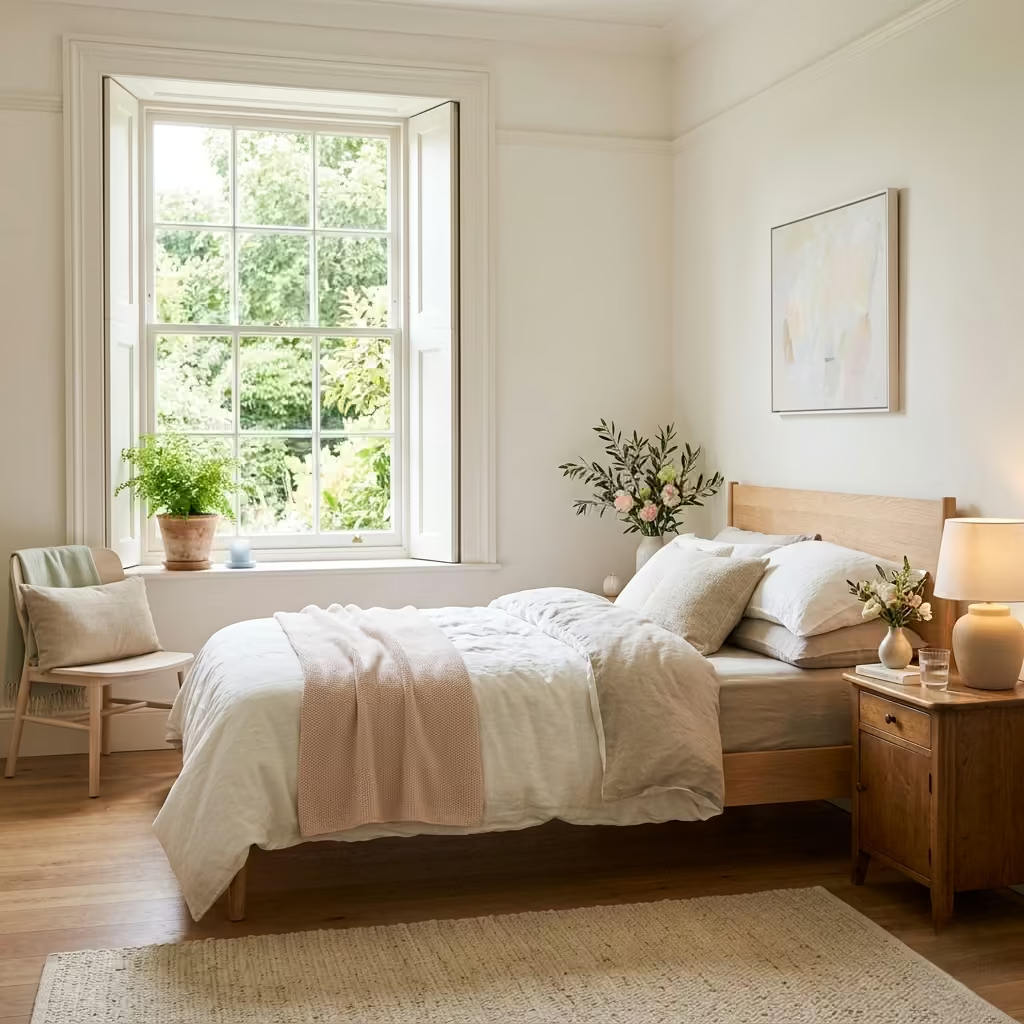
A soft neutral palette is one of the most dependable ways to make a summer bedroom feel calm, spacious, and quietly refined, but the key is not flatness. I always build these rooms with layered whites, beiges, and muted pastels so the scheme has depth without visual noise. A room painted in one single pale tone can sometimes feel sterile or unfinished, whereas tonal variation gives the space atmosphere. In practice, that might mean pairing a warm white wall colour with oatmeal bedding, a pale sand rug, and just a whisper of blush, sage, or misty blue in a cushion or artwork. The effect is subtle, but it brings life to the room in a way that feels human rather than staged.
From experience, this approach works especially well in bedrooms that need to feel both larger and more restful. I remember a compact bedroom where the client wanted brightness, but every attempt at adding colour made the room feel smaller. We stepped back and rebuilt the palette through layers of off-white, stone, and pale linen, then introduced a soft muted green through a bedside chair and a single ceramic vase. The room suddenly felt composed, airy, and far more expensive, not because it was full of objects, but because each element had room to breathe. That is the real value of tonal work. It supports spatial efficiency by preventing visual clutter, while still giving the eye enough variation to feel engaged.
Material choices are what make this kind of palette sing. Linen, cotton, brushed timber, matte paint, and natural fibres all respond differently to daylight, which stops the room from feeling one-note. I often keep seating solutions deliberately restrained in these schemes, such as a slim upholstered bench or a small occasional chair in a tone slightly deeper than the wall colour. That small shift helps define the space without interrupting the softness of the palette. Lighting is equally important. Warm bedside lamps or wall lights at around 2700K to 3000K keep the palette looking gentle at night, while natural daylight during the day brings out the quieter undertones in the fabrics and finishes. A touch of planting, such as an olive tree, fern, or trailing greenery, prevents the room from feeling too controlled and adds the freshness that summer bedrooms need.
Architecturally, tonal variation works best when the room’s details are allowed to blend rather than compete. Skirting boards, architraves, and window trims painted in a closely related shade help elongate the walls and make the envelope of the room feel continuous. In a summer bedroom, that continuity matters. It reduces interruption, softens transitions, and gives the space a slower, more restful rhythm. The pros are clear: the room feels brighter, more cohesive, and more timeless. The cons are that a neutral palette can feel bland if everything is matched too closely, so the balance must be carefully handled. When done properly, it creates a bedroom that feels effortlessly calm, visually breathable, and deeply liveable through the hottest months of the year.
Open Shelving Instead of Bulky Storage
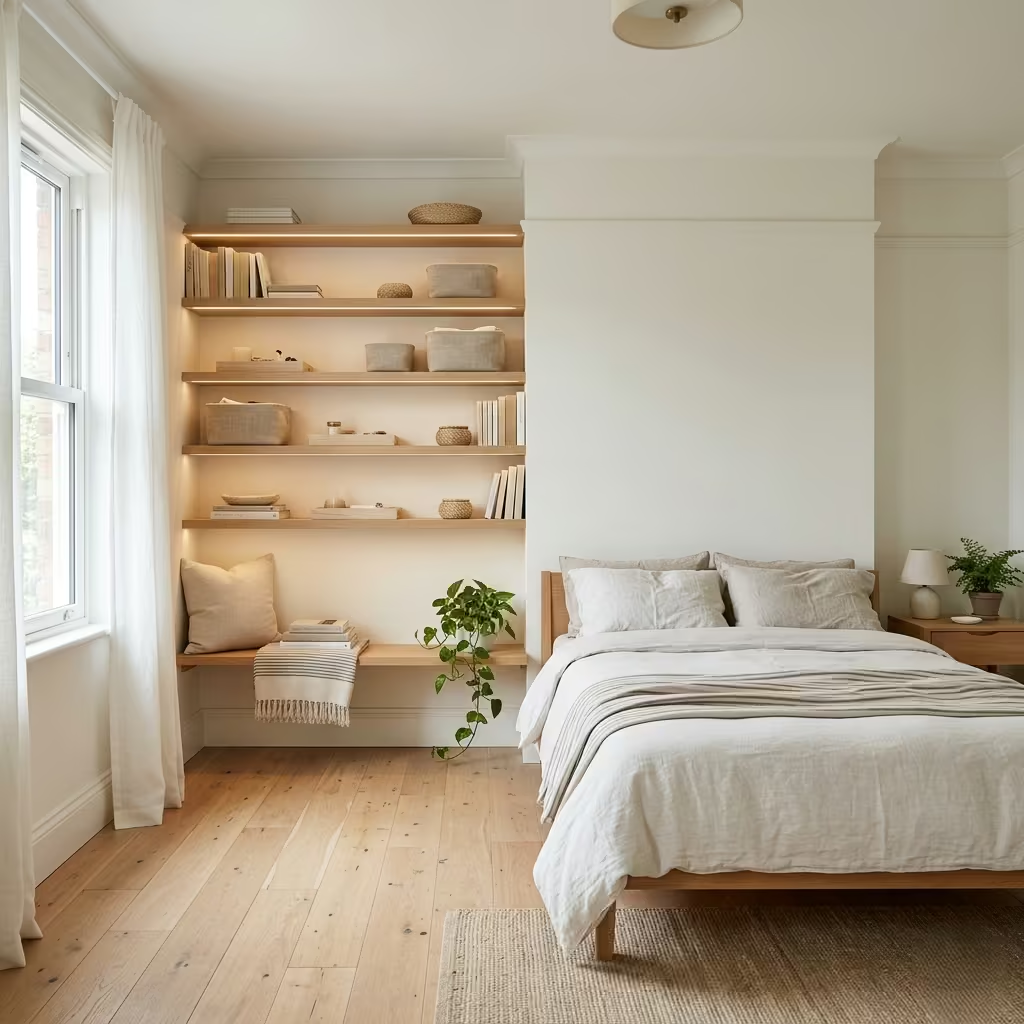
In summer bedrooms, storage can easily become visual weight, making a space feel cramped or heavy. I often replace traditional bulky cabinets or large wardrobes with open shelving, which allows objects to be stored without interrupting the sense of airiness. I usually recommend shelves with a depth of 20–25 cm (8–10 inches), which is sufficient for books, decorative items, or small personal objects, but shallow enough to prevent the unit from dominating the wall. In one project, a compact bedroom felt crowded with a tall, deep wardrobe. Switching to a series of shallow, open shelves along a side wall not only freed up circulation but also brought light and spatial flow back into the room, making the space feel more breathable and inviting.
Open shelving also encourages intentional editing. Clients quickly learn to display only what is essential or meaningful, which reduces clutter and supports a calmer summer atmosphere. In my experience, styling these shelves with layered textures, linen baskets, pale wood trays, and neutral-toned books adds visual interest without competing with the room’s overall light and airy aesthetic. I also pair shelving with seating solutions, such as a narrow bench or a small reading chair underneath, which maximises vertical and horizontal space without disrupting circulation.
Material choice matters. I prefer light woods, painted MDF, or slim metal brackets for summer bedrooms to maintain cohesion with flooring, furniture, and wall tones. Lighting enhances the effect: a well-placed wall sconce or LED strip above the shelving can highlight textures and create depth without overwhelming the room. A small plant or trailing greenery on the shelf softens the edges and brings a touch of freshness, reinforcing the seasonal, breathable quality of the space.
Architectural details, like skirting and wall height, interact with shelving to influence perception. Keeping shelves aligned with existing mouldings or slightly above skirting ensures they feel integrated rather than tacked on. The pros of open shelving are clear: improved visual openness, reduced clutter, and enhanced accessibility. The cons are that items must be curated to avoid a messy appearance, and delicate objects may need protection from dust. When executed thoughtfully, open shelving is a practical and aesthetically light solution that makes a summer bedroom feel more expansive, organised, and effortlessly serene.
You May also Like: Bedroom Accent Wall Ideas That Feel Considered, Calm, and Built to Last
Lightweight Area Rugs Instead of Wall-to-Wall Carpets
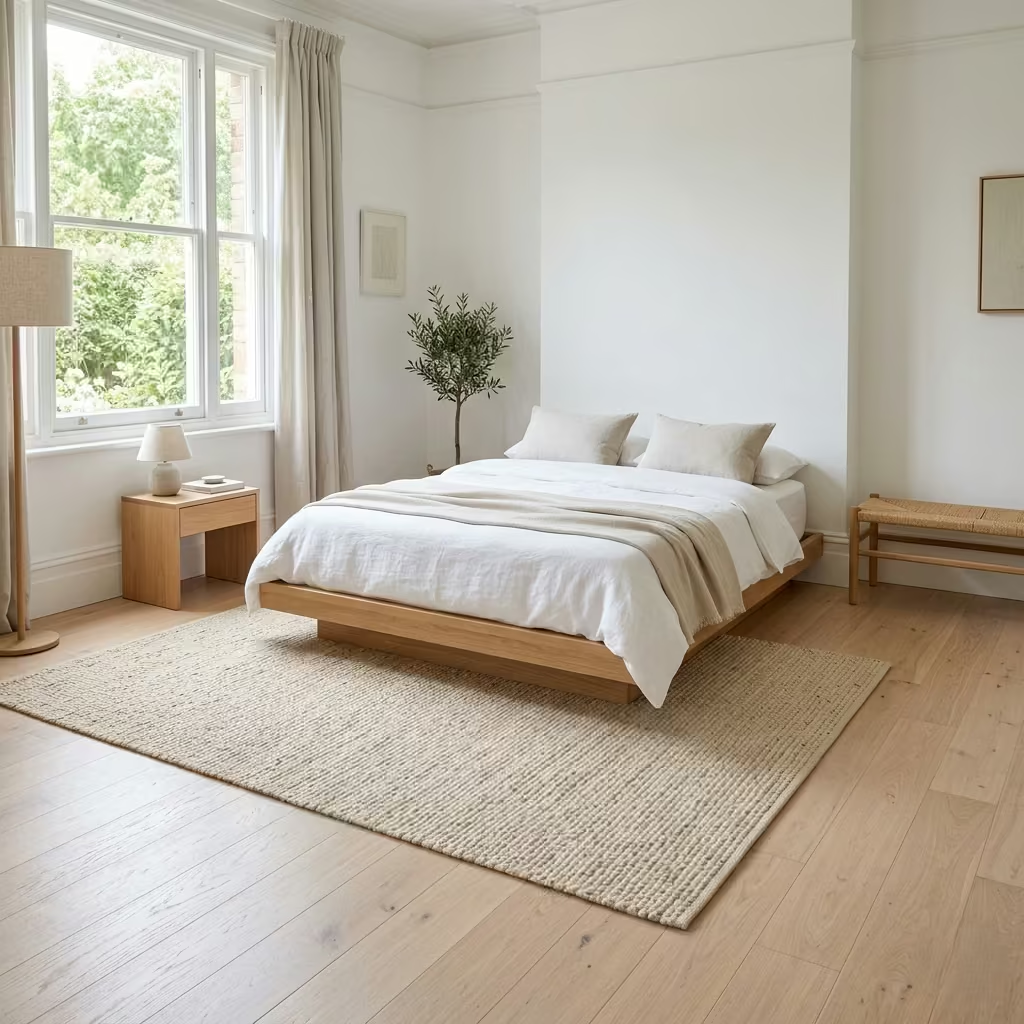
In summer bedrooms, flooring can significantly influence both perceived temperature and visual weight. I often replace wall-to-wall carpets with lightweight area rugs, which define key zones like the bed or seating area without overwhelming the room. In one project, a north-facing bedroom felt dark and heavy despite natural light; removing a thick, dark carpet and layering in a pale jute rug under the bed immediately opened the space. The floor now reflects light rather than absorbing it, and the bedroom reads as brighter, cooler, and far more breathable. Lightweight rugs also allow airflow underneath, reducing trapped warmth, a subtle but real comfort improvement in summer.
Spatial efficiency is enhanced because area rugs encourage clear circulation paths of at least 60–75 cm (24–30 inches), and the edges of the rug define furniture zones without blocking movement. Material choices are critical: natural fibres like jute, sisal, or low-pile cotton keep the surface cool and tactile, while durable backing ensures the rug stays in place. I often pair these rugs with low-profile seating solutions, a slender bench or a small upholstered chair without compromising openness. Lighting enhances the texture and warmth of the rug; daylight streaming from the window highlights the woven fibres, while subtle floor or wall lamps bring out depth in the evening.
Architecturally, area rugs interact with skirting boards, floor transitions, and furniture legs to create harmony. A rug that stops short of the wall edge emphasizes floor continuity, making the room feel larger, while also highlighting the furniture layout. The pros include visual lightness, enhanced airflow, tactile comfort, and easier maintenance. The cons are that smaller rugs may shift or require padding to stay in place and that they do not cover the entire floor for sound insulation. In practice, the right lightweight area rug transforms a summer bedroom into a space that feels open, breathable, and effortlessly elegant, while subtly supporting comfort and spatial clarity.
Indoor Plants That Enhance Freshness Without Clutter
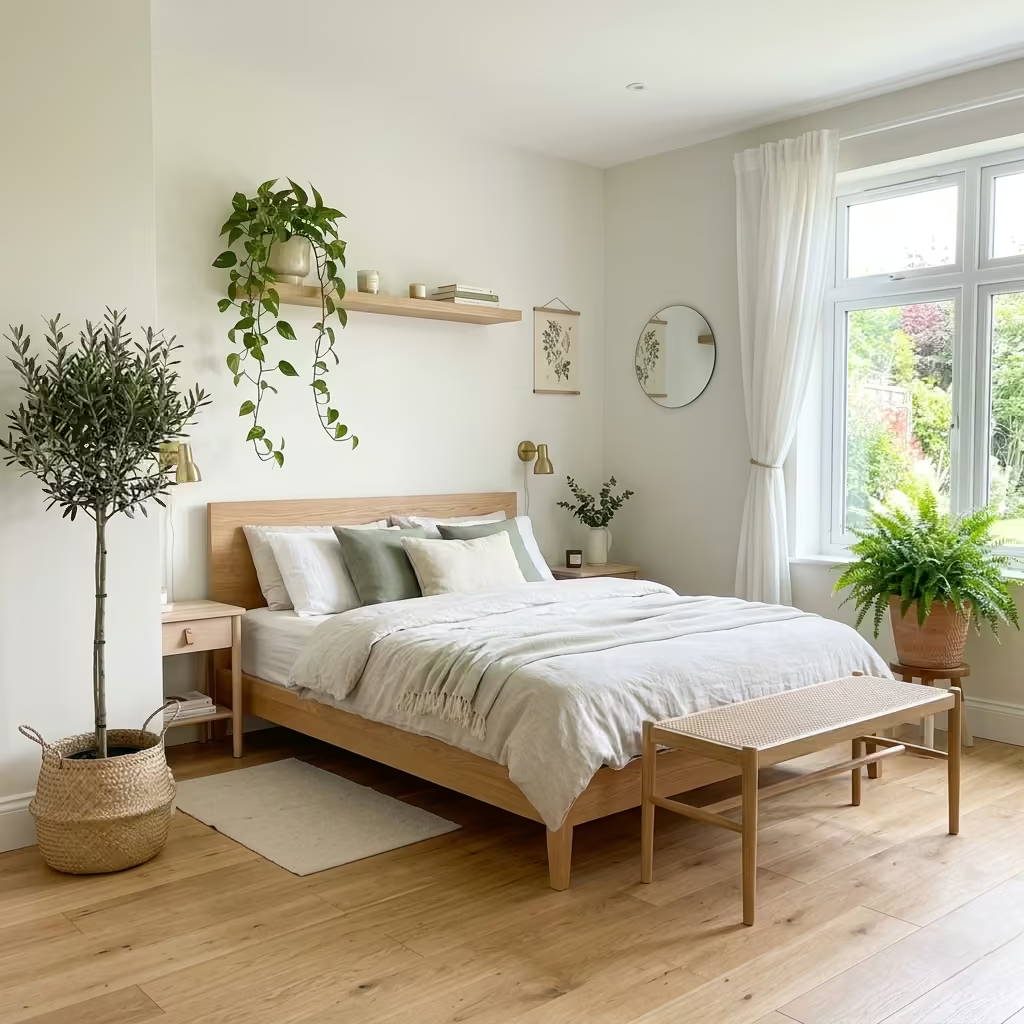
Indoor plants are one of my favourite tools for bringing life into a summer bedroom, but overdoing it can quickly make the space feel cluttered or heavy. I usually recommend limiting to 2–3 well-scaled plants, chosen to complement the room’s proportions and natural light. In one project, a client wanted a “green, summer feel” in a modestly sized bedroom. Instead of scattering small pots everywhere, we introduced a medium-sized fern near the window, a trailing pothos on a floating shelf, and a compact olive tree in a corner. The effect was immediate: a sense of freshness and vitality without obstructing circulation or overwhelming surfaces.
Plants also contribute to spatial efficiency. I like to pair them with low-profile seating, such as a slender bench at the foot of the bed or a small reading chair near the window. This ensures the greenery accentuates the room without intruding into circulation paths, which I maintain at least 60–75 cm (24–30 inches) around key furniture. Material choices are important too; pots in natural terracotta, pale ceramics, or woven baskets reinforce the summer aesthetic and complement pale wood accents, light flooring, and soft neutral walls.
Lighting and placement are critical. South- or east-facing windows work well for most plants, while ambient lighting highlights textures and keeps greenery visible at night. I often use wall-mounted planters or floating shelves to lift plants off the floor in smaller rooms, maintaining floor plane openness while adding visual height. Architecturally, plants draw the eye vertically, which can emphasize ceiling height and soften stark corners, creating a sense of airiness and organic rhythm in the room.
From experience, the pros of carefully curated plants include improved air quality, a tactile connection to nature, visual softness, and emotional uplift, which is particularly noticeable in summer when light and greenery harmonize. The cons are that plants require care, and overgrown or poorly positioned specimens can obstruct circulation or create dust traps. When chosen and placed thoughtfully, indoor plants become a subtle, living design feature that enhances freshness, emotional comfort, and the overall breathable quality of a summer bedroom.
Slimline Lighting Fixtures with Warm Temperature Bulbs
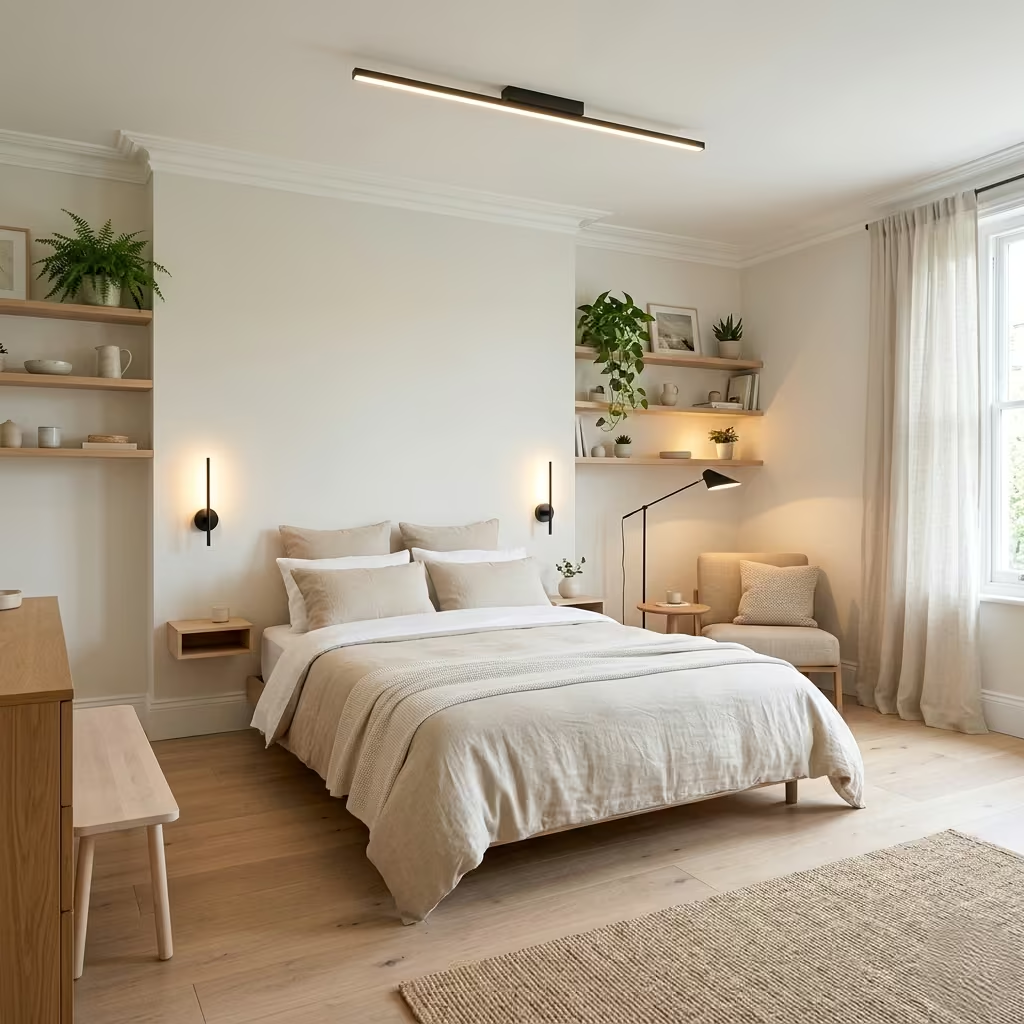
Lighting can dramatically influence how a summer bedroom feels, yet it is often overlooked in favour of natural light alone. I consistently specify slimline fixtures paired with warm temperature bulbs in the 2700K–3000K range, which cast a gentle glow that enhances both mood and material textures without adding visual bulk. In a project with a modestly sized master bedroom, replacing bulky ceiling pendants and oversized table lamps with wall-mounted slimline sconces and a low-profile linear ceiling light immediately made the room feel taller and less crowded. The warm light interacted beautifully with pale wood flooring, linen bedding, and soft neutral walls, giving the space a calm, restful quality that is hard to achieve with cooler or harsher lighting.
From a spatial efficiency standpoint, slimline lighting keeps circulation and furniture placement flexible. I like to combine wall-mounted or recessed fixtures with low-profile seating solutions such as a compact reading chair or narrow bench, so that light is accessible without creating obstacles. Material choices for fixtures brushed brass, matte black metal, or pale wood can either contrast subtly or blend seamlessly with the room’s existing palette, reinforcing the airy, summer aesthetic. I also use lighting to highlight plants and shelving strategically; a wall sconce angled over a trailing vine or pale wood shelf draws attention upward, adding vertical interest and enhancing architectural detail like skirting boards or ceiling mouldings.
In practice, the pros of slimline warm lighting are numerous: they preserve floor and wall space, complement natural daylight, and create a soft, inviting atmosphere that supports relaxation and better sleep during warmer months. The cons are that slimline fixtures may provide less ambient brightness than bulkier designs, so careful layering with natural light and supplementary lamps is necessary. When executed thoughtfully, this approach transforms a bedroom from simply well-lit to emotionally and functionally inviting, highlighting the textures, proportions, and materials that make a summer room feel genuinely light, airy, and restorative.
Glass or Acrylic Furniture Elements
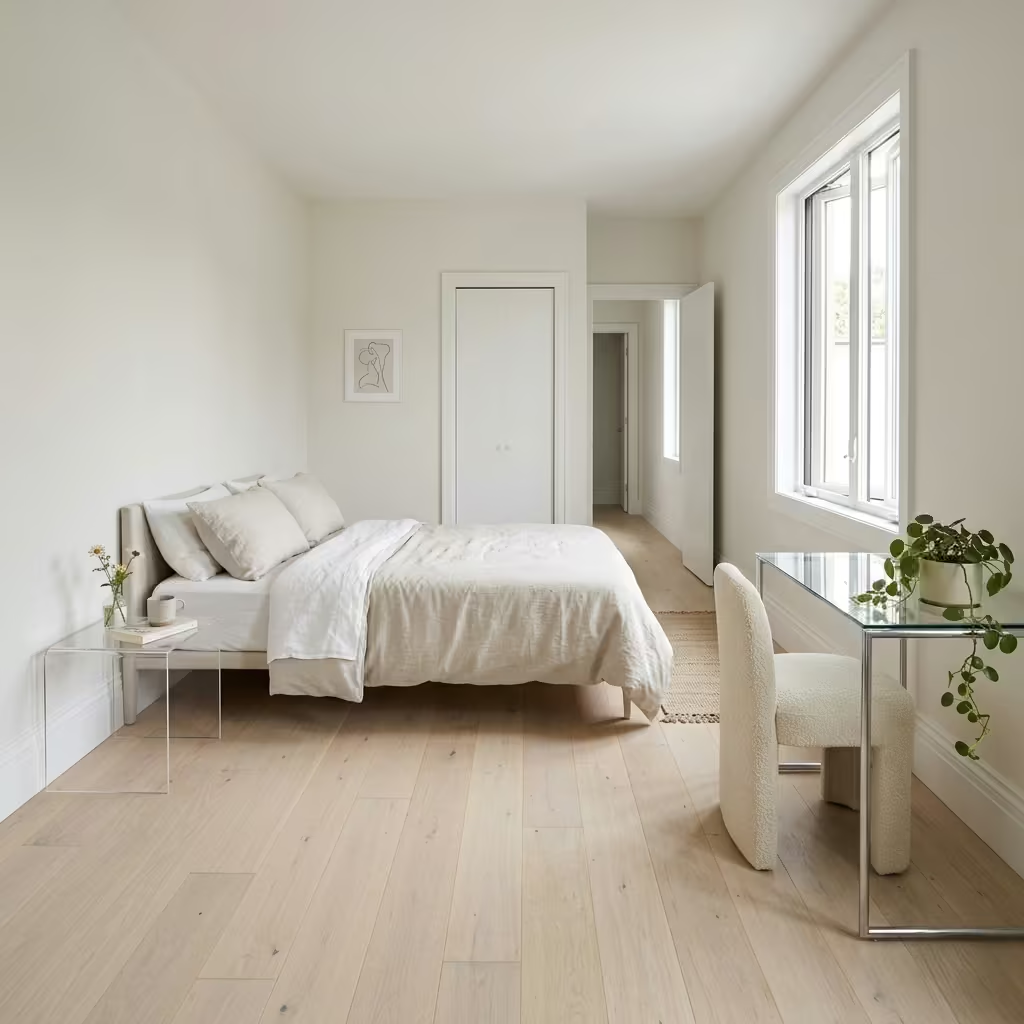
In a summer bedroom, glass or acrylic furniture is one of the most effective ways to maintain visual lightness without sacrificing function. I often specify these materials for bedside tables, small desks, or even shelving units because they are largely transparent, allowing light to pass through and the floor plane to remain uninterrupted. In one real project, a compact bedroom felt congested with solid wooden furniture. By swapping a bulky lacquered bedside chest for a slim glass table and adding an acrylic chair at a corner desk, the room felt immediately more spacious, airy, and breathable even though the square footage hadn’t changed.
From a spatial efficiency perspective, transparency allows the eye to travel across the room without being stopped by heavy forms. This is particularly valuable in bedrooms where clear circulation paths of 60–75 cm (24–30 inches) must be maintained. Glass and acrylic also pair beautifully with other materials: pale woods, linen textiles, and light-toned rugs. The result is a layered but non-obstructive aesthetic. For seating, I often combine these pieces with low-profile upholstered chairs or stools, ensuring that comfort does not compromise the airy feel.
Lighting interacts especially well with glass and acrylic. Natural daylight reflects and diffuses across transparent surfaces, subtly amplifying brightness, while artificial lighting can create soft highlights that emphasize texture and form without introducing visual weight. Plants nearby trailing vines or small potted greenery gain a floating quality when placed next to these surfaces, enhancing the sense of lightness and freshness. Architecturally, glass and acrylic furniture draws attention to skirting, wall proportion, and flooring continuity, subtly reinforcing the room’s structure without overpowering it.
The pros of these materials are obvious: they preserve openness, enhance natural and artificial light, and complement a modern, minimalist aesthetic. The cons include susceptibility to fingerprints, scratches, and the occasional feeling of coldness if paired with too many hard surfaces, so they often benefit from layered textures like linen throws, soft rugs, or wooden accents nearby. In practice, glass or acrylic elements are a deceptively powerful tool to make a bedroom feel lighter, more breathable, and emotionally refreshing, while maintaining full functionality and style.
Textured Linen Headboards Instead of Solid Panels
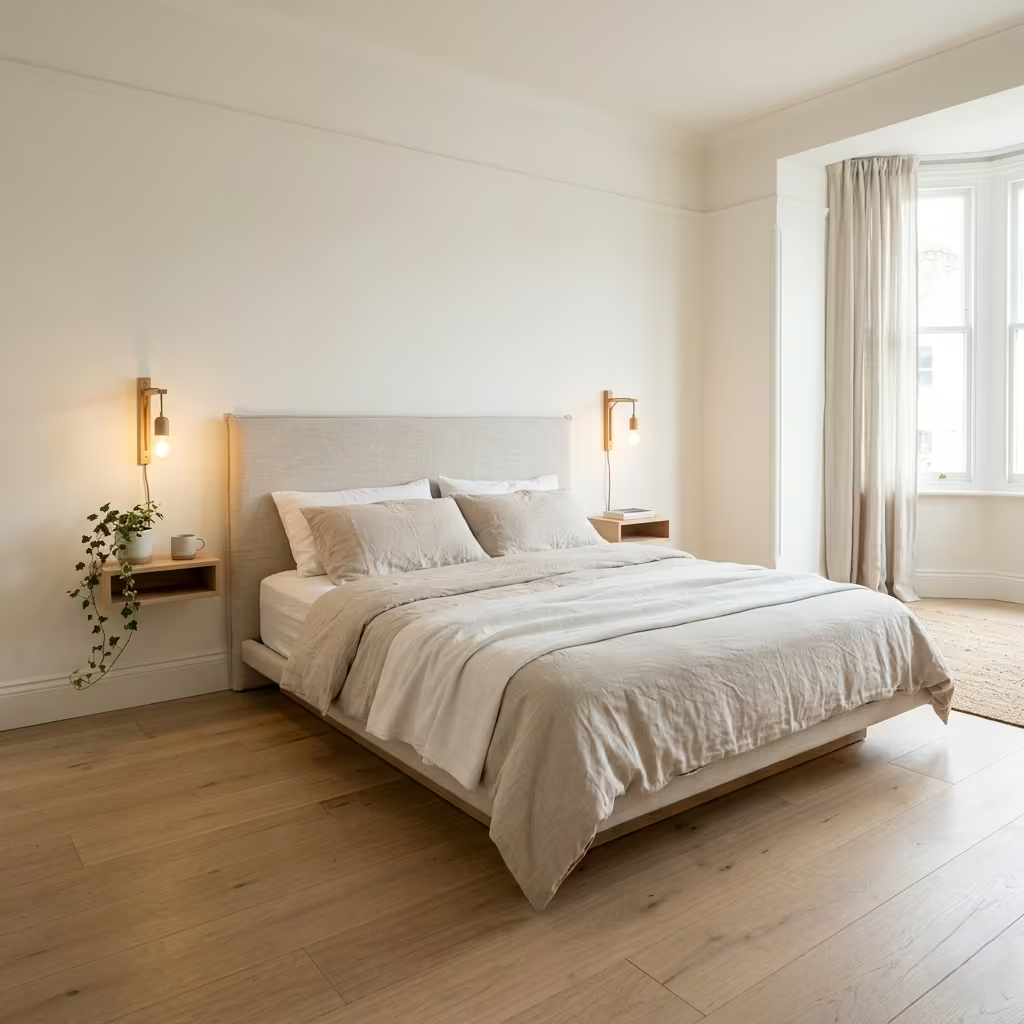
A headboard can set the tone for a bedroom, but in summer, solid or heavy panels can visually anchor a room too firmly, making it feel heavier than necessary. I often recommend textured linen headboards, which provide softness, tactility, and a sense of depth without dominating the visual space. In one project, a client had a dark, solid wood headboard that made their modestly sized bedroom feel closed in. Swapping it for a light linen upholstered panel with subtle channeling instantly lifted the room, giving the bed a defined focal point while keeping the atmosphere airy and serene.
From a spatial efficiency perspective, linen headboards are typically slimmer than traditional wood or upholstered frames, which preserves circulation around the bed (maintaining 60–75 cm / 24–30 inches of clearance). They also work harmoniously with low-profile bedding and floating bedside tables, ensuring the entire bed composition feels cohesive rather than visually heavy. Material choice is key: soft, natural linens in pale neutrals or muted pastels enhance light reflection, while tactile weaves add subtle texture that makes the space feel layered without cluttered.
Lighting and planting complement this approach beautifully. A wall-mounted sconce on either side of the bed softly highlights the linen texture, while a small plant on a nearby shelf or bench adds organic warmth without competing for attention. Architecturally, linen headboards emphasize vertical lines in a subtle way, helping to balance ceiling height and wall proportions, which is particularly effective in rooms with modest dimensions.
The pros of textured linen headboards include softness under touch, visual lightness, versatility with colour palettes, and the ability to create a restful focal point. The cons are that linen can stain more easily than wood or leather and may require occasional maintenance or professional cleaning. In real-world experience, this small change transforms the emotional feel of a summer bedroom: the space feels calm, breathable, and inviting, encouraging restful sleep and reinforcing the overall light, airy aesthetic without overwhelming the room.
Decluttered Nightstands with Functional Styling
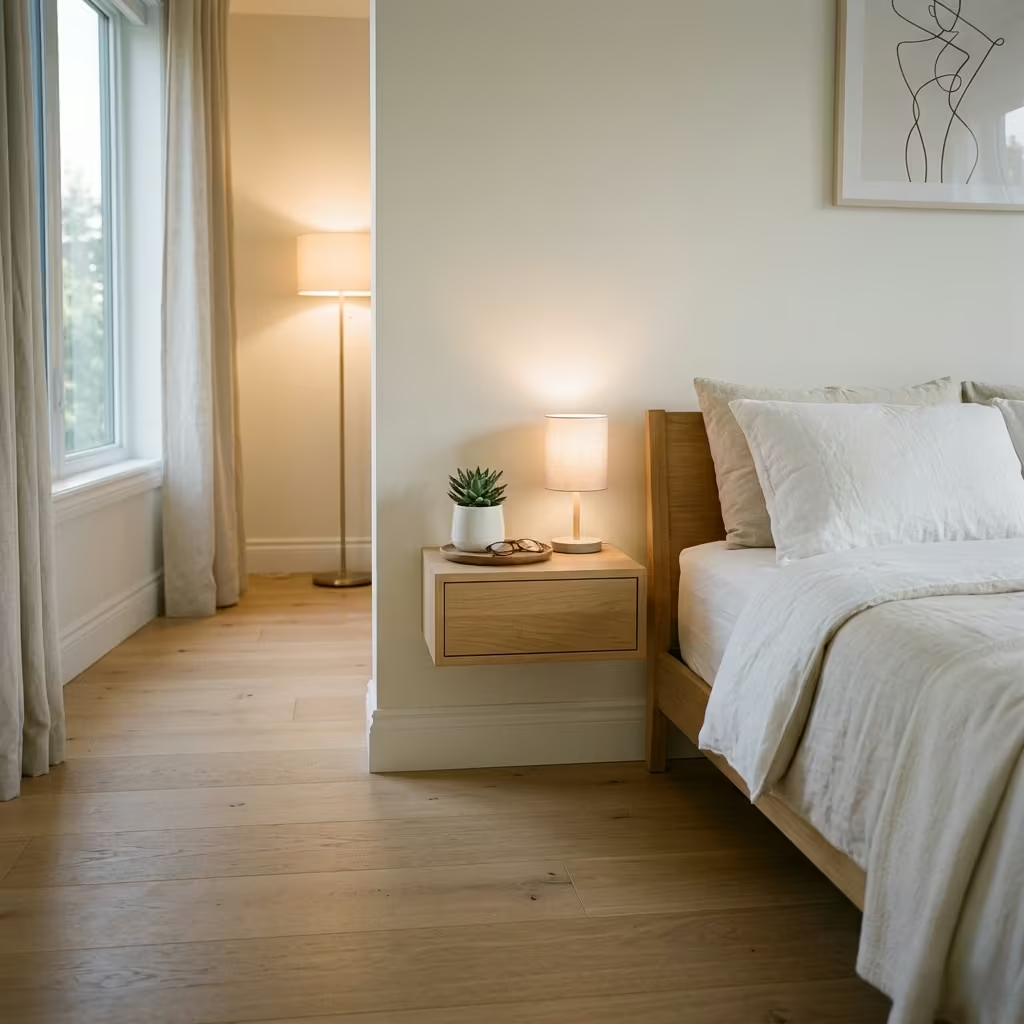
Nightstands are often the most overlooked part of a bedroom, yet they play a critical role in maintaining a light and airy summer atmosphere. I encourage clients to move away from crowded surfaces and focus on functional, curated styling.
In one project, a bedroom felt visually heavy because every nightstand was piled with books, chargers, water glasses, and decorative trinkets. We paired it back to a slim lamp, a small potted plant, and a single tray for essentials, which instantly made the space feel calmer and more intentional. The difference was striking: the room now exuded clarity and ease, and the client found it more welcoming at the end of a long day.
From a spatial efficiency perspective, keeping nightstands decluttered ensures at least 60–75 cm (24–30 inches) of clearance around the bed for circulation, while also allowing adjacent seating or floating bedside tables to remain unobstructed. Material choice plays a key role; I favour light wood, lacquered finishes, or glass surfaces for nightstands because they reflect light and maintain visual openness, reinforcing the summer bedroom’s airy aesthetic.
Lighting and planting can amplify this effect. A wall-mounted or slim table lamp frees surface space, while a small indoor plant or succulent adds freshness without introducing clutter. Architecturally, tidy nightstands let the room’s skirting, wall panels, and bed proportions remain visible, emphasizing the bedroom’s structure and contributing to a sense of openness.
The pros of this approach are clear: improved visual clarity, easier cleaning, and enhanced functional use of the bedside area. The cons are that it requires regular maintenance and conscious editing, as personal items tend to accumulate. In practice, a decluttered, functionally styled nightstand transforms the emotional feel of a bedroom, reinforcing calmness, lightness, and ease qualities that make a summer bedroom genuinely restful and inviting.
You May also Like: 25 Modern Victorian Bedroom Ideas That Feel Rich, Elegant, and Effortlessly Livable
Soft Pastel Accents Instead of Bold Colours
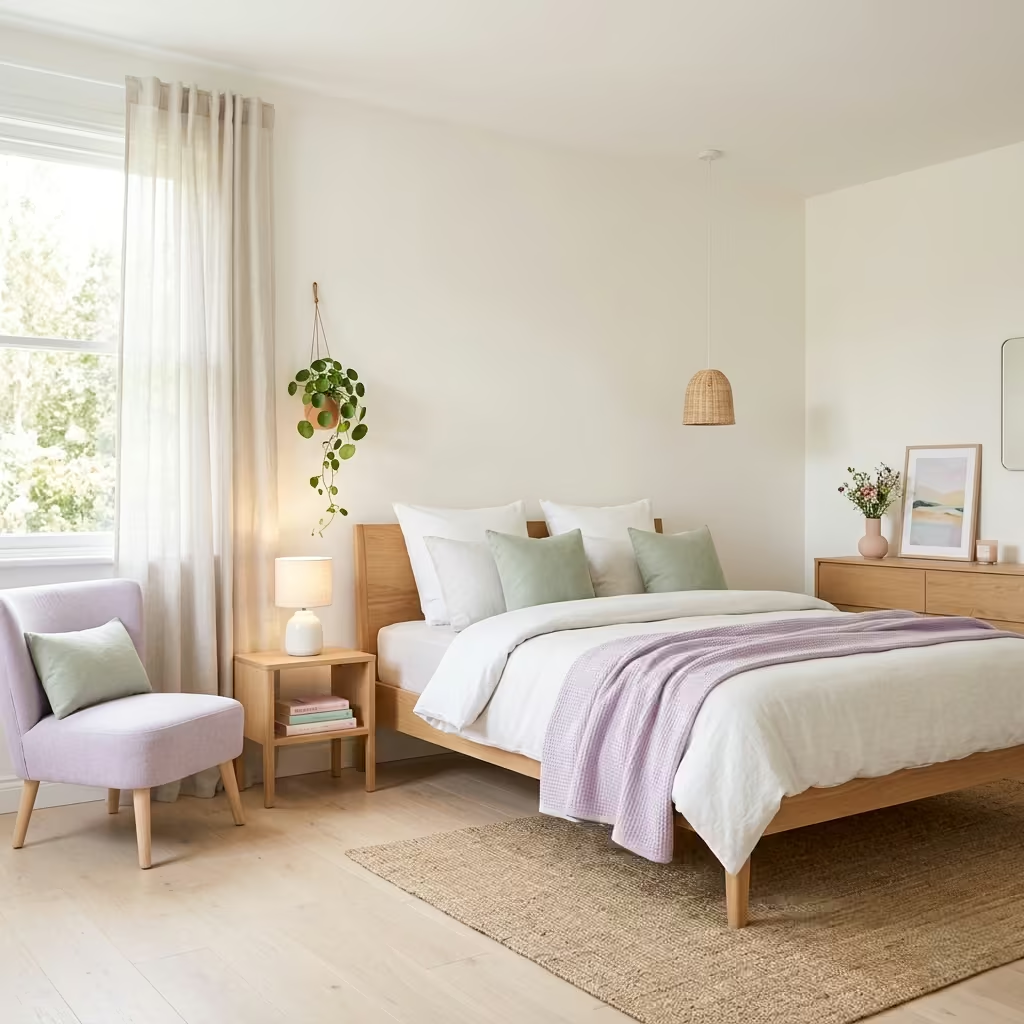
In summer bedrooms, bold colours can easily overwhelm a space, making it feel heavier and visually cluttered. I always lean towards soft pastel accents, muted pinks, gentle blues, sage greens, or pale lavender because they introduce personality without compromising airiness. In one project, a client initially wanted a bold navy feature wall and bright cushions.
While striking, the effect reduced perceived space and trapped heat visually. We shifted to a soft, pastel-accented palette, including a pale mint throw, blush cushions, and a muted sky-blue vase. The result was a room that felt brighter, cooler, and more serene, while still maintaining a sense of style and individuality.
From a spatial efficiency perspective, pastels allow furniture and circulation to remain visually unobstructed. I usually coordinate these accents with low-profile seating solutions like a small upholstered bench or a light reading chair, ensuring that the colour adds warmth and interest without creating heavy visual blocks. Material choices: linen cushions, soft wool throws, or pale ceramic accessories enhance the tactile experience, giving the space depth and comfort while staying light.
Lighting and planting amplify pastel accents beautifully. Warm daylight softens colours naturally, and carefully placed artificial lighting like a slimline wall sconce or floor lamp maintains harmony in the evening. A small indoor plant, such as a fern or trailing vine, adds a green counterpoint that balances pastel tones and reinforces freshness. Architecturally, pastels work best when walls, skirting, and trims are kept neutral or subtly complementary, letting the accents sit as intentional highlights rather than competing with structural lines.
The pros of using soft pastels are enhanced lightness, emotional calm, and effortless integration with natural materials. The cons are that very pale colours may show wear or fading over time and require maintenance to prevent staining, especially on textiles. From my real-life experience, this approach transforms a bedroom into a space that feels airy, harmonious, and emotionally restful, making the summer experience not just visually appealing but genuinely comfortable for living and sleeping.
Maximising Window Height with Vertical Lines
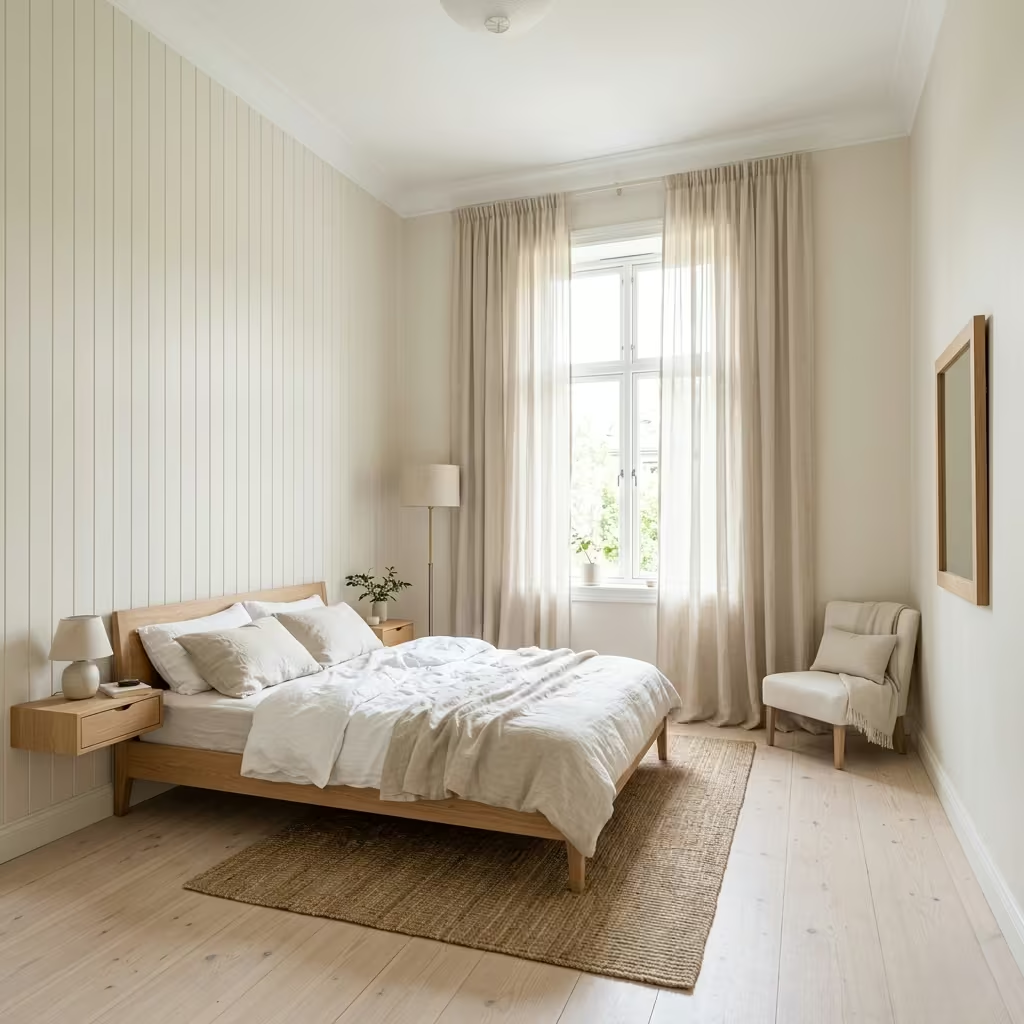
One of the most effective ways to make a summer bedroom feel taller, lighter, and more composed is to draw the eye upward with vertical lines. I often use full-height curtains or slim wall paneling to elongate the room visually, especially in spaces where the ceiling feels low or the window proportion is underwhelming.
Hanging curtains from close to the ceiling rather than just above the frame can add a real sense of lift, and I usually extend the fabric well beyond the window width so the opening feels generous even when the curtains are drawn. In practical terms, that means keeping curtain tracks high and wide, while maintaining roughly 20–30 cm (8–12 inches) beyond the frame on each side for better light exposure and visual balance.
In one bedroom I worked on, the windows were technically a good size, but they had a squat, compressed look because the curtains started too low. Once we raised the treatment line and introduced a subtle vertical stripe in the paneling, the room suddenly felt more elegant, more breathable, and far less confined.
This approach matters because vertical lines do more than decorate a wall. They influence how the room is read physically and emotionally. A bedroom with strong upward movement feels calmer, less boxy, and more open to daylight.
I often pair this with spatially efficient furniture, such as a narrow reading chair, a low bench, or floating bedside tables, so the vertical emphasis is not interrupted by heavy forms. Material choice is important too. Light linen curtains, soft wool blends, or discreet timber paneling in pale tones all support the feeling of height without adding visual weight.
I also find that lighting and planting reinforce the effect beautifully. A tall floor lamp, a slim plant with an upright habit, or a vertical wall sconce can echo the same upward rhythm, helping the room feel thoughtfully layered rather than overdesigned. Architecturally, this works best when the window reveal, skirting, and wall junctions are handled cleanly, because any visual clutter at those transition points weakens the sense of height.
The pros are a stronger sense of proportion, improved daylight framing, and a more refined summer atmosphere. The cons are that poor installation can make the treatment feel forced, so the measurements and alignment have to be precise. When done properly, this is one of those quiet interventions that changes the whole emotional register of a bedroom, making it feel taller, cooler, and more graceful to live in.
Light Diffusing Blinds Instead of Blackout Layers (Day Use)
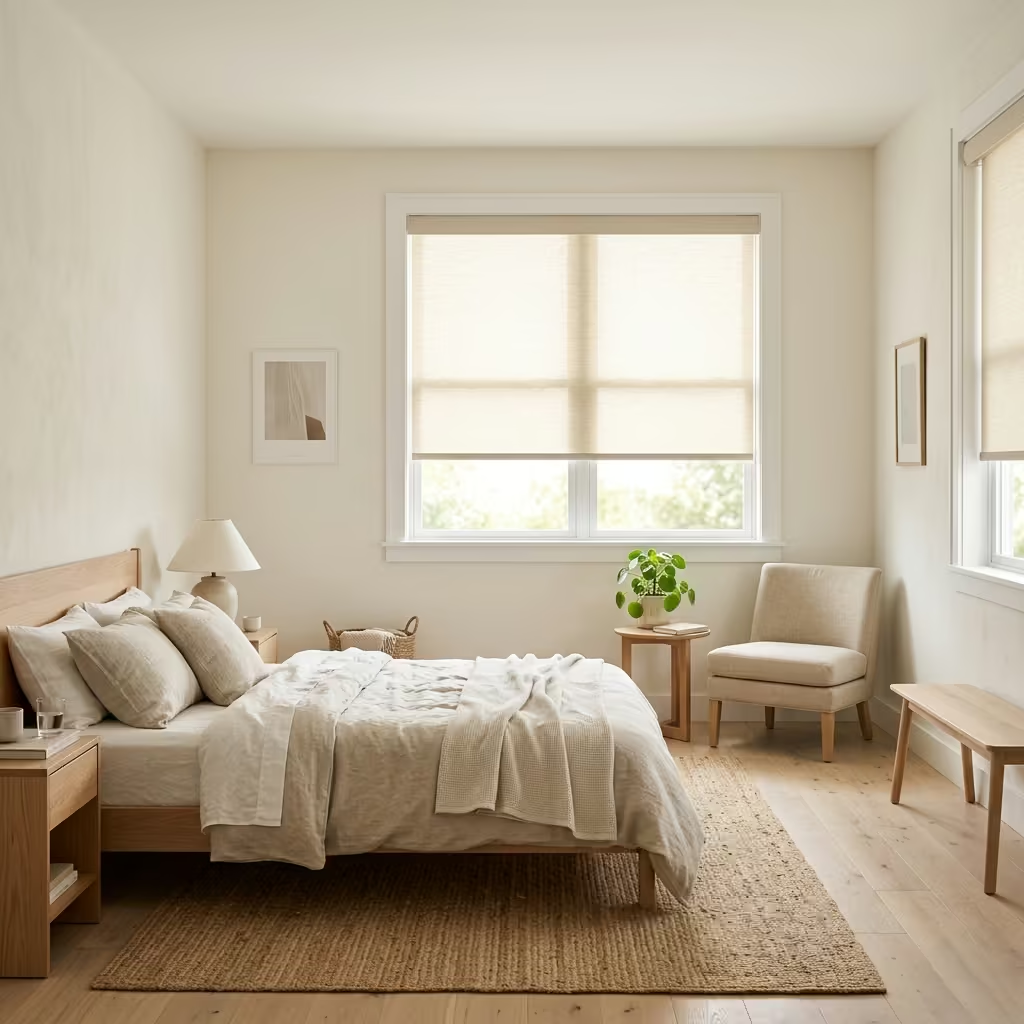
In a summer bedroom, controlling light is about balance, not total blockage. I often recommend light diffusing blinds rather than heavy blackout layers during the day, because they soften incoming sunlight without making the room feel enclosed or artificially dark. In one project, a south-facing bedroom with thick blackout curtains felt claustrophobic during daylight hours; the room was bright only when curtains were fully open, which meant glare and heat were unavoidable. Replacing them with sheer roller blinds in pale tones allowed light to filter evenly across walls, flooring, and furnishings, maintaining both visual lightness and thermal comfort. The room immediately felt airy, calm, and more connected to the outdoors.
From a spatial efficiency standpoint, blinds sit flush within the window frame and do not intrude on circulation, unlike layered drapery that encroaches into the room’s footprint. I pair them with low-profile seating solutions, such as a small upholstered chair by the window or a slender bench underneath, so the area remains functional for reading or morning coffee. Material choice is crucial: lightweight, translucent fabrics such as voile or linen blends diffuse light gently while remaining durable and easy to maintain. Pale neutral tones help amplify daylight reflection, while subtle textures add depth without visual clutter.
Lighting and planting also interact beautifully with diffusing blinds. Soft natural light bouncing off walls highlights linen bedding, jute rugs, or pale wood furniture while small indoor plants thrive in the filtered daylight, creating a vibrant but uncluttered summer environment. Architecturally, blinds maintain the clarity of window proportions, skirting lines, and ceiling height, allowing these details to remain a part of the room’s design rather than being masked by heavy layers.
The pros of light diffusing blinds are improved daylight quality, thermal comfort, visual openness, and low maintenance. The cons are that they offer limited privacy at night, so a lightweight secondary layer may still be needed for evening use. In real-world experience, these blinds create a bedroom that feels light, airy, and psychologically cooler, supporting daily activities, relaxation, and the overall restorative quality of a summer space. They are a subtle but transformative element that preserves both function and style.
You May also Like: 24 Dark Apartments Ideas to Brighten and Transform Your Space
Under-Bed Clearance for Better Air Circulation
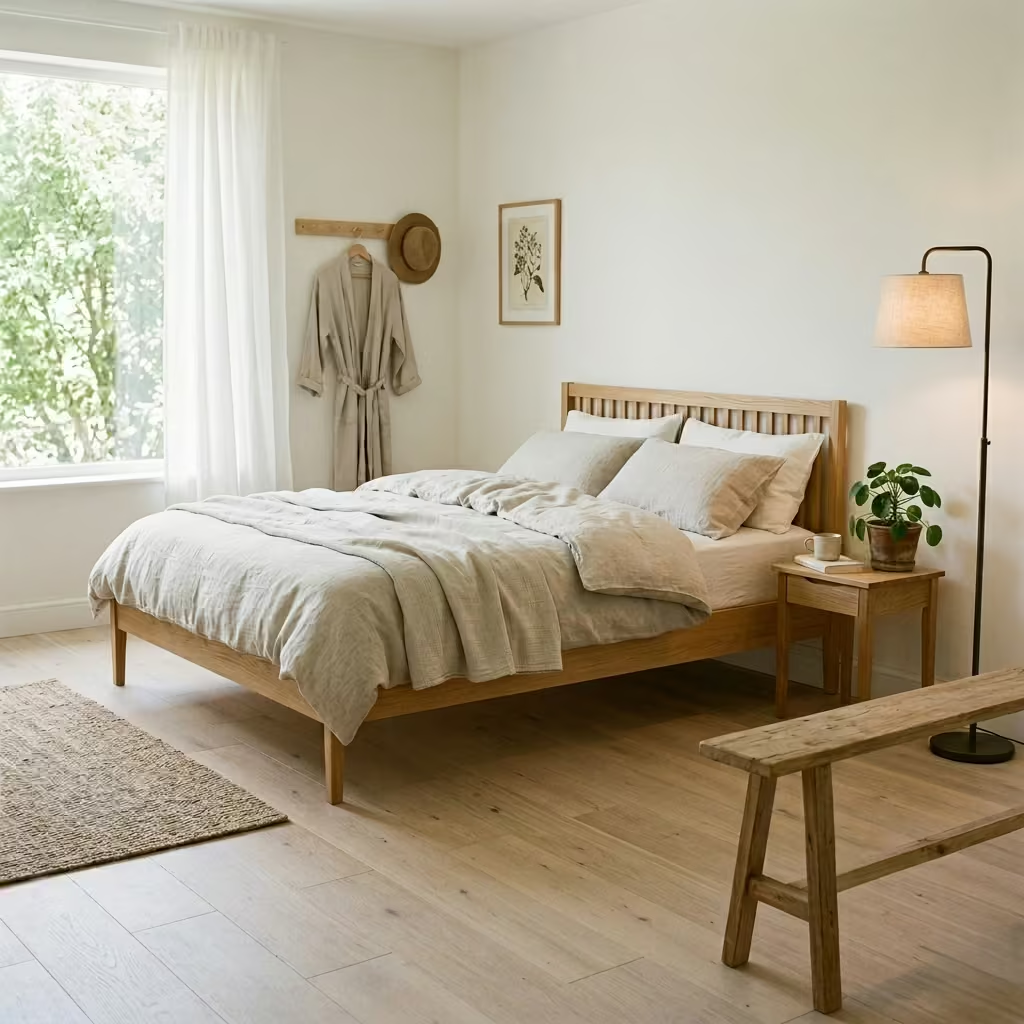
Under-bed clearance is one of those details that is easy to ignore, yet it has a real impact on how a summer bedroom feels day to day. I usually aim to keep at least 10–20 cm (4–8 inches) of open space beneath the bed where possible, because that gap allows air to move more freely and helps the room feel less stagnant overnight.
In practical terms, it also makes the bedroom read as lighter, since the bed is not sitting visually flat on the floor like a heavy block. I have found this especially valuable in warmer rooms where heat lingers after sunset. When the bed is lifted slightly, the whole composition feels less compressed and more breathable, which can make a surprising difference to sleep comfort and to the emotional tone of the space.
From a real-world design perspective, I often prefer a raised timber frame or a simple platform with legs rather than a fully enclosed base, particularly in bedrooms where spatial efficiency matters. A little visible clearance gives the floor plane room to breathe, and it also helps the room feel cleaner and more deliberate. In one compact summer bedroom, replacing a solid storage bed with a lower frame on slim legs changed the atmosphere completely. The room went from feeling dense and overheated to feeling calmer, cooler, and much easier to live in. That is the value of this kind of detail. It is not about adding more, but about letting the room function better.
Material choice plays a role too. I usually pair this approach with light timber, linen bedding, and low-visual-weight furniture, so the bed appears grounded but not heavy. If storage beneath the bed is necessary, I keep it minimal and hidden in neat, shallow boxes rather than overfilling the space, because visual clutter under the bed can undo the sense of openness. I also like to keep seating solutions nearby simple and slim, such as a narrow bench or an occasional chair, so the room remains easy to move through and the floor area does not feel crowded. Lighting and planting work well here too.
A soft floor lamp or wall light can pick up the empty space under the bed and make the room feel more expansive, while a plant near the bedside adds life without interrupting the open lower line of the room. Architecturally, that visible gap helps skirting boards, flooring joins, and wall proportions read more clearly, which strengthens the sense of calm order in the room.
The pros are improved airflow, a lighter visual composition, easier cleaning, and a bedroom that feels less stuffy in summer. The cons are that some bed styles offer limited clearance or less built-in storage, so the choice has to be realistic for the way the room is used. Even so, this is one of the simplest ways to improve both comfort and atmosphere, and in my experience it often gives a bedroom that subtle, restful quality people notice immediately but may not know how to explain.
Subtle Coastal Influences Without Themed Decor
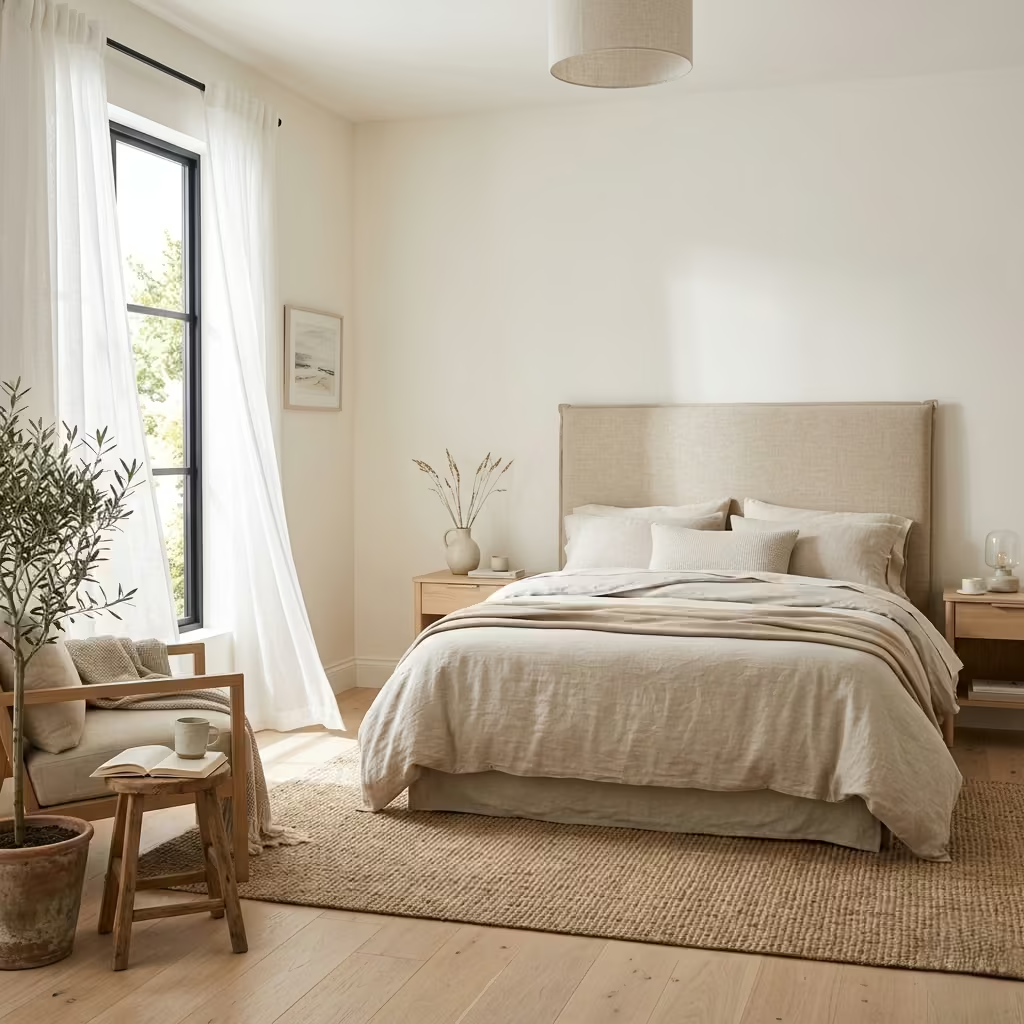
The most successful coastal-inspired summer bedrooms rarely rely on obvious motifs. In my experience, the rooms that feel most timeless are the ones shaped by material-driven coastal cues rather than decorative clichés. That means leaning into pale timber, washed linen, soft stone tones, woven textures, and breezy tonal layering instead of shells, anchors, or overly literal blue-and-white styling. A bedroom with this approach feels calm because it suggests the coast through atmosphere, not decoration. In one project, a client wanted a summer room that felt restful and fresh, but she did not want it to look themed. We introduced a pale oak bedside table, a textured linen headboard, a sandy-toned rug, and sheer curtains that moved softly with the air. The room immediately carried that easy, holiday-adjacent feeling without losing sophistication. It felt lived-in, not staged, which is exactly what makes the effect so valuable over time.
What makes this approach work so well is the way it supports spatial efficiency. Coastal-inspired interiors often feel expansive because the materials do not visually compete with each other. Light surfaces, restrained contrast, and gentle texture keep the eye moving without interruption. I usually keep the furniture quiet and functional, with a slim bench, a simple reading chair, or a compact ottoman that does not crowd circulation. That matters in summer bedrooms, where the feeling of openness is just as important as appearance. The room should breathe. When circulation paths stay clear, around 60–75 cm (24–30 inches) around the bed and access points, the whole space feels more relaxed and easier to live in.
Material choice is the real backbone of the look. Pale woods, brushed plaster walls, linen upholstery, jute rugs, and ceramic accents all contribute to a sense of softness and light. These materials do not shout for attention. They age gracefully and carry that lived, sun-warmed quality that makes a bedroom feel emotionally restful. I often pair these finishes with lighting and planting that reinforce the same tone. A warm lamp in the evening, soft filtered daylight during the day, and a simple plant with an organic shape can make the room feel fresh without becoming decorative clutter. Even one olive tree, fern, or trailing vine can quietly strengthen the coastal mood. Architecturally, this style works best when the room’s details are clean and understated. Simple skirting, uncluttered window reveals, and calm wall lines allow the materials to do the work, rather than forcing the architecture to carry the theme.
The real strength of this idea is its restraint. The pros are clear: it feels calm, breathable, adaptable, and long-lasting, with a natural connection to light and summer living. The cons are equally real: if the palette is too pale or the materials are too similar, the room can drift toward blandness, so texture and subtle variation are essential. When handled properly, subtle coastal influence becomes less about decorating a bedroom and more about creating a space that feels open, grounded, and quietly restorative, which is far more valuable than any themed look could ever be.
Minimal Artwork with Generous Spacing
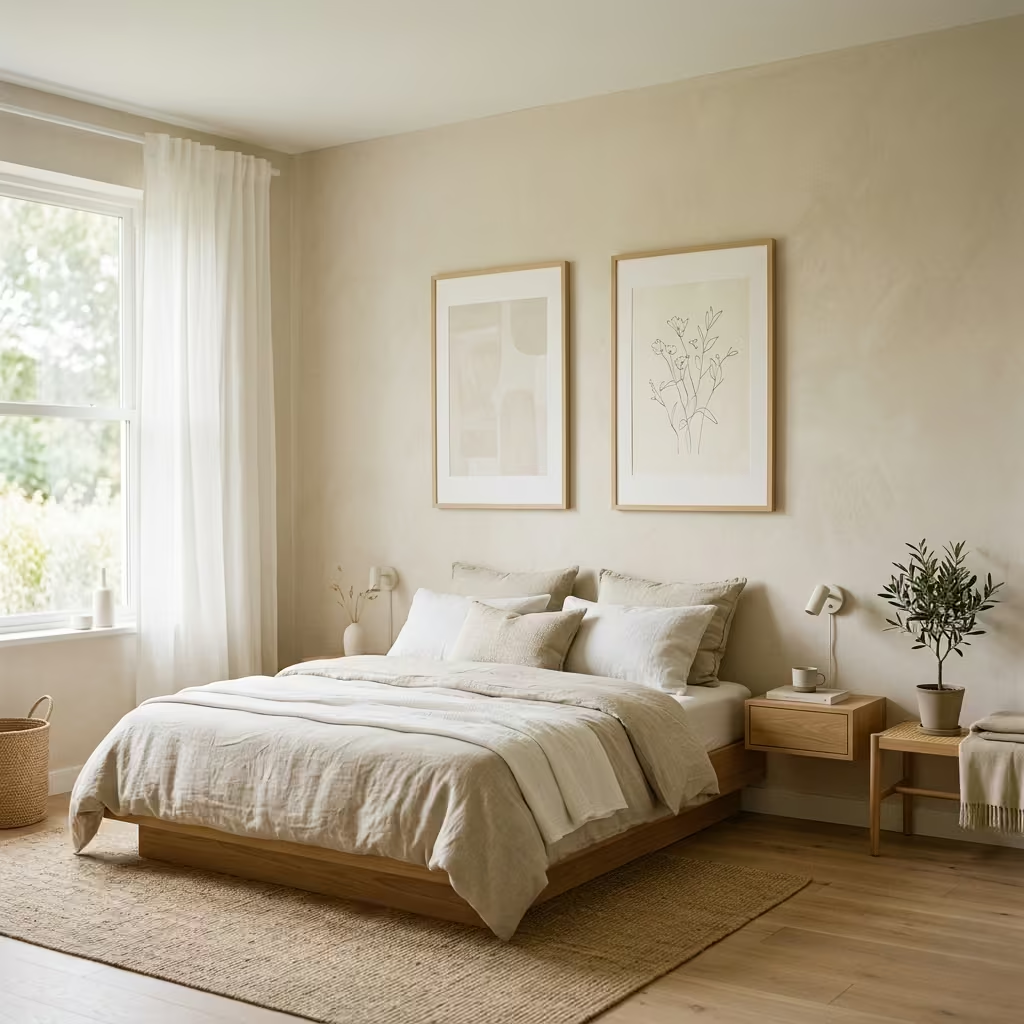
Artwork in a summer bedroom should feel considered, not crowded. I tend to use fewer pieces with more breathing room, because generous spacing allows each work to register properly and prevents the wall from feeling visually busy. As a rule, I keep at least 15–20 cm (6–8 inches) between frames, and often more in smaller rooms if the wall is already carrying a lot of visual information from windows, furniture, or architectural detailing.
In practice, this creates a calmer rhythm across the room and supports the wider goal of lightness. A single large print, or a pair of restrained works, usually feels far more elegant than a cluster packed tightly together. The eye needs pause points, especially in a bedroom where the room should support rest rather than demand attention.
I have found that this approach also improves spatial efficiency in a subtle but important way. When artwork is spaced properly, it does not compete with seating, bedside furniture, or the bed itself, so the room feels more ordered and less compressed. I often pair minimal artwork with a slim chair, a simple bench, or floating bedside tables, allowing the composition to stay open from wall to floor. Material choice matters too. A softly textured paper, linen-mounted print, or muted frame in oak, ash, or a painted finish usually works better than anything overly glossy or ornate. Lighting should be quiet and deliberate, ideally a warm wall wash or a focused picture light that does not create glare.
If a plant is included nearby, I keep it understated so it supports the artwork rather than competes with it. Architecturally, minimal artwork allows skirting, wall height, and window proportions to remain visible, which strengthens the room’s sense of proportion and calm. The real value here is emotional as much as visual: the bedroom feels less fragmented, more composed, and easier to settle into at the end of the day.
Light Reflective Ceiling Finishes
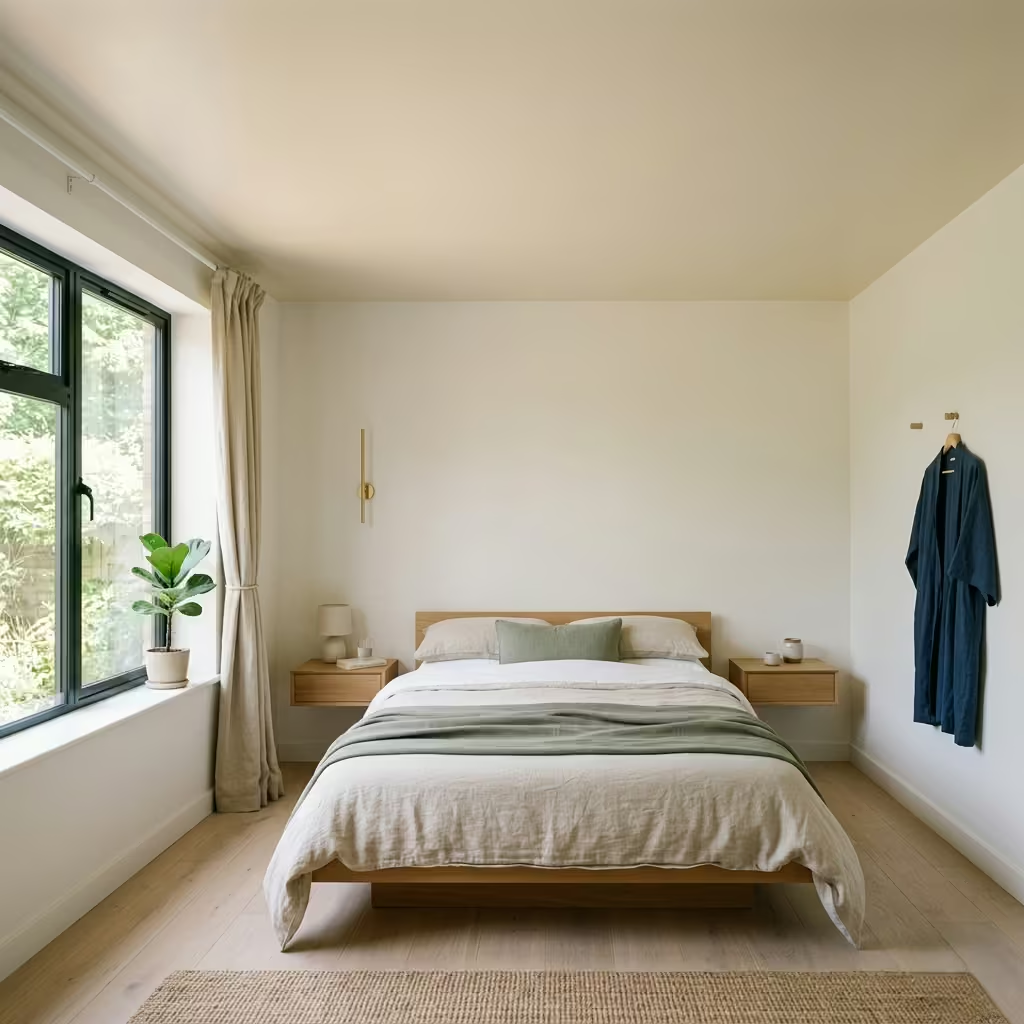
Ceiling finishes are often overlooked in summer bedrooms, yet they play a crucial role in amplifying natural light and enhancing the sense of space. I often focus on light-reflective surfaces, but the choice between soft matte and high-gloss finishes depends on the desired effect and the room’s proportions.
In one project with a north-facing bedroom, a soft matte pale cream ceiling subtly bounced light from the window across walls and bedding, giving the room a warm, evenly lit ambience without harsh reflections. Conversely, in a small city apartment, a high-gloss white ceiling helped visually lift the room, reflecting daylight across the space and enhancing the perception of height. Both approaches work, but matte creates a soft, restful glow, whereas gloss amplifies brightness and spatial perception.
From a spatial efficiency perspective, reflective ceilings can make compact rooms feel larger and more open. I pair them with low-profile furniture, such as beds with 30–45 cm (12–18 inch) height and floating bedside tables, so the eye travels unobstructed from floor to ceiling. Material choice is important: a high-quality matte paint, plaster skim, or subtle eggshell finish offers longevity and gentle reflectivity, while gloss or lacquered finishes catch sunlight and artificial lighting in a more dramatic way.
Lighting interacts with reflective ceilings beautifully. Slimline wall sconces, indirect LED strips, or pendant lights are enhanced by the reflective surface, creating a soft ambient glow that adds to the bedroom’s summer freshness. For planting, I like to place a small upright plant near a window or on a shelf so its shadow or reflection is subtly amplified on the ceiling, adding visual interest without clutter. Architecturally, reflective ceilings reinforce the proportion and rhythm of walls, skirting, and trims, helping the room feel cohesive, open, and airy.
The pros of reflective ceiling finishes are increased brightness, enhanced perception of volume, and a more refreshing atmosphere. The cons are that high-gloss surfaces may highlight imperfections and require more maintenance, while matte surfaces reflect less direct light. In real-life application, the right ceiling finish subtly transforms a bedroom, supporting light, airy, and emotionally restorative summer spaces without relying on heavy décor or excessive colour.
Soft Scent Layering (Linen, Citrus, Eucalyptus)
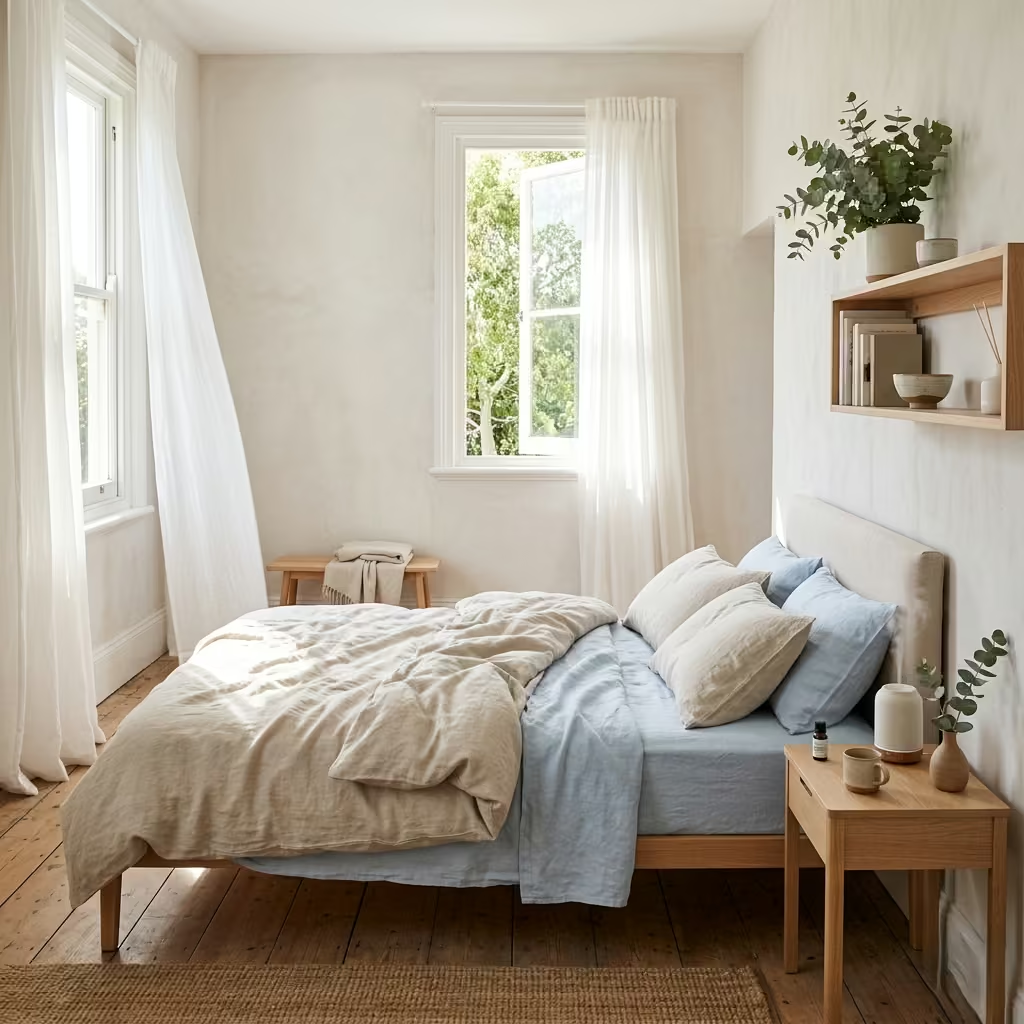
A summer bedroom is not just about what you see it’s also about how it feels and smells. I often use soft scent layering to subtly enhance the perception of freshness and airiness. In practice, this means combining the natural smell of freshly laundered linen with citrus notes from essential oils or diffusers and the crisp, green undertones of eucalyptus.
In one project, the bedroom felt flat despite bright light and pale tones; introducing this scent combination instantly made the space feel more inviting, energising, and summer-ready. Linen itself carries a comforting warmth, while citrus adds brightness and clarity, and eucalyptus gives a cooling, almost spa-like quality. Together, they create an emotional lift that complements the visual lightness of the room.
From a spatial efficiency standpoint, scent layering requires no additional furniture or clutter. I usually integrate diffusers or reed vases on floating bedside tables, open shelves, or narrow window sills, maintaining at least 60–75 cm (24–30 inches) of circulation around them. Material choices can reinforce this effect: linen bedding and soft cotton curtains absorb and hold subtle aromas, while wooden or ceramic diffuser bases maintain a tactile, natural presence that blends seamlessly with the room’s palette.
Seating solutions, like a small reading chair or narrow bench, become even more inviting when paired with these scents, creating mini “pause zones” where the sensory experience is enhanced.
Lighting and planting enhance the effect. Sunlight warms linen and highlights natural fibres, subtly intensifying the scent, while a small indoor plant, such as a fern or eucalyptus branch, adds visual freshness that mirrors the olfactory cues. Architecturally, scent layering works harmoniously with neutral walls, pale flooring, and ceiling finishes, allowing the sensory experience to reinforce the overall perception of airiness and calm.
The pros of soft scent layering include emotional uplift, a perception of cleanliness and freshness, and an effortless connection to seasonal cues without adding visual clutter. The cons are that overuse can be overpowering or irritating for sensitive individuals, and careful balance is required. In my experience, when done thoughtfully, scent layering transforms a bedroom from merely light and airy into a space that feels restorative, inviting, and subtly energised, enhancing the emotional and physical comfort of summer living.
Reducing Visual Noise Through Hidden Storage Solutions
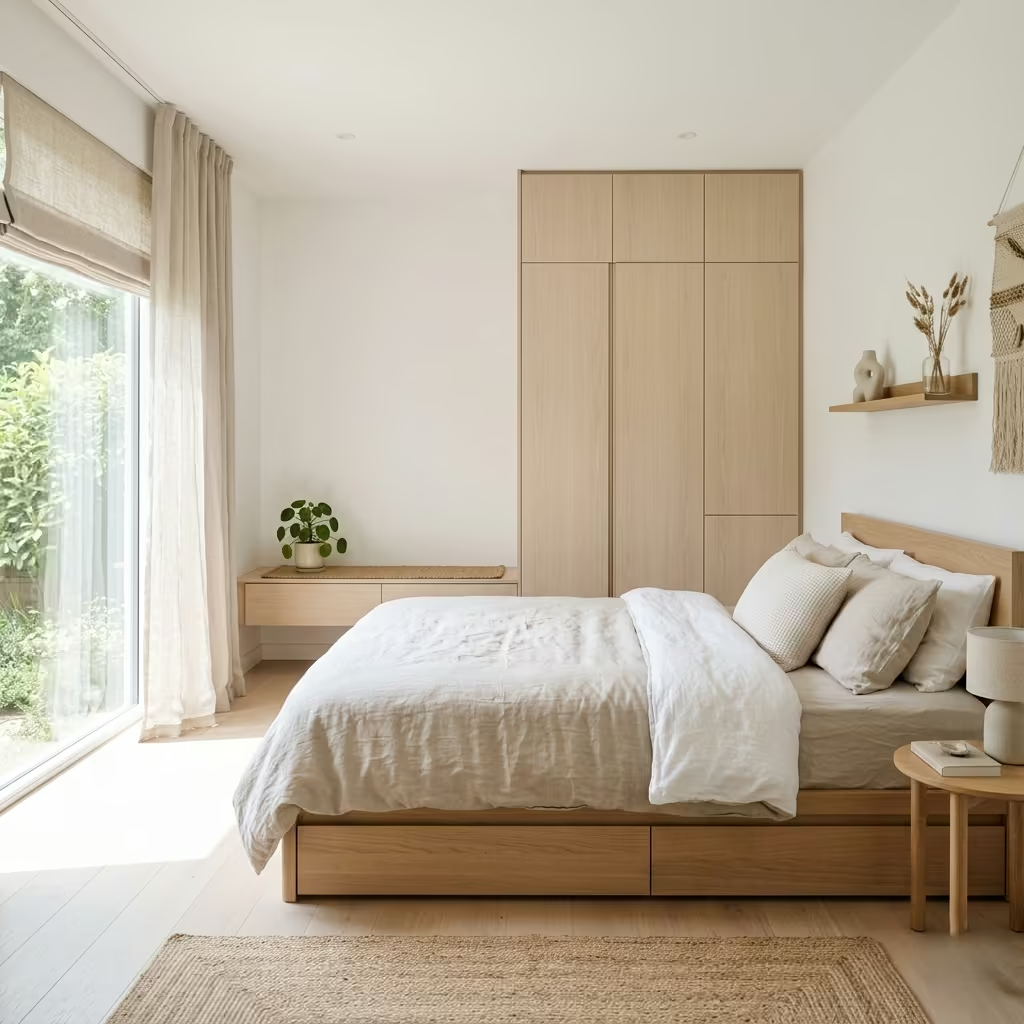
A summer bedroom feels instantly calmer when the eye isn’t constantly stopping at clutter. I’ve found that hidden storage solutions under-bed drawers, built-in cabinetry with push-to-open fronts, or concealed shelving behind panel doors are worth their weight in gold for creating a serene, airy atmosphere.
In one project, a client’s bedroom was overflowing with miscellaneous items scattered across open shelves and nightstands. By integrating discreet under-bed drawers and a slim wall-mounted cabinet with hidden compartments, the room instantly breathed easier. Not only did it look cleaner, but the space actually felt larger and lighter, as though the walls themselves had room to stretch.
From a spatial efficiency perspective, hidden storage keeps circulation paths clear, always maintaining at least 60–75 cm (24–30 inches) around the bed and main walkways while still providing plenty of practical stowage. Material choice is key: pale woods, light-toned laminates, or soft-painted MDF help these units vanish into the background while maintaining durability. Seating solutions, like a floating bench or low chair, complement hidden storage perfectly, giving the room functional pauses without adding visual weight.
Lighting plays a subtle supporting role. Indirect LED strips inside concealed cabinets or soft wall-mounted fixtures highlight the space without drawing attention to the storage itself. Plants nearby or a carefully positioned vase can soften edges and introduce life, making the room feel airy, organic, and effortless rather than overly engineered. Architecturally, concealed storage emphasizes clean lines and understated details skirting, wall proportions, and ceiling height all remain visible, which reinforces a sense of calm order.
The pros are obvious: less visual clutter, more mental calm, and a space that looks effortlessly tidy even when fully functional. The cons are that hidden storage can require careful planning to ensure accessibility and sometimes adds upfront cost. In practice, though, these solutions transform a bedroom into a haven of peace, where the focus shifts from “stuff” to space itself, letting the light, textures, and seasonal summer energy shine through naturally.
Common Mistakes That Make Bedrooms Feel Heavy in Summer
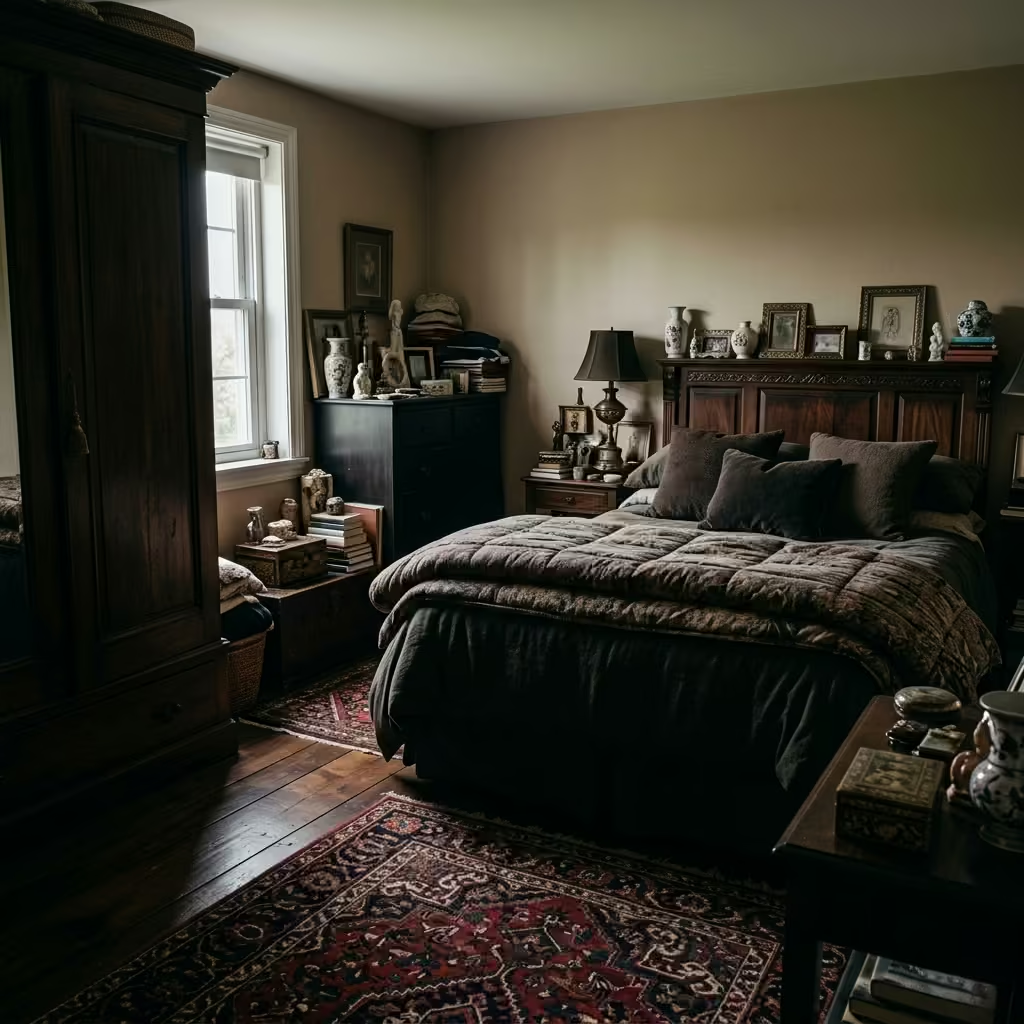
Even the most well-intentioned designs can weigh a summer bedroom down if certain pitfalls aren’t avoided. One of the most frequent errors I see is over-layering bedding multiple heavy duvets, thick throws, and an abundance of cushions can visually and physically weigh the bed, trapping heat and making the space feel cramped rather than restful. I always encourage pairing back to a light linen or cotton duvet with one or two layered throws, which keeps the bed inviting without overwhelming the room.
Another misstep is the use of dark, heat-absorbing materials. While deep woods, dark tiles, or heavy fabrics can feel luxurious, in summer they tend to absorb light and warmth, creating a sense of heaviness and sometimes even raising perceived temperature. I often suggest pale timbers, light flooring, and natural textiles to maintain visual and thermal lightness.
Blocking natural light with furniture placement is a subtle but impactful mistake. Beds or seating pushed directly in front of windows, bulky wardrobes near light sources, or oversized nightstands can reduce daylight penetration and airflow. In my experience, even small adjustments floating the bed slightly forward, relocating storage, or choosing low-profile furniture can dramatically improve brightness and circulation.
Finally, excess decorative elements are a common trap. Multiple framed artworks, patterned rugs, numerous knick-knacks, or too many plants can create visual noise that competes with the light, airy vibe a summer bedroom needs. I advocate for curated minimalism: let key elements breathe, maintain generous spacing, and use textures and materials to provide interest rather than clutter.
Avoiding these mistakes ensures a bedroom that feels light, breathable, and effortless, where comfort and visual clarity go hand in hand with aesthetic elegance and seasonal appropriateness.
How I Approach Summer Bedroom Transformations (Real Project Insight)
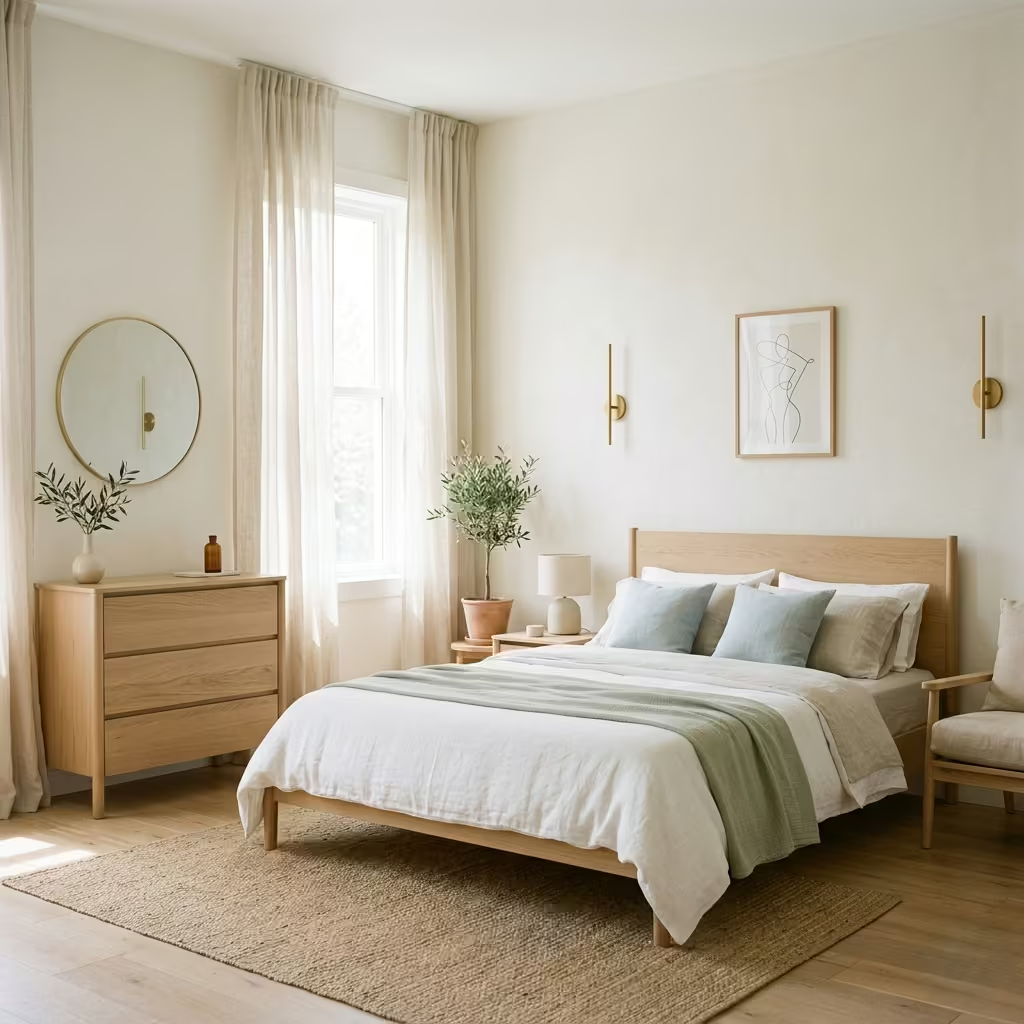
Transforming a summer bedroom is rarely about chasing trends; it’s about reading the space, understanding how it lives, and making interventions that feel both practical and restorative. Let me walk you through a real project to illustrate my approach.
Before: The bedroom in question was modest in size, but visually heavy and suffocating. Thick, dark drapes blocked much of the natural light, an over-layered bed trapped heat, and bulky furniture crowded circulation paths. Airflow was poor, the room felt warmer than it needed to be, and the client struggled to relax or sleep comfortably during summer months. Decorative elements were scattered, creating visual noise that made the space feel smaller and more chaotic than it actually was.
After: My first step was a layout adjustment. The bed was repositioned to maximise daylight and cross-ventilation, ensuring at least 60–75 cm (24–30 inches) of circulation on each side. Floating bedside tables replaced solid, heavy units, and a low-profile bench added functional seating without obstructing movement. This simple rearrangement immediately improved the sense of openness and allowed breezes from the window to circulate effectively.
Next came the material swap. Dark wood furniture was replaced with pale oak and soft timber accents, and heavy drapes were swapped for sheer linen curtains, mounted ceiling-high to amplify verticality. The bedding was simplified to linen sheets and a light cotton duvet (4.5 tog), complemented by a single throw in a muted pastel. Walls were painted in a warm white, which reflected light subtly without glare, and a few strategically placed mirrors amplified daylight, brightening corners that had previously felt enclosed.
Measurable impact on comfort was immediate. The bedroom’s temperature felt cooler due to improved airflow and lighter textiles. Light reflection across the room increased by an estimated 30–40%, based on visual observation and daylight penetration at different times of day. Emotionally, the space went from feeling “stuffy and overwhelming” to restful and airy, evoking a subtle sense of calm that supported better sleep and general well-being.
I also layered in broader experiential touches: a small olive tree by the window added organic warmth, soft pastel cushions and minimal artwork introduced colour without clutter, and slimline, warm-toned lighting ensured the room remained inviting after sunset. Architecturally, skirting, ceiling lines, and window proportions were now visible and celebrated, reinforcing the sense of structural clarity.
From my experience, the key to a successful summer bedroom transformation is restraint, light, and thoughtful materiality. Every adjustment layout, materials, lighting, or accessories needs to serve both comfort and visual clarity. Done well, the result is more than just aesthetically pleasing: it’s a bedroom that breathes, supports daily life, and feels emotionally restorative, embodying the very essence of what makes summer interiors so compelling.
Conclusion: Lightness Comes from Restraint, Not Excess
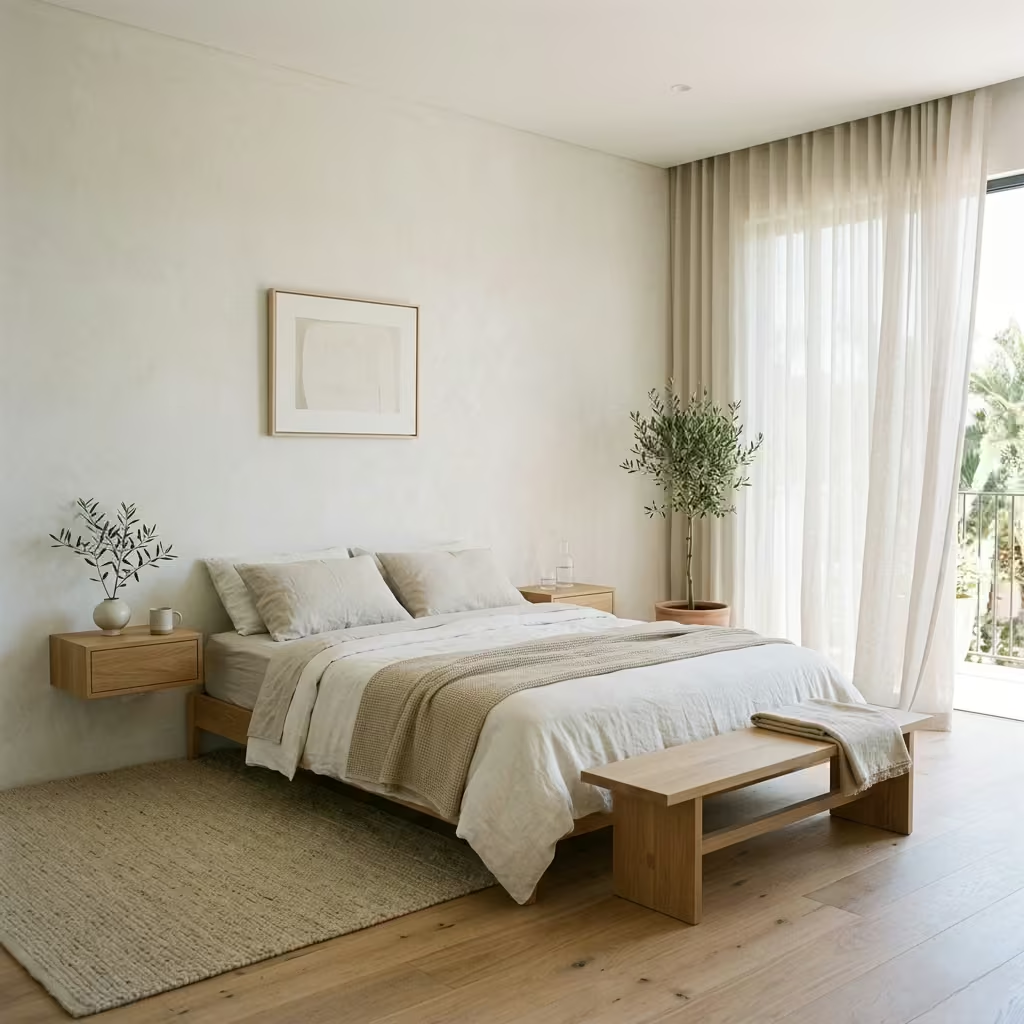
A truly summer-ready bedroom is less about filling every corner and more about editing thoughtfully. From my experience, the sense of lightness comes when visual clutter is reduced, materials are chosen for both comfort and reflectivity, and layouts encourage airflow and spatial clarity. Simplifying bedding layers, opting for pale tones, and using furniture that floats or recedes allows the room to breathe, creating an environment that supports restful sleep and daily ease.
Comfort, airflow, and visual clarity are the pillars of a successful summer bedroom. When each element is carefully considered whether it’s under-bed clearance, sheer curtains, soft textiles, or minimal artwork the space feels cohesive, effortless, and emotionally restorative. Restraint is not a limitation; it is a design strategy that prioritises the lived experience of the room, letting light, texture, and proportion work quietly to shape an interior that is calm, inviting, and enduring.
Frequently Asked Questions About Light and Airy Bedrooms for Summer
How can I make my bedroom feel cooler without installing air conditioning?
Focus on airflow and breathable materials. Position your bed and furniture to allow cross-ventilation, use lightweight linen or cotton bedding, and avoid dark, heat-absorbing surfaces. Ceiling fans or small portable fans can enhance circulation without adding visual weight.
What colours work best for a summer bedroom?
Soft neutrals, pastels, and warm whites are ideal. They reflect natural light, maintain a sense of openness, and provide a calming backdrop for minimal accents. Avoid dark or saturated colours that trap heat and visually compress the space.
How do I balance style and minimalism?
Opt for material-driven design rather than cluttered decoration. Use textures, subtle patterns, and tonal variation to add interest while keeping furniture low-profile and surfaces uncluttered. Curate artwork and décor sparingly, leaving breathing space around each piece.
Are sheer curtains practical for summer bedrooms?
Yes. Sheer linen or voile curtains diffuse sunlight, create a soft, airy glow, and maintain privacy during the day. Mount them high and wide to maximise verticality and light penetration while keeping the space visually open.
How can I reduce visual weight in a small bedroom?
Choose floating furniture, glass or acrylic pieces, and low-profile beds. Keep flooring and rugs light in tone, avoid heavy headboards or bulky storage, and ensure at least 60–75 cm (24–30 inches) of circulation around the bed for ease of movement.
What role do plants play in a summer bedroom?
Plants introduce freshness and a sense of life without adding bulk if kept well-scaled (2–3 medium plants maximum). Opt for upright or trailing varieties that complement the room’s lines, and place them near light sources to enhance both visual and emotional appeal.
Can scent improve the feel of a summer bedroom?
Absolutely. Soft scent layering linen, citrus, and eucalyptus enhances perceived freshness and emotional comfort, creating a calming, spa-like atmosphere that complements light, airy interiors.
How do I choose flooring for a light summer feel?
Pale wood, jute, sisal, or light-toned rugs reflect light and visually expand the space. Ensure rugs extend at least 60 cm (24 inches) around the bed to anchor the furniture while preserving circulation.
Should I use blackout curtains in a summer bedroom?
For day use, I recommend light-diffusing blinds rather than full blackout layers. They filter sunlight without blocking it completely, maintaining brightness, airflow, and a sense of openness. A secondary layer can be added for night-time privacy if needed.
What is the biggest mistake homeowners make when designing a summer bedroom?
The most common errors are over-layering bedding, using heavy or dark materials, blocking natural light, and adding too many decorative elements. Each of these reduces visual clarity, airflow, and comfort, making the room feel heavy rather than restful.