




25 Bathroom Mirror Ideas That Balance Design, Light, and Everyday Use
In bathroom design, mirrors are often treated as secondary decisions, selected late in the process and framed as decorative add-ons rather than integral components of the space. This approach consistently underestimates their architectural influence. A mirror is not simply a reflective surface. It is a spatial device that shapes light distribution, alters perceived proportions, and mediates how the room is experienced during daily routines.
When considered properly, mirrors operate at the same level as lighting, joinery, and sanitary layout. Their scale determines whether a bathroom feels composed or fragmented. Their placement affects how natural and artificial light is amplified or lost. Their relationship to basins, storage, and circulation zones influences how comfortably the space functions over time. In compact bathrooms especially, mirror decisions can either resolve spatial constraints or quietly compound them.
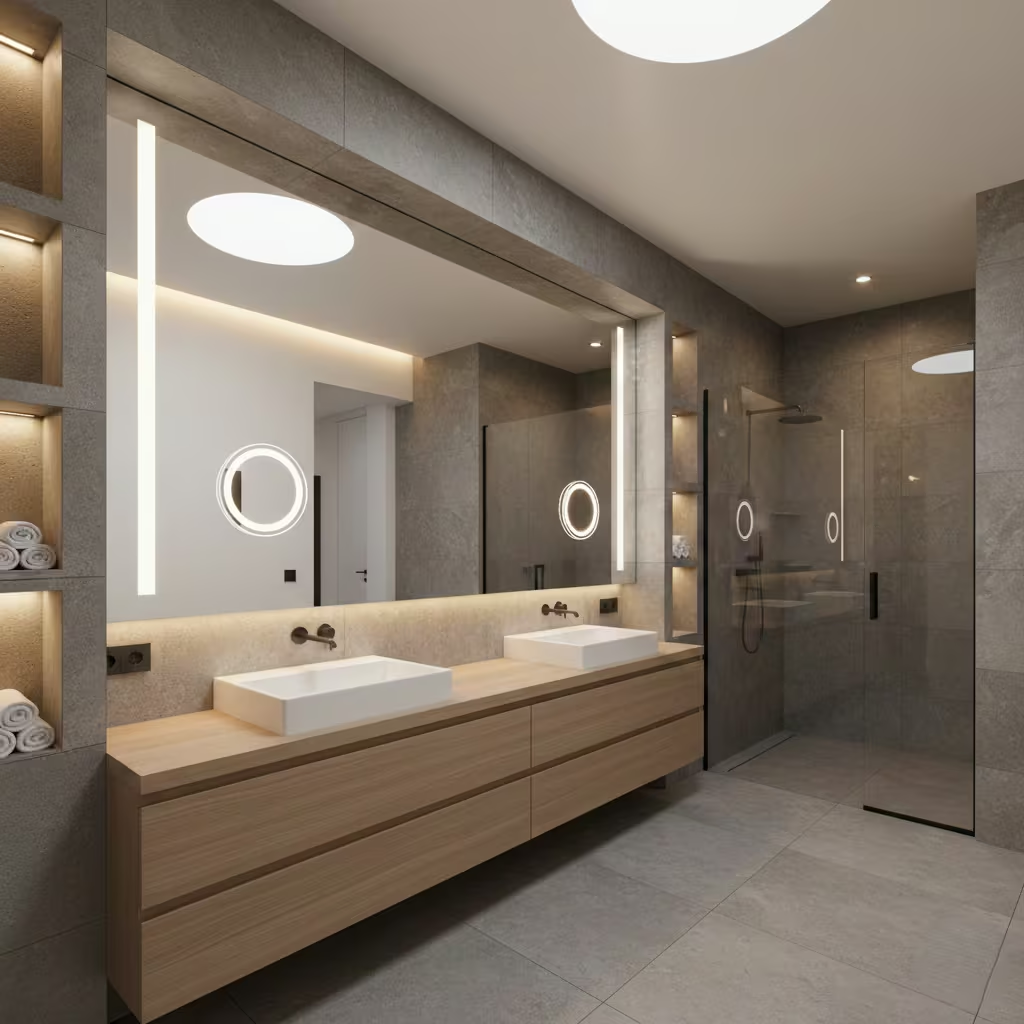
This article approaches bathroom mirrors as architectural tools rather than accessories. Rather than presenting a trend-led roundup of shapes and finishes, it offers a comparative framework for evaluating mirror types, sizes, and placements. By examining how different mirror strategies perform in real bathrooms, across varying room sizes, layouts, and lighting conditions, the aim is to support informed, long-term design decisions. The goal is not novelty, but clarity, balance, and usability that holds up well beyond initial installation.
Framed Bathroom Mirror Ideas (Warmth, Structure, Definition)
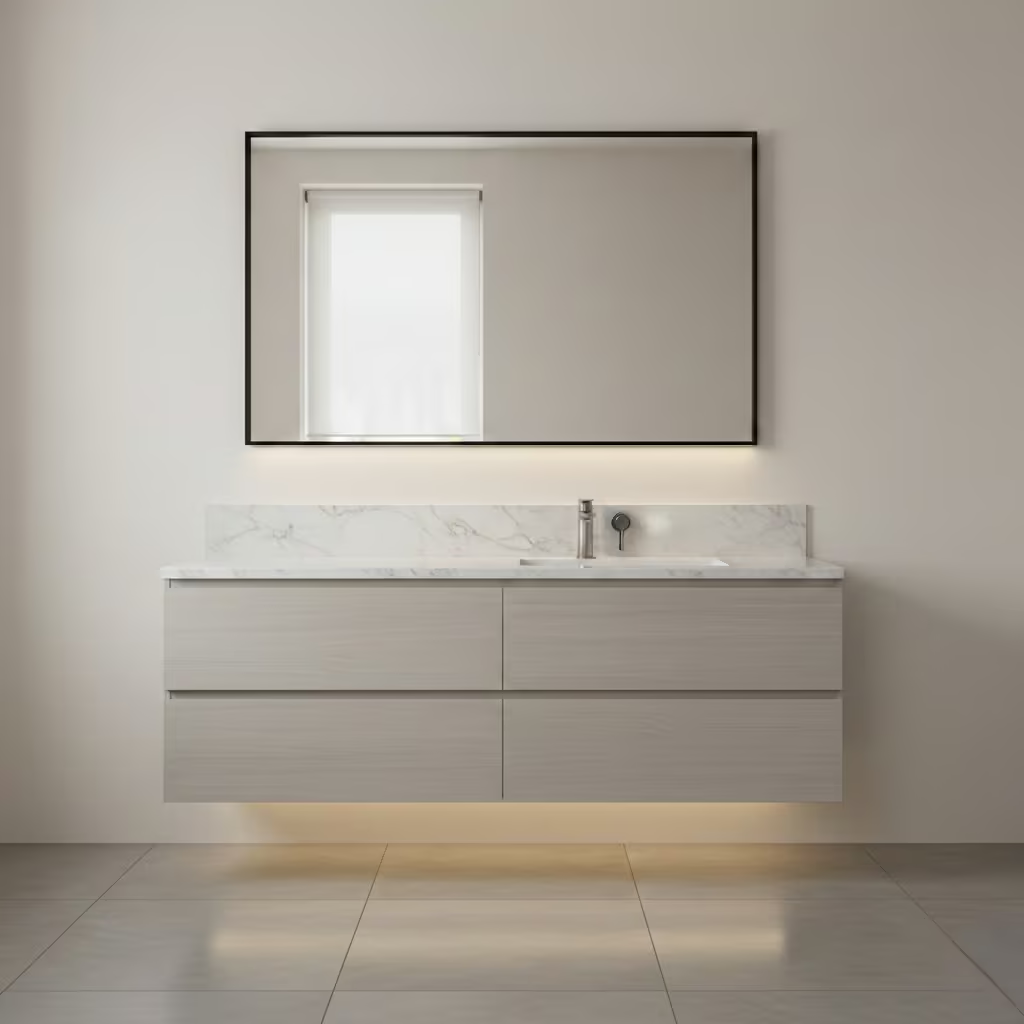
Framed bathroom mirrors introduce a sense of warmth and visual structure that frameless designs often lack, particularly in bathrooms with hard, reflective surfaces. A well-proportioned frame provides definition to the vanity zone, helping anchor the mirror within the wider composition of joinery, wall finishes, and lighting.
Timber frames soften contemporary spaces and work especially well with natural stone or muted palettes, while slim metal frames offer clarity and control in more minimal schemes. The key is restraint: the frame should reinforce proportion and balance, not compete with taps, lighting, or cabinetry for attention.
Slim Metal-Framed Rectangular Mirror
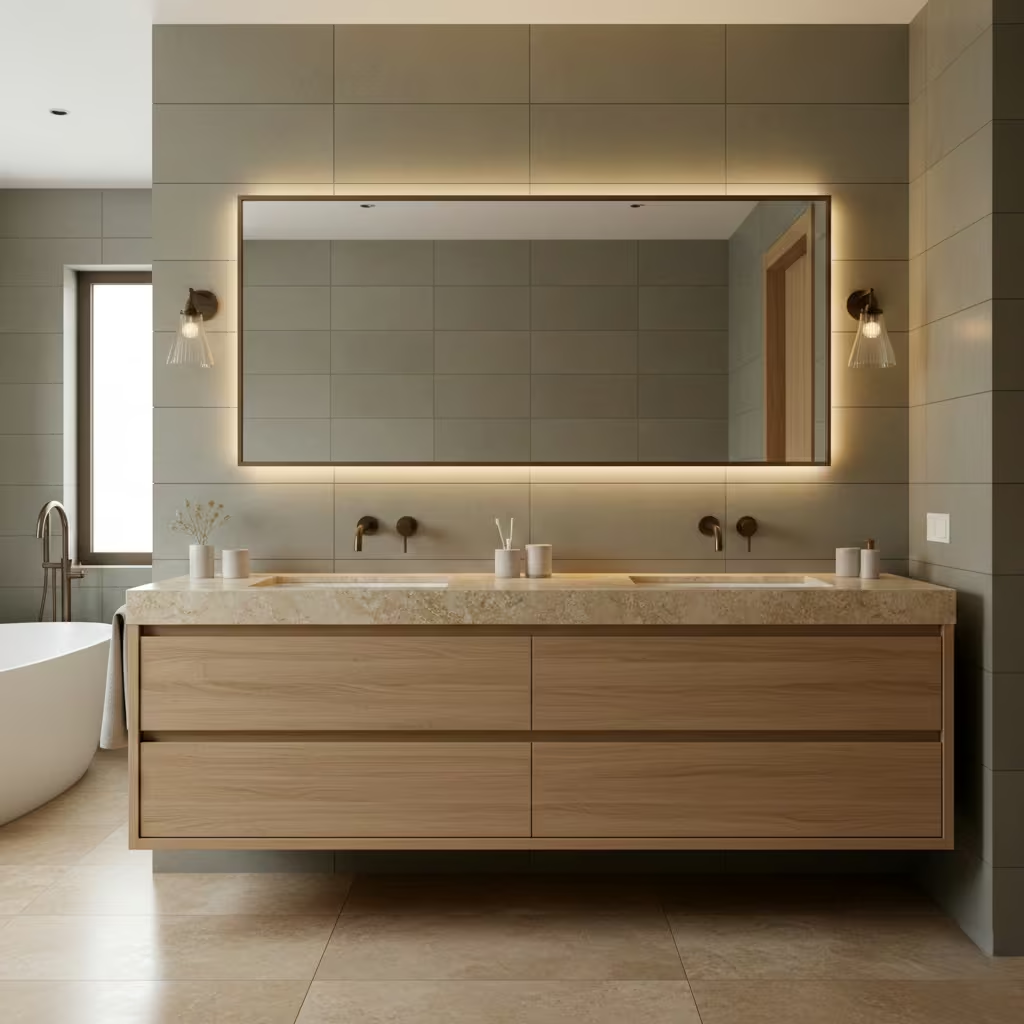
A slim metal-framed rectangular mirror provides visual structure without introducing unnecessary visual weight. The fine outline creates a clear boundary to the reflective surface, which helps organise the vanity wall and sharpen overall composition. This approach is particularly effective in contemporary and transitional bathrooms where clarity, proportion, and order are more important than decorative emphasis. The rectangular form reinforces alignment with basins, cabinetry, and tile grids, supporting a calm and legible layout.
Real-Life Insight
In practice, I frequently specify metal frames in the 20 to 30 mm range, typically powder-coated in black or bronze. This thickness is enough to register architecturally without overpowering the mirror itself. Powder-coated finishes perform well in family bathrooms, where moisture, fingerprints, and daily wear are constant factors. Black offers crisp contrast against pale tiles and stone, while bronze introduces warmth without drifting into traditional territory.
Comparative Note
Compared to frameless mirrors, slim metal frames offer stronger definition and better visual anchoring, particularly on wider vanities or patterned walls. At the same time, they remain significantly cleaner and more restrained than traditional timber frames, which can feel heavy or overly decorative in compact or modern bathrooms. This makes them a reliable middle ground for long-term, low-maintenance bathroom design.
Solid Timber Framed Mirror
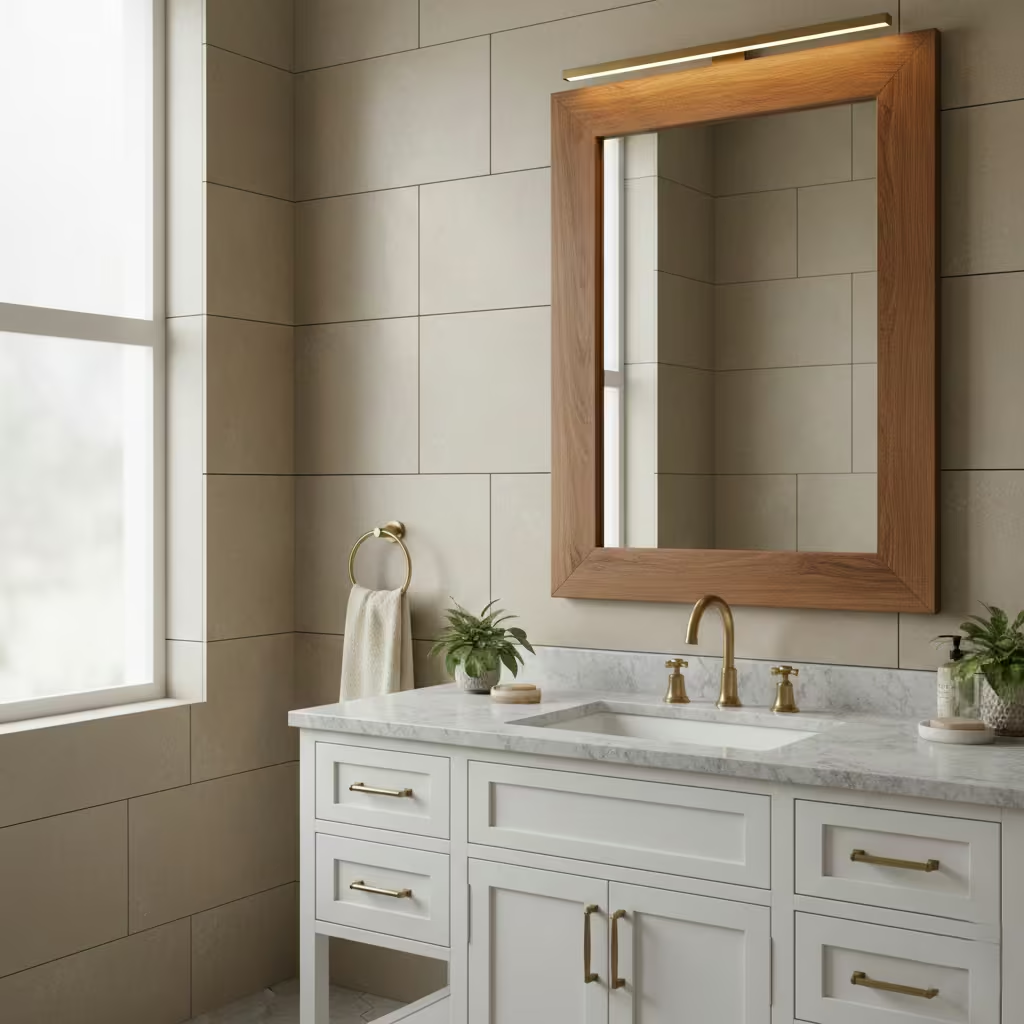
Solid timber framed mirrors are best suited to transitional and heritage bathrooms where material character and visual depth are central to the design. They work particularly well alongside traditional sanitaryware, panelled walls, shaker-style joinery, and natural stone, helping the mirror read as a considered architectural element rather than a modern insertion.
Measurement Insight
In my experience, timber frames need sufficient depth to feel intentional. A frame depth of approximately 30 to 50 mm is typically required to avoid the mirror appearing under-scaled or decorative. Shallower profiles often feel mean once installed, especially above wider vanities or against detailed wall finishes. The added depth allows the timber to register as part of the room’s material language.
Pros and Cons
The primary advantage of a solid timber frame is warmth. Timber introduces texture and softness that balances ceramic, stone, and metal surfaces, making bathrooms feel more layered and residential. The drawback is moisture sensitivity. Even well-sealed timber can move or degrade over time in poorly ventilated bathrooms, so this option demands careful specification, consistent extraction, and an acceptance of maintenance as part of long-term ownership.
You May also Like: 16 Sage Green Bathroom Ideas for a Serene and Stylish Space You’ll Love
Painted MDF Frame for Colour Continuity
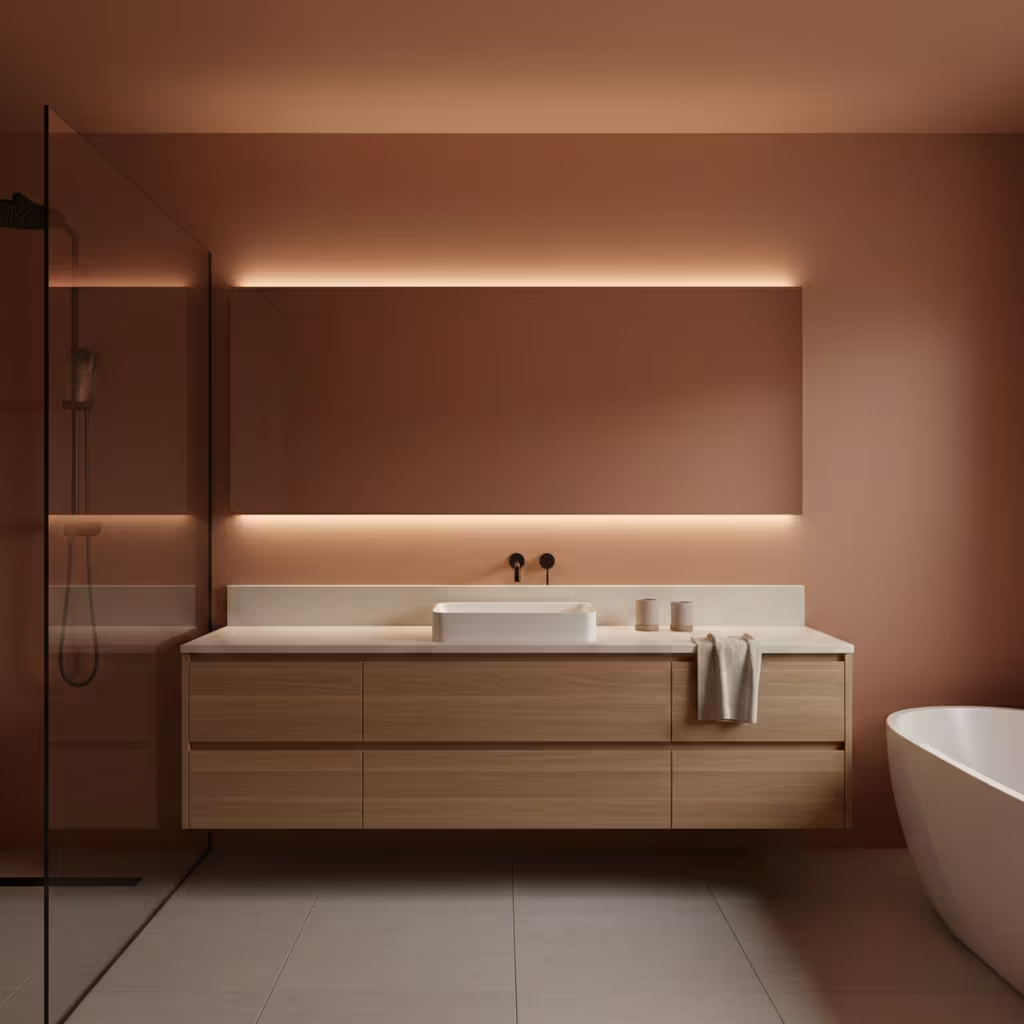
Painted MDF framed mirrors are particularly effective in colour-drenched bathrooms where continuity and surface coherence are the primary design goals. By finishing the frame in the same paint colour as the surrounding walls or vanity joinery, the mirror reads as a deliberate extension of the architecture rather than a standalone object. This approach works well in both contemporary and transitional schemes, allowing colour to dominate without visual interruption.
Proportion and Alignment
This strategy is most successful when the mirror width matches the vanity width exactly. Precise alignment reinforces symmetry and strengthens the overall composition, especially in smaller bathrooms where misalignment is immediately noticeable. When executed carefully, the painted frame provides subtle definition while allowing the colour and form of the room to remain the focus, rather than the mirror itself.
Frameless & Minimal Mirrors (Light, Space, Restraint)
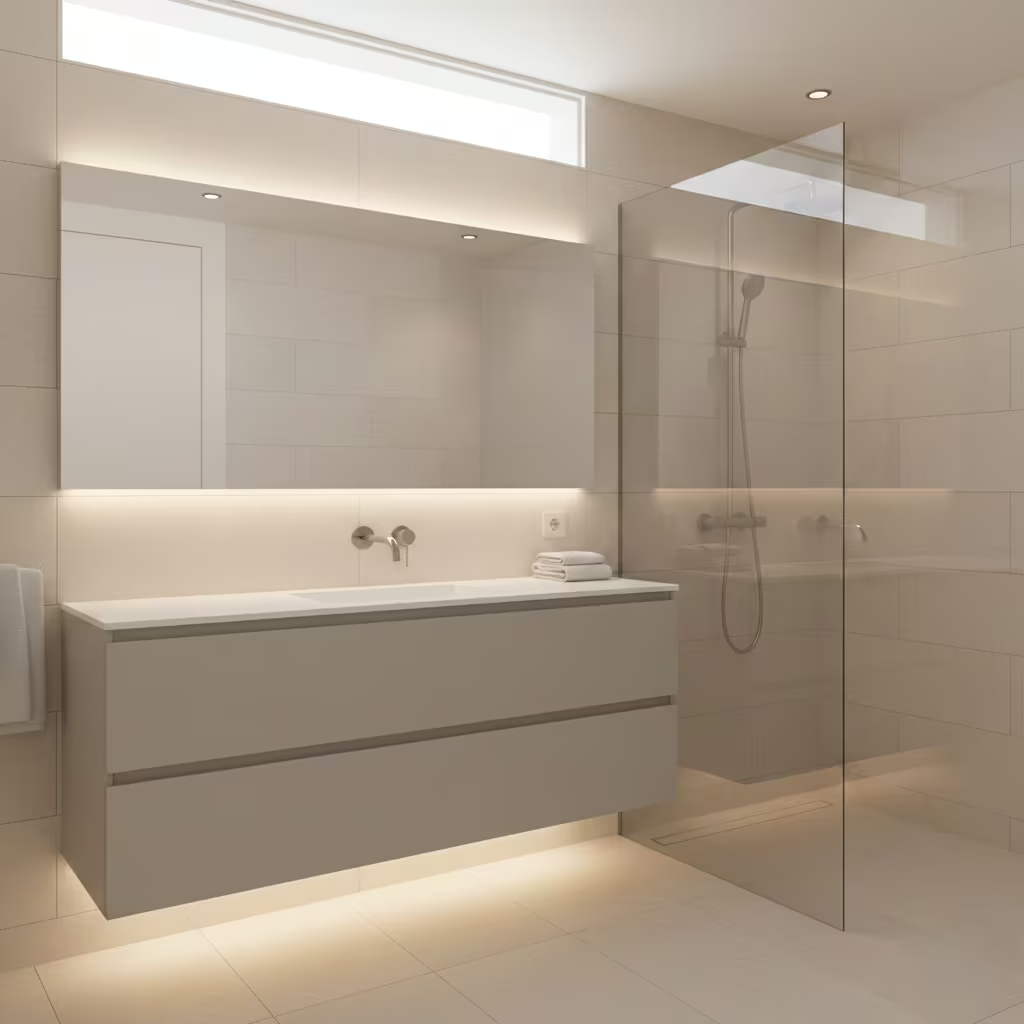
Before examining specific frameless mirror types and layouts, it is worth understanding why this approach remains so widely specified. Frameless and minimal mirrors prioritise light, spatial clarity, and visual restraint, allowing the surrounding architecture to take precedence. When used with intent, they can make bathrooms feel calmer, brighter, and more generous, but without careful proportion and placement, they risk appearing unresolved or overly generic.
Edge-Polished Frameless Mirror
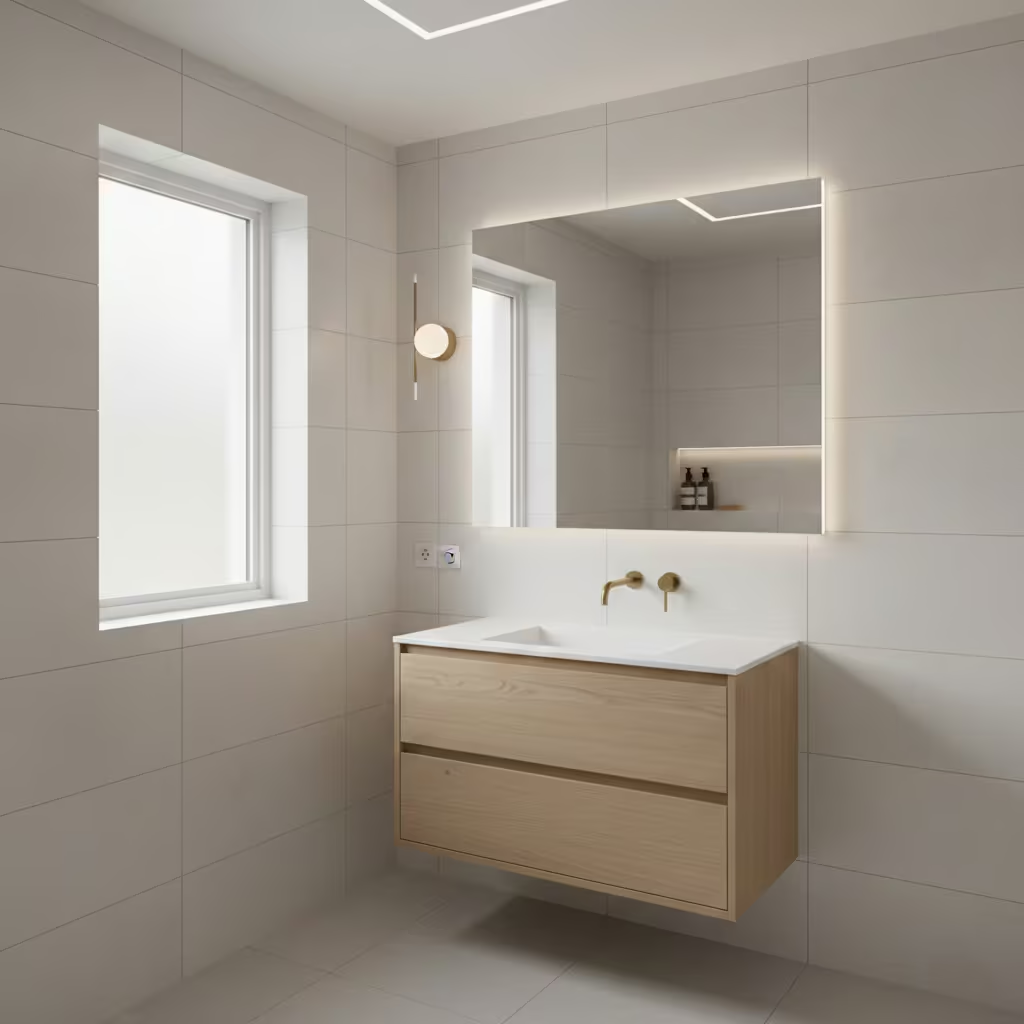
An edge-polished frameless mirror is defined by its visual lightness. By removing any applied frame and refining the exposed glass edge, the mirror recedes into the background, allowing light, tilework, and spatial proportions to take precedence. This makes it particularly effective in compact bathrooms where visual interruptions quickly reduce perceived space.
Real Project Insight
I regularly specify edge-polished frameless mirrors in ensuites under 4 sqm (approximately 43 sq ft), where every junction matters. In these spaces, even a slim frame can feel visually intrusive once lighting, taps, and cabinetry are introduced. A polished edge provides just enough refinement to feel intentional, while keeping the mirror visually weightless and allowing
Full-Width Vanity Mirror
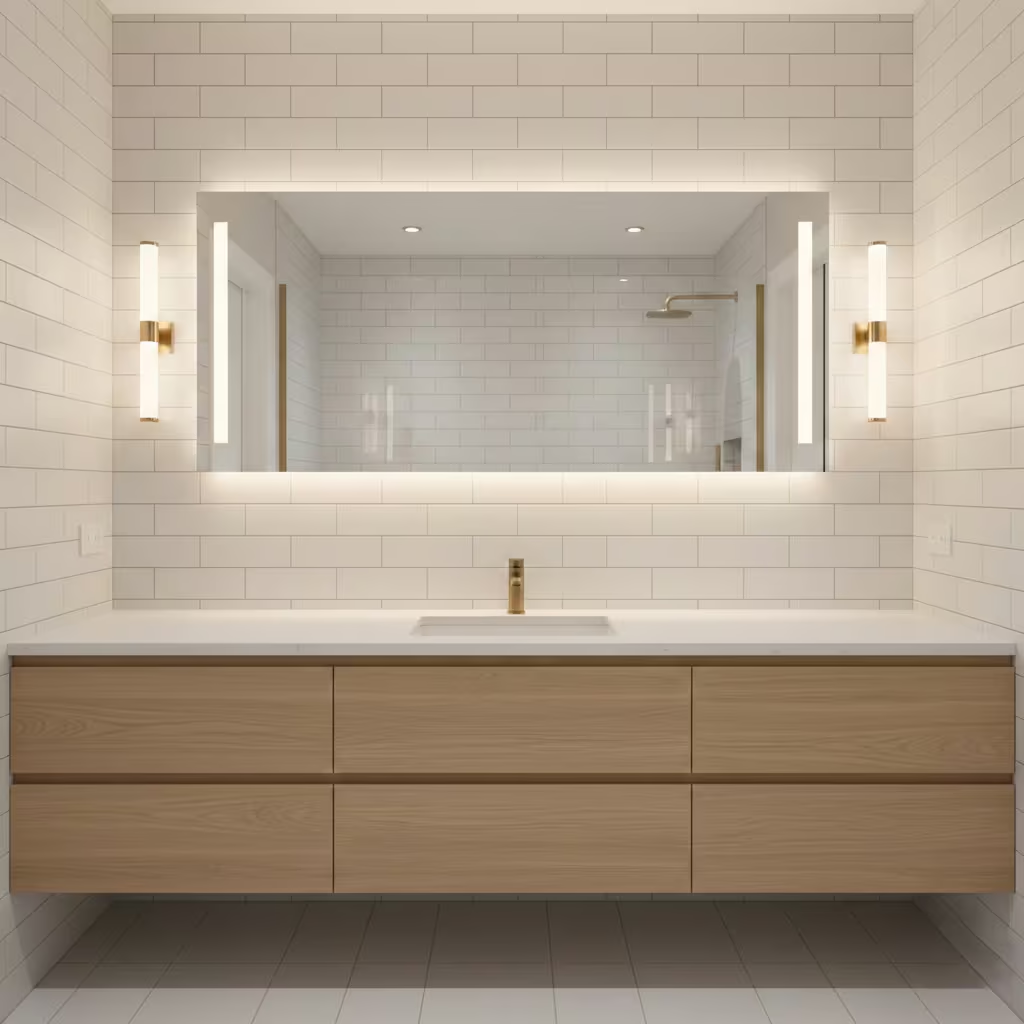
A full-width vanity mirror typically runs slightly narrower than the vanity itself, by approximately 50–100 mm (2–4 in), to maintain clean margins and avoid visual spillage onto adjacent walls. This sizing ensures the mirror feels intentional and proportioned, while also accommodating splashback, lighting, and tiling alignment.
Comparison
Compared to twin or segmented mirrors, a full-width mirror delivers greater reflective power, enhancing light distribution and creating the perception of a larger, continuous space. The trade-off is a reduction in personal zoning, which can be a consideration in shared or double-basin bathrooms where individual privacy or defined zones may be desired. This makes full-width mirrors most effective in single-basin or carefully coordinated double-basin setups, where continuity and brightness take priority over individual framing.
You May also Like: 25 Barndominium Bathroom Design Ideas for Rustic-Chic Homes
Wall-to-Wall Mirror Panels
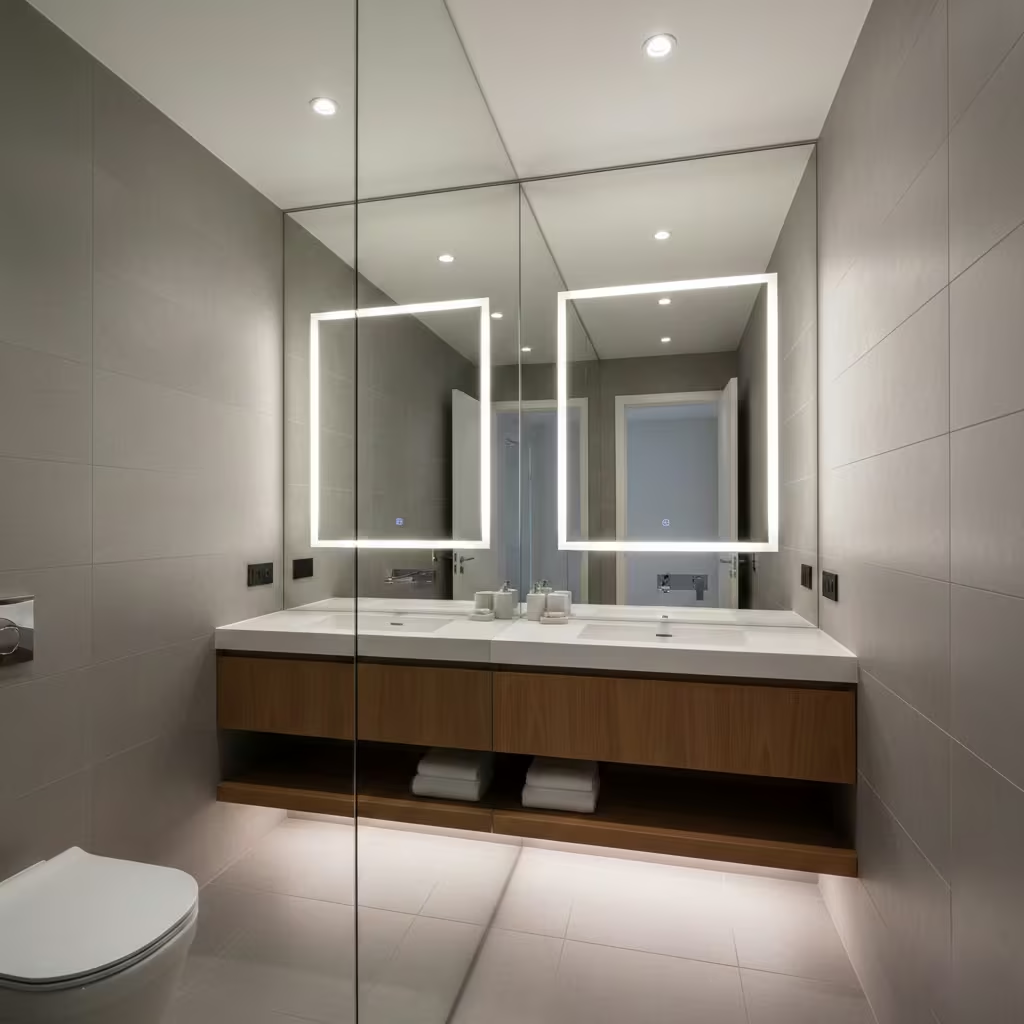
Wall-to-wall mirror panels are ideal for narrow bathrooms, where amplifying depth and light is a priority. Extending from one wall edge to the other visually widens the space, creating a sense of openness even in compact layouts.
Long-Term Usability Considerations
While highly effective visually, wall-to-wall panels demand careful thought regarding cleaning and maintenance. Large uninterrupted surfaces show water spots, streaks, and dust more readily than smaller mirrors. Additionally, aging and edge degradation can become more noticeable over time, so quality backing, secure fixing, and consideration of moisture exposure are critical for longevity. This approach is best suited to bathrooms with
Round & Curved Mirror Ideas (Softening Geometry)
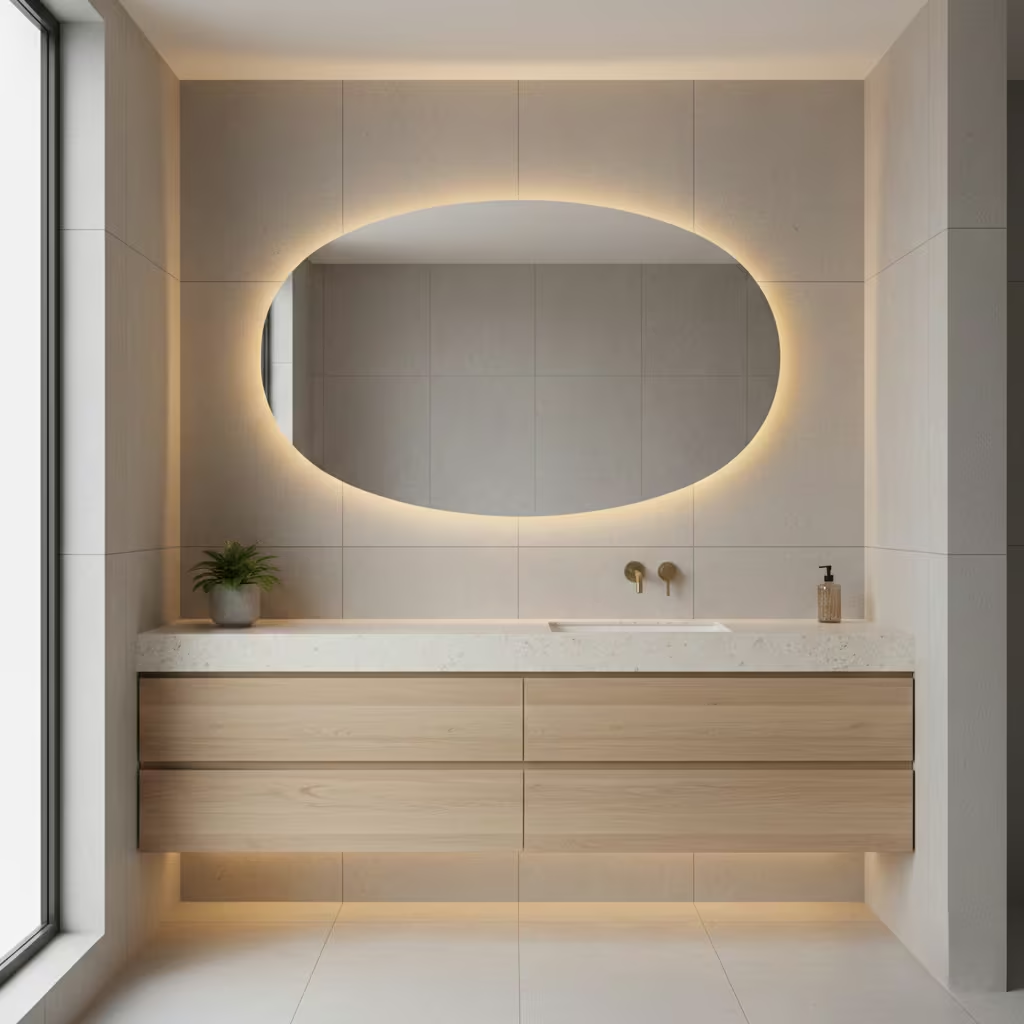
Round and curved mirrors introduce a softness that contrasts with the hard edges of cabinetry, tiles, and sanitaryware. By interrupting strict rectilinear geometry, they create focal points that feel approachable and visually light, helping to break up long wall runs or compact layouts. Even in minimal or contemporary bathrooms, a curved silhouette can provide subtle warmth and a sense of balance without compromising the overall restraint of the design.
You May also Like: 25 Cozy White Interior Ideas That Prove White Can Feel Warm
Large Round Mirror Above Single Vanity
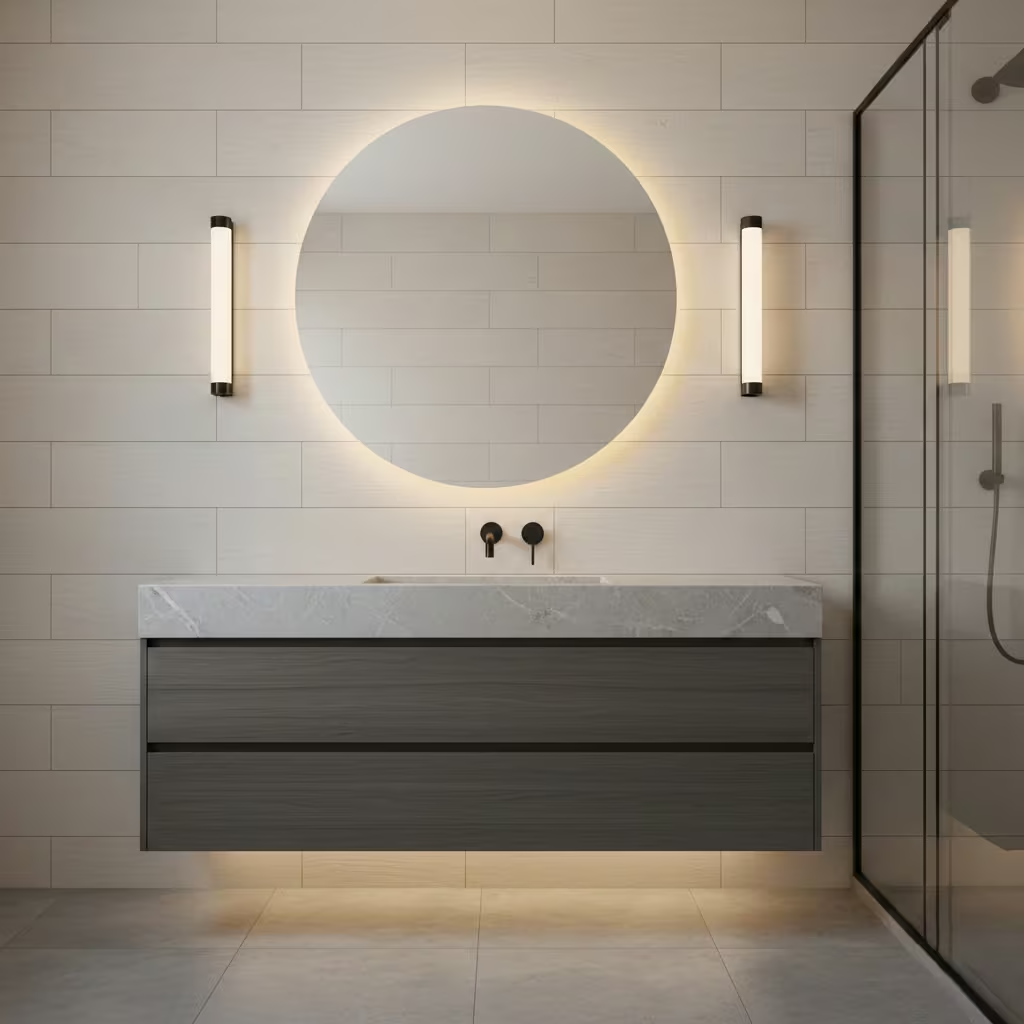
A large round mirror above a single vanity serves to counterbalance linear joinery and rectilinear elements in the bathroom. Its circular form introduces a softer visual rhythm, creating a focal point that feels both deliberate and approachable. By contrasting the straight lines of cabinets, tiles, and wall edges, it adds a sculptural quality without overwhelming the space.
Sizing Insight
For standard single vanities of around 600 mm (24 in) width, I typically recommend a mirror diameter between 700 and 900 mm (28–36 in). This provides proportional dominance over the basin while maintaining appropriate margins from the surrounding wall and fixtures. Oversized mirrors can feel imposing, while undersized ones risk looking under-scaled and disconnected from the vanity.
Practical Considerations
Installing a round mirror requires careful centering above the basin and alignment with tapware. Wall mounting must consider weight and backing, particularly for heavier solid or beveled glass options. Additionally, pairing a large round mirror with focused task lighting such as wall sconces or integrated LED can enhance usability without compromising the soft, geometric aesthetic. This approach blends visual elegance with functional clarity, making it suitable for both contemporary and transitional bathrooms.
Oval Mirrors for Vertical Emphasis
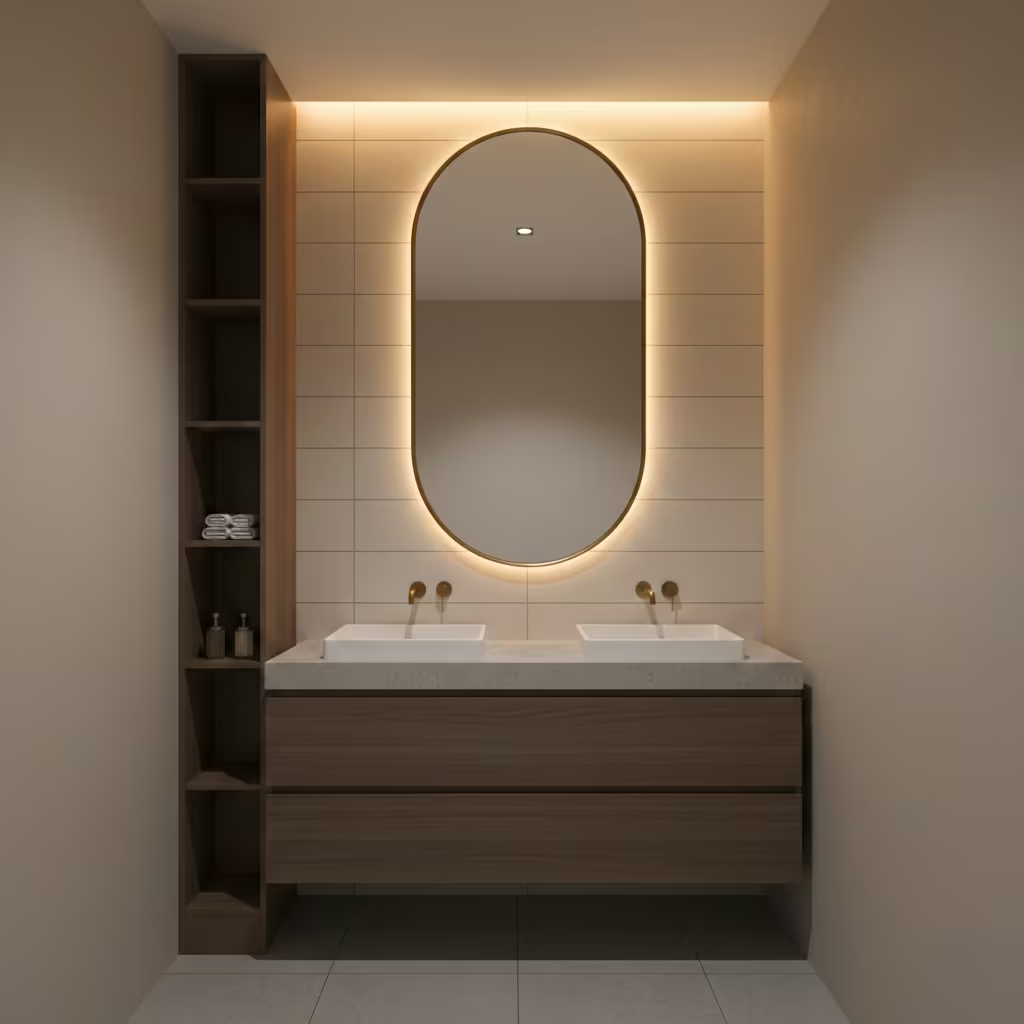
Oval mirrors introduce vertical emphasis, helping to elongate the perception of ceiling height in lower rooms. This subtle manipulation of proportion makes bathrooms feel more spacious and balanced, particularly in compact or narrow layouts.
Comparison with Round Mirrors
While round mirrors offer soft focal points and symmetry, oval mirrors excel in low-ceiling bathrooms where verticality is desired. The elongated form complements standard rectangular vanities and tiling, drawing the eye upward and enhancing the sense of height without adding additional fixtures or structural changes. This makes them an effective alternative where spatial perception is a priority.
Arched Mirrors for Architectural Character
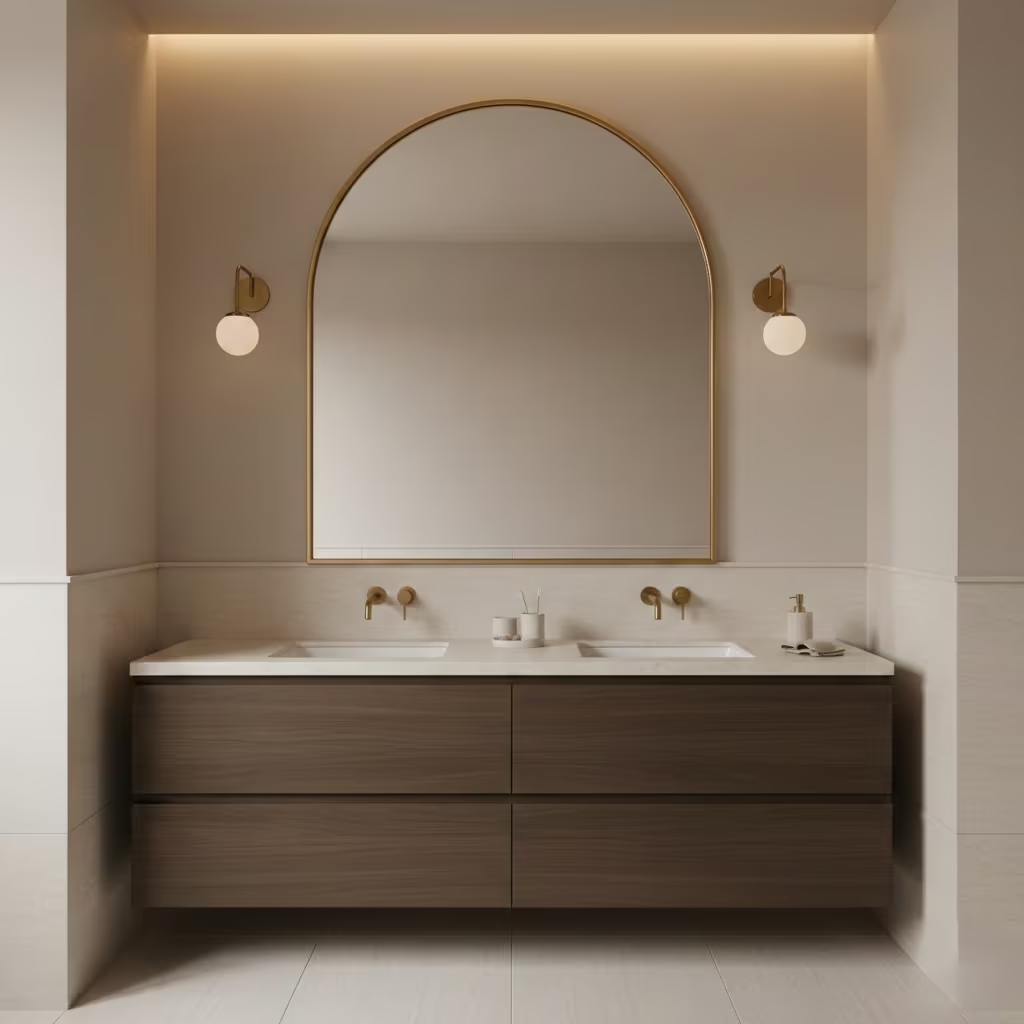
Arched mirrors introduce a distinct architectural element that elevates a bathroom from purely functional to visually considered. Their gentle curves add elegance and rhythm without competing with other features, making them particularly effective in spaces with simple, understated wall finishes where the mirror can be the focal point.
Application Guidance
These mirrors should generally be avoided in visually busy tile layouts or patterned wall coverings, as multiple competing shapes can create visual clutter. Instead, pair arched mirrors with plain or subtly textured backgrounds to allow the form to read clearly and harmoniously with the room’s geometry. Heights and widths should be proportioned to match basins and surrounding joinery, maintaining balance between curvature and rectilinear elements.
Practical Considerations
For best results, arched mirrors can be combined with wall-mounted lighting that follows the curvature or sits just above the arch. Consider weight, wall support, and moisture exposure when selecting glass and backing. In transitional or heritage-inspired bathrooms, an arched mirror can reinforce the stylistic intent, creating a sense of permanence and architectural character while maintaining practical usability.
You May also Like: 25 Dark Cottagecore Bathroom Ideas That Feel Moody, Warm, and Beautifully Lived In
Double Vanity Mirror Configurations (Function & Symmetry)
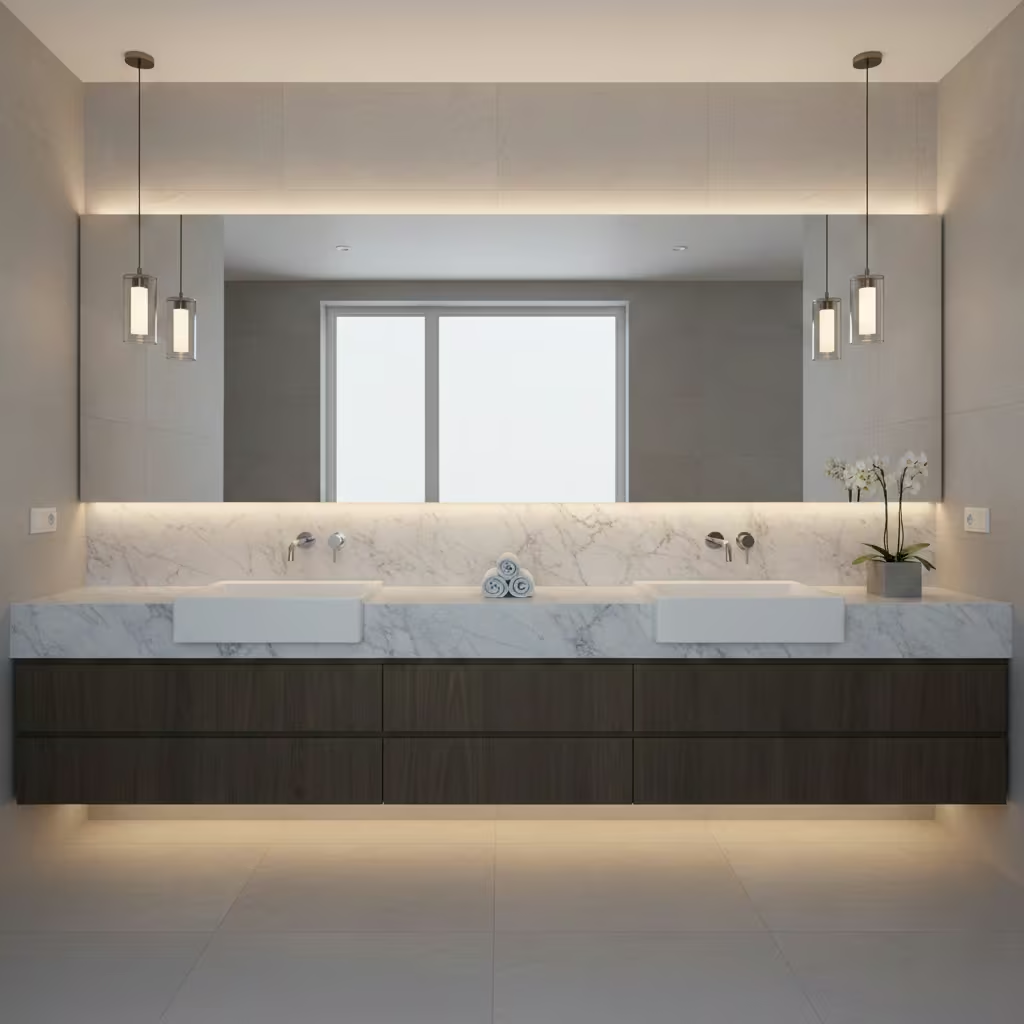
In bathrooms with two basins, mirror placement becomes both a functional and compositional decision. The right configuration balances symmetry with usability, ensuring that each user has adequate reflective space while maintaining a harmonious overall appearance. How the mirrors relate to the vanity width, lighting, and surrounding elements dictates not only the aesthetic but also the day-to-day practicality of the space, setting the stage for the detailed subtopics that follow.
Twin Identical Mirrors
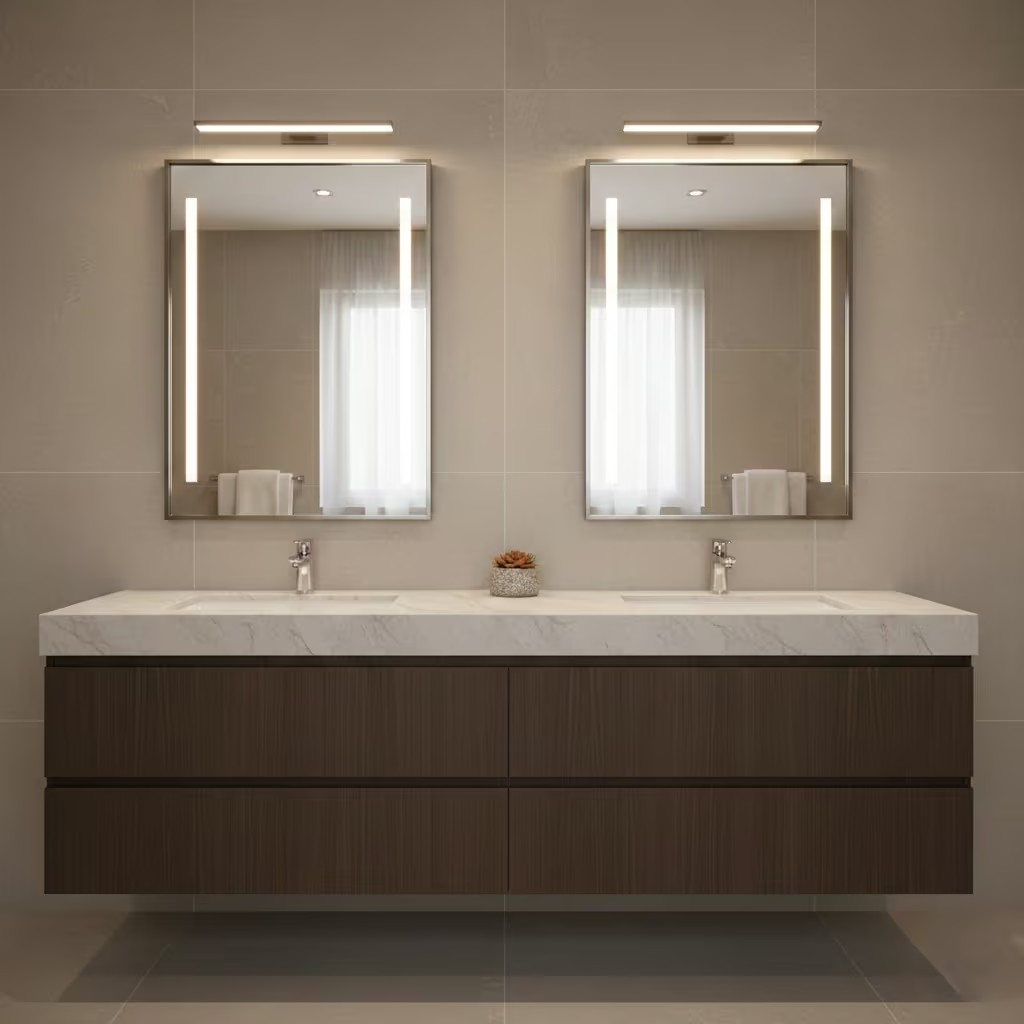
Twin identical mirrors establish personal zones for each user while maintaining a sense of visual balance across the vanity. By mirroring the symmetry of dual basins, this configuration enhances both function and compositional clarity, giving each occupant their own dedicated reflective space.
Real-Life Use
I frequently specify twin mirrors in shared family bathrooms and couple’s ensuite setups. They work particularly well when each mirror is proportioned to the individual basin, providing adequate headroom and width for grooming tasks. This approach also simplifies lighting placement, as sconces or integrated LED strips can be aligned symmetrically, reinforcing the overall balance.
Practical Considerations
When selecting twin mirrors, consider matching frame materials, finishes, and edge details to maintain cohesion. Ensure consistent mounting height across both mirrors and check wall support for heavier glass options. Twin mirrors are also an opportunity to integrate subtle personalization such as adjustable lighting or anti-fog features without disrupting the visual harmony of the space.
One Oversized Mirror Spanning Two Basins
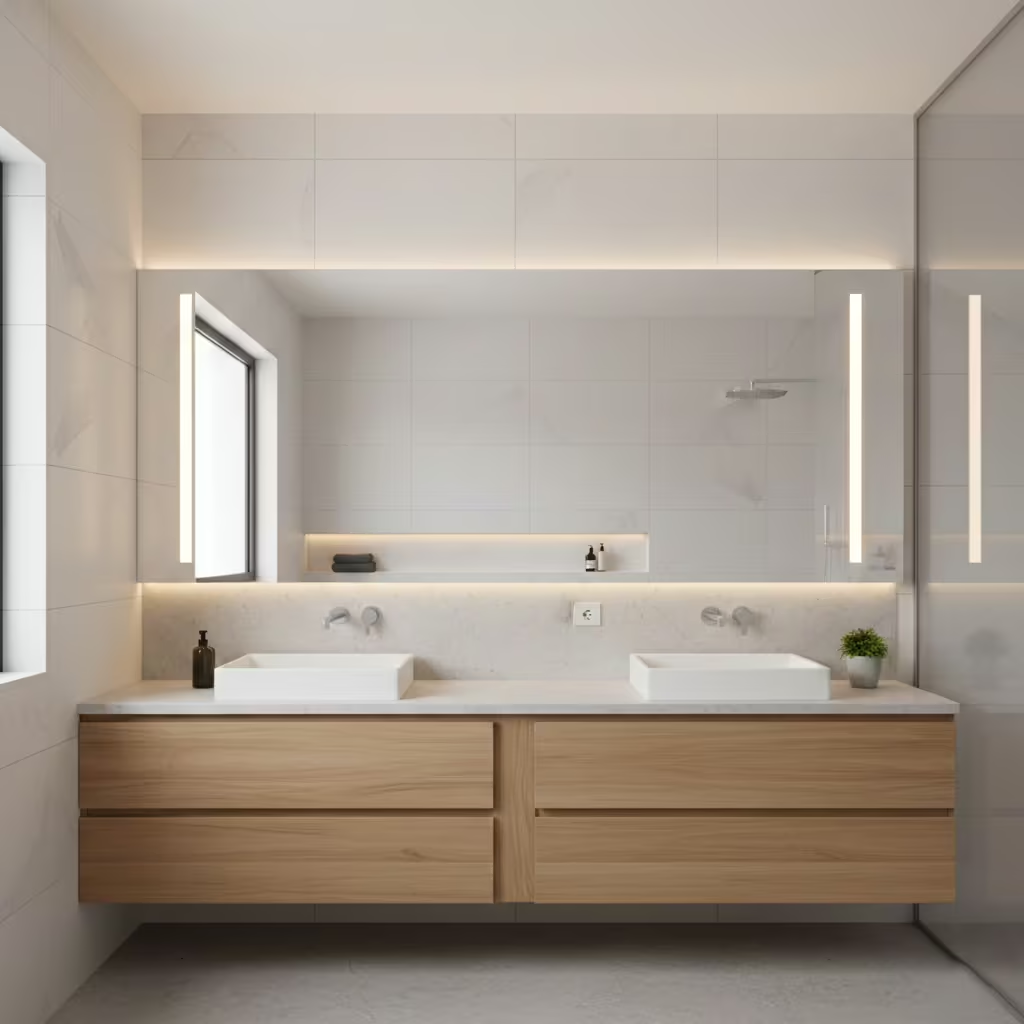
A single oversized mirror spanning two basins creates a sense of continuity and expansiveness, eliminating visual breaks and reflecting more light across the bathroom. It fosters a clean, minimal aesthetic while still accommodating the functional needs of both users.
Measurement Guidance
Align basin centres approximately 150–200 mm (6–8 in) from the mirror edges to maintain proportional balance and adequate reflection coverage. Ensure the mirror height allows each user sufficient headroom while keeping the lower edge above splashback lines.
Pros & Cons vs Twin Mirrors
Compared to twin mirrors, this approach maximizes reflected light and simplifies wall treatments but reduces distinct personal zones. It works well in coordinated double-basin setups where shared visibility and continuity are desired, but may be less practical if privacy or separate grooming spaces are a priority.
Mixed Mirror Shapes for Soft Zoning
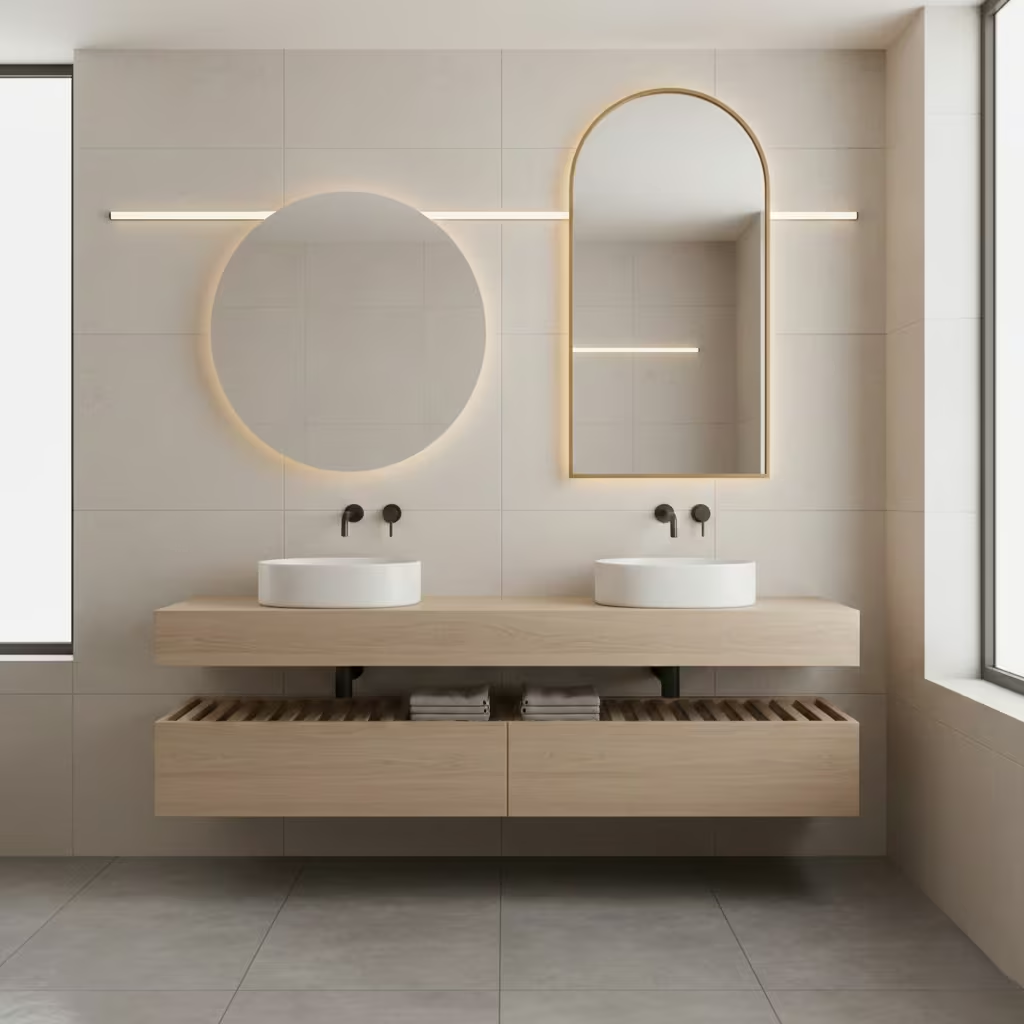
Combining different mirror shapes above a double vanity can create subtle visual zoning while introducing architectural interest. For example, pairing a round mirror over one basin with an oval or arched mirror over the other adds rhythm and personality to the layout.
Design Considerations
This advanced approach requires careful coordination of mirror heights, widths, and lighting to avoid a cluttered or uneven appearance. Integrated wall lighting or adjustable sconces can help unify the composition, ensuring both functionality and aesthetic balance.
Practical Insight
Mixed-shape mirror arrangements are best suited to design-led homes where visual interest and layered compositions are a priority. They allow for creative expression while maintaining the core functional requirements of a double vanity, but demand a precise design eye to ensure harmonious execution.
You May also Like: 25 Eye-Catching Bathroom Floor Tile Ideas for a Luxurious Look
Integrated & Backlit Bathroom Mirrors (Performance-Driven Design)
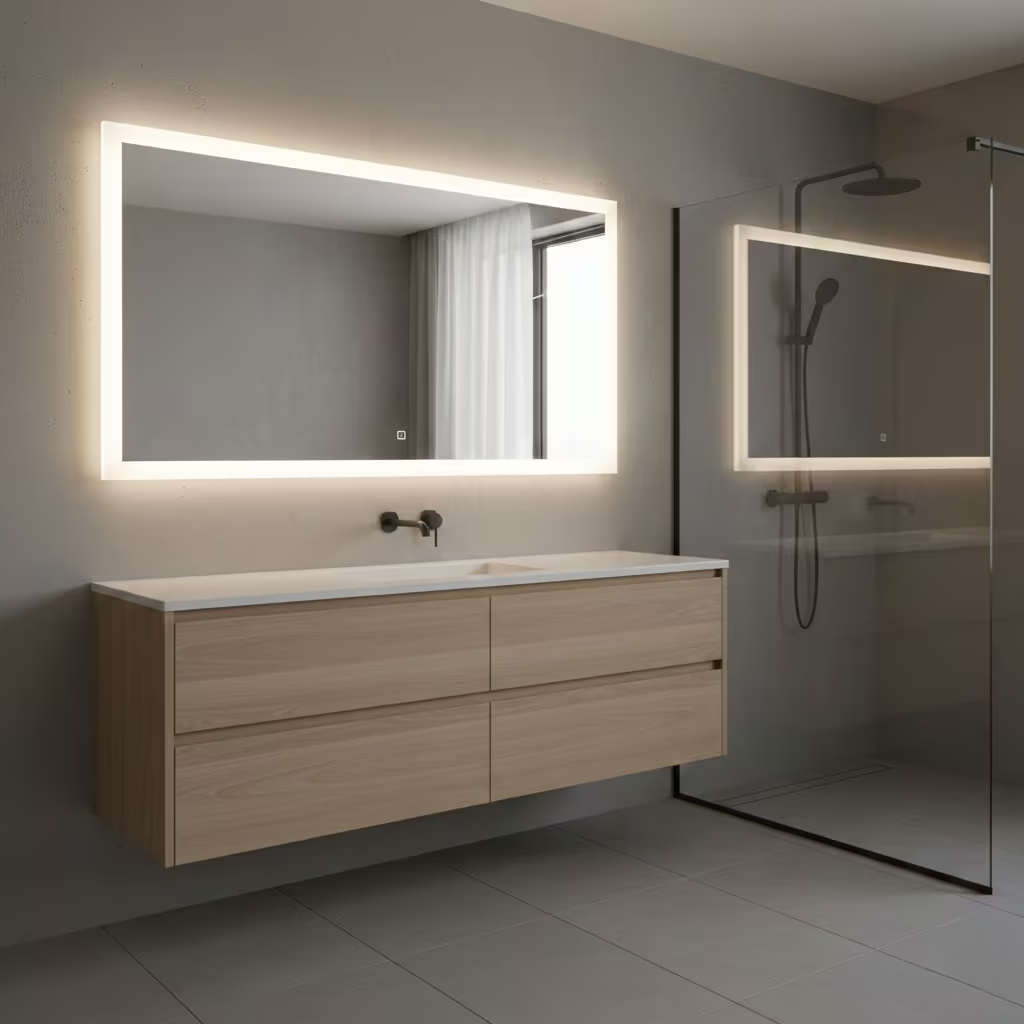
Integrated and backlit mirrors elevate a bathroom from purely reflective to performance-driven, combining illumination with spatial clarity. By integrating LED lighting directly behind or around the mirror surface, these designs reduce shadows on the face, improve grooming visibility, and remove the need for additional wall fixtures. Beyond function, they create a subtle glow that enhances perceived depth and adds a modern, technical layer to the bathroom’s aesthetic.
LED Backlit Mirrors
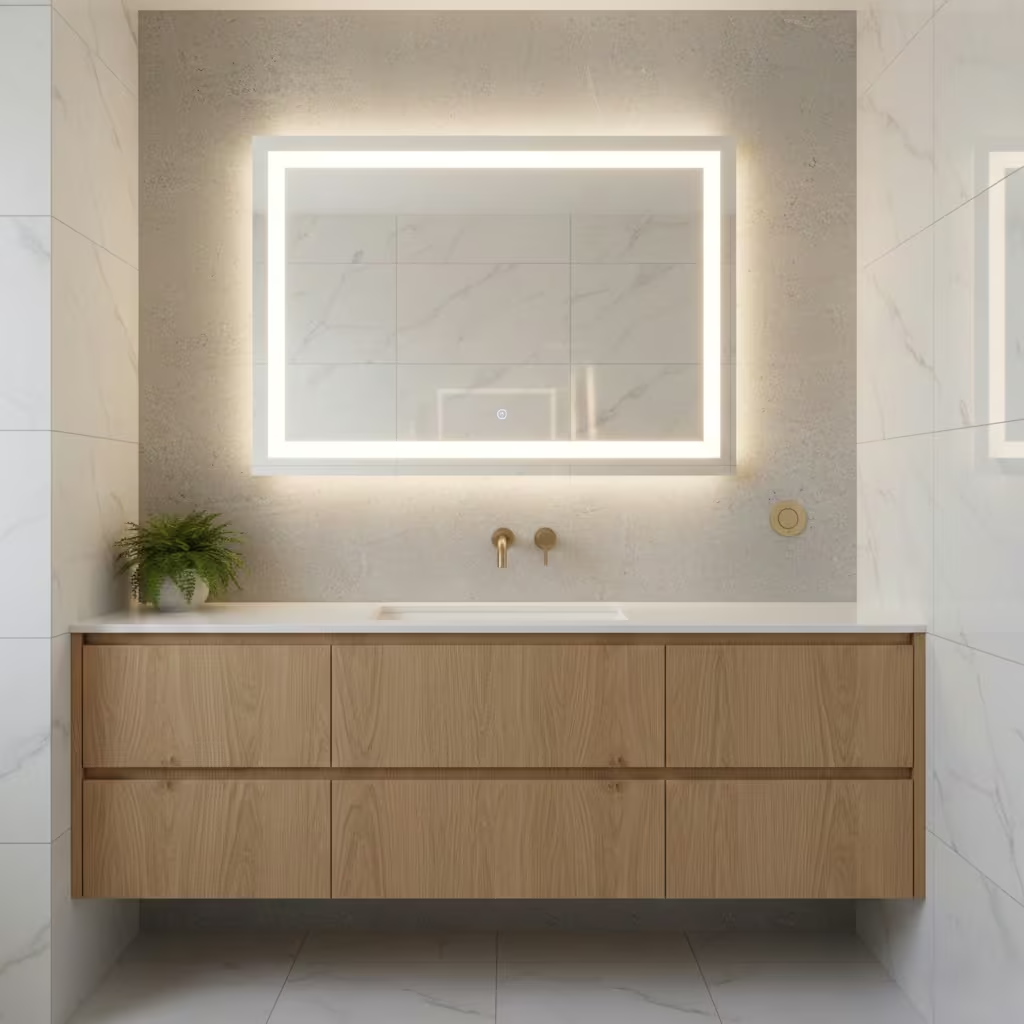
LED backlit mirrors are particularly effective in low-light bathrooms or spaces with limited natural light. They provide even illumination across the face and surrounding surfaces, eliminating harsh shadows and enhancing the perception of brightness.
Real Project Note
I typically specify LEDs at 4000K neutral white, which avoids a clinical or overly cool feel while delivering accurate colour rendering for grooming and makeup tasks. Integrated dimming options can further adjust ambience without compromising clarity.
Front-Lit Mirrors with Diffused Edges
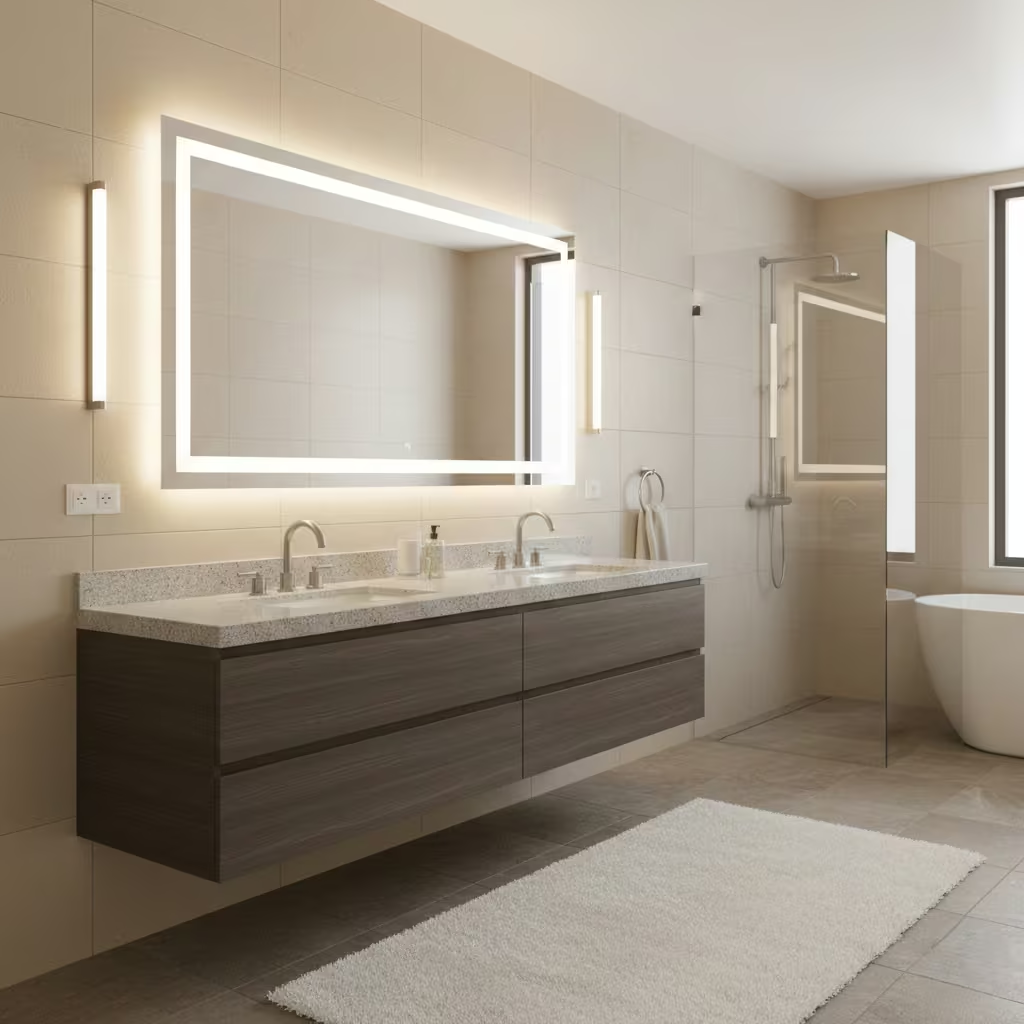
Front-lit mirrors, where illumination emanates from the mirror face or perimeter, improve grooming accuracy by casting even light directly onto the user. Diffused edges soften the effect, preventing glare and creating a more refined, elegant appearance.
Practical Considerations
These mirrors carry a slightly heavier visual presence than backlit options, so careful proportioning is required. They are ideal for mid-sized to larger bathrooms where visual weight can be balanced with other wall features.
You May also Like: 25 Bathroom Organizer Ideas to Maximise Storage in Any Bathroom
Demister-Integrated Mirrors
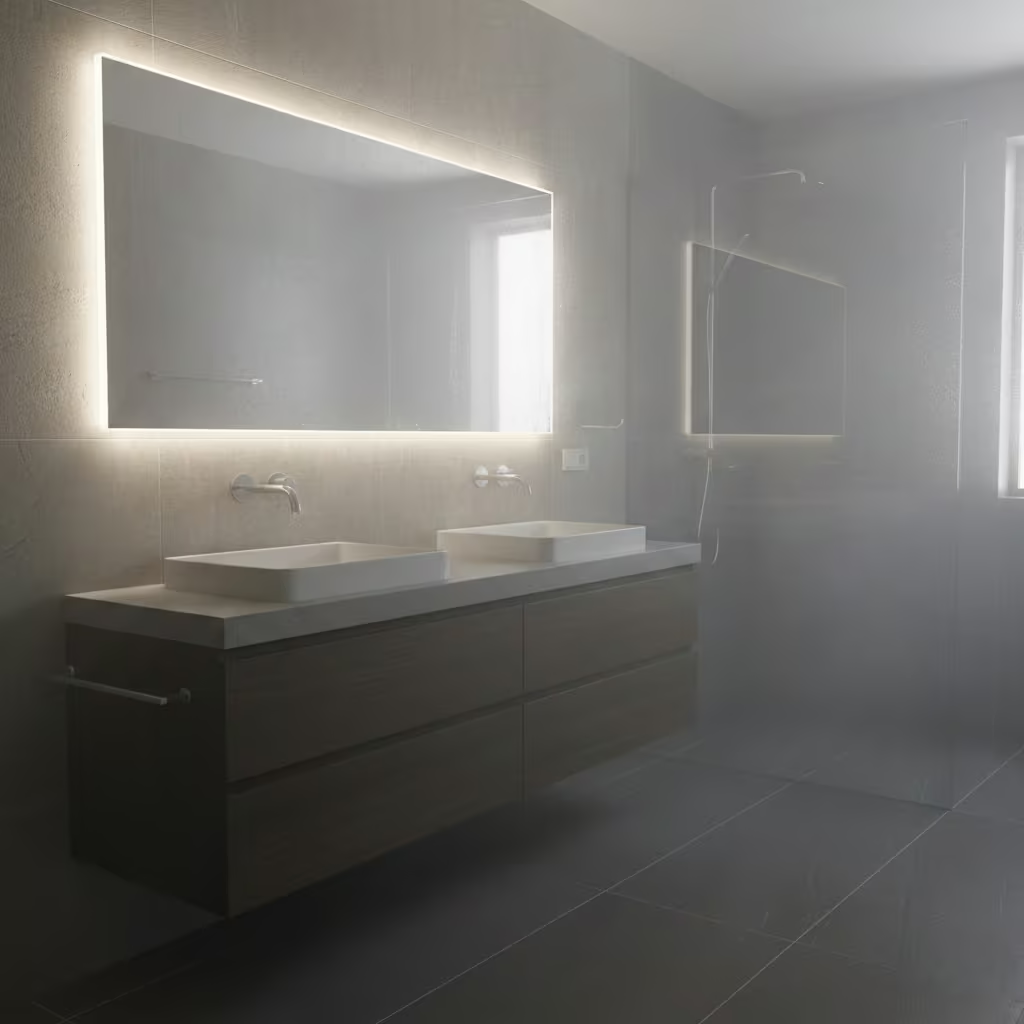
Demister-integrated mirrors maintain a clear reflective surface in high-moisture environments, preventing condensation during showers or baths. This feature is particularly valued in family homes or busy bathrooms where constant usability is essential.
Cost vs Convenience
While demister-equipped mirrors carry a higher upfront cost, they deliver long-term convenience and reduce the need for manual wiping or anti-fog sprays. In practice, they offer a worthwhile investment in comfort and functionality, especially in bathrooms prone to high humidity.
Storage & Functional Mirror Ideas (Hidden Utility)
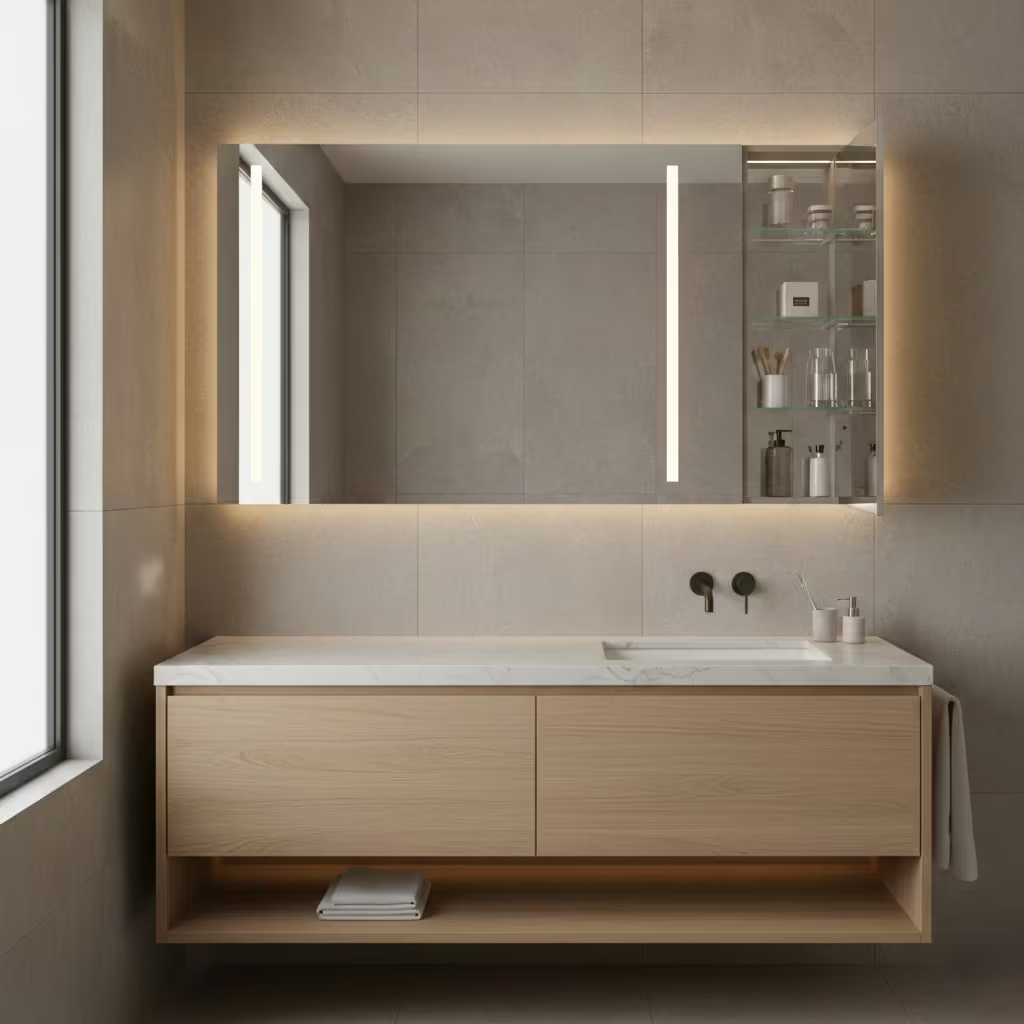
Mirrors with integrated storage transform a reflective surface into a highly practical component of the bathroom. By concealing medicine cabinets, shelving, or niche storage behind the mirror, these designs maintain a clean visual aesthetic while adding hidden utility. They help reduce countertop clutter and keep daily essentials within easy reach, marrying design elegance with functional efficiency.
Mirrored Shaving Cabinets with Recessed Installation
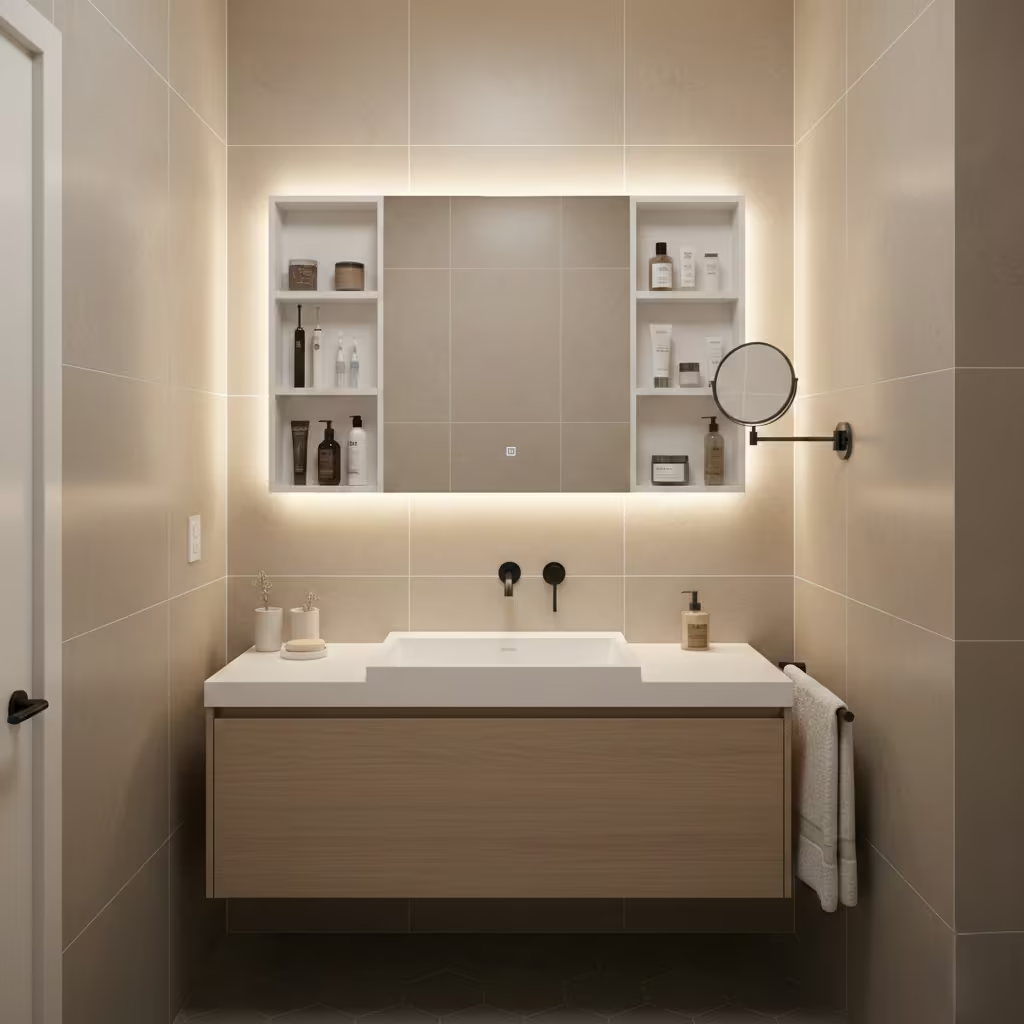
Recessed mirrored shaving cabinets provide storage without adding visual bulk, maintaining a streamlined, minimal aesthetic. By hiding toiletries, grooming tools, and medications behind the reflective surface, they preserve the bathroom’s clean lines while delivering practical utility.
Measurement Insight
The typical recess depth for these cabinets ranges from 90–120 mm (3.5–4.7 in), which is sufficient for standard bathroom essentials without encroaching on circulation space. Width and height should be proportioned to align with basins and wall tiles, ensuring visual coherence and functional accessibility.
Practical Considerations
When specifying recessed mirrored cabinets, consider wall construction and moisture protection, as well as robust mounting systems to handle weight. Integrating LED lighting within the cabinet or along the edges can enhance usability and create a subtle, design-led glow that elevates the bathroom experience. This combination of hidden storage and functional reflection makes recessed mirrored cabinets ideal for both compact urban bathrooms and high-use family spaces.
Slimline Surface-Mounted Cabinets
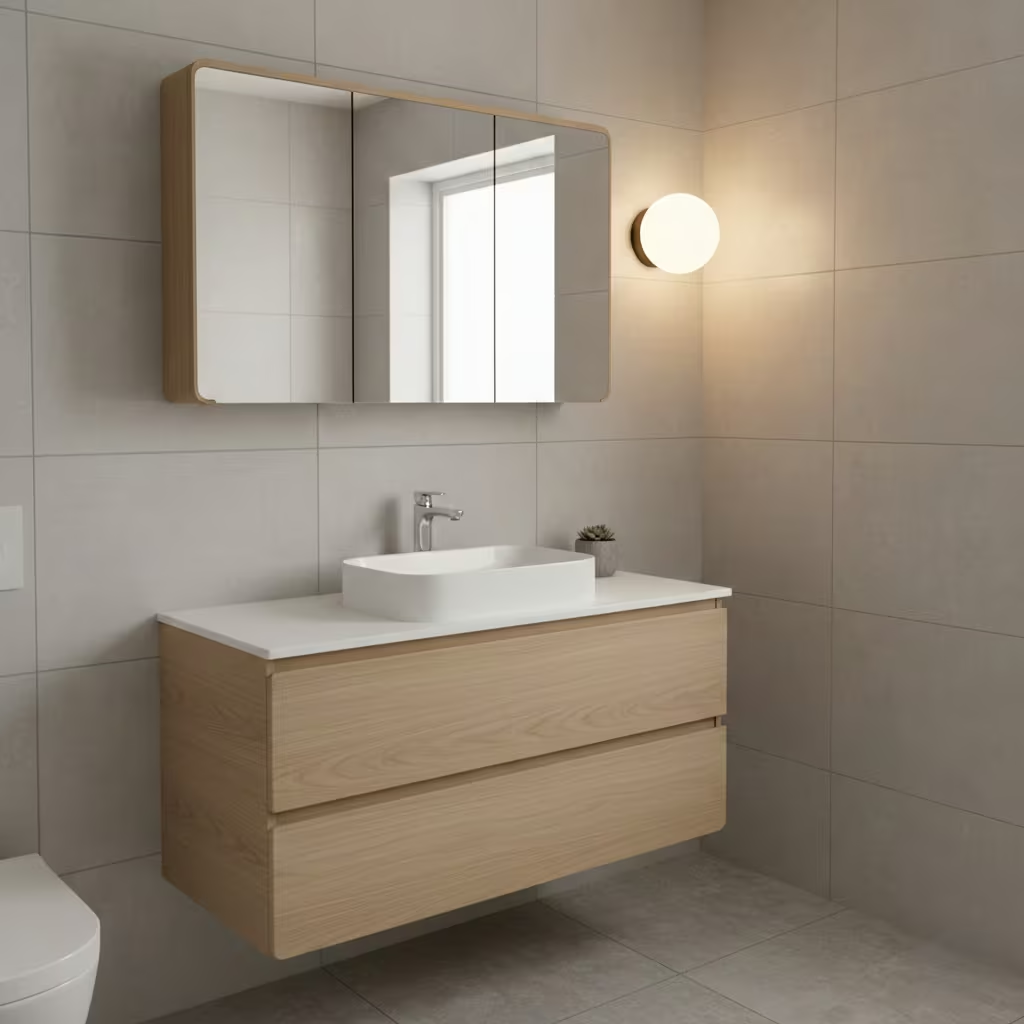
Slimline surface-mounted cabinets are ideal for retrofit renovations or situations where wall recessing is not possible. They offer additional storage without requiring structural modifications, making them particularly suitable for older properties or rental units.
Design and Visual Trade-Offs
While they maintain a streamlined appearance, surface-mounted cabinets inherently add slight visual bulk compared to recessed options. Selecting slim profiles and coordinating finishes with surrounding joinery or mirrors can minimize visual intrusion, keeping the bathroom feeling light and uncluttered.
Practical Considerations
Ensure secure wall fixing to handle the weight of stored items, and consider integrated LED lighting or mirrored fronts to enhance functionality. These cabinets provide a flexible solution for optimizing storage in tight or retrofitted spaces while maintaining a contemporary and thoughtful design aesthetic.
Full-Height Mirrored Storage Panels
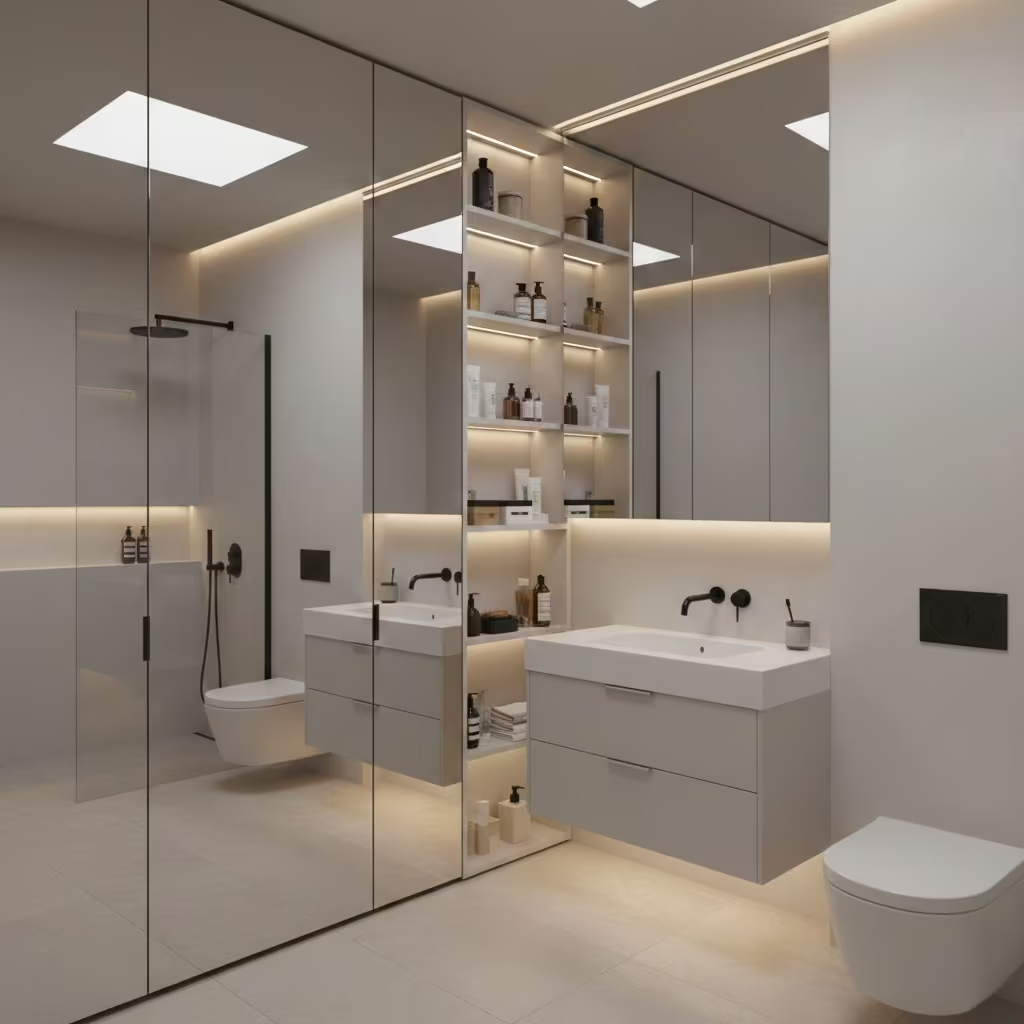
Full-height mirrored storage panels are perfect for compact apartments and small bathrooms, where maximizing both storage and visual continuity is essential. They combine reflection with concealed shelving to create a sense of depth, visually elongating the space while hiding toiletries and everyday items.
Cleaning and Durability Considerations
Large uninterrupted mirrored surfaces require regular cleaning to maintain clarity and avoid streaks or water spots. Consider materials with anti-fingerprint or anti-stain coatings, and ensure robust moisture-resistant construction to withstand bathroom humidity. Hinged or sliding access mechanisms should be durable and easy to maintain, balancing functionality with a clean, design-led aesthetic.
You May also Like: 25 Small Balcony Decor Ideas for Summer 2026 Stylish Outdoor Inspiration
Statement & Feature Mirror Ideas (Intentional Focal Points)
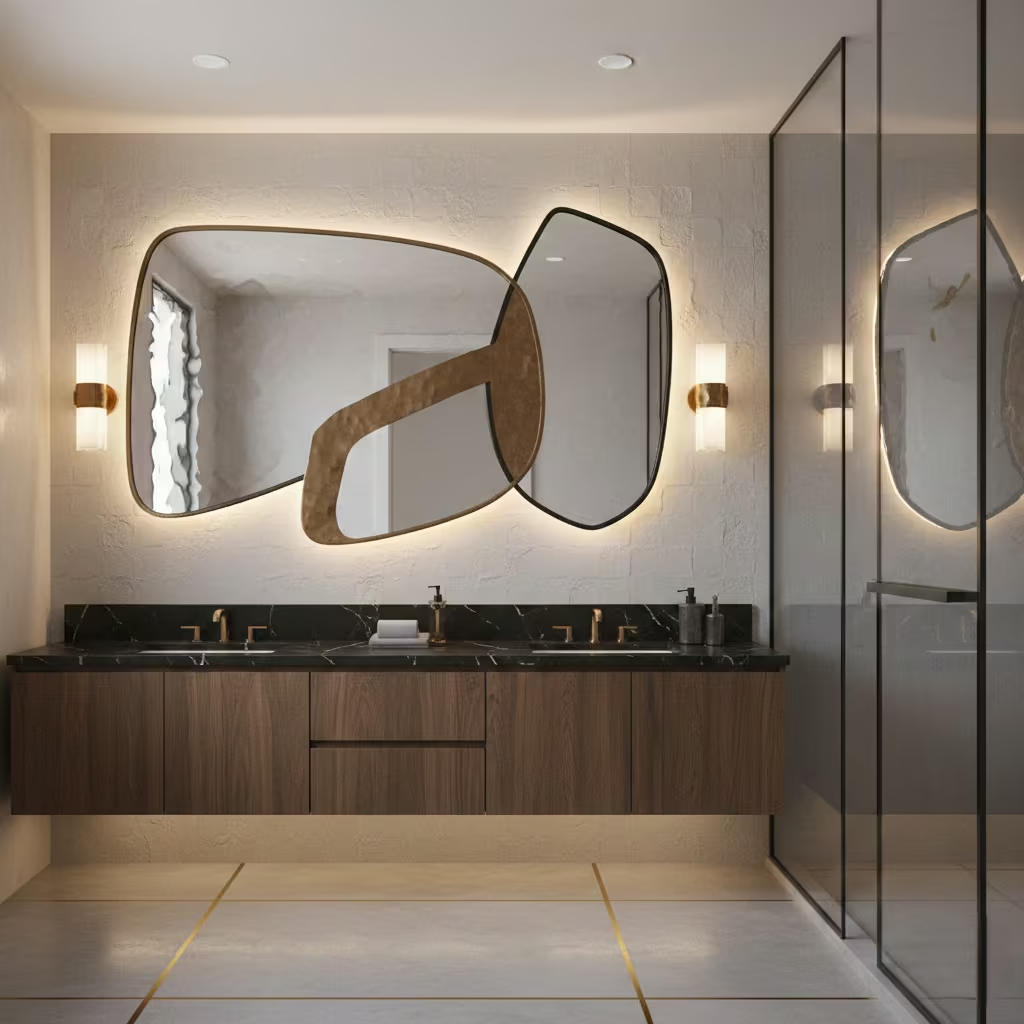
Statement and feature mirrors are designed to act as intentional focal points within a bathroom. Unlike purely functional mirrors, these designs introduce personality, architectural interest, or sculptural drama, drawing the eye and enhancing the overall character of the space. Whether through bold shapes, unique materials, or layered compositions, statement mirrors can transform an otherwise neutral bathroom into a design-led environment, establishing a strong visual narrative while maintaining everyday usability.
Oversized Statement Mirror
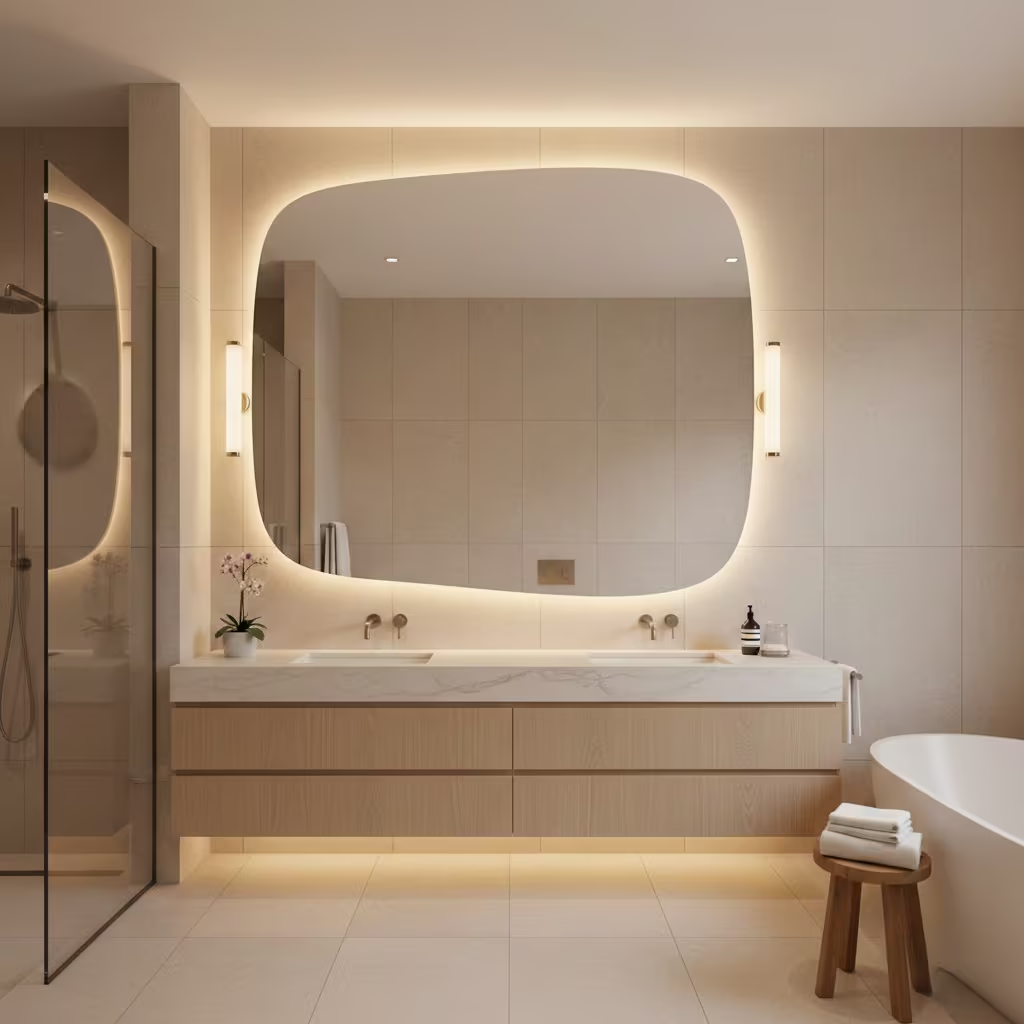
An oversized statement mirror acts as a visual anchor in minimal or restrained bathrooms. Its scale and presence dominate the wall, creating an immediate sense of drama and focus. The mirror balances clean, understated cabinetry and tile palettes, turning a simple wall into a considered design element.
Real-Life Application
I often specify oversized mirrors in master ensuites with restrained material palettes, where limited decorative elements require a single focal point. This approach not only amplifies reflected light but also establishes the mirror as the primary design feature, making the space feel both expansive and curated.
Practical Considerations
Installation requires careful wall support, especially for larger glass panels. Pairing with integrated or layered lighting can enhance the statement effect while maintaining functionality for grooming and daily routines.
Antique or Aged Glass Mirrors
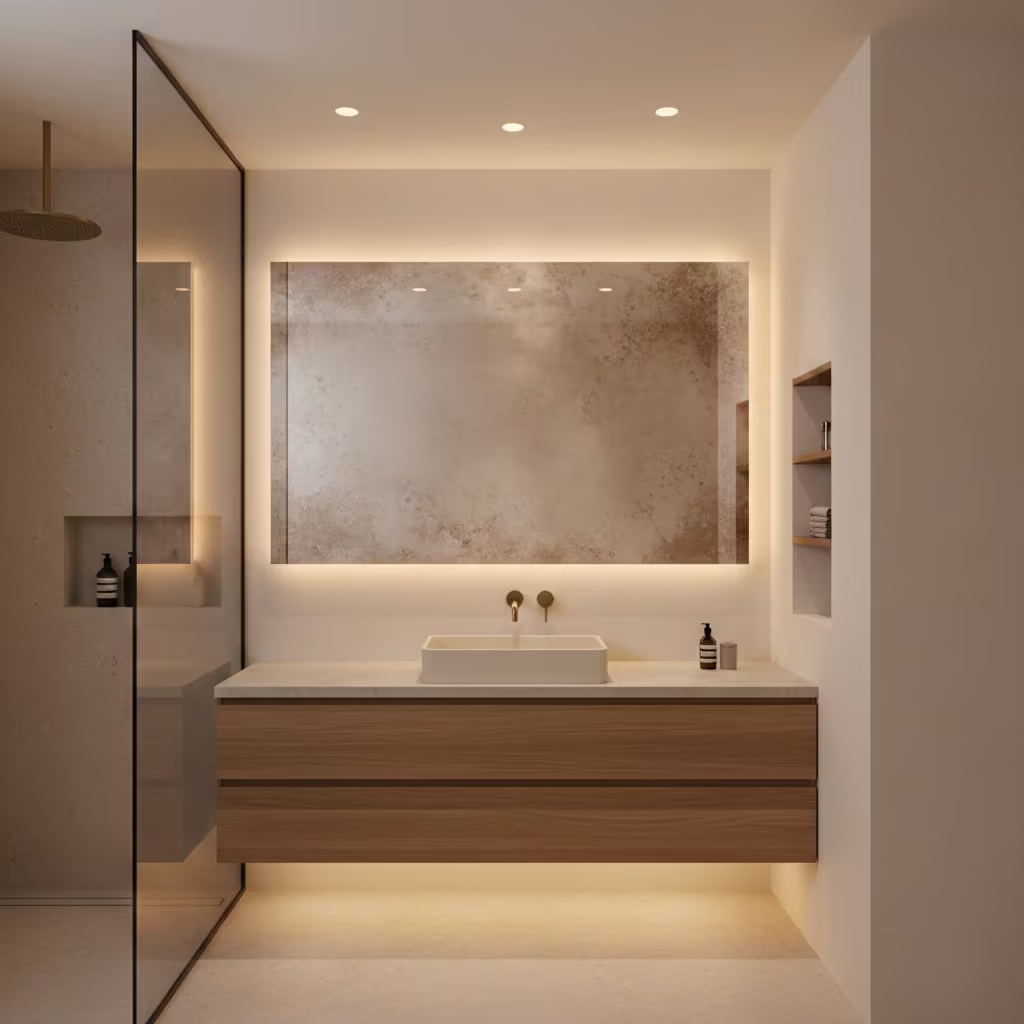
Antique or aged glass mirrors introduce depth, patina, and softness to a bathroom, breaking the monotony of contemporary finishes. Their subtle imperfections add character and warmth, creating an inviting and tactile visual experience.
Best Practice
These mirrors are best used sparingly over a single vanity or as an accent panel so they complement rather than overwhelm the design. Their reflective quality is inherently softer, making them ideal for ambient lighting situations rather than precise grooming tasks.
Practical Considerations
Consider the finish durability and maintenance, as aged or distressed surfaces may show wear more readily. Integrating task lighting nearby can compensate for lower reflection intensity while preserving the aesthetic charm.
Sculptural or Irregular Mirror Shapes
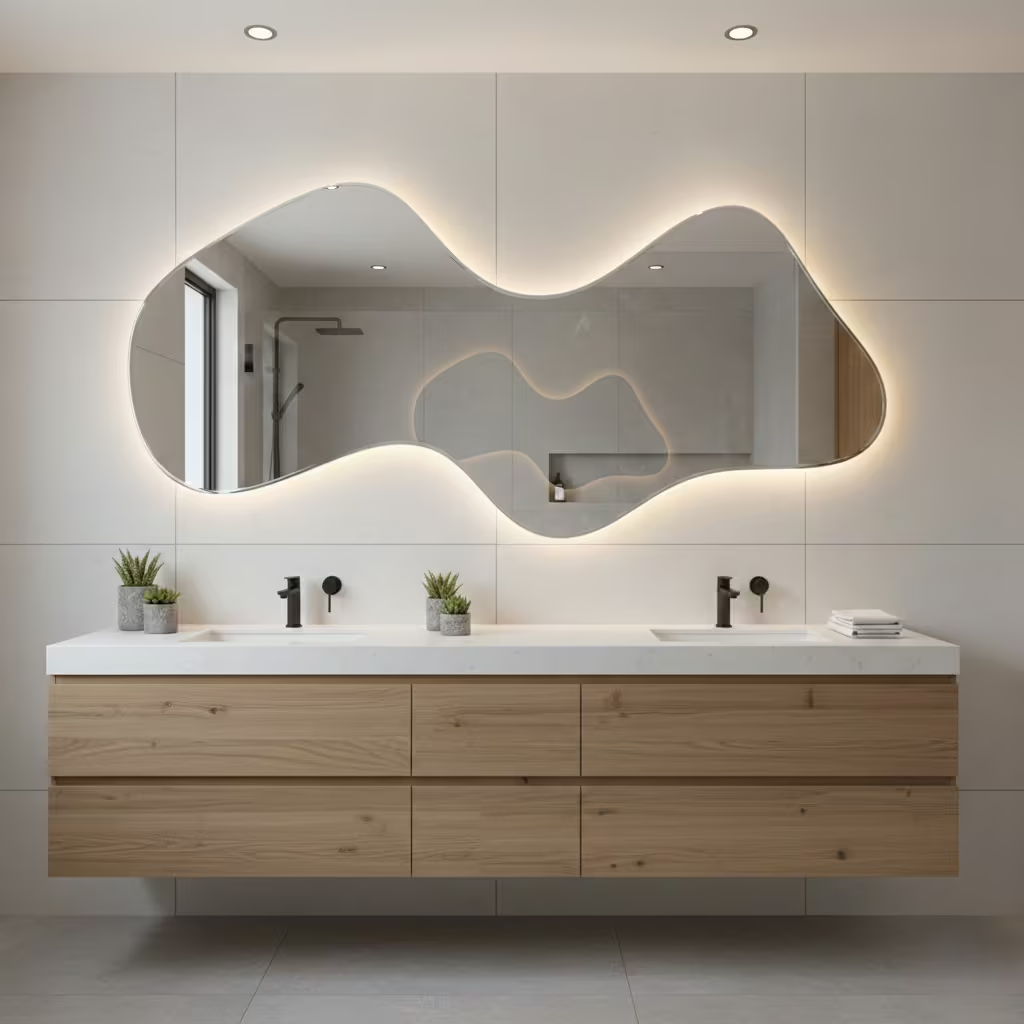
Sculptural or irregular mirror shapes provide a strong visual statement, creating movement and sculptural interest on bathroom walls. They are particularly effective in design-led homes where mirrors are intended as art pieces as much as functional tools.
When They Work and When They Date Quickly
These mirrors succeed in contemporary, minimalist, or eclectic bathrooms where clean walls allow the form to stand out. However, overly eccentric shapes or highly trend-driven silhouettes can date rapidly, making them less suitable for long-term investment or resale considerations.
Practical Considerations
Ensure careful coordination with lighting, cabinetry, and surrounding finishes. Placement should consider everyday usability, avoiding awkward reflection angles. Sculptural mirrors can be combined with subtle task lighting or diffused ambient illumination to highlight their form without compromising functionality.
Placement-Led Mirror Ideas (Beyond the Vanity)
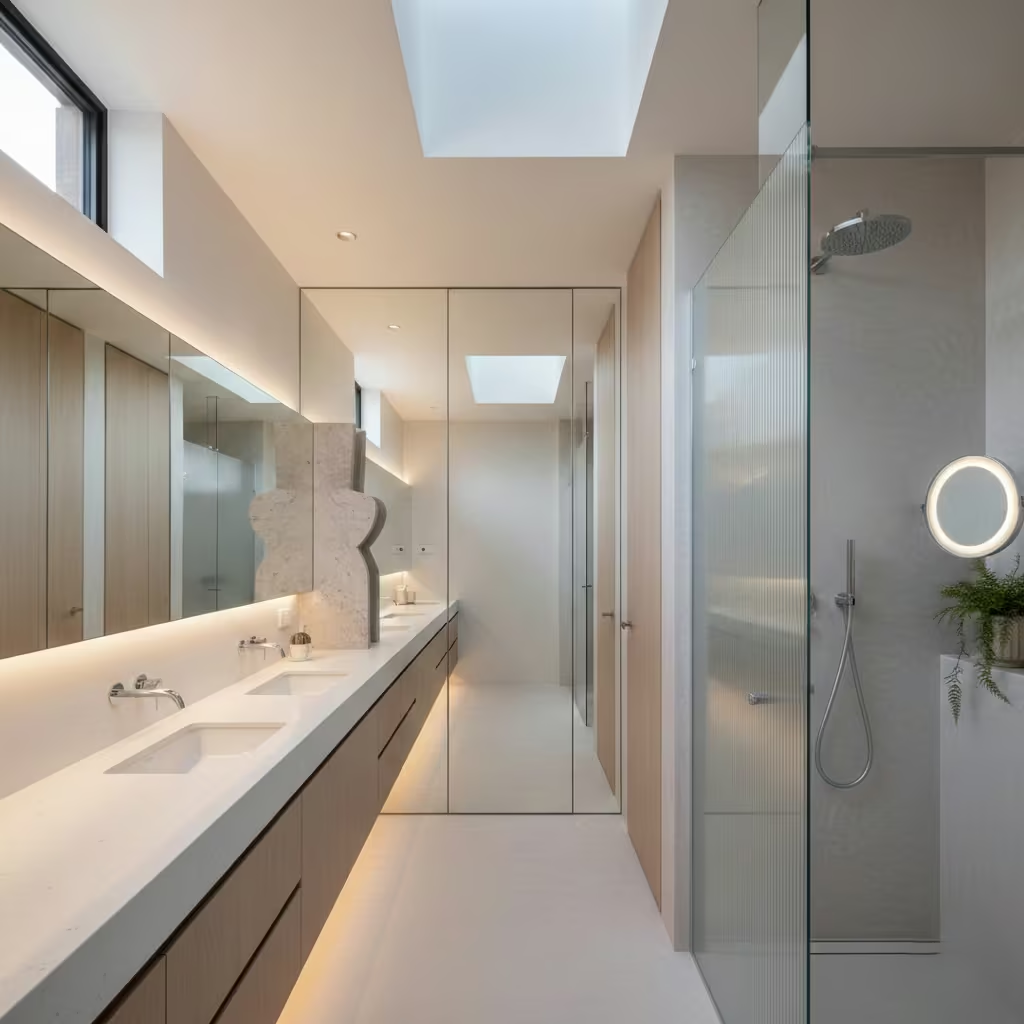
Mirrors do not need to be confined to the area above the vanity. Placement-led mirror strategies explore how reflective surfaces can enhance circulation, light, and focal points throughout a bathroom. By considering mirrors in hallways, alongside showers, or near architectural features, designers can manipulate perception, amplify natural light, and create unexpected visual moments that enrich the spatial experience.
Side Wall Mirrors to Borrow Light
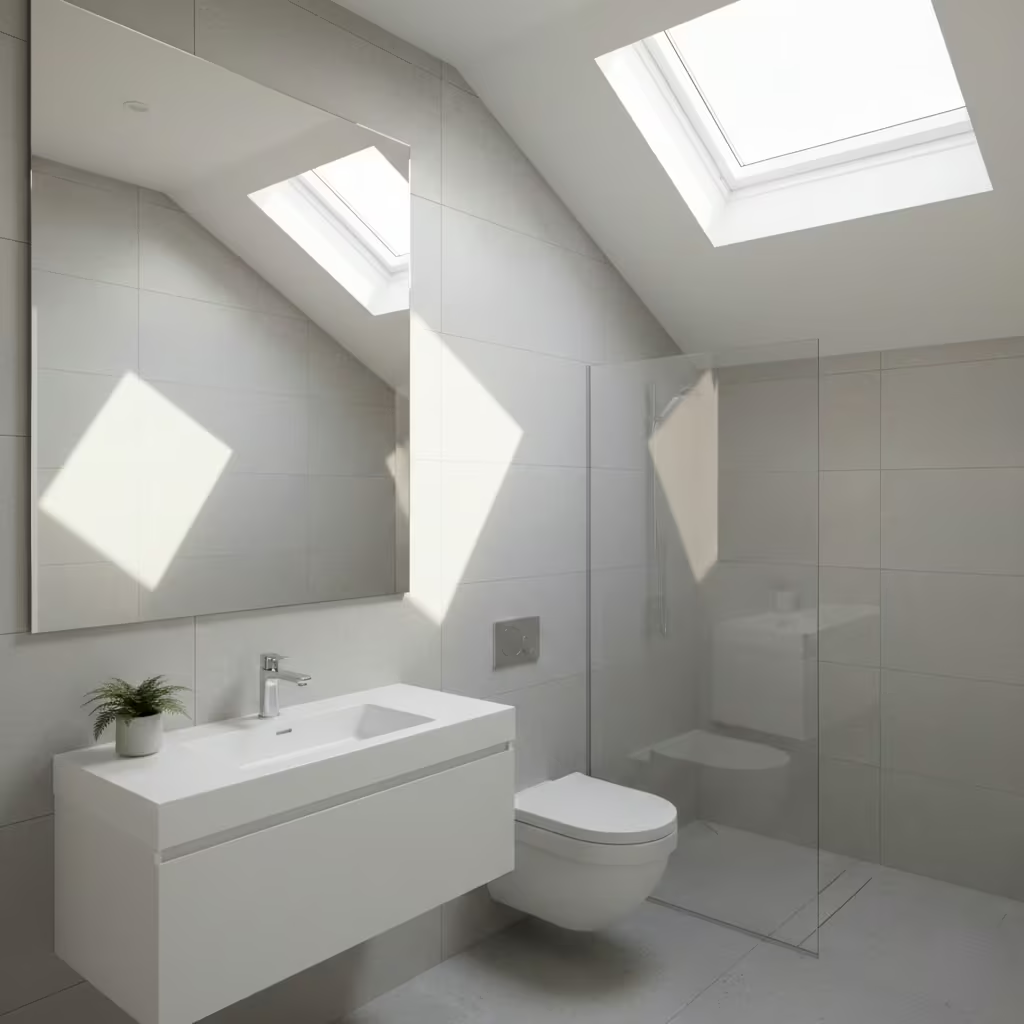
Side wall mirrors installed adjacent to windows or light sources can effectively capture and redirect daylight deeper into the bathroom. This strategy brightens darker corners, improves overall illumination, and reduces reliance on artificial lighting.
Comparison with Vanity-Facing Mirrors
Unlike standard vanity-facing mirrors that reflect the user, side wall mirrors focus on spatial enhancement. They do not provide direct grooming utility but significantly improve the ambient quality of the room, particularly in narrow or window-challenged layouts.
Practical Considerations
Consider the angle and positioning to avoid unwanted glare or reflections of fixtures. Thin, edge-polished frameless panels maintain visual lightness while maximizing reflected light.
You May also Like: 15 Bathroom Remodel Ideas That Will Inspire Your Dream Renovation
Full-Height Mirrors Near Bath Zones
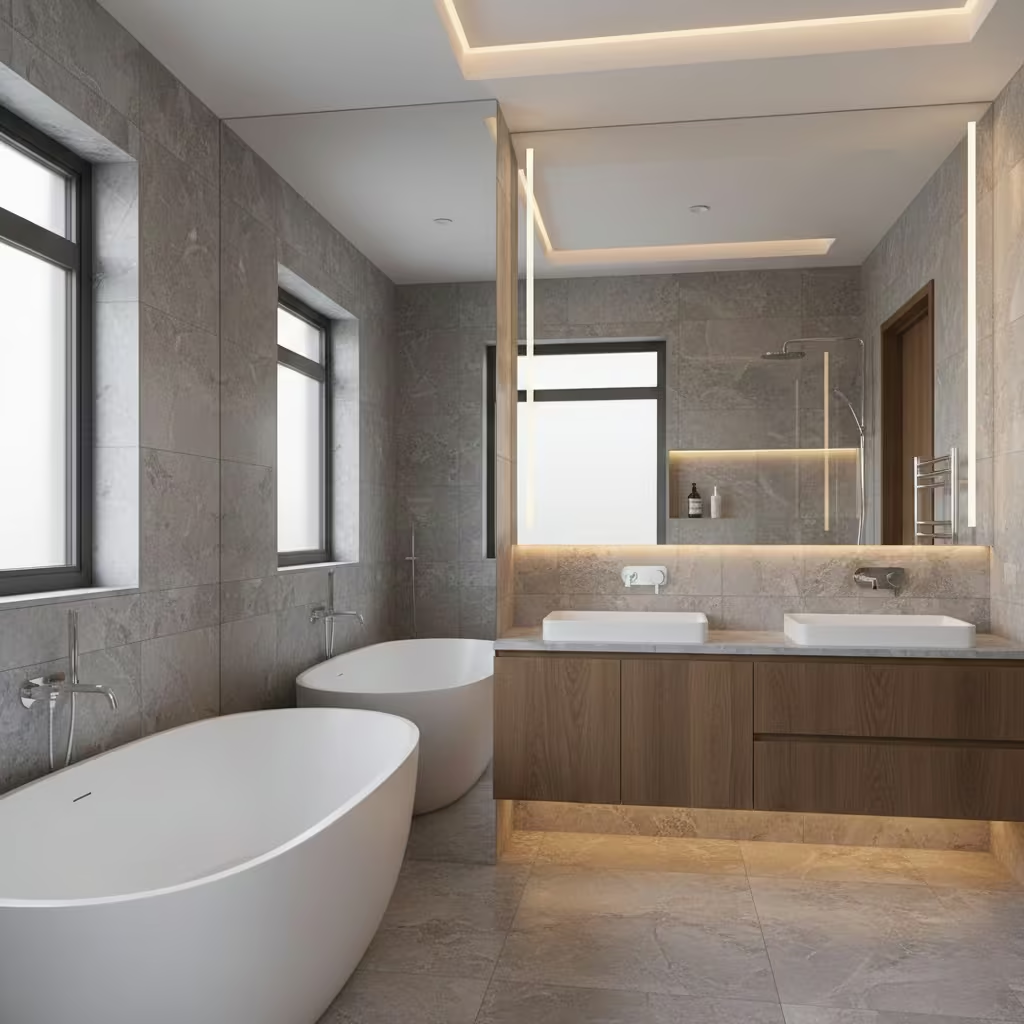
Full-height mirrors along bath or shower walls expand perceived width and depth, making compact bathrooms feel larger. They also reflect surrounding finishes, amplifying material textures and lighting schemes.
Condensation Management
Bathrooms with frequent steam exposure require anti-fog coatings or demister integration to maintain usability. Careful placement away from direct water jets prolongs surface quality and reduces maintenance frequency.
Practical Considerations
Secure fixing and moisture-resistant backing are essential. Full-height mirrors work best in combination with strategic lighting to ensure functional clarity for daily routines.
Corner Mirror Applications
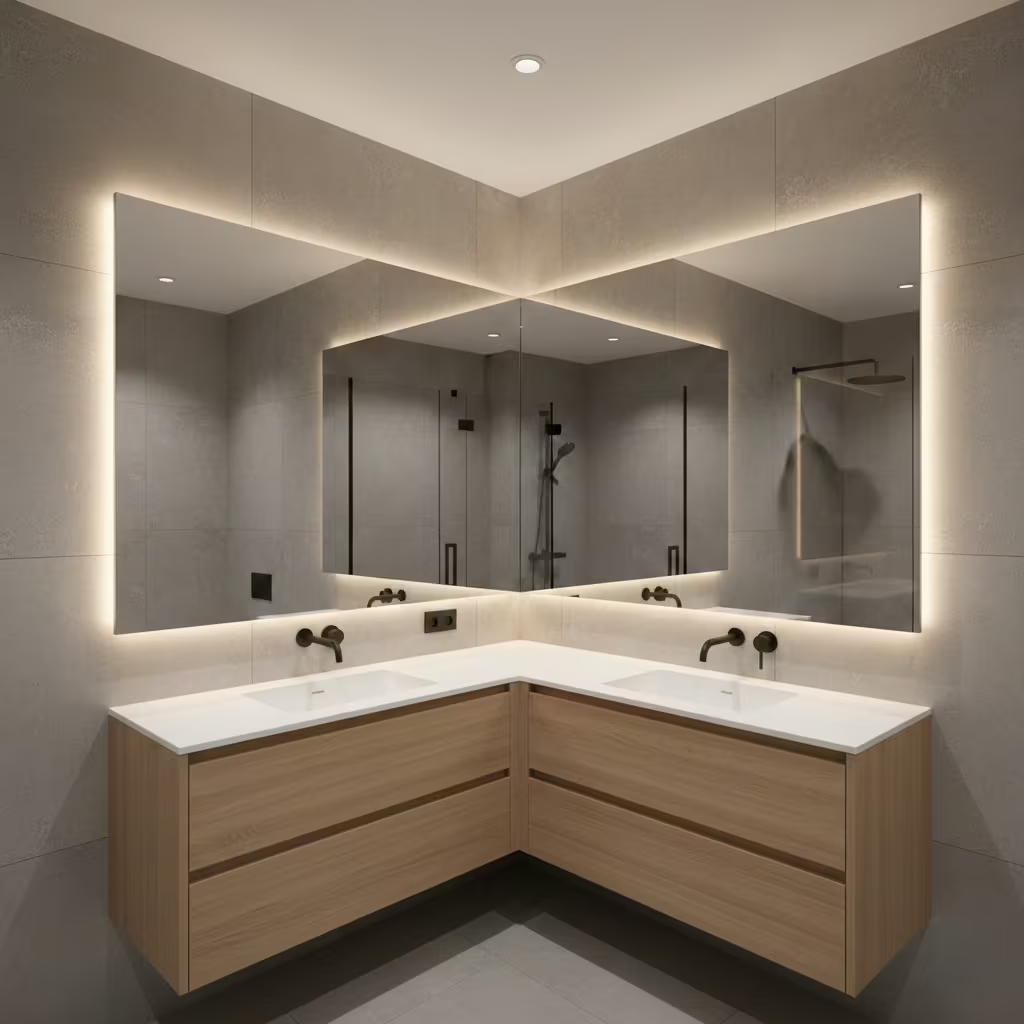
Corner mirrors exploit two intersecting walls to visually expand room depth and create unexpected reflections. This advanced technique can make tight bathrooms feel more open and add dynamic angles to the interior.
Design Guidance
Precise alignment and proportioning are critical to avoid awkward reflections or visual clutter. They are best applied where walls meet at key sightlines and are kept free of obstructions.
Practical Considerations
Corner mirrors require careful detailing at edges and joints, using quality sealants and polished edges to maintain longevity and avoid moisture ingress. Integration with adjacent cabinetry and lighting ensures a cohesive, functional, and visually compelling result.
You May also Like: 30 Stunning Desert Bathroom Design Ideas for a Warm, Natural Look
Material & Finish Pairings (Mirror + Surroundings)
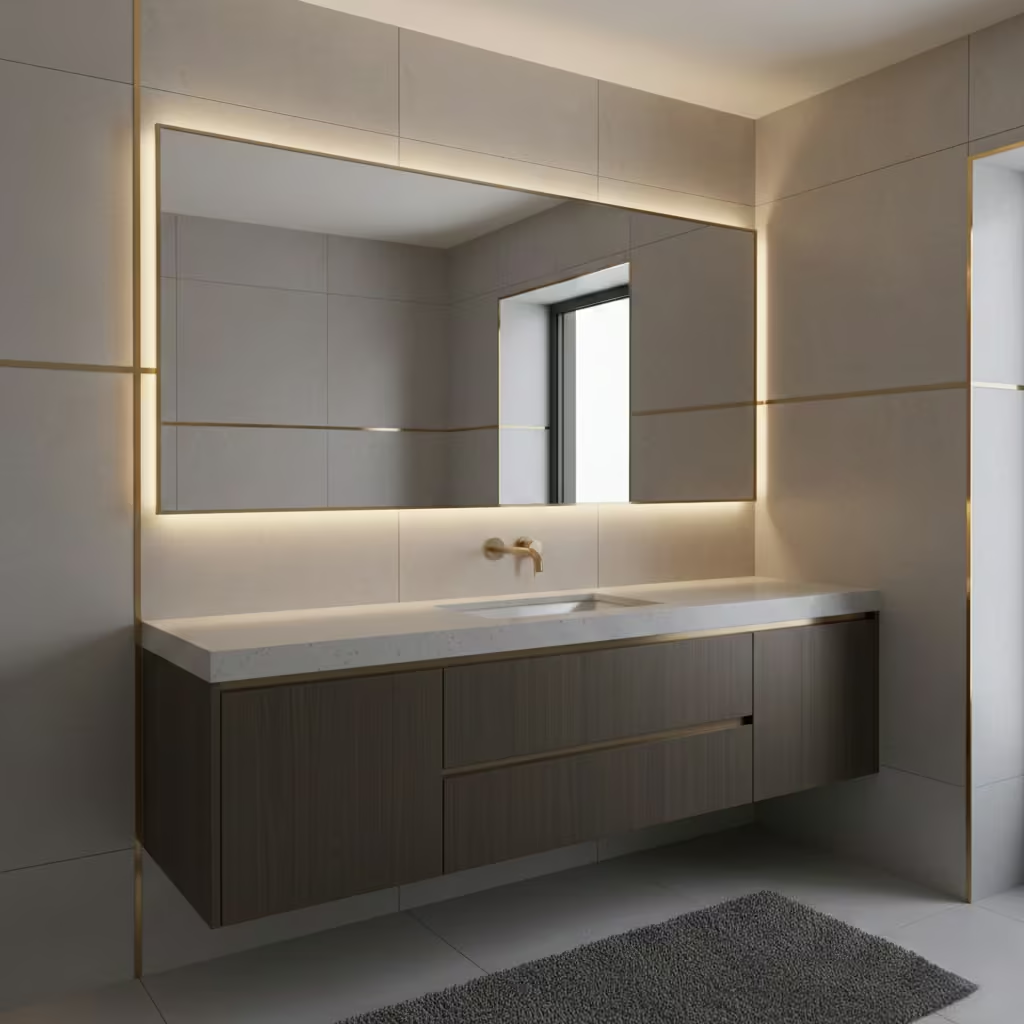
Mirrors are most impactful when thoughtfully paired with surrounding materials and finishes. Consider how reflective surfaces interact with wall tiles, cabinetry, metallic trims, and lighting. High-gloss mirrors enhance contrast with matte surfaces, while antique or tinted glass can soften the overall palette.
Harmonizing frame finishes with tapware, handles, and light fixtures can create cohesion, whereas contrasting materials can establish visual tension and focal interest. Careful material pairing ensures that mirrors feel integrated, purposeful, and resilient over time, while supporting both aesthetic quality and long-term usability.
Mirror Selection Based on Tile Format and Joint Lines
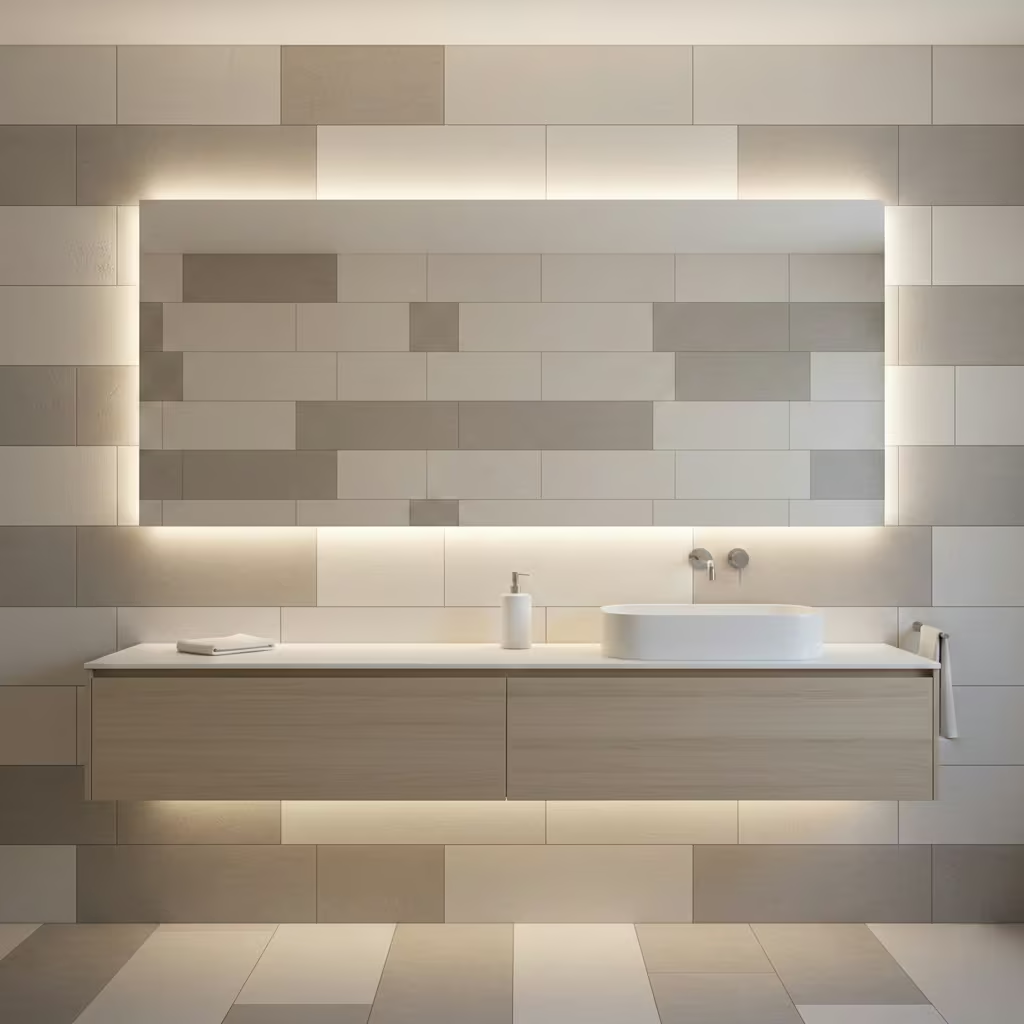
Aligning mirror edges with tile grout lines creates a sense of visual calm and cohesion. This subtle attention to proportion and alignment ensures that mirrors feel deliberately placed rather than arbitrary, enhancing the perceived order of the bathroom surfaces.
Real Project Note
In practice, I find that this detail often separates average bathrooms from refined ones. Even small misalignments can draw the eye and disrupt the flow, whereas careful coordination with tile grids reinforces a considered, high-quality design outcome.
Conclusion: Choosing the Right Bathroom Mirror with Confidence
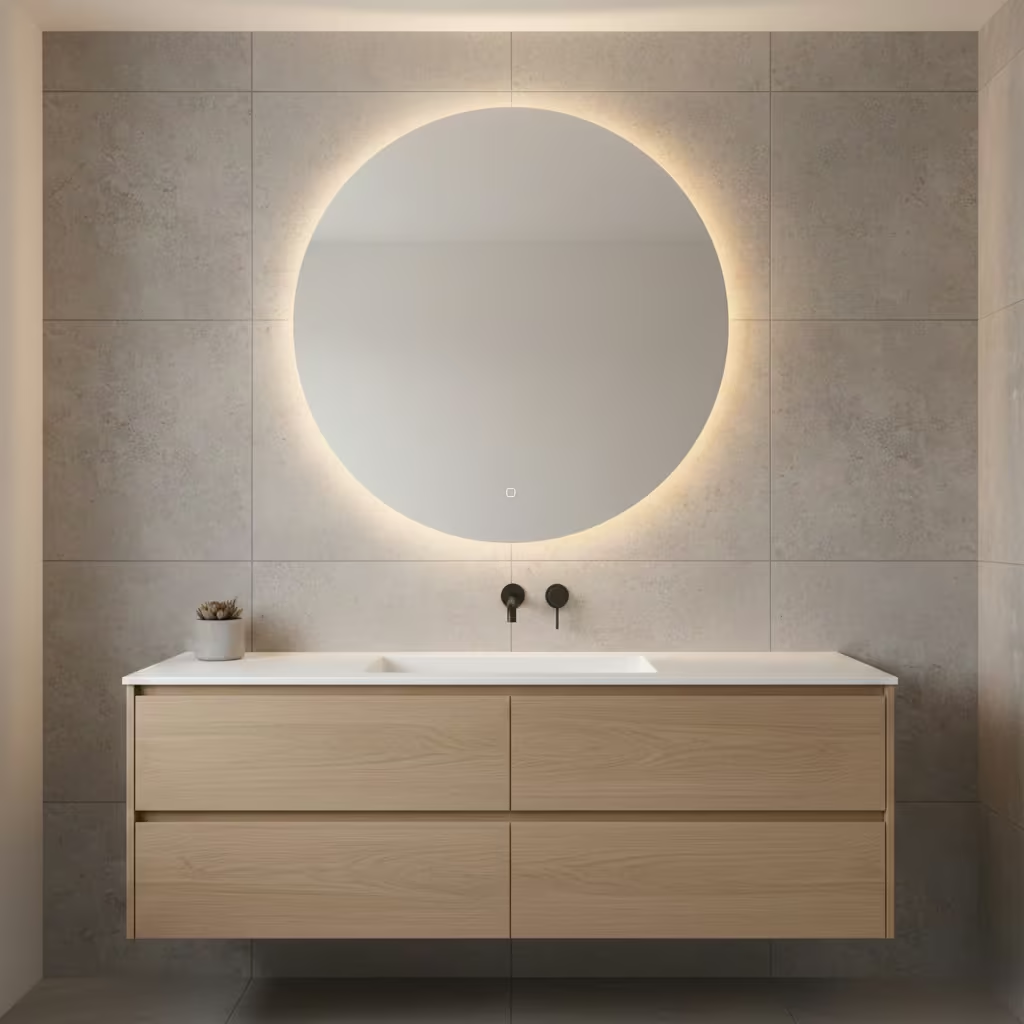
Selecting a bathroom mirror should be approached as a long-term design decision rather than a trend-driven impulse. Its influence on light, proportion, and daily usability extends beyond aesthetics, shaping the way a space feels and functions for years.
By comparing mirror types, sizes, shapes, and placements, you can make informed choices that balance visual appeal with practical performance. Understanding how different options interact with lighting, joinery, and room scale is more valuable than following transient trends.
Before committing, assess natural and artificial light, spatial proportions, and how the bathroom is used daily. Prioritising these factors ensures that the chosen mirror enhances both the form and function of the room, resulting in a refined, enduring, and confident design outcome.
Frequently Asked Questions (FAQs) about Bathroom Mirrors Designs
What size bathroom mirror should I choose?
Mirror size should relate to vanity width and room scale. For single basins, aim for 700–900 mm diameter for round mirrors or slightly narrower than the vanity for rectangular mirrors. Full-width mirrors enhance light and continuity, while twin mirrors are ideal for shared basins.
Should I choose a framed or frameless mirror?
Frameless mirrors offer visual lightness and work well in compact or minimal bathrooms. Framed mirrors, such as timber or metal, add warmth, structure, and definition. Consider durability, moisture exposure, and the overall aesthetic when choosing.
How do I position a mirror for optimal light?
Mirrors should reflect both natural and artificial light without creating glare. Position adjacent to windows to borrow daylight or above basins for practical grooming. Side-wall mirrors can enhance ambient light in darker corners.
Can a mirror make my bathroom look bigger?
Yes. Full-height, wall-to-wall, or strategically placed corner mirrors visually expand width and depth. Round or oval mirrors can soften geometry, while reflective surfaces amplify light and reduce perceived clutter.
What is the best mirror for a low-ceiling bathroom?
Oval or vertically elongated mirrors draw the eye upward, enhancing ceiling height. Avoid overly wide or oversized mirrors that compress visual proportion in small, low-ceiling spaces.
Are LED backlit mirrors worth it?
LED backlit mirrors provide uniform illumination, excellent for low-light bathrooms, and create a sleek, modern look. Choose 4000K neutral white LEDs to maintain natural skin tones without a clinical effect.
How do I maintain mirrors in humid bathrooms?
Opt for mirrors with demisters or anti-fog coatings near steam-prone areas. Ensure proper ventilation, and clean regularly with non-abrasive products. Large or wall-to-wall mirrors may require more frequent upkeep.
Can mirrors include storage?
Yes. Mirrored shaving cabinets or slimline surface-mounted storage panels offer hidden utility without adding visual bulk. Recessed installations maintain a clean aesthetic, while full-height panels maximize compact layouts.
How do I match mirrors with tiles and joinery?
Align mirror edges with grout lines and cabinetry for visual harmony. Material and finish coordination such as matching metal frames to tapware or choosing tinted glass to complement tiles enhances cohesion and sophistication.
When should I use statement or sculptural mirrors?
Feature mirrors are best used as deliberate focal points in minimal or restrained bathrooms. Oversized, antique, or irregular shapes add personality, but consider long-term relevance and maintenance to avoid rapid stylistic dating.