



25 Farmhouse Living Room Ideas That Feel Warm, Timeless, and Lived-In
Farmhouse living room style is rooted in comfort, practicality, and a sense of home that feels genuinely lived in. At its core, traditional farmhouse design draws inspiration from rural homes, where natural materials, sturdy furniture, and warm, neutral colours create spaces that prioritise function as much as appearance.
Think solid wood pieces, soft textiles, and layouts designed for everyday family life. Modern farmhouse builds on those foundations, refining them with cleaner lines, lighter palettes, and a more edited approach, while still preserving the warmth that defines the style.
The reason farmhouse living rooms remain so popular is simple. They age well. Unlike trend-led interiors that can feel dated within a few years, farmhouse spaces evolve gracefully. Natural materials develop character, neutral backdrops adapt easily to changing tastes, and comfort is never sacrificed for looks. I see many homeowners drawn to farmhouse design because it strikes that rare balance between timeless and personal, polished yet relaxed.
In this guide, I am sharing 25 farmhouse living room ideas that are practical, achievable, and suited to real homes, not just styled photos. These ideas focus on comfort, warmth, and function, helping you create a space that feels welcoming every day. Whether you lean toward classic farmhouse or prefer a modern interpretation, you will find inspiration you can adapt to your own layout, budget, and lifestyle.
Neutral Colour Palettes That Set the Farmhouse Foundation
Neutral colour palettes are the backbone of a successful farmhouse living room. I usually start with warm whites, soft creams, greige, and muted taupes because these tones create a calm, inviting base that allows natural textures and furnishings to shine. Unlike stark whites or cool greys, warmer neutrals soften the space and make it feel comfortable rather than clinical. They also reflect light beautifully, which is especially helpful in farmhouse living rooms that rely on natural light and layered lighting for ambience.
Undertones play a crucial role in getting farmhouse colours right. A white with a yellow or beige undertone feels cosy and traditional, while one with a subtle grey or greige base leans more modern farmhouse. Choosing the wrong undertone can make a room feel cold or slightly off, even if the colour looks perfect on a sample card. I always recommend testing paint in different lighting conditions before committing.
For finishes, matte or eggshell paints work best on walls, offering a soft, chalky look that suits farmhouse style. Satin or semi-gloss finishes are ideal for trim, doors, and panelling, providing durability while adding gentle contrast without overpowering the room.
Exposed Wooden Beams for Architectural Character
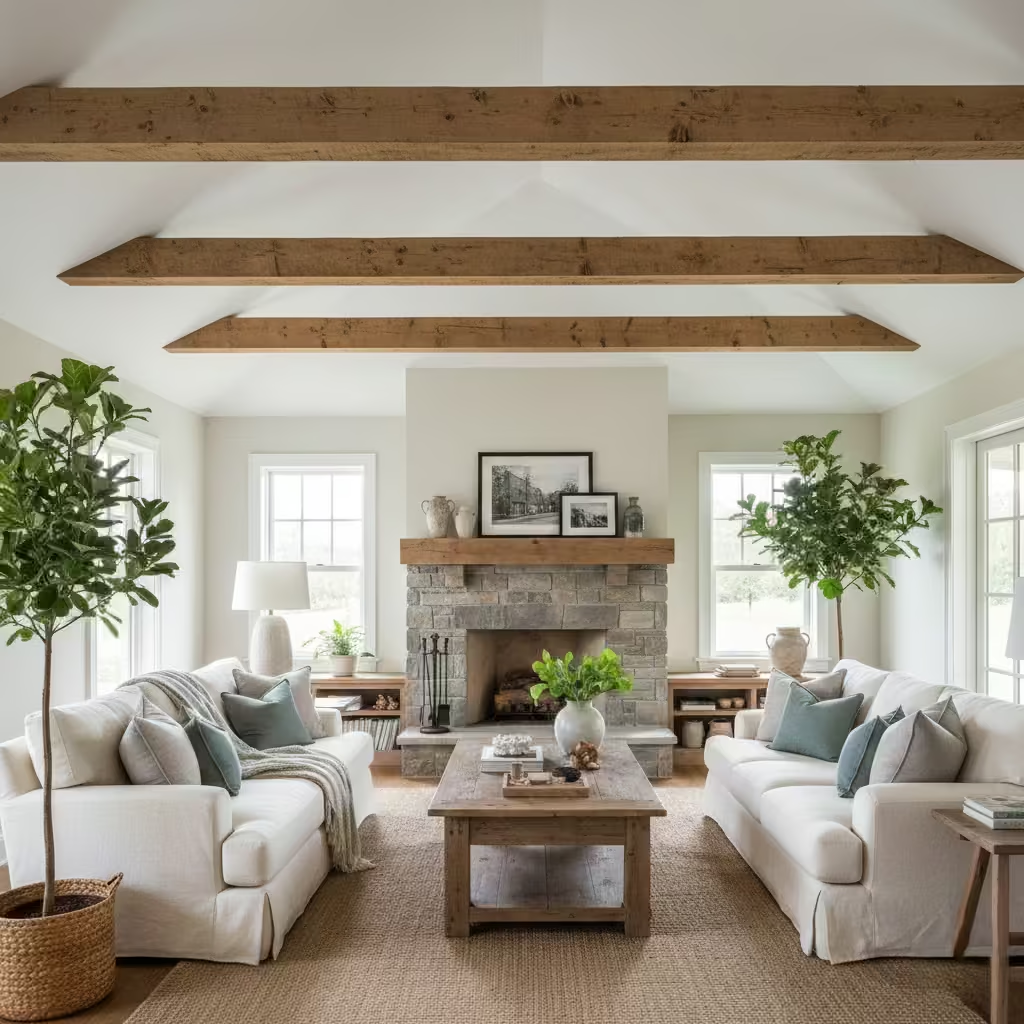
Exposed wooden beams instantly add depth and authenticity to a farmhouse living room, creating a sense of age and structure even in newer homes. Original ceiling beams offer undeniable character, but faux beams can be just as effective when installed correctly. High-quality faux beams made from solid wood or realistic composites are lighter, easier to fit, and more budget-friendly, making them a practical option for many homeowners.
The best wood tones for farmhouse spaces tend to sit in the warm to mid-range spectrum. Light oak, whitewashed timber, and softly weathered pine feel airy and relaxed, while deeper walnut or reclaimed beams suit more traditional or rustic farmhouse interiors. I usually avoid overly red or orange-toned woods, as they can clash with neutral palettes and feel dated.
Beams work best in rooms with adequate ceiling height, where they enhance architecture rather than overwhelm it. In low-ceilinged spaces, heavy beams can make the room feel compressed. In those cases, subtle faux beams or skipping beams altogether often creates a more balanced and comfortable result.
Shiplap Walls for Subtle Texture

Shiplap walls are a farmhouse staple because they introduce texture without visual clutter. Horizontal shiplap is the most common choice and works well for creating a relaxed, traditional farmhouse feel. Vertical shiplap, on the other hand, draws the eye upward and is ideal for adding height in rooms with lower ceilings or when aiming for a cleaner, modern farmhouse look.
Painted shiplap is by far the most versatile option. Soft whites, warm creams, and light greige tones maintain brightness while allowing furniture and décor to stand out. Natural or lightly stained shiplap can look beautiful, but I recommend using it sparingly, as too much exposed wood on walls can overwhelm a living room.
Shiplap works best as an accent rather than a full-room treatment. Feature walls behind a sofa, around a fireplace, or within built-in shelving are ideal placements. Used thoughtfully, shiplap adds warmth and character without dominating the space.
Comfortable, Deep-Seated Sofas as the Anchor
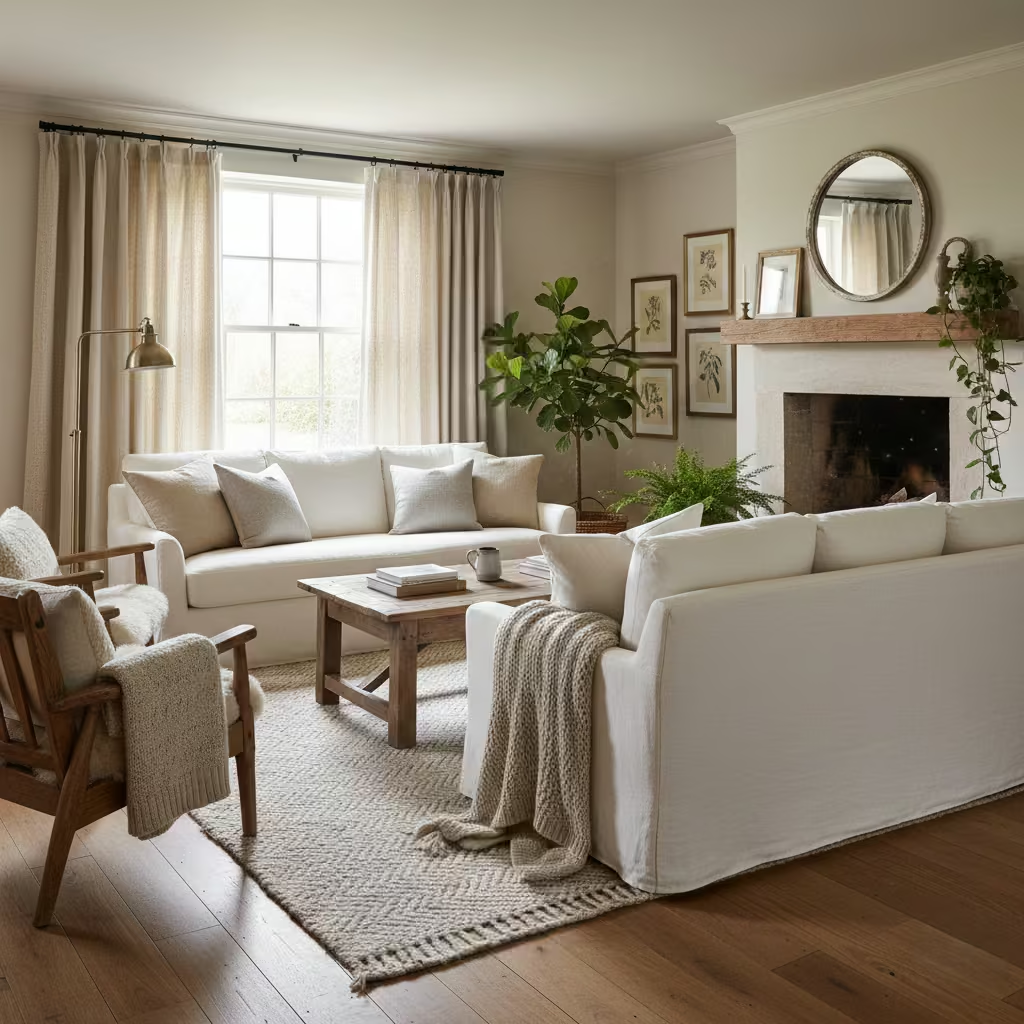
A comfortable, deep-seated sofa is the anchor of any farmhouse living room and often the piece that defines how the space is used day to day. Farmhouse style is not about formal seating, so I always prioritise generous proportions, soft cushions, and supportive frames that invite you to sit, stretch out, and relax. Natural upholstery materials such as linen and cotton are classic choices, offering breathability, texture, and that slightly relaxed finish that suits farmhouse interiors so well.
Performance fabrics are an increasingly popular option, especially for busy households. They mimic the look of natural fibres while offering added durability, stain resistance, and easy maintenance. This makes them ideal for family living rooms where comfort and practicality must work together.
Slipcovered sofas remain a farmhouse favourite for good reason. They are forgiving, washable, and effortlessly casual. A well-fitted slipcover can look polished while still feeling lived in, and it allows you to refresh the sofa over time without replacing the entire piece.
For colour, warm whites, soft beige, light grey, and muted taupe work beautifully. These tones keep the room feeling light and timeless, while allowing layered textiles and accent pieces to add depth and personality.
Rustic Coffee Tables with History and Texture
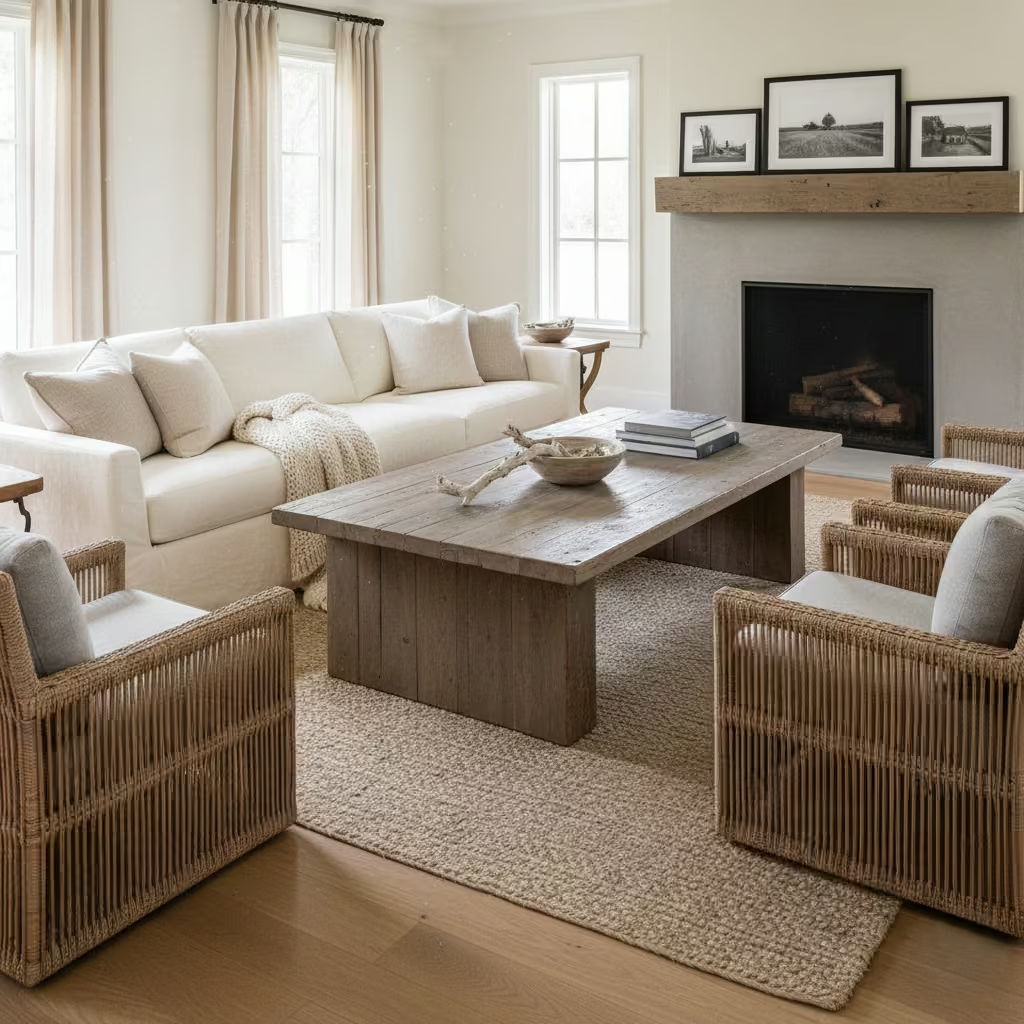
A rustic coffee table brings depth and authenticity to a farmhouse living room, especially when it shows signs of age and craftsmanship. Reclaimed wood is my first choice whenever possible, as it carries natural imperfections, knots, and grain variations that add instant character. These details prevent the space from feeling overly polished and help ground softer elements like upholstered seating and textiles.
Chunky farmhouse silhouettes work particularly well, whether that is a thick plank top, turned legs, or a substantial trestle base. A coffee table should feel solid and purposeful, not delicate. I often advise choosing a slightly larger piece than expected, as it anchors the seating area and reinforces the relaxed farmhouse aesthetic.
When it comes to styling, restraint is key. A simple tray, a stack of books, and one organic accent such as a ceramic bowl or small plant are usually enough. Leaving breathing room keeps the table functional and prevents visual clutter, which is essential in a space designed for everyday living.
You May also Like: 25 Open Kitchen Living Rooms ideas That Feel Stylish, Spacious, and Effortlessly Connected
Layered Textiles for a Lived-In Feel
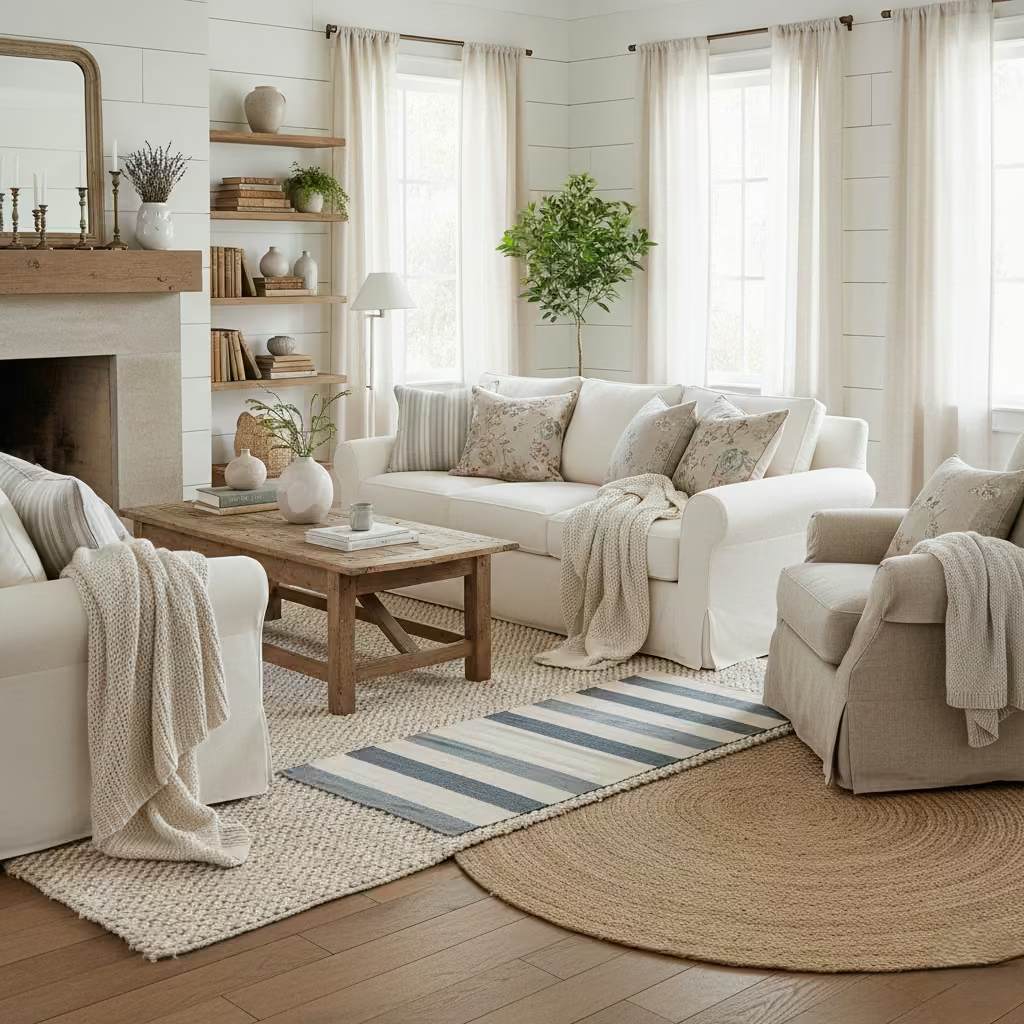
Layered textiles are what make a farmhouse living room feel warm and inviting rather than staged. Throws, cushions, and area rugs add softness and depth, especially when they combine different textures like linen, wool, cotton, and jute. I like to layer a neutral rug with subtle pattern underfoot, then build interest through cushions and throws in complementary tones.
Mixing patterns works best when there is a shared colour palette. Stripes, checks, and soft florals can sit together comfortably as long as the colours remain cohesive. Varying scale also helps, pairing one larger pattern with smaller, more delicate designs to maintain balance.
Seasonal layering keeps the space feeling fresh. Lightweight linens and cottons work well in warmer months, while chunkier knits and wool rugs introduce cosiness as the seasons change, without requiring a full redesign.
Fireplace Features as a Natural Focal Point
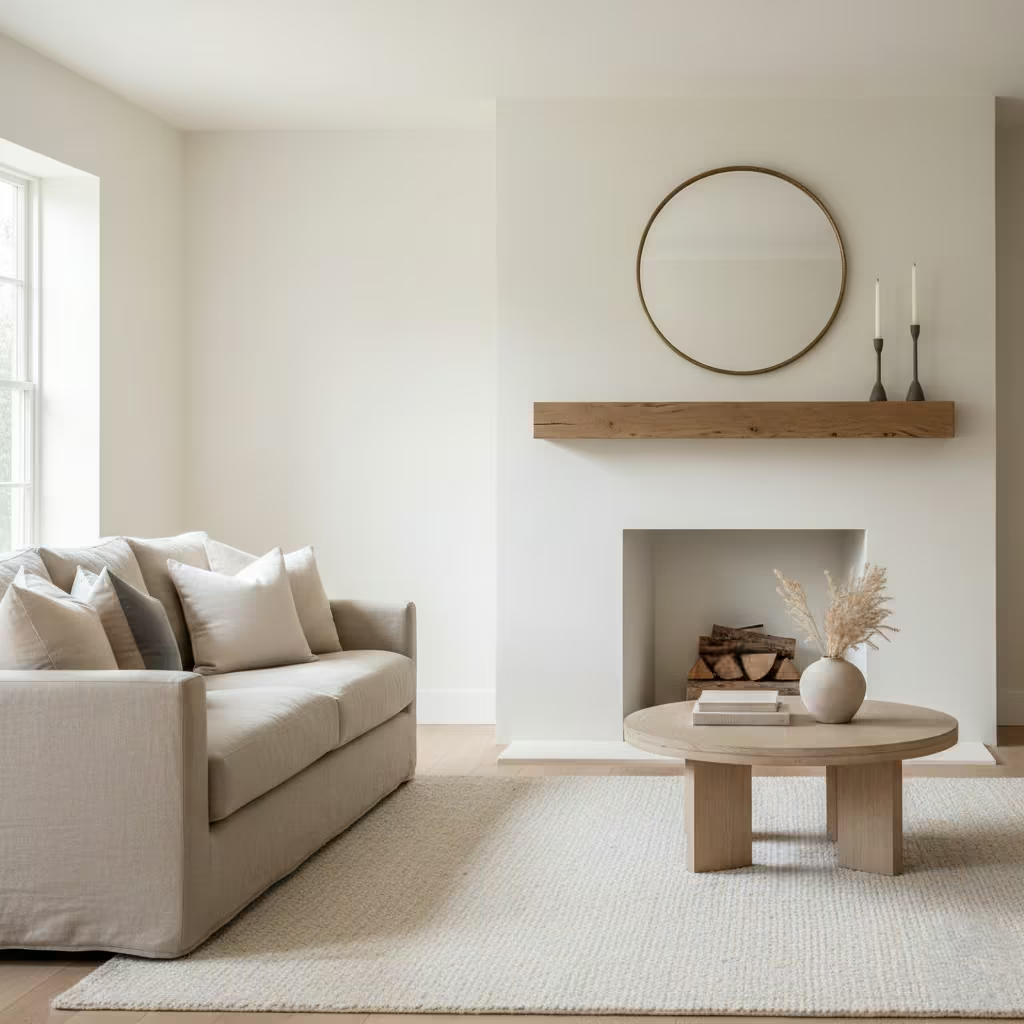
A fireplace naturally becomes the heart of a farmhouse living room, providing both visual focus and a sense of warmth. Stone, brick, and plaster fireplaces are all well suited to farmhouse style, each offering a different mood. Exposed brick feels traditional and textured, stone adds rustic weight, and plaster delivers a softer, more refined look that suits modern farmhouse interiors.
Mantel styling should feel intentional but restrained. I recommend avoiding overcrowding the mantel with small objects. Instead, opt for a few well-chosen pieces such as a framed artwork, a simple mirror, or a pair of candlesticks to maintain balance.
Modern farmhouse fireplace ideas often pair traditional materials with clean lines. A simple timber mantel, minimal fire surround, and neutral backdrop allow the fireplace to feel timeless without dominating the room.
Natural Materials That Ground the Space
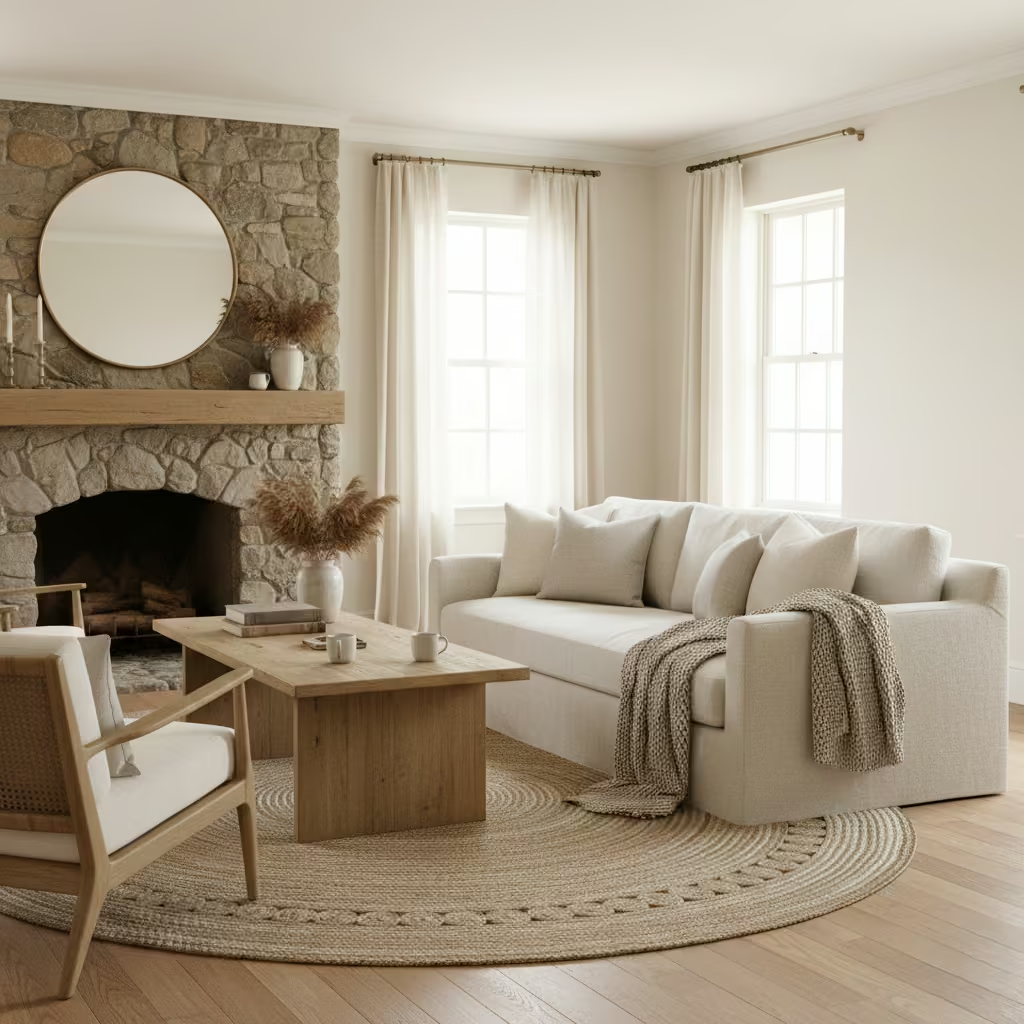
Natural materials are essential to creating a farmhouse living room that feels authentic and grounded. Wood, linen, jute, wool, and stone introduce warmth, texture, and a connection to nature that synthetic finishes simply cannot replicate. I often layer these materials throughout the space, using wood in furniture and beams, linen and wool in upholstery and textiles, jute in rugs or baskets, and stone in fireplaces or accent pieces. This mix keeps the room feeling rich and tactile without relying on bold colours.
To avoid a heavy or dark look, balance is key. Lighter wood tones, soft textiles, and neutral finishes help offset more substantial elements like stone or darker furniture. I also recommend spreading heavier materials evenly throughout the room rather than clustering them in one area. Plenty of natural light, reflective surfaces, and a restrained colour palette will keep the space feeling open, comfortable, and inviting rather than weighed down.
Farmhouse Lighting That Feels Soft and Welcoming
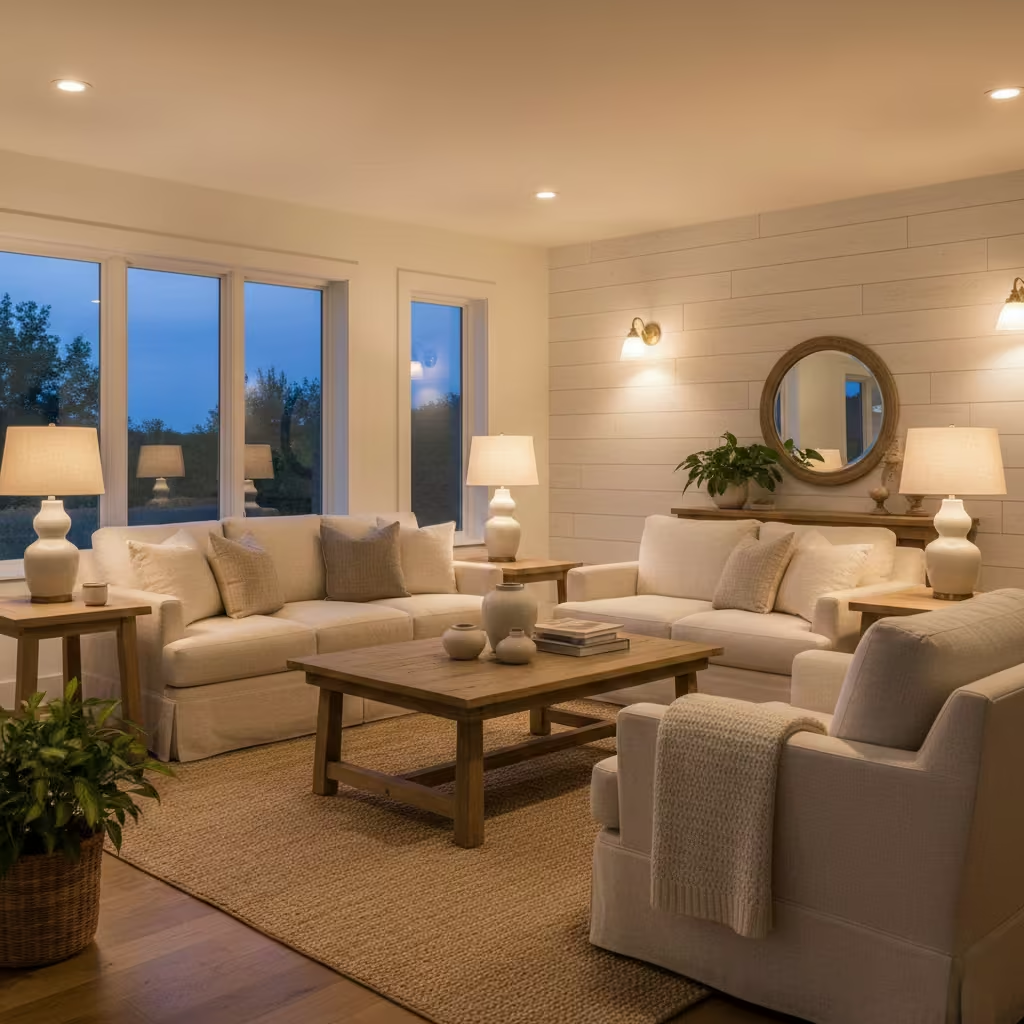
Lighting plays a critical role in setting the mood of a farmhouse living room. Iron chandeliers are a classic choice, offering structure and contrast while still feeling timeless. I tend to favour simpler designs with clean lines over overly ornate fixtures, especially in modern farmhouse spaces where subtlety matters.
Table lamps and wall sconces are just as important as overhead lighting. These layered light sources create warmth and prevent the room from feeling flat or harsh in the evening. Placing lamps at varying heights helps distribute light evenly and enhances the cosy atmosphere farmhouse interiors are known for.
Bulb temperature should always lean warm. I recommend bulbs in the 2700K to 3000K range, which provide a soft, inviting glow. Cooler temperatures can strip warmth from natural materials and make the space feel less welcoming.
You May also Like: 21 Minimalist Living Room Ideas That Make Your Home Feel Calm and Chic
Open Shelving With Curated Simplicity
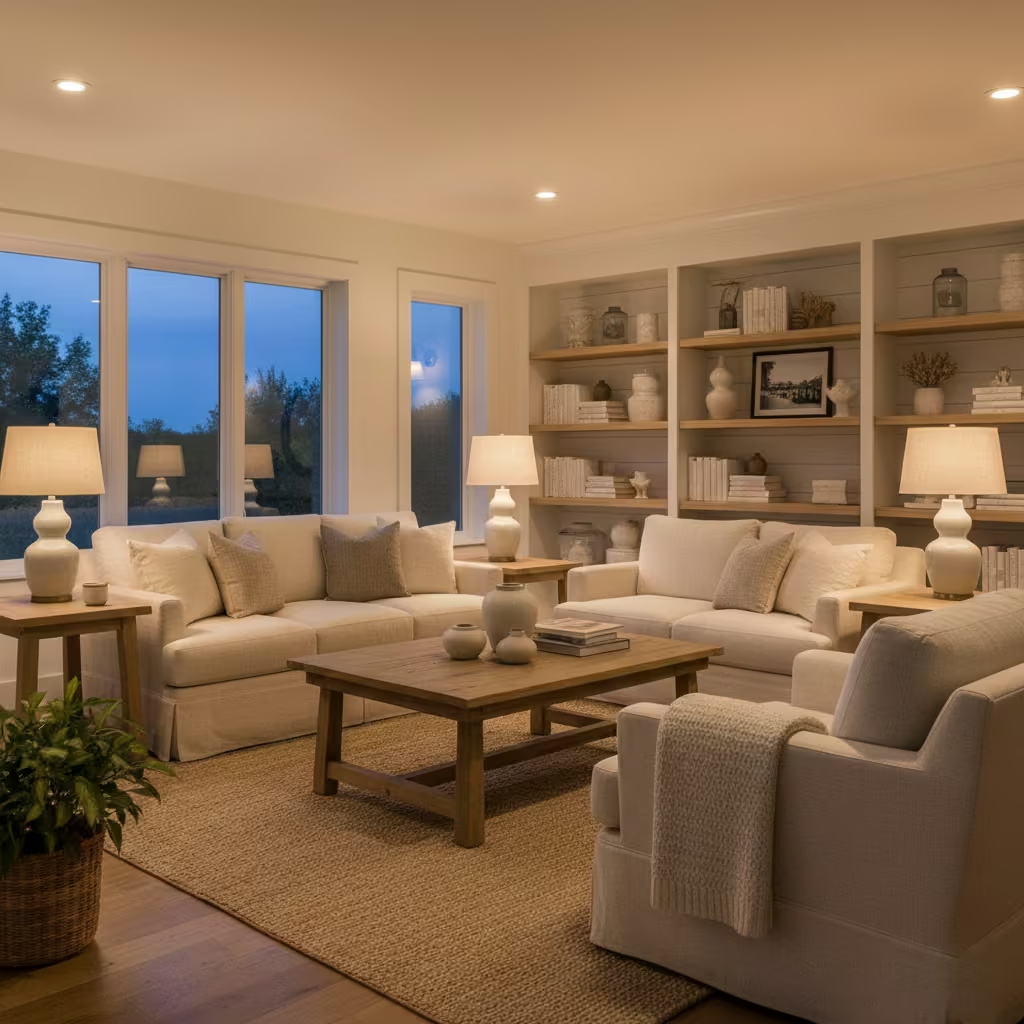
Open shelving works beautifully in farmhouse living rooms when styled with intention. The goal is to strike a balance between display and restraint. I advise showcasing items with texture and meaning, such as ceramics, woven baskets, framed art, or a small collection of books. These pieces add personality without overwhelming the space.
What you skip is just as important. Avoid overcrowding shelves with small, unrelated objects or overly glossy décor that clashes with farmhouse style. Negative space allows each item to breathe and keeps the overall look calm.
To balance beauty and storage, mix decorative pieces with practical ones. Baskets, lidded boxes, and stacked books provide hidden storage while maintaining a relaxed, lived-in aesthetic that feels both functional and thoughtfully styled.
Vintage and Antique Accents for Authenticity
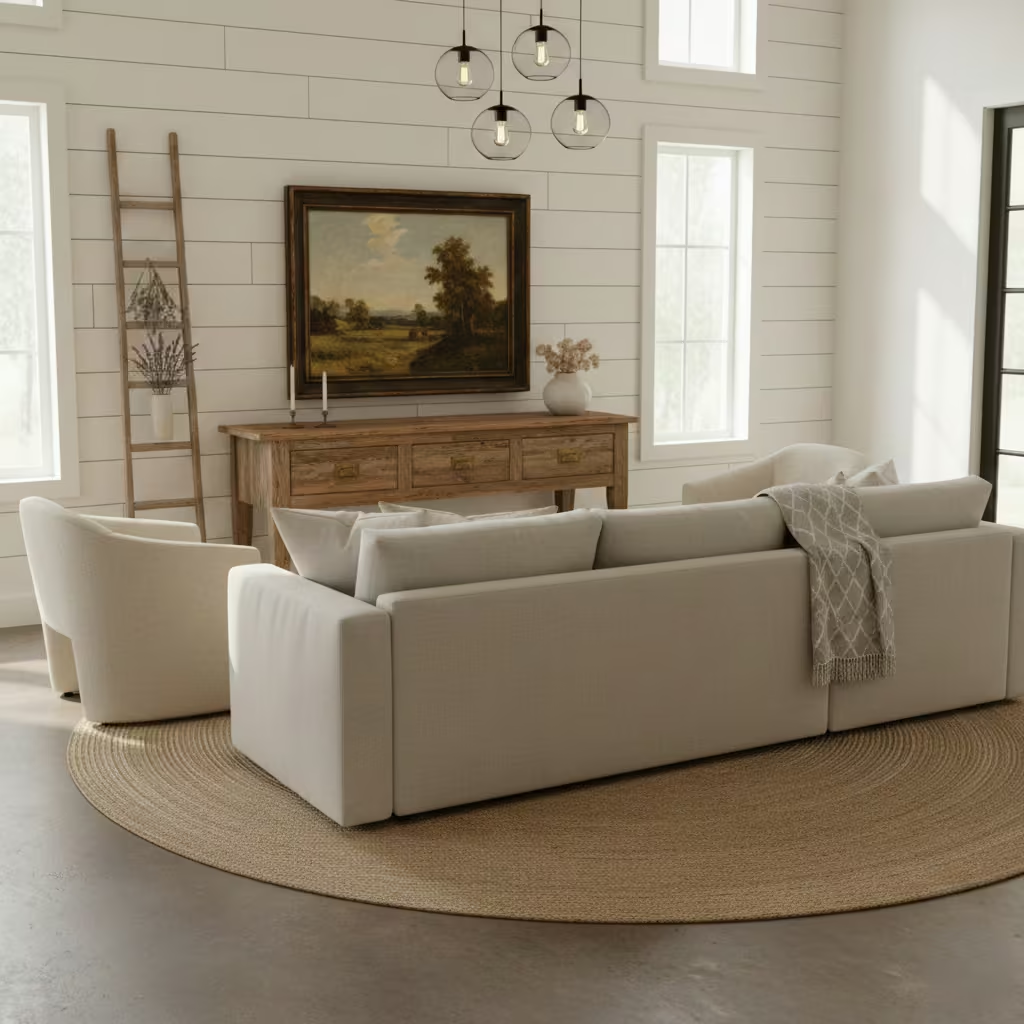
Vintage and antique accents add authenticity to a farmhouse living room that cannot be replicated with new pieces alone. Mixing old and new is key. I often pair a contemporary sofa or lighting fixture with a timeworn side table or antique mirror to create balance. This contrast prevents the space from feeling dated while still honouring farmhouse roots.
Character pieces can be sourced from antique shops, salvage yards, flea markets, and even online marketplaces. I always encourage clients to look beyond surface wear and focus on form and craftsmanship. Solid wood, original hardware, and simple lines tend to integrate seamlessly into farmhouse interiors.
To avoid a themed or overly rustic look, restraint is essential. A few well-chosen vintage items go much further than filling the room with antiques. When each piece has space to stand on its own, the room feels curated and authentic rather than styled for effect.
Slipcovered Furniture for Practical Living
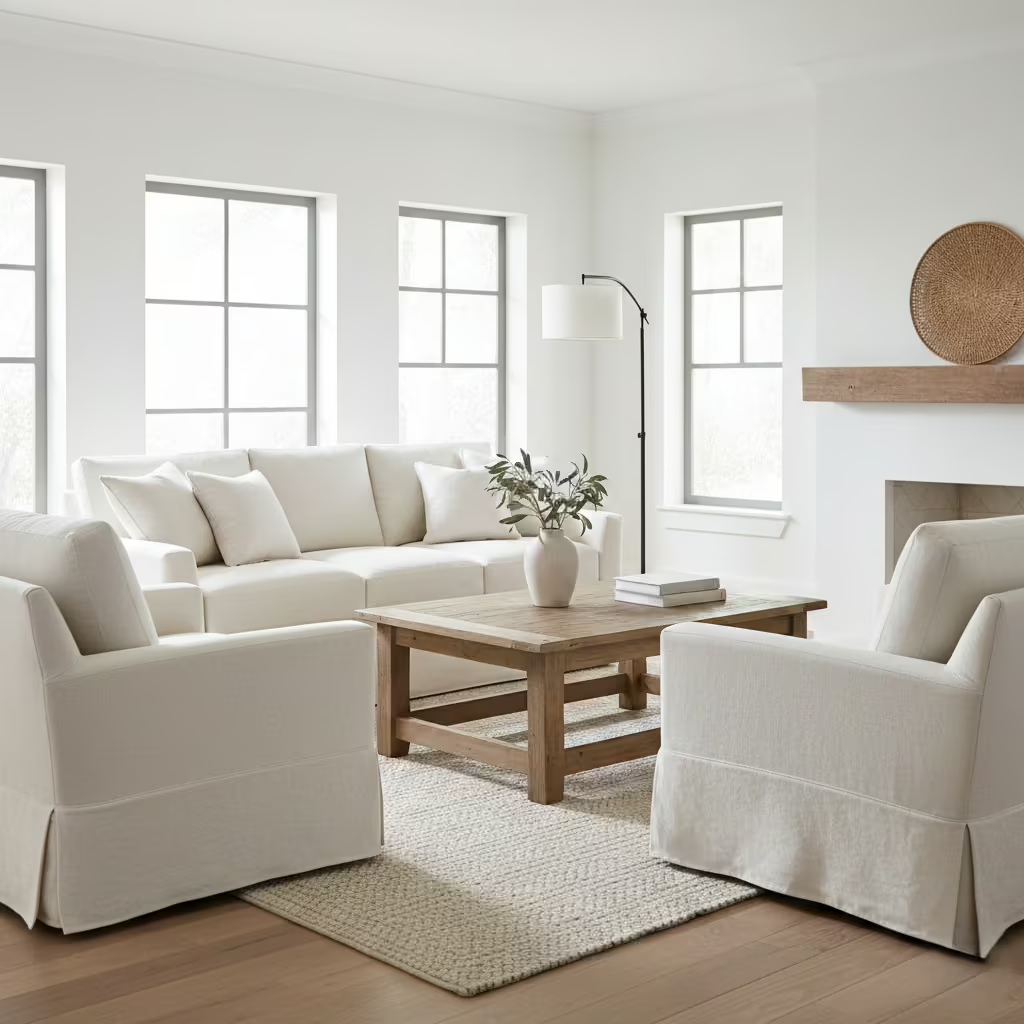
Designers continue to recommend slipcovered furniture because it aligns perfectly with farmhouse values of comfort and practicality. Slipcovers offer flexibility, allowing homeowners to live comfortably without worrying about everyday wear. They also contribute to the relaxed, slightly imperfect look that defines farmhouse interiors.
For longevity, choose high-quality, pre-shrunk fabrics in cotton or linen blends. Removable covers should be washed according to manufacturer guidelines, typically on a gentle cycle and air-dried to maintain shape. I often advise having a spare cover on hand, which extends the life of the furniture and allows for easy seasonal refreshes.
Over time, well-made slipcovers develop a soft patina rather than looking worn, making them an investment that improves with age.
Farmhouse Rugs That Define the Seating Area
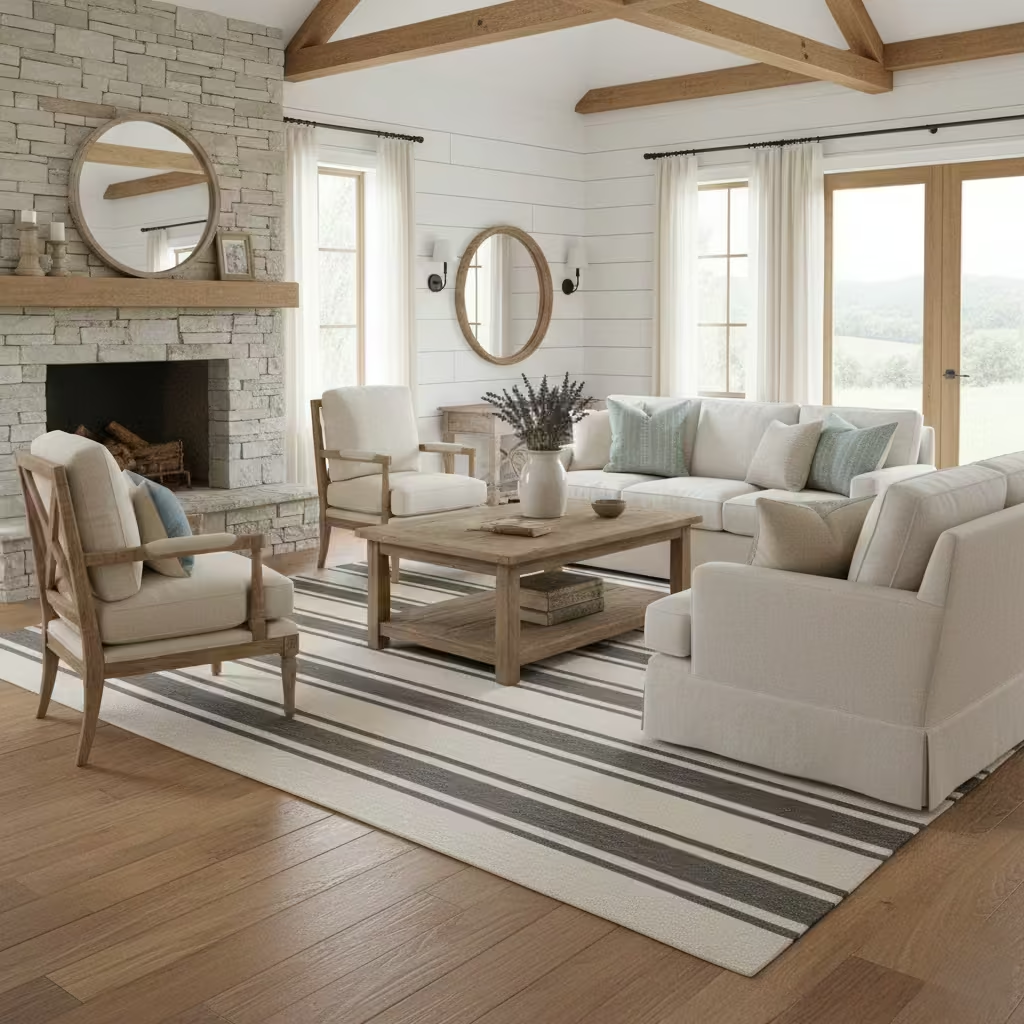
A well-chosen rug anchors the seating area and brings cohesion to a farmhouse living room. Flatweave rugs are practical and understated, ideal for high-traffic spaces where durability matters. Plush rugs add comfort and warmth underfoot, making them well suited to cosy living rooms or spaces designed for relaxation.
Size is critical. One of the most common mistakes I see is choosing a rug that is too small. Ideally, the front legs of sofas and chairs should sit on the rug to visually connect the seating area. A rug that floats in the centre of the room can make the layout feel disjointed.
Neutral tones with subtle patterns tend to work best, supporting the farmhouse aesthetic without overpowering it.
You May also Like: 25 Designer Secrets for Styling a Neutral Living Room That Feels Warm and Inviting
Soft Wood Tones Instead of High Contrast
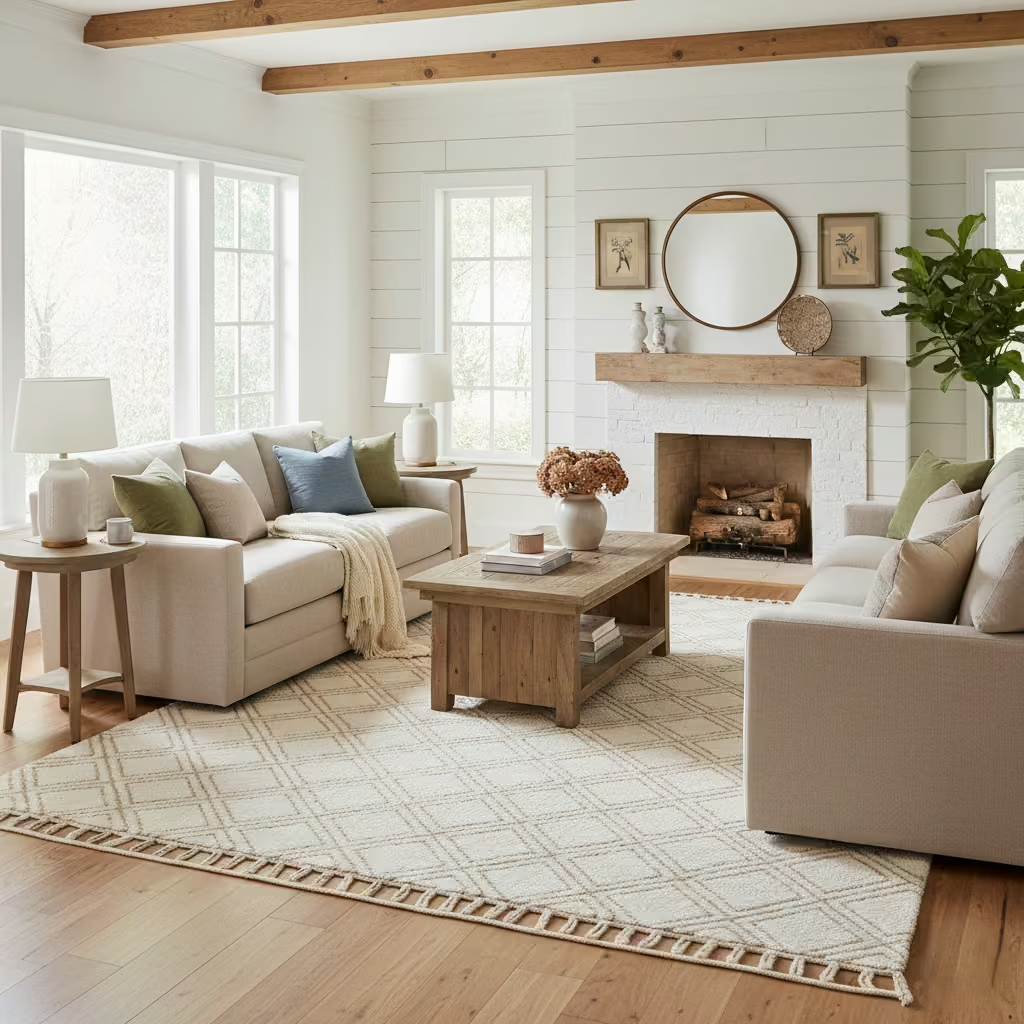
Soft wood tones help maintain the calm, cohesive feel that farmhouse living rooms are known for. Light oak, pine, and weathered finishes introduce warmth without creating sharp contrast against neutral walls and furnishings. These tones feel natural and timeless, allowing other textures to shine.
When coordinating multiple wood tones, consistency matters more than uniformity. I usually aim for two to three complementary finishes within the same warmth range. Mixing too many contrasting woods can create visual noise and disrupt the relaxed atmosphere.
Repeating wood tones across furniture, beams, and accents helps unify the space and ensures the room feels intentionally layered rather than mismatched.
Built-In Storage That Feels Architectural
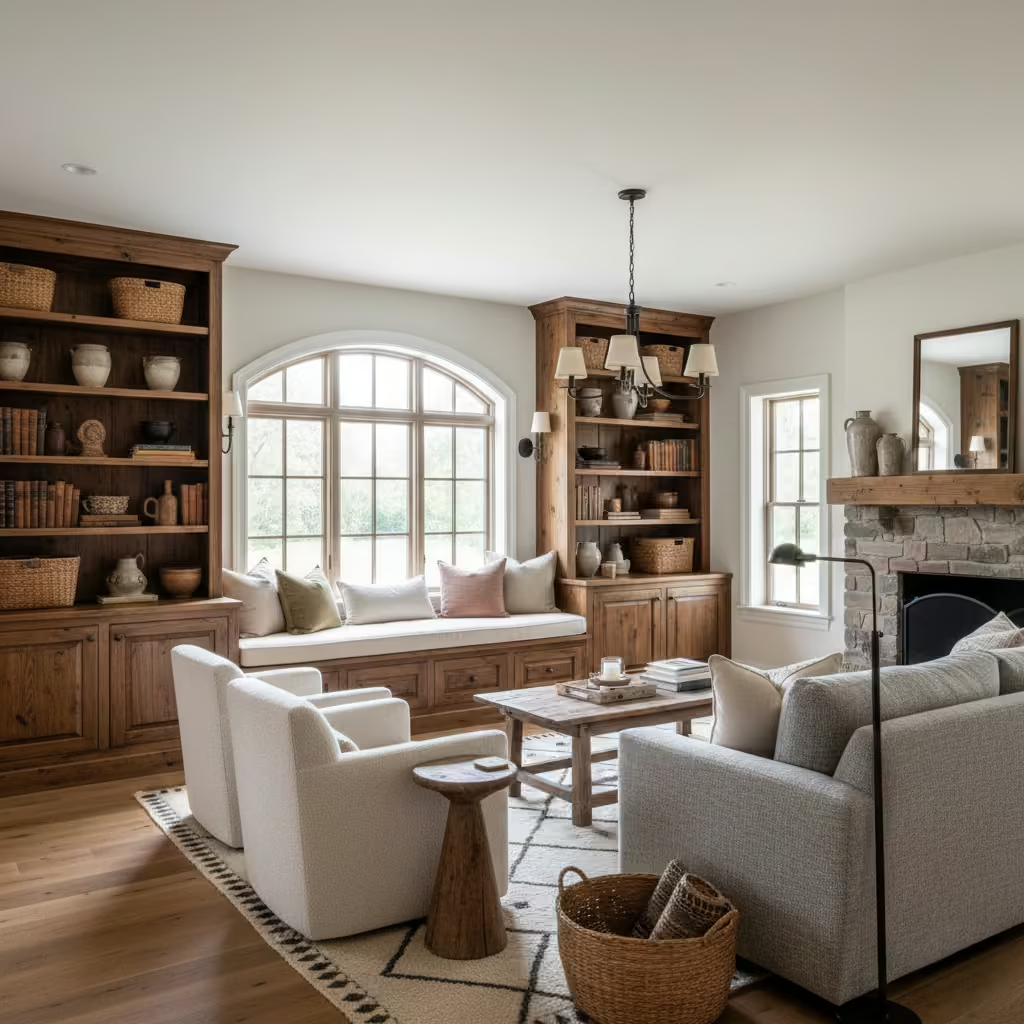
Built-in storage adds both function and architectural presence to a farmhouse living room. Bookcases, cabinets, and window seats can be designed to feel like part of the home rather than added furniture. These features provide valuable storage while enhancing the character of the space.
Painted built-ins in warm whites or soft greige blend seamlessly with farmhouse interiors, keeping the room light and cohesive. Stained built-ins, on the other hand, introduce depth and work well when balanced with lighter surrounding elements.
I often recommend keeping interiors simple and uncluttered, allowing built-ins to frame the room and support daily living without overwhelming the overall design.
Mixing Modern Farmhouse Elements Thoughtfully
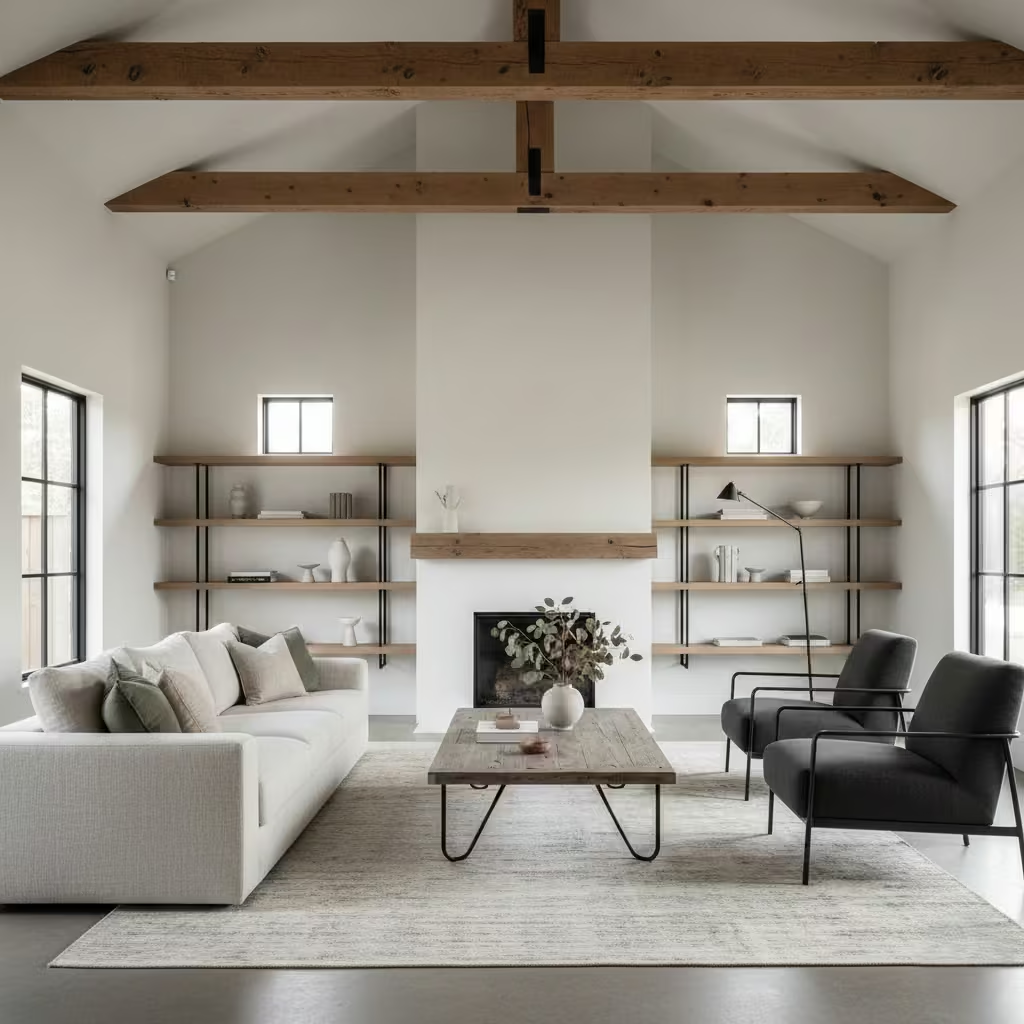
Modern farmhouse design works best when clean lines and rustic finishes are balanced with intention. I like to start with simple, streamlined furniture shapes and layer in character through materials such as reclaimed wood, aged metal, or textured fabrics. This approach keeps the space feeling current while still rooted in farmhouse warmth.
Avoiding design conflict comes down to editing. Too many rustic elements can push the room toward country, while too many sleek pieces can strip away its character. I recommend choosing one dominant direction, either modern or traditional, and allowing the other to play a supporting role. Repeating materials and finishes throughout the space also helps create visual harmony and prevents the room from feeling disjointed.
Window Treatments That Keep the Room Light
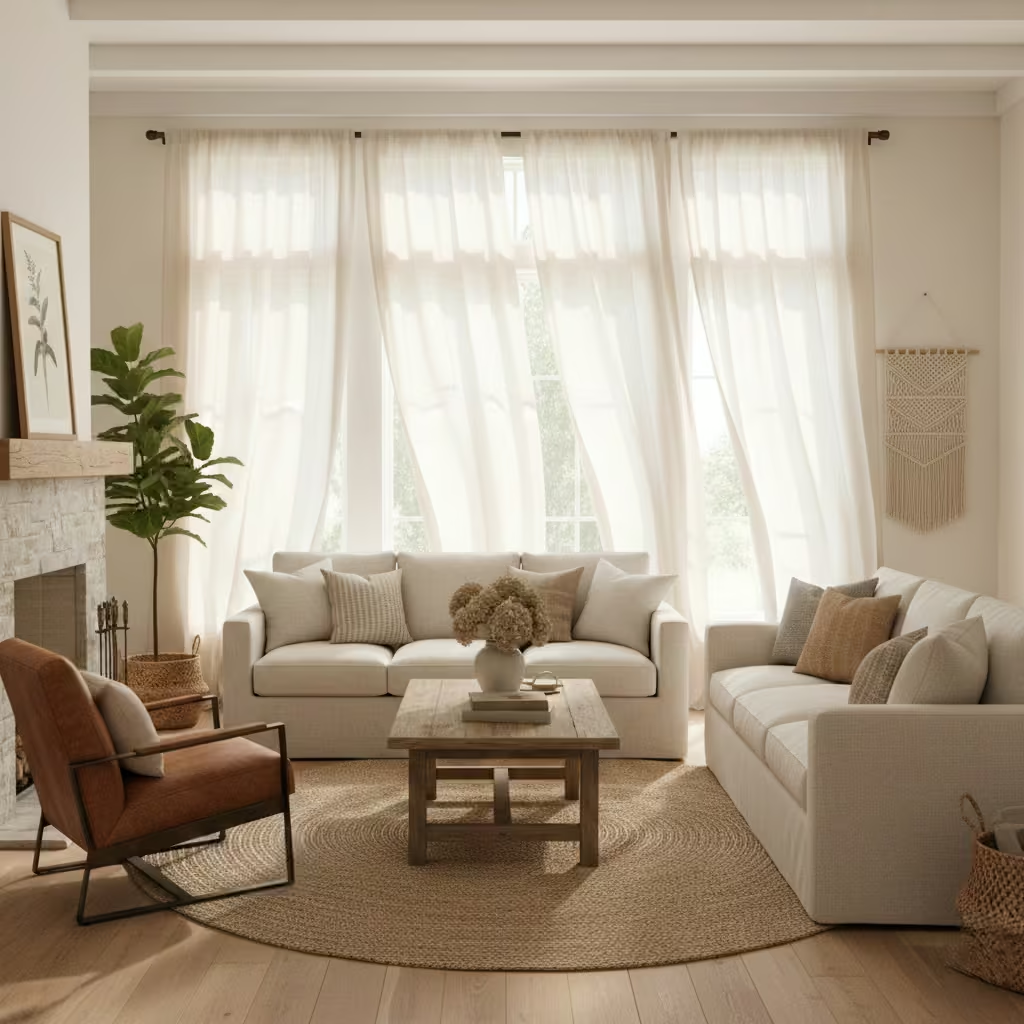
Window treatments in a farmhouse living room should enhance natural light rather than block it. Linen curtains are a favourite because they filter light softly while adding texture and movement. Hung high and wide, they make windows appear larger and help the room feel airy.
Roman shades are ideal when a cleaner, more tailored look is needed. Natural fabrics in neutral tones work best, maintaining simplicity while offering privacy and light control.
In some cases, skipping window treatments altogether is the best option. If the room has beautiful windows, ample privacy, or a strong connection to the outdoors, leaving windows bare can highlight architectural features and reinforce the relaxed farmhouse aesthetic.
Subtle Farmhouse Wall Art and Framing
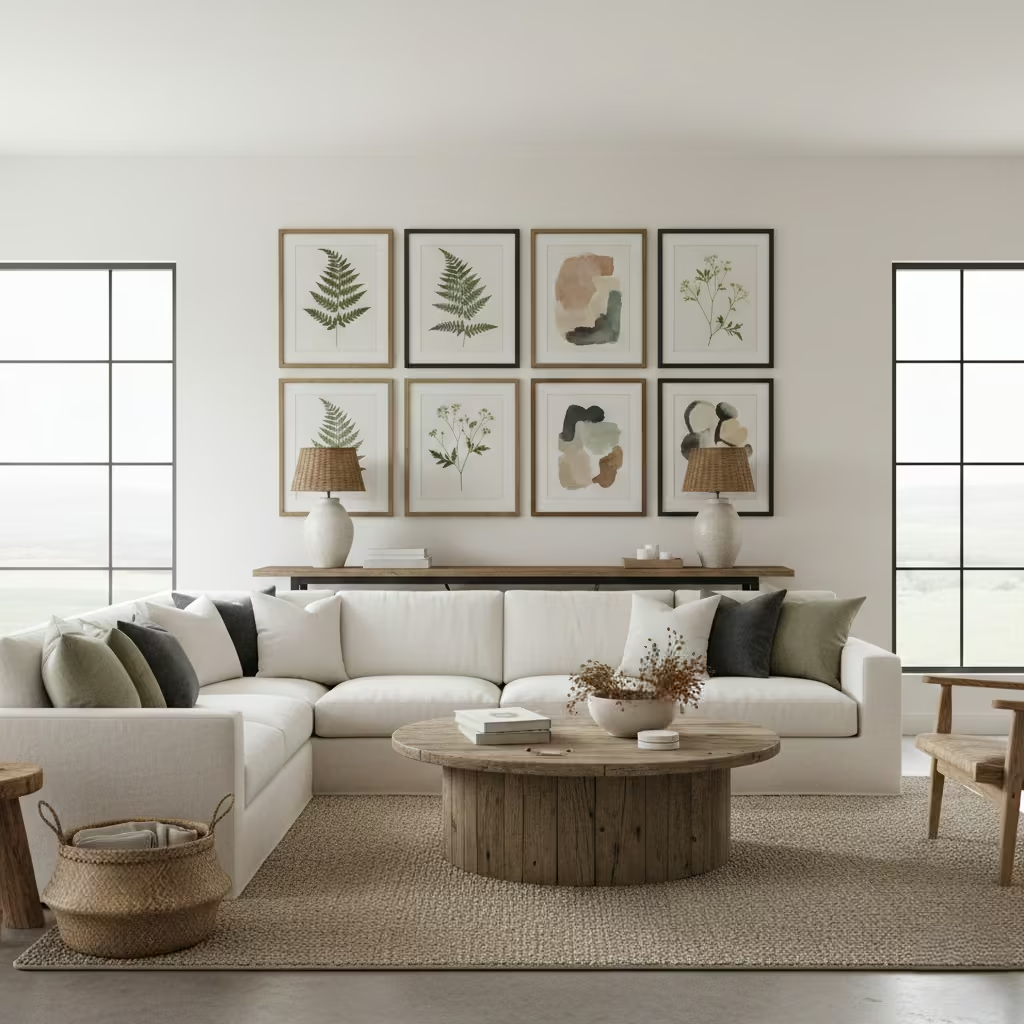
Wall art in a farmhouse living room should feel understated and meaningful. Landscapes, botanicals, and muted abstract pieces complement the natural palette and relaxed feel of the space. I often lean toward artwork that references nature or quiet moments, as it reinforces the calm atmosphere farmhouse interiors are known for.
Frame finishes matter just as much as the art itself. Light wood, black metal, and distressed finishes work particularly well. Avoid overly ornate frames, which can feel out of place. Keeping a consistent frame style across a gallery wall or display helps maintain cohesion and prevents visual clutter.
You May also Like: 25 Apartment Living Room Designs Ideas for a Chic, Cosy, and Functional Home
Earthy Accent Colours for Depth
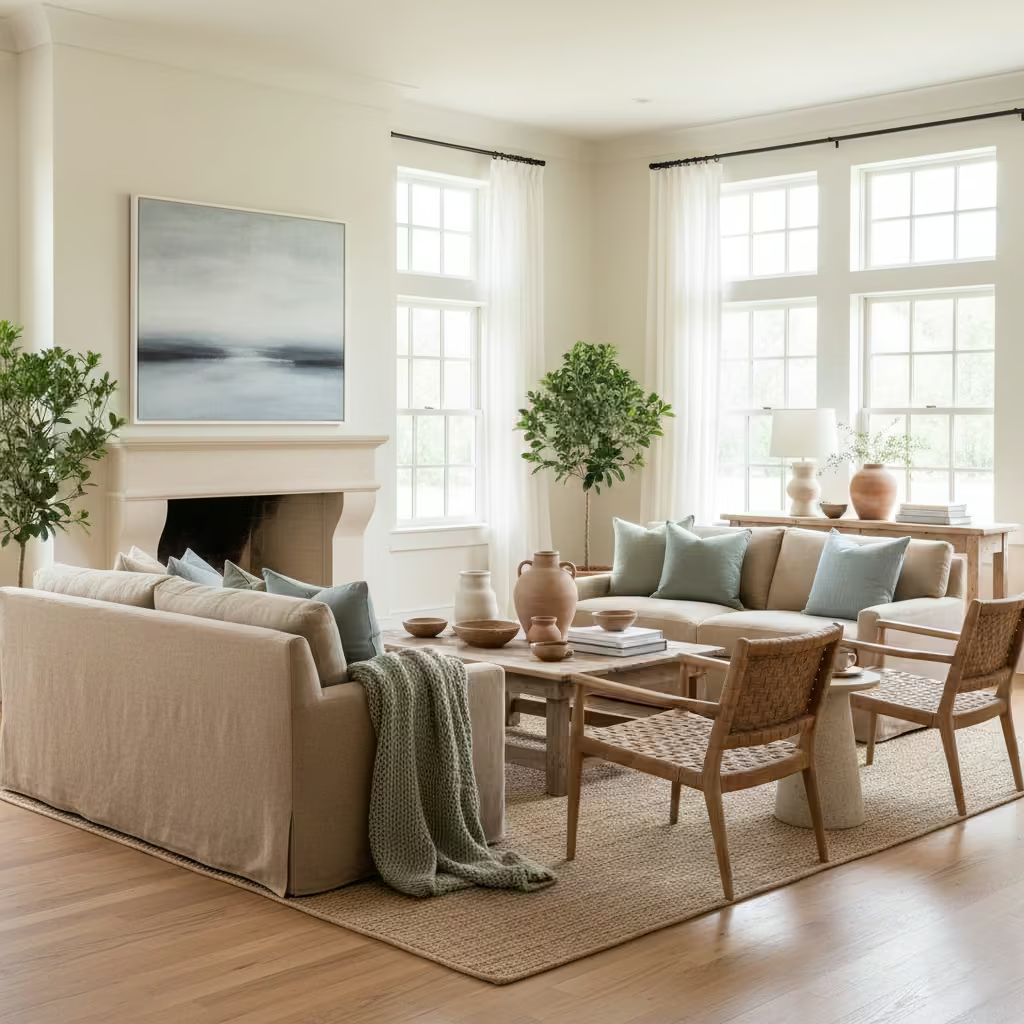
Earthy accent colours add depth and interest to a farmhouse living room without overpowering its neutral foundation. Sage green, soft blues, and clay tones are especially effective because they echo natural surroundings and age well over time.
I recommend introducing colour through cushions, throws, artwork, or small furniture pieces rather than large permanent elements. This keeps the space flexible and allows for easy updates as tastes change. Using colour sparingly ensures the room remains calm, balanced, and true to farmhouse principles.
Farmhouse Ceiling Treatments Beyond Beams
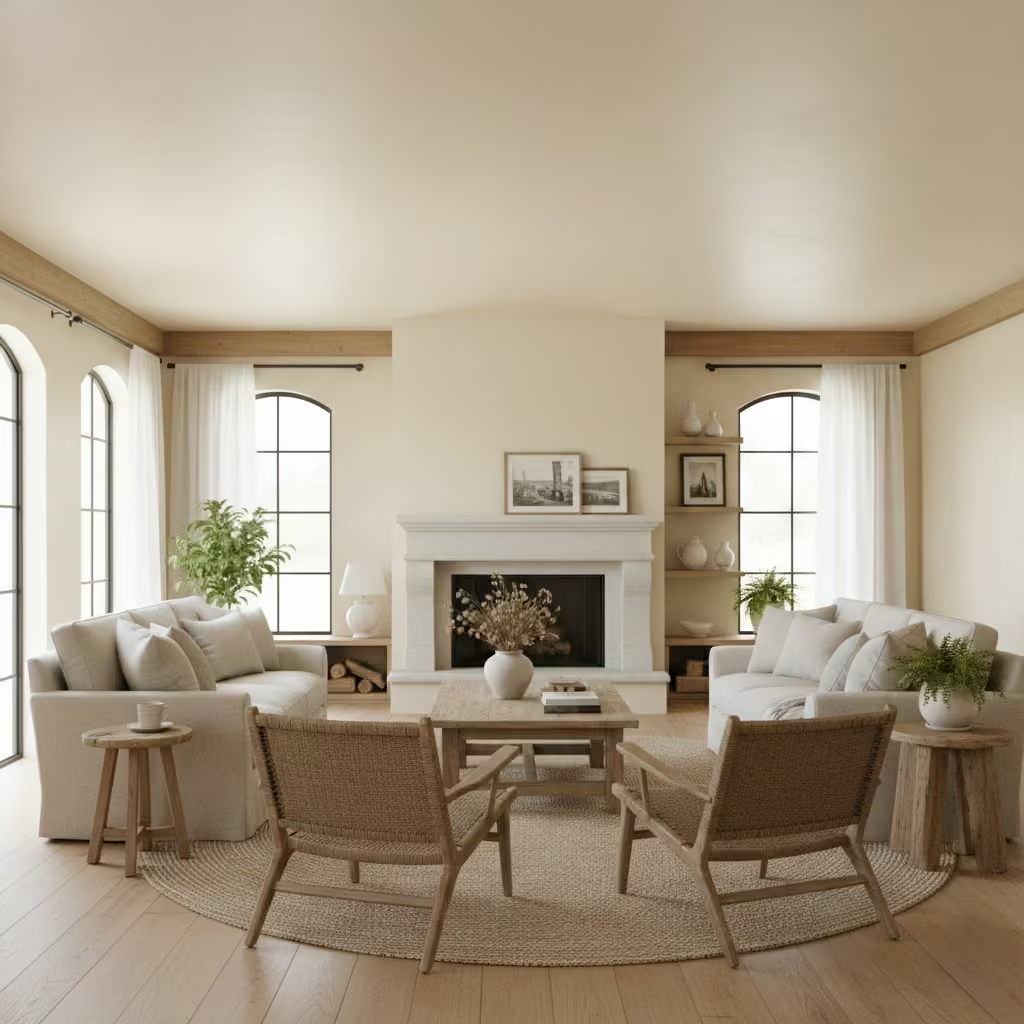
Ceilings are often overlooked, yet they offer valuable design potential in farmhouse living rooms. Planked ceilings introduce texture and architectural interest, especially in homes where beams are not practical. Painted in soft whites or warm neutrals, planks add character without overwhelming the space.
Painted ceilings can also create warmth and cohesion. A slightly warmer tone than the walls add subtle depth and prevents the room from feeling flat. This approach works particularly well in rooms with standard ceiling heights, where understated detail makes a meaningful impact.
Furniture Layouts That Encourage Conversation
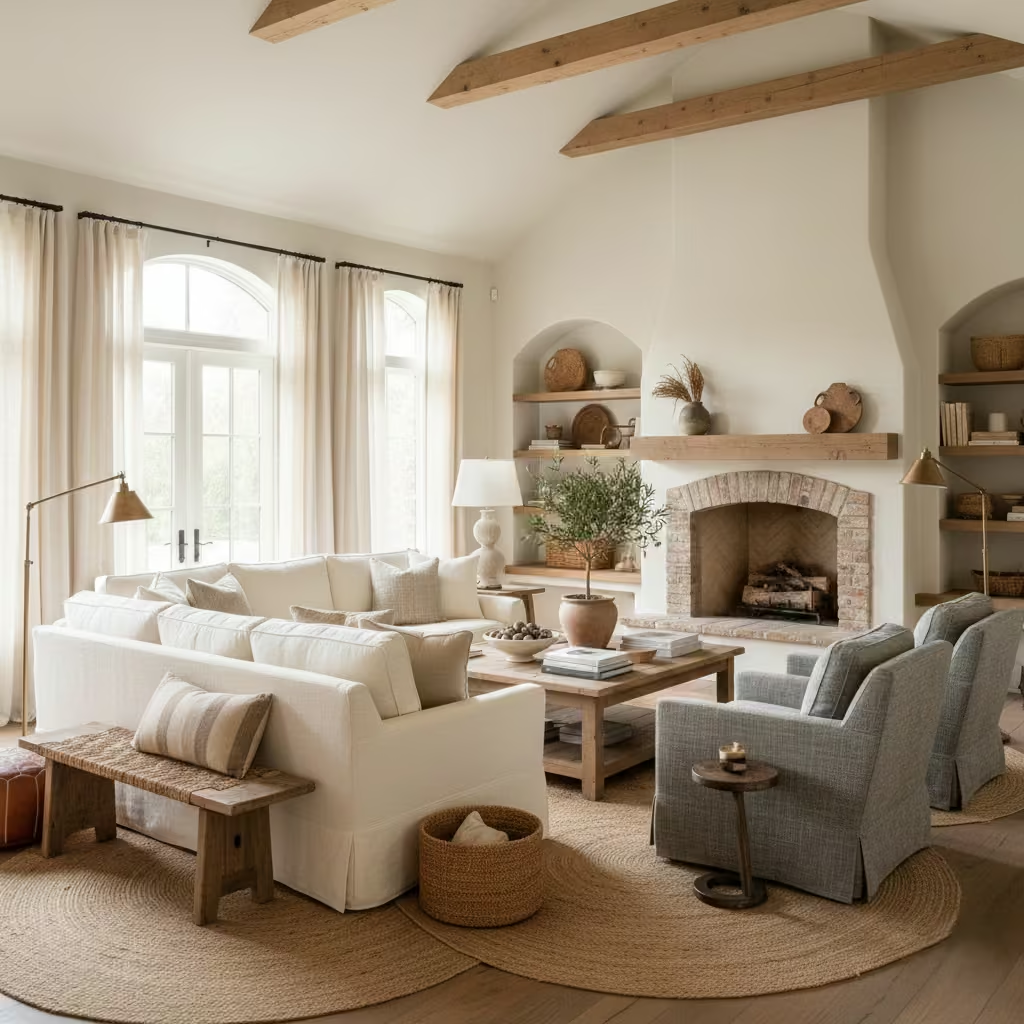
A farmhouse living room should feel welcoming and easy to gather in, and furniture layout plays a major role in achieving that. Symmetrical layouts, such as matching sofas or armchairs facing one another, create a sense of order and work well in more traditional farmhouse spaces. They naturally encourage conversation by keeping seating balanced and focused around a central element like a coffee table or fireplace.
Relaxed layouts, on the other hand, feel more casual and suit modern farmhouse interiors. Mixing different seating pieces, such as a sofa paired with armchairs or a bench, creates an inviting, lived-in atmosphere. Traffic flow should always guide the layout. I recommend leaving clear walkways and ensuring that movement through the room feels natural rather than forced. When furniture placement supports both conversation and circulation, the space becomes comfortable, functional, and easy to enjoy every day.
Basket Storage That Adds Texture and Function
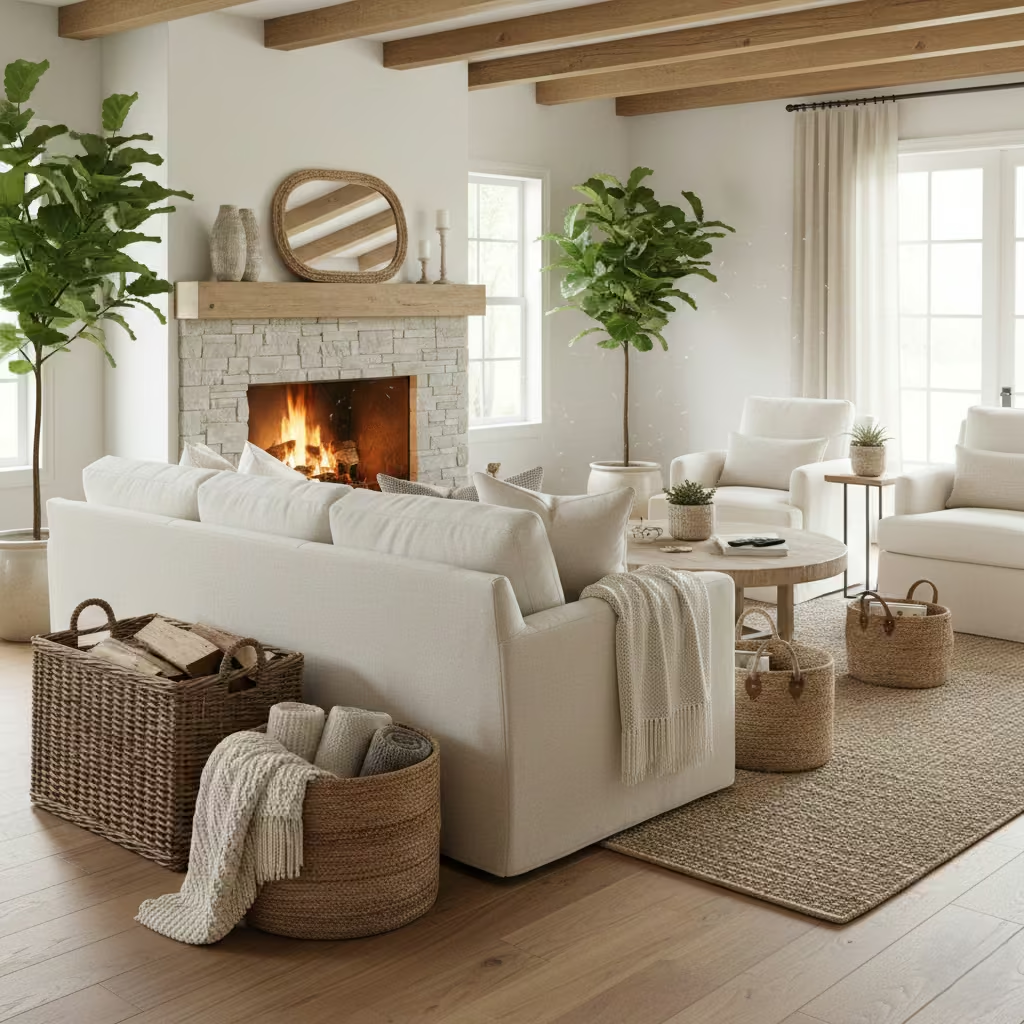
Basket storage is a farmhouse staple because it combines practicality with texture. Wicker, seagrass, and woven baskets introduce warmth and visual interest while offering flexible storage solutions. I often use them to hold blankets, magazines, toys, or firewood, keeping everyday items close at hand without visible clutter.
Styling baskets effectively means choosing the right size and placement. Larger baskets work well beside sofas or fireplaces, while smaller versions fit neatly on shelves or under consoles. I recommend sticking to a cohesive material palette to avoid visual noise. When baskets are used thoughtfully, they enhance the farmhouse aesthetic, add softness, and support a relaxed, organised living space without feeling messy or overfilled.
Minimal Decor With Purpose
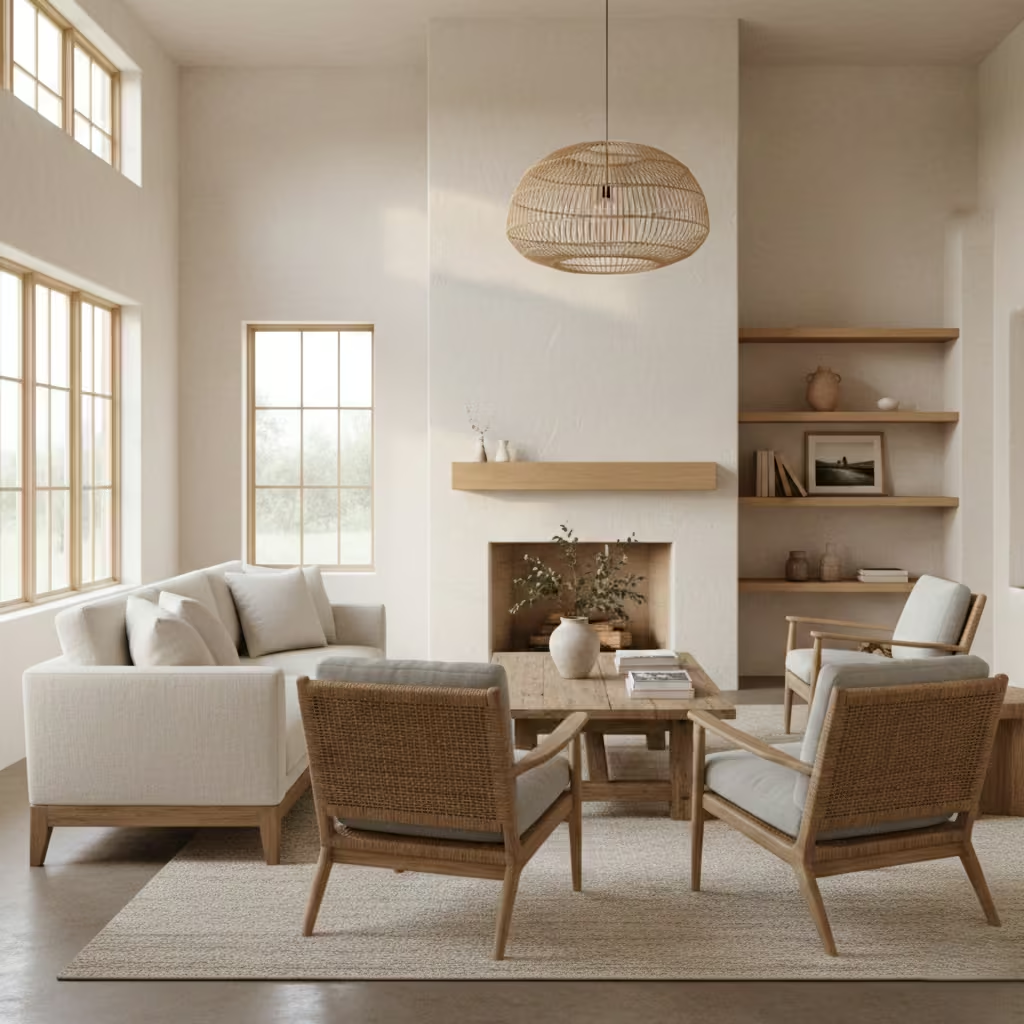
Farmhouse living rooms benefit from a restrained approach to décor. Rather than filling every surface, I focus on editing accessories so each piece serves a purpose, whether functional, sentimental, or textural. This creates a calm environment where the architecture and materials take centre stage.
Letting materials do the talking means allowing wood grain, stone, linen, and metal finishes to stand out without excessive embellishment. A few well-chosen accents, such as a ceramic vase, a framed print, or a sculptural object, often have more impact than a collection of small items. Negative space is just as important as decoration. When décor is intentional and limited, the room feels timeless, uncluttered, and genuinely welcoming.
Farmhouse Living Rooms in Open-Plan Homes
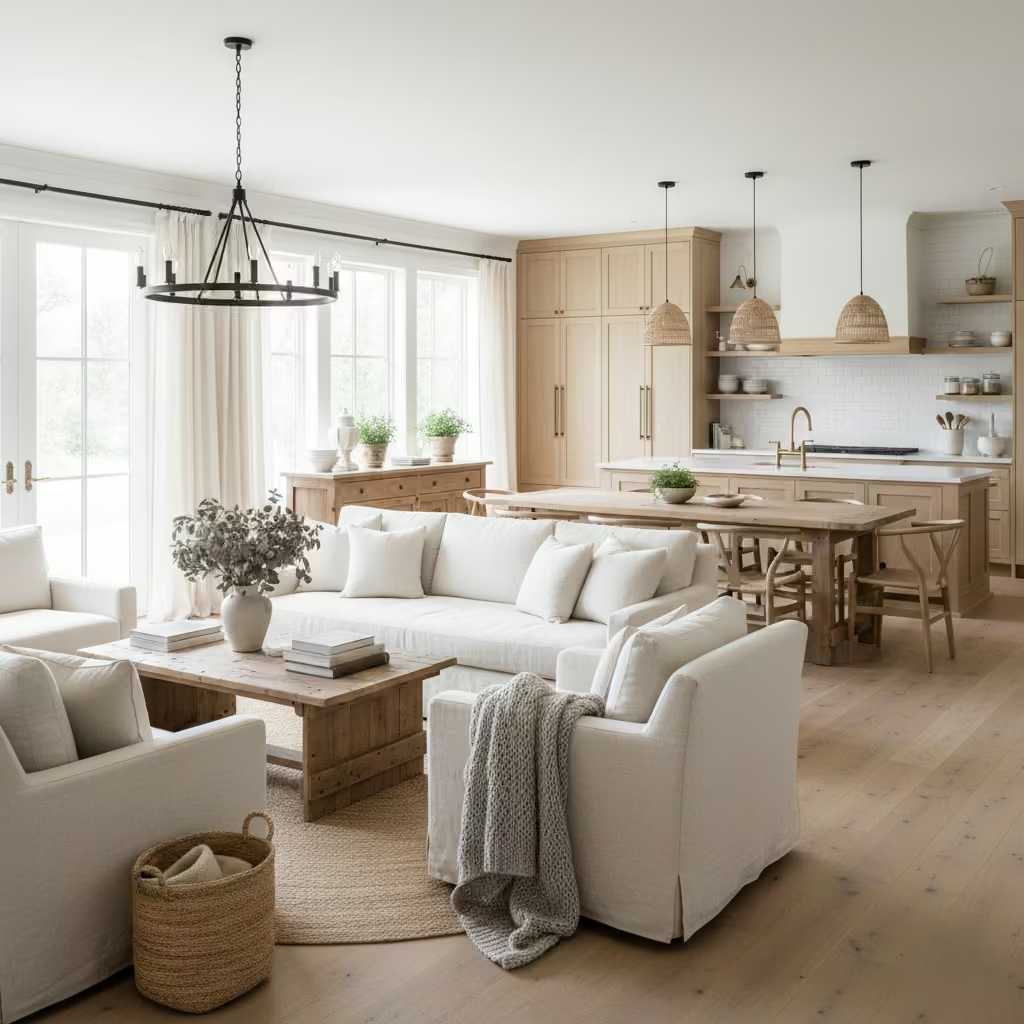
Designing a farmhouse living room within an open-plan layout requires careful zoning to create definition without closing off the space. Area rugs, furniture placement, and lighting are effective tools for visually separating the living area from adjacent zones like the kitchen or dining space.
Maintaining cohesion is just as important. I recommend repeating key colours, materials, and finishes across all areas to ensure the home feels unified. For example, using similar wood tones, textiles, or lighting styles helps tie the spaces together. While each zone should have its own purpose, consistency in design elements ensures the overall layout feels intentional, balanced, and comfortable rather than fragmented.
Personal Touches That Make Farmhouse Feel Like Home
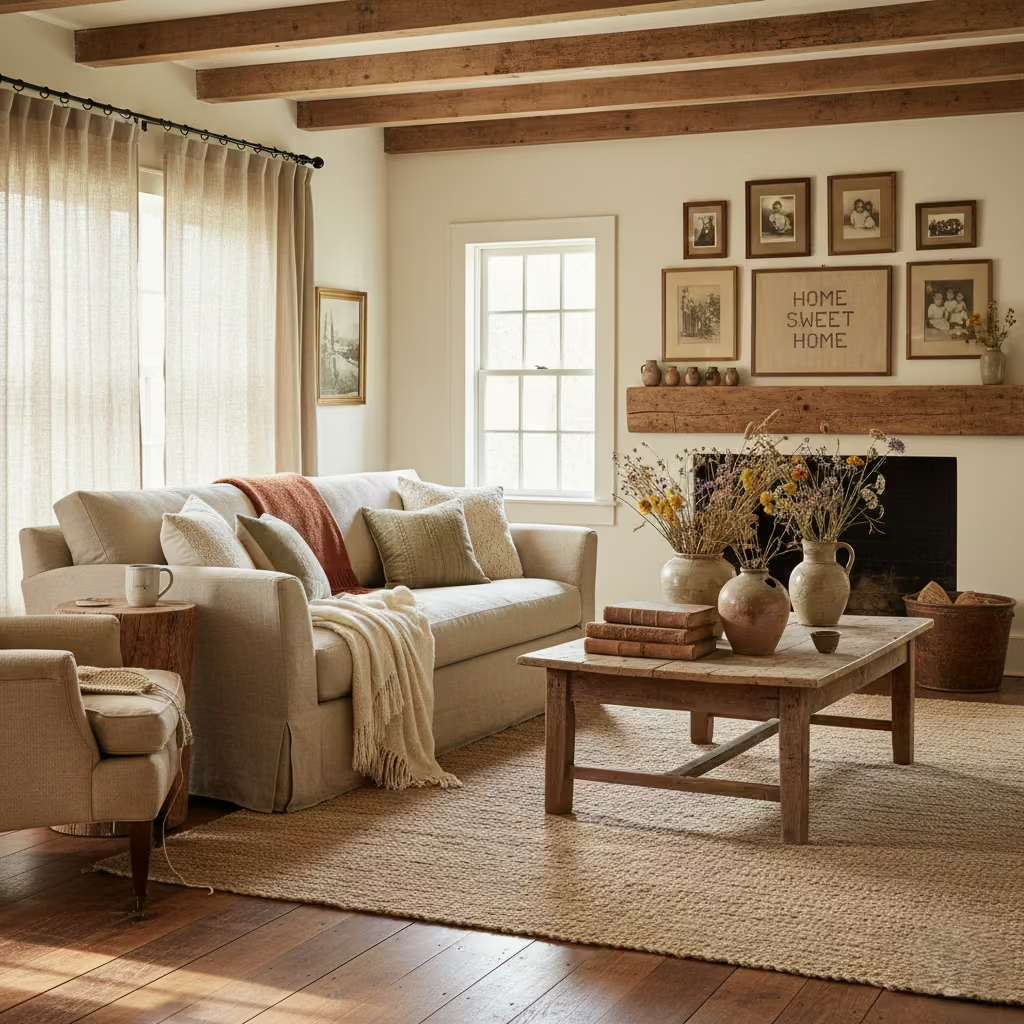
Personal touches are what transform a farmhouse living room from well-designed to truly meaningful. Family heirlooms, whether a vintage chest, framed photographs, or inherited furniture, add depth and story to the space. These pieces bring a sense of history that aligns perfectly with farmhouse values.
Handmade and meaningful items, such as ceramics, artwork, or textiles, introduce individuality and warmth. I often encourage embracing imperfection, as worn finishes, uneven textures, and signs of use add character rather than detract from it. Farmhouse style celebrates authenticity, and it is these personal details that make the room feel lived in, comfortable, and uniquely yours.
Final thoughts
Farmhouse living rooms continue to resonate because they prioritise what truly matters in a home: warmth, comfort, and authenticity. At their best, these spaces feel welcoming rather than styled, practical rather than precious, and timeless rather than trend-driven. Natural materials, soft neutral palettes, thoughtful layouts, and layered textures work together to create rooms that are meant to be lived in and enjoyed every day.
What makes farmhouse style so adaptable is its flexibility. Whether your home leans traditional or modern, large or compact, these ideas can be adjusted to suit your layout, lifestyle, and budget. Even small changes, such as refining your colour palette, rethinking furniture placement, or introducing natural textures, can have a noticeable impact without requiring a full redesign.
The most successful farmhouse living rooms reflect the people who live in them. By blending comfort with function and allowing personal details to shine, the space naturally develops character over time. When design choices are made with intention and restraint, the result is a living room that feels calm, inviting, and genuinely connected to everyday life.
Frequently asked Questions about Farmhouse Living Room Ideas
What defines a farmhouse living room?
A farmhouse living room is defined by warmth, comfort, and practicality. It typically features neutral colour palettes, natural materials such as wood, linen, and stone, and furniture that prioritises comfort over formality. The overall look feels relaxed and lived in rather than overly styled, with an emphasis on timeless design rather than short-term trends.
What is the difference between farmhouse and modern farmhouse style?
Traditional farmhouse leans more rustic, with heavier wood tones, vintage elements, and classic details. Modern farmhouse refines these features by introducing cleaner lines, lighter palettes, and a more edited approach, while still maintaining warmth and character.
Which colours work best in a farmhouse living room?
Warm whites, soft creams, greige, muted taupes, and earthy accent colours like sage green or soft blue work particularly well. These tones create a calm backdrop that allows textures and materials to stand out.
How do I keep a farmhouse living room from looking outdated?
Focus on balance. Mix traditional materials with contemporary shapes, avoid overly themed décor, and keep accessories minimal. Thoughtful editing helps the space feel current and timeless.
Can farmhouse style work in small living rooms?
Yes. Light colour palettes, simple furniture silhouettes, and layered lighting help small farmhouse living rooms feel open and comfortable without sacrificing character.
Do farmhouse living rooms have to look rustic?
Not at all. Farmhouse style can be subtle and refined. By using soft textures, neutral colours, and restrained décor, the space can feel fresh and modern while still retaining farmhouse warmth.