


25 Mountain Kitchen Design Ideas That Blend Rustic Charm with Modern Living
Mountain kitchens have a way of feeling instantly welcoming. They are rooted in nature, shaped by their surroundings, and designed to support real, everyday living. Unlike trend-led kitchens that can feel overly polished, mountain kitchens prioritise comfort, craftsmanship, and a sense of permanence.
I often find that people are drawn to this style because it feels honest, warm, and deeply connected to the landscape outside.
At its core, a mountain kitchen is defined by natural materials and a grounded colour palette. Wood is almost always central, whether in cabinetry, ceiling beams, or flooring, while stone, metal, and textured surfaces add depth and authenticity.
These kitchens are not about perfection. Visible grain, subtle imperfections, and tactile finishes are what give them character and make the space feel lived in rather than staged.
A successful mountain kitchen also strikes a careful balance between rustic warmth and modern usability. While the aesthetic may reference traditional cabins or lodges, the layout and functionality are firmly contemporary.
Thoughtful storage, durable surfaces, and high-performing appliances are seamlessly integrated so the kitchen works just as well for daily family life as it does for entertaining. In my experience, the best mountain kitchens are those where modern convenience never distracts from the natural, calming atmosphere.
Materials and textures play a defining role in achieving this look. Reclaimed or natural wood, stone backsplashes, handcrafted tiles, and matte metal finishes are commonly used to create visual interest without overwhelming the space. Layouts tend to be practical and open, often centred around a generous island or a clear connection to views and natural light.
Together, these elements create kitchens that feel warm, functional, and timeless, spaces designed to be enjoyed for years rather than redesigned every season.
25 Mountain Kitchen Design Ideas
Mountain kitchen design is all about creating a space that feels warm, grounded, and effortlessly functional. By combining natural materials like wood and stone with thoughtful layouts and modern conveniences, these kitchens balance rustic character with everyday usability.
From cosy cabin-inspired details to cleaner, contemporary interpretations, the right design choices can turn a mountain kitchen into the heart of the home, inviting, practical, and built to stand the test of time.
Exposed Wood Beams for Architectural Warmth
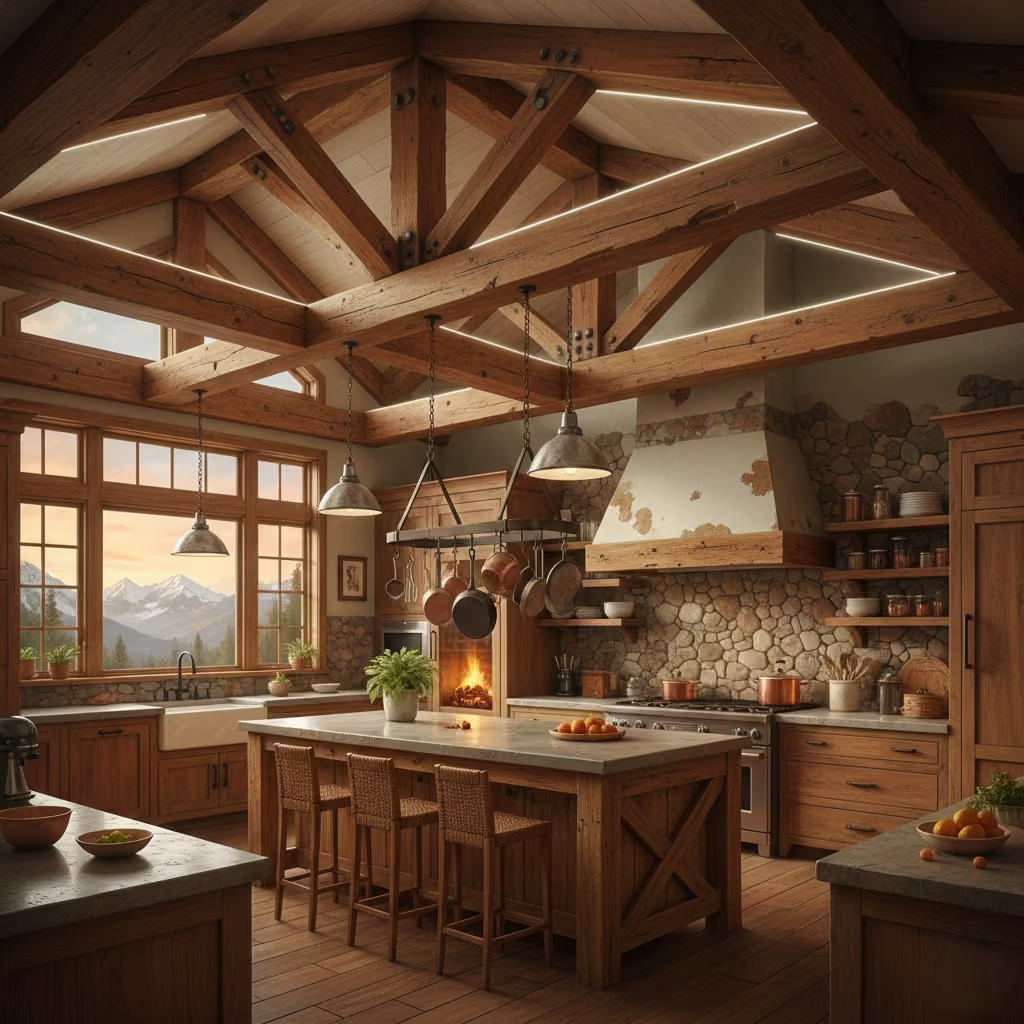
Exposed wood beams are one of the most defining features of a mountain kitchen, instantly grounding the space and giving it a strong architectural presence. I often use beams to visually anchor the kitchen, especially in open-plan layouts where the kitchen flows into dining or living areas. They help define the zone without the need for walls, making the space feel intentional and well balanced.
Authenticity is key here. Natural timber with visible grain, knots, and slight variations in colour brings warmth and character that cannot be replicated with faux finishes. Whether the beams are structural or decorative, they introduce a sense of craftsmanship and history that suits mountain homes perfectly.
Paired with lighter cabinetry or stone surfaces, wood beams prevent the kitchen from feeling cold or overly modern. They also age beautifully, developing deeper tones over time and enhancing the timeless appeal of the space.
You May also Like: 24 Dark Apartments Ideas to Brighten and Transform Your Space
Natural Wood Cabinetry with Visible Grain
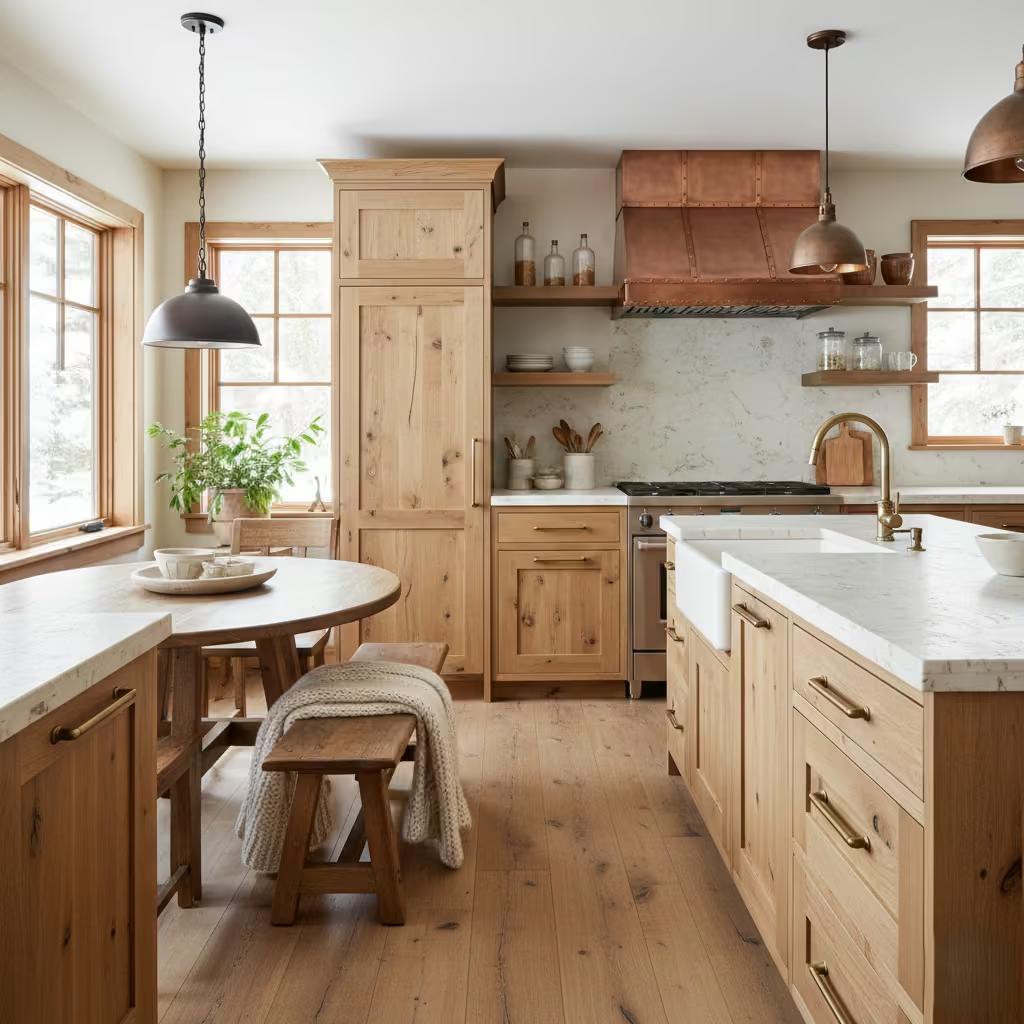
Natural wood cabinetry is central to creating a mountain kitchen that feels authentic and welcoming. I always encourage embracing visible grain, knots, and tonal variation rather than hiding them behind uniform stains or high-gloss finishes.
These natural imperfections add depth and personality, making the kitchen feel rooted in its surroundings. In mountain homes, wood cabinetry connects the interior to the landscape outside, reinforcing a sense of harmony with nature. Lighter woods create an airy, relaxed feel, while deeper tones add richness and a more traditional cabin character.
The key is selecting durable finishes that protect the wood while allowing its texture to remain visible. When paired with stone countertops or matte metal hardware, natural wood cabinets strike the perfect balance between rustic warmth and refined design. Over time, they develop a patina that enhances their charm rather than detracts from it.
Stone Backsplashes That Echo the Landscape
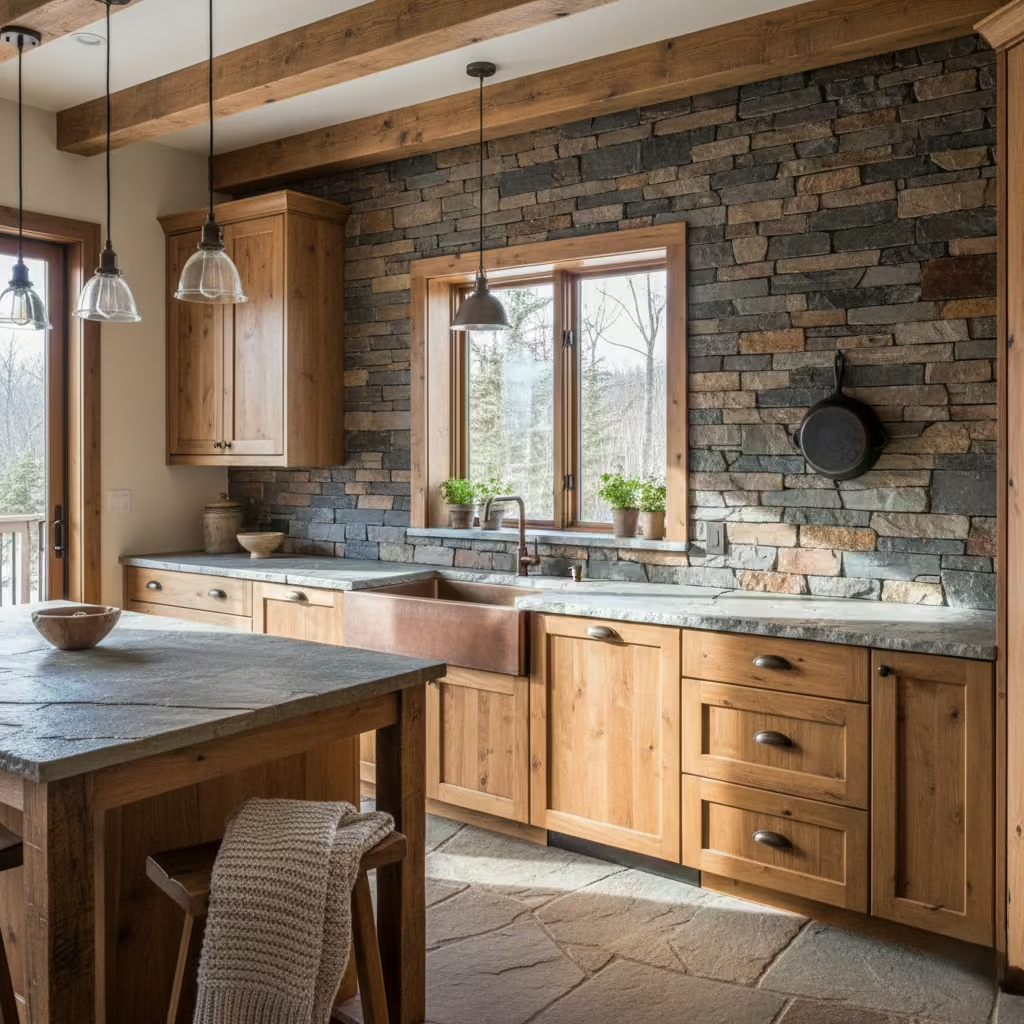
Stone backsplashes are a powerful way to bring the natural landscape directly into a mountain kitchen. I often use stacked stone, slate, or rough-cut finishes to add texture and visual interest without overwhelming the space. Unlike smooth tiles, stone surfaces create depth and shadow, giving the kitchen a more organic, grounded feel.
These materials work especially well behind ranges or sinks, where they become subtle focal points. The beauty of stone lies in its variation. Differences in colour, shape, and surface texture make each installation feel unique and authentic.
When paired with wood cabinetry and simple countertops, a stone backsplash adds contrast while maintaining balance. It also reinforces the sense of permanence that mountain kitchens are known for. Stone is durable, timeless, and naturally suited to environments inspired by nature, making it an ideal choice for long-lasting design.
Rustic Modern Kitchen Islands
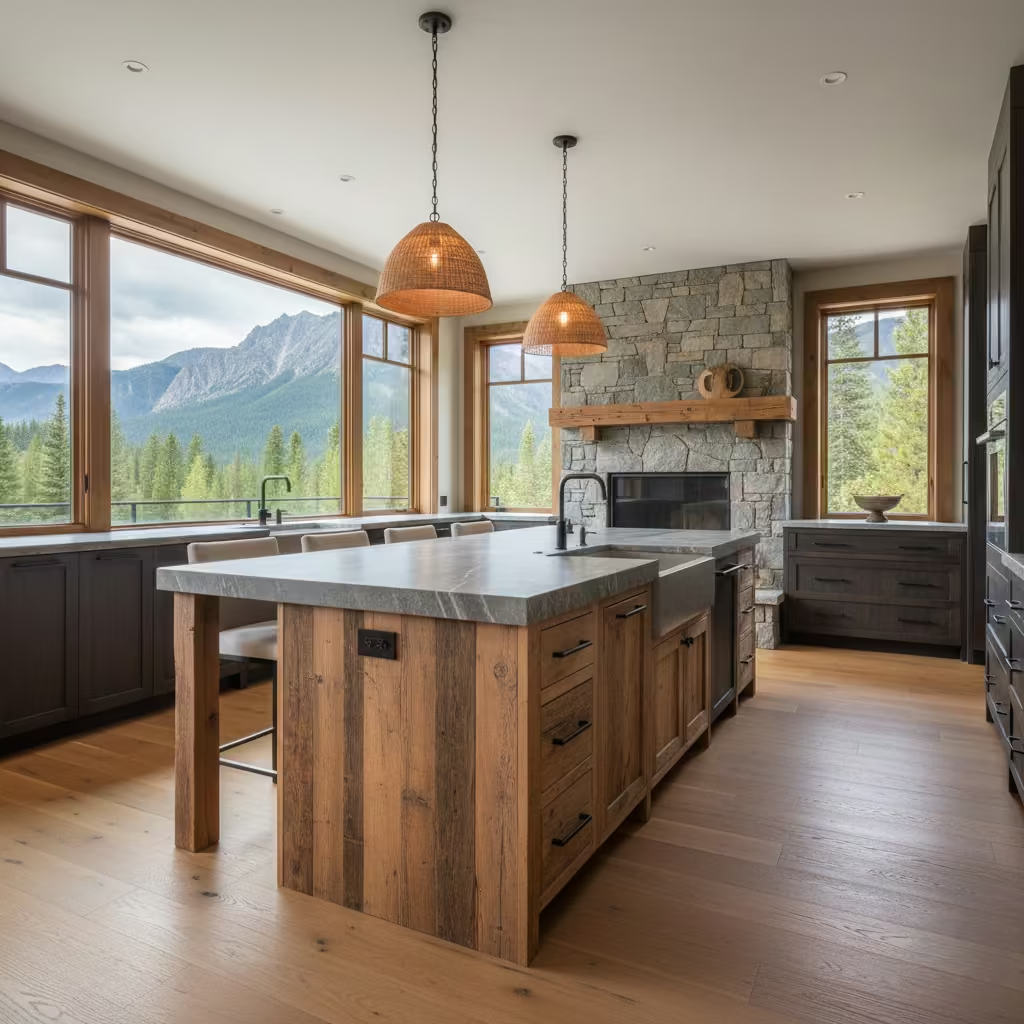
A rustic modern kitchen island acts as both a functional workspace and a visual anchor in a mountain kitchen. I often blend reclaimed wood bases with clean-lined countertops to strike the right balance between warmth and refinement.
Reclaimed timber brings history, texture, and authenticity, while polished stone or solid surface countertops introduce a modern edge that keeps the design from feeling too heavy.
This contrast is what makes the island feel intentional rather than purely rustic. In open-plan mountain homes, the island becomes a gathering point, so proportions matter. Generous overhangs for seating, integrated storage, and subtle detailing all contribute to usability without sacrificing character.
I also like to keep hardware minimal and finishes matte, allowing the materials themselves to take centre stage. Over time, a well-designed rustic modern island develops even more charm, reinforcing the lived-in appeal that defines mountain kitchens.
Earth-Toned Colour Palettes
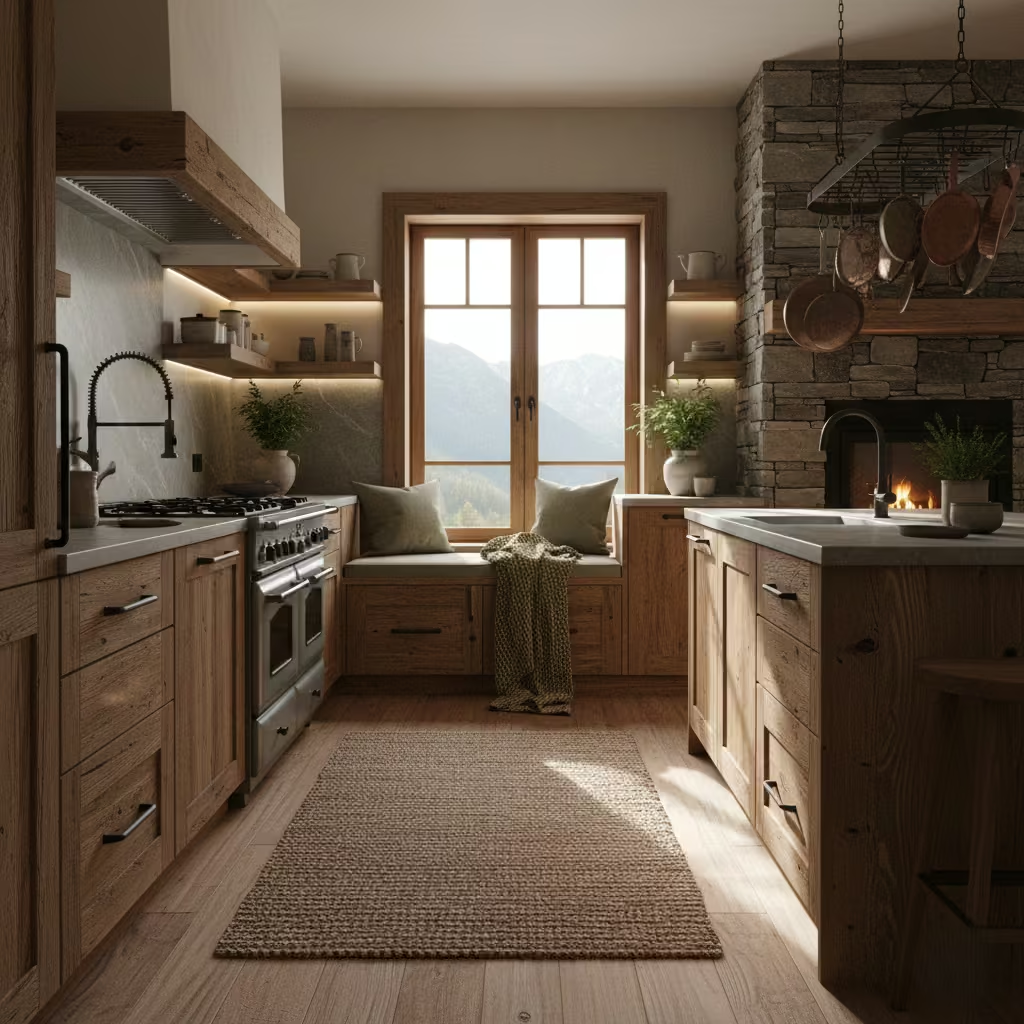
Earth-toned colour palettes are fundamental to creating a mountain kitchen that feels calm, cohesive, and connected to its surroundings. Browns, greys, soft greens, and warm neutrals mirror the natural landscape, making the space feel grounded rather than decorative.
I typically use these tones as a layered backdrop, allowing wood, stone, and metal finishes to shine without visual competition. Warmer browns add richness and comfort, while greys introduce balance and subtle contrast. Greens work particularly well in mountain kitchens, as they echo forested views and pair beautifully with natural wood.
The key is avoiding overly cool or stark shades, which can disrupt the inviting atmosphere. When applied thoughtfully across cabinetry, walls, and textiles, earth tones create a timeless foundation that adapts easily to changing styles while maintaining a consistent, welcoming feel.
You May also Like: 21 Earthy Cottage Home Decor Ideas for a Cozy, Soul-Calming Retreat
Open Shelving with Handcrafted Character
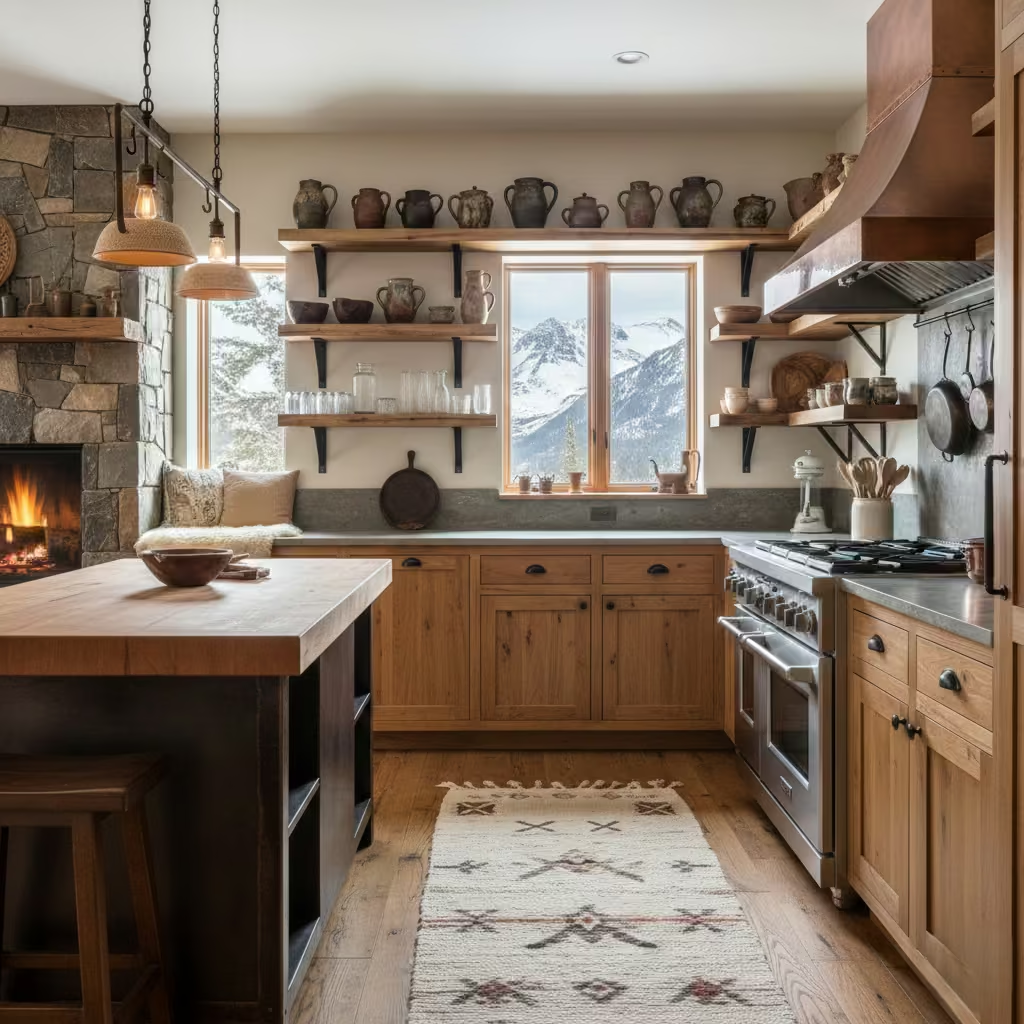
Open shelving brings a relaxed, lived-in quality to mountain kitchens, especially when styled with handcrafted pieces. I use open shelves to display pottery, woodware, and everyday essentials that add personality without feeling cluttered.
Hand-thrown ceramics, carved wooden bowls, and simple glassware reinforce the connection to craftsmanship and tradition. The shelving itself often works best in natural wood or matte metal finishes, keeping the look understated.
Open shelves also encourage a more intentional approach to storage, as each item contributes to the overall aesthetic. In mountain kitchens, this sense of practicality combined with beauty is essential.
When balanced with closed cabinetry, open shelving prevents the space from feeling too heavy while maintaining functionality. Over time, these shelves evolve naturally as items are used and replaced, adding to the authentic, personal character of the kitchen.
Large Farmhouse or Apron-Front Sinks
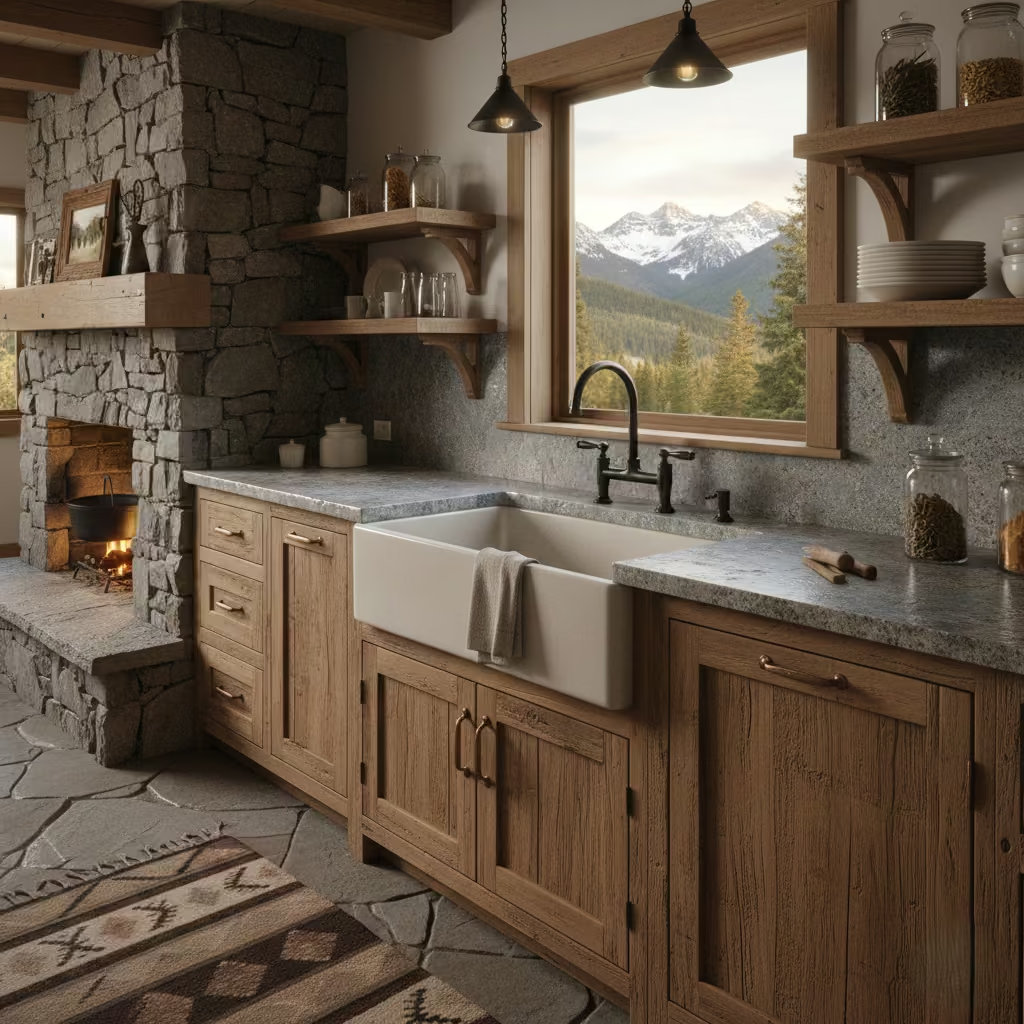
Large farmhouse or apron-front sinks are a natural fit for mountain kitchens, offering both practicality and timeless character. I often recommend them because they are designed for real use, handling everything from oversized cookware to daily family clean-up with ease.
Their deep basins make them highly functional, especially in homes where entertaining or outdoor living is common. Visually, an apron-front sink adds a strong focal point without feeling decorative. Fireclay, cast iron, and natural stone finishes all work beautifully in mountain settings, pairing effortlessly with wood cabinetry and stone countertops.
The exposed front creates a sense of craftsmanship and tradition, echoing the honest, utilitarian roots of mountain homes. When paired with a simple bridge or matte metal tap, the sink becomes part of a cohesive, well-balanced design. Over time, these sinks age gracefully, reinforcing the lived-in warmth that makes mountain kitchens so inviting.
Wood and Metal Hardware Combinations
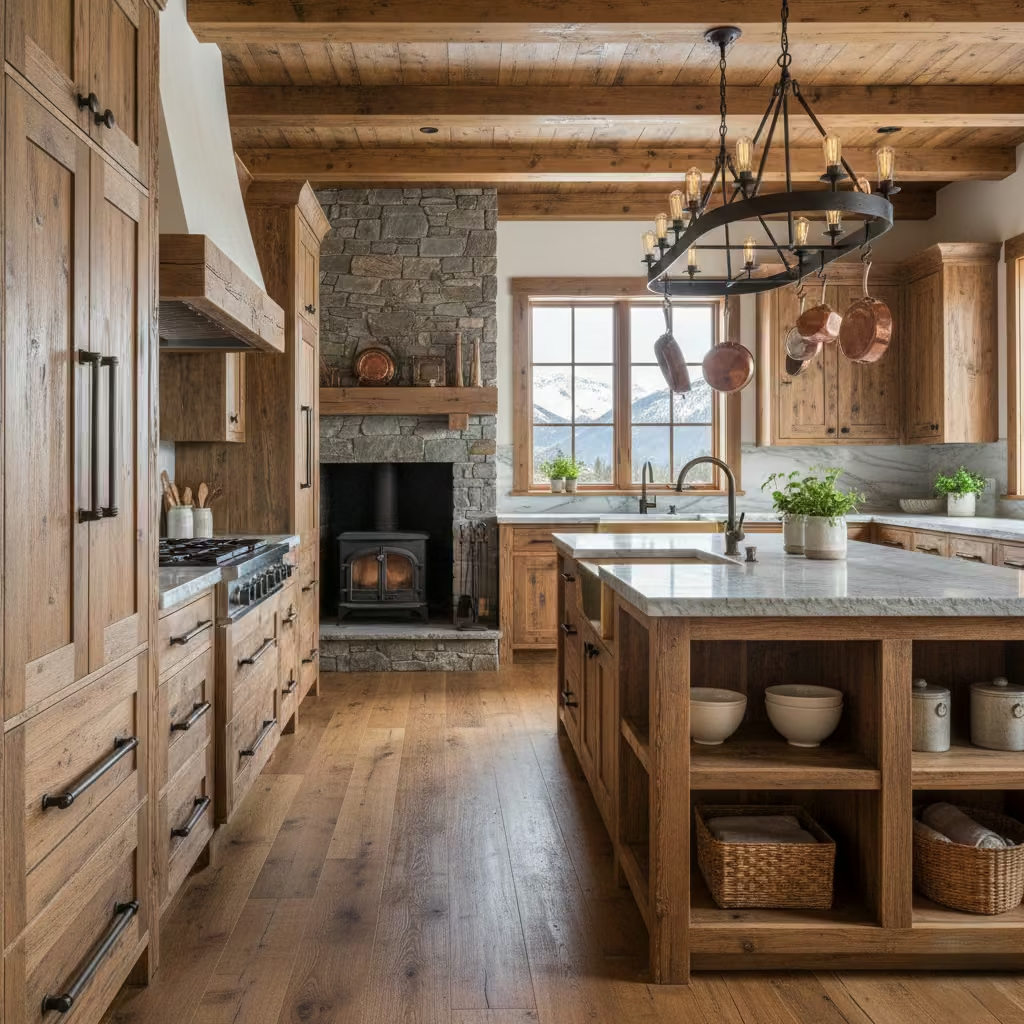
Hardware may seem like a small detail, but in mountain kitchens it plays a significant role in shaping the overall feel of the space. I like combining wood and metal hardware to balance warmth with subtle industrial contrast. Wooden knobs or pulls introduce softness and texture, while metal finishes such as blackened steel, brushed brass, or aged bronze add definition and durability.
This mix keeps the kitchen from leaning too rustic or too modern. In mountain homes, restraint is key. Hardware should feel purposeful rather than ornamental. I often use metal hardware on lower cabinets or drawers for durability, then introduce wood on upper cabinets or pantry doors to soften the look.
The contrast adds depth without overwhelming the design. When chosen carefully, wood and metal hardware complements natural cabinetry and stone surfaces, enhancing the layered, thoughtful aesthetic that defines a well-designed mountain kitchen.
Statement Range Hoods in Stone or Wood
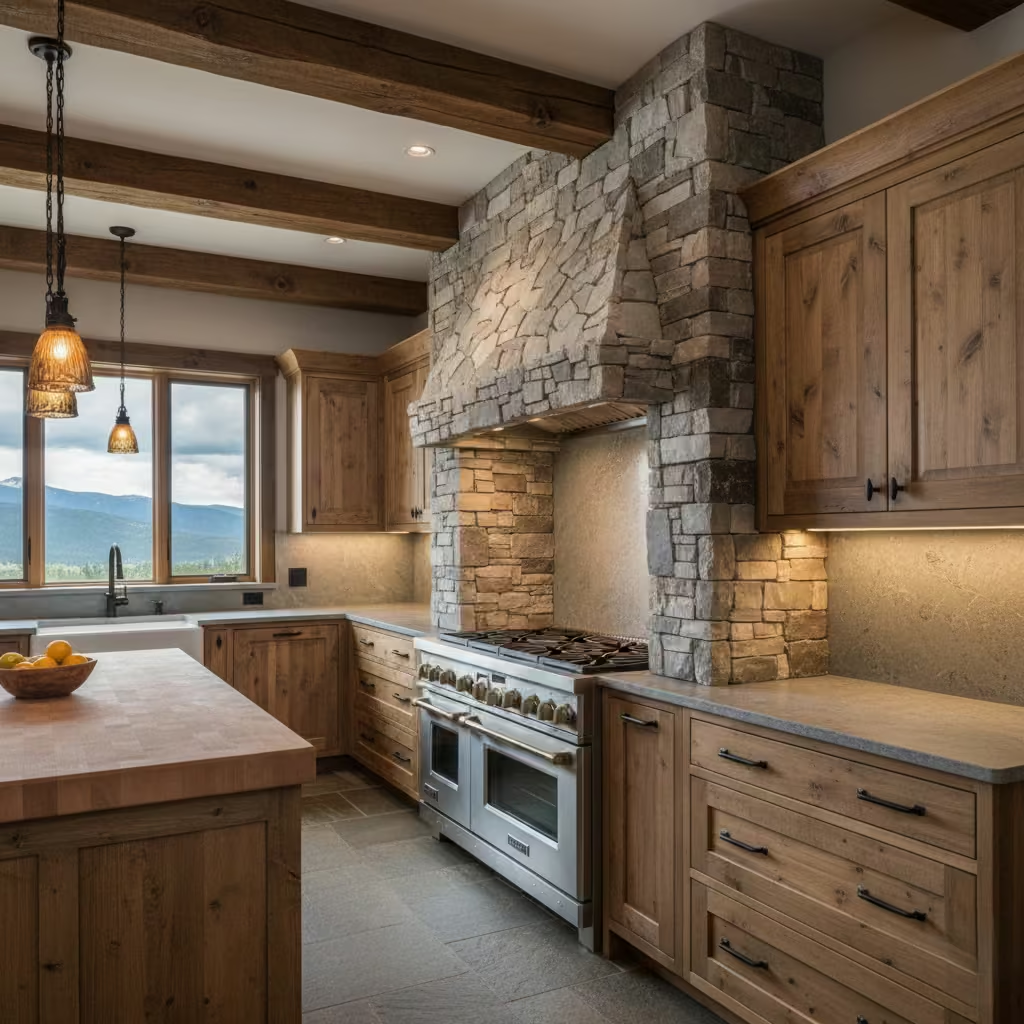
A statement range hood can transform the cooker area into the visual heart of a mountain kitchen. I often use stone or wood range hoods to anchor the space and introduce architectural interest.
Stone hoods, particularly those made from stacked stone or plaster with a textured finish, feel grounded and substantial, echoing the surrounding landscape. Wood range hoods, whether smooth or rustic, add warmth and craftsmanship, especially when matched to ceiling beams or cabinetry. The key is proportion. A well-sized hood should feel intentional and balanced, not overpowering.
I usually keep surrounding elements simple so the hood can stand out naturally. Integrated lighting and discreet ventilation ensure modern performance without disrupting the aesthetic. Over time, these statement hoods become defining features that reinforce the kitchen’s identity, making the space feel cohesive, functional, and unmistakably mountain inspired.
Modern Mountain Kitchens with Clean Lines
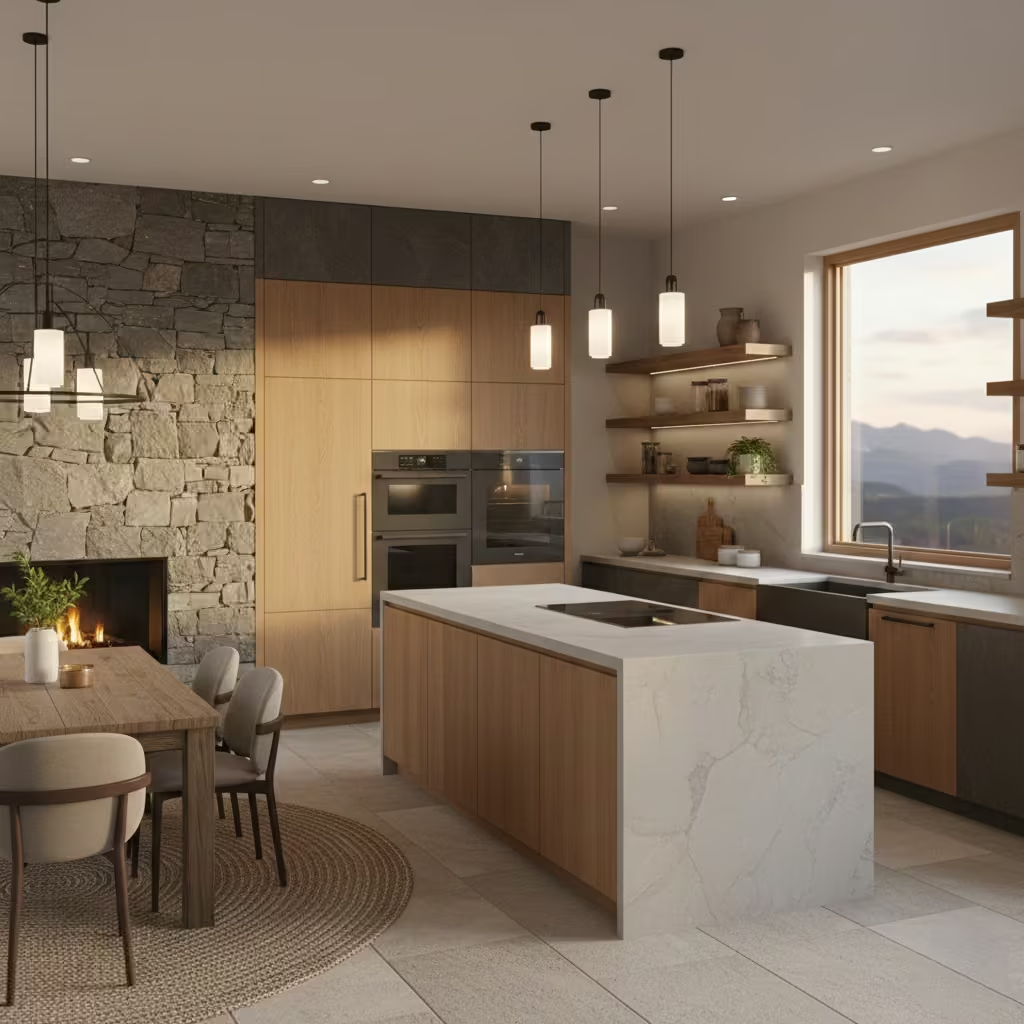
Modern mountain kitchens combine the warmth and texture of traditional materials with sleek, minimalist lines to create a space that feels fresh and timeless. I often incorporate clean-lined cabinetry, integrated appliances, and subtle lighting to balance the rustic elements, ensuring the kitchen doesn’t feel heavy or dated.
The key is restraint, allowing wood grain, stone surfaces, and natural textures to take centre stage while keeping the overall silhouette simple and uncluttered. Open shelving, hidden storage, and flush countertops help maintain a sense of order and sophistication. In my experience, combining modern lines with rustic materials allows the kitchen to feel both approachable and polished.
This approach works especially well in open-plan mountain homes, where the kitchen interacts with dining and living areas. By blending modern functionality with natural character, these kitchens feel lively, inviting, and very much grounded in the mountain aesthetic.
Reclaimed Wood Accents
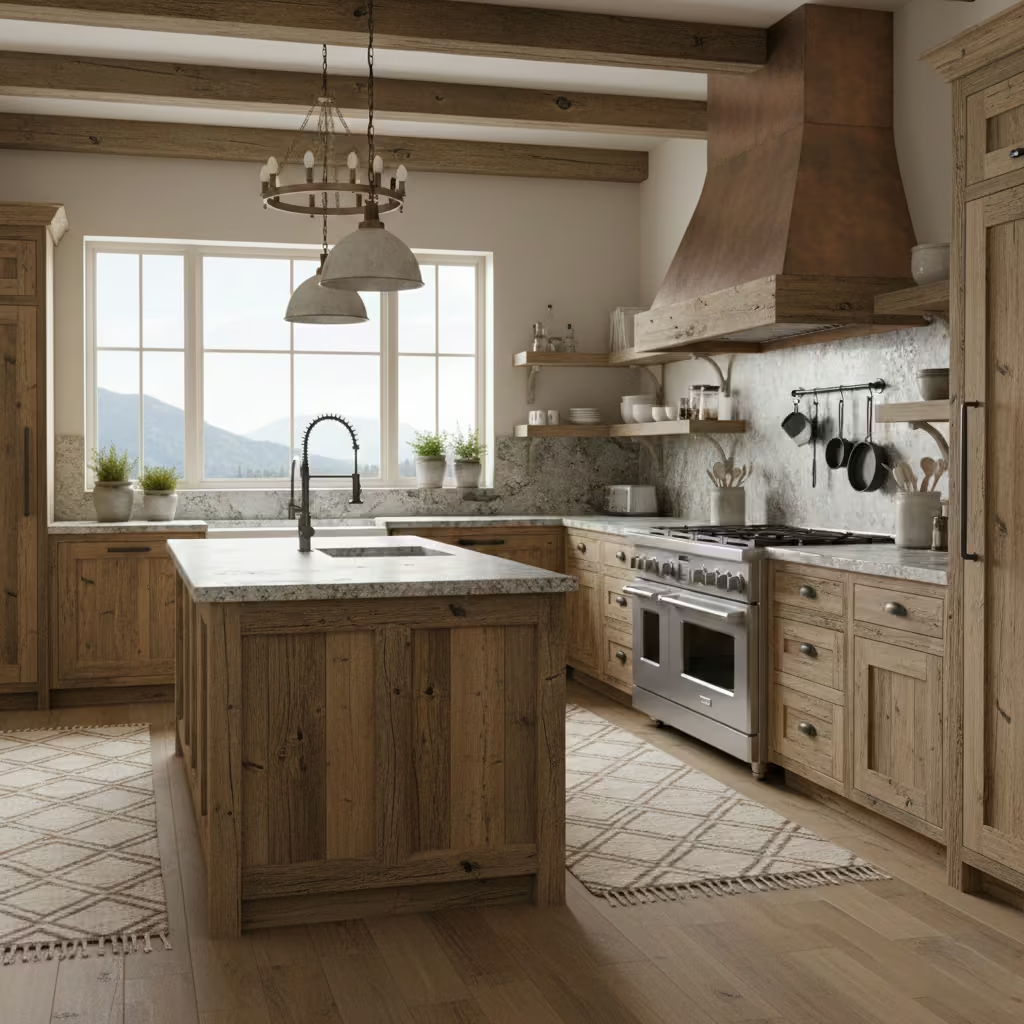
Reclaimed wood accents are a favourite in mountain kitchen design because they add both sustainability and a story to the space. Whether used for shelving, cabinetry insets, ceiling beams, or the island base, reclaimed timber introduces texture, patina, and history that new wood cannot replicate.
I often seek out pieces with unique grain patterns, nail holes, or natural wear to emphasise authenticity. Beyond aesthetics, reclaimed wood is an eco-friendly choice, reducing waste and supporting sustainable building practices.
When paired with stone countertops, metal hardware, and neutral palettes, these accents add warmth without overwhelming the design. Reclaimed wood also allows for creative layering of textures, helping the kitchen feel lived-in and personal.
Over time, the wood develops additional character, reinforcing the kitchen’s sense of place and connection to its mountain surroundings.
You May also Like: 25 Desert Kitchen Designs That Beat the Heat and Look Incredible
Floor-to-Ceiling Cabinetry for Storage
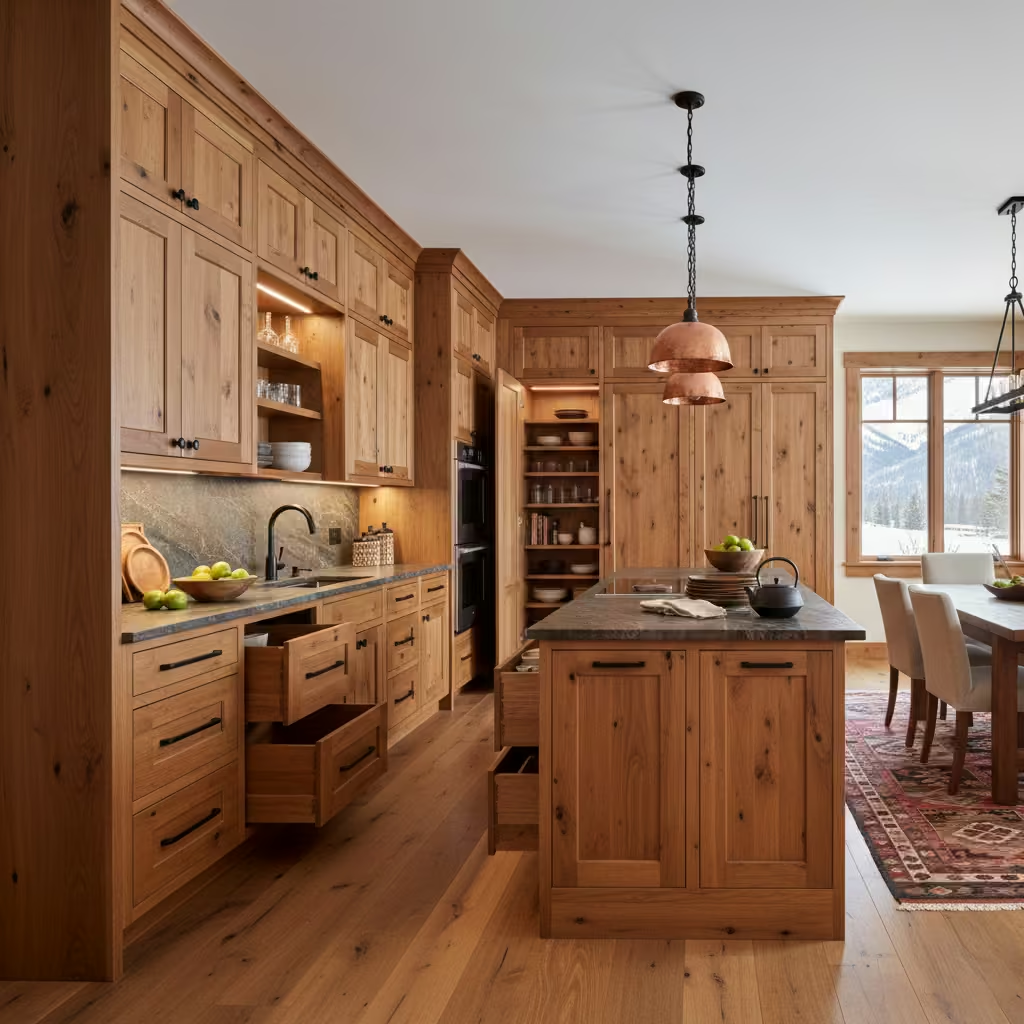
Floor-to-ceiling cabinetry is a practical solution in mountain kitchens, especially in open-plan layouts where storage can easily become a challenge. I often design tall cabinets to blend seamlessly with the walls, creating a streamlined appearance while maximising usable space.
These cabinets hide clutter, bulky appliances, and pantry items, helping the kitchen remain organised and visually calm. Choosing warm wood tones, matte finishes, or subtle panel detailing ensures that the cabinetry complements the mountain aesthetic rather than feeling overly modern or industrial.
Incorporating adjustable shelves, pull-out drawers, and integrated lighting adds functionality without compromising style. Floor-to-ceiling cabinetry not only provides practical storage solutions but also reinforces a sense of structure and cohesion in the kitchen. It’s a design choice that keeps the space tidy, inviting, and entirely suited to everyday mountain living.
You May also Like: 25 Open Kitchen Living Rooms ideas That Feel Stylish, Spacious, and Effortlessly Connected
Mixed Materials for Depth and Texture
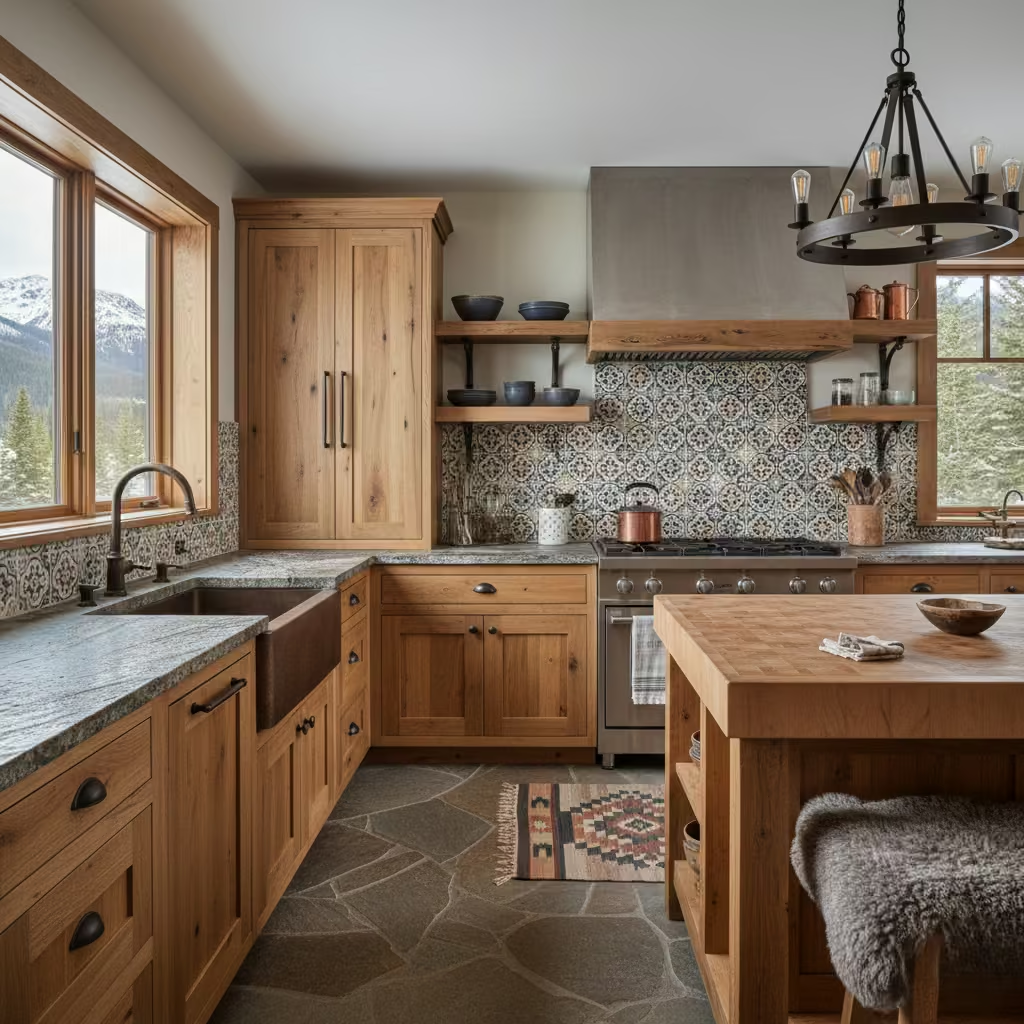
Using a mix of materials is essential for creating a mountain kitchen that feels layered, tactile, and visually engaging. I often combine wood, stone, metal, and tile to introduce contrast and interest without making the space feel busy.
Wood brings warmth and grounding, stone adds natural texture and durability, metal introduces subtle industrial touches, and tile can provide pattern or colour variation. The key is balance: each material should complement the others rather than compete. For example, a wooden island paired with a stone countertop and metal hardware creates depth while maintaining cohesion.
Tiles behind the range or sink can add a subtle visual accent, tying the palette together. In my experience, thoughtfully layering materials ensures the kitchen feels rich and authentic, evoking the natural beauty of the surrounding mountains while remaining functional and harmonious.
Dark Wood Kitchens with Moody Atmosphere
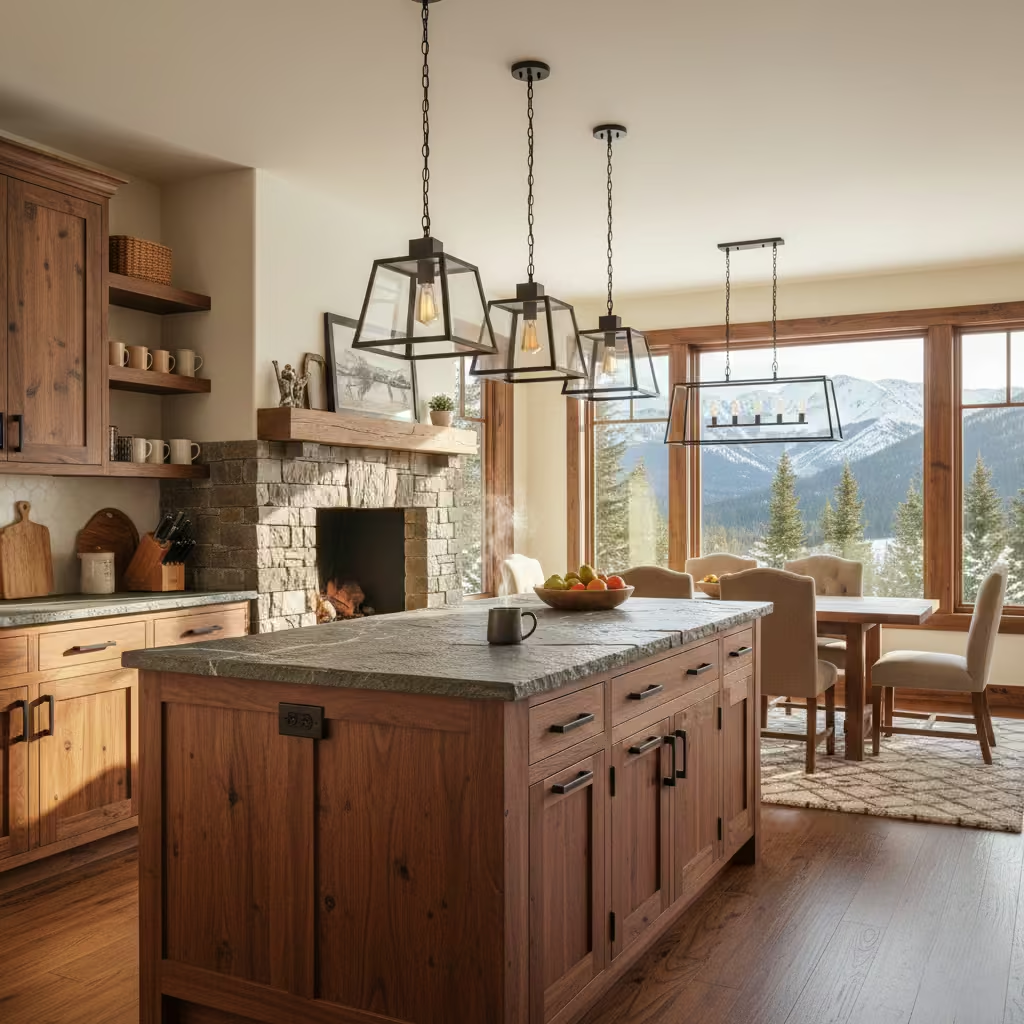
Dark wood kitchens create a sense of intimacy and sophistication, making them ideal for mountain settings with cooler climates or cozy interiors. I often recommend deeper tones like walnut, mahogany, or smoked oak when a space can handle richer colours without feeling closed in.
Dark cabinetry adds drama and highlights the texture of wood grain, especially when paired with natural stone countertops or lighter walls to maintain balance. This approach works well in kitchens with ample natural light, large windows, or open layouts where the darkness is offset by brightness elsewhere.
Moody wood tones evoke a classic mountain lodge feel while allowing modern touches such as matte metal hardware or clean-lined islands to shine. Over time, these kitchens develop a lived-in elegance, creating a warm, enveloping environment that invites gathering and relaxation.
Warm Lighting for Evening Ambience
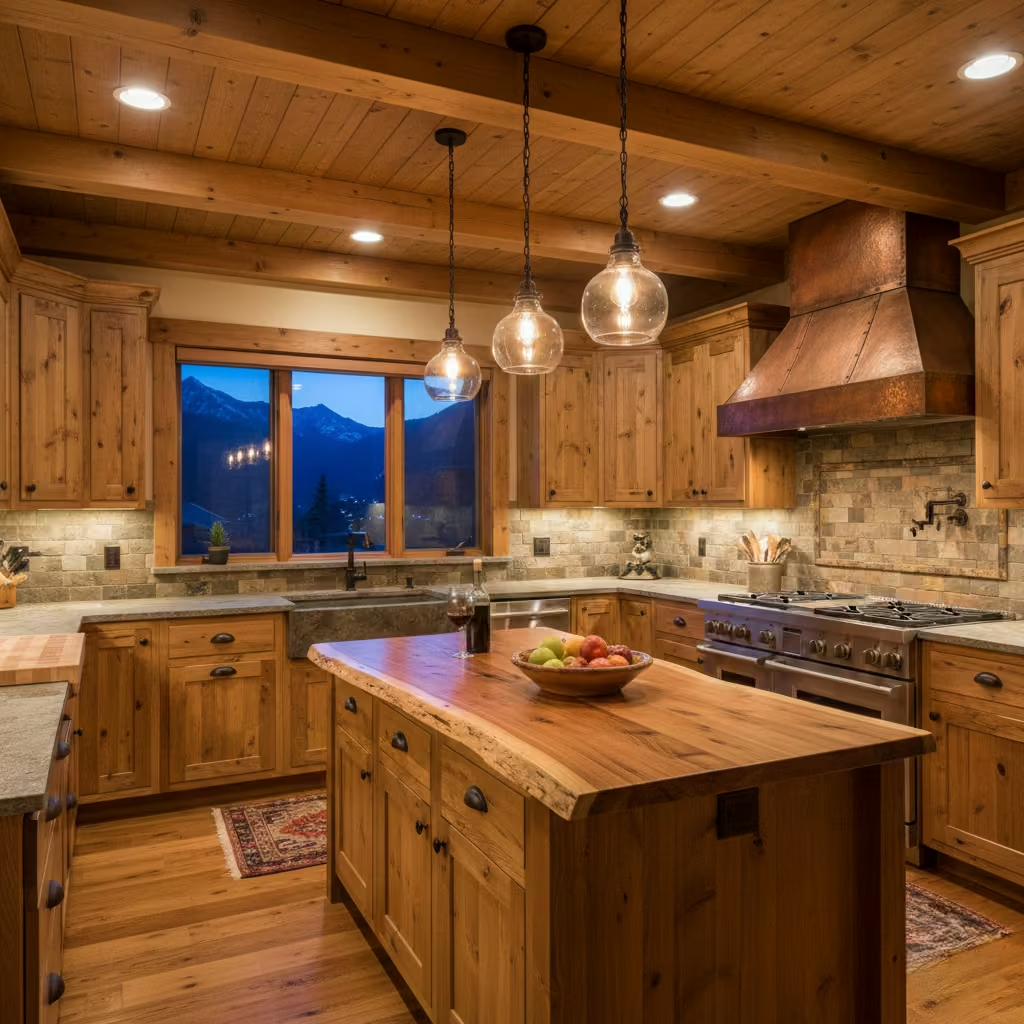
Lighting is critical in mountain kitchens, as it sets the mood and enhances both function and comfort. I always recommend layered lighting that balances task, ambient, and accent illumination.
Pendant lights above islands, under-cabinet lighting for prep areas, and soft recessed lighting for general use create a warm, inviting atmosphere. Warm-toned bulbs are essential; they complement natural wood, stone, and metal finishes, ensuring the kitchen feels cosy rather than harsh.
I also like to include dimmable options, allowing the space to transition from bright, functional work mode to a relaxed evening ambience. Strategic placement highlights textures like wood grain and stone backsplash, adding depth and character after dark.
In my experience, thoughtful lighting transforms a mountain kitchen from merely functional to truly magical, reinforcing the warmth and intimacy that make these spaces so appealing.
Window-Focused Kitchen Layouts
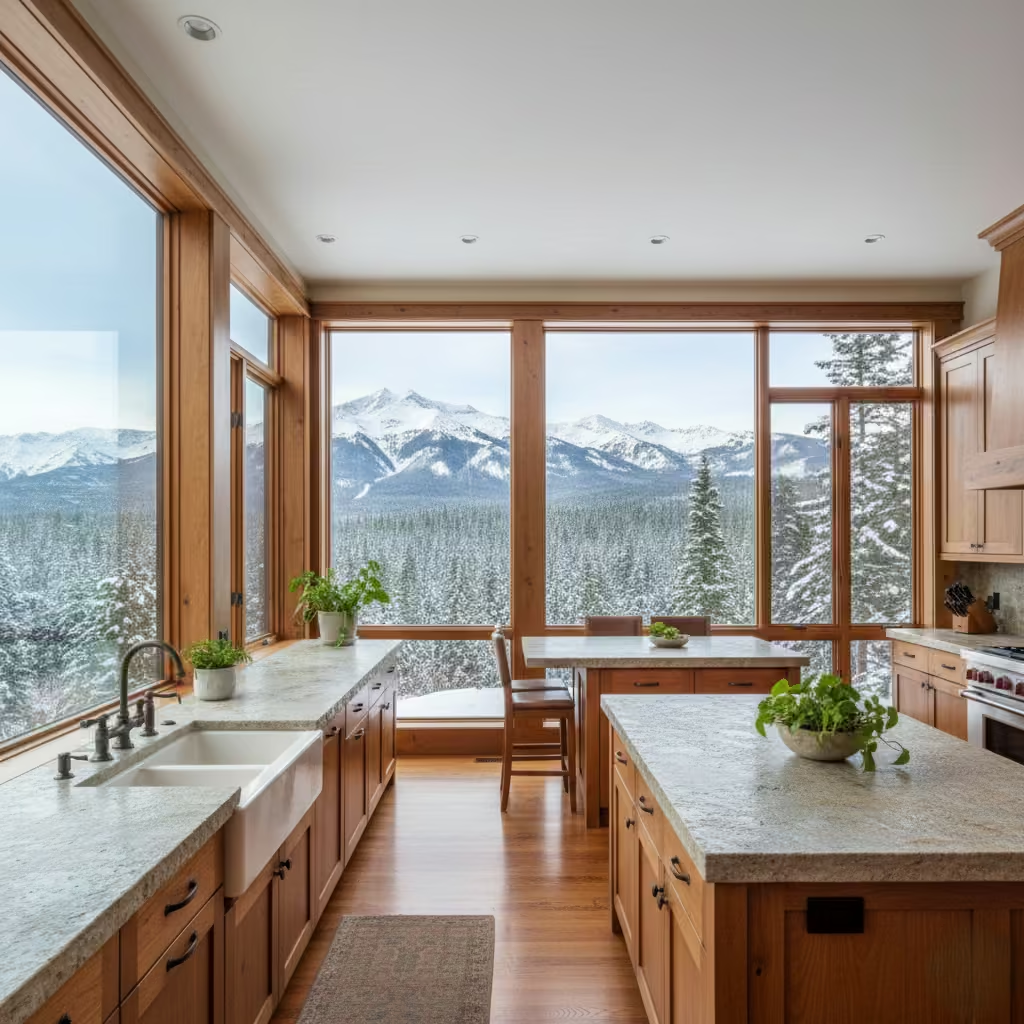
Window-focused kitchen layouts are one of the most effective ways to bring the natural beauty of mountain surroundings indoors. I often design kitchens so that the sink, island, or dining area faces large windows, framing views of mountains, forests, or snow-covered landscapes.
This approach floods the space with natural light, creating a sense of openness and connection to the outdoors. In mountain homes, where scenery is often a key selling point, thoughtfully placed windows can transform the kitchen into a living painting, changing with the seasons and weather.
I also consider window treatments carefully, opting for minimal or natural fabrics that allow light to filter without obscuring the view. Beyond aesthetics, positioning work zones near windows can make daily tasks like washing dishes or prepping meals more enjoyable. Overall, window-focused layouts ensure the kitchen feels expansive, airy, and in harmony with its mountain environment.
You May also Like: 25 Best Beige Kitchen Cabinet Ideas for Your Next Remodel
Rustic Tile Floors with Durability
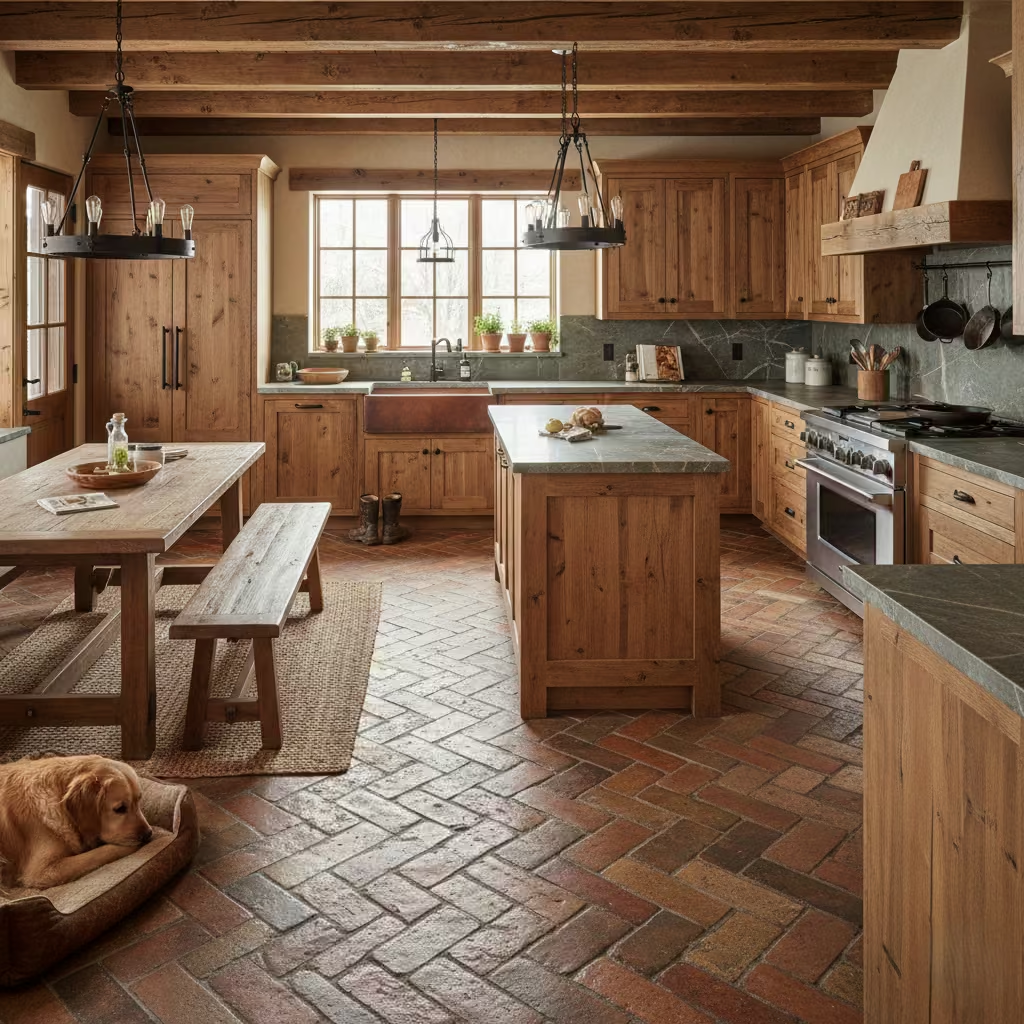
Rustic tile floors are a practical and stylish choice for mountain kitchens, offering durability, texture, and a sense of authenticity. I often recommend stone, terracotta, or textured ceramic tiles that can withstand heavy foot traffic, boots, pets, and outdoor elements without showing wear.
The natural textures and subtle colour variations found in rustic tiles help mask dirt while complementing wood cabinetry and stone countertops. In addition to resilience, tiles provide easy maintenance, which is critical in homes where kitchens serve as the hub of activity.
When laid thoughtfully such as in herringbone or staggered patterns they add visual interest and enhance the overall aesthetic of the space. Pairing rustic flooring with underfloor heating or area rugs can also improve comfort without sacrificing practicality.
In mountain kitchens, durable rustic tile floors blend form and function seamlessly, supporting both style and everyday living.
Built-In Breakfast Nooks
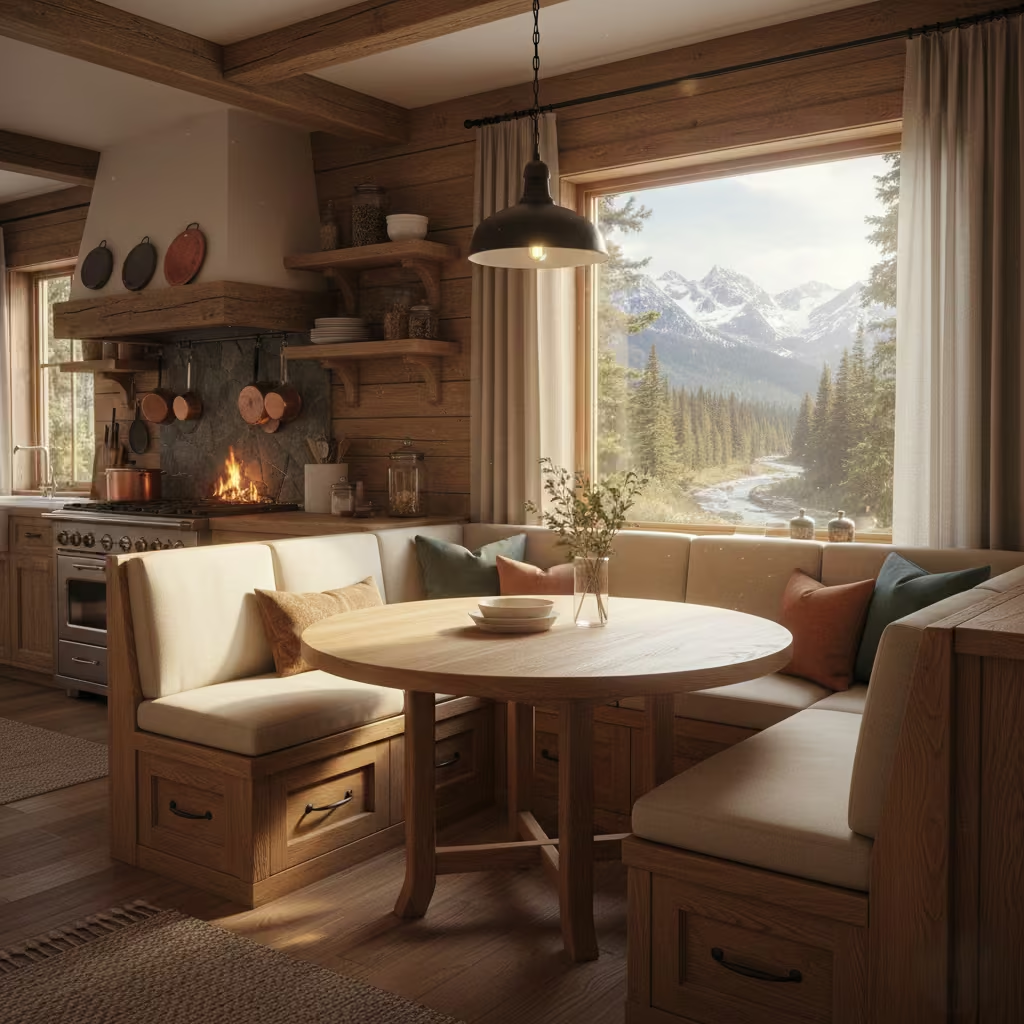
Built-in breakfast nooks are a charming feature that brings intimacy and functionality to mountain kitchens. I often design them with custom benches, timber seating, and cushioned upholstery, creating a cosy corner for casual meals, coffee, or conversation.
These nooks take advantage of natural light, often placed near windows or bay spaces to combine views and comfort. Built-in storage beneath seating is an added bonus, helping keep kitchens organised in open-plan homes.
I like to incorporate handcrafted elements such as wood slats, soft textiles, or locally sourced cushions, which reinforce the rustic, mountain-inspired aesthetic. Unlike standalone dining furniture, built-in nooks feel integrated and permanent, encouraging family and guests to linger.
In my experience, these small spaces contribute significantly to the warmth and personality of a mountain kitchen, turning it into a welcoming heart of the home.
Traditional Cabin-Style Kitchens
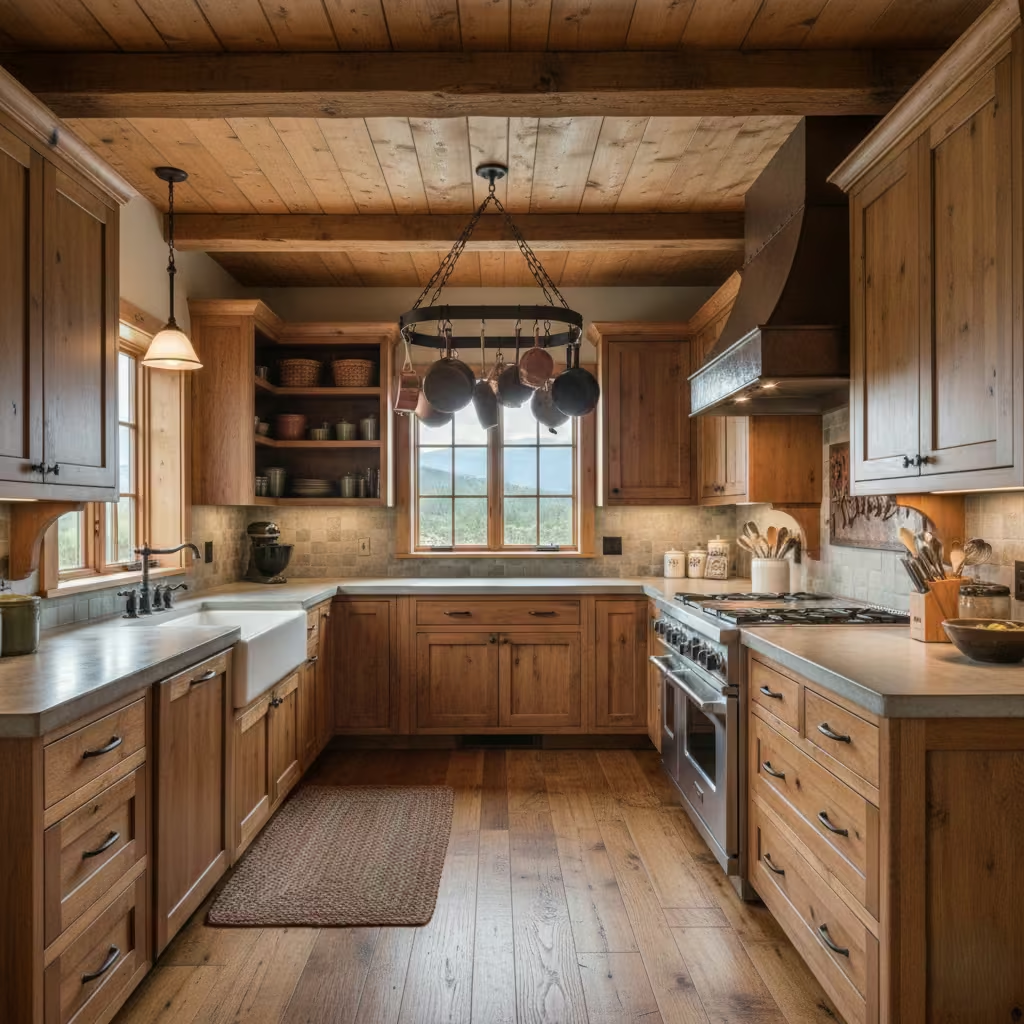
Traditional cabin-style kitchens are all about timeless layouts and enduring character. I often draw on classic designs such as U-shaped, L-shaped, or galley layouts, which optimise workflow while maintaining a sense of intimacy.
Wood cabinetry, simple mouldings, and muted colour palettes reinforce the rustic charm associated with cabins and mountain homes. Unlike trend-focused kitchens, these layouts and materials are built to endure, both practically and aesthetically. Exposed beams, warm flooring, and handcrafted details create a sense of authenticity that feels genuine rather than staged.
I also encourage functional touches like ample storage, durable surfaces, and wide countertops, ensuring the space remains practical for daily use. In my experience, combining classic design principles with high-quality materials produces kitchens that continue to feel inviting and relevant year after year, perfectly suited to the mountain lifestyle.
You May also Like: Cozy Fall Kitchen Decor Ideas And the One Detail That Changes Everything
Modern Appliances Discreetly Integrated
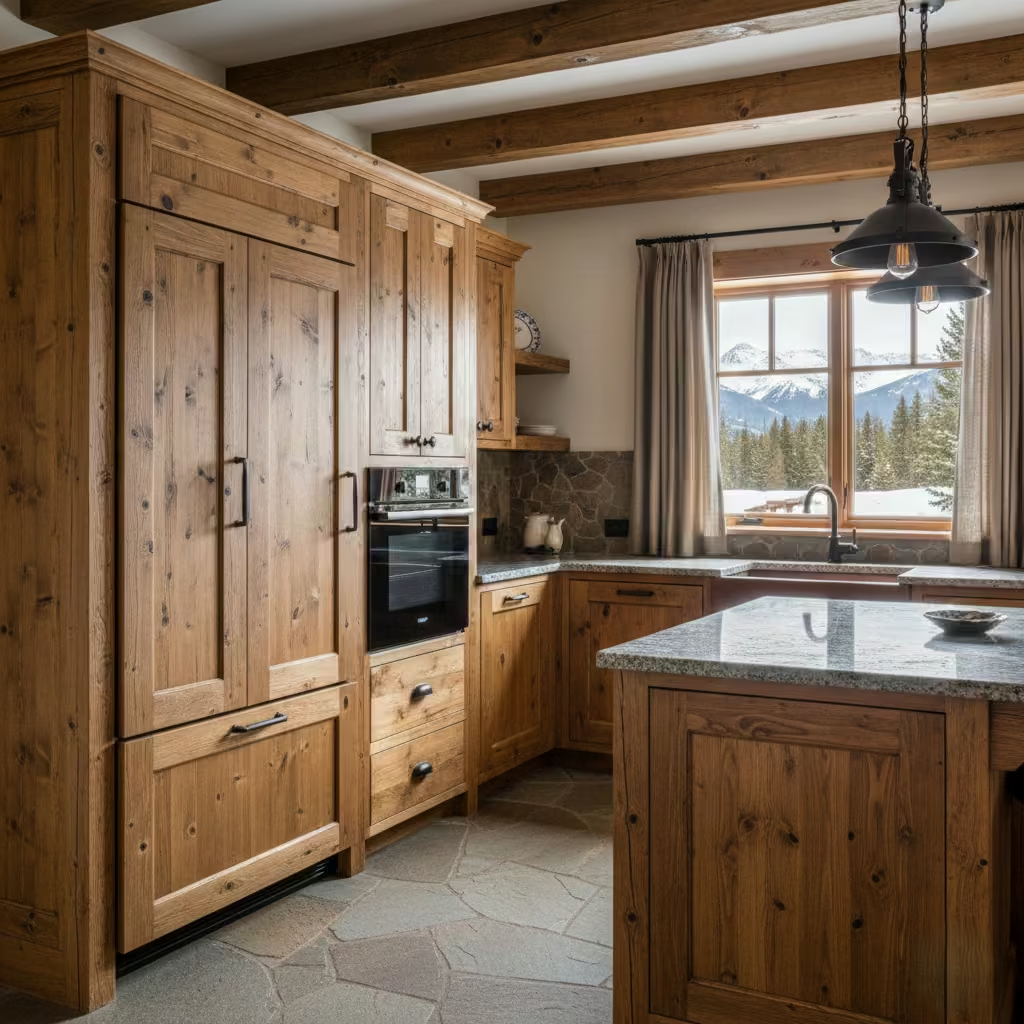
Modern appliances can coexist beautifully with mountain kitchen aesthetics when integrated discreetly. I often recommend panel-ready refrigerators, built-in ovens, and concealed dishwashers that blend seamlessly with cabinetry, maintaining a cohesive and uncluttered look. This approach preserves the rustic or natural feel of the kitchen while ensuring functionality is never compromised.
Placement is crucial; appliances should be positioned for efficiency without interrupting visual harmony. Matte finishes or paneling that matches surrounding cabinetry help appliances disappear into the design, keeping the focus on natural materials and craftsmanship.
By combining modern performance with thoughtful integration, kitchens feel both contemporary and timeless. In my experience, this strategy allows homeowners to enjoy the convenience of today’s technology while retaining the charm, warmth, and authenticity central to a mountain kitchen.
Ceiling Treatments That Add Interest
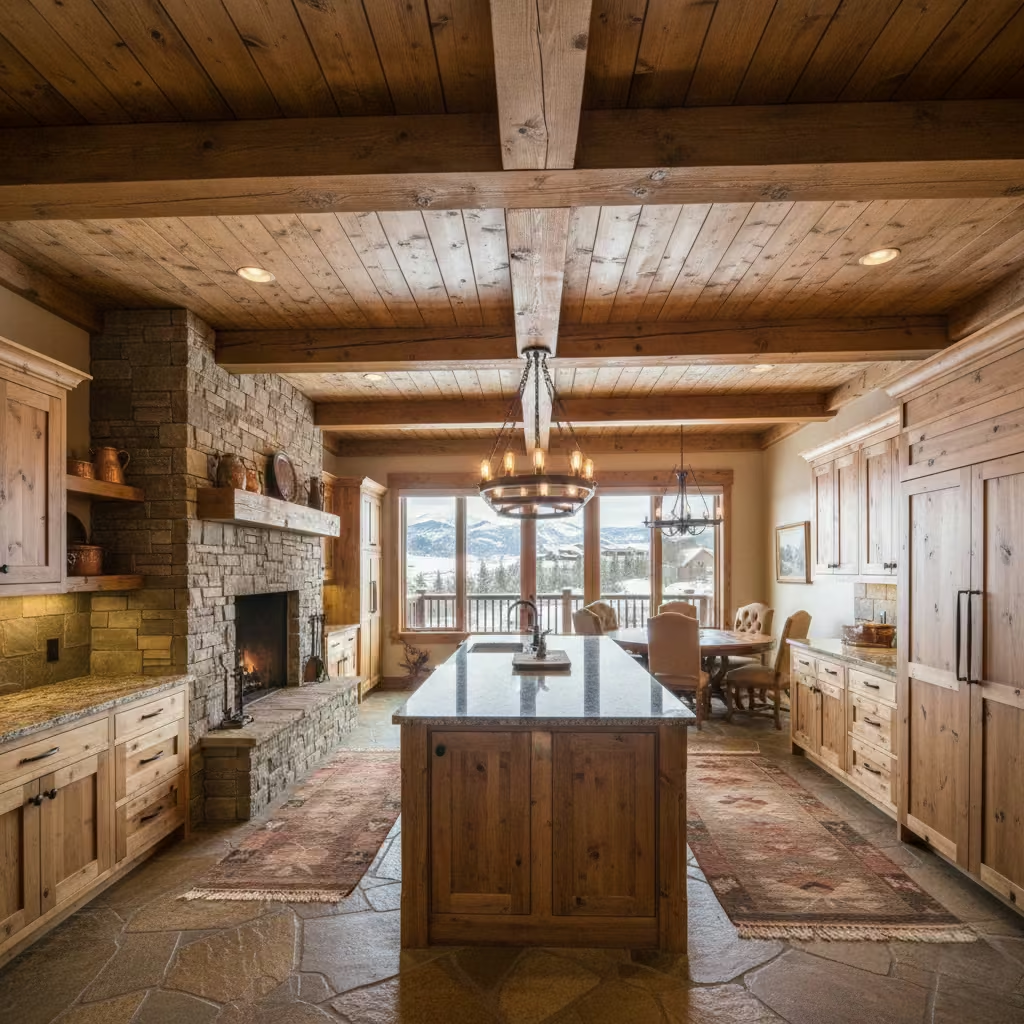
Ceilings in mountain kitchens offer an often-overlooked opportunity to introduce texture and architectural interest. I frequently use wood planks, tongue-and-groove panels, or subtle textured finishes to draw the eye upward and complement exposed beams or cabinetry.
These treatments can add warmth, highlight craftsmanship, and enhance the overall sense of scale without overwhelming the space. Lighter wood tones can open up a kitchen with limited natural light, while darker tones add drama and intimacy in larger spaces.
Ceiling treatments also allow for creative layering of lighting, helping to distribute warmth and brightness evenly. In my experience, a well-considered ceiling treatment transforms a kitchen from functional to memorable, reinforcing both the rustic charm and design sophistication that define mountain homes.
Neutral Mountain Kitchens with Texture
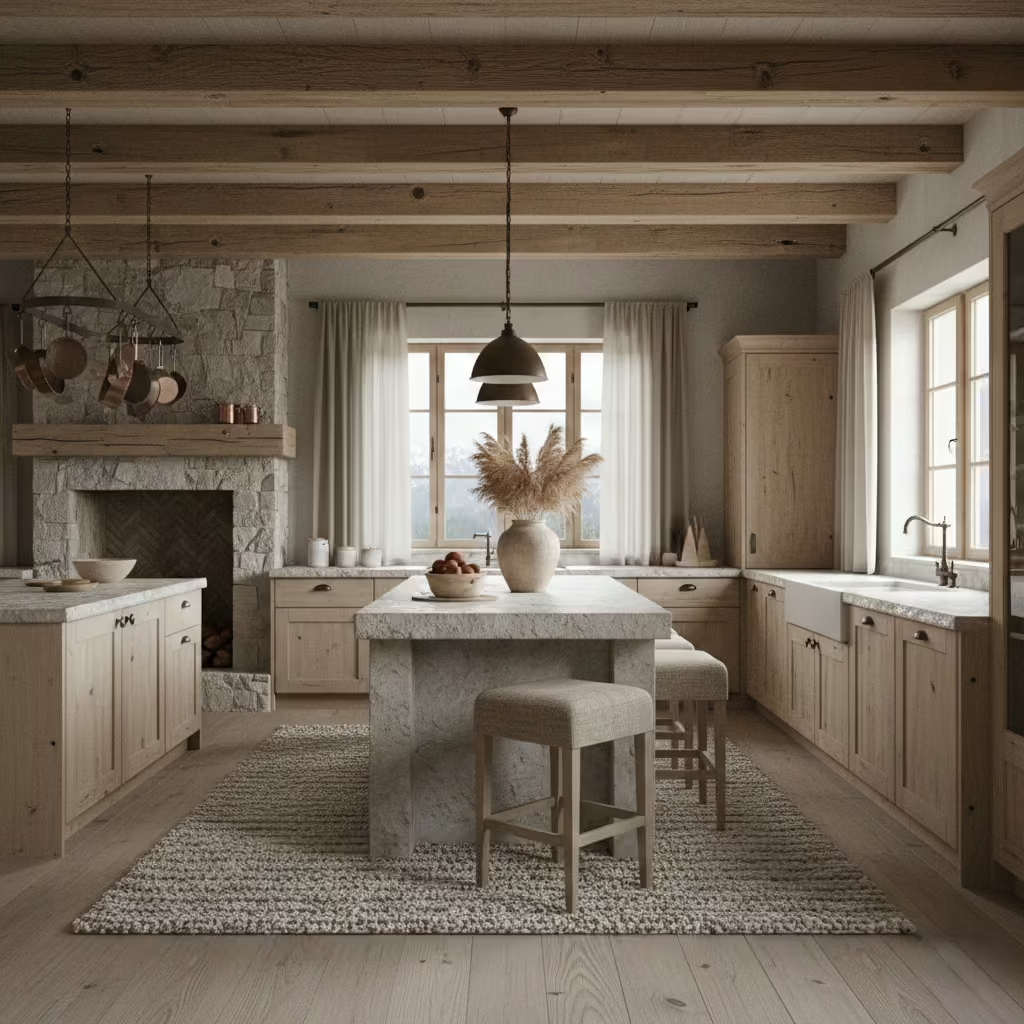
Neutral palettes are a cornerstone of mountain kitchen design, providing a calm and versatile backdrop that allows materials and textures to shine. I often recommend shades of cream, taupe, soft grey, and muted beige, which create a serene atmosphere while highlighting natural wood, stone, and metal accents.
Restraint is key; avoiding overly bold colours ensures the kitchen remains timeless and adaptable to changing tastes. Texture plays a critical role in keeping neutral kitchens from feeling flat. Layered finishes like matte cabinetry, rough-hewn timber beams, stone countertops, or woven textiles introduce depth and warmth.
In my experience, a restrained approach allows the beauty of natural materials to take centre stage, creating a mountain kitchen that feels sophisticated, grounded, and inviting without ever appearing fussy.
Mixing Old and New Furniture Pieces
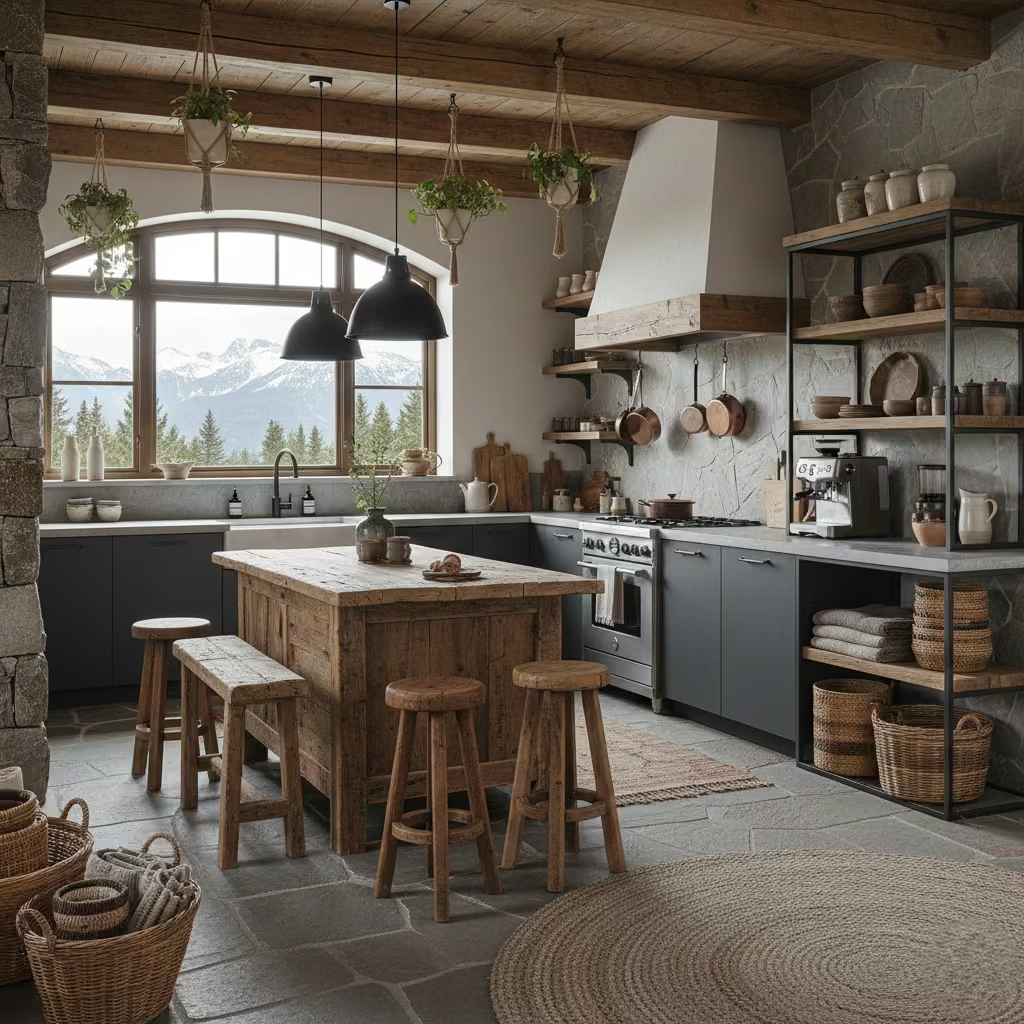
Incorporating both vintage and contemporary furniture adds character and individuality to mountain kitchens. I often pair reclaimed wooden stools, antique benches, or heirloom tables with modern cabinetry or minimalist islands, creating a dialogue between eras.
This approach prevents the kitchen from feeling like a showroom, instead making it feel lived-in and personal. Mixing old and new also allows for functional flexibility; sturdy antique pieces can complement modern ergonomics while retaining charm. Accessories such as handmade ceramics, woven baskets, or rustic lighting further enhance this layered aesthetic.
By thoughtfully blending eras, the space tells a story, reflecting both the home’s history and the homeowner’s taste. In my experience, this strategy transforms a mountain kitchen from simply practical to warm, authentic, and full of personality.
Open-Plan Mountain Kitchens
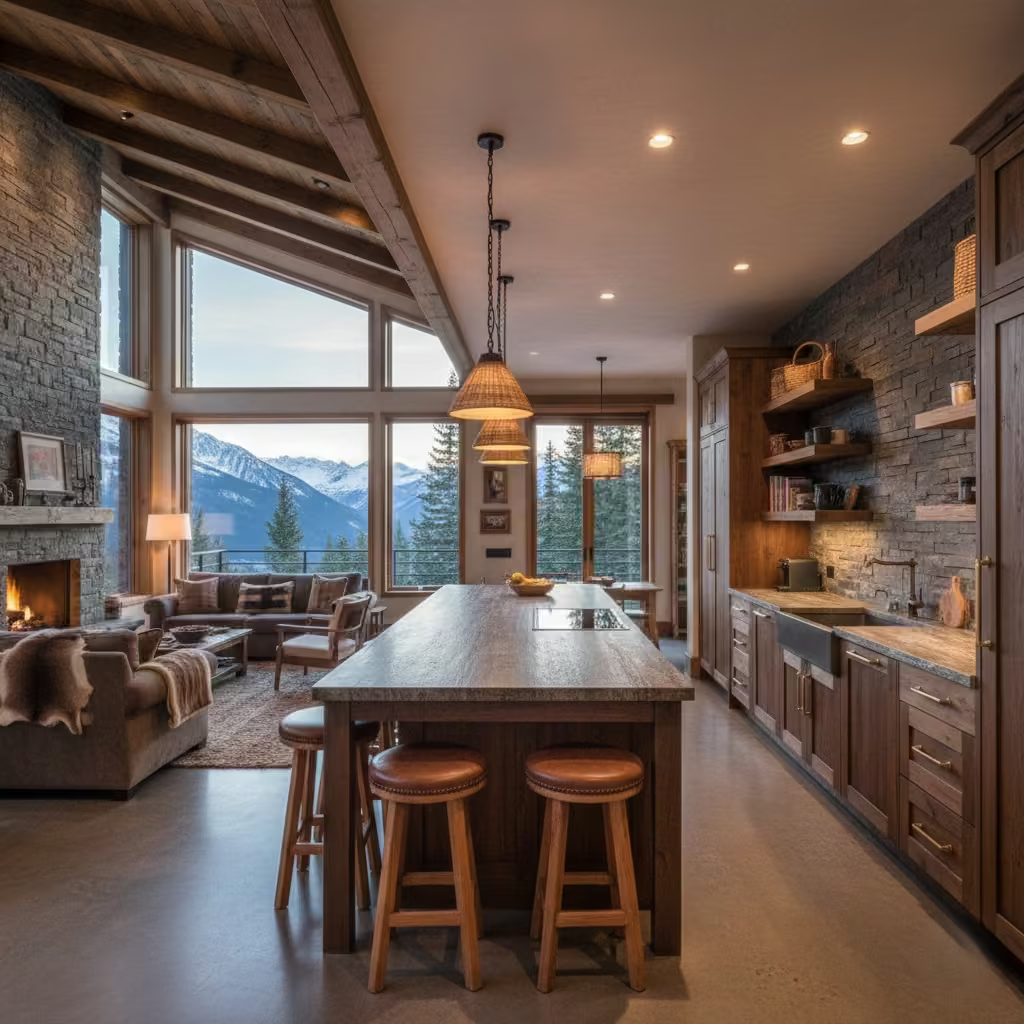
Open-plan kitchens are perfect for mountain homes, allowing seamless interaction between cooking, dining, and living areas. I design layouts that maintain distinct zones while preserving a sense of flow, often using islands, peninsula counters, or floor materials to subtly define spaces.
Open shelving, strategic lighting, and consistent material choices help unify the area while maintaining visual separation. This approach encourages social interaction, making the kitchen the heart of family life or entertaining.
I also focus on sightlines to exterior views, ensuring the kitchen feels connected to the natural surroundings. In my experience, open-plan mountain kitchens balance functionality, comfort, and aesthetic appeal, creating spaces that feel expansive yet grounded, lively yet cozy.
Timeless Mountain Kitchens That Age Well
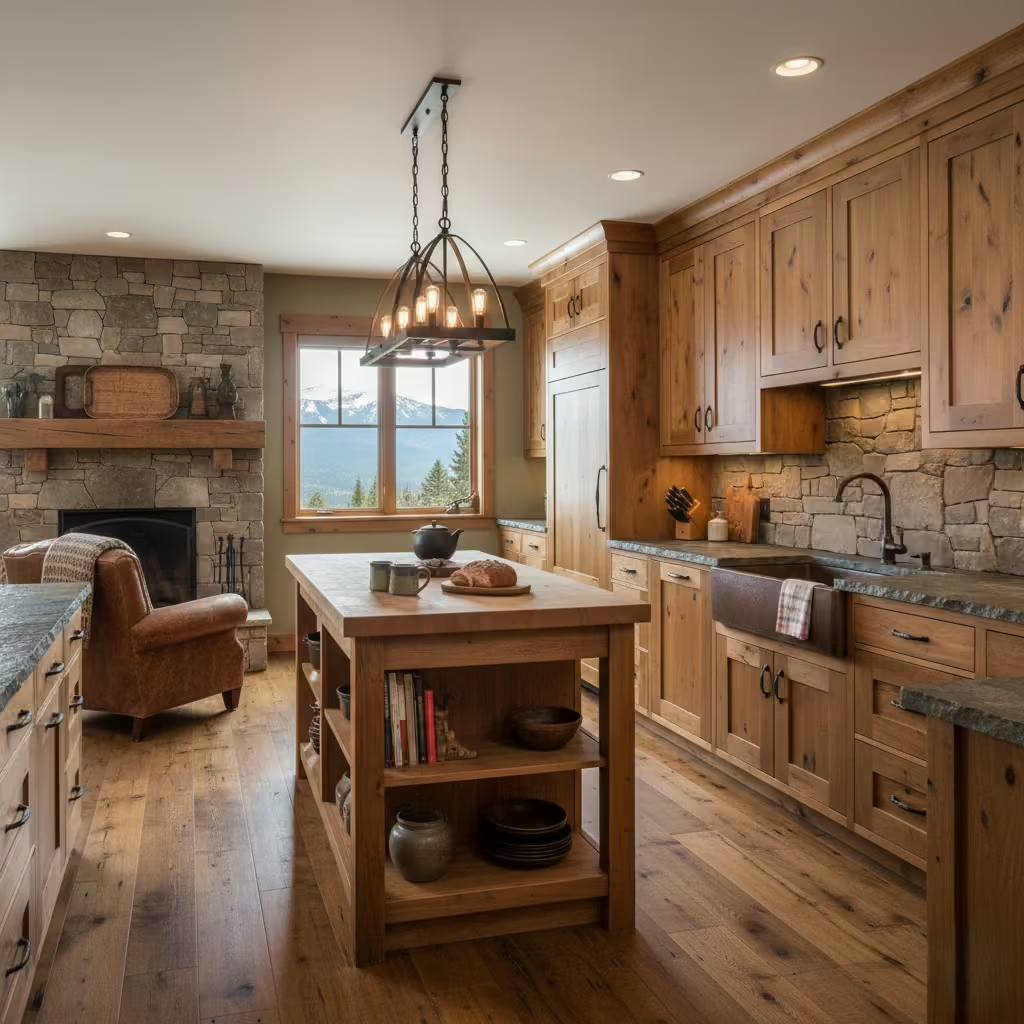
A timeless mountain kitchen prioritises design decisions that look better with time rather than following fleeting trends. I focus on durable, natural materials such as hardwood, stone, and metal, which develop character and patina as they age.
Neutral palettes, classic layouts, and restrained detailing ensure the kitchen remains visually relevant for decades. Investing in quality craftsmanship, integrated storage, and versatile lighting contributes to both longevity and functionality.
I also consider how elements like cabinetry, countertops, and flooring will interact with evolving furniture or décor choices, making the space adaptable without major renovations. In my experience, these kitchens not only maintain their beauty but also deepen in warmth and charm, creating enduring spaces that feel lived-in, welcoming, and genuinely timeless.
Conclusion: Designing a Mountain Kitchen That LastsTop of Form
Creating a mountain kitchen that stands the test of time requires a focus on quality materials, thoughtful planning, and a clear understanding of how the space will be used every day. I always emphasise selecting durable woods, natural stones, and finishes that age gracefully, ensuring the kitchen remains functional and visually appealing for years to come. Beyond materials, the layout, storage solutions, and lighting should be carefully considered to suit both daily routines and occasional entertaining.
It’s also important to adapt design ideas to your lifestyle and location. A kitchen in a snowy alpine retreat may require different finishes and layouts than one in a forested foothill home. By tailoring features to your environment and habits, you create a space that feels practical, comfortable, and truly personal.
Ultimately, a successful mountain kitchen should feel lived-in, warm, and inviting rather than overly polished or staged. When designed with care, these kitchens become the heart of the home, blending rustic charm, modern convenience, and timeless style into a space that welcomes family and friends for years to come.
Frequently asked Questions about Frequently asked question about Mountain Kitchen Design
What defines a mountain kitchen?
A mountain kitchen is characterised by natural materials, rustic charm, and a connection to the surrounding landscape. Key features often include wood cabinetry, stone countertops, exposed beams, and earthy colour palettes that create warmth and authenticity.
How can I make my mountain kitchen modern yet rustic?
You can blend modern convenience with rustic charm by integrating clean-lined cabinetry, hidden appliances, and layered lighting while keeping natural wood, stone, and handcrafted elements as focal points. This balance maintains authenticity without sacrificing functionality.
What materials work best in a mountain kitchen?
Wood, stone, metal, and tile are the most common. Reclaimed or natural wood adds texture and warmth, stone provides durability, metal hardware adds subtle contrast, and tiles offer both practicality and design interest.
How do I choose colours for a mountain kitchen?
Earth tones like browns, greys, muted greens, and warm neutrals create a calm and timeless foundation. Layering textures, finishes, and natural materials ensures the kitchen feels rich and inviting without overwhelming the space.
Are open shelves practical in mountain kitchens?
Yes, open shelves work well when balanced with closed cabinetry. They allow you to display handcrafted pottery, everyday essentials, and decorative items while keeping the kitchen functional and visually interesting.
How can I make my mountain kitchen feel spacious?
Window-focused layouts, open-plan designs, and careful zoning of work areas help create a sense of openness. Light-coloured finishes and minimal clutter further enhance the feeling of space.
How do I design a mountain kitchen that lasts?
Focus on quality materials, classic layouts, and neutral colour palettes. Choosing durable surfaces, thoughtful storage, and integrated appliances ensures the kitchen remains functional, stylish, and timeless for years.
Can a mountain kitchen work in a modern home?
Absolutely. By mixing natural materials with sleek cabinetry, integrated appliances, and contemporary lighting, you can create a mountain-inspired kitchen that feels modern while retaining warmth and character.