



25 Rugs for Living Room Comfort, Style, and Layout
Rugs are one of the simplest yet most transformative upgrades you can make in a living room. I have seen spaces with well-chosen furniture and lighting still feel unfinished until the right rug is introduced. A rug anchors the room, pulls different elements together, and instantly makes the space feel more considered and complete.
From a practical standpoint, rugs add comfort underfoot, soften hard flooring, and improve acoustics by reducing echo, which is especially important in open-plan or high-ceiling living rooms. They are also one of the most effective tools for zoning.
I regularly use rugs to define seating areas, separate a lounge from a dining space, or visually organise awkward layouts without the need for walls or structural changes. When sized and placed correctly, a rug creates visual balance by grounding furniture and preventing the room from feeling scattered.
This guide explores 25 rugs for living room ideas, covering a wide range of styles, room sizes, and lifestyles. Each idea looks at suitable rug dimensions, materials, and placement tips, along with practical pros and cons, so you can choose a rug that not only looks good but also works for how you actually live in the space.
25 Rugs for Living Room Ideas
Choosing the right rug can completely change how a living room looks and feels, from adding warmth and comfort to defining the layout and enhancing the overall style. In the following 25 rugs for living room ideas, I break down practical, design-led options that suit different room sizes, layouts, and lifestyles, with clear guidance on placement, sizing, materials, and the key pros and cons of each approach.
Large Neutral Area Rug for Open-Plan Living Rooms
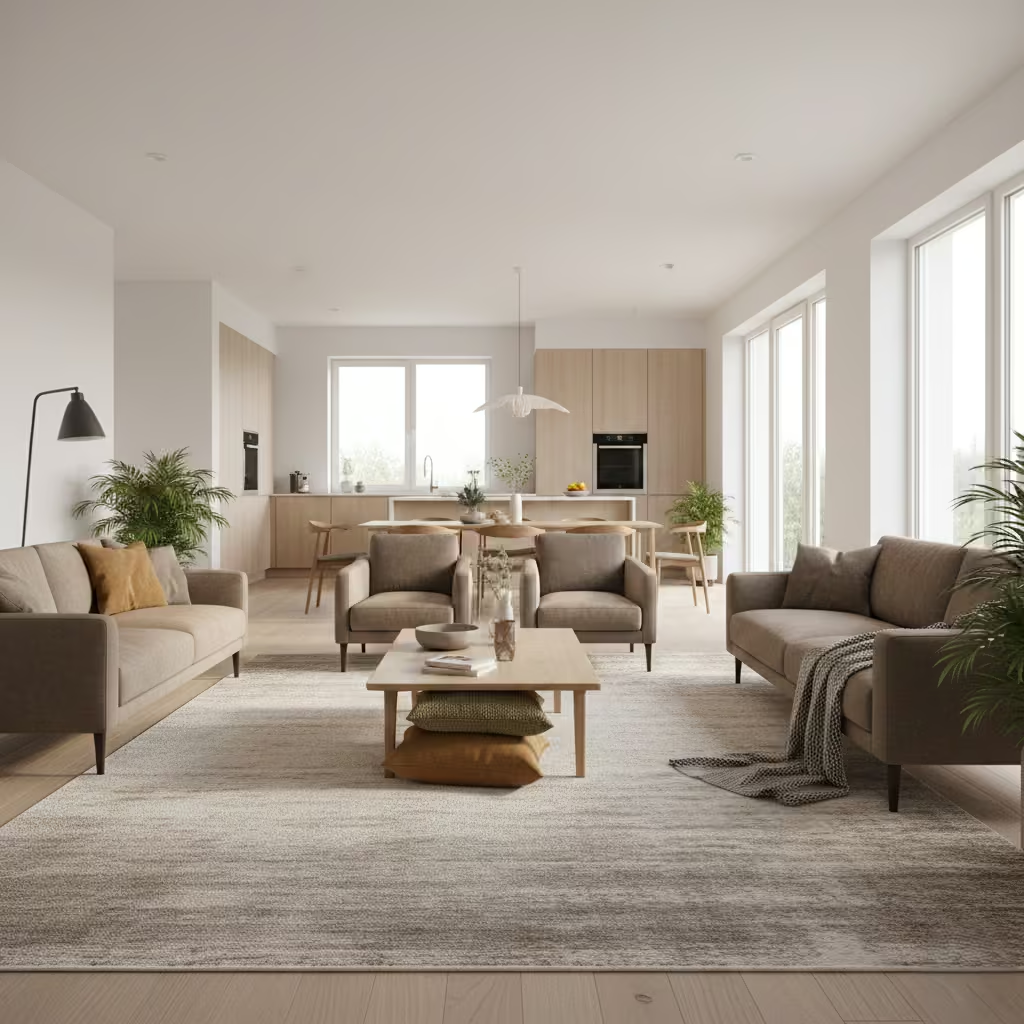
This approach works best in open-plan living areas measuring 25–40 m² (270–430 sq ft) or larger, where the seating zone needs clear visual definition without breaking the flow of the space. I often recommend a large neutral rug in open layouts that combine living, dining, and kitchen zones, as it helps anchor the seating area while keeping the overall look calm and cohesive.
For most open-plan living rooms, a rug sized 240 × 300 cm (8 × 10 ft) or 300 × 400 cm (10 × 13 ft) works well. Ideally, all front legs of sofas and armchairs should sit on the rug, with at least 20–30 cm (8–12 in) of rug extending beyond the furniture edges. This prevents the seating area from feeling undersized or disconnected.
Stick to neutral tones such as beige, stone, warm grey, or soft taupe to maintain visual flow across the open space. I usually pair neutral rugs with textured materials like wool or wool blends to avoid the rug feeling flat. Keep surrounding furniture slightly darker or richer in tone so the rug grounds the space rather than disappearing into it. Add interest through cushions, throws, or a contrasting coffee table, letting the rug act as a quiet but essential foundation.
Patterned Persian-Style Rug for Traditional Spaces
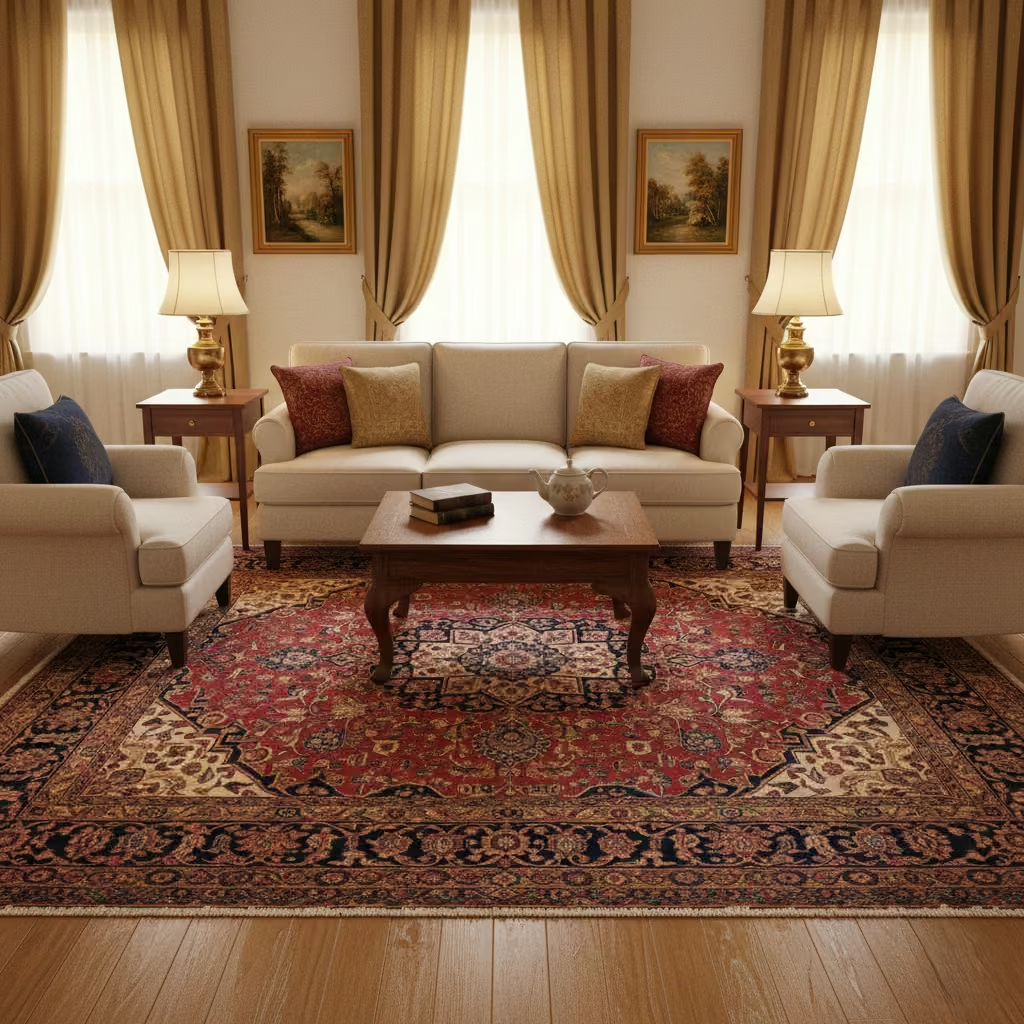
Persian-style rugs work best when their colours are echoed subtly elsewhere in the room. I usually pull one or two secondary tones from the rug, such as deep red, navy, or muted gold, and repeat them in cushions, curtains, or artwork rather than matching everything exactly. In traditional living rooms, darker borders help frame the seating area, so position the rug so the pattern is fully visible and not overly hidden beneath furniture. If the room has light walls and timber floors, a richer rug adds depth and prevents the space from feeling washed out.
For balanced proportions, choose a rug large enough that at least the front legs of sofas and armchairs sit on it. In most traditional living rooms, this means a rug around 200 × 290 cm (6.5 × 9.5 ft) or 240 × 300 cm (8 × 10 ft), depending on room size.
I typically centre the rug on the coffee table and align the furniture symmetrically around it to complement the classic pattern. Avoid placing all furniture completely off the rug, as this can make the layout feel disconnected and diminish the impact of the design.
Minimalist Flatweave Rug for Modern Living Rooms
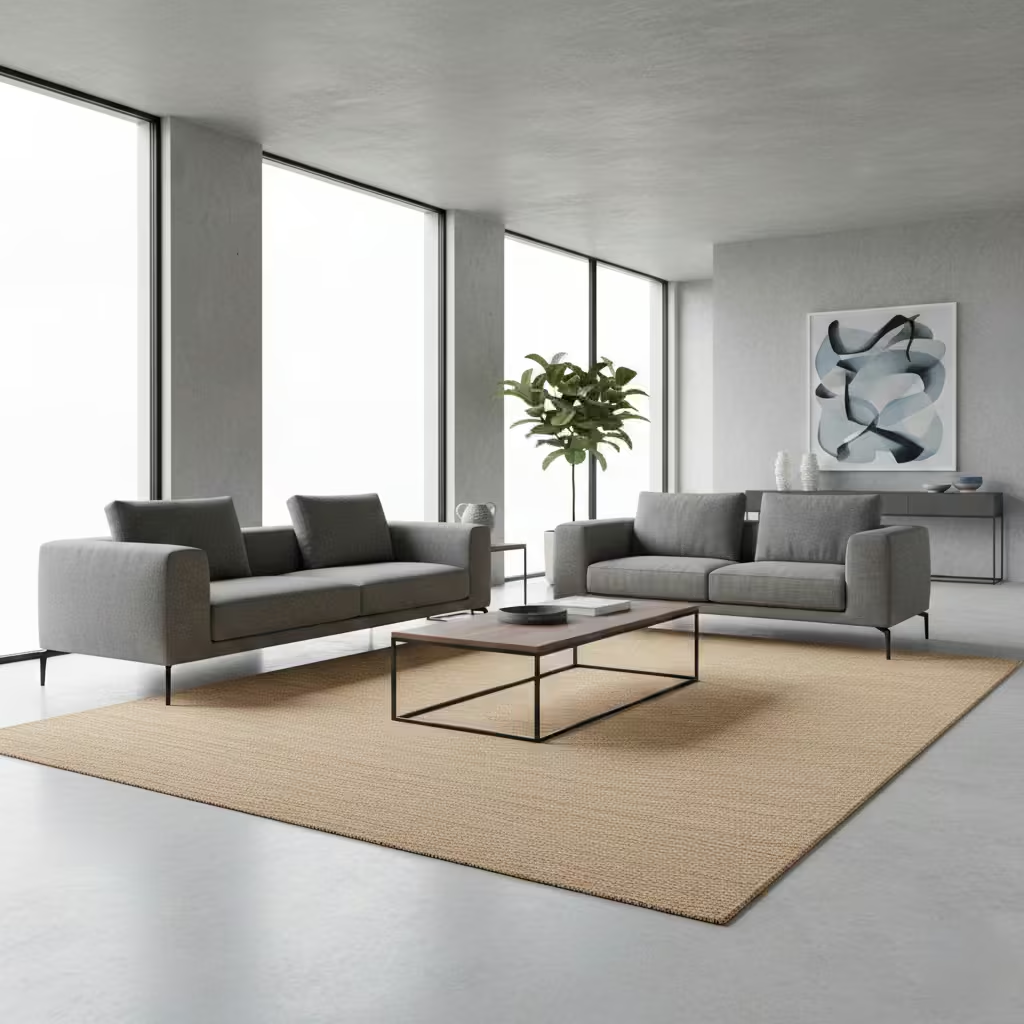
Flatweave rugs are ideal for modern living rooms because of their low profile and clean finish. I typically recommend a thickness of 3–6 mm (1/8–1/4 in), which sits neatly under furniture and allows doors and drawers to open without obstruction. This slim construction also makes flatweaves practical for high-traffic areas, as they are easier to vacuum and less likely to show indentation from heavy furniture.
Flatweave rugs pair best with streamlined, contemporary furniture with slim legs and open bases. I often use them with low-profile sofas, modular seating, and minimalist coffee tables made from wood, metal, or glass.
To keep the look cohesive, allow the rug to extend at least 20 cm (8 in) beyond the sofa on each side, ensuring the seating area feels anchored. Avoid overly plush or bulky furniture, as it can clash with the crisp, understated look that flatweave rugs are known for.
Wool Rug for Warmth and Everyday Comfort
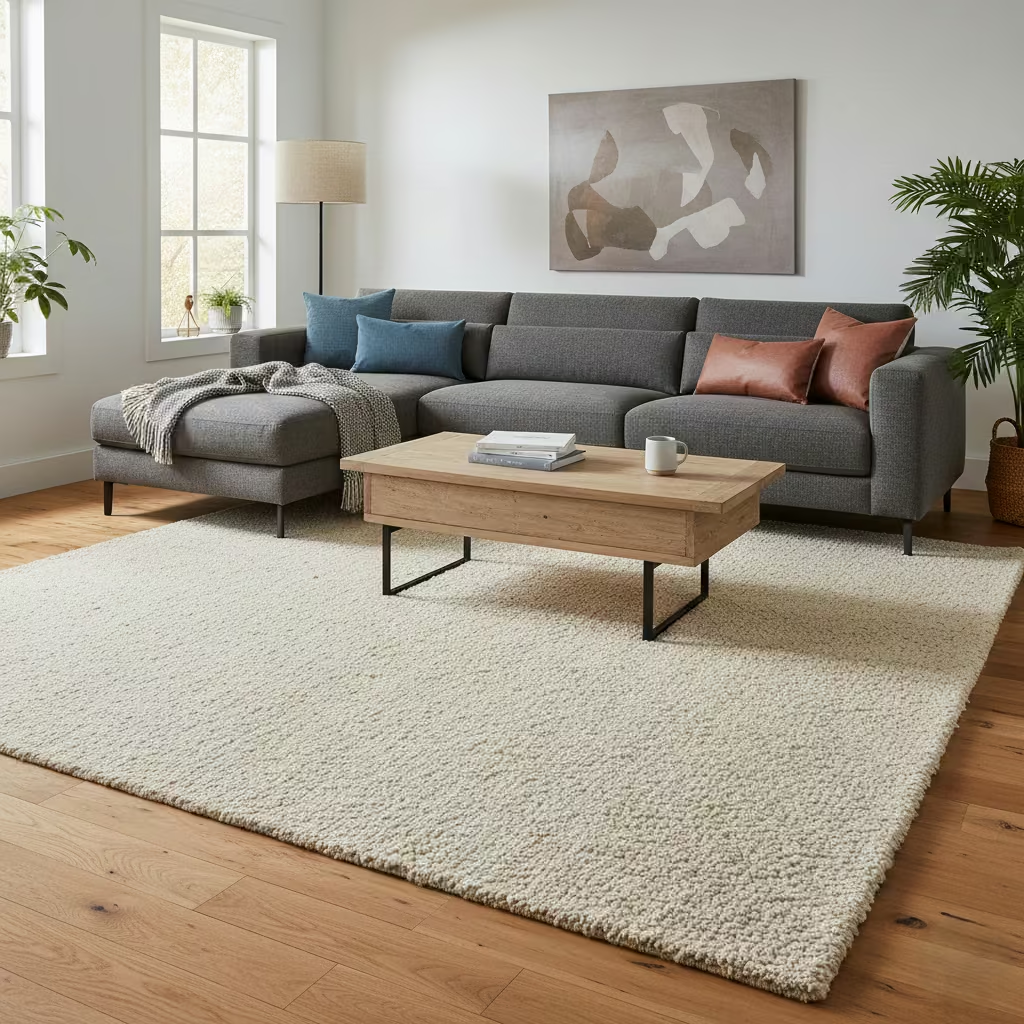
For most living rooms, I recommend a wool rug with a pile height of 8–12 mm (5/16–1/2 in). This range offers a comfortable, cushioned feel underfoot without being too thick for everyday use. Medium-pile wool rugs provide enough softness for lounging while still allowing furniture to sit securely and doors to clear the surface without issue.
Wool is naturally resilient and hides dirt well, which makes it an excellent choice for busy living rooms. Regular vacuuming once or twice a week helps prevent dust and grit from settling into the fibres. I advise using a vacuum without a rotating brush or setting it to a high pile mode to avoid pulling the fibres.
Wool rugs also have natural stain resistance, but spills should be blotted immediately with a clean cloth. Occasional professional cleaning every 12–18 months keeps the rug looking fresh and maintains its shape and colour over time.
Jute Rug for Natural and Organic Interiors
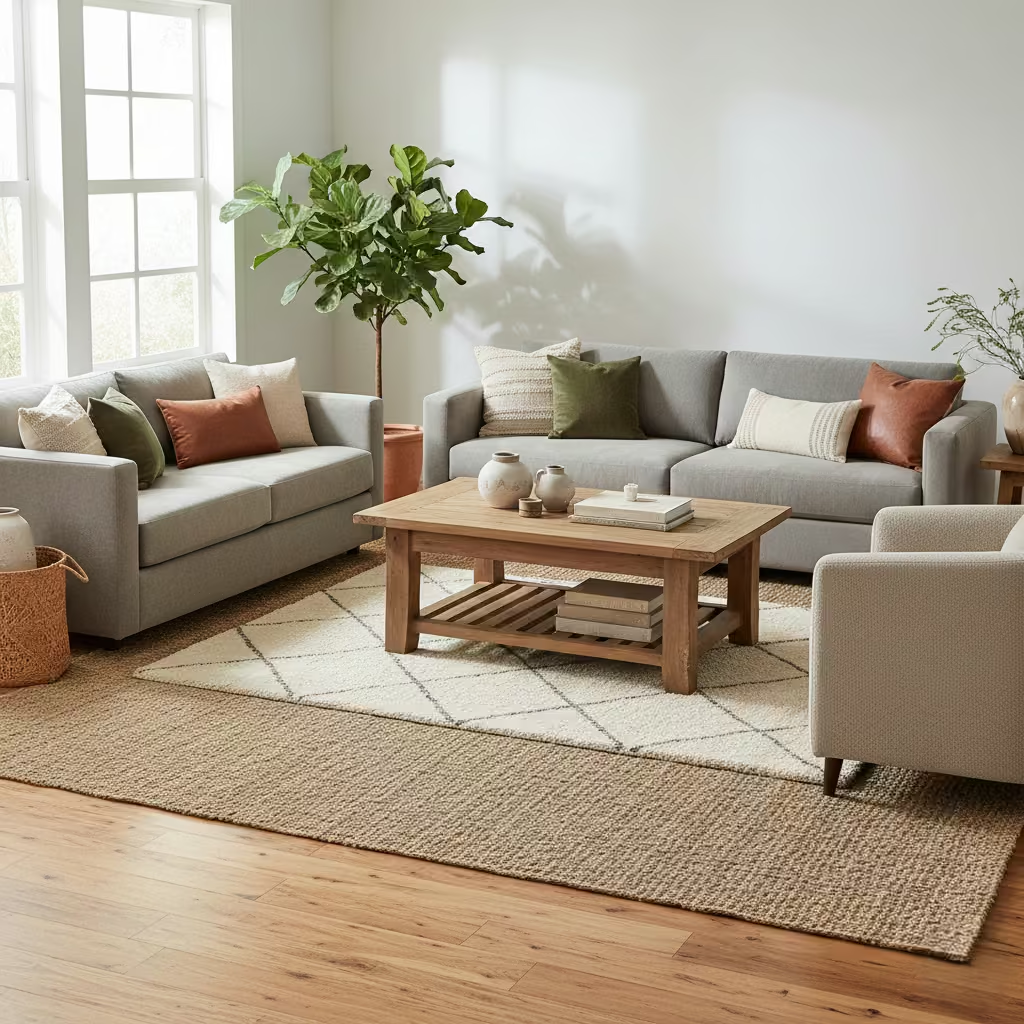
Jute rugs are best suited to living rooms with a relaxed, natural aesthetic and relatively low moisture levels. I often use them in spaces with timber floors, neutral walls, and plenty of natural light, as the coarse weave adds warmth and texture without overpowering the room. They work particularly well in medium to large living rooms measuring 18–30 m² (195–325 sq ft), where the rug can sit fully under the main seating area and help ground the furniture.
Layering is one of the most effective ways to soften a jute rug. I typically use jute as a base layer in a larger size, such as 240 × 300 cm (8 × 10 ft), then place a smaller wool or cotton rug on top, centred under the coffee table. This adds comfort underfoot while introducing colour or pattern. Keep the top rug at least 60–90 cm (24–35 in) smaller on all sides so the jute border remains visible, maintaining that natural, organic frame around the seating zone.
You May also Like: Transform Your Space with These 25 Desert Living Room Inspirations
Layered Rugs for Texture and Depth
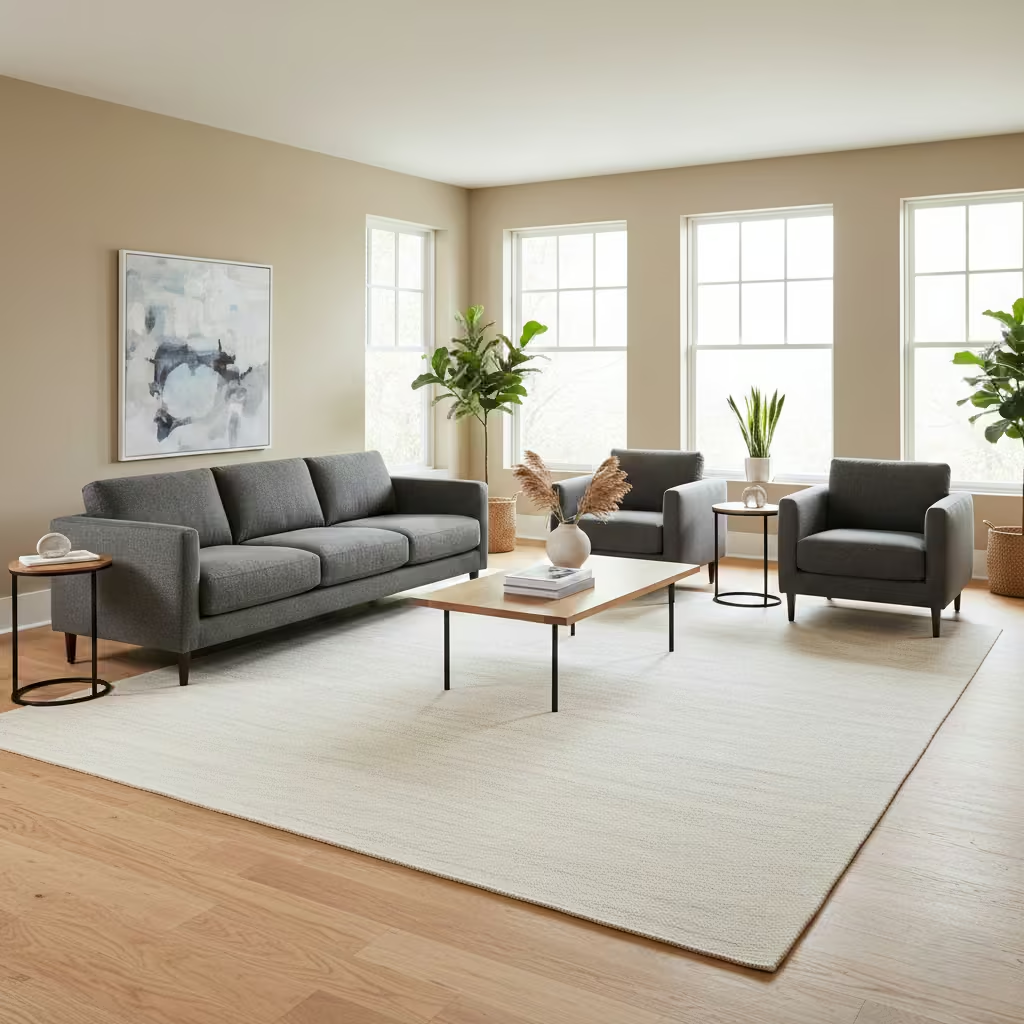
The base rug should be large enough to anchor the entire seating area and define the zone clearly. I usually recommend a base rug measuring 240 × 300 cm (8 × 10 ft) or larger in medium to large living rooms, ensuring all key furniture pieces sit either fully or at least with their front legs on the rug. Flatweave, jute, or low-pile wool rugs work best as base layers because they provide a stable foundation without adding unnecessary bulk.
The top rug is primarily decorative and should be noticeably smaller to create contrast and depth. I typically place it centrally beneath the coffee table, keeping it 60–90 cm (24–35 in) shorter on each side than the base rug. This allows the bottom rug to frame the arrangement while the top rug introduces colour, pattern, or a softer texture. To avoid slippage, use a non-slip underlay between layers, especially on hard flooring.
Bold Geometric Rug for Contemporary Homes
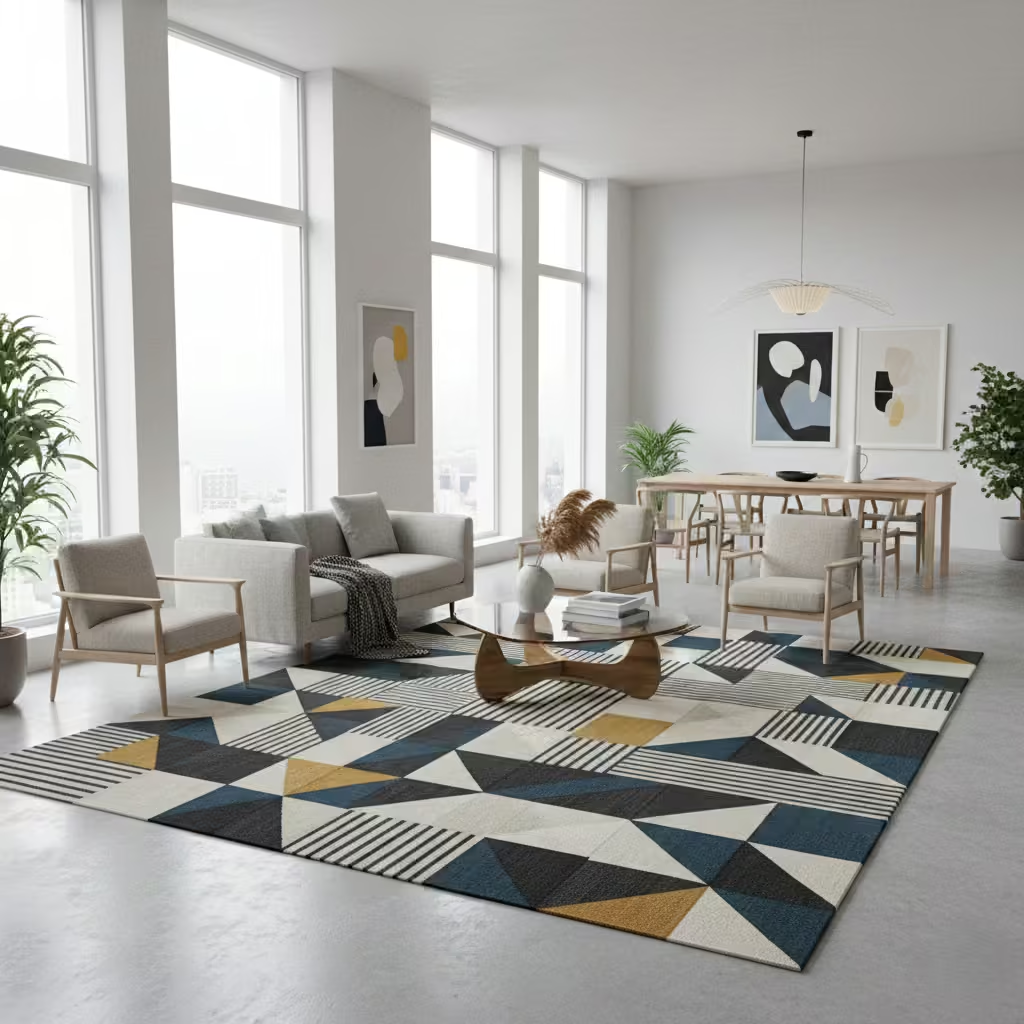
Bold geometric rugs work best when the colours are echoed subtly elsewhere in the room. I usually pick one or two shades from the rug such as a deep navy or mustard and repeat them in cushions, throws, or artwork. Avoid overloading the space with competing patterns; let the rug remain the visual focal point. Neutral furniture tones like grey, white, or soft beige help balance the vibrant shapes and prevent the room from feeling chaotic.
In open-plan or larger contemporary living rooms, geometric rugs are excellent tools for zoning. I typically place the rug beneath the main seating area to clearly define it from dining or circulation zones. Align furniture so the rug anchors sofas and chairs while leaving enough floor space around the edges about 20–30 cm (8–12 in) beyond the furniture to maintain visual balance and flow. This approach creates a structured, dynamic layout that complements modern interiors.
Vintage Distressed Rug for Character and Charm
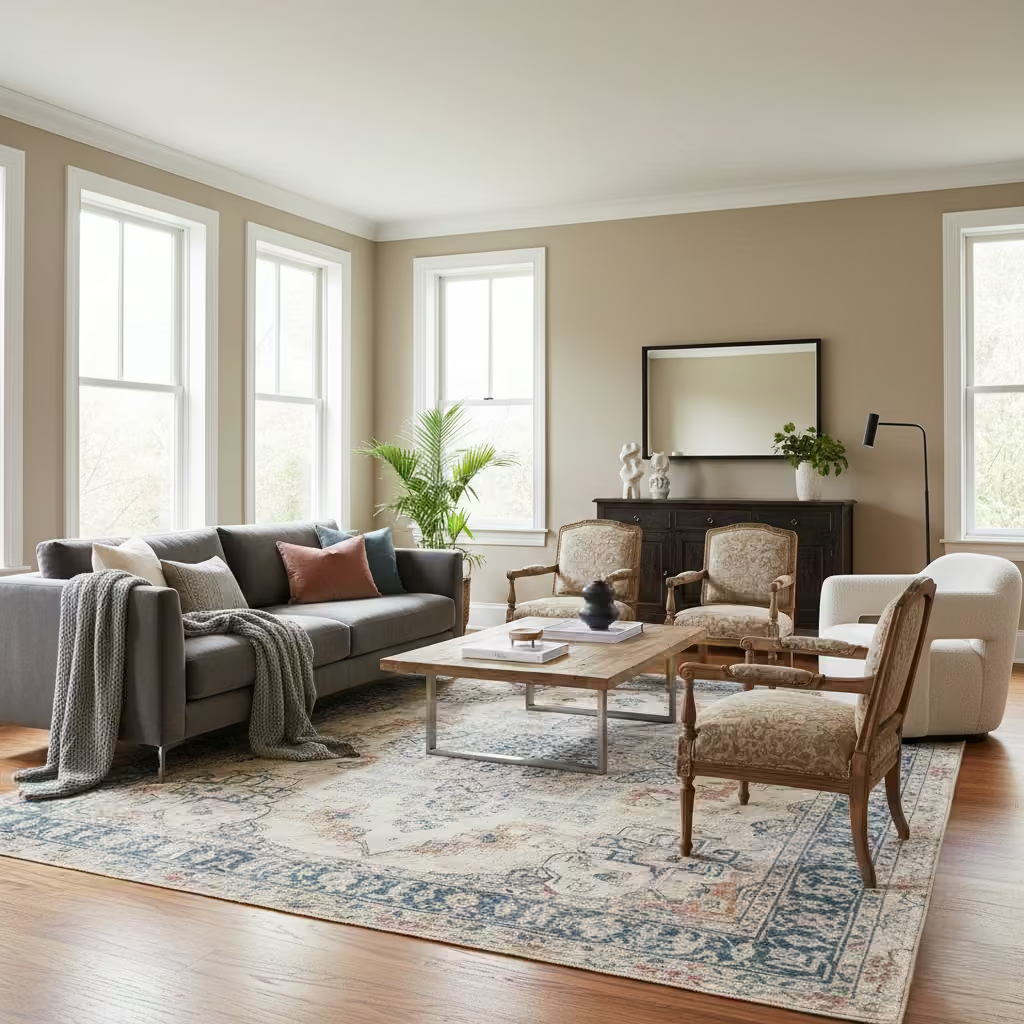
Vintage distressed rugs often feature softer, muted tones that can fade naturally over time. I recommend positioning them away from direct sunlight or using UV-filtering window treatments to preserve the colours longer. For high-traffic areas, rotating the rug every 6–12 months helps maintain even wear and prevents certain spots from looking overly faded.
One of the strengths of a vintage distressed rug is its versatility. I frequently pair them with antique furniture to enhance the historic charm, while the muted patterns also balance modern pieces, creating a cohesive mix of old and new. In medium to large living rooms, a rug sized 200 × 290 cm (6.5 × 9.5 ft) or 240 × 300 cm (8 × 10 ft) is usually ideal, with front legs of sofas and chairs resting on the rug to anchor the seating area and highlight the rug’s intricate design.
Round Rug for Small or Awkward Living Rooms
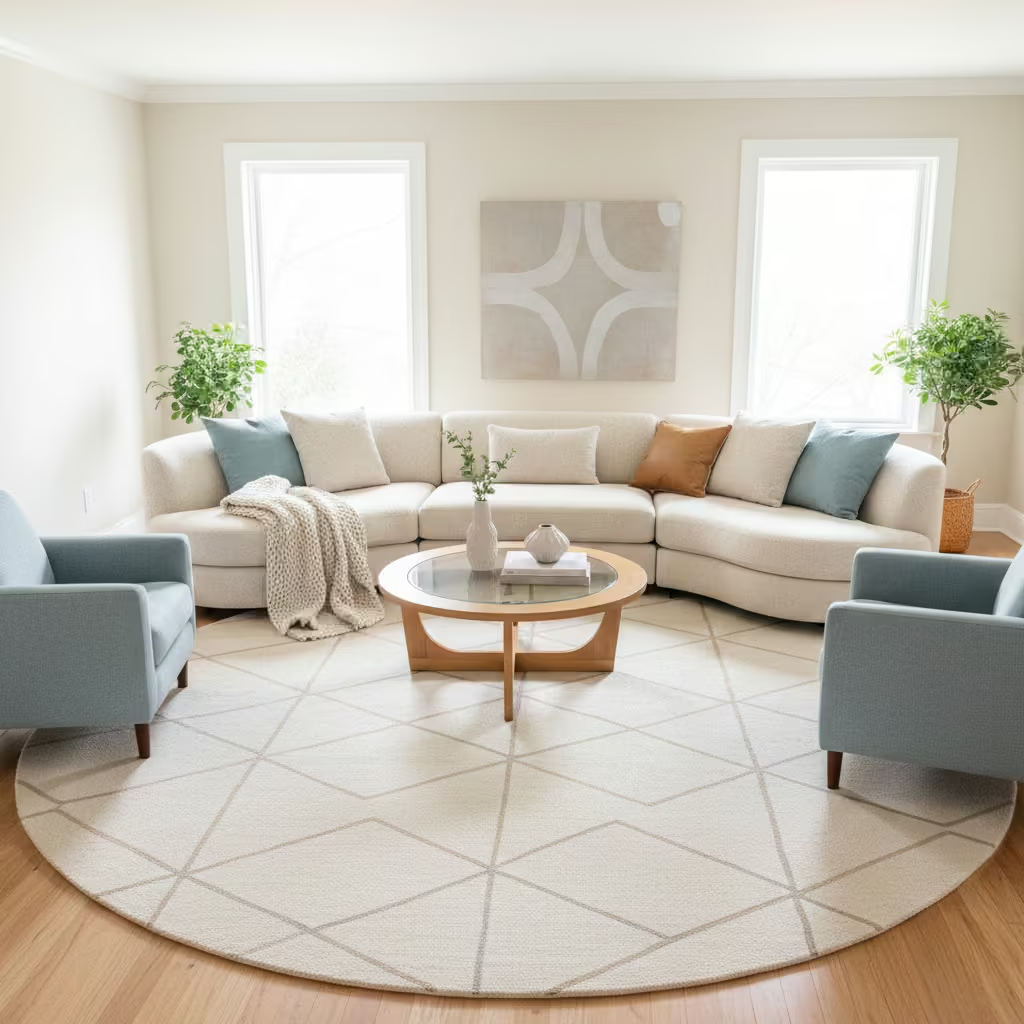
Round rugs work best in small or irregularly shaped living rooms where a rectangular rug might feel overwhelming or leave awkward gaps. I typically recommend a diameter of 150–200 cm (5–6.5 ft) for compact seating areas and 200–250 cm (6.5–8 ft) for slightly larger layouts. The size should be enough to allow at least the front legs of chairs or a small sofa to sit on the rug while leaving some floor visible around the edges.
I usually place round rugs beneath circular coffee tables or in the centre of a seating cluster to create a natural focal point. For small rooms, position a single armchair or loveseat partially on the rug to visually anchor the space.
In awkward layouts, a round rug can also help soften sharp angles and irregular corners, guiding the eye and making the room feel more harmonious. Lighter colours or subtle patterns work best to avoid making the space feel cramped.
High-Pile Rug for Cosy Living Rooms
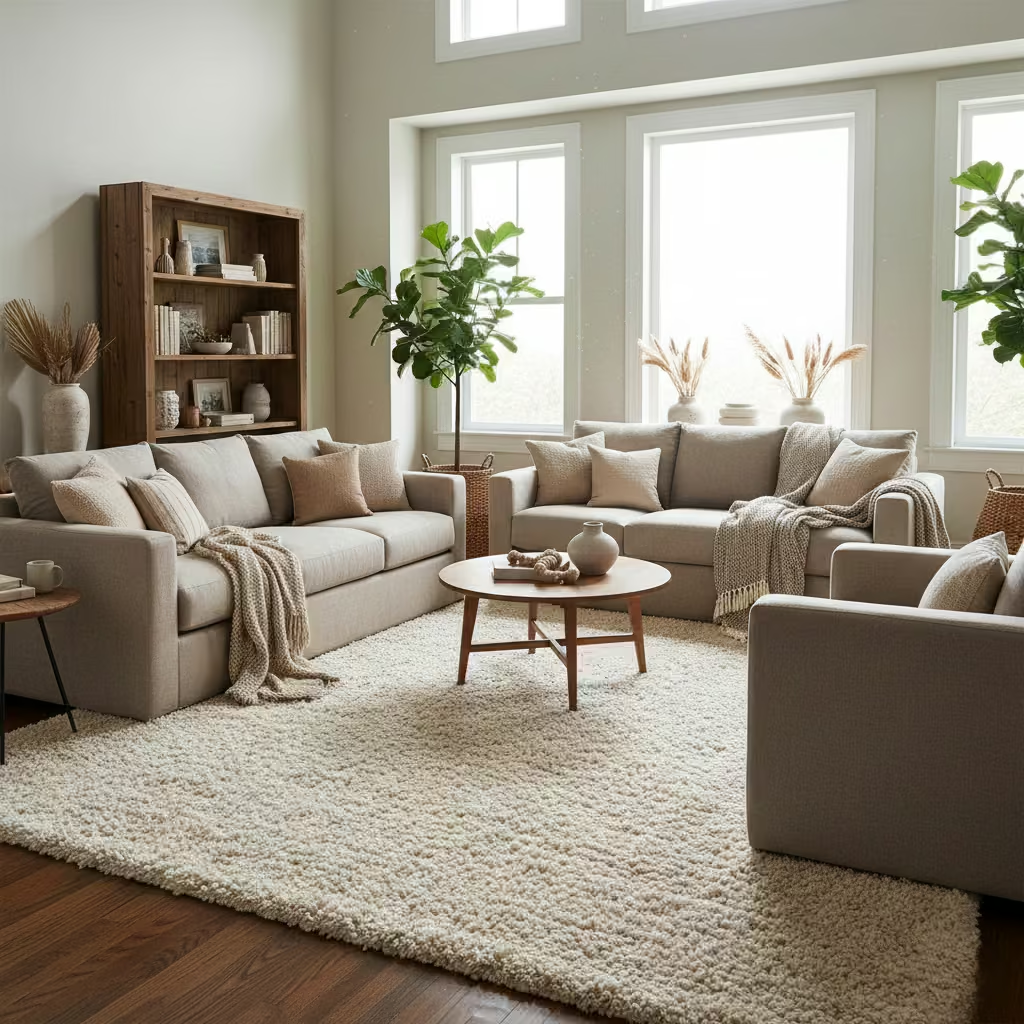
High-pile rugs are incredibly soft and inviting, making them perfect for cosy living rooms where comfort is a priority. I usually recommend a pile height of 20–35 mm (3/4–1 1/2 in) for a luxurious feel underfoot. The trade-off is maintenance longer fibres can trap dust, pet hair, and spills more easily, so regular vacuuming and occasional professional cleaning are essential to keep the rug looking fresh.
Position the rug so that at least the front legs of sofas and armchairs rest on it, which anchors the seating area and prevents the rug from feeling like an afterthought. I often choose sizes like 200 × 300 cm (6.5 × 10 ft) or 240 × 340 cm (8 × 11 ft) depending on room dimensions. High-pile rugs are best used in lower-traffic zones or layered over a flatweave base to add depth while protecting the fibres. Keep furniture slightly elevated or with firm legs to avoid deep indentations in the pile.
Low-Pile Rug for High-Traffic Areas
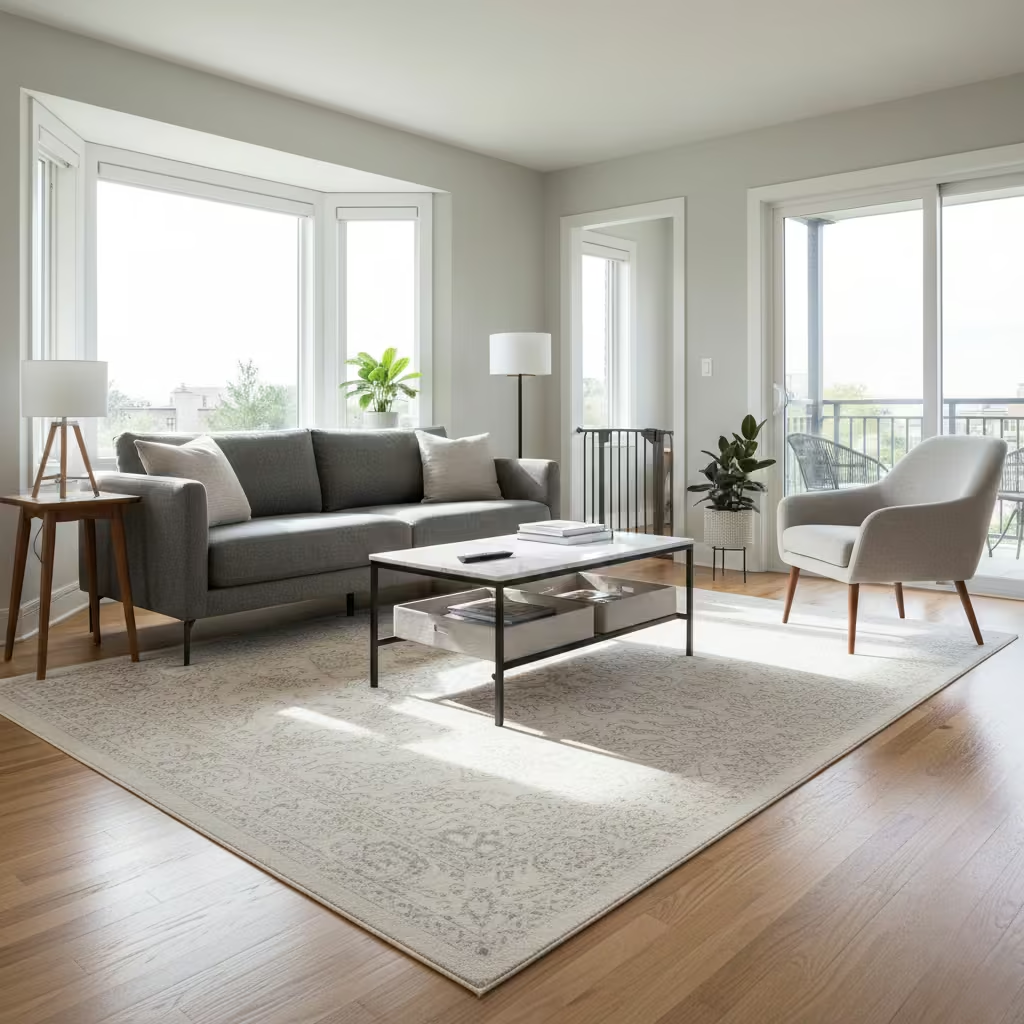
Low-pile rugs are ideal for living rooms with heavy foot traffic because they don’t obstruct doors or furniture movement. I typically recommend a pile height of 5–8 mm (1/4–1/3 in) to ensure smooth clearance for doors, drawers, and recliners. This minimal thickness also reduces the risk of tripping and allows furniture to sit evenly without sinking into the rug.
Low-pile rugs are much easier to maintain than thicker alternatives. I often suggest synthetic blends, wool, or flatweave constructions, which can be vacuumed frequently without damaging the fibres. Spills and dirt are easier to remove, and these rugs tend to resist matting over time, making them perfect for family rooms, living rooms near entrances, or homes with pets. Regular vacuuming and spot cleaning keep them looking fresh and prolong their lifespan.
Monochrome Rug for Black and White Interiors
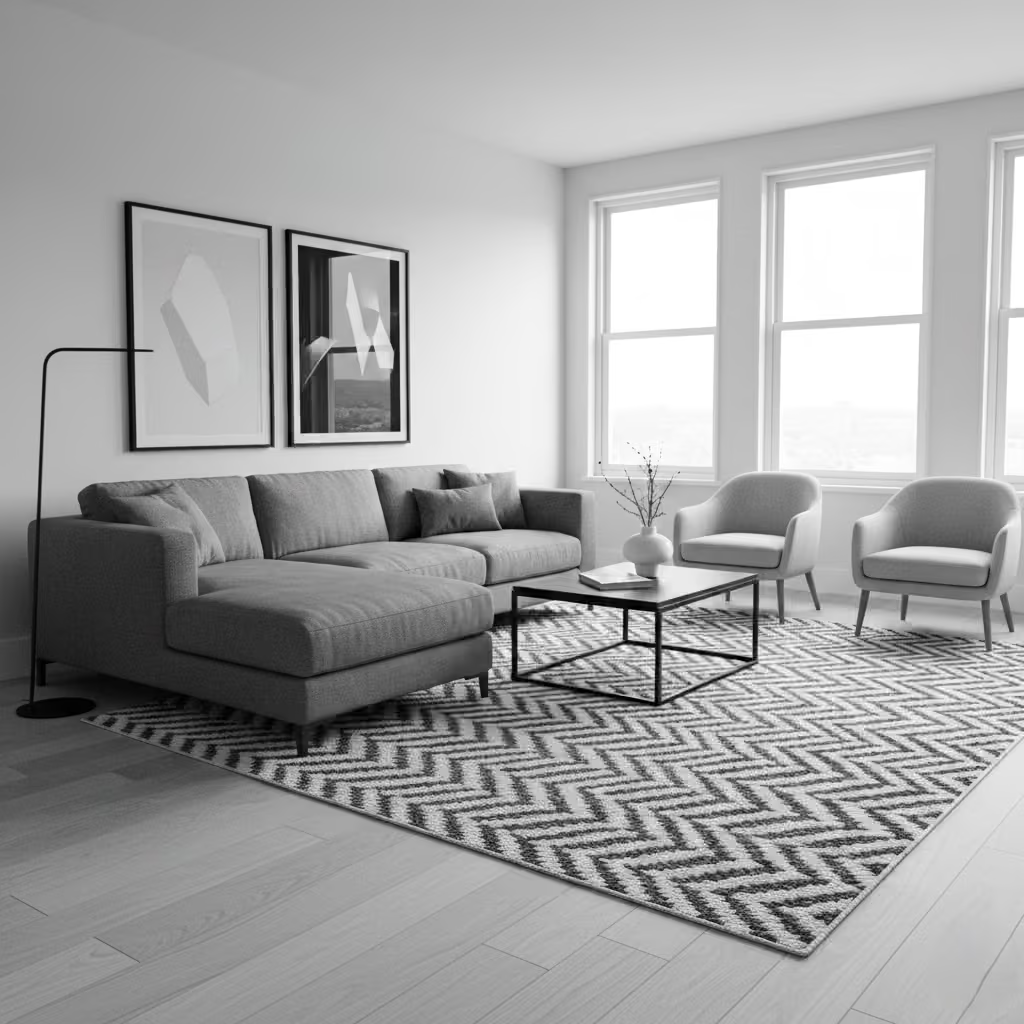
Monochrome rugs can create a striking visual impact in black and white interiors, but balance is key. I usually recommend choosing a rug with a mix of black, white, and grey tones to soften harsh contrasts. Patterns like stripes, chevrons, or subtle geometric designs help break up large areas of solid colour while maintaining a modern, cohesive look.
When styling a monochrome rug, consider the surrounding walls and furniture. I often pair a bold black-and-white rug with neutral walls off-white, soft grey, or pale taupe to prevent the room from feeling stark. Sofas in grey, cream, or muted black complement the rug without competing with its pattern. Ensure the rug extends at least 20–30 cm (8–12 in) beyond the front legs of sofas and chairs to create a grounded, well-proportioned seating area.
You May also Like: 21 Minimalist Living Room Ideas That Make Your Home Feel Calm and Chic
Colour-Pop Rug for Neutral Living Rooms
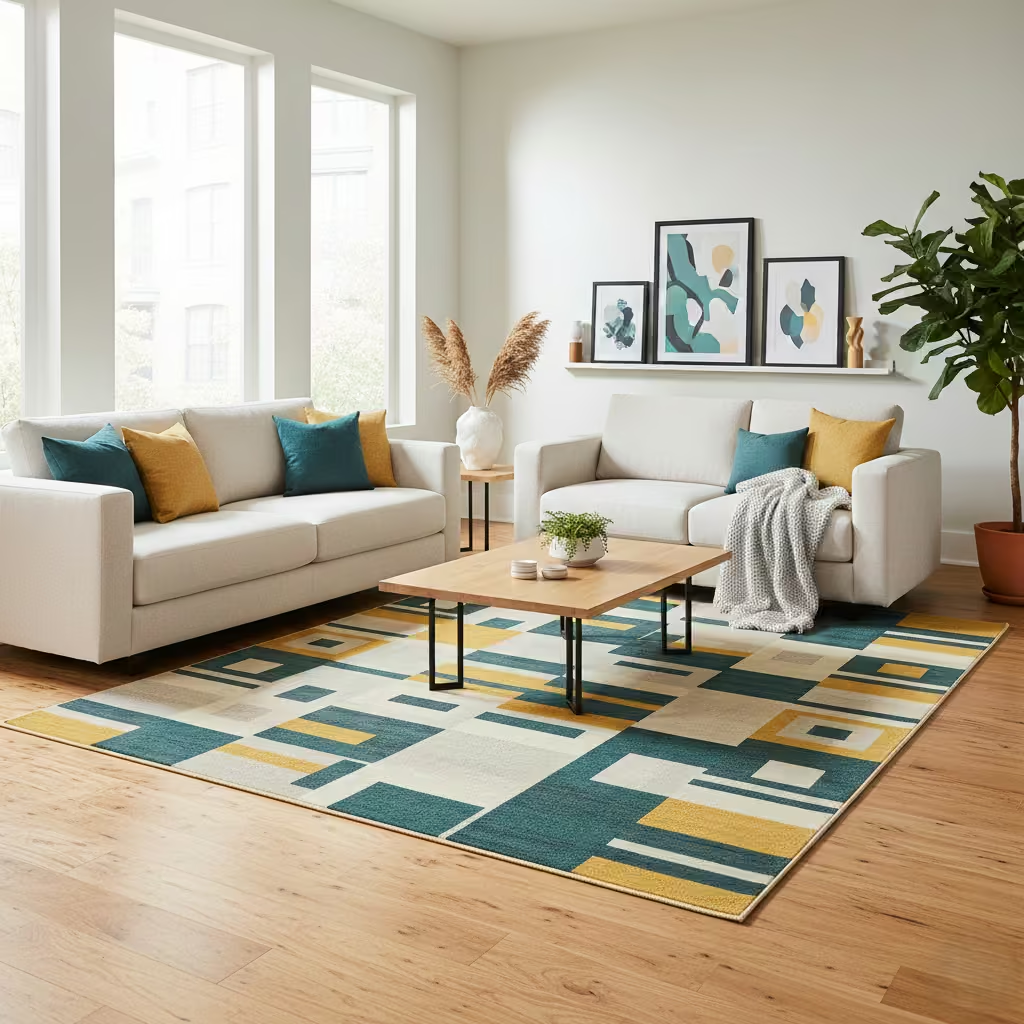
A colour-pop rug is a simple way to introduce personality into a neutral living room. I usually recommend selecting one or two key colours from the rug and repeating them subtly in cushions, throws, or artwork. This approach creates harmony without overwhelming the space. For example, a bright teal or mustard in a rug can be echoed in a single statement cushion or a small décor piece.
To prevent the room from feeling chaotic, keep the rest of the living room palette mute think beige, soft grey, or warm whites for walls and larger furniture. I often suggest placing a bold rug beneath a minimalist coffee table with low-profile sofas to let the rug stand out as the focal point. Avoid adding multiple competing patterns or bright accessories, as this can dilute the impact of the rug and create visual clutter.
Oversized Rug That Frames All Furniture
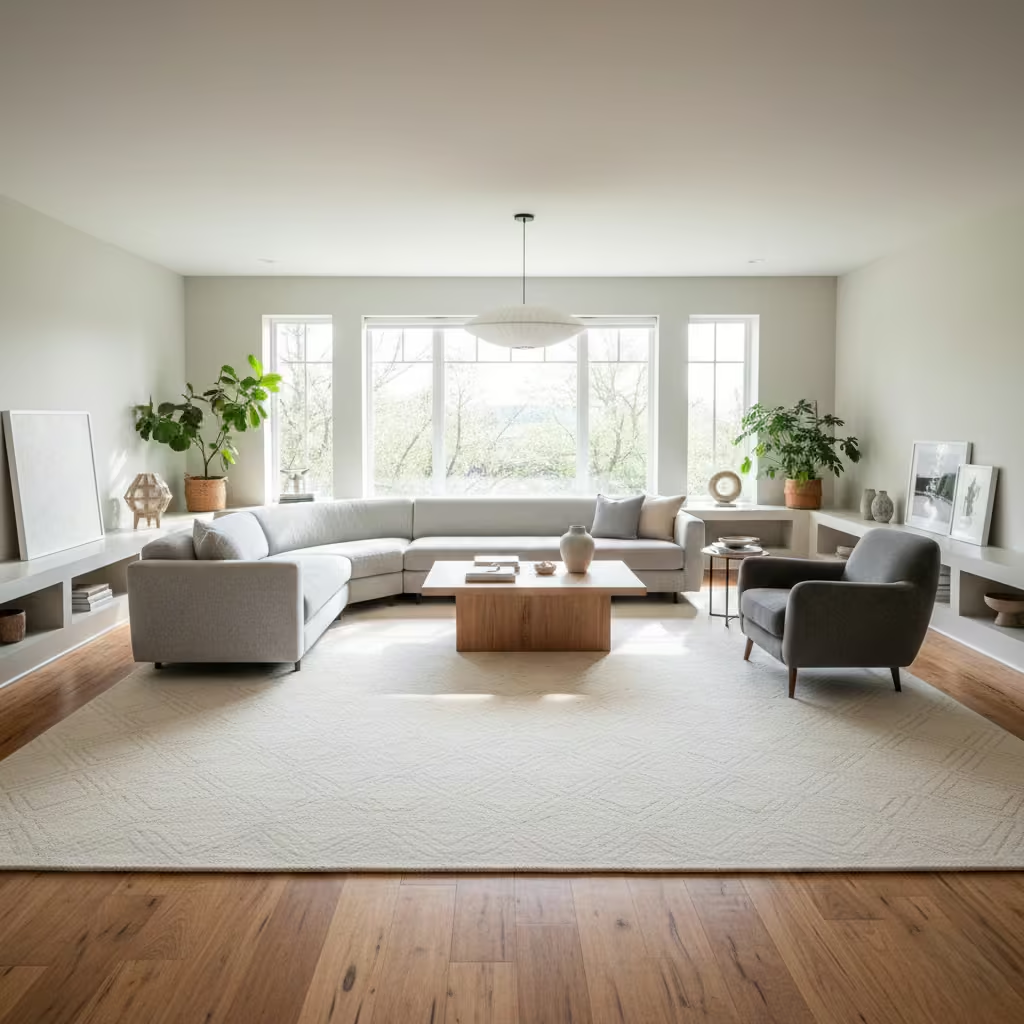
Oversized rugs are perfect for creating a cohesive, grounded look in larger living rooms. I recommend choosing a rug that allows all furniture sofas, chairs, and coffee tables to sit completely on it, with at least 20–30 cm (8–12 in) of rug extending beyond each piece. This ensures the seating area feels unified rather than disjointed.
A frequent mistake is selecting a rug that’s too small for the space, leaving furniture legs entirely off the rug. This makes the room feel fragmented and the rug appear like an afterthought. Another error is choosing a rug that’s so large it overlaps architectural features or blocks pathways, which can disrupt flow. Measuring the seating layout before purchasing is key to avoiding these issues.
You May also Like: 41 Coastal Living Room Design Ideas That Feel Calm, Fresh, and Timelesss
Small Accent Rug for Reading Corners
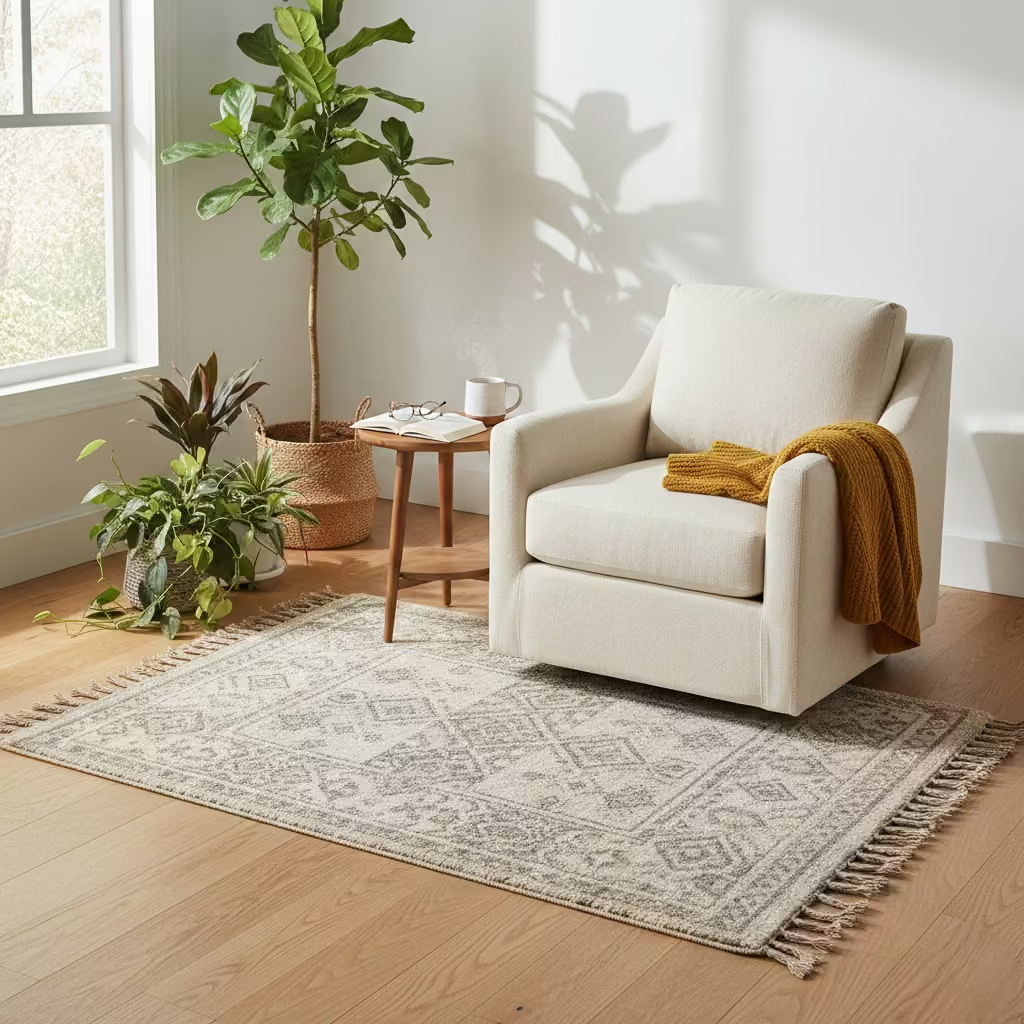
Small rugs work well in compact seating areas or reading nooks. I typically use rugs around 120 × 180 cm (4 × 6 ft), which is large enough to accommodate a single armchair and side table without overwhelming the space. Round rugs of 100–150 cm (3.5–5 ft) diameter also work well for cosy corners.
I often layer a small accent rug under the front legs of an armchair and a side table, leaving the back legs off the rug. This creates a sense of defined space while maintaining flexibility for repositioning furniture. Adding a soft throw or floor cushion enhances comfort and reinforces the reading nook as a dedicated, inviting spot in the living room.
You May also Like: 25 Indoor–Outdoor Living Room Ideas That Redefine Modern Living
Washable Rug for Family Homes
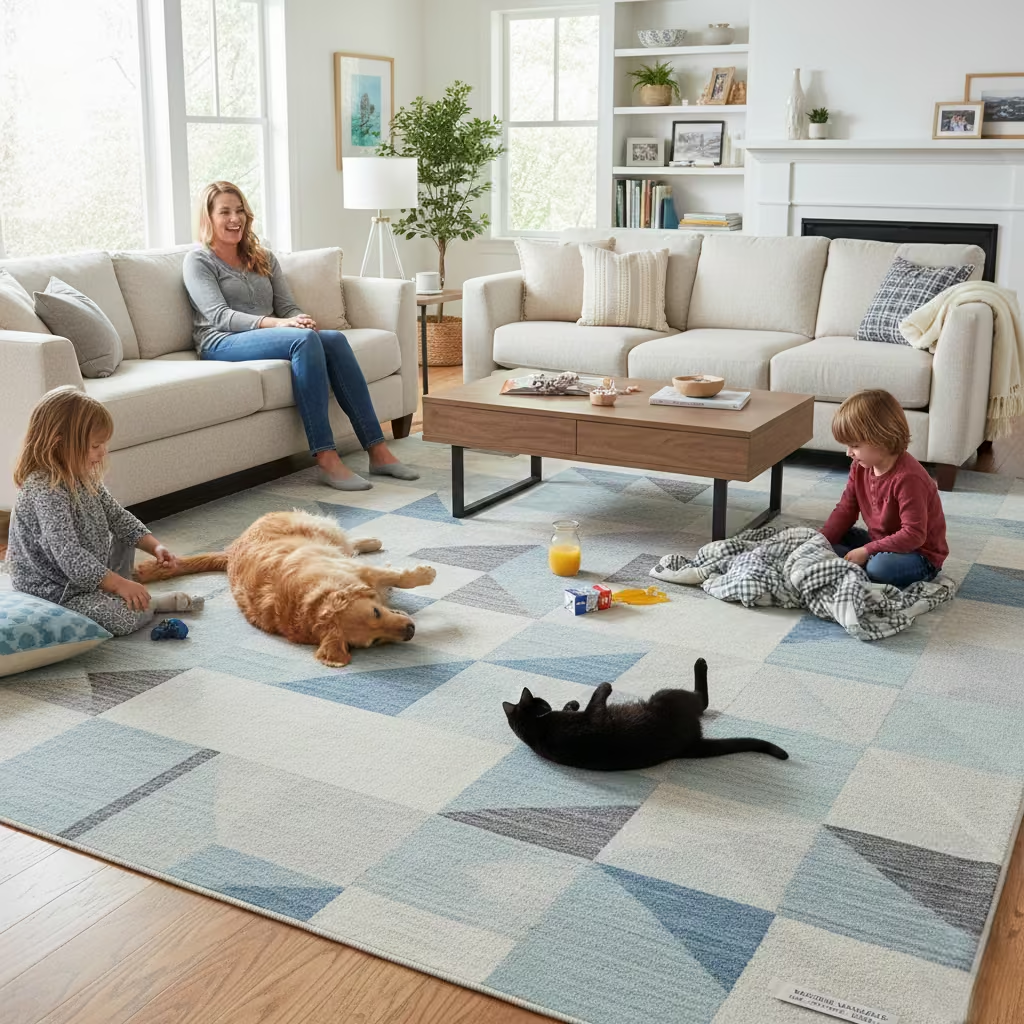
Washable rugs are ideal for family living rooms where spills, pets, and heavy use are common. I recommend cotton, polyester, or microfiber blends, which are machine-washable and retain colour well after repeated cleaning. Low-pile or flatweave constructions are especially practical, as they dry quickly and resist matting.
Although washable rugs are generally thinner than wool or high-pile options, I’ve found that quality cotton or synthetic blends can last 5–10 years with proper care. Regular washing according to manufacturer instructions, combined with spot cleaning for heavy stains, keeps the rug looking fresh while maintaining shape and colour. They’re perfect for high-traffic zones without compromising on style or comfort.
Striped Rug to Visually Stretch the Room
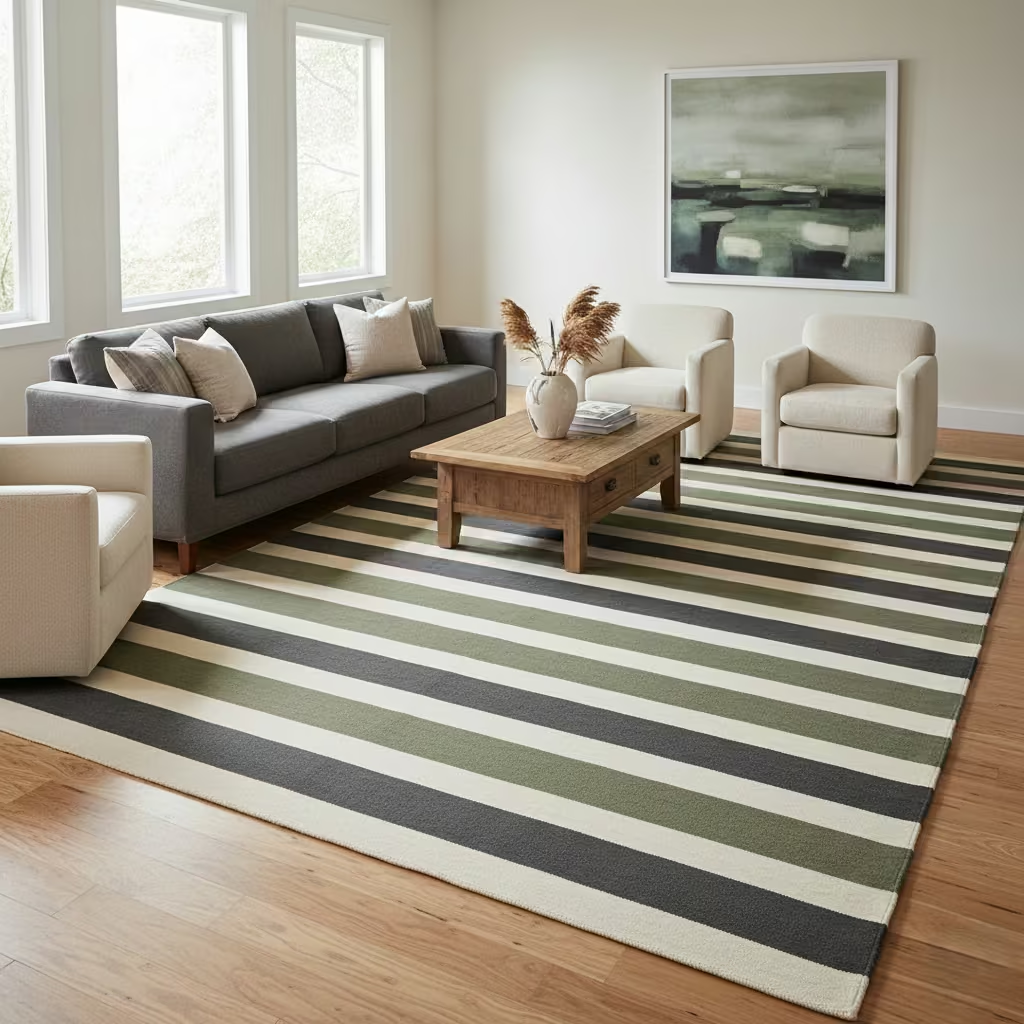
Stripes are an excellent tool for elongating or widening a living room. I usually align stripes parallel to the longest wall to make the space appear larger, or perpendicular to a narrow corridor-style living room to visually widen it. Horizontal stripes can add a sense of calm and balance, while vertical stripes create energy and movement.
For medium-sized living rooms, stripes between 10–20 cm (4–8 in) work well, providing a clear linear effect without dominating the décor. Larger stripes may suit open-plan or loft-style spaces, while very narrow stripes can look busy in compact rooms. I recommend contrasting colours for maximum effect but keeping them within the existing room palette to maintain harmony.
Abstract Art-Inspired Rug for Statement Interiors
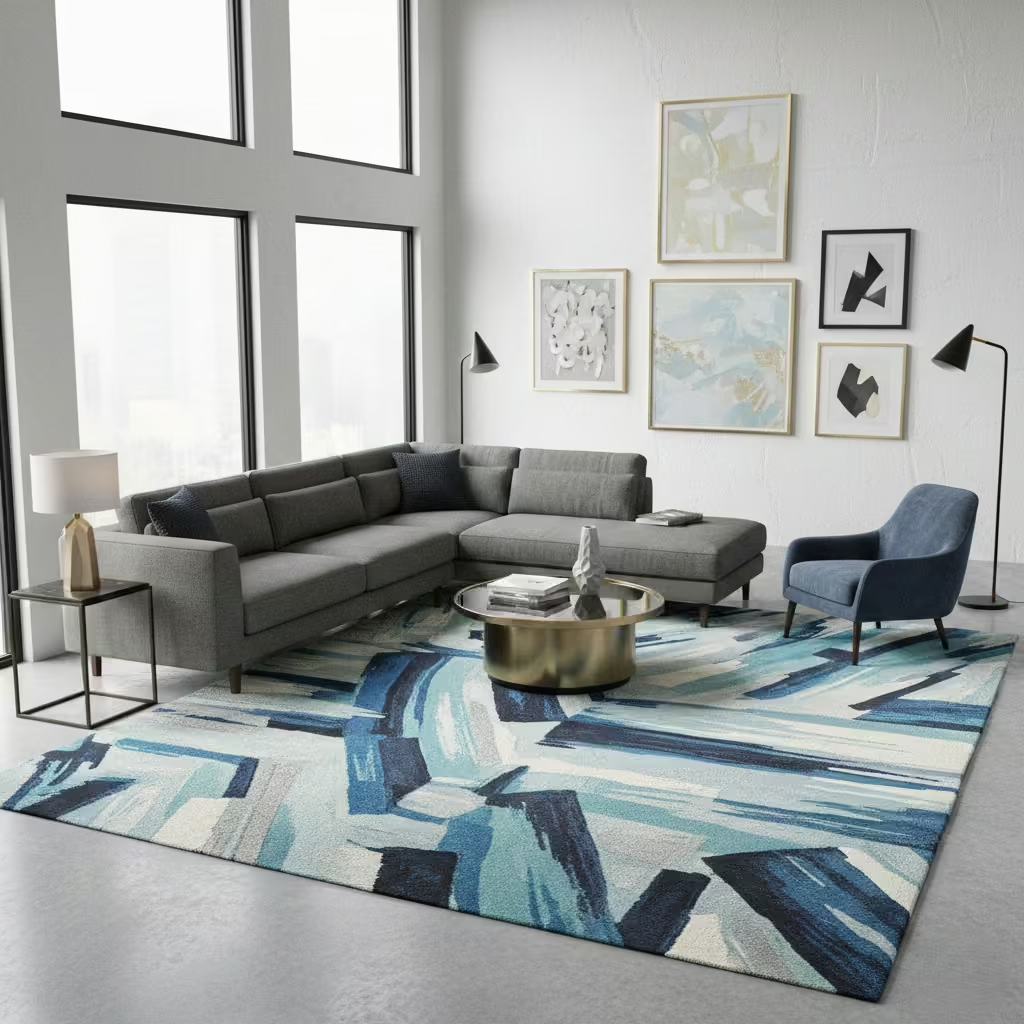
Abstract rugs can become the focal point of a room, so I keep the rest of the palette calm and let the rug lead. Choose one or two dominant colours from the rug to repeat in small accessories like cushions, a lamp, or a single artwork. Avoid more than two competing patterns in the same sightline; instead mix one bold pattern with plain or very subtle textures. Pay attention to scale: if the rug’s design is large and graphic, use larger, simpler furniture so the space feels balanced. For sizing, I usually aim for a rug that leaves 20–30 cm (8–12 in) of floor around furniture edges so the artwork can breathe.
Match furniture undertones rather than exact colours. If the rug has warm ochres or terracottas, pick woods or upholstery with warm undertones. If the rug runs cool with blues and greys, choose cooler metal finishes and grey or navy upholstery. I often anchor a statement rug with a neutral sofa cream, soft grey, or deep charcoal then introduce one accent chair or side table that picks up a secondary hue from the rug. Metallic finishes such as brass or matte black help tie abstract colours into a cohesive scheme.
Earth-Tone Rug for Calm Living Rooms
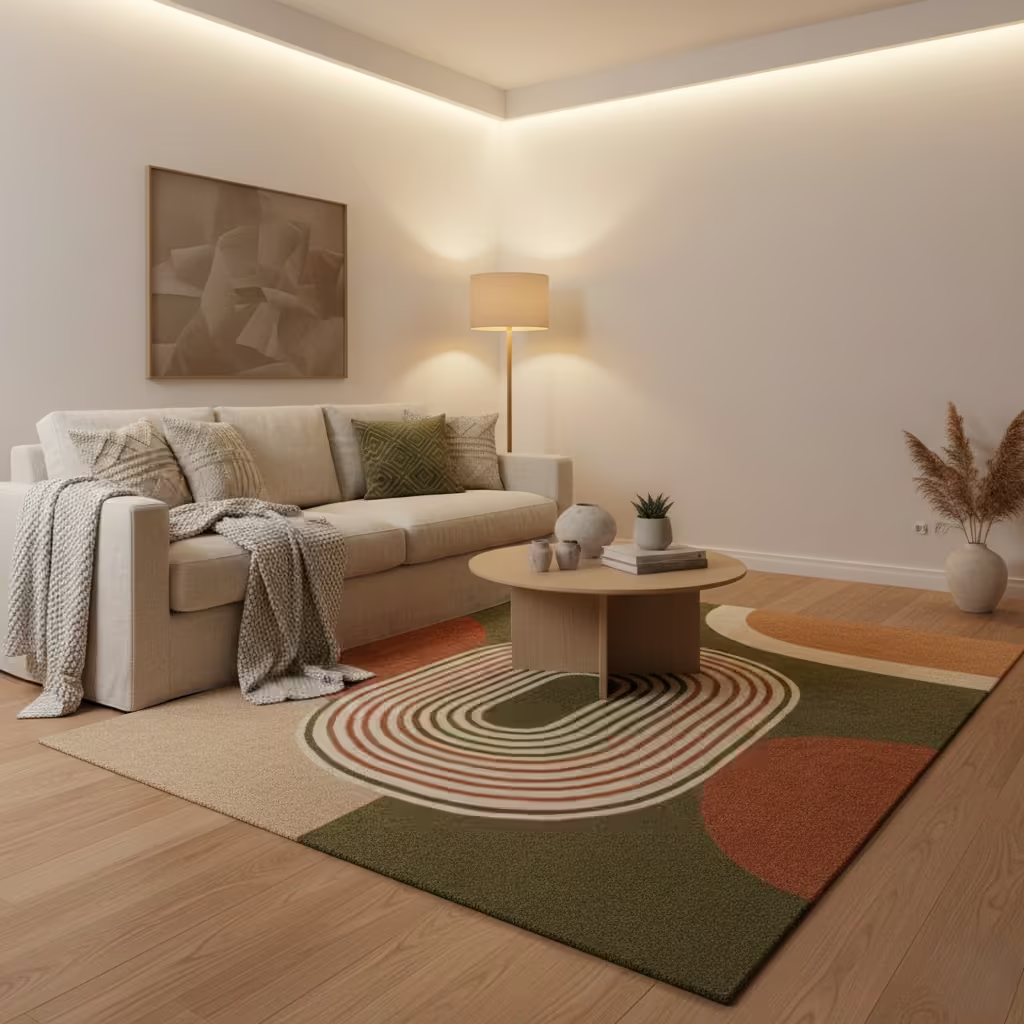
Earth tones sand, clay, olive, terracotta, warm greys create immediate calm and a grounded feeling. I use them deliberately in rooms meant for relaxation because these colours reduce visual tension and read as natural, familiar hues. For a soothing palette, combine a dominant earth tone with a lighter neutral and a single deeper accent to give the eye someplace to rest.
When pairing with wood, match the temperature. Warm earth tones work beautifully with walnut, cherry, or stained oak; cooler earth tones pair well with ash, oak in pale finishes, or bleached woods. I like to layer textures: a matte, low-pile wool rug over oak floors, or a soft wool top-rug over a flatweave base, both of which complement wood grain and add tactile warmth. Keep contrast moderate so the rug and wood read as part of a unified material story.
Dark-Coloured Rug for Dramatic Spaces
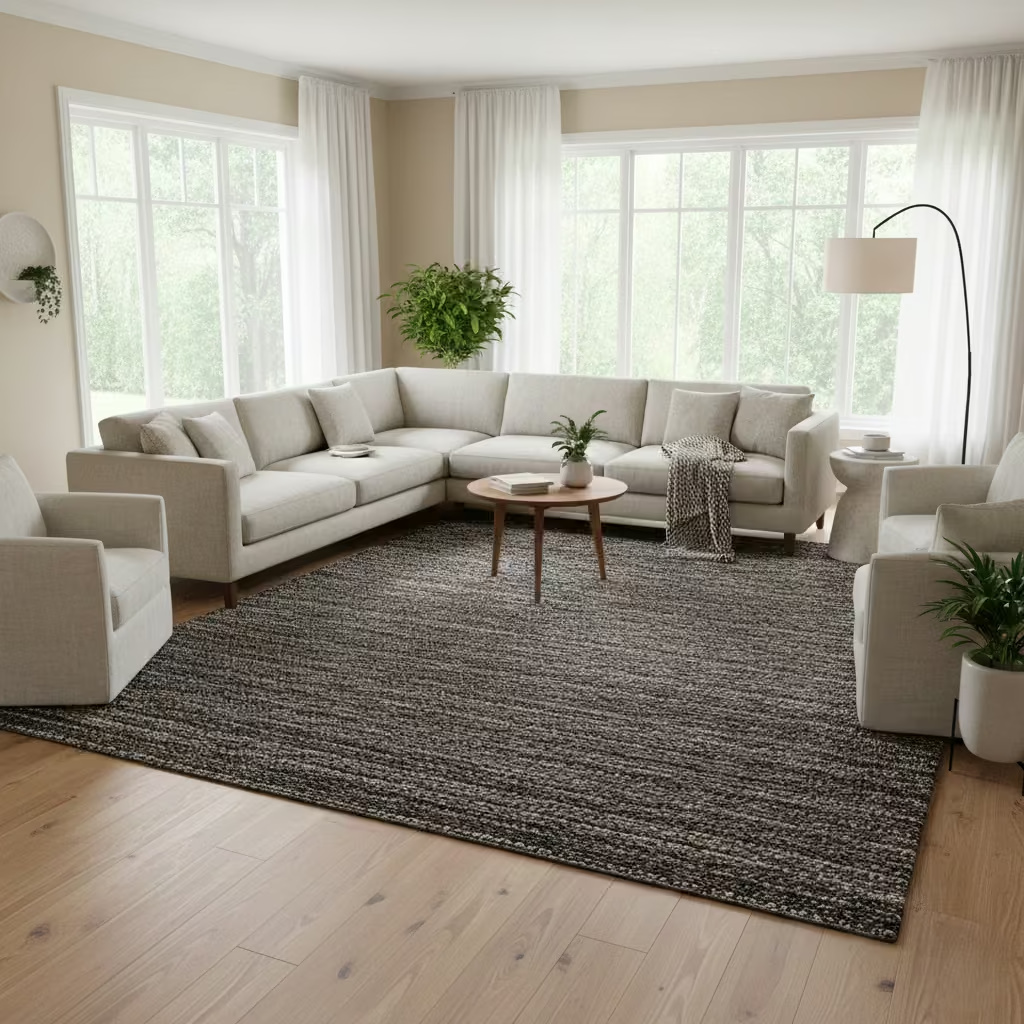
Dark rugs add drama but can make a room feel smaller or absorb light. I recommend increasing ambient light when using a very dark rug add ceiling lighting, wall sconces, or a floor lamp near seating. If natural light is limited, choose rugs with subtle highlights or a slight sheen to reflect some light. In large, well-lit rooms a dark rug creates depth; in small or poorly lit rooms consider a dark rug only if you can add adequate lighting.
Dark rugs show lint, pet hair, and dust more readily than mid-tone or patterned rugs. For busy households I prefer textured weaves or mixed-colour yarns that disguise debris. Low-pile wool or synthetic blends are easier to keep looking clean; vacuum at least twice weekly in high-traffic rooms and use a lint roller or rubber broom for quick touch-ups. If you have pets with light fur, consider a patterned dark rug with flecks or subtle variation to mask shedding between cleanings.
You May also Like: 25 Apartment Living Room Designs Ideas for a Chic, Cosy, and Functional Home
Light-Coloured Rug for Bright, Airy Rooms
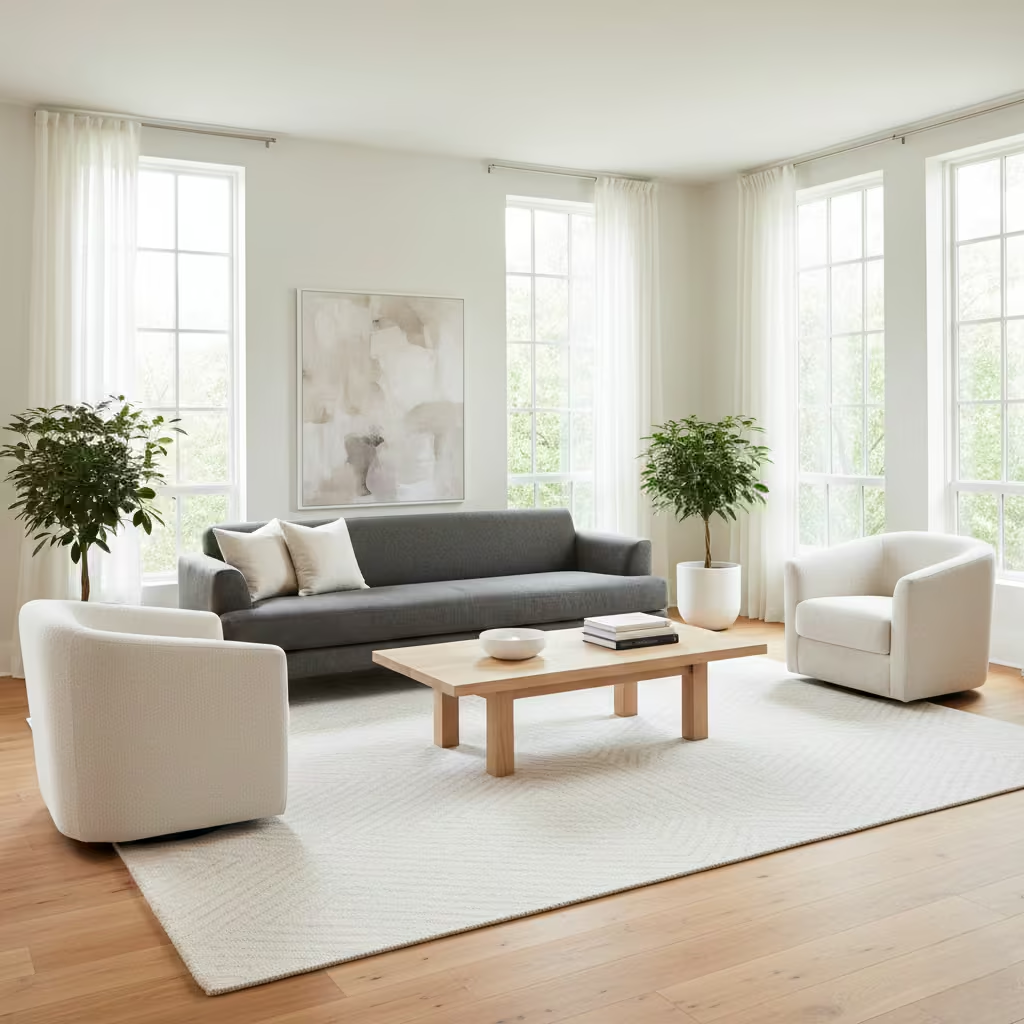
Light-coloured rugs instantly make a space feel open and fresh, but they do require careful stain management. I usually recommend materials like wool blends, polypropylene, or cotton with stain-resistant finishes. Quick action is key—blot spills immediately and clean regularly to prevent permanent marks. Area rugs with subtle patterns or tone-on-tone textures can also help disguise minor blemishes without compromising the airy aesthetic.
Light rugs work best in homes with low to moderate traffic or spaces that are primarily used by adults. Families with young children or pets may want to consider flatweave or machine-washable options to balance style with practicality. I often pair these rugs with neutral furniture and reflective surfaces, like light wood or glass, to maintain a spacious, bright atmosphere.
Shaggy Rug for Retro or Relaxed Living Rooms
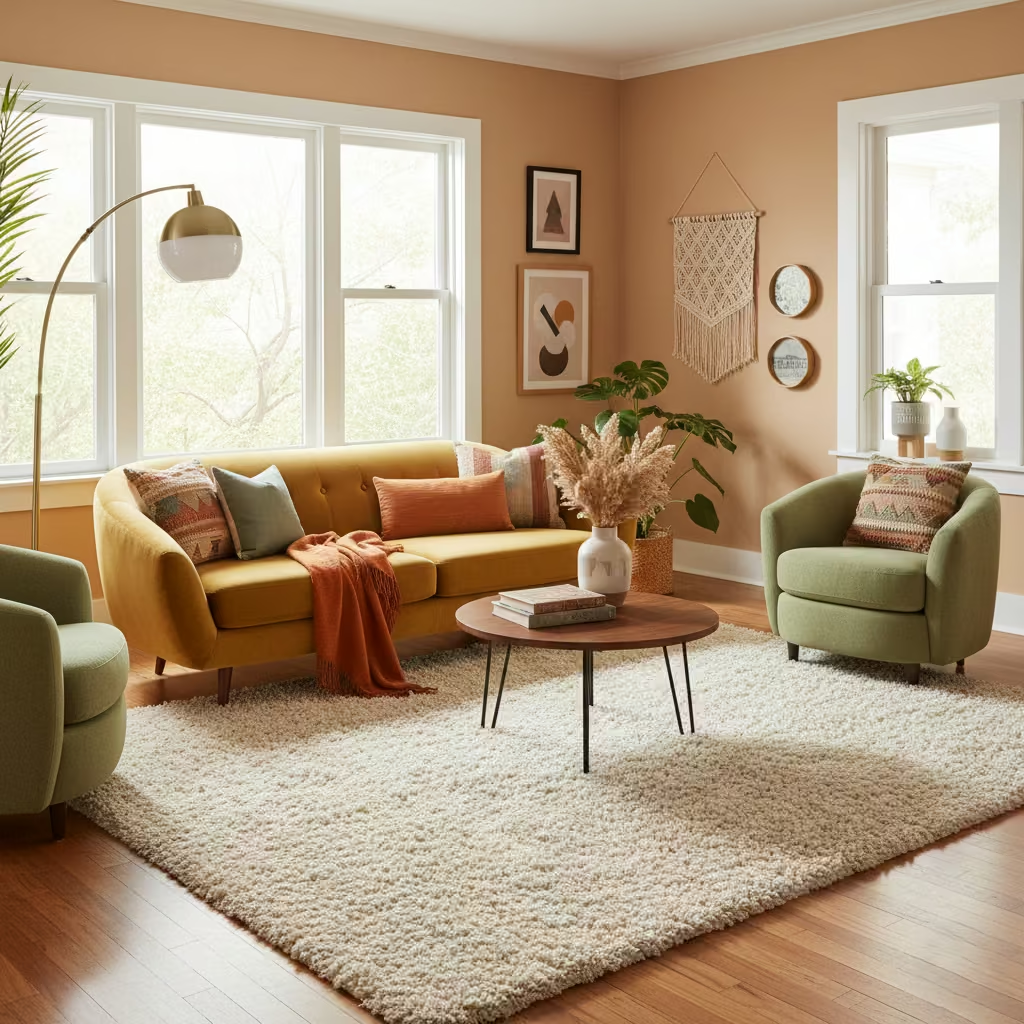
Shaggy rugs are all about comfort and visual texture. I recommend a pile height of 30–50 mm (1.2–2 in) for living rooms where lounging and relaxed vibes are priorities. This length creates a soft, tactile surface that’s perfect underfoot while still allowing furniture to sit stably on top with proper support.
High-pile shaggy rugs do require consistent care. I usually vacuum weekly with a suction-only attachment to avoid pulling fibres, and I occasionally shake out or rotate the rug to prevent uneven wear. Spills should be treated immediately, and professional cleaning every 12–18 months is ideal for maintaining softness and colour. Layering a shaggy rug over a low-pile base can also help prolong its life and keep it looking plush.
Kilim Rug for Eclectic Living Rooms
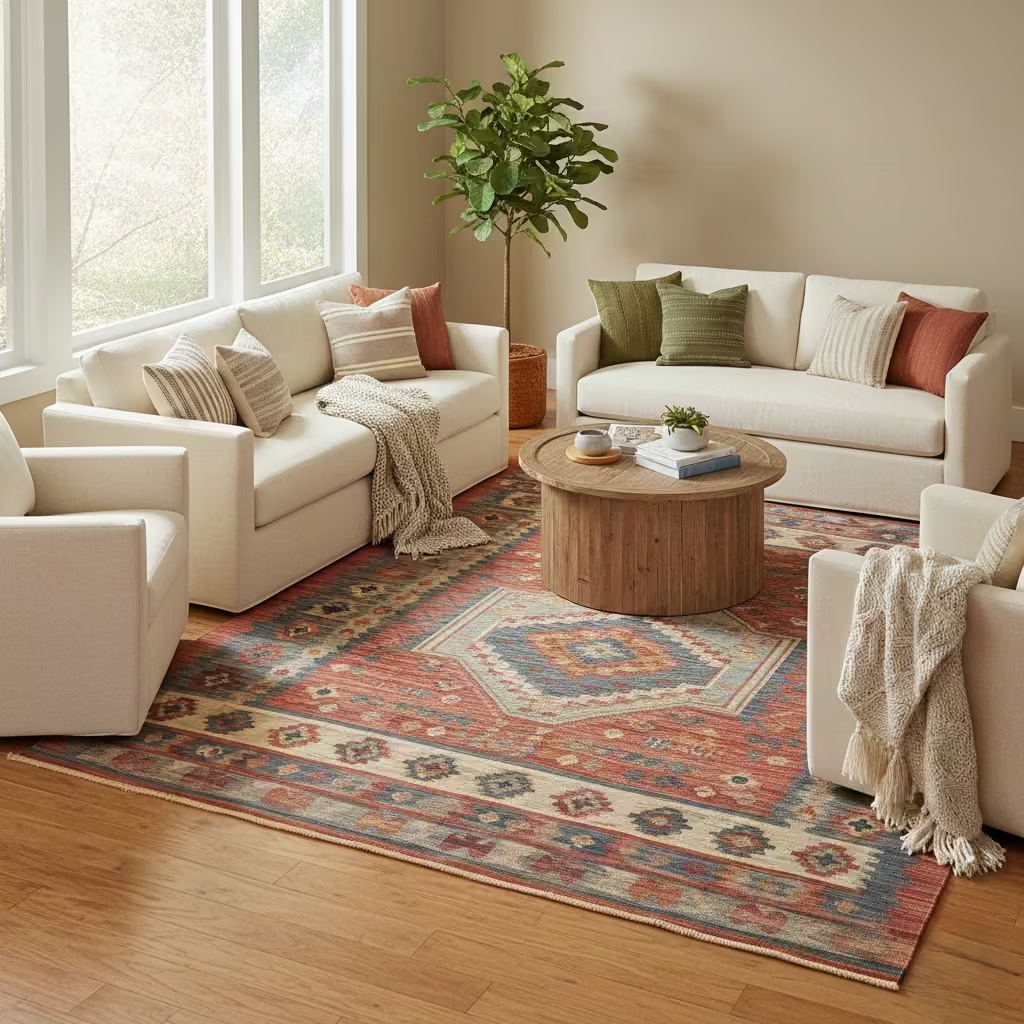
Kilim rugs are traditionally flatweave, which makes them durable, lightweight, and ideal for high-traffic areas. I often choose kilims for eclectic living rooms because they layer easily, sit flush under furniture, and don’t trap dust or debris like high-pile rugs. Their thin profile also allows for easy placement in rooms with low-clearance furniture.
When combining a kilim with other patterns, I recommend sticking to a cohesive colour palette and varying the scale of designs. For example, pair a small geometric kilim with larger-patterned cushions or throws. I usually advise leaving some neutral space around the rug to prevent visual overload and ensure the room feels balanced rather than chaotic.
Indoor-Outdoor Rug for Multi-Use Living Areas
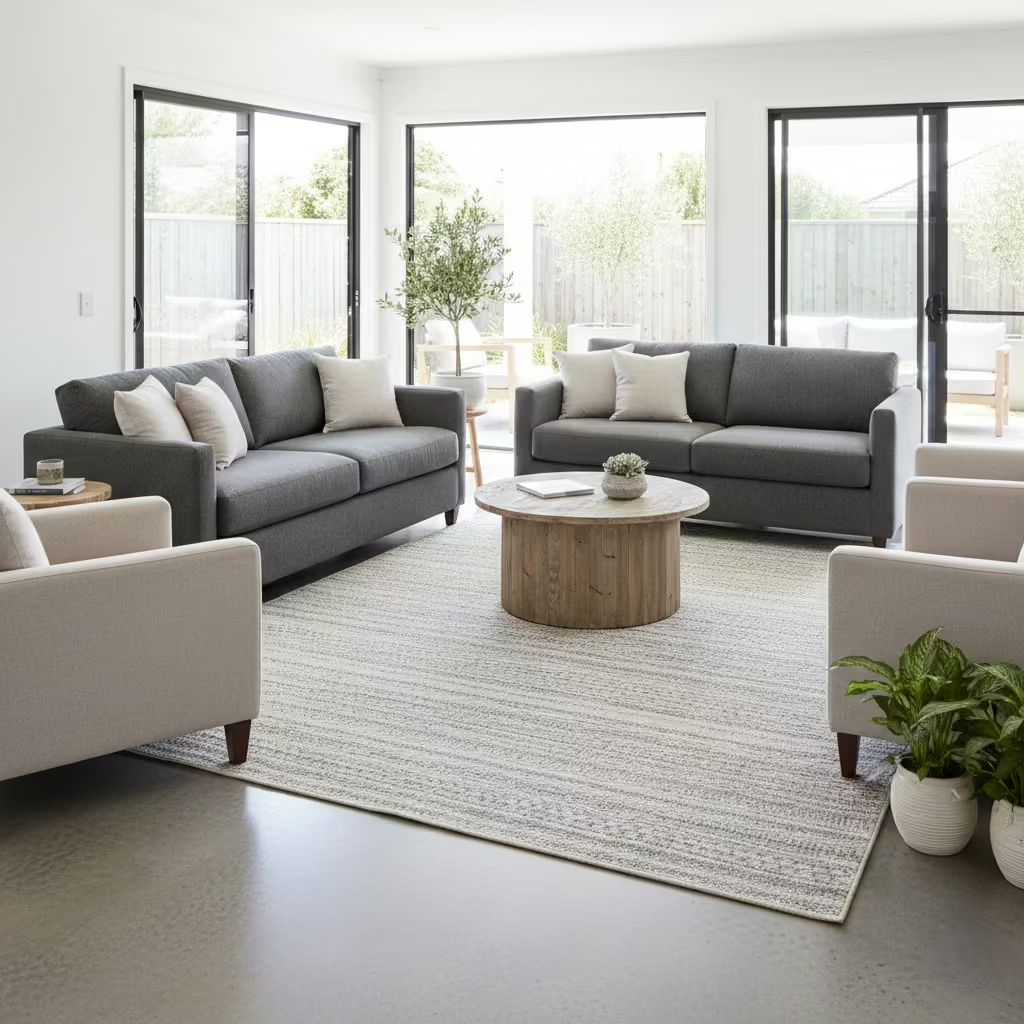
Indoor-outdoor rugs are perfect for spaces that see both heavy foot traffic and occasional spills. I recommend materials like polypropylene or synthetic blends, which resist moisture, fading, and mould. These rugs are also easy to hose down or wipe clean, making them ideal for homes with kids, pets, or open-plan living areas connecting to patios or sunrooms.
I typically place indoor-outdoor rugs in entryways, under casual seating areas, or in living rooms that connect to terraces. Size the rug to anchor the main seating area while leaving a 20–30 cm (8–12 in) border of exposed floor around furniture. These rugs are durable enough to handle chairs being moved frequently without showing wear.
Custom-Sized Rug for Unusual Living Room Layouts
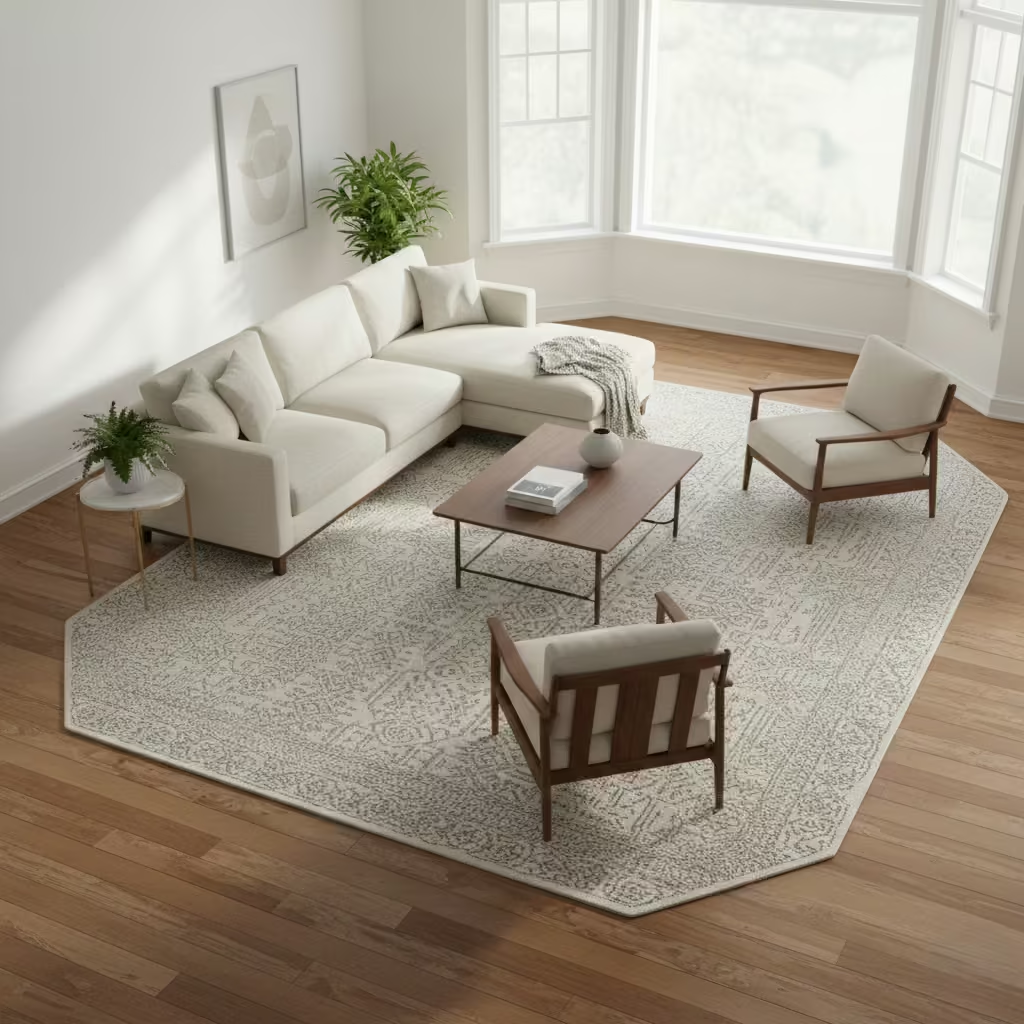
Custom rugs are ideal when your living room has irregular dimensions, bay windows, or non-standard furniture arrangements. I usually recommend going custom if standard rugs either leave gaps or overlap awkwardly with architectural features, as a tailored rug can perfectly define the seating area and maintain visual balance.
Measure the seating area carefully: include all sofas, chairs, and coffee tables you want on the rug. Add at least 20–30 cm (8–12 in) of rug beyond the furniture edges for proper framing. Consider rug orientation, furniture leg placement, and pathways. I also suggest creating a cardboard template or using painter’s tape on the floor to visualise the rug size before ordering a custom piece.
Rug Size & Placement Quick Guide
Below I give a compact, practical cheat sheet you can use when choosing and placing a rug. I write this from on-the-job experience: measure first, visualise with tape, then buy.
Standard living room rug sizes (common, ready-made options)
- 120 × 180 cm (4 × 6 ft): small accent rug, reading corners, beneath a single chair.
- 160 × 230 cm (5 × 8 ft): small seating areas or beneath a loveseat and coffee table.
- 200 × 290 cm (6.5 × 9.5 ft): medium living rooms; good for front-legs-on-rug layouts.
- 240 × 300 cm (8 × 10 ft): typical full seating-area rug for many living rooms.
- 300 × 400 cm (10 × 13 ft): large or open-plan living rooms where you want all furniture fully on the rug.
- Round: 150–200 cm diameter (5–6.5 ft): small circular areas; 200–250 cm (6.5–8 ft) for larger circular seating.
Sofa and coffee table alignment rules (practical rules I use on projects)
Rule 1 All furniture legs on the rug (most cohesive look)
- Use this when you want a unified, formal layout in a large lounge.
- Rug should extend beyond furniture edges by 20–30 cm (8–12 in) minimum on each side.
- Quick formula: Rug width ≈ sofa width + 40–60 cm (16–24 in).
- Example: for a 200 cm (79 in) sofa choose a rug ≈ 240–260 cm (94–102 in) wide.
Rule 2 Front legs only (most common, flexible option)
- Place the rug so the front legs of sofas and chairs rest on it; back legs off.
- Ensure the rug extends 20–30 cm (8–12 in) in front of the sofa and aligns with side chairs for a connected look.
- Best where you want defined zones but still leave visible floor around the perimeter.
Rule 3 Floating rug under coffee table only (casual / small rooms)
- Use when space is tight or you want the rug to be a small focal point.
- Rug should fully contain the coffee table and leave 30–45 cm (12–18 in) of visible floor around the table to visually anchor it.
- Avoid rugs narrower than the coffee table.
Door clearance and pile guidance
- Ensure at least 5–8 mm (1/4–1/3 in) clearance for door swings; low-pile rugs of 3–8 mm (1/8–1/3 in) are safest in tight spots.
- Where sliding doors or recliners are used, test door movement over your chosen rug thickness before purchase.
How to Choose the Right Rug for Your Living Room
Choosing the right rug is more than just picking a colour or pattern. I always start by considering material, pile height, and budget, because these factors determine how the rug will perform in your space, both visually and practically.
Material comparison
- Wool: Durable, naturally stain-resistant, soft underfoot, works in medium to high-traffic areas. Ideal for a long-lasting investment.
- Cotton: Affordable, lightweight, and washable, but less durable in high-traffic zones. Great for casual or family-friendly spaces.
- Synthetic blends (polypropylene, polyester): Extremely stain-resistant, fade-resistant, and low-maintenance; perfect for pets or busy households.
- Jute, sisal, or seagrass: Natural fibres add texture and warmth, best for low-traffic zones. Can be coarse underfoot and sensitive to moisture.
- Blended or layered rugs: Combining materials like wool and silk or wool and jute gives luxury with durability, ideal for statement pieces.
Pile height explained
- Low-pile (3–8 mm / 1/8–1/3 in): Best for high-traffic areas, sliding doors, or under furniture with wheels. Easy to clean and durable.
- Medium-pile (8–20 mm / 1/3–3/4 in): Balanced comfort and maintenance; ideal for most living rooms. Offers softness underfoot without compromising furniture stability.
- High-pile / shaggy (20–50 mm / 3/4–2 in): Extremely soft and cosy; best for lounge-focused rooms or low-traffic zones. Requires more frequent maintenance.
Budget expectations
- Entry-level (£50–£200 / $60–$250): Synthetic or cotton rugs, ideal for temporary or high-use spaces. Practical but shorter lifespan.
- Mid-range (£200–£800 / $250–$1,000): Wool, blended fibres, or durable flatweaves. Good balance of style, comfort, and durability.
- Premium (£800+ / $1,000+): Hand-knotted wool, silk blends, or custom designs. Long-lasting, luxurious feel, statement-worthy in larger living rooms.
I always recommend matching your rug choice to lifestyle first if you have pets or kids, low-pile synthetics or washable cotton are practical. For formal or design-led spaces, wool or premium blends give lasting quality and style. The right rug combines visual appeal, comfort, and functional performance, anchored to your room’s size and layout.
Final Thoughts about Choosing Rugs for Living room
Choosing the right rug can completely transform a living room, tying together furniture, colour, and layout while adding comfort, texture, and visual interest. I always remind clients that a rug should be matched to lifestyle, room size, and the specific layout of the space what works in a small, high-traffic family lounge won’t necessarily suit a large, design-focused living room.
Rugs are more than just decorative accessories. They define zones, enhance acoustics, soften flooring, and provide a foundation for the overall design. When selected thoughtfully, a rug becomes both a functional element and a statement piece that elevates the entire room. Take the time to consider material, size, pile, and style, and your living room will feel complete, inviting, and perfectly balanced.
Frequently asked questions while Choosing a Right Rug for Living room
What size rug should I choose for my living room?
I recommend measuring your seating area first. For a cohesive look, all furniture legs should sit on the rug if possible. If space is tight, placing just the front legs on the rug works too. Standard sizes range from 120 × 180 cm (4 × 6 ft) for small areas to 300 × 400 cm (10 × 13 ft) for open-plan living rooms.
How do I choose the right rug shape?
Rectangular rugs suit most traditional and modern seating layouts. Round rugs work well under circular tables or in reading corners, and square rugs are ideal for symmetrical furniture arrangements. Always match the rug shape to your seating geometry.
Which material is best for a family living room?
Durable, stain-resistant rugs like low-pile wool, synthetic blends (polypropylene, polyester), or washable cotton are ideal. Natural fibres like jute and sisal are beautiful but better for low-traffic areas, as they can be rough underfoot and sensitive to moisture.
How do I coordinate my rug with furniture and colours?
Pull one or two shades from the rug to echo in cushions, throws, or décor. For bold or patterned rugs, keep surrounding furniture neutral to prevent visual overload. In monochrome or neutral rooms, use rugs to introduce subtle contrast or a pop of colour.
Can I layer rugs, and how?
Yes. I often layer a larger, neutral base rug with a smaller patterned or textured rug on top. Keep at least 60–90 cm (24–35 in) difference in size between layers so the base frames the top rug. Use a non-slip underlay for stability.
How do I maintain my rug?
Vacuum regularly according to pile type. Low-pile rugs are easy to maintain; high-pile or shaggy rugs require careful suction-only vacuuming and occasional professional cleaning. Spot clean spills immediately, and rotate rugs to prevent uneven wear.
Should I buy a custom-sized rug?
Custom rugs are worth it if your room has unusual dimensions, bay windows, or non-standard furniture layouts. Measure carefully, including all seating elements, and add 20–30 cm (8–12 in) beyond furniture edges to define the space properly.
Are dark rugs difficult to maintain?
They can show dust, lint, and pet hair more readily. I usually suggest textured or patterned dark rugs, regular vacuuming, and a lint roller to keep them looking clean.
How can a rug improve room acoustics?
Rugs absorb sound, reducing echo in rooms with hard flooring or high ceilings. Medium- to high-pile rugs are most effective, especially when layered or paired with curtains and soft furnishings.