



20 Italian Fireplace Ideas That Bring Timeless European Warmth to Your Home
In Italian homes, the fireplace has always been far more than a practical heat source. It is the emotional and architectural heart of the space, a place where families gather, conversations unfold, and everyday life slows down. From rural Tuscan farmhouses to elegant Venetian palazzos, fireplaces have historically anchored interiors, shaping room layouts and defining the overall atmosphere.
I have seen time and again how Italian fireplace design places equal importance on function, craftsmanship, and visual presence, treating the fireplace as a permanent feature rather than a decorative afterthought.
What makes Italian fireplace design truly timeless is its deep connection to natural materials and regional identity. Stone, marble, brick, plaster, and travertine are used not just for their durability, but for their ability to age beautifully.
Italian fireplaces are designed to develop character over time, gaining patina and depth rather than looking dated. This respect for materials allows these designs to transition seamlessly across styles, whether you are working with a rustic country interior, a refined classical space, or a modern home that values subtle luxury.
Another reason Italian fireplaces remain so adaptable is their balance of proportion and restraint. Even the most ornate designs feel grounded, while minimalist Italian fireplaces still carry warmth and soul.
This versatility makes Italian fireplace ideas particularly appealing for contemporary renovations, where homeowners want something enduring, not trend-driven. By blending heritage craftsmanship with thoughtful design, Italian fireplaces continue to feel relevant, inviting, and effortlessly elegant in homes of every style.
20 Italian Fireplace Ideas
Before diving into each design in detail, it helps to understand that Italian fireplaces are rooted in a philosophy of longevity, craftsmanship, and visual balance. These 20 Italian fireplace ideas showcase how traditional materials, regional influences, and refined proportions can be interpreted in both classic and contemporary homes. Whether you are drawn to rustic stone, elegant marble, or modern plaster finishes, each idea demonstrates how an Italian-inspired fireplace can become a natural focal point that enhances warmth, character, and architectural depth within the space.
Classic Tuscan Stone Fireplace
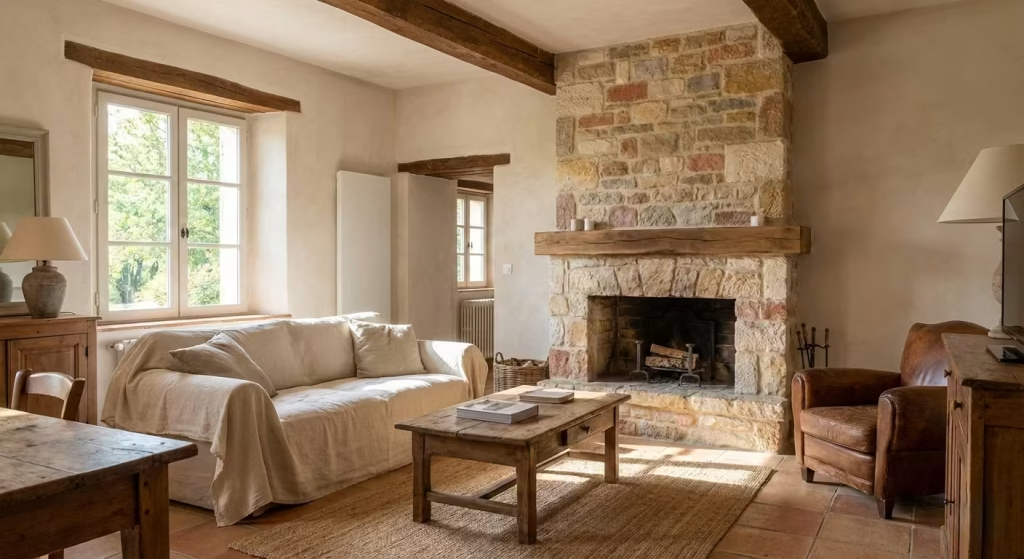
A classic Tuscan stone fireplace is defined by its use of natural, locally inspired materials and its unmistakable sense of warmth. Traditionally crafted from limestone, sandstone, or fieldstone, these fireplaces feature hand-finished textures that celebrate imperfection rather than hide it.
Chiselled edges, uneven surfaces, and subtle colour variations give the fireplace an organic, lived-in feel, as if it has always belonged to the home. This craftsmanship creates depth and character that machine-finished materials simply cannot replicate.
The colour palette is equally important in achieving an authentic Tuscan look. Warm earthy tones such as soft beiges, sandy creams, muted terracotta, and gentle greys reflect the Italian countryside and work beautifully with natural light.
I often recommend pairing a Tuscan stone fireplace with wooden ceiling beams, limewashed walls, and simple, robust furniture to enhance its rustic elegance.
Whether placed in a grand living room or a cosy country-style space, a Tuscan stone fireplace brings a sense of history, comfort, and timeless Italian charm that instantly grounds the interior.
Venetian Marble Fireplace Surround
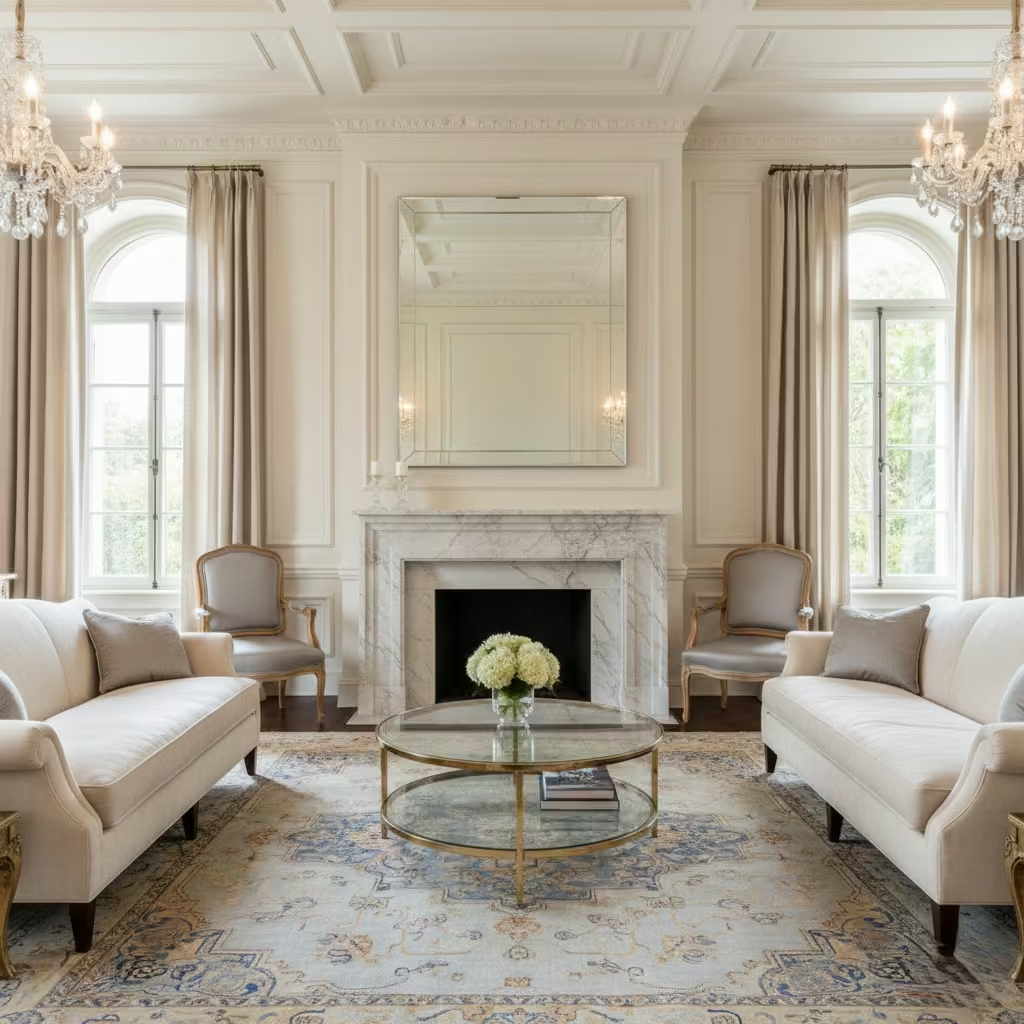
A Venetian marble fireplace surround is the epitome of refined Italian elegance, drawing inspiration from the grand palazzos and historic residences of Venice. Polished marble is the defining feature, chosen for its smooth finish, light-reflective quality, and sense of quiet luxury.
Rather than bold or dramatic patterns, Venetian-style fireplaces often showcase subtle veining in soft greys, warm creams, or pale taupes, allowing the material to feel sophisticated rather than overpowering. This restraint is what gives the design its timeless appeal.
I often recommend Venetian marble fireplaces for formal living rooms or modern classic interiors where balance and proportion matter. The clean lines of the surround allow the marble to take centre stage, while minimal detailing keeps the overall look elegant and composed.
When paired with neutral walls, antique mirrors, or understated mouldings, a marble fireplace adds architectural weight without visual heaviness.
The result is a fireplace that feels both luxurious and serene, offering a sense of calm sophistication that works effortlessly in traditional and contemporary Italian-inspired spaces.
You May also Like: 25 Christmas Room Decor Ideas That Bring Comfort, Charm, and Holiday Cheer
Rustic Italian Farmhouse Fireplace
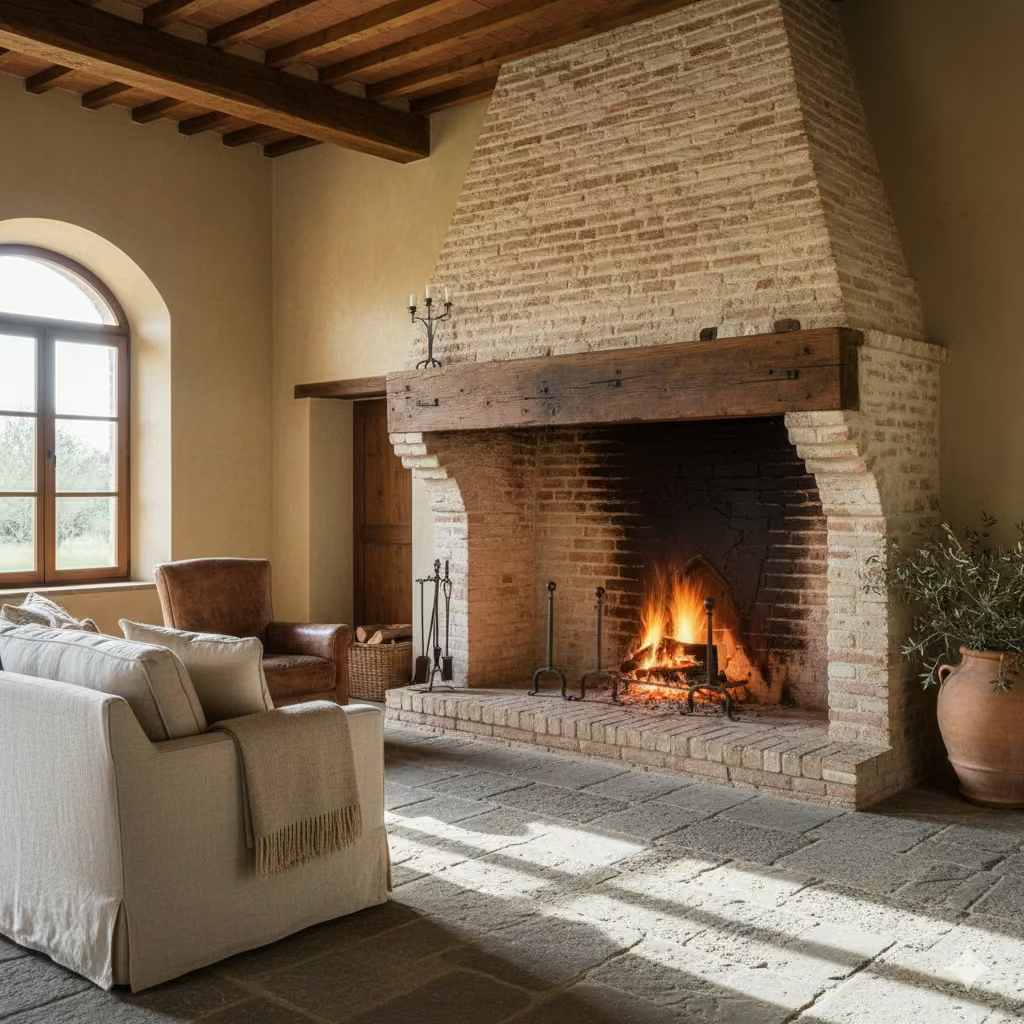
A rustic Italian farmhouse fireplace captures the raw, honest beauty of traditional rural homes, where function and character go hand in hand. Aged brick is the hallmark of this style, often left exposed to showcase its weathered texture and natural colour variation. These bricks are rarely uniform, and that irregularity is precisely what gives the fireplace its charm. Over time, the surface develops a soft patina that tells a story of use and age.
Limewash finishes are commonly applied to soften the brickwork, muting strong reds and creating a warmer, more harmonious palette. I find that limewashing also enhances the organic imperfections, allowing cracks, uneven mortar lines, and subtle colour shifts to remain visible.
This type of fireplace pairs beautifully with reclaimed wood mantels, stone flooring, and simple iron accessories. In both country homes and modern rustic interiors, an Italian farmhouse fireplace creates a relaxed, welcoming focal point that feels authentic, grounded, and deeply connected to tradition.
Arched Fireplace Inspired by Italian Villas
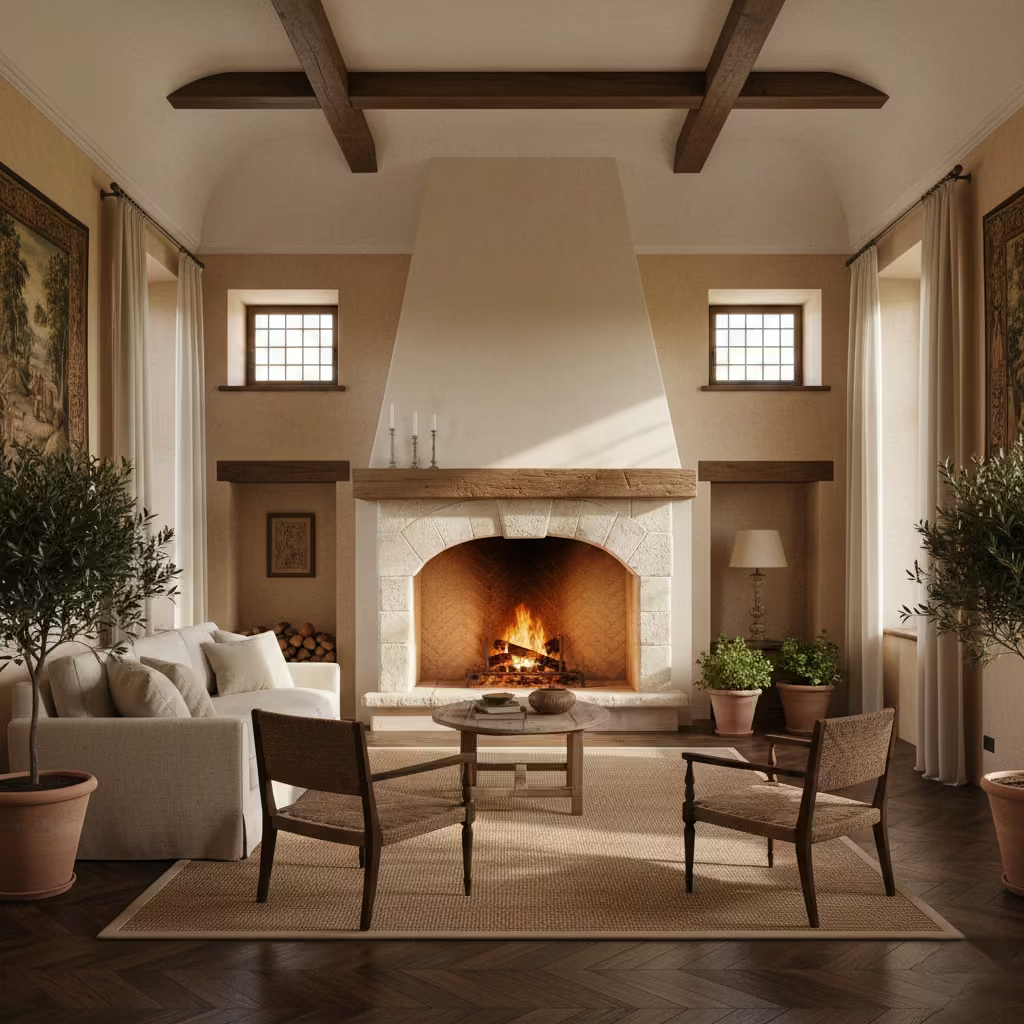
An arched fireplace inspired by Italian villas brings a sense of romance and Old World craftsmanship into the home. The soft curve of the arch immediately sets it apart from more angular designs, creating a visual flow that feels inviting and elegant. In Italian architecture, arches have long been used to add structural strength while also introducing a sense of balance and harmony, and this principle translates beautifully to fireplace design.
I often suggest arched fireplaces for spaces that feel too rigid or boxy, as the curved opening naturally softens the surrounding architecture. Whether constructed from stone, plaster, or brick, the arch creates depth and frames the fire as a focal point rather than a functional insert.
When combined with textured walls, natural materials, and warm neutral tones, an arched fireplace evokes the atmosphere of a historic Italian villa. It adds character, warmth, and a timeless charm that works equally well in classic interiors and thoughtfully designed modern homes.
Modern Italian Minimalist Fireplace
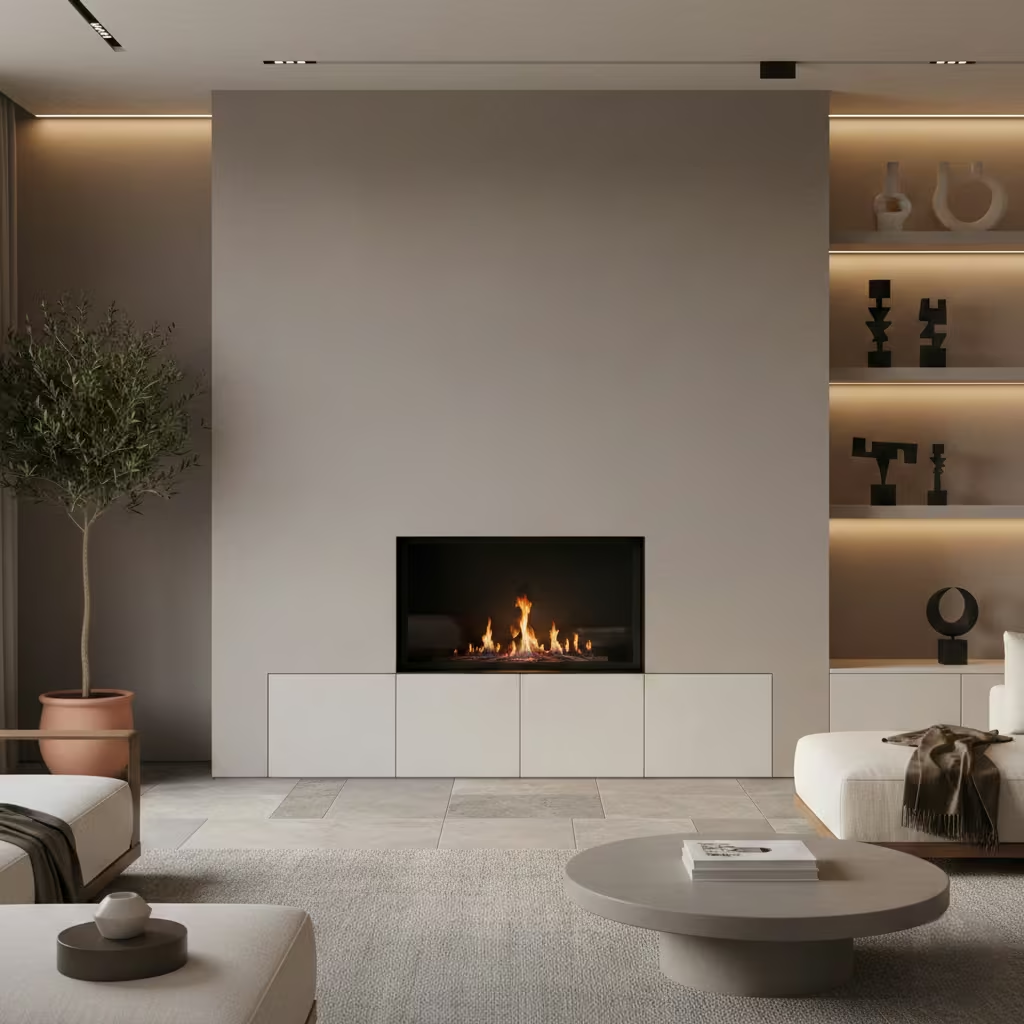
A modern Italian minimalist fireplace focuses on purity of form, refined proportions, and materials that speak quietly rather than loudly. Clean lines are central to this style, with the fireplace often integrated seamlessly into the wall rather than treated as a standalone feature.
Smooth plaster finishes, particularly in soft whites, warm greys, or muted beige tones, create a calm backdrop that allows the fire itself to become the focal point. The result is a fireplace that feels architectural, intentional, and effortlessly elegant.
I often see this style working beautifully in contemporary open-plan homes where visual clutter is kept to a minimum. There is an understated luxury to Italian minimalism, where quality materials and craftsmanship replace decorative excess. Hidden storage, flush hearths, and frameless fireboxes enhance the streamlined look.
When paired with natural stone flooring, low-profile furniture, and subtle lighting, a modern Italian minimalist fireplace delivers warmth and sophistication without overpowering the space, proving that simplicity can feel just as rich as ornamentation.
You May also Like: 21 Christmas Mountain Lodge Living Room Design Ideas
Limestone Fireplace with Traditional Carving
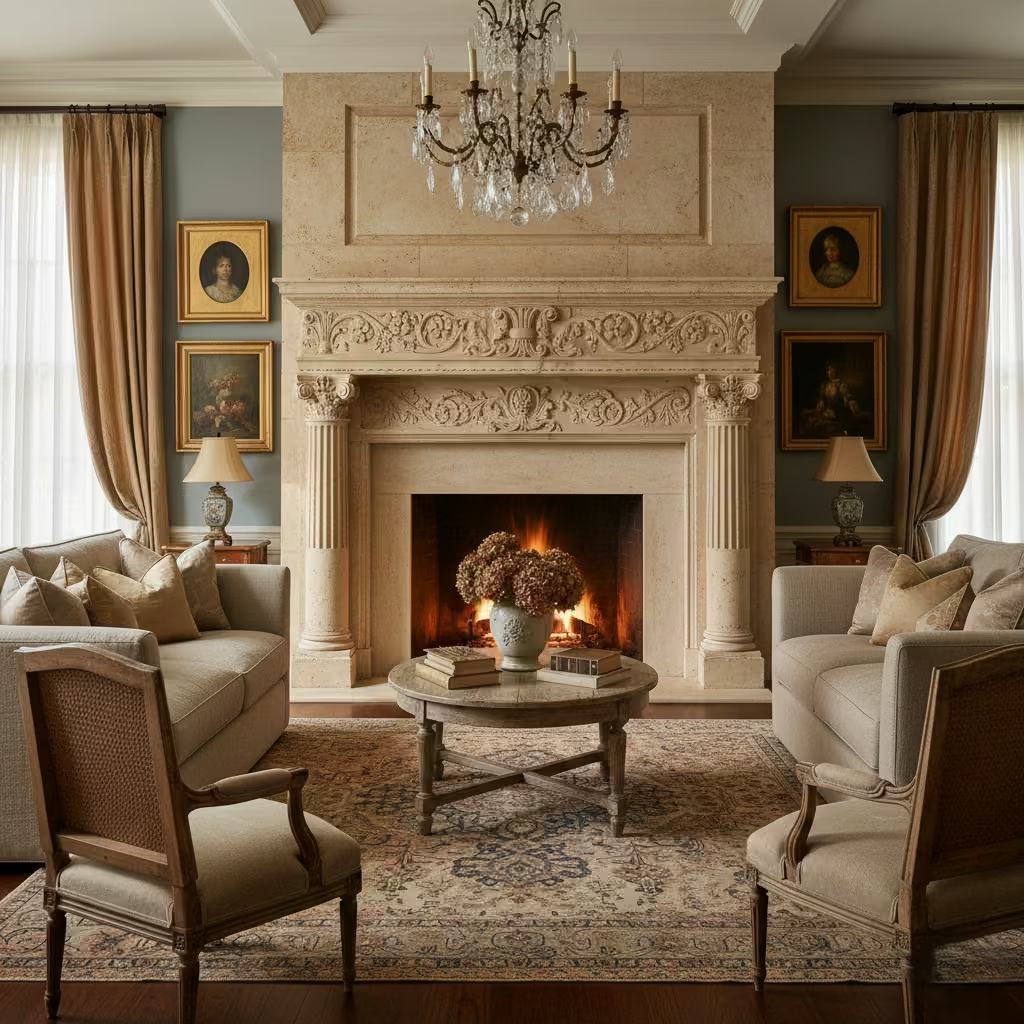
A limestone fireplace with traditional carving reflects Italy’s long-standing tradition of stone craftsmanship and classical design. Limestone is valued for its soft texture and warm, neutral colouring, making it ideal for detailed carving without appearing heavy or harsh. Classical motifs such as fluted columns, floral detailing, scrolls, and subtle relief patterns are often incorporated into the surround, adding depth and architectural interest.
What makes these fireplaces particularly special is the level of artistry involved. Each carved element is designed to enhance proportion rather than dominate the room. I often recommend this style for formal living rooms or heritage-inspired interiors where architectural detailing already exists.
When styled with elegant furnishings, muted colour palettes, and natural fabrics, a carved limestone fireplace becomes a refined centrepiece. It offers a sense of permanence and sophistication, celebrating Italian craftsmanship while bringing timeless beauty and quiet grandeur into the home.
Italian Fireplace with Built-In Wood Storage
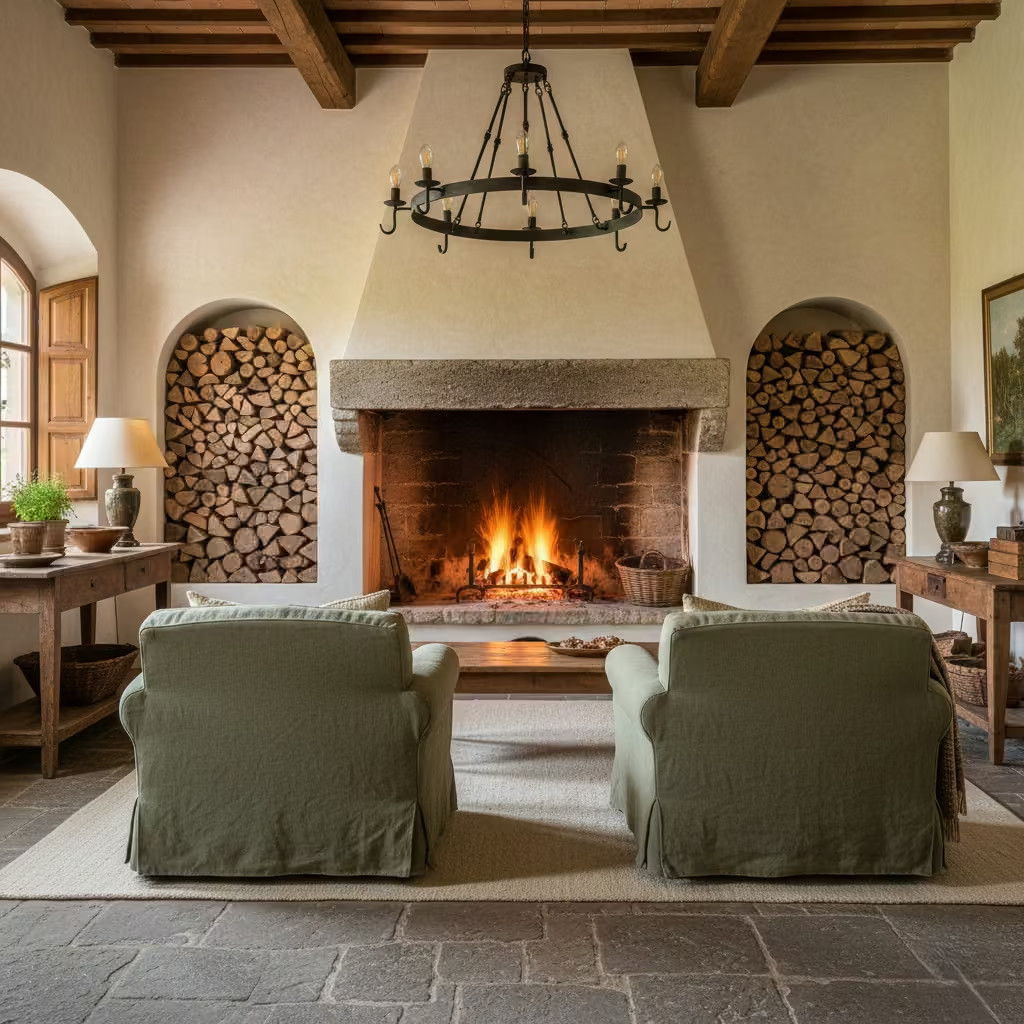
An Italian fireplace with built-in wood storage is a perfect example of functional design enhanced by rustic charm. Traditionally seen in country homes and mountain regions, these fireplaces integrate neatly stacked firewood into alcoves or niches beside or beneath the firebox. This practical feature not only keeps logs within easy reach but also adds texture and visual warmth to the overall design.
I often recommend exposed wood storage when aiming to create a relaxed, lived-in aesthetic. The natural tones of the firewood contrast beautifully with stone, brick, or plaster surrounds, reinforcing a connection to nature and traditional living. Over time, the stacked logs become part of the décor, adding depth and authenticity.
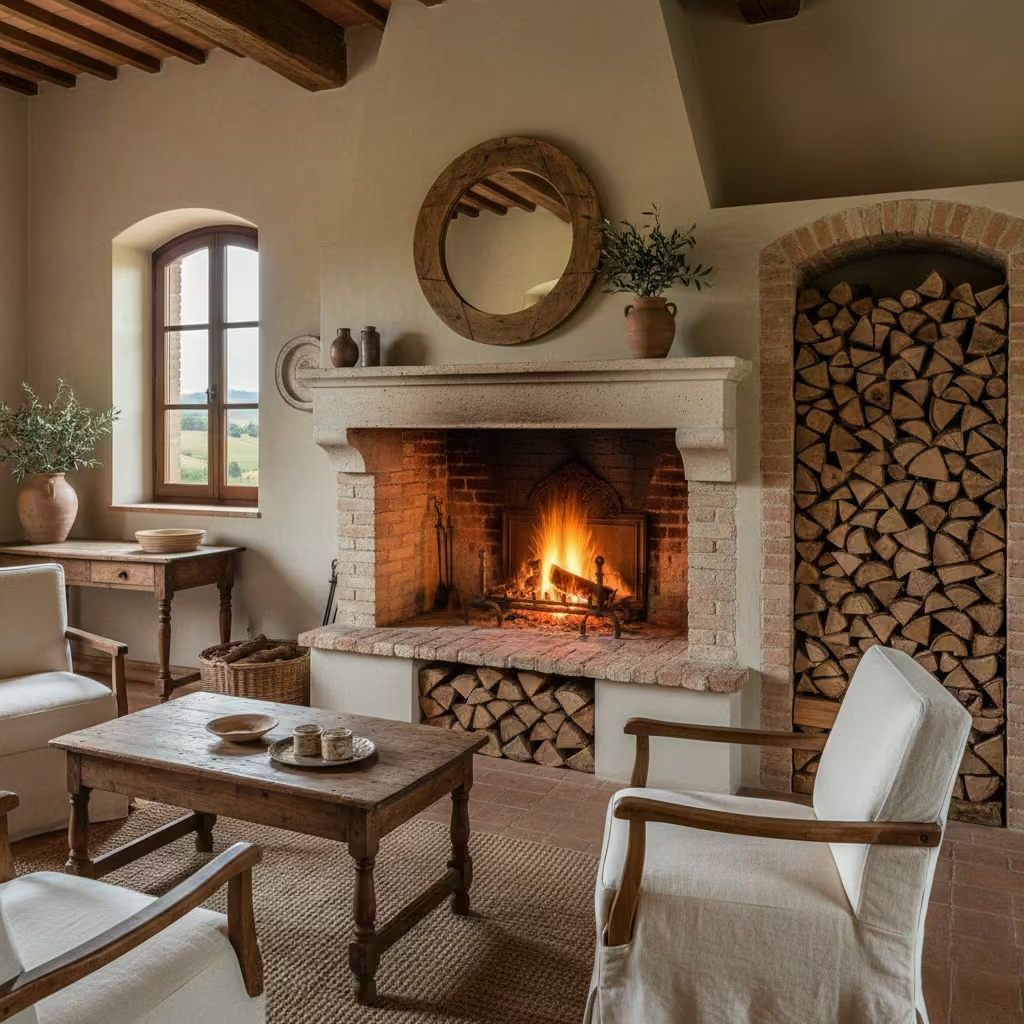
Whether incorporated into a rustic farmhouse interior or a modern home seeking organic character, an Italian fireplace with built-in wood storage blends utility and beauty in a way that feels honest, welcoming, and timeless.
Mediterranean Tile Fireplace Surround
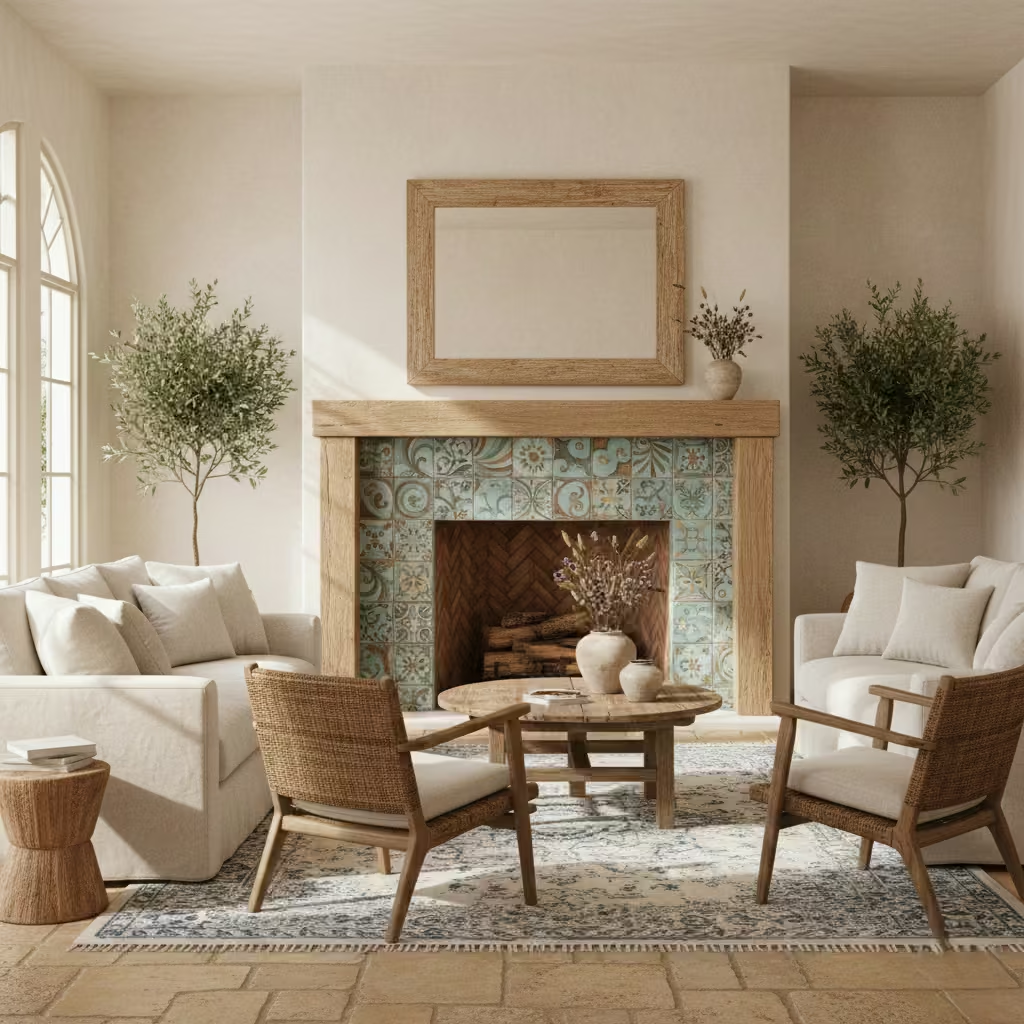
A Mediterranean tile fireplace surround brings colour, artistry, and regional character into the heart of the home. Hand-painted tiles are the defining feature, often inspired by traditional Italian ceramics from regions such as Sicily, Amalfi, or Southern Italy.
These tiles feature intricate patterns, subtle variations, and a slightly imperfect finish that reflects true craftsmanship rather than mass production. Each tile contributes to a layered, expressive design that feels both decorative and deeply rooted in tradition.
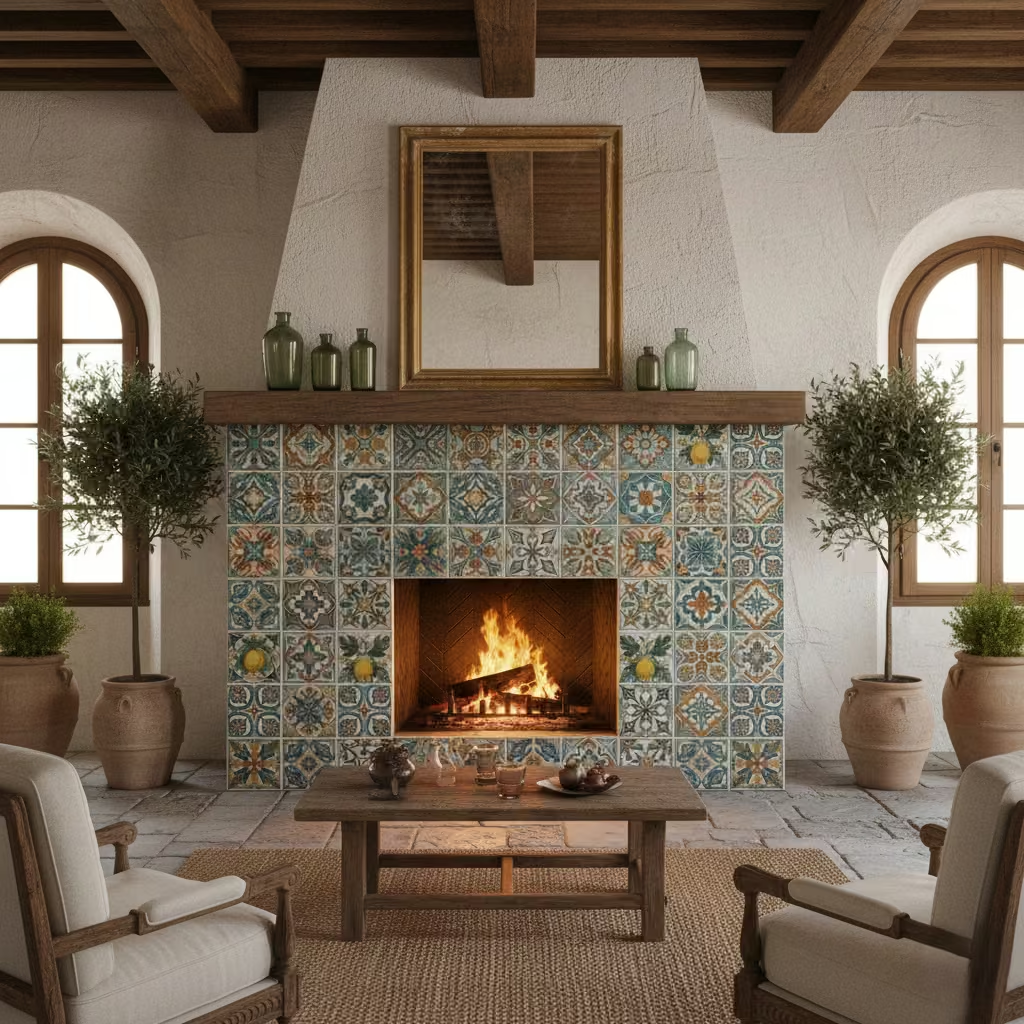
The colour palette plays a vital role in achieving an authentic Mediterranean look. Soft blues, olive greens, warm yellows, terracotta tones, and crisp whites are commonly used to echo coastal landscapes and sun-drenched architecture.
I often suggest keeping the surrounding walls neutral so the tiled fireplace can act as a focal point without overwhelming the space. When paired with natural wood, stone floors, and simple furnishings, a Mediterranean tile fireplace adds warmth, personality, and a distinctly Italian sense of place.
You May also Like: 25 Ranch Garden Ideas Where Authentic Western Charm Comes to Life
Grand Fireplace with Ornate Mantel
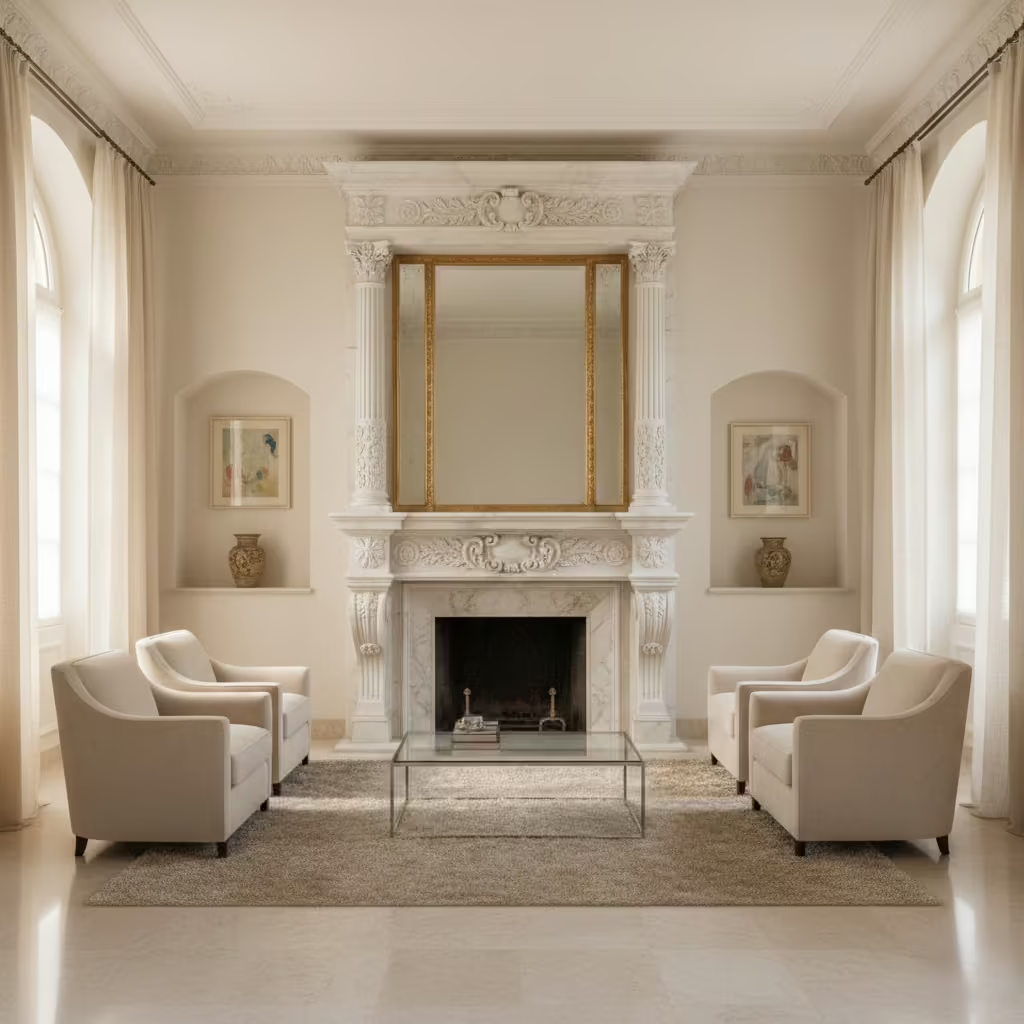
A grand Italian fireplace with an ornate mantel is designed to command attention and anchor the room with architectural presence. Historically, these fireplaces were a symbol of status and craftsmanship, often positioned centrally within large living spaces. Statement mantels carved from marble or stone feature decorative detailing such as scrollwork, columns, or classical motifs, creating a sense of drama and refinement.
Proportion is key to making this style successful. I always emphasise the importance of scale, ensuring the mantel feels balanced within the room rather than overpowering it. High ceilings, symmetrical layouts, and generous wall space allow these fireplaces to shine.
Styled with mirrors, artwork, or understated décor, an ornate mantel becomes a natural focal point without feeling excessive. In both traditional and modern classic interiors, a grand Italian fireplace introduces timeless elegance, heritage, and a strong architectural identity.
Italian Plaster Fireplace with Soft Patina
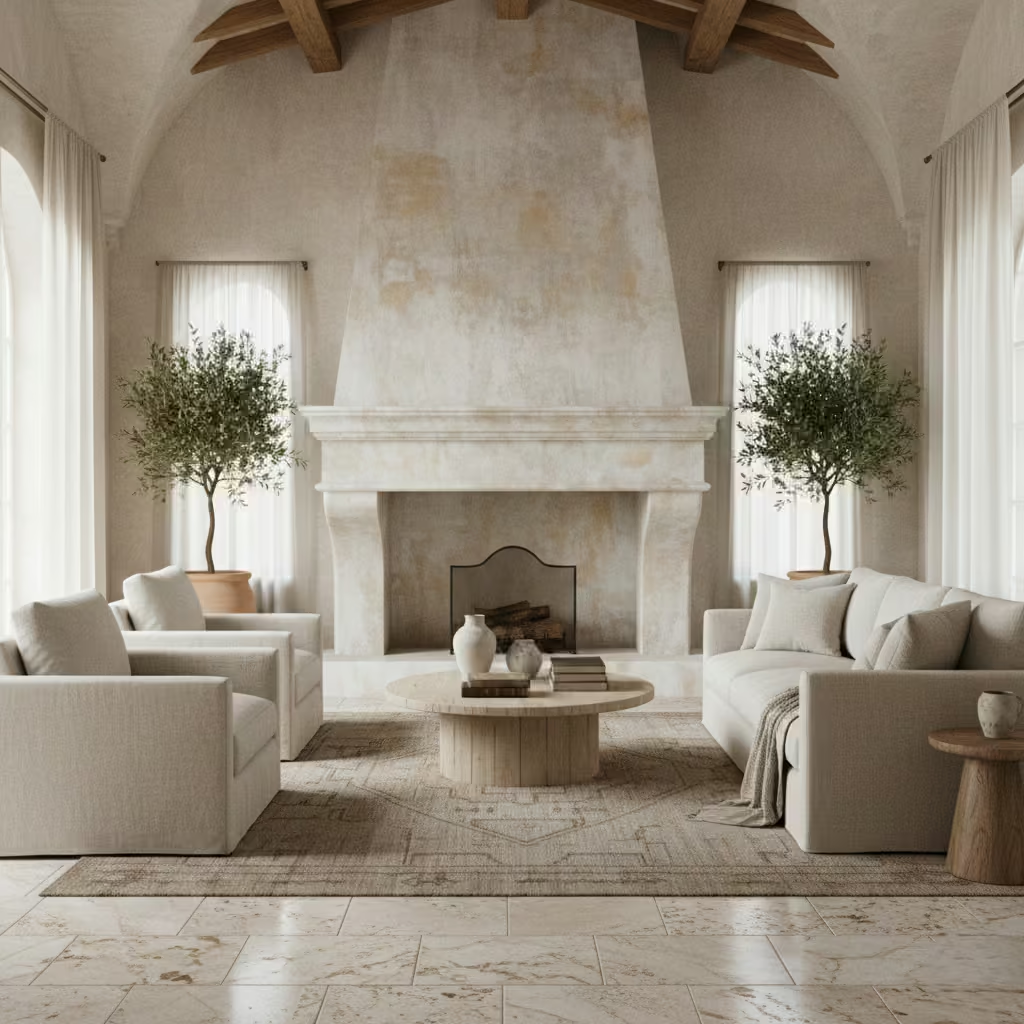
An Italian plaster fireplace with a soft patina embodies understated beauty and tactile depth. Unlike smooth, flawless finishes, traditional Italian plaster is intentionally textured, allowing subtle movement and variation across the surface. Over time, this finish develops a gentle patina that adds warmth and character, making the fireplace feel organic and lived-in rather than new or clinical.
Tonal layering is central to this look. Soft neutrals such as warm whites, stone greys, and muted beige tones are often built up in layers, creating depth without strong contrast. I often recommend this style for homes seeking a calm, cohesive aesthetic where the fireplace blends seamlessly into the architecture.
When paired with natural materials like linen, wood, and stone, a plaster fireplace adds quiet sophistication. It reflects the Italian approach to design, where restraint, texture, and ageing gracefully are valued above decorative excess.
You May also Like: 39 Enchanting Fall Fireplace Decor Ideas That’ll Instantly Cozy Up Your Home
Corner Fireplace in Italian Country Homes
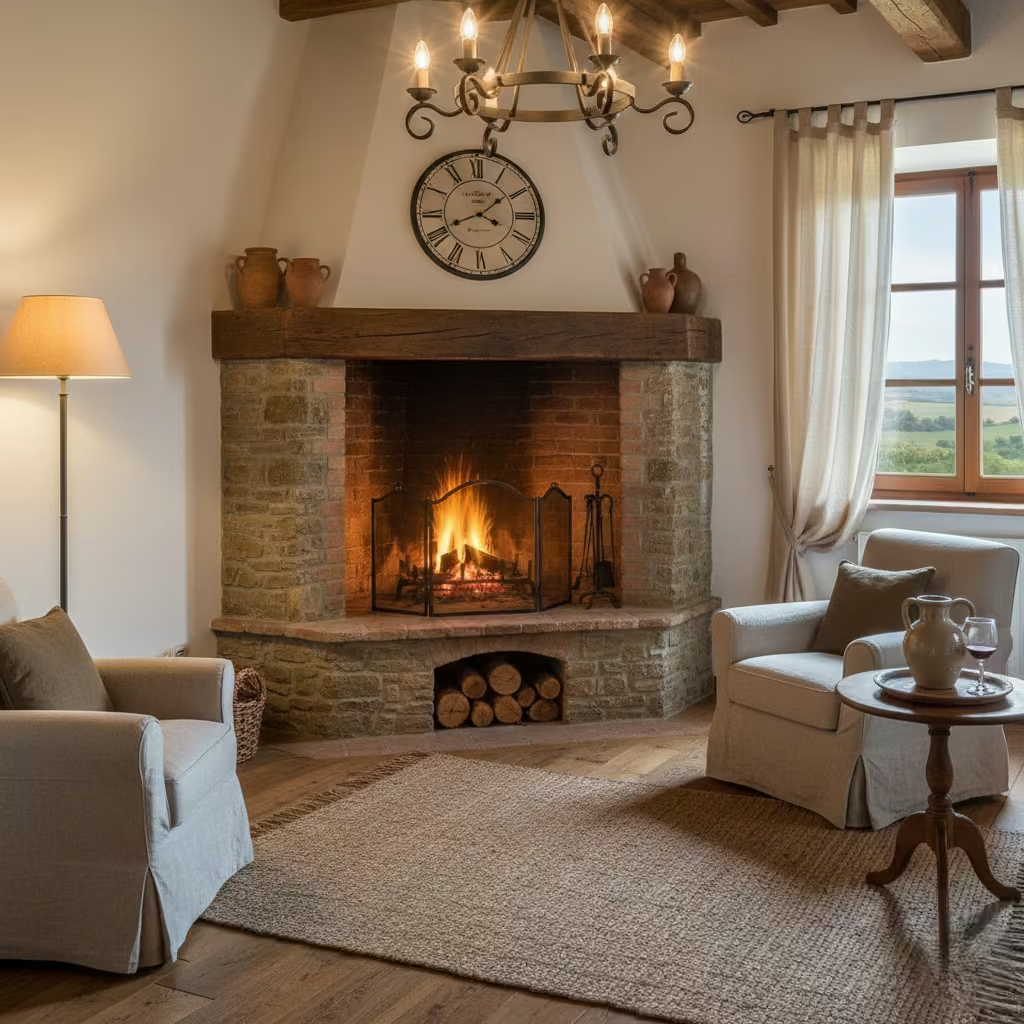
A corner fireplace is a clever way to bring warmth and charm into a room without occupying an entire wall. Particularly popular in Italian country homes, this design saves valuable floor space while maintaining a strong visual presence. Positioned diagonally, the fireplace becomes a natural focal point from multiple angles, inviting conversation and creating a cozy gathering area.
I often recommend using materials like brick, natural stone, or plaster to maintain authenticity. The surrounding walls can remain neutral to highlight the fireplace, while a modest mantel or hearth adds functionality without crowding the corner. A corner fireplace works exceptionally well in smaller rooms, kitchens, or living areas where space efficiency is key.
It offers the perfect balance between practicality and aesthetics, allowing homeowners to enjoy the warmth of a traditional Italian fireplace while maintaining open, airy interiors that feel both inviting and connected.
You May also Like: 25 Dark Cottagecore Dining Room Ideas That Feel Intimate, Layered, and Lived-In
Fireplace Integrated into Stone Feature Wall
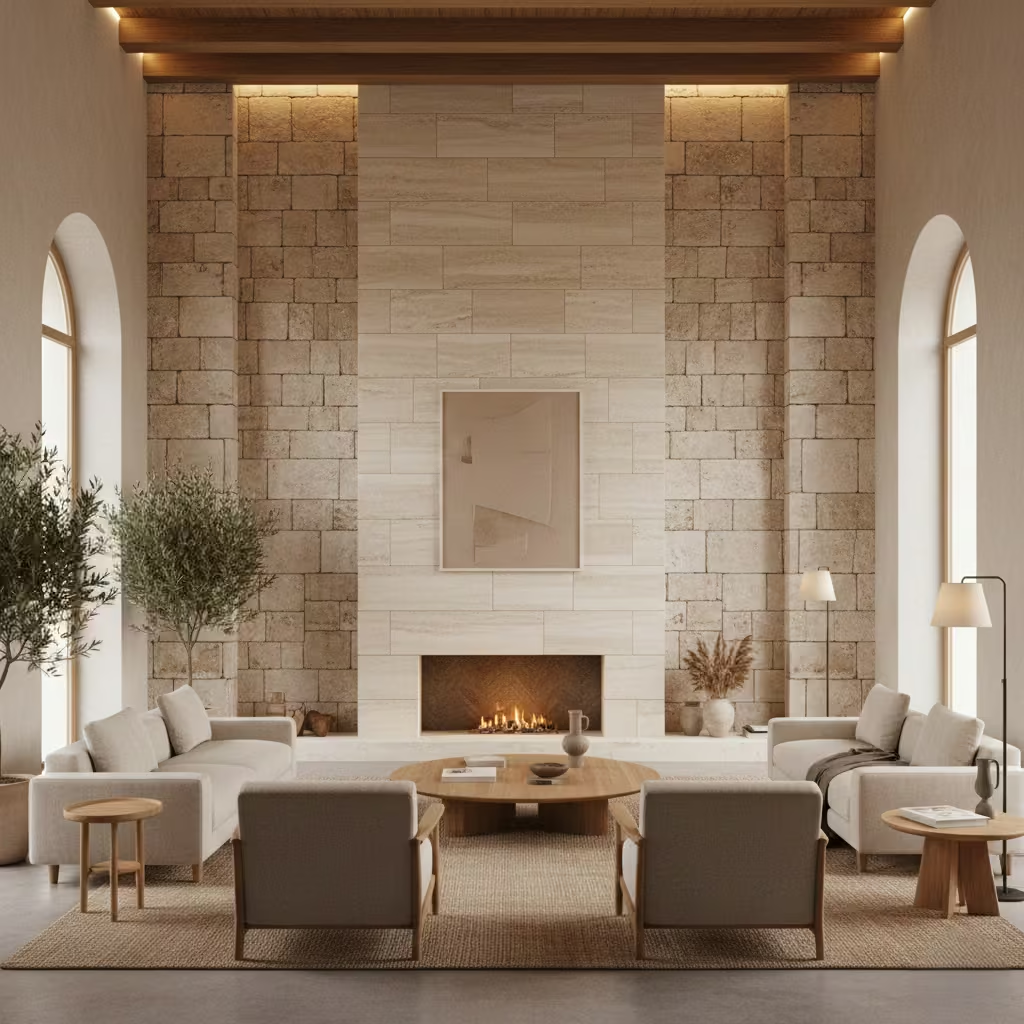
Integrating a fireplace into a stone feature wall brings cohesion and architectural depth to any interior. This approach creates a unified look, where the fireplace appears as a natural extension of the wall rather than a separate element. Italian-inspired designs often use limestone, travertine, or fieldstone to echo the textures and colours of traditional homes.
I find that this design works beautifully in open-plan living spaces or rooms with high ceilings, where the stone wall acts as both a functional and decorative centerpiece. Surrounding décor can remain minimal, allowing the textures and natural tones of the stone to stand out.
By blending the fireplace seamlessly with a stone wall, you achieve a harmonious balance of function, warmth, and timeless Italian character that enhances the overall architectural integrity of the home.
Italian Fireplace with Cast Iron Insert
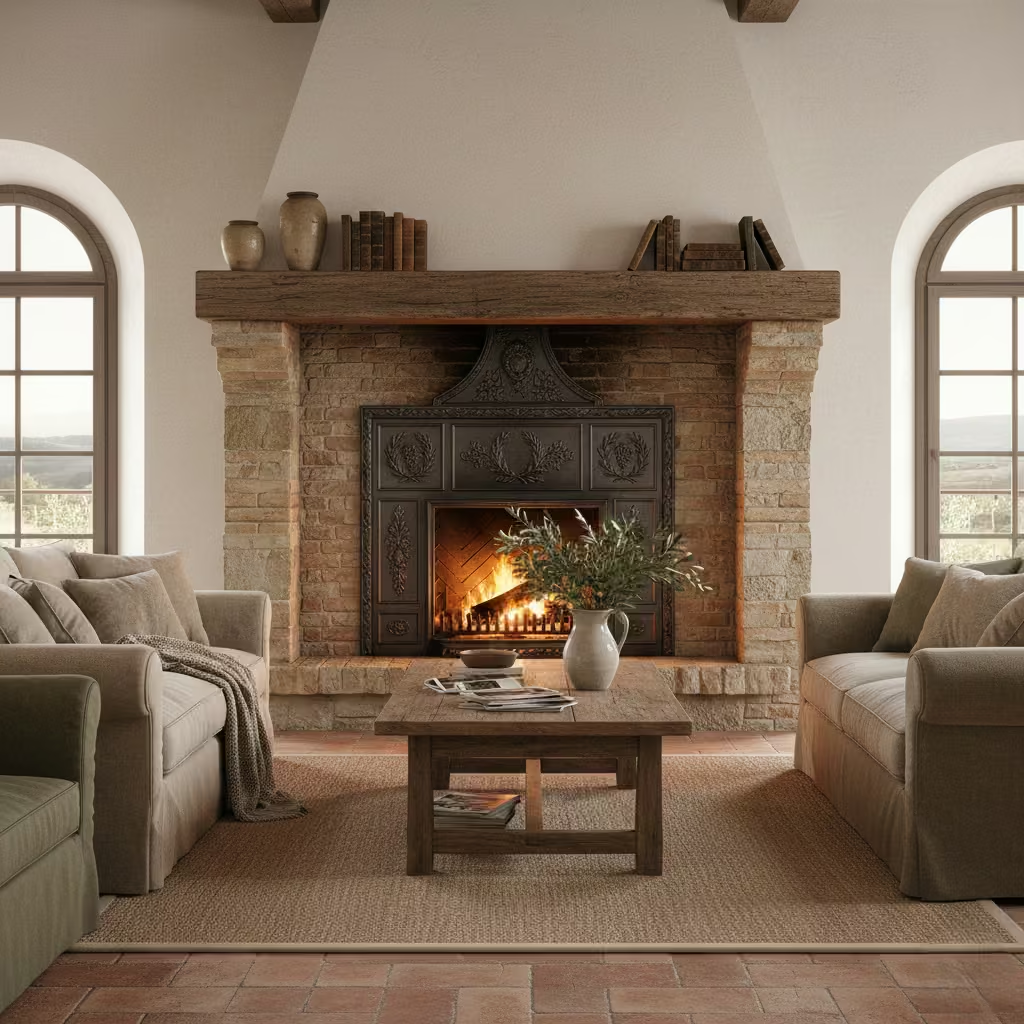
An Italian fireplace with a cast iron insert combines traditional charm with modern efficiency. Cast iron is highly durable and excellent at radiating heat, making it a practical choice for homes that want the ambiance of a real fire without sacrificing performance. These inserts often feature ornate detailing, such as embossed patterns or classical motifs, which reflect Italian craftsmanship while maintaining a functional role.
I recommend pairing cast iron inserts with stone, brick, or plaster surrounds to achieve a harmonious mix of texture and warmth. This style is especially effective in period homes or renovated rustic spaces, where the insert adds a touch of authenticity and timeless appeal.
By blending heritage aesthetics with modern heating technology, an Italian fireplace with a cast iron insert delivers both beauty and comfort, making it an enduring choice for functional, stylish interiors.
Outdoor Italian Fireplace for Courtyards
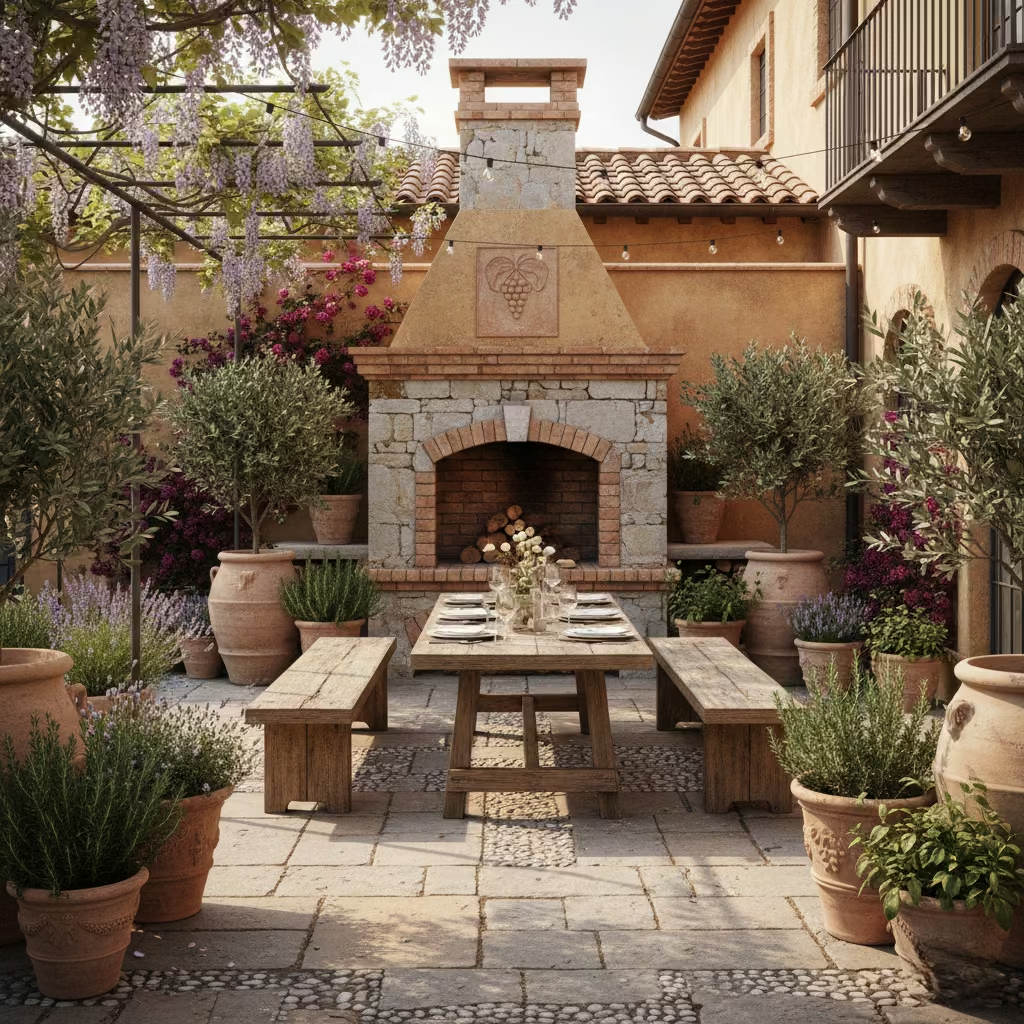
Outdoor Italian fireplaces are a cornerstone of Tuscan-style living, turning gardens and courtyards into inviting social spaces. Typically crafted from stone or brick, these fireplaces serve as a central gathering point for alfresco dining, evening conversations, or seasonal celebrations.
The design often incorporates wide hearths and arched openings, echoing traditional villa architecture while accommodating outdoor living.
I often suggest pairing the fireplace with rustic seating, terracotta pots, and Mediterranean greenery to complete the authentic look. The natural materials age gracefully in the elements, creating a relaxed, timeless atmosphere.
Outdoor Italian fireplaces not only provide warmth but also establish a sense of structure and intimacy in expansive outdoor areas. They embody the essence of Italian lifestyle, where architecture, nature, and social life harmoniously intersect.
Fireplace Framed with Antique Wood Beams
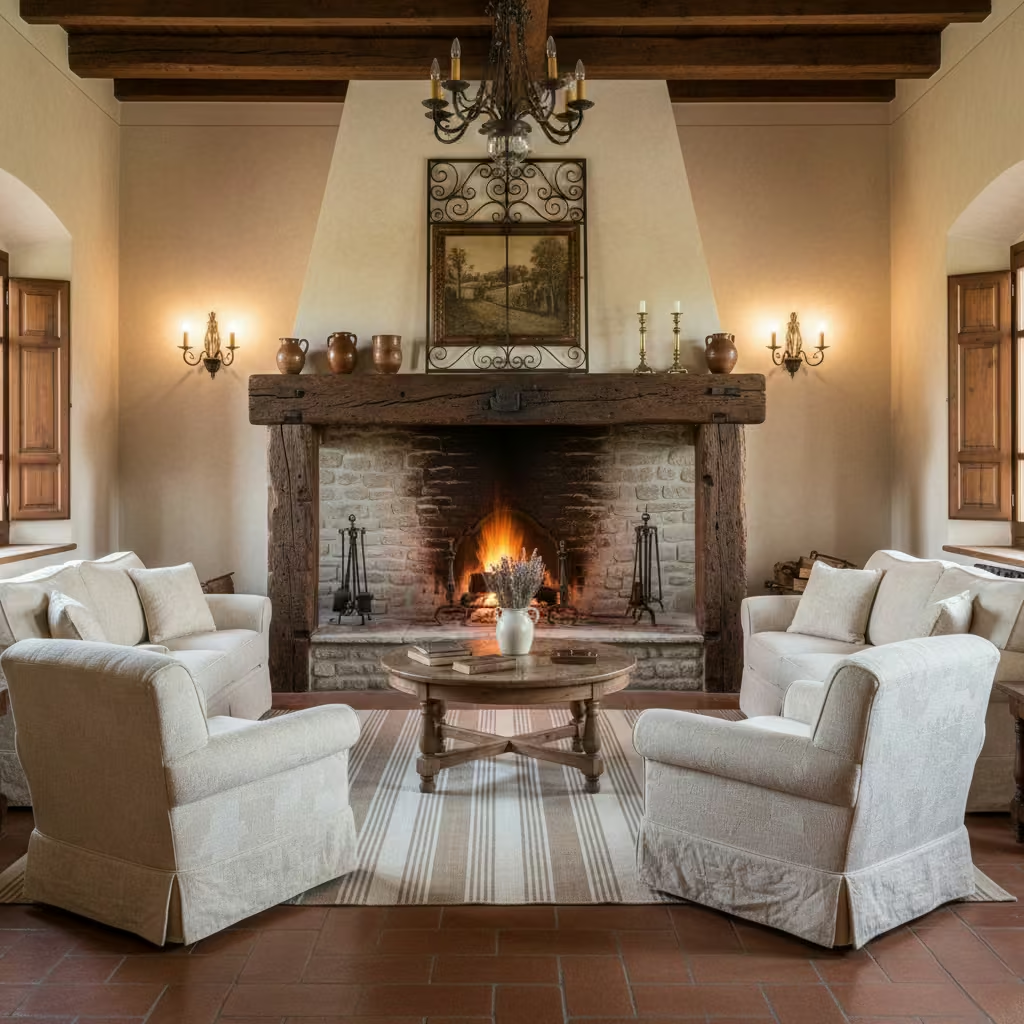
Framing a fireplace with antique wood beams adds immediate warmth, texture, and visual interest to any interior. In Italian design, these beams often come from reclaimed timber, showcasing knots, grain, and weathered patina that contribute to a rustic, authentic feel. The contrast between the solid, natural wood and stone, brick, or plaster surrounds enhances the fireplace as a focal point.
I often use this approach to create a cozy, inviting atmosphere in living rooms or country kitchens. The beams can also double as practical mantels, supporting décor or family heirlooms.
By pairing antique wood with neutral materials and soft lighting, the fireplace feels anchored in both history and contemporary life. This design emphasizes tactile richness, warmth, and character, capturing the timeless Italian balance between structural integrity and homely charm.
You May also Like: 25 Moody Dark Green Mudroom Ideas for a Stylish, Cozy Entryway
Minimal Italian Fireplace with Microcement
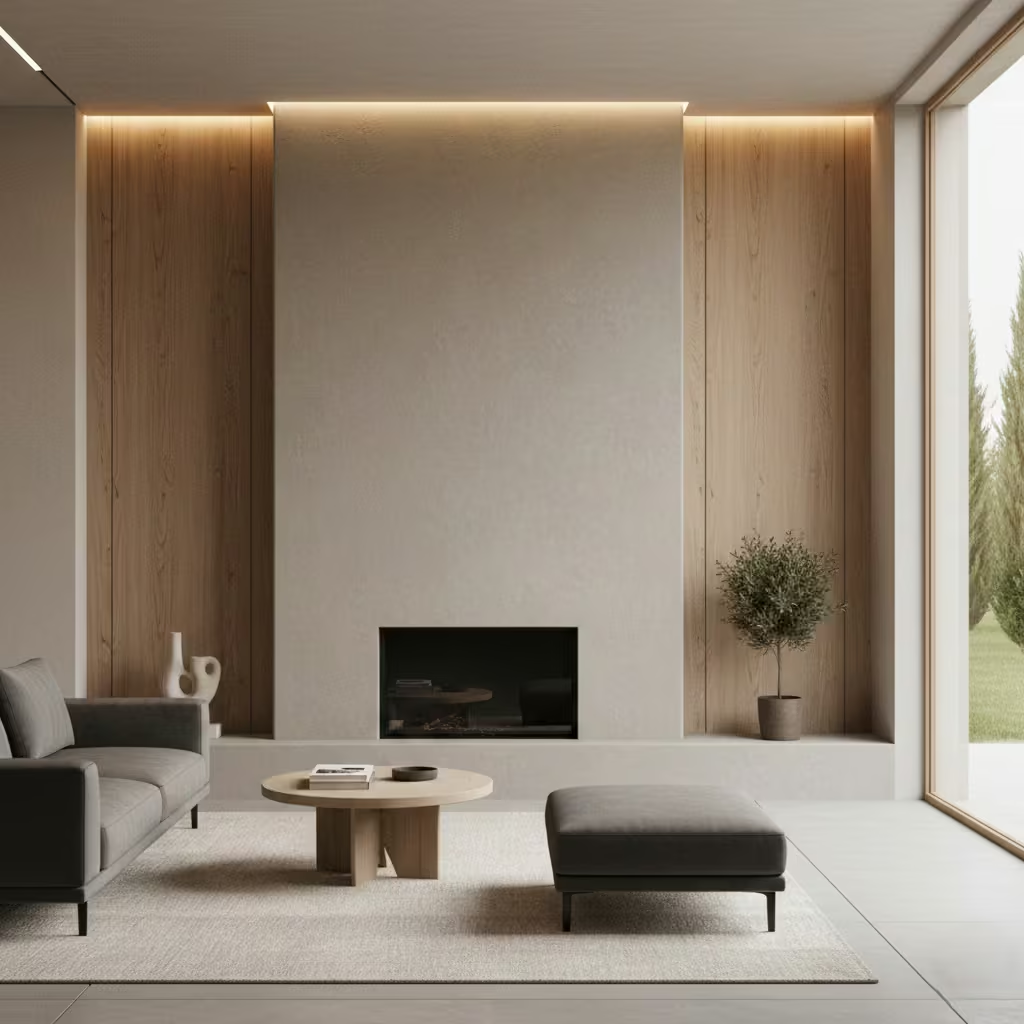
A minimal Italian fireplace with microcement perfectly marries modern design with long-lasting durability. Microcement is a versatile material that can be applied seamlessly over stone, brick, or plaster, offering a smooth, continuous surface with subtle texture. Its muted tones soft greys, warm beiges, and earthy whites align perfectly with the Italian minimalist aesthetic, emphasizing clean lines and understated elegance.
I often recommend microcement for homeowners seeking a contemporary fireplace that is both practical and visually refined. The material is low-maintenance, heat-resistant, and can be shaped to integrate shelves, hearths, or flush walls, maintaining a sleek, cohesive look.
By pairing it with natural wood accents, muted textiles, and minimal décor, a microcement fireplace becomes a serene focal point. It embodies modern Italian design principles: simplicity, quality materials, and functionality, offering warmth without unnecessary ornamentation.
You May also Like: Transform Your Space with These 25 Desert Living Room Inspirations
Fireplace with Italian Travertine Surround
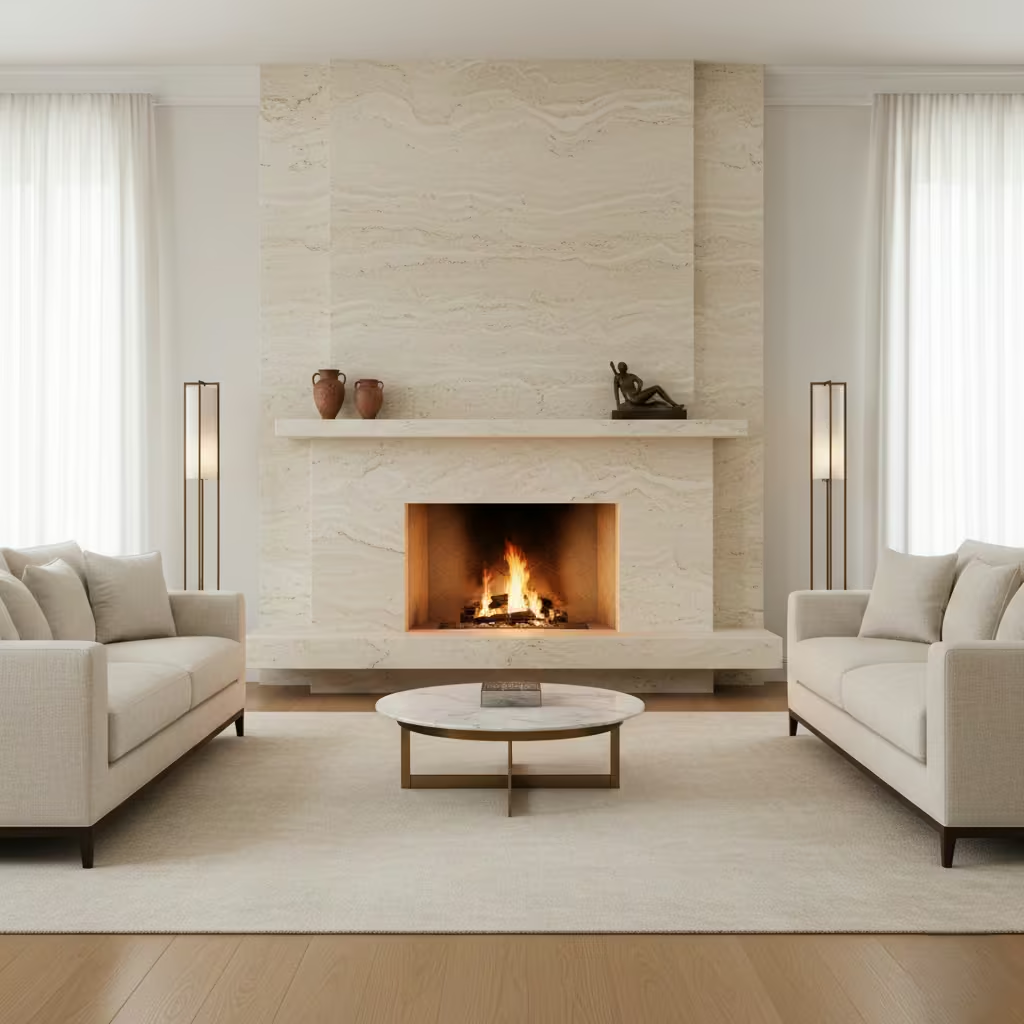
Travertine has long been a favourite in Italian interiors, prized for its soft stone tones and natural elegance. A fireplace with a travertine surround exudes understated luxury, offering texture, warmth, and subtle tonal variation. Each slab’s natural veins and colour shifts create depth, ensuring that no two fireplaces are identical.
I often pair travertine surrounds with simple mantels or integrated hearths to highlight the material’s inherent beauty. The soft, neutral palette works in both classic and contemporary interiors, allowing other design elements furniture, flooring, or artwork to shine.
Travertine fireplaces convey timeless sophistication, blending natural aesthetics with architectural refinement, and they remain durable and visually striking for decades.
You May also Like: Living Room Furniture Essentials: Designing for Comfort, Character, and Everyday Living
Double-Sided Italian Fireplace
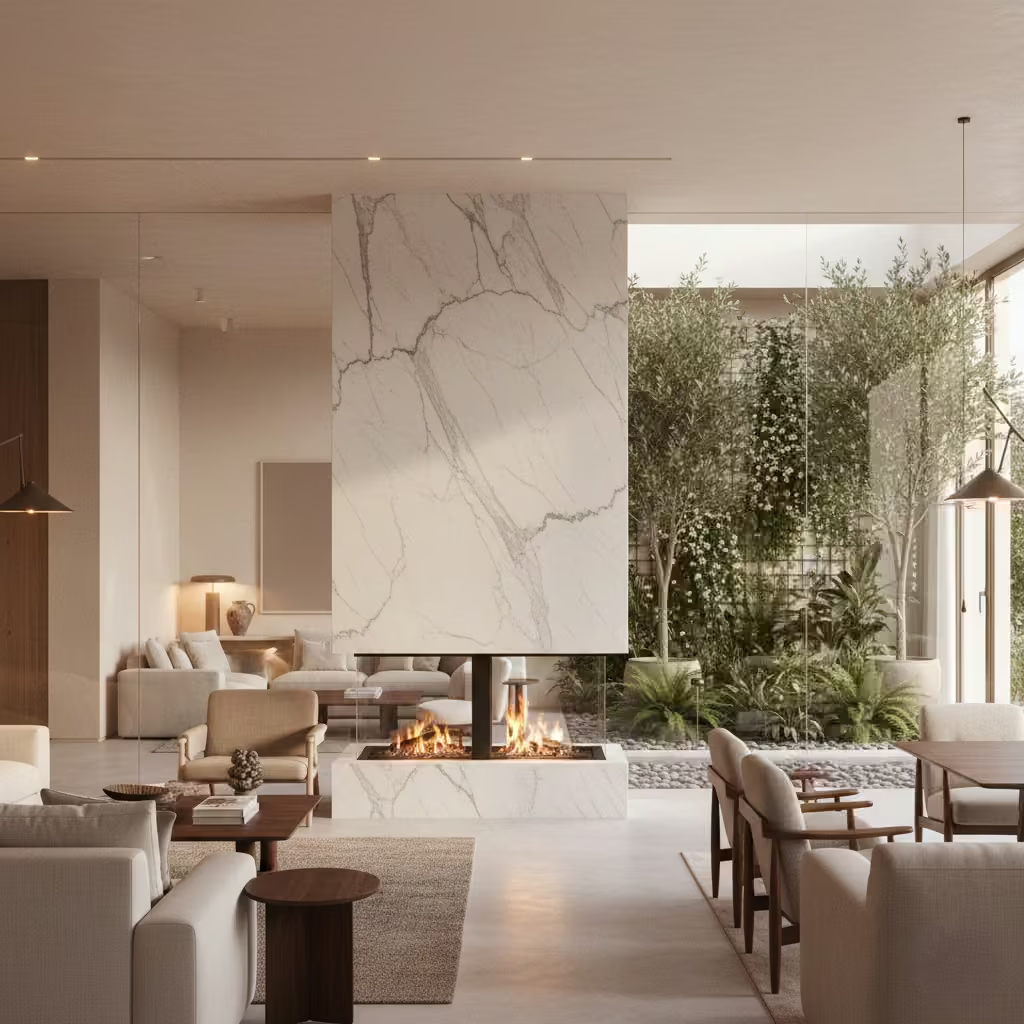
A double-sided Italian fireplace is ideal for open-plan living spaces, where it functions as both a divider and a shared focal point. Visible from two rooms, this design creates warmth and ambience while maintaining spatial flow. Italian inspiration often manifests in the use of stone, plaster, or marble, ensuring elegance alongside practicality.
I frequently recommend double-sided fireplaces in modern homes that value open sightlines and multifunctional spaces. Whether placed between a living and dining area or connecting a lounge with an indoor garden, these fireplaces anchor interiors while offering cozy, inviting warmth.
Their sculptural presence blends architectural sophistication with the comfort of traditional Italian design, creating both style and functionality.
Italian Fireplace with Sculptural Hood
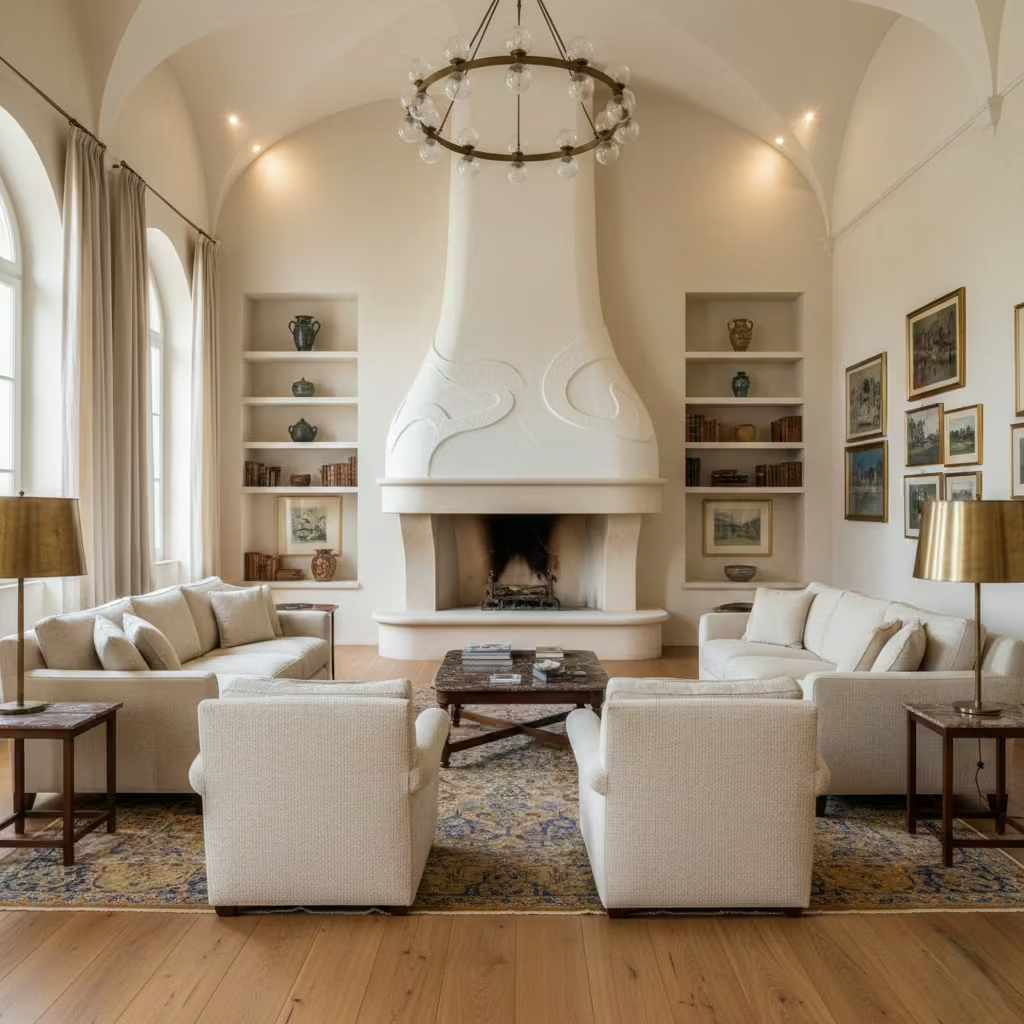
An Italian fireplace with a sculptural hood draws the eye upward, transforming a functional chimney into a statement feature. Inspired by heritage kitchens and historic villas, these hoods often incorporate curves, reliefs, or subtle detailing that give the fireplace a sense of drama and architectural weight.
I often suggest pairing sculptural hoods with simple hearths and neutral surrounds to let the design speak for itself. Materials such as plaster, stone, or metal accents enhance texture and depth.
This type of fireplace works exceptionally well in spacious living rooms, kitchens, or entryways, adding vertical interest while maintaining warmth and comfort. It embodies Italian design’s ability to combine artistry with utility, turning a traditional element into a centrepiece.
Modern Classic Italian Fireplace Blend
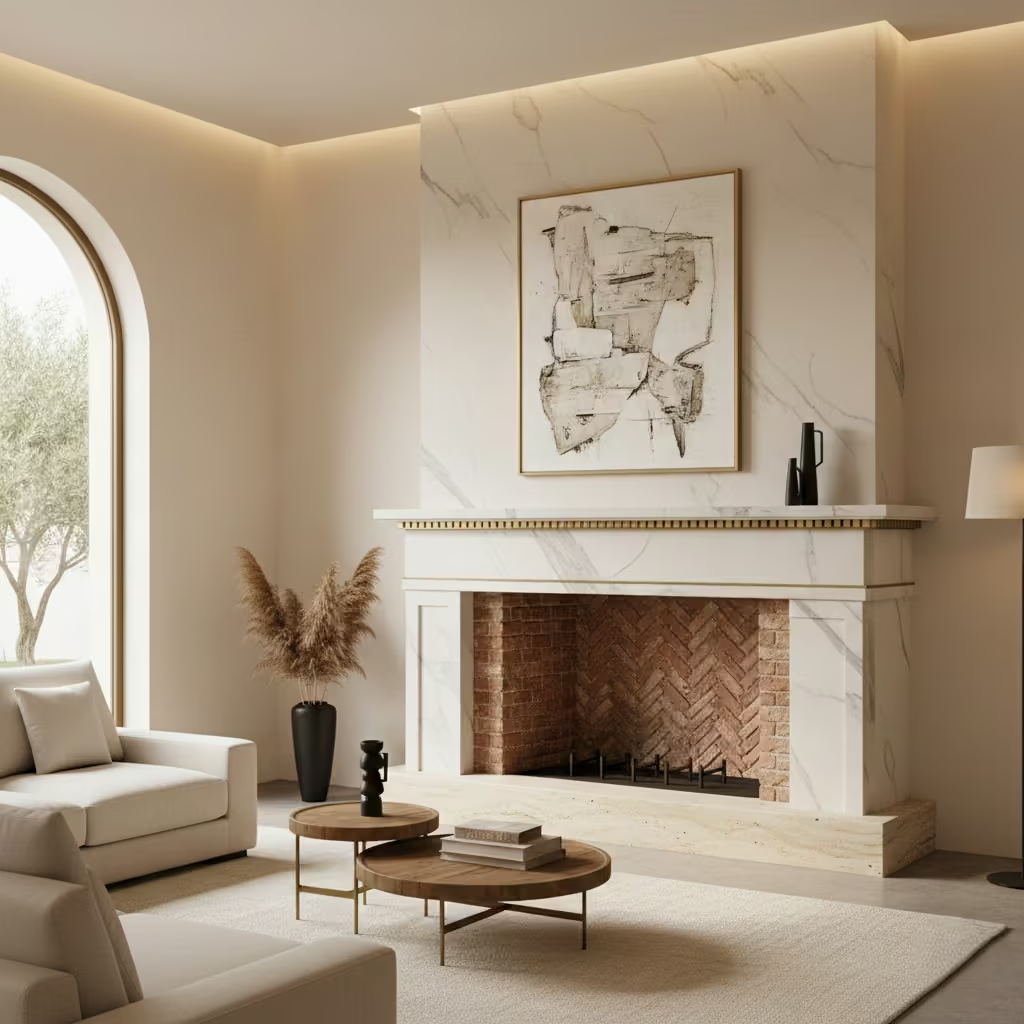
A modern classic Italian fireplace blends traditional materials like marble, stone, or brick with contemporary proportions and clean lines. This style respects Italian heritage while adapting to modern interiors, offering both sophistication and versatility.
I often use this approach when clients want the timeless appeal of Italian design without overwhelming a contemporary space.
The fireplace may feature a minimal mantel, subtle carvings, or sleek surrounds, paired with neutral walls and understated décor. The result is a harmonious balance of old and new: enduring materials, classic inspiration, and modern execution.
This blend ensures the fireplace remains relevant over time, delivering warmth, elegance, and architectural presence in any home.
How to Choose the Right Italian Fireplace Style for Your Home
Choosing the perfect Italian fireplace for your home goes beyond picking a beautiful design. The right fireplace should complement your space, reflect your personal style, and function efficiently. One of the first factors to consider is room size.
Large, open-plan living areas can accommodate grand, statement fireplaces with ornate mantels or double-sided designs, while smaller rooms benefit from compact, corner, or minimalist styles that create warmth without overwhelming the space.
Material selection is equally important. Stone, marble, and travertine offer timeless elegance and durability, while plaster and microcement provide a sleek, modern aesthetic.
Rustic finishes such as exposed brick or limewashed stone create character and charm in more traditional or country-inspired interiors. Think about not just the look but also the tactile quality and how the material will age over time.
Balancing modern versus traditional elements is key, especially if your home blends contemporary and classic décor. A modern minimalist fireplace can coexist with antique furniture, while a carved limestone or marble surround can anchor a room with subtle modern accents.
Finally, consider your budget and maintenance. Natural stone and marble often require professional installation and occasional upkeep, while plaster or microcement can be more cost-effective and low-maintenance. Built-in wood storage, cast iron inserts, or outdoor options may also affect costs and long-term care.
By weighing these factors carefully, you can select an Italian fireplace that not only elevates your interior but also provides lasting warmth, style, and character.
Styling and Finishing Touches
Once you’ve chosen the right Italian fireplace, thoughtful styling and finishing touches can elevate it from a functional element to a true focal point. Mantel décor plays a significant role in achieving this. In Italian interiors, less is often more consider a curated mix of antique ceramics, sculptural objects, candles, or framed artwork.
These small details enhance the fireplace’s character without competing with its architectural presence. I often recommend layering textures and varying heights to create visual interest while maintaining a sense of balance and elegance.
Lighting and furniture placement are equally critical. Soft, ambient lighting—such as wall sconces, recessed lights, or table lamps can highlight the textures of stone, plaster, or marble finishes, adding warmth and depth.
Positioning seating thoughtfully around the fireplace encourages social interaction and makes the area inviting. Whether it’s a cozy reading nook or a spacious living area, maintaining clear sightlines ensures the fireplace remains the central feature of the room.
Finally, choose colour palettes that enhance the natural materials. Warm neutrals, soft taupes, muted greys, and earthy tones complement stone and plaster, while subtle accent colours drawn from textiles or décor can add personality.
This harmonious approach ensures the fireplace feels integrated with the rest of the interior, creating a space that’s not only stylish but also inviting, comfortable, and timelessly Italian.
Final thoughts
Italian fireplaces are far more than decorative features they are a celebration of craftsmanship, warmth, and enduring style. Each design, from rustic Tuscan stone to sleek modern minimalist, reflects a commitment to quality materials, thoughtful proportions, and timeless elegance.
Unlike trend-driven pieces, these fireplaces are built to age gracefully, adding character and depth to your home over the years.
I encourage you to use the 20 Italian fireplace ideas as inspiration rather than strict rules. Consider the scale, materials, and architectural style of your own space, and adapt these concepts to reflect your personal taste and lifestyle.
Whether you’re drawn to the grandeur of a carved limestone mantel, the rustic charm of a farmhouse brick hearth, or the simplicity of a minimalist microcement design, there’s an Italian fireplace that can become the heart of your home.
By blending tradition with your own vision, you can create a space that is not only beautiful but also warm, welcoming, and enduring for generations to come.
Frequently Asked Questions about Italian Fireplace
What materials are commonly used in Italian fireplaces?
Italian fireplaces often feature natural materials such as stone, marble, limestone, travertine, brick, and plaster. Rustic styles may use aged brick or hand-chiseled stone, while modern designs often incorporate plaster or microcement for smooth, minimal finishes. Each material is chosen for durability, aesthetic appeal, and its ability to age gracefully over time.
How do I choose between a modern or traditional Italian fireplace?
Consider the style of your home and the room’s layout. Traditional fireplaces, such as carved limestone or Tuscan stone, suit classic or rustic interiors, while modern minimalist designs with clean lines and plaster or microcement finishes work well in contemporary spaces. Balancing proportions, materials, and décor will help the fireplace feel cohesive in your home.
Can Italian fireplaces be customized for small spaces?
Absolutely. Corner fireplaces, minimalist microcement designs, and built-in units are excellent options for smaller rooms. These styles save floor space while still providing warmth and a strong visual focal point.
Are Italian fireplaces practical for heating, or are they mostly decorative?
Many Italian fireplaces are fully functional, especially those with cast iron inserts or double-sided designs. While some focus on aesthetics, traditional and modern designs can both provide efficient heat if installed correctly.
How do I maintain an Italian fireplace?
Maintenance depends on the material. Stone and marble require periodic cleaning and occasional sealing, plaster and microcement benefit from gentle dusting, and brick may need a soft scrub to remove soot buildup. Regular care ensures longevity and preserves the fireplace’s natural beauty.
Can Italian fireplace designs work outdoors?
Yes, outdoor Italian fireplaces are a hallmark of Tuscan-style living. Stone or brick designs can anchor courtyards, patios, or gardens, create an inviting gathering spot while withstand outdoor conditions.