

30 Kitchen Makeover Ideas That Make Old Kitchens Feel Brand New
A kitchen makeover often starts with frustration. I hear it all the time from homeowners who feel stuck with dated cabinets, awkward layouts, or kitchens that feel dark and disconnected from the rest of the home. The space may still function, but it no longer reflects how you live, cook, or entertain. The good news is that a meaningful transformation does not always require a full renovation or starting from scratch.
This guide to 30 kitchen makeover ideas is designed to help you see your kitchen differently and, more importantly, to show what is realistically achievable. In my experience working across kitchen renovations and redesigns, small strategic changes often deliver the biggest visual and functional impact. From refreshing cabinet finishes and improving lighting to smarter storage solutions and layout tweaks, the right upgrades can completely shift how a kitchen feels and performs.
Inside this article, you will find a carefully curated mix of ideas that suit different budgets, styles, and kitchen sizes. Some options focus on quick, cost-effective updates that can be completed in days, while others explore statement upgrades that redefine the space and add long-term value to your home. I have included practical context with each idea, helping you understand where it works best and how to approach it without costly mistakes.
Whether you are planning a full kitchen makeover or simply want to modernise what you already have, these ideas are meant to inspire confidence and clarity, not overwhelm. Consider this both a source of design inspiration and a practical roadmap for making smarter kitchen decisions.
Colour & Surface Transformations For Kitchen makeover
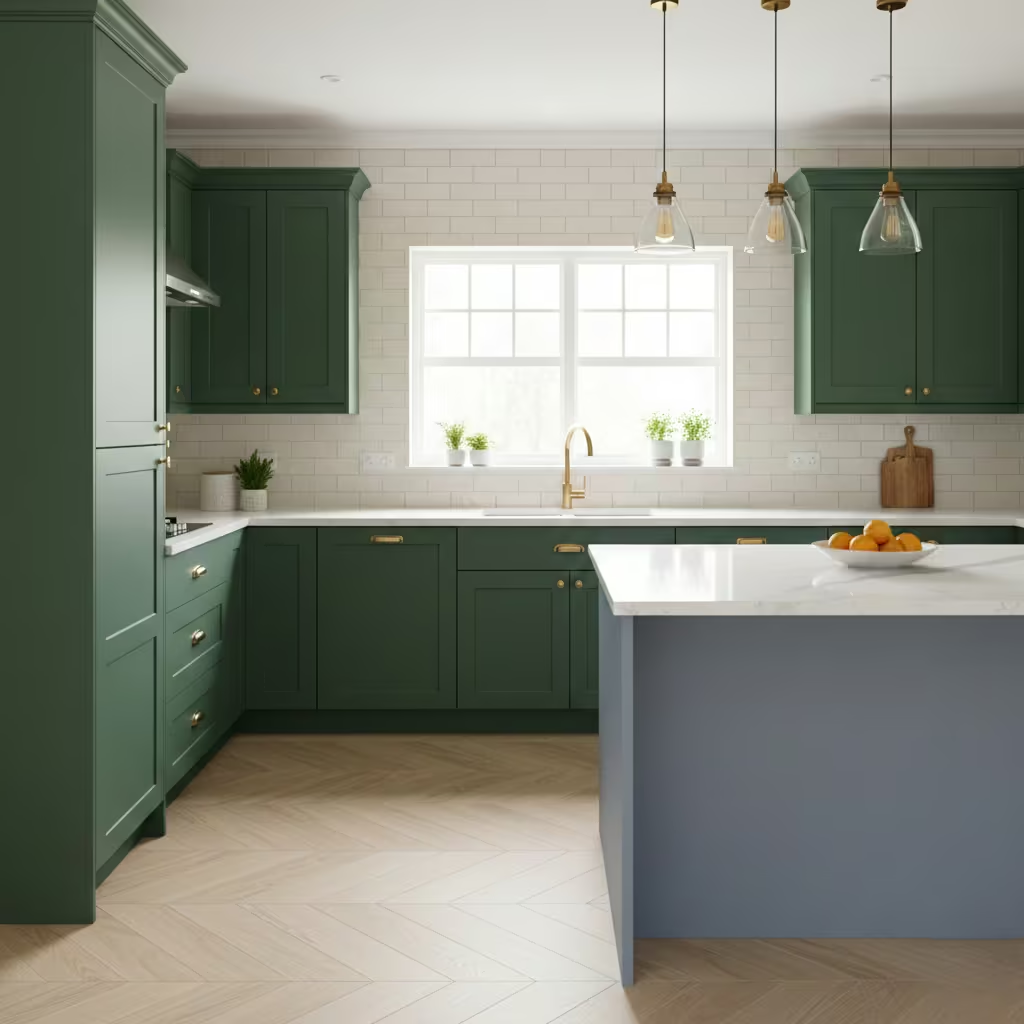
Before diving into specific upgrades, it helps to start with the elements that create the strongest first impression. Colour choices and surface finishes set the overall mood of a kitchen and often determine whether the space feels modern, warm, bright, or dated. In many Kitchen makeovers I work on, addressing these visual foundations delivers instant impact without changing the layout or structure of the room.
The following ideas focus on colour and surface transformations that can refresh your kitchen quickly while laying the groundwork for a cohesive, well-balanced design.
Paint Cabinets Instead of Replacing Them
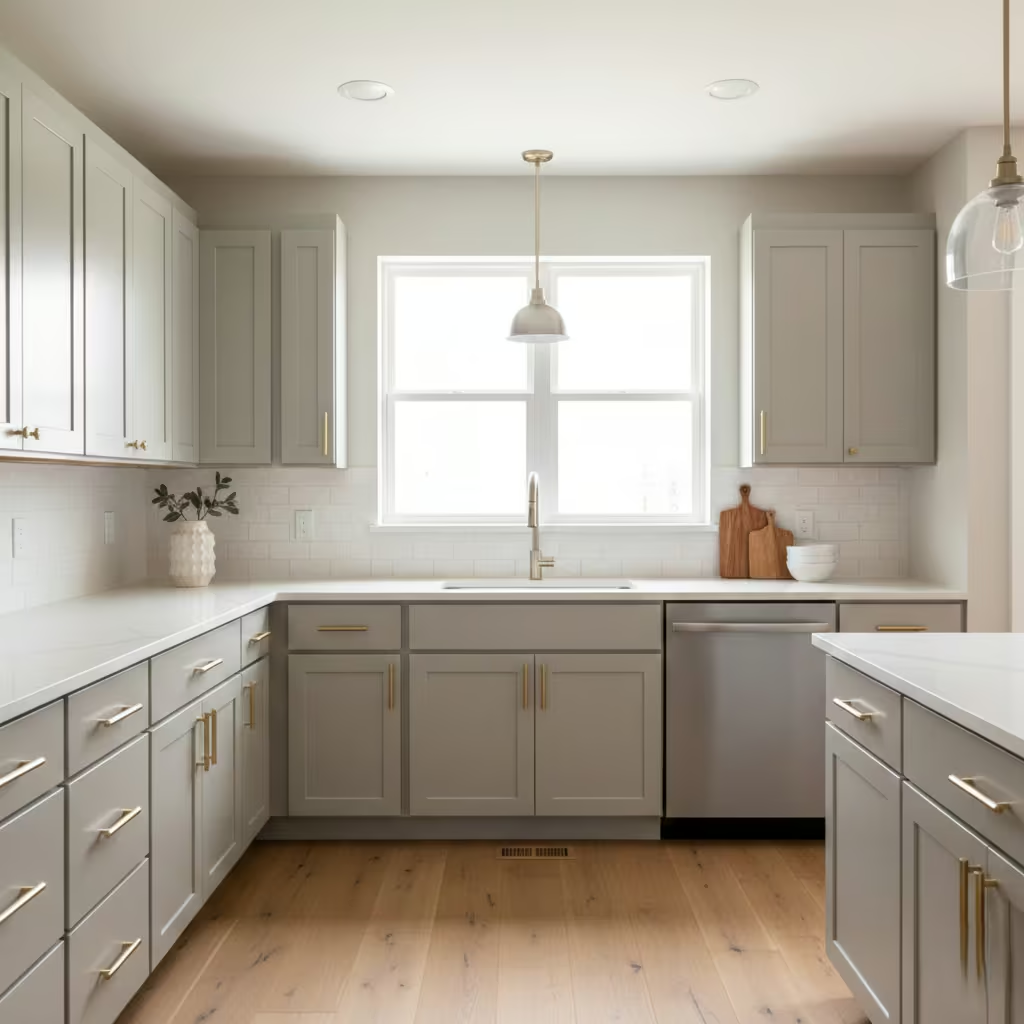
Painting existing kitchen cabinets is one of those changes that punches well above its weight. In many kitchens I work on, the cabinet boxes are still in good shape, but the finish has clearly seen better days. Instead of ripping everything out, a professional paint refresh can breathe new life into the space without blowing the budget.
Preparation is where the magic happens. Skipping proper cleaning, sanding, and priming is a false economy that almost always comes back to bite later. I always stress the importance of using durable, kitchen-grade paints in satin or semi-gloss finishes, especially in high-traffic homes where wear and tear is unavoidable.
Colour choice can make or break the result. Lighter shades help dark kitchens feel brighter and more open, while deeper colours add depth and sophistication when natural light is on your side. This approach is a classic case of working smarter, not harder, delivering a kitchen makeover that looks intentional, current, and built to last.
Two-Tone Kitchen Cabinet Designs
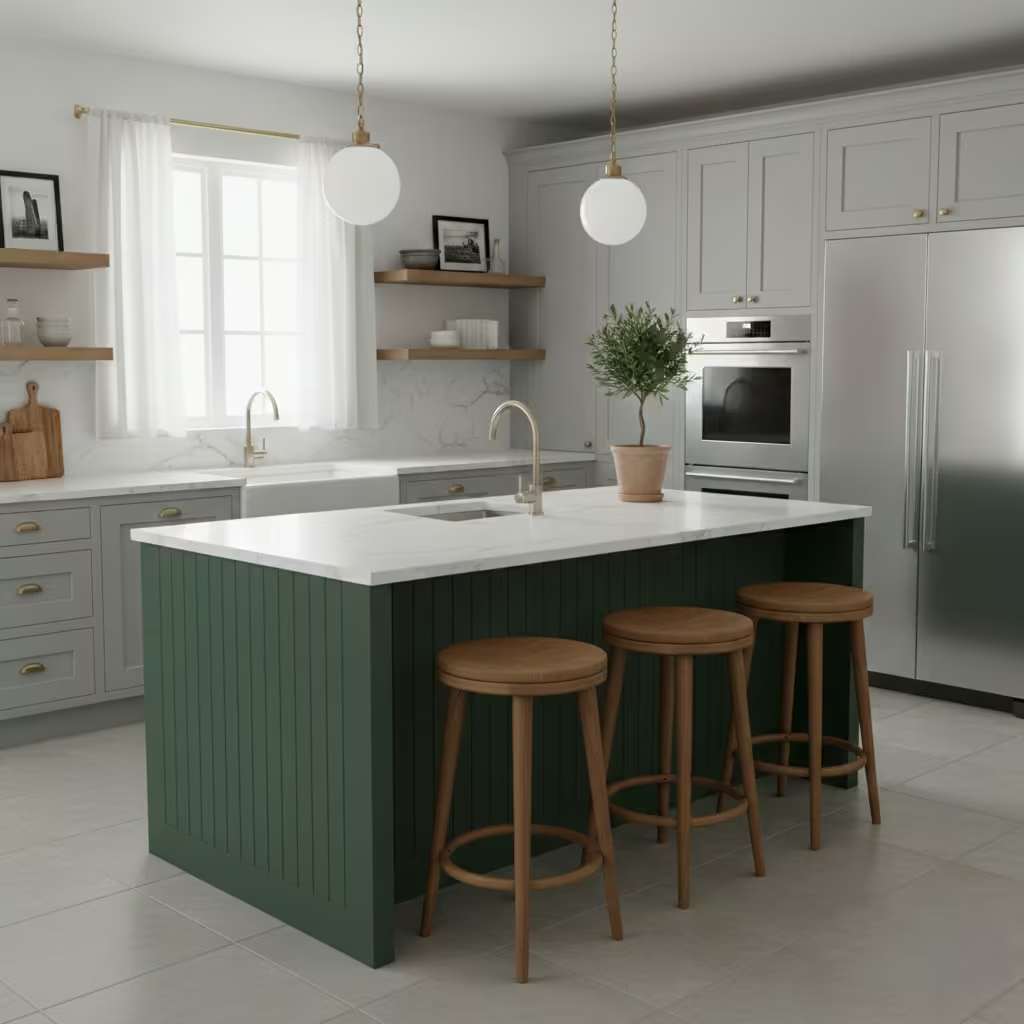
Two-tone cabinetry is a clever way to add personality without going overboard. It creates contrast, visual balance, and a layered look that feels considered rather than chaotic. I often recommend this approach to homeowners who want something a little different but still want to play it safe.
A tried-and-tested formula is pairing lighter upper cabinets with darker lowers. This keeps the kitchen feeling airy while grounding the space visually. Another popular option is using a contrasting colour on the island, which naturally draws the eye and anchors the layout.
The trick is choosing colours that work together, not against each other. Soft neutrals, muted greens, warm woods, and gentle greys all age well and avoid feeling dated too quickly. When done right, two-tone cabinets strike a happy medium between trend-led and timeless, adding depth without stealing the show.
You May also Like: 25 Black Kitchen Cabinet Design Ideas That Transform Your Kitchen
Bold Kitchen Island Colour Makeovers
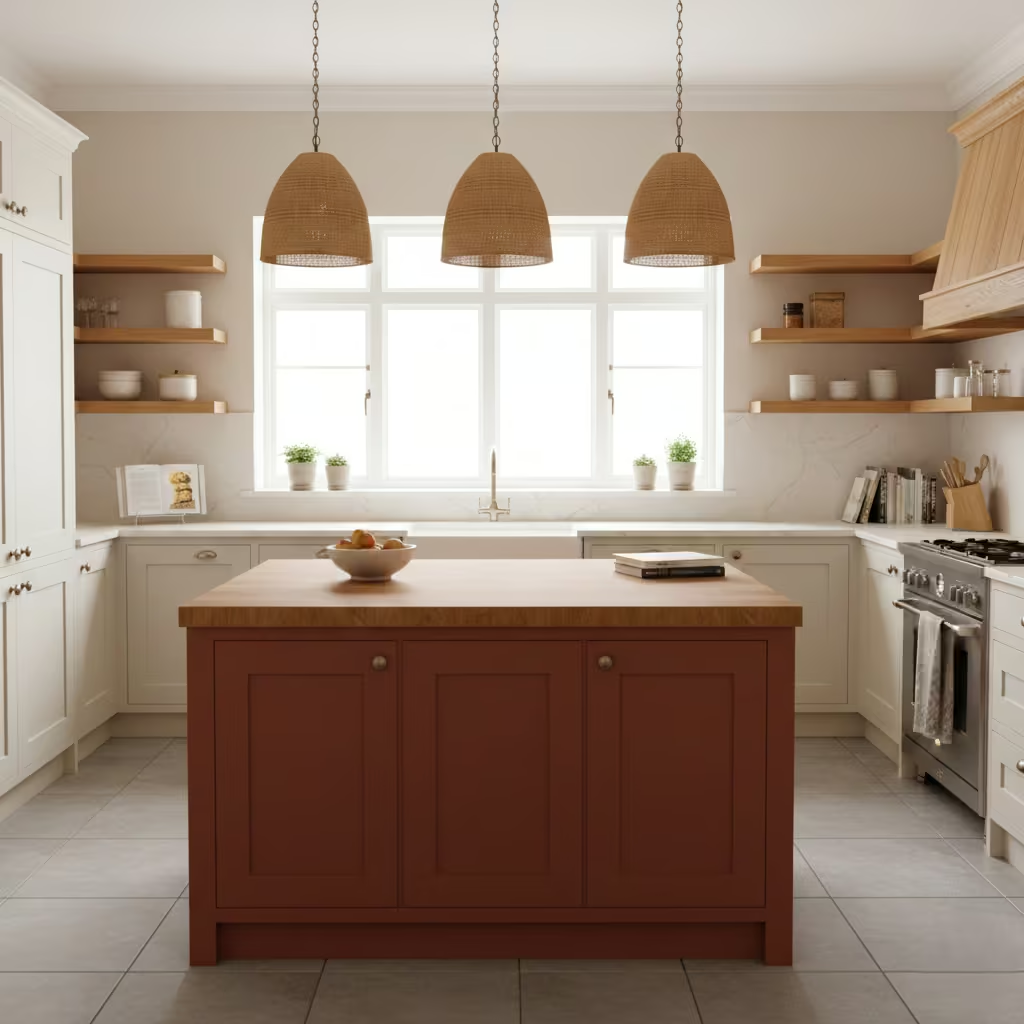
If you want impact without commitment, a bold kitchen island is a smart place to start. It is often the heart of the kitchen, so giving it a standout colour instantly changes the feel of the entire room. In neutral kitchens, this single move can stop the space from feeling flat or forgettable.
I usually advise keeping the surrounding cabinets understated and letting the island do the talking. Deep blues, rich greens, or earthy tones work particularly well when paired with natural stone or wood finishes. Good lighting is key here, as it keeps bold colours from feeling heavy or closed in.
The beauty of this makeover is flexibility. If tastes shift down the line, repainting one island is far easier than reworking the whole kitchen. It is a low-risk, high-reward upgrade that adds character, confidence, and a designer touch without major disruption.
Refresh with a Statement Backsplash
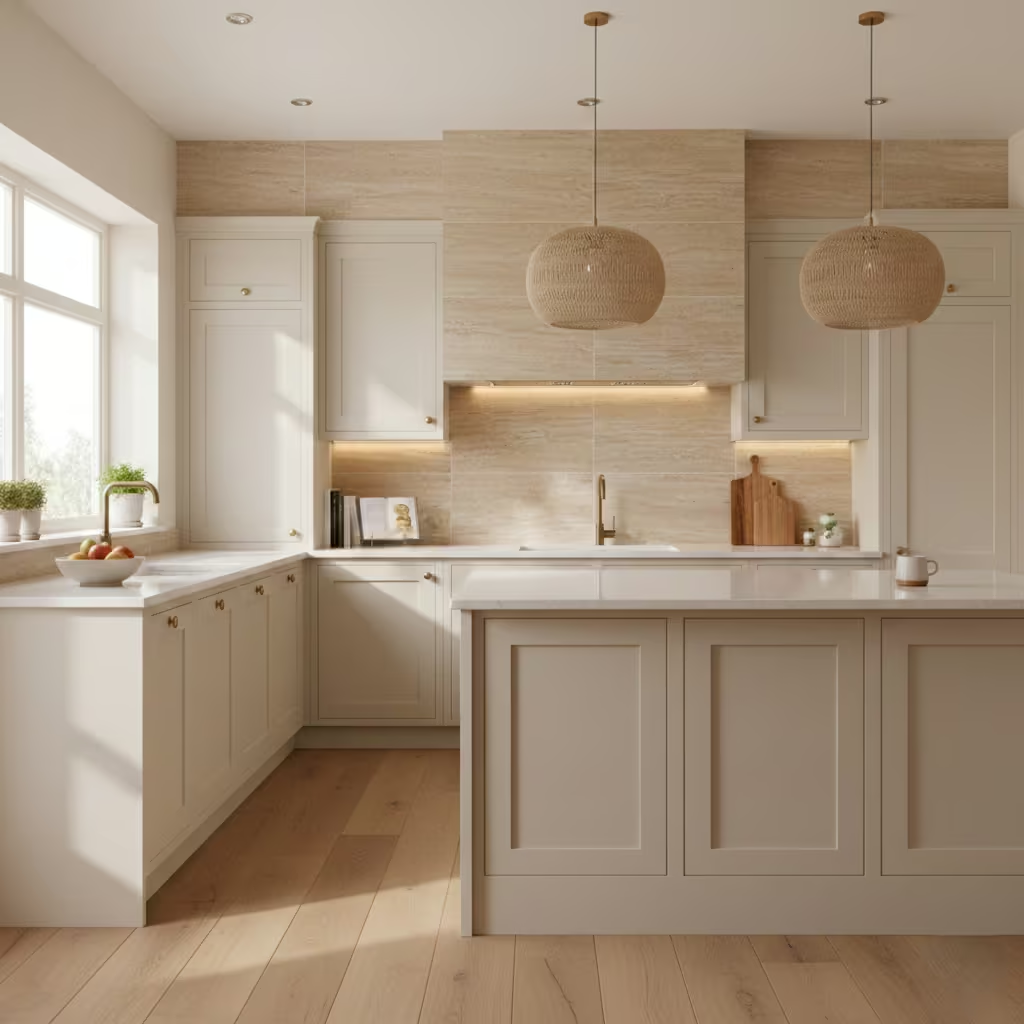
A statement backsplash is one of those upgrades that can completely change the mood of a kitchen almost overnight. I often describe it as the jewellery of the space. It may not take up the largest surface area, but it draws the eye and sets the tone. If cabinets and worktops are fairly neutral, the backsplash is the perfect place to push the boat out.
Patterned tiles, textured ceramics, bold colours, or even full-height stone can all act as strong visual anchors. In smaller kitchens, a backsplash that runs from worktop to upper cabinets, or even to the ceiling, can make the space feel taller and more considered. The key is balance. A bold backsplash works best when the rest of the kitchen allows it to shine rather than compete.
Practicality still matters. I always recommend materials that are easy to clean and resistant to heat and moisture. When chosen carefully, a statement backsplash adds personality, depth, and a sense of craftsmanship that instantly elevates the entire kitchen.
You May also Like: 25 Small Kitchen Ideas That Maximize Space and Make Cooking Way More Enjoyable
Upgrade Worktops for Instant Luxury
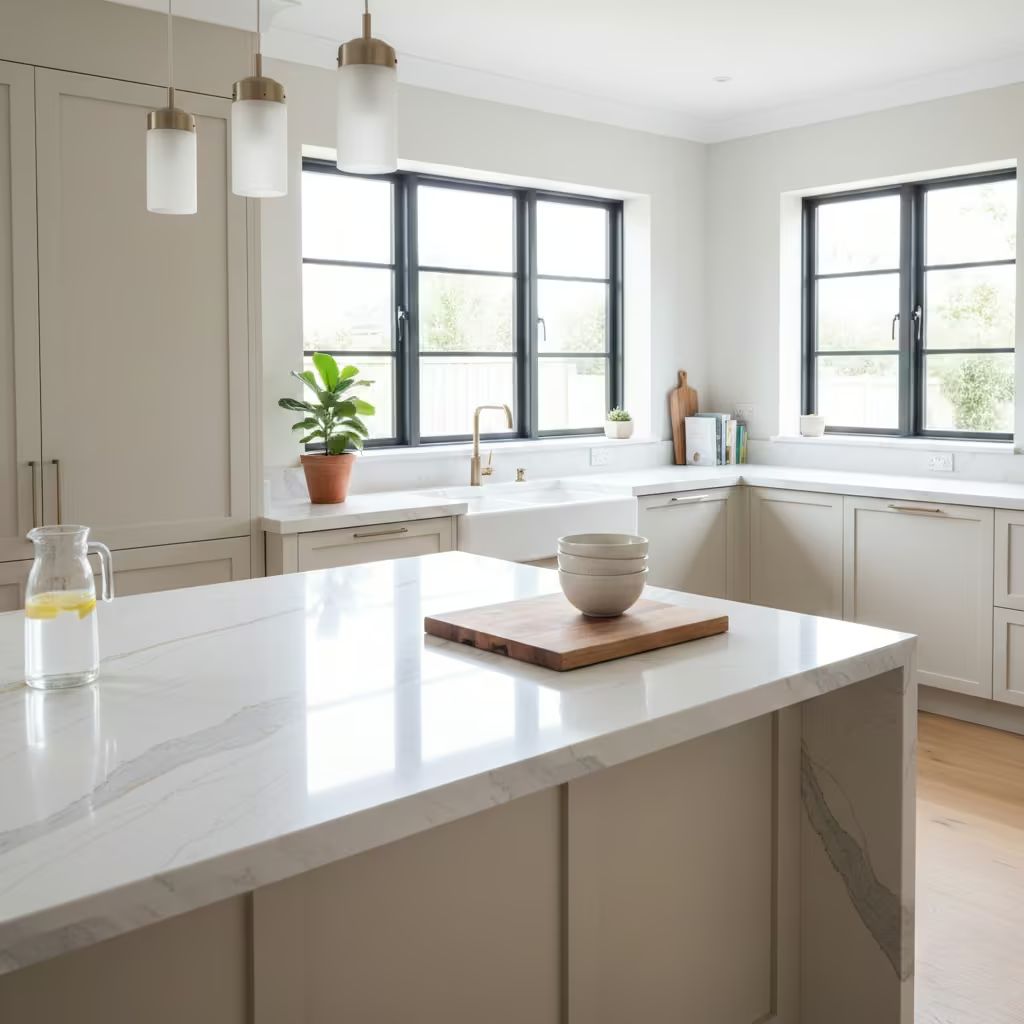
Upgrading kitchen worktops is one of the fastest ways to introduce a sense of luxury without touching the layout. In many Kitchen makeovers, this single change shifts the kitchen from ordinary to high-end in one fell swoop. It is a classic example of spending money where it shows.
Materials like quartz, natural stone, and high-quality porcelain offer both durability and visual impact. I often guide homeowners toward finishes that complement their cabinet colour and lighting rather than following short-lived trends. A well-chosen worktop should feel timeless, not tied to a specific moment.
Details make all the difference. Thicker profiles, waterfall edges, or subtle veining add depth and refinement. Even in budget-conscious kitchens, upgrading worktops creates a ripple effect that lifts the entire space, making cabinets, lighting, and finishes feel more intentional and polished.
Layout & Functional Improvements in Kitchen Makeover
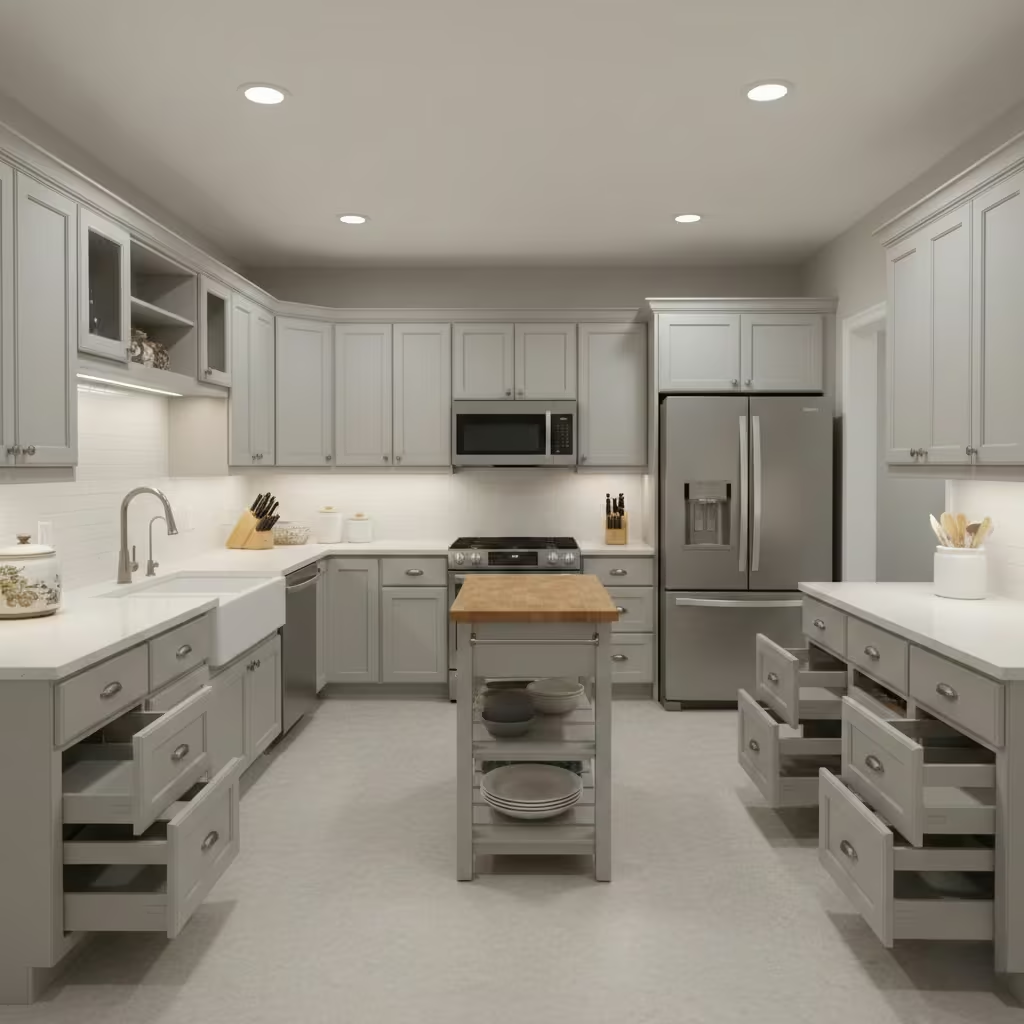
Once the visual foundation is in place, the next step is making sure the kitchen actually works as well as it looks. Layout and functionality are often where frustration creeps in, from awkward movement between zones to storage that never quite meets daily needs. In many projects I handle, improving flow and usability delivers the biggest lifestyle upgrade of all.
The following ideas focus on layout and functional improvements that make everyday cooking, cleaning, and entertaining feel easier, more intuitive, and far less cramped, without necessarily increasing the footprint of the kitchen.
Open Shelving to Replace Upper Cabinets
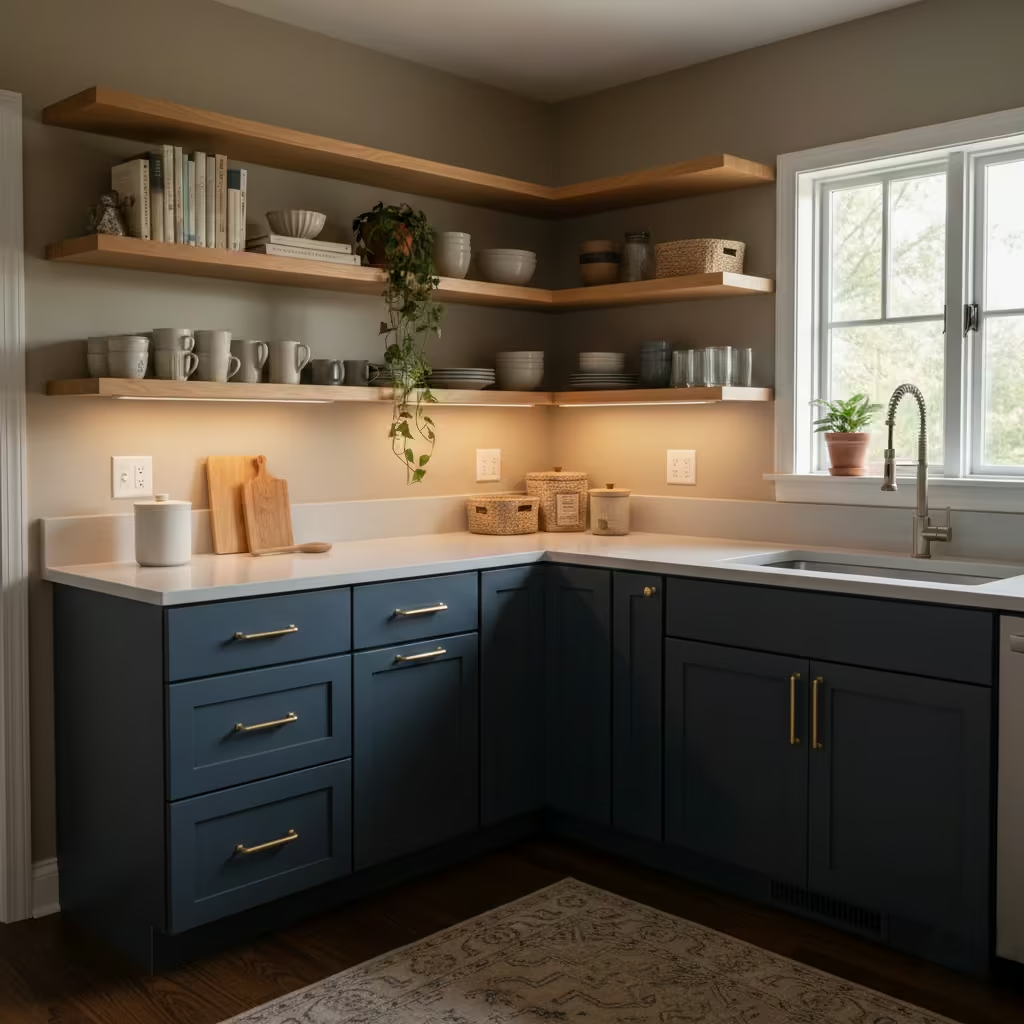
Open shelving is a fantastic way to make a kitchen feel more spacious, airy, and connected, especially in smaller or darker rooms. In my experience, swapping out upper cabinets for well-styled shelves can immediately lift the visual weight from the walls, creating a sense of openness that traditional cabinetry rarely achieves.
The trick is to strike a balance between practicality and aesthetics. Open shelves are ideal for items you use regularly, such as everyday dishes, glassware, or attractive storage jars. Styling matters too grouping items by colour or material creates a curated, intentional look rather than a cluttered mess.
From a functional perspective, open shelving encourages organisation, as everything is on display and easy to reach. It also allows for seasonal décor swaps or personalised touches, giving the kitchen a lived-in, welcoming feel. While it requires a bit more upkeep than closed cabinets, the payoff in both style and usability is significant, making this a popular choice among homeowners looking for a modern, functional upgrade.
You May also Like: 25 White Kitchen Designs That Blend Style and Function
Add a Kitchen Island or Peninsula
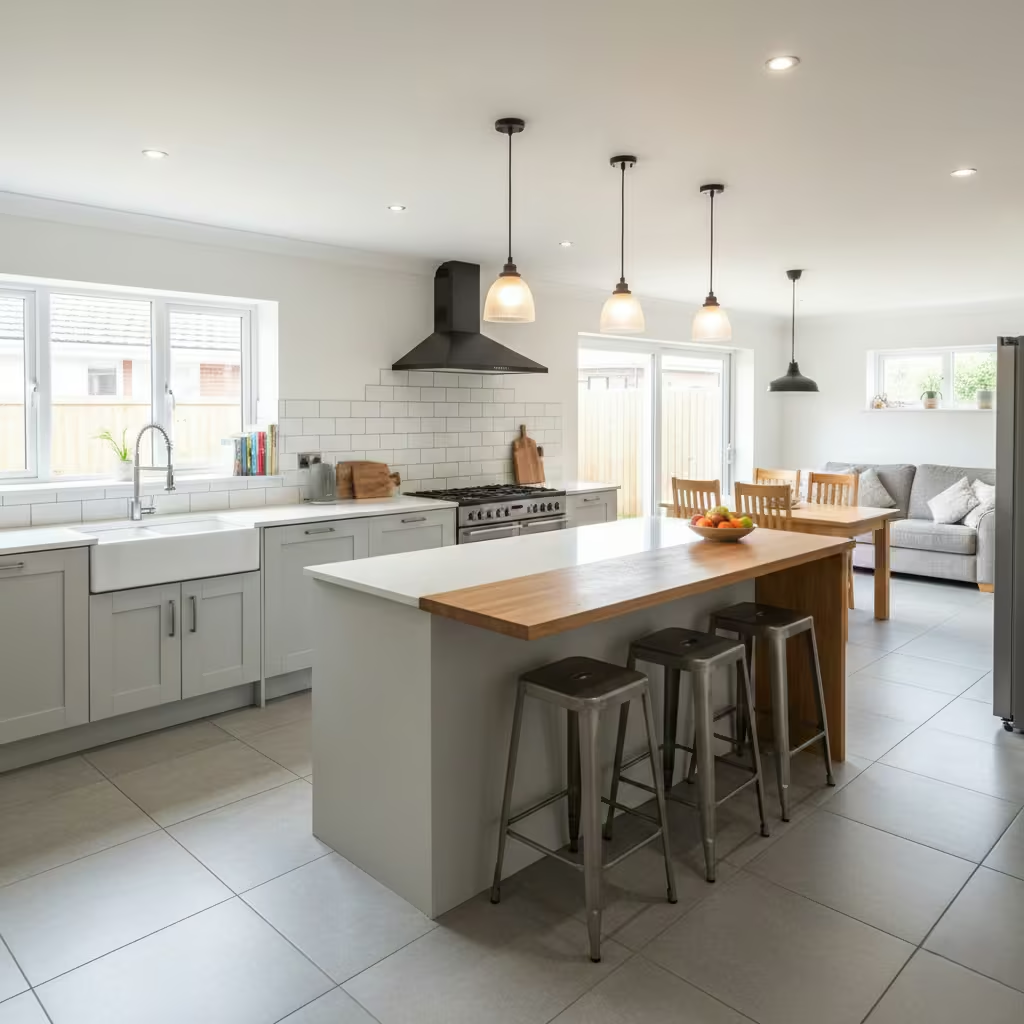
Adding a kitchen island or peninsula is one of those changes that transforms both the look and the workflow of a space. Islands act as a central hub for food prep, casual dining, and socialising, while peninsulas can define zones in open-plan layouts without blocking movement. I often see homeowners amazed at how much easier daily cooking becomes once this addition is in place.
When planning an island, consider size and circulation carefully. There should be enough room to move comfortably around it, with at least 90–120cm between the island and surrounding cabinetry. Incorporating storage, wine racks, or seating adds further functionality. Even a modest island can double as a breakfast bar or homework station, making it a true multi-purpose feature.
The aesthetic possibilities are equally appealing. A contrasting colour, statement worktop, or integrated lighting can turn the island into the visual anchor of the kitchen. It’s a practical upgrade that also makes a style statement, increasing both usability and appeal.
Reconfigure Appliance Placement for Better Flow
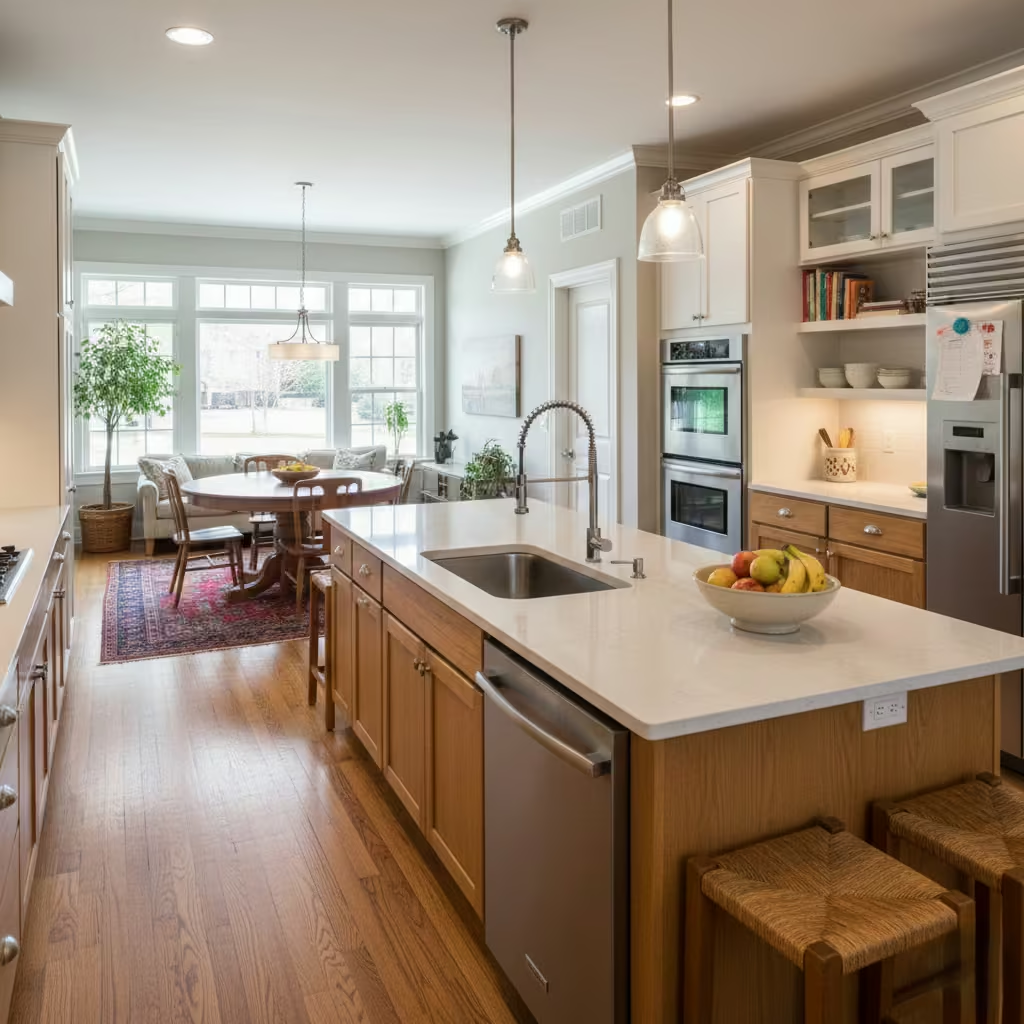
Sometimes the simplest way to improve a kitchen is to rethink how the appliances are positioned. The “kitchen work triangle “the ideal relationship between the sink, stove, and fridge remains a key principle for efficiency, but many older layouts ignore it. Reconfiguring appliance placement can drastically reduce unnecessary steps, making cooking and cleaning less of a chore.
In my experience, even small tweaks, such as relocating the fridge closer to the prep area or ensuring the oven isn’t tucked in a corner, can make a huge difference in daily convenience. Consider how often you open cabinets, load the dishwasher, or reach for the microwave, and adjust layouts to support natural movement patterns.
This upgrade is often surprisingly achievable without major renovation, especially in open-plan kitchens where walls aren’t restrictive. It’s a practical, user-focused improvement that enhances both function and comfort while subtly boosting the overall kitchen experience.
Create a Dedicated Coffee or Beverage Station
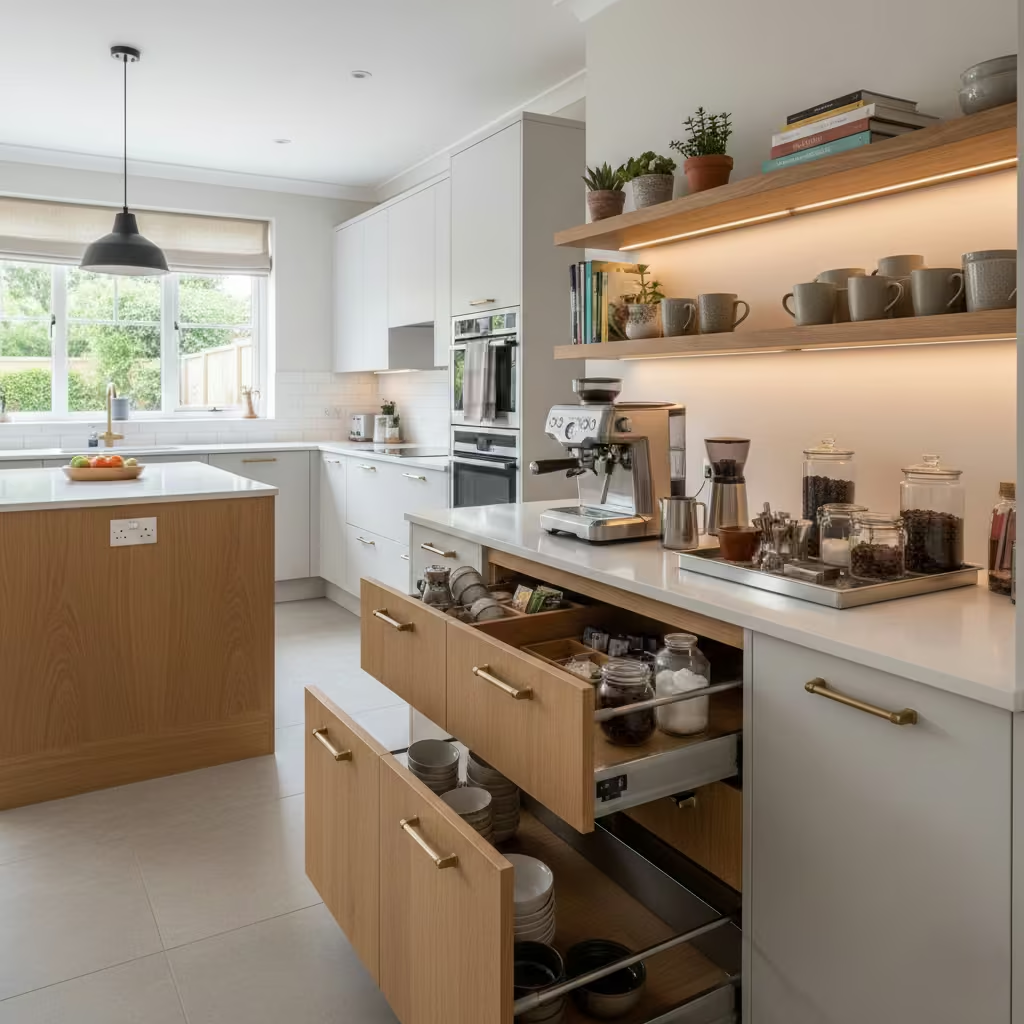
A dedicated coffee or beverage station is a small change that delivers big daily rewards. I often recommend this upgrade for homeowners who love entertaining or simply want a streamlined morning routine. By designating a corner, countertop, or even a small cabinet for coffee machines, kettles, mugs, and related accessories, you keep the main work areas clear while making your favourite drinks easily accessible.
Styling is key. Open shelving above the station can hold mugs and decorative jars, while a countertop tray or basket keeps coffee pods, sugar, and spoons neatly organised. For more permanent setups, built-in cabinets with pull-out trays or hidden appliance garages add a sleek, clutter-free touch. Lighting also makes a difference—adding under-shelf LED strips or a small pendant draws attention to the station and creates a cozy, café-like vibe.
Beyond aesthetics, a dedicated station saves time and reduces daily kitchen traffic. It’s a practical, user-friendly feature that blends functionality with style, making your kitchen feel more personalised and enjoyable every day.
Improve Storage with Pull-Out Solutions
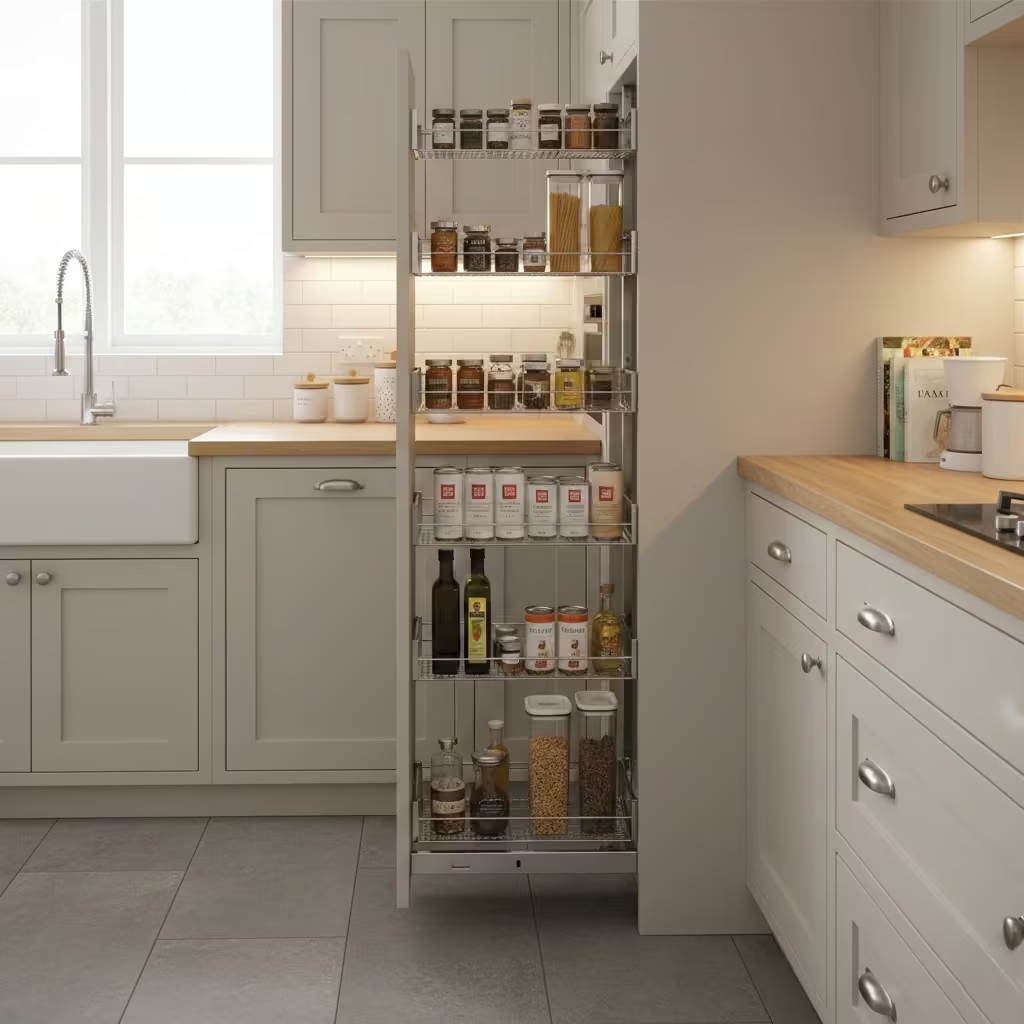
Pull-out storage solutions are a game-changer for kitchen functionality, especially in spaces where clutter tends to accumulate. I’ve seen kitchens transformed simply by introducing pull-out pantries, spice racks, and drawers that make everything visible and accessible without rummaging through deep shelves.
These systems work beautifully for narrow spaces or awkward corners. For example, pull-out trays in base cabinets let you access pots and pans with a single motion, while vertical pull-outs near ovens or fridges can hold baking trays, cutting boards, or condiments neatly. They also make the kitchen safer, reducing the risk of tipping or dropping items while reaching into cabinets.
Material and build quality matter. Sturdy runners, smooth gliding mechanisms, and soft-close features ensure longevity and a premium feel. In short, pull-out solutions combine clever engineering with practical design, turning wasted or hard-to-reach spaces into organised, efficient storage that every homeowner will appreciate.
You May also Like: 24 Tiny Pantry Ideas: Smart Storage Solutions for Small Kitchens
Lighting & Visual Enhancements for Kitchen makeover
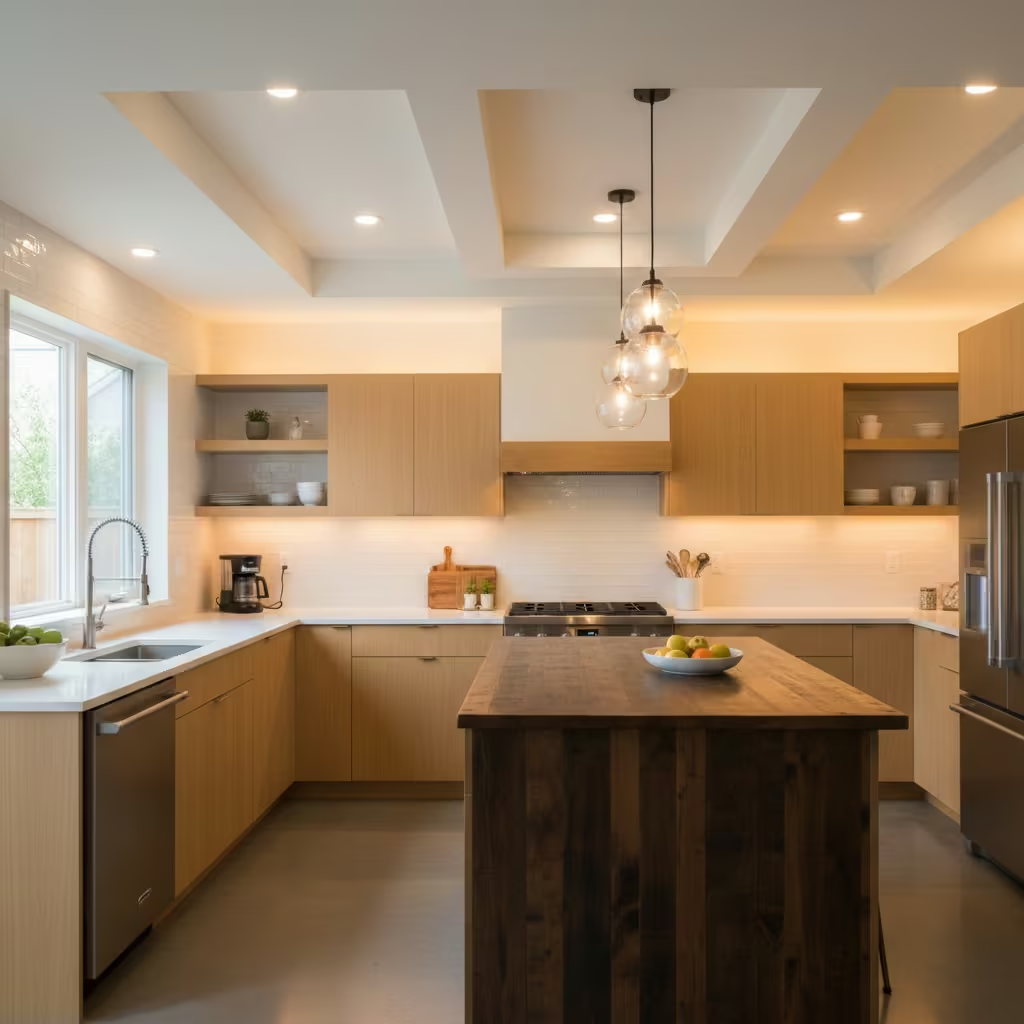
Lighting and visual enhancements are the unsung heroes of a kitchen makeover. Even the most beautiful cabinets and worktops can feel flat or uninspired without the right illumination. In my experience, layering task, ambient, and accent lighting not only improves functionality but also adds warmth, depth, and a sense of drama to the space.
These upgrades make the kitchen feel brighter, more inviting, and far more visually dynamic, often transforming the atmosphere without touching structural elements.
Install Under-Cabinet Lighting
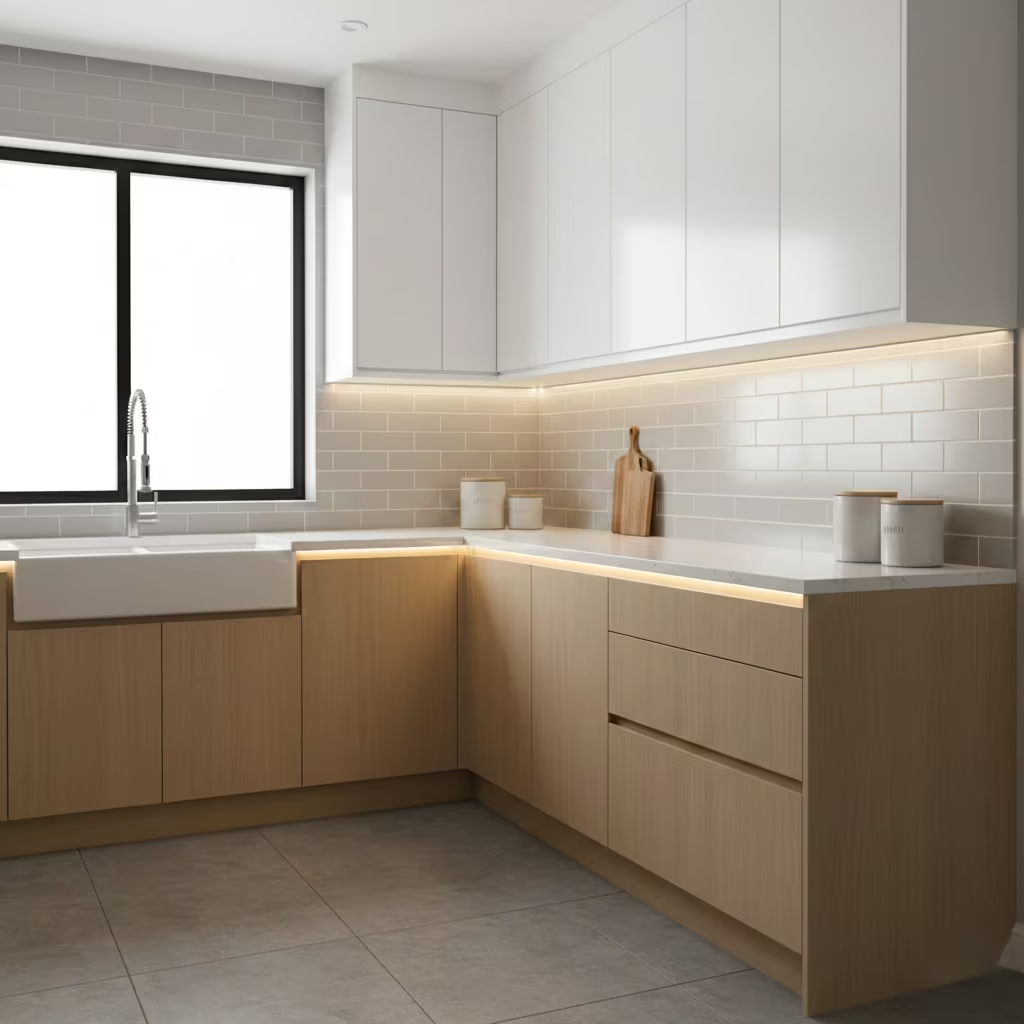
Under-cabinet lighting is one of those upgrades that punches well above its weight. In many kitchens, worktops and prep areas are shadowed by upper cabinets, making tasks like chopping or reading recipes more difficult than they should be. Installing LED strips or puck lights beneath cabinets instantly brightens these areas, improving both safety and usability.
Beyond functionality, under-cabinet lighting adds subtle drama and dimension to the kitchen. It highlights backsplashes, enhances textures, and creates a floating effect for the cabinetry, giving the space a designer finish without major investment. I usually recommend warm white tones for a cosy, inviting glow, or adjustable LEDs if you want flexibility for cooking and entertaining.
This is a high-ROI upgrade because it’s relatively inexpensive, easy to install, and dramatically improves both the practicality and visual appeal of the kitchen. It’s one of those changes that homeowners consistently tell me makes them fall in love with their kitchen all over again.
Swap Outdated Fixtures for Statement Pendants
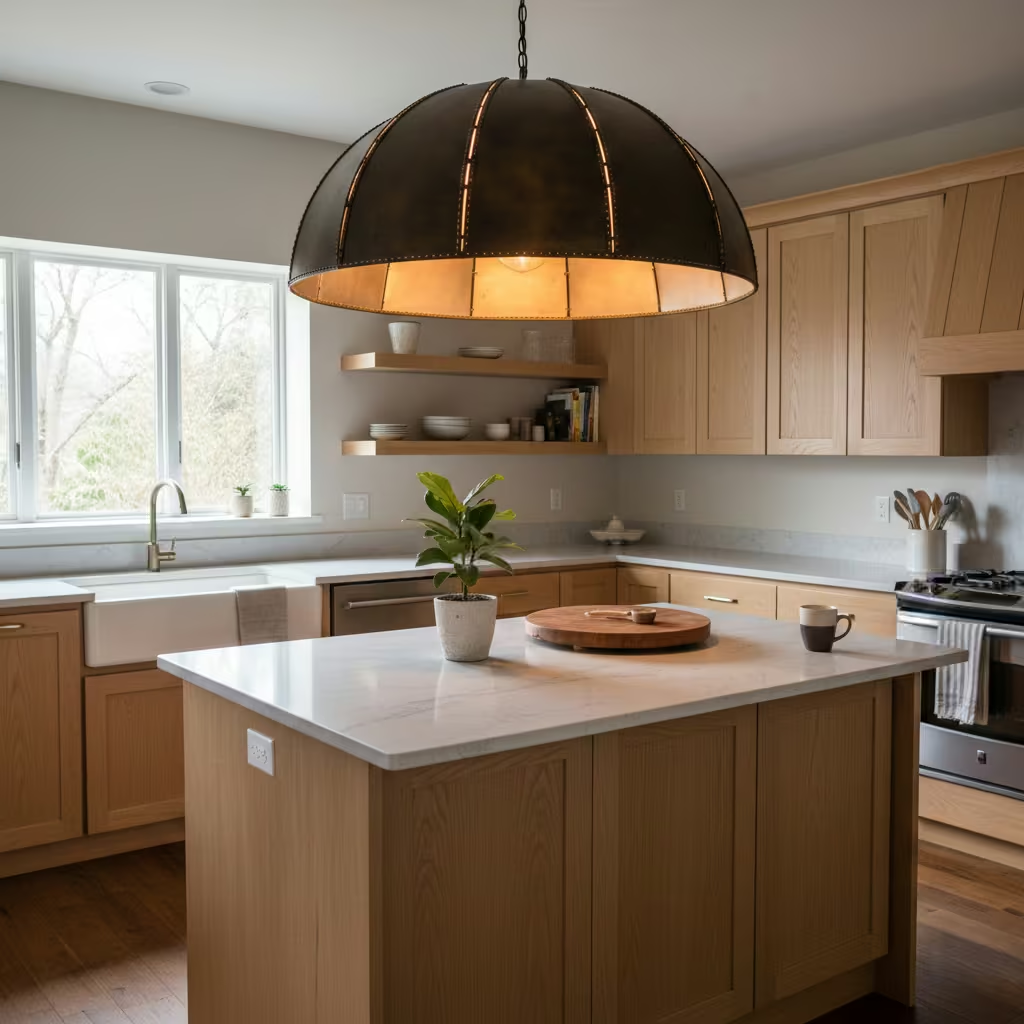
Replacing old, uninspiring light fixtures with statement pendants is a simple way to inject personality and style into a kitchen. Pendant lighting over islands or dining areas serves as both a functional source of illumination and a focal point that draws the eye. In my experience, even a single bold pendant can anchor the space and give the kitchen a high-end feel.
When selecting pendants, consider scale, finish, and placement. Oversized pendants work beautifully over islands, while smaller clusters create rhythm and visual interest. Materials like brass, black metal, or hand-blown glass add texture and character, while finishes should complement other kitchen hardware and surfaces.
The beauty of this upgrade is its dual impact: it enhances lighting quality while serving as a statement design feature. It’s a relatively low-cost improvement that delivers an immediate sense of sophistication and style.
Layer Task, Ambient, and Accent Lighting
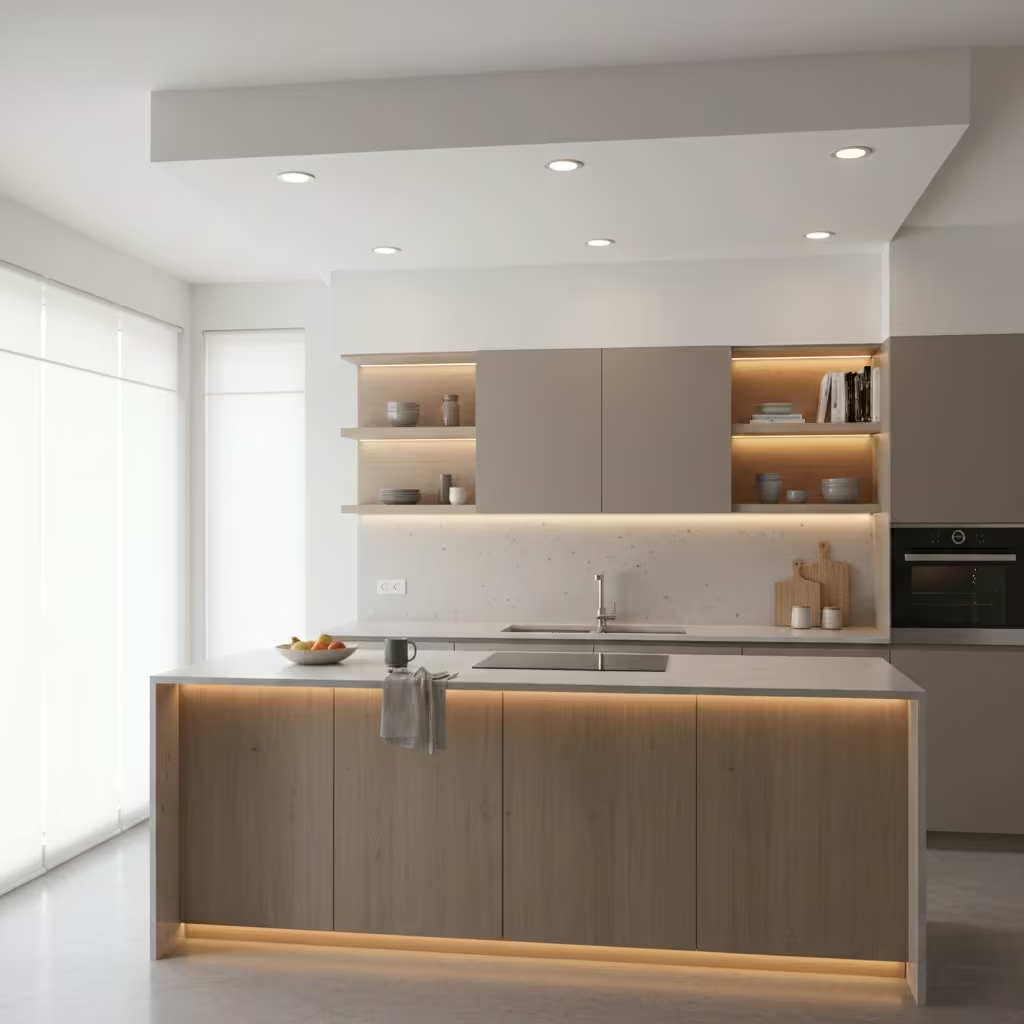
Layering different types of lighting transforms a kitchen from functional to inviting. Task lighting focuses on work areas like countertops and sinks, ambient lighting provides overall illumination, and accent lighting highlights architectural features or décor. I often tell homeowners that skipping this layering is like painting a masterpiece in flat light it never looks its best.
This approach allows for flexibility, setting different moods for cooking, entertaining, or relaxing. Dimmers, spotlights, and concealed LEDs can be combined to create a layered effect that feels intentional and visually rich. It’s often overlooked but offers one of the highest returns in both aesthetics and usability, making the kitchen feel brighter, larger, and far more welcoming.Top of Form
You May also Like: 25 Organic Kitchen Design Ideas for a Natural Home
Use Mirrors or Gloss Finishes to Reflect Light
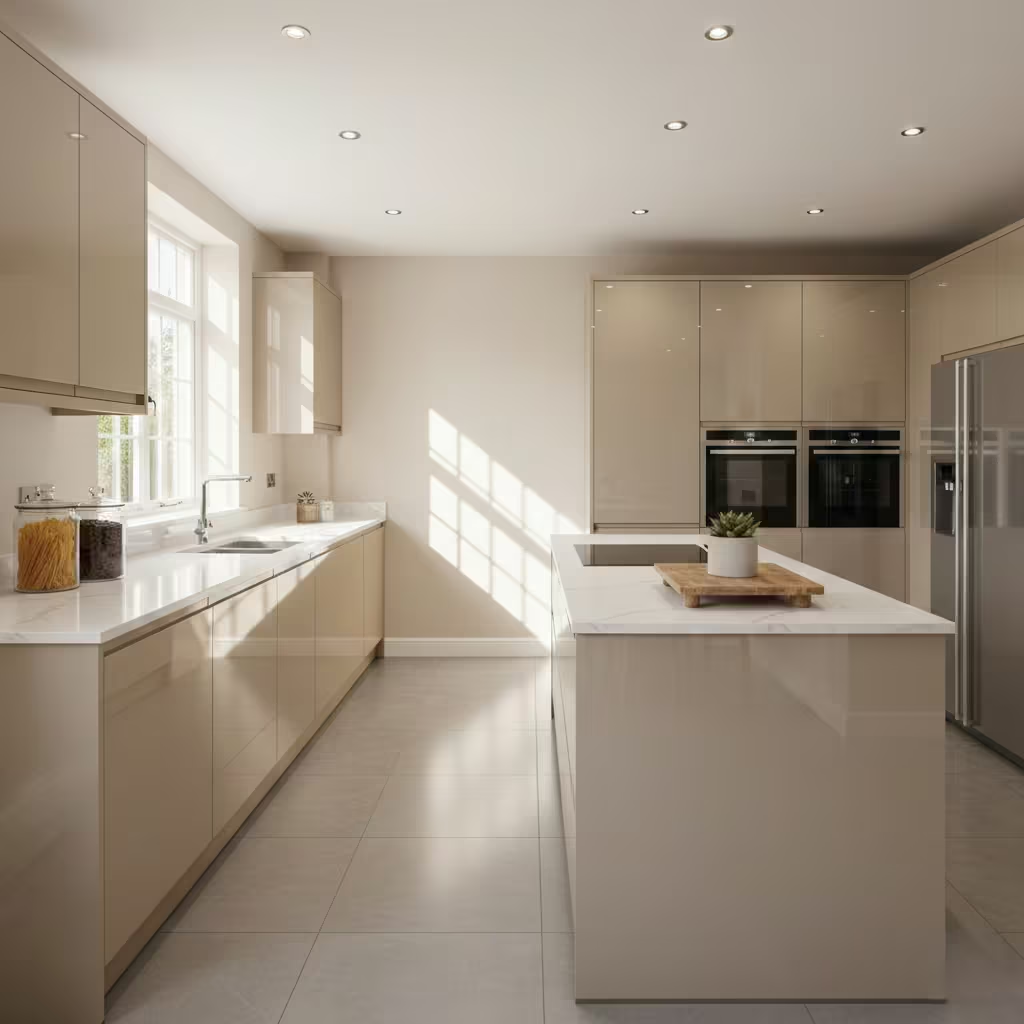
Mirrors and glossy surfaces are like secret weapons in kitchen design. They work by bouncing natural and artificial light around the space, instantly making it feel brighter and more expansive. In smaller kitchens or rooms with limited daylight, this trick can make a world of difference without any structural changes.
Gloss finishes on cabinets, tiles, or countertops create a subtle shimmer that adds depth and a polished feel. I often recommend pairing these reflective surfaces with strategic lighting to amplify the effect, creating a kitchen that feels airy, modern, and sophisticated. Mirrors behind open shelving or as part of a splashback can also introduce a sense of drama while visually enlarging the room.
The beauty of this approach is its high impact for minimal effort. It’s a clever way to enhance both function and style, ensuring your kitchen feels open, vibrant, and far more welcoming.
Highlight Architectural Features with Lighting in kitchen Makeover
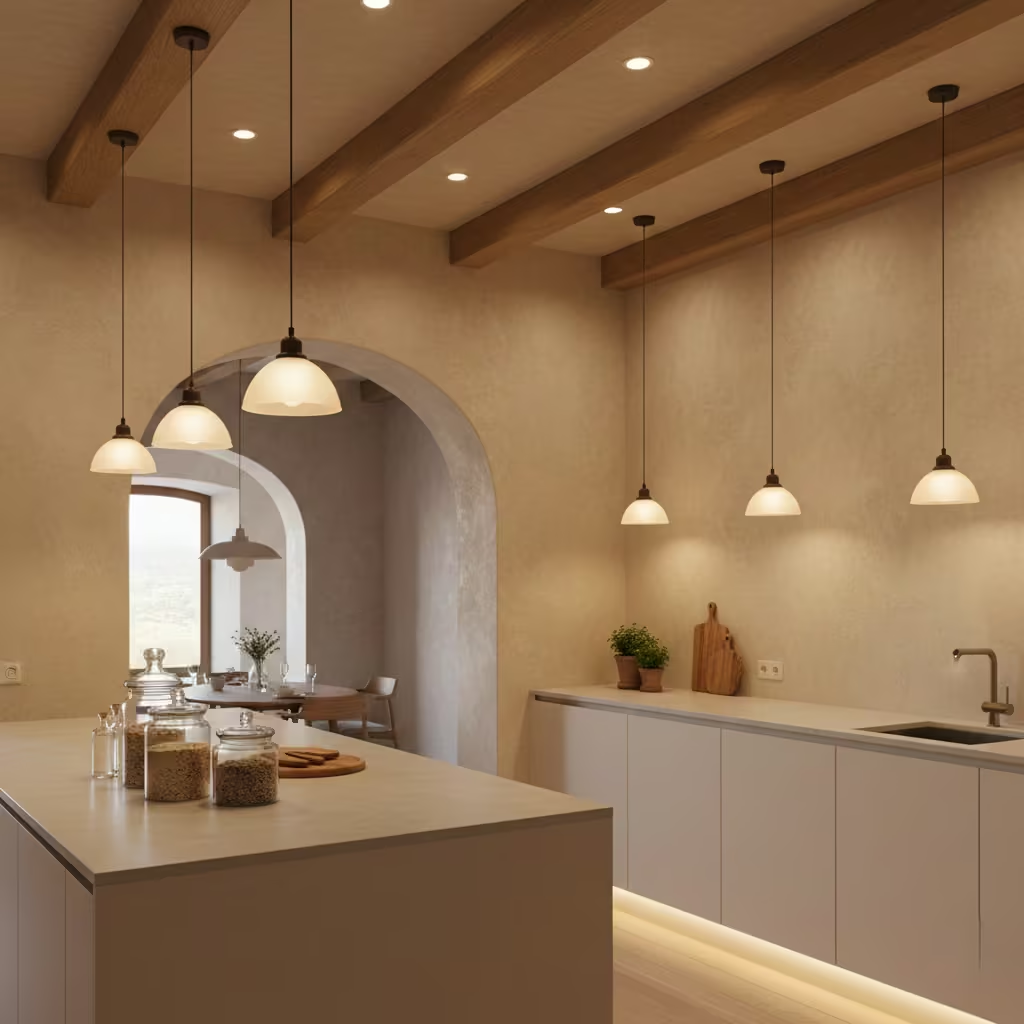
Lighting isn’t just about illumination it’s a tool to showcase the personality of your kitchen. Highlighting architectural features, such as beams, archways, or textured walls, draws attention to details that might otherwise go unnoticed. In my experience, well-placed LED strips, recessed spotlights, or pendant accents can turn ordinary elements into statement features.
This technique works particularly well in kitchens with interesting cabinetry, textured backsplashes, or open shelving. By directing light to these areas, you create focal points that add depth, character, and a designer feel. It’s one of those often-overlooked upgrades that dramatically enhances the overall visual impact, making the space feel curated, intentional, and far more dynamic.
Materials, Fixtures & Details
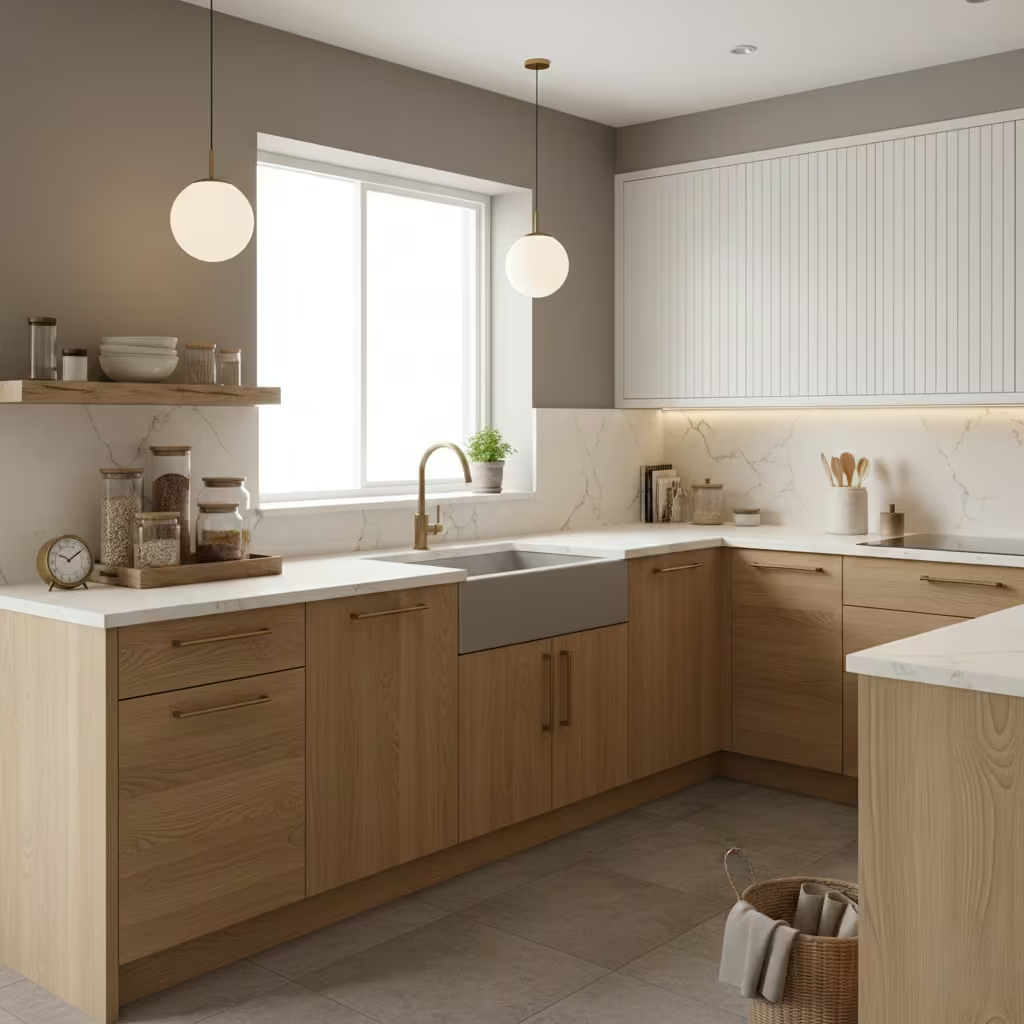
Once the lighting and layout are sorted, the next layer of a kitchen makeover lies in materials, fixtures, and details. These are the elements that elevate a kitchen from functional to memorable, giving it texture, personality, and a sense of craftsmanship.
From cabinet handles and taps to worktop materials and surface finishes, thoughtful choices in this area not only enhance aesthetics but also improve durability and everyday usability. The following ideas focus on upgrades that balance style and practicality, creating a kitchen that looks refined while standing up to daily life.
Replace Old Hardware with Modern Handles
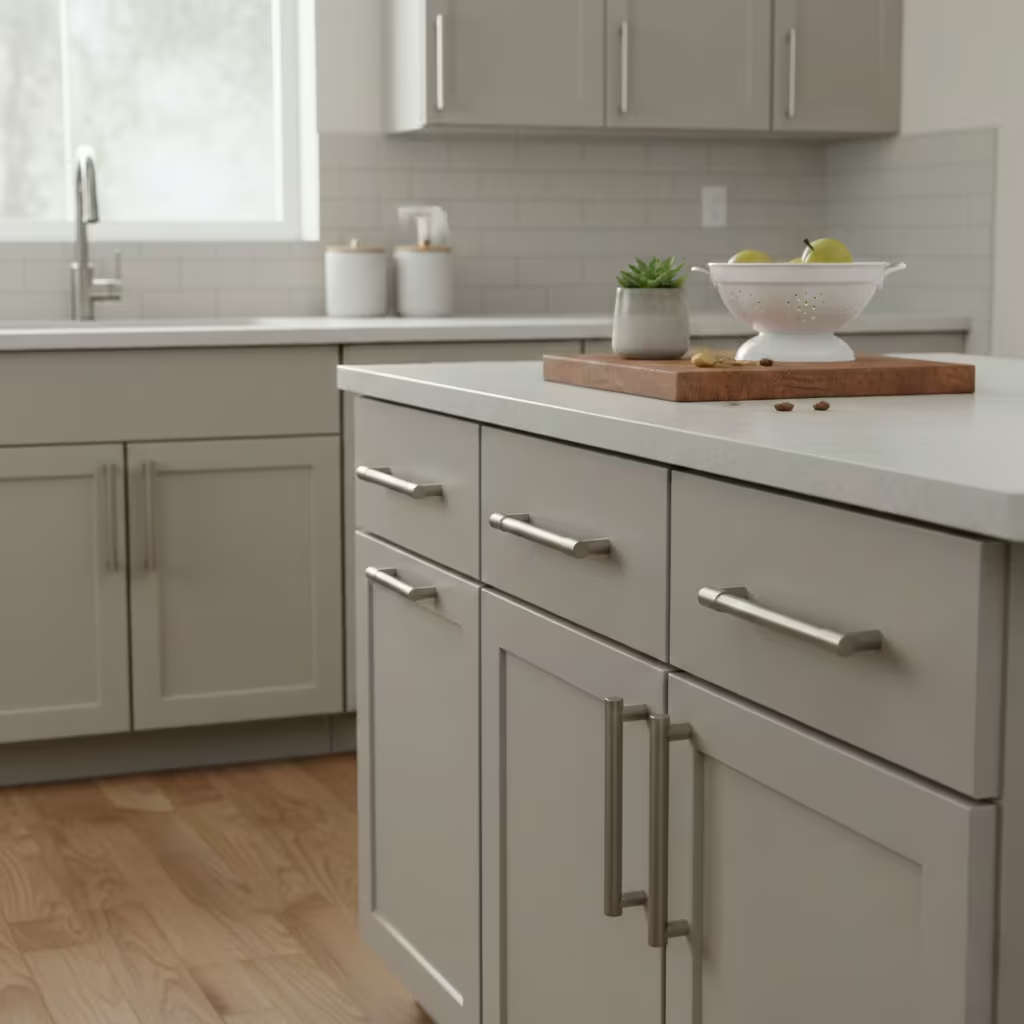
Replacing cabinet handles and drawer pulls is one of the simplest yet most impactful updates you can make. Old, dated hardware can immediately date a kitchen, no matter how fresh the paint or worktops look. I recommend choosing modern, tactile designs that complement your cabinetry style sleek brushed nickel, matte black, or warm brass finishes often work beautifully across different aesthetics.
Beyond looks, hardware affects usability. Ergonomic handles make daily tasks smoother, especially on drawers and deep cabinets. Swapping them out is quick, inexpensive, and offers a designer-level update that is noticeable every time you enter the kitchen.
You May also Like: 15 Boho Mid-Century Modern Kitchen Ideas That Blend Warmth, Style, and Personality
Upgrade Sink and Tap for a Contemporary Look
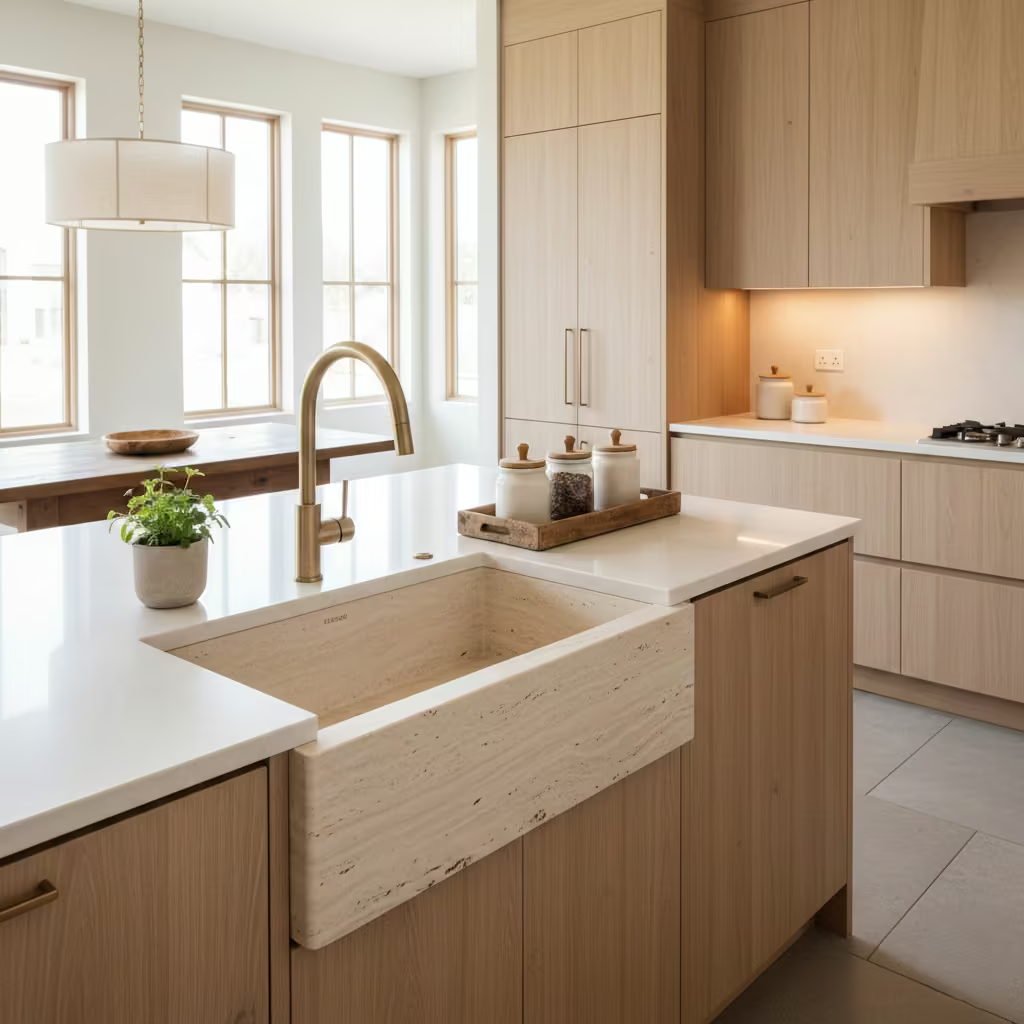
A modern sink and tap combo does more than improve function it becomes a statement piece. Deep, single-bowl sinks, undermount styles, or natural stone basins create a clean, contemporary feel, while sleek taps with pull-out sprays or matte finishes enhance both convenience and style.
I usually suggest pairing the tap and sink with surrounding materials so they feel integrated rather than bolted on. This small but visible upgrade instantly refreshes the kitchen’s overall look, adding a touch of luxury without a full renovation.
You May also Like: 25 Desert Kitchen Designs That Beat the Heat and Look Incredible
Introduce Natural Materials Like Wood or Stone
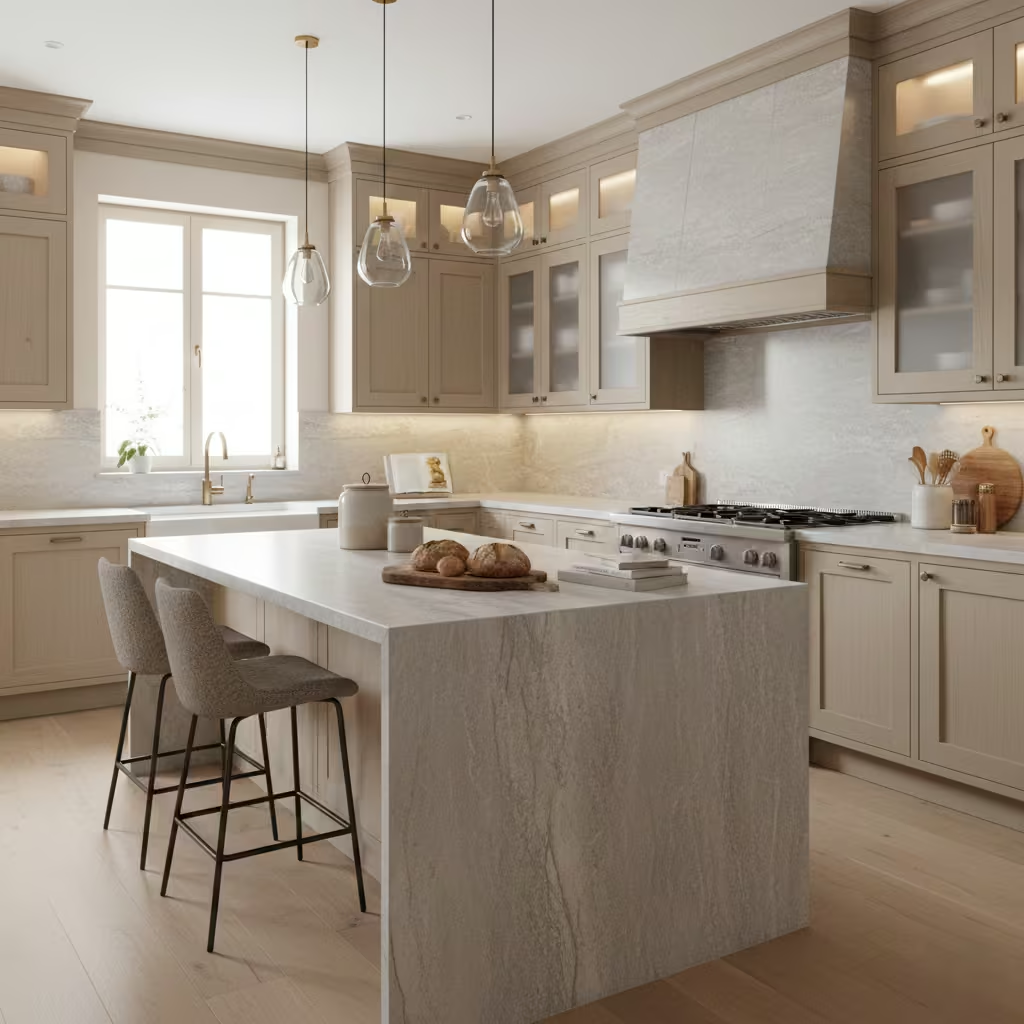
Incorporating natural materials like wood or stone brings warmth, texture, and character to any kitchen. Wooden shelving, butcher-block accents, or stone countertops not only look timeless but also add a tactile, sensory element that makes the space feel lived-in and inviting.
I often combine these with neutral cabinetry or reflective surfaces to avoid overwhelming the room. Even small touches, such as a wooden breakfast bar or stone backsplash, can elevate the design significantly, creating a kitchen that feels curated, authentic, and sophisticated.
Add Texture with Fluted or Ribbed Finishes
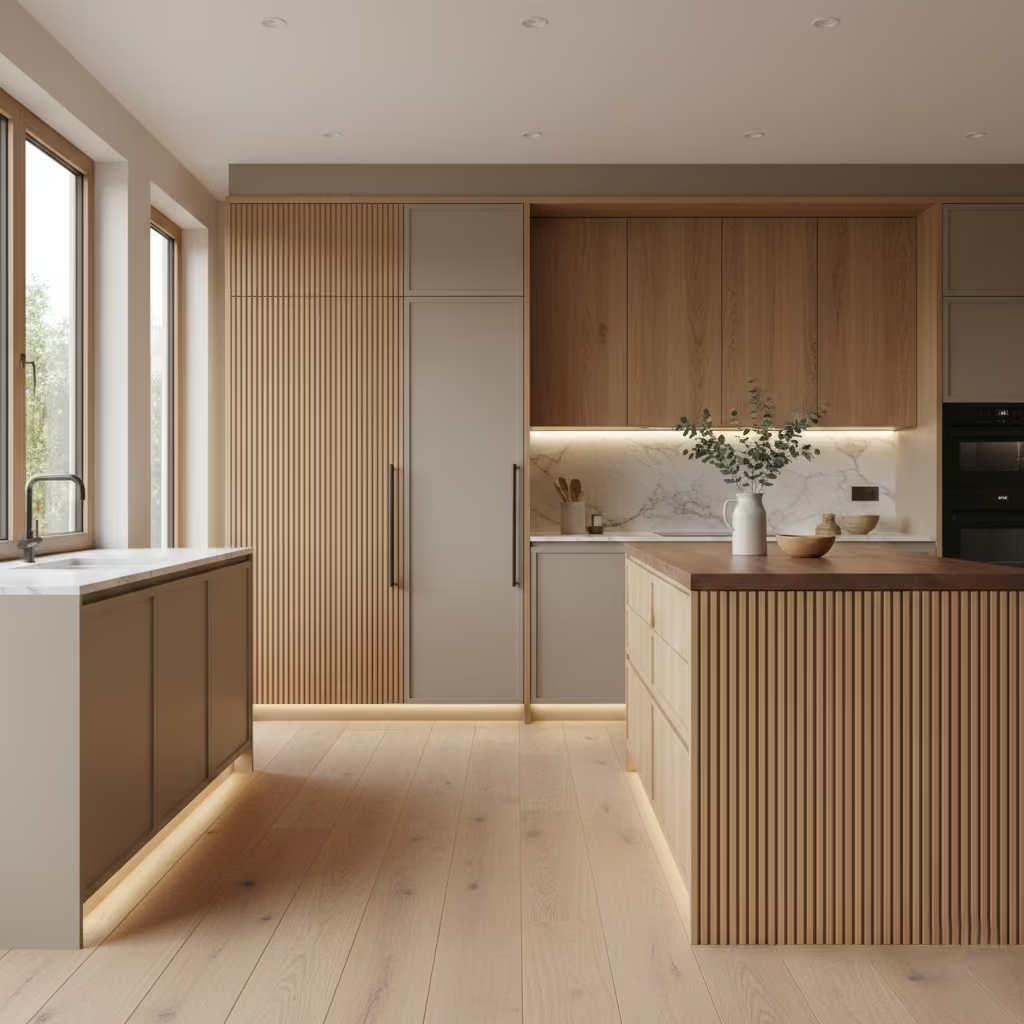
Adding texture through fluted or ribbed finishes is a subtle but highly effective way to give a kitchen personality without overloading the space. In my experience, flat, smooth surfaces can sometimes feel cold or uninspired, especially in modern kitchens. Introducing fluted panels on cabinets or ribbed detailing on drawers creates visual interest, catches light differently throughout the day, and adds a tactile dimension that draws people in.
This approach works particularly well on kitchen islands, feature cabinets, or even tall pantry units, where the vertical lines elongate the space and create a sense of rhythm. It pairs beautifully with natural materials like wood or stone and complements metallic hardware for a designer feel.
Styling is key—less is often more. Using textured finishes sparingly ensures they remain elegant rather than overwhelming. The payoff is significant: a kitchen that feels layered, sophisticated, and custom-designed. Even small doses of fluted or ribbed surfaces can elevate an ordinary kitchen into one that feels modern, inviting, and remarkably well thought out.
You May also Like: 25 French Country Kitchen Ideas for Renovators Who Want Something That Actually Lasts
Integrate Built-In Appliances for a Sleek Finish
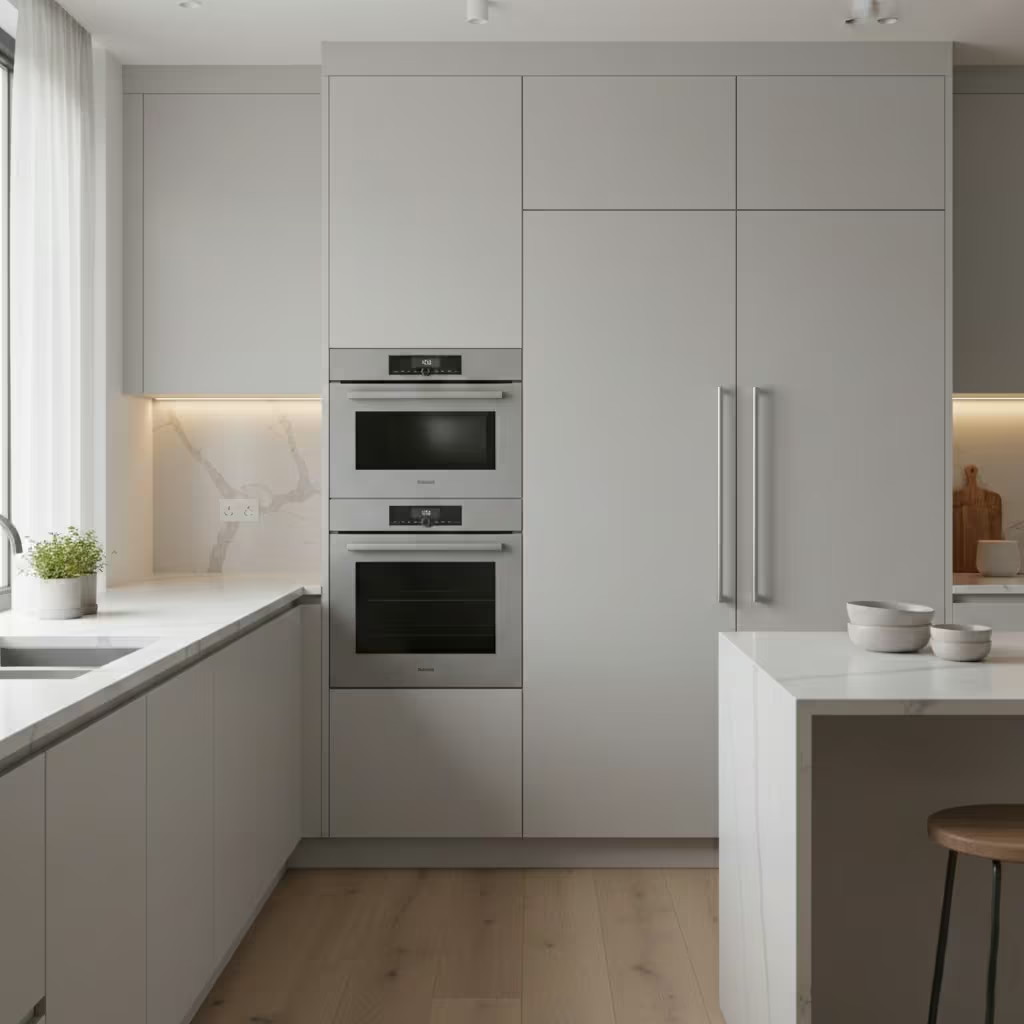
Built-in appliances are a game-changer for creating a sleek, clutter-free kitchen. Freestanding ovens, microwaves, or fridges often interrupt the visual flow, whereas integrating appliances into cabinetry produces a seamless, cohesive look. In my projects, this approach not only improves aesthetics but also enhances functionality, as every element feels considered and intentional.
When planning built-ins, alignment and finish are critical. Matching cabinet panels to appliance fronts or choosing appliances with flush installation options ensures harmony across the kitchen. Think integrated fridges, ovens, or dishwashers that disappear behind cabinetry and maintain clean lines.
The result is a modern, minimalistic space where surfaces feel uninterrupted, and the eye naturally flows around the room. This type of upgrade provides long-term style benefits, makes cleaning easier, and instantly adds a high-end, custom-designed feel without major structural changes. It’s a practical investment that consistently impresses homeowners and visitors alike.
Budget-Friendly & High-Impact Kitchen Makeover Ideas
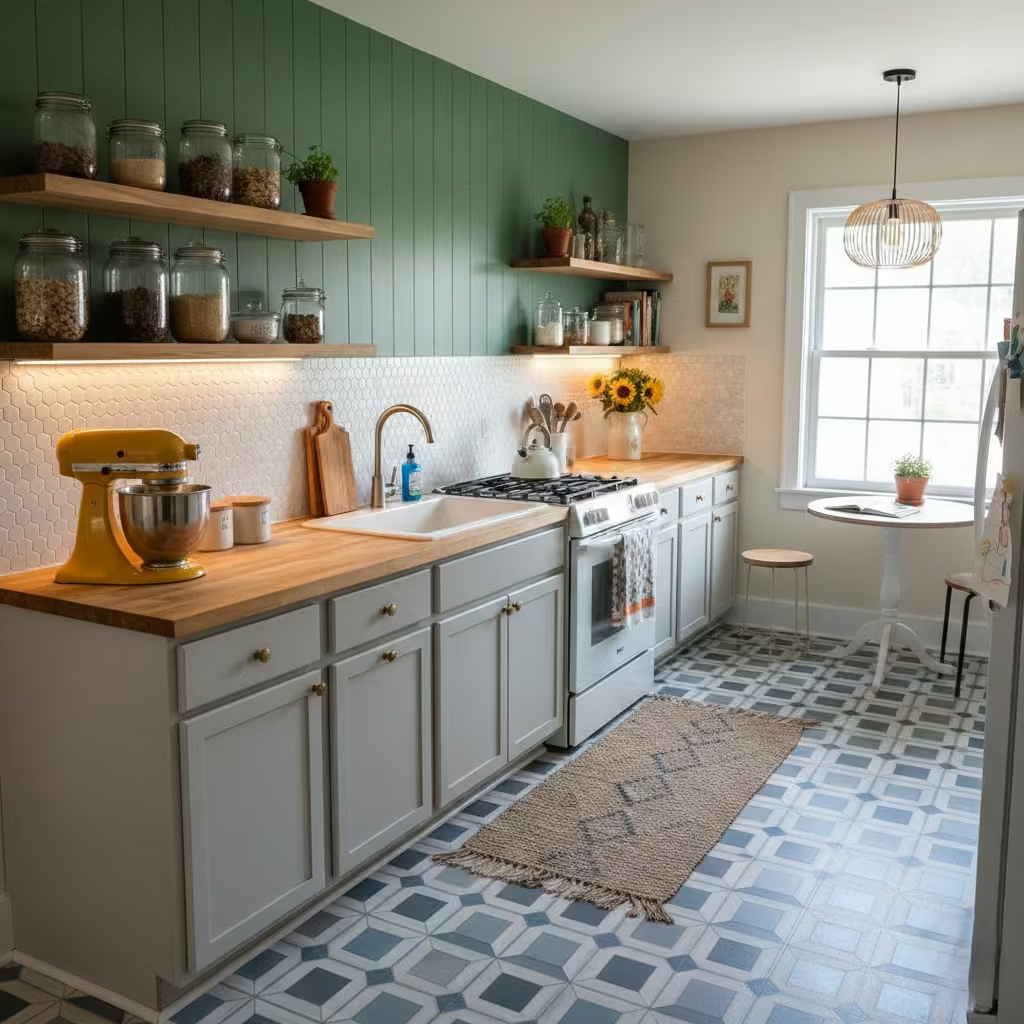
Not every kitchen makeover has to break the bank to make a big impact. In my experience, thoughtful, budget-friendly updates often deliver some of the most noticeable results. By focusing on changes that enhance both style and functionality like clever storage solutions, surface refreshes, or decorative touches you can transform the space without a full renovation.
These high-impact ideas prove that even small, strategic investments can completely revitalise a kitchen, making it feel modern, organised, and inviting.
Peel-and-Stick Backsplash or Flooring
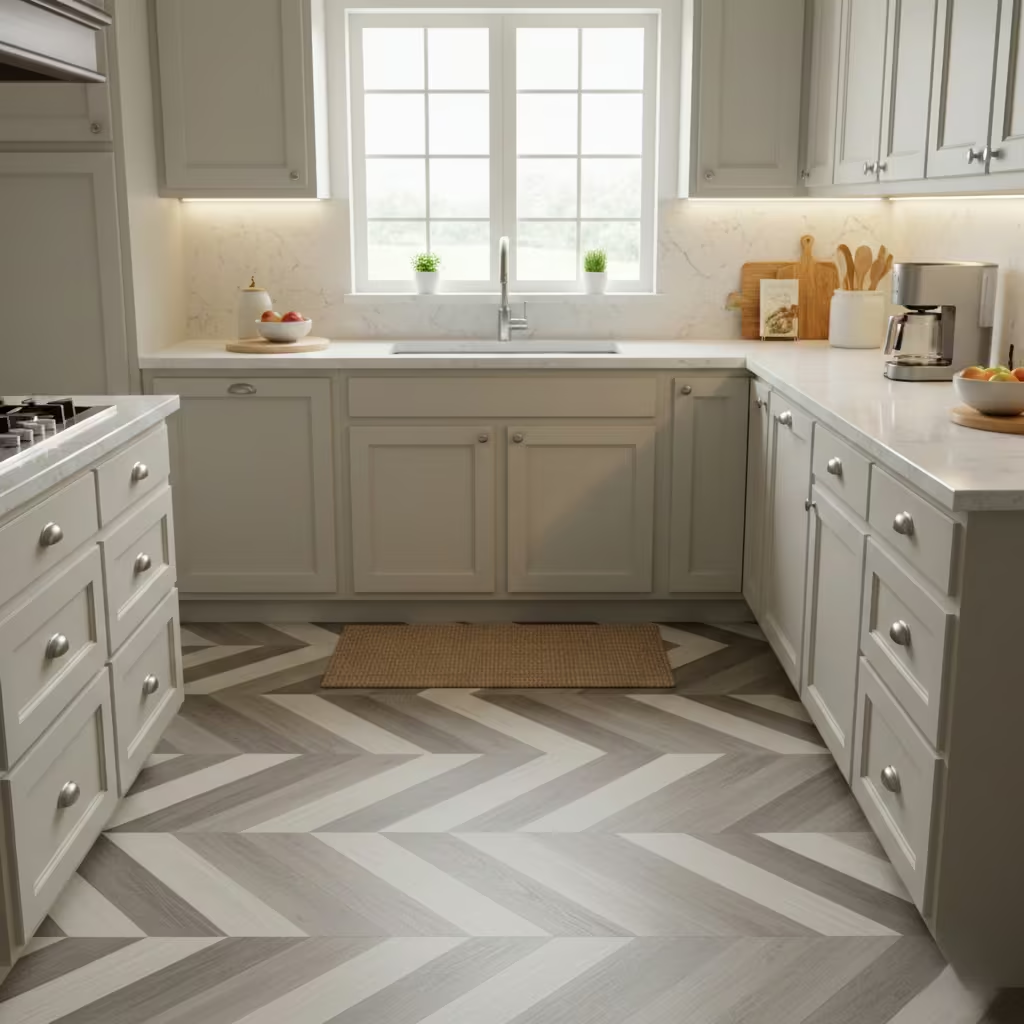
Peel-and-stick tiles are a lifesaver for homeowners looking to refresh their kitchen on a budget. They offer a quick, low-commitment solution to add colour, pattern, or texture without the mess and cost of traditional tiling. I often recommend them for renters, first-time renovators, or anyone wanting a test run before committing to a permanent material.
Installation is straightforward: clean the surface, measure carefully, and apply the tiles directly. They come in a variety of finishes—from sleek subway tiles to bold geometric patterns—allowing you to tailor the look to your style. Beyond aesthetics, peel-and-stick products are surprisingly durable and easy to maintain, making them ideal for backsplashes and low-traffic flooring areas.
The beauty of this approach is flexibility. If your tastes change or you want a quick seasonal refresh, these tiles can be removed or replaced without damaging walls or floors. It’s a budget-friendly, high-impact upgrade that makes the kitchen feel refreshed and more visually engaging almost immediately.
Update Walls with Feature Paint or Panelling
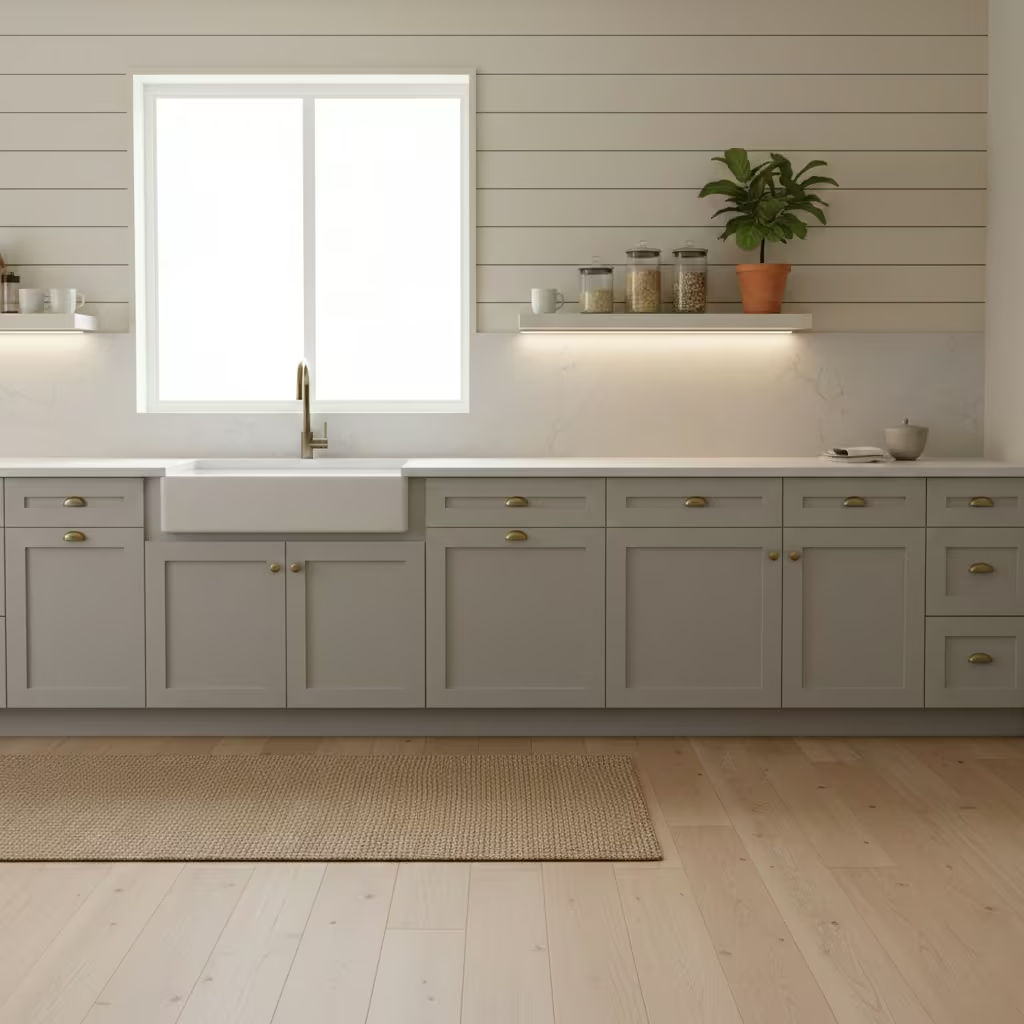
Updating kitchen walls with a feature colour or panelling can dramatically change the room’s personality without major construction. I often suggest choosing a single accent wall or using beadboard, shiplap, or textured panelling to add depth and interest.
Colour selection plays a key role. Bold, deep tones create a cosy, intimate feel, while lighter shades open up the space and make it feel airy. Panelled finishes, meanwhile, introduce texture that complements cabinetry and countertops, giving the kitchen a layered, curated look.
This is a high-impact, budget-conscious way to refresh the room. It draws the eye, sets a design tone, and can be combined with existing elements to create a cohesive, stylish, and inviting kitchen without the cost of a full renovation.
Replace Open Shelves Styling for a New Look
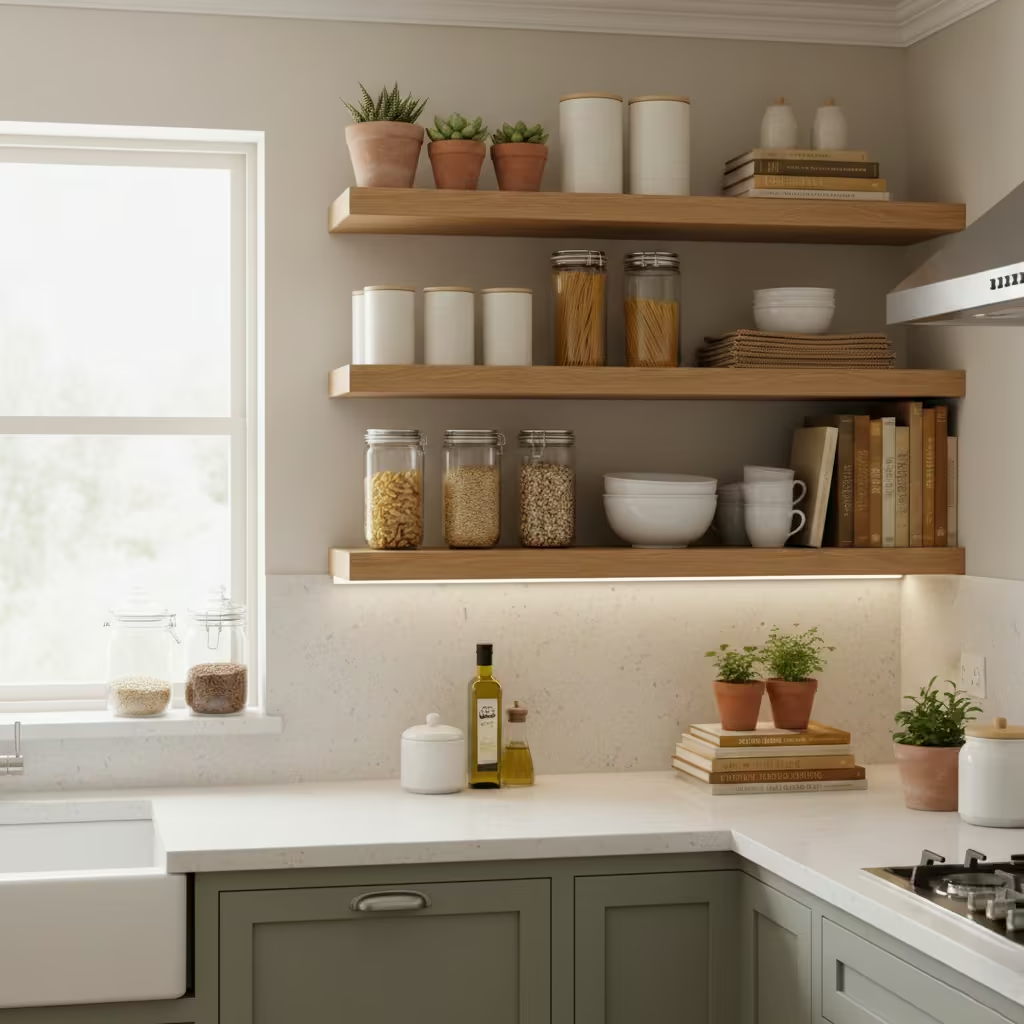
Sometimes a small shift in styling makes all the difference. If you already have open shelving, refreshing how it’s styled can feel like a mini-makeover. I recommend rotating items seasonally, grouping objects by colour or material, and incorporating decorative touches like plants, ceramics, or cookbooks to add personality.
Layering heights and textures creates visual interest, while keeping frequently used items accessible maintains practicality. Even subtle tweaks like changing baskets, jars, or trays can dramatically alter the look without moving a single shelf.
This approach is cost-effective, quick, and immediately rewarding. It’s proof that high-impact design doesn’t always come from structural changes; sometimes, it’s all about how you curate the space you already have.
You May also Like: 25 Open Kitchen Living Rooms ideas That Feel Stylish, Spacious, and Effortlessly Connected
Add Rugs or Runners for Warmth and Colour
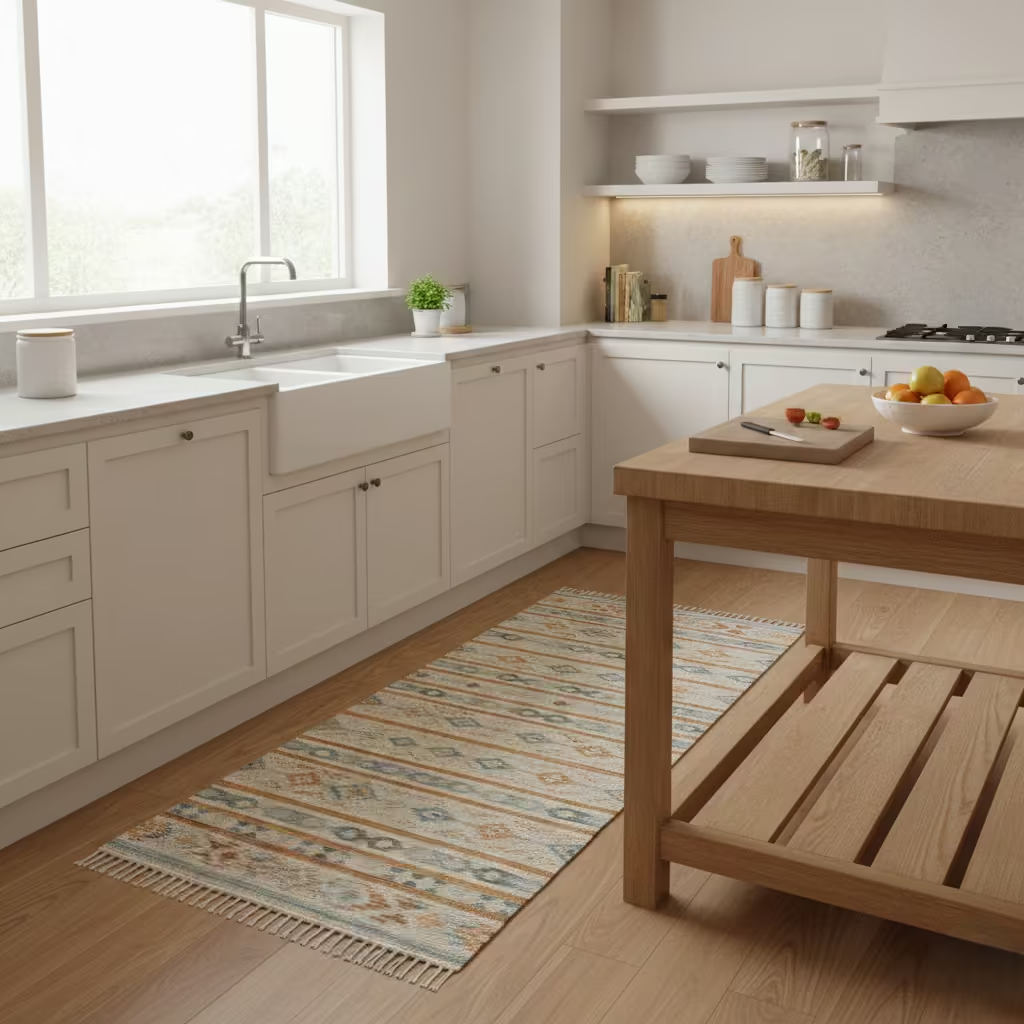
Adding a rug or runner is a simple trick that can instantly transform a kitchen’s atmosphere. In my experience, even in tiled or wooden kitchens, a well-chosen rug softens the space, adds warmth underfoot, and introduces colour or pattern without committing to permanent changes. It’s particularly effective in galley kitchens, in front of sinks, or along prep areas where you spend the most time standing.
When selecting a rug, I focus on durability and easy maintenance. Materials like flatweave cotton or indoor-outdoor rugs handle spills and foot traffic while still looking stylish. Patterned or textured designs can tie together cabinetry, worktops, and flooring, creating cohesion in a subtle yet effective way.
Beyond aesthetics, rugs define zones and make the kitchen feel cozier and more inviting. They’re a small investment with a surprisingly high return, transforming both the look and feel of the space in one fell swoop.
Style with Plants, Art, and Functional Decor
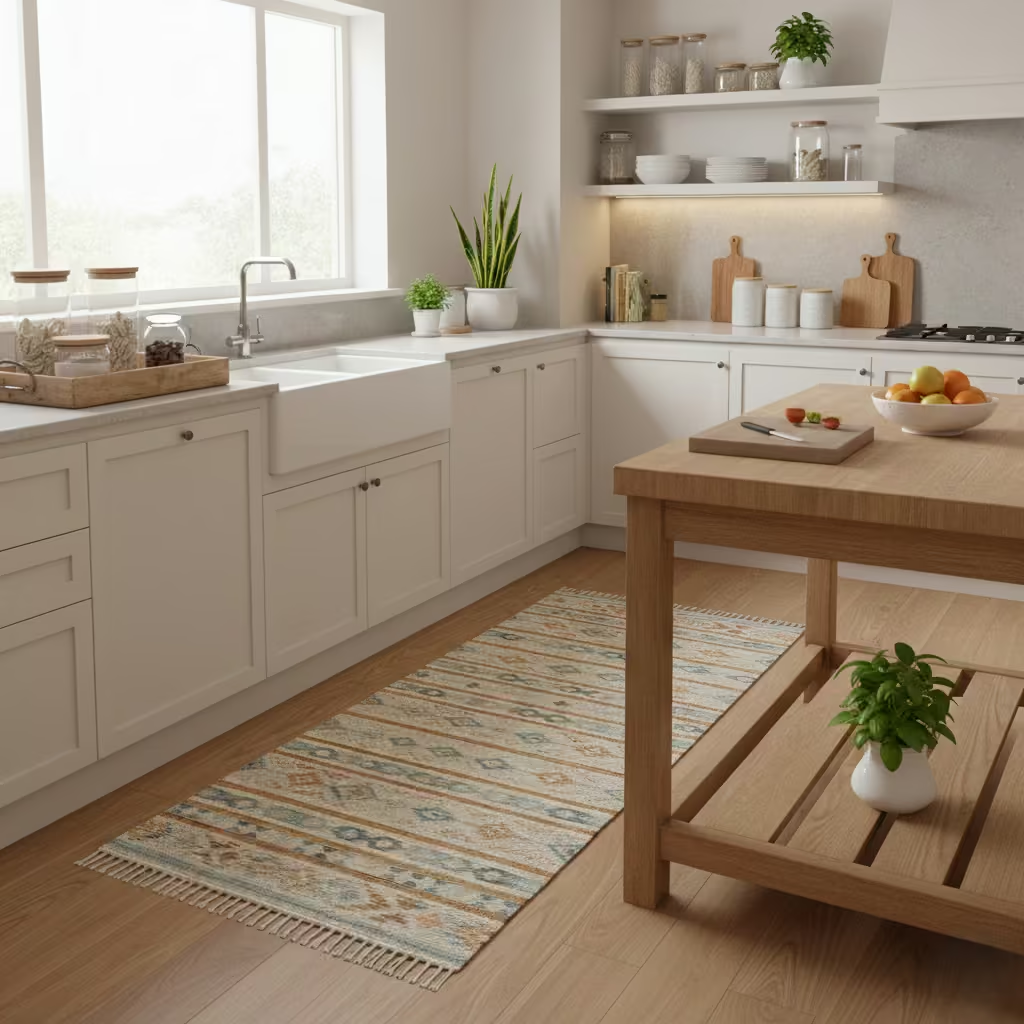
Styling your kitchen with plants, art, and functional décor is a low-cost way to inject personality and make the space feel lived-in. In my projects, even small touches like herb pots on windowsills, framed prints, or a decorative bowl on the counter can elevate a kitchen from functional to inviting.
Functional décor—such as stylish utensil holders, elegant storage jars, or attractive trays—combines practicality with visual appeal, making everyday items part of the design rather than hidden away. Plants add life, texture, and a natural pop of colour, while art or decorative objects reflect personal taste, ensuring the kitchen feels uniquely yours.
This approach requires minimal effort but delivers maximum impact, creating a space that’s welcoming, organised, and visually dynamic. It’s proof that thoughtful styling can make a big difference without major renovations or expense.Top of Form
Final thoughts about Kitchen Makeover
A kitchen makeover doesn’t always require a full-scale renovation to make a noticeable difference. Often, small, thoughtful changes whether it’s updating cabinet colours, introducing textured finishes, or refreshing lighting can completely transform the look and feel of the space. In my experience, homeowners are frequently surprised at how impactful even minor adjustments can be when they’re carefully planned and executed.
The key is to consider your kitchen as a combination of style, function, and personality. Mixing high-impact, budget-friendly updates with more substantial upgrades allows you to tailor the Kitchen makeover to your lifestyle, daily habits, and aesthetic preferences. For instance, a bold island or statement backsplash can coexist seamlessly with practical pull-out storage or a dedicated coffee station, creating a kitchen that is both beautiful and highly functional.
Ultimately, the goal is to create a space that feels intentional, welcoming, and suited to your needs. By layering colour, texture, lighting, and functional improvements, you can achieve a kitchen that looks and feels entirely new, all without the disruption, expense, or stress of a full renovation. It proves that thoughtful design choices often matter more than major construction.Top of Form
Frequently asked Questions About Kitchen Makeover
How much does a kitchen makeover typically cost?
The cost of a kitchen makeover varies depending on the scope of work. Budget-friendly updates like painting cabinets, swapping handles, or adding peel-and-stick tiles can range from a few hundred to a couple of thousand dollars. More extensive changes—such as replacing worktops, installing an island, or integrating appliances—can run into several thousand. I always recommend planning your budget based on the changes that
Can I update my kitchen without a full renovation?
Absolutely. Many impactful makeovers involve small, strategic updates. Repainting cabinets, updating lighting, installing a statement backsplash, or refreshing open shelves can dramatically change the look and feel of your kitchen without structural work or major expense.
How long does a kitchen makeover take?
The timeline depends on the extent of the updates. Simple updates, such as painting, styling, or installing under-cabinet lighting, can often be completed within a few days to a week. Larger changes, like adding a kitchen island, reconfiguring appliances, or replacing worktops, may take several weeks due to delivery times and installation.
What are the most cost-effective upgrades for a kitchen?
High-impact, budget-friendly upgrades include painting cabinets, swapping hardware, updating lighting, adding a peel-and-stick backsplash, styling open shelves, or introducing small decorative touches like rugs and plants. These changes enhance both style and function without a full renovation.
How do I choose colours and finishes for my kitchen makeover?
Consider the amount of natural light, existing materials, and your lifestyle. Lighter colours brighten the space, darker tones add depth, and textured or fluted finishes create visual interest. I often recommend keeping larger elements neutral while using bold colours or finishes on focal points like islands, backsplashes, or feature walls.
Are built-in appliances worth the investment?
Yes. Built-in appliances provide a sleek, seamless look, improve workflow, and help maintain clean lines in the kitchen. They’re especially valuable in modern designs where minimalism and cohesion are key priorities.