
36 Bungalow Bathroom Ideas: Stylish, Cozy & Relaxed Designs for Your Home
There’s a particular kind of hush that settles over a bungalow bathroom once it’s done properly. Not silence exactly, more the sense of a room that isn’t trying to prove anything to anyone, least of all you.
Low ceilings pressing gently rather than closing in, generous window light, honest materials that were never meant to shout. I’ve spent enough years knee-deep in these projects, tile samples scattered across a dust sheet, to know that the bungalow bathrooms people fall in love with all over again every single morning share one thing in common: they lean into what the house already wants to be, rather than fighting it.
There’s a reason this matters more than most people admit out loud. A bathroom is the one room in the house where you’re guaranteed to be alone with yourself, twice a day, whether you like it or not. It’s where the day starts and where it quietly ends, and the mood of that room follows you out the door and back into bed long after you’ve stopped consciously noticing it.
Environmental psychologists talk about “restorative environments,” spaces that actively lower our stress rather than merely failing to add to it, and a well-considered bungalow bathroom is one of the few places in a busy home where that’s genuinely achievable on a modest budget. Get the light, the texture, and the colour right, and you’re not just decorating a room. You’re building yourself a five-minute refuge you can step into before the rest of the day gets its hooks in.
That’s the trouble with most “bungalow bathroom ideas” articles doing the rounds at the moment. They borrow the word “bungalow” for its search traffic and hand you a generic small-bathroom listicle with the serial numbers filed off, all surface and no feeling. Nothing here does that.
What follows are 36 genuinely distinct ideas, each one grounded in how a bungalow actually behaves as a building, and in how a body and a mind actually behave inside a small, warm, well-lit room. Some of these will cost you the price of a tin of paint and a Saturday afternoon. Others are worth saving for.
Either way, by the end you’ll have a proper toolkit, not just a mood board, and hopefully a clearer sense of why certain rooms make your shoulders drop the moment you walk in while others never quite do.
Quick Answer
A bungalow bathroom earns its keep through natural materials (timber, stone, handmade tile), warm unlacquered metals such as aged brass or bronze, a restrained palette built around soft neutrals or sage green, and a layout that respects the low ceilings and horizontal plumbing runs that come with single-storey construction.
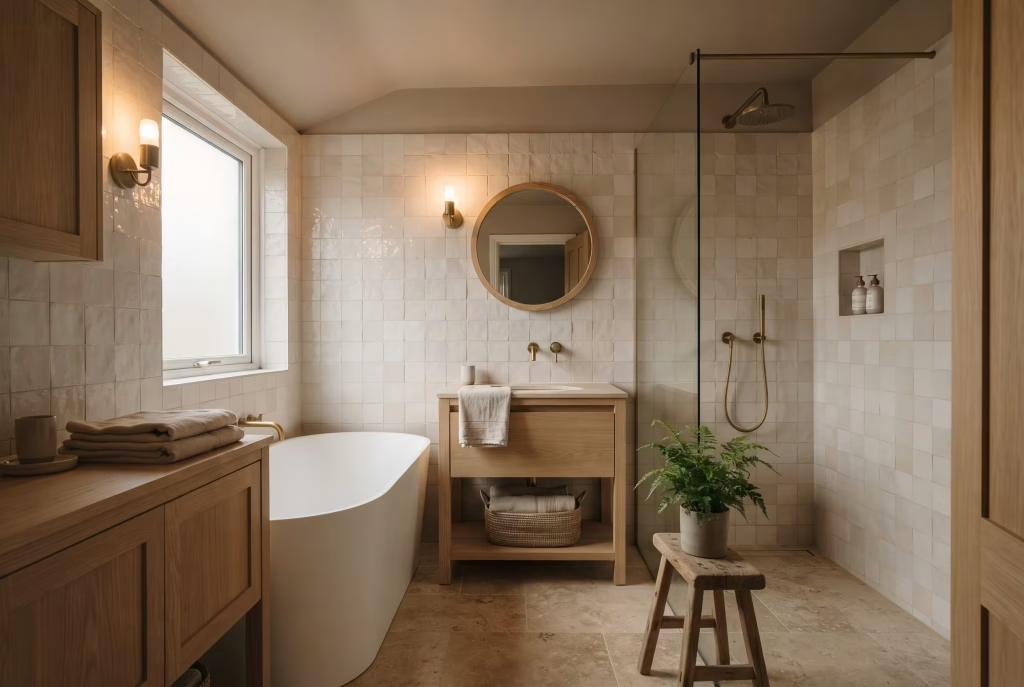
Beyond the practical checklist, the rooms that actually feel good to live in lean on well-understood psychological principles too: warm, low lighting that mimics dusk rather than daylight, natural textures the hand wants to touch, and a sense of order that quietly reduces the low-grade friction of a rushed morning.
The exact look depends heavily on your house’s actual era, whether that’s a 1920s Craftsman bungalow, a 1930s British semi with a bungalow annexe, or a sun-bleached California original, so the smartest first move is always understanding which one you’re renovating before you choose a single tile.
What “Bungalow Bathroom” Actually Means (And Why That Changes Every Decision You Make)
Here’s something worth saying plainly, because almost nobody bothers to: “bungalow” isn’t one look. It never was. Treat it as a single style and you’ll end up with a bathroom that photographs beautifully for about a fortnight and then quietly stops fitting the rest of your house, and worse, stops fitting you.
There’s a particular flatness that creeps in when a room looks right but feels borrowed, like wearing someone else’s coat. It happens more often than people realise, usually because the decisions were made from a photo rather than from an understanding of the house standing around them.
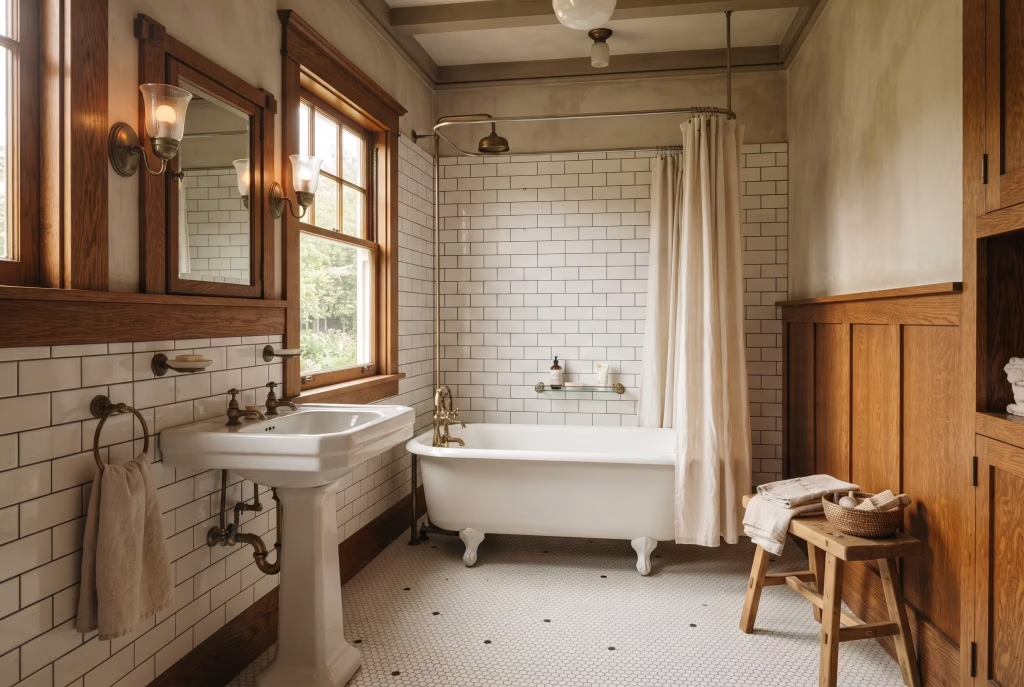
An Arts & Crafts or Craftsman bungalow, the sort built across America and parts of Britain between roughly 1900 and 1930, calls for quarter-sawn oak, subway tile with deliberately contrasting grout, and pedestal or console sinks finished in oil-rubbed bronze or unlacquered brass. Everything about these houses was built by hand to age well, and that intention carries a kind of emotional weight even now. There’s real comfort in materials that were designed to be lived with rather than simply looked at, and people who grew up around older homes often describe a genuine sense of homecoming the moment they walk into a bathroom that respects that history.
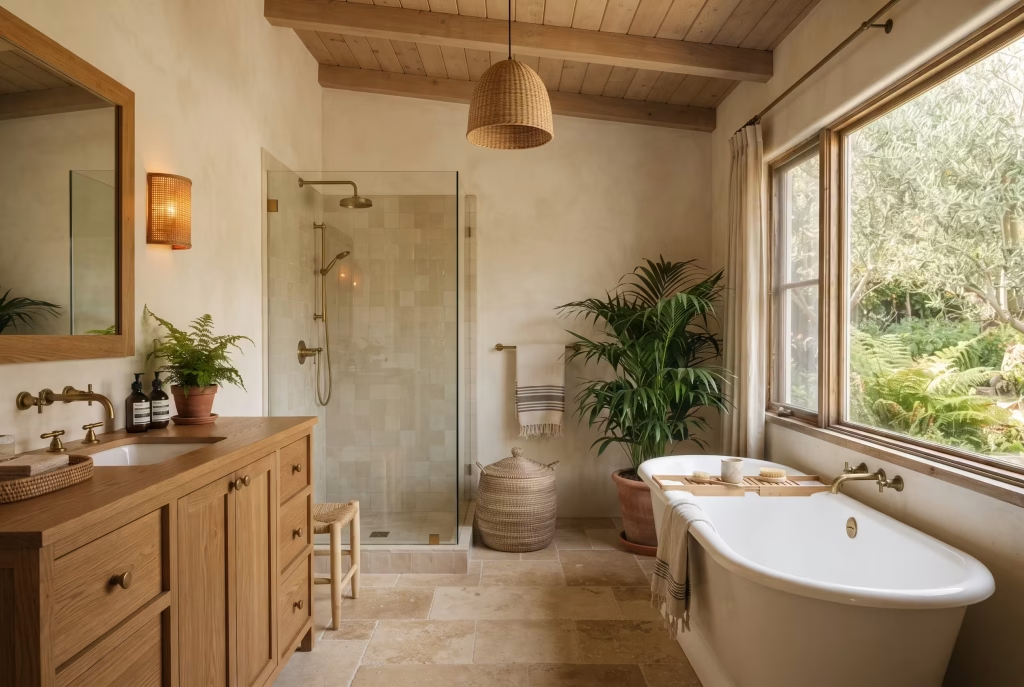
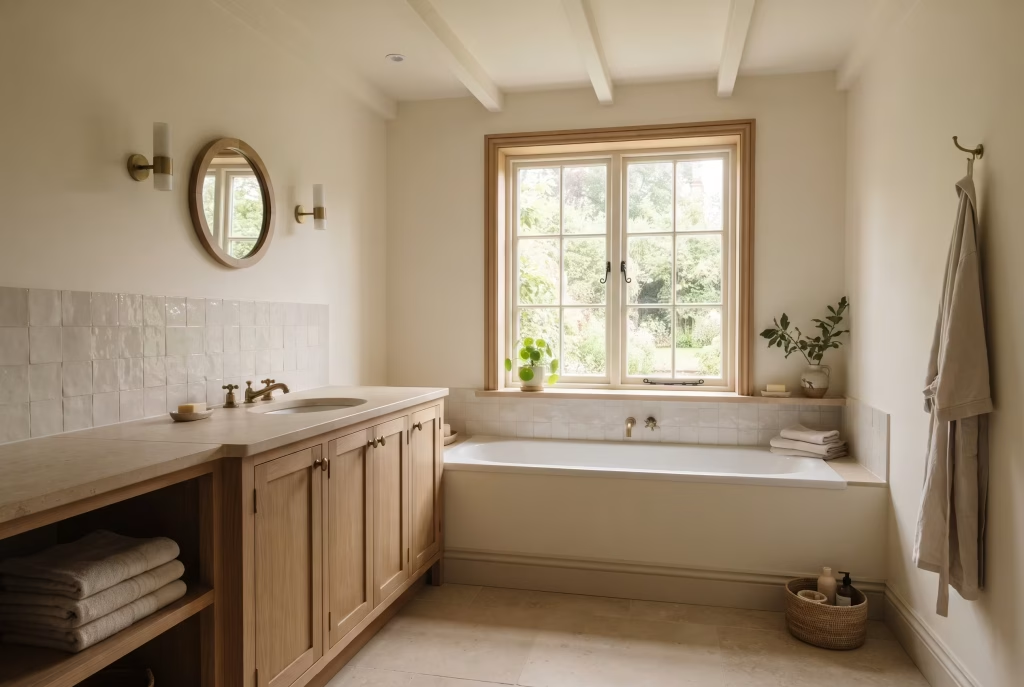
A California bungalow, by contrast, wears its climate on its sleeve, and its mood is lighter for it. Whitewashed or honey-toned timber, woven cane and rattan textures, plaster-effect walls with a bit of tooth to them, planting that blurs the line between inside and out. Psychologically, this leans hard on what’s known as biophilic design, our built-in, almost involuntary preference for natural materials and greenery, and it’s a large part of why these rooms feel like a held breath being let out slowly rather than a held breath still waiting.
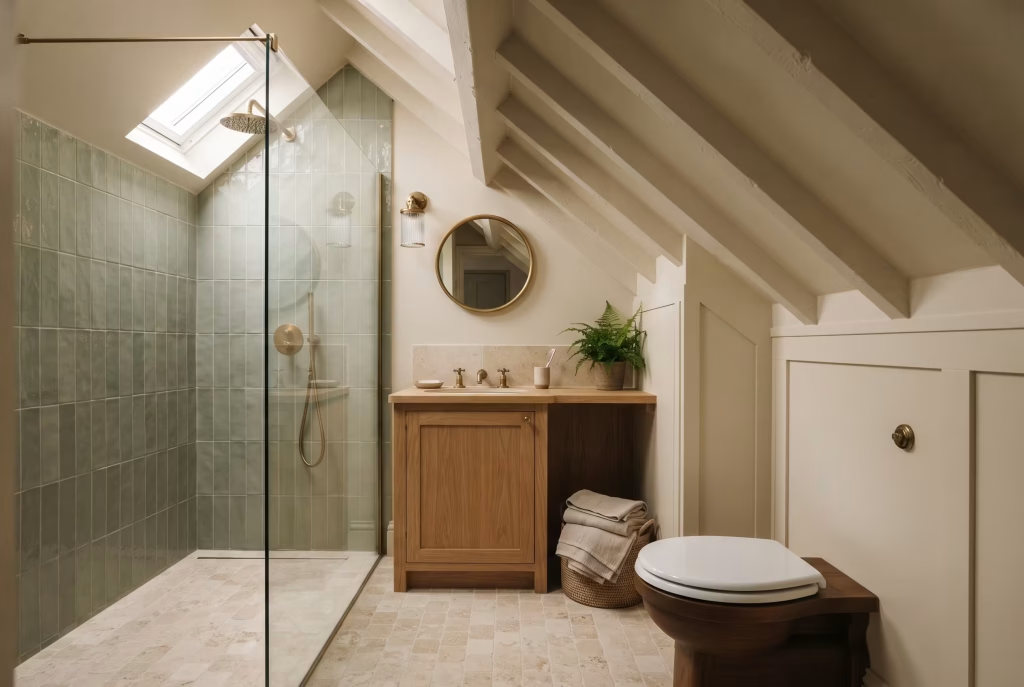
British inter-war bungalows tend to bring their own headache, both structural and emotional: smaller footprints, and very often a converted loft bathroom tucked under a sloped roof that no amount of clever tiling will make taller. There’s a particular frustration that builds when a small room fights you at every turn, and every decision here has to account for that pitch, from where the shower goes to how tall the vanity can safely be, if the room is ever going to feel like a comfort rather than a compromise.
And then there are mid-century bungalows, where warmer wood tones meet a slightly more graphic, less fussy palette, geometric tile patterns standing in for the fussier detailing of earlier decades. There’s an optimism baked into mid-century design, a sense of confident forward motion, and a bathroom that honours that spirit tends to feel energising rather than merely tidy.
Work out which of these you’re actually dealing with before you read another word of this list. It’ll save you from a bathroom that looks pleasant enough in isolation but never quite belongs to the house wrapped around it, or to the person living inside it.
You May also Like: 25 Cozy White Interior Ideas That Prove White Can Feel Warm
Colour, Tile & Material Ideas
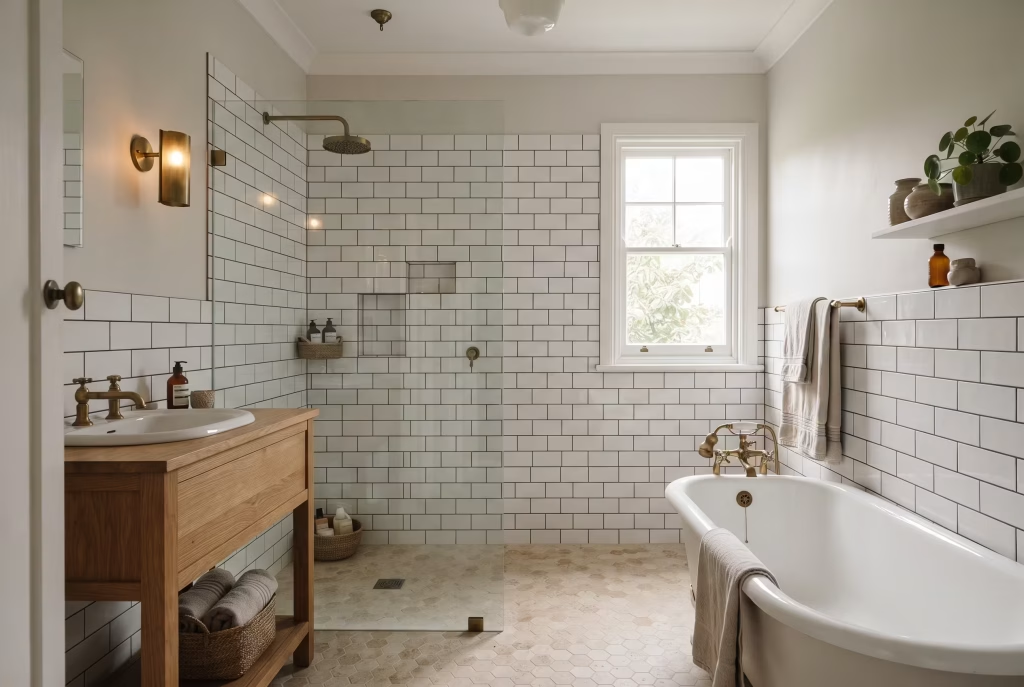
1. Charcoal grout on white subway tile. White grout is the default because nobody has to think about it, and that’s exactly the problem. Swap it for a deep charcoal or graphite shade instead and something shifts, not just visually but in how the room sits with you day to day: the tile lines read as a deliberate design choice rather than something you’ll be scrubbing on your hands and knees every few months, worrying about the grey creeping in. There’s a quiet relief in choosing a material that ages on your terms rather than against you. It ages far more gracefully too, hiding the everyday grime that plagues white grout within about eighteen months of daily use.
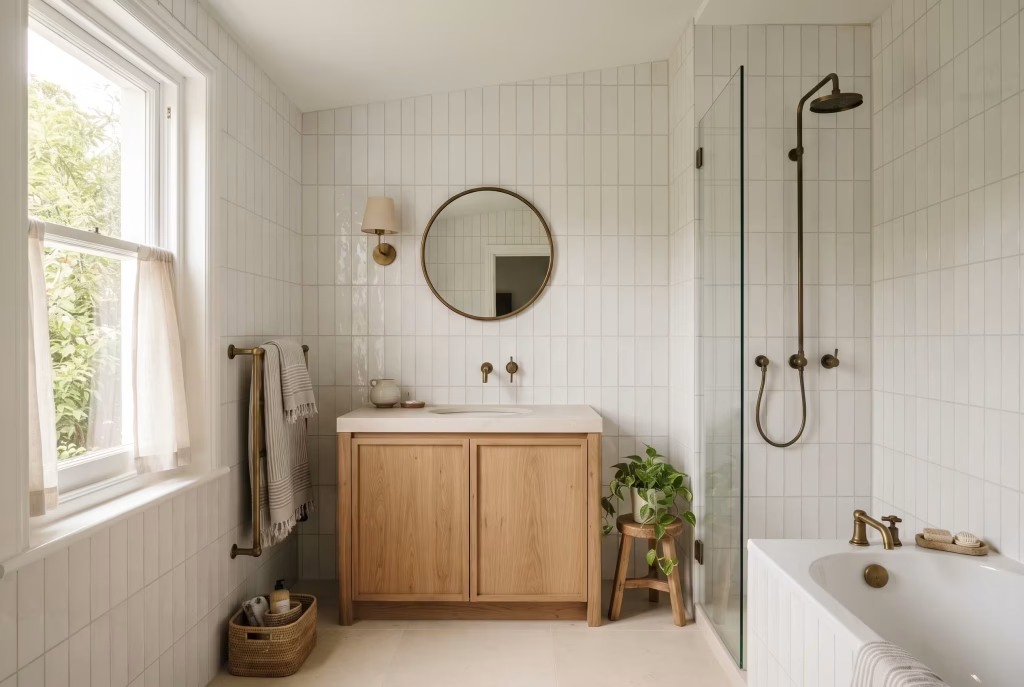
2. Vertical subway tile, run all the way to the ceiling. Most people lay subway tile the same way their grandparents did, in a horizontal brick-bond pattern that stops at eye level. Turn it on its head, quite literally, and run it vertically from skirting to ceiling instead. The eye gets pulled upward rather than sideways, which is the single most effective trick I know for making a bungalow’s characteristically low ceiling feel like less of an imposition, and there’s a genuine physical sensation that comes with it too, a kind of loosening in the chest that happens the moment a room stops feeling like it’s pressing down on you.
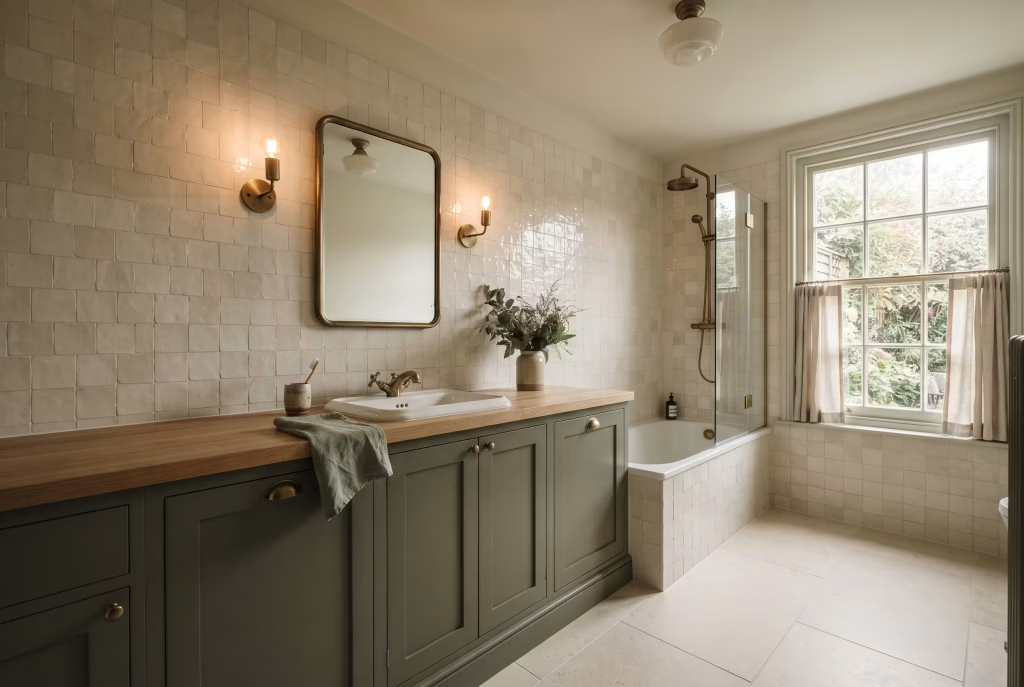
3. Sage green as the anchor colour, not the afterthought. So many bathrooms treat sage as a garnish, one towel here, a single accent tile there, and wonder why the room never quite reads as intentional, or why it never quite settles the nerves the way they hoped it would. Commit properly instead: cabinetry in sage, or a full tiled wall, not a token gesture. Colour psychologists have spent decades studying why muted greens read as restorative rather than merely pretty, and the short version is that they echo foliage closely enough to trigger the same low, involuntary sense of calm that a walk through a garden does, without asking your brain to do any conscious work to get there. It happens to be the rare colour that flatters both a century-old Arts & Crafts bungalow and a freshly gutted 2026 renovation without looking like it’s trying too hard in either direction.
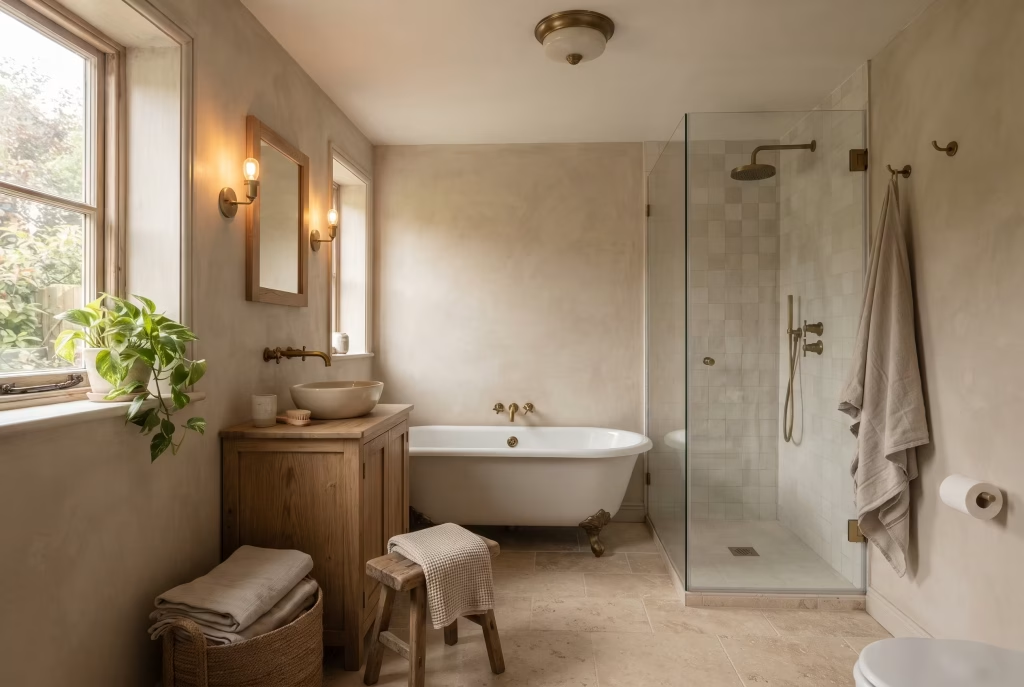
4. Warm, plaster-effect walls in limewash or micro-cement. There’s a texture to old plaster that new drywall simply can’t fake, no matter how many coats of paint you throw at it, and texture matters more to how safe a room feels than most people credit. A limewash or micro-cement finish in a warm putty tone brings that texture back, particularly well suited to California and mid-century bungalows, giving the walls depth without introducing pattern, which matters enormously in a room this small where the nervous system is quietly scanning for visual clutter to worry about.
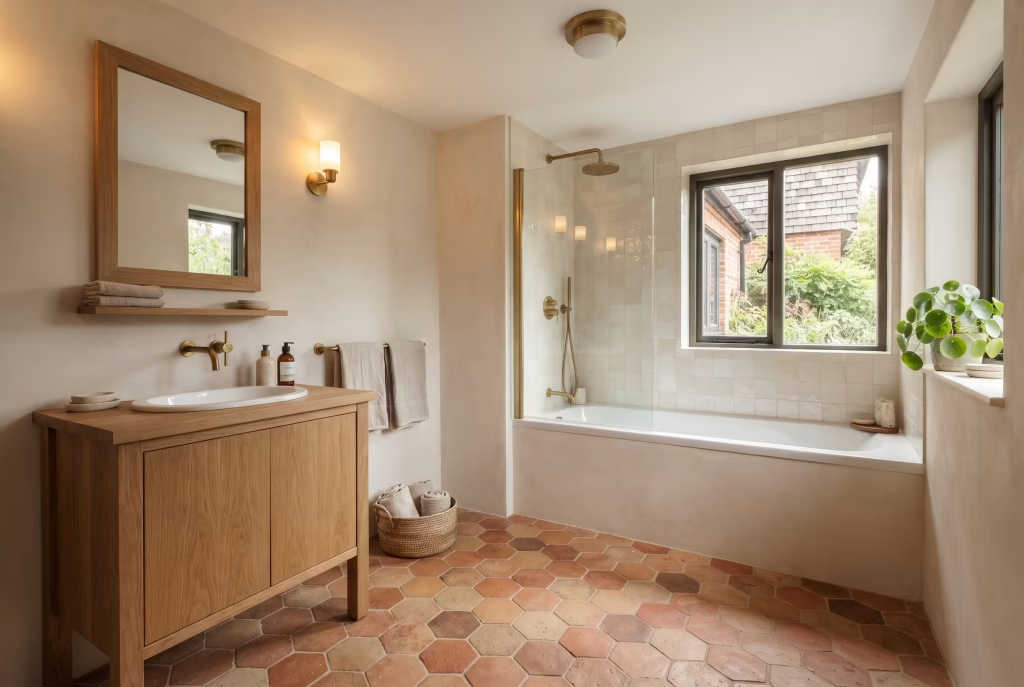
5. Terracotta or clay-toned floor tile. This one gets overlooked constantly, and I’ve never understood why, because it’s one of the few flooring choices that genuinely feels warm underfoot rather than merely looking warm in a photograph. Terracotta hexagons, or a warm clay-red tile laid in a simple grid, ground a bungalow bathroom in the same earthy palette as the brick or timber shingle sitting just outside the window, and there’s something reassuring about a floor that seems to have grown out of the same soil as the house itself. As a bonus that nobody mentions in the glossy magazines, it hides everyday scuffs and water marks far better than the stark white tile everyone reaches for by default, which spares you the small, cumulative irritation of a floor that always looks slightly dirty no matter how often you clean it.
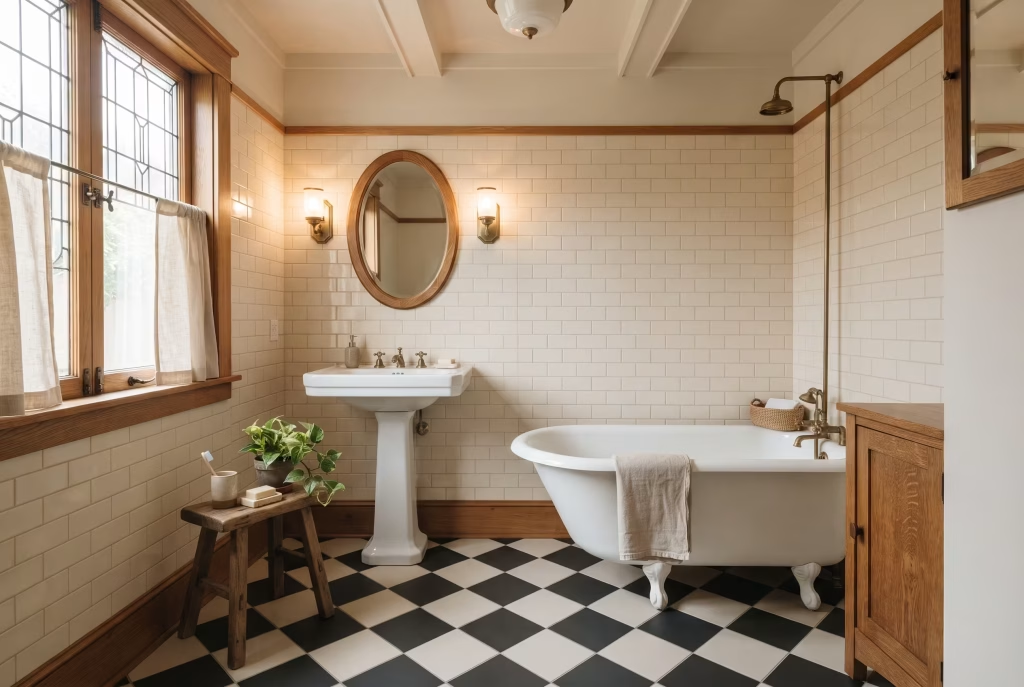
6. Black and white checkerboard flooring, laid on the diagonal. A properly period-correct nod for Craftsman and 1920s bungalows, but here’s the trick that separates the interesting version from the pastiche: lay it at 45 degrees, not in the expected square grid. It makes an enormous difference, turning a slightly kitsch throwback into something that feels considered rather than costume-y, the sort of pattern that makes guests pause in the doorway rather than simply walk through without a second glance.
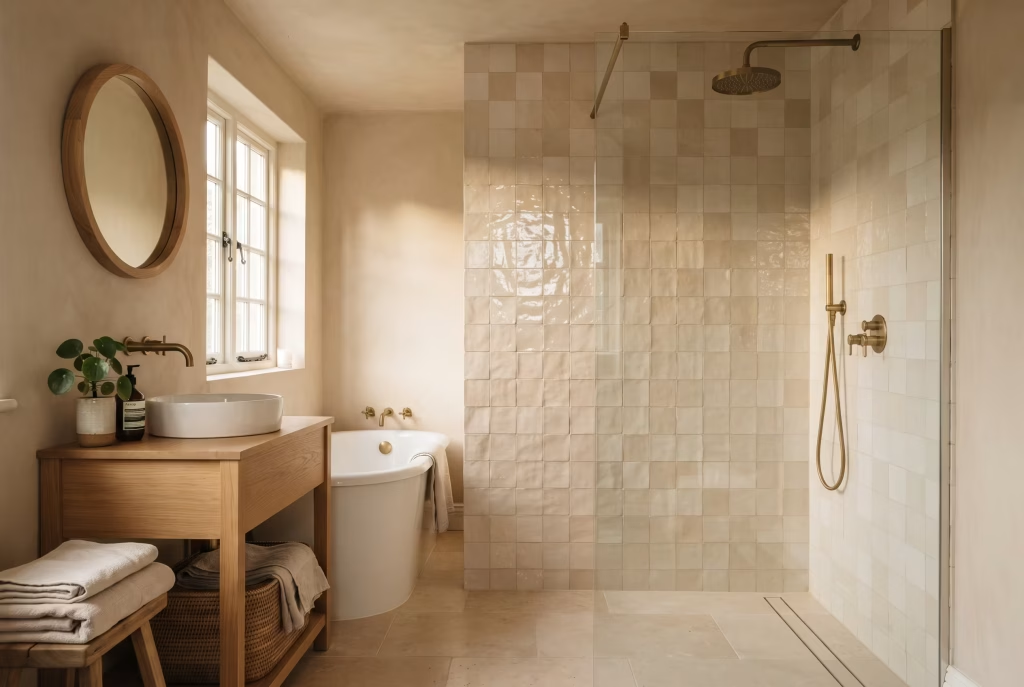
7. Handmade zellige tile as a shower feature wall. Factory-perfect tile is flawless in a way that starts to feel a bit soulless after a while, a bit like a smile that never quite reaches the eyes. Handmade zellige, with its slight irregularity and pooled glaze, catches the light differently from one square to the next, and that imperfection is precisely why it pairs so naturally with the hand-built, slightly wonky character of an older bungalow. There’s a comfort in visible handiwork that machine-made perfection can never quite replicate, a sense that a real person, somewhere, cared enough to make this thing with their hands.
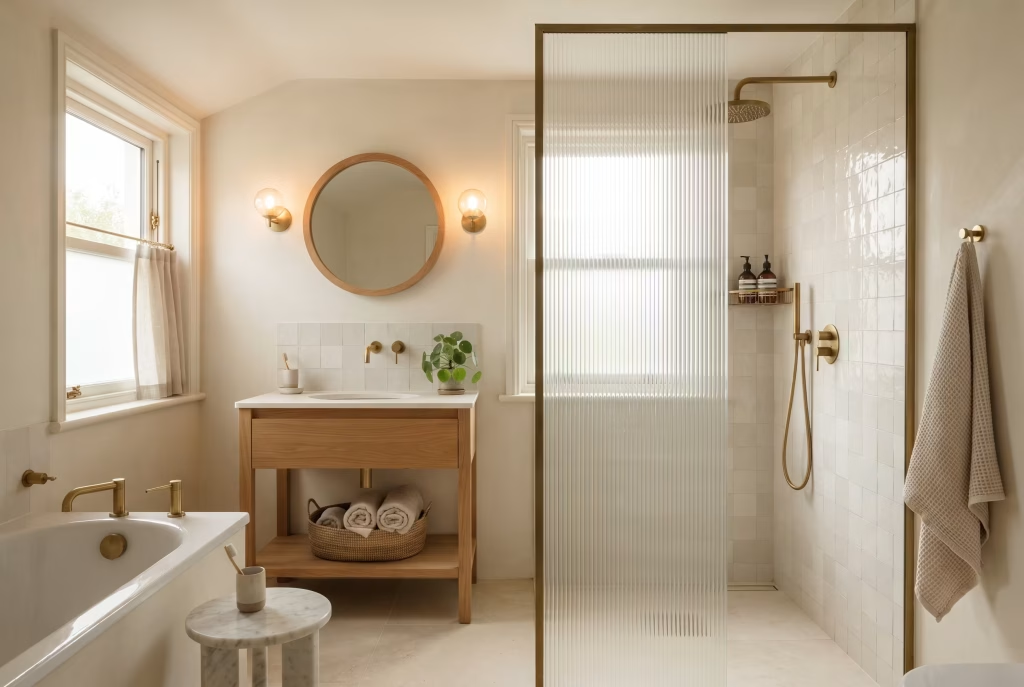
8. Reeded or fluted glass shower screens, in place of the usual clear pane. A fully transparent glass box can feel exposing in a small room, a bit like showering with the curtains open, even when nobody’s watching and you know that perfectly well. Fluted or reeded glass softens that sightline instead, adding real texture while still letting light travel through, and there’s a genuine psychological ease that comes with feeling gently screened rather than fully on display, even in your own home. It works especially well where the shower shares a wall with the bathroom’s only window.
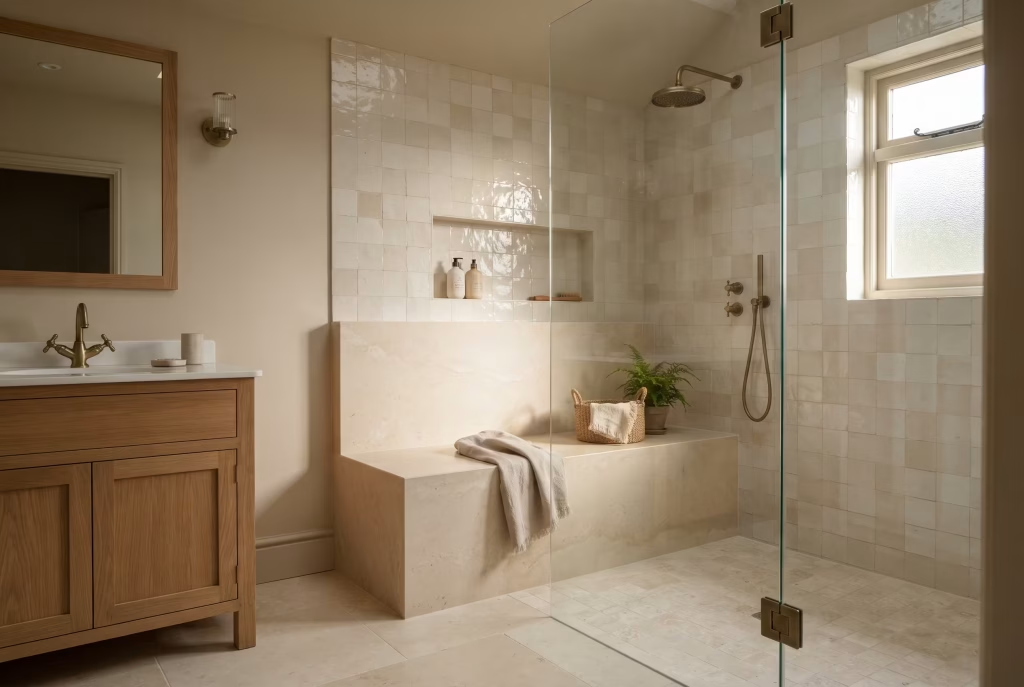
9. A natural stone bench built into the walk-in shower. One honed slab of limestone or travertine turns an ordinary walk-in shower into something closer to a proper spa moment, the kind of five minutes that lets your shoulders finally drop after a day spent holding them somewhere near your ears. It’s not just about luxury either. For anyone in the household who prefers to sit while they wash, or who simply values not having to stand for the whole ordeal, it’s a genuinely practical feature disguised as a stylish one, and there’s real dignity in a bathroom that makes rest feel built in rather than borrowed.
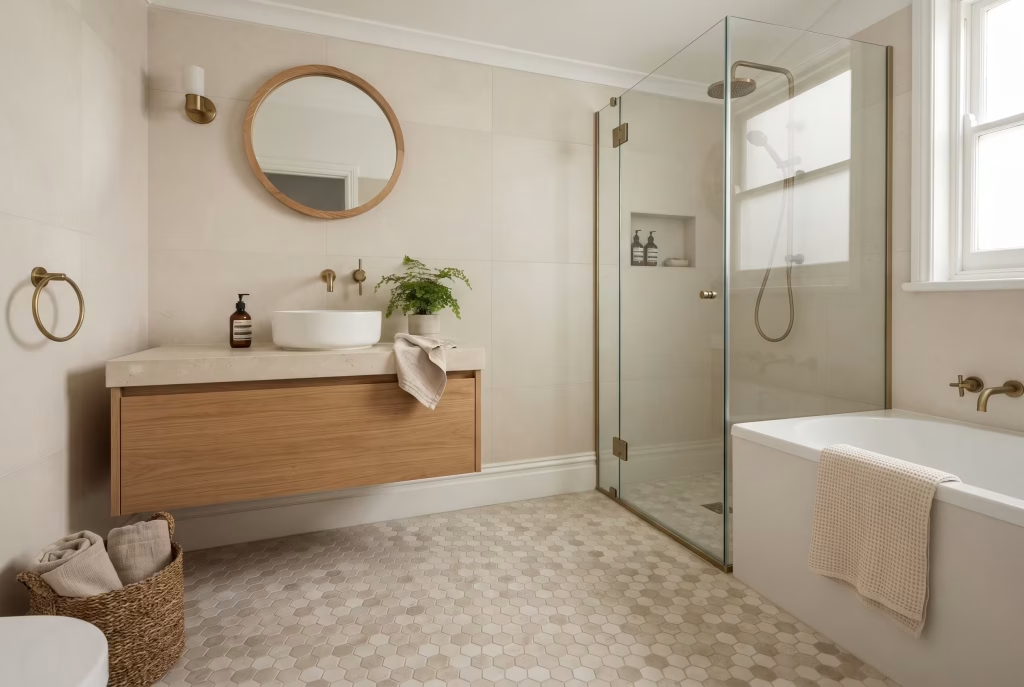
10. Small-format mosaic flooring, paired with a calmer, larger-format tile above. Mosaic underfoot brings texture and grip exactly where you need it, while a larger tile on the walls keeps the overall visual weight low. Together they strike a balance that a single busy pattern top to bottom simply can’t manage in a room this size, and that balance matters more than it sounds: a room with too much visual noise asks something of your attention every time you walk in, a small tax you pay without noticing, and this pairing lets you keep the change.
Vanity, Storage & Fixture Ideas
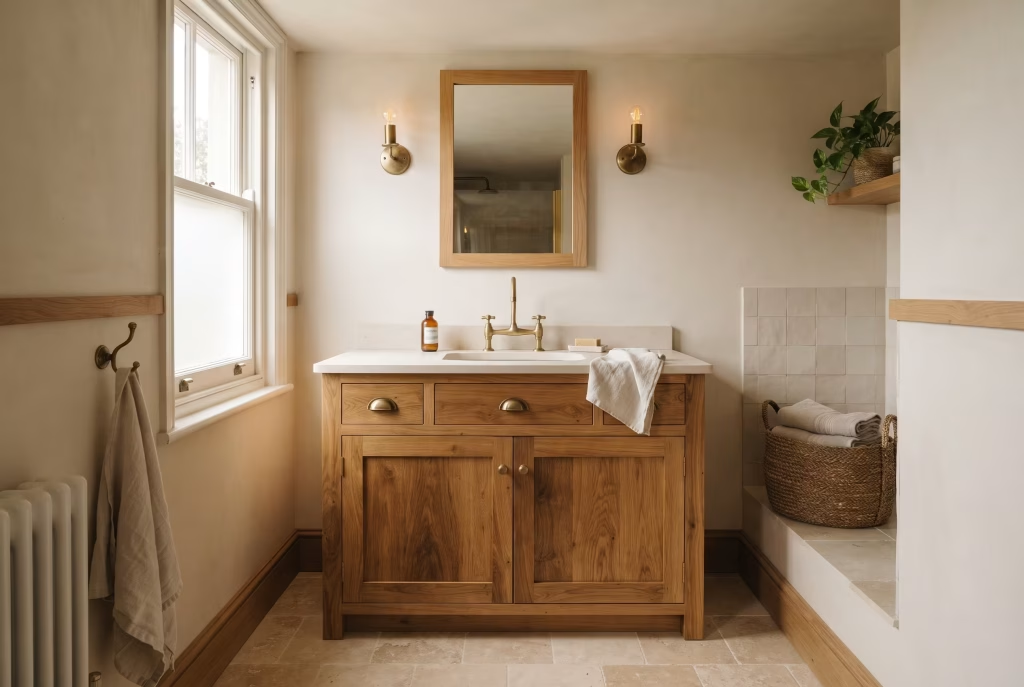
11. A stained, unfinished-wood vanity you finish yourself. This is quietly one of the best value decisions you can make in a bungalow bathroom, and hardly anyone tells you about it. Buy an unfinished timber vanity from a builder’s merchant, stain it yourself to match your existing trim, and you’ll spend a fraction of what custom cabinetry would cost while ending up with something that reads as considerably more expensive once it’s fitted with the right hardware. There’s a particular pride that comes from a piece your own hands touched before it ever touched the wall, a small ownership stamp on a room that’s otherwise entirely bought in.
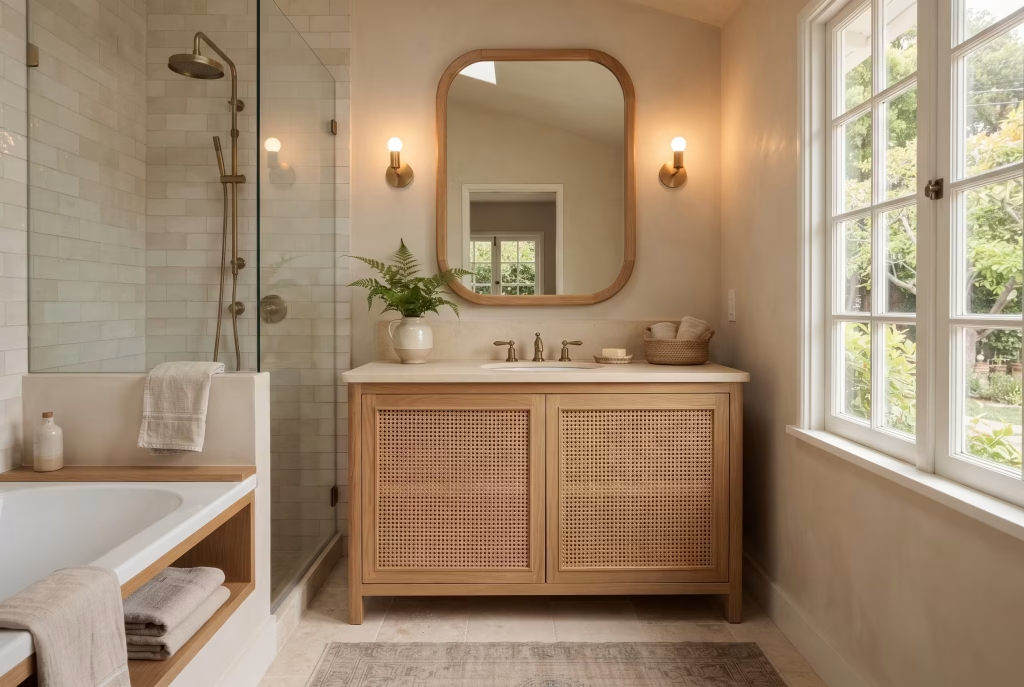
12. Cane webbing or rattan vanity fronts. They’ve come back around for good reason. The woven texture softens what would otherwise be a flat run of cabinetry, and it nods to the California bungalow’s relaxed, indoor-outdoor sensibility without dragging the rest of the room into full boho territory. Woven textures tend to read as gentler on the eye than hard, glossy surfaces, and in a room you visit half-asleep or half-undressed, gentle is exactly the register you want.
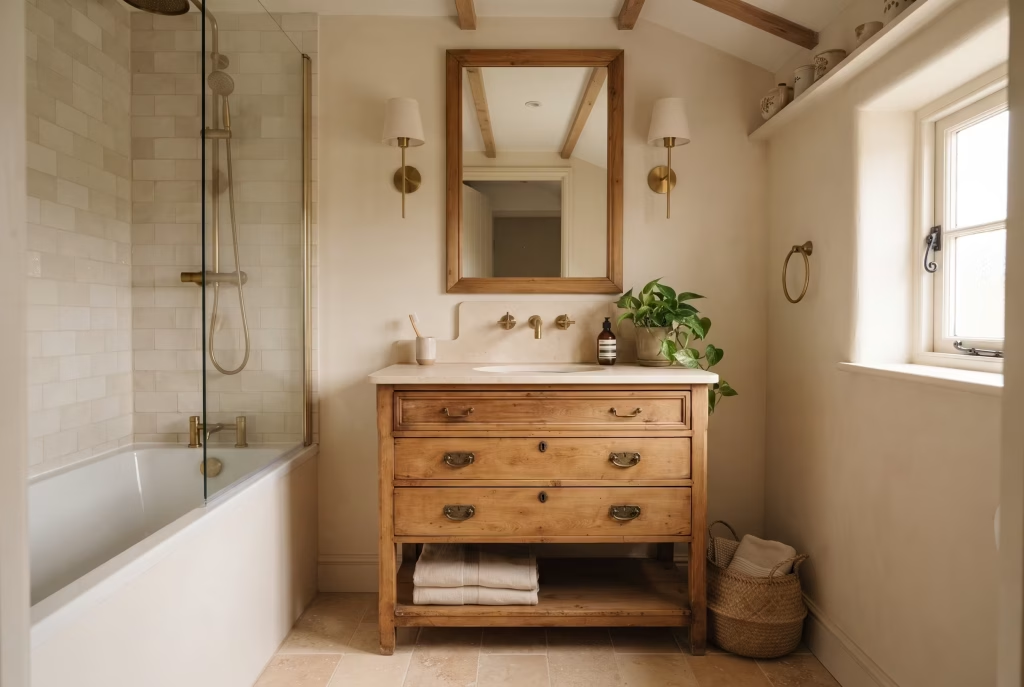
13. A vintage dresser, converted into a proper vanity. If you can track one down at roughly the right height, or have a joiner trim the legs to suit, turning a genuine piece of furniture into your vanity gives a bungalow bathroom a sense of history that no flat-pack unit could ever hope to replicate, however well it’s marketed. There’s something almost sentimental about washing your face each morning at a piece that’s already outlived at least one previous owner, a quiet reminder that the house, and the objects inside it, will carry on well past any of us.
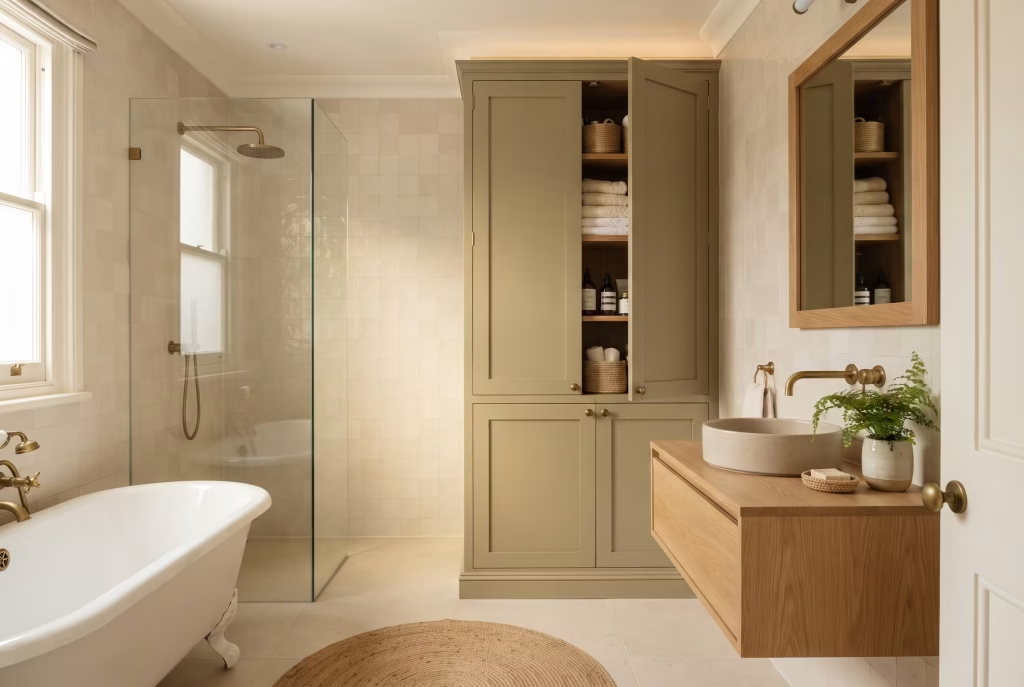
14. A built-in linen cupboard, tucked into dead corner space. Nearly every bungalow bathroom has at least one awkward corner, whether that’s behind a door swing or beside a sloped ceiling that no furniture quite fits. A shallow built-in cupboard there, even just twenty to twenty-five centimetres deep, solves your towel storage problem for good without stealing an inch of usable floor space, and there’s a real, if unglamorous, sense of calm that comes from a bathroom where everything finally has a home. Clutter has a way of quietly raising the pulse, even when we’ve stopped consciously registering it.
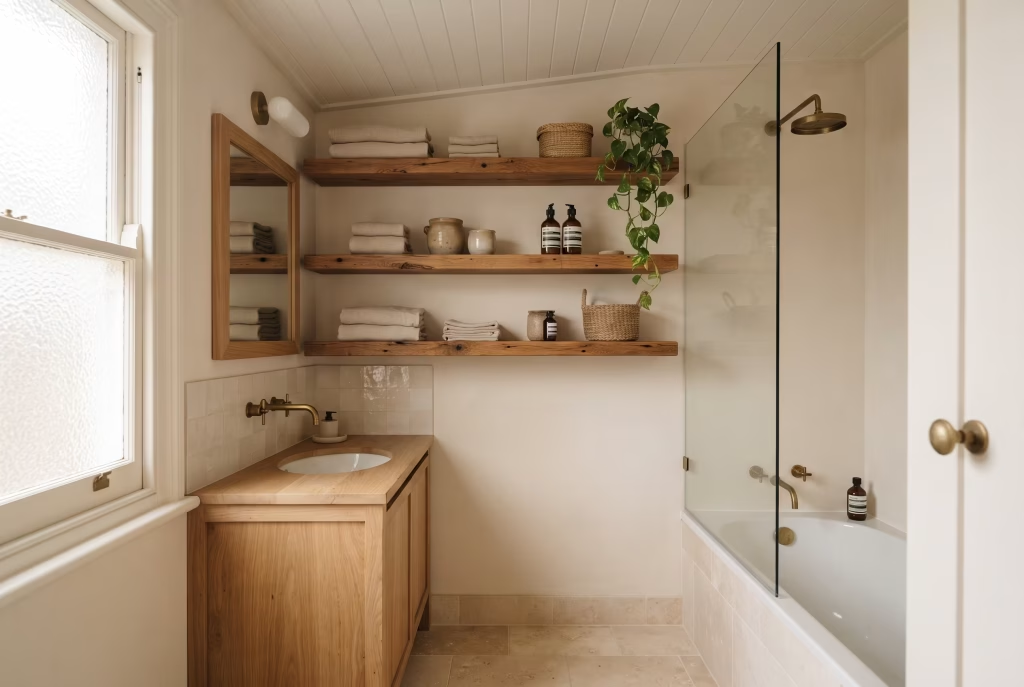
15. Open shelving cut from reclaimed or salvaged timber. Floating shelves made from reclaimed floorboards or scaffold board tie back to the bones of an older house in a way that a matched set of brand-new oak shelves, however nicely finished, simply cannot. There’s a sense of continuity in reusing timber that’s already lived a life somewhere else in the building, as though the house is quietly recycling its own memory.
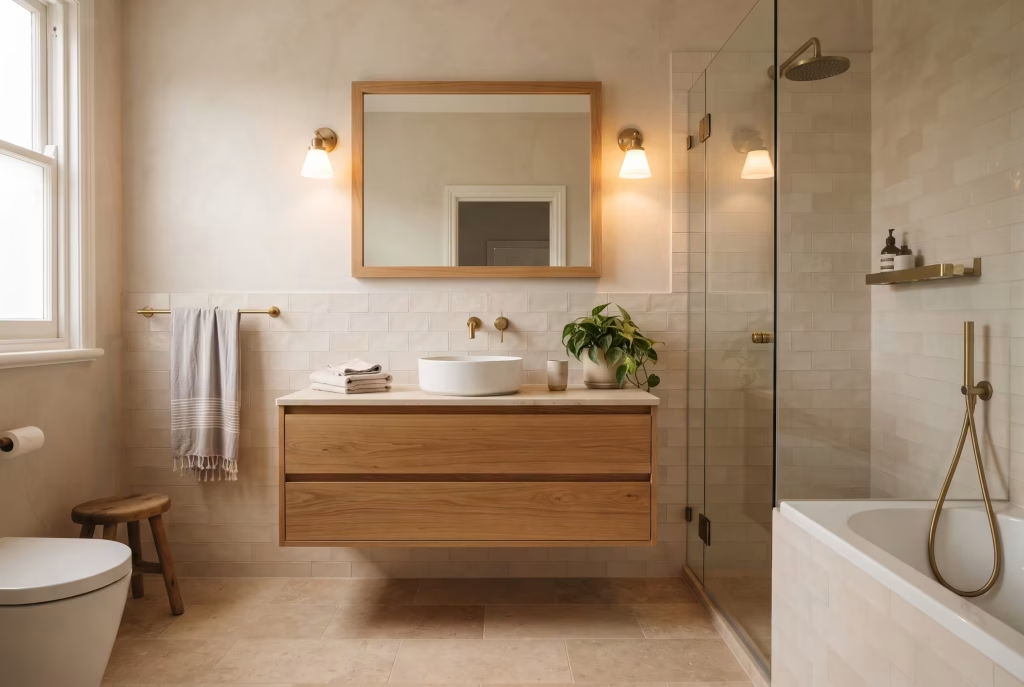
16. A vessel sink set on a floating console. Floating the vanity off the floor does two things at once: it visually expands a small bungalow bathroom because your eye can trace the floor continuing underneath, and it makes cleaning underneath genuinely easier, which matters far more day to day than the styling benefit ever will. Small, unglamorous conveniences like this are the ones that actually shape how much you enjoy a room, long after the initial thrill of the renovation photographs has faded.
You May also Like: 30 Stunning Desert Bathroom Design Ideas for a Warm, Natural Look
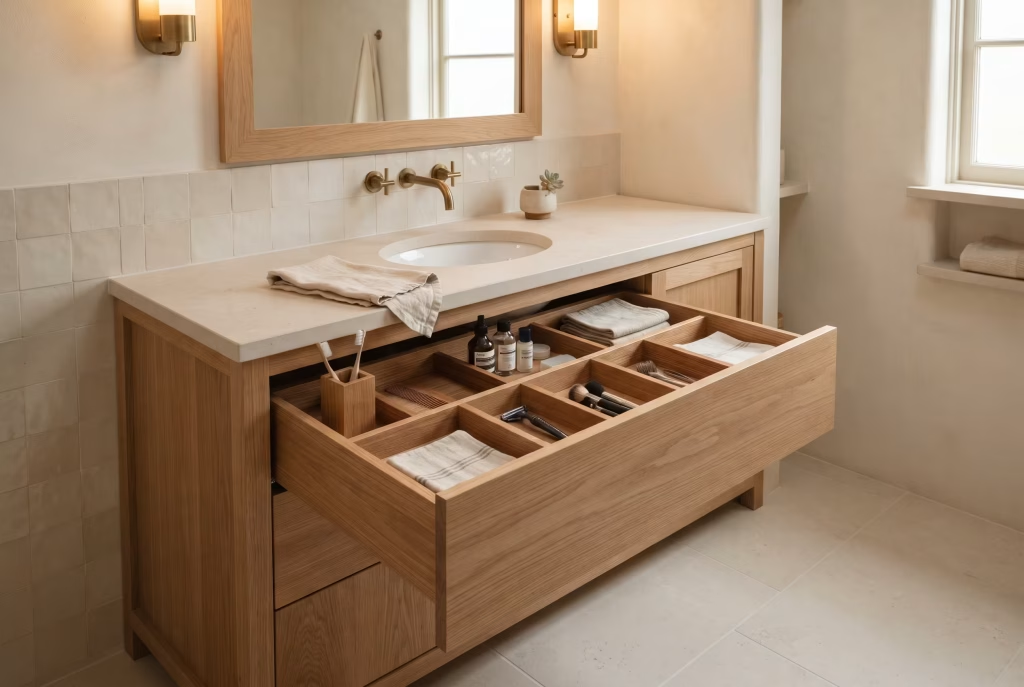
17. Drawer dividers, specified at the design stage rather than bought later as an afterthought. It sounds like a minor detail, hardly worth a mention, but it’s the difference between a vanity that stays organised for years and one that turns into a junk drawer within a month. Have them built in when the joinery is made, not added as a plastic tray from a homeware shop once the chaos has already set in. A tidy drawer might seem a trivial thing to feel good about, and yet it genuinely is, a tiny daily win tucked inside a busy morning.
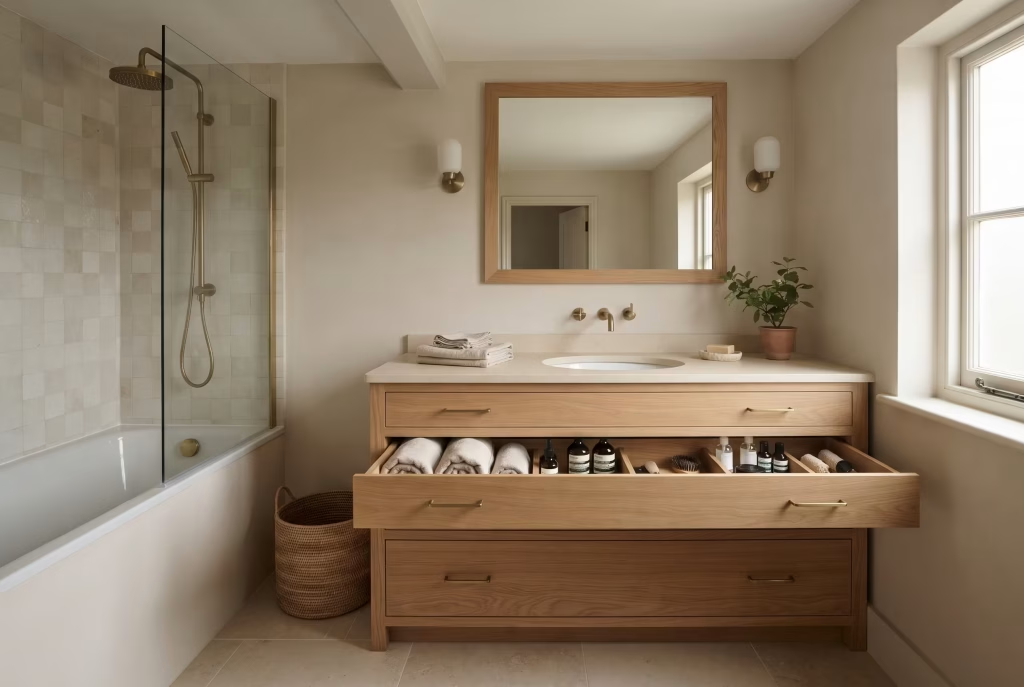
18. A single generous bank of drawers, in place of a cupboard with one shelf. Deep, soft-close drawers swallow far more than the equivalent width of cupboard space, and they save you from crouching down and rummaging blind for whatever you actually need. It’s a small change to the joinery brief with an outsized effect on how the room functions, and functioning well, quietly and without friction, is very often what separates a bathroom you love from one you merely tolerate.
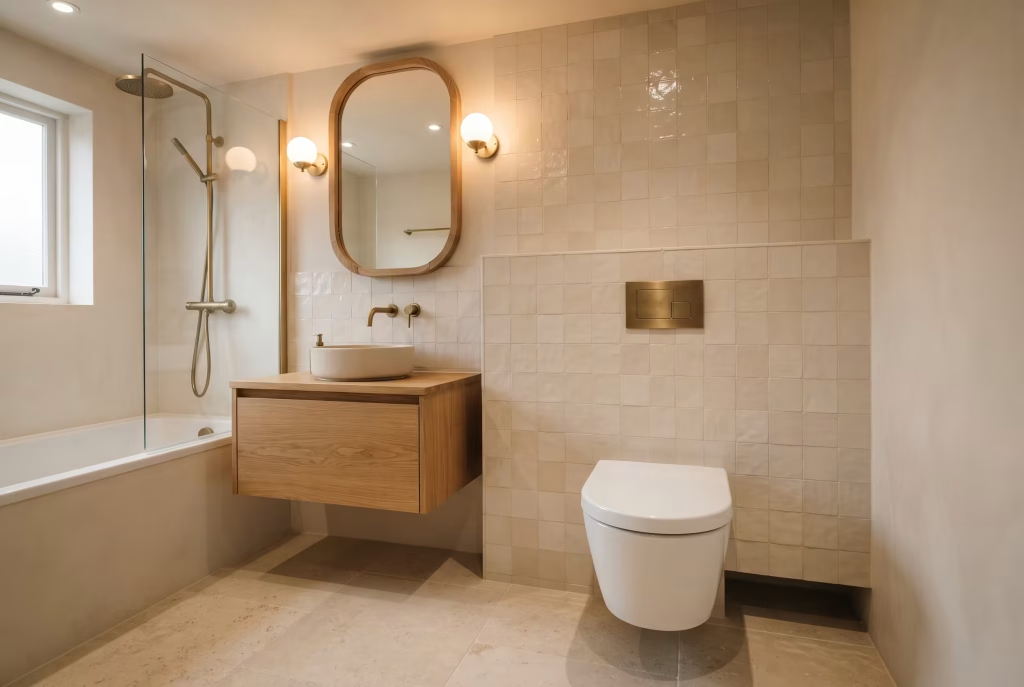
19. A wall-hung toilet, with the cistern concealed inside a stud wall. In a genuinely tight bungalow bathroom, this reclaims real floor space rather than the mere illusion of it. It also makes cleaning underneath and around the fixture far less of a chore, something you’ll be grateful for on a weekly basis long after the novelty of the design has worn off, in that quiet way practical decisions tend to outlast stylish ones in how much they actually improve your life.
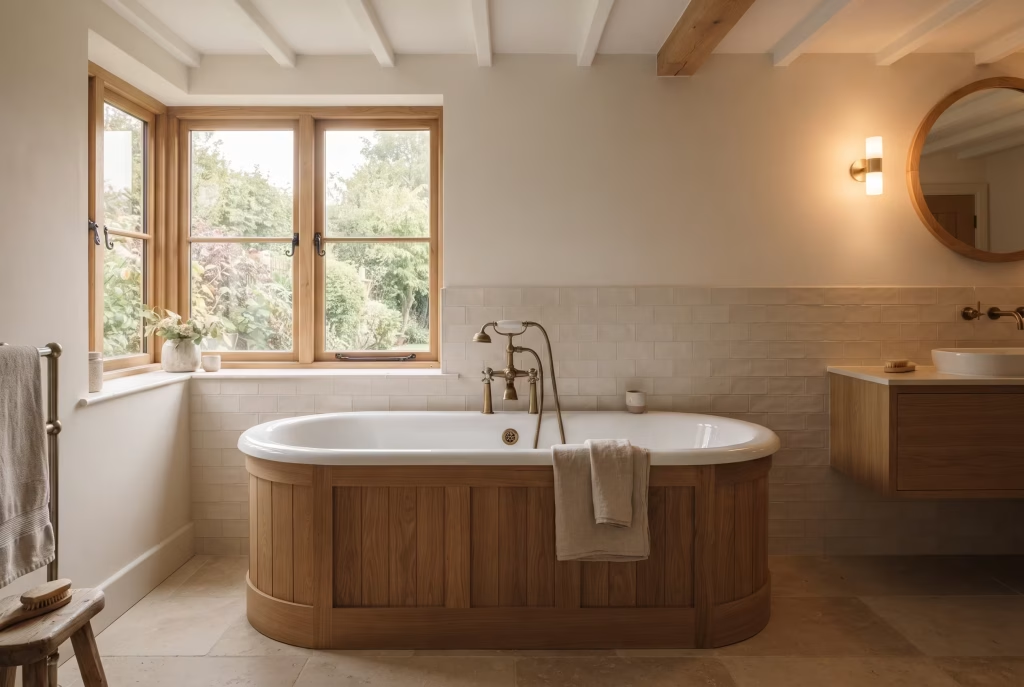
20. A freestanding roll-top or slipper bath, framed in a timber surround. Where the layout allows for it, a freestanding bath wrapped in matching panelling becomes the room’s obvious centrepiece, the thing your eye lands on the moment you walk in, and the thing that turns an ordinary Tuesday evening bath into something closer to a small ritual worth looking forward to. It also tends to add real appeal come resale time, particularly in a neighbourhood where period bungalows are the local currency.
Lighting, Windows & Finishing Touches
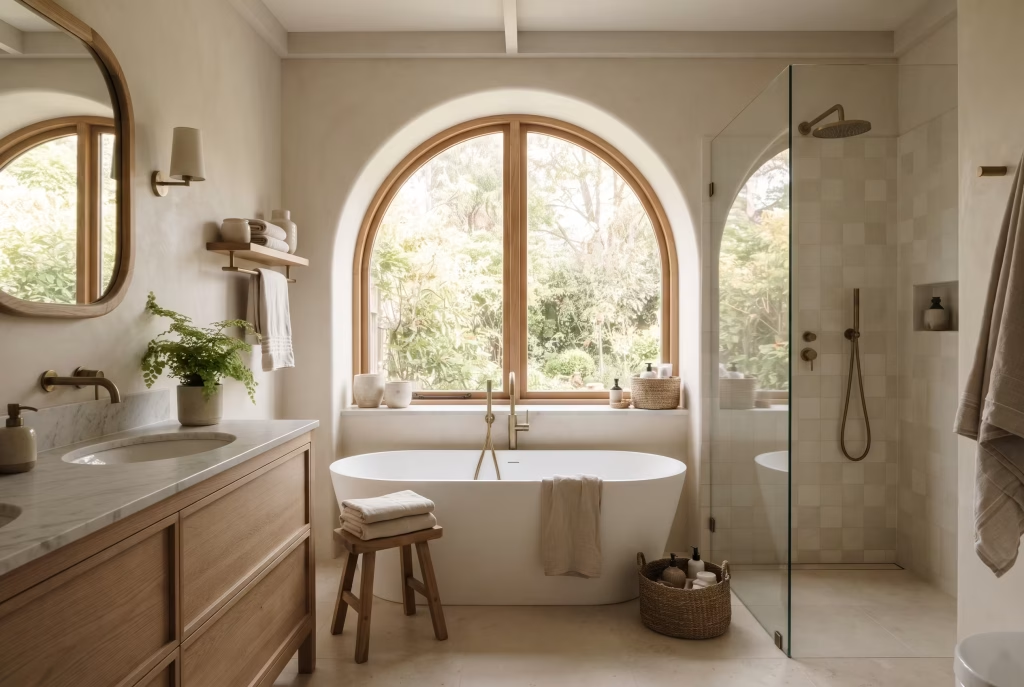
21. An arched window or an arched shower niche. Even one curved detail, whether it’s structural or simply a curved tile recess built into the shower wall, softens the relentless straight lines that otherwise dominate a small rectangular room. Curves read as inherently less confrontational to the eye than hard corners, a small architectural gesture that punches well above its weight in how welcoming the room ends up feeling.
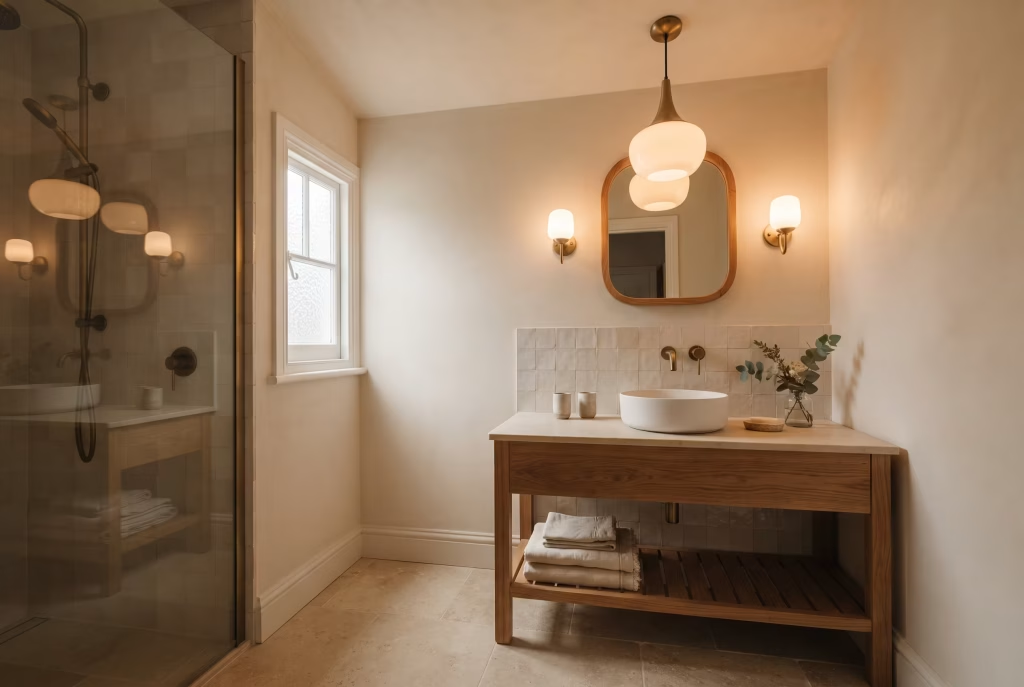
22. A statement brass pendant hung over the vanity, not just a run of recessed downlights. Downlights alone have a way of flattening a bungalow bathroom, draining it of any warmth however carefully they’re placed, and there’s a flatness to overhead-only lighting that leaves a room feeling clinical no matter how nice the tile is beneath it. One well-chosen brass pendant, hung at the right height above the sink, does the opposite: it gives the room the kind of ambient glow that makes it feel genuinely finished, rather than merely illuminated, the difference between a room lit for a task and a room lit for living in.
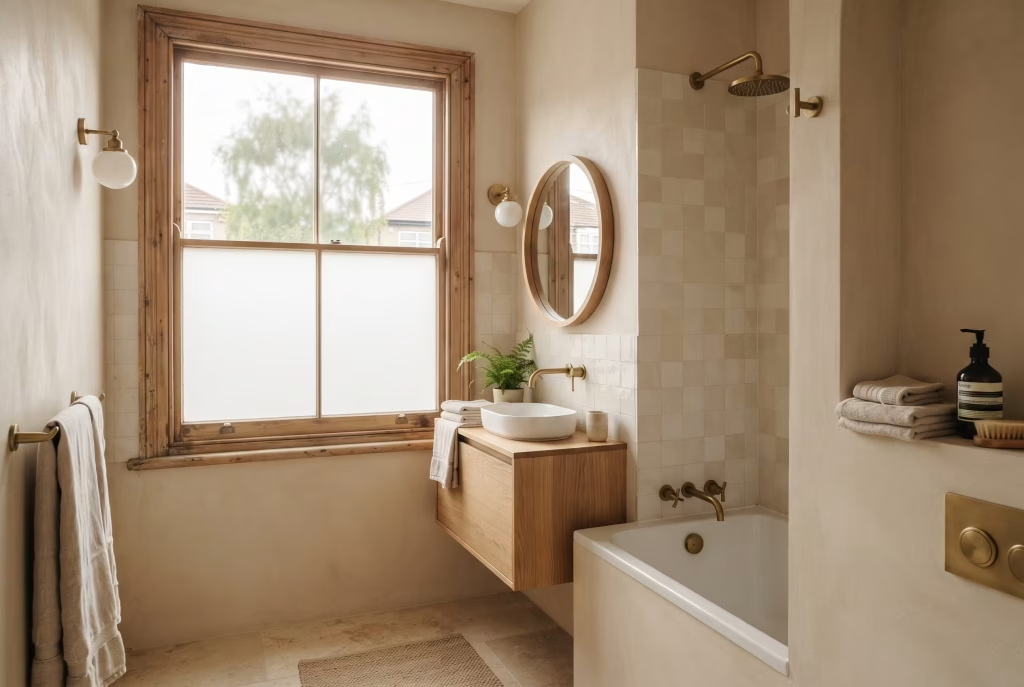
23. Frosted or reeded window film, used instead of heavy blinds. Bungalows are known for their low, warm daylight, and blocking it out with thick blinds undoes half the reason people fall for these houses in the first place, trading a genuine mood lift for the illusion of privacy. Frosted film keeps that light streaming in while still protecting your privacy on any street-facing window, a fair trade by any measure, and daylight, even filtered daylight, does more for how alert and settled you feel than almost any other single change in a room.
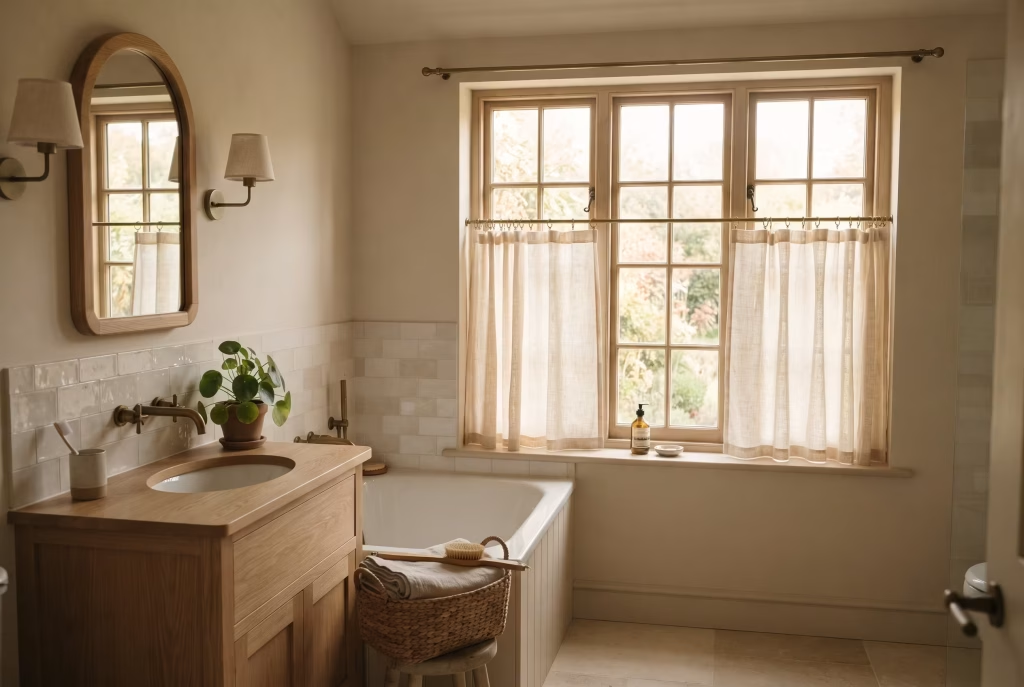
24. Sheer linen café curtains on a slim brass rod. A softer, altogether less clinical alternative to roller blinds, particularly well suited to cottage-style or California bungalows. Unlike a blind that eventually fades and needs replacing wholesale, a linen curtain can simply be laundered when it starts to look tired, which is a small mercy over the years, and there’s something quietly comforting in fabric that moves gently with the air rather than sitting rigid and mechanical against the glass.
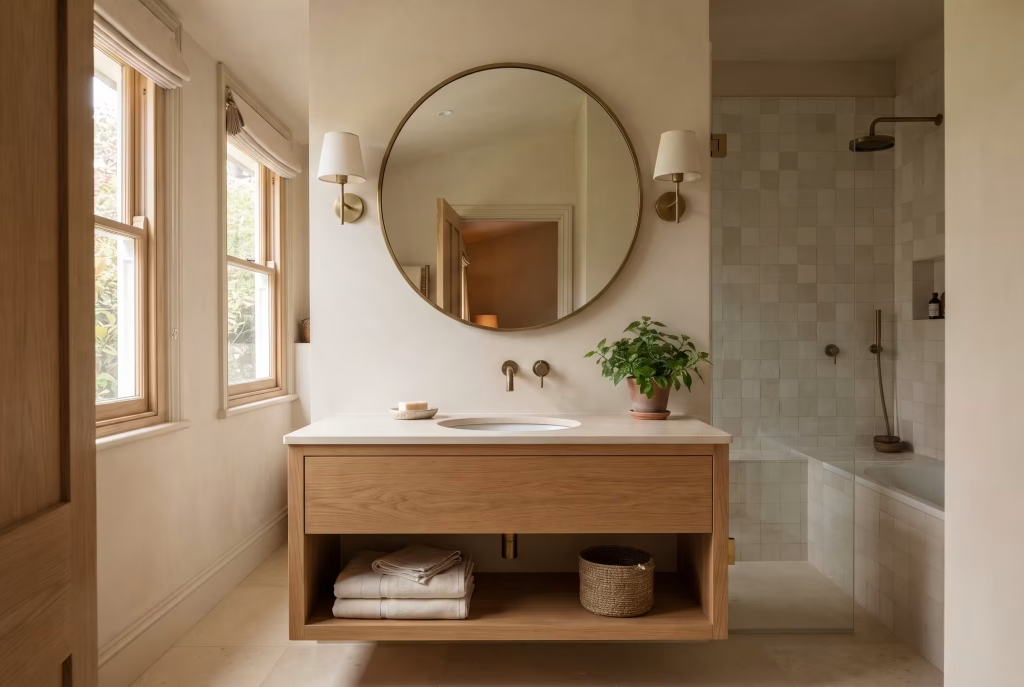
25. A round mirror, chosen specifically to counter the room’s straight edges. Bungalow bathrooms are stacked with right angles, tile grids, vanity fronts, window frames, door casings, the lot, and a room built entirely of hard angles can feel subtly tense without you ever quite naming why. A round or gently arched mirror interrupts that pattern, and it tends to read as considerably more expensive than its actual price tag would suggest, simply by virtue of breaking the monotony and giving the eye somewhere soft to land.
You May also Like: 25 Bathroom Organizer Ideas to Maximise Storage in Any Bathroom
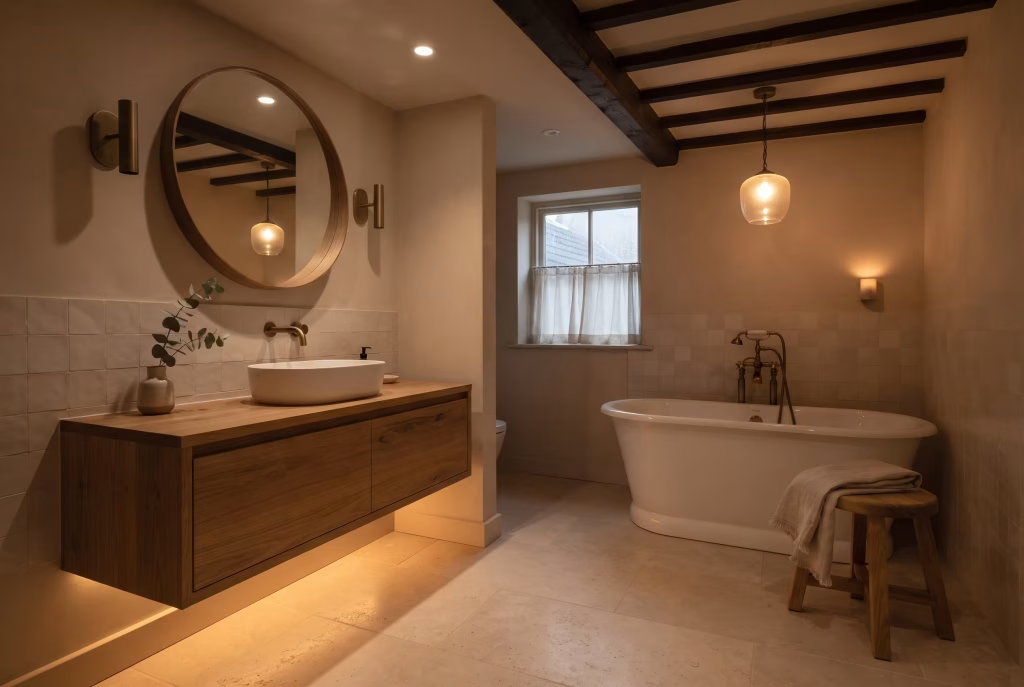
26. Warm, dimmable lighting split across two separate circuits. One bright circuit for the practical business of grooming, one warm and dimmable for a proper evening soak. It’s a modest addition at the electrical first-fix stage, easy to forget when you’re rushing through decisions, but it changes how the room feels every single day for the rest of its life, giving you the rare ability to dial a space up for focus in the morning and down for rest at night, on demand.
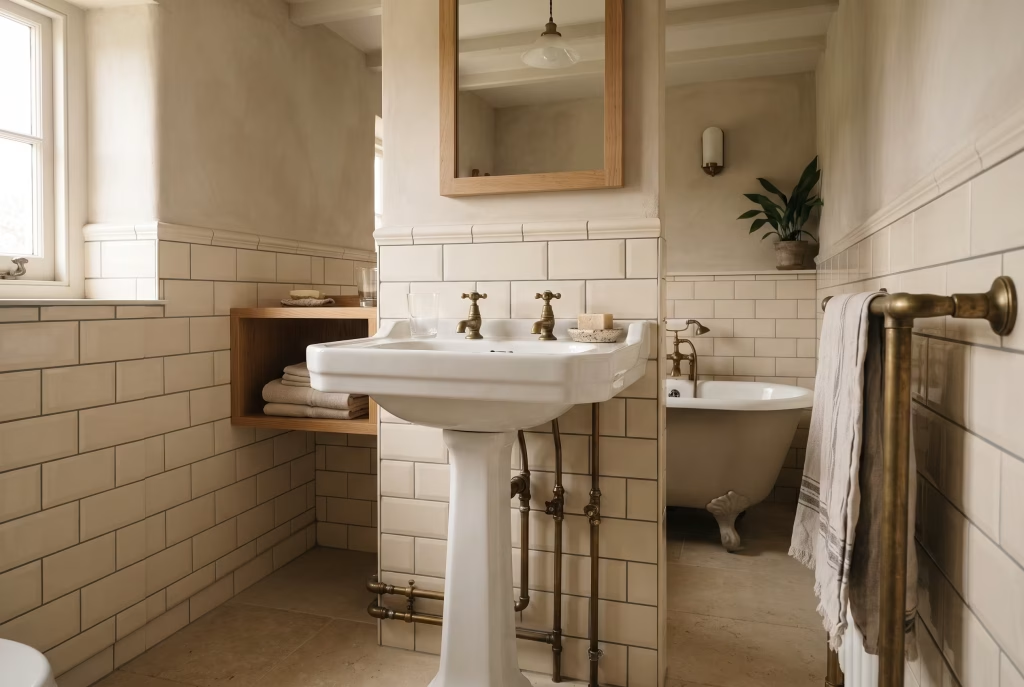
27. Vintage-profile brass or bronze taps, with the pipework left visible. Exposed taps in a vintage profile sit far more comfortably with the honest, unfussy construction of an older bungalow than sleek, fully concealed modern fittings ever will, and there’s a tactile pleasure to fittings you can actually see the mechanism of, a small honesty that modern minimalism often strips away in the name of a cleaner look. There’s a practical upside too: exposed pipework is generally easier to service down the line, without having to hack into a wall to reach a fault.
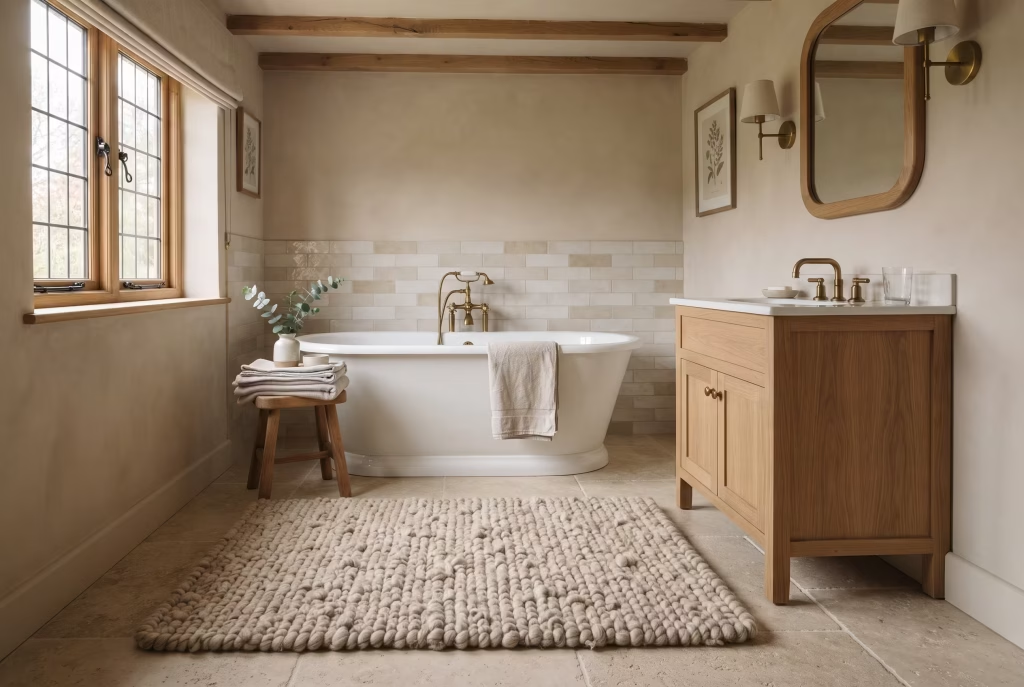
28. A jute or chunky wool bath mat, instead of the usual bath towel folded on the floor. Texture matters more than pattern in a room this size, and a natural-fibre mat brings genuine warmth to tile flooring without adding yet another colour you’ll need to coordinate around. Stepping onto something soft and fibrous rather than cold porcelain first thing in the morning is a tiny sensory kindness, the sort of detail nobody consciously thanks you for but everyone unconsciously feels.
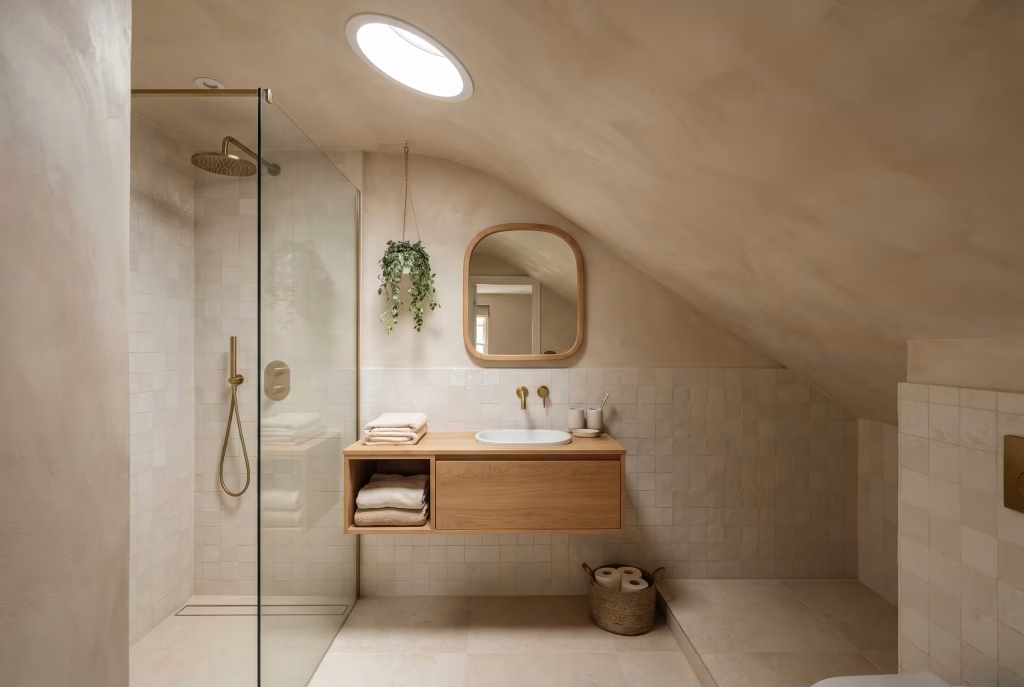
29. Skylights or solar tubes, where there’s no exterior wall to work with. This comes up constantly in converted attic bungalow bathrooms, where the sloped ceiling leaves you with nowhere to put a proper window. A solar tube brings genuine daylight down into the space for a fraction of the disruption a full skylight installation would cause, and it’s often the single change that stops the room feeling like an afterthought, replacing that faintly claustrophobic, boxed-in sensation with something closer to standing under open sky.
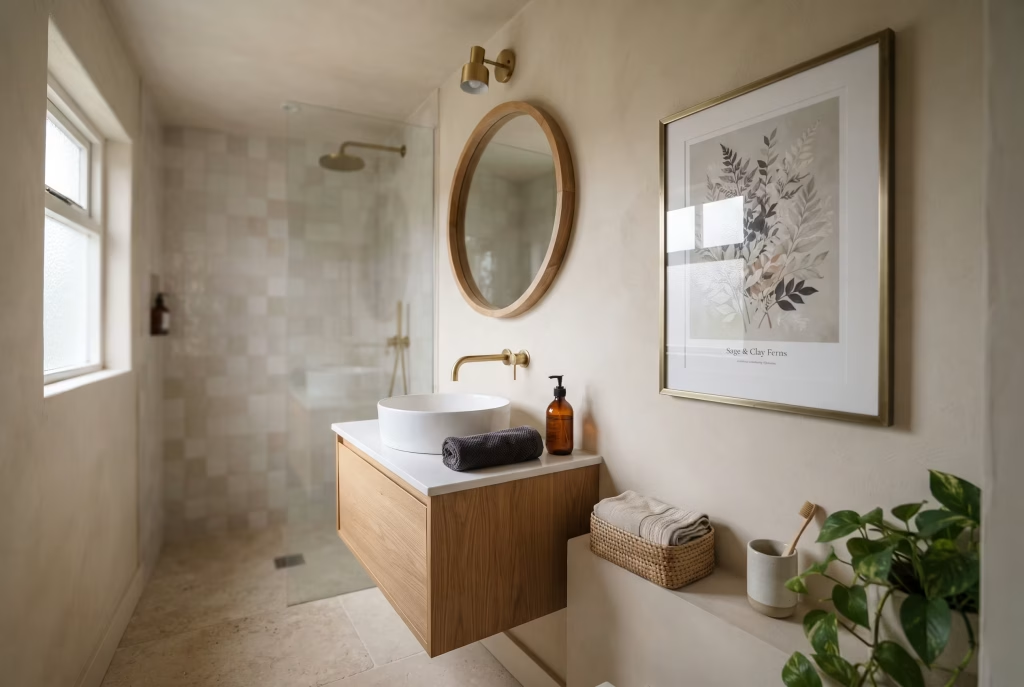
30. One well-chosen piece of art, properly sealed or framed for humidity. Most people skip artwork in a bathroom altogether, worried about moisture damage, and end up with rooms that feel functional but faintly soulless, all utility and no self. A properly sealed print, or a small piece kept safely behind glass, adds a layer of personality that tile and fixtures alone simply cannot provide, a reminder every time you look up that this room, of all rooms, still belongs to you.
You May also Like: 31 Beautiful Coastal Bathroom Ideas to Inspire Your Next Remodel
Layout, Planning & Practical Ideas
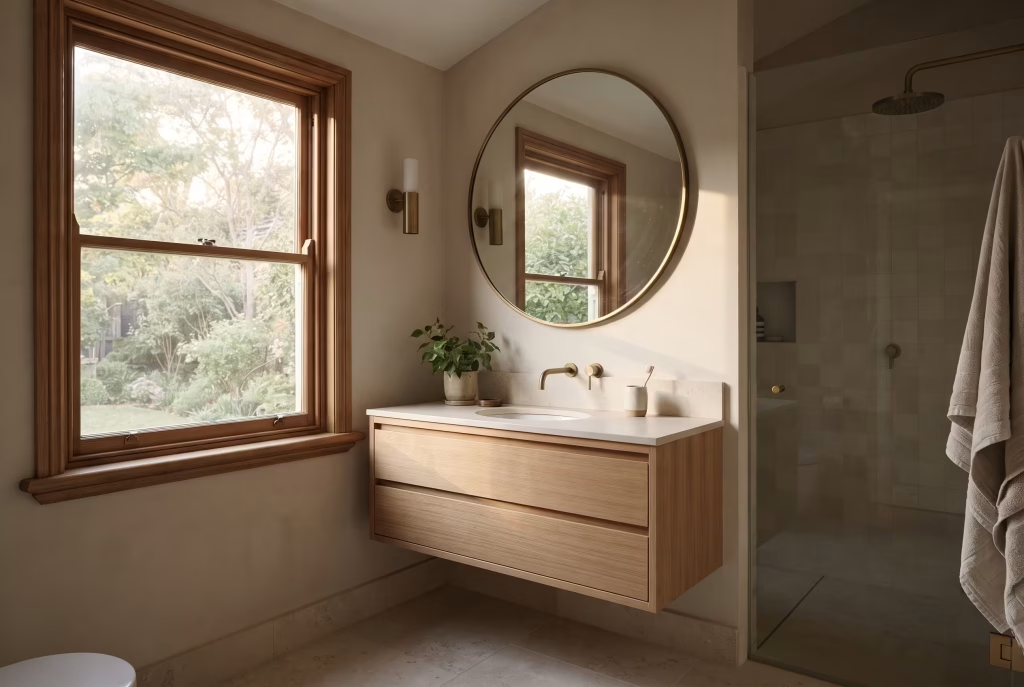
31. Positioning the vanity to catch morning window light, not fight it. If you’re renovating rather than simply redecorating around what’s already there, think carefully about where the sun actually falls through the day. Placing the mirror near a window, rather than directly opposite it, avoids the harsh backlighting that ruins your reflection while still letting you benefit from natural daylight during the morning routine that matters most, the few minutes that quietly set the emotional tone for everything that follows.
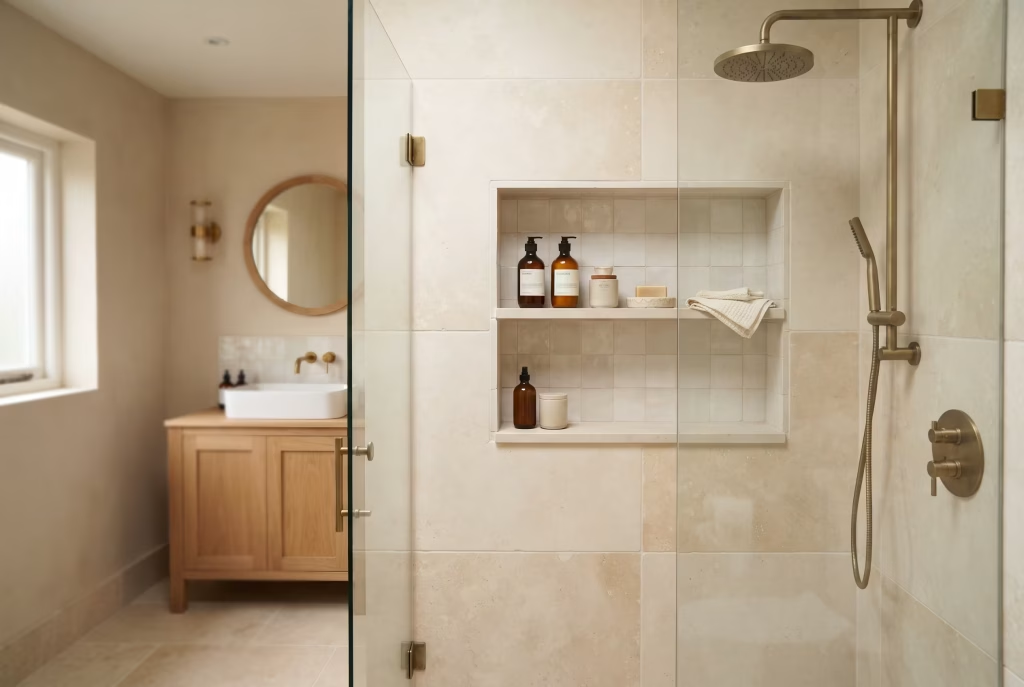
32. Building storage into the shower niche itself, rather than hanging a wire caddy afterwards. A tiled-in niche, sized specifically to the shampoo and soap bottles you actually own rather than some generic default, looks considerably more finished than any hanging caddy ever will, and unlike a metal caddy left in a wet room, it will never rust. There’s a settled feeling that comes from a space where every object clearly belongs exactly where it sits.
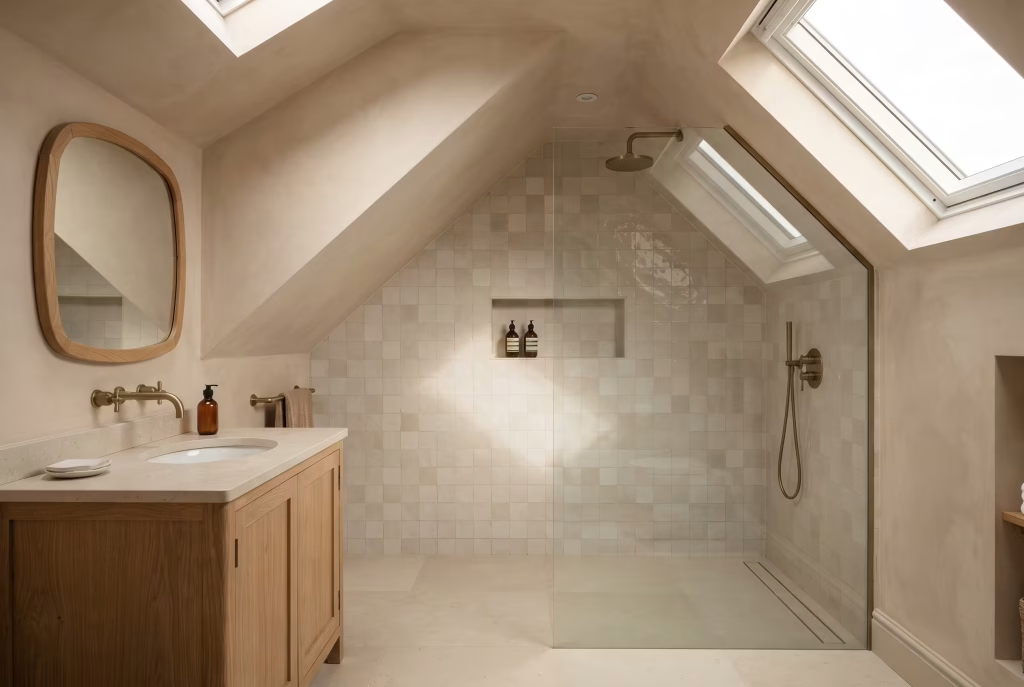
33. Letting the sloped ceiling become the shower enclosure itself, rather than boxing it out flat. In a converted attic or upper-floor bungalow bathroom, working with the pitch of the roof instead of fighting it with a false flat ceiling preserves every last inch of head height you can get. More often than not, it ends up being the single most distinctive feature in the whole room, the thing visitors comment on, and there’s a particular satisfaction in turning what first looked like the room’s biggest flaw into its most memorable feature.
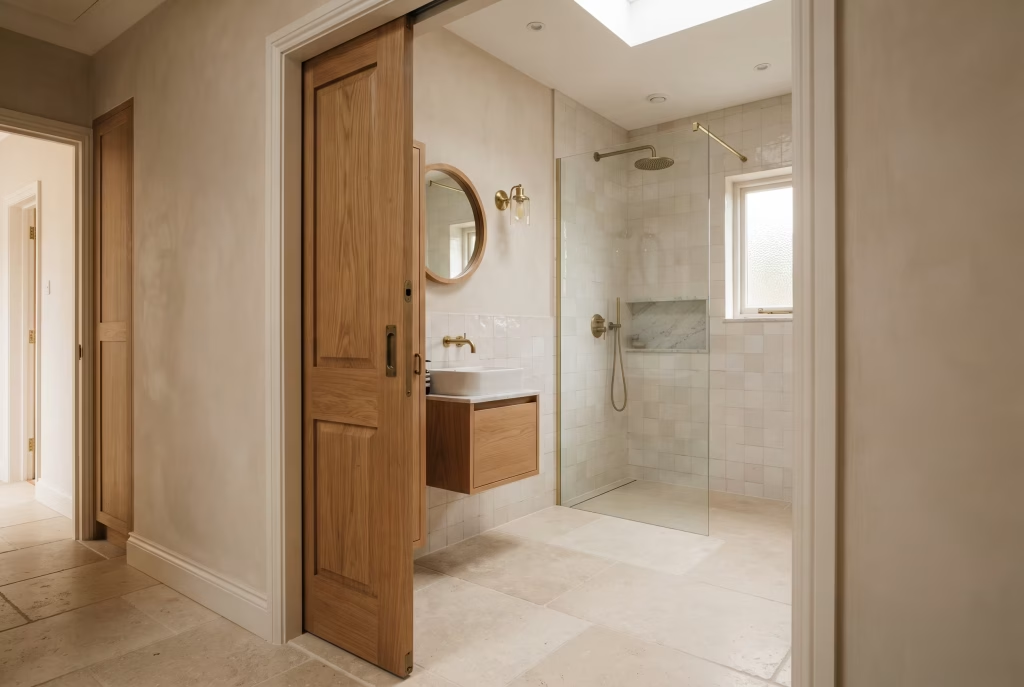
34. A pocket door, in place of a swinging one. In the tight footprints so typical of bungalow floor plans, a swinging door can eat up more usable floor space than the room can really spare, a good square metre lost purely to the arc of the door. A pocket door reclaims that space entirely, sliding neatly out of the way instead of demanding a clear berth, and there’s a genuine relief in a small room that no longer feels like it’s negotiating with you every time you open the door.
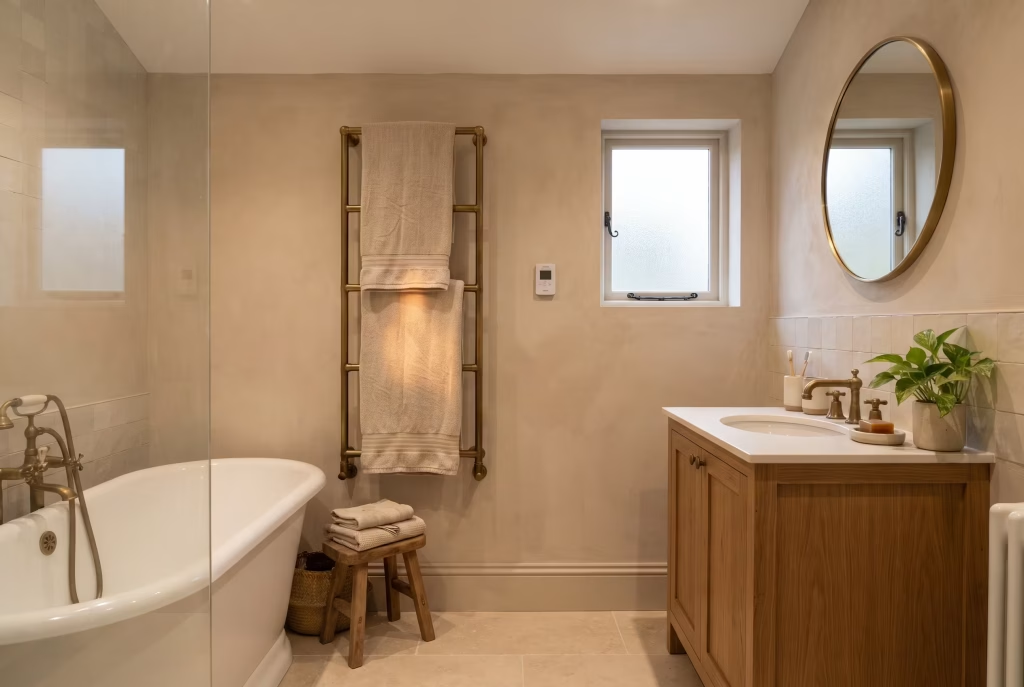
35. A heated towel rail on its own separate timer. A small addition, easy to overlook when you’re weighing up bigger decisions, but genuinely useful in older bungalows that lack underfloor heating. It keeps the room feeling warm and dry without needing to run the whole central heating system just to take the chill off one small space, and stepping out of a hot bath into a warm towel rather than a cold one is one of those small, physical comforts that quietly improves your mood far more than its cost would suggest.
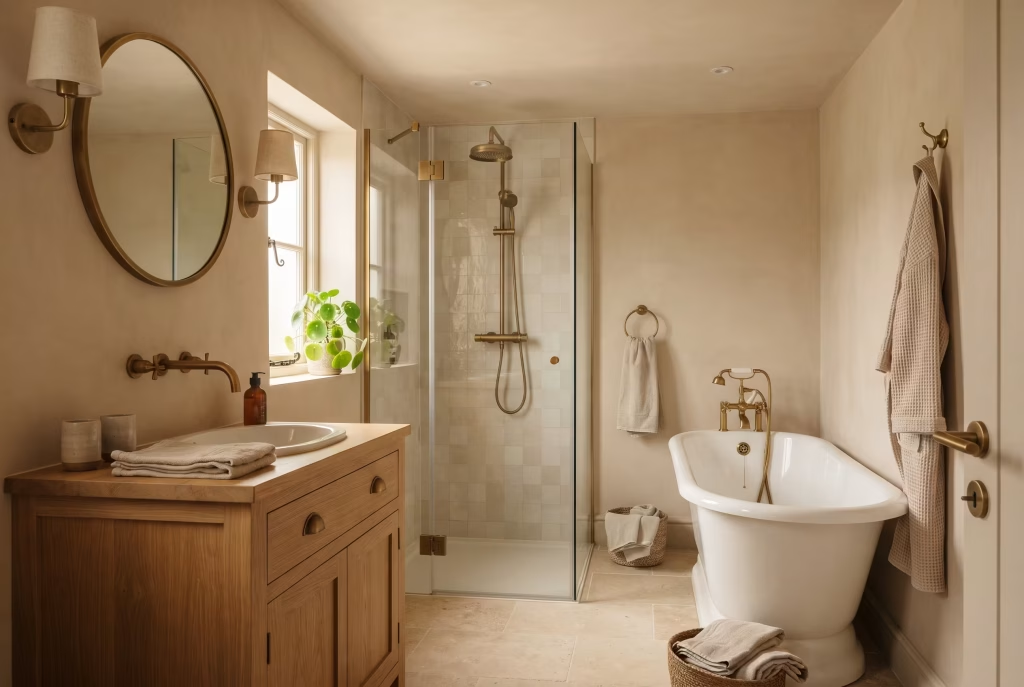
36. Matching hardware finishes throughout the room, deliberately, not by accident. Brass on the taps, brass on the mirror frame, brass on the door hardware, all chosen together rather than assembled piece by piece over successive trips to the shop. It’s a simple discipline, costing nothing extra to apply, and it’s the single fastest way to make even a modest, budget-conscious bungalow bathroom look like it was designed as one coherent space rather than cobbled together over several weekends, a sense of care that, oddly enough, people feel before they ever consciously notice why.
Mistakes to Avoid in a Bungalow Bathroom Renovation
There’s no shortage of ways to get this wrong, and most of them come from good intentions taken a step too far, or from decisions made in a hurry that quietly cost you far more than the time they saved.
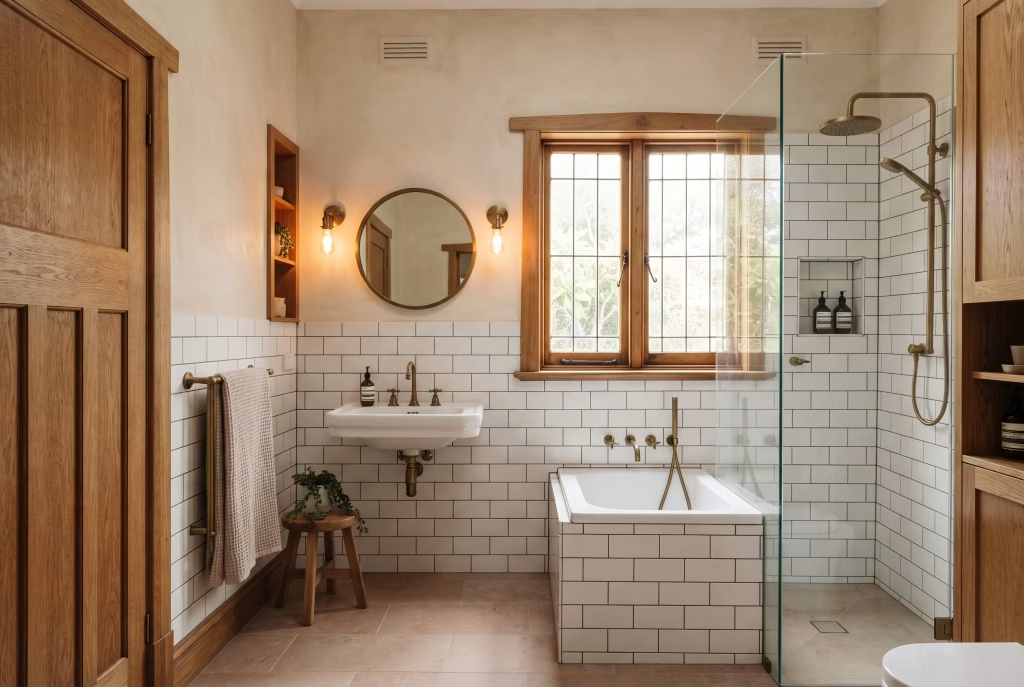
Stripping out every original detail in favour of an ultra-contemporary look is probably the most common misstep I see. It often clashes badly with the house’s exterior character, and in a neighbourhood known for its bungalows, it can genuinely hurt resale value when the time comes to sell. There’s also a subtler cost that rarely gets mentioned: a house stripped of its original character can start to feel like it belongs to nobody in particular, least of all you.
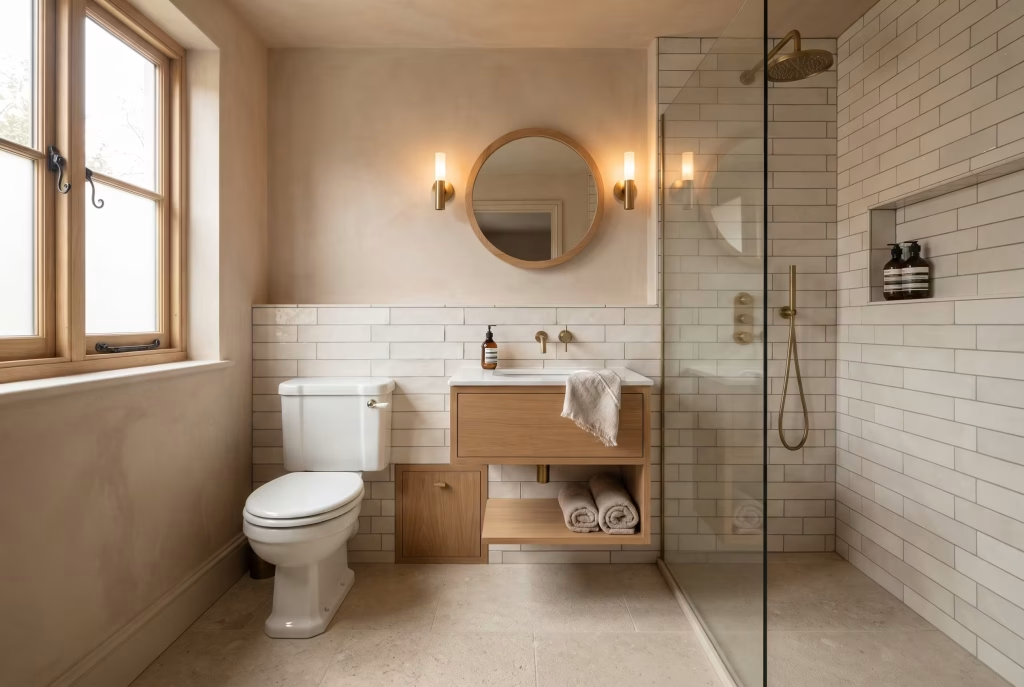
Ignoring plumbing runs when you move fixtures around catches almost everyone out at least once. Bungalows are single-storey buildings, which means relocating a toilet or shower even a metre from where it currently sits can mean dramatically longer, more expensive pipe runs than you’d face in a multi-storey home. Always have this checked before you fall in love with a new layout on paper, because nothing sours a renovation faster than a beautiful plan that quietly doubles its own budget.
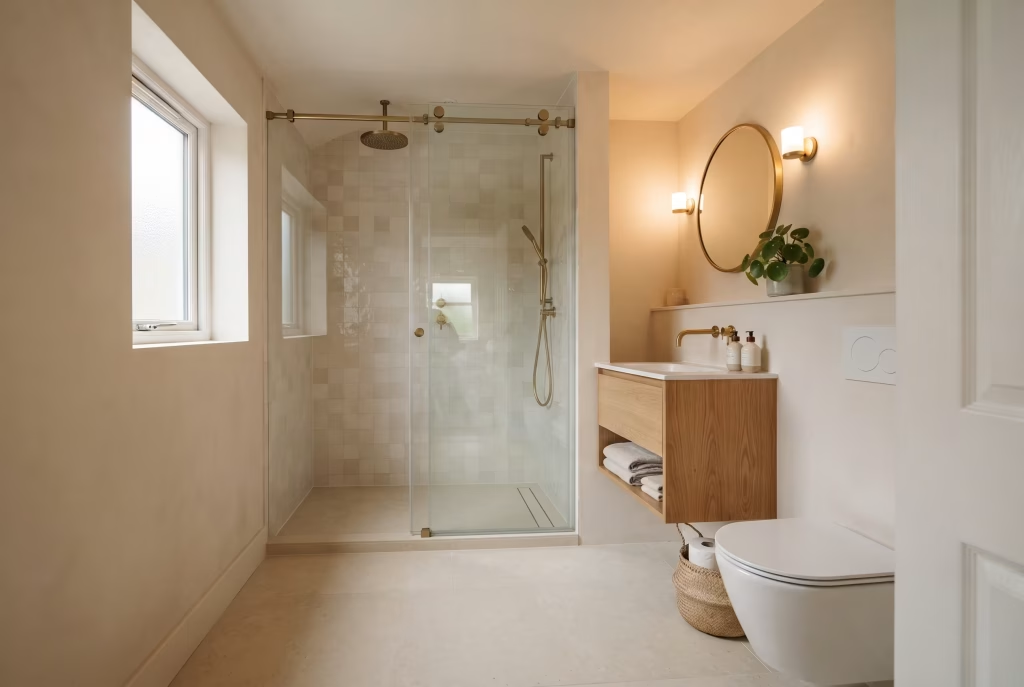
Choosing a shower door that swings straight into the only clear floor space sounds like an obvious error to avoid, and yet it’s one of the most frequent planning mistakes in small bungalow bathrooms, usually because the mistake only becomes obvious once the door is actually hung, by which point it’s an expensive lesson rather than a cheap one.
You May also Like: 25 Eye-Catching Bathroom Floor Tile Ideas for a Luxurious Look
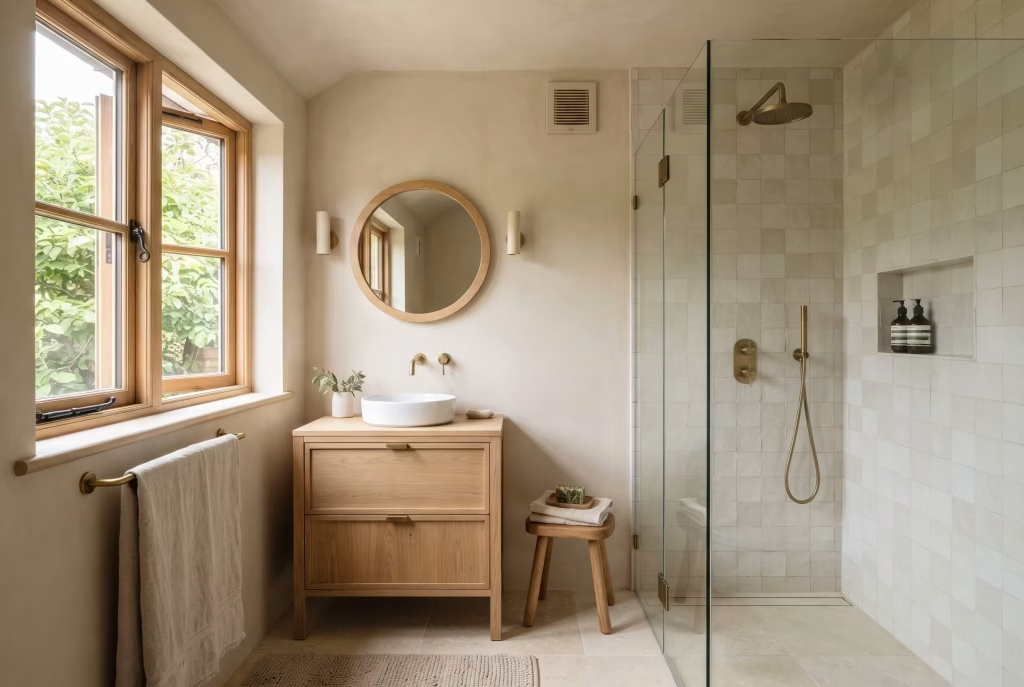
Skipping proper ventilation because there’s a window in the room is a false economy. A window helps, no question, but it’s no substitute for genuine extraction, particularly in humid climates or in bathrooms that don’t get direct sun for much of the day, and damp, musty air has a way of undermining even the most carefully chosen materials, both physically and in how relaxed the room ever manages to feel.
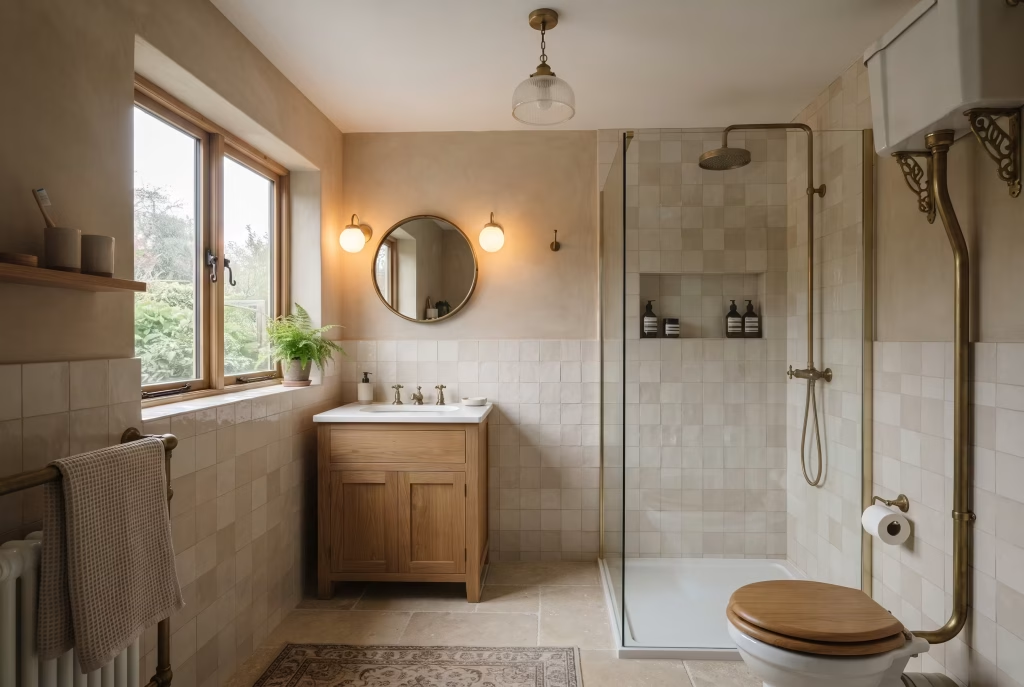
Matching your tile too literally to a “bungalow” Pinterest board, rather than to your own house’s actual era and light, is a subtler trap but a real one all the same. What flatters a sun-drenched California bungalow can feel flat and cold in a shaded 1930s British one, however identical the tile might look in a photograph, and a room copied wholesale from somewhere else rarely feels like it truly belongs to the life being lived inside it.
Final Thoughts
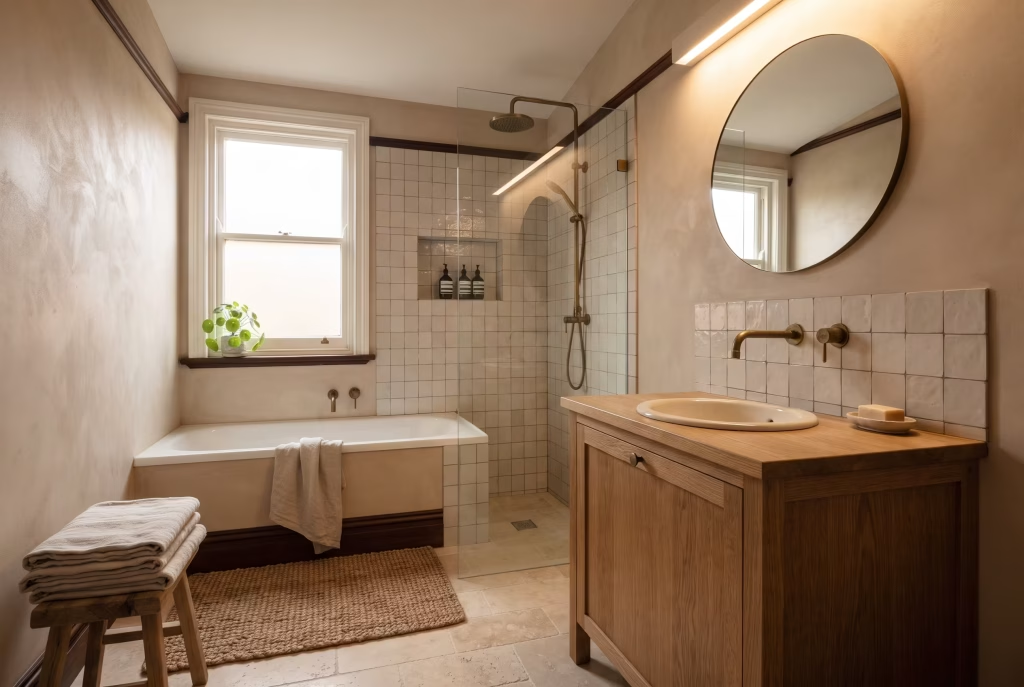
Whichever ideas you end up borrowing from this list, the thread running through all thirty-six is the same: work with the bungalow you actually have, not the one on someone else’s moodboard, and design for the person you actually are at seven in the morning, half-awake and reaching for the light switch, not for the person you imagine impressing in a photograph. Get that right, and the rest tends to fall into place on its own, quietly, the way the best rooms always do.
If you take nothing else away from this guide, take this. A bungalow bathroom rarely needs a single grand gesture to feel transformed. It needs a handful of decisions made with real care rather than a long list made in a rush, each one choosing warmth over spectacle, texture over trend, and honesty over imitation.
Charcoal grout instead of white because you’d rather stop scrubbing and start living with the room. A stained vanity you finished yourself because there’s pride in a piece your own hands touched. A round mirror simply because straight lines all day can wear a person down without them ever quite knowing why.
None of that is complicated, and very little of it is expensive. What it asks of you instead is attention, the willingness to notice how a low ceiling actually makes you feel rather than simply how to disguise it, and the patience to let your house’s own era, light, and bones guide the choices rather than forcing a borrowed aesthetic onto a building that was never built for it.
Do that, and you won’t just end up with a bathroom people compliment on their way through. You’ll end up with a room you genuinely look forward to, twice a day, every day, long after the last box of tile samples has been carted off and the dust has finally settled.
FAQ (Frequently asked questions about Bungalow Bathroom Ideas)
What is the ideal size for a bungalow bathroom?
Most bungalow bathrooms fall somewhere between 3.5 and 5.5 square metres, roughly 40 to 60 square feet. A well-planned guest bathroom or powder room can function perfectly comfortably at around 2.8 square metres, about 30 square feet, provided the storage and fixtures are chosen with real care.
Do bungalow bathrooms need a window?
A window is preferable for natural light and ventilation, but it isn’t strictly essential. Mechanical extraction, paired with a solar tube or skylight where the layout allows, works well in interior or attic-converted bungalow bathrooms that have no exterior wall to work with.
What’s the best flooring for a bungalow bathroom?
Porcelain tile, natural stone, and terracotta all hold up well for durability and period character alike. Steer clear of anything overly glossy in a small room, since it tends to read as cold rather than warm underfoot, working against the relaxed feel most people are after in the first place.
Is a walk-in shower a good fit for a bungalow bathroom?
Yes, generally speaking. Walk-in showers suit compact bungalow layouts well, improve accessibility for anyone planning to age in place, and tend to be far easier to keep clean than a traditional shower-over-bath arrangement.
What colours work best in a bungalow bathroom?
Warm neutrals, sage green, terracotta, and soft charcoal all suit the natural-materials palette bungalows are built around. Stark, cool white can work too, but it usually needs the counterbalance of warm timber or brass nearby to avoid feeling clinical against the house’s original character.
How do I make a small bungalow bathroom feel bigger without knocking down walls?
Vertical tile lines, a large mirror, a floating vanity, and flooring that runs unbroken across the whole room all help considerably. Choosing a wall-hung toilet and a pocket door reclaims genuine floor space too, rather than merely creating the illusion of it.
What’s a realistic budget for updating a bungalow bathroom?
Costs vary enormously by region and by scope, but cosmetic updates such as paint, new hardware, or a replacement vanity typically cost far less than layout changes involving moved plumbing. Always get a firm quote before committing to any fixture relocation, since bungalow plumbing runs are usually longer and more disruptive to alter than those in a multi-storey home.
Should I keep original period features when renovating a bungalow bathroom?
Where the material is sound, yes, absolutely. Original tile, trim, and door hardware carry an authenticity that’s genuinely difficult and expensive to recreate from scratch. Restoring rather than replacing tends to be both the more characterful choice and, more often than not, the more cost-effective one too.