



How to Create a Stunning Coastal Home: The Ultimate Design Guide
The most memorable coastal homes rarely announce themselves through obvious references to the sea. There are no rooms crowded with anchors, striped motifs, or decorative shells. Instead, their appeal lies in something far more subtle. They capture the feeling of coastal living through light that moves gently across textured surfaces, materials that weather beautifully over time, and spaces that feel intrinsically connected to their surroundings.
This distinction is what separates authentic coastal design from the themed beach-house interiors that often date quickly. The best coastal homes focus less on decoration and more on atmosphere, creating environments that feel calm, effortless, and deeply rooted in place. Natural stone, washed timber, linen, and soft mineral tones work together to evoke the landscape without directly imitating it.
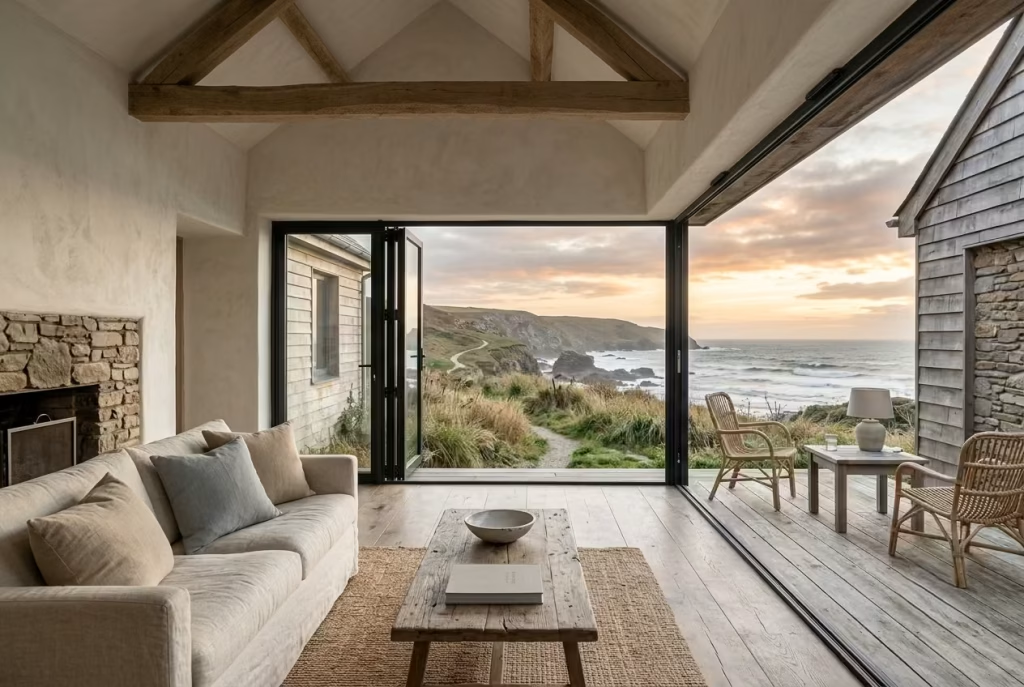
Having worked on several coastal renovations, I have found that the most successful projects share a common philosophy. Rather than attempting to recreate the beach indoors, they borrow from its qualities: openness, simplicity, natural light, and a sense of ease. It is this approach that explains why coastal design continues to endure. While trends come and go, homes that celebrate light, texture, and connection to nature remain timeless places to live.
Understanding the Foundations of Coastal Design
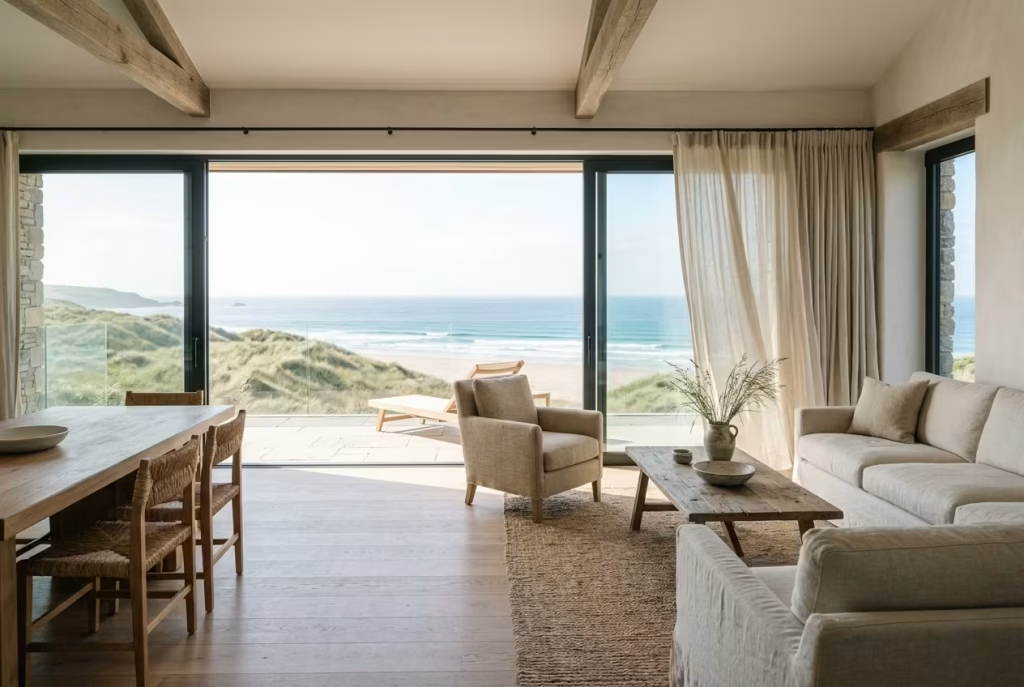
Before a single sofa is positioned or a paint colour is selected, exceptional coastal homes begin with something far more important: understanding the environment that surrounds them. Coastal design is often mistaken for an aesthetic choice, yet in practice it is a response to light, climate, views, natural materials, and the rhythms of everyday life near the water.
The homes that truly stand the test of time are rarely built around decorative trends. Instead, they draw inspiration from the landscape itself. Morning sunlight reflecting across timber floors, sea breezes moving through open rooms, weathered materials that improve with age, and spaces that encourage a slower pace of living all contribute to a home that feels authentic rather than manufactured.
What makes coastal design so enduring is its ability to create a sense of escape without sacrificing practicality. It captures the relaxed spirit of a holiday retreat while remaining fully equipped for daily life. When these foundations are understood, every design decision becomes clearer, from material selection to furniture placement and architectural planning.
The Five Principles Behind Every Beautiful Coastal Home
The most successful coastal homes may vary in architectural style, budget, or location, but they almost always share five underlying principles. These elements work quietly behind the scenes, creating interiors that feel balanced, welcoming, and deeply connected to their surroundings.
1. Natural Light Becomes the Primary Design Feature
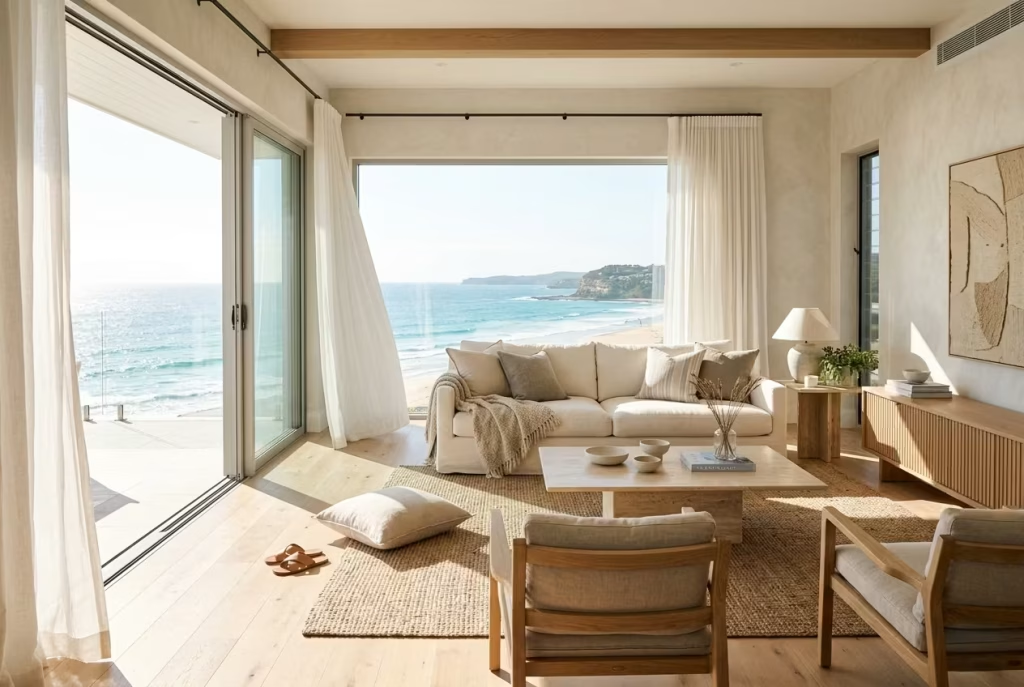
In coastal homes, light is not simply a functional necessity. It is often the most influential design element in the entire property.
Unlike urban interiors that frequently rely on artificial illumination, coastal spaces benefit from shifting daylight that changes throughout the day. Morning light tends to feel crisp and energising, while late afternoon sunlight softens surfaces and introduces warmth. The best coastal homes are designed to celebrate these natural transitions rather than compete with them.
Large windows, glazed doors, clerestory openings, and carefully positioned skylights help maximise daylight penetration. Even modest rooms can feel significantly larger when natural light reaches deep into the floor plan.
In one waterfront renovation project, I replaced a series of small windows with a 3 m (10 ft) wide sliding glass system. Although the room’s footprint remained exactly the same, clients consistently described the space as feeling almost twice as large. Sometimes the difference between an average room and an exceptional one comes down to allowing daylight to do the heavy lifting.
Practical Takeaways:
- Position seating to face natural light whenever possible.
- Keep window treatments light and breathable.
- Use reflective materials sparingly to amplify brightness.
- Consider ceiling heights alongside window sizes to maximise daylight distribution.
2. Organic Materiality Creates Authentic Character
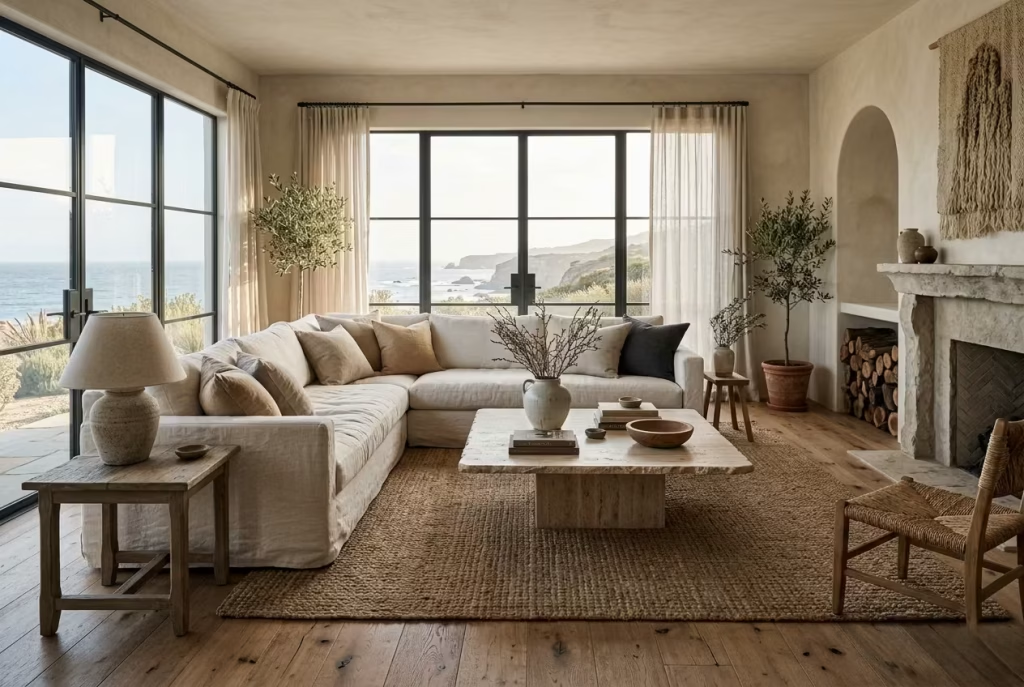
Coastal homes feel most convincing when their materials appear connected to nature rather than imported from a design catalogue.
Timber with visible grain, limestone with subtle variation, hand-finished plaster, linen upholstery, woven fibres, and natural stone all introduce visual depth that synthetic materials struggle to replicate. These surfaces tell a story through texture, creating interest without relying on excessive ornamentation.
There is an old saying that “the devil is in the details.” In coastal design, the opposite is often true. The magic lies within the imperfections. Slight colour variation in travertine, knots within oak flooring, and the soft creasing of linen upholstery contribute to a home that feels lived-in rather than staged.
Materials should also be selected with longevity in mind. Salt air, humidity, and intense sunlight can quickly expose poor-quality finishes. Durable natural materials generally age more gracefully and develop a patina that enhances character over time.
3. Indoor-Outdoor Connection Shapes Everyday Living
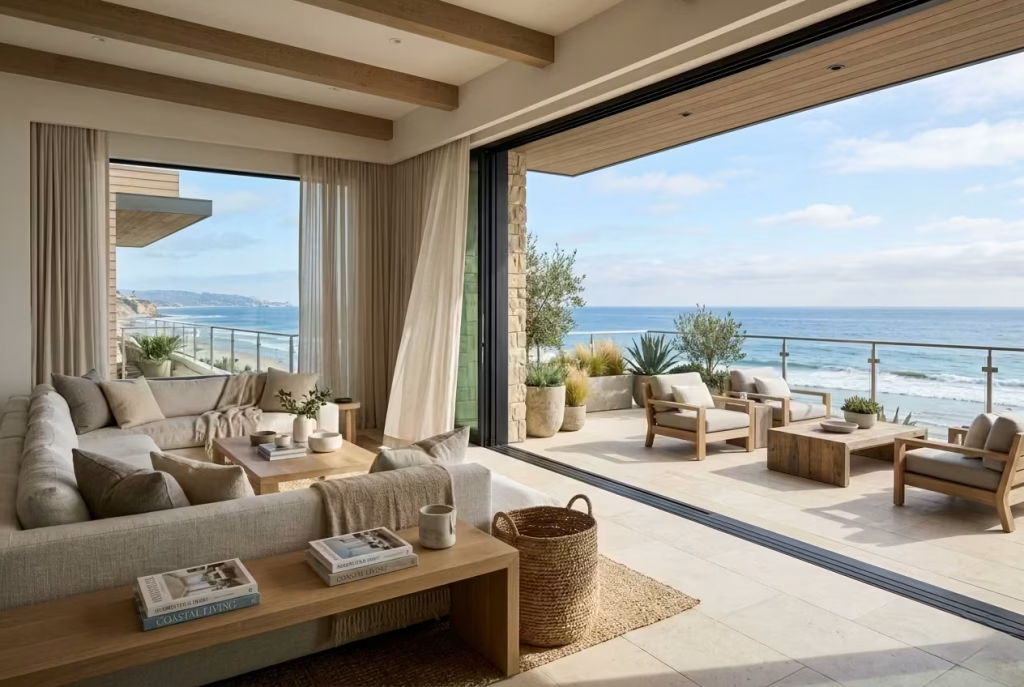
One of the defining characteristics of coastal design is the seamless relationship between interior and exterior spaces. The strongest coastal homes never feel confined within their walls. Instead, they borrow views, light, and landscape from the outdoors, creating a sense of openness that extends far beyond the actual square footage.
This connection can be achieved through:
- Large sliding or folding glass doors.
- Continuous flooring materials.
- Matching interior and exterior colour palettes.
- Outdoor rooms designed as natural extensions of indoor spaces.
- Strategic furniture placement that draws attention toward views.
A well-designed coastal home should feel as though the boundary between indoors and outdoors has softened. When achieved successfully, moving from a living room to a terrace feels as natural as turning a page in a favourite book.
4. Relaxed Spatial Flow Encourages Comfort
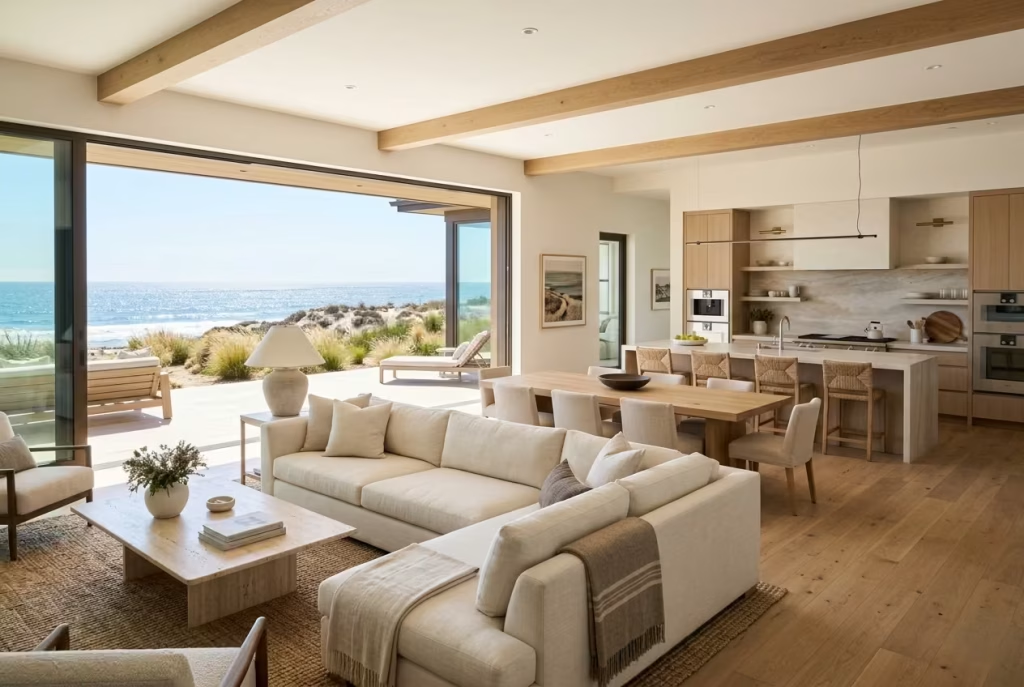
Some homes look beautiful in photographs but become frustrating to live in. Coastal homes succeed because they prioritise ease of movement and everyday comfort.
Rooms should flow naturally into one another without feeling rigid or overplanned. Circulation pathways need enough space to accommodate family life, entertaining, and changing seasonal needs.
As a general guideline:
| Area | Recommended Clearance |
| Main walkways | 90-120 cm (36-48 in) |
| Around dining tables | 90 cm (36 in) minimum |
| Between sofa and coffee table | 40-45 cm (16-18 in) |
| Kitchen island clearance | 100-120 cm (40-48 in) |
These dimensions may seem technical, but they directly influence how a room feels. Comfortable circulation allows people to move effortlessly through a space, creating the relaxed atmosphere that coastal homes are known for.
5. Layered Texture Matters More Than Excessive Colour
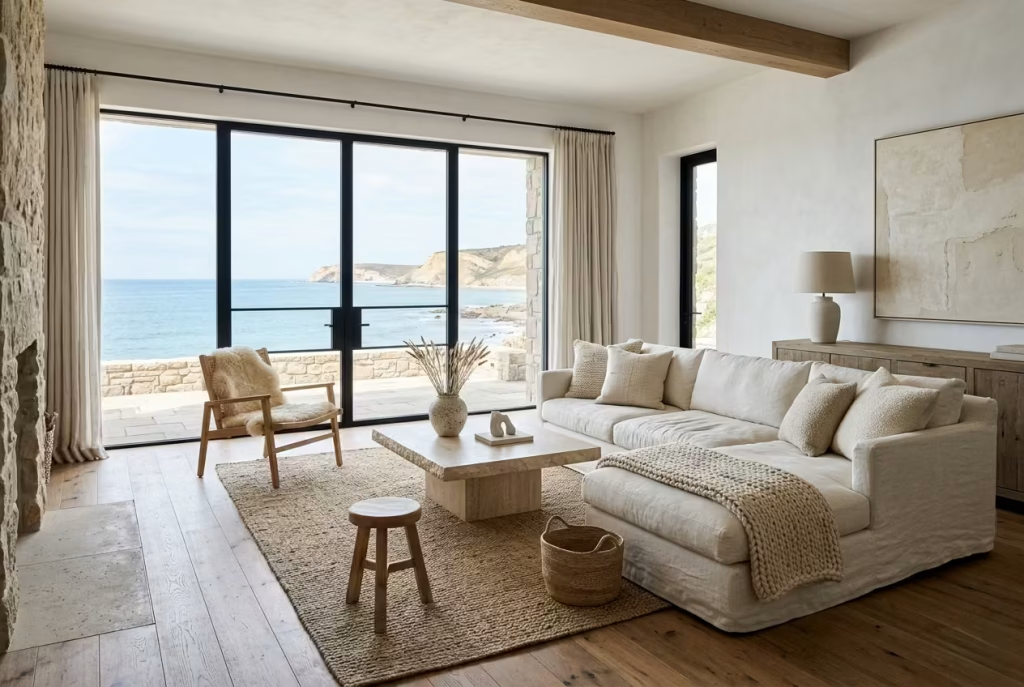
One of the most common misconceptions about coastal design is that it depends heavily on blue colour schemes. In reality, the most sophisticated coastal interiors often rely on relatively restrained palettes.
The visual richness comes from layering textures rather than introducing numerous colours.
Consider a palette built around:
- Soft white walls.
- Warm oak flooring.
- Linen upholstery.
- Woven seagrass accents.
- Honed stone surfaces.
- Natural wool textiles.
At first glance, these elements may appear simple. Yet together they create remarkable depth and complexity. Like a calm sea that reveals new details upon closer inspection, layered textures reward attention without overwhelming the senses.
This approach also ensures greater longevity. While colour trends may come and go, tactile materials remain relevant year after year.
Practical Design Note: How Daylight Transformed an Entire Coastal Interior
One project continues to remind me how transformative natural light can be. The property occupied a beautiful coastal site but suffered from a surprisingly dark interior. Small windows, heavy window treatments, and deep room layouts prevented sunlight from reaching key living areas. Despite expensive furnishings and quality finishes, the house felt disconnected from its surroundings.
Rather than undertaking a complete redesign, we focused on improving daylight performance. Several windows were enlarged, internal openings widened, and darker finishes replaced with lighter natural materials. We also introduced full-height glazing measuring approximately 2.7 m (9 ft) tall along the rear elevation.
The result was immediate. Views became more prominent, materials appeared richer, and circulation felt more intuitive. Most importantly, the emotional atmosphere changed completely. What had once felt enclosed and disconnected suddenly felt open, calm, and unmistakably coastal.
The experience reinforced a lesson I return to repeatedly: successful coastal design is rarely about adding more. More often, it is about revealing what was already there, allowing light, texture, and landscape to take centre stage.
Creating a Coastal Colour Palette That Feels Timeless
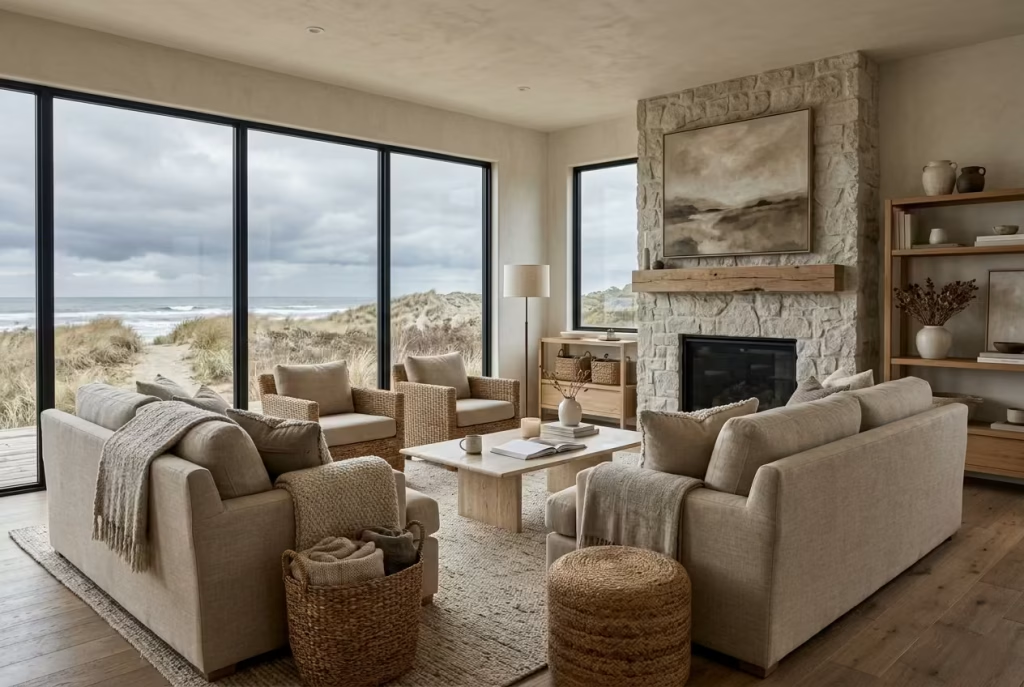
One of the biggest misconceptions surrounding coastal design is that it revolves around shades of blue. While the sea undoubtedly influences coastal interiors, the most enduring homes draw their palettes from the broader landscape. Sand dunes, weathered timber, limestone cliffs, sun-bleached grasses, cloudy horizons, and driftwood scattered along the shoreline often provide far richer inspiration than the ocean itself.
The most sophisticated coastal palettes feel effortless because they are rooted in nature. They avoid stark contrasts and overly saturated colours, instead relying on subtle tonal variation that allows materials, light, and texture to take centre stage. Much like a coastal landscape viewed from afar, the beauty lies not in one dramatic feature but in the harmonious relationship between many quieter elements.
When selecting colours for a coastal home, it helps to think beyond individual paint samples and consider how every surface will interact. Flooring, wall finishes, upholstery, stonework, and natural fibres should work together to create a layered environment that feels calm, welcoming, and connected to its surroundings.
Colours Inspired by Sea, Sand, Sky and Stone
The strongest coastal palettes rarely follow trends. Instead, they borrow directly from natural elements that have remained beautiful for centuries.
Soft Whites: The Foundation of Coastal Calm
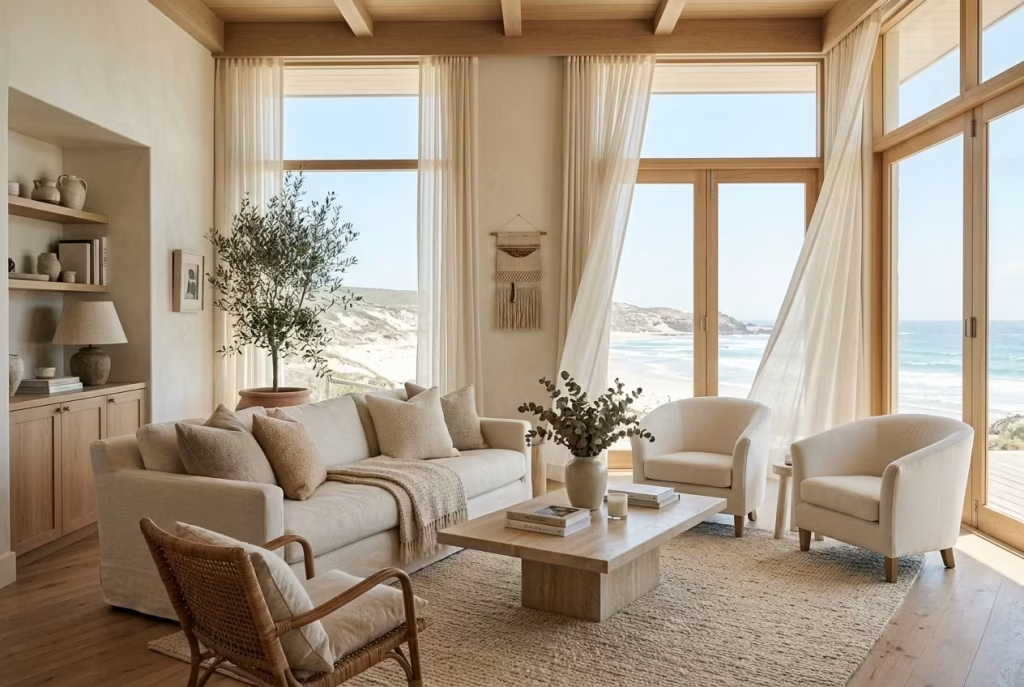
Soft whites form the backbone of many successful coastal interiors. Unlike bright gallery whites, which can sometimes feel cold or clinical, coastal whites tend to carry subtle undertones of cream, ivory, oyster, or chalk.
These gentler variations help rooms feel warmer and more inviting while still reflecting abundant natural light.
In homes with large windows and strong daylight exposure, soft whites create an airy atmosphere without appearing harsh. They also provide an ideal backdrop for textured materials such as linen, oak, rattan, and natural stone.
Popular applications include:
- Living room walls
- Open-plan kitchen spaces
- Bedroom ceilings
- Hallways with limited natural light
Driftwood Tones: Bringing Warmth and Authenticity
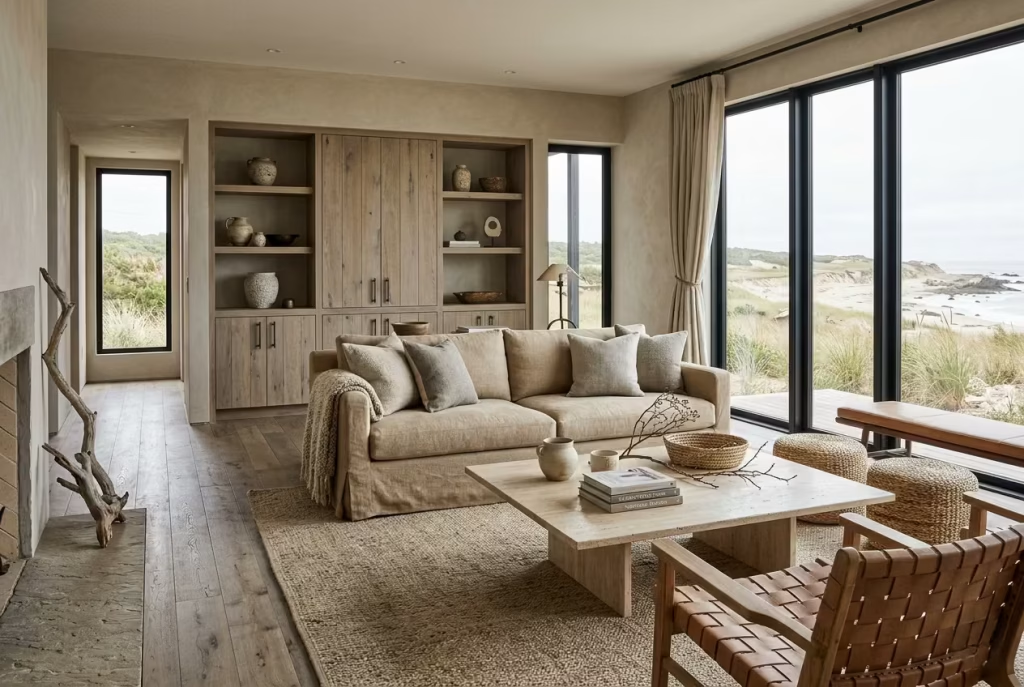
Few colours capture the essence of coastal living better than driftwood-inspired neutrals. These soft weathered browns and grey-beige tones echo timber shaped by years of exposure to salt, wind, and sun. They introduce warmth without becoming heavy and create a visual connection between interior spaces and the surrounding landscape.
I often use driftwood tones through flooring, cabinetry, furniture, and architectural millwork. Their versatility allows them to complement both contemporary and traditional coastal homes.
Like an old pair of well-worn shoes that become more comfortable with age, driftwood-inspired finishes tend to improve visually as they develop character over time.
Warm Greige: The Modern Coastal Neutral
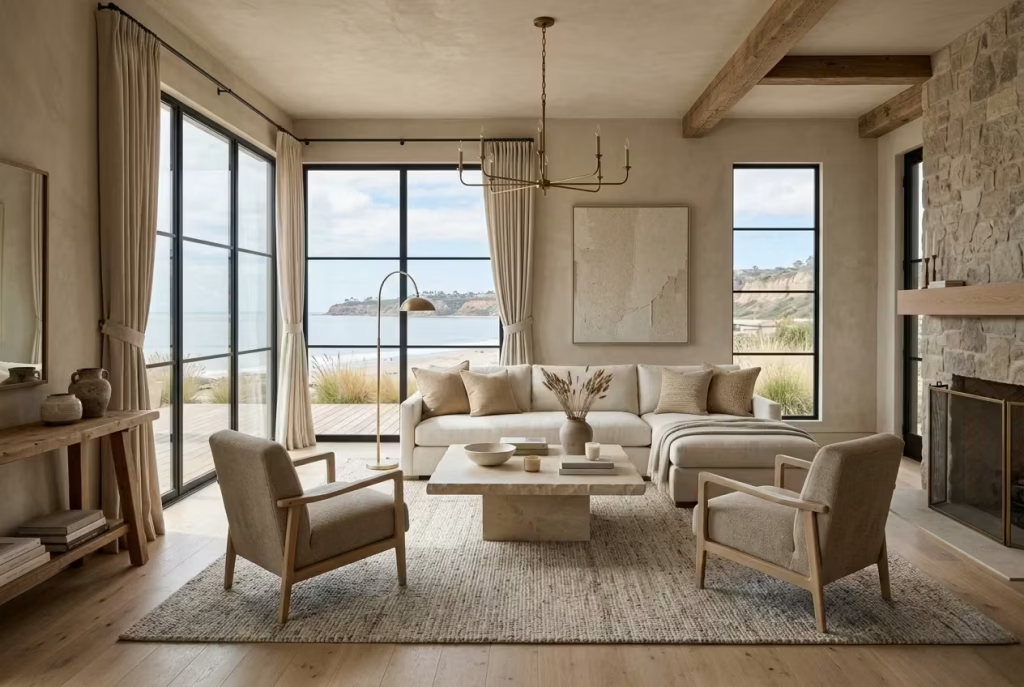
Warm greige has become one of the most valuable tools in contemporary coastal design. Occupying the space between grey and beige, greige delivers the sophistication of cooler neutrals while maintaining the warmth necessary for comfortable living. It works particularly well in larger homes where pure beige may feel dated and cool grey may feel overly urban.
Warm greige performs exceptionally well when paired with:
- White oak flooring
- Honed limestone
- Natural linen fabrics
- Aged brass details
- Textured plaster finishes
The result is often elegant, understated, and highly adaptable.
Sandstone Hues: Borrowing from the Shoreline
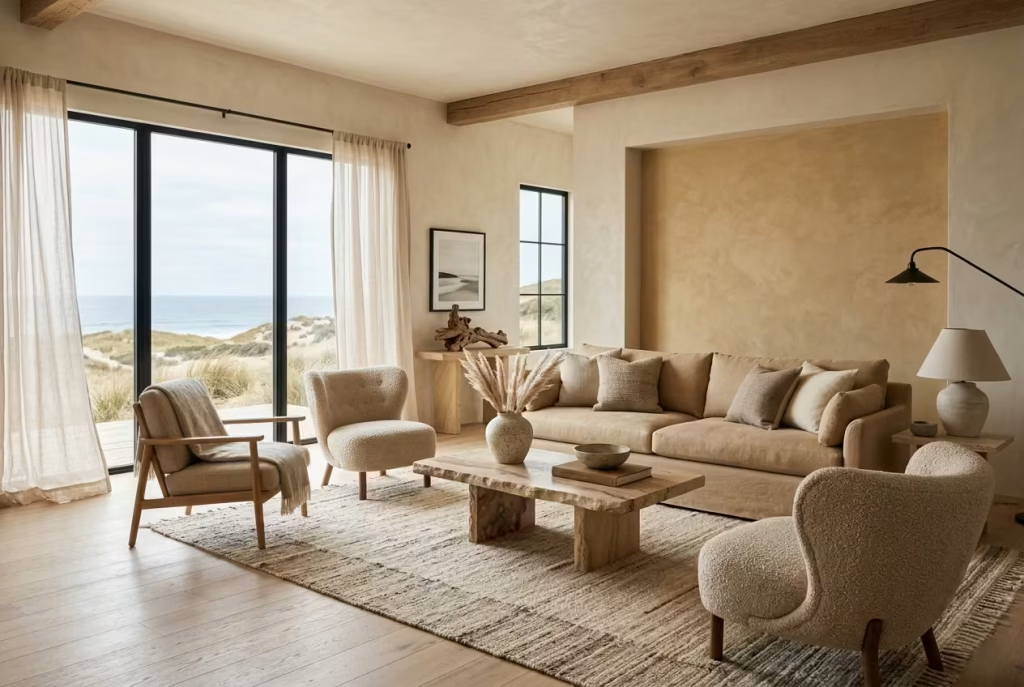
Sandstone-inspired colours introduce an earthy quality that helps coastal homes feel grounded.
These shades range from pale dune beige to richer honey tones, offering warmth without overwhelming a room. In spaces with cooler natural light, sandstone hues can prevent interiors from feeling sterile while maintaining the relaxed atmosphere associated with coastal living.
Particularly effective applications include:
- Accent walls
- Upholstered furniture
- Textured area rugs
- Stone surfaces
- Exterior render finishes
Their versatility allows them to bridge traditional and contemporary design styles with remarkable ease.
Muted Blue-Greens: A Subtle Reference to Water
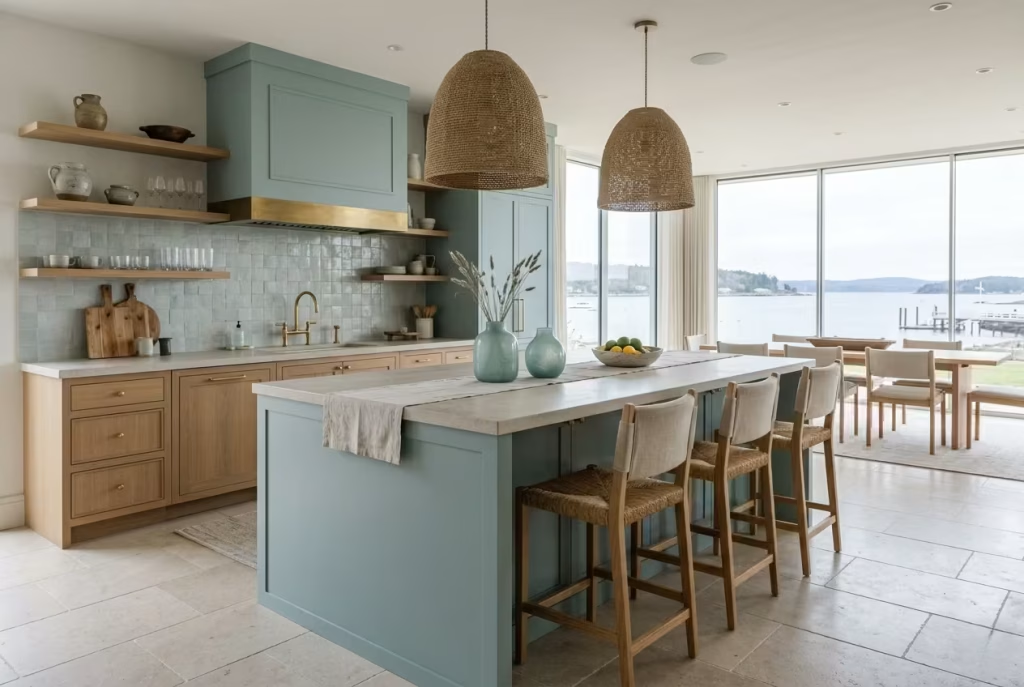
When blue appears in sophisticated coastal homes, it is rarely bold or obvious. Muted blue-greens draw inspiration from shallow coastal waters, sea glass, and distant horizons. These softened shades introduce colour without dominating the room.
Used thoughtfully, they can provide visual relief within otherwise neutral schemes. Effective placements include:
- Kitchen islands
- Bedroom textiles
- Bathroom cabinetry
- Decorative ceramics
- Accent furnishings
The key is restraint. Coastal homes should suggest the landscape rather than attempt to replicate it literally.
Weathered Coastal Colours: Capturing Nature’s Patina
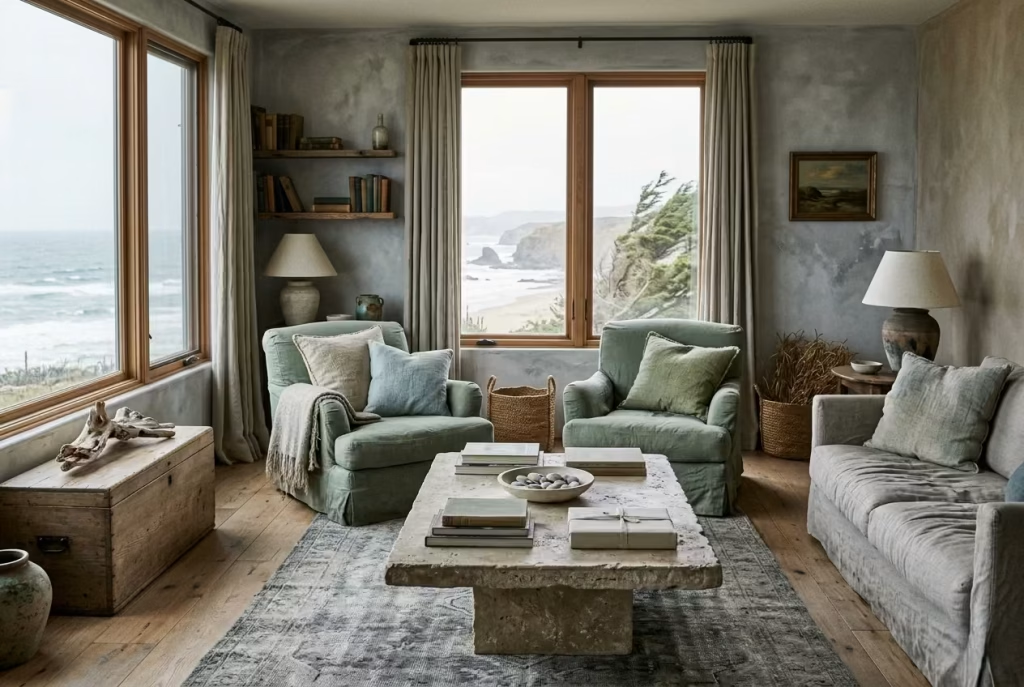
Perhaps the most interesting coastal palettes emerge from colours altered by time and exposure.
Faded sage greens, sun-washed taupes, misty greys, and aged stone colours all carry a sense of history and authenticity. These shades often feel more sophisticated than freshly applied colours because they mimic the gradual ageing process found in nature.
They work particularly well in homes aiming to create a relaxed, established atmosphere rather than a newly decorated appearance.
How Natural Light Changes Coastal Colours Throughout the Day
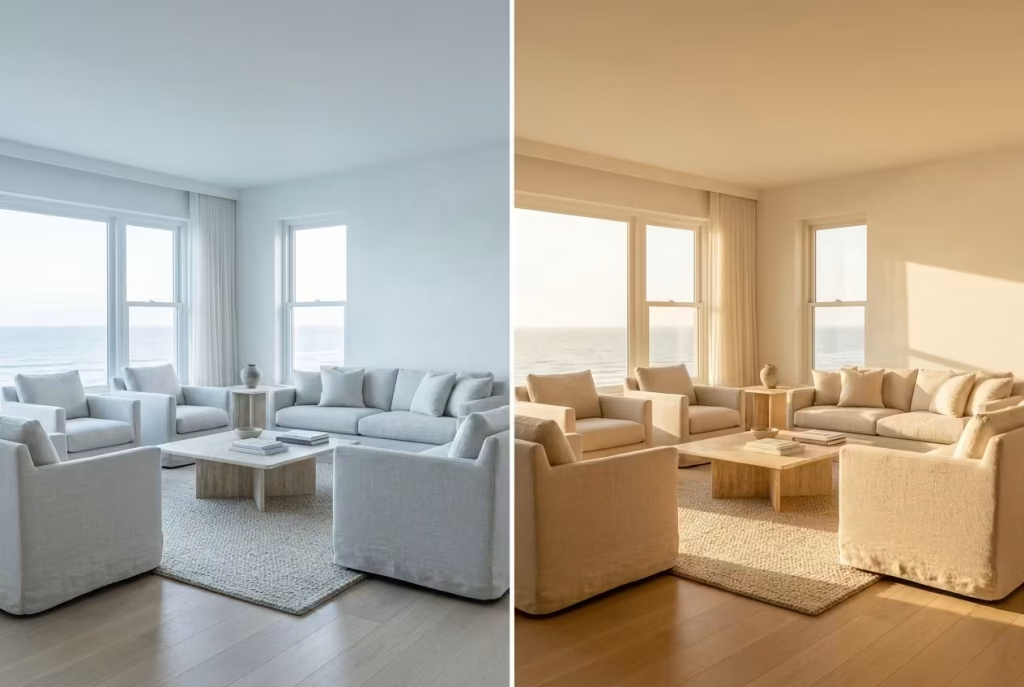
Colour never exists in isolation. It is constantly influenced by changing light conditions, a reality that becomes especially important in coastal homes where daylight is often abundant and dynamic.
Morning sunlight tends to reveal cooler undertones. Whites appear crisper, blue-greens become more pronounced, and stone surfaces often look brighter. As the day progresses, colours soften. By late afternoon, warmer sunlight introduces golden tones that can dramatically alter the mood of a room.
This daily transformation explains why selecting paint solely from a sample card can be misleading. A colour that appears perfect at midday may feel entirely different during sunrise or sunset.
Before finalising any palette, I recommend observing large paint samples across multiple times of day. What feels balanced in all lighting conditions will almost always outperform colours selected under artificial showroom lighting.
The best coastal interiors embrace these natural shifts rather than fight against them. They allow sunlight to become an active participant in the design, revealing different layers of colour and texture as the day unfolds.
Coastal Colour Palette Guide
| Colour Family | Best Application | Atmosphere Created | Maintenance Level |
|---|---|---|---|
| Soft White | Walls, ceilings, trim | Bright, airy, expansive | Medium |
| Driftwood Tones | Flooring, cabinetry, furniture | Warm, natural, grounded | Low |
| Warm Greige | Main living spaces, bedrooms | Sophisticated, versatile, calming | Low |
| Sandstone Hues | Upholstery, stonework, accents | Inviting, sun-kissed, relaxed | Medium |
| Muted Blue-Greens | Islands, textiles, bathrooms | Fresh, tranquil, understated | Medium |
| Weathered Coastal Colours | Millwork, feature walls, exterior finishes | Timeless, organic, established | Low |
Real-World Insight: Why Room Orientation Matters More Than Most People Realise
One lesson I frequently encounter during coastal renovation projects is that the same colour can behave very differently depending on a room’s orientation.
North-facing rooms typically receive cooler, softer light throughout much of the day. Colours in these spaces often appear more subdued and can sometimes feel flat if overly grey palettes are used. To compensate, I often introduce warmer whites, sandstone undertones, or greige colours that add subtle warmth without sacrificing the coastal aesthetic.
South-facing rooms present the opposite challenge. Their stronger sunlight naturally enhances warmth, which means beige and cream tones can sometimes appear more yellow than intended. Here, cooler soft whites, weathered greys, and muted blue-green accents often create better balance.
In one coastal property overlooking the shoreline, two adjacent bedrooms were painted using the same greige sample. The south-facing room felt beautifully balanced, while the north-facing room appeared noticeably cooler and darker. A small adjustment toward a warmer undertone transformed the second space entirely.
The experience served as a useful reminder that successful coastal colour palettes are not chosen solely from inspiration photographs. They are shaped by architecture, orientation, climate, and the unique quality of light each room receives. When these factors work together, colours feel natural and effortless, as though they have always belonged there.
You May also Like: California Coastal Interior Design: The Complete Guide to Getting the Look Right
Coastal Living Rooms That Feel Relaxed Yet Refined
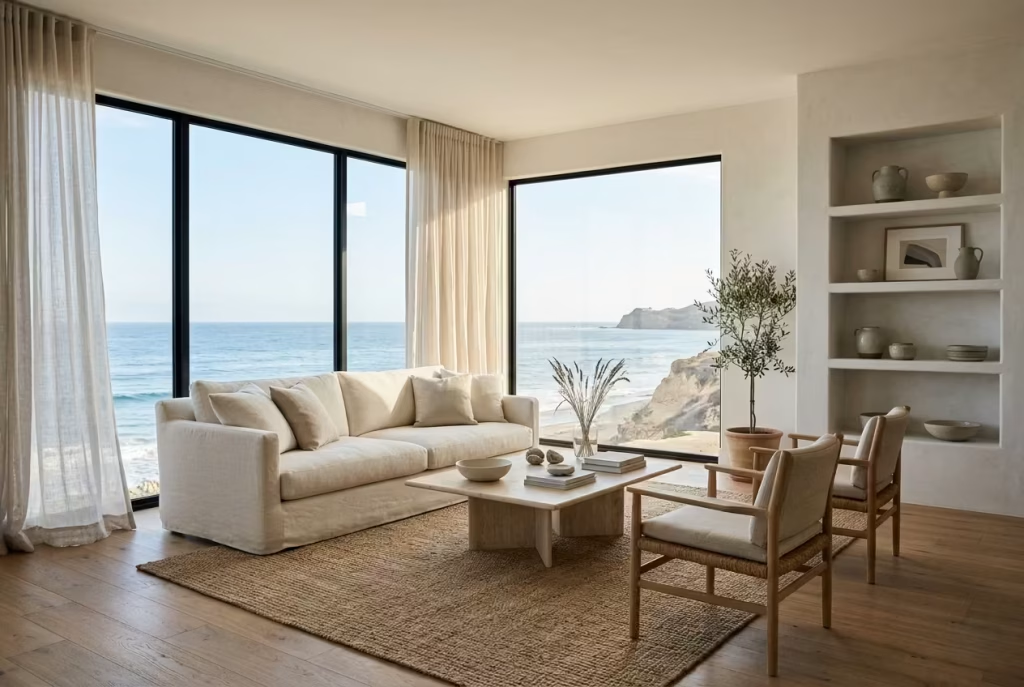
A truly successful coastal living room does more than look beautiful in photographs. It supports the rhythm of daily life while maintaining an atmosphere that feels calm, welcoming, and connected to its surroundings. The finest examples rarely rely on dramatic decorating gestures. Instead, they create comfort through thoughtful proportions, natural materials, and a strong relationship with daylight.
What often surprises homeowners is that luxury in coastal interiors has less to do with expensive furnishings and more to do with how a room makes people feel. When a space flows naturally, captures changing light beautifully, and encourages people to linger a little longer, it achieves something far more valuable than visual impact alone.
The most memorable coastal living rooms feel as though they have evolved gradually over time. Nothing appears forced. Nothing competes for attention. Every element contributes to a setting that feels relaxed, collected, and deeply liveable.
Prioritising Space, Light and Comfort
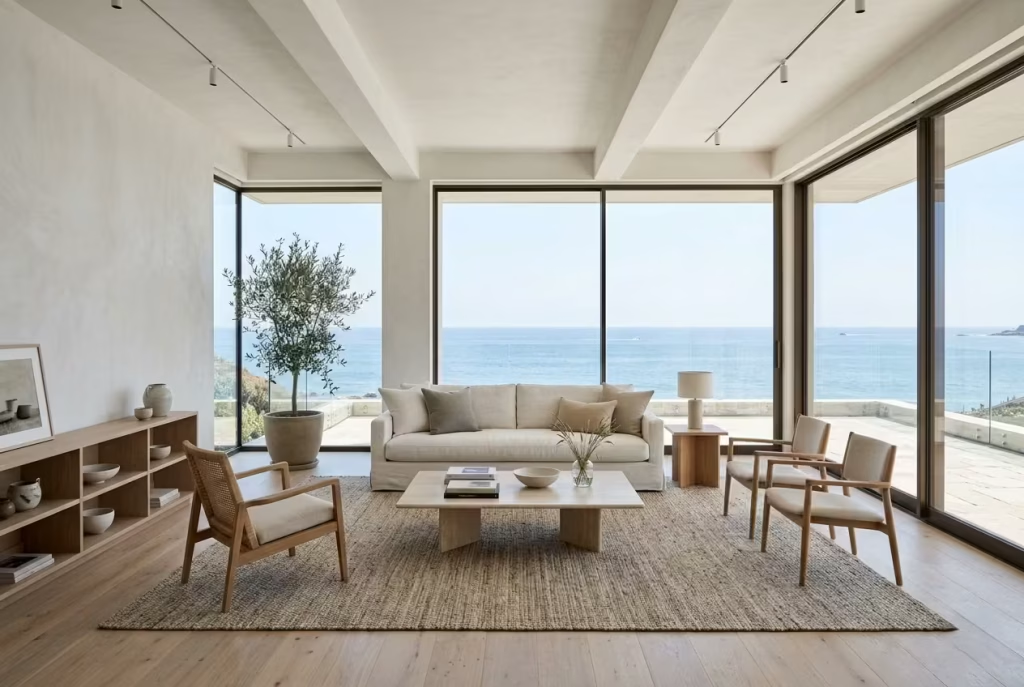
Long before furniture selection enters the conversation, successful coastal living rooms begin with the fundamentals of spatial planning.
One of the biggest mistakes I encounter in renovation projects is the tendency to fill rooms rather than shape them. Homeowners often focus on adding more seating, more storage, or more decorative pieces without considering how these additions affect movement and visual breathing room. Coastal interiors thrive when space itself becomes part of the design.
Think of the room as a landscape rather than a container for furniture. Areas of openness allow natural light to travel freely, create visual calm, and help larger rooms feel balanced rather than overwhelming. Light plays an equally important role.
In waterfront properties, daylight often becomes the room’s most valuable asset. Rather than competing with it, furniture arrangements should support its movement throughout the day. Heavy furniture positioned directly in front of windows can interrupt views and block sunlight from reaching deeper parts of the room.
I often encourage clients to consider how the room feels at three distinct moments:
- Early morning when sunlight is soft and directional.
- Midday when brightness reaches its peak.
- Evening when artificial lighting begins to shape atmosphere.
A living room that performs beautifully across all three periods will remain enjoyable throughout the year. Comfort, meanwhile, should never be underestimated.
The most visually impressive room quickly loses its appeal if seating feels awkward, circulation feels restricted, or conversations become difficult. As the saying goes, the proof of the pudding is in the eating. A living room succeeds not because it looks impressive for five minutes but because people genuinely enjoy spending time there.
Furniture Layouts That Encourage Conversation and Views
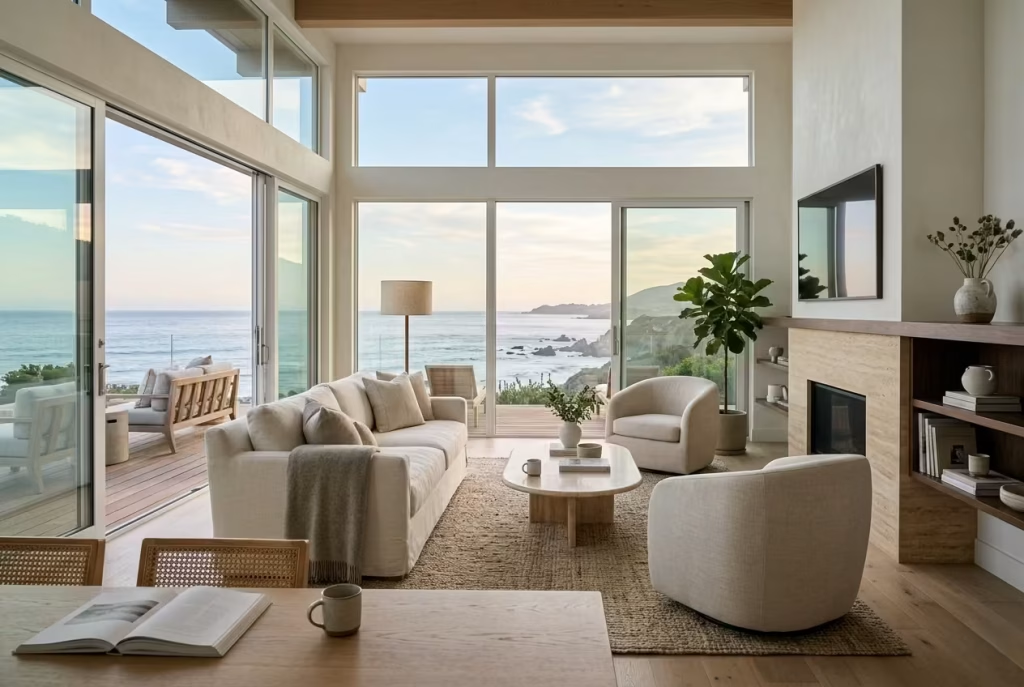
One of the defining characteristics of coastal living is a strong connection to the surrounding environment. Whether overlooking water, gardens, dunes, or distant landscapes, the room should acknowledge and celebrate these visual assets.
Many homeowners instinctively place every seat toward a television. While practical, this approach often misses opportunities to engage with natural views that may be far more rewarding. A more balanced layout considers multiple focal points.
These may include:
- A fireplace.
- Panoramic glazing.
- Garden views.
- Architectural features.
- Artwork.
- Conversation areas.
Furniture should support social interaction while still allowing occupants to appreciate the landscape beyond.
Recommended Living Room Measurements
| Element | Recommended Distance |
|---|---|
| Sofa to coffee table | 40-45 cm (16-18 inches) |
| Space behind seating | 75-90 cm (30-36 inches) |
| Main walkways | 90-120 cm (36-48 inches) |
| Between facing sofas | 150-240 cm (5-8 feet) |
| TV viewing distance | Approximately 1.5 to 2.5 times screen size |
These dimensions create a room that feels comfortable rather than cramped. In one waterfront project, the original layout positioned two large sofas directly opposite the television. The ocean view, despite being spectacular, became almost secondary. By rotating the furniture arrangement and introducing a pair of swivel chairs, we created a room that could engage with both the view and conversation simultaneously.
The transformation required no structural changes, yet the experience of the space improved dramatically. Good layouts do not force people to choose between interacting with each other and enjoying the setting. The strongest arrangements support both naturally.
Layering Natural Materials for Depth
Coastal interiors often rely on relatively restrained colour palettes, which means materials carry much of the responsibility for creating visual interest. Without texture, even the most carefully selected neutral scheme can feel flat. With texture, however, a room develops richness, warmth, and personality.
The goal is not to create contrast through colour but through tactile variation.
Linen
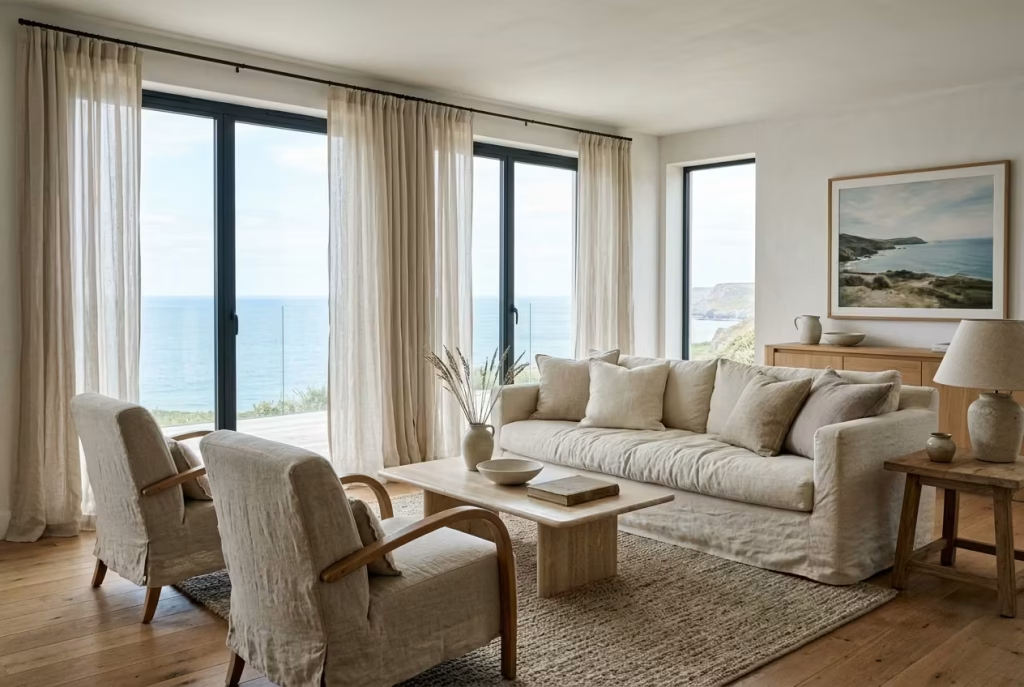
Linen remains one of the defining materials of sophisticated coastal interiors. Its relaxed drape, subtle texture, and breathable nature make it particularly suited to environments influenced by changing temperatures and natural light. Unlike highly structured fabrics, linen softens over time. The gentle creasing that develops through everyday use contributes to its charm rather than detracting from it.
Best applications include:
- Sofa upholstery
- Curtains
- Cushion covers
- Occasional chairs
Oak
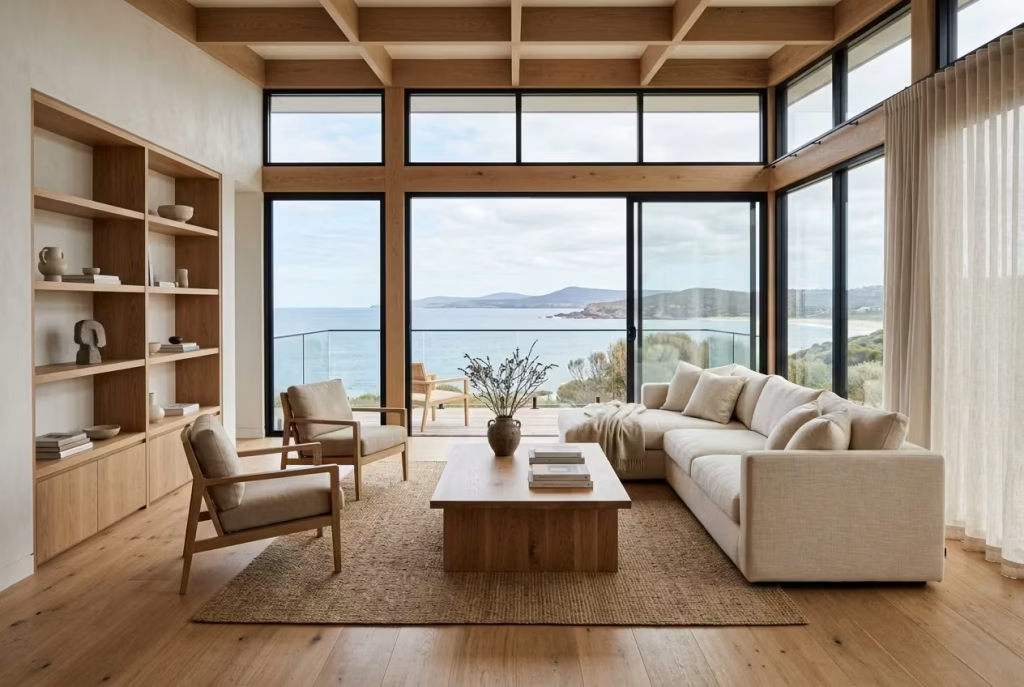
Oak introduces warmth and permanence. Whether used for flooring, coffee tables, shelving, or architectural detailing, oak provides visual grounding that balances lighter coastal palettes.
White oak, in particular, has become increasingly popular because its subtle grain and soft colouring complement contemporary coastal schemes beautifully. Its ability to withstand decades of use makes it one of the safest long-term investments within residential interiors.
Rattan
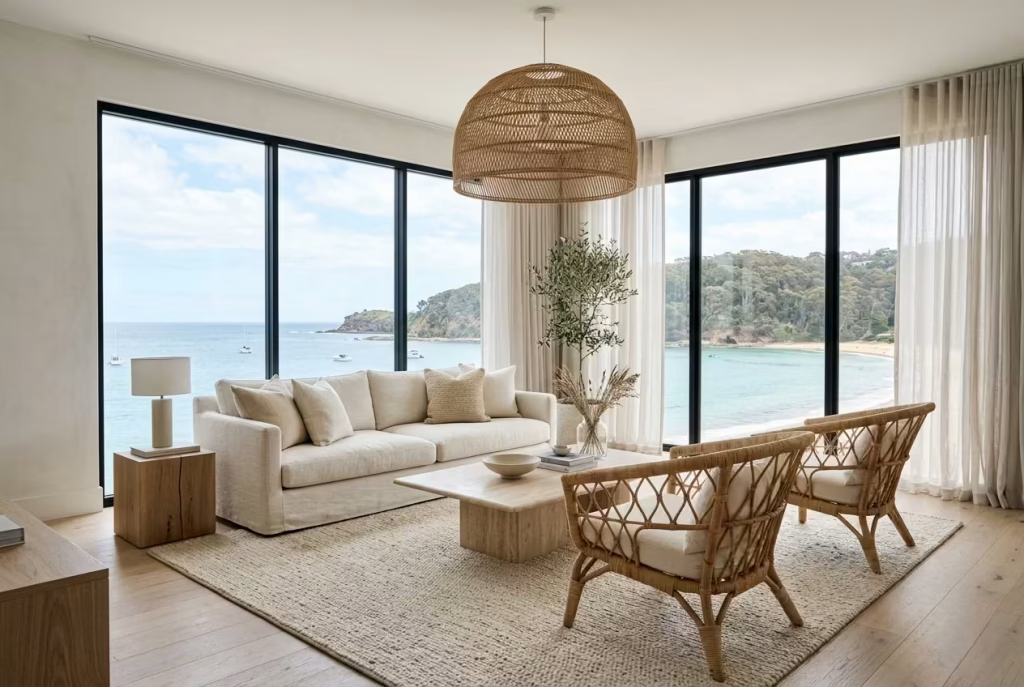
Rattan introduces texture without heaviness. Used thoughtfully, it adds an informal quality that prevents coastal rooms from feeling overly polished or formal.
Accent chairs, pendant lighting, and occasional furniture often benefit from the lightness and visual openness rattan provides. Like a breath of fresh air moving through an open window, it contributes character without overwhelming the room.
Travertine
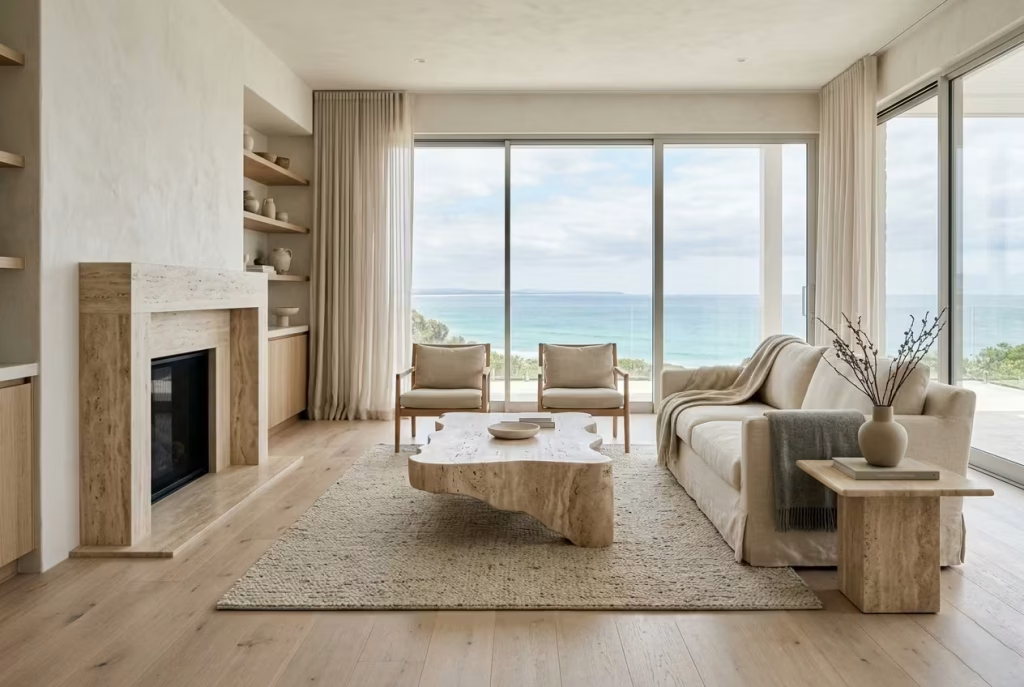
Travertine offers a sense of quiet luxury that feels particularly relevant in coastal settings. Its naturally occurring variations create visual movement while maintaining a calm overall appearance.
Coffee tables, side tables, fireplace surrounds, and decorative objects crafted from travertine introduce a material depth that photographs rarely capture fully. The subtle imperfections within the stone often become its most beautiful qualities.
Limewashed Timber
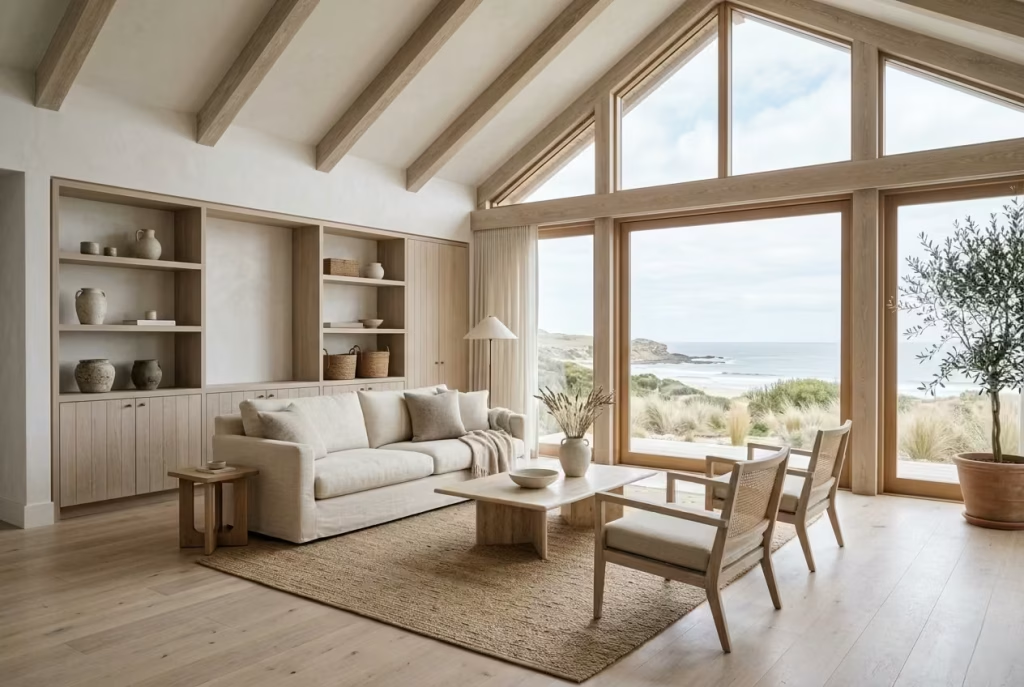
Limewashed timber captures the weathered appearance often associated with coastal architecture.
The finish softens wood grain, reduces visual heaviness, and reflects light more gently than heavily stained alternatives. In larger living rooms, limewashed finishes help create brightness without sacrificing warmth.
Particularly effective applications include:
- Ceiling beams
- Built-in cabinetry
- Feature walls
- Custom shelving
Wool
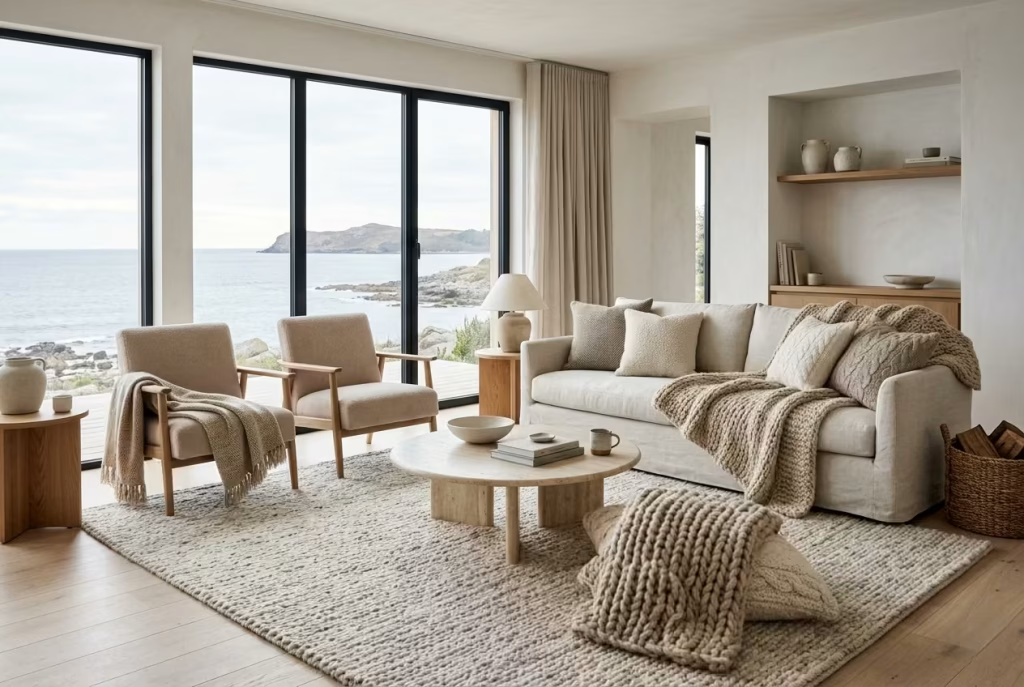
While coastal design often evokes thoughts of summer, successful living rooms must remain comfortable throughout the year.
Wool introduces softness, acoustic comfort, and seasonal versatility. Area rugs, throws, and upholstered furnishings benefit from wool’s durability and ability to regulate temperature naturally.
The result is a room that feels equally inviting during cool winter evenings and bright summer afternoons.
Natural Material Comparison Guide
| Material | Advantages | Limitations | Best Uses |
|---|---|---|---|
| Linen | Breathable, relaxed appearance, ages beautifully | Wrinkles naturally | Upholstery, curtains, cushions |
| Oak | Durable, timeless, versatile | Premium quality can be expensive | Flooring, furniture, joinery |
| Rattan | Lightweight, textural, informal | Less suitable for heavy wear areas | Accent furniture, lighting |
| Travertine | Luxurious, unique variation, timeless | Requires sealing and maintenance | Tables, fireplaces, accessories |
| Limewashed Timber | Soft appearance, reflects light well | Periodic refinishing may be needed | Cabinetry, beams, wall treatments |
| Wool | Durable, comfortable, naturally insulating | Higher cost than synthetic alternatives | Rugs, throws, upholstery |
Designer Insight: Lessons from Furnishing Open-Plan Waterfront Homes
Open-plan waterfront homes often appear straightforward to furnish, yet they present some of the most complex design challenges.
The abundance of space can encourage homeowners to purchase lrger furniture than necessary. Ironically, this frequently makes rooms feel less comfortable rather than more luxurious. Over the years, I have found that successful waterfront interiors rely on zoning rather than sheer scale.
Instead of treating a large room as one continuous area, it helps to create a series of connected destinations.
For example:
- A primary seating zone oriented toward the view.
- A secondary reading corner positioned near natural light.
- A conversation area centred around a fireplace.
- Flexible seating that can adapt during gatherings.
This approach prevents rooms from feeling cavernous while preserving openness.
Another lesson involves restraint. Spectacular views are already powerful visual features. Filling a room with competing colours, oversized artwork, or highly decorative furnishings often diminishes the very quality that makes the property special.
In several oceanfront projects, the most successful rooms ended up being the simplest. Carefully selected materials, comfortable seating, generous circulation, and thoughtful lighting allowed the surrounding landscape to become part of the interior experience.
When done well, a coastal living room feels neither designed nor decorated. It simply feels right. Like the tide arriving exactly when expected, everything falls naturally into place, creating a setting people return to day after day with the same quiet sense of enjoyment.
Designing the Perfect Coastal Kitchen
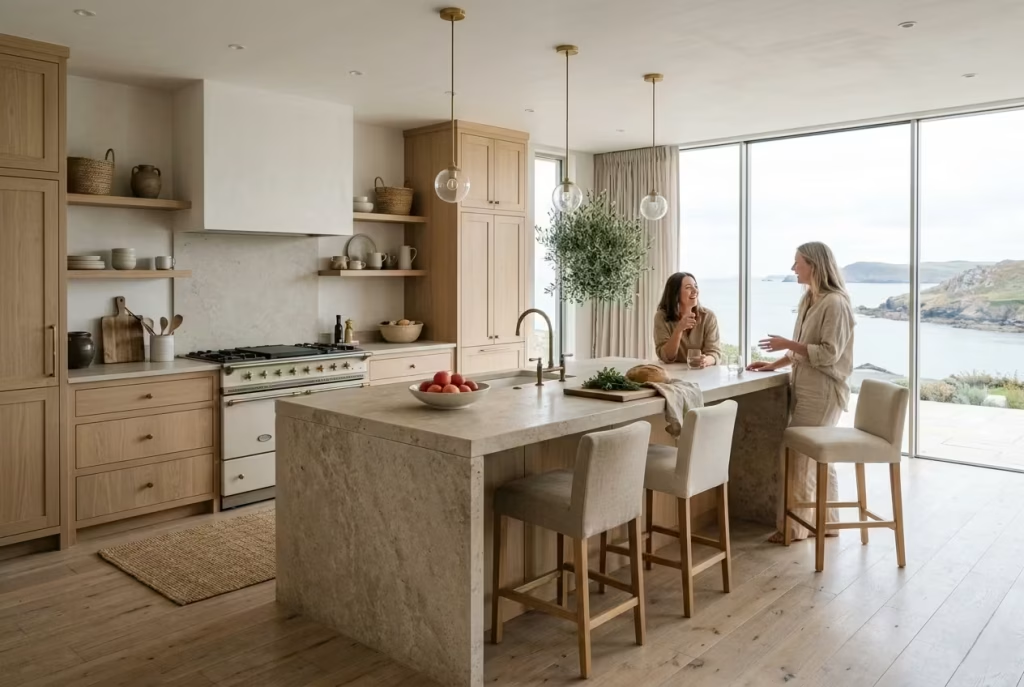
A coastal kitchen occupies a unique position within the home. It is rarely just a place for cooking. More often, it becomes the backdrop to morning coffee rituals, long family conversations, impromptu gatherings, and quiet moments spent watching changing light move across stone surfaces and timber finishes. In many coastal properties, the kitchen functions as both a workspace and a social hub, making its design particularly important.
The most successful coastal kitchens are not defined by obvious seaside references. Their appeal comes from balance. Materials feel natural rather than manufactured. Colours appear drawn from the surrounding landscape. Layouts support real daily life rather than a carefully staged photograph. Like a well-charted course, every decision works together to create a space that feels calm, practical, and enduring.
Why Coastal Kitchens Depend on Material Balance
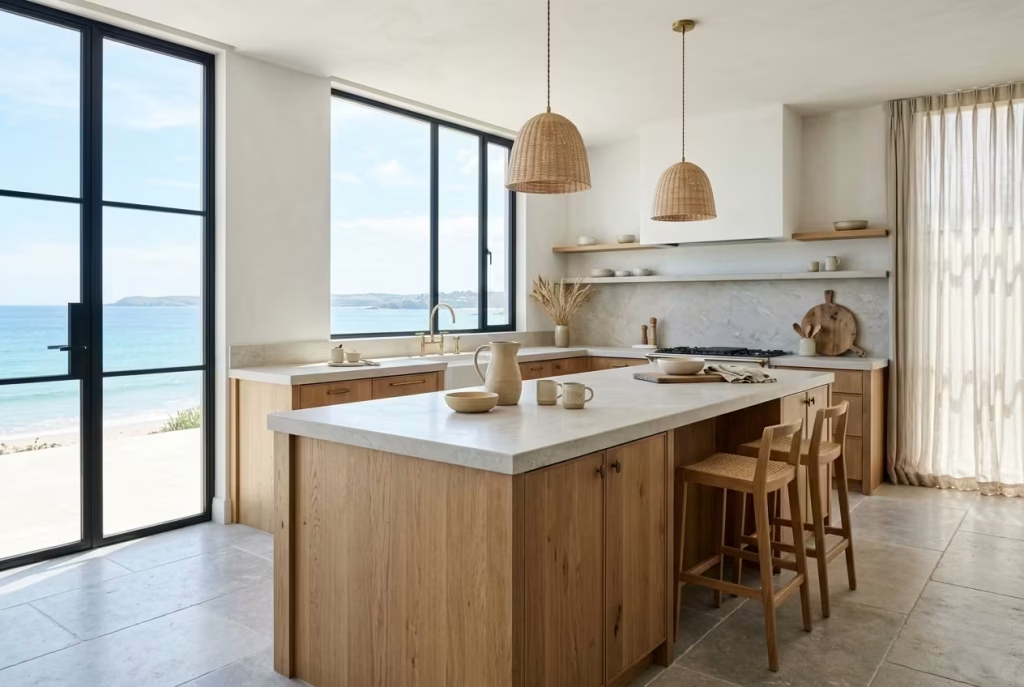
Material selection has a greater influence on a coastal kitchen than almost any decorative element. In environments exposed to humidity, strong sunlight, salt air, and frequent use, finishes must perform just as well as they look.
The strongest coastal kitchens avoid relying on a single dominant material. Instead, they create visual harmony through contrast and balance.
For example, smooth stone countertops often benefit from the warmth of natural timber cabinetry. Textured linen window treatments soften harder architectural surfaces. Handcrafted ceramics introduce subtle variation against cleaner lines.
When too many polished materials are used together, kitchens can feel cold and overly formal. Conversely, an abundance of rustic finishes may appear heavy or dated. Finding the middle ground creates a layered environment that feels both sophisticated and comfortable.
One lesson I have learned through renovation projects is that materials should be viewed under natural daylight before final decisions are made. A quartz sample that looks warm inside a showroom can appear noticeably cooler when placed beside ocean-facing glazing. Likewise, timber finishes often reveal undertones that become far more pronounced once installed throughout an entire room.
A carefully balanced material palette typically includes:
- One dominant cabinetry finish.
- One primary countertop material.
- One secondary texture such as timber, plaster, or woven elements.
- Subtle metal accents.
- Natural textiles for softness and warmth.
This restrained approach creates longevity and prevents visual fatigue over time.
Cabinet Finishes That Age Gracefully
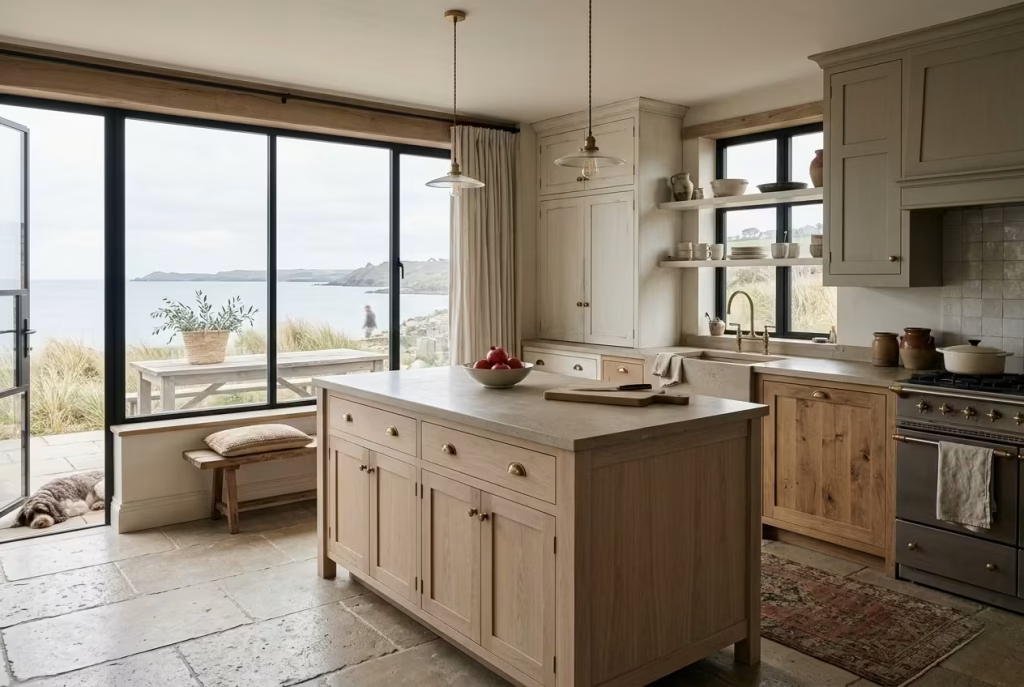
Cabinetry occupies a significant portion of a kitchen’s visual footprint, making finish selection particularly important.
Trends come and go, yet certain finishes consistently remain relevant because they age naturally and accommodate changing styles.
Painted cabinetry in soft whites, warm greiges, muted sage tones, and weathered neutrals often performs exceptionally well in coastal homes. These colours respond beautifully to changing daylight while providing flexibility for future updates.
Natural timber cabinetry has also experienced renewed appreciation in recent years. White oak, rift-cut oak, and lightly limewashed finishes introduce warmth without overwhelming the room. Unlike heavily stained timber, lighter finishes tend to feel fresher and more connected to contemporary coastal design.
Cabinet finishes that generally age well include:
- Soft off-white painted cabinetry.
- Warm greige tones.
- White oak veneers.
- Limewashed timber finishes.
- Muted mineral-inspired colours.
- Hand-painted cabinetry with subtle texture.
High-gloss surfaces, while striking initially, often reveal fingerprints, scratches, and wear more readily than matte or satin alternatives. For busy households, lower-sheen finishes typically provide better long-term performance.
As the old saying goes, slow and steady wins the race. Cabinet finishes chosen for longevity often prove far more satisfying than those selected simply because they are fashionable at the moment.
Counter tops That Handle Coastal Conditions
Countertops serve as both working surfaces and visual anchors. In coastal homes, they must withstand daily use while maintaining their appearance under challenging environmental conditions.
The four most commonly specified materials each offer distinct advantages and limitations.
| Material | Advantages | Limitations | Best For |
|---|---|---|---|
| Quartz | Highly durable, stain resistant, low maintenance | Less natural variation than stone | Busy family kitchens |
| Quartzite | Natural beauty, excellent durability, heat resistant | Higher installation cost | Luxury coastal homes |
| Marble | Timeless appearance, unique veining | Prone to etching and staining | Low-traffic kitchens or baking enthusiasts |
| Soapstone | Rich character, develops natural patina, heat resistant | Softer surface can scratch | Relaxed coastal kitchens seeking character |
Quartz remains one of the most practical options for families. It handles spills, daily wear, and heavy usage exceptionally well.
Quartzite provides many of the aesthetic benefits associated with marble while offering greater durability. In premium coastal projects, it has become an increasingly popular choice because it balances beauty with performance.
Marble continues to attract homeowners because of its timeless elegance. However, it requires a willingness to embrace imperfections. Acidic foods, wine, and everyday use gradually create a lived-in patina.
Soapstone offers a different kind of appeal. Its soft, velvety appearance and evolving character make it particularly attractive for homes that prioritise authenticity over perfection.
The right choice ultimately depends on how the kitchen will be used. A family preparing multiple meals each day requires different priorities than a holiday property occupied only during certain seasons.
Kitchen Islands as the Social Heart of the Home
Few features have transformed modern kitchens more dramatically than the island. In coastal homes especially, islands frequently become the centre of daily activity. Children complete homework there. Guests gather around them during celebrations. Family members naturally gravitate toward them throughout the day.
A successful island functions as far more than additional workspace. It helps shape circulation, encourages social interaction, and strengthens the connection between cooking and living spaces. Proportion plays a crucial role.
An island that is too small often feels underwhelming. One that is too large can disrupt workflow and create unnecessary walking distances.
Recommended dimensions include:
| Element | Recommended Measurement |
|---|---|
| Clearance around island | 100-120 cm (40-48 inches) |
| Seating width per person | 60 cm (24 inches) |
| Legroom depth | 30-38 cm (12-15 inches) |
| Counter overhang | 25-30 cm (10-12 inches) |
| Main preparation zone | Within easy reach of sink and cooktop |
Effective workflow typically follows a simple relationship between three key zones:
- Food preparation area.
- Cooking area.
- Cleaning area.
Keeping these zones connected while avoiding unnecessary overlap helps kitchens function efficiently during everyday use.
One of the biggest mistakes I encounter is oversized islands installed primarily for visual impact. While impressive in photographs, they often create awkward circulation patterns that become frustrating over time.
The most successful islands feel proportionate to the room, encouraging interaction while supporting practical tasks effortlessly.
Practical Design Note: What Works in Real Family Homes Versus Showroom Kitchen
Showroom kitchens are designed to look perfect. Family kitchens are designed to support real life. The difference is significant.
Many showroom displays feature pristine open shelving, highly polished finishes, and minimal storage visible to the eye. While visually appealing, these arrangements rarely reflect how families actually live.
In homes that function successfully year after year, practicality quietly underpins every decision.
Features that consistently prove valuable include:
- Deep drawers rather than excessive upper cabinetry.
- Integrated waste and recycling systems.
- Durable countertop materials.
- Generous pantry storage.
- Easy-to-clean finishes.
- Adequate task lighting.
- Comfortable seating positioned away from primary work zones.
One coastal renovation project involved replacing decorative open shelving with concealed storage and expanding pantry capacity by just 1.8 m (6 ft). The improvement had a greater impact on daily life than any aesthetic upgrade within the room.
Beautiful kitchens certainly matter. Yet the kitchens people love most are usually those that support everyday routines with ease. When thoughtful design and practical functionality work hand in hand, the result is a kitchen that feels welcoming from the first morning coffee to the final conversation of the evening.
You May also Like: 25 Relaxing Coastal Home Office Ideas Inspired by Capri Living
Coastal Dining Spaces Designed for Gathering
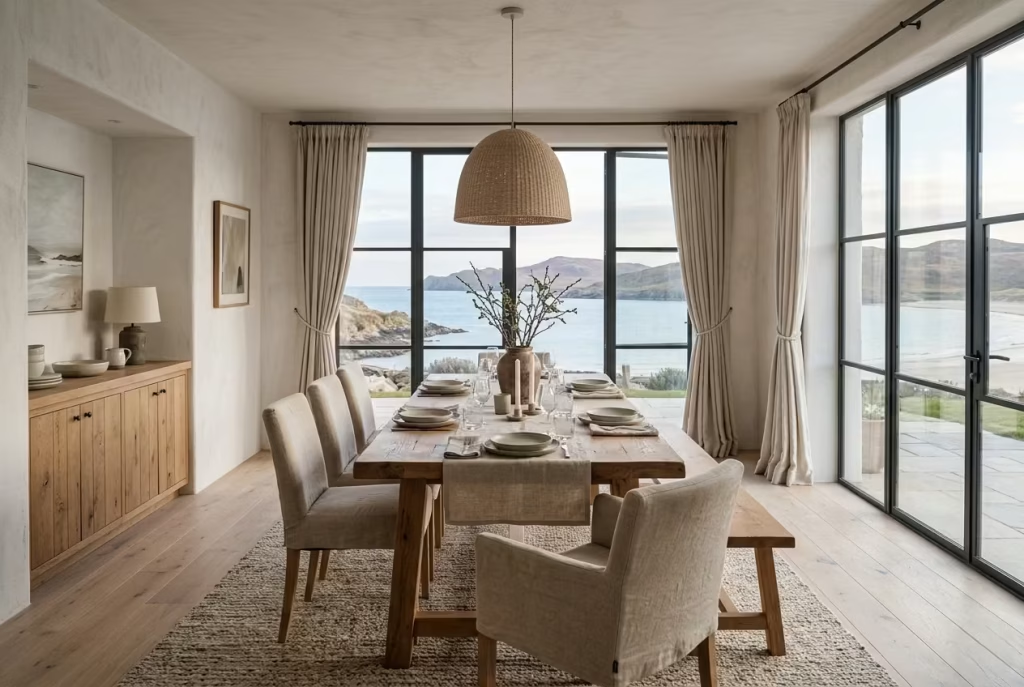
Some rooms are designed primarily for function. Others exist to make a visual statement. A well-designed coastal dining space occupies a more meaningful role. It becomes a place where everyday routines and memorable occasions intersect. Morning breakfasts stretch into relaxed conversations, weekend lunches drift comfortably into the afternoon, and family gatherings unfold naturally around a table that feels inviting rather than formal.
The most successful coastal dining rooms understand that hospitality is not created through extravagance. It emerges through comfort, thoughtful planning, and an atmosphere that encourages people to settle in rather than rush through a meal. Much like a good story that reveals itself gradually, the finest dining spaces offer layers of experience through light, texture, proportion, and connection to their surroundings.
What makes coastal dining particularly appealing is its ability to feel refined without becoming intimidating. These are rooms designed for living, sharing, and celebrating, all while maintaining a sense of effortless ease.
Creating an Informal Sense of Luxury
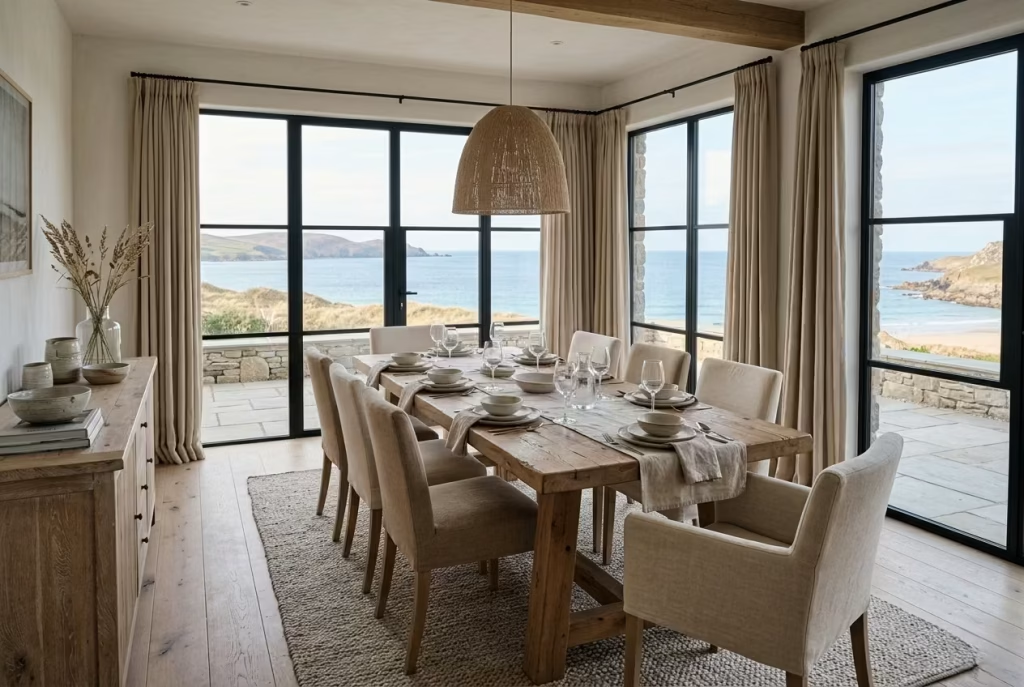
Luxury in coastal dining spaces is often misunderstood. It is not necessarily found in rare materials or elaborate decoration. More often, it comes from thoughtful restraint and an attention to comfort that people notice subconsciously.
A dining room that feels luxurious is one where guests can remain seated for hours without discomfort. It is a room where natural light enhances every surface, where materials improve with age, and where the atmosphere feels welcoming from the moment someone enters.
One of the characteristics I admire most in successful coastal homes is their ability to balance elegance with approachability. Nothing feels precious. Nothing feels off limits. The room invites use rather than admiration from a distance.
Several elements contribute to this relaxed sophistication:
- Natural materials with visible texture.
- Comfortable seating with supportive proportions.
- A restrained colour palette inspired by the landscape.
- Quality craftsmanship that rewards closer inspection.
- Soft transitions between dining, living, and outdoor areas.
The old saying “less is more” becomes particularly relevant here. A carefully chosen oak dining table paired with beautiful lighting often creates a stronger impression than a room crowded with decorative elements competing for attention.
I have found that homeowners frequently focus on visual details while overlooking emotional comfort. Yet the spaces people remember most are rarely those with the most decoration. They are the rooms where conversation flowed easily and everyone felt at ease.
Choosing Tables, Chairs and Lighting with Longevity
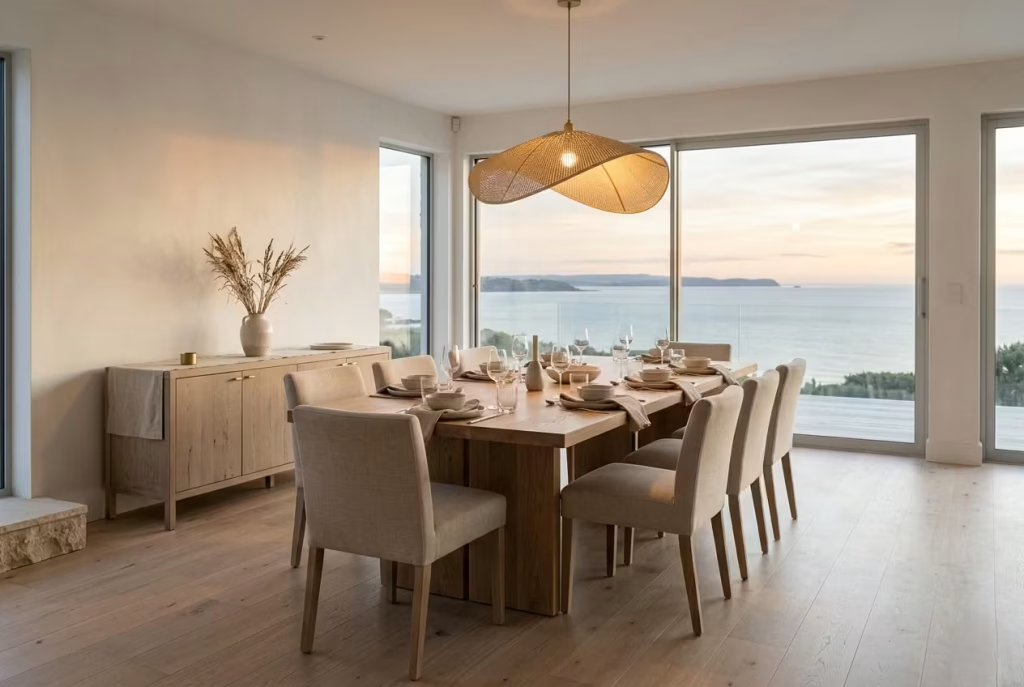
Dining furniture represents one of the most heavily used investments within the home. Selecting pieces that perform beautifully over many years requires looking beyond immediate trends.
The dining table forms the foundation of the entire space. In coastal interiors, natural timber remains one of the most enduring choices. White oak, reclaimed oak, walnut, and lightly weathered timber finishes introduce warmth while developing character through use.
As a practical guideline:
| Dining Table Size | Recommended Seating Capacity |
|---|---|
| 180 cm (72 in) | 6 people |
| 240 cm (96 in) | 8 people |
| 300 cm (120 in) | 10 to 12 people |
Adequate circulation is equally important.
A minimum clearance of 90 cm (36 inches) around the table allows chairs to move comfortably while maintaining easy access throughout the room. In larger homes, 100 to 120 cm (40 to 48 inches) often feels even more generous.
Chair selection deserves careful consideration because comfort directly influences how long people remain gathered around the table.
Features worth prioritising include:
- Supportive backrests.
- Seat heights between 45 and 48 cm (18 to 19 inches).
- Durable upholstery suitable for daily use.
- Natural materials that age gracefully.
- Lightweight designs that remain easy to move.
Lighting often acts as the unsung hero of dining room design.
A beautiful table can lose much of its impact under poorly planned lighting. Conversely, a well-positioned fixture can elevate even a relatively simple setting.
Pendant lighting should typically hang 75 to 90 cm (30 to 36 inches) above the tabletop. This height provides visual intimacy while preserving sightlines across the table.
Warm light temperatures between 2700K and 3000K generally create the most flattering atmosphere for dining, softening shadows and enhancing natural material textures.
When selecting lighting, I encourage clients to think beyond appearance. The fixture should contribute to the mood of the room after sunset just as effectively as it complements the architecture during daylight hours.
Connecting Dining Areas to Outdoor Living
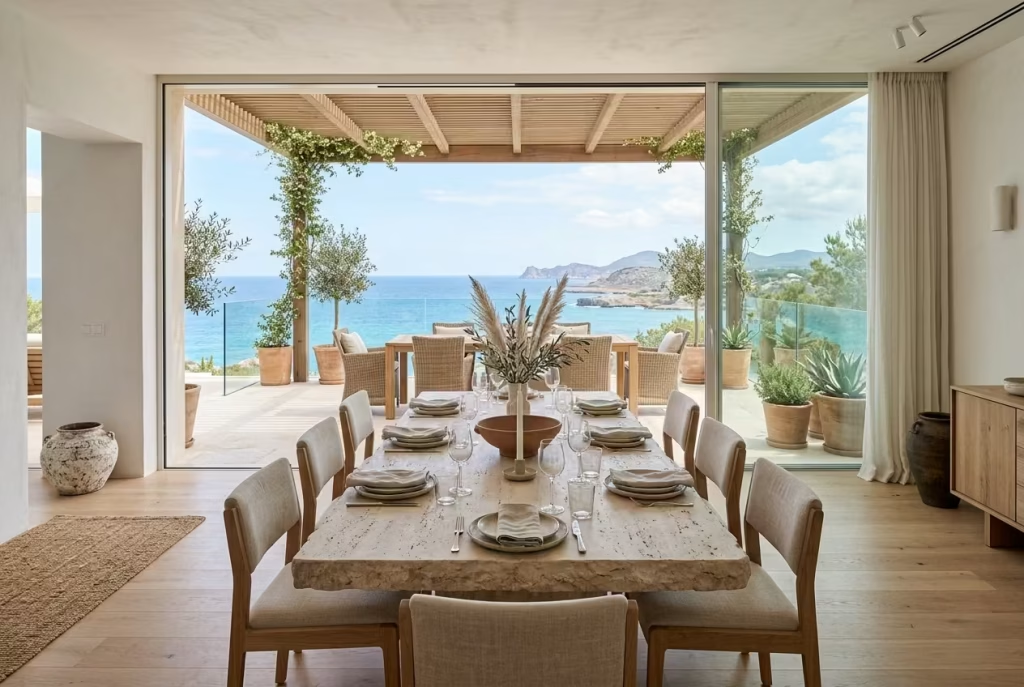
One of the defining characteristics of exceptional coastal homes is the way interior and exterior spaces work together. Rather than functioning as separate environments, they become chapters within the same story. ining areas are particularly well positioned to benefit from this relationship.
Whether overlooking a terrace, garden, pool, dune landscape, or waterfront setting, the connection between dining and outdoor living can significantly enhance the daily experience of the home. Large sliding doors often play a central role in achieving this effect.
When open, they remove visual barriers and encourage movement between spaces. Even when closed, expansive glazing allows natural light and views to remain active participants within the room.
In one coastal renovation project, replacing a conventional door and window arrangement with a 4.8 m (16 ft) sliding glass system transformed the dining experience entirely. Meals felt more connected to the landscape, daylight penetrated deeper into the floor plan, and the room gained a sense of openness that no decorative upgrade could have achieved.
Effective indoor-outdoor entertaining strategies often include:
- Direct access between dining and terrace spaces.
- Outdoor dining positioned within easy serving distance of the kitchen.
- Covered entertaining areas for weather protection.
- Flexible furniture arrangements that accommodate varying group sizes.
- Consistent flooring materials where practical.
Material continuity deserves particular attention. When similar finishes appear both inside and outside, the home feels larger and more cohesive. Natural stone flooring extending from a dining room onto an adjacent terrace, for example, creates a visual flow that encourages the eye to travel beyond the building envelope.
Timber tones, upholstery colours, and architectural details can reinforce this continuity without appearing repetitive. The result is a home that feels connected to its setting rather than isolated from it.
At their best, coastal dining spaces become more than rooms dedicated to meals. They become gathering places shaped by light, conversation, and shared experiences. Long after individual design details fade from memory, it is often these moments around the table that remain. Like the tide returning faithfully to shore, people are naturally drawn back to spaces that make them feel comfortable, welcomed, and genuinely at home.
Summer-Inspired Coastal Bedrooms That Encourage Rest
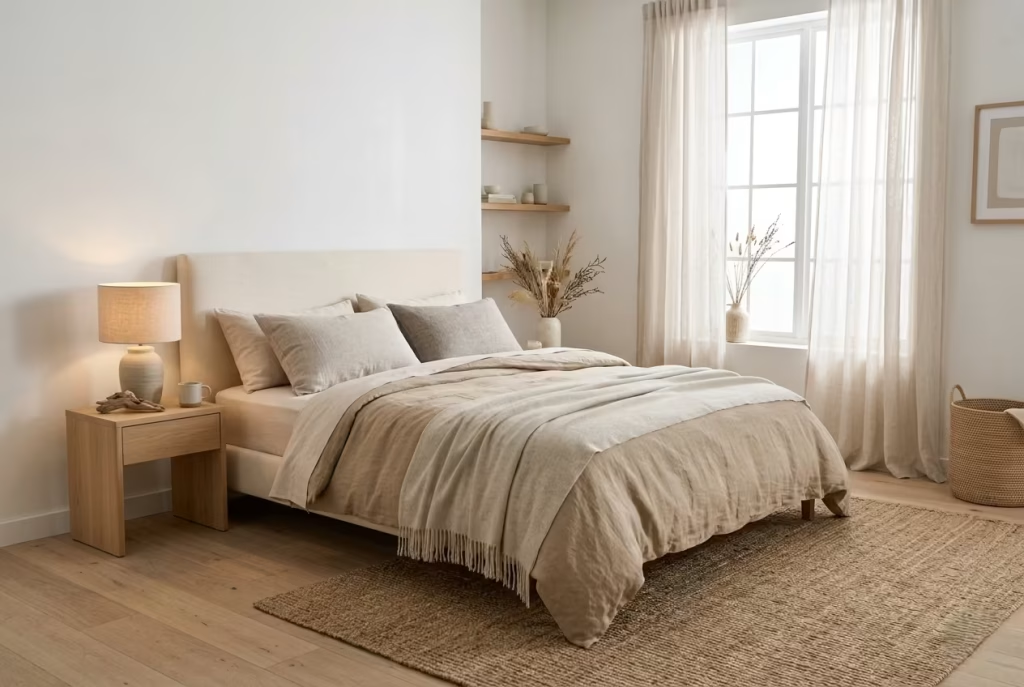
A coastal bedroom should offer more than visual appeal. At its best, it becomes a retreat that slows the pace of daily life and supports genuine rest. While living rooms and kitchens are designed to energise social interaction, bedrooms serve a different purpose entirely. They should feel quieter, softer, and more restorative, creating a subtle shift in atmosphere the moment you cross the threshold.
The finest coastal bedrooms often take their cues from nature. Morning light filtered through linen curtains, the muted palette of sand and stone, and tactile materials that invite touch all contribute to an environment where relaxation happens almost effortlessly. There is a reason why people sleep so well in thoughtfully designed holiday homes near the coast. These spaces remove visual noise and allow comfort to take centre stage.
Rather than filling a room with decorative elements, successful coastal bedrooms focus on what truly matters: comfort, proportion, natural materials, and a sense of calm that lingers long after the lights are switched off.
Why Bedrooms Should Feel Cooler Than Shared Living Spaces
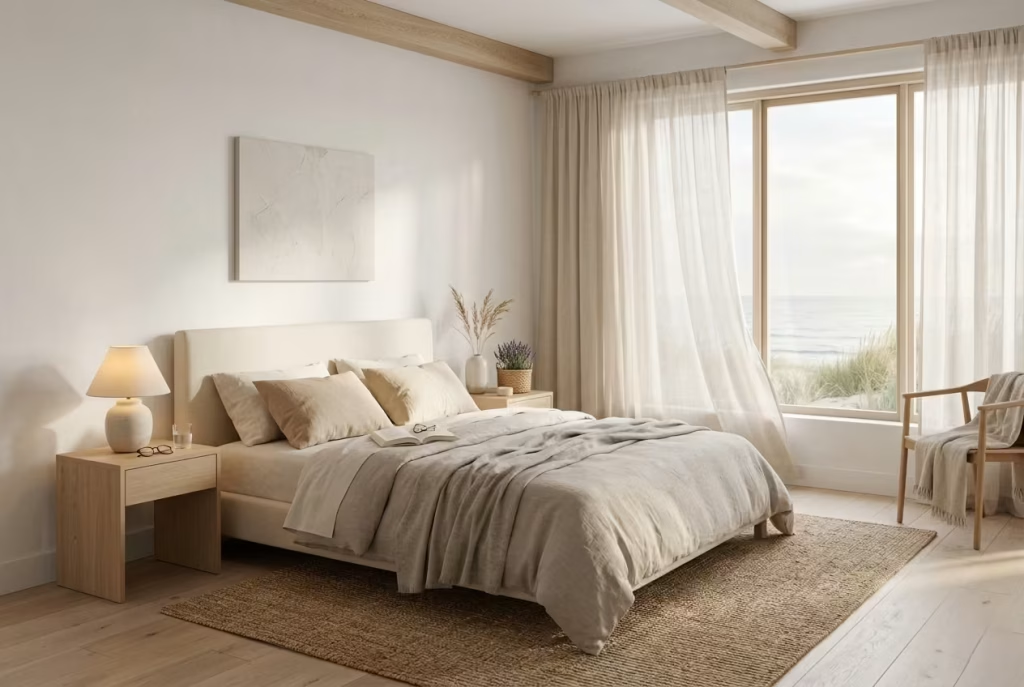
One of the most overlooked aspects of bedroom design is temperature perception. Interestingly, a room does not have to be physically colder to feel cooler. Colour, texture, lighting, and material choices all influence how a space is experienced.
Shared living spaces often benefit from warmth and visual richness because they support conversation and activity. Bedrooms, by contrast, tend to perform better when they feel slightly lighter and calmer.
This principle can be seen in many luxury coastal retreats. Living areas may feature deeper timber tones, layered furnishings, and richer textures, while bedrooms shift toward softer palettes and more restrained material combinations.
Several design decisions help create this cooling effect:
- Soft whites with subtle mineral undertones.
- Muted sand and stone colours.
- Lightweight natural fabrics.
- Reduced visual clutter.
- Minimal contrast between surfaces.
- Gentle lighting rather than dramatic illumination.
The psychological impact is significant. A bedroom that feels visually cool often encourages relaxation more effectively than one filled with stimulating colours or excessive decoration.
As the saying goes, sometimes less is more. In a bedroom designed for rest, restraint frequently creates greater comfort than abundance.
Natural light also plays a role. Coastal bedrooms that capture early morning sunlight often feel uplifting at the start of the day while remaining serene in the evening. Window treatments should soften daylight rather than block it entirely, creating a balanced atmosphere throughout changing seasons.
Layering Natural Textiles for Comfort
In coastal bedroom design, textiles do much of the heavy lifting. They introduce softness, regulate comfort, improve acoustics, and create visual depth without relying on bold colours or excessive decoration.
A thoughtfully layered bed often feels inviting before anyone even sits down. The secret lies not in quantity but in the interaction between different materials.
Linen
Few materials feel more at home in a coastal bedroom than linen. Its relaxed texture and breathable qualities make it particularly suitable for warmer climates and summer-inspired interiors. Linen responds beautifully to changing light, developing subtle shadows and highlights that add depth throughout the day.
One of its greatest strengths is authenticity. Slight creases become part of its character rather than imperfections to correct. Over time, linen softens further, becoming increasingly comfortable with use.
Ideal applications include:
- Duvet covers
- Pillowcases
- Curtains
- Upholstered headboards
Cotton Percale
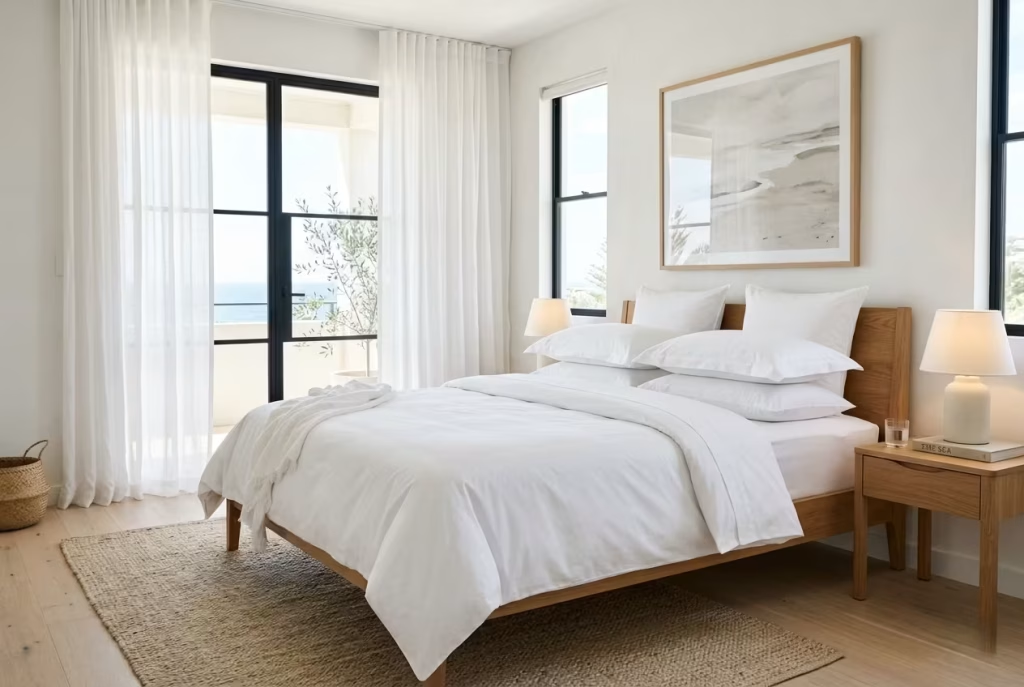
For those who appreciate crisp, hotel-like bedding, cotton percale remains one of the best choices available.
Its tightly woven structure creates a cool, smooth finish that feels refreshing during warmer months. Unlike heavier sateen weaves, percale promotes airflow and maintains a lighter appearance.
Many luxury coastal properties rely on cotton percale because it balances practicality with comfort. It provides the clean, tailored look that complements relaxed coastal interiors while remaining highly durable.
Wool
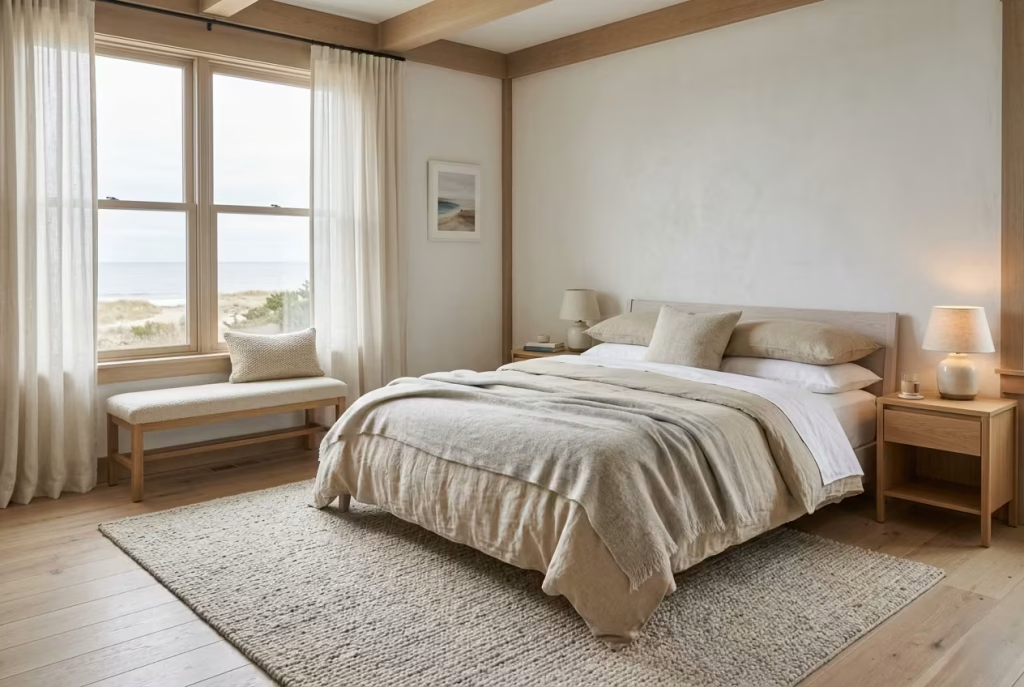
Although often associated with colder seasons, wool performs exceptionally well in coastal bedrooms year-round.
Natural wool fibres help regulate temperature by responding to environmental conditions. During cooler evenings they provide warmth, while in warmer conditions they assist with moisture management and comfort. Wool also introduces an important layer of tactile richness. Consider incorporating wool through:
- Area rugs
- Lightweight blankets
- Upholstered benches
- Accent cushions
The subtle texture helps prevent neutral bedrooms from feeling flat or one-dimensional.
Lightweight Throws
A carefully chosen throw can transform the appearance and functionality of a bedroom. Lightweight cotton, linen, or fine wool throws create visual layering while offering practical comfort during changing temperatures. Draped casually across the foot of a bed, they introduce softness without making the room feel heavy.
Like the final brushstroke on a painting, these finishing layers often bring balance to the overall composition. The most successful coastal bedrooms typically combine several natural fibres rather than relying on a single material. This layering creates a richer sensory experience while supporting comfort throughout the year.
You May also Like: 41 Coastal Living Room Design Ideas That Feel Calm, Fresh, and Timelesss
Coastal Bedroom Layouts That Improve Sleep Quality
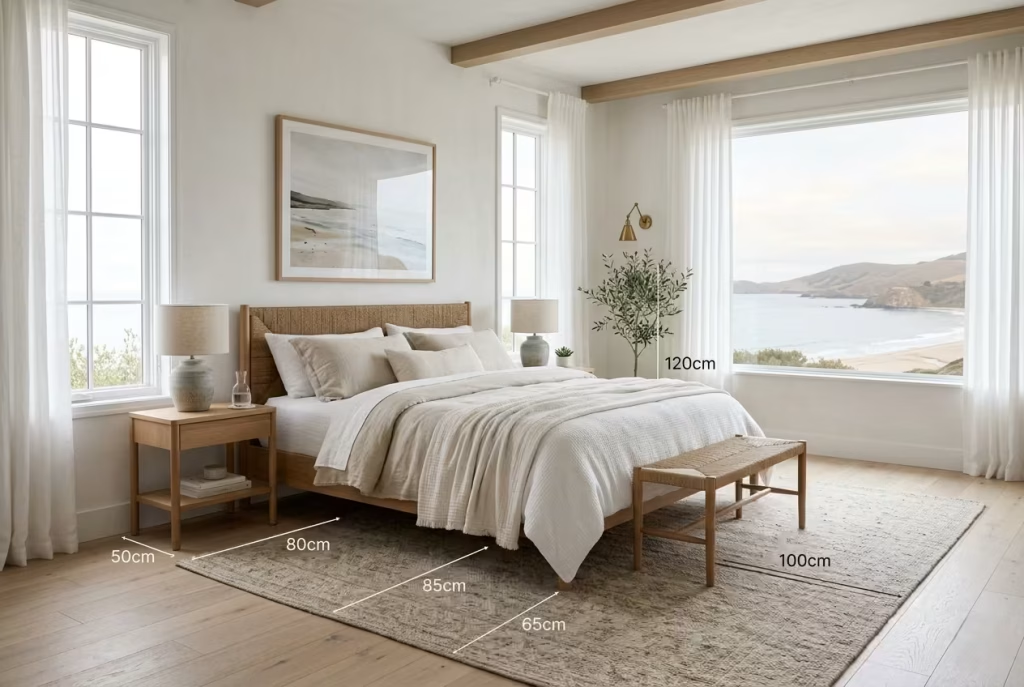
A beautiful bedroom means little if the layout undermines comfort. Proportion and circulation influence daily experience far more than many homeowners realise.
The strongest bedroom layouts create a sense of ease. Movement feels natural. Furniture placement supports functionality. Visual balance contributes to a calmer atmosphere.
Bed positioning is often the first consideration. Where possible, the bed should occupy a clear focal point within the room while maintaining comfortable circulation around all accessible sides. Recommended bedroom clearances include:
| Element | Recommended Measurement |
|---|---|
| Clearance beside bed | 60-90 cm (24-36 inches) |
| Main circulation paths | 75-100 cm (30-40 inches) |
| Space at foot of bed | 90-120 cm (36-48 inches) |
| Distance between bed and dresser | 90 cm (36 inches) minimum |
These dimensions help rooms feel comfortable rather than congested. Nightstands deserve equal attention. Many bedrooms suffer from tables that are either too small to function properly or disproportionately large for the bed.
As a general guideline:
- Nightstand height should align closely with mattress height.
- Width typically ranges between 45-75 cm (18-30 inches).
- Adequate surface area should accommodate lighting, books, and everyday essentials.
Rugs also influence comfort in subtle yet important ways. Stepping onto a soft surface each morning contributes to the overall experience of the room. Recommended rug sizes include:
| Bed Size | Suggested Rug Size |
|---|---|
| Queen Bed | 240 x 300 cm (8 x 10 ft) |
| King Bed | 270 x 360 cm (9 x 12 ft) |
| California King | 300 x 420 cm (10 x 14 ft) |
Ideally, rugs should extend at least 60 cm (24 inches) beyond the visible sides of the bed. This creates visual balance while improving comfort underfoot.
When layout decisions are handled thoughtfully, bedrooms feel naturally organised, allowing the mind to settle more easily at the end of the day.
Practical Designer Perspective
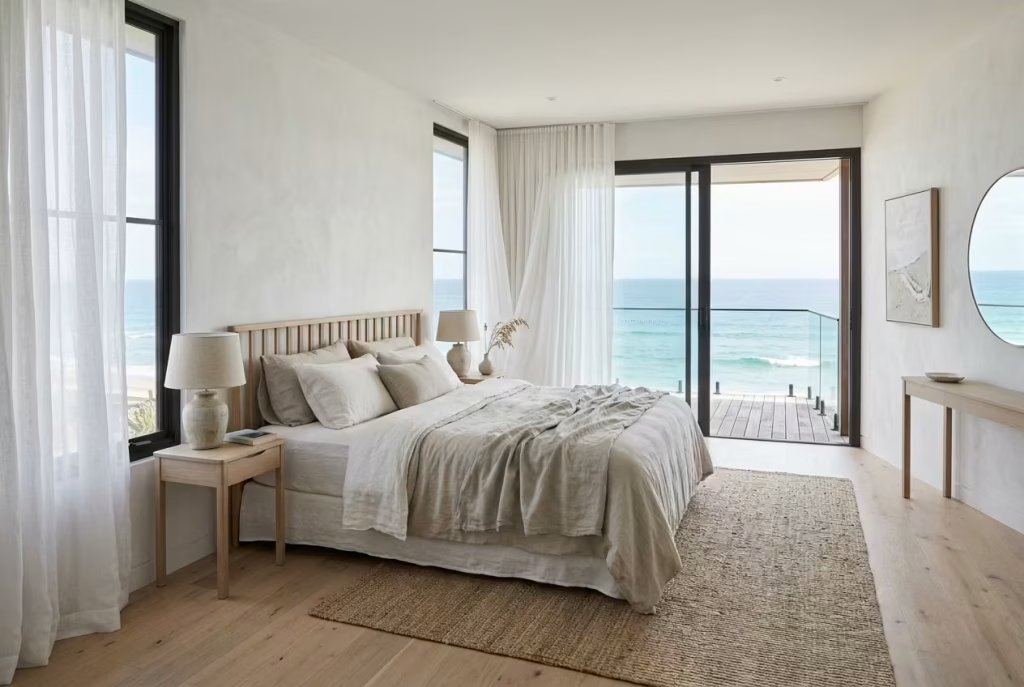
Over the years, summer bedroom transformations and coastal holiday-home projects have revealed an interesting pattern. Homeowners often begin by focusing on decorative details, yet the most meaningful improvements usually come from changes that are less obvious.
One project involved a beachfront property where the bedroom contained expensive furnishings, premium finishes, and beautiful artwork. Despite this investment, the room felt surprisingly uncomfortable. The issue was not style. It was balance.
Heavy drapery restricted daylight. Dark furniture absorbed much of the available light. Oversized storage pieces dominated circulation pathways. The room felt visually crowded despite its generous dimensions.
Rather than replacing everything, we refined the layout, introduced breathable linen textiles, reduced visual clutter, and shifted the colour palette toward softer coastal neutrals. We also improved circulation around the bed and incorporated a larger natural fibre rug to anchor the room. The transformation was remarkable.
Clients consistently reported sleeping better and spending more time in the room, even during daytime hours. The atmosphere became calmer, brighter, and significantly more restorative.
This experience reinforced an important lesson. The best coastal bedrooms are rarely defined by what they contain. They are defined by what they allow. Better sleep, greater comfort, easier routines, and a stronger sense of wellbeing all emerge when thoughtful design supports the way people actually live.
A successful bedroom should not demand attention. It should quietly earn it, creating a retreat that feels welcoming every evening and restorative every morning.
Coastal Bathrooms Inspired by Luxury Resorts
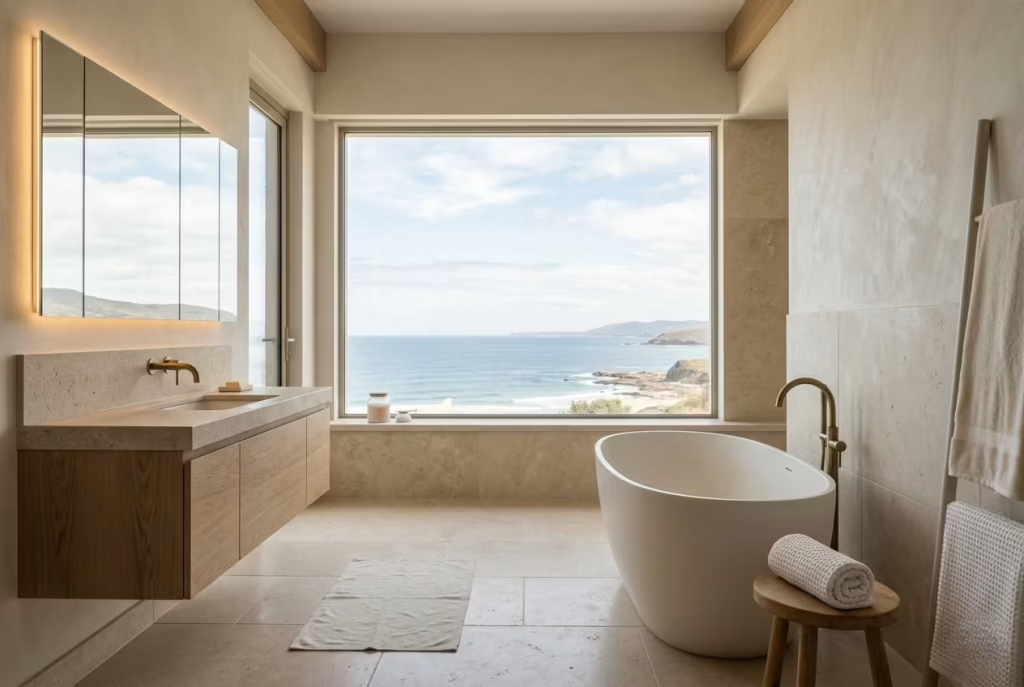
Few spaces influence daily wellbeing as consistently as the bathroom. It is often the first room visited in the morning and the last before the day comes to a close. Yet despite its importance, many bathrooms are designed almost entirely around function, with little consideration for atmosphere, comfort, or sensory experience.
Luxury coastal bathrooms take a different approach. Rather than treating the room as a purely practical space, they create an environment that supports relaxation and restoration. The goal is not to recreate a five-star resort literally. Instead, it is to borrow the qualities that make those environments feel so memorable: simplicity, natural materials, thoughtful lighting, and a strong sense of calm.
The most successful examples rarely depend on expensive finishes alone. What makes them special is how every element works together. Light reflects softly across stone surfaces. Timber introduces warmth where it is needed most. Colours remain restrained, allowing texture and craftsmanship to become the focal points. The result is a room that feels quietly luxurious rather than overtly impressive.
Like calm water smoothing a rocky shoreline over time, good design removes unnecessary distractions and leaves behind only what truly matters.
Creating Spa-Like Calm Through Material Simplicity
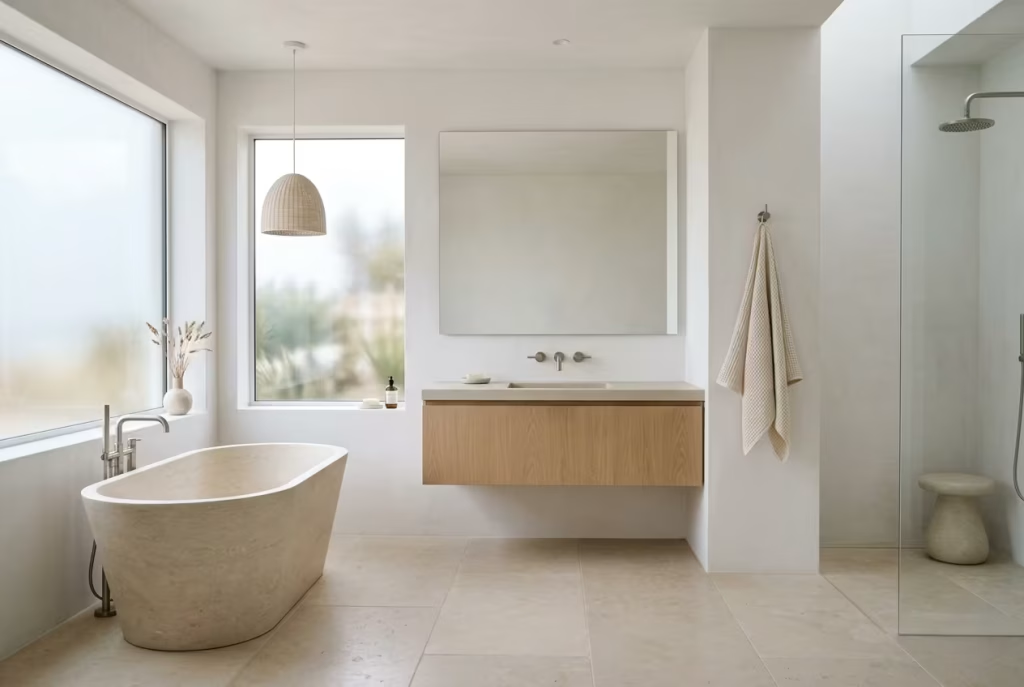
One of the defining characteristics of resort-inspired bathrooms is restraint. Many homeowners assume luxury comes from layering multiple finishes, colours, and decorative features. In reality, the opposite is often true. Some of the most beautiful bathrooms rely on a surprisingly limited palette of materials.
This simplicity creates visual clarity. When the eye is not constantly processing competing patterns and colours, the room feels more restful. Surfaces become easier to appreciate. Natural textures gain prominence. Daily routines begin to feel less rushed.
A carefully curated material palette may include:
- Honed natural stone.
- Textured porcelain tile.
- Light oak or teak accents.
- Soft white plaster finishes.
- Brushed metal fixtures.
- Natural linen textiles.
What matters most is consistency.
For example, using three or four complementary materials throughout the room generally creates a stronger result than introducing ten different finishes competing for attention.
In one coastal renovation project, a bathroom originally contained six tile styles, two countertop materials, multiple metal finishes, and contrasting paint colours. Although each element was attractive individually, the room felt visually busy.
By simplifying the palette to limestone-inspired porcelain, white oak cabinetry, and brushed nickel fixtures, the atmosphere changed entirely. The room immediately felt larger, calmer, and significantly more sophisticated.
There is an old expression about not seeing the wood for the trees. Bathrooms often benefit from the same principle. Removing unnecessary complexity allows the beauty of individual materials to shine through.
Stone, Tile and Timber Combinations That Work
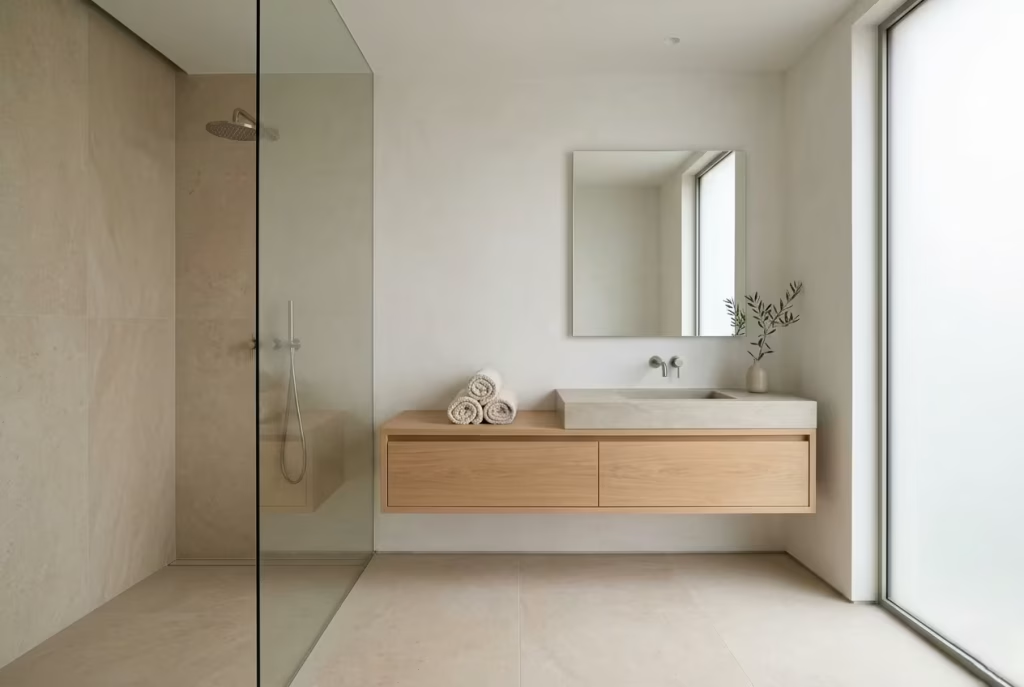
Material combinations often determine whether a coastal bathroom feels timeless or trend-driven. The strongest pairings borrow inspiration directly from nature, creating relationships that feel balanced and authentic rather than manufactured. Natural stone remains one of the most enduring choices.
Limestone, travertine, and quartzite introduce subtle variation that creates visual interest without overwhelming the space. Their muted tones complement coastal colour palettes particularly well. Timber serves an equally important role.
Without warmth, bathrooms can quickly feel sterile. Oak, teak, and ash help soften harder surfaces while introducing texture and character. Some of the most successful combinations include:
| Stone or Tile | Timber Pairing | Atmosphere Created |
|---|---|---|
| Travertine | White Oak | Relaxed luxury |
| Limestone-Look Porcelain | Natural Oak | Timeless and airy |
| Soft Grey Quartzite | Teak | Warm contemporary coastal |
| Sandstone Tile | Limewashed Timber | Organic and calming |
| Textured Porcelain | Ash Timber | Fresh and understated |
Porcelain deserves particular mention because modern manufacturing has improved dramatically in recent years. High-quality porcelain now replicates natural stone with remarkable accuracy while offering practical advantages for busy households. It resists moisture, staining, and wear more effectively than many natural materials.
Timber selection requires careful consideration in bathrooms. Solid hardwood can perform exceptionally well when properly sealed and ventilated. Teak remains one of the best options due to its natural resistance to moisture. White oak also performs reliably when protected with appropriate finishes.
In coastal environments where humidity levels fluctuate regularly, choosing moisture-tolerant materials becomes especially important. The goal is not simply to create beauty on installation day. It is to create beauty that remains intact years later.
Lighting Strategies for Morning and Evening Use
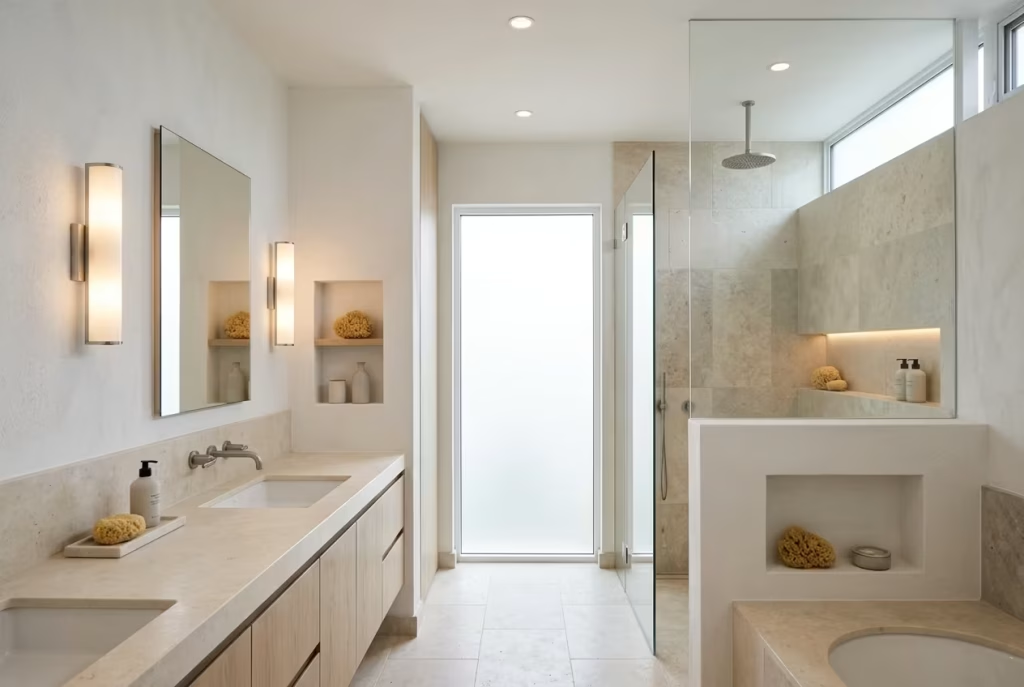
Lighting may be the most underestimated element in bathroom design. Even the finest materials struggle to achieve their full potential under poor lighting conditions. Conversely, thoughtful illumination can transform relatively simple finishes into something extraordinary.
Bathrooms serve two very different functions throughout the day. Morning routines often require clarity and brightness. Evening routines benefit from softer, more relaxing light levels. A successful lighting scheme accommodates both.
This is where layered lighting becomes invaluable. Rather than relying on a single ceiling fixture, consider combining:
- Ambient lighting for overall illumination.
- Task lighting at mirrors.
- Accent lighting for atmosphere.
- Shower and niche lighting where appropriate.
Recommended colour temperatures include:
| Lighting Area | Recommended Kelvin Rating |
|---|---|
| Vanity Lighting | 3000K to 3500K |
| General Bathroom Lighting | 2700K to 3000K |
| Accent Lighting | 2700K |
| Shower Lighting | 3000K |
Light that is excessively cool often creates an institutional feel. Extremely warm lighting can distort colours during grooming tasks.
The sweet spot typically falls between 2700K and 3500K depending on function. Vanity lighting placement is equally important.
One common mistake involves installing a single fixture directly above the mirror. While common, this arrangement frequently creates shadows beneath the eyes and chin. A more flattering solution involves:
- Vertical sconces positioned on both sides of the mirror.
- Fixtures mounted approximately 165 to 180 cm (65 to 71 inches) above floor level.
- Even light distribution across the face.
This approach provides better visibility while creating a more comfortable experience during daily routines. Natural light should also be maximised whenever possible. Frosted glazing, clerestory windows, and strategically positioned skylights can introduce daylight while preserving privacy.
When morning sunlight enters a bathroom and catches textured stone or softly grained timber, the effect can be remarkably uplifting.
Moisture-Resistant Materials Worth Considering
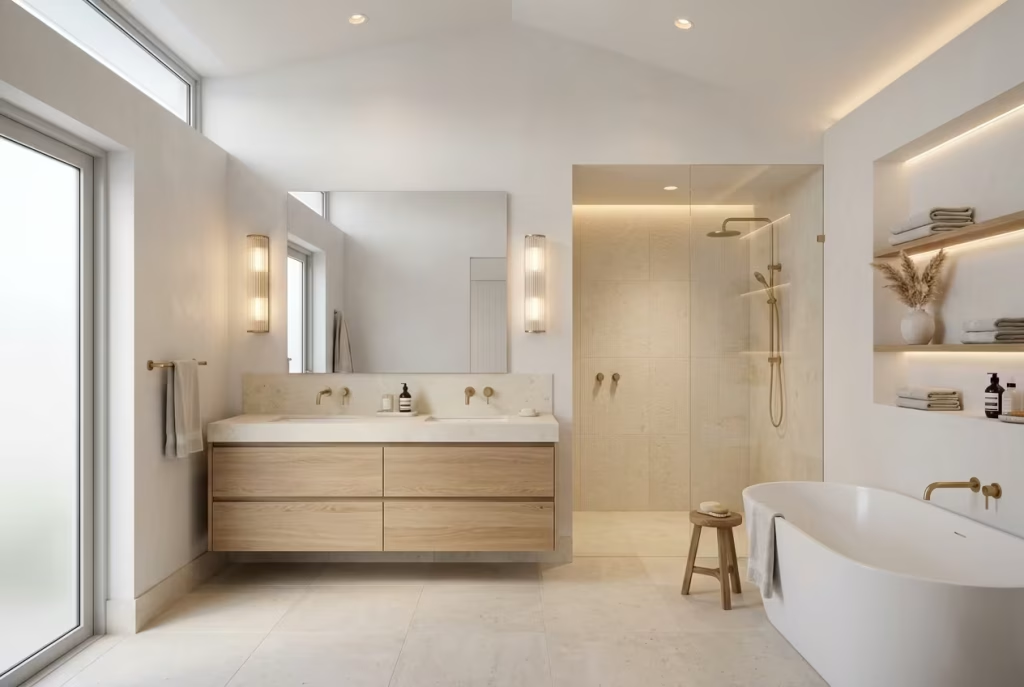
Bathrooms experience more environmental stress than many other rooms in the home. Humidity, water exposure, temperature fluctuations, and cleaning products all influence material performance.
Reliable moisture-resistant options include:
- Porcelain tile.
- Quartz countertops.
- Marine-grade cabinetry finishes.
- Teak and properly sealed white oak.
- High-performance paints designed for wet areas.
- Natural stone treated with quality sealers.
Investing in durable materials often saves considerable expense over the long term.
While some budget-friendly alternatives may appear attractive initially, frequent repairs and premature replacement can quickly increase overall costs. Choosing materials that perform well under real-life conditions helps create a bathroom that remains attractive and functional for many years.
Coastal Bathroom Material Comparison Guide
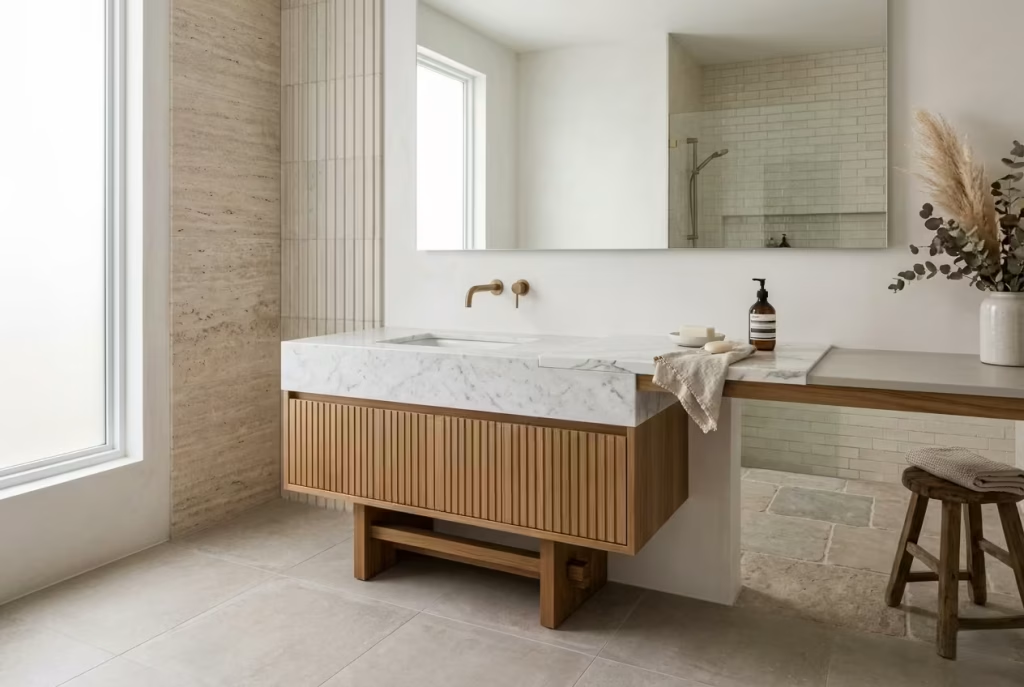
| Material | Durability | Maintenance | Cost Range |
|---|---|---|---|
| Porcelain Tile | Excellent | Low | ££ |
| Travertine | Good | Moderate | £££ |
| Limestone | Good | Moderate | £££ |
| Quartz Countertops | Excellent | Low | £££ |
| Quartzite | Excellent | Moderate | ££££ |
| White Oak | Good | Moderate | £££ |
| Teak | Excellent | Low to Moderate | ££££ |
| Ceramic Tile | Very Good | Low | ££ |
| Natural Marble | Moderate | High | ££££ |
A truly exceptional coastal bathroom is rarely defined by one dramatic feature. More often, it succeeds because every detail contributes to a larger sense of wellbeing. Material simplicity reduces visual clutter. Balanced lighting supports changing daily routines. Carefully chosen finishes withstand years of use while retaining their beauty.
When these elements come together thoughtfully, the bathroom becomes more than a functional necessity. It becomes a place of retreat, offering a small but meaningful pause from the pace of everyday life, one that feels every bit as restorative as a luxury coastal resort.
The Coastal Mudroom and Entryway: Designing the Transition Zone
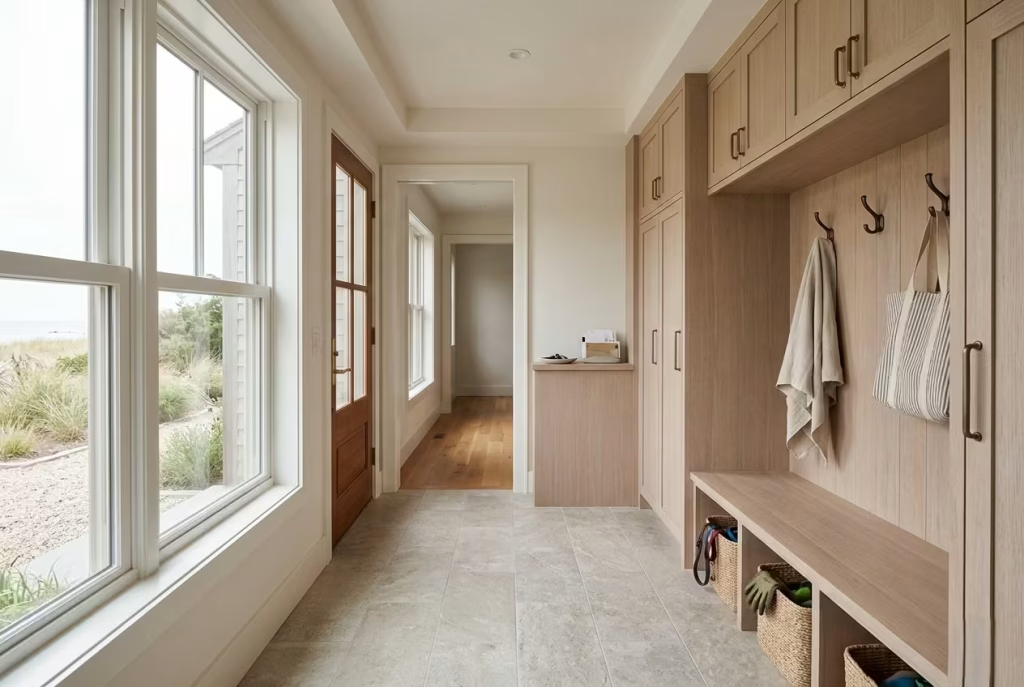
In many coastal homes, the mudroom and entryway are among the hardest-working spaces in the entire property. Yet they are often treated as an afterthought, receiving far less attention than kitchens, living rooms, or outdoor entertaining areas. This is a missed opportunity because these spaces quietly shape the experience of everyday living from the moment someone walks through the door.
A well-designed coastal entry does far more than provide access to the home. It acts as a transition zone between the outdoors and the interior, helping manage sand, moisture, salt air, wet towels, shoes, pets, sports equipment, and the countless items that accompany life near the coast. When thoughtfully planned, it prevents clutter from spreading throughout the house while creating an organised and welcoming first impression.
The most successful coastal mudrooms strike a careful balance between practicality and beauty. Durable materials withstand daily wear, storage solutions support changing seasonal needs, and layouts encourage smooth circulation even during busy family routines. Like a good gatekeeper standing quietly at the threshold, this space works behind the scenes to keep the rest of the home functioning effortlessly.
In the sections ahead, we will explore how to manage sand and moisture effectively, design storage that genuinely supports coastal living, and avoid some of the most common mistakes frequently seen in waterfront homes. We will also examine practical measurements for benches, lockers, and circulation clearances that help these hardworking spaces perform at their best while maintaining the relaxed elegance that defines exceptional coastal design.
You May also Like: Coastal Garden Design: Creating Landscapes That Withstand Exposure and Age Gracefully
Blurring the Boundary Between Indoors and Outdoors
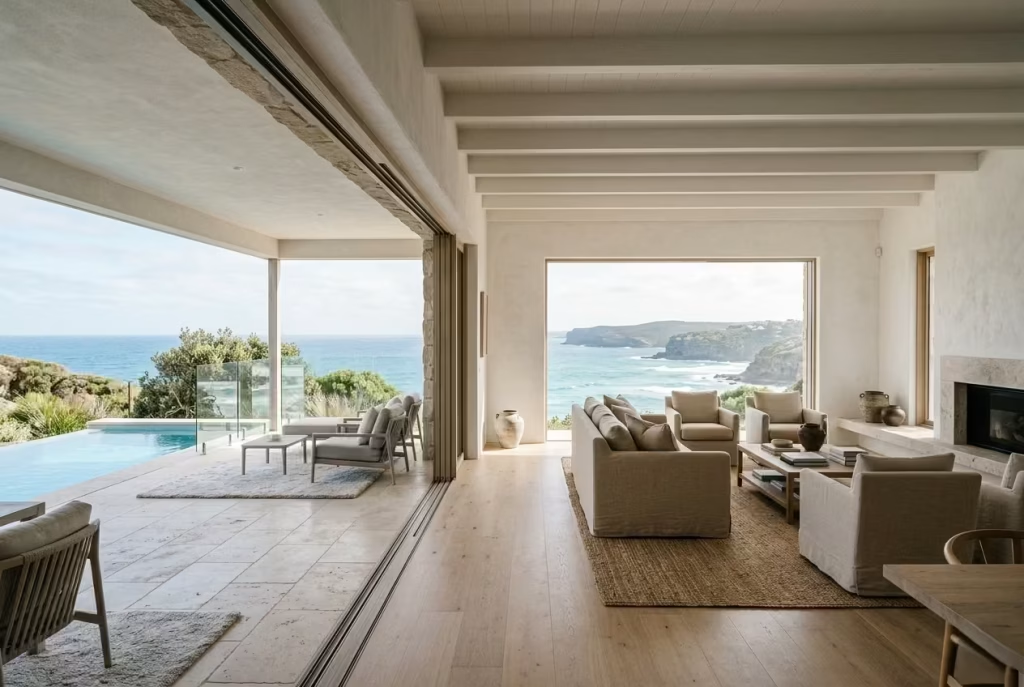
Some of the most memorable coastal homes share a quality that is difficult to capture in photographs yet impossible to ignore when experienced in person. They feel larger, brighter, and more connected to their surroundings than their actual floor plans suggest. Step inside, and it becomes difficult to tell where the house ends and the landscape begins.
This seamless relationship between interior and exterior spaces lies at the heart of exceptional coastal design. Rather than treating the outdoors as something to look at through a window, the best homes invite it into everyday life. Sea breezes drift through open doorways, natural light travels deep into living spaces, and terraces become natural extensions of kitchens, dining rooms, and lounges.
The effect is transformative. Rooms feel less confined, circulation becomes more fluid, and even modest homes gain a remarkable sense of openness. It is a classic case of the whole being greater than the sum of its parts. A living room connected thoughtfully to a terrace often feels far more expansive than a larger room enclosed by four walls.
Achieving this connection is not simply a matter of installing larger windows. It requires careful consideration of architecture, circulation, material selection, and how people naturally move through a home. Features such as folding glass walls, expansive sliding systems, covered terraces, and fully realised outdoor rooms all play an important role. Equally significant is the continuity of materials, where flooring, finishes, and colour palettes flow naturally between spaces, creating a visual thread that guides the eye beyond the building envelope.
In the following sections, we will explore the architectural strategies and design principles that allow coastal homes to feel effortlessly connected to their surroundings, creating interiors that embrace light, landscape, and outdoor living in a way that enhances both beauty and everyday life.
Coastal Exterior Design That Complements the Landscape
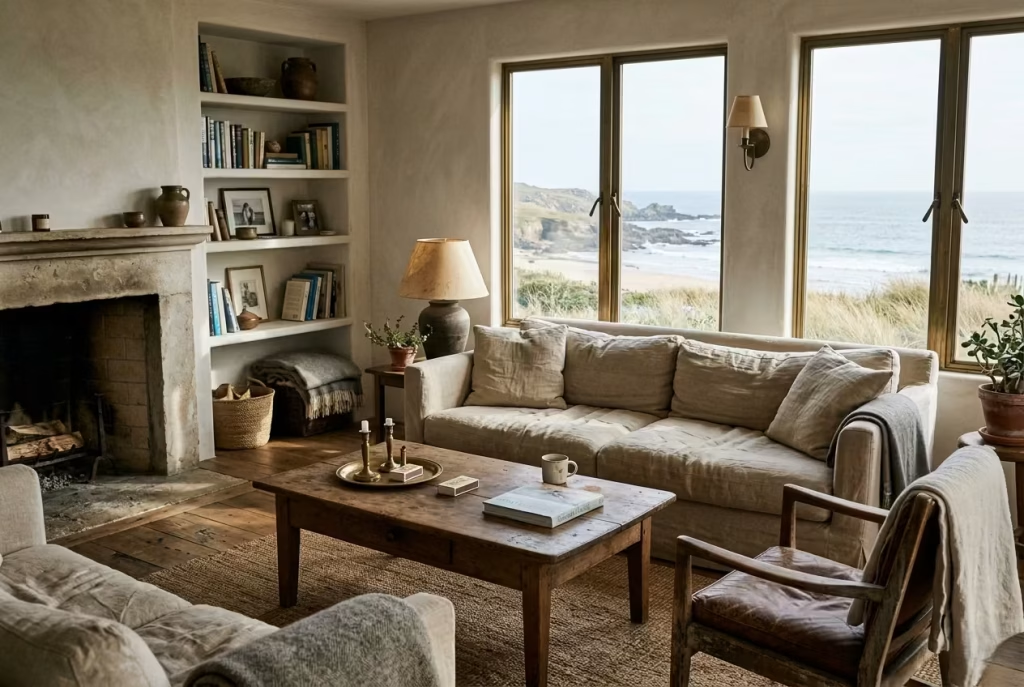
The most successful coastal homes rarely compete with their surroundings. They do not rely on oversized architectural statements, highly decorative facades, or attention-grabbing colours to make an impression. Instead, they achieve something far more sophisticated. They sit comfortably within the landscape, responding to the shoreline, climate, vegetation, and natural light in a way that feels almost inevitable.
This relationship between architecture and setting is one of the defining characteristics of exceptional coastal design. Whether positioned beside windswept dunes, overlooking dramatic cliffs, facing a sheltered bay, or nestled within native planting, a well-designed coastal home should feel connected to its environment rather than imposed upon it.
What often separates timeless coastal architecture from projects that quickly feel dated is material honesty. Cedar that gradually develops a soft silver patina, limestone that gains character through exposure, textured render that responds beautifully to changing light, and natural stone that appears as though it belongs to the site itself all contribute to a sense of permanence and authenticity. These materials tell a story over time, ageing with grace rather than fighting against the elements.
Colour plays an equally important role. The strongest coastal facades typically borrow from their surroundings, drawing inspiration from weathered timber, sea grasses, rock formations, sand dunes, and shifting skies. This approach creates homes that feel calm, balanced, and deeply rooted in place.
There is an old saying that nature does not hurry, yet everything gets accomplished. The same principle often applies to great coastal architecture. The homes that endure are rarely the loudest. They are the ones that work in harmony with the landscape, allowing materials, proportion, and setting to speak for themselves.
In the following sections, we will explore exterior materials that perform well in coastal environments, colour schemes that stand the test of time, and practical design strategies for creating a home that feels beautifully integrated with its natural surroundings.
Coastal Exterior Material Comparison
| Exterior Material | Typical Lifespan | Maintenance Level | Coastal Suitability |
|---|---|---|---|
| Cedar Cladding | 40-60+ years | Moderate | Excellent |
| Limestone | 50-100+ years | Moderate | Excellent |
| Render (High-Quality Exterior Render) | 25-40 years | Low to Moderate | Good |
| Natural Stone | 75-100+ years | Low | Excellent |
| Composite Cladding | 25-50 years | Low | Very Good |
This comparison provides a useful starting point, but the best material choice ultimately depends on local climate conditions, exposure to salt air, maintenance expectations, architectural style, and long-term investment goals. In coastal design, durability and appearance should always work hand in hand, creating an exterior that not only looks beautiful on completion day but continues to improve with age and exposure to the landscape around it.
Designing a Coastal Outdoor Living Room
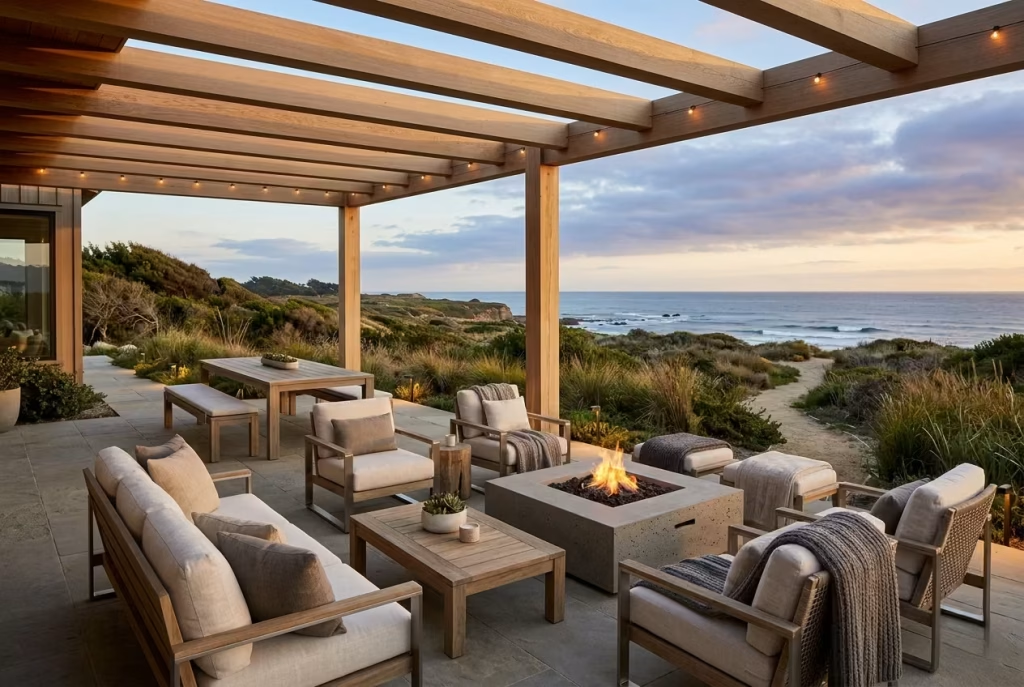
The most enjoyable coastal homes are often remembered not for a particular room inside the house, but for the moments spent outdoors. Morning coffee as the sun rises over the water, long lunches that stretch well into the afternoon, conversations around a fire pit after sunset, or simply sitting quietly while a sea breeze moves through the landscape. These experiences are what make coastal living so appealing, and a thoughtfully designed outdoor living room helps make them part of everyday life.
What separates an exceptional outdoor space from a basic patio is comfort. The strongest coastal outdoor living rooms borrow many of the qualities that make interior spaces inviting. They offer generous seating, layered lighting, durable materials, protection from the elements, and a layout that encourages relaxation and connection. At the same time, they remain open to the landscape, allowing views, natural light, and fresh air to remain the stars of the show.
Creating this balance requires careful planning. Furniture must withstand demanding coastal conditions. Shade structures need to provide relief from the sun without sacrificing views. Circulation paths should feel natural and unobstructed. Materials must age gracefully despite constant exposure to wind, moisture, and salt air.
Like a well-tailored linen jacket that looks effortless despite careful craftsmanship, the best outdoor living rooms appear relaxed while quietly solving a host of practical challenges.
In the following sections, we will explore how to extend interior comfort outdoors, select furniture that genuinely performs in coastal environments, and create shaded retreats that enhance usability while preserving the connection to the surrounding landscape.
Outdoor Living Room Planning Guide
| Element | Recommended Measurement | Purpose |
|---|---|---|
| Minimum pergola depth | 3-3.6 m (10-12 ft) | Comfortable seating zone |
| Larger entertaining pergola | 4.5-6 m (15-20 ft) | Dining and lounge combination |
| Coffee table to seating clearance | 40-45 cm (16-18 in) | Comfortable reach and circulation |
| Main outdoor walkway | 90-120 cm (36-48 in) | Easy movement through space |
| Behind outdoor seating | 75-90 cm (30-36 in) | Comfortable circulation |
| Dining chair pull-back clearance | 90 cm (36 in) minimum | Practical everyday use |
| Transition zone to doors | 120 cm (48 in) minimum | Smooth indoor-outdoor flow |
What Lasts in Coastal Conditions: Quick Comparison
| Outdoor Material | Salt-Air Performance | Maintenance Requirement | Expected Longevity |
|---|---|---|---|
| Teak | Excellent | Low to Moderate | 25+ years |
| Powder-Coated Aluminium | Excellent | Low | 15-25 years |
| Marine-Grade Stainless Steel | Excellent | Low | 20+ years |
| Synthetic Performance Wicker | Very Good | Low | 10-15 years |
| Natural Wicker | Poor | High | Limited in exposed locations |
| Untreated Steel | Poor | High | Prone to corrosion |
| Outdoor Performance Fabrics | Excellent | Low | 5-10+ years |
Practical Designer Insight
After furnishing numerous waterfront homes, one lesson becomes clear remarkably quickly: not everything marketed as outdoor furniture is suitable for genuine coastal exposure.
Showroom displays often present furniture in ideal conditions. Real coastal environments are far less forgiving. Salt carried on the wind settles onto surfaces daily. Ultraviolet exposure fades finishes. Moisture finds its way into joints, fabrics, and structural components. Materials that perform well inland may deteriorate surprisingly quickly near the shoreline.
The products that consistently prove their worth tend to be those designed specifically for harsh marine environments. Teak remains one of the strongest performers because of its natural oils and durability. Powder-coated aluminium offers excellent corrosion resistance while remaining lightweight and easy to maintain. Marine-grade stainless steel provides exceptional longevity when properly specified.
Performance fabrics have also improved dramatically in recent years. High-quality outdoor textiles now resist fading, mildew, and moisture while offering a comfort level that rivals many indoor fabrics.
Conversely, I have seen inexpensive steel furniture begin showing corrosion within a single season, and natural wicker deteriorate after prolonged exposure to coastal humidity and sunlight.
One oceanfront project completed several years ago continues to provide a useful reference point. The clients invested in marine-grade materials, teak furnishings, and performance upholstery despite higher initial costs. Years later, the furniture still looks remarkably good, requiring only routine cleaning and occasional maintenance. Nearby properties furnished with lower-cost alternatives have often undergone multiple replacement cycles during the same period.
That experience reinforces an important principle: in coastal outdoor living spaces, durability is not simply a practical consideration. It is part of good design. Choosing materials that weather gracefully allows the outdoor room to become more beautiful over time, developing character while remaining comfortable, functional, and deeply connected to the landscape that surrounds it.
Coastal Patios, Terraces and Decks Built for Entertaining
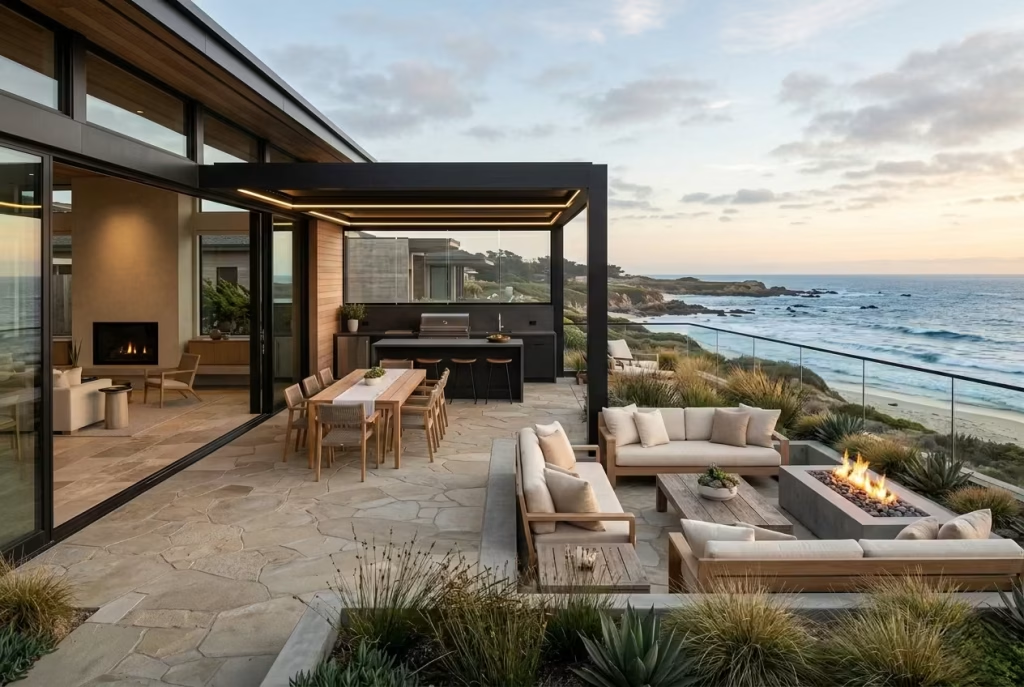
There is a particular magic that happens outdoors in a well-designed coastal home. Conversations seem to last longer, meals feel more relaxed, and ordinary weekends often take on the atmosphere of a holiday. It is not simply the ocean views or fresh air that create this experience. The real difference lies in how outdoor spaces are planned, furnished, and connected to the way people actually live.
The most successful coastal patios, terraces, and decks function as true extensions of the home rather than occasional-use outdoor areas. They accommodate everything from intimate family breakfasts to large evening gatherings, creating spaces where people naturally want to spend time. When designed thoughtfully, these outdoor environments become some of the most valuable square footage on the property, despite technically sitting beyond the home’s walls.
Achieving this level of comfort requires more than placing furniture on a deck. Surface materials must withstand changing weather conditions while remaining comfortable underfoot. Outdoor kitchens and dining zones need to support effortless entertaining without disrupting circulation. Fire features extend usability beyond summer months, transforming outdoor areas into year-round destinations that continue to draw people outside long after sunset.
Perhaps what makes exceptional coastal entertaining spaces so memorable is their ability to feel effortless. Guests rarely notice the careful planning behind the scenes. They simply experience a setting that feels welcoming, comfortable, and naturally connected to the surrounding landscape. Like a great host who makes everything look easy, the best outdoor spaces quietly handle every practical challenge while allowing the focus to remain on the moments being shared.
In the following sections, we will explore the materials, layouts, and design strategies that help coastal patios, terraces, and decks perform beautifully through every season while creating outdoor environments people genuinely enjoy using.
7 Features Found in Exceptional Coastal Outdoor Spaces
- Covered dining areas that provide protection from intense sun while maintaining views.
- Integrated lighting systems that create atmosphere and improve usability after dark.
- Wind protection measures such as screens, planting, or architectural shelter for comfort throughout the day.
- Outdoor kitchens positioned close enough to support entertaining yet far enough to avoid congestion.
- Flexible seating arrangements that adapt easily from family use to larger gatherings.
- Native planting schemes that thrive in coastal conditions while strengthening the connection to the landscape.
- Material continuity between interior and exterior spaces, helping terraces and decks feel like natural extensions of the home rather than separate destinations.
You May also Like: 15 Red Brick House Facades That Look Bold, Modern, and Timeless
Coastal Landscaping That Looks Natural Rather Than Designed

Some of the most beautiful coastal landscapes share a surprisingly understated quality. At first glance, they appear effortless, as though they have simply emerged from the site itself. The planting feels at home. Pathways follow natural movement patterns. Grasses sway with the wind. Materials weather gently into their surroundings. Nothing appears forced, yet every element contributes to a landscape that feels harmonious and enduring.
This is often where coastal landscaping separates itself from traditional garden design. Rather than imposing rigid geometry or highly manicured planting schemes onto the site, successful coastal gardens work with nature rather than against it. They acknowledge wind patterns, soil conditions, salt exposure, seasonal changes, and local ecology. The result is a landscape that not only looks beautiful but also performs reliably year after year.
Many homeowners are surprised to learn that creating a natural-looking coastal garden often requires more restraint than decoration. The goal is not to fill every space with plants or ornamental features. Instead, it is about identifying what the landscape already does well and enhancing those qualities thoughtfully. Like a skilled editor refining a manuscript, the strongest coastal gardens know what to leave out as much as what to include.
When approached carefully, coastal landscaping offers benefits far beyond aesthetics. Native planting can reduce maintenance demands. Water-efficient strategies help lower long-term costs. Wind-tolerant species create more resilient outdoor environments. Informal pathways and naturalistic planting improve how people experience and move through the landscape.
In the following sections, we will explore how native coastal plants create authenticity, why wind management is often more important than many homeowners realise, how water-wise design improves long-term garden performance, and how pathways, dunes, and informal structures can strengthen the connection between architecture and landscape.
Real Project Experience: Lessons Learned from Coastal Gardens Exposed to Salt Spray and Strong Winds
One of the most valuable lessons I have learned from coastal landscape projects is that nature always gets the final say.
Several years ago, I worked on a waterfront property with spectacular ocean views and an ambitious planting scheme. The original design featured a collection of ornamental species selected primarily for appearance. On paper, the garden looked impressive. Within two seasons, however, reality began to reveal itself.
Constant salt-laden winds damaged foliage. Certain shrubs struggled to establish roots in sandy soil. Water demands increased significantly during warmer months. Some plants survived, but many never truly thrived.
The redesign took a different approach. Rather than fighting site conditions, we embraced them. Native grasses replaced vulnerable ornamental species. Salt-tolerant shrubs provided structure and wind protection. Permeable pathways improved drainage. Plant groupings were organised according to water needs rather than purely visual considerations.
The transformation was remarkable. Not only did maintenance requirements decrease substantially, but the garden began to feel more connected to the surrounding landscape. Seasonal changes became part of its character rather than a problem to manage. Wind movement through grasses introduced texture and animation. Local wildlife became more active throughout the site.
Perhaps the most important lesson was this: the most successful coastal gardens rarely look newly planted. They appear as though they belong exactly where they are. They respond to the climate, respect the landscape, and evolve gracefully over time.
In coastal environments, working with nature is almost always more rewarding than working against it. The gardens that endure are those that embrace their surroundings wholeheartedly, creating outdoor spaces that feel authentic, resilient, and deeply rooted in place.
Coastal Lighting Strategies for Day and Night
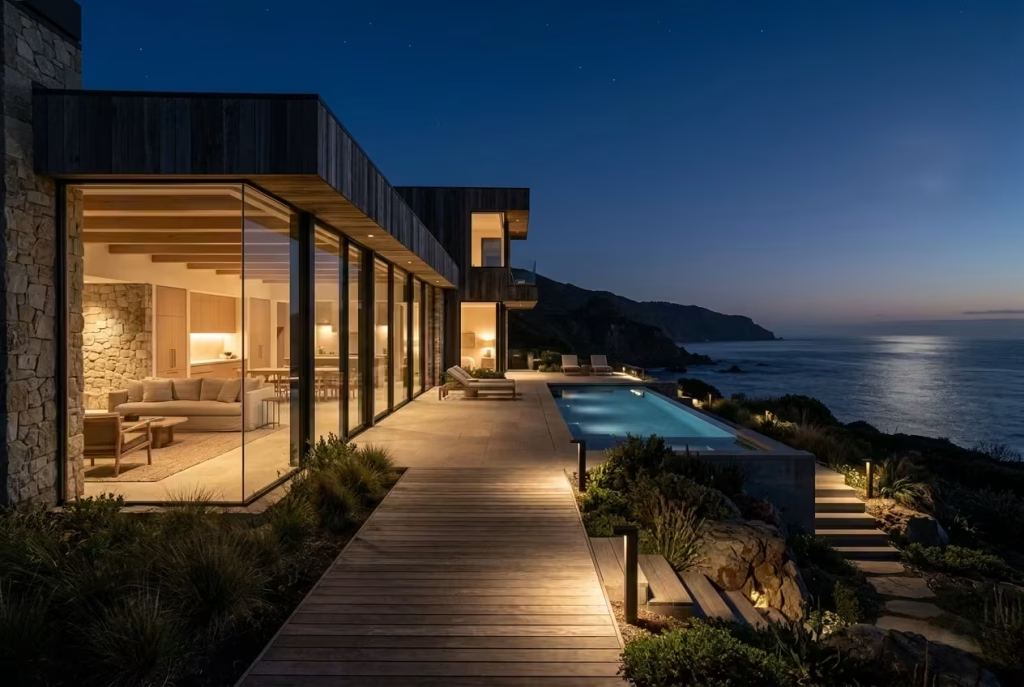
Few design elements have the power to transform a coastal home as dramatically as lighting. During the day, sunlight reveals textures, highlights architectural details, and strengthens the connection between indoor spaces and the landscape beyond. After sunset, however, an entirely different layer of design takes over. Rooms that felt bright and expansive in daylight can become warm, intimate, and deeply atmospheric when illuminated thoughtfully. This transition is where many homes either flourish or fall short.
A beautifully designed coastal interior can lose much of its character under harsh overhead lighting. Likewise, a carefully landscaped garden can disappear into darkness if exterior illumination is poorly planned. The most successful coastal homes understand that lighting is not simply about visibility. It is about shaping mood, guiding movement, enhancing comfort, and allowing architecture to remain beautiful long after the sun has gone down.
What makes coastal lighting particularly unique is the surrounding environment. Expansive views, reflective water surfaces, changing weather conditions, and open landscapes all influence how light behaves. A fixture that works perfectly in an urban townhouse may feel completely out of place in a waterfront property where darkness, starlight, and natural scenery play an important role in the overall experience.
The best lighting schemes operate quietly in the background. They highlight what deserves attention while allowing the surrounding landscape to retain its natural beauty. Like a skilled conductor directing an orchestra, good lighting creates balance, ensuring every element performs its role without overwhelming the composition.
In the sections ahead, we will explore how layered lighting creates depth and flexibility, how strategic illumination can enhance views after sunset, and how exterior lighting can improve safety and atmosphere while avoiding unnecessary light pollution. We will also examine recommended lumen levels, warm lighting temperatures, and fixture materials that perform reliably in demanding coastal environments, helping create a home that feels just as inviting at midnight as it does at midday.
Materials That Define Luxury Coastal Homes
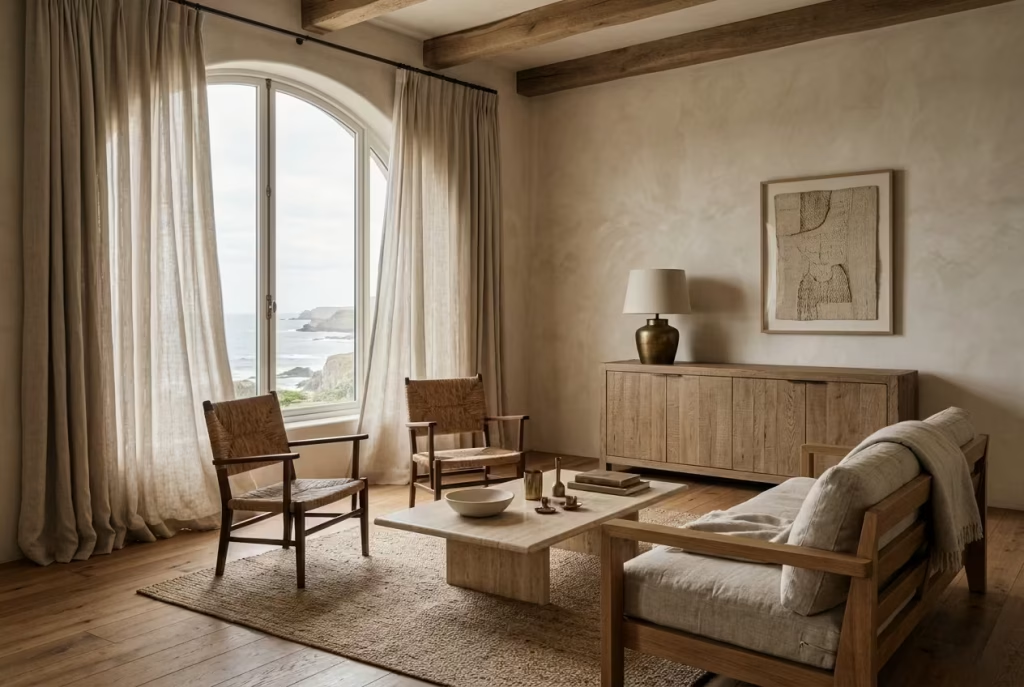
The most remarkable coastal homes rarely rely on decoration to create character. Their beauty comes from something far more enduring: materials chosen with care, restraint, and a deep understanding of how they will look and perform over time. Walk through a truly exceptional coastal property and you will notice that the atmosphere is shaped less by what has been added and more by what the home is made from.
This is one of the defining differences between ordinary interiors and luxury coastal design.
Rather than depending on layers of accessories, statement pieces, or constantly changing trends, premium coastal homes create interest through texture, craftsmanship, and material authenticity. Sunlight moves differently across limewashed walls than it does across painted plaster. Bare feet experience the warmth of oak flooring differently than polished tile. Linen curtains shift gently with a sea breeze, bringing movement and softness that synthetic fabrics struggle to replicate. The result feels richer, more personal, and ultimately more timeless.
Perhaps the greatest advantage of natural materials is their ability to age gracefully. While many manufactured finishes deteriorate visibly with use, materials such as travertine, natural stone, oak, bronze, and aged brass often become more attractive over time. Small imperfections, subtle wear patterns, and evolving patinas add depth and authenticity, telling the story of a home that has been genuinely lived in rather than preserved like a showroom.
There is an old saying that fine wine improves with age. The same principle often applies to the best coastal interiors. The materials may look beautiful on installation day, but their true character emerges gradually through years of sunlight, daily use, and changing seasons.
In the following sections, we will explore why texture often matters more than decoration, which materials consistently perform well in luxury coastal homes, and how thoughtful material selection can create interiors that remain relevant, comfortable, and visually compelling for decades rather than seasons.
Premium Coastal Material Guide
| Material | Appearance | Longevity | Maintenance | Typical Cost |
|---|---|---|---|---|
| Limewash | Soft, chalky, layered finish with subtle movement | 10-20+ years | Low to Moderate | ££ |
| Oak | Warm grain, natural texture, timeless character | 50+ years | Low | £££ |
| Travertine | Organic variation, soft earthy tones | 50-100+ years | Moderate | ££££ |
| Linen | Relaxed texture, breathable, naturally elegant | 10-20+ years | Moderate | £££ |
| Natural Stone | Rich variation, highly authentic appearance | 75-100+ years | Low to Moderate | ££££ |
| Bronze | Deepens with age, develops unique patina | 50+ years | Low | ££££ |
| Aged Brass | Warm metallic finish that gains character over time | 30-50+ years | Low | £££ |
A useful rule followed by many experienced designers is simple: prioritise materials that become more beautiful with use rather than those that only look perfect when new. In coastal homes especially, where sunlight, salt air, humidity, and daily living constantly interact with surfaces, longevity and character often matter far more than perfection. The most memorable interiors are rarely the ones that resist change. They are the ones that embrace it gracefully.
Common Coastal Design Mistakes That Instantly Diminish Sophistication
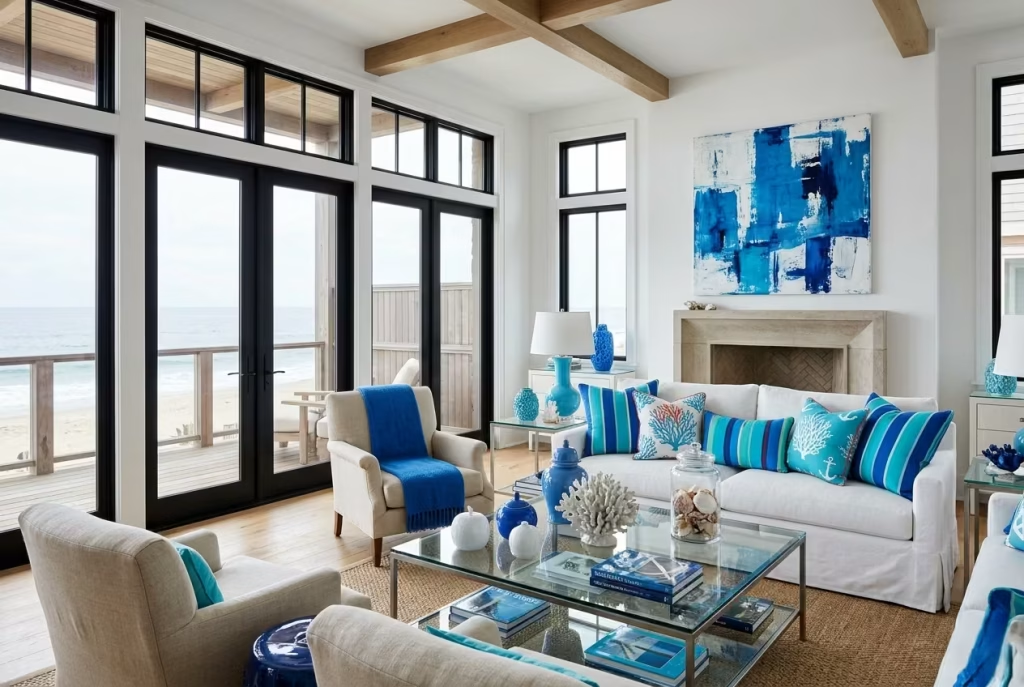
Coastal design has a reputation for being effortless, but in practice, it is one of the easiest styles to misinterpret. The difference between a refined coastal home and one that feels staged or overly literal often comes down to a handful of small decisions that accumulate into a much larger impression.
When coastal interiors go wrong, they rarely fail because of a single element. Instead, it is a series of well-intentioned choices that miss the mark. A palette that leans too heavily on predictable blues, materials chosen for appearance rather than endurance, or spaces designed around a theme rather than real living habits can quietly erode the sense of sophistication.
The strongest coastal homes, by contrast, feel natural and composed. Nothing feels forced or exaggerated. Every detail has a purpose, and every material earns its place over time. Like a well-edited piece of writing, clarity comes from restraint, not excess.
In the following sections, we will explore the most common design missteps that can quickly undermine a coastal interior, and more importantly, how to avoid them in favour of a more timeless and grounded approach.
Overusing Blue
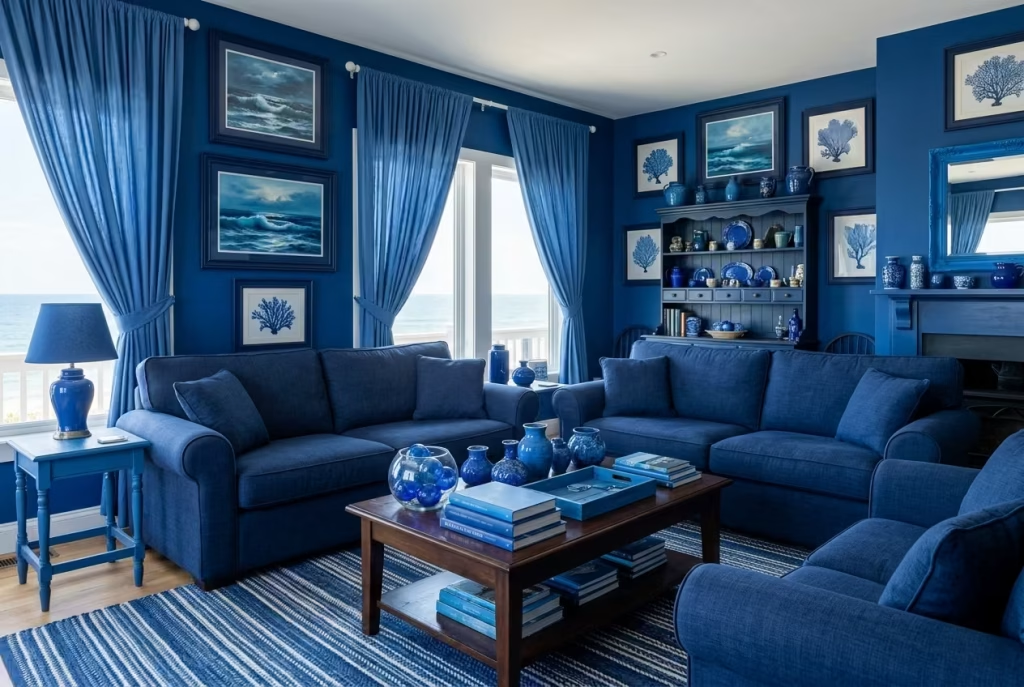
Blue is often treated as the signature colour of coastal design, yet it is also one of the easiest elements to overdo.
Used sparingly, muted blues can be incredibly effective. They reference the sea without becoming literal. However, when blue dominates a space through walls, upholstery, décor, and accessories all at once, the result can feel more themed than thoughtful. Instead of evoking the coastline, the room begins to imitate it too directly.
The most sophisticated coastal interiors treat blue as an accent rather than a foundation. It appears in subtle moments, such as a linen cushion, a ceramic vase, or a soft-toned rug, rather than defining the entire palette. As the saying goes, familiarity breeds contempt. When a colour is repeated too often, its impact diminishes rather than strengthens.
Choosing Style Over Durability
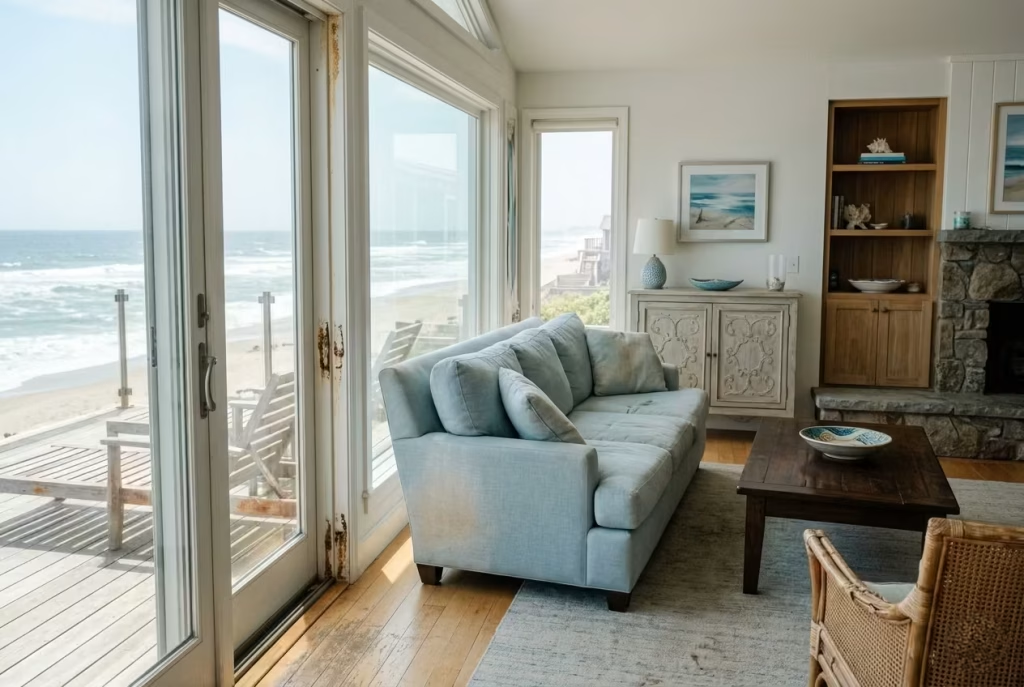
One of the most costly mistakes in coastal homes is prioritising appearance over performance. Coastal environments are demanding. Salt air, humidity, strong sunlight, and constant temperature shifts can quickly expose materials that are not built to last.
A finish that looks beautiful in a showroom may deteriorate rapidly once installed near the coast. Fabrics may fade, metals may corrode, and untreated surfaces may warp or stain.
This is particularly evident in outdoor furniture, bathroom fixtures, and kitchen finishes. The most successful coastal homes prioritise materials that can withstand real conditions without losing their character. Teak, natural stone, marine-grade metals, and high-performance fabrics consistently outperform decorative but fragile alternatives.
In many cases, durability becomes a form of quiet luxury. There is something deeply satisfying about spaces that still look composed years after installation, even after exposure to harsh coastal conditions.
You May also Like: 15 Beach Cottage Design Ideas for a Relaxing Coastal Home
Ignoring Climate and Exposure
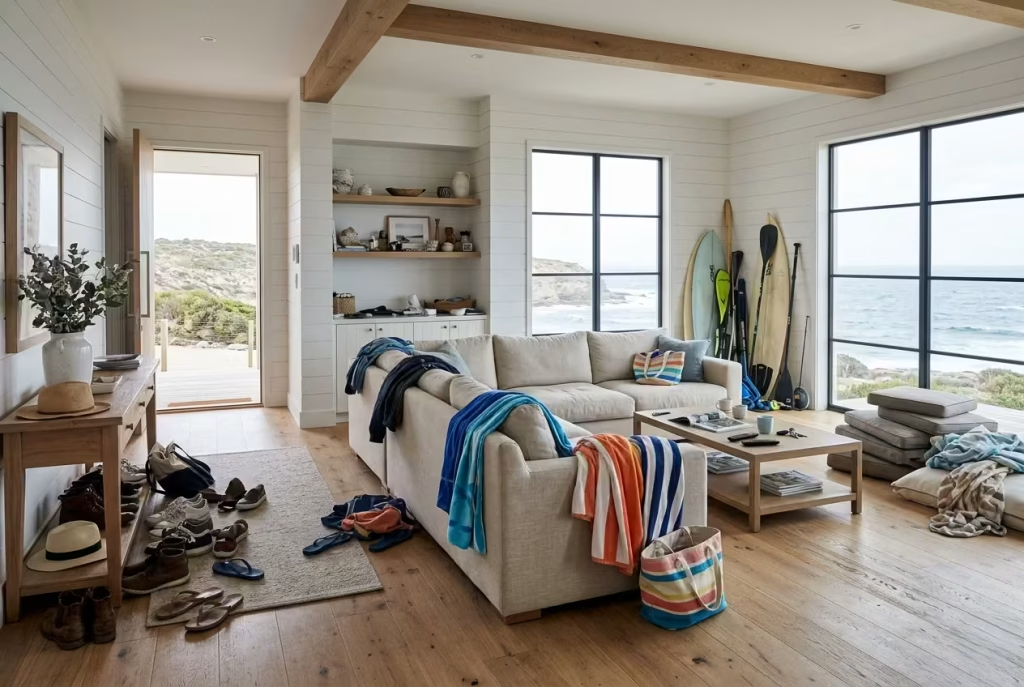
A well-designed coastal home does not exist in isolation. It is shaped continuously by its environment. Wind direction, salt exposure, sunlight intensity, and humidity levels all influence how materials behave and how spaces feel over time.
Ignoring these factors often leads to premature wear and ongoing maintenance challenges. For example, north-facing rooms may feel cooler and require warmer materials to maintain balance. South-facing spaces often receive intense sunlight, which can accelerate fading or create glare if not carefully managed.
Similarly, coastal winds can place unexpected stress on exterior materials, while humidity can affect timber stability and painted finishes. Designing without considering these realities is like setting sail without checking the weather. The journey may begin smoothly, but problems soon emerge.
Successful coastal design embraces climate rather than resisting it, allowing the environment to guide material and layout decisions.
Creating Theme-Based Interiors
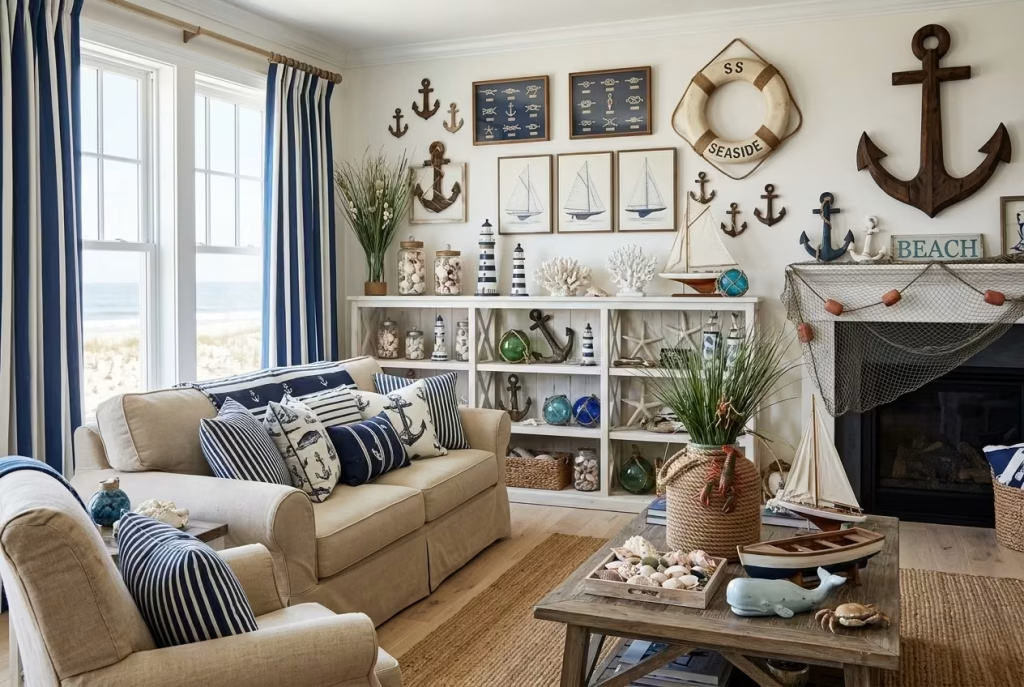
One of the quickest ways to reduce the sophistication of a coastal home is to design it as a theme rather than a lived-in environment. Nautical motifs, shell decorations, anchor patterns, and overly literal references to marine life can quickly make a space feel more like a holiday rental than a permanent residence.
While these elements may appear charming in isolation, their repeated use often creates visual noise rather than cohesion. The most refined coastal interiors avoid literal interpretation altogether. Instead, they draw inspiration from atmosphere, texture, and light.
Rather than saying “beach house,” they quietly suggest it through materials that feel sun-worn, palettes inspired by natural landscapes, and layouts that prioritise openness and ease. In many ways, restraint is what separates a well-designed coastal home from a themed interior. One invites long-term living. The other often feels like a temporary experience.
Underestimating Storage Needs
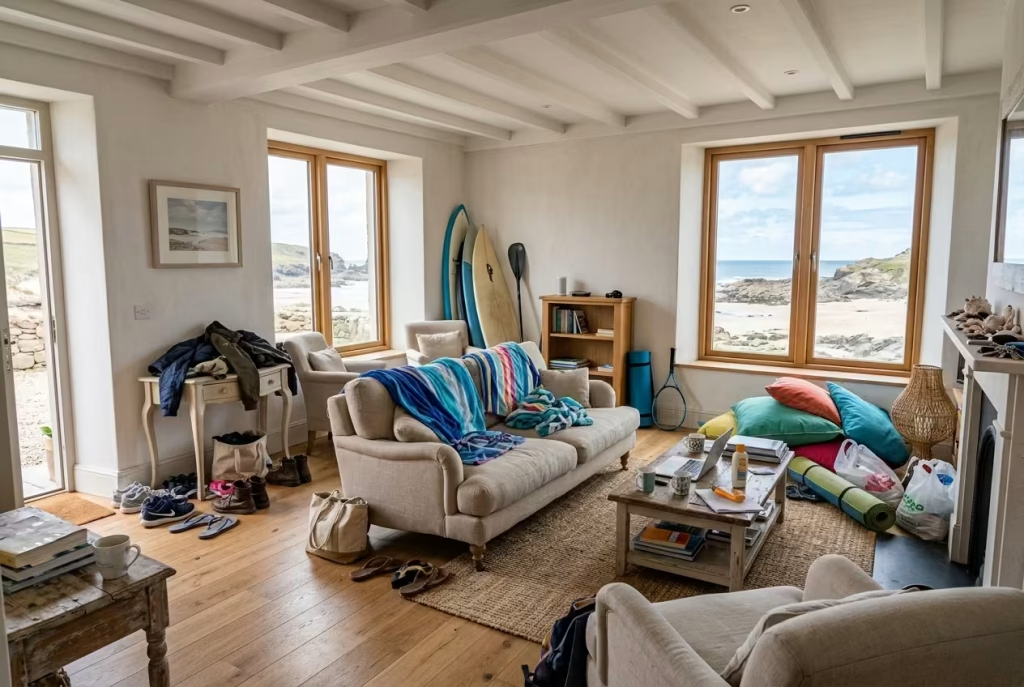
Coastal living may appear relaxed, but daily life still generates clutter, especially in homes that accommodate family activity, guests, outdoor living, and seasonal changes. Without adequate storage, even the most beautifully designed interior can quickly lose its clarity.
Shoes, beach equipment, towels, sports gear, outdoor cushions, and everyday essentials all require considered placement. When storage is overlooked, these items inevitably spill into living spaces, disrupting the calm atmosphere that coastal design seeks to create.
The most effective coastal homes integrate storage seamlessly into the architecture. Built-in cabinetry, hidden utility spaces, bench seating with concealed compartments, and well-planned entry zones all help maintain order without compromising aesthetics.
A well-known design principle applies here: if everything has a place, everything stays in its place. When storage is thoughtfully resolved, the entire home feels more relaxed, more functional, and far more refined.
In the end, coastal design is not defined by decorative excess or obvious symbolism. It is defined by clarity, restraint, and a deep understanding of how people actually live in coastal environments. When mistakes are avoided, what remains is a home that feels natural, effortless, and quietly sophisticated, like the coastline itself, unchanged yet constantly evolving.
How Coastal Homes Evolve Beautifully Over Time
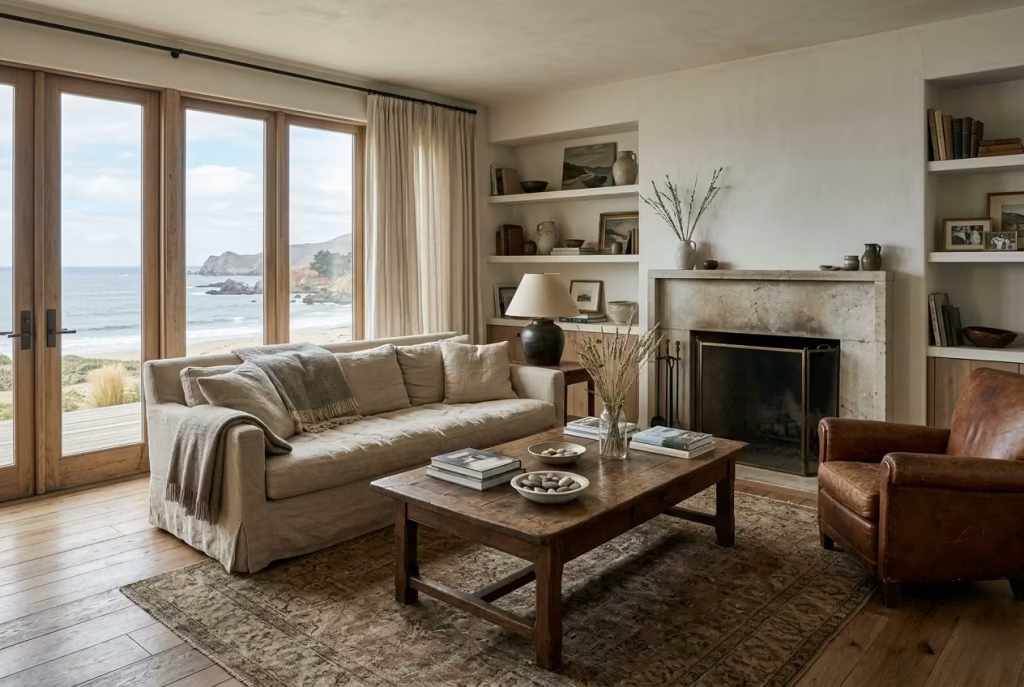
A well-designed coastal home is never truly “finished” in the way a showroom might suggest. Instead, it evolves slowly, almost imperceptibly, shaped by light, weather, daily routines, and the subtle accumulation of lived experience. What begins as a carefully composed interior gradually softens, settles, and deepens in character, like a landscape being gently refined by the tide over years rather than days.
This evolution is what gives coastal homes their quiet strength. They do not rely on perfection at the moment of completion. Instead, they are designed with the understanding that time is not an enemy but an active collaborator. Surfaces change, families grow, routines shift, and seasons leave their mark. The most successful homes embrace this process rather than resist it.
There is a certain poetry in watching materials age in place. Oak flooring that begins to soften at the edges, limestone that develops a lived-in patina, brass fixtures that darken into richer tones, and linen textiles that become increasingly relaxed with use. These changes are not flaws. They are evidence of a home that is being properly lived in, not preserved like an untouched exhibit.
Family life plays a significant role in this transformation. Coastal homes often become the backdrop for long summer gatherings, wet footprints from the beach, sandy towels draped over railings, and spontaneous moments that cannot be planned or styled. Over time, these small imprints of daily living contribute to a sense of authenticity that no new build can replicate on day one.
Seasonal adaptation also shapes the character of these homes. Light shifts dramatically throughout the year in coastal settings, altering how colours are perceived and how spaces feel. Summer brings brightness and openness, while winter introduces softness and introspection. The most thoughtfully designed homes respond to these changes naturally, with flexible textiles, adaptable lighting, and materials that remain visually balanced across seasons.
Maintenance, often overlooked during the design phase, becomes part of the home’s rhythm. Rather than requiring constant correction, well-chosen materials age gracefully with minimal intervention. This allows homeowners to focus less on upkeep and more on enjoyment. In many ways, good design quietly reduces effort over time, rather than adding to it.
Perhaps the most important principle in long-lasting coastal design is the ability to think beyond trends. Styles come and go, often with surprising speed, yet homes that are grounded in proportion, material honesty, and spatial clarity remain relevant for decades. When a space is built on these foundations, it does not feel outdated as fashions shift. Instead, it continues to feel settled, familiar, and deeply connected to its environment.
In the end, the beauty of a coastal home lies not only in how it is designed, but in how it is allowed to grow. Like a shoreline that never looks the same twice yet always feels familiar, these homes develop character through time, becoming richer, calmer, and more meaningful with every passing year.
Conclusion: The Most Beautiful Coastal Homes Feel Connected to Their Environment
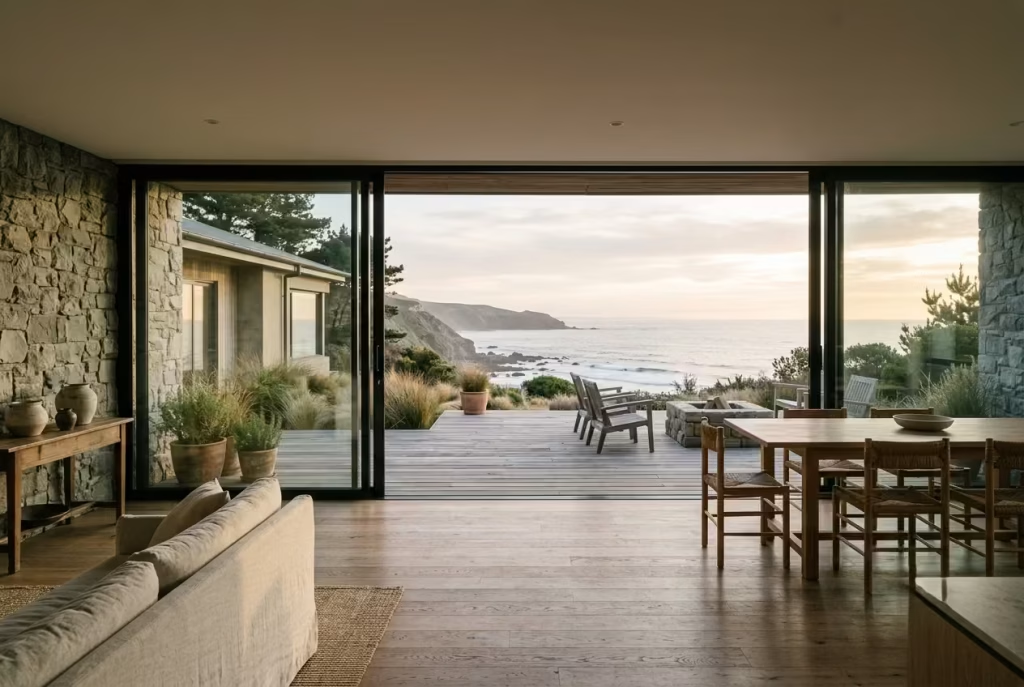
At its core, coastal design is less about style and more about atmosphere. The most successful homes are not defined by decorative references or predictable palettes, but by how they feel to live in from one moment to the next. There is a certain ease in the way spaces flow, how light moves across surfaces, and how the home responds to its surroundings without ever feeling forced or over-composed.
Across every room, from kitchens to bedrooms and outdoor terraces, one principle remains consistent. Materials are not chosen simply to look impressive on installation day, but to support daily living over many years. Oak that softens with time, stone that develops quiet character, and textiles that become more relaxed with use all contribute to a home that feels increasingly natural rather than newly constructed. In well-considered coastal interiors, time is not something to fight against, but something that adds depth.
Equally important is the relationship between indoor and outdoor spaces. The strongest coastal homes behave almost like a single continuous environment, where thresholds blur and movement feels intuitive. A dining area opening onto a terrace, a living room extending toward a view, or a bedroom connected to shifting daylight outside all contribute to a sense of openness that goes beyond physical square footage.
Light, more than any material or layout decision, remains the defining element. It reveals texture, shapes mood, and continuously transforms how a space is experienced throughout the day. When handled with care, natural light becomes a quiet design tool that brings rhythm and life into every corner of the home.
Ultimately, the intention is not to recreate the beach literally within the home. Instead, it is to capture the feeling of living beside it. That sense of calm, openness, and effortless connection to nature is what gives coastal homes their lasting appeal. When design supports this feeling rather than competing with it, the result is a home that feels grounded, timeless, and deeply in tune with its environment.
Frequently Asked Questions About Coastal Home Design
What makes a coastal home feel authentic rather than themed?
Authenticity in coastal design comes from restraint and material honesty rather than decorative symbolism. Homes feel more genuine when they avoid literal motifs such as anchors, shells, or overly nautical patterns, and instead focus on natural materials, soft tonal variation, and light-driven spaces. A home that feels naturally connected to its surroundings will always read as more timeless than one built around a visual theme.
Which materials work best for long-term coastal living?
Materials that age gracefully and withstand environmental exposure perform best in coastal settings. Oak, natural stone, travertine, limewash finishes, bronze, aged brass, and performance fabrics are commonly used because they improve or soften over time rather than deteriorate visually. In outdoor areas, teak, powder-coated aluminium, and marine-grade metals tend to offer strong longevity in salt-air conditions.
How important is natural light in coastal interiors?
Natural light is one of the most defining elements of coastal design. It influences colour perception, enhances texture, and creates the sense of openness associated with coastal living. Rooms designed with generous glazing, light-reflective surfaces, and carefully controlled shading feel more spacious and dynamic throughout the day. Without good light management, even well-designed interiors can feel flat or closed in.
Should coastal interiors always use a blue colour palette?
Not necessarily. While blue is often associated with coastal design, overusing it can make interiors feel overly themed or predictable. More refined coastal homes rely on a broader palette of soft whites, sand tones, warm greiges, muted greens, and weathered neutrals. Blue is most effective when used as an accent rather than a dominant base colour.
How do indoor and outdoor spaces work together in coastal homes?
The strongest coastal homes treat indoor and outdoor areas as connected living environments rather than separate zones. This is achieved through large glazing systems, sliding or folding doors, consistent flooring transitions, and complementary material palettes. When designed well, a terrace, garden, or deck feels like a natural extension of the interior rather than an isolated space.
What is the most common mistake in coastal home design?
One of the most common mistakes is prioritising style over durability. Coastal environments are demanding, with salt air, humidity, and strong sunlight affecting materials over time. Choosing finishes based solely on appearance often leads to premature wear. A more successful approach balances aesthetics with long-term performance and maintenance requirements.
How can a coastal home feel luxurious without being overly expensive?
Luxury in coastal design is less about cost and more about coherence. A restrained material palette, well-considered lighting, comfortable proportions, and attention to detail often create a more refined result than expensive but inconsistent finishes. Spaces that feel calm, balanced, and functional tend to read as more luxurious than those that are visually overloaded.
How does coastal design evolve over time?
Coastal homes naturally develop character as materials age and daily life leaves subtle marks. Timber softens, stone gains patina, and textiles become more relaxed. This gradual evolution is part of what makes coastal interiors so appealing. Rather than fighting change, well-designed homes allow it to enhance atmosphere and deepen authenticity over time.