



Coastal Garden Design: Creating Landscapes That Withstand Exposure and Age Gracefully
Every coastal garden design project must begin with environmental analysis. In my experience, overlooking this stage is the single most common reason coastal landscapes underperform, both visually and practically. Coastal conditions are not occasional influences. They are constant pressures that shape materials, planting, and how the garden is actually used.
A successful coastal garden is not designed for a location. It is designed from it.
Salt-Laden Air
Salt carried on prevailing winds is one of the most aggressive environmental factors in coastal settings. It accelerates corrosion, degrades finishes, and places continuous stress on plant tissue. Importantly, this exposure is not limited to beachfront properties. I have worked on sites several kilometres inland where salt damage was still a defining constraint.
Untreated steel fixtures can fail within two seasons. Inappropriate shrubs often thin, scorch, or collapse altogether after initial establishment. For this reason, I always specify materials and planting on the assumption of constant exposure, not occasional contact. If a finish or species only performs well in ideal conditions, it does not belong in a coastal garden.
Wind Patterns and Microclimates
Wind behaviour in coastal gardens is rarely uniform. It accelerates around corners, funnels between buildings, and lifts aggressively over solid barriers before dropping unpredictably on the leeward side. These patterns are often invisible on plan but immediately apparent on site.
Before finalising layouts, I observe wind direction at different times of day and in varying weather conditions. This informs the placement of seating, circulation routes, and shelter planting. In almost every coastal garden, sheltered microclimates already exist. The role of good design is to identify and strengthen these areas rather than override them with rigid geometry or overbuilt screening.
Soil Conditions
Most coastal gardens sit on sandy or sandy-loam soils. While these drain freely, they hold little nutrient and moisture, which directly affects plant establishment. Long-term survival is rarely the issue. The challenge lies in the first 18 to 24 months.
As a baseline, I typically allow for:
- 150 to 200 mm of soil improvement across planting beds
- Organic matter blended with mineral soil rather than pure compost, which drains too quickly and collapses structurally over time
This approach improves root development, moisture retention, and resilience without compromising drainage.
Light and Reflected Heat
Coastal light is often intense and unfiltered. Pale paving, rendered walls, and water features amplify glare and increase heat stress, particularly in south- and west-facing gardens. This has a direct impact on plant performance and on how comfortable the garden feels in daily use.
Plant selection, seating placement, and surface finishes must be considered together. I often adjust seating orientation or introduce subtle overhead or lateral shade rather than relying solely on planting to resolve heat and glare issues. These decisions significantly affect how usable the garden remains throughout the day.
Spatial Planning for Coastal Gardens
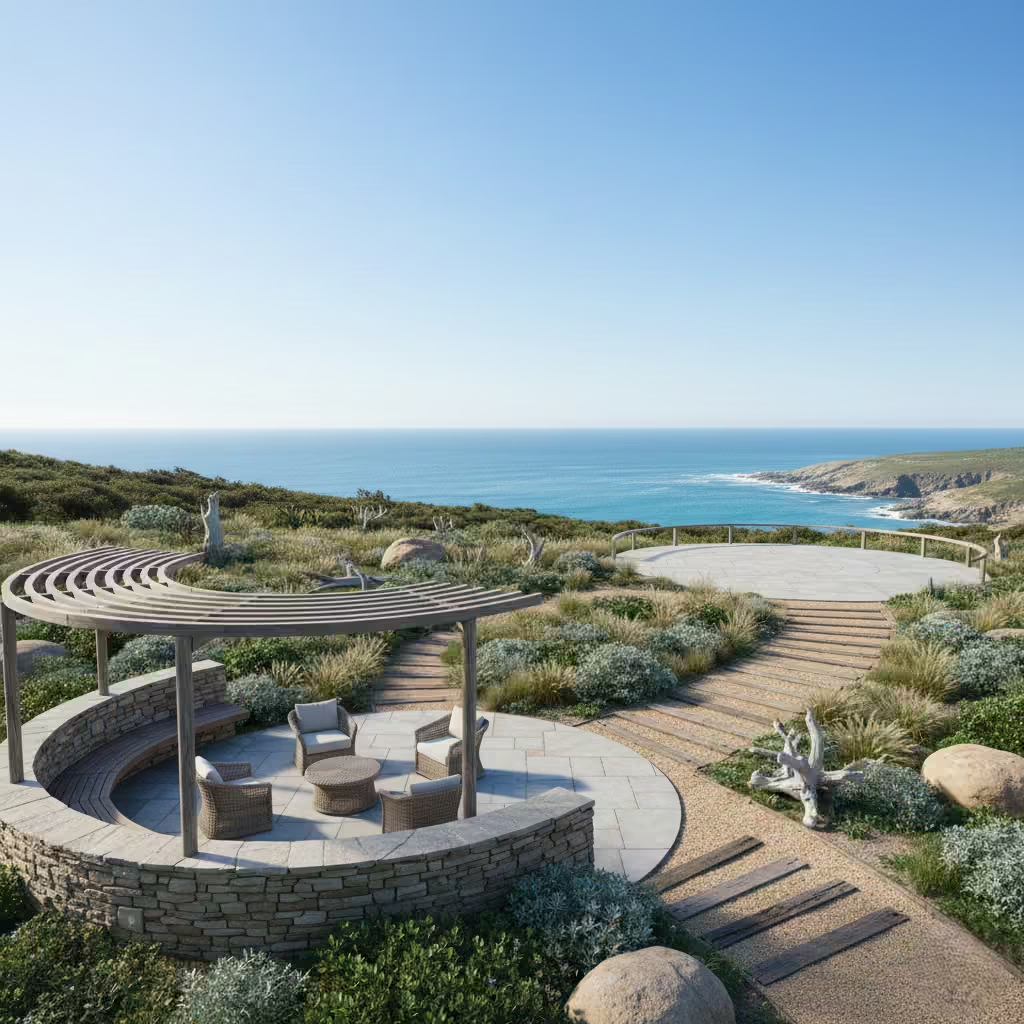
Coastal gardens demand a high level of spatial discipline. Excessive openness quickly becomes uncomfortable in exposed conditions, while over-enclosure compromises light, views, and the sense of connection to landscape. The role of spatial planning is to mediate between these extremes, creating gardens that feel protected without feeling closed.
In practice, successful coastal layouts rely less on decoration and more on proportion, alignment, and subtle shifts in enclosure.
Zoning the Garden
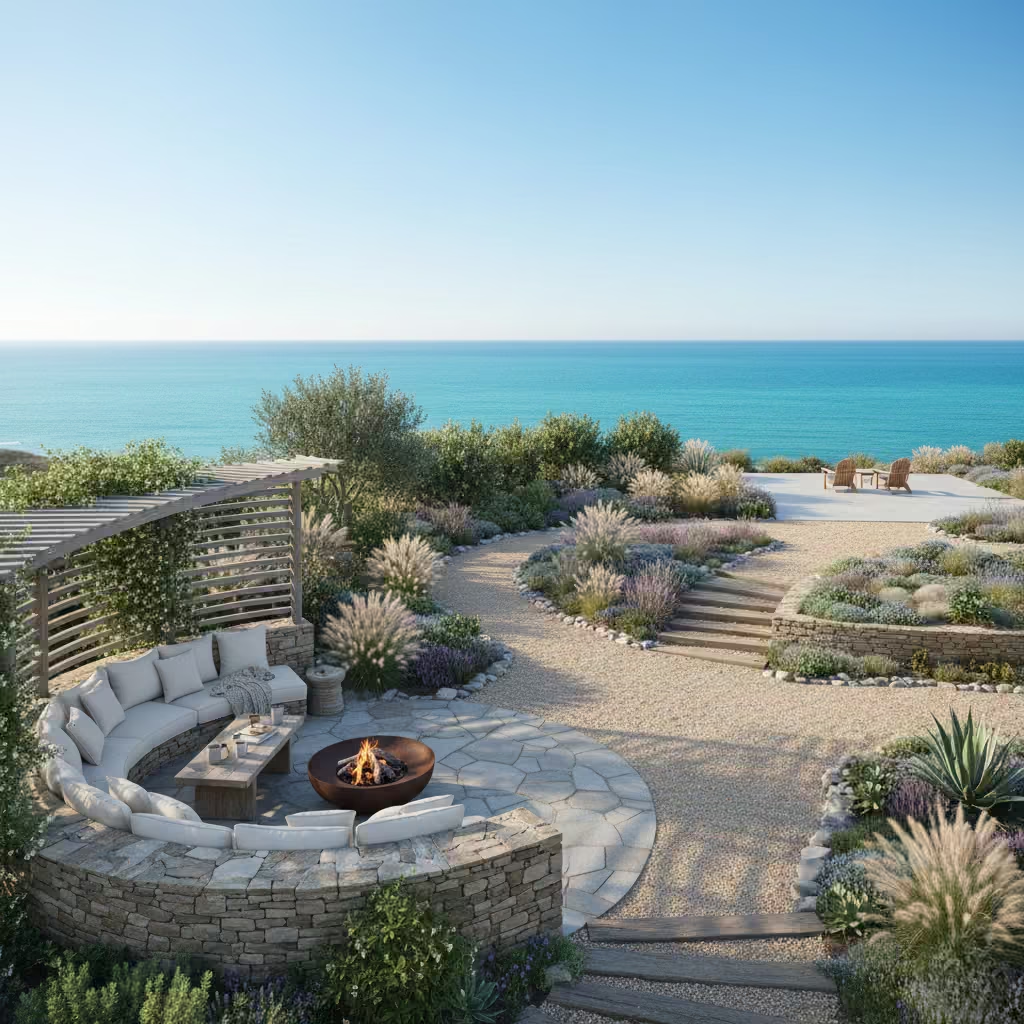
I typically divide coastal gardens into three functional zones, each responding differently to exposure and use:
- Sheltered living areas, positioned where wind impact is lowest and daily use is most likely
- Transitional planted spaces, which soften the shift between protection and openness
- Open landscape or view-facing edges, where the garden meets its wider context
This layered structure allows the garden to unfold gradually rather than presenting a single, exposed plane. Movement through the space feels deliberate, and visual interest is maintained without abrupt stops or excessive screening.
Pathways and Circulation
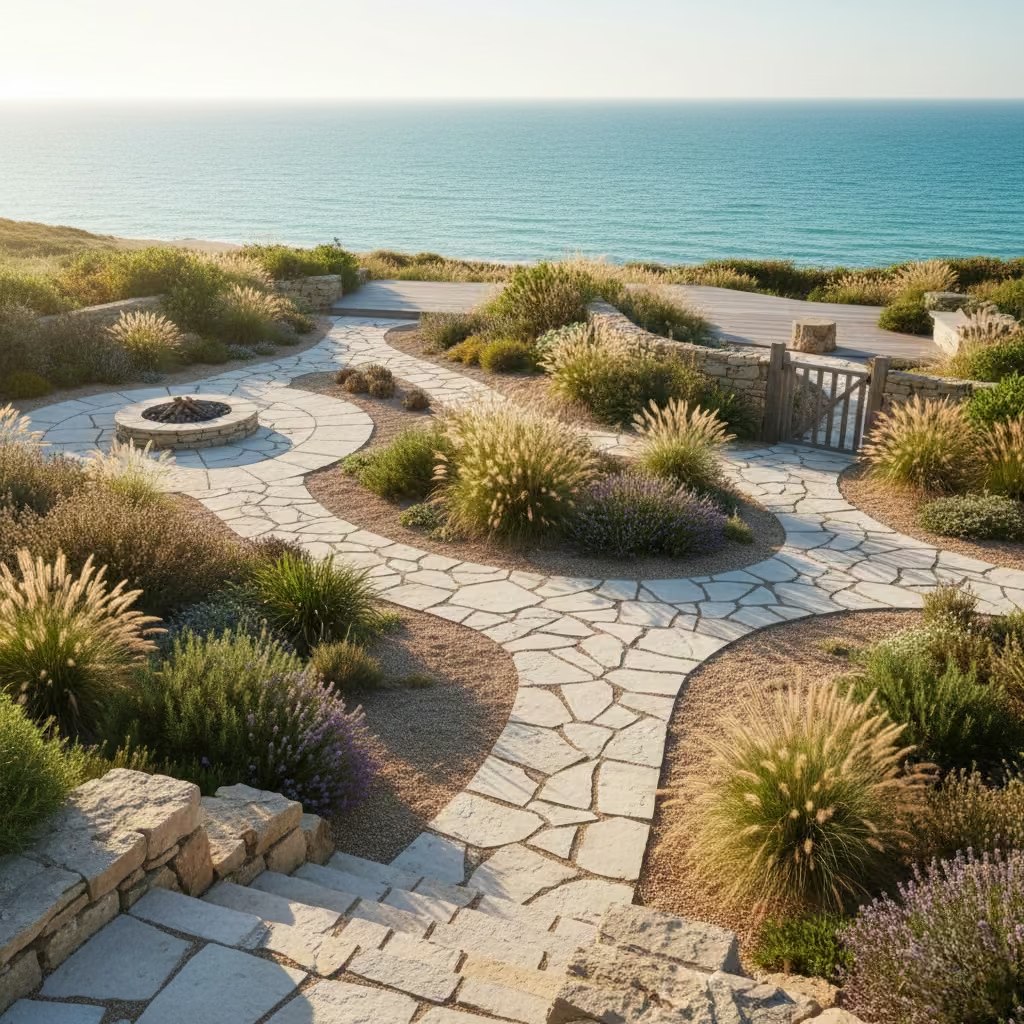
Circulation routes in coastal gardens must be comfortable in less-than-ideal weather. Narrow paths exaggerate wind exposure and make everyday movement feel rushed or awkward.
As a rule, I work to the following minimum widths:
- 900 mm for secondary routes
- 1,100 to 1,200 mm for main circulation paths
These dimensions allow two people to pass comfortably and reduce the tunnel effect that occurs in tighter spaces. Path alignment is equally important. Gentle shifts in direction often perform better than rigid axial routes, particularly where wind acceleration is an issue.
Seating Layouts
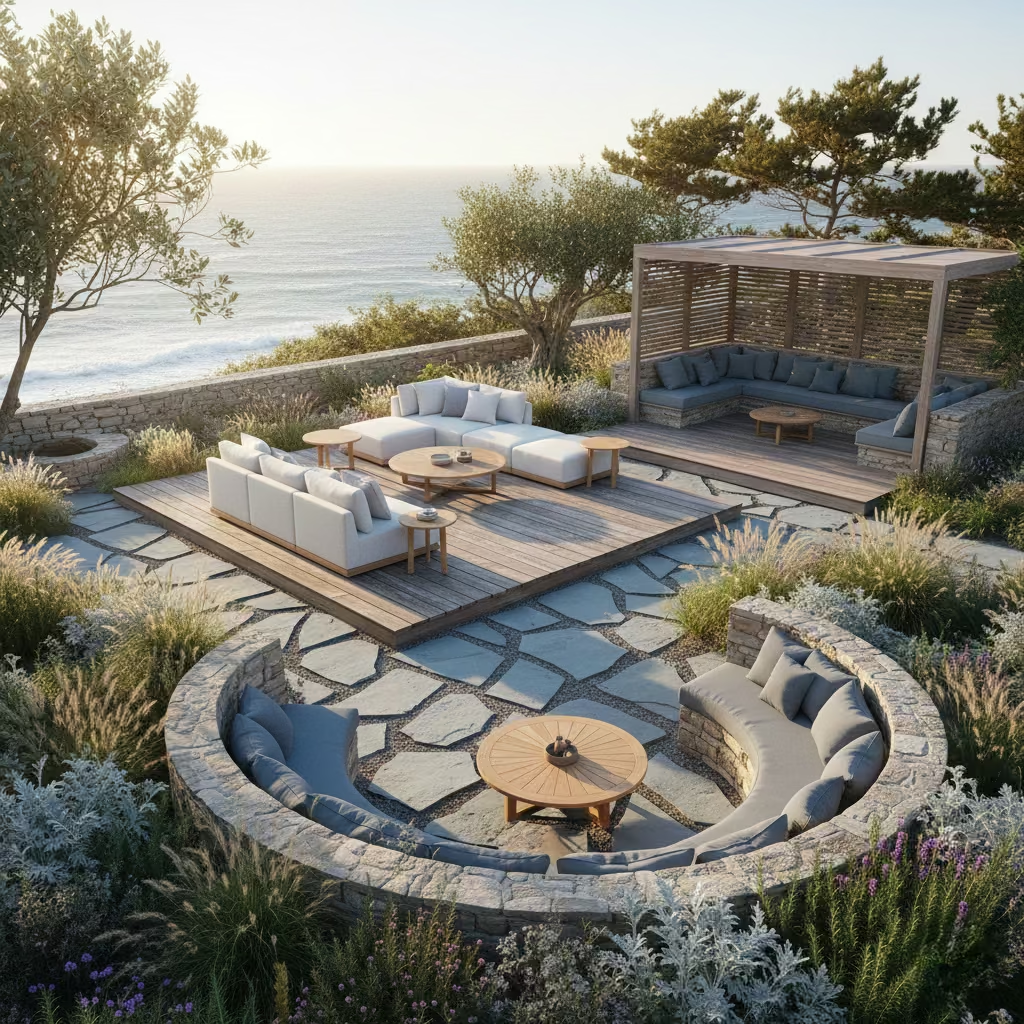
Seating areas are the true test of a coastal garden’s success. If these spaces are not comfortable, the garden will remain largely unused.
For primary seating zones, I allow for:
- A minimum of 2,400 x 2,400 mm for flexible furniture arrangements
- At least 3,000 mm depth where built-in seating or fixed elements are introduced
Orientation matters as much as size. I rarely align seating directly with dominant wind directions. A modest adjustment of 15 to 20 degrees can significantly improve comfort by disrupting airflow without the need for heavy screening. These small shifts often make the difference between a space that is tolerated and one that is genuinely enjoyed.
Hard Landscaping Materials That Withstand Coastal Exposure
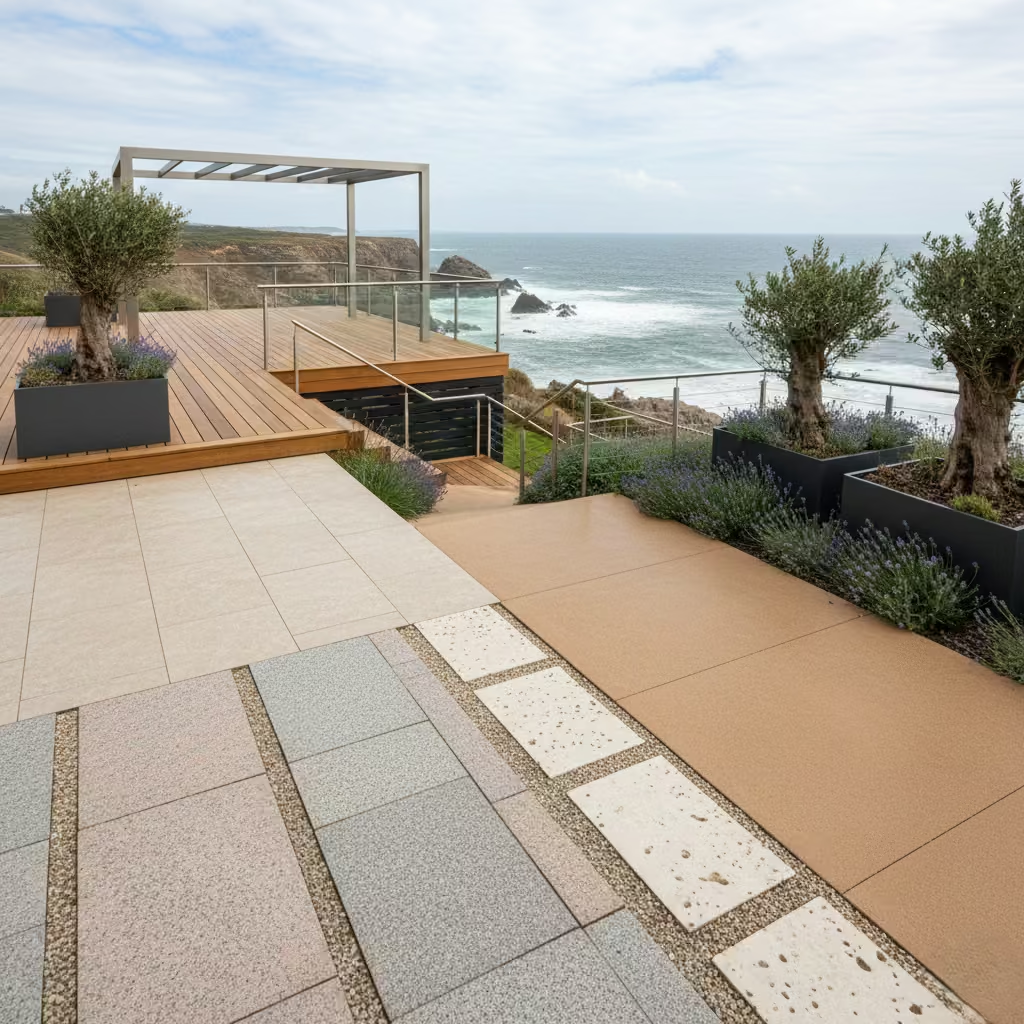
Material honesty is non-negotiable in coastal gardens. Salt, moisture, wind abrasion, and ultraviolet exposure quickly expose poor specification and shortcuts in detailing. In my experience, materials that perform well inland often fail prematurely when placed near the coast, even when visually appropriate at installation.
In coastal environments, durability must be prioritised over initial appearance. A material that ages gracefully will always outperform one that deteriorates quickly, regardless of how refined it appears on day one.
You May also Like: 25 Farmhouse Garden Ideas That Feel Timeless, Practical, and Full of Charm
Natural Stone
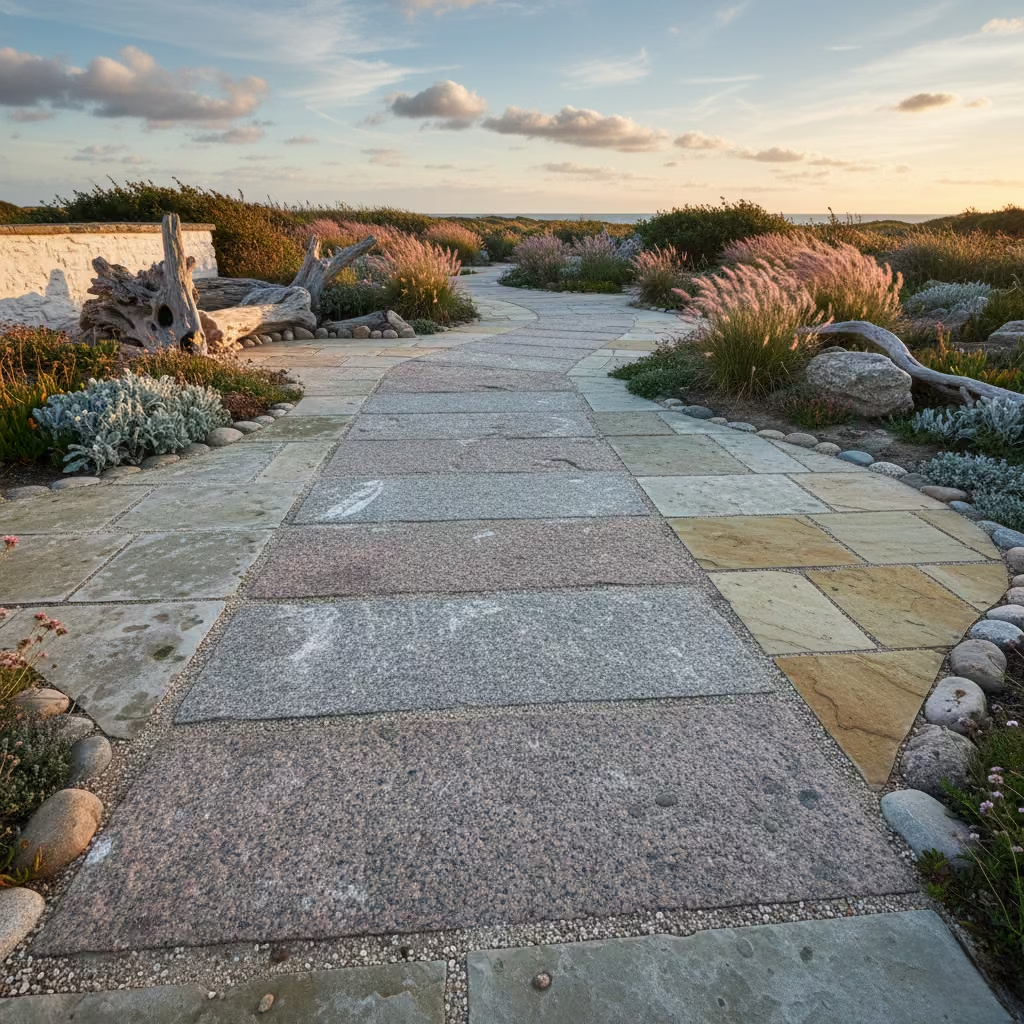
Natural stone remains one of the most reliable hard landscaping materials for coastal gardens, provided it is specified correctly.
- Granite performs exceptionally well in exposed locations. Its density resists salt penetration, moisture absorption, and surface erosion. It maintains structural integrity under freeze-thaw cycles and performs reliably under heavy foot traffic. Granite’s appearance changes very little over time, which suits restrained, long-term design schemes.
- Limestone can be used successfully if it is dense and properly sealed. However, it will patinate more quickly in coastal conditions, particularly in areas exposed to wind-driven rain. I often recommend limestone only in partially sheltered zones or where clients are comfortable with visible ageing.
- Sandstone requires careful selection. Harder sandstones can perform acceptably, but softer varieties deteriorate rapidly near the coast, particularly along edges and joints. Surface delamination and accelerated erosion are common failure points.
For exposed coastal paving, I typically specify stone thicknesses of 30 to 40 mm. Thinner stone increases the risk of movement, cracking, and edge failure, particularly where wind-driven moisture infiltrates bedding layers.
Joint detailing is equally important. Narrow joints that restrict drainage often lead to premature failure beneath the surface, even when the stone itself remains intact.
Porcelain and Concrete
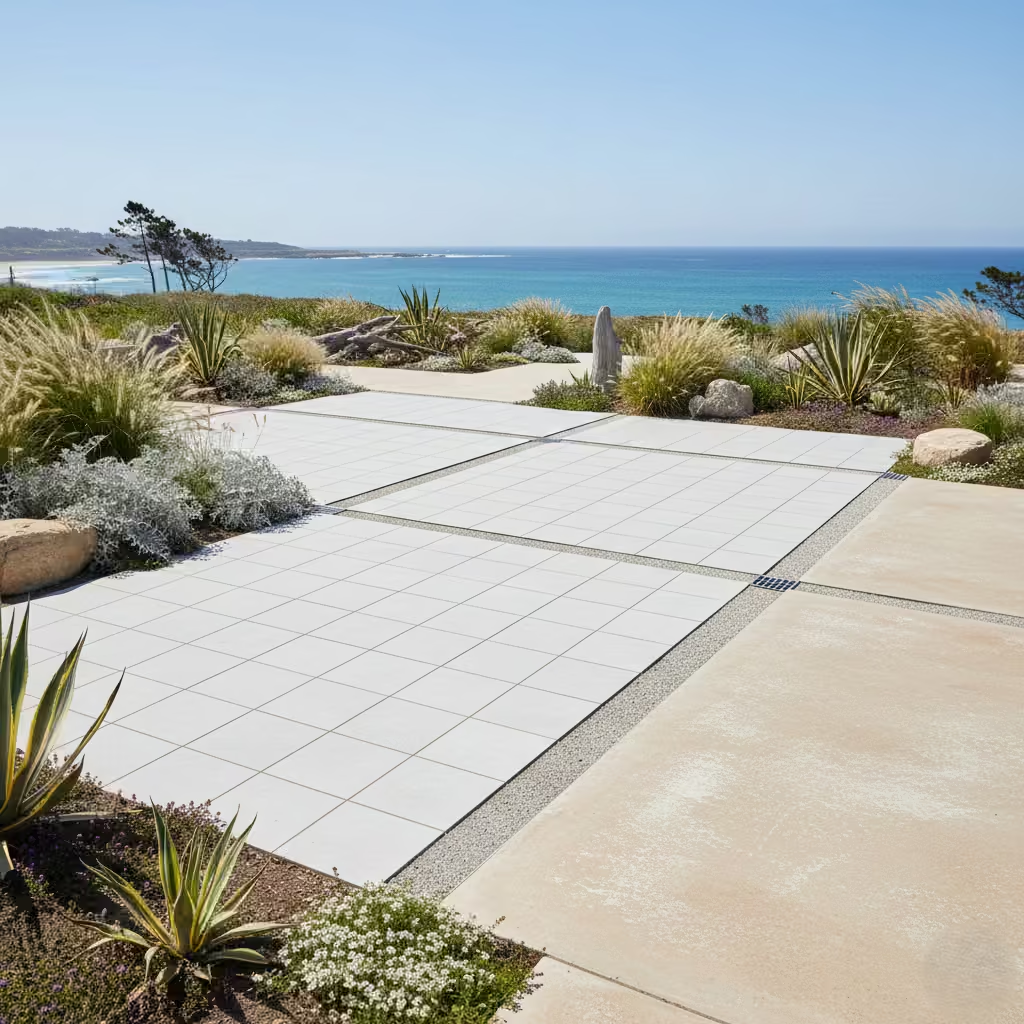
Porcelain paving can perform reliably in coastal gardens when correctly specified and installed.
Key considerations include:
- Appropriate slip resistance for wet and salt-affected conditions
- Full-bed adhesive installation rather than spot-bonding
- Joint widths and drainage detailing that allow water to escape rather than pool
Porcelain’s low porosity makes it resistant to salt ingress, but it is unforgiving of poor installation. In coastal settings, I only specify porcelain where the sub-base and drainage strategy are robust and proven.
Concrete works best when pigmented through-body rather than surface-coloured. Surface-applied finishes fade unevenly under ultraviolet exposure and salt abrasion, leading to patchy, tired-looking surfaces. In contrast, integrally coloured concrete weathers more evenly and retains visual consistency over time.
Textured finishes are preferable to polished ones, both for slip resistance and to reduce glare in high-light environments.
Timber in Coastal Gardens
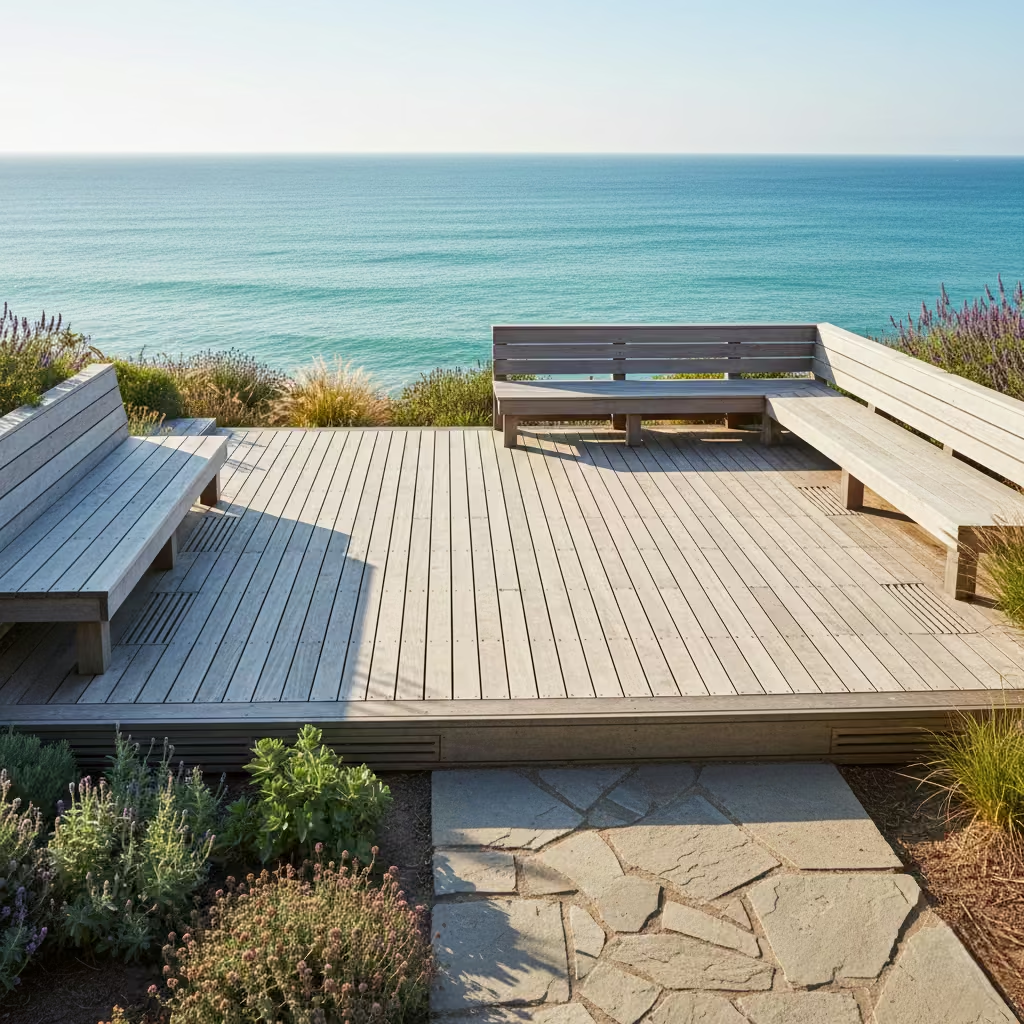
Timber can be used successfully in coastal gardens, but only when the correct species and detailing are employed. Exposure accelerates moisture movement, UV degradation, and biological decay.
My preferred timber options include:
- Accoya, which offers exceptional dimensional stability and resistance to rot
- Iroko, which performs well when properly detailed and allowed to weather naturally
- Thermally modified ash or pine, which offers improved stability compared to untreated softwoods
I generally specify minimum board thicknesses of 25 mm, with 6 to 8 mm spacing between boards to accommodate movement and drainage. Concealed fixings must be marine-grade, and ventilation beneath decking is essential to prevent moisture build-up.
Untreated softwoods rarely last beyond five years in exposed coastal gardens. Even pressure-treated variants often fail prematurely when drainage and airflow are insufficient.
Metal Elements
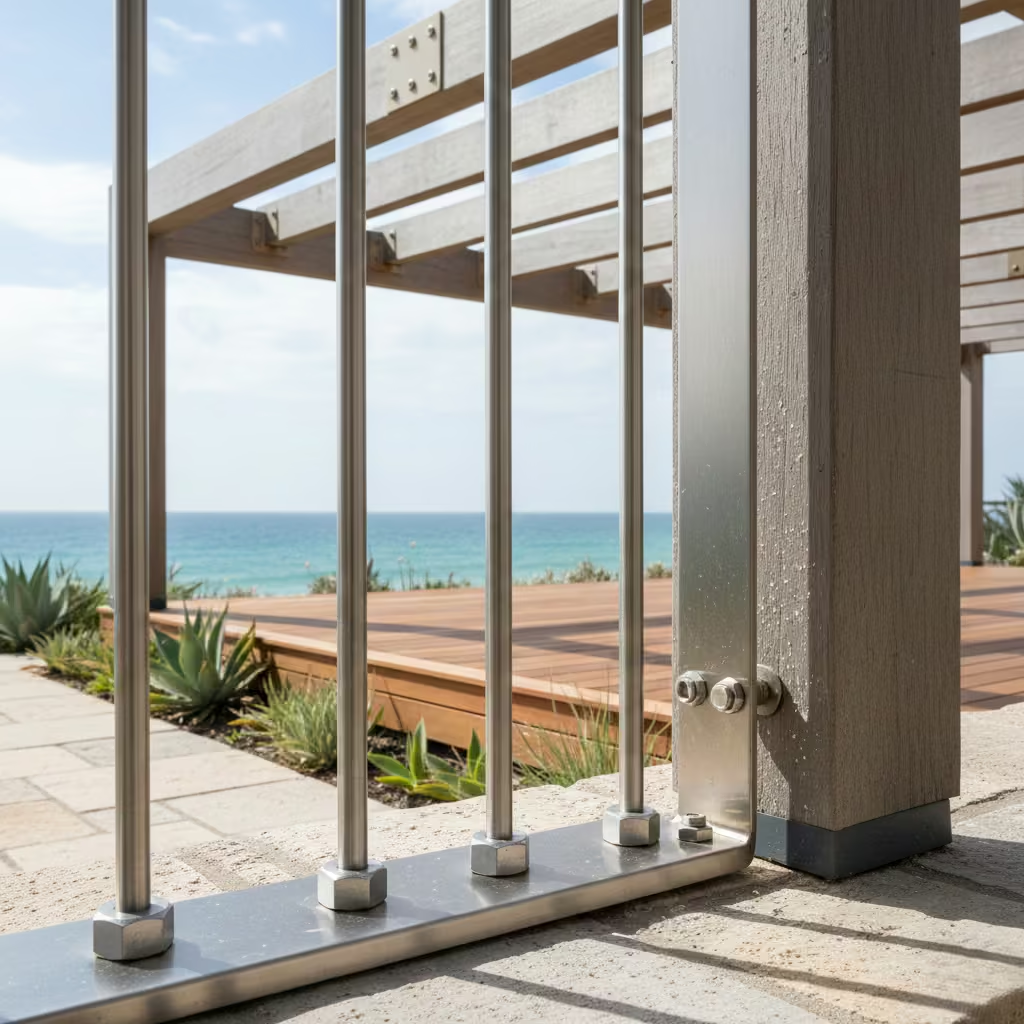
Metal requires particularly careful consideration in coastal environments. Salt accelerates corrosion, especially at joints and fixings.
I generally avoid mild steel entirely, even when galvanised or powder-coated. Once coatings fail, deterioration is rapid and difficult to arrest.
Aluminium and marine-grade stainless steel perform significantly better, particularly when used for:
- Pergolas and shade structures
- Handrails and balustrades
- Planters and integrated detailing
Fixings are as important as the metal itself. I always specify corrosion-resistant fasteners and isolate dissimilar metals to prevent galvanic corrosion. Poorly detailed fixings are often the first point of failure, even when the primary structure remains sound.
You May also Like: Outdoor Chair Ideas: A Design-Led Guide to Comfort, Style, and Long-Term Use
Coastal Garden Planting Strategy
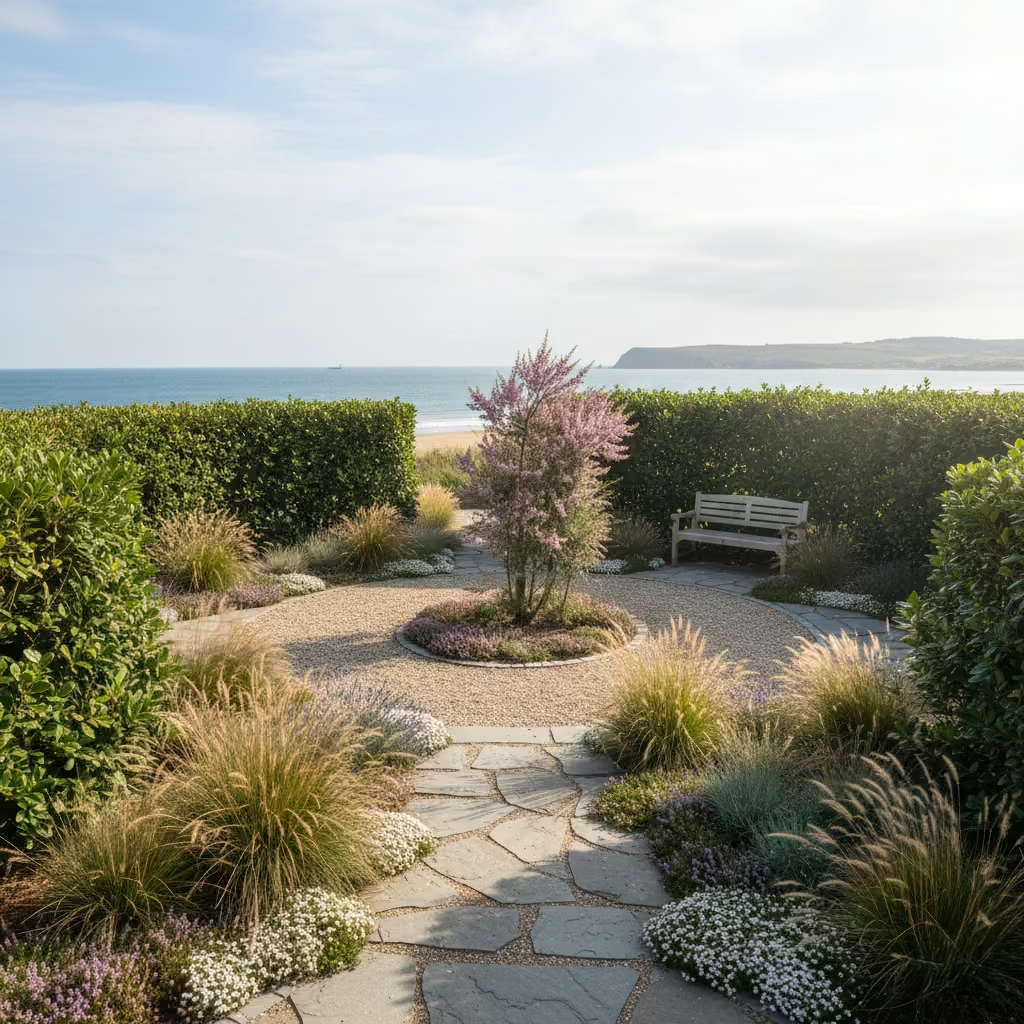
Planting in coastal gardens must prioritise structure before softness. In exposed environments, ornamental planting without a strong framework rarely succeeds. The role of planting is not only aesthetic. It moderates wind, stabilises soil, and creates usable microclimates that allow the garden to function throughout the year.
When planting is approached in layers, coastal gardens gain resilience, visual calm, and longevity.
Structural Planting
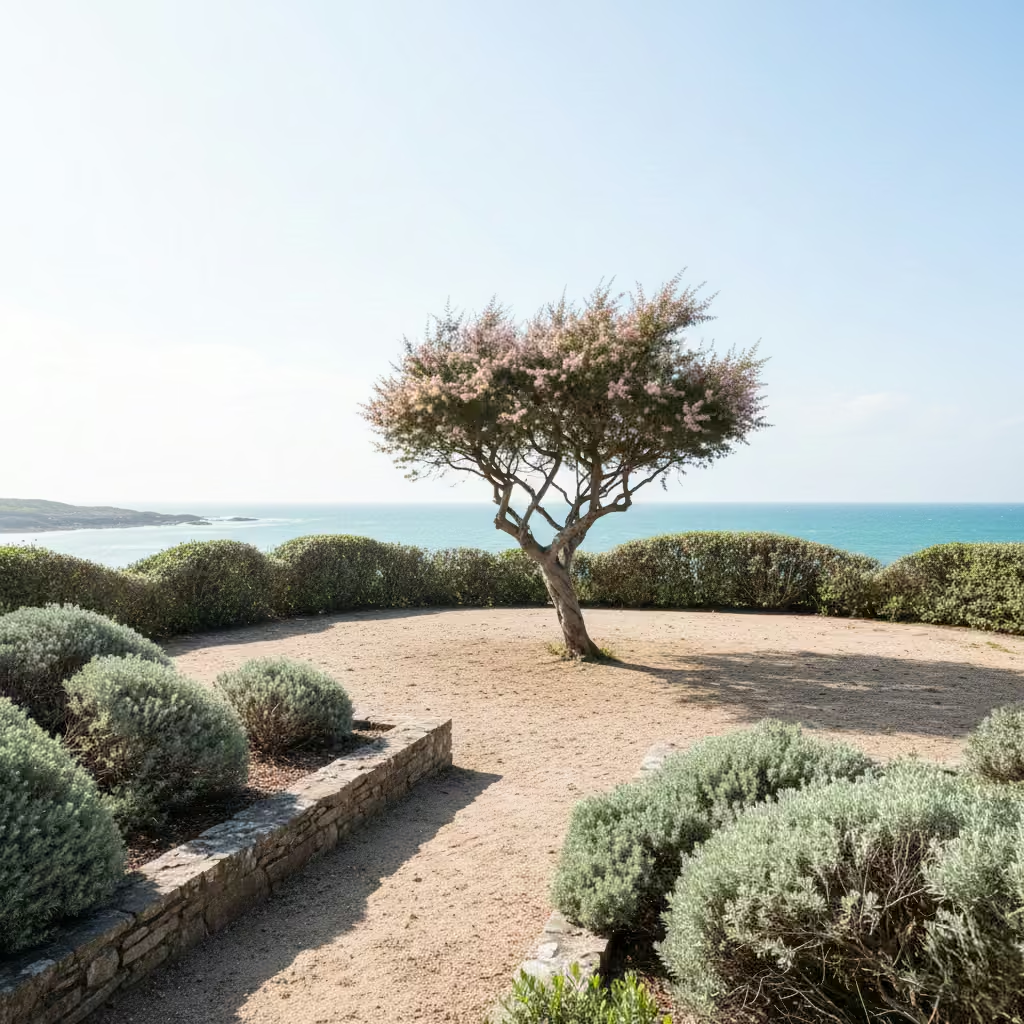
Structural planting forms the backbone of the coastal garden. These plants establish shelter, define boundaries, and anchor the composition visually.
Species I specify regularly include:
- Griselinia, valued for its tolerance of salt-laden air and wind exposure
- Elaeagnus, which performs reliably in poor soils and provides year-round structure
- Pittosporum, particularly in partially sheltered coastal sites
- Tamarisk, in suitable climates where space allows for its open, architectural form
Spacing is critical. In coastal gardens, overcrowding often causes more problems than exposure itself. Plants that are packed too tightly restrict airflow, trap moisture, and become susceptible to disease and dieback.
As a general rule, I space structural shrubs slightly wider than inland recommendations, allowing them to establish strong root systems and adapt naturally to wind movement.
Grasses and Movement
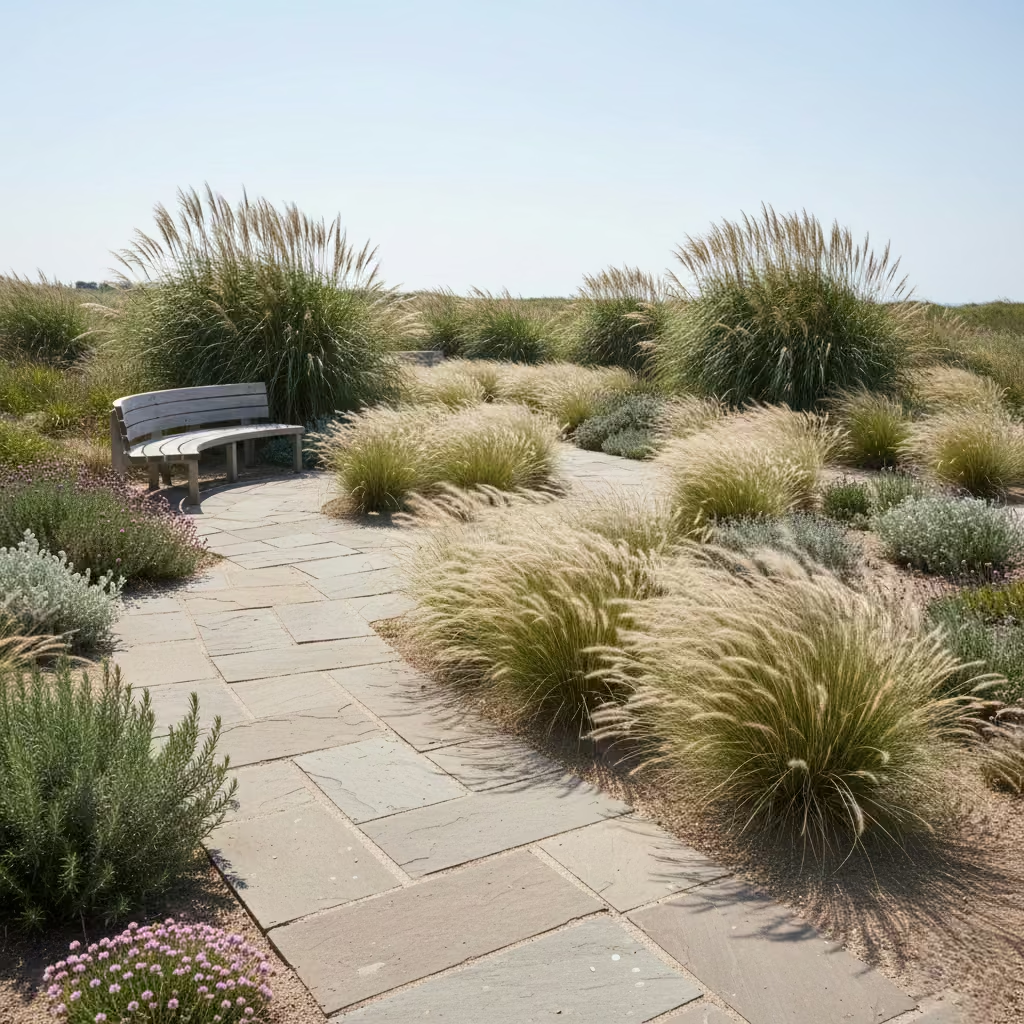
Grasses perform exceptionally well in coastal conditions and are one of the most effective ways to soften hard landscaping without introducing fragility. Their flexibility allows them to move with wind rather than resist it, reducing stress and breakage.
Commonly specified species include:
- Miscanthus for height and seasonal structure
- Stipa for lightness and movement
- Pennisetum for texture and softness near seating and paths
Spacing typically falls between 600 and 800 mm, depending on mature size and exposure. In more wind-exposed gardens, slightly wider spacing allows grasses to develop stronger clumps and reduces lodging.
Grasses also help visually transition between planted areas and hard surfaces, preventing gardens from feeling over-engineered.
You May also Like: 25 Ranch Garden Ideas Where Authentic Western Charm Comes to Life
Ground Cover and Soil Protection

Ground cover plays a practical role in coastal gardens. It reduces soil erosion, limits moisture loss, and suppresses weed growth while visually tying planting beds into paving and walls.
Species I rely on include:
- Erigeron, which self-seeds gently and softens edges
- Thymus, particularly in drier, sun-exposed areas
- Low-growing sedums, which tolerate poor soils and reflected heat
These plants also protect soil during heavy rain and wind events, which are common in coastal climates. Their low profile reduces wind resistance while still providing seasonal interest.
Establishment Reality

One of the most important conversations I have with clients is about patience. Coastal planting almost always looks sparse in its first year. This is not failure. It is normal.
In my experience, meaningful structure emerges in year two, with true maturity arriving around year three. During this period, plants are investing in root development rather than visible growth. When allowed to establish properly, coastal planting becomes increasingly resilient and requires less intervention over time.
Rushing this process through overplanting or excessive feeding often leads to weaker, short-lived results.
You May also Like:
Creating Shelter Without Losing Openness
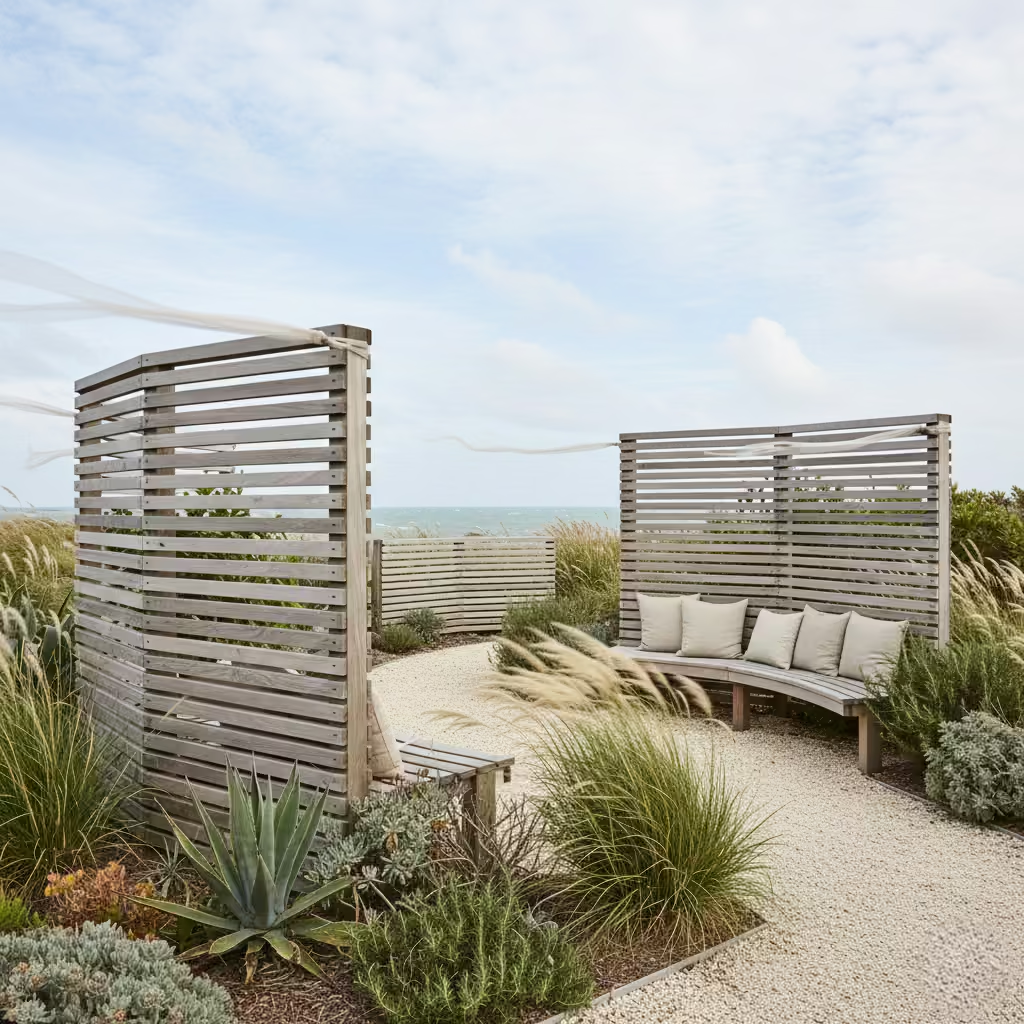
Shelter is the most frequently misunderstood element of coastal garden design. The instinct to block wind completely is understandable, but it is often counterproductive. In exposed locations, poorly designed shelter can intensify wind turbulence, reduce usable space, and visually disconnect the garden from its setting.
Effective coastal shelter filters wind rather than stopping it. The goal is comfort, not enclosure.
Living Windbreaks
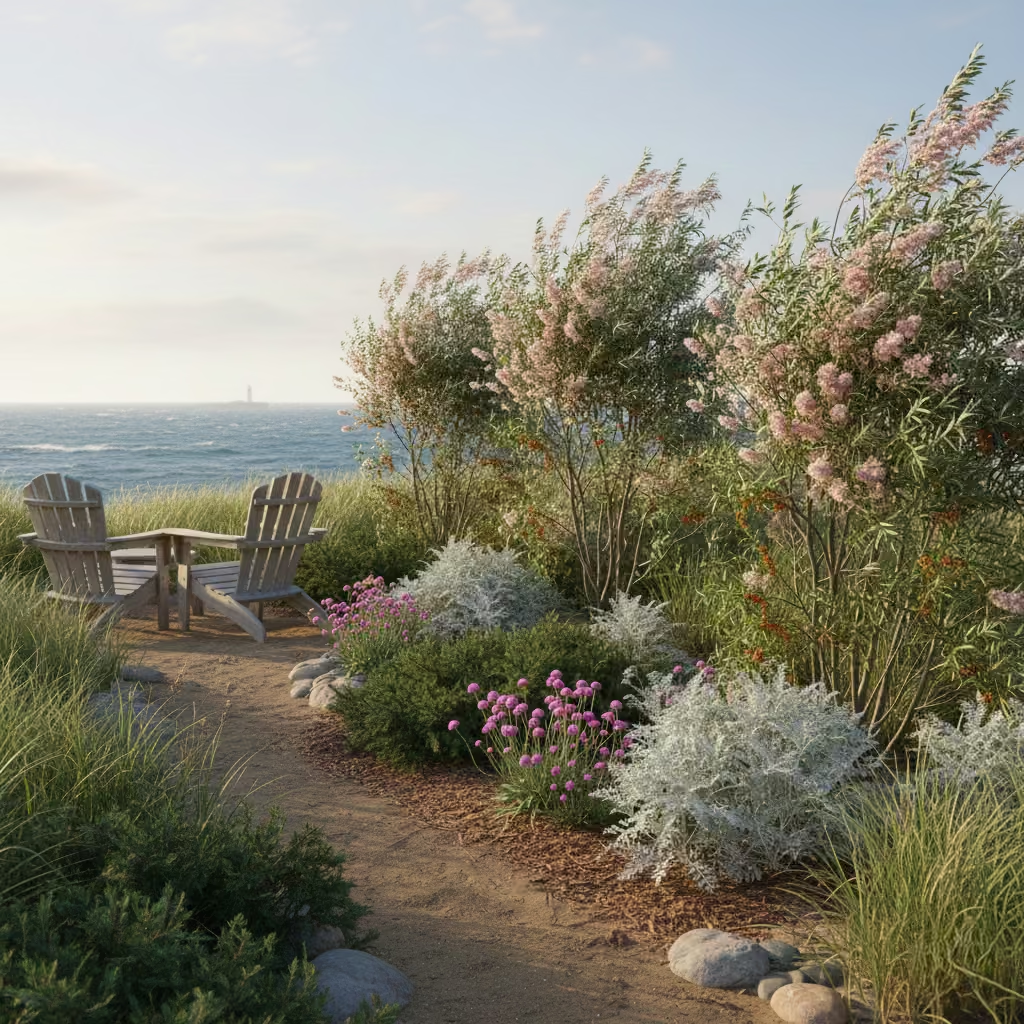
Plant-based shelter is the most effective long-term solution in coastal gardens. Unlike solid barriers, planting dissipates wind energy gradually, reducing velocity without creating damaging pressure zones.
In practice, the most effective living windbreaks allow 30 to 40 percent permeability. This level of openness slows airflow while preventing the downdraught and turbulence commonly created by solid screens.
I often specify shelter planting in two staggered rows rather than a single dense line. This approach:
- Improves wind filtration across a broader area
- Encourages healthier plant growth through better airflow
- Avoids the visual heaviness of a solid hedge
Plant heights should be scaled to the spaces they protect. Overly tall planting close to seating areas often creates uncomfortable eddies rather than meaningful shelter. Gradual height transitions perform far better than abrupt changes.
Built Screens
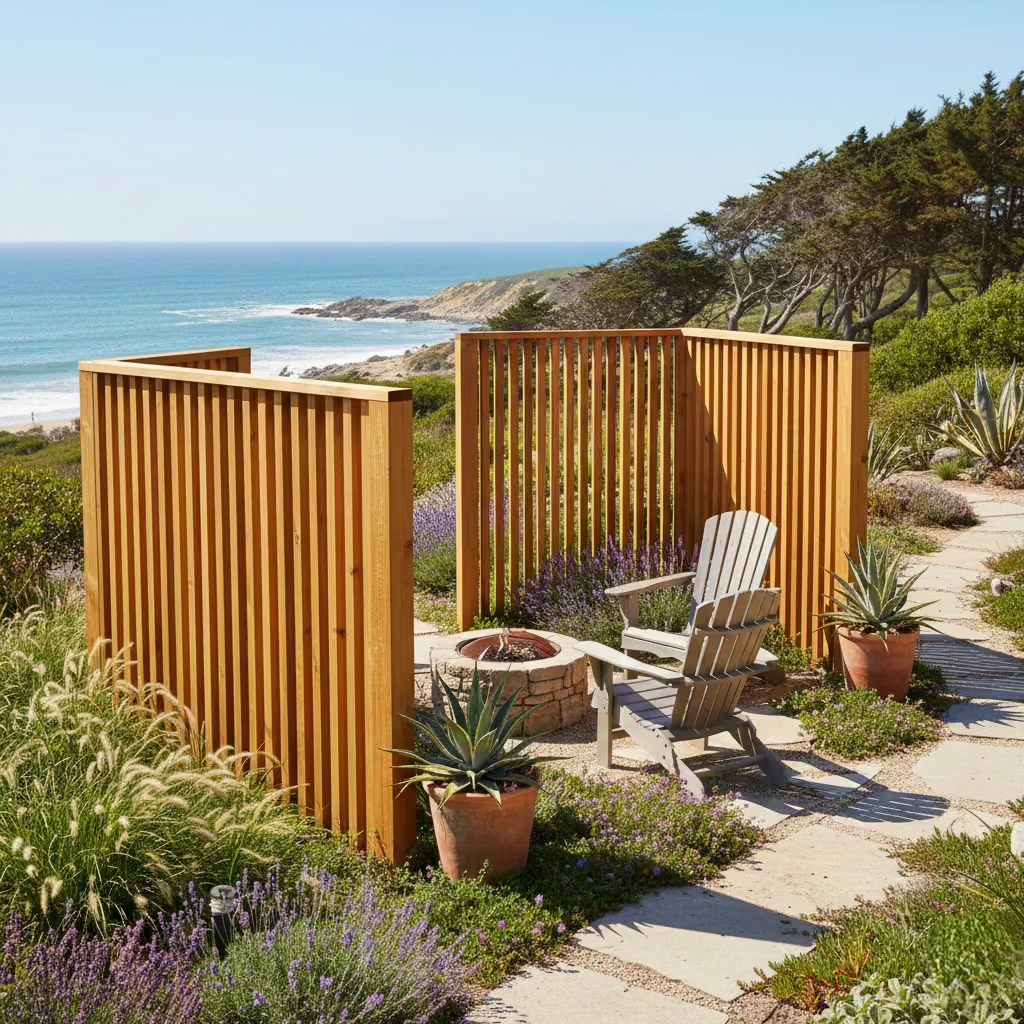
Built elements have a role, but only when used with restraint and precision.
Timber slatted screens are particularly effective when:
- Slat spacing remains consistent to maintain predictable airflow
- Heights are proportionate to the seating or circulation zones they protect, rather than extending unnecessarily along boundaries
I generally avoid aligning screens directly perpendicular to dominant wind directions. A slight angle often improves performance and reduces noise and vibration during high winds.
The Problem with Solid Walls
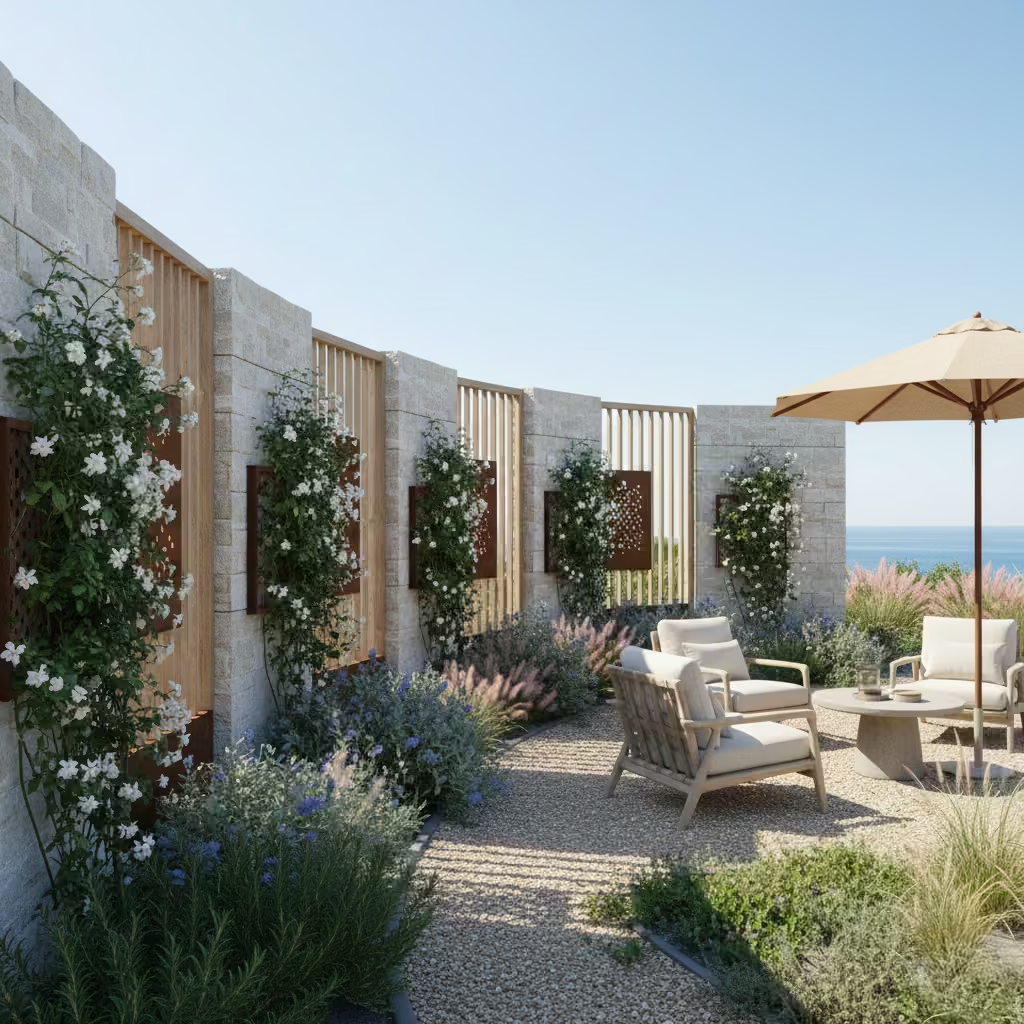
Solid walls should be used sparingly in coastal gardens. While they may appear effective on plan, they often create turbulence on the leeward side, resulting in uncomfortable gusting exactly where people are likely to sit.
When solid elements are required for privacy or level changes, I prefer to soften them with planting or perforated detailing. This maintains visual openness while reducing wind rebound.
You May also Like: 25 Ranch Garden Ideas Where Authentic Western Charm Comes to Life
Outdoor Living in Coastal Gardens
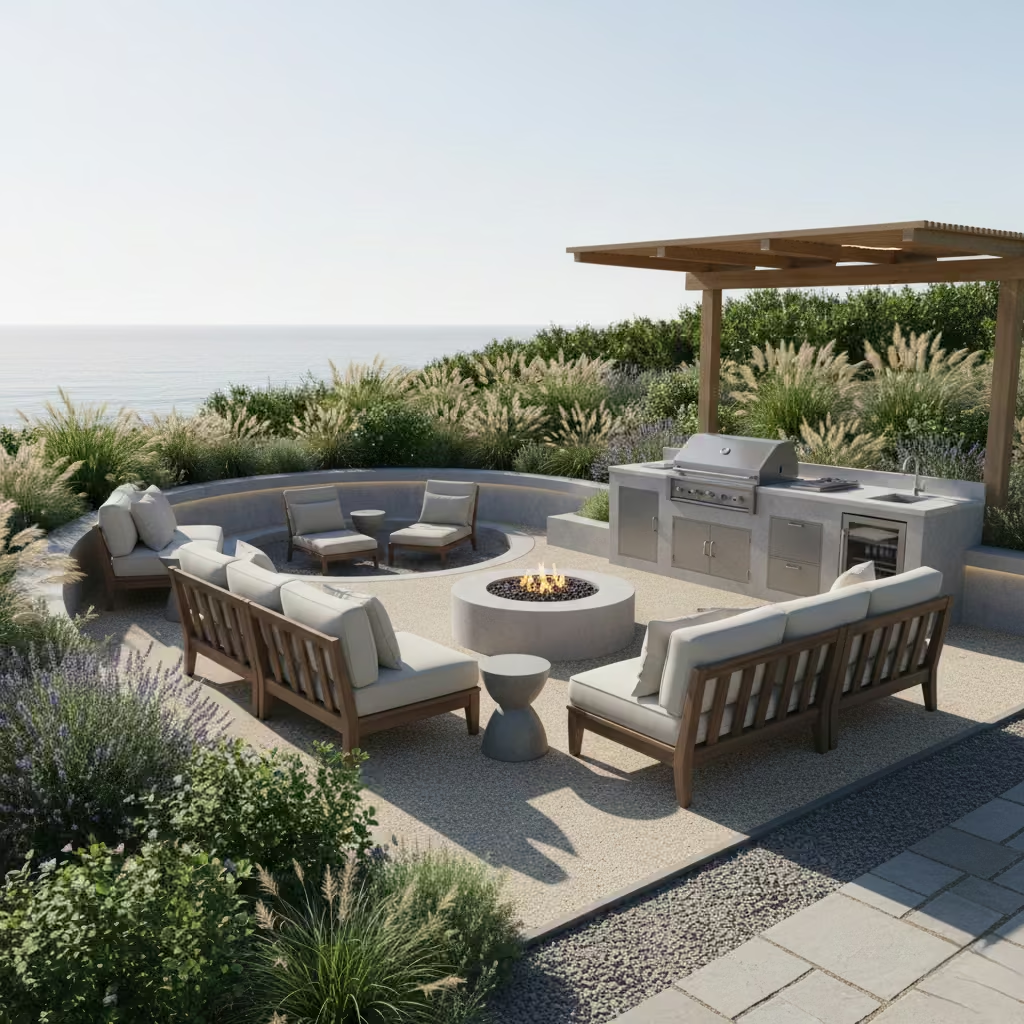
Outdoor living areas in coastal gardens must earn their place. Exposure quickly exposes spaces that are poorly positioned or over-specified. If a seating area or outdoor kitchen cannot be used comfortably for most of the year, it becomes visual clutter rather than a meaningful extension of the home.
In my experience, successful outdoor living in coastal settings relies on restraint, correct positioning, and materials that tolerate exposure without constant intervention.
You May also Like: 15 Mid-Century Modern Garden Ideas to Transform Your Outdoor Space
Furniture Selection
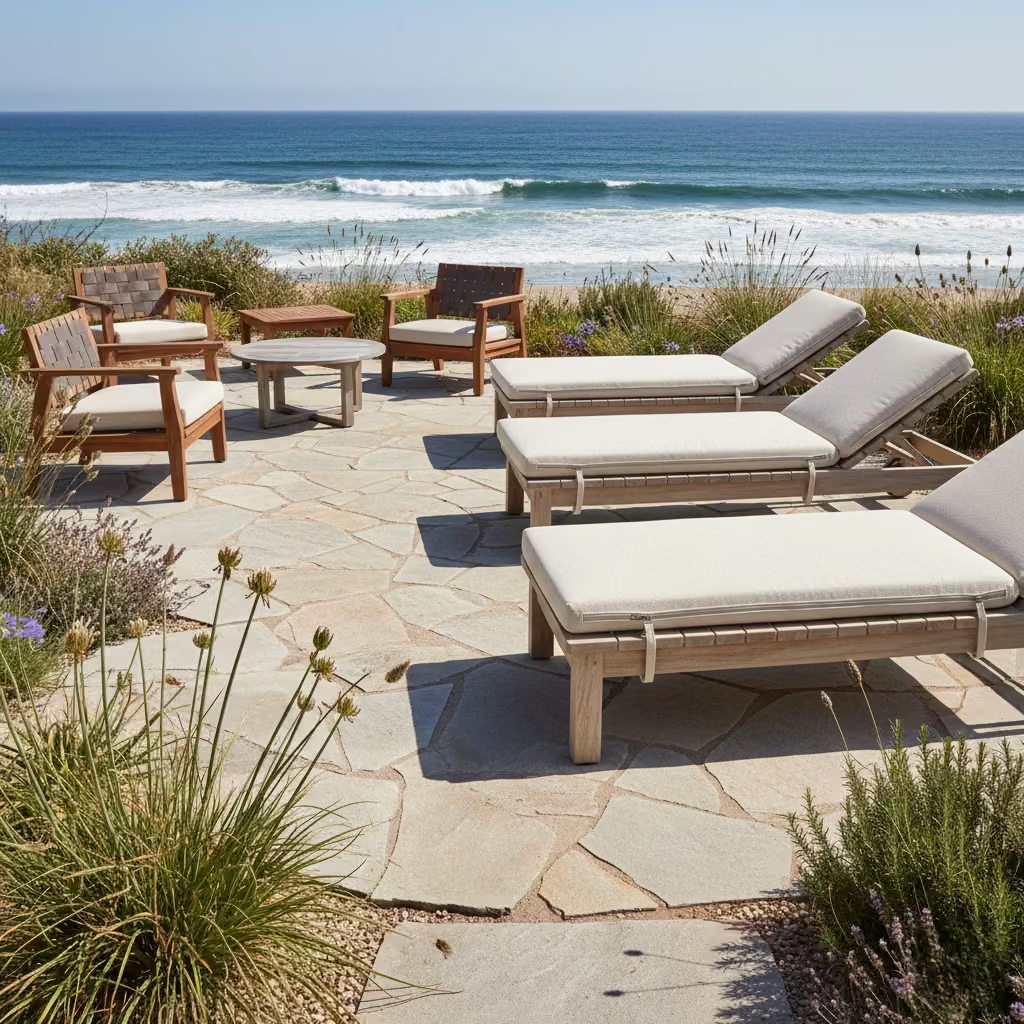
Furniture in coastal gardens must perform under continuous exposure to salt, wind, and ultraviolet light. Visual refinement is important, but durability is decisive.
Materials that consistently perform well include:
- Powder-coated aluminium, which resists corrosion and remains lightweight enough to reposition in changing conditions
- Teak and iroko, which weather gracefully and retain structural stability when detailed correctly
- High-density outdoor fabrics with removable covers, allowing regular cleaning and seasonal storage
I advise avoiding untreated rattan and low-grade steel frames. These materials degrade quickly in coastal conditions, often failing structurally before they show obvious visual wear.
Furniture weight is also a practical consideration. Very lightweight pieces can become unstable in high winds, while overly heavy furniture limits flexibility. A balanced approach allows spaces to adapt to weather rather than fight it.
You May also Like: 25 Outdoor Area Ideas for Kids That Encourage Adventure, Creativity, and Outdoor Play
Outdoor Kitchens and Fire Features
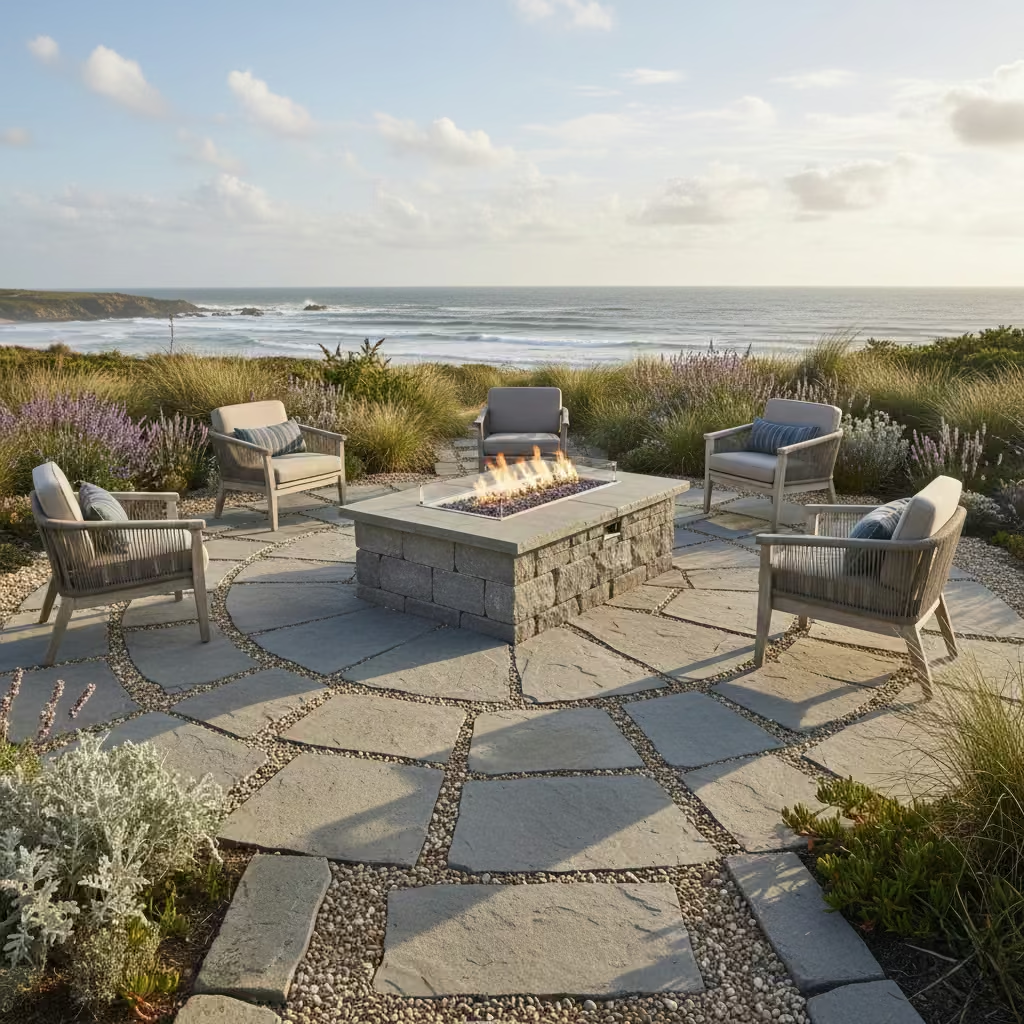
Outdoor kitchens and fire features require careful placement in coastal gardens. Wind behaviour has a direct impact on both safety and usability.
Fire features, in particular, should never be positioned without on-site observation of prevailing winds. In most coastal settings, gas systems perform more reliably than wood-burning options, as they are less affected by gusting and require less maintenance in exposed conditions.
For safe and comfortable use, I allow for:
- A minimum of 1,000 mm clearance around cooking zones
- At least 1,500 mm of circulation space behind seating positioned near fire features
These dimensions prevent crowding, improve safety, and allow movement even when furniture is in use.
Drainage beneath outdoor kitchens and fire features is critical. Standing water accelerates material failure and compromises safety. I always specify falls away from appliances and ensure sub-bases are designed to cope with heavy rainfall and wind-driven moisture.
When executed properly, outdoor living spaces in coastal gardens feel purposeful rather than decorative. They support daily use, adapt to changing conditions, and remain comfortable long after the novelty of installation has passed.
Lighting a Coastal Garden
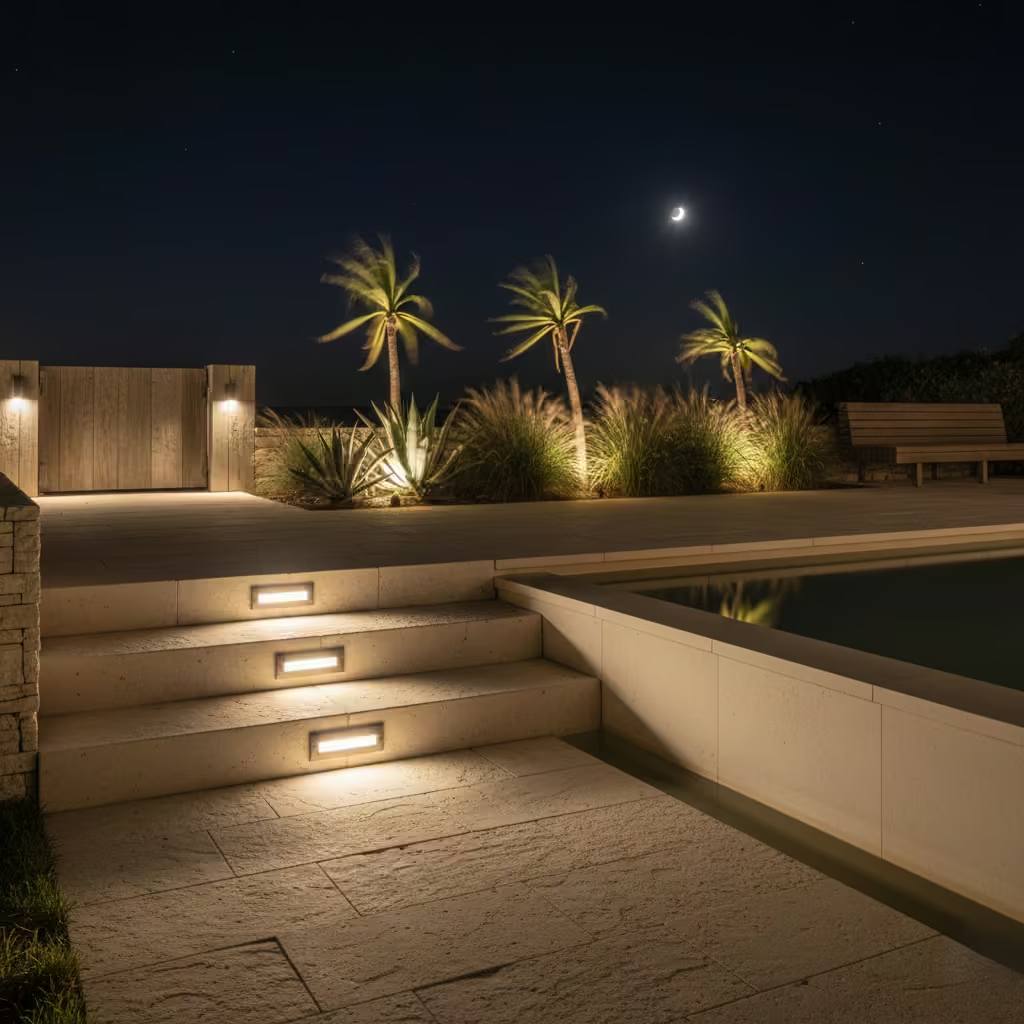
Lighting in coastal gardens should support atmosphere without theatricality. In exposed environments, over-lighting quickly feels harsh and out of place, particularly against open skies and reflective surfaces. The most successful schemes are quiet, purposeful, and largely unnoticed until they are needed.
In my experience, good coastal lighting enhances orientation and depth rather than drawing attention to itself.
Lighting Specification
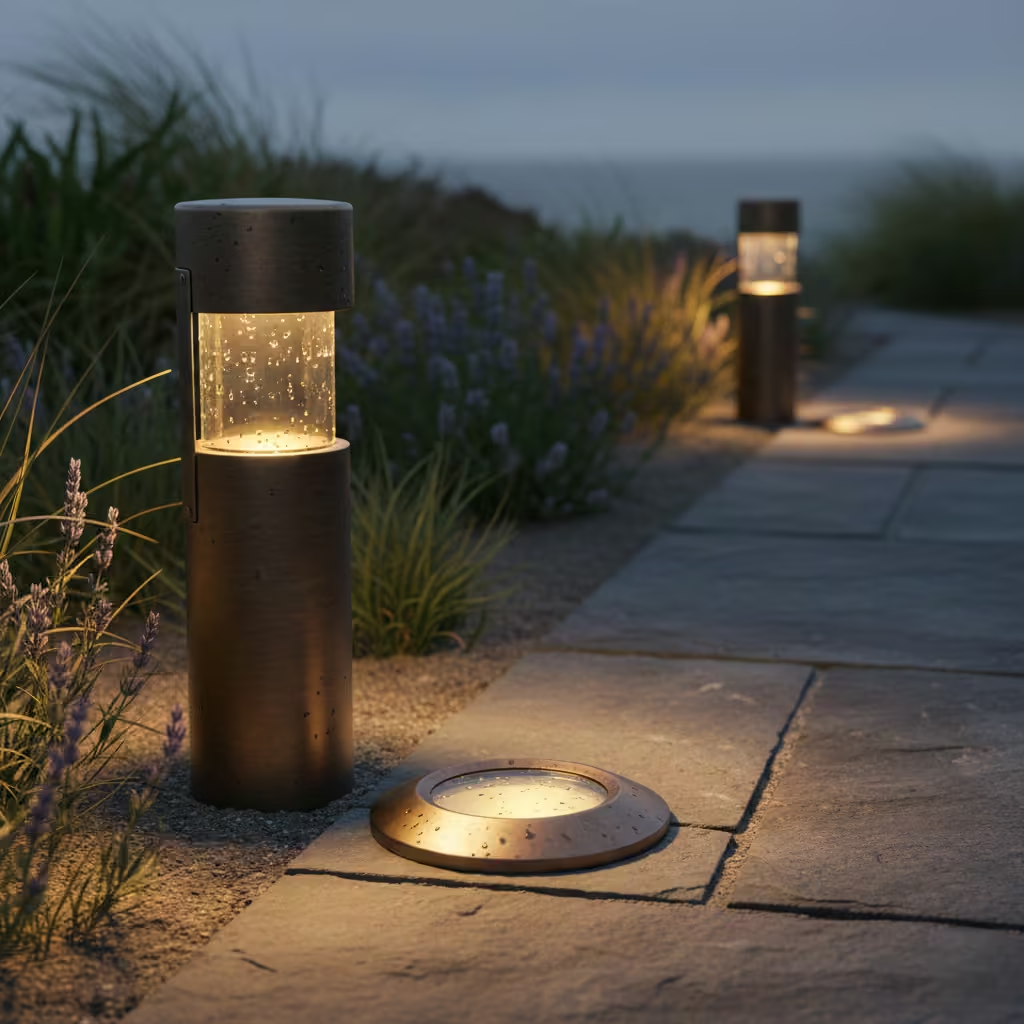
Specification is critical in coastal settings, where salt and moisture accelerate failure.
I consistently specify:
- Warm colour temperatures between 2700K and 3000K, which sit comfortably against natural materials and avoid the starkness of cooler tones
- Marine-grade fittings with appropriate IP ratings, selected for both water ingress and corrosion resistance
- Minimal uplighting, which reduces glare, limits light spill, and prevents salt residue from building up on lenses and fittings
Fittings should be robust rather than delicate. Fine detailing often traps salt and moisture, leading to premature failure even when the light output remains acceptable.
Lighting Placement and Strategy
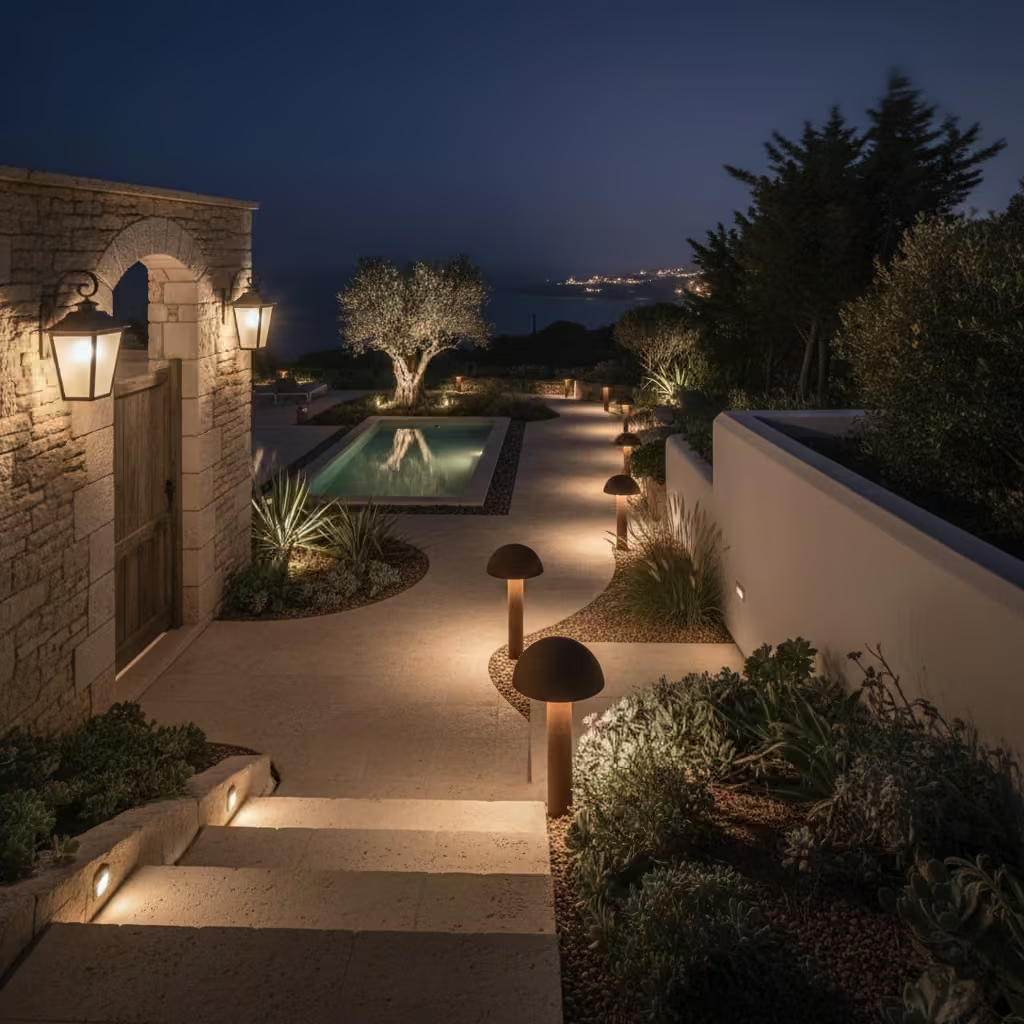
Rather than blanket illumination, I focus lighting where it has the greatest functional and spatial impact:
- Thresholds and entrances, to support safe movement between house and garden
- Steps and level changes, where subtle illumination improves safety without visual clutter
- Key planting, used sparingly to create depth and anchor the garden after dark
Path lighting is most effective when integrated low to the ground and spaced consistently. I avoid evenly lighting every route. Allowing darker areas between lit zones preserves a sense of night and prevents the garden from feeling over-engineered.
Managing Glare and Reflection
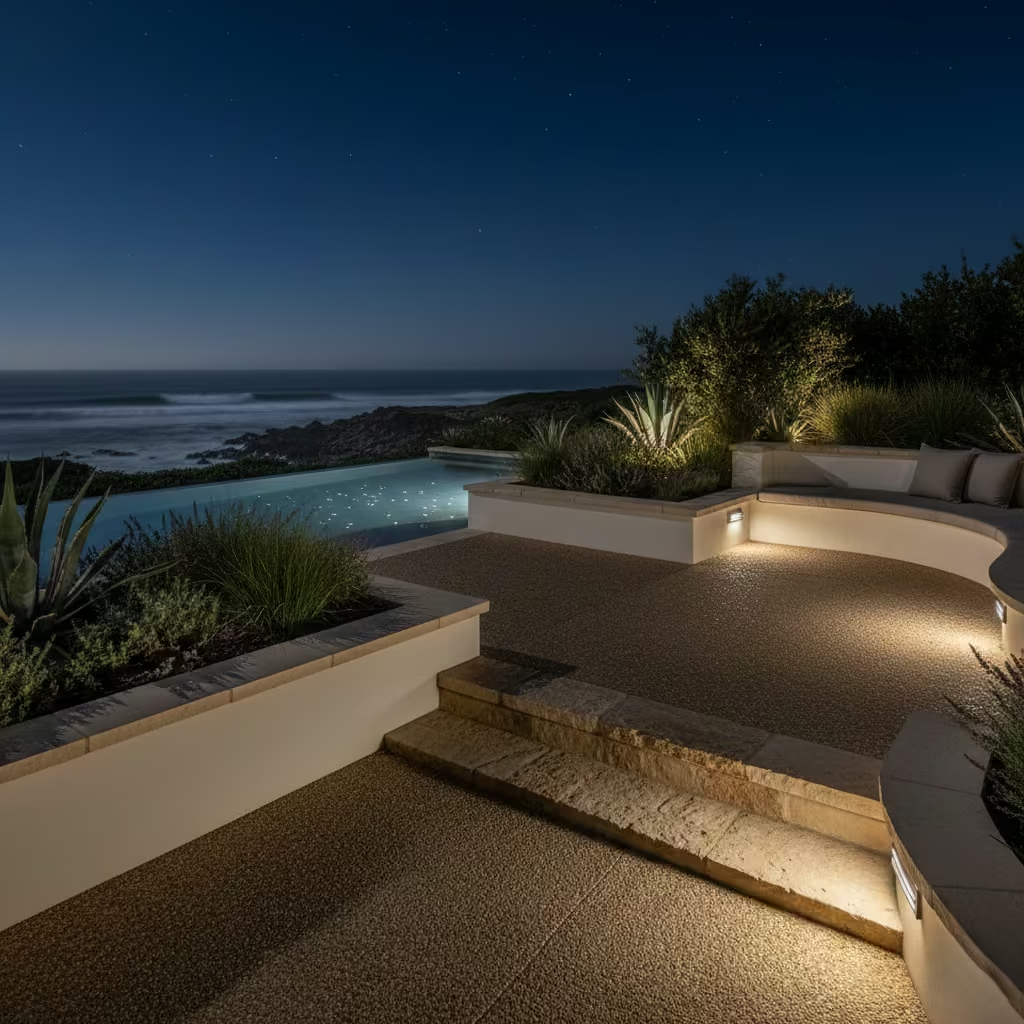
Coastal gardens often contain pale stone, rendered walls, and water elements that reflect light aggressively. Poorly positioned fittings can create uncomfortable glare and disrupt evening use.
I typically angle fittings away from eye level and avoid placing lights directly opposite seating areas. In many cases, reflected light from adjacent surfaces provides sufficient illumination without the need for additional fittings.
A restrained lighting strategy not only performs better in coastal conditions but also extends the lifespan of fittings and reduces ongoing maintenance. The result is a garden that feels calm, legible, and quietly resolved after dark.
Common Coastal Garden Design Mistakes
Even with careful planning, coastal gardens are often compromised by decisions that seem minor at first but have significant long-term consequences. From my experience on numerous projects, certain errors recur consistently, and they are almost always expensive and time-consuming to correct.
Overly Themed Coastal Styling

Many homeowners and designers approach coastal gardens with a “beach house” aesthetic in mind whitewashed fences, nautical ornaments, bright blue accents. While visually appealing in photographs, these choices rarely respond to the site itself. They age quickly, feel forced, and often conflict with the underlying environmental challenges.
In successful coastal gardens, aesthetics emerge from the relationship between structure, planting, and material durability, not from added motifs. Restraint allows the garden to feel timeless rather than tied to a passing trend.
You May also Like: How to Create a Stunning Coastal Home: The Ultimate Design Guide
Using Inappropriate Metals and Untreated Timber
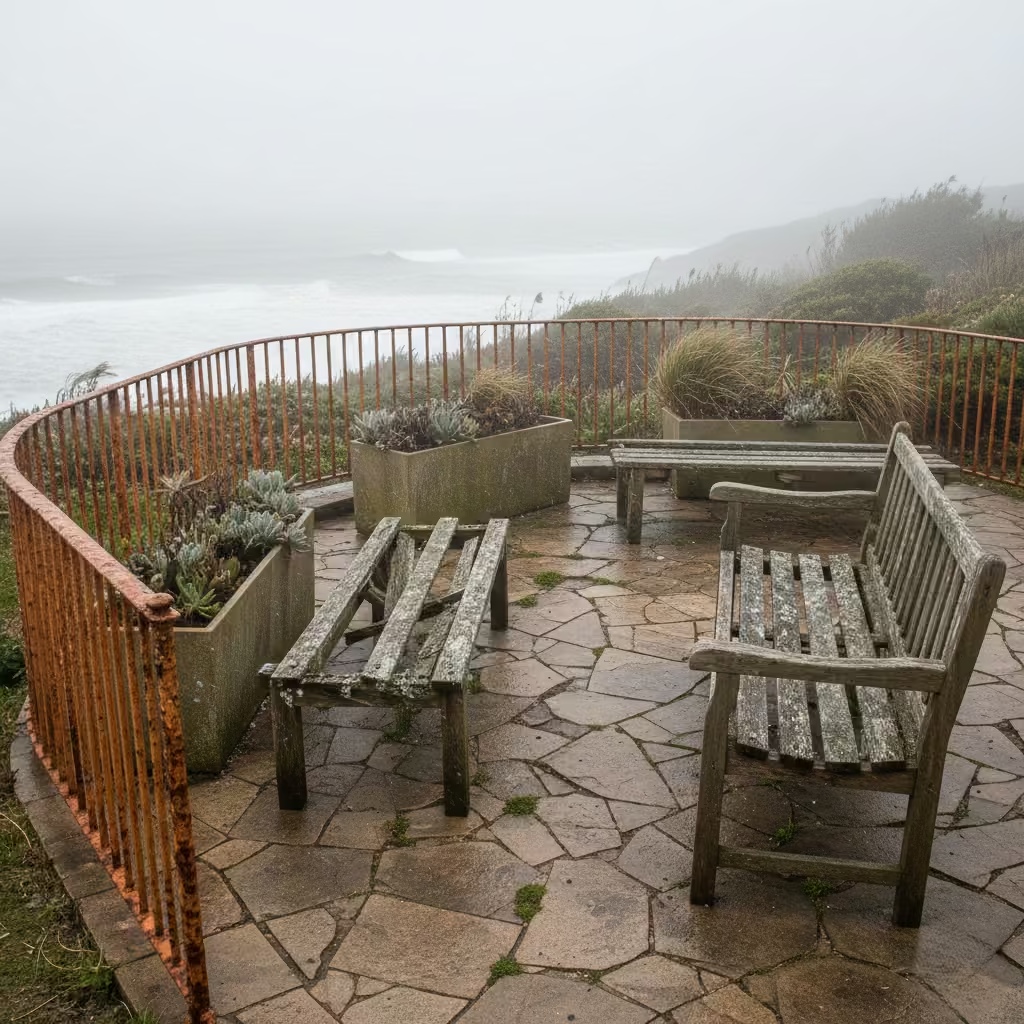
Salt-laden air accelerates corrosion and structural degradation. Mild steel, low-grade fixings, and untreated timber may look fine on installation, but in coastal conditions, failure can occur within months. I have seen decorative metal balustrades warp and timber benches collapse on projects less than three years old because specification did not match exposure.
Correctly selected materials aluminium, marine-grade stainless steel, Accoya, iroko, and thermally modified timber require higher upfront cost but vastly reduce maintenance and avoid early replacement.
Blocking Views with Unnecessary Screening
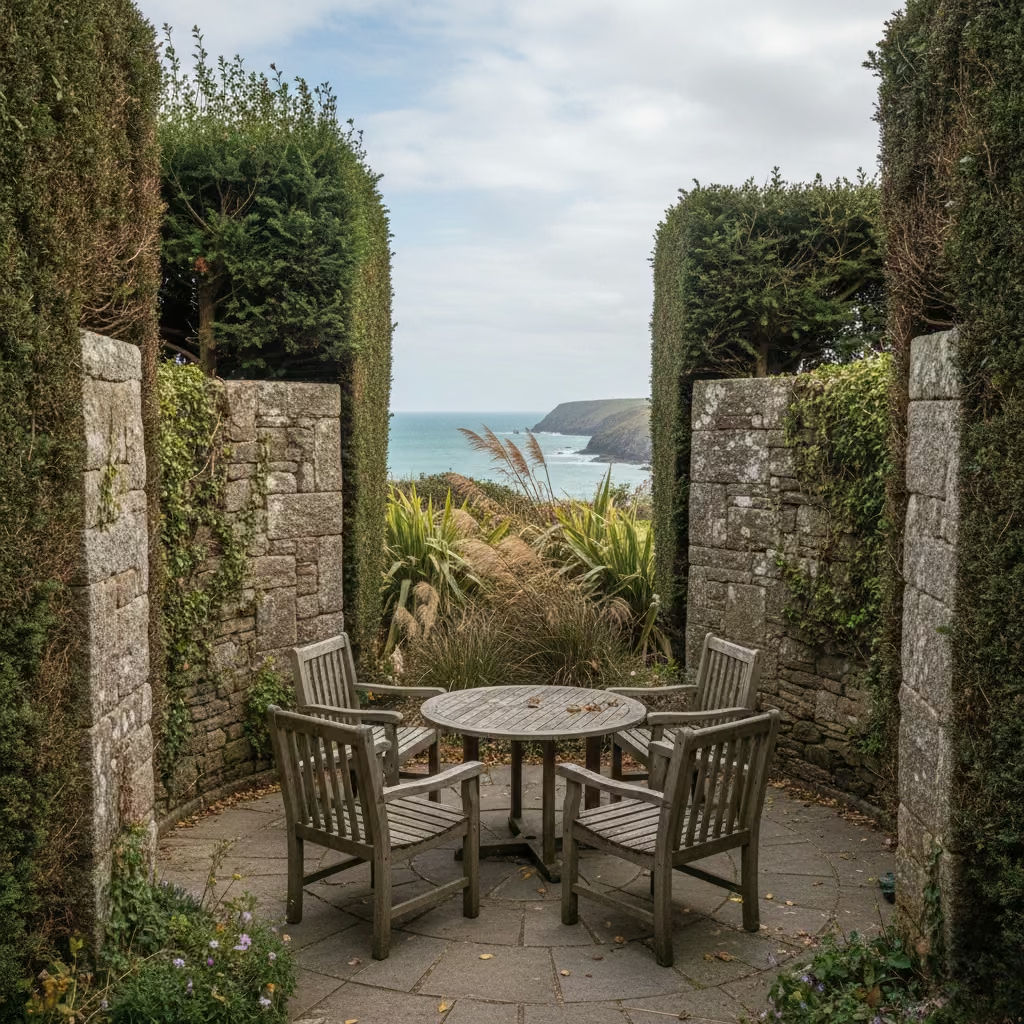
A common instinct is to use solid walls or tall hedges to block wind completely. In reality, these interventions often create turbulence on the leeward side, make the garden feel enclosed, and obstruct sightlines to the surrounding landscape.
I advise clients to prioritise permeable shelter staggered planting, slatted screens, or low walls over solid barriers. Preserving openness where possible increases usability and reinforces a sense of connection to the site.
Underestimating Long-Term Maintenance Requirements
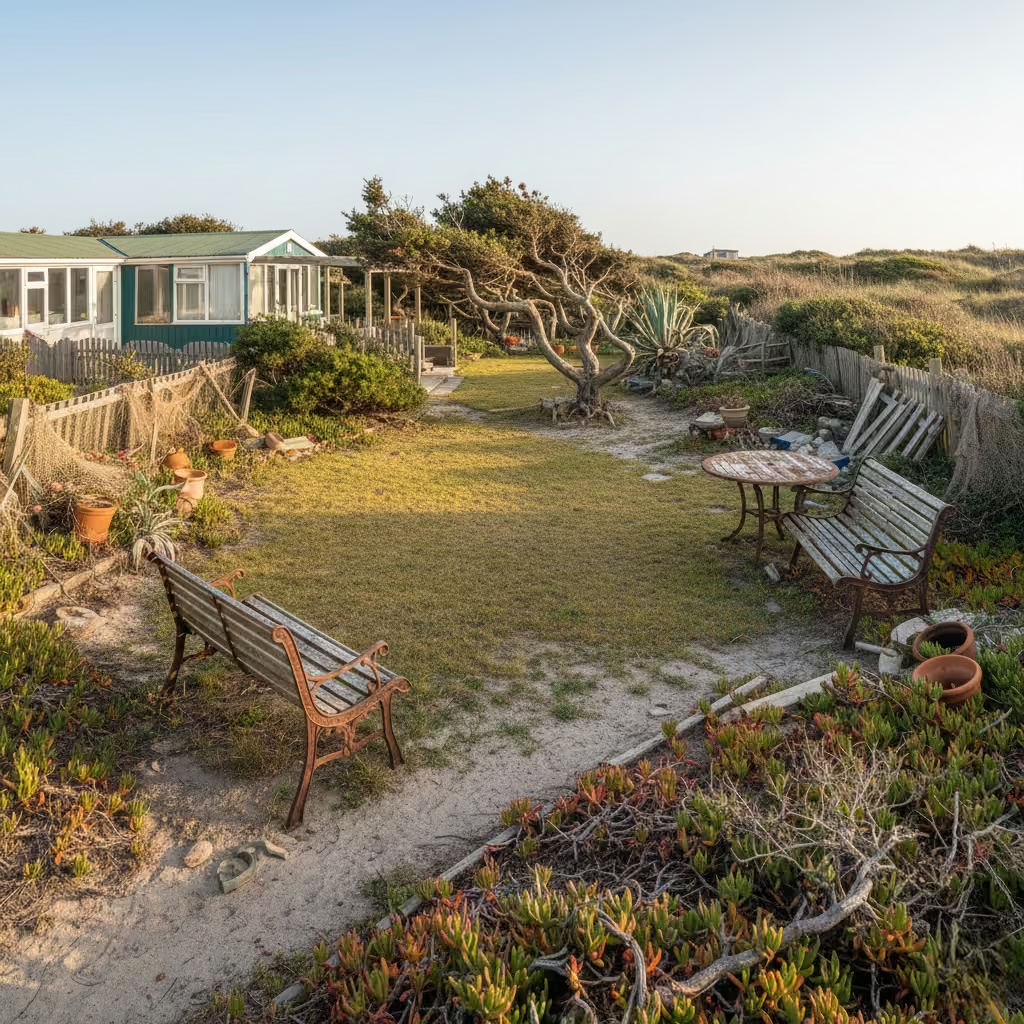
Coastal gardens age differently from inland gardens. Plants grow slowly in poor, sandy soils; grasses and groundcovers require replacement or adjustment during the first three years; timber and metal elements demand regular inspection. Underestimating these needs leads to frustrated homeowners and a garden that appears neglected despite careful initial investment.
Realistic planning for maintenance timing irrigation, pruning schedules, and material inspections ensures the garden matures gracefully, rather than deteriorating rapidly after installation.
Why These Mistakes Matter
Each of these errors carries hidden costs both financial and experiential. Over-styled gardens feel artificial, inappropriate materials fail early, blocked views reduce enjoyment, and unplanned maintenance can overwhelm even committed homeowners. Correcting these issues post-installation often requires partial demolition or wholesale replacement.
Addressing them in the design stage is far more effective and preserves both investment and long-term enjoyment of the coastal garden.
You May also Like: 15 Beach Cottage Design Ideas for a Relaxing Coastal Home
Pros and Cons of Coastal Garden Design
Coastal gardens present unique opportunities and challenges. Understanding their strengths and limitations allows homeowners to make informed design decisions that balance aesthetics, usability, and long-term durability.
Pros
- Strong Connection to Landscape and Light
Coastal gardens naturally integrate with their surroundings. Expansive views, bright sunlight, and natural ventilation create spaces that feel expansive, open, and connected to the environment. When carefully designed, this connection becomes the defining quality of the garden rather than any decorative motif. - Calm, Timeless Aesthetic
By prioritising structural planting, durable materials, and restrained detailing, coastal gardens achieve a visual calm that does not rely on trends or ornamentation. The resulting aesthetic is understated, elegant, and enduring. - Excellent Performance of Grasses and Structural Planting
Wind-tolerant grasses and hardy shrubs thrive in sandy soils and exposed conditions. Over time, they form a resilient backbone that provides shelter, visual interest, and spatial definition without requiring constant replacement. - Lower Irrigation Demands Once Established
Once plants are well-rooted, most coastal gardens require minimal supplemental watering. Sandy soils drain quickly, but structural planting and drought-tolerant groundcovers create microclimates that retain moisture and reduce reliance on irrigation systems.
Cons
- Higher Initial Material Specification Costs
Durable, marine-grade materials ncluding natural stone, Accoya or iroko timber, and high-quality metals come at a premium compared with typical garden materials. While cost is offset by longevity and reduced maintenance, it can be a barrier for clients on tighter budgets. - Slower Early-Stage Planting Impact
Exposed conditions slow plant establishment. For the first one to three years, gardens often appear sparse, and the intended structure may feel incomplete. Patience and correct plant spacing are essential to achieve the intended effect. - Ongoing Exposure-Related Maintenance Considerations
Despite careful specification, coastal gardens require regular attention. Timber and metal elements must be inspected for corrosion or movement, groundcovers may need replanting after severe weather, and structural planting occasionally requires pruning to maintain airflow and wind protection.
Conclusion: Designing for Longevity, Not Trends
The most successful coastal gardens feel inevitable rather than constructed. They respond naturally to their setting, improve with age, and prioritise comfort, usability, and environmental resilience over fleeting spectacle or stylistic statements.
When coastal gardens fail, it is rarely because of the climate alone. More often, failure stems from forcing inappropriate materials, ignoring wind and microclimate behaviour, or chasing a decorative look rather than designing a garden that genuinely works with its environment.
Designing for the coast demands restraint, patience, and a deep respect for natural conditions. It requires observing exposure, understanding soil and light, and layering planting and materials in ways that perform both visually and functionally.
When executed with care, a coastal garden is more than an outdoor space—it is a resilient extension of the home, rooted in its landscape, responsive to the elements, and quietly enduring. Over time, such gardens gain a character and presence that cannot be replicated through trends or ornamentation, providing enjoyment, shelter, and aesthetic calm for decades.
Frequently asked Questions
What plants thrive in coastal gardens?
Plants that tolerate wind, salt spray, and sandy soils perform best. Structural species like Griselinia, Pittosporum, and Elaeagnus provide backbone and shelter, while coastal-tolerant grasses such as Miscanthus, Stipa, and Pennisetum soften hard edges. Groundcovers like Thymus, Erigeron, and sedums reduce erosion and connect planting visually. Always allow for proper spacing to ensure airflow and long-term resilience.
Can I use timber furniture near the sea?
Yes, but only if it is durable, rot-resistant timber such as Accoya, Iroko, or thermally modified ash/pine. Untreated softwoods or low-grade timber deteriorate rapidly. Board thickness of 25 mm minimum with 6–8 mm spacing and good substructure ventilation is essential for longevity. Marine-grade fixings prevent early failure.
How should I create shelter without making the garden feel closed?
Effective coastal shelter is permeable, not solid. I recommend staggered living windbreaks, such as shrubs planted in offset rows allowing 30–40% airflow, or timber slatted screens proportionate to seating zones. Solid walls often create turbulence and block views, so they should be used sparingly and softened with planting where possible.
How long does it take for a coastal garden to mature?
Establishment is slower than inland gardens. Most coastal planting looks sparse in the first year, with structure emerging in year two and true maturity arriving by year three. Patience and correct spacing are key to long-term resilience and visual balance.
How do I manage lighting in a coastal garden?
Use warm colour temperatures (2700–3000K) and marine-grade IP-rated fittings. Focus light on thresholds, steps, and key planting, rather than blanket illumination. Avoid excessive uplighting, which can create glare and accelerate salt residue build-up.
Are coastal gardens high maintenance?
Initial maintenance is higher due to slower plant establishment, checking materials, and pruning structural planting. Once established, irrigation requirements are typically low, and resilient materials reduce long-term upkeep. Planning for maintenance at the design stage is crucial for long-term success.