

Outdoor Chair Ideas: A Design-Led Guide to Comfort, Style, and Long-Term Use
Outdoor chairs are often treated as decorative afterthoughts, selected late in the process and styled to complement planting or paving. In practice, they are one of the most decisive elements in how a garden is experienced day to day. The right chairs determine where people sit, how long they stay, how comfortably they converse, and whether the space genuinely supports outdoor living rather than simply looking complete.
From a functional perspective, chairs dictate usability. Seat height, depth, back angle, and arm support influence whether a space feels inviting or awkward. A beautifully landscaped garden with poorly chosen seating quickly becomes underused. I see this frequently on completed projects where generous terraces or lawns exist, yet the seating discourages lingering because proportions, comfort, or placement were never properly considered.
Poor seating choices also disrupt spatial logic. Oversized lounge chairs can choke circulation routes. Dining chairs with incorrect heights can make outdoor tables uncomfortable to use. Lightweight chairs placed in exposed areas are rarely used because they feel unstable in wind. These issues are not aesthetic failures but planning failures, and they undermine the value of the entire outdoor scheme.
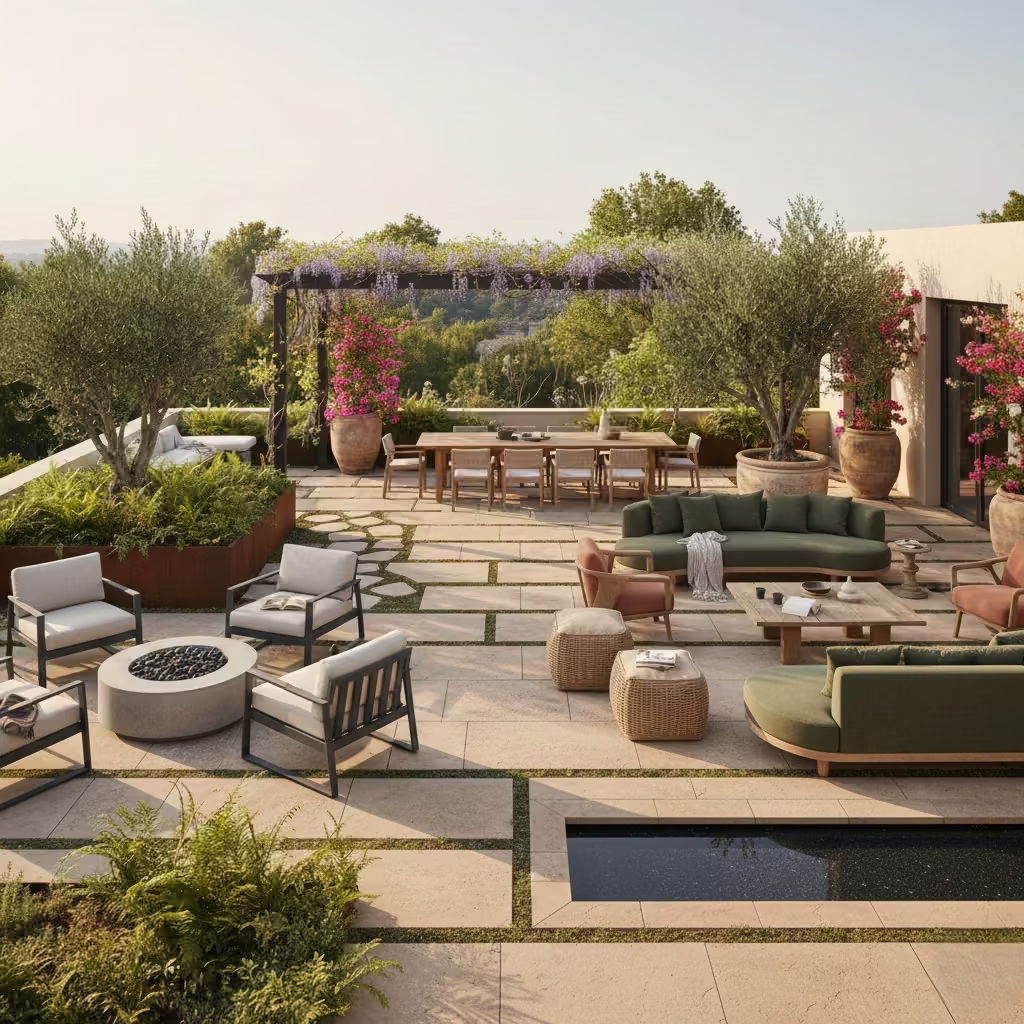
Professional designers approach outdoor chairs as part of spatial planning rather than furniture styling. I assess seating at the same time as circulation, sightlines, and zoning. Chairs help define how a garden is occupied: whether it encourages conversation, quiet retreat, or social gathering. Their scale establishes human proportion within the landscape, anchoring large open areas and giving smaller spaces a sense of intention.
I Approach Outdoor Chair Design in Real Projects
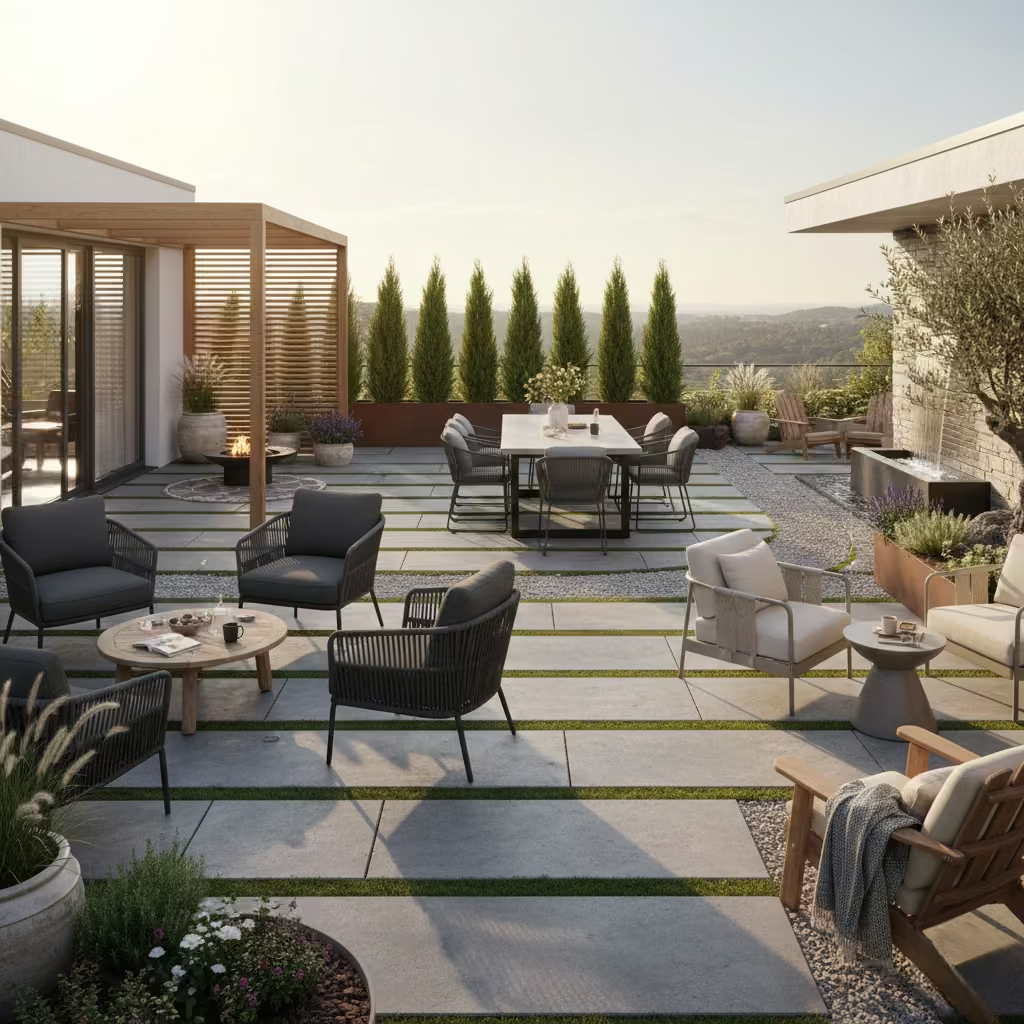
When I How design outdoor seating, I do not start with chair styles or finishes. I start with how the space needs to work on a daily basis. Chairs are introduced only once circulation, exposure, and use patterns are clearly defined. This approach ensures the garden functions intuitively and continues to feel comfortable as habits and seasons change.
Circulation
Circulation is the first constraint I resolve. Outdoor chairs must never obstruct primary movement routes between the house, garden zones, and key focal points.
In practice, I allow:
- 900–1,100 mm (35–43 inches) for main circulation routes behind or beside chairs
- 600–750 mm (24–30 inches) for secondary movement paths within seating zones
This clearance ensures chairs can be pulled out, repositioned, and used without disrupting flow. In compact gardens, respecting circulation often dictates slimmer chair profiles or armless designs rather than reducing comfort.
Sun Exposure
Sun patterns influence both placement and chair type. I map sun movement across the space at different times of day and seasons.
- South- and west-facing seating zones require deeper seats, breathable materials, and optional shade.
- East-facing areas are ideal for breakfast seating, where upright dining chairs perform better.
- Full-day sun zones often benefit from movable lounge chairs that can be repositioned as conditions change.
Ignoring solar exposure leads to seating that looks correct but is rarely occupied.
Wind Direction
Wind is frequently overlooked yet decisive for comfort. I assess prevailing wind direction and turbulence caused by buildings, boundary walls, or planting.
In exposed locations:
- Heavier chairs or low-slung designs improve stability
- Armchairs offer greater perceived security than armless seating
- Chair placement benefits from backing onto solid elements such as walls, hedges, or pergolas
In sheltered courtyards, lighter and more flexible seating becomes viable.
View Framing
I treat chairs as tools for directing attention. Their orientation determines whether occupants face planting, architectural features, distant views, or each other.
I deliberately avoid lining chairs parallel to boundaries unless the view justifies it. Instead, I angle seating to:
- Frame focal planting
- Capture borrowed views
- Encourage conversation without rigid symmetry
This subtle adjustment dramatically improves how natural and relaxed a seating area feels.
Typical Outdoor Seating Zones I Plan For
Rather than filling a garden with identical chairs, I divide outdoor space into distinct seating experiences, each with its own posture, scale, and purpose.
Dining Zones
Dining chairs support upright posture and social interaction. These zones require:
- Clear alignment with tables
- Consistent seat heights
- Adequate clearance for serving and movement
I usually position dining seating closest to the house or outdoor kitchen to reduce circulation conflicts.
Lounging Zones
Lounging areas prioritise comfort and duration of use. Chairs here have deeper seats, lower profiles, and often include cushions.
These zones are placed:
- Away from main circulation routes
- Oriented toward views or planting
- With side tables within arm’s reach
Solitary Retreats
Every well-designed garden benefits from at least one single-chair moment. These seats support reading, quiet reflection, or morning coffee.
I locate solitary chairs:
- In shaded or semi-shaded positions
- Slightly removed from social zones
- Facing softer landscape elements rather than hard boundaries
Fire Pit Gathering Areas
Fire pit seating is arranged for interaction and warmth rather than strict alignment.
- Chairs are spaced evenly around the fire
- Slight curvature encourages conversation
- Low seat heights maintain eye-level connection across the circle
Real-Life Project Insigh
In a 450 sq ft (42 m²) enclosed courtyard, I created three distinct seating experiences using only six chairs. Two dining chairs supported everyday meals near the kitchen doors. Two lounge chairs anchored a relaxed evening seating area against a planted boundary wall. Two lower, deeper chairs were positioned around a compact fire bowl.
By varying chair type, height, and orientation rather than increasing quantity, the space felt layered and generous, not crowded. Each seating zone served a clear purpose while sharing circulation and visual continuity.
Measurement Guidelines I Rely On
To ensure outdoor seating remains comfortable and functional long term, I consistently apply the following benchmarks:
- Comfortable circulation clearance:
900–1,100 mm (35–43 inches) behind or beside chairs - Minimum seating zone depth:
1,400 mm (55 inches) from chair back to opposing obstacle or boundary
These measurements prevent the common mistake of squeezing seating into spaces that look adequate on plan but feel restrictive in use.
Lounge Chairs for Relaxed Outdoor Living
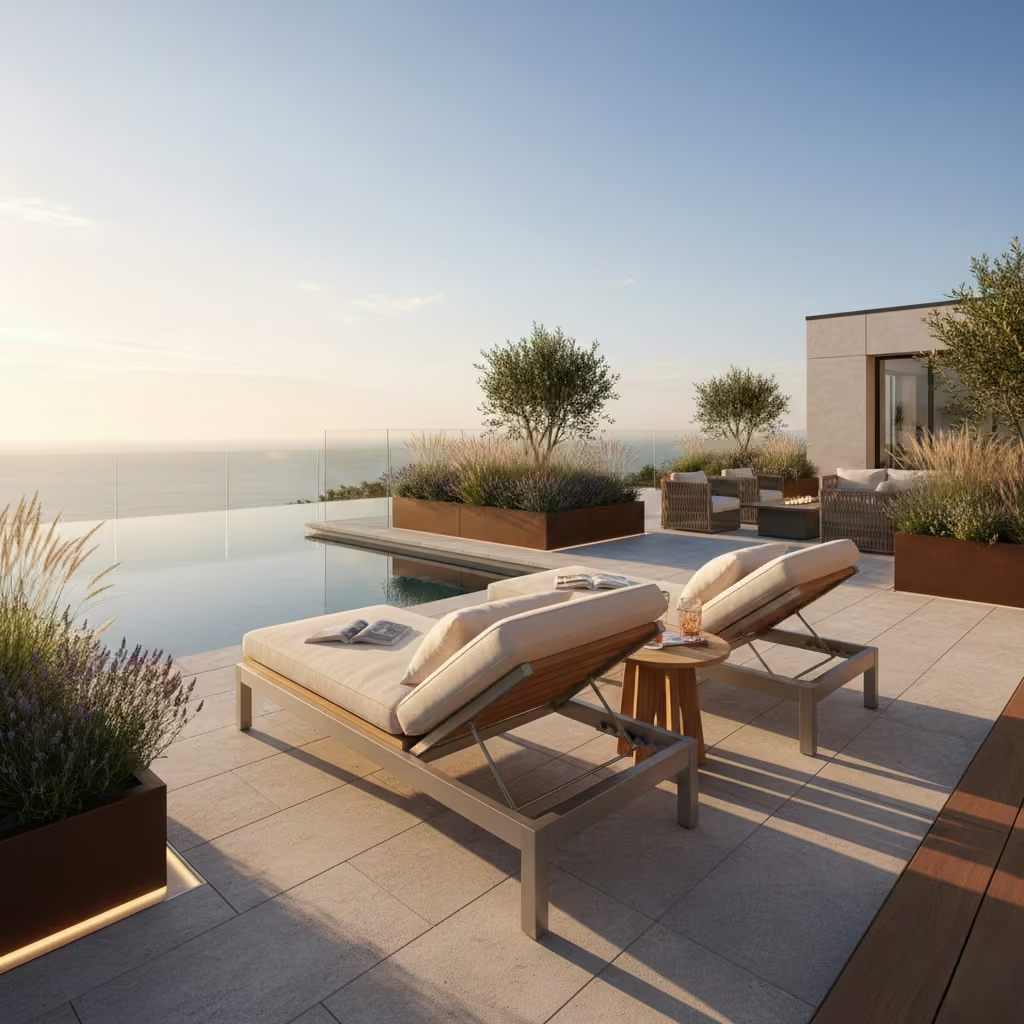
Lounge chairs are the most expressive form of outdoor seating. They signal intention: this is a place to slow down, recline, and remain for more than a passing moment. When selected correctly, they anchor outdoor living areas and encourage extended use across different times of day. When selected poorly, they dominate space, obstruct circulation, and deteriorate quickly under exposure.
Best Suited For
Lounge chairs perform best in locations where relaxation is prioritised over posture or efficiency:
- Patios, where they soften hard surfaces and introduce comfort-led zoning
- Pool decks, supporting sunbathing and informal socialising
- Sun terraces, particularly in south- and west-facing gardens
- Large balconies, where scale allows deeper seating without compromising circulation
In smaller gardens, I use lounge chairs sparingly and only where circulation can be clearly maintained.
Key Design Considerations
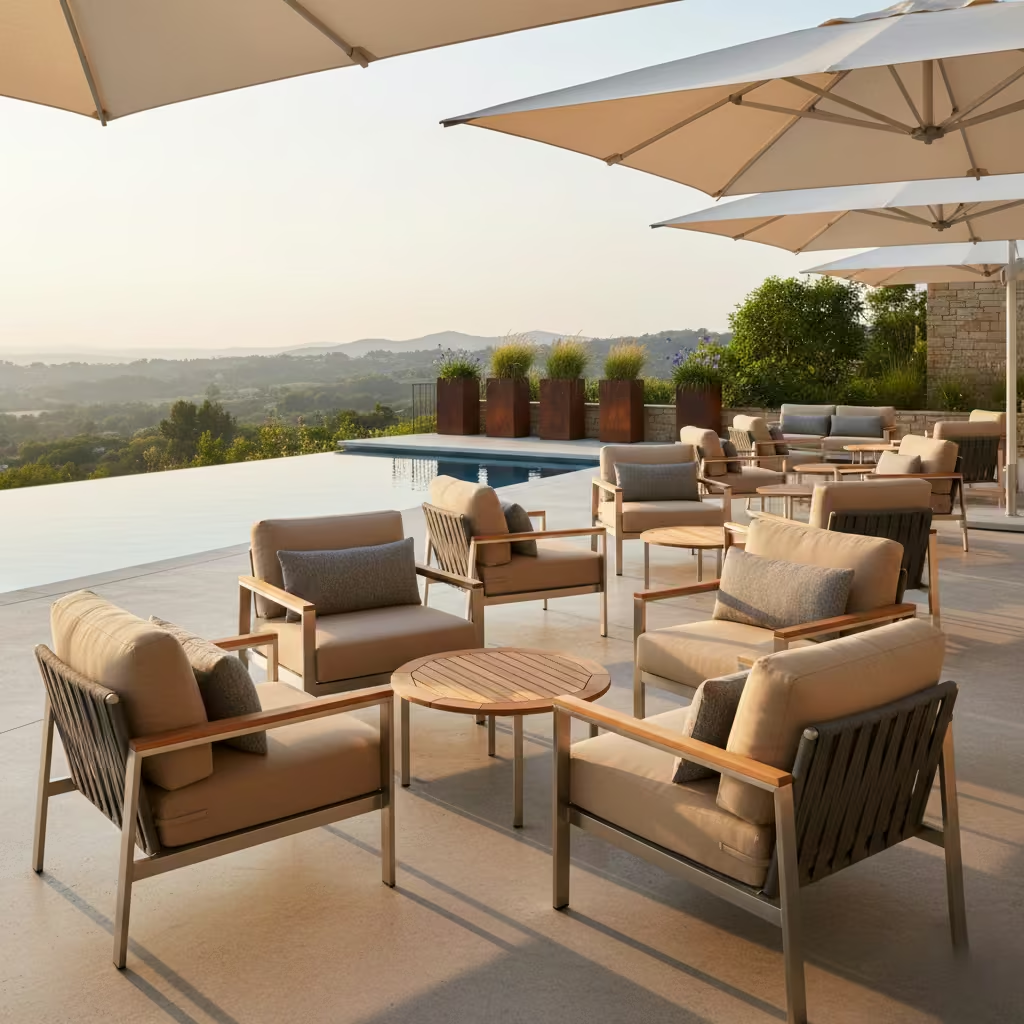
Recline Angle
The recline angle determines whether a chair supports casual sitting or true relaxation. Lounge chairs should encourage a slightly reclined posture without forcing the occupant into a near-horizontal position.
- Ideal backrest angle typically falls between 100–110 degrees
- Over-reclined chairs often look inviting but reduce versatility for conversation or reading
Seat Depth
Seat depth directly affects comfort and usability. Too shallow and the chair feels upright and temporary. Too deep and it becomes difficult to sit comfortably without additional cushions.
- Optimal lounge chair seat depth: 480–550 mm (19–22 inches)
- Deeper seats benefit from lumbar support or adjustable cushions
Cushion Density
Outdoor cushions must balance softness with resilience. I specify:
- Medium-to-high density foam to prevent bottoming out
- Quick-dry or reticulated foam in exposed locations
- Removable covers for seasonal maintenance
Low-density cushions may feel comfortable initially but degrade quickly outdoors.
Frame Durability
Frame material dictates lifespan. Lounge chairs are typically left in place for long periods, making durability essential.
Preferred options include:
- Powder-coated aluminum
- Marine-grade stainless steel
- Well-seasoned teak
Lightweight steel or untreated timber frames rarely perform well long term.
Ideal Dimensions for Comfort
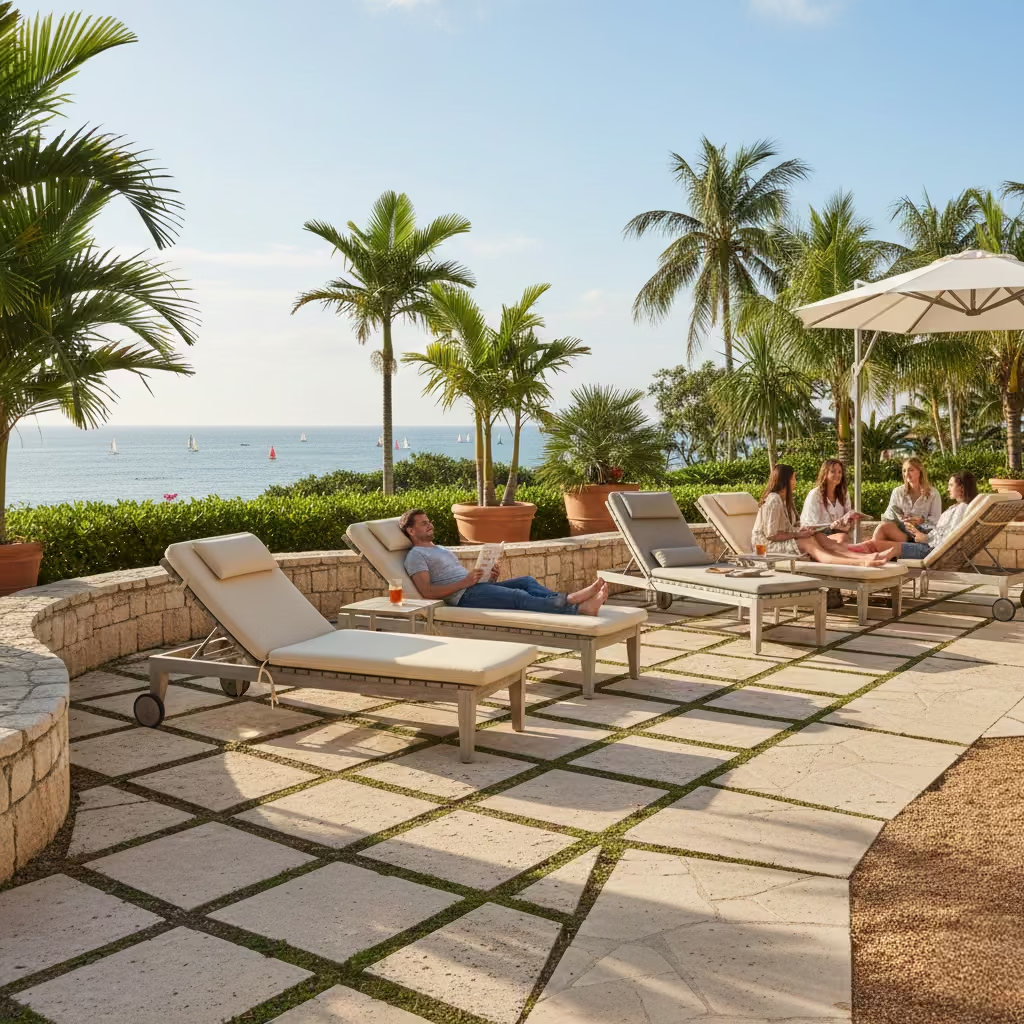
From repeated project use, these dimensions consistently deliver comfort without overwhelming space:
- Seat height: 380–450 mm (15–18 inches)
Lower heights enhance relaxation but should remain accessible for daily use. - Seat depth: 480–550 mm (19–22 inches)
This range supports lounging without compromising posture.
I adjust these slightly depending on user age, frequency of use, and proximity to dining or circulation areas.
Pros
- Maximum comfort for extended outdoor use
- Encourages lingering, reading, and informal conversation
- Perfect for layered styling, allowing cushions, throws, and side tables to complete the composition
Cons
- Larger footprint, requiring careful spatial planning
- Higher cost compared to upright dining chairs
- Weather-protected cushions are essential to avoid rapid deterioration
Real Project Insight
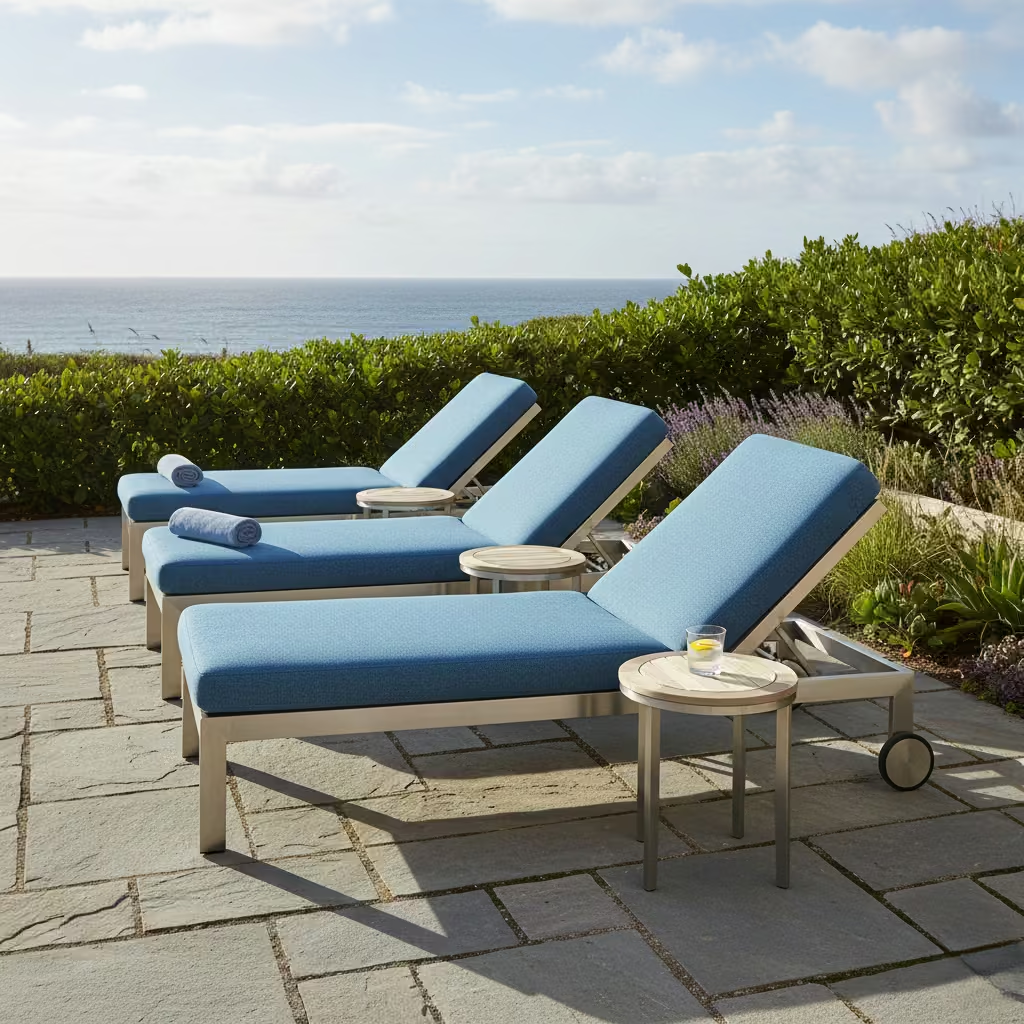
In a coastal garden exposed to salt air and high humidity, I specified marine-grade aluminum frames paired with quick-dry foam cushions and solution-dyed acrylic fabrics. This combination resisted corrosion, dried quickly after rainfall, and maintained comfort throughout the season.
Despite the harsher environment, the lounge chairs have required minimal maintenance and continue to perform structurally and visually after several years of use.
Dining Chairs That Balance Comfort and Posture
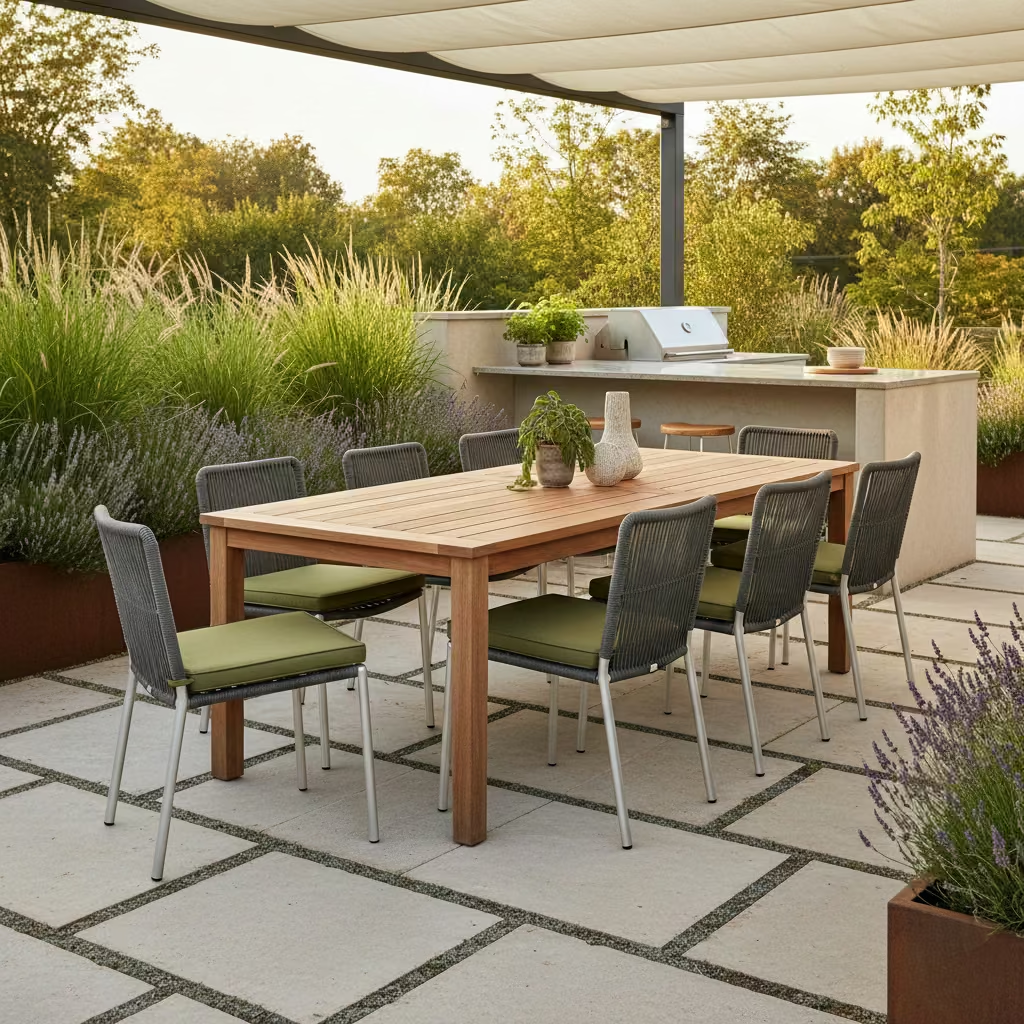
Dining chairs occupy a different role from lounge seating. They must support upright posture for eating, conversation, and extended social gatherings while remaining comfortable enough to encourage people to stay at the table. The challenge is achieving this balance without introducing bulk or visual heaviness into the outdoor setting.
Best Suited For
Dining chairs perform best in clearly defined eating zones where function and efficiency take priority:
- Outdoor kitchens, where chairs are used frequently and repositioned often
- BBQ patios, supporting informal meals and casual entertaining
- Garden dining terraces, where scale allows proper table spacing and circulation
In these settings, consistency of height and proportion is more important than softness or recline.
Key Ergonomic Metrics
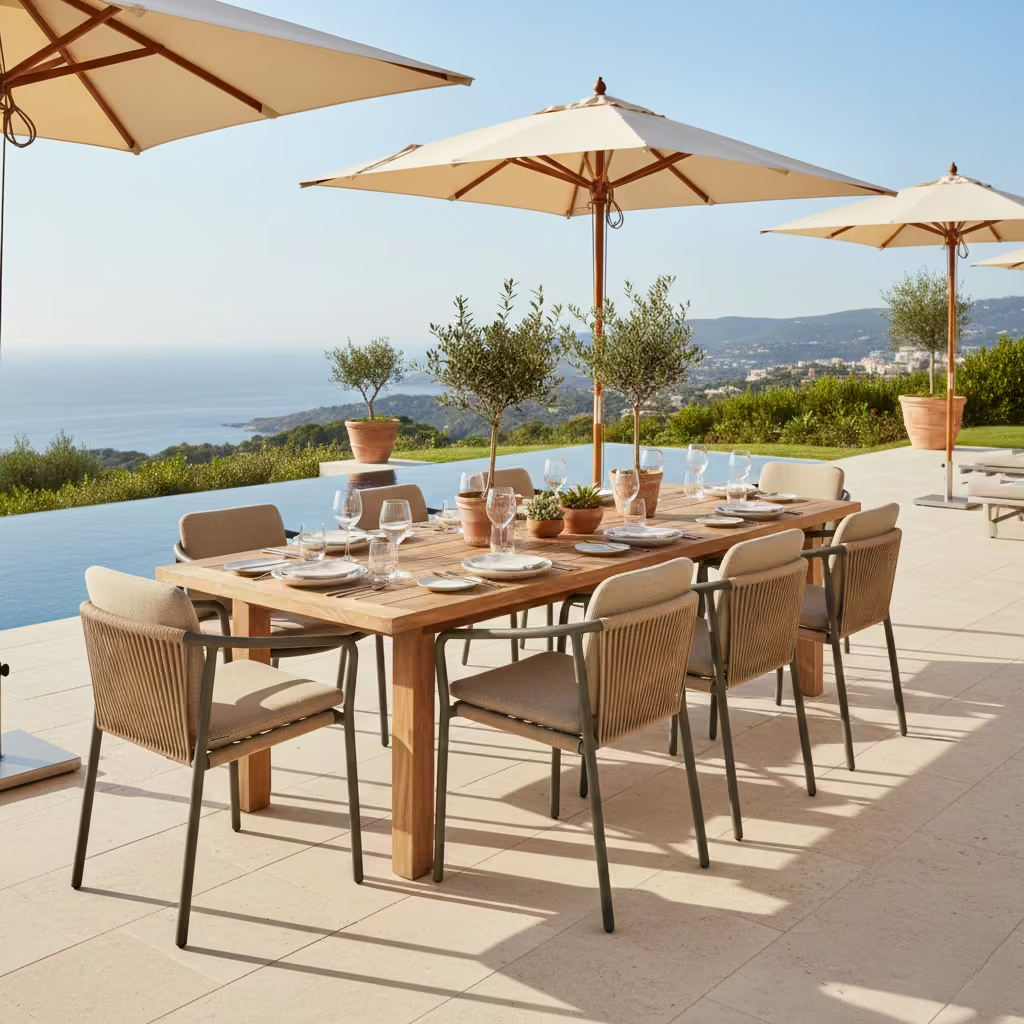
Correct dimensions are essential to avoid discomfort during meals.
- Seat height: 450–480 mm (18–19 inches)
This aligns comfortably with standard outdoor dining table heights, allowing natural leg positioning and stable posture. - Arm clearance under table: 200–230 mm (8–9 inches)
Chairs with arms must slide partially beneath the table without forcing awkward shoulder or elbow positions.
I always verify these dimensions together rather than in isolation, as mismatches between chair and table heights are a common source of discomfort.
Material Choices and Performance
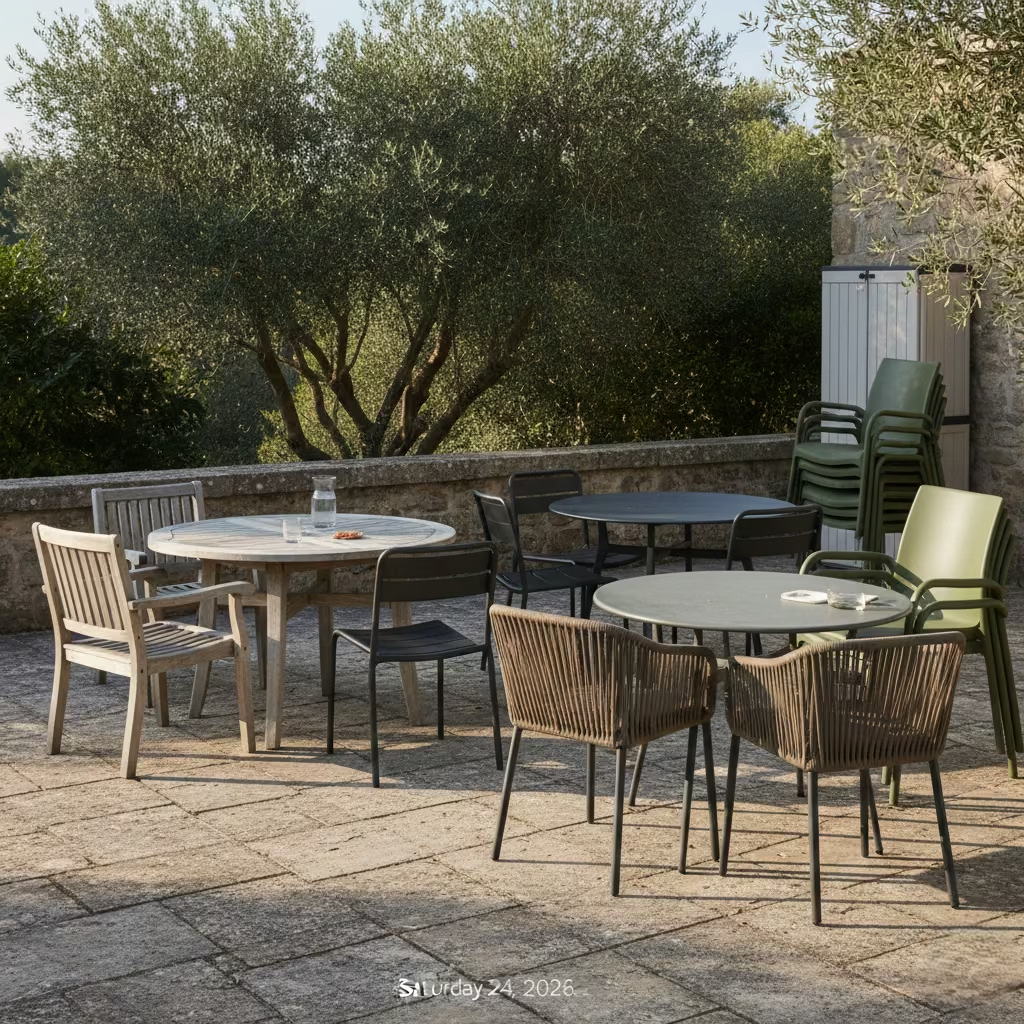
Teak
- Naturally weather-resistant
- Ages gracefully with minimal treatment
- Heavier, which improves stability in exposed areas
Best for long-term installations where chairs remain outdoors year-round.
Powder-Coated Aluminum
- Lightweight yet durable
- Highly resistant to corrosion
- Ideal for larger dining sets that require frequent movement
Finish quality is critical. Poor coatings will chip and expose the metal beneath.
Rope Weave
- Provides flexibility and comfort without thick cushions
- Visually lighter than solid frames
- Performs well in semi-sheltered dining areas
I specify UV-stable synthetic rope rather than natural fibres for longevity.
Molded Resin
- Easy to clean
- Budget-friendly
- Stackable options improve storage efficiency
Resin works best where practicality outweighs material richness.
Pros
- Highly functional for regular use
- Easy to coordinate with tables, especially in modular collections
- More space efficient than lounge seating, allowing higher seating density
Cons
- Less relaxed posture, particularly during long social gatherings
- Cushion dependency in firmer designs, increasing maintenance requirements
You May also Like: 25 Ranch Garden Ideas Where Authentic Western Charm Comes to Life
Real-Life Project Insight
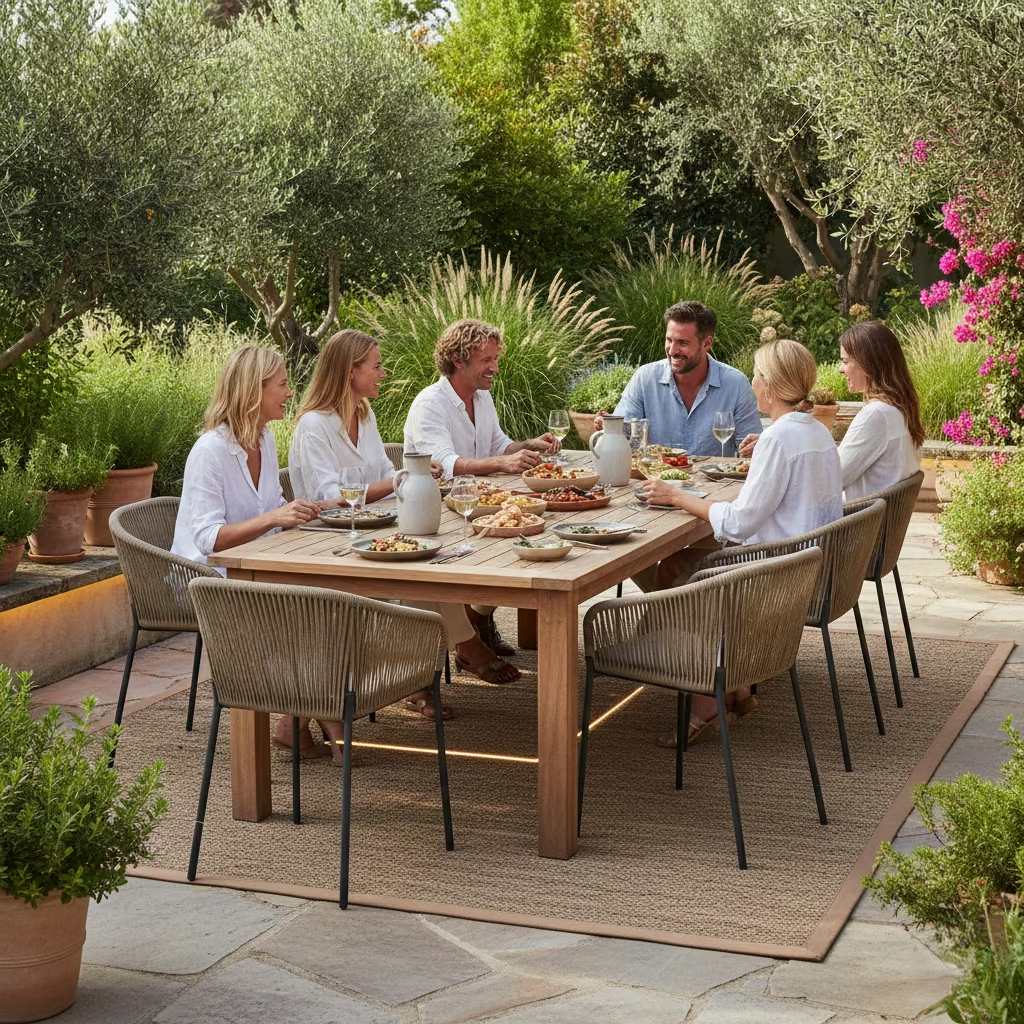
On a 10-seater garden dining terrace, the client wanted seating that felt comfortable without visually overwhelming the space. We selected slim-profile rope chairs with powder-coated aluminum frames. The rope weave provided flexibility and comfort, eliminating the need for thick cushions, while the slender frames preserved sightlines across the garden.
The result was a dining area that felt light, sociable, and proportionate, even when fully occupied.
Adirondack Chairs and Deep-Set Relaxation Seating
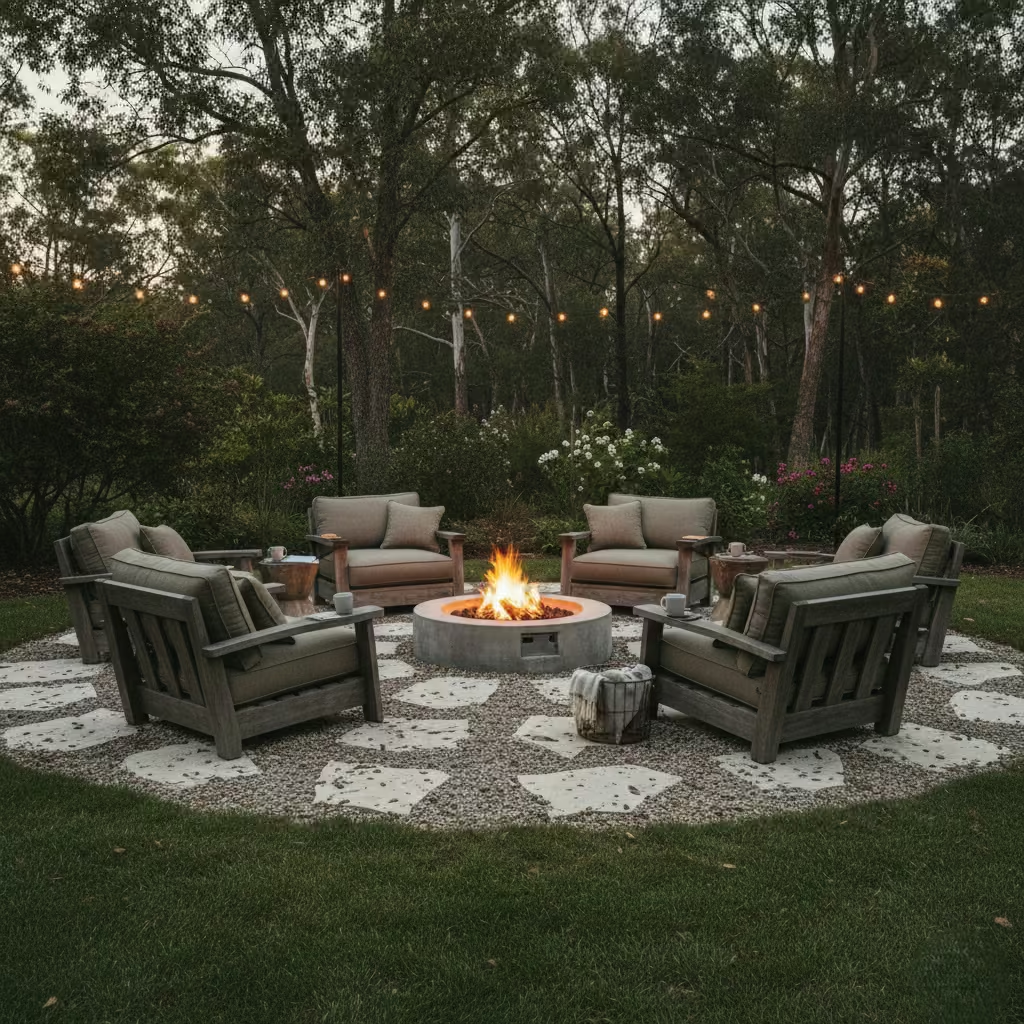
Adirondack chairs and deep-set relaxation seating occupy a very specific emotional and functional space in garden design. They are not versatile, and they are not subtle. Their purpose is singular: to slow the body down. When used intentionally, they create some of the most memorable and emotionally resonant seating moments in an outdoor space.
Best Suited For
These chairs perform best in informal settings where posture, precision, and efficiency are deliberately relaxed:
- Informal gardens, where planting is loose and the landscape feels natural rather than architectural
- Fire pit zones, where seating encourages long conversations and stillness
- Lawn seating, particularly in open areas where chairs can sit independently without visual clutter
I avoid using Adirondack chairs in compact terraces or dining-adjacent zones. Their scale and posture demand space and a slower rhythm of use.
You May also Like: 25 Small Front Porch Ideas That Make Compact Entryways Feel Welcoming and Well Designed
Typical Dimensions and What They Mean in Practice
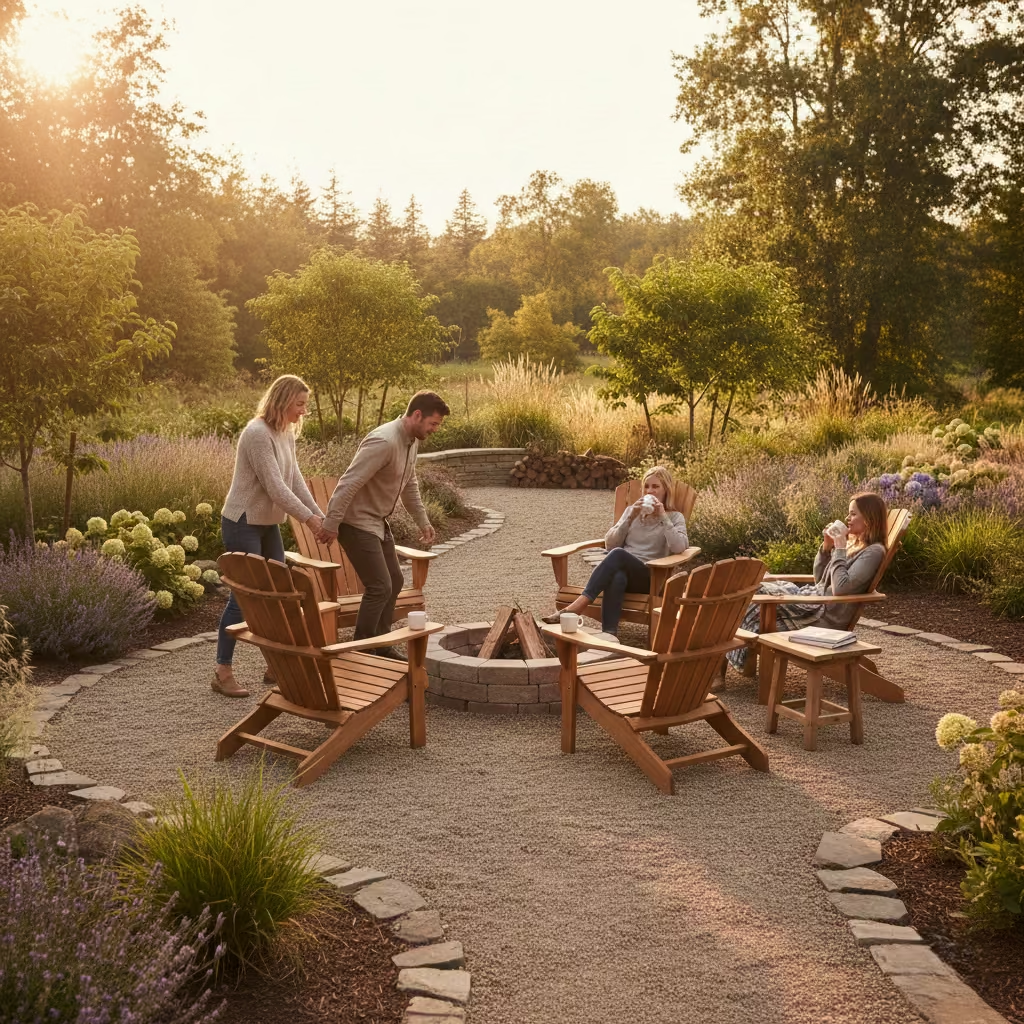
The comfort of Adirondack chairs comes from their exaggerated proportions rather than cushioning.
- Seat height: 360–400 mm (14–16 inches)
The lower seat height promotes relaxation but requires greater effort when standing, which influences who will use the chair comfortably. - Overall depth: 850–950 mm (33–37 inches)
This deep footprint allows for the iconic recline but must be planned carefully to avoid obstructing circulation.
These dimensions create a chair that feels settled into the landscape rather than placed on top of it.
Why They Feel So Comfortable
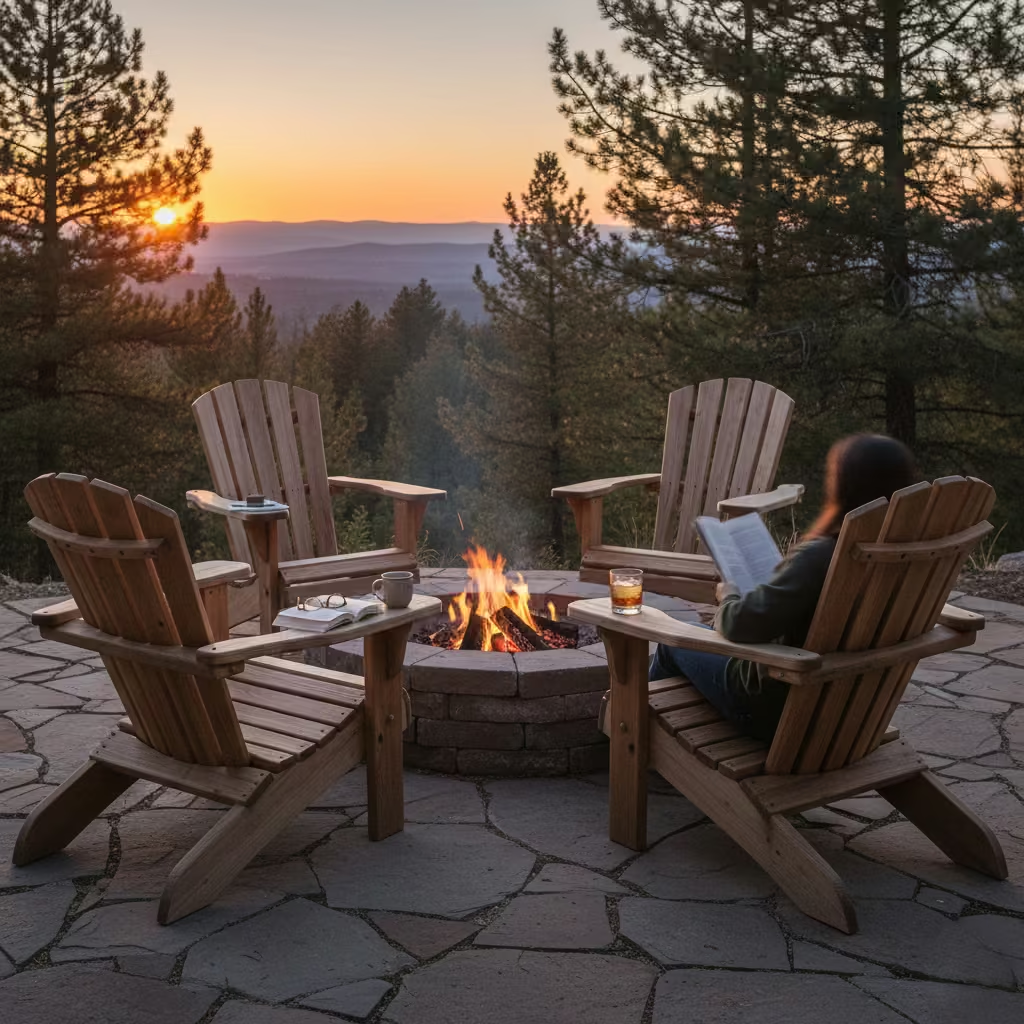
Deep Relaxation Angle
The reclined backrest and angled seat pan distribute body weight evenly, reducing pressure on the lower back. This is why Adirondack chairs remain comfortable even without cushions.
Arm Width and Support
Generous, flat armrests provide space for drinks, books, or resting hands, reinforcing the chair’s role as a place to stay rather than pass through.
Grounded Presence
Their low profile creates a strong sense of stability, particularly important around fire pits where people instinctively seek security and warmth.
Design Insight from Real Projects
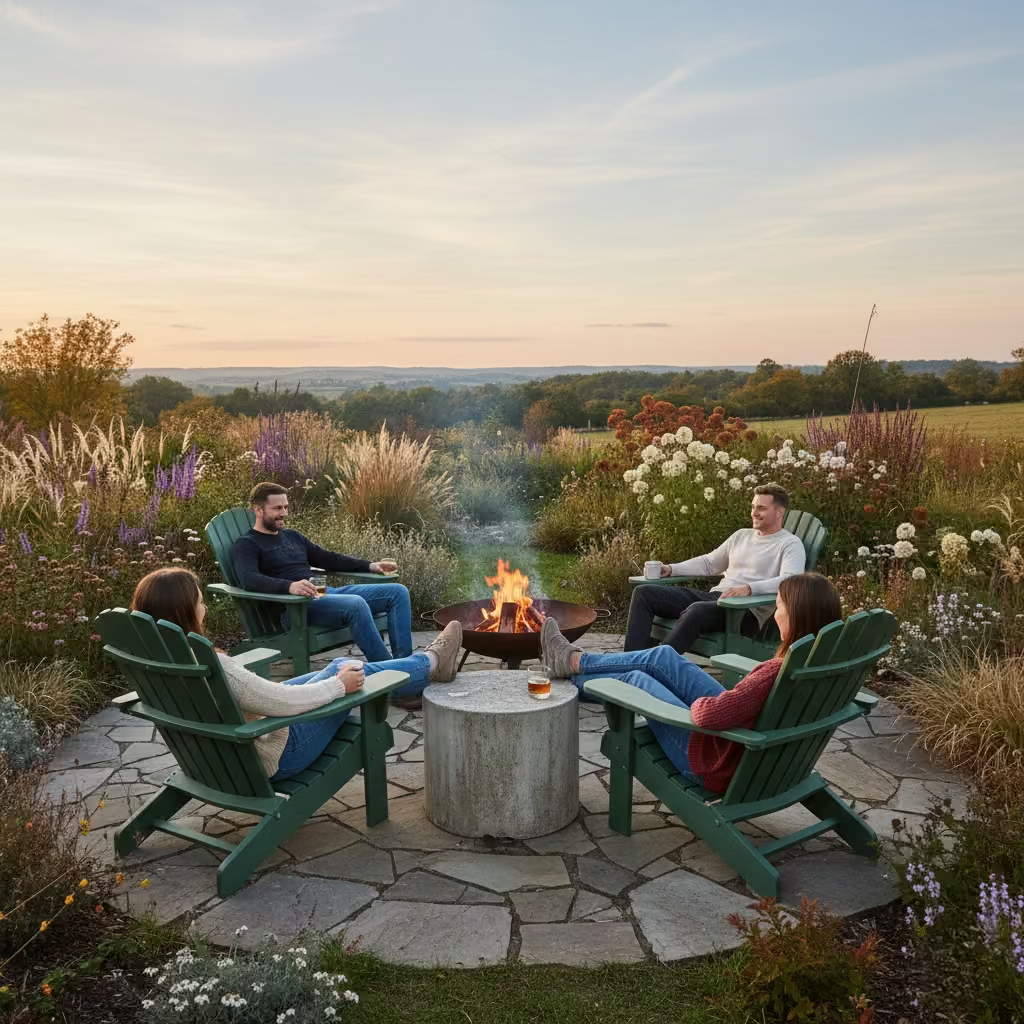
I often pair Adirondack chairs with low fire tables between 300–350 mm (12–14 inches) high. This maintains ergonomic balance by allowing users to reach drinks or rest their feet without leaning forward awkwardly.
In one rural garden project, positioning four Adirondack chairs in a shallow arc around a circular fire bowl created a natural conversation flow. The chairs’ deep recline slowed posture and speech, subtly encouraging longer, more relaxed interactions. The space became the client’s preferred evening gathering spot, not because it was visually striking, but because it felt instinctively comfortable.
Stackable and Folding Chairs for Flexible Outdoor Layouts
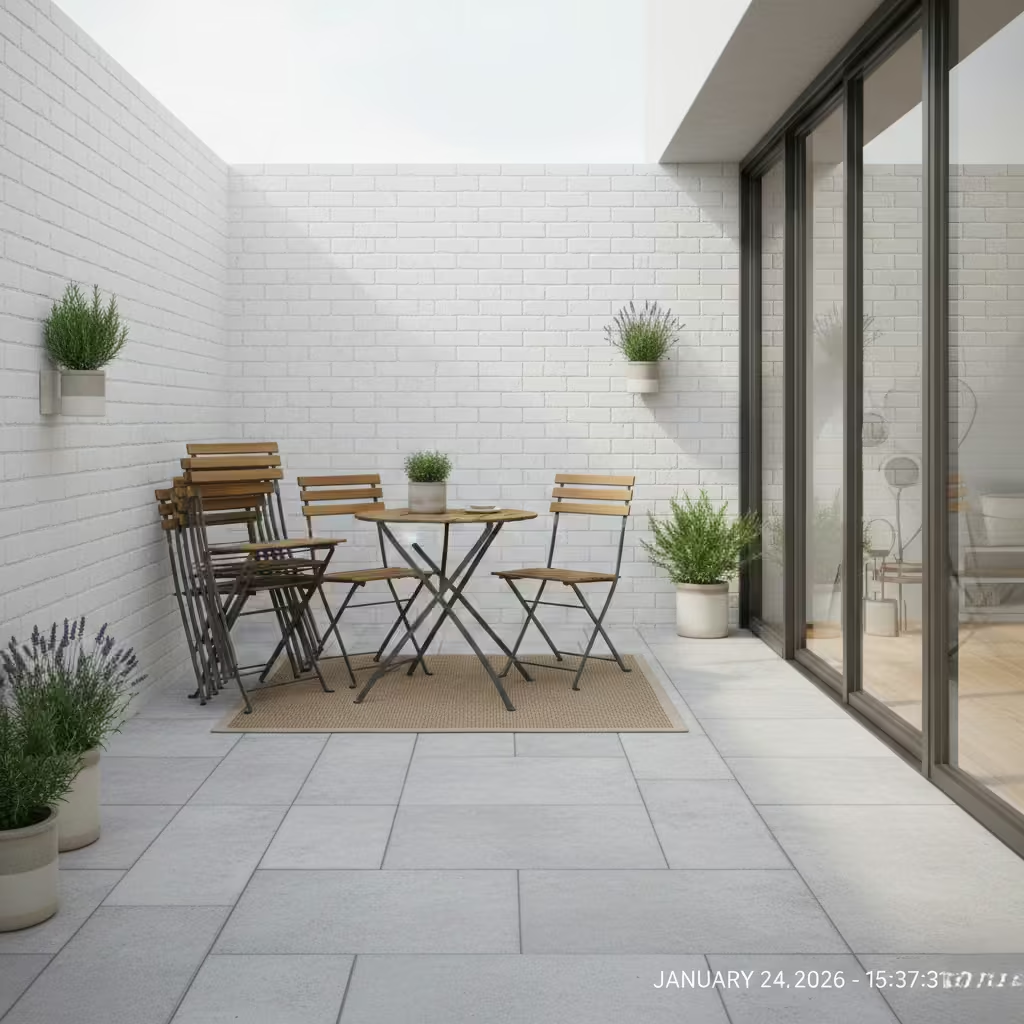
Stackable and folding chairs rarely attract attention, yet they often solve the most complex spatial challenges in outdoor design. Their value lies not in visual drama but in adaptability. When space is limited or usage changes frequently, flexibility becomes more important than permanence, and these chairs allow outdoor areas to function without feeling compromised.
Best Suited For
These chairs perform best in environments where space efficiency and adaptability are essential:
- Small patios, where fixed furniture would restrict circulation
- Event hosting, allowing seating numbers to expand and contract easily
- Compact balconies, where every square foot must serve multiple purposes
In these contexts, the ability to clear or reconfigure seating quickly determines whether the space feels usable or congested.
Ideal Dimensions and Spatial Logic
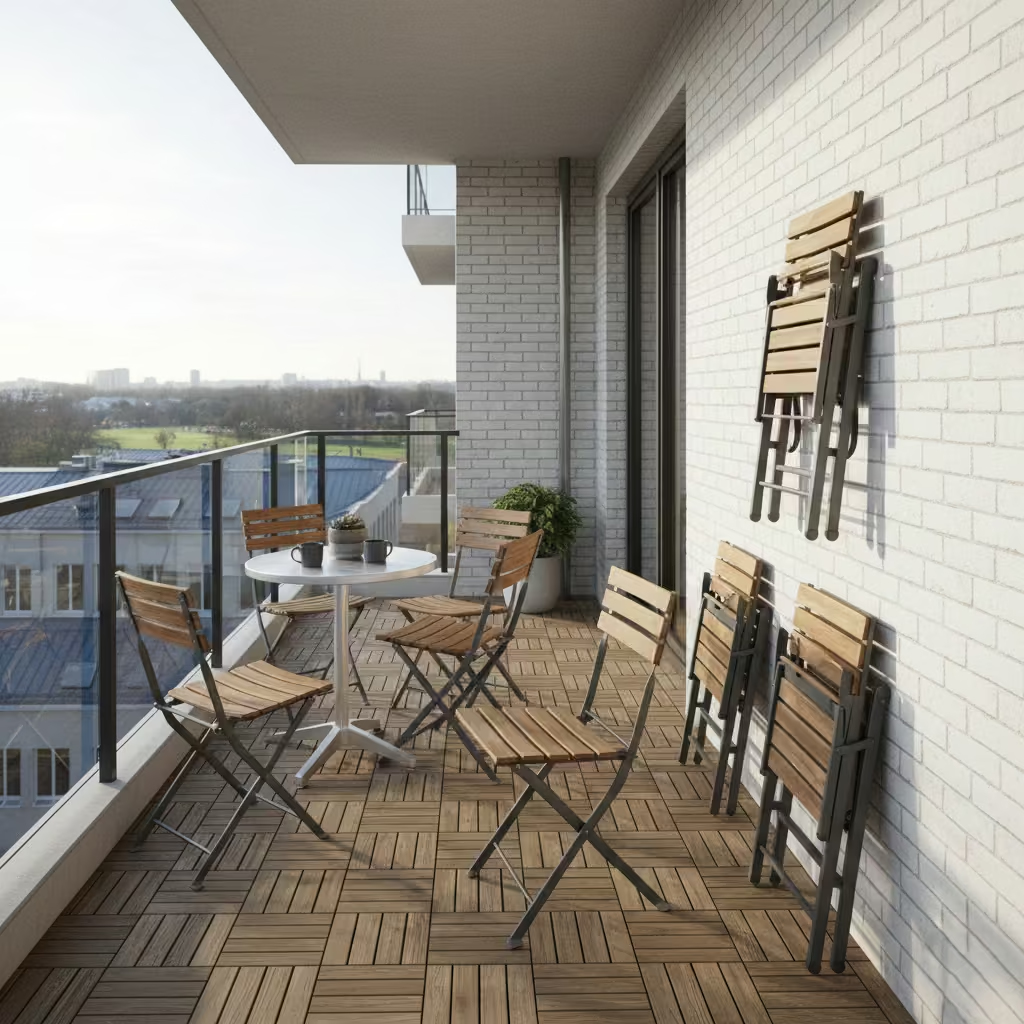
Because these chairs are often used in tighter layouts, proportions matter even more than with permanent seating.
- Seat width: 420–460 mm (16–18 inches)
This range provides adequate comfort without encroaching into circulation space.
I also assess folded depth and stacked height, ensuring chairs can be stored without blocking access routes or visual lines. Chairs that store vertically or against walls perform best in confined settings.
You May also Like: 25 Outdoor BBQ Area With Roof Ideas That Elevate Year-Round Outdoor Living
Comfort and Material Considerations
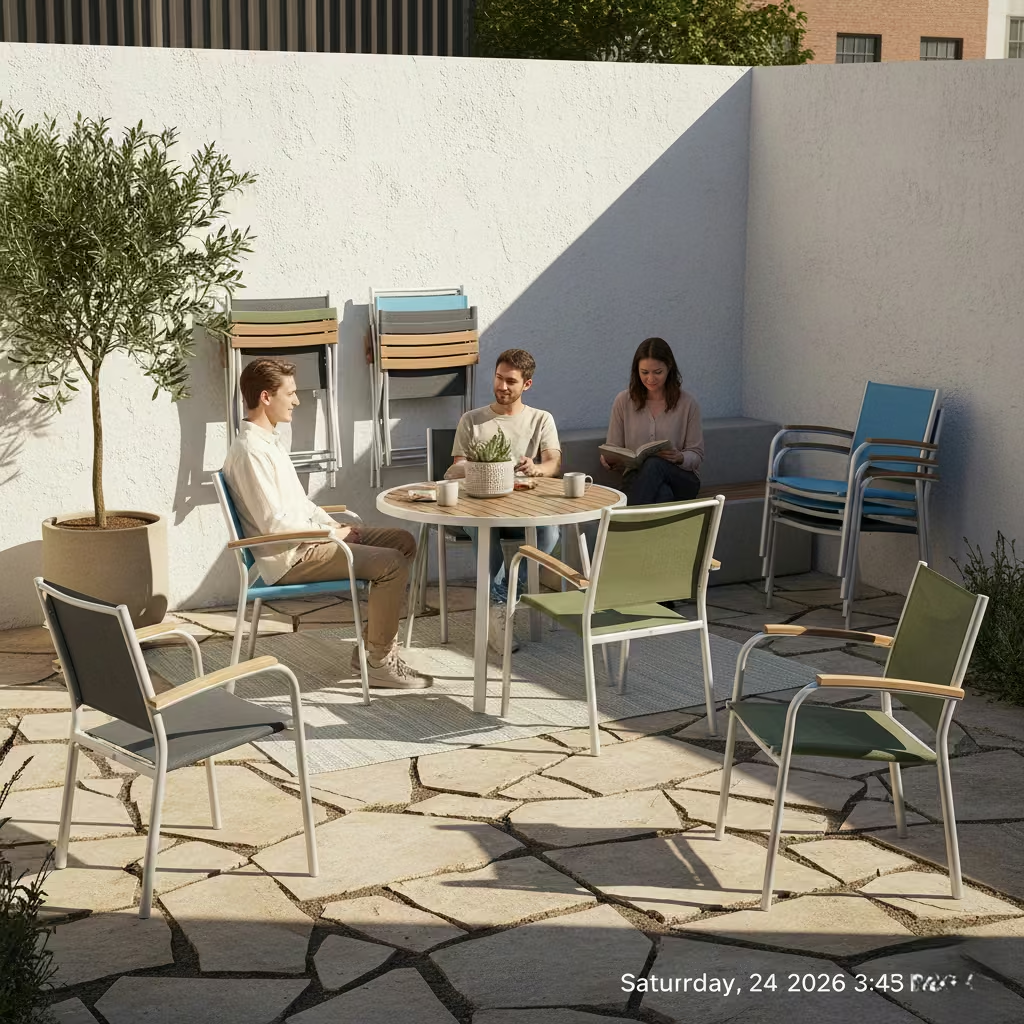
While stackable and folding chairs are not designed for extended lounging, comfort can be improved through thoughtful material selection:
- Sling fabrics offer flexibility and breathability
- Lightweight aluminum frames resist corrosion and are easy to move
- Slim timber or composite slats add warmth without excessive bulk
I avoid overly rigid plastic designs in frequently used areas, as they discourage lingering and reduce overall satisfaction with the space.
Real-Life Application
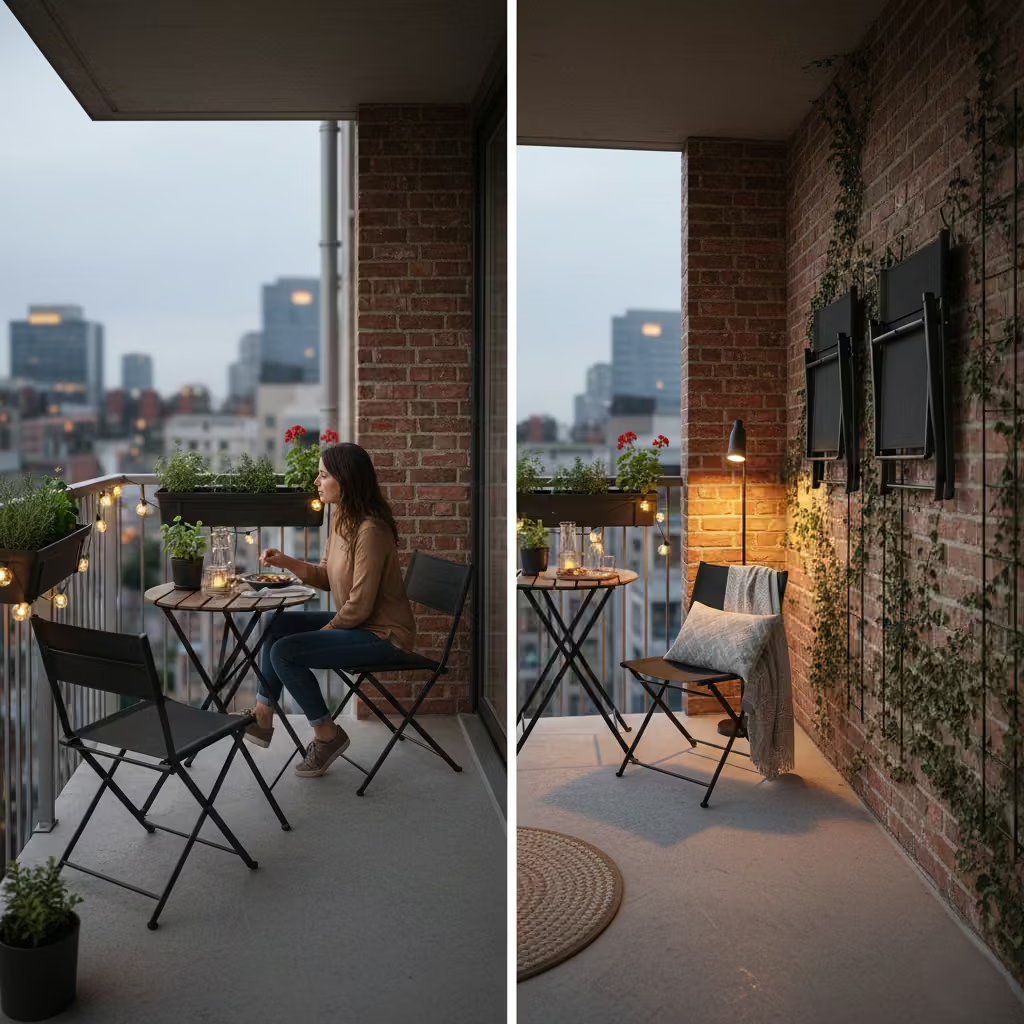
In a 65 sq ft (6 m²) balcony renovation, the client wanted the space to support both casual dining and relaxed evening use. Fixed seating would have overwhelmed the balcony, leaving little room to move.
I specified foldable sling chairs paired with a compact bistro table. During meals, the chairs were arranged conventionally. When not in use, they folded flat and were stored vertically against the wall, freeing the floor area for lounging or standing room.
This approach allowed the balcony to shift function effortlessly throughout the day, proving that flexibility can be as valuable as comfort in small outdoor spaces.
Why Flexible Seating Matters
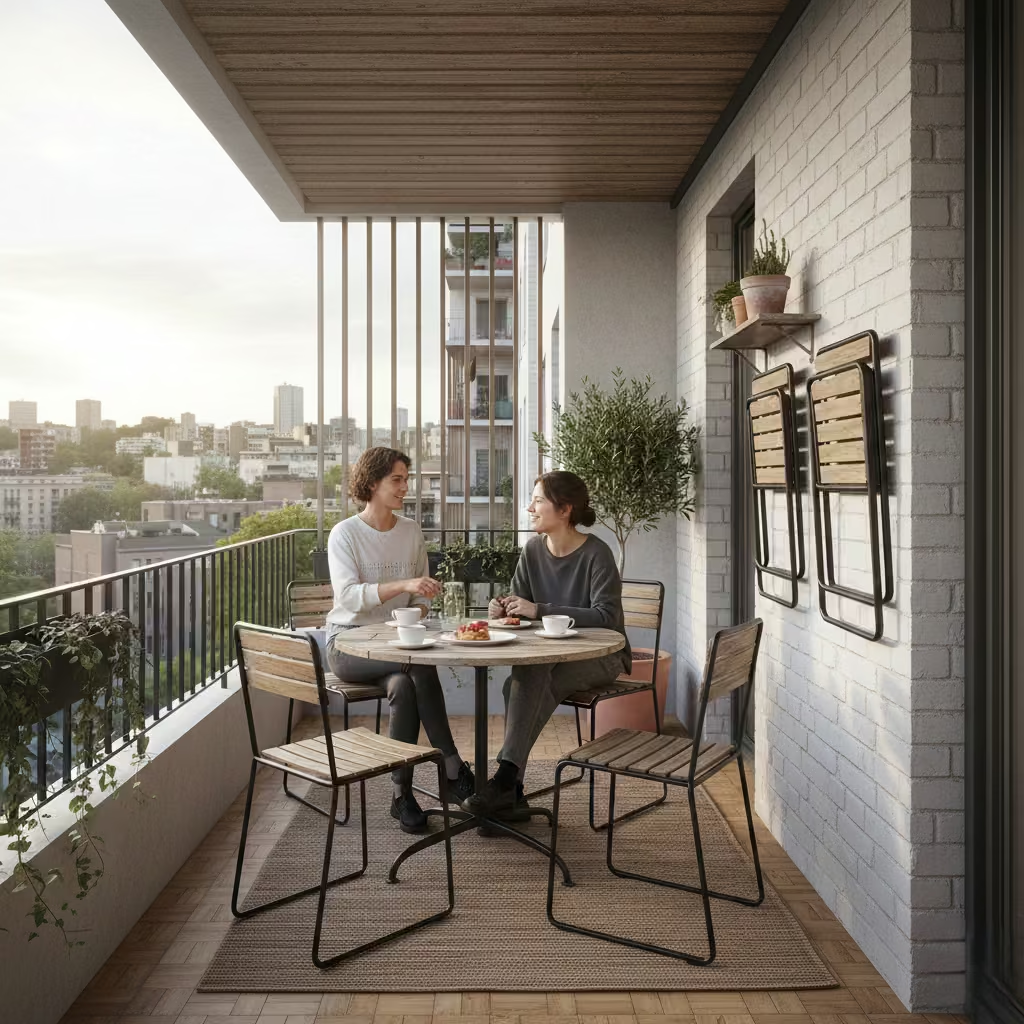
Stackable and folding chairs succeed when they respect the realities of everyday use. They allow outdoor spaces to evolve without constant reconfiguration or visual clutter. When chosen with care, they prevent small patios and balconies from feeling compromised, ensuring the space remains inviting rather than restrictive.
Sculptural Statement Chairs for Design Impact
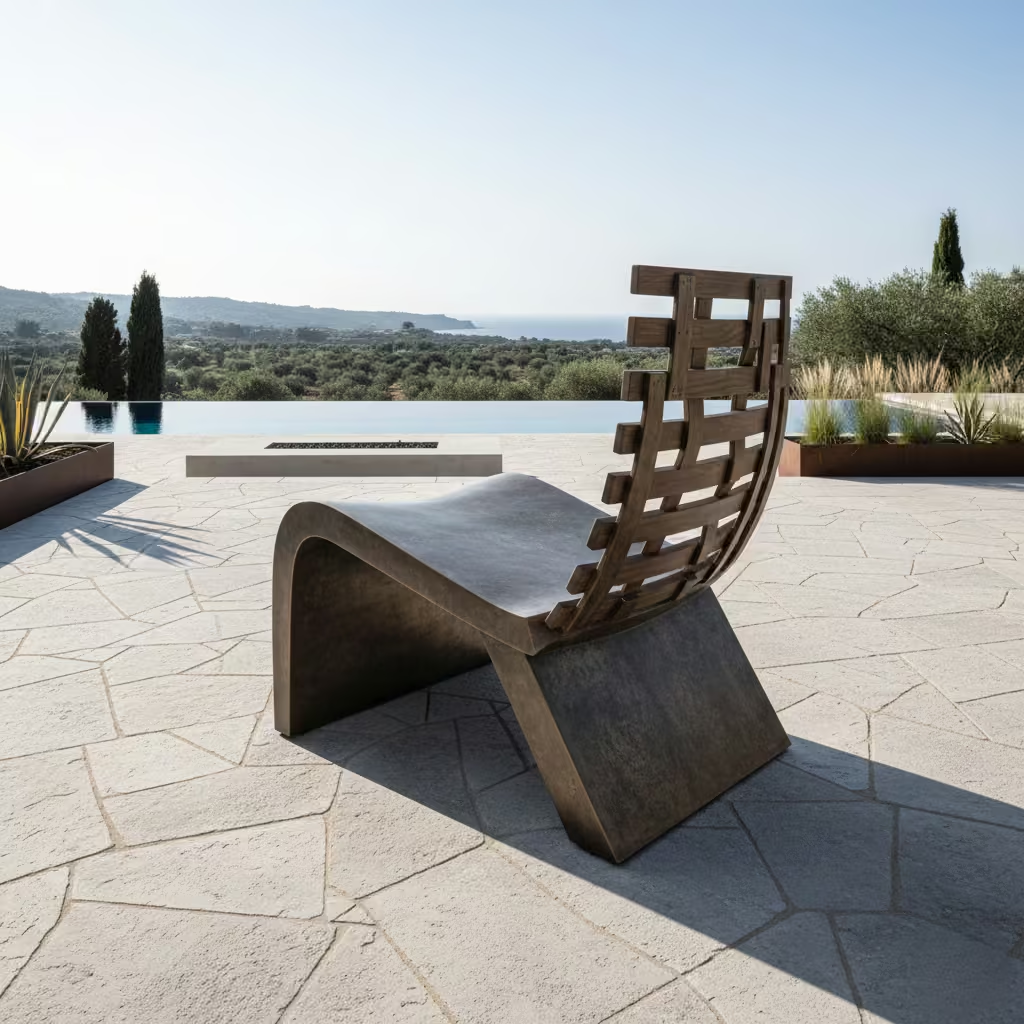
Sculptural statement chairs serve a fundamentally different role from functional seating. They are not chosen to maximise capacity or flexibility. They are introduced to establish identity, scale, and visual hierarchy within an outdoor space. When used correctly, a single sculptural chair can define an entire terrace or garden zone, acting almost as a piece of outdoor architecture rather than furniture.
Best Suited For
These chairs perform best in settings where the landscape or architecture is already strong and benefits from a deliberate focal point:
- Contemporary gardens, where clean lines and controlled planting allow sculptural forms to stand out
- Architectural terraces, particularly those with strong geometry, hardscape, and long sightlines
- Luxury outdoor spaces, where visual impact and material quality are prioritised alongside comfort
I avoid using sculptural chairs in visually busy or heavily planted gardens. Without restraint, they quickly feel out of place or self-conscious.
You May also Like: 25 Farmhouse Garden Ideas That Feel Timeless, Practical, and Full of Charm
What Makes a Chair Sculptural
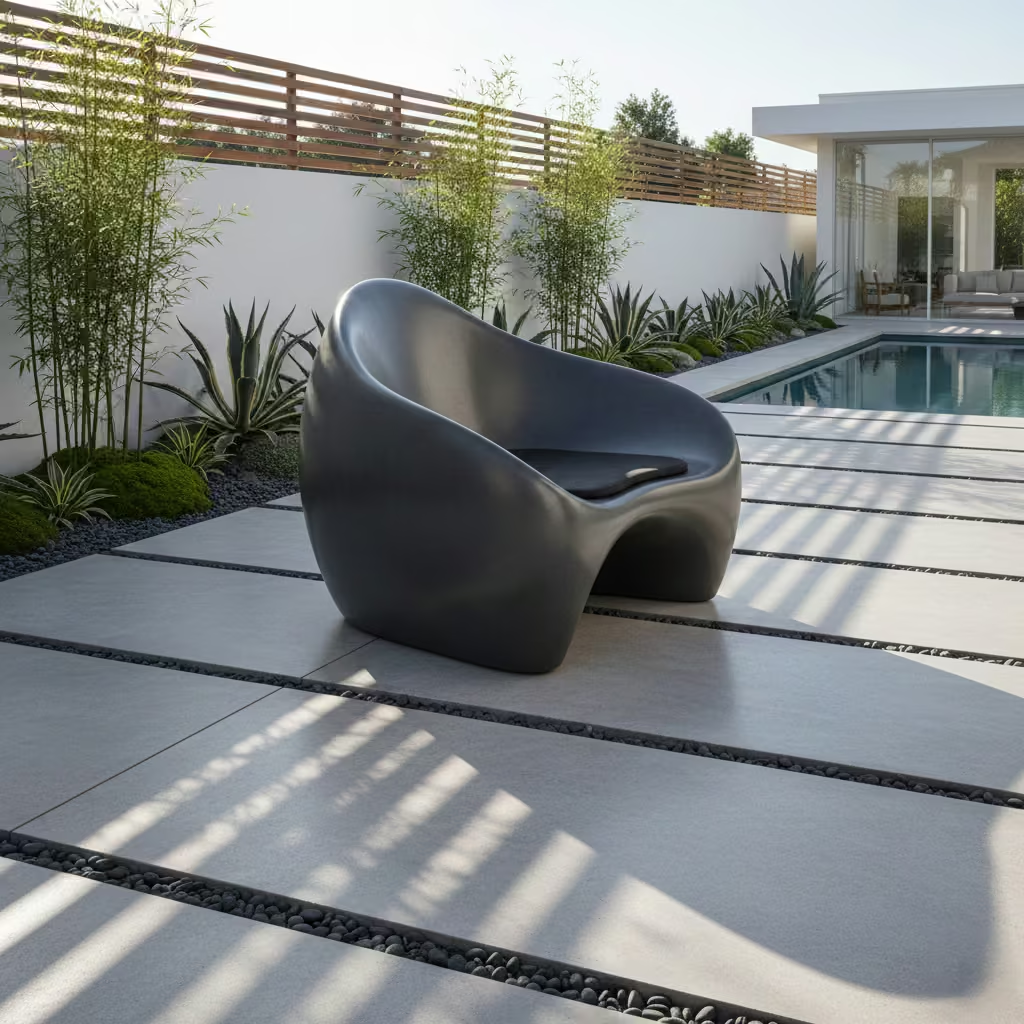
A sculptural outdoor chair is defined less by ornament and more by form, proportion, and material honesty. Key characteristics include:
- Strong silhouette that reads clearly from distance
- Minimal reliance on cushions
- Materials that hold shape and weight visually
These chairs are often experienced first visually, then physically, which is why proportion and placement are critical.
Material Focus and Real-World Performance
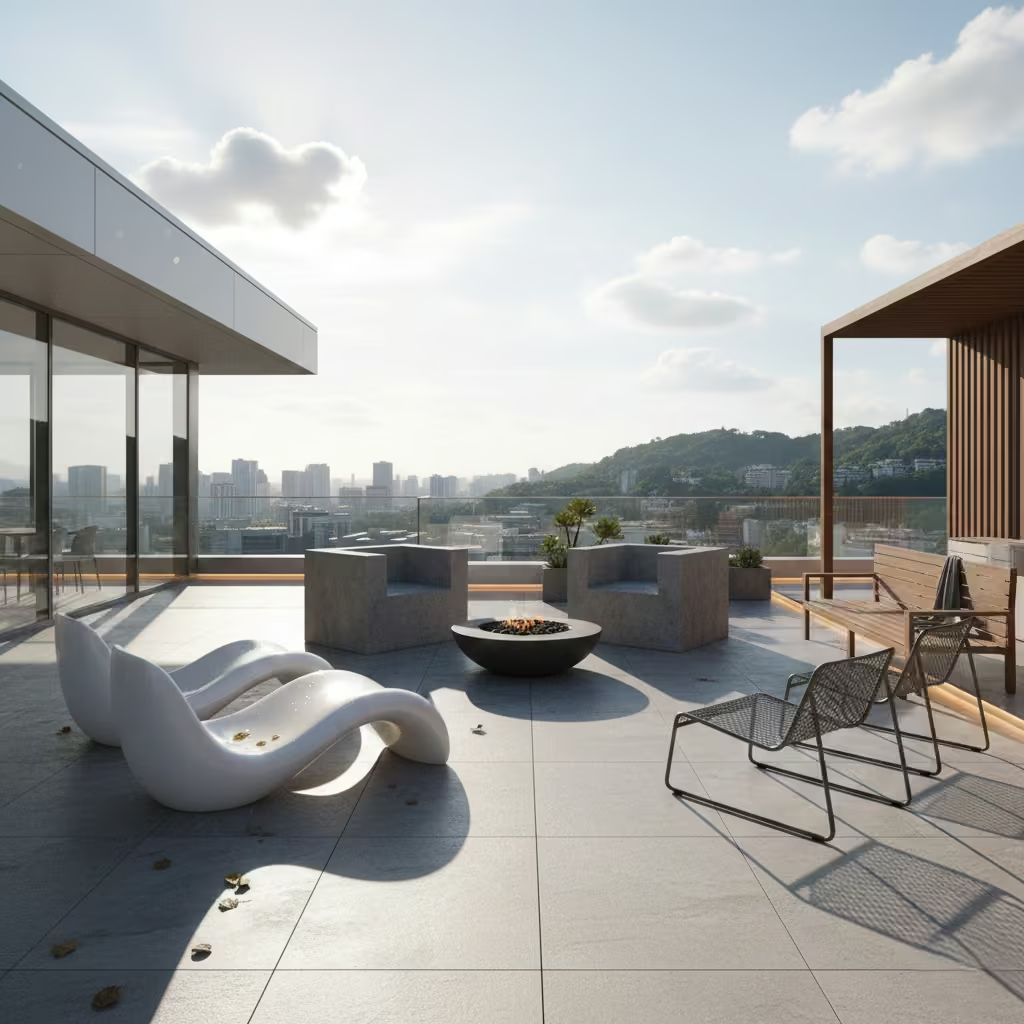
Molded Resin
Molded resin allows for fluid, continuous forms that would be difficult or impossible to achieve in traditional materials.
- Highly resistant to moisture and UV exposure
- Easy to clean and maintain
- Best suited to modern, minimal settings
I specify high-quality, UV-stabilised resin to avoid brittleness and colour fade, particularly in full sun locations.
Concrete Composites
Concrete composite chairs provide mass and presence, anchoring open spaces effectively.
- Excellent wind resistance due to weight
- Strong visual connection to architectural hardscape
- Requires careful placement to avoid dominating the space
These chairs work best as permanent fixtures rather than movable seating.
Timber Slats
Slatted timber chairs introduce warmth and tactility while maintaining sculptural clarity.
- Performs well in transitional spaces between architecture and planting
- Allows light and air to pass through, reducing visual heaviness
- Requires consistent detailing and quality joinery
I typically specify hardwoods or thermally modified timber to improve outdoor longevity.
Metal Mesh
Metal mesh chairs offer transparency and lightness despite their sculptural form.
- Visually permeable, ideal for maintaining sightlines
- Durable when properly treated
- Can feel cool to the touch without cushions
Powder coating quality is critical to prevent corrosion and discomfort.
Placement and Scale Considerations
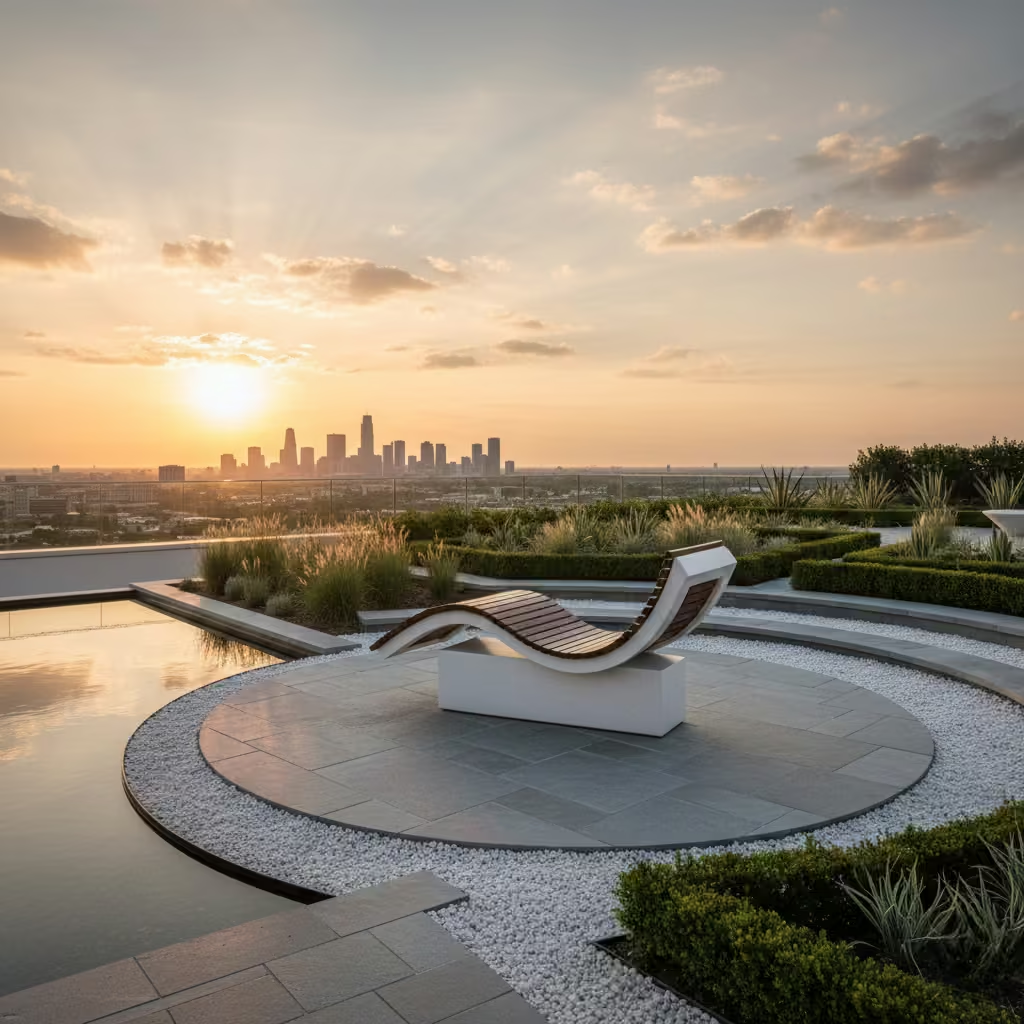
Sculptural chairs require space to breathe. I always allow:
- Clear visual space around the chair
- Uninterrupted sightlines from primary viewpoints
- Adequate circulation so the chair feels intentional, not obstructive
One well-placed statement chair often has more impact than several competing pieces.
Comfort Versus Impact
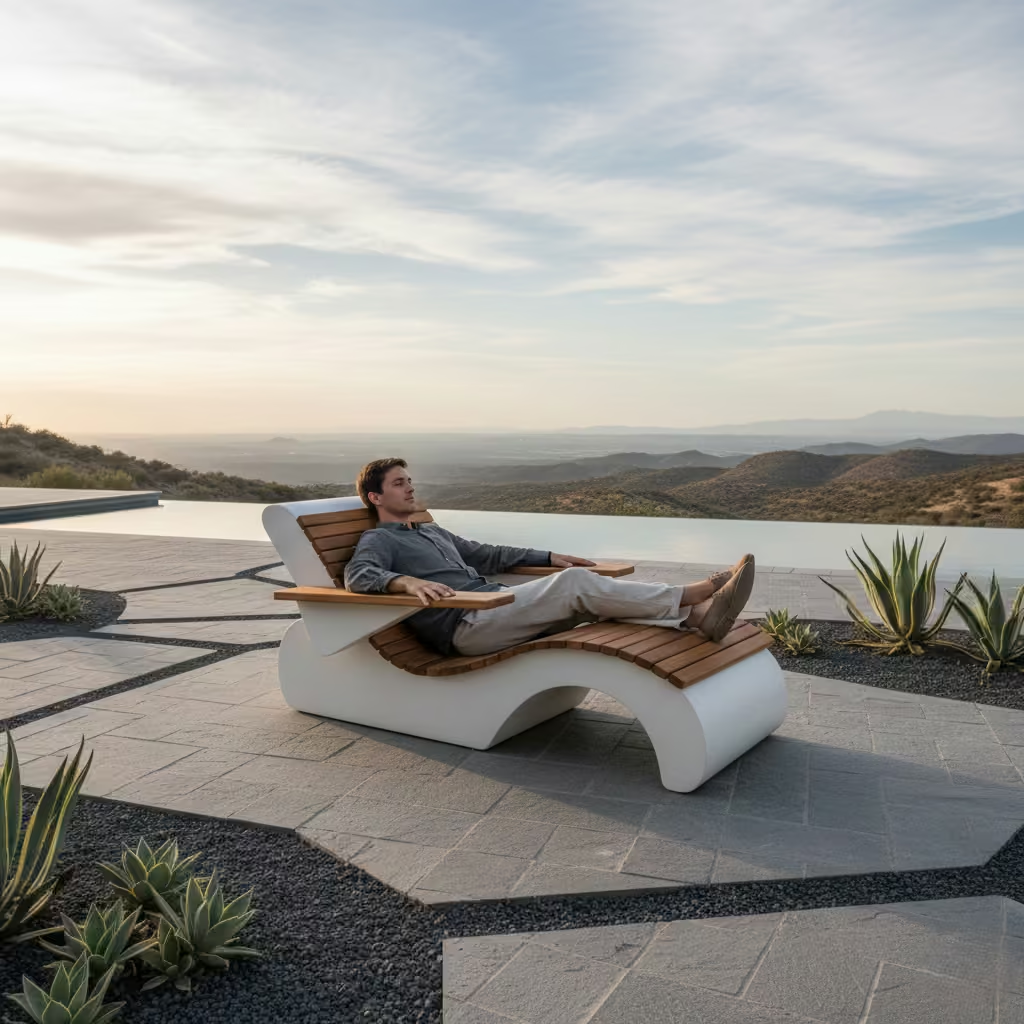
While these chairs are visually compelling, comfort should not be ignored. I assess:
- Back support geometry
- Armrest usability
- Seat edge comfort
Even brief seating should feel considered rather than purely symbolic.
Why Sculptural Chairs Matter in Outdoor Design
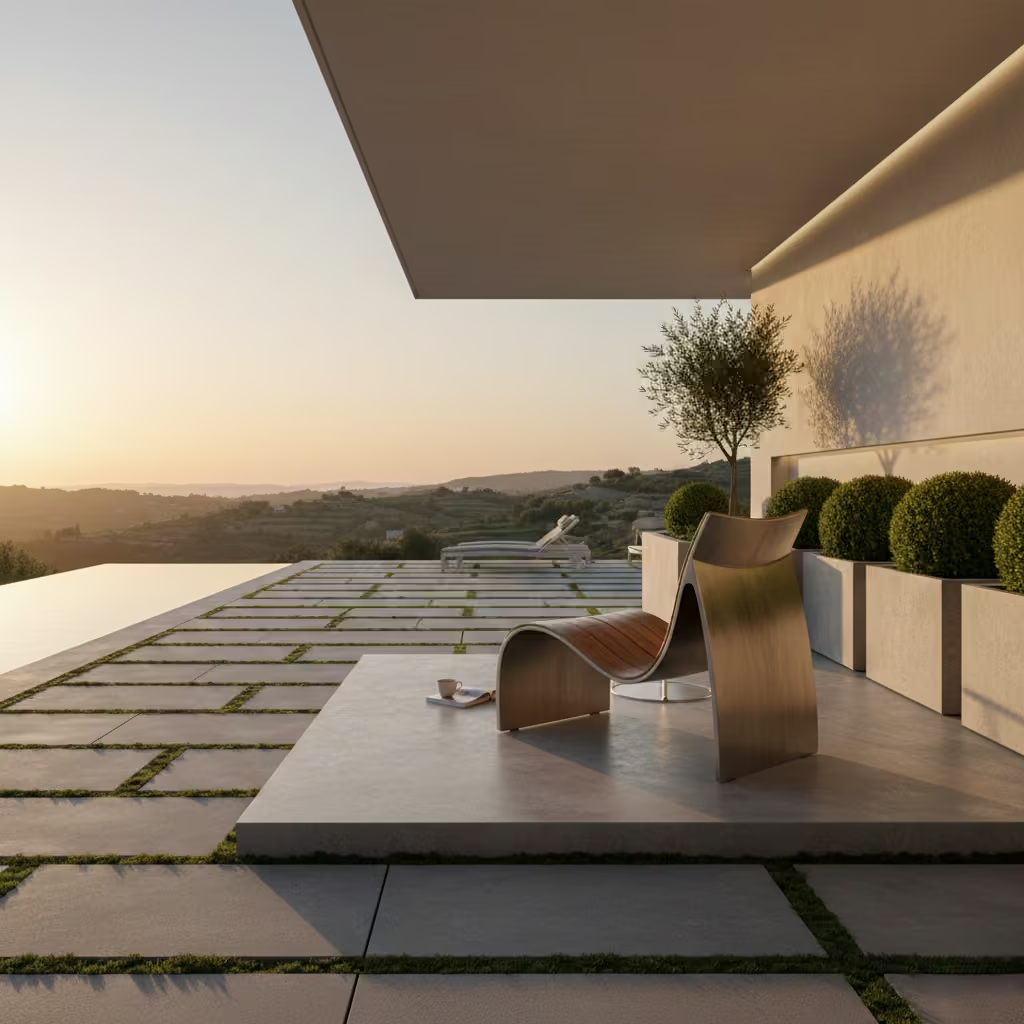
Sculptural statement chairs elevate outdoor spaces by introducing intention and authorship. They signal that the garden or terrace has been designed, not simply furnished. When selected with restraint and material intelligence, they become landmarks within the landscape, creating moments of pause, focus, and visual clarity.
You May also Like: 25 Outdoor Area Ideas for Kids That Encourage Adventure, Creativity, and Outdoor Play
Choosing Materials That Age Well Outdoors
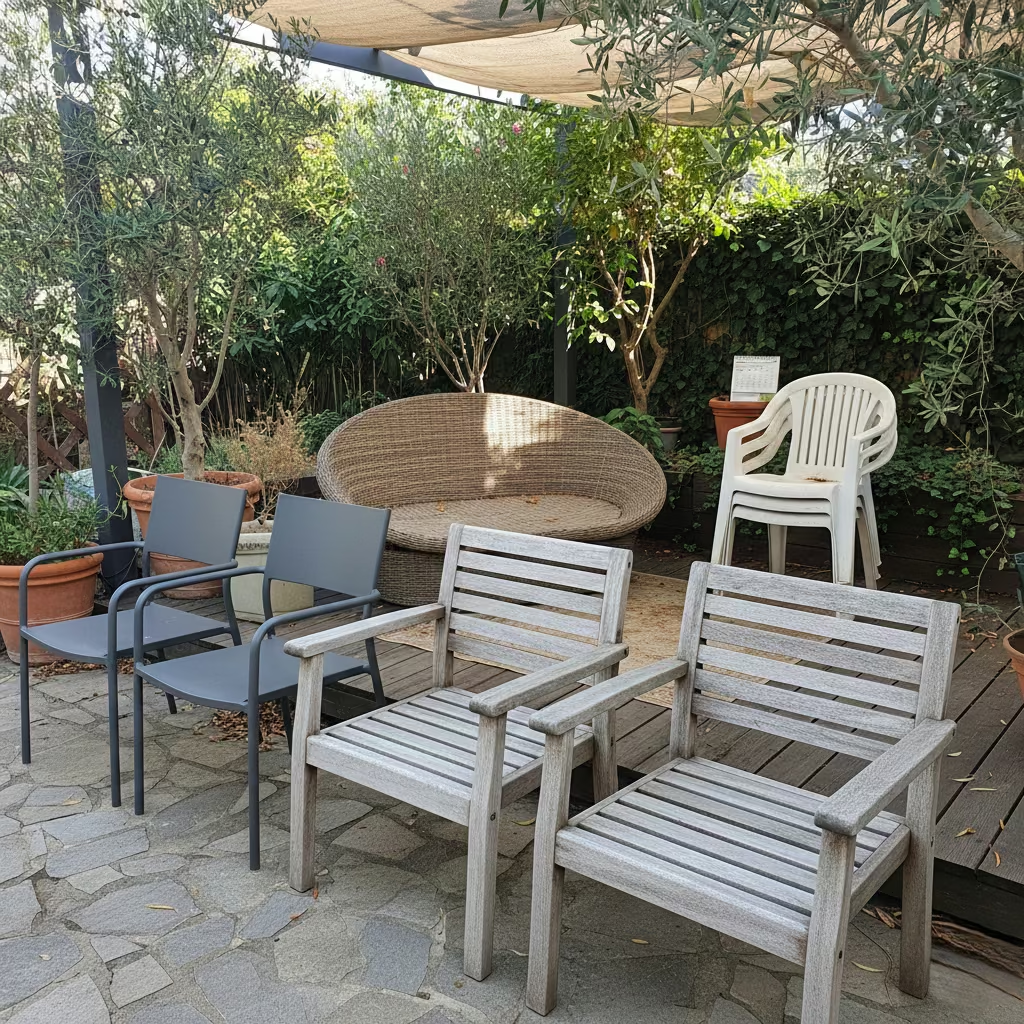
Selecting outdoor chairs is not just about style or comfort it is about longevity. Materials behave very differently when exposed to sun, rain, wind, and seasonal temperature fluctuations. Choosing the right material ensures that chairs continue to perform and look good for years, reducing maintenance effort and long-term replacement costs.
Here is a comparative breakdown of common outdoor chair materials and how they age:
| Material | Durability | Maintenance | Visual Aging |
| Teak | Excellent | Low | Develops an elegant silver patina over time, adding character while remaining structurally sound |
| Aluminum | Excellent | Minimal | Maintains finish with proper powder coating; lightweight yet durable, ideal for movable chairs |
| Rattan | Medium | Moderate | Natural fibres fade and fray over time; synthetic options improve longevity but may still discolor |
| Plastic Resin | Medium | Low | Resistant to moisture, easy to clean, but may yellow or warp in prolonged sun exposure |
Real-Life Experience
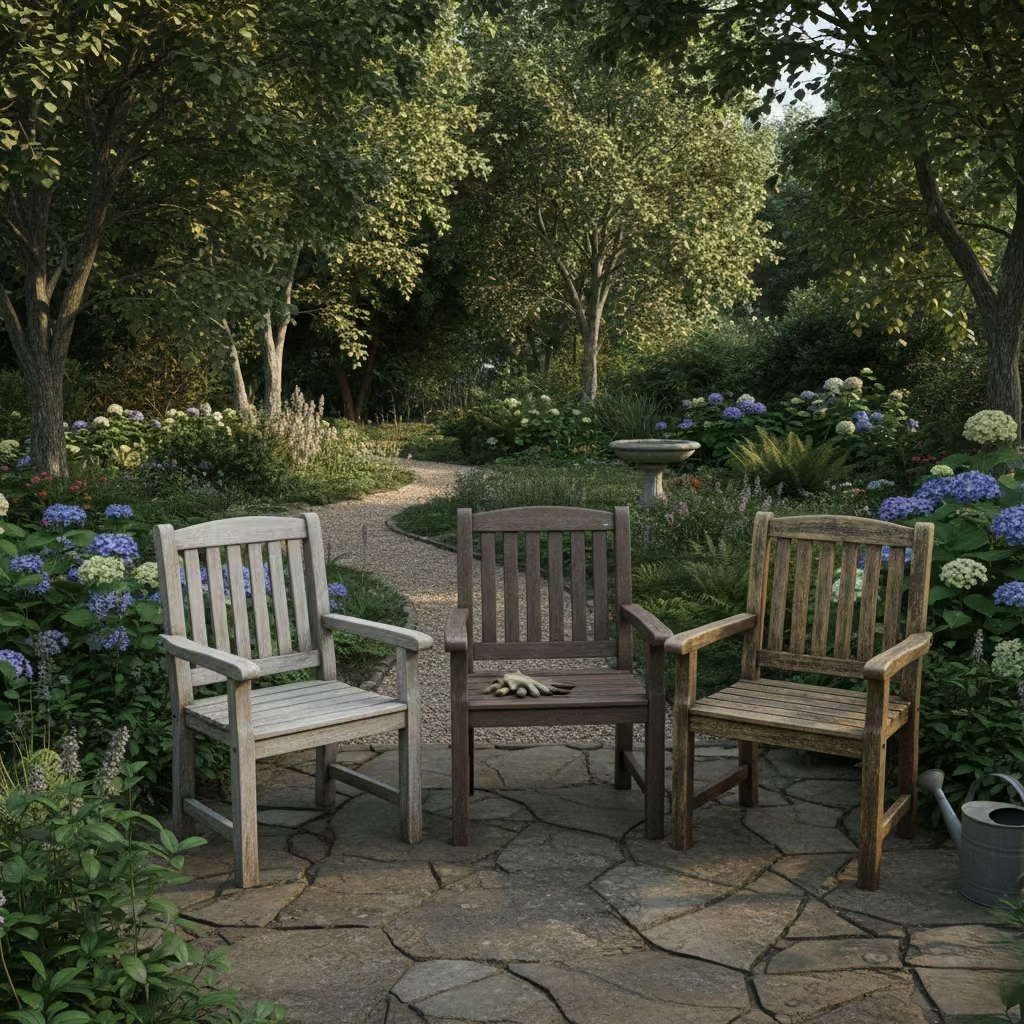
On one of my shaded garden projects, I compared teak chairs versus composite timber alternatives. While the composites required refinishing and repair after 5–6 years, the teak maintained structural integrity and aesthetic appeal for over 8 years without intervention, despite consistent daily use. The natural patina developed subtly, adding warmth and character rather than looking worn.
When planning outdoor seating, I always evaluate exposure, intended use, and desired visual aging alongside style and comfort. Material intelligence ensures chairs remain functional, beautiful, and proportionate to the space for decades.
How Many Chairs Do You Actually Need? Space Planning Guide
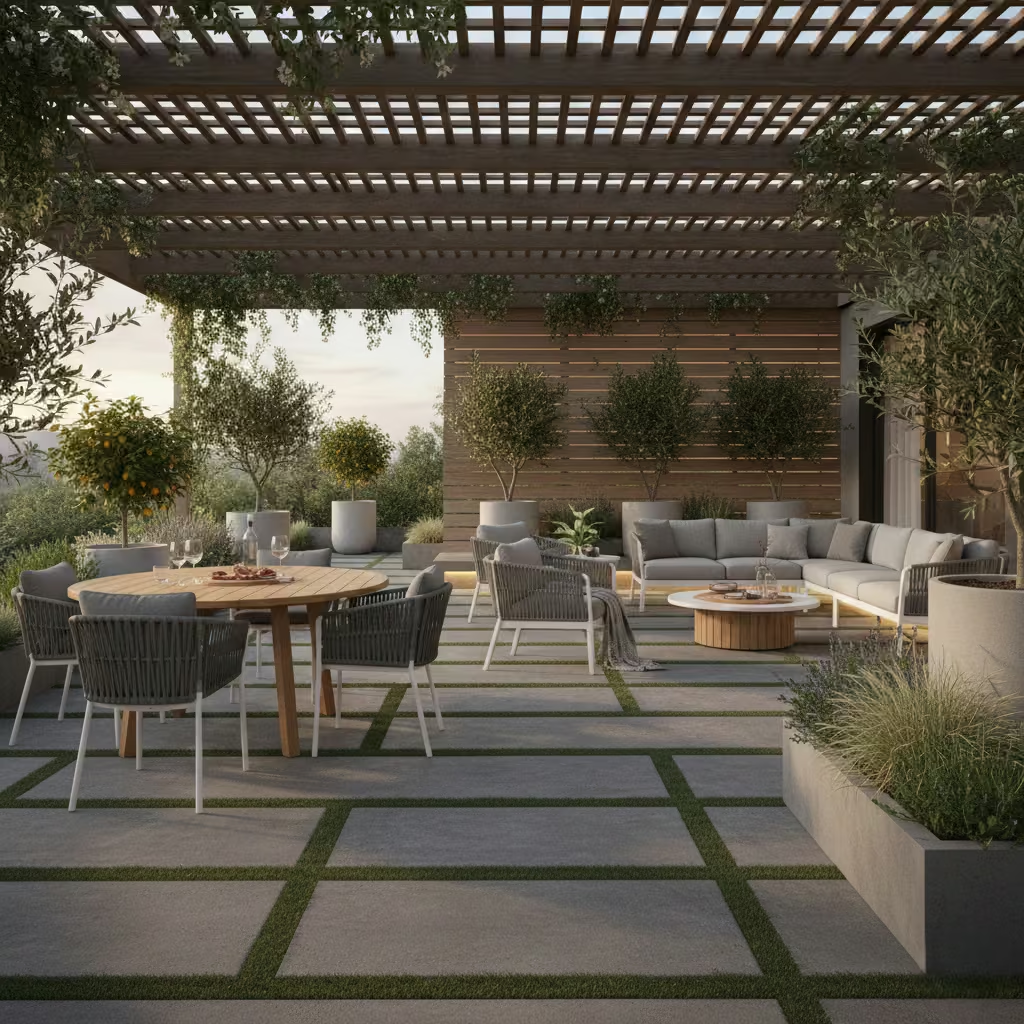
Understanding the right number of chairs is about more than counting seats. It is about circulation, comfort, and how people interact within the outdoor space. Too few chairs and the area feels underutilised; too many and the space becomes congested and awkward. Careful planning ensures each chair supports both human movement and the intended activity.
You May also Like: 15 Mid-Century Modern Garden Ideas to Transform Your Outdoor Space
Planning Formulas for Outdoor Seating
Dining Chairs
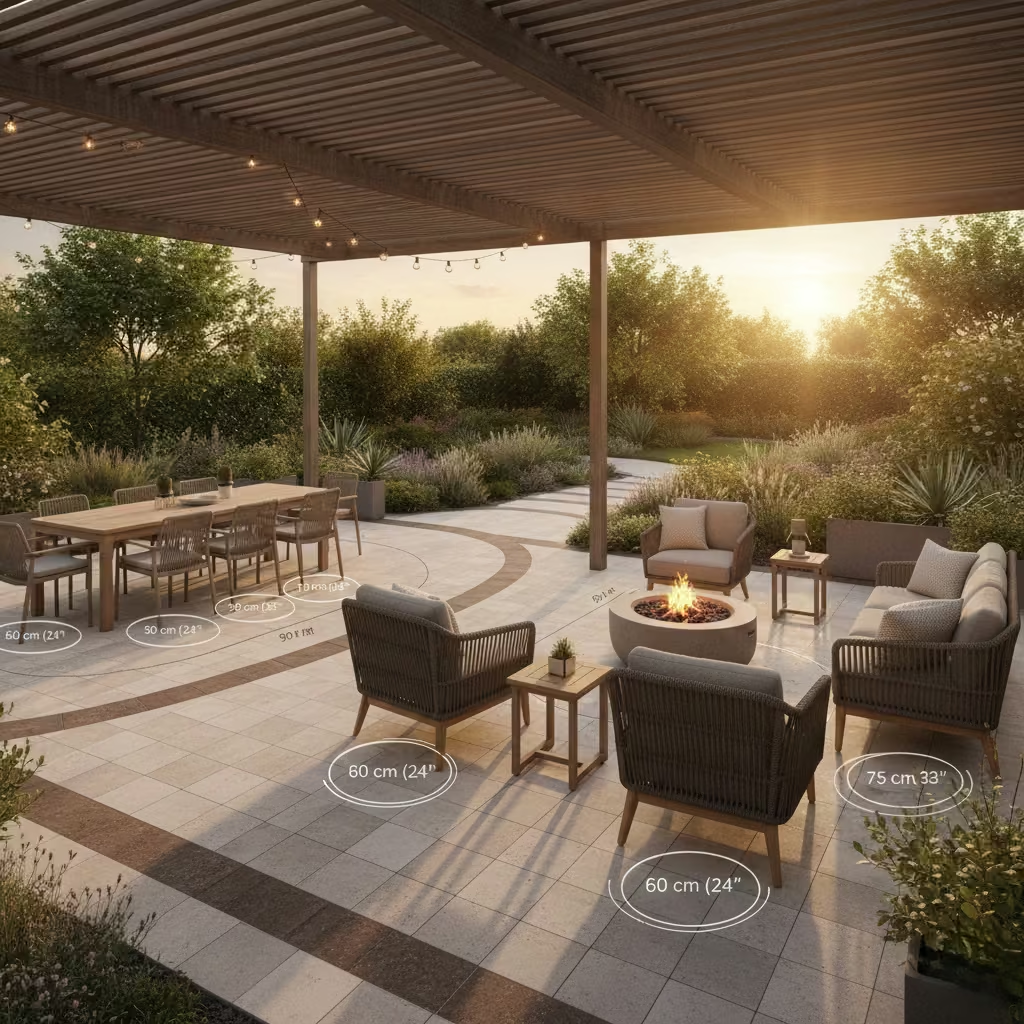
For dining zones, I use 60 cm (24 inches) width per chair as a baseline. This provides:
- Adequate elbow room for each diner
- Comfortable spacing to slide chairs in and out without brushing neighbours
- Space for armrests if using chairs with arms
This formula works for rectangular, round, and oval tables, though adjustments may be needed for larger or smaller table shapes.
Lounge Seating
For lounging or informal seating areas, I plan 75–90 cm (30–36 inches) per person. This accounts for:
- Deeper seat profiles of lounge chairs
- Required circulation around clusters of furniture
- Placement of side tables or fire pits without obstructing access
Wider spacing encourages relaxed, unhurried use, which is critical for fire pits or sun terraces.
You May also Like: Coastal Garden Design: Creating Landscapes That Withstand Exposure and Age Gracefully
Typical Layout Examples
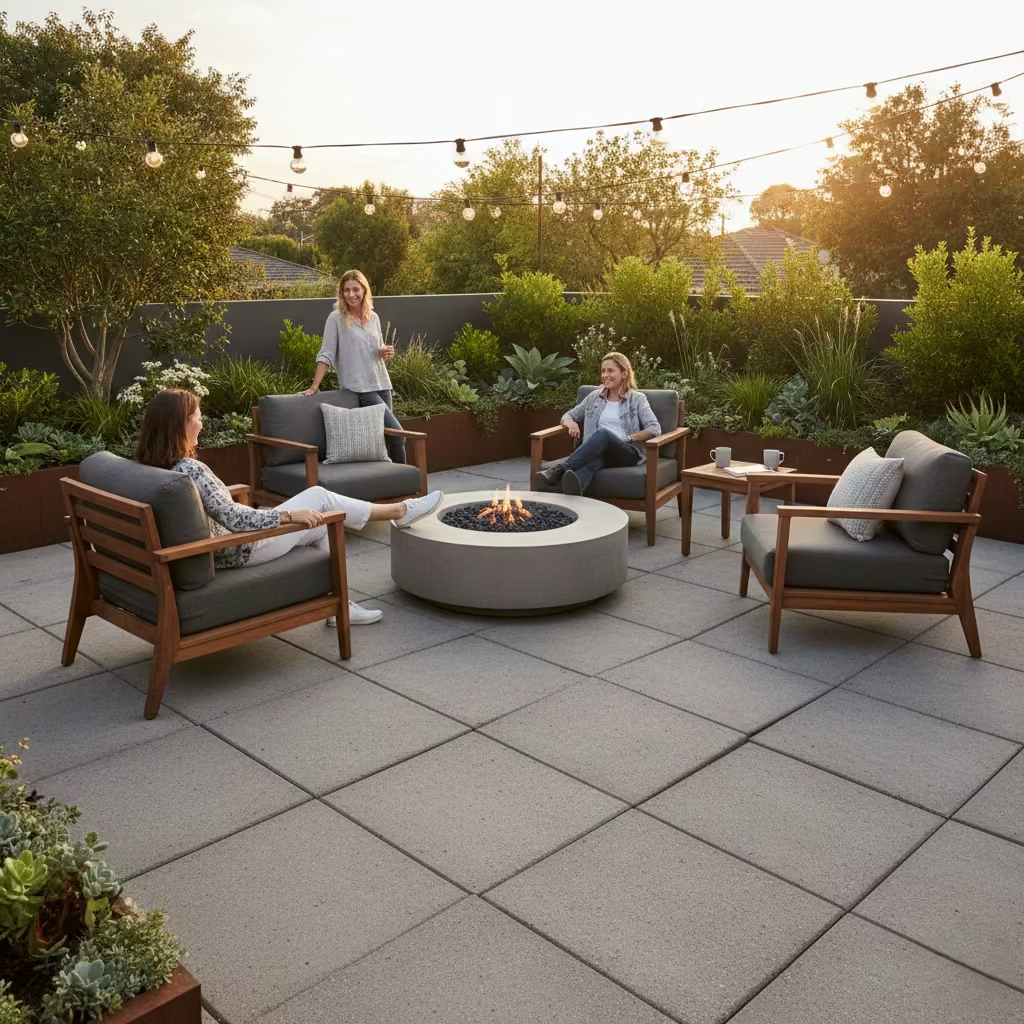
6-Seat Dining Terrace
- Space required: 3 m × 3.5 m (10 ft × 11.5 ft)
- This accommodates a standard rectangular table with six chairs while maintaining 900–1,100 mm (35–43 inches) circulation behind each chair.
- Adequate clearance allows guests to comfortably enter and exit the dining zone, even when all chairs are occupied.
Lounge Seating Cluster
- Space required: 3 m × 4 m (10 ft × 13 ft)
- Suitable for 2–4 deep lounge chairs with side tables, fire pit, or planter integration
- Ensures enough room for multiple users to relax simultaneously without feeling cramped
Additional Planning Considerations
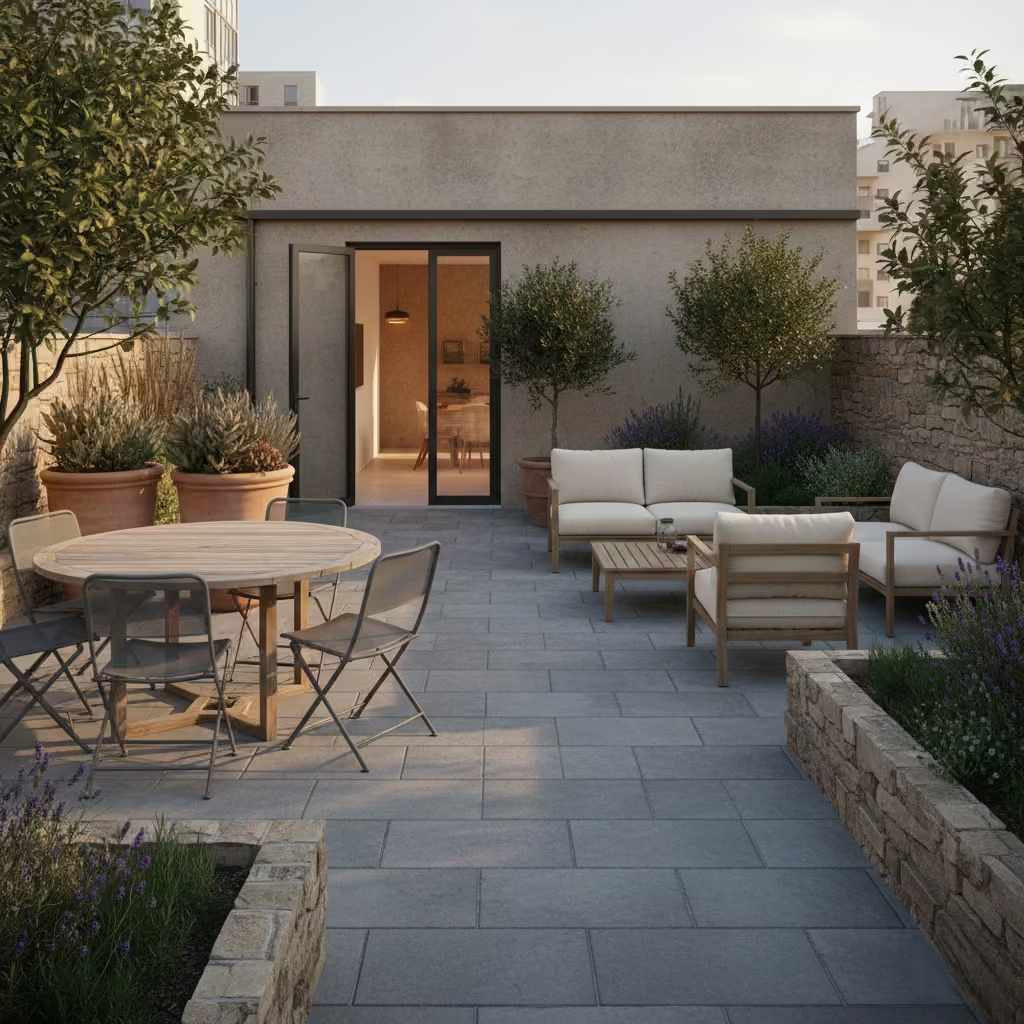
- Circulation: Always verify paths between chairs, tables, and doors. Overcrowding limits usability even if the seat count is correct.
- Flexibility: Modular layouts or stackable/folding chairs allow you to adjust seating numbers for events or seasonal use.
- Visual Balance: Too many chairs in a small garden can dominate the visual field; fewer, well-placed seats often feel more generous.
- User Types: Consider who will use the space. Lower lounge chairs may not suit elderly users, while armrest-equipped dining chairs are better for formal meals.
Common Outdoor Chair Mistakes I See on Projects
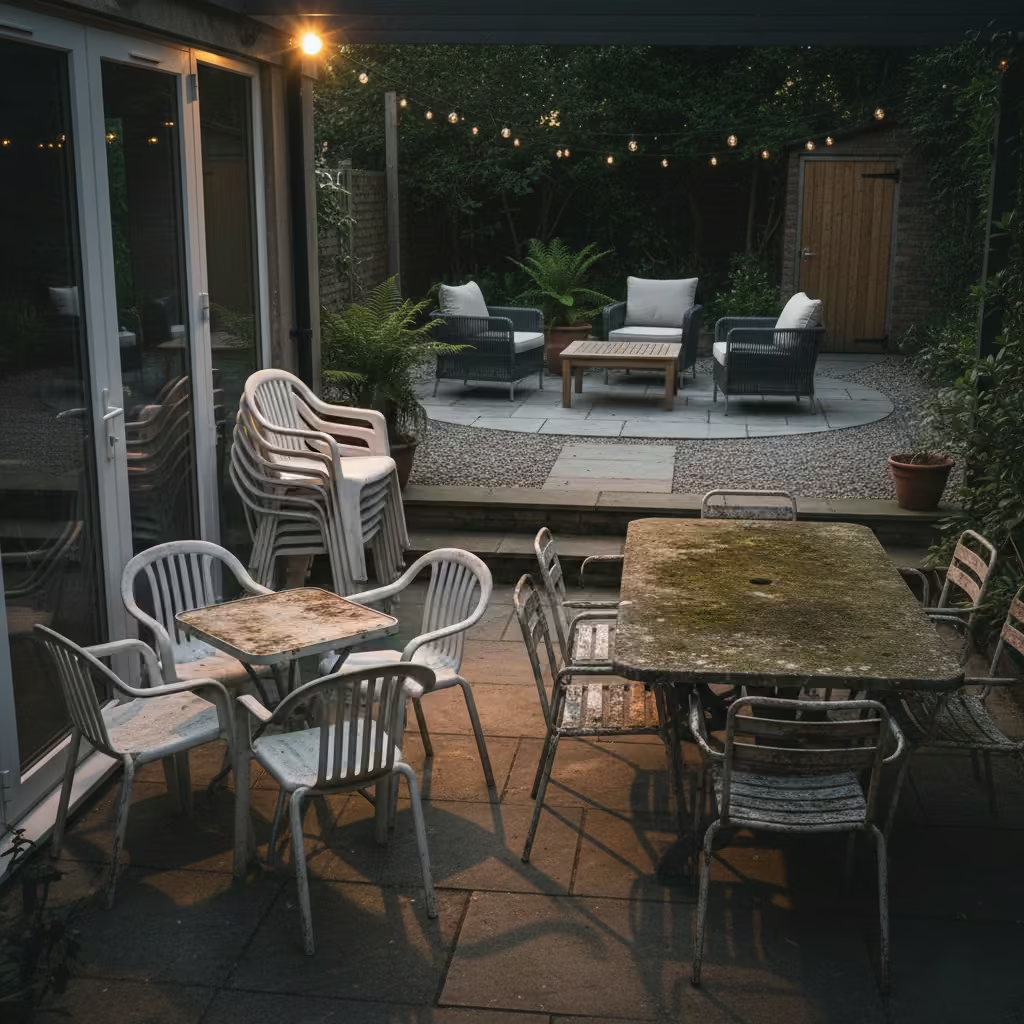
Even the most beautifully designed gardens can fail to function if seating is treated as an afterthought. In my experience, several recurring mistakes consistently undermine outdoor seating, affecting both comfort and long-term usability. Understanding these pitfalls can help homeowners and designers make smarter choices from the outset.
Undersized Seating Zones
A common error is squeezing chairs into areas that appear “big enough on paper” but feel cramped in reality. When the space cannot accommodate chair depth, circulation, or table clearance, seating becomes uncomfortable and underused.
Impact: People avoid using the space, defeating the purpose of having seating at all.
Solution: Always measure circulation and seating depth, allowing 900–1,100 mm (35–43 inches) for movement behind chairs and 1,400 mm (55 inches) for lounge seating zones.
Poor Weather Material Selection
Many chairs fail prematurely because materials are chosen for style rather than environmental suitability. For example, untreated timber rots in wet climates, aluminum frames without proper coating corrode in coastal areas, and low-grade plastics yellow under prolonged sun exposure.
Impact: Chairs degrade quickly, requiring replacement or constant maintenance.
Solution: Prioritise material intelligence—teak, powder-coated aluminum, UV-stable resin, and weather-resistant synthetics perform reliably over time.
Overcrowding
Crowding too many chairs into a space is a frequent visual and functional mistake. It may seem efficient, but it restricts circulation and makes social interaction awkward.
Impact: The garden feels cluttered, and users are physically constrained.
Solution: Stick to planning formulas 60 cm per dining seat, 75–90 cm per lounge seat and allow breathing space around clusters.
Ignoring Circulation
Even if chairs are well-proportioned, neglecting circulation routes can render a space awkward. Chairs placed directly in front of doors, along pathways, or too close to tables interrupt natural movement.
Impact: Guests bump into furniture, move chairs constantly, and avoid using the area comfortably.
Solution: Map paths of movement first, then position seating to maintain clear and intuitive flow.
Choosing Style Over Comfort
Finally, selecting chairs solely for their aesthetic appeal is a frequent trap. Sculptural forms, trendy designs, or ultra-modern silhouettes may look striking, but if they don’t support posture, ergonomics, or the intended function, the space will fail.
Impact: Seating may be visually appealing but underused or uncomfortable.
Solution: Prioritise comfort, ergonomics, and material performance first; style should enhance, not dictate, the decision.
How Outdoor Chairs Influence Social Behaviour & Space Psychology
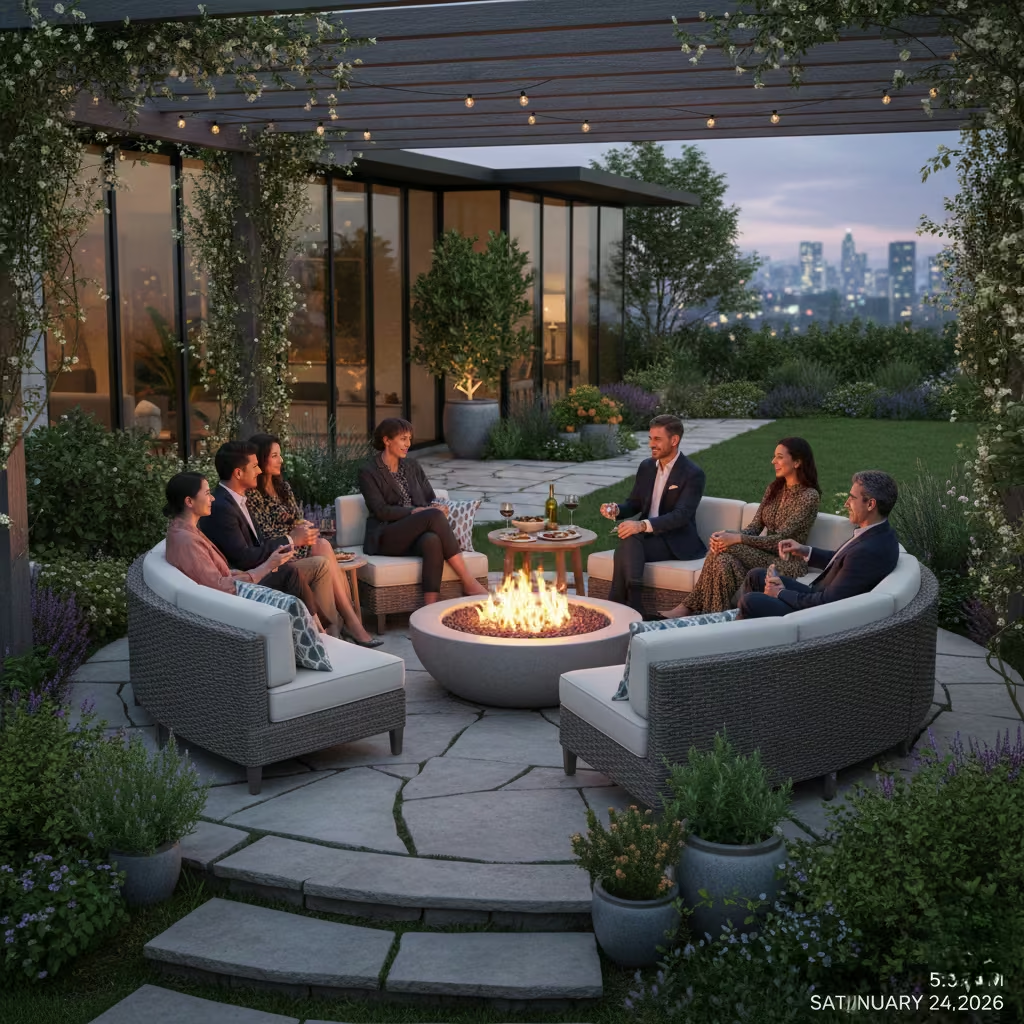
Outdoor seating does more than provide a place to sit—it actively shapes how people interact, move, and experience a garden. When planned thoughtfully, chairs can encourage conversation, foster relaxation, and subtly guide social dynamics. I approach seating as a spatial and psychological tool, not merely a functional or decorative element.
How Seating Shapes Conversation
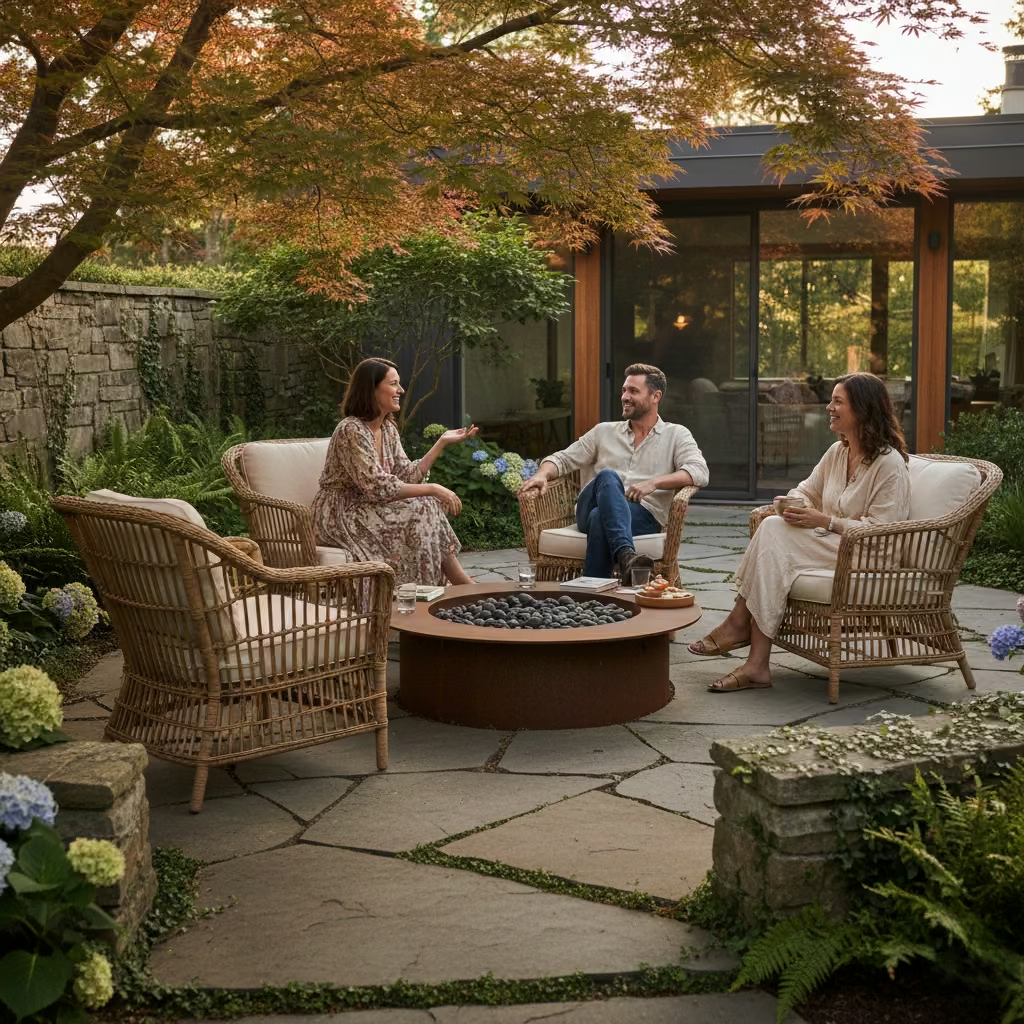
The placement and orientation of chairs determines how easily people engage. Chairs facing each other naturally encourage eye contact, while chairs aligned in rows or against walls can inhibit communication.
- Angled seating: Slightly offset chairs promote a relaxed conversational flow, allowing participants to see one another without appearing forced.
- Group clustering: Positioning chairs in clusters supports intimacy and shared focus, making a space feel inviting even in larger gardens.
In my projects, I often test layouts by physically marking chair footprints and imagining different groupings. This ensures the seating encourages interaction rather than isolation.
Why Circular Layouts Outperform Linear Ones
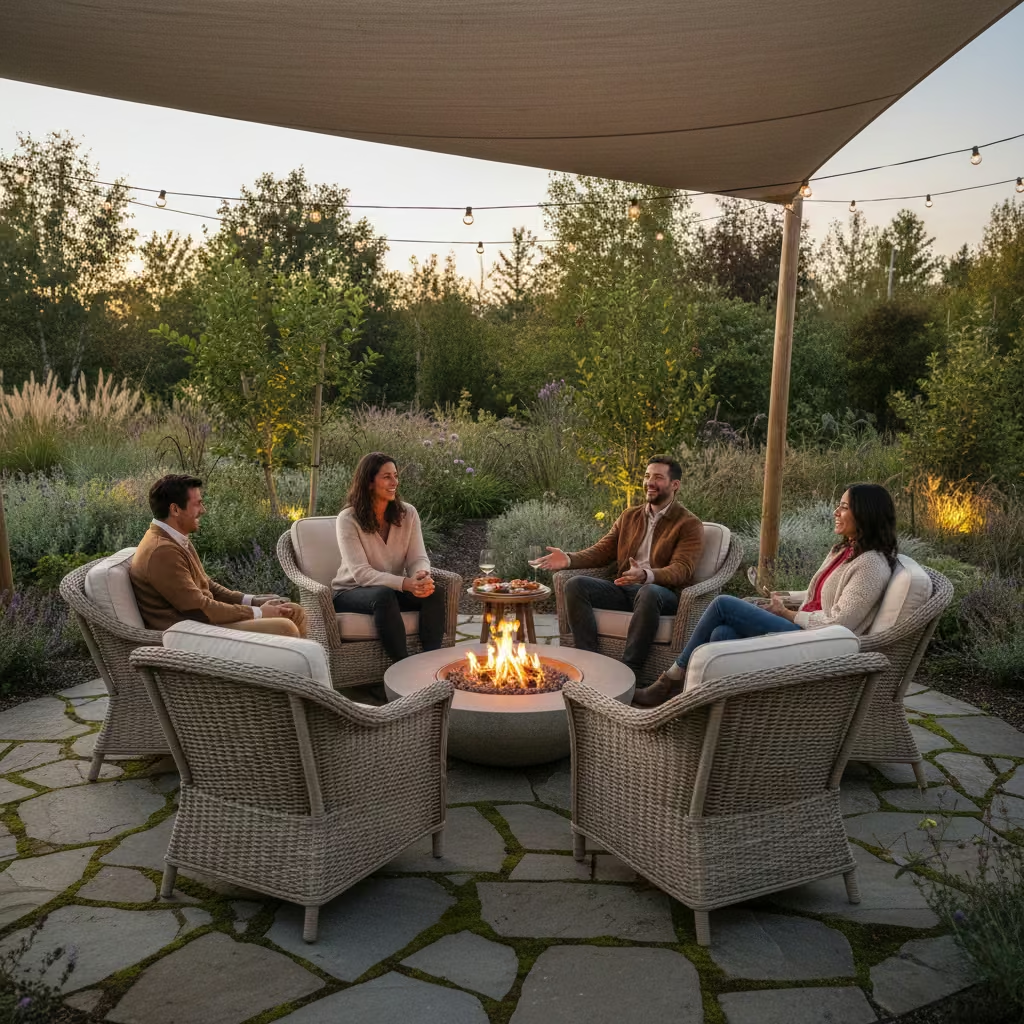
Circular or semi-circular arrangements consistently outperform linear configurations for social engagement.
- Equitable eye contact: Everyone can see and interact with each other naturally, creating a sense of equality in the group.
- Informal gathering: Circles encourage informal conversation and spontaneous seating shifts, perfect for fire pits, patios, and lounge zones.
- Focal point integration: Circular layouts easily incorporate a visual or functional centerpiece, like a fire bowl, planter, or table, enhancing cohesion.
Linear layouts often feel rigid, leaving participants on the ends disengaged. Even small adjustments, like angling chairs slightly inward, can dramatically improve connection.
How Height Differences Create Relaxed Dynamics
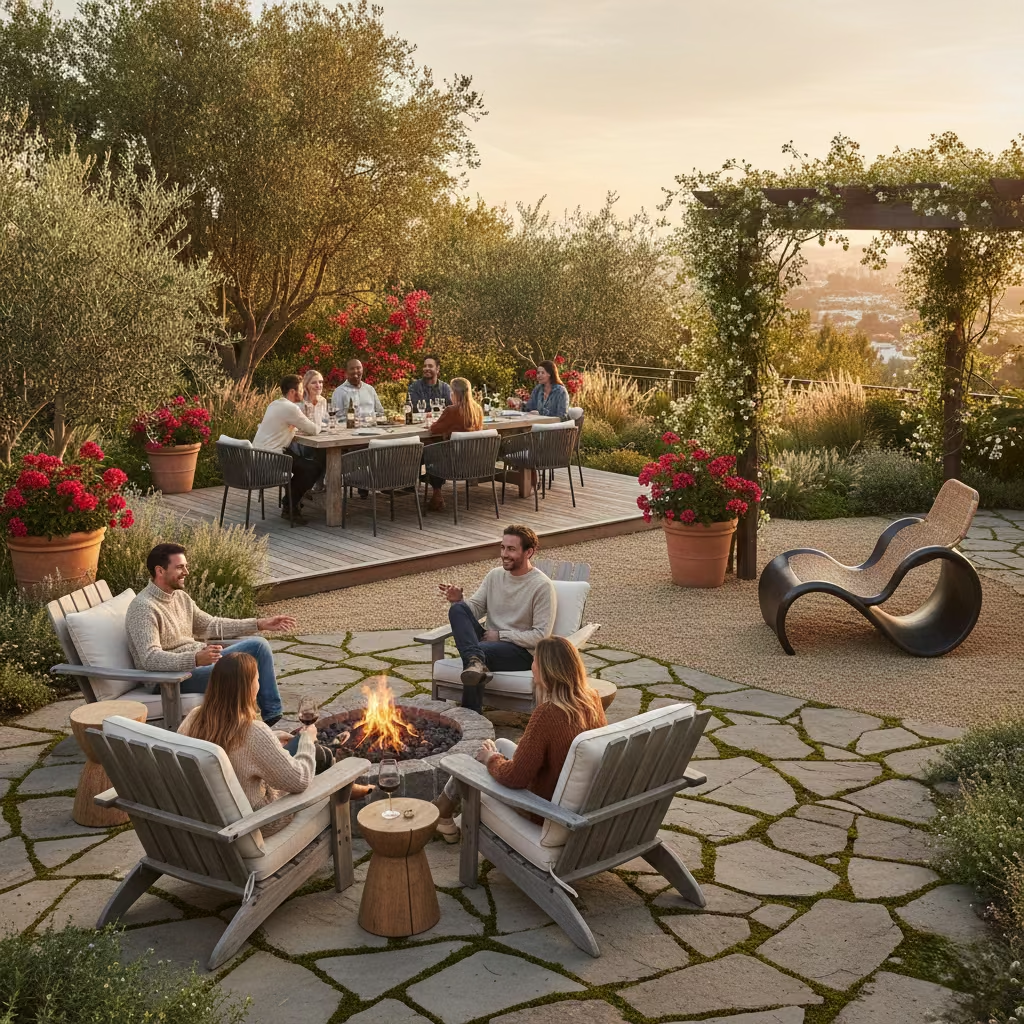
Varying seat heights influences comfort, posture, and psychological hierarchy:
- Lower lounge chairs signal relaxation and encourage lingering
- Standard dining chairs support upright posture for conversation and meals
- Mixed heights prevent a space from feeling monotonous and subtly encourage different types of interaction within the same area
I often combine low Adirondack or deep lounge chairs with standard dining or sculptural seating to create layers of activity and comfort. This layered approach allows some participants to relax while others remain more engaged, supporting fluid, natural social patterns.
Key Takeaway:
Outdoor chairs are more than furniture they are social instruments. Placement, orientation, layout, and height all influence how people gather, converse, and linger. By designing with these psychological cues in mind, I create outdoor spaces that feel instinctively comfortable, encourage meaningful interaction, and support a variety of social dynamics without anyone needing to think about it.
Conclusion: Designing Outdoor Seating That Works Beautifully for Years
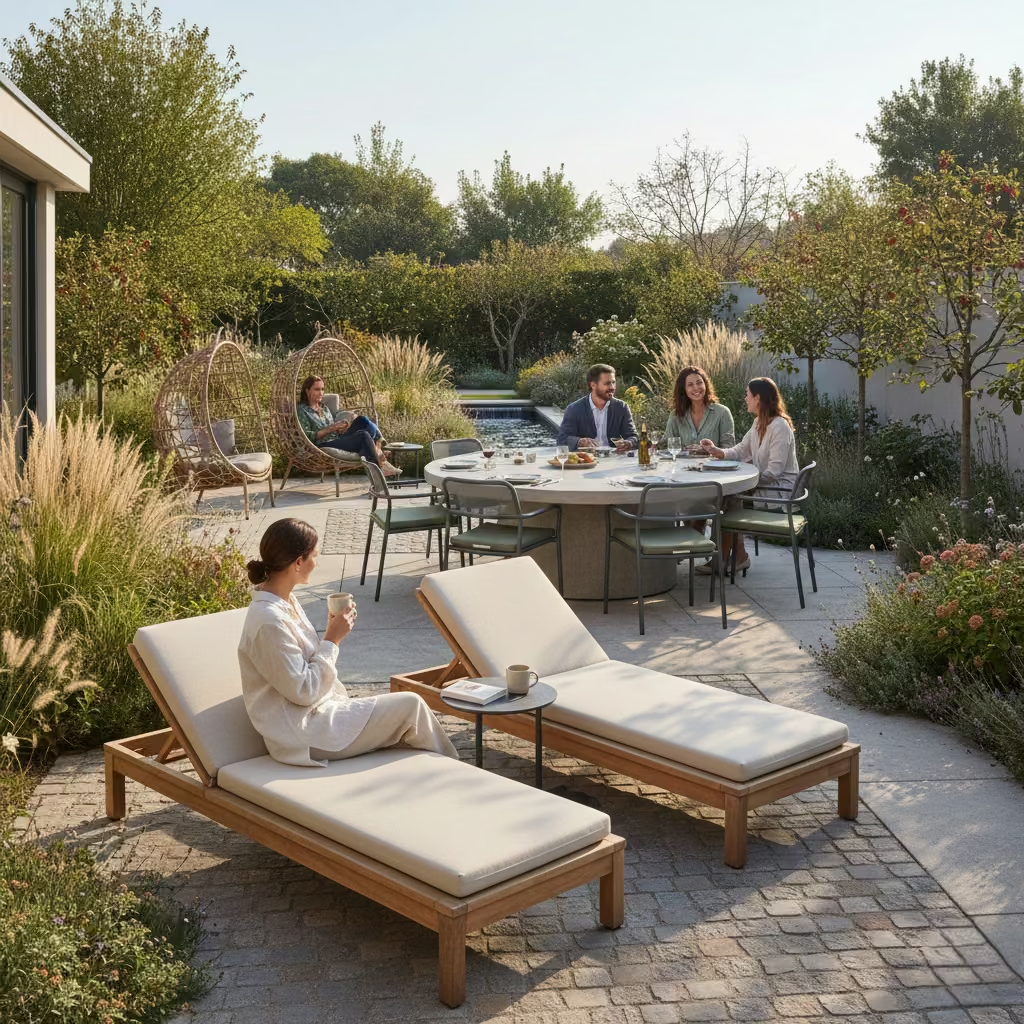
Outdoor chairs are far more than decorative objects they are functional anchors that define how a garden or terrace is used, experienced, and remembered. The difference between a beautiful space and a truly successful one often comes down to thoughtful seating planning, material intelligence, and long-term usability.
When designing outdoor seating, I always prioritise:
- Long-term thinking: Select chairs and layouts that remain functional and visually relevant as seasons, usage patterns, and lifestyles evolve. Avoid fleeting trends that look appealing but fail in comfort or durability.
- Comfort-led design: Chairs should invite lingering, support posture, and guide social behaviour. Comfort is the foundation upon which aesthetics and style must sit.
- Quality investment: High-quality materials and precise proportions pay dividends in longevity, maintenance, and daily enjoyment. Teak, powder-coated aluminum, and carefully engineered composites outperform cheaper alternatives, making them worth the upfront cost.
By combining spatial intelligence, ergonomic insight, and material expertise, outdoor seating transforms a garden from a visual backdrop into a living, breathing space. Every chair, whether lounge, dining, or sculptural, becomes part of a coherent, purposeful design that functions beautifully for years, supporting relaxation, conversation, and connection.
Frequently Asked Questions About Outdoor Chairs
How many chairs do I really need for my outdoor space?
The number of chairs depends on function, circulation, and space. For dining, allow 60 cm (24 inches) per person. For lounge seating, plan 75–90 cm (30–36 inches) per person. Always leave enough clearance for movement behind and around chairs.
Are lounge chairs suitable for small patios or balconies?
Lounge chairs require deep seats and generous circulation, making them better for patios, terraces, and pool decks. For small spaces, consider folding or stackable chairs that offer flexibility without overcrowding.
Can sculptural chairs be comfortable?
Yes, if designed with ergonomic consideration. Even visually striking or statement pieces should provide adequate seat depth, back support, and armrest usability. They function best when balanced with functional seating nearby.
Should I prioritise style or comfort when choosing outdoor chairs?
Comfort first, style second. Chairs that are visually striking but uncomfortable are underused. Design-led seating balances ergonomics, material longevity, and aesthetics to create spaces people genuinely enjoy.
Can outdoor chairs withstand all weather conditions?
Not all materials perform equally. Teak and powder-coated aluminum are highly durable. Synthetic rope or high-quality resin can perform well if UV-stable. Fabric cushions require quick-dry or solution-dyed fabrics. Placement under shade or shelter prolongs lifespan.
Are foldable or stackable chairs practical for small gardens?
Yes. They are ideal for compact patios, balconies, or event setups, providing flexibility without visual or physical clutter. Folding or stackable designs let you switch between dining, lounging, or open floor space quickly.
Should I use cushions with outdoor chairs?
Cushions enhance comfort and add texture, but not all chairs require them. I specify cushions for deep lounge or dining chairs in hot sun, but leave sculptural or Adirondack chairs mostly uncovered to maintain form and low maintenance. Cushion covers should be UV-resistant, quick-dry, and removable for washing or seasonal storage.
How do chairs affect the perception of space in a garden?
Chair scale, arrangement, and proportion influence how large or intimate a space feels. Low lounge chairs make areas feel relaxed, tall dining chairs anchor terraces, and statement chairs can define a focal point. Proper selection enhances both functionality and psychological comfort.
Can chairs improve social interaction in outdoor spaces?
Absolutely. Layout, orientation, and height directly influence conversation, engagement, and comfort. Circular or semi-circular arrangements encourage dialogue, while angled or layered seating allows relaxed, multi-purpose interaction. Poorly arranged seating can make spaces underused, even if the chairs are stylish.