



39 Enchanting Fall Fireplace Decor Ideas That’ll Instantly Cozy Up Your Home
There is a particular kind of relief that arrives with the first proper autumn evening. The light drops earlier, the air turns a shade colder, and something in you wants to close the curtains, light a candle, and sit somewhere that feels held.
For most homes, that somewhere is the fireplace. Long before central heating existed, this was the one fixed point a household organised itself around, and something of that instinct has never really left us. In fact, the English word “focus” comes directly from the Latin word for hearth. We still gather around it, quite literally, even when the room has central heating doing the real work.
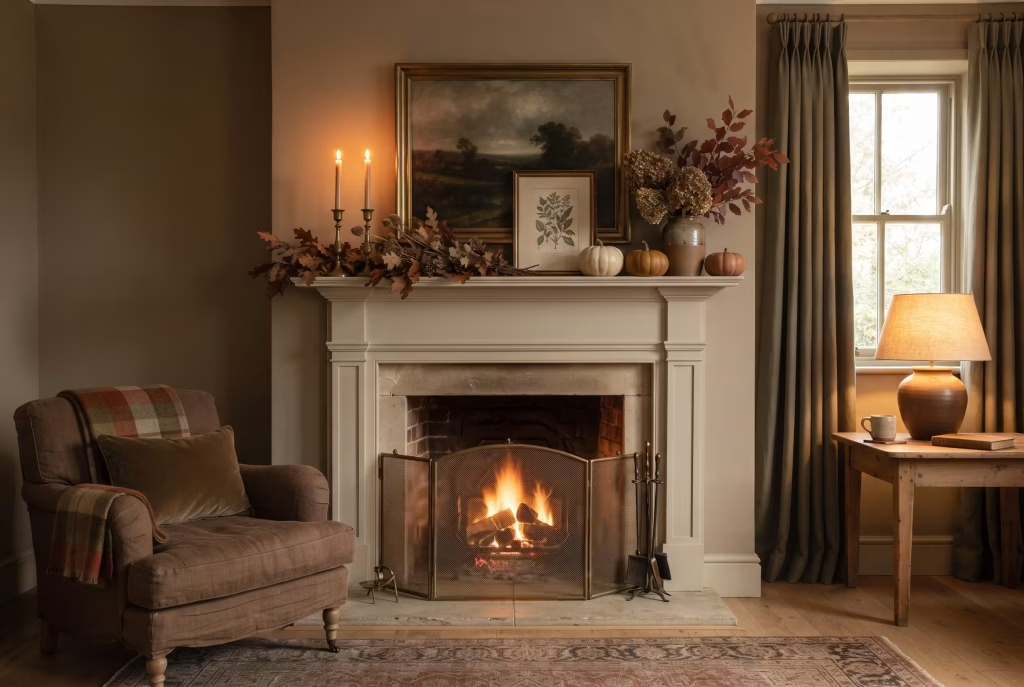
It is also, if we are honest, one of the trickier corners of the house to style well. A mantel is a narrow, shallow ledge with nowhere to hide a mistake, sitting at exactly the height every visitor’s eye lands on first. Nail it and the whole room feels finished. Miss it, and it looks like a shelf nobody quite finished tidying.
The good news: the gap between those two outcomes rarely comes down to taste or talent. It comes down to a small set of habits that any household can learn in an afternoon, then apply to whatever they already own.
Quick answer: you do not need a roaring fire, a period mantel, or a big budget to pull this off. A well-styled fall mantel rests on three things: one anchor piece that draws the eye first, a layer of seasonal texture arranged at varying heights, and enough restraint to know when to stop. Below are 39 ways to put that into practice, sorted by style and by situation, including two things almost every fall mantel guide leaves out entirely: what to do when you have no fireplace or no mantel at all, and how to decorate around an open flame without turning your garland into kindling.
At a Glance: The 39 Ideas
| Zone | Number of Ideas | Best Suited To | Typical Cost Range |
| Natural & Foraged | 6 | Households wanting a low-cost, low-waste option | Free to £30 |
| Vintage & Collected | 5 | Anyone who prefers a lived-in, collected look | £0 to £40 |
| Halloween Crossover | 4 | Homes leaning towards spookier autumn styling | Under £20 |
| Farmhouse | 5 | Neutral, natural-material interiors | £10 to £40 |
| Modern & Minimalist | 5 | Small mantels or a preference for restraint | £15 to £50 |
| Maximalist & Layered | 4 | Interiors already comfortable with pattern | £15 to £40 |
| TV-Above-the-Mantel | 3 | Anyone with a wall-mounted screen over the fireplace | Under £60 |
| No Fireplace or No Mantel | 4 | Flats, new-builds, and rentals | £0 to £250 |
| Outdoor Fireplace | 3 | Gardens with a fire pit or outdoor hearth | £10 to £50 |
Finding Your Style Before You Start
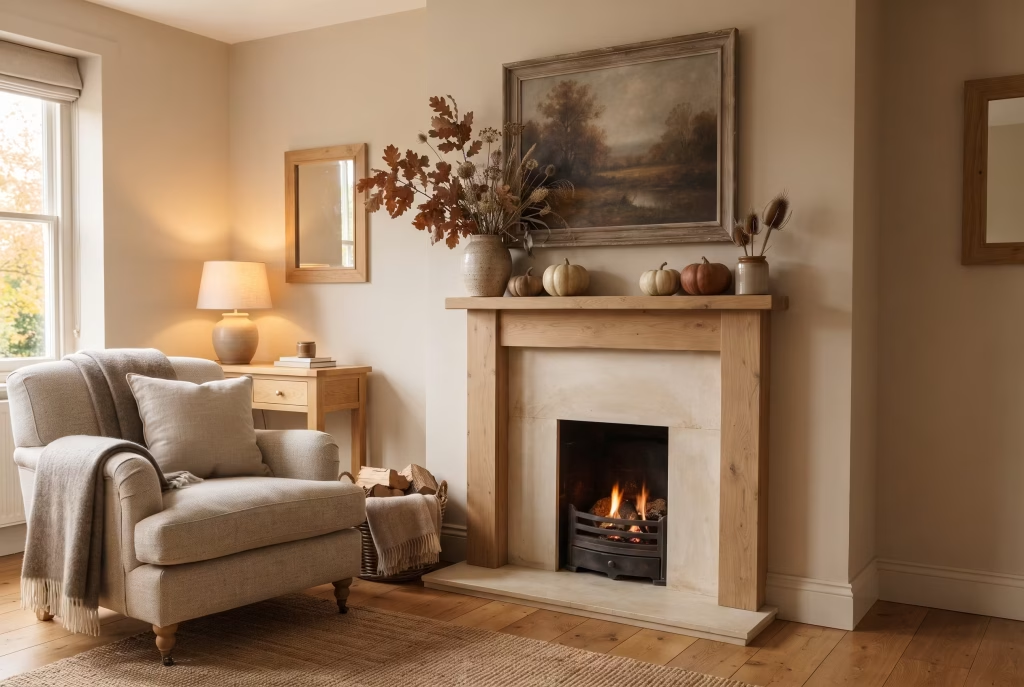
Borrowing pieces from three different styles at once is the single fastest way to end up with a mantel you do not actually like, so it pays to settle on a direction first. If your home already leans on a lot of wood and neutral tones, start with Natural & Foraged or Farmhouse. If your existing mantel is nearly bare and you prefer it that way, head to Modern & Minimalist. If your shelves are full of things with a story behind them, Vintage & Collected will feel like home. And if the rest of your house already embraces pattern, colour, and a bit of abundance, do not fight that instinct on the mantel either; go straight to Maximalist & Layered.
Mantel Styling Fundamentals (Read This First)
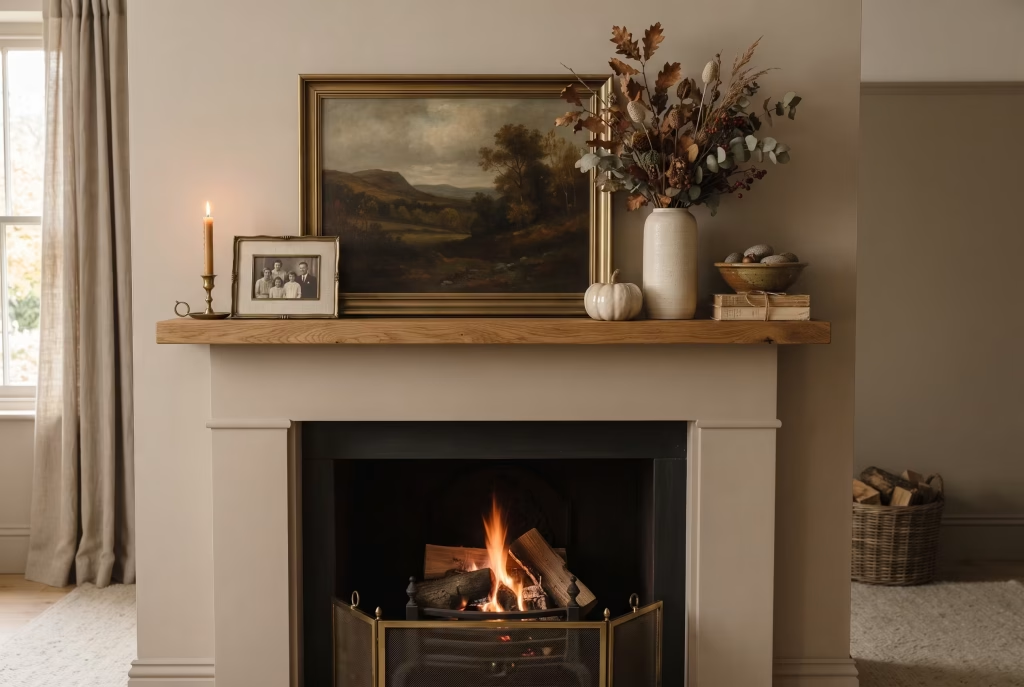
A handful of basic rules do most of the heavy lifting, whichever style you choose.
- Start with an anchor. This is the piece your eye lands on first, whether that is art, a mirror, or a substantial wreath. Everything else exists to support it, not compete with it.
- Vary your heights. A mantel styled entirely from objects of similar height reads flat, even when every individual piece is lovely on its own. Aim for a loose triangle, taller through the centre or off to one side, then stepping down towards the ends.
- Work in odd numbers. Groups of three or five tend to look intentional, while groups of two or four are read by the eye as a matched pair, which oddly enough looks less considered.
- Leave gaps on purpose. The bare mantel between objects is doing just as much visual work as the objects themselves. If you cannot see any of the actual shelf, you have gone one layer too far.
These are not arbitrary rules invented by design blogs. Interior designers borrow them from the same principles of visual balance that govern painting and photography, namely that the human eye finds asymmetry and negative space more interesting to look at than perfect symmetry and total coverage.
The Psychology of a Warm Hearth
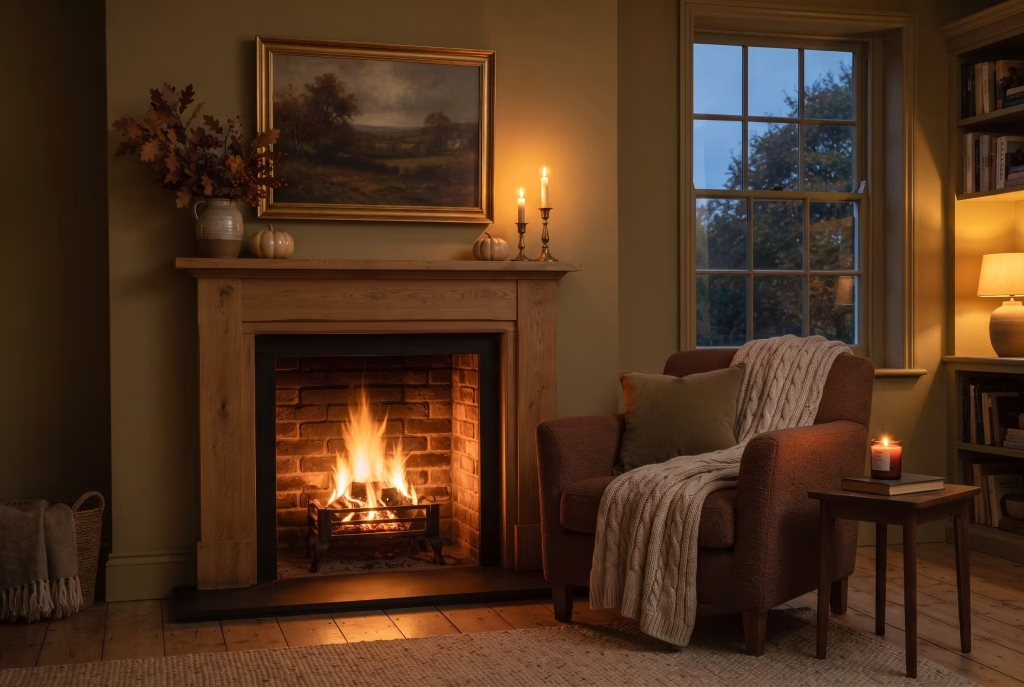
There is more going on here than decor. A handful of genuine physiological quirks explain why a well-dressed fireplace makes a room feel calmer almost the instant you walk in.
Firelight and candlelight sit at roughly 1,800 to 2,000 Kelvin on the colour temperature scale, close to the warm glow of a sunset, and considerably warmer than the cool white light most kitchens and offices run on. Warm light like this has a gentler effect on the body’s melatonin production than the blue-toned light from screens and daylight bulbs, which is one reason a candlelit room feels like an unspoken cue to slow down.
Scent works on a similar shortcut. The part of the brain that processes smell, the olfactory bulb, sits directly next to the amygdala and hippocampus, the regions responsible for emotion and memory. That is the actual, physical reason a whiff of cinnamon or woodsmoke can drop you straight back into a childhood autumn before you have consciously placed the smell at all.
And then there is simple clutter. A crowded, chaotic mantel does not just look busy, it can genuinely raise a low-grade sense of unease, since visual clutter has been linked in behavioural research to raised cortisol and reduced ability to focus. None of this means you need a psychology degree to decorate a shelf. It does mean the impulse to keep things a little restrained, warm, and textural is backed by more than personal taste. It is backed by how your nervous system actually works.
Mantel Safety First (The Part Everyone Skips)
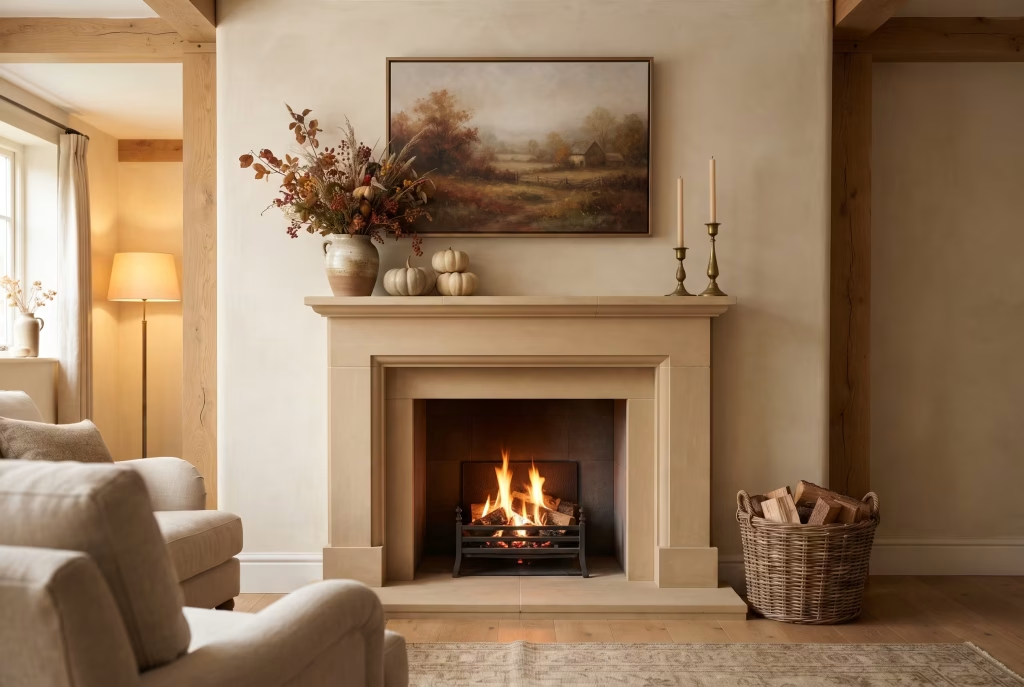
Almost every fall mantel guide recommends candles, dried florals, and garlands sitting close together above an open flame, and almost none of them mention that this particular combination is a genuine fire risk rather than a stylistic quirk. It is worth two minutes of anyone’s time.
| Safety Rule | Guidance |
| Distance from open flame | Keep combustible decor (garlands, dried foliage, fabric) at least 3 feet from any open flame, per National Fire Protection Association guidance |
| Candle and foliage contact | Never let a candle wick touch foliage, real or faux |
| Candle holders | Use wide, stable holders that will not tip |
| Mantel-to-firebox clearance | Minimum 6 inches for a non-combustible mantel shelf, with an extra inch required for every ⅛ inch the mantel projects outward |
| Safer alternative | Flameless candles for anything positioned near the firebox itself |
If you are ever unsure of your own fireplace’s specific clearances, the appliance’s installation manual, or a five-minute call to a local chimney sweep, will settle it. None of this is meant to put you off decorating. It simply means the prettiest arrangement is also the one that will not need a fire brigade to admire it.
Natural & Foraged
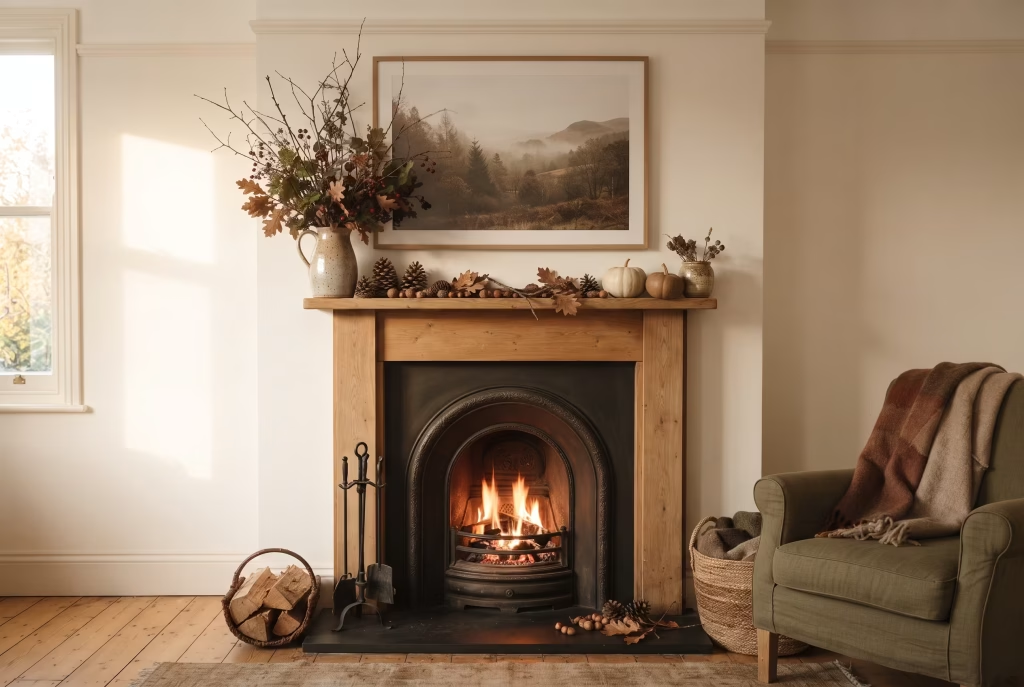
Autumn hands you free materials if you are willing to go looking for them, and a mantel built from things you gathered yourself tends to feel more personal than one built from a shopping trip. There is a practical case for this too. Foraged branches, pinecones, and nuts cost nothing, weigh almost nothing, and can go straight back outside or onto the compost heap once the season ends, sparing you the storage headache that faux decor eventually creates in a loft or spare cupboard.
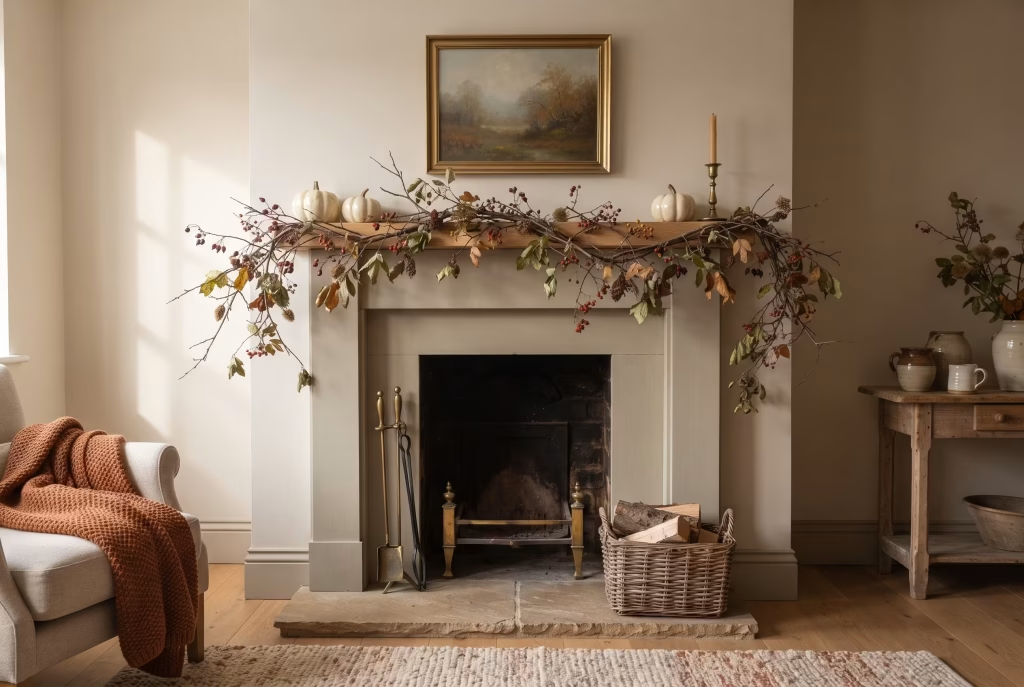
1. A branch and berry garland cut from your own garden. Select one or two substantial branches, ideally while pruning for the tree’s own health rather than purely for decoration, and drape them across the mantel with a scattering of dried berries or seed heads wired on at intervals.
- Real cost: free to under £10 for wire and floral tape
- Worth knowing: it will last the full season provided it stays clear of direct heat
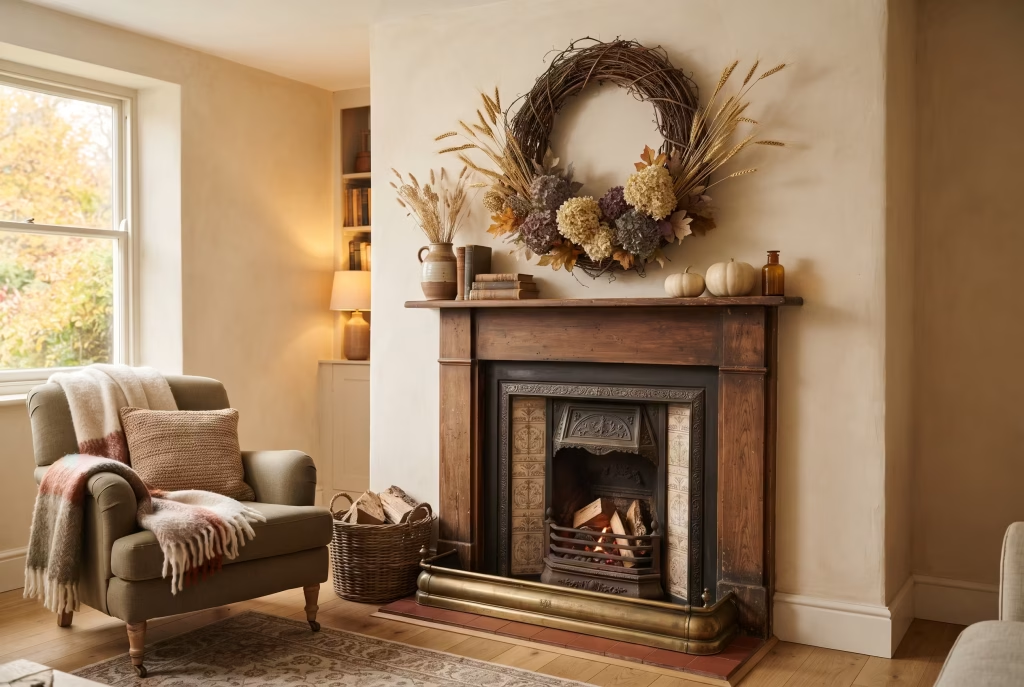
2. A grapevine wreath layered with wheat and dried flowers. Start with a plain grapevine base and tuck in wheat stalks, dried hydrangea heads, and a few faux leaves for structure that will not wilt by October.
- Real cost: £15 to £30 for the base, reusable for years with careful storage
- Worth knowing: rustic without trying too hard, the kind of thing that looks like it has simply always been there
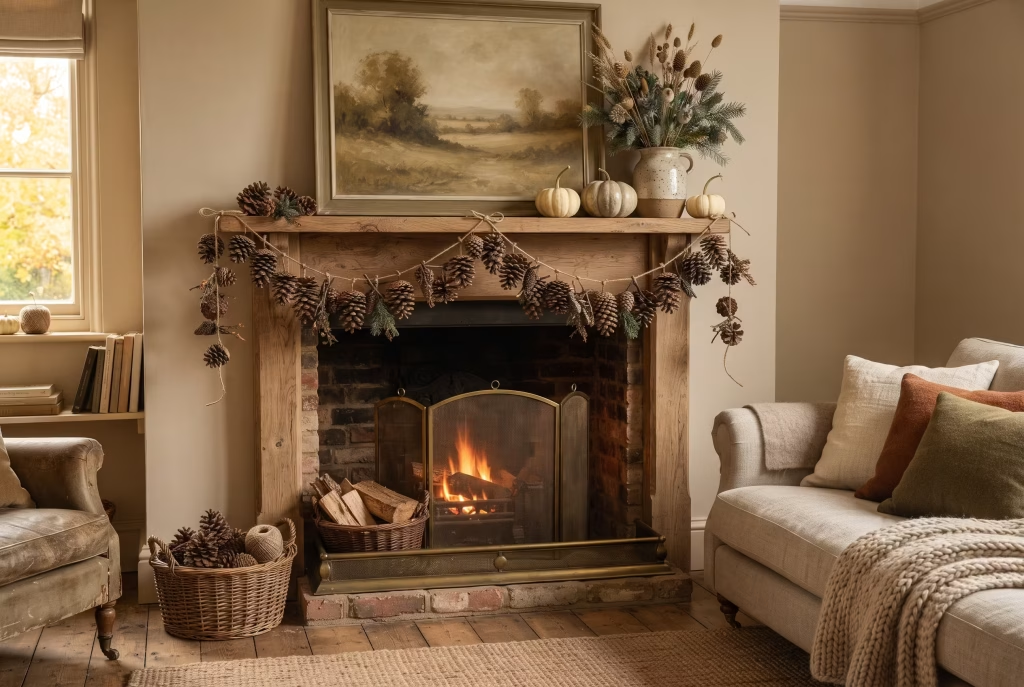
3. A pinecone garland strung on rustic ribbon. Thread pinecones onto twine or ribbon, knotting them at intervals, and let it swag loosely along the mantel edge rather than pulling it taut.
- Real cost: free if foraged, a satisfying weekend project with children
- Worth knowing: the smell of pine resin does more for a genuinely cosy atmosphere than most paid decor ever manages
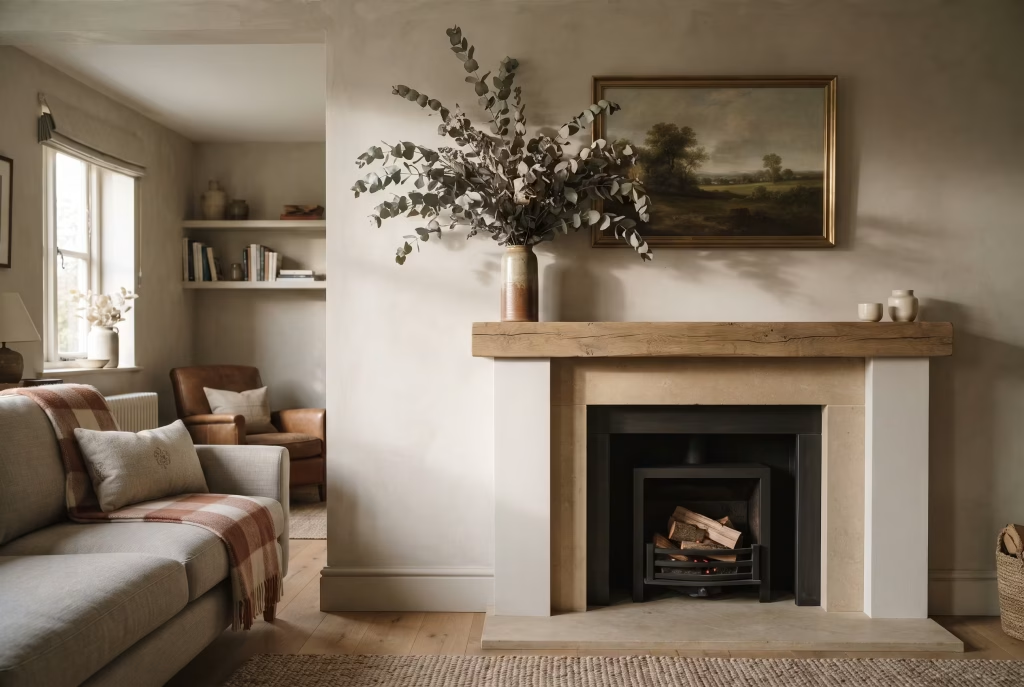
4. A single tall vase of dried eucalyptus or bittersweet. Height without fuss. One loose, generous arrangement does more visual work than several small ones scattered along the shelf.
- Real cost: £10 to £25 depending on stems, lasting months once fully dried
- Worth knowing: a quietly elegant option for anyone who finds pumpkins a touch too on the nose
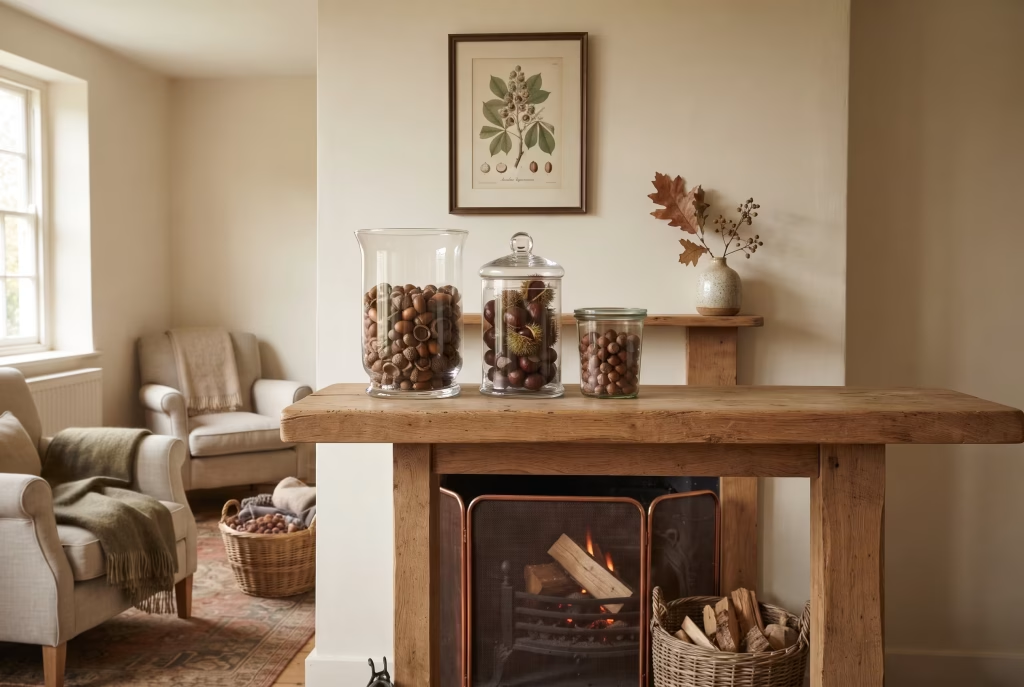
5. Foraged acorns and nuts in glass vessels. Fill hurricane glasses, apothecary jars, or repurposed jam jars with acorns, chestnuts, or hazelnuts collected on a weekend walk.
- Real cost: free
- Worth knowing: check carefully for insects or larvae before bringing anything fully indoors
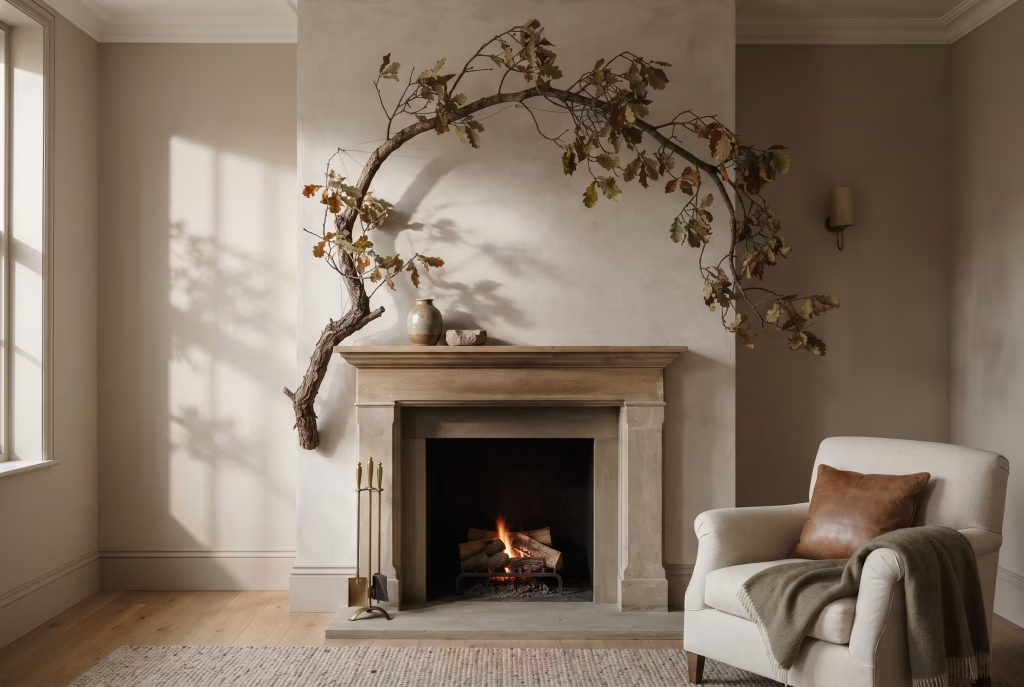
6. A single dramatic branch arch over the mantel. For height without the fuss of a full garland, lean or gently wire one large branch into an arch shape, leaves still attached if trimmed early enough in the season.
- Real cost: free to low cost
- Worth knowing: sculptural rather than obviously seasonal, a strong middle ground if the rest of your household finds pumpkin displays a bit much
Vintage & Collected
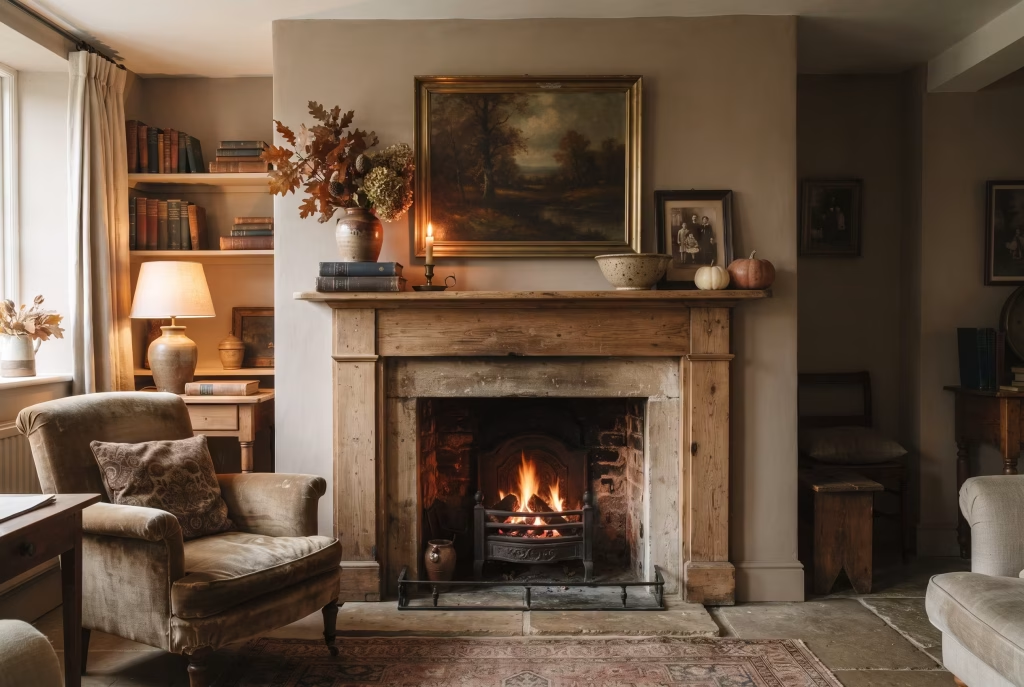
Combining old finds with a handful of new pieces is the fastest route to a mantel that feels lived-in rather than staged in an afternoon. This is also the style most forgiving of an imperfect budget, since half the appeal lies in things that were never expensive to begin with.
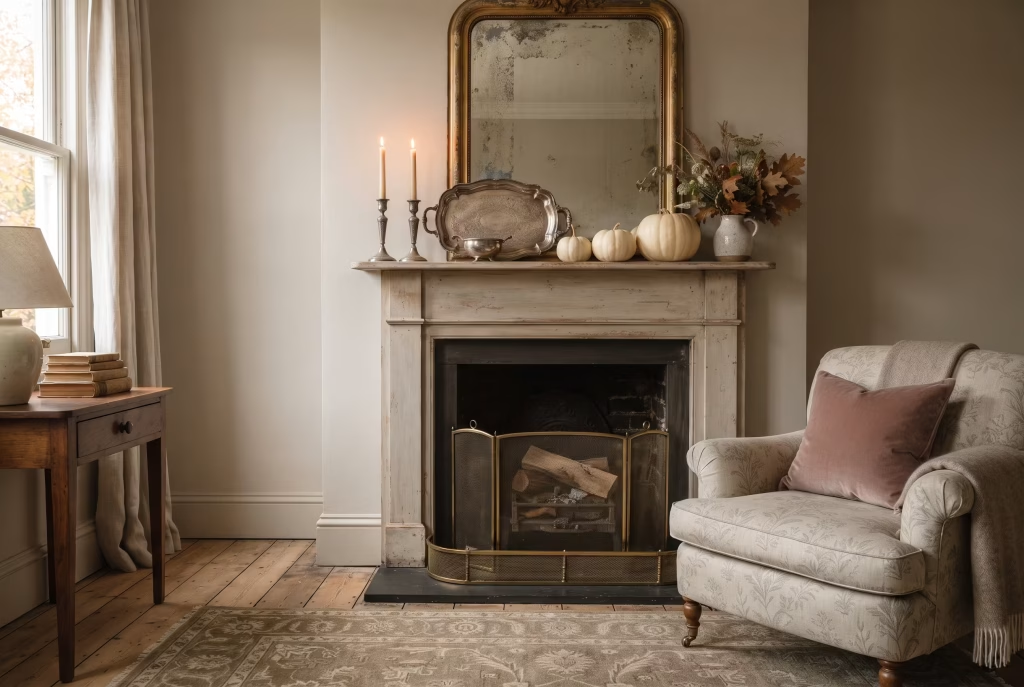
7. Tarnished silver paired with white or cream pumpkins. Faded silver candlesticks or trays sit beautifully against pale pumpkins, giving a softer, more romantic palette than the traditional orange-on-orange approach.
- Real cost: highly variable, charity shops are a genuinely good source
- Worth knowing: gentler and more grown-up, particularly useful in a room already carrying a lot of pattern elsewhere
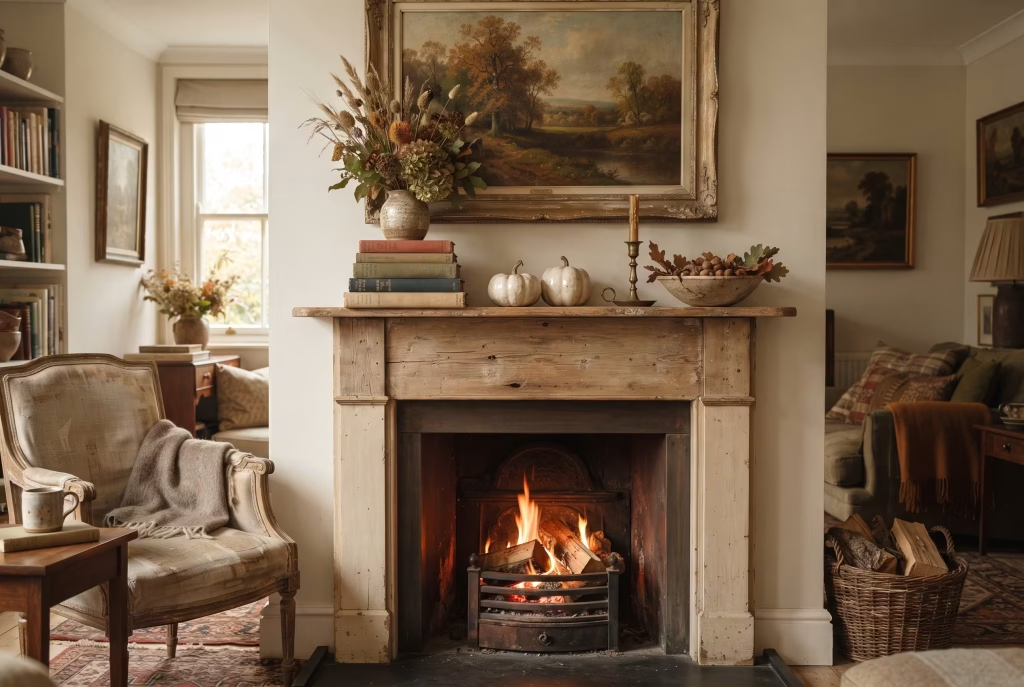
8. Stacked vintage books used as a plinth. Old hardbacks, spines facing in or out depending on your palette, raise smaller objects to varying heights while adding genuine texture and colour depth.
- Real cost: free if already owned, otherwise a few pounds per charity shop haul
- Worth knowing: instantly reads as collected over years rather than bought in a single weekend
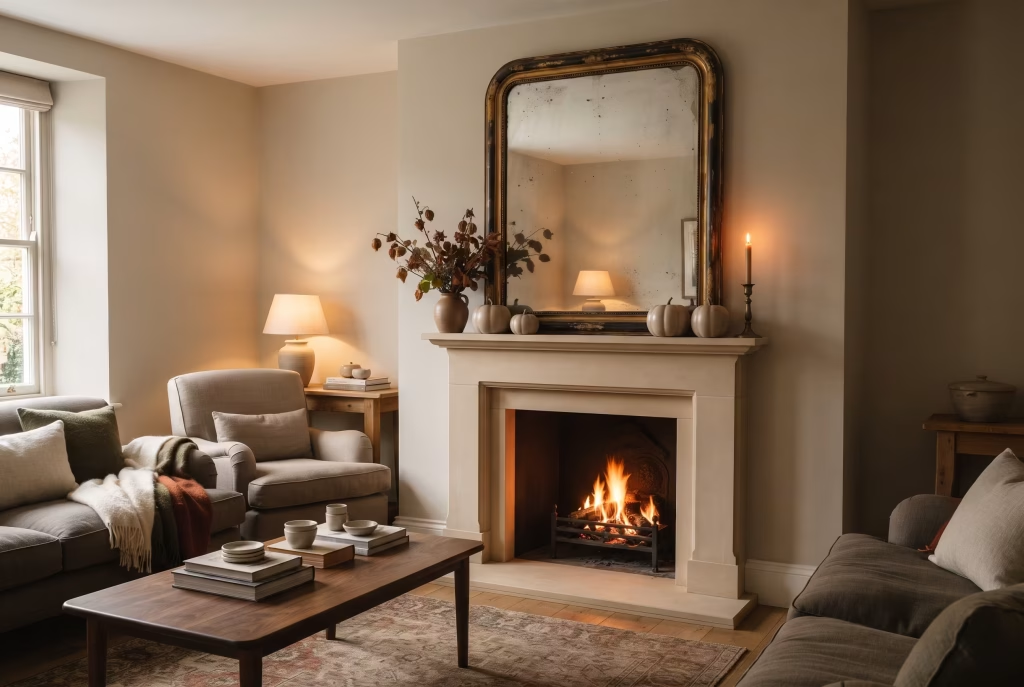
9. A statement vintage mirror as the anchor piece. A large, slightly imperfect mirror does double duty, bouncing both firelight and candlelight around the room while giving the eye a clear place to land first.
- Real cost: £30 upwards secondhand, a one-off purchase that earns its keep all year round
- Worth knowing: the rare seasonal buy you will not regret once the pumpkins come down in December
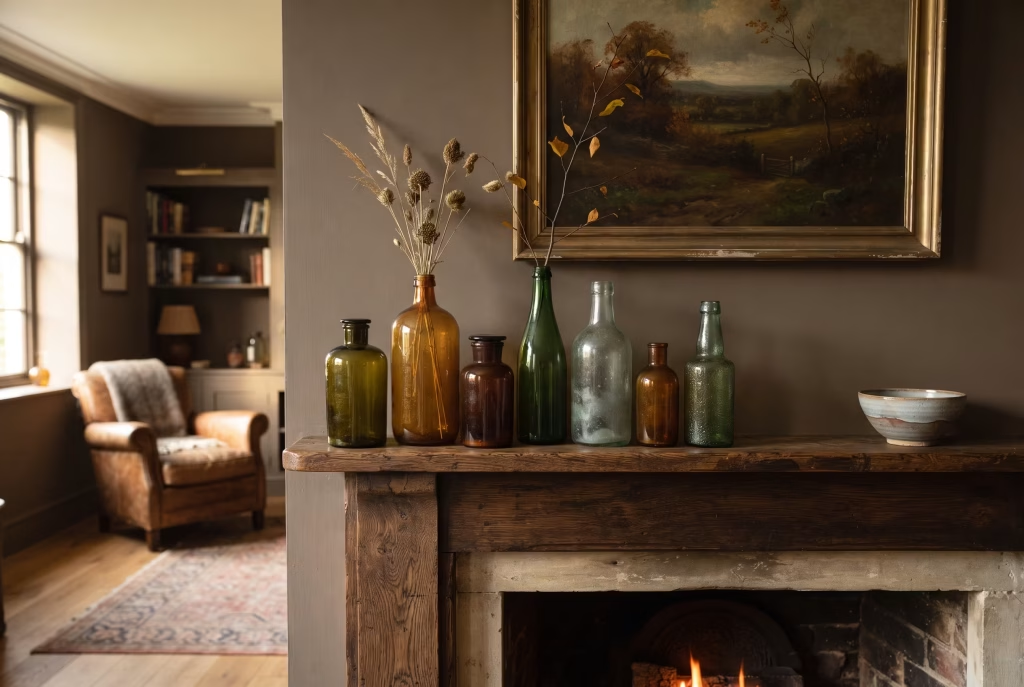
10. Old glass bottles in amber and green. Cluster a handful of different shapes together, empty or holding a single dried stem each, for cheap and endlessly reusable texture.
- Real cost: close to free, most charity shops keep a bottle shelf
- Worth knowing: warm without shouting “autumn,” so it can comfortably stay up well past October
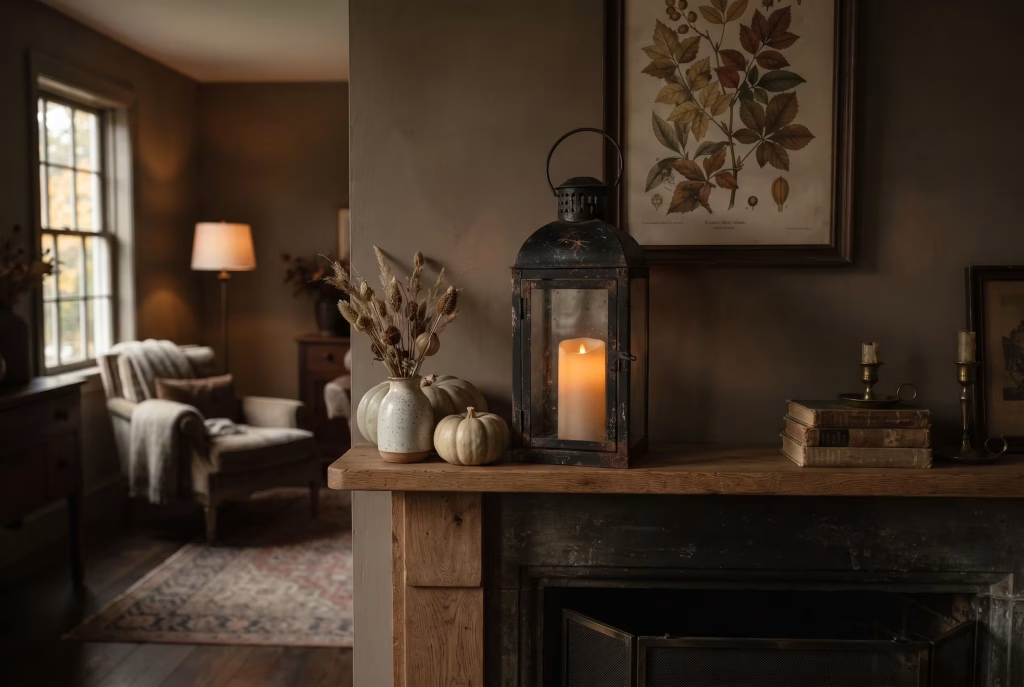
11. A vintage cage or lantern fitted with a flameless candle. An old birdcage or metal lantern, holding a battery candle, adds height and a slightly romantic, slightly eerie note that suits the season without needing an open flame.
- Real cost: £15 to £40 depending on where you source it
- Worth knowing: does a surprising amount of the Halloween-adjacent mood work without a single skeleton in sight
You May also Like: 20 Italian Fireplace Ideas That Bring Timeless European Warmth to Your Home
Halloween Crossover
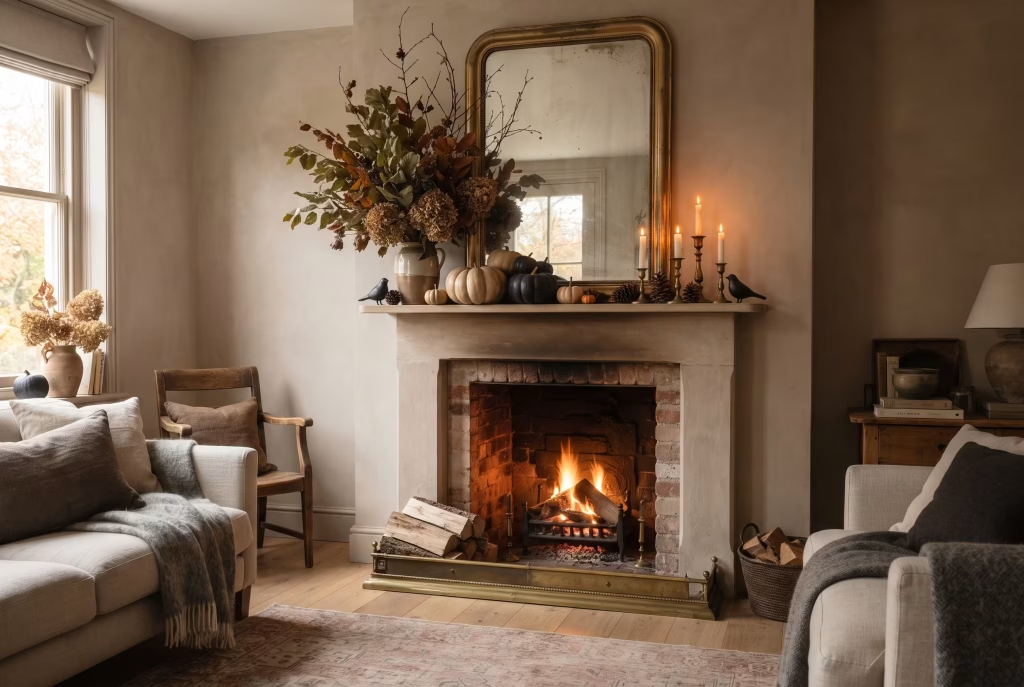
If your household leans towards the spookier end of autumn, these ideas keep one foot in classic fall styling and one foot in Halloween, so you are not forced to swap the whole mantel over the moment October begins.
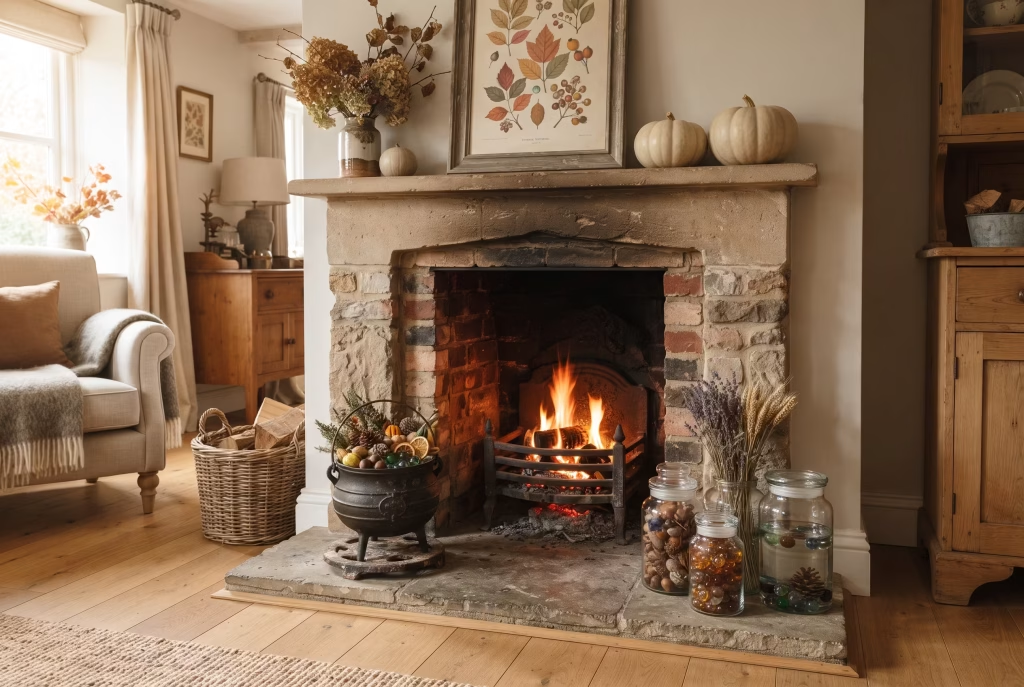
12. A cauldron and apothecary jar display on the hearth. A secondhand cauldron filled with “potion” ingredients, dried herbs, small gourds, or marbles suspended in coloured water, makes a genuinely playful centrepiece for the hearth itself.
- Real cost: £10 to £20 for the cauldron, ingredients mostly free
- Worth knowing: a proper joint project with children, and the contents swap out easily season to season
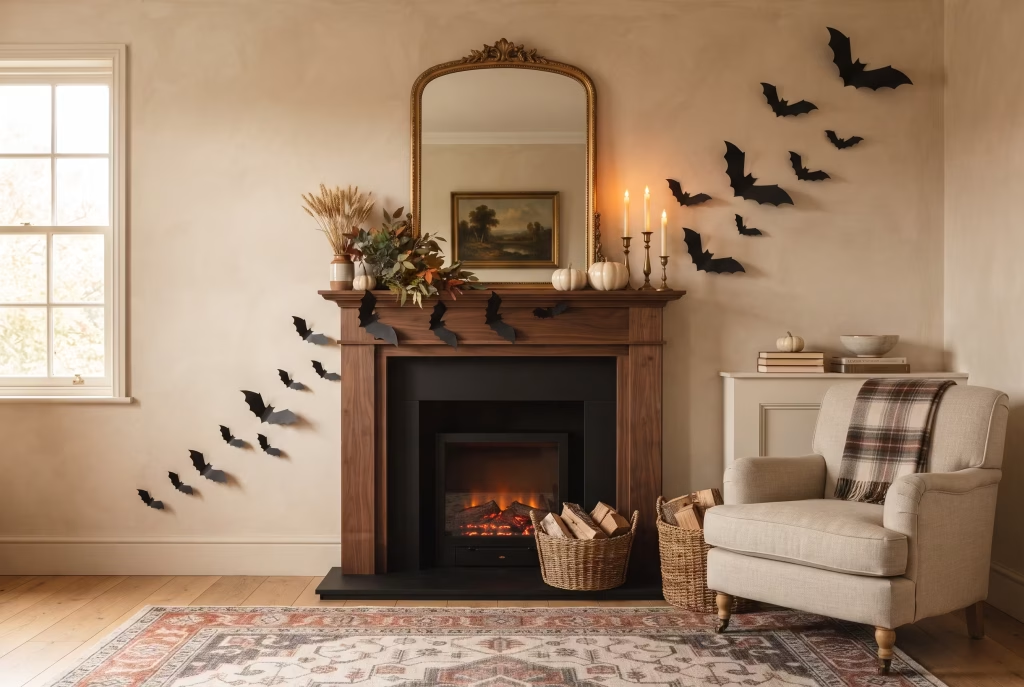
13. A trail of paper bats or spiders along the mantel edge. Cutouts sized from small to large as they climb the wall read as playful rather than gory.
- Real cost: under £10, reusable indefinitely if stored flat
- Worth knowing: low effort, high impact, and removed in seconds the moment you are done with it
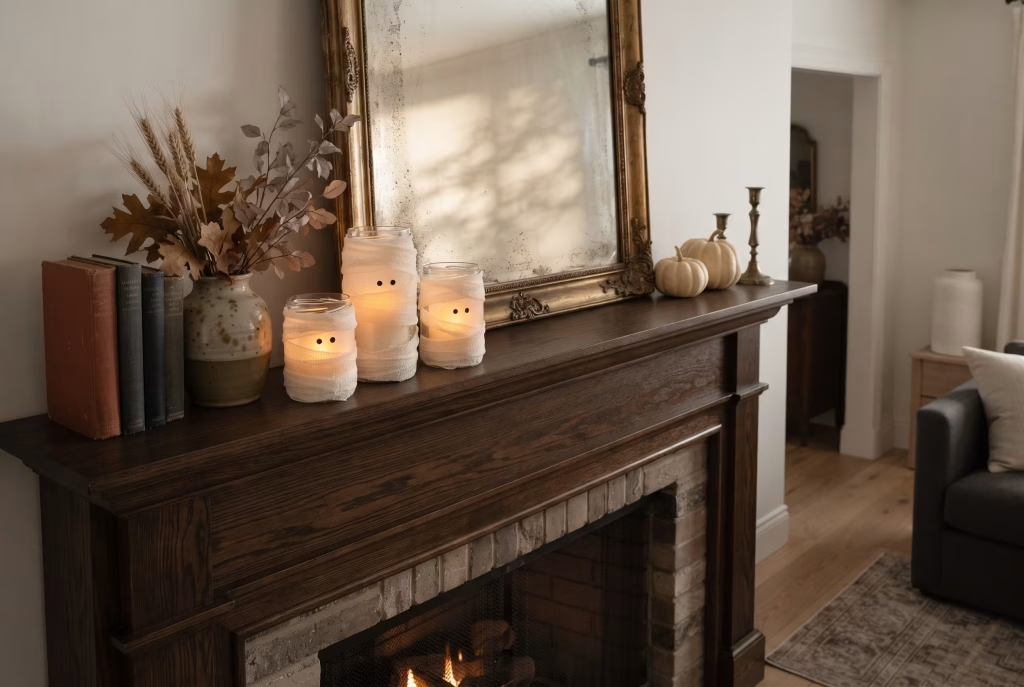
14. Mummy-wrapped candle holders. Wrap plain glass jars or holders in strips of white gauze or fabric for a Halloween note that photographs surprisingly elegantly, especially in black and white.
- Real cost: under £10, a simple half-hour craft
- Worth knowing: spooky enough for older children, restrained enough not to clash with an otherwise formal living room
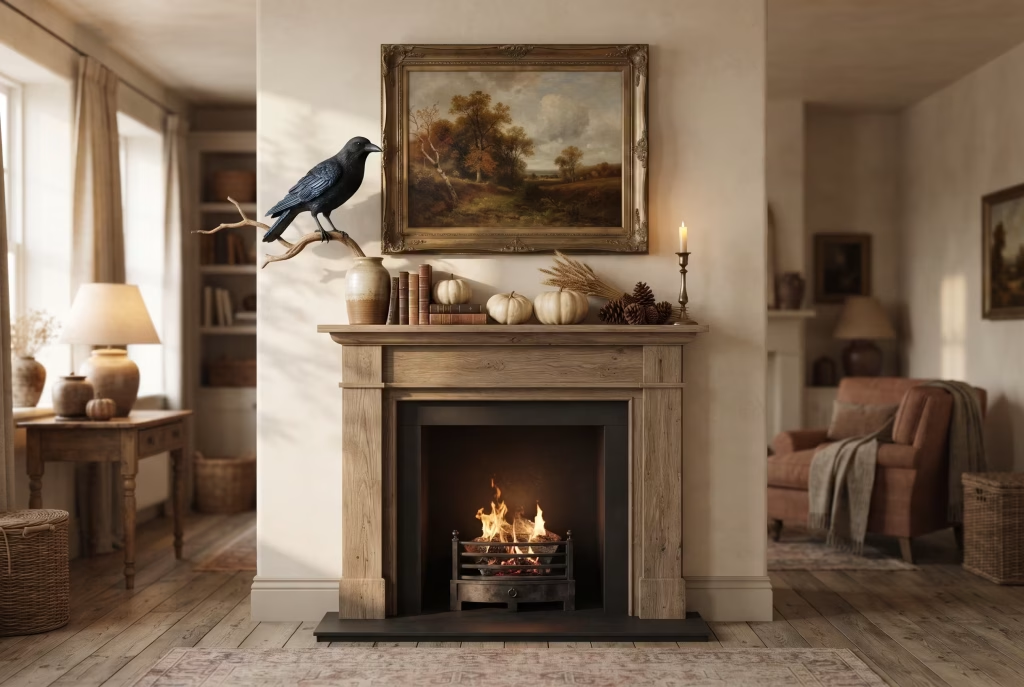
15. One well-placed black crow or raven. A single faux crow perched on a branch or book stack introduces a gothic note without committing the entire mantel to a Halloween theme.
- Real cost: £8 to £15, a purchase you will reuse every autumn thereafter
- Worth knowing: subtle enough for guests who find full Halloween decor a bit much, still unmistakably seasonal
Farmhouse
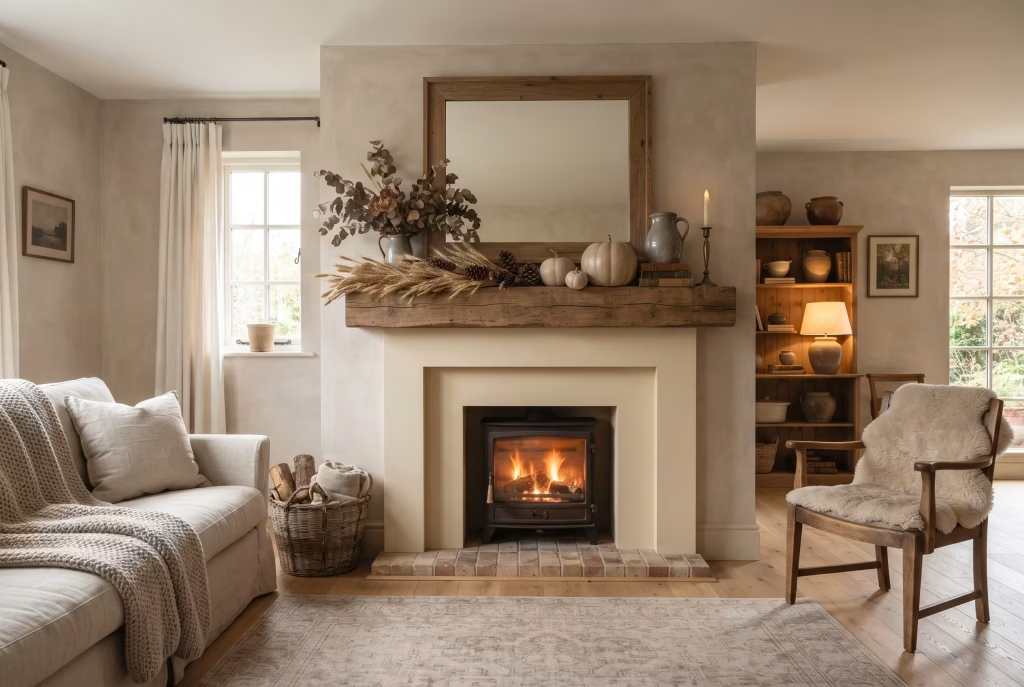
Neutral palettes, natural materials, and a slightly worn-in look define this style, and it tends to carry through from September right into Thanksgiving without a mid-season reset, which makes it one of the more forgiving choices for anyone who would rather decorate once and leave it alone.
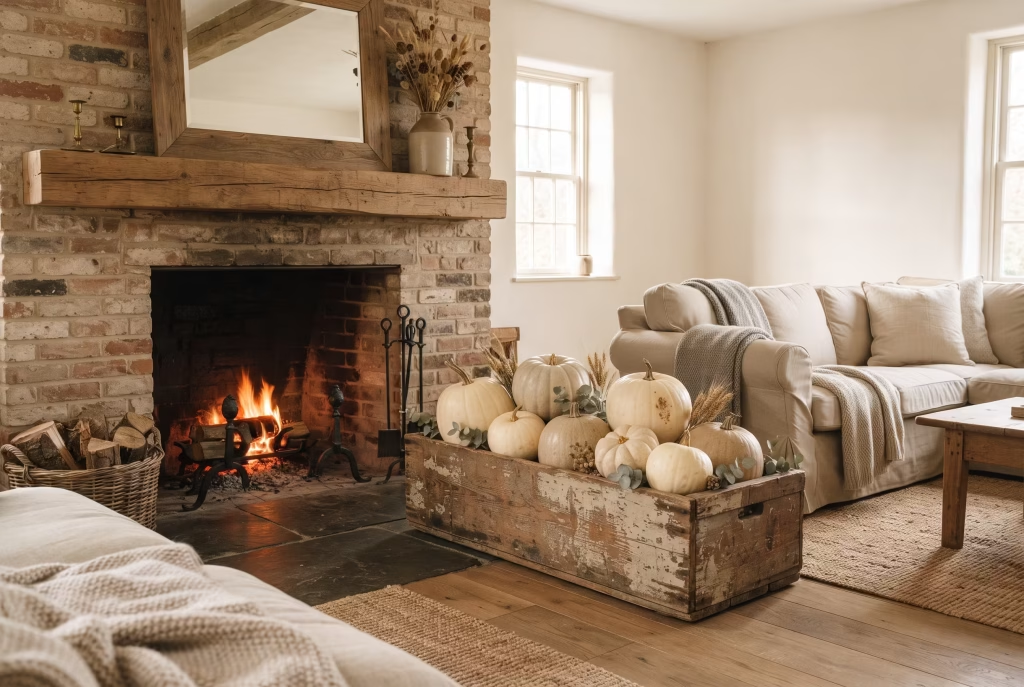
16. White pumpkins lined up in a distressed wooden crate. Faux or real white pumpkins in varying sizes, set inside an old wooden crate or trug, give the instantly recognisable farmhouse look in a single afternoon.
- Real cost: £15 to £40 for pumpkins, the crate often already owned or thrifted
- Worth knowing: calm and uncluttered, a strong choice for a living room that already has plenty going on
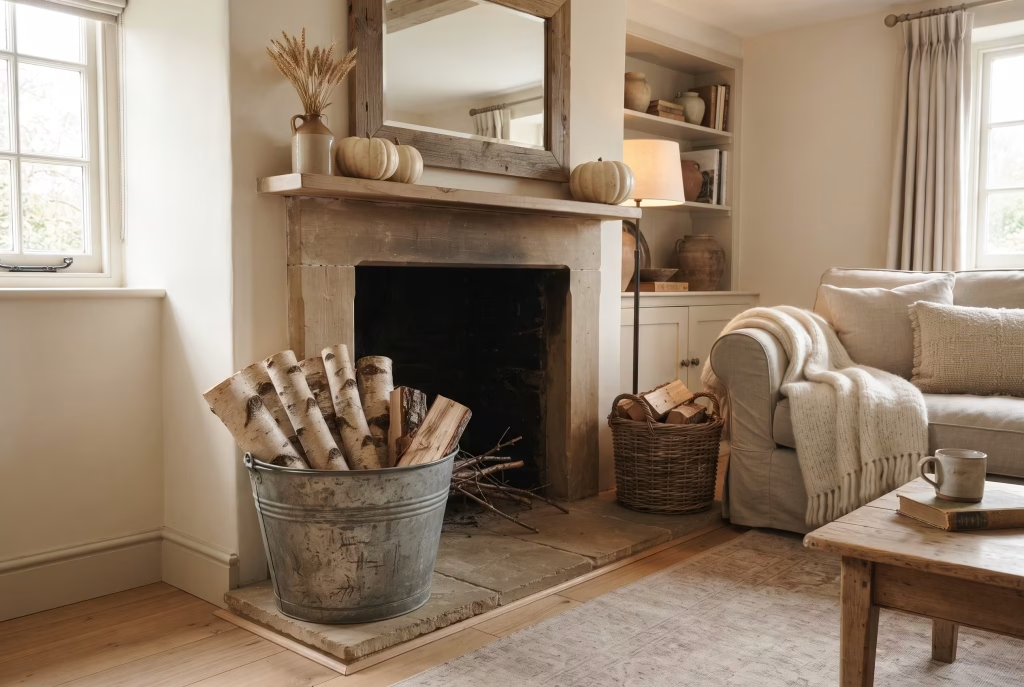
17. A galvanised bucket stacked with birch logs. Real or faux birch, stacked in a galvanised bucket beside or on the hearth, adds warmth and texture even when no fire is actually lit.
- Real cost: £20 to £35 for a bundle, lasting for years if kept dry
- Worth knowing: brings real warmth to a non-working fireplace, which usually struggles harder than most to feel cosy at all
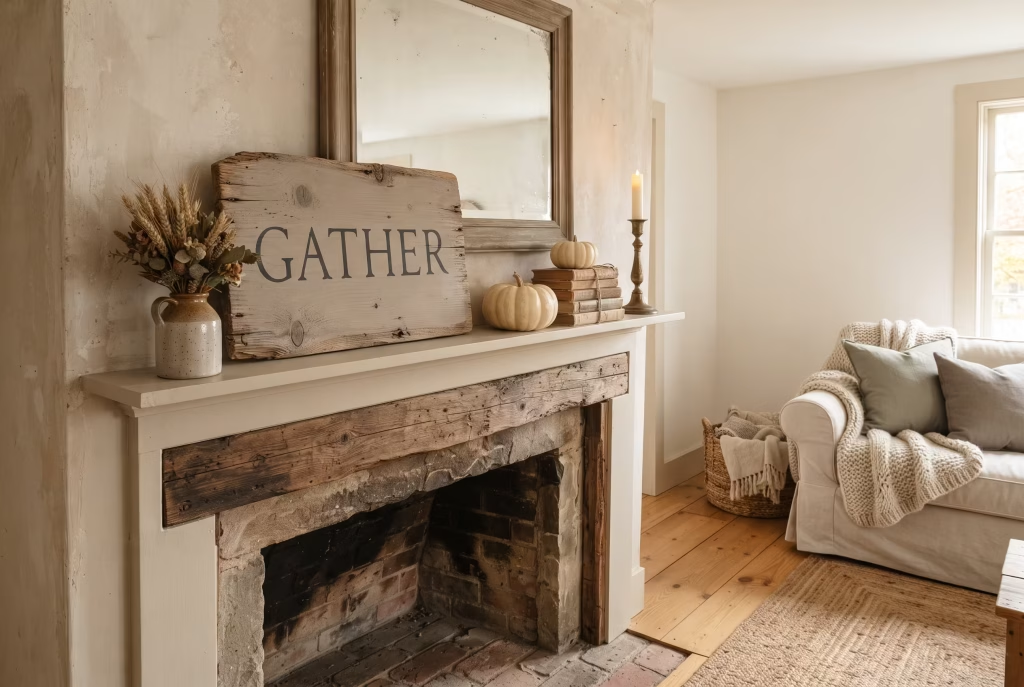
18. A hand-lettered wooden sign propped rather than hung. A simple painted or stencilled board with a single word or short phrase is a farmhouse staple for good reason: it is cheap, personal, and endlessly repaintable.
- Real cost: £10 to £25, or free with basic paint and a spare board
- Worth knowing: choose the wording carefully and it can stay up year-round rather than only for autumn
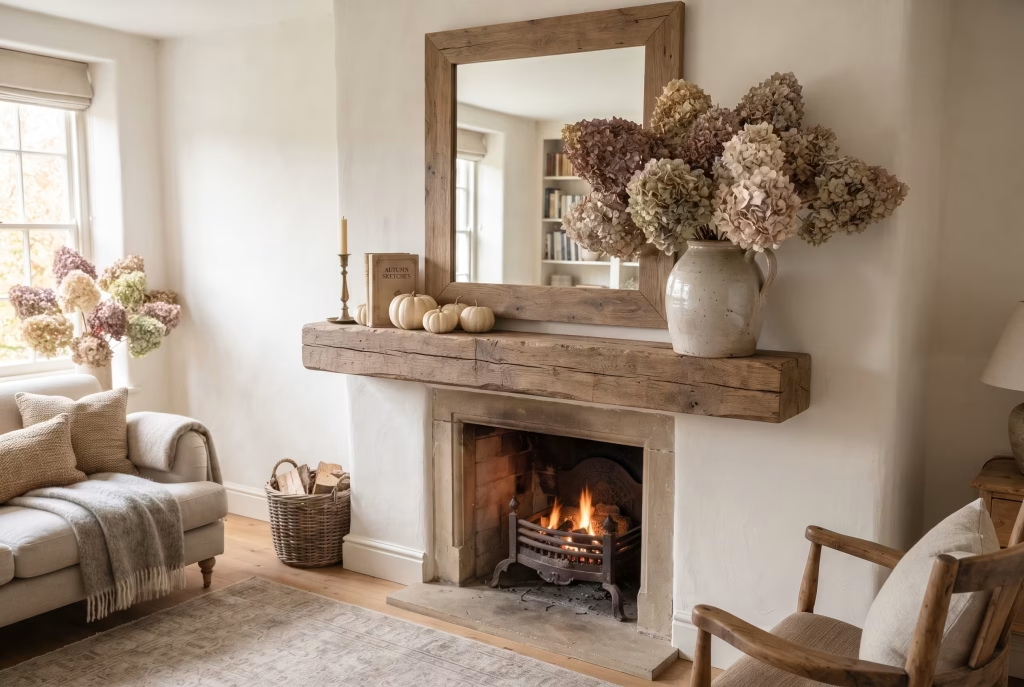
19. Dried hydrangea in a stoneware jug. Hydrangea heads dry in place beautifully and hold their colour for months, making them one of the lowest-maintenance flowers available for this look.
- Real cost: £15 to £25 for stems if not grown at home
- Worth knowing: soft and slightly romantic, a good counterweight to the more rustic elements around it
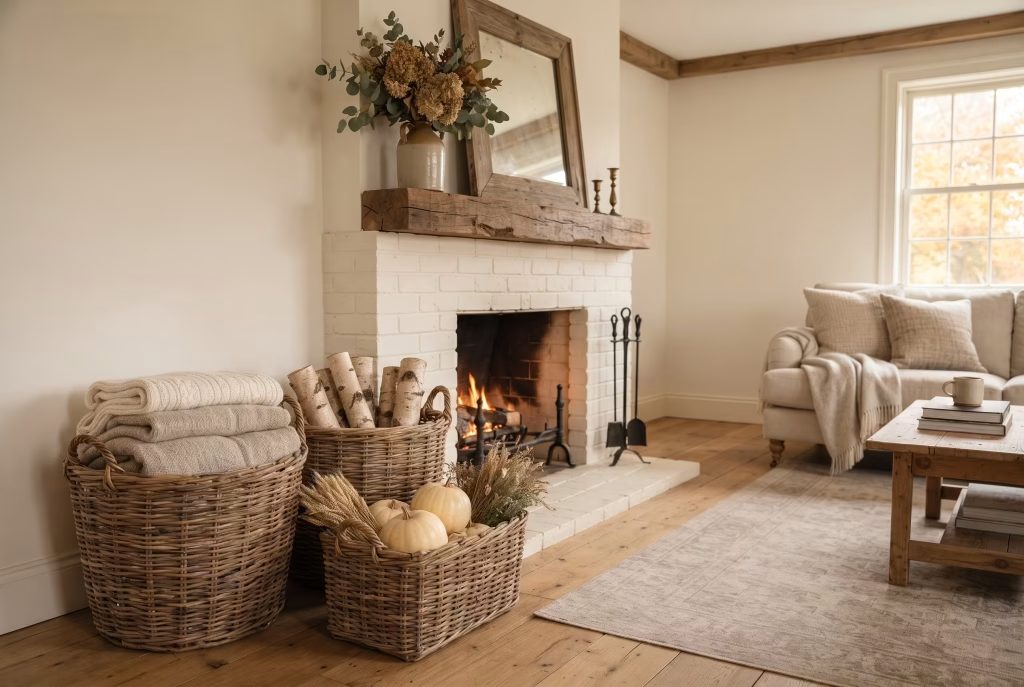
20. Woven baskets in staggered sizes. Two or three wicker baskets, nested or staggered, holding pumpkins, throws, or simply left empty for texture, is one of the cheapest genuine wins in this whole list.
- Real cost: £10 to £30 each, widely available secondhand
- Worth knowing: practical as well as pretty, since the baskets double as real storage for firewood or blankets
Modern & Minimalist
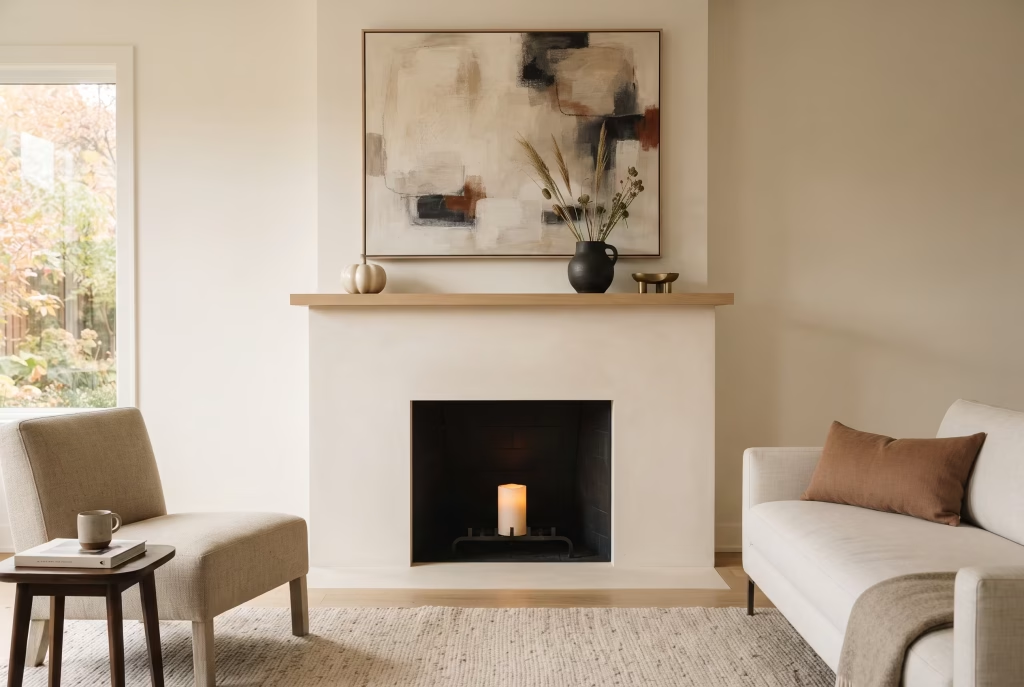
For anyone who finds a fully layered mantel overwhelming, restraint is a legitimate style in its own right, provided every piece left on the shelf is doing genuine visual work rather than simply filling space out of habit.
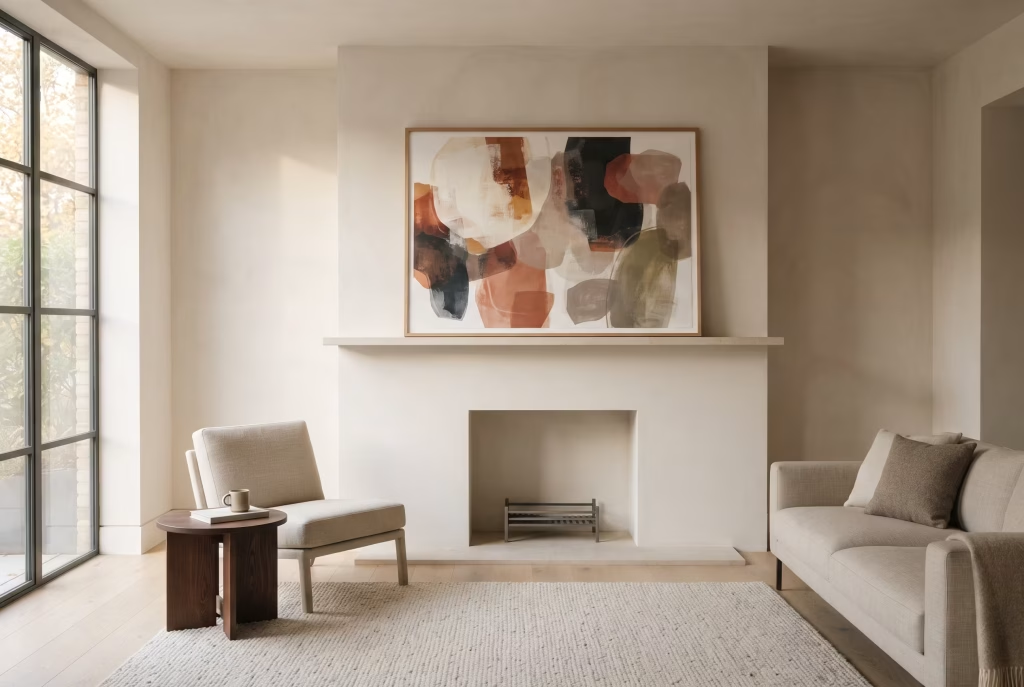
21. One oversized piece of art and nothing else. Lean a single large-scale piece against the wall, in warm autumn tones for a seasonal nod if you want one, and resist the urge to add anything further.
- Real cost: from a printed poster to a commissioned original
- Worth knowing: calm rather than cold, especially reassuring in a busy household with children or pets
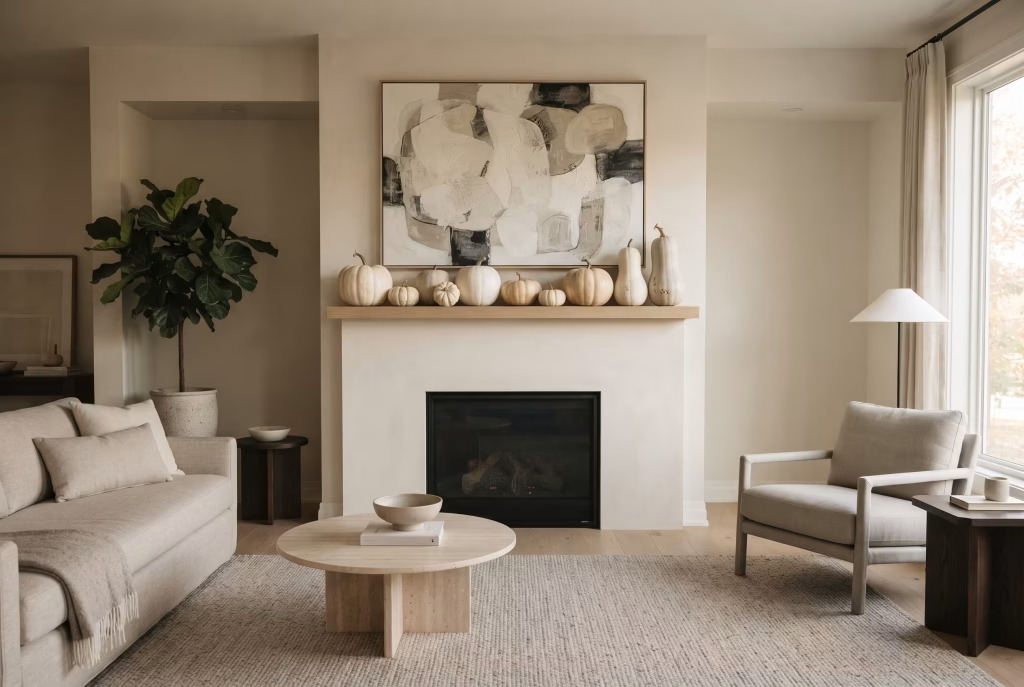
22. White or metallic pumpkins, exclusively. Skip the traditional orange entirely in favour of white, silver, or brushed gold, and the display reads modern rather than obviously harvest-themed.
- Real cost: £20 to £45 for a small collection of faux versions, reusable for years
- Worth knowing: sophisticated enough to leave up through a dinner party without looking like decor left over from a child’s classroom
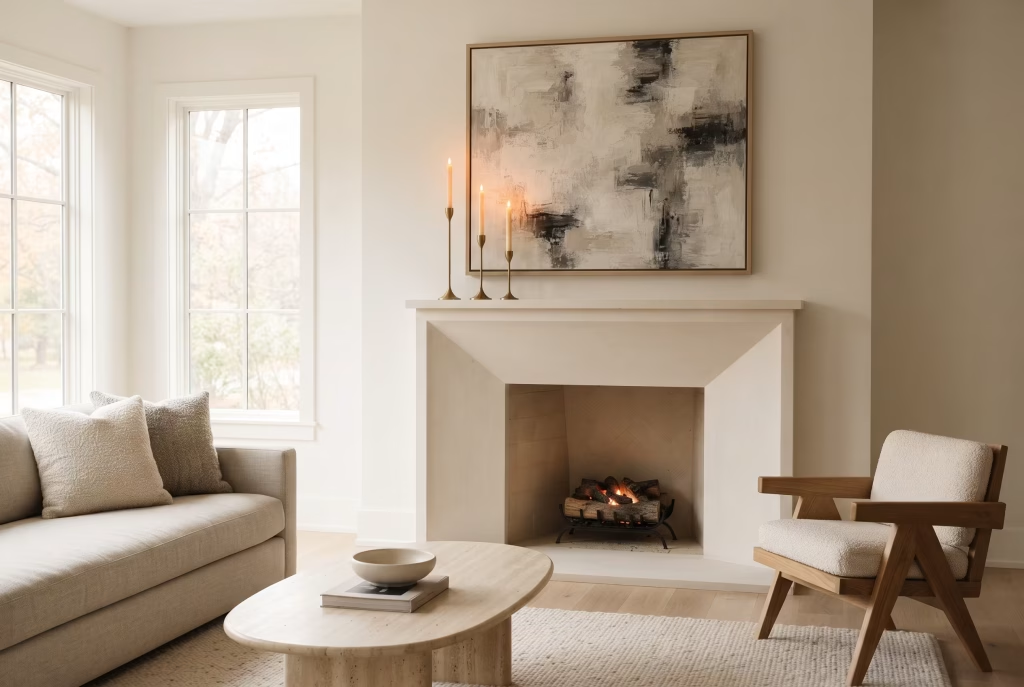
23. Three matching candlesticks in graduated heights. Identical candlesticks, differing only in height, create visual rhythm without needing a single additional seasonal prop.
- Real cost: £15 to £50 depending on material
- Worth knowing: understated styling like this photographs unusually well precisely because so little is in the frame
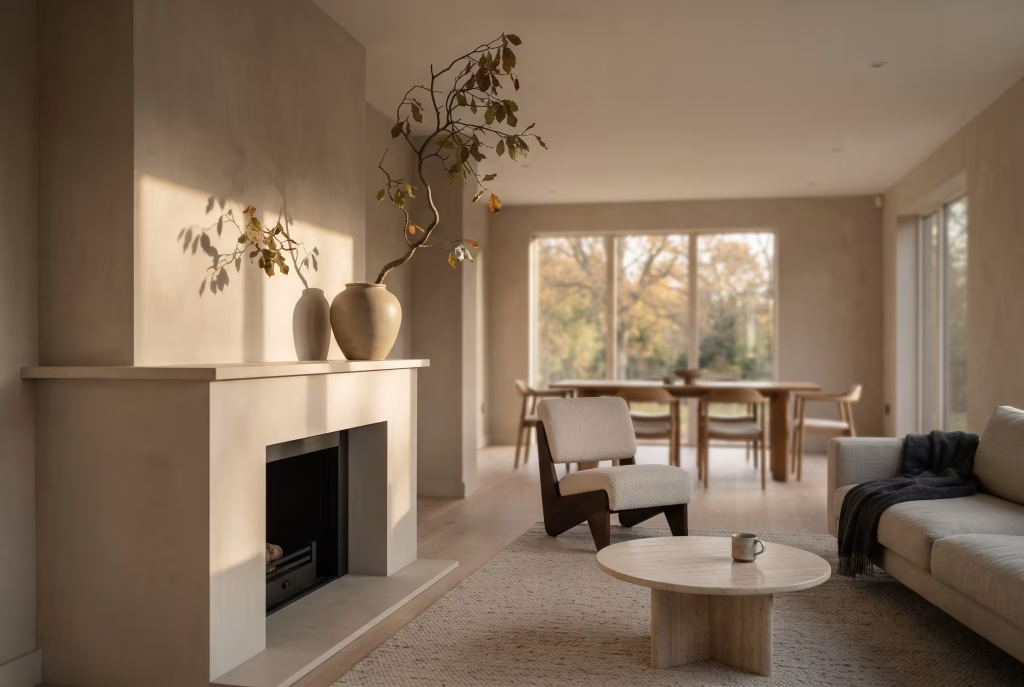
24. One sculptural branch in a single ceramic vessel. A striking branch, bare or lightly leafed, set in a simple matte vase, provides height and shadow play without clutter.
- Real cost: near-free if foraged, plus the cost of the vessel
- Worth knowing: closer to gallery styling than seasonal decor, well suited to an open-plan, contemporary space
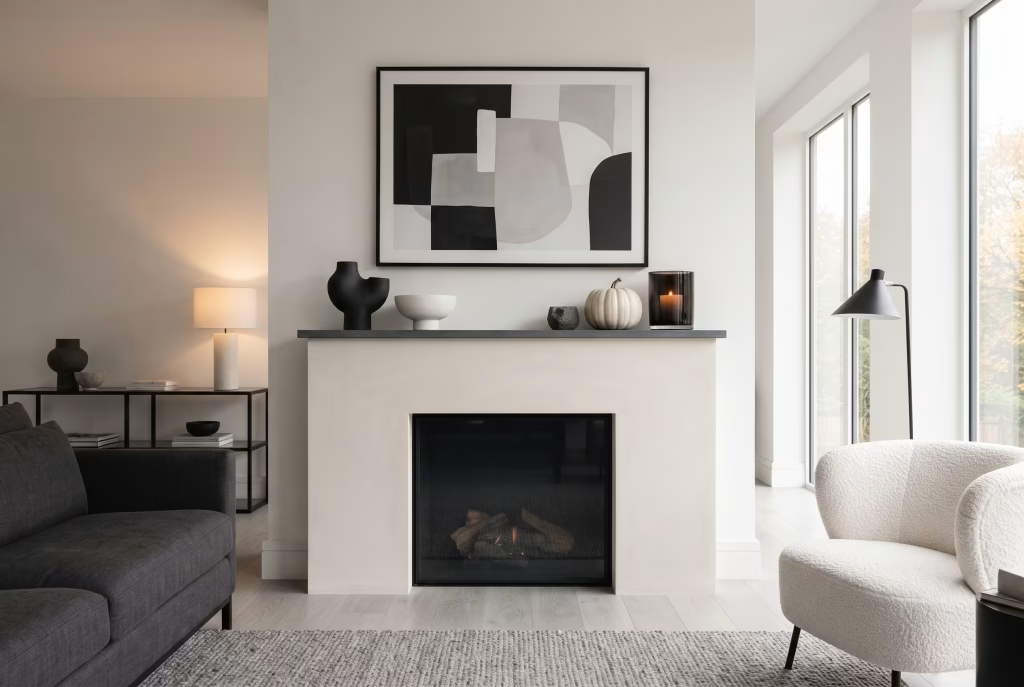
25. A tight monochrome palette in black, white, and grey. Style the entire mantel in one narrow colour range, relying on texture, matte against gloss, smooth against rough, rather than colour, to create interest.
- Real cost: often achievable entirely from items already owned
- Worth knowing: has a grounded, slightly masculine quality that suits rooms with generous natural light
Maximalist & Layered
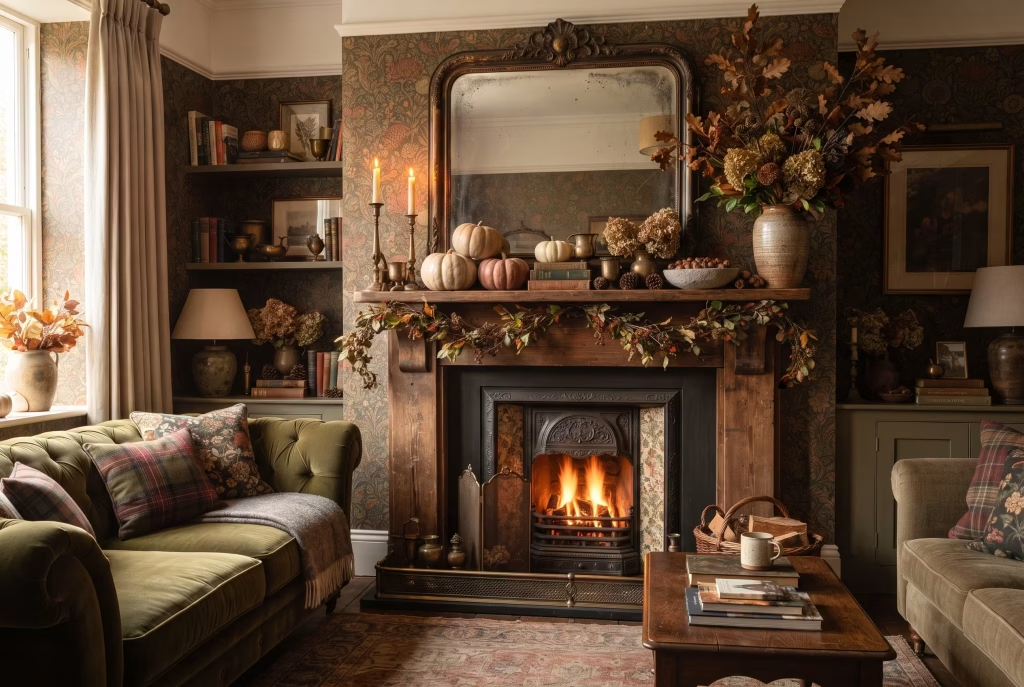
If restraint has never been your instinct, lean into that properly rather than fighting it. A layered mantel done with intention reads as abundant, not cluttered, and the difference between the two comes down to the same fundamentals covered earlier: an anchor, varied heights, and odd numbers.
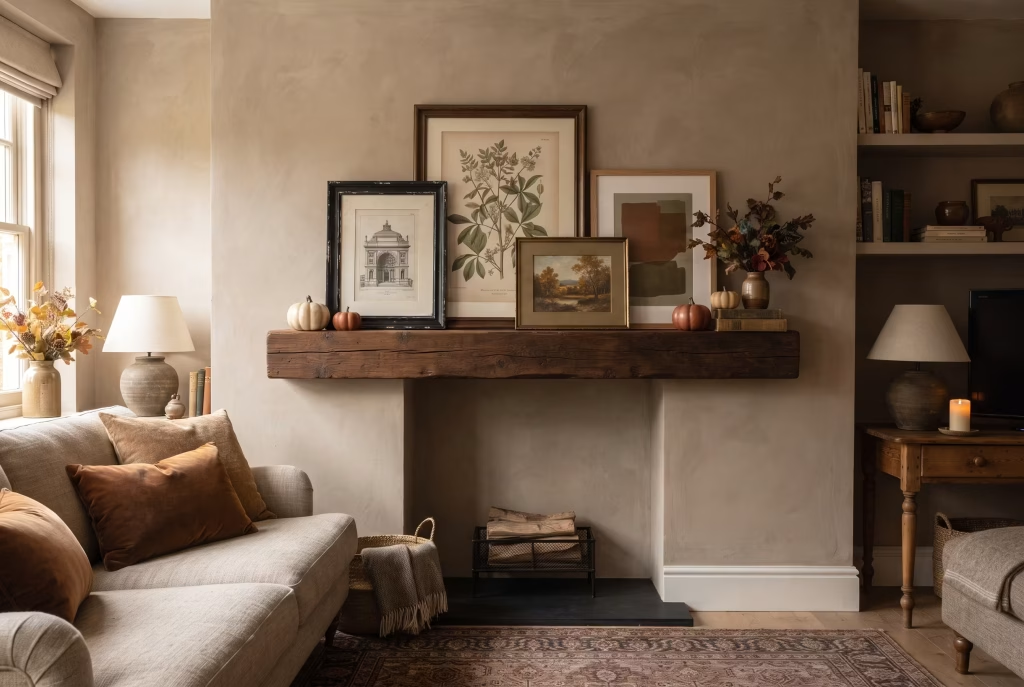
26. Gallery-style stacked artwork. Layer three or more framed pieces of varying sizes, largest at the back, propped rather than hung, for a display that can evolve throughout the year.
- Real cost: highly variable, a genuinely good way to finally display art you already own
- Worth knowing: the mantel effectively becomes a rotating gallery, which keeps it interesting well beyond the autumn months
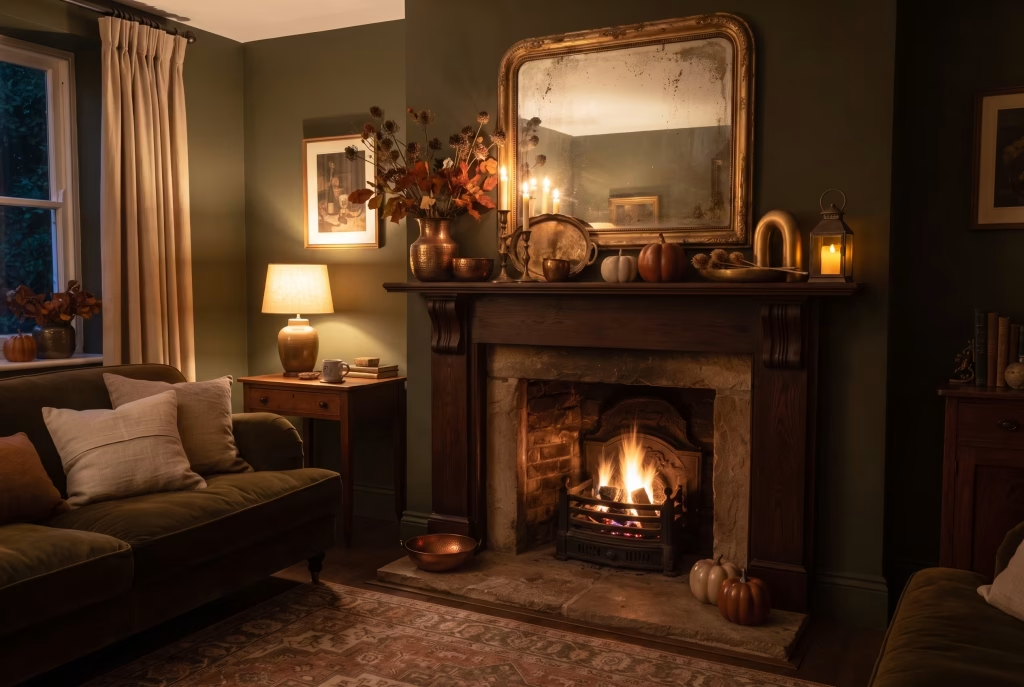
27. Copper, gold, and brass, in as many shapes as you can find. Trays, candlesticks, small bowls, and vases in warm metallics, mixed rather than matched, catch firelight beautifully once the sun goes down.
- Real cost: £30 upwards, often built up gradually over several years
- Worth knowing: genuinely glamorous after dark, worth the slightly higher upkeep of dusting metallics regularly
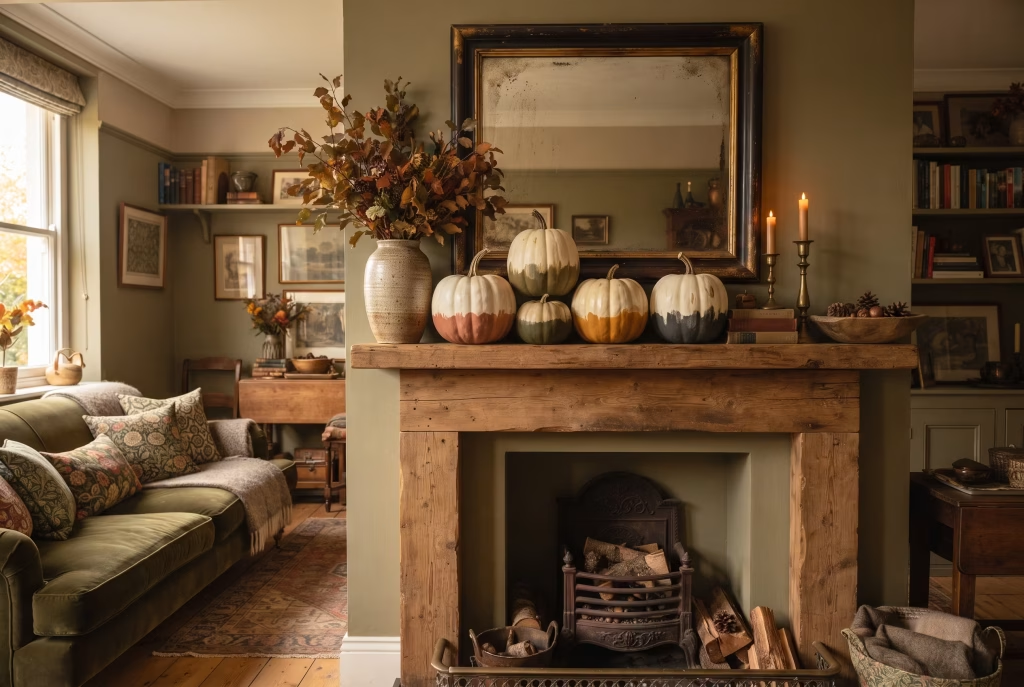
28. Dip-dyed or hand-painted pumpkins. Dip the base of plain faux or real pumpkins into acrylic paint for a modern, slightly artistic twist on a very traditional element.
- Real cost: under £15 in paint, a satisfying weekend project
- Worth knowing: a genuinely enjoyable craft for children old enough to manage paint carefully
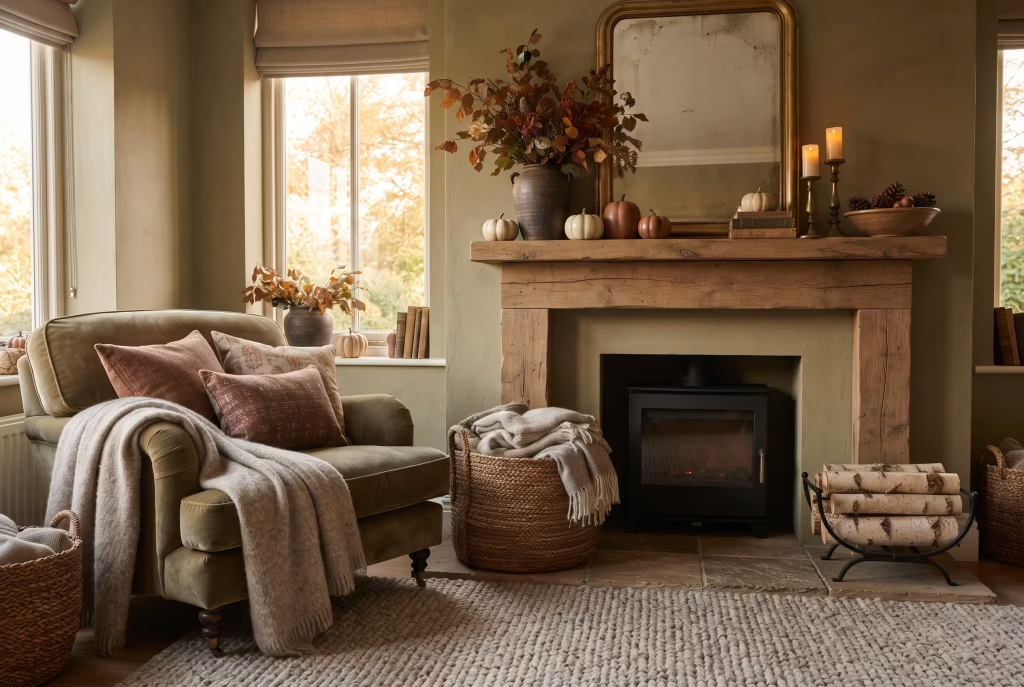
29. Layered textures extended from the mantel down to the hearth. Let the mantel styling continue with rugs, throws, and cushions nearby, matched in tone, so the whole corner of the room feels considered rather than only the shelf itself.
- Real cost: often achievable simply by repositioning things already in the house
- Worth knowing: turns a single narrow ledge into a proper seasonal corner, which is genuinely where the cosiness lives
The TV-Above-the-Mantel Fix
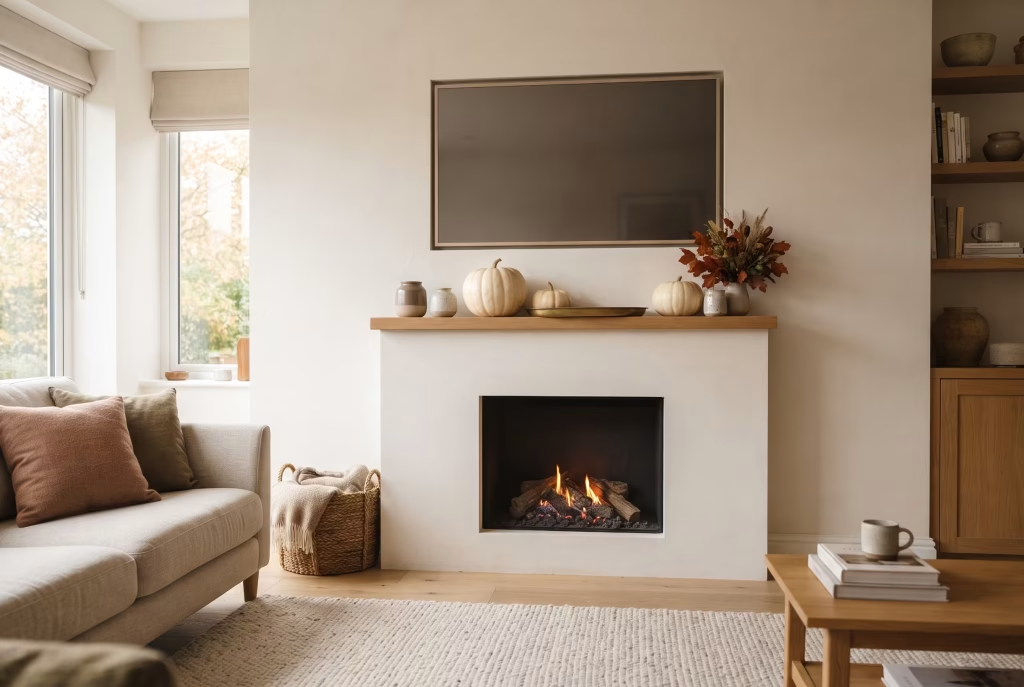
A television mounted above the fireplace is now closer to the norm than the exception in most new-build living rooms, and it is the one obstacle nearly every fall mantel guide conveniently ignores. These three ideas work with the screen rather than fighting it.
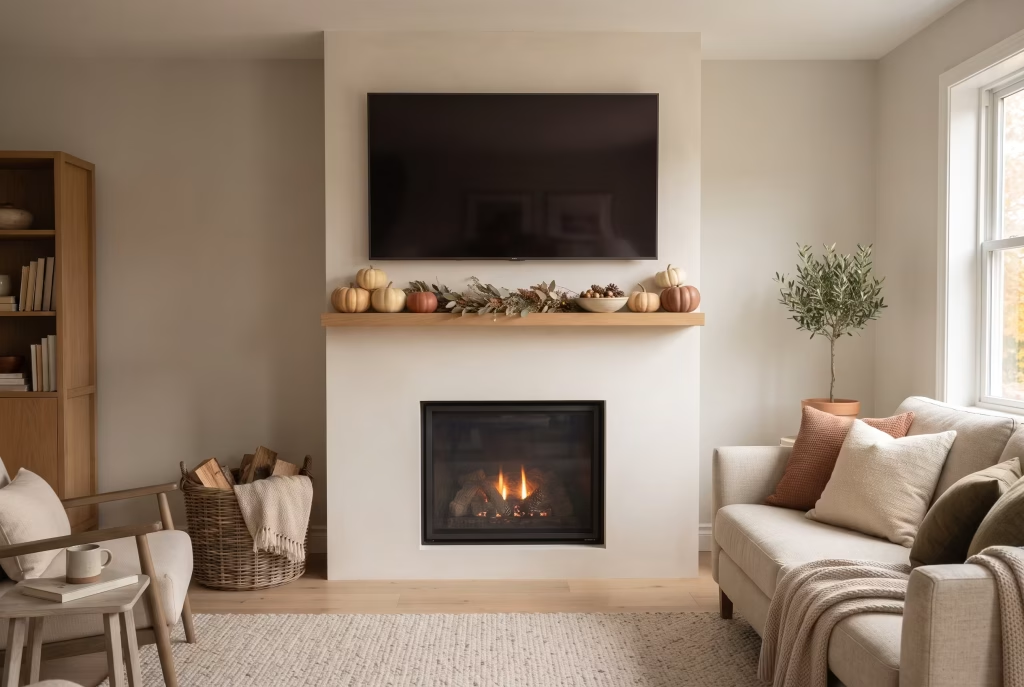
30. Low-profile styling only. Skip anything tall. A slim garland, a scattering of small pumpkins, and one low arrangement keep the sightline to the screen completely clear while still marking the season.
- Real cost: under £30 for a full set of small-scale pieces
- Worth knowing: solves the actual daily annoyance of decor blocking the one thing the household watches every evening
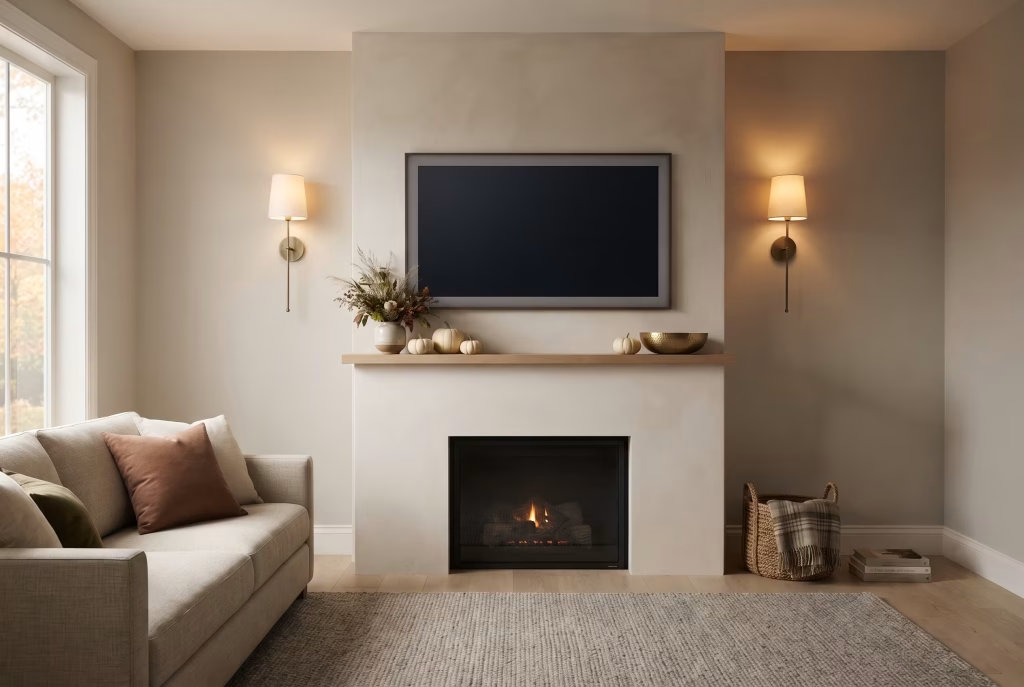
31. Frame the screen instead of competing with it. A pair of matching wall sconces, small potted plants, or slim vases either side of the television turns the frame around the screen into something that looks intentional rather than accidental.
- Real cost: £20 to £60 for a pair of wall lights or vases
- Worth knowing: the television stops reading as an interruption and starts reading as part of the actual design
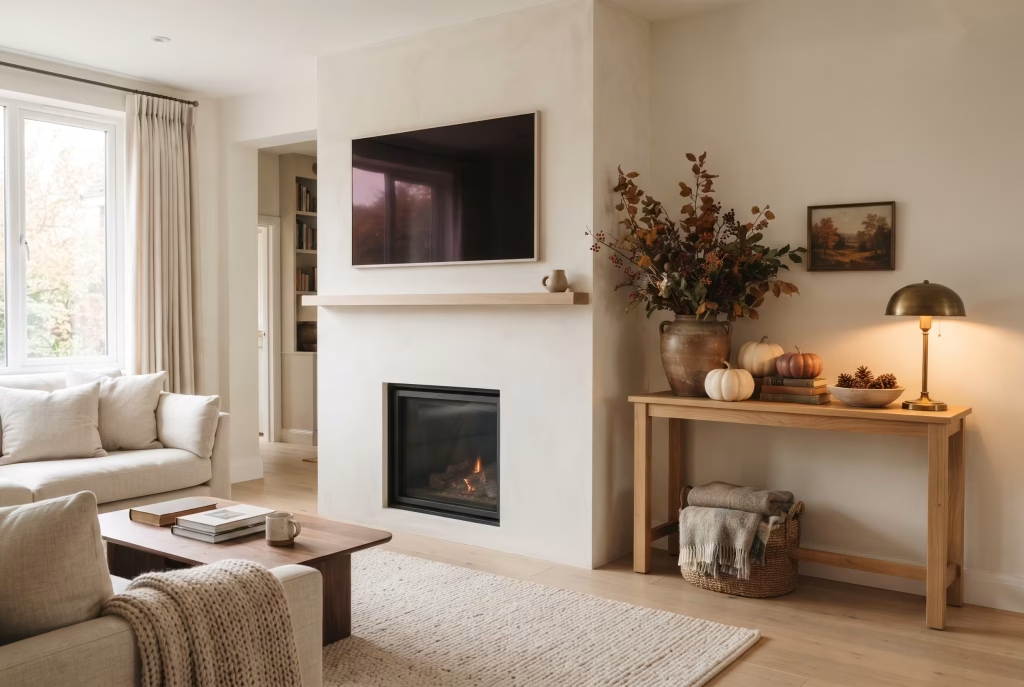
32. Move the seasonal moment elsewhere entirely. If the mantel is genuinely dominated by a screen, put the best of your fall styling on a nearby console, bookshelf, or side table and leave the mantel itself close to bare.
- Real cost: no additional cost beyond what is already owned
- Worth knowing: takes the pressure off a genuinely difficult spot to style and redirects the effort somewhere it can actually shine
No Fireplace No Mantel No Problem
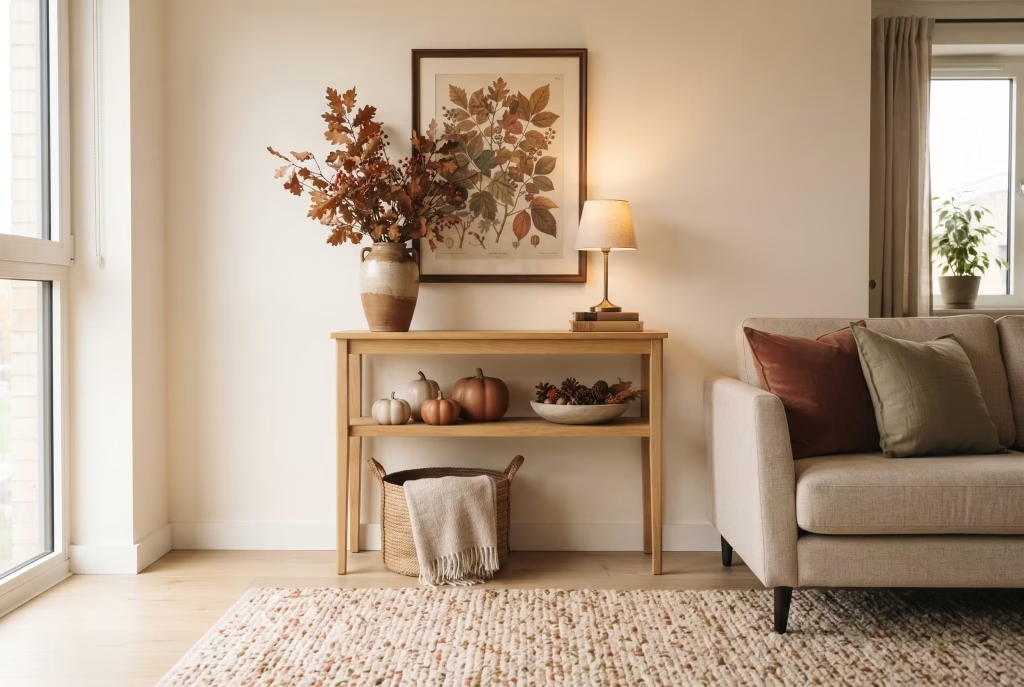
A surprising number of homes, particularly flats, new-builds, and older properties where a fireplace was removed decades ago, have neither a mantel nor a working fireplace, and almost no fall decorating guide addresses this head-on. You do not need either to get the look. What you actually need is a flat surface at roughly the right height and the same willingness to give it one clear focal point.
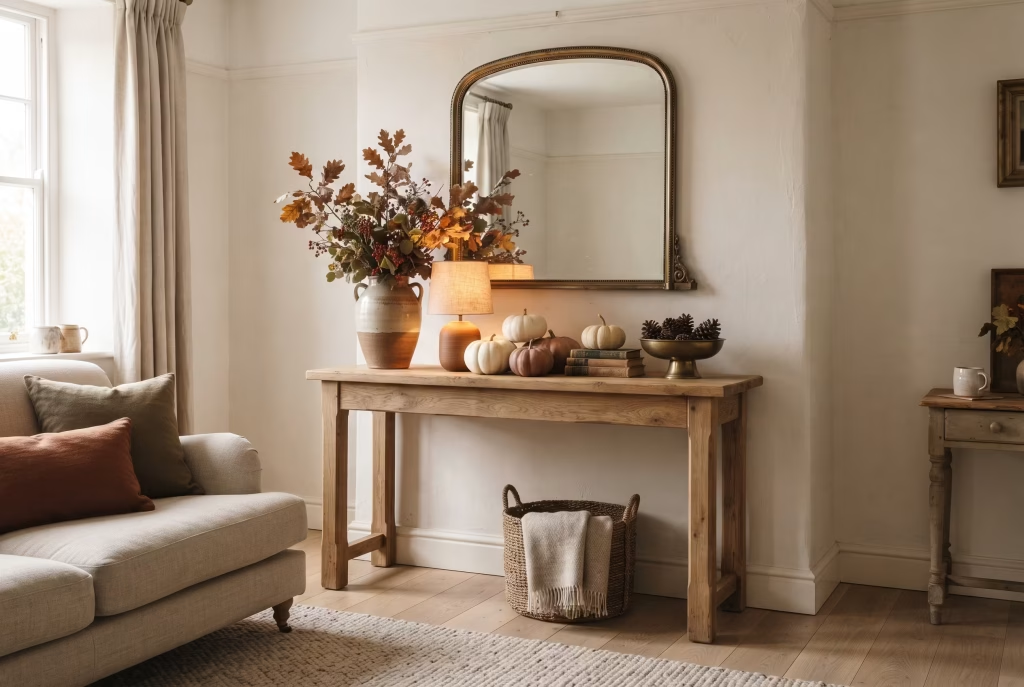
33. A console table or sideboard styled as a stand-in mantel. Position a console against the wall where a fireplace might logically sit, and style it with the same anchor-plus-varying-heights approach described earlier.
- Real cost: no extra cost if suitable furniture is already owned
- Worth knowing: nobody visiting the house will clock that there was never a fireplace there to begin with
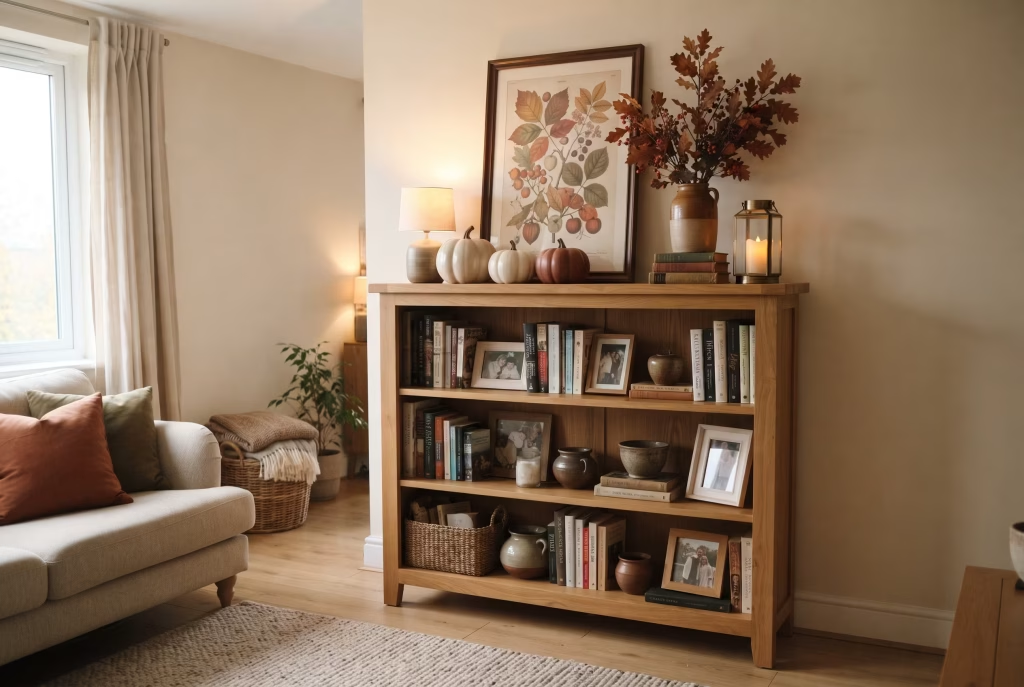
34. The top shelf of a bookcase as the seasonal focal point. Treat it exactly as you would a mantel, anchor piece included, and let it carry the seasonal weight instead.
- Real cost: free, using shelving already in place
- Worth knowing: particularly satisfying in a rented flat where structural changes are simply off the table
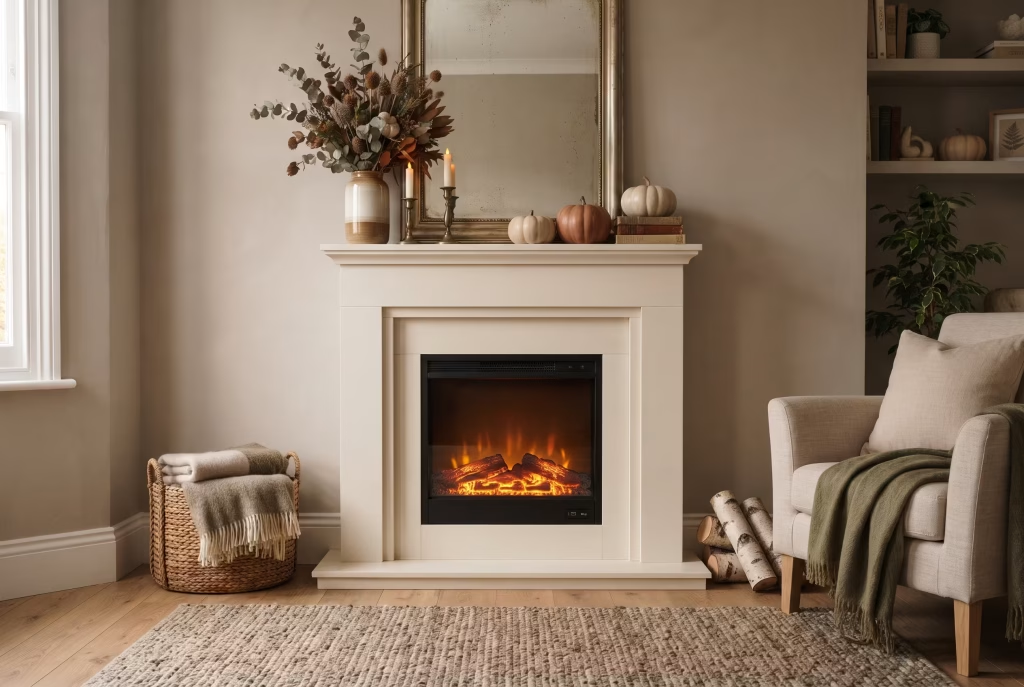
35. A freestanding faux fireplace surround with an LED insert. These are widely available with battery or plug-in “flame” effects, giving genuine mantel styling space without any actual fire risk or building work.
- Real cost: £80 to £250 depending on size and finish, a one-off investment
- Worth knowing: often looks more convincing in photographs than in person, so worth viewing in a showroom before committing
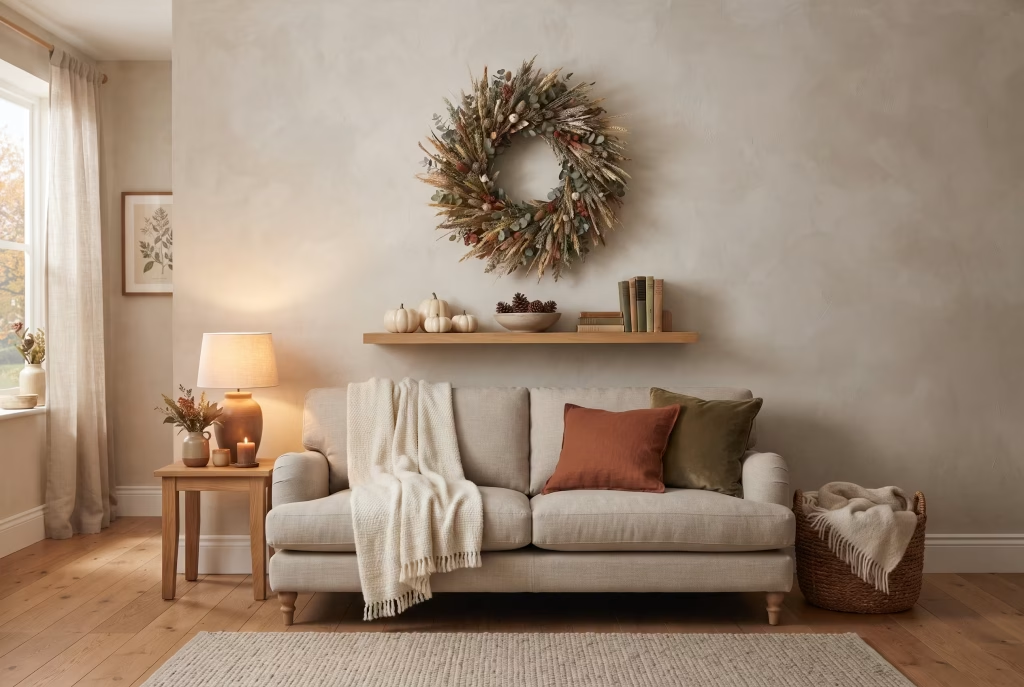
36. A wall-mounted arrangement in place of a mantel shelf. Where there is genuinely no ledge to work with, a dried floral arrangement, a wreath, or a small fixed shelf at the right height recreates the same visual anchor point.
- Real cost: £15 to £40 for materials and fixings
- Worth knowing: proves that a mantel is really a habit of the eye more than a structural requirement
Take It Outside Outdoor Fireplace Decor
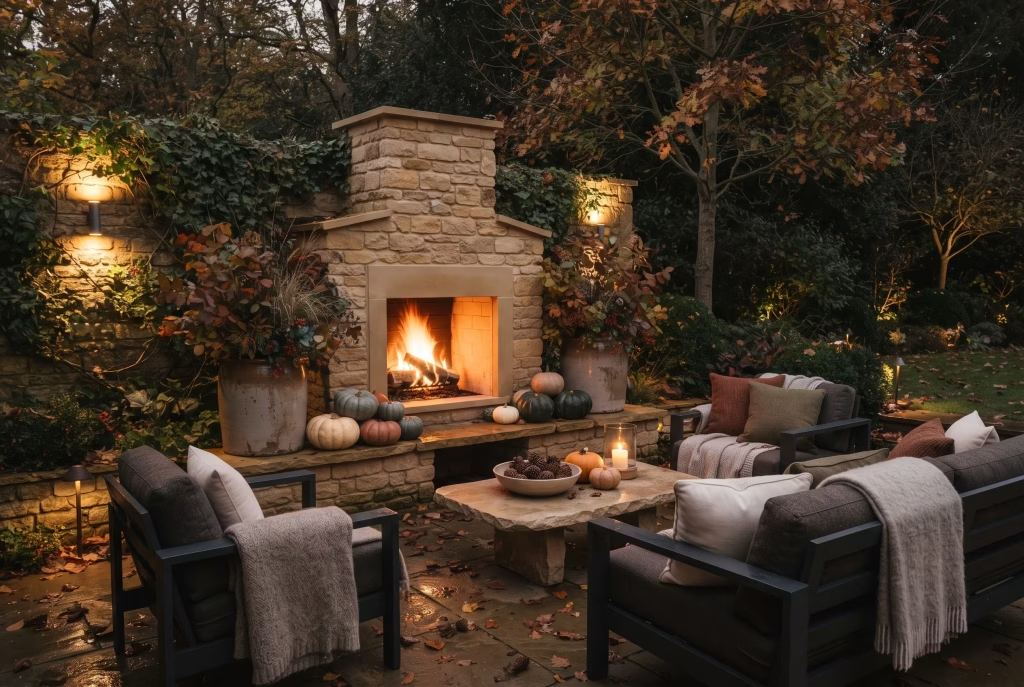
If you are fortunate enough to have an outdoor fireplace or fire pit, the same fundamentals apply, with a few adjustments for weather.
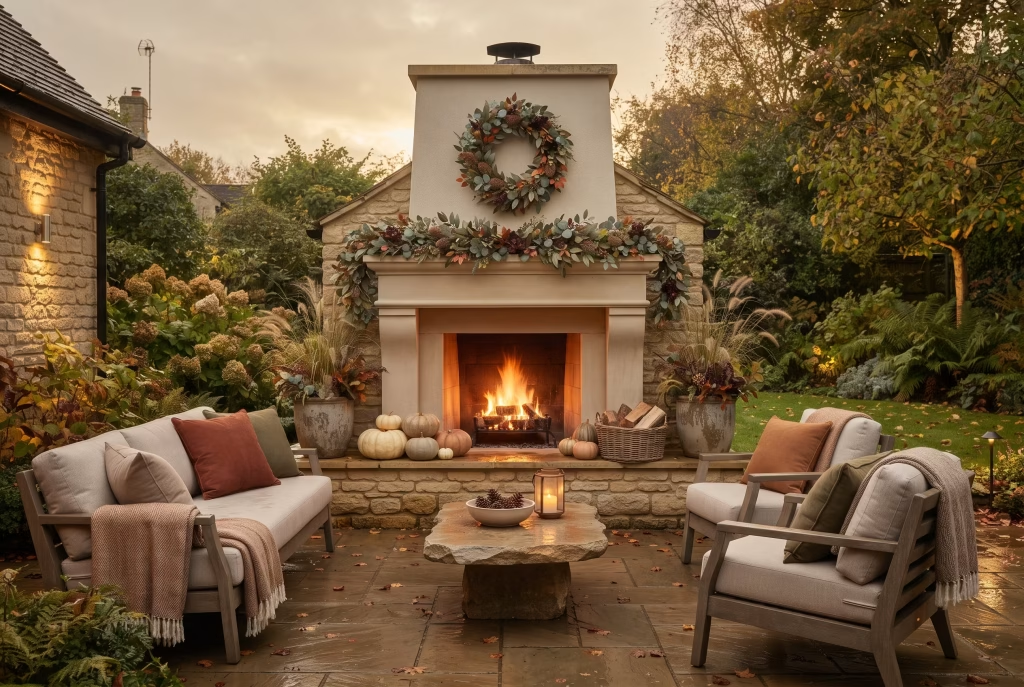
37. Weather-resistant faux garlands and wreaths. Real foliage fades within days outdoors, so a faux garland rated for exterior use holds its colour through the entire season with none of the maintenance.
- Real cost: £25 to £50, but reusable outdoors for several years
- Worth knowing: keeps the space looking intentional even after a run of wet weekends
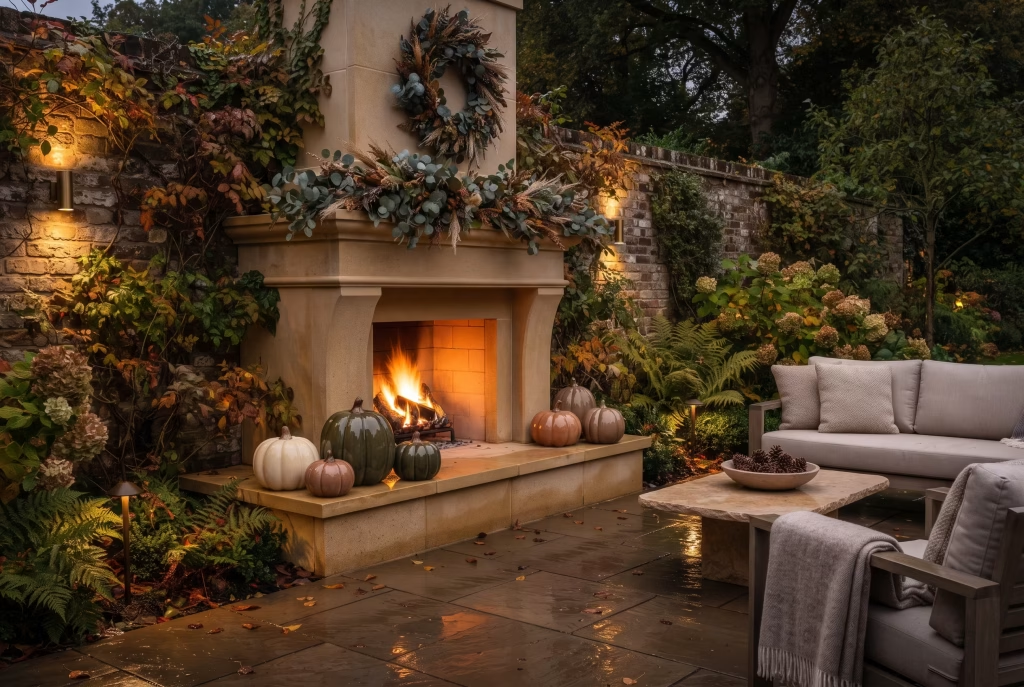
38. Metal or glazed ceramic pumpkins in place of real ones. Genuine pumpkins left outside in damp weather rot within a week or two, whereas metal or ceramic versions give the same look with none of the mess.
- Real cost: £10 to £30 each, a lasting investment rather than a seasonal buy
- Worth knowing: one less thing to remember to bring indoors before the first proper frost
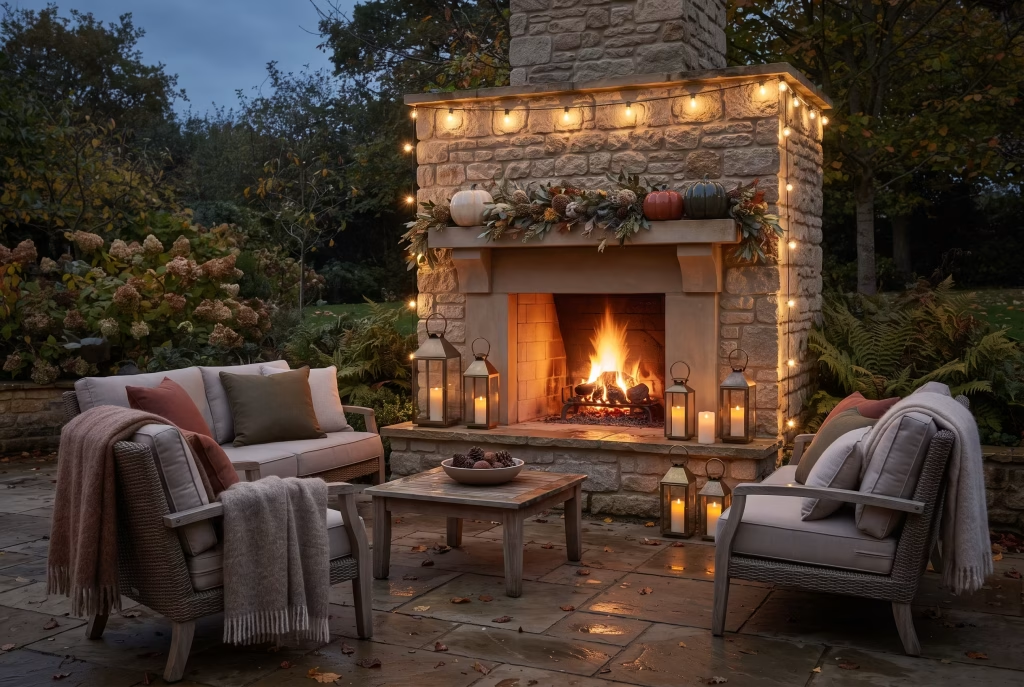
39. String lights and lanterns for gatherings after dark. A run of warm white outdoor-rated string lights around the fireplace surround, paired with a few lanterns on the hearth, keeps the space genuinely usable long after sunset.
- Real cost: £20 to £40 for a decent length of outdoor lighting
- Worth knowing: extends the actual number of evenings the space gets used, which is the entire point of having it
Why This Corner of the House Matters So Much
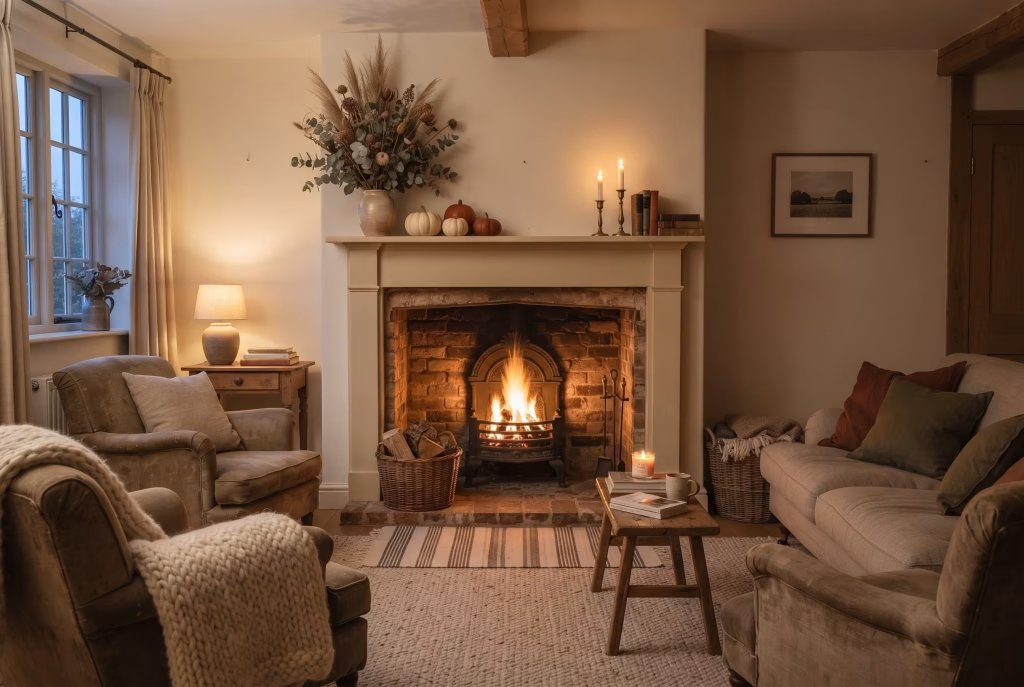
There is a reason the fireplace pulls focus in almost every living room, working or not. It sits at the exact height our eyes naturally land on when entering a room, and for most of human history it was the genuine source of warmth and light after dark, the point around which a household actually gathered rather than merely coexisted. Decorating it for autumn taps into something older than any interior design trend: the instinct to mark a season’s turn and prepare a place worth gathering around before the weather closes in properly.
That instinct is worth trusting even when the practical outcome feels modest. A single dried arrangement and a few candles will not alter your circumstances, but the small, repeated act of noticing a season change and responding to it does something for the nervous system that no styling tip alone can quite explain. It is one reason a well-dressed mantel tends to make an entire room feel calmer, not simply more decorated. Remember that the next time a mantel seems to be taking longer to get right than it should. It is not just a shelf. It is the one square foot of the house doing the most emotional work of any of them.
Frequently Asked Questions
Do you need a working fireplace to decorate for fall?
No. Many of the ideas above, particularly the console table, bookshelf, and faux surround options, work identically whether a fireplace is decorative, non-functioning, gas-powered, or simply absent altogether.
What do you do if you don’t have a mantel at all?
Treat a console table, sideboard, or the top shelf of a bookcase as your mantel. The same anchor-plus-varying-heights approach transfers directly across, and most guests will never notice the substitution.
How close can candles and garlands safely be to an open flame?
The National Fire Protection Association recommends at least 3 feet of clearance between combustible decor and any open flame, and a candle wick should never make direct contact with foliage, whether real or faux.
What’s the actual mantel-to-firebox clearance rule?
Building codes generally call for a minimum of 6 inches of clearance between a non-combustible mantel shelf and the firebox opening, plus an extra inch for every ⅛ inch the mantel projects outward. Requirements vary by fireplace type and material, so check the specific installation manual if in doubt.
How do you decorate a mantel with a TV above it?
Keep the styling low-profile so it does not block the screen, frame the television with matching pieces either side rather than hiding it, or move the main seasonal display to a nearby console or shelf instead.
How long do real pumpkins actually last on a mantel?
Estimates vary by source, but a whole, uncarved pumpkin kept indoors typically lasts somewhere between 4 and 8 weeks before softening, longer in a cool spot away from direct heat. Carved pumpkins last only a matter of days.
How do you arrange mantel decor so it doesn’t look cluttered?
Start with one anchor piece, vary the heights of everything else, group items in odd numbers, and deliberately leave visible gaps of bare mantel. If none of the shelf itself is visible, remove something.
Is fall mantel decor a trend or is it timeless?
The core approach, natural materials, warm tones, and a single clear focal point, has held remarkably steady for decades. Individual props come and go with fashion, but the underlying styling principles rarely date.
Does styling a real fireplace differ from styling a faux or electric one?
The visual approach is identical. The genuine difference is safety: a working fireplace calls for the clearance and open-flame precautions above, while an electric or purely decorative fireplace does not.
What are the best budget-friendly options?
Foraged branches, pinecones, and leaves cost nothing beyond the time spent collecting them, and secondhand vases, books, and candlesticks from a charity shop will typically do more for a mantel than most new seasonal decor.
When should you start decorating for fall?
Early September is common among those who want the longest run of use from their decor, though there is no fixed rule. Many people prefer to wait until the temperature genuinely drops, since fall styling can look slightly odd against a still-warm, sunlit room.
How do you keep dried florals and garlands from being a fire hazard?
Keep everything at least 3 feet from an open flame, never let foliage touch a lit candle wick, choose flameless candles for anything positioned close to the firebox, and check that pre-lit garlands have securely fitted bulbs and undamaged wiring.