



25 Ranch Garden Ideas Where Authentic Western Charm Comes to Life
A true ranch garden is rooted in the land itself. It is shaped by climate, terrain, and regional planting traditions rather than rigid design rules or ornamental excess. When I design ranch gardens, I focus on natural planting, open space, and a sense of ease that feels both purposeful and unforced.
Native and drought-tolerant plants play a central role, allowing the garden to bloom generously while working in harmony with its environment. Materials are honest and timeworn, with wood, stone, gravel, and metal ageing naturally alongside the landscape.
What sets a ranch garden apart is its understated beauty. There is no need for symmetry or perfection. Instead, the charm comes from layered planting, seasonal change, and the way the garden supports everyday outdoor living.
In this guide, I have grouped the 25 ideas to make inspiration easy to navigate. You will find planting-focused concepts, layout and structure ideas, and practical design approaches that suit different climates and lifestyles, all unified by authentic Western character and long-lasting appeal.
What Defines an Authentic Ranch Garden?
An authentic ranch garden is defined by its relationship with the land. Rather than imposing a rigid design, it responds to climate, soil, and natural surroundings. When I work on ranch-style landscapes, I always start by observing how the land behaves through the seasons. Wind, sun exposure, rainfall, and native vegetation guide every decision. This connection ensures the garden feels grounded and sustainable, not artificial or out of place.
Planting is intentionally restrained and regionally appropriate. Native and drought-tolerant plants are favoured because they thrive with minimal intervention while still delivering colour, texture, and seasonal interest. Wildflowers, grasses, hardy perennials, and shrubs create a landscape that feels alive and evolving, rather than overly curated. This approach also reduces maintenance and water use, which is central to true ranch living.
Layout plays a practical role in defining authenticity. Ranch gardens prioritise movement, access, and function over ornamental symmetry. Paths follow natural lines, outdoor areas support daily use, and planting is layered organically instead of arranged in strict patterns. Natural materials reinforce this grounded aesthetic. Weathered wood, stone, gravel, and metal are used honestly, allowing patina and age to enhance character.
Ultimately, the beauty of a ranch garden is relaxed and unforced. It is open, breathable, and quietly confident. The space feels lived in, shaped by time and use, and deeply connected to its setting rather than styled for display.
Ranch Garden Ideas Inspired by the Spirit of the Western Landscape
These ranch garden ideas are designed to celebrate natural beauty, regional planting, and the relaxed outdoor living that defines authentic Western landscapes. Rather than focusing on decorative trends, each idea highlights practical, time-tested approaches that allow gardens to bloom effortlessly while staying connected to the land.
From native planting and open layouts to rustic materials and subtle structure, the following ideas are intended to inspire spaces that feel genuine, functional, and rooted in ranch tradition, while remaining adaptable to different climates and property sizes.
Native Wildflower Borders
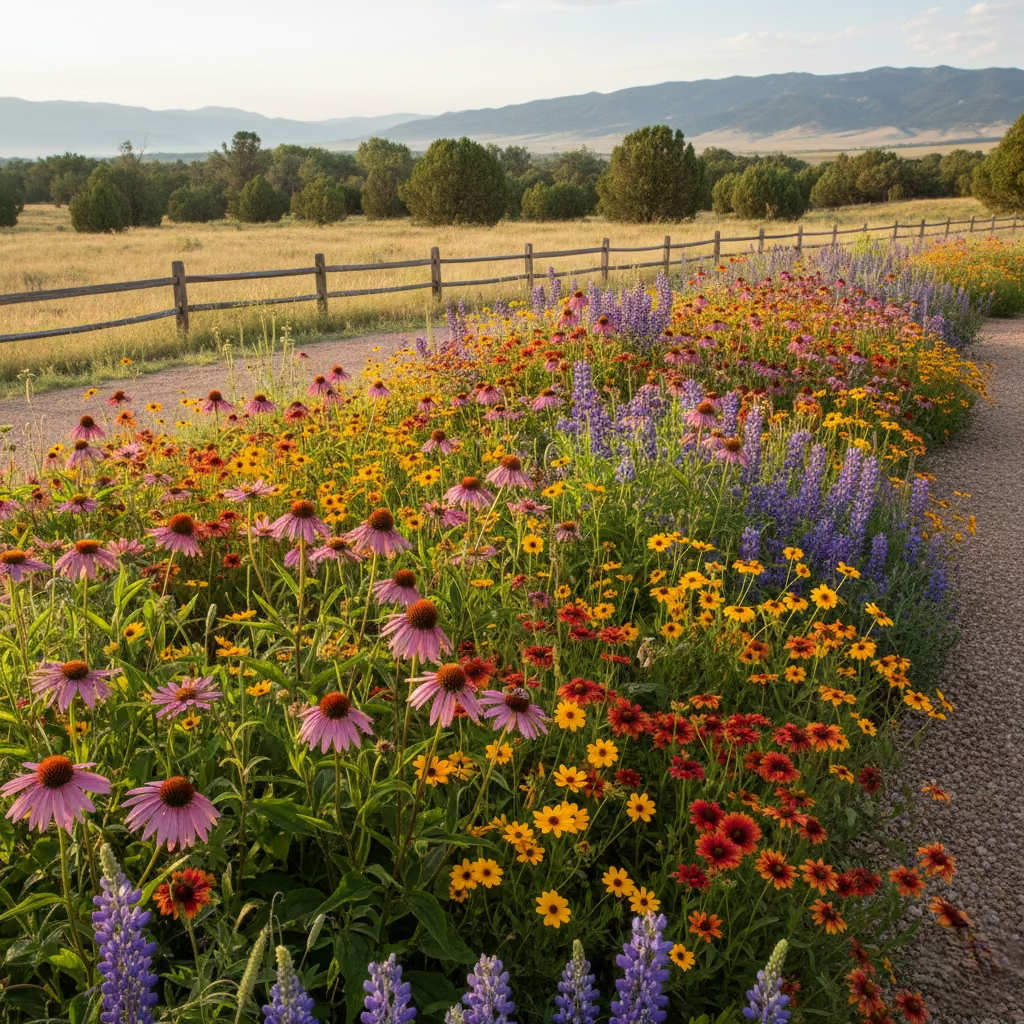
Native wildflower borders are one of the most authentic ways to bring a ranch garden to life. I often recommend starting with plants that naturally grow in the surrounding region, as they are already adapted to local soil conditions, rainfall levels, and temperature changes.
This makes them easier to maintain while ensuring reliable seasonal colour. Wildflowers such as coneflower, blanket flower, coreopsis, and lupine create a relaxed, meadow-like effect that feels true to Western landscapes rather than overly designed.
Beyond visual appeal, native wildflower borders play an important ecological role. They attract bees, butterflies, and birds, helping to support local pollinator populations. I like to design these borders with a mix of heights and bloom times, so the garden stays visually active from early spring through late summer.
Allowing plants to self-seed adds to the natural character, creating a border that evolves organically each year. The result is a garden edge that feels alive, resilient, and deeply connected to its environment.
Weathered Wood Fencing with Climbing Plants
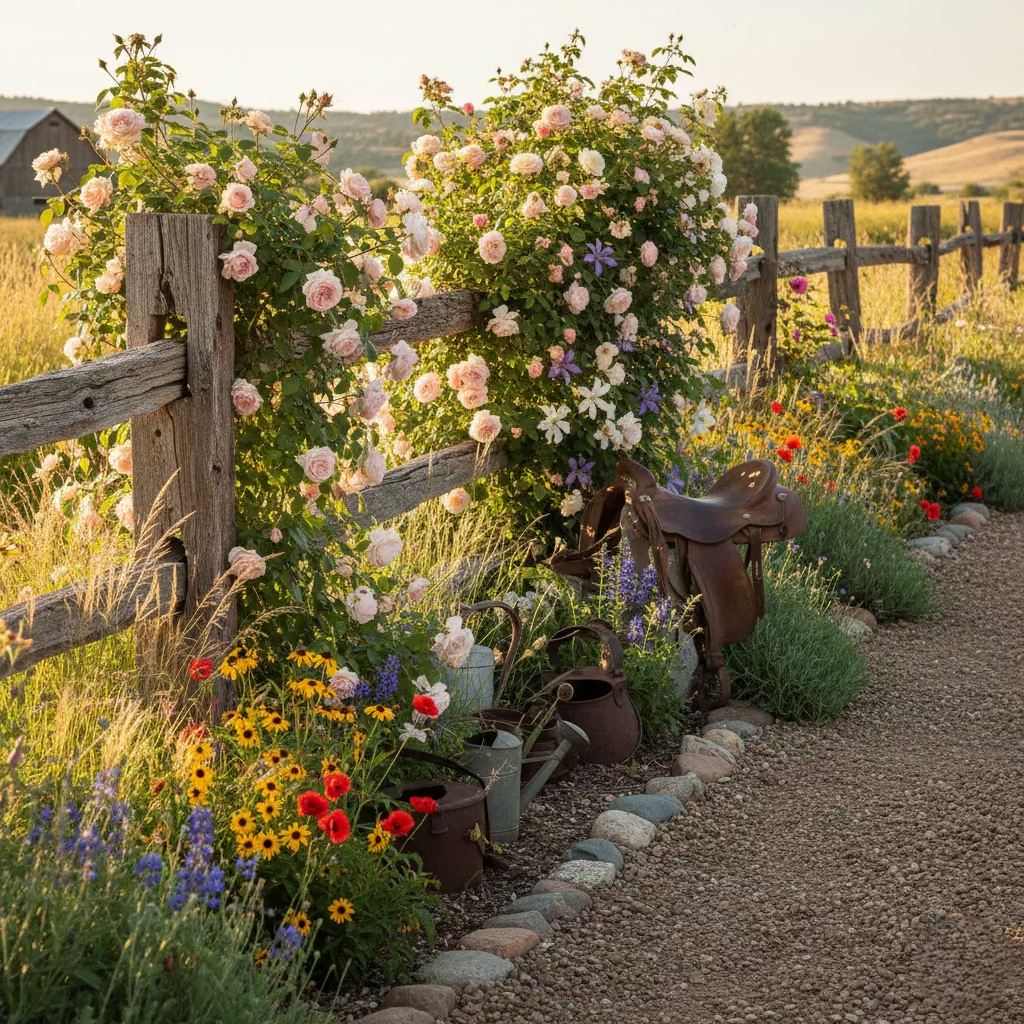
Weathered wood fencing is a defining feature of many ranch gardens, offering structure without feeling restrictive or formal. When paired with climbing plants, rough timber takes on a softer, more inviting presence.
I often use reclaimed or naturally aged wood, as the grain, knots, and imperfections add immediate character. Over time, sun and weather further enhance the patina, reinforcing the sense of authenticity that ranch landscapes are known for.
Climbing plants such as rambling roses, clematis, honeysuckle, or native vines help blend the fence into the surrounding garden. These plants introduce colour, texture, and seasonal interest while breaking up hard lines.
I prefer to let climbers grow freely rather than training them too precisely, as this creates a more relaxed, organic look. The combination of sturdy wood and flowing plant growth reflects the balance at the heart of ranch design, where durability meets natural beauty.
You May also Like: 25 Outdoor Bar Ideas That Turn Backyards Into Social Hotspots
Gravel Pathways Framed by Perennials
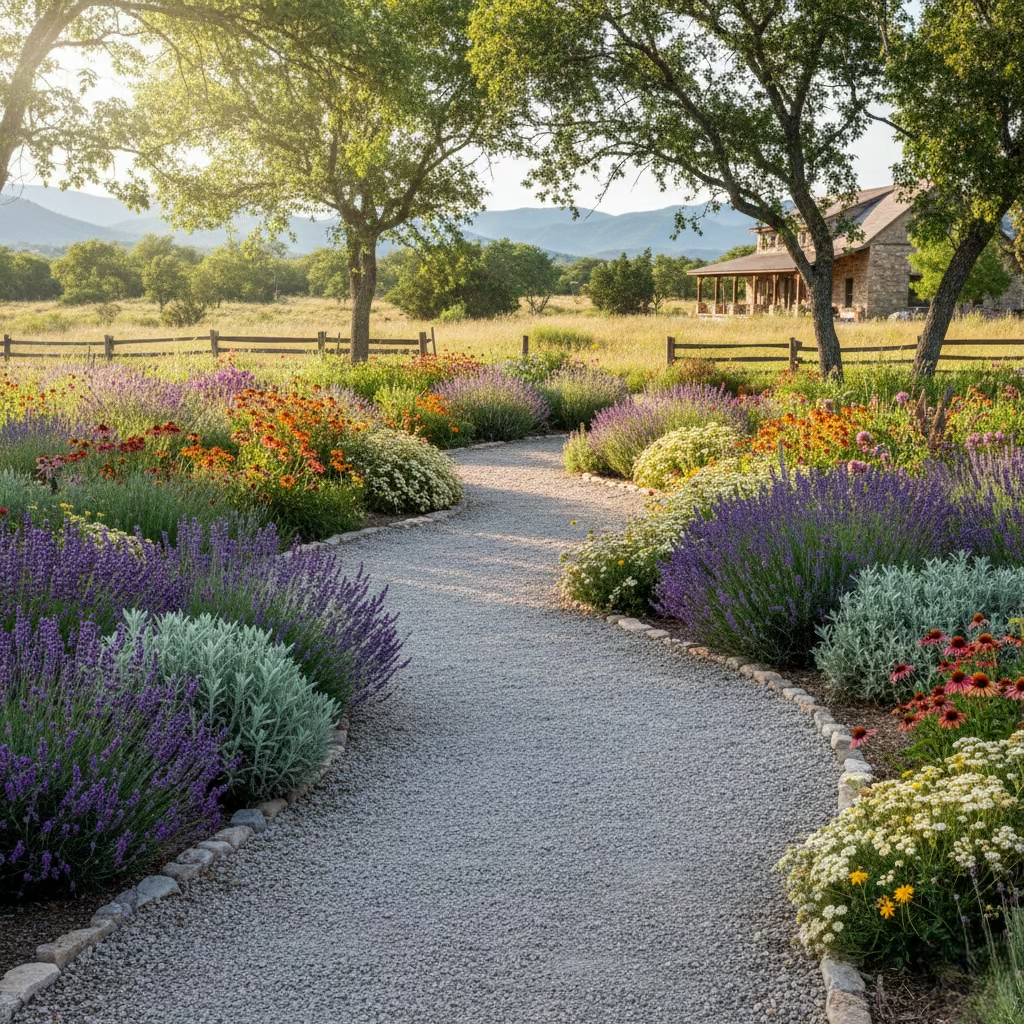
Gravel pathways are both practical and visually suited to ranch gardens, offering a low-maintenance alternative to paved walkways. I often choose gravel because it allows rainwater to drain naturally, supports informal layouts, and blends seamlessly with rural landscapes.
The sound of gravel underfoot also adds a subtle sensory element that enhances the outdoor experience. Pathways can curve gently through the garden, following natural movement rather than strict lines.
Framing these paths with perennials softens their appearance and adds colour throughout the seasons. Plants such as lavender, sage, coneflower, and yarrow thrive in well-drained conditions and complement gravel beautifully. I like to stagger planting heights to create depth, allowing some plants to spill slightly over the path edges.
This approach keeps the garden feeling open and welcoming while guiding movement naturally through the space, reinforcing the relaxed flow that defines authentic ranch gardens.
You May also Like: Outdoor Chair Ideas: A Design-Led Guide to Comfort, Style, and Long-Term Use
Open Meadow-Style Lawns
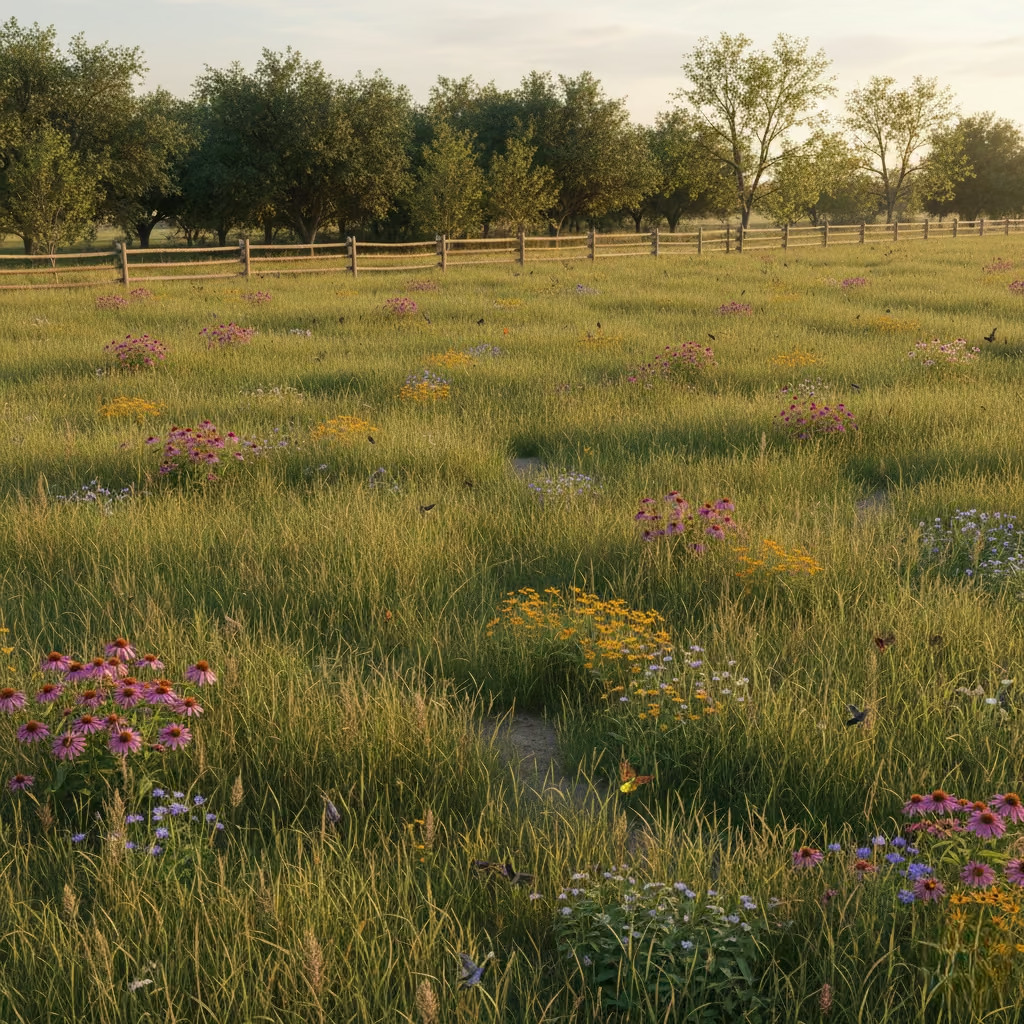
Open meadow-style lawns move away from tightly manicured turf and instead embrace a softer, more natural approach that reflects traditional pastureland. When I design these areas, I focus on creating a sense of openness, allowing grasses and flowering plants to coexist in a loose, informal layout. Native grasses mixed with low-growing wildflowers create movement, texture, and subtle colour shifts throughout the year, making the space feel alive rather than static.
This style of lawn is particularly well suited to ranch gardens because it requires less water, fertiliser, and maintenance than conventional grass. Mowing is minimal and often seasonal rather than weekly.
Meadow lawns also support wildlife, providing habitat for insects and birds. Visually, they help the garden blend seamlessly into the surrounding landscape, reinforcing the idea that the garden is an extension of the land itself rather than a separate, controlled space.
Stone Edging and Dry Creek Beds
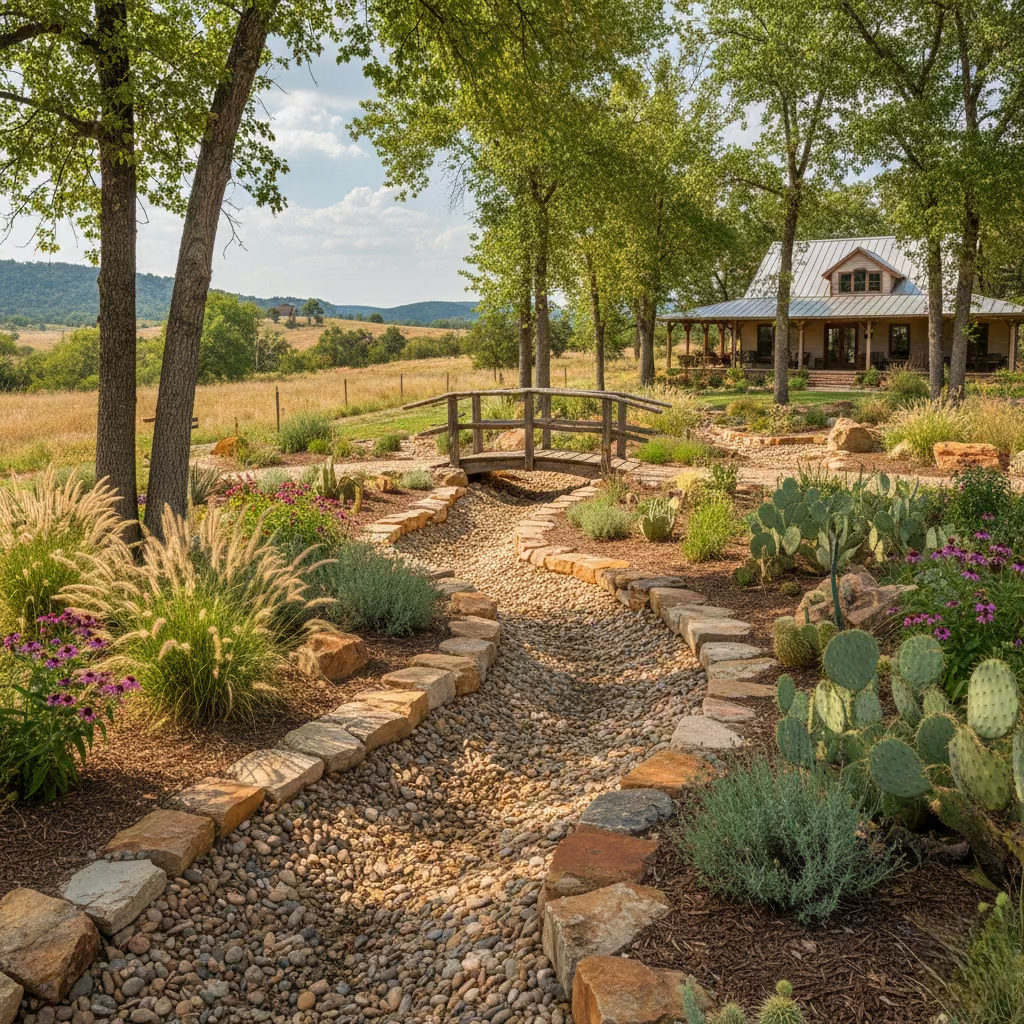
Stone edging and dry creek beds are practical features that add both structure and authenticity to a ranch garden. I often use them to manage drainage in areas prone to runoff while creating a strong visual element that feels natural to the setting. Stones in varying sizes and natural tones work best, as uniform materials can appear too polished for a ranch landscape.
Dry creek beds mimic natural water channels, guiding rainwater away from planting areas and foundations. When designed thoughtfully, they become focal points rather than hidden solutions.
I like to soften the edges with grasses, perennials, or low shrubs to help the feature blend into the garden. Over time, these elements settle into the landscape, developing a weathered appearance that enhances their rustic charm while serving a clear functional purpose.
Raised Timber Garden Beds
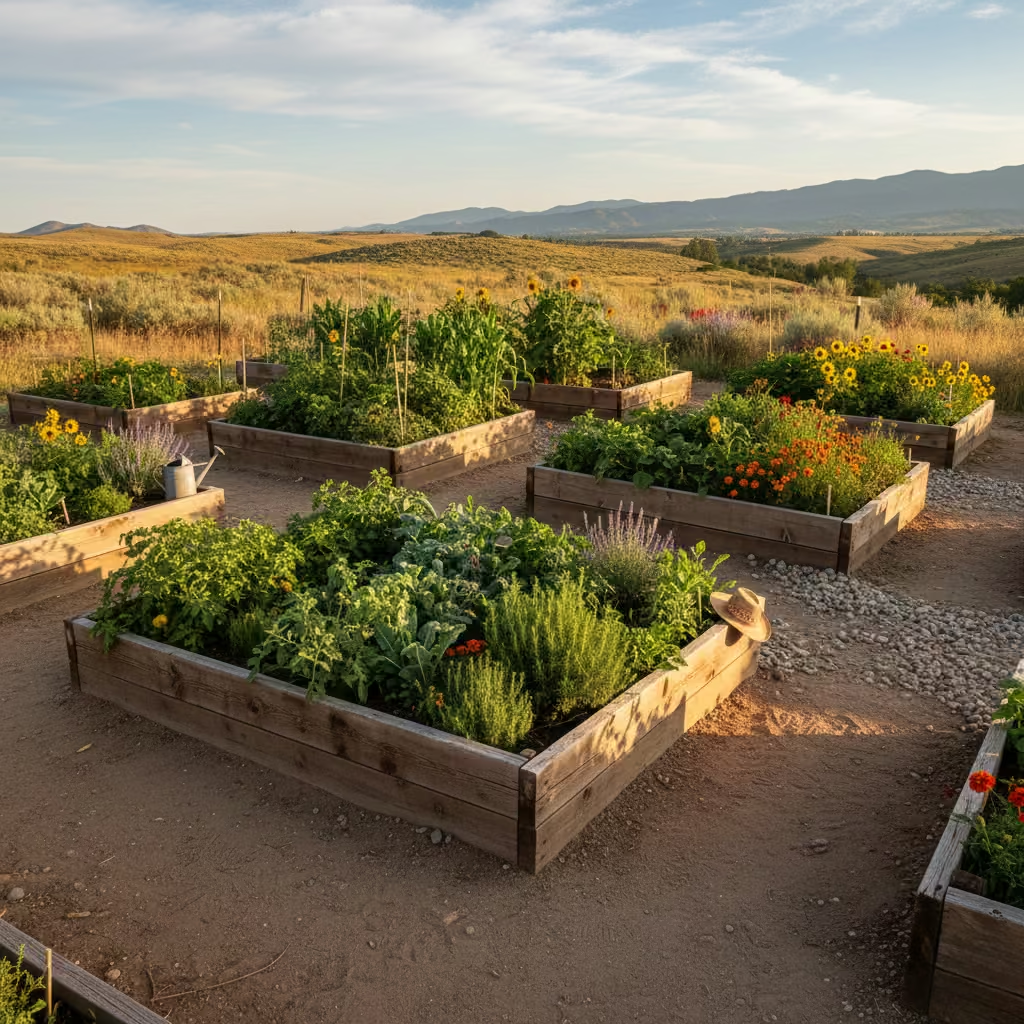
Raised timber garden beds bring practicality and rustic structure to ranch gardens, making them ideal for growing vegetables, herbs, and cut flowers. I prefer using untreated or naturally durable wood that will age gracefully outdoors. The visible grain and natural wear reinforce the honest, working-garden feel that suits ranch properties so well.
These beds improve soil control and drainage, which is especially helpful in rural areas with compacted or rocky ground. From a design perspective, raised beds introduce gentle order without disrupting the relaxed nature of the garden. I often position them near the house or outdoor living areas to encourage daily use.
When filled with productive plants and seasonal blooms, raised timber beds become both functional and visually pleasing, blending utility with understated Western charm.
Desert-Inspired Ranch Gardens
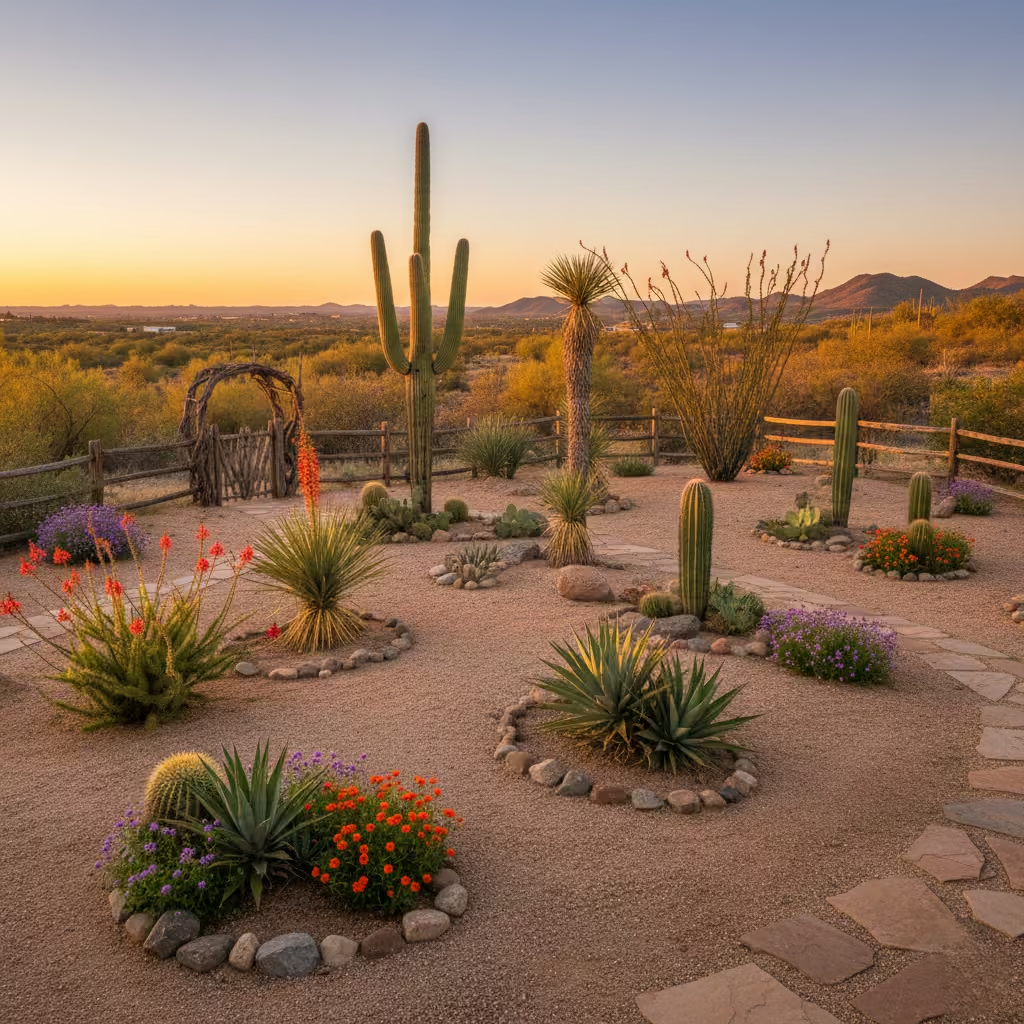
Desert-inspired ranch gardens are ideal for arid and low-water climates where traditional planting can struggle. When I design these spaces, I prioritise plants that thrive in heat, poor soil, and long dry periods without sacrificing visual impact. Cacti, yucca, agave, and flowering succulents provide strong sculptural forms, creating a landscape that feels bold, resilient, and deeply connected to its environment. Their varied shapes and textures add year-round interest, even when flowers are not in bloom.
To keep the garden from feeling stark, I often layer these plants with gravel, decomposed granite, or stone mulch, which helps retain moisture and reflect heat. Strategic spacing allows each plant to stand out while reinforcing the open, uncluttered feel that defines ranch design.
Occasional bursts of colour from flowering succulents or desert-adapted perennials soften the overall look, creating a garden that feels balanced, sustainable, and authentically Western.
You May also Like: 25 Farmhouse Garden Ideas That Feel Timeless, Practical, and Full of Charm
Rustic Pergolas with Flowering Vines
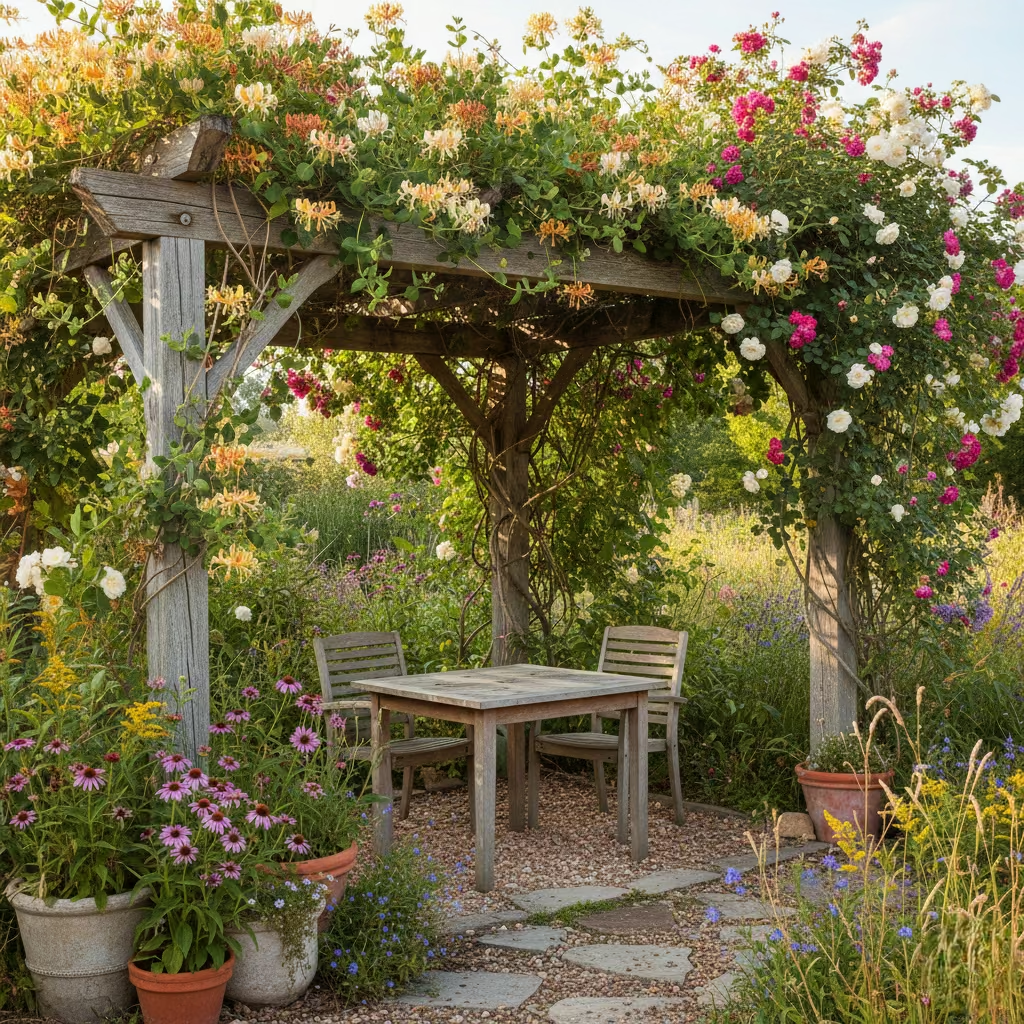
Rustic pergolas add structure and shade to ranch gardens while supporting a relaxed, outdoor lifestyle. I typically use timber with a natural or weathered finish, allowing the structure to blend seamlessly into the landscape rather than dominate it.
Pergolas are especially effective over seating areas, walkways, or outdoor dining spaces, providing relief from the sun without enclosing the space.
Flowering vines such as wisteria, honeysuckle, or climbing roses transform these simple structures into living features. As the plants mature, they create dappled shade, fragrance, and seasonal colour.
I prefer to let vines grow naturally, trimming only when needed, as this keeps the look informal and organic. Over time, the combination of wood and plant growth creates a sense of permanence and softness that enhances the authentic charm of a ranch garden.
You May also Like: Coastal Garden Design: Creating Landscapes That Withstand Exposure and Age Gracefully
Barn-Style Planters and Troughs
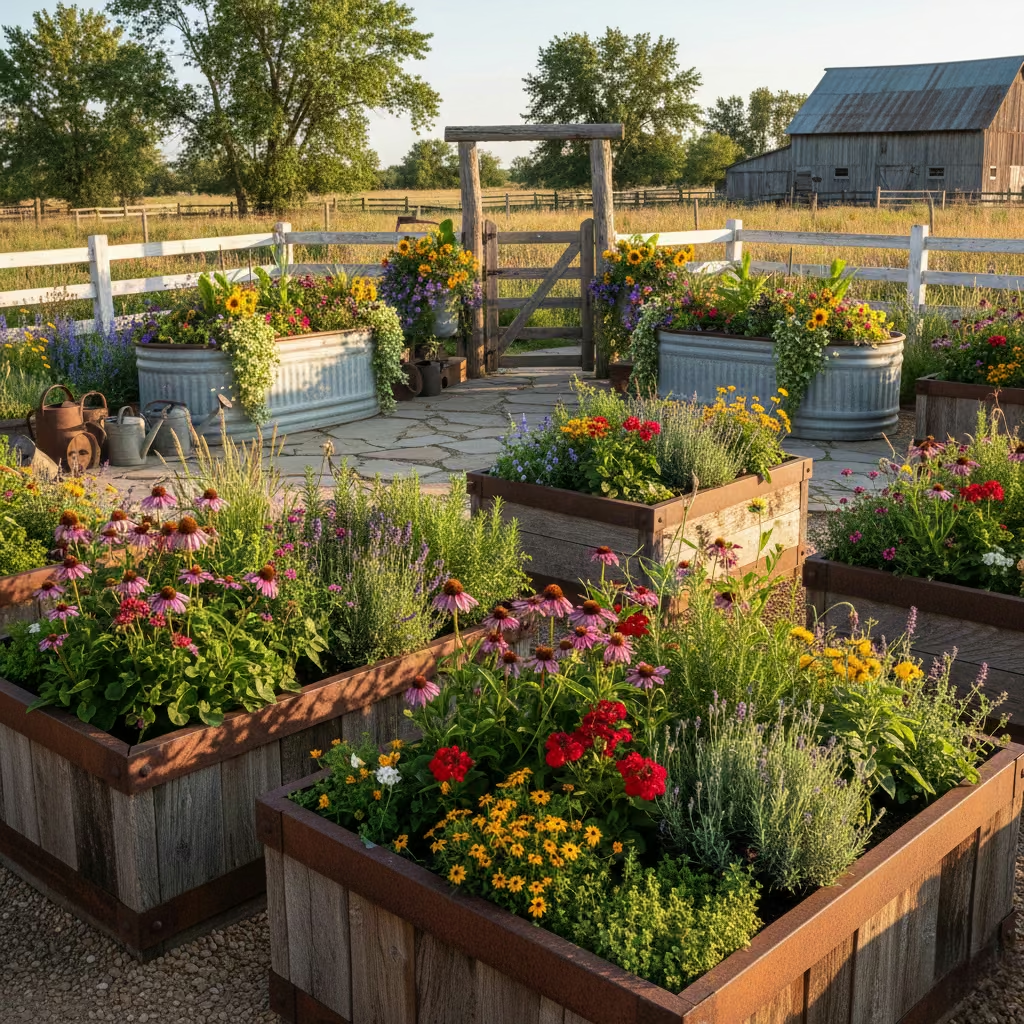
Barn-style planters and troughs bring character and versatility to ranch gardens, especially when repurposed from reclaimed metal or weathered wood. I often incorporate old feed troughs, water basins, or wooden crates, as their imperfections and signs of wear add instant authenticity. These containers work well for both flowers and practical planting, making them ideal for flexible garden layouts.
Filled with seasonal blooms, herbs, or even small shrubs, troughs create focal points without requiring permanent changes to the landscape. Their raised height also improves accessibility and drainage.
I like to group planters in small clusters near entrances or outdoor seating areas, where they can be easily refreshed throughout the year. This approach keeps the garden feeling dynamic while maintaining the rugged, working-land aesthetic that defines Western ranch style.
Native Grasses Mixed with Wildflowers
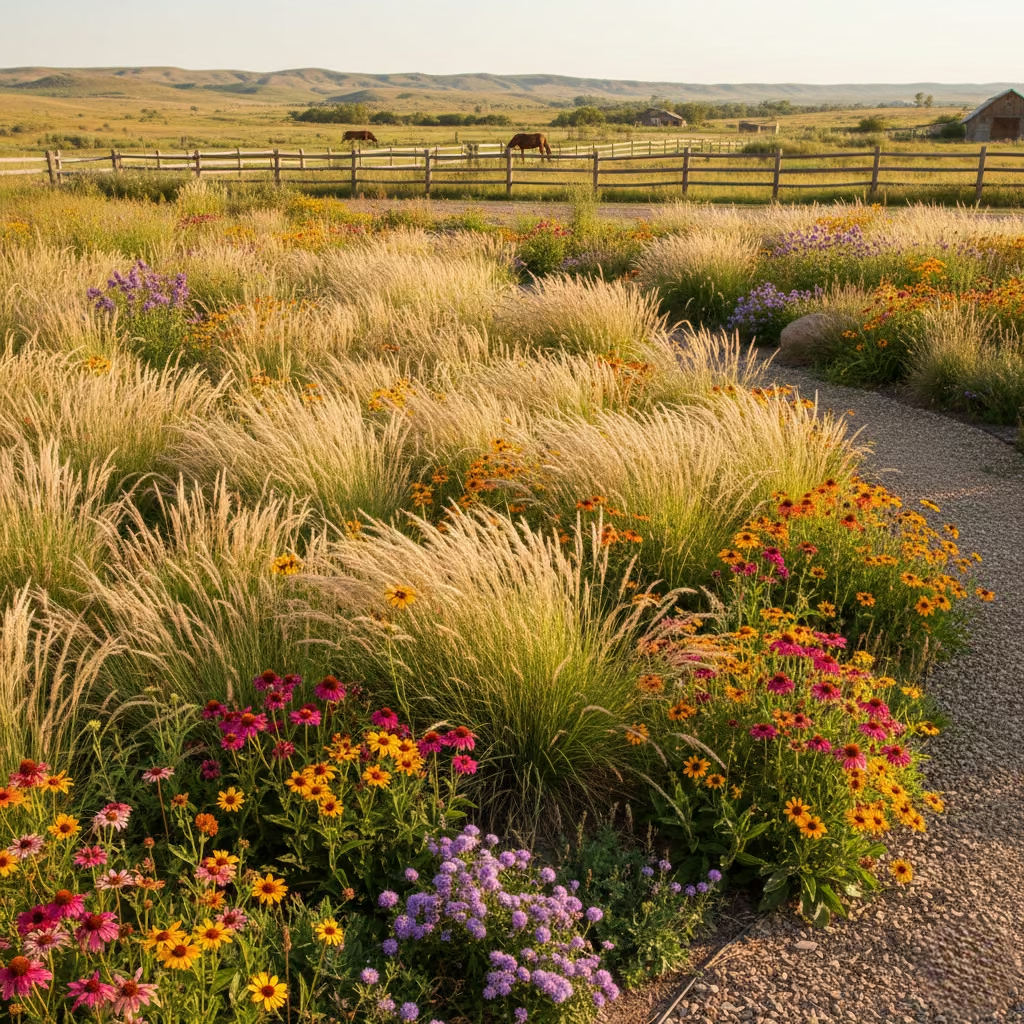
Native grasses combined with wildflowers create one of the most visually dynamic and low-maintenance planting styles for a ranch garden. I often use this mix to introduce movement and texture, allowing the landscape to shift naturally with wind and seasonal change. Grasses such as switchgrass, blue grama, or feather reed grass provide a soft, flowing base, while wildflowers add colour and visual rhythm throughout the year.
This planting approach thrives with minimal intervention. Native species are well adapted to local conditions, reducing the need for irrigation, fertiliser, or intensive care. I prefer to design these areas with loose groupings rather than uniform spacing, which keeps the look natural and unforced.
As plants mature and self-seed, the garden evolves organically, reinforcing a sense of authenticity and connection to the land that is central to Western ranch gardens.
You May also Like: 25 Garden Pond Ideas That Add Beauty, Wildlife, and Tranquillity
Ranch Courtyard Gardens
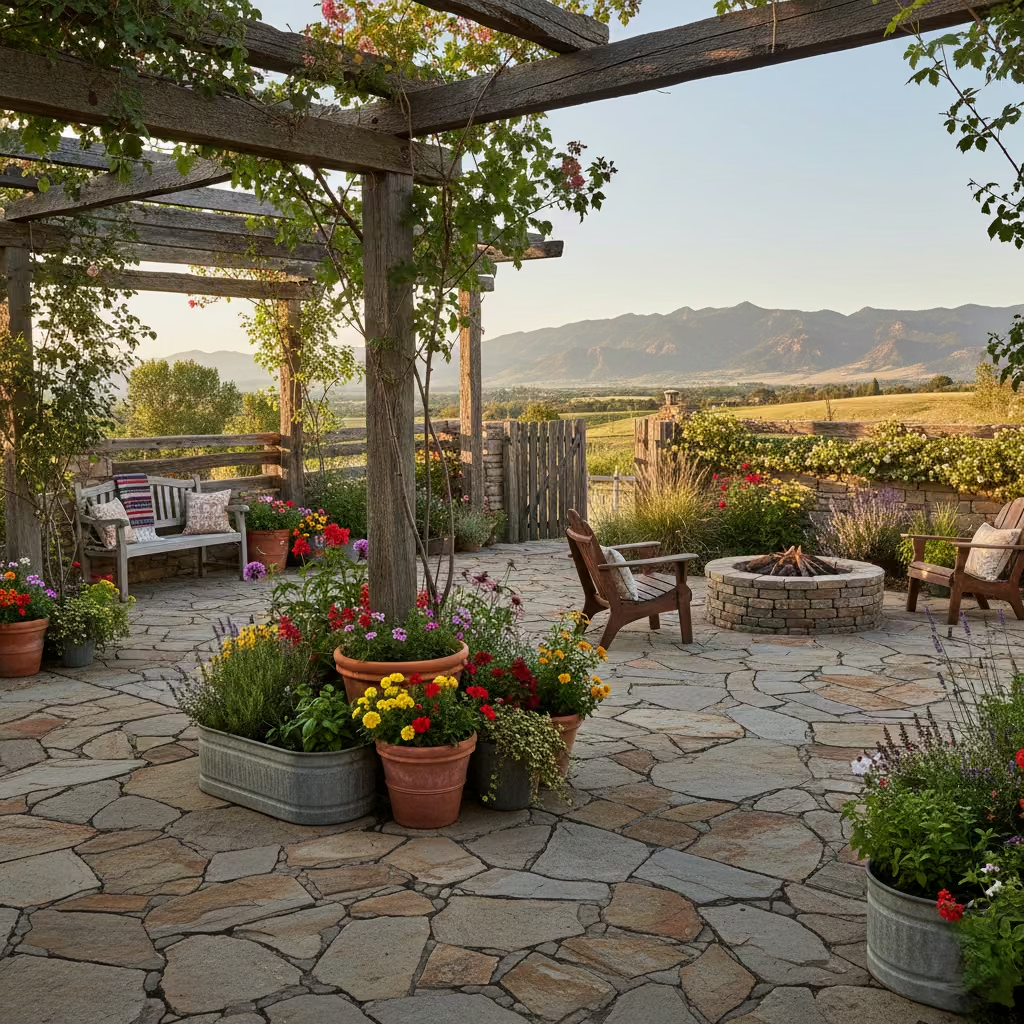
Ranch courtyard gardens offer a more intimate outdoor experience while still maintaining a strong connection to the surrounding landscape. These enclosed spaces are often positioned near the home and designed for relaxation, conversation, and everyday use. When I plan courtyard gardens, I focus on creating a sense of shelter without losing openness, using low walls, fencing, or planting rather than solid enclosures.
Flowering shrubs, perennials, and potted plants bring softness and colour to the space, while simple seating encourages lingering. Materials such as stone, timber, and gravel help ground the courtyard in ranch tradition.
I like to keep layouts practical and uncluttered, allowing the space to feel calm and welcoming. A well-designed ranch courtyard becomes an extension of the home, offering comfort, privacy, and understated beauty.
Water Trough Ponds with Blooming Marginals
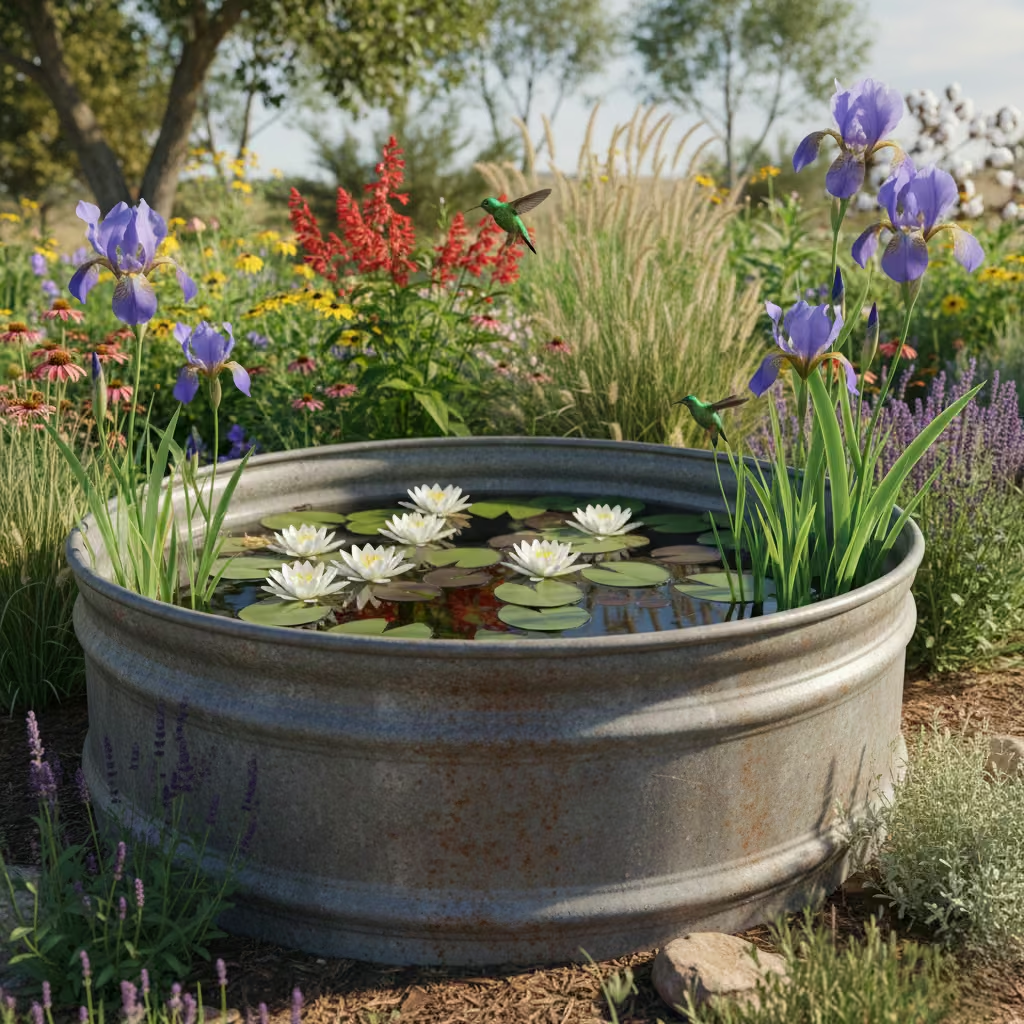
Water trough ponds are a simple yet effective way to introduce water into a ranch garden without elaborate construction. I often repurpose old metal or concrete troughs, as their utilitarian origins suit the ranch aesthetic perfectly. These compact ponds fit easily into both large landscapes and smaller garden areas.
Planted with blooming marginal plants such as water lilies, iris, or rushes, trough ponds attract birds, insects, and other wildlife. The gentle presence of water adds movement and reflection, enhancing the sensory experience of the garden.
I usually position these features near seating areas or pathways where they can be enjoyed up close. Over time, weathering and plant growth soften the edges, helping the pond feel naturally integrated into the landscape.
Split-Rail Fences with Flower Drifts
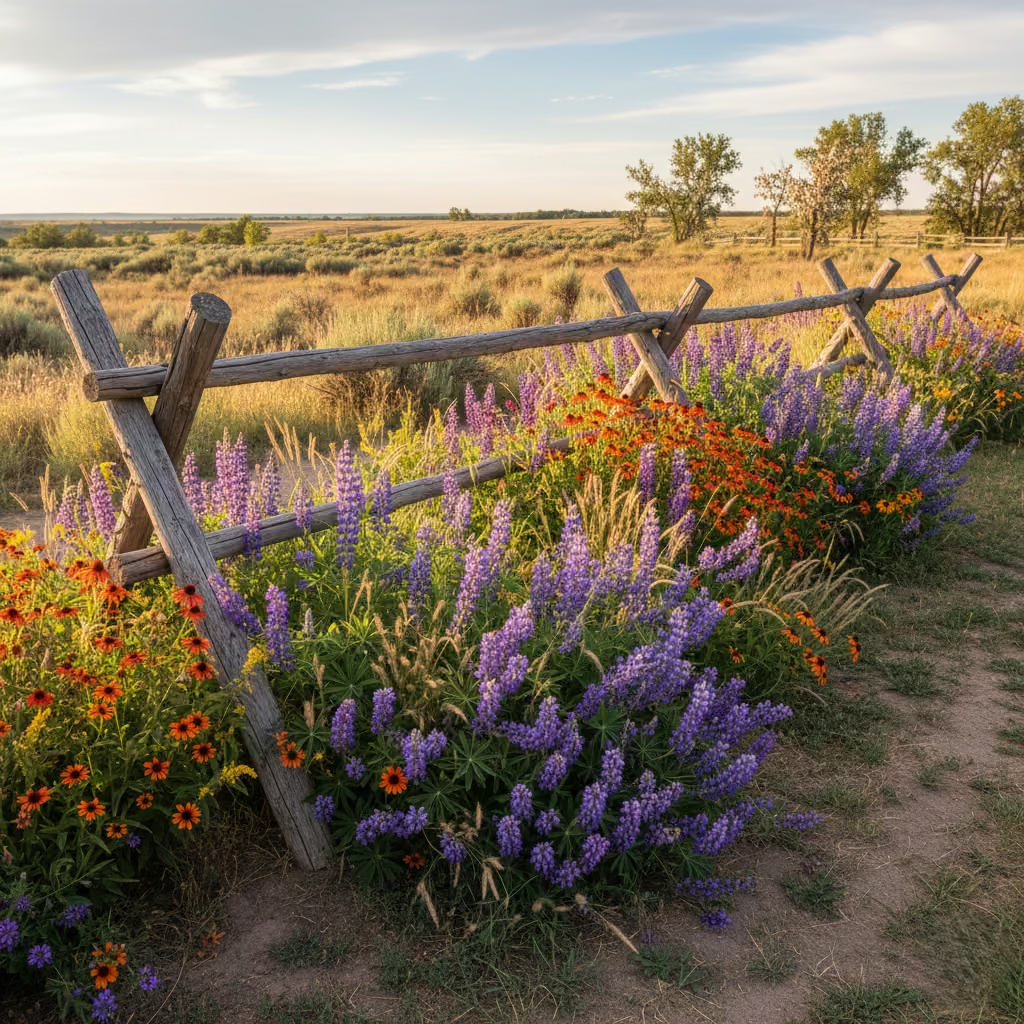
Split-rail fences are iconic in ranch gardens, offering structure and boundary definition without feeling formal or confining. I like to pair these rustic fences with soft drifts of flowers spilling through the rails, which brings colour, texture, and seasonal interest to otherwise functional elements.
Plants such as lupines, coneflowers, and native wildflowers work particularly well, weaving naturally between the rails and creating a sense of effortless charm.
This combination enhances the garden’s connection to the land while maintaining openness and visibility. The informal, slightly untamed appearance of flower drifts contrasts beautifully with the simplicity of the timber rails, reinforcing the relaxed aesthetic that defines Western ranch gardens.
Over time, self-seeding plants create a dynamic, evolving edge that requires minimal upkeep, making it both visually rewarding and practical for long-term enjoyment.
Orchard-Style Garden Layouts
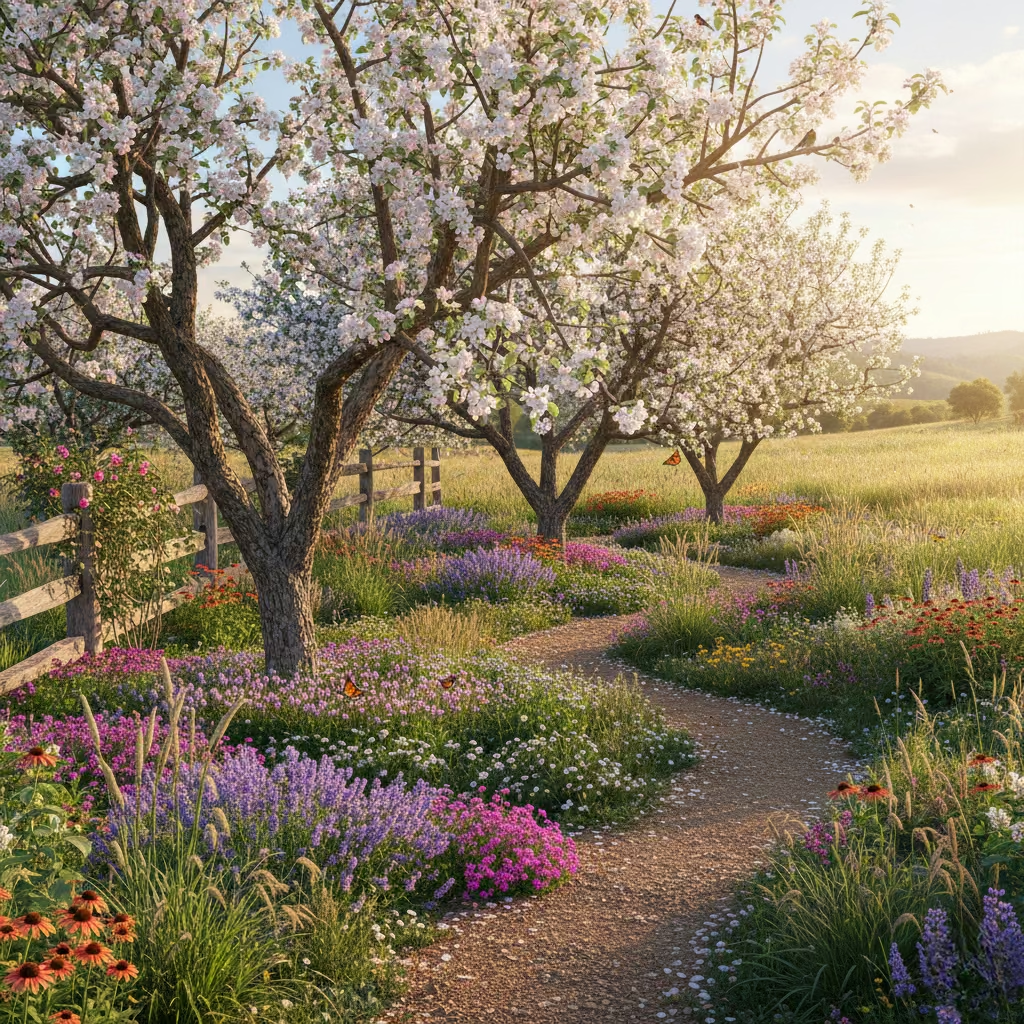
Orchard-style garden layouts bring both beauty and productivity to ranch landscapes. I often design these spaces with rows of fruit trees, underplanted with flowering groundcovers or low shrubs.
Apple, pear, cherry, and plum trees provide seasonal blooms in spring and delicious harvests in summer and fall, while groundcovers such as clover, thyme, or creeping phlox add colour, texture, and ecological benefit.
This approach balances structure with natural growth, maintaining the informal, open feeling of ranch gardens. Orchard layouts also encourage wildlife, support pollinators, and create a visually appealing rhythm across the landscape.
I usually leave paths or open spaces between tree rows for access and casual strolling, ensuring the orchard is as practical as it is charming. The result is a garden that feels both functional and deeply connected to Western heritage.
You May also Like: 20 Italian Fireplace Ideas That Bring Timeless European Warmth to Your Home
Sun-Bleached Stone Patios Surrounded by Flowers
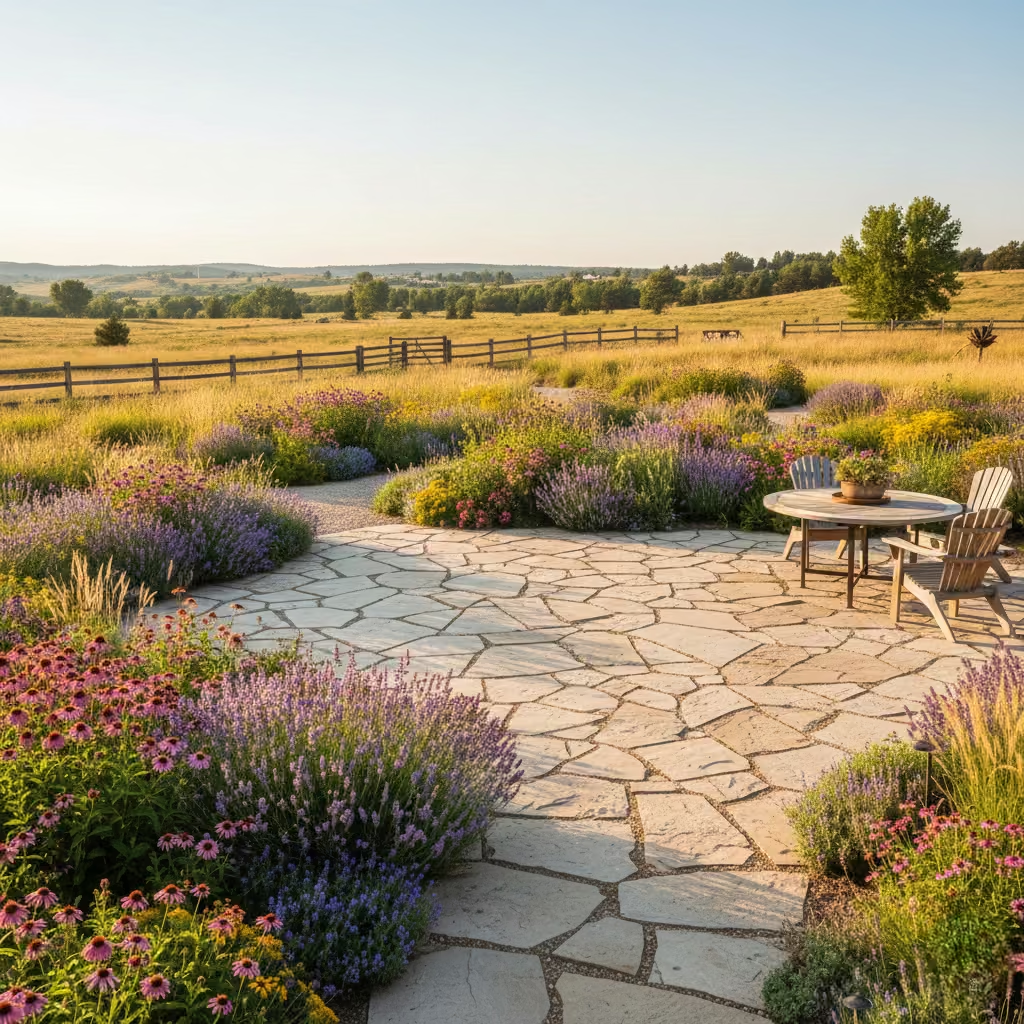
Stone patios are a staple of ranch gardens, offering outdoor living spaces that feel seamlessly integrated with the landscape. I favour sun-bleached or naturally weathered stone, which blends with the surrounding terrain while providing durability and texture. When bordered with flowering plants, these patios become inviting extensions of the garden, softening hard surfaces with seasonal colour and scent.
I often design patios with curved edges or irregular shapes to maintain a relaxed, informal aesthetic. Surrounding perennials, lavender, and ornamental grasses create movement and a sense of continuity between garden beds and hardscape.
By integrating patios into the natural contours of the land, the space feels comfortable, lived-in, and authentically Western, offering a perfect spot for outdoor dining, relaxing, or simply enjoying the view.
Pollinator-Friendly Ranch Gardens
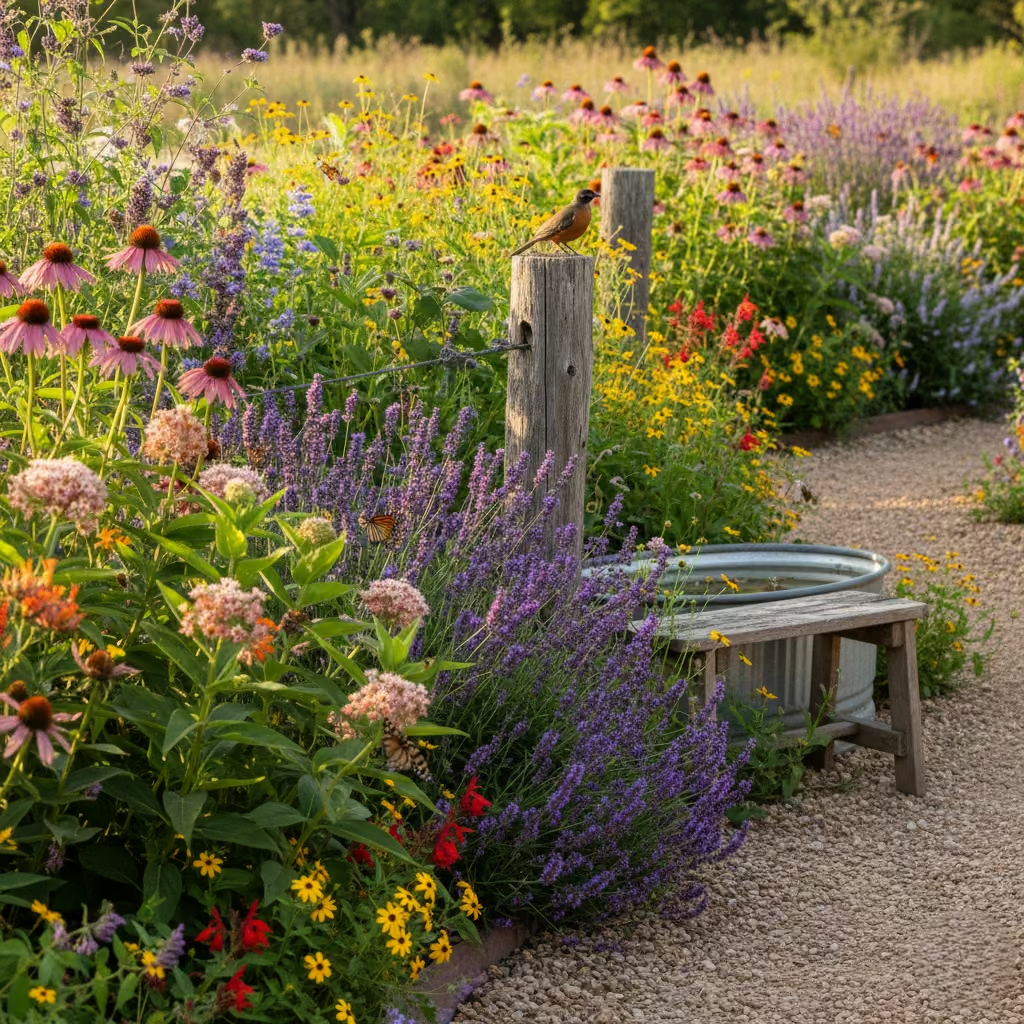
Pollinator-friendly ranch gardens not only look beautiful but also support local ecosystems. I make it a priority to include plants that attract bees, butterflies, and birds, choosing species that bloom at different times to provide a continuous food source throughout the seasons. Examples include coneflowers, milkweed, lavender, and native flowering shrubs, which offer both nectar and habitat for pollinators.
Creating a pollinator-friendly garden also involves considering layout and accessibility. I often cluster blooms together to make foraging easy for insects and birds while leaving open spaces for movement and sun exposure.
Incorporating elements like small water sources, birdhouses, and insect hotels further encourages wildlife to settle in. These gardens feel alive, dynamic, and resilient, reinforcing the authenticity of a ranch landscape while contributing to environmental health and biodiversity.
Prairie-Inspired Flower Fields
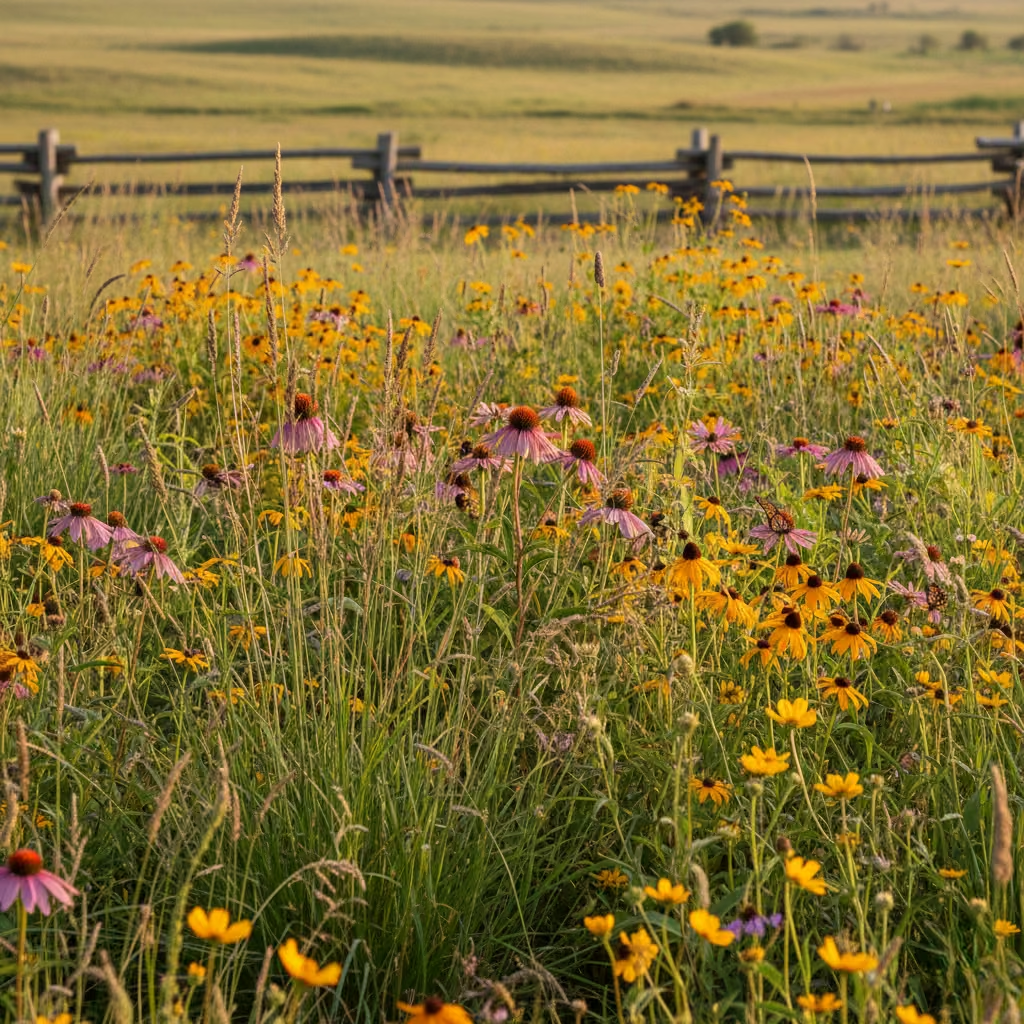
Prairie-inspired flower fields capture the untamed, expansive feeling that defines Western landscapes. I often blend native grasses with bold wildflowers to mimic natural meadows, creating a sense of movement, depth, and timeless beauty. The planting is intentionally loose and informal, with varying heights, colours, and textures to achieve a wild yet harmonious composition.
This approach is especially effective on larger ranch properties or open areas where a naturalistic feel is desired. Prairie fields require minimal maintenance, as native species are adapted to the local climate and soil conditions. Over time, self-seeding plants evolve, creating a living tapestry that shifts with the seasons. The result is a space that feels authentic, endlessly inspiring, and deeply connected to the heritage of the land.
Shaded Ranch Gardens with Mature Trees
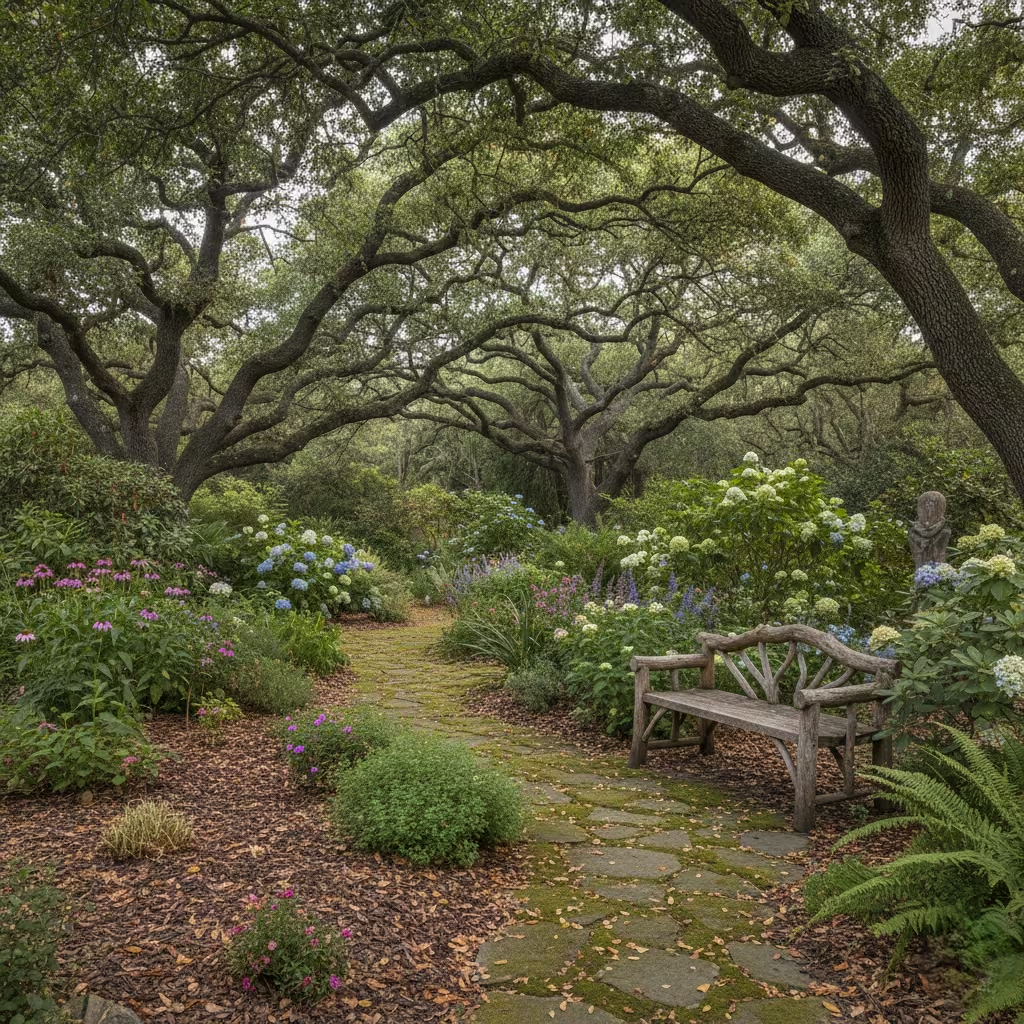
Shaded ranch gardens provide cooler, sheltered zones that contrast beautifully with open sunny areas. I often design these spaces under the canopy of mature trees, layering understory plants such as ferns, hostas, and flowering shrubs that thrive in dappled light. The interplay of light and shadow adds depth and texture, creating a calm retreat within the wider landscape.
Paths, seating areas, or small patios under the trees enhance usability while preserving the naturalistic feel. I usually select native or hardy perennials that require minimal upkeep and complement the mature trees’ scale and form.
Shaded zones bring balance to ranch gardens, offering both visual diversity and functional spaces for relaxation, socialising, or quiet reflection while maintaining the relaxed, authentic charm central to Western-style landscaping.
You May also Like: Essential Approaches to Contemporary Facade Design: Architectural Principles, Material Choices, and Real-World Application
Seasonal Color with Perennial Anchors
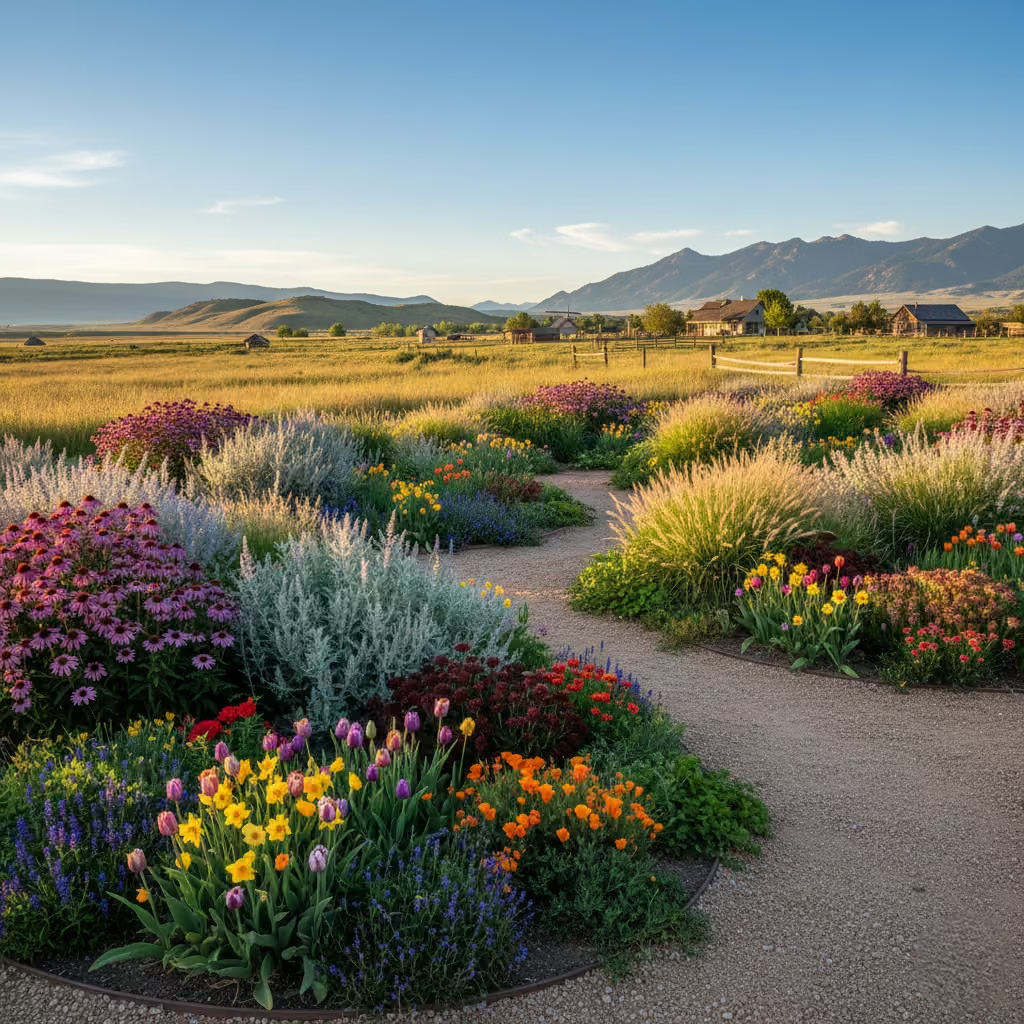
Seasonal colour brings vibrancy and rhythm to ranch gardens while perennial anchors provide stability and long-term structure. I often design garden beds with reliable perennials such as coneflowers, Russian sage, or ornamental grasses, which form a consistent framework year after year. Around these anchors, I introduce seasonal flowers—spring bulbs, summer annuals, and autumn bloomers—to create bursts of changing colour that keep the landscape lively and engaging.
This combination balances predictability with surprise, ensuring the garden feels dynamic without becoming chaotic. Layering plants of varying heights, textures, and bloom times creates depth and visual interest, while maintaining the relaxed, open feel of a Western-style garden. The result is a space that evolves naturally through the seasons, offering both aesthetic pleasure and practical continuity for long-term enjoyment.
You May also Like: 24 Dark Apartments Ideas to Brighten and Transform Your Space
Low-Water Flowering Gardens
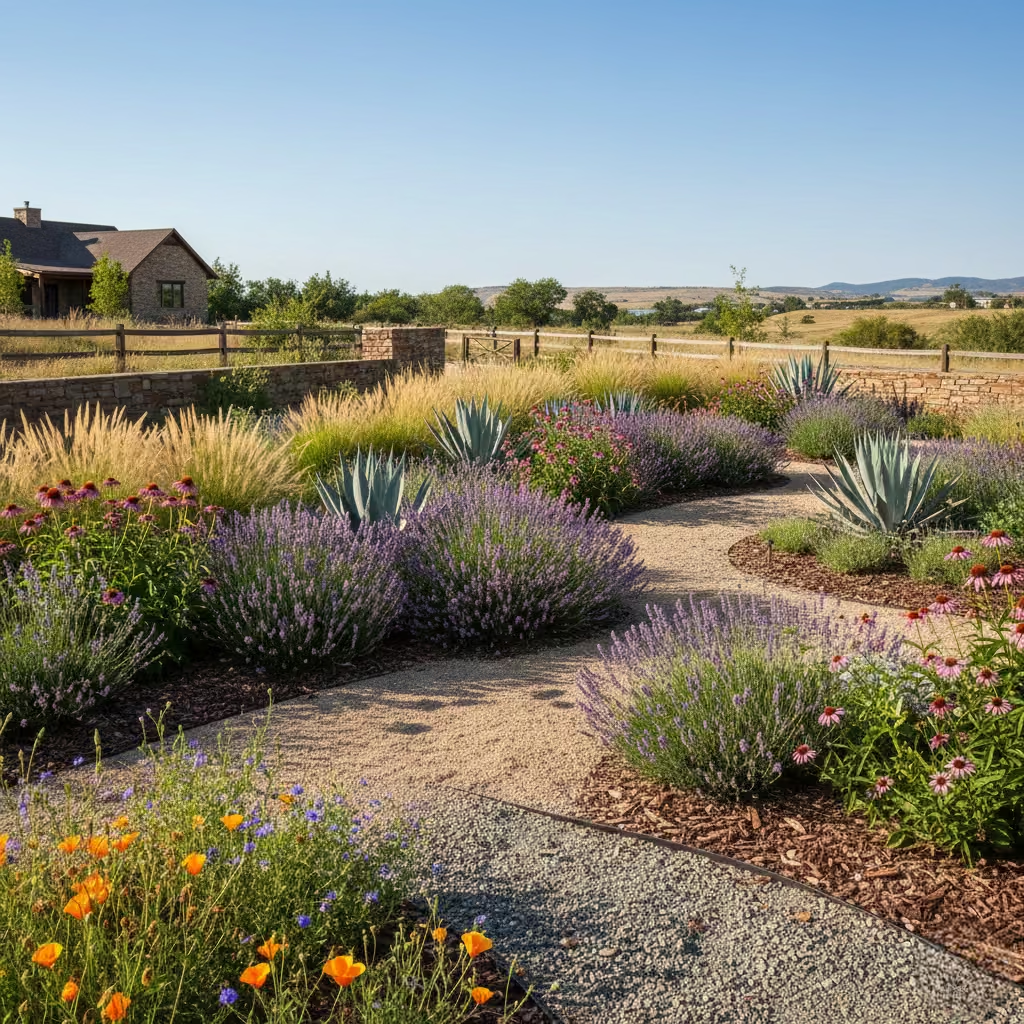
Low-water flowering gardens are essential for ranch landscapes in dry climates or for homeowners seeking sustainable options. I typically select drought-tolerant plants like lavender, agave, echinacea, and ornamental grasses, which thrive with minimal irrigation. These species not only conserve water but also provide texture, colour, and seasonal interest without intensive upkeep.
In designing low-water gardens, I often incorporate gravel, decomposed granite, or mulch to retain soil moisture and reduce evaporation. Grouping plants according to water needs ensures efficient maintenance, while layering varieties of bloom times maintains visual appeal.
This approach produces a resilient, sustainable garden that doesn’t compromise on beauty, perfectly reflecting the practical yet charming ethos of Western ranch landscaping.
Western-Style Herb Gardens
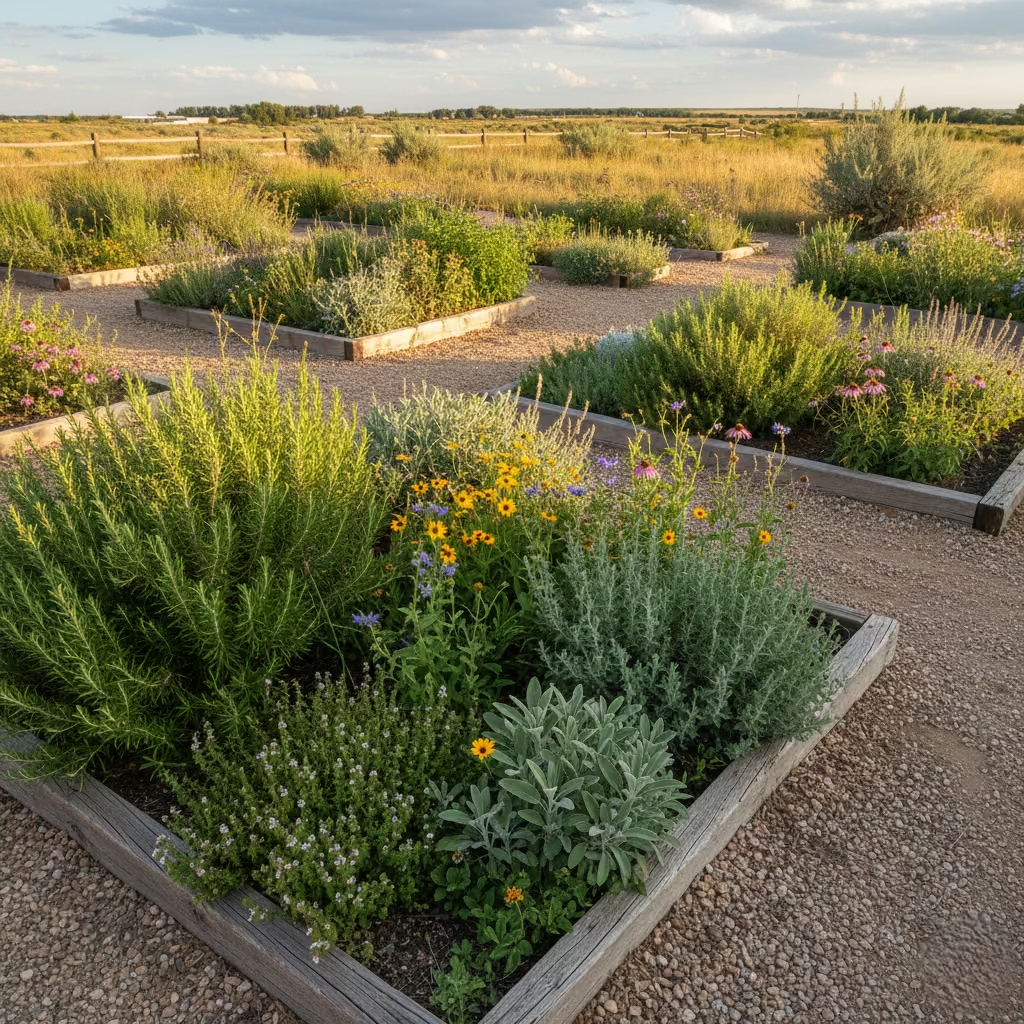
Western-style herb gardens combine practicality with rustic aesthetics, creating spaces that are both productive and visually appealing. I usually arrange herbs such as rosemary, thyme, sage, and oregano in informal groupings or raised timber beds, allowing plants to grow naturally without rigid spacing. This relaxed layout complements the open, unforced character of ranch gardens.
These herb gardens often serve multiple purposes: providing fresh ingredients for cooking, attracting pollinators, and adding scent and texture to outdoor spaces.
I like to pair herbs with small flowering perennials or native plants to soften edges and create seasonal interest. By blending utility with charm, a Western-style herb garden becomes an authentic, functional feature that enhances the overall character and livability of a ranch landscape.
Fire Pit Gardens with Flower Borders
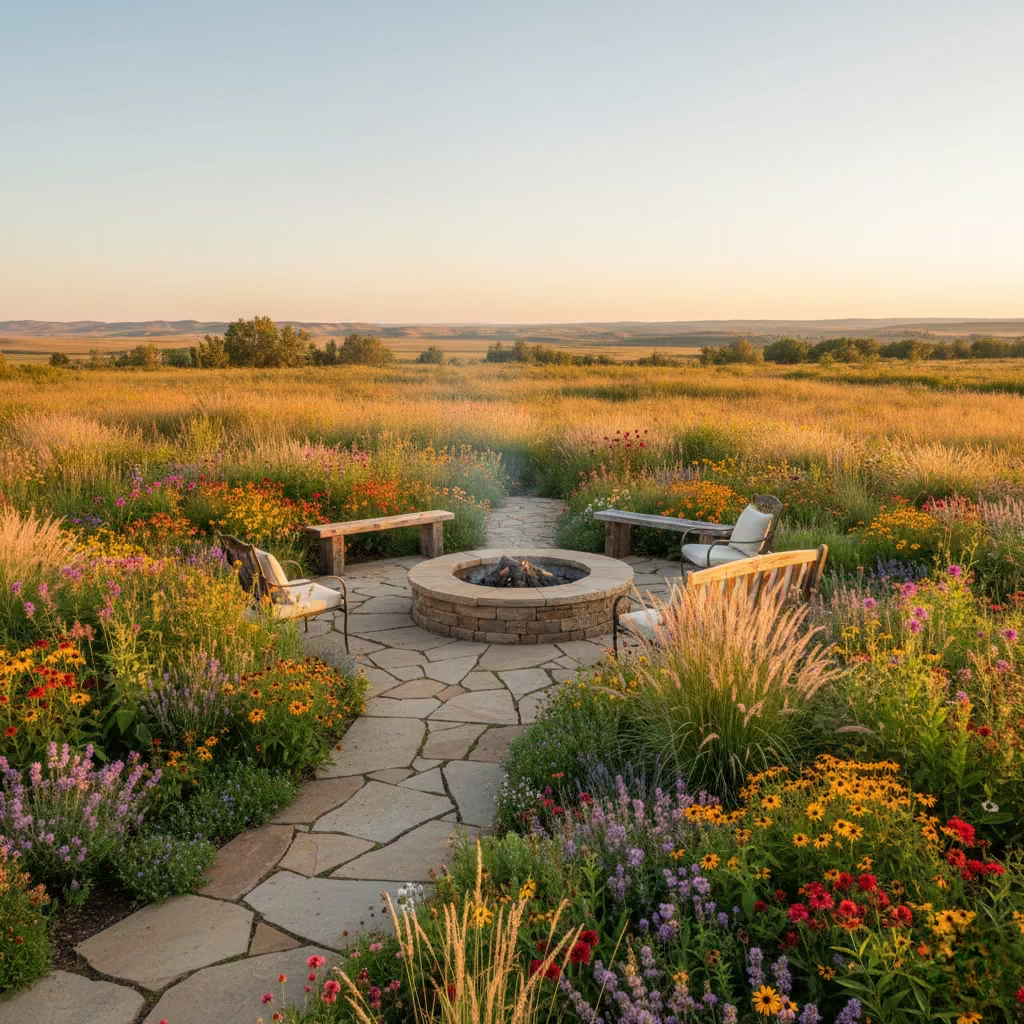
Fire pit gardens create inviting social zones at the heart of a ranch landscape, offering warmth and a gathering point for family and friends. I often surround these spaces with flower borders to soften the edges and integrate the fire pit naturally into the garden.
Perennials, ornamental grasses, and native flowering plants add colour, texture, and seasonal interest, while maintaining the relaxed, open feel characteristic of ranch gardens.
The contrast between the hard structure of the fire pit and the softness of surrounding planting creates visual balance and a welcoming atmosphere. Paths or gravel seating areas can further define the space while keeping it informal and practical.
Fire pit gardens encourage outdoor living year-round, enhancing both the functionality and aesthetic charm of the ranch garden.
Vintage Ranch Decor Accents
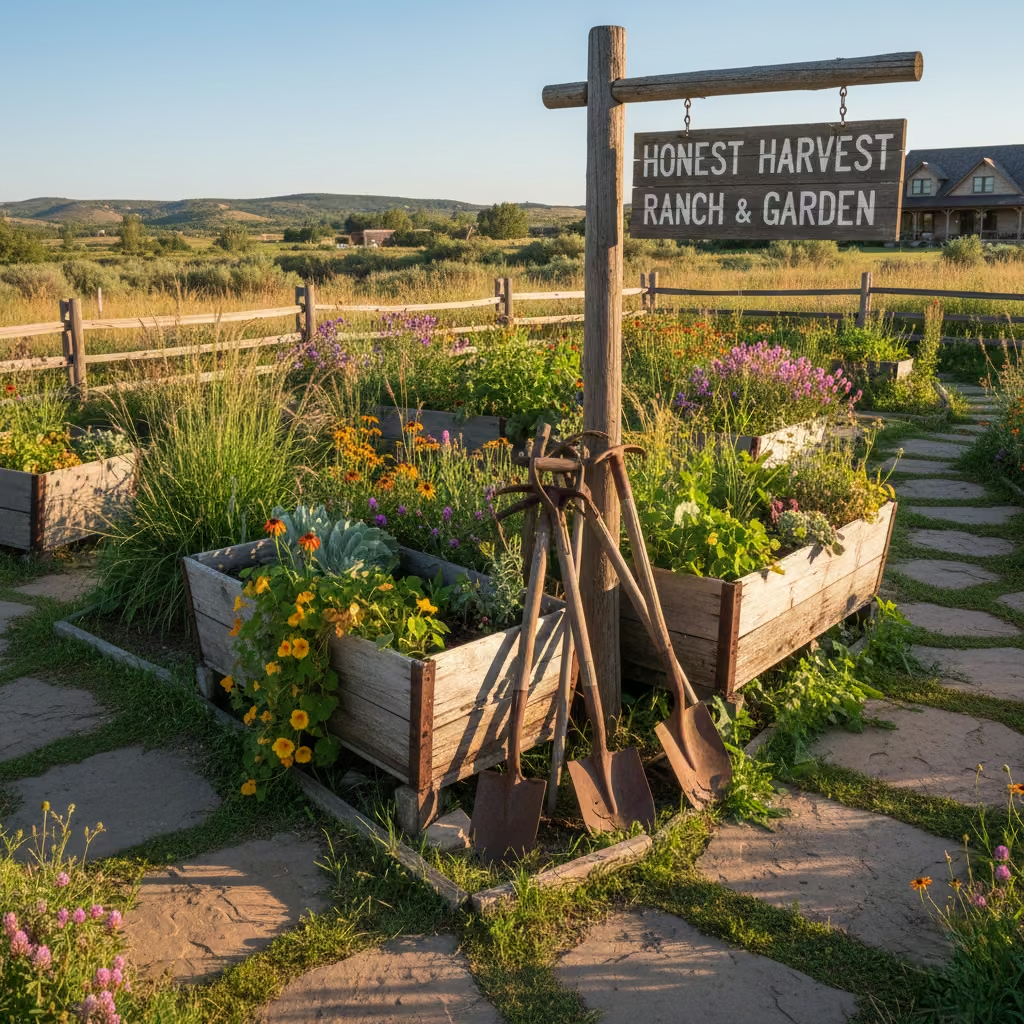
Vintage ranch decor accents bring character, history, and storytelling into the garden. I often incorporate reclaimed tools, wooden troughs, old signage, or metal artifacts as subtle focal points that reflect the heritage of Western landscapes. These elements add texture, nostalgia, and authenticity without overpowering the natural beauty of planting.
When placed thoughtfully, vintage accents guide the eye through the garden and complement rustic materials like weathered wood, stone, and gravel. They create a sense of history and lived-in charm that reinforces the informal, organic aesthetic central to ranch gardens.
This approach allows functional items and decorative details to coexist harmoniously, making the space feel both practical and memorable.
You May also Like: 25 Outdoor Patio Ideas That Elevate Everyday Living
Sloped Ranch Gardens with Terracing
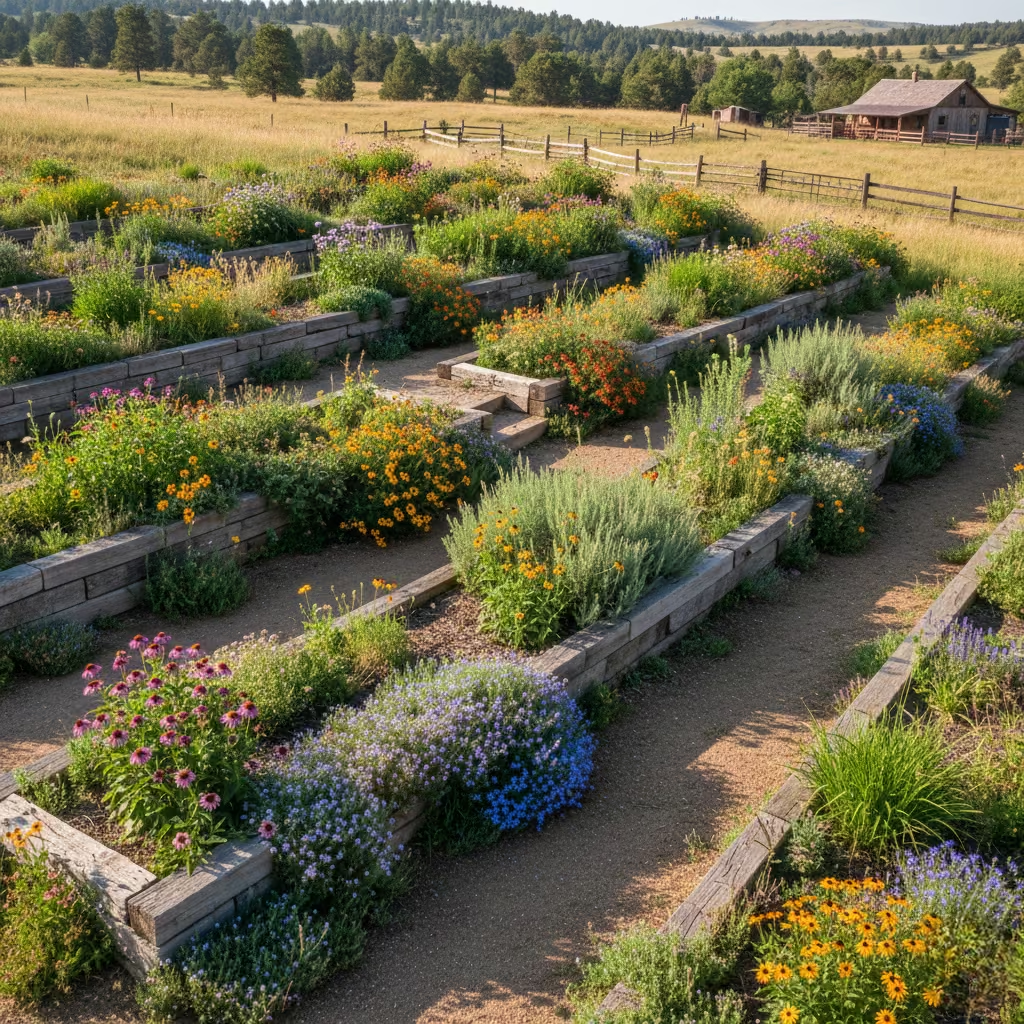
Sloped ranch gardens can be challenging but offer opportunities for dynamic, layered planting. I use terracing with stone or timber to stabilise slopes, create usable planting areas, and add visual interest across levels. Each terrace can host a combination of perennials, shrubs, or edible plants, allowing blooms to cascade naturally down the slope.
Terracing also helps manage water runoff, reduces erosion, and provides easier access for maintenance. I usually soften hard edges with grasses, trailing plants, or flowering perennials to ensure the structure feels integrated into the landscape.
The result is a garden that feels both practical and sculptural, with multiple layers of colour, texture, and Western charm.
Night-Blooming Ranch Gardens
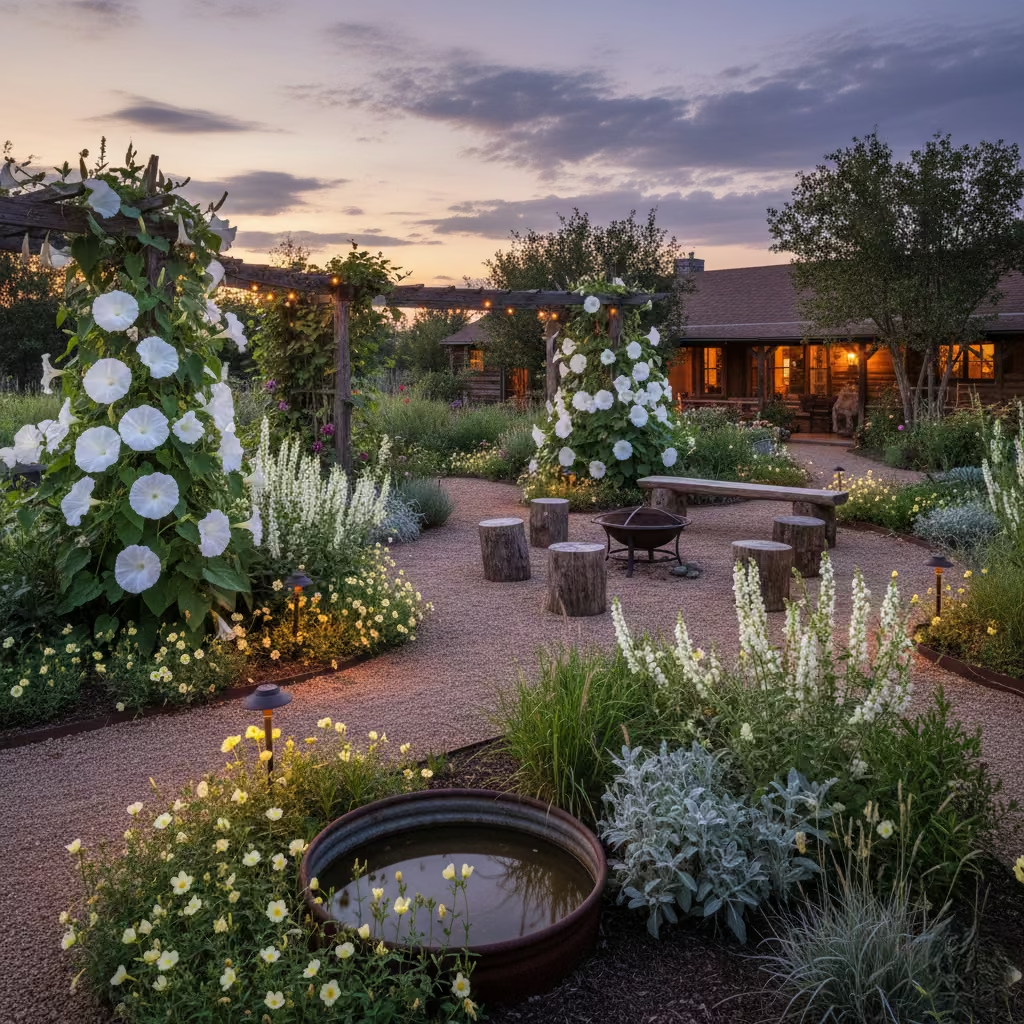
Night-blooming ranch gardens introduce a magical dimension to outdoor spaces, offering fragrance and colour that comes alive as the sun sets. I choose pale, fragrant flowers such as moonflowers, evening primrose, night-blooming jasmine, and nicotiana to create visual interest in low light and enhance the sensory experience of the garden.
These gardens are ideal near patios, pathways, or seating areas where evening gatherings occur. I often combine night-blooming plants with subtle outdoor lighting or reflective surfaces to enhance their impact.
The result is a garden that extends usability into the evening while maintaining the relaxed, natural charm of a ranch landscape, offering both beauty and a serene, immersive atmosphere.
Planting Tips for Long-Lasting Ranch Gardens
Creating a long-lasting ranch garden starts with choosing plants that are well suited to the local climate and soil conditions. I always prioritise region-appropriate species because they establish more easily, require less water, and cope better with temperature extremes. Native plants and climate-adapted perennials tend to be more resilient over time, allowing the garden to thrive with minimal intervention while still delivering consistent colour and texture.
Balancing blooms with structure is equally important. While flowers bring seasonal beauty, structure comes from grasses, shrubs, and woody plants that hold the garden together year-round. I like to use flowering plants as accents within a framework of reliable, long-lived planting. This ensures the garden never feels bare, even outside peak blooming seasons.
Planning for seasonal change helps a ranch garden feel dynamic rather than static. Selecting plants with staggered bloom times, interesting seed heads, and autumn colour keeps the landscape visually engaging throughout the year. I also embrace natural transitions, allowing plants to fade and rest rather than removing them too early.
Maintenance should support the garden’s character, not control it. Ranch gardens benefit from light, thoughtful care rather than frequent trimming or heavy shaping. Occasional pruning, selective weeding, and seasonal clean-ups preserve the relaxed, natural beauty while allowing the garden to mature gracefully over time.
You May also Like: 25 Outdoor Area Ideas for Kids That Encourage Adventure, Creativity, and Outdoor Play
How to Keep a Ranch Garden Authentic (Not Over-Styled)
Keeping a ranch garden authentic means prioritising natural beauty and practicality over rigid formality. I always start by avoiding overly formal layouts. Straight lines, perfectly symmetrical beds, or tightly clipped hedges can feel out of place in a Western-inspired garden. Instead, I favour curves, informal groupings, and open spaces that follow the land’s natural contours, creating a relaxed flow that feels both intentional and unforced.
Letting plants self-seed is another key strategy. Allowing wildflowers, grasses, and perennials to spread naturally introduces spontaneity and movement, ensuring the garden evolves over time. This approach reduces maintenance while reinforcing the organic character central to ranch landscapes.
Imperfections and signs of age weathered timber, mossed stone, or slightly uneven paths add patina and authenticity, reflecting a garden that is lived-in and connected to its environment rather than staged.
I also design with lifestyle in mind rather than chasing trends. Paths, seating, planting, and outdoor features should support everyday use and reflect how people actually interact with the space.
By focusing on durability, functionality, and regional appropriateness, the garden remains practical, beautiful, and timeless. The result is a ranch garden that feels genuine, welcoming, and rooted in Western tradition, resisting the temptation to over-style or follow fleeting design fads.
Final thoughts
Ranch gardens have a unique way of connecting us to the land, offering spaces that feel both timeless and deeply personal. Their charm lies in simplicity, natural beauty, and the way they grow and evolve alongside their surroundings.
I love how a well-planned ranch garden balances practicality with visual appeal, creating an environment that supports outdoor living while remaining low-maintenance and sustainable.
The beauty of these landscapes is not in perfection but in authenticity—the weathered timber, native blooms, and gently flowing paths that reflect a life lived close to nature. While the ideas shared here provide inspiration, each garden should be adapted to suit your climate, lifestyle, and property.
By tailoring elements to your own space, you can create a ranch garden that is not only visually stunning but also enduring, functional, and uniquely yours, offering years of enjoyment and connection to the land.
Frequently asked question about Ranch Garden Ideas
What is a ranch garden?
A ranch garden is a landscape designed to complement ranch-style homes and properties. It typically emphasises natural planting, open spaces, practical layouts, and rustic materials, reflecting the relaxed, authentic character of Western landscapes.
How do I make my ranch garden low-maintenance?
Use native and drought-tolerant plants, allow self-seeding where appropriate, and focus on natural growth patterns. Incorporate mulch, gravel paths, and perennial anchors to reduce watering and upkeep while maintaining beauty.
Which plants work best for ranch gardens?
Native grasses, wildflowers, perennials, flowering shrubs, and hardy trees are ideal. Succulents and drought-tolerant plants work well in arid climates, while herbs and pollinator-friendly species add practicality and ecological value.
How can I add structure without over-styling?
Use natural materials like timber, stone, and metal for fences, raised beds, and pathways. Layer perennial anchors, shrubs, and grasses to provide year-round structure while keeping layouts informal and organic.
Can ranch gardens work on sloped or uneven land?
Yes. Terracing with stone or timber, raised beds, and strategic plant placement can stabilise slopes and create visually appealing, multi-level garden areas.
How do I encourage wildlife in a ranch garden?
Plant pollinator-friendly flowers, install water trough ponds, and provide native shrubs and trees. Avoid pesticides and let some areas grow naturally to attract birds, bees, and butterflies.
How do I create seasonal interest in a ranch garden?
Combine perennials with seasonal blooms, flowering groundcovers, and grasses with interesting seed heads. Layering plants of different heights and bloom times ensures year-round visual appeal.
Can I incorporate outdoor living spaces in a ranch garden?
Absolutely. Patios, pergolas, fire pit areas, and shaded seating zones can be integrated with natural planting, creating functional and inviting spaces that blend seamlessly with the landscape.
How do I keep a ranch garden authentic?
Focus on regional planting, relaxed layouts, natural materials, and lifestyle-oriented design. Avoid following fleeting trends and embrace imperfections, weathered features, and a slightly untamed look.
Are ranch gardens suitable for both large and small properties?
Yes. Elements such as raised beds, troughs, or courtyard gardens can be scaled to fit small spaces, while open meadows and prairie-style fields work beautifully on larger properties.