



25 Minimalist Bedroom Ideas for a Clean, Modern, and Peaceful Sleep Space
There’s something undeniably soothing about a minimalist bedroom. A space stripped of clutter, filled with only the essentials, instantly feels calm, organised, and stylish. In today’s fast-paced world, our bedrooms should be more than just a place to sleep they should be a sanctuary where we can unwind, recharge, and feel at peace. That’s where minimalist design truly shines.
Minimalism in the bedroom isn’t just about removing things; it’s about thoughtful choices. Each piece of furniture, every accessory, and even the colour palette serves a purpose. By embracing simplicity, you create a space that feels open and airy, free from visual chaos.
A minimalist bedroom encourages relaxation by reducing distractions, streamlining your daily routine, and creating an environment that’s easy to maintain. Beyond aesthetics, this approach also improves functionality, making even smaller rooms feel larger and more organised.
In this article, I’ll share 25 minimalist bedroom ideas that are both practical and inspiring. From clever storage solutions and furniture choices to colour schemes, textiles, and lighting, these ideas will help you craft a bedroom that’s effortlessly chic and serene. Whether you’re redesigning a small city apartment or refreshing a master suite, these tips will guide you in creating a space that’s not only beautiful but also a true retreat.
You May also Like: Bedroom Accent Wall Ideas That Feel Considered, Calm, and Built to Last
Understanding Minimalist Bedroom Design
Minimalist bedroom design is all about creating a space that feels calm, organised, and intentional. It focuses on keeping only what is necessary and meaningful, removing anything that feels cluttered or distracting. The result is a bedroom that promotes rest and clarity while still looking stylish and inviting.
At the heart of minimalist design are a few key principles. Simplicity is essential, with rooms kept free from unnecessary decor and visual noise. Clean lines in furniture and architectural elements create a sense of order and spaciousness.
Neutral colour palettes, such as whites, beiges, soft greys, or muted pastels, set a serene tone and make it easy to layer textures without overwhelming the senses. Functional furniture is another cornerstone of minimalism. Each piece should serve a purpose, from low-profile beds to clever storage solutions that keep surfaces clear.
The benefits of a minimalist bedroom extend beyond appearance. With fewer items to clean and organise, maintenance becomes easier. A decluttered environment can reduce stress and improve sleep quality, while the timeless aesthetic ensures your space remains elegant and adaptable, no matter how trends evolve. Minimalism turns a bedroom into a true sanctuary where form and function coexist in harmony.
25 Minimalist Bedroom Ideas
Before diving into the specific ideas, it’s important to remember that minimalism is about balance and intentionality. A minimalist bedroom doesn’t mean it has to be bare or cold; it’s about creating a space that feels open, calm, and functional while reflecting your personal style. The following 25 ideas will give you practical tips, design inspiration, and clever solutions to help you achieve a bedroom that is both serene and stylish.
Neutral Palettes Whites, Beiges, and Greys
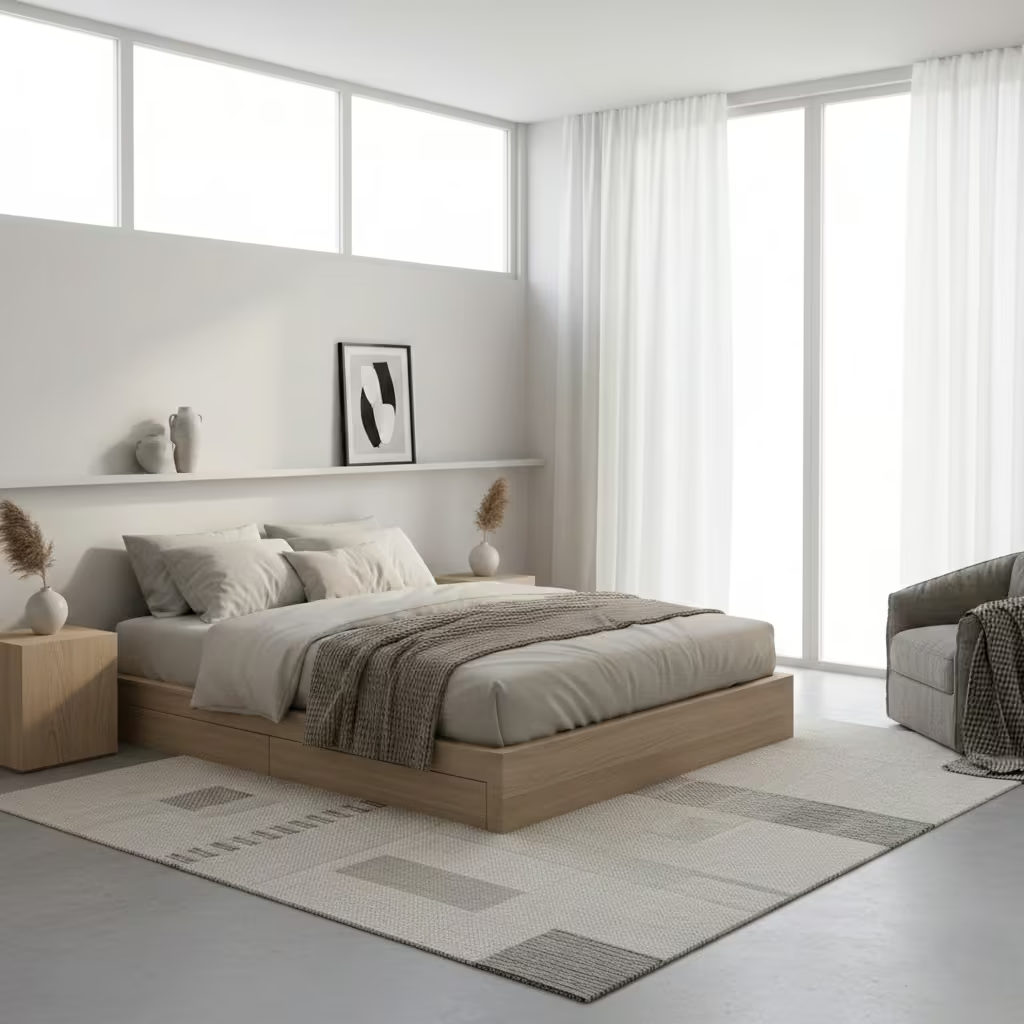
A neutral colour palette forms the foundation of a minimalist bedroom. Whites, beiges, and soft greys create a calming and serene environment that feels open and airy. These colours reflect natural light, making the room appear larger and more inviting.
Neutral tones also provide a versatile backdrop, allowing you to introduce textures, subtle patterns, or natural materials without overwhelming the senses. For example, a white or beige wall paired with light wood furniture and soft linen bedding can instantly make the room feel warm yet uncluttered.
Neutrals also age gracefully, meaning your bedroom can maintain its timeless appeal without frequent updates. To avoid a flat look, layer different shades within the same palette and introduce gentle contrasts through textiles, rugs, or furniture finishes.
Monochrome Schemes with Pops of Muted Tones
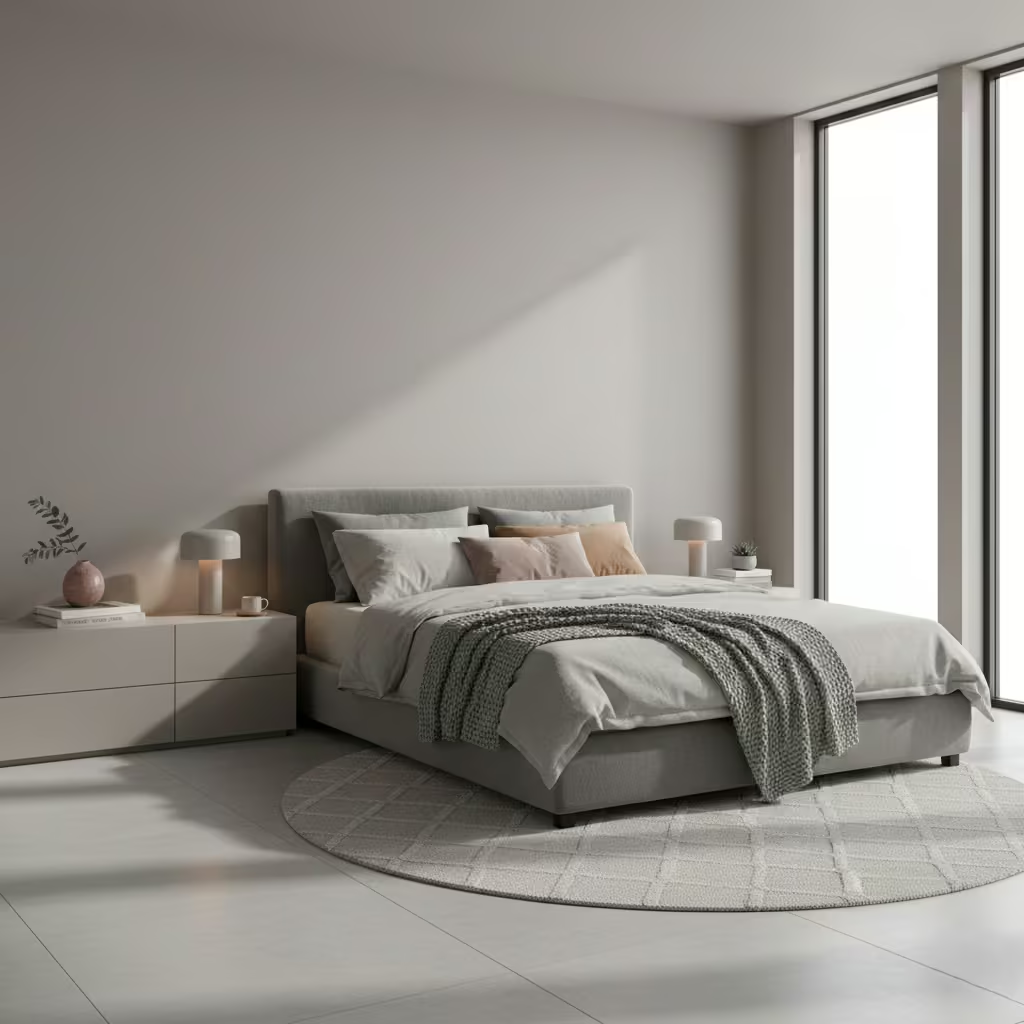
Monochrome schemes are perfect for minimalist bedrooms because they keep the space cohesive and visually simple. For instance, shades of grey or taupe across walls, furniture, and bedding create harmony and calmness.
To prevent the room from feeling too stark, you can introduce small pops of muted tones, such as soft sage, dusty pink, or warm caramel, in cushions, throws, or decorative objects.
These subtle accents add character without breaking the minimalist aesthetic. Monochrome designs also make it easier to mix and match textures like matte walls with glossy furniture or linen bedding with a wool rug, giving depth to the room while maintaining a clean, streamlined look.
Minimalist Wall Art One Statement Piece
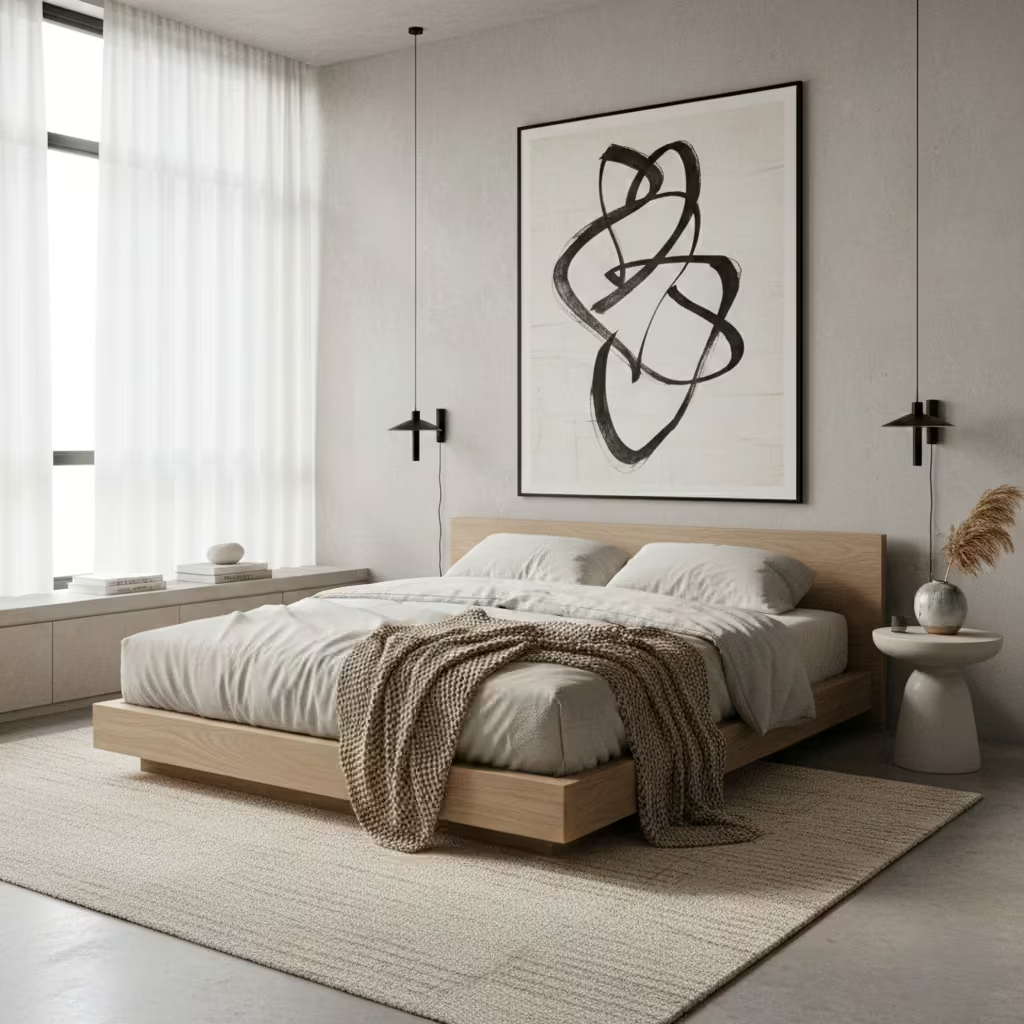
When it comes to wall décor in a minimalist bedroom, less is more. Instead of filling every wall with frames or prints, choose a single statement piece that captures attention while complementing the room’s overall palette. This could be an abstract painting, a black-and-white photograph, or a sculptural wall element.
The goal is to create a focal point that draws the eye without cluttering the space. A well-chosen statement piece enhances the room’s personality and adds visual interest while keeping surfaces clean and free from unnecessary decoration.
This approach ensures that your walls feel intentional rather than overcrowded, reinforcing the calm and ordered atmosphere that minimalism is all about.
You May also Like: 15 Pink English Country Bedroom Ideas That Make Any Room Glow
Textured Walls to Add Depth Without Clutter
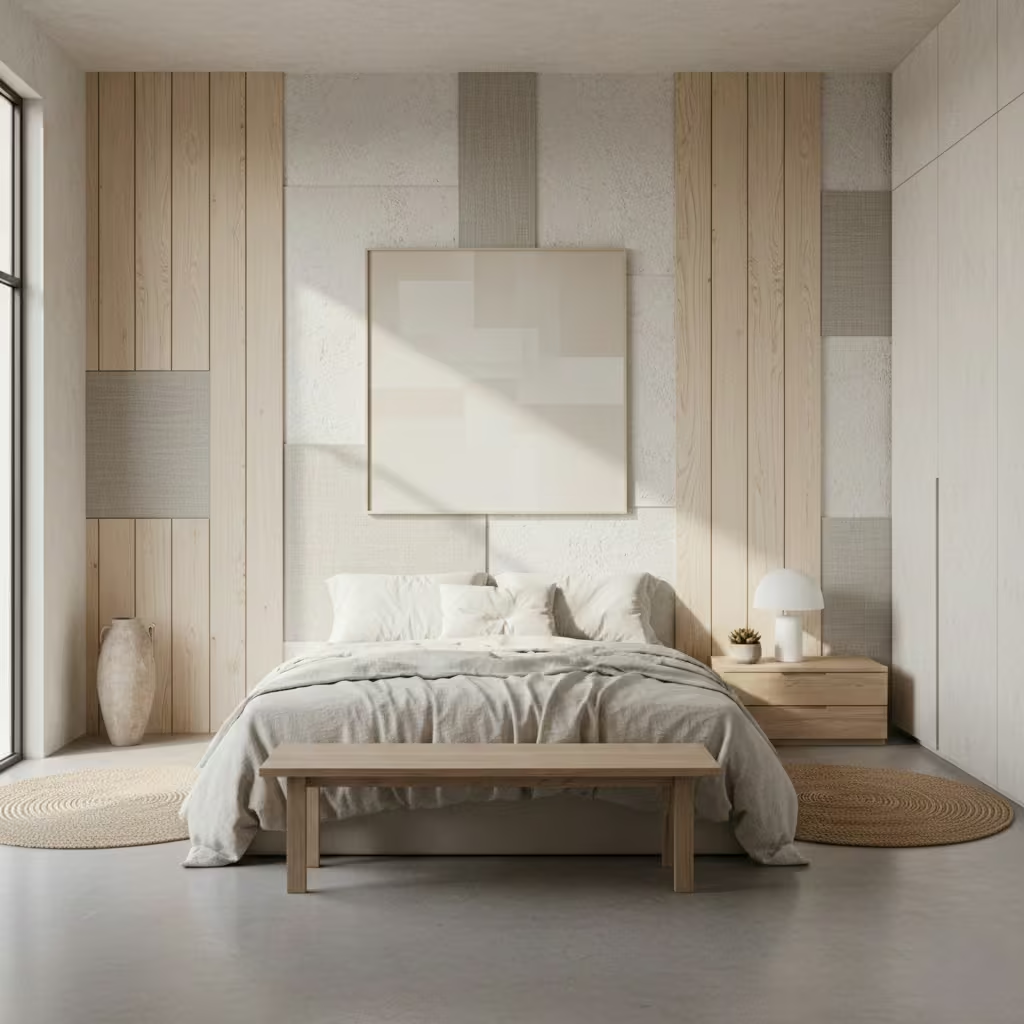
Texture can be a minimalist’s best friend, as it adds depth and character without introducing visual chaos. Consider textured wall treatments such as plaster finishes, wood panels, or subtle fabric wall coverings to make a statement while keeping the palette neutral. Textured walls catch light differently throughout the day, creating movement and interest in a simple way.
This technique is ideal for bedrooms where you want a cosy, tactile feel without overloading the senses with colours or patterns. Combining textures on walls with complementary elements like woven rugs, linen bedding, or wooden furniture helps maintain the minimalist ethos while adding warmth and dimension.
Accent Wall with Soft Pastels
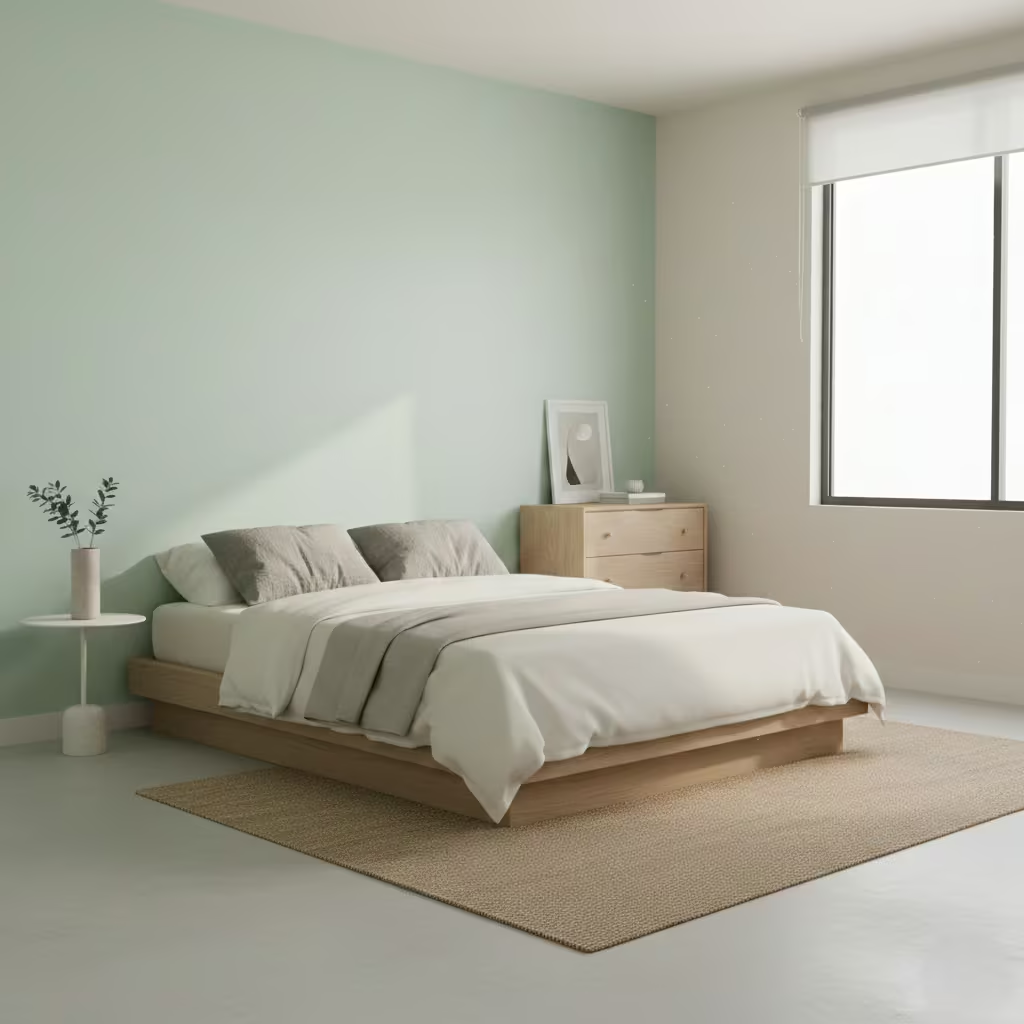
A single accent wall in a soft pastel can add personality to a minimalist bedroom without overwhelming it. Soft blues, muted pinks, or gentle greens provide a calming backdrop that enhances relaxation while keeping the space light and airy. Positioning the accent wall behind the bed or as a feature in a seating nook can create a focal point and help define the layout.
Pair the pastel wall with neutral furnishings, simple bedding, and minimal décor to maintain harmony. The key is subtlety choose a shade that complements the room’s overall colour scheme, and avoid bold contrasts that can disrupt the serene and uncluttered aesthetic essential to minimalist design.
Low-Profile Platform Beds
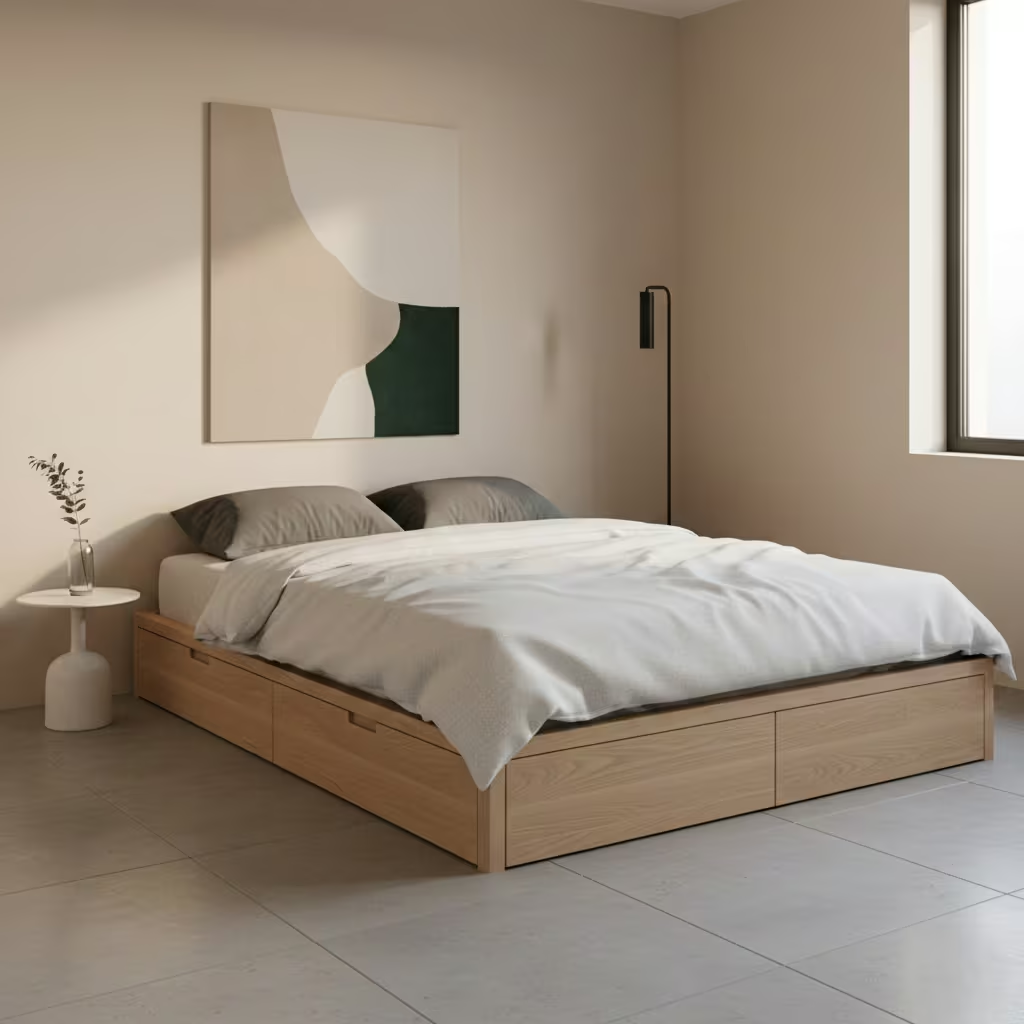
A low-profile platform bed is a staple in minimalist bedroom design. Its sleek, simple lines create a sense of openness and prevent the room from feeling heavy or crowded.
Unlike traditional bed frames with ornate headboards or bulky structures, platform beds sit closer to the floor, giving the illusion of more space and enhancing the airy, uncluttered feel that minimalism embraces. These beds often come with built-in storage options, such as drawers’ underneath, which help reduce clutter and maintain a clean aesthetic.
Choosing a platform bed in a neutral tone or natural wood finish further complements the minimalist style. Paired with simple bedding and minimal accessories, a low-profile bed becomes the anchor of the room, promoting a calm and relaxing environment.
Floating Bedside Tables to Save Space
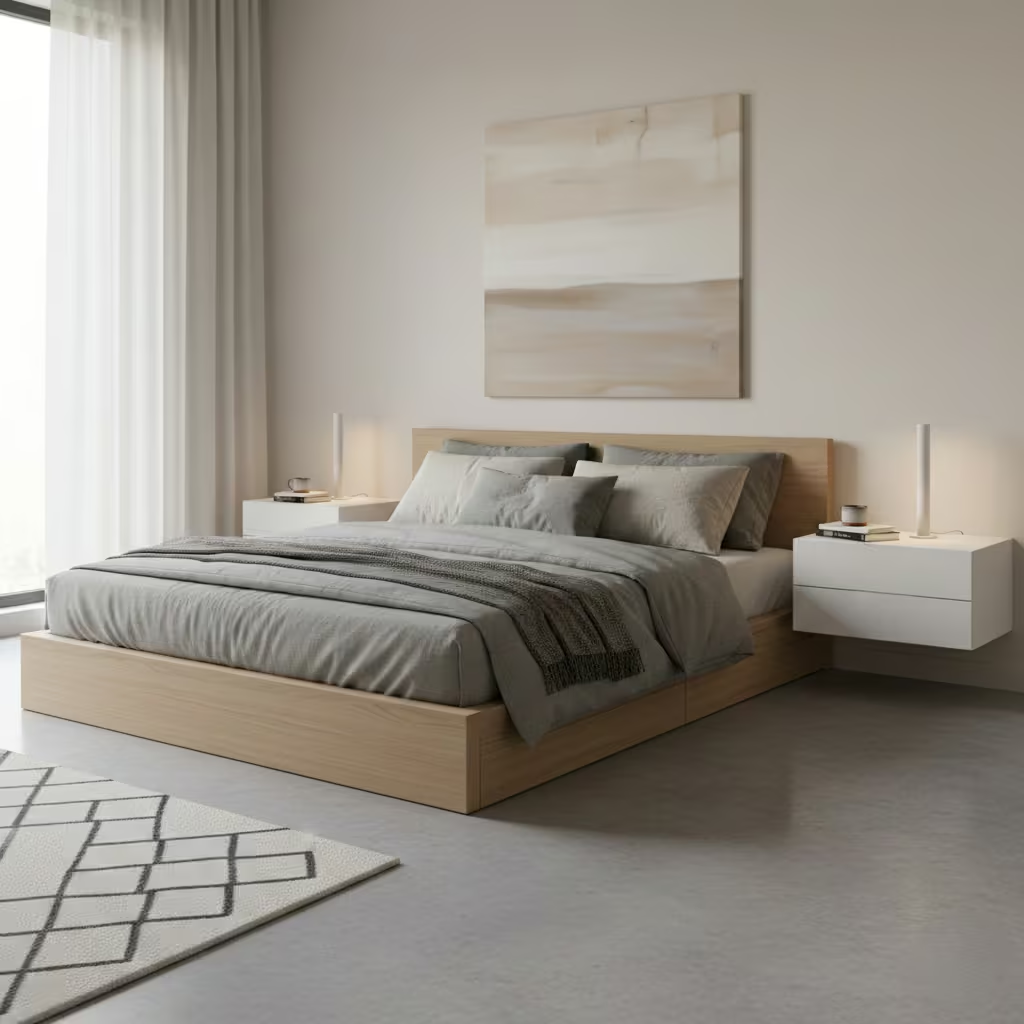
Floating bedside tables are perfect for small or minimalist bedrooms because they keep the floor visible and uncluttered. Mounted directly to the wall, they provide surface space for essentials like a lamp, book, or alarm clock without taking up extra room.
The lack of legs or bulky structures beneath enhances the sense of openness and makes cleaning easier. Floating tables can be simple in design a small shelf or a slim drawer is often enough and they can be customised in materials that match your bed or walls, maintaining a cohesive look.
This design choice keeps your bedroom functional while reinforcing a clean, minimal aesthetic.
You May also Like: Bedroom Office Combo Ideas: Smart, Stylish Ways to Work and Sleep in One Space
Multipurpose Furniture Storage Beds and Benches with Hidden Storage
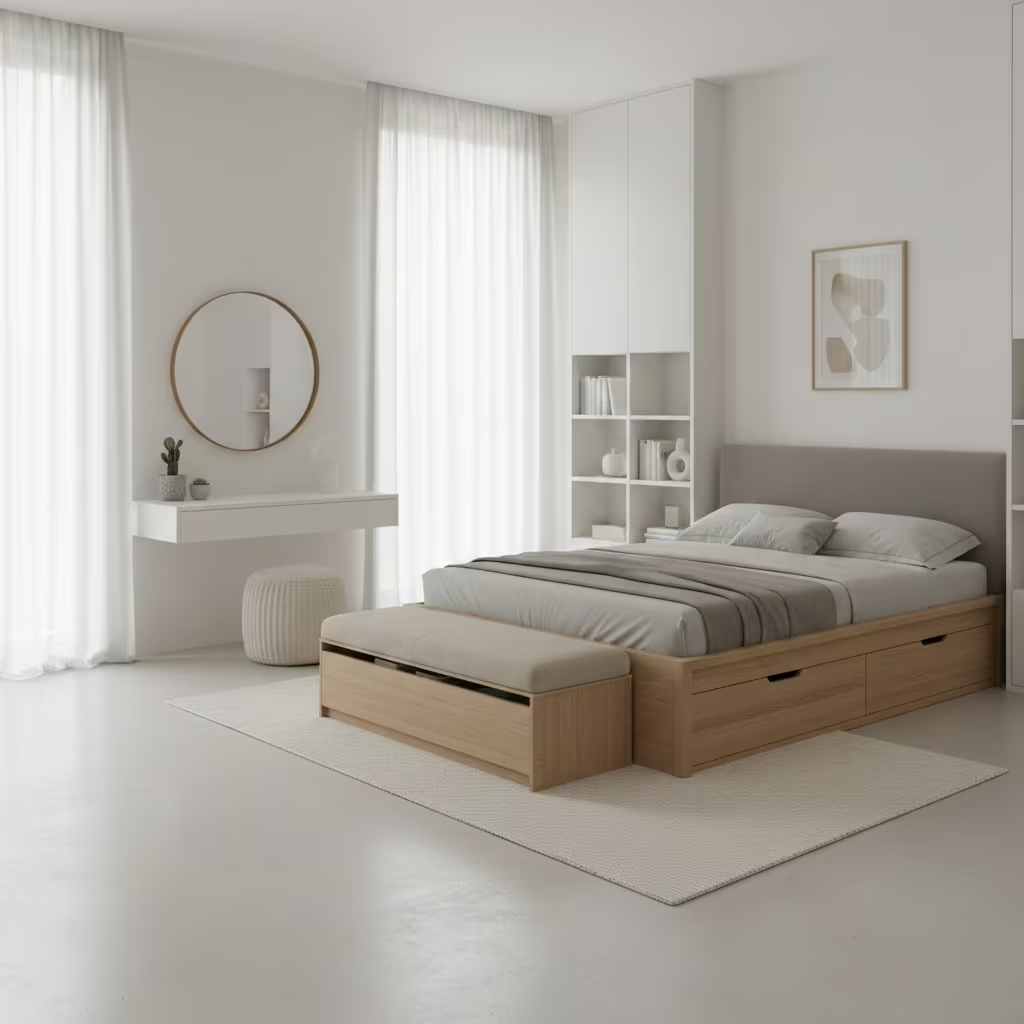
Multipurpose furniture is essential in minimalist bedrooms, where every piece should serve a practical purpose. Storage beds with built-in drawers or benches with hidden compartments help keep personal items organised without cluttering the room. These smart solutions allow you to store bedding, clothing, or other essentials discreetly, reducing the need for extra furniture.
When selecting multipurpose pieces, aim for simple designs and neutral colours so they blend seamlessly into the room. This approach maximises functionality while keeping surfaces clean and maintaining the minimalist principle of “less is more.”
Open Floor Layouts for Better Flow
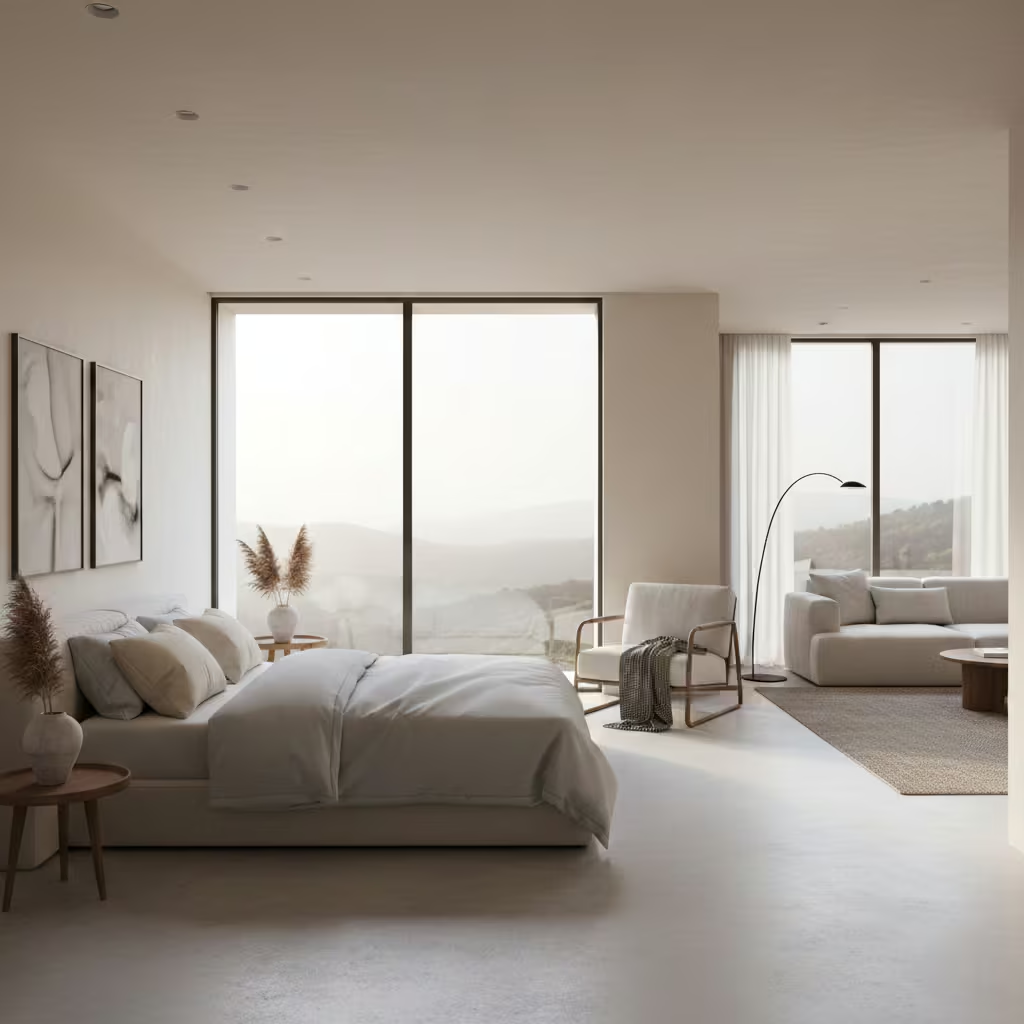
Open floor layouts create a sense of spaciousness and encourage natural movement within the bedroom. By avoiding unnecessary furniture or large decorative pieces, you allow the room to breathe, making it feel larger than it actually is. Positioning furniture strategically like placing the bed against a wall and leaving walkways clear enhances flow and functionality.
Minimalist design thrives on open layouts because they reduce visual clutter and create a calm environment. Open spaces also provide opportunities to introduce natural light, which enhances the room’s airy feel and highlights key design elements without distraction.
Built-In Wardrobes with Sliding Doors
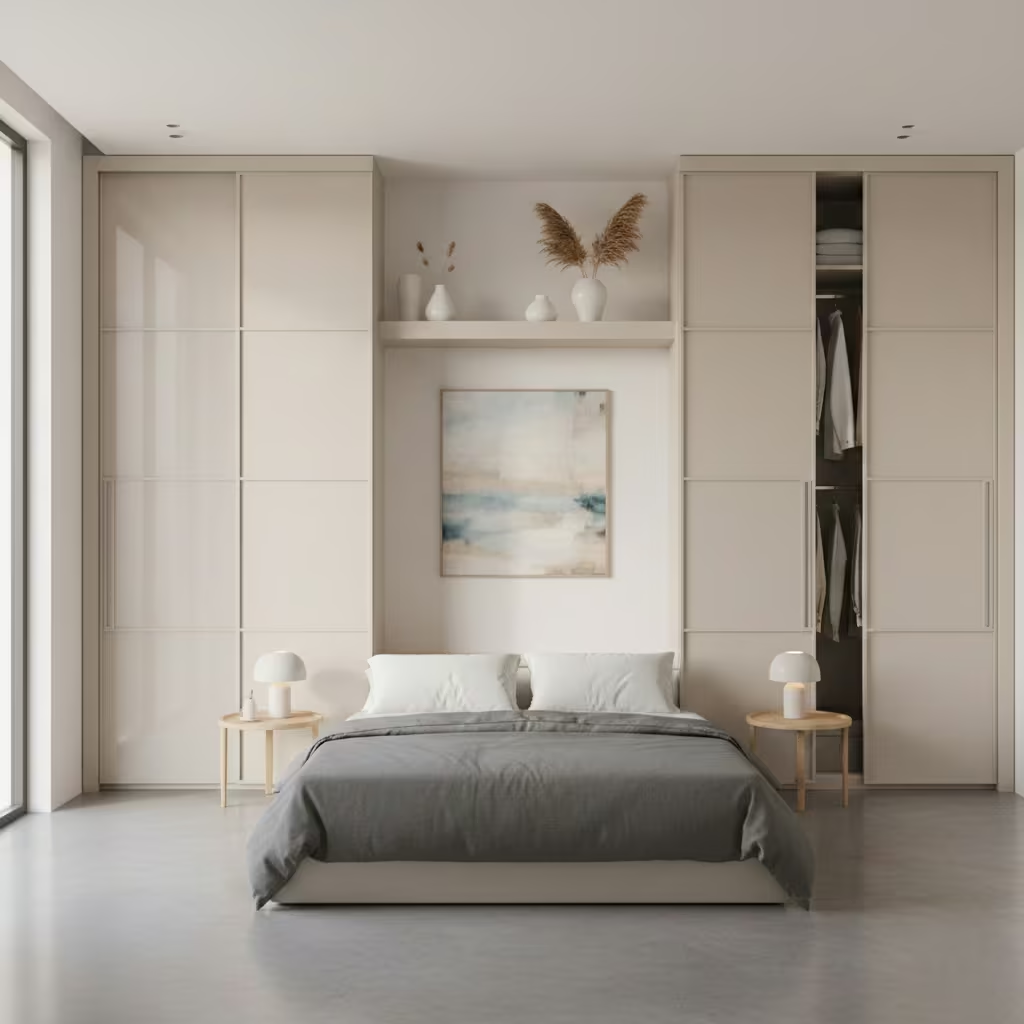
Built-in wardrobes with sliding doors are a minimalist’s dream for storage. They maximise space while keeping the bedroom looking sleek and organised. Unlike freestanding wardrobes, built-ins are flush with walls and can be customised to fit perfectly, creating a seamless, clutter-free look.
Sliding doors are particularly effective because they don’t require extra space to open, making them ideal for smaller rooms. Internally, you can organise clothing, accessories, and personal items efficiently, ensuring that everything has its place.
Opting for neutral finishes or mirrored doors enhances light and keeps the room feeling spacious, stylish, and minimalist.
Decluttered Nightstands
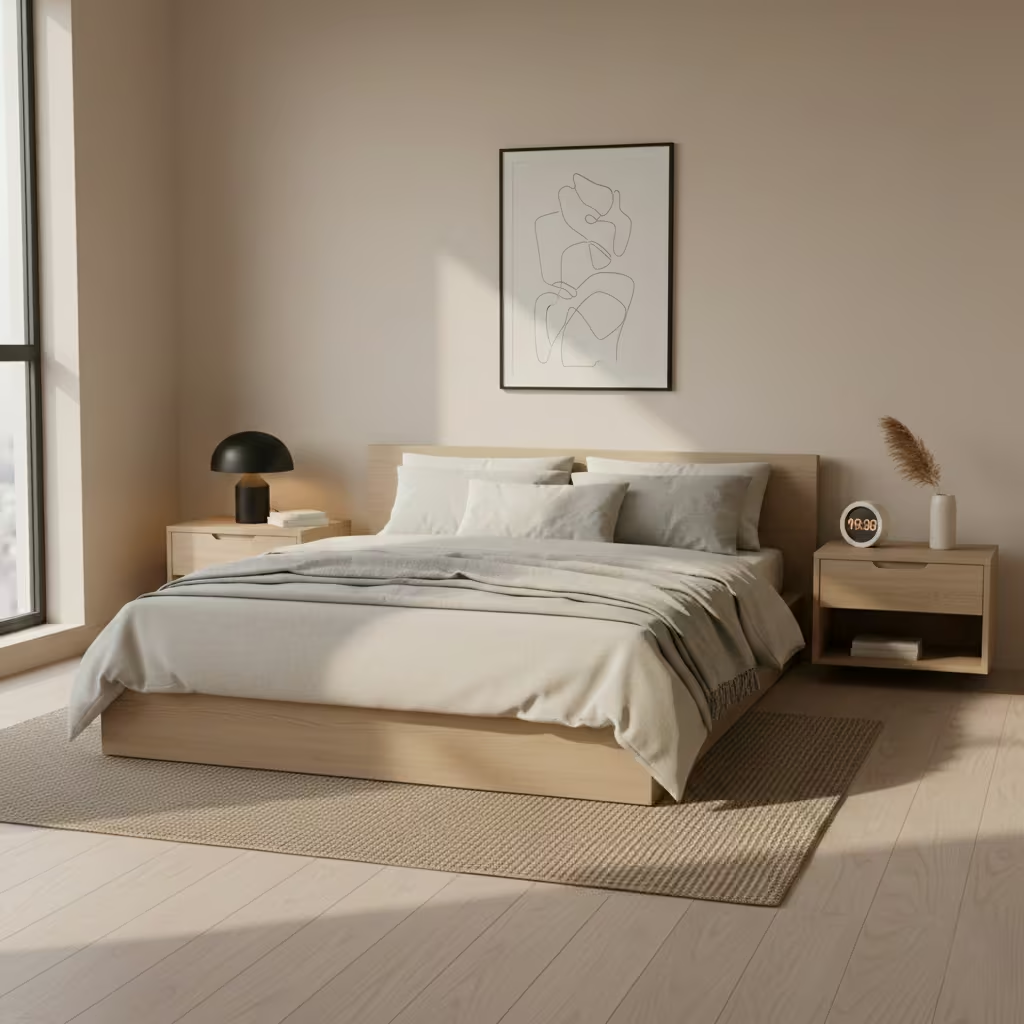
Nightstands are often a hotspot for clutter, but in a minimalist bedroom, keeping them clean and functional is essential. Only the essentials should sit on your bedside table, such as a lamp, a book, or an alarm clock.
Avoid overcrowding with decorative items or unnecessary gadgets. A minimalist approach to nightstands not only keeps the room looking tidy but also contributes to a calm, restful atmosphere. Opt for tables with drawers or small shelves to store items out of sight, keeping surfaces clear.
This simple habit of maintaining decluttered nightstands can make a noticeable difference in the overall serenity of your bedroom.
You May also Like: Japandi Balcony Design: Calm Minimalism and Cozy Natural Textures
Hidden Storage Solutions Under-Bed Drawers and Ottomans
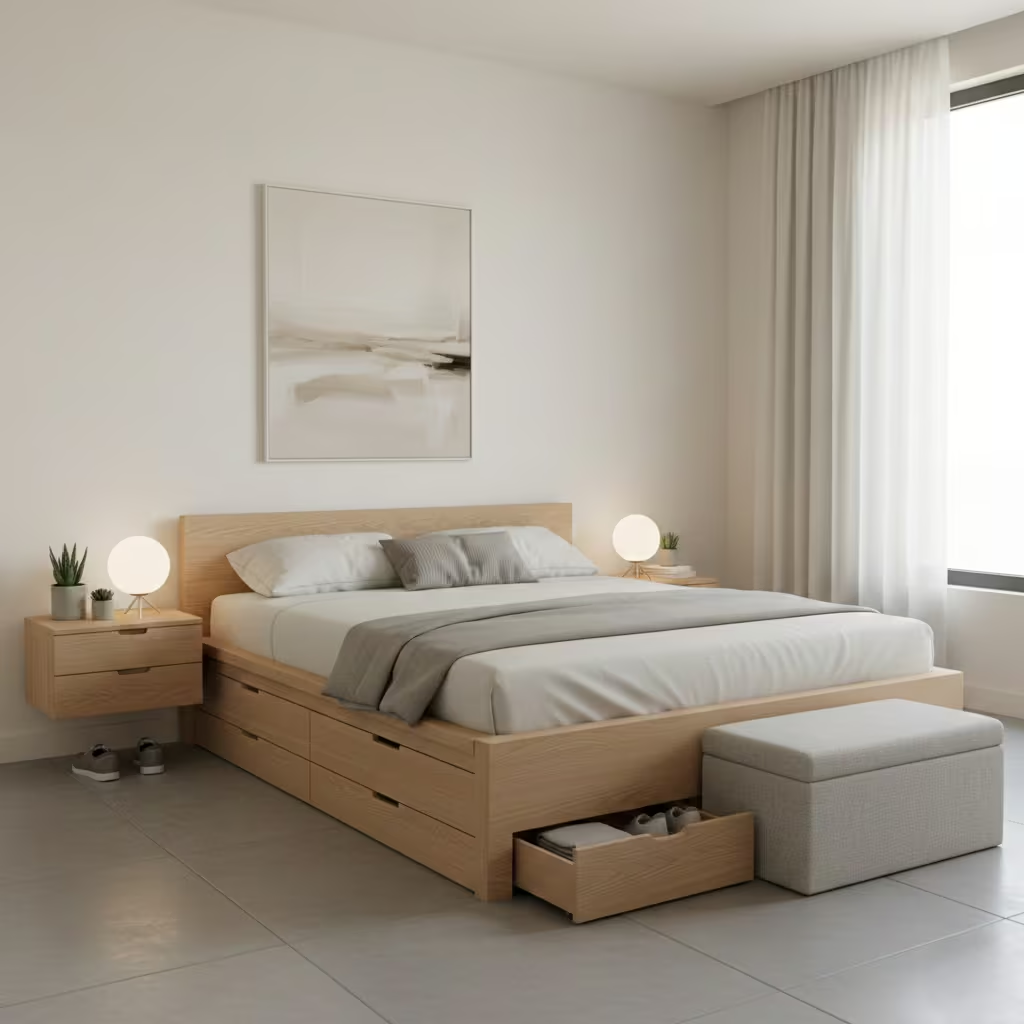
Hidden storage is a game-changer for minimalist bedrooms, as it allows you to keep belongings out of sight while maintaining a clean look.
Under-bed drawers are perfect for storing extra bedding, seasonal clothing, or shoes, while storage ottomans can serve dual purposes as seating and discreet storage. Choosing furniture with hidden compartments ensures that the room stays open and uncluttered.
The key is to select simple, functional designs that blend seamlessly with the rest of the décor, so the storage solutions feel intentional rather than an afterthought.
Minimalist Shelving Keep Only Essentials
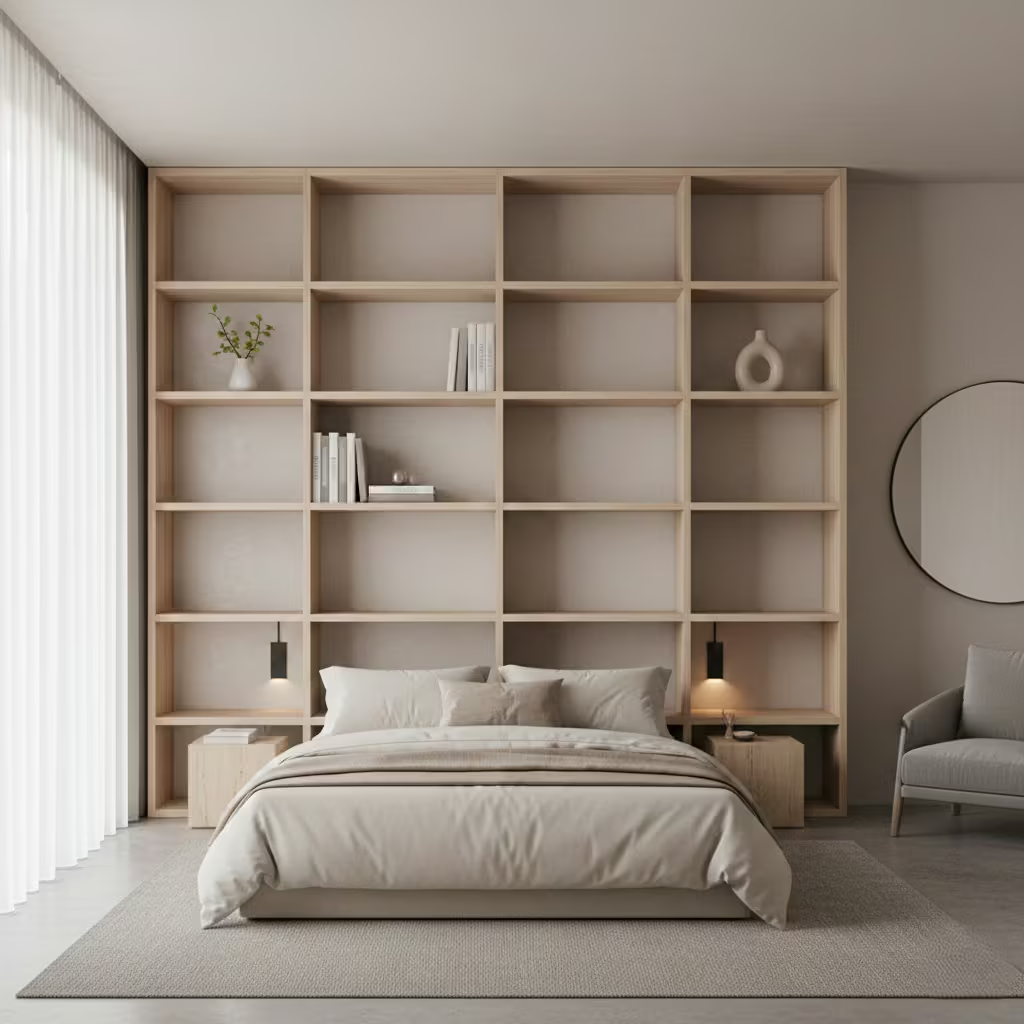
Shelving in a minimalist bedroom should serve as functional storage and subtle decoration. Instead of filling shelves with countless items, focus only on essentials or a few curated pieces that reflect your style.
For instance, a small stack of books, a framed photograph, or a single plant can add personality without creating clutter. Open shelves work well if maintained neatly, while closed shelving can conceal items that would otherwise disrupt the clean aesthetic.
The goal is to create visual calm, where everything on display feels purposeful and contributes to the room’s serenity.
Wardrobe Organisation Hacks for Visual Calm
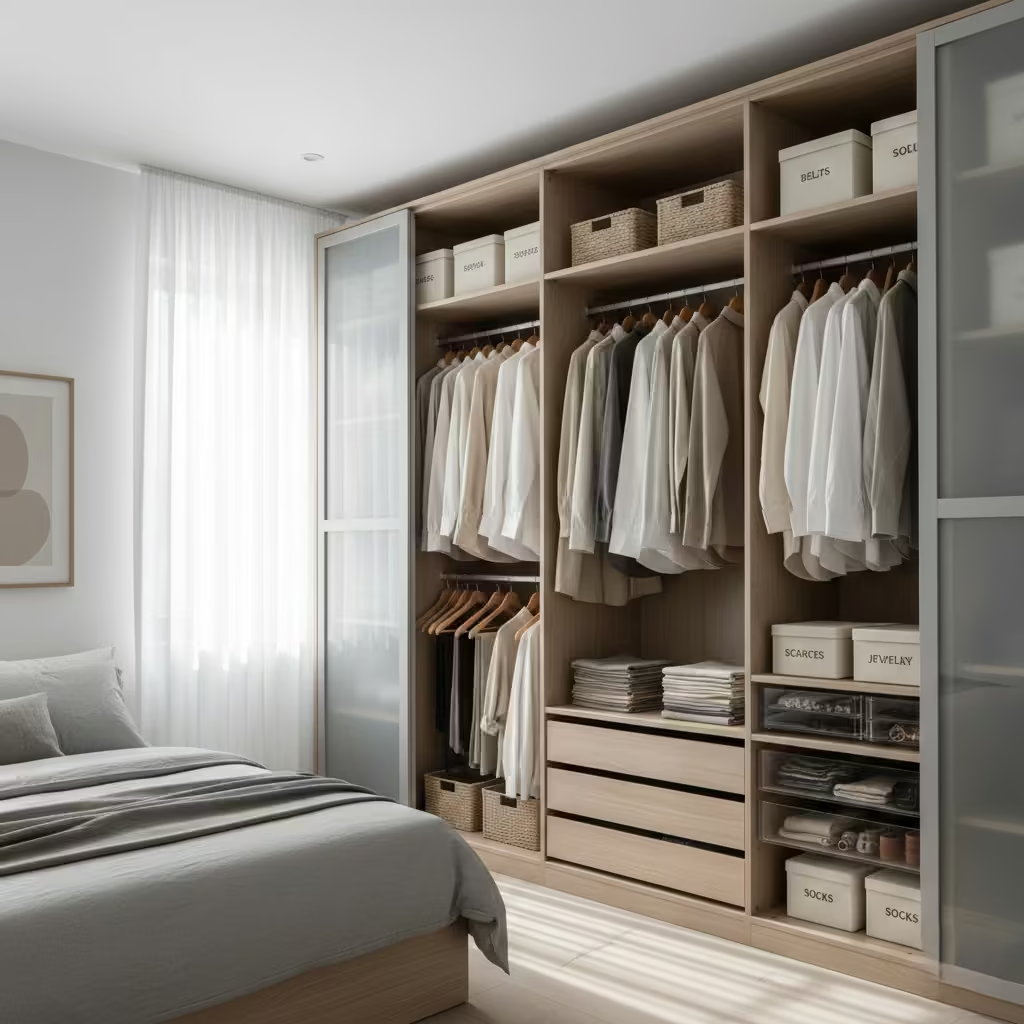
A well-organised wardrobe is critical in a minimalist bedroom. Techniques such as uniform hangers, folding clothes neatly, and categorising items by type or colour can dramatically reduce visual chaos. Adding compartments, baskets, or labelled boxes helps store smaller items like accessories or socks.
By keeping your wardrobe orderly, you not only maintain the minimalist aesthetic but also make daily routines easier, saving time when choosing outfits. Visual calm in storage spaces extends to the entire room, reinforcing the sense of simplicity and peace that minimalism brings.
You May also Like: 25 Guest Bedroom Design Ideas to Create a Stylish, Comfortable, and Inviting Space
Cable Management Tips to Keep Tech Minimal
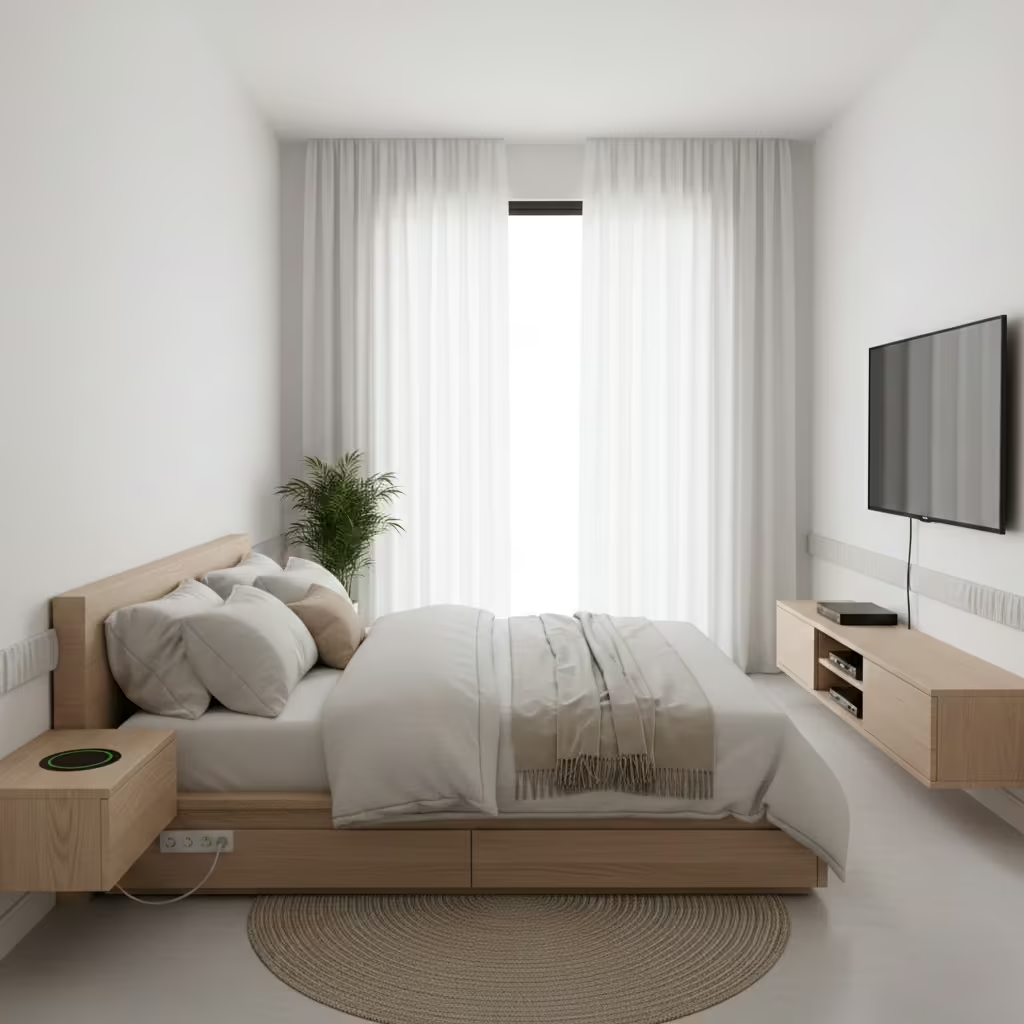
Technology can easily disrupt a minimalist bedroom if cables and devices are left exposed. Using cable organisers, clips, or concealed power strips helps keep wires tidy and out of sight. Consider wireless charging options and limit the number of devices in the room to maintain a clean, serene environment.
Even small actions, like hiding laptop chargers or TV cords, make a big difference in preserving the uncluttered aesthetic. Thoughtful cable management ensures that modern functionality does not compromise the minimalist principle of simplicity and order.
Simple, High-Quality Bedding
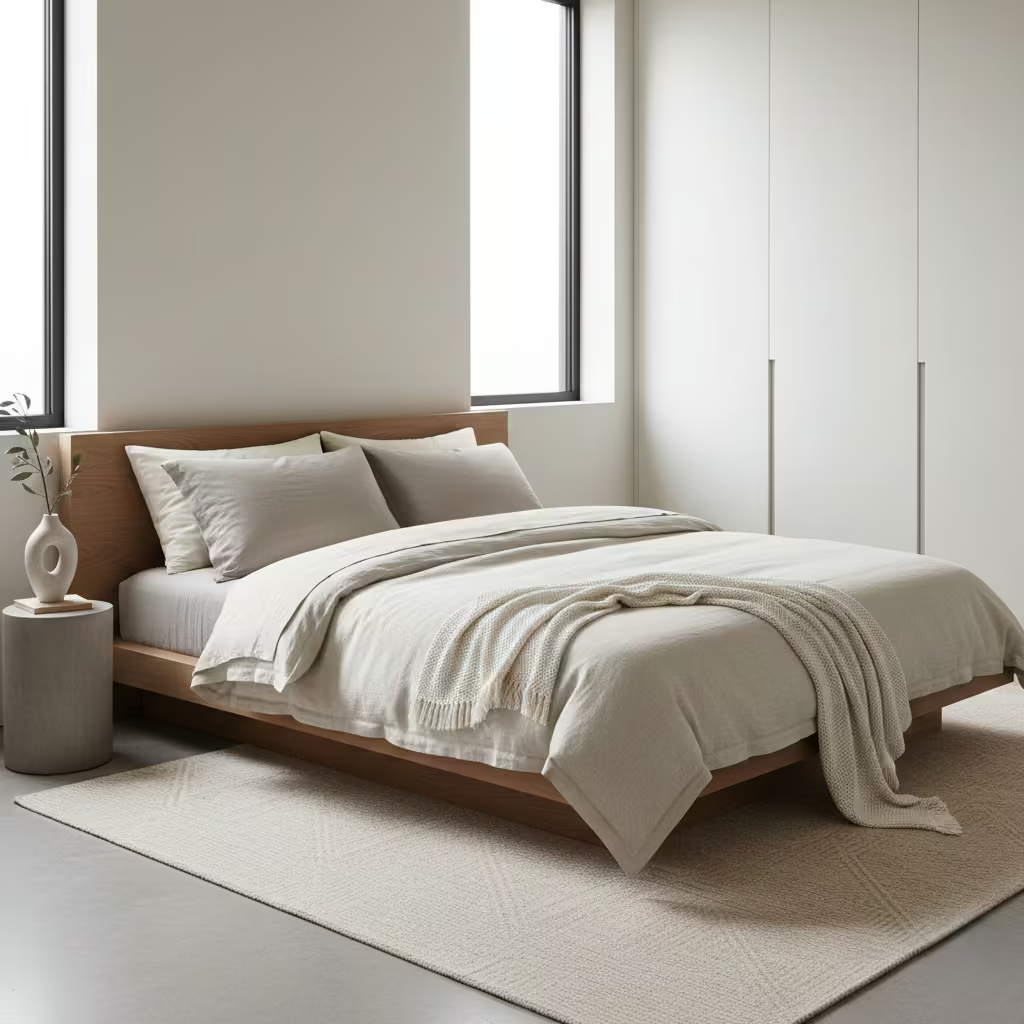
High-quality bedding is the cornerstone of a minimalist bedroom. Choosing simple sheets, duvet covers, and pillowcases in neutral tones ensures a clean and calming aesthetic. Look for natural materials such as cotton, linen, or bamboo, which are breathable, durable, and soft to the touch.
Minimalist bedding focuses on comfort and longevity rather than flashy patterns or excessive detailing. The result is a serene and inviting bed that instantly elevates the room’s overall look. Investing in quality over quantity also means fewer items are needed, aligning perfectly with minimalist principles.
Layered Textures Without Pattern Overload
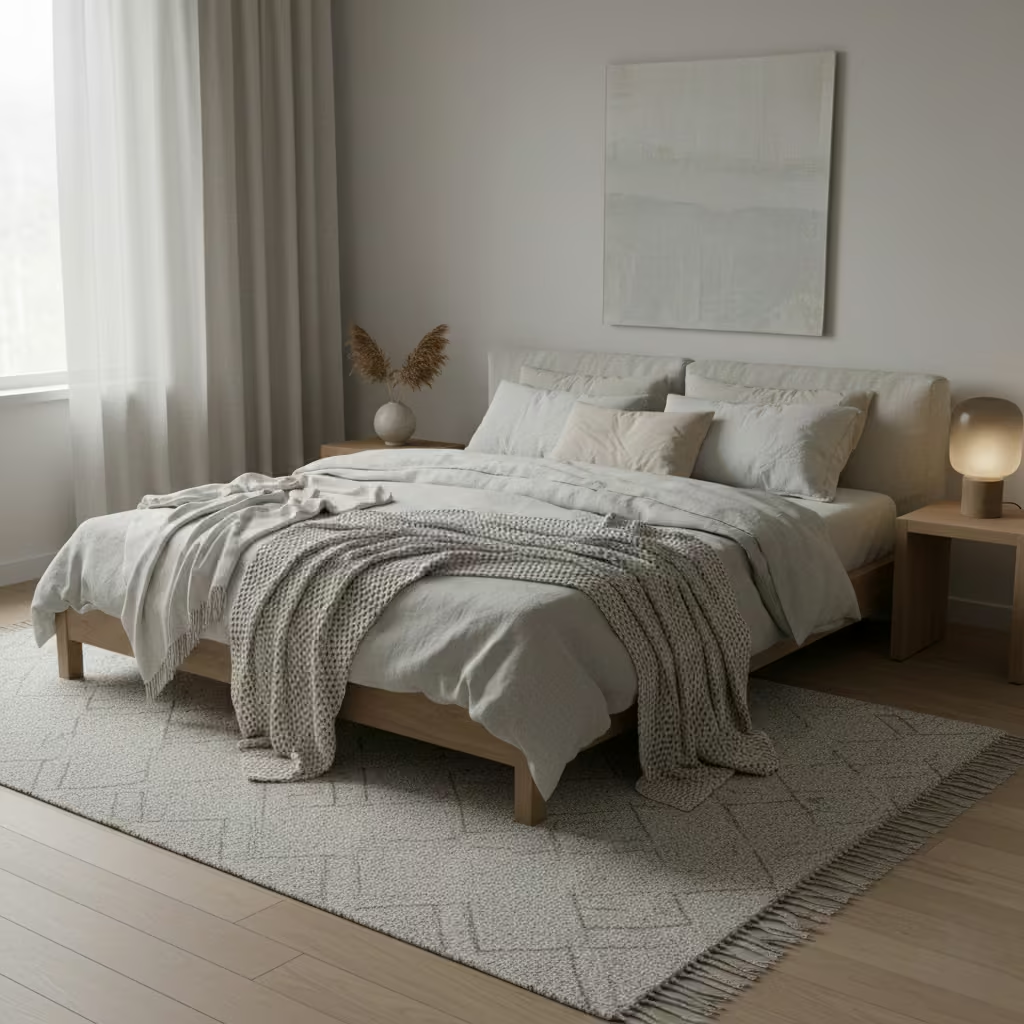
Layering textures adds warmth and visual interest to a minimalist bedroom without overwhelming the space. Combine soft throws, knitted blankets, linen sheets, and subtle rugs to create depth while keeping the colour palette simple.
The key is to avoid bold patterns or busy designs, which can disrupt the clean and calming environment. Thoughtful layering creates a cosy, tactile feel that enhances comfort and sophistication while maintaining a serene, uncluttered aesthetic.
Minimalist Rugs to Define Space
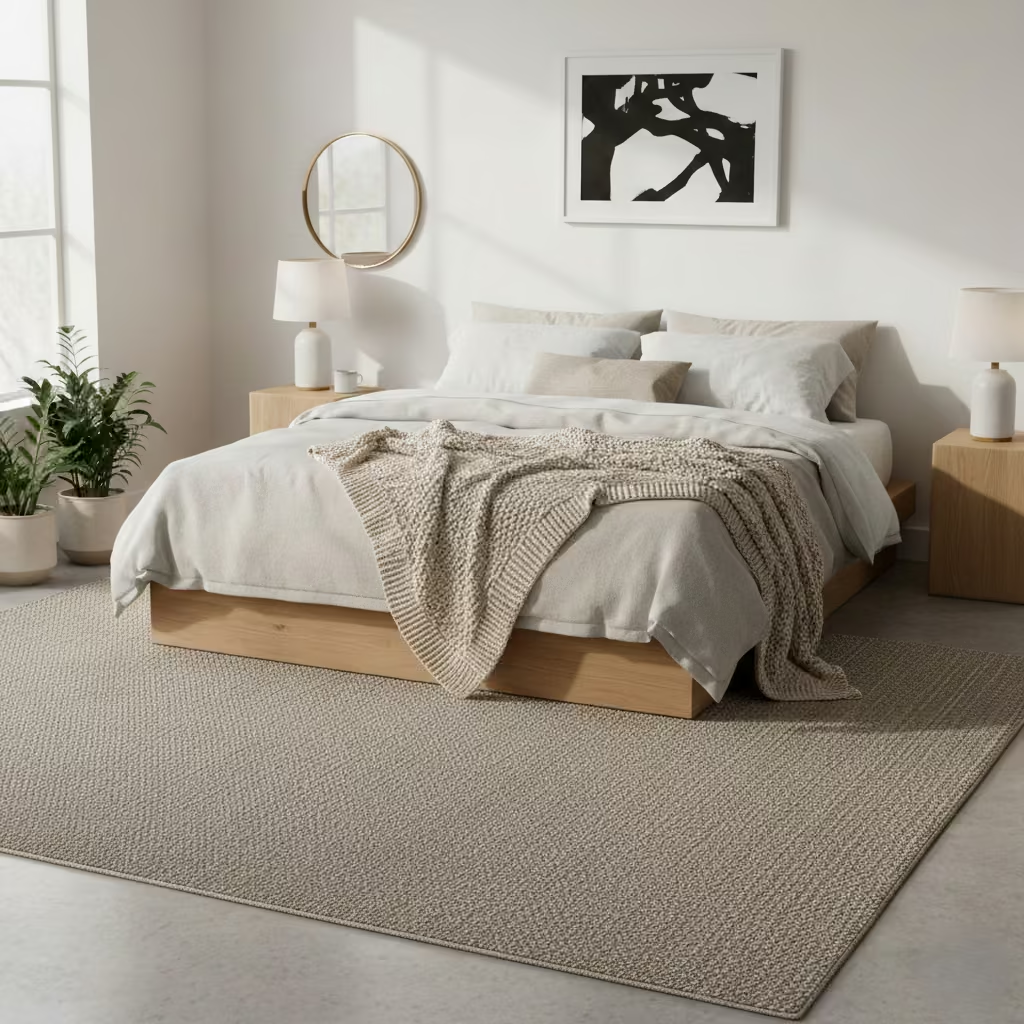
A minimalist rug can anchor the bedroom and define functional areas, such as the space around the bed or a reading corner.
Opt for simple, solid colours or subtle textures that complement the room’s palette. Avoid intricate patterns or overly bright designs that may clash with the minimalist style.
Rugs also add warmth and softness underfoot, enhancing the room’s comfort. Choosing the right size ensures the rug frames the bed effectively, creating a cohesive and harmonious look without clutter.
Curtains or Blinds with Clean Lines
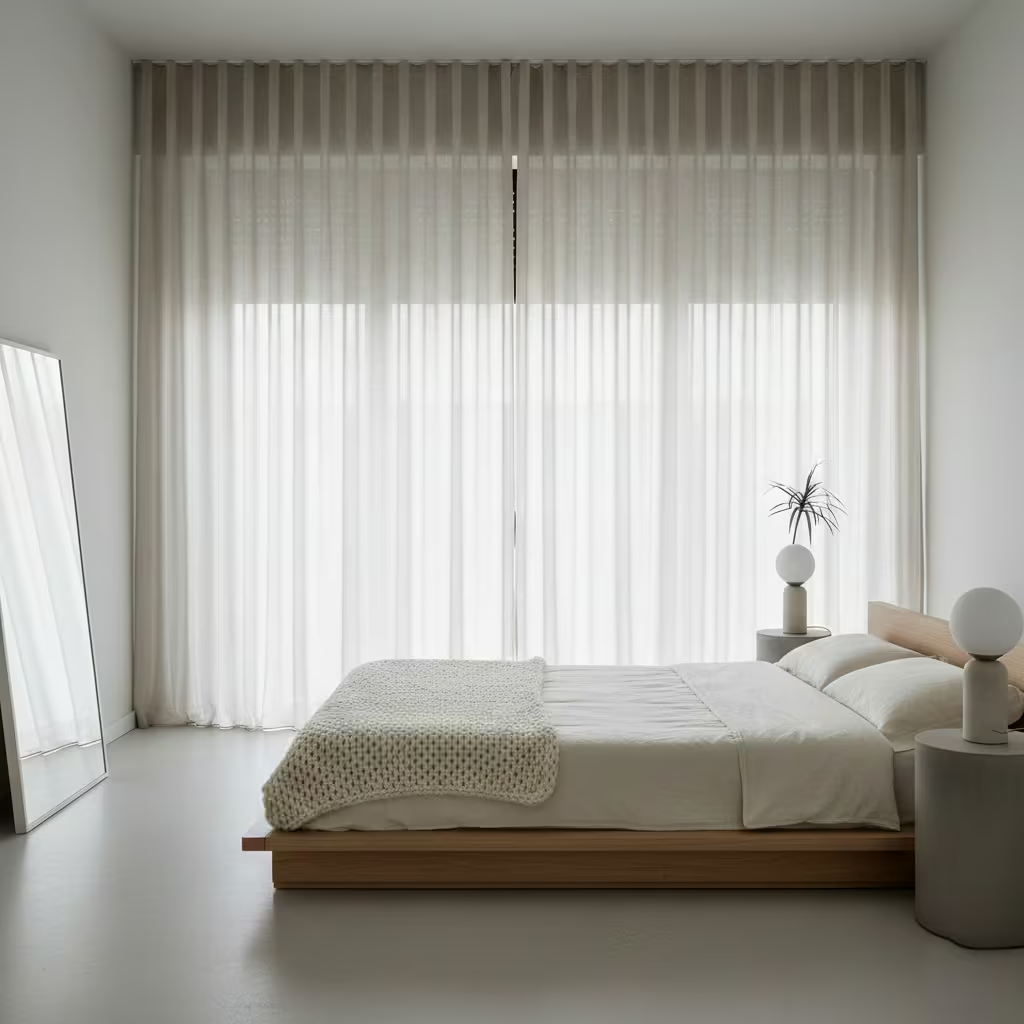
Window treatments in a minimalist bedroom should be simple, elegant, and functional. Floor-length curtains in neutral tones or sleek roller blinds provide privacy while maintaining the room’s airy, uncluttered feel. Avoid heavy patterns or overly ornate designs that can distract from the calm atmosphere.
Clean lines and subtle textures ensure the focus remains on natural light and the room’s overall simplicity. Minimalist window treatments also complement other design elements, like neutral walls and streamlined furniture, helping to create a cohesive and peaceful space.
Minimalist Cushions and Throws
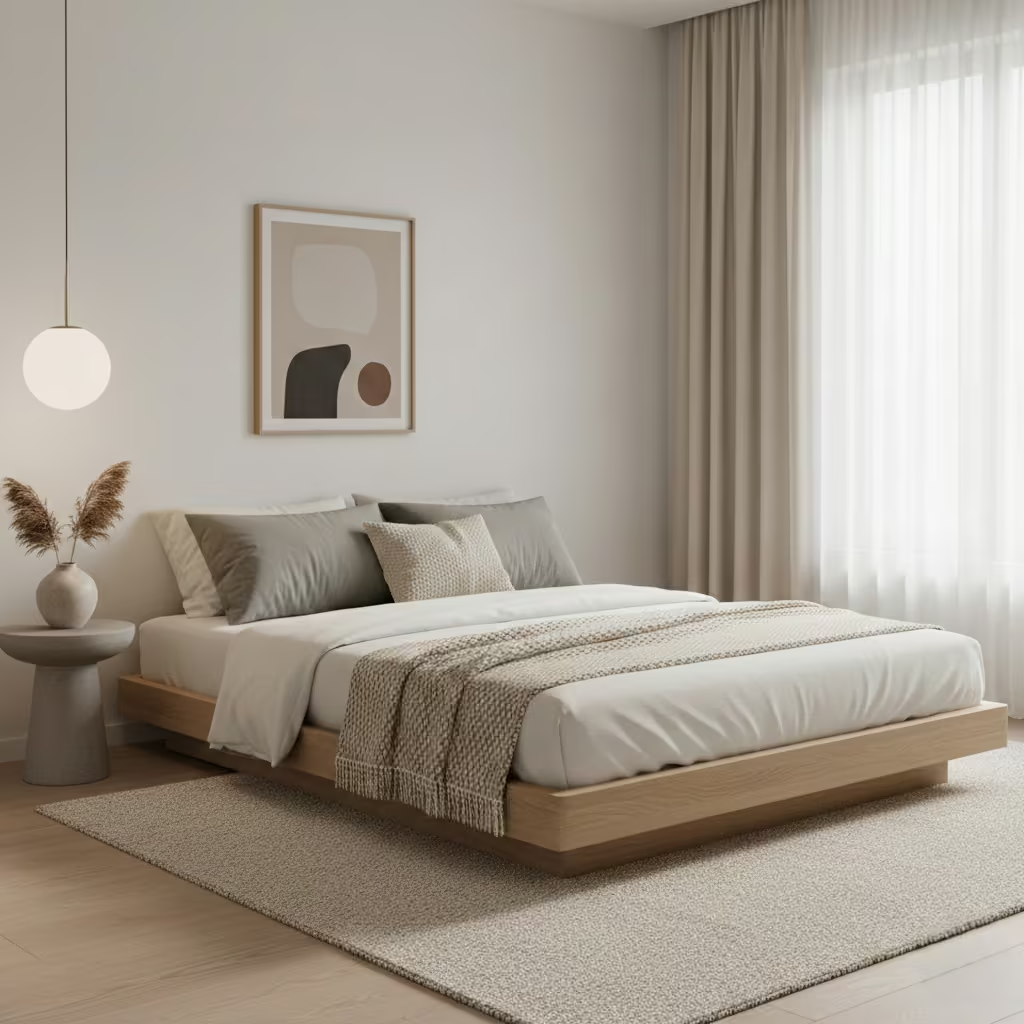
Cushions and throws are excellent tools for adding comfort and personality to a minimalist bedroom without overwhelming it.
Stick to a small number of well-chosen pieces in muted colours or natural materials. Layering a textured throw over the bed or adding a couple of cushions in soft shades creates warmth and visual interest while preserving simplicity.
The goal is to enhance comfort subtly, ensuring that every accessory serves a purpose and contributes to the serene, uncluttered aesthetic central to minimalist design.
You May also Like: 25 Neutral Modern Bedroom Ideas That Feel Calm, Considered, and Timeless
Statement Pendant Lights or Sleek Bedside Lamps
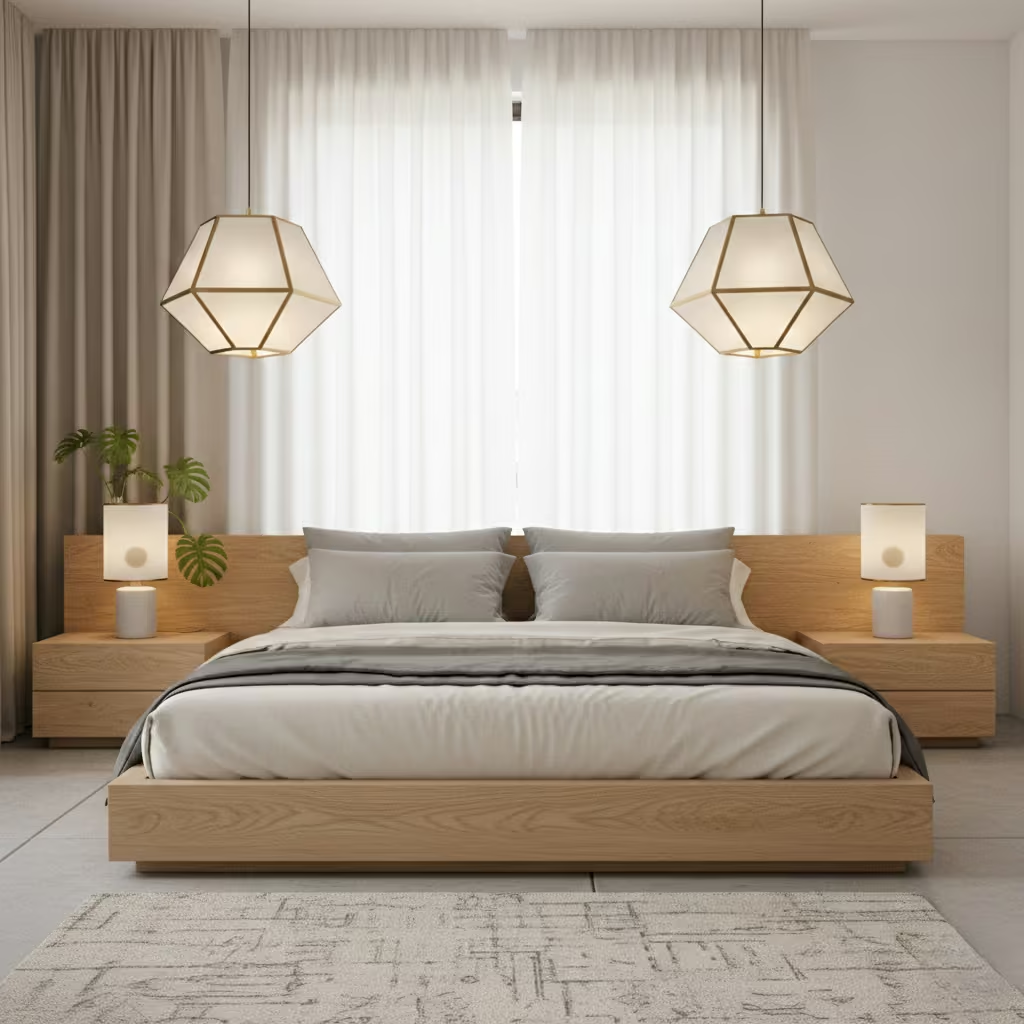
Lighting in a minimalist bedroom should be both functional and stylish without overwhelming the space. Statement pendant lights or sleek bedside lamps can serve as focal points while maintaining simplicity.
Choose designs with clean lines, neutral finishes, or geometric shapes to complement the minimalist aesthetic. A pendant light hanging above the bed or in a corner can replace bulky floor lamps, freeing up floor space and adding a touch of modern elegance.
Bedside lamps with simple silhouettes and soft illumination create a warm, calming ambiance for reading or winding down. Thoughtful lighting choices enhance the room’s atmosphere while keeping the overall design clean and uncluttered.
You May also Like: Master Bedroom Design: A Complete Guide to Creating a Space That Restores, Supports, and Endures
Natural Lighting Maximisation
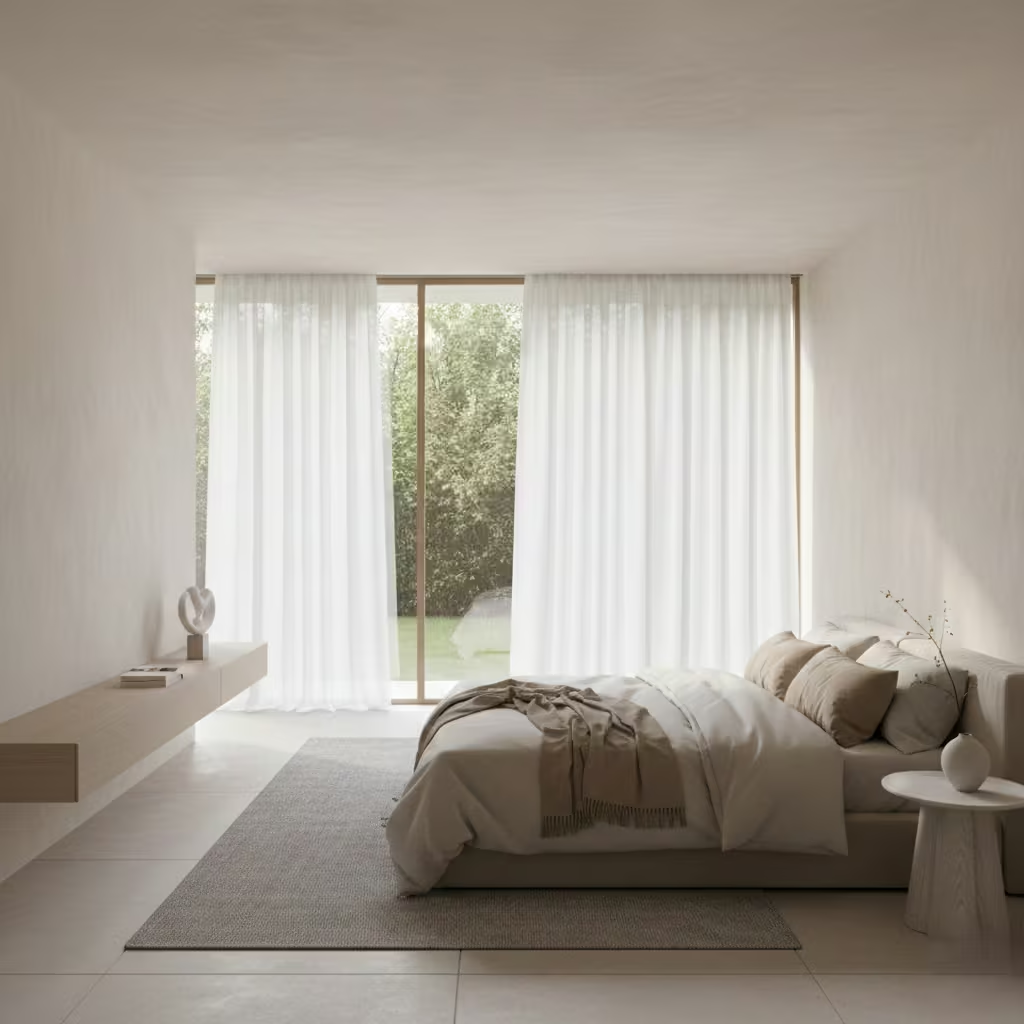
Maximising natural light is essential in a minimalist bedroom, as it enhances the sense of openness and calm.
Keep window areas clear of heavy curtains or furniture to allow sunlight to flow freely. Using sheer fabrics or light-coloured blinds helps diffuse natural light without compromising privacy. Natural light highlights textures, neutral colours, and design details, making the space feel larger and more inviting.
It also supports wellbeing by regulating sleep patterns and improving mood. Incorporating natural lighting as a design element is a simple way to maintain the airy, serene feel that minimalism values.
Minimalist Mirrors to Expand Space
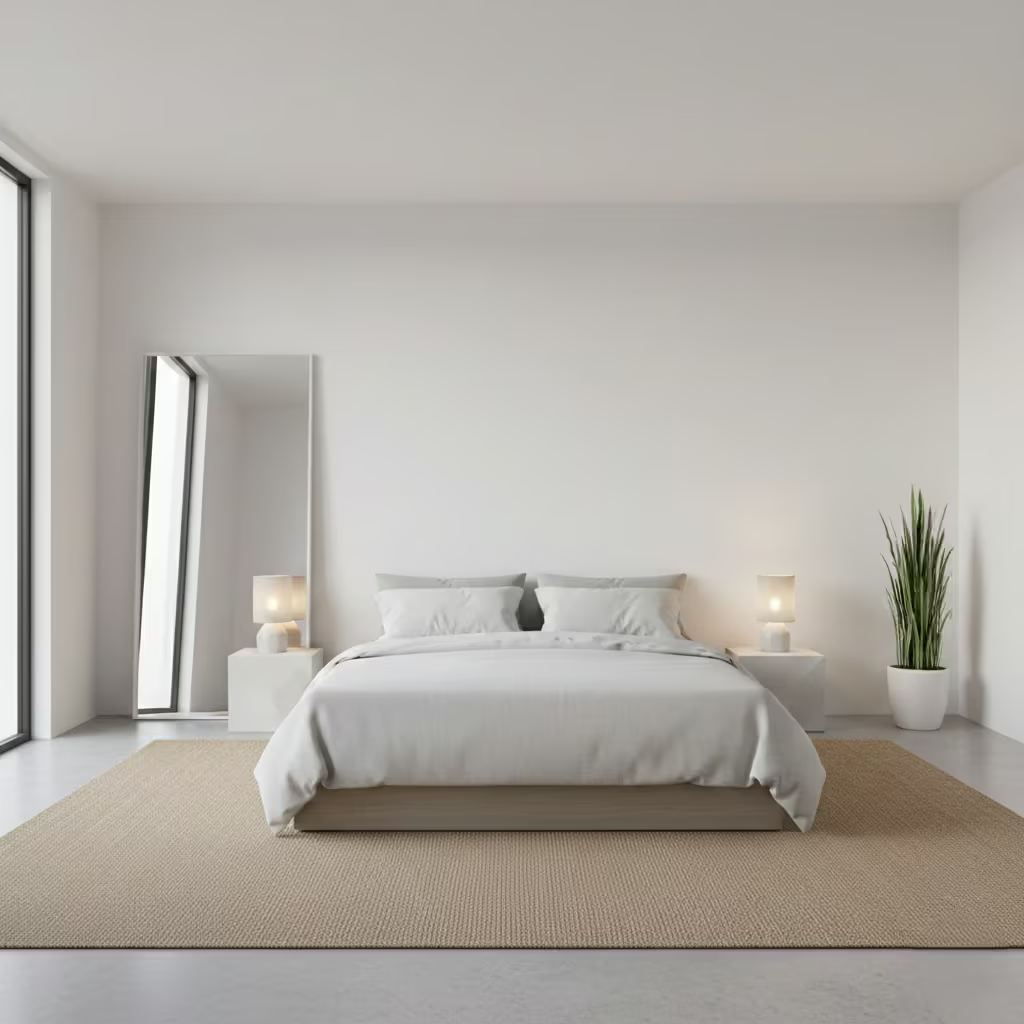
Mirrors are a clever addition to minimalist bedrooms because they visually expand the space and reflect light. A single large mirror or a few small, strategically placed ones can make the room feel more open and airier.
Choose frames that are slim, simple, or frameless to blend seamlessly with the décor. Mirrors also serve a functional purpose without adding clutter, aligning perfectly with minimalist principles.
Whether positioned near a window to bounce sunlight or above a dresser for practicality, mirrors enhance both aesthetics and functionality while keeping the space clean and uncluttered.
You May also Like: 25 Black Bedroom Ideas That Feel Bold, Cozy, and Timeless
Plants for Subtle Greenery
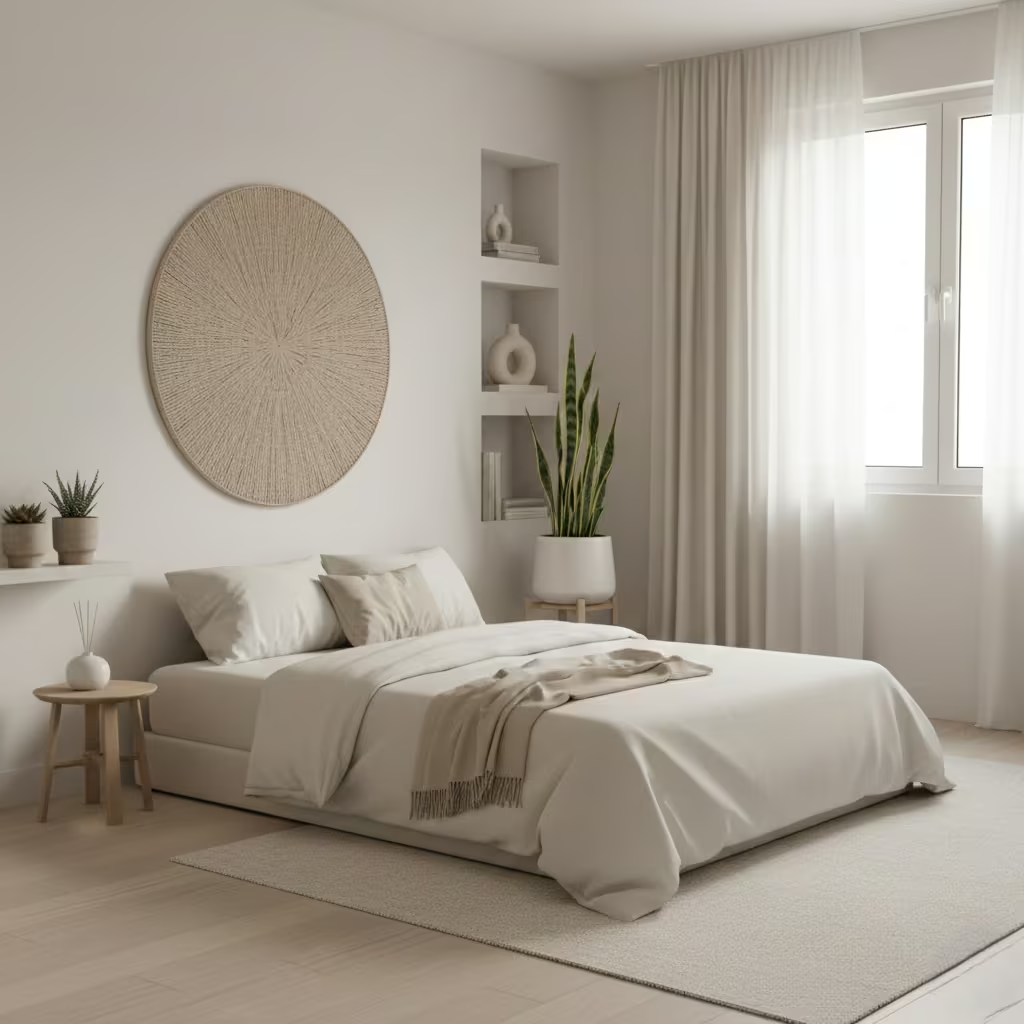
Incorporating plants into a minimalist bedroom brings life and a sense of calm without disrupting the simplicity of the design. Choose low-maintenance options like snake plants, succulents, or peace lilies that require minimal care and add a touch of natural beauty.
Place them sparingly on shelves, bedside tables, or window sills to introduce greenery without cluttering surfaces. Plants not only enhance the room’s visual appeal but also improve air quality and contribute to a peaceful atmosphere.
Their natural presence complements neutral palettes and clean lines, reinforcing the serene, uncluttered aesthetic central to minimalist design.
Decorative Accents with Purpose Only
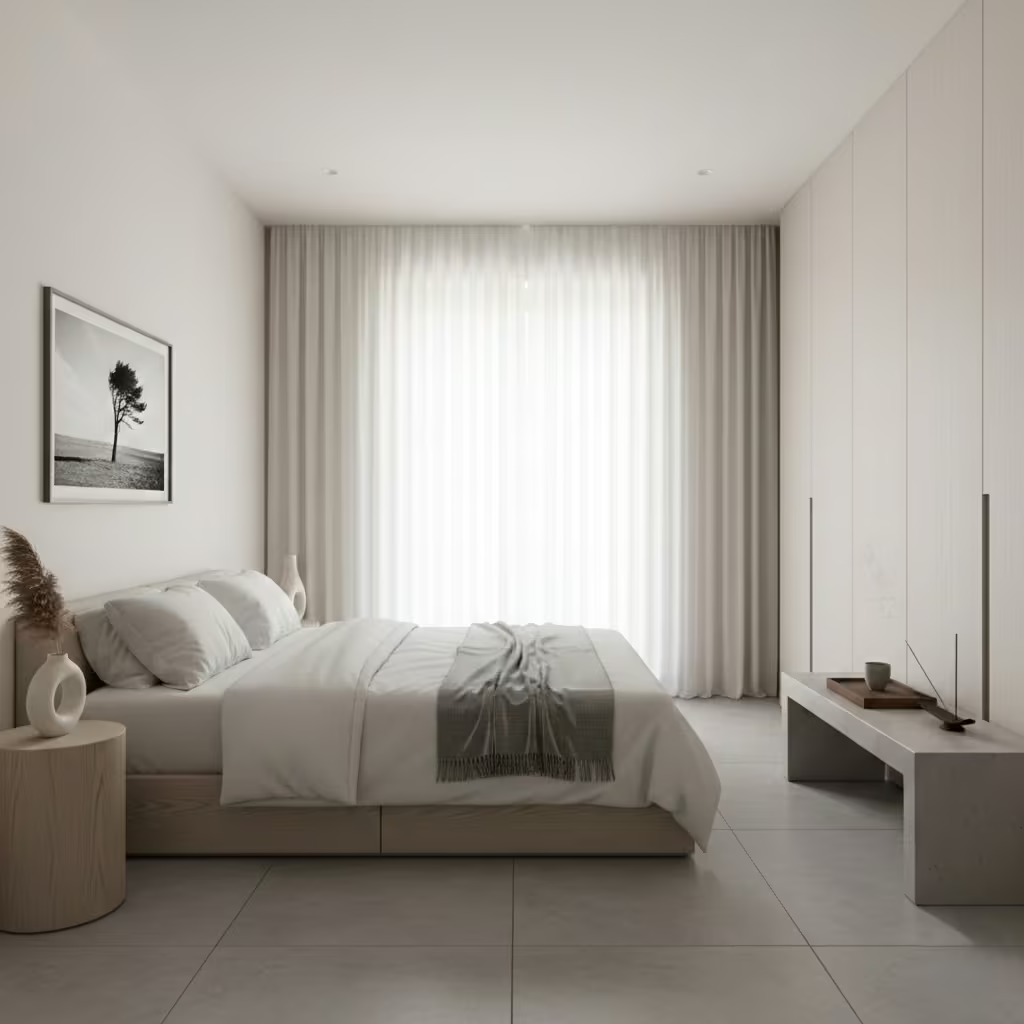
Every decorative item in a minimalist bedroom should serve a purpose or hold meaningful value. Avoid overcrowding surfaces with unnecessary ornaments or trinkets. Instead, focus on a few well-chosen accents, such as a carefully selected sculpture, a framed photograph, or a functional tray for essentials.
This intentional approach ensures that each piece enhances the room’s style while maintaining calm and order. By limiting decorations to purposeful items, you preserve the clean, uncluttered look of a minimalist space while allowing personality and warmth to shine through.
Tips for Maintaining a Minimalist Bedroom
Maintaining a minimalist bedroom requires consistent habits that keep the space calm, organised, and clutter-free. The first and most important step is to declutter regularly. Periodically go through your belongings and remove anything that no longer serves a purpose or brings you joy. This prevents unnecessary items from piling up and keeps the room feeling open and serene.
Keeping surfaces clear is equally essential. Nightstands, dressers, and shelves should be reserved for only the items you truly need or love. Avoid using these areas as catch-all spaces for miscellaneous objects. By keeping surfaces tidy, the room instantly looks more organised, and the minimalist aesthetic is preserved.
Another key principle is to focus on quality over quantity. Invest in fewer, high-quality items rather than filling the room with numerous inexpensive pieces. Durable furniture, timeless décor, and functional accessories not only enhance the room’s visual appeal but also reduce the need for constant replacements.
By incorporating these habits into your routine, you can maintain a minimalist bedroom that feels peaceful, stylish, and effortlessly functional, allowing you to fully enjoy your personal sanctuary.
You May also Like: 25 Soft & Serene Sage Green Bedrooms for the Ultimate Relaxing Vibe
Final Thoughts
Minimalist bedrooms offer more than just a stylish appearance they create a peaceful, clutter-free sanctuary where you can relax, recharge, and enjoy a sense of calm. By embracing simplicity, clean lines, and intentional design choices, these spaces reduce stress, improve functionality, and remain timeless in style.
From neutral colour palettes and smart storage solutions to layered textures and carefully selected accessories, each element contributes to a bedroom that feels serene and inviting.
You don’t need to implement every idea at once. Start small by decluttering, adding a few functional pieces, or introducing subtle textures and lighting. Gradually, these changes can transform your bedroom into a space that is both beautiful and practical.
I’d love to hear from you which of these 25 minimalist bedroom ideas inspired you the most? Share your thoughts or personal tips in the comments, and let’s inspire each other to create bedrooms that are calm, stylish, and effortlessly functional.