



California Coastal Interior Design: The Complete Guide to Getting the Look Right
There’s a particular kind of California Coastal Interior that photographs quietly and lives loudly. Nothing shouts at you from the doorway. No anchors on the wall, no rope-wrapped mirrors, no navy-and-white stripes marching across every cushion. And yet the moment you’re inside, something in your shoulders drops half an inch. That’s California coastal interior design doing its job.
It’s also one of the most misunderstood terms in the industry. Type it into a search bar and you’ll find it lumped in with beach house style, coastal grandmother, coastal cowgirl, and modern coastal, as though they’re all interchangeable. They’re not, and getting that distinction right is the difference between a home that feels considered and one that feels like it’s cosplaying a hotel lobby in Laguna.
This guide sets the record straight: what the style actually is, where it comes from, how to build it room by room, which materials earn their keep, and where most people go wrong (often expensively). I’ve pulled from real design practice rather than mood-board theory, because the gap between “looks lovely on Pinterest” and “works in a house with kids, dogs, and a mortgage” is exactly where most guides on this topic fall down.
What California Coastal Interior Design Actually Is
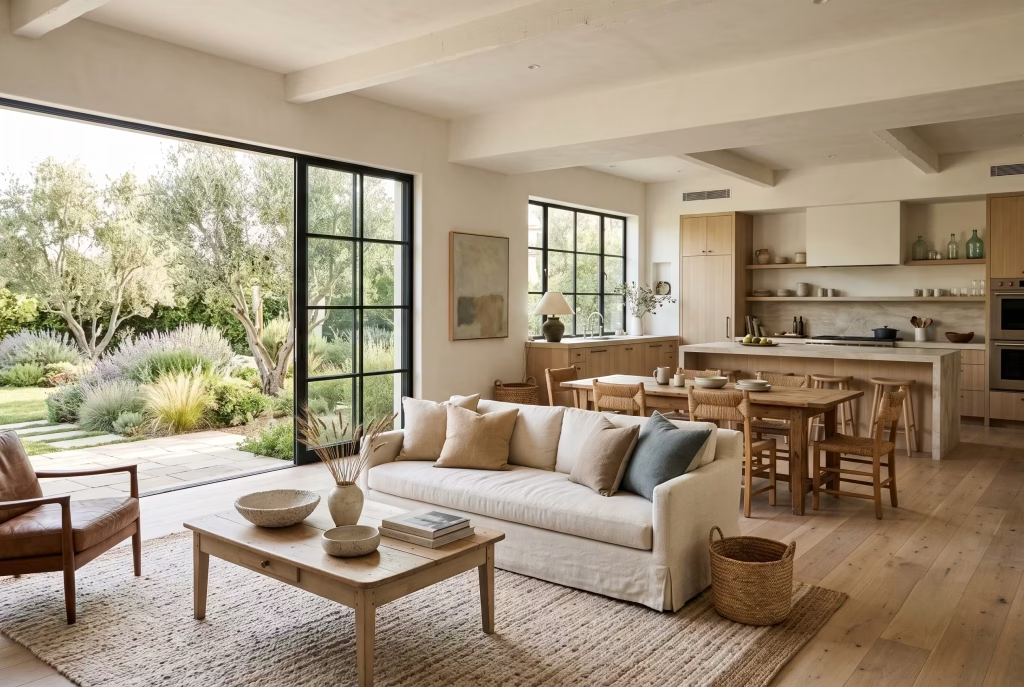
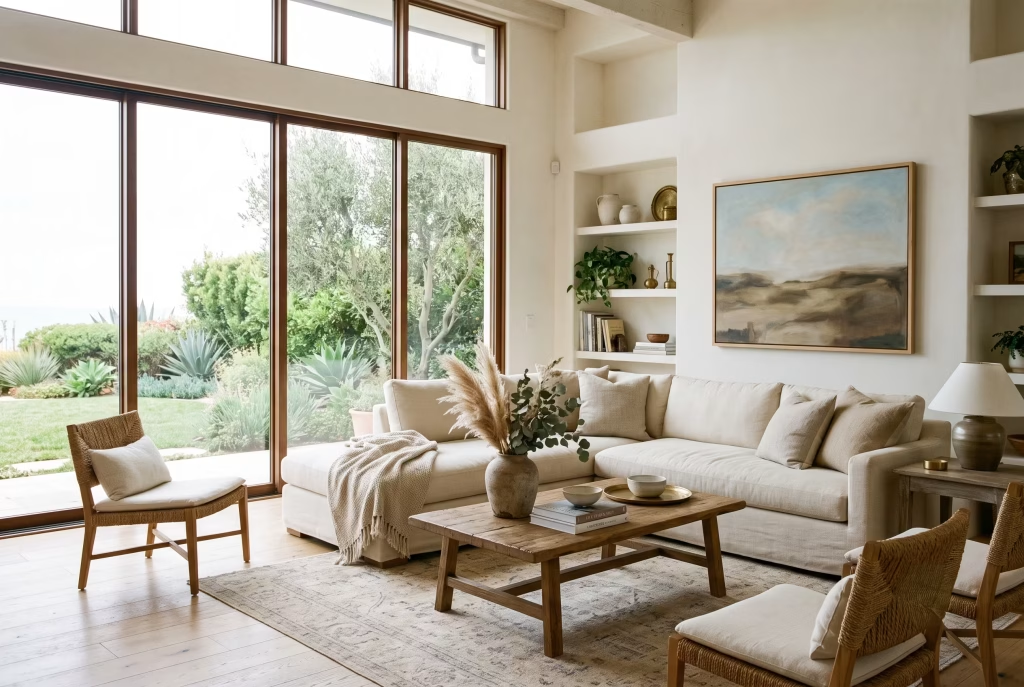
At its core, California coastal design is a relaxed, light-filled approach to interiors that borrows its calm from the Pacific coastline without ever decorating literally around it. There’s no seashell on a shelf doing the heavy lifting here. The ocean influence shows up in the quality of light a room lets in, the softness of a linen sofa, the way a white oak floor catches the afternoon sun, not in a piece of driftwood art propped against a wall.
Think of it as the difference between describing a beach and simply having been to one. A room dressed head to toe in navy stripes and anchor motifs is describing a beach. A room with warm white walls, a stone hearth, linen slipcovers and big windows that flood the space with natural light is a room that feels like it grew out of a beach town, whether or not the house is anywhere near sand.
The look draws its bones from Spanish Revival architecture, mid-century ranch houses, and the indoor-outdoor living that California’s climate makes almost compulsory. Sliding doors that actually get used. Patios treated as a genuine extra room rather than an afterthought. Furniture chosen for comfort first, formality a distant second.
You May also Like: Nancy Meyers Style: The Ultimate Guide to Getting the Look in Every Room
California Coastal vs. Its Near Cousins
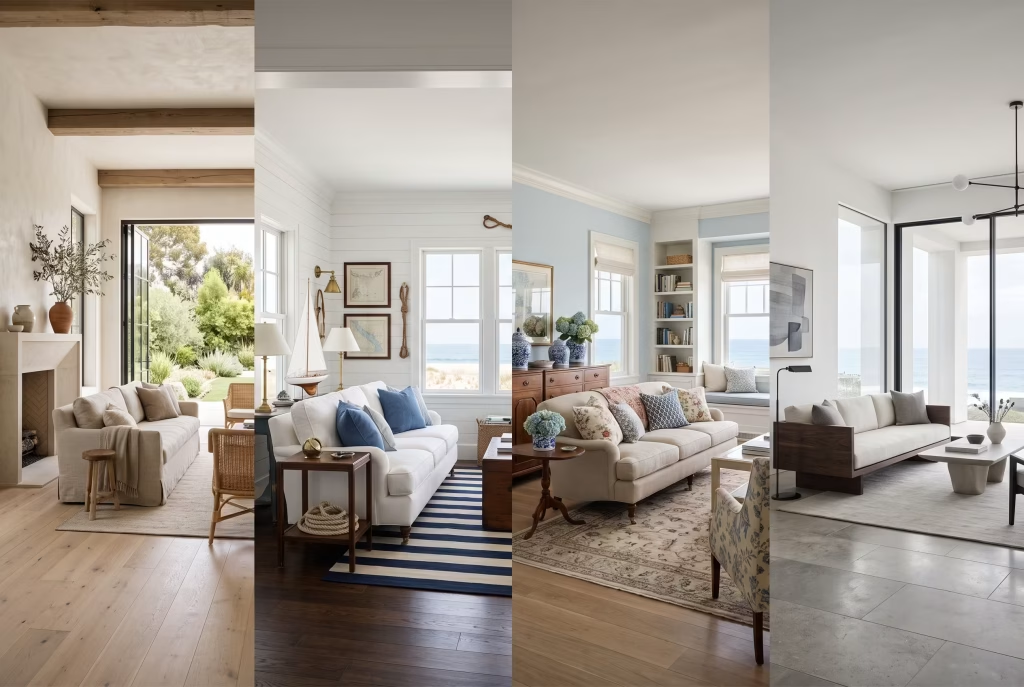
This is the bit almost every other guide on the subject either skips entirely or answers half-heartedly, and it’s exactly the kind of question people (and AI search tools) are asking right now.
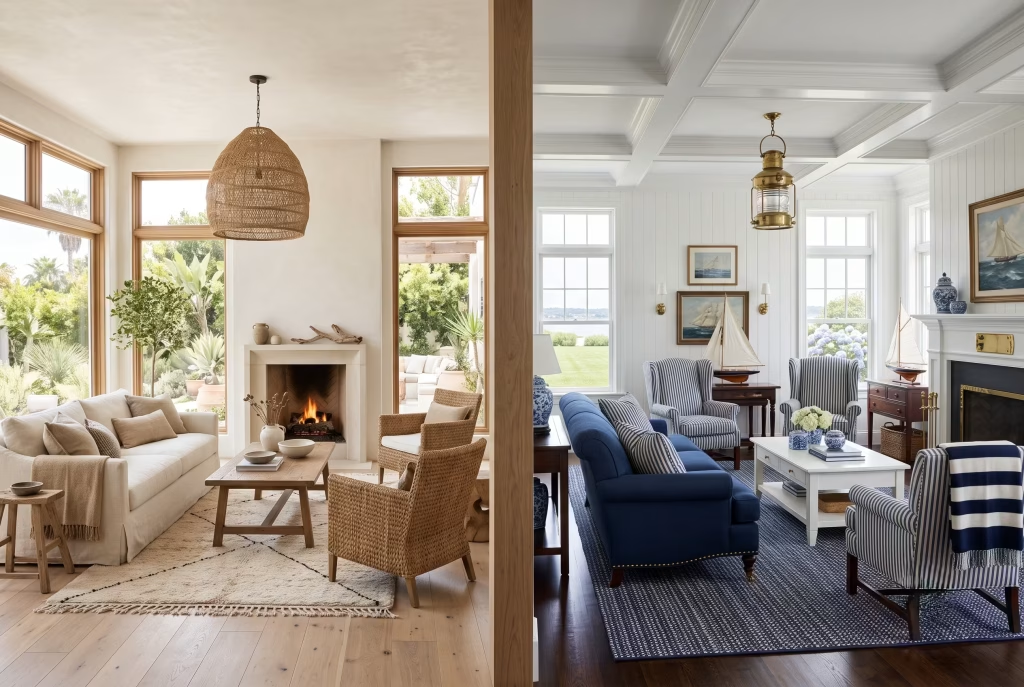
California coastal vs. traditional (New England) coastal. Traditional East Coast coastal leans into sailing heritage: crisp navy, painted beadboard, brass ship’s lanterns, a formal symmetry that owes more to Nantucket than to Malibu. California coastal drops the nautical references almost entirely in favour of warm neutrals, natural stone, and a much looser, more collected arrangement of furniture.
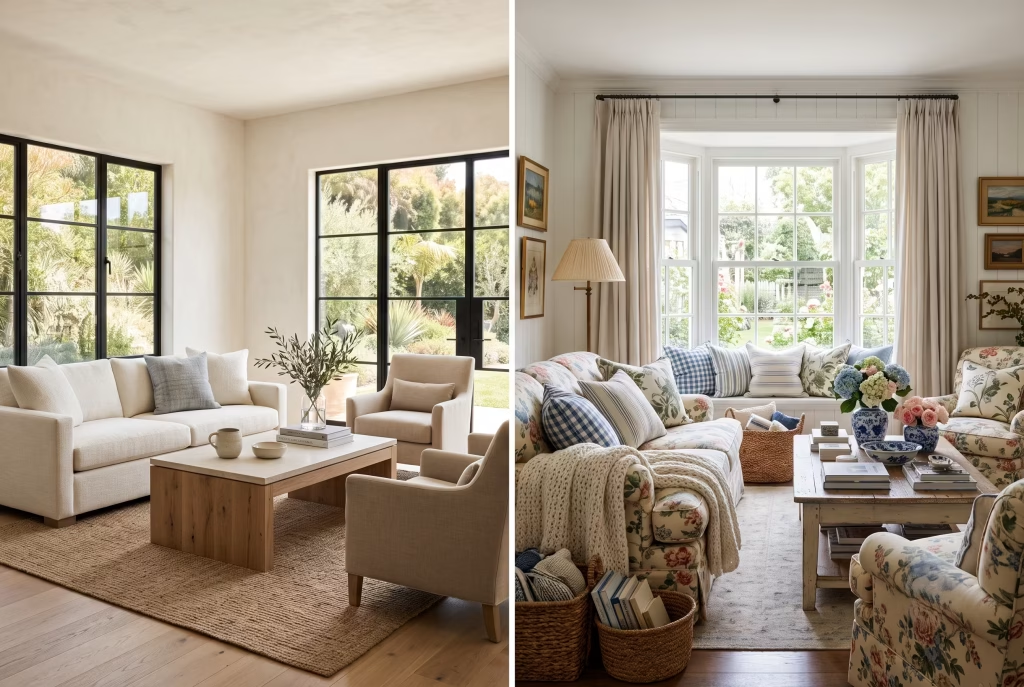
California coastal vs. coastal grandmother. Coastal grandmother, the aesthetic popularised by Nancy Meyers films and endless TikTok edits, is softer and more maximal, think chunky knit throws, gingham, fresh flowers everywhere, a slightly more feminine and cluttered warmth. California coastal is more tailored. It’s the difference between a linen caftan and a linen blazer; related fabric, very different silhouette.
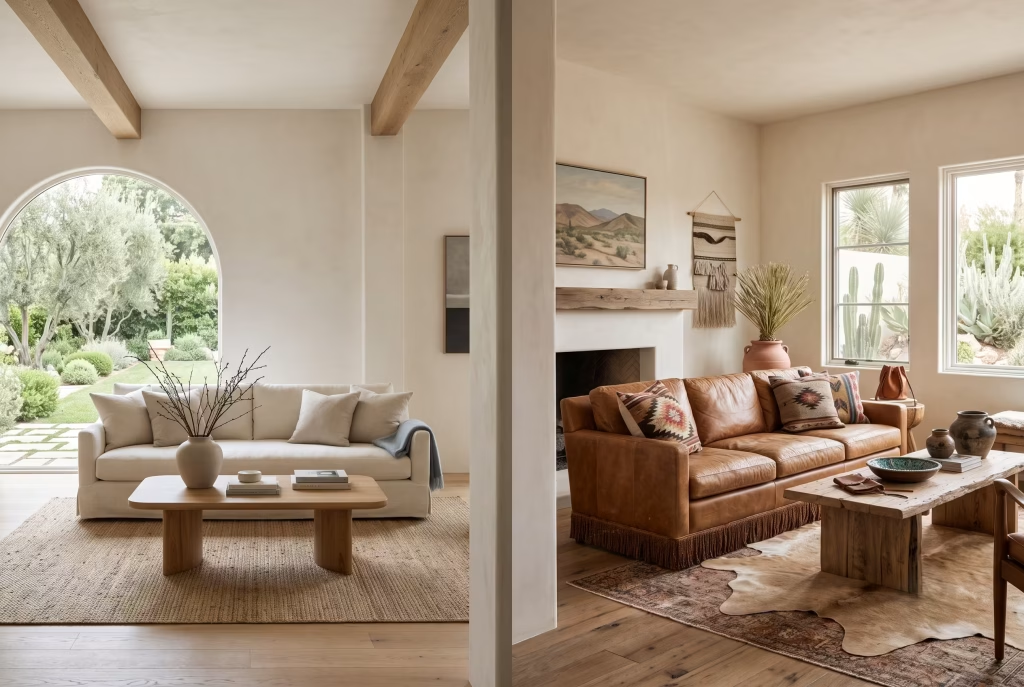
California coastal vs. coastal cowgirl. Coastal cowgirl mixes in Western references, fringe, leather, a bit of turquoise. California coastal keeps its palette calmer and its materials more architectural. If coastal cowgirl is a Joshua Tree weekend, California coastal is a Montecito Tuesday.
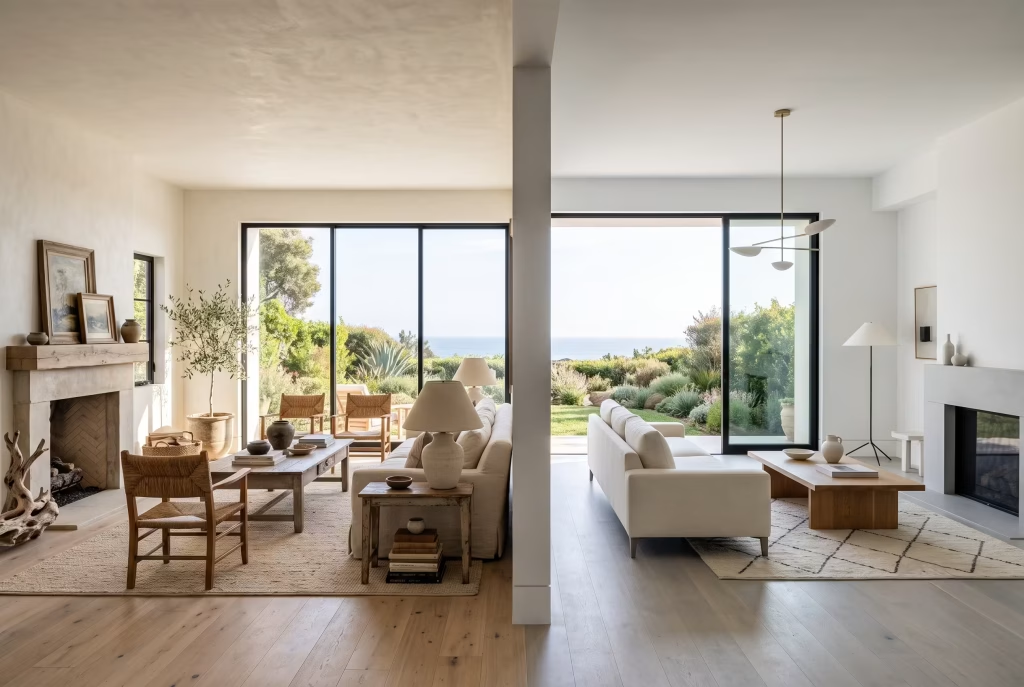
California coastal vs. modern coastal. This is the closest sibling, and honestly the two overlap more than any other pairing. Modern coastal tends to run slightly cooler and more minimal, with cleaner lines and less patina. California coastal allows for a bit more warmth, a bit more collected character, pieces that look like they’ve been gathered over a decade rather than ordered in one sitting.
Knowing where you sit on this spectrum matters practically, not just semantically. If you order “California coastal” furniture from three different retailers without understanding these distinctions, you’ll end up with a room that reads as confused rather than curated, one sofa pulling coastal-grandmother-soft, another pulling modern-coastal-cool, and nothing quite agreeing with anything else.
You May also Like: 27 Halloween Bedroom Decor Ideas to Create a Spooky, Cozy, and Stylish Space
The Colour Palette: Building Depth Without Reaching for Blue
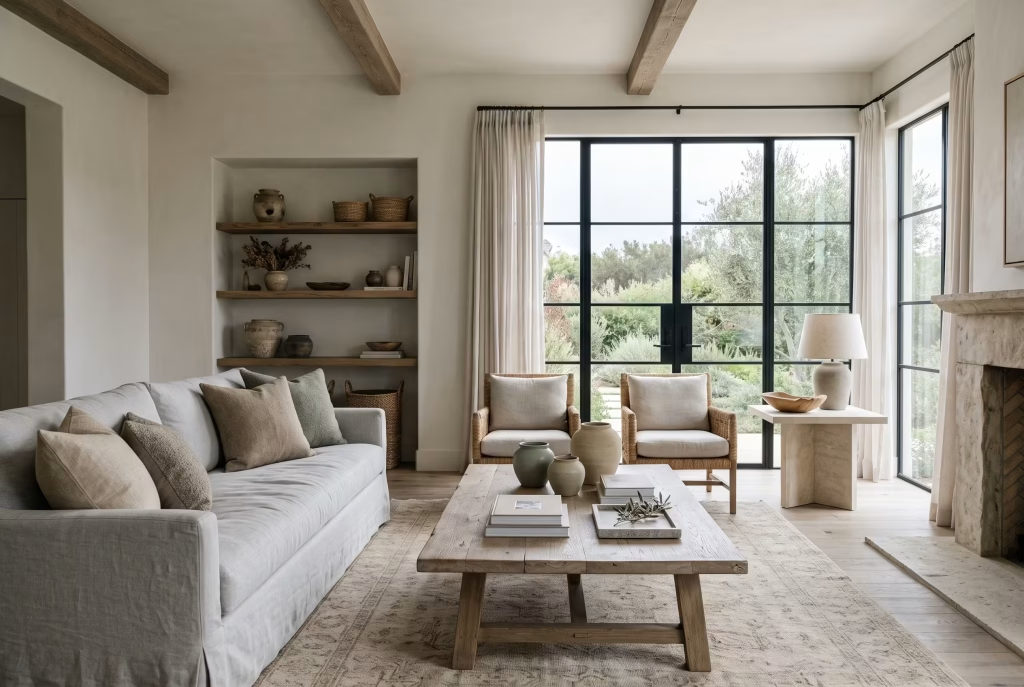
Here’s something that surprises people when they first properly study this style: blue is optional. Genuinely optional. Some of the most successful California coastal interiors I’ve come across contain almost none of it.
The palette instead borrows from the landscape itself rather than the water. Morning fog. Weathered stone. Sand after the tide’s gone out. Sun-bleached driftwood. Sage caught in afternoon light. Those references translate into a layered, tonal palette that reads as rich without ever feeling busy.
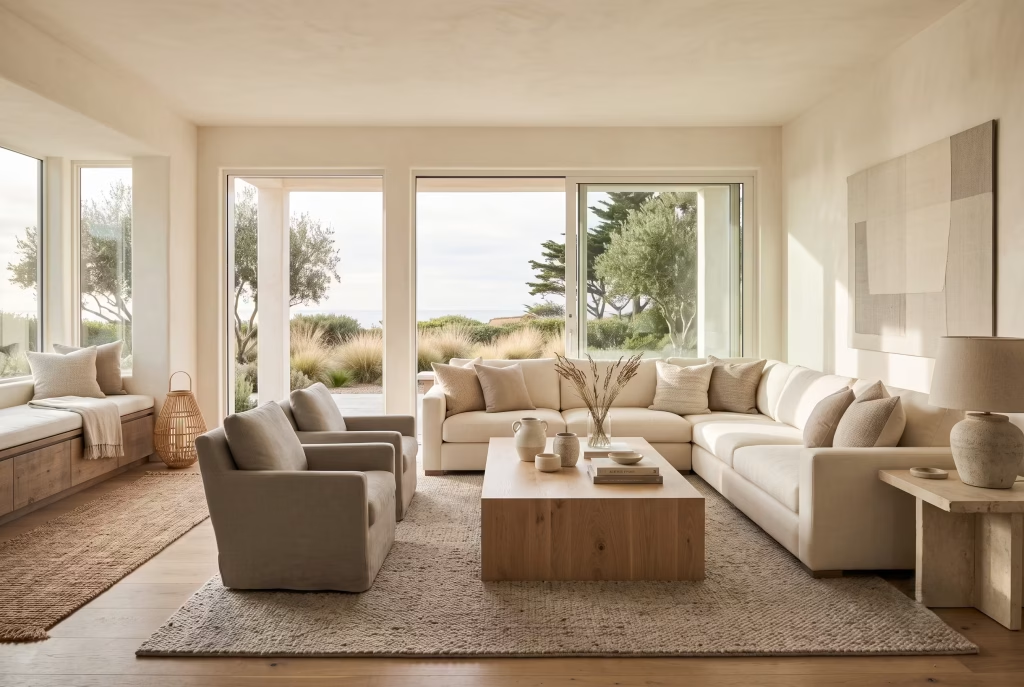
The base neutrals are where every room should start. Warm white (not the cool, slightly blue-grey whites that suit a more minimalist Scandinavian room) sets the foundation. Think Farrow & Ball’s warmer whites or a Benjamin Moore White Dove rather than anything with a blue undertone, because a cool white under California’s strong natural light can read clinical rather than calm. Layer in soft greige, mushroom, and a warm oatmeal for depth.
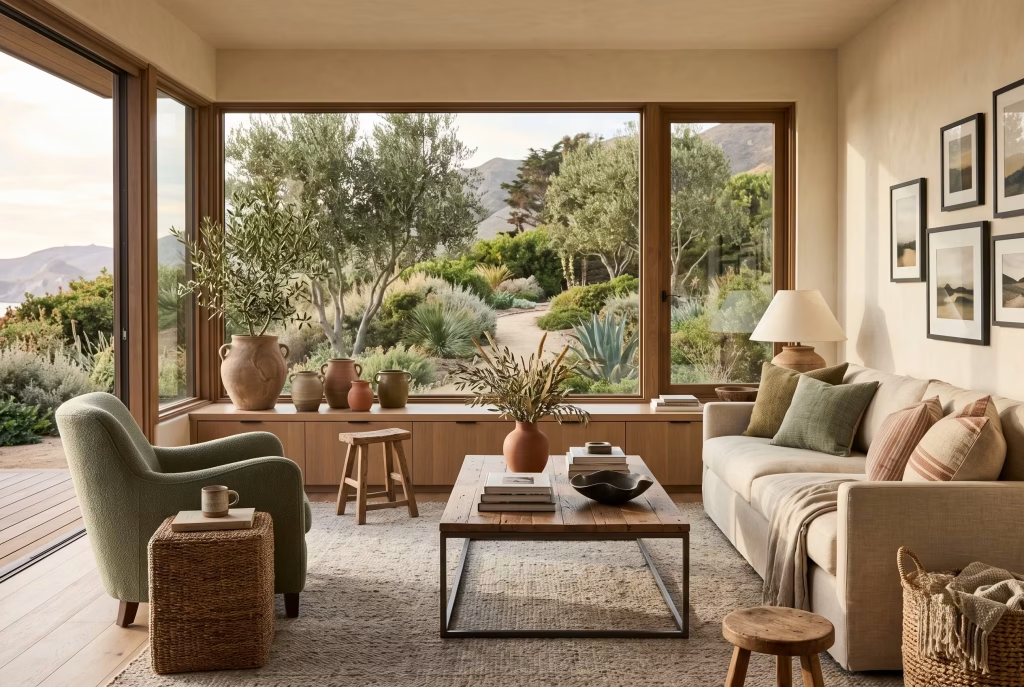
The earth accents do the real work of making a room feel grounded rather than flat. Clay and terracotta, muted olive and sage, a warm charcoal used sparingly for contrast rather than drama. These colours are what stop an all-neutral room from tipping into sterile, which is the single most common failure mode of this style when it’s done badly.
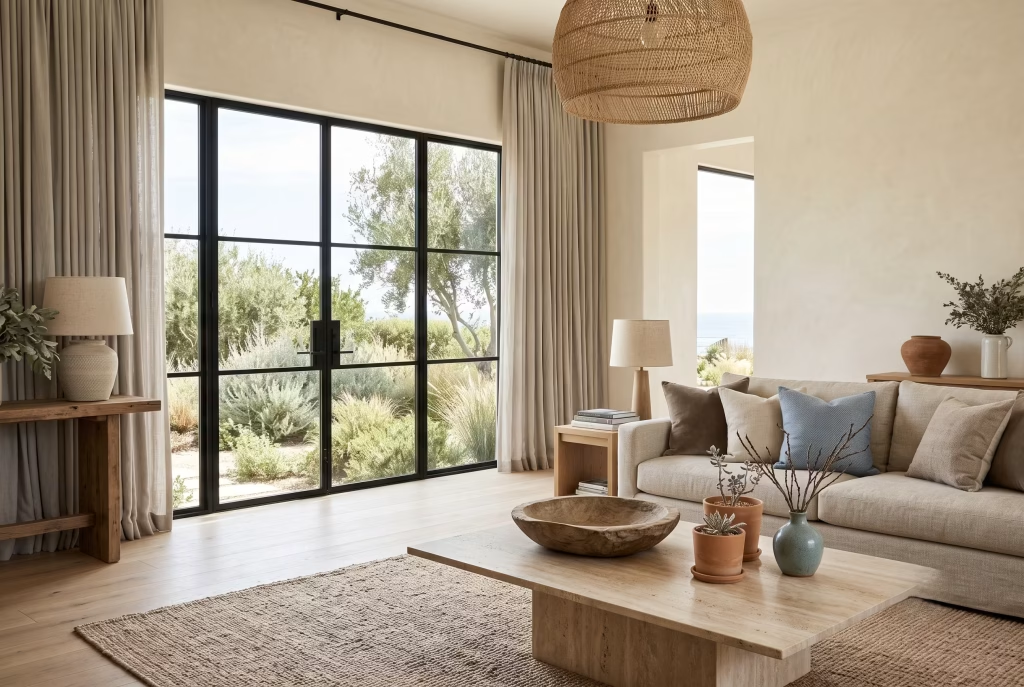
Where blue does earn a place, keep it muted and secondary. A dusty sea-glass green-blue on a single piece of pottery, a faded chambray cushion, never a full navy-and-white treatment that would tip the room straight into traditional coastal territory.
A practical note on undertones that almost nobody else covers: a room facing north in California (or anywhere, frankly) receives cooler, bluer light for most of the day. In that room, lean your neutrals warmer than you think you need to, because the light itself will cool them down. A south-facing room already gets warm golden light, so you have more room to experiment with a slightly cooler grey-beige without the space feeling washed out or flat.
You May also Like: 25 Revitalizing Scandinavian Mudroom Ideas for a Cozy, Minimalist Entryway
Materials That Do the Talking
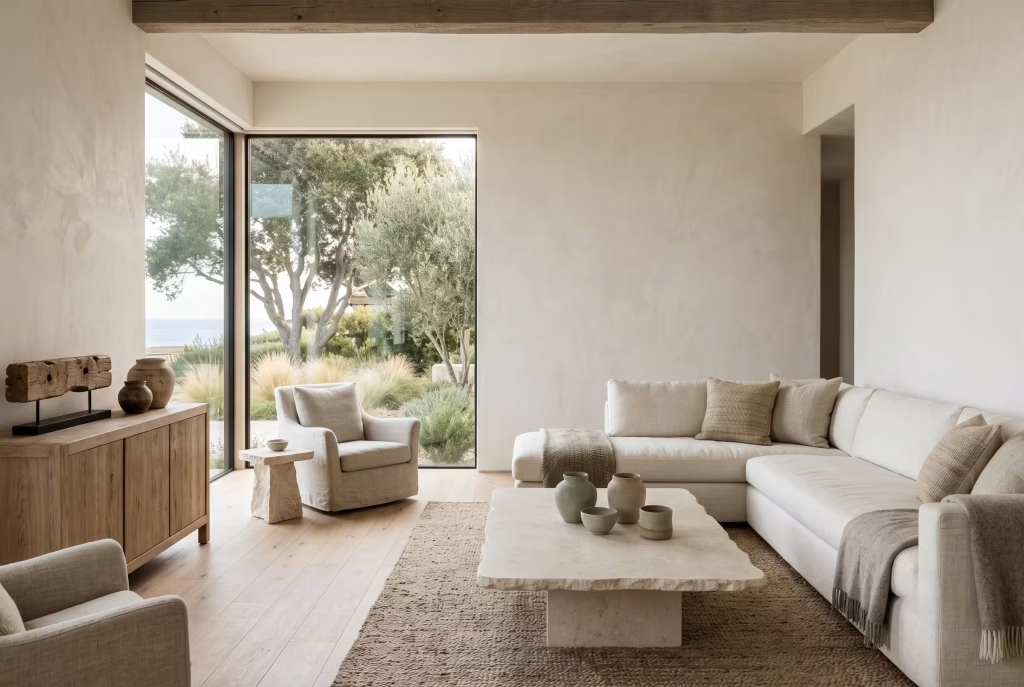
This is where California coastal earns its texture, and where most competitor guides get vague and hand-wavy. Material choice isn’t decorative flourish here; it’s the entire structure of the look.
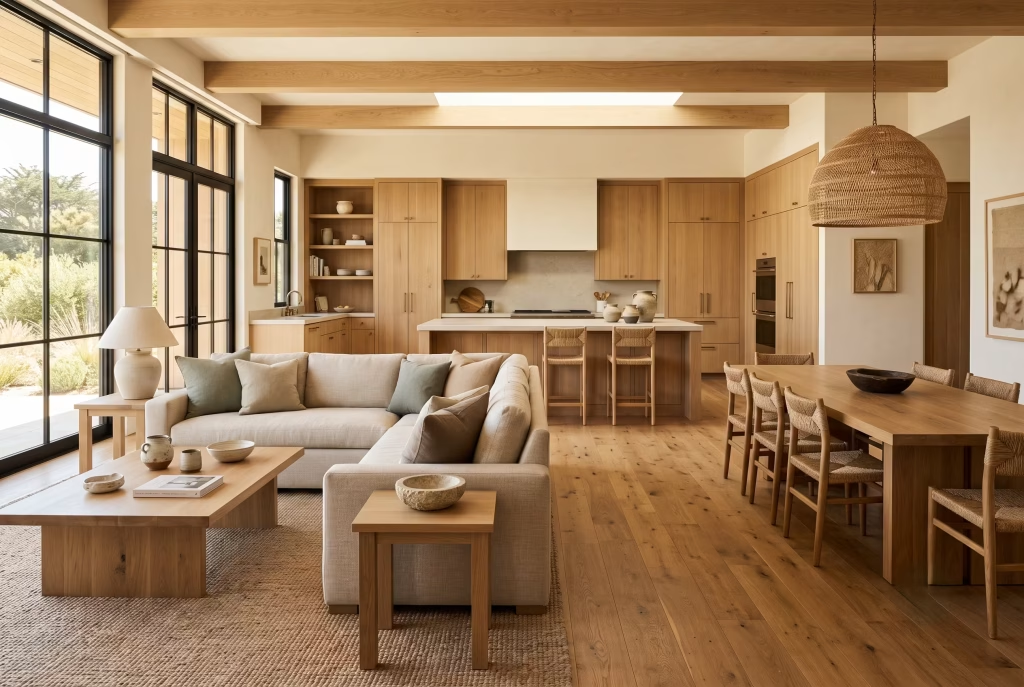
White oak is the backbone material of the style right now, on flooring, furniture, and cabinetry alike. Its warmth reads as considered rather than beachy-literal, and it photographs beautifully in natural light. A word of caution though: white oak in a very light, north-facing room can occasionally look a little cold if the finish leans too grey. Ask for a warmer, more amber-toned finish sample in that scenario rather than trusting the swatch alone under shop lighting.
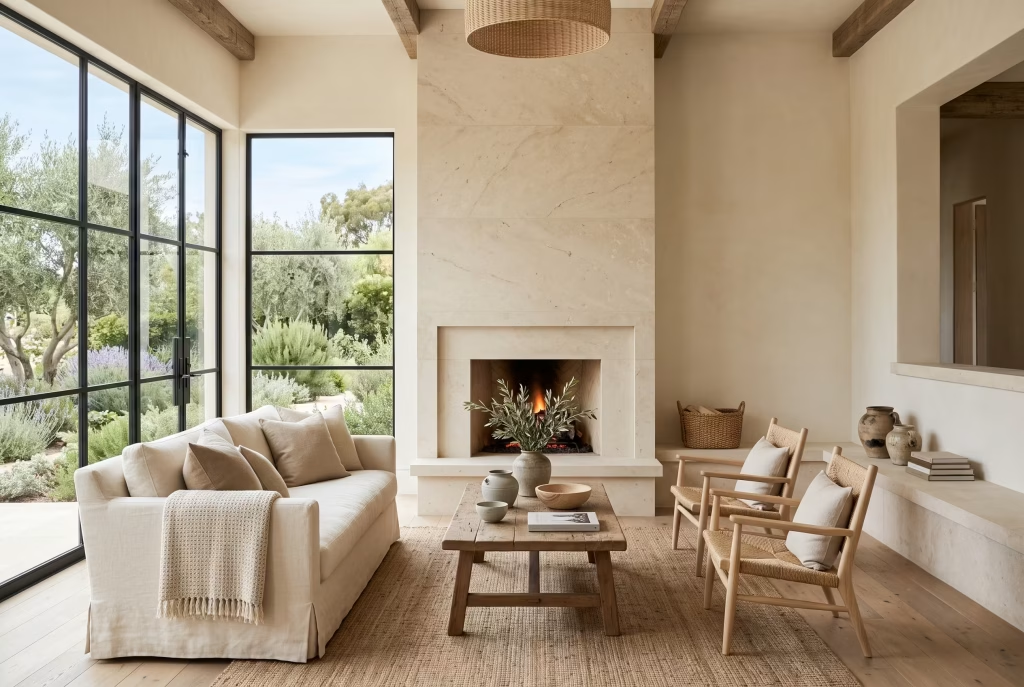
Natural stone, particularly limestone, honed marble, and quartzite, brings subtle movement without pattern-shouting. Use it on a fireplace surround, a kitchen island, or bathroom flooring where its natural variation can be appreciated rather than lost.
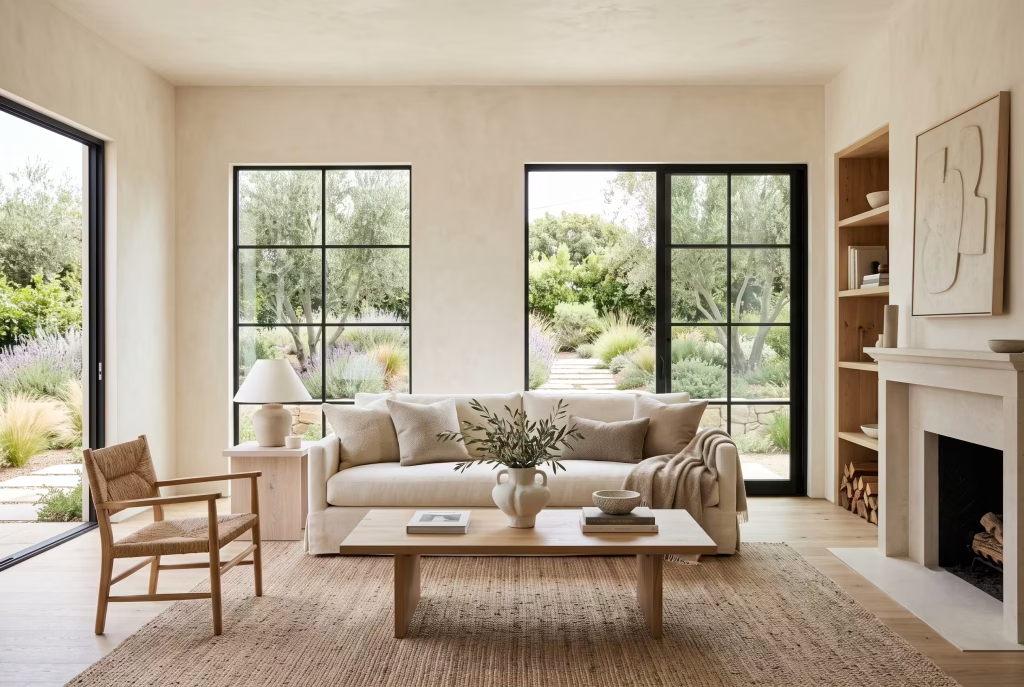
Limewash and plaster finishes have become something of a signature for the more elevated end of this style. They introduce a soft, slightly imperfect texture to walls that flat paint simply can’t replicate, and they’re forgiving of California’s drier climate in a way that some traditional plasters aren’t in damper regions.
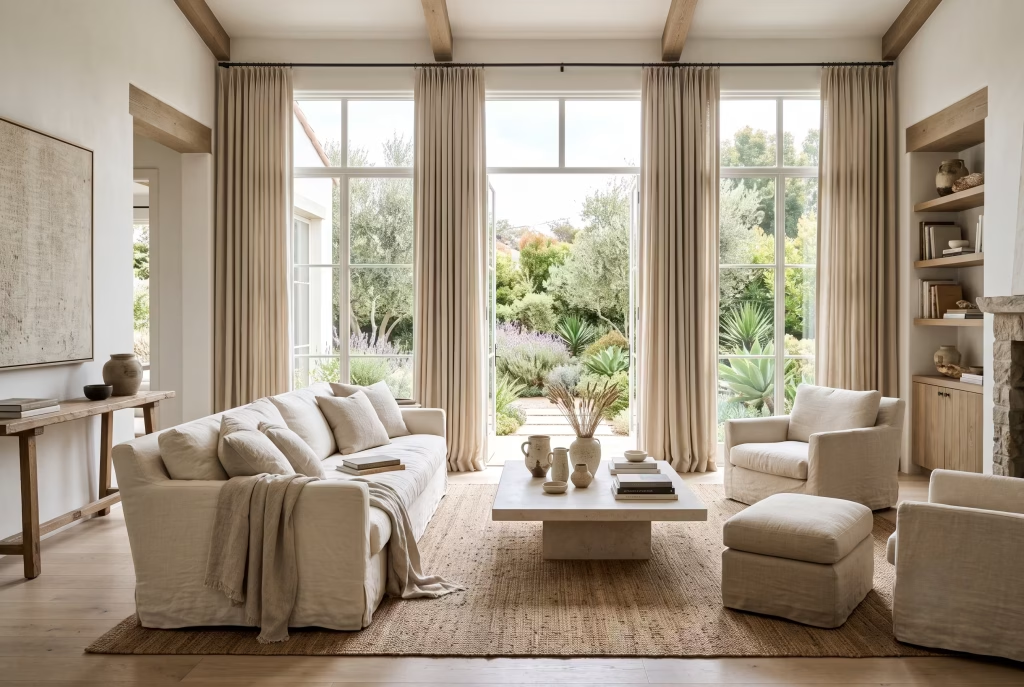
Linen is doing most of the upholstery and drapery work, and for good reason: it softens beautifully with wear rather than looking tired. If you’re worried about durability with children or pets, look for a linen-poly performance blend rather than pure linen on high-traffic seating; you’ll get 90 percent of the visual softness with considerably more resilience against spills and claws.
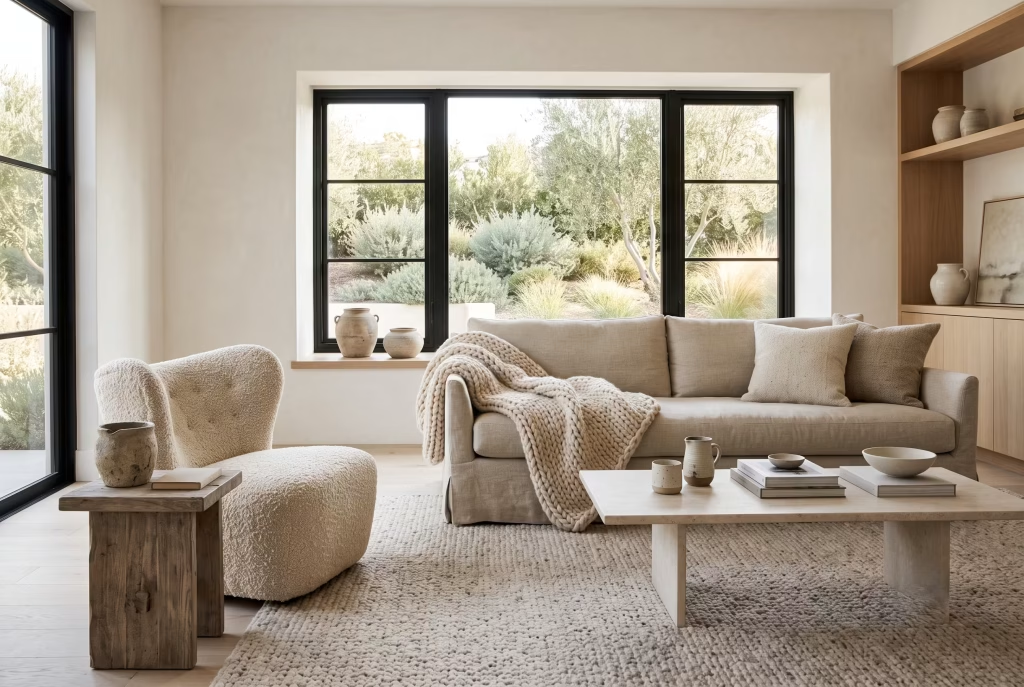
Wool and bouclé layer texture into what would otherwise be a very flat, neutral room. A bouclé accent chair or a chunky wool throw does more to add richness than another cushion in a slightly different shade of beige ever will.
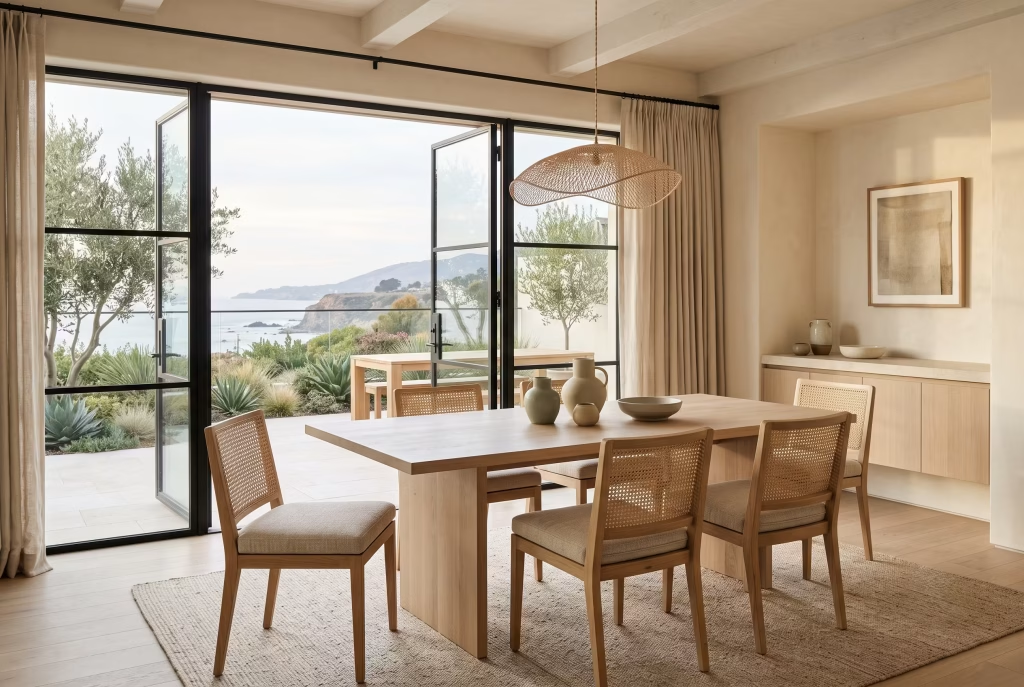
Rattan and cane, used with restraint, nod toward indoor-outdoor living without tipping into full boho territory. A single rattan pendant or a pair of cane-backed dining chairs is usually enough; a whole room of woven texture starts reading as a different style entirely.
Room by Room: How the Style Actually Works in Practice
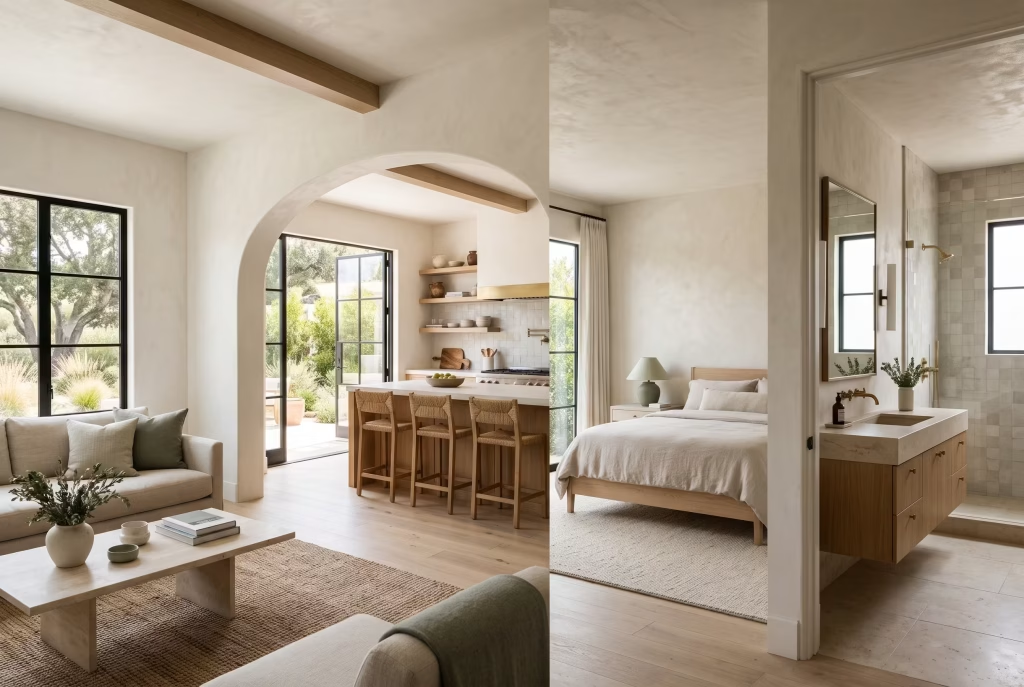
This is the section most guides on this topic skip entirely, or answer with three interchangeable sentences per room. Here’s what actually changes from space to space, because a living room and a bathroom have very different jobs to do.
Living Room
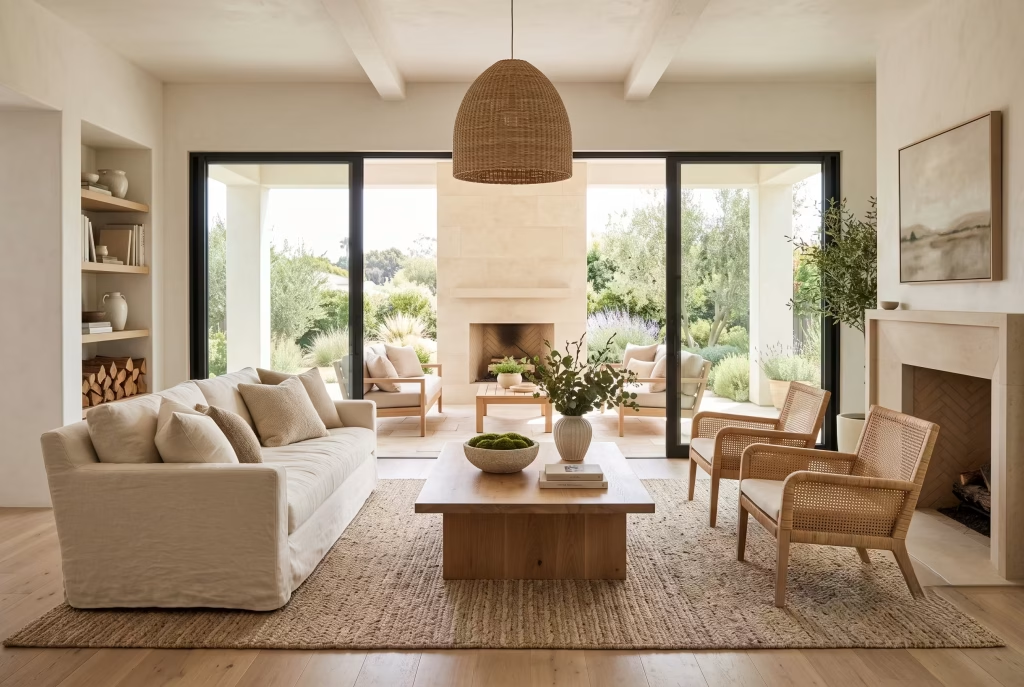
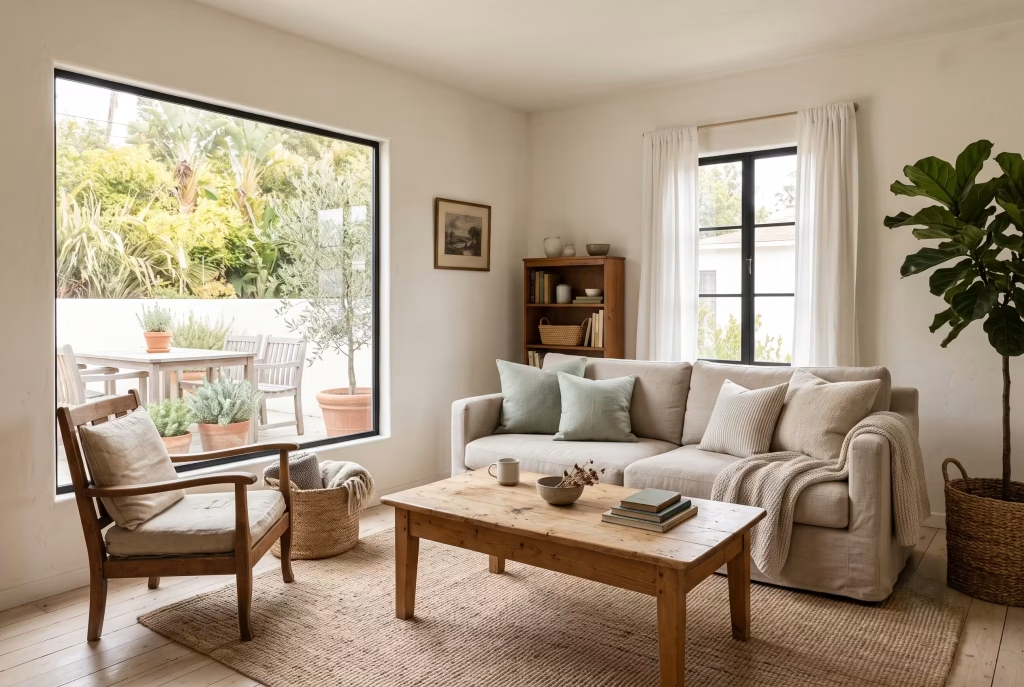
The living room is where California coastal’s indoor-outdoor instinct shows up most obviously. Furniture arrangement should support conversation and lingering rather than being built entirely around a television. An oversized linen sofa (deep enough to properly curl up on, not just sit primly on the edge of) paired with a natural-fibre rug and a white oak coffee table is the workhorse combination.
Practically speaking, aim for a rug that extends at least 18 inches beyond the sofa’s front edge so the seating area feels anchored rather than floating. If your living room opens onto a patio, echo one material outside (the same stone on an outdoor fireplace, or a matching linen on outdoor cushions) to blur that indoor-outdoor line the style depends on.
You May also Like: How to Create a Stunning Coastal Home: The Ultimate Design Guide
Bedroom
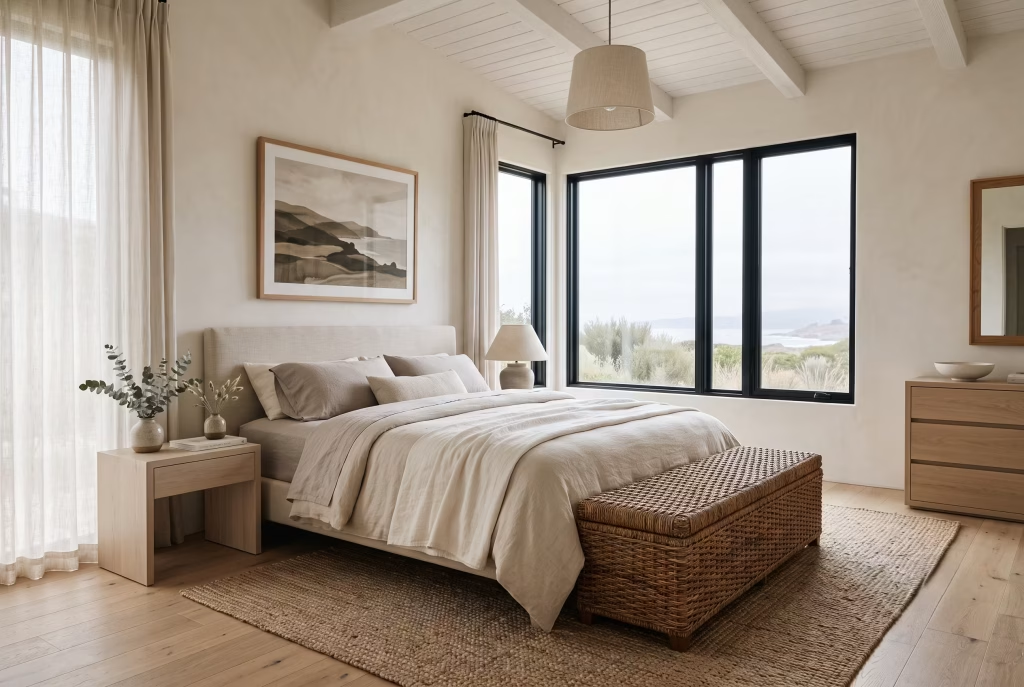
The bedroom should be the calmest room in the house, and this is where the earth-tone side of the palette gets to lead. Warm white or soft greige walls, layered linen bedding in tonal neutrals, and a single textural anchor, a woven bench at the foot of the bed or a jute rug underfoot.
Avoid the temptation to over-decorate the headboard wall with a large gallery arrangement; California coastal bedrooms tend to favour one substantial piece of art (an abstract landscape, nothing overtly nautical) over a cluttered wall. If natural light is limited, sheer linen curtains rather than heavy drapes keep the room feeling airy rather than closed off, even on a grey day.
Kitchen
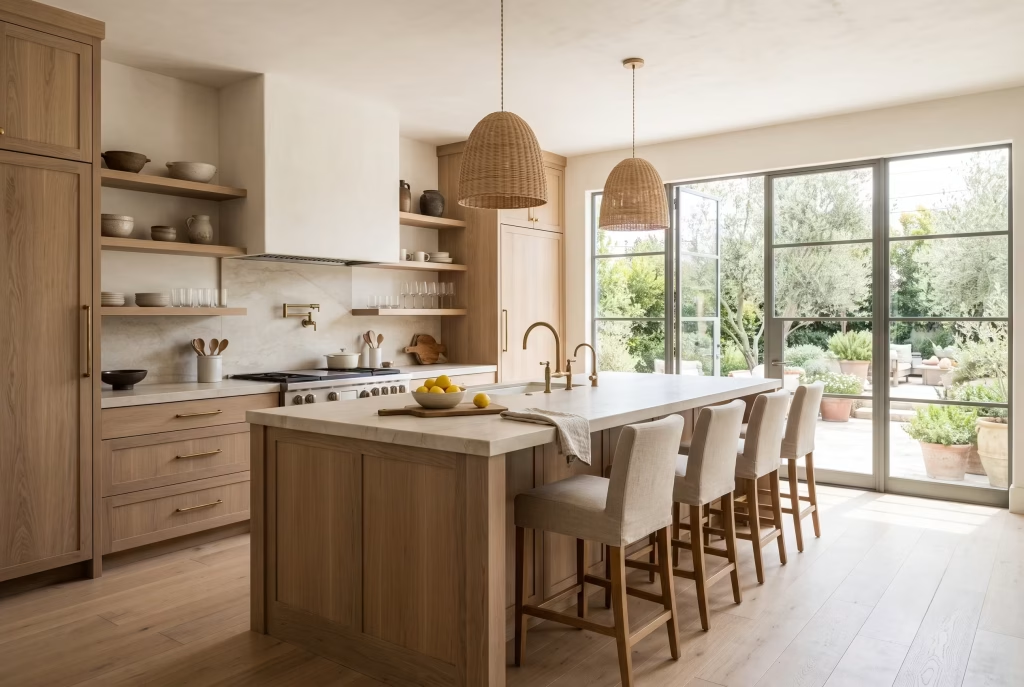
Kitchens in this style lean on natural materials doing structural work rather than decorative accessories doing cosmetic work. White oak or driftwood-toned cabinetry, a honed stone or quartzite countertop, open shelving in place of upper cabinets where the layout allows it. Woven pendant lighting over an island is one of the most reliable ways to introduce warmth here without adding clutter.
A genuinely useful, rarely mentioned tip: if you’re choosing between a glossy or honed stone finish for counters, honed will read considerably more “California coastal” and considerably less “hotel bathroom.” Gloss reflects light in a sharp, modern way that can pull a kitchen toward a colder, more contemporary aesthetic than you intended.
Bathroom
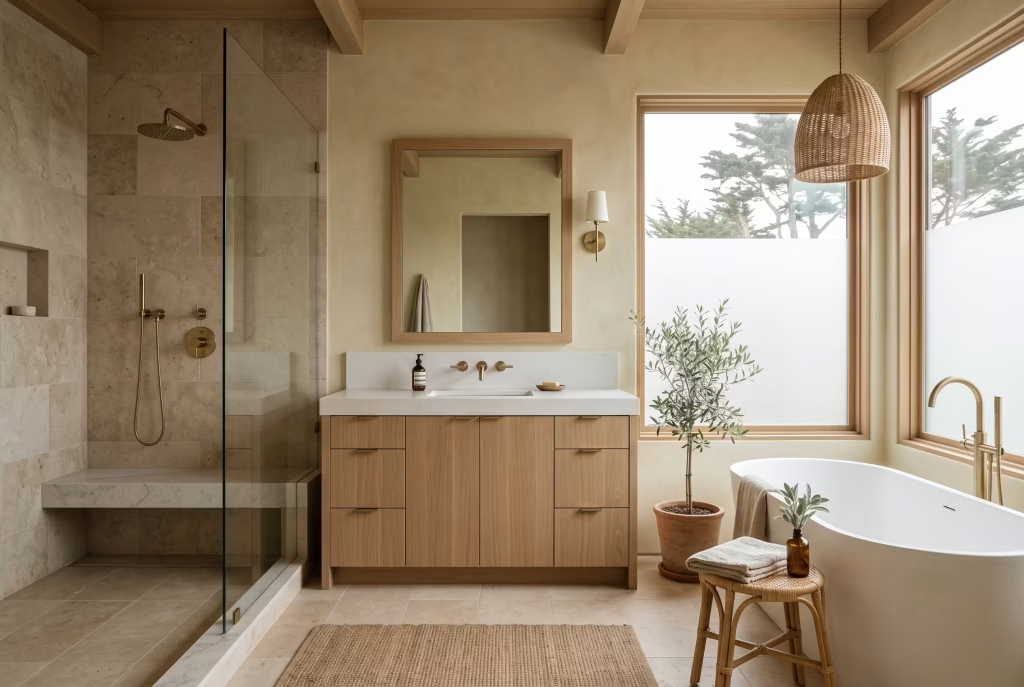
Bathrooms benefit enormously from natural stone here, whether that’s a pebble floor, a marble-look tile, or a plaster-finished vanity wall. White oak vanities with simple, unfussy hardware (brushed brass or matte black, both work) keep the warmth consistent with the rest of the house. Woven light fixtures or a single rattan stool soften what can otherwise be a very hard-surfaced room.
Dining Room
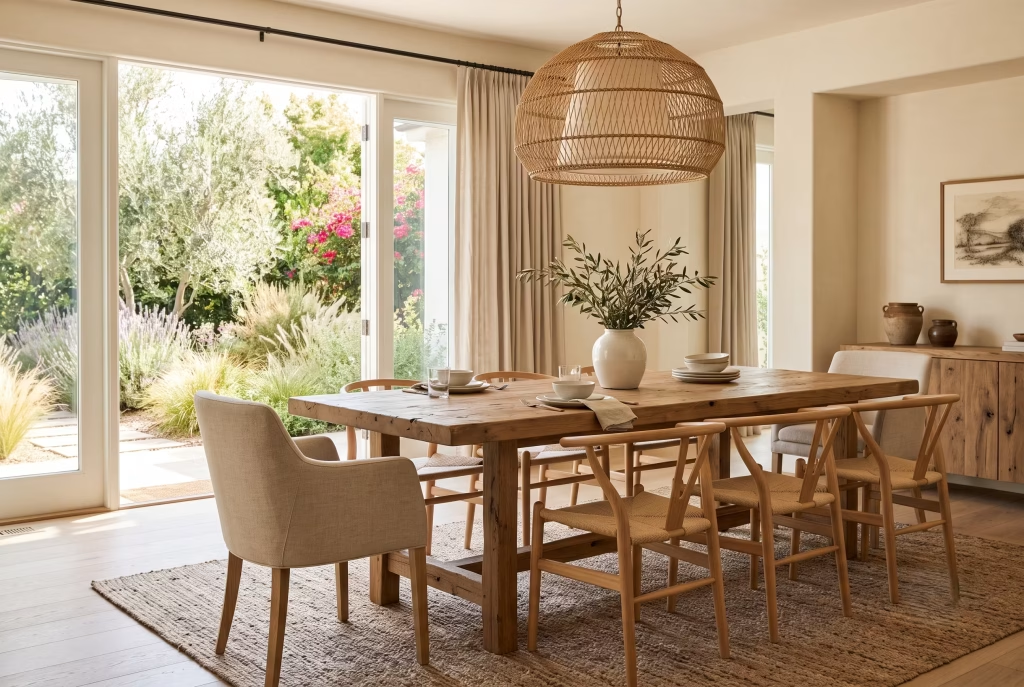
A natural wood table, ideally with some visible grain and character rather than a perfectly uniform veneer, anchors the room. Mix your dining chairs slightly, a set of simple wishbone-style chairs with two upholstered captain’s chairs at either end, for that collected-over-time feeling the style relies on. A woven or linen-shaded pendant overhead does more for atmosphere than almost any other single choice in this room.
You May also Like: Dark Minimalist Interior Design: Moody, Uncluttered Spaces That Feel Like an Exhale
Entryway
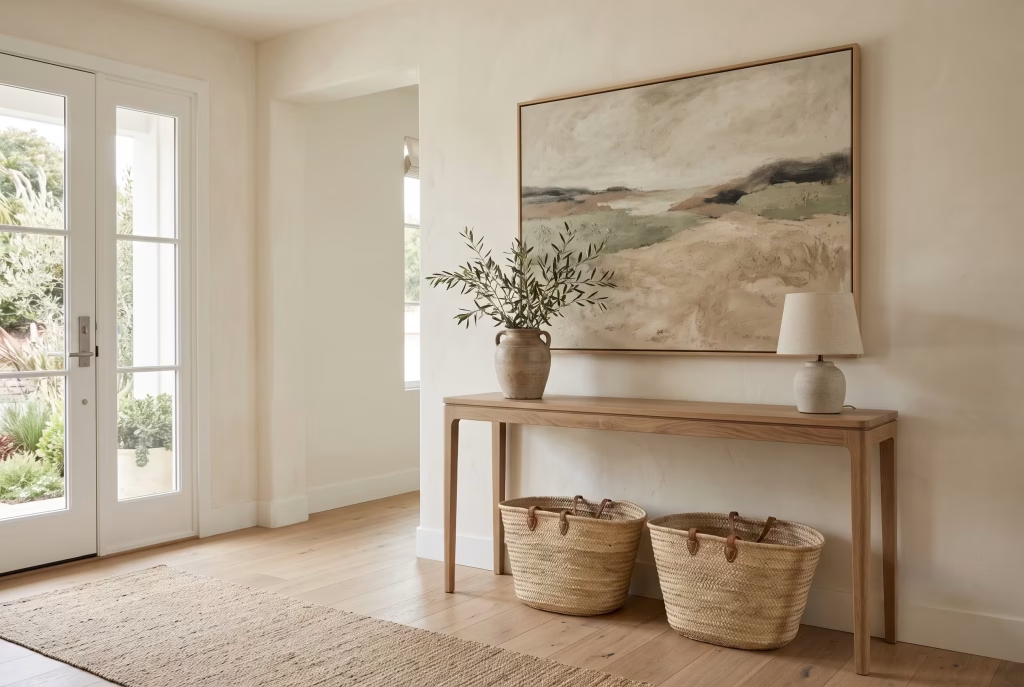
First impressions matter, and the entryway is where you set the tone for the whole house. A simple console in white oak or a driftwood finish, a woven basket or two for practical storage, and one piece of art or a well-chosen mirror to bounce light through the space. Resist the urge to over-decorate here; the entryway should read as a calm threshold, not a display case.
Outdoor Living Spaces
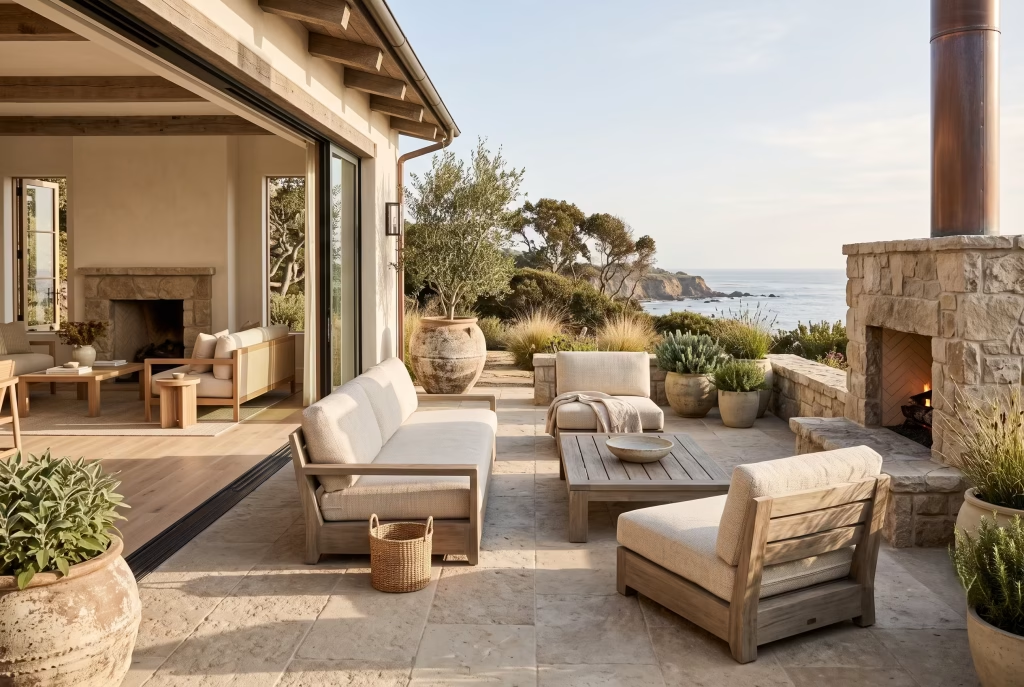
Given how central indoor-outdoor living is to this style, the patio or garden deserves the same material discipline as the interior. Teak or weathered wood furniture, performance linen or outdoor-rated fabric cushions in the same tonal palette as inside, natural stone or concrete underfoot rather than anything overtly nautical. This is where the style earns the “California” in its name most convincingly.
You May also Like: 25 Stylish Neutral Kitchen Ideas That Add a Unique Designer Touch
California Coastal on a Budget, and Away From the Coast
Two questions come up constantly around this style that almost nobody addresses properly.
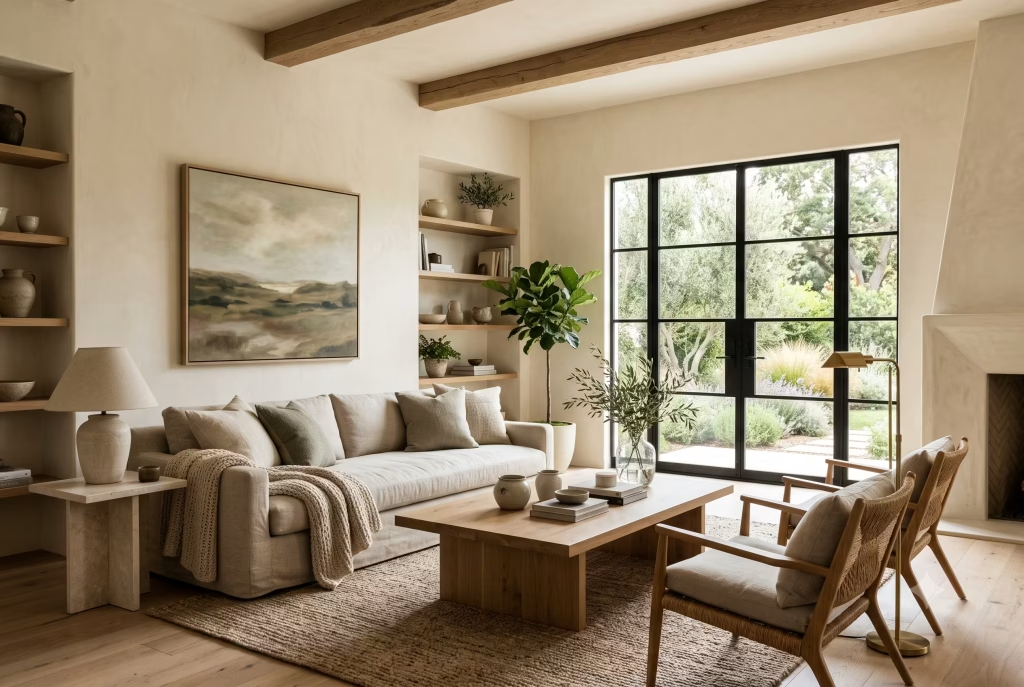
Do I need to live near the ocean for this to work? No, and this is worth saying plainly. The style is built on light, material, and comfort rather than proximity to water. If your home is inland, look at what’s actually outside your windows, mature trees, garden greenery, even a suburban street, and let that inform your material choices rather than trying to manufacture a beach that isn’t there. A home in the Central Valley or even somewhere landlocked entirely can carry this style convincingly if the bones (light, natural materials, relaxed furniture arrangement) are right.
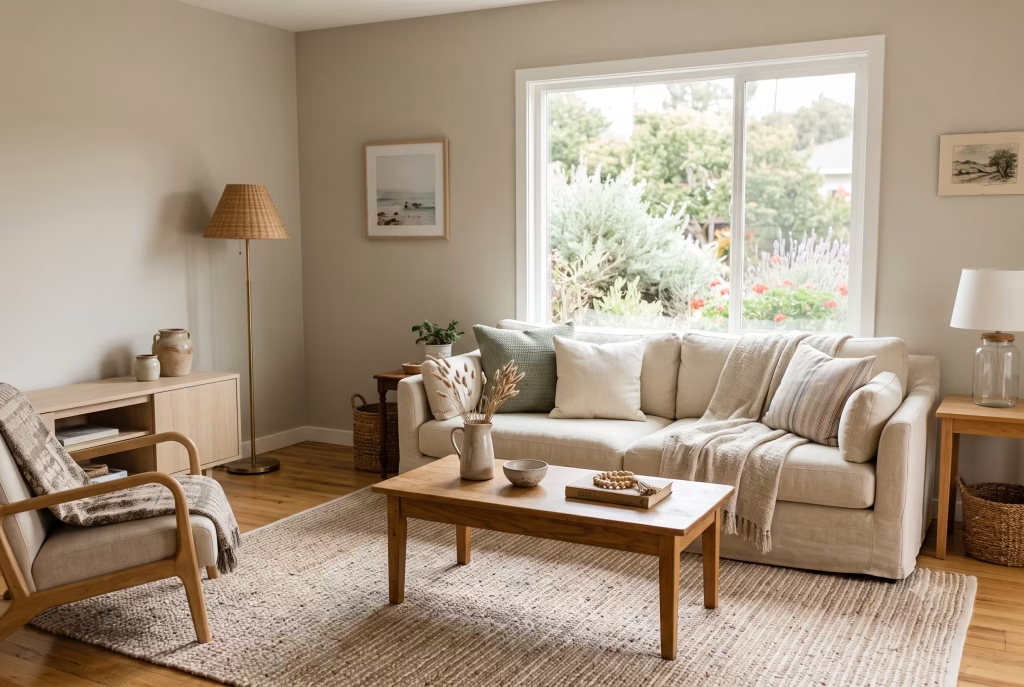
Can this be done affordably? Yes, though it takes patience more than money. The style is meant to feel collected over time rather than purchased in a single spree, so a slower, more deliberate approach actually suits the aesthetic better than a full showroom order.
A realistic budget-tier approach: start with paint (the cheapest, highest-impact change) in a warm white or soft greige. Add one investment piece, usually the sofa, since it’s the largest surface area and the hardest to fake in a cheaper material. Layer in textiles gradually, a linen throw here, a jute rug there, sourced from mid-range retailers rather than designer showrooms. Save stone and built-in millwork changes for later, since those are the genuinely expensive, harder-to-reverse decisions. Renters can lean almost entirely on textiles, lighting, and furniture, since none of that requires touching the walls or floors at all.
Seven Mistakes That Undo the Look
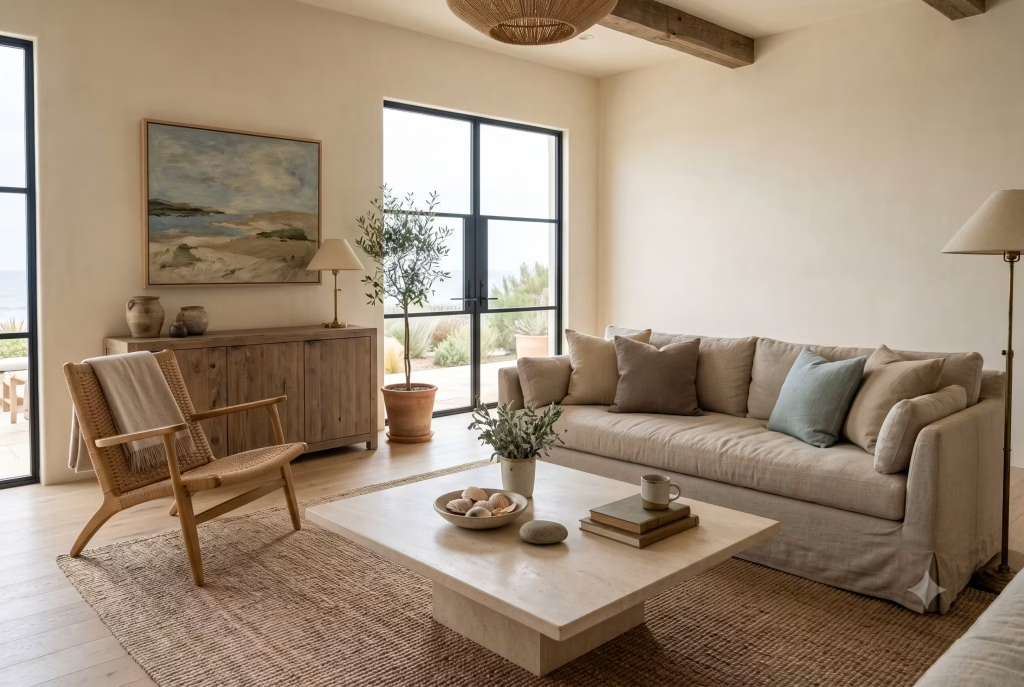
Decorating around a theme rather than a feeling. A few shells brought home from an actual family holiday, lovely. An entire room engineered around a beach theme, the fastest way to tip this style into kitsch.
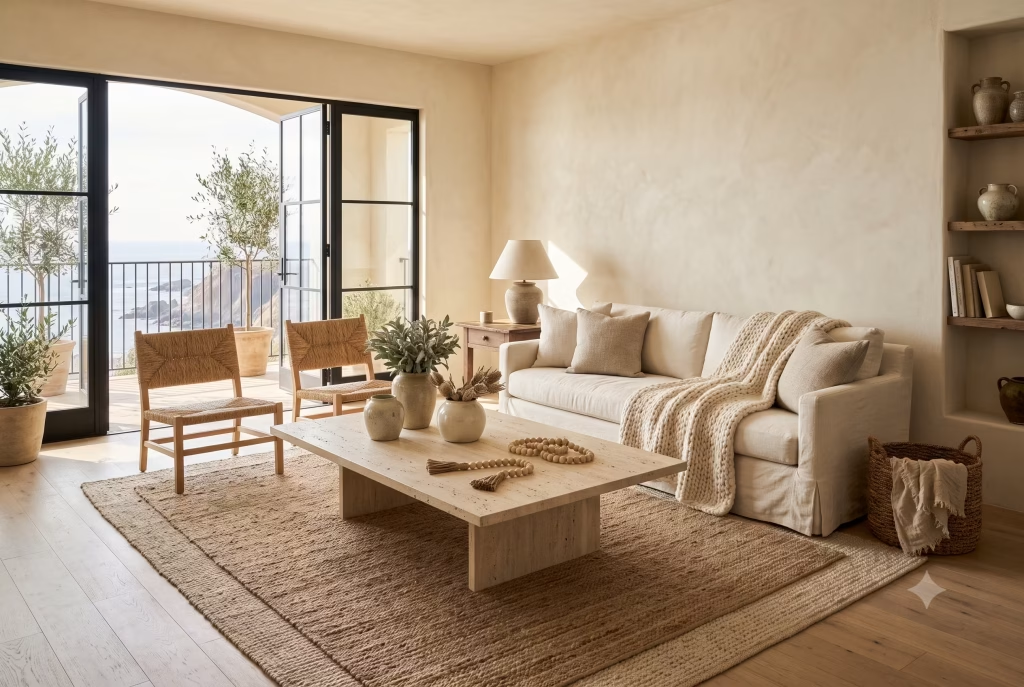
Going all-white with no texture. White walls without linen, wool, stone or wood layered in will read sterile within a season, not serene.
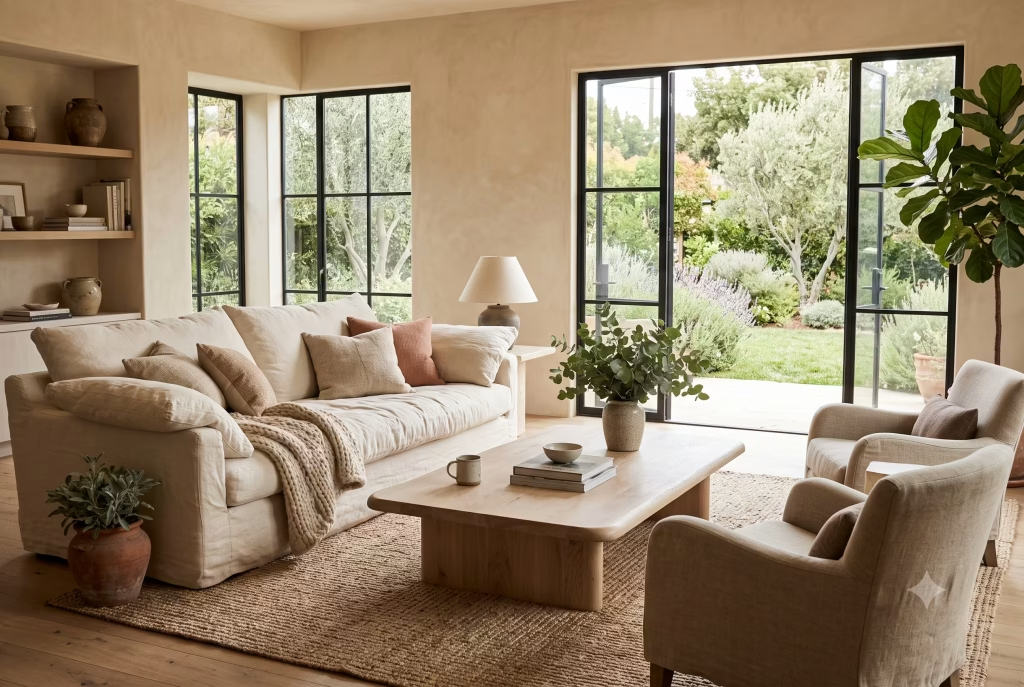
Choosing furniture that’s too formal or too precious. If you’re nervous about someone actually sitting on the sofa, something in the selection process has gone wrong. Comfort isn’t a compromise here; it’s the whole point.
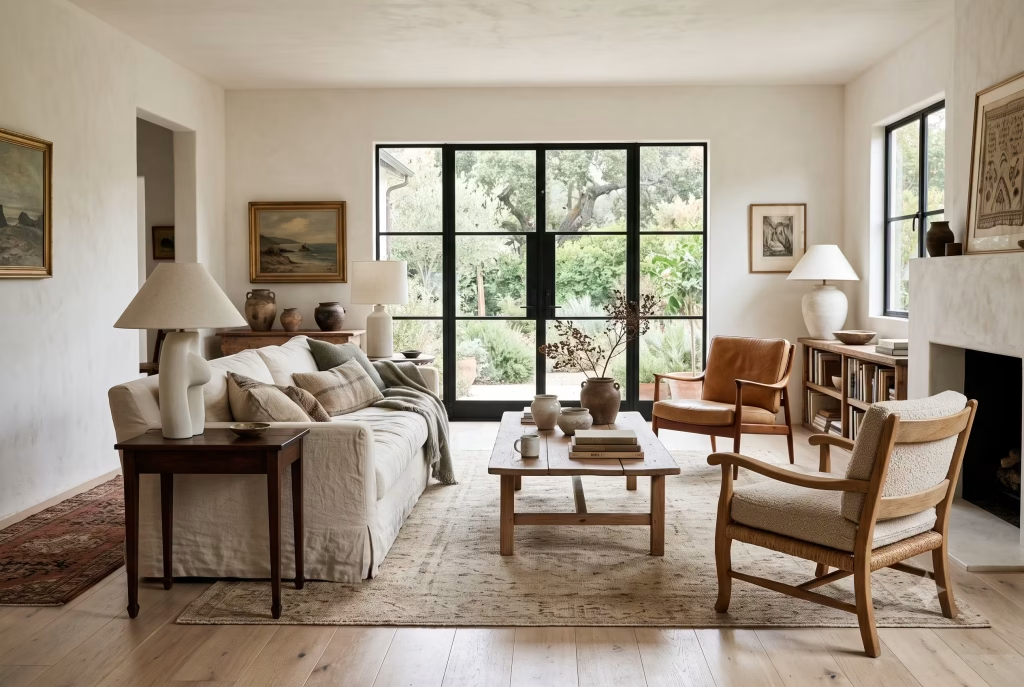
Buying everything from one retailer in one order. This is the single fastest way to make a room look like a showroom rather than a home. The collected, evolved feeling this style depends on simply cannot be purchased in one transaction.
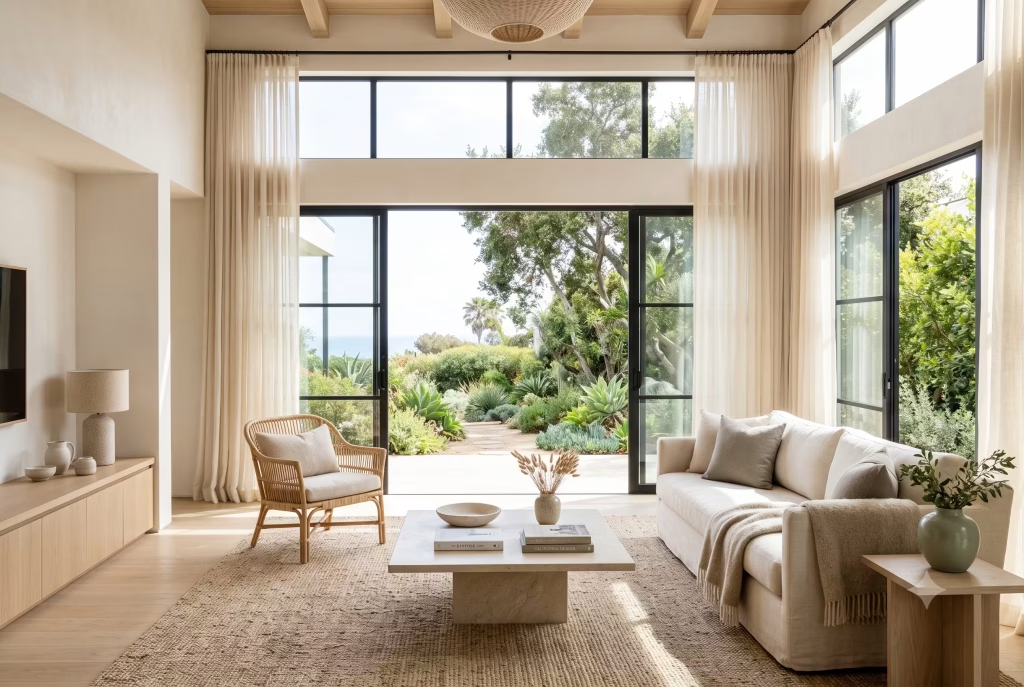
Ignoring natural light. Heavy drapes, dark paint on a room with limited daylight, or blocking windows with oversized furniture all work directly against the style’s foundation.
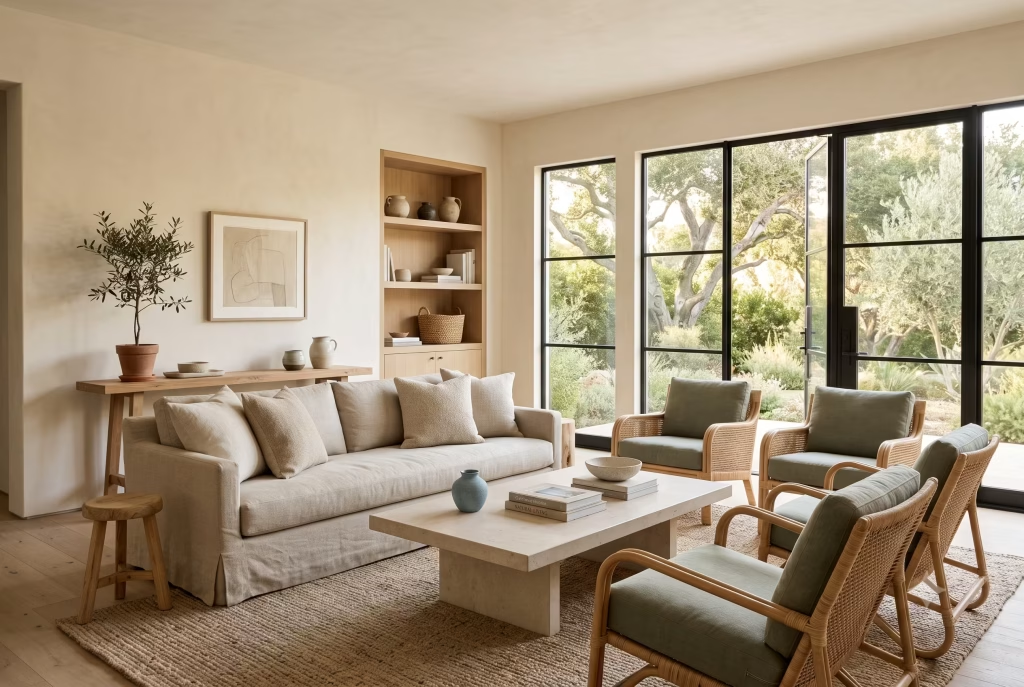
Mixing too many blues. If blue is present at all, it should be one careful note, not a full palette. Multiple competing blues (navy cushions, teal art, sky-blue walls) will pull the room toward traditional coastal rather than California coastal.
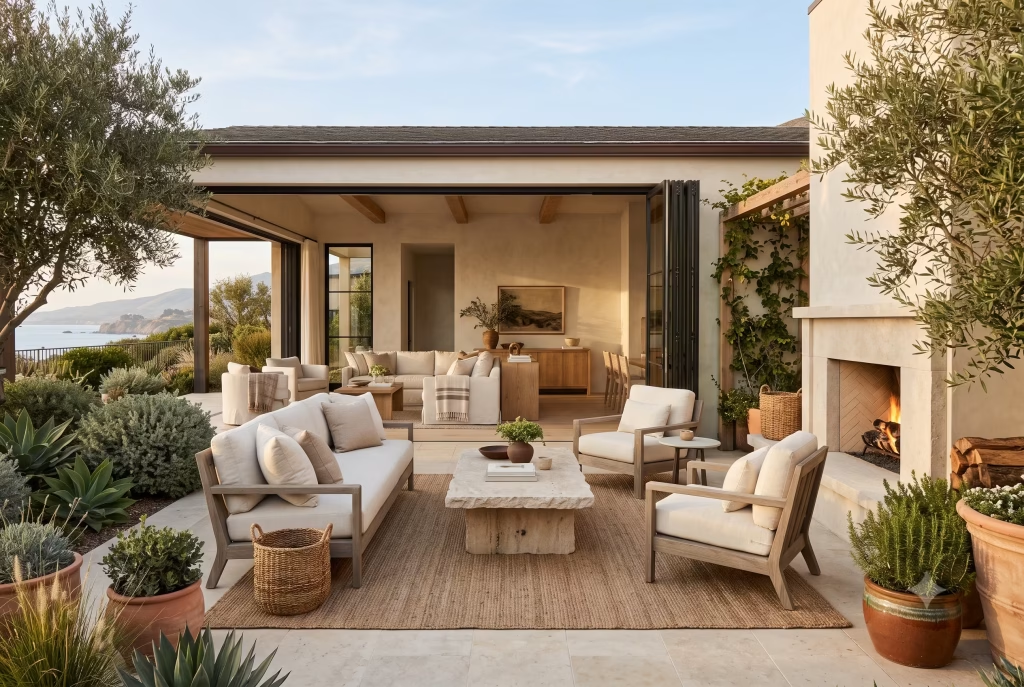
Treating the outdoor space as an afterthought. Given how central indoor-outdoor living is to the style, a neglected patio undermines the whole concept, however well the interior itself is done.
You May also Like: 17 Warm & Cozy Boho Fall Bedroom Ideas for a Perfect Autumn Vibe
Final Thoughts
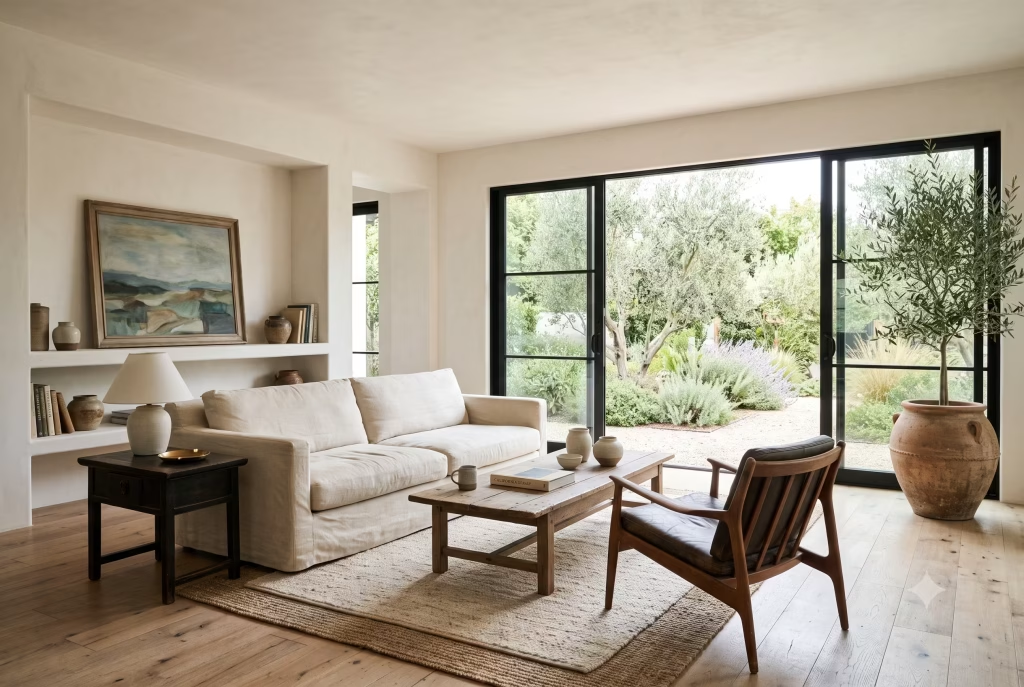
Here’s the truth nobody puts on a mood board: the homes that pull this style off convincingly are rarely the ones with the biggest budget. They’re the ones belonging to people who understood, from the outset, that a house isn’t a project with a finish line.
It’s a slow accumulation of good choices, made calmly, one at a time, until one day you look round and realise the whole thing simply works. That’s the quiet magic behind every California coastal room worth its reputation, and it’s available to absolutely anyone willing to take their time over it.
Go back through this list and you’ll notice a thread running underneath all fifteen ideas, whether we’re talking paint, stone, linen or a single well-placed olive tree. Every single one of them asks you to choose fewer things, but choose them properly.
That’s a harder discipline than it sounds, particularly in a world of same-day delivery and endless scroll-and-buy temptation, but it’s precisely what separates a room that feels curated from one that feels cluttered. A warm white left to breathe for 48 hours before you commit. A sofa chosen before the cushions. A single pendant instead of a matching set. None of it happens overnight, and none of it should.
There’s real, tangible value in that slower approach beyond the aesthetic payoff too. A room built gradually, piece by piece, tends to cost less over its lifetime than one furnished in a single spree, because you’re not replacing a job lot of mismatched decisions three years down the line when the trend cycle moves on.
You’re simply adding to something that already has good bones. Think of it less as decorating and more as tending a garden; you plant, you wait, you notice what thrives and what needs replacing, and the whole thing gets better with every season rather than looking dated the moment it’s finished.
If you take nothing else away from this piece, take this: don’t chase the finished photograph. Chase the feeling that photograph was trying to capture in the first place, that particular hush of a room done right, and build towards it patiently, material by material, room by room. The rest, as they say, will follow.
For the fuller picture, including the complete palette breakdown, the material guide, and how California coastal differs from its near cousins like coastal grandmother and modern coastal, our complete guide to California coastal interior design covers it all in proper depth. And if you’re after something more room-specific next, keep an eye out for upcoming pieces exploring individual spaces in greater detail, starting with the kitchen and bathroom.
You May also Like: How Do You Use Hot Pink in Interior Design? 25 Bold Ideas for Every Room
Frequently Asked Questions
What is California coastal interior design?
It’s a relaxed, light-filled design style inspired by California’s coastline and indoor-outdoor lifestyle, built on warm neutral palettes, natural materials like white oak and linen, and comfortable furniture, rather than literal beach or nautical decor.
Is California coastal the same as coastal or beach house style?
No. Traditional coastal (or beach house) style leans on navy-and-white palettes, nautical motifs, and a more formal symmetry drawn from East Coast sailing towns. California coastal drops the literal beach references almost entirely in favour of natural materials, warm neutrals, and a more relaxed, collected furniture arrangement.
Does my home need to be near the ocean to use this style?
No. California coastal design is rooted in natural light, warm materials, and relaxed living rather than proximity to water. Homes well inland can carry the style convincingly by drawing on whatever natural landscape surrounds them.
What colours are typical in California coastal design?
Warm white, soft greige, sand, and natural wood tones form the base, layered with earth accents like clay, muted olive, and sage. Blue is optional and, when used, should stay as a single quiet accent rather than a dominant colour.
What’s the difference between California coastal and coastal grandmother style?
Coastal grandmother is softer, cosier, and more maximal, with chunky textures and a slightly more feminine, cluttered warmth. California coastal is more tailored and restrained, closer in feeling to quiet luxury than to a cosy grandmother’s cottage.
What materials define California coastal interiors?
White oak, natural stone (particularly limestone and honed marble), linen, wool, bouclé, and limewash or plaster finishes are the defining materials. Rattan and cane appear too, but sparingly, as accents rather than the main event.
Can this style work in a formal or traditional home?
Yes. California coastal isn’t tied to one architectural style. Introducing lighter finishes, natural textures, and a softer colour palette can bring the feeling into a more traditional home without requiring a full architectural overhaul.
Is California coastal interior design going out of style?
Unlikely. Because it’s built around enduring principles, natural materials, comfortable furniture, and a genuine connection to how people actually live, rather than a specific trend cycle, it tends to age more gracefully than styles built around a particular colour or motif.