



25 Farmhouse Garden Ideas That Feel Timeless, Practical, and Full of Charm
A farmhouse garden is timeless because it prioritises simplicity, purpose, and a natural sense of balance rather than short-lived trends. In my experience designing and restoring farmhouse-style outdoor spaces, the most successful gardens are those that feel as though they have evolved over time. They blend seamlessly into their surroundings, using honest materials, practical layouts, and planting schemes that feel generous rather than controlled. Nothing looks forced, yet everything has a reason for being there.
What truly defines a farmhouse garden is the balance between beauty, function, and nature. These gardens are designed to be used, not just admired. Vegetable beds sit comfortably beside flower borders, gravel paths lead somewhere meaningful, and seating areas are placed where you actually want to pause and enjoy the view. Nature is allowed to play its part, with plants softening edges, seasonal change adding interest, and imperfections adding character.
In this guide, I focus on practical and adaptable farmhouse garden ideas that work across different climates and property sizes. Whether you are working with a compact garden or open land, these ideas are designed to be achievable, flexible, and easy to live with long term, without sacrificing charm or authenticity.
25 Farmhouse Garden Ideas
Farmhouse gardens are all about creating outdoor spaces that feel relaxed, practical, and naturally beautiful. By combining timeless materials, simple layouts, and thoughtful planting, these gardens strike a balance between everyday usability and visual charm. From gravel paths and raised beds to climbing plants and rustic seating, farmhouse garden ideas focus on elements that age well and adapt to their surroundings.
Whether your space is large or small, the goal is to design a garden that feels lived-in, connected to nature, and easy to maintain while still delivering warmth and character year after year.
Classic Gravel Paths with Soft Edging
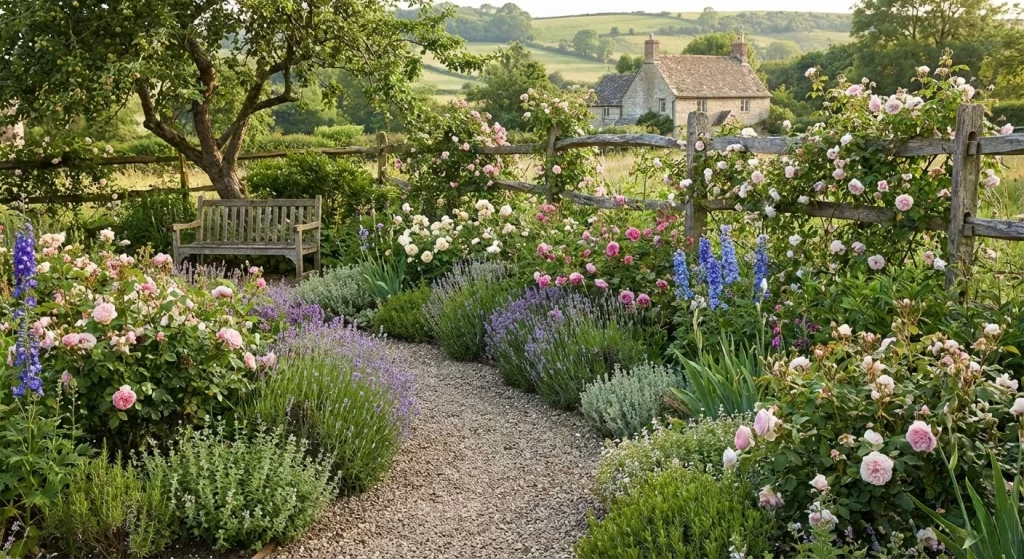
Classic gravel paths are a defining feature of farmhouse gardens because they combine practicality with understated charm. I often recommend gravel for its excellent drainage, affordability, and relaxed appearance that improves with age. Unlike rigid paving, gravel paths feel informal and forgiving, which suits gardens designed to look natural rather than overly styled.
Soft edging plays an important role in keeping the look balanced. Materials such as curved steel, reclaimed brick, or low planting help contain the gravel without creating harsh visual boundaries. This allows the path to blend gently into surrounding borders and planting beds.
From a functional standpoint, gravel paths are easy to maintain and adapt well to different climates. They cope with wet winters and hot summers with minimal issues. Over time, foot traffic naturally compacts the surface, giving the path a lived-in quality that reinforces the timeless farmhouse feel.
You May also Like: 20 Gorgeous White Stucco Townhouse Ideas for Timeless Curb Appeal
Raised Wooden Vegetable Beds
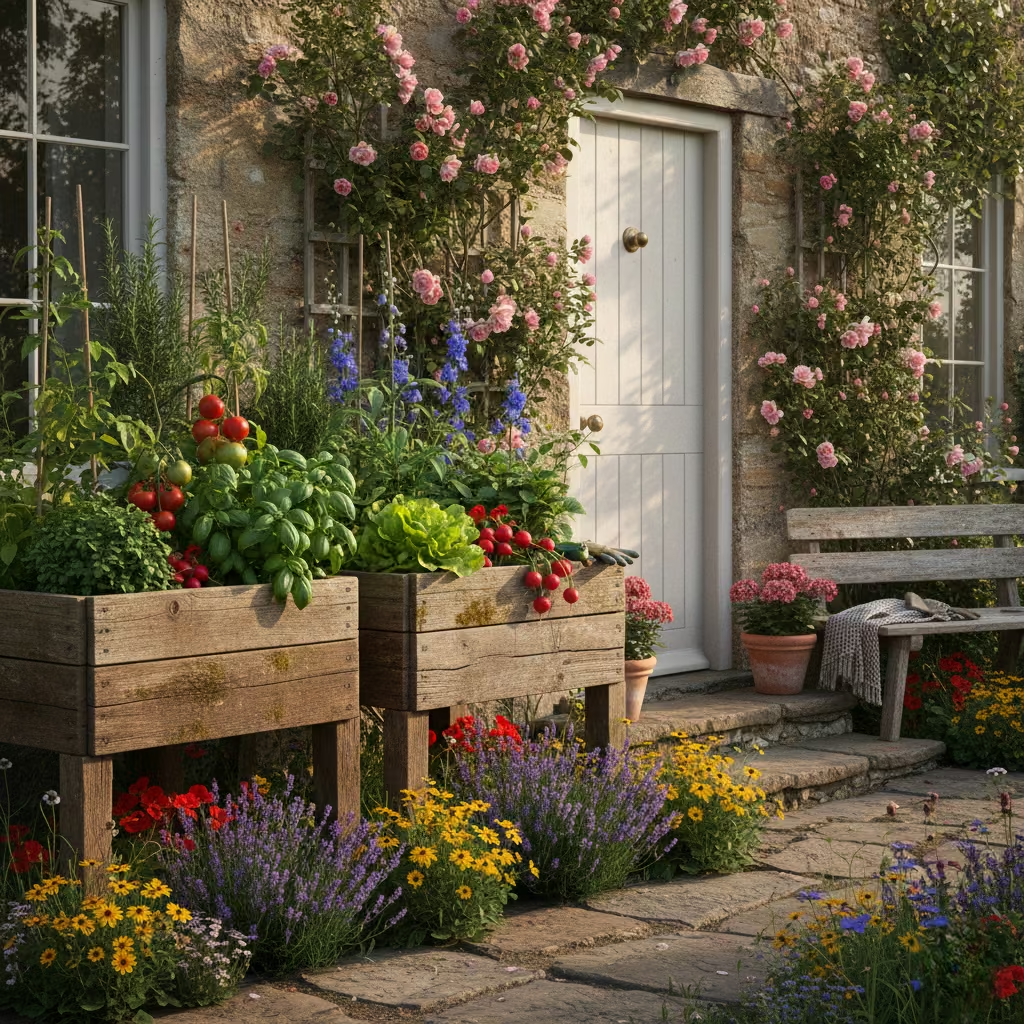
Raised wooden vegetable beds bring structure and purpose to a farmhouse garden while maintaining a relaxed, traditional look. I often use them to create visual order within informal planting schemes. Timber beds add warmth and texture, especially when built from treated wood or reclaimed sleepers.
These beds offer clear practical benefits. Improved drainage and better soil control make them suitable for a wide range of climates and growing conditions. Raised heights also make planting, weeding, and harvesting more comfortable and efficient.
Positioning vegetable beds near the kitchen or main garden paths encourages regular use and connection to the space. As the wood weathers over time, it develops natural patina, adding character and reinforcing the honest, hardworking charm that defines farmhouse gardens.
Weathered Stone Walkways
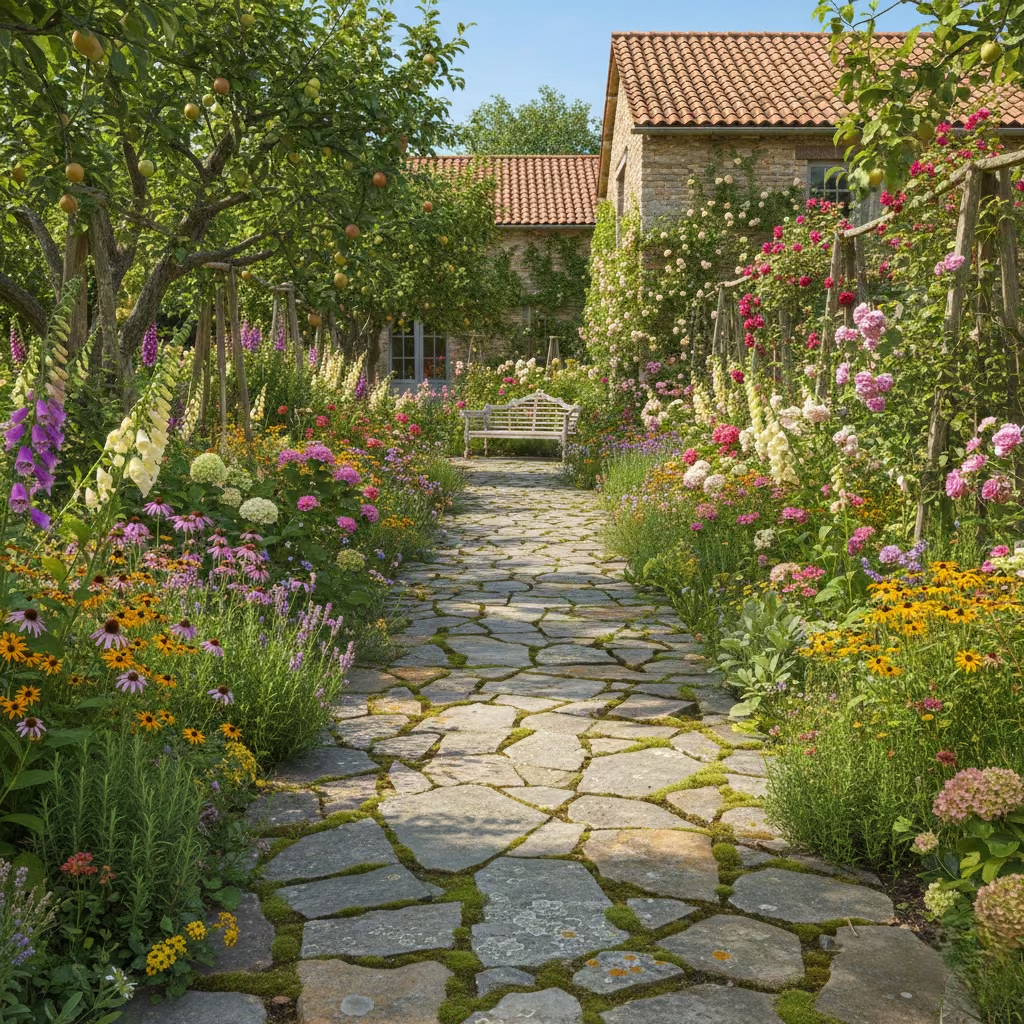
Weathered stone walkways introduce a sense of permanence and history to a farmhouse garden. I often choose natural stone because it feels authentic and visually grounded, as though it belongs naturally within the landscape. Irregular shapes and subtle colour variation prevent the walkway from feeling too formal.
Stone performs exceptionally well across different climates. It withstands seasonal changes while maintaining both strength and character. Over time, natural wear, moss, and lichen soften the surface, enhancing its aged appeal rather than detracting from it.
Functionally, stone walkways provide durable access through the garden and help connect key areas. When paired with informal planting along the edges, they become both practical routes and strong visual anchors, reinforcing a timeless farmhouse aesthetic.
Wildflower Borders for Natural Movement
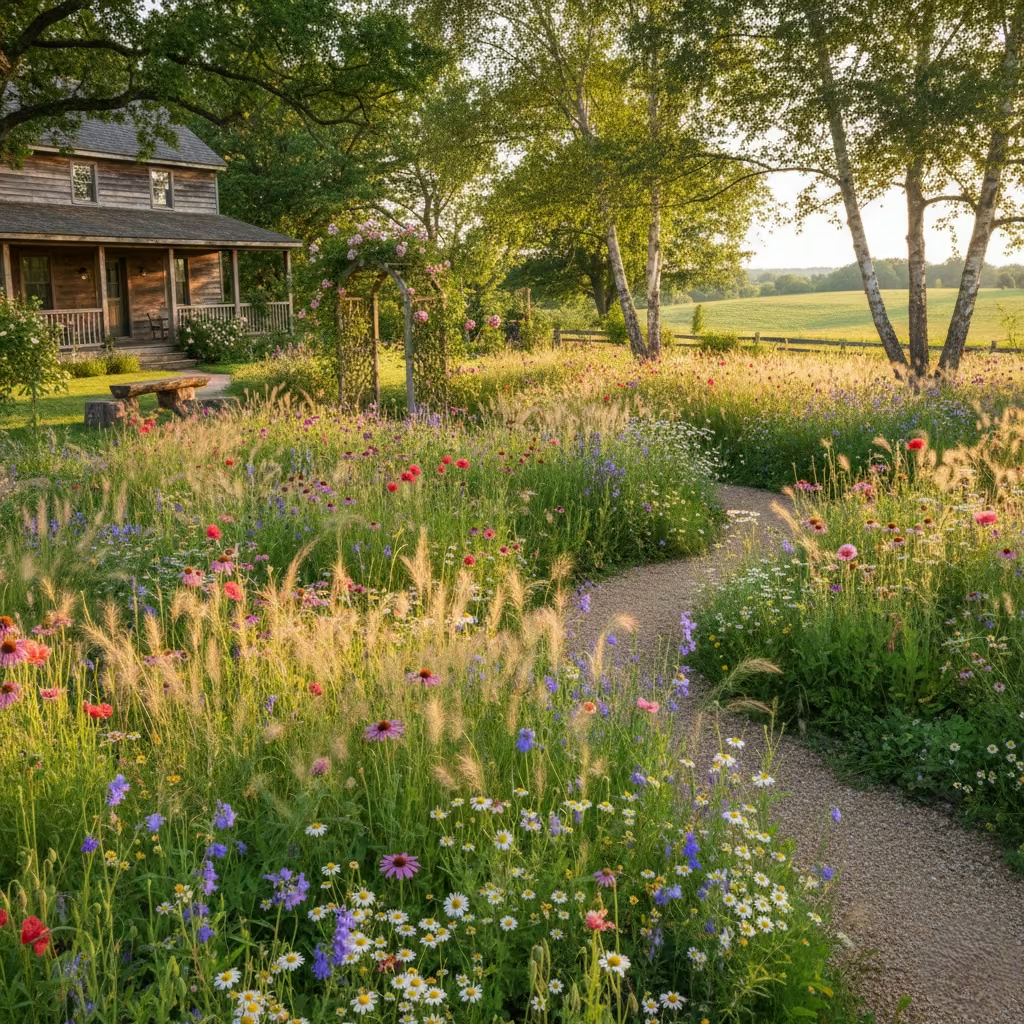
Wildflower borders are one of the easiest ways to bring life and movement into a farmhouse garden. I often recommend them because they introduce softness and seasonal change without requiring rigid planning. The natural sway of grasses and flowers in the breeze creates a relaxed, informal atmosphere that feels deeply connected to the surrounding landscape.
These borders work well along fences, pathways, or property edges, where they can blur boundaries rather than define them sharply. A carefully chosen mix of perennials and self-seeding flowers ensures colour and texture from spring through autumn. This approach also supports pollinators, adding ecological value to the garden.
From a practical perspective, wildflower borders adapt well to different climates and soil conditions once established. They require less maintenance than formal planting beds and improve year after year, reinforcing the effortless, timeworn character associated with farmhouse gardens.
You May also Like: 25 Christmas Room Decor Ideas That Bring Comfort, Charm, and Holiday Cheer
Rustic Wooden Garden Gates
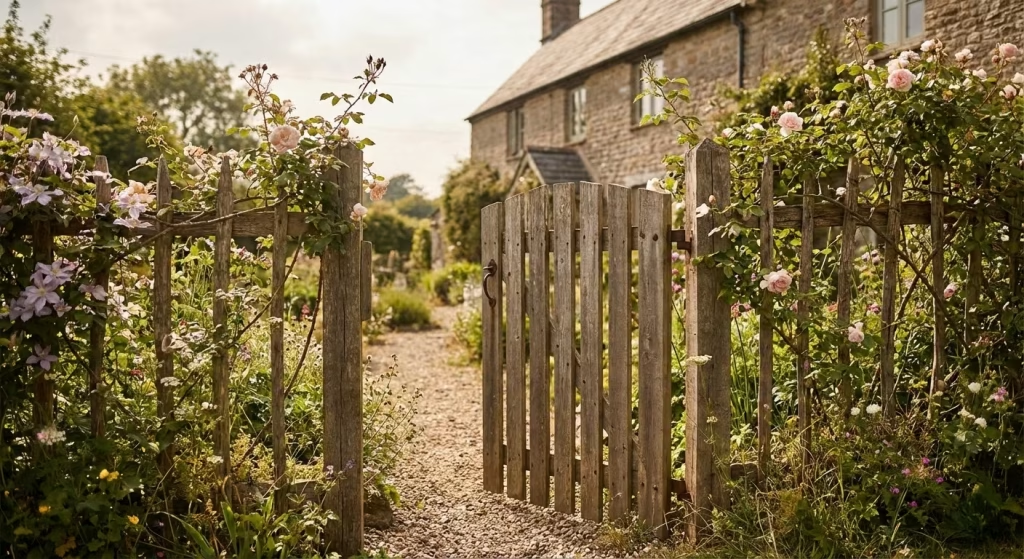
Rustic wooden garden gates provide both function and visual interest in a farmhouse garden. I see them as transitional elements that gently guide movement while adding character. Whether simple plank designs or cross-braced styles, wooden gates feel honest and purposeful rather than decorative.
Timber gates naturally complement gravel paths, fencing, and planting, helping the garden feel cohesive. They can be left untreated to weather naturally or lightly stained to extend durability while retaining a soft, aged appearance. Over time, the wood develops patina that enhances its charm.
Beyond aesthetics, garden gates help define zones within the space, such as separating vegetable areas from relaxation zones. This subtle structure improves flow without disrupting the relaxed farmhouse feel.
Herb Gardens Close to the Kitchen
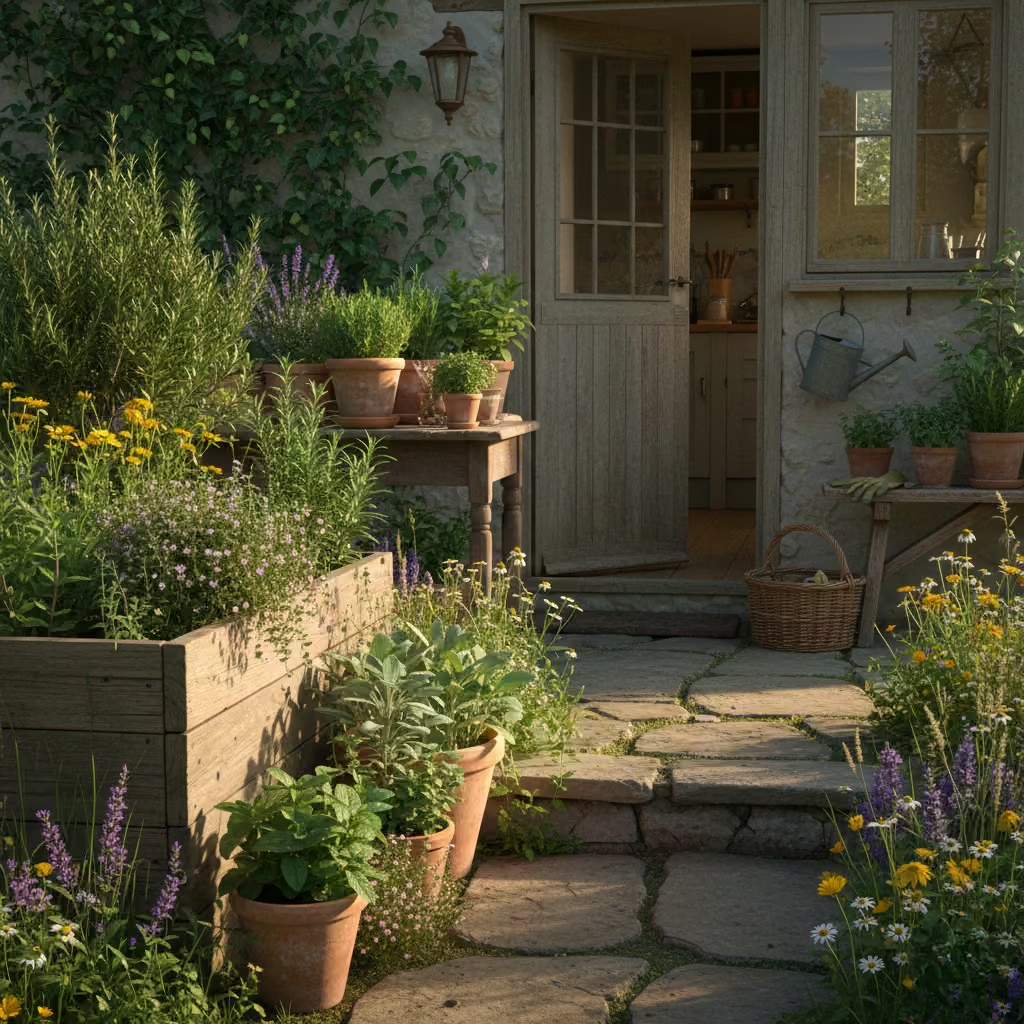
Herb gardens placed close to the kitchen are a classic farmhouse feature that combines beauty with everyday practicality. I always encourage keeping herbs within easy reach, as this increases how often they are used and cared for.
Simple layouts using raised beds, pots, or narrow borders work well in both large and compact gardens. Herbs such as rosemary, thyme, sage, and mint add texture, fragrance, and structure throughout the year.
Positioning herbs near doors or windows allows them to become part of daily routines. This close connection between cooking, gardening, and outdoor living reflects the functional simplicity at the heart of farmhouse garden design.
Climbing Roses on Trellises or Arbours
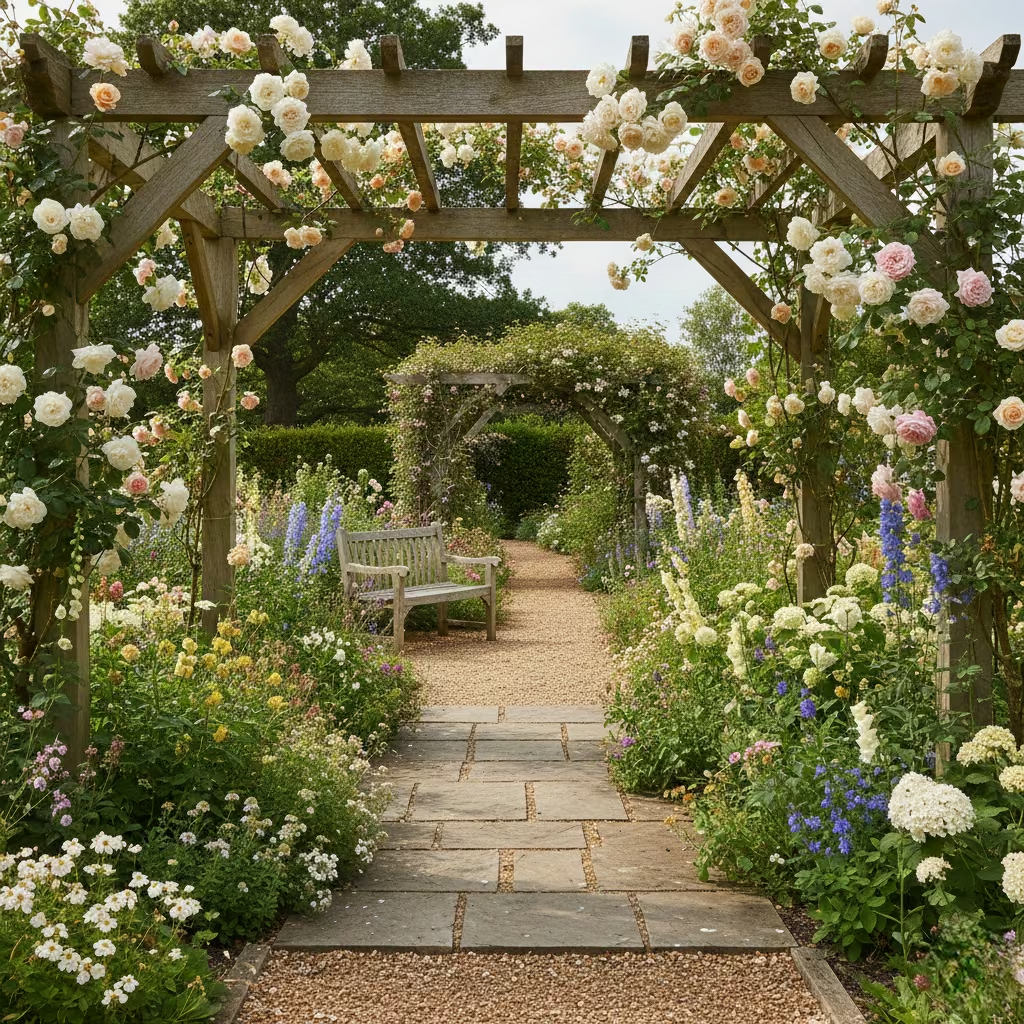
Climbing roses add romance and softness to a farmhouse garden while introducing vertical interest. I often use them to draw the eye upward and create gentle structure without making the space feel heavy or formal. When trained over trellises, arbours, or pergolas, roses help frame paths, entrances, and seating areas in a way that feels welcoming and timeless.
Choosing traditional rose varieties with a looser growth habit supports the relaxed farmhouse aesthetic. Soft pinks, creams, and muted whites blend beautifully with natural materials and surrounding greenery. As the plants mature, they create layers of colour, fragrance, and texture that evolve with the seasons.
From a practical perspective, climbing roses are surprisingly adaptable to different climates when planted correctly. Proper spacing, airflow, and sturdy supports ensure healthy growth. Over time, their natural aging only enhances the garden, reinforcing the sense of history and lived-in charm that defines farmhouse style.
Farmhouse-Style Garden Fencing
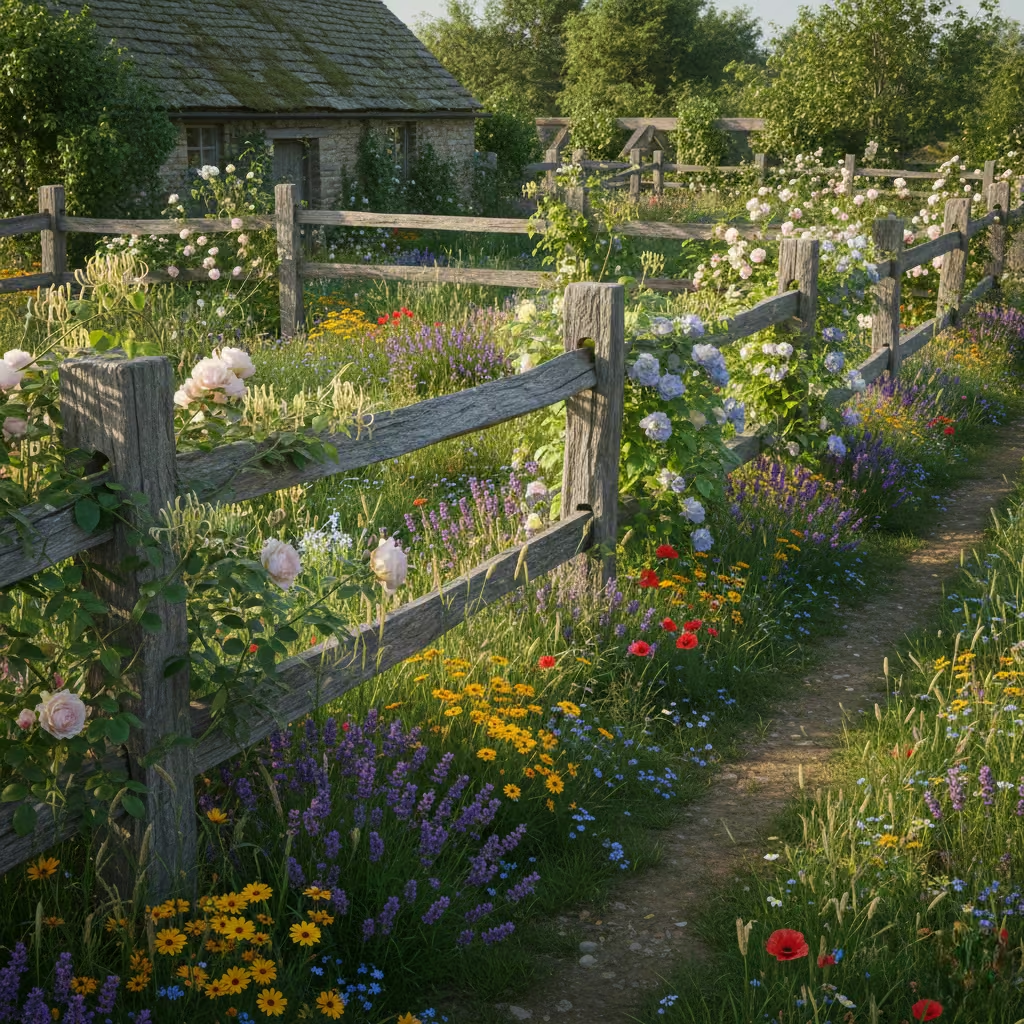
Farmhouse-style garden fencing provides gentle definition while maintaining an open, natural feel. I often recommend simple timber fencing, post-and-rail designs, or wire fencing supported by wooden posts. These options offer structure without visually closing off the landscape.
The beauty of farmhouse fencing lies in its simplicity. Weathered wood, uneven lines, and natural finishes contribute to a relaxed aesthetic that blends effortlessly with planting. Climbing plants, hedging, or wildflowers can soften the fence further, helping it merge into the garden rather than stand apart from it.
Functionally, this type of fencing is practical across a range of climates. It can define boundaries, protect planting areas, or guide movement through the garden. As the materials age, they develop character rather than deterioration, reinforcing the timeless, working-garden appeal central to farmhouse design.
You May also Like: Mountain Beach House Ideas That Feel Impossible but Work Beautifully
Vintage Water Features or Hand Pumps
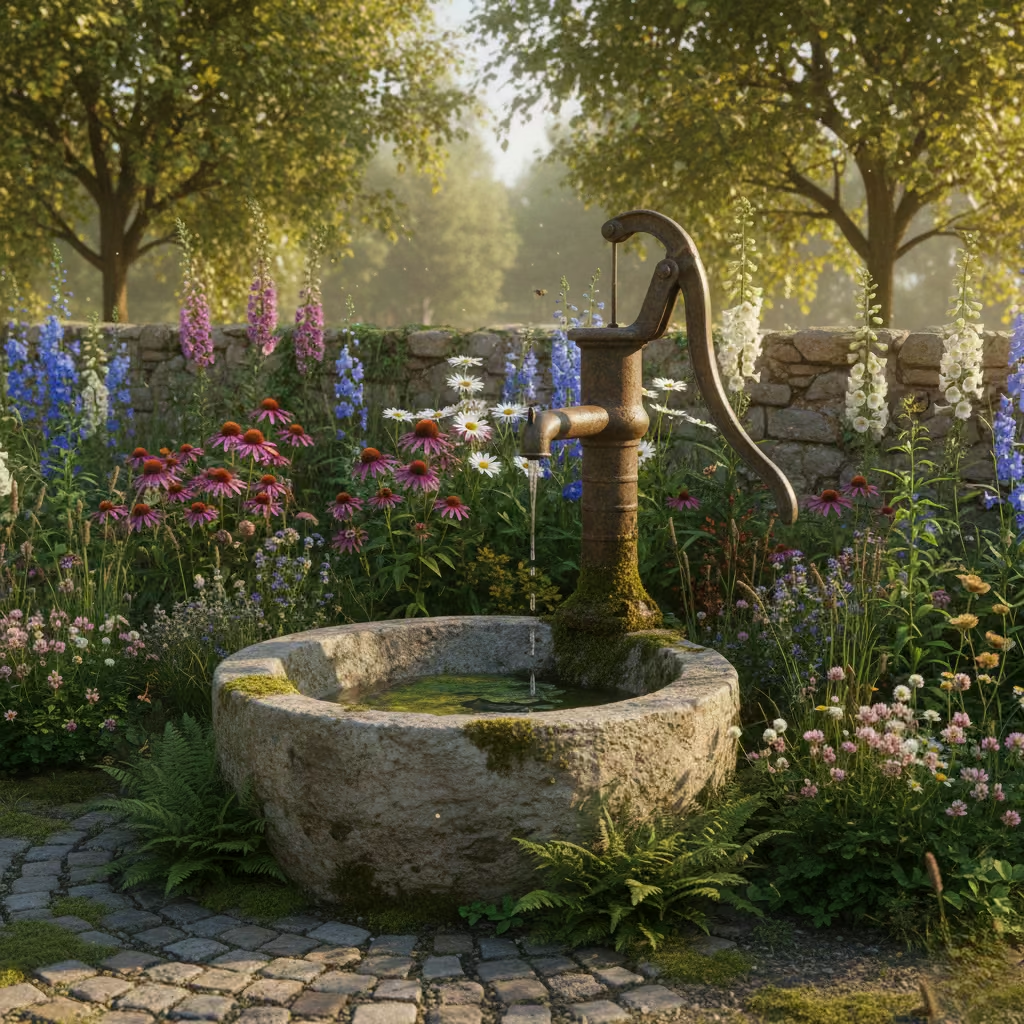
Vintage water features or hand pumps bring a sense of history and authenticity to a farmhouse garden. I often use them as subtle focal points rather than dramatic statements. Their charm comes from suggestion and nostalgia rather than scale or complexity.
Cast iron pumps, stone basins, or reclaimed troughs sit comfortably among planting, adding texture and visual interest. Even when non-functional, these pieces reference traditional garden life and reinforce the practical roots of farmhouse design. When water is involved, gentle movement adds sound and atmosphere without overwhelming the space.
From a design perspective, vintage water features suit a wide range of climates and garden sizes. They work equally well in large rural gardens and smaller courtyards. Over time, patina, moss, and weathering only enhance their appeal, making them feel increasingly integrated into the landscape.
Brick or Stone Patio Zones
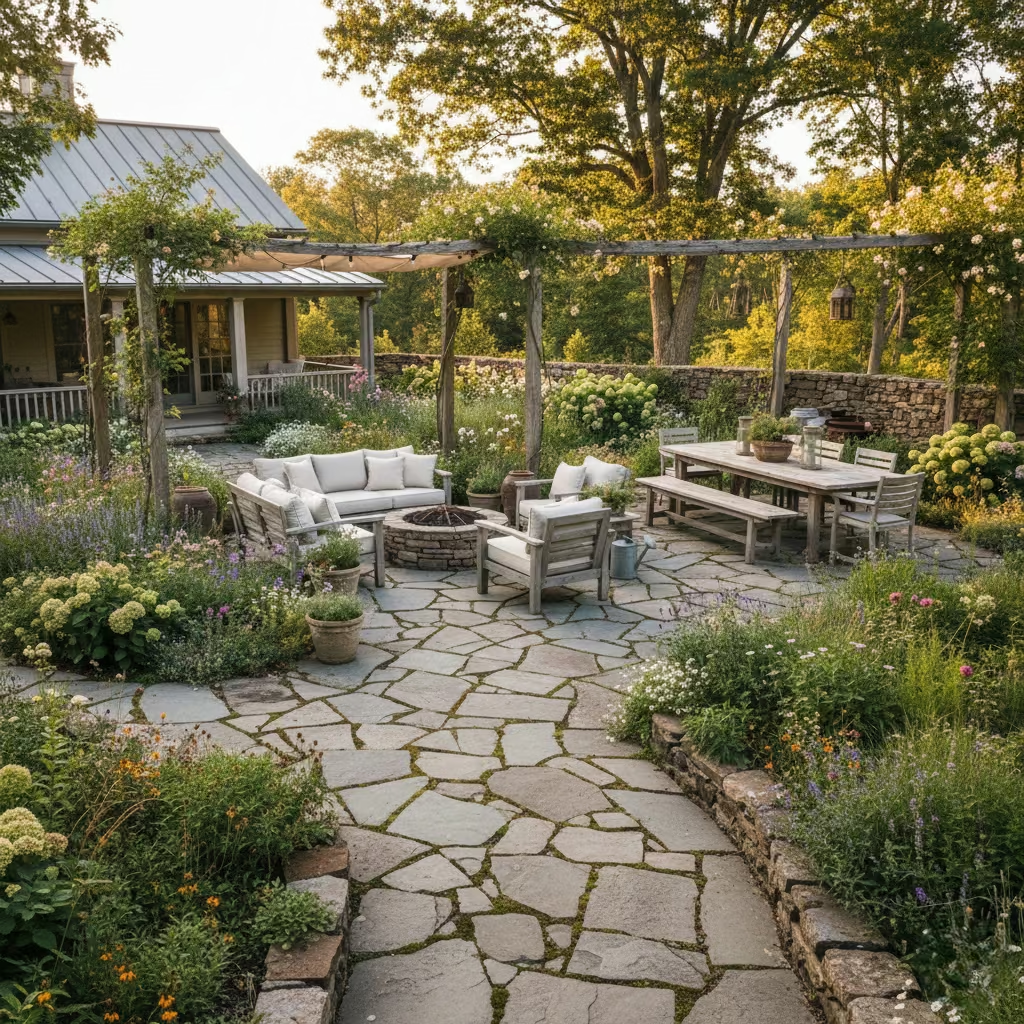
Brick or stone patio zones create practical outdoor living areas while preserving the character of a farmhouse garden. I often favour natural stone or reclaimed brick because these materials feel grounded and age gracefully. Their subtle variations prevent the patio from feeling overly polished or modern.
Patio zones work best when they feel connected to the house and garden rather than set apart. Informal layouts, softened edges, and surrounding planting help them blend naturally into the landscape. These spaces are ideal for outdoor dining, seating, or quiet moments of rest.
In terms of performance, brick and stone handle changing weather conditions exceptionally well. They provide durability across seasons and climates. As they weather, their surfaces develop depth and texture, reinforcing the sense of permanence and understated elegance that farmhouse gardens are known for.
You May also Like: 21 Minecraft Bedroom Ideas to Build the Ultimate Gamer Room
Mixed Perennial Flower Beds
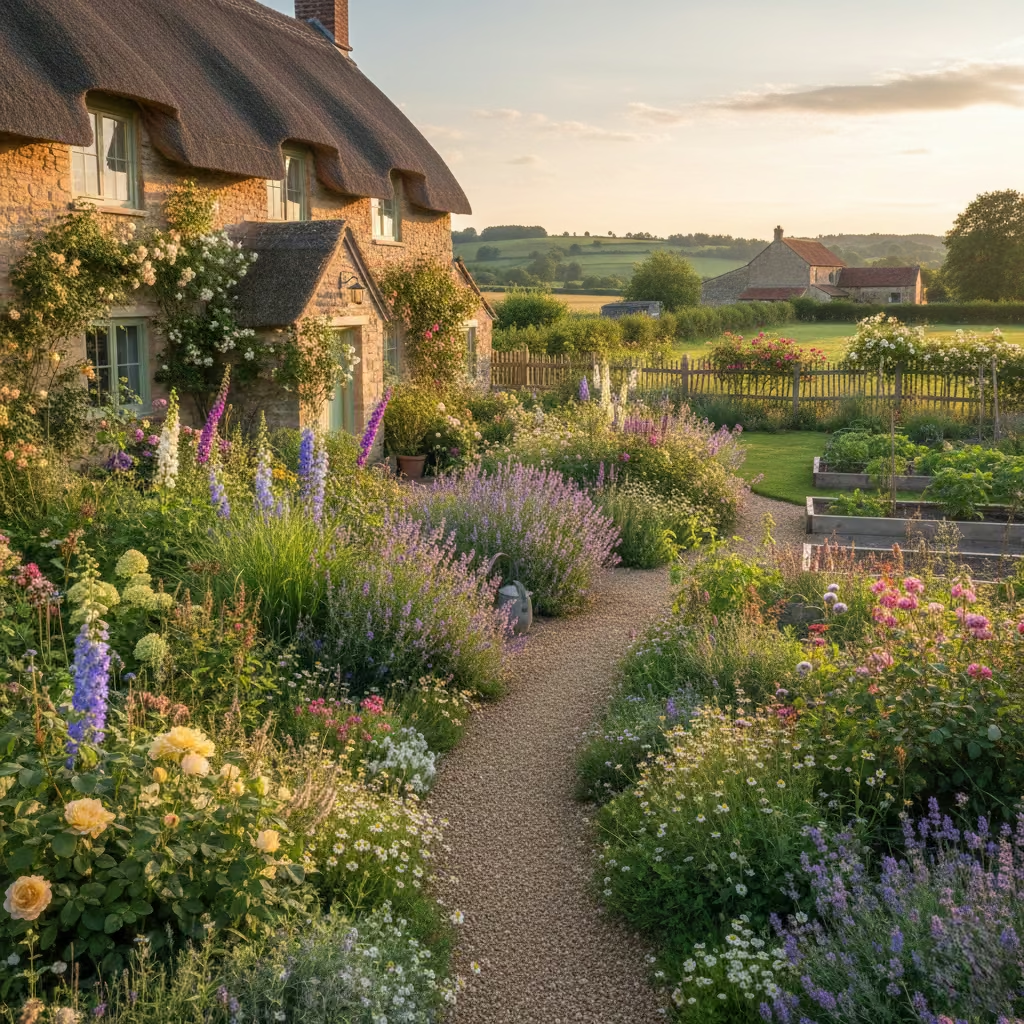
Mixed perennial flower beds are essential to creating a farmhouse garden that feels layered, generous, and alive. I often design these beds with a combination of heights, textures, and flowering times so the garden evolves naturally throughout the seasons. Perennials offer long-term structure while allowing softer, seasonal interest to move through the space.
Choosing traditional cottage-style plants such as lavender, echinacea, salvia, and daisies supports a relaxed, informal look. When planted in loose groupings rather than strict patterns, the beds feel organic and unforced. This approach allows colours and forms to blend seamlessly, avoiding a manicured appearance.
From a practical standpoint, perennial beds are adaptable to many climates once established. They require less replanting than annual-heavy designs and improve year after year. As plants mature and self-seed lightly, they add depth and authenticity, reinforcing the timeless farmhouse garden aestheic.
Fruit Trees for Structure and Shade
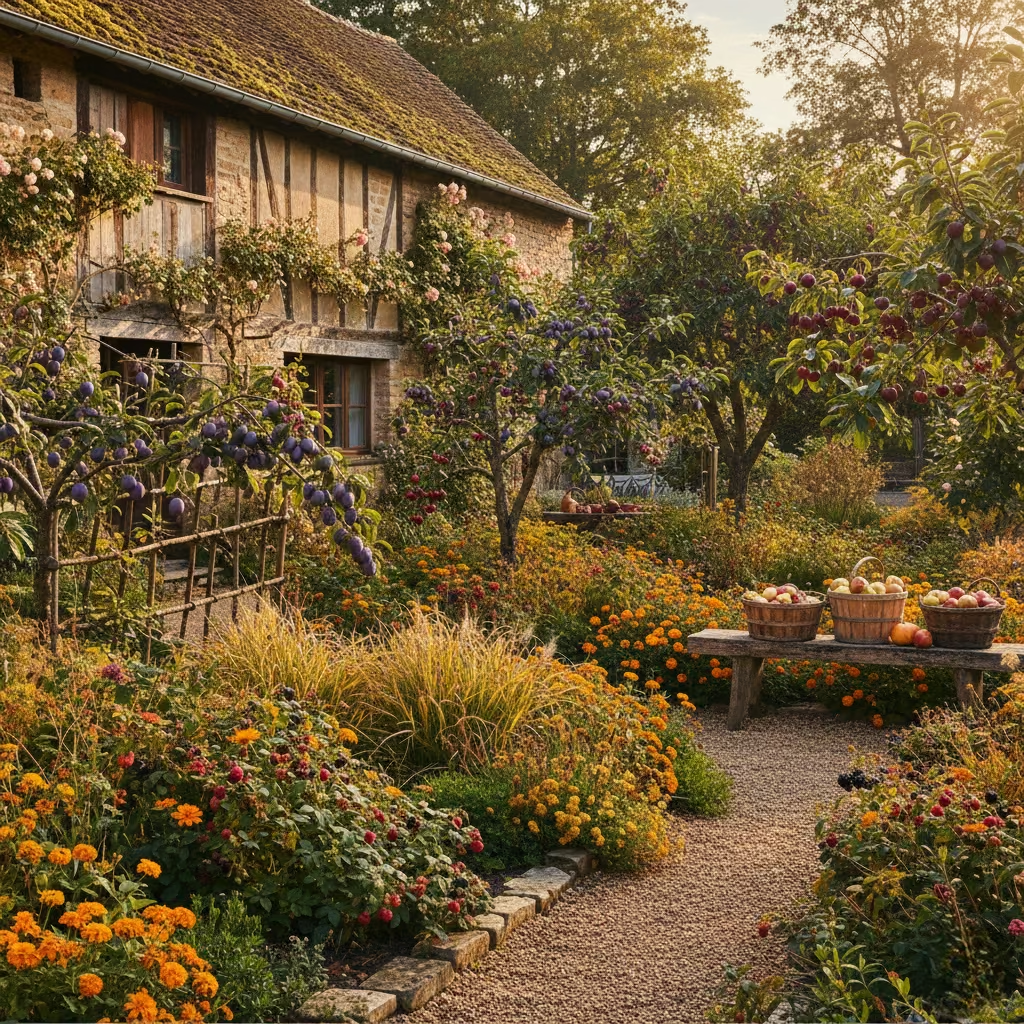
Fruit trees bring both function and beauty to a farmhouse garden, making them one of my most recommended features. They provide natural structure, helping to define the layout while softening the overall landscape. Whether espaliered along walls or planted freely, fruit trees add rhythm and scale.
Varieties such as apple, pear, plum, and cherry suit a wide range of climates and garden sizes. In spring, blossoms add seasonal charm, while summer foliage provides cooling shade. Autumn harvests further reinforce the practical roots of farmhouse living.
Beyond their visual appeal, fruit trees encourage long-term thinking in garden design. As they mature, they become permanent anchors in the landscape. Their changing appearance across the seasons adds depth, movement, and a strong sense of connection to nature.
You May also Like: Outdoor Chair Ideas: A Design-Led Guide to Comfort, Style, and Long-Term Use
Outdoor Dining Areas with Farmhouse Tables
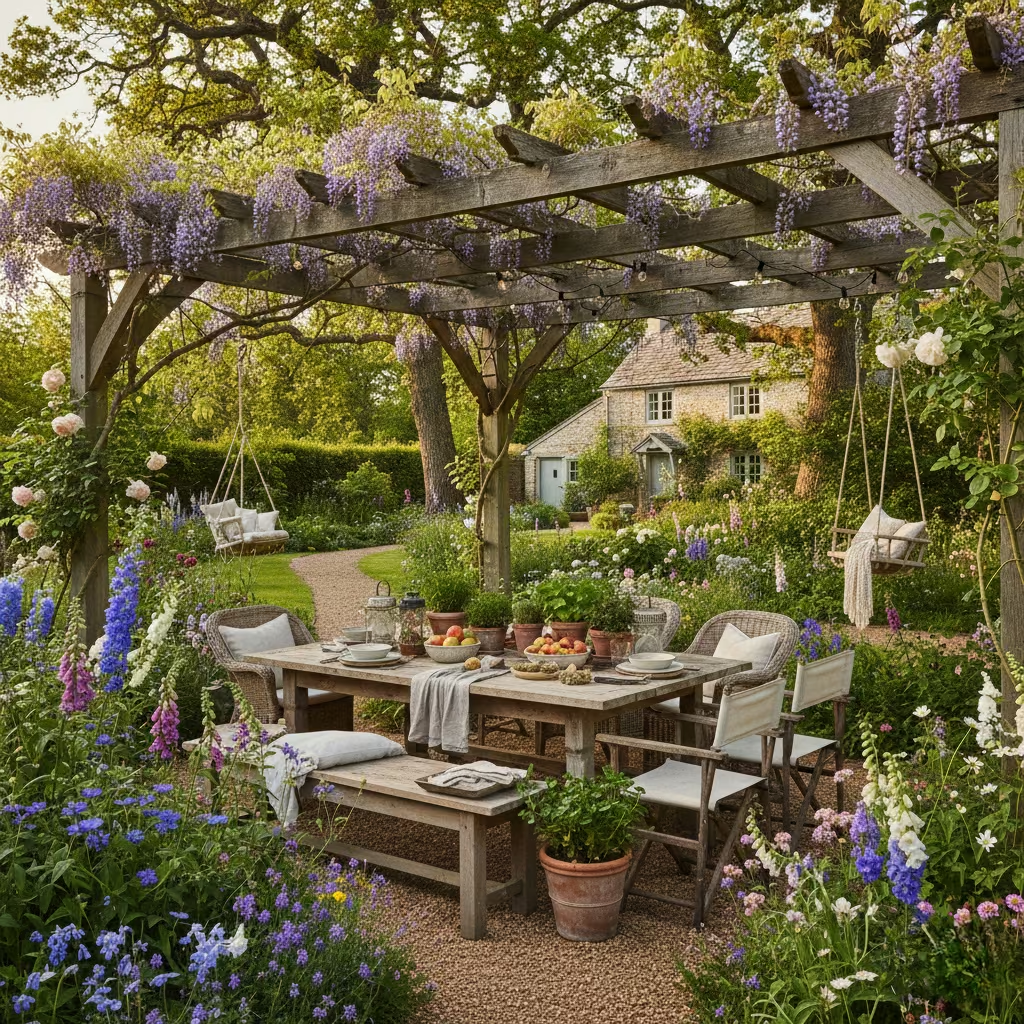
Outdoor dining areas are central to farmhouse garden living, creating spaces where function and togetherness meet. I often design these areas to feel relaxed and inviting rather than formal, encouraging everyday use. A sturdy farmhouse-style table becomes the natural focal point.
Materials such as solid wood, metal accents, or reclaimed finishes suit the aesthetic perfectly. These tables age well outdoors and develop character through use and weathering. Surrounding the dining area with planting or soft landscaping helps it feel integrated rather than separate.
Positioning is key. Placing the dining area close to the house or kitchen improves practicality, while shade from trees or pergolas increases comfort. This thoughtful placement ensures the space remains usable across seasons, reinforcing the farmhouse garden’s emphasis on simple, meaningful outdoor living.
Layered Greenery with Shrubs and Grasses
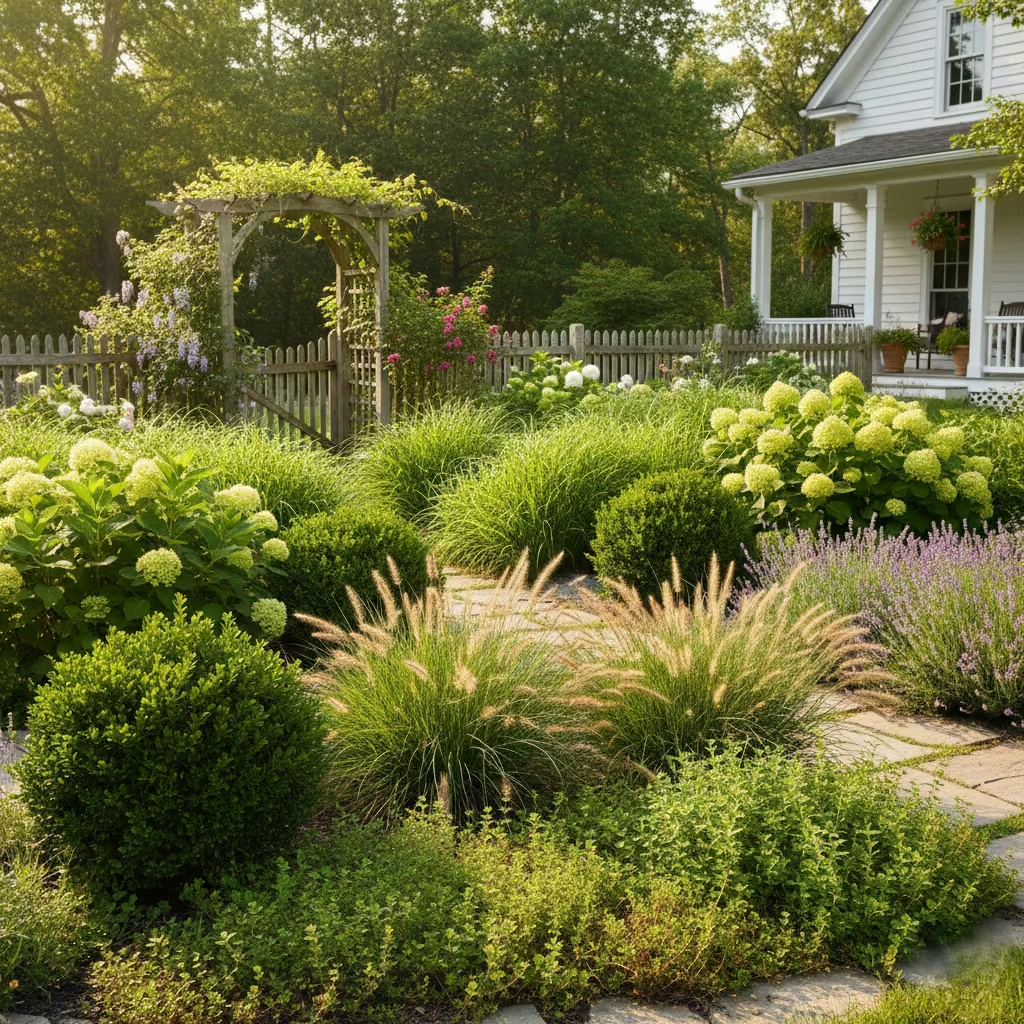
Layered greenery creates depth and softness in a farmhouse garden, helping it feel established and naturally balanced. I often use a mix of shrubs, ornamental grasses, and lower planting to build visual layers that guide the eye through the space. This approach avoids flat planting schemes and adds year-round structure.
Shrubs provide the backbone of the garden, offering shape and consistency across the seasons. Grasses introduce movement and texture, softening edges and responding beautifully to light and wind. Together, they create contrast without overwhelming the overall design.
From a practical perspective, layered planting adapts well to different climates and soil types. Once established, it requires minimal intervention while continuing to evolve. As plants mature and overlap slightly, the garden gains a relaxed, natural rhythm that reflects the enduring appeal of farmhouse-style outdoor spaces.
You May also Like: Coastal Garden Design: Creating Landscapes That Withstand Exposure and Age Gracefully
Natural Lawn with Informal Edges
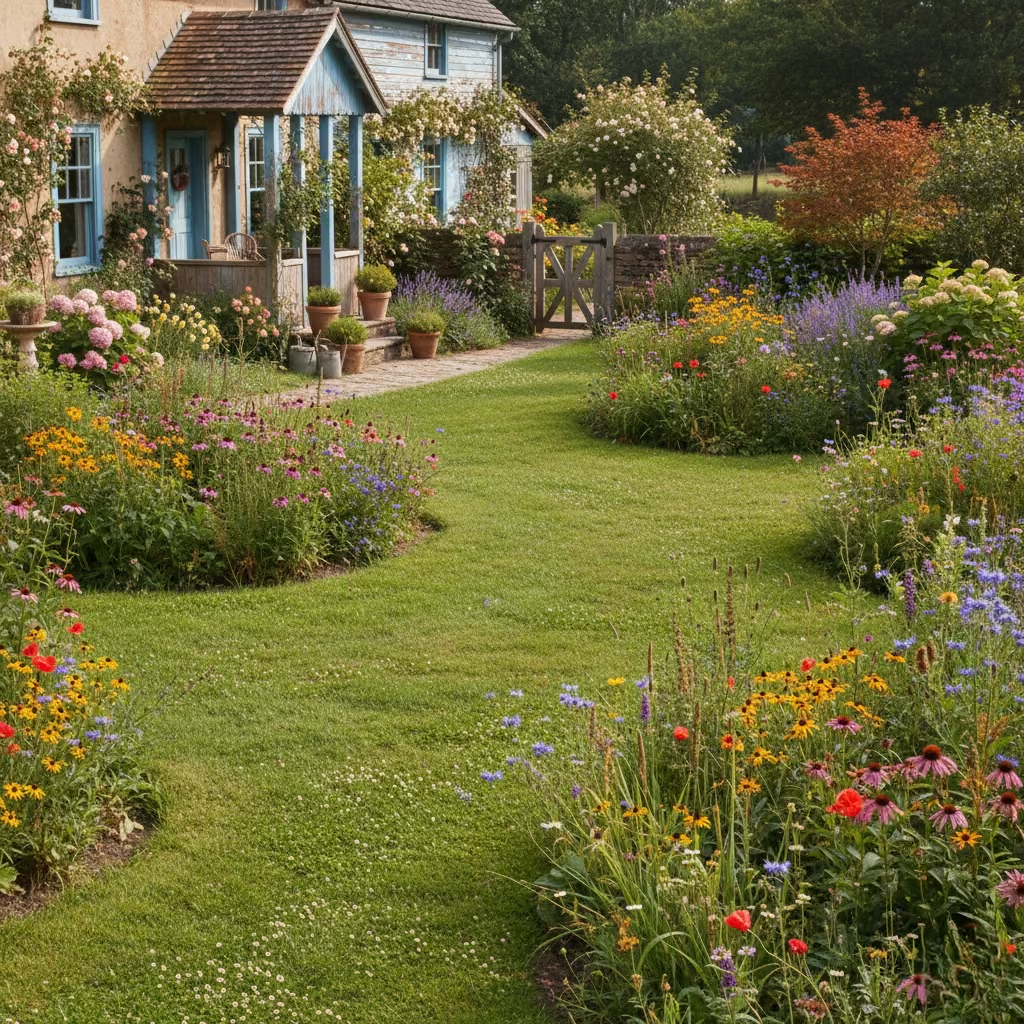
A natural lawn with informal edges is a key element in farmhouse garden design, offering openness without rigidity. I often recommend avoiding sharp borders in favour of gently curved edges that flow into planting beds. This creates a softer transition between lawn and garden.
Allowing grass to meet gravel paths, flower borders, or wild planting zones helps the space feel relaxed and uncontrived. A slightly varied lawn finish, rather than a perfectly manicured surface, reinforces the lived-in quality of farmhouse gardens.
In practical terms, natural lawns are adaptable across climates when the right grass mix is used. Informal edges also reduce maintenance, as they allow for more forgiving mowing patterns. Over time, these softer boundaries enhance the garden’s character and encourage a more natural relationship with the landscape.
Potting Sheds with Character
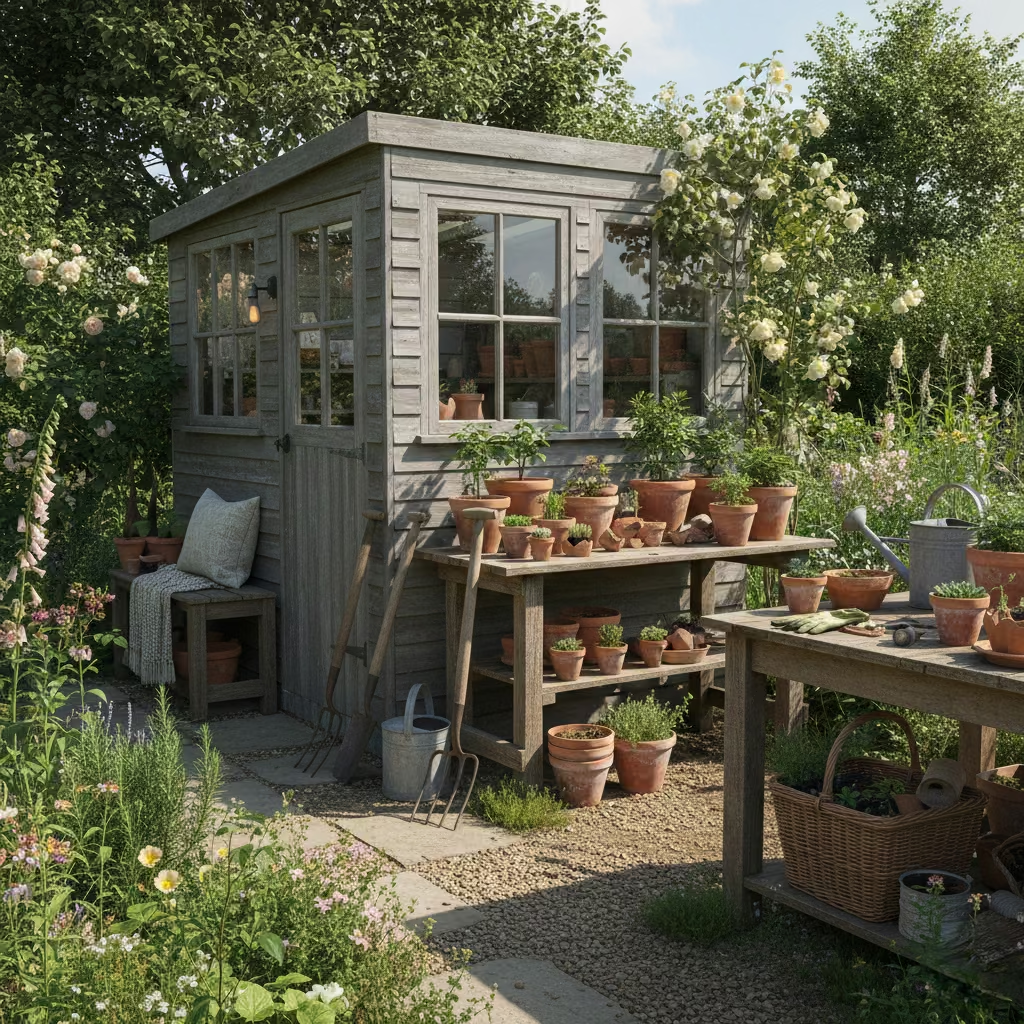
Potting sheds add both function and personality to a farmhouse garden, serving as practical workspaces and visual features. I often treat them as extensions of the garden rather than purely utilitarian structures. Their placement should feel purposeful yet relaxed.
Using timber cladding, traditional windows, or reclaimed materials gives potting sheds a timeless appearance. Weathered finishes and simple detailing help them blend naturally into their surroundings. Inside, shelving and workbenches support everyday gardening tasks.
Beyond their function, potting sheds become part of the garden’s story. As tools, pots, and plants accumulate, the space gains character. Over time, these sheds feel lived-in and essential, reinforcing the hardworking, authentic nature of farmhouse garden design.
Reclaimed Materials for Planters
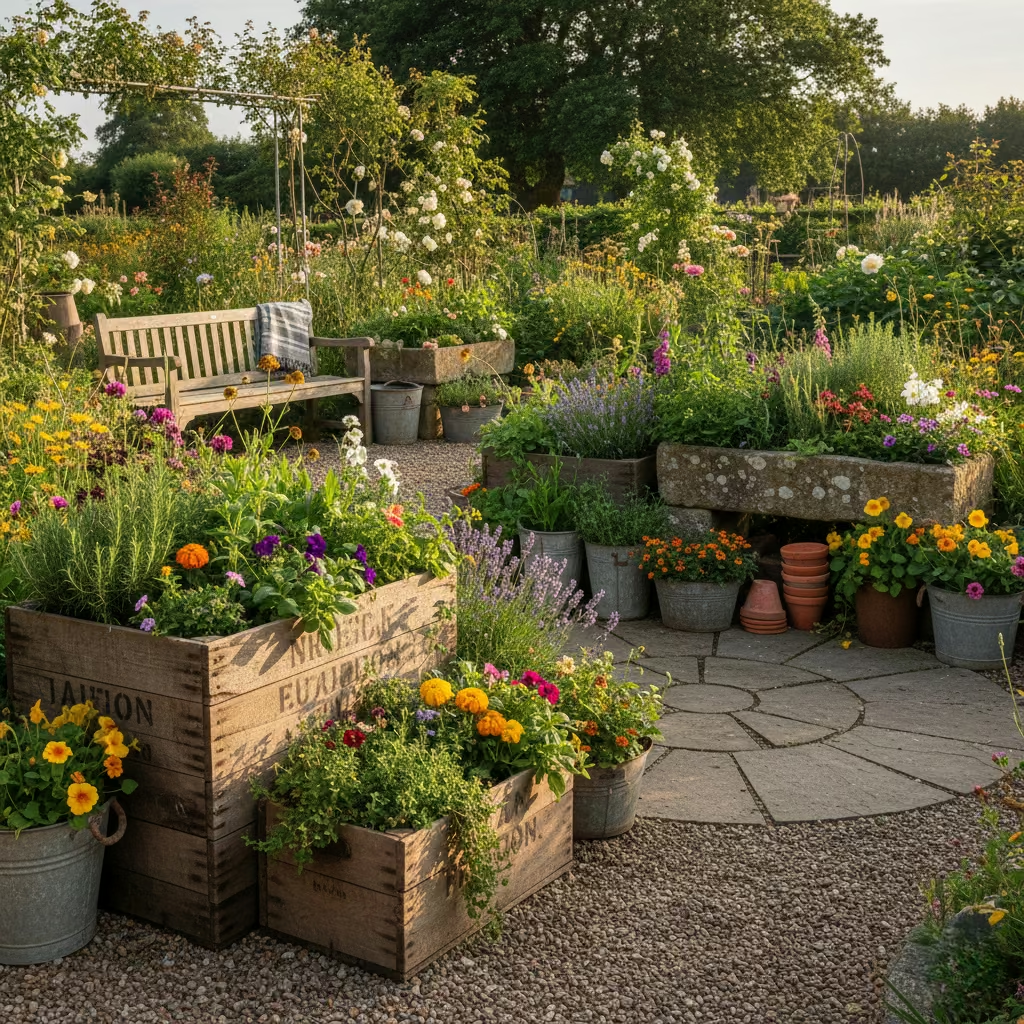
Using reclaimed materials for planters is a natural fit for farmhouse garden design, adding character while supporting sustainability. I often incorporate old timber crates, stone troughs, metal tubs, or salvaged bricks to create planting features that feel authentic rather than decorative. These materials bring history and texture into the garden.
Reclaimed planters work particularly well when paired with informal planting. Herbs, trailing plants, and seasonal flowers soften their edges and prevent them from feeling heavy. Each piece introduces subtle variation, which is essential for achieving a relaxed, lived-in look.
From a practical standpoint, reclaimed materials are often durable and adaptable across climates. Their imperfections help disguise wear over time. As they age further, these planters blend seamlessly into the landscape, reinforcing the farmhouse garden’s emphasis on reuse, honesty, and enduring charm.
You May also Like: 25 Outdoor Patio Ideas That Elevate Everyday Living
Garden Benches in Wood or Cast Iron
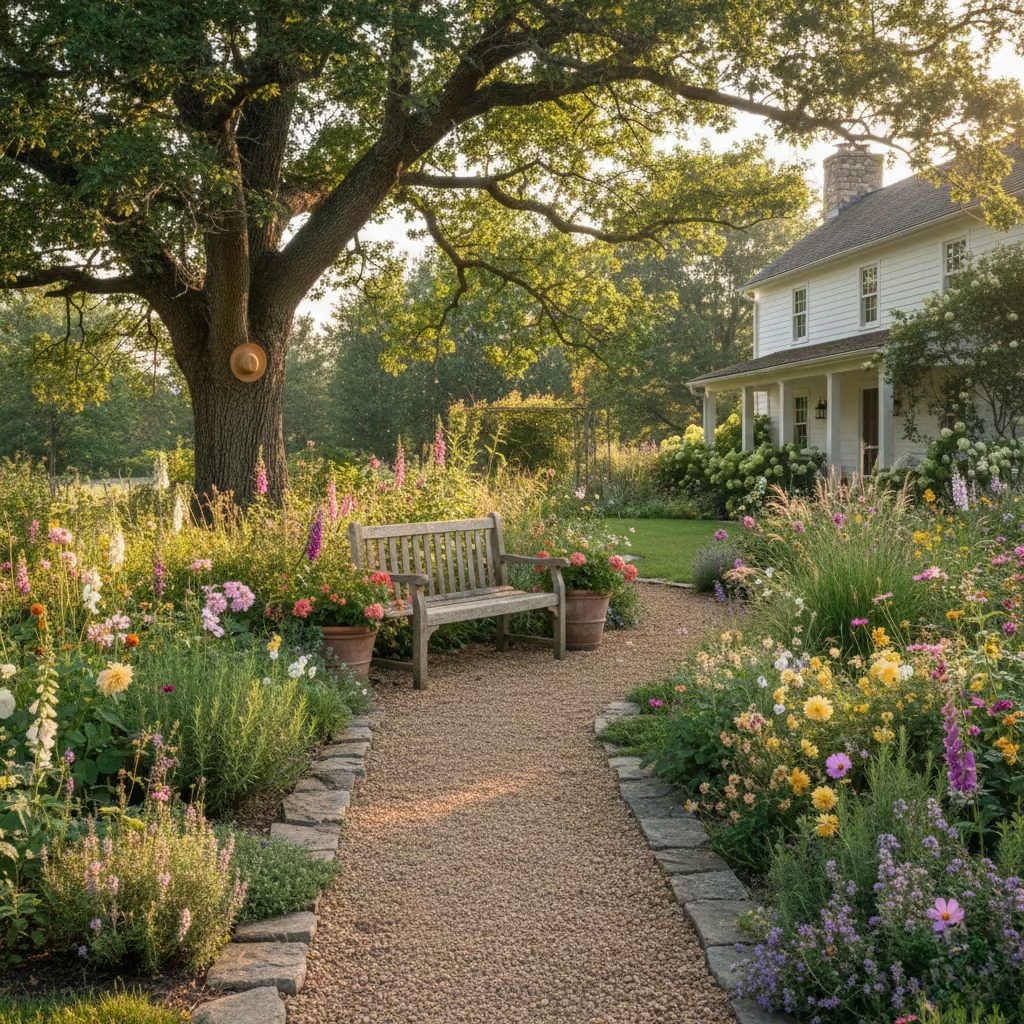
Garden benches provide simple resting points that encourage you to slow down and enjoy the space. I often place benches in areas with natural views, along paths, or beneath trees to create moments of pause within the garden. Wood and cast iron are ideal materials for farmhouse settings.
Wooden benches bring warmth and soften hard landscaping, while cast iron adds a sense of tradition and durability. Both materials weather gracefully, developing patina rather than looking worn. Their classic forms avoid feeling trend-led or temporary.
Functionally, benches offer flexible seating without dominating the garden. They can be moved or repositioned as planting grows. Over time, these benches become familiar fixtures, reinforcing the sense of comfort, simplicity, and quiet usability that defines farmhouse gardens.
Soft Outdoor Lighting with Lanterns
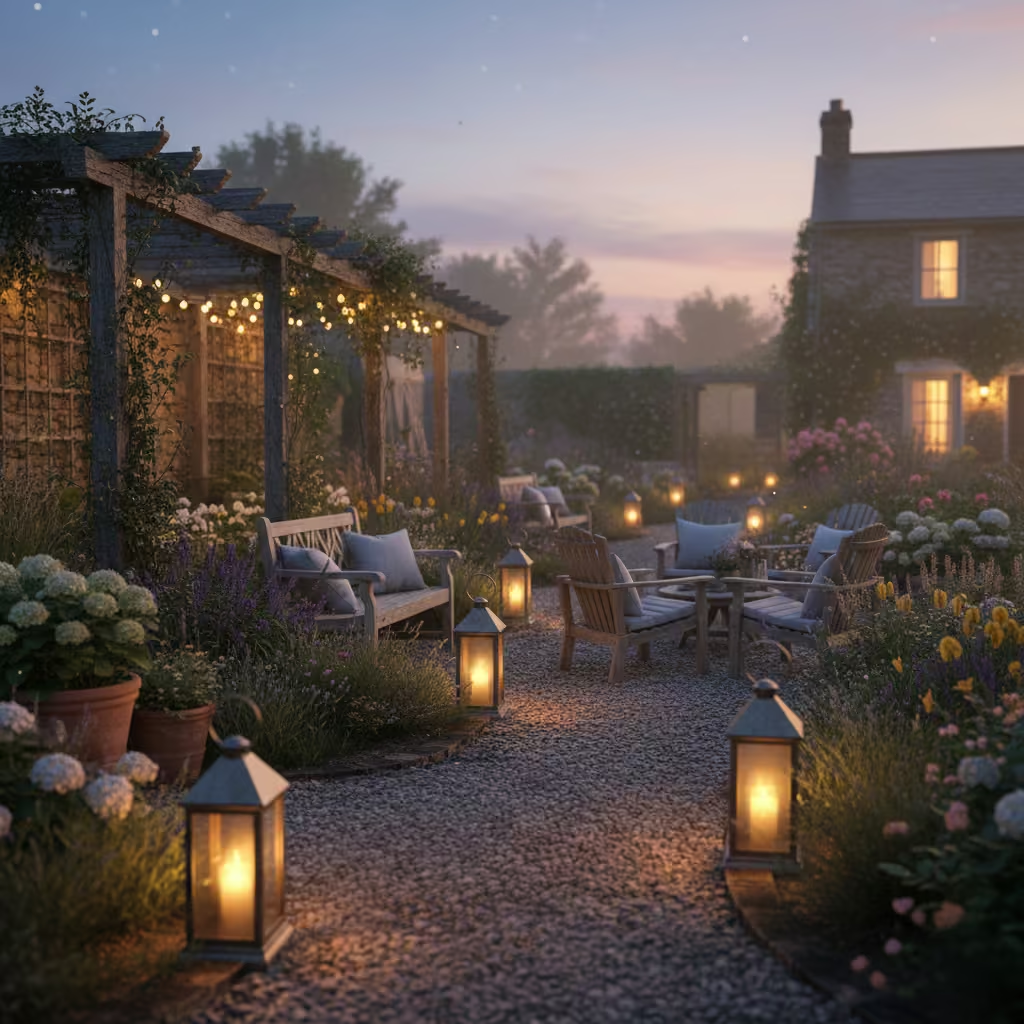
Soft outdoor lighting enhances a farmhouse garden without overwhelming its natural beauty. I often favour lantern-style lighting because it provides a warm, diffused glow rather than harsh illumination. This creates atmosphere while maintaining a relaxed, understated feel.
Lanterns work well along paths, near entrances, or around seating areas. Materials such as aged metal or glass suit the farmhouse aesthetic and integrate easily with other garden elements. Solar or low-voltage options improve efficiency and flexibility.
From a practical perspective, subtle lighting extends the usability of the garden into the evening. It improves safety while preserving intimacy. When thoughtfully placed, lantern lighting highlights textures and planting, reinforcing the garden’s character without distracting from its simplicity.
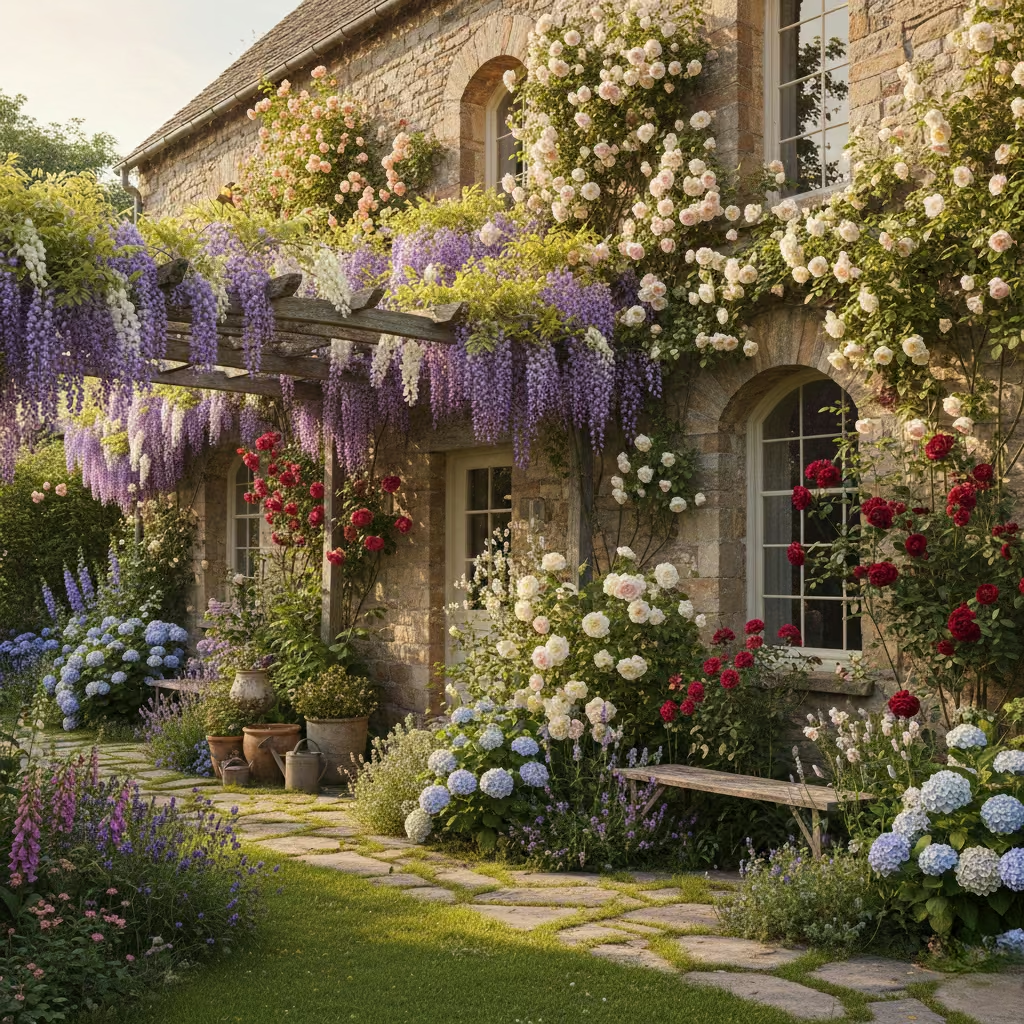
Climbers on exterior walls soften architectural lines and help buildings feel connected to their surroundings. I often use climbing plants to blur the boundary between house and garden, creating a sense of continuity. This approach adds depth and movement to static surfaces.
Plants such as ivy, jasmine, wisteria, or climbing roses introduce seasonal interest through foliage, flowers, and fragrance. When trained carefully, they enhance rather than overpower the structure. Supports and spacing are key to long-term success.
Beyond aesthetics, climbers can provide shade, shelter, and insulation benefits in some climates. As they mature, they add age and character to walls, reinforcing the timeless, integrated look that defines farmhouse garden design.
You May also Like: Ibiza House Exteriors Ideas for Timeless Mediterranean Architecture
Kitchen Garden with Practical Layout
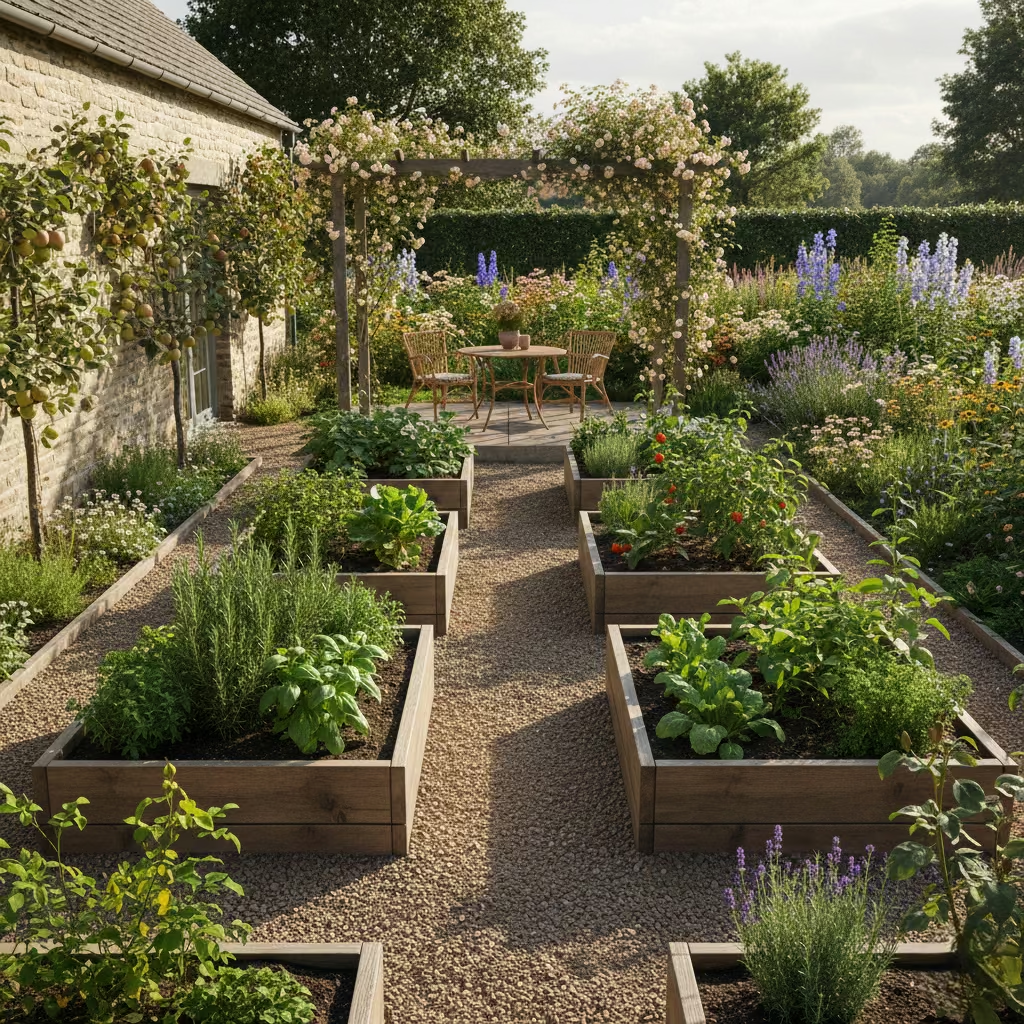
A kitchen garden is a staple of farmhouse gardens, combining practicality with visual charm. I always design these spaces to be functional first, with clear paths, raised beds, and easy access to herbs, vegetables, and fruit. This layout encourages regular use and simplifies maintenance, making gardening an enjoyable daily activity.
Planting in blocks or rows can improve harvesting efficiency, while companion planting adds both productivity and interest. I also recommend including small seating areas or work surfaces nearby, so preparation and tending feel effortless.
A well-planned kitchen garden adapts to different climates and garden sizes. Whether compact or expansive, the combination of structure and seasonal colour ensures it feels productive and visually appealing. Over time, the space develops a natural rhythm, reflecting the practical, lived-in ethos central to farmhouse gardens.
You May also Like: What an English Country Entrance Is Actually Trying to Do
Climbers on Exterior Walls
Gravel Courtyards for Low Maintenance
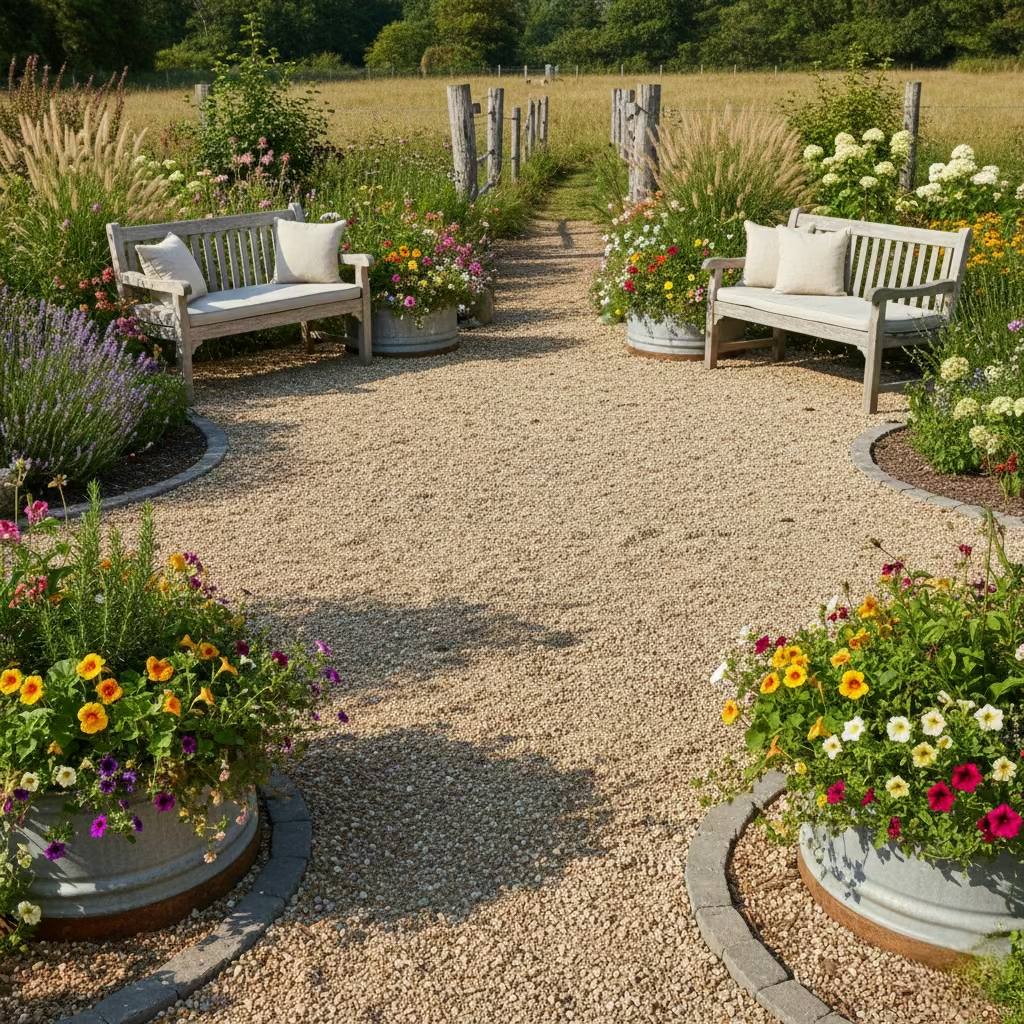
Gravel courtyards are perfect for creating low-maintenance zones in a farmhouse garden. I often use them for dining areas, seating spaces, or transitional sections because they offer a tidy surface that drains well and adapts to varied weather conditions.
Soft edging or surrounding planting helps integrate the gravel into the garden, preventing it from feeling too stark or industrial. Adding larger stones, planters, or benches can create visual interest while breaking up expanses of gravel.
From a practical standpoint, gravel courtyards require minimal upkeep compared with turf or paved areas. Occasional raking and topping up the gravel is usually sufficient. Over time, the natural settling of gravel and patina of surrounding materials enhances the rustic charm, making it a key feature in sustainable farmhouse garden design.
You May also Like: 25 Ranch Garden Ideas Where Authentic Western Charm Comes to Life
Cottage-Style Flower Mixes
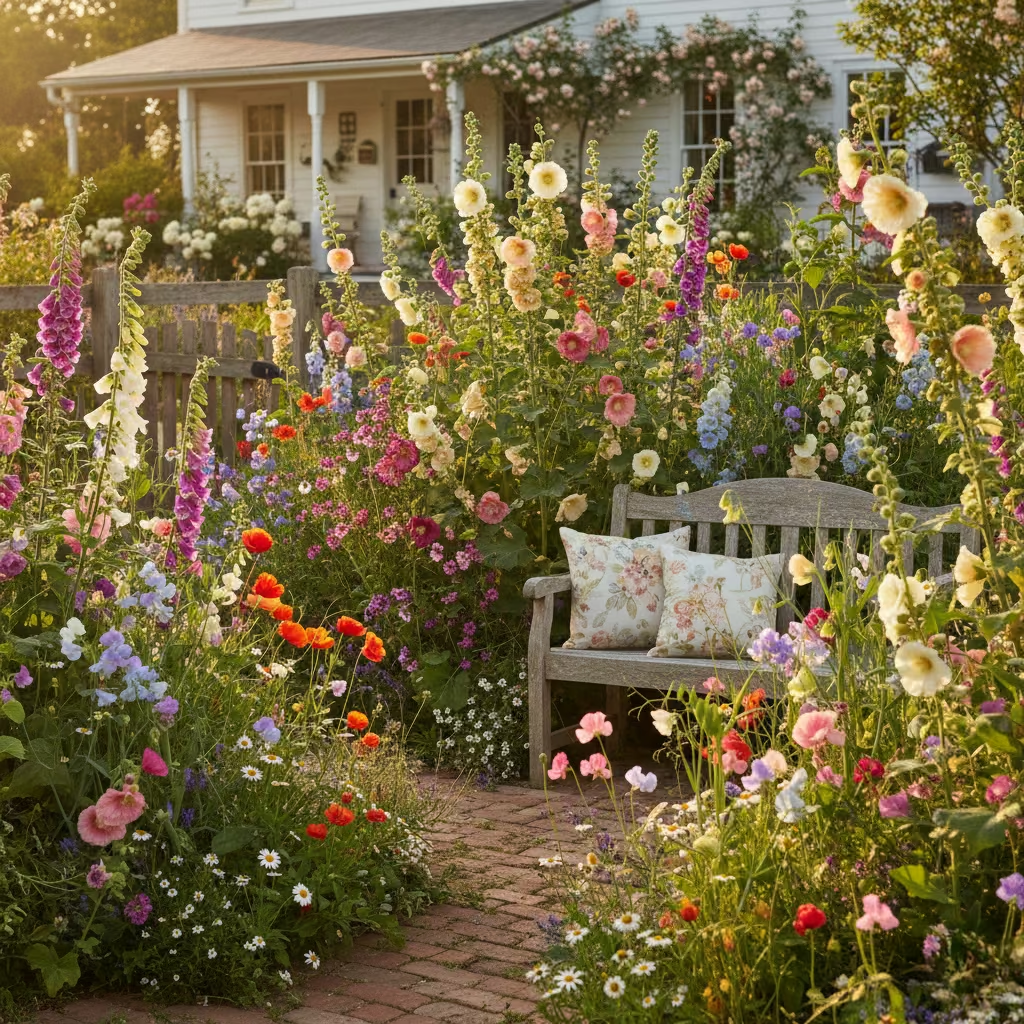
Cottage-style flower mixes bring a relaxed, whimsical energy to a farmhouse garden. I often use a combination of perennials and annuals to achieve a layered look that changes through the seasons, ensuring the garden feels lively year-round.
Flowers such as foxgloves, hollyhocks, poppies, and sweet peas add height, colour, and texture, creating a visually engaging and informal display. Mixing in subtle foliage plants softens transitions and balances brighter blooms.
These planting schemes adapt well to different climates and garden sizes, offering low-maintenance charm when established. Over time, self-seeding and natural growth patterns enhance the garden’s authenticity. The result is a vibrant, welcoming atmosphere that embodies the timeless, informal spirit of farmhouse gardens.
Seasonal Planting for Year-Round Interest
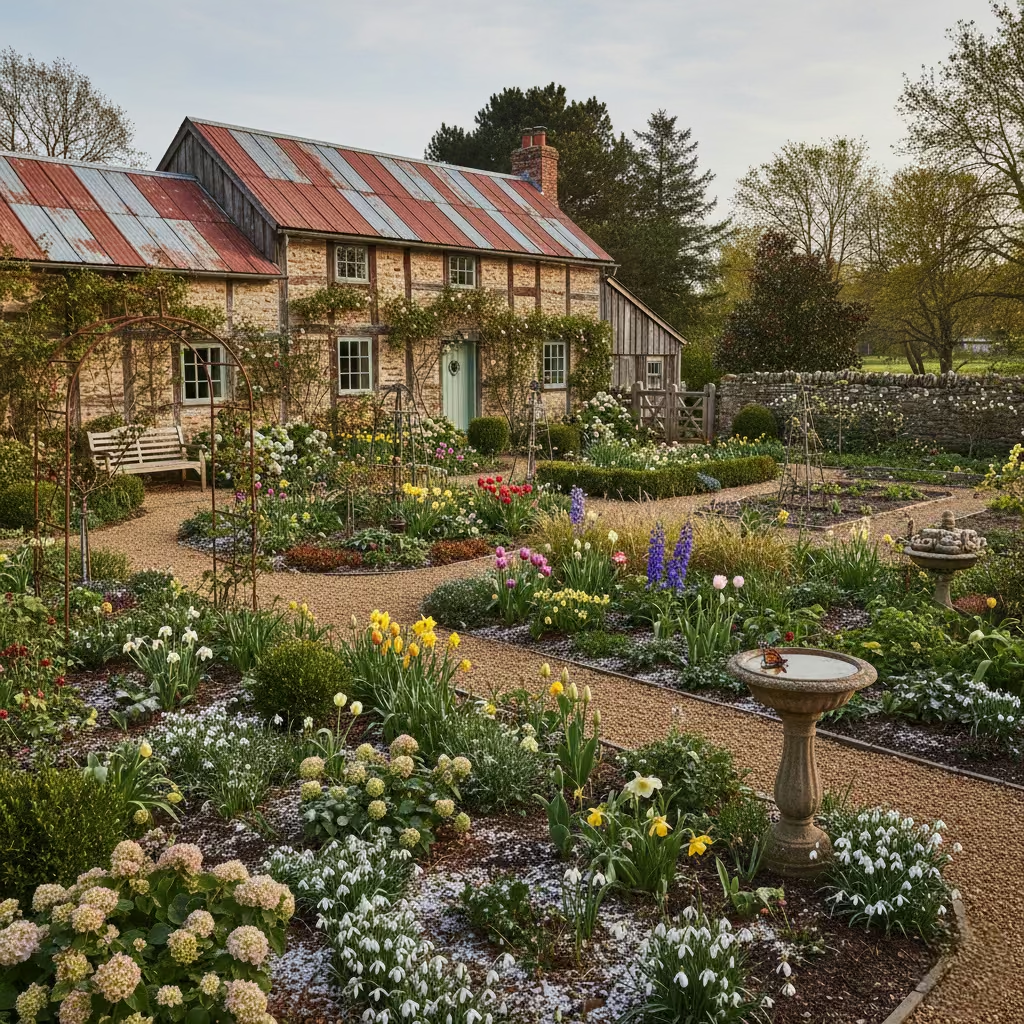
Seasonal planting is essential to keeping a farmhouse garden vibrant and dynamic throughout the year. I always plan for a mix of early bloomers, summer perennials, autumnal foliage, and winter interest, ensuring the garden never feels empty or static. This layered approach maintains colour, texture, and movement in every season.
Bulbs, hardy perennials, shrubs with colourful stems, and evergreen accents all contribute to year-round appeal. Planting with overlapping bloom times and varying heights creates depth and natural rhythm, while also supporting pollinators and wildlife.
From a practical perspective, seasonal planting allows flexibility. You can rotate crops, add new varieties, or replace plants that struggle without disrupting the overall design. Over time, the garden evolves naturally, offering continual beauty and engagement, reinforcing the farmhouse ethos of practicality, charm, and lived-in authenticity.
Personal Touches That Make It Feel Lived-In
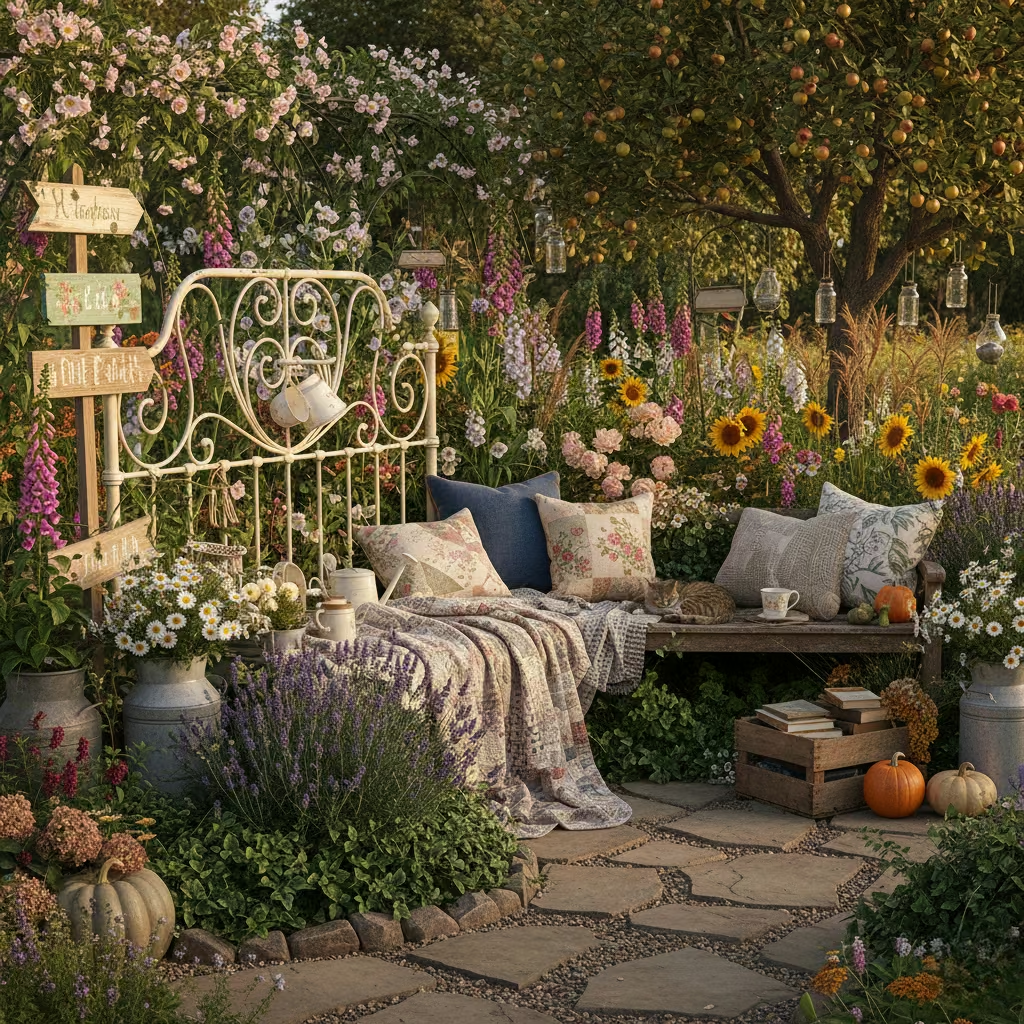
Personal touches transform a farmhouse garden from well-designed to truly inviting and meaningful. I encourage integrating elements that reflect daily life, family, and the garden’s history. Vintage tools, handmade planters, family heirlooms, or even a well-loved bench can add character and a sense of story.
These details make the space feel used and loved, rather than staged. Soft textiles, seasonal décor, or small DIY projects enhance the warmth of the garden, while also encouraging interaction and enjoyment.
Functionally, personal touches often serve practical purposes, such as providing storage, seating, or shade, while also contributing aesthetically. Over time, these elements evolve alongside the garden itself, reinforcing the authentic, lived-in charm that is central to farmhouse garden design and creating a space that truly feels like home.
You May also Like: 25 Outdoor Dinner Party Ideas That Make Backyard Hosting Feel Special
Design Tips for Making a Farmhouse Garden Feel Authentic
Creating a farmhouse garden that feels authentic requires careful attention to balance and subtlety. One of the most important rules I follow is to avoid over-styling. While it can be tempting to plan every detail or chase trend, a genuinely charming farmhouse garden thrives on imperfection. Allowing plants to grow naturally, paths to curve gently, and materials to age gracefully creates a sense of ease and timelessness.
I also emphasise patina, texture, and age. Weathered wood, moss-covered stone, and naturally fading metals add depth and character, helping the garden feel established rather than newly constructed. These textures interact with light and movement, enhancing the sensory experience of the space.
Finally, I always prioritise function alongside beauty. Farmhouse gardens are meant to be lived in and enjoyed. Vegetable beds should be accessible, paths navigable, and seating areas comfortable. When design decisions serve both practical and aesthetic purposes, the garden feels purposeful, welcoming, and enduring true hallmarks of an authentic farmhouse style.
Common Farmhouse Garden Mistakes to Avoid
Even the most well-intentioned farmhouse gardens can falter if certain pitfalls are overlooked. One of the most common mistakes I see is using too many materials. Mixing multiple types of stone, timber, metal, and paving can make a garden feel cluttered and inconsistent. Keeping material choices simple and cohesive allows the space to feel unified and timeless.
Another frequent error is creating overly formal layouts. Farmhouse gardens are meant to feel relaxed and approachable, so rigid symmetry or perfectly straight lines can feel out of place. Paths, beds, and seating areas should flow naturally, encouraging exploration and daily use rather than enforcing a strict design.
Finally, many gardeners overcomplicate planting with high-maintenance schemes. Exotic or fussy plants may look impressive initially, but they often demand excessive care and can struggle in local conditions.
Choosing hardy, climate-appropriate, and seasonally reliable plants ensures the garden thrives while maintaining its effortless, lived-in charm. Avoiding these common mistakes helps create a farmhouse garden that feels authentic, practical, and enduring.
You May also Like: 25 Outdoor Area Ideas for Kids That Encourage Adventure, Creativity, and Outdoor Play
Final thoughts about Farmhouse Garden
Farmhouse gardens have a timeless appeal because they balance beauty, practicality, and a sense of lived-in charm. Their enduring quality comes from honest materials, thoughtful layouts, and planting that evolves naturally over the seasons. Unlike trend-driven designs, these gardens improve with age, offering long-term satisfaction and visual interest year after year.
I always encourage starting small and building gradually. Even a single raised bed, a gravel path, or a few climbing roses can set the tone, allowing the garden to grow organically as confidence, time, and resources allow.
Ultimately, farmhouse gardens are adaptable, personal, and enduring. They invite creativity, accommodate practical needs, and reflect the personality of those who care for them. By prioritising authenticity over perfection, anyone can create a space that is both functional and enchanting, standing the test of time while remaining uniquely theirs.
Frequently asked questions about Farmhouse Garden Designing Top of Form
What defines a farmhouse garden?
A farmhouse garden blends practicality, charm, and natural beauty. It typically includes informal layouts, rustic materials, edible plants, and relaxed planting schemes that evolve over time. The focus is on creating spaces that are functional, welcoming, and timeless.
How can I make my farmhouse garden look authentic?
Authenticity comes from embracing imperfection. Use weathered materials, layered planting, natural textures, and functional elements. Avoid over-styling, overly formal layouts, or trendy materials. Incorporating personal touches, like vintage furniture or family heirlooms, enhances the lived-in feel.
What plants work best in a farmhouse garden?
Perennials, herbs, climbing roses, fruit trees, ornamental grasses, and cottage-style flowers work particularly well. Choose hardy plants suited to your climate and soil. Seasonal variety ensures the garden has interest throughout the year.
How do I start a farmhouse garden if I have a small space?
Begin with a single feature, like a raised vegetable bed, a gravel path, or a small seating area. Layer planting gradually, and use vertical elements such as trellises to maximise space. Even compact gardens can feel spacious with informal layouts.
How do I maintain a farmhouse garden?
ocus on low-maintenance materials, hardy plants, and simple layouts. Regular pruning, seasonal planting, and occasional repairs to timber, stone, or gravel surfaces are usually enough. Let the garden evolve naturally rather than enforcing strict control.
Can a farmhouse garden work in urban areas?
Yes. By scaling elements appropriately, using containers, vertical planting, and small patios, farmhouse charm can be achieved in courtyards, terraces, and rooftop gardens while maintaining practicality and character.
How do I incorporate edible plants without sacrificing aesthetics?
Raised vegetable beds, herb borders near the kitchen, and fruit trees strategically placed for structure all integrate functionality with beauty. Choosing ornamental varieties of edible plants, like flowering cabbages or espaliered fruit trees, ensures they enhance the visual appeal.